EP4491719A1 - Verfahren zur amplifikation von matrizennukleinsäuren unter verwendung eines thermostabilen tthprimpols - Google Patents
Verfahren zur amplifikation von matrizennukleinsäuren unter verwendung eines thermostabilen tthprimpols Download PDFInfo
- Publication number
- EP4491719A1 EP4491719A1 EP23382716.1A EP23382716A EP4491719A1 EP 4491719 A1 EP4491719 A1 EP 4491719A1 EP 23382716 A EP23382716 A EP 23382716A EP 4491719 A1 EP4491719 A1 EP 4491719A1
- Authority
- EP
- European Patent Office
- Prior art keywords
- dna
- polymerase
- template
- nucleic acid
- sequence
- Prior art date
- Legal status (The legal status is an assumption and is not a legal conclusion. Google has not performed a legal analysis and makes no representation as to the accuracy of the status listed.)
- Withdrawn
Links
Images















Classifications
-
- C—CHEMISTRY; METALLURGY
- C12—BIOCHEMISTRY; BEER; SPIRITS; WINE; VINEGAR; MICROBIOLOGY; ENZYMOLOGY; MUTATION OR GENETIC ENGINEERING
- C12Q—MEASURING OR TESTING PROCESSES INVOLVING ENZYMES, NUCLEIC ACIDS OR MICROORGANISMS; COMPOSITIONS OR TEST PAPERS THEREFOR; PROCESSES OF PREPARING SUCH COMPOSITIONS; CONDITION-RESPONSIVE CONTROL IN MICROBIOLOGICAL OR ENZYMOLOGICAL PROCESSES
- C12Q1/00—Measuring or testing processes involving enzymes, nucleic acids or microorganisms; Compositions therefor; Processes of preparing such compositions
- C12Q1/68—Measuring or testing processes involving enzymes, nucleic acids or microorganisms; Compositions therefor; Processes of preparing such compositions involving nucleic acids
- C12Q1/6844—Nucleic acid amplification reactions
-
- C—CHEMISTRY; METALLURGY
- C12—BIOCHEMISTRY; BEER; SPIRITS; WINE; VINEGAR; MICROBIOLOGY; ENZYMOLOGY; MUTATION OR GENETIC ENGINEERING
- C12N—MICROORGANISMS OR ENZYMES; COMPOSITIONS THEREOF; PROPAGATING, PRESERVING, OR MAINTAINING MICROORGANISMS; MUTATION OR GENETIC ENGINEERING; CULTURE MEDIA
- C12N9/00—Enzymes; Proenzymes; Compositions thereof; Processes for preparing, activating, inhibiting, separating or purifying enzymes
- C12N9/10—Transferases (2.)
- C12N9/12—Transferases (2.) transferring phosphorus containing groups, e.g. kinases (2.7)
- C12N9/1241—Nucleotidyltransferases (2.7.7)
- C12N9/1252—DNA-directed DNA polymerase (2.7.7.7), i.e. DNA replicase
-
- C—CHEMISTRY; METALLURGY
- C12—BIOCHEMISTRY; BEER; SPIRITS; WINE; VINEGAR; MICROBIOLOGY; ENZYMOLOGY; MUTATION OR GENETIC ENGINEERING
- C12Y—ENZYMES
- C12Y207/00—Transferases transferring phosphorus-containing groups (2.7)
- C12Y207/07—Nucleotidyltransferases (2.7.7)
- C12Y207/07007—DNA-directed DNA polymerase (2.7.7.7), i.e. DNA replicase
-
- C—CHEMISTRY; METALLURGY
- C07—ORGANIC CHEMISTRY
- C07K—PEPTIDES
- C07K2319/00—Fusion polypeptide
- C07K2319/20—Fusion polypeptide containing a tag with affinity for a non-protein ligand
- C07K2319/21—Fusion polypeptide containing a tag with affinity for a non-protein ligand containing a His-tag
-
- C—CHEMISTRY; METALLURGY
- C12—BIOCHEMISTRY; BEER; SPIRITS; WINE; VINEGAR; MICROBIOLOGY; ENZYMOLOGY; MUTATION OR GENETIC ENGINEERING
- C12N—MICROORGANISMS OR ENZYMES; COMPOSITIONS THEREOF; PROPAGATING, PRESERVING, OR MAINTAINING MICROORGANISMS; MUTATION OR GENETIC ENGINEERING; CULTURE MEDIA
- C12N15/00—Mutation or genetic engineering; DNA or RNA concerning genetic engineering, vectors, e.g. plasmids, or their isolation, preparation or purification; Use of hosts therefor
- C12N15/09—Recombinant DNA-technology
- C12N15/63—Introduction of foreign genetic material using vectors; Vectors; Use of hosts therefor; Regulation of expression
- C12N15/64—General methods for preparing the vector, for introducing it into the cell or for selecting the vector-containing host
-
- C—CHEMISTRY; METALLURGY
- C12—BIOCHEMISTRY; BEER; SPIRITS; WINE; VINEGAR; MICROBIOLOGY; ENZYMOLOGY; MUTATION OR GENETIC ENGINEERING
- C12N—MICROORGANISMS OR ENZYMES; COMPOSITIONS THEREOF; PROPAGATING, PRESERVING, OR MAINTAINING MICROORGANISMS; MUTATION OR GENETIC ENGINEERING; CULTURE MEDIA
- C12N15/00—Mutation or genetic engineering; DNA or RNA concerning genetic engineering, vectors, e.g. plasmids, or their isolation, preparation or purification; Use of hosts therefor
- C12N15/09—Recombinant DNA-technology
- C12N15/63—Introduction of foreign genetic material using vectors; Vectors; Use of hosts therefor; Regulation of expression
- C12N15/70—Vectors or expression systems specially adapted for E. coli
Definitions
- the present invention is directed to methods of amplifying a nucleic acid molecule using a thermostable primase/polymerase protein, TthPrimPol2, of a thermophile bacterial strain of Thermus thermophilus SG0.5JP17-16 , and the production of particular DNA molecules from DNA amplified by such methods.
- TthPrimPol2 thermostable primase/polymerase protein
- the present invention discloses primer-free methods, comprising TthPrimPol2, for amplification of low concentrations of DNA or RNA.
- Primases can be divided in two evolutionarily unrelated families: DnaG-like primases (Bacteria) and AEP-like primases (Archaea and Eukaryotes) (Aravind, Leipe et al. 1998; Iyer, Koonin et al. 2005). Recently a novel subfamily of AEPs called "PrimPol” (Lipps 2004; Lipps, Weinzierl et al. 2004) has been described, which is also sporadically present in Gram-positive bacterial plasmids. PrimPols show both DNA polymerase and RNA primase activities, and are often associated to helicases in order to form a replication initiation complex.
- Amplification of nucleic acids for example by polymerase chain reaction (PCR) as introduced by Mullis ( US 5,656,493 ) is an indispensable technique used in medical and biological research. It has been successfully applied to a variety of applications like cloning, manipulating or sequencing of nucleic acids, DNA-based functional and phylogenetic analysis of genes, detection and diagnosis of diseases, as well as in forensic science and paternity testing.
- PCR polymerase chain reaction
- TthPrimPol from HB27 strain of Thermus thermophilus has been well characterised (Picher et al) and used successfully in primer-free amplification of DNA, as described in WO2014/140309 .
- thermostable, highly processive polymerase belonging to the primpol DNA/RNA polymerase family which can work at high temperature and which is able to produce long extension products, preferably more than 5 Kb in length, even at low DNA template concentration without the need of the presence of additional proteins.
- TthPrimPol is able to amplify unknown DNA templates, preferably in absence of primers and which is able to produce with fidelity long extension products.
- a polymerase that is able to bind to and amplify very small amounts, e.g., very low concentrations of substrate nucleotides is of particular interest.
- the invention provides a method for amplification of nucleic acids comprising the steps: providing a TthPrimPol enzyme having a sequence at least 75% identical to the sequence of SEQ ID NO:1 and having primase and polymerase activity; providing a template nucleic acid; and providing nucleotides and/or nucleotide analogues and/or modified nucleotides for incorporation in a complementary strand of nucleic acid; providing a suitable buffer; and contacting the above mentioned materials for a suitable period of time and producing an amplified nucleic acid.
- the present invention relates to a method for primer free amplification of DNA - optionally comprising cooperative synthesis of DNA by both of the two polymerases provided for the amplification reaction - comprising the steps: providing a polymerase having a sequence at least 75% identical to the sequence of SEQ ID NO:1 and having primase and polymerase activity; providing a second polymerase, in particular of Phi29-type; providing a template nucleic acid; providing nucleotides and/or modified nucleotides or nucleotide analogues for incorporation in a complementary strand of nucleic acid, and providing a suitable buffer, and contacting the above mentioned materials for a suitable period of time to produce an amplified nucleic acid.
- the invention also relates to the production of nuclease resistant linear DNA molecules, wherein the production includes the use of the methods of amplification of the invention.
- a method may include the step of optionally digesting the amplified DNA and ligating adaptor molecules having nuclease resistance.
- the method of the present invention relies on the use of a Primpol that is closely related to TthPrimPol that has been previously described ( WO2014/140309 ).
- a polymerase was identified based on its degree of similarity to the already described TthPrimPol. It belongs to Thermus thermophilus SG0.5JP17-16 strain (GenBank: CP002777.1; protein ID: AEG33442.1; and protein accession NCBI reference WP_014510339.1), which is from here on termed TthPrimPol2, and abbreviated as TthPP2.
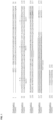
- TthPP2 is a 294 amino acids long protein with a molecular weight of 32.02 kDa. It has a 77% amino acid sequence identity to the original TthPrimPol, with nearly the same length, and only a few amino acid changes on important motif B and C and subdomains like PriCT-1. Like TthPrimPol, it contains the three metal ligands Asp70, Asp72, on motif A, and Asp125 on motif C, and the dNTP ligand His101 on motif B ( Fig. 14 ). Two minimal insertions of a single amino acid are present in the intervening region between motifs B and C. A polyproline sequence, underlined in Fig.
- the C-terminal domain contains the PriCT-1 domain, present in other thermobacteria, and other PrimPols like pRN1 (Boudet et al 2019). This region contains two highly conserved and contiguous arginine and histidine residues, also present on TthPP2 (Arg209 and His210), likely involved in the initiation of primer synthesis.
- TthPrimPol2 displayed a strong DNA primase activity on a single-stranded oligonucleotide in which a potential primase recognition sequence (CTCC) is flanked by thymine tracts (Kuchta and Stengal 2012). Such a tract of pyrimidines has been shown to be the preferred template context for initiation of the priming reaction by several viral, prokaryotic and eukaryotic RNA primases.
- TthPP2 has a comparable metal and sugar selectivity as TthPrimPol.
- the inventors have found that priming occurred only in front of the "TC" sequence, and that there was no priming opposite the poly dT tracks. Like TthPrimPol extension of the primers through the poly-dT tract by TthPP2 only occurred in the presence of dATP.
- TthPrimPol was described to synthesize primers of 7 to 9 dNTPs long (Picher et al. 2016) TthPP2 primers have a greater length. This difference in primers length is more clearly observed in the presence of magnesium and when the primers are fully dNTPs (dATP + dGTP).
- the inventors carried out two approaches. First, the priming pattern on M13 ssDNA was evaluated using decreasing concentrations of enzymes. If primer synthesis is processive, the ratio between enzyme and DNA should not affect the length of the product. Conversely, if the product extension is distributive, the product size will decrease proportional to the enzyme available. Decreasing TthPrimPol concentration resulted in a reduction on the primers length, supporting a distributive behaviour. On the contrary, as the concentration of TthPP2 was decreased, the amount of primer products was reduced in quantity, but the length remained constant, supporting a more processive manner of primer synthesis.
- Primases tend to be distributive regarding the 3' primer-terminus. This means that once a mature primer has been synthesized, the DNA polymerase displaces the primase and binds the primer-terminus region to start elongation. On the contrary, a more processive enzyme can catalyse the incorporation of a higher number of nucleotides before they dissociate from the template DNA. This property is characteristic of replicative DNA polymerases responsible of replicating an entire genome, but it is also present in PrimPols at a certain extent when making a DNA primer.
- TthPP2 primers reached the expected processive primers lengths observed in previous experiments by 5 min of incubation, taking TthPrimPol 4 times longer. This suggested that TthPP2 is more likely to be faster at binding the ssDNA template and/or nucleotide substrates to initiate primer synthesis.
- the first step for primer synthesis entails binding the DNA template.
- the inventors also found that TthPP2 displayed a stronger binding affinity to a ssDNA template than TthPrimPol, regardless of MgCl 2 metal presence.
- TthPP2 synthesizes primers faster because it has a greater affinity for DNA template and can be more efficient at the initial binding under limiting concentrations of template.
- the present invention relates to a method for amplifying or nucleic acids comprising the following steps
- nucleic acid for example, is the overall name for DNA and RNA, and is synonymous with polynucleotide. Nucleic acid is found in abundance in all living things, where it functions in encoding, transmitting and expressing genetic information, the basis of inheritance.
- DNA polymerase activity is designated to the activity of an enzyme that catalyzes the polymerization of deoxyribonucleotides into a DNA strand.
- DNA polymerase enzymes are best-known for their role in DNA replication, the process of copying a DNA strand, in which a polymerase "reads" an intact DNA strand as a template and uses it to synthesize the new strand.
- the term amplification refers to one of the many ways in which a gene can be overexpressed.
- the term amplification mainly refers to one of the many in-vitro methods in which a piece of DNA, or a whole DNA molecule, can be copied or multiplied.
- Non limiting examples for in-vitro amplification methods include PCR (Polymerase Chain Reaction), LAMP (Loop mediated Isothermal Amplification), RDC (Reaction deplacement chimeric), NASBA or isothermal amplification with Phi29 polymerase. ( US 5001050 ; WO/2011/000997 ) which are mainly performed as strand displacement amplifications like e.g.
- rolling circle amplification in the case of covalently closed DNA, or whole genome amplification (WGA) of linear genomic DNA.
- the amplification is rolling circle amplification.
- the RCA is performed in the absence of a primer.
- TthPrimPol2 Due to its thermo stability, and strand displacement capacity, TthPrimPol2 can beneficial be used in isothermal conditions which require strong strand displacement capacities, as well as in PCR methods. In both cases, the methods of the invention will add a benefit to conventional amplification methods, as TthPrimPol allows re-initiation of the replication fork.
- the polymerase used in the method of the invention may be at least about 75, 76, 77, 78, 79, 80, 81, 82, 83, 84, 85, 86, 87, 88, 89, 90, 91, 92, 93, 94, 95, 96, 97, 98, 99 or 100% identical to SEQ ID NO:1.
- the polymerase may be more than 77% identical to SEQ ID NO:1.
- the polymerase may be at least 78% identical to SEQ ID NO:1.
- the polymerase may consist of the sequence of SEQ ID NO:1.
- the polymerase may be part of a chimeric protein, and the polymerase moiety may have a sequence that is at least 75% identical to SEQ ID NO:1, or may have the sequence of SEQ ID NO:1.
- the polymerase may also comprise the ability to form longer primers than the polymerase of SEQ ID NO:2.
- the polymerase may also comprise higher affinity for a nucleic acid template than a polymerase of SEQ ID NO:2.
- Such a template may be DNA.
- Such a template may be ssDNA.
- TthPP2 (a polymerase having at least 75 % identity to SEQ ID NO:1) is useful for amplifying low concentrations of nucleic acid, such as when the template nucleic acid is present in a concentration of less than 300pM (picomolar).
- the polymerase may have the ability to amplify template nucleic acid when the concentration of the template nucleic acid may be less than about 300pM, less than about 250pM, less than about 200pM, ess than about 150pM, less than about 100pM, less than about 50 pM, less than about 25pM, less than about 10pM, less than about 1 pM, less than about 750 fM (femtomolar), less than about 500fM, less than about 250fM, less than about 100fM, less than about 5fM, less than about 25fM, less than about 10fM, less than about 1fM, less than about 750 aM (attomolar), less than about 500aM, less than about 250aM, less than about 100aM, less than about 50aM.
- the template nucleic acid may be present at a concentration of from about 300pM to about 10aM from about 50pM to about 500aM, from about 30pM to about 80aM, from about 750fM to about 750aM, or from about 50fM to about 1fM.
- the method of amplification may be carried out at a temperature of from 20°C to about 80°C. It may be carried out at a temperature of from about 30°C to 70°C. It may be carried out at a temperature of from about 45°C to about 55°C. The method of the invention may be carried out at about 30°C, about 35°C, about 40°C, about 50°C or about 55°C.
- the template nucleic acid may be DNA or RNA. It may be single stranded (ss) or double-stranded (ds). Thus, the template nucleic acid may be ssDNA.
- the template nucleic acid may be dsDNA.
- the template nucleic acid may be ssRNA or dsRNA.
- the template nucleic acid is ssDNA or dsDNA.
- the nucleic acid template molecule may be a natural circular DNA molecule.
- the DNA template molecule may be (i) a plasmid, (ii) a minicircle, (iii) a cosmid, (iv) a bacterial artificial chromosome (BAC), or (v) a molecular inversion probe (MIP).
- the DNA template molecule may be an enzymatically produced circular DNA molecule.
- the DNA template molecule may be (i) a circular DNA molecule obtained from recombinase reaction, preferably Cre recombinase reaction, or (ii) a circular DNA molecule obtained from ligase reaction, preferably using the golden gate assembly.
- the DNA template molecule may be an enzymatically produced covalently-closed linear DNA molecule.
- the DNA template molecule may be (i) a DNA molecule processed with TelN protelomerase; or (ii) a DNA molecule generated by ligation of the DNA ends with an adaptor.
- the DNA template molecule may comprise an element that is double-stranded and an element that is single-stranded.
- the template DNA molecule may comprise a double-stranded DNA and a single-stranded hairpin loop.
- the DNA template molecule may be linear, such as a cell free DNA fragment. If the DNA template molecule is linear, prior to amplification (e.g. rolling circle amplification), a DNA template molecule may be circularized to produce a DNA template molecule suitable for use in the methods described herein.
- amplification e.g. rolling circle amplification
- the template DNA molecule may comprise a cassette.
- the cassette may be a mammalian expression cassette.
- the cassette may further comprise a promoter.
- the promoter may be a CMV promoter.
- the cassette may further comprise an enhancer.
- the cassette may further comprise a reporter gene, such as an eGFP reporter gene or a luciferase reporter gene.
- the cassette may further comprise a homopolymeric sequence.
- the cassette may further comprise a LoxP sequence, preferably two LoxP sequences. If the two LoxP sequences are oriented in the same direction, the DNA sequence between the two LoxP sequences is excised as a circular loop of DNA. If the two LoxP sequences are oriented in the opposite direction, the DNA sequence between the two LoxP sequences is inverted. Thus, preferably, the two LoxP sequences are in the same orientation (i.e. the same direction) in the template DNA molecule.
- the DNA template molecule may comprise a homopolymeric sequence at a 5'-end or a 3'-end or both a 5'-end and a 3'-end.
- the homopolymeric sequence may be added to the DNA template molecule before circularization.
- the homopolymeric sequence may be a polyA, a polyC, a polyG, or a polyT sequence.
- the homopolymeric sequence may be between 3-200 nucleotides in length.
- the homopolymeric sequence may be used to facilitate purification of the linear DNA product, in which case, the homopolymeric sequence may be between 4-12 nucleotides in length, or between 5-10 nucleotides in length.
- the homopolymeric sequence may be used to improve mRNA expression, in which case, the homopolymeric sequence may be between 10-200 nucleotides in length, preferably between 80-150 nucleotides in length.
- the homopolymeric sequence may be at least 10, at least 20, at least 30, at least 40, at least 50, at least 60, at least 70, at least 80, at least 90, at least 100, at least 110, at least 120, at least 130, at least 140, at least 150, at least 160, at least 170, at least 180, at least 190, or at least 200 nucleotides in length.
- the homopolymeric sequence is at least 100 nucleotides in length. More preferably still, the homopolymeric sequence is at least 120 nucleotides in length.
- the homopolymeric sequence may comprise a polyA sequence of at least 120 nucleotides.
- the DNA template molecule may comprise at least one cleavable target sequence.
- the cleavable target sequence may be an endonuclease target sequence.
- the DNA template molecule may comprise at least one endonuclease target sequence.
- the DNA template molecule comprises at least two endonuclease target sequences.
- the endonuclease target sequences may be the same or different.
- the at least one endonuclease target sequence is a restriction endonuclease target sequence. Different restriction endonuclease target sequences would be known to the skilled person.
- the cleavable target sequence may be a Type IIS restriction endonuclease target sequence.
- the restriction endonuclease target sequence may be a Bbsl, Bsal, BsmBI, BspQI, BtgZI, Esp3I,SapI, Aarl, Acc36I, AclWI, Acul, Ajul, Alol, Alw26I, Alwl, Arsl, AsuHPI, Bael, Barl, Bbvl, Bccl, BceAI, Bcgl, BciVI, BcoDI, BfuAI, Bful, Bmrl, Bmsl, Bmul, Bpil, Bpml, BpuEI, BsaXI, Bse1I, Bse3DI, BseGI, BseMI, BseMII, BseNI, BseRI, BseXI, Bsgl, BsIFI, BsmAI, BsmFI, Bsml, Bso31I, BspCNI, B
- the at least one cleavable sequence may be a native cleavable sequence (i.e. a cleavable sequence present in the template molecule).
- the at least one cleavable sequence may be introduced to the DNA template molecule.
- the DNA template molecule comprises a cassette
- the endonuclease target sequence may be outside of a cassette, for example, the cassette may be flanked at either end by a endonuclease target sequence.
- the flanking target sequences may be the same, or different.
- the nucleotides or nucleotide analogues may include base analogues, such as adenosine, cytidine, guanosine, thymidine, uridine, pseudouridine or inosine.
- Nucleotides may be labelled with biotin (streptavidin or anti-biotin antibody), a homopolymeric sequence, e.g., polyA (complementary homopolymeric sequence such as polydT), aptamers (aptamer target sequence), His-tags (divalent cations, usually on metal chelation resin), GST tag (glutathione), antibodies or antibody binding fragments, e.g., Fab fragments (specific antigens), peptides (specific antibodies), maltose binding protein (maltose) or a fluorescent label.
- biotin streptavidin or anti-biotin antibody
- a homopolymeric sequence e.g., polyA (complementary homopolymeric sequence such as polydT), aptamers (aptamer target sequence), His-tags (divalent cations, usually on metal chelation resin), GST tag (glutathione), antibodies or antibody binding fragments, e.g., Fab fragments (specific
- the modified nucleotides may be 2'-O-methyl nucleotides or 2'-O-methoxyethyl (MOE) nucleotides.
- MOE nucleotides may be 2'-O-methoxy-ethyl guanosine, 2'-O-methoxy-ethyl cytidine, 2'-O-methoxy-ethyl adenosine, and/or 2'-O-methoxy-ethyl thymidine.
- the modified nucleotides may be 2-aminopurie, 5-bromo dU, 2, 6 diaminopurine, deoxyUridine, dideoxy-C, deoxylnosine, hydroxymethyl dC, inverted dT, iso dC, inverted dideoxy-T, 5-methyl dC, 5-nitroindole, 5-hydroxybutynl-2'-deoxyuridine or 8-aza-7-deazaguanosine).
- the second polymerase provided in step e) may be selected from the group consisting of prokaryotic family A polymerases and prokaryotic family B polymerases. It may be a thermostable polymerase, preferably selected from the group consisting of Taq polymerase, Tth polymerase, Pfu polymerase and Vent polymerase.
- the second polymerase in provided in step e) may be a Phi29 type DNA polymerase.
- TthPP2 (a polymerase having a sequence at least 75% or at least 78% identical to SEQ ID NO: 1) is able to amplify DNA without primers being present
- the method of the present invention may be carried out in the presence of primers.
- the method of the invention may be carried out in the absence of primers.
- the invention also provides a polymerase having a sequence at least 75% or at least 78% identical to SEQ ID NO: 1 for use in a method of amplifying a nucleic acid, as described herein in accordance with the method of the invention, as described above.
- the polymerase used in the method of the invention may be at least about 75, 76, 77, 78, 79, 80, 81, 82, 83, 84, 85, 86, 87, 88, 89, 90, 91, 92, 93, 94, 95, 96, 97, 98, 99 or 100% identical to SEQ ID NO:1.
- the polymerase may be more than 77% identical to SEQ ID NO:1.
- the polymerase may be at least 78% identical to SEQ ID NO:1.
- the polymerase may consist of the sequence of SEQ ID NO:1.
- the polymerase may be part of a chimeric protein, and the polymerase moiety may have a sequence that is at least 75% identical to SEQ ID NO:1, or may have the sequence of SEQ ID NO:1.
- the polymerase may also comprise the ability to form longer primers than the polymerase of SEQ ID NO:2.
- the polymerase may also comprise higher affinity for a nucleic acid template than a polymerase of SEQ ID NO:2.
- Such a template may be DNA.
- Such a template may be ssDNA.
- TthPP2 (a polymerase having at least 75 % identity to SEQ ID NO:1) is useful for amplifying low concentrations of nucleic acid, such as when the template nucleic acid is present in a concentration of less than 300pM (picomolar).
- the polymerase may have the ability to amplify template nucleic acid when the concentration of the template nucleic acid may be less than about 300pM, less than about 250pM, less than about 200pM, less than about 150pM, less than about 100pM, less than about 50 pM, less than about 25pM, less than about 10pM, less than about 1pM, less than about 750 fM (femtomolar), less than about 500fM, less than about 250fM, less than about 100fM, less than about 5fM, less than about 25fM, less than about 10fM, less than about 1fM, less than about 750 aM (attomolar), less than about 500aM, less than about 250aM, less than about 100aM, less than about 50aM.
- the template nucleic acid may be present at a concentration of from about 300pM to about 10aM from about 50pM to about 500aM, from about 30pM to about 80aM, from about 750fM to about 750aM, or from about 50fM to about 1fM.
- the method of amplification may be carried out at a temperature of from 20°C to about 80°C. It may be carried out at a temperature of from about 30°C to 70°C. It may be carried out at a temperature of from about 45°C to about 55°C. The method of the invention may be carried out at about 30°C, about 35°C, about 40°C, about 50°C or about 55°C.
- the template nucleic acid may be DNA or RNA. It may be single stranded (ss) or double-stranded (ds). Thus, the template nucleic acid may be ssDNA.
- the template nucleic acid may be dsDNA.
- the template nucleic acid may be ssRNA or dsRNA.
- the template nucleic acid is ssDNA or dsDNA.
- Also provided is a method for producing a closed linear DNA comprising the steps of:
- the invention provides a method of producing a closed linear DNA comprising the steps of:
- the polymerase used in the method of the invention may be at least about 75, 76, 77, 78, 79, 80, 81, 82, 83, 84, 85, 86, 87, 88, 89, 90, 91, 92, 93, 94, 95, 96, 97, 98, 99 or 100% identical to SEQ ID NO:1.
- the polymerase may be more than 77% identical to SEQ ID NO:1.
- the polymerase may be at least 78% identical to SEQ ID NO:1.
- the polymerase may consist of the sequence of SEQ ID NO:1.
- the polymerase may be part of a chimeric protein, and the polymerase moiety may have a sequence that is at least 75% identical to SEQ ID NO:1, or may have the sequence of SEQ ID NO:1.
- the polymerase may also comprise the ability to form longer primers than the polymerase of SEQ ID NO:2.
- the polymerase may also comprise higher affinity for a nucleic acid template than a polymerase of SEQ ID NO:2.
- Such a template may be DNA.
- Such a template may be ssDNA.
- TthPP2 (a polymerase having at least 75 % identity to SEQ ID NO:1) is useful for amplifying low concentrations of nucleic acid, such as when the template nucleic acid is present in a concentration of less than 300pM (picomolar).
- the polymerase may have the ability to amplify template nucleic acid when the concentration of the template nucleic acid may be less than about 300pM, less than about 250pM, less than about 200pM, ess than about 150pM, less than about 100pM, less than about 50 pM, less than about 25pM, less than about 10pM, less than about 1pM, less than about 750 fM (femtomolar), less than about 500fM, less than about 250fM, less than about 100fM, less than about 5fM, less than about 25fM, less than about 10fM, less than about 1fM, less than about 750 aM (attomolar), less than about 500aM, less than about 250aM, less than about 100aM, less than about 50aM.
- the template nucleic acid may be present at a concentration of from about 300pM to about 10aM from about 50pM to about 500aM, from about 30pM to about 80aM, from about 750fM to about 750aM, or from about 50fM to about 1fM.
- the method of amplification may be carried out at a temperature of from 20°C to about 80°C. It may be carried out at a temperature of from about 30°C to 70°C. It may be carried out at a temperature of from about 45°C to about 55°C. The method of the invention may be carried out at about 30°C, about 35°C, about 40°C, about 50°C or about 55°C.
- the template nucleic acid may be DNA or RNA. It may be single stranded (ss) or double-stranded (ds). Thus, the template nucleic acid may be ssDNA.
- the template nucleic acid may be dsDNA.
- the template nucleic acid may be ssRNA or dsRNA.
- the template nucleic acid is ssDNA or dsDNA.
- the template DNA molecule may comprise a cassette.
- the cassette may comprise a coding sequence for a gene of interest.
- the amplification may be rolling circle amplification.
- the invention also provides a method of producing a nuclease resistant DNA molecule, comprising the steps of
- the polymerase used in the method of the invention may be at least about 75, 76, 77, 78, 79, 80, 81, 82, 83, 84, 85, 86, 87, 88, 89, 90, 91, 92, 93, 94, 95, 96, 97, 98, 99 or 100% identical to SEQ ID NO:1.
- the polymerase may be more than 77% identical to SEQ ID NO:1.
- the polymerase may be at least 78% identical to SEQ ID NO:1.
- the polymerase may consist of the sequence of SEQ ID NO:1.
- the polymerase may be part of a chimeric protein, and the polymerase moiety may have a sequence that is at least 75% identical to SEQ ID NO:1, or may have the sequence of SEQ ID NO:1.
- the polymerase may also comprise the ability to form longer primers than the polymerase of SEQ ID NO:2.
- the polymerase may also comprise higher affinity for a nucleic acid template than a polymerase of SEQ ID NO:2.
- Such a template may be DNA.
- Such a template may be ssDNA.
- TthPP2 (a polymerase having at least 75 % identity to SEQ ID NO:1) is useful for amplifying low concentrations of nucleic acid, such as when the template nucleic acid is present in a concentration of less than 300pM (picomolar).
- the polymerase may have the ability to amplify template nucleic acid when the concentration of the template nucleic acid may be less than about 300pM, less than about 250pM, less than about 200pM, ess than about 150pM, less than about 100pM, less than about 50 pM, less than about 25pM, less than about 10pM, less than about 1 pM, less than about 750 fM (femtomolar), less than about 500fM, less than about 250fM, less than about 100fM, less than about 5fM, less than about 25fM, less than about 10fM, less than about 1fM, less than about 750 aM (attomolar), less than about 500aM, less than about 250aM, less than about 100aM, less than about 50aM.
- the template nucleic acid may be present at a concentration of from about 300pM to about 10aM from about 50pM to about 500aM, from about 30pM to about 80aM, from about 750fM to about 750aM, or from about 50fM to about 1fM.
- the method of amplification may be carried out at a temperature of from 20°C to about 80°C. It may be carried out at a temperature of from about 30°C to 70°C. It may be carried out at a temperature of from about 45°C to about 55°C. The method of the invention may be carried out at about 30°C, about 35°C, about 40°C, about 50°C or about 55°C.
- the template nucleic acid may be DNA or RNA. It may be single stranded (ss) or double-stranded (ds). Thus, the template nucleic acid may be ssDNA.
- the template nucleic acid may be dsDNA.
- the template nucleic acid may be ssRNA or dsRNA.
- the template nucleic acid is ssDNA or dsDNA.
- Step g) may comprise digesting the amplified DNA to form digested DNA; and ligating a first and second nuclease resistant DNA adaptor molecule to the first and second ends of the digested DNA.
- the amplified DNA may be digested with an endonuclease having a cleavable endonuclease target sequence in the amplified DNA.
- the template DNA may comprise a cassette comprising a coding sequence.
- the cleavable endonuclease target sequence may flank one or both ends of the cassette.
- the cleavable target sequence may be a Type IIS restriction endonuclease target sequence.
- the restriction endonuclease target sequence may be a Bbsl, Bsal, BsmBI, BspQI, BtgZI, Esp3I,SapI, AarI, Acc36I, AclWI, Acul, Ajul, AloI, Alw26I, Alwl, Arsl, AsuHPI, Bael, BarI, Bbvl, Bccl, BceAI, Bcgl, BciVI, BcoDI, BfuAI, Bful, Bmrl, Bmsl, Bmul, Bpil, Bpml, BpuEI, BsaXI, Bse1I, Bse3DI, BseGI, BseMI, BseMII, BseNI, BseRI, BseXI, Bsgl, BsIFI, Bs
- the at least one cleavable sequence may be a native cleavable sequence (i.e. a cleavable sequence present in the template molecule).
- the at least one cleavable sequence may be introduced to the DNA template molecule.
- the one or more nuclease resistant adaptor molecules may be a hairpin (single stranded) adaptor, and/or comprise nuclease resistant nucleotides, such a phosphorothioated nucleotides.
- nucleotides resistant to exonuclease digestion may be phosphorothioated nucleotides.
- phosphorothioated nucleotides may be ⁇ -S-dATP (i.e. 2'-deoxyadenosine-5'-( ⁇ -thio)-triphosphate), ⁇ -S-dCTP (i.e. 2'-deoxycytidine-5'-( ⁇ -thio)-triphosphate), ⁇ -S-dGTP (i.e. 2'-deoxyguanosine-5'-(a-thio)-triphosphate), ⁇ -S-dTTP (i.e.
- the phosphorothioated nucleotides may be Sp-isomers, Rp-isomers or a mixture of both Sp- and Rp-isomers.
- the nucleotides resistant to exonuclease digestion may be 2'-O-methyl nucleotides or 2'-O-methoxyethyl (MOE) nucleotides.
- MOE nucleotides may be 2'-O-methoxy-ethyl guanosine, 2'-O-methoxy-ethyl cytidine, 2'-O-methoxy-ethyl adenosine, and/or 2'-O-methoxy-ethyl thymidine.
- the first adaptor molecule and/or the second adaptor molecule may comprise an inverted terminal repeat sequence.
- the inverted terminal repeat sequences of the first adaptor molecule and the second adaptor molecule may be symmetrical (i.e. have the same symmetrical three-dimensional organization with respect to each other) or asymmetrical (i.e. have different three-dimensional organization with respect to each other).
- the inverted terminal repeat sequences of the first adaptor molecule and the second adaptor molecule may be from the same or different serotypes.
- An inverted terminal repeat sequence may comprise a terminal resolution site and a Rep binding site.
- the adaptor molecule may comprise an aptamer.
- the method may comprise:
- the method may comprise:
- step h) may comprise incubating the single contiguous aqueous volume to generate a linear DNA product, wherein the linear DNA product comprises a linear double-stranded region, wherein the linear double-stranded region comprises a linear portion of the double-stranded DNA molecule, and wherein the first adaptor molecule is ligated to a first end of the linear double-stranded region and the second adaptor molecule is ligated to a second end of the linear double-stranded region, and wherein the first and second adaptor molecules are nucleic acid molecules that comprise one or more nuclease-resistant nucleotides (i.e. protected nucleotides).
- step h) may comprise incubating the single contiguous aqueous volume to generate a partially closed linear DNA product, wherein the partially closed linear DNA product comprises a linear portion of the double-stranded DNA molecule, and wherein the first adaptor molecule is ligated to a first end of the linear portion of the double-stranded DNA molecule and the second adaptor molecule is ligated to a second end of the linear portion of the double-stranded DNA molecule, and wherein the first adaptor molecule is a nucleic acid molecule that comprises one or more nuclease-resistant nucleotides (i.e. protected nucleotides), and wherein the linear double-stranded region is closed at the second end by the second adaptor molecule.
- step h) may comprise incubating the single contiguous aqueous volume to generate a partially closed linear DNA product, wherein the partially closed linear DNA product comprises a linear portion of the double-stranded DNA molecule, and wherein the first adaptor molecule is
- the polymerase used in the method of the invention may be at least about 75, 76, 77, 78, 79, 80, 81, 82, 83, 84, 85, 86, 87, 88, 89, 90, 91, 92, 93, 94, 95, 96, 97, 98, 99 or 100% identical to SEQ ID NO:1.
- the polymerase may be more than 77% identical to SEQ ID NO:1.
- the polymerase may be at least 78% identical to SEQ ID NO:1.
- the polymerase may consist of the sequence of SEQ ID NO:1.
- the polymerase may be part of a chimeric protein, and the polymerase moiety may have a sequence that is at least 75% identical to SEQ ID NO:1, or may have the sequence of SEQ ID NO:1.
- the polymerase may also comprise the ability to form longer primers than the polymerase of SEQ ID NO:2.
- the polymerase may also comprise higher affinity for a nucleic acid template than a polymerase of SEQ ID NO:2.
- Such a template may be DNA.
- Such a template may be ssDNA.
- TthPP2 (a polymerase having at least 75 % identity to SEQ ID NO:1) is useful for amplifying low concentrations of nucleic acid, such as when the template nucleic acid is present in a concentration of less than 300pM (picomolar).
- the polymerase may have the ability to amplify template nucleic acid when the concentration of the template nucleic acid may be less than about 300pM, less than about 250pM, less than about 200pM, ess than about 150pM, less than about 100pM, less than about 50 pM, less than about 25pM, less than about 10pM, less than about 1pM, less than about 750 fM (femtomolar), less than about 500fM, less than about 250fM, less than about 100fM, less than about 5fM, less than about 25fM, less than about 10fM, less than about 1fM, less than about 750 aM (attomolar), less than about 500aM, less than about 250aM, less than about 100aM, less than about 50aM.
- the template nucleic acid may be present at a concentration of from about 300pM to about 10aM from about 50pM to about 500aM, from about 30pM to about 80aM, from about 750fM to about 750aM, or from about 50fM to about 1fM.
- the method of amplification may be carried out at a temperature of from 20°C to about 80°C. It may be carried out at a temperature of from about 30°C to 70°C. It may be carried out at a temperature of from about 45°C to about 55°C. The method of the invention may be carried out at about 30°C, about 35°C, about 40°C, about 50°C or about 55°C.
- the template nucleic acid may be DNA or RNA. It may be single stranded (ss) or double-stranded (ds). Thus, the template nucleic acid may be ssDNA.
- the template nucleic acid may be dsDNA.
- the template nucleic acid may be ssRNA or dsRNA.
- the template nucleic acid is ssDNA or dsDNA.
- the amplified DNA molecule may be purified prior to contacting it with the ligase, endonuclease and adaptor molecules.
- the amplified DNA molecule may be contacted with the ligase, endonuclease and adaptor molecules without being purified.
- the single contiguous aqueous volume may be further incubated with a nuclease (e.g. exonuclease).
- a nuclease e.g. exonuclease
- the method may also include a step of purifying the closed linear DNA product, the linear DNA product or the partially closed DNA product.
- the method may comprise closing one or both ends of the DNA molecule with protelomerase.
- the method may comprise, after the method of amplifying the DNA according to the invention, digesting the amplified DNA molecule with an endonuclease that cleaves an endonuclease target sequence to generate a digested double-stranded DNA molecule, wherein the digested double-stranded DNA molecule comprises a linear double-stranded region, and a truncated protelomerase sequence at a first end, wherein the truncated protelomerase target sequence is non-functional; appending a first adaptor molecule to the first end of the digested double-stranded DNA molecule and appending a second adaptor molecule to the second end of the digested double-stranded DNA molecule to generate a precursor double-stranded DNA molecule, wherein the first adaptor molecule comprises a truncated protelomerase target sequence that forms a first functional protelomerase target sequence with
- a second adaptor molecule may also complete a protelomerase target sequence at the second end of the DNA molecule to produce a DNA molecule closed at both end by protelomerase.
- the second end may be ligated to an adaptor molecule comprising a hairpin and/or protected nucleotides.
- the polymerase used in the method of the invention may be at least about 75, 76, 77, 78, 79, 80, 81, 82, 83, 84, 85, 86, 87, 88, 89, 90, 91, 92, 93, 94, 95, 96, 97, 98, 99 or 100% identical to SEQ ID NO:1.
- the polymerase may be more than 77% identical to SEQ ID NO:1.
- the polymerase may be at least 78% identical to SEQ ID NO:1.
- the polymerase may consist of the sequence of SEQ ID NO:1.
- the polymerase may be part of a chimeric protein, and the polymerase moiety may have a sequence that is at least 75% identical to SEQ ID NO:1, or may have the sequence of SEQ ID NO:1.
- the polymerase may also comprise the ability to form longer primers than the polymerase of SEQ ID NO:2.
- the polymerase may also comprise higher affinity for a nucleic acid template than a polymerase of SEQ ID NO:2.
- Such a template may be DNA.
- Such a template may be ssDNA.
- TthPP2 (a polymerase having at least 75 % identity to SEQ ID NO:1) is useful for amplifying low concentrations of nucleic acid, such as when the template nucleic acid is present in a concentration of less than 300pM (picomolar).
- the polymerase may have the ability to amplify template nucleic acid when the concentration of the template nucleic acid may be less than about 300pM, less than about 250pM, less than about 200pM, less than about 150pM, less than about 100pM, less than about 50 pM, less than about 25pM, less than about 10pM, less than about 1 pM, less than about 750 fM (femtomolar), less than about 500fM, less than about 250fM, less than about 100fM, less than about 5fM, less than about 25fM, less than about 10fM, less than about 1fM, less than about 750 aM (attomolar), less than about 500aM, less than about 250aM, less than about 100aM, less than about 50aM.
- the template nucleic acid may be present at a concentration of from about 300pM to about 10aM from about 50pM to about 500aM, from about 30pM to about 80aM, from about 750fM to about 750aM, or from about 50fM to about 1fM.
- the method of amplification may be carried out at a temperature of from 20°C to about 80°C. It may be carried out at a temperature of from about 30°C to 70°C. It may be carried out at a temperature of from about 45°C to about 55°C. The method of the invention may be carried out at about 30°C, about 35°C, about 40°C, about 50°C or about 55°C.
- the template nucleic acid may be DNA or RNA. It may be single stranded (ss) or double-stranded (ds). Thus, the template nucleic acid may be ssDNA.
- the template nucleic acid may be dsDNA.
- the template nucleic acid may be ssRNA or dsRNA.
- the template nucleic acid is ssDNA or dsDNA.
- TthPP2 may also be useful in sequencing DNA.
- DNA sequencing defines the process of determining the precise order of nucleotides within a DNA molecule, including any method or technology that is used to determine the order of the four bases - adenine, guanine, cytosine, and thymine in a strand of DNA.
- preservation of enzymatic activity and stability is intended to mean that primase and polymerase activity is preserved by at least 30%, 40%, 50%, preferably by at least 60%, 70%, 80%, preferably by at least 85 %, 90%, 95% such as by about 100% of freshly isolated TthPrimPol2.
- buffer used for storage is the buffer used for storage and the buffer used for carrying out the enzymatic reaction.
- Buffers used in the methods of the invention are not limited in particular and persons skilled in the art will routinely be able to optimize buffer conditions for storing, as well as for carrying out the methods of the invention.
- a protein for use in any of the methods of the invention is therefore characterized as a protein preserving primase and polymerase activity, as defined herein, over a longer period of time, when stored under suitable conditions. It is known to the skilled reader that stability and therefore shelf life of a protein depends on both the intrinsic nature of the protein and the storage conditions, and variety of methods and techniques are already available in the art to optimize storage conditions. For a comprehensive overview, reference is made to Simpson (Simpson 2005).
- the methods of the first aspect of the invention therefore comprise a TthPrimPol2 enzyme that preferably retains, under suitable storage conditions, its activity for at least over 4, 5, 6 months, preferably for at least 7, 8, 9 months, preferably for at least 10, 11, 12 months, preferably for at least 13, 14, 15 months, preferably for at least 16, 17, 18 months, preferably for at least 19, 20, 21 months, preferably for at least 22, 23, 24 months.
- the methods of the invention comprise a polymerase having a sequence at least 75% identical to SEQ ID NO:1 that retains its activity under suitable storage conditions for more than two years.
- Percentages identity can easily be determined by the skilled person. As a non-limiting example, for a peptide of 20 amino acids, 70 % identity to said sequence according to the first aspect means that 14 out of 20 amino acids are identical.
- most major biological information hosting web sites like for example the NCBI or the EBI, offer services for the calculation of identity and/or homology of amino acid sequences as well as for the calculation of identity and/or homology of nucleic acid sequences.
- BLAST Basic Local Alignment Search Tool
- the protein for use in any of the methods of the invention might be a derivative of the protein having SEQ ID NO: 1 or at least 75% identity thereto, and might comprise one or multiple amino acid exchanges, and/or insertions of one or multiple consecutive amino acids, and/or inversions of consecutive amino acids, and/or deletions of amino acids.
- the protein derivatives for use in any of the methods of the invention may further comprise one or more covalent modifications, which are well known to the skilled person and are not particularly limited.
- said one or more covalent modification(s) are selected from the group consisting of acetylation, amidation, disulfide bond formation, formylation, glycosylation, methylation, phosphorylation, sulphidation.
- the protein or protein derivative for use in any of the methods of the invention may be a chimeric protein, chimeric protein derivative or chimeric protein conjugate.
- Chimeric peptides etc. are not particularly limited and are generally well-known to the skilled person.
- Such protein derivatives or protein conjugates are easily obtainable by a person skilled in the art - e.g. by methods involving chemical synthesis, production in host cells, or combinations thereof.
- TthPrimPol2 is providing an excellent solution for the problem of reverse transcribing complicated RNA, as it has high thermostability and high processivity.
- TthPrimPol2 (a polymerase having a sequence at least 75% or at least 78% identical to SEQ ID NO:1) will be used as an RT with the appropriate buffer.
- TthPrimPol2 (a polymerase having a sequence at least 75% or at least 78% identical to SEQ ID NO:1) will also be used as an RT and DNA-Polymerase at the same time in a PCR reaction.
- RNA can be directly used as template, avoiding the added labour and costs of two separate reactions, and avoiding possible bias and contaminations by two separate reactions.
- typical temperature profiles could be used for such a combined reaction (e.g. initial denaturation at 94° C, RT reaction at 70°C for 30 min, and additional cycling between 94, 50, and 70°C for the PCR reaction).
- nucleotides or nucleotide analogues is not limited in particular, and is meant to include deoxynucleoside triphosphates (dNTPs) such as for example, but not limited to dATP, dCTP, dGTP, dTTp, dITP, dUTP or derivatives thereof.
- dNTPs deoxynucleoside triphosphates
- derivatives reference is made to dideoxynucleotides such as ddATP, ddCTP, ddGTP, ddTTp, ddITP, ddUTP, or oxidized derivatives like 8oxoA, 8oxoG, 5OHC, 5OHU, or labelled derivatives like fluorescent labelled derivatives or even more complex labels like the labels used for third generation sequencing.
- dideoxynucleotides such as ddATP, ddCTP, ddGTP, ddTTp, ddITP, ddUTP, or oxidized derivatives like 8oxoA, 8oxoG, 5OHC, 5OHU, or labelled derivatives like fluorescent labelled derivatives or even more complex labels like the labels used for third generation sequencing.
- the method of sequencing or amplifying nucleic acids is a method that comprises DNA or RNA template from samples of FFPE specimens.
- the method of sequencing or amplifying nucleic acids is a method that comprises oxidized nucleotide bases like for example 8oxoA, 8oxoG, 5OHC, 5OHU.
- TthPrimPol2 (a polymerase having a sequence at least 75% or at least 78% identical to SEQ ID NO:1) can be used to amplify and sequence forensic DNA material, or DNA from archaeological samples.
- TthPP2 a polymerase having a sequence at least 75% or at least 78% identical to SEQ ID NO:1
- SEQ ID NO:2 a polymerase having a sequence at least 75% or at least 78% identical to SEQ ID NO:2
- the TthPrimPol having a sequence that is at least 75% or at least 78% identical to SEQ ID NO:1 may be used in a method for detecting modifications, in particular for detecting products of oxidation processes, in a DNA template; a method for random mutagenesis, comprising the steps of contacting a nucleic acid with an oxidative compound, whereby said contacting leads to the oxidation of bases of the nucleic acid, and replicating the oxygenated nucleic acid with the TthPrimPol having at least 75% sequence identity to SEQ ID NO:1.
- kits for amplifying a DNA molecule, that is storable under suitable conditions for more than 20 months may comprise:
- the polymerase of the kit of the invention may be at least about 75, 76, 77, 78, 79, 80, 81, 82, 83, 84, 85, 86, 87, 88, 89, 90, 91, 92, 93, 94, 95, 96, 97, 98, 99 or 100% identical to SEQ ID NO:1.
- the polymerase may be more than 77% identical to SEQ ID NO:1.
- the polymerase may be at least 78% identical to SEQ ID NO:1.
- the polymerase may consist of the sequence of SEQ ID NO:1.
- the polymerase may be part of a chimeric protein, and the polymerase moiety may have a sequence that is at least 75% identical to SEQ ID NO:1, or may have the sequence of SEQ ID NO:1.
- the polymerase may also comprise the ability to form longer primers than the polymerase of SEQ ID NO:2.
- the polymerase may also comprise higher affinity for a nucleic acid template than a polymerase of SEQ ID NO:2.
- Such a template may be DNA.
- Such a template may be ssDNA.
- TthPP2 (a polymerase having at least 75 % or at least 78% identity to SEQ ID NO:1) is useful for amplifying low concentrations of nucleic acid, such as when the template nucleic acid is present in a concentration of less than 300pM (picomolar).
- the polymerase may have the ability to amplify template nucleic acid when the concentration of the template nucleic acid may be less than about 300pM, less than about 250pM, less than about 200pM, less than about 150pM, less than about 100pM, less than about 50 pM, less than about 25pM, less than about 10pM, less than about 1pM, less than about 750 fM (femtomolar), less than about 500fM, less than about 250fM, less than about 100fM, less than about 5fM, less than about 25fM, less than about 10fM, less than about 1fM, less than about 750 aM (attomolar), less than about 500aM, less than about 250aM, less than about 100aM, less than about 50aM.
- the template nucleic acid may be present at a concentration of from about 300pM to about 10aM from about 50pM to about 500aM, from about 30pM to about 80aM, from about 750fM to about 750aM, or from about 50fM to about 1fM.
- DNA oligonucleotides were synthesized by IDT (Coralville, IO, USA) or Sigma (St. Louis, MO, USA). M13mp18 ssDNA and M13mp18 RF dsDNA were purchased from New England Biolabs (Ipswich, MA, USA). Ultrapure dNTPs were obtained from GE Healthcare (Little Chalfont, Buckinghamshire, UK). Radiolabelled nucleotides: [ ⁇ - 32 P] ATP , [ ⁇ - 32 P]dATP, [ ⁇ - 32 P]dCTP, [ ⁇ - 32 P]dGTP, [ ⁇ - 32 P]dTTP (3000 Ci/mmol) were purchased from Perkin-Elmer (Waltham, MA, USA).
- Indicated oligonucleotides were 5' labelled with [ ⁇ - 32 P] ATP (3000 Ci/mmol) and T4 polynucleotide kinase (New England Biolabs, Ipswich, MA, USA) in its supplied reaction buffer for 45 min at 37 oC. The reactions were stopped by 10 min incubation at 75 oC. Labelled oligonucleotides were then purified through size exclusion on columns with Illustra G-25 Sephadex (GE Healthcare, Little Chalfont, Buckinghamshire, UK).
- the PrimPol candidates were divided into two categories depending on the extra length of their C-terminal region, which always contains the PriCT-1 domain, characteristic of some prokaryote primases.
- this C-terminal region following the AEP core contains two separate domains: ZnFD (Zn-finger domain) and RBD (RPA-binding domain).
- ZnFD and PriCT-1 domains have been described as essential for PrimPols' primase activity in HsPrimPol (Mourón et al 2013), pRN1 (Boudet et al 2019), and TthPrimPol (N. Calero, PhD thesis, in preparation).
- TthPP2 is a 294 amino acids long protein with a molecular weight of 32.02 kDa. It has a 76.8% amino acid sequence identity to the original TthPrimPol, with nearly the same length, and only a few amino acid changes on important motif B and C and subdomains like PriCT-1.
- TthPrimPol Like TthPrimPol, it contains the three metal ligands Asp70, Asp72, on motif A, and Asp125 on motif C, and the dNTP ligand His101 on motif B ( Fig. 1 ). Two minimal insertions of a single amino acid are present in the intervening region between motifs B and C. A polyproline sequence, underlined in Fig. 1 , is also present and thought to contribute to form a flexible link between the core and the C-terminal domain. The C-terminal domain contains the PriCT-1 domain, present in other thermobacteria, and other PrimPols like pRN1 (Boudet et al 2019).
- This region contains two highly conserved and contiguous arginine and histidine residues, also present on TthPP2 (Arg209 and His210), likely involved in the initiation of primer synthesis. Altogether, this sequence was selected due to its null or subtle differences in the active site residues yet showing multiple amino acid changes in other regions of both the AEP core and the PriCT-1 domains. These could alter the activity of the enzyme (TthPP2).
- TthPP2 was extremely similar to that of TthPrimPol, and it likely represents an open conformation due to the lack of DNA.
- the core view shows the DNA binding pocket with the catalytic aspartates and histidine ( Fig. 2 , red and magenta).
- the predicted orientations of the C-terminal domains are different in the two enzymes, suggesting a possible different flexibility need during primase activity, facilitated by the linker.
- PriCT-1 domain in TthPrimPols could be binding substrates that enable movement of the two globular subdomains, bringing together the arginine and histidine (blue and magenta, respectively) of the PriCT to the catalytic active site.
- TthPrimPol sequence was selected from a number of putative Tth PrimPols from different strains by considering the sequence differences and similarities to the already described TthPrimPol from HB27 strain (Picher et al. 2016).
- the new PrimPol termed TthPrimPol (TthPP2), belongs to the Thermus thermophilus strains SG0.5JP17-16 (GenBank: CP002777.1).
- the amino acid sequence was optimised for E. coli translation and ordered to GeneArt TM Gene Synthesis, (Thermo Fisher Scientific, Waltham, MA, USA).
- Tth PrimPol2 The constructs were provided inserted on two different plasmids, pMA-RQ (AmpR) for storage, and in pET-28b(+) (KanR) for expression, same plasmid than the original TthPrimPol HB27, and provided by us. Insertion within Nde l and Nont I restriction enzyme sites allowed the expression of the new Tth PrimPol2 fused to a hexahistidyl tag sequence to the N-terminal of the protein for purification through nickel affinity chromatography, as previously described (Picher et al. 2016), with the following changes. Table 2. Main differences in Tth PrimPols purification protocols. Tth PrimPol Tth PP2 E.
- TthPP2 protein concentration was estimated by densitometry of Coomassie Blue-stained 10% SDS-polyacrylamide gels, using standards of known concentration of TthPrimPol (Lot. 061020A 4basebio).
- the final purified Tth PP2 protein fraction was adjusted to 50% (v/v) glycerol and stored at -80 oC.
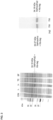
- TthPP2 purification resulted in 15 ml of protein at a 1.39 ⁇ g/ ⁇ l concentration, thus, a total mass of 20.85 mg (10.4 mg/L of cell culture) of soluble and active protein; Fig.3 .
- TthPrimPol2 synthesizes DNA primers using either Mg 2+ or Mn 2+ as metal cofactor. Primases normally recognise a specific template sequence to initiate priming. It consists of a trinucleotide 3'-XN1N2-5', where X is the cryptic nucleotide, which is not copied, but is required for sequence recognition, and where N1 and N2 are commonly pyrimidines which direct formation of the first dinucleotides of the primer (Kuchta and Stengel 2010). Conventional primases generate RNA primers, yet PrimPols can use dNTPs instead to make DNA primers. The primase activity of TthPP2 was investigated regarding sugar selectivity and metal preference.
- TthPrimPol was reported to display a strong primase activity on this template by initiating primer synthesis opposite ⁇ TC' at 55 oC (Picher et al. 2016).
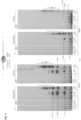
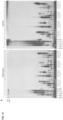
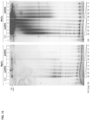
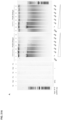
- the activity of TthPP2 was studied at 30°C. Firstly, no primer synthesis was detected in the non-template control (NTC) lanes ( Fig. 4 ), thus, TthPP2 primer synthesis is template dependent.
- TthPP2 has a comparable metal and sugar selectivity as TthPrimPol (Picher et al. 2016).
- the 5'- position nt can be either a ribonucleotide ([ ⁇ - 32 P]ATP) or deoxynucleotide ([ ⁇ - 32 P]dATP) in the presence of manganese ( Fig. 4 , left panel). If the reaction contains magnesium as metal cofactor, incorporation of ribonucleotide ([ ⁇ - 32 P]ATP) is extremely weak or in fact, barely perceptible in the case of TthPP2 ( Fig. 4 , right panel). Neither of the enzymes can generate full RNA primers ([ ⁇ - 32 P]ATP + GTP), regardless of the metal cofactor.
- nucleotides incorporated at the 3' site must be deoxynucleotides (dGTP or [ ⁇ - 32 P]dATP).
- dGTP deoxynucleotides
- slippage allows incorporation of non-canonical dGTPs ( Fig. 4 , left panel, "3pA*GGG”), but this is not possible in the presence of magnesium.
- TthPrimPol extension of the primers through the poly-dT tract by TthPP2 only occurred in the presence of dATP (indicated with an arrow).
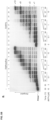
- TthPrimPol and TthPP2 equimolar concentrations of TthPrimPol and TthPP2 enzymes could fully extend the DNA primer (+13), generating products proportional to the dNTP concentration supplied ( Fig. 5A , left panel). TthPP2 reaches full primer extension at half the concentration of dNTPs ( Fig. 5A , left panel, lanes 7 vs 13).
- TthPP2 activity is weaker than that of TthPrimPol and both enzymes require a much higher concentration of dNTPs (160-fold) to achieve the same level of extension obtained with manganese ( Fig 5A , compare right panel lanes 4 and 8, 1 ⁇ M dNTPs, vs left panel lanes 3 and 10, 6.25 nM dNTPs).
- Fig 5A compare right panel lanes 4 and 8, 1 ⁇ M dNTPs, vs left panel lanes 3 and 10, 6.25 nM dNTPs.
- Thermus thermophilus are extreme thermophile bacteria that can grow at temperatures around 50 to 80 oC.
- TthPrimPol synthesizes DNA primers at 55 oC (Picher et al. 2016), thus it was expected that TthPP2 could also endure temperature changes.
- the DNA polymerase activity of both TthPrimPols was stimulated by incubating at increasing temperatures (30, 37 and 44 °C; Fig. 18B ).
- this behaviour fully supports that the polymerase activity seen on these experiments belongs to TthPrimPols and not to any other possible contaminant polymerase from E. coli, as they would have been inactivated at 44 oC.
- primases prefer pyrimidine rich sequences in the template to initiate primer synthesis, with the two director template bases preceded by a cryptic nt, which is recognised but not copied. Modification of the base preceding the 'TC' sequence on the template, the cryptic nt, significantly affected TthPrimPol primase activity, having a clear preference for dC (Picher et al. 2016).
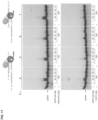
- TthPrimPol and TthPP2 were re-evaluated comparing TthPrimPol and TthPP2 at 30 oC instead of 50 oC and using an oligonucleotide with a unique priming sequence 3'-XTCA-5', flanked by poly-dT tracts, where X could be any of the four dNTPs, and providing [ ⁇ - 32 P]ATP as the initiating nt to detect only newly synthesized primers.
- This priming site allows to test dimer formation when providing [ ⁇ - 32 P]ATP + dGTP, and its elongation to a trimer when additionally providing dTTP.
- TthPrimPols had a similar primase activity when the cryptic base was a dC and the metal cofactor MnCl2.
- both TthPrimPol and TthPP2 gave rise to similar amounts of dimer and trimer products, and also to longer than expected non-canonical products 3pA*GG, 3pA*GTT, 3pA*GTG, and 3pA*GTGT ( Fig. 6A , orange hashtag). The first two probably due to slippage, and the last two due to primer realignment ( Fig. 6B ), respectively, and stimulated by the presence of manganese.
- TthPrimPol vs TthPP2 To evaluate if there is a base preference when forming starting dimers by TthPrimPol vs TthPP2, a heteropolymeric M13mp18 ssDNA template was provided with each of the four [ ⁇ - 32 P]dNTPs (at limiting concentration) either with the other three dNTPs, or with each one of the four unlabelled dNTPs (1 ⁇ M). This allowed evaluation of extensive or limited primer synthesis, respectively.
- TthPP2 utilized all [ ⁇ - 32 P]dNTPs in combination with the other three dNTPs ( Fig. 7A , right panel, lanes 2-5), similar to TthPrimPol ( Fig. 7A , left panel, lanes 2-5).
- DNA primase activity was evaluated on a linear ssDNA oligonucleotide, at a final 1 ⁇ M concentration, a circular M13mp18 ssDNA, or on M13mp18 RF dsDNA, both at 100 ng, unless stated otherwise. See molarity conversions on Table 3.
- Standard reaction mixture (20 ⁇ l) contained the indicated template, 50 mM Tris-HCl pH 7.5, 0.1 mg/ml bovine serum albumin (BSA), 1 mM DTT, 25 mM NaCl, 10 mM MgCl 2 or 1 mM MnCl 2 , and 2.5% (v/v) glycerol. Reactions were incubated at 30 oC for 20 min. The concentration of dNTPs, proteins, and the radiolabelled dNTP used, as well as any variation from the standard reaction are indicated on each experiment.
- BSA bovine serum albumin
- TthPP2 concentration of TthPP2 was decreased, the amount of primer products was reduced in quantity, but the length remained constant ( Fig. 8A , lane 9), supporting a more processive manner of primer synthesis.
- the processive profile of TthPP2 was further confirmed with the incorporation of heparin to the priming reaction.
- Heparin is a highly negatively charged molecule which mimics DNA and competes with it for protein binding.
- any TthPrimPol molecule which is not bound to DNA i.e., dissociated after nucleotide incorporation, can be captured by heparin, precluding further binding and elongation of the primers.
- the priming profile between the two TthPrimPols differed.
- heparin was used as competitor. TthPrimPols (80 nM) were pre-incubated for 5 min on ice in the presence/absence of heparin (1, 100, or 1000 ng/ ⁇ l) or M13mp18 ssDNA (100 ng).
- reaction (final volume 20 ⁇ l) was then complemented with the reaction buffer containing 10 mM MgCl 2 , 50 mM Tris-HCl pH 7.5, 25 mM NaCl, 1 mM DTT, 2.5% (v/v) glycerol, 0.1 mg/ml BSA, 1 ⁇ M of dCTP, dGTP and dTTP, and 16 nM of [ ⁇ - 32 P]dATP. Where indicated, heparin was added with the reaction buffer. Samples were incubated for 10 min at 30 oC, stopped with formamide loading buffer, and processed as described above.
- TthPrimPol Because the length of the primers synthesized by both TthPrimPols is different, we wanted to analyze the reason for this disparity. For this, increasing concentrations of dNTPs on M13 ssDNA template were used ( Fig. 9 ). TthPrimPol required much higher concentrations of dNTPs than TthPP2 to synthesize mature primers. This suggested a difference in the rate at which TthPP2 interacts with the template and the incoming dNTPs to initiate primer synthesis.
- TthPrimPol2 The primase activity TthPrimPol2 is also stimulated at higher temperatures and is more thermo-resistant than TthPrimPol.
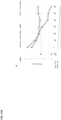
- TthPrimPol As mentioned above, Thermus thermophilus grows at extreme temperatures, thus its PrimPols are expected to function at higher temperature ranges. It was reported that increasing temperature improved TthPrimPol polymerase activity, and accordingly, TthPrimPol primase activity was originally evaluated at 55 oC (Picher et al. 2016). TthPrimPol vs TthPP2 resistance to higher temperature ranges to infer differences in the stability of the two primases was compared. As shown in Fig. 26, the primase activity of both enzymes was stimulated at higher temperatures. At 50 oC they both seemed to display the highest activity both quantitatively, and in product length ( Fig. 13 ). As the temperature continued to increase, the amount of primers was gradually reduced.
- Example 7 Primer synthesis can be stimulated by the combination of magnesium with low manganese concentrations.
- magnesium is the preferred metal cofactor.
- the mutagenic effect of manganese ions on polymerases has been studied for many years. One of the ways in which this ion is believed to affect the fidelity of the DNA synthesis is through alteration of the Km for correct and incorrect nucleotides, promoting misincorporations (Goodman et al. 1983, Beckman et al. 1985). Nonetheless, it was also reported that fidelity decrease of DNA Pol I was observed at elevated concentrations of manganese, but not at very low concentrations (Beckman et al. 1985).
- Phi29 DNApol could processively elongate the primers synthesized/labelled by TthPP2 during the "pulse” (lanes 3-6), as detected by the accumulation of DNA mass on the gel wells during the "chase” period in the presence of an excess of cold dNTPs (lanes 7-10).
- the primers that were too short to be elongated were degraded by Phi29 DNApol 3'-5' exonuclease activity.
- pulse comprised incubation of Tth PP2 (25, 50, 100, or 200 nM) for 20 min at 30 oC in a reaction mixture (20 ⁇ l) containing M13mp18 ssDNA (100 ng), 50 mM Tris-HCl pH 7.5, 1 mM DTT, 0.1 mg/ml BSA, 25 mM NaCl, 2.5% (v/v) glycerol, 10 mM MgCl 2 , 1 ⁇ M of dCTP, dGTP, dTTP, and 16 nM of [ ⁇ - 32 P]dATP.
- Tth PrimPols a 5'-[ ⁇ - 32 P]-labelled 15-mer DNA primer Sp1c (5'- GATCACAGTGAGTAC-3') was hybridized to a 28-mer DNA template T13G (3' - CTAGTGTCACTCATG G TCTATGTGAAGA - 5'). Hybridization was carried out by incubating both oligomers in 1X hybridization buffer (0.3 M NaCl, 30 mM Tris-HCl pH 7.5) for 10 min at 80 oC and allowing it to cool down to room temperature.
- 1X hybridization buffer 0.3 M NaCl, 30 mM Tris-HCl pH 7.5
- hybridized DNA template:primer (2.5 nM) was incubated for 20 min at 30 oC, in the presence of 50 mM Tris-HCl pH 7.5, 0.1 mg/ml BSA, 1 mM DTT, 25 mM NaCl, 2.5% (v/v) glycerol, 10 mM MgCl 2 or 1 mM MnCl 2 , and the corresponding concentrations of dNTPs and protein, in a total volume of 20 ⁇ l. The reactions were stopped with formamide loading buffer and processed as described above.
- the first step for primer synthesis entails binding the DNA template.
- the interaction between TthPP2 and ssDNA was evaluated through Electrophoretic Mobility Shift Assay (EMSA).
- ESA Electrophoretic Mobility Shift Assay
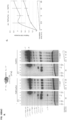
- TthPrimPols binding to the [ ⁇ 32 P]ATP-radiolabelled template DNA forms a binary complex (TthPP:ssDNA*), which augments as the concentration of the protein increases, and is detected as a retarded band after electrophoresis and autoradiography ( Fig. 11A ).
- TthPP2 displayed a stronger binding affinity than TthPrimPol, regardless of MgCl2 metal presence.
- 40 nM of TthPP2 bound 40-50% of the template, while TthPrimPol required 4- fold more enzyme amount to bind half of the ssDNA template ( Fig.
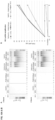
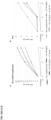
- TthPP2 could use 4-fold less template to generate the same amount of primers than TthPrimPol ( Fig. 12B ). Equally, the amount of mature primers generated as the template decreases is greater for TthPP2, with differences from 8 to 4-fold greater ( Fig. 12C ). This reinforced the idea that TthPP2 synthesizes primers faster because it has a greater affinity for DNA template and can be more efficient at the initial binding under limiting concentrations of template.
- Enzyme binding affinity was assessed by comparing various enzyme concentrations with 5'-[ ⁇ - 32 P]-labelled T 20 GTCCT 36 and the four cryptic nucleotide TstepT-X variations.
- Reactions (20 ⁇ l) contained 50 mM Tris-HCl pH 7.5, 0.1 mg/ml BSA, 1 mM DTT, 5% (w/v) polyethylene glycol (PEG) 4000, 25 mM NaCl, 2.5% (v/v) glycerol, 10 mM MgCl 2 , where incubated for 10 min at 30 oC and stopped by adding loading buffer (30% glycerol, 0.1% (w/v) xylene cyanol, and 0.1% (w/v) bromophenol blue).
- TthPrimPol2 can synthesize primers on dsDNA template.
- TthPrimPol is able to prime on plasmids (4basebio, unpublished data).
- TthPrimPol does not contain a helicase domain like other PrimPols such as pRN1 or BcMCM (Lipps et al. 2003, Sanchez-Berrondo et al. 2012).
- pRN1 or BcMCM Bosset plasmids
- BcMCM BcMCM
- the crystal structure of the Rep protein of the bacterial plasmid ColE2-P9 was described (Itou et al. 2015). This protein contains primase activity (Takechi and Itoh 1995), and its C-terminal is composed of a PriCT domain which can unwind DNA for primer initiation (Han et al. 2007, Itou et al. 2015).
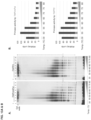
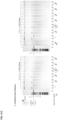
- TthPP2 synthesized primers even at the lowest amount (3 ng) of the ssDNA template ( Fig. 15 , lanes 3-7); however, only the highest amount of dsDNA template (50 ng) allowed the synthesis of some priming products (lane 8).
- the activating metal was Mn 2+
- primer synthesis on dsDNA by TthPP2 was stimulated and primer products could be detected ( Fig.
- TthPrimPols could possess terminal deoxynucleotidyl transferase (TdT) activity.
- TdT terminal deoxynucleotidyl transferase
- the four cryptic nucleotide variants of the "TstepT" template were [ ⁇ 32 P]ATP- labelled at the 5'-end and incubated with each of the four dNTPs. Both TthPrimPols could extend the ssDNA oligonucleotides in the presence of dATP and dGTP ( Fig.
- TthPP2 primers could be efficiently extended by Phi29 DNApol
- its incorporation in TruePrime ® was evaluated by replacing TthPrimPol and following TruePrime ® standard protocol, as described in Methods.
- M13 ssDNA amplification was carried out in triplicates and loaded in agarose gels.
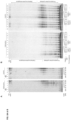
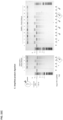
- Neither TthPP2 nor Phi29 DNApol alone could amplify DNA when incubated in the absence (NTC) or the presence of template DNA ( Fig. 19A , 3 and 6h, lanes 2-4, 8-10 vs lanes 5-7, 11-13, respectively).
- NTC absence
- both enzymes were present, amplified product was observed on NTC ( Fig.
- the samples were neutralized with 2.5 ⁇ l of buffer N and kept at room temperature until use.
- the amplification reactions (50 ⁇ l), which contained 26.8 ⁇ l of H 2 O, 5 ⁇ l of reaction buffer, 5 ⁇ l of dNTPs, 5 ⁇ l of enzyme 1 (TthPrimPol, or 100 nM of the indicated enzyme), 0.7 ⁇ l of enzyme 2 (Phi29 DNApol), and the denatured DNA.
- samples were incubated at 30 oC for 3, or 6 h and inactivated at 65 oC for 10 min. Each sample was performed in triplicates. Reactions containing piPolB enzyme were supplemented to a total of 20 mM MgCl 2 (Sigma-Aldrich, St. Louis, MO, USA) and 10 mM (NH 4 ) 2 SO 4 (Merck, Darmstadt, Germany).
- the amplified DNA products were analysed by loading 10 ⁇ l of each sample and 10 X BlueJuice TM gel loading buffer (Thermo Fisher Scientific, Waltham, MA, USA) on a SYBR TM Safe (Invitrogen, CA, USA)-containing native 0.7% agarose gel. Gels were run at 100 V for 45 min and visualized in Gel Doc TM EZ Imager (Bio Rad). Quantification of the amplified DNA product was carried out using Quant-iT TM PicoGreen ® dsDNA Assay Kit (Invitrogen, Life Technologies) following manufacturers protocol. Error bars are standard deviations. Table 4. Molarity conversion of M13mp18 ssDNA and dsDNA templates used in amplification assays.
- Example 14 Addition of extra MgCl 2 and ammonium sulphate stimulates DNA amplification and reduces non-specific DNA amplification. Sequencing of NTC- and M13 ssDNA-driven amplification products generated by TthPP2 at 3 and 6 hours revealed that 75% of NTC product matched E . coli genome and the remaining belonged to other bacteria and unknown sequences (data not shown). Conversely, when M13 ssDNA template was present, no bacterial sequences were found and 99.4% of the product obtained was M13 (data not shown). This suggested that our preparation of TthPP2 copurifies with some contaminant DNA, whose amplification for 3 hours was undetectable, as it happened in previous biochemical studies (Fig.
- TthPrimPol2 primes amplification of limiting amounts of DNA input.
- TthPP2 was shown to have a stronger binding affinity for ssDNA, resulting in detectable primase activity at lower input template concentrations than TthPrimPol ( Fig. 12 ).
- TthPrimPol concentrations of M13 ssDNA template (from 1 ng to 1 fg) were incubated using standard TruePrime ® conditions. Reactions were incubated for 3 hours, quantified, and the amplification DNA product digested. Under these conditions, TthPrimPol, TthPP2 or Phi29 DNApol alone did not produce any NTC amplification background, or even when 1 ng of M13 ssDNA was present ( Fig.
- the amplified DNA obtained by TthPP2 + Phi29 DNApol was 1.4-fold higher than under standard conditions, and 1.8-fold higher than TthPrimPol when using 1 ng of M13 ssDNA template (Fig. 35A, compare lanes 8 vs 16; Fig. 35B, ⁇ 11 ⁇ g).
- the combination of TthPP2 with Phi29 DNApol allowed detection and DNA amplification of template input amounts as low as 100 fg ( Fig. 22A , lane 20; Fig. 35B), three orders of magnitude lower than the detection limit when using TthPrimPol.
- Amplified DNA purification was carried out through ethanol precipitation. For this, two volumes of -20 oC pre-cooled absolute ethanol (Merck, Darmstadt, Germany), and 0.1 volumes of 3 M sodium acetate pH 5.2 (Merck, Darmstadt, Germany) were incorporated to the amplified product, mixed by inversion, and incubated for 30 min at -20 oC. Afterwards, samples were centrifuged for 2 min at 5 oC, and 10,750 x g and the supernatant discarded. The pellet was washed twice with -20 oC pre-cooled 70% ethanol and centrifuged for 2 min at 5 oC, and 15250 x g. The supernatant was discarded, and the pellet, dried at room temperature, and resuspended in PCR grade water (Roche Diagnostics GmbH, Mannheim, Germany).
Landscapes
- Chemical & Material Sciences (AREA)
- Life Sciences & Earth Sciences (AREA)
- Health & Medical Sciences (AREA)
- Organic Chemistry (AREA)
- Zoology (AREA)
- Engineering & Computer Science (AREA)
- Wood Science & Technology (AREA)
- Bioinformatics & Cheminformatics (AREA)
- Genetics & Genomics (AREA)
- Molecular Biology (AREA)
- General Health & Medical Sciences (AREA)
- General Engineering & Computer Science (AREA)
- Biochemistry (AREA)
- Microbiology (AREA)
- Biotechnology (AREA)
- Proteomics, Peptides & Aminoacids (AREA)
- Biomedical Technology (AREA)
- Medicinal Chemistry (AREA)
- Chemical Kinetics & Catalysis (AREA)
- Physics & Mathematics (AREA)
- Analytical Chemistry (AREA)
- Biophysics (AREA)
- Immunology (AREA)
- Measuring Or Testing Involving Enzymes Or Micro-Organisms (AREA)
Priority Applications (2)
| Application Number | Priority Date | Filing Date | Title |
|---|---|---|---|
| EP23382716.1A EP4491719A1 (de) | 2023-07-12 | 2023-07-12 | Verfahren zur amplifikation von matrizennukleinsäuren unter verwendung eines thermostabilen tthprimpols |
| PCT/EP2024/069902 WO2025012454A1 (en) | 2023-07-12 | 2024-07-12 | Methods of amplifying template nucleic acid using a thermostable tthprimpol |
Applications Claiming Priority (1)
| Application Number | Priority Date | Filing Date | Title |
|---|---|---|---|
| EP23382716.1A EP4491719A1 (de) | 2023-07-12 | 2023-07-12 | Verfahren zur amplifikation von matrizennukleinsäuren unter verwendung eines thermostabilen tthprimpols |
Publications (1)
| Publication Number | Publication Date |
|---|---|
| EP4491719A1 true EP4491719A1 (de) | 2025-01-15 |
Family
ID=87280996
Family Applications (1)
| Application Number | Title | Priority Date | Filing Date |
|---|---|---|---|
| EP23382716.1A Withdrawn EP4491719A1 (de) | 2023-07-12 | 2023-07-12 | Verfahren zur amplifikation von matrizennukleinsäuren unter verwendung eines thermostabilen tthprimpols |
Country Status (2)
| Country | Link |
|---|---|
| EP (1) | EP4491719A1 (de) |
| WO (1) | WO2025012454A1 (de) |
Citations (6)
| Publication number | Priority date | Publication date | Assignee | Title |
|---|---|---|---|---|
| US5001050A (en) | 1989-03-24 | 1991-03-19 | Consejo Superior Investigaciones Cientificas | PHφ29 DNA polymerase |
| US5656493A (en) | 1985-03-28 | 1997-08-12 | The Perkin-Elmer Corporation | System for automated performance of the polymerase chain reaction |
| WO2011000997A1 (es) | 2009-07-02 | 2011-01-06 | Consejo Superior De Investigaciones Científicas (Csic) | QUIMERA DE ADN POLIMERASA DEL FAGO φ 29 |
| WO2011098588A1 (en) | 2010-02-11 | 2011-08-18 | Institut Pasteur | Thermostable primase/dna polymerase of the thermococcus nautilus 30/1 plasmid ptn2 and its applications |
| WO2014140309A1 (en) | 2013-03-15 | 2014-09-18 | Sygnis Biotech S.L.U. | Methods for amplification and sequencing using thermostable tthprimpol |
| WO2021152146A1 (en) * | 2020-01-31 | 2021-08-05 | Tyris Therapeutics, S.L. | Process for the production of closed linear dna |
-
2023
- 2023-07-12 EP EP23382716.1A patent/EP4491719A1/de not_active Withdrawn
-
2024
- 2024-07-12 WO PCT/EP2024/069902 patent/WO2025012454A1/en active Pending
Patent Citations (8)
| Publication number | Priority date | Publication date | Assignee | Title |
|---|---|---|---|---|
| US5656493A (en) | 1985-03-28 | 1997-08-12 | The Perkin-Elmer Corporation | System for automated performance of the polymerase chain reaction |
| US5001050A (en) | 1989-03-24 | 1991-03-19 | Consejo Superior Investigaciones Cientificas | PHφ29 DNA polymerase |
| WO2011000997A1 (es) | 2009-07-02 | 2011-01-06 | Consejo Superior De Investigaciones Científicas (Csic) | QUIMERA DE ADN POLIMERASA DEL FAGO φ 29 |
| EP2450436A1 (de) | 2009-07-02 | 2012-05-09 | Consejo Superior de Investigaciones Científicas (CSIC) | Polymerase-chimären aus phage-phi-29-dna |
| US8404808B2 (en) | 2009-07-02 | 2013-03-26 | Consejo Superior De Investigaciones Cientificas | Phage phi29 DNA polymerase chimera |
| WO2011098588A1 (en) | 2010-02-11 | 2011-08-18 | Institut Pasteur | Thermostable primase/dna polymerase of the thermococcus nautilus 30/1 plasmid ptn2 and its applications |
| WO2014140309A1 (en) | 2013-03-15 | 2014-09-18 | Sygnis Biotech S.L.U. | Methods for amplification and sequencing using thermostable tthprimpol |
| WO2021152146A1 (en) * | 2020-01-31 | 2021-08-05 | Tyris Therapeutics, S.L. | Process for the production of closed linear dna |
Non-Patent Citations (4)
| Title |
|---|
| "GenBank", Database accession no. WP_011173100.1 |
| "NCBI", Database accession no. WP_014510339.1 |
| DATABASE EMBL [online] 27 May 2011 (2011-05-27), N N: "Thermus thermophilus SG0.5JP17-16 Bifunctional DNA primase/polymerase ID - AEG33442; SV 1; linear; genomic DNA; STD; PRO; 885 BP.", XP093099178, retrieved from EMBL Database accession no. AEG33442 * |
| PICHER ÁNGEL J. ET AL: "TruePrime is a novel method for whole-genome amplification from single cells based on TthPrimPol", NATURE COMMUNICATIONS, vol. 7, no. 1, 1 December 2016 (2016-12-01), XP055797801, Retrieved from the Internet <URL:https://www.nature.com/articles/ncomms13296.pdf> DOI: 10.1038/ncomms13296 * |
Also Published As
| Publication number | Publication date |
|---|---|
| WO2025012454A1 (en) | 2025-01-16 |
Similar Documents
| Publication | Publication Date | Title |
|---|---|---|
| EP2610352B1 (de) | Vorlagenunabhängige Ligation von Einzelstrang-DNA | |
| EP2971080B1 (de) | Verfahren zur verstärkung und sequenzierung unter verwendung von thermostabilem tthprimpol | |
| US5487993A (en) | Direct cloning of PCR amplified nucleic acids | |
| CA3068615C (en) | Dna production method and dna fragment-joining kit | |
| CN104114702B (zh) | 模板转换用于dna合成的用途 | |
| EP1456394B2 (de) | Verfahren zur verwendung verbesserter polymerasen | |
| US20130183718A1 (en) | Method for Synthesizing RNA using DNA Template | |
| US8795968B2 (en) | Method to produce DNA of defined length and sequence and DNA probes produced thereby | |
| AU2013337280A1 (en) | Barcoding nucleic acids | |
| CA3106822C (en) | Method for editing dna in cell-free system | |
| AU2018380154B2 (en) | System and method for nucleic acid library preparation via template switching mechanism | |
| EP4491719A1 (de) | Verfahren zur amplifikation von matrizennukleinsäuren unter verwendung eines thermostabilen tthprimpols | |
| CN102382851B (zh) | 克隆载体 | |
| Martínez-Carrón et al. | Methods of amplifying template nucleic acid using a thermostable Tthprimpol | |
| US20240401129A1 (en) | Methods for double-stranded sequencing by synthesis | |
| US6586237B1 (en) | Compositions and methods for cloning nucleic acids | |
| KR20230080464A (ko) | 전사된 핵산을 생성하는 방법 및 수단 | |
| HK1209162B (en) | Barcoding nucleic acids | |
| HK1186214B (en) | Template-independent ligation of single-stranded dna | |
| HK1186214A (en) | Template-independent ligation of single-stranded dna |
Legal Events
| Date | Code | Title | Description |
|---|---|---|---|
| PUAI | Public reference made under article 153(3) epc to a published international application that has entered the european phase |
Free format text: ORIGINAL CODE: 0009012 |
|
| STAA | Information on the status of an ep patent application or granted ep patent |
Free format text: STATUS: THE APPLICATION HAS BEEN PUBLISHED |
|
| AK | Designated contracting states |
Kind code of ref document: A1 Designated state(s): AL AT BE BG CH CY CZ DE DK EE ES FI FR GB GR HR HU IE IS IT LI LT LU LV MC ME MK MT NL NO PL PT RO RS SE SI SK SM TR |
|
| STAA | Information on the status of an ep patent application or granted ep patent |
Free format text: STATUS: THE APPLICATION IS DEEMED TO BE WITHDRAWN |
|
| 18D | Application deemed to be withdrawn |
Effective date: 20250716 |