EP4491973A1 - Schutzverfahren und -vorrichtung zur hochtemperaturverhinderung während einer heizung und kältemittelmangel während der erwärmung sowie klimatisierungssystem - Google Patents
Schutzverfahren und -vorrichtung zur hochtemperaturverhinderung während einer heizung und kältemittelmangel während der erwärmung sowie klimatisierungssystem Download PDFInfo
- Publication number
- EP4491973A1 EP4491973A1 EP24186959.3A EP24186959A EP4491973A1 EP 4491973 A1 EP4491973 A1 EP 4491973A1 EP 24186959 A EP24186959 A EP 24186959A EP 4491973 A1 EP4491973 A1 EP 4491973A1
- Authority
- EP
- European Patent Office
- Prior art keywords
- temperature
- outdoor
- preset
- during heating
- compensation
- Prior art date
- Legal status (The legal status is an assumption and is not a legal conclusion. Google has not performed a legal analysis and makes no representation as to the accuracy of the status listed.)
- Granted
Links
Images


Classifications
-
- F—MECHANICAL ENGINEERING; LIGHTING; HEATING; WEAPONS; BLASTING
- F25—REFRIGERATION OR COOLING; COMBINED HEATING AND REFRIGERATION SYSTEMS; HEAT PUMP SYSTEMS; MANUFACTURE OR STORAGE OF ICE; LIQUEFACTION SOLIDIFICATION OF GASES
- F25B—REFRIGERATION MACHINES, PLANTS OR SYSTEMS; COMBINED HEATING AND REFRIGERATION SYSTEMS; HEAT PUMP SYSTEMS
- F25B49/00—Arrangement or mounting of control or safety devices
- F25B49/005—Arrangement or mounting of control or safety devices of safety devices
-
- F—MECHANICAL ENGINEERING; LIGHTING; HEATING; WEAPONS; BLASTING
- F24—HEATING; RANGES; VENTILATING
- F24F—AIR-CONDITIONING; AIR-HUMIDIFICATION; VENTILATION; USE OF AIR CURRENTS FOR SCREENING
- F24F11/00—Control or safety arrangements
- F24F11/30—Control or safety arrangements for purposes related to the operation of the system, e.g. for safety or monitoring
- F24F11/32—Responding to malfunctions or emergencies
- F24F11/36—Responding to malfunctions or emergencies to leakage of heat-exchange fluid
-
- F—MECHANICAL ENGINEERING; LIGHTING; HEATING; WEAPONS; BLASTING
- F24—HEATING; RANGES; VENTILATING
- F24F—AIR-CONDITIONING; AIR-HUMIDIFICATION; VENTILATION; USE OF AIR CURRENTS FOR SCREENING
- F24F11/00—Control or safety arrangements
- F24F11/30—Control or safety arrangements for purposes related to the operation of the system, e.g. for safety or monitoring
- F24F11/32—Responding to malfunctions or emergencies
- F24F11/38—Failure diagnosis
-
- F—MECHANICAL ENGINEERING; LIGHTING; HEATING; WEAPONS; BLASTING
- F24—HEATING; RANGES; VENTILATING
- F24F—AIR-CONDITIONING; AIR-HUMIDIFICATION; VENTILATION; USE OF AIR CURRENTS FOR SCREENING
- F24F11/00—Control or safety arrangements
- F24F11/70—Control systems characterised by their outputs; Constructional details thereof
- F24F11/72—Control systems characterised by their outputs; Constructional details thereof for controlling the supply of treated air, e.g. its pressure
- F24F11/74—Control systems characterised by their outputs; Constructional details thereof for controlling the supply of treated air, e.g. its pressure for controlling air flow rate or air velocity
- F24F11/77—Control systems characterised by their outputs; Constructional details thereof for controlling the supply of treated air, e.g. its pressure for controlling air flow rate or air velocity by controlling the speed of ventilators
-
- F—MECHANICAL ENGINEERING; LIGHTING; HEATING; WEAPONS; BLASTING
- F25—REFRIGERATION OR COOLING; COMBINED HEATING AND REFRIGERATION SYSTEMS; HEAT PUMP SYSTEMS; MANUFACTURE OR STORAGE OF ICE; LIQUEFACTION SOLIDIFICATION OF GASES
- F25B—REFRIGERATION MACHINES, PLANTS OR SYSTEMS; COMBINED HEATING AND REFRIGERATION SYSTEMS; HEAT PUMP SYSTEMS
- F25B13/00—Compression machines, plants or systems, with reversible cycle
-
- F—MECHANICAL ENGINEERING; LIGHTING; HEATING; WEAPONS; BLASTING
- F24—HEATING; RANGES; VENTILATING
- F24F—AIR-CONDITIONING; AIR-HUMIDIFICATION; VENTILATION; USE OF AIR CURRENTS FOR SCREENING
- F24F2110/00—Control inputs relating to air properties
- F24F2110/10—Temperature
-
- F—MECHANICAL ENGINEERING; LIGHTING; HEATING; WEAPONS; BLASTING
- F24—HEATING; RANGES; VENTILATING
- F24F—AIR-CONDITIONING; AIR-HUMIDIFICATION; VENTILATION; USE OF AIR CURRENTS FOR SCREENING
- F24F2110/00—Control inputs relating to air properties
- F24F2110/10—Temperature
- F24F2110/12—Temperature of the outside air
-
- F—MECHANICAL ENGINEERING; LIGHTING; HEATING; WEAPONS; BLASTING
- F25—REFRIGERATION OR COOLING; COMBINED HEATING AND REFRIGERATION SYSTEMS; HEAT PUMP SYSTEMS; MANUFACTURE OR STORAGE OF ICE; LIQUEFACTION SOLIDIFICATION OF GASES
- F25B—REFRIGERATION MACHINES, PLANTS OR SYSTEMS; COMBINED HEATING AND REFRIGERATION SYSTEMS; HEAT PUMP SYSTEMS
- F25B2313/00—Compression machines, plants or systems with reversible cycle not otherwise provided for
- F25B2313/029—Control issues
- F25B2313/0294—Control issues related to the outdoor fan, e.g. controlling speed
-
- F—MECHANICAL ENGINEERING; LIGHTING; HEATING; WEAPONS; BLASTING
- F25—REFRIGERATION OR COOLING; COMBINED HEATING AND REFRIGERATION SYSTEMS; HEAT PUMP SYSTEMS; MANUFACTURE OR STORAGE OF ICE; LIQUEFACTION SOLIDIFICATION OF GASES
- F25B—REFRIGERATION MACHINES, PLANTS OR SYSTEMS; COMBINED HEATING AND REFRIGERATION SYSTEMS; HEAT PUMP SYSTEMS
- F25B2500/00—Problems to be solved
- F25B2500/06—Damage
-
- F—MECHANICAL ENGINEERING; LIGHTING; HEATING; WEAPONS; BLASTING
- F25—REFRIGERATION OR COOLING; COMBINED HEATING AND REFRIGERATION SYSTEMS; HEAT PUMP SYSTEMS; MANUFACTURE OR STORAGE OF ICE; LIQUEFACTION SOLIDIFICATION OF GASES
- F25B—REFRIGERATION MACHINES, PLANTS OR SYSTEMS; COMBINED HEATING AND REFRIGERATION SYSTEMS; HEAT PUMP SYSTEMS
- F25B2500/00—Problems to be solved
- F25B2500/08—Exceeding a certain temperature value in a refrigeration component or cycle
-
- F—MECHANICAL ENGINEERING; LIGHTING; HEATING; WEAPONS; BLASTING
- F25—REFRIGERATION OR COOLING; COMBINED HEATING AND REFRIGERATION SYSTEMS; HEAT PUMP SYSTEMS; MANUFACTURE OR STORAGE OF ICE; LIQUEFACTION SOLIDIFICATION OF GASES
- F25B—REFRIGERATION MACHINES, PLANTS OR SYSTEMS; COMBINED HEATING AND REFRIGERATION SYSTEMS; HEAT PUMP SYSTEMS
- F25B2500/00—Problems to be solved
- F25B2500/19—Calculation of parameters
-
- F—MECHANICAL ENGINEERING; LIGHTING; HEATING; WEAPONS; BLASTING
- F25—REFRIGERATION OR COOLING; COMBINED HEATING AND REFRIGERATION SYSTEMS; HEAT PUMP SYSTEMS; MANUFACTURE OR STORAGE OF ICE; LIQUEFACTION SOLIDIFICATION OF GASES
- F25B—REFRIGERATION MACHINES, PLANTS OR SYSTEMS; COMBINED HEATING AND REFRIGERATION SYSTEMS; HEAT PUMP SYSTEMS
- F25B2500/00—Problems to be solved
- F25B2500/24—Low amount of refrigerant in the system
-
- F—MECHANICAL ENGINEERING; LIGHTING; HEATING; WEAPONS; BLASTING
- F25—REFRIGERATION OR COOLING; COMBINED HEATING AND REFRIGERATION SYSTEMS; HEAT PUMP SYSTEMS; MANUFACTURE OR STORAGE OF ICE; LIQUEFACTION SOLIDIFICATION OF GASES
- F25B—REFRIGERATION MACHINES, PLANTS OR SYSTEMS; COMBINED HEATING AND REFRIGERATION SYSTEMS; HEAT PUMP SYSTEMS
- F25B2600/00—Control issues
- F25B2600/02—Compressor control
- F25B2600/025—Compressor control by controlling speed
- F25B2600/0251—Compressor control by controlling speed with on-off operation
-
- F—MECHANICAL ENGINEERING; LIGHTING; HEATING; WEAPONS; BLASTING
- F25—REFRIGERATION OR COOLING; COMBINED HEATING AND REFRIGERATION SYSTEMS; HEAT PUMP SYSTEMS; MANUFACTURE OR STORAGE OF ICE; LIQUEFACTION SOLIDIFICATION OF GASES
- F25B—REFRIGERATION MACHINES, PLANTS OR SYSTEMS; COMBINED HEATING AND REFRIGERATION SYSTEMS; HEAT PUMP SYSTEMS
- F25B2600/00—Control issues
- F25B2600/11—Fan speed control
- F25B2600/112—Fan speed control of evaporator fans
-
- F—MECHANICAL ENGINEERING; LIGHTING; HEATING; WEAPONS; BLASTING
- F25—REFRIGERATION OR COOLING; COMBINED HEATING AND REFRIGERATION SYSTEMS; HEAT PUMP SYSTEMS; MANUFACTURE OR STORAGE OF ICE; LIQUEFACTION SOLIDIFICATION OF GASES
- F25B—REFRIGERATION MACHINES, PLANTS OR SYSTEMS; COMBINED HEATING AND REFRIGERATION SYSTEMS; HEAT PUMP SYSTEMS
- F25B2600/00—Control issues
- F25B2600/23—Time delays
-
- F—MECHANICAL ENGINEERING; LIGHTING; HEATING; WEAPONS; BLASTING
- F25—REFRIGERATION OR COOLING; COMBINED HEATING AND REFRIGERATION SYSTEMS; HEAT PUMP SYSTEMS; MANUFACTURE OR STORAGE OF ICE; LIQUEFACTION SOLIDIFICATION OF GASES
- F25B—REFRIGERATION MACHINES, PLANTS OR SYSTEMS; COMBINED HEATING AND REFRIGERATION SYSTEMS; HEAT PUMP SYSTEMS
- F25B2700/00—Sensing or detecting of parameters; Sensors therefor
- F25B2700/15—Power, e.g. by voltage or current
-
- F—MECHANICAL ENGINEERING; LIGHTING; HEATING; WEAPONS; BLASTING
- F25—REFRIGERATION OR COOLING; COMBINED HEATING AND REFRIGERATION SYSTEMS; HEAT PUMP SYSTEMS; MANUFACTURE OR STORAGE OF ICE; LIQUEFACTION SOLIDIFICATION OF GASES
- F25B—REFRIGERATION MACHINES, PLANTS OR SYSTEMS; COMBINED HEATING AND REFRIGERATION SYSTEMS; HEAT PUMP SYSTEMS
- F25B2700/00—Sensing or detecting of parameters; Sensors therefor
- F25B2700/21—Temperatures
- F25B2700/2106—Temperatures of fresh outdoor air
-
- F—MECHANICAL ENGINEERING; LIGHTING; HEATING; WEAPONS; BLASTING
- F25—REFRIGERATION OR COOLING; COMBINED HEATING AND REFRIGERATION SYSTEMS; HEAT PUMP SYSTEMS; MANUFACTURE OR STORAGE OF ICE; LIQUEFACTION SOLIDIFICATION OF GASES
- F25B—REFRIGERATION MACHINES, PLANTS OR SYSTEMS; COMBINED HEATING AND REFRIGERATION SYSTEMS; HEAT PUMP SYSTEMS
- F25B2700/00—Sensing or detecting of parameters; Sensors therefor
- F25B2700/21—Temperatures
- F25B2700/2115—Temperatures of a compressor or the drive means therefor
- F25B2700/21152—Temperatures of a compressor or the drive means therefor at the discharge side of the compressor
Definitions
- the present invention relates to the field of air conditioners, and in particular to a protection method and device for high-temperature prevention during heating and refrigerant shortage during heating, and an air conditioning system.
- An air conditioner provides heating in a high-temperature environment, and due to a high temperature of an indoor-unit heat exchanger, in order to avoid damage to a compressor due to excessive pressure, an outdoor fan needs to be stopped intermittently to actively unload during heating.
- the existing means for preventing high temperature during heating includes: collecting the temperature of the indoor heat exchanger, comparing the temperature with a preset parameter, and performing high-temperature prevention and stopping the outdoor fan if the temperature of the indoor heat exchanger is higher than the preset parameter.
- the temperature of the indoor heat exchanger is controlled by an indoor-unit mainboard of an air conditioner, and thus, indoor unit and outdoor unit communication is required to control the start and stop of an outdoor compressor. For some fixed-frequency air conditioning systems without indoor unit and outdoor unit communication, the high-temperature prevention control cannot be realized.
- the temperature of the indoor heat exchanger serves as the main or only control factor. When the temperature of the indoor heat exchanger is abnormal, the temperature drop time of the indoor heat exchanger is too long and the design of protection temperature parameters is unreasonable, the high-temperature prevention control will fail, thereby affecting the service life of the compressor.
- a protection method and device for high-temperature prevention during heating and refrigerant shortage during heating and an air conditioning system.
- the indoor-unit temperature can be replaced to determine whether to enter high-temperature prevention without the need for indoor unit and outdoor unit communication, and the accuracy of high-temperature prevention determination is ensured, allowing the air conditioning system to enter a high-temperature prevention mode in time, and thus improving the operation reliability of the air conditioner.
- the excessively high exhaust temperature caused by refrigerant shortage can be excluded, to avoid accidentally entering the high-temperature prevention mode due to refrigerant shortage and improve the operation stability and reliability of the air conditioning system.
- the air conditioning system includes an indoor unit and an outdoor unit, and the outdoor unit at least includes a compressor and an outdoor fan.
- the protection method includes the following steps:
- corresponding compensation temperatures are preset respectively according to different outdoor ambient temperatures to compensate the exhaust temperature, so that the compensated exhaust temperature can reflect the temperature state of the indoor unit.
- the indoor-unit temperature can be replaced to determine whether to enter high-temperature prevention without the need for indoor unit and outdoor unit communication, and the accuracy of high-temperature prevention determination is ensured, allowing the air conditioning system to enter a high-temperature prevention mode in time, and thus improving the operation reliability of the air conditioner.
- the air conditioning system is a fixed-frequency air conditioning system without indoor unit and outdoor unit communication.
- the association of the compensation temperature with the outdoor ambient temperature includes:
- a plurality of temperature intervals and a plurality of compensation temperatures are set, which is beneficial for improving the accuracy of determination of high-temperature prevention and refrigerant shortage.
- the second preset temperature ranges from 90° C to 110°C.
- the exhaust temperature after the outdoor fan stops operating in the high-temperature prevention mode, normally, the exhaust temperature will decrease due to the deterioration of evaporation, thereby achieving the purpose of high-temperature prevention.
- the exhaust temperature is not sufficiently cooled through refrigerant circulation, and the exhaust temperature will continue to rise due to the heating of the compressor. Therefore, whether the outdoor fan operates has little influence on the exhaust temperature.
- the exhaust temperature is excessively high, it can be determined that the increase of the exhaust temperature is caused by refrigerant shortage.
- the outdoor unit further includes an outdoor heat exchanger; and the protection method further includes: an outdoor fan start control step: determining whether the outdoor fan meets an outdoor fan starting condition; if yes, starting the outdoor fan, and if no, returning to the high-temperature prevention protection entry step; where the outdoor fan starting condition includes:
- the outdoor fan stops in the high-temperature prevention mode, the deterioration of the evaporation effect of the outdoor unit and the decrease of the exhaust temperature will be caused usually, thereby achieving the purpose of high-temperature prevention.
- the shutdown duration is greater than the third preset duration, the outdoor fan is forced to start, which can avoid the slow decrease in exhaust temperature under high-temperature conditions or due to thermal inertia of the temperature of the outdoor heat exchanger and dirty blockage of the outdoor heat exchanger, causing the air conditioning system to be in the high-temperature prevention mode for a long time and the evaporation effect of the outdoor unit to deteriorate, resulting in freezing, and the air conditioner performs frosting and defrosting actions, improving user experience.
- the high-temperature prevention is exited to allow the outdoor fan to operate normally and ensure the evaporation effect of the outdoor unit; or, when the outlet temperature of the outdoor heat exchanger is lower than the outdoor ambient temperature to a certain extent, that is, it means that the evaporation effect has deteriorated, the exhaust temperature will decrease, high-temperature prevention can be thus achieved.
- the difference between the outdoor ambient temperature and the outlet temperature of the outdoor heat exchanger is greater than the first temperature difference threshold, the outdoor fan is started in time to improve the evaporation effect and prevent the outdoor unit from being frosted. Any of the conditions can be chosen according to the actual situation to exit the high-temperature prevention protection, which is highly flexible and is conducive to the reliable operation of the air conditioning system and improves user experience.
- the third preset duration ranges from 3 to 10 min.
- an appropriate duration is selected, which can avoid the deterioration of the evaporation effect and the influence on the heating effect due to the long-time operation of the high-temperature prevention mode.
- the third preset temperature ranges from 70°C to 90°C.
- an appropriate exhaust temperature range is selected, which enables the high-temperature prevention protection mode to be exited in time when the exhaust temperature is reduced to a certain extent, thereby ensuring the reliable operation of the air conditioning system and improving the user experience.
- the first temperature difference threshold ranges from 10°C to 40°C.
- an appropriate first temperature difference threshold is selected, which can avoid the frequent entry of the high-temperature prevention protection caused by the excessively high outlet temperature of the outdoor heat exchanger or the frosting of the outdoor heat exchanger caused by the excessively low outlet temperature of the outdoor heat exchanger, thereby prolonging the service life of the air conditioner and improving the user experience.
- a protection device for high-temperature prevention during heating and refrigerant shortage during heating of an air conditioning system including:
- Another aspect of the present invention provides an air conditioning system, including the protection device for high-temperature prevention during heating and refrigerant shortage during heating of an air conditioning system as described above.
- compressor 11 first temperature detector 111; four-way valve 12; outdoor heat exchanger 13; second temperature detector 131; first throttling element 14; liquid storage tank 15; second throttling element 16; indoor heat exchanger 17; gas-liquid separator 18; one-way valve 2; pressure sensor 3; low-pressure pressure switch 4; high-pressure pressure switch 5; detection module 61; high-temperature protection determination module 62; high-temperature prevention protection entry module 63; refrigerant shortage determination module 64; refrigerant shortage protection entry module 65; and outdoor fan start control module 66.
- an embodiment of the present invention provides an air conditioning system, including a compressor 11, a four-way valve 12, an outdoor heat exchanger 13, an outdoor fan (not shown in the figure), a first throttling element 14, a liquid storage tank 15, a second throttling element 16, an indoor heat exchanger 17 and a gas-liquid separator 18 which are connected sequentially to form a refrigerant circulation flow path, and further includes a first temperature detector 111 (a temperature-sensitive package arranged on an exhaust pipe) for detecting the exhaust temperature of the compressor and a second temperature detector 131 for detecting the outdoor ambient temperature.
- a first temperature detector 111 a temperature-sensitive package arranged on an exhaust pipe
- a one-way valve 2 is arranged across the second throttling element 16 in parallel, and the one-way valve 2 controls a unidirectional flow of the refrigerant from the liquid storage tank 15 to the indoor heat exchanger 17;
- a pressure sensor 3 is arranged on a pipeline between the indoor heat exchanger 17 and the four-way valve 12;
- a low-pressure pressure switch 4 is arranged between the four-way valve 12 and the gas-liquid separator 18; and
- a high-pressure pressure switch 5 is arranged between the compressor 11 and the four-way valve 12.
- the function of the liquid storage tank 15 is similar to that of the liquid-gas separator 18, a gaseous refrigerant generated by separation enters the compressor 11 through a branch pipeline to supplement the refrigerant quantity, a liquid refrigerant generated by separation enters a main refrigerant path, and the high-pressure pressure switch 5 and the low-pressure pressure switch 4 are used to monitor the pressure of the refrigerant in an air conditioning pipeline and provide a feedback to an air conditioning controller (not shown in the figure).
- the air conditioning system in this embodiment is a fixed-frequency air conditioning system without indoor unit and outdoor unit communication, and the compressor 11 is a fixed-frequency compressor. It should be noted that although the embodiment of the present invention shows the structure of the air conditioning system above, it should not constitute a limitation to the air conditioning system. Air conditioning systems with other structural forms are also applicable to a protection method for high-temperature prevention during heating and refrigerant shortage during heating provided below.
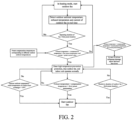
- an embodiment of the present invention provides a protection method for high-temperature prevention during heating and refrigerant shortage during heating of an air conditioning system, including the following steps:
- corresponding compensation temperatures are preset respectively according to different outdoor ambient temperatures to compensate the exhaust temperature, so that the compensated exhaust temperature can reflect the temperature state of the indoor unit.
- the indoor-unit temperature can be replaced to determine whether to enter high-temperature prevention without the need for indoor unit and outdoor unit communication, and the accuracy of high-temperature prevention determination is ensured, allowing the air conditioning system to enter a high-temperature prevention mode in time, and thus improving the operation reliability of the air conditioner, and saving the cost of the communication line between the indoor and outdoor units.
- the temperature detector is a part of the system itself, so there is no additional cost.
- the association of the compensation temperature with the outdoor ambient temperature includes:
- the technician can adjust the temperature threshold and compensation temperature value according to actual conditions.
- the first compensation temperature ranges from-5°C to 5°C
- the second compensation temperature ranges from-5°C to 5°C
- the third compensation temperature ranges from -5°C to 5°C.
- the first preset temperature ranges from 70°C to 100°C, preferably 82°C (the first preset temperature is the exhaust temperature corresponding to the indoor heat exchanger temperature of 55°C. According to different types of the compressor, the exhaust temperature corresponding to the indoor heat exchanger temperature of 55°C may be different.
- the technician can adaptively adjust the first preset temperature).
- the second preset temperature ranges from 90°C to 110°C, preferably 105°C.
- the exhaust temperature will decrease due to the deterioration of evaporation, thereby achieving the purpose of high-temperature prevention.
- the exhaust temperature is not sufficiently cooled through refrigerant circulation, and the exhaust temperature will continue to rise due to the heating of the compressor. Therefore, whether the outdoor fan operates has little influence on the exhaust temperature.
- the second preset temperature is lower than the normal exhaust protection temperature of the compressor (generally 115°C), so that the compressor 11 can be protected in time in case of refrigerant shortage, thereby prolonging the service life of the compressor 11.
- the protection method further includes: an outdoor fan start control step: determining whether the outdoor fan meets an outdoor fan starting condition; if yes, starting the outdoor fan, and if no, returning to the high-temperature prevention protection entry step; where the outdoor fan starting condition includes:
- the outdoor fan stops in the high-temperature prevention mode, the deterioration of the evaporation effect of the outdoor unit and the decrease of the exhaust temperature will be caused usually, thereby achieving the purpose of high-temperature prevention.
- the shutdown duration is greater than the third preset duration, the outdoor fan is forced to start, which can avoid the slow decrease in exhaust temperature under high-temperature conditions or due to thermal inertia of the temperature of the outdoor heat exchanger and dirty blockage of the outdoor heat exchanger, causing the air conditioning system to be in the high-temperature prevention mode for a long time and the evaporation effect of the outdoor unit to deteriorate, and the air conditioner performs frosting and defrosting actions.
- the high-temperature prevention is exited to allow the outdoor fan to operate normally and ensure the evaporation effect of the outdoor unit; or, when the outlet temperature of the outdoor heat exchanger is lower than the outdoor ambient temperature to a certain extent, that is, it means that the evaporation effect has deteriorated, the exhaust temperature will decrease, high-temperature prevention can be thus achieved.
- the difference between the outdoor ambient temperature and the outlet temperature of the outdoor heat exchanger is greater than the first temperature difference threshold, the outdoor fan is started in time to improve the evaporation effect and prevent the outdoor unit from being frosted. Any of the conditions can be chosen according to the actual situation to exit the high-temperature prevention protection, which is highly flexible and is conducive to the reliable operation of the air conditioning system and improves user experience.
- the third preset duration ranges from 3 to 10 min, preferably 6 min.
- An appropriate duration is selected, which can avoid the deterioration of the evaporation effect and the influence on the heating effect due to the long-time operation of the high-temperature prevention mode.
- the third preset temperature ranges from 70°C to 90°C, preferably 76°C (the third preset temperature is the exhaust temperature corresponding to the indoor heat exchanger temperature of 48°C. According to different types of the compressor, the exhaust temperature corresponding to the indoor heat exchanger temperature of 48°C may be different.
- the technician can adaptively adjust the third preset temperature).
- An appropriate exhaust temperature range is selected, which enables the high-temperature prevention protection mode to be exited in time when the exhaust temperature is reduced to a certain extent, thereby ensuring the reliable operation of the air conditioning system and improving the user experience.
- the first temperature difference threshold ranges from 10°C to 40°C, preferably 30°C.
- an appropriate first temperature difference threshold is selected, which can avoid the frequent entry of the high-temperature prevention protection caused by the excessively high outlet temperature of the outdoor heat exchanger or the frosting of the outdoor heat exchanger caused by the excessively low outlet temperature of the outdoor heat exchanger, thereby prolonging the service life of the air conditioner and improving the user experience.
- FIG. 3 another embodiment of the present invention provides a protection device for high-temperature prevention during heating and refrigerant shortage during heating of an air conditioning system, including:
- the detection module may include a temperature detection module such as a temperature-sensitive package and a temperature sensor, a current meter for detecting the fan current, and a timer for detecting the shutdown duration.
- the high-temperature prevention determination module and the refrigerant shortage determination module may also be integrated into the controller of the air conditioner.
- the controller is used to determine whether the air conditioner enters high-temperature prevention and refrigerant shortage protection according to the above operational logics.
- the high-temperature prevention protection entry module and the refrigerant shortage protection entry module may be integrated into the controller of the air conditioner.
- the controller is used to control the air conditioner to enter the refrigerant shortage protection according to the comparison result of the exhaust temperature and the second preset temperature, and to control the air conditioner to enter the high-temperature prevention protection according to the comparison result of the sum of the exhaust temperature and the compensation temperature and the first preset temperature, and the comparison result of the fan current and the preset current value.
- the controller may be an integrated circuit chip having a signal processing capability.
- the controller may be a general-purpose processor, including a central processing unit (CPU), or a single-chip microcomputer, a microcontroller unit (MCU), a complex programmable logic device (CPLD), a field-programmable gate array (FPGA), an application specific integrated circuit (ASIC), an embedded ARM and other chips.
- the controller may implement or perform each of the methods, steps and logic block diagrams disclosed in the embodiments of the present invention.
- the protection device further includes an outdoor fan start control module 66, configured to: determine whether the outdoor fan meets an outdoor fan starting condition; if yes, start the outdoor fan, and if no, operate the high-temperature prevention protection entry module, where the outdoor fan starting condition includes: the shutdown duration of the outdoor fan is greater than a third preset time; the sum of the exhaust temperature and the compensation temperature is less than a third preset temperature, and the third preset temperature is less than the first preset temperature; or the difference between the outdoor ambient temperature and the outlet temperature of the outdoor heat exchanger is greater than the first temperature difference threshold.
- the outdoor fan starting condition includes: the shutdown duration of the outdoor fan is greater than a third preset time; the sum of the exhaust temperature and the compensation temperature is less than a third preset temperature, and the third preset temperature is less than the first preset temperature; or the difference between the outdoor ambient temperature and the outlet temperature of the outdoor heat exchanger is greater than the first temperature difference threshold.
- the detection module 61, the high-temperature prevention determination module 62, the high-temperature prevention protection entry module 63, the refrigerant shortage determination module 64, the refrigerant shortage protection entry module 65, and the outdoor fan start control module 66 correspond to the detection step, the high-temperature prevention determination step, the high-temperature prevention protection entry step, the refrigerant shortage determination step, the refrigerant shortage protection entry step and the outdoor fan start control step in the above protection method.
- the implementation examples and application scenarios of the respective modules are the same as those of the corresponding steps, but are not limited to the contents disclosed in the above embodiment.
- the association of the compensation temperature with the outdoor ambient temperature includes:
- the technician can adjust the temperature threshold and compensation temperature value according to actual conditions.
- the first compensation temperature ranges from-5°C to 5°C
- the second compensation temperature ranges from-5°C to 5°C
- the third compensation temperature ranges from -5°C to 5°C.
- the first preset temperature ranges from 70°C to 100°C, preferably 82°C.
- the second preset temperature ranges from 90°C to 110°C, preferably 105°C.
- the first preset duration is 3 min
- the second preset duration is 2 min
- the third preset duration ranges from 3 to 10 min.
- Another embodiment of the present invention provides an air conditioning system, including the protection device for high-temperature prevention during heating and refrigerant shortage during heating of an air conditioning system as described above.
- the present invention further provides a computer-readable storage medium, storing a computer program, which is configured to, when executed, implement the protection method for high-temperature prevention during heating and refrigerant shortage during heating of an air conditioning system as described above.
- the storage medium includes: a USB flash disk, a read-only memory (ROM), a random-access memory (RAM), a mobile hard disk, a magnetic disk, an optical disk or other media that can store program codes.
Landscapes
- Engineering & Computer Science (AREA)
- Mechanical Engineering (AREA)
- General Engineering & Computer Science (AREA)
- Chemical & Material Sciences (AREA)
- Combustion & Propulsion (AREA)
- Physics & Mathematics (AREA)
- Thermal Sciences (AREA)
- Fluid Mechanics (AREA)
- Health & Medical Sciences (AREA)
- Biomedical Technology (AREA)
- Air Conditioning Control Device (AREA)
Applications Claiming Priority (1)
| Application Number | Priority Date | Filing Date | Title |
|---|---|---|---|
| CN202310837086.2A CN116753593B (zh) | 2023-07-07 | 2023-07-07 | 制热防高温和制热缺冷媒的保护方法、装置及空调系统 |
Publications (2)
| Publication Number | Publication Date |
|---|---|
| EP4491973A1 true EP4491973A1 (de) | 2025-01-15 |
| EP4491973B1 EP4491973B1 (de) | 2026-02-11 |
Family
ID=87947821
Family Applications (1)
| Application Number | Title | Priority Date | Filing Date |
|---|---|---|---|
| EP24186959.3A Active EP4491973B1 (de) | 2023-07-07 | 2024-07-05 | Schutzverfahren und -vorrichtung zur hochtemperaturverhinderung während einer heizung und kältemittelmangel während der erwärmung sowie klimatisierungssystem |
Country Status (3)
| Country | Link |
|---|---|
| US (1) | US20250012467A1 (de) |
| EP (1) | EP4491973B1 (de) |
| CN (1) | CN116753593B (de) |
Families Citing this family (1)
| Publication number | Priority date | Publication date | Assignee | Title |
|---|---|---|---|---|
| CN118565058A (zh) * | 2024-05-17 | 2024-08-30 | 宁波奥克斯电气股份有限公司 | 空调器高温制冷控制方法、控制装置及空调器 |
Citations (3)
| Publication number | Priority date | Publication date | Assignee | Title |
|---|---|---|---|---|
| CN110131833A (zh) * | 2019-05-15 | 2019-08-16 | 宁波奥克斯电气股份有限公司 | 高温保护方法、装置、空调器及计算机可读存储介质 |
| CN107367012B (zh) * | 2017-06-06 | 2020-02-11 | 珠海格力电器股份有限公司 | 空调系统防高温的保护方法、保护装置及保护系统 |
| CN111189104A (zh) * | 2020-01-08 | 2020-05-22 | 海信(广东)空调有限公司 | 一种空调器及其高温保护控制方法 |
Family Cites Families (7)
| Publication number | Priority date | Publication date | Assignee | Title |
|---|---|---|---|---|
| CN104728996A (zh) * | 2013-12-23 | 2015-06-24 | 珠海格力电器股份有限公司 | 空调防高温控制方法、装置及应用其的空调机组 |
| CN104879892A (zh) * | 2015-05-12 | 2015-09-02 | 广东美的暖通设备有限公司 | 一种空调内机高温保护的控制方法及系统 |
| CN106766449B (zh) * | 2017-01-03 | 2019-02-19 | 奥克斯空调股份有限公司 | 一种空调制热高温高压时的压缩机保护方法 |
| CN107477778B (zh) * | 2017-08-11 | 2019-10-18 | 宁波奥克斯电气股份有限公司 | 空调制热缺氟保护及防止压缩机频繁过载保护的控制方法 |
| CN110645672A (zh) * | 2019-10-14 | 2020-01-03 | 南京天加环境科技有限公司 | 一种变频空调器缺冷媒保护方法 |
| CN110645673B (zh) * | 2019-10-16 | 2021-03-16 | 南京天加环境科技有限公司 | 一种定频空调器缺冷媒保护方法 |
| CN115289734B (zh) * | 2022-08-16 | 2023-07-14 | 宁波奥克斯电气股份有限公司 | 一种压缩机排气温度控制方法、装置、存储介质及空调器 |
-
2023
- 2023-07-07 CN CN202310837086.2A patent/CN116753593B/zh active Active
-
2024
- 2024-06-27 US US18/757,297 patent/US20250012467A1/en active Pending
- 2024-07-05 EP EP24186959.3A patent/EP4491973B1/de active Active
Patent Citations (3)
| Publication number | Priority date | Publication date | Assignee | Title |
|---|---|---|---|---|
| CN107367012B (zh) * | 2017-06-06 | 2020-02-11 | 珠海格力电器股份有限公司 | 空调系统防高温的保护方法、保护装置及保护系统 |
| CN110131833A (zh) * | 2019-05-15 | 2019-08-16 | 宁波奥克斯电气股份有限公司 | 高温保护方法、装置、空调器及计算机可读存储介质 |
| CN111189104A (zh) * | 2020-01-08 | 2020-05-22 | 海信(广东)空调有限公司 | 一种空调器及其高温保护控制方法 |
Also Published As
| Publication number | Publication date |
|---|---|
| CN116753593B (zh) | 2025-09-09 |
| CN116753593A (zh) | 2023-09-15 |
| EP4491973B1 (de) | 2026-02-11 |
| US20250012467A1 (en) | 2025-01-09 |
Similar Documents
| Publication | Publication Date | Title |
|---|---|---|
| JP5405161B2 (ja) | 空気調和装置およびエネルギー機器 | |
| CN113587359B (zh) | 阀门截止保护的控制方法、装置、控制器和空调 | |
| CN109556232A (zh) | 四通阀异常检测方法、装置及空调机组 | |
| EP4467888A1 (de) | Verfahren und vorrichtung zur steuerung der gefrierverhinderung während der kühlung eines klimatisierungssystems und medium | |
| US11639803B2 (en) | System and method for identifying causes of HVAC system faults | |
| US11692726B2 (en) | System and method for distinguishing HVAC system faults | |
| CN102679495B (zh) | 空调补偿启动方法 | |
| JP7676101B2 (ja) | 空調機制御装置、これを備える空調機、空調機の制御方法および空調機の制御プログラム | |
| EP4491973A1 (de) | Schutzverfahren und -vorrichtung zur hochtemperaturverhinderung während einer heizung und kältemittelmangel während der erwärmung sowie klimatisierungssystem | |
| CN109282424A (zh) | 空调器控制方法、空调器控制装置 | |
| CN105972758B (zh) | 空调器的化霜控制方法、化霜控制装置和空调器 | |
| CN113124541A (zh) | 膨胀阀反接的判断方法、装置、控制器及空调 | |
| CN113091205B (zh) | 一种空调器异常检测方法及装置 | |
| JPH07120091A (ja) | 空気調和機 | |
| CN115978756B (zh) | 一种多联机空调传感器自修复的控制方法、可读存储介质 | |
| EP3396262B1 (de) | Anti-flüssigkeitstosssteuerungsverfahren und steuerungsvorrichtung für klimatisierungssystem sowie klimatisierungssystem | |
| CN120720685A (zh) | 空调的控制方法、控制装置和空调 | |
| CN113639399B (zh) | 冷媒缺失故障判定方法、装置、空调器、计算机存储介质 | |
| CA2885449C (en) | System for controlling operation of an hvac system having tandem compressors | |
| CN116592466A (zh) | 空调的故障检测方法、空调和可读存储介质 | |
| CN119713545B (zh) | 空调截止阀门的检测方法及相关装置 | |
| CN115200194B (zh) | 多联机的室外机的控制方法、装置、空调器及介质 | |
| CN115789985B (zh) | 空调器 | |
| WO2021074991A1 (ja) | 空気調和装置 | |
| EP4403852B1 (de) | Verfahren zur leckageerkennung in einer klimaanlage |
Legal Events
| Date | Code | Title | Description |
|---|---|---|---|
| PUAI | Public reference made under article 153(3) epc to a published international application that has entered the european phase |
Free format text: ORIGINAL CODE: 0009012 |
|
| STAA | Information on the status of an ep patent application or granted ep patent |
Free format text: STATUS: THE APPLICATION HAS BEEN PUBLISHED |
|
| AK | Designated contracting states |
Kind code of ref document: A1 Designated state(s): AL AT BE BG CH CY CZ DE DK EE ES FI FR GB GR HR HU IE IS IT LI LT LU LV MC ME MK MT NL NO PL PT RO RS SE SI SK SM TR |
|
| STAA | Information on the status of an ep patent application or granted ep patent |
Free format text: STATUS: REQUEST FOR EXAMINATION WAS MADE |
|
| 17P | Request for examination filed |
Effective date: 20250124 |
|
| GRAP | Despatch of communication of intention to grant a patent |
Free format text: ORIGINAL CODE: EPIDOSNIGR1 |
|
| STAA | Information on the status of an ep patent application or granted ep patent |
Free format text: STATUS: GRANT OF PATENT IS INTENDED |
|
| INTG | Intention to grant announced |
Effective date: 20250414 |
|
| GRAJ | Information related to disapproval of communication of intention to grant by the applicant or resumption of examination proceedings by the epo deleted |
Free format text: ORIGINAL CODE: EPIDOSDIGR1 |
|
| STAA | Information on the status of an ep patent application or granted ep patent |
Free format text: STATUS: REQUEST FOR EXAMINATION WAS MADE |
|
| INTC | Intention to grant announced (deleted) | ||
| GRAP | Despatch of communication of intention to grant a patent |
Free format text: ORIGINAL CODE: EPIDOSNIGR1 |
|
| STAA | Information on the status of an ep patent application or granted ep patent |
Free format text: STATUS: GRANT OF PATENT IS INTENDED |
|
| INTG | Intention to grant announced |
Effective date: 20250911 |
|
| GRAS | Grant fee paid |
Free format text: ORIGINAL CODE: EPIDOSNIGR3 |
|
| GRAA | (expected) grant |
Free format text: ORIGINAL CODE: 0009210 |
|
| STAA | Information on the status of an ep patent application or granted ep patent |
Free format text: STATUS: THE PATENT HAS BEEN GRANTED |
|
| AK | Designated contracting states |
Kind code of ref document: B1 Designated state(s): AL AT BE BG CH CY CZ DE DK EE ES FI FR GB GR HR HU IE IS IT LI LT LU LV MC ME MK MT NL NO PL PT RO RS SE SI SK SM TR |
|
| REG | Reference to a national code |
Ref country code: CH Ref legal event code: F10 Free format text: ST27 STATUS EVENT CODE: U-0-0-F10-F00 (AS PROVIDED BY THE NATIONAL OFFICE) Effective date: 20260211 Ref country code: GB Ref legal event code: FG4D |
|
| REG | Reference to a national code |
Ref country code: DE Ref legal event code: R096 Ref document number: 602024002492 Country of ref document: DE |
|
| REG | Reference to a national code |
Ref country code: IE Ref legal event code: FG4D |