EP4495238A2 - Targeting von egln1 bei krebs - Google Patents
Targeting von egln1 bei krebs Download PDFInfo
- Publication number
- EP4495238A2 EP4495238A2 EP24207794.9A EP24207794A EP4495238A2 EP 4495238 A2 EP4495238 A2 EP 4495238A2 EP 24207794 A EP24207794 A EP 24207794A EP 4495238 A2 EP4495238 A2 EP 4495238A2
- Authority
- EP
- European Patent Office
- Prior art keywords
- egln1
- inhibitor
- cancer
- vhl
- subject
- Prior art date
- Legal status (The legal status is an assumption and is not a legal conclusion. Google has not performed a legal analysis and makes no representation as to the accuracy of the status listed.)
- Pending
Links
Images























Classifications
-
- C—CHEMISTRY; METALLURGY
- C12—BIOCHEMISTRY; BEER; SPIRITS; WINE; VINEGAR; MICROBIOLOGY; ENZYMOLOGY; MUTATION OR GENETIC ENGINEERING
- C12N—MICROORGANISMS OR ENZYMES; COMPOSITIONS THEREOF; PROPAGATING, PRESERVING, OR MAINTAINING MICROORGANISMS; MUTATION OR GENETIC ENGINEERING; CULTURE MEDIA
- C12N15/00—Mutation or genetic engineering; DNA or RNA concerning genetic engineering, vectors, e.g. plasmids, or their isolation, preparation or purification; Use of hosts therefor
- C12N15/09—Recombinant DNA-technology
- C12N15/11—DNA or RNA fragments; Modified forms thereof; Non-coding nucleic acids having a biological activity
- C12N15/113—Non-coding nucleic acids modulating the expression of genes, e.g. antisense oligonucleotides; Antisense DNA or RNA; Triplex- forming oligonucleotides; Catalytic nucleic acids, e.g. ribozymes; Nucleic acids used in co-suppression or gene silencing
- C12N15/1135—Non-coding nucleic acids modulating the expression of genes, e.g. antisense oligonucleotides; Antisense DNA or RNA; Triplex- forming oligonucleotides; Catalytic nucleic acids, e.g. ribozymes; Nucleic acids used in co-suppression or gene silencing against oncogenes or tumor suppressor genes
-
- C—CHEMISTRY; METALLURGY
- C12—BIOCHEMISTRY; BEER; SPIRITS; WINE; VINEGAR; MICROBIOLOGY; ENZYMOLOGY; MUTATION OR GENETIC ENGINEERING
- C12N—MICROORGANISMS OR ENZYMES; COMPOSITIONS THEREOF; PROPAGATING, PRESERVING, OR MAINTAINING MICROORGANISMS; MUTATION OR GENETIC ENGINEERING; CULTURE MEDIA
- C12N15/00—Mutation or genetic engineering; DNA or RNA concerning genetic engineering, vectors, e.g. plasmids, or their isolation, preparation or purification; Use of hosts therefor
- C12N15/09—Recombinant DNA-technology
- C12N15/11—DNA or RNA fragments; Modified forms thereof; Non-coding nucleic acids having a biological activity
- C12N15/113—Non-coding nucleic acids modulating the expression of genes, e.g. antisense oligonucleotides; Antisense DNA or RNA; Triplex- forming oligonucleotides; Catalytic nucleic acids, e.g. ribozymes; Nucleic acids used in co-suppression or gene silencing
- C12N15/1137—Non-coding nucleic acids modulating the expression of genes, e.g. antisense oligonucleotides; Antisense DNA or RNA; Triplex- forming oligonucleotides; Catalytic nucleic acids, e.g. ribozymes; Nucleic acids used in co-suppression or gene silencing against enzymes
-
- C—CHEMISTRY; METALLURGY
- C12—BIOCHEMISTRY; BEER; SPIRITS; WINE; VINEGAR; MICROBIOLOGY; ENZYMOLOGY; MUTATION OR GENETIC ENGINEERING
- C12Y—ENZYMES
- C12Y203/00—Acyltransferases (2.3)
- C12Y203/02—Aminoacyltransferases (2.3.2)
-
- C—CHEMISTRY; METALLURGY
- C12—BIOCHEMISTRY; BEER; SPIRITS; WINE; VINEGAR; MICROBIOLOGY; ENZYMOLOGY; MUTATION OR GENETIC ENGINEERING
- C12N—MICROORGANISMS OR ENZYMES; COMPOSITIONS THEREOF; PROPAGATING, PRESERVING, OR MAINTAINING MICROORGANISMS; MUTATION OR GENETIC ENGINEERING; CULTURE MEDIA
- C12N2310/00—Structure or type of the nucleic acid
- C12N2310/10—Type of nucleic acid
- C12N2310/20—Type of nucleic acid involving clustered regularly interspaced short palindromic repeats [CRISPR]
-
- C—CHEMISTRY; METALLURGY
- C12—BIOCHEMISTRY; BEER; SPIRITS; WINE; VINEGAR; MICROBIOLOGY; ENZYMOLOGY; MUTATION OR GENETIC ENGINEERING
- C12N—MICROORGANISMS OR ENZYMES; COMPOSITIONS THEREOF; PROPAGATING, PRESERVING, OR MAINTAINING MICROORGANISMS; MUTATION OR GENETIC ENGINEERING; CULTURE MEDIA
- C12N2320/00—Applications; Uses
- C12N2320/10—Applications; Uses in screening processes
- C12N2320/11—Applications; Uses in screening processes for the determination of target sites, i.e. of active nucleic acids
-
- C—CHEMISTRY; METALLURGY
- C12—BIOCHEMISTRY; BEER; SPIRITS; WINE; VINEGAR; MICROBIOLOGY; ENZYMOLOGY; MUTATION OR GENETIC ENGINEERING
- C12N—MICROORGANISMS OR ENZYMES; COMPOSITIONS THEREOF; PROPAGATING, PRESERVING, OR MAINTAINING MICROORGANISMS; MUTATION OR GENETIC ENGINEERING; CULTURE MEDIA
- C12N2320/00—Applications; Uses
- C12N2320/30—Special therapeutic applications
-
- C—CHEMISTRY; METALLURGY
- C12—BIOCHEMISTRY; BEER; SPIRITS; WINE; VINEGAR; MICROBIOLOGY; ENZYMOLOGY; MUTATION OR GENETIC ENGINEERING
- C12Y—ENZYMES
- C12Y114/00—Oxidoreductases acting on paired donors, with incorporation or reduction of molecular oxygen (1.14)
- C12Y114/11—Oxidoreductases acting on paired donors, with incorporation or reduction of molecular oxygen (1.14) with 2-oxoglutarate as one donor, and incorporation of one atom each of oxygen into both donors (1.14.11)
- C12Y114/11029—Hypoxia-inducible factor-proline dioxygenase (1.14.11.29)
Definitions
- the current disclosure relates, at least in part, to the identification of an EGLN1-dependency for certain forms of cancer, particularly clear cell ovarian cancers and melanoma (though treatment of any form of EGLN1-dependent cancer is contemplated).
- Compositions and methods for the diagnosis and treatment of EGLN1-dependent cancers are therefore provided.
- the instant disclosure has identified that inhibitors of EGLN1 and/or inhibitors of VHL (Von Hippel-Lindau Tumor Suppressor) can be used for treatment cancers that exhibit such EGLN1-dependency.
- EGLN1 inhibitors are known in the art and some are in clinical trials for treatment of anemia in patients with chronic kidney disease, including FG-4592, FG-2216, Molidustat, IOX2 and Daprodustat.
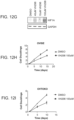
- VHL inhibitors have also been identified, including VH298, which has been described for targeting hypoxia signaling.
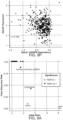
- VH298 has been identified herein that EGLN1 dependent cell lines tend to exhibit elevated Hypoxia Inducible Factor 1 Alpha (HIF1A) levels.
- HIF1A Hypoxia Inducible Factor 1 Alpha
- the instant disclosure provides a method for selecting a treatment for a subject having or at risk of developing a cancer that exhibits EGLN1 dependency, the method involving: (a) obtaining a sample from a subject having or at risk of developing a cancer that exhibits EGLN1 dependency; (b) identifying the presence or absence in the sample of EGLN1 dependency; and (c) selecting an EGLN1 inhibitor or a VHL inhibitor as a treatment for the subj ect if EGLN1 dependency is identified in the sample, thereby selecting a treatment for the subject having or at risk of developing a cancer that exhibits EGLN1 dependency.
- the cancer is a melanoma or an ovarian cancer, optionally a clear cell ovarian cancer.
- step (b) includes identifying the presence or absence in the sample of elevated Hypoxia Inducible Factor 1 Alpha (HIF1A), as compared to an appropriate control.
- HIF1A Hypoxia Inducible Factor 1 Alpha
- the EGLN1 inhibitor is FG-4592 (Roxadustat), FG-2216, Molidustat (Bay 85-3934), IOX2 and/or Daprodustat.
- the EGLN1 inhibitor is FG-4592.
- the EGLN1 inhibitor is an oligonucleotide inhibitor of EGLN1, optionally an antisense oligonucleotide, a siRNA and/or a sgRNA.
- the VHL inhibitor is VH298 and/or an oligonucleotide inhibitor of VHL.
- the oligonucleotide inhibitor of VHL is an antisense oligonucleotide, a siRNA and/or a sgRNA.
- the method further includes: (d) administering the selected EGLN1 inhibitor or VHL inhibitor to the subject.
- identifying step (b) includes use of a kit of the instant disclosure.
- the subject is human.
- Another aspect of the instant disclosure provides a kit for identifying EGLN1 dependency in a sample and selecting an EGLN1 inhibitor or a VHL inhibitor therapy for a subject, and instructions for its use.
- the sample is a cancer sample.
- the cancer sample is a melanoma sample and/or an ovarian cancer sample.
- the ovarian cancer is a clear cell ovarian cancer.
- the sample is a tissue sample of a subject having a cancer that is a melanoma or an ovarian cancer.
- the ovarian cancer is a clear cell ovarian cancer.
- the kit in a further embodiment, includes reagentsfor assessing HIF1A levels in the sample.
- An additional aspect of the instant disclosure provides a method for treating or preventing a melanoma or an ovarian cancer in a subj ect having or at risk of developing such a cancer, involving: (a) obtaining a sample from a subject having or at risk of developing a melanoma or an ovarian cancer; (b) identifying the presence or absence in the sample of EGLN1 dependency; and (c) administering an EGLN1 inhibitor or a VHL inhibitor to the subject if EGLN1 dependency is identified in the sample, thereby treating or preventing a melanoma or an ovarian cancer in a subj ect having or at risk of developing such a cancer.
- step (b) includes performing a single multiplex PCR reaction that is analyzed by capillary electrophoresis.
- step (b) includes identifying the presence or absence in the sample of elevated Hypoxia Inducible Factor 1 Alpha (HIF1A), as compared to an appropriate control.
- HIF1A Hypoxia Inducible Factor 1 Alpha
- step (b) includes use of a kit of the instant disclosure.
- a further aspect of the instant disclosure provides a pharmaceutical composition for treating a subj ect having an EGLN1-dependent cancer that includes a therapeutically effective amount of an EGLN1 inhibitor or a VHL inhibitor and a pharmaceutically acceptable carrier.
- the term “approximately” or “about” refers to a range of values that fall within 25%, 20%, 19%, 18%, 17%, 16%, 15%, 14%, 13%, 12%, 11%, 10%, 9%, 8%, 7%, 6%, 5%, 4%, 3%, 2%, 1%, or less in either direction (greater than or less than) of the stated reference value unless otherwise stated or otherwise evident from the context (except where such number would exceed 100% of a possible value).
- administration refers to introducing a substance into a subject.
- any route of administration may be utilized including, for example, parenteral (e.g., intravenous), oral, topical, subcutaneous, peritoneal, intraarterial, inhalation, vaginal, rectal, nasal, introduction into the cerebrospinal fluid, or instillation into body compartments.
- administration is oral. Additionally or alternatively, in some embodiments, administration is parenteral. In some embodiments, administration is intravenous.
- agent any small compound (e.g., small molecule), antibody, nucleic acid molecule, or polypeptide, or fragments thereof or cellular therapeutics such as allogeneic transplantation and/or CART-cell therapy.
- cancer refers to a malignant neoplasm ( Stedman's Medical Dictionary, 25th ed.; Hensyl ed.; Williams & Wilkins: Philadelphia, 1990 ).
- exemplary cancers include, but are not limited to, melanoma and ovarian cancer (e.g., cystadenocarcinoma, ovarian embryonal carcinoma, ovarian adenocarcinoma), with ovarian cancer specifically including clear cell ovarian cancer.
- Additional exemplary cancers include, but are not limited to, colorectal cancer (e.g., colon cancer, rectal cancer, colorectal adenocarcinoma), endometrial cancer (e.g., uterine cancer, uterine sarcoma), esophageal cancer (e.g., adenocarcinoma of the esophagus, Barrett's adenocarcinoma), and gastric cancer (e.g., stomach adenocarcinoma (STAD)), including, e.g., colon adenocarcinoma (COAD), oesophageal carcinoma (ESCA), rectal adenocarcinoma (READ) and uterine corpus endometrial carcinoma (UCEC).
- colorectal cancer e.g., colon cancer, rectal cancer, colorectal adenocarcinoma
- endometrial cancer e.g., uterine cancer, uterine sarcom
- B-cell NHL such as diffuse large cell lymphoma (DLCL) (e.g., diffuse large B-cell lymphoma (DLBCL)
- DLCL diffuse large cell lymphoma
- CLL/SLL diffuse large B-cell lymphoma
- MALT mantle cell lymphoma
- MALT mucosa-associated lymphoid tissue
- liver cancer e.g., hepatocellular cancer (HCC), malignant hepatoma); leiomyosarcoma (LMS); mastocytosis (e.g., systemic mastocytosis); muscle cancer; myelodysplastic syndrome (MDS); mesothelioma; myeloproliferative disorder (MPD) (e.g., polycythemia vera (PV), essential thrombocytosis (ET), agnogenic myeloid metaplasia (AMM) a.k.a.
- HCC hepatocellular cancer
- LMS leiomyosarcoma
- mastocytosis e.g., systemic mastocytosis
- muscle cancer elodysplastic syndrome
- MDS myelodysplastic syndrome
- MDS myelodysplastic syndrome
- MDS myeloproliferative disorder
- MPD e.g., polycythemia vera (PV), essential thrombocyto
- myelofibrosis MF
- chronic idiopathic myelofibrosis chronic myelocytic leukemia (CML), chronic neutrophilic leukemia (CNL), hypereosinophilic syndrome (HES)
- neuroblastoma e.g., neurofibromatosis (NF) type 1 or type 2, schwannomatosis
- neuroendocrine cancer e.g., gastroenteropancreatic neuroendocrine tumor (GEP-NET), carcinoid tumor
- osteosarcoma e.g., bone cancer
- papillary adenocarcinoma pancreatic cancer (e.g., pancreatic andenocarcinoma, intraductal papillary mucinous neoplasm (IPMN), Islet cell tumors)
- penile cancer e.g., Paget's disease of the penis and scrotum
- pinealoma a
- primitive neuroectodermal tumor (PNT) plasma
- control or “reference” is meant a standard of comparison.
- "changed as compared to a control” sample or subject is understood as having a level that is statistically different than a sample from a normal, untreated, or control sample.
- Control samples include, for example, cells in culture, one or more laboratory test animals, or one or more human subjects. Methods to select and test control samples are within the ability of those in the art. Determination of statistical significance is within the ability of those skilled in the art, e.g., the number of standard deviations from the mean that constitute a positive result.
- isolated refers to material that is free to varying degrees from components which normally accompany it as found in its native state.
- Isolate denotes a degree of separation from original source or surroundings.
- Purify denotes a degree of separation that is higher than isolation.
- NGS next-generation sequencing
- CMOS complementary metal-oxide-semiconductor
- SOLiD solid-phase, reversible dye-terminator sequencing
- Ion semiconductor sequencing ion Torrent
- DNA nanoball sequencing Complete Genomics
- subject includes humans and mammals (e.g., mice, rats, pigs, cats, dogs, and horses).
- subjects are mammals, particularly primates, especially humans.
- subjects are livestock such as cattle, sheep, goats, cows, swine, and the like; poultry such as chickens, ducks, geese, turkeys, and the like; and domesticated animals particularly pets such as dogs and cats.
- subject mammals will be, for example, rodents (e.g., mice, rats, hamsters), rabbits, primates, or swine such as inbred pigs and the like.
- treatment refers to obtaining a desired pharmacologic and/or physiologic effect.
- the effect can be prophylactic in terms of completely or partially preventing a disease or symptom thereof and/or can be therapeutic in terms of a partial or complete cure for a disease and/or adverse effect attributable to the disease.
- Treatment covers any treatment of a disease or condition in a mammal, particularly in a human, and includes: (a) preventing the disease from occurring in a subject which can be predisposed to the disease but has not yet been diagnosed as having it; (b) inhibiting the disease, i.e., arresting its development; and (c) relieving the disease, i.e., causing regression of the disease.
- phrases "pharmaceutically acceptable carrier” is art recognized and includes a pharmaceutically acceptable material, composition or vehicle, suitable for administering compounds of the present disclosure to mammals.
- the carriers include liquid or solid filler, diluent, excipient, solvent or encapsulating material, involved in carrying or transporting the subject agent from one organ, or portion of the body, to another organ, or portion of the body.
- Each carrier must be “acceptable” in the sense of being compatible with the other ingredients of the formulation and not injurious to the patient.
- materials which can serve as pharmaceutically acceptable carriers include: sugars, such as lactose, glucose and sucrose; starches, such as corn starch and potato starch; cellulose, and its derivatives, such as sodium carboxymethyl cellulose, ethyl cellulose and cellulose acetate; powdered tragacanth; malt; gelatin; talc; excipients, such as cocoa butter and suppository waxes; oils, such as peanut oil, cottonseed oil, safflower oil, sesame oil, olive oil, corn oil and soybean oil; glycols, such as propylene glycol; polyols, such as glycerin, sorbitol, mannitol and polyethylene glycol; esters, such as ethyl oleate and ethyl laurate; agar; buffering agents, such as magnesium hydroxide and aluminum hydroxide; alginic acid; pyrogen-free water; isotonic saline; Ringer'
- Ranges can be expressed herein as from “about” one particular value, and/or to "about” another particular value. When such a range is expressed, another aspect includes from the one particular value and/or to the other particular value. Similarly, when values are expressed as approximations, by use of the antecedent "about,” it is understood that the particular value forms another aspect. It is further understood that the endpoints of each of the ranges are significant both in relation to the other endpoint, and independently of the other endpoint. It is also understood that there are a number of values disclosed herein, and that each value is also herein disclosed as "about” that particular value in addition to the value itself.
- data are provided in a number of different formats and that this data represent endpoints and starting points and ranges for any combination of the data points. For example, if a particular data point "10" and a particular data point "15" are disclosed, it is understood that greater than, greater than or equal to, less than, less than or equal to, and equal to 10 and 15 are considered disclosed as well as between 10 and 15. It is also understood that each unit between two particular units are also disclosed. For example, if 10 and 15 are disclosed, then 11, 12, 13, and 14 are also disclosed.
- Ranges provided herein are understood to be shorthand for all of the values within the range.
- a range of 1 to 50 is understood to include any number, combination of numbers, or sub-range from the group consisting 1, 2, 3, 4, 5, 6, 7, 8, 9, 10, 11, 12, 13, 14, 15, 16, 17, 18, 19, 20, 21, 22, 23, 24, 25, 26, 27, 28, 29, 30, 31, 32, 33, 34, 35, 36, 37, 38, 39, 40, 41, 42, 43, 44, 45, 46, 47, 48, 49, or 50 as well as all intervening decimal values between the aforementioned integers such as, for example, 1.1, 1.2, 1.3, 1.4, 1.5, 1.6, 1.7, 1.8, and 1.9.
- a nested sub-range of an exemplary range of 1 to 50 may comprise 1 to 10, 1 to 20, 1 to 30, and 1 to 40 in one direction, or 50 to 40, 50 to 30, 50 to 20, and 50 to 10 in the other direction.
- pharmaceutically acceptable salts, esters, amides, and prodrugs refers to those carboxylate salts, amino acid addition salts, esters, amides, and prodrugs of the compounds of the present disclosure which are, within the scope of sound medical judgment, suitable for use in contact with the tissues of patients without undue toxicity, irritation, allergic response, and the like, commensurate with a reasonable benefit/risk ratio, and effective for their intended use, as well as the zwitterionic forms, where possible, of the compounds of the disclosure.
- salts refers to the relatively non-toxic, inorganic and organic acid addition salts of compounds of the present disclosure. These salts can be prepared in situ during the final isolation and purification of the compounds or by separately reacting the purified compound in its free base form with a suitable organic or inorganic acid and isolating the salt thus formed.
- Representative salts include the hydrobromide, hydrochloride, sulfate, bisulfate, nitrate, acetate, oxalate, valerate, oleate, palmitate, stearate, laurate, borate, benzoate, lactate, phosphate, tosylate, citrate, maleate, fumarate, succinate, tartrate, naphthylate mesylate, glucoheptonate, lactobionate and laurylsulphonate salts, and the like.
- alkali and alkaline earth metals such as sodium, lithium, potassium, calcium, magnesium, and the like, as well as non-toxic ammonium, tetramethylammonium, tetramethylammonium, methlyamine, dimethlyamine, trimethlyamine, triethlyamine, ethylamine, and the like.
- alkali and alkaline earth metals such as sodium, lithium, potassium, calcium, magnesium, and the like
- non-toxic ammonium tetramethylammonium, tetramethylammonium, methlyamine, dimethlyamine, trimethlyamine, triethlyamine, ethylamine, and the like.
- a “therapeutically effective amount” of an agent described herein is an amount sufficient to provide a therapeutic benefit in the treatment of a condition or to delay or minimize one or more symptoms associated with the condition.
- a therapeutically effective amount of an agent means an amount of therapeutic agent, alone or in combination with other therapies, which provides a therapeutic benefit in the treatment of the condition.
- the term "therapeutically effective amount” can encompass an amount that improves overall therapy, reduces or avoids symptoms, signs, or causes of the condition, and/or enhances the therapeutic efficacy of another therapeutic agent.
- transitional term “comprising,” which is synonymous with “including,” “containing,” or “characterized by,” is inclusive or open-ended and does not exclude additional, unrecited elements or method steps.
- the transitional phrase “consisting of” excludes any element, step, or ingredient not specified in the claim.
- the transitional phrase “consisting essentially of” limits the scope of a claim to the specified materials or steps "and those that do not materially affect the basic and novel characteristic(s)" of the claimed invention.
- the present disclosure is directed, at least in part, to the discovery that certain types of cancer exhibit EGLN1-dependency. Most notably, melanoma and clear cell ovarian cancers were identified as cancers for which EGLN1-dependency is prevalent.
- the instant disclosure therefore provides compositions and methods for the diagnosis and treatment of EGLN1-dependent cancers, with such treatment particularly performed via administration of EGLN1 inhibitors and/or VHL inhibitors.
- Identification of a cancer as EGLN1-dependent can be performed via performance of knockdown and/or knockout of EGLN1 in a particular sample, cell, cell line, tissue and/or subject, as exemplified herein.
- EGLN1 and VHL have therefore herein been identified as a therapeutic target for EGLN1-dependent cancers (especially including melanoma and ovarian cancers, particularly clear cell ovarian cancers), and EGLN1 and VHL inhibitory agents have been specifically discovered herein as an effective therapeutic selection for cancers that exhibit EGLN1 dependency.
- Compositions and methods for identification of an EGLN1-dependent cancer and selection of a therapeutic that includes an EGLN1 and/or VHL inhibitory agent are described in additional detail below.
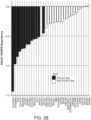
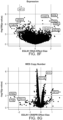
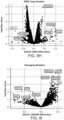
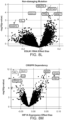
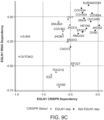
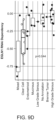
- genome-wide loss-of-function screens were performed in hundreds of cancer cell lines, to identify genes that were necessary for the proliferation/survival of subsets of cancer cells. It was hypothesized herein that candidate dependencies for which there are small molecules that are either FDA approved or in advanced development for a non-oncology indication would likely represent potential therapeutic targets. To test this hypothesis, genome-scale loss-of-function screens were performed herein in hundreds of cancer cell lines. It was herein identified that knockout of EGLN1, which encodes PHD2/Prolyl Hydroxylase Domain-Containing Protein 2 (PHD2) reduced the proliferation of a subset of clear cell ovarian cancer cell lines in vitro.
- PHD2/Prolyl Hydroxylase Domain-Containing Protein 2 PHD2/Prolyl Hydroxylase Domain-Containing Protein 2
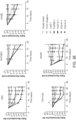
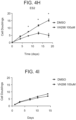
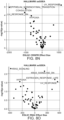
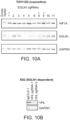
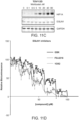
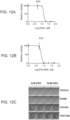
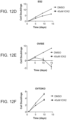
- EGLN1-dependent cells exhibited sensitivity to the pan-EGLN inhibitor FG-4592.
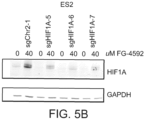
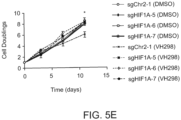
- the response to FG-4592 was reversed by deletion of HIF 1A (Hypoxia Inducible Factor 1 Alpha), which demonstrated that EGLN1 dependency was related to negative regulation of HIF1A.
- HIF 1A Hydrophilia Inducible Factor 1 Alpha
- ovarian clear cell tumors that were susceptible to both genetic and pharmacological inhibition of EGLN1 required intact HIF1A. The instant observations therefore identified EGLN1 as a cancer target possessing therapeutic potential.
- EGLN Egg-laying defective nine homolog
- EGLN hypoxia-inducible factor prolyl hydroxylase
- PLD prolyl hydroxylase domain-containing protein
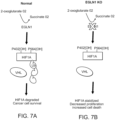
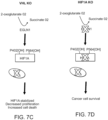
- EGLN1 is generally regarded as the primary HIF1 hydroxylase, while EGLN2 and EGLN3 regulate HIF1 under specific conditions (15-17).
- EGLN-mediated hydroxylation of HIF1 is reduced which leads to increased levels of HIF1 (17).
- HIF1 is increased under low oxygen conditions, the ⁇ subunit heterodimerizes with the ⁇ subunit and translocates to the nucleus to activate genes that promote glucose uptake, glycolysis and decreases oxidative phosphorylation (17).
- EGLN1 was thereby newly identified as a dependency preferentially required for the viability of a subset of cancer cell lines, most notably in clear cell ovarian cancer and a subset of melanoma cell lines.
- EGLN1 has been described previously as an oncogene and a tumor suppressor (36, 42, 49, 51), a specific dependency of a subset of cancers on EGLN1 has notbeen previously reported.
- Jokilehto et al. (36) found that EGLN1 expression was strongly associated with highly proliferative head and neck squamous cell carcinomas (HNSCC).
- HNSCC head and neck squamous cell carcinomas
- Klotzsche-von Ameln et al found EGLN1 inhibition led to a decrease in tumor growth using mouse lung cancer cell line LLC and osterocarcomalineLM8 (49).
- EGLN1 is another of a growing number of genes that acts both as an oncogene and tumor suppressor gene depending on the context (52).
- Identification of a tissue, tumor and/or cancer of a subject as exhibiting EGLN1 dependency can be performed by any method available in the art. Certain methods and compositions described herein relate to identification of a cancer as exhibiting EGLN1 dependency based upon EGLN1 gene-specific knockout and/or knockdown performed upon the cancer (upon the cell, cell line, sample, tissue and/or subject having or at risk of developing a cancer that is EGLN1-dependent).
- detection of elevated HIF1A levels can readily be performed, e.g., via assessment of mRNA expression levels (e.g., via real-time PCR or other such quantitative method) and/or immunoassay for detection of HIF1A protein levels.
- the instant disclosure provides methods and kits that involve and/or allow for assessment of the presence or absence of EGLN1 dependency in a sample, cell, cell line, tissue and/or subject.
- a subject, tissue, cell and/or sample is assessed for the presence of an EGLN1-dependent phenotype (indicative of an EGLN1-dependent cancer that is likely to respond to an EGLN1- and/or VHL-targeting therapeutic agent).
- EGLN1 dependency As noted herein, certain types of cancer have been identified herein in which EGLN1 dependency is relatively more prevalent than for other cancer types. Such cancers for which EGLN1 dependency is prevalent include melanoma and ovarian cancers (and among ovarian cancers, particularly clear cell ovarian cancers). Consideration of EGLN1 dependency prevalence within such cancer populations is detailed below and elsewhere herein.
- Melanoma also known as malignant melanoma, is a type of cancer that develops from the pigment-containing cells known as melanocytes (" Melanoma Treatment-for health professionals (PDQ®)". National Cancer Institute. June 26, 2015 ). Melanomas typically occur in the skin, but may rarely occur in the mouth, intestines, or eye (NCI; World Cancer Report 2014 (PDF). World Health Organization. 2014. pp. Chapter 5.14. ISBN 9283204298 ). In women, they most commonly occur on the legs, while in men they are most common on the back (WHO). Sometimes they develop from a mole with concerning changes including an increase in size, irregular edges, change in color, itchiness, or skin breakdown (NCI).
- Excisional biopsies may remove the tumor, but further surgery is often necessary to reduce the risk of recurrence.
- Complete surgical excision with adequate surgical margins and assessment for the presence of detectable metastatic disease along with short- and long-term followup is standard. Often this is done by a wide local excision (WLE) with 1-2 cm (0.4-0.8 in) margins.
- WLE wide local excision
- Melanoma-in-situ and lentigo malignas are treated with narrower surgical margins, usually 0.2-0.5 cm (0.1-0.2 in).
- lymph nodes that spread usually do so to the lymph nodes in the area of the tumor before spreading elsewhere. Attempts to improve survival by removing lymph nodes surgically (lymphadenectomy) were associated with many complications, but no overall survival benefit. Recently, the technique of sentinel lymph node biopsy has been developed to reduce the complications of lymph node surgery while allowing assessment of the involvement of nodes with tumor ("The Screening and Surveillance of Ultrasound in Melanoma trial (SUNMEL)").
- SUNMEL The Screening and Surveillance of Ultrasound in Melanoma trial
- lymph node If a lymph node is positive, depending on the extent of lymph node spread, a radical lymph node dissection will often be performed. If the disease is completely resected, the patient will be considered for adjuvant therapy.
- High-risk melanomas may require adjuvant treatment, although attitudes to this vary in different countries. In the United States, most patients in otherwise good health will begin up to a year of high-dose interferon treatment, which has severe side effects, but may improve the patient's prognosis slightly ( Kirkwood et al. J Clin Oncol. 14 (1): 7-17 ). However, the British Association of Dermatologists guidelines on melanoma state that interferon is not recommended as a standard adjuvant treatment for melanoma ( Neil H. Cox; John S.C., eds. British Association of Dermatologists' management guidelines. Wiley-Blackwell. ISBN 978-1-4443-3552-1 ).
- Metastatic melanomas can be detected by X-rays, CT scans, MRIs, PET and PET/CTs, ultrasound, LDH testing and photoacoustic detection ( Weight et al. Opt. Lett. 31 (20): 2998-3000 ).
- Various chemotherapy agents including temozolomide, dacarbazine (also termed DTIC), immunotherapy (with interleukin-2 (IL-2) or interferon (IFN)), as well as local perfusion, are used by different centers.
- IL-2 Proleukin
- IL-2 was the first new therapy approved (1990 Europe, 1992 USA) for the treatment of metastatic melanoma in 20 years. Studies have demonstrated that IL-2 offers the possibility of a complete and long-lasting remission in this disease, although only in a small percentage of patients ( Buzaid A. Oncology (Williston Park). 18: 1443-50 ; discussion 1457-59). Intralesional IL-2 for in-transit metastases has a high complete response rate ranging from 40 to 100% ( Maverakis et al. Acta Derm Venereol. 95 (5): 516-524 ).
- Therapies for metastatic melanoma include biologic immunotherapy agents ipilimumab, pembrolizumab, and nivolumab ( Syn et al. The Lancet Oncology. 18 (12): e731-41 ); BRAF inhibitors, such as vemurafenib and dabrafenib; and a MEK inhibitortrametinib (Maverakis et al.).
- imiquimod Aldara topical cream
- Radioimmunotherapy of metastatic melanoma is currently under investigation. Radiotherapy has a role in the palliation of metastatic melanoma ( Boyer (1999). Primary Care Oncology. Ford ).
- Ovarian cancer is a cancer that forms in or on an ovary (" Ovarian Cancer Prevention (PDQ)". NCI. December 6, 2013 ; Seiden, Michael (2015). “Gynecologic Malignancies, Chapter 117 "). It results in abnormal cells that have the ability to invade or spread to other parts of the body (" Defining Cancer”. National Cancer Institute ). When this process begins, there may be no or only vague symptoms (NCI). Symptoms become more noticeable as the cancer progresses (NCI; Ebell et al. American journal of preventive medicine. 50: 384-94 ). These symptoms may include bloating, pelvic pain, abdominal swelling, and loss of appetite, among others (NCI). Common areas to which the cancer may spread include the lining of the abdomen, lymph nodes, lungs, and liver ( Ruddon. Cancer biology (4th ed.). Oxford: Oxford University Press. p. 223 ).
- Treatment usually involves surgery and chemotherapy, and sometimes radiotherapy, regardless of the subtype of ovarian cancer ("Types of ovarian cancer”. cancerresearchuk.org; Marchetti et al. Expert Rev Anticancer ther 10: 47-60 ).
- Surgical treatment may be sufficient for well-differentiated malignant tumors and confined to the ovary.
- Addition of chemotherapy may be required for more aggressive tumors confined to the ovary.
- a combination of surgical reduction with a combination chemotherapy regimen is standard. Borderline tumors, even following spread outside of the ovary, are managed well with surgery (cancerresearchuk.org).
- CA 125 tumour marker is not always elevated in clear cell cancers, so it may be less reliable.
- the prognosis for women with clear cell cancer is greatly influenced by the stage of the disease. Clear cell cancer may also arise more commonly in women with a history of endometriosis.
- the first treatment for clear cell cancer is the same as for the common form of epithelial ovarian cancer - a total abdominal hysterectomy and bilateral salpingo-oophorectomy.and omentectomy. In some circumstances removal of the lymph glands in the pelvis and back of the abdomen may also be included.
- Chemotherapy has been a general standard of care for ovarian cancer for decades, although with variable protocols. Chemotherapy is used after surgery to treat any residual disease, if appropriate. In some cases, there may be reason to perform chemotherapy first, followed by surgery. This is called “neoadjuvant chemotherapy", and is common when a tumor cannot be completely removed or optimally debulked via surgery.
- the standard chemotherapy for ovarian cancer is to use two drugs called carboplatin and paclitaxel. There is research being carried out into whether other drugs may be as or more effective in treating clear cell cancers. New research suggests that in some cases of clear cell cancer which is confined to the ovary, chemotherapy may be avoided.
- Adjuvant chemotherapy can be given ( Jayson et al. Lancet. 384: 1376-88 ; " Ovarian cancer”. DynaMed. June 18, 2015 ).
- Adjuvant chemotherapy is used in stage 1 cancer typically if the tumor is of a high histologic grade (grade 3) or the highest substage (stage 1c), provided the cancer has been optimally staged during surgery (DynaMed; cancerresearchuk.org).
- Bevacizumab may be used as an adjuvant chemotherapy if the tumor is not completely removed during surgery or if the cancer is stage IV; it can extend progression-free survival but has not been shown to extend overall survival (DynaMed).
- Chemotherapy is curative in approximately 20% of advanced ovarian cancers ( Hoffman et al. Williams Gynecology (2nd ed.). McGraw Hill Medical. pp. 853-878 ); it is more often curative with malignant germ cell tumors than epithelial tumors ( Williams Gynecology 2012 ).
- Chemotherapy in ovarian cancer typically consists of platins, a group of platinum-based drugs, combined with non-platins.
- Common therapies can include paclitaxel, cisplatin, topotecan, doxorubicin, epirubicin, and gemcitabine.
- Carboplatin is typically given in combination with either paclitaxel or docetaxel; the typical combination is carboplatin with paclitaxel ( Jayson et al.; DynaMed ).
- Carboplatin is superior to cisplatin in that it is less toxic and has fewer side effects, generally allowing for an improved quality of life in comparison, though both are similarly effective (DynaMed).
- ovarian cancer If ovarian cancer recurs, it is considered partially platinum-sensitive or platinum-resistant, based on the time since the last recurrence treated with platins: partially platinum-sensitive cancers recurred 6-12 months after last treatment, and platinum-resistant cancers have an interval of less than 6 months. Second-line chemotherapy can be given after the cancer becomes symptomatic, because no difference in survival is seen between treating asymptomatic (elevated CA-125) and symptomatic recurrences.
- platins are the drugs of choice for second-line chemotherapy, in combination with other cytotoxic agents.
- Regimens include carboplatin combined with pegylated liposomal doxorubicin, gemcitabine, or paclitaxel (Seiden).
- Carboplatin-doublet therapy can be combined with paclitaxel for increased efficacy in some cases.
- Another potential adjuvant therapy for platinum-sensitive recurrences is olaparib, which may improve progression-free survival but has not been shown to improve overall survival (DynaMed).
- olaparib a PARP inhibitor, was approved by the US FDA for use in BRCA-associated ovarian cancer that had previously been treated with chemotherapy ( Yao, Stephanie (19 December 2014).
- the tumor is determined to be platinum-resistant, vincristine, dactinomycin, and cyclophosphamide (VAC) or some combination of paclitaxel, gemcitabine, and oxaliplatin may be used as a second-line therapy ( Williams Gynecology 2012 ).
- VAC cyclophosphamide
- Dysgerminomas are most effectively treated with radiation ( DeCherney et al. Current Diagnosis & Treatment Obstetrics & Gynecology (11th ed .)), though this can cause infertility and is being phased out in favor of chemotherapy (Seiden). Radiation therapy does not improve survival in people with well-differentiated tumors (Seiden).
- Immunotherapy is a topic of current research in ovarian cancer.
- the antibody drug bevacizumab though still a topic of active research, is used to treat advanced cancer along with chemotherapy (cancerresearchuk.org).
- the methods described herein can be used for selecting, and then optionally administering, an optimal treatment (e.g., an EGLN1 inhibitor and/or a VHL inhibitor) for a subject.
- an optimal treatment e.g., an EGLN1 inhibitor and/or a VHL inhibitor
- the methods described herein include methods for the treatment of cancer, particularly melanoma, ovarian cancer (e.g., clear cell ovarian cancer) and/or other form of cancer associated with EGLN1-dependency.
- the methods include administering a therapeutically effective amount of a treatment as described herein, to a subject who is in need of, or who has been determined to be in need of, such treatment.
- to "treat” means to ameliorate at least one symptom of the cancer.
- a treatment can result in a reduction in tumor size, tumor growth, cancer cell number, cancer cell growth, or metastasis or risk of metastasis.
- the methods can include selecting and/or administering a treatment that includes a therapeutically effective amount of an EGLN1 inhibitor and/or a VHL inhibitor.
- An EGLN1 inhibitor and/or a VHL inhibitor of the instant disclosure may be administered alone to a subject, or, optionally, an EGLN1 inhibitor and/or a VHL inhibitor may be administered in combination with an additional therapeutic agent including platinum agents such as cisplatin or carboplatin.
- EGLN1 inhibitors include FG-4592 (Roxadustat), FG-2216, Molidustat (BAY 85-3934), IOX2, AKB-6548 (Vadadustat), Daprodustat (GSK-1278863) and FG-4497. Structures of certain of these small molecule EGLN1 inhibitors follow.
- EGLN inhibitors that also have been shown to inhibit prolyl hydroxylases more broadly include FG0041, GSK360 and 2-(1-chloro-4-hydroxyisoquinoline-3-carboxamido) acetate (ICA), which have the following structures.
- hydroxylase inhibitors are also contemplated, including DMOG, hydralazine, FG4095, AGN-2979, metirosine, 3- iodotyrosine, aquayamycin, bulbocapnine, oudenone, TM 6008 and TM 6089.
- Ciclopirox ( CAS 29342-05-0 ) has also been described as a nonselective prolyl hydroxylase domain protein (PHD) inhibitor, as have Deferoxamine (DFO) and cobalt chloride (CoCl 2 ).
- PLD prolyl hydroxylase domain protein
- DFO Deferoxamine
- CoCl 2 cobalt chloride
- CoCl 2 Cobalt chloride
- VH298 An exemplary VHL inhibitor is VH298, which has the following structure:
- Oligonucleotide inhibitors of EGLN1 and/or VHL are also explicitly contemplated for use herein, including, e.g., antisense oligonucleotides, dsNA agents (including, e.g., siRNAs, hairpin oligonucleotides, etc.), and sgRNA (e.g., implementing CRISPR/Cas9 as a delivery approach for sequence-specific inhibition of EGLN1 and/or VHL).
- antisense oligonucleotides include, e.g., siRNAs, hairpin oligonucleotides, etc.
- sgRNA e.g., implementing CRISPR/Cas9 as a delivery approach for sequence-specific inhibition of EGLN1 and/or VHL.
- sequence-specific oligonucleotide inhibitors of EGLN1 and/or VHL are delivered as naked oligonucleotides, as modified oligonucleotides (e.g., as GalNAc conjugates), within lipid nanoparticles (LNPs), or as components of other art-recognized delivery modalities for oligonucleotide therapeutics.
- modified oligonucleotides e.g., as GalNAc conjugates
- LNPs lipid nanoparticles
- Exemplary description of oligonucleotide inhibitors of EGLN1 can be found, e.g., in U.S. Patent No. 9,193,973 , while VHL appears not to have previously been considered as a target for oligonucleotide-mediated knockdown.
- exemplary EGLN1 and/or VHL inhibitor compositions may be given in combination with chemotherapy and/or radiation therapy.
- An exemplary EGLN1 inhibitor may be an oligonucleotide inhibitor of EGLN1, such as the siRNA formed by the duplex of 5'-CAAGGUACGCAAUAACUGU-3' and 5'-ACAGUUAUUGCGUACCUUG-3'.
- an analog, derivative, fragment, homolog or variant of the oligonucleotide may be formulated as a liposome preparation.
- the liposome preparation can comprise liposomes which penetrate the cells of interest, and fuse with the cell membrane, resulting in delivery of the contents of the liposome into the cell.
- liposomes such as those described in U.S. Patent No. 5,077,211 of Yarosh , U.S. Patent No. 4,621,023 of Redziniak et al. or U.S. Patent No. 4,508,703 of Redziniak et al. can be used.
- Exemplary antisense or other oligonucleotide-directed inhibition of EGLN1 and/or VHL expression can be assayed in a variety of ways known in the art.
- EGLN1 and/or VHL mRNA levels can be quantitated by, e.g., Northern blot analysis, competitive polymerase chain reaction (PCR), or real-time PCR (RT-PCR). Real-time quantitative PCR is presently preferred.
- RNA analysis can be performed on total cellular RNA or poly(A)+ mRNA. Methods of RNA isolation are taught in, for example, Ausubel, F. M. et al.,Current Protocols in Molecular Biology, Volume 1, pp.
- Protein levels of EGLN1 and/or VHL can be quantitated in a variety of ways well known in the art, such as immunoprecipitation, Western blot analysis (immunoblotting), ELISA or fluorescence-activated cell sorting (FACS).
- Antibodies directed to EGLN1 and/or VHL can be identified and obtained from a variety of sources, such as the MSRS catalog of antibodies (Aerie Corporation, Birmingham, Mich.), or can be prepared via conventional antibody generation methods. Methods for preparation of polyclonal antisera are taught in, for example, Ausubel, F. M. et al.,Current Protocols in Molecular Biology, Volume 2, pp. 11.12.1-11.12.9, John Wiley & Sons, Inc., 1997 .
- Immunoprecipitation methods are standard in the art and can be found at, for example, Ausubel, F. M. et al.,CurrentProtocols in Molecular Biology, Volume 2, pp. 10.16.1-10.16.11, John Wiley & Sons, Inc., 1998 .
- Western blot (immunoblot) analysis is standard in the art and can be found at, for example, Ausubel, F. M. et al.,Current Protocols in Molecular Biology, Volume 2, pp. 10.8.1-10.8.21, John Wiley & Sons, Inc., 1997 .
- Enzyme-linked immunosorbent assays are standard in the art and can be found at, for example, Ausubel, F. M. et al.,Current Protocols in Molecular Biology, Volume 2, pp. 11.2.1-11.2.22, John Wiley & Sons, Inc., 1991
- Monoclonal and polyclonal antibodies against EGLN1 and/or VHL have also been described in the art (see, e.g., GenBank Accession No. NP_071334.1 for an anti-EGLN1 antibody and EP 2957571 for an anti-VHL monoclonal antibody).
- Compounds of the present invention that suppress EGLN1 and/or VHL helicase gene expression or the function (activity) of a protein encoded by that gene may be natural or synthetic compounds. Typically, the compounds can be produced, obtained or isolated using methods known to those skilled in the art.
- Such compounds include, for example, compounds comprising a single molecule, such as organic compounds, inorganic compounds, nucleic acids, proteins, peptides, and sugars; and libraries of compounds, expression products of gene libraries, cell extracts, cell culture supernatants, the products of fermenting microorganisms, marine organism extracts, plant extracts, and compounds purified or isolated from such extracts.
- an "effective amount” is an amount sufficient to effect beneficial or desired results.
- a therapeutic amount is one that achieves the desired therapeutic effect. This amount can be the same or different from a prophylactically effective amount, which is an amount necessary to prevent onset of disease or disease symptoms.
- An effective amount can be administered in one or more administrations, applications or dosages.
- a therapeutically effective amount of a therapeutic compound i.e., an effective dosage
- the compositions can be administered from one or more times per day to one or more times per week; including once every other day.
- treatment of a subject with a therapeutically effective amount of the therapeutic compounds described herein can include a single treatment or a series of treatments.
- Dosage, toxicity and therapeutic efficacy of the therapeutic compounds can be determined by standard pharmacological procedures in cell cultures or experimental animals, e.g., for determining the LD50 (the dose lethal to 50% of the population) and the ED50 (the dose therapeutically effective in 50% of the population).
- the dose ratio between toxic and therapeutic effects is the therapeutic index and it can be expressed as the ratio LD50/ED50.
- Compounds which exhibit high therapeutic indices are preferred. While compounds that exhibit toxic side effects may be used, care should be taken to design a delivery system that targets such compounds to the site of affected tissue in order to minimize potential damage to uninfected cells and, thereby, reduce side effects.
- the data obtained from cell culture assays and animal studies can be used in formulating a range of dosage for use in humans.
- the dosage of such compounds lies preferably within a range of circulating concentrations that include the ED50 with little or no toxicity.
- the dosage may vary within this range depending upon the dosage form employed and the route of administration utilized.
- the therapeutically effective dose can be estimated initially from cell culture assays.
- a dose may be formulated in animal models to achieve a circulating plasma concentration range that includes the IC50 (i.e., the concentration of an EGLN1 and/or VHL inhibitor which achieves a half-maximal inhibition of symptoms) as determined in cell culture.
- IC50 i.e., the concentration of an EGLN1 and/or VHL inhibitor which achieves a half-maximal inhibition of symptoms
- levels in plasma may be measured, for example, by high performance liquid chromatography.
- compositions and methods of the present disclosure may be used in the context of a number of therapeutic or prophylactic applications.
- an EGLN1 and/or VHL inhibitor selected and/or administered as a single agent or to augment the efficacy of another therapy (second therapy)
- compositions of the present disclosure will follow general protocols for the administration described herein, and the general protocols for the administration of a particular secondary therapy will also be followed, taking into account the toxicity, if any, of the treatment. It is expected that the treatment cycles would be repeated as necessary. It also is contemplated that various standard therapies may be applied in combination with the described therapies.
- Agents of the present disclosure can be incorporated into a variety of formulations for therapeutic use (e.g., by administration) or in the manufacture of a medicament (e.g., for treating or preventing an EGLN1-dependent cancer) by combining the agents with appropriate pharmaceutically acceptable carriers or diluents, and may be formulated into preparations in solid, semi-solid, liquid or gaseous forms.
- formulations include, without limitation, tablets, capsules, powders, granules, ointments, solutions, suppositories, injections, inhalants, gels, microspheres, and aerosols.
- compositions can include, depending on the formulation desired, pharmaceutically-acceptable, non-toxic carriers of diluents, which are vehicles commonly used to formulate pharmaceutical compositions for animal or human administration.
- diluents are vehicles commonly used to formulate pharmaceutical compositions for animal or human administration.
- the diluent is selected so as not to affect the biological activity of the combination.
- examples of such diluents include, without limitation, distilled water, buffered water, physiological saline, PBS, Ringer's solution, dextrose solution, and Hank's solution.
- a pharmaceutical composition or formulation of the present disclosure can further include other carriers, adjuvants, or non-toxic, nontherapeutic, nonimmunogenic stabilizers, excipients and the like.
- the compositions can also include additional substances to approximate physiological conditions, such as pH adjusting and buffering agents, toxicity adjusting agents, wetting agents and detergents.
- the active ingredient can be administered in solid dosage forms, such as capsules, tablets, and powders, or in liquid dosage forms, such as elixirs, syrups, and suspensions.
- the active component(s) can be encapsulated in gelatin capsules together with inactive ingredients and powdered carriers, such as glucose, lactose, sucrose, mannitol, starch, cellulose or cellulose derivatives, magnesium stearate, stearic acid, sodium saccharin, talcum, magnesium carbonate.
- inactive ingredients and powdered carriers such as glucose, lactose, sucrose, mannitol, starch, cellulose or cellulose derivatives, magnesium stearate, stearic acid, sodium saccharin, talcum, magnesium carbonate.
- additional inactive ingredients that may be added to provide desirable color, taste, stability, buffering capacity, dispersion or other known desirable features are red iron oxide, silica gel, sodium lauryl sulfate, titanium dioxide, and edible white ink.
- Similar diluents can be used to make compressed tablets. Both tablets and capsules can be manufactured as sustained release products to provide for continuous release of medication over a period of hours. Compressed tablets can be sugar coated or film coated to mask any unpleasant taste and protect the tablet from the atmosphere, or enteric-coated for selective disintegration in the gastrointestinal tract. Liquid dosage forms for oral administration can contain coloring and flavoring to increase patient acceptance.
- Formulations suitable for parenteral administration include aqueous and non-aqueous, isotonic sterile injection solutions, which can contain antioxidants, buffers, bacteriostats, and solutes that render the formulation isotonic with the blood of the intended recipient, and aqueous and non-aqueous sterile suspensions that can include suspending agents, solubilizers, thickening agents, stabilizers, and preservatives.
- the term "pharmaceutically acceptable salt” refers to those salts which are, within the scope of sound medical judgment, suitable for use in contact with the tissues of humans and lower animals without undue toxicity, irritation, allergic response and the like, and are commensurate with a reasonable benefit/risk ratio.
- Pharmaceutically acceptable salts of amines, carboxylic acids, and other types of compounds are well known in the art. For example, S. M. Berge, et al. describe pharmaceutically acceptable salts in detail in J Pharmaceutical Sciences 66 (1977): 1-19 , incorporated herein by reference.
- the salts can be prepared in situ during the final isolation and purification of the compounds of the application, or separately by reacting a free base or free acid function with a suitable reagent, as described generally below. For example, a free base function can be reacted with a suitable acid.
- suitable pharmaceutically acceptable salts thereof may, include metal salts such as alkali metal salts, e.g. sodium or potassium salts; and alkaline earth metal salts, e.g. calcium or magnesium salts.
- Examples of pharmaceutically acceptable, nontoxic acid addition salts are salts of an amino group formed with inorganic acids such as hydrochloric acid, hydrobromic acid, phosphoric acid, sulfuric acid and perchloric acid or with organic acids such as acetic acid, oxalic acid, maleic acid, tartaric acid, citric acid, succinic acid or malonic acid or by using other methods used in the art such as ion exchange.
- inorganic acids such as hydrochloric acid, hydrobromic acid, phosphoric acid, sulfuric acid and perchloric acid
- organic acids such as acetic acid, oxalic acid, maleic acid, tartaric acid, citric acid, succinic acid or malonic acid or by using other methods used in the art such as ion exchange.
- salts include adipate, alginate, ascorbate, aspartate, benzenesulfonate, benzoate, bisulfate, borate, butyrate, camphorate, camphorsulfonate, citrate, cyclopentanepropionate, digluconate, dodecylsulfate, ethanesulfonate, formate, fumarate, glucoheptonate, glycerophosphate, gluconate, hemisulfate, heptanoate, hexanoate, hydroiodide, 2-hydroxy-ethanesulfonate, lactobionate, lactate, laurate, lauryl sulfate, malate, maleate, malonate, methanesulfonate, 2-naphthalenesulfonate, nicotinate, nitrate, oleate, oxalate, palmitate, pamoate, pectinate,
- alkali or alkaline earth metal salts include sodium, lithium, potassium, calcium, magnesium, and the like.
- Further pharmaceutically acceptable salts include, when appropriate, nontoxic ammonium, quaternary ammonium, and amine cations formed using counterions such as halide, hydroxide, carboxylate, sulfate, phosphate, nitrate, loweralkyl sulfonate and aryl sulfonate.
- ester refers to esters that hydrolyze in vivo and include those that break down readily in the human body to leave the parent compound (e.g., an FDA-approved compound where administered to a human subject) or a salt thereof.
- Suitable ester groups include, for example, those derived from pharmaceutically acceptable aliphatic carboxylic acids, particularly alkanoic, alkenoic, cycloalkanoic and alkanedioic acids, in which each alkyl or alkenyl moeity advantageously has not more than 6 carbon atoms.
- esters include formates, acetates, propionates, butyrates, acrylates and ethyl succinates.
- prodrugs refers to those prodrugs of the certain compounds of the present application which are, within the scope of sound medical judgment, suitable for use in contact with the issues of humans and lower animals with undue toxicity, irritation, allergic response, and the like, commensurate with a reasonable benefit/risk ratio, and effective for their intended use, as well as the zwitterionic forms, where possible, of the compounds of the application.
- prodrug refers to compounds that are rapidly transformed in vivo to yield the parent compound of an agent of the instant disclosure, for example by hydrolysis in blood. A thorough discussion is provided in T. Higuchi and V. Stella, Prodrugs as Novel Delivery Systems, Vol. 14 of the A.C. S. Symposium Series , and in Edward B. Roche, ed., Bioreversible Carriers in Drug Design, American Pharmaceutical Association and Pergamon Press, (1987 ), both of which are incorporated herein by reference.
- compositions intended for in vivo use are usually sterile. To the extent that a given compound must be synthesized prior to use, the resulting product is typically substantially free of any potentially toxic agents, particularly any endotoxins, which may be present during the synthesis or purification process.
- compositions for parental administration are also sterile, substantially isotonic and made under GMP conditions.
- Formulations may be optimized for retention and stabilization in a subject and/or tissue of a subject, e.g., to prevent rapid clearance of a formulation by the subject.
- Stabilization techniques include cross-linking, multimerizing, or linking to groups such as polyethylene glycol, polyacrylamide, neutral protein carriers, etc. in order to achieve an increase in molecular weight.
- Other strategies for increasing retention include the entrapment of the agent, such as an EGLN1 and/or VHL inhibitor, in a biodegradable or bioerodible implant.
- the rate of release of the therapeutically active agent is controlled by the rate of transport through the polymeric matrix, and the biodegradation of the implant.
- the transport of drug through the polymer barrier will also be affected by compound solubility, polymer hydrophilicity, extent of polymer cross-linking, expansion of the polymer upon water absorption so as to make the polymer barrier more permeable to the drug, geometry of the implant, and the like.
- the implants are of dimensions commensurate with the size and shape of the region selected as the site of implantation. Implants may be particles, sheets, patches, plaques, fibers, microcapsules and the like and may be of any size or shape compatible with the selected site of insertion.
- the implants may be monolithic, i.e. having the active agent homogenously distributed through the polymeric matrix, or encapsulated, where a reservoir of active agent is encapsulated by the polymeric matrix.
- the selection of the polymeric composition to be employed will vary with the site of administration, the desired period of treatment, patient tolerance, the nature of the disease to be treated and the like. Characteristics of the polymers will include biodegradability at the site of implantation, compatibility with the agent of interest, ease of encapsulation, a half-life in the physiological environment.
- Biodegradable polymeric compositions which may be employed may be organic esters or ethers, which when degraded result in physiologically acceptable degradation products, including the monomers. Anhydrides, amides, orthoesters or the like, by themselves or in combination with other monomers, may find use.
- the polymers will be condensation polymers.
- the polymers may be cross-linked or non-cross-linked.
- polymers of hydroxyaliphatic carboxylic acids either homo- or copolymers, and polysaccharides. Included among the polyesters of interest are polymers of D-lactic acid, L-lactic acid, racemic lactic acid, glycolic acid, polycaprolactone, and combinations thereof.
- a slowly biodegrading polymer is achieved, while degradation is substantially enhanced with the racemate.
- Copolymers of glycolic and lactic acid are of particular interest, where the rate of biodegradation is controlled by the ratio of glycolic to lactic acid.
- the most rapidly degraded copolymer has roughly equal amounts of glycolic and lactic acid, where either homopolymer is more resistant to degradation.
- the ratio of glycolic acid to lactic acid will also affect the brittleness of in the implant, where a more flexible implant is desirable for larger geometries.
- polysaccharides of interest are calcium alginate, and functionalized celluloses, particularly carboxymethylcellulose esters characterized by being water insoluble, a molecular weight of about 5 kD to 500 kD, etc.
- Biodegradable hydrogels may also be employed in the implants of the individual instant disclosure. Hydrogels are typically a copolymer material, characterized by the ability to imbibe a liquid. Exemplary biodegradable hydrogels which may be employed are described in Heller in: Hydrogels in Medicine and Pharmacy, N. A. Peppes ed., Vol. III, CRC Press, Boca Raton, Fla., 1987, pp 137-149 .
- compositions of the present disclosure containing an agent described herein may be used (e.g., administered to an individual, such as a human individual, in need of treatment with an EGLN1 and/or VHL inhibitor) in accord with known methods, such as oral administration, intravenous administration as a bolus or by continuous infusion over a period of time, by intramuscular, intraperitoneal, intracerobrospinal, intracranial, intraspinal, subcutaneous, intraarticular, intrasynovial, intrathecal, topical, or inhalation routes.
- Dosages and desired drug concentration of pharmaceutical compositions of the present disclosure may vary depending on the particular use envisioned. The determination of the appropriate dosage or route of administration is well within the skill of an ordinary artisan. Animal experiments provide reliable guidance for the determination of effective doses for human therapy. Interspecies scaling of effective doses can be performed following the principles described in Mordenti, J. and Chappell, W. "The Use of Interspecies Scaling in Toxicokinetics," In Toxicokinetics and New Drug Development, Yacobi et al., Eds, Pergamon Press, New York 1989, pp.42-46 .
- normal dosage amounts may vary from about 10 ng/kg up to about 100 mg/kg of an individual's and/or subject's body weight or more per day, depending upon the route of administration. In some embodiments, the dose amount is about 1 mg/kg/day to 10 mg/kg/day. For repeated administrations over several days or longer, depending on the severity of the disease, disorder, or condition to be treated, the treatment is sustained until a desired suppression of symptoms is achieved.
- an effective amount of an agent of the instant disclosure may vary, e.g., from about 0.001 mg/kg to about 1000 mg/kg or more in one or more dose administrations for one or several days (depending on the mode of administration).
- the effective amount per dose varies from about 0.001 mg/kg to about 1000 mg/kg, from about 0.01 mg/kg to about 750 mg/kg, from about 0.1 mg/kg to about 500 mg/kg, from about 1.0 mg/kg to about 250 mg/kg, and from about 10.0 mg/kg to about 150 mg/kg.
- An exemplary dosing regimen may include administering an initial dose of an agent of the disclosure of about 200 ⁇ g/kg, followed by a weekly maintenance dose of about 100 ⁇ g/kg every other week.
- Other dosage regimens may be useful, depending on the pattern of pharmacokinetic decay that the physician wishes to achieve. For example, dosing an individual from one to twenty-one times a week is contemplated herein. In certain embodiments, dosing ranging from about 3 ⁇ g/kg to about 2 mg/kg (such as about 3 ⁇ g/kg, about 10 ⁇ g/kg, about 30 ⁇ g/kg, about 100 ⁇ g/kg, about 300 ⁇ g/kg, about 1 mg/kg, or about 2 mg/kg) may be used.
- dosing frequency is three times per day, twice per day, once per day, once every other day, once weekly, once every two weeks, once every four weeks, once every five weeks, once every six weeks, once every seven weeks, once every eight weeks, once every nine weeks, once every ten weeks, or once monthly, once every two months, once every three months, or longer. Progress of the therapy is easily monitored by conventional techniques and assays.
- the dosing regimen, including the agent(s) administered, can vary over time independently of the dose used.
- compositions described herein can be prepared by any method known in the art of pharmacology.
- preparatory methods include the steps of bringing the agent or compound described herein (i.e., the "active ingredient") into association with a carrier or excipient, and/or one or more other accessory ingredients, and then, if necessary and/or desirable, shaping, and/or packaging the product into a desired single- or multi-dose unit.
- compositions can be prepared, packaged, and/or sold in bulk, as a single unit dose, and/or as a plurality of single unit doses.
- a "unit dose” is a discrete amount of the pharmaceutical composition comprising a predetermined amount of the active ingredient.
- the amount of the active ingredient is generally equal to the dosage of the active ingredient which would be administered to a subject and/or a convenient fraction of such a dosage such as, for example, one-half or one-third of such a dosage.
- Relative amounts of the active ingredient, the pharmaceutically acceptable excipient, and/or any additional ingredients in a pharmaceutical composition described herein will vary, depending upon the identity, size, and/or condition of the subject treated and further depending upon the route by which the composition is to be administered.
- the composition may comprise between 0.1% and 100% (w/w) active ingredient.
- compositions used in the manufacture of provided pharmaceutical compositions include inert diluents, dispersing and/or granulating agents, surface active agents and/or emulsifiers, disintegrating agents, binding agents, preservatives, buffering agents, lubricating agents, and/or oils. Excipients such as cocoa butter and suppository waxes, coloring agents, coating agents, sweetening, flavoring, and perfuming agents may also be present in the composition.
- Exemplary diluents include calcium carbonate, sodium carbonate, calcium phosphate, dicalcium phosphate, calcium sulfate, calcium hydrogen phosphate, sodium phosphate lactose, sucrose, cellulose, microcrystalline cellulose, kaolin, mannitol, sorbitol, inositol, sodium chloride, dry starch, cornstarch, powdered sugar, and mixtures thereof.
- Exemplary granulating and/or dispersing agents include potato starch, corn starch, tapioca starch, sodium starch glycolate, clays, alginic acid, guar gum, citrus pulp, agar, bentonite, cellulose, and wood products, natural sponge, cation-exchange resins, calcium carbonate, silicates, sodium carbonate, cross-linked poly(vinyl-pyrrolidone) (crospovidone), sodium carboxymethyl starch (sodium starch glycolate), carboxymethyl cellulose, cross-linked sodium carboxymethyl cellulose (croscarmellose), methylcellulose, pregelatinized starch (starch 1500), microcrystalline starch, water insoluble starch, calcium carboxymethyl cellulose, magnesium aluminum silicate (Veegum), sodium lauryl sulfate, quaternary ammonium compounds, and mixtures thereof.
- crospovidone cross-linked poly(vinyl-pyrrolidone)
- sodium carboxymethyl starch sodium starch glycolate
- Exemplary surface active agents and/or emulsifiers include natural emulsifiers (e.g., acacia, agar, alginic acid, sodium alginate, tragacanth, chondrux, cholesterol, xanthan, pectin, gelatin, egg yolk, casein, wool fat, cholesterol, wax, and lecithin), colloidal clays (e.g., bentonite (aluminum silicate) and Veegum (magnesium aluminum silicate)), long chain amino acid derivatives, high molecular weight alcohols (e.g., stearyl alcohol, cetyl alcohol, oleyl alcohol, triacetin monostearate, ethylene glycol distearate, glyceryl monostearate, and propylene glycol monostearate, polyvinyl alcohol), carbomers (e.g., carboxy polymethylene, polyacrylic acid, acrylic acid polymer, and carboxyvinyl polymer), carrageenan, cellulos
- Exemplary binding agents include starch (e.g., cornstarch and starch paste), gelatin, sugars (e.g., sucrose, glucose, dextrose, dextrin, molasses, lactose, lactitol, mannitol, etc.), natural and synthetic gums (e.g., acacia, sodium alginate, extract of Irish moss, panwar gum, ghatti gum, mucilage of isapol husks, carboxymethylcellulose, methylcellulose, ethylcellulose, hydroxyethylcellulose, hydroxypropyl cellulose, hydroxypropyl methylcellulose, microcrystalline cellulose, cellulose acetate, poly(vinyl-pyrrolidone), magnesium aluminum silicate (Veegum ® ), and larch arabogalactan), alginates, polyethylene oxide, polyethylene glycol, inorganic calcium salts, silicic acid, polymethacrylates, waxes, water, alcohol, and/or
- Exemplary preservatives include antioxidants, chelating agents, antimicrobial preservatives, antifungal preservatives, antiprotozoan preservatives, alcohol preservatives, acidic preservatives, and other preservatives.
- the preservative is an antioxidant.
- the preservative is a chelating agent.
- antioxidants include alpha tocopherol, ascorbic acid, acorbyl palmitate, butylated hydroxyanisole, butylated hydroxytoluene, monothioglycerol, potassium metabisulfite, propionic acid, propyl gallate, sodium ascorbate, sodium bisulfite, sodium metabisulfite, and sodium sulfite.
- Exemplary chelating agents include ethylenediaminetetraacetic acid (EDTA) and salts and hydrates thereof (e.g., sodium edetate, disodium edetate, trisodium edetate, calcium disodium edetate, dipotassium edetate, and the like), citric acid and salts and hydrates thereof (e.g., citric acid monohydrate), fumaric acid and salts and hydrates thereof, malic acid and salts and hydrates thereof, phosphoric acid and salts and hydrates thereof, and tartaric acid and salts and hydrates thereof.
- EDTA ethylenediaminetetraacetic acid
- salts and hydrates thereof e.g., sodium edetate, disodium edetate, trisodium edetate, calcium disodium edetate, dipotassium edetate, and the like
- citric acid and salts and hydrates thereof e.g., citric acid mono
- antimicrobial preservatives include benzalkonium chloride, benzethonium chloride, benzyl alcohol, bronopol, cetrimide, cetylpyridinium chloride, chlorhexidine, chlorobutanol, chlorocresol, chloroxylenol, cresol, ethyl alcohol, glycerin, hexetidine, imidurea, phenol, phenoxyethanol, phenylethyl alcohol, phenylmercuric nitrate, propylene glycol, and thimerosal.
- antifungal preservatives include butyl paraben, methyl paraben, ethyl paraben, propyl paraben, benzoic acid, hydroxybenzoic acid, potassium benzoate, potassium sorbate, sodium benzoate, sodium propionate, and sorbic acid.
- Exemplary alcohol preservatives include ethanol, polyethylene glycol, phenol, phenolic compounds, bisphenol, chlorobutanol, hydroxybenzoate, and phenylethyl alcohol.
- Exemplary acidic preservatives include vitamin A, vitamin C, vitamin E, beta-carotene, citric acid, acetic acid, dehydroacetic acid, ascorbic acid, sorbic acid, and phytic acid.
- preservatives include tocopherol, tocopherol acetate, deteroxime mesylate, cetrimide, butylated hydroxyanisol (BHA), butylated hydroxytoluened (BHT), ethylenediamine, sodium lauryl sulfate (SLS), sodium lauryl ether sulfate (SLES), sodium bisulfite, sodium metabisulfite, potassium sulfite, potassium metabisulfite, Glydant ® Plus, Phenonip ® , methylparaben, Germall ® 115, Germaben ® II, Neolone ® , Kathon ® , and Euxyl ® .
- Exemplary buffering agents include citrate buffer solutions, acetate buffer solutions, phosphate buffer solutions, ammonium chloride, calcium carbonate, calcium chloride, calcium citrate, calcium glubionate, calcium gluceptate, calcium gluconate, D-gluconic acid, calcium glycerophosphate, calcium lactate, propanoic acid, calcium levulinate, pentanoic acid, dibasic calcium phosphate, phosphoric acid, tribasic calcium phosphate, calcium hydroxide phosphate, potassium acetate, potassium chloride, potassium gluconate, potassium mixtures, dibasic potassium phosphate, monobasic potassium phosphate, potassium phosphate mixtures, sodium acetate, sodium bicarbonate, sodium chloride, sodium citrate, sodium lactate, dibasic sodium phosphate, monobasic sodium phosphate, sodium phosphate mixtures, tromethamine, magnesium hydroxide, aluminum hydroxide, alginic acid, pyrogen-free water, isotonic saline, Ringer
- Exemplary lubricating agents include magnesium stearate, calcium stearate, stearic acid, silica, talc, malt, glyceryl behanate, hydrogenated vegetable oils, polyethylene glycol, sodium benzoate, sodium acetate, sodium chloride, leucine, magnesium lauryl sulfate, sodium lauryl sulfate, and mixtures thereof.
- Exemplary natural oils include almond, apricot kernel, avocado, babassu, bergamot, black current seed, borage, cade, camomile, canola, caraway, carnauba, castor, cinnamon, cocoa butter, coconut, cod liver, coffee, corn, cotton seed, emu, eucalyptus, evening primrose, fish, flaxseed, geraniol, gourd, grape seed, hazel nut, hyssop, isopropyl myristate, jojoba, kukui nut, lavandin, lavender, lemon, litsea cubeba, macademia nut, mallow, mango seed, meadowfoam seed, mink, nutmeg, olive, orange, orange roughy, palm, palm kernel, peach kernel, peanut, poppy seed, pumpkin seed, rapeseed, rice bran, rosemary, safflower, sandalwood, sasquana, savoury, sea buckt
- Exemplary synthetic oils include, but are not limited to, butyl stearate, caprylic triglyceride, capric triglyceride, cyclomethicone, diethyl sebacate, dimethicone 360, isopropyl myristate, mineral oil, octyldodecanol, oleyl alcohol, silicone oil, and mixtures thereof.
- Liquid dosage forms for oral and parenteral administration include pharmaceutically acceptable emulsions, microemulsions, solutions, suspensions, syrups and elixirs.
- the liquid dosage forms may comprise inert diluents commonly used in the art such as, for example, water or other solvents, solubilizing agents and emulsifiers such as ethyl alcohol, isopropyl alcohol, ethyl carbonate, ethyl acetate, benzyl alcohol, benzyl benzoate, propylene glycol, 1,3-butylene glycol, dimethylformamide, oils (e.g., cottonseed, groundnut, corn, germ, olive, castor, and sesame oils), glycerol, tetrahydrofurfuryl alcohol, polyethylene glycols and fatty acid esters of sorbitan, and mixtures thereof.
- inert diluents commonly used in the art such as, for example, water or other solvents, so
- the oral compositions can include adjuvants such as wetting agents, emulsifying and suspending agents, sweetening, flavoring, and perfuming agents.
- adjuvants such as wetting agents, emulsifying and suspending agents, sweetening, flavoring, and perfuming agents.
- the conjugates described herein are mixed with solubilizing agents such as Cremophor ® , alcohols, oils, modified oils, glycols, polysorbates, cyclodextrins, polymers, and mixtures thereof.
- sterile injectable aqueous or oleaginous suspensions can be formulated according to the known art using suitable dispersing or wetting agents and suspending agents.
- the sterile injectable preparation can be a sterile injectable solution, suspension, or emulsion in a nontoxic parenterally acceptable diluent or solvent, for example, as a solution in 1,3-butanediol.
- acceptable vehicles and solvents that can be employed are water, Ringer's solution, U.S.P., and isotonic sodium chloride solution.
- sterile, fixed oils are conventionally employed as a solvent or suspending medium.
- any bland fixed oil can be employed including synthetic mono- or di-glycerides.
- fatty acids such as oleic acid are used in the preparation of injectables.
- the injectable formulations can be sterilized, for example, by filtration through a bacterial-retaining filter, or by incorporating sterilizing agents in the form of sterile solid compositions which can be dissolved or dispersed in sterile water or other sterile injectable medium prior to use.
- compositions for rectal or vaginal administration are typically suppositories which can be prepared by mixing the conjugates described herein with suitable non-irritating excipients or carriers such as cocoa butter, polyethylene glycol, or a suppository wax which are solid at ambient temperature but liquid at body temperature and therefore melt in the rectum or vaginal cavity and release the active ingredient.
- suitable non-irritating excipients or carriers such as cocoa butter, polyethylene glycol, or a suppository wax which are solid at ambient temperature but liquid at body temperature and therefore melt in the rectum or vaginal cavity and release the active ingredient.
- Solid dosage forms for oral administration include capsules, tablets, pills, powders, and granules.
- the active ingredient is mixed with at least one inert, pharmaceutically acceptable excipient or carrier such as sodium citrate or dicalcium phosphate and/or (a) fillers or extenders such as starches, lactose, sucrose, glucose, mannitol, and silicic acid, (b) binders such as, for example, carboxymethylcellulose, alginates, gelatin, polyvinylpyrrolidinone, sucrose, and acacia, (c) humectants such as glycerol, (d) disintegrating agents such as agar, calcium carbonate, potato or tapioca starch, alginic acid, certain silicates, and sodium carbonate, (e) solution retarding agents such as paraffin, (f) absorption accelerators such as quaternary ammonium compounds, (g) wetting agents such as, for example, cetyl alcohol and glycerol mono
- Solid compositions of a similar type can be employed as fillers in soft and hard-filled gelatin capsules using such excipients as lactose or milk sugar as well as high molecular weight polyethylene glycols and the like.
- the solid dosage forms of tablets, dragees, capsules, pills, and granules can be prepared with coatings and shells such as enteric coatings and other coatings well known in the art of pharmacology. They may optionally comprise opacifying agents and can be of a composition that they release the active ingredient(s) only, or preferentially, in a certain part of the intestinal tract, optionally, in a delayed manner.
- encapsulating compositions which can be used include polymeric substances and waxes.
- Solid compositions of a similar type can be employed as fillers in soft and hard-filled gelatin capsules using such excipients as lactose or milk sugar as well as high molecular weight polethylene glycols and the like.
- the active ingredient can be in a micro-encapsulated form with one or more excipients as noted above.
- the solid dosage forms of tablets, dragees, capsules, pills, and granules can be prepared with coatings and shells such as enteric coatings, release controlling coatings, and other coatings well known in the pharmaceutical formulating art.
- the active ingredient can be admixed with at least one inert diluent such as sucrose, lactose, or starch.
- Such dosage forms may comprise, as is normal practice, additional substances other than inert diluents, e.g., tableting lubricants and other tableting aids such as magnesium stearate and microcrystalline cellulose.
- the dosage forms may comprise buffering agents. They may optionally comprise opacifying agents and can be of a composition that they release the active ingredient(s) only, or preferentially, in a certain part of the intestinal tract, optionally, in a delayed manner.
- encapsulating agents which can be used include polymeric substances and waxes.
- Dosage forms for topical and/or transdermal administration of an agent may include ointments, pastes, creams, lotions, gels, powders, solutions, sprays, inhalants, and/or patches.
- the active ingredient is admixed under sterile conditions with a pharmaceutically acceptable carrier or excipient and/or any needed preservatives and/or buffers as can be required.
- the present disclosure contemplates the use of transdermal patches, which often have the added advantage of providing controlled delivery of an active ingredient to the body.
- Such dosage forms can be prepared, for example, by dissolving and/or dispensing the active ingredient in the proper medium.
- the rate can be controlled by either providing a rate controlling membrane and/or by dispersing the active ingredient in a polymer matrix and/or gel.
- Suitable devices for use in delivering intradermal pharmaceutical compositions described herein include short needle devices.
- Intradermal compositions can be administered by devices which limit the effective penetration length of a needle into the skin.
- conventional syringes can be used in the classical mantoux method of intradermal administration.
- Jet injection devices which deliver liquid formulations to the dermis via a liquid jet injector and/or via a needle which pierces the stratum corneum and produces a jet which reaches the dermis are suitable.
- Ballistic powder/particle delivery devices which use compressed gas to accelerate the compound in powder form through the outer layers of the skin to the dermis are suitable.
- Formulations suitable for topical administration include, but are not limited to, liquid and/or semi-liquid preparations such as liniments, lotions, oil-in-water and/or water-in-oil emulsions such as creams, ointments, and/or pastes, and/or solutions and/or suspensions.
- Topically administrable formulations may, for example, comprise from about 1% to about 10% (w/w) active ingredient, although the concentration of the active ingredient can be as high as the solubility limit of the active ingredient in the solvent.
- Formulations for topical administration may further comprise one or more of the additional ingredients described herein.
- a pharmaceutical composition described herein can be prepared, packaged, and/or sold in a formulation suitable for pulmonary administration via the buccal cavity.
- a formulation may comprise dry particles which comprise the active ingredient and which have a diameter in the range from about 0.5 to about 7 nanometers, or from about 1 to about 6 nanometers.
- Such compositions are conveniently in the form of dry powders for administration using a device comprising a dry powder reservoir to which a stream of propellant can be directed to disperse the powder and/or using a self-propelling solvent/powder dispensing container such as a device comprising the active ingredient dissolved and/or suspended in a low-boiling propellant in a sealed container.
- Such powders comprise particles wherein at least 98% of the particles by weight have a diameter greater than 0.5 nanometers and at least 95% of the particles by number have a diameter less than 7 nanometers. Alternatively, at least 95% of the particles by weight have a diameter greater than 1 nanometer and at least 90% of the particles by number have a diameter less than 6 nanometers.
- Dry powder compositions may include a solid fine powder diluent such as sugar and are conveniently provided in a unit dose form.
- Low boiling propellants generally include liquid propellants having a boiling point of below 65° F. at atmospheric pressure. Generally the propellant may constitute 50 to 99.9% (w/w) of the composition, and the active ingredient may constitute 0.1 to 20% (w/w) of the composition.
- the propellant may further comprise additional ingredients such as a liquid non-ionic and/or solid anionic surfactant and/or a solid diluent (which may have a particle size of the same order as particles comprising the active ingredient).
- compositions described herein formulated for pulmonary delivery may provide the active ingredient in the form of droplets of a solution and/or suspension.
- Such formulations can be prepared, packaged, and/or sold as aqueous and/or dilute alcoholic solutions and/or suspensions, optionally sterile, comprising the active ingredient, and may conveniently be administered using any nebulization and/or atomization device.
- Such formulations may further comprise one or more additional ingredients including, but not limited to, a flavoring agent such as saccharin sodium, a volatile oil, a buffering agent, a surface active agent, and/or a preservative such as methylhydroxybenzoate.
- the droplets provided by this route of administration may have an average diameter in the range from about 0.1 to about 200 nanometers.
- Formulations described herein as being useful for pulmonary delivery are useful for intranasal delivery of a pharmaceutical composition described herein.
- Another formulation suitable for intranasal administration is a coarse powder comprising the active ingredient and having an average particle from about 0.2 to 500 micrometers. Such a formulation is administered by rapid inhalation through the nasal passage from a container of the powder held close to the nares.
- Formulations for nasal administration may, for example, comprise from about as little as 0.1% (w/w) to as much as 100% (w/w) of the active ingredient, and may comprise one or more of the additional ingredients described herein.
- a pharmaceutical composition described herein can be prepared, packaged, and/or sold in a formulation for buccal administration.
- Such formulations may, for example, be in the form of tablets and/or lozenges made using conventional methods, and may contain, for example, 0.1 to 20% (w/w) active ingredient, the balance comprising an orally dissolvable and/or degradable composition and, optionally, one or more of the additional ingredients described herein.
- formulations for buccal administration may comprise a powder and/or an aerosolized and/or atomized solution and/or suspension comprising the active ingredient.
- Such powdered, aerosolized, and/or aerosolized formulations when dispersed, may have an average particle and/or droplet size in the range from about 0.1 to about 200 nanometers, and may further comprise one or more of the additional ingredients described herein.
- a pharmaceutical composition described herein can be prepared, packaged, and/or sold in a formulation for ophthalmic administration.
- Such formulations may, for example, be in the form of eye drops including, for example, a 0.1-1.0% (w/w) solution and/or suspension of the active ingredient in an aqueous or oily liquid carrier or excipient.
- Such drops may further comprise buffering agents, salts, and/or one or more other of the additional ingredients described herein.
- Other opthalmically-administrable formulations which are useful include those which comprise the active ingredient in microcrystalline form and/or in a liposomal preparation. Ear drops and/or eye drops are also contemplated as being within the scope of this disclosure.
- compositions suitable for administration to humans are principally directed to pharmaceutical compositions which are suitable for administration to humans, it will be understood by the skilled artisan that such compositions are generally suitable for administration to animals of all sorts. Modification of pharmaceutical compositions suitable for administration to humans in order to render the compositions suitable for administration to various animals is well understood, and the ordinarily skilled veterinary pharmacologist can design and/or perform such modification with ordinary experimentation.
- Drugs provided herein can be formulated in dosage unit form for ease of administration and uniformity of dosage. It will be understood, however, that the total daily usage of the agents described herein will be decided by a physician within the scope of sound medical judgment.
- the specific therapeutically effective dose level for any particular subject or organism will depend upon a variety of factors including the disease being treated and the severity of the disorder; the activity of the specific active ingredient employed; the specific composition employed; the age, body weight, general health, sex, and diet of the subject; the time of administration, route of administration, and rate of excretion of the specific active ingredient employed; the duration of the treatment; drugs used in combination or coincidental with the specific active ingredient employed; and like factors well known in the medical arts.
- agents and compositions provided herein can be administered by any route, including enteral (e.g., oral), parenteral, intravenous, intramuscular, intra-arterial, intramedullary, intrathecal, subcutaneous, intraventricular, transdermal, interdermal, rectal, intravaginal, intraperitoneal, topical (as by powders, ointments, creams, and/or drops), mucosal, nasal, bucal, sublingual; by intratracheal instillation, bronchial instillation, and/or inhalation; and/or as an oral spray, nasal spray, and/or aerosol.
- enteral e.g., oral
- parenteral intravenous, intramuscular, intra-arterial, intramedullary
- intrathecal subcutaneous, intraventricular, transdermal, interdermal, rectal, intravaginal, intraperitoneal
- topical as by powders, ointments, creams, and/or drops
- mucosal nasal, buc
- Specifically contemplated routes are oral administration, intravenous administration (e.g., systemic intravenous injection), regional administration via blood and/or lymph supply, and/or direct administration to an affected site.
- intravenous administration e.g., systemic intravenous injection
- regional administration via blood and/or lymph supply e.g., via blood and/or lymph supply
- direct administration e.g., via blood and/or lymph supply
- direct administration to an affected site.
- the most appropriate route of administration will depend upon a variety of factors including the nature of the agent (e.g., its stability in the environment of the gastrointestinal tract), and/or the condition of the subject (e.g., whether the subject is able to tolerate oral administration).
- the agent or pharmaceutical composition described herein is suitable for oral delivery or intravenous injection to a subject.
- an effective amount may be included in a single dose (e.g., single oral dose) or multiple doses (e.g., multiple oral doses).
- any two doses of the multiple doses include different or substantially the same amounts of an agent (e.g., an EGLN1 and/or VHL inhibitor) described herein.
- a drug of the instant disclosure may be administered via a number of routes of administration, including but not limited to: subcutaneous, intravenous, intrathecal, intramuscular, intranasal, oral, transepidermal, parenteral, by inhalation, or intracerebroventri cul ar.
- injection or "inj ectable” as used herein refers to a bolus injection (administration of a discrete amount of an agent for raising its concentration in a bodily fluid), slow bolus injection over several minutes, or prolonged infusion, or several consecutive inj ections/infusions that are given at spaced apart intervals.
- a formulation as herein defined is administered to the subject by bolus administration.
- a drug or other therapy of the instant disclosure is administered to the subject in an amount sufficient to achieve a desired effect at a desired site (e.g., reduction of cancer size, cancer cell abundance, symptoms, etc.) determined by a skilled clinician to be effective.
- the agent is administered at least once a year. In other embodiments of the disclosure, the agent is administered at least once a day. In other embodiments of the disclosure, the agent is administered at least once a week. In some embodiments of the disclosure, the agent is administered at least once a month.
- Additional exemplary doses for administration of an agent of the disclosure to a subject include, but are not limited to, the following: 1-20 mg/kg/day, 2-15 mg/kg/day, 5-12 mg/kg/day, 10 mg/kg/day, 1-500 mg/kg/day, 2-250 mg/kg/day, 5-150 mg/kg/day, 20-125 mg/kg/day, 50-120 mg/kg/day, 100 mg/kg/day, at least 10 ⁇ g/kg/day, at least 100 ⁇ g/kg/day, at least 250 ⁇ g/kg/day, at least 500 ⁇ g/kg/day, at least 1 mg/kg/day, at least 2 mg/kg/day, at least 5 mg/kg/day, at least 10 mg/kg/day, at least 20 mg/kg/day, at least 50 mg/kg/day, at least 75 mg/kg/day, at least 100 mg/kg/day, at least 200 mg/kg/day, at least 500 mg/kg/day, at least 1 g/kg/day, and
- the frequency of administering the multiple doses to the subject or applying the multiple doses to the tissue or cell is three doses a day, two doses a day, one dose a day, one dose every other day, one dose every third day, one dose every week, one dose every two weeks, one dose every three weeks, or one dose every four weeks.
- the frequency of administering the multiple doses to the subject or applying the multiple doses to the tissue or cell is one dose per day. In certain embodiments, the frequency of administering the multiple doses to the subject or applying the multiple doses to the tissue or cell is two doses per day.
- the frequency of administering the multiple doses to the subject or applying the multiple doses to the tissue or cell is three doses per day.
- the duration between the first dose and last dose of the multiple doses is one day, two days, four days, one week, two weeks, three weeks, one month, two months, three months, four months, six months, nine months, one year, two years, three years, four years, five years, seven years, ten years, fifteen years, twenty years, or the lifetime of the subject, tissue, or cell.
- the duration between the first dose and last dose of the multiple doses is three months, six months, or one year.
- the duration between the first dose and last dose of the multiple doses is the lifetime of the subject, tissue, or cell.
- a dose e.g., a single dose, or any dose of multiple doses described herein includes independently between 0.1 ⁇ g and 1 ⁇ g, between 0.001 mg and 0.01 mg, between 0.01 mg and 0.1 mg, between 0.1 mg and 1 mg, between 1 mg and 3 mg, between 3 mg and 10 mg, between 10 mg and 30 mg, between 30 mg and 100 mg, between 100 mg and 300 mg, between 300 mg and 1,000 mg, or between 1 g and 10 g, inclusive, of an agent (e.g., an EGLN1 and/or VHL inhibitor) described herein.
- an agent e.g., an EGLN1 and/or VHL inhibitor
- a dose described herein includes independently between 1 mg and 3 mg, inclusive, of an agent (e.g., an EGLN1 and/or VHL inhibitor) described herein. In certain embodiments, a dose described herein includes independently between 3 mg and 10 mg, inclusive, of an agent (e.g., an EGLN1 and/or VHL inhibitor) described herein. In certain embodiments, a dose described herein includes independently between 10 mg and 30 mg, inclusive, of an agent (e.g., an EGLN1 and/or VHL inhibitor) described herein. In certain embodiments, a dose described herein includes independently between 30 mg and 100 mg, inclusive, of an agent (e.g., an EGLN1 and/or VHL inhibitor) described herein.
- dose ranges as described herein provide guidance for the administration of provided pharmaceutical compositions to an adult.
- the amount to be administered to, for example, a child or an adolescent can be determined by a medical practitioner or person skilled in the art and can be lower or the same as that administered to an adult.
- a dose described herein is a dose to an adult human whose body weight is 70 kg.
- an agent e.g., an EGLN1 and/or VHL inhibitor
- an agent or composition can be administered in combination with one or more additional pharmaceutical agents (e.g., therapeutically and/or prophylactically active agents), which are different from the agent or composition and may be useful as, e.g., combination therapies.
- additional pharmaceutical agents e.g., therapeutically and/or prophylactically active agents
- the agents or compositions can be administered in combination with additional pharmaceutical agents that improve their activity (e.g., activity (e.g., potency and/or efficacy) in treating a disease (e.g., an EGLN1-dependent cancer) in a subject in need thereof, in preventing a disease in a subject in need thereof, in reducing the risk of developing a disease in a subject in need thereof, in inhibiting the replication of a virus, in killing a virus, etc. in a subject or cell.
- activity e.g., activity (e.g., potency and/or efficacy) in treating a disease (e.g., an EGLN1-dependent cancer) in a subject in need thereof, in preventing a disease in a subject in need thereof, in reducing the risk of developing a disease in a subject in need thereof, in inhibiting the replication of a virus, in killing a virus, etc. in a subject or cell.
- a pharmaceutical composition described herein including an agent (e.g., an EGLN1 and/or VHL inhibitor) described herein and an additional pharmaceutical agent shows a synergistic effect that is absent in a pharmaceutical composition including one of the agent and the additional pharmaceutical agent, but not both.
- a therapeutic agent distinct from a first therapeutic agent of the disclosure is administered prior to, in combination with, at the same time, or after administration of the agent of the disclosure.
- the second therapeutic agent is selected from the group consisting of a chemotherapeutic, an immunotherapy (e.g., an agent for immune checkpoint blockade such as a PD-1 inhibitor, optionally with or without one or more CTLA-4 inhibitors), an antioxidant, an antiinflammatory agent, an antimicrobial, a steroid, etc.
- the agent or composition can be administered concurrently with, prior to, or subsequentto one or more additional pharmaceutical agents, which may be useful as, e.g., combination therapies.
- Pharmaceutical agents include therapeutically active agents.
- Pharmaceutical agents also include prophylactically active agents.
- Pharmaceutical agents include small organic molecules such as drug compounds (e.g., compounds approved for human or veterinary use by the U.S.
- the additional pharmaceutical agent is a pharmaceutical agent useful for treating and/or preventing a disease described herein.
- Each additional pharmaceutical agent may be administered at a dose and/or on a time schedule determined for that pharmaceutical agent.
- the additional pharmaceutical agents may also be administered together with each other and/or with the agent or composition described herein in a single dose or administered separately in different doses.
- the particular combination to employ in a regimen will take into account compatibility of the agent described herein with the additional pharmaceutical agent(s) and/or the desired therapeutic and/or prophylactic effect to be achieved.
- it is expected that the additional pharmaceutical agent(s) in combination be utilized at levels that do not exceed the levels at which they are utilized individually. In some embodiments, the levels utilized in combination will be lower than those utilized individually.
- the additional pharmaceutical agents include, but are not limited to, additional EGLN1 and/or VHL inhibitors, other anti-cancer agents, immunotherapy and/or immunomodulatory agents, anti-proliferative agents, cytotoxic agents, anti-angiogenesis agents, anti-inflammatory agents, immunosuppressants, anti-bacterial agents, anti-viral agents, cardiovascular agents, cholesterol-lowering agents, anti-diabetic agents, anti-allergic agents, contraceptive agents, and pain-relieving agents.
- the additional pharmaceutical agent is an anti-proliferative agent.
- the additional pharmaceutical agent is an anti-cancer agent.
- the additional pharmaceutical agent is an anti-viral agent.
- the additional pharmaceutical agent is selected from the group consisting of epigenetic or transcriptional modulators (e.g., DNA methyltransferase inhibitors, histone deacetylase inhibitors (HDAC inhibitors), lysine methyltransferase inhibitors), antimitotic drugs (e.g., taxanes and vinca alkaloids), hormone receptor modulators (e.g., estrogen receptor modulators and androgen receptor modulators), cell signaling pathway inhibitors (e.g., tyrosine kinase inhibitors), modulators of protein stability (e.g., proteasome inhibitors), Hsp90 inhibitors, glucocorticoids, all-trans retinoic acids, and other agents that promote differentiation.
- epigenetic or transcriptional modulators e.g., DNA methyltransferase inhibitors, histone deacetylase inhibitors (HDAC inhibitors), lysine methyltransferase inhibitors
- antimitotic drugs e.g., taxanes and vinca al
- the agents described herein or pharmaceutical compositions can be administered in combination with an anti-cancer therapy including, but not limited to, surgery, radiation therapy, transplantation (e.g., stem cell transplantation, bone marrow transplantation), immunotherapy, and chemotherapy.
- an anti-cancer therapy including, but not limited to, surgery, radiation therapy, transplantation (e.g., stem cell transplantation, bone marrow transplantation), immunotherapy, and chemotherapy.
- Dosages for a particular agent of the instant disclosure may be determined empirically in individuals who have been given one or more administrations of the agent.
- Administration of an agent of the present disclosure can be continuous or intermittent, depending, for example, on the recipient's physiological condition, whether the purpose of the administration is therapeutic or prophylactic, and other factors known to skilled practitioners.
- the administration of an agent may be essentially continuous over a preselected period of time or may be in a series of spaced doses.
- dosages and methods of delivery are provided in the literature; see, for example, U.S. Patent Nos. 4,657,760 ; 5,206,344 ; or 5,225,212 . It is within the scope of the instant disclosure that different formulations will be effective for different treatments and different disorders, and that administration intended to treat a specific organ or tissue may necessitate delivery in a manner different from that to another organ or tissue. Moreover, dosages may be administered by one or more separate administrations, or by continuous infusion. For repeated administrations over several days or longer, depending on the condition, the treatment is sustained until a desired suppression of disease symptoms occurs. However, other dosage regimens may be useful. The progress of this therapy is easily monitored by conventional techniques and assays.
- kits containing agents of this disclosure for use in the methods of the present disclosure.
- Kits of the instant disclosure may include one or more containers comprising an agent (e.g., an EGLN1 and/or VHL inhibitor) of this disclosure and/or may contain agents (e.g., oligonucleotide primers, probes, etc.) for identifying a cancer or subject as EGLN1-dependent.
- the kits further include instructions for use in accordance with the methods of this disclosure.
- these instructions comprise a description of administration of the agentto treat or diagnose, e.g., an EGLN1-dependent cancer, according to any of the methods of this disclosure.
- the instructions comprise a description of how to detect an EGLN1-dependent cancer, for example in an individual, in a tissue sample, or in a cell.
- the kit may further comprise a description of selecting an individual suitable for treatment based on identifying whether that subject has an EGLN1-dependent cancer.
- the instructions generally include information as to dosage, dosing schedule, and route of administration for the intended treatment.
- the containers may be unit doses, bulk packages (e.g., multi-dose packages) or sub-unit doses.
- Instructions supplied in the kits of the instant disclosure are typically written instructions on a label or package insert (e.g., a paper sheet included in the kit), but machine-readable instructions (e.g., instructions carried on a magnetic or optical storage disk) are also acceptable.
- the label or package insert indicates that the composition is used for treating, e.g., an EGLN1-dependent cancer, in a subject. Instructions may be provided for practicing any of the methods described herein.
- kits of this disclosure are in suitable packaging.
- suitable packaging includes, but is not limited to, vials, bottles, jars, flexible packaging (e.g., sealed Mylar or plastic bags), and the like.
- packages for use in combination with a specific device such as an inhaler, nasal administration device (e.g., an atomizer) or an infusion device such as a minipump.
- a kit may have a sterile access port (for example the container may be an intravenous solution bag or a vial having a stopper pierceable by a hypodermic injection needle).
- the container may also have a sterile access port (e.g., the container may be an intravenous solution bag or a vial having a stopper pierceable by a hypodermic injection needle).
- the container may be an intravenous solution bag or a vial having a stopper pierceable by a hypodermic injection needle.
- at least one active agent in the composition is an EGLN1 and/or VHL inhibitor.
- the container may further comprise a second pharmaceutically active agent.
- Kits may optionally provide additional components such as buffers and interpretive information.
- the kit comprises a container and a label or package insert(s) on or associated with the container.
- Gene dependency data from Project Achilles including data from the screening of 501 cancer cell lines by RNAi ( ⁇ 94k shRNAs, ⁇ 5 shRNAs/gene) and 436 cancer cell lines with CRISPR-Cas9 ( ⁇ 70k sgRNAs, ⁇ 4 sgRNAs/gene) (1-5).
- EGLN1 was originally identified as an interesting target to pursue using the DEMETER six sigma dependencies (2). Further analyses were performed using DEMETER2 RNAi (20, 54) and CERES CRISPR/Cas9 dependency data (7, 19, 54, 55). All significant findings have been summarized in the supplemental tables.
- ssGSEA single-sample GSEA
- CRISPR EGLN1-dependencies were defined as cell lines with at least a 50% probability of being dependent, which leveraged the CERES probabilities of dependency that were published alongside the CERES effect scores (19). Lineages represented by fewer than 5 lines were filtered out and false discovery rates were calculated to correct for multiple hypothesis testing.
- COV434 was cultured in DMEM+10%FBS+2mM Glutamine.
- TOV21G was cultured in MCDB105:Medium199 (1:1)+15% FBS.
- JHOC5 was cultured in DMEM:F12 (1:1)+10% FBS+0.1mM NEAA.. All media were supplemented with penicillin-streptomycin.
- 293T cells were seeded in 6 well plates at 1.5 ⁇ 10 6 per well (2mL volume) 24 h pre-transfection. Transfection was performed using TransIT-LTI Transfection Reagent (Mirus). 8.25uL of LT1 was diluted in 75uL of Opti-Mem (Corning) for each well and incubated at room temperature for 5 min. The dilutedLTI mixture was added to a mixture of 1250 ng PsPAX2, 250ng VSVG, and 1250 ng lentivector DNA suspended in Opti-MEM and incubated at room temperature for 20 - 30 minutes.
- the transfection mixture was then added to the plate of cells, spun at 1000g for 30 min, and incubated at standard cell culture conditions (37°C, 5% CO2) for 6 - 8 hours. Media were then changed to high serum media (DMEM + 30% FBS) and incubated until harvest after 48-72 h. Virus was stored at -80°C until use in the experiments.
- Cells were infected with lentiviruses expressing sgRNAs targeting EGLN1 and selected with puromycin at a concentration of 4ug/mL for 48-72 h or until all uninfected cells were dead.
- Whole cell lysates were prepared using RIPA buffer (Sigma-Aldrich) supplemented with EDTA-free Protease Inhibitor Cocktail (Roche), 1mM Sodium Orthovanadate (NEB), and 5mM Sodium Fluoride (NEB). Protein levels were quantified using the Pierce BCA assay kit (Thermo Fisher Scientific).
- HIF1a levels were detected using a mouse monoclonal anti-HIF1a Antibody at 1:1000 dilution (BD Biosciences #610958) and a LICOR-compatible anti-mouse IR secondary antibody (LICOR #926-68020) at 1:5000 dilution.
- EGLN1 levels were detected using a rabbit monoclonal EGLN1 antibody (Cell Signaling #3293) at 1:1000 and a LICOR-compatible anti-rabbit IR secondary antibody (#926-32211) at 1:5000 dilution.
- VHL levels were detected using a rabbit monoclonal VHL antibody (Cell Signaling #685475) and a LICOR-compatible anti-rabbit IR secondary antibody.
- GAPDH levels were detected using a rabbit monoclonal GAPDH antibody (Cell Signaling 14C10 #2118) at 1:1000 and the same LICOR-compatible anti-rabbit IR secondary antibody at 1:5000 dilution.
- EGLN1 inhibitors [IOX2 (Catalog No. S2919), Roxadustat FG-4592 (Catalog No. S1007), Molidustat Bay-85-3934 (Catalog No. S8138), FG-2216 (Catalog No. S7979), and Daprodustat GSK1278863 (Catalog No. S8171] were obtained from Selleck Chemicals (selleckchem.com).
- the VHL inhibitor VH298 was obtained from Tocris Bioscience (Catalog No. 6156). Compounds were dissolved in DMSO per manufacturer's instructions to an initial stock concentration of 10 mM or formulated in 50% PEG for microdevice experiments.
- Firefly and Renilla expressing cells were mixed 1:1 in wells of a 96 well plate containing 4ug/mL polybrene. After mixing the cell population, sgRNA lentivirus was added. Both firefly and Renilla expressing cells were infected with the sgRNA but only the firefly expressing cells had Cas9. Freshly seeded plates were spun at 2000 rpm for 30 min and incubated overnight at standard cell culture conditions. The following day, infected cells were selected using 4 ⁇ g/mL puromycin for 48 h. Every 3-4 days following the selection period, the plate was split into two new plates. One plate was read 24 h later using reagents from a Dual-Glo Luciferase Assay Kit (Promega).
- Luciferase signal was quantified using an Envision Plate Reader. Data were expressed as the fold change of the ratio of Firefly Luciferase signal to Renilla Luciferase signal normalized to the signal ratio post-selection from an infection with the empty sgRNA delivery vector (xPR_003) and averaged across 6 biological replicates. Results are representative of two independent experiments.
- CTG viability assays were performed per the manufacturer's instructions. Briefly, 5,000-10,000 cells were seeded per well in a 96 well plate then treated with either DMSO or EGLN1 inhibitor in doses indicated. Following 3-6 days treatment (retreated at day 4) CTG compound was added and viability was measured. Data presented are the average of three technical replicates. Data are representative of three independent experiments.
- Non-Cas9 expressing cells were plated on a 12 well or 6 well plate in triplicate with varying concentrations of FG-4592. Every 3-4 days cells were trypsinized, counted using Nexcelom Cellometer, and reseeded at equal densities with the same concentrations of FG-4592, IOX2, BAY85-3934 or VH298. Data presented are the average of three technical replicate wells when available, excluding wells where there were no live cells to passage. Data are representative of two independent experiments.
- Flow cytometry was performed at the Broad Institute Flow Cytometry core using CFSE (5(6)-Carboxyfluorescein N-hydroxysuccinimidyl ester)- Cell Labeling Kit (Abcam ab113853) to label dividing cells with CFSE and analyzed on FL-1 Excitation(max) 492nm, Emission(max) 517nm.
- Apoptosis was detected using PE Annexin V Apoptosis Detection Kit 1 (BD Biosciences 559763). Dual labeling Annexin V with 7-Amino-Actinomycin (7-AAD) allowed quantification of apoptosis.
- Data are presented as the average of two technical replicates and are representative of three independent experiments. Data were analyzed using FlowJo data analysis.
- HRE Hypoxia Response Element
- Cells were plated at a low density (250 - 1000 cells/well) with varying concentrations of FG-4592 (Selleck) on 24 well plates. Media and drug were refreshed every 3-4 days for 10 days. Cells were fixed on the plate with 10% neutral buffered formalin (Thermo Fisher Scientific) and stained with 0.1% crystal violet in 10% ethanol. After plates were washed and dried, dye was extracted using 10% acetic acid. Absorbance of extracted dye samples at 595nm was quantified using a Molecular Devices SpectraMax M5 Plate Reader. Data presented have been normalized to the DMSO treated sample. Data are representative of three independent experiments.
- mice Female Athymic Nu/Nu mice (8-10 weeks old) were used, were obtained from Jackson Laboratories and had access to food and water in appropriate housing conditions. All animal procedures performed at the Broad Institute were approved by the Institutional Animal Care and Use Committee (IACUC) and according to institutional regulations.
- IACUC Institutional Animal Care and Use Committee
- sgChr2-1 or sgEGLN1-9 were infected with lentivirus expression control sgChr2-1 or sgEGLN1-9. Following 24 h of selection cells were subcutaneously implanted into recipient mice (athymic Nu/Nu , Jackson Laboratories) in 50% matrigel at a concentration of 250,000 cells (ES2) or 400,000 cells (OVISE). Mice were implanted with sgChr2-1 and sgEGLN1-9 at opposite side flanks to control for any variability between mice. Following the detection of tumors, tumor size was quantified at least once per week using a caliper measuring tumor dimensions. Mice were euthanized at the end of the experiment. Tumors were harvested from the euthanized mice and dissociated in cell culture and further saved for RNA, protein or frozen cell storage.
- ES2-formed tumors harvested from implanted cells were isolated from total tumor.
- Total RNA was isolated using QIAGEN miRNeasy Mini Kits. Reverse transcription for RNA samples was performed using Thermo Fisher Superscript III First-Strand Synthesis System (Thermo Fisher #18080-051). RT-PCR was performed on the QuantStudio 6 Flex (Applied Biosystems) using SYBR Green Master Mix available from Thermo Fisher (Thermo Fisher #4367659) with probes against EGLN1 deletion site in triplicate. Comparative CT was chosen for analysis and was normalized against RPS17 as an internal control.
- RNA sequencing was performed following 5-day treatment of EGLN1-dependent and independent cell lines in triplicate with either EGLN1 inhibitor or DMSO (control). Cell lines also had EGLN1 KO or Chr2-1 KO (control) and were allowed to grow for 7 days before cell pellets were collected and RNA was isolated using Qiagen Trizol (Qiazol) RNA extraction kit. Purified RNA was provided to RNA sequencing core at the Broad Institute and sequencing was performed on the Illumina HiSeq 2000 or HiSeq 25000 instruments with coverage of 100 million paired 101 nucleotides-long reads per sample. RNA reads were aligned using TopHat version 1.4 and Gene RPKM values were calculated using GTEx project pipeline.
- Devices were manufactured as previously described (42). Briefly, microscale devices at diameter 820 ⁇ M and length 3 mm were manufactured and pure powder compounds were formulated in 50% PEG. Mice were subcutaneously delivered ovarian cancer cells and tumors were allowed to grow to 1 cm 2 . Mice were anesthetized during implantation using 1% isoflurane. A 19-guage spinal biopsy needle (Angiotech) was inserted into the tumor and served as the location for the device to be implanted.
- Angiotech 19-guage spinal biopsy needle
- Immunohistochemistry was performed on 4 ⁇ m serial sections from formalin-fixed, paraffin-embedded (FFPE) tumor tissues. The samples were deparaffinized, rehydrated, and pretreated for antigen retrieval by microwave treatment. Immunostaining was done using cell proliferation marker Ki67 and cleaved caspase 3 (CCE) at the Koch Institute Microscopy Core Facility.
- FFPE paraffin-embedded
- Example 2 Genome-Wide Interrogation of Human Cancers Identified EGLN1 as a Druggable Preferential Dependency, in Clear Cell Ovarian Cancers and Melanoma
- RNAi and CRISPR-Cas9 technologies in hundreds of human cancer cell lines (2, 3, 5).
- Data derived from screening 501 human cancer cell lines with RNAi were analyzed, and 762 genes were identified that were essential for the proliferation/survival of a subset of cell lines at a level of 6 standard deviations from the mean dependency score; a stringent metric to find such differential dependencies (2, 3, 5).
- 762 genes 153 of them were found to be classified as druggable based on previous annotations (2) ( FIG. 1A , Supplementary Table 2)(2).
- Egl-9 Family Hypoxia Inducible Factor 1 (EGLN1) was identified for which small molecule inhibitors are in phase II and III clinical trials to treat anemia in patients with chronic kidney disease (NCT03263091, NCT03303066, clinicaltrials.gov). This target was selected for further investigation as a candidate novel oncology therapeutic target.
- EGLN1 dependency with an orthogonal technology to RNAi data derived from screening 436 cell lines using a genome-scale CRISPR-Cas9 library (7, 18) were analyzed. EGLN1 also scored as a preferential dependency in both CRISPR and RNAi datasets ( FIGs. 1B and 8C ) (19, 20). Indeed, the concordance between EGLN1 dependency in cell lines screened by CRISPR and RNAi was highly significant ( FIG. 1C , Pearson correlation 0.512, p ⁇ 10 -17 ).
- EGLN1 is one of three family members
- EGLN2 and EGLN3 were also examined for any dependencies in any of the cell lines.
- EGLN1 was identified as the strongest preferential dependency in both CRISPR and RNAi datasets ( FIGs. 1A-1C ).
- few cell lines were found to be dependent on EGLN1 that were also identified as dependent on EGLN2 or EGLN3.
- EGLN1 dependency was related to its canonical function in the HIF pathway.
- HIF1AN the correlations between dependency profiles of every pair of genes in the pathway ( VHL, HIF1AN , HIF1A , HIF2A, EGLN1 , EGLN2 and EGLN3) were calculated. It was thereby identified that the strongest correlation within the pathway existed between EGLN1 dependency and VHL dependency, followed by EGLN1 dependency and HIF1AN dependency (Hypoxia Inducible Factor 1 Alpha Subunit Inhibitor), in CRISPR datasets ( FIG. 1E ).
- EGLN1 dependency was enriched in specific cancer types.
- a lineage enrichment analysis was performed using the Fisher's exact test. Such analysis identified that melanoma and ovarian cancer cell lines were significantly enriched for EGLN1 dependencies in the CRISPR-Cas9 and RNAi datasets ( FIG. 9A , FDR ⁇ 0.1). Specifically, among the ovarian cancer cell lines, 13 of 33 (39%) ovarian cancer cell lines were dependent on EGLN1 ( FIGs. 2A and 2B ). Similarly, these cell lines were also found to be dependent on EGLN1 in the RNAi dataset, and cell lines in both datasets showed strongly correlated EGLN1 dependencies ( FIG. 9C ).
- EGLN1 dependency was examined in individual subtypes. To determine whether EGLN1 dependency was enriched in a specific subtype, the ovarian cancer cell lines were grouped by historical pathological, molecular and histological subtypes (Supplementary Table 5, adapted from (28, 31, 33)). In such studies, EGLN1 dependency was identified as significantly enriched in ovarian clear cell carcinoma lines, as compared to every other ovarian subtype ( FIG. 2C , p ⁇ 0.05; FIG. 9D , p ⁇ 0.05).
- HIF1A and a hypoxia gene set were identified as positively correlated with EGLN1 dependency within the ovarian cell lines after performing single-sample Gene Set Enrichment Analysis (ssGSEA, FIGs. 2F and 9F ), which indicated that in ovarian cell lines EGLN1 dependency was also related to its known function in the HIF1A pathway.
- ssGSEA Gene Set Enrichment Analysis
- EGLN1-dependent cancer cell line ES2 ( FIG. 3A )
- EGLN1-independent cell line TOV112D ( FIG. 10A )
- Three sgRNAs (EGLN1-1, EGLN1-8, and EGLN1-9) were chosen for subsequent EGLN1 knockout experiments. It was observed that deleting EGLN1 led to an increase in HIF1A and subsequently phosphorylated HIF1A (36, 37). Accordingly, it was concluded that these selected EGLN1 sgRNAs effectively targeted EGLN1.
- EGLN1 inhibition cell proliferation was measured.
- Expression of the negative control sgChr2-1 sgRNA designed to target an intergenic region on Chromosome 2 did not affect cell proliferation.
- depletion of EGLN1 using sgRNAN EGLN1-9 led to a significant (p ⁇ 0.05) decrease in cell proliferation in the EGLN1-dependent cell line ES2 ( FIG. 3B ) but did not affect proliferation of the EGLN1-independent cell line, TOV112D ( FIG. 3C ).
- VHL-knockout cells were generated using VHL-specific sgRNAs and loss of VHL was confirmed by immunoblotting (Supplementary Figure FIG. 10B ). Notably, VHL-deficient cells showed a significant (p ⁇ 0.05) decrease in population doublings ( FIG. 3D ).
- a competition experiment was performed in which it was assessed whether cells harboring an EGLN1 knockout would be depleted over time, as directly compared to cells expressing a control sgRNA ( FIG. 3E ). Specifically, different sgRNAs were introduced in Renilla or Firefly+Cas9 expressing cells, and the consequences of expressing each sgRNA were then determined by assessing the Firefly/Renilla ratio over time.
- the competition assay was performed in three EGLN1-dependent cell lines (ES2, OVTOKO and OVISE) and two cell lines not dependent on EGLN1 (TOV112D and HEYA8).
- sgRNAs targeting the RNA Polymerase II Subunit D sgPOLR2D
- RNA Polymerase I Subunit C sgPOLRIC
- sgChr2-1 and sgLacZ were used as negative controls. It was thereby identified in ES2, OVTOKO and OVISE (EGLN1-dependent) that cells expressing an EGLN1-targeting sgRNA were depleted over time at a rate similar to cells expressing sgRNA targetingPOlR2D or POLR1C ( FIG. 3E , top).
- EGLN1 is a prolyl hydroxylase, and several PHD inhibitors have been described (38, 40) as preventing the degradation of HIF1A.
- compoundFG-4592 also known as Roxadustat
- CKD dialysis-dependent chronic kidney disease
- 40-43 non-dialysis dependent CKD
- HIF1A activity was also tested using a hypoxia-response element (HRE) fused to a luciferase reporter ( FIG. 4B ) (45).
- HRE hypoxia-response element
- FIG. 4B luciferase reporter
- EGLN1-dependent cell lines were identified as sensitive to EGLN1 inhibition ( FIGs. 4F and 11I ) in a dose-dependent measurement.
- increasing concentrations of FG-4592 did not have the same effect as that observed in EGLN1-dependent cell lines ( FIGs. 4G and 11I )).
- EGLN1-dependent cell lines were also dependent on EGLN1 in colony-formation cell viability assays.
- EGLN1-sensitivity to small molecule inhibition would persist in the context of hypoxia.
- colony-forming formation assays were performed in the context of normal culture conditions (normoxia) or in a hypoxic incubator at 5% oxygen (hypoxia). It was found that EGLN1-dependent cells were sensitive to EGLN1 small molecule inhibitor FG-4592 in a dose-dependent manner in hypoxia and normoxia ( FIG. 11J ). Increased sensitivity to EGLN1 inhibition was not observed in 5% oxygen with the EGLN1-insensitive cell line TOV112D, which indicated that EGLN1 dependency persisted under reduced oxygen concentrations in vitro.
- EGLN1 inhibition Several inhibitors developed for clinical trials have the ability to target EGLN2 and EGLN3. To confirm that the effect disclosed herein was related to EGLN1 inhibition, the more selective EGLN1 inhibitor IOX2 was used. In a short-term viability assay, it was found that IOX2-mediated inhibition of EGLN1 resembled FG-4592 inhibition of EGLN1 ( FIGs. 12A and 12B ). Furthermore, when colony growth was assessed, it was found that EGLN1-dependent cell lines exhibited reduced dose-dependent colony growth, as compared to cell lines that were not dependent on EGLN1 ( FIG. 12C ).
- VH298 (Tocris) was administered to cells.
- VH298 is a chemical probe that has recently been reported to block the interaction of VHL and HIF1A downstream of hydroxylation of HIF1A by EGLN1 (39), leading to HIF1A stabilization ( FIG. 12G ) and activation of HIF target genes.
- Treatment of ES2 cells with VH298 substantially decreased cell proliferation ( FIG. 4H ) while treatment of TOV112D cells slightly decreased proliferation ( FIG. 4I ). This effect was observed in several other EGLN1-dependent cell lines ( FIGs. 12H and 12I ).
- HIF1A pathways were significantly affected by EGLN1 inhibition, it was hypothesized that knockout of HIF1A might rescue EGLN1 dependency.
- several sgRNAs targeting HIF1A were designed and three were selected for further use that efficiently depleted HIF1A in EGLN1-sensitive cell line ES2 ( FIG. 5B ).
- sgRNA-mediated deletion of HIF1A failed to affect the proliferation of EGLN1-insensitive cell lines.
- depletion of HIF1A rescued EGLN1-sensitivity to FG-4592 in ES2 ( FIG. 5C ) and OVISE ( FIG. 5D ) (p ⁇ 0.05) cell lines.
- HIF1A knockout rescued EGLN1 dependency
- VHL inhibitor VH298 VH298
- EGLN1 e.g., IL-12, IL-12, IL-12, IL-12, and IL-12.
- FIG. 6A cells expressing sgRNAs against EGLN1 or Chr2-1 (negative control) were employed, and subcutaneously implanted into recipient mice ( FIG. 6A ). Control and knockout cells were respectively implanted into opposite flanks of the same mouse to control for any tumor variation between mice. Knockout of EGLN1 significantly reduced tumor size over time in ES2 ( FIG. 6B ). Furthermore, OVISE tumor cells with deleted EGLN1 grew slower than OVISE tumors in which EGLN1 was expressed ( FIG. 6C ).
- RNA expression of a subset of the tumors that had grown in ES2 cells with inhibited EGLN1 was examined, a correlation with EGLN1 expression and tumor size ( FIG. 6D ) was observed, which indicated that inactivation of the EGLN1 gene significantly inhibited tumor growth.
- an implantable microdevice was employed to directly deliver multiple compounds to different parts of the tumor (46). By inserting this microdevice directly into the tumor, the effect of FG-4592, Bay 85-3934 and VH298 in tumors was assessed in vivo. Specifically, ES2 cells were implanted with intact HIF1A (ES2) or HIF1A knockout (ES2 HIF1A KO) in immunodeficient mice and the tumors were allowed to grow to 1 cm 2 before implanting a microdevice containing the EGLN1 inhibitor FG-4592 and VHL inhibitor VH298.
- ES2 cells were implanted with intact HIF1A (ES2) or HIF1A knockout (ES2 HIF1A KO) in immunodeficient mice and the tumors were allowed to grow to 1 cm 2 before implanting a microdevice containing the EGLN1 inhibitor FG-4592 and VHL inhibitor VH298.
- EGLN1 functions to hydroxylate HIF1A and target it for ubiquitination and subsequent degradation by VHL ( FIG. 7A ).
- genetic knockout or pharmacological inhibition of EGLN1 was herein identified to stabilize HIF1A and inhibit proliferation ( FIG. 7B ).
- genetic knockout or pharmacological inhibition of VHL prevented HIF1A ubiquitination and degradation, which resulted in HIF1A stabilization and, subsequently, a decrease in proliferation ( FIG. 7C ).
- Deletion of HIF1A rescued both EGLN1 dependency and VHL dependency ( FIG. 7D ).
- Pharmacological inhibition of EGLN1 recapitulated the effects of genetic suppression of EGLN1, both in vitro and in vivo, which has newly indicated that EGLN1 inhibition provides a potential therapeutic strategy for these tumors.
- FIG. 3A genetic deletion of EGLN1 led to HIF1A accumulation ( FIG. 3A ), which in turn led to a decrease in proliferation ( FIG. 3B ) and reduced fitness in a competition assay, as compared to EGLN1-functional cells ( FIG. 3E ).
- FIG. 4A and 4B After pharmacological inhibition of EGLN1, similar accumulation of HIF1A and increased HIF1A activity were observed ( FIGs. 4A and 4B ).
- FIG. 8A A large number of cell lines dependent on VHL have been identified herein ( FIG. 8A ). It has been further identified herein that cell lines dependent on EGLN1 were also dependent on VHL ( FIGs. 3D , 4H , 12H and 12I ). While all the EGLN1-dependent cell lines were also dependent on VHL in the CRISPR dataset ( FIGs. 1D and 1E ), it was surprising to observe VHL scored as an essential gene ( FIG. 8A ) . As VHL is downstream of EGLN1 and directly responsible for the ubiquitination and degradation of HIF1A (16, 17, 37-39), one possible reason for this observation was that loss of VHL could drive stabilization and accumulation of HIF1A in cell lines.
- VHL Dependency on VHL in EGLN1-dependent cell lines was found to be dependent on the presence of functional HIF1A. Similar to observations for EGLN1 dependency, knockout of HIF1A rescued VHL dependency (FIG. 5F). This finding therefore indicated that VHL also functions as a cancer dependency in EGLN1-dependent cells, via negative regulation of HIF1A.
- HIF1A over-expression of HIF1A (40, 41, 63) was associated with multiple tumor types, and tumors in hypoxia have been described to require HIF1A to survive (14-17). However, other reports also implicated HIF1A as a negative regulator of proliferation (47-49). Without wishing to be bound by theory, there are several possibilities that could explain these prior art observations. First, the observed effects of activating HIF1A may be tumor-type specific. In the instant disclosure, significant enrichment inEGLNI dependency in melanoma and clear cell ovarian cancers was observed. Indeed, the clear cell ovarian cancer cell lines of the instnat disclosure died when HIF1A expression was stabilized.
- EGLN1 dependent cells were still susceptible to EGLN1 inhibition.
- in vivo growth of tumors was examined under presumably hypoxic conditions, and it was found that genetic knockout and small molecule inhibition of EGLN1 reduced tumor growth and suppressed proliferation.
- EGLN1 inhibitors are currently in clinical trials for anemia in patients with chronic kidney disease (CKD) (40-42).
- CKD chronic kidney disease
- the observations of the instant disclosure have indicated that these inhibitors are also useful in EGLN1-dependent cancers.
- the data disclosed herein have also indicated that cancers with low HIF1A expression will not respond to EGLN1 therapy, while the subset of patients with high HIF1A expression will respond.
Landscapes
- Life Sciences & Earth Sciences (AREA)
- Health & Medical Sciences (AREA)
- Engineering & Computer Science (AREA)
- Genetics & Genomics (AREA)
- Biomedical Technology (AREA)
- Organic Chemistry (AREA)
- Chemical & Material Sciences (AREA)
- General Engineering & Computer Science (AREA)
- Wood Science & Technology (AREA)
- Zoology (AREA)
- Bioinformatics & Cheminformatics (AREA)
- Biotechnology (AREA)
- Molecular Biology (AREA)
- Biochemistry (AREA)
- General Health & Medical Sciences (AREA)
- Microbiology (AREA)
- Plant Pathology (AREA)
- Physics & Mathematics (AREA)
- Biophysics (AREA)
- Virology (AREA)
- Oncology (AREA)
- Medicines That Contain Protein Lipid Enzymes And Other Medicines (AREA)
- Pharmaceuticals Containing Other Organic And Inorganic Compounds (AREA)
Applications Claiming Priority (3)
| Application Number | Priority Date | Filing Date | Title |
|---|---|---|---|
| US201862730315P | 2018-09-12 | 2018-09-12 | |
| PCT/US2019/050516 WO2020055946A1 (en) | 2018-09-12 | 2019-09-11 | Targeting egln1 in cancer |
| EP19859763.5A EP3850100B1 (de) | 2018-09-12 | 2019-09-11 | Targeting von egln1 bei krebs |
Related Parent Applications (1)
| Application Number | Title | Priority Date | Filing Date |
|---|---|---|---|
| EP19859763.5A Division EP3850100B1 (de) | 2018-09-12 | 2019-09-11 | Targeting von egln1 bei krebs |
Publications (2)
| Publication Number | Publication Date |
|---|---|
| EP4495238A2 true EP4495238A2 (de) | 2025-01-22 |
| EP4495238A3 EP4495238A3 (de) | 2025-03-19 |
Family
ID=69776551
Family Applications (2)
| Application Number | Title | Priority Date | Filing Date |
|---|---|---|---|
| EP24207794.9A Pending EP4495238A3 (de) | 2018-09-12 | 2019-09-11 | Targeting von egln1 bei krebs |
| EP19859763.5A Active EP3850100B1 (de) | 2018-09-12 | 2019-09-11 | Targeting von egln1 bei krebs |
Family Applications After (1)
| Application Number | Title | Priority Date | Filing Date |
|---|---|---|---|
| EP19859763.5A Active EP3850100B1 (de) | 2018-09-12 | 2019-09-11 | Targeting von egln1 bei krebs |
Country Status (4)
| Country | Link |
|---|---|
| US (1) | US20220090083A1 (de) |
| EP (2) | EP4495238A3 (de) |
| MX (1) | MX2021002882A (de) |
| WO (1) | WO2020055946A1 (de) |
Families Citing this family (1)
| Publication number | Priority date | Publication date | Assignee | Title |
|---|---|---|---|---|
| CN112516141A (zh) * | 2020-12-07 | 2021-03-19 | 浙江大学 | Cd47表达抑制剂及其与免疫治疗药物联合使用 |
Citations (8)
| Publication number | Priority date | Publication date | Assignee | Title |
|---|---|---|---|---|
| US4508703A (en) | 1982-02-17 | 1985-04-02 | Parfums Christian Dior | Production of pulverulent mixtures of lipidic and hydrophobic constituents |
| US4621023A (en) | 1982-10-15 | 1986-11-04 | Parfums Christian Dior | Method of homogenizing dispersions of hydrated lipidic lamellar phases and suspensions obtained by the said method |
| US4657760A (en) | 1979-03-20 | 1987-04-14 | Ortho Pharmaceutical Corporation | Methods and compositions using monoclonal antibody to human T cells |
| US5077211A (en) | 1988-07-06 | 1991-12-31 | Applied Genetics, Inc. | Purification and administration of dna repair enzymes |
| US5206344A (en) | 1985-06-26 | 1993-04-27 | Cetus Oncology Corporation | Interleukin-2 muteins and polymer conjugation thereof |
| US5225212A (en) | 1989-10-20 | 1993-07-06 | Liposome Technology, Inc. | Microreservoir liposome composition and method |
| US9193973B2 (en) | 2010-12-10 | 2015-11-24 | Alynylam Pharmaceuticals, Inc. | Compositions and methods for increasing erythropoietin (EPO) production |
| EP2957571A1 (de) | 2014-06-17 | 2015-12-23 | Centre National De La Recherche Scientifique (Cnrs) | Monoklonale Anti-pVHL-Antikörper und Anwendungen davon |
Family Cites Families (1)
| Publication number | Priority date | Publication date | Assignee | Title |
|---|---|---|---|---|
| EP1925676A4 (de) * | 2005-08-02 | 2010-11-10 | Eisai R&D Man Co Ltd | Testverfahren für die wirkung eines vaskularisierungsinhibitors |
-
2019
- 2019-09-11 WO PCT/US2019/050516 patent/WO2020055946A1/en not_active Ceased
- 2019-09-11 US US17/275,061 patent/US20220090083A1/en not_active Abandoned
- 2019-09-11 EP EP24207794.9A patent/EP4495238A3/de active Pending
- 2019-09-11 EP EP19859763.5A patent/EP3850100B1/de active Active
- 2019-09-11 MX MX2021002882A patent/MX2021002882A/es unknown
Patent Citations (8)
| Publication number | Priority date | Publication date | Assignee | Title |
|---|---|---|---|---|
| US4657760A (en) | 1979-03-20 | 1987-04-14 | Ortho Pharmaceutical Corporation | Methods and compositions using monoclonal antibody to human T cells |
| US4508703A (en) | 1982-02-17 | 1985-04-02 | Parfums Christian Dior | Production of pulverulent mixtures of lipidic and hydrophobic constituents |
| US4621023A (en) | 1982-10-15 | 1986-11-04 | Parfums Christian Dior | Method of homogenizing dispersions of hydrated lipidic lamellar phases and suspensions obtained by the said method |
| US5206344A (en) | 1985-06-26 | 1993-04-27 | Cetus Oncology Corporation | Interleukin-2 muteins and polymer conjugation thereof |
| US5077211A (en) | 1988-07-06 | 1991-12-31 | Applied Genetics, Inc. | Purification and administration of dna repair enzymes |
| US5225212A (en) | 1989-10-20 | 1993-07-06 | Liposome Technology, Inc. | Microreservoir liposome composition and method |
| US9193973B2 (en) | 2010-12-10 | 2015-11-24 | Alynylam Pharmaceuticals, Inc. | Compositions and methods for increasing erythropoietin (EPO) production |
| EP2957571A1 (de) | 2014-06-17 | 2015-12-23 | Centre National De La Recherche Scientifique (Cnrs) | Monoklonale Anti-pVHL-Antikörper und Anwendungen davon |
Non-Patent Citations (96)
| Title |
|---|
| "Cancer Cell Line Encyclopedia Consortium, and Genomics of Drug Sensitivity", CANCER CONSORTIUM, 2015 |
| "Cancer Data Science", BROAD INSTITUTE CANCER DEPENDENCY MAP,, 2018 |
| "Cancer Data Science", DEMETER2 DATA. FIGSHARE, 2018 |
| "Cell", vol. 170, 2017, article "Project DRIVE: A Compendium of Cancer Dependencies and Synthetic Lethal Relationships Uncovered by Large-Scale, Deep RNAi Screening", pages: 577 - 592 |
| "GenBank", Database accession no. NP_071334.1 |
| "Ovarian Cancer Prevention (PDQ", NCI, 6 December 2013 (2013-12-06) |
| "Ovarian cancer", DYNAMED., 18 June 2015 (2015-06-18) |
| "Pharmacogenomic Agreement between Two Cancer Cell Line Data Sets", NATURE, vol. 528, no. 7580, pages 84 - 87 |
| A. BESARAB ET AL.: "Randomized placebo-controlled dose-ranging and pharmacodynamics study of roxadustat (FG-4592) to treat anemia in nondialysis-dependent chronic kidney disease (NDD-CKD) patients", NEPHROL DIAL TRANSPLANT, vol. 30, 2015, pages 1665 - 73, XP055619124, DOI: 10.1093/ndt/gfv302 |
| A. J. AGUIRRE ET AL.: "Genomic Copy Number Dictates a Gene-Independent Cell Response to CRISPR/Cas9 Targeting", CANCER DISCOV, vol. 6, 2016, pages 914 - 29, XP055690404, DOI: 10.1158/2159-8290.CD-16-0154 |
| A. KLOTZSCHE-VON AMELN ET AL.: "Inhibition of HIF prolyl hydroxylase-2 blocks tumor growth in mice through the antiproliferative activity of TGFβ", CANCER RES, vol. 71, no. 9, 2011, pages 3306 - 16, XP055910244, DOI: 10.1158/0008-5472.CAN-10-3838 |
| A. TSHERNIAK ET AL.: "Defining a Cancer Dependency Map", CELL, vol. 170, 2017, pages 564 - 576 |
| AUSUBEL, F. M. ET AL.: "Current Protocols in Molecular Biology", vol. 2, 1992, JOHN WILEY & SONS, INC., pages: 1 - 11,1-5 |
| AUSUBEL, F. M. ET AL.: "CurrentProtocols in Molecular Biology", vol. 2, 1998, JOHN WILEY & SONS, INC., pages: 1 - 11 |
| B. CHIAVARINA ET AL.: "HIF1-alpha functions as a tumor promoter in cancer associated fibroblasts, and as a tumor suppressor in breast cancer cells: Autophagy drives compartment-specific oncogenesis", CELL CYCLE, vol. 9, 2010, pages 3534 - 51 |
| B. LUO ET AL.: "Highly parallel identification of essential genes in cancer cells", PROC NATL ACAD SCI USA, vol. 105, 2008, pages 20380 - 5, XP055034447, DOI: 10.1073/pnas.0810485105 |
| B. PAOLELLA ET AL.: "LID", article "Copy-number and gene dependency analysis reveals partial copy loss of wild-type SF3B1 as a novel cancer vulnerability", pages: 23268 |
| B. PERBAL: "A Practical Guide To Molecular Cloning", 1984 |
| BALCH ET AL., ANN SURG., vol. 218, no. 3, pages 262 - 67 |
| BOYER, PRIMARY CARE ONCOLOGY. FORD, 1999 |
| BUZAID A., ONCOLOGY (WILLISTON PARK, vol. 18, pages 1443 - 50 |
| C. BUISSON ET AL.: "Detection by LC-MS/MS of HIF stabilizer FG-4592 used as a new doping agent: Investigation on a positive case", JOURNAL OF PHARMACEUTICAL AND BIOMEDICAL ANALYSIS, vol. 121, 2016, pages 181 - 187, XP029421014, DOI: 10.1016/j.jpba.2016.01.029 |
| C. M. BEAUFORT ET AL.: "Ovarian Cancer Cell Line Panel (OCCP): Clinical Importance of In Vitro Morphological Subtypes", PLOS ONE, vol. 9, 2014, pages 103988 |
| C. SHEN ET AL.: "Genetic and functional studies implicate HEFIalpha as a 14q kidney cancer suppressor gene", CANCER DISCOV, vol. 1, 2011, pages 222 - 35 |
| D. A. TENNANT ET AL.: "Reactivating HIF prolyl hydroxylases under hypoxia results in metabolic catastrophe and cell death", ONCOGENE, vol. 28, 2009, pages 4009 - 21, XP037742084, DOI: 10.1038/onc.2009.250 |
| D. E. ROOTW. C. HACOHEN N FAU ET AL.: "Genome-scale loss-of-function screening with a lentiviral RNAi library", NAT METHODS, vol. 17, 2006, pages 715 - 9, XP002524159, DOI: 10.1038/nmeth924 |
| D. LIME. OLIVA: "Precursors and pathogenesis of ovarian carcinoma", PATHOLOGY, vol. 45, 2013, pages 229242 |
| D. U. KIM ET AL.: "Analysis of a genome-wide set of gene deletions in the fission yeast Schizosaccharomyces pombe", NAT BIOTECHNOL, vol. 28, 2010, pages 617 - 623, XP055431132, DOI: 10.1038/nbt.1628 |
| D.A. CHAN ET AL.: "Tumor vasculature is regulated by PHD2-mediated angiogenesis and bone marrow-derived cell recruitment", CANCER CELL, vol. 15, no. 6, 2009, pages 527 - 38 |
| E. BERRA ET AL.: "HIF prolyl-hydroxylase 2 is the key oxygen sensor setting low steady-state levels of HIF-1α in normoxia", THE EMBO JOURNAL, vol. 22, 2003, pages 4082 - 4090, XP002720035, DOI: 10.1093/emboj/cdg392 |
| E. LENGYEL ET AL.: "Epithelial ovarian cancer experimental models", ONCOGENE, vol. 33, 2014, pages 3619 - 33, XP037749145, DOI: 10.1038/onc.2013.321 |
| EBELL ET AL., AMERICAN JOURNAL OF PREVENTIVE MEDICINE., vol. 50, pages 384 - 94 |
| F. J. SANCHEZ-RIVERAT. JACKS: "Applications of the CRISPR-Cas9 system in cancer biology", NAT REV CANCER., vol. 15, 2015, pages 387 - 95 |
| G. C. JAYSONE. C. KOHNH. C. KITCHENERJ. A. LEDERMANN: "Ovarian cancer", LANCET, vol. 384, 2014, pages 1376 - 88 |
| GLOVER: "Remington's Pharmaceutical Sciences", 1985, MACE PUBLISHING COMPANY |
| H. W. CHEUNG ET AL.: "Systematic investigation of genetic vulnerabilities across cancer cell lines reveals lineage-specific dependencies in ovarian cancer", PROCNATLACADSCI USA, vol. 108, 2011, pages 12372 - 7, XP055217851, DOI: 10.1073/pnas.1109363108 |
| HARLOWLANE: "Essential Immunology", 1988, COLD SPRING HARBOR LABORATORY PRESS |
| HELLER: "Immunochemical Methods In Cell And Molecular Biology", 1987, COLD SPRING HARBOR LABORATORY, pages: 137 - 149 |
| HILL ET AL., PHYSICS IN MEDICINE AND BIOLOGY., vol. 59, pages 183 - 231 |
| HOFFMAN ET AL.: "McGraw Hill Medical.", 2012, WILLIAMS GYNECOLOGY, pages: 853 - 878 |
| HOGAN ET AL.: "Handbook Of Experimental Immunology", vol. 1-4, 1986, COLD SPRING HARBOR LABORATORY PRESS |
| I. H. JAIN ET AL.: "Hypoxia as a therapy for mitochondrial disease", SCIENCE, vol. 352, no. 6230, 2016, pages 54 - 61, XP055696083, DOI: 10.1126/science.aad9642 |
| J. FROST ET AL.: "Potent and selective chemical probe of hypoxic signaling downstream of HIF-alpha hydroxylation via VHL inhibition", NATURE COMMUNICATIONS, vol. 7, 2016, pages 13312 |
| J. HALEY ET AL.: "Functional characterization of a panel of high-grade serous ovarian cancer cell lines as representative experimental models of the disease", ONCOTARGET, vol. 7, 2016, pages 32810 - 20, XP055448515, DOI: 10.18632/oncotarget.9053 |
| J. K. CHAN ET AL.: "Do clear cell ovarian carcinomas have poorer prognosis compared to other epithelial cell types? A study of 1411 clear cell ovarian cancers", GYNECOLOGIC ONCOLOGY, vol. 109, pages 370 - 376, XP022701992, DOI: 10.1016/j.ygyno.2008.02.006 |
| J. M. MCFARLAND ET AL.: "Improved estimation of cancer dependencies from large-scale RNAi screens using model-based normalization and data integration", NATURE COMMUNICATIONS, vol. 9, 2018, pages 4610 |
| J. PENGY. ZHOUS. ZHUW. WEI: "High-throughput screens in mammalian cells using the CRISPR-Cas9 system", FEES J., vol. 282, 2015, pages 2089 - 96, XP055434292, DOI: 10.1111/febs.13251 |
| J. W. KIM ET AL.: "Characterizing genomic alterations in cancer by complementary functional associations", NAT BIOTECHNOL, vol. 34, 2016, pages 539 - 46 |
| JAKOBYPASTAN: "Nucleic Acid Hybridization", 1979 |
| JAYSON ET AL., DYNAMED |
| JAYSON ET AL., LANCET., vol. 384, pages 1376 - 88 |
| K. K. TOL. E. HUANG: "Suppression of hypoxia-inducible factor lalpha (HIF-lalpha) transcriptional activity by the HIF prolyl hydroxylase EGLN1", J BIOL CHEM, vol. 280, 2005, pages 38102 - 7 |
| K. YAMAGUCHI ET AL.: "Epigenetic determinants of ovarian clear cell carcinoma biology", INT J CANCER, vol. 135, 2014, pages 585 - 97, XP071288603, DOI: 10.1002/ijc.28701 |
| KIRKWOOD ET AL., J CLIN ONCOL., vol. 14, no. 1, pages 7 - 17 |
| L. DEL VECCHIOF. LOCATELLI: "Roxadustat in the treatment of anaemia in chronic kidney disease", EXPERT OPIN INVESTIG DRUGS, vol. 27, 2018, pages 125 - 133 |
| L.P. COBBD.M. GERSHENSON: "Treatment of Rare Epithelial Ovarian Tumors", HEMATOL ONCOL CLIN NORTH AM, vol. 32, 2018, pages 1011 - 1024 |
| LANGER, SCIENCE, vol. 249, 1990, pages 1527 - 1533 |
| M. IVANW. G. KAELIN, JR.: "The EGLN-HIF O2-Sensing System: Multiple Inputs and Feedbacks", MOL CELL, vol. 66, 2017, pages 772 - 779, XP085076466, DOI: 10.1016/j.molcel.2017.06.002 |
| M. S. ANGLESIO ET AL.: "Type-Specific Cell Line Models for Type-Specific Ovarian Cancer Research", PLOS ONE, vol. 8, 2013, pages 72162 |
| M. S. ANGLESIOM. S. CAREYM. KÖBELH. MACKAYD. G. HUNTSMAN: "Clear cell carcinoma of the ovary: A report from the first Ovarian Clear Cell Symposium", GYNECOLOGIC ONCOLOGY, vol. 121, 24 June 2010 (2010-06-24), pages 407 - 415, XP028196762, DOI: 10.1016/j.ygyno.2011.01.005 |
| M.M. WINSLOW ET AL.: "Suppression of lung adenocarcinoma progression by Nkx2-1", NATURE, vol. 473, 2011, pages 101 - 4, XP055081012, DOI: 10.1038/nature09881 |
| M.R. BORDOLI ET AL.: "Prolyl-4-hydroxylase PHDS2- and hypoxia-inducible factor 2-dependent regulation of amphiregulin contributes to breast tumorigenesis", ONOCOGENE, vol. 30, no. 3, 2011, pages 548 - 60 |
| MARCHETTI ET AL., EXPERT REV ANTICANCER, vol. 10, pages 223 - 60 |
| MARDIS: "The impact of next-generation sequencing technology on genetics", TRENDS IN GENETICS, vol. 24, no. 3, 2007, pages 133 - 141, XP022498431 |
| MAVERAKIS ET AL., ACTA DERM VENEREOL., vol. 95, no. 5, pages 516 - 524 |
| MEYERS ET AL.: "Computational correction of copy number effect improves specificity of CRISPR-Cas9 essentiality screens in cancer cells", NAT GENET, vol. 49, 2017, pages 1779 - 1784 |
| MORDENTI, J.CHAPPELL, W. ET AL.: "In Toxicokinetics and New Drug Development", 1989, PERGAMON PRESS, article "The Use of Interspecies Scaling in Toxicokinetics", pages: 42 - 46 |
| N. AHMEDK. L. STENVERS: "Getting to know ovarian cancer ascites: opportunities for targeted therapy-based translational research", FRONT ONCOL, vol. 23, 2013, pages 256 |
| O. APRELIKOVA ET AL.: "Regulation of HIF prolyl hydroxylases by hypoxia-inducible factors", J CELL BIOCHEM, vol. 92, 2004, pages 491 - 501 |
| O. JONAS ET AL.: "An implantable microdevice to perform high-throughput in vivo drug sensitivity testing in tumors", SCIENCE TRANSLATIONAL MEDICINE, vol. 7, 2015 |
| O. SHALEMN. E. SANJANAF. ZHANG: "High-throughput functional genomics using CRISPR-Cas9", NATURE REVIEWS. GENETICS, vol. 16, 2015, pages 299 - 311 |
| R. BARRANGOU ET AL.: "Advances in CRISPR-Cas9 genome engineering: lessons learned from RNA interference", NUCLEIC ACIDS RES., vol. 43, 2015, pages 3407 - 19, XP055203983, DOI: 10.1093/nar/gkv226 |
| R. OSADA ET AL.: "Expression of hypoxia-inducible factor lalpha, hypoxia-inducible factor 2alpha, and von Hippel-Lindau protein in epithelial ovarian neoplasms and allelic loss of von Hippel-Lindau gene: nuclear expression of hypoxia-inducible factor lalpha is an independent prognostic factor in ovarian carcinoma", HUM PATHOL, vol. 38, 2007, pages 1310 - 20 |
| R. PROVENZANO ET AL.: "Roxadustat (FG-4592) Versus Epoetin Alfa for Anemia in Patients Receiving Maintenance Hemodialysis: A Phase 2, Randomized, 6- to 19-Week, Open-Label, Active-Comparator, Dose-Ranging, Safety and Exploratory Efficacy Study", AMERICAN JOURNAL OF KIDNEY DISEASES, vol. 67, 2016, pages 912 - 924, XP029552387, DOI: 10.1053/j.ajkd.2015.12.020 |
| S. GAOJ. ZHOUY. ZHAOP. TOSELLIW. LI: "Hypoxia-response element (HRE)-directed transcriptional regulation of the rat lysyl oxidase gene in response to cobalt and cadmium", TOXICOLOGICAL SCIENCES : AN OFFICIAL JOURNAL OF THE SOCIETY OF TOXICOLOGY, vol. 132, 2013, pages 379 - 389 |
| S. LEEW. R. GARNER EI FAUWELCH, R. S. WELCH WR FAUBERKOWITZ, S. C. BERKOWITZRS FAUMOK, S. C. MOK: "Over-expression of hypoxia-inducible factor 1 alpha in ovarian clear cell carcinoma", GYNECOL ONCOL, vol. 106, 2007, pages 311 - 7, XP022166027, DOI: 10.1016/j.ygyno.2007.03.041 |
| S. M. BARGE ET AL.: "Pharmaceutical Salts", J. PHARM. SCI., vol. 66, 1977, pages 1 - 19 |
| S. M. BERGE ET AL., J PHARMACEUTICAL SCIENCES, vol. 66, 1977, pages 1 - 19 |
| SAMBROOKRUSSELL: "Molecular Cloning", 2001, COLD SPRING HARBOR LABORATORY PRESS |
| SEIDENMICHAEL, GYNECOLOGIC MALIGNANCIES, 2015 |
| SHENDURE: "Next-generation DNA sequencing", NATURE, vol. 26, no. 10, 2008, pages 135 - 1 145, XP002572506, DOI: 10.1038/nbt1486 |
| SU ET AL.: "Next-generation sequencing and its applications in molecular diagnostics", EXPERT REV MOL DIAGN, vol. 11, no. 3, 2011, pages 333 - 43, XP009505883, DOI: 10.1586/erm.11.3 |
| SYN ET AL., THE LANCET ONCOLOGY., vol. 18, no. 12, pages 731 - 41 |
| T. HIGUCHIV. STELLA: "Prodrugs as Novel Delivery Systems", A.C.S. SYMPOSIUM SERIES, vol. 14 |
| T. JOKILEHTO ET AL.: "Overexpression and nuclear translocation of hypoxia-inducible factor prolyl hydroxylase PHD2 in head and neck squamous cell carcinoma is associated with tumor aggressiveness", CLIN CANCER RES, vol. 12, 2006, pages 1080 - 7, XP055691042, DOI: 10.1158/1078-0432.CCR-05-2022 |
| T. KAURS. D. SLAVCEV RA FAUWETTIG, S. D. WETTIG: "Addressing the challenge: current and future directions in ovarian cancer therapy", CURR GENE THER, vol. 9, 2009, pages 434 - 58 |
| T. P. HOWARD ET AL.: "Functional Genomic Characterization of Cancer Genomes", COLD SPRING HARB SYMP QUANT BIOL, vol. 81, 2016, pages 237 - 246 |
| T. ZHANM. BOUTROS: "Towards a compendium of essential genes - From model organisms to synthetic lethality in cancer cells", CRITICAL REVIEWS IN BIOCHEMISTRY AND MOLECULAR BIOLOGY, vol. 51, 2016, pages 74 - 85, XP055947165, DOI: 10.3109/10409238.2015.1117053 |
| TZELLOS ET AL., COCHRANE DATABASE OF SYSTEMATIC REVIEWS, ISSN: ISSN 1465-1858 |
| VAN LINT ET AL., CANCER IMMUNOLOGY, vol. 63, pages 959 - 67 |
| W. G. KAELIN: "The VHL Tumor Suppressor Gene: Insights into Oxygen Sensing and Cancer", TRANSACTIONS OF THE AMERICAN CLINICAL AND CLIMATOLOGICALASSOCIATION, vol. 128, 2017, pages 298 - 307, XP055909383 |
| WEIGHT ET AL., OPT. LETT., vol. 31, no. 20, pages 2998 - 3000 |
| WESTERFIELD, M.: "The zebrafish book. A guide for the laboratory use of zebrafish", vol. 154-155, 2000, UNIV. OF OREGON PRESS |
| YAO, STEPHANIE: "FDA approves Lynparza to treat advanced ovarian cancer: First LDT companion diagnostic test also approved to identify appropriate patients", U.S. FOOD AND DRUG ADMINISTRATION, 19 December 2014 (2014-12-19) |
| ZANG ET AL., MED. SCI. MONIT., vol. 20, pages 953 - 59 |
| ZHANG ET AL.: "The impact of next-generation sequencing on genomics", J GENET GENOMICS, vol. 38, no. 3, pages 95 - 109, XP028188028, DOI: 10.1016/j.jgg.2011.02.003 |
Also Published As
| Publication number | Publication date |
|---|---|
| WO2020055946A1 (en) | 2020-03-19 |
| EP3850100B1 (de) | 2024-11-06 |
| US20220090083A1 (en) | 2022-03-24 |
| EP3850100A1 (de) | 2021-07-21 |
| EP3850100A4 (de) | 2022-05-18 |
| EP4495238A3 (de) | 2025-03-19 |
| MX2021002882A (es) | 2021-07-16 |
Similar Documents
| Publication | Publication Date | Title |
|---|---|---|
| US12246004B2 (en) | Therapeutic treatment of microsatellite unstable cancers | |
| EP3065549A1 (de) | Verfahren zur hemmung von tie2-kinase zur behandlung von krebs | |
| JP2003511477A (ja) | 腫瘍の処置における使用のためのノルジヒドログアイアレチン酸誘導体 | |
| JP2016510732A (ja) | キノリンスルホニル誘導体及びそれらの使用 | |
| US20230053688A1 (en) | Methods to alter latency in ebv+ malignancies | |
| EP3220908B1 (de) | Zusammensetzungen und verfahren zur behandlung von endometriose | |
| WO2020102506A1 (en) | Aryl hydrocarbon receptor (ahr) activator compounds as cancer therapeutics | |
| US12435377B2 (en) | Cancers with loss of chromosome 16Q and/or low expression of metallothionein proteins | |
| EP3850100B1 (de) | Targeting von egln1 bei krebs | |
| US20220160679A1 (en) | Compositions and methods for cancer therapy | |
| US20230121867A1 (en) | Compositions and methods for treating diseases and conditions by depletion of mitochondrial or genomic dna from circulation | |
| EP3877056B1 (de) | Tepoxalin-ziele von abcb1-überexprimierenden krebsarten | |
| US20200101070A1 (en) | Methods of treating cancer having an active wnt/beta-catenin pathway | |
| CN104640538B (zh) | 包含ndga 衍生物和索拉非尼的组合物以及其在治疗癌症中的用途 | |
| US20250011790A1 (en) | Combined targeting of stat3 and ulki to treat glioblastoma | |
| US20190282600A1 (en) | Combination therapies targeting tert dependency for cancer therapy | |
| US20230212202A1 (en) | Treatment of mgmt deficient cancer with 2-fluoroethyl-substituted nitrosoureas and other compounds | |
| US20230151431A1 (en) | Methods and compositions for identifying and treating glutaminase inhibitor-sensitive cancers | |
| EP3880195B1 (de) | Vanadiumzusammensetzungen und verfahren zur behandlung von krebs | |
| Antona | Repurposing of psychotropic drugs for cancer therapy |
Legal Events
| Date | Code | Title | Description |
|---|---|---|---|
| PUAI | Public reference made under article 153(3) epc to a published international application that has entered the european phase |
Free format text: ORIGINAL CODE: 0009012 |
|
| STAA | Information on the status of an ep patent application or granted ep patent |
Free format text: STATUS: THE APPLICATION HAS BEEN PUBLISHED |
|
| AC | Divisional application: reference to earlier application |
Ref document number: 3850100 Country of ref document: EP Kind code of ref document: P |
|
| AK | Designated contracting states |
Kind code of ref document: A2 Designated state(s): AL AT BE BG CH CY CZ DE DK EE ES FI FR GB GR HR HU IE IS IT LI LT LU LV MC MK MT NL NO PL PT RO RS SE SI SK SM TR |
|
| REG | Reference to a national code |
Ref country code: DE Ref legal event code: R079 Free format text: PREVIOUS MAIN CLASS: C12N0015110000 Ipc: C12N0015113000 |
|
| PUAL | Search report despatched |
Free format text: ORIGINAL CODE: 0009013 |
|
| AK | Designated contracting states |
Kind code of ref document: A3 Designated state(s): AL AT BE BG CH CY CZ DE DK EE ES FI FR GB GR HR HU IE IS IT LI LT LU LV MC MK MT NL NO PL PT RO RS SE SI SK SM TR |
|
| RIC1 | Information provided on ipc code assigned before grant |
Ipc: C12N 15/11 20060101ALI20250212BHEP Ipc: C12N 15/113 20100101AFI20250212BHEP |
|
| STAA | Information on the status of an ep patent application or granted ep patent |
Free format text: STATUS: REQUEST FOR EXAMINATION WAS MADE |
|
| 17P | Request for examination filed |
Effective date: 20250919 |
|
| STAA | Information on the status of an ep patent application or granted ep patent |
Free format text: STATUS: EXAMINATION IS IN PROGRESS |
|
| 17Q | First examination report despatched |
Effective date: 20251217 |