EP4497445A1 - Régulateur d'expression génique, médicament prophylactique ou médicament thérapeutique pour la maladie d'alzheimer, et méthode pour améliorer la démence - Google Patents
Régulateur d'expression génique, médicament prophylactique ou médicament thérapeutique pour la maladie d'alzheimer, et méthode pour améliorer la démence Download PDFInfo
- Publication number
- EP4497445A1 EP4497445A1 EP23774838.9A EP23774838A EP4497445A1 EP 4497445 A1 EP4497445 A1 EP 4497445A1 EP 23774838 A EP23774838 A EP 23774838A EP 4497445 A1 EP4497445 A1 EP 4497445A1
- Authority
- EP
- European Patent Office
- Prior art keywords
- hsa
- mir
- gene expression
- stem cells
- gene
- Prior art date
- Legal status (The legal status is an assumption and is not a legal conclusion. Google has not performed a legal analysis and makes no representation as to the accuracy of the status listed.)
- Pending
Links
Images





Classifications
-
- A—HUMAN NECESSITIES
- A61—MEDICAL OR VETERINARY SCIENCE; HYGIENE
- A61K—PREPARATIONS FOR MEDICAL, DENTAL OR TOILETRY PURPOSES
- A61K31/00—Medicinal preparations containing organic active ingredients
- A61K31/70—Carbohydrates; Sugars; Derivatives thereof
- A61K31/7088—Compounds having three or more nucleosides or nucleotides
- A61K31/7105—Natural ribonucleic acids, i.e. containing only riboses attached to adenine, guanine, cytosine or uracil and having 3'-5' phosphodiester links
-
- A—HUMAN NECESSITIES
- A61—MEDICAL OR VETERINARY SCIENCE; HYGIENE
- A61K—PREPARATIONS FOR MEDICAL, DENTAL OR TOILETRY PURPOSES
- A61K35/00—Medicinal preparations containing materials or reaction products thereof with undetermined constitution
- A61K35/12—Materials from mammals; Compositions comprising non-specified tissues or cells; Compositions comprising non-embryonic stem cells; Genetically modified cells
- A61K35/32—Bones; Osteocytes; Osteoblasts; Tendons; Tenocytes; Teeth; Odontoblasts; Cartilage; Chondrocytes; Synovial membrane
-
- A—HUMAN NECESSITIES
- A61—MEDICAL OR VETERINARY SCIENCE; HYGIENE
- A61K—PREPARATIONS FOR MEDICAL, DENTAL OR TOILETRY PURPOSES
- A61K45/00—Medicinal preparations containing active ingredients not provided for in groups A61K31/00 - A61K41/00
- A61K45/06—Mixtures of active ingredients without chemical characterisation, e.g. antiphlogistics and cardiaca
-
- A—HUMAN NECESSITIES
- A61—MEDICAL OR VETERINARY SCIENCE; HYGIENE
- A61P—SPECIFIC THERAPEUTIC ACTIVITY OF CHEMICAL COMPOUNDS OR MEDICINAL PREPARATIONS
- A61P25/00—Drugs for disorders of the nervous system
- A61P25/28—Drugs for disorders of the nervous system for treating neurodegenerative disorders of the central nervous system, e.g. nootropic agents, cognition enhancers, drugs for treating Alzheimer's disease or other forms of dementia
-
- A—HUMAN NECESSITIES
- A61—MEDICAL OR VETERINARY SCIENCE; HYGIENE
- A61P—SPECIFIC THERAPEUTIC ACTIVITY OF CHEMICAL COMPOUNDS OR MEDICINAL PREPARATIONS
- A61P43/00—Drugs for specific purposes, not provided for in groups A61P1/00-A61P41/00
-
- C—CHEMISTRY; METALLURGY
- C12—BIOCHEMISTRY; BEER; SPIRITS; WINE; VINEGAR; MICROBIOLOGY; ENZYMOLOGY; MUTATION OR GENETIC ENGINEERING
- C12N—MICROORGANISMS OR ENZYMES; COMPOSITIONS THEREOF; PROPAGATING, PRESERVING, OR MAINTAINING MICROORGANISMS; MUTATION OR GENETIC ENGINEERING; CULTURE MEDIA
- C12N15/00—Mutation or genetic engineering; DNA or RNA concerning genetic engineering, vectors, e.g. plasmids, or their isolation, preparation or purification; Use of hosts therefor
- C12N15/09—Recombinant DNA-technology
- C12N15/11—DNA or RNA fragments; Modified forms thereof; Non-coding nucleic acids having a biological activity
- C12N15/113—Non-coding nucleic acids modulating the expression of genes, e.g. antisense oligonucleotides; Antisense DNA or RNA; Triplex- forming oligonucleotides; Catalytic nucleic acids, e.g. ribozymes; Nucleic acids used in co-suppression or gene silencing
-
- C—CHEMISTRY; METALLURGY
- C12—BIOCHEMISTRY; BEER; SPIRITS; WINE; VINEGAR; MICROBIOLOGY; ENZYMOLOGY; MUTATION OR GENETIC ENGINEERING
- C12N—MICROORGANISMS OR ENZYMES; COMPOSITIONS THEREOF; PROPAGATING, PRESERVING, OR MAINTAINING MICROORGANISMS; MUTATION OR GENETIC ENGINEERING; CULTURE MEDIA
- C12N15/00—Mutation or genetic engineering; DNA or RNA concerning genetic engineering, vectors, e.g. plasmids, or their isolation, preparation or purification; Use of hosts therefor
- C12N15/09—Recombinant DNA-technology
- C12N15/11—DNA or RNA fragments; Modified forms thereof; Non-coding nucleic acids having a biological activity
- C12N15/113—Non-coding nucleic acids modulating the expression of genes, e.g. antisense oligonucleotides; Antisense DNA or RNA; Triplex- forming oligonucleotides; Catalytic nucleic acids, e.g. ribozymes; Nucleic acids used in co-suppression or gene silencing
- C12N15/1137—Non-coding nucleic acids modulating the expression of genes, e.g. antisense oligonucleotides; Antisense DNA or RNA; Triplex- forming oligonucleotides; Catalytic nucleic acids, e.g. ribozymes; Nucleic acids used in co-suppression or gene silencing against enzymes
-
- C—CHEMISTRY; METALLURGY
- C12—BIOCHEMISTRY; BEER; SPIRITS; WINE; VINEGAR; MICROBIOLOGY; ENZYMOLOGY; MUTATION OR GENETIC ENGINEERING
- C12N—MICROORGANISMS OR ENZYMES; COMPOSITIONS THEREOF; PROPAGATING, PRESERVING, OR MAINTAINING MICROORGANISMS; MUTATION OR GENETIC ENGINEERING; CULTURE MEDIA
- C12N15/00—Mutation or genetic engineering; DNA or RNA concerning genetic engineering, vectors, e.g. plasmids, or their isolation, preparation or purification; Use of hosts therefor
- C12N15/09—Recombinant DNA-technology
- C12N15/87—Introduction of foreign genetic material using processes not otherwise provided for, e.g. co-transformation
- C12N15/88—Introduction of foreign genetic material using processes not otherwise provided for, e.g. co-transformation using microencapsulation, e.g. using amphiphile liposome vesicle
-
- C—CHEMISTRY; METALLURGY
- C12—BIOCHEMISTRY; BEER; SPIRITS; WINE; VINEGAR; MICROBIOLOGY; ENZYMOLOGY; MUTATION OR GENETIC ENGINEERING
- C12N—MICROORGANISMS OR ENZYMES; COMPOSITIONS THEREOF; PROPAGATING, PRESERVING, OR MAINTAINING MICROORGANISMS; MUTATION OR GENETIC ENGINEERING; CULTURE MEDIA
- C12N2310/00—Structure or type of the nucleic acid
- C12N2310/10—Type of nucleic acid
- C12N2310/14—Type of nucleic acid interfering nucleic acids [NA]
- C12N2310/141—MicroRNAs, miRNAs
-
- C—CHEMISTRY; METALLURGY
- C12—BIOCHEMISTRY; BEER; SPIRITS; WINE; VINEGAR; MICROBIOLOGY; ENZYMOLOGY; MUTATION OR GENETIC ENGINEERING
- C12N—MICROORGANISMS OR ENZYMES; COMPOSITIONS THEREOF; PROPAGATING, PRESERVING, OR MAINTAINING MICROORGANISMS; MUTATION OR GENETIC ENGINEERING; CULTURE MEDIA
- C12N2320/00—Applications; Uses
- C12N2320/30—Special therapeutic applications
- C12N2320/31—Combination therapy
Definitions
- the present invention relates to a gene expression regulator, an agent for preventing or treating Alzheimer's disease and a method for improving dementia.
- Alzheimer's disease is a neurodegenerative disease which currently accounts for a half or more of the causes of dementia, and further development of therapeutic methods and preventive methods is desired. From the previous research, elucidation of the mechanism of development of Alzheimer's disease has been advanced. To prevent Alzheimer's disease, suppress the progression thereof or improve Alzheimer's disease, suppression of increase, agglutination, accumulation or deposition of amyloid ⁇ protein or tau protein, which is a microtubule-associated protein, or the like is believed to be one of important points. Agents for treating Alzheimer's disease and the mechanisms of action thereof have been found although the details will be described below (for example, see NPL 1).
- PTL 1 focuses on the insufficient examination on drugs which can promote the production of exosomes and discloses an exosome production promotor containing a substance capable of inhibiting the function of and/or suppressing the expression of acid ceramidase as an active ingredient as an exosome production promotor which can easily promote the production of exosomes in vivo.
- PTL 1 focuses on human neurons, in which accumulation of amyloid ⁇ or the like actually occurs, but does not focus on exosomes derived from other cells.
- PTL 1 merely describes an example in which the production of exosomes was promoted in human neuroblastoma-derived SH-SY5Y cells.
- the documents cited in PTL 1 are a non-patent literature which suggests that neuron-derived exosomes highly express amyloid ⁇ -binding glycolipid, have the capability of capturing amyloid ⁇ protein and have the action of removing amyloid ⁇ protein in cooperation with brain phagocytic microglia, a non-patent literature which suggests that neuron-derived exosomes capture amyloid ⁇ on the surface thereof, transport to microglia and thus improve the efficiency of degradation of amyloid ⁇ protein and the like.
- a problem to be solved by the invention is to provide a novel gene expression regulator which can regulate (suppress, inhibit or the like) the expression of a protein related to amyloid ⁇ -related or tau protein-related dementia or brain inflammation such as Alzheimer's disease.
- microparticles containing specific microRNA can regulate (suppress, inhibit or the like) the expression of a protein related to amyloid ⁇ -related or tau protein-related dementia or brain inflammation.
- a novel gene expression regulator which can regulate the expression of a protein related to amyloid ⁇ -related or tau protein-related dementia or brain inflammation such as Alzheimer's disease can be provided.
- the gene expression regulator of the invention contains microparticles containing miRNA which targets a gene (also simply called a target) related to the expression of at least one kind of protein of amyloid precursor protein (APP), ⁇ -secretase (BACE1), an NMDA-activating protein and glycogen synthase kinase-3 ⁇ (GSK-3 ⁇ ).
- APP amyloid precursor protein
- BACE1 ⁇ -secretase
- NMDA-activating protein an NMDA-activating protein
- GSK-3 ⁇ glycogen synthase kinase-3 ⁇
- the gene expression regulator of the invention can regulate the expression of a gene related to a protein related to amyloid ⁇ -related or tau protein-related dementia or brain inflammation.
- the gene expression regulator of the invention can also preferably improve amyloid ⁇ -related or tau protein-related dementia or brain inflammation and can also more preferably prevent or treat the same.
- the treatment means to alleviate a symptom of amyloid ⁇ -related or tau protein-related dementia or brain inflammation and does not necessarily achieve complete cure.
- the treatment of amyloid ⁇ -related or tau protein-related dementia is preferably to alleviate a symptom of the cognitive function or the behavior.
- dementia generally means the state with an acquired decrease in the cognitive function.
- AD Alzheimer-type dementia
- VaD vascular dementia
- DLB dementia with Lewy body
- FDD frontotemporal lobar degeneration
- SD semantic dementia
- PNFA progressive nonfluent aphasia
- MCI mild cognitive impairment
- MCI mild cognitive impairment
- the dementia as the subject of administration of the gene expression regulator of the invention is preferably amyloid ⁇ -related or tau protein-related dementia.
- the amyloid ⁇ -related or tau protein-related dementia is not particularly restricted and is a symptom group in which tau accumulation, or a so-called tau patch, is caused.
- the dementia as the subject of administration of the gene expression regulator of the invention is preferably Alzheimer-type dementia, frontotemporal dementia (FTD or bvFTD), semantic dementia (SD) or progressive nonfluent aphasia (PNFA).
- FTD includes Pick's disease.
- the dementia as the subject of administration of the gene expression regulator of the invention is more preferably Alzheimer-type dementia.
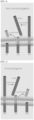
- FIG. 1 A flowchart showing the mechanism of development of Alzheimer's disease is shown in FIG. 1 .
- amyloid precursor protein (APP)
- FIG. 2 is a schematic figure of APP processing of the non-amyloidogenic pathway.
- C83 a fragment composed of the 83 amino acids at the C terminal
- sAPP ⁇ a fragment composed of the extracellular domain at the N terminal
- FIG. 3 is a schematic figure of APP processing of the amyloidogenic pathway.
- APP is cleaved by ⁇ -secretase (BACE1), and C99 (the 99-amino-acid fragment at the C terminal) remains in the cell membrane.
- sAPP ⁇ the extracellular domain at the N terminal
- a ⁇ peptide (A ⁇ 1-40 or A ⁇ 1-42) is formed.
- ⁇ -secretase is composed of Presenilin 1 (PS1) or Presenilin 2 (PS2), Nicastrin, APH-1 and PEN2.
- the gene expression regulator of the invention can preferably improve Alzheimer's disease in particular, of dementia.
- the agent for treating Alzheimer's disease and the mechanism of action thereof are explained below together with the mechanism of action of the gene expression regulator of the invention.
- the agent for treating Alzheimer's disease and the mechanism of action thereof may be as follows.
- Acetylcholine is a substance which is released from the synaptic sites of the telodendria of a neuron and transmits the signal to the next neuron, and the number of cells producing acetylcholine is decreased in the brain of Alzheimer-type dementia.
- an inhibitor of an acetylcholine-degrading enzyme donepezil hydrochloride or the like
- the degradation and the loss of acetylcholine in the synapses is suppressed, and the amount of acetylcholine is increased.
- the inhibitor of acetylcholine-degrading enzyme is poorly relevant to the gene expression regulator of the invention.
- Acetylcholine receptors include nicotinic receptors (also called nicotinic acetylcholine receptors) and muscarinic receptors.
- a nicotinic receptor is a pentamer composed of subunits and functions as an ion channel when acetylcholine binds thereto. In the brain of Alzheimer-type dementia, the number of nicotinic receptors is decreased. Galantamine hydrobromide or the like binds to a different site to that of acetylcholine and enhances the function of the nicotinic receptor (APL action).
- the nicotinic receptor-stimulating agent is poorly relevant to the gene expression regulator of the invention.
- NMDA By suppressing the activation of NMDA receptors induced by an increase in A ⁇ or tau, cell death caused by excessive excitation of neurons is prevented.
- NMDA is involved in memory, learning and brain ischemia. Proteins which regulate NMDA include DLG1, CAMK2D, CAMK2A, CAPN1 and EPHB2.
- the gene expression regulator of the invention functions as an NMDA receptor inhibitor.
- the gene expression regulator of the invention functions as at least one kind of NMDA receptor inhibitor of a DLG1 expression suppressor, a CAMK2D expression suppressor, a CAMK2A expression suppressor and a CAPN1 expression suppressor.
- BACE1 which is an enzyme that produces A ⁇ , is inhibited, and the production of A ⁇ is suppressed.
- the gene expression regulator of the invention functions as a BACE1 inhibitor.
- Glycogen synthase kinase-3 ⁇ (GSK-3 ⁇ ) is an enzyme which phosphorylates proteins with various chains and has various important functions in maintenance of the lives of and regulation of normal cells.
- GSK-3 ⁇ is enhanced abnormally, deposition of A ⁇ in the brain and accumulation of tau protein in neurons are promoted.
- a GSK-3 ⁇ inhibitor suppresses deposition of A ⁇ and abnormal phosphorylation of tau protein (described in Table 1 below, see Rinsho Shinkeigaku (Clinical Neurology), 54(12), 1178-1180, 2014 ).
- the gene expression regulator of the invention functions as a GSK-3 ⁇ inhibitor.
- Target Compound Mechanism of Action Subject Clinical Trial (phase) Result Excessive Phosphorylation Lithium GSK3 ⁇ inhibition aMCI 2 Improvement of cognitive function Decrease in CSF p-tau Tideglusib GSK3 ⁇ inhibition Mild to moderate AD 2 Tendency towards improvement of cognitive function Agglutination Methylene blue Tau agglutination inhibition Mild to moderate AD 2 Improvement of cognitive function Improvement of brain blood flow Increase in use of brain saccharides Tau AADvac1 Active immunotherapy Mild to moderate AD 1 Under test Typical tau disease-modifying drugs which have been advanced to clinical trials so far are shown.
- aMCI amnestic mild cognitive impairment, GSK; Glycogen synthase kinase, AD; Alzheimer's disease, CSF; cerebral spinal fluid.
- An APP inhibitor inhibits the production of amyloid precursor protein (APP) and suppresses the production of APP.
- the gene expression regulator of the invention functions as an APP inhibitor.
- the gene expression regulator of the invention can preferably improve brain inflammation.
- the mechanism of action of brain inflammation is explained below together with the mechanism of action of the gene expression regulator of the invention.
- FIG. 4(A) is a schematic figure of induction of the expression of inflammatory genes through the PQBP1-cGAS-STING pathway by the cDNA of AIDS virus.
- FIG. 4(B) is a schematic figure of induction of the expression of inflammatory genes through the PQBP1-cGAS-STING pathway by tau protein.
- the gene expression regulator of the invention functions as a PQBP1 suppressor.
- the gene expression regulator of the invention can improve tau protein-related dementia (in particular, Alzheimer's disease) or brain inflammation.
- the miRNA which is an active ingredient of the gene expression regulator of the invention is contained in the microparticles.
- the microparticles used as the gene expression regulator of the invention are derived from dental pulp-derived stem cells or the like, for example, through secretion, emergence, dispersion or the like from mesenchymal stem cells such as the dental pulp-derived stem cells and are exuded or released or fall into a cell culture medium.
- the microparticles are preferably contained in a culture supernatant of dental pulp-derived stem cells or the like and are more preferably microparticles derived from a culture supernatant of dental pulp-derived stem cells.
- the microparticles derived from a culture supernatant of dental pulp-derived stem cells do not necessarily have to be obtained from a culture supernatant of dental pulp-derived stem cells.
- microparticles inside dental pulp-derived stem cells which have been isolated by any method can be considered as microparticles derived from a culture supernatant of dental pulp-derived stem cells as long as the microparticles are the same as the microparticles which can be isolated from a culture supernatant of dental pulp-derived stem cells.
- microparticles derived from a culture supernatant of dental pulp-derived stem cells or the like may be used in the state of being contained in the culture supernatant or the state of being purified from the culture supernatant.
- the microparticles are preferably microparticles purified from the culture supernatant.
- the origin of the microparticles can be identified by a known method.
- the stem cells such as dental pulp-derived stem cells, adipose-derived stem cells, bone marrow-derived stem cells and umbilical cord-derived stem cells, from which the microparticles are derived can be determined by the method described in J Stem Cell Res Ther (2016) 8:2 .
- the origin of the microparticles can be identified.
- the microparticles contain miRNA which targets a gene related to the expression of at least one kind of protein of amyloid precursor protein (APP), ⁇ -secretase (BACE1), an NMDA-activating protein, glycogen synthase kinase-3 ⁇ (GSK-3 ⁇ ) and polyglutamine-binding protein-1 (PQBP1).
- APP amyloid precursor protein
- BACE1 ⁇ -secretase
- NMDA-activating protein NMDA-activating protein
- GSK-3 ⁇ glycogen synthase kinase-3 ⁇
- PQBP1 polyglutamine-binding protein-1
- the miRNAs are, for example, RNA molecules of 21 to 25 bases (nucleotides).
- the miRNAs can regulate gene expression through degradation of the target gene (target) mRNA or suppression in the decoding stage.
- the miRNAs may be single stranded (monomer) or double stranded (dimer). Moreover, in the invention, the miRNAs are preferably mature-form miRNAs which have been cleaved by a ribonuclease such as dicer.
- the sequences of the miRNAs described in the present description are registered with accession numbers in known databases (for example, miRBase database), and one skilled in the art can determine the sequences unambiguously.
- accession number of hsa-miR-16-5p is MIMAT0000069, and the sequence is registered in miRBase database.
- accession numbers of the miRNAs are not shown below.
- each miRNA in the present description includes a polynucleotide having a base sequence having identity with the base sequence of the miRNA (for example, hsa-miR-16-5p) or a polynucleotide which has a complementary base sequence thereof and which has the function of the miRNA in the invention.
- identity is the degree of identity obtained when the sequences to be compared are appropriately aligned and means the incidence rate (%) of the accurately matching amino acids in the sequences.
- the sequences can be aligned, for example, using any algorithm such as BLAST.
- the identity is, for example, 80%, 85%, 90%, 91%, 92%, 93%, 94%, 95%, 96%, 97%, 98% or about 99%.
- the polynucleotide having a base sequence having identity may have, for example, point mutation, deletion and/or addition in the base sequence of the miRNA.
- the number of bases of the point mutation or the like is, for example, one to five, one to three, one or two or one.
- the polynucleotide having a complementary base sequence includes, for example, a polynucleotide which hybridizes to the polynucleotide having the base sequence of the miRNA under stringent conditions and which has the function of the miRNA in the invention.
- the stringent conditions are not particularly limited but are, for example, the conditions described in [0028] of JP2017-184642A . The contents of the publication are incorporated in the present description by reference.
- the microparticles preferably contain the miRNA which targets a gene related to the expression of at least one kind of protein of APP, BACE1, an NMDA-activating protein, GSK-3 ⁇ and PQBP1 at a higher concentration than that of a culture supernatant of dental pulp-derived stem cells.
- the gene expression regulator of the invention is preferably an expression suppressor of APP.
- the microparticles preferably contain miRNA which targets a gene related to the expression of APP.
- the microparticles more preferably contain at least one kind of the APP suppression-related miRNA group (63 kinds) below.
- the APP suppression-related miRNA group hsa-miR-101-3p, hsa-miR-106b-5p, hsa-miR-1229-5p, hsa-miR-1238-3p, hsa-miR-1260b, hsa-miR-1276, hsa-miR-128-3p, hsa-miR-142-3p, hsa-miR-142-5p, hsa-miR-144-3p, hsa-miR-151a-3p, hsa-miR-153-3p, hsa-miR-15a-5p, hsa-miR-15b-5p, hsa-miR-16-5p, hsa-miR-17-5p, hsa-miR-185-5p, hsa-miR-186-5p, hsa-miR-194-5p, hs
- the microparticles preferably contain five kinds or more of the APP suppression-related miRNA group, more preferably contain 10 kinds or more, particularly preferably contain 20 kinds or more or further particularly preferably contain 30 kinds or more.
- the microparticles preferably contain any one kind of hsa-miR-101-3p, hsa-miR-153-3p, hsa-miR-16-5p, hsa-miR-222-3p and hsa-miR-93-5p, of the APP suppression-related miRNA group or particularly preferably contain at least hsa-miR-16-5p.
- the microparticles contain at least one kind of the APP suppression-related miRNA group at a Log2Ratio of the read count number obtained by analysis using IMOTA of preferably 4.0 or more, more preferably 10.0 or more, particularly preferably 15.0 or more.
- the microparticles preferably contain all of hsa-miR-101-3p, hsa-miR-153-3p, hsa-miR-16-5p, hsa-miR-222-3p and hsa-miR-93-5p at a Log2Ratio of the read count number obtained by analysis using IMOTA of 4.0 or more, more preferably contain all of hsa-miR-101-3p, hsa-miR-16-5p, hsa-miR-222-3p and hsa-miR-93-5p at 10.0 or more or particularly preferably contain hsa-miR-16-5p at 15.0 or more.
- hsa-miR-16-5p included in the APP suppression-related miRNA group is also an inhibitor of a gene related to the expression of BACE1 and an inhibitor of a gene related to the expression of GSK-3 ⁇ . That is, in the invention, the microparticles are preferably of at least one kind of an expression suppressor of a gene related to the expression of APP, an inhibitor of a gene related to the expression of BACE1 and an inhibitor of a gene related to the expression of GSK-3 ⁇ and contain hsa-miR-16-5p.
- microparticles are more preferably an expression suppressor of a gene related to the expression of APP, an inhibitor of a gene related to the expression of BACE1 and an inhibitor of a gene related to the expression of GSK-3 ⁇ and contain hsa-miR-16-5p.
- the expression level of hsa-miR-16-5p is preferably 1.1 times or more, more preferably 1.5 times or more, particularly preferably two times or more, compared to that in exosomes obtained from a culture supernatant of adipose-derived stem cells or exosomes obtained from a culture supernatant of umbilical cord-derived stem cells.
- the gene expression regulator of the invention is an expression suppressor of APP gene
- the gene expression regulator can preferably suppress the expression of APP gene in any cells to 0.8 times or less of the normal level (of untreated cells), can more preferably suppress to 0.6 times or less or can particularly preferably suppress to 0.4 times or less.
- the gene expression regulator of the invention is preferably a BACE1 inhibitor.
- the microparticles preferably contain miRNA which targets a gene related to the expression of BACE1.
- the microparticles more preferably contain at least one kind of the BACE1 inhibition-related miRNA group (50 kinds) below.
- the BACE1 inhibition-related miRNA group hsa-miR-107, hsa-miR-124-3p, hsa-miR-1267, hsa-miR-128-3p, hsa-miR-129-2-3p, hsa-miR-140-3p, hsa-miR-140-5p, hsa-miR-141-3p, hsa-miR-15a-5p, hsa-miR-16-5p, hsa-miR-17-5p, hsa-miR-195-5p, hsa-miR-200a-3p, hsa-miR-203a-3p, hsa-miR-212-3p, hsa-miR-212-5p, hsa-miR-24-3p, hsa-miR-26b-5p, hsa-miR-27a-3p,
- the microparticles preferably contain five kinds or more of the BACE1 inhibition-related miRNA group, more preferably contain 10 kinds or more, particularly preferably contain 20 kinds or more or further particularly preferably contain 30 kinds or more.
- microparticles preferably contain any one kind of hsa-miR-101-3p, hsa-miR-16-5p and hsa-miR-29a-3p of the BACE1 inhibition-related miRNA group or particularly preferably contain at least hsa-miR-16-5p.
- the microparticles contain at least one kind of the BACE1 inhibition-related miRNA group at a Log2Ratio of the read count number obtained by analysis using IMOTA of preferably 4.0 or more, more preferably 10.0 or more, particularly preferably 15.0 or more.
- the microparticles preferably contain all of hsa-miR-101-3p, hsa-miR-16-5p and hsa-miR-29a-3p at a Log2Ratio of the read count number obtained by analysis using IMOTA of 4.0 or more, more preferably contain all of hsa-miR-101-3p, hsa-miR-16-5p and hsa-miR-29a-3p at 10.0 or more or particularly preferably contain hsa-miR-16-5p at 15.0 or more.
- the gene expression regulator of the invention is an expression suppressor of BACE1 gene
- the gene expression regulator can preferably suppress the expression of BACE1 gene in any cells to 0.8 times or less of the normal level (of untreated cells), can more preferably suppress to 0.75 times or less or can particularly preferably suppress to 0.7 times or less.
- the gene expression regulator of the invention is preferably an expression suppressor of an NMDA-activating gene.
- the NMDA-activating protein is at least one kind of protein of DLG1, CAMK2D, CAMK2A and CAPN1
- the microparticles preferably contain miRNA which targets a gene related to the expression of at least one kind of protein of DLG1, CAMK2D, CAMK2A and CAPN1.
- the microparticles more preferably contain at least one kind of miRNA group of the DLG1 suppression-related miRNA group below, the CAMK2D suppression-related miRNA group below, the CAMK2A suppression-related miRNA group below and the CAPN1 suppression-related miRNA group below (51 kinds in total).
- the DLG1 suppression-related miRNA group hsa-miR-1-3p, hsa-miR-142-5p, hsa-miR-204-5p, hsa-miR-206, hsa-miR-21-5p, hsa-miR-218-5p, hsa-miR-340-5p and hsa-miR-613.
- the CAMK2D suppression-related miRNA group hsa-let-7a-5p, hsa-miR-101-3p, hsa-miR-129-5p, hsa-miR-139-5p, hsa-miR-144-3p, hsa-miR-145-5p, hsa-miR-185-5p, hsa-miR-203a-3p, hsa-miR-204-5p, hsa-miR-211-5p, hsa-miR-24-3p, hsa-miR-27a-3p, hsa-miR-30a-3p, hsa-miR-31-5p, hsa-miR-361-5p, hsa-miR-421, hsa-miR-484, hsa-miR-494-3p, hsa-miR-505-3p and h
- the CAMK2A suppression-related miRNA group hsa-miR-129-5p, hsa-miR-137, hsa-miR-142-5p, hsa-miR-148a-3p, hsa-miR-149-3p, hsa-miR-152-3p, hsa-miR-25-3p, hsa-miR-27a-3p, hsa-miR-32-5p, hsa-miR-338-3p, hsa-miR-340-5p, hsa-miR-363-3p, hsa-miR-3665, hsa-miR-4534, hsa-miR-4665-5p, hsa-miR-4688, hsa-miR-485-5p, hsa-miR-5010-5p, hsa-miR-505-5
- CAPN1 suppression-related miRNA group hsa-miR-1-3p, hsa-miR-124-3p, hsa-miR-140-5p, hsa-miR-17-3p, hsa-miR-22-3p, hsa-miR-34a-5p and hsa-miR-6511b-Sp.
- the microparticles preferably contain five kinds or more of the DLG1 suppression-related miRNA group, the CAMK2D suppression-related miRNA group, the CAMK2A suppression-related miRNA group and the CAPN1 suppression-related miRNA group, more preferably contain 10 kinds or more, particularly preferably contain 20 kinds or more or further particularly preferably contain 30 kinds or more.
- microparticles particularly preferably contain all of
- the microparticles contain at least one kind of the DLG1 suppression-related miRNA group, the CAMK2D suppression-related miRNA group, the CAMK2A suppression-related miRNA group and the CAPN1 suppression-related miRNA group at a Log2Ratio of the read count number obtained by analysis using IMOTA of preferably 4.0 or more, more preferably 10.0 or more, particularly preferably 15.0 or more.
- the microparticles preferably contain all of hsa-miR-21-5p, hsa-let-7a-5p, hsa-miR-92a-3p and hsa-miR-22-3p at a Log2Ratio of the read count number obtained by analysis using IMOTA of 4.0 or more, more preferably contain all of hsa-miR-21-5p, hsa-let-7a-5p, hsa-miR-92a-3p and hsa-miR-22-3p at 10.0 or more or particularly preferably contain hsa-miR-21-5p, hsa-let-7a-5p and hsa-miR-92a-3p at 15.0 or more.
- the expression level of hsa-miR-21-5p is preferably 1.1 times or more, more preferably 1.5 times or more, particularly preferably two times or more, further particularly preferably five times or more, compared to that in exosomes obtained from a culture supernatant of adipose-derived stem cells or exosomes obtained from a culture supernatant of umbilical cord-derived stem cells.
- the expression level of hsa-let-7a-5p is preferably 1.1 times or more, more preferably 1.5 times or more, compared to that in exosomes obtained from a culture supernatant of adipose-derived stem cells. Moreover, in the gene expression regulator of the invention, the expression level of hsa-let-7a-5p preferably exceeds 1.0 time or is more preferably 1.05 times or more, compared to that in exosomes obtained from a culture supernatant of umbilical cord-derived stem cells.
- the expression level of hsa-miR-92a-3p is preferably 1.1 times or more, more preferably 1.5 times or more, particularly preferably two times or more, further particularly preferably four times or more, compared to that in exosomes obtained from a culture supernatant of adipose-derived stem cells or exosomes obtained from a culture supernatant of umbilical cord-derived stem cells.
- the expression level of hsa-miR-22-3p is preferably 1.1 times or more, more preferably 1.5 times or more, particularly preferably two times or more, compared to that in exosomes obtained from a culture supernatant of adipose-derived stem cells or exosomes obtained from a culture supernatant of umbilical cord-derived stem cells.
- the gene expression regulator of the invention is an expression suppressor of an NMDA-activating gene (preferably CAMK2D gene)
- the gene expression regulator can preferably suppress the expression of the NMDA-activating gene in any cells to 0.8 times or less of the normal level (of untreated cells), can more preferably suppress to 0.5 times or less or can particularly preferably suppress to 0.3 times or less.
- the gene expression regulator of the invention is preferably a GSK-3 ⁇ inhibitor.
- the microparticles preferably contain miRNA which targets a gene related to the expression of GSK-3 ⁇ .
- the microparticles more preferably contain at least one kind of the GSK-3 ⁇ inhibition-related miRNA group (54 kinds) below.
- the GSK-3 ⁇ inhibition-related miRNA group hsa-let-7a-3p, hsa-let-7b-3p, hsa-let-7f-1-3p, hsa-let-7f-2-3p, hsa-miR-101-3p, hsa-miR-1185-1-3p, hsa-miR-1185-2-3p, hsa-miR-124-3p, hsa-miR-128-3p, hsa-miR-129-5p, hsa-miR-132-3p, hsa-miR-137, hsa-miR-140-5p, hsa-miR-142-5p, hsa-miR-144-3p, hsa-miR-150-5p, hsa-miR-155-5p, hsa-miR-15a-5p, hsa-miR-15b-5p, hs
- the microparticles preferably contain five kinds or more of the GSK-3 ⁇ inhibition-related miRNA group, more preferably contain 10 kinds or more, particularly preferably contain 20 kinds or more or further particularly preferably contain 30 kinds or more.
- microparticles preferably contain any one kind of hsa-miR-16-5p and hsa-miR-29a-3p of the GSK-3 ⁇ inhibition-related miRNA group or particularly preferably contain at least hsa-miR-16-5p.
- the microparticles contain at least one kind of the GSK-3 ⁇ inhibition-related miRNA group at a Log2Ratio of the read count number obtained by analysis using IMOTA of preferably 4.0 or more, more preferably 10.0 or more, particularly preferably 15.0 or more.
- the microparticles preferably contain both hsa-miR-16-5p and hsa-miR-29a-3p at a Log2Ratio of the read count number obtained by analysis using IMOTA of 4.0 or more, more preferably contain both hsa-miR-16-5p and hsa-miR-29a-3p at 10.0 or more or particularly preferably contain hsa-miR-16-5p at 15.0 or more.
- the gene expression regulator of the invention when the gene expression regulator of the invention is an inhibitor of GSK-3 ⁇ gene, the gene expression regulator can preferably suppress the expression of GSK-3 ⁇ gene in any cells to 0.8 times or less of the normal level (of untreated cells), can more preferably suppress to 0.75 times or less or can particularly preferably suppress to 0.7 times or less.
- the gene expression regulator of the invention is preferably an expression suppressor of PQBP1.
- the microparticles more preferably contain miRNA which targets a gene related to the expression of PQBP1.
- miRNA which suppresses PQBP1 involved in the activation of tau may help treating tau disease (Alzheimer's disease or brain inflammation).
- microparticles particularly preferably contain at least one kind of the PQBP1 suppression-related miRNA group below or further particularly preferably contain the two kinds.
- microparticles more preferably contain at least hsa-miR-6727-3p of the PQBP1 suppression-related miRNA group or particularly preferably contain both of hsa-miR-6727-3p and hsa-miR-6727-5p.
- the microparticles contain at least one kind of the PQBP1 suppression-related miRNA group at a Log2Ratio of the read count number obtained by analysis using IMOTA of preferably 1.0 or more, more preferably 2.0 or more, particularly preferably 3.0 or more.
- the microparticles preferably contain both hsa-miR-6727-3p and hsa-miR-6727-5p at a Log2Ratio of the read count number obtained by analysis using IMOTA of 2.0 or more, more preferably contain both of hsa-miR-6727-3p and hsa-miR-6727-5p at 3.0 or more or particularly preferably contain hsa-miR-6727-3p at 4.0 or more.
- the expression level of hsa-miR-6727-3p is preferably 1.1 times or more, more preferably 1.5 times or more, particularly preferably two times or more, compared to that in exosomes obtained from a culture supernatant of adipose-derived stem cells or exosomes obtained from a culture supernatant of umbilical cord-derived stem cells.
- the gene expression regulator of the invention is an expression suppressor of PQBP1 gene
- the gene expression regulator can preferably suppress the expression of PQBP1 gene in any cells to 0.8 times or less of the normal level (of untreated cells), can more preferably suppress to 0.6 times or less or can particularly preferably suppress to 0.55 times or less.
- RNAs in high amounts are 180 to 200 kinds. It is characteristic that many of the miRNAs in high amounts in the microparticles derived from dental pulp-derived stem cells are microRNAs related to the treatment of cranial nerve disease or an eye disease, and the characteristic has not been conventionally known but has been newly found by the present inventor. This characteristic is largely different from the kinds of miRNA in high amounts in the microparticles of other mesenchymal stem cells.
- the miRNAs in high amounts in the microparticles of adipose-derived stem cells and the microparticles of umbilical cord-derived stem cells include almost no microRNAs related to the treatment of cranial nerve disease or an eye disease.
- microparticles derived from a culture supernatant of dental pulp-derived stem cells preferably contain five kinds or more of microRNA which can regulate the expression of a protein related to amyloid ⁇ -related or tau protein-related dementia or brain inflammation such as Alzheimer's disease (also referred to as Alzheimer-related microRNAs below), more preferably contain 10 kinds or more, particularly preferably contain 20 kinds or more, further particularly preferably contain 30 kinds or more or most preferably contain 100 kinds or more.
- microparticles are preferably of at least one kind selected from the group consisting of exosomes, microvesicles, membrane particles, membrane vesicles, ectosomes, exovesicles and microvesicles, more preferably exosomes.
- the diameter of the microparticles is preferably 10 to 1000 nm, more preferably 30 to 500 nm, particularly preferably 50 to 150 nm.
- molecules called tetraspanins such as CD9, CD63 and CD81 are desirably on the surface of the microparticles, and the molecules may be those of CD9 alone, CD63 alone, CD81 alone or any combination of two or three thereof.
- exosomes are used as the microparticles.
- the microparticles used in the invention are not limited to exosomes.
- the exosomes are preferably extracellular vesicles which are released from cells during fusion of plasma membrane and multivesicular bodies.
- the surface of the exosomes preferably contains a lipid and a protein derived from the cell membrane of dental pulp-derived stem cells.
- the exosomes preferably contain, in their inside, an intracellular substance of dental pulp-derived stem cells such as nucleic acids (microRNAs, messenger RNAs, DNAs and the like) and proteins.
- an intracellular substance of dental pulp-derived stem cells such as nucleic acids (microRNAs, messenger RNAs, DNAs and the like) and proteins.
- the exosomes are known to be used for communication among cells through transportation of genetic information from a cell to another cell.
- the exosomes can be tracked easily and can be targeted at a specific region.
- the microparticle content of the gene expression regulator of the invention is not particularly restricted.
- the gene expression regulator of the invention preferably contains 0.5 ⁇ 10 8 particles or more, more preferably 1.0 ⁇ 10 8 particles or more, particularly preferably 2.0 ⁇ 10 8 particles or more, further particularly preferably 2.5 ⁇ 10 8 particles or more, still further particularly preferably 1.0 ⁇ 10 9 particles or more of the microparticles.
- the gene expression regulator of the invention contains the microparticles in such a high amount or at such a high concentration and thus can maintain the amount of the miRNA or the like high and can regulate (particularly suppress) the expression of a protein related to amyloid ⁇ -related or tau protein-related dementia or brain inflammation.
- the gene expression regulator of the invention may contain another component in addition to the microparticles depending on the species of the animal as the subject of the administration or the purpose as long as the effects of the invention are not impaired.
- the other component include nutritional components, antibiotics, cytokines, protectants, carriers, excipients, disintegrating agents, buffers, emulsifiers, suspending agents, soothing agents, stabilizers, preservatives, and antiseptics.
- Examples of the nutritional components include fatty acids, and vitamins.
- antibiotics examples include penicillin, streptomycin, and gentamicin.
- the carriers may be materials known as pharmaceutically acceptable carriers.
- the gene expression regulator of the invention may be the culture supernatant itself of dental pulp-derived stem cells or the microparticles themselves or may be a pharmaceutical composition further containing a pharmaceutically acceptable carrier or excipient or the like.
- the purpose of the pharmaceutical composition is to promote administration of the culture supernatant of dental pulp-derived stem cells or the microparticles to the subject of the administration.
- the pharmaceutically acceptable carrier is preferably a carrier (including a diluent) which does not cause significant irritation in the subject of the administration and which does not inhibit the biological activity and the characteristics of the administered composition.
- a carrier including a diluent
- examples of the carrier include propylene glycol, (physiological) saline, an emulsion, a buffer, a medium such as DMEM and RPMI and a low-temperature preservation medium containing a component for removing free radicals.
- the gene expression regulator of the invention may contain the active ingredient of a conventionally known gene expression regulator.
- a conventionally known gene expression regulator One skilled in the art can appropriately change depending on the use, the subject of the administration and the like.
- the gene expression regulator of the invention preferably does not contain specific substances.
- the gene expression regulator of the invention preferably does not contain dental pulp-derived stem cells.
- the gene expression regulator of the invention preferably does not contain MCP-1.
- cytokines other than MCP-1 may be contained. Examples of the other cytokines include those described in [0014] to [0020] of JP2018-023343A .
- the gene expression regulator of the invention preferably does not contain Siglec-9.
- sialic acid-binding immunoglobulin-like lectins other than Siglec-9 may be contained.
- the gene expression regulator of the invention preferably does not substantially contain serum (fetal bovine serum, human serum, sheep serum or the like). Moreover, the gene expression regulator of the invention preferably does not substantially contain the conventional serum replacements such as knockout serum replacement (KSR).
- serum fetal bovine serum, human serum, sheep serum or the like.
- gene expression regulator of the invention preferably does not substantially contain the conventional serum replacements such as knockout serum replacement (KSR).
- the amounts (solid amounts) of the other components in the gene expression regulator of the invention are each preferably 1 mass% or less, more preferably 0.1 mass% or less, particularly preferably 0.01 mass% or less.
- the method for producing the gene expression regulator of the invention is not particularly restricted.
- the gene expression regulator of the invention may be prepared by preparing a culture supernatant of dental pulp-derived stem cells or the like and subsequently purifying microparticles from the culture supernatant of dental pulp-derived stem cells.
- the gene expression regulator of the invention may be prepared by purifying microparticles from a commercially purchased culture supernatant of dental pulp-derived stem cells.
- the gene expression regulator of the invention may also be prepared by receiving a composition containing a culture supernatant of dental pulp-derived stem cells which has been disposed of (or by appropriately purifying such a composition) and purifying microparticles from the composition.
- the culture supernatant of dental pulp-derived stem cells or the like is not particularly restricted.
- the culture supernatant of dental pulp-derived stem cells or the like preferably does not substantially contain serum.
- the serum content of the culture supernatant of dental pulp-derived stem cells or the like is preferably 1 mass% or less, more preferably 0.1 mass% or less, particularly preferably 0.01 mass% or less.
- the dental pulp-derived stem cells may be derived from a human or from a nonhuman animal.
- the nonhuman animal may be the same as the animal (species) as the subject of the administration of the gene expression regulator of the invention described below and is preferably a mammal.
- the dental pulp-derived stem cells used for the culture supernatant are not particularly restricted. Dental pulp stem cells from exfoliated deciduous teeth, deciduous dental pulp stem cells obtained by another method and permanent dental pulp stem cells (DPSCs) can be used. In addition to human deciduous dental pulp stem cells and human permanent dental pulp stem cells, dental pulp-derived stem cells derived from a nonhuman animal such as pig deciduous dental pulp stem cells can be used.
- the dental pulp-derived stem cells can produce, in addition to exosomes, vascular endothelial growth factors (VEGFs), hepatocyte growth factors (HGFs), insulin-like growth factors (IGFs), platelet-derived growth factors (PDGFs), transforming growth factors-beta (TGF- ⁇ )-1 and -3, TGF- ⁇ , KGF, HBEGF, SPARC, other growth factors and various cytokines such as chemokine. Many other bioactive substances can also be produced.
- VEGFs vascular endothelial growth factors
- HGFs hepatocyte growth factors
- IGFs insulin-like growth factors
- PDGFs platelet-derived growth factors
- TGF- ⁇ transforming growth factors-beta-1 and -3
- TGF- ⁇ TGF- ⁇
- KGF transforming growth factor-beta
- KGF transforming growth factor-beta
- SPARC transforming growth factors-beta
- the dental pulp-derived stem cells used for the culture supernatant of dental pulp-derived stem cells are particularly preferably dental pulp-derived stem cells containing many proteins, and deciduous dental pulp stem cells are preferably used. That is, in the invention, a culture supernatant of deciduous dental pulp stem cells is preferably used.
- the dental pulp-derived stem cells used in the invention may be natural cells or genetically modified cells as long as the intended treatment can be achieved.
- immortalized stem cells of dental pulp-derived stem cells can be used.
- immortalized stem cells which are capable of proliferating substantially infinitely, the amounts and the compositions of the biological factors contained in the culture supernatant of the stem cells can be stabilized over a long period of time.
- the immortalized stem cells of dental pulp-derived stem cells are not particularly restricted.
- the immortalized stem cells are preferably non-tumor immortalized stem cells.
- the immortalized stem cells of dental pulp-derived stem cells can be prepared by adding one of the following small molecule compounds (inhibitors) or any combination thereof to dental pulp-derived stem cells and culturing the cells.
- TGF ⁇ receptor inhibitors are not particularly limited as long as the TGF ⁇ receptor inhibitors have the action of inhibiting the function of transforming growth factor (TGF) ⁇ receptor, and examples thereof include 2-(5-benzo[1,3]dioxol-4-yl-2-tert-butyl-1H-imidozol-4-yl)-6-methylpyridine, 3-(6-methylpyridin-2-yl)-4-(4-quinolyl)-1-phenylthiocarbamoyl-1H-pyrazole (A-83-01), 2-[(5-chloro-2-fluorophenyl)pteridin-4-yl]pyridin-4-ylamine (SD-208), 3-[(pyridin-2-yl)-4-(4-quinonyl)]-1H-pyrazole and 2-(3-(6-methylpyridin-2-yl)-1H-pyrazol-4-yl)-1,5-naphthyridine (all are from Merck), and SB
- ROCK inhibitors are not particularly limited as long as the ROCK inhibitors have the action of inhibiting the function of Rho-binding kinase.
- examples of the ROCK inhibitors include GSK269962A (Axonmedchem), Fasudil hydrochloride (Tocris Bioscience), and Y-27632 and H-1152 (both are from FUJIFILM Wako Pure Chemical Corporation). Y-27632 is preferable.
- GSK3 inhibitors are not particularly limited as long as GSK-3 (glycogen synthase kinase 3) is inhibited, and examples thereof include A 1070722, BIO and BIO-acetoxime (all are from TOCRIS).
- MEK inhibitors are not particularly limited as long as the MEK inhibitors have the action of inhibiting the function of MEK (MAP kinase-ERK kinase), and examples thereof include AZD6244, CI-1040 (PD184352), PD0325901, RDEA119 (BAY86-9766), SL327 and U0126-EtOH (all are from Selleck), and PD98059, U0124 and U0125 (all are from Cosmo Bio Co., Ltd.).
- MEK inhibitors include AZD6244, CI-1040 (PD184352), PD0325901, RDEA119 (BAY86-9766), SL327 and U0126-EtOH (all are from Selleck), and PD98059, U0124 and U0125 (all are from Cosmo Bio Co., Ltd.).
- the culture supernatant of dental pulp-derived stem cells or immortalized stem cells thereof or a composition containing microparticles derived from the cells does not contain other somatic stem cells than the dental pulp-derived stem cells or the like.
- the gene expression regulator of the invention may contain mesenchymal stem cells other than the dental pulp-derived stem cells or the like or other somatic stem cells but preferably does not contain such cells.
- somatic stem cells other than the mesenchymal stem cells include stem cells derived from the dermal system, the digestive system, the myeloid system, and the nerve system, but the somatic stem cells are not limited to the examples.
- examples of the somatic stem cells of the dermal system include epithelial stem cells, and hair follicle stem cells.
- Examples of the somatic stem cells of the digestive system include pancreatic (general) stem cells, and hepatic stem cells.
- somatic stem cells of the myeloid system include hematopoietic stem cells.
- somatic stem cells of the nerve system include neural stem cells, and retinal stem cells.
- the gene expression regulator of the invention may contain stem cells other than somatic stem cells but preferably does not contain such stem cells.
- the stem cells other than somatic stem cells include embryonic stem cells (ES cells), induced pluripotent stem cells (iPS cells) and embryonal carcinoma cells (EC cells).
- the method for preparing the culture supernatant of dental pulp-derived stem cells or immortalized stem cells thereof is not particularly restricted, and a conventional method can be used.
- the culture supernatant of dental pulp-derived stem cells or the like is a culture solution obtained by culturing dental pulp-derived stem cells.
- a culture supernatant which can be used for the invention can be obtained by culturing dental pulp-derived stem cells and then separating and removing the cell components.
- a culture supernatant which has been appropriately subjected to various treatments for example, centrifugation, concentration, solvent substitution, dialysis, freezing, drying, lyophilization, dilution, desalination, preservation or the like may also be used.
- the dental pulp-derived stem cells for obtaining the culture supernatant of dental pulp-derived stem cells can be selected by a normal method and can be selected based on the size and the morphology of the cells or as adherent cells.
- the cells can be selected from dental pulp cells collected from an exfoliated deciduous tooth or a permanent tooth as adherent cells or passaged cells thereof.
- the culture supernatant of dental pulp-derived stem cells used can be a culture supernatant obtained by culturing selected stem cells.
- the "culture supernatant of dental pulp-derived stem cells or the like” is preferably a culture solution which does not contain the cells themselves obtained by culturing the dental pulp-derived stem cells or the like.
- the culture supernatant of dental pulp-derived stem cells used in the invention preferably does not contain any cells (regardless of the kinds of cells) as a whole in an aspect. Due to the feature, the composition of the aspect is clearly distinguished of course from the dental pulp-derived stem cells themselves and also from various compositions containing dental pulp-derived stem cells.
- a typical example of the aspect is a composition which does not contain dental pulp-derived stem cells and which is composed only of a culture supernatant of dental pulp-derived stem cells.
- the culture supernatant of dental pulp-derived stem cells used in the invention may contain a culture supernatant of both deciduous dental pulp-derived stem cells and adult dental pulp-derived stem cells.
- the culture supernatant of dental pulp-derived stem cells used in the invention preferably contains a culture supernatant of deciduous dental pulp-derived stem cells as an active ingredient, more preferably in an amount of 50 mass% or more, preferably 90 mass% or more.
- the culture supernatant of dental pulp-derived stem cells used in the invention is further particularly preferably a composition composed only of a culture supernatant of deciduous dental pulp-derived stem cells.
- a basal medium, a basal medium supplemented with serum and the like or the like can be used for the culture solution of dental pulp-derived stem cells for obtaining the culture supernatant.
- the basal medium which can be used include, in addition to Dulbecco's modified Eagle's medium (DMEM), Iscove's modified Dulbecco's medium (IMDM) (GIBCO and the like), Ham's F12 medium (SIGMA, GIBCO and the like), and RPMI1640 medium.
- DMEM Dulbecco's modified Eagle's medium
- IMDM Iscove's modified Dulbecco's medium
- SIGMA Ham's F12 medium
- RPMI1640 medium examples of the component that can be added to the medium include serum (fetal bovine serum, human serum, sheep serum and the like), serum replacements (knockout serum replacement (KSR) and the like), bovine serum albumin (BSA), antibiotics, vitamins and minerals.
- a serum-free medium should be used throughout the whole process or for the last passaging culture or the last passaging culture steps.
- a serum-free medium a medium which does not contain serum
- a culture supernatant of dental pulp-derived stem cells which does not contain serum can be prepared.
- passaging culture is conducted once or two or more times and when the last passaging culture or the last passaging culture steps are conducted in a serum-free medium
- a culture supernatant of dental pulp-derived stem cells or the like which does not contain serum can also be obtained.
- a culture supernatant of dental pulp-derived stem cells which does not contain serum can also be obtained by removing serum from the recovered culture supernatant using dialysis, solvent substitution using a column or the like.
- the dental pulp-derived stem cells for obtaining the culture supernatant For culturing the dental pulp-derived stem cells for obtaining the culture supernatant, generally used conditions can be applied as they are.
- the method for preparing a culture supernatant of the dental pulp-derived stem cells can be the same as the cell culture method described below except that the isolation and selection steps of the stem cells are appropriately adjusted to the type of the stem cells.
- One skilled in the art can appropriately isolate and select dental pulp-derived stem cells according to the type of the dental pulp-derived stem cells.
- special conditions may be applied for culturing the dental pulp-derived stem cells.
- the special conditions may be, for example, low-temperature conditions, low-oxygen conditions, microgravity conditions, conditions of coculturing with any stimulant or the like.
- the culture supernatant of dental pulp-derived stem cells used for preparing the microparticles such as exosomes in the invention may contain another component in addition to the culture supernatant of dental pulp-derived stem cells but preferably does not substantially contain any other component.
- the culture supernatant of dental pulp-derived stem cells may be stored after an additive used for preparing exosomes is added to the culture supernatant.
- Microparticles can be prepared by purifying the microparticles from the culture supernatant of dental pulp-derived stem cells or the like.
- the purification of the microparticles is preferably separation of a fraction containing the microparticles from the culture supernatant of dental pulp-derived stem cells, more preferably isolation of the microparticles.
- microparticles can be isolated by separation from non-associated components based on the characteristics of the microparticles.
- the microparticles can be isolated based on the molecular weight, the size, the morphology, the composition or the biological activity.
- the microparticles can be purified by centrifuging the culture supernatant of dental pulp-derived stem cells and collecting a specific fraction containing a large amount of the microparticles (for example, precipitates) obtained by the centrifugation. Unnecessary components (insoluble components) in a fraction other than the predetermined fraction may be removed. The solvent, the dispersion medium and the unnecessary components do not have to be removed completely from the gene expression regulator of the invention.
- An example of the centrifugation conditions is 100 to 20000 g for 1 to 30 minutes.
- the microparticles can be purified by subjecting the culture supernatant of dental pulp-derived stem cells or a centrifuged product thereof to filtration. Unnecessary components can be removed through the filtration. Moreover, when a filter membrane having an appropriate pore size is used, the removal of the unnecessary components and sterilization can be conducted simultaneously.
- the material, the pore size and the like of the filter membrane used for the filtration are not particularly limited. The filtration can be achieved by a known method using a filter membrane having an appropriate molecular weight or an appropriate size cut-off. Because exosomes can be easily fractionated, the pore size of the filter membrane is preferably 10 to 1000 nm, more preferably 30 to 500 nm, particularly preferably 50 to 150 nm.
- the culture supernatant of dental pulp-derived stem cells, a centrifuged product thereof or a filtered product thereof can be separated further using separation means such as RAM chromatography.
- separation means such as RAM chromatography.
- HPLC high-performance liquid chromatography
- the column which can be used is a size exclusion column or a binding column.
- one or more characteristics or the biological activity of the microparticles can be used.
- light scattering, refractive index, dynamic light scattering or UV-VIS detector can be used.
- specific enzymatic activity or the like can be used.
- the gene expression regulator of the invention may be in a form in which the microparticles are packed in a container with a solvent or a dispersion medium, a form in which the microparticles are formed into gel with gel and packed in a container, a form in which the microparticles are solidified by freezing and/or drying and formulated or packed in a container or another form.
- the container include a tube, a centrifuge tube, or a bag which is suitable for cryopreservation.
- the freezing temperature can be, for example, -20°C to -196°C.
- the gene expression regulator of the invention has advantages such as easiness of mass production, utilization of culture solutions of stem cells which are otherwise disposed of as industrial waste or the like and decreased cost of the disposal of culture solutions of stem cells.
- the gene expression regulator of the invention also has advantages of high safety for example from the immunological point of view and less ethical issues in application to a human.
- the culture supernatant of dental pulp-derived stem cells is a culture supernatant of dental pulp-derived stem cells of a patient with dementia
- the application of the gene expression regulator of the invention to such a patient will be safer and cause less ethical issues.
- the gene expression regulator of the invention is derived from a culture supernatant of dental pulp-derived stem cells
- the gene expression regulator is used also for applications in restorative medicine.
- a composition containing microparticles derived from a culture supernatant of dental pulp-derived stem cells or the like is preferably used for applications in restorative medicine.
- stem cells do not play the main role in regeneration and that liquid components produced by the stem cells repair the organ with the autologous stem cells.
- Difficult problems of the conventional stem cell transplantation such as malignant transformation, standardization, the administration method, preservation and the culture method, are solved, and restorative medicine is enabled by the culture supernatant of dental pulp-derived stem cells or a composition using microparticles derived therefrom.
- the case using the gene expression regulator of the invention does not easily cause neoplastic transformation or the like and is considered to be safer because cell transplantation is not conducted.
- the gene expression regulator of the invention has advantages because those with uniformly standardized quality can be used. Because mass production and an efficient administration method can be selected, use with a low cost is enabled.
- the method for improving dementia of the invention includes administering an effective amount of the gene expression regulator of the invention to a subject which has developed dementia.
- the step of administering the gene expression regulator of the invention to a subject which has developed dementia is not particularly restricted.
- the administration method can be spraying or inhalation to the oral cavity, the nasal cavity or the respiratory tract, infusion, local administration, nasal drops or the like and is preferably little invasive.
- the local administration method is preferably an injection.
- Another preferable method is electroporation, in which voltage (electric pulses) is applied to the skin surface to create temporal fine holes in the cell membrane, allowing the active ingredient to penetrate to the dermis layer, which cannot be reached by normal care.
- the local administration may be intravenous administration, intraarterial administration, intraportal administration, intradermal administration, subcutaneous administration, intramuscular administration, intraperitoneal administration or the like and is more preferably intraarterial administration, intravenous administration, subcutaneous administration or intraperitoneal administration.
- the in vivo distribution of the gene expression regulator can be changed.
- Many methods for changing the in vivo distribution are known to one skilled in the art.
- An example of such a method is, for example, protection of exosomes in vesicles composed of a substance such as protein, a lipid (for example, liposome), a carbohydrate and a synthetic polymer.
- the gene expression regulator of the invention which has been administered to a subject which has developed dementia circulates in the body of the subject and may reach a certain tissue.
- the number of administrations and the intervals of administration are not particularly restricted.
- the number of administrations can be once a week or more and is preferably five times or more, more preferably six times or more, particularly preferably seven times or more.
- the intervals of administration are preferably an hour to a week, more preferably half a day to a week, particularly preferably a day (once a day).
- the number and the intervals can be appropriately adjusted in accordance with the species of the subject of the administration and the symptom of the subject of the administration.
- the gene expression regulator of the invention is preferably used for administration of the gene expression regulator to a subject which has developed dementia once a week or more for a therapeutically effective period.
- the subject of the administration is a human
- the number of administrations per week is preferably higher
- the gene expression regulator is preferably administered five times a week or more for a therapeutically effective period or preferably administered every day.
- a culture supernatant of dental pulp-derived stem cells of a concentration of 2.0 ⁇ 10 9 cells/ml 0.1 to 5 ml per mouse (about 25 g) is preferable in a mouse model, 0.3 to 3 ml is more preferable, and 0.5 to 1 ml is further particularly preferable.
- microparticles of a concentration of 0.1 ⁇ 10 8 particles/ ⁇ g are used, 1 to 50 ⁇ g per mouse (about 25 g) is preferable in a mouse model, 3 to 30 ⁇ g is more preferable, and 5 to 25 ⁇ g is further particularly preferable.
- a preferable range of the dose per body weight for another animal can be calculated from the dose per body weight (about 25 g) of a model mouse using the proportionality relation.
- the range can be appropriately adjusted depending on the symptom of the subject of the administration.
- the animal (species) as the subject to which the gene expression regulator of the invention is administered is not particularly restricted.
- the animal as the subject to which the gene expression regulator of the invention is administered is preferably a mammal, a bird (chicken, quail, duck or the like) or fish (salmon, trout, tuna, bonito or the like).
- the mammal may be a human or a nonhuman mammal but is particularly preferably a human.
- the nonhuman mammal is more preferably a cow, a pig, a horse, a goat, a sheep, a monkey, a dog, a cat, a mouse, a rat, a guinea pig or a hamster.
- the gene expression regulator of the invention may be used in combination with a conventionally known gene expression regulator. Moreover, the gene expression regulator of the invention may be used in combination with a conventionally known agent for treating or preventing amyloid ⁇ -related or tau protein-related dementia or brain inflammation.
- a culture supernatant of human deciduous dental pulp stem cells was prepared, and the culture supernatant was fractionated, according to the method described in Example 6 of JP6296622B except that DMEM medium was used instead of the DMEM/HamF12 mixture medium.
- DMEM medium was used instead of the DMEM/HamF12 mixture medium.
- FBS fetal bovine serum
- the supernatant was taken from the passaged culture solution which was cultured using the primary culture solution in such a manner that FBS would not be contained, and a culture supernatant of deciduous dental pulp stem cells was thus prepared.
- DMEM is Dulbecco's modified Eagle's medium
- F12 is Ham's F12 medium.
- Exosomes of the dental pulp-derived stem cells were purified and recovered from the obtained culture supernatant of dental pulp-derived stem cells by the following ultracentrifugation method.
- the solution was centrifuged for 60 minutes at 4°C at 100000 ⁇ g.
- the supernatant was decanted, and the exosome-concentrated pellets were re-suspended in phosphate-buffered saline (PBS).
- PBS phosphate-buffered saline
- the re-suspended sample was centrifuged for 60 minutes at 100000 ⁇ g.
- the pellets were again recovered from the bottom of the centrifuge tube as the concentrated sample (about 100 ⁇ l).
- the protein concentration was determined using micro BSA protein assay kit (Pierce, Rockford, IL).
- the composition containing exosomes (concentrated solution) was stored at -80°C.
- composition containing the exosomes purified from the culture supernatant of dental pulp-derived stem cells was used as a gene expression regulator sample of Example 1.
- the average particle size and the concentration of the microparticles contained in the gene expression regulator of Example 1 were evaluated using nanoparticle analysis system NanoSight (manufactured by Quantum Design Japan, Inc.).
- the average particle size of the microparticles contained in the gene expression regulator of Example 1 was 50 to 150 nm.
- the gene expression regulator of Example 1 was an exosome solution having a high concentration of 1.0 ⁇ 10 9 particles/ml, specifically an exosome solution having a high concentration of 2.0 ⁇ 10 9 particles/ml.
- the components of the obtained gene expression regulator of Example 1 were analyzed by a known method. As a result, it was found that the gene expression regulator of Example 1 did not contain any stem cells of dental pulp-derived stem cells, did not contain MCP-1 and did not contain Siglec-9. It was thus found that an active ingredient which is different from MCP-1 and Siglec-9, which are active ingredients of a culture supernatant of mesenchymal stem cells, and from analogs thereof is the active ingredient of the gene expression regulator of Example 1.
- a culture supernatant of adipose-derived stem cells was prepared in the same manner as in Example 1 except for using adipose-derived stem cells.
- Exosomes of adipose-derived stem cells were purified in the same manner as in Example 1 except for using the culture supernatant of adipose-derived stem cells.
- the obtained exosomes of adipose-derived stem cells were used as the gene expression suppressor of Comparative Example 1.
- a culture supernatant of umbilical cord-derived stem cells was prepared in the same manner as in Example 1 except for using umbilical cord-derived stem cells.
- Exosomes of umbilical cord-derived stem cells were purified in the same manner as in Example 1 except for using the culture supernatant of umbilical cord-derived stem cells. The obtained exosomes of umbilical cord-derived stem cells were used as the gene expression suppressor of Comparative Example 2.
- the small RNAs contained in the gene expression suppressor of Example 1 were analyzed by next-generation sequencing (NGS) analysis.
- NGS next-generation sequencing
- IMOTA Interactive Multi-Omics-Tissue Atlas
- MicroRNAs regulating proteins were searched with IMOTA mainly in the cerebral cortex.
- IMOTA is interactive multi omics atlas which can examine the interactions and the expression levels of miRNAs, mRNAs and proteins in tissues and cells ( Nucleic Acids Research, Volume 46, Issue D1, 4 January 2018, Pages D770-D775 , "IMOTA: an interactive multi-omics tissue atlas for the analysis of human miRNA-target interactions").
- the Omic protein count was 3071
- the mRNA count was 14182
- the miRNA count was 1124.
- the Omic count of the proteins with a high expression rate in the cerebral cortex was 1119
- the mRNA count was 1110
- the miRNA count was 145.
- the miRNAs which were expressed in the gene expression suppressor of Example 1 (the exosomes of dental pulp-derived stem cells) and in which the expression in the cerebral cortex was high were the 122 miRNAs shown in Table 3 and Table 4 below.
- Table 3 hsa-let-7a-5p hsa-miR-125b-5p hsa-miR-204-5p hsa-miR-30d-5p hsa-let-7b-5p hsa-miR-126-3p hsa-miR-21-5p hsa-miR-30e-5p hsa-let-7c-5p hsa-miR-1260a hsa-miR-211-3p hsa-miR-3135b hsa-let-7d-5p hsa-miR-1268a hsa-miR-218-5p hsa-miR-3141 hsa-let-7e-5p hsa-m
- microRNAs involved in a disease were searched. miRNAs related to a disease were extracted using IMOTA. Here, whether microRNA which suppresses a protein related to Alzheimer's disease was included or whether microRNA which regulates a target protein of a therapeutic agent was included was examined. In this Test Example 3, microRNAs which suppress ⁇ secretase (BACE1) and APP as proteins involved in Alzheimer's disease were searched. MicroRNAs which suppress NMDA, inhibit GSK-3 ⁇ or suppress PQBP1 as proteins as targets of a therapeutic agent were searched.
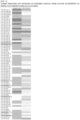
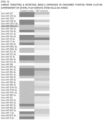
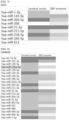
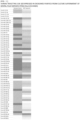
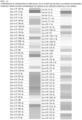
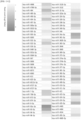
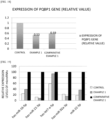
- FIG. 5 to FIG. 13-2 The obtained results are shown in FIG. 5 to FIG. 13-2 in which the expression levels of the miRNAs are compared between the cerebral cortex and the gene expression regulator of Example 1 (SGF).
- the miRNAs targeting APP expressed in the exosomes purified from the culture supernatant of dental pulp-derived stem cells were the APP suppression-related miRNA group (63 kinds) below.
- the miRNAs targeting ⁇ secretase (BASE1) expressed in the exosomes purified from the culture supernatant of dental pulp-derived stem cells were the BACE1 inhibition-related miRNA group (41 kinds) below.
- the miRNAs targeting a protein involved in the activation of NMDA expressed in the exosomes purified from the culture supernatant of dental pulp-derived stem cells were the DLG1 suppression-related miRNA group below, the CAMK2D suppression-related miRNA group below, the CAMK2A suppression-related miRNA group below and the CAPN1 suppression-related miRNA group below (51 kinds in total).
- the DLG1 suppression-related miRNA group hsa-miR-1-3p, hsa-miR-142-5p, hsa-miR-204-5p, hsa-miR-206, hsa-miR-21-5p, hsa-miR-218-5p, hsa-miR-340-5p and hsa-miR-613.
- the CAMK2D suppression-related miRNA group hsa-let-7a-5p, hsa-miR-101-3p, hsa-miR-129-5p, hsa-miR-139-5p, hsa-miR-144-3p, hsa-miR-145-5p, hsa-miR-185-5p, hsa-miR-203a-3p, hsa-miR-204-5p, hsa-miR-211-5p, hsa-miR-24-3p, hsa-miR-27a-3p, hsa-miR-30a-3p, hsa-miR-31-5p, hsa-miR-361-5p, hsa-miR-421, hsa-miR-484, hsa-miR-494-3p, hsa-miR-505-3p and h
- the CAMK2A suppression-related miRNA group hsa-miR-129-5p, hsa-miR-137, hsa-miR-142-5p, hsa-miR-148a-3p, hsa-miR-149-3p, hsa-miR-152-3p, hsa-miR-25-3p, hsa-miR-27a-3p, hsa-miR-32-5p, hsa-miR-338-3p, hsa-miR-340-5p, hsa-miR-363-3p, hsa-miR-3665, hsa-miR-4534, hsa-miR-4665-5p, hsa-miR-4688, hsa-miR-485-5p, hsa-miR-5010-5p, hsa-miR-505-5
- CAPN1 suppression-related miRNA group hsa-miR-1-3p, hsa-miR-124-3p, hsa-miR-140-5p, hsa-miR-17-3p, hsa-miR-22-3p, hsa-miR-34a-5p and hsa-miR-6511b-Sp.
- the miRNAs targeting GSK-3 ⁇ expressed in the exosomes purified from the culture supernatant of dental pulp-derived stem cells were the GSK-3 ⁇ inhibition-related miRNA group (54 kinds) below.
- the miRNAs targeting PQBP1 expressed in the exosomes purified from the culture supernatant of dental pulp-derived stem cells were the PQBP1 suppression-related miRNA group (two kinds) below. hsa-miR-6727-3p and hsa-miR-6727-5p.
- BACE1 ⁇ secretase
- APP proteins involved in Alzheimer's disease
- microRNAs which suppress NMDA, inhibit GSK-3 ⁇ or suppress PQBP1, which are target proteins of a therapeutic agent were found.
- the 859 miRNAs which were observed to be expressed in the cerebral cortex and which were observed also in the gene expression suppressor of Example 1 included 153 miRNAs having the effect of suppressing amyloid ⁇ - or tau protein-related genes (responsible genes for Alzheimer's disease or the like) as targets.
- Example 1 To cerebral cortex neurons (neurons derived from an Alzheimer's disease patient), the exosomes of dental pulp-derived stem cells obtained in Example 1 or the exosomes of adipose-derived stem cells of Comparative Example 1 were added. The added amount was 1,000 exosomes per cerebral cortex neuron. After 72 hours, the cerebral cortex neurons were recovered, and the mRNAs were purified. Regarding the purified mRNAs, the expression of the genes as the subjects of expression analysis related to Alzheimer-type dementia (with elevated expression) were quantified by qPCR.
- cerebral cortex neurons without the addition of the exosomes were used as the control (Reference Example 1).
- the mRNAs of the recovered cerebral cortex neurons were purified, and the expression of the genes as the subjects of expression analysis were quantified by the same method as that in Example 1 and Comparative Example 1.
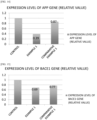
- the expression levels of the genes as the subjects of expression analysis of Example 1 (cells treated with the exosomes of dental pulp-derived stem cells) and Comparative Example 1 (cells treated with the exosomes of adipose-derived stem cells) were calculated as the relative values where the expression levels of the genes as the subjects of expression analysis of Reference Example 1 (control; untreated cells) were regarded as 1.0.
- the genes as the subjects of expression analysis were five kinds, namely amyloid precursor protein (APP) gene, ⁇ -secretase (BACE1) gene, an NMDA-activating protein (CAMK2D) gene, glycogen synthase kinase-3 ⁇ (GSK-3 ⁇ ) gene and polyglutamine-binding protein-1 (PQBP1) gene.
- APP amyloid precursor protein
- BACE1 ⁇ -secretase
- CAMK2D NMDA-activating protein
- GSK-3 ⁇ glycogen synthase kinase-3 ⁇
- PQBP1 polyglutamine-
- the gene expression regulator of the invention can regulate the expression of the five kinds of genes as the subjects of expression analysis (the genes involved in the expression of APP, BACE1, CAMK2D as an NMDA-activating protein, GSK-3 ⁇ and PQBP1), which are related to Alzheimer-type dementia (the expression thereof was elevated with the control).
- the expression of the five kinds of genes as the subjects of expression analysis related to Alzheimer-type dementia can be suppressed more significantly by the gene expression regulator of Example 1 compared to the gene expression regulator of Comparative Example 1.
- the miRNAs of the gene expression suppressor of Example 1 (the exosomes of dental pulp-derived stem cells), the gene expression suppressor of Comparative Example 1 (the exosomes derived from adipose tissue stem cells; ADSC) and the gene expression suppressor of Comparative Example 2 (the exosomes derived from umbilical cord stem cells; Placenta-MSC) were analyzed using qPCR in the same manner as in Test Example 4.
- the expression levels of the miRNAs below of a subject gene group of Alzheimer's disease were compared.
- FIG. 19 The results are shown in FIG. 19 .
- the relative values are shown where the expression levels of the miRNAs in the gene expression suppressor of Example 1 (the exosomes of dental pulp-derived stem cells) are regarded as 100.
- the expression levels of the miRNAs that suppress the gene group in which the expression is elevated with relation to Alzheimer's disease were significantly high in the gene expression suppressor of Example 1 (the exosomes of dental pulp-derived stem cells), compared to those in the exosomes derived from other mesenchymal stem cells (the exosomes derived from adipose stem cells of Comparative Example 1 and the exosomes derived from umbilical cord stem cells of Comparative Example 2).
Landscapes
- Health & Medical Sciences (AREA)
- Life Sciences & Earth Sciences (AREA)
- Engineering & Computer Science (AREA)
- Genetics & Genomics (AREA)
- Chemical & Material Sciences (AREA)
- Biomedical Technology (AREA)
- Bioinformatics & Cheminformatics (AREA)
- Organic Chemistry (AREA)
- Molecular Biology (AREA)
- Biotechnology (AREA)
- Zoology (AREA)
- General Health & Medical Sciences (AREA)
- General Engineering & Computer Science (AREA)
- Wood Science & Technology (AREA)
- Biochemistry (AREA)
- Veterinary Medicine (AREA)
- Medicinal Chemistry (AREA)
- Public Health (AREA)
- Animal Behavior & Ethology (AREA)
- Pharmacology & Pharmacy (AREA)
- Physics & Mathematics (AREA)
- Microbiology (AREA)
- Biophysics (AREA)
- Plant Pathology (AREA)
- Epidemiology (AREA)
- Virology (AREA)
- Neurology (AREA)
- Nuclear Medicine, Radiotherapy & Molecular Imaging (AREA)
- General Chemical & Material Sciences (AREA)
- Neurosurgery (AREA)
- Chemical Kinetics & Catalysis (AREA)
- Cell Biology (AREA)
- Immunology (AREA)
- Developmental Biology & Embryology (AREA)
- Rheumatology (AREA)
- Orthopedic Medicine & Surgery (AREA)
- Hospice & Palliative Care (AREA)
- Psychiatry (AREA)
- Pharmaceuticals Containing Other Organic And Inorganic Compounds (AREA)
- Medicines That Contain Protein Lipid Enzymes And Other Medicines (AREA)
Applications Claiming Priority (2)
| Application Number | Priority Date | Filing Date | Title |
|---|---|---|---|
| JP2022044972A JP7492757B2 (ja) | 2022-03-22 | 2022-03-22 | 遺伝子の発現制御剤、アルツハイマー病の予防薬または治療薬および認知症の改善方法 |
| PCT/JP2023/010775 WO2023182243A1 (fr) | 2022-03-22 | 2023-03-19 | Régulateur d'expression génique, médicament prophylactique ou médicament thérapeutique pour la maladie d'alzheimer, et méthode pour améliorer la démence |
Publications (1)
| Publication Number | Publication Date |
|---|---|
| EP4497445A1 true EP4497445A1 (fr) | 2025-01-29 |
Family
ID=88100891
Family Applications (1)
| Application Number | Title | Priority Date | Filing Date |
|---|---|---|---|
| EP23774838.9A Pending EP4497445A1 (fr) | 2022-03-22 | 2023-03-19 | Régulateur d'expression génique, médicament prophylactique ou médicament thérapeutique pour la maladie d'alzheimer, et méthode pour améliorer la démence |
Country Status (5)
| Country | Link |
|---|---|
| US (1) | US20250195554A1 (fr) |
| EP (1) | EP4497445A1 (fr) |
| JP (1) | JP7492757B2 (fr) |
| CN (1) | CN119031942A (fr) |
| WO (1) | WO2023182243A1 (fr) |
Families Citing this family (4)
| Publication number | Priority date | Publication date | Assignee | Title |
|---|---|---|---|---|
| JPWO2025170079A1 (fr) * | 2024-02-09 | 2025-08-14 | ||
| CN118236389B (zh) * | 2024-05-28 | 2024-09-24 | 南京晖丽生物科技有限公司 | miR-3120在制备预防及治疗肿瘤及肿瘤恶液质的药物组合物中的应用 |
| CN119185350B (zh) * | 2024-08-15 | 2025-09-09 | 安徽农业大学 | 靶向lrp6的抑制剂在调节动物剩余采食量中的应用 |
| CN119193819B (zh) * | 2024-11-28 | 2025-05-13 | 苏州麦锐克生物科技有限公司 | 用于阿尔茨海默病诊断的多重miRNA标志物及试剂盒 |
Family Cites Families (7)
| Publication number | Priority date | Publication date | Assignee | Title |
|---|---|---|---|---|
| JPWO2011118795A1 (ja) | 2010-03-26 | 2013-07-04 | 国立大学法人名古屋大学 | 損傷部治療用組成物 |
| JP2017184642A (ja) | 2016-04-01 | 2017-10-12 | 株式会社ヘルシーパス | 認知症マーカー、それを用いた認知症の評価方法、評価試薬および評価キット |
| JP2018023343A (ja) | 2016-08-12 | 2018-02-15 | 国立大学法人山口大学 | 細胞培養用培地、及び細胞培養方法 |
| IL264825B (en) | 2016-08-14 | 2022-08-01 | Univ Ramot | Mesenchymal cell-derived exosomes to treat neurological disorders |
| US12233092B2 (en) | 2018-04-10 | 2025-02-25 | Brainstorm Cell Therapeutics Ltd. | MSC-NTF specific exosomes and use thereof |
| AU2020299633B2 (en) * | 2019-07-02 | 2026-03-26 | Ohio State Innovation Foundation | Neurodegenerative disease therapies utilizing the skin-brain axis |
| US20210002650A1 (en) * | 2019-07-03 | 2021-01-07 | University Of Virginia Patent Foundation | Compositions and methods for treating alzheimer's disease |
-
2022
- 2022-03-22 JP JP2022044972A patent/JP7492757B2/ja active Active
-
2023
- 2023-03-19 EP EP23774838.9A patent/EP4497445A1/fr active Pending
- 2023-03-19 CN CN202380027002.7A patent/CN119031942A/zh active Pending
- 2023-03-19 US US18/848,758 patent/US20250195554A1/en active Pending
- 2023-03-19 WO PCT/JP2023/010775 patent/WO2023182243A1/fr not_active Ceased
Also Published As
| Publication number | Publication date |
|---|---|
| JP2023139438A (ja) | 2023-10-04 |
| WO2023182243A1 (fr) | 2023-09-28 |
| CN119031942A (zh) | 2024-11-26 |
| US20250195554A1 (en) | 2025-06-19 |
| JP7492757B2 (ja) | 2024-05-30 |
Similar Documents
| Publication | Publication Date | Title |
|---|---|---|
| EP4497445A1 (fr) | Régulateur d'expression génique, médicament prophylactique ou médicament thérapeutique pour la maladie d'alzheimer, et méthode pour améliorer la démence | |
| EP4173628A1 (fr) | Agent améliorant la fonction testiculaire et procédé d'amélioration de la fonction testiculaire | |
| US20240424029A1 (en) | Agent for improving cancer cachexia and method for improving cancer cachexia | |
| EP4596682A1 (fr) | Particules fines, activateur de cellules nk, procédé de culture pour cellules nk, procédé de production de cellules nk activées et procédé d'activation pour cellules nk | |
| WO2023190267A1 (fr) | Particule fine, médicament prophylactique ou médicament thérapeutique contre la maladie de parkinson, et procédé d'amélioration de la maladie de parkinson | |
| US20230321152A1 (en) | Cytokine storm suppressor, method for using cytokine storm suppressor and screening method | |
| JP2024000504A (ja) | Hmgb1の発現制御剤;急性肺損傷、急性呼吸窮迫症候群または敗血症の予防薬または治療薬、あるいはそれらの改善方法 | |
| JP2025032034A (ja) | 若返り剤および若返り方法 | |
| EP4628086A1 (fr) | Microparticule, médicament pour la prévention ou le traitement d'un dysfonctionnement érectile, et méthode d'amélioration d'un dysfonctionnement érectile | |
| WO2023199828A1 (fr) | Particule fine, médicament prophylactique ou médicament thérapeutique pour une maladie oculaire néovasculaire, et méthode d'amélioration d'une maladie oculaire néovasculaire | |
| JP2025172276A (ja) | 遺伝子の発現制御剤、アルツハイマー病の予防薬または治療薬および認知症の改善方法 | |
| EP4541358A1 (fr) | Suppresseur d'expression de hmgb1, médicament prophylactique ou thérapeutique pour lésion pulmonaire aiguë, syndrome de détresse respiratoire aiguë ou une sepsis, et procédé d'amélioration d'une telle maladie | |
| EP4541359A1 (fr) | Agent de contrôle de l'expression de ptx3, médicament prophylactique ou médicament thérapeutique contre la vascularite ou le durcissement de la peau associés à la polyarthrite rhumatoïde, une maladie auto-immune, méthode pour atténuer la vascularite ou le durcissement de la peau associés à la polyarthrite rhumatoïde, une maladie auto-immune | |
| WO2023199829A1 (fr) | Microparticules, médicament prophylactique ou médicament thérapeutique pour la dépression, et méthode pour atténuer la dépression | |
| JP2025095535A (ja) | Ptx3の発現制御剤;関節リウマチ、自己免疫疾患に伴う血管炎または皮膚硬化の予防薬または治療薬、あるいはそれらの改善方法 |
Legal Events
| Date | Code | Title | Description |
|---|---|---|---|
| STAA | Information on the status of an ep patent application or granted ep patent |
Free format text: STATUS: THE INTERNATIONAL PUBLICATION HAS BEEN MADE |
|
| PUAI | Public reference made under article 153(3) epc to a published international application that has entered the european phase |
Free format text: ORIGINAL CODE: 0009012 |
|
| STAA | Information on the status of an ep patent application or granted ep patent |
Free format text: STATUS: REQUEST FOR EXAMINATION WAS MADE |
|
| 17P | Request for examination filed |
Effective date: 20241007 |
|
| AK | Designated contracting states |
Kind code of ref document: A1 Designated state(s): AL AT BE BG CH CY CZ DE DK EE ES FI FR GB GR HR HU IE IS IT LI LT LU LV MC ME MK MT NL NO PL PT RO RS SE SI SK SM TR |
|
| DAV | Request for validation of the european patent (deleted) | ||
| DAX | Request for extension of the european patent (deleted) | ||
| RIC1 | Information provided on ipc code assigned before grant |
Ipc: A61K 48/00 20060101AFI20260218BHEP Ipc: A61P 43/00 20060101ALI20260218BHEP Ipc: C12N 15/113 20100101ALI20260218BHEP Ipc: A61K 31/7105 20060101ALI20260218BHEP Ipc: A61K 35/32 20150101ALI20260218BHEP Ipc: A61P 25/28 20060101ALI20260218BHEP |