EP4501406A2 - Acetyl-leucin oder ein pharmazeutisch unbedenkliches salz davon zur verbesserung der mobilität und kognitiven funktion - Google Patents
Acetyl-leucin oder ein pharmazeutisch unbedenkliches salz davon zur verbesserung der mobilität und kognitiven funktion Download PDFInfo
- Publication number
- EP4501406A2 EP4501406A2 EP24205813.9A EP24205813A EP4501406A2 EP 4501406 A2 EP4501406 A2 EP 4501406A2 EP 24205813 A EP24205813 A EP 24205813A EP 4501406 A2 EP4501406 A2 EP 4501406A2
- Authority
- EP
- European Patent Office
- Prior art keywords
- leucine
- acetyl
- subject
- pharmaceutically acceptable
- acceptable salt
- Prior art date
- Legal status (The legal status is an assumption and is not a legal conclusion. Google has not performed a legal analysis and makes no representation as to the accuracy of the status listed.)
- Pending
Links
Images

Classifications
-
- A—HUMAN NECESSITIES
- A61—MEDICAL OR VETERINARY SCIENCE; HYGIENE
- A61K—PREPARATIONS FOR MEDICAL, DENTAL OR TOILETRY PURPOSES
- A61K31/00—Medicinal preparations containing organic active ingredients
- A61K31/185—Acids; Anhydrides, halides or salts thereof, e.g. sulfur acids, imidic, hydrazonic or hydroximic acids
- A61K31/19—Carboxylic acids, e.g. valproic acid
- A61K31/195—Carboxylic acids, e.g. valproic acid having an amino group
- A61K31/197—Carboxylic acids, e.g. valproic acid having an amino group the amino and the carboxyl groups being attached to the same acyclic carbon chain, e.g. gamma-aminobutyric acid [GABA], beta-alanine, epsilon-aminocaproic acid or pantothenic acid
- A61K31/198—Alpha-amino acids, e.g. alanine or edetic acid [EDTA]
-
- A—HUMAN NECESSITIES
- A61—MEDICAL OR VETERINARY SCIENCE; HYGIENE
- A61P—SPECIFIC THERAPEUTIC ACTIVITY OF CHEMICAL COMPOUNDS OR MEDICINAL PREPARATIONS
- A61P25/00—Drugs for disorders of the nervous system
- A61P25/28—Drugs for disorders of the nervous system for treating neurodegenerative disorders of the central nervous system, e.g. nootropic agents, cognition enhancers, drugs for treating Alzheimer's disease or other forms of dementia
-
- A—HUMAN NECESSITIES
- A61—MEDICAL OR VETERINARY SCIENCE; HYGIENE
- A61P—SPECIFIC THERAPEUTIC ACTIVITY OF CHEMICAL COMPOUNDS OR MEDICINAL PREPARATIONS
- A61P43/00—Drugs for specific purposes, not provided for in groups A61P1/00-A61P41/00
Definitions
- the present disclosure relates to acetyl-leucine, and pharmaceutically acceptable salts of the same, and specifically to their use to improve mobility and cognitive function, for example in the elderly.
- Mobility problems may include unsteadiness while walking, difficulty getting in and out of a chair, or falls. Muscle weakness, joint problems, pain, disease and neurological (brain and nervous system) difficulties - common conditions in older people - can all contribute to mobility problems. Sometimes several mild problems occur at one time and combine to seriously affect mobility.
- impaired mobility and/or cognitive function may be often associated with ageing, such signs may also be observed in any subject that presents with lower baseline levels of mobility and/or cognitive function.
- new therapies to prevent or reduce such symptoms in subjects suffering therefrom.
- the present disclosure provides acetyl-leucine, or a pharmaceutically acceptable salt thereof, for use in a method of improving cognitive function, mobility, or cognitive function and mobility in a subject.
- acetyl-leucine or a pharmaceutically acceptable salt thereof, for use in a method of improving cognitive function in a subject.
- acetyl-leucine, or a pharmaceutically acceptable salt thereof for use in a method of improving mobility in a subject.
- the subject is an elderly subject.
- acetyl-leucine or a pharmaceutically acceptable salt thereof, for use in a method of improving mobility and/or cognitive function in an elderly subject.
- a method of improving mobility and/or cognitive function in an elderly subject comprising administering a therapeutically effective amount of acetyl-leucine, or a pharmaceutically acceptable salt thereof, to the subject.
- the cognitive function is one or more selected from the group consisting of perception, memory, creation of imagery, awareness, reasoning, thinking and capacity for judgment.
- acetyl-leucine or pharmaceutically acceptable salt thereof may be used to treat an age-related decrease in cognitive function and/or mobility.
- the acetyl-leucine is used in a dose ranging from 1.5 g to 10 g, for example, ranging from 4 g to 10 g per day. In another embodiment, the acetyl-leucine is used in a dose ranging from more than 4 g to no more than 6 g per day.
- the dose of acetyl-leucine may be administered, for example, across two or more administrations. In one embodiment, the dose of acetyl-leucine is administered across three administrations.
- the method comprises administering the acetyl-leucine for a treatment duration of two weeks or more. In another embodiment, the method comprises administering the acetyl-leucine for a treatment duration of seven weeks or more.
- the method comprises administering the acetyl-leucine in a dose ranging from 1.5 g to 10 g, for example ranging from 4.5 g to 10 g per day, taken across three administrations per day, for a treatment duration of two months or more.
- the subject is a well elderly subject.
- the subject may be otherwise healthy, except for an impairment of mobility and/or cognitive function where the mobility and/or cognitive function has reduced as the subject has aged i.e. reduced due to the aging process.
- the subject does not have vertigo and/or a neurological and/or neurodegenerative disease, disorder or condition. In one embodiment, the subject does not have vertigo.
- the present disclosure provides for the use of acetyl-leucine, or a pharmaceutically acceptable salt thereof, for improving cognitive function, mobility, or cognitive function and mobility in a subject.
- the present disclosure provides a method of improving cognitive function, mobility, or cognitive function and mobility in a subject, the method comprising administering a therapeutically effective amount of acetyl-leucine, or a pharmaceutically acceptable salt thereof, to the subject.
- the present disclosure provides use of acetyl-leucine, or a pharmaceutically acceptable salt thereof, for the manufacture of a medicament for improving cognitive function, mobility, or cognitive function and mobility in a subject.
- acetyl-leucine N-acetyl-leucine
- acetyl-leucine or a pharmaceutically acceptable salt of the same improves mobility and cognitive function.
- acetyl-leucine, or a pharmaceutically acceptable salt of the same improves mobility and cognitive function in the elderly.
- Acetyl-leucine in racemate form and salts of the same are known for their effectiveness in the treatment of vertigo of various origins, notably Meniere's vertigo and vertigo of inflammatory (vestibular neuritis) or toxic origin.
- Acetyl-leucine is marketed by Pierre Fabre Medicament in racemate form as an antivertigo medicament under the tradename Tanganil ® .
- Clinical results relating to said medicament reported by various authors demonstrate an improvement in vertigo symptomology in more than 95% of cases, including the disappearance of vertigo attacks.
- Acetyl-DL-leucine has been used in France to treat acute vertigo since 1957. Despite numerous hypotheses, including stabilisation of membrane potential, its pharmacological and electrophysiological modes of action remain unclear (1,2).
- a FDG- ⁇ PET study in a rat model of an acute unilateral labyrinthectomy (3) showed a significant effect of an L-enantiomer N-acetyl-L-leucine on postural compensation by activation of the vestibulo-cerebellum and a deactivation of the posterolateral thalamus (4). Improvement of cerebellar symptoms in a case series with cerebellar patients of different etiologies has been observed (5). However, another case series did not find benefit (6).
- acetyl- leucine can also be used to benefit the elderly who, other than displaying the normal signs of ageing, may be in good health. Specifically, it has been found that acetyl- leucine can improve mobility and cognitive function in the elderly. This was entirely unexpected, as such benefits had not been observed, and could not have been deduced, from the prior art teaching.
- acetyl leucine can be used to treat subjects that have disorders distinct from ataxia (e.g. distinct from disorders such as cerebellar ataxia and Niemann Pick), and distinct from vertigo and vertigo-related diseases (e.g. benign paroxysmal positional vertigo (BPPV); vestibular neuritis; vertigo related to Meniere's disease, Wallenberg's syndrome, cerebellar ischemia, perilymph fistula or acoustic neurinoma; or recurring vertigo of traumatic or toxic origin).
- the subjects treated by the present disclosure may be otherwise healthy, except that they have an impairment of mobility where the mobility has been impaired due to the ageing process.
- the finding that the acetyl-leucine can be used to treat non-vertiginous disorders was surprising.
- the present disclosure provides acetyl-leucine, or a pharmaceutically acceptable salt of the same, for use in a method of improving mobility and/or cognitive function in an elderly subject.
- the acetyl-leucine may be in racemic form, which means that the compound comprises about equal amounts of enantiomers. Alternatively it may be present in an enantiomeric excess of either the L-enantiomer or the D-enantiomer. In one embodiment, the acetyl-leucine is present in an enantiomeric excess of the L-enantiomer.
- the racemic and enantiomeric forms may be obtained in accordance with known procedures in the art.
- a "pharmaceutically acceptable salt” as referred to herein, is any salt preparation that is appropriate for use in a pharmaceutical application.
- Pharmaceutically acceptable salts include, but are not limited to, amine salts, such as N,N'-dibenzylethylenediamine, chloroprocaine, choline, ammonia, diethanolamine and other hydroxyalkylamines, ethylenediamine, N-methylglucamine, procaine, N-benzylphenethylamine, 1-para-chloro- benzyl-2-pyrrolidin-1'-ylmethylbenzimidazole, diethylamine and other alkylamines, piperazine, tris(hydroxymethyl)aminomethane and the like; alkali metal salts, such as lithium, potassium, sodium and the like; alkali earth metal salts, such as barium, calcium, magnesium and the like; transition metal salts, such as zinc, aluminum and the like; other metal salts, such as sodium hydrogen phosphate, disodium
- Mobility refers to the ability of a subject to move. Mobility may be assessed in the elderly using one or more simple tests. As illustrated in the Examples, the “get up and go” test is a simple test capable of measuring mobility. In this test, the speed of sit to stand and walking to a target point is analysed, suitably as described in the Examples. For example, the test may begin with the subject sitting in a chair. At the start of the stop clock, the subject should rise unaided and walk to a target point. The target point may be 2-10 m away, optionally 4-6 m away. The stop clock should be stopped upon the subject reaching the target point.
- Any change in mobility for example, over time or through treatment, can be monitored by using the "get up and go” test at two or more time points and comparing the results, again as illustrated in the Examples.
- Other suitable tests for measuring mobility include those used in the Elderly Mobility Scale (EMS), a 20-point validated assessment tool for the assessment of frail elderly subjects (9), considering locomotion, balance and key position changes.
- EMS Elderly Mobility Scale
- 20-point validated assessment tool for the assessment of frail elderly subjects (9) considering locomotion, balance and key position changes.
- the phrase "improving mobility”, as referred to herein, means a positive change in the ability of the subject to move.
- the positive change can be measured using any of the aforementioned tests on two or more occasions, for example, a first occasion to measure baseline mobility and a second occasion to measure mobility following a period of time (in which treatment may have been administered). The more confident the subject feels due to improved steadiness (with treatment, for example) the more rapidly s/he completes the test. Mobility could be said to be improved when at least a about 5% increase in performance in the relevant test, between two time points, is observed.
- an increase in performance of at least about 10%, at least about 15%, at least about 20%, at least about 25%, at least about 30%, at least about 40%, at least about 50%, at least about 60%, at least about 70%, at least about 80%, at least about 90% or at least about 100% in the relevant test, between the two time points, is observed.
- an increase in performance of at least 5%, at least 10%, at least 15%, at least 20%, at least 25%, at least 30%, at least 40%, at least 50%, at least 60%, at least 70%, at least 80%, at least 90% or at least 100% in the relevant test, between the two time points is observed.
- the two time points may be one week apart, two weeks apart, three weeks apart, four weeks apart, two months apart, three months apart, four months apart, five months apart or even six months apart.
- Treatment may be administered during the intervening period.
- "improving mobility” means that the subject will demonstrate an at least about 5% increase in speed from a baseline measurement, as measured using the "get up and go” test as defined herein.
- the subject will demonstrate an increase in speed in this test of at least about 10%, at least about 15%, at least about 20%, at least about 25%, at least about 30%, at least about 40%, at least about 50%, at least about 60%, at least about 70%, at least about 80%, at least about 90% or at least about 100%.
- the subject will demonstrate an increase in speed in this test of at least 5%, at least 10%, at least 15%, at least 20%, at least 25%, at least 30%, at least 40%, at least 50%, at least 60%, at least 70%, at least 80%, at least 90% or at least 100%.
- the subject has a mobility disorder associated with ageing.
- mobility disorder associated with ageing refers to an impairment in mobility that is a direct consequence of the ageing process; this is in contrast with an impairment in mobility that is not a direct consequence of the ageing process.
- Clinical presentation may differ between subjects with a mobility disorder associated with ageing and subjects with impairment in mobility that is not a direct consequence of the ageing process, for example subjects with ataxia.
- Ataxia may present as a subject slaloming during walking, while a mobility disorder associated with ageing may present as an increased propensity to falls.
- cerebellar ataxia is not a mobility disorder associated with ageing.
- mobility in a subject having a mobility disorder associated with ageing may be tested, for example, using assessments of balance and/or through monitoring the number of falls experienced by the subject.
- acetyl-leucine or pharmaceutically acceptable salt thereof may be used to improve balance in a subject, wherein the subject has impaired balance associated with ageing.
- the impaired balance associated with ageing is not vertigo.
- acetyl-leucine or pharmaceutically acceptable salt thereof may be used to treat balance disorder associated with ageing.
- acetyl-leucine or pharmaceutically acceptable salt thereof may be used to increase a subject's stability, for example when standing and/or walking, wherein the subject has decreased stability associated with ageing.
- acetyl-leucine or pharmaceutically acceptable salt thereof may be used to reduce a subject's unsteadiness whilst walking, wherein the subject has increased unsteadiness associated with ageing.
- acetyl-leucine or pharmaceutically acceptable salt thereof may be used to treat a subject with impaired gait wherein the impaired gait is associated with ageing.
- the subject may have senile gait disorder.
- acetyl-leucine or pharmaceutically acceptable salt thereof may be used to increase gait velocity and or cadence in a subject wherein the subject has impaired gait velocity and or cadence associated with ageing.
- acetyl-leucine or pharmaceutically acceptable salt thereof may be used to treat a subject that has a pre-disposition to falls, wherein the pre-disposition to falls is associated with ageing
- Cognitive function means any mental process that involves a symbolic operation, for example, perception, memory, creation of imagery, awareness, reasoning, thinking and capacity for judgment.
- Measures of cognitive functioning include assessment tools designed to measure, for example: (a) general intelligence, (b) nonverbal intelligence, (c) achievement, (d) attention/executive functioning, (e) memory and learning, (f) visual-motor and motor functioning and (g) language.
- Such assessment tools include, for example, Wechsler Adult Intelligence Scale and Woodcock-Johnson III Tests of Cognitive Abilities (both for assessing general intelligence), Raven Progressive Matrices (for assessing nonverbal intelligence), Wide Range Achievement Test and Woodcock-Johnson III Tests of Achievement (for assessing academic achievement), Conners' Continuous Performance Test II (for assessing attention/executive functioning), Wide Range Assessment of Memory and Learning (for assessing memory and learning), Bender Visual-Motor Gestalt Test, Halstead-Reitan Grip Strength Test, Halstead-Reitan Finger Tapping Test and Lafayette Grooved Pegboard Task (all for assessing visual-motor and motor functioning) and Peabody Picture Vocabulary Test (for assessing language).
- Cognitive function may also be assessed using reaction speed and/or alertness tests, such as the Psychomotor Vigilance Task (e.g. as disclosed in the Examples). This test assesses components including fine motor skills; psychomotor speed; lapses of attention; instability of alertness; and impulsivity induced by fatigue.
- reaction speed and/or alertness tests such as the Psychomotor Vigilance Task (e.g. as disclosed in the Examples). This test assesses components including fine motor skills; psychomotor speed; lapses of attention; instability of alertness; and impulsivity induced by fatigue.
- the Psychomotor Vigilance Task is a sustained-attention, reaction-timed task that measures the speed with which subjects respond to a visual stimulus.
- the subject monitors a screen and presses the screen as quickly as possible upon the appearance of visual stimuli.
- the visual stimuli will then disappear and reappear (at irregular time intervals) e.g., 10 times over the course of the test, with the subject touching the screen as quickly as possible upon each reappearance.
- Test performance is quantified from an average of the e.g. 10 reaction times.
- Any change in cognitive function for example, over time or through treatment, can be monitored by using one or more of these well-established tests at two or more time points and comparing the results.
- the phrase "improving cognitive function", as referred to herein, means a positive change in the ability of the subject to perform a symbolic operation, for example, to perceive, remember, create a mental image, have clarity of thought, be aware, to reason, think or judge.
- the positive change can be measured using any of the aforementioned tests on two or more occasions, for example, a first occasion to measure baseline cognitive function and a second occasion to measure cognitive function following a period of time (in which treatment may have been administered).
- Cognitive function could be said to be improved when at least about a 5% increase in performance in the relevant test, between two time points, is observed.
- an increase in performance of at least about 10%, at least about 15%, at least about 20%, at least about 25%, at least about 30%, at least about 40%, at least about 50%, at least about 60%, at least about 70%, at least about 80%, at least about 90% or at least about 100% in the relevant test, between the two time points, is observed.
- an increase in performance of at least 5%, at least 10%, at least 15%, at least 20%, at least 25%, at least 30%, at least 40%, at least 50%, at least 60%, at least 70%, at least 80%, at least 90% or at least 100% in the relevant test, between the two time points is observed.
- the two time points may be one week apart, two weeks apart, three weeks apart, four weeks apart, two months apart, three months apart, four months apart, five months apart or even six months apart. Treatment may be administered during the intervening period.
- "improving cognitive function” means that the subject will demonstrate an at least about 5% increase in performance from a baseline measurement, as measured using the well-established Wechsler Adult Intelligence Scale. For instance, the subject will demonstrate an increase in performance in this test of at least about 10%, at least about 15%, at least about 20%, at least about 25%, at least about 30%, at least about 40%, at least about 50%, at least about 60%, at least about 70%, at least about 80%, at least about 90% or at least about 100%.
- the subject will demonstrate an increase in performance in this test of at least 5%, at least 10%, at least 15%, at least 20%, at least 25%, at least 30%, at least 40%, at least 50%, at least 60%, at least 70%, at least 80%, at least 90% or at least 100%.
- acetyl-leucine or pharmaceutically acceptable salt thereof may be used to increase reaction speed, for example the speed in which a subject responds to a visual stimulus.
- the subject has a decrease in cognitive function associated with ageing.
- decrease in cognitive function associated with ageing refers to a decrease in cognitive function that is a direct consequence of the ageing process; in contrast with a decrease in cognitive function that is not a direct consequence of the ageing process.
- Clinical presentation may differ between subjects with a decrease in cognitive function associated with ageing and subjects with decrease in cognitive function that is not a direct consequence of the ageing process.
- the term “improving” may encompass treating and/or ameliorating any impaired mobility and/or cognitive decline in the subject.
- An age-related decrease in mobility and/or cognitive function may thus be partially or wholly reversed using acetyl-leucine as described herein.
- Also envisaged and encompassed by the present disclosure is the prevention of impaired mobility and/or cognitive decline in the elderly, using acetyl-leucine as described herein.
- an age-related decrease in mobility and/or cognitive function may never occur at all, using acetyl-leucine as described herein.
- acetyl-leucine or a pharmaceutically acceptable salt of the same, may be formulated and administered to a subject, for example to an elderly subject, in accordance with known teachings in the art.
- the acetyl-leucine, or a pharmaceutically acceptable salt of the same is formulated as a pharmaceutical composition.
- the pharmaceutical composition comprises acetyl-leucine or a pharmaceutically acceptable salt of the same and a pharmaceutically acceptable carrier.
- the active agent (composition) may be used as a monotherapy (i.e. use of the active agent alone) for improving mobility and/or cognitive function in subject, such as an elderly subject.
- the active agent (composition) may be used as an adjunct to, or in combination with, known therapies for improving mobility and/or cognitive function in a subject, for example in an elderly subject.
- the active agent may take any of a number of different forms depending, for example, on the manner in which it is to be used.
- the agent or composition may be in the form of a powder, tablet, capsule, liquid, ointment, cream, gel, hydrogel, aerosol, spray, micellar solution, transdermal patch, liposome suspension or any other suitable form that may be administered to a person or animal in need of treatment.
- the carrier of the pharmaceutical composition according to the invention should be one which is well-tolerated by the subject to whom it is given.
- a "pharmaceutically acceptable carrier” as referred to herein, is any known compound or combination of known compounds that are known to those skilled in the art to be useful in formulating pharmaceutical compositions.
- the pharmaceutically acceptable carrier may be a solid, and the composition may be in the form of a powder or tablet.
- a solid pharmaceutically acceptable carrier may include, but not limited to, one or more substances which may also act as flavouring agents, buffers, lubricants, stabilisers, solubilisers, suspending agents, wetting agents, emulsifiers, dyes, fillers, glidants, compression aids, inert binders, sweeteners, preservatives, dyes, coatings, or tablet-disintegrating agents.
- the carrier may also be an encapsulating material.
- the carrier is a finely divided solid that is in admixture with the finely divided active agents according to the present disclosure.
- the active agent may be mixed with a carrier having the necessary compression properties in suitable proportions and compacted in the shape and size desired.
- the powders and tablets for example, contain up to 99% of the active agents.
- Suitable solid carriers include, for example, calcium phosphate, magnesium stearate, talc, sugars, lactose, dextrin, starch, gelatin, cellulose, polyvinylpyrrolidine, low melting waxes and ion exchange resins.
- the pharmaceutically acceptable carrier may be a gel and the composition may be in the form of a cream or the like.
- the carrier may include, but is not limited to, one or more excipients or diluents.
- excipients are gelatin, gum arabicum, lactose, microcrystalline cellulose, starch, sodium starch glycolate, calcium hydrogen phosphate, magnesium stearate, talcum, colloidal silicon dioxide and the like.
- the pharmaceutically acceptable carrier may be a liquid, and the pharmaceutical composition is in the form of a solution.
- Liquid carriers are used in preparing solutions, suspensions, emulsions, syrups, elixirs and pressurized compositions.
- the active agent according to the present disclosure may be dissolved or suspended in a pharmaceutically acceptable liquid carrier such as water, an organic solvent, a mixture of both or pharmaceutically acceptable oils or fats.
- the liquid carrier can contain other suitable pharmaceutical additives such as solubilisers, emulsifiers, buffers, preservatives, sweeteners, flavouring agents, suspending agents, thickening agents, colours, viscosity regulators, stabilizers or osmo-regulators.
- liquid carriers for oral and parenteral administration include water (partially containing additives as above, e.g. cellulose derivatives, such as sodium carboxymethyl cellulose solution), alcohols (including monohydric alcohols and polyhydric alcohols, e.g. glycols) and their derivatives, and oils (e.g. fractionated coconut oil and arachis oil).
- the carrier can also be an oily ester such as ethyl oleate and isopropyl myristate.
- Sterile liquid carriers are useful in sterile liquid form compositions for parenteral administration.
- the liquid carrier for pressurised compositions can be a halogenated hydrocarbon or other pharmaceutically acceptable propellant.
- Liquid pharmaceutical compositions which are sterile solutions or suspensions, can be utilised by, for example, intramuscular, intrathecal, epidural, intraperitoneal, intravenous, and subcutaneous injection.
- the active agent may be prepared as a sterile solid composition that may be dissolved or suspended at the time of administration using sterile water, saline, or other appropriate sterile injectable medium.
- compositions of the present disclosure may be administered orally in the form of a sterile solution or suspension containing other solutes or suspending agents (for example, enough saline or glucose to make the solution isotonic), bile salts, acacia, gelatin, sorbitan monoleate, polysorbate 80 (oleate esters of sorbitol and its anhydrides copolymerized with ethylene oxide) and the like.
- the agents used according to the disclosure can also be administered orally either in liquid or solid composition form.
- Compositions suitable for oral administration include solid forms, such as pills, capsules, granules, tablets, and powders, and liquid forms, such as solutions, syrups, elixirs, and suspensions.
- Forms useful for parenteral administration include sterile solutions, emulsions, and suspensions.
- Acetyl-leucine and compositions comprising the same may alternatively be administered by inhalation (e.g. intranasally).
- Compositions may also be formulated for topical use. For instance, creams or ointments may be applied to the skin.
- Acetyl-leucine according to the present disclosure may be incorporated within a slow- or delayed-release device. Such devices may, for example, be inserted on or under the skin, and the medicament may be released over weeks or even months. Such devices may be used when long-term treatment with acetyl-leucine used according to the present disclosure is required and which would normally require frequent administration (e.g. at least daily administration).
- the pharmaceutical composition is in the form of a tablet.
- the active agent may be mixed with a vehicle having the necessary compression properties in suitable proportions and compacted in the shape and size desired.
- the tablets may contain up to 99% by weight of the active agents.
- the acetyl-leucine, or a pharmaceutically acceptable salt of the same is provided in a solid dosage form suitable for oral administration, notably in the form of a tablet.
- compositions in solid oral dosage form may be prepared by any method known in the art of pharmacy.
- Pharmaceutical formulations are usually prepared by mixing the active substance, or a pharmaceutically acceptable salt thereof, with conventional pharmaceutically acceptable carriers, diluents or excipients.
- a tablet may be formulated precisely as is known in the art.
- Tanganil ® for example, includes wheat starch, pregelatinised maize (corn) starch, calcium carbonate and magnesium stearate as excipients. The same, or similar, excipients may be employed in the present disclosure.
- each 700 mg Tanganil ® tablet is as follows: 500 mg acetyl-DL-leucine, 88 mg wheat starch, 88 mg pregelatinised maize (corn) starch, 13 mg calcium carbonate and 11 mg magnesium stearate.
- 500 mg acetyl-DL-leucine, 88 mg wheat starch, 88 mg pregelatinised maize (corn) starch, 13 mg calcium carbonate and 11 mg magnesium stearate The same tablets may be employed in the present disclosure.
- the acetyl-leucine, or a pharmaceutically acceptable salt of the same may be administered at a dose ranging from 500 mg to 10 g per day, such as from 1.5 g to 10 g per day (for example, ranging from 1 g to 10 g, from 2 g to 10 g, from 3 g to 10 g, from 4 g to 10 g, from 1 g to 5 g, from 2 g to 5 g, from 3 g to 5 g, or from 4 g to 5 g per day), optionally by solid oral or liquid oral route.
- Tanganil ® for example, is prescribed for adults in a dose ranging from 1.5 g to 2 g per day for the symptomatic treatment of episodes of vertigo, i.e.
- the treatment duration varies according to clinical progression (from 10 days to 5 or 6 weeks).
- the dosage may be safely increased up to 3 g or even 4 g per day.
- acetyl-leucine or a pharmaceutically acceptable salt of the same, may be administered at a dose that is higher than previously known and/or for a treatment duration that is longer than previously known.
- the administered dose may be from 4 g to 10 g per day, such as from 4.5 g to 10 g per day. It may be from 5, 5.5, 6, 6.5, 7, 7.5, 8, 8.5, 9 or 9.5 g and 10 g per day. It may be more than 4g per day, but less than 10, 9.5, 9, 8.5, 8, 7.5, 7, 6.5, 6, 5.5 or 5 g per day.
- a dose is in the range of more than 4 g to no more than 6 g per day, such as ranging from more than 4 g to no more than 5 g per day, and further ranging from 4.25 g to 4.75 g per day.
- these doses are administered in a solid oral dosage form, notably tablets.
- these doses are for acetyl-leucine when in its racemic form.
- Doses for acetyl-leucine when an enantiomeric excess is present may be lower than those recited here, for example, around 50% lower. The above recited dose-ranges when halved are thus also explicitly encompassed by the disclosure.
- the total daily dose may be spread across multiple administrations, e.g. administration may be required two or more times a day to achieve the required dose.
- the required number of tablets to provide the total daily dose of acetyl-leucine may be split across two administrations (for example, in the morning and evening) or three administrations (for example, in the morning, noon and evening).
- Each dose is suitably administered with food.
- a total daily dose of 4.5 g acetyl-DL-leucine may be administered as three Tanganil ® (or equivalent) tablets with breakfast, three further tablets with lunch and three further tablets with dinner.
- the treatment duration may vary according to clinical progression. It may be seven days or more, two weeks or more, three weeks or more, one month or more, six weeks or more, seven weeks or more or two months or more. For example, it is three months or more, four months or more, five months or more or even six months or more.
- dosage form is envisaged and encompassed by the disclosure.
- An example combination is a total daily dose ranging from 4.5 g to 10 g per day, administered three times per day, for a treatment duration of two months or more.
- a further example combination is a total daily dose ranging more than 4 g to no more than 5 g per day, administered three times per day, for a treatment duration of six months or more.
- the dosage form is a solid oral dosage form, notably tablets.
- Treatment may commence upon, for example, observation of mobility impairment and/or cognitive impairment in a subject.
- Treatment may commence upon, for example, observation of mobility impairment and/or cognitive impairment in an elderly subject.
- a "subject”, as used herein, may be a vertebrate, mammal or domestic animal.
- compositions according to the disclosure may be used to treat any mammal, for example livestock (e.g. a horse), pets, or may be used in other veterinary applications. Further for example, the subject is a human.
- “Elderly”, as used herein, refers to subjects of advanced age. For example, it refers to men and women aged 70 or over, 75 or over, 80 or over, 85 or over or 90 or over. Non-human subjects in the corresponding later years of life are also encompassed by this term.
- the elderly subject may be a well elderly subject, i.e., other than displaying the normal signs of ageing, the subject is in good health.
- the subject does not have vertigo or any (clinically presenting) neurological or neurodegenerative disease, disorder or condition.
- the elderly subject may have vertigo and/or a (clinically presenting) neurological or neurodegenerative disease, disorder or condition, in addition to the normal signs of ageing.
- a method of improving mobility and/or cognitive function in a subject comprising administering a therapeutically effective amount of acetyl-leucine, or a pharmaceutically acceptable salt thereof, to the subject.
- a “therapeutically effective amount” of an agent is any amount which, when administered to a subject, is the amount of agent that is needed to produce the desired effect.
- the therapeutically effective amount of acetyl-leucine used may range from 4 g to 10 g per day, for example from 4.5 g to 10 g per day. Further, the amount of agent ranges from more than 4 g to no more than 5 g per day, and for example from about 4.25 g to 4.75 g per day.
- the subject is a 90-year-old male, and a retired physician with no signs of dementia. He has experienced progressive postural imbalance for five years with no extrapyramidal or cerebellar signs. He has experienced incomplete arousal wakefulness over the past two years but has normal sleep patterns. He had polio in his twenties and has aspects of post-polio syndrome, including partial vocal cord paralysis, muscle weakness and spinal misalignment. He leads an independent active life, reads prolifically and uses a laptop computer to communicate with family. His only medication was glaucoma eye drops at the time of this study.
- Treatment with acetyl-DL-leucine was started because the patient was suffering from imbalance and gait disorder. He initiated a one-month course comprising nine 500 mg tablets taken three times a day (TID) with meals, i.e., a total daily dosage of 4.5 g.
- acetyl-DL-leucine (Tanganil ® ) at a dose of 4.5 g per day.
- the subject is a 75 year old male patient with balance disorder/senile gait disorder and impaired spatial orientation (non-vertiginous dizziness) leading to backward falls.
- the subject presents a very discreet symmetric hypokinetic-rigid syndrome.
- the subject was diagnosed as having a balance disorder in 2016. Datscan was borderline pathological (i.e. reduction in dopamine receptors indicating possible Parkinson's Disease), however no improvement was observed during treatment with L-Dopa.
- An MRI on the subject showed unspecific white matter lesions and a slight atrophy of the right motocortex.
- Day 0 the patient was started on a treatment regimen of acetyl-DL-leucine 3 gram per day for the first week, followed by 5 gram per day.
- Day 62 The subject was subsequently re-evaluated. The patient reported an increase of dizziness symptoms two days after suspension of treatment (noting the sensation of being drunk).
- the patient was treated with Tanganil ® 500 mg in 3 separate doses throughout the day - 1 g upon waking, 1 g prior to lunch and 1 g prior to the evening meal for one week, followed by 2 g upon waking, 1.5 g prior to lunch and 1.5 g prior to the evening meal.
- An MRI of the patient's brain showed a mild subcortical vascular encephalopathy.
- the patient was then treated with Tanganil ® (500 mg) in 3 separate doses throughout the day - 1 g upon waking, 1 g prior to lunch and 1 g prior to the evening meal for one week, followed by 2 g upon waking, 1.5 g prior to lunch and 1.5 g prior to the evening meal.
- Tanganil ® 500 mg
- the patient was treated with 3 gram per day of acetyl-DL-leucine for two weeks with a considerable improvement of gait reported by the patient and his spouse.
- Quantitative gait analysis showed an increase of maximal gait velocity from 84 cm/sec to 130 cm/sec (running not quantified) and self-chosen gait velocity from 55 cm/sec to 62 cm/sec.
- the subject is now undergoing continuous treatment with further follow-up examinations planned.
- SARA Scale for the Assessment and Rating of Ataxia
- the patient was also examined by means of posturography after 1 month of the therapy with Tanganil ® 500 mg (2 g upon waking, 1.5 g prior to lunch and 1.5 g prior to the evening meal). Medication was taken 30 minutes prior to the meal, or at least 2 hours after the meal.
- Baseline Prior to commencement of treatment: Maximal distance to walk until the patient could not walk anymore because of fatigue was 1 km.
- the stance up-and-go test yielded 25.4 sec.
- SARA yielded 6.5/40.
- Clinical examination revealed accentuated postural imbalance, with intentional tremor and dysmetria bilaterally. Stance with feet together was possible with increased omnidirectional sway, which was especially pronounced in the dorsoventral and anteroposterior axes. Tandem stance and gait was not possible to perform due to an increased fall risk.
- Mean timed 8-meter-walking test was 6.5 sec. The tune-fork examination showed a decreased proprioception on the medial malleolus bilaterally.
- the subject is a 66-year old male with no apparent dysfunction in cognitive ability or movement/balance.
- the subject's reaction speed and alertness was assessed using the Mind Metrics App (Psychomotor Vigilance Task, 10 trials per test).
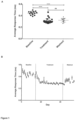
- the Psychomotor Vigilance Task (PVT) is a sustained-attention, reaction-timed task that measures the speed with which subjects respond to a visual stimulus. The subject is required to monitor a screen and press the screen as quickly as possible upon the appearance of visual stimuli. The visual stimuli will then disappear and reappear (at irregular time intervals) 10 times over the course of the test, with the subject touching the screen as quickly as possible upon each reappearance. Test performance is quantified from an average of the 10 reaction times. The tests were performed daily under comparable conditions. The subject was assessed for 2 weeks prior to taking acetyl-leucine, which constitutes the baseline period.
- Acetyl-DL-Leucine (Tanganil ® 500 mg, Pierre Fabre) daily. Medication was taken at least 2 hours after and 30 minutes prior to eating. The 5 g daily dose was taken in 3 separate doses throughout the day - 2 g upon waking, 1.5 g prior to lunch and 1.5 g prior to the evening meal.
- the subject reported an improvement in general alertness and a shortening of the time required to go from ⁇ asleep' to ⁇ fully awake'. He also noticed an improvement in his balance.
- the subject reported feeling a mild dizziness/lightheadedness on one occasion during the first week on medication.
- the subject reduced the daily dose from 5 g to 3 g for one day only and reported that the dizziness/lightheadedness abated.
- the next day the daily dose was increased back to 5 g. It remained at this level for the remainder of the 4 week treatment period, with no recurrence of dizziness or lightheadedness.
- the subject is a 29-year old male with no apparent dysfunction in cognitive ability or movement/balance.
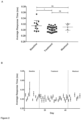
- the subject's reaction speed and alertness was assessed via the Mind Metrics App (Psychomotor Vigilance Task, 10 trials per test). The tests were performed daily under comparable conditions. The subject was assessed for 2 weeks prior to taking acetyl-leucine, which constitutes the baseline period. From Day 15 onwards, the subject took 5 g Acetyl-DL-Leucine (Tanganil ® 500 mg, Pierre Fabre) daily. Medication was taken at least 2 hours after and 30 minutes prior to eating. The 5 g daily dose was taken in 3 separate doses throughout the day - 2 g upon waking, 1.5 g prior to lunch and 1.5 g prior to the evening meal. Daily treatments and assessments continued for 4 weeks. The subject then began a 2 week washout period.
- the subject reported an improvement in general alertness. He also reported a decrease in anxiety, possibly linked to being able to think with a clearer head. He reported no difference in balance.
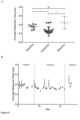
- Acetyl-DL-Leucine Treatment with 5 g/day Acetyl-DL-Leucine was associated with a small but statistically significant improvement in Psychomotor Vigilance Task performance, relative to the baseline period (0.3145 ms vs 0.3032 ms, p ⁇ 0.05) ( Figure 2A ). Test performance was not significantly different during the washout period from either the baseline or on-treatment values (0.3032 ms vs 0.3145/0.3104 ms respectively).
- the subject is a 55-year old female with no apparent dysfunction in cognitive ability or movement/balance.
- the subject's reaction speed and alertness was assessed via the Mind Metrics App (Psychomotor Vigilance Task, 10 trials per test). The tests were performed daily under comparable conditions. The subject was assessed for 2 weeks prior to taking acetyl-leucine, which constitutes the baseline period. From Day 15 onwards, the subject took 5 g Acetyl-DL-Leucine (Tanganil ® 500 mg, Pierre Fabre) daily. Medication was taken at least 2 hours after and 30 minutes prior to eating. The 5 g daily dose was taken in 3 separate doses throughout the day - 2g upon waking, 1.5g prior to lunch and 1.5 g prior to the evening meal. Daily treatments and assessments continued for 4 weeks. The subject then began a 2 week washout period.
- Balancing ability was measured at the end of the treatment period and at the end of the washout period. This assessment required the subject to close their eyes and lift their non-dominant foot around 6 inches off the ground. The subject was then timed to see how long they could remain upright and without significant wobbles. This was repeated three times, and the values averaged.
- the subject reported a shortening of the time required to go from ⁇ asleep' to ⁇ fully awake'.
- the treatment period coincided with travel for work, and a time difference of 8 hrs.
- the subject is a 50-year old male with no apparent dysfunction in cognitive ability or movement/balance.
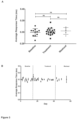
- the subject's reaction speed and alertness was assessed via the Mind Metrics App (Psychomotor Vigilance Task, 10 trials per test). The tests were performed daily under comparable conditions. The subject was assessed for 1 week prior to taking acetyl-leucine, which constitutes the baseline period.
- Acetyl-DL-Leucine was associated with a small, non-statistically significant decline in Psychomotor Vigilance Task performance, relative to the baseline period (0.3112 ms (baseline) vs 0.3365 ms (treatment), p- 0.1545) ( Figure 4A ). Test performance was not significantly different during the washout period from either the baseline or on-treatment values (0.3129 ms vs 0.3112/0.3365 ms respectively).
- the subject is a 53-year old male with no apparent dysfunction in cognitive ability or movement/balance.
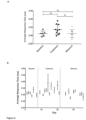
- the subject's reaction speed and alertness was assessed via the Mind Metrics App (Psychomotor Vigilance Task, 10 trials per test). The tests were performed daily under comparable conditions. The subject was assessed for 2 weeks prior to taking acetyl-leucine, which constitutes the baseline period.
- the subject reported an improvement in general alertness and a shortening of the time required to go from ⁇ asleep' to ⁇ fully awake'.
- Acetyl-DL-Leucine was associated with statistically significant improvements in Psychomotor Vigilance Task performance, relative to the baseline period (0.3771 ms (baseline) vs 0.3385 ms (treatment), p ⁇ 0.01) ( Figure 5A ).
- Test performance showed a statistically significant decline during the washout period (0.423ms) relative to on-treatment (0.3385ms, p ⁇ 0.01) values, but was not significantly different relative to baseline (0.3771ms, ns).
- the subject is a 48-year old woman with no apparent dysfunction in cognitive ability or movement/balance.
- the subject's reaction speed and alertness was assessed via the Mind Metrics App (Psychomotor Vigilance Task, 10 trials per test). The tests were performed daily under comparable conditions. The subject was assessed for 2 weeks prior to taking acetyl-leucine, which constitutes the baseline period.
- the subject reported feeling less tired than usual and taking less time than was usual to go from asleep to fully awake.
- Acetyl-DL-Leucine was associated with statistically significant improvements in Psychomotor Vigilance Task performance, relative to the baseline period (0.3238 ms (baseline) vs 0.2996 ms (treatment), p ⁇ 0.001) ( Figure 6A ).
- Test performance showed a statistically significant decline during the washout period (0.3374ms) relative to on-treatment (0.2996ms, p ⁇ 0.001) values, but was not significantly different relative to baseline (0.3238ms, ns).
Landscapes
- Health & Medical Sciences (AREA)
- Bioinformatics & Cheminformatics (AREA)
- Chemical & Material Sciences (AREA)
- Medicinal Chemistry (AREA)
- Pharmacology & Pharmacy (AREA)
- Life Sciences & Earth Sciences (AREA)
- Animal Behavior & Ethology (AREA)
- General Health & Medical Sciences (AREA)
- Public Health (AREA)
- Veterinary Medicine (AREA)
- Engineering & Computer Science (AREA)
- Biomedical Technology (AREA)
- Neurology (AREA)
- Neurosurgery (AREA)
- General Chemical & Material Sciences (AREA)
- Chemical Kinetics & Catalysis (AREA)
- Nuclear Medicine, Radiotherapy & Molecular Imaging (AREA)
- Organic Chemistry (AREA)
- Hospice & Palliative Care (AREA)
- Psychiatry (AREA)
- Epidemiology (AREA)
- Acyclic And Carbocyclic Compounds In Medicinal Compositions (AREA)
- Pharmaceuticals Containing Other Organic And Inorganic Compounds (AREA)
- Organic Low-Molecular-Weight Compounds And Preparation Thereof (AREA)
- Medicinal Preparation (AREA)
Applications Claiming Priority (3)
| Application Number | Priority Date | Filing Date | Title |
|---|---|---|---|
| GB201606834 | 2016-04-19 | ||
| EP17719692.0A EP3445351B1 (de) | 2016-04-19 | 2017-04-19 | Acetyl-leucin oder ein pharmazeutisch akzeptables salz davon für verbesserte mobilität |
| PCT/GB2017/051090 WO2017182802A1 (en) | 2016-04-19 | 2017-04-19 | Acetyl-leucine or a pharmaceutically acceptable salt thereof for improved mobility and cognitive function |
Related Parent Applications (1)
| Application Number | Title | Priority Date | Filing Date |
|---|---|---|---|
| EP17719692.0A Division EP3445351B1 (de) | 2016-04-19 | 2017-04-19 | Acetyl-leucin oder ein pharmazeutisch akzeptables salz davon für verbesserte mobilität |
Publications (2)
| Publication Number | Publication Date |
|---|---|
| EP4501406A2 true EP4501406A2 (de) | 2025-02-05 |
| EP4501406A3 EP4501406A3 (de) | 2025-03-26 |
Family
ID=58633040
Family Applications (2)
| Application Number | Title | Priority Date | Filing Date |
|---|---|---|---|
| EP17719692.0A Active EP3445351B1 (de) | 2016-04-19 | 2017-04-19 | Acetyl-leucin oder ein pharmazeutisch akzeptables salz davon für verbesserte mobilität |
| EP24205813.9A Pending EP4501406A3 (de) | 2016-04-19 | 2017-04-19 | Acetyl-leucin oder ein pharmazeutisch unbedenkliches salz davon zur verbesserung der mobilität und kognitiven funktion |
Family Applications Before (1)
| Application Number | Title | Priority Date | Filing Date |
|---|---|---|---|
| EP17719692.0A Active EP3445351B1 (de) | 2016-04-19 | 2017-04-19 | Acetyl-leucin oder ein pharmazeutisch akzeptables salz davon für verbesserte mobilität |
Country Status (26)
| Country | Link |
|---|---|
| US (4) | US10905670B2 (de) |
| EP (2) | EP3445351B1 (de) |
| JP (3) | JP7387264B2 (de) |
| KR (4) | KR102632670B1 (de) |
| CN (2) | CN118593463A (de) |
| AU (2) | AU2017252507B2 (de) |
| BR (1) | BR112018071547A2 (de) |
| CA (1) | CA3021155A1 (de) |
| DK (1) | DK3445351T3 (de) |
| ES (1) | ES2994242T3 (de) |
| FI (1) | FI3445351T3 (de) |
| HR (1) | HRP20241552T1 (de) |
| HU (1) | HUE069219T2 (de) |
| IL (3) | IL262379B (de) |
| LT (1) | LT3445351T (de) |
| MD (1) | MD3445351T2 (de) |
| MX (2) | MX388461B (de) |
| PL (1) | PL3445351T3 (de) |
| PT (1) | PT3445351T (de) |
| RS (1) | RS66142B1 (de) |
| RU (1) | RU2745912C2 (de) |
| SG (2) | SG11201809031XA (de) |
| SI (1) | SI3445351T1 (de) |
| SM (1) | SMT202400459T1 (de) |
| WO (1) | WO2017182802A1 (de) |
| ZA (1) | ZA201806849B (de) |
Families Citing this family (7)
| Publication number | Priority date | Publication date | Assignee | Title |
|---|---|---|---|---|
| ES2994242T3 (en) * | 2016-04-19 | 2025-02-05 | Intrabio Ltd | Acetyl-leucine or a pharmaceutically acceptable salt thereof for improved mobility |
| WO2018029658A1 (en) | 2016-08-11 | 2018-02-15 | Intrabio Limited | Therapeutic agents for neurodegenerative diseases |
| GB201709459D0 (en) | 2017-06-14 | 2017-07-26 | Intrabio Ltd | Treatment for migraine |
| EP3886986A1 (de) | 2018-12-06 | 2021-10-06 | IntraBio Ltd | Deuterierte analoga von acetyl-leucin |
| SMT202400334T1 (it) * | 2019-03-02 | 2024-09-16 | Intrabio Ltd | (n-)acetil-l-leucina per il trattamento di lesioni cerebrali traumatiche |
| US20250099355A1 (en) * | 2023-07-18 | 2025-03-27 | Sytheon Ltd | Amino acid based salts, compositions and methods for treating skin and improving skin rejuvenation and longevity |
| US12403111B2 (en) | 2024-02-02 | 2025-09-02 | SynGAP Research Fund | Compositions and methods for treating neurodevelopmental disorders |
Family Cites Families (12)
| Publication number | Priority date | Publication date | Assignee | Title |
|---|---|---|---|---|
| US20060063827A1 (en) * | 2004-09-23 | 2006-03-23 | Yu Ruey J | Systemic administration of therapeutic amino acids and N-acetylamino acids |
| US20070190070A1 (en) * | 2004-09-03 | 2007-08-16 | Zeldis Jerome B | Methods of using and compositions comprising selective cytokine inhibitory drugs for the treatment and management of disorders of the central nervous system |
| FR2883180B1 (fr) * | 2005-03-18 | 2007-05-25 | Pierre Fabre Medicament Sa | Utilisation de l'acetyl-leucine pour la preparation d'un medicament destine au traitement de troubles de l'equilibre |
| FR2905600B1 (fr) * | 2006-09-13 | 2010-01-15 | Pf Medicament | Traitement des vertiges par l'acetyl-l-leucine. |
| US20080097606A1 (en) * | 2006-10-19 | 2008-04-24 | Cragg Andrew H | Knee joint prosthesis and hyaluronate compositions for treatment of osteoarthritis |
| WO2008134844A1 (en) * | 2007-05-08 | 2008-11-13 | Multi Formulations Ltd. | Branched-chain amino acid composition for improving skeletal muscle protein metabolism |
| WO2011025518A1 (en) * | 2009-08-27 | 2011-03-03 | Albert Einstein College Of Medicine Of Yeshiva University | Cognitive function training to improve motor ability |
| TN2010000251A1 (fr) * | 2010-06-03 | 2011-11-11 | Rekik Raouf | N-acetyl-dl-leucine medicament neuro et retino protecteur |
| WO2012060844A1 (en) * | 2010-11-05 | 2012-05-10 | Biotie Therapies, Inc | A2a antagonists as cognition and motor function enhancers |
| TN2010000566A1 (en) * | 2010-12-03 | 2012-05-24 | Rekik Raouf | Folic acid - ramipril combination : cell protective neuroprotective and retinoprotective ophtalmologic drugs |
| ES2994242T3 (en) * | 2016-04-19 | 2025-02-05 | Intrabio Ltd | Acetyl-leucine or a pharmaceutically acceptable salt thereof for improved mobility |
| US12458614B2 (en) * | 2017-10-18 | 2025-11-04 | Intrabio Ltd | Therapeutic agents for improved mobility and cognitive function and for treating neurodegenerative diseases and lysosomal storage disorders |
-
2017
- 2017-04-19 ES ES17719692T patent/ES2994242T3/es active Active
- 2017-04-19 SG SG11201809031XA patent/SG11201809031XA/en unknown
- 2017-04-19 RU RU2018140131A patent/RU2745912C2/ru active
- 2017-04-19 MX MX2018012739A patent/MX388461B/es unknown
- 2017-04-19 CA CA3021155A patent/CA3021155A1/en active Pending
- 2017-04-19 WO PCT/GB2017/051090 patent/WO2017182802A1/en not_active Ceased
- 2017-04-19 PT PT177196920T patent/PT3445351T/pt unknown
- 2017-04-19 KR KR1020227021015A patent/KR102632670B1/ko active Active
- 2017-04-19 LT LTEPPCT/GB2017/051090T patent/LT3445351T/lt unknown
- 2017-04-19 BR BR112018071547-6A patent/BR112018071547A2/pt not_active Application Discontinuation
- 2017-04-19 EP EP17719692.0A patent/EP3445351B1/de active Active
- 2017-04-19 CN CN202410876111.2A patent/CN118593463A/zh active Pending
- 2017-04-19 KR KR1020227008412A patent/KR102413754B1/ko active Active
- 2017-04-19 RS RS20241222A patent/RS66142B1/sr unknown
- 2017-04-19 SM SM20240459T patent/SMT202400459T1/it unknown
- 2017-04-19 PL PL17719692.0T patent/PL3445351T3/pl unknown
- 2017-04-19 US US16/093,780 patent/US10905670B2/en active Active
- 2017-04-19 KR KR1020247003393A patent/KR102791288B1/ko active Active
- 2017-04-19 SG SG10202106190RA patent/SG10202106190RA/en unknown
- 2017-04-19 FI FIEP17719692.0T patent/FI3445351T3/fi active
- 2017-04-19 IL IL262379A patent/IL262379B/en unknown
- 2017-04-19 MD MDE20190248T patent/MD3445351T2/ro unknown
- 2017-04-19 IL IL310508A patent/IL310508A/en unknown
- 2017-04-19 EP EP24205813.9A patent/EP4501406A3/de active Pending
- 2017-04-19 HR HRP20241552TT patent/HRP20241552T1/hr unknown
- 2017-04-19 HU HUE17719692A patent/HUE069219T2/hu unknown
- 2017-04-19 CN CN201780029480.6A patent/CN109069463B/zh active Active
- 2017-04-19 IL IL293266A patent/IL293266B2/en unknown
- 2017-04-19 SI SI201731566T patent/SI3445351T1/sl unknown
- 2017-04-19 KR KR1020187032983A patent/KR20180134398A/ko not_active Ceased
- 2017-04-19 JP JP2018555644A patent/JP7387264B2/ja active Active
- 2017-04-19 AU AU2017252507A patent/AU2017252507B2/en active Active
- 2017-04-19 DK DK17719692.0T patent/DK3445351T3/da active
-
2018
- 2018-10-15 ZA ZA2018/06849A patent/ZA201806849B/en unknown
- 2018-10-18 MX MX2021014844A patent/MX2021014844A/es unknown
-
2020
- 2020-12-22 US US17/247,757 patent/US11998518B2/en active Active
-
2021
- 2021-11-12 JP JP2021185130A patent/JP7506046B2/ja active Active
-
2022
- 2022-10-17 AU AU2022256077A patent/AU2022256077A1/en not_active Abandoned
-
2023
- 2023-07-10 US US18/349,221 patent/US12329733B2/en active Active
-
2024
- 2024-06-13 JP JP2024096260A patent/JP2024123087A/ja active Pending
-
2025
- 2025-05-13 US US19/206,473 patent/US20250332133A1/en active Pending
Non-Patent Citations (9)
| Title |
|---|
| BECKER-BENSE SFEUERECKER, RXIONG GFEIL KBARTENSTEIN PSTRUPP MDIETERICH M: "FDG-PET in patients with cerebellar ataxia on- vs. off-treatment with Acetyl-DL-leucine", ABSTRACT EAN, 2015 |
| BREMOVA TMALINOVA VAMRAOUI YMENGEL EREINKE JKOLNIKOVA M ET AL.: "Acetyl-dl-leucine in Niemann-Pick type C: A case series", NEUROLOGY, vol. 85, no. 16, 20 October 2015 (2015-10-20), pages 1368 - 75, XP055390576, DOI: 10.1212/WNL.0000000000002041 |
| FERBER-VIART CDUBREUIL CVIDAL PP: "Effects of acetyl-DL-leucine in vestibular patients: a clinical study following neurotomy and labyrinthectomy", AUDIOL NEUROOTOL, vol. 14, no. 1, 2009, pages 17 - 25, XP009167121, DOI: 10.1159/000148206 |
| GUNTHER LBECK RXIONG GPOTSCHKA HJAHN KBARTENSTEIN P ET AL.: "N-acetyl-L-leucine accelerates vestibular compensation after unilateral labyrinthectomy by action in the cerebellum and thalamus", PLOS ONE, vol. 10, no. 3, 2015, pages 0120891 |
| PELZ JOFRICKE CSAUR DCLASSEN J: "Failure to confirm benefit of acetyl-DL-leucine in degenerative cerebellar ataxia: a case series", J NEUROL, vol. 262, no. 5, May 2015 (2015-05-01), pages 1373 - 5 |
| SMITH R.: "Validation and Reliability of the Elderly Mobility Scale", PHYSIOTHERAPY, vol. 80, no. 11, 1994, pages 744 - 7 |
| STRUPP M, TEUFEL J, HABS M, FEUERECKER R, MUTH C, VAN DE WARRENBURG BP: "Effects of acetyl-DL-leucine in patients with cerebellar ataxia: a case series", NEUROL, vol. 260, no. 10, October 2013 (2013-10-01), pages 2556 - 61, XP055390566, DOI: 10.1007/s00415-013-7016-x |
| VIBERT NVIDAL PP: "In vitro effects of acetyl-DL-leucine (tanganil) on central vestibular neurons and vestibulo-ocular networks of the guinea-pig", EUR J NEUROSCI, vol. 13, no. 4, February 2001 (2001-02-01), pages 735 - 48, XP002351913, DOI: 10.1046/j.0953-816x.2000.01447.x |
| ZWERGAL A, SCHLICHTIGER J, XIONG G, BECK R, GUNTHER L, SCHNIEPP R: "Sequential [F]FDG microPET whole-brain imaging of central vestibular compensation: a model of deafferentation-induced brain plasticity", BRAIN STRUCT FUNCT, 1 October 2014 (2014-10-01) |
Also Published As
Similar Documents
| Publication | Publication Date | Title |
|---|---|---|
| US12329733B2 (en) | Acetyl-leucine or a pharmaceutically acceptable salt thereof for improved mobility and cognitive function | |
| AU2017308865B2 (en) | Therapeutic agents for neurodegenerative diseases | |
| US20260069562A1 (en) | Therapeutic agents for improved mobility and cognitive function and for treating neurodegenerative diseases and lysosomal storage disorders | |
| HK40114671A (en) | Acetyl-leucine or a pharmaceutically acceptable salt thereof for improved mobility and cognitive function | |
| RU2837641C2 (ru) | Ацетиллейцин или его фармацевтически приемлемая соль для улучшения двигательной функции и когнитивной функции | |
| HK1262576A1 (en) | Acetyl-leucine or a pharmaceutically acceptable salt thereof for improved mobility | |
| HK1262576B (en) | Acetyl-leucine or a pharmaceutically acceptable salt thereof for improved mobility | |
| NZ787419A (en) | Acetyl-Leucine or a Pharmaceutically Acceptable Salt Thereof for Improved Mobility and Cognitive | |
| AU2025202077B2 (en) | Therapeutic agents for neurodegenerative diseases | |
| BR122024012307A2 (pt) | Uso de acetil-leucina ou um sal farmaceuticamente aceitável desta |
Legal Events
| Date | Code | Title | Description |
|---|---|---|---|
| PUAI | Public reference made under article 153(3) epc to a published international application that has entered the european phase |
Free format text: ORIGINAL CODE: 0009012 |
|
| STAA | Information on the status of an ep patent application or granted ep patent |
Free format text: STATUS: THE APPLICATION HAS BEEN PUBLISHED |
|
| AC | Divisional application: reference to earlier application |
Ref document number: 3445351 Country of ref document: EP Kind code of ref document: P |
|
| AK | Designated contracting states |
Kind code of ref document: A2 Designated state(s): AL AT BE BG CH CY CZ DE DK EE ES FI FR GB GR HR HU IE IS IT LI LT LU LV MC MK MT NL NO PL PT RO RS SE SI SK SM TR |
|
| REG | Reference to a national code |
Ref country code: DE Ref legal event code: R079 Free format text: PREVIOUS MAIN CLASS: A61P0025280000 Ipc: A61K0031198000 |
|
| PUAL | Search report despatched |
Free format text: ORIGINAL CODE: 0009013 |
|
| REG | Reference to a national code |
Ref country code: HK Ref legal event code: DE Ref document number: 40114671 Country of ref document: HK |
|
| AK | Designated contracting states |
Kind code of ref document: A3 Designated state(s): AL AT BE BG CH CY CZ DE DK EE ES FI FR GB GR HR HU IE IS IT LI LT LU LV MC MK MT NL NO PL PT RO RS SE SI SK SM TR |
|
| RIC1 | Information provided on ipc code assigned before grant |
Ipc: A61P 25/28 20060101ALI20250219BHEP Ipc: A61P 43/00 20060101ALI20250219BHEP Ipc: A61K 31/198 20060101AFI20250219BHEP |
|
| STAA | Information on the status of an ep patent application or granted ep patent |
Free format text: STATUS: REQUEST FOR EXAMINATION WAS MADE |
|
| 17P | Request for examination filed |
Effective date: 20250924 |
|
| RAV | Requested validation state of the european patent: fee paid |
Extension state: MD Effective date: 20250924 |
|
| RAX | Requested extension states of the european patent have changed |
Extension state: BA Payment date: 20250924 Extension state: ME Payment date: 20250924 |
|
| STAA | Information on the status of an ep patent application or granted ep patent |
Free format text: STATUS: EXAMINATION IS IN PROGRESS |
|
| 17Q | First examination report despatched |
Effective date: 20260323 |