EP4501954A1 - Acide nucleique codant un co-recepteur de cd8 alpha beta, cellules et compositions pharmaceutiques le contenant - Google Patents
Acide nucleique codant un co-recepteur de cd8 alpha beta, cellules et compositions pharmaceutiques le contenant Download PDFInfo
- Publication number
- EP4501954A1 EP4501954A1 EP23189184.7A EP23189184A EP4501954A1 EP 4501954 A1 EP4501954 A1 EP 4501954A1 EP 23189184 A EP23189184 A EP 23189184A EP 4501954 A1 EP4501954 A1 EP 4501954A1
- Authority
- EP
- European Patent Office
- Prior art keywords
- cells
- cell
- nucleic acid
- alpha
- tcr
- Prior art date
- Legal status (The legal status is an assumption and is not a legal conclusion. Google has not performed a legal analysis and makes no representation as to the accuracy of the status listed.)
- Withdrawn
Links
Images





Classifications
-
- C—CHEMISTRY; METALLURGY
- C07—ORGANIC CHEMISTRY
- C07K—PEPTIDES
- C07K14/00—Peptides having more than 20 amino acids; Gastrins; Somatostatins; Melanotropins; Derivatives thereof
- C07K14/435—Peptides having more than 20 amino acids; Gastrins; Somatostatins; Melanotropins; Derivatives thereof from animals; from humans
- C07K14/705—Receptors; Cell surface antigens; Cell surface determinants
- C07K14/70503—Immunoglobulin superfamily
- C07K14/7051—T-cell receptor (TcR)-CD3 complex
-
- C—CHEMISTRY; METALLURGY
- C07—ORGANIC CHEMISTRY
- C07K—PEPTIDES
- C07K14/00—Peptides having more than 20 amino acids; Gastrins; Somatostatins; Melanotropins; Derivatives thereof
- C07K14/435—Peptides having more than 20 amino acids; Gastrins; Somatostatins; Melanotropins; Derivatives thereof from animals; from humans
- C07K14/705—Receptors; Cell surface antigens; Cell surface determinants
- C07K14/70503—Immunoglobulin superfamily
- C07K14/70517—CD8
-
- C—CHEMISTRY; METALLURGY
- C12—BIOCHEMISTRY; BEER; SPIRITS; WINE; VINEGAR; MICROBIOLOGY; ENZYMOLOGY; MUTATION OR GENETIC ENGINEERING
- C12N—MICROORGANISMS OR ENZYMES; COMPOSITIONS THEREOF; PROPAGATING, PRESERVING, OR MAINTAINING MICROORGANISMS; MUTATION OR GENETIC ENGINEERING; CULTURE MEDIA
- C12N5/00—Undifferentiated human, animal or plant cells, e.g. cell lines; Tissues; Cultivation or maintenance thereof; Culture media therefor
- C12N5/06—Animal cells or tissues; Human cells or tissues
- C12N5/0602—Vertebrate cells
- C12N5/0634—Cells from the blood or the immune system
- C12N5/0636—T lymphocytes
Definitions
- the present invention relates to the field of adoptive immune cell therapy, e.g., adoptive T cell therapy. It provides immune cells, such as gamma delta T cells, CD4 helper T cells, mucosa-associated invariant cells, innate lymphoid cells, NK cells, macrophages or other types of immune cells or a combination thereof, engineered to express a CD8 co-receptor, and it provides an advantageous configuration of a nucleic acid encoding a CD8 alpha beta co-receptor, wherein the nucleic acid comprises a construct capable of mediating expression of the CD8 alpha and CD8 beta chain under the control of one promotor from a polycistronic mRNA.
- immune cells such as gamma delta T cells, CD4 helper T cells, mucosa-associated invariant cells, innate lymphoid cells, NK cells, macrophages or other types of immune cells or a combination thereof, engineered to express a CD8 co-receptor, and it provides
- the nucleic acid can optionally further encode TCR alpha and beta chain constructs. It can also encode a chimeric antigen receptor.
- the immune cells may express an alpha beta TCR construct as well as a suitable co-receptor, in particular, an MHC I-restricted alpha beta TCR construct as well as a CD8 co-receptor.
- Pharmaceutical compositions comprising said cells or nucleic acids are also provided. These are useful for treatment of cancer or infectious diseases.
- CTAs cancer-testis antigens
- MAGE-A4 CTA melanoma-associated antigen 4
- TCR-T cell T cell receptor-engineered T cell
- CD8 + cytotoxic T cells expressing CTC127 delayed tumor outgrowth and provided a significant survival benefit.
- CD8 + cytotoxic T cells Tc
- CD4 + helper T cells Th
- Tc cytotoxic T cells
- Th helper T cells
- co-receptors CD8 or CD4 stabilize the interaction between a T cell and a target cell by binding to invariant portions of MHC (HLA) class I or II, respectively, and are thus required for efficient activation of T cells (termed co-receptor dependence) (9-12).
- HLA MHC
- CTC127 is a CD8-dependent TCR and thus nonfunctional when expressed in CD4 + helper T cells, which by nature lack a CD8 co-receptor.
- CD8 co-receptor constructs have been described in the past and are in clinical development.
- a CD8 alpha (CD8a) homodimer is disclosed in WO 2020/049496 A1 (13).
- a CD8 alpha beta (CD8ab) heterodimer is disclosed by WO 2019/204662 A1 (14).
- CD8a homodimeric or CD8ab heterodimeric constructs comprising alpha and beta chain in covalently linked form have been described ( WO 2020/208346 A1 (15)).
- the inventors addressed the problem of providing advantageous constructs that can improve adoptive cell therapy with immune cells, e.g., T-cells, expressing MHC I-restricted co-receptor-dependent TCR.
- the invention provides a nucleic acid encoding a CD8 alpha beta co-receptor, wherein the nucleic acid comprises an operon capable of mediating expression of the CD8 alpha chain and CD8 beta chain under the control of a single promotor from a polycistronic mRNA, wherein the nucleic acid segment encoding the CD8 beta chain is more proximal to the promotor than the nucleic acid segment encoding the CD8 alpha chain.
- T cells e.g., CTC127 T cells
- novel heterodimeric CD8 co-receptor construct of the invention leads to a gain of function in helper T cells in in vitro co-culture assays (peptide titration, tumor cell recognition and killing) and to a more rapid and sustained tumor rejection in an NSG mouse model compared to T cells without the CD8 co-receptor.
- T cell functions are also improved compared to the prior art CD8 construct.
- the use of this toolbox technology has the potential to greatly improve the efficacy of TCR-engineered T cells by leveraging the powerful functions of helper T cells.
- the inventors also surprisingly found that expression of the nucleic acid of the invention provides other immune cells, e.g., gamma delta T cells expressing an alpha beta TCR, with cytotoxic functions and thus allows for engineering of cell types that are of high interest in allogeneic adoptive T cell therapy.
- other immune cells e.g., gamma delta T cells expressing an alpha beta TCR
- the nucleic acid of the invention encodes a CD8 alpha chain and a CD8 beta chain.
- CD8 alpha chain and beta chain are produced and present on the cell surface of cells comprising the nucleic acid of the invention.
- CD8 alpha chain and CD8 beta chain are not covalently linked in the CD8 alpha beta co-receptor of the invention in protein form, i.e., they are not covalently linked at least in the majority of expressed co-receptors, preferably, in at least 70%, at least 80%, at least 90%, at least 95%, essentially all or all CD8ab coreceptors.
- the invention provides a CD8 beta alpha (CD8 ba) heterodimer in which the order of the subunits is inverted in the operon.
- CD8 ba CD8 beta alpha
- the nucleic acid of the invention comprises an operon capable of mediating expression of the CD8 alpha chain and CD8 beta chain under the control of a single promotor from a polycistronic mRNA.
- an operon is a functioning unit of DNA comprising a cluster of genes under the control of a single promotor. Accordingly, the operon comprises nucleic acid segments comprising the CD8 alpha chain and the CD8 beta chain under the control of a single promotor.
- the genes are transcribed together into a single polycistronic mRNA molecule. The transcription may or may not be further regulated by a repressor or inducer.
- the promotor is operably linked to the first gene of the operon.
- This may be, e.g., the nucleic acid segment encoding the CD8 beta chain. It may also be another gene, e.g., as described below. It is however not the nucleic acid segment encoding the CD8 alpha chain, as the inventors have found it to be advantageous if, on a polycistronic mRNA transcribed from the operon, the segment encoding the CD8 alpha chain is 3' to the segment encoding the CD8beta chain, i.e., downstream. Without intending to be bound by the theory, this may be due to reduced translation of the downstream CD8 alpha chain compared to the upstream CD8 beta chain.
- the promotor is capable of mediating transcription of a polycistronic mRNA. It may be a constitutive or inducible promotor. Preferably it is active in human T cells. It may be active in CD4 and CD8 T-cells, or predominantly or only in CD4T-cells. It can also be only or predominantly active in gamma delta T-cells. Preferably, the promotor is active in immune cells, such as CD8 T cells and CD4 T cells and gamma delta T cells and/or NK cells and/or NKT cells, most preferably in all.
- the promotor can be human EF1a, PGK, beta actin, IF4A1, GAPDH, GRP78, HSP70, beta kinesin, ubiquitin B, CD45, MP71, or CMV promotor.
- CD45 is an exemplary promotor specifically active in immune cells.
- the promotor is EF1 ⁇ .
- the operon may also comprise a terminator of transcription, preferably, downstream of the nucleic acid segment encoding the CD8 alpha chain.
- CD8 alpha and beta chains are typically from the same species. For example, they may be human, mouse, rat, rabbit, chicken, camel monkey, ape, goat, sheep, pig or cow. Typically, in particular, in the context of treatment of human patients, they are human CD8 alpha and beta chains. They may also be genetically engineered forms of the CD8 co-receptor.
- CD8 alpha and beta chain are both members of the immunoglobulin superfamily. They are capable of forming a heterodimer comprising an intracellular region, preferably, a cytoplasmic tail, a transmembrane region and an extracellular immunoglobulin variable (IgV)-like extracellular domain.
- the extracellular IgV-like domain of CD8 alpha can interact with the alpha3 portion of the Class I MHC molecule. This keeps TCRs that also interact with MHC class I close to CD8 upon binding to a target cell with an MHC I molecule presenting the cognate antigen for the TCR.
- the cytoplasmic tail of the CD8 co-receptor interacts with the tyrosine kinase Lck (lymphocyte specific protein tyrosine kinase) that can phosphorylate the ITAM motives of the CD3 and zeta-chains of the TCR, which initiates a cascade of phosphorylation eventually leading to activation of transcription factors like NFAT, NFKB and AP-1.
- Lck lymphocyte specific protein tyrosine kinase
- the CD8 alpha chain can be any of the isoforms of human CD8 alpha, i.e., 1, 2 (a secreted isoform), or 3, Optionally, as in Example 1 and 2, it is CD8 alpha 1 having SEQ ID NO: 2.
- the CD8 beta chain can be any of the isoforms of human CD8 beta, i.e., 1, 2, 3 (a secreted isoform), 4, 5, 6 (a secreted isoform), 7 or 8 (a secreted isoform).
- CD8 beta 5 having SEQ ID NO: 1.
- the alpha and beta isoforms can be combined with each other, e.g., the CD8 can be CD8 alpha 1 beta 1, CD8 alpha 1 beta 2, CD8 alpha 1 beta 3, CD8 alpha 1 beta 4, CD8 alpha 1 beta 5, CD8 alpha 1 beta 6, CD8 alpha 1 beta 7, CD8 alpha 1 beta 8, CD8 alpha 2 beta 1, CD8 alpha 2 beta 2, CD8 alpha 2 beta 3, CD8 alpha 2 beta 4, CD8 alpha 2 beta 5, CD8 alpha 2 beta 6, CD8 alpha 2 beta 7, CD8 alpha 2 beta 8, CD8 alpha 3 beta 1, CD8 alpha 3 beta 2, CD8 alpha 3 beta 3, CD8 alpha 3 beta 4, CD8 alpha 3 beta 5, CD8 alpha 3 beta 6, CD8 alpha 3 beta 7, or CD8 alpha 3 beta 8.
- the CD8 can be CD8 alpha 1 beta 1, CD8 alpha 1 beta 2, CD8 alpha 1 beta 3, CD8 alpha 1 beta 4, CD8 alpha 1 beta 5, CD8 alpha 1 beta 6, CD8 alpha 1 beta 7, CD8
- CD8 alpha 1 beta 5 is CD8 alpha 1 beta 5.
- at least one of the alpha or beta chain preferably is not a secreted isoform lacking a transmembrane domain.
- CD8 alpha and/or CD8beta transmembrane domains can be transmembrane domains from other proteins, e.g., from CD4, however, they are preferably not fusion proteins. Sequences of wildtype human CD8 alpha and beta chains that may be used are disclosed herein.
- modified sequences may be used, e.g., a variant CD8 alpha or CD8 beta chain comprising one or more mutations which increase the binding affinity for the alpha3 portion of MHC class I compared to the wildtype CD8 alpha chain or the CD8 beta chain.
- modified sequences or variants preferably have at least 95% amino acid identity with the sequence for a wildtype isoform of CD8 alpha or beta chain e.g., as recited herein, optionally, at least 95% amino acid identity with the sequence of SEQ ID NO: 1 or 2, respectively.
- a polycistronic RNA comprises nucleic acid segments encoding at least two proteins expressed from the same promotor.
- a nucleic acid segment is a part of a continuous nucleic acid that comprises other nucleic acid segments. It is typically defined as encoding a specific functionality.
- a nucleic acid segment may comprise a promotor, a terminator, a functional element such as a cleavage site, or encode a CD8 alpha chain or a CD8 beta chain or a TCR alpha chain construct or a TCR beta chain construct.
- the nucleic acid segment encoding the CD8 beta chain is linked to the nucleic acid segment encoding the CD8 alpha chain via a nucleic acid segment encoding a cleavage site.
- the cleavage site may be any sequence which enables two (or more) polypeptides to become separated, e.g., as disclosed in WO 2020208346 A1 (15).
- cleavage is used herein for convenience, but the cleavage site may cause the peptides to separate into individual entities by a mechanism other than classical cleavage.
- FMDV Foot-and-Mouth disease virus
- various models have been proposed for to account for the cleavage activity: proteolysis by a host-cell proteinase, autoproteolysis or a translational effect (Donnelly et al. (2001)) (17).).
- the cleavage site preferably is a self-cleaving peptide.
- This term refers to a peptide which functions such that when the polypeptide comprising the proteins and the self-cleaving peptide is produced, it is immediately cleaved or separated into distinct and discrete first and second polypeptides without the need for any external cleavage activity.
- the self-cleaving peptide preferably is a 2A element, e.g., a P2A element, a T2A element, an E2A element or an F2A element. These elements may be derived from an aphtho- or a cardiovirus.
- the primary 2A/2B cleavage of the aptho- and cardioviruses is mediated by 2A cleaving at its own C-terminus.
- the 2A region is a short section of about 18 amino acids, which, together with the N-terminal residue of protein 2B (a conserved proline residue) represents an autonomous element capable of mediating cleavage at its own C-terminus (Donnelly et al. (2001) as above) (17).
- FMDV foot-and-mouth disease viruses
- equine rhinitis A virus the 2A region is a short section of about 18 amino acids, which, together with the N-terminal residue of protein 2B (a conserved proline residue) represents an autonomous element capable of mediating cleavage at its own C-terminus (Donnelly et al. (2001) as above) (17).
- 2A elements have been found in picornaviruses other than aptho- or cardioviruses, Picornaviruslike insect viruses, type C rotaviruses and repeated sequences within Trypanosoma spp and a bacterial sequence (Donnelly et al. (2001) as above) (17). 2A elements peptides share a core sequence motif of DXEXNPGP (SEQ ID NO: 7).
- F2A is derived from foot-and-mouth disease virus 18; E2A is derived from equine rhinitis A virus; P2A is derived from porcine teschovirus-1 2A; T2A is derived from thosea asigna virus 2A: T2A EGRGSLL TCGDVEENPGP (SEQ ID NO: 3) P2A ATNFSLLKQAGDVEENPGP (SEQ ID NO: 4) E2A QCTNYALLKLAGDVESNPGP (SEQ ID NO: 5) F2A VKQTLNFDLLKLAGDVESNPGP (SEQ ID NO: 6)
- cleavage site e.g., a self-cleaving peptide such as a 2A peptide helps with efficiency, and is therefore preferred for all cleavages sites, e.g., P2A elements.
- linker such as a GSG linker C-terminal of cleavage sites.
- Linkage thus comprises direct linkage or linkage via a linker.
- the nucleic acid of the invention preferably comprises the nucleic acid segment encoding the CD8 beta chain linked to the nucleic acid segment encoding the CD8 alpha chain via a nucleic acid segment encoding a P2A element, wherein, optionally, between the nucleic acid segment encoding the CD8 beta chain and the nucleic acid segment encoding the P2A element, there is a nucleic acid fragment encoding a linker such as a GSG linker directly upstream of the P2A element.
- the cleavage site may be self-cleaving, such that when the polypeptide is produced, it is immediately cleaved into individual peptides without the need for any external cleavage activity.
- the cleavage site may be a enzymatic cleavage site, such as a furin cleavage site.
- Furin is an enzyme which belongs to the subtilisin-like proprotein convertase family. The members of this family are proprotein convertases that process latent precursor proteins into their biologically active products.
- Furin is a calcium-dependent serine endoprotease that can efficiently cleave precursor proteins at their paired basic amino acid processing sites. Examples of furin substrates include proparathyroid hormone, transforming growth factor beta 1 precursor, proalbumin, pro-betasecretase, membrane type- 1 matrix metalloproteinase, beta subunit of pronerve growth factor and von Willebrand factor.
- Furin cleaves proteins just downstream of a basic amino acid target sequence (canonically, Arg-X-(Arg/Lys)-Arg') and is enriched in the Golgi apparatus.
- the cleavage site may also be a Tobacco Etch Virus (TEV) cleavage site.
- TEV protease is a highly sequence-specific cysteine protease which is chymotrypsin-like proteases. It is very specific for its target cleavage site and is therefore frequently used for the controlled cleavage of fusion proteins both in vitro and in vivo.
- the consensus TEV cleavage site is ENLYFQS (SEQ ID NO: 8), wherein the cleavage is between Q and S.
- Mammalian cells such as human cells, do not express TEV protease.
- the present nucleic acid construct comprises a TEV cleavage site and is expressed in a mammalian cell - exogenous TEV protease must also be expressed in the mammalian cell.
- an internal ribosome entry site is located between the nucleic acid segment encoding the CD8 beta chain and the nucleic acid segment encoding the CD8 alpha chain.
- IRES is an RNA element that allows for translation initiation in a cap-independent manner, as part of the greater process of protein synthesis. In eukaryotic translation, initiation typically occurs at the 5' end of mRNA molecules, since 5' cap recognition is required for the assembly of the initiation complex. They are described as distinct regions of RNA molecules that are able to recruit the eukaryotic ribosome to the mRNA. This process is also known as cap-independent translation.
- IRES elements have a distinct secondary or even tertiary structure, but similar structural features at the levels of either primary or secondary structure that are common to all IRES segments have not been reported to date.
- an IRES disclosed in Hellen et al. (18) is used in the context of the invention.
- the IRES is SEQ ID NO: 9 or SEQ ID NO: 15.
- the nucleic acid of the invention may further encode a TCR alpha chain construct and a TCR beta chain construct or a chimeric antigen (CAR) receptor, preferably, a TCR alpha chain construct and a TCR beta chain construct.
- the TCR alpha chain construct and the TCR beta chain construct together form a TCR construct that is capable of recognizing an epitope such as a cancer epitope in the context of an MHC molecule, i.e., it is MHC-restricted. Preferably, it is MHC class I restricted.
- TCR alpha chain construct and a TCR beta chain construct can be expressed from different promotors, which can be identical or distinct to the promotor controlling expression of the CD8 coreceptor chains.
- MHC class I is MHC class la, i.e., in the human system, HLA-A, HLA-B or HLA-C.
- the TCR alpha chain construct and the TCR beta chain construct are preferably both expressed from the same promotor, i.e., they form one operon.
- the operon can be distinct from the operon encoding the CD8 coreceptor.
- the promotors can be the same or different, E.g., they can be independently selected from the list of promotors recited herein.
- CD8 alpha and beta chains on the one hand and TCR alpha and beta chains on the other hand are encoded on different nucleic acids or in different vectors. They may be transfected at the same time, but that is not required. For example, a pre-existing TCR-transgenic cell may be later endowed with a CD8 co-receptor of the invention.
- each chain is encoded by a separate operon or a separate nucleic acid.
- Chains can also be mixes, e.g., with one nucleic acid and, optionally, one operon encoding CD8b and the TCR alpha or beta chain construct and another encoding CD8a and the other of the alpha or beta chain construct, or with one nucleic acid and, optionally, one operon encoding the TCR alpha or beta chain construct and CD8b, and another encoding the other of the alpha or beta chain construct and CD8a (each in that order from the promotor),
- the operon comprises nucleic acid segments encoding
- the operon encodes a TCR alpha chain construct and a TCR beta chain construct.
- said polypeptides can all be expressed from the same promotor. This can be advantageous to make sure that all cells expressing the TCR also express the CD8 co-receptor and vice versa.
- the operon can comprise the nucleic acid sequence of SEQ ID NO: 10 (nucleic acid segments encoding the CD8 beta chain linked, via a nucleic acid segment encoding a cleavage site, to the nucleic acid segment encoding the CD8 alpha chain).
- the promotor may be operably linked to the nucleic acid segment encoding the CD8 beta chain, which is linked, via a nucleic acid segment encoding a cleavage site, to the nucleic acid segment encoding the CD8 alpha chain; or
- the construct used in example 1 below is a construct of a) ( Fig. 1-3 ) or b) ( Fig. 4-7 ), wherein all cleavage sites are P2A elements.
- TCR alpha chain construct and TCR beta chain construct may additionally be comprised in the operon, e.g., encoding another receptor enhancing the function of the immune cells, and/or a selection gene, e.g., DHFR for methotrexate resistance.
- An additional genetic element may e.g., be located between the promotor and next to the coding element of the operon, e.g., between the promotor and the nucleic acid segment encoding the CD8 beta chain, which is linked, via a nucleic acid segment encoding a cleavage site, to the nucleic acid segment encoding the CD8 alpha chain (as in configuration a), or between the promotor and the nucleic acid segment encoding one of the TCR alpha chain construct or TCR beta chain construct, which is, via a nucleic acid segment encoding a cleavage site, linked to the nucleic acid segment encoding the other of the TCR alpha chain construct or TCR beta chain construct, which is, via a nucleic acid segment encoding a cleavage site, linked to the nucleic acid segment encoding the CD8 beta chain, which is, via a nucleic acid segment encoding a cleavage site, linked to the nucleic acid segment en
- An additional genetic element may alternatively (or optionally, in addition) be located distal to the genetic element most distal to the promotor enlisted in any of a, b, or c above. It may alternatively (or optionally, in addition) be located between the genetic elements encoding the TCR alpha and beta chain constructs on the one side and the CD8 beta and alpha chains in any of configurations a, b or c above.
- all cleavage sites are the same, e.g., all cleavage sites may be 2A elements, e.g., P2A elements.
- the cleavage sites may also be distinct.
- the nucleic acid segments encoding TCR alpha and beta chains and the nucleic acid segments encoding the CD8 beta and alpha chains may each be linked via a nucleic acid segments encoding a cleavage site such as a 2A element, in particular, a P2A element, and the nucleic acid segments encoding both TCR chains on one side and the nucleic acid segments encoding both CD8 beta and alpha chains on the other side may be linked via a nucleic acid encoding an IRES site.
- a TCR alpha and/or beta chain construct may comprise all characteristics or domains corresponding to its native counterpart, i.e., a TCR alpha or beta chain, but this is not essential.
- the TCR alpha and/or beta chain construct comprises at least a variable region, or a variable and a constant region, e.g., the variable and/or constant region having at least 60%, at least 70%, at least 80%, at least 90% or at least 95% sequence identity to a human variable or constant TCR region.
- the TCR alpha chain constructs and/or the TCR beta chain constructs preferably comprise a constant region.
- the TCR construct comprises full length TCR alpha and beta chains comprising variable and constant regions, including transmembrane regions.
- the constant region may be a human constant region, a murine constant region or a chimeric constant region such as a minimally murine constant region.
- the TCR construct may be of essentially or exclusively human origin to minimize immunogenicity.
- the constructs of the invention may optionally contain one or more, e.g., 1-5, 1-10 or 1-20, preferably, 9 amino acid exchanges in comparison to a human sequence (19).
- the constant region of the TCR alpha and beta chain construct may be a murine constant region (20), e.g, it may have at least 80% or at least 90% sequence identity to a murine constant region.
- TCRs with a murine constant region typically have a stronger expression than with human constant regions.
- Additional cysteines may alternatively or additionally be provided to enable the formation of an additional disulfide bond between the TCR chains (21, 22).
- codon modification of the TCR sequence may be used to enhance the functional expression of the transgenic TCR (23).
- both alpha and beta TCR construct are preferably expressed from one promotor, e.g., linked by a cleavage site such as a 2A element (e.g. P2A) a stoichiometric expression of both chains can be achieved (24). This results in an enhanced functional expression of the transgenic TCR.
- the construct may also be a chimeric antigen receptor (CAR), or part of it, wherein, e.g. a human TCR variable region may be linked to a different immunoglobulin constant domain, e.g. an IgG constant domain, and/or to an antibody domain capable of specifically binding to an antigen, preferably, in combination with a CD8 co-receptor, a CAR specific for a peptide-MHC I complex.
- CAR chimeric antigen receptor
- a scTCR can comprise a variable region of a first TCR chain construct (e.g., an alpha chain) and an entire (full-length) second TCR chain (e.g., a beta chain), or vice versa.
- the scTCR can optionally comprise one or more linkers which join the two or more polypeptides together.
- the linker can be, for instance, a peptide which joins together two single chains.
- a scTCR which is fused to a cytokine, e.g., a human cytokine, such as IL-2, IL-7, IL-12 or IL-15.
- a cytokine e.g., a human cytokine, such as IL-2, IL-7, IL-12 or IL-15.
- the TCR is a single chain construct, only the single chain is encoded by the nucleic acid of the invention or the operon instead of the alpha and beta chain constructs.
- the nucleic acid of the invention encodes one TCR alpha and one beta chain construct of a TCR capable of recognizing an epitope in the context of a human MHC, preferably, in the context of human MHC I.
- the TCR construct is capable of recognizing an epitope from a tumor antigen in complex with a human MHC I, e.g., an antigen from a solid tumor, e.g., a MAGE antigen such as MAGE-A4.
- nucleic acid sequences provided by the invention are codon-optimized for expression in human cells.
- the nucleic acid of the invention comprises SEQ ID NO: 11 or a sequence having at least 80%, e.g., at least 90%, at least 95% or at least 99% sequence identity thereto.
- the nucleic acid of the invention comprises SEQ ID NO: 14 or a sequence having at least 80%, e.g., at least 90%, at least 95% or at least 99% sequence identity thereto.
- the TCR chains are more proximal to the promotor than the CD8 chains, and in SEQ ID NO: 14, they are more distal.
- expression from SEQ ID NO: 14 is better than from SEQ ID NO: 11 (data not shown).
- nucleic acid segments encoding the alpha and/or beta chain constructs of the nucleic acid can be substituted for a different TCR alpha and beta chain construct-encoding sequence. Accordingly, the nucleic acid of the invention may have at least 80%, e.g., at least 90%, at least 95% or at least 99% sequence identity to base pairs 1870 - 3369 of SEQ ID NO: 11 or, preferably, base pairs 1 - 1500 of SEQ ID NO: 14.
- the nucleic acid of the invention may be a vector, such as an expression vector. It typically is DNA.
- the nucleic acid may e.g. be a minicircle, a plasmid, doggybone DNA or RNA.
- dbDNA doggybone DNA
- the cell-free process relies on the use of amplification, e.g., with Phi29 DNA polymerase, wherein amplification of the template is followed by incubation with protelomerase TelN to complete individual closed linear DNA.
- the resulting dbDNA may e.g., contain the required sequences (e.g., encoding CD8 beta chain lined by a cleavage site to CD8 alpha chain, and optionally also TCR alpha and beta chain constructs), a promoter and a poly A tail, but lacks bacterial sequences such as an antibiotic resistance gene.
- Minicircles are small (typically smaller than 5 kb, preferably, about 4kb) circular plasmid derivatives that have been freed from all prokaryotic vector parts. They have been applied as transgene carriers for the genetic modification of mammalian cells, with the advantage that, since they contain no bacterial DNA sequences, they are less likely to be perceived as foreign and destroyed.
- the smaller size of minicircles also extends their cloning capacity and facilitates their delivery into cells, e.g., using transposases. Suitable nucleic acids and protocols are e.g., disclosed in WO 2017/158019 A1 (25).
- Minicircles lack an origin of replication, so they typically do not replicate within the target cells and the encoded genes will disappear as the cell divides.
- a novel addition to the field are nonviral selfreplicating minicircles, which owe this property to the presence of a S/MAR-Element.
- Plasmids (circular DNA comprising an origin of replication can also be used in the context of the invention, but it is preferred that less DNA needs to be transferred, so preferably, the nucleic acid is a doggybone DNA or a minicircle, most preferably, a minicircle.
- the DNA is a transposon or comprises a transposon. Consequently, the operon may be flanked by inverted repeats capable of being mobilized by a transposase, preferably, by a Sleeping Beauty transposase such as SB100X.
- Suitable transposases are e.g., disclosed in WO 2009/003671 A2 (26).
- Suitable transposons are e.g., disclosed in WO 2017/158029 A1 (27).
- the vector may be p2 vector, or, preferably, a p4 or p5 vector.
- the vector may also be a viral vector, e.g., a lentiviral vector, a gamma retroviral vector, an adenoviral vector or an AAV.
- the vector may also be a vector suitable for CRISPR/Cas homology directed repair (HDR) genome engineering combined with a guide RNA in a kit.
- the guide RNA may, e.g., be homologous to a section of the endogenous TCR alpha, beta, delta or gamma locus.
- the endogenous TCR is rendered nonfunctional by insertion of the nucleic acid of the invention, preventing mispairing and/or GVHD.
- expression of the endogenous TCR which can often have an anti-tumor effect, can also be desired, so other loci can be selected for engineering.
- the invention also discloses a method of preparing a cell comprising the nucleic acid of the invention.
- the vector e.g., the purified minicircle can be transferred into the recipient cell by transfection, lipofection, jet injection or, preferably, electroporation.
- the present invention also provides a cell comprising the nucleic acid of the invention, wherein the cell preferably also expresses the CD8 alpha beta co-receptor.
- the cell can be a bacterial cell, e.g., E. coli, but it is preferably an eukaryotic cell, e.g., a mammalian cell. Typically, for research purposes, the cell is a mouse or human cell. Therapeutic cells are usually human cells, and a human subject is to be treated.
- alpha beta T cells engineered with the nucleic acid of the invention can be allogeneic, but they are preferably syngeneic, typically, autologous. This avoids immune rejection or the need for immune suppression to avoid Graft versus host disease (GvHD).
- Alpha beta T cells expressing the CD8 co-receptor of the invention are preferably CD4+ T cells, as CD8+ T cells already naturally express the co-receptor.
- a mixture of cells comprising CD4+ and CD8+ cells can however also be transfected with the co-receptor of the invention.
- the cell of the present invention preferably further expresses a class-I-restricted T cell receptor construct.
- T cells can be alpha beta T cells or gamma delta T cells, in particular CD4 alpha beta T cells, or more preferably, a mixture of CD4 and CD8 alpha beta T cells and gamma delta T cells.
- immune cells e.g., gamma delta T cells, NK cells or NKT cells, monocytes or macrophages or B-cells
- cytotoxic functionality against target cells in particular, against tumor cells, using a nucleic acid of the invention that encodes both CD8 alpha and beta chains and TCR alpha and beta chain constructs.
- TCR and CD8 can also be encoded on separate nucleic acids.
- the immune cells expressing both TCR and CD8 can be activated in an advantageous manner by target cells expressing the cognate antigen and presenting it in an MHC-I restricted manner.
- the cell is a CD4 T cell
- it is derived from PBMC (Peripheral blood mononuclear cells). They can be derived from a subject, e.g., from PBMC of the subject, in high amounts, in particular, through stimulation of the T cells.
- the CD4 T cells can be isolated from other T cells before stimulation, but this is not required. Indeed, it is advantageous if CD4 and CD8 T cells are both engineered with the nucleic acid of the invention, and, thus, not separated from each other.
- T cells can be isolated from other cells in PBMC, e.g., the concentration of B-cells can be reduced. Suitable methods are e.g., known in the art.
- T cells can be stimulated and expanded, e.g., as known in the art, for example, with anti-CD3 or anti-TCR (gamma and/or delta chain) antibodies, optionally, bound to a solid support, preferably, in combination with anti-CD28 antibodies.
- anti-CD3 or anti-TCR (gamma and/or delta chain) antibodies optionally, bound to a solid support, preferably, in combination with anti-CD28 antibodies.
- cytokines such as IL-1 ⁇ , IL-2, IL-4, IL-5, IL-7, IL-15, IL-21, IFN ⁇ and/or by addition of bisphosphonates, such as, zoledronate, risedronate, ibandronate, alendronate, olpadronate, neridronate, pamidronate, tiludronate, clodronate, and etidronate.
- the invention provides a composition of cells comprising gamma delta T cells of the invention.
- the compositions may be purified, or optionally further comprise CD8+ and CD4+ T cells and/or NK cells and/or NKT cells.
- gamma delta T cells (and, optionally, also the other recited cells) comprise the nucleic acid of the invention and express the CD8 alpha beta co-receptor.
- the compositions comprising cells of the invention are obtainable by transfecting PBMC of a subject (e.g., a subject that is to be treated, or an unrelated donor) or cells derived therefrom with the nucleic acid of the invention.
- Immune cells in particular, gamma delta T cells
- Gamma delta T cells are very interesting sub-group of T cells that do not express an alpha beta TCR, but a gamma delta TCR. Ligands for gamma delta TCRs remain largely unknown. Based on the data on gamma delta TCR specificities identified so far, it is generally considered that the receptors bind to their targets in a way independent from MHC-presentation of peptides. They may bind to conformational epitopes, i.e. specific surface structures of proteins and possibly other molecules. For example, some gamma delta TCRs are known to bind to phosphoantigens and aminobisphosphonates that may be induced by metabolic changes in cells such as tumor cells. The target of a V ⁇ 9V ⁇ 2 TCR is known to be a joint spatial and conformational change of CD277 at the cell membrane of cancer cells.
- Gamma delta T cells thus have a naturally high tumor cell killing potential. It has also been found that they can naturally infiltrate solid tumors, and that gamma delta T cell-rich tumors have a significantly better prognosis.
- gamma delta T cells are engineered to express alpha beta TCR, in contrast to engineered alpha beta T cells, there is no pairing of exogenous and endogenous alpha and beta TCR chains.
- Gamma and delta TCR chains do not pair with alpha beta TCR chains.
- the risk of autoimmunity caused by such pairing is eliminated ( US 2003219463 A1 (33), van der Veeken et al, 2006 (34), van der Veeken et al, 2009 (35)).
- gamma delta T cells Another feature that makes gamma delta T cells particularly interesting for adoptive T cell therapy is that allogeneic gamma delta T cells do not induce GvHD. Since they do not carry classical endogenous alpha beta TCR that recognize epitopes in the context of MHC, they do not recognize "foreign" MHC.
- allogeneic T cells for adoptive T cell therapy is of high interest, because they can be used as off-the-shelf therapeutics instead of necessitating a cost- and time-intense engineering of the patients' own T cells. Because of scalability, the cost per dose would be about 10 times lower. Further, progressing patients may be immediately treated, and there is a good fitness of the T cells - often in contrast to patients' T cells, which may already be affected by the disease of the patient and/or previous treatments. Manufacturing failures for specific patients can also be avoided, and the cells can be more easily standardized.
- gamma delta cells would be ideal for use in allogeneic adoptive T cell therapy. This feature is shared by other immune cells, such as NK cells, but gamma delta cells are additionally more long-lived and can be generated in high cell numbers, e.g., from healthy donors' PBMC.
- CAR gamma delta T cells have already been successfully used in a clinical trial targeting CD20 lymphoma (28). They were found to have a favorable safety profile and a 75% overall response rate across all dose levels, as well as 69% complete responses. Circulating CAR gamma delta T cells were detectable through day 28 in blood at the highest dose level. However, it is known in the art that CAR T cells may lead to problems with resistance of the tumor, as the tumor cells can down regulate surface expression of the antigen on which recognition by the CAR is dependent, and such cells are selected for by the therapy.
- the inventors solved the problem of providing advantageous cells useful for allogeneic gamma delta T cell therapy in the present invention.
- the present invention provides, in one embodiment, an immune cell expressing
- the co-receptor is CD8 comprising both CD8 alpha and CD8 beta chain, i.e., it is not CD8a.
- CD8 with alpha and beta chain provides better co-stimulation that CD8a.
- the nucleic acid encoding the same is the nucleic acid of the invention as described herein.
- the nucleic acid may also encode a CD8 alpha beta construct i.e., it may be a nucleic acid encoding a CD8 alpha beta co-receptor, wherein the nucleic acid comprises an operon capable of mediating expression of the CD8 alpha chain and CD8 beta chain under the control of a single promotor from a polycistronic mRNA, wherein the nucleic acid segment encoding the CD8 alpha chain is more proximal to the promotor than the nucleic acid segment encoding the CD8 beta chain.
- the CD8 alpha chain can be any of the isoforms of human CD8 alpha, i.e., 1, 2 (a secreted isoform), or 3, Optionally, as in Example 1 and 2, it is CD8 alpha 1 having SEQ ID NO: 2.
- the CD8 beta chain can be any of the isoforms of human CD8 beta, i.e., 1, 2, 3 (a secreted isoform), 4, 5, 6 (a secreted isoform), 7 or 8 (a secreted isoform).
- CD8 beta 5 having SEQ ID NO: 1.
- the alpha and beta isoforms can be combined with each other, e.g., the CD8 can be CD8 alpha 1 beta 1, CD8 alpha 1 beta 2, CD8 alpha 1 beta 3, CD8 alpha 1 beta 4, CD8 alpha 1 beta 5, CD8 alpha 1 beta 6, CD8 alpha 1 beta 7, CD8 alpha 1 beta 8, CD8 alpha 2 beta 1, CD8 alpha 2 beta 2, CD8 alpha 2 beta 3, CD8 alpha 2 beta 4, CD8 alpha 2 beta 5, CD8 alpha 2 beta 6, CD8 alpha 2 beta 7, CD8 alpha 2 beta 8, CD8 alpha 3 beta 1, CD8 alpha 3 beta 2, CD8 alpha 3 beta 3, CD8 alpha 3 beta 4, CD8 alpha 3 beta 5, CD8 alpha 3 beta 6, CD8 alpha 3 beta 7, or CD8 alpha 3 beta 8.
- the CD8 can be CD8 alpha 1 beta 1, CD8 alpha 1 beta 2, CD8 alpha 1 beta 3, CD8 alpha 1 beta 4, CD8 alpha 1 beta 5, CD8 alpha 1 beta 6, CD8 alpha 1 beta 7, CD8
- CD8 alpha 1 beta 5 is CD8 alpha 1 beta 5.
- at least one of the alpha or beta chain preferably is not a secreted isoform lacking a transmembrane domain.
- CD8 alpha and/or CD8beta transmembrane domains can be transmembrane domains from other proteins, e.g., from CD4, however, they are preferably not fusion proteins. Sequences of wildtype human CD8 alpha and beta chains that may be used are disclosed herein.
- modified sequences may be used, e.g., a variant CD8 alpha or CD8 beta chain comprising one or more mutations which increase the binding affinity for the alpha3 portion of MHC class I compared to the wildtype CD8 alpha chain or the CD8 beta chain.
- modified sequences or variants preferably have at least 95% amino acid identity with the sequence for a wildtype isoform of CD8 alpha or beta chain e.g., as recited herein, optionally, at least 95% amino acid identity with the sequence of SEQ ID NO: 1 or 2, respectively.
- the TCR construct is MHC class I restricted, i.e., if it is capable of recognizing an epitope in the context of MHC class I.
- the co-receptor CD8 can interact with said complex.
- the immune cell may be, e.g., an immune cell that does not naturally express an alpha beta T cell receptor, preferably, a gamma delta T cell.
- Gamma delta T cells can be, e.g., derived from PBMC or T cells isolated therefrom. They can be enriched by antibodies against the gamma and/or delta TCR chains, and/or by depletion of alpha beta T cells and/or by stimulation with bisphosphonates and/or by stimulation with anti-CD3 antibodies (29).
- the inventors could show that a 100fold expansion of TCR-engineered gamma delta T cells, e.g., from PBMC of a healthy donor, was possible.
- Protocols for gamma delta T cell expansion that may be used are known in the art, e.g., Tan et al. (29), US 2003219463 A1 (33), van der Veeken et al, 2006 (34), van der Veeken et al, 2009 (35) or WO2019/104269 A1 (36).
- the gamma delta T cells of the invention which carry an alpha beta TCR construct, can be stimulated with anti-CD3 antibodies which stimulates all subsets of gamma delta T cells.
- V ⁇ 9V ⁇ 2 subset can be specifically stimulated using isopentenyl pyrophosphate (IPP), bromohydrin pyrophosphate (BrHPP) or bisphosphonates (e.g. zoledronate).
- IPP isopentenyl pyrophosphate
- BrHPP bromohydrin pyrophosphate
- bisphosphonates e.g. zoledronate
- Gamma delta T cells can also be generated from iPSC, e.g., human iPSC.
- engineered gamma delta T cells expressing the co-receptor and an MHC class I restricted TCR can be expanded antigen-specifically with cells expressing the target antigen, and/or cells coated with the cognate peptide.
- a CD8 co-receptor in particular, of a CD8 alpha beta co-receptor and a MHC class I restricted TCR construct endows gamma delta T cells with the functions typically seen in CD8 cytotoxic T cells, e.g., IFN-gamma production upon co-culture with tumor cells expressing the relevant epitope and MHC I, as well as cytotoxic functions.
- gamma delta T cells expressing only the TCR without the CD8 co-receptor fail to elicit the full breadth of responses of the gamma delta T cells against the targeted solid tumor cells.
- the gamma delta T cells of the invention co-expressing CD8 co-receptor and a MHC class I restricted TCR construct can advantageously be used in adoptive T cell therapy, e.g., in allogeneic adoptive T cell therapy.
- T-cells expressing MHC class I restricted TCR can target intracellular antigens, such as tumor antigens. This also applies for intracellular solid tumor antigens, such as MAGE, e.g., MAGE-A4. Downregulation of cell surface expression is thus not sufficient for evading the action of such T cells.
- gamma delta T cells can naturally sense HLA (Human leukocyte antigen / MHC class I) loss by tumor cells.
- HLA Human leukocyte antigen / MHC class I
- the HLA-negative cell line K562 is recognized by non-engineered gamma delta T cells, probably though innate immune function. This may provide an additional mode of action if tumor cells try to escape through downregulation of HLA.
- Gamma delta T cells may also be derived from the patient who is to be treated with the cells after engineering.
- the donor from which gamma delta T cells may be derived preferably is a healthy donor. Accordingly, the donor is not diagnosed with a cancer, and, typically, also not with an infective disease and/or other disease.
- the donor may be a relative, e.g., a sibling of the patient, but, due to lack of GvHD, this is not required.
- the donor shares the MHC I to which the TCR with which the gamma delta T cell is engineered is restricted, and, most preferably, the donor is haploidentical for this MHC.
- the donor can have two alleles of HLA-A*01 :01, which is the second most frequent HLA allele in Europe. It is also the HLA to which CTC127, a TCR recognizing a MAGA-A4 epitope ( WO 2022/243514 A1 (30)), is restricted.
- HLA-molecules can be downregulated, e.g., by inhibitory RNA or knocked out by methods such as CRISPR/Cas engineering.
- Donors can be selected that are also haploidentical for one or, preferably, both other HLA molecules.
- libraries of gamma delta T cells having the most common HLA-types, preferably, in haploidentical form can be provided, so that suitable gamma delta T cells for a particular patient can be selected.
- the immune cell can be a CD4+ T helper cell.
- the invention provides a CD4+ CD8 alpha beta + T helper cell that further expresses a TCR construct that is MHC class I restricted.
- the TCR construct preferably is a heterologous TCR construct, i.e., alpha and beta chains are preferably expressed under the control of a heterologous promotor.
- the inventors have shown that co-expression of an MHC class I restricted TCR construct and CD8 comprising an alpha and beta chain provides functional T cells that can respond to the target antigen of the TCR (presented by a suitable MHC). The response can comprise killing of target cells and/or secretion of cytokines.
- the immune cell can be an innate lymphoid cell (ILC).
- ILCs are derived from common lymphoid progenitors (CLPs). In response to pathogenic tissue damage, ILCs contribute to immunity via the secretion of signaling molecules, and the regulation of both innate and adaptive immune cells. ILCs are primarily tissue resident cells, found in both lymphoid (immune associated), and non- lymphoid tissues, and rarely in the blood. They are particularly abundant at mucosal surfaces, playing a key role in mucosal immunity and homeostasis.
- ILCs can be divided into five groups: NK cells, ILC1s, ILC2s, ILC3s, and lymphoid tissue inducer (LTi) cells (Wikipedia).
- ILCs do not naturally express a CD4 or CD8 co-receptor, but in the context of the invention, they can be engineered to express a CD8 co-receptor as defined herein.
- ILCs of the invention in a preferred embodiment express the CD8 ba co-receptor of the invention as well as a MHCI-restricted TCR.
- Preferred ILC are NK cells.
- the immune cell can be an NK (Natural Killer) cell, NKT cell or monocyte, macrophage or B-cell expressing a TCR alpha chain construct and a TCR beta chain construct of a MHCI restricted TCR.
- NK Natural Killer
- the immune cell does not naturally express CD3, such as macrophages, B-cells or NK cells
- expression of the TCR and the CD8 co-receptor allows for targeting of the immune cell to an environment in which the antigen to which the TCR is directed is expressed.
- the TCR targets an epitope form a tumor antigen
- the immune cells can be targeted to the tumor.
- the immune cells may be further engineered to express CD3, thus also allowing for activation of the cells by TCR binding, which can lead to cytotoxic killing of the target cell expressing the cognate antigen, to secretion of cytokines and/or phagocytosis (in particular, in the case of macrophages).
- the immune cell is a B cell, the activation may also lead to secretion of antibodies. This may be helpful, e.g., if the B cell further expresses an antibody, e.g., through genetic engineering, that may target a B cell epitope of an antigen such as a tumor antigen. The same or an associated antigen may be targeted by the TCR.
- signaling domains of CD3 may be expressed as a fusion protein with the TCR alpha and/or beta chains, e.g., as disclosed in Sebestyén et al. ( 31 ) and Govers et al. ( 32 ) .
- the immune cell of the invention comprises a nucleic acid encoding the co-receptor and a nucleic acid encoding the TCR alpha chain and TCR beta chain constructs, or, preferably, one nucleic acid encodes both co-receptor and TCR.
- the nucleic acid segments encoding the chain(s) of the coreceptor and the TCR are operably linked to a heterologous promotor, e.g., a promotor as disclosed herein.
- the CD8 co-receptor expressed by the immune cell e.g., the gamma delta T cells of the invention is a heterodimeric CD8 alpha beta co-receptor, as this leads to significantly higher levels of co-stimulation than expression of a CD8 alpha homodimeric co-receptor.
- it can be a CD8 ab co-receptor, as disclosed by WO 2019/204662 A1 (14).
- a CD8ab heterodimeric constructs comprising alpha and beta chain in covalently linked form as described in WO 2020/208346 A1 (15) may also be used.
- the CD8 co-receptor preferably is a CD8 ba co-receptor, i.e., the gamma delta T cell preferably comprises and expresses the nucleic acid of the invention, as described herein.
- the invention also provides a pharmaceutical composition comprising the nucleic acid of the invention or the cell of the invention.
- the pharmaceutical composition optionally further comprises a suitable buffer and/or excipient.
- compositions of the invention typically are for intravenous administration. They may comprise pharmaceutically acceptable carriers such as buffers, e.g., physiological saline or PBS. They may comprise excipients, e.g., stabilizers such as SPGA, carbohydrates (e.g. sorbitol, mannitol, starch, sucrose, glucose, dextran), proteins such as albumin or casein, or protein containing agents such as bovine serum or skimmed milk. If the composition does not comprise cells but nucleic acids, it can be a dry composition, e.g., a lyophilized composition. Such compositions typically comprise bulking agents, e.g., non-reducing sugars such as trehalose. They may also comprise buffering agents, e.g., as recited herein.
- pharmaceutically acceptable carriers such as buffers, e.g., physiological saline or PBS.
- excipients e.g., stabilizers such as SPGA
- carbohydrates e.g.
- T cells or other immune cells are typically administered to a subject or patient in a concentration of 1 x 10 5 - 5 x 10 9 cells per kg bodyweight.
- About 1 x 10 6 - 5 x 10 11 cells, e.g., 1 x 10 8 - 2 x 10 10 cells may be administered to a human subject as a single dose, i.v..
- These parameters may be adapted by the medical practitioner, depending, e.g., on the patients age, sex, body weight and medical condition.
- the pharmaceutical composition of the invention in one embodiment comprises autologous T cells of the subject which were in vitro -engineered to express a nucleic acid of the present invention, e.g., autologous CD4 and CD8 T cells.
- a nucleic acid of the present invention e.g., autologous CD4 and CD8 T cells.
- the subject may also be administered a nucleic acid of the invention, in particularly, an expression vector, for in vivo transduction of T cells.
- the pharmaceutical composition comprises the immune cells, e.g., gamma delta T cells of the invention co-expressing, a) a TCR alpha chain construct and a TCR beta chain construct of a MHC class I restricted TCR construct and b) a CD8 co-receptor.
- these cells comprise and express a nucleic acid of the invention.
- they can also co-express, a) a TCR alpha chain construct and a TCR beta chain construct of a MHC class II restricted TCR construct and b) a CD4 co-receptor.
- the present invention also provides the pharmaceutical composition of the invention for use in treatment of a subject in need thereof, in particular, a subject having a cancer or an infectious disease, preferably, a cancer such as a solid cancer.
- a subject that has a disease e.g., a cancer or an infectious disease is also designated a patient herein.
- the pharmaceutical composition is for use in in adoptive cell therapy, e.g., adoptive T cell therapy of cancer.
- T cell therapy e.g., adoptive T cell therapy, or T cell receptor (TCR) gene therapy directed to an epitope derived from the cancer-testis antigen MAGEA4 presented on HLA-A*01, e.g., with the TCR CTC127 (as disclosed in WO 2022/243514 A1 (30)) or a variant thereof having at least 90 % sequence identity in the CDR1, CDR2 and CDR3 regions, and preferably, having at least 98% or at least 99% sequence identity to CTC127 over the complete sequence of the variable regions.
- TCR CTC127 as disclosed in WO 2022/243514 A1 (30)
- the cells employed for adoptive T cell therapy are allogeneic gamma delta T cells of the invention, preferably expressing a) a TCR alpha chain construct and a TCR beta chain construct of a MHC class I restricted TCR construct and b) a CD8 co-receptor, wherein, optionally, the cells comprise and express the CD8 ba nucleic acid of the invention.
- the TCR construct targets an antigen expressed by a solid tumor, e.g., a MAGE antigen such as MAGEA4.
- the TCR construct can e.g., be CTC127 or a variant thereof as described herein.
- Said TCR can be expressed in CD4 and CD8 T cells or in gamma delta T cells as described herein.
- a method of treating a subject in need thereof e.g., a subject having a cancer or an infectious disease, preferably, a cancer such as a solid cancer or a lymphoma.
- the therapy typically comprises intravenous administration of the pharmaceutical compositions of the invention, preferably, infusion.
- the patients are pre-conditioned, e.g., by administration of fludarabine and cyclophosphamide (e.g., infusions of 30 mg/m 2 fludarabine and 500 mg/m 2 cyclophosphamide), for example, on days 5, 4 and 3 prior to administration of T cells.
- the subject typically is a mammalian subject, e.g., a mouse or a human. Preferably, it is a human patient.
- An infectious disease may be, e.g., a bacterial infection with multi-resistant bacteria, a viral infection or a fungal infection.
- Viral infections are well suitable for treatment with adoptive cell therapy with cells, e.g., T cells, having a MHC I-restricted TCR.
- a viral disease may be a coronavirus-mediated disease, e.g., by SARS- CoV-1, MERS or SARS-CoV-2. It may also be infection with an influenza virus.
- the solid cancer can be, e.g., melanoma, gastric cancer, head and neck, lung, breast, ovarian, bladder, and oesophageal cancer.
- the cancer-testis antigen melanoma-associated antigen 4 (MAGEA4) is expressed at high levels in all of these solid tumors.
- the cancer can also be lymphoma.
- adoptive T cell therapy of B cell lymphoma targeting CD19 has been shown to have a high potential.
- Combination with the CD8 beta alpha co-receptor construct of the invention can further improve such therapies.
- SEQ ID NO: 11 nucleic acid of the invention (operon with CTC127 in the configuration TCR ⁇ -P2A-TCR ⁇ -P2A-CD8 ⁇ -P2A-CD8 ⁇ )
- SEQ ID NO: 12 comparative nucleic acid in the configuration TCR ⁇ -P2A-TCR ⁇ -P2A-CD8 ⁇ -P2A-CD8 ⁇ (TCR127)
- SEQ ID NO: 13 comparative nucleic acid in the configuration TCR ⁇ -P2A-TCR ⁇ -P2A-CD8 ⁇ (TCR127)
- SEQ ID NO: 14 nucleic acid in the configuration CD8 ⁇ -P2A-CD8 ⁇ --P2A- TCR ⁇ -P2A-TCR ⁇ (TCR127)
- PBMCs were isolated from fresh blood via gradient centrifugation and T cells contained therein (mixed CD8 and CD4 populations or individual CD8 and/or CD4 populations isolated via magnetic bead sorting) were stimulated with bead-immobilized anti-CD3 and anti-CD28 antibodies and cultivated in RPMI medium supplemented with 10 % FBS, 1 % penicillin/streptomycin, 1 mM sodium pyruvate, 0.1 mM MEM non-essential amino acids and 400 IU/mL human recombinant IL-2.
- a retrovirus containing a transgene SEQ ID NO 11-14.
- the retrovirus was generated by transfection of GALV cells with plasmid DNA of the transgene(s) using Lipofectamine transfection kit (Invitrogen) according to the manufacturer's instructions .
- Transduced T cells were further cultivated for 9 to 12 days and used for assays.
- the expression of the transgenic TCR and coreceptor was assessed by flow cytometry with antibodies against the murine constant TCR beta chain and human CD8a, respectively.
- Transduced gamma delta T cells were generated from PBMCs via cultivation with 1 ⁇ g/ml zoledronate. On days 4 and 5 after stimulation, cells were transduced with a retrovirus containing a transgene (SEQ ID NO 11-14). The retrovirus was generated by transfection of GALV cells with plasmid DNA of the transgene(s). Transduced gamma delta T cells were further cultivated for 14 days and used for assays. The expression of the transgenic TCR and coreceptor was assessed by flow cytometry with antibodies against the murine constant TCR beta chain and human CD8a, respectively.
- CTC127 recognizes an epitope of MAGE-A4 presented by HLA-A*01:01.
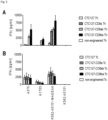
- CD8 + Tc cells expressing CTC127 efficiently recognized peptide-loaded K562-A0101 target cells in a peptide titration assay and secreted IFNy, a cytokine that correlates with T cell activation and function.
- CD4 + Th cells expressing CTC127 failed to recognize the peptide-loaded target cells ( Fig. 1 ) and did not secrete IFNy. This is due to the lack of a CD8 co-receptor. Delivery of a CD8 co-receptor molecule together with CTC127 to Th cells could render them functional against this HLA class I-restricted antigen.
- the CD8 co-receptor consists of two subunits (CD8a and CD8b), which are most commonly present as a CD8ab heterodimer on the surface of cytotoxic T cells. Some cells express a CD8a homodimer; however, this is rare.
- CD8a alone (as used by Adaptimmune)
- CD8a followed by CD8b linked via a P2A element as suggested by Hans Stauss and colleagues 17 and used by Immatics
- CD8b followed by CD8a linked by a P2A element constructed by the inventors.
- Th cells expressing CTC127 and a CD8 co-receptor could recognize MAGE-A4 + tumor cells.
- CD8 co-receptor did not lead to non-specific recognition of antigen-negative K562-A0101 cells.
- CD8ba construct as co-receptor, and all further experiments were performed with the TCR CTC127 and CD8ba co-receptor construct linked together via P2A elements on the same transgene cassette and subsequently termed CTC127c.
- Th cells have distinct functions compared to Tc cells. They are generally referred to as "helper" T cells because they activate dendritic cells, macrophages and B cells via cytokines and CD154-CD40 interactions and support the function of Tc cells by secreting cytokines such as IL-2. Furthermore, a subset of Th cells is also capable of cytolysis. By performing a functional profiling, we aimed to determine whether Th cells expressing CTC127c maintained typical helper T cell functions when activated via an HLA class I antigen with the involvement of the added CD8 co-receptor.
- IL-2 is a potent stimulator of Th and Tc cells and supports their survival in vivo.
- IFN ⁇ and TNF ⁇ are mediators of cytotoxicity that promote antigen presentation in tumor cells via induction of proteasome activity and MHC expression, which in turn facilitates their detection by T cells. They also activate innate immune cells and have direct tumoricidal effects.
- IL-4, IL-5, and IL-13 are classical helper type 2 cytokines that have pleiotropic immune functions, such as activation of B cells, dendritic cells and other innate cell types that may boost the anti-tumor function induced by the Tc cells.
- CD154 CD40L
- CD154 is the major surface molecule expressed by mature Th cells and is essential for activation of B cells (germinal center formation, antibody class-switching and affinity maturation) and dendritic cells (maturation and antigen presentation to Tc cells).
- B cells germ center formation, antibody class-switching and affinity maturation
- dendritic cells maturation and antigen presentation to Tc cells.
- CD154 plays a role in intra-tumoral dendritic cell and macrophage activation and can promote boosting of T cell responses in the lymph nodes.
- CTC127c-Th cells expressed CD154 in response to A375 cancer cells, indicating antigen-specific activation of the helper T cells.
- the large disparity in CD154 expression between Th and Tc CTC127c-T cells exemplifies the different functionality of these T cell subsets.
- CTC127-Th cells did not kill cancer cells above background (as background, we considered non-engineered T cells that do not express an engineered TCR, thus designated “non-engineered”).
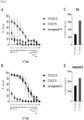
- CTC127c-Th cells showed a specific killing capacity persisting until an E:T of 2:1 ( Fig. 6A ).
- both CTC127- and CTC127c-Tc cells were very efficient at killing the target cancer cells until an E:T ratio of about 0.5:1 ( Fig. 6B ).
- the difference in cytolytic capacity between CTC127c-Tc and -Th cells can likely be explained by the higher capacity of Tc cells to secrete IFNy and granzyme B ( Fig. 6C, D ). IFNy correlates with expression of other cytolytic proteins and can itself trigger apoptosis in cancer cells, and granzyme B is the major protease involved in cytolysis.
- CTC127c-Th cells Using this suite of functional assays, we characterized CTC127c-Th cells and could observe that they maintain typical "helper" functions of cytokine secretion and CD154 expression and also acquired direct cytolytic capacity, albeit to a lesser extent than CD8 + T cells. Usage of both T cell populations in the therapeutic product can leverage the unique capabilities of each subset and provide a beneficial synergistic effect.
- mice subcutaneously with A375 tumors and waited 8 days for tumors to establish at an average size of 50 mm 3 before transferring intravenously a mixed population of Tc and Th cells (each mixture in three groups: CTC127xc, CTC127x and no TCR).
- Tc and Th cells each mixture in three groups: CTC127xc, CTC127x and no TCR.
- mice that received non-engineered T cells did not control the A375 tumors and all reached a humane endpoint at about 20 days post tumor cell injection.
- both groups that received CTC127-engineered T cells completely rejected the tumors and remained tumor-free until the end of the observation period ( Fig. 7 ).
- the tumor rejection was 33 % faster in the CTC127xc group compared to the CTC127x group (10 days and 15 days, respectively), showing a significant benefit of employing the co-receptor, which allows for synergistic Tc and Th functions in vivo.
- the mice in the CTC127xc group remained tumor-free until the end of the experiment (35 days).
- CD8 co-receptor construct containing the beta and alpha subunits in reversed order and benchmarked it against two other constructs: 1) CD8a homodimer as used by Adaptimmune and 2) CD8ab heterodimer as used by Immatics.
- Our CD8ba construct showed superior functional avidity compared to the Adaptimmune CD8a construct and better tumor cell recognition than the Immatics CD8ab construct.
- the CD8ba co-receptor conferred full functionality to Th cells expressing HLA class I-restricted TCRs with no deleterious effect on Tc cells.
- CTC127c-Th cells exerted full helper function in response to MAGE-A4 + cancer cells, including cytotoxic and helper cytokine secretion and CD154 expression. Further, they were able to directly kill cancer cells.
- CTC127xc T cells led to complete and durable rejection of MAGE-A4 + A375 tumors, which was 33 % faster than CTC127x T cells (without the co-receptor).
- TCR and co-receptor can be placed in the same construct and can be delivered simultaneously to the T cells, eliminating the need for additional engineering steps during manufacturing and eliminating the generation of T cells expressing only one of the constructs.
- TCR and CD8ba co-receptor can be employed in cell types such as ⁇ T cells or NK cells, which don't express TCR co-receptors, and provide them with anti-tumor functionality. This is particularly useful for allogeneic approaches utilizing ⁇ T or NK cells engineered with class I-restricted TCRs.
- the CD8ba co-receptor technology allows us to take advantage of the full potential of TCR-T cell therapies by employing both Tc and Th cell subsets with distinct and synergistic functions that are essential for success against solid tumors. Additionally, it opens up the possibility for the use of ⁇ T and NK cells in allogeneic approaches.
- Gamma delta T cells were generated from healthy donor PBMCs by activation with 1 ⁇ g/mL zoledronate and transduced with retrovirus containing TCRs and/or the coreceptor constructs described herein.
- the retrovirus was generated by transfection of GALV cells with plasmid DNA of the transgene(s) using Lipofectamine transfection kit (Invitrogen) according to the manufacturer's instructions.
- the T cells were cultured for 14 to 28 days in medium containing recombinant human IL-7 and IL-15 (feeding every 2 - 3 days) prior to use in experiments.
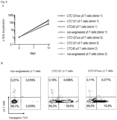
- Gamma delta T cells were able to expand about 100-fold in the 14 days of culture regardless of which engineering construct was used ( Fig. 8 ).
- Wildtype gamma delta T cells do not express the CD8 coreceptor, thus, they are not fully functional if only engineered with an MHC class I restricted TCR, such as CTC127. Only when co-engineered with a CD8 coreceptor (CTC127xcs), the gamma delta T cells were able to recognize cancer cells expressing MAGE-A4 via HLA-A*01:01 ( Fig. 9 ).
- gamma delta T cells and tumor cells were co-cultured for 24 hours, after which IFN ⁇ was measured in the supernatant via ELISA as a surrogate for tumor cell recognition and gamma delta T cell activation.
- IFN ⁇ was measured in the supernatant via ELISA as a surrogate for tumor cell recognition and gamma delta T cell activation.
- a fixed number of K562 cells expressing HLA-A*01:01, MAGE-A4 and luciferase were cultivated with gamma delta T cells in different effector-to-target (E:T) ratios. After 24 hours, the luciferase activity of the remaining live K562 cells was measured and the degree of lysis by the gamma delta T cells was calculated.
- CTC127xcs gamma delta T cells showed a superior cytolytic capacity when compared to CTC127 and non-engineered gamma delta T cells ( Fig. 10 ).
- the addition of the CD8 coreceptor is essential in order to unlock the full potential of TCR-engineered gamma delta T cells against cancer.
- Gamma delta T cells can additionally sense HLA loss in target cells and this feature may provide an additional mode of action if tumor cells try to escape through downregulation of HLA. This is exemplified by the recognition of the HLA-negative cell line K562, but not of its HLA-transduced counterpart (K562-A0101) after a 24-hour coculture ( Fig. 11 ).
Landscapes
- Health & Medical Sciences (AREA)
- Life Sciences & Earth Sciences (AREA)
- Chemical & Material Sciences (AREA)
- Immunology (AREA)
- Organic Chemistry (AREA)
- Engineering & Computer Science (AREA)
- Zoology (AREA)
- Genetics & Genomics (AREA)
- General Health & Medical Sciences (AREA)
- Cell Biology (AREA)
- Biomedical Technology (AREA)
- Biochemistry (AREA)
- Medicinal Chemistry (AREA)
- Biotechnology (AREA)
- Bioinformatics & Cheminformatics (AREA)
- Wood Science & Technology (AREA)
- Toxicology (AREA)
- Gastroenterology & Hepatology (AREA)
- Biophysics (AREA)
- Molecular Biology (AREA)
- Proteomics, Peptides & Aminoacids (AREA)
- Hematology (AREA)
- General Engineering & Computer Science (AREA)
- Microbiology (AREA)
- Micro-Organisms Or Cultivation Processes Thereof (AREA)
- Public Health (AREA)
- Animal Behavior & Ethology (AREA)
- Veterinary Medicine (AREA)
- Epidemiology (AREA)
- Pharmacology & Pharmacy (AREA)
- General Chemical & Material Sciences (AREA)
- Nuclear Medicine, Radiotherapy & Molecular Imaging (AREA)
- Chemical Kinetics & Catalysis (AREA)
- Developmental Biology & Embryology (AREA)
- Virology (AREA)
Priority Applications (5)
| Application Number | Priority Date | Filing Date | Title |
|---|---|---|---|
| EP23189184.7A EP4501954A1 (fr) | 2023-08-02 | 2023-08-02 | Acide nucleique codant un co-recepteur de cd8 alpha beta, cellules et compositions pharmaceutiques le contenant |
| AU2024316173A AU2024316173A1 (en) | 2023-08-02 | 2024-08-01 | A nucleic acid encoding a cd8 alpha beta co-receptor, cells and pharmaceutical compositions comprising the same |
| PCT/EP2024/071763 WO2025027111A1 (fr) | 2023-08-02 | 2024-08-01 | Acide nucléique codant pour un co-récepteur cd8 alpha bêta, cellules et compositions pharmaceutiques le comprenant |
| KR1020267006389A KR20260047604A (ko) | 2023-08-02 | 2024-08-01 | Cd8 알파 베타 공동수용체를 코딩하는 핵산, 이를 포함하는 세포 및 약학 조성물 |
| CN202480048394.XA CN121646604A (zh) | 2023-08-02 | 2024-08-01 | 一种编码CD8αβ共受体的核酸、包含其的细胞和药物组合物 |
Applications Claiming Priority (1)
| Application Number | Priority Date | Filing Date | Title |
|---|---|---|---|
| EP23189184.7A EP4501954A1 (fr) | 2023-08-02 | 2023-08-02 | Acide nucleique codant un co-recepteur de cd8 alpha beta, cellules et compositions pharmaceutiques le contenant |
Publications (1)
| Publication Number | Publication Date |
|---|---|
| EP4501954A1 true EP4501954A1 (fr) | 2025-02-05 |
Family
ID=87554436
Family Applications (1)
| Application Number | Title | Priority Date | Filing Date |
|---|---|---|---|
| EP23189184.7A Withdrawn EP4501954A1 (fr) | 2023-08-02 | 2023-08-02 | Acide nucleique codant un co-recepteur de cd8 alpha beta, cellules et compositions pharmaceutiques le contenant |
Country Status (5)
| Country | Link |
|---|---|
| EP (1) | EP4501954A1 (fr) |
| KR (1) | KR20260047604A (fr) |
| CN (1) | CN121646604A (fr) |
| AU (1) | AU2024316173A1 (fr) |
| WO (1) | WO2025027111A1 (fr) |
Citations (12)
| Publication number | Priority date | Publication date | Assignee | Title |
|---|---|---|---|---|
| US20030219463A1 (en) | 2000-09-18 | 2003-11-27 | Falkenburg Johan Herman F. | T cell receptor transfer into a candidate effector cell or a precursor thereof |
| WO2009003671A2 (fr) | 2007-07-04 | 2009-01-08 | Max-Delbrück-Centrum für Molekulare Medizin | Variantes hyperactives de la protéine transposase du système de transposon sleeping beauty |
| WO2017158029A1 (fr) | 2016-03-15 | 2017-09-21 | Max-Delbrück-Centrum Für Molekulare Medizin In Der Helmholtz-Gemeinschaft | Transposons de type sleeping beauty améliorés, kits et procédés de transposition |
| WO2017158019A1 (fr) | 2016-03-15 | 2017-09-21 | Max-Delbrück-Centrum Für Molekulare Medizin In Der Helmholtz-Gemeinschaft | Système de transfection à base de transposons pour cellules primaires |
| WO2019104269A1 (fr) | 2017-11-27 | 2019-05-31 | Immatics US, Inc. | Méthodes d'activation, de modification et d'expansion de lymphocytes t gamma delta pour le traitement du cancer et de malignités associées |
| WO2019204662A1 (fr) | 2018-04-19 | 2019-10-24 | Baylor College Of Medicine | Reprogrammation de lymphocytes t cd4 en lymphocytes cd8 cytotoxiques par expression forcée de récepteurs de lymphocytes t restreints à cd8ab et de classe 1 |
| WO2020049496A1 (fr) | 2018-09-05 | 2020-03-12 | Glaxosmithkline Intellectual Property Development Limited | Modification de lymphocytes t |
| WO2020208346A1 (fr) | 2019-04-08 | 2020-10-15 | Autolus Limited | Cellule |
| WO2020243134A1 (fr) * | 2019-05-27 | 2020-12-03 | Immatics US, Inc. | Vecteurs viraux et leur utilisation dans une thérapie cellulaire adoptive |
| CA3201767A1 (fr) * | 2020-12-14 | 2022-06-23 | Thomas M. Schmitt | Compositions et methodes pour l'immunotherapie cellulaire |
| US20220202862A1 (en) * | 2020-12-31 | 2022-06-30 | Immatics US, Inc. | Cd8 polypeptides, compositions, and methods of using thereof |
| WO2022243514A1 (fr) | 2021-05-21 | 2022-11-24 | Max-Delbrück-Centrum Für Molekulare Medizin In Der Helmholtz-Gemeinschaft | Constructions de tcr spécifiques d'épitopes dérivés de magea4 |
-
2023
- 2023-08-02 EP EP23189184.7A patent/EP4501954A1/fr not_active Withdrawn
-
2024
- 2024-08-01 KR KR1020267006389A patent/KR20260047604A/ko active Pending
- 2024-08-01 CN CN202480048394.XA patent/CN121646604A/zh active Pending
- 2024-08-01 WO PCT/EP2024/071763 patent/WO2025027111A1/fr active Pending
- 2024-08-01 AU AU2024316173A patent/AU2024316173A1/en active Pending
Patent Citations (12)
| Publication number | Priority date | Publication date | Assignee | Title |
|---|---|---|---|---|
| US20030219463A1 (en) | 2000-09-18 | 2003-11-27 | Falkenburg Johan Herman F. | T cell receptor transfer into a candidate effector cell or a precursor thereof |
| WO2009003671A2 (fr) | 2007-07-04 | 2009-01-08 | Max-Delbrück-Centrum für Molekulare Medizin | Variantes hyperactives de la protéine transposase du système de transposon sleeping beauty |
| WO2017158029A1 (fr) | 2016-03-15 | 2017-09-21 | Max-Delbrück-Centrum Für Molekulare Medizin In Der Helmholtz-Gemeinschaft | Transposons de type sleeping beauty améliorés, kits et procédés de transposition |
| WO2017158019A1 (fr) | 2016-03-15 | 2017-09-21 | Max-Delbrück-Centrum Für Molekulare Medizin In Der Helmholtz-Gemeinschaft | Système de transfection à base de transposons pour cellules primaires |
| WO2019104269A1 (fr) | 2017-11-27 | 2019-05-31 | Immatics US, Inc. | Méthodes d'activation, de modification et d'expansion de lymphocytes t gamma delta pour le traitement du cancer et de malignités associées |
| WO2019204662A1 (fr) | 2018-04-19 | 2019-10-24 | Baylor College Of Medicine | Reprogrammation de lymphocytes t cd4 en lymphocytes cd8 cytotoxiques par expression forcée de récepteurs de lymphocytes t restreints à cd8ab et de classe 1 |
| WO2020049496A1 (fr) | 2018-09-05 | 2020-03-12 | Glaxosmithkline Intellectual Property Development Limited | Modification de lymphocytes t |
| WO2020208346A1 (fr) | 2019-04-08 | 2020-10-15 | Autolus Limited | Cellule |
| WO2020243134A1 (fr) * | 2019-05-27 | 2020-12-03 | Immatics US, Inc. | Vecteurs viraux et leur utilisation dans une thérapie cellulaire adoptive |
| CA3201767A1 (fr) * | 2020-12-14 | 2022-06-23 | Thomas M. Schmitt | Compositions et methodes pour l'immunotherapie cellulaire |
| US20220202862A1 (en) * | 2020-12-31 | 2022-06-30 | Immatics US, Inc. | Cd8 polypeptides, compositions, and methods of using thereof |
| WO2022243514A1 (fr) | 2021-05-21 | 2022-11-24 | Max-Delbrück-Centrum Für Molekulare Medizin In Der Helmholtz-Gemeinschaft | Constructions de tcr spécifiques d'épitopes dérivés de magea4 |
Non-Patent Citations (27)
| Title |
|---|
| B. LAUGEL ET AL., J BIOL CHEM, vol. 282, 2007, pages 23799 - 810 |
| C. GOVERS ET AL., THE JOURNAL OF IMMUNOLOGY, vol. 193, 2014, pages 5315 - 5326 |
| C. J. COHEN ET AL., CANCER RES, 2007 |
| C. J. COHENY. ZHAOZ. ZHENGS. A. ROSENBERGR. A. MORGAN, CANCER RES, vol. 66, no. 6, 2006, pages 3331 - 3337 |
| C. J. TURTLE ET AL., J CLIN INVEST, vol. 126, 2016, pages 2123 - 38 |
| C. J. TURTLE ET AL., SCI TRANSLMED, vol. 8, 2016, pages 355 - 116 |
| C. U. HELLENP. SARNOW, GENES DEV, vol. 15, 2001, pages 1593 - 612 |
| D. K. COLE ET AL., IMMUNOLOGY, vol. 137, 2012, pages 139 - 48 |
| D. SOMMERMEYER ET AL., LEUKEMIA, vol. 30, 2016, pages 492 - 500 |
| D. SOMMERMEYERW. UCKERT, JOURNAL OF IMMUNOLOGY, vol. 184, 2010, pages 6223 - 31 |
| J. KUBALL ET AL., BLOOD, vol. 109, 2007, pages 2331 - 8 |
| J. R. VEATCH ET AL., J CLIN INVEST, vol. 128, 2018, pages 1563 - 1568 |
| K. B. J. SCHOLTEN ET AL., CLIN IMMUNOL, vol. 119, 2006, pages 135 - 45 |
| K. LURA ET AL., VIRCHOWS ARCH, vol. 471, 2017, pages 383 - 392 |
| K. P. NISHIMOTO ET AL., CLIN TRANSL IMMUNOLOGY, vol. 11, 2022 |
| KALYAN SHIRIN ET AL: "Defining the nature of human [gamma][delta] T cells: a biographical sketch of the highly empathetic", CELLULAR & MOLECULAR IMMUNOLOGY, vol. 10, no. 1, 22 October 2012 (2012-10-22), London, pages 21 - 29, XP093116769, ISSN: 1672-7681, Retrieved from the Internet <URL:https://www.ncbi.nlm.nih.gov/pmc/articles/PMC4003173/pdf/cmi201244a.pdf> DOI: 10.1038/cmi.2012.44 * |
| L. WOOLDRIDGE ET AL., J BIOL CHEM., vol. 280, 2005, pages 27491 - 501 |
| L.T. VAN DER VEEKEN ET AL., J IMMUNOL, vol. 182, no. 1, 2009, pages 164 - 170 |
| M. ISHIHARA ET AL., BMC CANCER, vol. 20, 2020, pages 606 |
| M. L. L. DONNELLY ET AL., J GEN VIROL, vol. 82, 2001, pages 1027 - 1041 |
| M. LEISEGANG ET AL., J MOLMED (BERL), vol. 86, 2008, pages 573 - 83 |
| R. CAMPANELLI ET AL., INT IMMUNOL, vol. 14, 2002, pages 39 - 44 |
| S. OTTAVIANID. COLAUP. VAN DER BRUGGENP. VAN DER BRUGGEN: "Cancer Immunology", IMMUNOTHERAPY, vol. 55, 2006, pages 867 - 872 |
| T. KOBAYASHI ET AL., TISSUE ANTIGENS, vol. 62, 2003, pages 426 - 432 |
| W. K. TANJ. TAYJ. ZENGM. ZHENGS. WANG, MINIREVIEW OPEN ACCESS EXPANSION OF GAMMA DELTA T CELLS-A SHORT REVIEW ON BISPHOSPHO-NATE AND K562-BASED METHODS, 2018 |
| X. X. WANG ET AL., PROCEEDINGS OF THE NATIONAL ACADEMY OF SCIENCES, vol. 108, 2011, pages 15960 - 15965 |
| Z. SEBESTYEN ET AL., J IMMUNOL, vol. 180, 2008, pages 7736 - 46 |
Also Published As
| Publication number | Publication date |
|---|---|
| AU2024316173A1 (en) | 2026-01-15 |
| CN121646604A (zh) | 2026-03-10 |
| KR20260047604A (ko) | 2026-04-08 |
| WO2025027111A1 (fr) | 2025-02-06 |
Similar Documents
| Publication | Publication Date | Title |
|---|---|---|
| JP6069755B2 (ja) | 高親和性t細胞受容体およびその用途 | |
| US7446185B2 (en) | Her2/neu target antigen and use of same to stimulate an immune response | |
| JP2024073636A (ja) | Pd-1-cd28融合タンパク質および医療におけるその使用 | |
| JP6676759B2 (ja) | 抗原特異的tcrの新規生成 | |
| US9133264B2 (en) | Epitope-tag surface expressed proteins and nucleic acids thereof | |
| US20210009655A1 (en) | Methods and compositions for generating an immune response by inducing cd40 and pattern recognition receptor adapters | |
| EP2547328B1 (fr) | Administration et co-administration de ligands de ccr7 en immunothérapie | |
| US20080311140A1 (en) | Antigen specific immunosuppression by dendritic cell therapy | |
| JP7317158B2 (ja) | Her2/Neu (ERBB2)受容体タンパク質に由来する369~377位エピトープに特異的な完全ヒトT細胞受容体 | |
| US12103956B2 (en) | Suicide module compositions and methods | |
| WO2010030002A1 (fr) | Cellule capable d'exprimer un ligand gitr exogène | |
| WO2014160030A2 (fr) | Compositions et procédés pour l'utilisation de récepteurs de lymphocytes t recombinants pour la reconnaissance directe d'un antigène tumoral | |
| CN108070608B (zh) | 靶向CD19-CD28-tEGFR的嵌合抗原受体及其用途 | |
| Guerder et al. | B7 costimulation is necessary for the activation of the lytic function in cytotoxic T lymphocyte precursors | |
| JP2021519107A (ja) | 膜結合型IL−10を発現する遺伝子的にリプログラミングされたTreg | |
| KR20210057750A (ko) | 암 면역치료요법을 위한 mr1 제한된 t 세포 수용체 | |
| US20250108069A1 (en) | Chimeric adaptor polypeptides | |
| AU2024316173A1 (en) | A nucleic acid encoding a cd8 alpha beta co-receptor, cells and pharmaceutical compositions comprising the same | |
| US20230031784A1 (en) | T cell receptors targeting mutations in rna splicing factors | |
| US20220193211A1 (en) | Overexpression of immunoproteasome in host cells for generating antigen-presenting cells | |
| EP0904786B1 (fr) | Vaccination anti-tumorale utilisant des cellules présentant l'antigène (CPA) autologues ou apparentées au système HLA, transduites avec un antigène tumoral et avec un antigène étranger capable de causer une réaction immunitiaire | |
| KR102770127B1 (ko) | 이종 면역세포에 대한 화학주성을 유도하는 형질전환된 면역세포 | |
| HK40037307B (en) | A fully-human t cell receptor specific for the 369-377 epitope derived from the her2/neu (erbb2) receptor protein | |
| HK40037307A (en) | A fully-human t cell receptor specific for the 369-377 epitope derived from the her2/neu (erbb2) receptor protein | |
| EA041619B1 (ru) | Способ продуцирования человеческих антигенспецифических т-лимфоцитов |
Legal Events
| Date | Code | Title | Description |
|---|---|---|---|
| PUAI | Public reference made under article 153(3) epc to a published international application that has entered the european phase |
Free format text: ORIGINAL CODE: 0009012 |
|
| STAA | Information on the status of an ep patent application or granted ep patent |
Free format text: STATUS: THE APPLICATION HAS BEEN PUBLISHED |
|
| AK | Designated contracting states |
Kind code of ref document: A1 Designated state(s): AL AT BE BG CH CY CZ DE DK EE ES FI FR GB GR HR HU IE IS IT LI LT LU LV MC ME MK MT NL NO PL PT RO RS SE SI SK SM TR |
|
| STAA | Information on the status of an ep patent application or granted ep patent |
Free format text: STATUS: THE APPLICATION IS DEEMED TO BE WITHDRAWN |
|
| 18D | Application deemed to be withdrawn |
Effective date: 20250806 |