EP4501966A1 - Anticorps se liant de manière spécifique au dr3 humain et son utilisation - Google Patents
Anticorps se liant de manière spécifique au dr3 humain et son utilisation Download PDFInfo
- Publication number
- EP4501966A1 EP4501966A1 EP23824301.8A EP23824301A EP4501966A1 EP 4501966 A1 EP4501966 A1 EP 4501966A1 EP 23824301 A EP23824301 A EP 23824301A EP 4501966 A1 EP4501966 A1 EP 4501966A1
- Authority
- EP
- European Patent Office
- Prior art keywords
- seq
- acid sequence
- amino acid
- set forth
- antibody
- Prior art date
- Legal status (The legal status is an assumption and is not a legal conclusion. Google has not performed a legal analysis and makes no representation as to the accuracy of the status listed.)
- Pending
Links
Images






Classifications
-
- C—CHEMISTRY; METALLURGY
- C07—ORGANIC CHEMISTRY
- C07K—PEPTIDES
- C07K16/00—Immunoglobulins [IG], e.g. monoclonal or polyclonal antibodies
- C07K16/18—Immunoglobulins [IG], e.g. monoclonal or polyclonal antibodies against material from animals or humans
- C07K16/28—Immunoglobulins [IG], e.g. monoclonal or polyclonal antibodies against material from animals or humans against receptors, cell surface antigens or cell surface determinants
- C07K16/2878—Immunoglobulins [IG], e.g. monoclonal or polyclonal antibodies against material from animals or humans against receptors, cell surface antigens or cell surface determinants against the NGF-receptor/TNF-receptor superfamily, e.g. CD27, CD30, CD40, CD95
-
- C—CHEMISTRY; METALLURGY
- C07—ORGANIC CHEMISTRY
- C07K—PEPTIDES
- C07K16/00—Immunoglobulins [IG], e.g. monoclonal or polyclonal antibodies
- C07K16/005—Immunoglobulins [IG], e.g. monoclonal or polyclonal antibodies constructed by phage libraries
-
- C—CHEMISTRY; METALLURGY
- C07—ORGANIC CHEMISTRY
- C07K—PEPTIDES
- C07K2317/00—Immunoglobulins specific features
- C07K2317/30—Immunoglobulins specific features characterized by aspects of specificity or valency
- C07K2317/34—Identification of a linear epitope shorter than 20 amino acid residues or of a conformational epitope defined by amino acid residues
-
- C—CHEMISTRY; METALLURGY
- C07—ORGANIC CHEMISTRY
- C07K—PEPTIDES
- C07K2317/00—Immunoglobulins specific features
- C07K2317/50—Immunoglobulins specific features characterized by immunoglobulin fragments
- C07K2317/52—Constant or Fc region; Isotype
-
- C—CHEMISTRY; METALLURGY
- C07—ORGANIC CHEMISTRY
- C07K—PEPTIDES
- C07K2317/00—Immunoglobulins specific features
- C07K2317/60—Immunoglobulins specific features characterized by non-natural combinations of immunoglobulin fragments
- C07K2317/62—Immunoglobulins specific features characterized by non-natural combinations of immunoglobulin fragments comprising only variable region components
- C07K2317/622—Single chain antibody (scFv)
-
- C—CHEMISTRY; METALLURGY
- C07—ORGANIC CHEMISTRY
- C07K—PEPTIDES
- C07K2317/00—Immunoglobulins specific features
- C07K2317/70—Immunoglobulins specific features characterized by effect upon binding to a cell or to an antigen
- C07K2317/74—Inducing cell proliferation
-
- C—CHEMISTRY; METALLURGY
- C07—ORGANIC CHEMISTRY
- C07K—PEPTIDES
- C07K2317/00—Immunoglobulins specific features
- C07K2317/70—Immunoglobulins specific features characterized by effect upon binding to a cell or to an antigen
- C07K2317/75—Agonist effect on antigen
-
- C—CHEMISTRY; METALLURGY
- C07—ORGANIC CHEMISTRY
- C07K—PEPTIDES
- C07K2317/00—Immunoglobulins specific features
- C07K2317/90—Immunoglobulins specific features characterized by (pharmaco)kinetic aspects or by stability of the immunoglobulin
- C07K2317/92—Affinity (KD), association rate (Ka), dissociation rate (Kd) or EC50 value
Definitions
- the present invention relates to an antibody specifically binding to human DR3 and a use thereof.
- Death receptor 3 (DR3, tumor necrosis factor receptor superfamily 25, TNFRSF 25) is one of the TNFRSF members.
- DR3 consists of 417 amino acids, has a molecular weight of 47 kDa, and is composed of a homotrimer.
- Treg regulatory T cells
- DR3 is highly expressed in regulatory T cells (Treg) in a normal state, the expression of DR3 also increases when conventional T cells are activated.
- DR3 is known to be expressed in immune cells such as NK cells, ILCs, B cells, monocytes, and non-immune cells such as osteocytes and endothelial cell colony-forming cells.
- T1A Tumor necrosis factor-like ligand 1A
- DR3 Tumor necrosis factor-like ligand 1A
- the DR3 agonist may be TL1A which is a ligand for DR3, or an agonistic anti-DR3 antibody.
- TL1A has a decoy receptor (DcR3), which is a natural inhibitor, and natural inhibitors of cytokines are usually regulated by negative feedback
- DcR3 decoy receptor
- a method of inducing DR3 activation using TL1A makes it difficult to efficiently deliver a drug, and the characteristics of TL1A as a homotrimeric cytokine may increase the difficulty of the new drug development process.
- using an agonistic anti-DR3 antibody negative feedback by DcR3 may be avoided and efficient DR3 activation may be induced.
- antibody drugs are shown to have relatively fewer side effects and excellent therapeutic efficacy due to their high binding specificity and stability in the human body, and as a result, the field of therapeutic agent development using antibodies is drawing attention as a next-generation core field for new drug research and development.
- the present invention is directed to providing an anti-DR3 antibody or an antigen-binding fragment thereof, which specifically binds to death receptor 3 (DR3).
- DR3 death receptor 3
- the present invention is also directed to providing a nucleic acid sequence encoding the antibody or antigen-binding fragment.
- the present invention is also directed to providing a vector including the nucleic acid sequence.
- the present invention is also directed to providing a transgenic organism transformed with the vector.
- the present invention is also directed to providing a pharmaceutical composition for preventing or treating graft-versus-host disease, autoimmune diseases, or type 2 diabetes, including, as an active ingredient, the anti-DR3 antibody or the antigen-binding fragment thereof, which specifically binds to death receptor 3 (DR3).
- a pharmaceutical composition for preventing or treating graft-versus-host disease, autoimmune diseases, or type 2 diabetes including, as an active ingredient, the anti-DR3 antibody or the antigen-binding fragment thereof, which specifically binds to death receptor 3 (DR3).
- DR3 death receptor 3
- the present invention is also directed to providing a kit for preventing or treating graft-versus-host disease, autoimmune diseases, or type 2 diabetes, including the vector or the composition, and instructions.
- One aspect of the present invention provides an anti-DR3 antibody or an antigen-binding fragment thereof, which specifically binds to death receptor 3 (DR3).
- DR3 death receptor 3
- Another aspect of the present invention provides a nucleic acid sequence encoding the antibody or antigen-binding fragment.
- Still another aspect of the present invention provides a vector including the nucleic acid sequence.
- Yet another aspect of the present invention provides a pharmaceutical composition for preventing or treating graft-versus-host disease, autoimmune diseases, or type 2 diabetes, including, as an active ingredient, the anti-DR3 antibody or the antigen-binding fragment thereof, which specifically binds to death receptor 3 (DR3).
- a pharmaceutical composition for preventing or treating graft-versus-host disease, autoimmune diseases, or type 2 diabetes including, as an active ingredient, the anti-DR3 antibody or the antigen-binding fragment thereof, which specifically binds to death receptor 3 (DR3).
- DR3 death receptor 3
- Yet another aspect of the present invention provides a kit for preventing or treating graft-versus-host disease, autoimmune diseases, or type 2 diabetes, including the vector or the composition, and instructions.
- the antibody or the antigen-binding fragment may be any one selected from the group consisting of the following, but is not limited thereto:
- the antibody or the antigen-binding fragment may include a heavy chain set forth in an amino acid sequence of SEQ ID NO: 83 and a light chain set forth in an amino acid sequence of SEQ ID NO: 84, but is not limited thereto.
- the antibody or the antigen-binding fragment may include Fab, but is not limited thereto.
- the antigen-binding fragment may be any one selected from the group consisting of Fv, Fab, F(ab')2, Fab', dsFv, scFv, sc(Fv)2, and a diabody, but is not limited thereto.
- the antibody or the antigen-binding fragment may be characterized by any one or more of the following, but is not limited to:
- Yet another aspect of the present invention provides a method for preventing or treating graft-versus-host disease, autoimmune diseases, or type 2 diabetes, the method including administering an anti-DR3 antibody or an antigen-binding fragment thereof, which binds to death receptor 3 (DR3), or a composition including the same as an active ingredient to a subject in need thereof.
- DR3 death receptor 3
- Yet another aspect of the present invention provides a use of an anti-DR3 antibody or an antigen-binding fragment thereof, which binds to death receptor 3 (DR3), or a composition including the same as an active ingredient for preparing a preparation for preventing or treating graft-versus-host disease, autoimmune diseases, or type 2 diabetes.
- DR3 death receptor 3
- An antibody which specifically binds to human DR3 and a use thereof can improve the division or survival rate of regulatory T cells by specifically binding to a specific epitope of human DR3 and selectively acting on regulatory T cells while minimizing the activity of effector CD4+ T cells and CD8+ T cells. Since the antibody has a remarkably excellent preventive or therapeutic effect against related diseases due to such activity, the antibody can be usefully used as a therapeutic agent for graft-versus-host disease, autoimmune diseases, or type 2 diabetes.
- an anti-DR3 antibody which binds to the DR3 natural form was discovered using fully human phage display and a stable cell line expressing DR3. It was confirmed that the anti-DR3 antibody of the present invention can function as an agonist by activating T cells through competitive binding with TL1A to DR3 expressed by human T cells. Further, the activation degrees of T cells by each isotype of an antibody were compared by preparing antibodies for clone 4-4 which activates T cells most strongly among them to have different isotypes such as IgG1, IgG2, and IgG4, and it was confirmed that the anti-DR3 IgG4 antibody specifically binds to the DR3 natural form and activates T cells most strongly.
- DR3 (TNFRSF25, TNF receptor superfamily member 25, death receptor 3) is a member of the tumor necrosis factor receptor superfamily which is expressed at high levels in regulatory T cells but may also be induced in existing T cells upon TCR stimulation.
- DR3 may include DR3, hDR3, and the like, but is not limited thereto.
- DR3 signaling may promote the activation and proliferation of regulatory T cells in a normal state, as demonstrated in mice with agonist anti-DR3 antibodies, and only small amounts of DR3 may induce the proliferation of regulatory T cells without proliferation of non-target immune cell populations, which is a key difference from an IL-2 complex, which also promotes the division of CD4 and CD8 T cells. Therefore, since the division of conventional T cells (Tconv) may be a major obstacle to the treatment of various inflammatory diseases, anti-DR3 antibodies may be used as a new method of selectively activating regulatory T cells.
- the antibody or the antigen-binding fragment may be any one selected from the group consisting of the following, but is not limited thereto:
- the terms "percent identity,” “sequence identity,” “percentage similarity,” “sequence similarity,” “sequence identity percentage,” and the like, as used herein in connection with amino acid sequences and/or nucleic acid sequences may refer to a measure determined by comparing the degree of similarity of two sequences based on the alignment of the sequences, which maximizes the similarity between aligned amino acid residues or nucleotides and is a function of the number of identical or similar residues or nucleotides, the total number of residues or nucleotides, and the presence and length of gaps in the sequence alignment, but are not limited thereto.
- a portion of a polynucleotide or polypeptide sequence may include additions or deletions (that is, gaps) compared to a reference sequence (which does not include additions or deletions) for optimal alignment of the two sequences.
- the percentage is counted by determining the number of positions which an identical nucleobase or amino acid residue indicates in both sequences to calculate the number of matching positions, dividing the number of matching positions by the total number of positions in the comparison window, and multiplying the result by 100 to calculate a sequence identity percentage.
- nucleic acid or polypeptide sequences refers to two or more sequences or subsequences that are identical or have a specified percentage of the identical amino acid residue or nucleotide (that is, about 60% identity to the specified region when compared and aligned for maximum correspondence over a comparison window or indicated region, preferably 65%, 70%, 75%, 80%, 85%, 90%, 91%, 92%, 93%, 94%, 95%, 96%, 97%, 98% or even higher identity), as determined using the BLAST or BLAST 2.0 sequence comparison algorithm using the default parameters described below, or by manual alignment and visual inspection (see, for example, the NCBI website http://www.ncbi.nlm.nih.gov/BLAST/, and the like). Such sequences are called “substantially identical” below.
- the amino acid sequence or base sequence may include a base sequence having at least 70% sequence identity, more preferably at least 80%, even more preferably at least 90%, and most preferably at least 95% sequence identity with an amino acid sequence or base sequence represented by each sequence number.
- the amino acid sequence or base sequence may include a sequence having a sequence homology of 70%, 71%, 72%, 73%, 74%, 75%, 76%, 77%, 78%, 79%, 80%, 81%, 82%, 83%, 84%, 85%, 86%, 87%, 88%, 89%, 90%, 91%, 92%, 93%, 94%, 95%, 96%, 97%, 98%, 99%, or 100%, but the percentage is not limited.
- a naturally occurring antibody is a glycoprotein including at least two heavy (H) chains and two light (L) chains linked by interchain disulfide bonds.
- Each heavy chain consists of a heavy chain variable region (VH) and a heavy chain constant region.
- the heavy chain constant region consists of three domains, CH1, CH2 and CH3.
- Each light chain consists of a light chain variable region (abbreviated as VL) and a light chain constant region.
- the light chain constant region consists of a domain CL.
- VH and VL regions may be further subdivided into regions having high variability referred to as complementarity determining regions (CDRs), separated by more conserved regions referred to as framework regions (FRs).
- CDRs complementarity determining regions
- FRs framework regions
- Each VH and VL consists of three CDRs and four FRs arranged from an amino terminus to a carboxy terminus in the following order: FR1, CDR1, FR2, CDR2, FR3, CDR3, FR4.
- the variable regions of heavy chains and light chains include a binding domain that interacts with an antigen.
- an antibody may be derived from various species such as a mouse, a rat, a rabbit, and a guinea pig, but the species is not limited thereto.
- the antibody includes a chimeric antibody having an antibody constant region from one species (preferably) with an antigen-binding site from another species.
- the antibody includes an antibody having an antigen-binding site of the antibody from a non-human species having a constant region of origin and a framework region.
- the antibody described herein may be a monoclonal antibody, that is, an antibody molecule having a single molecular composition. Systems and immunological manipulations and techniques for preparing and isolating a hybridoma secreting a monoclonal antibody are known in the art.
- antigen refers to a substance that includes a binding site (epitope), and induces and/or produces an immune response against the epitope.
- the antigen may include a peptide, a protein, a glycoprotein, a polysaccharide, and a lipid, a portion thereof, and a combination thereof, but is not limited thereto.
- Non-limiting exemplary antigens include tumor antigens or pathogenic antigens.
- the term "antigen” may refer to a molecule that triggers an immune response. Such an immune response may involve antibody production or activation of specific immunologically active cells, or both. It will be understood by those skilled in the art that any macromolecule, including virtually all proteins or peptides, can be used as an antigen.
- binding site or “epitope” may refer to an antigenic determinant cluster in a molecule, that is, the part of a molecule that is recognized by the immune system (for example, by an antibody).
- the epitope may include a portion of DR3 that binds to TL1A or a portion of DR3 that binds to an anti-DR3 antibody, but is not limited thereto.
- the antibody or the antigen-binding fragment may include a heavy chain set forth in an amino acid sequence of SEQ ID NO: 83 and a light chain set forth in an amino acid sequence of SEQ ID NO: 84, but is not limited thereto.
- the antibody or the antigen-binding fragment may include an Fab, but is not limited thereto.
- Therapeutic antibodies are usually immunoglobulin G (IgG), and IgG is divided into four subclasses (IgG1, IgG2, IgG3, and IgG4). Since the subclasses of IgG have different effector functions, it is important to select a suitable IgG subclass depending on the indication of a therapeutic antibody. In this case, it was confirmed that not only an effector function but also binding affinity and an activation function of an antibody to a target antigen differ depending on IgG class. In addition, the strength of binding affinity by IgG subclasses may differ depending on the type of antigen-antibody.
- the antibody or the antigen-binding fragment may be an IgG4 subclass, but is not limited thereto.
- the antibody or the antigen-binding fragment may be IgG1 or an IgG4 subclass, but is not limited thereto.
- antigen-binding fragment refers to a fragment of an antibody that retains a specific antigen-binding ability, and refers to one or more fragments of an antibody, including, for example, (i) an Fab fragment, a monovalent fragment consisting of the VL, VH, CL, and CH domains; (ii) an F(ab')2 fragment, a bivalent fragment including two Fab fragments linked by a disulfide bond at the hinge region; (iii) an Fd fragment consisting of the VH and CH domains; (iv) an Fv fragment consisting of the VL and VH domains of a single arm of an antibody; (v) a single domain antibody fragment consisting of a VH domain; (vi) an isolated complementarity determining region (CDR); and (vii) a binding fragment including a combination of two or more isolated CDRs optionally linked by a synthetic linker.
- Fab fragment a monovalent fragment consisting of the VL, VH, CL, and CH domains
- the antigen-binding fragment may be any one selected from the group consisting of Fv, Fab, F(ab')2, Fab', dsFv, scFv, sc(Fv)2, and a diabody, but is not limited thereto.
- the antibody or antigen-binding fragment of the present invention may have the same or overlapping epitope binding to DR3 with TL1A, and in this case, the antibody or antigen-binding fragment of the present invention may competitively and specifically bind to DR3 to induce the activity of regulatory T cells, and the like, but is not limited thereto.
- he anti-DR3 antibody of the present invention may exhibit prophylactic or therapeutic effects against graft-versus-host disease, autoimmune diseases, or type 2 diabetes by binding to DR3 competitively and/or non-competitively with TL1A to activate the function of DR3.
- the iii), iv), and v) antibody or antigen-binding fragment may specifically bind to DR3 competitively with TL1A, but is not limited thereto. That is, the binding site (epitope) of the iii), iv), and v) antibody or antigen-binding fragment to DR3 may overlap with the binding site of TL1A for DR3, but is not limited thereto.
- the antibody or the antigen-binding fragment may be characterized by any one or more of the following, but is not limited to:
- the anti-DR3 antibody may exhibit an activation efficiency of about 10% to 80% against CD3+CD4+ NF- ⁇ B depending on the concentration, and may exhibit an activation efficiency of about 1 to 60% against CD3+CD8+ NF- ⁇ B, but is not limited thereto.
- the anti-DR3 4-4 IgG1 antibody of the present invention may increase the activation efficiency of NF- ⁇ B cells by inducing a phosphorylation process of up to about 80% and 60% of CD3+CD4+ NF- ⁇ B and CD3+CD8+ NF- ⁇ B, respectively, depending on the antibody treatment concentration, but is not limited thereto.
- the anti-DR3 antibody may exhibit an activation efficiency of more than 10 to 100%, more than 10 to 99%, more than 10 to 98%, more than 10 to 97%, more than 10 to 96%, more than 10 to 95%, more than 10 to 94%, more than 10 to 93%, more than 10 to 92%, more than 10 to 91%, more than 10 to 90%, more than 10 to 89%, more than 10 to 88%, more than 10 to 87%, more than 10 to 86%, more than 10 to 85%, more than 10 to 84%, more than 10 to 83%, more than 10 to 82%, or more than 10 to 81% against CD3+CD4+ NF- ⁇ B, and the activation efficiency may be preferably more than 10 to 80%, but is not limited thereto.
- the anti-DR3 antibody may exhibit an activation efficiency of more than 0 to 100%, more than 0 to 95%, more than 0 to 90%, more than 0 to 85%, more than 0 to 80%, more than 0 to 75%, more than 0 to 70%, more than 0 to 69%, more than 0 to 68%, more than 0 to 67%, more than 0 to 66%, more than 0 to 65%, more than 0 to 64%, more than 0 to 63%, more than 0 to 62%, or more than 0 to 61%, and the activation efficiency may be preferably more than 0 to 60%, but is not limited thereto.
- the anti-DR3 antibody may induce the strong expansion of regulatory T cells in vivo.
- the number and percentage of regulatory T cells may be increased in lymph nodes and the spleen, and may be selectively exhibited for regulatory T cells, but are not limited thereto.
- the anti-DR3 antibody is shown to have a remarkably lower binding dissociation constant for DR3 than that for TL1A, which is a ligand for DR3, and thus may exhibit excellent binding strength.
- the anti-DR3 antibody of the present invention may exhibit a binding strength of more than about 2-fold to about 10000-fold, more than about 2-fold to about 9800-fold, more than about 2-fold to about 9600-fold, more than about 2-fold to about 9400-fold, more than about 2-fold to about 9200-fold, more than about 4-fold to about 10000-fold, more than about 4-fold to about 9800-fold, more than about 4-fold to about 9600-fold, more than about 4-fold to about 9400-fold, more than about 4-fold to about 9200-fold, more than about 6-fold to about 10000-fold, more than about 6-fold to about 9800-fold, more than about 6-fold to about 9600-fold, more than about 6-fold to about 9400-fold, more than about 6-fold to about 9200-fold, more than about 8-
- the present invention provides a nucleic acid sequence encoding the antibody or antigen-binding fragment.
- gene may refer to a genetic material (for example, a chromosome) of an organism
- nucleic acid sequence or “gene” may refer to a nucleic acid (for example, DNA or RNA) sequence that includes a coding sequence required for the production of a polypeptide or precursor (for example, proinsulin), but is not limited thereto.
- Nucleotide sequence or base sequence in the present invention refers to any nucleotide sequence (for example, RNA or DNA) whose manipulation may also be thought to be preferred for any reason (for example, to treat a disease or improve a property, to express a protein of the present invention in a host cell, or to impart the expression of a ribozyme) by one of ordinary skill in the art.
- nucleotide sequences may include, but are not limited to, coding sequences of a structural gene (for example, a reporter gene, a selectable marker gene, an oncogene, a drug resistance gene, a growth factor, and the like) and non-coding regulatory sequences that do not encode an mRNA or protein product (for example, promoter sequences, polyadenylation sequences, termination sequences, enhancer sequences, and the like).
- a structural gene for example, a reporter gene, a selectable marker gene, an oncogene, a drug resistance gene, a growth factor, and the like
- non-coding regulatory sequences that do not encode an mRNA or protein product
- the present invention provides a vector including the nucleic acid sequence.
- Vector in the present invention refers to any genetic element, such as a plasmid, phage, transposon, cosmid, chromosome, virus, and virion, which is capable of replicating and transferring a genetic sequence between cells when linked with an appropriate regulatory element.
- recombinant expression vector refers to a bacterial plasmid, a phage, a yeast plasmid, a plant cell virus, a mammalian cell virus or other vectors. In general, any plasmid or vector may be used as long as it can be replicated and stabilized in a host.
- the recombinant expression vector and an expression vector including appropriate transcriptional/translational control signals may be constructed by methods well known to those skilled in the art.
- the method includes in vitro recombinant DNA techniques, DNA synthesis techniques, in vivo recombination techniques, and the like.
- both a viral vector and a non-viral vector may be used.
- a viral vector a lentiviral, retroviral, adenoviral, herpes viral, or avipox viral vector, and the like may be used, but the viral vector is not limited thereto.
- the vector may further include a tagging gene for increasing the production amount of a recombinant protein, a tagging gene for maintaining the structural stability of the recombinant protein, a tagging gene for easily isolating the recombinant protein, a selectable marker gene such as an antibiotic resistance gene for selecting a transgenic organism, and the like, but is not limited thereto.
- the present invention provides a transgenic organism transformed with the vector.
- transgenic organism refers to an organism prepared by injecting an external gene by a molecular genetic method and is preferably a cell or organism transformed by a recombinant expression vector of the present invention, but is not limited thereto.
- the organism may include, without limitation, any living organism, such as a microorganism, a eukaryotic cell, an insect, an animal, or a plant, and is preferably E. coli, Salmonella, Bacillus, yeast, animal cells, a mouse, a rat, a dog, a monkey, a pig, a horse, a cow, Agrobacterium tumefaciens, a plant, and the like, but is not limited thereto.
- any living organism such as a microorganism, a eukaryotic cell, an insect, an animal, or a plant, and is preferably E. coli, Salmonella, Bacillus, yeast, animal cells, a mouse, a rat, a dog, a monkey, a pig, a horse, a cow, Agrobacterium tumefaciens, a plant, and the like, but is not limited thereto.
- the transgenic organism may be prepared by a method such as transformation, transfection, Agrobacterium- mediated transformation, particle gun bombardment, sonication, electroporation, and polyethylene glycol (PEG)-mediated transformation, but the method is not limited thereto.
- a method such as transformation, transfection, Agrobacterium- mediated transformation, particle gun bombardment, sonication, electroporation, and polyethylene glycol (PEG)-mediated transformation, but the method is not limited thereto.
- the intracellular uptake may be increased by introducing the transgenic organism with a delivery agent including G-fectin, a Mirus TransIT-TKO lipophilic agent, lipofectin, lipofectamine, cellfectin, cationic phospholipid nanoparticles, a cationic polymer, a cationic micelle, a cationic emulsion, or a liposome into cells or conjugating a biocompatible polymer such as polyethylene glycol, but the method is not limited thereto.
- a delivery agent including G-fectin, a Mirus TransIT-TKO lipophilic agent, lipofectin, lipofectamine, cellfectin, cationic phospholipid nanoparticles, a cationic polymer, a cationic micelle, a cationic emulsion, or a liposome into cells or conjugating a biocompatible polymer such as polyethylene glycol, but the method is not limited thereto.
- yeast Saccharomyce cerevisiae
- insect cells for example, a CHO cell line (Chinese hamster ovary), W138, BHK, COS-7, 293, HepG2, 3T3, RIN and MDCK cell lines
- plant cells and the like may be used, and preferably, Agrobacterium may be used.
- the method of introducing the vector of the present invention into the host cell may be performed by a CaCl 2 method, the Hanahan method ( Hanahan, D., J. Mol. Biol., 166:557-580 (1983 )), an electroporation method, or the like.
- the vector may be injected into the host cell by a microinjection method, a calcium phosphate precipitation method, an electroporation method, a liposome-mediated transfection method, a DEAE-dextran treatment method, gene bombardment, and the like.
- the present invention provides a pharmaceutical composition for preventing or treating graft-versus-host disease, autoimmune diseases, or type 2 diabetes, including, as an active ingredient, an anti-DR3 antibody or an antigen-binding fragment thereof, which specifically binds to the death receptor 3 (DR3).
- a pharmaceutical composition for preventing or treating graft-versus-host disease, autoimmune diseases, or type 2 diabetes including, as an active ingredient, an anti-DR3 antibody or an antigen-binding fragment thereof, which specifically binds to the death receptor 3 (DR3).
- DR3 death receptor 3
- the antibody or the antigen-binding fragment may include a heavy chain set forth in an amino acid sequence of SEQ ID NO: 83 and a light chain set forth in an amino acid sequence of SEQ ID NO: 84, but is not limited thereto.
- the autoimmune disease may be any one or more selected from the group consisting of an autoimmune disease caused by graft-versus-host disease, hemophagocytic lymphohistiocytosis, systemic lupus erythematosus, Kikuchi disease, adult onset Stills disease, Behcet disease, IgG4-related disease, type 1 diabetes, systemic sclerosis, psoriasis, multiple sclerosis, and Graves hyperthyroidism, but is not limited thereto.
- the pharmaceutical composition of the present invention may further include an appropriate carrier, excipient, and diluent, which are typically used to prepare a pharmaceutical composition.
- the excipient may be, for example, one or more selected from the group consisting of a diluent, a binder, a disintegrant, a lubricant, an adsorbent, a moisturizer, a film-coating material, and a controlled release additive.
- the pharmaceutical composition according to the present invention may be used by being formulated into the form of an external preparation such as a powder, a granule, a sustained-release granule, an enteric granule, a liquid, a collyrium, an elixir, an emulsion, a suspension, a spirit, a troche, aromatic water, a limonade, a tablet, a sustained-release tablet, an enteric tablet, a sublingual tablet, a hard capsule, a soft capsule, a sustained-release capsule, an enteric capsule, a pill, a tincture, a soft extract agent, a dry extract agent, a fluid extract agent, an injection, a capsule, a perfusate, a plaster, a lotion, a paste, a spray, an inhalant, a patch, a sterilized injection solution, or an aerosol
- the external preparation may have a formulation such as a cream, a gel, a patch, a spray, an o
- Examples of a carrier, an excipient or a diluent which may be included in the composition according to the present invention include lactose, dextrose, sucrose, an oligosaccharide, sorbitol, mannitol, xylitol, erythritol, maltitol, starch, acacia rubber, alginate, gelatin, calcium phosphate, calcium silicate, cellulose, methyl cellulose, microcrystalline cellulose, polyvinyl pyrrolidone, water, methyl hydroxybenzoate, propyl hydroxybenzoate, talc, magnesium stearate, and mineral oil.
- the pharmaceutical composition is prepared using a diluent or excipient, such as a filler, an extender, a binder, a wetting agent, a disintegrant, and a surfactant, which are commonly used.
- a diluent or excipient such as a filler, an extender, a binder, a wetting agent, a disintegrant, and a surfactant, which are commonly used.
- an excipient such as corn starch, potato starch, wheat starch, lactose, sucrose, glucose, fructose, D-mannitol, precipitated calcium carbonate, synthetic aluminum silicate, calcium monohydrogen phosphate, calcium sulfate, sodium chloride, sodium hydrogen carbonate, purified lanolin, microcrystalline cellulose, dextrin, sodium alginate, methyl cellulose, carboxymethyl cellulose sodium, kaolin, urea, colloidal silica gel, hydroxypropyl starch, hydroxypropyl methylcellulose (HPMC) 1928, HPMC 2208, HPMC 2906, HPMC 2910, propylene glycol, casein, calcium lactate, or Primojel; and a binder such as gelatin, arabic gum, ethanol, agar powder, cellulose acetate phthalate, carboxymethyl cellulose, carboxymethyl cellulose calcium,
- liquid formulation As an additive for liquid formulation according to the present invention, it is possible to use water, diluted hydrochloric acid, diluted sulfuric acid, sodium citrate, sucrose monostearate, polyoxyethylene sorbitol fatty acid esters (Tween esters), polyoxyethylene monoalkyl ethers, lanolin ether, lanolin esters, acetic acid, hydrochloric acid, aqueous ammonia, ammonium carbonate, potassium hydroxide, sodium hydroxide, prolamin, polyvinyl pyrrolidone, ethyl cellulose, carboxymethyl cellulose sodium, and the like.
- water diluted hydrochloric acid, diluted sulfuric acid, sodium citrate, sucrose monostearate, polyoxyethylene sorbitol fatty acid esters (Tween esters), polyoxyethylene monoalkyl ethers, lanolin ether, lanolin esters, acetic acid, hydrochloric acid, aqueous ammonia, ammonium carbonate,
- a solution of sucrose, other sugars or sweeteners, and the like may be used, and a fragrance, a colorant, a preservative, a stabilizer, a suspending agent, an emulsifier, a thickener, and the like may be used if necessary.
- Purified water may be used for the emulsion according to the present invention, and an emulsifier, a preservative, a stabilizer, a fragrance, and the like may be used if necessary.
- a suspending agent such as acacia, tragacanth, methyl cellulose, carboxymethyl cellulose, carboxymethyl cellulose sodium, microcrystalline cellulose, sodium alginate, hydroxypropyl methyl cellulose, HPMC 1828, HPMC 2906, and HPMC 2910 may be used, and a surfactant, a preservative, a colorant, and a fragrance may be used if necessary.
- the injection according to the present invention may include: a solvent such as distilled water for injection, a 0.9% sodium chloride injection, a Ringer's injection, a dextrose injection, a dextrose+sodium chloride injection, PEG, a lactated Ringer's injection, ethanol, propylene glycol, non-volatile oil-sesame oil, cottonseed oil, peanut oil, corn oil, ethyl oleate, isopropyl myristate, or benzoic acid benzene; a solubilizing aid such as sodium benzoate, sodium salicylate, sodium acetate, urea, urethane, monoethyl acetamide, butazolidin, propylene glycol, Tweens, nijungtinateamide, hexamine, or dimethylacetamide; a buffer such as a weak acid or salt thereof (acetic acid or sodium acetate), a weak base or salt thereof (ammonia or ammonium a
- a base such as cacao butter, lanolin, Witepsol, polyethylene glycol, glycerogelatin, methylcellulose, carboxymethyl cellulose, a mixture of stearic acid and oleic acid, Subanal, cottonseed oil, peanut oil, palm oil, cacao butter+cholesterol, lecithin, ranetwax, glycerol monostearate, Tween or Span, Imhausen, monolen (propylene glycol monostearate), glycerin, Adeps solidus, Buytyrum Tego-G, Cebes Pharma 16, hexalide base 95, Cotomar, Hydrokote SP, S-70-XXA, S-70-XX75(S-70-XX95), Hydrokote 25, Hydrokote 711, idropostal, Massa estrarium (A, AS, B, C, D, E, I, T), Massa-MF,
- a base such as cacao butter, lanolin, Wite
- a solid formulation for oral administration includes a tablet, a pill, a powder, a granule, a capsule, or the like, and the solid formulation is prepared by mixing at least one excipient, for example, starch, calcium carbonate, sucrose or lactose, gelatin, and the like, with an extract. Further, in addition to a simple excipient, lubricants such as magnesium stearate and talc are also used.
- a liquid formulation for oral administration corresponds to a suspension, a liquid for internal use, an emulsion, a syrup, or the like, and the liquid formulation may include, in addition to water and liquid paraffin, which are simple commonly used diluents, various excipients, for example, a wetting agent, a sweetener, a fragrance, a preservative, and the like.
- a formulation for parenteral administration include an aqueous sterile solution, a non-aqueous solvent, a suspension, an emulsion, a freeze-dried preparation, and a suppository.
- the non-aqueous solvent and the suspending agent it is possible to use propylene glycol, polyethylene glycol, a vegetable oil such as olive oil, an injectable ester such as ethyl oleate, and the like.
- composition according to the present invention is administered in a pharmaceutically effective amount.
- pharmaceutically effective amount means an amount sufficient to treat diseases at a reasonable benefit/risk ratio applicable to medical treatment, and an effective dosage level may be determined according to factors including the type of disease of a patient, the severity of the disease, the activity of drugs, sensitivity to drugs, administration time, administration route, excretion rate, treatment period, and simultaneously used drugs, and other factors well known in the medical field.
- the pharmaceutical composition according to the present invention may be administered as an individual therapeutic agent or in combination with other therapeutic agents, may be administered sequentially or simultaneously with therapeutic agents in the related art, and may be administered in a single dose or multiple doses. It is important to administer the composition in a minimum amount that can obtain the maximum effect without any side effects, in consideration of all the aforementioned factors, and this amount may be easily determined by a person with ordinary skill in the art to which the present invention pertains.
- the pharmaceutical composition of the present invention may be administered to a subject in need via various routes. All methods of administration may be expected, but the pharmaceutical composition may be administered by, for example, oral administration, subcutaneous injection, peritoneal administration, intravenous injection, intramuscular injection, paraspinal space (intradural) injection, sublingual administration, buccal administration, intrarectal insertion, intravaginal injection, ocular administration, ear administration, nasal administration, inhalation, spraying via the mouth or nose, skin administration, transdermal administration, and the like.
- the pharmaceutical composition of the present invention is determined by the type of drug that is an active ingredient, as well as various related factors such as the disease to be treated, the route of administration, the age, sex, and body weight of a patient, and the severity of the disease.
- the effective amount of the composition according to the present invention may vary depending on the patient's age, sex, and body weight, and generally, 0.001 to 150 mg of the composition, and preferably 0.01 to 100 mg of the composition, per 1 kg of body weight may be administered daily or every other day or administered once to three times a day.
- the preferred dosage since the preferred dosage may be increased or decreased depending on the administration route, the severity of disease, the sex, the body weight, the age, and the like, the preferred dosage is not intended to limit the scope of the present invention by any method.
- subject refers to a subject in need of treatment of a disease, and more specifically, refers to a mammal such as a human or a non-human primate, a mouse, a rat, a dog, a cat, a horse, and a cow.
- administration refers to the provision of a predetermined composition of the present invention to a subject in need thereof by any suitable method.
- prevention refers to all actions that suppress or delay the onset of a target disease
- treatment refers to all actions that ameliorate or beneficially change a target disease and the resulting metabolic abnormalities by administration of the pharmaceutical composition according to the present invention
- amelioration refers to all actions that reduce a target disease and associated parameters, for example, the severity of symptoms, by administration of the composition according to the present invention.
- the present invention provides a kit for preventing or treating graft-versus-host disease, autoimmune diseases, or type 2 diabetes, including the vector or the composition, and instructions.
- the kit of the present invention may include other components, devices, substances, and the like that are typically required for a method for expressing the vector of the present invention, and for storing, managing, and enhancing the effect of the composition of the present invention.
- all configurations included in the kit may be used one or more times without any limitations, there is no limitation on the order in which each substance is used, and the application of each substance may be carried out simultaneously or in small increments.
- the kit of the present invention may include a container in addition to the formulation and instructions.
- the container may serve to package the configuration, and may also serve to store and fix the same.
- a material for the container may take the form of, for example, a bottle, tub, sachet, envelope, tube, ampoule, and the like, which may be partially or entirely made of plastic, glass, paper, foil, wax, and the like.
- the container may be fitted with a fully or partially detachable stopper that may be initially part of the container or that may be attached to the container by mechanical, adhesive, or other means, and may be fitted with a stopper that allows access to the contents by an injection needle.
- the kit may include an external package, and the external package may include instructions for use of the constitutional elements, but is not limited thereto.
- a clone that specifically binds to DR3 was discovered using a phage display.
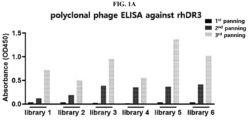
- scFv clones that bind to DR3 were selectively amplified through three rounds of panning using a human scFv library and recombinant DR3. It was confirmed that at each stage, scFv clones that bind to recombinant DR3 were amplified by ELISA using a phage obtained after panning. Thereafter, a single clone confirmed by colony PCR was infected with the phage, a single clone binding to DR3 was confirmed by ELISA, and the CDR region of each single clone was confirmed by sequencing.
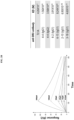
- FIGS. 1A and 1B Five clones binding to DR3 were discovered ( FIGS. 1A and 1B ), and the five types of antibodies were named 2-10, 3-18, 4-4, 6-2, and 6-15.
- Five types of antibodies were sequenced, and the complementarity determining region (CDR) of each clone was sequenced.
- Tables 1 and 2 show the amino acid and base sequences of CDR1 to CDR3 of the heavy chain region and variable region of each antibody.
- Table 3 shows the base sequence and amino acid sequence of the heavy chain region and variable region of each antibody.
- the bold text indicates the CDR sequence according to IMGT
- the underlined part indicates the CDR sequence according to KABAT.
- Example 1 to DR3 The specific binding strength of the five types of antibodies developed in Example 1 to DR3 was confirmed through ELISA, SPR, and FACS experiments.
- ELISA was performed using monoclonal antibodies from the clones selected in Example 1. Specifically, 0.4 ⁇ g/ml DR3-His tag was put into and mixed with PBS, and then a Ni plate was coated with a total of 50 ⁇ l of the mixed solution. Thereafter, to prevent non-specific binding, the Ni plate was treated with 200 ⁇ l of PBS containing 5% FBS and incubated at room temperature for 30 minutes, and incubated for 30 minutes by titrating the concentration of the monoclonal antibody. The degree of binding between the coated DR3 and the monoclonal antibody was detected with anti-human IgG Fc HRP. For each step, the plate was washed five times with 250 ⁇ l of 0.1% Tween 20. Isotype control was used as a negative control.
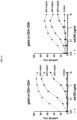
- the five antibodies of the present invention have excellent specific binding ability to DR3 compared to the control, and among them, 4-4, 6-2, and 6-15 maintain remarkably high binding specificity to DR3 even at low antibody concentrations ( FIG 2A ).
- SPR was performed using monoclonal antibodies from the clones selected in Example 1. After immobilizing 10 ⁇ g/ml DR3-His tag on a CM5 chip, the binding specificity and binding strength were measured using Biacore T100 under the conditions of a contact time of 30 sec and a flow rate of 30 ⁇ l/min.
- the five types of antibodies according to Example 1 were found to have remarkably lower binding dissociation constants for DR3 compared to TL1A, a DR3 agonist, and were confirmed to exhibit a binding strength of about 12-fold to 9,200-fold or more ( FIG 2B ).
- Example 3-1 Epitope mapping using ELISA
- ELISA was performed to confirm whether the epitope of rDR3 to which the anti-DR3 4-4 antibody binds among the five types of antibodies in Example 1 overlaps with TL1A, a ligand of rDR3, or other monoclonal antibodies.
- a Ni plate was coated with a total of 50 ⁇ l of the mixed solution. Thereafter, to prevent non-specific binding, the Ni plate was mixed with 200 ⁇ l of PBS consisting of 5% FBS and incubated at room temperature for 30 minutes, and incubated for 30 minutes by titrating the concentration of TL1A and the monoclonal antibody.
- pNF- ⁇ B phosphorylated NF- ⁇ B
- FACS phosphorylated NF- ⁇ B
- pNF- ⁇ B was activated with clone 4-4 IgG1, clone 2-10 IgG1, clone 3-18 IgG1, and clone 6-2 IgG1 monoclonal antibodies and rhTL1A.
- 1 ⁇ 10 6 hPBMCs were mixed with rhTL1A-His tag or the titrated monoclonal antibody, and then incubated at 37 °C for 10 minutes.
- the activation level of NF- ⁇ B (pNF- ⁇ B) was analyzed using FACS with anti-human phospho-NF- ⁇ B p65 (Ser529) eFlour 660.
- the functionally best subclass of the anti-DR3 4-4 antibody identified as the best in Example 2 was analyzed.
- anti-DR3 4-4 antibodies clone 4-4 IgG1, clone 4-4 IgG2, and clone 4-4 IgG4 monoclonal antibodies were prepared according to IgG subclass, and ELISA was performed to compare the binding affinity to DR3. Specifically, 0.4 ⁇ g/ml DR3-His tag was put into and mixed with PBS, and then a Ni plate was coated with a total of 50 ⁇ l of the mixed solution.
- the Ni plate was mixed with 200 ⁇ l of PBS consisting of 5% FBS and incubated at room temperature for 30 minutes, and incubated for 30 minutes by titrating the monoclonal antibody.
- the degree of binding between the coated DR3 and the monoclonal antibody was detected with anti-human IgG Fc HRP.
- the plate was washed five times with 250 ⁇ l of 0.1% Tween 20 at each step.
- the anti-DR3 4-4 antibody was confirmed to have excellent affinity for DR3 in the order of subclasses: IgG1, IgG4, and IgG2 ( FIG 5 ).
- FACS was performed after stimulation with clone 4-4 IgG1, clone 4-4 IgG2, and clone 4-4 IgG4 monoclonal antibodies. Specifically, 1 ⁇ 10 6 hPBMCs were mixed with rhTL1A-His tag or titrated monoclonal antibody, and then incubated at 37 °C for 10 minutes. The level of NF- ⁇ B activation was analyzed using FACS with anti-human phospho-NF- ⁇ B p65 (Ser529) eFlour 660.
- antibody 4-4 was confirmed to have a high level of NF- ⁇ B activation in the order of subclasses: IgG4, IgG1, and IgG2 ( FIG 6 ).
- CD4 T cell culture was performed using anti-DR3 4-4 IgG4 antibody. Specifically, after CD4 T cells were isolated from hPBMC using a Human CD4 T cell Enrichment Kit, the cells were cultured with 20 ng/ml IL-2, 15 ng/ml TL1A, or 1 ⁇ g/ml anti-DR34-4 IgG4 antibody for 3 days, and then analyzed by FACS.
- anti-DR3 4-4 IgG4 antibody can increase the survival rate of regulatory T cells to a level similar to that of TL1A, a DR3 ligand ( FIG 7 ).
- CD4 T cell culture was performed using anti-hCD3 antibody and anti-DR3 4-4 IgG4 antibody. Specifically, one day before cell culture, a 96-well cell culture plate was coated with each of 1.5 ⁇ g/ml, 0.5 ⁇ g/ml, 0.25 ⁇ g/ml, 0.125 ⁇ g/ml, and 0 ⁇ g/ml anti-hCD3 ⁇ antibodies, and then on the day of cell culture, CD4 T cells were isolated from hPBMC using the Human CD4 T Cell Enrichment Kit.
- CD4 T cells were cultured per well, cultured for 6 days by adding 20 ng/ml IL-2, 0.5 ng/ml TGF- ⁇ , or anti-DR3 4-4 IgG4 antibody according to the group, and then analyzed by FACS.
- anti-DR3 4-4 IgG4 antibody effectively increased the division or survival rate of regulatory T cells when TCR signal stimulation of a certain intensity or higher was given ( FIG 8 ).
- the anti-DR3 4-4 IgG4 monoclonal antibody identified as functionally the best in Examples 3 to 8 was sequenced for application to the treatment of graft-versus-host disease, autoimmune diseases, and type 2 diabetes. Specifically, based on sequence analysis data, the Fab region of 4-4 mAb was cloned into an IgG4 expression vector, and the DNA and amino acid sequences of the cloned vector are shown in Table 4. Table 4 shows the DNA sequence and amino acid sequence of fully human 4-4.
- the antibody that specifically binds to human DR3 can specifically bind to an epitope to which the TLA1 ligand of human DR3 binds, and can selectively act on regulatory T cells to improve the division or survival rate of regulatory T cells while minimizing the activity of effector CD4+ T cells and CD8+ T cells, so the antibody can be usefully used as a therapeutic agent for graft-versus-host disease, autoimmune diseases, or type 2 diabetes, and thus is recognized as industrially applicable.
Landscapes
- Chemical & Material Sciences (AREA)
- Health & Medical Sciences (AREA)
- Organic Chemistry (AREA)
- Immunology (AREA)
- Life Sciences & Earth Sciences (AREA)
- Proteomics, Peptides & Aminoacids (AREA)
- Biophysics (AREA)
- General Health & Medical Sciences (AREA)
- Genetics & Genomics (AREA)
- Medicinal Chemistry (AREA)
- Molecular Biology (AREA)
- Biochemistry (AREA)
- Virology (AREA)
- Peptides Or Proteins (AREA)
- Medicines Containing Antibodies Or Antigens For Use As Internal Diagnostic Agents (AREA)
- Medicines Containing Material From Animals Or Micro-Organisms (AREA)
- Micro-Organisms Or Cultivation Processes Thereof (AREA)
- Medicines That Contain Protein Lipid Enzymes And Other Medicines (AREA)
- Pharmaceuticals Containing Other Organic And Inorganic Compounds (AREA)
Applications Claiming Priority (3)
| Application Number | Priority Date | Filing Date | Title |
|---|---|---|---|
| KR20220074078 | 2022-06-17 | ||
| KR1020230077023A KR20230175116A (ko) | 2022-06-17 | 2023-06-15 | 인간 dr3에 특이적으로 결합하는 항체 및 이의 용도 |
| PCT/KR2023/008410 WO2023244089A1 (fr) | 2022-06-17 | 2023-06-16 | Anticorps se liant de manière spécifique au dr3 humain et son utilisation |
Publications (2)
| Publication Number | Publication Date |
|---|---|
| EP4501966A1 true EP4501966A1 (fr) | 2025-02-05 |
| EP4501966A4 EP4501966A4 (fr) | 2025-10-22 |
Family
ID=89191712
Family Applications (1)
| Application Number | Title | Priority Date | Filing Date |
|---|---|---|---|
| EP23824301.8A Pending EP4501966A4 (fr) | 2022-06-17 | 2023-06-16 | Anticorps se liant de manière spécifique au dr3 humain et son utilisation |
Country Status (4)
| Country | Link |
|---|---|
| EP (1) | EP4501966A4 (fr) |
| JP (1) | JP7849919B2 (fr) |
| CN (1) | CN119256009A (fr) |
| WO (1) | WO2023244089A1 (fr) |
Family Cites Families (13)
| Publication number | Priority date | Publication date | Assignee | Title |
|---|---|---|---|---|
| US7357927B2 (en) * | 1996-03-12 | 2008-04-15 | Human Genome Sciences, Inc. | Death domain containing receptors |
| EP1178815A4 (fr) | 1999-04-22 | 2003-02-05 | Human Genome Sciences Inc | Recepteurs contenant un domaine de mort cellulaire |
| SG10201502330TA (en) * | 2009-08-03 | 2015-05-28 | Univ Miami | Method for in vivo expansion of t regulatory cells |
| WO2011106707A2 (fr) * | 2010-02-26 | 2011-09-01 | Human Genome Sciences, Inc. | Anticorps qui se lient spécifiquement à dr3 |
| BR112013022052A2 (pt) * | 2011-03-01 | 2016-11-22 | Novo Nordisk As | ligantes antagonísticos de dr3 |
| WO2012161856A1 (fr) | 2011-05-20 | 2012-11-29 | Government Of The United States, As Represented By The Secretary, Department Of Health And Human Services | Blocage des interactions tl1a-dr3 pour améliorer la pathologie des maladies médiées par les cellules t et anticorps afférents |
| KR101982899B1 (ko) | 2011-09-30 | 2019-05-27 | 테바 파마슈티컬즈 오스트레일리아 피티와이 엘티디 | TL1a에 대한 항체 및 그의 용도 |
| WO2014106602A1 (fr) | 2013-01-02 | 2014-07-10 | Glenmark Pharmaceuticals S.A. | Anticorps qui se lient à tl1a et leurs utilisations |
| SG11201608253XA (en) | 2014-04-04 | 2016-10-28 | Kyowa Hakko Kirin Co Ltd | Anti-death receptor 3 (dr3) antagonistic antibodies with reduced agonistic activity |
| US9982057B2 (en) * | 2014-11-17 | 2018-05-29 | Pelican Therapeutics, Inc. | Human TNFRSF25 antibody |
| CN109219620B (zh) * | 2016-06-09 | 2023-01-31 | 派立卡恩治疗公司 | 抗-tnfrsf25抗体 |
| KR102596627B1 (ko) | 2020-11-27 | 2023-11-03 | 서울대학교산학협력단 | 친환경 하이브리드 목재슬라브 |
| KR102583663B1 (ko) | 2021-11-24 | 2023-10-05 | 재단법인 파동에너지 극한제어 연구단 | 임피던스 매칭 레이어 |
-
2023
- 2023-06-16 CN CN202380037840.2A patent/CN119256009A/zh active Pending
- 2023-06-16 WO PCT/KR2023/008410 patent/WO2023244089A1/fr not_active Ceased
- 2023-06-16 EP EP23824301.8A patent/EP4501966A4/fr active Pending
- 2023-06-16 JP JP2024563941A patent/JP7849919B2/ja active Active
Also Published As
| Publication number | Publication date |
|---|---|
| CN119256009A (zh) | 2025-01-03 |
| WO2023244089A1 (fr) | 2023-12-21 |
| JP2025515510A (ja) | 2025-05-15 |
| JP7849919B2 (ja) | 2026-04-22 |
| EP4501966A4 (fr) | 2025-10-22 |
Similar Documents
| Publication | Publication Date | Title |
|---|---|---|
| US9394362B2 (en) | IL-21 antibodies and methods of making or using the antibodies | |
| KR20190082815A (ko) | 중화 항-tl1a 단일 클론 항체 | |
| SG177189A1 (en) | Human antibodies to human delta like ligand 4 | |
| US12577310B2 (en) | Caninized antibodies to canine interleukin-31 receptor alpha | |
| CN116942811A (zh) | Gipr抗体及其与glp-1的融合蛋白质,以及其药物组合物和应用 | |
| WO2022143552A1 (fr) | Molécule de liaison pd-1 et son application | |
| TWI832847B (zh) | Gipr抗體及其與glp-1的融合蛋白質,以及其藥物組合物和應用 | |
| WO2024051802A1 (fr) | Anticorps gipr, protéine de fusion de celui-ci avec fgf21, composition pharmaceutique et utilisation associées | |
| CN117003876A (zh) | 一种Anti-CXCR4膜蛋白抗体及其制备方法和应用 | |
| WO2021190553A1 (fr) | ANTICORPS ANTI-IL-1β, ET COMPOSITION PHARMACEUTIQUE LE COMPRENANT ET SON UTILISATION | |
| TWI842699B (zh) | Gcgr抗體及其與glp-1的融合蛋白質,以及其藥物組合物和應用 | |
| EP4501966A1 (fr) | Anticorps se liant de manière spécifique au dr3 humain et son utilisation | |
| EP4059963A1 (fr) | Molécule capable de se lier à 4-1bb humaine et son utilisation | |
| US20250263471A1 (en) | Methods of treating allergy using anti-bet v 1 antibodies | |
| CN118126181B (zh) | 人和猴交叉种属抗ccr8膜蛋白抗体 | |
| WO2024021839A1 (fr) | Anticorps monoclonal humanisé ayant une stabilité améliorée et son utilisation | |
| JP2024517985A (ja) | 抗-CD300cモノクローナル抗体及びその癌の予防または治療用バイオマーカー | |
| KR20230175116A (ko) | 인간 dr3에 특이적으로 결합하는 항체 및 이의 용도 | |
| WO2021197340A1 (fr) | Anticorps et protéine de fusion pour traiter des coronavirus et leur utilisation | |
| US12409208B2 (en) | Treating tissue fibrosis with interleukin 24 | |
| JP2019505516A (ja) | インターロイキン−17(il−17)アンタゴニストを使用してざ瘡を治療する方法 | |
| WO2023134657A1 (fr) | Protéine de liaison à l'antigène bispécifique anti-cldn18.2 et 4-1bb et son utilisation | |
| KR20260046452A (ko) | 글루코코르티코이드를 함유하는 항체-약물 접합체의 약학적 조성물 | |
| WO2023142109A1 (fr) | Hormone de croissance humaine recombinante à action prolongée et son utilisation | |
| WO2025256659A1 (fr) | Anticorps anti-intégrine αvβ8 humaine et son utilisation |
Legal Events
| Date | Code | Title | Description |
|---|---|---|---|
| STAA | Information on the status of an ep patent application or granted ep patent |
Free format text: STATUS: THE INTERNATIONAL PUBLICATION HAS BEEN MADE |
|
| PUAI | Public reference made under article 153(3) epc to a published international application that has entered the european phase |
Free format text: ORIGINAL CODE: 0009012 |
|
| STAA | Information on the status of an ep patent application or granted ep patent |
Free format text: STATUS: REQUEST FOR EXAMINATION WAS MADE |
|
| 17P | Request for examination filed |
Effective date: 20241028 |
|
| AK | Designated contracting states |
Kind code of ref document: A1 Designated state(s): AL AT BE BG CH CY CZ DE DK EE ES FI FR GB GR HR HU IE IS IT LI LT LU LV MC ME MK MT NL NO PL PT RO RS SE SI SK SM TR |
|
| RIC1 | Information provided on ipc code assigned before grant |
Ipc: C07K 16/28 20060101AFI20250625BHEP Ipc: C07K 16/00 20060101ALI20250625BHEP |
|
| DAV | Request for validation of the european patent (deleted) | ||
| DAX | Request for extension of the european patent (deleted) | ||
| A4 | Supplementary search report drawn up and despatched |
Effective date: 20250923 |
|
| RIC1 | Information provided on ipc code assigned before grant |
Ipc: C07K 16/28 20060101AFI20250917BHEP Ipc: C07K 16/00 20060101ALI20250917BHEP |