EP4502144A1 - Mitochondries congelées et lyophilisées et leur utilisation - Google Patents
Mitochondries congelées et lyophilisées et leur utilisation Download PDFInfo
- Publication number
- EP4502144A1 EP4502144A1 EP23781350.6A EP23781350A EP4502144A1 EP 4502144 A1 EP4502144 A1 EP 4502144A1 EP 23781350 A EP23781350 A EP 23781350A EP 4502144 A1 EP4502144 A1 EP 4502144A1
- Authority
- EP
- European Patent Office
- Prior art keywords
- mitochondria
- freeze
- disease
- frozen
- freezing
- Prior art date
- Legal status (The legal status is an assumption and is not a legal conclusion. Google has not performed a legal analysis and makes no representation as to the accuracy of the status listed.)
- Pending
Links
Images





Classifications
-
- C—CHEMISTRY; METALLURGY
- C12—BIOCHEMISTRY; BEER; SPIRITS; WINE; VINEGAR; MICROBIOLOGY; ENZYMOLOGY; MUTATION OR GENETIC ENGINEERING
- C12N—MICROORGANISMS OR ENZYMES; COMPOSITIONS THEREOF; PROPAGATING, PRESERVING, OR MAINTAINING MICROORGANISMS; MUTATION OR GENETIC ENGINEERING; CULTURE MEDIA
- C12N5/00—Undifferentiated human, animal or plant cells, e.g. cell lines; Tissues; Cultivation or maintenance thereof; Culture media therefor
- C12N5/06—Animal cells or tissues; Human cells or tissues
- C12N5/0602—Vertebrate cells
-
- C—CHEMISTRY; METALLURGY
- C12—BIOCHEMISTRY; BEER; SPIRITS; WINE; VINEGAR; MICROBIOLOGY; ENZYMOLOGY; MUTATION OR GENETIC ENGINEERING
- C12N—MICROORGANISMS OR ENZYMES; COMPOSITIONS THEREOF; PROPAGATING, PRESERVING, OR MAINTAINING MICROORGANISMS; MUTATION OR GENETIC ENGINEERING; CULTURE MEDIA
- C12N1/00—Microorganisms; Compositions thereof; Processes of propagating, maintaining or preserving microorganisms or compositions thereof; Processes of preparing or isolating a composition containing a microorganism; Culture media therefor
- C12N1/04—Preserving or maintaining viable microorganisms
-
- A—HUMAN NECESSITIES
- A61—MEDICAL OR VETERINARY SCIENCE; HYGIENE
- A61K—PREPARATIONS FOR MEDICAL, DENTAL OR TOILETRY PURPOSES
- A61K35/00—Medicinal preparations containing materials or reaction products thereof with undetermined constitution
- A61K35/12—Materials from mammals; Compositions comprising non-specified tissues or cells; Compositions comprising non-embryonic stem cells; Genetically modified cells
- A61K35/28—Bone marrow; Haematopoietic stem cells; Mesenchymal stem cells of any origin, e.g. adipose-derived stem cells
-
- A—HUMAN NECESSITIES
- A01—AGRICULTURE; FORESTRY; ANIMAL HUSBANDRY; HUNTING; TRAPPING; FISHING
- A01N—PRESERVATION OF BODIES OF HUMANS OR ANIMALS OR PLANTS OR PARTS THEREOF; BIOCIDES, e.g. AS DISINFECTANTS, AS PESTICIDES OR AS HERBICIDES; PEST REPELLANTS OR ATTRACTANTS; PLANT GROWTH REGULATORS
- A01N1/00—Preservation of bodies of humans or animals, or parts thereof
- A01N1/10—Preservation of living parts
- A01N1/12—Chemical aspects of preservation
- A01N1/122—Preservation or perfusion media
- A01N1/125—Freeze protecting agents, e.g. cryoprotectants or osmolarity regulators
-
- A—HUMAN NECESSITIES
- A61—MEDICAL OR VETERINARY SCIENCE; HYGIENE
- A61K—PREPARATIONS FOR MEDICAL, DENTAL OR TOILETRY PURPOSES
- A61K35/00—Medicinal preparations containing materials or reaction products thereof with undetermined constitution
- A61K35/12—Materials from mammals; Compositions comprising non-specified tissues or cells; Compositions comprising non-embryonic stem cells; Genetically modified cells
-
- C—CHEMISTRY; METALLURGY
- C12—BIOCHEMISTRY; BEER; SPIRITS; WINE; VINEGAR; MICROBIOLOGY; ENZYMOLOGY; MUTATION OR GENETIC ENGINEERING
- C12N—MICROORGANISMS OR ENZYMES; COMPOSITIONS THEREOF; PROPAGATING, PRESERVING, OR MAINTAINING MICROORGANISMS; MUTATION OR GENETIC ENGINEERING; CULTURE MEDIA
- C12N5/00—Undifferentiated human, animal or plant cells, e.g. cell lines; Tissues; Cultivation or maintenance thereof; Culture media therefor
- C12N5/06—Animal cells or tissues; Human cells or tissues
- C12N5/0602—Vertebrate cells
- C12N5/0652—Cells of skeletal and connective tissues; Mesenchyme
- C12N5/0662—Stem cells
- C12N5/0668—Mesenchymal stem cells from other natural sources
-
- C—CHEMISTRY; METALLURGY
- C12—BIOCHEMISTRY; BEER; SPIRITS; WINE; VINEGAR; MICROBIOLOGY; ENZYMOLOGY; MUTATION OR GENETIC ENGINEERING
- C12N—MICROORGANISMS OR ENZYMES; COMPOSITIONS THEREOF; PROPAGATING, PRESERVING, OR MAINTAINING MICROORGANISMS; MUTATION OR GENETIC ENGINEERING; CULTURE MEDIA
- C12N5/00—Undifferentiated human, animal or plant cells, e.g. cell lines; Tissues; Cultivation or maintenance thereof; Culture media therefor
- C12N5/52—Chemical aspects of preservation of animal cells or human cells
- C12N5/522—Preservation media
- C12N5/525—Freeze protecting agents, e.g. cryoprotectants or osmolarity regulators
-
- C—CHEMISTRY; METALLURGY
- C12—BIOCHEMISTRY; BEER; SPIRITS; WINE; VINEGAR; MICROBIOLOGY; ENZYMOLOGY; MUTATION OR GENETIC ENGINEERING
- C12N—MICROORGANISMS OR ENZYMES; COMPOSITIONS THEREOF; PROPAGATING, PRESERVING, OR MAINTAINING MICROORGANISMS; MUTATION OR GENETIC ENGINEERING; CULTURE MEDIA
- C12N2502/00—Coculture with; Conditioned medium produced by
- C12N2502/11—Coculture with; Conditioned medium produced by blood or immune system cells
- C12N2502/115—Platelets, megakaryocytes
-
- C—CHEMISTRY; METALLURGY
- C12—BIOCHEMISTRY; BEER; SPIRITS; WINE; VINEGAR; MICROBIOLOGY; ENZYMOLOGY; MUTATION OR GENETIC ENGINEERING
- C12N—MICROORGANISMS OR ENZYMES; COMPOSITIONS THEREOF; PROPAGATING, PRESERVING, OR MAINTAINING MICROORGANISMS; MUTATION OR GENETIC ENGINEERING; CULTURE MEDIA
- C12N2502/00—Coculture with; Conditioned medium produced by
- C12N2502/13—Coculture with; Conditioned medium produced by connective tissue cells; generic mesenchyme cells, e.g. so-called "embryonic fibroblasts"
- C12N2502/1352—Mesenchymal stem cells
- C12N2502/137—Blood-borne mesenchymal stem cells, e.g. Msc from umbilical cord blood
Definitions
- the present invention relates to a method for freezing and/or freeze-drying mitochondria isolated from cells, and a use of frozen and/or freeze-dried mitochondria. More specifically, the present invention relates to a method for freezing and/or freeze-drying mitochondria, and a pharmaceutical composition and a long-term preservation solution composition, comprising mitochondria frozen and/or freeze-dried by the method as an active ingredient.
- frozen or freeze-dried mitochondria and a pharmaceutical composition and a long-term preservation solution composition kit comprising the same.
- a method for stably freezing or freeze-drying isolated mitochondria and a cryoprotectant comprising the cryoprotectant and mitochondria.
- a method for preventing or treating a mitochondria-related disease comprising administering isolated frozen or freeze-dried mitochondria.
- the frozen and/or freeze-dried mitochondria according to the present invention was confirmed to show similarity to non-frozen mitochondria.
- the frozen and/or freeze-dried mitochondria showed similarity to non-frozen mitochondria in terms of anti-inflammatory activity and activity of energy metabolism-related enzymes.
- the freeze-dried mitochondria showed similar levels of long-term preservation efficacy to the non-freeze-dried mitochondria. Therefore, allowing isolated mitochondria to find a wide spectrum of applications in the treatment of various diseases caused by mitochondrial dysfunction or impairment, the frozen and/or freeze-dried mitochondria according to the present invention is expected to greatly enhance the commercial availability of therapeutic agents comprising mitochondria.
- the somatic cells may be muscle cells, hepatocytes, nerve cells, fibroblasts, epithelial cells, adipocytes, osteocytes, leukocytes, lymphocytes, platelets, or mucosal cells.
- the stem cells are undifferentiated cells having the ability to differentiate into various types of tissue cells, and may be any one selected from the group consisting of mesenchymal stem cells, adult stem cells, dedifferentiated stem cells, embryonic stem cells, bone marrow stem cells, neural stem cells, limbal stem cells, and tissue-derived stem cells, but are not limited thereto.
- the mesenchymal stem cells may be obtained from any one selected from the group consisting of umbilical cord, umbilical cord blood, bone marrow, fat, muscle, nerve, skin, synovial fluid, testis, amniotic membrane, and placenta.
- the isolation of mitochondria may be performed by disrupting tissues or cells and centrifuging them.
- the isolation of mitochondria may be performed by culturing cells and performing a first centrifugation on a composition comprising the cells to produce a pellet, resuspending the pellet in a buffer solution and homogenizing it, performing a second centrifugation on the homogenized solution to produce a supernatant, and performing a third centrifugation on the supernatant to purify the mitochondria.
- the first to third centrifugations may be performed at a temperature of about 0 °C to about 10 °C, preferably at a temperature of about 3 °C to about 5 °C.
- the time for performing the centrifugation may be about 1 minute to 50 minutes, and may be appropriately adjusted depending on the number of centrifugations and the content of the sample.
- the first centrifugation may be performed at a speed of about 100 xg to about 1,000 xg, about 200 xg to about 700 xg, or about 300 xg to about 450 xg.
- the second centrifugation may be performed at a speed of about 1 xg to about 2,000 xg, about 25 xg to about 1,800 xg, or about 500 xg to about 1,600 xg.
- the third centrifugation may be performed at a speed of about 100 xg to about 20,000 xg, about 500 xg to about 18,000 xg, or about 800 xg to about 15,000 xg.
- the cryoprotectant may maintain and/or enhance the stability of mitochondria when freezing mitochondria, and may also stably maintain the activity of mitochondria.
- the glycine may be used together with at least one amino acid selected from the group consisting of, but not limited to, histidine, isoleucine, leucine, lysine acetate, methionine, phenylalanine, threonine, tryptophan, valine, alanine, arginine, aspartic acid, cysteine, glutamic acid, proline, serine, and tyrosine.
- trehalose in the cryoprotectant may be included at a concentration of about 40 mM to about 400 mM, at a concentration of about 50 mM to about 350 mM, at a concentration of about 60 mM to about 300 mM, at a concentration of about 70 mM to about 250 mM, or at a concentration of about 80 mM to about 200 mM.
- the cryoprotectant may further comprise a buffer.
- the buffer included in the liquid composition for injection may be selected from the group consisting of a tris buffer, HEPES buffer, a MOPS (3-(N-morpholino)propanesulfonic acid) buffer, and an acetate or phosphate-containing buffer, but is not limited thereto.
- the pH of the buffer may be be a range of about 7.0 to about 7.8, a range of about 7.2 to about 7.6, or a range of about 7.3 to about 7.5, but is not limited thereto.
- the buffer may be a tris buffer.
- the cryoprotectant may be included at a concentration of about 5 mM to about 50 mM, at a concentration of about 8 mM to about 40 mM, at a concentration of about 10 mM to about 35 mM, at a concentration of about 13 mM to about 30 mM, or at a concentration of about 15 mM to about 25 mM.
- the cryoprotectant of the present invention may comprise glycine, and may further comprise any one selected from the group consisting of trehalose, tris, and a combination thereof.
- the cryoprotectant may comprise glycine and trehalose.
- the cryoprotectant may comprise glycine and tris.
- the cryoprotectant may comprise glycine, trehalose, and tris.
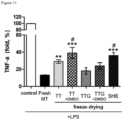
- a mixed preservation solution (TTG) comprising glycine, trehalose, and tris reduced damage to mitochondria occurring during the freezing and thawing steps compared to a mixed preservation solution (TT) comprising trehalose and tris ( Figures 9 to 12 ).
- cryoprotectant may further comprise a chelating agent.
- the chelating agent may be at least one selected from the group consisting of injectable grades of EGTA (ethylene glycol tetraacetic acid), EDTA (ethylenediamine tetraacetic acid) and BAPTA (1,2-bis(o-aminophenoxy)ethane-N,N,N',N'-tetraacetic acid), but is not limited thereto.
- the chelating agent may inhibit damage caused by ion outflow after obtaining mitochondria included in the liquid composition for injection.
- cryoprotectant may comprise an antioxidant, ATP, magnesium, and the like, which are effective for maintaining the function and activity of mitochondria, as an additive.
- the freezing may be performed at a temperature range of, -1 °C or lower, but is not limited thereto. Specifically, it may be performed at a temperature range of about -5 °C to about -200 °C, about -15 °C to about -180 °C, about -25 °C to about -160 °C, about -40 °C to about -140 °C, about -55 °C to about -120 °C, about -60 °C to about -100 °C, or about -70 °C to about -90 °C.
- the freezing may be performed using liquid nitrogen (LN 2 ) or a freezing device. Specifically, it may be performed by rapidly freezing using LN 2 during the refrigeration or freezing process, or by using a freezing device such as a deep freezer or a freezer.
- the freezing is not particularly limited as long as it is a method capable of refrigerating or freezing mitochondria.
- a freezing container may be used.
- the freezing container may freeze cells by lowering the temperature by about 1 °C per minute.
- the freezing container may be used.
- a freezing container may not be used.
- the freezing may be performed for about 24 hours or more, about 48 hours or more, or about 96 hours or more, but is not particularly limited as long as the frozen mitochondria have normal activity.
- the freeze-drying may be performed by dividing it into freezing the mitochondria and drying the mitochondria, but is not limited thereto. In this case, the freeze-drying may be performed in a vacuum.
- the freeze-drying of the mitochondria may be performed by freezing the mitochondria in a vacuum and then gradually increasing the temperature.
- the freezing step may be performed at about-40 °C or lower. Specifically, it may be performed at about -80 °C to about -40 °C, about -70 °C to about -40 °C, about -60 °C to about -40 °C, or about -50 °C to about -40 °C. In this case, the freezing may be performed for about 5 minutes to about 120 minutes, about 10 minutes to about 100 minutes, about 15 minutes to about 80 minutes, about 20 minutes to about 60 minutes, or about 25 minutes to about 40 minutes. In one embodiment of the present invention, the freezing was performed at about -40 °C for 30 minutes.
- the drying step may be performed in three stages.
- the first stage drying may be performed at about -30 °C to about 0 °C. More specifically, it may be performed at about -40 °C to about 0 °C, about -30 °C to about -5 °C, or about -20 °C to about -10 °C.
- the first stage drying may be performed for about 1 hour to about 50 hours. Specifically, it may be performed for about 1 hour to about 50 hours, about 5 hours to about 50 hours, about 10 hours to about 50 hours, about 20 hours to about 50 hours, or about 30 hours to about 50 hours.
- the first stage drying was performed at about -20 °C for 25 hours, and was additionally performed at about -20 °C for 8.3 hours depending on the mitochondrial state.
- the second stage drying may be performed at about 0 °C to about 10 °C or lower. More specifically, it may be performed at about 0 °C to about 10 °C, about 2 °C to about 9 °C, about 4 °C to about 8 °C, or about 5 °C to about 7 °C. In this case, the second stage drying may be performed for about 1 hour to about 24 hours. Specifically, the second stage drying may be performed for about 1 hour to about 16 hours, about 2 hours to about 16 hours, about 4 hours to about 16 hours, about 6 hours to about 16 hours, or about 8 hours to about 16 hours. In one embodiment of the present invention, the second stage drying was performed at about 6 °C for 8.3 hours.
- the third stage drying may be performed at about 11 °C to about 30 °C or lower. More specifically, it may be performed at about 11 °C to about 30 °C, about 15 °C to about 30 °C, about 20 °C to about 30 °C, or about 25 °C to about 30 °C. In this case, the third stage drying may be performed for about 1 hour to about 18 hours. Specifically, the third stage drying may be performed for about 1 hour to about 18 hours, about 3 hours to about 18 hours, or about 6 hours to about 18 hours, or about 9 hours to about 18 hours. In one embodiment of the present invention, the third stage drying was performed at about 25 °C for 9 hours.
- the concentration of mitochondria mixed with the cryoprotectant may be from about 0.1 mg to about 10 mg, from about 0.2 mg to about 9 mg, from about 0.3 mg to about 8 mg, from about 0.4 mg to about 7 mg, from about 0.5 mg to about 6 mg, from about 0.6 mg to about 5 mg, from about 0.7 mg to about 4 mg, from about 0.8 mg to about 3 mg, or from about 0.9 mg to about 2 mg per mL.
- the frozen mitochondria may be freeze-dried.
- cryoprotectant for mitochondria comprising glycine, and a freezing composition comprising the cryoprotectant and mitochondria.
- the cryoprotectant may further comprise any one selected from the group consisting of trehalose, tris, and a combination thereof.
- the mitochondria and the cryoprotectant are the same as described above.
- the pharmaceutical composition for preventing or treating a disease comprising the frozen and/or freeze-dried mitochondria as an active ingredient.
- a use of the pharmaceutical composition may be for the prevention or treatment of a mitochondria-related disease.
- the term "mitochondria-related disease” collectively refers to a disease associated with mitochondrial dysfunction or impairment due to genetic, environmental, or unknown causes.
- the disease may include genetic diseases such as Leber's Hereditary Optic Neuropathy (LHON), Leigh syndrome, Myoclonic Epilepsy Associated with Ragged-Red Fibers (MERRF), Mitochondrial Myopathy, Encephalopathy, Lactacidosis, Stroke (MELAS); degenerative diseases such as Parkinson's disease and Alzheimer's disease, metabolic diseases such as diabetes and obesity, inflammatory diseases such as sepsis, rheumatoid arthritis, osteoarthritis, and systemic inflammatory response syndrome (SIRS), hearing loss, cancer, ischemic disease, neurological disease, heart disease, muscle disease, degenerative disease, fibrosis disease, eye disease, hair loss, nervous system autoimmune disease, and the like, but is not limited thereto.
- genetic diseases such as Leber's Hereditary Optic Neuropathy (LHON), Leigh syndrome
- the cancer may be any one selected from the group consisting of breast cancer, lung cancer, pancreatic cancer, glioblastoma, gastric cancer, liver cancer, colorectal cancer, prostate cancer, ovarian cancer, cervical cancer, thyroid cancer, laryngeal cancer, acute myeloid leukemia, brain tumor, neuroblastoma, retinoblastoma, head and neck cancer, salivary gland cancer, and lymphoma, but is not limited thereto.
- the ischemic disease may include critical limb ischemia, ischemic stroke, ischemic heart disease, ischemic colitis, and the like, but is not limited thereto.
- the ischemic disease may be a disease caused by mitochondrial abnormality, and includes all ischemic cell disorders caused by mitochondrial impairment.
- the neurological disease may include epilepsy, drug-resistant epilepsy, bipolar disorder or manic depression of bipolar disorder, headache, migraine, anxiety disorder, attention deficit disorder, addictive disease, personality disorder, autism, traumatic brain injury, Friedreich's ataxia, optic atrophy, and the like, but is not limited thereto.
- infectious disease may include hepatitis B, hepatitis C, human papilloma virus (HPV) infection, cytomegalovirus infection, viral respiratory disease, influenza virus infection, and the like, but is not limited thereto.
- HPV human papilloma virus
- the muscle disease may include MELAS syndrome, MERRF syndrome, Kearns-Sayre syndrome, myopathy, encephalomyopathy, myasthenia, myasthenia gravis, amyotrophic lateral sclerosis, muscular dystrophy, muscular atrophy, muscular hypotonia, muscular weakness, myotonia, and the like, but is not limited thereto.
- the muscle disease may include all muscle cell disorders caused by mitochondrial impairment.
- the degenerative disease may include Alzheimer's disease, Parkinson's disease, Lou Gehrig's disease (amyotrophic lateral sclerosis), Huntington's disease, multiple sclerosis, brain dysfunction due to immune system disorders, progressive neurodegenerative disease, metabolic brain disease, Niemann-Pick disease, and dementia due to cerebral ischemia and cerebral hemorrhage, but is not limited thereto.
- the eye disease may include glaucoma, diabetic retinopathy, age-related macular degeneration, and the like, but is not limited thereto.
- the nervous system autoimmune disease may include multiple sclerosis, neuromyelitis optica, acute disseminated encephalomyelitis, ascending myelitis, central myelitis, descending myelitis, transverse myelitis, myasthenia gravis, Guillain-Barre syndrome, autoimmune uveitis, autoimmune encephalopathy, and chronic inflammatory demyelinating polyneuropathy, and the like, but is not limited thereto.
- the mitochondria may be included at a concentration of about 0.1 ⁇ g/mL to about 500 ⁇ g/mL, about 0.2 ⁇ g/mL to about 450 ⁇ g/mL, or about 0.5 ⁇ g/mL to about 400 ⁇ g/mL, but is not limited thereto.
- the inclusion of the mitochondria in the above range may facilitate the dose adjustment of mitochondria upon administration and may further enhance the degree of improvement of the symptoms of a mitochondria-related disease, specifically an inflammatory disease, of a patient.
- the dose of mitochondria may be determined through the quantification of mitochondria by quantifying the membrane protein after thawing the frozen mitochondria or recovering the freeze-dried mitochondria.
- the isolated mitochondria may be quantified through the Bradford protein assay [Paper written by James D. McCully ( J Vis Exp. 2014;(91): 51682 )].
- the pharmaceutical composition according to the present invention may administer mitochondria in an amount of about 0.01 mg/kg to about 5 mg/kg, about 0.1 mg/kg to about 4 mg/kg, or about 0.25 mg/kg to about 2.5 mg/kg per dose based on the body weight of the subject to be administered, but is not limited thereto. That is, it is most preferable in terms of cell activity that the pharmaceutical composition is administered with the mitochondria in an amount of the above range based on the body weight of the subject in whom a mitochondria-related disease is developed.
- the pharmaceutical composition may be administered 1 to 10 times, 3 to 8 times, or 5 to 6 times, preferably 5 times.
- the administration interval may be an interval of 1 to 7 days or 2 to 5 days, preferably an interval of 3 days.
- prevention refers to any action that inhibits or delays the onset of cancer by administration of the pharmaceutical composition.
- treatment refers to any action that ameliorates or beneficially changes cancer symptoms by administration of the pharmaceutical composition.
- the term “efficacy” may be determined by one or more parameters, such as survival or disease-free survival over a period of time, such as 1 year, 5 years, or 10 years.
- the parameter may include the inhibition of the size of at least one tumor in a subject.
- the preferred dosage of the pharmaceutical composition varies depending on the condition and body weight of the patient, the severity of disease, the form of drug, the route and duration of administration, but may be appropriately selected by those of ordinary skill in the art.
- the active ingredient may be included in any amount (effective amount) depending on the use, formulation, purpose of combining, and the like as long as it may exhibit anticancer activity.
- "effective amount” refers to an amount of an active ingredient capable of inducing an anticancer effect. Such effective amount may be determined experimentally within the ordinary ability of those of ordinary skill in the art.
- the pharmaceutical composition of the present invention may further comprise a pharmaceutically acceptable carrier.
- the pharmaceutically acceptable carrier may be any carrier as long as it is non-toxic material suitable for delivery to a patient. Distilled water, alcohol, fats, waxes and inert solids may be included as a carrier.
- a pharmacologically acceptable adjuvant (buffering agent, dispersing agent) may be included in the pharmaceutical composition.
- the pharmaceutical composition may be prepared as a parenteral formulation according to the route of administration by a conventional method known in the art, including a pharmaceutically acceptable carrier in addition to the active ingredient.
- pharmaceutically acceptable means that it does not inhibit the activity of the active ingredient and does not have toxicity beyond what the application (prescription) target may adapt.
- the pharmaceutical composition of the present invention when prepared as a parenteral formulation, it may be formulated in the form of an injection, a transdermal preparation and a nasal inhalant together with suitable carriers according to methods known in the art.
- suitable carriers for injection, as a suitable carrier, sterile water, ethanol, polyol such as glycerol or propylene glycol, or a mixture thereof may be used, and Ringer's solution, PBS (Phosphate Buffered Saline) containing triethanolamine, or sterile water for injection, an isotonic solution such as 5% dextrose, and the like may be preferably used.
- the pharmaceutical composition of the present invention may be a preparation for injection. Therefore, the pharmaceutical composition according to the present invention may be manufactured as an injection that is very stable physically or chemically by adjusting the pH using a buffer solution such as an acidic aqueous solution or phosphate, which may be used as an injection, in order to secure product stability according to the distribution of an injection that is prescribed.
- a buffer solution such as an acidic aqueous solution or phosphate
- the pharmaceutical composition of the present invention may comprise water for injection.
- the water for injection refers to distilled water prepared for dissolving a solid injection or for diluting a water-soluble injection. It may be glucose injection, xylitol injection, D-mannitol injection, fructose injection, physiological saline, dextran 40 injection, dextran 70 injection, amino acid injection, Ringer's solution, lactic acid-Ringer's solution, or a phosphate buffer solution or sodium dihydrogen phosphate-citrate buffer solution having a pH of about 3.5 to about 7.5.
- the pharmaceutical composition of the present invention may further comprise a stabilizer or a solubilizing agent.
- the stabilizer may be pyrosulfite or ethylenediamine tetraacetic acid
- the solubilizing agent may be hydrochloric acid, acetic acid, potassium phosphate hydroxide, potassium bicarbonate, potassium carbonate, or tris.
- the pharmaceutical composition may comprise a mixed preservation solution such as a TTG (trehalose-tris-glycine) solution, which may be commonly used in pharmaceutically acceptable drug preparations.
- TTG trehalose-tris-glycine
- the pharmaceutical composition of the present invention may comprise a liquid composition for injection in addition to frozen and/or freeze-dried mitochondria.
- the frozen and/or freeze-dried mitochondria are the same as described above.
- the pharmaceutical composition of the present invention comprises a liquid composition for injection, thereby forming a composition for preventing or treating a disease related to mitochondrial function, which may suppress thrombosis that may be caused by mitochondrial aggregation, platelet reduction and aggregation, and the like when administering mitochondria through injection, and may maintain and/or enhance the stability of mitochondria, and may also stably maintain the activity of mitochondria.
- the liquid composition may comprise glycine.
- the liquid composition may further comprise a sugar and/or a buffer.
- the glycine may be present in the liquid composition for injection at a concentration of about 15 mM or more, but is not limited thereto, and specifically, may be present at a concentration of about 15 mM to about 150 mM, at a concentration of about 17 mM to about 130 mM, at a concentration of about 20 mM to about 120 mM, at a concentration of about 22 mM to about 110 mM, or at a concentration of about 25 mM to about 100 mM.
- the glycine may be used together with at least one amino acid selected from the group consisting of, but not limited to, histidine, isoleucine, leucine, lysine acetate, methionine, phenylalanine, threonine, tryptophan, valine, alanine, arginine, aspartic acid, cysteine, glutamic acid, proline, serine, and tyrosine.
- the sugar included in the liquid composition for injection may be at least one selected from the group consisting of sucrose, trehalose, mannitol, sorbitol, glucose, fructose, mannose, maltose, lactose, isomaltose, dextran, and dextrin, but is not limited thereto.
- the sugar may be trehalose, mannitol, or sucrose.
- the sugar may be trehalose.
- the buffer included in the liquid composition for injection may be selected from the group consisting of a tris buffer, a HEPES buffer, a MOPS buffer, and an acetate or phosphate-containing buffer, but is not limited thereto.
- the buffer may be an injectable tris buffer.
- the pH of the buffer may be in the range of about 7.0 to about 7.8, in the range of about 7.2 to about 7.6, or in the range of about 7.3 to about 7.5, but is not limited thereto.
- the above liquid composition for injection may have an osmolarity in the range of about 200 to about 400 mOsm, about 230 to about 380 mOsm, about 250 to about 350 mOsm, about 260 to about 320 mOsm, about 270 to about 330 mOsm, or about 280 to about 300 mOsm.
- the osmolarity in the range promotes long-term storage at a temperature of 2 °C to 8 °C or higher, while making the composition suitable for parenteral administration, for example, intravascular, intramuscular, or subcutaneous injection, without causing side effects to a subject.
- osmolarity refers to the moles of solute contributing to the osmotic pressure of a solution per kilogram of solvent, and the osmolarity is determined by measuring the freezing point depression of a sample using an osmometer.
- liquid composition for injection may further comprise a chelating agent.
- the chelating agent may be at least one selected from the group consisting of injectable grades of EGTA, EDTA, and BAPTA, but is not limited thereto.
- the chelating agent may remove damage caused by ion outflow after obtaining mitochondria included in the liquid composition for injection.
- the pharmaceutical composition may comprise an antioxidant, ATP, magnesium, and the like, which are effective for maintaining the function and activity of mitochondria, as an additive.
- the pharmaceutical composition of the present invention may be stored in a container selected from the group consisting of a vial, a cartridge, a syringe, and an autoinjector.
- the container in which the pharmaceutical composition is stored may be stored at room temperature, at a refrigerated temperature of about 2 °C to about 8 °C, or at about 25 °C to about 40 °C until it is administered to a subject in need of treatment.
- the subject may be, but is not limited to, a mammal such as a human, a dog, a cow, a horse, a pig, a sheep, a goat, a cat, a mouse, a rabbit, a rat, and preferably a human.
- a mammal such as a human, a dog, a cow, a horse, a pig, a sheep, a goat, a cat, a mouse, a rabbit, a rat, and preferably a human.
- the pharmaceutical composition of the present invention is administered in a pharmaceutically effective amount.
- the term "therapeutically effective amount” or “pharmaceutically effective amount” refers to an amount of a compound or composition effective for preventing or treating a target disease, which is an amount that is sufficient to treat the disease with a reasonable benefit/risk ratio applicable to medical treatment and that does not cause side effects.
- the level of the effective amount may be determined according to factors including the health condition of the patient, the type and severity of the disease, the activity of the drug, sensitivity to the drug, administration method, administration time, the route of administration and excretion rate, treatment period, the drug to be combined or concurrently used, and other factors well known in the medical field.
- a therapeutically effective amount refers to an amount of a drug effective to treat a disease.
- the term "administration” refers to introducing a predetermined substance to a subject by an appropriate method, and the route of administration of the composition may be through any general route as long as it may reach a target tissue. It may be intraperitoneal administration, intravenous administration, intramuscular administration, subcutaneous administration, intradermal administration, topical administration, intranasal administration, intrarectal administration, but is not limited thereto.
- a preferred dosage of the pharmaceutical composition of the present invention may be administered in an amount of about 0.01 mg/kg to about 5 mg/kg, about 0.1 mg/kg to about 4 mg/kg, or about 0.25 mg/kg to about 2.5 mg/kg of mitochondria per dose based on the body weight of the subject to be administered, but is not limited thereto. That is, it is most preferable in terms of cell activity that the pharmaceutical composition is administered with the frozen and/or freeze-dried mitochondria in an amount in the above range based on the body weight of the subject suffering from a disease.
- the pharmaceutical composition may be administered 1 to 10 times, 3 to 8 times, or 5 to 6 times, preferably 5 times.
- the administration interval may be an interval of 1 to 7 days or 2 to 5 days, preferably an interval of 3 days.
- Such dosage should not be construed as limiting the scope of the present invention in any aspect.
- the pharmaceutical composition may be administered parenterally using an 18G to 32G needle in a volume of about 5 ml or less, about 3 ml or less, or about 2 ml or less, but is not limited thereto.
- the term "subject” refers to a subject to which the composition of the present invention may be applied (prescribed), and may be a subject suffering from a disease.
- the subject may be a mammal such as a rat, a mouse, or a livestock, including a human, but may preferably be a human.
- the composition of the present invention may further comprise any compound or natural extract whose safety has been verified and is known to have a preventive or therapeutic effect on each disease.
- the pharmaceutical composition and the compound or natural extract having the activity may be administered simultaneously or sequentially.
- the present invention may provide a method for preventing or treating a disease, comprising administering the pharmaceutical composition to a subject.
- the subject may be a mammal, preferably a human.
- the frozen mitochondria, the freeze-dried mitochondria, the prevention and treatment are the same as described above.
- the disease is a mitochondria-related disease, and the specific disease is the same as described above.
- the administration may be performed through an injection to the affected area, subcutaneous injection, or intravenous injection.
- the pharmaceutical composition according to the present invention may directly supply mitochondria with normal activity to the affected area where the disease has occurred, thereby being useful for increasing the activity of cells with reduced mitochondrial function or regenerating cells with abnormal mitochondrial function, and may be used for the prevention or treatment of a mitochondria-related disease.
- a long-term preservation solution composition kit for preservation of isolated cells, tissues or organs comprising frozen and/or freeze-dried mitochondria and a long-term preservation solution.
- the frozen and freeze-dried mitochondria are the same as described above.
- the long-term preservation solution may comprise at least one selected from the group consisting of histidine, tryptophan, and ketoglutarate.
- the ketoglutarate may be alpha-ketoglutarate.
- the frozen and/or freeze-dried mitochondria of the kit may be mixed with a long-term preservation solution comprising at least one selected from the group consisting of histidine, tryptophan, and ketoglutarate before use.
- the concentration of the frozen and/or freeze-dried mitochondria may be from about 0.01 ⁇ g/mL to about 1 mg/mL, from about 0.01 ⁇ g/mL to about 100 ⁇ g/mL, from about 0.01 ⁇ g/mL to about 90 ⁇ g/mL, from about 0.01 ⁇ g/mL to about 80 ⁇ g/mL, from about 0.01 ⁇ g/mL to about 70 ⁇ g/mL, from about 0.01 ⁇ g/mL to about 60 ⁇ g/mL, from about 0.01 ⁇ g/mL to about 50 ⁇ g/mL, from about 0.01 ⁇ g/mL to about 40 ⁇ g/mL, from about 0.01 ⁇ g/mL to about 30 ⁇ g/mL, from about 0.01 ⁇ g/mL to about 20 ⁇ g/mL, from about 0.01 ⁇ g/mL to about 10 ⁇
- the concentration of histidine in the long-term preservation solution may be from about 1 mM to about 500 mM, from about 5 mM to about 500 mM, from about 10 mM to about 500 mM, from about 25 mM to about 500 mM, from about 50 mM to about 500 mM, from about 75 mM to about 500 mM, from about 100 mM to about 500 mM, from about 125 mM to about 500 mM, from about 150 mM to about 500 mM, from about 175 mM to about 500 mM, from about 198 mM to about 500 mM, from about 100 mM to about 400 mM, from about 100 mM to about 300 mM, from about 100 mM to about 200 mM, or from about 100 mM to about 198 mM.
- the concentration of tryptophan in the long-term preservation solution may be from about 1 ⁇ M to about 100 mM, from about 1 ⁇ M to about 90 mM, from about 1 ⁇ M to about 80 mM, from about 1 ⁇ M to about 70 mM, from about 1 ⁇ M to about 60 mM, from about 1 ⁇ M to about 50 mM, from about 1 ⁇ M to about 40 mM, from about 1 ⁇ M to about 30 mM, from about 1 ⁇ M to about 20 mM, from about 1 ⁇ M to about 10 mM, from about 1 ⁇ M to about 5 mM, from about 10 ⁇ M to about 10 mM, from about 100 ⁇ M to about 10 mM, from about 0.5 mM to about 10 mM, from about 1 mM to about 10 mM, from about 1.5 mM to about 10 mM, or from about 2 mM to about 10 mM.
- the concentration of ketoglutarate in the long-term preservation solution may be from about 1 ⁇ M to about 100 mM, from about 1 ⁇ M to about 90 mM, from about 1 ⁇ M to about 80 mM, from about 1 ⁇ M to about 70 mM, from about 1 ⁇ M to about 60 mM, from about 1 ⁇ M to about 50 mM, from about 1 ⁇ M to about 40 mM, from about 1 ⁇ M to about 30 mM, from about 1 ⁇ M to about 20 mM, from about 1 ⁇ M to about 10 mM, from about 1 ⁇ M to about 5 mM, from about 10 ⁇ M to about 10 mM, from about 100 ⁇ M to about 10 mM, from about 250 ⁇ M to about 10 mM, from about 500 ⁇ M to about 10 mM, from about 750 ⁇ M to about 10 mM, from about 1 mM to about 10 mM, from about 1 mM to about 5 mM, or from about
- the cell, tissue, or organ may be derived from a mammal.
- the mammal may be a human, a cow, a horse, a pig, a dog, a sheep, a goat, or a cat.
- the cell, tissue, or organ may be for transplantation into a living body.
- the cell may be a muscle cell, a hepatocyte, a fibroblast, an epithelial cell, a nerve cell, an adipocyte, an osteocyte, a leukocyte, a lymphocyte, a stem cell or a mucosal cell.
- the tissue may be selected from skin, muscle, cornea, cartilage, and bone.
- the organ may be selected from heart, liver, kidney, small intestine, stomach, pancreas, lung, gallbladder, nerve, skin, blood vessel, tooth, eye, and cornea.
- the long-term preservation solution composition kit may be for perfusion or reperfusion.
- the perfusion may be the replacement of protoplasm with an artificial fluid by injecting or continuously flowing a perfusate into isolated cells, tissues, or organs.
- the reperfusion may be the temporary cessation of blood supply to the isolated cells, tissues, or organs and then the restoration of blood flow.
- the long-term preservation solution composition kit may be for parenteral administration.
- the composition may be a liquid.
- the composition may comprise one or more additives.
- the additives may include excipients, diluents, anti-adherents, preservatives, vehicles, surfactants, or a combination thereof.
- the composition may further comprise salts, such as MgCl 2 , CaCl 2 , NaCl, KCl, or a combination thereof.
- the long-term preservation solution composition may comprise an additive that may increase the long-term preservation efficiency of the isolated cells, tissues, or organs.
- the additive may be water, a sugar (e.g., sucrose, raffinose, starch), a pH buffer (e.g., sodium phosphate, potassium phosphate), ATP, a buffering agent, albumin, or an antioxidant (e.g., vitamin E).
- a use of the frozen and/or freeze-dried mitochondria for the manufacture of a long-term preservation solution composition kit comprising: storing the isolated cells, tissues, or organs in the presence of a long-term preservation solution composition comprising the frozen and/or freeze-dried mitochondria.
- the mitochondria, the frozen and/or freeze-dried mitochondria, the cell, the tissue, the organ, the long-term preservation solution composition, and the storage are the same as described above.
- the storage may be performed in refrigerated conditions.
- the refrigerated conditions may be from about -4 °C to about 25 °C, from about -4 °C to about 20 °C, from about -4 °C to about 15 °C, from about -4 °C to about 10 °C, from about -2 °C to about 10 °C, from about - 2 °C to about 8 °C, from about 0 °C to about 15 °C, from about 0 °C to about 10 °C, from about 0 °C to about 8 °C, from about 0 °C to about 6 °C, from about 0 °C to about 5 °C, from about 0 °C to about 4 °C, from about 0 °C to about 3 °C, or from about 2 °C to about 5 °C.
- the storage may be performed for about 0 hours to about 2 days, about 0 hours to about 42 hours, about 0 hours to about 36 hours, about 0 hours to about 30 hours, about 0 hours to about 24 hours, about 0 hours to about 18 hours, about 0 hours to about 12 hours, about 0 hours to about 9 hours, about 0 hours to about 6 hours, or about 0 hours to about 3 hours.
- the method when using frozen mitochondria, may further comprise: isolating mitochondria; and mixing the isolated mitochondria with a cryoprotectant and freezing them.
- the method when using freeze-dried mitochondria, may further comprise: isolating mitochondria; and mixing the isolated mitochondria with a cryoprotectant and freezing them; and a method for freeze-drying the frozen mitochondria.
- the method for isolating the mitochondria, the method for freezing the isolated mitochondria, and the method for freeze-drying the frozen mitochondria, and the cryoprotectant are the same as described above.
- the concentrated platelets, umbilical cord-derived mesenchymal stem cells, or HEK293 cells were physically disrupted, and then precipitated mitochondria were obtained using a differential centrifugation method.
- the obtained mitochondria were resuspended in a TTG mixed preservation solution (0.195 M trehalose, 20 mM tris, 65 mM glycine) at a concentration of 1 mg/mL. Thereafter, they were rapidly frozen using LN 2 or frozen at -80 °C.
- a freezing container FC
- the freeze-drying process was performed using a freeze-dryer in a vacuum while the temperature was sequentially changed to -40 °C, -20 °C, 6 °C, and 25 °C. Specifically, the freezing process was performed at -40 °C for 30 minutes, and then the reaction was performed at -20 °C for 25 hours. While checking the state of the mitochondria, the reaction was performed at -20 °C for an additional 8.3 hours. Next, the reaction was performed at 6 °C for 8.3 hours and at 25 °C for 9 hours, respectively, to finally obtain freeze-dried mitochondria.
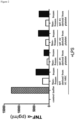
- THP-1 human monocyte cells 4 ⁇ 10 5 THP-1 human monocyte cells were cultured in RPMI 1640 medium containing 1% FBS (fetal bovine serum). After 16 to 24 hours of culture, the THP-1 cells were treated with the frozen platelet-derived mitochondria (40 ⁇ g) for 24 to 96 hours.
- FBS fetal bovine serum
- an inflammatory cell model was constructed by treating with LPS (lipopolysaccharide) at a concentration of 2 ⁇ g/mL. After 4 hours of treatment with LPS, the medium of the THP-1 cells was collected and centrifuged at 20,000 xg for 10 minutes, and the concentration of TNF- ⁇ , an inflammatory cytokine, in the supernatant was measured by ELISA ( Figure 1 ). In addition, the anti-inflammatory efficacy of stem cell-derived mitochondria and platelet-derived mitochondria (isolated from the blood of 3 people) was also confirmed using the same method. At this time, the mitochondria were treated at a concentration of 40 ⁇ g.
- LPS lipopolysaccharide
- Freeze-dried mitochondria were stored at room temperature and in a refrigerator and were recovered to the volume before freeze-drying by adding ultrapure distilled water just before use.
- the protein concentration of mitochondria before freeze-drying and the protein concentration of mitochondria after recovery were measured by the BCA (bicinchoninic acid) method ( Figure 3 ).
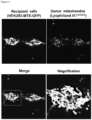
- Mitochondria were obtained from cells (HEK293-MT dsRED ) labeled with red fluorescent protein on the mitochondria, freeze-dried by the method of Example 3, and then recovered.
- the cultured HEK293-MTS-GFP cells (mitochondria was labeled with green fluorescent labeled protein) were treated with the recovered mitochondria at a concentration of 10 ⁇ g for 1 day, and then the cells were observed using a confocal microscope.
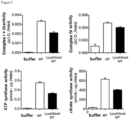
- the protein concentration of freeze-dried or non-freeze-dried platelet-derived mitochondria was measured using the BCA method, and the activity of energy synthesis-related enzymes per the same protein amount was compared.
- the activity of complex I and complex III, an oxidative phosphorylation complex, present in the mitochondrial inner membrane was evaluated by measuring the intensity of absorbance that changes as oxidized cytochrome c (Sigma aldrich, cat no. C2037) is reduced at a wavelength of 550 nm for 20 minutes at 1-minute intervals.
- the activity of complex IV was evaluated by measuring the intensity of absorbance that changes as cytochrome c is reduced using sodium hydrosulfite (Sigma aldrich, cat no. 157953) and then oxidized at a wavelength of 550 nm for 20 minutes at 1-minute intervals.
- ATP synthesis ability was evaluated by measuring luminescence at 1-minute intervals for 20 minutes using the CellTiter-Glo luminescence kit (Promega) after adding ADP. Mitochondrial citrate synthase activity was measured at 1-minute intervals for 20 minutes, utilizing the principle that acetyl-CoA (Sigma aldrich, cat no. A2181) and oxaloacetic acid (Sigma aldrich, cat no. 04126) are converted to coenzyme A (CoA-SH) through mitochondrial citrate synthase, and that the coenzyme A reacts with DTNB (5,5'-dithiobis(2-nitrobenzoic acid), Sigma aldrich, cat no. D218200) to emit color at a wavelength of 450 nm ( Figure 5 ).
- DTNB 5,5'-dithiobis(2-nitrobenzoic acid
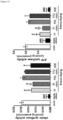
- THP-1 human monocyte cells 4 ⁇ 10 5 THP-1 human monocyte cells were cultured in RPMI 1640 medium containing 1% FBS (fetal bovine serum). After 16 to 24 hours of culture, the THP-1 cells were treated with non-freeze-dried mitochondria or freeze-dried mitochondria (40 ⁇ g) prepared by the method of Example 3, isolated from platelets or umbilical cord-derived mesenchymal stem cells.
- FBS fetal bovine serum
- an intracellular inflammatory response was induced by treating with LPS at a concentration of 2 ⁇ g/mL.
- the medium of the THP-1 cells was collected and centrifuged at 20,000 xg for 10 minutes, and the concentration of TNF- ⁇ , an inflammatory cytokine, in the supernatant was measured by ELISA.
- the anti-inflammatory efficacy of freeze-dried or non-freeze-dried mitochondria by concentration was also confirmed using the same method.
- the heart was first extracted from the rat and stabilized.
- Sprague-Dawley rats (SD, 12-week-old, male) were anesthetized with ketamine and then sacrificed.
- the heart of the rat was extracted, and the extracted heart was placed in the Langendorff via an aortic catheter. Thereafter, the extracted heart was washed by perfusion with a Krebs-Henseleit solution for about 20 minutes.
- the heart was stabilized by injecting a refrigerated stored histidine-tryptophan-ketoglutarate (HTK) solution through the aorta of the heart and perfusion for about 10 minutes.
- HTK histidine-tryptophan-ketoglutarate
- the HTK solution contained 198 mM histidine, 2 mM tryptophan, 1 mM ketoglutarate, 30 mM mannitol, 4 mM MgCl 2 ,15 ⁇ M CaCl 2 , 15 mM NaCl, and 9 mM KCl.
- Example 7.2 Maintenance of perfusate by mitochondria-containing solution in extracted heart
- freeze-dried mitochondria or mitochondria were added to a HTK solution to prepare 5 ⁇ g/mL freeze-dried mitochondria-HTK and mitochondria-HTK solutions.
- the stabilized hearts prepared in Example 7.1 were injected with a 5 ⁇ g/mL mitochondria-HTK solution (MT), a 5 ⁇ g/mL freeze-dried mitochondria-HTK solution (freeze-dried MT), or a mitochondria-free HTK solution (control) for about 2 minutes. Thereafter, the hearts were immersed in a 150 ⁇ g/30 mL of mitochondria-HTK solution (MT), a freeze-dried mitochondria-HTK solution (freeze-dried MT), or a mitochondria-free HTK solution, respectively, and stored at approximately 4 °C. After 9 hours, the stored hearts were placed in the Langendorff via an aortic catheter, and a Krebs-Henseleit solution was passed through it. The amount of perfusate flowing out of the heart was measured ( Figure 8 ).
- the amount of the perfusate of the hearts increased by about 1.97 times when stored in the mitochondria-HTK solution and increased by about 1.48 times when stored in the freeze-dried mitochondria-HTK solution.
- Mitochondria isolated from umbilical cord-derived mesenchymal stem cells were mixed with a SHE (250 mM sucrose, 20 mM HEPES, 2 mM EGTA) mixed preservation solution, a TTG (20 mM tris, 195 mM trehalose, 66.6 mM glycine) mixed preservation solution, or a TT (20 mM tris, 195 mM trehalose) mixed preservation solution, respectively, frozen, and then thawed, and centrifuged at 12,000 g for 10 minutes. After centrifugation, the supernatant was obtained, and the amount of cytochrome C released when mitochondrial damage was induced was confirmed using Western blot. As a control group, mitochondria disrupted by sonication were centrifuged under the same conditions as above and the supernatant was obtained and used.
- SHE 250 mM sucrose, 20 mM HEPES, 2 mM EGTA
- TTG 20 mM
- Example 8.2 Comparison of activity of mitochondria frozen and then thawed according to mixed preservation solutions
- mitochondria isolated from umbilical cord-derived mesenchymal stem cells were mixed with a SHE mixed preservation solution alone, a TTG mixed preservation solution alone, a TT mixed preservation solution alone, a TTG mixed preservation solution containing DMSO (TTG+DMSO), or a TT mixed preservation solution containing DMSO (TT+DMSO), respectively, frozen, and then thawed, and the activity of mitochondria was compared.
- DMSO was used at a concentration of 10% as a commonly used freeze preservation solution.
- Mitochondrial activity was confirmed by measuring the activities of citrate synthase and ATP synthase, which are mitochondria-specific enzymes, in the same manner as in Example 5.
- the mitochondria mixed in the TTG mixed preservation solution and frozen showed high activities of citrate synthase and ATP synthase compared to the mitochondria mixed in the SHE mixed preservation solution and frozen.
- Example 8.3 Comparison of anti-inflammatory efficacy of mitochondria frozen and then thawed according to mixed preservation solutions
- Mitochondria isolated from umbilical cord-derived mesenchymal stem cells were mixed with a SHE mixed preservation solution, a TTG mixed preservation solution alone, a TT mixed preservation solution alone, a TTG mixed preservation solution containing DMSO (TTG+DMSO), or a TT mixed preservation solution containing DMSO (TT+DMSO), respectively, frozen, and then thawed, and the anti-inflammatory efficacy of the mitochondria was confirmed. At this time, the anti-inflammatory efficacy of the mitochondria was confirmed in the same manner as in Example 2.
- the mitochondria mixed in the TTG mixed preservation solution and frozen showed high anti-inflammatory efficacy compared to the mitochondria mixed in the SHE mixed preservation solution, the TT mixed preservation solution, or the TT+DMSO mixed preservation solution and frozen.
- the above results indicate that the activity of the mitochondria mixed in the TTG mixed preservation solution and frozen is superior to the activity of the mitochondria mixed in other mixed preservation solutions and frozen, suggesting that the TTG mixed preservation solution can protect the mitochondria more stably from the damage to the mitochondria that occurs during the freezing and thawing processes.
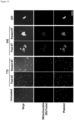
- Mitochondria isolated from umbilical cord-derived mesenchymal stem cells were mixed with a SHE mixed preservation solution or a TTG mixed preservation solution, frozen, and then thawed, and the inhibitory effect of mitochondria on platelet aggregation was compared.
- the mitochondria thawed after freezing were stained with 0.1 ⁇ M MitoTracker Orange for 10 minutes and washed twice with a mitochondrial isolation solution.
- the mitochondria (5 ⁇ g) were mixed with platelets (1 ⁇ 10 7 ) stained with 1 ⁇ M Mitotracker Green and cultured under shaking for one day.
- the shaken cultured solution (5 ⁇ l) was applied to a slide glass and observed using a confocal laser scanning microscope.
- Mitochondria isolated from umbilical cord-derived mesenchymal stem cells were mixed with a TTG mixed preservation solution, frozen, and then thawed one month later, and damage to the mitochondria was confirmed.
- the total protein amount of mitochondria, ATP synthesis rate, Mitotracker staining rate, and expression level of Tom20 which is a specific protein in the outer membrane were measured, and then the same mitochondria were mixed with a TTG mixed preservation solution and frozen. One month after freezing, the mitochondria were thawed, and the above items were measured again. At this time, the total protein amount of mitochondria was measured using a BCA assay kit, and the ATP synthesis rate was measured using the method of Example 5.
- the Mitotracker staining rate and Tom20 expression level were analyzed using a flow cytometer after staining with 0.5 ⁇ M Mitotracker green or Mitotracker Orange or staining with a Tom20 antibody (Santacruz, sc-17764-FITC) conjugated to a fluorescent protein.
Landscapes
- Health & Medical Sciences (AREA)
- Life Sciences & Earth Sciences (AREA)
- Engineering & Computer Science (AREA)
- Chemical & Material Sciences (AREA)
- Zoology (AREA)
- Biomedical Technology (AREA)
- Biotechnology (AREA)
- Wood Science & Technology (AREA)
- Organic Chemistry (AREA)
- Bioinformatics & Cheminformatics (AREA)
- Genetics & Genomics (AREA)
- General Health & Medical Sciences (AREA)
- Cell Biology (AREA)
- Developmental Biology & Embryology (AREA)
- Medicinal Chemistry (AREA)
- General Engineering & Computer Science (AREA)
- Biochemistry (AREA)
- Microbiology (AREA)
- Virology (AREA)
- Immunology (AREA)
- Veterinary Medicine (AREA)
- Pharmacology & Pharmacy (AREA)
- Epidemiology (AREA)
- Animal Behavior & Ethology (AREA)
- Public Health (AREA)
- Tropical Medicine & Parasitology (AREA)
- Rheumatology (AREA)
- Hematology (AREA)
- Environmental Sciences (AREA)
- Dentistry (AREA)
- Medicines Containing Material From Animals Or Micro-Organisms (AREA)
- Medicinal Preparation (AREA)
- Micro-Organisms Or Cultivation Processes Thereof (AREA)
Applications Claiming Priority (2)
| Application Number | Priority Date | Filing Date | Title |
|---|---|---|---|
| KR20220038921 | 2022-03-29 | ||
| PCT/KR2023/004181 WO2023191495A1 (fr) | 2022-03-29 | 2023-03-29 | Mitochondries congelées et lyophilisées et leur utilisation |
Publications (2)
| Publication Number | Publication Date |
|---|---|
| EP4502144A1 true EP4502144A1 (fr) | 2025-02-05 |
| EP4502144A4 EP4502144A4 (fr) | 2025-07-09 |
Family
ID=88202807
Family Applications (1)
| Application Number | Title | Priority Date | Filing Date |
|---|---|---|---|
| EP23781350.6A Pending EP4502144A4 (fr) | 2022-03-29 | 2023-03-29 | Mitochondries congelées et lyophilisées et leur utilisation |
Country Status (6)
| Country | Link |
|---|---|
| US (1) | US20250049856A1 (fr) |
| EP (1) | EP4502144A4 (fr) |
| JP (1) | JP2025510241A (fr) |
| KR (1) | KR102665782B1 (fr) |
| CN (1) | CN118974242A (fr) |
| WO (1) | WO2023191495A1 (fr) |
Families Citing this family (2)
| Publication number | Priority date | Publication date | Assignee | Title |
|---|---|---|---|---|
| WO2025212791A1 (fr) * | 2024-04-05 | 2025-10-09 | The Sallie A. Burdine Breast Foundation | Compositions et procédés d'isolement de mitochondries à partir de cellules cryoconservées |
| CN119924296B (zh) * | 2025-04-08 | 2025-06-24 | 济南万泉生物技术有限公司 | 一种细胞线粒体冷冻保护剂及使用方法 |
Family Cites Families (13)
| Publication number | Priority date | Publication date | Assignee | Title |
|---|---|---|---|---|
| KR100738088B1 (ko) * | 2005-12-28 | 2007-07-12 | 삼성전자주식회사 | 시료 중의 독성물질의 존재를 검출하는 방법 및 그를 위한장치 |
| IL282198B2 (en) | 2011-09-11 | 2025-11-01 | Minovia Therapeutics Ltd | Compositions of functional mitochondria and uses thereof |
| KR102019277B1 (ko) | 2016-12-19 | 2019-09-06 | 주식회사 파이안바이오테크놀로지 | 미토콘드리아를 포함하는 허혈성 질환 예방 또는 치료용 조성물 |
| US20220125042A1 (en) * | 2017-05-17 | 2022-04-28 | Universidade Nova De Lisboa | Cryoprotectant and/or cryopreservant composition, methods and uses thereof |
| WO2019209051A1 (fr) | 2018-04-26 | 2019-10-31 | 주식회사 파이안바이오테크놀로지 | Mitochondries modifiée et utilisation associée |
| WO2019220654A1 (fr) * | 2018-05-17 | 2019-11-21 | 旭化成ファーマ株式会社 | Préparation ayant une teneur réduite en n-formylpipéridine et/ou subissant rarement un affaissement ou un retrait de son gâteau lyophilisé |
| EP3955902B1 (fr) | 2019-04-15 | 2024-07-17 | Children's Medical Center Corporation | Compositions en aérosol comprenant des mitochondries et leurs méthodes d'utilisation |
| WO2020257281A1 (fr) | 2019-06-18 | 2020-12-24 | United Therapeutics Corporation | Traitement mitochondrial d'organes pour une transplantation |
| BR112022001207A2 (pt) * | 2019-07-24 | 2022-03-15 | Luca Science Inc | Método de obtenção de mitocôndrias de células e mitocôndrias obtidas |
| JP7813464B2 (ja) * | 2019-12-27 | 2026-02-13 | ルカ・サイエンス株式会社 | サイズがより小さい単離されたミトコンドリアおよび単離されたミトコンドリアを内包している脂質膜ベースの小胞 |
| CN115023135B (zh) | 2020-02-28 | 2024-04-19 | 台湾粒线体应用技术股份有限公司 | 线粒体的冷冻保存剂与使用其的线粒体冷冻保存方法 |
| KR102290596B1 (ko) | 2020-09-10 | 2021-08-19 | 주식회사 파이안바이오테크놀로지 | 분리된 미토콘드리아를 포함하는 주사용 조성물 및 이의 용도 |
| KR102273163B1 (ko) * | 2020-09-10 | 2021-07-05 | 주식회사 파이안바이오테크놀로지 | 혈소판 유래 미토콘드리아의 수득 방법 및 이의 용도 |
-
2023
- 2023-03-29 WO PCT/KR2023/004181 patent/WO2023191495A1/fr not_active Ceased
- 2023-03-29 CN CN202380032065.1A patent/CN118974242A/zh active Pending
- 2023-03-29 KR KR1020230041211A patent/KR102665782B1/ko active Active
- 2023-03-29 JP JP2024556690A patent/JP2025510241A/ja active Pending
- 2023-03-29 US US18/851,324 patent/US20250049856A1/en active Pending
- 2023-03-29 EP EP23781350.6A patent/EP4502144A4/fr active Pending
Also Published As
| Publication number | Publication date |
|---|---|
| WO2023191495A1 (fr) | 2023-10-05 |
| JP2025510241A (ja) | 2025-04-14 |
| CN118974242A (zh) | 2024-11-15 |
| KR20230140438A (ko) | 2023-10-06 |
| US20250049856A1 (en) | 2025-02-13 |
| KR102665782B1 (ko) | 2024-05-14 |
| EP4502144A4 (fr) | 2025-07-09 |
| KR102665782B9 (ko) | 2025-02-10 |
Similar Documents
| Publication | Publication Date | Title |
|---|---|---|
| US20240238337A1 (en) | Compositions of functional mitochondria and uses thereof | |
| KR102290596B1 (ko) | 분리된 미토콘드리아를 포함하는 주사용 조성물 및 이의 용도 | |
| EP4502144A1 (fr) | Mitochondries congelées et lyophilisées et leur utilisation | |
| CA3013187C (fr) | Composition de milieu destinee a la cryoconservation de cellules et son utilisation | |
| ES2906849T3 (es) | Proceso para aislar y liofilizar vesículas extracelulares | |
| ES2762966T3 (es) | Procedimiento de crioconservación de células con objetivo terapéutico | |
| KR102273163B1 (ko) | 혈소판 유래 미토콘드리아의 수득 방법 및 이의 용도 | |
| Cerri et al. | Intracarotid infusion of mesenchymal stem cells in an animal model of Parkinson's disease, focusing on cell distribution and neuroprotective and behavioral effects | |
| KR102496713B1 (ko) | 분리된 미토콘드리아 보존용 조성물, 이를 포함하는 약학적 조성물 및 하이드로겔 | |
| US20160348065A1 (en) | Culture medium for hematopoeitic stem cells and the applications thereof as well as the stem cells culture method | |
| CN107047541A (zh) | 一种免疫细胞冻存液及免疫细胞冻存方法 | |
| KR20200118422A (ko) | 동결보존용 조성물 및 이의 사용 방법 | |
| US11785937B2 (en) | Method for the cryopreservation of cells for therapeutic purposes | |
| EP4400576A1 (fr) | Procédé de traitement des cellules | |
| JP7737763B1 (ja) | 細胞の凍結保存用組成物、細胞の凍結方法、および細胞調製物 | |
| EP4682242A1 (fr) | Solution pour la mise en suspension de cellules et son utilisation | |
| Chitchongyingcharoen et al. | Stability of Lyophilised Platelet Lysate From Leukocyte-poor Platelet Concentrate as Growth Medium Supplement for Bone Marrow-derived Mesenchymal Stem Cells Culture | |
| Yadav et al. | Through Freeze-Drying | |
| KR20250065159A (ko) | 미토콘드리아를 유효성분으로 포함하는 파킨슨 질환의 예방 또는 치료용 약학 조성물 | |
| CN120078013A (zh) | 一种基于间充质干细胞胞外囊泡的器官灌注保存液、制备及应用 | |
| HK40108875A (en) | Method for treating cells |
Legal Events
| Date | Code | Title | Description |
|---|---|---|---|
| STAA | Information on the status of an ep patent application or granted ep patent |
Free format text: STATUS: THE INTERNATIONAL PUBLICATION HAS BEEN MADE |
|
| PUAI | Public reference made under article 153(3) epc to a published international application that has entered the european phase |
Free format text: ORIGINAL CODE: 0009012 |
|
| STAA | Information on the status of an ep patent application or granted ep patent |
Free format text: STATUS: REQUEST FOR EXAMINATION WAS MADE |
|
| 17P | Request for examination filed |
Effective date: 20241018 |
|
| AK | Designated contracting states |
Kind code of ref document: A1 Designated state(s): AL AT BE BG CH CY CZ DE DK EE ES FI FR GB GR HR HU IE IS IT LI LT LU LV MC ME MK MT NL NO PL PT RO RS SE SI SK SM TR |
|
| A4 | Supplementary search report drawn up and despatched |
Effective date: 20250605 |
|
| DAV | Request for validation of the european patent (deleted) | ||
| DAX | Request for extension of the european patent (deleted) | ||
| RIC1 | Information provided on ipc code assigned before grant |
Ipc: C12N 5/00 20060101ALI20250530BHEP Ipc: A61K 35/12 20150101ALI20250530BHEP Ipc: C12N 1/04 20060101ALI20250530BHEP Ipc: C12N 5/071 20100101AFI20250530BHEP |