EP4502148A1 - Cellule universelle et son procédé de préparation - Google Patents
Cellule universelle et son procédé de préparation Download PDFInfo
- Publication number
- EP4502148A1 EP4502148A1 EP23774016.2A EP23774016A EP4502148A1 EP 4502148 A1 EP4502148 A1 EP 4502148A1 EP 23774016 A EP23774016 A EP 23774016A EP 4502148 A1 EP4502148 A1 EP 4502148A1
- Authority
- EP
- European Patent Office
- Prior art keywords
- fusion protein
- expression
- cell
- cells
- functional domains
- Prior art date
- Legal status (The legal status is an assumption and is not a legal conclusion. Google has not performed a legal analysis and makes no representation as to the accuracy of the status listed.)
- Pending
Links
Images








Classifications
-
- A—HUMAN NECESSITIES
- A61—MEDICAL OR VETERINARY SCIENCE; HYGIENE
- A61K—PREPARATIONS FOR MEDICAL, DENTAL OR TOILETRY PURPOSES
- A61K35/00—Medicinal preparations containing materials or reaction products thereof with undetermined constitution
- A61K35/12—Materials from mammals; Compositions comprising non-specified tissues or cells; Compositions comprising non-embryonic stem cells; Genetically modified cells
- A61K35/48—Reproductive organs
- A61K35/54—Ovaries; Ova; Ovules; Embryos; Foetal cells; Germ cells
- A61K35/545—Embryonic stem cells; Pluripotent stem cells; Induced pluripotent stem cells; Uncharacterised stem cells
-
- A—HUMAN NECESSITIES
- A61—MEDICAL OR VETERINARY SCIENCE; HYGIENE
- A61P—SPECIFIC THERAPEUTIC ACTIVITY OF CHEMICAL COMPOUNDS OR MEDICINAL PREPARATIONS
- A61P25/00—Drugs for disorders of the nervous system
-
- A—HUMAN NECESSITIES
- A61—MEDICAL OR VETERINARY SCIENCE; HYGIENE
- A61P—SPECIFIC THERAPEUTIC ACTIVITY OF CHEMICAL COMPOUNDS OR MEDICINAL PREPARATIONS
- A61P35/00—Antineoplastic agents
-
- A—HUMAN NECESSITIES
- A61—MEDICAL OR VETERINARY SCIENCE; HYGIENE
- A61P—SPECIFIC THERAPEUTIC ACTIVITY OF CHEMICAL COMPOUNDS OR MEDICINAL PREPARATIONS
- A61P9/00—Drugs for disorders of the cardiovascular system
-
- C—CHEMISTRY; METALLURGY
- C07—ORGANIC CHEMISTRY
- C07K—PEPTIDES
- C07K14/00—Peptides having more than 20 amino acids; Gastrins; Somatostatins; Melanotropins; Derivatives thereof
- C07K14/435—Peptides having more than 20 amino acids; Gastrins; Somatostatins; Melanotropins; Derivatives thereof from animals; from humans
-
- C—CHEMISTRY; METALLURGY
- C07—ORGANIC CHEMISTRY
- C07K—PEPTIDES
- C07K14/00—Peptides having more than 20 amino acids; Gastrins; Somatostatins; Melanotropins; Derivatives thereof
- C07K14/435—Peptides having more than 20 amino acids; Gastrins; Somatostatins; Melanotropins; Derivatives thereof from animals; from humans
- C07K14/46—Peptides having more than 20 amino acids; Gastrins; Somatostatins; Melanotropins; Derivatives thereof from animals; from humans from vertebrates
- C07K14/47—Peptides having more than 20 amino acids; Gastrins; Somatostatins; Melanotropins; Derivatives thereof from animals; from humans from vertebrates from mammals
- C07K14/4701—Peptides having more than 20 amino acids; Gastrins; Somatostatins; Melanotropins; Derivatives thereof from animals; from humans from vertebrates from mammals not used
- C07K14/4702—Regulators; Modulating activity
-
- C—CHEMISTRY; METALLURGY
- C07—ORGANIC CHEMISTRY
- C07K—PEPTIDES
- C07K14/00—Peptides having more than 20 amino acids; Gastrins; Somatostatins; Melanotropins; Derivatives thereof
- C07K14/435—Peptides having more than 20 amino acids; Gastrins; Somatostatins; Melanotropins; Derivatives thereof from animals; from humans
- C07K14/705—Receptors; Cell surface antigens; Cell surface determinants
-
- C—CHEMISTRY; METALLURGY
- C07—ORGANIC CHEMISTRY
- C07K—PEPTIDES
- C07K14/00—Peptides having more than 20 amino acids; Gastrins; Somatostatins; Melanotropins; Derivatives thereof
- C07K14/435—Peptides having more than 20 amino acids; Gastrins; Somatostatins; Melanotropins; Derivatives thereof from animals; from humans
- C07K14/705—Receptors; Cell surface antigens; Cell surface determinants
- C07K14/70503—Immunoglobulin superfamily
-
- C—CHEMISTRY; METALLURGY
- C07—ORGANIC CHEMISTRY
- C07K—PEPTIDES
- C07K14/00—Peptides having more than 20 amino acids; Gastrins; Somatostatins; Melanotropins; Derivatives thereof
- C07K14/435—Peptides having more than 20 amino acids; Gastrins; Somatostatins; Melanotropins; Derivatives thereof from animals; from humans
- C07K14/705—Receptors; Cell surface antigens; Cell surface determinants
- C07K14/70503—Immunoglobulin superfamily
- C07K14/7051—T-cell receptor (TcR)-CD3 complex
-
- C—CHEMISTRY; METALLURGY
- C07—ORGANIC CHEMISTRY
- C07K—PEPTIDES
- C07K14/00—Peptides having more than 20 amino acids; Gastrins; Somatostatins; Melanotropins; Derivatives thereof
- C07K14/435—Peptides having more than 20 amino acids; Gastrins; Somatostatins; Melanotropins; Derivatives thereof from animals; from humans
- C07K14/705—Receptors; Cell surface antigens; Cell surface determinants
- C07K14/70503—Immunoglobulin superfamily
- C07K14/70521—CD28, CD152
-
- C—CHEMISTRY; METALLURGY
- C07—ORGANIC CHEMISTRY
- C07K—PEPTIDES
- C07K14/00—Peptides having more than 20 amino acids; Gastrins; Somatostatins; Melanotropins; Derivatives thereof
- C07K14/435—Peptides having more than 20 amino acids; Gastrins; Somatostatins; Melanotropins; Derivatives thereof from animals; from humans
- C07K14/705—Receptors; Cell surface antigens; Cell surface determinants
- C07K14/70503—Immunoglobulin superfamily
- C07K14/70539—MHC-molecules, e.g. HLA-molecules
-
- C—CHEMISTRY; METALLURGY
- C07—ORGANIC CHEMISTRY
- C07K—PEPTIDES
- C07K14/00—Peptides having more than 20 amino acids; Gastrins; Somatostatins; Melanotropins; Derivatives thereof
- C07K14/435—Peptides having more than 20 amino acids; Gastrins; Somatostatins; Melanotropins; Derivatives thereof from animals; from humans
- C07K14/705—Receptors; Cell surface antigens; Cell surface determinants
- C07K14/70596—Molecules with a "CD"-designation not provided for elsewhere
-
- C—CHEMISTRY; METALLURGY
- C12—BIOCHEMISTRY; BEER; SPIRITS; WINE; VINEGAR; MICROBIOLOGY; ENZYMOLOGY; MUTATION OR GENETIC ENGINEERING
- C12N—MICROORGANISMS OR ENZYMES; COMPOSITIONS THEREOF; PROPAGATING, PRESERVING, OR MAINTAINING MICROORGANISMS; MUTATION OR GENETIC ENGINEERING; CULTURE MEDIA
- C12N15/00—Mutation or genetic engineering; DNA or RNA concerning genetic engineering, vectors, e.g. plasmids, or their isolation, preparation or purification; Use of hosts therefor
- C12N15/09—Recombinant DNA-technology
- C12N15/11—DNA or RNA fragments; Modified forms thereof; Non-coding nucleic acids having a biological activity
- C12N15/111—General methods applicable to biologically active non-coding nucleic acids
-
- C—CHEMISTRY; METALLURGY
- C12—BIOCHEMISTRY; BEER; SPIRITS; WINE; VINEGAR; MICROBIOLOGY; ENZYMOLOGY; MUTATION OR GENETIC ENGINEERING
- C12N—MICROORGANISMS OR ENZYMES; COMPOSITIONS THEREOF; PROPAGATING, PRESERVING, OR MAINTAINING MICROORGANISMS; MUTATION OR GENETIC ENGINEERING; CULTURE MEDIA
- C12N15/00—Mutation or genetic engineering; DNA or RNA concerning genetic engineering, vectors, e.g. plasmids, or their isolation, preparation or purification; Use of hosts therefor
- C12N15/09—Recombinant DNA-technology
- C12N15/63—Introduction of foreign genetic material using vectors; Vectors; Use of hosts therefor; Regulation of expression
- C12N15/79—Vectors or expression systems specially adapted for eukaryotic hosts
- C12N15/85—Vectors or expression systems specially adapted for eukaryotic hosts for animal cells
- C12N15/86—Viral vectors
-
- C—CHEMISTRY; METALLURGY
- C12—BIOCHEMISTRY; BEER; SPIRITS; WINE; VINEGAR; MICROBIOLOGY; ENZYMOLOGY; MUTATION OR GENETIC ENGINEERING
- C12N—MICROORGANISMS OR ENZYMES; COMPOSITIONS THEREOF; PROPAGATING, PRESERVING, OR MAINTAINING MICROORGANISMS; MUTATION OR GENETIC ENGINEERING; CULTURE MEDIA
- C12N15/00—Mutation or genetic engineering; DNA or RNA concerning genetic engineering, vectors, e.g. plasmids, or their isolation, preparation or purification; Use of hosts therefor
- C12N15/09—Recombinant DNA-technology
- C12N15/63—Introduction of foreign genetic material using vectors; Vectors; Use of hosts therefor; Regulation of expression
- C12N15/79—Vectors or expression systems specially adapted for eukaryotic hosts
- C12N15/85—Vectors or expression systems specially adapted for eukaryotic hosts for animal cells
- C12N15/86—Viral vectors
- C12N15/867—Retroviral vectors
-
- C—CHEMISTRY; METALLURGY
- C12—BIOCHEMISTRY; BEER; SPIRITS; WINE; VINEGAR; MICROBIOLOGY; ENZYMOLOGY; MUTATION OR GENETIC ENGINEERING
- C12N—MICROORGANISMS OR ENZYMES; COMPOSITIONS THEREOF; PROPAGATING, PRESERVING, OR MAINTAINING MICROORGANISMS; MUTATION OR GENETIC ENGINEERING; CULTURE MEDIA
- C12N5/00—Undifferentiated human, animal or plant cells, e.g. cell lines; Tissues; Cultivation or maintenance thereof; Culture media therefor
- C12N5/06—Animal cells or tissues; Human cells or tissues
- C12N5/0602—Vertebrate cells
- C12N5/0603—Embryonic cells ; Embryoid bodies
- C12N5/0606—Pluripotent embryonic cells, e.g. embryonic stem cells [ES]
-
- C—CHEMISTRY; METALLURGY
- C12—BIOCHEMISTRY; BEER; SPIRITS; WINE; VINEGAR; MICROBIOLOGY; ENZYMOLOGY; MUTATION OR GENETIC ENGINEERING
- C12N—MICROORGANISMS OR ENZYMES; COMPOSITIONS THEREOF; PROPAGATING, PRESERVING, OR MAINTAINING MICROORGANISMS; MUTATION OR GENETIC ENGINEERING; CULTURE MEDIA
- C12N9/00—Enzymes; Proenzymes; Compositions thereof; Processes for preparing, activating, inhibiting, separating or purifying enzymes
- C12N9/14—Hydrolases (3)
- C12N9/16—Hydrolases (3) acting on ester bonds (3.1)
- C12N9/22—Ribonucleases [RNase]; Deoxyribonucleases [DNase]
-
- C—CHEMISTRY; METALLURGY
- C07—ORGANIC CHEMISTRY
- C07K—PEPTIDES
- C07K2319/00—Fusion polypeptide
- C07K2319/01—Fusion polypeptide containing a localisation/targetting motif
- C07K2319/02—Fusion polypeptide containing a localisation/targetting motif containing a signal sequence
-
- C—CHEMISTRY; METALLURGY
- C07—ORGANIC CHEMISTRY
- C07K—PEPTIDES
- C07K2319/00—Fusion polypeptide
- C07K2319/01—Fusion polypeptide containing a localisation/targetting motif
- C07K2319/03—Fusion polypeptide containing a localisation/targetting motif containing a transmembrane segment
-
- C—CHEMISTRY; METALLURGY
- C12—BIOCHEMISTRY; BEER; SPIRITS; WINE; VINEGAR; MICROBIOLOGY; ENZYMOLOGY; MUTATION OR GENETIC ENGINEERING
- C12N—MICROORGANISMS OR ENZYMES; COMPOSITIONS THEREOF; PROPAGATING, PRESERVING, OR MAINTAINING MICROORGANISMS; MUTATION OR GENETIC ENGINEERING; CULTURE MEDIA
- C12N2310/00—Structure or type of the nucleic acid
- C12N2310/10—Type of nucleic acid
- C12N2310/20—Type of nucleic acid involving clustered regularly interspaced short palindromic repeats [CRISPR]
-
- C—CHEMISTRY; METALLURGY
- C12—BIOCHEMISTRY; BEER; SPIRITS; WINE; VINEGAR; MICROBIOLOGY; ENZYMOLOGY; MUTATION OR GENETIC ENGINEERING
- C12N—MICROORGANISMS OR ENZYMES; COMPOSITIONS THEREOF; PROPAGATING, PRESERVING, OR MAINTAINING MICROORGANISMS; MUTATION OR GENETIC ENGINEERING; CULTURE MEDIA
- C12N2501/00—Active agents used in cell culture processes, e.g. differentation
- C12N2501/50—Cell markers; Cell surface determinants
- C12N2501/599—Cell markers; Cell surface determinants with CD designations not provided for elsewhere
-
- C—CHEMISTRY; METALLURGY
- C12—BIOCHEMISTRY; BEER; SPIRITS; WINE; VINEGAR; MICROBIOLOGY; ENZYMOLOGY; MUTATION OR GENETIC ENGINEERING
- C12N—MICROORGANISMS OR ENZYMES; COMPOSITIONS THEREOF; PROPAGATING, PRESERVING, OR MAINTAINING MICROORGANISMS; MUTATION OR GENETIC ENGINEERING; CULTURE MEDIA
- C12N2510/00—Genetically modified cells
-
- C—CHEMISTRY; METALLURGY
- C12—BIOCHEMISTRY; BEER; SPIRITS; WINE; VINEGAR; MICROBIOLOGY; ENZYMOLOGY; MUTATION OR GENETIC ENGINEERING
- C12N—MICROORGANISMS OR ENZYMES; COMPOSITIONS THEREOF; PROPAGATING, PRESERVING, OR MAINTAINING MICROORGANISMS; MUTATION OR GENETIC ENGINEERING; CULTURE MEDIA
- C12N2740/00—Reverse transcribing RNA viruses
- C12N2740/00011—Details
- C12N2740/10011—Retroviridae
- C12N2740/15011—Lentivirus, not HIV, e.g. FIV, SIV
- C12N2740/15041—Use of virus, viral particle or viral elements as a vector
- C12N2740/15043—Use of virus, viral particle or viral elements as a vector viral genome or elements thereof as genetic vector
-
- C—CHEMISTRY; METALLURGY
- C12—BIOCHEMISTRY; BEER; SPIRITS; WINE; VINEGAR; MICROBIOLOGY; ENZYMOLOGY; MUTATION OR GENETIC ENGINEERING
- C12N—MICROORGANISMS OR ENZYMES; COMPOSITIONS THEREOF; PROPAGATING, PRESERVING, OR MAINTAINING MICROORGANISMS; MUTATION OR GENETIC ENGINEERING; CULTURE MEDIA
- C12N2800/00—Nucleic acids vectors
- C12N2800/10—Plasmid DNA
- C12N2800/106—Plasmid DNA for vertebrates
- C12N2800/107—Plasmid DNA for vertebrates for mammalian
Definitions
- the present invention claims the priority of the prior applications with a patent application number of 202210307870.8 submitted to China National Intellectual Property Administration on March 25, 2022 , entitled “Universal cell and method for preparation same”, and with a patent application number of 202210806871.7 submitted to China National Intellectual Property Administration on July 8, 2022 , entitled “Universal cell and method for preparation same”.
- the entire contents of these two prior applications are incorporated herein by reference.
- the present invention belongs to the cross field of genetic engineering and stem cell technology, and specifically relates to a universal cell and a method for preparation the same.
- Stem cells are a kind of "seed" cells with the ability of self-renewal and differentiation into specific functional cells. According to the differences of the extent of stem cell properties, stem cells are mainly divided into Totipotent stem cells, Pluripotent stem cells (PSCs) and Adult stem cells.
- PSCs Pluripotent stem cells
- hESC Human embryonic stem cells
- iPSC induced pluripotent stem cells
- HLA-matched iPSC libraries are being established, but the construction and maintenance of the libraries are costly, because HLA antigen genes are the most polymorphic genes observed in the human genome.
- iPSC libraries in various regions cannot provide matches for most people in their respective countries and can only cover specific populations (Solomon et al. , 2015; Turner et al. , 2013).
- Allogeneic cell therapy for large patient groups may have very obvious advantages over matching libraries in terms of economy and construction and operating costs, but allogeneic cell therapy will be subject to strong immune rejection. Therefore, it is urgent to construct universal PSCs that are allogeneic immune-compatible.
- the human major histocompatibility complex i.e., the human leukocyte antigen (HLA)
- HLA complex consists of a series of genes that can be divided into class I, class II and class III.
- the MHC-I gene is expressed in almost all tissue cell types, and transplanted cells expressing "non-self" MHC class I molecules will stimulate the activation of CD8+ T cells and be eliminated.
- CD4+ helper T cells recognize the MHC-II gene of "non-self” cells, and thus immune rejection happens, but the class III molecules do not participate in immune activities.
- the use of a gene editing method to modify immunogenic elements to produce cells with low immunogenicity makes it possible to manufacture "off-the-shelf" cell therapy products with immune privilege on a large scale.
- the present invention provides a new method for modifying cells to obtain low immunogenicity, which adopts a strategy of new genes with domain fusion for the first time, carries out a strategic practice of modifying human stem cells based on CD47 and CD24 to obtain low immunogenicity, and finally identifies a representative new fusion gene through multiple rounds of screening and sequence combination testing.
- the new fusion gene can significantly reduce or escape the recognition and attack of the immune system, especially the attack of natural killer cells, macrophages, etc.
- the present invention provides a feasible strategy to realize the immune privilege of cells by developing new genes with domain fusion.
- ⁇ -2-microglobulin B2M
- CIITA ⁇ -2-microglobulin
- a DKO cell a positive clone with B2M/CIITA double alleles knocked out
- a lentivirus vector is used to overexpress a new fusion gene identified by the present invention in the DKO cell, such that the obtained human pluripotent stem cells can, on the basis of escaping T cell attack, further escape killing by NK cells, thus achieving an unexpectedly excellent immune escaping effect compared with DKO+CD47 (hereinafter referred to as "CD47 prior art").
- CD47 prior art the pluripotent stem cells with low immunogenicity retain key biological functions of the pluripotent stem cells such as their stemness and differentiation capacity.
- the present invention adopts the following technical solutions:
- a universal cell relative to a wild-type cell, comprising:
- the fusion protein comprising immune inhibitory checkpoints include two or more of PD-L1, CTLA4-Ig, CD47, and CD24.
- a fusion protein comprising two of the immune inhibitory checkpoints is expressed.
- a fusion protein comprising functional domains of CD47 and/or CD24 is expressed.
- the cell includes reduced expression or no expression of MHC-I and MHC-II human leukocyte antigens.
- gene editing tools (such as the TALEN and/or CRISPR system) are used in the cell to target one or more genes encoding one or more transcriptional regulatory factors of MHC-I, and one or more genes encoding one or more transcriptional regulatory factors of MHC-II, so as to achieve reduced expression or no expression of MHC-I and MHC-II genes.
- the transcriptional regulatory factor of MHC-I can be preferably selected from one or more of B2M, TAP1, TAP2, TAP-related glycoproteins (Tapasin) or NLRC5; the transcriptional regulatory factor of MHC-II can be preferably selected from one or more of CIITA, RFXANK, RFX5 and RFXAP; the transcriptional regulatory factors are preferably B2M and CIITA.
- the cell further includes a genetic modification targeting a CIITA gene by a rare cutting endonuclease that selectively inactivates the CIITA gene.
- the cell further includes a genetic modification targeting a B2M gene by a rare cutting endonuclease that selectively inactivates the B2M gene.
- the genetic modification targeting the CIITA gene or the B2M gene by the rare cutting endonuclease includes a CAS protein or a polynucleotide encoding a CAS protein, and at least one guide ribonucleic acid sequence for specifically targeting the CIITA gene or the B2M.
- a CRISPR/CAS9 system is used to directly knock out the exon segments of B2M and CIITA at both ends, respectively, wherein the target sequences of gRNA for the B2M gene are SEQ ID NO: 2 and SEQ ID NO: 3, and the target sequences of gRNA for the CIITA gene are SEQ ID NO: 4 and SEQ ID NO: 5.
- gene expression modifying molecules for one or more genes encoding one or more transcriptional regulatory factors of MHC-I, or one or more genes encoding one or more transcriptional regulatory factors of MHC-II are introduced into the cells, so as to achieve reduced expression or no expression of MHC-I and/or MHC-II genes, wherein the gene expression modifying molecules comprise one selected from siRNA, shRNA, microRNA, antisense RNA and another RNA-mediated inhibitory molecule.
- the functional domain of CD47 in the fusion protein comprising the functional domains of CD47 and/or CD24 is a transmembrane domain of CD47; preferably, the amino acid sequences of the transmembrane domains of CD47 are as shown in any one of SEQ ID Nos: 6-10.
- the functional domain of CD24 in the fusion protein comprising the functional domains of CD47 and/or CD24 is a signal peptide sequence of CD24, a mature peptide of CD24, an extracellular peptide of CD24, a membrane anchoring sequence of CD24, and an extracellular mature peptide of CD24; preferably, the amino acid sequences of the functional domains of CD24 are as shown in any one of SEQ ID NOs: 11-16.
- the fusion protein constructed by the functional domains of CD47 and CD24 is a fusion protein in which a SIRP ⁇ binding domain of CD47 is connected to the membrane anchoring sequence of CD24.
- the fusion protein constructed by the functional domains of CD47 and CD24 is a fusion protein in which the SIRP ⁇ binding domain of CD47 is inserted into the linking site of the extracellular sequence and the membrane anchoring sequence of CD24.
- the fusion protein constructed by the functional domains of CD47 and CD24 is a fusion protein in which the SIRP ⁇ binding domain of CD47 is linked after the extracellular sequence of CD24.
- the fusion protein constructed by the functional domains of CD47 and CD24 is a fusion protein in which the mature peptide of CD24 is linked after the SIRP ⁇ binding domain of CD47.
- the fusion protein constructed by the functional domains of CD47 and CD24 is a fusion protein in which the extracellular mature peptide of CD24 is inserted into the linking site of the SIRP ⁇ binding domain and the transmembrane domain of CD47.
- the fusion protein constructed by the functional domains of CD47 and CD24 is a fusion protein in which the mature peptide sequence of CD24 is connected to the transmembrane domain of CD47;
- nucleic acid sequence encoding the fusion protein constructed by the functional domains of CD47 and CD24 can be obtained based on the amino acid sequence of the fusion protein.
- the cell further includes modifications to increase the expression of one or more of the following polypeptides: DUX4, CD27, CD35, CD46, CD55, CD59, CD200, HLA-C, HLA-E, the HLA-E heavy chain, HLA-G, PD-L1, IDO1, CTLA4-Ig, the Cl-inhibitor, IL-10, IL-35, CCL21, Mfge8 and SerpinB9.
- the cell is an embryonic stem cell.
- the cell is a pluripotent stem cell.
- the cell is a stem cell with low immunogenicity.
- the cell is a human stem cell or a human somatic cell.
- the present invention provides a method for preparing the universal cell of the first aspect, comprising the following steps:
- the fusion protein comprising immune inhibitory checkpoints includes more of PD-L1, CTLA4-Ig, CD47, and CD24.
- a nucleic acid sequence encoding a fusion protein comprising two of the immune inhibitory checkpoints is introduced.
- nucleic acid sequence encoding a fusion protein constructed by comprising functional domains of CD47 and/or CD24 is introduced.
- the transcriptional regulatory factor of MHC-I can be preferably selected from one or more of B2M, TAP1, TAP2, TAP-related glycoproteins (Tapasin) or NLRC5; the transcriptional regulatory factor of MHC-II can be preferably selected from one or more of CIITA, RFXANK, RFX5 and RFXAP.
- the transcriptional regulatory factors are selected from B2M and CIITA.
- the knocking out in steps 1) and 2) is a genetic modification targeting a CIITA gene or a B2M gene by a rare cutting endonuclease that selectively inactivates the CIITA gene or the B2M gene.
- the rare cutting endonuclease is selected from CAS proteins, the TALE-nucleases, zinc finger nucleases, large nucleases and homing nucleases.
- the genetic modification targeting the CIITA gene or the B2M gene by the rare cutting endonuclease comprises a CAS protein or a polynucleotide encoding a CAS protein, and at least one guide ribonucleic acid sequence for specifically targeting the CIITA gene or the B2M.
- a CRISPR system is used in steps 1) and 2) to directly knock out the exon segments of B2M and CIITA at both ends, respectively, wherein the target sequences of gRNA for the B2M gene are SEQ ID NO: 2 and 3, and the target sequences of gRNA for the CIITA gene are SEQ ID NO: 4 and 5.
- the knocking out in step 1) or 2) is introducing gene expression modifying molecules for one or more genes encoding one or more transcriptional regulatory factors of MHC-I, or for one or more genes encoding one or more transcriptional regulatory factors of MHC-II, so as to achieve reduced expression or no expression of MHC-I and/or MHC-II genes, wherein the gene expression modifying molecules comprise one selected from siRNA, shRNA, microRNA, antisense RNA and another RNA-mediated inhibitory molecule.
- an expression vector is used to introduce a nucleic acid sequence encoding a fusion protein comprising functional domains of CD47 and/or CD24 into cells.
- the expression vector used in the step 3) is a viral vector.
- the viral vector used in the step 3) is a lentivirus.
- step3) introduces a nucleic acid sequence encoding a fusion protein comprising functional domains ofCD47and/orCD24into a selected site of the cell; preferably, the selected site of the cell is a safe harbor gene site.
- the functional domain of CD47 in the fusion protein comprising the functional domains of CD47 and/or CD24 is a transmembrane domain of CD47; preferably, the amino acid sequences of the transmembrane domains of CD47 are as shown in any one of SEQ ID Nos: 6-10.
- the functional domain of CD24 in the fusion protein comprising the functional domains of CD47 and/or CD24 is a signal peptide sequence of CD24, a mature peptide of CD24, an extracellular peptide of CD24, a membrane anchoring sequence of CD24, and an extracellular mature peptide of CD24; preferably, the amino acid sequences of the functional domains of CD24 are as shown in any one of SEQ ID NOs: 11-16.
- the fusion protein constructed by the functional domains of CD47 and CD24 is a fusion protein in which a SIRP ⁇ binding domain of CD47 is connected to the membrane anchoring sequence of CD24.
- the fusion protein constructed by the functional domains of CD47 and CD24 is a fusion protein in which the SIRP ⁇ binding domain of CD47 is inserted into the linking site of the extracellular sequence and the membrane anchoring sequence of CD24.
- the fusion protein constructed by the functional domains of CD47 and CD24 is a fusion protein in which the SIRP ⁇ binding domain of CD47 is linked after the extracellular sequence of CD24.
- the fusion protein constructed by the functional domains of CD47 and CD24 is a fusion protein in which the mature peptide of CD24 is linked after the SIRP ⁇ binding domain of CD47.
- the fusion protein constructed by the functional domains of CD47 and CD24 is a fusion protein in which the extracellular mature peptide of CD24 is inserted into the linking site of the SIRP ⁇ binding domain and the transmembrane domain of CD47.
- the fusion protein constructed by the functional domains of CD47 and CD24 is a fusion protein in which the mature peptide sequence of CD24 is connected to the transmembrane domain of CD47;
- the fusion protein constructed by the functional domains of CD47 and CD24 has more than at least 70% homology with the sequence shown in SEQ ID NO: 1, for example more than 80% homology, and for example more than 90%, more than 95%, or more than 98% homology; further preferably, the amino acid sequence of the fusion protein constructed by the functional domains of CD47 and CD24 is as shown in SEQ ID NO:1.
- the universal cell further comprises a second expression vector, comprising a polynucleotide sequence encoding one selected from CD35, CD27, DUX4, CD26, CD200, HLA-C, HLA-E, the HLA-E heavy chain, HLA-G, PD-L1, IDO1, IDO2, TDO, CTLA4-IgG, the Cl-inhibitor, IL-10, CD46, CD55, CD59, CCL21, Mfge8, SerpinB9 and IL-35.
- a second expression vector comprising a polynucleotide sequence encoding one selected from CD35, CD27, DUX4, CD26, CD200, HLA-C, HLA-E, the HLA-E heavy chain, HLA-G, PD-L1, IDO1, IDO2, TDO, CTLA4-IgG, the Cl-inhibitor, IL-10, CD46, CD55, CD59, CCL21, Mfge8, SerpinB9 and IL-35.
- the second expression vector is an inducible expression vector; preferably, the second expression vector is a viral vector.
- the present invention provides a method for preparing differentiated universal cells, including culturing the universal cells prepared according to the method according to the second aspect under differentiation conditions, thereby preparing differentiated cells with low immunogenicity.
- the differentiation conditions are suitable for differentiating cells into a cell type selected from cardiomyocytes, neurocytes, glial cells, endothelial cells, T cells, NK cells, NKT cells, macrophages, hematopoietic progenitor cells, mesenchymal cells, pancreatic islet cells, chondrocytes, retinal pigment epithelial cells, kidney cells, hepatocytes, thyroid cells, skin cells, blood cells and epithelial cells.
- a cell type selected from cardiomyocytes, neurocytes, glial cells, endothelial cells, T cells, NK cells, NKT cells, macrophages, hematopoietic progenitor cells, mesenchymal cells, pancreatic islet cells, chondrocytes, retinal pigment epithelial cells, kidney cells, hepatocytes, thyroid cells, skin cells, blood cells and epithelial cells.
- the present invention provides a method for treating a patient in need of cell therapy, including administering the differentiated cell population with low immunogenicity prepared according to the method according to the third aspect.
- the present invention provides a composition, comprising the universal cell described in the first aspect.
- the composition comprises the universal cell described in the first aspect and one or more therapeutic agents, and the therapeutic agent comprises peptides, cytokines, small molecular compounds, macromolecules, ADC, antibodies, nanoparticles, biological analogues, mRNA, Chinese herbologies, proteins, vaccines, checkpoint inhibitors, mitogens, growth factors, small RNAs, double stranded RNAs (dsRNAs), mononuclear blood cells, feeder cells, feeder cell components or replacement factors thereof, vectors comprising one or more polynucleic acids of interest, antibodies, etc.
- the therapeutic agent comprises peptides, cytokines, small molecular compounds, macromolecules, ADC, antibodies, nanoparticles, biological analogues, mRNA, Chinese herbologies, proteins, vaccines, checkpoint inhibitors, mitogens, growth factors, small RNAs, double stranded RNAs (dsRNAs), mononuclear blood cells, feeder cells, feeder cell components or replacement factors thereof, vectors comprising one
- the present invention provides a fusion protein, comprising the functional domains of CD47 and/or CD24.
- the functional domain of CD47 in the fusion protein comprising the functional domains of CD47 and/or CD24 is a transmembrane domain of CD47; preferably, the amino acid sequences of the transmembrane domains of CD47 are as shown in any one of SEQ ID Nos: 6-10.
- the functional domain of CD24 in the fusion protein comprising the functional domains of CD47 and/or CD24 is a signal peptide sequence of CD24, a mature peptide of CD24, an extracellular peptide of CD24, a membrane anchoring sequence of CD24, and an extracellular mature peptide of CD24; preferably, the amino acid sequences of the functional domains of CD24 are as shown in any one of SEQ ID NOs: 11-16.
- the fusion protein constructed by the functional domains of CD47 and CD24 is a fusion protein in which a SIRP ⁇ binding domain of CD47 is connected to the membrane anchoring sequence of CD24.
- the fusion protein constructed by the functional domains of CD47 and CD24 is a fusion protein in which the SIRP ⁇ binding domain of CD47 is inserted into the linking site of the extracellular sequence and the membrane anchoring sequence of CD24.
- the fusion protein constructed by the functional domains of CD47 and CD24 is a fusion protein in which CD47 is linked after the extracellular sequence of CD24.
- the fusion protein constructed by the functional domains of CD47 and CD24 is a fusion protein in which the mature peptide of CD24 is linked after the SIRP ⁇ binding domain of CD47.
- the fusion protein constructed by the functional domains of CD47 and CD24 is a fusion protein in which the extracellular mature peptide of CD24 is inserted into the linking site of the SIRP ⁇ binding domain and the transmembrane domain of CD47.
- the fusion protein constructed by the functional domains of CD47 and CD24 is a fusion protein in which the mature peptide sequence of CD24 is connected to the transmembrane domain of CD47;
- the fusion protein constructed by the functional domains of CD47 and CD24 has more than at least 70% homology with the sequence shown in SEQ ID NO: 1, for example more than 80% homology, and for example more than 90%, more than 95%, or more than 98% homology; further preferably, the amino acid sequence of the fusion protein constructed by the functional domains of CD47 and CD24 is as shown in SEQ ID NO:1.
- the present invention provides a nucleic acid sequence encoding the fusion protein of the sixth aspect, wherein the nucleic acid sequence can be obtained based on the amino acid sequence of the fusion protein.
- the present invention provides an expression vector or expression cassette, comprising the nucleic acid sequence of the seventh aspect.
- the present invention provides a cell, comprising the expression of the fusion protein of the sixth aspect, and reduced expression or no expression of MHC class I and/or MHC class II human leukocyte antigens.
- the present invention provides a cell, comprising no expression of CIITA, the expression of the fusion protein of the sixth aspect, and reduced expression or no expression of MHC class I and/or MHC class II human leukocyte antigens.
- the present invention provides a cell, comprising no expression of B2M, the expression of the fusion protein of the sixth aspect, and reduced expression or no expression of MHC class I and/or MHC class II human leukocyte antigens.
- the present invention provides a cell, comprising no expression of CIITA and B2M, the expression of the fusion protein of the sixth aspect, and reduced expression or no expression of MHC class I and/or MHC class II human leukocyte antigens.
- the present invention provides a cell, comprising the expression of the fusion protein of the sixth aspect and at least one polypeptide selected from DUX4, HLA-C, HLA-E, HLA-G, PD-L1, CTLA4, the Cl-inhibitor, CD46, CD55, CD59, and IL-35, and reduced expression or no expression of MHC class I and/or MHC class II human leukocyte antigens.
- the present invention provides a cell, comprising no expression of CIITA, the expression of the fusion protein of the sixth aspect and at least one polypeptide selected from CD35, CD27, DUX4, CD26, CD55, CD59, CD200, HLA-C, HLA-E, the HLA-E heavy chain, HLA-G, PD-L1, IDO1, IDO2, TDO, CTLA4-IgG , the Cl-inhibitor, IL-10, CD46, CD55, CD59, CCL21, Mfge8, SerpinB9 and IL-35, and reduced expression or no expression of MHC class I and/or MHC class II human leukocyte antigens.
- the present invention provides a cell, comprising no expression of B2M, the expression of the fusion protein of the sixth aspect and at least one polypeptide selected from DUX4, HLA-C, HLA-E, HLA-G, PD-L1, CTLA4, the Cl-inhibitor, CD46, CD55, CD59, and IL-35, and reduced expression or no expression of MHC class I and/or MHC class II human leukocyte antigens.
- the present invention provides a cell, comprising no expression of CIITA and B2M, the expression of the fusion protein of the sixth aspect and at least one polypeptide selected from CD35, CD27, DUX4, CD26, CD55, CD59, CD200, HLA-C, HLA-E, the HLA-E heavy chain, HLA-G, PD-L1, IDO1, IDO2, TDO, CTLA4-IgG , the Cl-inhibitor, IL-10, CD46, CD55, CD59, CCL21, Mfge8, SerpinB9 and IL-35, and reduced expression or no expression of MHC class I and/or MHC class II human leukocyte antigens.
- the present invention provides a cell described in the ninth to sixteenth aspects above, wherein the cell is selected from stem cells, differentiated cells, pluripotent stem cells, induced pluripotent stem cells, adult stem cells, progenitor cells, somatic cells, primary T cells and chimeric antigen receptor T cells.
- the present invention provides use of the universal cell described in the first aspect, the composition described in the fifth aspect, or the expression vector or expression cassette described in the eighth aspect in the preparation of a product for cell therapy.
- the present invention provides use of the universal cell described in the first aspect, the composition described in the fifth aspect, or the expression vector or expression cassette described in the eighth aspect in the preparation of a product for organ transplantation.
- the present invention provides use of the universal cell described in the first aspect, the composition described in the fifth aspect, or the expression vector or expression cassette described in the eighth aspect in the construction of cell libraries of universal PSCs.
- the present invention provides use of the universal cell described in the first aspect, the composition described in the fifth aspect, or the expression vector or expression cassette described in the eighth aspect as gene drug carriers.
- the fusion protein XSG006 constructed by functional domains of CD47 and CD24 is overexpressed, such that the obtained human pluripotent stem cells can, on the basis of escaping T cell attack, further escape killing by NK cells, the effect of which is even better than that of the reported positive targets CD47 and CD24. Meanwhile, the pluripotent stem cells with low immunogenicity retain their stemness and differentiation capacity. Compared with neurocytes differentiated from WT cells, neurocytes differentiated from DKO+G6 cells overexpressing the fusion protein XSG006 can effectively escape the attack of the immune system in vivo.
- the raw materials and reagents used in the following examples are commercially available or can be prepared by known methods.
- the experimental methods in the following examples where specific conditions are not specified are generally performed according to conventional conditions such as those described in Sambrook et al., Molecular Cloning: A Laboratory Manual (New York: Cold Spring Harbor Laboratory Press, 1989 ), or according to the conditions recommended by the manufacturer.
- Cell culture reagents Name of reagents Company mTeSR TM Plus Stemcell TrypLE TM Express enzyme (1X), phenol red free ThermoFisher DPBS, calcium-free and magnesium-free ThermoFisher Matrigel ® hESC-Qualified Matrix, *LDEV-Free, 5 mL Corning ® DMEM/F-12 with GlutaMAX TM additive ThermoFisher Y-27632 Stemcell TrueCut TM Cas9 Protein v2 ThermoFisher EasyEdit sgRNA GenScript 2.
- the human pluripotent stem cell lines H1 (Wicell, WA01) or H9 (Wicell, WA09) were selected, and ⁇ -2- microglobulin (B2M) in the endoplasmic reticulum was knocked out by CRISPR/CAS9, so that MHC-I on the cell surface cannot form functional molecules, thereby escaping killing by allogeneic CD8 + T cells; the escape of killing by CD4 + T cell was achieved by knocking out the positive regulatory factor CIITA of MHC-II gene transcription, so as to reduce the expression of MHC class II molecules.
- B2M ⁇ -2- microglobulin
- Fig. 1 the CRISPR/CAS9 knocking out strategy of B2M gene is shown in Fig. 1 .
- B2M-gRNA1 and B2M-gRNA2 were used to directly knock out the exon segments of B2M at both ends, and then two pairs of PCR primers B2M-F1/R1 and B2M-F2/R2 were used for verification of genome sequence knocking out.
- CIITA-gRNA1 and CIITA-gRNA2 were used to directly knock out the exon segments of CIITA at both ends, and then two pairs of PCR primers CIITA-F1/R1 and CIITA-F2/R2 were used for verification of genome sequence knocking out.
- Example 2 Verification of stemness and immune function of DKO cell line in Example 1
- Immunofluorescence detection shows that WT and DKO cells express the stemness genes POU5F1 and NANOG at protein level: The cells were plated in a 12-well plate, the medium of which was pipetted off after the cells grew to 60-80% density, and into which was added 4% paraformaldehyde for fixation. After the cell membrane was broken, the primary antibody of POU5F1 and NANOG was used for overnight incubation at 4°C. After washing off the primary antibodies, the secondary antibody with a fluorescent label was incubated at room temperature, and then photos were taken with a fluorescent microscope. The results are shown in Fig. 7A . RT-qPCR detection shows that the WT and DKO cells express the stemness genes POU5F1, NANOG and SOX2 at RNA level: The results are shown in Fig. 7B . (MSC is the negative control of stemness gene expression)
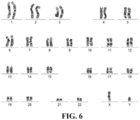
- the obtained positive clone with B2M/CIITA double alleles knocked out can form a teratoma in vivo and differentiate into cells with three germ layers: an entoderm, a mesoderm, and an ectoderm.
- the results are shown in Fig. 9 .
- the killing experiments of T cells and NK cells were carried out with the xCELLigence RTCA Instrument.
- the same number of WT and DKO cell lines were suspended in the Essential 8 medium containing IL-2, and inoculated into a 96-well E-plate coated with matrigel, into which were added activated T cells or NK cells for killing detection.
- the RTCA detection data were analyzed by the xCELLigence software to calculate the killing ratio and escape function. Name Cat No.
- the WT cells escape the killing by NK cells because of the expression of HLA-I, but will be killed by T cells.
- the DKO cells can escape the killing by T cells, while being more sensitive to the killing by NK cells.
- CD47 (NM_198793) was overexpressed in the DKO cells obtained in Example 1 using a lentiviral vector.
- the amino acid sequence of CD47 was shown in SEQ ID NO.29.
- the cDNA of the overexpressed sequence (SEQ ID No. 30) was constructed in a lentiviral plasmid initiated by EF1a with a puromycin screening marker (pGC-EF1a), and the structure of the pGC-EF1a plasmid is shown in Fig. 11 .
- the plasmid was digested with BamH I / Nhe I, and after successful connection, Sanger sequencing was used to verify the correctness of the inserted sequence and viral packaging was performed.
- the DKO human pluripotent stem cells constructed in Example 2 were transfected, and the liquid was replaced after 24 hours. After 48 hours, it was replaced with a medium with puromycin for screening.
- the results of the constructed stably transfected cell strain DKO+CD47 are shown in Fig. 12 . After confirming that the expression was correct, cell amplification and subsequent functional detection were carried out.
- RTCA was used to detect whether the overexpressed DKO+CD47 cell line can escape the killing by NK cells successfully while escaping the killing by T cells.
- NK cells can effectively kill DKO cells, and WT and DKO+CD47 overexpressed cells can escape the killing by NK cells.
- Example 4 Screening of universal cells expressing fusion protein comprising functional domains of CD47 and CD24
- the strategy of the present invention is to combine known functional domains of CD24 and CD47 to form a variety of fusion proteins.
- Each fusion protein must comprise at least one membrane anchoring or transmembrane sequence selected from CD24 or CD47; meanwhile, each fusion protein must comprise at least one Siglec 10 or SIRP ⁇ receptor recognition sequence selected from CD24 or CD47.
- Each domain is linked by a flexible protein to finally form a fusion protein XSG01-XSG20.
- the fusion protein XSG001-XSG020 was overexpressed in the H1 DKO cells prepared in Example 2 by lentivirus infection, and a cell strain DKO+G1-G20 was formed, in which all fusion proteins were stably transfected.
- the fusion protein XSG006 wherein the fusion protein constructed by the functional domains of CD47 and CD24 is a fusion protein in which the mature peptide sequence of CD24 is connected to the transmembrane domain of CD47, and its amino acid sequence is as shown in SEQ ID NO.1.
- the fusion protein XSG007 wherein the fusion protein constructed by the functional domains of CD47 and CD24 is a fusion protein in which the SIRP ⁇ binding domain of CD47 is connected to the membrane anchoring sequence of CD24, and its amino acid sequence is as shown in SEQ ID NO.35. 3.
- the fusion protein XSG009 wherein the fusion protein constructed by the functional domains of CD47 and CD24 is a fusion protein in which the SIRP ⁇ binding domain of CD47 is inserted into the linking site of the extracellular sequence and the membrane anchoring sequence of CD24, and its amino acid sequence is as shown in SEQ ID NO.36.
- the fusion protein XSG010 wherein the fusion protein constructed by the functional domains of CD47 and CD24 is a fusion protein in which CD47 is linked after the extracellular sequence of CD24, and its amino acid sequence is as shown in SEQ ID NO.37. 5.
- the fusion protein XSG011 wherein the fusion protein constructed by the functional domains of CD47 and CD24 is a fusion protein in which the mature peptide of CD24 is linked after the SIRP ⁇ binding domain of CD47, and its amino acid sequence is as shown in SEQ ID NO.38. 6.
- the fusion protein XSG012 wherein the fusion protein constructed by the functional domains of CD47 and CD24 is a fusion protein in which the extracellular mature peptide of CD24 is inserted into the linking site of the SIRP ⁇ binding domain and the transmembrane domain of CD47, and its amino acid sequence is as shown in SEQ ID NO.39. Table 1.
- the cell strains DKO+G1-G20 were subjected to the NK cell killing function detection as shown in Example 2, respectively, in order to screen out the fusion protein with the best degree of NK cell escape.
- the results are shown in Figure 14 , and only DKO+G6 has a lower killing ratio than the average killing ratio of the positive control H1 WT for many times, making it the optimal cell for escaping NK killing.
- the nucleic acid sequence encoding XSG006 (the amino acid sequence of XSG006 is shown in SEQ ID NO: 1) was directly synthesized, and constructed in a lentiviral plasmid initiated by EF1a with a puromycin screening marker (pGC-EF1a), and the structure of the pGC-EF1a plasmid is shown in Fig. 11 .
- the plasmid was digested with BamH I / Nhe I, and after successful connection, Sanger sequencing was used to verify the correctness of the inserted sequence and viral packaging was performed.
- the DKO human pluripotent stem cells obtained in Example 2 were transfected, and then the medium was replaced with a medium with puromycin for screening.
- XSG006 was a completely exogenous sequence. The insertion of the sequence in the genome of the constructed DKO+G6 cells was detected by PCR, and DKO cells were negative control. The results are shown in Fig. 15 . After confirming that the expression was correct, cell amplification and subsequent functional detection were carried out.
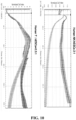
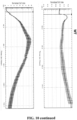
- Example 2 in the NK cell killing experiment detected by RTCA, the DKO cells constructed in Example 2 are completely killed by NK cells, and H1WT and DKO+G6 escape successfully. DKO+G6 has a degree of escape which is slightly better than that of H1 WT. The results are shown in Fig. 16 .
- CD47 prior art Cell lines involved in this example: DKO+CD47 and DKO+CD24 in Example 3 and DKO+CD47 in the prior art ( WO2020018615A2 ) (hereinafter referred to as "CD47 prior art"), wherein CD47 of the DKO+CD47 cell line in the prior art has an amino acid sequence shown in SEQ ID NO.40, and promotes immune escaping by interacting with a signal regulatory protein ⁇ (SIRP ⁇ ) on the surface of immune cells.
- SIRP ⁇ signal regulatory protein ⁇
- the construction of the "CD47 prior art” cell line is completed according to the records in WO2020018615A2 .
- Overexpression of CD47 in cells with B2M and CIITA double knocked out (DKO) can successfully escape killing by T and NK cells. (PMID: 32433947/PMID: 30778232).
- CD24 promotes immune escaping by interacting with sialic acid binding Ig-like lectin 10 (Siglec-10), an inhibitory receptor on the surface of immune cells (PMID: 31367043).
- CD24 of the cell line DKO+CD24 in this example has an amino acid sequence shown in SEQ ID NO.41.
- the construction method of the cell line refers to Example 3.
- Example 7 Comparison of NK escape degree of the DKO+G6 and DKO+CD47+CD24 cell lines by NK cell killing experiment
- the DKO+CD47+CD24 cell line was obtained by further overexpressing CD24 by lentivirus transfection on the basis of Example 3.
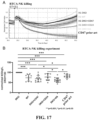
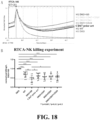
- the amino acid sequence of CD24 is MGRAMVARLGLGLLLLALLLPTQIYSSETTTGTSSNSSQSTSNSGLAPNPTNATTKAAGG ALQSTASLFVVSLSLLHLYS. Comparing DKO+G6 with DKO+CD47+CD24 through the NK cell killing experiment, it is found that DKO+G6 cells have a smaller killing ratio and a better escaping effect. The results are shown in Fig. 18 .
- the WT and DKO+G6 cells were plated in a culture bottle that had been precoated with Matrigel, and after 24 h of culture, they were switched to a pre-differentiation medium to induce the cells to differentiate into midbrain cells.
- Nolbrant S Heuer A, Parmar M, Kirkeby A. Generation of high-purity human ventral midbrain dopaminergic progenitors for in vitro maturation and intracerebral transplantation. Nat Protoc. 2017 Sep;12(9):1962-1979. doi: 10.1038/nprot.2017.078. Epub 2017 Aug 31. PMID: 28858290 ); after differentiation for 9 d, high-purity midbrain cells can be obtained.
- neural progenitor cells with high purity could be obtained by adding a neural progenitor cell medium to amplify the obtained midbrain cells; finally, the neural progenitor cells were further differentiated into neurocytes by adding a neural precursor cell medium.
- the differentiated WT and DKO+G6 cells were infected by lentivirus carrying luciferase (luc), and then the cells expressing luc were transplanted into mice with humanized immune system with CD34 + HSC reconstructed.
- the survival of the cells in mice can be indicated by intraperitoneal injection of D-fluorescein (A025011, Shanghai Yisheng Biotechnology Co., Ltd.), a luminescent substrate of luc, and detection of the fluorescence intensity of the cells by iVIS spectrum (PerkinElmer).
- D-fluorescein A025011, Shanghai Yisheng Biotechnology Co., Ltd.
- a luminescent substrate of luc a luminescent substrate of luc
- iVIS spectrum PerkinElmer
Landscapes
- Health & Medical Sciences (AREA)
- Life Sciences & Earth Sciences (AREA)
- Chemical & Material Sciences (AREA)
- Organic Chemistry (AREA)
- Genetics & Genomics (AREA)
- Engineering & Computer Science (AREA)
- Zoology (AREA)
- General Health & Medical Sciences (AREA)
- Biomedical Technology (AREA)
- Medicinal Chemistry (AREA)
- Biochemistry (AREA)
- Bioinformatics & Cheminformatics (AREA)
- Cell Biology (AREA)
- Molecular Biology (AREA)
- Immunology (AREA)
- Biotechnology (AREA)
- Biophysics (AREA)
- Wood Science & Technology (AREA)
- Proteomics, Peptides & Aminoacids (AREA)
- Toxicology (AREA)
- Gastroenterology & Hepatology (AREA)
- Developmental Biology & Embryology (AREA)
- General Engineering & Computer Science (AREA)
- Reproductive Health (AREA)
- Pharmacology & Pharmacy (AREA)
- Animal Behavior & Ethology (AREA)
- Public Health (AREA)
- Veterinary Medicine (AREA)
- Gynecology & Obstetrics (AREA)
- Microbiology (AREA)
- Nuclear Medicine, Radiotherapy & Molecular Imaging (AREA)
- General Chemical & Material Sciences (AREA)
- Chemical Kinetics & Catalysis (AREA)
- Virology (AREA)
- Physics & Mathematics (AREA)
- Plant Pathology (AREA)
- Epidemiology (AREA)
- Cardiology (AREA)
- Heart & Thoracic Surgery (AREA)
- Neurology (AREA)
Applications Claiming Priority (3)
| Application Number | Priority Date | Filing Date | Title |
|---|---|---|---|
| CN202210307870 | 2022-03-25 | ||
| CN202210806871.7A CN116804185A (zh) | 2022-03-25 | 2022-07-08 | 一种通用型细胞及其制备方法 |
| PCT/CN2023/083761 WO2023179772A1 (fr) | 2022-03-25 | 2023-03-24 | Cellule universelle et son procédé de préparation |
Publications (2)
| Publication Number | Publication Date |
|---|---|
| EP4502148A1 true EP4502148A1 (fr) | 2025-02-05 |
| EP4502148A4 EP4502148A4 (fr) | 2026-04-08 |
Family
ID=88079869
Family Applications (1)
| Application Number | Title | Priority Date | Filing Date |
|---|---|---|---|
| EP23774016.2A Pending EP4502148A4 (fr) | 2022-03-25 | 2023-03-24 | Cellule universelle et son procédé de préparation |
Country Status (10)
| Country | Link |
|---|---|
| US (1) | US20250222039A1 (fr) |
| EP (1) | EP4502148A4 (fr) |
| JP (1) | JP2025510093A (fr) |
| KR (1) | KR20250017200A (fr) |
| CN (1) | CN116804185A (fr) |
| AU (1) | AU2023239641A1 (fr) |
| CA (1) | CA3254656A1 (fr) |
| IL (1) | IL315137A (fr) |
| MX (1) | MX2024011407A (fr) |
| WO (1) | WO2023179772A1 (fr) |
Families Citing this family (2)
| Publication number | Priority date | Publication date | Assignee | Title |
|---|---|---|---|---|
| CN121046319A (zh) * | 2024-05-20 | 2025-12-02 | 南京奇迹生物科技有限公司 | 一种降低t细胞免疫原性的方法 |
| CN121006322A (zh) * | 2024-05-22 | 2025-11-25 | 上海苹谱医疗科技有限公司 | 一种通用型工程化细胞及其制备方法与应用 |
Family Cites Families (9)
| Publication number | Priority date | Publication date | Assignee | Title |
|---|---|---|---|---|
| AU2018313167A1 (en) * | 2017-08-08 | 2020-02-27 | Sangamo Therapeutics, Inc. | Chimeric antigen receptor mediated cell targeting |
| KR102817092B1 (ko) * | 2018-03-29 | 2025-06-09 | 페이트 세러퓨틱스, 인코포레이티드 | 조작된 면역 효과기 세포 및 이의 용도 |
| CA3109078A1 (fr) | 2018-07-17 | 2020-01-23 | The Regents Of The University Of California | Cellules differenciees de cellules pluripotentes obtenues par immuno-ingenierie |
| CN109554433B (zh) * | 2018-12-29 | 2022-04-29 | 杭州科兴生物科技有限公司 | 一种基于CD47/SIRPα阻断功能及其生物效应的药物快速筛选方法 |
| JP7728747B2 (ja) * | 2019-08-23 | 2025-08-25 | サナ バイオテクノロジー,インコーポレイテッド | Cd24発現細胞およびそれらの用途 |
| KR20220142433A (ko) * | 2020-01-17 | 2022-10-21 | 사나 바이오테크놀로지, 인크. | 유전자 발현 조절용 안전 스위치 |
| JP2023524976A (ja) * | 2020-05-04 | 2023-06-14 | エディタス・メディシン、インコーポレイテッド | 必須遺伝子ノックインによる選択 |
| CN113801238A (zh) * | 2020-06-11 | 2021-12-17 | 南京北恒生物科技有限公司 | 表达nk抑制性分子的工程化免疫细胞及其用途 |
| CN113956363B (zh) * | 2021-10-13 | 2023-03-31 | 宜明昂科生物医药技术(上海)股份有限公司 | 靶向cd47和cd24的重组融合蛋白及其制备和用途 |
-
2022
- 2022-07-08 CN CN202210806871.7A patent/CN116804185A/zh active Pending
-
2023
- 2023-03-24 KR KR1020247031484A patent/KR20250017200A/ko active Pending
- 2023-03-24 WO PCT/CN2023/083761 patent/WO2023179772A1/fr not_active Ceased
- 2023-03-24 CA CA3254656A patent/CA3254656A1/fr active Pending
- 2023-03-24 US US18/849,429 patent/US20250222039A1/en active Pending
- 2023-03-24 IL IL315137A patent/IL315137A/en unknown
- 2023-03-24 JP JP2024556369A patent/JP2025510093A/ja active Pending
- 2023-03-24 EP EP23774016.2A patent/EP4502148A4/fr active Pending
- 2023-03-24 AU AU2023239641A patent/AU2023239641A1/en active Pending
-
2024
- 2024-09-17 MX MX2024011407A patent/MX2024011407A/es unknown
Also Published As
| Publication number | Publication date |
|---|---|
| EP4502148A4 (fr) | 2026-04-08 |
| AU2023239641A9 (en) | 2024-09-12 |
| IL315137A (en) | 2024-10-01 |
| CA3254656A1 (fr) | 2025-03-10 |
| WO2023179772A9 (fr) | 2024-08-15 |
| CN116804185A (zh) | 2023-09-26 |
| JP2025510093A (ja) | 2025-04-14 |
| KR20250017200A (ko) | 2025-02-04 |
| US20250222039A1 (en) | 2025-07-10 |
| AU2023239641A1 (en) | 2024-09-05 |
| MX2024011407A (es) | 2024-12-06 |
| WO2023179772A1 (fr) | 2023-09-28 |
Similar Documents
| Publication | Publication Date | Title |
|---|---|---|
| JP6933898B2 (ja) | 養子細胞治療製品を製造するための誘導多能性幹細胞の適用 | |
| Revilla et al. | Current advances in the generation of human iPS cells: implications in cell‐based regenerative medicine | |
| EP4502148A1 (fr) | Cellule universelle et son procédé de préparation | |
| CN113684184A (zh) | 一种人多能干细胞制备靶向cd19的嵌合抗原受体nk细胞的方法与应用 | |
| CN117384853B (zh) | 一种表达pvr的通用型细胞及其制备方法 | |
| EP4636080A1 (fr) | Cellule universelle et son procédé de préparation | |
| US20250375520A1 (en) | Production of immune cells | |
| CN117384852B (zh) | 一种表达lgals9的通用型细胞及其制备方法 | |
| CN117384851B (zh) | 一种表达faslg的通用型细胞及其制备方法 | |
| EA053040B1 (ru) | Универсальная клетка и способ ее получения | |
| WO2025125443A1 (fr) | Production de cellules immunitaires | |
| WO2024120427A9 (fr) | Cellule universelle exprimant gsn et son procédé de préparation | |
| WO2024251119A1 (fr) | Cellule nerveuse à immunité privilégiée différenciée à partir d'une cellule souche pluripotente induite et son utilisation | |
| WO2024002279A1 (fr) | Cellule souche pluripotente humaine immunocompatible, son procédé de préparation et son utilisation | |
| WO2025117266A2 (fr) | Procédé de production de cellules érythroïdes à auto-renouvellement à partir de cellules progénitrices humaines | |
| WO2024120429A1 (fr) | Cellule universelle pour exprimer stc1 et son procédé de préparation | |
| CN118147049A (zh) | 一种表达ceacam1的通用型细胞及其制备方法 | |
| Walsh | Modeling Normal and Malignant Hematopoiesis Using Human Pluripotent Stem Cells | |
| HK1233303A1 (en) | Application of induced pluripotent stem cells to generate adoptive cell therapy products | |
| HK1233303B (en) | Application of induced pluripotent stem cells to generate adoptive cell therapy products |
Legal Events
| Date | Code | Title | Description |
|---|---|---|---|
| STAA | Information on the status of an ep patent application or granted ep patent |
Free format text: STATUS: THE INTERNATIONAL PUBLICATION HAS BEEN MADE |
|
| PUAI | Public reference made under article 153(3) epc to a published international application that has entered the european phase |
Free format text: ORIGINAL CODE: 0009012 |
|
| STAA | Information on the status of an ep patent application or granted ep patent |
Free format text: STATUS: REQUEST FOR EXAMINATION WAS MADE |
|
| 17P | Request for examination filed |
Effective date: 20240906 |
|
| AK | Designated contracting states |
Kind code of ref document: A1 Designated state(s): AL AT BE BG CH CY CZ DE DK EE ES FI FR GB GR HR HU IE IS IT LI LT LU LV MC ME MK MT NL NO PL PT RO RS SE SI SK SM TR |
|
| DAV | Request for validation of the european patent (deleted) | ||
| DAX | Request for extension of the european patent (deleted) | ||
| A4 | Supplementary search report drawn up and despatched |
Effective date: 20260310 |