EP4512817A2 - Identification de néoantigènes, fabrication et utilisation - Google Patents
Identification de néoantigènes, fabrication et utilisation Download PDFInfo
- Publication number
- EP4512817A2 EP4512817A2 EP24205415.3A EP24205415A EP4512817A2 EP 4512817 A2 EP4512817 A2 EP 4512817A2 EP 24205415 A EP24205415 A EP 24205415A EP 4512817 A2 EP4512817 A2 EP 4512817A2
- Authority
- EP
- European Patent Office
- Prior art keywords
- allele
- peptide
- presentation
- neoantigens
- neoantigen
- Prior art date
- Legal status (The legal status is an assumption and is not a legal conclusion. Google has not performed a legal analysis and makes no representation as to the accuracy of the status listed.)
- Pending
Links
Images










Classifications
-
- A—HUMAN NECESSITIES
- A61—MEDICAL OR VETERINARY SCIENCE; HYGIENE
- A61K—PREPARATIONS FOR MEDICAL, DENTAL OR TOILETRY PURPOSES
- A61K35/00—Medicinal preparations containing materials or reaction products thereof with undetermined constitution
-
- C—CHEMISTRY; METALLURGY
- C07—ORGANIC CHEMISTRY
- C07K—PEPTIDES
- C07K14/00—Peptides having more than 20 amino acids; Gastrins; Somatostatins; Melanotropins; Derivatives thereof
- C07K14/435—Peptides having more than 20 amino acids; Gastrins; Somatostatins; Melanotropins; Derivatives thereof from animals; from humans
- C07K14/46—Peptides having more than 20 amino acids; Gastrins; Somatostatins; Melanotropins; Derivatives thereof from animals; from humans from vertebrates
- C07K14/47—Peptides having more than 20 amino acids; Gastrins; Somatostatins; Melanotropins; Derivatives thereof from animals; from humans from vertebrates from mammals
- C07K14/4701—Peptides having more than 20 amino acids; Gastrins; Somatostatins; Melanotropins; Derivatives thereof from animals; from humans from vertebrates from mammals not used
- C07K14/4748—Tumour specific antigens; Tumour rejection antigen precursors [TRAP], e.g. MAGE
-
- G—PHYSICS
- G01—MEASURING; TESTING
- G01N—INVESTIGATING OR ANALYSING MATERIALS BY DETERMINING THEIR CHEMICAL OR PHYSICAL PROPERTIES
- G01N33/00—Investigating or analysing materials by specific methods not covered by groups G01N1/00 - G01N31/00
- G01N33/48—Biological material, e.g. blood, urine; Haemocytometers
- G01N33/50—Chemical analysis of biological material, e.g. blood, urine; Testing involving biospecific ligand binding methods; Immunological testing
- G01N33/68—Chemical analysis of biological material, e.g. blood, urine; Testing involving biospecific ligand binding methods; Immunological testing involving proteins, peptides or amino acids
-
- G—PHYSICS
- G06—COMPUTING OR CALCULATING; COUNTING
- G06N—COMPUTING ARRANGEMENTS BASED ON SPECIFIC COMPUTATIONAL MODELS
- G06N20/00—Machine learning
-
- G—PHYSICS
- G16—INFORMATION AND COMMUNICATION TECHNOLOGY [ICT] SPECIALLY ADAPTED FOR SPECIFIC APPLICATION FIELDS
- G16B—BIOINFORMATICS, i.e. INFORMATION AND COMMUNICATION TECHNOLOGY [ICT] SPECIALLY ADAPTED FOR GENETIC OR PROTEIN-RELATED DATA PROCESSING IN COMPUTATIONAL MOLECULAR BIOLOGY
- G16B20/00—ICT specially adapted for functional genomics or proteomics, e.g. genotype-phenotype associations
-
- G—PHYSICS
- G16—INFORMATION AND COMMUNICATION TECHNOLOGY [ICT] SPECIALLY ADAPTED FOR SPECIFIC APPLICATION FIELDS
- G16B—BIOINFORMATICS, i.e. INFORMATION AND COMMUNICATION TECHNOLOGY [ICT] SPECIALLY ADAPTED FOR GENETIC OR PROTEIN-RELATED DATA PROCESSING IN COMPUTATIONAL MOLECULAR BIOLOGY
- G16B20/00—ICT specially adapted for functional genomics or proteomics, e.g. genotype-phenotype associations
- G16B20/20—Allele or variant detection, e.g. single nucleotide polymorphism [SNP] detection
-
- G—PHYSICS
- G16—INFORMATION AND COMMUNICATION TECHNOLOGY [ICT] SPECIALLY ADAPTED FOR SPECIFIC APPLICATION FIELDS
- G16B—BIOINFORMATICS, i.e. INFORMATION AND COMMUNICATION TECHNOLOGY [ICT] SPECIALLY ADAPTED FOR GENETIC OR PROTEIN-RELATED DATA PROCESSING IN COMPUTATIONAL MOLECULAR BIOLOGY
- G16B30/00—ICT specially adapted for sequence analysis involving nucleotides or amino acids
-
- G—PHYSICS
- G16—INFORMATION AND COMMUNICATION TECHNOLOGY [ICT] SPECIALLY ADAPTED FOR SPECIFIC APPLICATION FIELDS
- G16B—BIOINFORMATICS, i.e. INFORMATION AND COMMUNICATION TECHNOLOGY [ICT] SPECIALLY ADAPTED FOR GENETIC OR PROTEIN-RELATED DATA PROCESSING IN COMPUTATIONAL MOLECULAR BIOLOGY
- G16B40/00—ICT specially adapted for biostatistics; ICT specially adapted for bioinformatics-related machine learning or data mining, e.g. knowledge discovery or pattern finding
- G16B40/10—Signal processing, e.g. from mass spectrometry [MS] or from PCR
-
- G—PHYSICS
- G16—INFORMATION AND COMMUNICATION TECHNOLOGY [ICT] SPECIALLY ADAPTED FOR SPECIFIC APPLICATION FIELDS
- G16B—BIOINFORMATICS, i.e. INFORMATION AND COMMUNICATION TECHNOLOGY [ICT] SPECIALLY ADAPTED FOR GENETIC OR PROTEIN-RELATED DATA PROCESSING IN COMPUTATIONAL MOLECULAR BIOLOGY
- G16B40/00—ICT specially adapted for biostatistics; ICT specially adapted for bioinformatics-related machine learning or data mining, e.g. knowledge discovery or pattern finding
- G16B40/20—Supervised data analysis
-
- G—PHYSICS
- G16—INFORMATION AND COMMUNICATION TECHNOLOGY [ICT] SPECIALLY ADAPTED FOR SPECIFIC APPLICATION FIELDS
- G16B—BIOINFORMATICS, i.e. INFORMATION AND COMMUNICATION TECHNOLOGY [ICT] SPECIALLY ADAPTED FOR GENETIC OR PROTEIN-RELATED DATA PROCESSING IN COMPUTATIONAL MOLECULAR BIOLOGY
- G16B5/00—ICT specially adapted for modelling or simulations in systems biology, e.g. gene-regulatory networks, protein interaction networks or metabolic networks
-
- G—PHYSICS
- G16—INFORMATION AND COMMUNICATION TECHNOLOGY [ICT] SPECIALLY ADAPTED FOR SPECIFIC APPLICATION FIELDS
- G16H—HEALTHCARE INFORMATICS, i.e. INFORMATION AND COMMUNICATION TECHNOLOGY [ICT] SPECIALLY ADAPTED FOR THE HANDLING OR PROCESSING OF MEDICAL OR HEALTHCARE DATA
- G16H10/00—ICT specially adapted for the handling or processing of patient-related medical or healthcare data
- G16H10/40—ICT specially adapted for the handling or processing of patient-related medical or healthcare data for data related to laboratory analysis, e.g. patient specimen analysis
-
- G—PHYSICS
- G16—INFORMATION AND COMMUNICATION TECHNOLOGY [ICT] SPECIALLY ADAPTED FOR SPECIFIC APPLICATION FIELDS
- G16H—HEALTHCARE INFORMATICS, i.e. INFORMATION AND COMMUNICATION TECHNOLOGY [ICT] SPECIALLY ADAPTED FOR THE HANDLING OR PROCESSING OF MEDICAL OR HEALTHCARE DATA
- G16H10/00—ICT specially adapted for the handling or processing of patient-related medical or healthcare data
- G16H10/60—ICT specially adapted for the handling or processing of patient-related medical or healthcare data for patient-specific data, e.g. for electronic patient records
-
- G—PHYSICS
- G16—INFORMATION AND COMMUNICATION TECHNOLOGY [ICT] SPECIALLY ADAPTED FOR SPECIFIC APPLICATION FIELDS
- G16H—HEALTHCARE INFORMATICS, i.e. INFORMATION AND COMMUNICATION TECHNOLOGY [ICT] SPECIALLY ADAPTED FOR THE HANDLING OR PROCESSING OF MEDICAL OR HEALTHCARE DATA
- G16H20/00—ICT specially adapted for therapies or health-improving plans, e.g. for handling prescriptions, for steering therapy or for monitoring patient compliance
-
- G—PHYSICS
- G16—INFORMATION AND COMMUNICATION TECHNOLOGY [ICT] SPECIALLY ADAPTED FOR SPECIFIC APPLICATION FIELDS
- G16H—HEALTHCARE INFORMATICS, i.e. INFORMATION AND COMMUNICATION TECHNOLOGY [ICT] SPECIALLY ADAPTED FOR THE HANDLING OR PROCESSING OF MEDICAL OR HEALTHCARE DATA
- G16H20/00—ICT specially adapted for therapies or health-improving plans, e.g. for handling prescriptions, for steering therapy or for monitoring patient compliance
- G16H20/10—ICT specially adapted for therapies or health-improving plans, e.g. for handling prescriptions, for steering therapy or for monitoring patient compliance relating to drugs or medications, e.g. for ensuring correct administration to patients
-
- G—PHYSICS
- G16—INFORMATION AND COMMUNICATION TECHNOLOGY [ICT] SPECIALLY ADAPTED FOR SPECIFIC APPLICATION FIELDS
- G16H—HEALTHCARE INFORMATICS, i.e. INFORMATION AND COMMUNICATION TECHNOLOGY [ICT] SPECIALLY ADAPTED FOR THE HANDLING OR PROCESSING OF MEDICAL OR HEALTHCARE DATA
- G16H50/00—ICT specially adapted for medical diagnosis, medical simulation or medical data mining; ICT specially adapted for detecting, monitoring or modelling epidemics or pandemics
- G16H50/30—ICT specially adapted for medical diagnosis, medical simulation or medical data mining; ICT specially adapted for detecting, monitoring or modelling epidemics or pandemics for calculating health indices; for individual health risk assessment
-
- G—PHYSICS
- G16—INFORMATION AND COMMUNICATION TECHNOLOGY [ICT] SPECIALLY ADAPTED FOR SPECIFIC APPLICATION FIELDS
- G16H—HEALTHCARE INFORMATICS, i.e. INFORMATION AND COMMUNICATION TECHNOLOGY [ICT] SPECIALLY ADAPTED FOR THE HANDLING OR PROCESSING OF MEDICAL OR HEALTHCARE DATA
- G16H70/00—ICT specially adapted for the handling or processing of medical references
- G16H70/60—ICT specially adapted for the handling or processing of medical references relating to pathologies
-
- A—HUMAN NECESSITIES
- A61—MEDICAL OR VETERINARY SCIENCE; HYGIENE
- A61K—PREPARATIONS FOR MEDICAL, DENTAL OR TOILETRY PURPOSES
- A61K39/00—Medicinal preparations containing antigens or antibodies
-
- G—PHYSICS
- G01—MEASURING; TESTING
- G01N—INVESTIGATING OR ANALYSING MATERIALS BY DETERMINING THEIR CHEMICAL OR PHYSICAL PROPERTIES
- G01N2570/00—Omics, e.g. proteomics, glycomics or lipidomics; Methods of analysis focusing on the entire complement of classes of biological molecules or subsets thereof, i.e. focusing on proteomes, glycomes or lipidomes
-
- G—PHYSICS
- G16—INFORMATION AND COMMUNICATION TECHNOLOGY [ICT] SPECIALLY ADAPTED FOR SPECIFIC APPLICATION FIELDS
- G16B—BIOINFORMATICS, i.e. INFORMATION AND COMMUNICATION TECHNOLOGY [ICT] SPECIALLY ADAPTED FOR GENETIC OR PROTEIN-RELATED DATA PROCESSING IN COMPUTATIONAL MOLECULAR BIOLOGY
- G16B30/00—ICT specially adapted for sequence analysis involving nucleotides or amino acids
- G16B30/10—Sequence alignment; Homology search
Definitions
- neoantigen vaccine design is which of the many coding mutations present in subject tumors can generate the "best" therapeutic neoantigens, e.g., antigens that can elicit anti-tumor immunity and cause tumor regression.
- previous approaches generated candidate neoantigens using only cis -acting mutations, and largely neglected to consider additional sources of neo-ORFs, including mutations in splicing factors, which occur in multiple tumor types and lead to aberrant splicing of many genes 13 , and mutations that create or remove protease cleavage sites.
- standard approaches to tumor genome and transcriptome analysis can miss somatic mutations that give rise to candidate neoantigens due to suboptimal conditions in library construction, exome and transcriptome capture, sequencing, or data analysis.
- standard tumor analysis approaches can inadvertently promote sequence artifacts or germline polymorphisms as neoantigens, leading to inefficient use of vaccine capacity or auto-immunity risk, respectively.
- neoantigen candidate identification using next-generation sequencing (NGS) are addressed. These methods build on standard approaches for NGS tumor analysis to ensure that the highest sensitivity and specificity neoantigen candidates are advanced, across all classes of genomic alteration.
- NGS next-generation sequencing
- novel approaches for high-PPV neoantigen selection are presented to overcome the specificity problem and ensure that neoantigens advanced for vaccine inclusion are more likely to elicit anti-tumor immunity.
- Also disclosed herein is a method of identifying a subset of patients for treatment. At least one of exome, transcriptome, or whole genome tumor nucleotide sequencing data from tumor cells and normal cells of each patient are obtained.
- the tumor nucleotide sequencing data is used to obtain peptide sequences of each of a set of neoantigens identified by comparing the nucleotide sequencing data from the tumor cells and the nucleotide sequencing data from the normal cells.
- the peptide sequence of each neoantigen for the patient includes at least one alteration that makes it distinct from a corresponding wild-type parental peptide sequence identified from the normal cells of the patient.
- a set of numerical presentation likelihoods for the set of neoantigens for each patient are generated by inputting the peptide sequences of each of the set of neoantigens into a machine-learned presentation model.
- Each presentation likelihood represents the likelihood that a corresponding neoantigen is presented by one or more MHC alleles on the surface of the tumor cells of the patient.
- the set of presentation likelihoods have been identified at least based on mass spectrometry data.
- One or more neoantigens from the set of neoantigens for the patient are identified.
- a utility score indicating an estimated number of neoantigens presented on the surface of the tumor cells of the patient as determined by the corresponding presentation likelihoods for the one or more neoantigens for the patient is determined for each patient.
- a subset of patients are selected for treatment. Each patient in the subset of patients is associated with a utility score that satisfies a predetermined inclusion criteria.
- the selected subset of patients can receive treatment, such as neoantigen vaccines or checkpoint inhibitor therapy.
- the term "antigen" is a substance that induces an immune response.
- neoantigen is an antigen that has at least one alteration that makes it distinct from the corresponding wild-type, parental antigen, e.g., via mutation in a tumor cell or post-translational modification specific to a tumor cell.
- a neoantigen can include a polypeptide sequence or a nucleotide sequence.
- a mutation can include a frameshift or nonframeshift indel, missense or nonsense substitution, splice site alteration, genomic rearrangement or gene fusion, or any genomic or expression alteration giving rise to a neoORF.
- a mutations can also include a splice variant.
- Post-translational modifications specific to a tumor cell can include aberrant phosphorylation.
- Post-translational modifications specific to a tumor cell can also include a proteasome-generated spliced antigen. See Liepe et al., A large fraction of HLA class I ligands are proteasome-generated spliced peptides; Science. 2016 Oct 21;354(6310):354-358 .
- tumor neoantigen is a neoantigen present in a subject's tumor cell or tissue but not in the subject's corresponding normal cell or tissue.
- neoantigen-based vaccine is a vaccine construct based on one or more neoantigens, e.g., a plurality of neoantigens.
- candidate neoantigen is a mutation or other aberration giving rise to a new sequence that may represent a neoantigen.
- missense mutation is a mutation causing a substitution from one amino acid to another.
- nonsense mutation is a mutation causing a substitution from an amino acid to a stop codon.
- the term percent "identity,” in the context of two or more nucleic acid or polypeptide sequences, refer to two or more sequences or subsequences that have a specified percentage of nucleotides or amino acid residues that are the same, when compared and aligned for maximum correspondence, as measured using one of the sequence comparison algorithms described below (e.g., BLASTP and BLASTN or other algorithms available to persons of skill) or by visual inspection.
- the percent “identity” can exist over a region of the sequence being compared, e.g., over a functional domain, or, alternatively, exist over the full length of the two sequences to be compared.
- sequence comparison typically one sequence acts as a reference sequence to which test sequences are compared.
- test and reference sequences are input into a computer, subsequence coordinates are designated, if necessary, and sequence algorithm program parameters are designated.
- sequence comparison algorithm then calculates the percent sequence identity for the test sequence(s) relative to the reference sequence, based on the designated program parameters.
- sequence similarity or dissimilarity can be established by the combined presence or absence of particular nucleotides, or, for translated sequences, amino acids at selected sequence positions (e.g., sequence motifs).
- Optimal alignment of sequences for comparison can be conducted, e.g., by the local homology algorithm of Smith & Waterman, Adv. Appl. Math. 2:482 (1981 ), by the homology alignment algorithm of Needleman & Wunsch, J. Mol. Biol. 48:443 (1970 ), by the search for similarity method of Pearson & Lipman, Proc. Nat'l. Acad. Sci. USA 85:2444 (1988 ), by computerized implementations of these algorithms (GAP, BESTFIT, FASTA, and TFASTA in the Wisconsin Genetics Software Package, Genetics Computer Group, 575 Science Dr., Madison, Wis.), or by visual inspection (see generally Ausubel et al., infra).
- BLAST algorithm One example of an algorithm that is suitable for determining percent sequence identity and sequence similarity is the BLAST algorithm, which is described in Altschul et al., J. Mol. Biol. 215:403-410 (1990 ). Software for performing BLAST analyses is publicly available through the National Center for Biotechnology Information.
- non-stop or read-through is a mutation causing the removal of the natural stop codon.
- epitopope is the specific portion of an antigen typically bound by an antibody or T cell receptor.
- immunogenic is the ability to elicit an immune response, e.g., via T cells, B cells, or both.
- HLA binding affinity means affinity of binding between a specific antigen and a specific MHC allele.
- the term "bait” is a nucleic acid probe used to enrich a specific sequence of DNA or RNA from a sample.
- polymorphism is a germline variant, i.e., a variant found in all DNA-bearing cells of an individual.
- somatic variant is a variant arising in non-germline cells of an individual.
- allele is a version of a gene or a version of a genetic sequence or a version of a protein.
- HLA type is the complement of HLA gene alleles.
- nonsense-mediated decay or "NMD” is a degradation of an mRNA by a cell due to a premature stop codon.
- truncal mutation is a mutation originating early in the development of a tumor and present in a substantial portion of the tumor's cells.
- subclonal mutation is a mutation originating later in the development of a tumor and present in only a subset of the tumor's cells.
- exome is a subset of the genome that codes for proteins.
- An exome can be the collective exons of a genome.
- logistic regression is a regression model for binary data from statistics where the logit of the probability that the dependent variable is equal to one is modeled as a linear function of the dependent variables.
- neural network is a machine learning model for classification or regression consisting of multiple layers of linear transformations followed by element-wise nonlinearities typically trained via stochastic gradient descent and backpropagation.
- proteome is the set of all proteins expressed and/or translated by a cell, group of cells, or individual.
- peptidome is the set of all peptides presented by MHC-I or MHC-II on the cell surface.
- the peptidome may refer to a property of a cell or a collection of cells (e.g., the tumor peptidome, meaning the union of the peptidomes of all cells that comprise the tumor).
- ELISPOT Enzyme-linked immunosorbent spot assay - which is a common method for monitoring immune responses in humans and animals.
- extract is a dextran-based peptide-MHC multimers used for antigen-specific T-cell staining in flow cytometry.
- tolerance or immune tolerance is a state of immune non-responsiveness to one or more antigens, e.g. self-antigens.
- central tolerance is a tolerance affected in the thymus, either by deleting self-reactive T-cell clones or by promoting self-reactive T-cell clones to differentiate into immunosuppressive regulatory T-cells (Tregs).
- peripheral tolerance is a tolerance affected in the periphery by downregulating or anergizing self-reactive T-cells that survive central tolerance or promoting these T cells to differentiate into Tregs.
- sample can include a single cell or multiple cells or fragments of cells or an aliquot of body fluid, taken from a subject, by means including venipuncture, excretion, ejaculation, massage, biopsy, needle aspirate, lavage sample, scraping, surgical incision, or intervention or other means known in the art.
- subject encompasses a cell, tissue, or organism, human or non-human, whether in vivo, ex vivo, or in vitro, male or female.
- subject is inclusive of mammals including humans.
- mammal encompasses both humans and non-humans and includes but is not limited to humans, non-human primates, canines, felines, murines, bovines, equines, and porcines.
- Clinical factor refers to a measure of a condition of a subject, e.g., disease activity or severity.
- “Clinical factor” encompasses all markers of a subject's health status, including non-sample markers, and/or other characteristics of a subject, such as, without limitation, age and gender.
- a clinical factor can be a score, a value, or a set of values that can be obtained from evaluation of a sample (or population of samples) from a subject or a subject under a determined condition.
- a clinical factor can also be predicted by markers and/or other parameters such as gene expression surrogates.
- Clinical factors can include tumor type, tumor sub-type, and smoking history.
- MHC major histocompatibility complex
- HLA human leukocyte antigen, or the human MHC gene locus
- NGS next-generation sequencing
- PPV positive predictive value
- TSNA tumor-specific neoantigen
- FFPE formalin-fixed, paraffinembedded
- NMD nonsense-mediated decay
- NSCLC non-small-cell lung cancer
- DC dendritic cell.
- one such method may comprise the steps of: obtaining at least one of exome, transcriptome or whole genome tumor nucleotide sequencing data from the tumor cell of the subject, wherein the tumor nucleotide sequencing data is used to obtain data representing peptide sequences of each of a set of neoantigens, and wherein the peptide sequence of each neoantigen comprises at least one alteration that makes it distinct from the corresponding wild-type, parental peptide sequence; inputting the peptide sequence of each neoantigen into one or more presentation models to generate a set of numerical likelihoods that each of the neoantigens is presented by one or more MHC alleles on the tumor cell surface of the tumor cell of the subject or cells present in the tumor, the set of numerical likelihoods having been identified at least based on received
- the presentation model can comprise a statistical regression or a machine learning (e.g., deep learning) model trained on a set of reference data (also referred to as a training data set) comprising a set of corresponding labels, wherein the set of reference data is obtained from each of a plurality of distinct subjects where optionally some subjects can have a tumor, and wherein the set of reference data comprises at least one of: data representing exome nucleotide sequences from tumor tissue, data representing exome nucleotide sequences from normal tissue, data representing transcriptome nucleotide sequences from tumor tissue, data representing proteome sequences from tumor tissue, and data representing MHC peptidome sequences from tumor tissue, and data representing MHC peptidome sequences from normal tissue.
- a machine learning e.g., deep learning
- the reference data can further comprise mass spectrometry data, sequencing data, RNA sequencing data, and proteomics data for single-allele cell lines engineered to express a predetermined MHC allele that are subsequently exposed to synthetic protein, normal and tumor human cell lines, and fresh and frozen primary samples, and T cell assays (e.g., ELISPOT).
- the set of reference data includes each form of reference data.
- the presentation model can comprise a set of features derived at least in part from the set of reference data, and wherein the set of features comprises at least one of allele dependent-features and allele-independent features. In certain aspects each feature is included.
- Dendritic cell presentation to naive T cell features can comprise at least one of: A feature described above.
- the dose and type of antigen in the vaccine e.g., peptide, mRNA, virus, etc.: (1) The route by which dendritic cells (DCs) take up the antigen type (e.g., endocytosis, micropinocytosis); and/or (2) The efficacy with which the antigen is taken up by DCs.
- the dose and type of adjuvant in the vaccine The length of the vaccine antigen sequence. The number and sites of vaccine administration. Baseline patient immune functioning (e.g., as measured by history of recent infections, blood counts, etc).
- RNA vaccines (1) the turnover rate of the mRNA protein product in the dendritic cell; (2) the rate of translation of the mRNA after uptake by dendritic cells as measured in in vitro or in vivo experiments; and/or (3) the number or rounds of translation of the mRNA after uptake by dendritic cells as measured by in vivo or in vitro experiments.
- the level of expression of the proteasome and immunoproteasome in typical activated dendritic cells (which may be measured by RNA-seq, mass spectrometry, immunohistochemistry, or other standard techniques).
- the expression levels of the particular MHC allele in the individual in questi on (e.g., as measured by RNA-seq or mass spectrometry), optionally measured specifically in activated dendritic cells or other immune cells.
- the probability of peptide presentation by the particular MHC allele in other individuals who express the particular MHC allele optionally measured specifically in activated dendritic cells or other immune cells.
- the probability of peptide presentation by MHC alleles in the same family of molecules e.g., HLA-A, HLA-B, HLA-C, HLA-DQ, HLA-DR, HLA-DP
- HLA-A, HLA-B, HLA-C, HLA-DQ, HLA-DR, HLA-DP optionally measured specifically in activated dendritic cells or other immune cells.
- Immune tolerance escape features can comprise at least one of: Direct measurement of the self-peptidome via protein mass spectrometry performed on one or several cell types. Estimation of the self-peptidome by taking the union of all k-mer (e.g. 5-25) substrings of self-proteins. Estimation of the self-peptidome using a model of presentation similar to the presentation model described above applied to all non-mutation self-proteins, optionally accounting for germline variants.
- Ranking can be performed using the plurality of neoantigens provided by at least one model based at least in part on the numerical likelihoods. Following the ranking a selecting can be performed to select a subset of the ranked neoantigens according to a selection criteria. After selecting a subset of the ranked peptides can be provided as an output.
- a number of the set of selected neoantigens may be 20.
- the presentation model may represent dependence between presence of a pair of a particular one of the MHC alleles and a particular amino acid at a particular position of a peptide sequence; and likelihood of presentation on the tumor cell surface, by the particular one of the MHC alleles of the pair, of such a peptide sequence comprising the particular amino acid at the particular position.
- a method disclosed herein can also include applying the one or more presentation models to the peptide sequence of the corresponding neoantigen to generate a dependency score for each of the one or more MHC alleles indicating whether the MHC allele will present the corresponding neoantigen based on at least positions of amino acids of the peptide sequence of the corresponding neoantigen.
- a method disclosed herein can also include transforming the dependency scores to generate a corresponding per-allele likelihood for each MHC allele indicating a likelihood that the corresponding MHC allele will present the corresponding neoantigen; and combining the per-allele likelihoods to generate the numerical likelihood.
- the step of transforming the dependency scores can model the presentation of the peptide sequence of the corresponding neoantigen as mutually exclusive.
- a method disclosed herein can also include transforming a combination of the dependency scores to generate the numerical likelihood.
- the step of transforming the combination of the dependency scores can model the presentation of the peptide sequence of the corresponding neoantigen as interfering between MHC alleles.
- the set of numerical likelihoods can be further identified by at least an allele noninteracting feature, and a method disclosed herein can also include applying an allele noninteracting one of the one or more presentation models to the allele noninteracting features to generate a dependency score for the allele noninteracting features indicating whether the peptide sequence of the corresponding neoantigen will be presented based on the allele noninteracting features.
- a method disclosed herein can also include combining the dependency score for each MHC allele in the one or more MHC alleles with the dependency score for the allele noninteracting feature; transforming the combined dependency scores for each MHC allele to generate a corresponding per-allele likelihood for the MHC allele indicating a likelihood that the corresponding MHC allele will present the corresponding neoantigen; and combining the per-allele likelihoods to generate the numerical likelihood.
- a method disclosed herein can also include transforming a combination of the dependency scores for each of the MHC alleles and the dependency score for the allele noninteracting features to generate the numerical likelihood.
- a set of numerical parameters for the presentation model can be trained based on a training data set including at least a set of training peptide sequences identified as present in a plurality of samples and one or more MHC alleles associated with each training peptide sequence, wherein the training peptide sequences are identified through mass spectrometry on isolated peptides eluted from MHC alleles derived from the plurality of samples.
- the samples can also include cell lines engineered to express a single MHC class I or class II allele.
- the samples can also include cell lines engineered to express a plurality of MHC class I or class II alleles.
- the samples can also include human cell lines obtained or derived from a plurality of patients.
- the samples can also include fresh or frozen tumor samples obtained from a plurality of patients.
- the samples can also include fresh or frozen tissue samples obtained from a plurality of patients.
- the samples can also include peptides identified using T-cell assays.
- the training data set can further include data associated with: peptide abundance of the set of training peptides present in the samples; peptide length of the set of training peptides in the samples.
- the training data set may be generated by comparing the set of training peptide sequences via alignment to a database comprising a set of known protein sequences, wherein the set of training protein sequences are longer than and include the training peptide sequences.
- the training data set may be generated based on performing or having performed nucleotide sequencing on a cell line to obtain at least one of exome, transcriptome, or whole genome sequencing data from the cell line, the sequencing data including at least one nucleotide sequence including an alteration.
- the training data set may be generated based on obtaining at least one of exome, transcriptome, and whole genome normal nucleotide sequencing data from normal tissue samples.
- the training data set may further include data associated with proteome sequences associated with the samples.
- the training data set may further include data associated with MHC peptidome sequences associated with the samples.
- the training data set may further include data associated with peptide-MHC binding affinity measurements for at least one of the isolated peptides.
- the training data set may further include data associated with peptide-MHC binding stability measurements for at least one of the isolated peptides.
- the training data set may further include data associated with transcriptomes associated with the samples.
- the training data set may further include data associated with genomes associated with the samples.
- the training peptide sequences may be of lengths within a range of k-mers where k is between 8-15, inclusive for MHC class I or 6-30 inclusive for MHC class II.
- a method disclosed herein can also include encoding the peptide sequence using a one-hot encoding scheme.
- a method disclosed herein can also include encoding the training peptide sequences using a left-padded one-hot encoding scheme.
- a method of treating a subject having a tumor comprising performing the steps of claim 1, and further comprising obtaining a tumor vaccine comprising the set of selected neoantigens, and administering the tumor vaccine to the subject.
- Also disclosed herein is a methods for manufacturing a tumor vaccine, comprising the steps of: obtaining at least one of exome, transcriptome or whole genome tumor nucleotide sequencing data from the tumor cell of the subject, wherein the tumor nucleotide sequencing data is used to obtain data representing peptide sequences of each of a set of neoantigens, and wherein the peptide sequence of each neoantigen comprises at least one mutation that makes it distinct from the corresponding wild-type, parental peptide sequence; inputting the peptide sequence of each neoantigen into one or more presentation models to generate a set of numerical likelihoods that each of the neoantigens is presented by one or more MHC alleles on the tumor cell surface of the tumor cell of the subject, the set of numerical likelihoods having been identified at least based on received mass spectrometry data; and selecting a subset of the set of neoantigens based on the set of numerical likelihoods to generate a set of selected neoantigens
- a tumor vaccine including a set of selected neoantigens selected by performing the method comprising the steps of: obtaining at least one of exome, transcriptome or whole genome tumor nucleotide sequencing data from the tumor cell of the subject, wherein the tumor nucleotide sequencing data is used to obtain data representing peptide sequences of each of a set of neoantigens, and wherein the peptide sequence of each neoantigen comprises at least one mutation that makes it distinct from the corresponding wild-type, parental peptide sequence; inputting the peptide sequence of each neoantigen into
- one or more presentation models to generate a set of numerical likelihoods that each of the neoantigens is presented by one or more MHC alleles on the tumor cell surface of the tumor cell of the subject, the set of numerical likelihoods having been identified at least based on received mass spectrometry data; and selecting a subset of the set of neoantigens based on the set of numerical likelihoods to generate a set of selected neoantigens; and producing or having produced a tumor vaccine comprising the set of selected neoantigens.
- the tumor vaccine may include one or more of a nucleotide sequence, a polypeptide sequence, RNA, DNA, a cell, a plasmid, or a vector.
- the tumor vaccine may include one or more neoantigens presented on the tumor cell surface.
- the tumor vaccine may not include one or more neoantigens that induce an autoimmune response against normal tissue in the subject.
- the tumor vaccine may include an adjuvant.
- the tumor vaccine may include an excipient.
- a method disclosed herein may also include selecting neoantigens that have an increased likelihood of being presented on the tumor cell surface relative to unselected neoantigens based on the presentation model.
- a method disclosed herein may also include selecting neoantigens that have an increased likelihood of being capable of inducing a tumor-specific immune response in the subject relative to unselected neoantigens based on the presentation model.
- a method disclosed herein may also include selecting neoantigens that have an increased likelihood of being capable of being presented to na ⁇ ve T cells by professional antigen presenting cells (APCs) relative to unselected neoantigens based on the presentation model, optionally wherein the APC is a dendritic cell (DC).
- APCs professional antigen presenting cells
- DC dendritic cell
- a method disclosed herein may also include selecting neoantigens that have a decreased likelihood of being subject to inhibition via central or peripheral tolerance relative to unselected neoantigens based on the presentation model.
- a method disclosed herein may also include selecting neoantigens that have a decreased likelihood of being capable of inducing an autoimmune response to normal tissue in the subject relative to unselected neoantigens based on the presentation model.
- the exome or transcriptome nucleotide sequencing data may be obtained by performing sequencing on the tumor tissue.
- the sequencing may be next generation sequencing (NGS) or any massively parallel sequencing approach.
- NGS next generation sequencing
- massively parallel sequencing approach any massively parallel sequencing approach.
- the set of numerical likelihoods may be further identified by at least MHC-allele interacting features comprising at least one of: the predicted affinity with which the MHC allele and the neoantigen encoded peptide bind; the predicted stability of the neoantigen encoded peptide-MHC complex; the sequence and length of the neoantigen encoded peptide; the probability of presentation of neoantigen encoded peptides with similar sequence in cells from other individuals expressing the particular MHC allele as assessed by massspectrometry proteomics or other means; the expression levels of the particular MHC allele in the subject in question (e.g.
- RNA-seq or mass spectrometry the overall neoantigen encoded peptide-sequence-independent probability of presentation by the particular MHC allele in other distinct subjects who express the particular MHC allele; the overall neoantigen encoded peptide-sequence-independent probability of presentation by MHC alleles in the same family of molecules (e.g., HLA-A, HLA-B, HLA-C, HLA-DQ, HLA-DR, HLA-DP) in other distinct subjects.
- HLA-A, HLA-B, HLA-C, HLA-DQ, HLA-DR, HLA-DP in other distinct subjects.
- the set of numerical likelihoods are further identified by at least MHC-allele noninteracting features comprising at least one of: the C- and N-terminal sequences flanking the neoantigen encoded peptide within its source protein sequence; the presence of protease cleavage motifs in the neoantigen encoded peptide, optionally weighted according to the expression of corresponding proteases in the tumor cells (as measured by RNA-seq or mass spectrometry); the turnover rate of the source protein as measured in the appropriate cell type; the length of the source protein, optionally considering the specific splice variants ("isoforms") most highly expressed in the tumor cells as measured by RNA-seq or proteome mass spectrometry, or as predicted from the annotation of germline or somatic splicing mutations detected in DNA or RNA sequence data; the level of expression of the proteasome, immunoproteasome, thymoproteasome, or other proteases in the tumor cells (which may be measured by
- Peptides whose presentation relies on a component of the antigen-presentation machinery that is subject to loss-of-function mutation in the tumor have reduced probability of presentation; presence or absence of functional germline polymorphisms, including, but not limited to: in genes encoding the proteins involved in the antigen presentation machinery (e.g., B2M, HLA-A, HLA-B, HLA-C, TAP-1, TAP-2, TAPBP, CALR, CNX, ERP57, HLA-DM, HLA-DMA, HLA-DMB, HLA-DO, HLA-DOA, HLA-DOB, HLA-DP, HLA-DPA1, HLA-DPB1, HLA-DQ, HLA-DQA 1, HLA-DQA2, HLA-DQB1, HLA-DQB2, HLA-DR, HLA-DRA, HLA-DRB 1, HLA-DRB3, HLA-DRB4, HLA-DRBS or any of the genes coding for components of the proteasome or immunop
- the at least one mutation may be a frameshift or nonframeshift indel, missense or nonsense substitution, splice site alteration, genomic rearrangement or gene fusion, or any genomic or expression alteration giving rise to a neoORF.
- the tumor cell may be selected from the group consisting of: lung cancer, melanoma, breast cancer, ovarian cancer, prostate cancer, kidney cancer, gastric cancer, colon cancer, testicular cancer, head and neck cancer, pancreatic cancer, brain cancer, B-cell lymphoma, acute myelogenous leukemia, chronic myelogenous leukemia, chronic lymphocytic leukemia, and T cell lymphocytic leukemia, non-small cell lung cancer, and small cell lung cancer.
- a method disclosed herein may also include obtaining a tumor vaccine comprising the set of selected neoantigens or a subset thereof, optionally further comprising administering the tumor vaccine to the subject.
- At least one of neoantigens in the set of selected neoantigens, when in polypeptide form, may include at least one of: a binding affinity with MHC with an IC50 value of less than 1000nM, for MHC Class I polypeptides a length of 8-15, 8, 9, 10, 11, 12, 13, 14, or 15 amino acids, for MHC Class II polypeptides a length of 6-30, 6, 7, 8, 9, 10, 11, 12, 13, 14, 15, 16, 17, 18,19, 20, 21, 22, 23, 24, 25, 26, 27, 28, 29, or 30 amino acids, presence of sequence motifs within or near the polypeptide in the parent protein sequence promoting proteasome cleavage, and presence of sequence motifs promoting TAP transport.
- Also disclosed herein is a methods for generating a model for identifying one or more neoantigens that are likely to be presented on a tumor cell surface of a tumor cell, comprising the steps of: receiving mass spectrometry data comprising data associated with a plurality of isolated peptides eluted from major histocompatibility complex (MHC) derived from a plurality of samples; obtaining a training data set by at least identifying a set of training peptide sequences present in the samples and one or more MHCs associated with each training peptide sequence; training a set of numerical parameters of a presentation model using the training data set comprising the training peptide sequences, the presentation model providing a plurality of numerical likelihoods that peptide sequences from the tumor cell are presented by one or more MHC alleles on the tumor cell surface.
- MHC major histocompatibility complex
- the presentation model may represent dependence between: presence of a particular amino acid at a particular position of a peptide sequence; and likelihood of presentation, by one of the MHC alleles on the tumor cell, of the peptide sequence containing the particular amino acid at the particular position.
- the samples can also include cell lines engineered to express a single MHC class I or class II allele.
- the samples can also include human cell lines obtained or derived from a plurality of patients.
- the training data set may further include data associated with: peptide abundance of the set of training peptides present in the samples; peptide length of the set of training peptides in the samples.
- a method disclosed herein can also include obtaining a set of training protein sequences based on the training peptide sequences by comparing the set of training peptide sequences via alignment to a database comprising a set of known protein sequences, wherein the set of training protein sequences are longer than and include the training peptide sequences.
- a method disclosed herein can also include performing or having performed mass spectrometry on a cell line to obtain at least one of exome, transcriptome, or whole genome nucleotide sequencing data from the cell line, the nucelotide sequencing data including at least one protein sequence including a mutation.
- a method disclosed herein can also include: encoding the training peptide sequences using a one-hot encoding scheme.
- the training peptide sequences may be lengths within a range of k-mers where k is between 8-15, inclusive for MHC class I or 6-30, inclusive for MHC class II.
- a method disclosed herein may also include encoding the training peptide sequences using a left-padded one-hot encoding scheme.
- identifying one or more neoantigens that are likely to be presented on a tumor cell surface of a tumor cell comprising executing the steps of: receiving mass spectrometry data comprising data associated with a plurality of isolated peptides eluted from major histocompatibility complex (MHC) derived from a plurality of fresh or frozen tumor samples; obtaining a training data set by at least identifying a set of training peptide sequences present in the tumor samples and presented on one or more MHC alleles associated with each training peptide sequence; obtaining a set of training protein sequences based on the training peptide sequences; and training a set of numerical parameters of a presentation model using the training protein sequences and the training peptide sequences, the presentation model providing a plurality of numerical likelihoods that peptide sequences from the tumor cell are presented by one or more MHC alleles on the tumor cell surface.
- MHC major histocompatibility complex
- the presentation model may represent dependence between: presence of a pair of a particular one of the MHC alleles and a particular amino acid at a particular position of a peptide sequence; and likelihood of presentation on the tumor cell surface, by the particular one of the MHC alleles of the pair, of such a peptide sequence comprising the particular amino acid at the particular position.
- a method disclosed herein can also include selecting a subset of neoantigens, wherein the subset of neoantigens is selected because each has an increased likelihood that it is presented on the cell surface of the tumor relative to one or more distinct tumor neoantigens.
- a method disclosed herein can also include selecting a subset of neoantigens, wherein the subset of neoantigens is selected because each has an increased likelihood that it is capable of inducing a tumor-specific immune response in the subject relative to one or more distinct tumor neoantigens.
- a method disclosed herein can also include selecting a subset of neoantigens, wherein the subset of neoantigens is selected because each has a decreased likelihood that it is subject to inhibition via central or peripheral tolerance relative to one or more distinct tumor neoantigens.
- a method disclosed herein can also include selecting a subset of neoantigens, wherein the subset of neoantigens is selected because each has a decreased likelihood that it is capable of inducing an autoimmune response to normal tissue in the subject relative to one or more distinct tumor neoantigens.
- a method disclosed herein can also include selecting a subset of neoantigens, wherein the subset of neoantigens is selected because each has a decreased likelihood that it will be differentially post-translationally modified in tumor cells versus APCs, optionally wherein the APC is a dendritic cell (DC).
- DC dendritic cell
- the set of presentation likelihoods can also be generated based on source genes of the set of neoantigens.
- the set of presentation likelihoods can also be generated based on source genes and source tissue type of the set of neoantigens.
- a method disclosed herein can also include identifying a subset of patients for treatment with neoantigen vaccines, the steps comprising: obtaining, for each patient, at least one of exome, transcriptome, or whole genome tumor nucleotide sequencing data from a tumor cell of the patient, the tumor nucleotide sequencing data used to obtain peptide sequences of each of a set of neoantigens, and the peptide sequence of each neoantigen comprising at least one alteration that makes it distinct from a corresponding wild-type, parental peptide sequence; generating, for each patient, a set of numerical presentation likelihoods for the set of neoantigens for the patient by inputting the peptide sequences of each of the set of neoantigens into one or more presentation models, the set of presentation likelihoods indicating likelihood that each of the set of neoantigens is presented by one or more MHC alleles on a surface of the tumor cell of the patient, the set of presentation likelihoods having been identified
- a method disclosed herein may also include treating each patient in the selected subset of patients with a corresponding neoantigen vaccine, the neoantigen vaccine for the patient including the treatment subset identified through the set of presentation likelihoods for the patient.
- a method disclosed herein may also include selecting the subset of patients having tumor mutation burden (TMB) above a minimum threshold, the TMB for a patient indicating a number of neoantigens in the set of neoantigens associated with the patient.
- TMB tumor mutation burden
- a method disclosed herein may also include identifying, for each patient, a utility score indicating a measure of an estimated number of presented neoantigens from the treatment subset of the patient; and selecting the subset of patients having utility scores above a minimum threshold.
- the neoantigen presentation may be modeled as a Bernoulli random variable, the utility score can represent an expected number of presented neoantigens in the treatment subset for the patient, the utility score can be given by a summation of the presentation likelihoods for each neoantigen in the treatment subset of the patient.
- the neoantigen presentation may be modeled as a Poisson Binomial random variable, the utility score can be a probability that a number of presented neoantigens in the treatment subset for the patient is above a minimum threshold.
- mutations e.g., the variants or alleles that are present in cancer cells.
- these mutations can be present in the genome, transcriptome, proteome, or exome of cancer cells of a subject having cancer but not in normal tissue from the subject.
- Genetic mutations in tumors can be considered useful for the immunological targeting of tumors if they lead to changes in the amino acid sequence of a protein exclusively in the tumor.
- Useful mutations include: (1) non-synonymous mutations leading to different amino acids in the protein; (2) read-through mutations in which a stop codon is modified or deleted, leading to translation of a longer protein with a novel tumor-specific sequence at the C-terminus; (3) splice site mutations that lead to the inclusion of an intron in the mature mRNA and thus a unique tumor-specific protein sequence; (4) chromosomal rearrangements that give rise to a chimeric protein with tumor-specific sequences at the junction of 2 proteins (i.e., gene fusion); (5) frameshift mutations or deletions that lead to a new open reading frame with a novel tumor-specific protein sequence. Mutations can also include one or more of nonframeshift indel, missense or nonsense substitution, splice site alteration, genomic rearrangement or gene fusion, or any genomic or
- Peptides with mutations or mutated polypeptides arising from for example, splice-site, frameshift, readthrough, or gene fusion mutations in tumor cells can be identified by sequencing DNA, RNA or protein in tumor versus normal cells.
- mutations can include previously identified tumor specific mutations. Known tumor mutations can be found at the Catalogue of Somatic Mutations in Cancer (COSMIC) database.
- a variety of methods are available for detecting the presence of a particular mutation or allele in an individual's DNA or RNA. Advancements in this field have provided accurate, easy, and inexpensive large-scale SNP genotyping. For example, several techniques have been described including dynamic allele-specific hybridization (DASH), microplate array diagonal gel electrophoresis (MADGE), pyrosequencing, oligonucleotide-specific ligation, the TaqMan system as well as various DNA "chip” technologies such as the Affymetrix SNP chips. These methods utilize amplification of a target genetic region, typically by PCR. Still other methods, based on the generation of small signal molecules by invasive cleavage followed by mass spectrometry or immobilized padlock probes and rollingcircle amplification. Several of the methods known in the art for detecting specific mutations are summarized below.
- PCR based detection means can include multiplex amplification of a plurality of markers simultaneously. For example, it is well known in the art to select PCR primers to generate PCR products that do not overlap in size and can be analyzed simultaneously. Alternatively, it is possible to amplify different markers with primers that are differentially labeled and thus can each be differentially detected. Of course, hybridization based detection means allow the differential detection of multiple PCR products in a sample. Other techniques are known in the art to allow multiplex analyses of a plurality of markers.
- RNA molecules obtained from genomic DNA or cellular RNA.
- a single base polymorphism can be detected by using a specialized exonuclease-resistant nucleotide, as disclosed, e.g., in Mundy, C. R. ( U.S. Pat. No. 4,656,127 ).
- a primer complementary to the allelic sequence immediately 3' to the polymorphic site is permitted to hybridize to a target molecule obtained from a particular animal or human.
- the polymorphic site on the target molecule contains a nucleotide that is complementary to the particular exonuclease-resistant nucleotide derivative present, then that derivative will be incorporated onto the end of the hybridized primer. Such incorporation renders the primer resistant to exonuclease, and thereby permits its detection. Since the identity of the exonuclease-resistant derivative of the sample is known, a finding that the primer has become resistant to exonucleases reveals that the nucleotide(s) present in the polymorphic site of the target molecule is complementary to that of the nucleotide derivative used in the reaction. This method has the advantage that it does not require the determination of large amounts of extraneous sequence data.
- a solution-based method can be used for determining the identity of a nucleotide of a polymorphic site.
- Cohen, D. et al. French Patent 2,650,840 ; PCT Appln. No. WO91/02087 .
- a primer is employed that is complementary to allelic sequences immediately 3' to a polymorphic site. The method determines the identity of the nucleotide of that site using labeled dideoxynucleotide derivatives, which, if complementary to the nucleotide of the polymorphic site will become incorporated onto the terminus of the primer.
- An alternative method known as Genetic Bit Analysis or GBA is described by Goelet, P.
- the method of Goelet, P. et al. uses mixtures of labeled terminators and a primer that is complementary to the sequence 3' to a polymorphic site.
- the labeled terminator that is incorporated is thus determined by, and complementary to, the nucleotide present in the polymorphic site of the target molecule being evaluated.
- the method of Goelet, P. et al. can be a heterogeneous phase assay, in which the primer or the target molecule is immobilized to a solid phase.
- oligonucleotides 30-50 bases in length are covalently anchored at the 5' end to glass cover slips. These anchored strands perform two functions. First, they act as capture sites for the target template strands if the templates are configured with capture tails complementary to the surface-bound oligonucleotides. They also act as primers for the template directed primer extension that forms the basis of the sequence reading.
- the capture primers function as a fixed position site for sequence determination using multiple cycles of synthesis, detection, and chemical cleavage of the dye-linker to remove the dye. Each cycle consists of adding the polymerase/labeled nucleotide mixture, rinsing, imaging and cleavage of dye.
- polymerase is modified with a fluorescent donor molecule and immobilized on a glass slide, while each nucleotide is color-coded with an acceptor fluorescent moiety attached to a gamma-phosphate.
- the system detects the interaction between a fluorescently-tagged polymerase and a fluorescently modified nucleotide as the nucleotide becomes incorporated into the de novo chain.
- Other sequencing-by-synthesis technologies also exist.
- any suitable sequencing-by-synthesis platform can be used to identify mutations.
- four major sequencing-by-synthesis platforms are currently available: the Genome Sequencers from Rache1454 Life Sciences, the 1G Analyzer from Illumina/Solexa, the SOLiD system from Applied BioSystems, and the Heliscope system from Helicos Biosciences. Sequencing-by-synthesis platforms have also been described by Pacific BioSciences and VisiGen Biotechnologies.
- a plurality of nucleic acid molecules being sequenced is bound to a support (e.g., solid support).
- a capture sequence/universal priming site can be added at the 3' and/or 5' end of the template.
- Allele-noninteracting information can also include features describing the properties of the domain of the source protein containing the peptide, for example: secondary or tertiary structure (e.g., alpha helix vs beta sheet); Alternative splicing.
- Allele-noninteracting information can also include the probability of presentation of peptides from the source protein of the peptide in question in other individuals (after adjusting for the expression level of the source protein in those individuals and the influence of the different HLA types of those individuals).
- Allele-noninteracting information can also include the copy number of the source gene of the peptide in the tumor cells.
- peptides from genes that are subject to homozygous deletion in tumor cells can be assigned a probability of presentation of zero.
- Allele-noninteracting information can also include the expression level of TAP in the tumor cells (which may be measured by RNA-seq, proteome mass spectrometry, immunohistochemistry). For MHC-I, higher TAP expression levels increase the probability of presentation of all peptides.
- Allele-noninteracting information can also include the presence or absence of tumor mutations, including, but not limited to:
- germline polymorphisms including, but not limited to:
- Allele-noninteracting information can also include known functionality of HLA alleles, as reflected by, for instance HLA allele suffixes.
- HLA allele suffixes For example, the N suffix in the allele name HLA-A*24:09N indicates a null allele that is not expressed and is therefore unlikely to present epitopes; the full HLA allele suffix nomenclature is described at https://www.ebi.ac.uk/ipd/imgt/hla/nomenclature/suffixes.html.
- Allele-noninteracting information can also include clinical tumor subtype (e.g., squamous lung cancer vs. non-squamous).
- clinical tumor subtype e.g., squamous lung cancer vs. non-squamous.
- Allele-noninteracting information can also include smoking history.
- Allele-noninteracting information can also include history of sunburn, sun exposure, or exposure to other mutagens.
- Allele-noninteracting information can also include the typical expression of the source gene of the peptide in the relevant tumor type or clinical subtype, optionally stratified by driver mutation. Genes that are typically expressed at high levels in the relevant tumor type are more likely to be presented.
- the list of features used to predict a probability of presentation may also include the annotation of the mutation (e.g., missense, read-through, frameshift, fusion, etc.) or whether the mutation is predicted to result in nonsense-mediated decay (NMD).
- NMD nonsense-mediated decay
- peptides from protein segments that are not translated in tumor cells due to homozygous early-stop mutations can be assigned a probability of presentation of zero. NMD results in decreased mRNA translation, which decreases the probability of presentation.
- FIG. 3 is a high-level block diagram illustrating the computer logic components of the presentation identification system 160, according to one embodiment.
- the presentation identification system 160 includes a data management module 312, an encoding module 314, a training module 316, and a prediction module 320.
- the presentation identification system 160 is also comprised of a training data store 170 and a presentation models store 175.
- Some embodiments of the model management system 160 have different modules than those described here. Similarly, the functions can be distributed among the modules in a different manner than is described here.
- the data management module 312 generates sets of training data 170 from the presentation information 165.
- Each set of training data contains a plurality of data instances, in which each data instance i contains a set of independent variables z i that include at least a presented or non-presented peptide sequence p i , one or more associated MHC alleles a i associated with the peptide sequence p i , and a dependent variable y i that represents information that the presentation identification system 160 is interested in predicting for new values of independent variables.
- the dependent variable y i is a binary label indicating whether peptide p i was presented by the one or more associated MHC alleles a i .
- the dependent variable y i can represent any other kind of information that the presentation identification system 160 is interested in predicting dependent on the independent variables z i .
- the dependent variable y i may also be a numerical value indicating the mass spectrometry ion current identified for the data instance.
- the peptide sequence p i for data instance i is a sequence of k i amino acids, in which k i may vary between data instances i within a range. For example, that range may be 8-15 for MHC class I or 6-30 for MHC class II.
- all peptide sequences p i in a training data set may have the same length, e.g. 9.
- the number of amino acids in a peptide sequence may vary depending on the type of MHC alleles (e.g., MHC alleles in humans, etc.).
- the MHC alleles a i for data instance i indicate which MHC alleles were present in association with the corresponding peptide sequence p i .
- the data management module 312 may also include additional allele-interacting variables, such as binding affinity b i and stability s i predictions in conjunction with the peptide sequences p i and associated MHC alleles a i contained in the training data 170.
- the training data 170 may contain binding affinity predictions b i between a peptide p i and each of the associated MHC molecules indicated in a i .
- the training data 170 may contain stability predictions s' for each of the MHC alleles indicated in a i .
- the data management module 312 may also include allele-noninteracting variables w i , such as C-terminal flanking sequences and mRNA quantification measurements in conjunction with the peptide sequences p i .
- the data management module 312 also identifies peptide sequences that are not presented by MHC alleles to generate the training data 170. Generally, this involves identifying the "longer" sequences of source protein that include presented peptide sequences prior to presentation. When the presentation information contains engineered cell lines, the data management module 312 identifies a series of peptide sequences in the synthetic protein to which the cells were exposed to that were not presented on MHC alleles of the cells. When the presentation information contains tissue samples, the data management module 312 identifies source proteins from which presented peptide sequences originated from, and identifies a series of peptide sequences in the source protein that were not presented on MHC alleles of the tissue sample cells.
- the data management module 312 may also artificially generate peptides with random sequences of amino acids and identify the generated sequences as peptides not presented on MHC alleles. This can be accomplished by randomly generating peptide sequences allows the data management module 312 to easily generate large amounts of synthetic data for peptides not presented on MHC alleles. Since in reality, a small percentage of peptide sequences are presented by MHC alleles, the synthetically generated peptide sequences are highly likely not to have been presented by MHC alleles even if they were included in proteins processed by cells.
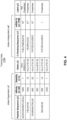
- FIG. 4 illustrates an example set of training data 170A, according to one embodiment.
- the first 3 data instances in the training data 170A indicate peptide presentation information from a single-allele cell line involving the allele FELA-C * 0 1: 03 and 3 peptide sequences QCEIOWAREFLKEIGJ, FIEUHFWI, and FEWRHRJTRUJR.
- the fourth data instance in the training data 170A indicates peptide information from a multiple-allele cell line involving the alleles HLA-B*07:02, HLA-C*01:03, HLA-A*01:01and a peptide sequence QIEJOEIJE.
- the first data instance indicates that peptide sequence QCEIOW ARE was not presented by the allele HLA-DRB3:01:01.
- the negatively-labeled peptide sequences may be randomly generated by the data management module 312 or identified from source protein of presented peptides.
- the training data 170A also includes a binding affinity prediction of 1000nM and a stability prediction of a half-life of 1h for the peptide sequence-allele pair.
- the training data 170A also includes allele-noninteracting variables, such as the C-terminal flanking sequence of the peptide FJELFISBOSJFIE, and a mRNA quantification measurement of 10 2 TPM.
- the fourth data instance indicates that peptide sequence QIEJOEIJE was presented by one of the alleles HLA-B*07:02, HLA-C*01:03, or HLA-A*01:01.
- the training data 170A also includes binding affinity predictions and stability predictions for each of the alleles, as well as the C-terminal flanking sequence of the peptide and the mRNA quantification measurement for the peptide.
- the encoding module 314 encodes information contained in the training data 170 into a numerical representation that can be used to generate the one or more presentation models.
- the encoding module 314 one-hot encodes sequences (e.g., peptide sequences or C-terminal flanking sequences) over a predetermined 20-letter amino acid alphabet.
- a peptide sequence p i with k i amino acids is represented as a row vector of 20 ⁇ k i elements, where a single element among p i 20 ⁇ (j-1) 1 , p i 20 ⁇ ( j- 1) 2 , ..., p i 20 ⁇ j that corresponds to the alphabet of the amino acid at the j-th position of the peptide sequence has a value of 1. Otherwise, the remaining elements have a value of 0.
- the encoding module 314 may further encode the peptides into equal-length vectors by adding a PAD character to extend the predetermined alphabet. For example, this may be performed by left-padding the peptide sequences with the PAD character until the length of the peptide sequence reaches the peptide sequence with the greatest length in the training data 170.
- the encoding module 314 numerically represents each sequence as a row vector of (20 1 ) ⁇ k max elements.
- sequence data was described in reference to sequences having amino acid sequences, the method can similarly be extended to other types of sequence data, such as DNA or RNA sequence data, and the like.
- the encoding module 314 also encodes the one or more MHC alleles a i for data instance i as a row vector of m elements, in which each element h-1, 2, ..., m corresponds to a unique identified MHC allele.
- the elements corresponding to the MHC alleles identified for the data instance i have a value of 1. Otherwise, the remaining elements have a value of 0.
- the example is described herein with 4 identified MHC allele types, the number of MHC allele types can be hundreds or thousands in practice.
- each data instance i typically contains at most 6 different MHC allele types in association with the peptide sequence p i .
- the encoding module 314 also encodes the label y i for each data instance i as a binary variable having values from the set of ⁇ 0, 1 ⁇ , in which a value of 1 indicates that peptide x i was presented by one of the associated MHC alleles a i , and a value of 0 indicates that peptide x i was not presented by any of the associated MHC alleles a i .
- the encoding module 314 may additionally scale the values using various functions, such as the log function having a range of (- ⁇ , ⁇ ) for ion current values between [0, ⁇ ).
- the encoding module 314 may represent a pair of allele-interacting variables x h i for peptide p i and an associated MHC allele h as a row vector in which numerical representations of allele-interacting variables are concatenated one after the other.
- the encoding module 314 may represent x h i as a row vector equal to [ p i ], [ p i b h i ], [ p i s h i ], or [ p i b h i s h i ], where b h i is the binding affinity prediction for peptide p i and associated MHC allele h, and similarly for s h i for stability.
- one or more combination of allele-interacting variables may be stored individually (e.g., as individual vectors or matrices).
- the encoding module 314 represents binding affinity information by incorporating measured or predicted values for binding affinity in the allele-interacting variables x h i .
- the encoding module 314 represents binding stability information by incorporating measured or predicted values for binding stability in the allele-interacting variables x h i ,
- the encoding module 314 represents binding on-rate information by incorporating measured or predicted values for binding on-rate in the allele-interacting variables x h i .
- the encoding module 314 represents peptide length as a vector where is the indicator function, and L k denotes the length of peptide p k .
- the vector T k can be included in the allele-interacting variables x h i .
- the encoding module 314 represents peptide length as a vector where is the indicator function, and L k denotes the length of peptide p k .
- the vector T k can be included in the allele-interacting variables x h i .
- the encoding module 314 represents RNA expression information of MHC alleles by incorporating RNA-seq based expression levels of MHC alleles in the allele-interacting variables x h i .
- the encoding module 314 may represent the allele-noninteracting variables w i as a row vector in which numerical representations of allele-noninteracting variables are concatenated one after the other.
- w i may be a row vector equal to [ c i ] or [ c i m i w i ] in which w i is a row vector representing any other allele-noninteracting variables in addition to the C-terminal flanking sequence of peptide p i and the mRNA quantification measurement m i associated with the peptide.
- one or more combination of allele-noninteracting variables may be stored individually (e.g., as individual vectors or matrices).
- the encoding module 314 represents turnover rate of source protein for a peptide sequence by incorporating the turnover rate or half-life in the allele-noninteracting variables w i .
- the encoding module 314 represents length of source protein or isoform by incorporating the protein length in the allele-noninteracting variables w i .
- the encoding module 314 represents activation of immunoproteasome by incorporating the mean expression of the immunoproteasome-specific proteasome subunits including the ⁇ 1 i , ⁇ 2 i , ⁇ 5 i subunits in the allele-noninteracting variables w i .
- the encoding module 314 represents the RNA-seq abundance of the source protein of the peptide or gene or transcript of a peptide (quantified in units of FPKM, TPM by techniques such as RSEM) can be incorporating the abundance of the source protein in the allele-noninteracting variables w i .
- the encoding module 314 represents the probability that the transcript of origin of a peptide will undergo nonsense-mediated decay (NMD) as estimated by the model in, for example, Rivas et. al. Science, 2015 by incorporating this probability in the allele-noninteracting variables w i .
- NMD nonsense-mediated decay
- the encoding module 314 represents the activation status of a gene module or pathway assessed via RNA-seq by, for example, quantifying expression of the genes in the pathway in units of TPM using e.g., RSEM for each of the genes in the pathway then computing a summary statistics, e.g., the mean, across genes in the pathway.
- the mean can be incorporated in the allele-noninteracting variables w i .
- the encoding module 314 represents the copy number of the source gene by incorporating the copy number in the allele-noninteracting variables w i .
- the encoding module 314 represents the TAP binding affinity by including the measured or predicted TAP binding affinity (e.g., in nanomolar units) in the allele-noninteracting variables w i .
- the encoding module 314 represents TAP expression levels by including TAP expression levels measured by RNA-seq (and quantified in units of TPM by e.g., RSEM) in the allele-noninteracting variables w i .
- the encoding module 314 represents tumor type as a length-one one-hot encoded vector over the alphabet of tumor types (e.g., NSCLC, melanoma, colorectal cancer, etc). These one-hot-encoded variables can be included in the allele-noninteracting variables w i .
- the encoding module 314 represents MHC allele suffixes by treating 4-digit HLA alleles with different suffixes.
- HLA-A*24:09N is considered a different allele from HLA-A*24:09 for the purpose of the model.
- the probability of presentation by an N-suffixed MHC allele can be set to zero for all peptides, because HLA alleles ending in the N suffix are not expressed.
- the encoding module 314 represents tumor subtype as a length-one one-hot encoded vector over the alphabet of tumor subtypes (e.g., lung adenocarcinoma, lung squamous cell carcinoma, etc). These onehot-encoded variables can be included in the allele-noninteracting variables w i .
- smoking history can be encoded as a length-one one-hot-enocded variable over an alphabet of smoking severity. For example, smoking status can be rated on a 1-5 scale, where 1 indicates nonsmokers, and 5 indicates current heavy smokers. Because smoking history is primarily relevant to lung tumors, when training a model on multiple tumor types, this variable can also be defined to be equal to 1 if the patient has a history of smoking and the tumor type is lung tumors and zero otherwise.
- the encoding module 314 represents distribution of expression levels of a particular gene or transcript for each gene or transcript in the human genome as summary statistics (e,g., mean, median) of distribution of expression levels by using reference databases such as TCGA.
- summary statistics e.g., mean, median
- TCGA reference databases
- the encoding module 314 represents mutation type as a length-one one-hot-encoded variable over the alphabet of mutation types (e.g., missense, frameshift, NMD-inducing, etc). These onehot-encoded variables can be included in the allele-noninteracting variables w i .
- the encoding module 314 represents protein-level features of protein as the value of the annotation (e.g., 5' UTR length) of the source protein in the allele-noninteracting variables w i .
- the encoding module 314 represents residue-level annotations of the source protein for peptide p i by including an indicator variable, that is equal to 1 if peptide p i overlaps with a helix motif and 0 otherwise, or that is equal to 1 if peptide p i is completely contained with within a helix motif in the allele-noninteracting variables w i .
- a feature representing proportion of residues in peptide p i that are contained within a helix motif annotation can be included in the allele-noninteracting variables w i .
- the encoding module 314 represents type of proteins or isoforms in the human proteome as an indicator vector o k that has a length equal to the number of proteins or isoforms in the human proteome, and the corresponding element o k i is 1 if peptide p k comes from protein i and 0 otherwise.
- the encoding module 314 represents the tissue type, cell type, tumor type, or tumor histology type T -tissue( p i ) of peptide p i as a categorical variable with M possible categories, where M denotes the upper limit of the number of indexed types 1, 2, ..., M .
- Types of tissue can include, for example, lung tissue, cardiac tissue, intestine tissue, nerve tissue, and the like.
- Types of cells can include dendritic cells, macrophages, CD4 T cells, and the like.
- Types of tumors can include lung adenocarcinoma, lung squamous cell carcinoma, melanoma, non-Hodgkin lymphoma, and the like.
- the encoding module 314 may also represent the overall set of variables z i for peptide p i and an associated MHC allele h as a row vector in which numerical representations of the allele-interacting variables x i and the allele-noninteracting variables w i are concatenated one after the other.
- the encoding module 314 may represent z h i as a row vector equal to [ x h i w i ] or [ w i x h i ].
- the training module 316 constructs one or more presentation models that generate likelihoods of whether peptide sequences will be presented by MHC alleles associated with the peptide sequences. Specifically, given a peptide sequence p k and a set of MHC alleles a k associated with the peptide sequence p k , each presentation model generates an estimate u k indicating a likelihood that the peptide sequence p k will be presented by one or more of the associated MHC alleles a k .
- the training module 316 constructs the one more presentation models based on the training data sets stored in store 170 generated from the presentation information stored in 165.
- all of the presentation models capture the dependence between independent variables and dependent variables in the training data 170 such that a loss function is minimized.
- the loss function l( y i ⁇ S , u i ⁇ S ; 0 ) represents discrepancies between values of dependent variables y i ⁇ S for one or more data instances S in the training data 170 and the estimated likelihoods u i ⁇ S for the data instances S generated by the presentation model.
- the presentation model may be a parametric model in which one or more parameters ⁇ mathematically specify the dependence between the independent variables and dependent variables.
- various parameters of parametric-type presentation models that minimize the loss function ( y i ⁇ S , u i ⁇ S ; 0 ) are determined through gradient-based numerical optimization algorithms, such as batch gradient algorithms, stochastic gradient algorithms, and the like.
- the presentation model may be a non-parametric model in which the model structure is determined from the training data 170 and is not strictly based on a fixed set of parameters.
- the training module 316 may construct the presentation models to predict presentation likelihoods of peptides on a per-allele basis. In this case, the training module 316 may train the presentation models based on data instances S in the training data 170 generated from cells expressing single MHC alleles.
- g h ( ⁇ ) is any function, is herein throughout referred to as a dependency function for convenience of description, and generates dependency scores for the allele-interacting variables x h k based on a set of parameters ⁇ h determined for MHC allele h.
- the values for the set of parameters ⁇ h for each MHC allele h can be determined by minimizing the loss function with respect to ⁇ h , where i is each instance in the subset S of training data 170 generated from cells expressing the single MHC allele h.
- the output of the dependency function g h ( x h k ;0 h ) represents a dependency score for the MHC allele h indicating whether the MHC allele h will present the corresponding neoantigen based on at least the allele interacting features x h k , and in particular, based on positions of amino acids of the peptide sequence of peptide p k .
- the dependency score for the MHC allele h may have a high value if the MHC allele h is likely to present the peptide p k , and may have a low value if presentation is not likely.
- the transformation function f ( ⁇ ) transforms the input, and more specifically, transforms the dependency score generated by g h ( x h k ;0 h ) in this case, to an appropriate value to indicate the likelihood that the peptide p k will be presented by an MHC allele.
- f ( ⁇ ) is a function having the range within [0, 1] for an appropriate domain range.
- f ( ⁇ ) can be any function such as the identity function, the exponential function, the log function, and the like.
- the per-allele likelihood that a peptide sequence p k will be presented by a MHC allele h can be generated by applying the dependency function g h ( ⁇ ) for the MHC allele h to the encoded version of the peptide sequence p k to generate the corresponding dependency score.
- the dependency score may be transformed by the transformation function f ( ⁇ ) to generate a per-allele like/ihood that the peptide sequence p k will be presented by the MHC allele h.
- a node may be connected to other nodes through connections each having an associated parameter in the set of parameters ⁇ h .
- a value at one particular node may be represented as a sum of the values of nodes connected to the particular node weighted by the associated parameter mapped by an activation function associated with the particular node.
- network models are advantageous because the presentation model can incorporate non-linearity and process data having different lengths of amino acid sequences. Specifically, through non-linear modeling, network models can capture interaction between amino acids at different positions in a peptide sequence and how this interaction affects peptide presentation.
- network models NN h ( ⁇ ) may be structured as feed-forward networks, such as artificial neural networks (ANN), convolutional neural networks (CNN), deep neural networks (DNN), and/or recurrent networks, such as long short-term memory networks (LSTM), bi-directional recurrent networks, deep bi-directional recurrent networks, and the like.
- ANN artificial neural networks
- CNN convolutional neural networks
- DNN deep neural networks
- recurrent networks such as long short-term memory networks (LSTM), bi-directional recurrent networks, deep bi-directional recurrent networks, and the like.
- each MHC allele in h-1,2,..., m is associated with a separate network model
- NN h ( ⁇ ) denotes the output(s) from a network model associated with MHC allele h.
- FIG. 5 illustrates an example network model NN 3 ( ⁇ ) in association with an arbitrary MHC allele h- 3.
- the network model NN 3 ( ⁇ ) for MHC allele h-3 includes three input nodes at layer l -1, four nodes at layer l -2, two nodes at layer l-3, and one output node at layer l -4.
- the network model NN 3 ( ⁇ ) is associated with a set often parameters ⁇ 3 (1), ⁇ 3 (2), .. , ⁇ 3 (10).
- the network model NN 3 ( ⁇ ) receives input values (individual data instances including encoded polypeptide sequence data and any other training data used) for three allele-interacting variables x 3 h (1), x 3 k (2), and x 3 k (3) for MHC allele h-3 and outputs the value NN 3 ( x 3 k ).
- the network function may also include one or more network models each taking different allele interacting variables as input.
- the identified MHC alleles h-1, 2, ..., m are associated with a single network model NN H ( ⁇ )
- NN h ( ⁇ ) denotes one or more outputs of the single network model associated with MHC allele h.
- the set of parameters 0 h may correspond to a set of parameters for the single network model, and thus, the set of parameters 0 h may be shared by all MHC alleles.
- FIG. 6A illustrates an example network model NN H ( ⁇ ) shared by MHC alleles h-1,2, ...,m.
- the network model NN H ( ⁇ ) includes m output nodes each corresponding to an MHC allele.
- the network model NN 3 ( ⁇ ) receives the allele-interacting variables x 3 k for MHC allele h-3 and outputs m values including the value NN 3 ( x 3 k ) corresponding to the MHC allele h-3.
- the single network model NN H ( ⁇ ) may be a network model that outputs a dependency score given the allele interacting variables x h k and the encoded protein sequence d h of an MHC allele h.
- the set of parameters 0 h may again correspond to a set of parameters for the single network model, and thus, the set of parameters 0 h may be shared by all MHC alleles.
- NN h ( ⁇ ) may denote the output of the single network model NN H ( ⁇ ) given inputs [ x h k d h ] to the single network model.
- Such a network model is advantageous because peptide presentation probabilities for MHC alleles that were unknown in the training data can be predicted just by identification of their protein sequence.
- FIG. 6B illustrates an example network model NN H ( ⁇ ) shared by MHC alleles.
- the network model NN H ( ⁇ ) receives the allele interacting variables and protein sequence of MHC allele h -3 as input, and outputs a dependency score NN 3 ( x 3 k ) corresponding to the MHC allele h-3.
- g' h ( x h k ; 0' h ) is the affine function with a set of parameters 0' h , the network function, or the like, with a bias parameter 0 h 0 in the set of parameters for allele interacting variables for the MHC allele that represents a baseline probability of presentation for the MHC allele h.
- the bias parameter 0 h 0 may be shared according to the gene family of the MHC allele h. That is, the bias parameter 0 h 0 for MHC allele h may be equal to 0 gene(h) 0 , where gene ( h ) is the gene family of MHC allele h.
- gene ( h ) is the gene family of MHC allele h.
- class I MHC alleles HLA-A*02:01, HLA-A*02:02, and HLA-A*02:03 may be assigned to the gene family of "HLA-A," and the bias parameter ⁇ h 0 for each of these MHC alleles may be shared.
- class II MHC alleles HLA-DRB1:10:01, HLA-DRB1:11:01, and HLA-DRB3:01:01 may be assigned to the gene family of "HLA-DRB," and the bias parameter ⁇ h 0 for each of these MHC alleles may be shared.
- FIG. 7 illustrates generating a presentation likelihood for peptide p k in association with MHC allele h-3 using an example network model NN 3 ( ⁇ ) .
- the network model NN 3 ( ⁇ ) receives the allele-interacting variables x 3 k for MHC allele h-3 and generates the output NN 3 ( x 3 k ). The output is mapped by function f ( ⁇ ) to generate the estimated presentation likelihood u k .
- the values for the set of parameters ⁇ h for each MHC allele h and the set of parameters 0 w for allele-noninteracting variables can be determined by minimizing the loss function with respect to 0 h and 0 w , where i is each instance in the subset S of training data 170 generated from cells expressing single MHC alleles.
- the output of the dependency function g w ( w k ; ⁇ w ) represents a dependency score for the allele noninteracting variables indicating whether the peptide p k will be presented by one or more MHC alleles based on the impact of allele noninteracting variables.
- the dependency score for the allele noninteracting variables may have a high value if the peptide p k is associated with a C-terminal flanking sequence that is known to positively impact presentation of the peptide p k , and may have a low value if the peptide p k is associated with a C-terminal flanking sequence that is known to negatively impact presentation of the peptide p k .
- the per-allele likelihood that a peptide sequence p k will be presented by a MHC allele h can be generated by applying the function g h ( ⁇ ) for the MHC allele h to the encoded version of the peptide sequence p k to generate the corresponding dependency score for allele interacting variables.
- the function g w ( ⁇ ) for the allele noninteracting variables are also applied to the encoded version of the allele noninteracting variables to generate the dependency score for the allele noninteracting variables. Both scores are combined, and the combined score is transformed by the transformation function f ( ⁇ ) to generate a per-allele likelihood that the peptide sequence p k will be presented by the MHC allele h.
- the training module 316 may include allele-noninteracting variables w k in the prediction by adding the allele-noninteracting variables w k to the allele-interacting variables x h k in equation (2).
- the dependency function g w ( ⁇ ) for allele noninteracting variables may be an affine function or a network function in which a separate network model is associated with allele-noninteracting variables w k .
- the network function may also include one or more network models each taking different allele noninteracting variables as input.
- h ( ⁇ ) is the log function, however in practice h ( ⁇ ) may be any one of a variety of different functions.
- a parameter regularization term such as ⁇ ⁇ ⁇ w o , where ⁇ represents L1 norm, L2 norm, a combination, or the like, can be added to the loss function when determining the value of the parameters.
- the optimal value of the hyperparameter ⁇ can be determined through appropriate methods.
- a parameter regularization term such as ⁇ ⁇ ⁇ w l , where ⁇ represents L1 norm, L2 norm, a combination, or the like, can be added to the loss function when determining the value of the parameters.
- the optimal value of the hyperparameter ⁇ can be determined through appropriate methods.
- the antigenicity of gene l for tissue type m may denote the residual propensity for cells of tissue type m to present peptides from gene l after controlling for RNA expression and peptide sequence context.
- a parameter regularization term such as as ⁇ ⁇ ⁇ w lm , where ⁇ represents L1 norm, L2 norm, a combination, or the like, can be added to the loss function when determining the value of the parameters.
- the optimal value of the hyperparameter ⁇ can be determined through appropriate methods.
- a parameter regularization term can be added to the loss function when determining the value of the parameters, such that the coefficients for the same source gene do not significantly differ between tissue types.
- equations (10), (11), (12a) and (12b) may be combined to generate the dependency function g w ( ⁇ ) for allele noninteracting variables.
- the term h ( ⁇ ) indicating mRNA quantification measurement in equation (10) and the term indicating source gene antigenicity in equation (12) may be summed together along with any other affine or network function to generate the dependency function for allele noninteracting variables.
- FIG. 8 illustrates generating a presentation likelihood for peptide p k in association with MHC allele h -3 using example network models NN 3 ( ⁇ ) and NN w ( ⁇ ).
- the network model NN 3 ( ⁇ ) receives the allele-interacting variables x 3 k for MHC allele h-3 and generates the output NN 3 ( x 3 h ).
- the network model NN w ( ⁇ ) receives the allele-noninteracting variables w k for peptide p k and generates the output NN w ( w k ).
- the outputs are combined and mapped by function f( ⁇ ) to generate the estimated presentation likelihood u k .
- the training module 316 may also construct the presentation models to predict presentation likelihoods of peptides in a multiple-allele setting where two or more MHC alleles are present. In this case, the training module 316 may train the presentation models based on data instances S in the training data 170 generated from cells expressing single MHC alleles, cells expressing multiple MHC alleles, or a combination thereof.
- the training module 316 models the estimated presentation likelihood u k for peptide p k in association with a set of multiple MHC alleles H as a function of the presentation likelihoods u k h ⁇ H determined for each of the MHC alleles h in the set H determined based on cells expressing single-alleles, as described above in conjunction with equations (2)-(11).
- the presentation likelihood u k can be any function of u k h ⁇ H .
- the function is the maximum function, and the presentation likelihood u k can be determined as the maximum of the presentation likelihoods for each MHC allele h in the set H.
- the values for the set of parameters 0 h for each MHC allele h can be determined by minimizing the loss function with respect to 0 h , where i is each instance in the subset S of training data 170 generated from cells expressing single MHC alleles and/or cells expressing multiple MHC alleles.
- the dependency function g h may be in the form of any of the dependency functions g h introduced above in sections VIII.B.1.
- the presentation likelihood that a peptide sequence p k will be presented by one or more MHC alleles h can be generated by applying the dependency function g h ( ⁇ ) to the encoded version of the peptide sequence p k for each of the MHC alleles H to generate the corresponding score for the allele interacting variables.
- the scores for each MHC allele h are combined, and transformed by the transformation function f ( ⁇ ) to generate the presentation likelihood that peptide sequence p k will be presented by the set of MHC alleles H .
- the presentation model of equation (13) is different from the per-allele model of equation (2), in that the number of associated alleles for each peptide p k can be greater than 1. In other words, more than one element in a h k can have values of 1 for the multiple MHC alleles H associated with peptide sequence p k .
- FIG. 9 illustrates generating a presentation likelihood for peptide p k in association with MHC alleles h-2, h-3 using example network models NN 2 ( ⁇ ) and NN 3 ( ⁇ ).
- the network model NN 2 ( ⁇ ) receives the allele-interacting variables x 2 k for MHC allele h-2 and generates the output NN 2 ( x 2 k )
- the network model NN 3 ( ⁇ ) receives the allele-interacting variables x 3 k for MHC allele h-3 and generates the output NN 3 ( x 3 k ).
- the outputs are combined and mapped by function f ( ⁇ ) to generate the estimated presentation likelihood u k .
- the values for the set of parameters 0 h for each MHC allele h and the set of parameters 0 w for allele-noninteracting variables can be determined by minimizing the loss function with respect to ⁇ h and ⁇ w , where i is each instance in the subset S of training data 170 generated from cells expressing single MHC alleles and/or cells expressing multiple MHC alleles.
- the dependency function g w may be in the form of any of the dependency functions g w introduced above in sections VIII.B.3.
- the presentation likelihood that a peptide sequence p k will be presented by one or more MHC alleles H can be generated by applying the function g h ( ⁇ ) to the encoded version of the peptide sequence p k for each of the MHC alleles H to generate the corresponding dependency score for allele interacting variables for each MHC allele h.
- the function g w ( ⁇ ) for the allele noninteracting variables is also applied to the encoded version of the allele noninteracting variables to generate the dependency score for the allele noninteracting variables.
- the scores are combined, and the combined score is transformed by the transformation function f ( ⁇ ) to generate the presentation likelihood that peptide sequence p k will be presented by the MHC alleles H.
- the number of associated alleles for each peptide p k can be greater than 1. In other words, more than one element in a h k can have values of 1 for the multiple MHC alleles H associated with peptide sequence p k .
- FIG. 10 illustrates generating a presentation likelihood for peptide p k in association with MHC alleles h-2, h-3 using example network models NN 2 ( ⁇ ) , NN 3 ( ⁇ ) , and NN w ( ⁇ ).
- the network model NN 2 ( ⁇ ) receives the allele-interacting variables x 2 k for MHC allele h-2 and generates the output NN 2 ( x 2 k ).
- the network model NN 3 ( ⁇ ) receives the allele-interacting variables x 3 k for MHC allele h-3 and generates the output NN 3 ( x 3 k ).
- the network model NN w ( ⁇ ) receives the allele-noninteracting variables w k for peptide p k and generates the output NN w ( w k ). The outputs are combined and mapped by function f ( ⁇ ) to generate the estimated presentation likelihood u k .
- the training module 316 may include allele-noninteracting variables w k in the prediction by adding the allele-noninteracting variables w k to the allele-interacting variables x h k in equation (15).
- s ( ⁇ ) may be the summation function or the second-order function, but it is appreciated that in other embodiments, s ( ⁇ ) can be any function such as the maximum function.
- the values for the set of parameters ⁇ for the implicit per-allele likelihoods can be determined by minimizing the loss function with respect to 0, where i is each instance in the subset S of training data 170 generated from cells expressing single MHC alleles and/or cells expressing multiple MHC alleles.
- the presentation likelihood in the presentation model of equation (17) is modeled as a function of implicit per-allele presentation likelihoods u' k h that each correspond to the likelihood peptide p k will be presented by an individual MHC allele h.
- the implicit per-allele likelihood is distinct from the per-allele presentation likelihood of section VIII.B in that the parameters for implicit per-allele likelihoods can be learned from multiple allele settings, in which direct association between a presented peptide and the corresponding MHC allele is unknown, in addition to single-allele settings.
- the presentation model can estimate not only whether peptide p k will be presented by a set of MHC alleles H as a whole, but can also provide individual likelihoods u' k h ⁇ H that indicate which MHC allele h most likely presented peptide p k .
- An advantage of this is that the presentation model can generate the implicit likelihoods without training data for cells expressing single MHC alleles.
- r ( ⁇ ) is a function having the range [0, 1].
- the presentation likelihood that a peptide sequence p k will be presented by one or more MHC alleles H can be generated by applying the function g h ( ⁇ ) to the encoded version of the peptide sequence p k for each of the MHC alleles H to generate the corresponding dependency score for allele interacting variables.
- Each dependency score is first transformed by the function f ( ⁇ ) to generate implicit per-allele presentation likelihoods u' k h .
- the per-allele likelihoods u' k h are combined, and the clipping function may be applied to the combined likelihoods to clip the values into a range [0, 1] to generate the presentation likelihood that peptide sequence p k will be presented by the set of MHC alleles H .
- the dependency function g h may be in the form of any of the dependency functions g h introduced above in sections VIII.B. 1.
- FIG. 11 illustrates generating a presentation likelihood for peptide p k in association with MHC alleles h-2, h-3 using example network models NN 2 ( ⁇ ) and NN 3 ( ⁇ ) .
- the network model NN 2 ( ⁇ ) receives the allele-interacting variables x 2 k for MHC allele h-2 and generates the output NN 2 ( x 2 k ) and the network model NN 3 ( ⁇ ) receives the allele-interacting variables x 3 k for MHC allele h-3 and generates the output NN 3 ( x 3 k ).
- Each output is mapped by function f ( ⁇ ) and combined to generate the estimated presentation likelihood u k .
- r ( ⁇ ) is the log function and f ( ⁇ ) is the exponential function.
- the presentation likelihood that a peptide sequence p k will be presented by one or more MHC alleles H can be generated by applying the function g h ( ⁇ ) to the encoded version of the peptide sequence p k for each of the MHC alleles H to generate the corresponding dependency score for allele interacting variables for each MHC allele h .
- the function g w ( ⁇ ) for the allele noninteracting variables is also applied to the encoded version of the allele noninteracting variables to generate the dependency score for the allele noninteracting variables.
- the score for the allele noninteracting variables are combined to each of the dependency scores for the allele interacting variables.
- Each of the combined scores are transformed by the function f ( ⁇ ) to generate the implicit per-allele presentation likelihoods.
- the implicit likelihoods are combined, and the clipping function may be applied to the combined outputs to clip the values into a range [0,1] to generate the presentation likelihood that peptide sequence p k will be presented by the MHC alleles H.
- the dependency function g w may be in the form of any of the dependency functions g w introduced above in sections VIII.B.3.
- FIG. 12 illustrates generating a presentation likelihood for peptide p k in association with MHC alleles h-2, h-3 using example network models NN 2 ( ⁇ ), NN 3 ( ⁇ ), and NN w ( ⁇ ).
- the network model NN 2 ( ⁇ ) receives the allele-interacting variables x 2 k for MHC allele h-2 and generates the output NN 2 ( x 2 k ) .
- the network model NN w ( ⁇ ) receives the allele-noninteracting variables w k for peptide p k and generates the output NN w ( w k ).
- the outputs are combined and mapped by function f ( ⁇ ).
- the network model NN 3 ( ⁇ ) receives the allele-interacting variables x 3 k for MHC allele h-3 and generates the output NN 3 ( x 3 k ), which is again combined with the output NN w ( w k ) of the same network model NN w ( ⁇ ) and mapped by function f ( ⁇ ). Both outputs are combined to generate the estimated presentation likelihood u k .
- s ( ⁇ ) is a second-order function
- the estimated presentation likelihood u k for peptide p k is given by:
- elements u' k h are the implicit per-allele presentation likelihood for MHC allele h.
- the values for the set of parameters 0 for the implicit per-allele likelihoods can be determined by minimizing the loss function with respect to 0, where i is each instance in the subset S of training data 170 generated from cells expressing single MHC alleles and/or cells expressing multiple MHC alleles.
- the implicit per-allele presentation likelihoods may be in any form shown in equations (18), (20), and (22) described above.
- the model of equation (23) may imply that there exists a possibility peptide p k will be presented by two MHC alleles simultaneously, in which the presentation by two HLA alleles is statistically independent.
- the presentation likelihood that a peptide sequence p k will be presented by one or more MHC alleles H can be generated by combining the implicit per-allele presentation likelihoods and subtracting the likelihood that each pair of MHC alleles will simultaneously present the peptide p k from the summation to generate the presentation likelihood that peptide sequence p k will be presented by the MHC alleles H.
- the prediction module 320 receives sequence data and selects candidate neoantigens in the sequence data using the presentation models.
- the sequence data may be DNA sequences, RNA sequences, and/or protein sequences extracted from tumor tissue cells of patients.
- the prediction module 320 processes the sequence data into a plurality of peptide sequences p k having 8-15 amino acids for MHC-I or 6-30 amino acids for MHC-II.
- the prediction module 320 may process the given sequence "IEFROEIFJEF into three peptide sequences having 9 amino acids "IEFROEIFJ,” “EFROEIFJE,” and "FROEIFJEF.” In one embodiment, the prediction module 320 may identify candidate neoantigens that are mutated peptide sequences by comparing sequence data extracted from normal tissue cells of a patient with the sequence data extracted from tumor tissue cells of the patient to identify portions containing one or more mutations.
- the prediction module 320 applies one or more of the presentation models to the processed peptide sequences to estimate presentation likelihoods of the peptide sequences. Specifically, the prediction module 320 may select one or more candidate neoantigen peptide sequences that are likely to be presented on tumor HLA molecules by applying the presentation models to the candidate neoantigens. In one implementation, the prediction module 320 selects candidate neoantigen sequences that have estimated presentation likelihoods above a predetermined threshold. In another implementation, the presentation model selects the v candidate neoantigen sequences that have the highest estimated presentation likelihoods (where v is generally the maximum number of epitopes that can be delivered in a vaccine). A vaccine including the selected candidate neoantigens for a given patient can be injected into the patient to induce immune responses.
- the patient selection module 324 selects a subset of patients for vaccine treatment based on whether the patients satisfy an inclusion criteria.
- the inclusion criteria is determined based on the presentation likelihoods of patient neoantigen candidates as generated by the presentation models.
- the patient selection module 324 can adjust the number of patients that will receive the vaccine based on his or her presentation likelihoods of neoantigen candidates. Specifically, a stringent inclusion criteria results in a fewer number of patients that will be treated with the vaccine, but may result in a higher proportion of vaccine-treated patients that receive effective treatment (e.g., 1 or more tumor-specific neoantigens (TSNA) are delivered).
- TSNA tumor-specific neoantigens
- the patient selection module 324 modifies the inclusion criteria based on the desired balance between target proportion of patients that will receive the vaccine and proportion of patients that receive effective treatment as a result of vaccine treatment.
- patients are associated with a corresponding treatment subset of v neoantigen candidates that can potentially be included in customized vaccines for the patients with vaccine capacity v .
- the treatment subset for a patient can be determined based on other methods.
- the treatment subset for a patient may be randomly selected from the set of neoantigen candidates for the patient, or may be determined in part based on current state-of-the-art models that model binding affinity or stability of peptide sequences, or some combination of factors that include presentation likelihoods from the presentation models and affinity or stability information regarding those peptide sequences.
- the patient selection module 324 determines that a patient satisfies the inclusion criteria if the tumor mutation burden of the patient is equal to or above a minimum mutation burden.
- the tumor mutation burden (TMB) of a patient indicates the total number of nonsynonymous mutations in the tumor exome.
- the patient selection module 324 may select a patient for vaccine treatment if the absolute number of TMB of the patient is equal to or above a predetermined threshold. In another implementation, the patient selection module 324 may select a patient for vaccine treatment if the TMB of the patient is within a threshold percentile among the TMB's determined for the set of patients.
- the patient selection module 324 determines that a patient satisfies the inclusion criteria if a utility score of the patient based on the treatment subset of the patient is equal to or above a minimum utility score.
- the utility score is a measure of the estimated number of presented neoantigens from the treatment subset.
- the estimated number of presented neoantigens may be predicted by modeling neoantigen presentation as a random variable of one or more probability distributions.
- the utility score for patient i is the expected number of presented neoantigen candidates from the treatment subset, or some function thereof
- the presentation of each neoantigen can be modeled as a Bernoulli random variable, in which the probability of presentation (success) is given by the presentation likelihood of the neoantigen candidate.
- the expected number of presented neoantigens is given by the summation of the presentation likelihoods for each neoantigen candidate.
- the patient selection module 324 selects a subset of patients having utility scores equal to or above a minimum utility for vaccine treatment.
- the utility score for patient i is the probability that at least a threshold number of neoantigens k will be presented.
- the number of presented neoantigens in the treatment subset S i of neoantigen candidates is modeled as a Poisson Binomial random variable, in which the probabilities of presentation (successes) are given by the presentation likelihoods of each of the epitopes.
- PBD(-) denotes the Poisson Binomial distribution.
- the probability that at least a threshold number of neoantigens k will be presented is given by the summation of the probabilities that the number of presented neoantigens N i will be equal to or above k.
- the patient selection module 324 selects a subset of patients having the utility score equal to or above a minimum utility for vaccine treatment.
- the number of neoantigens in the treatment subset for a patient is not required to be limited to the vaccine capacity v, and the patient selection module 324 may select patients using utility scores determined based on any set of candidate neoantigens of the patient.
- the utility scores may be determined based on all mutations or candidate neoantigens identified for the patient.
- the utility scores may be generated using, for example, the methods described in conjunction with equations (24) through (27), where v is now a variable v ( i ) dependent on the patient i, and indicates the total number of mutations or candidate neoantigens identified for the patient.
- the utility score for patient i is the number of neoantigens in the treatment subset S i of neoantigen candidates having binding affinity or predicted binding affinity below a fixed threshold (e.g., 500nM) to one or more of the patient's HLA alleles.
- a fixed threshold e.g. 500nM
- the fixed threshold is a range from 1000nM to 10nM.
- the utility score may count only those neoantigens detected as expressed via RNA-seq.
- the utility score for patient i is the number of neoantigens in the treatment subset S i of neoantigen candidates having binding affinity to one or more of that patient's HLA alleles at or below a threshold percentile of binding affinities for random peptides to that HLA allele.
- the threshold percentile is a range from the 10 th percentile to the 0.1 th percentile.
- the utility score may count only those neoantigens detected as expressed via RNA-seq.
- the patient selection module 324 can also use the utility scores as defined in Section X above to select patients for immune checkpoint inhibitor therapy (e.g., PD-1, CTLA4) or any other immunotherapy where neoantigen burden may be relevant for efficacy.
- Other immunotherapies may include immunostimulatory agents, immune stimulatory molecule agonists (e.g., CD40), oncolytic viruses (e.g., T-VEC), neoantigen or other cancer antigen-containing therapeutic vaccines, neoantigen or other cancer antigen targeted adoptive cell therapies, tumor microenvironment modulators (e.g., TGFbeta), or any combinations of these with immune checkpoint inhibitors.
- the immunostimulatory agent is an agent that blocks signaling of an inhibitory receptor of an immune cell, or a ligand thereof.
- the inhibitory receptor or ligand is selected from CTLA-4, PD-1, PD-L1, LAG-3, Tim3, TIGIT, neuritin, BTLA, KIR, and combinations thereof.
- the agent is selected from an anti-PD-1 antibody (e.g., pembrolizumab or nivolumab), and anti-PD-L1 antibody (e.g., atezolizumab), an anti-CTLA-4 antibody (e.g., ipilimumab), and combinations thereof.
- the agent is pembrolizumab.
- the agent is nivolumab.
- the agent is atezolizumab.
- the therapeutic agent is an agent that inhibits the interaction between PD-1 and PD-L1.
- the additional therapeutic agent that inhibits the interaction between PD-1 and PD-L1 is selected from an antibody, a peptidomimetic and a small molecule.
- the additional therapeutic agent that inhibits the interaction between PD-1 and PD-L1 is selected from pembrolizumab, nivolumab, atezolizumab, avelumab, durvalumab, BMS-936559, sulfamonomethoxine 1, and sulfamethizole 2.
- the additional therapeutic agent that inhibits the interaction between PD-1 and PD-L1 is any therapeutic known in the art to have such activity, for example as described in Weinmann et al., Chem Med Chem, 2016, 14:1576 (DOI: 10,1002/cmdc.201500566 ), incorporated by reference in its entirety.
- the immunostimulatory agent is a cytokine.
- the cytokine is selected from IL-2, IL-5, IL-7, IL-12, IL-15, IL-21, and combinations thereof.
- the immunostimulatory agent is an oncolytic virus.
- the oncolytic virus is selected from a herpes simplex virus, a vesicular stomatitis virus, an adenovirus, a Newcastle disease virus, a vaccinia virus, and a maraba virus.
- the immunostimulatory agent is a T cell with a chimeric antigen receptor (CAR-T cell). In some embodiments, the immunostimulatory agent is a bi- or multi-specific T cell directed antibody. In some embodiments, the immunostimulatory agent is an anti-TGF- ⁇ antibody. In some embodiments, the immunostimulatory agent is a TGF- ⁇ trap.
- CAR-T cell chimeric antigen receptor
- the immunostimulatory agent is a bi- or multi-specific T cell directed antibody.
- the immunostimulatory agent is an anti-TGF- ⁇ antibody. In some embodiments, the immunostimulatory agent is a TGF- ⁇ trap.
- the therapeutic agent is a vaccine to a tumor antigen. Any suitable antigen may be targeted by the vaccine, provided that it is present in a tumor treated by the methods provided herein.
- the tumor antigen is a tumor antigen that is overexpressed in comparison its expression levels in normal tissue.
- the tumor antigen is selected from cancer testis antigen, differentiation antigen, NY-ESO-1, MAGE-A 1, MART, and combinations thereof.
- the therapeutic agent is a vaccine to one or more neoantigens. The neoantigens in the vaccine may be identified by the methods provided herein.
- the patient selection module 324 determines a neoantigen burden that indicates a total expected number of presented neoantigens for each patient.
- the patients that have neoantigen burdens that satisfy an inclusion criteria may be administered with checkpoint inhibitor therapy. For example, patients that have neoantigen burdens above a predetermined threshold may be administered with the therapy.
- the neoantigen burden is the utility score given in Section XI, in which v is the total number of mutations or candidate neoantigens identified for a patient, rather than a subset of candidate neoantigens for the patient.
- neoantigen burden When a neoantigen burden is higher in a given tumor relative to a median it can indicate that the subject with that tumor is likely to benefit from treatment with a checkpoint inhibitor such as anti-CTLA4, anti-PD1, and/or anti-PDL1.
- a neoantigen burden can be a better indicator of benefit from checkpoint inhibitor therapy than mutational burden, for example, because neoantigens are generally more likely to be presented on the tumor cell surface and recognized by T cells that are more active against the tumor following checkpoint inhibitor therapy.
- the patient selection module 324 can use utility scores generated from a combination of one or more of the following features: predicted HLA class I neoantigen burden, predicted HLA class II neoantigen burden, and tumor mutation burden.
- the predicted HLA class I neoantigen burden for a patient is the neoantigen burden for the set of class I HLA alleles of the patient, and indicates the total expected number of presented neoantigens on the class I HLA alleles of the patient.
- the predicted HLA class II neoantigen burden for a patient is the neoantigen burden for the set of class II HLA alleles of the patient, and indicates the total expected number of presented neoantigens on the class II HLA alleles of the patient.
- the utility score could be computed as f (class I neoantigen burden, class II neoantigen burden, tumor mutation burden; b), where f ( ⁇ ) is a function parameterized by a set b of machine-learned parameters.
- the set b of machine learned parameters may depend on tumor type (e.g., b may be different for melanoma and non-small-cell lung cancer).
- the patient selection module 324 can use utility scores that incorporate information about immunogenic tumor antigens other than neoantigens.
- immunogenic tumor antigens other than neoantigens include cancer-germline antigens (CGAs, e.g., MAGEA3), differentiation antigens (e.g., tyrosinase), and antigens overexpressed in tumors (e.g., CEA).
- CGAs cancer-germline antigens
- differentiation antigens e.g., tyrosinase
- CEA antigens overexpressed in tumors
- the expression levels of such antigens can be determined using at least tumor RNA sequencing data, and the expected number of HLA class I or class II epitopes from such genes presented by the patient's tumor's HLA alleles can be determined using the RNA sequencing data for each gene and applying the presentation model to each peptide from the set of tumor antigens.
- These presentation likelihoods can be incorporated in a utility score computed as f (class I neoantigen burden, class II neoantigen burden, tumor mutation burden, class I non-neoantigen tumor antigen burden, class II non-neoantigen tumor antigen burden; b) ), where f ( ⁇ ) is a function parameterized by a set b of machine-learned parameters.
- the set b of machine learned parameters may depend on tumor type (e.g., b may be different for melanoma and non-small-cell lung cancer).
- the utility scores described in Section X above can also be adapted to select patients for treatment with adoptive cell-therapy (e.g., expanded TIL, CAR-T, or engineered TCR) by using f (class I neoantigen burden, class II neoantigen burden, tumor mutation burden, class I non-neoantigen tumor antigen burden, class II non-neoantigen tumor antigen burden) where the Class I and Class II neoantigens and non-neoantigens are taken only as those present or predicted present in the adoptive cell-therapy.
- adoptive cell-therapy e.g., expanded TIL, CAR-T, or engineered TCR
- f class I neoantigen burden, class II neoantigen burden, tumor mutation burden, class I non-neoantigen tumor antigen burden, class II non-neoantigen tumor antigen burden
- f can reduce to the presentation likelihood of that single epitope.
- each simulated neoantigen candidate in the test set is associated with a label indicating whether the neoantigen was presented in a multiple-allele JY cell line HLA-A*02:01 and HLA-B*07:02 mass spectrometry data set from the Bassani-Sternberg data set (data set "D1") (data can be found at www.ebi.ac.uk/pride/archive/projects/PXD0000394).
- a number of neoantigen candidates for the simulated patients are sampled from the human proteome based on the known frequency distribution of mutation burden in non-small cell lung cancer (NSCLC) patients.
- NSCLC non-small cell lung cancer
- Per-allele presentation models for the same HLA alleles are trained using a training set that is a subset of the single-allele HLA-A*02:01 and HLA-B*07:02 mass spectrometry data from the IEDB data set (data set "D2") (data can be found at http://www.iedb.org/doc/mbc_ligand_ full.zip) .
- the presentation model for each allele was the per-allele model shown in equation (8) that incorporated N-terminal and C-terminal flanking sequences as allele-noninteracting variables, with network dependency functions g h ( ⁇ ) and g w ( ⁇ ) , and the expit function f( ⁇ ).
- the presentation model for allele HLA-A*02:01 generates a presentation likelihood that a given peptide will be presented on allele HLA-A*02:01, given the peptide sequence as an allele-interacting variable, and the N-terminal and C-terminal flanking sequences as allele-noninteracting variables.
- the presentation model for allele HLA-B*07:02 generates a presentation likelihood that a given peptide will be presented on allele HLA-B*07:02, given the peptide sequence as an allele-interacting variable, and the N-terminal and C-terminal flanking sequences as allele-noninteracting variables.
- various models such as the trained presentation models and current state-of-the-art models for peptide binding prediction, are applied to the test set of neoantigen candidates for each simulated patient to identify different treatment subsets for patients based on the predictions.
- Patients that satisfy inclusion criteria are selected for vaccine treatment, and are associated with customized vaccines that include epitopes in the treatment subsets of the patients.
- the size of the treatment subsets are varied according to different vaccine capacities. No overlap is introduced between the training set used to train the presentation model and the test set of simulated neoantigen candidates.
- the proportion of selected patients having at least a certain number of presented neoantigens among the epitopes included in the vaccines are analyzed. This statistic indicates the effectiveness of the simulated vaccines to deliver potential neoantigens that will elicit immune responses in patients.
- a simulated neoantigen in a test set is presented if the neoantigen is presented in the mass spectrometry data set D2.
- a high proportion of patients with presented neoantigens indicate potential for successful treatment via neoantigen vaccines by inducing immune responses.
- FIG. 13A illustrates a sample frequency distribution of mutation burden in NSCLC patients.
- Mutation burden and mutations in different tumor types, including NSCLC can be found, for example, at the cancer genome atlas (TCGA) (https://cancergenome.nih.gov).
- the x-axis represents the number of non-synonymous mutations in each patient, and the y-axis represents the proportion of sample patients that have the given number of non-synonymous mutations.
- the sample frequency distribution in FIG. 13A shows a range of 3-1786 mutations, in which 30% of the patients have fewer than 100 mutations.
- mutation burden is higher in smokers compared to that of non-smokers, and that mutation burden may be a strong indicator of neoantigen load in patients.
- each of a number of simulated patients are associated with a test set of neoantigen candidates.
- the test set for each patient is generated by sampling a mutation burden m i from the frequency distribution shown in FIG. 13A for each patient.
- a 21-mer peptide sequence from the human proteome is randomly selected to represent a simulated mutated sequence.
- a test set of neoantigen candidate sequences are generated for patient i by identifying each (8, 9, 10, 11)-mer peptide sequence spanning the mutation in the 21-mer.
- Each neoantigen candidate is associated with a label indicating whether the neoantigen candidate sequence was present in the mass spectrometry D1 data set.
- neoantigen candidate sequences present in data set D1 may be associated with a label "1," while sequences not present in data set D1 may be associated with a label "0.”
- FIGS. 13B through 13G illustrate experimental results on patient selection based on presented neoantigens of the patients in the test set.
- Example 8B Proportion of Selected Patients with Neoantigen Presentation based on Tumor Mutation Burden Inclusion Criteria
- FIG. 13B illustrates the number of presented neoantigens in simulated vaccines for patients selected based on an inclusion criteria of whether the patients satisfy a minimum tumor mutation burden. The proportion of selected patients that have at least a certain number of presented neoantigens in the corresponding test is identified.
- the x-axis indicates the proportion of patients excluded from vaccine treatment based on the minimum mutation burden, as indicated by the label "minimum # of mutations.'' For example, a data point at 200 "minimum # of mutations" indicates that the patient selection module 324 selected only the subset of simulated patients having a tumor mutation burden of at least 200 mutations. As another example, a data point at 300 "minimum # of mutations” indicates that the patient selection module 324 selected a lower proportion of simulated patients having at least 300 mutations.
- the y-axis indicates the proportion of selected patients that are associated with at least a certain number of presented neoantigens in the test set without any vaccine capacity r.
- the top plot shows the proportion of selected patients that present at least 1 neoantigen
- the middle plot shows the proportion of selected patients that present at least 2 neoantigens
- the bottom plot shows the proportion of selected patients that present at least 3 neoantigens.
- the proportion of selected patients with presented neoantigens increases significantly with higher tumor mutation burden. This indicates that tumor mutation burden as an inclusion criteria can be effective in selecting patients for whom neoantigen vaccines are more likely to induce successful immune responses.
- Example 8C Comparison of Neoantigen Presentation for Vaccines Identified by Presentation Models vs. State-of-the-Art Models
- FIG. 13C compares the number of presented neoantigens in simulated vaccines between selected patients associated with vaccines including treatment subsets identified based on presentation models and selected patients associated with vaccines including treatment subsets identified through current state-of-the-art models.
- the patients are selected based on utility scores indicating expected number of presented neoantigens.
- the solid lines indicate patients associated with vaccines including treatment subsets identified based on presentation models for alleles HLA-A*02:01 and HLA-B*07:02.
- the treatment subset for each patient is identified by applying each of the presentation models to the sequences in the test set, and identifying the v neoantigen candidates that have the highest presentation likelihoods.
- the dotted lines indicate patients associated with vaccines including treatment subsets identified based on current state-of-the-art models NETMHCpan for the single allele HLA-A*02:01. Implementation details for NETMHCpan is provided in detail at http://www.cbs.dtu.dk/services/NetMHCpan.
- the treatment subset for each patient is identified by applying the NETMHCpan model to the sequences in the test set, and identifying the v neoantigen candidates that have the highest estimated binding affinities.
- the x-axis of both plots indicates the proportion of patients excluded from vaccine treatment based on expectation utility scores indicating the expected number of presented neoantigens in treatment subsets identified based on presentation models. The expectation utility score is determined as described in reference to equation (25) in Section X.
- the y-axis indicates the proportion of selected patients that present at least a certain number of neoantigens (1, 2, or 3 neoantigens) included in the vaccine.
- patients associated with vaccines including treatment subsets based on presentation models receive vaccines containing presented neoantigens at a significantly higher rate than patients associated with vaccines including treatment subsets based on state-of-the-art models.
- 80% of selected patients associated with vaccines based on presentation models receive at least one presented neoantigen in the vaccine, compared to only 40% of selected patients associated with vaccines based on current state-of-the-art models.
- presentation models as described herein are effective for selecting neoantigen candidates for vaccines that are likely to elicit immune responses for treating tumors.
- FIG. 13D compares the number of presented neoantigens in simulated vaccines between selected patients associated with vaccines including treatment subsets identified based on a single per-allele presentation model for HLA-A*02:01 and selected patients associated with vaccines including treatment subsets identified based on both per-allele presentation models for HLA-A*02:01 and HLA-B*07:02.
- the patients are selected based on expectation utility scores determined based on the different treatment subsets.
- the solid lines indicate patients associated with vaccines including treatment subsets based on both presentation models for HLA alleles HLA-A*02:01 and HLA-B*07:02.
- the treatment subset for each patient is identified by applying each of the presentation models to the sequences in the test set, and identifying the v neoantigen candidates that have the highest presentation likelihoods.
- the dotted lines indicate patients associated with vaccines including treatment subsets based on a single presentation model for HLA allele HLA-A*02:01.
- the treatment subset for each patient is identified by applying the presentation model for only the single HLA allele to the sequences in the test set, and identifying the v neoantigen candidates that have the highest presentation likelihoods.
- patients associated with vaccines including treatment subsets identified by presentation models for both HLA alleles present neoantigens at a significantly higher rate than patients associated with vaccines including treatment subsets identified by a single presentation model.
- the results indicate the importance of establishing presentation models with high HLA allele coverage.
- FIG. 13E compares the number of presented neoantigens in simulated vaccines between patients selected based on tumor mutation burden and patients selected by expectation utility score.
- the expectation utility scores are determined based on treatment subsets identified by presentation models having a size of v-20 epitopes.
- the solid lines indicate patients selected based on expectation utility score associated with vaccines including treatment subsets identified by presentation models.
- the treatment subset for each patient is identified by applying the presentation models to sequences in the test set, and identifying the v -20 neoantigen candidates that have the highest presentation likelihoods.
- the expectation utility score is determined based on the presentation likelihoods of the identified treatment subset based on equation (25) in section X.
- the dotted lines indicate patients selected based on tumor mutation burden associated with vaccines also including treatment subsets identified by presentation models.
- the x-axis indicates the proportion of patients excluded from vaccine treatment based on expectation utility scores for solid line plots, and proportion of patients excluded based on tumor mutation burden for dotted line plots.
- the y-axis indicates the proportion of selected patients who receive a vaccine containing at least a certain number of presented neoantigens (l, 2, or 3 neoantigens).
- tumor mutation burden is an effective patient selection criteria for successful neoantigen vaccine treatment, though expectation utility scores are more effective.
- FIG. 14 illustrates an example computer 1400 for implementing the entities shown in FIGS. 1 and 3 .
- the computer 1400 includes at least one processor 1402 coupled to a chipset 1404.
- the chipset 1404 includes a memory controller hub 1420 and an input/output (I/O) controller hub 1422.
- a memory 1406 and a graphics adapter 1412 are coupled to the memory controller hub 1420, and a display 1418 is coupled to the graphics adapter 1412.
- a storage device 1408, an input device 1414, and network adapter 1416 are coupled to the I/O controller hub 1422.
- Other embodiments of the computer 1400 have different architectures.
- the storage device 1408 is a non-transitory computer-readable storage medium such as a hard drive, compact disk read-only memory (CD-ROM), DVD, or a solid-state memory device.
- the memory 1406 holds instructions and data used by the processor 1402.
- the input interface 1414 is a touch-screen interface, a mouse, track ball, or other type of pointing device, a keyboard, or some combination thereof, and is used to input data into the computer 1400.
- the computer 1400 may be configured to receive input (e.g., commands) from the input interface 1414 via gestures from the user.
- the graphics adapter 1412 displays images and other information on the display 1418.
- the network adapter 1416 couples the computer 1400 to one or more computer networks.
- the computer 1400 is adapted to execute computer program modules for providing functionality described herein.
- module refers to computer program logic used to provide the specified functionality.
- a module can be implemented in hardware, firmware, and/or software.
- program modules are stored on the storage device 1408, loaded into the memory 1406, and executed by the processor 1402.
- the types of computers 1400 used by the entities of FIG. 1 can vary depending upon the embodiment and the processing power required by the entity.
- the presentation identification system 160 can run in a single computer 1400 or multiple computers 1400 communicating with each other through a network such as in a server farm.
- the computers 1400 can lack some of the components described above, such as graphics adapters 1412, and displays 1418.
Landscapes
- Health & Medical Sciences (AREA)
- Engineering & Computer Science (AREA)
- Life Sciences & Earth Sciences (AREA)
- Medical Informatics (AREA)
- General Health & Medical Sciences (AREA)
- Physics & Mathematics (AREA)
- Public Health (AREA)
- Chemical & Material Sciences (AREA)
- Epidemiology (AREA)
- Bioinformatics & Cheminformatics (AREA)
- Theoretical Computer Science (AREA)
- Biophysics (AREA)
- Biotechnology (AREA)
- Molecular Biology (AREA)
- Spectroscopy & Molecular Physics (AREA)
- Primary Health Care (AREA)
- Data Mining & Analysis (AREA)
- Bioinformatics & Computational Biology (AREA)
- Evolutionary Biology (AREA)
- Proteomics, Peptides & Aminoacids (AREA)
- Software Systems (AREA)
- Medicinal Chemistry (AREA)
- Immunology (AREA)
- Analytical Chemistry (AREA)
- Biomedical Technology (AREA)
- Databases & Information Systems (AREA)
- Computer Vision & Pattern Recognition (AREA)
- Artificial Intelligence (AREA)
- Evolutionary Computation (AREA)
- Genetics & Genomics (AREA)
- Pathology (AREA)
- Biochemistry (AREA)
- Organic Chemistry (AREA)
- Urology & Nephrology (AREA)
- Hematology (AREA)
- General Physics & Mathematics (AREA)
- Bioethics (AREA)
- Microbiology (AREA)
- Pharmacology & Pharmacy (AREA)
- Veterinary Medicine (AREA)
Applications Claiming Priority (3)
| Application Number | Priority Date | Filing Date | Title |
|---|---|---|---|
| US201762517786P | 2017-06-09 | 2017-06-09 | |
| PCT/US2018/036571 WO2018227030A1 (fr) | 2017-06-09 | 2018-06-08 | Identification, production et utilisation de néo-antigènes |
| EP18814074.3A EP3635594B1 (fr) | 2017-06-09 | 2018-06-08 | Identification, production et utilisation de néo-antigènes |
Related Parent Applications (1)
| Application Number | Title | Priority Date | Filing Date |
|---|---|---|---|
| EP18814074.3A Division EP3635594B1 (fr) | 2017-06-09 | 2018-06-08 | Identification, production et utilisation de néo-antigènes |
Publications (2)
| Publication Number | Publication Date |
|---|---|
| EP4512817A2 true EP4512817A2 (fr) | 2025-02-26 |
| EP4512817A3 EP4512817A3 (fr) | 2025-08-20 |
Family
ID=64566322
Family Applications (2)
| Application Number | Title | Priority Date | Filing Date |
|---|---|---|---|
| EP24205415.3A Pending EP4512817A3 (fr) | 2017-06-09 | 2018-06-08 | Identification de néoantigènes, fabrication et utilisation |
| EP18814074.3A Active EP3635594B1 (fr) | 2017-06-09 | 2018-06-08 | Identification, production et utilisation de néo-antigènes |
Family Applications After (1)
| Application Number | Title | Priority Date | Filing Date |
|---|---|---|---|
| EP18814074.3A Active EP3635594B1 (fr) | 2017-06-09 | 2018-06-08 | Identification, production et utilisation de néo-antigènes |
Country Status (10)
| Country | Link |
|---|---|
| US (1) | US20200105377A1 (fr) |
| EP (2) | EP4512817A3 (fr) |
| JP (3) | JP7795291B2 (fr) |
| KR (2) | KR20240165471A (fr) |
| CN (1) | CN110720127A (fr) |
| AU (1) | AU2018279627B2 (fr) |
| CA (1) | CA3066635A1 (fr) |
| IL (1) | IL271038A (fr) |
| SG (1) | SG11201911620PA (fr) |
| WO (1) | WO2018227030A1 (fr) |
Families Citing this family (32)
| Publication number | Priority date | Publication date | Assignee | Title |
|---|---|---|---|---|
| WO2014180490A1 (fr) | 2013-05-10 | 2014-11-13 | Biontech Ag | Prédiction de l'immunogénicité d'épitopes de lymphocytes t |
| WO2016128060A1 (fr) | 2015-02-12 | 2016-08-18 | Biontech Ag | Prédiction des épitopes de lymphocytes t utiles pour la vaccination |
| ES2970865T3 (es) | 2015-12-16 | 2024-05-31 | Gritstone Bio Inc | Identificación, fabricación y uso de neoantígenos |
| WO2017194170A1 (fr) | 2016-05-13 | 2017-11-16 | Biontech Rna Pharmaceuticals Gmbh | Procédés pour prédire l'utilité de protéines ou de fragments de protéines pour l'immunothérapie |
| EP3634449A4 (fr) | 2017-05-08 | 2021-03-17 | Gritstone Oncology, Inc. | Vecteurs néoantigéniques alphaviraux |
| WO2018224166A1 (fr) | 2017-06-09 | 2018-12-13 | Biontech Rna Pharmaceuticals Gmbh | Procédés de prédiction de l'utilité de modifications d'acides aminés spécifiques d'une maladie pour l'immunothérapie |
| EP4576103A3 (fr) | 2017-10-10 | 2025-08-27 | Gritstone bio, Inc. | Identification de néoantigènes à l'aide de points chauds |
| CN111630602A (zh) | 2017-11-22 | 2020-09-04 | 磨石肿瘤生物技术公司 | 减少新抗原的接合表位呈递 |
| AU2019275072A1 (en) * | 2018-05-23 | 2021-01-21 | Seattle Project Corp. | Shared antigens |
| US11599774B2 (en) * | 2019-03-29 | 2023-03-07 | International Business Machines Corporation | Training machine learning model |
| MX2021014525A (es) | 2019-05-30 | 2022-03-17 | Gritstone Bio Inc | Adenovirus modificados. |
| KR20240137107A (ko) | 2019-07-16 | 2024-09-19 | 길리애드 사이언시즈, 인코포레이티드 | Hiv 백신, 및 이의 제조 및 사용 방법 |
| CN111303268B (zh) * | 2020-03-10 | 2021-08-27 | 江苏兰恩生物治疗技术研究院有限公司 | 子宫肌瘤新抗原、其应用和子宫肌瘤疫苗 |
| KR102159921B1 (ko) * | 2020-03-24 | 2020-09-25 | 주식회사 테라젠바이오 | 펩타이드 서열 및 hla 대립유전자 서열을 이용하여 신생항원을 예측하는 방법 및 컴퓨터 프로그램 |
| CN115836350A (zh) * | 2020-07-14 | 2023-03-21 | 米尼奥公司 | 用于确定新抗原的呈递可能性的方法、系统和计算机程序产品 |
| CN116438308A (zh) | 2020-08-06 | 2023-07-14 | 磨石生物公司 | 多表位疫苗盒 |
| CN112210596B (zh) * | 2020-09-08 | 2022-04-26 | 中生康元生物科技(北京)有限公司 | 基于基因融合事件的肿瘤新生抗原预测方法及其应用 |
| CN114333998B (zh) * | 2020-10-10 | 2024-10-15 | 格源致善(上海)生物科技有限公司 | 一种基于深度学习模型的肿瘤新抗原预测方法及新生抗原预测系统 |
| CN112309502B (zh) * | 2020-10-14 | 2024-09-20 | 深圳市新合生物医疗科技有限公司 | 一种计算肿瘤新抗原负荷的方法及系统 |
| EP4213158A1 (fr) | 2020-11-13 | 2023-07-19 | Ahead Biocomputing, Co. Ltd | Dispositif de traitement d'informations, procédé de traitement d'informations, support d'enregistrement enregistrant le programme de traitement d'informations et système de traitement d'informations |
| US12053517B2 (en) | 2021-01-14 | 2024-08-06 | Gilead Sciences, Inc. | HIV vaccines and methods of using |
| JP7057003B1 (ja) | 2021-02-26 | 2022-04-19 | 国立大学法人東京工業大学 | 予測装置、学習済みモデルの生成装置、予測方法、学習済みモデルの生成方法、予測プログラム、及び学習済みモデルの生成プログラム |
| JP7057004B1 (ja) | 2021-03-05 | 2022-04-19 | 国立大学法人東京工業大学 | 予測装置、学習済みモデルの生成装置、予測方法、学習済みモデルの生成方法、予測プログラム、及び学習済みモデルの生成プログラム |
| US20240087675A1 (en) * | 2021-03-15 | 2024-03-14 | Amazon Technologies, Inc. | Methods for optimizing tumor vaccine antigen coverage for heterogenous malignancies |
| WO2022229966A1 (fr) | 2021-04-29 | 2022-11-03 | Yeda Research And Development Co. Ltd. | Récepteurs des lymphocytes t dirigés contre des néoantigènes récurrents dérivés de ras et leurs procédés d'identification |
| CA3230564A1 (fr) | 2021-09-13 | 2023-03-16 | Jean-Pol DETIFFE | Procede de generation de neo-antigenes personnalises d'une tumeur d'un patient |
| EP4148146A1 (fr) * | 2021-09-13 | 2023-03-15 | OncoDNA | Procédé pour générer des néo-antigènes personnalisés d'une tumeur d'un patient |
| CN117690495A (zh) * | 2023-12-15 | 2024-03-12 | 南京鼓楼医院 | 一种肿瘤新抗原预测方法、系统、电子设备及存储介质 |
| CN117711487B (zh) * | 2024-02-05 | 2024-05-17 | 广州嘉检医学检测有限公司 | 胚系SNV、InDel变异的鉴定方法、系统以及可读存储介质 |
| CN118262793B (zh) * | 2024-03-05 | 2025-01-03 | 复旦大学附属肿瘤医院 | 一种选择多价肿瘤新抗原组合系统和方法 |
| WO2025207836A1 (fr) * | 2024-03-26 | 2025-10-02 | Wenyi Wang | Procédés de sélection de patients atteints d'un cancer pour une immunothérapie à l'aide d'une analyse de mutation sous-clonale |
| CN118351934B (zh) * | 2024-04-26 | 2025-01-28 | 广州润生细胞医药科技有限责任公司 | 一种基于二代测序数据的肿瘤新抗原识别方法及系统 |
Citations (15)
| Publication number | Priority date | Publication date | Assignee | Title |
|---|---|---|---|---|
| US4235871A (en) | 1978-02-24 | 1980-11-25 | Papahadjopoulos Demetrios P | Method of encapsulating biologically active materials in lipid vesicles |
| US4501728A (en) | 1983-01-06 | 1985-02-26 | Technology Unlimited, Inc. | Masking of liposomes from RES recognition |
| US4656127A (en) | 1983-04-22 | 1987-04-07 | Amersham International Plc. | Method of detecting mutations in DNA and RNA |
| US4722848A (en) | 1982-12-08 | 1988-02-02 | Health Research, Incorporated | Method for immunizing animals with synthetically modified vaccinia virus |
| US4837028A (en) | 1986-12-24 | 1989-06-06 | Liposome Technology, Inc. | Liposomes with enhanced circulation time |
| FR2650840A1 (fr) | 1989-08-11 | 1991-02-15 | Bertin & Cie | Procede rapide de detection et/ou d'identification d'une seule base sur une sequence d'acide nucleique, et ses applications |
| WO1991006309A1 (fr) | 1989-11-03 | 1991-05-16 | Vanderbilt University | Procede d'administration in vivo de genes etrangers fonctionnels |
| US5019369A (en) | 1984-10-22 | 1991-05-28 | Vestar, Inc. | Method of targeting tumors in humans |
| US5204253A (en) | 1990-05-29 | 1993-04-20 | E. I. Du Pont De Nemours And Company | Method and apparatus for introducing biological substances into living cells |
| WO1993024640A2 (fr) | 1992-06-04 | 1993-12-09 | The Regents Of The University Of California | PROCEDES ET COMPOSITIONS UTILISES DANS UNE THERAPIE GENIQUE $i(IN VIVO) |
| US5279833A (en) | 1990-04-04 | 1994-01-18 | Yale University | Liposomal transfection of nucleic acids into animal cells |
| US5580859A (en) | 1989-03-21 | 1996-12-03 | Vical Incorporated | Delivery of exogenous DNA sequences in a mammal |
| US5849589A (en) | 1996-03-11 | 1998-12-15 | Duke University | Culturing monocytes with IL-4, TNF-α and GM-CSF TO induce differentiation to dendric cells |
| US20060252077A1 (en) | 2004-12-30 | 2006-11-09 | Helicos Biosciences Corporation | Stabilizing a nucleic acid for nucleic acid sequencing |
| US7283337B2 (en) | 2005-03-04 | 2007-10-16 | Headway Technologies, Inc. | Abutted exchange bias design for sensor stabilization |
Family Cites Families (2)
| Publication number | Priority date | Publication date | Assignee | Title |
|---|---|---|---|---|
| WO2014012051A1 (fr) * | 2012-07-12 | 2014-01-16 | Persimmune, Inc. | Vaccins anticancéreux personnalisés et thérapies cellulaires immunitaires adoptives |
| EP2983702A2 (fr) * | 2013-04-07 | 2016-02-17 | The Broad Institute, Inc. | Compositions et procédés s'appliquant à des vaccins personnalisés contre les néoplasies |
-
2018
- 2018-06-08 AU AU2018279627A patent/AU2018279627B2/en active Active
- 2018-06-08 CN CN201880037822.3A patent/CN110720127A/zh active Pending
- 2018-06-08 KR KR1020247037251A patent/KR20240165471A/ko active Pending
- 2018-06-08 WO PCT/US2018/036571 patent/WO2018227030A1/fr not_active Ceased
- 2018-06-08 EP EP24205415.3A patent/EP4512817A3/fr active Pending
- 2018-06-08 CA CA3066635A patent/CA3066635A1/fr active Pending
- 2018-06-08 KR KR1020197036968A patent/KR102729393B1/ko active Active
- 2018-06-08 SG SG11201911620PA patent/SG11201911620PA/en unknown
- 2018-06-08 EP EP18814074.3A patent/EP3635594B1/fr active Active
- 2018-06-08 JP JP2019567557A patent/JP7795291B2/ja active Active
- 2018-06-08 US US16/619,652 patent/US20200105377A1/en active Pending
-
2019
- 2019-11-28 IL IL271038A patent/IL271038A/en unknown
-
2023
- 2023-06-30 JP JP2023108111A patent/JP7651623B2/ja active Active
-
2025
- 2025-03-13 JP JP2025039865A patent/JP2025094018A/ja active Pending
Patent Citations (17)
| Publication number | Priority date | Publication date | Assignee | Title |
|---|---|---|---|---|
| US4235871A (en) | 1978-02-24 | 1980-11-25 | Papahadjopoulos Demetrios P | Method of encapsulating biologically active materials in lipid vesicles |
| US4722848A (en) | 1982-12-08 | 1988-02-02 | Health Research, Incorporated | Method for immunizing animals with synthetically modified vaccinia virus |
| US4501728A (en) | 1983-01-06 | 1985-02-26 | Technology Unlimited, Inc. | Masking of liposomes from RES recognition |
| US4656127A (en) | 1983-04-22 | 1987-04-07 | Amersham International Plc. | Method of detecting mutations in DNA and RNA |
| US5019369A (en) | 1984-10-22 | 1991-05-28 | Vestar, Inc. | Method of targeting tumors in humans |
| US4837028A (en) | 1986-12-24 | 1989-06-06 | Liposome Technology, Inc. | Liposomes with enhanced circulation time |
| US5580859A (en) | 1989-03-21 | 1996-12-03 | Vical Incorporated | Delivery of exogenous DNA sequences in a mammal |
| US5589466A (en) | 1989-03-21 | 1996-12-31 | Vical Incorporated | Induction of a protective immune response in a mammal by injecting a DNA sequence |
| WO1991002087A1 (fr) | 1989-08-11 | 1991-02-21 | Bertin & Cie | Procede rapide de detection et/ou d'identification d'une seule base sur une sequence d'acide nucleique, et ses applications |
| FR2650840A1 (fr) | 1989-08-11 | 1991-02-15 | Bertin & Cie | Procede rapide de detection et/ou d'identification d'une seule base sur une sequence d'acide nucleique, et ses applications |
| WO1991006309A1 (fr) | 1989-11-03 | 1991-05-16 | Vanderbilt University | Procede d'administration in vivo de genes etrangers fonctionnels |
| US5279833A (en) | 1990-04-04 | 1994-01-18 | Yale University | Liposomal transfection of nucleic acids into animal cells |
| US5204253A (en) | 1990-05-29 | 1993-04-20 | E. I. Du Pont De Nemours And Company | Method and apparatus for introducing biological substances into living cells |
| WO1993024640A2 (fr) | 1992-06-04 | 1993-12-09 | The Regents Of The University Of California | PROCEDES ET COMPOSITIONS UTILISES DANS UNE THERAPIE GENIQUE $i(IN VIVO) |
| US5849589A (en) | 1996-03-11 | 1998-12-15 | Duke University | Culturing monocytes with IL-4, TNF-α and GM-CSF TO induce differentiation to dendric cells |
| US20060252077A1 (en) | 2004-12-30 | 2006-11-09 | Helicos Biosciences Corporation | Stabilizing a nucleic acid for nucleic acid sequencing |
| US7283337B2 (en) | 2005-03-04 | 2007-10-16 | Headway Technologies, Inc. | Abutted exchange bias design for sensor stabilization |
Non-Patent Citations (110)
| Title |
|---|
| "Janeway's Immunobiology", MEDICINE & HEALTH SCIENCE BOOKS, Retrieved from the Internet <URL:http://www.amazon.com/Janeways-Immunobiology-Kenneth-Murphy/dp/0815345313> |
| ABELIN JG, TRANTHAM PD, PENNY SA, PATTERSON AM, WARD ST, HILDEBRAND WH, COBBOLD M, BAI DL, SHABANOWITZ J, HUNT DF: "Complementary IMAC enrichment methods for H LA-associated phosphopeptide identification by mass spectrometry", NAT PROTOC, vol. 10, no. 9, 6 August 2015 (2015-08-06), pages 1308 - 18 |
| ALLISON A C, DEV BIOL STAND, vol. 92, 1998, pages 3 - 11 |
| ALTSCHUL ET AL., J. MOL. BIOL., vol. 215, 1990, pages 403 - 410 |
| ANDERS, S.PYL, P. T.HUBER, W.: "HTSeq--a Python framework to work with high-throughput sequencing data", BIOINFORMA. OXF. ENGL., vol. 31, 2015, pages 166 - 169 |
| ANDREATTA M.KAROSIENE E.RASMUSSEN M.STRYHN A.BUUS S.NIELSEN M.: "Accurate pan-specific prediction of peptide-MHC class II binding affinity with improved binding core identification", IMMUNOGENETICS, vol. 67, no. 11-12, November 2015 (2015-11-01), pages 641 - 650 |
| ANDREATTA, M.NIELSEN, M.: "Gapped sequence alignment using artificial neural networks: application to the MHC class Isystem", BIOINFORMA, 2015 |
| BARANYMERRIFIELD: "The Peptides, Gross & Meienhofer", 1979, ACADEMIC PRESS, pages: 1 - 284 |
| BARNSTABLE CJBODMER WFBROWN GGALFRE GMILSTEIN CWILLIAMS AFZIEGLER A: "Production of monoclonal antibodies to group A erythrocytes, HLA and other human cell surface antigens-new tools for genetic analysis", CELL, vol. 14, no. 1, May 1978 (1978-05-01), pages 9 - 20, XP023909919, DOI: 10.1016/0092-8674(78)90296-9 |
| BASSANI-STERNBERG MPLETSCHER-FRANKILD SJENSEN LJMANN M: "Mass spectrometry of human leukocyte antigen class I peptidomes reveals strong effects of protein abundance and turnover on antigen presentation", MOL CELL PROTEOMICS, vol. 14, no. 3, March 2015 (2015-03-01), pages 658 - 73, XP055272560, DOI: 10.1074/mcp.M114.042812 |
| BO LIC. OLIN N. DEWEY: "RSEM: accurate transcript quantification from RNA-Seq data with or without a referenfe genome", BMC BIOINFORMATICS, vol. 12, August 2011 (2011-08-01), pages 323, XP021104619, DOI: 10.1186/1471-2105-12-323 |
| BODINI, M.: "The hidden genomic landscape of acute myeloid leukemia: subclonal structure revealed by undetected mutations", BLOOD, vol. 125, 2015, pages 600 - 605 |
| BOEGEL, S. ET AL.: "HLA typing from RNA-Seq sequence reads", GENOME MED, vol. 4, 2012, pages 102, XP055090627, DOI: 10.1186/gm403 |
| BOISVERT, F.-M. ET AL.: "A Quantitative Spatial Proteomics Analysis of Proteome Turnover in Human Cells", MOL. CELL. PROTEOMICS, 2012 |
| CALIS, J. J. A. ET AL.: "Properties of MHC Class I Presented Peptides That Enhance Immunogenicity", PLOS COMPUT. BIOL., vol. 9, 2013, pages 1003266 |
| CANCER GENOME ATLAS RESEARCH NETWORK: "Comprehensive molecular profiling of lung adenocarcinoma", NATURE, vol. 511, 2014, pages 543 - 550 |
| CARITHERS, L. J. ET AL.: "A Novel Approach to High-Quality Postmortem Tissue Procurement: The GTEx Project", BIOPRESERVATION BIOBANKING, vol. 13, 2015, pages 311 - 319 |
| CARRENO, B. M. ET AL.: "Cancer immunotherapy. A dendritic cell vaccine increases the breadth and diversity of melanoma neoantigen-specific T cells", SCIENCE, vol. 348, 2015, pages 803 - 808, XP002772056, DOI: 10.1126/science.aaa3828 |
| CIBULSKIS, K. ET AL.: "Sensitive detection of somatic point mutations in impure and heterogeneous cancer samples", NAT. BIOTECHNOL., vol. 31, 2013, pages 213 - 219, XP055256219, DOI: 10.1038/nbt.2514 |
| CIESLIK, M. ET AL.: "The use of exome capture RNA-seq for highly degraded RNA with application to clinical cancer sequencing", GENOME RES, vol. 25, 2015, pages 1372 - 1381 |
| COOPER ET AL.: "Rescue of splicing-mediated intron loss maximizes expression in lentiviral vectors containing the human ubiquitin C promoter", NUCL. ACIDS RES., vol. 43, no. 1, 2015, pages 682 - 690, XP093110292, DOI: 10.1093/nar/gku1312 |
| DESRICHARD, A.SNYDER, A.CHAN, T. A.: "Cancer Neoantigens and Applications for Immunotherapy", CLIN. CANCER RES. OFF J. AM. ASSOC. CANCER RES., 2015 |
| DUAN, F.: "Genomic and bioinformatic profiling of mutational neoepitopes reveals new rules to predict anticancer immunogenicity", J. EXP. MED., vol. 211, 2014, pages 2231 - 2248, XP002759684, DOI: 10.1084/jem.20141308 |
| DUPUIS M ET AL., CELL IMMUNOL, vol. 186, no. 1, 1998, pages 18 - 27 |
| ENG JKHOOPMANN MRJAHAN TAEGERTSON JDNOBLE WSMACCOSS MJ: "A deeper look into Comet--implementation and features", J AM SOC MASS SPECTROM, vol. 26, no. 11, 27 June 2015 (2015-06-27), pages 1865 - 74, XP035991008, DOI: 10.1007/s13361-015-1179-x |
| ENG JKJAHAN TAHOOPMANN MR: "Comet: an open-source MS/MS sequence database search tool", PROTEOMICS, vol. 13, no. 1, 4 December 2012 (2012-12-04), pages 22 - 4 |
| FELGNER ET AL., PROC. NATL. ACAD. SCI. USA, vol. 84, 1987, pages 7413 - 7414 |
| FRAMPTON, G. M.: "Development and validation of a clinical cancer genomic profiling test based on massively parallel DNA sequencing", NAT. BIOTECHNOL., vol. 31, 2013, pages 1023 - 1031, XP055511777, DOI: 10.1038/nbt.2696 |
| FURNEY, S. J. ET AL.: "SF3B1 mutations are associated with alternative splicing in uveal melanoma", CANCER DISCOV, 2013 |
| GABRILOVICH D I ET AL., J IMMUNOTHER EMPHASIS TUMOR IMMUNOL, no. 6, 1996, pages 414 - 418 |
| GOLDMAN JMHIBBIN JKEARNEY LORCHARD KTH'NG KH: "HLA-DR monoclonal antibodies inhibit the proliferation of normal and chronic granulocytic leukaemia myeloid progenitor cells", BR J HAEMATOL, vol. 52, no. 3, November 1982 (1982-11-01), pages 411 - 20 |
| GROS ET AL.: "Prospective identification of neoantigen-specific lymphocytes in the peripheral blood of melanoma patients", NAT, vol. 22, no. 4, 2016, pages 433 - 8, XP055460267, DOI: 10.1038/nm.4051 |
| GROS ET AL.: "Prospective identification of neoantigen-specific lymphocytes in the peripheral blood of melanoma patients", NATALED, vol. 22, no. 4, 2016, pages 433 - 8, XP055460267, DOI: 10.1038/nm.4051 |
| GUBIN, M. M.ARTYOMOV, M. N.MARDIS, E. R.SCHREIBER, R. D.: "Tumor neoantigens: building a framework for personalized cancer immunotherapy", J. CLIN. INVEST., vol. 125, 2015, pages 3413 - 3421, XP055280211, DOI: 10.1172/JCI80008 |
| HILLARY PEARSONTARIQ DAOUDADIANA PAOLA GRANADOSCHANTAL DURETTEERIC BONNEILMATHIEU COURCELLESANJA RODENBROCKJEAN-PHILIPPE LAVERDURE: "MHC class I-associated peptides derive from selective regions of the human genome", THE JOURNAL OF CLINICAL INVESTIGATION, 2016 |
| HU ET AL.: "Immunization Delivered by Lentiviral Vectors for Cancer and Infectious Diseases", IMMUNOL REV, vol. 239, no. 1, 2011, pages 45 - 61, XP002726300, DOI: 10.1111/j.1600-065X.2010.00967.x |
| HUNT DFHENDERSON RASHABANOWITZ JSAKAGUCHI KMICHEL HSEVILIR NCOX ALAPPELLA EENGELHARD VH: "Characterization of peptides bound to the class I MHC molecule HLA-A2.1 by mass spectrometry", SCIENCE, vol. 255, 1992, pages 1261 - 1263, XP002970509, DOI: 10.1126/science.1546328 |
| JORGENSEN, K. W.RASMUSSEN, M.BUUS, S.NIELSEN, M.: "NetMHCstab - predicting stability of peptide-MHC-I complexes; impacts for cytotoxic T lymphocyte epitope discovery", IMMUNOLOGY, vol. 141, 2014, pages 18 - 26, XP055417630, DOI: 10.1111/imm.12160 |
| JULIANE LIEPEFABIO MARINOJOHN SIDNEYANITA JEKODANIEL E. BUNTINGALESSANDRO SETTEPETER M. KLOETZELMICHAEL P. H. STUMPFALBERT J. R. H: "A large fraction of HLA class I ligands are proteasome-generated spliced peptides", SCIENCE, vol. 354, no. 6310, 21 October 2016 (2016-10-21), pages 354 - 358, XP055925896, DOI: 10.1126/science.aaf4384 |
| KOMHER, J. S. ET AL., NUCL. ACIDS. RES., vol. 17, 1989, pages 7779 - 7784 |
| KUPPUSWAMY, M. N. ET AL., PROC. NATL. ACAD. SCI. (U.S.A., vol. 88, 1991, pages 1143 - 1147 |
| L. BASSANI-STERNBERG, M.PLETSCHER-FRANKILD, S.JENSEN, L. J.MANN, M.: "Mass spectrometry of human leukocyte antigen class I peptidomes reveals strong effects of protein abundance and turnover on antigen presentation", MOL. CELL. PROTEOMICS MCP, vol. 14, 2015, pages 658 - 673, XP055272560, DOI: 10.1074/mcp.M114.042812 |
| LAM, H. Y. K. ET AL.: "Nucleotide-resolution analysis of structural variants using BreakSeq and a breakpoint library", NAT. BIOTECHNOL., vol. 28, 2010, pages 47 - 55, XP055517313, DOI: 10.1038/nbt.1600 |
| LARSEN, M. V. ET AL.: "An integrative approach to CTL epitope prediction: a combined algorithm integrating MHC class I binding, TAP transport efficiency, and proteasomal cleavage predictions. E, iir", J. IMMUNOL., vol. 35, 2005, pages 2295 - 2303 |
| LIU, C. ET AL.: "ATHLATES: accurate typing of human leukocyte antigen through exome sequencing", NUCLEIC ACIDS RES, vol. 41, 2013, pages 142 |
| LU ET AL.: "Efficient identification of mutated cancer antigens recognized by T cells associated with durable tumor regressions", CANCER RES, vol. 20, no. 13, 2014, pages 3401 - 10, XP055161431, DOI: 10.1158/1078-0432.CCR-14-0433 |
| LU ET AL.: "Efficient identification of mutated cancer antigens recognized by T cells associated with durable tumor regressions", CLIN CANCER RES, vol. 20, no. 13, 2014, pages 3401 - 10, XP055161431, DOI: 10.1158/1078-0432.CCR-14-0433 |
| LUKAS KÄLLJOHN D. STOREYMICHAEL J. MACCOSSWILLIAM STAFFORD NOBLE: "Assigning confidence measures to peptides identified by tandem mass spectrometry", JOURNAL OF PROTEOME RESEARCH, vol. 7, no. 1, January 2008 (2008-01-01), pages 29 - 34 |
| LUKAS KÄLLJOHN D. STOREYWILLIAM STAFFORD NOBLE: "Nonparametric estimation of posterior error probabilities associated with peptides identified by tandem mass spectrometry", BIOINFORMATICS, vol. 24, no. 16, August 2008 (2008-08-01), pages 42 - 48 |
| LUKAS KILLJESSE CANTERBURYJASON WESTONWILLIAM STAFFORD NOBLEMICHAEL J. MACCOSS: "Semi-supervised learning for peptide identification from shotgun proteomics datasets", NATURE METHODS, vol. 4, November 2007 (2007-11-01), pages 923 - 925 |
| LUNDEGAARD, C.HOOF, I.LUND, O.NIELSEN, M.: "State of the art and challenges in sequence based T-cell epitope prediction", IMMUNOME RES, vol. 6, 2010, pages 3 |
| MAGUIRE, S. L. ET AL.: "SF3B 1 mutations constitute a novel therapeutic target in breast cancer", J. PATHOL., vol. 235, 2015, pages 571 - 580 |
| MANNINOGOULD-FOGERITE, BIOTECHNIQUES, vol. 6, no. 7, 1988, pages 682 - 691 |
| MARETTY, L.SIBBESEN, J. A.KROGH, A.: "Bayesian transcriptome assembly", GENOME BIOL, vol. 15, 2014, pages 501, XP021206420, DOI: 10.1186/s13059-014-0501-4 |
| MAYOR, N. P. ET AL.: "HLA Typing for the Next Generation", PLOS ONE, vol. 10, 2015, pages 0127153 |
| MERRIFIELD, SCIENCE, vol. 232, 1986, pages 341 - 347 |
| MOMMEN GP.MARINO, F.MEIRING HD.POELEN, MC.VAN GAANS-VAN DEN BRINK, JAMOHAMMED S.HECK AJ.VAN ELS CA: "Sampling From the Proteome to the Human Leukocyte Antigen-DR (HLA-DR) Ligandome Proceeds Via High Specificity", MOL CELL PROTEOMICS, vol. 15, no. 4, April 2016 (2016-04-01), pages 1412 - 1423 |
| MOSE, L. E.WILKERSON, M. D.HAYES, D. N.PEROU, C. M.PARKER, J. S.: "ABRA: improved coding indel detection via assembly-based realignment", BIOINFORMA. OXF. ENGL., vol. 30, 2014, pages 2813 - 2815, XP055449323, DOI: 10.1093/bioinformatics/btu376 |
| NEEDLEMANWUNSCH, J. MOL. BIOL., vol. 48, 1970, pages 443 |
| NIELSEN, M.LUND, O.: "NN-align. An artificial neural network-based alignment algorithm for MHC class II peptide binding prediction", BMC BIOINFORMATICS, vol. 10, September 2009 (2009-09-01), pages 296, XP021055730, DOI: 10.1186/1471-2105-10-296 |
| NIELSEN, M.LUNDEGAARD, C.LUND, O.: "Prediction of MHC class II binding affinity using SMM-align, a novel stabilization matrix alignment method", BMC BIOINFORMATICS, vol. 8, July 2007 (2007-07-01), pages 238, XP021027565, DOI: 10.1186/1471-2105-8-238 |
| NIELSEN, M.LUNDEGAARD, C.LUND, O.KE MIR, C.: "The role of the proteasome in generating cytotoxic T-cell epitopes: insights obtained from improved predictions of proteasomal cleavage", IMMUNOGENETICS, vol. 57, 2005, pages 33 - 41, XP019331607, DOI: 10.1007/s00251-005-0781-7 |
| NYREN, P. ET AL., ANAL. BIOCHEM., vol. 208, 1993, pages 171 - 175 |
| PEARSONLIPMAN, PROC. NAT'1. ACAD. SCI. USA, vol. 85, 1988, pages 2444 |
| PERTEA, M. ET AL.: "StringTie enables improved reconstruction of a transcriptome from RNA-seq reads", NAT. BIOTECHNOL., vol. 33, 2015, pages 290 - 295, XP055928440, DOI: 10.1038/nbt.3122 |
| PREZANT, T. R. ET AL., HUM. MUTAT., vol. A, B, 1992, pages 159 - 164 |
| RAJASAGI, M. ET AL.: "Systematic identification of personal tumor-specific neoantigens in chronic lymphocytic leukemia", BLOOD, vol. 124, 2014, pages 453 - 462, XP055322841, DOI: 10.1182/blood-2014-04-567933 |
| RIVAS, M. A. ET AL.: "Human genomics. Effect of predicted protein-truncating genetic variants on the human transcriptome", SCIENCE, vol. 348, 2015, pages 666 - 669 |
| RIZVI, N. A. ET AL.: "Cancer immunology. Mutational landscape determines sensitivity to PD-1 blockade in non-small cell lung cancer", SCIENCE, vol. 348, 2015, pages 124 - 128 |
| ROBERTS, A.PIMENTEL, H.TRAPNELL, C.PACHTER, L.: "Identification of novel transcripts in annotated genomes using RNA-Seq", BIOINFORMA, 2011 |
| ROY, C. K.OLSON, S.GRAVELEY, B. R.ZAMORE, P. D.MOORE, M. J.: "Assessing long-distance RNA sequence connectivity via RNA-templated DNA-DNA ligation", ELIFE, 2015, pages 4 |
| SAKUMA ET AL.: "Lentiviral vectors: basic to translational", BIOCHEM J, vol. 443, no. 3, 2012, pages 603 - 18, XP055258613, DOI: 10.1042/BJ20120146 |
| SAKUMA ET AL.: "Lentiviral vectors: basic to translational", BIOCHEM J., vol. 443, no. 3, 2012, pages 603 - 18, XP055258613, DOI: 10.1042/BJ20120146 |
| SAMBROOK ET AL.: "Molecular Cloning, A Laboratory Manual", 1989, COLD SPRING HARBOR LABORATORY |
| SAUNDERS, C. T. ET AL.: "Strelka: accurate somatic small-variant calling from sequenced tumor-normal sample pairs", BIOINFORMA. OXF. ENGL., vol. 28, 2012, pages 1811 - 1817, XP055257165, DOI: 10.1093/bioinformatics/bts271 |
| SCHUMACHER, T. N. & SCHREIBER, R. D.: "Neoantigens in cancer immunotherapy", SCIENCE, vol. 348, 2015, pages 69 - 74, XP055866872, DOI: 10.1126/science.aaa4971 |
| SEBASTIAN KREITERMATHIAS VORMEHRNIELS VAN DE ROEMERMUSTAFA DIKENMARTIN LOWERJAN DIEKMANNSEBASTIAN BOEGELBARBARA SCHRORSFULVIA VASC: "Mutant MHC class II epitopes drive therapeutic immune responses to caner", NATURE, vol. 520, April 2015 (2015-04-01), pages 692 - 696, XP055231810, DOI: 10.1038/nature14426 |
| SHUKLA, S. A. ET AL.: "Comprehensive analysis of cancer-associated somatic mutations in class I HLA genes", NAT. BIOTECHNOL., vol. 33, 2015, pages 1152 - 1158, XP055932615, DOI: 10.1038/nbt.3344 |
| SKELLY, D. A.JOHANSSON, M.MADEOY, J.WAKEFIELD, J.AKEY, J. M.: "A powerful and flexible statistical framework for testing hypotheses of allele-specific gene expression from RNA-seq data", GENOME RES, vol. 21, 2011, pages 1728 - 1737 |
| SMITHWATERMAN, ADV. APPL. MATH., vol. 2, 1981, pages 482 |
| SNYDER, A. ET AL.: "Genetic basis for clinical response to CTLA-4 blockade in melanoma", N. ENGL. J MED., vol. 371, 2014, pages 2189 - 2199, XP055262135, DOI: 10.1056/NEJMoa1406498 |
| SOKOLOV, B. P., NUCL. ACIDS RES., vol. 18, 1990, pages 3671 |
| SONG, L.FLOREA, L.: "CLASS: constrained transcript assembly of RNA-seq reads", BMC BIOINFORMATICS, vol. 14, 2013, pages 14 |
| STEWARTYOUNG: "Solid Phase Peptide Synthesis", 1984 |
| STOVER, NATURE, vol. 351, 1991, pages 456 - 460 |
| STRONEN ET AL.: "Targeting of cancer neoantigens with donor-derived T cell receptor repertoires", SCIENCE, vol. 352, no. 6291, 2016, pages 1337 - 41, XP055553229, DOI: 10.1126/science.aaf2288 |
| SYVANEN, A.-C. ET AL., AMER. J. HUM. GENET., vol. 52, 1993, pages 46 - 59 |
| SYVANEN, A.-C. ET AL., GENOMICS, vol. 8, 1990, pages 684 - 692 |
| SZOKA ET AL., ANN. REV. BIOPHYS. BIOENG., vol. 9, 1980, pages 467 |
| TARGET CAPTURE FOR NEXTGEN SEQUENCING - IDT, Retrieved from the Internet <URL:http://www.idtdna.com/pages/products/nextgen/target-capture> |
| TATSIS ET AL.: "Adenoviruses", MOLECULAR THERAPY, vol. 10, 2004, pages 616 - 629, XP004660606, DOI: 10.1016/j.ymthe.2004.07.013 |
| TRAN E.TURCOTTE S.GROS A.ROBBINS P.F.LU Y.C.DUDLEY M.E.WUNDERLICH J.R.SOMERVILLE R.P.HOGAN K.HINRICHS C.S.: "Cancer immunotherapy based on mutation-specific CD4+ T cells in a patient with epithelial cancer", SCIENCE, vol. 344, no. 6184, May 2014 (2014-05-01), pages 641 - 645, XP055547527, DOI: 10.1126/science.1251102 |
| TRAN, E. ET AL.: "Cancer immunotherapy based on mutation-specific CD4+ T cells in a patient with epithelial cancer", SCIENCE, vol. 344, 2014, pages 641 - 645, XP055547527, DOI: 10.1126/science.1251102 |
| UGOZZOLI, L. ET AL., GATA, vol. 9, 1992, pages 107 - 112 |
| VAN ALLEN, E. M. ET AL.: "Genomic correlates of response to CTLA-4 blockade in metastatic melanoma", SCIENCE, vol. 350, 2015, pages 207 - 211, XP055586974, DOI: 10.1126/science.aad0095 |
| VERHOEF ET AL., EUR. J. DRUG METAB PHARMACOKIN., vol. 11, 1986, pages 291 - 302 |
| VITTING-SEERUP, K.PORSE, B. T.SANDELIN, A.WAAGE, J.: "spliceR: an R package for classification of alternative splicing and prediction of coding potential from RNA-seq data", BMC BIOINFORMATICS, vol. 15, 2014, pages 81, XP021180410, DOI: 10.1186/1471-2105-15-81 |
| WALTER, M. J.: "Clonal architecture of secondary acute myeloid leukemia", N. ENGL. J. MED., vol. 366, 2012, pages 1090 - 1098 |
| WEINMANN ET AL., CHEM MED CHEM, vol. 14, 2016, pages 1576 |
| WILKERSON, M. D. ET AL.: "Integrated RNA and DNA sequencing improves mutation detection in low purity tumors", NUCLEIC ACIDS RES, vol. 42, 2014, pages 107 |
| WOLFF ET AL., SCIENCE, vol. 247, 1990, pages 1465 - 1468 |
| XU, G.: "RNA CoMPASS: a dual approach for pathogen and host transcriptome analysis of RNA-seq datasets", PLOS ONE, vol. 9, 2014, pages 89445 |
| YADAV, M. ET AL.: "Predicting immunogenic tumour mutations by combining mass spectrometry and exome sequencing", NATURE, vol. 515, 2014, pages 572 - 576, XP055514976, DOI: 10.1038/nature14001 |
| YE, K.SCHULZ, M. H.LONG, Q.APWEILER, R.NING, Z.: "Pindel: a pattern growth approach to detect break points of large deletions and medium sized insertions from paired-end short reads", BIOINFORMA, vol. 25, 2009, pages 2865 - 2871, XP055367945, DOI: 10.1093/bioinformatics/btp394 |
| YOSHIDA, K. & OGAWA, S.: "Splicing factor mutations and cancer", INTERDISCIP. REV. RNA, vol. 5, 2014, pages 445 - 459 |
| ZARLING ALPOLEFRONE JMEVANS AMMIKESH LMSHABANOWITZ JLEWIS STENGELHARD VHHUNT OF: "Identification of class I MHC-associated phosphopeptides as targets for cancer immunotherapy", PROC NATL ACAD SCI U S A., vol. 103, no. 40, 3 October 2006 (2006-10-03), pages 14889 - 94, XP055079726, DOI: 10.1073/pnas.0604045103 |
| ZHANG, J. ET AL.: "Intratumor heterogeneity in localized lung adenocarcinomas delineated by multiregion sequencing", SCIENCE, vol. 346, 2014, pages 256 - 259 |
| ZHANG, J. ET AL.: "PEAKS DB: de novo sequencing assisted database search for sensitive and accurate peptide identification", MOLECULAR & CELLULAR PROTEOMICS, vol. 11, no. 4, 1 February 2012 (2012-02-01), pages 1 - 8 |
| ZHOU, Q. ET AL.: "A chemical genetics approach for the functional assessment of novel cancer genes", CANCER RES, 2015 |
| ZUFFEREY ET AL.: "Self-Inactivating Lentivirus Vector for Safe and Efficient In Vivo Gene Delivery", J. VIROL., vol. 72, no. 12, 1998, pages 9873 - 9880 |
Also Published As
| Publication number | Publication date |
|---|---|
| CN110720127A (zh) | 2020-01-21 |
| JP7651623B2 (ja) | 2025-03-26 |
| AU2018279627A1 (en) | 2020-01-16 |
| EP3635594A4 (fr) | 2021-03-03 |
| EP3635594B1 (fr) | 2024-10-09 |
| JP2023134542A (ja) | 2023-09-27 |
| NZ759958A (en) | 2024-03-22 |
| JP2020523010A (ja) | 2020-08-06 |
| AU2018279627B2 (en) | 2023-08-10 |
| JP7795291B2 (ja) | 2026-01-07 |
| IL271038A (en) | 2020-01-30 |
| JP2025094018A (ja) | 2025-06-24 |
| SG11201911620PA (en) | 2020-01-30 |
| WO2018227030A1 (fr) | 2018-12-13 |
| KR20200016265A (ko) | 2020-02-14 |
| KR20240165471A (ko) | 2024-11-22 |
| EP4512817A3 (fr) | 2025-08-20 |
| KR102729393B1 (ko) | 2024-11-13 |
| US20200105377A1 (en) | 2020-04-02 |
| CA3066635A1 (fr) | 2018-12-13 |
| EP3635594A1 (fr) | 2020-04-15 |
Similar Documents
| Publication | Publication Date | Title |
|---|---|---|
| US11183286B2 (en) | Neoantigen identification, manufacture, and use | |
| US20250316334A1 (en) | Neoantigen identification, manufacture, and use | |
| EP3635594B1 (fr) | Identification, production et utilisation de néo-antigènes | |
| US20240361335A1 (en) | Reducing junction epitope presentation for neoantigens | |
| HK40123114A (en) | Neoantigen identification, manufacture, and use | |
| HK40027511B (en) | Neoantigen identification, manufacture, and use | |
| HK40027511A (en) | Neoantigen identification, manufacture, and use | |
| HK1257865B (en) | Neoantigen identification, manufacture, and use |
Legal Events
| Date | Code | Title | Description |
|---|---|---|---|
| PUAI | Public reference made under article 153(3) epc to a published international application that has entered the european phase |
Free format text: ORIGINAL CODE: 0009012 |
|
| STAA | Information on the status of an ep patent application or granted ep patent |
Free format text: STATUS: THE APPLICATION HAS BEEN PUBLISHED |
|
| AC | Divisional application: reference to earlier application |
Ref document number: 3635594 Country of ref document: EP Kind code of ref document: P |
|
| AK | Designated contracting states |
Kind code of ref document: A2 Designated state(s): AL AT BE BG CH CY CZ DE DK EE ES FI FR GB GR HR HU IE IS IT LI LT LU LV MC MK MT NL NO PL PT RO RS SE SI SK SM TR |
|
| REG | Reference to a national code |
Ref country code: DE Ref legal event code: R079 Free format text: PREVIOUS MAIN CLASS: C07K0007080000 Ipc: G16B0020000000 |
|
| PUAL | Search report despatched |
Free format text: ORIGINAL CODE: 0009013 |
|
| RAP1 | Party data changed (applicant data changed or rights of an application transferred) |
Owner name: SEATTLE PROJECT CORP. |
|
| AK | Designated contracting states |
Kind code of ref document: A3 Designated state(s): AL AT BE BG CH CY CZ DE DK EE ES FI FR GB GR HR HU IE IS IT LI LT LU LV MC MK MT NL NO PL PT RO RS SE SI SK SM TR |
|
| RIC1 | Information provided on ipc code assigned before grant |
Ipc: G16B 20/00 20190101AFI20250715BHEP Ipc: G16B 40/20 20190101ALI20250715BHEP Ipc: G16H 20/00 20180101ALI20250715BHEP Ipc: G16H 50/30 20180101ALI20250715BHEP Ipc: A61K 39/00 20060101ALI20250715BHEP Ipc: A61K 38/10 20060101ALI20250715BHEP Ipc: A61K 35/15 20250101ALI20250715BHEP Ipc: C07K 7/08 20060101ALI20250715BHEP |
|
| REG | Reference to a national code |
Ref country code: HK Ref legal event code: DE Ref document number: 40123114 Country of ref document: HK |
|
| STAA | Information on the status of an ep patent application or granted ep patent |
Free format text: STATUS: REQUEST FOR EXAMINATION WAS MADE |
|
| 17P | Request for examination filed |
Effective date: 20260219 |