EP4512832A1 - Procédé de préparation et application d'hyaluronate de zinc - Google Patents
Procédé de préparation et application d'hyaluronate de zinc Download PDFInfo
- Publication number
- EP4512832A1 EP4512832A1 EP23791268.8A EP23791268A EP4512832A1 EP 4512832 A1 EP4512832 A1 EP 4512832A1 EP 23791268 A EP23791268 A EP 23791268A EP 4512832 A1 EP4512832 A1 EP 4512832A1
- Authority
- EP
- European Patent Office
- Prior art keywords
- zinc
- hyaluronate
- kda
- zinc hyaluronate
- molecular weight
- Prior art date
- Legal status (The legal status is an assumption and is not a legal conclusion. Google has not performed a legal analysis and makes no representation as to the accuracy of the status listed.)
- Pending
Links
Images


Classifications
-
- A—HUMAN NECESSITIES
- A61—MEDICAL OR VETERINARY SCIENCE; HYGIENE
- A61P—SPECIFIC THERAPEUTIC ACTIVITY OF CHEMICAL COMPOUNDS OR MEDICINAL PREPARATIONS
- A61P17/00—Drugs for dermatological disorders
-
- A—HUMAN NECESSITIES
- A61—MEDICAL OR VETERINARY SCIENCE; HYGIENE
- A61K—PREPARATIONS FOR MEDICAL, DENTAL OR TOILETRY PURPOSES
- A61K31/00—Medicinal preparations containing organic active ingredients
- A61K31/70—Carbohydrates; Sugars; Derivatives thereof
- A61K31/715—Polysaccharides, i.e. having more than five saccharide radicals attached to each other by glycosidic linkages; Derivatives thereof, e.g. ethers, esters
- A61K31/726—Glycosaminoglycans, i.e. mucopolysaccharides
- A61K31/728—Hyaluronic acid
-
- A—HUMAN NECESSITIES
- A61—MEDICAL OR VETERINARY SCIENCE; HYGIENE
- A61K—PREPARATIONS FOR MEDICAL, DENTAL OR TOILETRY PURPOSES
- A61K8/00—Cosmetics or similar toiletry preparations
- A61K8/18—Cosmetics or similar toiletry preparations characterised by the composition
- A61K8/19—Cosmetics or similar toiletry preparations characterised by the composition containing inorganic ingredients
- A61K8/27—Zinc; Compounds thereof
-
- A—HUMAN NECESSITIES
- A61—MEDICAL OR VETERINARY SCIENCE; HYGIENE
- A61K—PREPARATIONS FOR MEDICAL, DENTAL OR TOILETRY PURPOSES
- A61K8/00—Cosmetics or similar toiletry preparations
- A61K8/18—Cosmetics or similar toiletry preparations characterised by the composition
- A61K8/72—Cosmetics or similar toiletry preparations characterised by the composition containing organic macromolecular compounds
- A61K8/73—Polysaccharides
- A61K8/735—Mucopolysaccharides, e.g. hyaluronic acid; Derivatives thereof
-
- A—HUMAN NECESSITIES
- A61—MEDICAL OR VETERINARY SCIENCE; HYGIENE
- A61P—SPECIFIC THERAPEUTIC ACTIVITY OF CHEMICAL COMPOUNDS OR MEDICINAL PREPARATIONS
- A61P17/00—Drugs for dermatological disorders
- A61P17/02—Drugs for dermatological disorders for treating wounds, ulcers, burns, scars, keloids, or the like
-
- A—HUMAN NECESSITIES
- A61—MEDICAL OR VETERINARY SCIENCE; HYGIENE
- A61P—SPECIFIC THERAPEUTIC ACTIVITY OF CHEMICAL COMPOUNDS OR MEDICINAL PREPARATIONS
- A61P17/00—Drugs for dermatological disorders
- A61P17/10—Anti-acne agents
-
- A—HUMAN NECESSITIES
- A61—MEDICAL OR VETERINARY SCIENCE; HYGIENE
- A61P—SPECIFIC THERAPEUTIC ACTIVITY OF CHEMICAL COMPOUNDS OR MEDICINAL PREPARATIONS
- A61P17/00—Drugs for dermatological disorders
- A61P17/16—Emollients or protectives, e.g. against radiation
-
- A—HUMAN NECESSITIES
- A61—MEDICAL OR VETERINARY SCIENCE; HYGIENE
- A61P—SPECIFIC THERAPEUTIC ACTIVITY OF CHEMICAL COMPOUNDS OR MEDICINAL PREPARATIONS
- A61P17/00—Drugs for dermatological disorders
- A61P17/18—Antioxidants, e.g. antiradicals
-
- A—HUMAN NECESSITIES
- A61—MEDICAL OR VETERINARY SCIENCE; HYGIENE
- A61P—SPECIFIC THERAPEUTIC ACTIVITY OF CHEMICAL COMPOUNDS OR MEDICINAL PREPARATIONS
- A61P31/00—Antiinfectives, i.e. antibiotics, antiseptics, chemotherapeutics
- A61P31/04—Antibacterial agents
-
- A—HUMAN NECESSITIES
- A61—MEDICAL OR VETERINARY SCIENCE; HYGIENE
- A61Q—SPECIFIC USE OF COSMETICS OR SIMILAR TOILETRY PREPARATIONS
- A61Q19/00—Preparations for care of the skin
-
- A—HUMAN NECESSITIES
- A61—MEDICAL OR VETERINARY SCIENCE; HYGIENE
- A61Q—SPECIFIC USE OF COSMETICS OR SIMILAR TOILETRY PREPARATIONS
- A61Q5/00—Preparations for care of the hair
- A61Q5/006—Antidandruff preparations
-
- C—CHEMISTRY; METALLURGY
- C08—ORGANIC MACROMOLECULAR COMPOUNDS; THEIR PREPARATION OR CHEMICAL WORKING-UP; COMPOSITIONS BASED THEREON
- C08B—POLYSACCHARIDES; DERIVATIVES THEREOF
- C08B37/00—Preparation of polysaccharides not provided for in groups C08B1/00 - C08B35/00; Derivatives thereof
- C08B37/006—Heteroglycans, i.e. polysaccharides having more than one sugar residue in the main chain in either alternating or less regular sequence; Gellans; Succinoglycans; Arabinogalactans; Tragacanth or gum tragacanth or traganth from Astragalus; Gum Karaya from Sterculia urens; Gum Ghatti from Anogeissus latifolia; Derivatives thereof
- C08B37/0063—Glycosaminoglycans or mucopolysaccharides, e.g. keratan sulfate; Derivatives thereof, e.g. fucoidan
- C08B37/0072—Hyaluronic acid, i.e. HA or hyaluronan; Derivatives thereof, e.g. crosslinked hyaluronic acid (hylan) or hyaluronates
-
- C—CHEMISTRY; METALLURGY
- C08—ORGANIC MACROMOLECULAR COMPOUNDS; THEIR PREPARATION OR CHEMICAL WORKING-UP; COMPOSITIONS BASED THEREON
- C08L—COMPOSITIONS OF MACROMOLECULAR COMPOUNDS
- C08L5/00—Compositions of polysaccharides or of their derivatives not provided for in groups C08L1/00 or C08L3/00
- C08L5/08—Chitin; Chondroitin sulfate; Hyaluronic acid; Derivatives thereof
-
- A—HUMAN NECESSITIES
- A61—MEDICAL OR VETERINARY SCIENCE; HYGIENE
- A61K—PREPARATIONS FOR MEDICAL, DENTAL OR TOILETRY PURPOSES
- A61K2800/00—Properties of cosmetic compositions or active ingredients thereof or formulation aids used therein and process related aspects
- A61K2800/40—Chemical, physico-chemical or functional or structural properties of particular ingredients
- A61K2800/58—Metal complex; Coordination compounds
-
- Y—GENERAL TAGGING OF NEW TECHNOLOGICAL DEVELOPMENTS; GENERAL TAGGING OF CROSS-SECTIONAL TECHNOLOGIES SPANNING OVER SEVERAL SECTIONS OF THE IPC; TECHNICAL SUBJECTS COVERED BY FORMER USPC CROSS-REFERENCE ART COLLECTIONS [XRACs] AND DIGESTS
- Y02—TECHNOLOGIES OR APPLICATIONS FOR MITIGATION OR ADAPTATION AGAINST CLIMATE CHANGE
- Y02A—TECHNOLOGIES FOR ADAPTATION TO CLIMATE CHANGE
- Y02A50/00—TECHNOLOGIES FOR ADAPTATION TO CLIMATE CHANGE in human health protection, e.g. against extreme weather
- Y02A50/30—Against vector-borne diseases, e.g. mosquito-borne, fly-borne, tick-borne or waterborne diseases whose impact is exacerbated by climate change
Definitions
- Hyaluronic acid is a polysaccharide composed of glucuronic acid and acetylglucosamine disaccharide units.
- the hyaluronic acid is widely used in the field of cosmetics due to its physiological functions such as moisturizing, nutrition, repair and damage prevention.
- Research has shown that in an aqueous solution with a pH value of 6.0 to 6.5, Zn 2+ can be combined with the oxygen-comprising donor groups in HA to form a zinc hyaluronate (Zn-HA) complex.
- a Hungarian patent reported the preparation process of powdered Zn-HA: the Na-HA was dissolved in water, followed by adding zinc salt, and the mixture was precipitated with an organic solvent, and then dehydrated and dried with an organic solvent.
- the ion exchange resin method currently used in China is: the sodium hyaluronate is dissolved and then loaded on an ion exchange column to convert Na-HA into Zn-HA, which is then precipitated with ethanol and dehydrated to obtain the Zn-HA.
- the common point between the above two methods is that the Na-HA is dissolved first and ion exchange is carried out in the solution.
- the former has a simpler route, but there is a higher sodium ion content in the product; the latter occupies more equipments and is more complicated to operate, but there is a higher zinc ion content in the product.
- Patent CN102961396A discloses the use of hyaluronate in the manufacture of a medicament for treating skin diseases, drug combination and preparation method thereof, and provides a pharmaceutical composition (cream) comprising zinc hyaluronate and/or sodium hyaluronate, wherein the preparation with hyaluronate metal salt, especially zinc hyaluronate as the main active ingredient, has a definite effect on the treatment of skin barrier dysfunction, and can regulate the physiological function of the skin and repair the skin barrier function.
- the present application optimizes the zinc salt concentration in the replacement solution, the volume of the replacement solution, the replacement time, and the number of replacements based on the solid replacement method, thereby greatly shortening the production cycle, improving the replacement efficiency, reducing the contact time between the raw material and the acidic replacement solution, and avoiding a significant reduction in the molecular weight of the product.
- the method for rapidly and efficiently producing zinc hyaluronate of the present application comprises the following steps:
- the zinc salt refers to a salt that can at least partially dissociate in an aqueous solution to generate zinc ions.
- Exemplary zinc salts include, but are not limited to, zinc lactate, zinc oxide, zinc chloride, zinc phosphate, zinc citrate, zinc acetate, zinc sulfate, zinc nitrate, zinc borate, zinc butyrate, zinc carbonate, zinc formate, zinc gluconate, zinc glycerate, zinc glycolate, zinc oxide, zinc phosphate, zinc picolinate, zinc propionate, zinc salicylate, zinc silicate, zinc stearate, zinc tartrate, zinc undecylenate, and mixtures thereof.
- the zinc salt is zinc chloride, zinc acetate, zinc sulfate, zinc nitrate or zinc lactate.
- the organic medium is an organic medium that has good compatibility with water but in which sodium hyaluronate or zinc hyaluronate is insoluble or slightly soluble, such as alcohol organic solvents, ketone organic solvents, an amide solvents or acetonitrile, preferably alcohol organic solvents or ketone organic solvents.
- Exemplary ketone solvents include, but are not limited to, methyl ethyl ketone, methyl isobutyl ketone, 1-methyl-2-pyrrolidone, cyclohexanone, or acetone, and the like.
- the ketone organic solvent is acetone
- the sodium ion dissociation degree of sodium hyaluronate solid is high, making it easier to replace ions.
- the pH is too low, sodium hyaluronate will be degraded, affecting the molecular weight of the product. The longer the product is in contact with the acidic aqueous medium, the more the molecular weight will decrease. Therefore, it is very important to control the appropriate pH and production cycle.
- the mass concentration of the organic medium is 55wt% to 95wt%, preferably 55wt% to 70wt%.
- sodium hyaluronate is insoluble and in solid form.
- concentration of the aqueous medium the higher the dispersion of sodium hyaluronate therein, but the sedimentation is slow, the loss is high, and the cycle is long; conversely, the dispersion is low, the loss is small, and the sedimentation is fast.
- the concentration of zinc ions in the acidic aqueous organic medium comprising a zinc salt is 1wt% to 3wt%, for example, 1wt%, 1.1wt%, 1.2wt%, 1.3wt%, 1.4wt%, 1.5wt%, 1.6wt%, 1.7wt%, 1.8wt%, 1.9wt%, 2.0wt%, 2.1wt%, 2.2wt%, 2.3wt%, 2.4wt%, 2.5wt%, 2.6wt%, 2.7wt%, 2.8wt%, 2.9wt%, or 3wt%.
- the concentration of zinc ions is related to the concentration of the organic medium in the acidic aqueous organic medium.
- the sodium hyaluronate is a white or off-white solid, and the molecular weight and uronic acid content of the sodium hyaluronate may be any value.
- the molecular weight of the sodium hyaluronate is 1 kDa to 3000 kDa, preferably 10 kDa to 2500 kDa, and the uronic acid content is 40wt% to 50wt%, preferably 45wt% to 50wt%.
- the molecular weight of the selected sodium hyaluronate is higher than the required molecular weight of zinc hyaluronate.
- the ratio of the feed mass of sodium hyaluronate to the mass of the zinc salt is 1:0.5 to 1:3.5, for example, 1:0.5, 1:0.6, 1:0.7, 1:0.8, 1:0.9, 1:1, 1:1.1, 1:1.2, 1:1.3, 1:1.4, 1:1.5, 1:1.6, 1:1.7, 1:1.8, 1:1.9, 1:2.0, 1:2.1, 1:2.2, 1:2.3, 1:2.4, 1:2.5, 1:2.6, 1:2.7, 1:2.8, 1:2.9, 1:3, 1:3.1, 1:3.2, 1:3.3, 1:3.4, or 1:3.5, preferably 1:1 to 1:3.
- Sodium hyaluronate is subjected to one replacement reaction in an acidic aqueous organic medium comprising a zinc salt.
- the volume of the replacement solution is controlled by controlling the total amount of zinc salt.
- the replacement time is controlled within 1 to 24 hours, and further preferably, the replacement time is within 5 to 16 hours.
- the pH of the acidic aqueous organic medium in the washing process is greater than or equal to 5.0 and less than 6.9, the concentration of the organic medium is 70wt% to 85wt%, and the number of washing times is 2 to 6 times.
- the acidic aqueous organic medium is used for washing, in the acidic aqueous organic medium, the aqueous organic medium is an organic medium that has good compatibility with water but in which sodium hyaluronate or zinc hyaluronate is insoluble or slightly soluble, preferably an alcohol organic solvent or a ketone organic solvent, and among them, ethanol, methanol, and acetone, etc. are commonly used.
- the concentration of the organic medium in the acidic aqueous organic medium is 70wt% to 85wt% and the pH is 5.0 to 6.9.
- the standard for the washing process is based on the removal of all excess ions.
- the product is dehydrated using a neutral aqueous organic medium, wherein the concentration of the organic medium is greater than or equal to 90wt%;
- the organic medium is an organic medium that has good compatibility with water but in which sodium hyaluronate or zinc hyaluronate is insoluble or slightly soluble, preferably an alcohol organic solvent or a ketone organic solvent, and among them, ethanol, methanol, and acetone, etc. are commonly used.
- the aqueous organic medium in the supernatant is removed and the precipitate is dried to obtain the zinc hyaluronate solid.
- the drying method is vacuum drying, and the drying temperature may be adjusted depending on the molecular weight requirements and drying loss requirements of the product, generally ranging from 20°C to 75°C.
- the zinc ion content of the zinc hyaluronate obtained by the above preparation method is 6.0wt% to 9.0wt%, the replacement rate is 75% to 100%, and the other indicators are: pH 5.5 to 7.5; drying loss ⁇ 15.0%, transmittance ⁇ 99.0%, heavy metal ⁇ 20ppm, protein ⁇ 0.1%, zinc hyaluronate content is more than 90wt%, and zinc hyaluronate yield is more than 90%.
- a step of degrading sodium hyaluronate may also be included, and the degradation step is performed before replacement under stirring.
- the degradation of sodium hyaluronate may be achieved by any method disclosed in the prior art, such as enzymatic hydrolysis, alkaline hydrolysis, etc.
- sodium hyaluronate will degrade in an acidic environment
- sodium hyaluronate when preparing zinc hyaluronate with lower molecular weight, sodium hyaluronate is first degraded in an acidic aqueous organic medium to degrade the molecular weight of sodium hyaluronate to a desired molecular weight, and then the degraded sodium hyaluronate is stirred and replaced to prepare zinc hyaluronate.
- the pH for degradation is different from the pH for replacement under stirring.
- the pH of degradation is less than 5, preferably the pH is greater than 1 and less than 5.
- the sodium hyaluronate in which the pH has been adjusted with sodium hydroxide is added to the acidic aqueous organic medium comprising a zinc salt for replacement under stirring.
- the packaging of the patch tester was open, and 0.025mL of each prepared sample was measured and added into the small chamber.
- the patch tester was applied to the curved side of the forearm of the subject, and lightly pressed with the palm of the hand to make it evenly applied to the skin for 24 hours. There were 30 subjects.
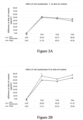
- the half-face comparison method was used, and the subjects were divided into two groups, A and B, with 10 subjects in each group;
- Group A The left face was treated with an emulsion comprising the zinc hyaluronate with high molecular weight (Example 9), and the right face was treated with a blank emulsion;
- Group B The left face was treated with an emulsion comprising the zinc hyaluronate with low molecular weight (Example 10), and the right face was treated with a blank emulsion; the water content in the stratum corneum of the cheekbone region of the subjects' faces was measured before and after use.
- the results of Group A and Group B are shown in Figures 2A and 2B , respectively.
- the results are expressed as the difference in skin oil content compared with that before use.
- the zinc hyaluronate with high molecular weight group had a slightly lower skin oil content, and the average oil content decreased by 5.70 ⁇ g/cm 2 at the 4th week; while in Figure 2B , the zinc hyaluronate with low molecular weight group had a more significant effect in reducing oil, especially after 1 week of use, the average skin oil content was reduced by 13.11 ⁇ g/cm 2 compared with that of the blank group.
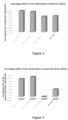
- Porphyrin is a product of microbial metabolism. There is a certain correlation between the porphyrin content and the oil content in the skin. In areas with higher oil content, microbial metabolic activities are usually more vigorous, and the amount of porphyrin produced is higher than that of other areas.
- the results of Group A and Group B are shown in Figures 3A and 3B , respectively, and the initial value before use was set as 100%.
- Zinc hyaluronate sample (Example 9, 1270 kD)
- zinc hyaluronate has an inhibitory effect on harmful bacteria on the skin surface and can prevent skin wound infection caused by intradermal, and microneedle injections, etc.; it can also be used in products for removing dandruff (caused by Malassezia furfur) and removing acne (caused by Propionibacterium acnes).
- the salicylic acid method was used to determine the hydroxyl radical scavenging ability of zinc hyaluronate samples.
- a certain amount of H 2 O 2 and FeSO 4 were mixed to produce hydroxyl radicals by Fenton reaction.
- Adding salicylic acid to the reaction system can capture hydroxyl radicals and produce 3-hydroxysalicylic acid and 5-hydroxysalicylic acid. Both products have strong absorption at 510nm.
- the reaction equation is as follows: H 2 O 2 +Fe 2+ ⁇ OH+OH - +Fe 3+
- the addition of the sample will compete with salicylic acid for the reaction with OH, thereby reducing the production of 3-hydroxysalicylic acid and 5-hydroxysalicylic acid.
- the fixed reaction time method was used to measure the absorbance of the reaction solution at 510 nm and compare it with the blank solution to determine the scavenging effect of the analyte on hydroxyl free radicals.
- S is the scavenging rate
- a 0 is the absorbance value of the blank control
- a x is the absorbance value when the sample is added
- a x0 is the absorbance value without adding the color developer.
- the pyrogallol self-oxidation method was used. Under weakly alkaline conditions, pyrogallol can undergo self-oxidation reaction to generate superoxide anions and a colored intermediate product with a characteristic absorption peak at 320 nm. In the initial trial stage, the amount of intermediate product is linearly related to time. Since the self-oxidation rate depends on the concentration of superoxide anions, when a superoxide anion scavenger is added, it can react quickly with superoxide anions to inhibit the self-oxidation reaction, thereby preventing the accumulation of intermediates and weakening the light absorption of the solution at 320 nm. Therefore, the scavenging effect of the scavenger on superoxide anions can be evaluated by measuring the A320 value.
- HA-Zn has a significant effect on the scavenging of superoxide anion free radicals, among which hyaluronic acid zinc with high molecular weight has a higher scavenging ability, with a scavenging rate of more than 70%.
- zinc acetate has a certain ability to scavenge superoxide anion free radicals, it is significantly lower than that of HA-Zn, and HA-Na has almost no ability to scavenge superoxide anion free radicals. Therefore, zinc hyaluronate has a significant effect in scavenging superoxide anion free radicals, which reflects that zinc hyaluronate has a good antioxidant effect.
- collagen Based on the differences in amino acids in the three peptide chains that make up tropocollagen, collagen can be divided into four types: I, II, III, and IV. Normal skin collagen is mainly composed of types I and III, and the ratio of the two is about 3.5:1.
- type II collagen fibers show an increasing trend
- Type I collagen is a coarse fiber and is the material basis of scar tissue fibrosis
- type II collagen is a fine fiber and is the main component of reticular fibers.
- type II fibers are gradually replaced by thick type I fibers, destroying the reticular structure of normal skin.
- the biological characteristics of normal skin change accordingly, with the type I/III collagen ratio dropping significantly, the collagen fibers becoming disordered, and the fibers becoming thick, thus showing the hallmark appearance of scarring.
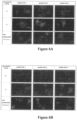
- the fibroblasts were treated with TGF- ⁇ 1 to establish an in vitro scar model.
- the scar model was treated with 0.05 mg/ml zinc hyaluronate test substance working solution, and images were collected using a fluorescence microscope within 48 hours. The image magnification was 400 times (eyepiece 10 ⁇ , objective lens 40 ⁇ ).
- the scar repair efficacy was evaluated by observing the changes in the contents of Collagen I and Collagen III in fibroblasts. (This test was conducted by Guangdong Biocell Biotechnology Co., Ltd.)
- BC was the positive control and NC was the negative (blank) control.
- NC was the negative (blank) control.
- Figures 6A and 6B compared with the NC group, after the sample was treated with zinc hyaluronate at a concentration of 0.05 mg/mL for 24 hours, the content of Collagen I was extremely significantly decreased (P ⁇ 0.05); the content of Collagen III was decreased, but there was no significant difference.
- the sample zinc hyaluronate at a concentration of 0.05 mg/mL can significantly inhibit the synthesis of Collagen I, thereby affecting the expression ratio of Collagen I and Collagen III proteins and inhibiting the occurrence of scars caused by excessive expression of Collagen I.
Landscapes
- Health & Medical Sciences (AREA)
- Life Sciences & Earth Sciences (AREA)
- Chemical & Material Sciences (AREA)
- General Health & Medical Sciences (AREA)
- Animal Behavior & Ethology (AREA)
- Public Health (AREA)
- Veterinary Medicine (AREA)
- Medicinal Chemistry (AREA)
- Chemical Kinetics & Catalysis (AREA)
- Organic Chemistry (AREA)
- Pharmacology & Pharmacy (AREA)
- Dermatology (AREA)
- Nuclear Medicine, Radiotherapy & Molecular Imaging (AREA)
- General Chemical & Material Sciences (AREA)
- Engineering & Computer Science (AREA)
- Bioinformatics & Cheminformatics (AREA)
- Molecular Biology (AREA)
- Epidemiology (AREA)
- Biochemistry (AREA)
- Polymers & Plastics (AREA)
- Materials Engineering (AREA)
- Oncology (AREA)
- Communicable Diseases (AREA)
- Birds (AREA)
- Toxicology (AREA)
- Inorganic Chemistry (AREA)
- Pharmaceuticals Containing Other Organic And Inorganic Compounds (AREA)
- Cosmetics (AREA)
- Polysaccharides And Polysaccharide Derivatives (AREA)
Applications Claiming Priority (2)
| Application Number | Priority Date | Filing Date | Title |
|---|---|---|---|
| CN202210424292.6A CN116948054B (zh) | 2022-04-20 | 2022-04-20 | 一种透明质酸锌的制备方法和应用 |
| PCT/CN2023/089192 WO2023202613A1 (fr) | 2022-04-20 | 2023-04-19 | Procédé de préparation et application d'hyaluronate de zinc |
Publications (2)
| Publication Number | Publication Date |
|---|---|
| EP4512832A1 true EP4512832A1 (fr) | 2025-02-26 |
| EP4512832A4 EP4512832A4 (fr) | 2025-08-20 |
Family
ID=88419267
Family Applications (1)
| Application Number | Title | Priority Date | Filing Date |
|---|---|---|---|
| EP23791268.8A Pending EP4512832A4 (fr) | 2022-04-20 | 2023-04-19 | Procédé de préparation et application d'hyaluronate de zinc |
Country Status (4)
| Country | Link |
|---|---|
| EP (1) | EP4512832A4 (fr) |
| JP (1) | JP7781308B2 (fr) |
| CN (2) | CN116948054B (fr) |
| WO (1) | WO2023202613A1 (fr) |
Families Citing this family (3)
| Publication number | Priority date | Publication date | Assignee | Title |
|---|---|---|---|---|
| CN117586432B (zh) * | 2023-11-08 | 2025-02-18 | 山东焦点福瑞达生物股份有限公司 | 一种透明质酸锌的制备方法及其应用 |
| CN117797082A (zh) * | 2024-03-01 | 2024-04-02 | 广州诗妃生物科技有限公司 | 一种具有止痒作用的组合物及其在制备修复乳中的应用 |
| CN120837396A (zh) * | 2024-04-28 | 2025-10-28 | Elc 管理有限责任公司 | 化妆品组合物及其用途 |
Family Cites Families (11)
| Publication number | Priority date | Publication date | Assignee | Title |
|---|---|---|---|---|
| HU225329B1 (en) * | 1996-09-12 | 2006-09-28 | Richter Gedeon Vegyeszet | Use of zinc or cobalt hyaluronate associate for the manufacture of pharmaceutical compositions of antimicrobial activity |
| JP4576583B2 (ja) * | 2005-03-22 | 2010-11-10 | キユーピー株式会社 | ヒアルロン酸またはその塩、およびその製造方法、ならびにこれを含有する化粧料および食品組成物 |
| WO2006121210A1 (fr) * | 2005-05-13 | 2006-11-16 | Takata Seiyaku Co., Ltd. | Agent d'amélioration de l'état de la peau |
| CN100355790C (zh) * | 2005-11-04 | 2007-12-19 | 山东福瑞达生物化工有限公司 | 一种透明质酸锌的制备方法 |
| CN102834417B (zh) | 2010-04-14 | 2015-11-25 | 丘比株式会社 | 透明质酸金属盐的制造方法、包含透明质酸金属盐的化妆品的制造方法以及透明质酸锌及其制造方法 |
| EP2818543B8 (fr) * | 2012-02-21 | 2018-03-07 | Bloomage Freda Biopharm Co., Ltd. | Bacille, hyaluronidase et leurs applications |
| CN102961396A (zh) | 2012-12-17 | 2013-03-13 | 程玉李 | 透明质酸金属盐在制备治疗皮肤病药物中的应用、其药物组合物及其制备方法 |
| JP2016166133A (ja) * | 2015-03-09 | 2016-09-15 | キユーピー株式会社 | パック化粧料 |
| CN104771340B (zh) * | 2015-04-22 | 2019-10-25 | 湖北立天生物工程有限公司 | 一种抗衰填充细纹的面膜 |
| CN111647100B (zh) * | 2020-07-14 | 2022-03-01 | 山东华熙海御生物医药有限公司 | 一种高分子量透明质酸锌的制备方法 |
| CN112691049B (zh) * | 2021-01-15 | 2022-08-02 | 拉芳家化股份有限公司 | 一种含透明质酸锌的香波组合物 |
-
2022
- 2022-04-20 CN CN202210424292.6A patent/CN116948054B/zh active Active
- 2022-04-20 CN CN202510744891.XA patent/CN120484156A/zh active Pending
-
2023
- 2023-04-19 WO PCT/CN2023/089192 patent/WO2023202613A1/fr not_active Ceased
- 2023-04-19 EP EP23791268.8A patent/EP4512832A4/fr active Pending
- 2023-04-19 JP JP2024561994A patent/JP7781308B2/ja active Active
Also Published As
| Publication number | Publication date |
|---|---|
| CN120484156A (zh) | 2025-08-15 |
| EP4512832A4 (fr) | 2025-08-20 |
| CN116948054B (zh) | 2025-07-04 |
| WO2023202613A1 (fr) | 2023-10-26 |
| JP7781308B2 (ja) | 2025-12-05 |
| CN116948054A (zh) | 2023-10-27 |
| JP2025513417A (ja) | 2025-04-24 |
Similar Documents
| Publication | Publication Date | Title |
|---|---|---|
| EP4512832A1 (fr) | Procédé de préparation et application d'hyaluronate de zinc | |
| US20100266646A1 (en) | Assemblies, systems, and methods for skin treatment incorporating oxidized cellulose | |
| CN113876666B (zh) | 一种去屑止痒洗发水及其制备方法 | |
| CN112691049B (zh) | 一种含透明质酸锌的香波组合物 | |
| CN113908097A (zh) | 一种祛痘组合物及其应用 | |
| CN113876610A (zh) | 一种能够增强细胞能量并提高皮肤抵抗力的组合物及其制备方法与应用 | |
| JP6138511B2 (ja) | フィラグリン産生促進剤 | |
| CN106109264A (zh) | 一种具有抗菌保湿功能的护肤面膜及其制作方法 | |
| CN116850128A (zh) | 一种微生态调节组合物、制备方法及应用 | |
| CN121177152A (zh) | 一种美容组合物及其在美白抗炎抗衰产品中的应用 | |
| CN114366692B (zh) | 一种控油祛痘组合物及其应用 | |
| CN114652639A (zh) | 一种超分子透明质酸钠包裹玉米醇溶蛋白-光甘草定组合物及其制备方法与应用 | |
| CN110787106A (zh) | 一种植物焕活净化组合物及其制备方法 | |
| CN110755279A (zh) | 一种抗菌皮肤护理用品 | |
| CN116421487A (zh) | 温和且自防腐的表面活性剂组合物 | |
| CN102018633A (zh) | 一种高效去屑止痒组合物及其制备与在洗发香波中的应用 | |
| KR20220087822A (ko) | 반려동물용 허브팩 분말 및 입욕제 | |
| CN116473892B (zh) | 一种具有抗氧化、抑菌功效的组合物及其应用 | |
| CN111449997A (zh) | 一种使用绿藻提取物作为主要活性成分的化妆品 | |
| CN114732745B (zh) | 一种纳米银抗菌洗手液及其制备方法 | |
| CN118845523B (zh) | 一种重组人源化胶原蛋白组合物及制备方法和应用 | |
| CN117618283B (zh) | 一种控油抗痘洁面组合物及其应用、凝胶 | |
| CN116549314B (zh) | 具有毛囊保护作用的组合物、制备方法及应用 | |
| CN116236413B (zh) | 一种木质素/水杨酸纳米微球多功能化妆品添加剂 | |
| TW202606640A (zh) | 化妝品組合物及其製備方法 |
Legal Events
| Date | Code | Title | Description |
|---|---|---|---|
| STAA | Information on the status of an ep patent application or granted ep patent |
Free format text: STATUS: THE INTERNATIONAL PUBLICATION HAS BEEN MADE |
|
| PUAI | Public reference made under article 153(3) epc to a published international application that has entered the european phase |
Free format text: ORIGINAL CODE: 0009012 |
|
| STAA | Information on the status of an ep patent application or granted ep patent |
Free format text: STATUS: REQUEST FOR EXAMINATION WAS MADE |
|
| 17P | Request for examination filed |
Effective date: 20241115 |
|
| AK | Designated contracting states |
Kind code of ref document: A1 Designated state(s): AL AT BE BG CH CY CZ DE DK EE ES FI FR GB GR HR HU IE IS IT LI LT LU LV MC ME MK MT NL NO PL PT RO RS SE SI SK SM TR |
|
| DAV | Request for validation of the european patent (deleted) | ||
| DAX | Request for extension of the european patent (deleted) | ||
| A4 | Supplementary search report drawn up and despatched |
Effective date: 20250717 |
|
| RIC1 | Information provided on ipc code assigned before grant |
Ipc: C08B 37/08 20060101AFI20250711BHEP Ipc: A61K 8/73 20060101ALI20250711BHEP Ipc: A61K 8/27 20060101ALI20250711BHEP Ipc: A61K 31/728 20060101ALI20250711BHEP Ipc: A61P 17/00 20060101ALI20250711BHEP Ipc: A61P 17/02 20060101ALI20250711BHEP Ipc: A61P 17/10 20060101ALI20250711BHEP Ipc: A61P 17/16 20060101ALI20250711BHEP Ipc: A61P 17/18 20060101ALI20250711BHEP Ipc: A61P 31/04 20060101ALI20250711BHEP Ipc: A61Q 5/00 20060101ALI20250711BHEP Ipc: A61Q 19/00 20060101ALI20250711BHEP Ipc: C08L 5/08 20060101ALI20250711BHEP |