EP4513187A2 - Verfahren zum nachweis von prostatakrebs - Google Patents
Verfahren zum nachweis von prostatakrebs Download PDFInfo
- Publication number
- EP4513187A2 EP4513187A2 EP24208435.8A EP24208435A EP4513187A2 EP 4513187 A2 EP4513187 A2 EP 4513187A2 EP 24208435 A EP24208435 A EP 24208435A EP 4513187 A2 EP4513187 A2 EP 4513187A2
- Authority
- EP
- European Patent Office
- Prior art keywords
- markers
- cancer
- subject
- levels
- cells
- Prior art date
- Legal status (The legal status is an assumption and is not a legal conclusion. Google has not performed a legal analysis and makes no representation as to the accuracy of the status listed.)
- Withdrawn
Links
Images



Classifications
-
- G—PHYSICS
- G01—MEASURING; TESTING
- G01N—INVESTIGATING OR ANALYSING MATERIALS BY DETERMINING THEIR CHEMICAL OR PHYSICAL PROPERTIES
- G01N33/00—Investigating or analysing materials by specific methods not covered by groups G01N1/00 - G01N31/00
- G01N33/48—Biological material, e.g. blood, urine; Haemocytometers
- G01N33/50—Chemical analysis of biological material, e.g. blood, urine; Testing involving biospecific ligand binding methods; Immunological testing
- G01N33/53—Immunoassay; Biospecific binding assay; Materials therefor
- G01N33/575—Immunoassay; Biospecific binding assay; Materials therefor for cancer
- G01N33/57555—Immunoassay; Biospecific binding assay; Materials therefor for cancer of the prostate
-
- C—CHEMISTRY; METALLURGY
- C12—BIOCHEMISTRY; BEER; SPIRITS; WINE; VINEGAR; MICROBIOLOGY; ENZYMOLOGY; MUTATION OR GENETIC ENGINEERING
- C12Q—MEASURING OR TESTING PROCESSES INVOLVING ENZYMES, NUCLEIC ACIDS OR MICROORGANISMS; COMPOSITIONS OR TEST PAPERS THEREFOR; PROCESSES OF PREPARING SUCH COMPOSITIONS; CONDITION-RESPONSIVE CONTROL IN MICROBIOLOGICAL OR ENZYMOLOGICAL PROCESSES
- C12Q1/00—Measuring or testing processes involving enzymes, nucleic acids or microorganisms; Compositions therefor; Processes of preparing such compositions
- C12Q1/68—Measuring or testing processes involving enzymes, nucleic acids or microorganisms; Compositions therefor; Processes of preparing such compositions involving nucleic acids
- C12Q1/6876—Nucleic acid products used in the analysis of nucleic acids, e.g. primers or probes
- C12Q1/6883—Nucleic acid products used in the analysis of nucleic acids, e.g. primers or probes for diseases caused by alterations of genetic material
- C12Q1/6886—Nucleic acid products used in the analysis of nucleic acids, e.g. primers or probes for diseases caused by alterations of genetic material for cancer
-
- C—CHEMISTRY; METALLURGY
- C12—BIOCHEMISTRY; BEER; SPIRITS; WINE; VINEGAR; MICROBIOLOGY; ENZYMOLOGY; MUTATION OR GENETIC ENGINEERING
- C12Q—MEASURING OR TESTING PROCESSES INVOLVING ENZYMES, NUCLEIC ACIDS OR MICROORGANISMS; COMPOSITIONS OR TEST PAPERS THEREFOR; PROCESSES OF PREPARING SUCH COMPOSITIONS; CONDITION-RESPONSIVE CONTROL IN MICROBIOLOGICAL OR ENZYMOLOGICAL PROCESSES
- C12Q2600/00—Oligonucleotides characterized by their use
- C12Q2600/106—Pharmacogenomics, i.e. genetic variability in individual responses to drugs and drug metabolism
-
- C—CHEMISTRY; METALLURGY
- C12—BIOCHEMISTRY; BEER; SPIRITS; WINE; VINEGAR; MICROBIOLOGY; ENZYMOLOGY; MUTATION OR GENETIC ENGINEERING
- C12Q—MEASURING OR TESTING PROCESSES INVOLVING ENZYMES, NUCLEIC ACIDS OR MICROORGANISMS; COMPOSITIONS OR TEST PAPERS THEREFOR; PROCESSES OF PREPARING SUCH COMPOSITIONS; CONDITION-RESPONSIVE CONTROL IN MICROBIOLOGICAL OR ENZYMOLOGICAL PROCESSES
- C12Q2600/00—Oligonucleotides characterized by their use
- C12Q2600/118—Prognosis of disease development
-
- C—CHEMISTRY; METALLURGY
- C12—BIOCHEMISTRY; BEER; SPIRITS; WINE; VINEGAR; MICROBIOLOGY; ENZYMOLOGY; MUTATION OR GENETIC ENGINEERING
- C12Q—MEASURING OR TESTING PROCESSES INVOLVING ENZYMES, NUCLEIC ACIDS OR MICROORGANISMS; COMPOSITIONS OR TEST PAPERS THEREFOR; PROCESSES OF PREPARING SUCH COMPOSITIONS; CONDITION-RESPONSIVE CONTROL IN MICROBIOLOGICAL OR ENZYMOLOGICAL PROCESSES
- C12Q2600/00—Oligonucleotides characterized by their use
- C12Q2600/158—Expression markers
-
- G—PHYSICS
- G01—MEASURING; TESTING
- G01N—INVESTIGATING OR ANALYSING MATERIALS BY DETERMINING THEIR CHEMICAL OR PHYSICAL PROPERTIES
- G01N2333/00—Assays involving biological materials from specific organisms or of a specific nature
- G01N2333/435—Assays involving biological materials from specific organisms or of a specific nature from animals; from humans
- G01N2333/46—Assays involving biological materials from specific organisms or of a specific nature from animals; from humans from vertebrates
-
- G—PHYSICS
- G01—MEASURING; TESTING
- G01N—INVESTIGATING OR ANALYSING MATERIALS BY DETERMINING THEIR CHEMICAL OR PHYSICAL PROPERTIES
- G01N2333/00—Assays involving biological materials from specific organisms or of a specific nature
- G01N2333/435—Assays involving biological materials from specific organisms or of a specific nature from animals; from humans
- G01N2333/705—Assays involving receptors, cell surface antigens or cell surface determinants
- G01N2333/715—Assays involving receptors, cell surface antigens or cell surface determinants for cytokines; for lymphokines; for interferons
- G01N2333/7158—Assays involving receptors, cell surface antigens or cell surface determinants for cytokines; for lymphokines; for interferons for chemokines
-
- G—PHYSICS
- G01—MEASURING; TESTING
- G01N—INVESTIGATING OR ANALYSING MATERIALS BY DETERMINING THEIR CHEMICAL OR PHYSICAL PROPERTIES
- G01N2333/00—Assays involving biological materials from specific organisms or of a specific nature
- G01N2333/90—Enzymes; Proenzymes
-
- G—PHYSICS
- G01—MEASURING; TESTING
- G01N—INVESTIGATING OR ANALYSING MATERIALS BY DETERMINING THEIR CHEMICAL OR PHYSICAL PROPERTIES
- G01N2500/00—Screening for compounds of potential therapeutic value
-
- G—PHYSICS
- G01—MEASURING; TESTING
- G01N—INVESTIGATING OR ANALYSING MATERIALS BY DETERMINING THEIR CHEMICAL OR PHYSICAL PROPERTIES
- G01N2500/00—Screening for compounds of potential therapeutic value
- G01N2500/04—Screening involving studying the effect of compounds C directly on molecule A (e.g. C are potential ligands for a receptor A, or potential substrates for an enzyme A)
-
- G—PHYSICS
- G01—MEASURING; TESTING
- G01N—INVESTIGATING OR ANALYSING MATERIALS BY DETERMINING THEIR CHEMICAL OR PHYSICAL PROPERTIES
- G01N2800/00—Detection or diagnosis of diseases
- G01N2800/50—Determining the risk of developing a disease
-
- G—PHYSICS
- G01—MEASURING; TESTING
- G01N—INVESTIGATING OR ANALYSING MATERIALS BY DETERMINING THEIR CHEMICAL OR PHYSICAL PROPERTIES
- G01N2800/00—Detection or diagnosis of diseases
- G01N2800/52—Predicting or monitoring the response to treatment, e.g. for selection of therapy based on assay results in personalised medicine; Prognosis
-
- G—PHYSICS
- G01—MEASURING; TESTING
- G01N—INVESTIGATING OR ANALYSING MATERIALS BY DETERMINING THEIR CHEMICAL OR PHYSICAL PROPERTIES
- G01N2800/00—Detection or diagnosis of diseases
- G01N2800/54—Determining the risk of relapse
Definitions
- This invention relates generally to using biological markers for the diagnosis, prognosis, and monitoring of prostate cancer.
- Leukocytes begin as pluripotent hematopoietic stem cells in the bone marrow and develop along either the myeloid lineage (monocytes, macrophages, neutrophils, eosinophils, and basophils) or the lymphoid lineage (T and B lymphocytes and natural killer cells).
- the major function of the myeloid lineage cells e.g., neutrophils and macrophages
- the major function of the myeloid lineage cells e.g., neutrophils and macrophages
- Phagocytes from healthy animals do not replicate and are diploid, i.e., have a DNA content of 2n.
- Non-phagocytic cells are also diploid and are not involved in the internalization of dead cells or infectious organisms and have a DNA index of one.
- the lifetime of various white blood cell subpopulations varies from a few days (e.g., neutrophils) to several months (e.g., macrophages). Like other cell types, leukocytes age and eventually die. During their aging process, human blood- and tissue-derived phagocytes (e.g., neutrophils) exhibit all the classic markers of programmed cell death (i.e., apoptosis), including caspase activation, pyknotic nuclei, and chromatin fragmentation. These cells also display a number of "eat-me” flags (e.g., phosphatidylserine, sugars) on the extracellular surfaces of their plasma membranes. Consequently, dying and dead cells and subcellular fragments thereof are cleared from tissues and blood by other phagocytic cells.
- apoptosis e.g., neutrophils
- the prostate specific antigen is currently one of the most widely used diagnostic measures used to detect prostate cancer.
- false negatives and false negatives are common, resulting in mistreatment of patients with no prostate cancer or overtreatment of patients with non-lethal prostate cancer.
- improved methods for detecting prostate cancer arc needed.
- the present invention provides methods for detecting or diagnosing prostate cancer by using at least one or more markers selected from the PC-MACRO 1-100 (Table 2) and/or PC-MACRO 101-200 (Table 3) and/or PC-NEUTRO 1-100 (Table 4) and/or PC-NEUTRO 101-200 (Table 5).
- Levels e.g., gene expression levels, protein expression levels, or activity levels
- levels of the selected markers may be measured from macrophages or neutrophils, respectively, and from non-phagocytes, from a subject.
- Such levels then can be compared, e.g., the levels of the selected markers in the phagocytic cells and in the non-phagocytic cells to identify one or more differences between the measured levels, indicating whether the subject has prostate cancer.
- the identified difference(s) can also be used for assessing the risk of developing prostate cancer, prognosing prostate cancer, monitoring prostate cancer progression or regression, assessing the efficacy of a treatment for prostate cancer, or identifying a compound capable of ameliorating
- the levels of the selected markers in the phagocytic cells may be compared to the levels of the selected markers in a control (e.g., a normal or healthy control subject, or a normal or healthy cell from the subject) to identify one or more differences between the measured levels, indicating whether the subject has prostate cancer, the prognosis of the cancer and the monitoring of the cancer.
- the identified difference(s) can also be used for assessing the risk of developing prostate cancer, prognosing prostate cancer, monitoring prostate cancer progression or regression, assessing the efficacy of a treatment for prostate cancer, or identifying a compound capable of ameliorating or treating prostate cancer.
- the present invention provides biological markers and methods of using them to detect a cancer. More specifically, the present invention provides biomarkers that are specific for prostate cancer.
- a “biomarker” or “marker” refers to an analyte (e.g., a nucleic acid, DNA, RNA, peptide, protein, or metabolite) that can be objectively measured and evaluated as an indicator for a biological process.
- a marker is differentially detectable in phagocytes and is indicative of the presence or absence of prostate cancer.
- An analyte is differentially detectable if it can be distinguished quantitatively or qualitatively in phagocytes compared to a control, e.g., a normal or healthy control or non-phagocytic cells.
- the present invention is based on the discovery that one or more markers selected from Tables 2 and 3 (PC-MACRO markers) or Tables 4 and 5 (PC-NEUTRO markers) are useful in diagnosing prostate cancer.
- PC-MACRO markers e.g., gene expression levels, protein expression levels, or protein activity levels
- phagocytes e.g., macrophage or neutrophils
- a "level" of a marker of this invention can be qualitative (e.g., presence or absence) or quantitative (e.g., amounts, copy numbers, or dosages).
- a level of a marker at a zero value can indicate the absence of this marker.
- the levels of any marker of this invention can be measured in various forms.
- the level can be a gene expression level, a RNA transcript level, a protein expression level, a protein activity level, an enzymatic activity level.
- the markers of this invention can be used in methods for diagnosing or aiding in the diagnosis of prostate cancer by comparing levels (e.g., gene expression levels, or protein expression levels, or protein activities) of one or more prostate cancer markers (e.g., nucleic acids or proteins) between phagocytes (e.g., macrophages or neutrophils) and non-phagocytic cells taken from the same individual.
- prostate cancer markers e.g., nucleic acids or proteins
- phagocytes e.g., macrophages or neutrophils
- non-phagocytic cells taken from the same individual.
- This invention also provides methods for assessing the risk of developing prostate cancer, prognosing said cancer, monitoring said cancer progression or regression, assessing the efficacy of a treatment, or identifying a compound capable of ameliorating or treating said cancer.
- prostate cancer means any cancer of the prostate including, but not limited to, adenocarcinoma and small cell carcinoma.
- the methods comprise: a) measuring the levels of one or more markers selected from Tables 2 and 3 (PC-MACRO markers) in a population of a subject's macrophage cells; b) measuring the levels of one or more of the selected markers in a population of a subject's non-phagocytic cells (e.g., T-cells, B-cells, null cells, basophils or the mixtures of two more non-phagocytic cells); comparing the measured levels in step a) to the measured levels in step b) and further identify a difference between the measured levels of a) and b). The identified difference is indicative of the diagnosis (e.g., presence or absence), prognosis (e.g., lethal outcome, or tumor stage), or the risk of developing prostate cancer.
- PC-MACRO markers markers selected from Tables 2 and 3
- the methods comprise: a) measuring the levels of one or more markers selected from Tables 2 and 3 (PC-MACRO markers) in a population of a subject's macrophage cells; identifying a difference between the measured levels of the selected markers in step a) and the levels of the selected markers in a control (e.g., a healthy control cell, or a control cell from a healthy subject). The identified difference is indicative of the diagnosis (e.g., presence or absence), prognosis (e.g., lethal outcome, or tumor stage), or the risk of developing prostate cancer.
- PC-MACRO markers markers selected from Tables 2 and 3
- the selected markers comprise one or more (e.g., two, three, four, or five) of PC-MACRO Markers 1-4 and 105, i.e., P2RY10, TNFAIP3, CXCR1, DNAJB1, and CHI3L1.
- the selected markers are up-regulated (see Tables 2 and/or 3 for up-regulated markers) in prostate cancer patients.
- the selected markers are down-regulated (see Tables 2 and/or 3 for down-regulated markers) in prostate cancer patients.
- the selected markers comprise at least one PC-MACRO Marker that is up-regulated and at least one PC-MACRO Marker that is down-regulated.
- the selected markers consist of P2RY10, TNFAIP3, CXCR1, and DNAJB1 or of P2RY10, TNFAIP3, CXCR1, CHI3L1 and DNAJB1.
- the methods comprise: a) measuring the levels of one or more markers selected from Tables 4 and 5 (PC-NEUTRO Markers) in a population of a subject's neutrophil cells; b) measuring the levels of one or more of the selected markers in a population of a subject's non-phagocytic cells (e.g., T-cells, B-cells, null cells, basophils or the mixtures of two more non-phagocytic cells); comparing the measured levels in step a) to the measured levels in step b) and further identify a difference between the measured levels of a) and b). The identified difference is indicative of the diagnosis (e.g., presence or absence), prognosis (e.g., lethal outcome, or tumor stage), or the risk of developing prostate cancer.
- the diagnosis e.g., presence or absence
- prognosis e.g., lethal outcome, or tumor stage
- the methods comprise: a) measuring the levels of one or more markers selected from Tables 4 and 5 (PC-NEUTRO Markers) in a population of a subject's neutrophil cells; identifying a difference between the measured levels of the selected markers in step a) and the levels of the selected markers in a control (e.g., a healthy control cell, or a control cell from a healthy subject). The identified difference is indicative of the diagnosis (e.g., presence or absence), prognosis (e.g., lethal outcome, or tumor stage), or the risk of developing prostate cancer.
- a marker selected from Tables 4 and 5 PC-NEUTRO Markers
- the selected markers comprise at least one PC-NEUTRO Marker that is up-regulated and at least one PC-NEUTRO Marker that is down-regulated.
- the selected markers consist of EIF3S5, EEEF1A1, RPL23A, RPL14, RPL23A, RPL3, RPS28, and PTMA.
- the methods comprise: a) measuring the levels of one or more markers selected from Tables 4 and 5 (PC-NEUTRO markers) in a population of a subject's neutrophil cells and the levels of one or more markers selected from Tables 2 and 3 (PC-MACRO markers) in a population of a subject's macrophage cells; b) measuring the levels of one or more of the selected PC-MACRO markers and the levels one or more of the selected PC-NEUTRO markers in a population of a subject's non-phagocytic cells (e.g., T-cells, B-cells, null cells, basophils or the mixtures of two more non-phagocytic cells); identifying a difference between the measured levels of the selected PC-NEUTRO markers of steps a) and b) and identifying a difference between the measured levels of the selected PC-MACRO markers of
- the methods comprise: a) measuring the levels of one or more markers selected from Tables 4 and 5 (PC-NEUTRO markers) in a population of a subject's neutrophil cells and the levels of one or more markers selected from Tables 2 and 3 (PC-MACRO markers) in a population of a subject's macrophage cells; identifying a difference between the measured levels of the selected PC-NEUTRO markers of steps a) and the levels of the selected PC-NEUTRO markers in a control (e.g., a healthy control cell, or a control cell from a healthy subject) and identifying a difference between the measured levels of the selected PC-MACRO markers of step a) and the levels of the selected PC-MACRO markers in a control (e.g., a healthy control cell, or a control cell from a healthy subject).
- the identified differences are indicative of the diagnosis (e.g.
- the selected PC-NEUTRO markers comprise one or more (e.g., two, three, four, five, six, seven, eight, nine, ten, or eleven) PC-NEUTRO Markers 1-11, e.g., EIF3S5, EEEF1A1, RPL23A, RPL14, RPL23A, RPL3, RPS28, and PTMA and the selected PC-MACRO markers comprise one or more (e.g., two, three, four, or five) PC-MACRO Markers 1-4 and 105, i.e., P2RY10, TNFAIP3, CXCR1, DNAJB1, and CHI3L1.
- PC-NEUTRO Markers 1-11 e.g., EIF3S5, EEEF1A1, RPL23A, RPL14, RPL23A, RPL3, RPS28, and PTMA
- the selected PC-MACRO markers comprise one or more (e.g., two, three, four, or five) PC-MACRO Markers 1-4 and 105,
- the methods provided in this invention for assessing the efficacy of a treatment for prostate cancer, monitoring the progression or regression of prostate cancer, or identifying a compound capable of ameliorating or treating prostate cancer, respectively, in a subject comprising: a) measuring the levels of one or more markers selected from the group consisting of PC-MACRO 1-200 (Tables 2 and 3) in a population of the subject's macrophage cells before the treatment, or at a first time point, or before administration of the compound, respectively; b) identifying a first difference between the measured levels of the one or more selected PC-MACRO markers in step (a) and the levels of the one or more selected PC-MACRO markers in a control (e.g., a healthy control cell, or a control cell from a healthy subject) before the treatment, or at the first time point, or before administration of the compound, respectively; c) measuring the levels of the one or more selected PC-MACRO markers in a population of the subject's macrophage cells after the treatment, or at a second time
- the methods provided in this invention for assessing the efficacy of a treatment for prostate cancer, monitoring the progression or regression of prostate cancer, or identifying a compound capable of ameliorating or treating prostate cancer, respectively, in a subject comprising: a) measuring the levels of one or more markers selected from the group consisting of PC-NEUTRO 1-200 (Tables 4 and 5) in a population of the subject's neutrophil cells before the treatment, or at a first time point, or before administration of the compound, respectively; b) identifying a first difference between the measured levels of the one or more selected PC-NEUTRO markers in step (a) and the levels of the one or more selected PC-NEUTRO markers in a control (e.g., a control cell from a healthy subject, or a normal or healthy cell from the subject) before the treatment, or at the first time point, or before administration of the compound, respectively; c) measuring the levels of the one or more selected PC-NEUTRO markers in a population of the subject's neutrophil cells after the
- the selected markers comprise one or more (e.g., two, three, four, five, six, seven, eight, nine, ten, or 1 1) PC-NEUTRO Markers 1-11, e.g., EIF3S5, EEEF1A1, RPL23A, RPL14, RPL23A, RPL3, RPS28, and PTMA.
- the selected markers are up-regulated (see Tables 4 and 5 for up-regulated markers) in prostate cancer patients.
- the selected markers are down-regulated (see Tables 4 and 5 for down-regulated markers) in prostate cancer patients.
- such biological markers and the substituted selected markers may belong to the same signaling or biological pathway (e.g., a protein synthesis pathway, Th1 cytokine production pathway, transcription pathway, programmed cell death pathway), or may have similar biological function or activity (e.g., protein synthesis, Th1 cytokine production, nucleotide binding, protein binding, transcription, a receptor for purines coupled to G-proteins, inhibition of programmed cell death, neutrophil activation, an IL-8 receptor, an HSP70-interacting protein, stimulating ATPase activity), or may be regulated by a common protein, or may belong to the same protein complex (e.g., an HSP70 protein complex).
- a protein synthesis pathway e.g., Th1 cytokine production pathway, transcription pathway, programmed cell death pathway
- similar biological function or activity e.g., protein synthesis, Th1 cytokine production, nucleotide binding, protein binding, transcription, a receptor for purines coupled to G-proteins, inhibition of programmed cell death
- a population of the subject's macrophage cells is used as the selected phagocytic cells for measuring the levels of the selected markers (e.g., PC-MACRO markers) and a population of the subject's T-cells is used as the selected non-phagocytic cells for measuring the levels of the selected markers (e.g., PC-MACRO markers).
- the selected markers e.g., PC-MACRO markers
- a population of the subject's T-cells is used as the selected non-phagocytic cells for measuring the levels of the selected markers (e.g., PC-MACRO markers).
- a population of the subject's neutrophil cells is used as the selected phagocytic cells for measuring the levels of the selected markers (e.g., PC-NEUTRO markers) and a population of the subject's T-cells is used as the selected non-phagocytic cells for measuring the levels of the selected markers (e.g., PC-NEUTRO markers).
- the selected markers e.g., PC-NEUTRO markers
- a population of the subject's T-cells is used as the selected non-phagocytic cells for measuring the levels of the selected markers (e.g., PC-NEUTRO markers).
- the gene names/descriptions provided in Tables 2-5 are merely illustrative.
- the markers of this invention encompass all forms and variants of any specifically described markers, including, but not limited to, polymorphic or allelic variants, isoforms, mutants, derivatives, precursors including nucleic acids and pro-proteins, cleavage products, and structures comprised of any of the markers as constituent subunits of the fully assembled structure.
- a “patient”, “subject”, or “individual” are used interchangeably and refer to either a human or a non-human animal. These terms include mammals, such as humans, primates, livestock animals (e.g., bovines, porcines), companion animals (e.g., canines, felines) and rodents (e.g., mice and rats).
- mammals such as humans, primates, livestock animals (e.g., bovines, porcines), companion animals (e.g., canines, felines) and rodents (e.g., mice and rats).
- normal control As used herein, the terms “normal control”, “healthy control”, and “not-diseased cells” likewise mean a sample (e.g., cells, serum, tissue) taken from a source (e.g., subject, control subject, cell line) that does not have the condition or disease being assayed and therefore may be used to determine the baseline for the condition or disorder being measured.
- a control subject refers to any individual that has not been diagnosed as having the disease or condition being assayed. It is also understood that the control subject, normal control, and healthy control, include data obtained and used as a standard, i.e. it can be used over and over again for multiple different subjects.
- the data from the control sample could have been obtained in a different set of experiments, for example, it could be an average obtained from a number of healthy subjects and not actually obtained at the time the data for the subject was obtained.
- diagnosis refers to methods by which the skilled artisan can estimate and/or determine whether or not a patient is suffering from a given disease or condition.
- diagnosis also refers to staging (e.g., Stage I, II, III, or IV) of cancer.
- staging e.g., Stage I, II, III, or IV
- the skilled artisan often makes a diagnosis on the basis of one or more diagnostic indicators, e.g., a marker, the presence, absence, amount, or change in amount of which is indicative of the presence, severity, or absence of the condition.
- Methods using the prostate cancer markers described herein provide high specificity, sensitivity, and accuracy in detecting and diagnosing prostate cancer.
- the methods also eliminate the "inequality of baseline” that is known to occur among individuals due to intrinsic (e.g., age, gender, ethnic background, health status and the like) and temporal variations in marker expression. Additionally, by using a comparison of phagocytes and non-phagocytes from the same individual, the methods also allow detection, diagnosis, and treatment to be personalized to the individual.
- the invention provides non-invasive assays for the early detection of prostate cancer, i.e., before the prostate cancer can be diagnosed by conventional diagnostic techniques, e.g., imaging techniques, and, therefore, provide a foundation for improved decision-making relative to the needs and strategies for intervention, prevention, and treatment of individuals with such disease or condition.
- RNA samples isolated from macrophages and neutrophils and from non-phagocytic T cells.
- the samples were obtained from human subjects with and without prostate cancer.
- the data from these microarray experiments demonstrate that macrophage-T cell and neutrophil-T cell comparisons easily and accurately differentiate between prostate cancer patients and human subjects without prostate cancer.
- the methods of this invention can be used together with any known diagnostic methods, such as physical inspection, visual inspection, biopsy, scanning, histology, radiology, imaging, ultrasound, use of a commercial kit, genetic testing, immunological testing, analysis of bodily fluids, or monitoring neural activity.
- diagnostic methods such as physical inspection, visual inspection, biopsy, scanning, histology, radiology, imaging, ultrasound, use of a commercial kit, genetic testing, immunological testing, analysis of bodily fluids, or monitoring neural activity.
- Phagocytic cells that can be used in the methods of this invention include all types of cells that are capable of ingesting various types of substances (e.g., apoptotic cells, infectious agents, dead cells, viable cells, cell-free DNAs, cell-free RNAs, cell-free proteins).
- the phagocytic cells are neutrophils, macrophages, monocytes, dendritic cells, foam cells, mast cells, eosinophils, or keratinocytcs.
- the phagocytic cells can be a mixture of different types of phagocytic cells.
- the phagocytic cells can be activated phagocytic cells, e.g., activated macrophages or neutrophils.
- a phagocyte is a histiocyte, e.g., a Langerhans cell.
- treating prostate cancer refers to taking steps to obtain beneficial or desired results, including clinical results.
- beneficial or desired clinical results include, but are not limited to, alleviation or amelioration of one or more symptoms associated with diseases or conditions.
- administering or “administration of" a compound or an agent to a subject can be carried out using one of a variety of methods known to those skilled in the art.
- a compound or an agent can be administered, intravenously, arterially, intradermally, intramuscularly, intraperitonealy, intravenously, subcutaneously, ocularly, sublingually, orally (by ingestion), intranasally (by inhalation), intraspinally, intracerebrally, and transdermally (by absorbtion, e.g., through a skin duct).
- a compound or agent can also appropriately be introduced by rechargeable or biodegradable polymeric devices or other devices, e.g., patches and pumps, or formulations, which provide for the extended, slow, or controlled release of the compound or agent.
- Administering can also be performed, for example, once, a plurality of times, and/or over one or more extended periods.
- the administration includes both direct administration, including self-administration, and indirect administration, including the act of prescribing a drug.
- a physician who instructs a patient to self-administer a drug, or to have the drug administered by another and/or who provides a patient with a prescription for a drug is administering the drug to the patient.
- a compound or an agent is administered orally, e.g., to a subject by ingestion, or intravenously, e.g., to a subject by injection.
- the orally administered compound or agent is in an extended release or slow release formulation, or administered using a device for such slow or extended release.
- markers used in the methods of invention are up-regulated or activated in phagocytes (e.g., macrophages or neutrophils) compared to non-phagocytes.
- markers used in the methods of invention are down-regulated or inhibited in phagocytes (e.g., macrophages or neutrophils) compared to non-phagocytes.
- up-regulation or up-regulated can refer to an increase in expression levels (e.g., gene expression or protein expression), gene copy numbers, gene dosages, and other qualitative or quantitative detectable state of the markers.
- down-regulation or down-regulated can refer to a decrease in expression levels, gene copy numbers, gene dosages, and other qualitative or quantitative detectable state of the markers.
- activation or activated can refer to an active state of the marker, e.g., a phosphorylation state, a DNA methylation state, or a DNA acetylation state.
- inhibition or inhibited can refer to a repressed state or an inactivated state of the marker, e.g., a de-phosphorylation state, a ubiquitination state, or a DNA de-methylation state.
- methods of this invention also comprise at least one of the following steps before determination of various levels: i) lysing the phagocytic or non-phagocytic cells; and ii) extracting cellular contents from the lysed cells. Any known cell lysis and extraction methods can be used herein.
- at least one or more prostate cancer markers are present in the phagocytes. In certain embodiments, there is no marker present in the cellular contents of the non-phagocytic cells.
- the phagocytic cells and/or non-phagocytic cells are isolated from a bodily fluid sample, tissues, or population of cells.
- Exemplary bodily fluid samples can be whole blood, urine, stool, saliva, lymph fluid, cerebrospinal fluid, synovial fluid, cystic fluid, ascites, pleural effusion, fluid obtained from a pregnant woman in the first trimester, fluid obtained from a pregnant woman in the second trimester, fluid obtained from a pregnant woman in the third trimester, maternal blood, amniotic fluid, chorionic villus sample, fluid from a preimplantation embryo, maternal urine, maternal saliva, placental sample, fetal blood, lavage and cervical vaginal fluid, interstitial fluid, buccal swab sample, sputum, bronchial lavage, Pap smear sample, or ocular fluid.
- the phagocytic cells or non-phagocytic cells are isolated from white blood cells.
- cell separation/isolation/purification methods are used to isolate populations of cells from bodily fluid sample, cells, or tissues of a subject.
- a skilled worker can use any known cell separation/isolation/purification techniques to isolate phagocytic cells and non-phagocytic cells from a bodily fluid.
- Exemplary techniques include, but are not limited to, using antibodies, flow cytometry, fluorescence activated cell sorting, filtration, gradient-based centrifugation, elution, microfluidics, magnetic separation technique, fluorescent-magnetic separation technique, nanostructure, quantum dots, high throughput microscope-based platform, or a combination thereof.
- the phagocytic cells and/or non-phagocytic cells are isolated by using a product secreted by the cells.
- the phagocytic cells and/or non-phagocytic cells are isolated by using a cell surface target (e.g., receptor protein) on the surface of the cells.
- the cell surface target is a protein that has been engulfed by phagocytic cells.
- the cell surface target is expressed by cells on their plasma membranes.
- the cell surface target is an exogenous protein that is translocated on the plasma membranes, but not expressed by the cells (e.g., the phagocytic cells).
- the cell surface target is a marker of prostate cancer.
- analytes include nucleic acids, proteins, or any combinations thereof.
- markers include nucleic acids, proteins, or any combinations thereof.
- nucleic acid is intended to include DNA molecules (e.g., cDNA or genomic DNA), RNA molecules (e.g., mRNA), DNA-RNA hybrids, and analogs of the DNA or RNA generated using nucleotide analogs.
- the nucleic acid molecule can be a nucleotide, oligonucleotide, double-stranded DNA, single-stranded DNA, multi-stranded DNA, complementary DNA, genomic DNA, non-coding DNA, messenger RNA (mRNAs), microRNA (miRNAs), small nucleolar RNA (snoRNAs), ribosomal RNA (rRNA), transfer RNA (tRNA), small interfering RNA (siRNA), heterogeneous nuclear RNAs (hnRNA), or small hairpin RNA (shRNA).
- the nucleic acid is a transrenal nucleic acid.
- a transrenal nucleic acid is an extracellular nucleic acid that is excreted in the urine. See, e.g., U.S. Patent Publication No. 2010006871 1 and U.S. Patent Publication No. 20120021404 .
- amino acid includes organic compounds containing both a basic amino group and an acidic carboxyl group. Included within this term are natural amino acids (e.g., L-amino acids), modified and unusual amino acids (e.g., D-amino acids and ⁇ -amino acids), as well as amino acids which are known to occur biologically in free or combined form but usually do not occur in proteins.
- natural amino acids e.g., L-amino acids
- modified and unusual amino acids e.g., D-amino acids and ⁇ -amino acids
- Natural protein occurring amino acids include alanine, arginine, asparagine, aspartic acid, cysteine, glutamic acid, glutamine, glycine, histidine, isoleucine, leucine, lysine, methionine, phenylalanine, serine, threonine, tyrosine, tryptophan, proline, and valine.
- Natural non-protein amino acids include arginosuccinic acid, citrulline, cysteine sulfuric acid, 3,4-dihydroxyphenylalanine, homocysteine, homoserine, ornithine, 3-monoiodotyrosine, 3,5-diiodotryosine, 3, 5, 5-triiodothyronine, and 3,3',5,5'- tetraiodothyronine.
- Modified or unusual amino acids include D-amino acids, hydroxylysine, 4-hydroxyprolinc, N-Cbz-protected amino acids, 2,4-diaminobutyric acid, homoarginine, norleucine, N-methylaminobutyric acid, naphthylalanine, phenylglycine, ⁇ -phenylproline, tert-leucine, 4-aminocyclohexylalanine, N-methyl-norleucine, 3 ,4-dehydroproline, N,N-dimethylaminoglycine, N-methylaminoglycine, 4-aminopiperidine-4-carboxylic acid, 6-aminocaproic acid, trans-4-(aminomethyl)-cyclohexanecarboxylic acid, 2-, 3-, and 4-(aminomethyl)- benzoic acid, 1-aminocyclopentanecarboxylic acid, 1-aminocyclopropanecarboxylic
- peptide includes compounds that consist of two or more amino acids that are linked by means of a peptide bond. Peptides may have a molecular weight of less than 10,000 Daltons, less than 5,000 Daltons, or less than 2,500 Daltons.
- peptide also includes compounds containing both peptide and non-peptide components, such as pseudopeptide or peptidomimetic residues or other non-amino acid components. Such compounds containing both peptide and non-peptide components may also be referred to as a "peptide analog.”
- protein includes compounds that consist of amino acids arranged in a linear chain and joined together by peptide bonds between the carboxyl and amino groups of adjacent amino acid residues. Proteins used in methods of the invention include, but are not limited to, amino acids, peptides, antibodies, antibody fragments, cytokines, lipoproteins, or glycoproteins.
- antibody includes polyclonal antibodies, monoclonal antibodies (including full length antibodies which have an immunoglobulin Fc region), antibody compositions with polyepitopic specificity, multispecific antibodies (e.g., bispecific antibodies, diabodies, and single-chain molecules, and antibody fragments ( e.g. , Fab or F(ab') 2 , and Fv).
- monoclonal antibodies including full length antibodies which have an immunoglobulin Fc region
- antibody compositions with polyepitopic specificity e.g., multispecific antibodies (e.g., bispecific antibodies, diabodies, and single-chain molecules, and antibody fragments (e.g. , Fab or F(ab') 2 , and Fv).
- cytokine refers to a secreted protein or active fragment or mutant thereof that modulates the activity of cells of the immune system.
- cytokines include, without limitation, interleukins, interferons, chemokines, tumor necrosis factors, colony-stimulating factors for immune cell precursors, and the like.
- lipoprotein includes negatively charged compositions that comprise a core of hydrophobic cholesteryl esters and triglyceride surrounded by a surface layer of amphipathic phospholipids with which free cholesterol and apolipoproteins are associated.
- Lipoproteins may be characterized by their density (e.g. very-low-density lipoprotein (VLDL), low-density lipoprotein (LDL) and high density lipoprotein (HDL)), which is determined by their size, the relative amounts of lipid and protein.
- VLDL very-low-density lipoprotein
- LDL low-density lipoprotein
- HDL high density lipoprotein
- Lipoproteins may also be characterized by the presence or absence of particular modifications (e.g. oxidization, acetylation, or glycation).
- glycoprotein includes glycosides which have one or more oligo- or polysaccharides covalently attached to a peptide or protein.
- exemplary glycoproteins can include, without limitation, immunoglobulins, members of the major histocompatibility complex, collagens, mucins, glycoprotein IIb/IIIa, glycoprotein-41 (gp41) and glycoprotein-120 (gp12), follicle-stimulating hormone, alpha-fetoprotein, erythropoietin, transferrins, alkaline phosphatase, and lectins.
- a sample may comprise one or more stabilizers for a cell or an analyte such as DNA, RNA, and/or protein.
- a sample may comprise a DNA stabilizer, an RNA stabilizer, and/or a protein stabilizer.
- Stabilizers are well known in the art and include, for example, DNAse inhibitors, RNAse inhibitors, and protease inhibitors or equivalents thereof.
- the nucleic acid level can be determined by any methods known in the art to detect genotypes, single nucleotide polymorphisms, gene mutations, gene copy numbers, DNA methylation states, DNA acetylation states, chromosome dosages.
- Exemplary methods include, but are not limited to, polymerase chain reaction (PCR) analysis, sequencing analysis, electrophoretic analysis, restriction fragment length polymorphism (RFLP) analysis, Northern blot analysis, quantitative PCR, reverse-transcriptase-PCR analysis (RT-PCR), allele-specific oligonucleotide hybridization analysis, comparative genomic hybridization, heteroduplex mobility assay (HMA), single strand conformational polymorphism (SSCP), denaturing gradient gel electrophisis (DGGE), RNAase mismatch analysis, mass spectrometry, tandem mass spectrometry, matrix assisted laser desorption/ionization-time of flight (MALDI-TOF) mass spectrometry, electrospray ionization (ESI) mass
- genetic mutations in one or more of the markers described herein can be identified by hybridizing a sample and control nucleic acids, e.g., DNA or RNA, to high density arrays containing hundreds or thousands of oligonucleotides probes ( Cronin et al. (1996) Human Mutation 7: 244 ; Kozal et al. (1996) Nature Medicine 2:753 ).
- a sample and control nucleic acids e.g., DNA or RNA
- high density arrays containing hundreds or thousands of oligonucleotides probes Cronin et al. (1996) Human Mutation 7: 244 ; Kozal et al. (1996) Nature Medicine 2:753 .
- genetic mutations in a marker nucleic acid can be identified in two dimensional arrays containing light-generated DNA probes as described in Cronin, M. T. et al. supra.
- a first hybridization array of probes can be used to scan through long stretches of DNA in a sample and control to identify base changes between the sequences by making linear arrays of sequential overlapping probes. This step allows the identification of point mutations. This step is followed by a second hybridization array that allows the characterization of specific mutations by using smaller, specialized probe arrays complementary to all variants or mutations detected.
- Each mutation array is composed of parallel probe sets, one complementary to the wild-type gene and the other complementary to the mutant gene.
- RNA/RNA or RNA/DNA heteroduplexes Other methods for detecting mutations in a marker gene include methods in which protection from cleavage agents is used to detect mismatched bases in RNA/RNA or RNA/DNA heteroduplexes ( Myers et al. (1985) Science 230:1242 ).
- the art technique of "mismatch cleavage" starts by providing heteroduplexes formed by hybridizing (labeled) RNA or DNA containing the wild-type marker sequence with potentially mutant RNA or DNA obtained from a tissue sample.
- the double-stranded duplexes are treated with an agent which cleaves single-stranded regions of the duplex such as which will exist due to base pair mismatches between the control and sample strands.
- the mismatch cleavage reaction employs one or more proteins that recognize mismatched base pairs in double-stranded DNA (so called "DNA mismatch repair" enzymes) in defined systems for detecting and mapping point mutations in marker cDNAs obtained from samples of cells.
- DNA mismatch repair enzymes
- the mutY enzyme of E. coli cleaves A at G/A mismatches and the thymidine DNA glycosylase from HeLa cells cleaves T at G/T mismatches ( Hsu et al. (1994) Carcinogenesis 15:1657 ).
- a probe based on a marker sequence is hybridized to a cDNA or other DNA product from a test cell(s).
- the duplex is treated with a DNA mismatch repair enzyme, and the cleavage products, if any, can be detected from electrophoresis protocols or the like. See, for example, U.S. Patent No. 5,459,039 .
- oligonucleotide primers may be prepared in which the known mutation is placed centrally and then hybridized to target DNA under conditions which permit hybridization only if a perfect match is found ( Saiki et al. (1986) Nature 324:163 ; Saiki et al. (1989) Proc. Natl. Acad. Sci. USA 86:6230 ).
- Such allele specific oligonucleotides are hybridized to PCR amplified target DNA or a number of different mutations when the oligonucleotides are attached to the hybridizing membrane and hybridized with labeled target DNA.
- the markers useful in the methods of the invention can include any mutation in any one of the markers. Mutation sites and sequences can be identified, for example, by databases or repositories of such information, e.g. , The Human Gene Mutation Database (www.hgmd.cf.ac.uk), the Single Nucleotide Polymorphism Database (dbSNP, www.ncbi.nlm.nih.gov/projects/SNP), and the Online Mendelian Inheritance in Man (OMIM) website (www.ncbi.nlm.nih.gov/omim).
- OMIM Online Mendelian Inheritance in Man
- the present invention also provides methods of treating or preventing prostate cancer in a subject comprising administering to said subject an agent that modulates the activity or expression or disrupts the function of at least one or more of the markers of this invention.
- a marker is identified as being up-regulated (or down-regulated), see, for example, the up-rcgulatcd (or down-regulated) markers in Tables 2-5, or activated (or inhibited) in phagocytic cells from a subject having prostate cancer
- a compound or an agent that is capable of down-regulating (or up-regulating) or inhibiting (or activating) said marker may be useful in treating prostate cancer.
- a gene protein expression level, a protein expression level, or a combination thereof may be useful in this aspect of the invention.
- Example 1 Microarray analysis of prostate cancer patients
- Blood samples were collected from 62 prostate cancer patients. To meet the criteria of obtaining blood only from naive patients who had not undergone any treatment prior to blood draw, four patients who had received either chemo and/or radiation therapy prior to blood draw were excluded. Embedded tumor and adjacent "normal prostate" tissues were available from 42 of the 58 patients. Gleason scores, staging information, and serum PSA levels (determined prior to surgery) were available from all (Table 1). Approximately 10 ml of blood was collected from each patient into purple top blood collection EDTA tubes (BD Biosciences, CA) one to two weeks before radical prostatectomy. Within 3 hours, macrophages, neutrophils and T cells were isolated from each blood sample and total RNA was extracted and purified on the same day.
- Healthy control blood samples were obtained from apheresis collars of anonymous platelet donors. Gender determination of the blood donors was performed by PCR using two sets of primers, SRY primers (Forward: 5'-CAG TGT GAA ACG GGA GAA AAC AG-3'; Reverse: 5'-ACT TCG CTG CAG AGT ACC GAA G-3') amplifying a 336 bp fragment on Y chromosome and AR6 primers (Forward: 5'-CAA TCA GAG ACA TTC CCT CTG G-3'; Reverse: 5'-AGT GGT CCT CTC TGA ATC TC-3') amplifying a 267 bp fragment on X chromosome (males have both fragments amplified; females have only one).
- M Macro phages
- N Neutrophils
- TC T Cells
- the freshly isolated white blood cell samples (in ⁇ 1 mL PBS) were incubated (25 min, 4°C, constant shaking) first with anti-monocyte coated Dynabeads ® (CD14 - Cat. No. 11149D, Life Technologies), then with anti-neutrophil coated Dynabeads ® (CD 15 - Cat. No. 11137D, Life Technologies), and finally with anti- T cell coated Dynabeads ® (CD2 Pan T - Cat. No. 11159D, Life Technologies). Following each incubation, the bead-bound cells were separated using a magnet. The purity of these white blood cell subpopulations, which per manufacturer's specifications (Life Technologies) is >95%, was evident from the unique gene expression pattern obtained (cluster analysis).
- the magnetic bead bound cells were washed with 1x PBS and lysed in Trizol ® .
- the fractionation and subsequent lysis of all the three types of cells were completed in less than 2 hours after the isolation of the buffy coat.
- RNA from macrophages, neutrophils, T cells, tumor tissue (TT), and "normal" prostate tissue (NT) of prostate cancer patients, and from macrophages, neutrophils, and T cells extracted from healthy male blood donors were used in gene expression profiling.
- Biotinylated cDNA probes were prepared from 100 ng of each RNA sample, fragmented, and hybridized with Human Gene 1.0 ST chip (Affymetrix). Array signals of fluorescence were scanned, captured and recorded as CEL files. All the processing and analysis of the data were done using R 49 and Bioconductor software packages. To obtain the log2 transformed expression levels, the raw data files obtained in CEL file format were preprocessed using the oligo package and the RMA (robust multichip average algorithm) routine to background correct, quantile normalize and summarize at the core level.
- RMA robust multichip average algorithm
- Example 2 Statistical analysis of microarray data
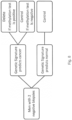
- FIG. 1 depicts a diagram of a three-fold cross validation, wherein the diagnostic accuracy is averaged from the three splits.
- the ideal split for cross-validation is 10-fold for accurate and precise estimates of diagnostic accuracy.
- there are more than 10 splits because there are many choices for which data points go into the folds. For example, with the microarray data collected as described above, there are 50,979,600 ways to form 90% training/10% testing data sets.
- Empirical Bayesian method was used as follows:
- the markers associated with prostate cancer in macrophages vs. T cells (Tables 2 and 3) and the markers associated with prostate cancer in neutrophils vs. T cells (Tables 4 and 5) were identified.
- specific signatures of four markers (for macrophages) and 11 markers (for neutrophils) also were identified that give especially high sensitivity and specificity.
- a four-marker signature (PC-MACRO 1-4) from macrophages has a sensitivity of 100% and a specificity of 99.4%.
- the four genes identified were:
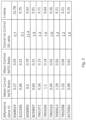
- Figure 5 shows a summary of the prostate cancer markers identified from macrophages and from neutrophils, as compared to T cells from the same individuals, for the PC-MACRO 1-100, PC-MACRO 101-200, PC-NEUTRO 1-100, and PC-NEUTRO 101-200 markers.
- average error, sensitivity, and specificity values are given for a four marker panel from PC-MACRO 1-100 (PC-MACRO 1-4), a five marker panel from PC-MACRO 101-200 (PC-MACRO 101-105), an 11 marker panel from PC-NEUTRO 1-100 (PC-NEUTRO 1-11), and a five marker panel from PC-NEUTRO 101-200 (PC-NEUTRO 101-105).
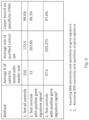
- Figure 7 demonstrates the power of a paired within-subject (phagocyte to non-phagocyte) comparison to detect prostate cancer as compared to phagocytes not paired with T cell data for comparison.
- the paired approach (comparing macrophage or neutrophils to T cell expression) is better than the phagocyte gene expression alone.
- PC-MACRO Macrophage prostate cancer markers
- PC-MACRO Macrophage prostate cancer markers
- Table 2 Macrophage prostate cancer markers (PC-MACRO) 1-100 PC-MACRO Transcript Cluster ID Control mean Cancer mean Pattern 1 8168524 0.02960015 0.17371456 cancer upregulated 2 8122265 0.2072961 0.64660566 cancer upregulated 3 8058905 0.79419747 9.01125215 cancer upregulated 4 8034837 0.30827525 0.59910162 cancer upregulated 5 7961371 0.15160079 0.35670899 cancer upregulated 6 7903592 0.13849989 1.06724942 cancer upregulated 7 7962516 0.0203181 0.04210984 cancer upregulated 8 7930413 0.55491407 1.29068269 cancer upregulated 9 7952036 0.55537645 1.25160155 cancer upregulated 10 8174361 0.61722782 0.99292328 cancer upregulated 11 8037205 0.58997357 2.11572726 cancer upregulated 12 79205
- PC-MACRO 1-4 were tested for their ability to also diagnose head and neck cancer.
- the genetic signature S was calculated for each patient as a weighted average of the genes in the signature, wherein S > 0 implies cancer and S ⁇ 0 implies no cancer (healthy).
- the prostate cancer markers accurately segregated patients into "healthy” and “cancer” groups ( Figure 4 ).
- the PC-NEUTRO 1-11 markers also were tested for their ability to diagnose head and neck cancer by calculating S for each patient. In this experiment, only a single "healthy" patient was misdiagnosed ( Figure 6 ).
- Additional validation is performed by validating the gene signature on a new data set of ⁇ 50 prostate cancer cases and 50 controls.
- Final validation is performed by estimating the sensitivity and specificity of the final gene signature on a large sample. For example, 195 cases and 195 controls can be used to estimate a sensitivity/specificity of at least 97.5% with a 95% margin of error no more than 5%.
- a challenge in designing a final validation study is that although cancer patients are pure, controls may have up to 20% false negatives.
- a statistical issue is that, while estimating sensitivity is not a problem, specificity has an upper bound of 80%.
- the solution is to purify the control set of patients.
- a purification method uses secondary screening of all controls, wherein three methylated gene marker tests are used to purify the control test set:
- the present invention relates to the following items:
Landscapes
- Health & Medical Sciences (AREA)
- Life Sciences & Earth Sciences (AREA)
- Chemical & Material Sciences (AREA)
- Immunology (AREA)
- Engineering & Computer Science (AREA)
- Organic Chemistry (AREA)
- Proteomics, Peptides & Aminoacids (AREA)
- Analytical Chemistry (AREA)
- Pathology (AREA)
- Molecular Biology (AREA)
- Genetics & Genomics (AREA)
- Wood Science & Technology (AREA)
- Zoology (AREA)
- Biochemistry (AREA)
- Biotechnology (AREA)
- Physics & Mathematics (AREA)
- Microbiology (AREA)
- General Health & Medical Sciences (AREA)
- Hematology (AREA)
- Urology & Nephrology (AREA)
- Biomedical Technology (AREA)
- Oncology (AREA)
- Biophysics (AREA)
- Hospice & Palliative Care (AREA)
- Bioinformatics & Cheminformatics (AREA)
- General Engineering & Computer Science (AREA)
- Food Science & Technology (AREA)
- General Physics & Mathematics (AREA)
- Cell Biology (AREA)
- Medicinal Chemistry (AREA)
- Measuring Or Testing Involving Enzymes Or Micro-Organisms (AREA)
- Investigating Or Analysing Biological Materials (AREA)
- Investigating Or Analysing Materials By The Use Of Chemical Reactions (AREA)
Applications Claiming Priority (4)
| Application Number | Priority Date | Filing Date | Title |
|---|---|---|---|
| US201361775559P | 2013-03-09 | 2013-03-09 | |
| EP14780014.8A EP2965086A4 (de) | 2013-03-09 | 2014-03-07 | Verfahren zum nachweis von prostatakrebs |
| PCT/US2014/022139 WO2014164362A1 (en) | 2013-03-09 | 2014-03-07 | Methods of detecting prostate cancer |
| EP18153917.2A EP3385717A3 (de) | 2013-03-09 | 2014-03-07 | Verfahren zum nachweis von prostatakrebs |
Related Parent Applications (2)
| Application Number | Title | Priority Date | Filing Date |
|---|---|---|---|
| EP14780014.8A Division EP2965086A4 (de) | 2013-03-09 | 2014-03-07 | Verfahren zum nachweis von prostatakrebs |
| EP18153917.2A Division EP3385717A3 (de) | 2013-03-09 | 2014-03-07 | Verfahren zum nachweis von prostatakrebs |
Publications (2)
| Publication Number | Publication Date |
|---|---|
| EP4513187A2 true EP4513187A2 (de) | 2025-02-26 |
| EP4513187A3 EP4513187A3 (de) | 2025-05-21 |
Family
ID=51658856
Family Applications (3)
| Application Number | Title | Priority Date | Filing Date |
|---|---|---|---|
| EP14780014.8A Withdrawn EP2965086A4 (de) | 2013-03-09 | 2014-03-07 | Verfahren zum nachweis von prostatakrebs |
| EP18153917.2A Pending EP3385717A3 (de) | 2013-03-09 | 2014-03-07 | Verfahren zum nachweis von prostatakrebs |
| EP24208435.8A Withdrawn EP4513187A3 (de) | 2013-03-09 | 2014-03-07 | Verfahren zum nachweis von prostatakrebs |
Family Applications Before (2)
| Application Number | Title | Priority Date | Filing Date |
|---|---|---|---|
| EP14780014.8A Withdrawn EP2965086A4 (de) | 2013-03-09 | 2014-03-07 | Verfahren zum nachweis von prostatakrebs |
| EP18153917.2A Pending EP3385717A3 (de) | 2013-03-09 | 2014-03-07 | Verfahren zum nachweis von prostatakrebs |
Country Status (4)
| Country | Link |
|---|---|
| US (3) | US11585814B2 (de) |
| EP (3) | EP2965086A4 (de) |
| HK (1) | HK1220253A1 (de) |
| WO (1) | WO2014164362A1 (de) |
Families Citing this family (10)
| Publication number | Priority date | Publication date | Assignee | Title |
|---|---|---|---|---|
| NZ771629A (en) | 2013-03-09 | 2022-12-23 | Harry Stylli | Methods of detecting cancer |
| WO2014164362A1 (en) | 2013-03-09 | 2014-10-09 | Harry Stylli | Methods of detecting prostate cancer |
| US10626464B2 (en) | 2014-09-11 | 2020-04-21 | Cell Mdx, Llc | Methods of detecting prostate cancer |
| DE102014226498B4 (de) * | 2014-12-18 | 2017-07-13 | Bruker Biospin Ag | ICR-Messzelle mit einem Duplexer |
| CN108039905B (zh) * | 2017-12-20 | 2019-12-13 | 中国信息通信研究院 | 基于译码转发的双向中继系统双工方式选择方法及装置 |
| CA3108159A1 (en) * | 2018-07-31 | 2020-02-06 | Immunis.Ai, Inc. | Compositions and methods for detecting prostate cancer |
| US20220018837A1 (en) * | 2020-07-17 | 2022-01-20 | Nanoco Technologies Ltd. | Method for the Detection of Surface-Mounted Biological Materials and Pathogens |
| WO2022212600A1 (en) * | 2021-03-30 | 2022-10-06 | The Broad Institute, Inc. | Methods and compositions for detection of tumor dna |
| WO2024017854A1 (en) * | 2022-07-20 | 2024-01-25 | Nemene Medical Analytics Gmbh | Novel biomarkers for determining prostate cancer |
| CN116298288A (zh) * | 2023-01-10 | 2023-06-23 | 复旦大学附属肿瘤医院 | Abcg1磷酸化位点作为肿瘤生物标记物的用途 |
Citations (11)
| Publication number | Priority date | Publication date | Assignee | Title |
|---|---|---|---|---|
| US4683202A (en) | 1985-03-28 | 1987-07-28 | Cetus Corporation | Process for amplifying nucleic acid sequences |
| US4683195A (en) | 1986-01-30 | 1987-07-28 | Cetus Corporation | Process for amplifying, detecting, and/or-cloning nucleic acid sequences |
| US4843155A (en) | 1987-11-19 | 1989-06-27 | Piotr Chomczynski | Product and process for isolating RNA |
| US4868103A (en) | 1986-02-19 | 1989-09-19 | Enzo Biochem, Inc. | Analyte detection by means of energy transfer |
| WO1994016101A2 (en) | 1993-01-07 | 1994-07-21 | Koester Hubert | Dna sequencing by mass spectrometry |
| US5459039A (en) | 1989-05-12 | 1995-10-17 | Duke University | Methods for mapping genetic mutations |
| US5498531A (en) | 1993-09-10 | 1996-03-12 | President And Fellows Of Harvard College | Intron-mediated recombinant techniques and reagents |
| US5631169A (en) | 1992-01-17 | 1997-05-20 | Joseph R. Lakowicz | Fluorescent energy transfer immunoassay |
| US5854033A (en) | 1995-11-21 | 1998-12-29 | Yale University | Rolling circle replication reporter systems |
| US20100068711A1 (en) | 2008-07-18 | 2010-03-18 | Xenomics, Inc. | Methods of PCR-Based Detection of "Ultra Short" Nucleic Acid Sequences |
| US20120021404A1 (en) | 2005-02-17 | 2012-01-26 | Trovagene, Inc. | Method for Diagnosis and Monitoring of Viral Infection by Analysis of Viral Transrenal Nucleic Acids in Urine |
Family Cites Families (244)
| Publication number | Priority date | Publication date | Assignee | Title |
|---|---|---|---|---|
| WO1994021686A1 (en) | 1993-03-19 | 1994-09-29 | Northern Sydney Area Health Service | Papp-a, its immunodetection and uses |
| US5594637A (en) | 1993-05-26 | 1997-01-14 | Base Ten Systems, Inc. | System and method for assessing medical risk |
| US5514598A (en) | 1993-11-30 | 1996-05-07 | Doody; Michael | Prenatal detection of meconium |
| US6031088A (en) | 1996-05-23 | 2000-02-29 | Albert Einstein College Of Medicine Of Yeshiva University | Polycystic kidney disease PKD2 gene and uses thereof |
| GB9704444D0 (en) | 1997-03-04 | 1997-04-23 | Isis Innovation | Non-invasive prenatal diagnosis |
| US20010051341A1 (en) | 1997-03-04 | 2001-12-13 | Isis Innovation Limited | Non-invasive prenatal diagnosis |
| US20020119118A1 (en) | 1997-11-03 | 2002-08-29 | Genentech, Inc. | Novel polypeptides and nucleic acids encoding bolekine |
| CA2702148C (en) | 1999-01-06 | 2014-03-04 | Genenews Inc. | Method of profiling gene expression in a human subject having an infectious disease |
| US6762032B1 (en) | 1999-08-23 | 2004-07-13 | Biocrystal, Ltd. | Compositions, assay kits, and methods for use related to a disease condition comprising multiple sclerosis and/or a pro-MS immune response |
| JP2004510411A (ja) | 2000-06-05 | 2004-04-08 | ジェネティックス・インスチチュート・リミテッド・ライアビリティ・カンパニー | I型糖尿病の同定およびモジュレーションのための組成物、キット、および方法 |
| ATE375404T1 (de) | 2000-06-27 | 2007-10-15 | Von Recklinghausen Ges E V | Verfahren zur ermittlung von daten zur präsymptomatischen oder pränatalen diagnose von typ 1 neurofibromatose |
| US6631330B1 (en) | 2000-08-21 | 2003-10-07 | Assistance Publique-Hopitaux De Paris (Ap-Hp) | Diagnosis method of inflammatory, fibrotic or cancerous disease using biochemical markers |
| US6664056B2 (en) | 2000-10-17 | 2003-12-16 | The Chinese University Of Hong Kong | Non-invasive prenatal monitoring |
| EP1351707B9 (de) | 2001-01-09 | 2012-01-25 | Baylor Research Institute | Verfahren zur behandlung von autoimmunerkrankungen bei einem probanden und diagnostische in-vitro-assays |
| US6753137B2 (en) | 2001-01-31 | 2004-06-22 | The Chinese University Of Hong Kong | Circulating epstein-barr virus DNA in the serum of patients with gastric carcinoma |
| GB0104690D0 (en) | 2001-02-26 | 2001-04-11 | Cytogenetic Dna Services Ltd | Diagnostic test |
| FR2824144B1 (fr) | 2001-04-30 | 2004-09-17 | Metagenex S A R L | Methode de diagnostic prenatal sur cellule foetale isolee du sang maternel |
| CA2446666A1 (en) | 2001-05-09 | 2002-11-14 | Biovision Ag | Method for detecting progredient chronic dementia, and associated peptides and detection reagents |
| US7297556B2 (en) | 2001-08-30 | 2007-11-20 | Vermillion, Inc. | Method of diagnosing nephrotic syndrome |
| US6927028B2 (en) | 2001-08-31 | 2005-08-09 | Chinese University Of Hong Kong | Non-invasive methods for detecting non-host DNA in a host using epigenetic differences between the host and non-host DNA |
| US20050130245A1 (en) | 2001-09-17 | 2005-06-16 | Syn X Pharma, Inc. | Diagnosis and treatment of early pre-type-1 diabetes utilizing neuronal proteins |
| US20050095237A1 (en) | 2001-12-11 | 2005-05-05 | Emtage Peter C. | Methods of therapy and diagnosis using targeting of cells that express P2Y10 |
| US6986995B2 (en) | 2002-02-28 | 2006-01-17 | Prometheus Laboratories, Inc. | Methods of diagnosing liver fibrosis |
| US7744876B2 (en) | 2002-04-09 | 2010-06-29 | The Curators Of The University Of Missouri | Methods and compositions for treatment, prevention, suppression, and/or delaying the onset of type 1 diabetes |
| US7009038B2 (en) | 2002-05-02 | 2006-03-07 | Univ. Of Medicine & Dentistry Of N.J. | pDJA1, a cardiac specific gene, corresponding proteins, and uses thereof |
| US20040009518A1 (en) | 2002-05-14 | 2004-01-15 | The Chinese University Of Hong Kong | Methods for evaluating a disease condition by nucleic acid detection and fractionation |
| CA2390820A1 (en) | 2002-06-17 | 2003-12-17 | St. Vincent's Hospital Sydney Limited | Methods of diagnosis, prognosis and treatment of cardiovascular disease |
| EP1520172A1 (de) | 2002-07-05 | 2005-04-06 | EVOTEC Neurosciences GmbH | Diagnostische und therapeutische verwendung des tb2-gens und -proteins bei neurodegenerativen störungen |
| FR2844279A1 (fr) | 2002-09-06 | 2004-03-12 | Inst Nat Sante Rech Med | Moyens de detection des processus neurodegeneratifs et leurs applications |
| US20040141969A1 (en) | 2002-09-16 | 2004-07-22 | Juergen Floege | Method for the treatment of nephritis using anti-PDGF-DD antibodies |
| WO2004030522A2 (en) | 2002-10-02 | 2004-04-15 | Dmi Biosciences, Inc. | Diagnosis and monitoring of diseases |
| US20040086864A1 (en) | 2002-10-22 | 2004-05-06 | The Chinese University Of Hong Kong | Novel classification methods for pleural effusions |
| GB0225360D0 (en) | 2002-10-31 | 2002-12-11 | Univ London | Genetic markers |
| CA2505416A1 (en) * | 2002-11-21 | 2004-06-10 | Wyeth | Methods for diagnosing rcc and other solid tumors |
| AU2002952993A0 (en) | 2002-11-29 | 2002-12-12 | The Corporation Of The Trustees Of The Order Of The Sisters Of Mercy In Queensland | Therapeutic and diagnostic agents |
| WO2004065629A1 (en) | 2003-01-17 | 2004-08-05 | The Chinese University Of Hong Kong | Circulating mrna as diagnostic markers for pregnancy-related disorders |
| EP1590673B1 (de) | 2003-02-04 | 2009-04-15 | EVOTEC Neurosciences GmbH | Diagnostische verwendung von scn2b für alzheimer erkrankung |
| US20080107600A1 (en) | 2003-02-13 | 2008-05-08 | Taiichi Katayama | Gene Marker And Composition For Diagnosis And Treatment Of Neurological Disorders And Diseases And Use Of The Same |
| US20040191818A1 (en) | 2003-02-26 | 2004-09-30 | O'toole Margot Mary | Compositions and methods for diagnosing and treating autoimmune diseases |
| CA2517802A1 (en) | 2003-03-03 | 2004-09-16 | Arizona Board Of Regents On Behalf Of The University Of Arizona | Protein tyrosine phosphatase-prl-1 a a marker and therapeutic target for pancreatic cancer |
| WO2005020784A2 (en) * | 2003-05-23 | 2005-03-10 | Mount Sinai School Of Medicine Of New York University | Surrogate cell gene expression signatures for evaluating the physical state of a subject |
| JP4717810B2 (ja) | 2003-06-20 | 2011-07-06 | ユニバーシティ オブ フロリダ リサーチ ファウンデーション インコーポレイテッド | 1型糖尿病と2型糖尿病を識別するためのバイオマーカー |
| DE10333406A1 (de) | 2003-07-15 | 2005-02-10 | Protagen Ag | T-regulatorische-Zellen enthaltend Galectine zur Therapie und Diagnose von Erkrankungen |
| WO2005012907A1 (en) | 2003-08-01 | 2005-02-10 | Renovar, Inc. | Systems and methods for characterizing kidney diseases |
| WO2005023091A2 (en) | 2003-09-05 | 2005-03-17 | The Trustees Of Boston University | Method for non-invasive prenatal diagnosis |
| US7445886B2 (en) | 2003-09-10 | 2008-11-04 | Board Of Regents, The University Of Texas System | Macrophage migration inhibitory factor as a marker for cardiovascular risk |
| CA2539535A1 (en) | 2003-10-03 | 2005-04-14 | Government Of The United States Of America, Represented By The Secretary , Department Of Health And Human Services | Use of cripto-1 as a biomarker for neurodegenerative disease and method of inhibiting progression thereof |
| EP1689884A4 (de) | 2003-10-08 | 2007-04-04 | Univ Boston | Verfahren zur pränatalen diagnose chromosomaler abnormalitäten |
| ATE435301T1 (de) | 2003-10-16 | 2009-07-15 | Sequenom Inc | Nicht invasiver nachweis fötaler genetischer merkmale |
| US7670764B2 (en) | 2003-10-24 | 2010-03-02 | Prometheus Laboratories Inc. | Methods of diagnosing tissue fibrosis |
| US20060094064A1 (en) | 2003-11-19 | 2006-05-04 | Sandip Ray | Methods and compositions for diagnosis, stratification, and monitoring of alzheimer's disease and other neurological disorders in body fluids |
| US20070162983A1 (en) | 2003-11-19 | 2007-07-12 | Evotec Neurosciences Gmbh | Diagnostic and therapeutic use of the human sgpl1 gene and protein for neurodegenerative diseases |
| US7598049B2 (en) | 2003-11-19 | 2009-10-06 | Satoris, Inc. | Methods for diagnosis of Alzheimer's Disease in blood samples |
| US7939634B2 (en) | 2004-01-27 | 2011-05-10 | Compugen Ltd. | Polynucleotides encoding polypeptides and methods using same |
| EP1711633A1 (de) | 2004-02-04 | 2006-10-18 | EVOTEC Neurosciences GmbH | Diagnostische und therapeutische verwendung des kcne4-gens und proteins bei morbus alzheimer |
| US20050266432A1 (en) | 2004-02-26 | 2005-12-01 | Illumina, Inc. | Haplotype markers for diagnosing susceptibility to immunological conditions |
| US8071552B2 (en) | 2004-04-05 | 2011-12-06 | Universite Bordeaux 2 | Peptides and peptidomimetics binding to CD23 |
| US20080051334A1 (en) | 2004-04-16 | 2008-02-28 | Evotec Neurosciences Gmbh | Diagnostic and Therapeutic Use of Kcnc1 for Neurodegenerative Diseases |
| EP2369350B1 (de) | 2004-04-20 | 2014-08-20 | SphingoTec GmbH | Verwendung von Vorstufen von Tachykininen und/oder ihren Fragmenten in der medizinischen Diagnostik |
| US20090041862A1 (en) | 2004-05-07 | 2009-02-12 | Peter Robert Schofield | Detecting disease association with aberrant glycogen synthase kinase 3beta expression |
| JP2007535959A (ja) | 2004-05-10 | 2007-12-13 | エボテツク・ニユーロサイエンシーズ・ゲー・エム・ベー・ハー | アルツハイマー病のためのkcnj6の診断および治療使用 |
| ES2363156T3 (es) | 2004-05-13 | 2011-07-22 | B.R.A.H.M.S Gmbh | Uso de precursores de encefalinas y/o sus fragmentos en diagnosis médica. |
| AU2005243064A1 (en) | 2004-05-19 | 2005-11-24 | Harold Wood Hospital | ADAM12, a novel marker for abnormal cell function |
| US7709194B2 (en) | 2004-06-04 | 2010-05-04 | The Chinese University Of Hong Kong | Marker for prenatal diagnosis and monitoring |
| JP2008505649A (ja) * | 2004-07-09 | 2008-02-28 | アモークス リミテッド | 免疫細胞バイオセンサーおよびその使用方法 |
| WO2006020269A2 (en) | 2004-07-19 | 2006-02-23 | University Of Rochester | Biomarkers of neurodegenerative disease |
| JP2008514900A (ja) | 2004-07-30 | 2008-05-08 | アデザ・バイオメデイカル・コーポレイシヨン | 疾病および他の状態のマーカーとしての癌胎児性フィブロネクチンならびに癌胎児性フィブロネクチンの検出のための方法 |
| WO2006020899A2 (en) | 2004-08-13 | 2006-02-23 | Metrigenix Corporation | Markers for autoimmune disease detection |
| US20070087376A1 (en) | 2004-08-30 | 2007-04-19 | Potashkin Judith A | Splice variants of pre-mRNA transcripts as biomarkers in idiopathic neurodegenerative diseases |
| US7595159B2 (en) | 2004-11-03 | 2009-09-29 | The Brigham And Women's Hospital, Inc. | Prediction of Parkinson's disease using gene expression levels of peripheral blood samples |
| WO2006048778A1 (en) | 2004-11-08 | 2006-05-11 | King's College London | Markers of predisposition to addictive states |
| US20060099628A1 (en) * | 2004-11-10 | 2006-05-11 | Wei-Mei Ching | Diagnostic assay for rickettsia prowazekii disease by detection of responsive gene expression |
| US20060115855A1 (en) | 2004-12-01 | 2006-06-01 | Power3 Medical Products, Inc. | FK506-binding protein 7 related protein as a biomarker for neurodegenerative disease |
| US20060115854A1 (en) | 2004-12-01 | 2006-06-01 | Power3 Medical Products, Inc. | Acetyl-LDL receptor related proteins and peptides as a biomarker for neurodegenerative disease |
| GB0426859D0 (en) | 2004-12-07 | 2005-01-12 | Proteome Sciences Plc | Diagnosis of neurodegenerative disorders |
| CA2590781A1 (en) | 2004-12-07 | 2006-06-15 | Electrophoretics Limited | Diagnosis of neurodegenerative diseases |
| AU2005313971B2 (en) | 2004-12-08 | 2011-10-13 | Immunomedics, Inc. | Methods and compositions for immunotherapy and detection of inflammatory and immune-dysregulatory disease, infectious disease, pathologic angiogenesis and cancer |
| CN101120021A (zh) | 2004-12-31 | 2008-02-06 | 基因技术公司 | 结合br3的多肽及其用途 |
| FR2880897B1 (fr) | 2005-01-18 | 2010-12-17 | Inst Nat Sante Rech Med | Methode de detection, non invasive, prenatale, in vitro de l'etat sain normal, de l'etat de porteur sain ou de l'etat de porteur malade de la mucoviscidose |
| US7432107B2 (en) | 2005-01-24 | 2008-10-07 | Roche Diagnostics Operations, Inc. | Cardiac hormones for assessing cardiovascular risk |
| US7572592B2 (en) | 2005-01-31 | 2009-08-11 | Glycominds Ltd | Method for diagnosing multiple sclerosis |
| US20070141625A1 (en) | 2005-02-03 | 2007-06-21 | Santos Jose H | Method for assessing risk of and predisposition to development of a pathology related to the presence of anti-epcr autoantibodies |
| US7666595B2 (en) | 2005-02-25 | 2010-02-23 | The Brigham And Women's Hospital, Inc. | Biomarkers for predicting prostate cancer progression |
| US7645576B2 (en) | 2005-03-18 | 2010-01-12 | The Chinese University Of Hong Kong | Method for the detection of chromosomal aneuploidies |
| CA3007182A1 (en) | 2005-03-18 | 2006-09-21 | The Chinese University Of Hong Kong | Markers for prenatal diagnosis, monitoring or predicting preeclampsia |
| US20060257901A1 (en) | 2005-03-24 | 2006-11-16 | Beth Israel Deaconess Medical Center | Methods of diagnosing fetal trisomy 13 or a risk of fetal trisomy 13 during pregnancy |
| EP2146209B1 (de) | 2005-04-06 | 2011-11-16 | University of Antwerp | Neurodegenerative Marker für Alzheimer-Krankheit |
| WO2006111946A2 (en) | 2005-04-18 | 2006-10-26 | The Provost, Fellows And Scholars Of The College Of The Holy And Undivided Trinity Of Queen Elizabeth, Near Dublin | Toll-like receptor 14 (tlr14 ) and use thereof |
| WO2006114661A1 (en) | 2005-04-26 | 2006-11-02 | Dwek Raymond A | High throughput glycan analysis for diagnosing and monitoring rheumatoid arthritis and other autoimmune diseases |
| WO2006121952A2 (en) | 2005-05-05 | 2006-11-16 | The Regents Of The University Of California | Diagnostic biomarkers for neurodevelopmental disorders |
| JP5421590B2 (ja) | 2005-05-18 | 2014-02-19 | ノバルティス アーゲー | 自己免疫および/または炎症性成分を有する疾患の診断および治療のための方法 |
| GB0512401D0 (en) | 2005-06-17 | 2005-07-27 | Randox Lab Ltd | Method |
| GB2428240A (en) | 2005-07-14 | 2007-01-24 | Univ Gen Ve | Diagnostic method for brain damage-related disorders |
| US20070148661A1 (en) | 2005-07-19 | 2007-06-28 | Duke University | LSAMP Gene Associated With Cardiovascular Disease |
| US20070218469A1 (en) | 2005-10-03 | 2007-09-20 | Ruth Navon | Novel mutations in hexosaminidase A |
| IL172297A (en) | 2005-10-03 | 2016-03-31 | Compugen Ltd | Soluble vegfr-1 variants for diagnosis of preeclamsia |
| CA2625744A1 (en) | 2005-10-11 | 2007-04-19 | Tethys Bioscience, Inc. | Diabetes-associated markers and methods of use thereof |
| WO2007047907A2 (en) | 2005-10-14 | 2007-04-26 | The Regents Of The University Of Michigan | Dek protein compositions and methods of using the same |
| TW200726845A (en) | 2006-01-02 | 2007-07-16 | Nat Defense Medical Ct | Biomarker molecular of renal illness and detecting method for the same |
| EP1808694A1 (de) | 2006-01-17 | 2007-07-18 | Universitätsklinikum Freiburg | Verfahren zur Diagnose von polyzystischer Nierenerkrankung |
| FR2896588B1 (fr) | 2006-01-20 | 2016-08-19 | Univ D'angers | Methode de diagnostic in vitro de reponse immunitaire autoimmune par detection d'anticorps diriges contre l'antigene pentraxine 3. |
| EP1987361A4 (de) | 2006-01-30 | 2009-03-04 | Invitrogen Corp | Zusammensetzungen und verfahren zur erkennung und quantifizierung toxischer substanzen in krankheitsstadien |
| US7459280B2 (en) | 2006-02-27 | 2008-12-02 | Picobella, Llc | Methods for diagnosing and treating kidney cancer |
| CA2689848A1 (en) | 2006-02-28 | 2007-09-07 | Phenomenome Discoveries Inc. | Methods for the diagnosis of dementia and other neurological disorders |
| US7488584B2 (en) | 2006-03-24 | 2009-02-10 | Picobella | Methods for diagnosing and treating kidney and colorectal cancer |
| US20070224638A1 (en) | 2006-03-27 | 2007-09-27 | Institut Pasteur | Secreted proteins as early markers and drug targets for autoimmunity, tumorigenesis and infections |
| GB0606776D0 (en) | 2006-04-03 | 2006-05-10 | Novartis Pharma Ag | Predictive biomarkers for chronic allograft nephropathy |
| EP1847615A1 (de) | 2006-04-18 | 2007-10-24 | Genoscreen | Exprimierung und Polymorphismus des Ornithintranscarbamylasen- (OTC) Gens als diagnostische Marker für die Alzheimerischen Krankheit |
| US7662578B2 (en) | 2006-04-21 | 2010-02-16 | Children's Hospital Medical Center | Method and kit for the early detection of impaired renal status |
| EP2021799B1 (de) | 2006-04-27 | 2011-07-20 | Critical Care Diagnostics, Inc. | Interleukin-33 (il-33) zur diagnose und vorhersage von herz-gefäss-erkrankungen |
| PT2021796E (pt) | 2006-05-01 | 2012-04-19 | Critical Care Diagnostics Inc | Diagnóstico de doença cardiovascular |
| US7754428B2 (en) | 2006-05-03 | 2010-07-13 | The Chinese University Of Hong Kong | Fetal methylation markers |
| US7901884B2 (en) | 2006-05-03 | 2011-03-08 | The Chinese University Of Hong Kong | Markers for prenatal diagnosis and monitoring |
| WO2007131345A1 (en) | 2006-05-12 | 2007-11-22 | The Hospital For Sick Children | Genetic risk factor in sod1 and sfrs15 in renal disease, diabetic cataract, cardiovascular disease and longevity |
| JP5210156B2 (ja) | 2006-05-12 | 2013-06-12 | 学校法人慶應義塾 | 炎症性疾患の検出並びに炎症性疾患の予防又は治療用組成物 |
| PL2018184T3 (pl) | 2006-05-17 | 2013-12-31 | The Ludwig Institute For Cancer Res | Przeciwciało Anty-VEGF-B do stosowania w leczeniu lub profilaktyce cukrzycy typu II lub zespołu metabolicznego |
| WO2007139895A2 (en) | 2006-05-24 | 2007-12-06 | Cellumen, Inc. | Method for modeling a disease |
| US20080038269A1 (en) | 2006-05-25 | 2008-02-14 | Mount Sinai Hospital | Methods for detecting and treating kidney disease |
| DE102006027818A1 (de) | 2006-06-16 | 2007-12-20 | B.R.A.H.M.S. Aktiengesellschaft | In vitro Multiparameter-Bestimmungsverfahren zur Diagnose und Frühdiagnose von neurodegenerativen Erkrankungen |
| WO2008084331A2 (en) | 2006-06-21 | 2008-07-17 | Hopitaux Universitaires De Geneve | Biomarkers for renal disorders |
| EP1870420A1 (de) * | 2006-06-23 | 2007-12-26 | Max-Delbrück-Centrum Für Molekulare Medizin | Peptide, die die Oberflächenexpression des T Zellrezeptor regulieren |
| WO2008003826A1 (en) | 2006-07-07 | 2008-01-10 | Oy Jurilab Ltd | Novel genes and markers in essential arterial hypertension |
| KR100856375B1 (ko) | 2006-07-18 | 2008-09-04 | 김현기 | 퇴행성 신경질환 진단용 마커 |
| US7851172B2 (en) | 2006-07-25 | 2010-12-14 | University Of Kentucky Research Foundation | Biomarkers of mild cognitive impairment and alzheimer's disease |
| US20080113358A1 (en) | 2006-07-28 | 2008-05-15 | Ravi Kapur | Selection of cells using biomarkers |
| US20080026378A1 (en) | 2006-07-28 | 2008-01-31 | Gian Franco Bottazzo | Prediction and prophylactic treatment of type 1 diabetes |
| ITTO20060614A1 (it) | 2006-08-21 | 2008-02-22 | Uni Degli Studi Del Piemonte | "diagnosi differenziale per la sclerodermia" |
| WO2008028257A1 (en) | 2006-09-08 | 2008-03-13 | Garvan Institute Of Medical Research | Diagnostics and therapeutics of neurological disease |
| CN101529248A (zh) | 2006-09-14 | 2009-09-09 | 佐拉生物科学有限公司 | 作为用于早期预测自身免疫和1型糖尿病风险之工具的生物流体代谢物谱分析 |
| EP1905841A1 (de) | 2006-09-25 | 2008-04-02 | Max Delbrück Centrum für Molekulare Medizin (MDC) Berlin-Buch; | Trex1 als Marker für Lupus Erythematosus |
| WO2008037449A2 (en) | 2006-09-26 | 2008-04-03 | Proteosys Ag | Use of at least one isoform of progesterone receptor membrane component 1 (pgrmc1) |
| US8110365B2 (en) | 2006-10-05 | 2012-02-07 | Rhode Island Hospital | Compositions and methods for detecting and treating renal injury and inflammation |
| WO2008043725A1 (en) | 2006-10-10 | 2008-04-17 | Novartis Ag | Biomarker in inflammatory disorders |
| US20100029007A1 (en) | 2006-10-11 | 2010-02-04 | Novaartis Ag | Biomarker in Inflammatory Diseases |
| EP2087359A1 (de) | 2006-10-16 | 2009-08-12 | Bayer Schering Pharma AG | Prss23 als biomarker, therapeutisches und diagnostisches ziel |
| WO2008046510A1 (en) | 2006-10-16 | 2008-04-24 | Bayer Healthcare Ag | Fn1 as a biomarker, therapeutic and diagnostic target |
| WO2008046511A1 (en) | 2006-10-16 | 2008-04-24 | Bayer Schering Pharma Aktiengesellschaft | Crtac as a biomarker, therapeutic and diagnostic target |
| WO2008046509A1 (en) | 2006-10-16 | 2008-04-24 | Bayer Schering Pharma Aktiengesellschaft | Ltbp2 as a biomarker, therapeutic and diagnostic target |
| US20080261217A1 (en) | 2006-10-17 | 2008-10-23 | Melnikov Anatoliy A | Methylation Profile of Cancer |
| WO2008046160A1 (en) | 2006-10-20 | 2008-04-24 | Newcastle Innovation Limited | Assay for the detection of biomarkers associated with pregnancy related conditions |
| WO2008063369A2 (en) | 2006-11-01 | 2008-05-29 | George Mason Intellectual Properties, Inc. | Biomarkers for neurological conditions |
| JP2010510528A (ja) | 2006-11-22 | 2010-04-02 | ライフ テクノロジーズ コーポレーション | 自己免疫疾患のバイオマーカー |
| US20100169988A1 (en) | 2006-12-06 | 2010-07-01 | Bernhard Kohli | Means and methods for isolating and determining novel targets for the treatment of neurodegenerative, neurological or neuropsychiatric disorders and compositions comprising the same |
| IL180095A0 (en) | 2006-12-14 | 2007-05-15 | Ohad Birk | Method for antenatal estimation of down syndrome risk |
| US8362224B2 (en) | 2006-12-19 | 2013-01-29 | The Trustees Of The University Of Pennsylvania | Screening for CD93 (C1qRp)-associated polymorphism(S) in the diagnosis, prevention and treatment of autoimmune diseases |
| US8815519B2 (en) | 2006-12-22 | 2014-08-26 | Hvidovre Hospital | Method for predicting cancer and other diseases |
| AU2007342674B2 (en) | 2007-01-10 | 2013-09-19 | Purdue Research Foundation | Polypeptide inhibitors of HSP27 kinase and uses therefor |
| WO2008085024A1 (en) | 2007-01-12 | 2008-07-17 | Erasmus University Medical Center Rotterdam | Identification and detection of peptides relating to specific disorders |
| US8058015B2 (en) | 2007-01-22 | 2011-11-15 | Medizinische Universität Innsbruck | Markers for chronic kidney disease |
| AU2008213742A1 (en) | 2007-02-08 | 2008-08-14 | Powmri Limited | Method of diagnosing a neurodegenerative disease |
| US20080261226A1 (en) | 2007-02-15 | 2008-10-23 | Rengang Wang | Biomarkers of neurodegenerative disease |
| HUE030996T2 (en) | 2007-02-21 | 2017-06-28 | Decode Genetics Ehf | Coronary artery disease and myocardial infarction |
| WO2008112772A2 (en) | 2007-03-14 | 2008-09-18 | Baylor Research Institute | Gene expression in peripheral blood mononuclear cells from children with diabetes |
| CA2682516A1 (en) | 2007-03-26 | 2008-10-02 | The United States Of America, As Represented By The Secretary, Departmen T Of Health And Human Services | Schizophrenia-related isoform of kcnh2 and development of antipsychotic drugs |
| EP1975252A1 (de) | 2007-03-29 | 2008-10-01 | INSERM (Institut National de la Santé et de la Recherche Medicale) | Verfahren zur Vorhersage oder Diagnose einer Schilddrüsenkrankheit |
| US20120052592A9 (en) | 2007-03-30 | 2012-03-01 | Nano Solution, Inc., | Method for determining prognosis of acute central nervous system disorder |
| EP2145182A2 (de) | 2007-04-12 | 2010-01-20 | Apitope International NV | Biomarker für multiple sklerose |
| GB0707933D0 (en) | 2007-04-24 | 2007-05-30 | Apitope Technology Bristol Ltd | Disease markers |
| GB0708075D0 (en) | 2007-04-26 | 2007-06-06 | Univ Nottingham | Nethods |
| EP2162459B1 (de) | 2007-05-01 | 2017-10-04 | University of Miami | Transcriptomische biologische marker für die individuelle risikoabschätzung bei herzinsuffizienz-neuerkrankungen |
| CA2686861A1 (en) | 2007-05-03 | 2008-11-13 | Medimmune, Llc | Interferon alpha-induced pharmacodynamic markers |
| WO2008147938A2 (en) | 2007-05-24 | 2008-12-04 | Centocor, Inc. | Wnt5a as an inflammatory disease marker |
| JP5661457B2 (ja) | 2007-06-06 | 2015-01-28 | シーメンス・ヘルスケア・ダイアグノスティックス・インコーポレーテッドSiemens Healthcare Diagnostics Inc. | 腎疾患の予測診断 |
| EP2158326B1 (de) | 2007-06-21 | 2012-06-20 | The Board of Trustees of The Leland Stanford Junior University | Biomarker für rheumatoide arthritis |
| ITRM20070351A1 (it) | 2007-06-22 | 2008-12-23 | Istituto Naz Per Le Malattie I | Gene codificante la proteina ambra 1 avente attivita' regolatoria dell autofagia e dello sviluppo del sistema nervoso centrale |
| US20110212075A1 (en) | 2007-06-25 | 2011-09-01 | Siemens Aktiengesellschaft | Screening method for polymorphic markers in htra1 gene in neurodegenerative disorders |
| WO2009003142A1 (en) | 2007-06-27 | 2008-12-31 | The Board Of Trustees Of The Leland, Stanford Junior University | Beta2-microglobulin and c reactive protein (crp) as biomarkers for peripheral artery disease |
| CN101801462A (zh) | 2007-07-13 | 2010-08-11 | 健泰科生物技术公司 | 用于癌症、炎性病症和自身免疫性病症的治疗和诊断 |
| CA2690541A1 (en) | 2007-07-17 | 2009-01-29 | Metabolon, Inc. | Biomarkers for pre-diabetes, cardiovascular diseases, and other metabolic-syndrome related disorders and methods using the same |
| US20110081649A1 (en) | 2007-08-02 | 2011-04-07 | Iss Immune System Stimulation Ab | Diagnosis, staging and monitoring of inflammatory bowel disease |
| US9086425B2 (en) | 2007-08-29 | 2015-07-21 | The Cleveland Clinic Foundation | Carbamylated proteins and risk of cardiovascular disease |
| US20090275046A1 (en) | 2007-08-29 | 2009-11-05 | Power3 Medical Products, Inc. | Complement factor H protein as a biomarker of Parkinson's disease |
| US8748100B2 (en) | 2007-08-30 | 2014-06-10 | The Chinese University Of Hong Kong | Methods and kits for selectively amplifying, detecting or quantifying target DNA with specific end sequences |
| GB0717637D0 (en) | 2007-09-10 | 2007-10-17 | Univ Leiden | Future cardiac event biomarkers |
| US8062852B2 (en) | 2007-10-01 | 2011-11-22 | The Children's Hospital And Regional Medical Center | Detection and treatment of autoimmune disorders |
| ITUD20070183A1 (it) | 2007-10-01 | 2009-04-02 | Univ Degli Studi Udine | Metodo diagnostico e prognostico per la diagnosi e la prognosi della linfoproliferazione nelle malattie autoimmuni |
| US20110212076A1 (en) | 2007-10-15 | 2011-09-01 | King's College London | Viral Therapeutic |
| EP2212693B1 (de) | 2007-10-22 | 2015-04-22 | The Regents of The University of California | Biomarker für die pränatale diagnose |
| FI20070795A0 (fi) | 2007-10-24 | 2007-10-24 | Faron Pharmaceuticals Oy | Uusi biomarkkeri sairauksien kehittämisen tarkkailuun ja terapioiden tehon arviointiin |
| WO2009053537A1 (en) | 2007-10-26 | 2009-04-30 | Biohit Oyj | Methods and products for diagnosing autoimmune diseases and gastric cancer linked with atrophic gastritis |
| WO2009059259A2 (en) | 2007-10-31 | 2009-05-07 | Children's Hospital Medical Center | Detection of worsening renal disease in subjects with systemic lupus erythematosus |
| WO2009058168A1 (en) | 2007-11-04 | 2009-05-07 | Prediction Sciences Llc | Cellular fibronectin as a diagnostic marker in cardiovascular disease and methods of use thereof |
| JP2011515068A (ja) | 2007-11-08 | 2011-05-19 | ノバルティス アーゲー | 慢性/硬化性同種移植腎症に対する遺伝子発現シグネチャー |
| WO2009065132A1 (en) | 2007-11-16 | 2009-05-22 | Oklahoma Medical Research Foundation | Predicting and diagnosing patients with autoimmune disease |
| US20100255485A1 (en) | 2007-11-28 | 2010-10-07 | Pico Caroni | Biomarkers for the onset of neurodegenerative diseases |
| US8506933B2 (en) | 2007-11-30 | 2013-08-13 | Msdx, Inc. | Methods of detecting a neurological condition via analysis of circulating phagocytes |
| WO2009074331A2 (en) | 2007-12-11 | 2009-06-18 | Julius-Maximilians-Universität Würzburg | Early and differential diagnosis test for alzheimer's disease |
| WO2009075566A1 (en) | 2007-12-12 | 2009-06-18 | Erasmus University Medical Center Rotterdam | Biomarkers for cardiovascular disease |
| EP2075343A1 (de) | 2007-12-21 | 2009-07-01 | Gert Mayer | Verfahren zur Diagnose einer fortschreitenden Erkrankung |
| EP2240601B1 (de) | 2007-12-27 | 2016-10-12 | Compugen Ltd. | Biomarker für die vorhersage von nierenläsion |
| MX340916B (es) * | 2008-01-18 | 2016-07-29 | President And Fellows Of Harvard College * | Metodos para detectar señales de identificacion de enfermedad o condiciones en fluidos corporales. |
| WO2009092382A1 (en) | 2008-01-23 | 2009-07-30 | Rigshospitalet, Region Hovedstaden | Classification of individuals suffering from cardiovascular diseases according to survival prognoses as found by measuring the levels of biomarker ykl-40 |
| US20090299155A1 (en) | 2008-01-30 | 2009-12-03 | Dexcom, Inc. | Continuous cardiac marker sensor system |
| WO2009100131A2 (en) | 2008-02-04 | 2009-08-13 | Banyan Biomarkers, Inc. | Process to diagnose or treat brain injury |
| KR20110005783A (ko) | 2008-02-08 | 2011-01-19 | 메디뮨 엘엘씨 | 질환 마커 및 그의 용도 |
| US20090239242A1 (en) | 2008-03-18 | 2009-09-24 | Biotrin Intellectual Properties Limited | Method for the early identification and prediction of kidney injury |
| CA2646040A1 (en) | 2008-03-22 | 2009-09-22 | David V. Pow | Detection of a biomarker of aberrant cells of neuroectodermal origin in a body fluid |
| GB0809069D0 (en) | 2008-05-19 | 2008-06-25 | Univ Leuven Kath | Gene signatures |
| EP2107377A1 (de) | 2008-04-04 | 2009-10-07 | BRAHMS Aktiengesellschaft | Pro-Endothelin-1-Spiegel für die Risikobestimmung von tachyarrhthmischen Ereignissen |
| WO2009122387A1 (en) | 2008-04-04 | 2009-10-08 | Biotrin Group Ltd. | Method for the detection and prediction of obesity-related renal disease |
| EP2279270B1 (de) | 2008-04-15 | 2014-06-18 | Oberbauer, Rainer | Marker für akutes nierenversagen |
| US8030097B2 (en) | 2008-04-30 | 2011-10-04 | Versitech Limited and R & C Biogenius Limited | Lipocalin-2 as a prognostic and diagnostic marker for heart and stroke risks |
| WO2010005750A2 (en) | 2008-06-16 | 2010-01-14 | The Regents Of The University Of California | Potential prognostic markers and therapeutic targets for neurological disorders |
| US20100167937A1 (en) | 2008-07-08 | 2010-07-01 | Power3 Medical Products, Inc. | Multiple forms of Alzheimer's disease based on differences in concentrations of protein biomarkers in blood serum |
| US20110177509A1 (en) | 2008-07-23 | 2011-07-21 | The Washington University | Risk factors and a therapeutic target for neurodegenerative disorders |
| JP2011529453A (ja) | 2008-07-31 | 2011-12-08 | ホスピタル クリニク アイ プロビンシアル デ バルセロナ | 健康な腎臓のバイオマーカ |
| JP5781436B2 (ja) | 2008-08-11 | 2015-09-24 | バンヤン・バイオマーカーズ・インコーポレーテッド | 神経学的状態のバイオマーカー検出方法およびアッセイ |
| ES2341419B1 (es) | 2008-08-14 | 2011-05-03 | Hospital Clinic I Provincial De Barcelona | Wnt1 como biomarcador de daño renal. |
| US8673574B2 (en) | 2008-08-21 | 2014-03-18 | Pxbiosciences Llc | Diagnosis and monitoring of renal failure using peptide biomarkers |
| CA2735590A1 (en) | 2008-08-29 | 2010-03-04 | Astute Medical, Inc. | Methods and compositions for diagnosis and prognosis of renal injury and renal failure |
| MX2011003352A (es) | 2008-09-30 | 2011-05-02 | Genentech Inc | Marcadores biologicos predictivos de la respuesta de la artritis reumatoide a antagonistas de linfotoxina. |
| GB0818650D0 (en) | 2008-10-10 | 2008-11-19 | Uni I Oslo | Methods |
| US20100124756A1 (en) | 2008-10-10 | 2010-05-20 | Sandip Ray | Collection of biomarkers for diagnosis and monitoring of alzheimer's disease in body fluids |
| NZ607703A (en) | 2008-10-21 | 2014-09-26 | Astute Medical Inc | Methods and compositions for diagnosis and prognosis of renal injury and renal failure |
| WO2010048347A2 (en) | 2008-10-21 | 2010-04-29 | Astute Medical, Inc. | Methods and compositions for diagnosis and prognosis of renal injury and renal failure |
| EP2180322A1 (de) | 2008-10-22 | 2010-04-28 | BRAHMS Aktiengesellschaft | Prognostische Biomarker zur Progression von primär chronischen Nierenerkrankungen |
| CA2741114A1 (en) | 2008-10-24 | 2010-04-29 | Cornelis Lammert Verweij | Biomarkers for predicting the development of chronic autoimmune diseases |
| WO2010048497A1 (en) | 2008-10-24 | 2010-04-29 | Genizon Biosciences Inc. | Genetic profile of the markers associated with alzheimer's disease |
| EP2352502A4 (de) | 2008-11-06 | 2012-12-26 | Univ Miami | Begrenzte proteolyse von cd2ap und progression von nierenkrankheit |
| EP2364368B1 (de) | 2008-11-07 | 2014-01-15 | Sequenta, Inc. | Verfahren zur überwachung von krankheitszuständen mittels sequenzanalyse |
| CN102264230B (zh) | 2008-11-10 | 2014-12-10 | 阿斯图特医药公司 | 用于诊断和预后肾损伤和肾衰竭的方法和组合物 |
| CN102209894A (zh) | 2008-11-11 | 2011-10-05 | 安特鲁斯公司 | 用于评价动脉粥样硬化潜在性的生物标记 |
| US20120094295A1 (en) | 2008-11-21 | 2012-04-19 | The Johns Hopkins University | Neurodegenerative disease diagnostic compositions and methods of use |
| MX2011005379A (es) | 2008-11-22 | 2011-06-09 | Astute Medical Inc | Metodos y composiciones para diagnosis y prognosis de lesion renal y falla renal. |
| IT1392551B1 (it) | 2008-11-25 | 2012-03-09 | Bioindustry Park Del Canavese S P A | Biomarcatori per la diagnosi e per rilevare la progressione di malattie neurodegenerative, in particolare della sclerosi laterale amiotrofica |
| CN102308212A (zh) | 2008-12-04 | 2012-01-04 | 加利福尼亚大学董事会 | 用于确定前列腺癌诊断和预后的材料和方法 |
| EP2373999A4 (de) | 2008-12-09 | 2012-11-07 | Stephanie Fryar-Williams | Neue biomarker |
| ES2706403T3 (es) | 2008-12-10 | 2019-03-28 | Joslin Diabetes Center Inc | Métodos para diagnosticar y predecir una enfermedad renal |
| EP2596132A4 (de) | 2010-07-23 | 2013-12-18 | Harvard College | Verfahren zur erkennung von anzeichen für krankheiten oder leiden in körperflüssigkeiten |
| WO2012012714A2 (en) | 2010-07-23 | 2012-01-26 | President And Fellows Of Harvard College | Methods of detecting neurological or neuropsychiatric diseases or conditions |
| CA2806296A1 (en) | 2010-07-23 | 2012-01-26 | President And Fellows Of Harvard College | Methods of detecting kidney-associated diseases or conditions |
| TW201209171A (en) | 2010-07-23 | 2012-03-01 | Harvard College | Methods of detecting diseases or conditions using phagocytic cells |
| US20130203624A1 (en) | 2010-07-23 | 2013-08-08 | President And Fellows Of Harvard College | Methods of Detecting Prenatal or Pregnancy-Related Diseases or Conditions |
| AU2011280997A1 (en) | 2010-07-23 | 2013-02-28 | President And Fellows Of Harvard College | Methods of detecting autoimmune or immune-related diseases or conditions |
| AU2011281012A1 (en) | 2010-07-23 | 2013-02-28 | President And Fellows Of Harvard College | Methods of detecting cardiovascular diseases or conditions |
| US20120258878A1 (en) * | 2010-08-04 | 2012-10-11 | Med Biogene Inc. | Prognostic gene signatures for non-small cell lung cancer |
| EP2678448A4 (de) | 2011-02-22 | 2014-10-01 | Caris Life Sciences Luxembourg Holdings S A R L | Zirkulierende biomarker |
| AU2012275500A1 (en) | 2011-06-27 | 2014-01-16 | Dana-Farber Cancer Institute, Inc. | Signatures and determinants associated with prostate cancer progression and methods of use thereof |
| JP2015522260A (ja) | 2012-06-15 | 2015-08-06 | ハリー スティリ, | 疾患または状態を検出する方法 |
| US10015273B2 (en) | 2014-07-29 | 2018-07-03 | Open Text Sa Ulc | Extensible provider connection systems, methods and architecture |
| NZ771629A (en) | 2013-03-09 | 2022-12-23 | Harry Stylli | Methods of detecting cancer |
| WO2014164362A1 (en) | 2013-03-09 | 2014-10-09 | Harry Stylli | Methods of detecting prostate cancer |
| US10626464B2 (en) | 2014-09-11 | 2020-04-21 | Cell Mdx, Llc | Methods of detecting prostate cancer |
| US9548919B2 (en) | 2014-10-24 | 2017-01-17 | Cisco Technology, Inc. | Transparent network service header path proxies |
-
2014
- 2014-03-07 WO PCT/US2014/022139 patent/WO2014164362A1/en not_active Ceased
- 2014-03-07 EP EP14780014.8A patent/EP2965086A4/de not_active Withdrawn
- 2014-03-07 EP EP18153917.2A patent/EP3385717A3/de active Pending
- 2014-03-07 US US14/773,599 patent/US11585814B2/en active Active
- 2014-03-07 HK HK16108217.2A patent/HK1220253A1/zh unknown
- 2014-03-07 EP EP24208435.8A patent/EP4513187A3/de not_active Withdrawn
-
2023
- 2023-02-20 US US18/171,569 patent/US12181477B2/en active Active
-
2024
- 2024-12-30 US US19/004,615 patent/US20250237654A1/en active Pending
Patent Citations (13)
| Publication number | Priority date | Publication date | Assignee | Title |
|---|---|---|---|---|
| US4683202B1 (de) | 1985-03-28 | 1990-11-27 | Cetus Corp | |
| US4683202A (en) | 1985-03-28 | 1987-07-28 | Cetus Corporation | Process for amplifying nucleic acid sequences |
| US4683195A (en) | 1986-01-30 | 1987-07-28 | Cetus Corporation | Process for amplifying, detecting, and/or-cloning nucleic acid sequences |
| US4683195B1 (de) | 1986-01-30 | 1990-11-27 | Cetus Corp | |
| US4868103A (en) | 1986-02-19 | 1989-09-19 | Enzo Biochem, Inc. | Analyte detection by means of energy transfer |
| US4843155A (en) | 1987-11-19 | 1989-06-27 | Piotr Chomczynski | Product and process for isolating RNA |
| US5459039A (en) | 1989-05-12 | 1995-10-17 | Duke University | Methods for mapping genetic mutations |
| US5631169A (en) | 1992-01-17 | 1997-05-20 | Joseph R. Lakowicz | Fluorescent energy transfer immunoassay |
| WO1994016101A2 (en) | 1993-01-07 | 1994-07-21 | Koester Hubert | Dna sequencing by mass spectrometry |
| US5498531A (en) | 1993-09-10 | 1996-03-12 | President And Fellows Of Harvard College | Intron-mediated recombinant techniques and reagents |
| US5854033A (en) | 1995-11-21 | 1998-12-29 | Yale University | Rolling circle replication reporter systems |
| US20120021404A1 (en) | 2005-02-17 | 2012-01-26 | Trovagene, Inc. | Method for Diagnosis and Monitoring of Viral Infection by Analysis of Viral Transrenal Nucleic Acids in Urine |
| US20100068711A1 (en) | 2008-07-18 | 2010-03-18 | Xenomics, Inc. | Methods of PCR-Based Detection of "Ultra Short" Nucleic Acid Sequences |
Non-Patent Citations (33)
| Title |
|---|
| "Current Protocols in Molecular Biology", 1987, JOHN WILEY & SONS |
| ABRAVAYA ET AL., NUCLEIC ACIDS RES, vol. 23, 1995, pages 675 |
| BARANY, PROC. NATL. ACAD. SCI. USA, vol. 88, 1991, pages 189 |
| COHEN ET AL., ADV. CHROMATOGR., vol. 36, 1996, pages 127 - 162 |
| COTTON ET AL., PROC. NATL. ACAD. SCI. USA, vol. 86, 1989, pages 6230 |
| COTTON, MUTAT. RES, vol. 285, 1993, pages 125 |
| CRONIN ET AL., HUMAN MUTATION, vol. 7, 1996, pages 244 |
| EFRON, J AM STAT ASSOC, vol. 104, 2009, pages 1015 - 1028 |
| GASPARINI ET AL., CELL PROBES, vol. 6, 1992, pages 1 |
| GIBBS ET AL., NUCL. ACIDS RES, vol. 17, 1989, pages 2437 |
| GRIFFIN ET AL., APPL. BIOCHEM. BIOTECHNOL, vol. 38, 1993, pages 147 |
| GUATELLI ET AL., PROC. NATL. ACAD. SCI. USA, vol. 87, 1990, pages 1874 |
| HAGETWEED, J. CHROMATOGR. B. BIOMED. SCI. APPL, vol. 12, 1997, pages 499 |
| HAYASHI, GENET, ANAL. TECH. APPL, vol. 9, 1992, pages 73 |
| HEEGAARD, J. MOL. RECOGNIT, vol. 11, 1998, pages 141 |
| HSU ET AL., CARCINOGENESIS, vol. 15, 1994, pages 1657 |
| KEEN ET AL., TRENDS GENET, vol. 7, 1991, pages 5 |
| KOZAL ET AL., NATURE MEDICINE, vol. 2, 1996, pages 753 |
| KWOH, BIO/TECHNOLOGY, vol. 6, 1988, pages 1197 |
| LANDEGRAN ET AL., SCIENCE, vol. 241, 1988, pages 1077 |
| LI ET AL., NAT. MED, vol. 14, 2008, pages 579 |
| LIZARDI ET AL., BIO-TECHNOLOGY, vol. 6, 1988, pages 1197 |
| MAXAMGILBERT, PROC. NATL. ACAD. SCI. USA, vol. 74, 1977, pages 5463 |
| MYERS ET AL., NATURE, vol. 313, 1985, pages 495 |
| MYERS ET AL., SCIENCE, vol. 230, 1985, pages 1242 |
| NAKAZAWA ET AL., PROC. NATL. ACAD. SCI. USA, vol. 91, 1994, pages 360 |
| PRODROMOUPEARL, PROTEIN ENG, vol. 5, 1992, pages 827 |
| RIVASMINTON, TRENDS BIOCHEM. SCI, vol. 18, 1993, pages 284 |
| SAIKI ET AL., NATURE, vol. 324, 1986, pages 163 |
| SALEEBA ET AL., METHODS ENZYMOL, vol. 217, 1992, pages 286 |
| SINGLE NUCLEOTIDE POLYMORPHISM DATABASE, Retrieved from the Internet <URL:www.ncbi.nlm.nih.gov/projects/SNP> |
| SJOLANDER, SURBANICZKY, C, ANAL. CHEM, vol. 63, 1991, pages 2338 2345 |
| SZABO ET AL., CURR. OPIN. STRUCT. BIOL, vol. 5, 1995, pages 699 - 705 |
Also Published As
| Publication number | Publication date |
|---|---|
| US12181477B2 (en) | 2024-12-31 |
| US20160025733A1 (en) | 2016-01-28 |
| US11585814B2 (en) | 2023-02-21 |
| EP3385717A2 (de) | 2018-10-10 |
| WO2014164362A1 (en) | 2014-10-09 |
| US20250237654A1 (en) | 2025-07-24 |
| EP4513187A3 (de) | 2025-05-21 |
| HK1220253A1 (zh) | 2017-04-28 |
| US20230280346A1 (en) | 2023-09-07 |
| EP3385717A3 (de) | 2018-10-24 |
| EP2965086A4 (de) | 2017-02-08 |
| EP2965086A1 (de) | 2016-01-13 |
Similar Documents
| Publication | Publication Date | Title |
|---|---|---|
| US12181477B2 (en) | Methods of detecting prostate cancer | |
| US20240368706A1 (en) | Methods of detecting cancer | |
| US12529109B2 (en) | Methods of detecting prostate cancer | |
| JP2021074011A (ja) | 体液中の疾患または症状のシグネチャを検出する方法 | |
| US20200040404A1 (en) | Compositions and methods for detecting prostate cancer | |
| US20240327930A1 (en) | Compositions and methods for detecting prostate cancer | |
| HK40095874A (en) | Gene expression profile in macrophages for the diagnosis of cancer | |
| HK40115231A (en) | Methods of detecting prostate cancer | |
| WO2014164365A1 (en) | Methods of detecting head and neck cancer | |
| HK40035855A (en) | Methods of detecting prostate cancer | |
| HK40035855B (en) | Methods of detecting prostate cancer | |
| CN106011291B (zh) | 一种诊治下咽癌的分子标志物 | |
| HK1213634B (en) | Methods of detecting cancer | |
| NZ771630B2 (en) | Methods of detecting prostate cancer |
Legal Events
| Date | Code | Title | Description |
|---|---|---|---|
| PUAI | Public reference made under article 153(3) epc to a published international application that has entered the european phase |
Free format text: ORIGINAL CODE: 0009012 |
|
| STAA | Information on the status of an ep patent application or granted ep patent |
Free format text: STATUS: THE APPLICATION HAS BEEN PUBLISHED |
|
| AC | Divisional application: reference to earlier application |
Ref document number: 2965086 Country of ref document: EP Kind code of ref document: P Ref document number: 3385717 Country of ref document: EP Kind code of ref document: P |
|
| AK | Designated contracting states |
Kind code of ref document: A2 Designated state(s): AL AT BE BG CH CY CZ DE DK EE ES FI FR GB GR HR HU IE IS IT LI LT LU LV MC MK MT NL NO PL PT RO RS SE SI SK SM TR |
|
| REG | Reference to a national code |
Ref country code: DE Ref legal event code: R079 Free format text: PREVIOUS MAIN CLASS: G01N0033500000 Ipc: G01N0033574000 |
|
| PUAL | Search report despatched |
Free format text: ORIGINAL CODE: 0009013 |
|
| AK | Designated contracting states |
Kind code of ref document: A3 Designated state(s): AL AT BE BG CH CY CZ DE DK EE ES FI FR GB GR HR HU IE IS IT LI LT LU LV MC MK MT NL NO PL PT RO RS SE SI SK SM TR |
|
| RIC1 | Information provided on ipc code assigned before grant |
Ipc: C12Q 1/6886 20180101ALI20250411BHEP Ipc: G01N 33/50 20060101ALI20250411BHEP Ipc: G01N 33/574 20060101AFI20250411BHEP |
|
| REG | Reference to a national code |
Ref country code: HK Ref legal event code: DE Ref document number: 40124317 Country of ref document: HK |
|
| STAA | Information on the status of an ep patent application or granted ep patent |
Free format text: STATUS: REQUEST FOR EXAMINATION WAS MADE |
|
| 17P | Request for examination filed |
Effective date: 20251119 |
|
| STAA | Information on the status of an ep patent application or granted ep patent |
Free format text: STATUS: THE APPLICATION HAS BEEN WITHDRAWN |
|
| 18W | Application withdrawn |
Effective date: 20260226 |