EP4516907A2 - Verfahren zur herstellung und verwendung universeller zentralisierter influenzaimpfstoffgene - Google Patents
Verfahren zur herstellung und verwendung universeller zentralisierter influenzaimpfstoffgene Download PDFInfo
- Publication number
- EP4516907A2 EP4516907A2 EP24213290.0A EP24213290A EP4516907A2 EP 4516907 A2 EP4516907 A2 EP 4516907A2 EP 24213290 A EP24213290 A EP 24213290A EP 4516907 A2 EP4516907 A2 EP 4516907A2
- Authority
- EP
- European Patent Office
- Prior art keywords
- vaccine
- influenza
- seq
- universal
- acid sequence
- Prior art date
- Legal status (The legal status is an assumption and is not a legal conclusion. Google has not performed a legal analysis and makes no representation as to the accuracy of the status listed.)
- Pending
Links
Images


















Classifications
-
- A—HUMAN NECESSITIES
- A61—MEDICAL OR VETERINARY SCIENCE; HYGIENE
- A61K—PREPARATIONS FOR MEDICAL, DENTAL OR TOILETRY PURPOSES
- A61K39/00—Medicinal preparations containing antigens or antibodies
- A61K39/12—Viral antigens
- A61K39/145—Orthomyxoviridae, e.g. influenza virus
-
- A—HUMAN NECESSITIES
- A61—MEDICAL OR VETERINARY SCIENCE; HYGIENE
- A61K—PREPARATIONS FOR MEDICAL, DENTAL OR TOILETRY PURPOSES
- A61K39/00—Medicinal preparations containing antigens or antibodies
- A61K39/12—Viral antigens
-
- C—CHEMISTRY; METALLURGY
- C12—BIOCHEMISTRY; BEER; SPIRITS; WINE; VINEGAR; MICROBIOLOGY; ENZYMOLOGY; MUTATION OR GENETIC ENGINEERING
- C12N—MICROORGANISMS OR ENZYMES; COMPOSITIONS THEREOF; PROPAGATING, PRESERVING, OR MAINTAINING MICROORGANISMS; MUTATION OR GENETIC ENGINEERING; CULTURE MEDIA
- C12N7/00—Viruses; Bacteriophages; Compositions thereof; Preparation or purification thereof
-
- A—HUMAN NECESSITIES
- A61—MEDICAL OR VETERINARY SCIENCE; HYGIENE
- A61K—PREPARATIONS FOR MEDICAL, DENTAL OR TOILETRY PURPOSES
- A61K39/00—Medicinal preparations containing antigens or antibodies
- A61K2039/555—Medicinal preparations containing antigens or antibodies characterised by a specific combination antigen/adjuvant
- A61K2039/55511—Organic adjuvants
- A61K2039/55555—Liposomes; Vesicles, e.g. nanoparticles; Spheres, e.g. nanospheres; Polymers
-
- A—HUMAN NECESSITIES
- A61—MEDICAL OR VETERINARY SCIENCE; HYGIENE
- A61P—SPECIFIC THERAPEUTIC ACTIVITY OF CHEMICAL COMPOUNDS OR MEDICINAL PREPARATIONS
- A61P31/00—Antiinfectives, i.e. antibiotics, antiseptics, chemotherapeutics
- A61P31/12—Antivirals
- A61P31/14—Antivirals for RNA viruses
- A61P31/16—Antivirals for RNA viruses for influenza or rhinoviruses
-
- C—CHEMISTRY; METALLURGY
- C12—BIOCHEMISTRY; BEER; SPIRITS; WINE; VINEGAR; MICROBIOLOGY; ENZYMOLOGY; MUTATION OR GENETIC ENGINEERING
- C12N—MICROORGANISMS OR ENZYMES; COMPOSITIONS THEREOF; PROPAGATING, PRESERVING, OR MAINTAINING MICROORGANISMS; MUTATION OR GENETIC ENGINEERING; CULTURE MEDIA
- C12N2710/00—MICROORGANISMS OR ENZYMES; COMPOSITIONS THEREOF; PROPAGATING, PRESERVING, OR MAINTAINING MICROORGANISMS; MUTATION OR GENETIC ENGINEERING; CULTURE MEDIA dsDNA viruses
- C12N2710/00011—Details
- C12N2710/10011—Adenoviridae
- C12N2710/10034—Use of virus or viral component as vaccine, e.g. live-attenuated or inactivated virus, VLP, viral protein
-
- C—CHEMISTRY; METALLURGY
- C12—BIOCHEMISTRY; BEER; SPIRITS; WINE; VINEGAR; MICROBIOLOGY; ENZYMOLOGY; MUTATION OR GENETIC ENGINEERING
- C12N—MICROORGANISMS OR ENZYMES; COMPOSITIONS THEREOF; PROPAGATING, PRESERVING, OR MAINTAINING MICROORGANISMS; MUTATION OR GENETIC ENGINEERING; CULTURE MEDIA
- C12N2710/00—MICROORGANISMS OR ENZYMES; COMPOSITIONS THEREOF; PROPAGATING, PRESERVING, OR MAINTAINING MICROORGANISMS; MUTATION OR GENETIC ENGINEERING; CULTURE MEDIA dsDNA viruses
- C12N2710/00011—Details
- C12N2710/10011—Adenoviridae
- C12N2710/10311—Mastadenovirus, e.g. human or simian adenoviruses
- C12N2710/10341—Use of virus, viral particle or viral elements as a vector
- C12N2710/10343—Use of virus, viral particle or viral elements as a vector viral genome or elements thereof as genetic vector
-
- C—CHEMISTRY; METALLURGY
- C12—BIOCHEMISTRY; BEER; SPIRITS; WINE; VINEGAR; MICROBIOLOGY; ENZYMOLOGY; MUTATION OR GENETIC ENGINEERING
- C12N—MICROORGANISMS OR ENZYMES; COMPOSITIONS THEREOF; PROPAGATING, PRESERVING, OR MAINTAINING MICROORGANISMS; MUTATION OR GENETIC ENGINEERING; CULTURE MEDIA
- C12N2740/00—Reverse transcribing RNA viruses
- C12N2740/00011—Details
- C12N2740/10011—Retroviridae
- C12N2740/10034—Use of virus or viral component as vaccine, e.g. live-attenuated or inactivated virus, VLP, viral protein
-
- C—CHEMISTRY; METALLURGY
- C12—BIOCHEMISTRY; BEER; SPIRITS; WINE; VINEGAR; MICROBIOLOGY; ENZYMOLOGY; MUTATION OR GENETIC ENGINEERING
- C12N—MICROORGANISMS OR ENZYMES; COMPOSITIONS THEREOF; PROPAGATING, PRESERVING, OR MAINTAINING MICROORGANISMS; MUTATION OR GENETIC ENGINEERING; CULTURE MEDIA
- C12N2750/00—MICROORGANISMS OR ENZYMES; COMPOSITIONS THEREOF; PROPAGATING, PRESERVING, OR MAINTAINING MICROORGANISMS; MUTATION OR GENETIC ENGINEERING; CULTURE MEDIA ssDNA viruses
- C12N2750/00011—Details
- C12N2750/14011—Parvoviridae
- C12N2750/14111—Dependovirus, e.g. adenoassociated viruses
- C12N2750/14134—Use of virus or viral component as vaccine, e.g. live-attenuated or inactivated virus, VLP, viral protein
-
- C—CHEMISTRY; METALLURGY
- C12—BIOCHEMISTRY; BEER; SPIRITS; WINE; VINEGAR; MICROBIOLOGY; ENZYMOLOGY; MUTATION OR GENETIC ENGINEERING
- C12N—MICROORGANISMS OR ENZYMES; COMPOSITIONS THEREOF; PROPAGATING, PRESERVING, OR MAINTAINING MICROORGANISMS; MUTATION OR GENETIC ENGINEERING; CULTURE MEDIA
- C12N2760/00—MICROORGANISMS OR ENZYMES; COMPOSITIONS THEREOF; PROPAGATING, PRESERVING, OR MAINTAINING MICROORGANISMS; MUTATION OR GENETIC ENGINEERING; CULTURE MEDIA ssRNA viruses negative-sense
- C12N2760/00011—Details
- C12N2760/16011—Orthomyxoviridae
- C12N2760/16111—Influenzavirus A, i.e. influenza A virus
- C12N2760/16134—Use of virus or viral component as vaccine, e.g. live-attenuated or inactivated virus, VLP, viral protein
-
- C—CHEMISTRY; METALLURGY
- C12—BIOCHEMISTRY; BEER; SPIRITS; WINE; VINEGAR; MICROBIOLOGY; ENZYMOLOGY; MUTATION OR GENETIC ENGINEERING
- C12N—MICROORGANISMS OR ENZYMES; COMPOSITIONS THEREOF; PROPAGATING, PRESERVING, OR MAINTAINING MICROORGANISMS; MUTATION OR GENETIC ENGINEERING; CULTURE MEDIA
- C12N2760/00—MICROORGANISMS OR ENZYMES; COMPOSITIONS THEREOF; PROPAGATING, PRESERVING, OR MAINTAINING MICROORGANISMS; MUTATION OR GENETIC ENGINEERING; CULTURE MEDIA ssRNA viruses negative-sense
- C12N2760/00011—Details
- C12N2760/18011—Paramyxoviridae
- C12N2760/18034—Use of virus or viral component as vaccine, e.g. live-attenuated or inactivated virus, VLP, viral protein
-
- C—CHEMISTRY; METALLURGY
- C12—BIOCHEMISTRY; BEER; SPIRITS; WINE; VINEGAR; MICROBIOLOGY; ENZYMOLOGY; MUTATION OR GENETIC ENGINEERING
- C12N—MICROORGANISMS OR ENZYMES; COMPOSITIONS THEREOF; PROPAGATING, PRESERVING, OR MAINTAINING MICROORGANISMS; MUTATION OR GENETIC ENGINEERING; CULTURE MEDIA
- C12N2760/00—MICROORGANISMS OR ENZYMES; COMPOSITIONS THEREOF; PROPAGATING, PRESERVING, OR MAINTAINING MICROORGANISMS; MUTATION OR GENETIC ENGINEERING; CULTURE MEDIA ssRNA viruses negative-sense
- C12N2760/00011—Details
- C12N2760/20011—Rhabdoviridae
- C12N2760/20034—Use of virus or viral component as vaccine, e.g. live-attenuated or inactivated virus, VLP, viral protein
-
- C—CHEMISTRY; METALLURGY
- C12—BIOCHEMISTRY; BEER; SPIRITS; WINE; VINEGAR; MICROBIOLOGY; ENZYMOLOGY; MUTATION OR GENETIC ENGINEERING
- C12N—MICROORGANISMS OR ENZYMES; COMPOSITIONS THEREOF; PROPAGATING, PRESERVING, OR MAINTAINING MICROORGANISMS; MUTATION OR GENETIC ENGINEERING; CULTURE MEDIA
- C12N2770/00—MICROORGANISMS OR ENZYMES; COMPOSITIONS THEREOF; PROPAGATING, PRESERVING, OR MAINTAINING MICROORGANISMS; MUTATION OR GENETIC ENGINEERING; CULTURE MEDIA ssRNA viruses positive-sense
- C12N2770/00011—Details
- C12N2770/36011—Togaviridae
- C12N2770/36111—Alphavirus, e.g. Sindbis virus, VEE, EEE, WEE, Semliki
- C12N2770/36134—Use of virus or viral component as vaccine, e.g. live-attenuated or inactivated virus, VLP, viral protein
Definitions
- This disclosure generally relates to vaccines and, specifically, influenza vaccines.
- Influenza virus was identified as the causative agent for febrile illness in swine in 1931. Influenza virus in humans was discovered two years later in 1933.
- pandemic influenza outbreaks and intentional releases of pathogenic influenza are of substantially higher concern.
- pandemic influenza outbreaks and intentional releases of pathogenic influenza are of substantially higher concern.
- WHO 2009 During the past century, there have been several severe pandemics (WHO 2009).
- an H1N1 known as the Spanish Flu caused the world's largest influenza pandemic, killing 20 - 40 million people.
- the Asian flu caused by an H2N2 virus resulted in ⁇ 1.5 million deaths
- the Hong Kong flu caused by an H3N2 influenza resulted in ⁇ 1 million deaths.
- IAV-S Influenza A virus of swine
- the virus is widespread worldwide, causing tremendous economic loss to swine producers.
- pigs infected with IAV-S often display signs of an acute respiratory disease, which is rapidly resolved after 7-10 days.
- IAV-S infection in pigs often leads to severe pneumonia and even to death.
- IAV-S infection in pigs often leads to severe pneumonia and even to death.
- This disclosure provides for methods of making and using universal centralized influenza vaccine genes.
- the universal vaccine genes described herein were created using several unique strategies that are described herein, and were computationally optimized to provide the greatest possible vaccine efficacy. These unique sequences can allow for the production of a universal vaccine for the prevention of influenza virus infections that provides near-complete protection against all divergent influenza virus strains.
- a vaccine polypeptide having at least 90% sequence identity e.g., at least 95% sequence identity; at least 99% sequence identity; or 100% sequence identity
- at least 90% sequence identity e.g., at least 95% sequence identity; at least 99% sequence identity; or 100% sequence identity
- the vaccine polypeptide has at least 90% sequence identity (e.g., at least 95% sequence identity; at least 99% sequence identity; or 100% sequence identity) to an amino acid sequence selected from the group consisting of SEQ ID NOs: 6-8, 13-15, 20-22, 27-29, 34-36, 41-43, 49-52, 57-60, 65-67, 72-74, 79-81, 86-88, 93-95, and 100-102.
- sequence identity e.g., at least 95% sequence identity; at least 99% sequence identity; or 100% sequence identity
- the vaccine polypeptide has at least 90% sequence identity (e.g., at least 95% sequence identity; at least 99% sequence identity; or 100% sequence identity) to an amino acid sequence selected from the group consisting of SEQ ID NOs: 3, 6, 17, 20, 46, 49, 54, and 57.
- the polypeptide is encoded by a nucleic acid sequence having at least 90% sequence identity (e.g., at least 95% sequence identity; at least 99% sequence identity; or 100% sequence identity) to a nucleic acid sequence selected from the group consisting of SEQ ID NO: 103-122.
- a vaccine composition comprising at least one of the vaccine polypeptides described herein is provided along with a delivery vehicle.
- the delivery vehicle is a virus.
- Representative viruses include, without limitation, an adenovirus, an adeno-associated virus, a retrovirus, an alphavirus, a paramyxovirus, or a rhabdovirus.
- the delivery vehicle is a pharmaceutically acceptable carrier.
- a representative pharmaceutically acceptable carrier is saline.
- the delivery vehicle is a nanoparticle (e.g., a lipid nanoparticle).
- a vaccine composition includes at least two vaccine polypeptides, at least three vaccine polypeptides, at least four vaccine polypeptides, at least eight vaccine polypeptides, or at least twelve vaccine polypeptides.
- a method of vaccinating a subject typically includes administering a centralized vaccine polypeptide as described herein or a vaccine composition as described herein to a subject in need of vaccination.
- Representative subjects include a human and a swine.
- the administering step is repeated more than once.
- a vaccine polypeptide as described herein is a universal vaccine against at least about 3 different viral sub-types. In some embodiments, a vaccine polypeptide as described herein is a universal vaccine against at least about 12 viral sub-types.
- Antigen and immunogen are used interchangeably throughout this disclosure. Both refer to antigenic proteins that induce immune responses.
- a universal vaccine refers to a vaccine that can provide protection against most variants within an influenza subtype and subtypes within both group 1 and 2 influenza viruses.
- a universal vaccine can provide protection using multiple immunogens.
- a centralized sequence refers to a sequence that mimics an ancestor of influenza infections during past years.
- Centralized sequences e.g., polypeptides
- the centralized sequences described herein were created using individual wild type sequences that represent the major branches of the representative phylogenetic tree. The rationale for this approach was to produce an immunogen that is centrally located with respect to all other variants. Such a protein then has lower sequence divergence with all of the variants than any two randomly selected genes.
- Live-Attenuated Cold-Adapted Vaccines e.g., FluMist
- FluMist is a cold-adapted influenza virus platform that can abortively replicate when introduced intranasally where the temperature is below 37°C. For this reason, FluMist can be superior to TIV because it can drive a combination of antibody and T cell responses.
- Cold adaptation has the advantage of faster vaccine production, induces protection, and has the ability to generate both mucosal and humoral immune responses that include secretory IgA, serum IgG, cytokine stimulation and the priming of CTL responses.
- the platform is limited by short duration of immunity, strain specificity, and contraindicated use in the very young, elderly, or immunocompromised.
- Influenza surveillance in Asia and Australia is used to predict which influenza strains might spread in the United States in the following year. This generally effective strategy can fail. In fact, the concordance of WHO recommended strains and those strains causing outbreaks was only 50% between 1997 and 2005. Put another way, during those influenza seasons the strain predictions failed 50% of the time, leaving humans unprotected against seasonal and potentially pandemic influenza.
- the degree of vaccine mismatch with the 2009 pandemic Swine flu, based on HA amino acid divergence (20.5%) approached the maximal -21% HA amino acid divergence between all H1 strains. As a result of this mismatch, the 2009 pandemic infected 24% of the global population. In contrast, the HA1-COT immunogen is only 7.6% divergent from the pandemic strain and provides protection in mouse challenge models.
- the vaccine strategies described herein will be important to the prevention of influenza, and will significantly reduce or eliminate the probability of emergent zoonotic re-assorted influenza viruses from swine.
- Centralized vaccine genes have been shown to induce broader cross-reactive immunity against divergent virus strains as compared to wild type genes and may be very useful as universal vaccines. These centralized vaccine genes can be constructed by several different methods. Vaccine genes designed using the Consensus, Mosaic and Epigraph methods were evaluated herein for their ability to induce protection against divergent H1N1 and H3N2 Swine Influenza A Virus as universal vaccine genes.
- centralized antigens will induce the greatest degree of cross-protective immune responses against mismatched influenza challenge, and, if so, they will impart a large impact on the field of influenza vaccine research.
- changes to the clinical practice of influenza vaccination may include the use of centralized antigens in the annual trivalent injection vaccine (TIV) or the stockpiling of centralized vaccines for use in the case of vaccine mismatch.
- TIV trivalent injection vaccine
- Repeated exposure to a centralized vaccine if used, for example, in an annual formulation, may induce enhanced cross-protective responses due to repeated boosting and affinity maturation to conserved epitopes in the centralized antigens.
- the COUS genes that are described herein also are unique in that they are created using a dataset that consists of all known and unique influenza genes. This strategy biases these genes toward the predominant circulating strains. Therefore, the genetic relationship of the COUS genes and the circulating viruses is optimized. This strategy increases the probability of vaccine efficacy.
- the Mosaic Vaccine Designer program from the Los Alamos National Laboratories Tool Suite was used. Again, unique swine influenza HA protein sequences were obtained from the Influenza Research Database and were computationally analyzed for optimal potential T cell epitope coverage.
- the Epigraph software selects for the immunogen that best represents the most common B and T cell epitopes in the dataset. This immunogen is designated Epigraph1.
- a second immunogen is designed to represent the second most common B and T cell epitopes, referred to as Epigraph2.
- a third immunogen representing the third most common B and T cell epitopes is designed and designated Epigraphs.
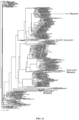
- All the vaccine antigens were analyzed phylogenetically and found to localize either to the center of the phylogenetic tree, in the case of Centralized Consensus and Mosaic proteins, or to the two main influenza clusters with a recombinant covering the minor cluster, in the case of the Epigraph vaccines ( FIG. 4 ).
- influenza genes described herein can be used as human vaccines, these same strategies can be applied to vaccinate reservoir animals (e.g., swine, poultry, horses) against influenza infections and significantly reduce or eliminate the probability of the emergence of re-assorted swine influenza viruses.
- vaccinate reservoir animals e.g., swine, poultry, horses
- the vaccination of reservoir animals at the source of virus evolution could intervene at this primary step and result in the elimination of potential future zoonotic influenza outbreaks that result in pandemics.
- polypeptides and nucleic acids are provided that have at least 90% sequence identity (e.g., at least 91%, at least 92%, at least 93%, at least 94%, at least 95%, at least 96%, at least 97%, at least 98%, at least 99% or 100% sequence identity) to the vaccine polypeptides having the sequences shown in SEQ ID NOs: 1 - 102 or to the nucleic acids shown in SEQ ID NOs: 103 - 122.
- two sequences are aligned and the number of identical matches of nucleotides or amino acid residues between the two sequences is determined.
- the number of identical matches is divided by the length of the aligned region (i.e., the number of aligned nucleotides or amino acid residues) and multiplied by 100 to arrive at a percent sequence identity value.
- the length of the aligned region can be a portion of one or both sequences up to the full-length size of the shortest sequence.
- a single sequence can align with more than one other sequence and hence, can have different percent sequence identity values over each aligned region.
- the alignment of two or more sequences to determine percent sequence identity can be performed using the algorithm described by Altschul et al. (1997, Nucleic Acids Res., 25:3389 3402 ) as incorporated into BLAST (basic local alignment search tool) programs, available at ncbi.nlm.nih.gov on the World Wide Web.
- BLAST searches can be performed to determine percent sequence identity between a sequence (nucleic acid or amino acid) and any other sequence or portion thereof aligned using the Altschul et al. algorithm.
- BLASTN is the program used to align and compare the identity between nucleic acid sequences
- BLASTP is the program used to align and compare the identity between amino acid sequences.
- Vectors containing nucleic acid molecules that encode polypeptides also are provided.
- Vectors, including expression vectors are commercially available or can be produced by recombinant technology.
- a vector containing a nucleic acid molecule can have one or more elements for expression operably linked to such a nucleic acid molecule, and further can include sequences such as those encoding a selectable marker (e.g., an antibiotic resistance gene), and/or those that can be used in purification of a polypeptide (e.g., 6xHis tag).
- Elements for expression include nucleic acid sequences that direct and regulate expression of nucleic acid coding sequences.
- an expression element is a promoter sequence.
- Expression elements also can include one or more of introns, enhancer sequences, response elements, or inducible elements that modulate expression of a nucleic acid molecule.
- Expression elements can be of bacterial, yeast, insect, mammalian, or viral origin and vectors can contain a combination of expression elements from different origins.
- operably linked means that elements for expression are positioned in a vector relative to a coding sequence in such a way as to direct or regulate expression of the coding sequence.
- a nucleic acid molecule e.g., a nucleic acid molecule in a vector (e.g., an expression vector, a viral vector) can be introduced into a host cell.
- the term "host cell” refers not only to the particular cell(s) into which the nucleic acid molecule has been introduced, but also to the progeny or potential progeny of such a cell.
- host cells can be prokaryotic cells (e.g., E. coli) or eukaryotic cells (e.g., yeast cells, insect cells, plant cells, mammalian cells).
- Representative host cells can include, without limitation, A549, WEHI, 3T3, 10T1/2, BHK, MDCK, COS 1, COS 7, BSC 1, BSC 40, BMT 10, VERO, WI38, HeLa, 293 cells, Saos, C2C12, L cells, HT1080, HepG2 and primary fibroblast, hepatocyte and myoblast cells derived from mammals including human, monkey, mouse, rat, rabbit, and hamster.
- Methods for introducing nucleic acid molecules into host cells are well known in the art and include, without limitation, calcium phosphate precipitation, electroporation, heat shock, lipofection, microinjection, and viral-mediated nucleic acid transfer (e.g., transduction).
- purified refers to a polypeptide (i.e., a peptide or a polypeptide) that has been separated or purified from cellular components that naturally accompany it.
- the polypeptide is considered “purified” when it is at least 70% (e.g., at least 75%, 80%, 85%, 90%, 95%, or 99%) by dry weight, free from the polypeptides and naturally occurring molecules with which it is naturally associated.
- a polypeptide that is chemically synthesized is, by nature, separated from the components that naturally accompany it, a synthetic polypeptide is considered “purified,” but further can be removed from the components used to synthesize the polypeptide (e.g., amino acid residues).
- isolated refers to a nucleic acid molecule that is separated from other nucleic acid molecules that are usually associated with it in the genome.
- an isolated nucleic acid molecule can include an engineered nucleic acid molecule such as a recombinant or a synthetic nucleic acid molecule.
- Polypeptides can be obtained (e.g., purified) from natural sources (e.g., a biological sample) by known methods such as DEAE ion exchange, gel filtration, and/or hydroxyapatite chromatography.
- a purified polypeptide also can be obtained, for example, by expressing a nucleic acid molecule in an expression vector or by chemical synthesis.
- the extent of purity of a polypeptide can be measured using any appropriate method, e.g., column chromatography, polyacrylamide gel electrophoresis, or HPLC analysis.
- nucleic acid molecules can be obtained (e.g., isolated) using routine methods such as, without limitation, recombinant nucleic acid technology (e.g., restriction enzyme digestion and ligation) or the polymerase chain reaction (PCR; see, for example, PCR Primer: A Laboratory Manual, Dieffenbach & Dveksler, Eds., Cold Spring Harbor Laboratory Press, 1995 ).
- isolated nucleic acid molecules can be chemically synthesized.
- a vaccine as described herein can be multivalent (e.g., 4-valent, 12-valent, 16-valent).
- a vaccine can include a plurality of polypeptides as described herein.
- a vaccine can include one or more of the Mosaic 1 vaccine polypeptides (e.g., SEQ ID NOs: 3, 10, 17, 24, 31, 38, 46, 54, 62, 69, 76, 83, 90, 97, 104, 109, 114, or 119), one or more of the Epigraph1 vaccine polypeptides (e.g., SEQ ID NOs: 6, 13, 20, 27, 34, 41, 49, 57, 65, 72, 79, 86, 93, 100, 105, 110, 115, or 120), one or more of the Mosaic2 vaccine polypeptides (e.g., SEQ ID NOs: 4, 11, 18, 25, 32, 39, 47, 55, 63, 70, 77, 84, 91, or 98), one or more of the Epigraph1 vaccine polypeptide
- a vaccine can include one or more of the Epigraph vaccine polypeptides (e.g., Epigraph1, Epigraph2, Epigraph3; e.g., SEQ ID NOs: 6-8, 13-15, 20-22, 27-29, 34-36, 41-43, 49-52, 57-60, 65-67, 72-74, 79-81, 86-88, 93-95, or 100-102).
- Epigraph vaccine polypeptides e.g., Epigraph1, Epigraph2, Epigraph3; e.g., SEQ ID NOs: 6-8, 13-15, 20-22, 27-29, 34-36, 41-43, 49-52, 57-60, 65-67, 72-74, 79-81, 86-88, 93-95, or 100-102).
- one or more of the human vaccine polypeptides described herein are administered to a human to provide protective immunity against influenza and one or more of the swine vaccine polypeptides described herein are administered to a swine to provide protective immunity against influenza.
- one or more of the human vaccine polypeptides described herein can be administered to an animal (e.g., a bird, a pig, a horse, a dog, a cat) to provide protective immunity against influenza (e.g., avian influenza, swine influenza, equine influenza, canine influenza, feline influenza), and/or one or more of the swine vaccine polypeptides described herein can be administered to a human or a non-swine animal to provide protective immunity against influenza.
- an animal e.g., a bird, a pig, a horse, a dog, a cat
- protective immunity against influenza e.g., avian influenza, swine influenza, equine influenza, canine influenza, feline
- the vaccine polypeptides described herein can be suspended in a physiologically acceptable or compatible carrier and administered to a subject.
- Pharmaceutically acceptable carriers include saline, which may be formulated with a variety of buffering solutions (e.g., phosphate buffered saline), lactose, sucrose, calcium phosphate, gelatin, dextran, agar, pectin, and water.
- buffering solutions e.g., phosphate buffered saline
- lactose e.g., lactose
- sucrose calcium phosphate
- gelatin e.g., phosphate buffered saline
- dextran e.g., agar
- pectin e.g., pectin
- routes of administration include, but are not limited to, direct delivery to an organ such as, for example, the liver or lung, orally, intranasally, intratracheally, by inhalation, intravenously, intramuscularly,
- the vaccine polypeptides described herein, or nucleic acids (e.g., DNA, RNA) encoding such viral polypeptides can be delivered using a viral vector (e.g., an adenovirus, an adeno-associated virus, a retrovirus, an alphavirus, a paramyxovirus, or a rhabdovirus) or nanoparticles (e.g., lipid nanoparticles).
- a viral vector e.g., an adenovirus, an adeno-associated virus, a retrovirus, an alphavirus, a paramyxovirus, or a rhabdovirus
- nanoparticles e.g., lipid nanoparticles
- the vaccine polypeptides described herein can be administered in sufficient amounts to provide a therapeutic benefit without undue adverse effects.
- the dose of the vaccine polypeptide administered to a subject will depend primarily on factors such as the condition being treated, and the age, weight, and health of the subject.
- an effective dosage of a vaccine polypeptide to be administered to a human subject can be in the range of from about 15 micrograms ( ⁇ g) to about 90 ⁇ g (e.g., about 20 ⁇ g to about 80 ⁇ g; about 25 ⁇ g to about 75 ⁇ g; about 30 ⁇ g to about 70 ⁇ g; about 40 ⁇ g to about 60 ⁇ g; about 45 ⁇ g to about 55 ⁇ g; about 50 ⁇ g).
- a subject can be administered one or more of the vaccine polypeptides described herein seasonally or upon detection of influenza or antibodies against influenza; in some instances, a subject can be administered one or more of the vaccine polypeptides described herein in early childhood, thereby providing protective immunity in that subject for years or decades. Under certain circumstances, it may be desirable to re-administer one or more of the vaccine polypeptides described herein to the subject after a period of time following the first administration (e.g., weeks, months, years (e.g., decades)) in the form or a "booster" vaccine.
- first administration e.g., weeks, months, years (e.g., decades)
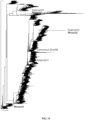
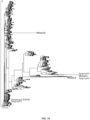
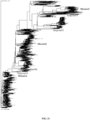
- the genetic relationships between the vaccine genes described herein and wild type circulating genes are shown in FIGs. 9-23 . Since the vaccine genes described herein were made using all unique HA sequences, they are not like any genes that would be made using other strategies such as Consensus, COBRA, Mosaics, and COT.
- the unique universal vaccine genes described herein are for use against Human Influenza A Virus (H1, H2, H3, H5, N1 and N2 (SEQ ID NOs: 1-43)), Human Influenza B Virus (HA Yamagata-like, HA Victoria-like, NA Yamagata-like, NA Victoria-like (SEQ ID NOs:44-74)) and Swine Influenza A Virus (H1, H3, N1 and N2 (SEQ ID NOs:75-102)), and can be applied to the creation of a universal influenza vaccine that provides complete protection against all known influenza strains. Nucleic acid sequences encoding representative influenza vaccines are shown in SEQ ID NOs: 103 - 122.
- mice Sex as a Biological Variable. Only female mice were used in the in vivo studies. However, all successful vaccine candidates were confirmed in studies using male mice.
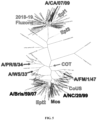
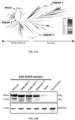
- FIG. 1 Phylogenetic Analyses of Centralized HA Genes.
- the relationship of the consensus COT genes to other wild type genes are shown in FIG. 1 .
- All of the consensus genes localize to the central region of each of the respective trees.
- the average genetic distance of the H1, H2, H3 and H5 consensus genes to the wild type genes was 7.04%, 2.86%, 5.44% and 1.65% respectively.
- the maximum genetic distance between wild type H1, H2, H3 and H5 genes was 20.7%, 7.9%, 14.7% and 5.1% respectively.
- the centralized COT immunogens act to reduce genetic diversity to mismatched genes by being equidistant to all analyzed wild type genes ( FIG. 1 ).
- the center tree shows the significant divergence between the influenza HA subtypes.
- the evolution of influenza allows for extreme level of plasticity in the HA genes, and the HA subtypes can be up to 60% divergent and still have identical functionality ( FIG. 1 ).
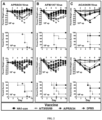
- H1-COT induced better protection as compared to wild type immunogens.
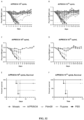
- the homologous PR/8/34 vaccine was able to induce protective responses using the lowest dose of vaccine as compared to the mismatched vaccines, H1-COT and A/TX/201709 ( FIG. 2A ).
- A/PR/8/34 immunized mice did not show any signs of disease or death with doses as low as 10 7 vp ( FIG. 2A ).
- mice vaccinated with H1-COT vaccine recovered and survived the challenge, whereas 60% of mice vaccinated with A/TX/201709 at the same dose did not survive ( FIG. 2A ).
- mice immunized with the traditional influenza vaccines FluMist and FluZone.
- Mice immunized with these vaccines induced robust HI titers against 7 of 7 influenza viruses tested, however, they failed to provide any protection against disease in death when challenged with lethal influenza virus (Table 1).
- the universal multivalent vaccine also induced significantly higher T cell immunity and neutralizing antibody as compared to the traditional vaccines.
- the improved cellular and humoral immunity of the HA-COT vaccines can be selected for during the design and production of these universal vaccine immunogens. Table 1.
- a second approach used only unique sequences to create the consensus immunogen, a consensus of unique sequences (CoUS). This had the advantage of giving equal weight to all know flu variants and was biased toward more contemporary strains. This strategy worked to localize the vaccine immunogen to give the greatest protection against the greatest number of unique sequences ( FIG. 4C ).
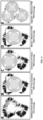
- a third universal vaccine strategy used in silico recombination with an algorithm that selected for recombinants that represent the most common repeated motifs. This Mosaic strategy is described in FIG. 3 and had the advantage of selecting for a universal vaccine immunogen that had been optimized for the greatest number of T and B cell epitopes ( FIG. 4D ). The final strategy utilized the same optimization of T and B cell epitopes as the Mosaic strategy, but, in this case, selected for a cocktail of vaccine immunogens that maximize vaccine coverage ( FIG. 4E ).
- the FASTA formatted sequences were submitted to the Mosaic Vaccine Designer at the Los Alamos National Laboratories and a Mosaic sequence was created using the following parameters: Cocktail Size: 1, Epitope Length: 9, Rare Threshold: 1, Run Time: 10 hrs, Population size: 200, Cycle Time: 10, Stall Time: 10, Internal Crossover Probability: 0.5.
- Mosaic Vaccine Sequence Coverage 0.730394.
- the Epigraph sequences were created using the Epigraph vaccine design software with the following parameters: Algorithm: Unaligned sequence, Epitope Length: 9, Cocktail Size: 3.
- the FASTA formatted sequences were submitted to the Mosaic Vaccine Designer at the Los Alamos National Laboratories and a mosaic sequence was created using the following parameters: Cocktail Size: 1, Epitope Length: 9, Rare Threshold: 1, Run Time: 10 hrs, Population size: 200, Cycle Time: 10, Stall Time: 10, Internal Crossover Probability: 0.5. Mosaic Vaccine Sequence Coverage: 0.827791.
- the Epigraph sequences were created using the Epigraph Software with the following parameters: Algorithm: Unaligned sequence, Epitope Length: 9, Cocktail Size: 3.
- the centralized genes were introduced back into the original protein sequence file, realigned in ClustalW and the nexus output file was used to generate a neighbor-joining tree using PAUP 4.0a.
- the phylogenetic relationship of the centralized proteins to the natural proteins was identified.
- the homologous HA vaccine induced the most robust immunity against the homologous peptides.
- the Mosaic and CoUS HA vaccines induced equivalent or superior cellular immunity as compared to the wildtype PR8 and pd09 comparator vaccines ( FIG. 6 ).
- the Mosaic vaccine generated the greatest level of recognized peptides, followed by the CoUS vaccine immunogen with 6 and 4 peptides, respectively ( FIG. 7 ). This was compared to the wild type responses to 3 and 1 peptides, respectively.
- the Mosaic, CoUS, PR8 and pd09 HA vaccines induced T cell responses against 5, 4, 3 and 1 epitopes, respectively ( FIG. 7 ). This empirical data showed that the Mosaic vaccine strategy does indeed select for greatest T cell coverage, and likely B cell coverage, of all of the vaccine strategies.
- the lipids DSPC, cholesterol (Sigma-Aldrich), DMAP-BLP, PEG-DMG2K and PEG-DSG2K (NOF America Corporation) were dissolved at a molar ratio of 50:10:39.5:0.5 in ethanol using microfluidic mixing.
- the mRNA was mixed with the lipid:ethanol solution at a 3:1 ratio in 50 mM Citrate (pH-4.0).
- the mRNA-LNP was dialyzed using 100K MWCO dialysis cartridges against PBS (pH - 7.4) overnight and concentrated using Amicon Ultra Centrifuge filters. The final mRNA-LNP products were stored at 4°C. The mRNA-LNPs size and quality were confirmed by electron microscopy.
- mice were challenged 3 weeks post-boost with a lethal influenza challenge. If the prime/boost immunization failed to provide complete protection, then a prime/boost/boost vaccine strategy was explored in order to determine the optimal vaccine dose capable of providing complete protection.
- Intramuscular immunizations consisted of a 50 ⁇ l vaccine diluted in PBS and injected using a 27 gauge needle into both quadriceps in two 25 ⁇ l injections. Initially, all immunizations were done by the intramuscular route. All initial studies were done as single dose vaccine agents. Mice were challenged with 10 - 100 MLD 50 of mouse-adapted influenza virus, and disease and death were monitored.
- Immune correlates such as HI titers and T cell ELISpot assays. Immune correlates were analyzed against at least 5-H1 and 5-H3 influenza strains. This data allowed us to extrapolate the true breadth and strength of the anti-influenza immunity induced by the various vaccines. Both cellular and humoral immunity were analyzed, as both play critical roles in protection and clearance. All candidate vaccine responses were compared to the commercial inactivated FluSure vaccine per manufacturer recommendations.
- HI Hemagglutination Inhibition
- Neutralization Assay In order to determine the functional neutralization of the sera against homologous and heterologous sera, neutralization assays were performed.
- the most effective method of determining vaccine efficacy is the actual influenza challenge study.
- the H1 and H3 vaccines were tested separately in order to eliminate any potential interference between the vaccine immunogens.
- the vaccine groups consisted of single wild type, COT, CoUS or Mosaic HA immunogens.
- the epigraph immunogens were delivered as a cocktail.
- the HA-Epi vaccine consisted of the same final dose of mRNA-LNP as compared to the individual HA vaccines. Since the Epigraph vaccine was composed of a cocktail of 3 epigraph immunogens, each Epi mRNA was included in the vaccine at 1/3 of the final dose.
- the Epigraph vaccine consisted of 3.33 ⁇ g of each Epi mRNA-LNP vaccine. Groups of 5 control mice for each challenge virus were included. All of the vaccines were compared to a group that received the commercial quadrivalent FluZone at the mouse equivalent dose.
- the epigraph approach may be more effective against H1N1 influenza, whereas the Mosaic approach may be more effective against H3N2 influenza. Therefore, the Ad-H1-Epi + Ad-H3-Mos multivalent vaccine were tested for efficacy against all six influenza viruses. Groups of 5 control mice for each challenge virus were included.
- mice Immunization in the presence of prior immunity due to previous vaccination. These experiments simulate an immune system that has been primed by a seasonal inactivated vaccine and not a natural infection. These conditions more accurately resemble the immune systems of vaccinated children. Groups of five mice were immunized with a seasonal inactivated FluZone vaccine. The mice were re-immunized six months later with either wild type or the universal multivalent optimized vaccine. The mice were challenged with a panel of influenza viruses to determine the degree of cross-protective immunity. All mice studies were repeated.
- mice were infected with a low dose of wild type influenza virus. These conditions more accurately resemble the immune systems of adults.
- the strain-specific wild type and universal vaccines were tested for their ability to induce cross-protective immunity in the context of this immune repertoire in the same manner as previously described for animals with prior immunity due to vaccination. All mice studies were repeated.
- Influenza animal model The ferret model closely mimics influenza infection in humans. Ferrets have similar clinical symptoms and are equally sensitive to influenza infection.
- the ferret model is considered the best animal model to evaluate influenza pathogenicity, virulence, infectivity, and vaccine efficacy ( Herlocher et al., 2001, J. Infect. Dis., 184:542-6 ; Maassab et al., 1982, J. Infect. Dis., 146:780-90 ; Sweet & Smith, 1980, Microbiol. Rev., 44:303-30 ).
- the ferret model was used for a final evaluation of the most efficacious vaccines. All ferret studies were repeated.
- Ferrets were used in the final analysis of the most promising broadly protective vaccines. Groups of five ferrets were immunized with the wild type, universal, and FluZone vaccines. Sera and nasal washes were obtained three weeks post-immunization. These samples were assayed against a large panel of influenza viruses using HI and micro-neutralization assays for a broader analysis of cross-protective immune responses. The immunized ferrets were challenged with at least four representative viruses from each subtype. The ferrets were monitored daily for temperature and dehydration. Fever in ferrets rarely approaches dangerous levels and there is some indication that reducing fever actually increases viremia. If the animals were dehydrated, they were treated daily by subcutaneous injection of 10 ml of sterile saline. Moribund animals were sacrificed. Disease as measured by weight loss, clinical score and nasal virus shedding was used to evaluate the protective responses of each vaccine.
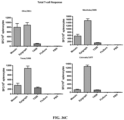
- Total T cell responses were measured by IFNgamma ELISpot assay using peptide arrays spanning the entire HA gene of A/California/07/09 ( FIG. 28A ), A/Puerto Rico/8/34 ( FIG. 28B ), A/New Caledonia/20/99 ( FIG. 28C ), or A/Brisbane/59/07 ( FIG. 28D ) strains and expressed as the mean number of spot forming cells (SFC) per million splenocytes.
- SFC spot forming cells
- FIG. 29B A/New Caledonia/20/99 ( FIG. 29C ), and A/California/07/09 ( FIG. 29D ) are quantified.
- An alignment of the peptide strain (grey), mosaic (green), A/PR/8/34 (dark blue), and A/TX/201709 pdm09 (light blue) HA sequences are shown directly under the positive peptide indicating the possible epitope locations.
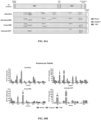
- 293 cells were infected with equivalent infectious units, using a wild type comparator HA gene (A/swine/Texas/4199-2/1998 [TX98]) as a control, and Hemagglutinin protein expression was detected by probing the Western blots with polyclonal Goat anti A/swine/Indiana/0392/2011 serum ( FIG. 34B ).
- a wild type comparator HA gene A/swine/Texas/4199-2/1998 [TX98]
- mice Groups of 5 to 10 mice were immunized with 10 10 viral particles (vp) of Ad5-vectored vaccines expressing the Mosaic, Epigraph, or wild type TX98 HA immunogens ( FIG. 35A ). Additionally, mice were immunized with commercial FluSure at a dose equivalent to a 10X dose as compared to a 3 week old piglet. A submandibular bleed was performed at week 3 for evaluation of antibodies after a single immunization. Mice were then boosted and sera was harvested 14 days post-boost ( FIG. 35A ).
- Representative divergent H3 swine influenza viruses were chosen for analysis of antibody development ( FIG. 35B ), and hemmaglutination inhibition (HI) were performed as described by the World Health Organization standard protocols ( FIG. 35C ).
- the dotted line represents the standard titer or 40 considered to confer protection against challenge.
- Overlapping peptide libraries of 17-mers overlapping by 10 amino acids were used to determine the T cell epitopes induced by the vaccine immunogens to four representative divergent swH3 viruses.
- Interferon- ⁇ inducing T cells were measured by ELISpot assay. A peptide was considered positive if the spot-forming cells (SFC) per million was greater than 50 ( FIG. 36A ).
- Individual responses to positive peptides FIG. 36B
- total T-cell responses ( FIG. 36C ) were also measured.
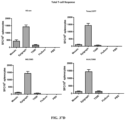
- FIG. 37A Splenocytes were evaluated for cross-reactive T-cell immune responses against four representative human influenza strains using overlapping peptide libraries and an IFN- ⁇ ELISpot assay. A peptide was considered positive if the spot-forming cells (SFC) per million was greater than 50 ( FIG. 37B ). Individual responses to positive peptides ( FIG. 37C ) and total T-cell responses ( FIG. 37D ) were also measured.
- SFC spot-forming cells
Landscapes
- Life Sciences & Earth Sciences (AREA)
- Health & Medical Sciences (AREA)
- Chemical & Material Sciences (AREA)
- Virology (AREA)
- Microbiology (AREA)
- Immunology (AREA)
- Medicinal Chemistry (AREA)
- General Health & Medical Sciences (AREA)
- Wood Science & Technology (AREA)
- Organic Chemistry (AREA)
- Genetics & Genomics (AREA)
- Engineering & Computer Science (AREA)
- Bioinformatics & Cheminformatics (AREA)
- Zoology (AREA)
- Public Health (AREA)
- Mycology (AREA)
- Pharmacology & Pharmacy (AREA)
- Epidemiology (AREA)
- Animal Behavior & Ethology (AREA)
- Veterinary Medicine (AREA)
- General Engineering & Computer Science (AREA)
- Biomedical Technology (AREA)
- Biotechnology (AREA)
- Pulmonology (AREA)
- Biochemistry (AREA)
- Medicines Containing Antibodies Or Antigens For Use As Internal Diagnostic Agents (AREA)
- Peptides Or Proteins (AREA)
Applications Claiming Priority (3)
| Application Number | Priority Date | Filing Date | Title |
|---|---|---|---|
| US201862734791P | 2018-09-21 | 2018-09-21 | |
| PCT/US2019/052137 WO2020061443A2 (en) | 2018-09-21 | 2019-09-20 | Methods of making and using universal centralized influenza vaccine genes |
| EP19861574.2A EP3852799A4 (de) | 2018-09-21 | 2019-09-20 | Verfahren zur herstellung und verwendung von universellen zentralisierten grippeimpfstoffgenen |
Related Parent Applications (1)
| Application Number | Title | Priority Date | Filing Date |
|---|---|---|---|
| EP19861574.2A Division EP3852799A4 (de) | 2018-09-21 | 2019-09-20 | Verfahren zur herstellung und verwendung von universellen zentralisierten grippeimpfstoffgenen |
Publications (2)
| Publication Number | Publication Date |
|---|---|
| EP4516907A2 true EP4516907A2 (de) | 2025-03-05 |
| EP4516907A3 EP4516907A3 (de) | 2025-08-27 |
Family
ID=69887932
Family Applications (2)
| Application Number | Title | Priority Date | Filing Date |
|---|---|---|---|
| EP24213290.0A Pending EP4516907A3 (de) | 2018-09-21 | 2019-09-20 | Verfahren zur herstellung und verwendung universeller zentralisierter influenzaimpfstoffgene |
| EP19861574.2A Withdrawn EP3852799A4 (de) | 2018-09-21 | 2019-09-20 | Verfahren zur herstellung und verwendung von universellen zentralisierten grippeimpfstoffgenen |
Family Applications After (1)
| Application Number | Title | Priority Date | Filing Date |
|---|---|---|---|
| EP19861574.2A Withdrawn EP3852799A4 (de) | 2018-09-21 | 2019-09-20 | Verfahren zur herstellung und verwendung von universellen zentralisierten grippeimpfstoffgenen |
Country Status (6)
| Country | Link |
|---|---|
| US (2) | US12064478B2 (de) |
| EP (2) | EP4516907A3 (de) |
| CN (1) | CN113423421A (de) |
| BR (1) | BR112021005255A2 (de) |
| CA (1) | CA3113647A1 (de) |
| WO (1) | WO2020061443A2 (de) |
Families Citing this family (16)
| Publication number | Priority date | Publication date | Assignee | Title |
|---|---|---|---|---|
| US10130697B2 (en) | 2010-03-23 | 2018-11-20 | Wisconsin Alumni Research Foundation (Warf) | Vaccines comprising mutant attenuated influenza viruses |
| JP2014527799A (ja) | 2011-08-26 | 2014-10-23 | ダブリュエーアールエフ−ウィスコンシン アラムナイ リサーチ ファウンデーション | 変異型pb2遺伝子セグメントを有する弱毒化生ワクチンとしてのインフルエンザウイルス |
| US11197925B2 (en) | 2016-02-19 | 2021-12-14 | Wisconsin Alumni Research Foundation (Warf) | Influenza B virus replication for vaccine development |
| WO2019084310A1 (en) | 2017-10-25 | 2019-05-02 | Yoshihiro Kawaoka | HAS RECOMBINANT INFLUENZA VIRUSES STABILIZED FOR EGG REPLICATION |
| US12343390B2 (en) | 2018-08-07 | 2025-07-01 | Wisconsin Alumni Research Foundation (Warf) | Recombinant biologically contained filovirus vaccine |
| JP7655849B2 (ja) | 2018-08-20 | 2025-04-02 | ウィスコンシン アルムニ リサーチ ファンデイション | ヘマグルチニン(ha)タンパク質内の非ドミナントエピトープに対する免疫応答を誘起するためのベクター |
| EP3921413A1 (de) | 2019-02-08 | 2021-12-15 | Wisconsin Alumni Research Foundation (WARF) | Humanisierte zelllinie |
| CN114929269A (zh) | 2019-05-01 | 2022-08-19 | 威斯康星校友研究基金会(Warf) | 用于疫苗开发的改进的流感病毒复制 |
| JP2023511444A (ja) | 2020-01-24 | 2023-03-17 | ウィスコンシン アルムニ リサーチ ファンデイション | 安定化されたnaを有する組換えインフルエンザウイルス |
| US11642407B2 (en) | 2020-02-28 | 2023-05-09 | Massachusetts Institute Of Technology | Identification of variable influenza residues and uses thereof |
| WO2021195410A1 (en) | 2020-03-25 | 2021-09-30 | Wisconsin Alumni Research Foundation (Warf) | Recombinant multivalent influenza viruses |
| JP2024537250A (ja) * | 2021-10-06 | 2024-10-10 | ディオシンバックス リミテッド | インフルエンザワクチン |
| US20230346911A1 (en) * | 2022-02-23 | 2023-11-02 | Wisconsin Alumni Research Foundation | Broadly protective influenza b virus vaccines |
| CN116063409A (zh) * | 2022-09-09 | 2023-05-05 | 中山大学·深圳 | 一种乙型流感Mosaic重组蛋白、重组质粒及其构建方法和应用 |
| CN116284432A (zh) * | 2022-09-09 | 2023-06-23 | 中山大学·深圳 | 一种乙型流感病毒重组蛋白疫苗及其制备方法 |
| CN120249318A (zh) * | 2025-04-01 | 2025-07-04 | 华南农业大学 | mRNA及其mRNA-LNP疫苗与制备方法、用途 |
Family Cites Families (13)
| Publication number | Priority date | Publication date | Assignee | Title |
|---|---|---|---|---|
| WO2011087839A1 (en) | 2009-12-22 | 2011-07-21 | Baxter International Inc. | Vaccine to influenza a virus |
| US8298820B2 (en) * | 2010-01-26 | 2012-10-30 | The Trustees Of The University Of Pennsylvania | Influenza nucleic acid molecules and vaccines made therefrom |
| US8883171B2 (en) | 2010-09-14 | 2014-11-11 | University of Pittsburgh—of the Commonwealth System of Higher Education | Computationally optimized broadly reactive antigens for influenza |
| AP2013006835A0 (en) | 2010-11-02 | 2013-04-30 | Zepeda Lopez Hector Manuel | Novel vaccines against the A/H1N1 pandemic flu virus |
| WO2012089231A1 (en) * | 2010-12-30 | 2012-07-05 | Okairòs Ag | Paramyxovirus vaccines |
| US9017694B2 (en) * | 2011-10-07 | 2015-04-28 | Medimmune, Llc | Swine influenza hemagglutinin variants |
| CN104059941A (zh) | 2013-03-19 | 2014-09-24 | 苏州工业园区唯可达生物科技有限公司 | 一种融合基因真核表达构建体、基因工程疫苗及其制备方法 |
| EA035375B1 (ru) | 2014-07-10 | 2020-06-03 | Янссен Вэксинс Энд Превеншн Б.В. | Вакцины против вируса гриппа и их применения |
| KR20170122786A (ko) * | 2015-02-26 | 2017-11-06 | 베링거잉겔하임베트메디카게엠베하 | 2가 돼지 인플루엔자 바이러스 백신 |
| US10927151B2 (en) | 2015-06-09 | 2021-02-23 | Sanofi Pasteur Inc. | Methods of optimizing nucleotide sequences encoding engineered influenza proteins |
| WO2017053374A1 (en) * | 2015-09-21 | 2017-03-30 | Oregon Health & Science University | Design and characterization of influenza vaccines |
| GB201614485D0 (en) * | 2016-08-25 | 2016-10-12 | Univ Oxford Innovation Ltd | Immunogenic composition |
| CN118176204A (zh) * | 2021-08-11 | 2024-06-11 | 圣诺菲·帕斯图尔公司 | 截短的流感神经氨酸酶及其使用方法 |
-
2019
- 2019-09-20 WO PCT/US2019/052137 patent/WO2020061443A2/en not_active Ceased
- 2019-09-20 BR BR112021005255-0A patent/BR112021005255A2/pt unknown
- 2019-09-20 EP EP24213290.0A patent/EP4516907A3/de active Pending
- 2019-09-20 US US17/277,426 patent/US12064478B2/en active Active
- 2019-09-20 CA CA3113647A patent/CA3113647A1/en active Pending
- 2019-09-20 CN CN201980074988.7A patent/CN113423421A/zh active Pending
- 2019-09-20 EP EP19861574.2A patent/EP3852799A4/de not_active Withdrawn
-
2024
- 2024-08-12 US US18/800,951 patent/US20250032601A1/en active Pending
Non-Patent Citations (8)
| Title |
|---|
| "PCR Primer: A Laboratory Manual", 1995, COLD SPRING HARBOR LABORATORY PRESS |
| ALTSCHUL ET AL., NUCLEIC ACIDS RES., vol. 25, 1997 |
| FISCHER ET AL., NATURE MED., vol. 13, 2007, pages 100 - 6 |
| HERLOCHER ET AL., J. INFECT. DIS., vol. 184, 2001, pages 542 - 6 |
| MAASSAB ET AL., J. INFECT. DIS., vol. 146, 1982, pages 780 - 90 |
| SWEETSMITH, MICROBIOL. REV., vol. 44, 1980, pages 303 - 30 |
| THEILERKORBER, STAT. MED., vol. 37, 2018, pages 181 - 94 |
| WEAVER ET AL., PLOS ONE, vol. 6, 2011, pages e18314 |
Also Published As
| Publication number | Publication date |
|---|---|
| CN113423421A (zh) | 2021-09-21 |
| CA3113647A1 (en) | 2020-03-26 |
| WO2020061443A9 (en) | 2020-07-16 |
| US12064478B2 (en) | 2024-08-20 |
| WO2020061443A3 (en) | 2020-08-13 |
| EP3852799A4 (de) | 2022-10-05 |
| US20210353738A1 (en) | 2021-11-18 |
| WO2020061443A2 (en) | 2020-03-26 |
| BR112021005255A2 (pt) | 2021-06-29 |
| US20250032601A1 (en) | 2025-01-30 |
| EP4516907A3 (de) | 2025-08-27 |
| EP3852799A2 (de) | 2021-07-28 |
Similar Documents
| Publication | Publication Date | Title |
|---|---|---|
| US20250032601A1 (en) | Methods of making and using universal centralized influenza vaccine genes | |
| JP7655849B2 (ja) | ヘマグルチニン(ha)タンパク質内の非ドミナントエピトープに対する免疫応答を誘起するためのベクター | |
| AU2021204721A1 (en) | Improved influenza b virus replication for vaccine development | |
| US11065326B2 (en) | Live-attenuated vaccine having mutations in viral polymerase for the treatment and prevention of canine influenza virus | |
| CN118146389A (zh) | 稳定化的第2组流感血凝素茎区三聚体及其用途 | |
| Watanabe et al. | Influenza A virus with defective M2 ion channel activity as a live vaccine | |
| BRPI0614297A2 (pt) | molécula de hemaglutinina de vìrus influenza, vìrus influenza recombinante, uso do mesmo, sistema de genética reversa, kit, método de produzir um vìrus contento a molécula de hemaglutinina, bem como método para aumentar a sensibilidade de um ensaio de inibição de hemaglutinina | |
| US20140255343A1 (en) | Dna vaccine, method of inducing the immune response, method of immunisation, antibodies specifically recognising the h5 haemagglutinin of an influenza virus and use of the dna vaccine | |
| US20090104228A1 (en) | Influenza Virus Vaccine | |
| CN103221064A (zh) | 抗流感病毒的免疫方法及其组合疫苗 | |
| KR20200085135A (ko) | H5N8형 재조합 인플루엔자 A 바이러스 및 이를 포함하는 clade 2.3.4.4A에 속하는 H5 혈청형 인플루엔자 A 바이러스에 대한 백신 조성물 | |
| Khurana et al. | Recombinant HA1 produced in E. coli forms functional oligomers and generates strain-specific SRID potency antibodies for pandemic influenza vaccines | |
| BR112015001020B1 (pt) | Vacinas de influenza suína atenuada e métodos de produção e utilização das mesmas | |
| US8883165B2 (en) | Modified peptide vaccine derived from influenza M2 | |
| CN102153654B (zh) | 以免疫活性肽为载体的分支多肽及其衍生物与应用 | |
| RU2556833C2 (ru) | Аттенуированный холодоадаптированный штамм вируса гриппа а/рr/8/59/m2 (h1n1), предназначенный для получения вакцинных штаммов вируса гриппа в качестве донора аттенуации, вакцинные штаммы вируса гриппа а/59/м2/калифорния/66/2211 (н2n2) и а/59/м2/токио/67/22111 (н2n2) | |
| Stropkovská et al. | Broadly cross-reactive monoclonal antibodies against HA2 glycopeptide of Influenza A virus hemagglutinin of H3 subtype reduce replication of influenza A viruses of human and avian origin | |
| US20160038583A1 (en) | Influenza hemagglutinin variants and uses therefor | |
| Peng et al. | Protective efficacy of an inactivated chimeric H7/H5 avian influenza vaccine against highly pathogenic avian influenza H7N9 and clade 2.3. 4.4 H5 viruses | |
| CN109563138A (zh) | 经改造的流感血凝素多肽的修饰 | |
| Giles | Development of a broadly reactive vaccine for highly pathogenic H5N1 influenza | |
| US20260007734A1 (en) | Immunogenic compositions for the prevention of influenza a | |
| US20260034205A1 (en) | Modified live attenuated flu virus vaccines and uses thereof | |
| KR20200085396A (ko) | H5N6형 재조합 인플루엔자 A 바이러스 및 이를 포함하는 clade 2.3.4.4D에 속하는 H5 혈청형 인플루엔자 A 바이러스에 대한 백신 조성물 | |
| JP2026509251A (ja) | インフルエンザh3ウイルスの広域反応性免疫原、その組成物および使用方法 |
Legal Events
| Date | Code | Title | Description |
|---|---|---|---|
| PUAI | Public reference made under article 153(3) epc to a published international application that has entered the european phase |
Free format text: ORIGINAL CODE: 0009012 |
|
| STAA | Information on the status of an ep patent application or granted ep patent |
Free format text: STATUS: THE APPLICATION HAS BEEN PUBLISHED |
|
| AC | Divisional application: reference to earlier application |
Ref document number: 3852799 Country of ref document: EP Kind code of ref document: P |
|
| AK | Designated contracting states |
Kind code of ref document: A2 Designated state(s): AL AT BE BG CH CY CZ DE DK EE ES FI FR GB GR HR HU IE IS IT LI LT LU LV MC MK MT NL NO PL PT RO RS SE SI SK SM TR |
|
| RIC1 | Information provided on ipc code assigned before grant |
Ipc: C12N 15/44 20060101AFI20250429BHEP |
|
| PUAL | Search report despatched |
Free format text: ORIGINAL CODE: 0009013 |
|
| AK | Designated contracting states |
Kind code of ref document: A3 Designated state(s): AL AT BE BG CH CY CZ DE DK EE ES FI FR GB GR HR HU IE IS IT LI LT LU LV MC MK MT NL NO PL PT RO RS SE SI SK SM TR |
|
| RIC1 | Information provided on ipc code assigned before grant |
Ipc: C12N 15/44 20060101AFI20250722BHEP |