EP4516910A1 - Isolierte cas13-proteine, darauf basierendes geneditierungssystem und verwendung davon - Google Patents
Isolierte cas13-proteine, darauf basierendes geneditierungssystem und verwendung davon Download PDFInfo
- Publication number
- EP4516910A1 EP4516910A1 EP23795688.3A EP23795688A EP4516910A1 EP 4516910 A1 EP4516910 A1 EP 4516910A1 EP 23795688 A EP23795688 A EP 23795688A EP 4516910 A1 EP4516910 A1 EP 4516910A1
- Authority
- EP
- European Patent Office
- Prior art keywords
- cas13
- protein
- nuclease
- sequence
- domain
- Prior art date
- Legal status (The legal status is an assumption and is not a legal conclusion. Google has not performed a legal analysis and makes no representation as to the accuracy of the status listed.)
- Pending
Links
Images







Classifications
-
- C—CHEMISTRY; METALLURGY
- C12—BIOCHEMISTRY; BEER; SPIRITS; WINE; VINEGAR; MICROBIOLOGY; ENZYMOLOGY; MUTATION OR GENETIC ENGINEERING
- C12N—MICROORGANISMS OR ENZYMES; COMPOSITIONS THEREOF; PROPAGATING, PRESERVING, OR MAINTAINING MICROORGANISMS; MUTATION OR GENETIC ENGINEERING; CULTURE MEDIA
- C12N15/00—Mutation or genetic engineering; DNA or RNA concerning genetic engineering, vectors, e.g. plasmids, or their isolation, preparation or purification; Use of hosts therefor
- C12N15/09—Recombinant DNA-technology
- C12N15/87—Introduction of foreign genetic material using processes not otherwise provided for, e.g. co-transformation
- C12N15/90—Stable introduction of foreign DNA into chromosome
-
- C—CHEMISTRY; METALLURGY
- C12—BIOCHEMISTRY; BEER; SPIRITS; WINE; VINEGAR; MICROBIOLOGY; ENZYMOLOGY; MUTATION OR GENETIC ENGINEERING
- C12N—MICROORGANISMS OR ENZYMES; COMPOSITIONS THEREOF; PROPAGATING, PRESERVING, OR MAINTAINING MICROORGANISMS; MUTATION OR GENETIC ENGINEERING; CULTURE MEDIA
- C12N9/00—Enzymes; Proenzymes; Compositions thereof; Processes for preparing, activating, inhibiting, separating or purifying enzymes
- C12N9/14—Hydrolases (3)
- C12N9/16—Hydrolases (3) acting on ester bonds (3.1)
- C12N9/22—Ribonucleases [RNase]; Deoxyribonucleases [DNase]
- C12N9/222—Clustered regularly interspaced short palindromic repeats [CRISPR]-associated [CAS] enzymes
- C12N9/226—Class 2 CAS enzyme complex, e.g. single CAS protein
-
- A—HUMAN NECESSITIES
- A61—MEDICAL OR VETERINARY SCIENCE; HYGIENE
- A61K—PREPARATIONS FOR MEDICAL, DENTAL OR TOILETRY PURPOSES
- A61K48/00—Medicinal preparations containing genetic material which is inserted into cells of the living body to treat genetic diseases; Gene therapy
- A61K48/005—Medicinal preparations containing genetic material which is inserted into cells of the living body to treat genetic diseases; Gene therapy characterised by an aspect of the 'active' part of the composition delivered, i.e. the nucleic acid delivered
-
- C—CHEMISTRY; METALLURGY
- C12—BIOCHEMISTRY; BEER; SPIRITS; WINE; VINEGAR; MICROBIOLOGY; ENZYMOLOGY; MUTATION OR GENETIC ENGINEERING
- C12N—MICROORGANISMS OR ENZYMES; COMPOSITIONS THEREOF; PROPAGATING, PRESERVING, OR MAINTAINING MICROORGANISMS; MUTATION OR GENETIC ENGINEERING; CULTURE MEDIA
- C12N15/00—Mutation or genetic engineering; DNA or RNA concerning genetic engineering, vectors, e.g. plasmids, or their isolation, preparation or purification; Use of hosts therefor
- C12N15/09—Recombinant DNA-technology
- C12N15/11—DNA or RNA fragments; Modified forms thereof; Non-coding nucleic acids having a biological activity
-
- C—CHEMISTRY; METALLURGY
- C12—BIOCHEMISTRY; BEER; SPIRITS; WINE; VINEGAR; MICROBIOLOGY; ENZYMOLOGY; MUTATION OR GENETIC ENGINEERING
- C12N—MICROORGANISMS OR ENZYMES; COMPOSITIONS THEREOF; PROPAGATING, PRESERVING, OR MAINTAINING MICROORGANISMS; MUTATION OR GENETIC ENGINEERING; CULTURE MEDIA
- C12N15/00—Mutation or genetic engineering; DNA or RNA concerning genetic engineering, vectors, e.g. plasmids, or their isolation, preparation or purification; Use of hosts therefor
- C12N15/09—Recombinant DNA-technology
- C12N15/11—DNA or RNA fragments; Modified forms thereof; Non-coding nucleic acids having a biological activity
- C12N15/111—General methods applicable to biologically active non-coding nucleic acids
-
- C—CHEMISTRY; METALLURGY
- C12—BIOCHEMISTRY; BEER; SPIRITS; WINE; VINEGAR; MICROBIOLOGY; ENZYMOLOGY; MUTATION OR GENETIC ENGINEERING
- C12N—MICROORGANISMS OR ENZYMES; COMPOSITIONS THEREOF; PROPAGATING, PRESERVING, OR MAINTAINING MICROORGANISMS; MUTATION OR GENETIC ENGINEERING; CULTURE MEDIA
- C12N15/00—Mutation or genetic engineering; DNA or RNA concerning genetic engineering, vectors, e.g. plasmids, or their isolation, preparation or purification; Use of hosts therefor
- C12N15/09—Recombinant DNA-technology
- C12N15/11—DNA or RNA fragments; Modified forms thereof; Non-coding nucleic acids having a biological activity
- C12N15/113—Non-coding nucleic acids modulating the expression of genes, e.g. antisense oligonucleotides; Antisense DNA or RNA; Triplex- forming oligonucleotides; Catalytic nucleic acids, e.g. ribozymes; Nucleic acids used in co-suppression or gene silencing
-
- C—CHEMISTRY; METALLURGY
- C12—BIOCHEMISTRY; BEER; SPIRITS; WINE; VINEGAR; MICROBIOLOGY; ENZYMOLOGY; MUTATION OR GENETIC ENGINEERING
- C12N—MICROORGANISMS OR ENZYMES; COMPOSITIONS THEREOF; PROPAGATING, PRESERVING, OR MAINTAINING MICROORGANISMS; MUTATION OR GENETIC ENGINEERING; CULTURE MEDIA
- C12N15/00—Mutation or genetic engineering; DNA or RNA concerning genetic engineering, vectors, e.g. plasmids, or their isolation, preparation or purification; Use of hosts therefor
- C12N15/09—Recombinant DNA-technology
- C12N15/63—Introduction of foreign genetic material using vectors; Vectors; Use of hosts therefor; Regulation of expression
- C12N15/79—Vectors or expression systems specially adapted for eukaryotic hosts
- C12N15/85—Vectors or expression systems specially adapted for eukaryotic hosts for animal cells
-
- C—CHEMISTRY; METALLURGY
- C12—BIOCHEMISTRY; BEER; SPIRITS; WINE; VINEGAR; MICROBIOLOGY; ENZYMOLOGY; MUTATION OR GENETIC ENGINEERING
- C12N—MICROORGANISMS OR ENZYMES; COMPOSITIONS THEREOF; PROPAGATING, PRESERVING, OR MAINTAINING MICROORGANISMS; MUTATION OR GENETIC ENGINEERING; CULTURE MEDIA
- C12N9/00—Enzymes; Proenzymes; Compositions thereof; Processes for preparing, activating, inhibiting, separating or purifying enzymes
- C12N9/14—Hydrolases (3)
- C12N9/16—Hydrolases (3) acting on ester bonds (3.1)
- C12N9/22—Ribonucleases [RNase]; Deoxyribonucleases [DNase]
-
- C—CHEMISTRY; METALLURGY
- C12—BIOCHEMISTRY; BEER; SPIRITS; WINE; VINEGAR; MICROBIOLOGY; ENZYMOLOGY; MUTATION OR GENETIC ENGINEERING
- C12N—MICROORGANISMS OR ENZYMES; COMPOSITIONS THEREOF; PROPAGATING, PRESERVING, OR MAINTAINING MICROORGANISMS; MUTATION OR GENETIC ENGINEERING; CULTURE MEDIA
- C12N9/00—Enzymes; Proenzymes; Compositions thereof; Processes for preparing, activating, inhibiting, separating or purifying enzymes
- C12N9/14—Hydrolases (3)
- C12N9/78—Hydrolases (3) acting on carbon to nitrogen bonds other than peptide bonds (3.5)
-
- C—CHEMISTRY; METALLURGY
- C07—ORGANIC CHEMISTRY
- C07K—PEPTIDES
- C07K2319/00—Fusion polypeptide
- C07K2319/80—Fusion polypeptide containing a DNA binding domain, e.g. Lacl or Tet-repressor
-
- C—CHEMISTRY; METALLURGY
- C12—BIOCHEMISTRY; BEER; SPIRITS; WINE; VINEGAR; MICROBIOLOGY; ENZYMOLOGY; MUTATION OR GENETIC ENGINEERING
- C12N—MICROORGANISMS OR ENZYMES; COMPOSITIONS THEREOF; PROPAGATING, PRESERVING, OR MAINTAINING MICROORGANISMS; MUTATION OR GENETIC ENGINEERING; CULTURE MEDIA
- C12N2310/00—Structure or type of the nucleic acid
- C12N2310/10—Type of nucleic acid
- C12N2310/20—Type of nucleic acid involving clustered regularly interspaced short palindromic repeats [CRISPR]
-
- C—CHEMISTRY; METALLURGY
- C12—BIOCHEMISTRY; BEER; SPIRITS; WINE; VINEGAR; MICROBIOLOGY; ENZYMOLOGY; MUTATION OR GENETIC ENGINEERING
- C12Y—ENZYMES
- C12Y305/00—Hydrolases acting on carbon-nitrogen bonds, other than peptide bonds (3.5)
- C12Y305/04—Hydrolases acting on carbon-nitrogen bonds, other than peptide bonds (3.5) in cyclic amidines (3.5.4)
- C12Y305/04004—Adenosine deaminase (3.5.4.4)
-
- C—CHEMISTRY; METALLURGY
- C12—BIOCHEMISTRY; BEER; SPIRITS; WINE; VINEGAR; MICROBIOLOGY; ENZYMOLOGY; MUTATION OR GENETIC ENGINEERING
- C12Y—ENZYMES
- C12Y305/00—Hydrolases acting on carbon-nitrogen bonds, other than peptide bonds (3.5)
- C12Y305/04—Hydrolases acting on carbon-nitrogen bonds, other than peptide bonds (3.5) in cyclic amidines (3.5.4)
- C12Y305/04005—Cytidine deaminase (3.5.4.5)
Definitions
- the present application is in the field of biotechnology and specifically relates to an isolated Cas13 protein, a gene editing system based on it and a method of using them for RNA level gene editing.
- Gene editing technology makes it possible to modify DNA sequence anchor points, such as the first-generation gene editing tools, zinc finger nucleases(ZFNs), and the second-generation gene editing tools, transcription activator-like effector nucleases(TALENs), the third generation gene editing tools, type II and V clustered regularly interspaced short palindromic repeats (CRISPR)/Cas (CRISPR-associated proteins) can be used for targeted genome modification, but these gene editing systems can only target the genome and foreign DNA, but cannot perform targeted editing on RNA in vivo.
- DNA sequence anchor points such as the first-generation gene editing tools, zinc finger nucleases(ZFNs), and the second-generation gene editing tools, transcription activator-like effector nucleases(TALENs), the third generation gene editing tools, type II and V clustered regularly interspaced short palindromic repeats (CRISPR)/Cas (CRISPR-associated proteins) can be used for targeted genome modification, but these gene editing systems can only target the genome and foreign DNA, but cannot
- Type VI CRISPR/Cas13 system is the natural immune system from archaea and bacteria, which is different from previous gene editing tools, it uses the principle of complementary nucleic acid base pairing to identify target RNA sequences and guide Cas effector proteins for targeted cleavage. It has strong applicability, simple design, and high efficiency.
- type VI-D CRISPR/Cas13 gene editing system is the most widely used type VI CRISPR/Cas system.
- This system can perform targeted editing of single-stranded RNA in prokaryotes by recognizing and cutting the protospacer flanking site (PFS) sequence on both sides of the targeted polynucleotide.
- PFS protospacer flanking site
- the VI-D type CRISPR/Cas system has no PFS sequence for targeted editing of RNA.
- the type VI-D system has a smaller protein size and has better prospects in gene therapy based on adeno-associated virus (AAV).
- AAV adeno-associated virus
- This application also provides:
- the novel Cas13 isoforms are named as Cas13g-k; wherein the Cas13g protein is approximately 800 amino acids in size, and the Cas13h-k protein is approximately 1100 amino acids in size. These novel proteins all demonstrate good targeted cleavage activity at the RNA level.
- Cas13g3 protein can be engineered for programmable RNA editing.
- Cas13g3 has a size of 767aa and is considered to be the most efficient small Cas13 protein currently and can be used as a promising mammalian RNA editing tool.
- substantially free with respect to a particular component is used herein to mean that the particular component is not purposefully formulated into the composition and/or is present only as a contaminant or in trace amounts. Therefore, the total amount of a particular component resulting from any accidental contamination of the composition is less than 0.05%, preferably less than 0.01%. Most preferred are compositions in which the specific component is present in an amount undetectable by standard analytical methods.
- the present application provides an isolated Cas13 nuclease protein.
- an isolated Cas13 nuclease protein and the amino acid sequence of the Cas13 protein comprises: a) the amino acid sequence shown in any one of SEQ ID NO. 1 to 28; or, b) an amino acid sequence having at least 80% sequence identity with any one of SEQ ID NOs. 1 to 28 and having RNA cleavage activity.
- a Cas13 nuclease protein wherein the Cas13 protein is Cas13bt1, Cas13bt2, Cas13g, Cas13h, Cas13i, Cas13j or Cas13k protein.
- Cas13a and C2c2 are used interchangeably. It was originally discovered by researchers at the Broad Institute. In 2015, Shmakov and colleagues used Cas1 as a "bait" to identify CRISPR-associated proteins in bacterial genomes. Through this analysis, they identified 53 candidate genes, divided into three major categories: C2c1, C2c2 and C2c3. C2c1 and C2c3 are somewhat similar to Cpf1, except that they require both tracrRNA and crRNA to cleave DNA targets, whereas Cpf1 only requires crRNA. The difference between C2c2 (that is, Cas13a) and Cas9 is that Cas13a binds and cuts RNA, while Cas9 cuts DNA.
- Cas9 utilizes tracrRNA and crRNA to bind and cleave DNA targets.
- Cas13a only requires a 24-base crRNA, which interacts with the Cas13a molecule through a uracil-rich stem-loop structure and promotes target cleavage through a series of conformational changes of Cas13a.
- Cas13a can also tolerate a single mismatch between crRNA and the target sequence, but if there are two mismatches, the cutting efficiency is greatly reduced.
- Its PFS sequence (equivalent to PAM sequence) is located at the 3' end of the spacer region and consists of A, U or C bases.
- Cas13a Another special feature of Cas13a is that once Cas13a recognizes and cleaves the RNA target specified by the crRNA sequence, it enters an enzymatic "activation" state, at which time it will bind and cleave other RNAs regardless of whether they are homologous to crRNA, or whether there is a PFS; this is very different from Cas9.
- tracrRNA is not required, only crRNA is required; and crRNA is composed of a DR sequence (that is, a direct repeat sequence) and a spacer sequence (a spacer sequence, that is, a nucleotide sequence complementary to the target sequence).
- the present application provides an engineered Cas13 nuclease effector protein
- an engineered Cas13 nuclease effector protein comprising: a) an amino acid sequence as shown in any one of SEQ ID NO. 1 to 28; or, b) an amino acid sequence having at least 80% sequence identity with any one of SEQ ID NOs. 1 to 28 and having RNA cleavage activity.
- the nuclease effector protein has 80% or more, 81% or more, 82% or more, 83% or more, 84% or more, 85% or more, 86% or more, 87% or more, 88% or more, 89% or more, 90% or more, 91% or more, 92% or more, 93% or more, 94% or more, 95% or more, 96% or more, 97% or more, 98% or more, 99% or more or 100% or more of sequence identity with any one of SEQ ID NOs. 1 to 28.
- an engineered Cas13 nuclease effector protein In a specific embodiment, provided is an engineered Cas13 nuclease effector protein.
- the Cas13 nuclease effector protein loses its catalytic activity through amino acid mutation.
- the Cas13 nuclease protein undergoes mutations in a HEPN structure at its C-terminus and N-terminus (RxxxxH motif) to form the dCas13 protein.
- HEPN refers to the two domains contained in Cas13a, which act on Cas13 equivalent to the HNH and RuvC domains on Cas9, to cleave target nucleic acids.
- the HEPN domain is required for Cas13a to cleave RNA targets.
- the RxxxxH motifs of the HEPN ribonuclease domain are located at the N-terminus and C-terminus of the Cas13 protein respectively.
- mutations of key residues in the Cas13a molecule can form Cas13a with missing nuclease activity (dCas13a), which can bind to RNA targets but cannot cleave.
- the RxxxxH motif is 6 consecutive amino acids, the first amino acid is arginine R, the last one is histidine H, and there can be any amino acid in the middle.
- the RxxxxH motif is the HEPN motif and has ribonuclease function.
- an engineered Cas13 nuclease effector protein further comprising a functional domain fused to the Cas13 nuclease protein.
- the functional domain is selected from one or more of the following: translation initiation domain, translation repression domain, transactivation domain, epigenetic modification domain, nucleobase editing domain, reverse transcriptase domain, reporter domain and nuclease domain; wherein the nucleobase editing domain is adenosine deaminase, cytidine deaminase or their catalytic domain fusion.
- the application relates to a polynucleotide.
- a polynucleotide encoding the aforementioned Cas13 nuclease protein or the aforementioned engineered effector protein.
- the present application relates to a polynucleotide vector.
- a polynucleotide vector preferably the vector is a plasmid or lentivirus.
- the present application relates to a gene editing system.
- an engineered CRISPR-Cas13 gene editing system comprising: (a) the aforementioned engineered Cas13 nuclease effector protein or nucleic acid encoding the effector protein; and (b) crRNA, comprising a spacer sequence complementary to the target sequence.
- the crRNA When using an engineered Cas13 nuclease effector protein as shown in SEQ ID NOs. 1 to 28, the crRNA also comprises a direct repeat (DR) sequence with at least 80% sequence identity with the sequences as shown in SEQ ID NOs.
- DR direct repeat
- the direct repeat (DR) sequence has at least 80%, at least 81%, at least 82%, at least 83%, at least 84%, at least 85%, at least 86%, at least 87%, at least 88%, at least 89%, at least 90%, at least 91%, at least 92%, at least 93%, at least 94%, at least 95%, at least 96%, at least 97%, at least 98%, at least 99 %, or 100% sequence identity with the sequence as shown in SEQ ID NOs. 29 to 56.
- the present application relates to a kit.
- kits comprising the aforementioned engineered CRISPR-Cas13 gene editing system.
- the application relates to the use of engineered CRISPR-Cas13 nuclease effector proteins.
- aforementioned engineered CRISPR-Cas13 nuclease effector protein and the aforementioned engineered CRISPR-Cas13 gene editing system in preparing a medicament for treating diseases or disorders related to nucleic acid mutations in the cells of an individual.
- the application relates to a method of modifying a target nucleic acid contained in a cell.
- a method for modifying a cell containing a target nucleic acid comprising contacting the cell with the aforementioned engineered CRISPR-Cas13 nuclease protein effector protein and the aforementioned engineered CRISPR-Cas13 gene editing system, thereby achieving modification of the target nucleic acid in the cell.
- the present application relates to a use for treating a disease or disorder associated with nucleic acid mutations in an individual.
- aforementioned engineered CRISPR-Cas13 nuclease effector protein or the aforementioned engineered CRISPR-Cas13 gene editing system in preparing a medicament for treating diseases or disorders related to nucleic acid mutations in an individual.
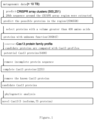
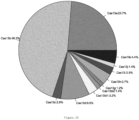
- the known Cas13a, Cas13b, Cas13c and Cas13d sequences from NCBI were downloaded, and a known Cas13 protein database was constructed by HH-suite3 software. 395847 candidate proteins were compared with the known Cas13 protein database through hhsearch of HH-suite3 software, and 6400 proteins with comparison results were obtained. After removing incomplete proteins and proteins containing less than 2 higher eukaryotes and prokaryotes nuceotide-binding (HEPN) domain proteins from candidate proteins, 2253 candidates were obtained. After removing the known Cas13 protein sequences, 1139 novel Cas13s were obtained ( Figure 1 ).
- HEPN eukaryotes and prokaryotes nuceotide-binding
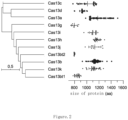
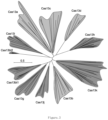
- Phylogenetic analysis and classification of candidate proteins were performed.
- the 2253 candidate proteins were firstly clustered through preliminary clustering using the cluster--min-seq-id 0.5-c 0.7 parameter of the MMseqs software. Then redundant proteins were removed from each cluster through the cluster--min-seq-id 0.9-c 0.8 parameter of the mmseqs software.
- Each cluster was then subjected to multiple sequence alignment through MAFFT software. The alignment results were used to construct a hidden Markov model using hhmake of HH-suite3 software. Then the hidden Markov model files were compared with each other using hh-align of the HH-suite3 software.
- Alignment scores between proteins were used to calculate evolutionary distance, wherein sij represents the alignment score between i protein and j protein; sji represents the alignment score between j protein and i protein; Sij represents the average alignment score between i protein and j protein; dij represents the evolutionary distance between i protein and j protein.
- Evolutionary distance results were performed cluster analysis using the unweighted group average method (UPGMA). Finally, many known Cas13a-d homologs and 7 different branches were identified.
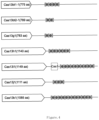
- the 20kb sequence upstream and downstream of the CRISPR array region was extracted for ORF prediction, and the obtained protein sequences were compared using blast software.
- Cas13i had the CRISPR conserved proteins Cas1 and Cas2, while the CRISPR Loci corresponding to other Cas13 isoforms lacked these conserved proteins ( Figure 4 ).
- the direct repeat sequences were found by using MinCED software.
- the specific DR sequence information was shown in Table 1.
- the secondary structure of the DR sequence of the novel Cas13 isoform was predicted through the RNAfold website, showing that the predicted structure was also similar to the previous structures of Cas13a and Cas13b ( Figure 8 ).
- the spacer corresponding to the novel Cas13 isoform was predicted through CRISPR target, and some of the sequences were compared to the IMG/VR database, indicating that the novel Cas13 isoform proteins may help microorganisms defend against foreign mobile genetic factors.
- Table 1 SEQ ID NO.
- the coding sequence of Cas13 was codon optimized (human) and synthesized.
- the synthesized Cas13 effector protein sequence was inserted into the XmaI and NheI restriction enzyme sites of the pCAG-2A-eGFP vector to construct the pCAG-Cas13-2A-eGFP plasmid.
- the protein sequences used were shown in Table 2.
- the synthesized crRNA sequence (U6 promoter sequence + DR sequence + spacer sequence or U6 promoter sequence + spacer sequence + DR sequence) was inserted between the EcoRI and HindIII restriction enzyme sites of the pUC19-U6 vector to construct pUC19-U6-5'-DR crRNA or pUC19-U6-3'-DR crRNA plasmid.
- the corresponding crRNA targeted mCherry mRNA, and the mCherry spacer sequence information was shown in Table 3.
- the CAG promoter expressed eBFP protein and the EF1a promoter expressed mCherry protein to construct pCAG-eBFP-EF1a-mCherry plasmid ( Figure 11A ).
- HEK293T cells were cultured in DMEM (Gibco) medium containing 10% FBS (Gibco) and 1% Penicillin-Streptomycin (Gibco). The cells were digested with 0.25% Trypsin-EDTA (Gibco), transferred to a 24-well plate and cultured for 12 hours. When the cell density reached 90%, LIPOFECTAMINE 3000 Reagent (Invitrogen) was used for transfection.
- Each well of the experimental group was transfected with 600ng pCAG-Cas13-2A-eGFP plasmid, 300ng pUC19-U6-5'-DR crRNA plasmid or pUC19-U6-3'-DR crRNA plasmid, and 10ng pCAG-eBFP-EF1a-mCherry plasmid.
- the control group was only transfected with 600ng pCAG-Cas13-2A-eGFP plasmid and 10ng pCAG-eBFP-EF1a-mCherry plasmid. After 48 hours, the cells were digested with 0.25% Trypsin-EDTA (Gibco), and the obtained suspension cells were subjected to fluorescence-activated cell sorting (FACS) ( Fig. 11A ).
- FACS fluorescence-activated cell sorting
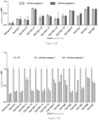
- mCherry expression was analyzed by FACS 2 days after transfection. Comparing the expression of mCherry corresponding to 5'-DR crRNA and 3'-DR crRNA, it was found that the knockdown efficiency of 3'-DR crRNA corresponding to Cas13g1, Cas13h1, Cas13i1, Cas13j1, and Cas13k1 was higher than that of 5'-DR crRNA. It was proved that Cas13g-k corresponds to the crRNA direction of 3'-DR ( Figure 12 ). The specific editing result information was shown in Table 4. In figure 12 ,each group had 3 biological replicates, and statistical significance was evaluated using a two-tailed t-test.
- Example 4 Screening novel Cas13 proteins with high editing efficiency by targeting genes in vivo or in vitro
- the coding sequence of Cas13 was codon optimized (human) and synthesized.
- the synthesized Cas13 effector protein sequence was inserted into the XmaI and NheI restriction sites of the pCAG-2A-eGFP vector to construct the pCAG-Cas13-2A-eGFP plasmid.
- the protein sequences used were shown in Table 2.
- the synthesized crRNA sequence (U6 promoter sequence + spacer sequence + DR sequence) was inserted between the EcoRI and HindIII restriction sites of the pUC19-U6 vector to construct the pUC19-U6-3'-DR crRNA plasmid.
- the spacer sequence information was shown in Table 3.
- the CAG promoter expressed eBFP protein and the EF1a promoter expressed mCherry protein to construct pCAG-eBFP-EF1a-mCherry plasmid ( Figure 11A ).
- HEK293T cells were cultured in DMEM (Gibco) medium containing 10% FBS (Gibco) and 1% Penicillin-Streptomycin (Gibco). The cells were digested with 0.25% Trypsin-EDTA (Gibco), transferred to a 24-well plate and cultured for 12 hours. When the cell density reached 90%, LIPOFECTAMINE 3000 Reagent (Invitrogen) was used for transfection. Each well of the experimental group was transfected with 600ng pCAG-Cas13-2A-eGFP plasmid, 300ng pUC19-U6-3'-DR crRNA plasmid, and 10ng pCAG-eBFP-EF1a-mCherry plasmid.
- the control group was only transfected with 600ng pCAG-Cas13-2A-eGFP plasmid and 10ng pCAG-eBFP-EF1a-mCherry plasmid.
- 600ng pCAG-Cas13-2A-eGFP plasmid, 300ng non-targeting (NT) U6-crRNA plasmid and 10ng pCAG-eBFP-EF1a-mCherry plasmid were co-transfected into HEK293T cells as a non-targeting control group.
- the cells were digested with 0.25% Trypsin-EDTA (Gibco), and the obtained suspension cells were subjected to fluorescence-activated cell sorting (FACS) ( Fig. 11A ).
- FACS fluorescence-activated cell sorting
- mCherry expression was analyzed by flow cytometry 2 days after transfection.
- the MFI of EGFP and mCherry double-positive cells in the experimental group was normalized to that of the non-target control group.
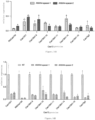
- the MFI results ( Figure 13B ) and specific editing result information were shown in Table 5B.
- Table 5A mCherry-spacer-1 mCherry-spacer-2 RfxCas 13 d 0.06285 0.08915 Cas13X1 0.2535 0.2475 Cas13bt1-8 0.227 0.2125 Cas13bt1-9 0.718 0.6685 Cas13bt1-10 0.3095 0.3785 Cas13bt1-11 0.413 0.359 Cas13bt1-14 0.2475 0.28335 Cas13bt1-15 0.387 0.3925 Cas13bt2-5 0.606 0.6025 Cas13g3 0.3625 0.474 Cas13g1 0.6665 0.7745 Cas13g4 0.6625 0.675 Table 5B: mCherry-spacer-1 mCherry-spacer-2 RfxCas 13 d 0.2372055 0.2672625 Cas13X1 0.307399 0.3295195 Cas13bt1-8 0.2822405 0.33014 Cas13bt1-9 0.68599 0.67
- HEK293T cells were cultured in DMEM (Gibco) medium containing 10% FBS (Gibco) and 1% Penicillin-Streptomycin (Gibco). The cells were digested with 0.25% Trypsin-EDTA (Gibco), transferred to a 24-well plate and cultured for 12 hours. When the cell density reached 90%, LIPOFECTAMINE 3000 Reagent (Invitrogen) was used for transfection. Each well of the experimental group was transfected with 600ng pCAG-Cas13-2A-eGFP plasmid and 300ng pUC19-U6-3'-DR crRNA plasmid.
- control group was only transfected with 600ng pCAG-Cas13-2A-eGFP plasmid ( Figure 11B ).
- the non-target control group was transfected with 600ng pCAG-Cas13-2A-eGFP plasmid and 300ng non-target U6-crRNA plasmid.
- RNA quantitative analysis was performed using HiScript ® II One Step qRT-PCR SYBR Green Kit(Vazyme). RT-qPCR results were analyzed using the 2 - ⁇ CT method. The difference in average CT values between the target gene and the internal reference gene GAPDH in three biological replicates was used to calculate the relative expression of the target gene, and the relative expression of the control group was normalized.
- the coding sequence of the Cas13d homolog was codon optimized (human) and synthesized.
- the synthesized Cas13 effector protein sequence was inserted into the XmaI and NheI restriction sites of the pCAG-2A-eGFP vector to construct the pCAG-Cas13d-2A-eGFP plasmid.
- the protein sequences used were shown in Table 2.
- the synthesized crRNA sequence (U6 promoter sequence + DR sequence + spacer sequence) was inserted between the EcoRI and HindIII restriction sites of the pUC19-U6 vector to construct the pUC19-U6-5'-DR crRNA plasmid.
- the spacer sequence information was shown in Table 3.
- HEK293T cells were cultured in DMEM (Gibco) medium containing 10% FBS (Gibco) and 1% Penicillin-Streptomycin (Gibco). The cells were digested with 0.25% Trypsin-EDTA (Gibco), transferred to a 24-well plate and cultured for 12 hours. When the cell density reached 90%, LIPOFECTAMINE 3000 Reagent (Invitrogen) was used for transfection. Each well of the experimental group was transfected with 600ng pCAG-Cas13d-2A-eGFP plasmid and 300ng pUC19-U6-5'-DR crRNA plasmid. The control group was only transfected with 600ng pCAG-Cas13d-2A-eGFP plasmid ( Figure 11B ).
- RNA quantitative analysis was performed using HiScript ® II One Step qRT-PCR SYBR Green kit(Vazyme). RT- qPCR results were analyzed using the 2 - ⁇ CT method. The difference in average CT values between the target gene and the internal reference gene GAPDH in three biological replicates was used to calculate the relative expression of the target gene, and the relative expression of the control group was normalized.
- HEK293T cells were cultured in DMEM (Gibco) medium containing 10% FBS (Gibco) and 1% Penicillin-Streptomycin (Gibco). The cells were digested with 0.25% Trypsin-EDTA (Gibco), transferred to a 24-well plate and cultured for 12 hours. When the cell density reached 90%, LIPOFECTAMINE 3000 Reagent (Invitrogen) was used for transfection. Each well of the experimental group was transfected with 600ng pCAG-Cas13-2A-eGFP plasmid and 300ng pUC19-U6-3'-DR crRNA plasmid, with crRNA targeting ANXA4 mRNA. The control group was only transfected with 600ng pCAG-Cas13-2A-eGFP plasmid.
- HEK293T cells were cultured in DMEM (Gibco) medium containing 10% FBS (Gibco) and 1% Penicillin-Streptomycin (Gibco). The cells were digested with 0.25% Trypsin-EDTA (Gibco), transferred to a 24-well plate and cultured for 12 hours. When the cell density reached 90%, LIPOFECTAMINE 3000 Reagent (Invitrogen) was used for transfection.
- Each well of the cell viability experimental group was transfected with 600ng pCAG-Cas13-2A-eGFP plasmid and 300ng pUC19-U6-3'-DR crRNA plasmid, with crRNA targeting ANXA4 mRNA.
- the control group was not transfected with any plasmid.
- Calcein-AM/PI double strain kit (Solarbio) was used to measure fluorescent cell viability of HEK293T 2 days after transfection. Total cell quantification was performed at 490nm excitation and 515nm emission, and dead cell quantification was performed at 535nm excitation and 617nm emission. Measurements were made using flow cytometry.
- Each well of the trans-cleaving experimental group was transfected with 600ng pCAG-Cas13-2A-eGFP plasmid, 10ng pCAG-eBFP-EF1a-mCherry plasmid and 300ng pUC19-U6-3'-DR crRNA plasmid, in which crRNA targeted mCherry mRNA.
- the trans-cleaving control group was transfected with non-targeting U6-crRNA plasmid.
- the cis-cleaving ability of Cas13 protein was calculated by measuring the fluorescence intensity of mCherry, and the trans-cleaving ability was calculated by measuring the fluorescence intensity of EGFP.
- HEK293T cells were cultured in DMEM (Gibco) medium containing 10% FBS (Gibco) and 1% Penicillin-Streptomycin (Gibco). The cells were digested with 0.25% Trypsin-EDTA (Gibco), transferred to a 24-well plate and cultured for 12 hours. When the cell density reached 90%, LIPOFECTAMINE 3000 Reagent (Invitrogen) was used for transfection.
- U6-crRNA plasmids targeting mCherry mRNA with spacer lengths ranging from 5 to 50 nt.
- spacer length is between 15-30nt
- a crRNA was designed every 1 nt; when the spacer length is 5-15nt and 30-50nt, a crRNA was designed every 5nt.
- 600ng pCAG-Cas13-2A-eGFP plasmid, 10ng pCAG-eBFP-EF1a-mCherry plasmid and 300ng pUC19-U6-3'-DR crRNA plasmid were co-transfected into HEK293T cells as the experimental group.
- 600ng pCAG-Cas13-2A-eGFP plasmid, 300ng non-targeting U6-crRNA plasmid and 10ng pCAG-eBFP-EF1a-mCherry plasmid were co-transfected into HEK293T cells as a control group.
- the MFI of EGFP and mCherry double-positive cells in the experimental group was normalized with the negative control.
- the normalized results can reflect the impact of different spacer lengths on RNA interference.
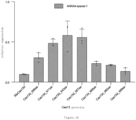
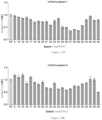
- the results showed that when using a spacer with a length of 27nt, Cas13g3 had the highest average knockout efficiency at the two target sites ( Figure 19 ).
- the specific editing result information was seen in Table 10.
- Table 10 mCherry-spacer-1(nt) normalized MFI mCherry-spacer-2(nt) normalized MFI 5 nt 0.966452 5 nt 1.192277 10 nt 0.908946 10 nt 1.116929667 15 nt 0.862876333 15 nt 1.202048333 16 nt 0.894542333 16 nt 0.864939333 17 nt 0.813911333 17 nt 1.111863333 18 nt 0.702482667 18 nt 0.896605333 19 nt 0.745549 19 nt 0.820027667 20 nt 0.717067333 20 nt 0.912239333 21 nt 0.724233 21 nt 0.68218 22 nt 0.583201 22 nt 0.646931 23 nt 0.752605667 23 nt 0.864504667 24 nt 0.850934 24 nt 0.850934 24 nt 0.850934 24 nt
- targets of 16 PFS combinations were cloned upstream of the mCherry gene of the EF-1 ⁇ -mCherry plasmid.
- the MFI of EGFP and mCherry double-positive cells in the experimental group was normalized with the MFI of the negative control.
- the experimental group was HEK293T cells transfected with 600ng pCAG-Cas13-2A-eGFP plasmid, 10ng pCAG-eBFP-EF1a-mCherry plasmid and 300ng pUC19-U6-3'-DR crRNA plasmid; the negative control was HEK293T cells transfected with 600ng pCAG-Cas13-2A-eGFP plasmid, 300ng non-targeting U6-crRNA plasmid and 10ng pCAG-eBFP-EF1a-mCherry plasmid.
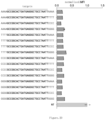
- the results showed that Cas13g3 protein demonstrated stable and efficient interference effects in these 16 PFS sequences ( Figure 20 ).
- Table 11 The specific editing result information was shown in Table 11 (the spacer sequence was: SEQ ID NO. 81: GCCGGCACTGATGAGGGCTGCCTAATT).
- Table 11 PFS combination normalized MFI AAAA-spacer-AAAA 0.18097067 AAAA-spacer-TTTT 0.18666533 AAAA-spacer-CCCC 0.134758 AAAA-spacer-GGGG 0.24784567 TTTT-spacer-AAAA 0.20475733 TTTT-spacer-TTTT 0.19346833 TTTT-spacer-CCCC 0.21004867 TTTT-spacer-GGGG 0.303835 CCCC-spacer-AAAA 0.22320233 CCCC-spacer-TTTT 0.22158933 CCCC-spacer-CCCC 0.16811967 CCCC-spacer-GGGG 0.23202133 GGGG-spacer-AAAA 0.16308 GGGG-spacer-TTTT 0.18122267 GGGG-spacer-CCCC 0.15048133 GG
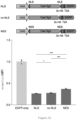
- the optimal Cas13g3 editor composition is a crRNA plasmid with a spacer length of 27nt and a Cas13g3 protein plasmid fused with the NLS sequence.
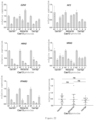
- HEK293T cells were cultured in DMEM (Gibco) medium containing 10% FBS (Gibco) and 1% Penicillin-Streptomycin (Gibco). The cells were digested with 0.25% Trypsin-EDTA (Gibco), transferred to a 24-well plate and cultured for 12 hours. When the cell density reached 90%, LIPOFECTAMINE 3000 Reagent (Invitrogen) was used for transfection. Each well of the experimental group was transfected with 600ng pCAG-Cas13-2A-eGFP plasmid and 300ng pUC19-U6-3'-DR crRNA plasmid. The non-target control group was transfected with 600ng pCAG-Cas13-2A-eGFP plasmid and 300ng non-target U6-crRNA plasmid.
- RNA quantitative analysis was performed using HiScript ® II One Step qRT-PCR SYBR Green Kit(Vazyme). RT-qPCR results were analyzed using the 2 - ⁇ CT method. The difference in average CT values between the target gene and the internal reference gene GAPDH in three biological replicates was used to calculate the relative expression of the target gene, and the relative expression of the control group was normalized.
Landscapes
- Health & Medical Sciences (AREA)
- Life Sciences & Earth Sciences (AREA)
- Genetics & Genomics (AREA)
- Engineering & Computer Science (AREA)
- Chemical & Material Sciences (AREA)
- Bioinformatics & Cheminformatics (AREA)
- Biomedical Technology (AREA)
- Organic Chemistry (AREA)
- Zoology (AREA)
- Wood Science & Technology (AREA)
- Molecular Biology (AREA)
- Biotechnology (AREA)
- General Engineering & Computer Science (AREA)
- General Health & Medical Sciences (AREA)
- Microbiology (AREA)
- Biochemistry (AREA)
- Biophysics (AREA)
- Plant Pathology (AREA)
- Physics & Mathematics (AREA)
- Medicinal Chemistry (AREA)
- Pharmacology & Pharmacy (AREA)
- Epidemiology (AREA)
- Animal Behavior & Ethology (AREA)
- Public Health (AREA)
- Veterinary Medicine (AREA)
- Mycology (AREA)
- Enzymes And Modification Thereof (AREA)
- Preparation Of Compounds By Using Micro-Organisms (AREA)
Applications Claiming Priority (3)
| Application Number | Priority Date | Filing Date | Title |
|---|---|---|---|
| CN202210446714 | 2022-04-26 | ||
| CN202310447170.3A CN116949011A (zh) | 2022-04-26 | 2023-04-24 | 经分离的Cas13蛋白、基于它的基因编辑系统及其用途 |
| PCT/CN2023/101348 WO2023208256A1 (zh) | 2022-04-26 | 2023-06-20 | 经分离的Cas13蛋白、基于它的基因编辑系统及其用途 |
Publications (2)
| Publication Number | Publication Date |
|---|---|
| EP4516910A1 true EP4516910A1 (de) | 2025-03-05 |
| EP4516910A4 EP4516910A4 (de) | 2026-02-25 |
Family
ID=88453703
Family Applications (1)
| Application Number | Title | Priority Date | Filing Date |
|---|---|---|---|
| EP23795688.3A Pending EP4516910A4 (de) | 2022-04-26 | 2023-06-20 | Isolierte cas13-proteine, darauf basierendes geneditierungssystem und verwendung davon |
Country Status (4)
| Country | Link |
|---|---|
| US (1) | US20250290055A1 (de) |
| EP (1) | EP4516910A4 (de) |
| CN (1) | CN116949011A (de) |
| WO (1) | WO2023208256A1 (de) |
Families Citing this family (2)
| Publication number | Priority date | Publication date | Assignee | Title |
|---|---|---|---|---|
| WO2025103411A1 (zh) * | 2023-11-14 | 2025-05-22 | 广州瑞风生物科技有限公司 | Cas蛋白、CRISPR-Cas系统及其应用 |
| CN117625664B (zh) * | 2023-11-29 | 2024-07-19 | 上海交通大学重庆研究院 | 一种具有MS2.2-crRNA结构的RNA编辑器及其制备方法和应用 |
Family Cites Families (8)
| Publication number | Priority date | Publication date | Assignee | Title |
|---|---|---|---|---|
| US10392616B2 (en) * | 2017-06-30 | 2019-08-27 | Arbor Biotechnologies, Inc. | CRISPR RNA targeting enzymes and systems and uses thereof |
| US10476825B2 (en) * | 2017-08-22 | 2019-11-12 | Salk Institue for Biological Studies | RNA targeting methods and compositions |
| CA3097857A1 (en) * | 2018-04-20 | 2019-10-24 | The Regents Of The University Of California | Fusion proteins and fusion ribonucleic acids for tracking and manipulating cellular rna |
| WO2019206233A1 (zh) * | 2018-04-25 | 2019-10-31 | 中国农业大学 | 一种RNA编辑的CRISPR/Cas效应蛋白及系统 |
| SG11202012015YA (en) * | 2018-06-08 | 2021-01-28 | Locanabio Inc | Compositions and methods for the modulation of adaptive immunity |
| KR20210058806A (ko) * | 2018-06-08 | 2021-05-24 | 로카나바이오 인크. | Rna 표적화 융합 단백질 조성물 및 사용 방법 |
| CN115175996A (zh) * | 2019-09-20 | 2022-10-11 | 博德研究所 | 新颖vi型crispr酶和系统 |
| WO2021240443A1 (en) * | 2020-05-27 | 2021-12-02 | King Abdullah University Of Science And Technology | Iscan: an rt-lamp-coupled crispr-cas module for rapid, sensitive detection of sars-cov-2 |
-
2023
- 2023-04-24 CN CN202310447170.3A patent/CN116949011A/zh active Pending
- 2023-06-20 WO PCT/CN2023/101348 patent/WO2023208256A1/zh not_active Ceased
- 2023-06-20 US US18/860,225 patent/US20250290055A1/en active Pending
- 2023-06-20 EP EP23795688.3A patent/EP4516910A4/de active Pending
Also Published As
| Publication number | Publication date |
|---|---|
| CN116949011A (zh) | 2023-10-27 |
| EP4516910A4 (de) | 2026-02-25 |
| WO2023208256A1 (zh) | 2023-11-02 |
| US20250290055A1 (en) | 2025-09-18 |
Similar Documents
| Publication | Publication Date | Title |
|---|---|---|
| CN114634930B (zh) | 使用rna指导型内切核酸酶改善基因组工程特异性的组合物和方法 | |
| CN107474129B (zh) | 特异性增强crispr-cas系统基因编辑效率的方法 | |
| KR20200006054A (ko) | 신규 타입 vi crispr 오르소로그 및 시스템 | |
| KR20250060954A (ko) | Pcsk9 발현의 후성적 조절을 위한 조성물 및 방법 | |
| EP4516910A1 (de) | Isolierte cas13-proteine, darauf basierendes geneditierungssystem und verwendung davon | |
| WO2017023974A1 (en) | Cas9 genome editing and transcriptional regulation | |
| EP3940078A1 (de) | Off-target-einzelnukleotidvarianten, die durch einbasiges editieren verursacht werden, und hochspezifisches off-target-freies einbasengeneditierwerkzeug | |
| US20240124873A1 (en) | Methods and compositions for combinatorial targeting of the cell transcriptome | |
| CN116656649A (zh) | 一种is200/is60s转座子iscb突变蛋白及其应用 | |
| WO2024251229A9 (zh) | Cas酶及其系统和应用 | |
| CN116355877A (zh) | Cas13蛋白、CRISPR-Cas系统及其应用 | |
| KR20180128864A (ko) | 매칭된 5' 뉴클레오타이드를 포함하는 가이드 rna를 포함하는 유전자 교정용 조성물 및 이를 이용한 유전자 교정 방법 | |
| JP7672006B2 (ja) | 制御性t細胞を改変するための組成物および方法 | |
| CN119040297A (zh) | 一种ⅱ-b型核酸内切酶介导的基因编辑系统及用途 | |
| CN117487777A (zh) | 一种VI-J型CRISPR-Cas13基因编辑系统及其应用 | |
| CN121889501A (zh) | 用于表观遗传调控pcsk9表达的组合物和方法 | |
| HK40102047A (zh) | 经分离的cas13蛋白、基於它的基因编辑系统及其用途 | |
| KR102428773B1 (ko) | 분리형 crRNA 및 이를 이용한 CRISPR-Cas 시스템 | |
| KR20220096861A (ko) | 표적 특이성이 향상된 신규한 Cas9 단백질 변이체 및 이의 용도 | |
| KR20230051688A (ko) | 뉴클레아제 매개 핵산 변형 | |
| CN120519429B (zh) | 一种高效微型CRISPR/Cas9基因编辑系统及应用 | |
| US20250308637A1 (en) | Systems and methods for assessing risk of genome editing events | |
| CN117187215A (zh) | 受化学小分子诱导重新组装的CRISPR/CasRx系统及其应用 | |
| WO2025166237A1 (en) | Nucleases and compositions, systems, and methods thereof | |
| JP2025525389A (ja) | Ciita発現のエピジェネティック調節のための組成物及び方法 |
Legal Events
| Date | Code | Title | Description |
|---|---|---|---|
| STAA | Information on the status of an ep patent application or granted ep patent |
Free format text: STATUS: THE INTERNATIONAL PUBLICATION HAS BEEN MADE |
|
| PUAI | Public reference made under article 153(3) epc to a published international application that has entered the european phase |
Free format text: ORIGINAL CODE: 0009012 |
|
| STAA | Information on the status of an ep patent application or granted ep patent |
Free format text: STATUS: REQUEST FOR EXAMINATION WAS MADE |
|
| 17P | Request for examination filed |
Effective date: 20241126 |
|
| AK | Designated contracting states |
Kind code of ref document: A1 Designated state(s): AL AT BE BG CH CY CZ DE DK EE ES FI FR GB GR HR HU IE IS IT LI LT LU LV MC ME MK MT NL NO PL PT RO RS SE SI SK SM TR |
|
| RIC1 | Information provided on ipc code assigned before grant |
Ipc: C12N 15/62 20060101AFI20250929BHEP Ipc: C12N 9/22 20060101ALI20250929BHEP Ipc: C07K 14/195 20060101ALI20250929BHEP Ipc: A61K 48/00 20060101ALI20250929BHEP Ipc: C12N 15/11 20060101ALI20250929BHEP Ipc: C12N 15/85 20060101ALI20250929BHEP Ipc: C12N 15/90 20060101ALI20250929BHEP |
|
| A4 | Supplementary search report drawn up and despatched |
Effective date: 20260128 |
|
| RIC1 | Information provided on ipc code assigned before grant |
Ipc: C12N 15/62 20060101AFI20260122BHEP Ipc: C12N 9/22 20060101ALI20260122BHEP Ipc: C07K 14/195 20060101ALI20260122BHEP Ipc: A61K 48/00 20060101ALI20260122BHEP Ipc: C12N 15/11 20060101ALI20260122BHEP Ipc: C12N 15/85 20060101ALI20260122BHEP Ipc: C12N 15/90 20060101ALI20260122BHEP |