EP4516932A1 - Procédé de construction de molécules hybrides peptide-acide nucléique issues de points chauds reposant sur une sélection in vitro - Google Patents
Procédé de construction de molécules hybrides peptide-acide nucléique issues de points chauds reposant sur une sélection in vitro Download PDFInfo
- Publication number
- EP4516932A1 EP4516932A1 EP23796673.4A EP23796673A EP4516932A1 EP 4516932 A1 EP4516932 A1 EP 4516932A1 EP 23796673 A EP23796673 A EP 23796673A EP 4516932 A1 EP4516932 A1 EP 4516932A1
- Authority
- EP
- European Patent Office
- Prior art keywords
- peptide
- nucleic acid
- binding
- hotspot
- rbd
- Prior art date
- Legal status (The legal status is an assumption and is not a legal conclusion. Google has not performed a legal analysis and makes no representation as to the accuracy of the status listed.)
- Pending
Links
Images









Classifications
-
- C—CHEMISTRY; METALLURGY
- C07—ORGANIC CHEMISTRY
- C07K—PEPTIDES
- C07K19/00—Hybrid peptides, i.e. peptides covalently bound to nucleic acids, or non-covalently bound protein-protein complexes
-
- A—HUMAN NECESSITIES
- A61—MEDICAL OR VETERINARY SCIENCE; HYGIENE
- A61K—PREPARATIONS FOR MEDICAL, DENTAL OR TOILETRY PURPOSES
- A61K39/00—Medicinal preparations containing antigens or antibodies
- A61K39/12—Viral antigens
-
- A—HUMAN NECESSITIES
- A61—MEDICAL OR VETERINARY SCIENCE; HYGIENE
- A61K—PREPARATIONS FOR MEDICAL, DENTAL OR TOILETRY PURPOSES
- A61K38/00—Medicinal preparations containing peptides
- A61K38/16—Peptides having more than 20 amino acids; Gastrins; Somatostatins; Melanotropins; Derivatives thereof
- A61K38/17—Peptides having more than 20 amino acids; Gastrins; Somatostatins; Melanotropins; Derivatives thereof from animals; from humans
- A61K38/1703—Peptides having more than 20 amino acids; Gastrins; Somatostatins; Melanotropins; Derivatives thereof from animals; from humans from vertebrates
- A61K38/1709—Peptides having more than 20 amino acids; Gastrins; Somatostatins; Melanotropins; Derivatives thereof from animals; from humans from vertebrates from mammals
-
- A—HUMAN NECESSITIES
- A61—MEDICAL OR VETERINARY SCIENCE; HYGIENE
- A61K—PREPARATIONS FOR MEDICAL, DENTAL OR TOILETRY PURPOSES
- A61K47/00—Medicinal preparations characterised by the non-active ingredients used, e.g. carriers or inert additives; Targeting or modifying agents chemically bound to the active ingredient
- A61K47/50—Medicinal preparations characterised by the non-active ingredients used, e.g. carriers or inert additives; Targeting or modifying agents chemically bound to the active ingredient the non-active ingredient being chemically bound to the active ingredient, e.g. polymer-drug conjugates
- A61K47/51—Medicinal preparations characterised by the non-active ingredients used, e.g. carriers or inert additives; Targeting or modifying agents chemically bound to the active ingredient the non-active ingredient being chemically bound to the active ingredient, e.g. polymer-drug conjugates the non-active ingredient being a modifying agent
- A61K47/54—Medicinal preparations characterised by the non-active ingredients used, e.g. carriers or inert additives; Targeting or modifying agents chemically bound to the active ingredient the non-active ingredient being chemically bound to the active ingredient, e.g. polymer-drug conjugates the non-active ingredient being a modifying agent the modifying agent being an organic compound
- A61K47/549—Sugars, nucleosides, nucleotides or nucleic acids
-
- A—HUMAN NECESSITIES
- A61—MEDICAL OR VETERINARY SCIENCE; HYGIENE
- A61K—PREPARATIONS FOR MEDICAL, DENTAL OR TOILETRY PURPOSES
- A61K47/00—Medicinal preparations characterised by the non-active ingredients used, e.g. carriers or inert additives; Targeting or modifying agents chemically bound to the active ingredient
- A61K47/50—Medicinal preparations characterised by the non-active ingredients used, e.g. carriers or inert additives; Targeting or modifying agents chemically bound to the active ingredient the non-active ingredient being chemically bound to the active ingredient, e.g. polymer-drug conjugates
- A61K47/51—Medicinal preparations characterised by the non-active ingredients used, e.g. carriers or inert additives; Targeting or modifying agents chemically bound to the active ingredient the non-active ingredient being chemically bound to the active ingredient, e.g. polymer-drug conjugates the non-active ingredient being a modifying agent
- A61K47/62—Medicinal preparations characterised by the non-active ingredients used, e.g. carriers or inert additives; Targeting or modifying agents chemically bound to the active ingredient the non-active ingredient being chemically bound to the active ingredient, e.g. polymer-drug conjugates the non-active ingredient being a modifying agent the modifying agent being a protein, peptide or polyamino acid
- A61K47/64—Drug-peptide, drug-protein or drug-polyamino acid conjugates, i.e. the modifying agent being a peptide, protein or polyamino acid which is covalently bonded or complexed to a therapeutically active agent
-
- A—HUMAN NECESSITIES
- A61—MEDICAL OR VETERINARY SCIENCE; HYGIENE
- A61P—SPECIFIC THERAPEUTIC ACTIVITY OF CHEMICAL COMPOUNDS OR MEDICINAL PREPARATIONS
- A61P31/00—Antiinfectives, i.e. antibiotics, antiseptics, chemotherapeutics
- A61P31/12—Antivirals
- A61P31/14—Antivirals for RNA viruses
-
- C—CHEMISTRY; METALLURGY
- C07—ORGANIC CHEMISTRY
- C07K—PEPTIDES
- C07K1/00—General methods for the preparation of peptides, i.e. processes for the organic chemical preparation of peptides or proteins of any length
- C07K1/107—General methods for the preparation of peptides, i.e. processes for the organic chemical preparation of peptides or proteins of any length by chemical modification of precursor peptides
- C07K1/113—General methods for the preparation of peptides, i.e. processes for the organic chemical preparation of peptides or proteins of any length by chemical modification of precursor peptides without change of the primary structure
- C07K1/1136—General methods for the preparation of peptides, i.e. processes for the organic chemical preparation of peptides or proteins of any length by chemical modification of precursor peptides without change of the primary structure by reversible modification of the secondary, tertiary or quarternary structure, e.g. using denaturating or stabilising agents
-
- C—CHEMISTRY; METALLURGY
- C07—ORGANIC CHEMISTRY
- C07K—PEPTIDES
- C07K14/00—Peptides having more than 20 amino acids; Gastrins; Somatostatins; Melanotropins; Derivatives thereof
- C07K14/001—Peptides having more than 20 amino acids; Gastrins; Somatostatins; Melanotropins; Derivatives thereof by chemical synthesis
- C07K14/003—Peptide-nucleic acids (PNAs)
-
- C—CHEMISTRY; METALLURGY
- C12—BIOCHEMISTRY; BEER; SPIRITS; WINE; VINEGAR; MICROBIOLOGY; ENZYMOLOGY; MUTATION OR GENETIC ENGINEERING
- C12N—MICROORGANISMS OR ENZYMES; COMPOSITIONS THEREOF; PROPAGATING, PRESERVING, OR MAINTAINING MICROORGANISMS; MUTATION OR GENETIC ENGINEERING; CULTURE MEDIA
- C12N15/00—Mutation or genetic engineering; DNA or RNA concerning genetic engineering, vectors, e.g. plasmids, or their isolation, preparation or purification; Use of hosts therefor
- C12N15/09—Recombinant DNA-technology
- C12N15/10—Processes for the isolation, preparation or purification of DNA or RNA
- C12N15/1034—Isolating an individual clone by screening libraries
- C12N15/1058—Directional evolution of libraries, e.g. evolution of libraries is achieved by mutagenesis and screening or selection of mixed population of organisms
-
- C—CHEMISTRY; METALLURGY
- C12—BIOCHEMISTRY; BEER; SPIRITS; WINE; VINEGAR; MICROBIOLOGY; ENZYMOLOGY; MUTATION OR GENETIC ENGINEERING
- C12N—MICROORGANISMS OR ENZYMES; COMPOSITIONS THEREOF; PROPAGATING, PRESERVING, OR MAINTAINING MICROORGANISMS; MUTATION OR GENETIC ENGINEERING; CULTURE MEDIA
- C12N15/00—Mutation or genetic engineering; DNA or RNA concerning genetic engineering, vectors, e.g. plasmids, or their isolation, preparation or purification; Use of hosts therefor
- C12N15/09—Recombinant DNA-technology
- C12N15/11—DNA or RNA fragments; Modified forms thereof; Non-coding nucleic acids having a biological activity
- C12N15/113—Non-coding nucleic acids modulating the expression of genes, e.g. antisense oligonucleotides; Antisense DNA or RNA; Triplex- forming oligonucleotides; Catalytic nucleic acids, e.g. ribozymes; Nucleic acids used in co-suppression or gene silencing
- C12N15/1131—Non-coding nucleic acids modulating the expression of genes, e.g. antisense oligonucleotides; Antisense DNA or RNA; Triplex- forming oligonucleotides; Catalytic nucleic acids, e.g. ribozymes; Nucleic acids used in co-suppression or gene silencing against viruses
-
- C—CHEMISTRY; METALLURGY
- C12—BIOCHEMISTRY; BEER; SPIRITS; WINE; VINEGAR; MICROBIOLOGY; ENZYMOLOGY; MUTATION OR GENETIC ENGINEERING
- C12N—MICROORGANISMS OR ENZYMES; COMPOSITIONS THEREOF; PROPAGATING, PRESERVING, OR MAINTAINING MICROORGANISMS; MUTATION OR GENETIC ENGINEERING; CULTURE MEDIA
- C12N15/00—Mutation or genetic engineering; DNA or RNA concerning genetic engineering, vectors, e.g. plasmids, or their isolation, preparation or purification; Use of hosts therefor
- C12N15/09—Recombinant DNA-technology
- C12N15/11—DNA or RNA fragments; Modified forms thereof; Non-coding nucleic acids having a biological activity
- C12N15/115—Aptamers, i.e. nucleic acids binding a target molecule specifically and with high affinity without hybridising therewith ; Nucleic acids binding to non-nucleic acids, e.g. aptamers
-
- C—CHEMISTRY; METALLURGY
- C12—BIOCHEMISTRY; BEER; SPIRITS; WINE; VINEGAR; MICROBIOLOGY; ENZYMOLOGY; MUTATION OR GENETIC ENGINEERING
- C12Q—MEASURING OR TESTING PROCESSES INVOLVING ENZYMES, NUCLEIC ACIDS OR MICROORGANISMS; COMPOSITIONS OR TEST PAPERS THEREFOR; PROCESSES OF PREPARING SUCH COMPOSITIONS; CONDITION-RESPONSIVE CONTROL IN MICROBIOLOGICAL OR ENZYMOLOGICAL PROCESSES
- C12Q1/00—Measuring or testing processes involving enzymes, nucleic acids or microorganisms; Compositions therefor; Processes of preparing such compositions
- C12Q1/68—Measuring or testing processes involving enzymes, nucleic acids or microorganisms; Compositions therefor; Processes of preparing such compositions involving nucleic acids
- C12Q1/6806—Preparing nucleic acids for analysis, e.g. for polymerase chain reaction [PCR] assay
-
- C—CHEMISTRY; METALLURGY
- C12—BIOCHEMISTRY; BEER; SPIRITS; WINE; VINEGAR; MICROBIOLOGY; ENZYMOLOGY; MUTATION OR GENETIC ENGINEERING
- C12Q—MEASURING OR TESTING PROCESSES INVOLVING ENZYMES, NUCLEIC ACIDS OR MICROORGANISMS; COMPOSITIONS OR TEST PAPERS THEREFOR; PROCESSES OF PREPARING SUCH COMPOSITIONS; CONDITION-RESPONSIVE CONTROL IN MICROBIOLOGICAL OR ENZYMOLOGICAL PROCESSES
- C12Q1/00—Measuring or testing processes involving enzymes, nucleic acids or microorganisms; Compositions therefor; Processes of preparing such compositions
- C12Q1/68—Measuring or testing processes involving enzymes, nucleic acids or microorganisms; Compositions therefor; Processes of preparing such compositions involving nucleic acids
- C12Q1/6844—Nucleic acid amplification reactions
-
- C—CHEMISTRY; METALLURGY
- C12—BIOCHEMISTRY; BEER; SPIRITS; WINE; VINEGAR; MICROBIOLOGY; ENZYMOLOGY; MUTATION OR GENETIC ENGINEERING
- C12Q—MEASURING OR TESTING PROCESSES INVOLVING ENZYMES, NUCLEIC ACIDS OR MICROORGANISMS; COMPOSITIONS OR TEST PAPERS THEREFOR; PROCESSES OF PREPARING SUCH COMPOSITIONS; CONDITION-RESPONSIVE CONTROL IN MICROBIOLOGICAL OR ENZYMOLOGICAL PROCESSES
- C12Q1/00—Measuring or testing processes involving enzymes, nucleic acids or microorganisms; Compositions therefor; Processes of preparing such compositions
- C12Q1/68—Measuring or testing processes involving enzymes, nucleic acids or microorganisms; Compositions therefor; Processes of preparing such compositions involving nucleic acids
- C12Q1/6876—Nucleic acid products used in the analysis of nucleic acids, e.g. primers or probes
-
- C—CHEMISTRY; METALLURGY
- C12—BIOCHEMISTRY; BEER; SPIRITS; WINE; VINEGAR; MICROBIOLOGY; ENZYMOLOGY; MUTATION OR GENETIC ENGINEERING
- C12Q—MEASURING OR TESTING PROCESSES INVOLVING ENZYMES, NUCLEIC ACIDS OR MICROORGANISMS; COMPOSITIONS OR TEST PAPERS THEREFOR; PROCESSES OF PREPARING SUCH COMPOSITIONS; CONDITION-RESPONSIVE CONTROL IN MICROBIOLOGICAL OR ENZYMOLOGICAL PROCESSES
- C12Q1/00—Measuring or testing processes involving enzymes, nucleic acids or microorganisms; Compositions therefor; Processes of preparing such compositions
- C12Q1/70—Measuring or testing processes involving enzymes, nucleic acids or microorganisms; Compositions therefor; Processes of preparing such compositions involving virus or bacteriophage
-
- G—PHYSICS
- G01—MEASURING; TESTING
- G01N—INVESTIGATING OR ANALYSING MATERIALS BY DETERMINING THEIR CHEMICAL OR PHYSICAL PROPERTIES
- G01N33/00—Investigating or analysing materials by specific methods not covered by groups G01N1/00 - G01N31/00
- G01N33/48—Biological material, e.g. blood, urine; Haemocytometers
- G01N33/50—Chemical analysis of biological material, e.g. blood, urine; Testing involving biospecific ligand binding methods; Immunological testing
- G01N33/53—Immunoassay; Biospecific binding assay; Materials therefor
- G01N33/569—Immunoassay; Biospecific binding assay; Materials therefor for microorganisms, e.g. protozoa, bacteria, viruses
- G01N33/56983—Viruses
-
- A—HUMAN NECESSITIES
- A61—MEDICAL OR VETERINARY SCIENCE; HYGIENE
- A61K—PREPARATIONS FOR MEDICAL, DENTAL OR TOILETRY PURPOSES
- A61K38/00—Medicinal preparations containing peptides
-
- C—CHEMISTRY; METALLURGY
- C12—BIOCHEMISTRY; BEER; SPIRITS; WINE; VINEGAR; MICROBIOLOGY; ENZYMOLOGY; MUTATION OR GENETIC ENGINEERING
- C12N—MICROORGANISMS OR ENZYMES; COMPOSITIONS THEREOF; PROPAGATING, PRESERVING, OR MAINTAINING MICROORGANISMS; MUTATION OR GENETIC ENGINEERING; CULTURE MEDIA
- C12N2310/00—Structure or type of the nucleic acid
- C12N2310/30—Chemical structure
- C12N2310/35—Nature of the modification
- C12N2310/351—Conjugate
- C12N2310/3513—Protein; Peptide
-
- C—CHEMISTRY; METALLURGY
- C12—BIOCHEMISTRY; BEER; SPIRITS; WINE; VINEGAR; MICROBIOLOGY; ENZYMOLOGY; MUTATION OR GENETIC ENGINEERING
- C12N—MICROORGANISMS OR ENZYMES; COMPOSITIONS THEREOF; PROPAGATING, PRESERVING, OR MAINTAINING MICROORGANISMS; MUTATION OR GENETIC ENGINEERING; CULTURE MEDIA
- C12N2770/00—MICROORGANISMS OR ENZYMES; COMPOSITIONS THEREOF; PROPAGATING, PRESERVING, OR MAINTAINING MICROORGANISMS; MUTATION OR GENETIC ENGINEERING; CULTURE MEDIA ssRNA viruses positive-sense
- C12N2770/00011—Details
- C12N2770/20011—Coronaviridae
- C12N2770/20034—Use of virus or viral component as vaccine, e.g. live-attenuated or inactivated virus, VLP, viral protein
-
- C—CHEMISTRY; METALLURGY
- C12—BIOCHEMISTRY; BEER; SPIRITS; WINE; VINEGAR; MICROBIOLOGY; ENZYMOLOGY; MUTATION OR GENETIC ENGINEERING
- C12Q—MEASURING OR TESTING PROCESSES INVOLVING ENZYMES, NUCLEIC ACIDS OR MICROORGANISMS; COMPOSITIONS OR TEST PAPERS THEREFOR; PROCESSES OF PREPARING SUCH COMPOSITIONS; CONDITION-RESPONSIVE CONTROL IN MICROBIOLOGICAL OR ENZYMOLOGICAL PROCESSES
- C12Q2600/00—Oligonucleotides characterized by their use
- C12Q2600/136—Screening for pharmacological compounds
-
- G—PHYSICS
- G01—MEASURING; TESTING
- G01N—INVESTIGATING OR ANALYSING MATERIALS BY DETERMINING THEIR CHEMICAL OR PHYSICAL PROPERTIES
- G01N2500/00—Screening for compounds of potential therapeutic value
- G01N2500/02—Screening involving studying the effect of compounds C on the interaction between interacting molecules A and B (e.g. A = enzyme and B = substrate for A, or A = receptor and B = ligand for the receptor)
-
- G—PHYSICS
- G01—MEASURING; TESTING
- G01N—INVESTIGATING OR ANALYSING MATERIALS BY DETERMINING THEIR CHEMICAL OR PHYSICAL PROPERTIES
- G01N2500/00—Screening for compounds of potential therapeutic value
- G01N2500/20—Screening for compounds of potential therapeutic value cell-free systems
Definitions
- the present invention relates to a method for preparing an in vitro evolution-based hotspot-derived peptide-nucleic acid hybrid molecule.
- the present application claims the benefit and priority to Korean Patent Application No. 10-2022-0052389, filed April 27, 2022 , and Korean Patent Application No. 10-2023-0044921, filed April 5, 2023 , the disclosure of which is incorporated herein by reference in its entirety.
- SARS-CoV-2 severe acute respiratory syndrome coronavirus 2
- hACE2 human angiotensin-converting enzyme 2
- viruses including SARS-CoV-2 often mutate, enhancing viral transmissibility and causing immune evasion over time.
- VOCs variants of concern
- alpha B.1.1.7
- beta B.1.351
- gamma P.1
- delta B.1.617.2
- omicron B.1.1.529
- RBD receptor binding domain
- affinity reagents can be an effective way by blocking specific interactions between viruses and host cells.
- SARS-CoV-2 a number of neutralizing affinity reagents have been developed to recognize various epitopes of the spike protein, some of which are known to partially overlap with the hACE2 contact surface.
- some escape mutations cause structural changes in the spike protein, it is inevitable that the affinity reagents lose its specific recognition toward their binding site, thereby leading to an reduced neutralization efficacy.
- non-competitive affinity reagents can be co-administered, and the U.S.
- FDA Food and Drug Administration
- the present inventors have invented the generation of receptor-mimetic synthetic reagents that can potently interact with target virus and its variants. Specifically, they focused on peptide motifs on the host cell receptor that contribute significantly to the binding free energy at the center of the virus-receptor interface. Without a stable but insoluble transmembrane domain, the short hotspot peptide cannot maintain optimal binding capacity to the target virus. In this process, it was synergistically integrated with soluble nucleic acids that could act as binding cooperators as well as structural stabilizers.
- the hybrid ligands can be readily dicovered by selectively isolating and amplifying aptamer-like scaffolds that maximize the hotspot interaction, which can lead to strong binding to viral variants.
- the inventors successfully created a hACE2 receptor mimetic hybrid ligand that directly interacts with the hotspot of SARS-CoV-2 by using a novel in vitro evolutionary technique called "Hotspot-Oriented Ligand Display” (HOLD).
- HOLD Hotspot-Oriented Ligand Display
- the synergistic interaction between the hotspot peptide and the aptamer scaffold achieved efficient blocking of SARS-CoV-2 by binding to the RBD more effectively compared to reported affinity reagents (e.g., peptides, aptamers or neutralizing antibodies).
- the inventors confirmed that the hotspot-binding hACE2 mimic maintained or even enhanced its binding ability toward the SARS-CoV-2 variants, and completed the present invention.
- SARS-CoV-2 variants e.g., Alpha, Beta, Gamma, Delta and Omicron
- Another object of the present invention is to provide a peptide-nucleic acid hybrid molecule prepared by the method of the present invention.
- Another object of the present invention is to provide a composition for neutralizing viruses, comprising a peptide-nucleic acid hybrid molecule prepared by the method of the present invention.
- Another object of the present invention is to provide a method of inhibiting or neutralizing viruses, comprising the step of administering a peptide-nucleic acid hybrid molecule prepared by the method of the present invention to an individual in need thereof.
- the present invention provides a method of preparing a target protein-binding peptide-nucleic acid hybrid molecule, comprising the following steps:
- the method may be referred to as Hotspot-Oriented Ligand Display (HOLD), which refers to a method of preparing an in vitro evolution-based hotspot-derived peptide-nucleic acid hybrid molecule.
- HOLD Hotspot-Oriented Ligand Display
- the HOLD can ensure that the peptide-nucleic acid hybrid molecule prepared by the method has a strong binding affinity for the RBD due to the synergistic effect between the hotspot peptide and the aptamer scaffold, and especially can ensure that the peptide-nucleic acid hybrid molecule maintains robust binding even when the RBD is mutated.
- the peptide-nucleic acid hybrid molecules produced by the above method are molecules that have been selected, by using numerous nucleic acid libraries which are randomly synthesized, based on in vitro evolutionary techniques, as the ones that can bind most strongly to the RBD site of the virus instead of the receptor.
- the manufacturing method may be characterized by further comprising the following steps, but is not limited thereto:
- the method may further comprise, after step (a), thermally denaturing and cooling the peptide-nucleic acid hybrid to induce 3D folding of the nucleic acid.
- step (a) thermally denaturing and cooling the peptide-nucleic acid hybrid to induce 3D folding of the nucleic acid.
- This step allows the hotspot peptide to be positioned in the correct location and orientation, and a stable 3D aptamer scaffold may be prepared that can maintain similar or stronger binding properties compared to the receptor.
- the selective amplification of the nucleic acid portion of step (d) may be amplified using a forward primer conjugated with one or more functional groups selected from the group consisting of, but is not limited to, hexynyl, 5-octadiynyl and alkyne attached to the 5' end. Because the functional group is bonded to the forward primer, any PCR product that is amplified can be produced with a functional group attached to the 5' end, which allows site-specific conjugation through click reaction, but is not limited thereto.
- a hotspot-derived peptide is a peptide residue that is believed to be highly associated with binding between a receptor and its target protein. Since the HOLD method of the present invention is not limited to hotspot-derived peptides, but is universally applicable, the types of hotspot-derived peptides to be used are not limited. Thus, a variety of peptide sites known or to be known in the art to affect binding between a receptor and its target protein may be utilized as hotspot peptides.
- One preferred embodiment of a hotspot-derived peptide is a hACE2-derived hotspot peptide, or a hACE2-derived RBD-binding peptide, but is not limited thereto.
- the hotspot-derived peptide may be an amino acid at a binding site between a target protein and a receptor thereof; all or a portion of an amino acid involved in that binding site in a target protein sequence; or all or a portion of an amino acid involved in that binding site in a receptor sequence.
- the hotspot-derived peptide may be a peptide having any functional group that can be used in a click chemistry reaction bonded to the C-terminus or N-terminus of the isolated hotspot-derived peptide, and it may be, for example, a peptide conjugated with at least one functional group selected from the group consisting of azido lysine, azidobutanoic acid, azinoacetic acid, azide, hexynyl, 5-octadiynyl and alkyne, preferably a peptide conjugated (tagged) with an azide at the C-terminus or N-terminus, and more preferably an azide-tagged LGKGDFR (L351 to R357 having SEQ ID NO: 15) peptide, but is not limited thereto.
- the target protein may be, but is not limited to, a viral envelope protein, a growth factor protein, a cell membrane receptor, an antibody, an antigenic protein, a protein site for binding a virus to a receptor of a host cell, or a protein containing a receptor-binding domain (RBD) site.
- a viral envelope protein a growth factor protein
- a cell membrane receptor an antibody
- an antigenic protein a protein site for binding a virus to a receptor of a host cell
- a protein containing a receptor-binding domain (RBD) site a receptor-binding domain
- the envelope protein may be selected from the group consisting of, but not limited to, a spike protein, a fiber protein, and an envelope glycoprotein.
- the growth factor protein may be epidermal growth factor, fibroblast growth factor, hepatocyte growth factor, nerve growth factor, insulin-like growth factor, vascular endothelial growth factor, platelet-derived growth factor, or bone morphogenetic protein.
- the cell membrane receptor can be any receptor to which viral protein and growth factor protein binds, and can be independent receptor present on the cell membrane, such as, PD-1 and PD-L1, but not limited thereto.
- a hotspot peptide-nucleic acid hybrid molecule can be prepared for the development of coronavirus therapeutics, wherein the hotspot-derived peptide is seven amino acid fragments of L351 to R357 (LGKGDFR, SEQ ID No. 15) of the RBD contact residues of the receptor hACE2.
- the target protein may be, a spike protein, preferably, but is not limited to, a receptor-binding domain (RBD) of a spike protein.
- RBD receptor-binding domain
- an aptamer scaffold is a nucleic acid that is linked to a peptide, assists in the function of that peptide, and is capable of binding strongly and specifically to a particular molecule.
- a peptide-based aptamer scaffold it is combined with a hotspot-derived peptide to have viral neutralization function, and a hybrid molecule of the peptide and the aptamer scaffold can bind to a target protein.
- the randomized nucleic acid library may be a nucleic acid incorporating any functional group that can be used in a click chemistry reaction at the 5' end, for example, a nucleic acid including a single-stranded nucleic acid with one or more functional groups selected from the group consisting of, but not limited to, hexynyl, 5-octadiynyl, alkyne, azido lysine, azidobutanoic acid, azinoacetic acid, and azide, preferably, a nucleic acid to which a hexynyl group incorporated at the 5' end.
- the functional groups incorporated to the hotspot-derived peptide and the nucleic acid library may be interchangeable.
- the random nucleic acid library may be characterized as comprising random nucleic acids having a structure as shown below: 5'-functional group-forward primer-[N x ]-reverse primer-3',
- the length of the random nucleic acid library is minimized for precise binding to a target protein having a diameter of 10 nm or less, and may be any length suitable for maximizing the diversity of the library, but specifically, the number of sequences in the random nucleic acid library may be, but is not limited to, 55 to 130, 55 to 110, 55 to 90, 55 to 80, 60 to 130, 60 to 110, 60 to 90, 60 to 80, 65 to 130, 65 to 110, 65 to 90, 65 to 80, 65 to 75, or 70.
- the x may be, but is not limited to, 25 to 100, 25 to 80, 25 to 60, 25 to 50, 30 to 100, 30 to 80, 30 to 60, 30 to 50, 35 to 100, 35 to 80, 35 to 60, 35 to 50, 35 to 45, or 40.
- a preferred embodiment of the present invention utilizes a forward primer represented by SEQ ID No. 1 and a reverse primer represented by SEQ ID No. 2, wherein the randomized nucleic acid library includes randomized nucleic acids of the structural formula GGAAGAGATGGCGAC-N 40 -AGCTGATCCTGATGG.
- the hotspot-derived peptide and the single-stranded nucleic acid may be characterized by, but are not limited to, being site-specifically coupled by a click reaction.
- the click reaction may be, but is not limited to, a reaction in which the functional group of the hotspot-derived peptide and the functional group of the nucleic acid are chemically crosslinked to each other or bonded by copper-catalyzed cycloaddition in a short time.
- the target protein may be, but is not limited to, a viral envelope protein, a growth factor protein, a cell membrane receptor, an antibody, or an antigenic protein.
- the viral envelope protein may be selected from the group consisting of, but not limited to, a spike protein, a fiber protein, and an envelope glycoprotein.
- the viruse may be selected from the group consisting of, but is not limited to, Coronavirus, influenza virus, Hepatitis virus, Human Immunodeficiency virus (HIV), Human Papillomavirus, Herpesvirus, Ebolavirus, MERS virus, Rotavirus, Hantavirus, Monkeypox virus, Adenovirus, Rabies virus, and Norovirus.
- the coronavirus may be one selected from the group consisting of, but not limited to, human coronavirus 229E (HCoV-229E), human coronavirus OC43 (HCoV-OC43), severe acute respiratory syndrome coronavirus (SARS-CoV), human coronavirus NL63 (HCoV-NL63, New Haven coronavirus), human coronavirus HKU1, Middle East respiratory syndrome coronavirus (MERS-CoV), severe acute respiratory syndrome coronavirus 2 (SARS-CoV-2), and variants thereof, wherein the SARS-CoV-2 variant may be any one selected from the group consisting of, but not limited to, alpha ( ⁇ ), beta ( ⁇ ), gamma ( ⁇ ), delta ( ⁇ ), and omicron (o) variants.
- coronavirus is the genus of the virus species included in the Nidovirales order, Coronaviridae family, Coronavirinae or Torovirinae subfamily.
- Coronavirus is a virus enveloped by +ssRNA and a helically symmetric nucleopeptide.
- severe acute respiratory syndrome coronavirus 2 (SARS-CoV-2) is the seventh coronavirus to infect humans so far, and the others are human coronavirus 229E (HCoV-229E), human coronavirus OC43 (HCoV-OC43), severe acute respiratory syndrome coronavirus (SARS-CoV), human coronavirus NL63 (HCoV-NL63, New Haven coronavirus), human coronavirus HKU1, and Middle East respiratory syndrome coronavirus (MERS-CoV).
- the proteins that contribute to the overall structure of coronaviruses are the spike, envelope and nucleocapsid.
- SARS coronavirus an established ligand receptor domain on the spike (S) mediates the attachment of the virus with its cellular receptor, angiotensin converting enzyme 2 (ACE2).
- ACE2 angiotensin converting enzyme 2
- Some coronaviruses also have short spikes of a protein called antisense esterase. Coronaviruse can cause viral pneumonia or secondary bacterial pneumonia, and they can also cause direct viral bronchitis or secondary bacterial bronchitis.
- the human coronavirus discovered in 2003 is the severe acute respiratory syndrome coronavirus (SARS-CoV), which causes severe acute respiratory syndrome (SARS), an infection of the upper and lower respiratory tract.
- SARS-CoV severe acute respiratory syndrome coronavirus
- SARS-CoV-2 refers to a new coronavirus, which is an RNA virus that is a variant of SARS and MERS.
- SARS-CoV-2 shares about 79.7% sequence identity with SARS and about 50% with MERS.
- the spike glycoprotein of 2019-nCoV forms a structure with one RBD domain that protrudes upward, resulting in 100 to 1,000 times stronger binding to its target receptor, ACE2 (angiotensin). This stronger binding allows for greater penetration into the cell, leading to increased infectivity.
- ACE2 angiotensin
- variants of severe acute respiratory syndrome coronavirus 2 indicates variants of COVID-19.
- the variants are divided into major variants [Variant of Concern (VOC)] and other variants [Variant of Interest (VOI)], and the variants are named with the Greek alphabet (alpha, beta, gamma, etc.) to prevent the use of localized names and to facilitate communication.
- the major variants are those that have been identified as having increased transmission or negative epidemiologic changes, increased pathogenicity or clinically significant changes in disease severity, or decreased effectiveness in diagnostics, vaccines, therapeutics, etc.
- VOCs are omicron variants, and in the past, they have included alpha, beta, gamma, and delta variants.
- alpha ( ⁇ ) variant of SARS-CoV-2 was discovered in the United Kingdom in September 2020 and has a phylogenetic classification of B.1.1.7.
- beta ( ⁇ ) variant of SARS-CoV-2 was identified in South Africa in May 2020 and has a phylogenetic classification of B.1.351.
- the gamma ( ⁇ ) variant of SARS-CoV-2 was identified in Brazil in November 2020 and has a phylogenetic classification of P.1.
- the delta ( ⁇ ) variant of SARS-CoV-2 was identified in India in October 2020 and has a phylogenetic classification of B.1.617.2.
- the omicron (o) variant of SARS-CoV-2 was identified in multiple countries in November 2021 and has a phylogenetic classification of B.1.1.529.
- the peptide-nucleic acid hybrid molecule may satisfy any of the following features, but is not limited to: (a) nuclease resistance; and (b) serum stability. In addition, it can neutralize viruses and provide electrostatic interactions between RBDs of target proteins, but is not limited thereto.
- the peptide-nucleic acid hybrid molecule can be administered by various routes of administration depending on the therapeutic purpose and method of formulation, preferably, by intravenous administration, but it is not limited thereto.
- the peptide-nucleic acid hybrid molecule can be, but is not limited to, a hybrid ligand, hotspot peptide-incorporating aptamer scaffold, receptor-mimetic hybrid ligand, or hACE2-mimetic hybrid ligand.
- the nucleic acid in the peptide-nucleic acid hybrid molecule, is coupled in a click reaction with the hotspot-derived peptide and used to prepare the peptide-nucleic acid hybrid molecule.
- the nucleic acid can be isolated in vitro from a library of numerous other nucleic acids site-specifically linked to the hotspot peptide by repeated cycles of selection and amplification, wherein nucleic acids capable of providing higher binding to the peptide-nucleic acid hybrid molecule can be selected.
- the nucleic acid can increase the binding affinity of the peptide-nucleic acid hybrid molecule to the binding site (RBD) between the spike protein and the receptor thereof, and for example, can structurally stabilize the hACE2-derived RBD-binding peptide.
- the nucleic acid may be, but is not limited to, a hexynyl-modified ssDNA, an aptamer scaffold or a hotspot peptide-based aptamer scaffold.
- the peptide-nucleic acid hybrid molecule can exhibit excellent binding to RBDs even in competition with RBD binding affinity reagents, and can exhibit excellent binding even when the binding site (RBD) of the target protein is mutated.
- the peptide-nucleic acid hybrid molecule may exhibit strong binding to the RBD of a variant of concern (VOC) of SARS-CoV-2, thereby neutralizing SARS-CoV-2, but is not limited thereto.
- VOC variant of concern
- the RBD-binding affinity reagents may be, but are not limited to, RBD-binding nucleic acid aptamers, macrocyclic peptides, or monoclonal antibodies.
- the VOC of SARS-CoV-2 may be, but is not limited to, an alpha ( ⁇ ), beta ( ⁇ ), gamma ( ⁇ ), delta ( ⁇ ), or omicron (o) variant.
- the present invention provides a peptide-nucleic acid hybrid molecule prepared by the method of the present invention.
- the peptide-nucleic acid hybrid molecule can block binding of a virus to a host cell receptor, but is not limited thereto.
- the present invention also provides a composition for neutralizing viruses, comprising a peptide-nucleic acid hybrid molecule prepared by the method of the present invention.
- the present invention also provides a method of inhibiting or neutralizing viruses, comprising the step of administering a peptide-nucleic acid hybrid molecule prepared by the method of the present invention to an individual in need thereof.
- the method of the present invention it is possible to rapidly prepare and screen a hotspot-derived peptide-nucleic acid hybrid molecule that can bind with high affinity to viruses and effectively block the binding between the virus and the receptor in response to various virus mutations among numerous candidates. Therefore, it can be used very effectively for the development of therapeutics against various viral mutations.
- DNA oligonucleotides were synthesized and purified by Bioneer (Korea). The sequences of all oligonucleotides used in the present invention are shown in Table 1 below. C-terminal-(4-azidobutanoyl(lysine))-tagged LGKGDFR peptides (with and without N-terminal FITC modification) were synthesized and purified by Peptron (Korea).
- EDC (1-ethyl-3-(3-365 dimethylaminopropyl) carbodiimide hydrochloride
- NHS N-hydroxysuccinimide
- 1M magnesium chloride solution 1M magnesium chloride solution
- human angiotensin-converting enzyme 2 hACE2
- bovine serum albumin BSA
- high glucose DMEM Tween-20
- DMSO dimethyl sulfoxide
- THPTA tris(3-hydroxypropyl-triazolylmethyl)amine
- copper(II) sulfate pentahydrate were purchased from Sigma-Aldrich.
- L-Ascorbic acid sodium salt was purchased from Alfa Aesar.
- Lambda exonuclease enzyme and 10x lambda exonuclease buffer were purchased from Thermo Fisher Scientific. 1M Tris-HCl (pH 7.4) was purchased from Bioneer (Korea). 10x PBS, 8M urea solution, 10x TBE and nuclease-free purified water were purchased from T&I (Korea). 1x PBSMT was used as binding buffer (consisting of 1x PBS having pH of 7.4, containing 2.5 mM MgCl 2 and 0.02% Tween-20 (v/v)).
- SARS-CoV-2 RBDs of wild type, alpha (B.1.1.7), beta (B.1.351), gamma (P.1) and delta (B.1.617.2) were expressed and purified.
- the SARS-CoV-2 RBD of omicron (B.1.1.529) was purchased from Abbexa (UK).
- Alexa-488 labeled monoclonal RBD-conjugated antibody (P05DHu) and Alexa Fluor 488 microscale protein labeling kit were purchased from Invitrogen.
- Monoclonal RBD-conjugated antibody (AM122) was purchased from ACROBiosystems.
- the macrocyclic peptide with N-terminal chloroacetyl-modified D-tyrosine (Peptide 4) was linearly synthesized by Peptron (Korea). 1 mg of linear peptide 4 was cyclized by dissolving it in 86 ⁇ L of DMSO with 3 ⁇ L of N,N-diisopropylethylamine and incubated at 60 °C for 24 hours.
- peptide-ssDNA conjugation was confirmed by fluorescence after coupling a FITC-modified azide-tagged LGKGDFR peptide.
- 1 ⁇ L of reaction product ( ⁇ 50 ng), 7 ⁇ L of 8 M urea water and 1 ⁇ L of 6x loading dye were mixed, and heat denatured at 95°C for 10 min.
- the denatured product was analyzed by electrophoresis in a 10% urea polyacrylamide gel at 300 V for 40 min in 1x TBE buffer and imaged by Azure C600 (Azure Biosystems).
- An equal amount of unconjugated hexyl-modified ssDNA library was stained with 10,000x SYBR gold staining dye (Invitrogen) and imaged simultaneously.
- the peptide-nucleic acid hybrid libraries were thermally denatured at 95 °C for 10 minutes, followed by rapid cooling in ice for the formation of the most stable 3D structures.
- the thermally treated hybrid libraries were then incubated with RBD-coated beads for 1 hour at room temperature with gentle rotation.
- target RBDs were immobilized on Dynabeads M-270 carboxylic acid (Invitrogen) via an EDC-NHS coupling process using the manufacturer's protocol, and then quantified by a NanoOrange protein quantification kit (Thermo Fisher Scientific).
- PCR-amplified dsDNA was purified using the QIAquick PCR Purification Kit (Qiagen) and digested with lambda exonuclease to generate a pool of hexynyl-modified ssDNA for the next HOLD round.
- ssDNA was purified by phenol/chloroform extraction and ethanol precipitation, and quantified by UV-vis measurement at 260 nm.
- the click reaction between the azide-tagged LGKGDFR peptide and the purified hexyl-modified ssDNA pool was repeated for each round of HOLD.
- VDC volume dilution challenge
- the 100 ⁇ L PCR reaction mixture consisted of 5 units of tag polymerase (T&I, Korea), 0.5 ⁇ L of 0.1 mM 5'-hexynyl-modified forward primer and 5'-phosphorylated reverse primer, 8 ⁇ L of 10 mM dNTP (T&I, Korea), 2 ⁇ L of 10x PCR buffer (T&I, Korea), 10 ⁇ L of collected hybrid ligands, and additional nuclease-free purified water (up to 100 ⁇ L).
- the PCR reaction mixture was pre-denatured at 95 °C for 600 seconds, followed by repeating a cycle of denaturation at 95 °C for 30 seconds, annealing at 51 °C for 30 seconds, and extension at 72 °C for 60 seconds.
- 5 ⁇ L of the PCR mixture was collected and dissolved in a 10% polyacrylamide gel to determine the optimal number of PCR amplification cycles with minimal byproducts (pilot PCR).
- the DNA domains of the hybrid ligands collected in all rounds of HOLD were PCR amplified with the optimized number of cycles.
- dsDNAs hexynyl-modified double-stranded DNAs
- Qiagen QIAquick PCR purification kit
- 2.5 ⁇ g of purified dsDNA was digested with 5 units of lambda exonucleases (Thermo Fisher Scientific) in 50 ⁇ L.
- the mixture was incubated at 37 °C for 10 min and 80 °C for 10 min, and the hexynyl-modified ssDNA was purified by phenol/chloroform extraction and ethanol precipitation, and quantified by UV-vis measurement at 260 nm.
- Each PCR reaction contained 10 ⁇ L of Light cycler 480 SYBR green I master (Roche), 0.1 ⁇ L of 0.1 mM forward and reverse primers, 2 ⁇ L of RBD-binding ligand, and 7 ⁇ L of nuclease-free purified water. Based on a previously obtained standard curve, the threshold cycle was extrapolated to the amount of RBD-bound ligands.
- the enriched pools were PCR amplified with forward and reverse primers containing the adapter sequences, and the optimized number of PCR cycles was determined by pilot PCR.
- These PCR products were purified using a gel extraction kit (Qiagen) and sequenced by Illumina MiSeq Next Generation Sequencing at SYSGENLAB (Korea). Sequencing libraries were analyzed in 101-bp paired-end (PE) sequencing mode on the Illumina Novaseq6000 platform. Sequencing read quality was measured with the FastQC tool, and adaptor sequences were removed with the cutadapt trimmer with the -e 0.1 -j 20 option. Only perfectly matched-paired reads were used for further analysis. High-quality sequencing reads were passed through the fastq_quality_filter ( ⁇ Q30) of the FASTX toolkit (RRID:SCR_005534).
- the DNA sequence of R7-02 was synthesized with a 5'-hexynyl group for hotspot peptide conjugation and a 3'-FAM for flow cytometry-based binding assays.
- FAM-labeled R7-02 in 1x PBSMT was subjected to heat denaturation and rapid cooling. After thermal denaturation, various concentrations of R7-02 were challenged with RBD-coated beads under gentle rotation for 1 hour at room temperature. Beads were washed twice with 1x PBSMT to exclude nonspecific binding, and then bead-bound R7-02 was collected with a DynaMag-2 magnet (Invitrogen).
- R7-02 To analyze the high binding affinity of R7-02 for RBD, molecular docking simulation was used to construct the molecular structure of R7-02 in complex with RBD.
- the crystal structure of single RBD of hACE2-derived hotspot peptide, LGKGDFR, and SARS-CoV-2 spike protein was obtained from the RCSB PDB database (PDB ID: 6M0J) with a single site mutation (N501Y) in the RBD.
- the secondary structure of the aptamer scaffold in R7-02 (see Table 1) was predicted using the mfold web server, which was fed into RNAcomposer for 3D structure.
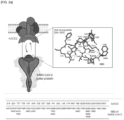
- the peptide-nucleic acid hybrid structure of R7-02 was constructed by attaching a triazole-modified linker residue between the hexynyl-modified 5' end of the folded DNA and the butanamide-modified lysine C-terminus of the hotspot peptide.
- Molecular docking simulation was subsequently performed to find the best fit of the hotspot peptide-bound aptamer scaffold to the RBD, while constraining the hotspot peptide and RBD to crystal positions.
- the resulting structure minimized energy by using the AMBER14 force field utilizing the molecular dynamics simulation package OpenMM version 7.4.
- R7-02 and the reported RBD-binding aptamer were modified with FAM and TAMRA, respectively. Specifically, after thermal denaturation and rapid cooling, they were co-incubated with 5 nM RBD beads (final volume: 100 ⁇ L) with gentle rotation for 1 hour at room temperature. Beads were washed three times, and resuspended in 100 ⁇ L of 1x PBSMT for analysis with CytoFLEX S (Beckman Coulter). The competitive RBD-binding fraction was calculated as the ratio of the competitive mean fluorescence intensity to the uncompetitive (free-binding) mean fluorescence intensity.
- TAMRA-modified R7-02 was co-incubated with FAM-modified peptide or Alexa-488-modified RBD-antibody and analyzed in the same manner.
- RBD binders Aptamer-1, Peptide 4, P05DHu, and AM122
- the binding fractions to wild-type and Omicron RBD were quantitatively measured at 10 nM of R7-02 and antibodies (P05DHu and AM122), and at 100 nM of aptamer (Aptamer-1) and cyclic peptide (Peptide 4).
- RBD-coated magnetic beads were incubated with the respective binders for 1 hour at room temperature with gentle rotation, and then the beads were washed three times and resuspended in 100 ⁇ L of 1x PBSMT.
- the binding fractions of each binder to wild type and Omicron RBDs were measured directly with CytoFLEX S (Beckman Coulter).
- SARS-CoV-2 inhibitor screening kit (ACROBiosystems) was used according to the manufacturer's protocol.
- the microplate was pre-coated with hACE2, and various concentrations of R7-02 (1 pM to 1 ⁇ M) were added to the plates.
- HRP-conjugated SARS-CoV-2 wild-type RBD was added immediately. After 1 hour incubation at room temperature, the well was washed three times and substrate was added to quantify RBD-hACE2 binding. The reaction was terminated by adding stop solution, and absorbance was measured at 450 nm with a microplate reader (Tecan).
- IC 50 half the maximum inhibitory concentration for R7-02-induced inhibition of RBD-hACE2 binding was determined after log transformation of the hybrid ligand concentration using sigmoidal dose-response nonlinear regression analysis (Prism software, GraphPad Prism version 9.3.1).
- IC 50 half the maximum inhibitory concentration for R7-02-induced inhibition of RBD-hACE2 binding was determined after log transformation of the hybrid ligand concentration using sigmoidal dose-response nonlinear regression analysis (Prism software, GraphPad Prism version 9.3.1).
- RBD-hACE2 inhibition was compared after the addition of 3 ⁇ M of individual ligands (LGKGDFR peptide, DNA domain of R7-02, and R7-02) to analyze the synergistic interaction between the hotspot peptide and the aptamer scaffold in inhibiting RBD-hACE2 interaction.
- the hACE2-293T cell line was obtained from Takara (Japan).
- the hACE2-293T cells were cultured in high glucose DMEM (Sigma Aldrich) supplemented with 10% fetal bovine serum (Gibco) and 1% sodium pyruvate (Sigma Aldrich) at 37 °C, and 5% CO 2 atmosphere. Subsequently, 5 to 15 passages of hACE2-293T were used in a pseudotype SARS-CoV-2 neutralization assay.
- a neutralization assay of pseudotype SARS-CoV-2 was performed.
- hACE2-293T cells ⁇ 4X10 3
- 5 ⁇ L of GFP-reporting pseudotype SARS-CoV-2 (4X10 5 transfection units per mL, BPS bioscience) was pre-incubated with 3 ⁇ M of R7-02 in 1x PBSM (1x PBS with 2.5 mM magnesium) for 30 minutes at room temperature.
- the cell culture medium was removed from the pre-inoculated hACE2-293T cells, and the cells were washed twice with pre-warmed 1x PBSM.
- nucleases were allowed to degrade FAM-labeled R7-02 in 37 °C, 10% fetal bovine serum for up to 24 hours.
- R7-02 with phosphorothioate backbone introduction, and other modifications such as 2'-O-methyl and 2'-F modifications; and other unmodified single-stranded DNA were tested together.
- 4 ⁇ L of 10 ⁇ M sample was mixed with 10x PBS (4 ⁇ L), fetal bovine serum (4 ⁇ L), and nuclease-free water (28 ⁇ L).
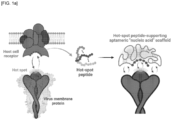
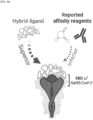
- the nucleic acid can provide a highly stable and soluble 3D scaffold that places the hotspot peptide in the correct position and orientation to maintain receptor-like binding properties. This process is shown in FIG. 1a .
- FIG. 1a For the specific RBD-hACE2 interaction, several hotspot peptides have been reported to be approximately 30 amino acids or less in length, but while apart from the insoluble hACE2 transmembrane receptor, flexible motifs cannot bind strongly to the hotspot surface of the receptor-binding domain (RBD).
- RBD receptor-binding domain
- nucleic acids are exceptionally hydrophilic due to the polarity of phosphate backbone.
- nucleic acids capable of structurally stabilizing hACE2-derived RBD-binding peptides. Without large amounts of insoluble domains, a compact and highly available peptide stabilizer would allow high-dose intravenous administration for viral neutralization.
- nucleic acids can be further extended as hotspot binding enhancers to cooperatively interact with target RBD. That is, there can be additional aptamer-like interactions around the monovalent peptide binding, further enhancing the hotspot binding ability of hACE2-mimetic hybrid ligand.
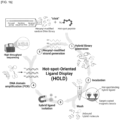
- the hotspot peptide-supporting aptamer scaffold can be isolated in vitro by repeated cycles of selection and amplification. This process is shown in FIG. 1b .
- the azide-tagged C-terminus of the peptide can be site-specifically conjugated to the 5'-hexynyl end of a single-stranded DNA (ssDNA) library by highly efficient copper-catalyzed cycloaddition (step 1 in FIG. 1b ).
- ssDNA single-stranded DNA
- the peptide-nucleic acid hybrid library was rapidly cooled for unique 3D folding of individual ssDNA.
- the RBD surface attracted hotspot interaction of hybrid ligand candidate, and magnetic separation ensured that unbound peptide-DNA conjugate was systematically separated (steps 2-3 in FIG. 1b ).
- the DNA domain of the bead-bound hybrid ligand was selectively amplified by PCR using a 5'-hexynyl-modified forward primer and a 5'-phosphorylated reverse primer (step 4 in FIG. 1b ).
- a 5'-hexynyl-modified forward primer and a 5'-phosphorylated reverse primer step 4 in FIG. 1b .
- 5'-hexynyl-modified ssDNA was generated, and the click reaction with the azide-tagged hotspot peptide again provided a pool of hybrid libraries in the same format for the next round of the evolutionary HOLD process (step 5 in FIG. 1b ).
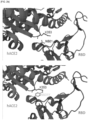
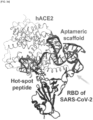
- the VOC binds more tightly and strongly to hACE2, as the central amino acid of the selected hotspot peptide, K353 of hACE2, has an unexpected hydrophobic interaction with the substituted tyrosine (see FIG. 2b ).
- this LGKGDFR peptide contains two hydrophobic and two positively charged amino acids, which cannot provide the properties of fully hydrophilic and negatively charged DNA.
- the hotspot peptide-nucleic acid hybrid library will provide a wide variety of electrostatic interactions as it evolves to have high affinity for the RBD of SARS-CoV-2.
- the hybrid ligand pool was successfully enhanced to have a strong binding affinity for RBD due to the synergistic effect between the hotspot peptide and the aptamer scaffold.
- the results are shown in FIG. 2c .
- the parameters in HOLD of each round are shown in Table 2 below.
- the RBD binding of the hotspot peptide-linked round 7 (R7) pool was quantitatively assessed in a relative binding assay.
- the random DNA library exhibited a significantly lower level of RBD binding.
- the binding fraction was only 0.38%, indicating that the hotspot peptide could not bind strongly to RBD without a stable scaffold.
- the R7 pool slightly increased RBD binding, resulting in a binding fraction of 5.74%, presumably due to its own aptamer binding effect.
- the peptide-based R7 pool dramatically enhanced its affinity for RBD, and its binding fraction (22.6%) was 59.37-fold and 3.94-fold higher than the random DNA-peptide conjugate and peptide-deficient R7 pool, respectively.
- This significant improvement in RBD binding is attributed to the synergistic interaction between the hotspot peptide and the newly evolved aptamer scaffold.
- the most optimal peptide-supporting aptamer scaffold was identified in the R7 hybrid ligand pool using high-throughput sequencing and flow cytometry-based binding assay.
- the three most abundant sequence families were found to account for a high percentage (>18%). These are shown in Table 3 below (SEQ ID Nos. 16 to 22).
- the most representative DNA sequences were synthesized with a 5'-hexynyl group for site-specific peptide conjugation and a 3'-FAM dye for flow cytometry-based binding assay.
- the second most abundant DNA sequence was the strongest in RBD binding.
- the RBD binding fraction of R7-02 was approximately 5-fold and 8-fold greater than those of R7-01 and R7-03, respectively (see FIG. 3a ).
- R7-02 To act as a hACE2 mimetic, the most strong hybrid ligand, R7-02, showed high affinity and specificity for RBD at the correct site for hACE2 to bind.
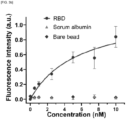
- the K d of R7-02 was quantitatively measured, it was 5.702 nM for RBD (see FIG. 3b , green), while the K d values of R7-01 (27.01 nM) and R7-03 (93.8 nM) were much higher than R7-02 (see FIG. 3c ).
- R7-02 exhibited sustainable retained binding on the target surface of RBD (see FIGs. 3e and 3f ).
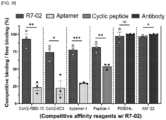
- hybrid ligand of hotspot peptide and aptamer scaffold was co-incubated with RBD-binding nucleic acid aptamers (CoV2-RBD-1C, CoV2-6C3, Aptamer-1), macrocyclic peptides (Peptide 4), or monoclonal antibodies (P05DHu and AM122). Most of them are known to block the binding interface between RBD and hACE2 (see FIG. 3e ). Also, the K d values of various RBD binders under the same conditions for R7-02 were confirmed (see FIG. 3g ).
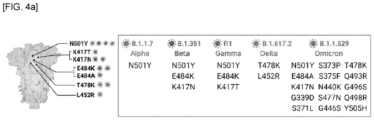
- the hotspot peptide-nucleic acid hybrid molecule (R7-02) was found to bind strongly to all reported VOCs of SARS-CoV-2 due to its high variant tolerance to binding. Although initially evolved to bind to wild-type RBDs via the HOLD process, the binding ability of the hybrid ligand is also capable of recognizing highly mutated RBDs of VOCs. This allows them to interact strongly with the hotspot interface of the RBD. VOC was found to have several key mutants in RBD, including N501Y, which is highly interactive with the lysine of the LGKGDFR peptide in the hybrid ligand, enhancing its binding to the hACE2 receptor and transmissibility into the host cell (see FIG. 4a ).
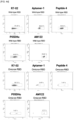
- the K d values of R7-02 (alpha, beta, gamma, delta, and omicron; 5.486 nM, 3.376 nM, 1.614 nM, 2.757 nM, and 1.209 nM) were lower than those of wild-type RBD (5.702 nM), confirming the binding tolerance of R7-02 to all variants (see FIG. 4b ).
- the hotspot peptide-nucleic acid hybrid molecule efficiently inhibited the interaction between RBD of SARS-CoV-2 and hACE2 receptor even at nanomolar concentrations.
- an enzyme-linked immunosorbent assay (ELISA) was performed while varying the concentration of R7-02 of 1 pM to 1 ⁇ M, and R7-02 exhibited a half-maximal inhibitory concentration (IC 50 ) of 138.9 nM for inhibition of RBD-hACE2 binding (see FIG. 5a ).
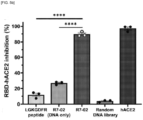
- RBD inhibition of R7-02 was guided by the synergistic effect of the systematically combined hotspot peptide and the in vitro evolved aptamer scaffold; the individual components of R7-02, the LGKGDFR peptide and the aptamer scaffold, showed 11.69% and 26.82% inhibition of RBD-hACE2 interaction at 3 ⁇ M concentration, whereas the whole structure of R7-02 showed 89.60% inhibition.
- the DNA scaffold alone showed better inhibition efficiency compared to the random DNA library (inhibition rate of 3.77%) (see FIG. 5b ).
- the SARS-CoV-2 neutralization ability of the hotspot peptide-nucleic acid hybrid molecule was further confirmed.
- a pseudotype SARS-CoV-2 that expresses both the SARS-CoV-2 spike protein and green fluorescent protein (GFP) but lacks the ability to replicate itself was prepared.
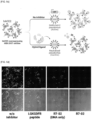
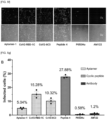
- the neutralization efficiency of R7-02 was analyzed fluorescently by measuring the fluorescence intensity of GFP, which is only expressed in cells infected by pseudotype SARS-CoV-2 (see FIG. 5c ).
- hACE2-overexpressing HEK-293T cell line (hACE2-293T) was pre-inoculated into microplates overnight and then challenged with pseudotype SARS-CoV-2 (0.5 multiplicity of infection, MOI) for 6 hours for viral infection.
- MOI pseudotype SARS-CoV-2
- hACE2-293T was infected with pseudotype SARS-CoV-2, with quantitatively 58.4% of all cells emitting strong green fluorescence as an evidence of successful viral infection.
- the level of RBD binding was limited, reducing the infection rate with pseudotype SARS-CoV-2 to 22.0% and 12.6%, respectively.
- R7-02 a hotspot peptide-based aptamer scaffold, exhibited negligible green fluorescence and a significantly lower percentage of infected cells (1.9%).
- the hybrid ligand of the present invention is fully synthetic. That is, the hybrid ligand of the present invention has a low molecular weight (20 kDa), which is one-tenth of that of monoclonal antibodies, but it ensures efficient infection inhibition.
- the chimeric structure of the peptide-aptamer hybrid ligand showed good nuclease resistance and serum stability compared to well-known oligonucleotide modifications (e.g., phosphorothioate backbone, 2'-O-methyl and 2'-F modifications) (see FIG. 5h ), indicating great potential as SARS-CoV-2 neutralizer.
- oligonucleotide modifications e.g., phosphorothioate backbone, 2'-O-methyl and 2'-F modifications
Landscapes
- Life Sciences & Earth Sciences (AREA)
- Health & Medical Sciences (AREA)
- Chemical & Material Sciences (AREA)
- Organic Chemistry (AREA)
- Engineering & Computer Science (AREA)
- Molecular Biology (AREA)
- Genetics & Genomics (AREA)
- General Health & Medical Sciences (AREA)
- Proteomics, Peptides & Aminoacids (AREA)
- Zoology (AREA)
- Wood Science & Technology (AREA)
- Biochemistry (AREA)
- Bioinformatics & Cheminformatics (AREA)
- Biotechnology (AREA)
- Immunology (AREA)
- Biophysics (AREA)
- Medicinal Chemistry (AREA)
- General Engineering & Computer Science (AREA)
- Biomedical Technology (AREA)
- Microbiology (AREA)
- Virology (AREA)
- Analytical Chemistry (AREA)
- Physics & Mathematics (AREA)
- Chemical Kinetics & Catalysis (AREA)
- Pharmacology & Pharmacy (AREA)
- Animal Behavior & Ethology (AREA)
- Public Health (AREA)
- Veterinary Medicine (AREA)
- General Chemical & Material Sciences (AREA)
- Epidemiology (AREA)
- Plant Pathology (AREA)
- Urology & Nephrology (AREA)
- Hematology (AREA)
- Nuclear Medicine, Radiotherapy & Molecular Imaging (AREA)
- Crystallography & Structural Chemistry (AREA)
- Gastroenterology & Hepatology (AREA)
- Oncology (AREA)
- Communicable Diseases (AREA)
- Cell Biology (AREA)
- Tropical Medicine & Parasitology (AREA)
Applications Claiming Priority (3)
| Application Number | Priority Date | Filing Date | Title |
|---|---|---|---|
| KR20220052389 | 2022-04-27 | ||
| KR1020230044921A KR102946297B1 (ko) | 2022-04-27 | 2023-04-05 | 시험관 진화 기반 핫스팟 유래 펩타이드-핵산 하이브리드 분자 제조방법 |
| PCT/KR2023/005036 WO2023211024A1 (fr) | 2022-04-27 | 2023-04-13 | Procédé de construction de molécules hybrides peptide-acide nucléique issues de points chauds reposant sur une sélection in vitro |
Publications (2)
| Publication Number | Publication Date |
|---|---|
| EP4516932A1 true EP4516932A1 (fr) | 2025-03-05 |
| EP4516932A4 EP4516932A4 (fr) | 2026-04-29 |
Family
ID=88519309
Family Applications (1)
| Application Number | Title | Priority Date | Filing Date |
|---|---|---|---|
| EP23796673.4A Pending EP4516932A4 (fr) | 2022-04-27 | 2023-04-13 | Procédé de construction de molécules hybrides peptide-acide nucléique issues de points chauds reposant sur une sélection in vitro |
Country Status (3)
| Country | Link |
|---|---|
| US (1) | US20250297036A1 (fr) |
| EP (1) | EP4516932A4 (fr) |
| WO (1) | WO2023211024A1 (fr) |
Family Cites Families (7)
| Publication number | Priority date | Publication date | Assignee | Title |
|---|---|---|---|---|
| DE10333675A1 (de) * | 2003-07-24 | 2005-03-03 | Aventis Pharma Deutschland Gmbh | Perfusionsverfahren für die Produktion von Erythropoietin |
| CA3035591A1 (fr) * | 2016-11-30 | 2018-06-07 | Advaxis, Inc. | Compositions immunogenes ciblant des mutations recurrentes du cancer et leurs procedes d'utilisation |
| CN110651189B (zh) * | 2017-03-03 | 2024-10-25 | 特雷斯生物有限公司 | 肽疫苗 |
| AU2021258419A1 (en) * | 2020-04-20 | 2022-11-17 | NEC Laboratories Europe GmbH | SARS-CoV-2 vaccines |
| WO2021222633A2 (fr) * | 2020-05-01 | 2021-11-04 | Board Of Regents, The University Of Texas System | Procédés de traitement de la covid-19 |
| KR102798045B1 (ko) | 2020-10-20 | 2025-04-22 | 삼성디스플레이 주식회사 | 디스플레이 장치 및 그 제조방법 |
| EP4155526A1 (fr) | 2021-09-27 | 2023-03-29 | Winterthur Gas & Diesel Ltd. | Buse d'admission de carburant |
-
2023
- 2023-04-13 US US18/837,596 patent/US20250297036A1/en active Pending
- 2023-04-13 EP EP23796673.4A patent/EP4516932A4/fr active Pending
- 2023-04-13 WO PCT/KR2023/005036 patent/WO2023211024A1/fr not_active Ceased
Also Published As
| Publication number | Publication date |
|---|---|
| US20250297036A1 (en) | 2025-09-25 |
| EP4516932A4 (fr) | 2026-04-29 |
| WO2023211024A1 (fr) | 2023-11-02 |
Similar Documents
| Publication | Publication Date | Title |
|---|---|---|
| Fareh et al. | Reprogrammed CRISPR-Cas13b suppresses SARS-CoV-2 replication and circumvents its mutational escape through mismatch tolerance | |
| Yang et al. | SARS-CoV-2 variants increase kinetic stability of open spike conformations as an evolutionary strategy | |
| US20220288176A1 (en) | Circular rna modification and methods of use | |
| Berber et al. | Gene editing and RNAi approaches for COVID-19 diagnostics and therapeutics | |
| JP2024520534A (ja) | 環状rnaを調製するための構築物及び方法並びにその使用 | |
| CN113544269A (zh) | 环状多核糖核苷酸及其药物组合物 | |
| CN108779465A (zh) | 用于减少pd-l1表达的寡核苷酸 | |
| Villa et al. | DNA aptamers masking angiotensin converting enzyme 2 as an innovative way to treat SARS-CoV-2 pandemic | |
| JP2025520127A (ja) | 操作されたクラス2タイプv crispr系 | |
| WO2020109343A1 (fr) | Polythérapie pour le traitement de la dégénérescence maculaire | |
| CN120500349A (zh) | 包含抗体切割酶的组合物及其使用方法 | |
| Moyer et al. | Highly conserved brain vascular receptor ALPL mediates transport of engineered viral vectors across the blood-brain barrier | |
| Qin et al. | A new recombinant rabies virus expressing a green fluorescent protein: a novel and fast approach to quantify virus neutralizing antibodies | |
| CN120230749A (zh) | TnpB-ωRNA基因编辑系统及用途 | |
| KR102946297B1 (ko) | 시험관 진화 기반 핫스팟 유래 펩타이드-핵산 하이브리드 분자 제조방법 | |
| US20260015627A1 (en) | Compositions and methods for improved protein translation from recombinant circular rnas | |
| WO2013012835A2 (fr) | Arnsi utile dans le traitement d'infection par flavivirus | |
| EP4516932A1 (fr) | Procédé de construction de molécules hybrides peptide-acide nucléique issues de points chauds reposant sur une sélection in vitro | |
| AU2014284835B2 (en) | Dengue virus-specific siRNA, double helix oligo-RNA structure comprising siRNA, and composition for suppressing proliferation of dengue virus comprising RNA structure | |
| US20250163404A1 (en) | Phage display-based cell-penetrating peptide discovery platform and methods of making and using the same | |
| CN118829732A (zh) | 基于体外选择构建热点来源肽-核酸杂交分子的方法 | |
| US20250376490A1 (en) | Composition containing hotspot-derived peptide-nucleic acid hybrid molecule for treating infection caused by mutated coronavirus | |
| US20160272974A1 (en) | Compositions and methods for inhibiting jc virus (jcv) | |
| Stühler et al. | No evidence for quasispecies populations during persistence of the coronavirus mouse hepatitis virus JHM: sequence conservation within the surface glycoprotein gene S in Lewis rats | |
| Weiss et al. | RNAi-mediated silencing of SOD1 profoundly extends survival and functional outcomes |
Legal Events
| Date | Code | Title | Description |
|---|---|---|---|
| STAA | Information on the status of an ep patent application or granted ep patent |
Free format text: STATUS: THE INTERNATIONAL PUBLICATION HAS BEEN MADE |
|
| PUAI | Public reference made under article 153(3) epc to a published international application that has entered the european phase |
Free format text: ORIGINAL CODE: 0009012 |
|
| STAA | Information on the status of an ep patent application or granted ep patent |
Free format text: STATUS: REQUEST FOR EXAMINATION WAS MADE |
|
| 17P | Request for examination filed |
Effective date: 20240823 |
|
| AK | Designated contracting states |
Kind code of ref document: A1 Designated state(s): AL AT BE BG CH CY CZ DE DK EE ES FI FR GB GR HR HU IE IS IT LI LT LU LV MC ME MK MT NL NO PL PT RO RS SE SI SK SM TR |
|
| DAV | Request for validation of the european patent (deleted) | ||
| DAX | Request for extension of the european patent (deleted) | ||
| REG | Reference to a national code |
Ref country code: DE Ref legal event code: R079 Free format text: PREVIOUS MAIN CLASS: C12Q0001700000 Ipc: C07K0014000000 |
|
| A4 | Supplementary search report drawn up and despatched |
Effective date: 20260327 |
|
| RIC1 | Information provided on ipc code assigned before grant |
Ipc: C07K 14/00 20060101AFI20260324BHEP Ipc: C12N 9/48 20060101ALI20260324BHEP Ipc: C12N 15/115 20100101ALI20260324BHEP Ipc: A61K 38/00 20060101ALI20260324BHEP Ipc: A61P 31/14 20060101ALI20260324BHEP |