EP4520342A1 - Utilisation de lacticaseibacillus paracasei lc86 dans la préparation d'un produit utilisé pour prévenir, atténuer ou traiter la myatrophie liée à la sénilité - Google Patents
Utilisation de lacticaseibacillus paracasei lc86 dans la préparation d'un produit utilisé pour prévenir, atténuer ou traiter la myatrophie liée à la sénilité Download PDFInfo
- Publication number
- EP4520342A1 EP4520342A1 EP23937792.2A EP23937792A EP4520342A1 EP 4520342 A1 EP4520342 A1 EP 4520342A1 EP 23937792 A EP23937792 A EP 23937792A EP 4520342 A1 EP4520342 A1 EP 4520342A1
- Authority
- EP
- European Patent Office
- Prior art keywords
- lacticaseibacillus
- paracasei
- preventing
- probiotic preparation
- preparation
- Prior art date
- Legal status (The legal status is an assumption and is not a legal conclusion. Google has not performed a legal analysis and makes no representation as to the accuracy of the status listed.)
- Pending
Links
Images

Classifications
-
- A—HUMAN NECESSITIES
- A61—MEDICAL OR VETERINARY SCIENCE; HYGIENE
- A61K—PREPARATIONS FOR MEDICAL, DENTAL OR TOILETRY PURPOSES
- A61K35/00—Medicinal preparations containing materials or reaction products thereof with undetermined constitution
- A61K35/66—Microorganisms or materials therefrom
- A61K35/74—Bacteria
- A61K35/741—Probiotics
- A61K35/744—Lactic acid bacteria, e.g. enterococci, pediococci, lactococci, streptococci or leuconostocs
- A61K35/747—Lactobacilli, e.g. L. acidophilus or L. brevis
-
- A—HUMAN NECESSITIES
- A61—MEDICAL OR VETERINARY SCIENCE; HYGIENE
- A61K—PREPARATIONS FOR MEDICAL, DENTAL OR TOILETRY PURPOSES
- A61K35/00—Medicinal preparations containing materials or reaction products thereof with undetermined constitution
- A61K35/66—Microorganisms or materials therefrom
- A61K35/74—Bacteria
- A61K35/741—Probiotics
- A61K35/744—Lactic acid bacteria, e.g. enterococci, pediococci, lactococci, streptococci or leuconostocs
- A61K35/745—Bifidobacteria
-
- A—HUMAN NECESSITIES
- A61—MEDICAL OR VETERINARY SCIENCE; HYGIENE
- A61P—SPECIFIC THERAPEUTIC ACTIVITY OF CHEMICAL COMPOUNDS OR MEDICINAL PREPARATIONS
- A61P21/00—Drugs for disorders of the muscular or neuromuscular system
-
- A—HUMAN NECESSITIES
- A61—MEDICAL OR VETERINARY SCIENCE; HYGIENE
- A61P—SPECIFIC THERAPEUTIC ACTIVITY OF CHEMICAL COMPOUNDS OR MEDICINAL PREPARATIONS
- A61P39/00—General protective or antinoxious agents
- A61P39/06—Free radical scavengers or antioxidants
-
- A—HUMAN NECESSITIES
- A23—FOODS OR FOODSTUFFS; TREATMENT THEREOF, NOT COVERED BY OTHER CLASSES
- A23L—FOODS, FOODSTUFFS OR NON-ALCOHOLIC BEVERAGES, NOT OTHERWISE PROVIDED FOR; PREPARATION OR TREATMENT THEREOF
- A23L33/00—Modifying nutritive qualities of foods; Dietetic products; Preparation or treatment thereof
- A23L33/10—Modifying nutritive qualities of foods; Dietetic products; Preparation or treatment thereof using additives
- A23L33/135—Bacteria or derivatives thereof, e.g. probiotics
-
- Y—GENERAL TAGGING OF NEW TECHNOLOGICAL DEVELOPMENTS; GENERAL TAGGING OF CROSS-SECTIONAL TECHNOLOGIES SPANNING OVER SEVERAL SECTIONS OF THE IPC; TECHNICAL SUBJECTS COVERED BY FORMER USPC CROSS-REFERENCE ART COLLECTIONS [XRACs] AND DIGESTS
- Y02—TECHNOLOGIES OR APPLICATIONS FOR MITIGATION OR ADAPTATION AGAINST CLIMATE CHANGE
- Y02A—TECHNOLOGIES FOR ADAPTATION TO CLIMATE CHANGE
- Y02A50/00—TECHNOLOGIES FOR ADAPTATION TO CLIMATE CHANGE in human health protection, e.g. against extreme weather
- Y02A50/30—Against vector-borne diseases, e.g. mosquito-borne, fly-borne, tick-borne or waterborne diseases whose impact is exacerbated by climate change
Definitions
- the present application belongs to the field of microbial technology, relates to a novel use of Lacticaseibacillus paracasei, and specifically relates to a use of Lacticaseibacillus paracasei LC86 in the preparation of a product for preventing, alleviating, or treating aging-related muscle atrophy.
- sarcopenia is a type of disease commonly prevalent in old people, characterized by loss of muscle mass and function. It has been reported that more than 30% of people over 80 years of age are suffering from sarcopenia. This disease not only diminishes the life quality of old people, for example, heightens the risk of falls, disability, fractures, and death, but also increases the risk of quality declines of life. Therefore, maintaining muscle function has become an important factor in healthy aging. Research has indicated that the dysbiosis of gut microbiota is common among old people, which may lead to inflammatory response and metabolic resistance. The age-associated change composition in the gut microbiota may contribute to the sarcopenia of old people through the gut-muscle axis. More and more pieces of research evidence support the opinion that the muscle function is modulated by gut microbiota.
- Lactobacilli a type of probiotics, are widely distributed in the human intestinal tract and are considered to be one of the important members of maintaining the intestinal microecological balance. Their good adhesion facilitates the maintenance of intestinal flora structure, and effectively protects the integrity of morphology and metabolic function of the intestinal mucosa.
- the lactobacilli play an important role in preventing and treating the dysbiosis of gut microbiota, the main mechanism of which is achieved through the steric hindrance effect.
- probiotic lactobacilli can produce a variety of bacteriostatic components in the intestinal tract, such as acids, antimicrobial peptides, and bioenzymes, thereby suppressing pathogenic bacteria in growth and activity. Because the lactobacilli has the characteristics of safe and healthy, do not cause side effects, and can be colonized in animal bodies and exert lots of beneficial effects, the lactobacilli microecological preparations have been widely used in the field of clinical supplements.
- One of the age-related statistics is muscle loss, including loss of muscle mass and loss of muscle function. Although the factors contributing to age-related muscle decline are not clear yet, some scientists believe that the factors such as oxidative stress and reactive oxygen might influence the cell signaling pathway, accelerate protein degradation, and impede protein synthesis in muscle fibers. Another explanation ascribes the muscle decline to the inflammatory cytokines IL-6 and TNF- ⁇ , which may induce muscle proteolysis. At present, there are no drugs that specifically target aging-related muscle atrophy. According to the pathogenesis and clinical approach of aging-related muscle atrophy, the strategies of anti-inflammatory cytokines, antioxidants, and intestinal flora modification can be selected to treat the aging-related muscle atrophy. Therefore, it is important to develop more probiotic products to alleviate the problem of aging-related muscle atrophy.
- the present application provides use of Lacticaseibacillus paracasei LC86 in the preparation of a product for preventing, alleviating, or treating aging-related muscle atrophy.
- the present application provides a use of Lacticaseibacillus paracasei LC86 in the preparation of a product for preventing, alleviating, or treating aging-related muscle atrophy.
- the Lacticaseibacillus paracasei is named as the Lacticaseibacillus paracasei LC86 strain, deposited in China General Microbiological Culture Collection Center on July 20, 2020, with the deposit number of CGMCC No. 1.12731, and the address is Court 1 (Room 3), West Beichen Road, Chaoyang District, Beijing.
- the Lacticaseibacillus paracasei strain can significantly ameliorate aging-related muscle atrophy, which is specifically reflected by: (1) significantly decreasing the senescence score of SAMP mice; (2) significantly improving forelimb grip force and four-limb hanging ability of SAMP mice; (3) significantly increasing the level of gastrocnemius muscle glycogen, and decreasing the protein carbonyl content of gastrocnemius muscle; (4) decreasing the levels of pro-inflammatory cellular inflammatory factors TNF- ⁇ , IL-6, and MCP1 in mice serum, and increasing the level of anti-inflammatory cellular inflammatory factor IL-10 in serum; and (5) significantly increasing the mouse liver SOD enzyme activity, increasing the liver GSH content, increasing the liver CAT enzyme level, and decreasing the liver MDA level.
- the Lacticaseibacillus paracasei LC86 has a viable bacterial count of at least 1 ⁇ 10 9 CFU/mL or 1 ⁇ 10 9 CFU/g, which may be 1 ⁇ 10 9 CFU/g (CFU/mL), 5 ⁇ 10 9 CFU/g (CFU/mL), 1 ⁇ 10 10 CFU/g (CFU/mL), 5 ⁇ 10 10 CFU/g (CFU/mL), 1 ⁇ 10 11 CFU/g (CFU/mL), 5 ⁇ 10 11 CFU/g (CFU/mL), or 1 ⁇ 10 12 CFU/g (CFU/mL).
- Other specific point values within the above numerical range are all appropriate to be used and will not be redundantly recited herein.
- the present application provides a probiotic preparation for preventing, alleviating, or treating aging-related muscle atrophy, wherein a strain in the probiotic preparation comprises Lacticaseibacillus paracasei LC86.
- Lacticaseibacillus paracasei LC86 strain Since the Lacticaseibacillus paracasei LC86 strain is a probiotic, it has high safety and is less prone to incurring resistance when used in the preparation of the product for preventing, alleviating, or treating aging-related muscle atrophy.
- the probiotic preparation for preventing, alleviating, or treating aging-related muscle atrophy further comprises Bifidobacterium longum BL21.
- the Bifidobacterium longum BL21 strain is deposited in China General Microbiological Culture Collection Center on January 27, 2015, with the deposit number of CGMCC No. 10452, and the specific deposit address is Court 1 (Room 3), West Beichen Road, Chaoyang District, Beijing.
- the Bifidobacterium longum strain BL21 strain is a probiotic, it has high safety and is less prone to incurring resistance when used in the preparation of the product for preventing, alleviating, or treating aging-related muscle atrophy.
- a novel probiotic combination method is creatively developed.
- the Lacticaseibacillus paracasei LC86 strain and Bifidobacterium longum BL21 strain are combined. It is found that those two strains have potential interactions, and can collaborate with each other to bring a synergistic efficacy on ameliorating the aging-related muscle atrophy.
- the two-strain combination has significantly improved performance in the above-mentioned efficacies, obtaining unanticipated technical benefits for a person skilled in the art.
- a ratio of the viable bacterial count of the Lacticaseibacillus paracasei LC86 to the Bifidobacterium longum BL21 is (2-4): 1 in the probiotic preparation for preventing, alleviating, or treating aging-related muscle atrophy.
- the ratio of the viable bacterial count of the Lacticaseibacillus paracasei LC86 to the Bifidobacterium longum BL21 in the probiotic preparation for preventing, alleviating, or treating aging-related muscle atrophy may be 2: 1, 3: 1, 7: 2, or 4: 1.
- Other specific point values within the above numerical range are all appropriate to be used and will not be redundantly recited herein.
- the two strains of Lacticaseibacillus paracasei LC86 and Bifidobacterium longum BL21 have a better synergistic effect when they satisfy the above-mentioned specific ratio of viable bacterial counts.
- the probiotic preparation for preventing, alleviating, or treating aging-related muscle atrophy has the Lacticaseibacillus paracasei LC86 and the Bifidobacterium longum BL21 in a form of lyophilized powder.
- the lyophilized powder is prepared by a method comprising the steps of: inoculating the Lacticaseibacillus paracasei LC86 and the Bifidobacterium longum BL21 respectively in culture media, culturing to obtain a bacterial solution, centrifuging, collecting a bacterial pellet, mixing with a lyoprotectant, and lyophilizing to obtain the lyophilized powder.
- the culture medium comprises glucose, peptone, beef extract powder, yeast extract powder, K 2 HPO 4 , diammonium hydrogen citrate, sodium acetate, MgSO 4 , MnSO 4 , or polysorbate 80.
- the components in the culture medium comprise (by the concentration) 20-40 g/L glucose, 10-15 g/L peptone, 5-8 g/L beef extract powder, 3-7 g/L yeast extract powder, 2-3 g/L K 2 HPO 4 , 2-3 g/L diammonium hydrogen citrate, 3-5 g/L sodium acetate, 0.3-0.5 g/L MgSO 4 , 0.05-0.1 g/L MnSO 4 , and 0.5-1.5 g/L polysorbate 80.
- 20-40 g/L are, for example, 20 g/L, 22 g/L, 25 g/L, 27 g/L, 30 g/L, 32 g/L, 35 g/L, 37 g/L, or 40 g/L.
- 3-7 g/L are, for example, 3 g/L, 4 g/L, 5 g/L, 6 g/L, or 7 g/L.
- 0.3-0.5 g/L are, for example, 0.3 g/L, 0.32 g/L, 0.35 g/L, 0.37 g/L, 0.4 g/L, 0.42 g/L, 0.45 g/L, 0.47 g/L, or 0.5 g/L.
- 0.05-0.1 g/L are, for example, 0.05 g/L, 0.06 g/L, 0.07 g/L, 0.08 g/L, 0.09 g/L, or 0.1 g/L.
- 0.5-1.5 g/L are, for example, 0.5 g/L, 0.6 g/L, 0.7 g/L, 0.8 g/L, 0.9 g/L, 1 g/L, 1.1 g/L, 1.2 g/L, 1.3 g/L, 1.4 g/L, or 1.5 g/L.
- the culture is performed at a temperature of 30-40°C, and the culture is performed for a period of 12-48 h.
- the temperature of the culture may be 30°C, 31°C, 32°C, 33°C, 34°C, 35°C, 36°C, 37°C, 38°C, 39°C, or 40°C, and other specific point values within the above numerical range are all appropriate to be used and will not be redundantly recited herein.
- the period of the culture may be 12 h, 14 h, 16 h, 18 h, 20 h, 22 h, 24 h, 30 h, 36 h, 40 h, or 48 h, and other specific point values within the above numerical range are all appropriate to be used and will not be redundantly recited herein.
- the lyoprotectant comprises any one or a combination of at least two of trehalose, sucrose, lactose, skim milk powder, glycerol, mannitol, or polysorbate.
- the combination of at least two is, for example, a combination of trehalose and sucrose, a combination of mannitol and polysorbate, a combination of sucrose and mannitol, or any other combinations.
- the probiotic preparation for preventing, alleviating, or treating aging-related muscle atrophy further comprises a functional additive.
- the functional additive comprises any one or a combination of at least two of inulin, resistant dextrin, fructo-oligosaccharide, isomalto-oligosaccharide, or galacto-oligosaccharide.
- the combination of at least two is, for example, a combination of inulin and resistant dextrin, a combination of fructo-oligosaccharide and isomalto-oligosaccharide, a combination of fructooligosaccharide and galactooligosaccharide, or any other combinations.
- the present application provides a use of the probiotic preparation as described in the second aspect in the preparation of a product for preventing, alleviating, or treating aging-related muscle atrophy.
- the product comprises a nutraceutical or a pharmaceutical product.
- a dosage form of the nutraceutical or the pharmaceutical product comprises liquids, tablets, capsules, or granules.
- the pharmaceutical product further comprises a pharmaceutical carrier and/or a pharmaceutically acceptable adjuvant.
- the pharmaceutically acceptable adjuvant comprises any one or a combination of at least two of an excipient, a filler, a disintegrant, a binder, a lubricant, a diluent, or a flavor.
- the combination of at least two is, for example, a combination of an excipient and a filler, a combination of a filler and a disintegrant, and a combination of a disintegrant and a binder, and any other combination is appropriate and will not be redundantly recited herein.
- the present application provides a use of Lacticaseibacillus paracasei LC86 in the preparation of a TNF-a antagonist, an IL-6 antagonist, an MCP-1 antagonist, an SOD enzyme promoter, a GSH promoter, a CAT enzyme promoter, an MDA antagonist, or an IL-10 secretion promoter.
- the present application provides a use of Lacticaseibacillus paracasei LC86 in the preparation of a product for preventing, alleviating, or treating aging-related muscle atrophy.
- the Lacticaseibacillus paracasei strain can significantly ameliorate aging-related muscle atrophy, which is specifically reflected by: (1) significantly decreasing the senescence score of SAMP mice; (2) significantly improving forelimb grip force and four-limb hanging ability of SAMP mice; (3) significantly increasing the level of gastrocnemius muscle glycogen, and decreasing the protein carbonyl content of gastrocnemius muscle; (4) decreasing the levels of pro-inflammatory cellular inflammatory factors TNF- ⁇ , IL-6, and MCP1 in mice serum, and increasing the level of anti-inflammatory cellular inflammatory factor IL-10 in serum; and (5) significantly increasing the mouse liver SOD enzyme activity, increasing the liver GSH content, increasing the liver CAT enzyme level, and decreasing the liver MDA level.
- Formulation to prepare the MRS culture medium involved in the examples is as follows: Calculated by 1000 mL of water, 10 g/L of peptone, 10 g/L of beef paste, 20 g/L of glucose, 2 g/L of sodium acetate, 5 g/L of yeast powder, 2 g/L of diammonium hydrogen citrate, 2.6 g/L of K 2 PO 4 ⁇ 3H 2 O, 0.1 g/L of MgSO 4 ⁇ 7H 2 O, 0.05 g/L of MnSO 4 , 1 mL/L of polysorbate 80, and 0.5 g/L cysteine hydrochloride.
- the peptone, beef paste, glucose, sodium acetate, yeast powder, diammonium hydrogen citrate, K 2 PO 4 ⁇ 3H 2 O, MgSO 4 ⁇ 7H 2 O, MnSO 4 , polysorbate 80, and cysteine hydrochloride were purchased from Sinopharm Chemical Reagent Co., Ltd.
- test animals were SPF male SAMP8 mice, and the mouse feed was purchased from Shanghai SLAC Co., Ltd.; the levels of TNF- ⁇ , IL-6, MCP1, and IL-10 were determined by ELISA kits purchased from Shanghai Enzyme-linked Biotechnology Co., Ltd.; the levels of superoxide dismutase (SOD), glutathione (GSH), catalase (CAT), and malondialdehyde (MDA) were determined by test kits purchased from Nanjing Jiancheng Bioengineering Co., Ltd.
- SOD superoxide dismutase
- GSH glutathione
- CAT catalase
- MDA malondialdehyde
- Lacticaseibacillus paracasei LC86 strain involved in the examples is deposited in China General Microbiological Culture Collection Center on July 20, 2020, with the deposit number of CGMCC No. 1.12731, and the address is Court 1 (Room 3), West Beichen Road, Chaoyang District, Beijing.
- the Bifidobacterium longum BL21 strain involved in the examples is deposited in China General Microbiological Culture Collection Center on January 27, 2015, with the deposit number of CGMCC No. 10452, and the specific deposit address is Court 1 (Room 3), West Beichen Road, Chaoyang District, Beijing.
- Method for preparing a lyophilized powder of Bifidobacterium longum BL21 involved in the examples the Bifidobacterium longum BL21 was inoculated onto the culture medium at a dose of 3% relative to the total mass of the MRS medium, and cultured at 37°C for 18 h to obtain a culture solution; the culture solution was centrifuged to obtain a bacterial pellet; the bacterial pellet were resuspended (at a mass ratio of the lyoprotectant to the bacterial pellet of 2: 1) with a trehalose lyoprotectant (containing 100 g/L of trehalose, 100 g/L of skim milk powder, and water as the solvent) to obtain a resuspending solution; the resuspending solution was lyophilized by the vacuum freezing method to obtain the lyophilized powder of Bifidobacterium longum BL21; the viable bacterial count of the lyophilized powder was tested to be 300 billion CFU/g.
- This example provides five probiotic preparations as follows:
- This example explores the influence of the five probiotic preparations (S1, S2, S3, S4, and S5) prepared in Example 1 on the serum AST and ALT, triglyceride in serum and liver, oxidative stress marker content, pro-inflammatory cytokines in serum, and intestinal permeability for mice having aging-related muscle atrophy:
- mice Sixty 16-week-old male adult SAMP8 mice (with a body weight of 22 ⁇ 2 g) were randomly divided into six groups, 10 mice for each group; model group (daily saline gavage for the CTL group), probiotic preparation S1 group (given an LC86 bacterial dose of 1 ⁇ 10 9 CFU/day), probiotic preparation S2 group (given a BL21 bacterial dose of 1 ⁇ 10 9 CFU/day), probiotic preparation S3 group (given a total bacterial dose of LC86 and BL21 of 1 ⁇ 10 9 CFU/day), probiotic preparation S4 group (given a total bacterial dose of LC86 and ATCC 15707 of 1 ⁇ 10 9 CFU/day), and probiotic preparation S5 group (given a total bacterial dose of LC86 and BL21 of 1 ⁇ 10 9 CFU/day), for 12 weeks.
- probiotic preparation S1 group given an LC86 bacterial dose of 1 ⁇ 10 9 CFU/day
- probiotic preparation S2 group given
- mice All mice were free of specific pathogens; ten 16-week-old young male SAMP8 mice (with a body weight of 22 ⁇ 2 g) were grouped as a blank control (youth group). The mice were kept individually in cages in a clean and quiet environment at a temperature of 23-25°C and a humidity of 50-70%, and the mice in each group had free access to food and water during the experimental period.
- mice were anesthetized with 10% chloral hydrate (2 mL/kg) by intraperitoneal injection and subjected to cervical dislocation, and blood samples, liver, and colon tissues were collected.
- mice in each of the above S1, S2, S3, S4, S5, and CTL groups were assessed by a graded scoring system.
- Each item has five levels which respectively scores 0, 1, 2, 3, and 4; a higher score indicates a higher degree of aging.
- Indicators used in the assessment include reactive behavior, passive behavior, glossiness, coarseness, loss of hair, skin ulcers, periophthalmic lesions, and spinal lordosis and kyphosis. Scores for each indicator are added up to obtain a total score for each mouse.
- the scoring criteria for mouse senescence are shown in Table 1. Table 1 Item Definition Grade 0 Grade 1 Grade 2 Grade 3 Grade 4 I. Behavior 1.
- mice in each group were placed upside down in the top of metal wire cages, and then mice will hang for a few seconds. The time that the mice were able to remain suspended was recorded. The test was repeated three times and the time was averaged for each mouse. The results were expressed as the holding impulse time (weight (g) ⁇ holding time (s)).
- Sarcopenia is defined as the progressive loss of skeletal muscle mass and strength.
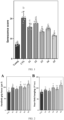
- This experiment evaluates the effects of each probiotic preparation on muscle strength in mice. The above methods are adopted to assess the muscle strength of mice in each group by the forelimb grip test and four-limb hanging test.
- CTL model group
- the muscle strength of mice is increased after the intervention of single-strain probiotic preparation S1; in addition, the muscle strength of mice in the composite probiotic preparation S3 group is significantly higher than that of the single-strain probiotic preparation S1, and also higher than that of the S4 group which has ATCC 15707 compounded with, suggesting that there is a synergistic effect between Lacticaseibacillus paracasei LC86 and Bifidobacterium longum BL21 in slowing down the age-associated sarcopenia.
- the muscle strength of the composite probiotic preparation S5 group is stronger compared to the composite probiotic preparation S3 group, indicating that the addition of inulin has a significant improving effect for the LC86-cotaining probiotic preparation in preventing, alleviating, or treating aging-related muscle atrophy in mice.
- the composite probiotic preparation S5 group has more significant reduction of levels of TNF- ⁇ , interleukin 6 (IL-6), and MCP1, and more significant increase of interleukin 10 (IL-10) level in mice serum, indicating that the addition of inulin has a significant improving effect on the probiotic preparation.
- IL-6 interleukin 6
- MCP1 interleukin 1
- IL-10 interleukin 10
- the SOD, GSH, and CAT levels of mice are increased, and the MDA level is decreased.
- the SOD, GSH, and CAT levels of the composite probiotic preparation S3 group are significantly increased which is better than the single-strain probiotic preparation S1, while the MDA level is significantly decreased compared with the S1; the SOD, GSH, and CAT levels are higher than those in the S4 group which has Bifidobacterium longum ATCC 15707 compounded with, and the MDA level is lower than the S4 group, indicating that the combination of Lacticaseibacillus paracasei LC86 and Bifidobacterium longum BL21 at a specific ratio has a synergistic effect in increasing the SOD, GSH, and CAT levels, and decreasing the MDA level in mice.
- the composite probiotic preparation S5 group Compared with the composite probiotic preparation S3 group, the composite probiotic preparation S5 group has higher SOD, GSH, and CAT levels, and lower MDA level, indicating that the addition of inulin has a significant improving effect in increasing the SOD, GSH, and CAT levels and decreasing the MDA level in mice.
Landscapes
- Health & Medical Sciences (AREA)
- Life Sciences & Earth Sciences (AREA)
- Chemical & Material Sciences (AREA)
- Medicinal Chemistry (AREA)
- Mycology (AREA)
- Pharmacology & Pharmacy (AREA)
- Animal Behavior & Ethology (AREA)
- General Health & Medical Sciences (AREA)
- Public Health (AREA)
- Veterinary Medicine (AREA)
- Microbiology (AREA)
- Organic Chemistry (AREA)
- Chemical Kinetics & Catalysis (AREA)
- Nuclear Medicine, Radiotherapy & Molecular Imaging (AREA)
- General Chemical & Material Sciences (AREA)
- Molecular Biology (AREA)
- Engineering & Computer Science (AREA)
- Epidemiology (AREA)
- Toxicology (AREA)
- Biochemistry (AREA)
- Bioinformatics & Cheminformatics (AREA)
- Neurology (AREA)
- Orthopedic Medicine & Surgery (AREA)
- Physical Education & Sports Medicine (AREA)
- Nutrition Science (AREA)
- Food Science & Technology (AREA)
- Polymers & Plastics (AREA)
- Medicines Containing Material From Animals Or Micro-Organisms (AREA)
Applications Claiming Priority (2)
| Application Number | Priority Date | Filing Date | Title |
|---|---|---|---|
| CN202310859888.3A CN116617273A (zh) | 2023-07-13 | 2023-07-13 | 副干酪乳杆菌lc86在制备用于预防、缓解或治疗与衰老相关的肌肉萎缩的产品中的应用 |
| PCT/CN2023/116068 WO2025010811A1 (fr) | 2023-07-13 | 2023-08-31 | Utilisation de lacticaseibacillus paracasei lc86 dans la préparation d'un produit utilisé pour prévenir, atténuer ou traiter la myatrophie liée à la sénilité |
Publications (2)
| Publication Number | Publication Date |
|---|---|
| EP4520342A1 true EP4520342A1 (fr) | 2025-03-12 |
| EP4520342A4 EP4520342A4 (fr) | 2026-04-22 |
Family
ID=87638420
Family Applications (1)
| Application Number | Title | Priority Date | Filing Date |
|---|---|---|---|
| EP23937792.2A Pending EP4520342A4 (fr) | 2023-07-13 | 2023-08-31 | Utilisation de lacticaseibacillus paracasei lc86 dans la préparation d'un produit utilisé pour prévenir, atténuer ou traiter la myatrophie liée à la sénilité |
Country Status (3)
| Country | Link |
|---|---|
| EP (1) | EP4520342A4 (fr) |
| CN (1) | CN116617273A (fr) |
| WO (1) | WO2025010811A1 (fr) |
Families Citing this family (4)
| Publication number | Priority date | Publication date | Assignee | Title |
|---|---|---|---|---|
| CN116617273A (zh) * | 2023-07-13 | 2023-08-22 | 微康益生菌(苏州)股份有限公司 | 副干酪乳杆菌lc86在制备用于预防、缓解或治疗与衰老相关的肌肉萎缩的产品中的应用 |
| CN118638700B (zh) * | 2024-08-19 | 2024-12-13 | 微康益生菌(苏州)股份有限公司 | 一种缓解氧化应激所致肝损伤的复合益生菌及其应用 |
| CN118652824B (zh) * | 2024-08-21 | 2024-11-19 | 微康益生菌(苏州)股份有限公司 | 一种复合双歧杆菌菌剂及其在酸奶发酵中的应用 |
| CN120189448B (zh) * | 2025-03-28 | 2025-09-05 | 安徽省农业科学院农产品加工研究所 | 一种豆渣固态发酵制剂及其在治疗或预防肌少症中的应用 |
Family Cites Families (6)
| Publication number | Priority date | Publication date | Assignee | Title |
|---|---|---|---|---|
| EP3735456B1 (fr) * | 2018-01-05 | 2024-04-10 | Bened Biomedical Co., Ltd. | Nouvelle bactérie lactique et ses applications |
| TWI718402B (zh) * | 2018-08-16 | 2021-02-11 | 葡萄王生技股份有限公司 | 副乾酪乳酸桿菌gks6之活性物質、含其之組合物及其促進長壽之用途 |
| CN111248442A (zh) * | 2020-03-03 | 2020-06-09 | 上海泓商生物科技有限公司 | 抗衰老益生菌 |
| CN113832062B (zh) * | 2021-09-27 | 2022-10-28 | 微康益生菌(苏州)股份有限公司 | 一种副干酪乳杆菌lc86及其在预防或治疗龋齿和牙周炎上的应用 |
| CN114806980B (zh) * | 2022-06-29 | 2022-11-04 | 微康益生菌(苏州)股份有限公司 | 一种用于培养活体生物药的培养基及其应用 |
| CN116617273A (zh) * | 2023-07-13 | 2023-08-22 | 微康益生菌(苏州)股份有限公司 | 副干酪乳杆菌lc86在制备用于预防、缓解或治疗与衰老相关的肌肉萎缩的产品中的应用 |
-
2023
- 2023-07-13 CN CN202310859888.3A patent/CN116617273A/zh active Pending
- 2023-08-31 EP EP23937792.2A patent/EP4520342A4/fr active Pending
- 2023-08-31 WO PCT/CN2023/116068 patent/WO2025010811A1/fr active Pending
Also Published As
| Publication number | Publication date |
|---|---|
| CN116617273A (zh) | 2023-08-22 |
| EP4520342A4 (fr) | 2026-04-22 |
| WO2025010811A1 (fr) | 2025-01-16 |
Similar Documents
| Publication | Publication Date | Title |
|---|---|---|
| EP4520342A1 (fr) | Utilisation de lacticaseibacillus paracasei lc86 dans la préparation d'un produit utilisé pour prévenir, atténuer ou traiter la myatrophie liée à la sénilité | |
| KR102128287B1 (ko) | 아커만시아 뮤시니필라 eb-amdk19 균주 및 그의 용도 | |
| EP1312667B1 (fr) | Produits probiotiques contenant une souche de L. salivarius | |
| CN100552016C (zh) | 用于治疗炎性疾病的双歧杆菌 | |
| CN116200306B (zh) | 一种鼠李糖乳酪杆菌LRa16及其在制备治疗生殖道感染的药物方面的用途和产品 | |
| KR101640744B1 (ko) | 고분자 다당 바인더에 컨쥬게이트된 락토바실러스 람노서스 rht-3201, 및 이의 아토피 예방 및 치료 용도 | |
| EP3808357B1 (fr) | Composition comprenant megamonas funiformis et anaerofustis stercorihominis et son application | |
| KR101228035B1 (ko) | 신규한 유산균 및 이를 포함하는 당뇨병 예방 및 치료용 조성물 | |
| KR102475432B1 (ko) | 장관면역 조절을 위한 신규한 프로바이오틱 조성물 | |
| KR102244008B1 (ko) | 글루텐 분해능을 가지는 락토바실러스 파라카제이 glu70 균주의 사균체를 유효성분으로 함유하는 글리아딘으로 야기된 염증성 장 질환의 예방, 개선 또는 치료용 조성물 | |
| KR101724601B1 (ko) | 아토피 예방 또는 치료용 조성물 | |
| KR102185827B1 (ko) | 아커만시아 뮤시니필라 균주를 포함하는 아토피성 질환 예방 또는 치료용 약학적 조성물 | |
| CN120272387B (zh) | 一种长双歧杆菌婴儿亚种Imu-01及其应用 | |
| CN117448198B (zh) | 一种动物双歧杆菌乳亚种vb301及其应用 | |
| EP2220210B1 (fr) | Souches de<i>lactobacillus plantarum</i>en tant que probiotique avec effet immunomodulateur spécifique | |
| US20130309212A1 (en) | Lactobacillus salivarius and method for preparing metabolite thereof, composition of lactobacillus salivarius and metabolite thereof and use of the composition | |
| CN112708581A (zh) | 一种青春双歧杆菌dh162及其发酵产物、应用和微生态制剂 | |
| CN113913330B (zh) | 一株调节OVA特异性IgE的植物乳杆菌及其应用 | |
| KR20130049554A (ko) | 아토피 예방 또는 치료용 조성물 | |
| JP7361752B2 (ja) | 過活動膀胱関連症状の緩和用の複合プロバイオティクス組成物 | |
| CN112546074B (zh) | 一株能够抑制IL-23、Th17轴相关炎症因子释放的短双歧杆菌及其应用 | |
| CN113041266B (zh) | 一株改善银屑病样小鼠病理特征的干酪乳杆菌及其应用 | |
| WO2019227414A1 (fr) | Composition et ses applications | |
| JP2003252772A (ja) | 加齢に伴う代謝異常症の予防・改善・治療剤 | |
| CA2673235A1 (fr) | Promoteur de la production d'iga |
Legal Events
| Date | Code | Title | Description |
|---|---|---|---|
| STAA | Information on the status of an ep patent application or granted ep patent |
Free format text: STATUS: UNKNOWN |
|
| STAA | Information on the status of an ep patent application or granted ep patent |
Free format text: STATUS: THE INTERNATIONAL PUBLICATION HAS BEEN MADE |
|
| PUAI | Public reference made under article 153(3) epc to a published international application that has entered the european phase |
Free format text: ORIGINAL CODE: 0009012 |
|
| STAA | Information on the status of an ep patent application or granted ep patent |
Free format text: STATUS: REQUEST FOR EXAMINATION WAS MADE |
|
| 17P | Request for examination filed |
Effective date: 20241129 |
|
| AK | Designated contracting states |
Kind code of ref document: A1 Designated state(s): AL AT BE BG CH CY CZ DE DK EE ES FI FR GB GR HR HU IE IS IT LI LT LU LV MC ME MK MT NL NO PL PT RO RS SE SI SK SM TR |
|
| RAP3 | Party data changed (applicant data changed or rights of an application transferred) |
Owner name: WECARE PROBIOTICS CO., LTD. |
|
| A4 | Supplementary search report drawn up and despatched |
Effective date: 20260324 |
|
| RIC1 | Information provided on ipc code assigned before grant |
Ipc: A61K 35/747 20150101AFI20260318BHEP Ipc: A61K 35/745 20150101ALI20260318BHEP Ipc: A61P 21/00 20060101ALI20260318BHEP Ipc: A61P 39/06 20060101ALI20260318BHEP Ipc: A23L 33/135 20160101ALI20260318BHEP |