EP4520399A2 - Composés organiques - Google Patents
Composés organiques Download PDFInfo
- Publication number
- EP4520399A2 EP4520399A2 EP25152523.4A EP25152523A EP4520399A2 EP 4520399 A2 EP4520399 A2 EP 4520399A2 EP 25152523 A EP25152523 A EP 25152523A EP 4520399 A2 EP4520399 A2 EP 4520399A2
- Authority
- EP
- European Patent Office
- Prior art keywords
- pde1
- alkyl
- pde1 inhibitor
- substituted
- cells
- Prior art date
- Legal status (The legal status is an assumption and is not a legal conclusion. Google has not performed a legal analysis and makes no representation as to the accuracy of the status listed.)
- Pending
Links
Images


Classifications
-
- A—HUMAN NECESSITIES
- A61—MEDICAL OR VETERINARY SCIENCE; HYGIENE
- A61K—PREPARATIONS FOR MEDICAL, DENTAL OR TOILETRY PURPOSES
- A61K31/00—Medicinal preparations containing organic active ingredients
- A61K31/33—Heterocyclic compounds
- A61K31/395—Heterocyclic compounds having nitrogen as a ring hetero atom, e.g. guanethidine or rifamycins
- A61K31/495—Heterocyclic compounds having nitrogen as a ring hetero atom, e.g. guanethidine or rifamycins having six-membered rings with two or more nitrogen atoms as the only ring heteroatoms, e.g. piperazine or tetrazines
- A61K31/505—Pyrimidines; Hydrogenated pyrimidines, e.g. trimethoprim
- A61K31/519—Pyrimidines; Hydrogenated pyrimidines, e.g. trimethoprim ortho- or peri-condensed with heterocyclic rings
- A61K31/52—Purines, e.g. adenine
- A61K31/522—Purines, e.g. adenine having oxo groups directly attached to the heterocyclic ring, e.g. hypoxanthine, guanine, acyclovir
-
- A—HUMAN NECESSITIES
- A61—MEDICAL OR VETERINARY SCIENCE; HYGIENE
- A61K—PREPARATIONS FOR MEDICAL, DENTAL OR TOILETRY PURPOSES
- A61K31/00—Medicinal preparations containing organic active ingredients
- A61K31/33—Heterocyclic compounds
- A61K31/395—Heterocyclic compounds having nitrogen as a ring hetero atom, e.g. guanethidine or rifamycins
- A61K31/495—Heterocyclic compounds having nitrogen as a ring hetero atom, e.g. guanethidine or rifamycins having six-membered rings with two or more nitrogen atoms as the only ring heteroatoms, e.g. piperazine or tetrazines
- A61K31/505—Pyrimidines; Hydrogenated pyrimidines, e.g. trimethoprim
- A61K31/519—Pyrimidines; Hydrogenated pyrimidines, e.g. trimethoprim ortho- or peri-condensed with heterocyclic rings
-
- A—HUMAN NECESSITIES
- A61—MEDICAL OR VETERINARY SCIENCE; HYGIENE
- A61K—PREPARATIONS FOR MEDICAL, DENTAL OR TOILETRY PURPOSES
- A61K45/00—Medicinal preparations containing active ingredients not provided for in groups A61K31/00 - A61K41/00
- A61K45/06—Mixtures of active ingredients without chemical characterisation, e.g. antiphlogistics and cardiaca
-
- A—HUMAN NECESSITIES
- A61—MEDICAL OR VETERINARY SCIENCE; HYGIENE
- A61P—SPECIFIC THERAPEUTIC ACTIVITY OF CHEMICAL COMPOUNDS OR MEDICINAL PREPARATIONS
- A61P35/00—Antineoplastic agents
-
- A—HUMAN NECESSITIES
- A61—MEDICAL OR VETERINARY SCIENCE; HYGIENE
- A61K—PREPARATIONS FOR MEDICAL, DENTAL OR TOILETRY PURPOSES
- A61K2300/00—Mixtures or combinations of active ingredients, wherein at least one active ingredient is fully defined in groups A61K31/00 - A61K41/00
Definitions
- the field relates to inhibitors of phosphodiesterase 1 (PDE1) useful for the treatment of certain cancers and tumors, such as tumors of the the central nervous system.
- the field further relates to the administration of inhibitors of phosphodiesterase 1 (PDE1) for the for the treatment of certain cancers and tumors, such as tumors of the the central nervous system, or for the treatment of related conditions characterized by an increased expression in PDE1.
- Glioblastoma is the most common malignant brain tumour in adults, its occurrence accounting for more than half of all primary brain tumours in a frequency of 2 to 3 per 100,000 in western developed countries. Prognosis is almost universally poor with a median survival of 6-9 months and five-year survival rates of less than 3%. Brodbelt A, et al.; (UK) National Cancer Information Network Brain Tumour Group. Glioblastoma in England: 2007-2011. Eur. J. Cancer. 2015 Mar; 51(4):533-42 .
- Glioblastoma is an aggressive tumour that is characterised by rapid growth and invasion into the normal brain.
- the efficacy of current treatments is hampered by the need to preserve normal brain function during surgery, by the tumours' intrinsic resistance to radiotherapy, and the inability of many drugs to penetrate the blood brain barrier.
- temozolamide an alkylating compound able to cross the blood brain barrier
- PDEs phosphodiesterases
- CaM-PDEs Ca2+/calmodulin-dependent phosphodiesterases
- the three known CaM-PDE genes, PDE1A, PDE1B, and PDE1C, are all expressed in central nervous system tissue.
- PDE1A is expressed in the brain, lung and heart.
- PDE1B is primarily expressed in the central nervous system, but it is also detected in monocytes and neutrophils and has been shown to be involved in inflammatory responses of these cells.
- PDE1C is expressed in olfactory epithelium, cerebellar granule cells, striatum, heart, and vascular smooth muscle.
- PDE1C has been demonstrated to be a major regulator of smooth muscle proliferation in human smooth muscle.
- Cyclic nucleotide phosphodiesterases down-regulate intracellular cAMP and cGMP signaling by hydrolyzing these cyclic nucleotides to their respective 5'-monophosphates (5'AMP and 5'GMP), which are inactive in terms of intra-cellular signaling pathways. Both cAMP and cGMP are central intracellular second-messengers and they play roles in regulating numerous cellular functions.
- PDE1A and PDE1B preferentially hydrolyze cGMP over cAMP, while PDE1C shows approximately equal cGMP and cAMP hydrolysis.
- PDE1C is a proliferation associated gene, since it is expressed exclusively in proliferating vascular smooth muscle cells.
- Rybalkin SD, et al. Calmodulin-stimulated cyclic nucleotide phosphodiesterase (PDE1C) is induced in human arterial smoothmuscle cells of the synthetic, proliferative phenotype.
- Cyclic 3',5'-nucleotide phosphodiesterases potential targets for antitumor therapy. Chem Res Toxicol 2000;13:944-8 . Likewise, PDE1C mRNA is overexpressed in human malignant melanoma-associated antigen (MAA) cells, and growth is inhibited by the non-selective PDE1 inhibitor vinpocetine. Zhao AZ, et al., Recent advances in the study of Ca2+/CaM-activated phosphodiesterases: expression and physiological functions. Adv Second Messenger Phosphoprotein Res 1997;31:237-51 .
- PDE1C is significantly overexpressed in 20% of glioblastoma compared to normal human brain and siRNA mediated silencing of PDE1C inhibits proliferation (45-50%) and invasion (40-60%) in patient-derived cell cultures of glioblastoma.
- Tumor-promoting cellular proliferation, migration, tissue invasion and inflammation are considered enabling characteristics of cancer development.
- Each of these processes are time-dependent, variable and complex involving a multitude of signal transduction pathways.
- multi-targeted agents produce greater benefits than those observed with single-targeted therapies, have acceptable tolerability profiles, and are active against a broader range of tumor types.
- Regulation of cyclic nucleotide signaling is properly regarded as a composite of multiple component pathways involved in diverse aspects of tumor cell function.
- the impairment of cAMP generation has been described in various cancer pathologies. Attempts to directly regulate cyclic nucleotides in cancer cells, while being antiproliferative have not been productive, owing to high cytotoxicity. New, safer and selective strategies for modulating cAMP in cancer cells are needed.
- the inventors have previously shown that inhibition of PDE1 activity using the presently disclosed compounds can safely restore cAMP function in a wide spectrum of pathological conditions, including models of neurodegeneration and neuroinflammation, heart failure, pulmonary hypertension and peripheral inflammation and in humans with certain diseases. More recently, the inventors have shown that PDE1 inhibitors obstruct cellular migration of microglia and monocytes. Recent evidence indicates that PDE1, particularly the PDE1C isoform, is over expressed in experimental tumor models such as melanoma, neuroblastoma, and osteosarcoma. In addition, focal genomic over representation of PDE1C in Glioblastoma Multiforme (GBM) cells has been demonstrated. Genomic gain of PDE1C is associated with increased expression in GBM-derived cell cultures and is essential for driving cell proliferation, migration and invasion in cancer cells.
- GBM Glioblastoma Multiforme
- PDE1 activity which is identified through various biomarkers, such as increased RNA expression, DNA copy number, PDE1 binding (PET or radio-isotope retention of PDE1 inhibitor molecules) or enzymatic activity. These cancer cells also exhibit low levels of cAMP, which can be increased by PDE1 inhibitors. Such characteristics can be treated with PDE-1 inhibitors alone or in combination with chemotherapeutics, gene therapeutics and/or immunologic approaches. Inhibiting PDE1 provokes apoptotic cell death, prevents migration, limits metastasis, and reduces inflammation. In this way, PDE1 inhibitors are synergistic with chemotherapeutics and immunologic approaches.
- CRS cytokines release syndrome
- PDE1 has previously been shown to reduce the expression of the inflammatory cytokines IL1 ⁇ , TNF ⁇ , and Ccl2. See International Patent Publication WO2018/049147 .
- PDE1 inhibition is useful prophylactically in these cases, and a PDE1 inhibitor may be administered together with corticosteroids and antihistamines to prevent CRS.
- impaired cAMP (or cGMP) generation arises from overexpression of PDE1 isoforms in various cancer pathologies.
- Inhibition of selective PDE1 isoforms which raises the levels of intracellular cAMP (and/or cGMP), induces apoptosis and cell cycle arrest in a broad spectrum of tumor cells and regulates the tumor microenvironment preventing cellular migration, inflammation, and tissue invasion. Therefore, the development and clinical application of inhibitors specific for individual PDE1 and its isoforms, particularly PDE1c, may selectively restore normal intracellular signaling, providing antitumor therapy with reduced adverse effects.
- the present disclosure relates to the use of a PDE1 inhibitor for the treatment of a cancer or tumor, including, e.g., carcinomas, melanomas, and astrocytomas.
- the PDE1 inhibitor is selective.
- PDE1 i.e., PDE1C
- glioblastoma patients compared to healthy patients (i.e., those not suffering from glioblastoma).
- siRNA mediated silencing of PDE1C has been shown to inhibit proliferation and invasion in patient-derived cell cultures of glioblastoma.
- inihibition of PDE1, such as PDE1C may be effective in the therapeutic intervention of certain cancers or tumors, such as glioblastoma.
- Treating brain tumors in particular requires compounds possessing the ability to cross the blood brain barrier.
- the compounds of the present disclosure are potent inhibitors of PDE1.
- the presently disclosed compounds show high selectivity for both PDE1A and PDE1C isoforms and are capable of penetrating the blood brain barrier.
- the present disclosure provides for methods of treating a condition selected from a cancer or tumor comprising administering a pharmaceutically acceptable amount of a PDE1 inhibitor as disclosed herein to a subject in need thereof.
- the cancer or tumor is a glioma, leukemia, melanoma, neuroblastoma, or osteosarcoma.
- the cancer or tumor is an astrocytoma, such as glioblastoma multiforme.
- the PDE1 inhibitor is administered in combination with an antitumor agent.
- the present disclosure provides for methods of inhibiting the proliferation, migration and/or invasion of tumorous cells comprising administering a pharmaceutically acceptable amount of a PDE1 inhibitor as disclosed herein to a subject in need thereof.
- the cancer or tumor is a glioma, leukemia, melanoma, neuroblastoma, or osteosarcoma.
- the cancer or tumor is an astrocytoma, such as glioblastoma multiforme.
- the PDE1 inhibitor is administered in combination with an antitumor agent.
- the present application provides for a method of treating a glioma comprising administering a pharmaceutically acceptable amount of a PDE1 inhibitor to a subject in need thereof.
- the cancer or tumor is an astrocytoma, such as glioblastoma multiforme.
- the PDE1 inhibitor is administered in combination with an antitumor agent.
- the present disclosure also includes a PDE1 inhibitor of Formula I, Ia, II, III and/or IV described hereinbelow in free or salt form.
- the PDE1 inhibitor is a selective PDE1 inhibitor.
- the disclosure further provides a pharmaceutical composition comprising a PDE1 inhibitor in free or pharmaceutically acceptable salt form, in admixture with a pharmaceutically acceptable carrier.
- the present disclosure provides for combination therapies comprising a PDE1 inhibitor of Formula I, Ia, II, III and/or IV described hereinbelow in free or salt form and an antitumor agent.
- the combination therapy can be used in conjunction with any of the methods disclosed herein.
- the antitumor agent is administered concurrently with, before or after administration of the PDE1 inhibitor.
- the present disclosure also provides for pharmaceutical compositions comprising Compounds of the present disclosure prepared using conventional diluents or excipients and techniques known in the art.
- oral dosage forms may include tablets, capsules, solutions, suspensions and the like.
- the present disclosure also provides PDE1 inhibitors according to Formula I, Ia, II, III and/or IV described hereinbelow in free or salt form for use in the treatment of a condition selected from a cancer or tumor, inhibiting the proliferation, migration and/or invasion of tumorous cells, or treating a glioma.
- the PDE1 inhibitors for use in the methods of treatment and prophylaxis described herein are selective PDE1 inhibitors.
- the invention provides that the PDE1 inhibitors for use in the methods of treatment and prophylaxis described herein are compounds of Formula I: wherein
- the invention provides that the PDE1 inhibitors for use in the methods as described herein are Formula 1a: wherein
- the invention provides that the PDE1 inhibitors for use in the methods of treatment and prophylaxis described herein are compounds of Formula II:
- the invention provides that the PDE1 inhibitors for use in the methods of treatment and prophylaxis described herein are Formula III: wherein
- the invention provides that the PDE1 inhibitors for use in the methods of treatment and prophylaxis described herein are Formula IV in free or salt form, wherein
- the invention provides administration of a PDE1 inhibitor for treatment or prophylaxis of inflammation or an inflammatory related disease or disorder, wherein the inhibitor is a compound according to the following: in free or pharmaceutically acceptable salt form.
- the invention provides administration of a PDE1 inhibitor for treatment or prophylaxis of inflammation or an inflammatory related disease or disorder, wherein the inhibitor is a compound according to the following: in free or pharmaceutically acceptable salt form.
- the invention provides administration of a PDE1 inhibitor for treatment or prophylaxis of inflammation or an inflammatory related disease or disorder, wherein the inhibitor is a compound according to the following: in free or pharmaceutically acceptable salt form.
- the invention provides administration of a PDE1 inhibitor for treatment or prophylaxis of inflammation or an inflammatory related disease or disorder, wherein the inhibitor is a compound according to the following: in free or pharmaceutically acceptable salt form.
- the invention provides administration of a PDE1 inhibitor for treatment or prophylaxis of inflammation or an inflammatory related disease or disorder, wherein the inhibitor is a compound according to the following: in free or pharmaceutically acceptable salt form.
- selective PDE1 inhibitors of any of the preceding formulae are compounds that inhibit phosphodiesterase-mediated (e.g., PDE1-mediated, especially PDE1B-mediated) hydrolysis of cGMP, e.g., the preferred compounds have an IC 50 of less than 1 ⁇ M, preferably less than 500 nM, preferably less than 50 nM, and preferably less than 5nM in an immobilized-metal affinity particle reagent PDE assay, in free or salt form.
- the invention provides administration of a PDE1 inhibitor for treatment of a condition selected from a cancer or tumor; for inhibiting the proliferation, migration and/or invasion of tumorous cells; and/or for treating a glioma, wherein the inhibitor is a compound according to the following:
- PDE1 inhibitors suitable for use in the methods and treatments discussed herein can be found in International Publication WO2006133261A2 ; U.S. Patent 8,273,750 ; U.S. Patent 9,000,001 ; U.S. Patent 9,624,230 ; International Publication WO2009075784A1 ; U.S. Patent 8,273,751 ; U.S. Patent 8,829,008 ; U.S. Patent 9,403,836 ; International Publication WO2014151409A1 , U.S. Patent 9,073,936 ; U.S. Patent 9,598,426 ; U.S. Patent 9,556,186 ; U.S. Publication 2017/0231994A1 , International Publication WO2016022893A1 , and U.S. Publication 2017/0226117A1 , each of which are incorporated by reference in their entirety.
- PDE1 inhibitors suitable for use in the methods and treatments discussed herein can be found in International Publication WO2018007249A1 ; U.S. Publication 2018/0000786 ; International Publication WO2015118097A1 ; U.S. Patent 9,718,832 ; International Publication WO2015091805A1 ; U.S. Patent 9,701,665 ; U.S. Publication 2015/0175584A1 ; U.S. Publication 2017/0267664A1 ; International Publication WO2016055618A1 ; U.S. Publication 2017/0298072A1 ; International Publication WO2016170064A1 ; U.S.
- Compounds of the Disclosure may exist in free or salt form, e.g., as acid addition salts.
- language such as “Compounds of the Disclosure” is to be understood as embracing the compounds in any form, for example free or acid addition salt form, or where the compounds contain acidic substituents, in base addition salt form.
- the Compounds of the Disclosure are intended for use as pharmaceuticals, therefore pharmaceutically acceptable salts are preferred. Salts which are unsuitable for pharmaceutical uses may be useful, for example, for the isolation or purification of free Compounds of the Disclosure or their pharmaceutically acceptable salts, are therefore also included.
- Compounds of the Disclosure may in some cases also exist in prodrug form.
- a prodrug form is compound which converts in the body to a Compound of the Disclosure.
- these substituents may form physiologically hydrolysable and acceptable esters.
- physiologically hydrolysable and acceptable ester means esters of Compounds of the Disclosure which are hydrolysable under physiological conditions to yield acids (in the case of Compounds of the Disclosure which have hydroxy substituents) or alcohols (in the case of Compounds of the Disclosure which have carboxy substituents) which are themselves physiologically tolerable at doses to be administered.
- the Compound of the Disclosure contains a hydroxy group, for example, Compound-OH
- the acyl ester prodrug of such compound i.e., Compound-O-C(O)-C 1-4 alkyl
- the Compound of the Disclosure contains a carboxylic acid, for example, Compound-C(O)OH
- the acid ester prodrug of such compound Compound-C(O)O-C1-4alkyl can hydrolyze to form Compound-C(O)OH and HO-C1-4alkyl.
- the term thus embraces conventional pharmaceutical prodrug forms.
- the disclosure further provides a pharmaceutical composition
- a pharmaceutical composition comprising a PDE1 inhibitor in combination with an antitumor agent, each in free or pharmaceutically acceptable salt form, in admixture with a pharmaceutically acceptable carrier.
- the term "combination,” as used herein, embraces simultaneous, sequential, or contemporaneous administration of the PDE1 inhibitor and the antitumor agent.
- the disclosure provides a pharmaceutical composition containing such a compound.
- the combination of the PDE1 inhibitor and the antitumor agent allows the antitumor agent to be administered in a dosage lower than would be effective if administered as sole monotherapy.
- the present application provides for a method (Method 1) of treating a condition selected from a cancer or tumor comprising administering a pharmaceutically acceptable amount of a PDE1 inhibitor (i.e., PDE1 inhibitor according to Formula I, Ia, II, III and/or IV) to a subject in need thereof.
- a PDE1 inhibitor i.e., PDE1 inhibitor according to Formula I, Ia, II, III and/or IV
- Method 1 wherein the cancer or tumor is characterized by an increased expression of PDE1 relative to normal cells of the same tissue type as the cancerous or tumorous cells.
- 1.2 Any preceding method wherein the cancer or tumor is characterized by an increased expression of PDE1C relative to normal cells of the same tissue type as the cancerous or tumorous cells.
- any of the preceding methods wherein the cancer cells exhibit one or more of increased PDE1 RNA expression, DNA copy number, PDE1 binding (e.g., PET or radio-isotope retention of PDE1 inhibitor molecules), or PDE1 enzymatic activity (e.g., as measured in an enzymatic assay or as reflected in low levels of cAMP in the cancer cells or subcellular domain, eg microtubule domains, of the cancer cells) relative to normal cells of the same tissue type as the cancer cells.
- the condition is a tumor.
- the tumor is selected from one or more of acoustic neuroma, astrocytoma, chordoma, CNS lymphoma, craniopharyngioma, gliomas (e.g., Brain stem glioma, ependymoma, mixed glioma, optic nerve glioma), subependymoma, medulloblastoma, meningioma, metastatic brain tumors, oligodendroglioma, pituitary tumors, primitive neuroectodermal (PNET), schwannoma, adenomas (e.g., basophilic adenoma, eosinophilic adenoma, chromophobe adenoma, parathyroid adenoma, islet adenoma, fibroadenoma), fibroids (fibrous histiocytoma), fibromas, hemangiomas,
- gliomas
- the condition is a glioma, osteosarcoma, melanoma, leukemia, or neuroblastoma.
- the condition is a glioma (e.g., ependymoma, astrocytoma, oligodendrogliomas, brain stem glioma, optic nerve glioma, or mixed gliomas, e.g., oligoastrocytomas).
- any preceding method wherein the condition is glioblastoma multiforme.
- the condition is a cancer.
- the condition is leukemia.
- the leukemia is a lymphoctic leukemia or a myelogenous leukemia.
- Any preceding method further comprising the step of administering an antitumor agent to the patient.
- Method 1.13 wherein the antitumor agent is administered concurrently with the PDE1 inhibitor.
- Method 1.15 wherein the antitumor agent is administered prior to administering the PDE1 inhibitor.
- any of the preceding methods wherein the PDE1 inhibitor is administered together with an antitumor agent, chemotherapeutic, gene therapeutic and/or immunologic treatment. 1.22 Any of the preceding methods, wherein administration of the PDE1 inhibitor is effective to induce one or more of the following in the cancer or tumor cells: apoptotic cell death, inhibition of migration, inhibition of metastasis, and/or reduction of inflammation. 1.23 Any of the preceding methods, wherein the PDE1 inhibitor is administered together with an antitumor agent, chemotherapeutic, gene therapeutic, immunologic treatment, corticosteroid, and/or an antihistamine. 1.24 Any of the preceding methods, wherein the cancer or tumor is mediated by PDE.
- the disclosure further provides a PDE1 inhibitor for use in a method for the treatment or a condition selected from a cancer or tumor, e.g., for use in any of Methods 1, et seq.
- the disclosure further provides the use of a PDE1 inhibitor in the manufacture of a medicament for use in a method of treating of a condition selected from a cancer or tumor, e.g., a medicament for use in any of Methods 1, et seq.
- the invention further provides a pharmaceutical composition comprising a PDE1 inhibitor, e.g., any of a Compound of Formula I, Ia, II, III and/or IV, for use in any of Methods 1 et seq.
- a PDE1 inhibitor e.g., any of a Compound of Formula I, Ia, II, III and/or IV, for use in any of Methods 1 et seq.
- the present application provides for a method (Method 2) of inhibiting the proliferation, migration and/or invasion of cancerous or tumorous cells comprising administering a pharmaceutically acceptable amount of a PDE1 inhibitor (i.e., PDE1 inhibitor according to Formula I, Ia, II, III and/or IV) to a subject in need thereof.
- a PDE1 inhibitor i.e., PDE1 inhibitor according to Formula I, Ia, II, III and/or IV
- Method 2 wherein the method is for inhibiting the proliferation of cancerous or tumorous cells.
- Any preceding method wherein the cancerous or tumorous cells are characterized by increased expression of PDE1 relative to normal cells of the same tissue type as the cancerous or tumorous cells.
- any preceding method wherein the cancerous or tumorous cells are characterized by increased expression of PDE1C relative to normal cells of the same tissue type as the cancerous or tumorous cells.
- the cancer cells exhibit one or more of increased PDE1 RNA expression, DNA copy number, PDE1 binding (e.g., PET or radio-isotope retention of PDE1 inhibitor molecules), or PDE1 enzymatic activity (e.g., as measured in an enzymatic assay or as reflected in low levels of cAMP in the cancer cells or subcellular domain, eg microtubule domains, of the cancer cells) relative to normal cells of the same tissue type as the cancer cells.
- the condition is a tumor.
- the tumor is selected from one or more of acoustic neuroma, astrocytoma, chordoma, CNS lymphoma, craniopharyngioma, gliomas (e.g., Brain stem glioma, ependymoma, mixed glioma, optic nerve glioma), subependymoma, medulloblastoma, meningioma, metastatic brain tumors, oligodendroglioma, pituitary tumors, primitive neuroectodermal (PNET), schwannoma, adenomas (e.g., basophilic adenoma, eosinophilic adenoma, chromophobe adenoma, parathyroid adenoma, islet adenoma, fibroadenoma), fibroids (fibrous histiocytoma), fibromas, hemangiomas,
- any preceding method wherein the condition is a glioma, osteosarcoma, melanoma, leukemia, or neuroblastoma.
- the condition is a glioma (e.g., ependymoma, astrocytoma, oligodendrogliomas, brain stem glioma, optic nerve glioma, or mixed gliomas, e.g., oligoastrocytomas).
- 2.9 Method 2.5 wherein the glioma is an astrocytoma (e.g., glioblastoma multiforme).
- the condition is glioblastoma multiforme.
- Methods 2-2.3 Any of Methods 2-2.3, wherein the condition is a cancer. 2.12 Any of Methods 2-2.3 or 2.11, wherein the condition is leukemia. 2.13 Method 2.11, wherein the leukemia is a lymphoctic leukemia or a myelogenous leukemia. 2.14 Any preceding method, further comprising the step of administering an antitumor agent to the patient. 2.15 Method 2.14, wherein the antitumor agent is administered concurrently with the PDE1 inhibitor. 2.16 Method 2.14, wherein the antitumor agent is administered prior to administering the PDE1 inhibitor. 2.17 Method 2.14, wherein the antitumor agent is administered after administering the PDE1 inhibitor.
- any of the preceding methods wherein the cancer or tumor is characterized by a loss of calcium/calmodulin control.
- the PDE1 enzymes in the cancerous or tumorous cells have undergone a structural change that alters control of PDE1 activity by calcium/calmodulin.
- Any of the preceding methods further including the step of assessing a subject's degree of calcium/calmodulin sensitivity in expressed PDE1, restoration of cyclic nucleotide levels, RNA expression of PDE1 or mutation of a PDE1 gene.
- the disclosure further provides a PDE1 inhibitor for use in a method for inhibiting the proliferation, migration and/or invasion of cancerous or tumorous cells, e.g., for use in any of Methods 2, et seq.
- the disclosure further provides the use of a PDE1 inhibitor in the manufacture of a medicament for use in a method of inhibiting the proliferation, migration and/or invasion of cancerous or tumorous cells, e.g., a medicament for use in any of Methods 2, et seq.
- the invention further provides a pharmaceutical composition comprising a PDE1 inhibitor, e.g., any of a Compound of Formula I, Ia, II, III and/or IV, for use in any of Methods 2, et seq.
- a PDE1 inhibitor e.g., any of a Compound of Formula I, Ia, II, III and/or IV, for use in any of Methods 2, et seq.
- the present application provides for a method (Method 3) of treating a glioma comprising administering a pharmaceutically acceptable amount of a PDE1 inhibitor (i.e., PDE1 inhibitor according to Formula I, Ia, II, III and/or IV) to a subject in need thereof.
- a PDE1 inhibitor i.e., PDE1 inhibitor according to Formula I, Ia, II, III and/or IV
- Method 3 wherein the glioma is characterized by an increased expression of PDE1 relative to normal cells of the same tissue type as the affected glial cells.
- 3.2 Any preceding method wherein the glioma is characterized by an increased expression of PDE1C relative to normal cells of the same tissue type as the affected glial cells.
- the glioma is characterized by one or more of increased PDE1 RNA expression, DNA copy number, PDE1 binding (e.g., PET or radio-isotope retention of PDE1 inhibitor molecules), or PDE1 enzymatic activity (e.g., as measured in an enzymatic assay or as reflected in low levels of cAMP in the cancer cells or subcellular domain, eg microtubule domains, of the cancer cells) relative to normal cells of the same tissue type as the cancer cells.
- the glioma is an astrocytoma (e.g., glioblastoma multiforme).
- any preceding method wherein the condition is glioblastoma multiforme.
- Any preceding method further comprising the step of administering an antitumor agent to the patient.
- the antitumor agent is administered concurrently with the PDE1 inhibitor.
- the antitumor agent is administered prior to administering the PDE1 inhibitor.
- Method 3.6 wherein the antitumor agent is administered after administering the PDE1 inhibitor. 3.10 Any of the preceding methods, wherein the PDE1 inhibitor, and optionally the antitumor agent, is administered with radiation therapy or chemotherapy.
- the disclosure further provides a PDE1 inhibitor for use in a method for treating a glioma, e.g., for use in any of Methods 3, et seq.
- the disclosure further provides the use of a PDE1 inhibitor in the manufacture of a medicament for use in a method of treating a glioma, e.g., a medicament for use in any of Methods 3, et seq.
- the invention further provides a pharmaceutical composition comprising a PDE1 inhibitor, e.g., any of a Compound of Formula I, Ia, II, III and/or IV, for use in any of Methods 4, et seq.
- a PDE1 inhibitor e.g., any of a Compound of Formula I, Ia, II, III and/or IV, for use in any of Methods 4, et seq.
- the present application provides for a method (Method 4) of treating a cancer in a patient wherein the cancer cells have elevated PDE1 activity or expression, e.g. wherein the cancer cells exhibit one or more of increased PDE1 RNA expression, DNA copy number, PDE1 binding (e.g., PET or radio-isotope retention of PDE1 inhibitor molecules), or PDE1 enzymatic activity (e.g., as measured in an enzymatic assay or as reflected in low levels of cAMP in the cancer cells or subcellular domain, eg microtubule domains, of the cancer cells) relative to normal cells of the same tissue type as the cancer cells, comprising administering to the patient an effective amount of a PDE1 inhibitor (i.e., PDE1 inhibitor according to Formula I, Ia, II, III and/or IV) alone or in combination with chemotherapeutics, gene therapeutics and/or immunologic treatments to a subject in need thereof.
- a PDE1 inhibitor i.e., PDE1
- Method 4 wherein the method is for inhibiting the proliferation of cancerous or tumorous cells.
- the cancerous or tumorous cells are characterized by increased expression or activity of PDE1 relative to normal cells of the same tissue type as the cancerous or tumorous cells.
- the cancerous or tumorous cells are characterized by increased expression of PDE1C relative to normal cells of the same tissue type as the cancerous or tumorous cells.
- any of the preceding methods wherein the cancer cells exhibit one or more of increased PDE1 RNA expression, DNA copy number, PDE1 binding (e.g., PET or radio-isotope retention of PDE1 inhibitor molecules), or PDE1 enzymatic activity (e.g., as measured in an enzymatic assay or as reflected in low levels of cAMP in the cancer cells or subcellular domain, eg microtubule domains, of the cancer cells) relative to normal cells of the same tissue type as the cancer cells.
- the condition is a tumor.
- the tumor is selected from one or more of acoustic neuroma, astrocytoma, chordoma, CNS lymphoma, craniopharyngioma, gliomas (e.g., Brain stem glioma, ependymoma, mixed glioma, optic nerve glioma), subependymoma, medulloblastoma, meningioma, metastatic brain tumors, oligodendroglioma, pituitary tumors, primitive neuroectodermal (PNET), schwannoma, adenomas (e.g., basophilic adenoma, eosinophilic adenoma, chromophobe adenoma, parathyroid adenoma, islet adenoma, fibroadenoma), fibroids (fibrous histiocytoma), fibromas, hemangiomas,
- the condition is a glioma, osteosarcoma, melanoma, leukemia, or neuroblastoma.
- a glioma e.g., ependymoma, astrocytoma, oligodendrogliomas, brain stem glioma, optic nerve glioma, or mixed gliomas, e.g., oligoastrocytomas.
- any preceding method wherein the condition is glioblastoma multiforme. 4.11 Any of Methods 4-4.3, wherein the condition is a cancer. 4.12 Any of Methods 4-4.3 or 4.11, wherein the condition is leukemia. 4.13 Method 4.12, wherein the leukemia is a lymphoctic leukemia or a myelogenous leukemia. 4.14 Any preceding method, further comprising the step of administering an antitumor agent to the patient. 4.15 Method 4.14, wherein the antitumor agent is administered concurrently with the PDE1 inhibitor. 4.16 Method 4.14, wherein the antitumor agent is administered prior to administering the PDE1 inhibitor.
- any of the preceding methods wherein administration of the PDE1 inhibitor is effective to induce one or more of the following in the cancer cells: apoptotic cell death, inhibition of migration, inhibition of metastasis, and/or reduction of inflammation. 4.23 Any of the preceding methods, wherein the PDE1 inhibitor is administered together with an antitumor agent, chemotherapeutic, gene therapeutic, immunologic treatment, corticosteroid, and/or an antihistamine. 4.24 Any of the preceding methods, wherein the cancer or tumor is mediated by PDE. 4.25 Any of the preceding methods, wherein the cancer or tumor is mediated by PDE1. 4.26 Any of the preceding methods, wherein the cancer or tumor is mediated by PDE1C.
- the disclosure further provides a PDE1 inhibitor for use in a method of treating a cancer in a patient wherein the cancer cells have elevated PDE1 activity or expression, e.g. wherein the cancer cells exhibit one or more of increased PDE1 RNA expression, DNA copy number, PDE1 binding (e.g., PET or radio-isotope retention of PDE1 inhibitor molecules), or PDE1 enzymatic activity (e.g., as measured in an enzymatic assay or as reflected in low levels of cAMP in the cancer cells or subcellular domain, eg microtubule domains, of the cancer cells) relative to normal cells of the same tissue type as the cancer cells, e.g., for use in any of Methods 4, et seq.
- PDE1 inhibitor for use in a method of treating a cancer in a patient wherein the cancer cells have elevated PDE1 activity or expression, e.g. wherein the cancer cells exhibit one or more of increased PDE1 RNA expression, DNA copy number, PDE1 binding (e
- the disclosure further provides the use of a PDE1 inhibitor in the manufacture of a medicament for use in a method of treating a cancer in a patient wherein the cancer cells have elevated PDE1 activity or expression, e.g. wherein the cancer cells exhibit one or more of increased PDE1 RNA expression, DNA copy number, PDE1 binding (e.g., PET or radio-isotope retention of PDE1 inhibitor molecules), loss of calcium/calmodulin control the enzyme becomes constitutively active or PDE1 enzymatic activity (e.g., as measured in an enzymatic assay or as reflected in low levels of cAMP in the cancer cells or subcellular domain, eg microtubule domains, of the cancer cells) relative to normal cells of the same tissue type as the cancer cells, e.g., a medicament for use in any of Methods 4, et seq.
- a PDE1 inhibitor in the manufacture of a medicament for use in any of Methods 4, et seq.
- the invention further provides a pharmaceutical composition comprising a PDE1 inhibitor, e.g., any of a Compound of Formula I, Ia, II, III and/or IV, for use in any of Methods 4, et seq.
- a PDE1 inhibitor e.g., any of a Compound of Formula I, Ia, II, III and/or IV, for use in any of Methods 4, et seq.
- the present application provides for a method (Method 5) of inhibiting cytokine release syndrome, comprising administering an effective amount of a PDE1 inhibitor to a patient in need thereof, e.g. wherein the patient is suffering from cancer and is receiving one or more of chemotherapeutic treatment, immunologic treatment, gene therapy and/or antibody therapy (including antibodies directed to cancer antigens and/or antibodies to immune checkpoint targets), and wherein the method optionally further comprises administration of corticosteroids and/ antihistamines to the patient.
- Method 5 wherein the wherein the patient is suffering from cancer.
- cancerous or tumorous cells are characterized by increased expression or activity of PDE1 relative to normal cells of the same tissue type as the cancerous or tumorous cells.
- cancerous or tumorous cells are characterized by increased expression of PDE1C relative to normal cells of the same tissue type as the cancerous or tumorous cells.
- any of methods 5.1-5.3 wherein the cancer cells exhibit one or more of increased PDE1 RNA expression, DNA copy number, PDE1 binding (e.g., PET or radio-isotope retention of PDE1 inhibitor molecules), or PDE1 enzymatic activity (e.g., as measured in an enzymatic assay or as reflected in low levels of cAMP in the cancer cells or subcellular domain, eg microtubule domains, of the cancer cells) relative to normal cells of the same tissue type as the cancer cells.
- PDE1 binding e.g., PET or radio-isotope retention of PDE1 inhibitor molecules
- PDE1 enzymatic activity e.g., as measured in an enzymatic assay or as reflected in low levels of cAMP in the cancer cells or subcellular domain, eg microtubule domains, of the cancer cells relative to normal cells of the same tissue type as the cancer cells.
- PDE1 enzymatic activity e.g., as measured in an enzymatic
- a tumor selected from one or more of acoustic neuroma, astrocytoma, chordoma, CNS lymphoma, craniopharyngioma, gliomas (e.g., Brain stem glioma, ependymoma, mixed glioma, optic nerve glioma), subependymoma, medulloblastoma, meningioma, metastatic brain tumors, oligodendroglioma, pituitary tumors, primitive neuroectodermal (PNET), schwannoma, adenomas (e.g., basophilic adenoma, eosinophilic adenoma, chromophobe adenoma, parathyroid adenoma, islet adenoma, fibroadenoma), fibroids (fibrous histiocytoma), fibromas,
- gliomas e.g., Brain
- glioma e.g., ependymoma, astrocytoma, oligodendrogliomas, brain stem glioma, optic nerve glioma, or mixed gliomas, e.g., oligoastrocytomas). 5.9 Method 5.8, wherein the patient is suffering from an astrocytoma (e.g., glioblastoma multiforme).
- Methods 5.1-5.25 wherein the cancer or tumor is mediated by PDE1C. 5.27 Any of Methods 5.1-5.26, wherein the cancer or tumor is characterized by a loss of calcium/calmodulin control. 5.28 Any of Methods 5.1-5.26, wherein the PDE1 enzymes in the cancerous or tumorous cells have undergone a structural change that alters control of PDE1 activity by calcium/calmodulin.
- the disclosure further provides a PDE1 inhibitor for use in a method of inhibiting cytokine release syndrome, e.g., for use in any of Methods 5, et seq.
- the disclosure further provides the use of a PDE1 inhibitor in the manufacture of a medicament for use in a method of inhibiting cytokine release syndrome, e.g., a medicament for use in any of Methods 5, et seq.
- the invention further provides a pharmaceutical composition comprising a PDE1 inhibitor, e.g., any of a Compound of Formula I, Ia, II, III and/or IV, for use in any of Methods 5, et seq.
- a PDE1 inhibitor e.g., any of a Compound of Formula I, Ia, II, III and/or IV, for use in any of Methods 5, et seq.
- the present application provides a method (Method 6) of treating a cancer or tumor characterized by constitutively active PDE1, the method comprising administering an effective amount of a PDE1 inhibitor (i.e., PDE1 inhibitor according to Formula I, Ia, II, III and/or IV) to a patient in need thereof.
- a PDE1 inhibitor i.e., PDE1 inhibitor according to Formula I, Ia, II, III and/or IV
- Method 6 wherein the PDE1 in the cancer or tumor cells has become independent of Ca2+/calmodulin mediation.
- any preceding method wherein the cancer or tumor is characterized by an increased expression of PDE1 relative to normal cells of the same tissue type as the cancerous or tumorous cells.
- the cancer or tumor is characterized by one or more of increased PDE1 RNA expression, DNA copy number, PDE1 binding (e.g., PET or radio-isotope retention of PDE1 inhibitor molecules), or PDE1 enzymatic activity (e.g., as measured in an enzymatic assay or as reflected in low levels of cAMP in the cancer cells or subcellular domain, eg microtubule domains, of the cancer cells) relative to normal cells of the same tissue type as the cancer cells. 6.8 Any preceding method, wherein the condition is a tumor.
- the tumor is selected from one or more of acoustic neuroma, astrocytoma, chordoma, CNS lymphoma, craniopharyngioma, gliomas (e.g., Brain stem glioma, ependymoma, mixed glioma, optic nerve glioma), subependymoma, medulloblastoma, meningioma, metastatic brain tumors, oligodendroglioma, pituitary tumors, primitive neuroectodermal (PNET), schwannoma, adenomas (e.g., basophilic adenoma, eosinophilic adenoma, chromophobe adenoma, parathyroid adenoma, islet adenoma, fibroadenoma), fibroids (fibrous histiocytoma), fibromas, hemangiomas,
- the condition is a glioma, osteosarcoma, melanoma, leukemia, or neuroblastoma. 6.11 Any preceding method, wherein the condition is a glioma (e.g., ependymoma, astrocytoma, oligodendrogliomas, brain stem glioma, optic nerve glioma, or mixed gliomas, e.g., oligoastrocytomas). 6.12 The preceding method, wherein the glioma is an astrocytoma (e.g., glioblastoma multiforme).
- astrocytoma e.g., glioblastoma multiforme.
- any preceding method wherein the condition is glioblastoma multiforme. 6.14 Any preceding method, wherein the condition is glioblastoma multiforme characterized by the presence of constitutively active PDE1 (e.g., PDE1C). 6.15 Any of Methods 6-6.7, wherein the condition is a cancer. 6.16 Any of Methods 6-6.7 or 6.15, wherein the condition is leukemia. 6.17 The preceding method, wherein the leukemia is a lymphoctic leukemia or a myelogenous leukemia. 6.18 Any preceding method, further comprising the step of administering an antitumor agent to the patient.
- PDE1C constitutively active PDE1
- any of the preceding methods wherein the PDE1 inhitor, and optionally the antitumor agent, is administered after radiation therapy or chemotherapy. 6.26 Any of the preceding methods, wherein the PDE1 inhibitor is administered together with an antitumor agent, chemotherapeutic, gene therapeutic and/or immunologic treatment. 6.27 Any of the preceding methods, wherein the cancer or tumor is mediated by PDE. 6.28 Any of the preceding methods, wherein the cancer or tumor is mediated by PDE1. 6.29 Any of the preceding methods, wherein the cancer or tumor is mediated by PDE1C. 6.30 Any of the preceding methods, wherein the cancer or tumor is characterized by a loss of calcium/calmodulin control. 6.31 Any of the preceding methods, wherein the PDE1 enzymes in the cancerous or tumorous cells have undergone a structural change that alters control of PDE1 activity by calcium/calmodulin.
- the disclosure further provides a PDE1 inhibitor for use in a method of treating a cancer or tumor characterized by constitutively active PDE1, e.g., for use in any of Methods 6, et seq.
- the disclosure further provides the use of a PDE1 inhibitor in the manufacture of a medicament for use in a method of treating a cancer or tumor characterized by constitutively active PDE1, e.g., a medicament for use in any of Methods 6, et seq.
- the invention further provides a pharmaceutical composition comprising a PDE1 inhibitor, e.g., any of a Compound of Formula I, Ia, II, III and/or IV, for use in any of Methods 6, et seq.
- a PDE1 inhibitor e.g., any of a Compound of Formula I, Ia, II, III and/or IV, for use in any of Methods 6, et seq.
- the pharmaceutical compositions are administered in combination with one or more antitumor drugs, for example, drugs known to have an effect in treating or eliminating various types of cancers and/or tumors.
- antitumor drugs are Abemaciclib, Abiraterone Acetate, Abitrexate (Methotrexate), Abraxane (Paclitaxel Albumin-stabilized Nanoparticle Formulation), ABVD, ABVE, ABVE-PC, AC, Acalabrutinib, AC-T, Adcetris (Brentuximab Vedotin), ADE, Ado-Trastuzumab Emtansine, Adriamycin (Doxorubicin Hydrochloride), Afatinib Dimaleate, Afinitor (Everolimus), Akynzeo (Netupitant and Palonosetron Hydrochloride), Aldara (Imiquimod), Aldesleukin, Alecensa (Alectinib), Alectini
- antitumor agent is understood to refer to any chemical agents or drugs effective in preventing or inhibiting the formation or growth of cancers or tumors.
- Antitumor agents as discussed herein may encompass alkylating agents, antimetabolites, natural products, hormones, and/or antibodies.
- Treatment of tumors or cancer may include limiting the proliferation, migration and/or invasion of cancerous or tumorous cells in the body, or limiting the symptoms associated with said cancer or tumor.
- antitumor agents are understood to encompass and otherwise be synonymous with anticancer agents.
- the PDE1 inhibitors of the Disclosure and their pharmaceutically acceptable salts may be made using the methods as described and exemplified in US 8,273,750 , US 2006/0173878 , US 8,273,751 , US 2010/0273753 , US 8,697,710 , US 8,664,207 , US 8,633,180 , US 8,536,159 , US 2012/0136013 , US 2011/0281832 , US 2013/0085123 , US 2013/0324565 , US 2013/0338124 , US 2013/0331363 , WO 2012/171016 , and WO 2013/192556 , and by methods similar thereto and by methods known in the chemical art. Such methods include, but not limited to, those described below. If not commercially available, starting materials for these processes may be made by procedures, which are selected from the chemical art using techniques which are similar or analogous to the synthesis of known compounds.
- PDE1 inhibitors and starting materials therefor may be prepared using methods described in US 2008-0188492 A1 , US 2010-0173878 A1 , US 2010-0273754 A1 , US 2010-0273753 A1 , WO 2010/065153 , WO 2010/065151 , WO 2010/065151 , WO 2010/065149 , WO 2010/065147 , WO 2010/065152 , WO 2011/153129 , WO 2011/133224 , WO 2011/153135 , WO 2011/153136 , WO 2011/153138 . All references cited herein are hereby incorporated by reference in their entirety.
- the Compounds of the Disclosure include their enantiomers, diastereomers and racemates, as well as their polymorphs, hydrates, solvates and complexes.
- Some individual compounds within the scope of this disclosure may contain double bonds. Representations of double bonds in this disclosure are meant to include both the E and the Z isomer of the double bond.
- some compounds within the scope of this disclosure may contain one or more asymmetric centers. This disclosure includes the use of any of the optically pure stereoisomers as well as any combination of stereoisomers.
- the Compounds of the Disclosure encompass their stable and unstable isotopes.
- Stable isotopes are nonradioactive isotopes which contain one additional neutron compared to the abundant nuclides of the same species (i.e., element). It is expected that the activity of compounds comprising such isotopes would be retained, and such compound would also have utility for measuring pharmacokinetics of the non-isotopic analogs.
- the hydrogen atom at a certain position on the Compounds of the Disclosure may be replaced with deuterium (a stable isotope which is non-radioactive). Examples of known stable isotopes include, but not limited to, deuterium, 13 C, 15 N, 18 O.
- unstable isotopes which are radioactive isotopes which contain additional neutrons compared to the abundant nuclides of the same species (i.e., element), e.g., 123 I, 131 I, 125 I, 11 C, 18 F, may replace the corresponding abundant species of I, C and F.
- Another example of useful isotope of the compound of the disclosure is the 11 C isotope.
- treatment and “treating” are to be understood accordingly as embracing treatment or amelioration of symptoms of disease as well as treatment of the cause of the disease.
- the word "effective amount” is intended to encompass a therapeutically effective amount to treat a specific disease or disorder.
- patient include human or non-human (i.e., animal) patient.
- the disclosure encompasses both human and nonhuman.
- the disclosure encompasses nonhuman.
- the term encompasses human.
- Dosages employed in practicing the present disclosure will of course vary depending, e.g. on the particular disease or condition to be treated, the particular Compounds of the Disclosure used, the mode of administration, and the therapy desired.
- Compounds of the Disclosure may be administered by any suitable route, including orally, parenterally, transdermally, or by inhalation, but are preferably administered orally.
- satisfactory results, e.g. for the treatment of diseases as hereinbefore set forth are indicated to be obtained on oral administration at dosages of the order from about 0.01 to 2.0 mg/kg.
- an indicated daily dosage for oral administration of both the PDE1 inhibitor will accordingly be in the range of from about 0.50 to 300 mg, conveniently administered once, or in divided doses 2 to 4 times, daily or in sustained release form.
- Unit dosage forms for oral administration thus for example may comprise from about 0.2 to 150 or 300 mg, e.g. from about 0.2 or 2.0 to 10, 25, 50, 75 100, 150, or 200 mg of a Compound of the Disclosure, together with a pharmaceutically acceptable diluent or carrier therefor.
- Compounds of the Disclosure may be administered at higher doses as necessary to treat a cancer or tumor, e.g., glioblastoma multiforme. It is envisioned that administration of a PDE1 inhibitor for such a method may be in the range of about 50mg to 1000mg daily.
- a patient being administered a PDE1 inhibitor for a condition according to any of Methods 1-6, et seq. may be administered a PDE1 inhibitor according to Formula, I, Ia, II, III, or IV in an amount of 50mg to 1000mg daily, 50mg to 900mg daily, 50mg to 800mg daily, 50mg to 700mg daily, 50mg to 600mg daily, 50mg to 500mg daily, 50mg to 400mg daily, 50mg to 350mg daily, 50mg to 300mg daily, 50mg to 250mg daily, 50mg to 200mg daily, 50mg to 150mg daily or 50mg to 100mg daily.
- Compounds of the Disclosure may be administered by any satisfactory route, including orally, parenterally (intravenously, intramuscular or subcutaneous) or transdermally, but are preferably administered orally.
- the Compounds of the Disclosure e.g., in depot formulation, is preferably administered parenterally, e.g., by injection.
- the Compounds of the Disclosure and the Pharmaceutical Compositions of the Disclosure of the Disclosure may be used in combination with one or more additional therapeutic agents, particularly at lower dosages than when the individual agents are used as a monotherapy so as to enhance the therapeutic activities of the combined agents without causing the undesirable side effects commonly occur in conventional monotherapy. Therefore, the Compounds of the Disclosure may be simultaneously, separately, sequentially, or contemporaneously administered with other agents useful in treating disease.
- side effects may be reduced or minimized by administering a Compound of the Disclosure in combination with one or more additional therapeutic agents in free or salt form, wherein the dosages of (i) the second therapeutic agent(s) or (ii) both Compound of the Disclosure and the second therapeutic agent, are lower than if the agent/compound are administered as a monotherapy.
- additional therapeutic agents may include ACE inhibitors, Angiotensin II receptor antagonists, calcium channel blockers, etc.
- compositions comprising Compounds of the Disclosure may be prepared using conventional diluents or excipients and techniques known in the galenic art.
- oral dosage forms may include tablets, capsules, solutions, suspensions and the like.
- GBM glioblastoma multiform
- Total RNA was extracted from GBM short-term cultures (10 6 cells) or approximately 5mg of snap frozen biopsy tissues using RNeasy Mini Kit [Qiagen, UK]. DNA and total RNA were quantified using NanoDrop ND-2000 [Thermo Scientific, UK]. cDNA was synthesised from total RNA (500 ng) using QuantiTect Reverse Transcription [Qiagen, UK].
- Real-time quantitative PCR was performed from 20ng/well (96-well) of GBM derived cultures employing PDE1C TaqMan copy number assay with FAM reporter (Hs01364699_cn [Life Technologies, UK]. The locations of the probes were chosen at the same genomic location where aCGH detected focal gain.
- Taqman assay for TERT was employed [Life Technologies, UK] as endogenous control (VIC reporter) and PDE1C copy number was normalized to its levels.
- Reference DNA was obtained from mixing equal quantity of male and female genomic DNA [Promega, UK], and was used as a normal control f harboring diploid copies of PDE1C for the assay.
- QPCR amplifications were performed in triplicate in three independent experiments to obtain accurate copy number data.
- Table 1 QPCR Analysis of PDE1C Copy Number Sample Number of PDE1C Copies (QPCR)
- siRNA transfections were facilitated using DharmaFECT-1 transfection reagent in a serum containing media and the transfection efficiency was assessed using positive control Cyclophilin-B siRNA [Thermo Scientific, UK]. Cultures were transfected in parallel with non-targeting siRNA pool at the same concentration. Nontargeting siRNA and PDE1C specific siRNA are abbreviated as siNT and siPD. Cells were seeded at 40-50% confluency and incubated for 48 h before commencing transfection. At the end of the initial 48 h incubation, cells were transfected and incubated for 4 d. At day 5, cells were trypsinized and reseeded on to a fresh flask and allowed to attach overnight.
- siNT and siPD cells were allowed to grow for 72 h and proliferation assay was performed using SRB as described in Vichai V, Kirtikara K. Sulforhodamine B colorimetric assay for cytotoxicity screening. Nat Protoc 2006;1:1112-1116 . Vinpocetine was dissolved in DMSO and a dose range of serial dilutions from 500 ⁇ M to 0.977 ⁇ M was used.
- siNT and siPD Migration and invasion potential of siNT and siPD was assessed using a CytoSelect 24-well cell migration and invasion assay [Cell Biolabs, Inc., USA].
- 20,000 siNT or siPD cells were seeded onto a polycarbonate membrane (8mM) in a serum free media and serum-containing media was used as a chemo-attractant.
- the migrated cells were removed and the non-migratory cells on the membrane were stained using crystal violet and quantified colorimetrically.
- polycarbonate membranes pre-coated with extracellular matrix (ECM) proteins were employed [Cell Biolabs, Inc., USA].
- % migration was calculated by the formula: [(cells migrated into the wound field)/(the total number of cells on the slide)] x 100.
- Migration in siNT was set as 100%.
- the treatment was ongoing during the duration of the assay.
- siPD cells demonstrated reduced capacity to both migrate (through the polycarbonate membrane) and invade (through the ECM coated polycarbonate membrane) when compared to siNT cells.
- Migrated and invaded cells were quantified and a reduction of migratory and invasive potential of 40-60% was noted in siPD cells compared to siNT.
- the reduction in cell migration and invasion was statistically significant (P ⁇ 0.05). It was interesting to note that the relative degree of inhibition of migration and invasion was very similar in each of the individual cultures. Similar to proliferation, there was no inhibition of migration or invasion in siPD IN2045 cells.
- RNA was reverse transcribed using MessageAmpTM IIBiotin Enhanced Kit [Ambion; Life Technologies, UK] and hybridised on to the Human Genome U133 Plus 2.0 [Affymetrix, UK].
- the arrays were washed in GeneChip Fluidics Station 450 and scanned using GeneChip Scanner 3000 7G [Affymetrix, UK]. Arrays were performed in triplicate for siNT and siPD treatments.
- Raw microarray data from Affymetrix CEL files for each of the biological replicates of siNT and siPD were normalised using standard protocol. Array background, Q values, and mean intensities were within acceptable ranges for all arrays. Statistical comparisons and data visualisation were performed using GeneSpring GX12 (Agilent Technologies, UK). Firstly, ⁇ 2-fold change in expression levels in the siPD cells compared to siNT were identified followed by identification of statistically significant genes using 1-Way ANOVA (P ⁇ 0.05) and a Benjamini and Hochberg False Discovery Rate multiple correction test. Significant biological, process networks, gene ontology (GO) processes and disease markers affected by PDE1C depletion were identified using MetacoreTM [GeneGo, Thompson Reuters, USA]. cBIO cancer genomics portal was employed to investigate expression status of PDE1C affected genes in The Cancer Genome Atlas (TCGA) GBM cohorts and to correlate with patient outcome.
- TCGA Cancer Genome Atlas
- IN1760-siPD cells the most commonly downregulated genes which showed 3-13 fold downregulation included IL8, PDE1C, KCTD4, PLD5, CXCL6, IL11, B3GALT2, INHBE, OPCML, ELAVL2, and EXT1 (Supplementary File A).
- SPARCL1, APOE, CFI, COMP, FABP3, CLU, FAM107A, PTGDS, CHI3L1, MAN1C1, TDO2, and QPRT showed 4-8 fold upregulation in IN1760-siPD cells.
- PDE1C was the only gene which showed more than 3-fold down-regulation in siPD cells (Supplementary File B).
- TNFSF15 was also the only gene which showed >3-fold in IN1472-siPD cells.
- Four genes were differentially expressed in both IN1760-siPD and IN1472-siPD cells, comprising APOE (up-regulated), HSD11B1 (up-regulated), ST6GALNAC5 (down-regulated), and PDE1C (down-regulated).
- PDE1C depletion was shown to alter genes involved in important cellular pathways in GBM cells.
- the genes involved in the most significant pathways affected by PDE1C knockdown were identified as laid out in Tables 2-4 below.
- Table 2 Pathways Involving Cell-Matrix Interacations, ECM Remodelling, and Platelet-Endothelium-Leukocyte Interactions Down-regulated EDN1, IL1B, IL6, CCL2, TFPI2, THBS1, KAL1, ITGB1, IL8, SERPINE1, COL3A1 Up-regulated ENG, SERPING1, GPR56, COL4A4, THBD, CXCL5, IL6ST, KDR, CD9
- Table 3 Pathways Involving Cell Cycle (Mitosis) and Proliferation Control Genes Down-regulated NOX4, INHBA, IL18, CDC6, IL6, SMYD2, THBS1, CTNNB1, ITGB1, GNAQ, ADAMTS1, ETS2, IL8, WNTSA,
- EXAMPLE 1 Determining the ability of Compounds 1 and 2 to Inhibit the Proliferation, Invasion and Migration of GBM
- GBM cell cultures are prepared from adult glioblastoma multiform (GBM) biopsy tissue as described in Comparative Examples 2 and 3. Compounds 1 and 2 are administered to cultures to evaluate their effect on the proliferation, invasion and migration of GBM. Compounds 1 and 2 are:
- the capacity of the cells treated with Compound 1 or Compound 2 to migrate and proliferate is also assessed. Successful runs of the Compounds will show reduced migration and/or proliferation in comparison with control cultures.
- EXAMPLE 3 Analysis of GBM Cell Lines for PDE1 Activity, Including Calcium Dependence and Correlation
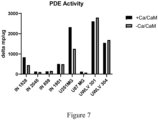
- Example 2 The cell pellets used in Example 2 were assayed to measure calcium dependence of PDE activity as a means to estimate the relative presence of full-length versus truncated enzymes.
- the truncated enzymes lack the N-terminal regulatory domain and thus are rendered constitutively active in this assay.
- the assays were prepared according to the protocol of Example 2.
- the cell lines is shown in Figure 7 .
- the UWLV301 and UWLV304 cell lines showed highly active PDE both in the presence and absence of Ca2+/calmodulin. This illustrates that the PDE activities in these cell lines are not calcium dependent.
- the PDE activity using cAMP as a substrate was not affected by omission of Ca2+/calmodulin in these two cell lines.
- some of the cell lines, such as IN1528 and U251MG showed much higher activity levels in the presence of Ca2+/calmodulin than in its absence.
- Table 4 Percentage of PDE Activity in Various Cell Lines Activity (% compared against +CA/CaM baseline) +Ca/CaM -Ca/CaM -Ca/CaM / 10 ⁇ M EGTA -Ca/CaM / 40 ⁇ M EGTA IN1528 100 43.18 50.08 40.02 IN1951 100 74.16 67.77 59.37 U251MG 100 37.7 39.99 23.69 UWLV301 100 119.73 116.45 98.9 UWLV304 100 96.63 91.55 70.13
Landscapes
- Health & Medical Sciences (AREA)
- Life Sciences & Earth Sciences (AREA)
- Chemical & Material Sciences (AREA)
- Veterinary Medicine (AREA)
- Medicinal Chemistry (AREA)
- Animal Behavior & Ethology (AREA)
- General Health & Medical Sciences (AREA)
- Pharmacology & Pharmacy (AREA)
- Public Health (AREA)
- Epidemiology (AREA)
- Chemical Kinetics & Catalysis (AREA)
- Organic Chemistry (AREA)
- Nuclear Medicine, Radiotherapy & Molecular Imaging (AREA)
- General Chemical & Material Sciences (AREA)
- Pharmaceuticals Containing Other Organic And Inorganic Compounds (AREA)
- Medicines That Contain Protein Lipid Enzymes And Other Medicines (AREA)
Applications Claiming Priority (4)
| Application Number | Priority Date | Filing Date | Title |
|---|---|---|---|
| US201862676638P | 2018-05-25 | 2018-05-25 | |
| US201862688641P | 2018-06-22 | 2018-06-22 | |
| PCT/US2019/033941 WO2019227004A1 (fr) | 2018-05-25 | 2019-05-24 | Composés organiques |
| EP19806748.0A EP3802545A4 (fr) | 2018-05-25 | 2019-05-24 | Composés organiques |
Related Parent Applications (1)
| Application Number | Title | Priority Date | Filing Date |
|---|---|---|---|
| EP19806748.0A Division EP3802545A4 (fr) | 2018-05-25 | 2019-05-24 | Composés organiques |
Publications (2)
| Publication Number | Publication Date |
|---|---|
| EP4520399A2 true EP4520399A2 (fr) | 2025-03-12 |
| EP4520399A3 EP4520399A3 (fr) | 2025-03-26 |
Family
ID=68616034
Family Applications (2)
| Application Number | Title | Priority Date | Filing Date |
|---|---|---|---|
| EP25152523.4A Pending EP4520399A3 (fr) | 2018-05-25 | 2019-05-24 | Composés organiques |
| EP19806748.0A Pending EP3802545A4 (fr) | 2018-05-25 | 2019-05-24 | Composés organiques |
Family Applications After (1)
| Application Number | Title | Priority Date | Filing Date |
|---|---|---|---|
| EP19806748.0A Pending EP3802545A4 (fr) | 2018-05-25 | 2019-05-24 | Composés organiques |
Country Status (11)
| Country | Link |
|---|---|
| US (1) | US20210205310A1 (fr) |
| EP (2) | EP4520399A3 (fr) |
| JP (1) | JP7493460B2 (fr) |
| KR (1) | KR20210013214A (fr) |
| CN (1) | CN112189013A (fr) |
| AU (1) | AU2019275453B2 (fr) |
| BR (1) | BR112020024037A2 (fr) |
| CA (1) | CA3099283A1 (fr) |
| IL (2) | IL278935B2 (fr) |
| MX (1) | MX2020012628A (fr) |
| WO (1) | WO2019227004A1 (fr) |
Families Citing this family (2)
| Publication number | Priority date | Publication date | Assignee | Title |
|---|---|---|---|---|
| WO2020146384A1 (fr) | 2019-01-07 | 2020-07-16 | Intra-Cellular Therapies, Inc. | Composés organiques |
| MX2024010993A (es) * | 2022-03-11 | 2024-09-17 | Intra Cellular Therapies Inc | Compuestos organicos. |
Citations (31)
| Publication number | Priority date | Publication date | Assignee | Title |
|---|---|---|---|---|
| US20060173878A1 (en) | 2005-01-12 | 2006-08-03 | Wily Technology, Inc. | Efficient processing of time series data |
| WO2006133261A2 (fr) | 2005-06-06 | 2006-12-14 | Intra-Cellular Therapies, Inc. | Composes organiques |
| WO2009075784A1 (fr) | 2007-12-06 | 2009-06-18 | Intra-Cellular Therapies, Inc. | Composés organiques |
| WO2010065149A1 (fr) | 2008-12-06 | 2010-06-10 | Intra-Cellular Therapies, Inc. | Composés organiques |
| WO2010065152A1 (fr) | 2008-12-06 | 2010-06-10 | Intra-Cellular Therapies, Inc. | Composés organiques |
| WO2010065151A1 (fr) | 2008-12-06 | 2010-06-10 | Intra-Cellular Therapies, Inc. | Composés organiques |
| WO2010065153A1 (fr) | 2008-12-06 | 2010-06-10 | Intra-Cellular Therapies, Inc. | Composés organiques |
| WO2010065147A1 (fr) | 2008-12-06 | 2010-06-10 | Intra-Cellular Therapies, Inc. | Composés organiques |
| US20100173878A1 (en) | 2006-06-06 | 2010-07-08 | Intra-Cellular Therapies, Inc. | Organic compounds |
| US20100273753A1 (en) | 2007-12-06 | 2010-10-28 | Peng Li | Organic compounds |
| WO2011133224A1 (fr) | 2010-04-22 | 2011-10-27 | Intra-Cellular Therapies, Inc. | Composés organiques |
| WO2011153135A1 (fr) | 2010-05-31 | 2011-12-08 | Intra-Cellular Therapies, Inc. | Composés organiques |
| WO2011153129A1 (fr) | 2010-05-31 | 2011-12-08 | Intra-Cellular Therapies, Inc. | Composés organiques |
| WO2011153138A1 (fr) | 2010-05-31 | 2011-12-08 | Intra-Cellular Therapies, Inc. | Composés organiques |
| WO2011153136A1 (fr) | 2010-05-31 | 2011-12-08 | Intra-Cellular Therapies, Inc. | Composés organiques |
| WO2012171016A1 (fr) | 2011-06-10 | 2012-12-13 | Intra-Cellular Therapies, Inc. | Composés organiques |
| WO2013192556A2 (fr) | 2012-06-21 | 2013-12-27 | Intra-Cellular Therapies, Inc. | Cristaux de sel |
| US8664207B2 (en) | 2008-12-06 | 2014-03-04 | Intra-Cellular Therapies, Inc. | Organic compounds |
| WO2014151409A1 (fr) | 2013-03-15 | 2014-09-25 | Intra-Cellular Therapies, Inc. | Composés organiques |
| US20150175584A1 (en) | 2013-12-19 | 2015-06-25 | H. Lundbeck A/S | Quinazolin-THF-amines as PDE1 inhibitors |
| WO2015118097A1 (fr) | 2014-02-07 | 2015-08-13 | H. Lundbeck A/S | Hexahydrofuropyrroles utilisés comme inhibiteurs de pde1 |
| WO2015150254A1 (fr) | 2014-04-04 | 2015-10-08 | H. Lundbeck A/S | Quinazoline-thf-amines halogénées en tant qu'inhibiteurs de la pde1 |
| WO2016022893A1 (fr) | 2014-08-07 | 2016-02-11 | Intra-Cellular Therapies, Inc. | Composés organiques |
| WO2016055618A1 (fr) | 2014-10-10 | 2016-04-14 | H. Lundbeck A/S | Triazolopyrazinones utilisées comme inhibiteurs de pde1 |
| WO2016170064A1 (fr) | 2015-04-22 | 2016-10-27 | H. Lundbeck A/S | Imidazotriazinones utilisées comme inhibiteurs de pde1 |
| US20160318939A1 (en) | 2015-04-30 | 2016-11-03 | H. Lundbeck A/S | Imidazopyrazinones as PDE1 Inhibitors |
| US20170291901A1 (en) | 2016-04-12 | 2017-10-12 | H. Lundbeck A/S | 1,5-dihydro-4H-pyrazolo[3,4-d]pyrimidin-4-ones and 1,5-dihydro-4H-pyrazolo[4,3-c]pyridin-4-ones as PDE1 Inhibitors |
| US20180000786A1 (en) | 2016-07-04 | 2018-01-04 | H. Lundbeck A/S | 1H-Pyrazolo[4,3-b]pyridines as PDE1 Inhibitors |
| WO2018049417A1 (fr) | 2016-09-12 | 2018-03-15 | Intra-Cellular Therapies, Inc. | Nouvelles utilisations |
| WO2018049147A1 (fr) | 2016-09-12 | 2018-03-15 | Mems Drive, Inc. | Systèmes et procédés d'actionnement de mems |
| WO2018073251A1 (fr) | 2016-10-18 | 2018-04-26 | H. Lundbeck A/S | Imidazopyrazinones, pyrazolopyrimidinones et pyrazolopyridinones en tant qu'inhibiteurs de pde1 |
Family Cites Families (11)
| Publication number | Priority date | Publication date | Assignee | Title |
|---|---|---|---|---|
| US4690935A (en) * | 1983-03-31 | 1987-09-01 | Wayne State University | Inhibition of tumor growth and metastasis with calcium channel blocker compounds |
| JP2005289891A (ja) * | 2004-03-31 | 2005-10-20 | Zen Kubohara | Pde1阻害剤 |
| JP6224597B2 (ja) * | 2011-09-27 | 2017-11-01 | バイオメッド バレー ディスカバリーズ,インコーポレイティド | グリオーマを処置するための組成物及び方法 |
| EP2968338B1 (fr) * | 2013-03-15 | 2019-01-09 | Intra-Cellular Therapies, Inc. | Inhibiteurs de pde1 utilisés dans le traitement et/ou la prévention de blessures du snc et de maladies, de troubles ou de blessures du snp |
| US20160045617A1 (en) * | 2013-04-10 | 2016-02-18 | Justin C. Lee | Treatment of proximal spinal muscular atrophy |
| JP6696904B2 (ja) * | 2014-01-08 | 2020-05-20 | イントラ−セルラー・セラピーズ・インコーポレイテッドIntra−Cellular Therapies, Inc. | 製剤および医薬組成物 |
| EP3157926B1 (fr) * | 2014-06-20 | 2019-05-15 | Intra-Cellular Therapies, Inc. | Composés organiques |
| CA2961212C (fr) | 2014-09-17 | 2024-02-06 | Intra-Cellular Therapies, Inc. | Composes et methodes |
| US10918628B2 (en) * | 2016-10-11 | 2021-02-16 | Deutsches Zentrum Für Neurodegenerative Erkrankungen E. V. (Dzne) | Treatment of synucleinopathies |
| WO2018093591A1 (fr) * | 2016-11-03 | 2018-05-24 | Juno Therapeutics, Inc. | Polythérapie de thérapie cellulaire et d'inhibiteur de la microglie |
| WO2020146384A1 (fr) * | 2019-01-07 | 2020-07-16 | Intra-Cellular Therapies, Inc. | Composés organiques |
-
2019
- 2019-05-24 MX MX2020012628A patent/MX2020012628A/es unknown
- 2019-05-24 IL IL278935A patent/IL278935B2/en unknown
- 2019-05-24 JP JP2020565754A patent/JP7493460B2/ja active Active
- 2019-05-24 WO PCT/US2019/033941 patent/WO2019227004A1/fr not_active Ceased
- 2019-05-24 KR KR1020207037446A patent/KR20210013214A/ko not_active Ceased
- 2019-05-24 BR BR112020024037-0A patent/BR112020024037A2/pt unknown
- 2019-05-24 CA CA3099283A patent/CA3099283A1/fr active Pending
- 2019-05-24 EP EP25152523.4A patent/EP4520399A3/fr active Pending
- 2019-05-24 CN CN201980034445.2A patent/CN112189013A/zh active Pending
- 2019-05-24 IL IL322048A patent/IL322048A/en unknown
- 2019-05-24 EP EP19806748.0A patent/EP3802545A4/fr active Pending
- 2019-05-24 US US17/059,160 patent/US20210205310A1/en active Pending
- 2019-05-24 AU AU2019275453A patent/AU2019275453B2/en active Active
Patent Citations (64)
| Publication number | Priority date | Publication date | Assignee | Title |
|---|---|---|---|---|
| US20060173878A1 (en) | 2005-01-12 | 2006-08-03 | Wily Technology, Inc. | Efficient processing of time series data |
| US8273750B2 (en) | 2005-06-06 | 2012-09-25 | Takeda Pharmaceutical Company Limited | Organic compounds |
| WO2006133261A2 (fr) | 2005-06-06 | 2006-12-14 | Intra-Cellular Therapies, Inc. | Composes organiques |
| US20080188492A1 (en) | 2005-06-06 | 2008-08-07 | Intra-Cellular Therapies, Inc | Organic Compounds |
| US9624230B2 (en) | 2005-06-06 | 2017-04-18 | Intra-Cellular Therapies, Inc. | Organic compounds |
| US9000001B2 (en) | 2005-06-06 | 2015-04-07 | Intra-Cellular Therapies, Inc. | Organic compounds |
| US20100173878A1 (en) | 2006-06-06 | 2010-07-08 | Intra-Cellular Therapies, Inc. | Organic compounds |
| US8273751B2 (en) | 2007-12-06 | 2012-09-25 | Takeda Pharmaceutical Company Limited | Organic compounds |
| US8829008B2 (en) | 2007-12-06 | 2014-09-09 | Takeda Pharmaceutical Company Limited | Organic compounds |
| WO2009075784A1 (fr) | 2007-12-06 | 2009-06-18 | Intra-Cellular Therapies, Inc. | Composés organiques |
| US20100273754A1 (en) | 2007-12-06 | 2010-10-28 | Peng Li | Organic compounds |
| US20100273753A1 (en) | 2007-12-06 | 2010-10-28 | Peng Li | Organic compounds |
| US9403836B2 (en) | 2007-12-06 | 2016-08-02 | Intra-Cellular Therapies, Inc. | Organic compounds |
| US20120136013A1 (en) | 2008-12-06 | 2012-05-31 | Peng Li | Organic compounds |
| US20110281832A1 (en) | 2008-12-06 | 2011-11-17 | Peng Li | Organic compounds |
| WO2010065147A1 (fr) | 2008-12-06 | 2010-06-10 | Intra-Cellular Therapies, Inc. | Composés organiques |
| WO2010065153A1 (fr) | 2008-12-06 | 2010-06-10 | Intra-Cellular Therapies, Inc. | Composés organiques |
| US8633180B2 (en) | 2008-12-06 | 2014-01-21 | Intra-Cellular Therapies, Inc. | Organic compounds |
| WO2010065151A1 (fr) | 2008-12-06 | 2010-06-10 | Intra-Cellular Therapies, Inc. | Composés organiques |
| WO2010065152A1 (fr) | 2008-12-06 | 2010-06-10 | Intra-Cellular Therapies, Inc. | Composés organiques |
| WO2010065149A1 (fr) | 2008-12-06 | 2010-06-10 | Intra-Cellular Therapies, Inc. | Composés organiques |
| US8697710B2 (en) | 2008-12-06 | 2014-04-15 | Intra-Cellular Therapies, Inc. | Optionally substituted 3-amino-4-(thioxo or imino)-4,5-dihydro-2H-pyrazolo [3,4-d]pyrimidin-6(7H)-ones |
| US8536159B2 (en) | 2008-12-06 | 2013-09-17 | Intra-Cellular Therapies, Inc. | Organic compounds |
| US8664207B2 (en) | 2008-12-06 | 2014-03-04 | Intra-Cellular Therapies, Inc. | Organic compounds |
| WO2011133224A1 (fr) | 2010-04-22 | 2011-10-27 | Intra-Cellular Therapies, Inc. | Composés organiques |
| WO2011153138A1 (fr) | 2010-05-31 | 2011-12-08 | Intra-Cellular Therapies, Inc. | Composés organiques |
| US20130338124A1 (en) | 2010-05-31 | 2013-12-19 | Intra-Cellular Therapies, Inc. | Organic compounds |
| WO2011153135A1 (fr) | 2010-05-31 | 2011-12-08 | Intra-Cellular Therapies, Inc. | Composés organiques |
| US20130331363A1 (en) | 2010-05-31 | 2013-12-12 | Intra-Cellular Therapies, Inc. | Organic compounds |
| US20130324565A1 (en) | 2010-05-31 | 2013-12-05 | Intra-Cellular Therapies, Inc. | Organic compounds |
| US20130085123A1 (en) | 2010-05-31 | 2013-04-04 | Intra-Cellular Therapies, Inc. | Organic compounds |
| WO2011153129A1 (fr) | 2010-05-31 | 2011-12-08 | Intra-Cellular Therapies, Inc. | Composés organiques |
| WO2011153136A1 (fr) | 2010-05-31 | 2011-12-08 | Intra-Cellular Therapies, Inc. | Composés organiques |
| WO2012171016A1 (fr) | 2011-06-10 | 2012-12-13 | Intra-Cellular Therapies, Inc. | Composés organiques |
| WO2013192556A2 (fr) | 2012-06-21 | 2013-12-27 | Intra-Cellular Therapies, Inc. | Cristaux de sel |
| WO2014151409A1 (fr) | 2013-03-15 | 2014-09-25 | Intra-Cellular Therapies, Inc. | Composés organiques |
| US20170231994A1 (en) | 2013-03-15 | 2017-08-17 | Intra-Cellular Therapies, Inc. | Organic compounds |
| US9073936B2 (en) | 2013-03-15 | 2015-07-07 | Intra-Cellular Therapies, Inc. | Organic compounds |
| US9598426B2 (en) | 2013-03-15 | 2017-03-21 | Intra-Cellular Therapies, Inc. | Organic compounds |
| US9556186B2 (en) | 2013-03-15 | 2017-01-31 | Intra-Cellular Therapies, Inc. | Organic compounds |
| WO2015091805A1 (fr) | 2013-12-19 | 2015-06-25 | H. Lundbeck A/S | Quinazoline-thf-amines utilisées en tant qu'inhibiteurs de la pde1 |
| US20170267664A1 (en) | 2013-12-19 | 2017-09-21 | H. Lundbeck A/S | Quinazolin-THF-Amines as PDE1 Inhibitors |
| US20150175584A1 (en) | 2013-12-19 | 2015-06-25 | H. Lundbeck A/S | Quinazolin-THF-amines as PDE1 inhibitors |
| US9701665B2 (en) | 2013-12-19 | 2017-07-11 | H. Lundbeck A/S | Quinazolin-THF-amines as PDE1 inhibitors |
| WO2015118097A1 (fr) | 2014-02-07 | 2015-08-13 | H. Lundbeck A/S | Hexahydrofuropyrroles utilisés comme inhibiteurs de pde1 |
| US9718832B2 (en) | 2014-02-07 | 2017-08-01 | H. Lundbeck A/S | Hexahydrofuropyrroles as PDE1 inhibitors |
| US20170022186A1 (en) | 2014-04-04 | 2017-01-26 | H. Lundbeck A/S | Halogenated Quinazolin-THF-Amines as PDE1 Inhibitors |
| WO2015150254A1 (fr) | 2014-04-04 | 2015-10-08 | H. Lundbeck A/S | Quinazoline-thf-amines halogénées en tant qu'inhibiteurs de la pde1 |
| WO2016022893A1 (fr) | 2014-08-07 | 2016-02-11 | Intra-Cellular Therapies, Inc. | Composés organiques |
| US20170226117A1 (en) | 2014-08-07 | 2017-08-10 | Intra-Cellular Therapies, Inc. | Organic compounds |
| WO2016055618A1 (fr) | 2014-10-10 | 2016-04-14 | H. Lundbeck A/S | Triazolopyrazinones utilisées comme inhibiteurs de pde1 |
| US20170298072A1 (en) | 2014-10-10 | 2017-10-19 | H. Lundbeck A/S | Triazolopyrazinones as PDE1 Inhibitors |
| WO2016170064A1 (fr) | 2015-04-22 | 2016-10-27 | H. Lundbeck A/S | Imidazotriazinones utilisées comme inhibiteurs de pde1 |
| US20160311831A1 (en) | 2015-04-22 | 2016-10-27 | H. Lundbeck A/S | Imidazotriazinones as PDE1 Inhibitors |
| US20170291903A1 (en) | 2015-04-30 | 2017-10-12 | H. Lundbeck A/S | Imidazopyrazinones as PDE1 Inhibitors |
| US20160318939A1 (en) | 2015-04-30 | 2016-11-03 | H. Lundbeck A/S | Imidazopyrazinones as PDE1 Inhibitors |
| WO2016174188A1 (fr) | 2015-04-30 | 2016-11-03 | H. Lundbeck A/S | Imidazopyrazinones utilisées comme inhibiteurs de pde1 |
| US20170291901A1 (en) | 2016-04-12 | 2017-10-12 | H. Lundbeck A/S | 1,5-dihydro-4H-pyrazolo[3,4-d]pyrimidin-4-ones and 1,5-dihydro-4H-pyrazolo[4,3-c]pyridin-4-ones as PDE1 Inhibitors |
| WO2017178350A1 (fr) | 2016-04-12 | 2017-10-19 | H. Lundbeck A/S | 1,5-dihydro-4h-pyrazolo[3,4-d]pyrimidin-4-ones et 1,5-dihydro-4h-pyrazolo[4,3-c]pyridin-4-ones en tant qu'inhibiteurs de pde1 |
| US20180000786A1 (en) | 2016-07-04 | 2018-01-04 | H. Lundbeck A/S | 1H-Pyrazolo[4,3-b]pyridines as PDE1 Inhibitors |
| WO2018007249A1 (fr) | 2016-07-04 | 2018-01-11 | H. Lundbeck A/S | 1h-pyrazolo [4,3-b] pyridines en tant qu'inhibiteurs de pde1 |
| WO2018049417A1 (fr) | 2016-09-12 | 2018-03-15 | Intra-Cellular Therapies, Inc. | Nouvelles utilisations |
| WO2018049147A1 (fr) | 2016-09-12 | 2018-03-15 | Mems Drive, Inc. | Systèmes et procédés d'actionnement de mems |
| WO2018073251A1 (fr) | 2016-10-18 | 2018-04-26 | H. Lundbeck A/S | Imidazopyrazinones, pyrazolopyrimidinones et pyrazolopyridinones en tant qu'inhibiteurs de pde1 |
Non-Patent Citations (14)
| Title |
|---|
| "Glioblastoma in England", EUR. J. CANCER, vol. 51, no. 4, March 2015 (2015-03-01), pages 533 - 42 |
| AHLSTROM M ET AL.: "Cyclic nucleotide phosphodiesterases (PDEs) in human osteoblastic cells; the effect of PDE inhibition on cAMP accumulation", CELL MOL BIOL LETT, vol. 10, 2005, pages 305 - 319 |
| BRODBELT A ET AL., NATIONAL CANCER INFORMATION NETWORK BRAIN TUMOUR GROUP |
| F. ROWTHER ET AL.: "Cyclic nucleotide phosphodiesterase-1 C (PDE 1 C) drives cell proliferation, migration and invasion in glioblastoma multiforme cells in vitro", MOLECULAR CARCINOGENESIS, vol. 55, no. 3, 2016, pages 268 - 79, XP055655189, DOI: 10.1002/mc.22276 |
| JANG ISJUHNN YS: "Adaptation of cAMP signaling system in SH-SY5Y neuroblastoma cells following expression of a constitutively active timulatory G protein alpha, Q227L Gsalpha", EXP MOL MED, vol. 33, 2001, pages 37 - 45 |
| JIANG XPASKIND MWELTZIEN REPSTEIN PM: "Expression and regulation of mRNA for distinct isoforms of mitogen-stimulated and leukemic human lymphocytes", CELL BIOCHEM BIOPHYS, vol. 28, 1998, pages 135 - 60 |
| LEWANDOWICZ GM ET AL.: "Chemosensitivity in childhood brain tumours in vitro: Evidence of differential sensitivity to lomustine (CCNU) and vincristine", EUR J CANCER, vol. 36, 2000, pages 1955 |
| MARKO D, PAHLKE G, MERZ KH, EISENBRAND G.: "Cyclic 3',5'-nucleotide phosphodiesterases:potential targets for antitumor therapy", CHEM RES TOXICOL, vol. 13, 2000, pages 944 - 8 |
| RYBALKIN SD ET AL.: "Calmodulin-stimulated cyclic nucleotide phosphodiesterase (PDE1C) is induced in human arterial smoothmuscle cells of the synthetic, proliferative phenotype", J CLIN INVEST, vol. 100, 1997, pages 2611 - 2621 |
| STUPP R ET AL.: "Radiotherapy plus concomitant and adjuvant temozolomide for glioblastoma", N ENGL J MED, vol. 352, no. 10, 10 March 2005 (2005-03-10), pages 987 - 96, XP002439490, DOI: 10.1056/NEJMoa043330 |
| TOUAT M ET AL.: "Glioblastoma targeted therapy: updated approaches from recent biological insights", ANN. ONCOL, vol. 28, no. 7, 1 July 2017 (2017-07-01), pages 1457 - 1472, XP055678256, DOI: 10.1093/annonc/mdx106 |
| VICHAI VKIRTIKARA K: "Sulforhodamine B colorimetric assay for cytotoxicity screening", NAT PROTOC, vol. 1, 2006, pages 1112 - 1116, XP055272660, DOI: 10.1038/nprot.2006.179 |
| WATANABE Y ET AL.: "hosphodiesterase 4 regulates the migration of B 16-F 10 melanoma cells", EXP THER MED, vol. 4, 2012, pages 205 - 210 |
| ZHAO AZ: "Recent advances in the study of Ca2+/CaM-activated phosphodiesterases: expression and physiological functions", ADV SECOND MESSENGER PHOSPHOPROTEIN RES, vol. 31, 1997, pages 237 - 51 |
Also Published As
| Publication number | Publication date |
|---|---|
| IL278935A (en) | 2021-01-31 |
| IL278935B1 (en) | 2025-12-01 |
| US20210205310A1 (en) | 2021-07-08 |
| WO2019227004A1 (fr) | 2019-11-28 |
| KR20210013214A (ko) | 2021-02-03 |
| EP4520399A3 (fr) | 2025-03-26 |
| CA3099283A1 (fr) | 2019-11-28 |
| JP2021525705A (ja) | 2021-09-27 |
| IL322048A (en) | 2025-09-01 |
| IL278935B2 (en) | 2026-04-01 |
| MX2020012628A (es) | 2021-01-29 |
| JP7493460B2 (ja) | 2024-05-31 |
| AU2019275453B2 (en) | 2023-12-21 |
| EP3802545A4 (fr) | 2022-03-16 |
| CN112189013A (zh) | 2021-01-05 |
| EP3802545A1 (fr) | 2021-04-14 |
| AU2019275453A1 (en) | 2020-12-03 |
| BR112020024037A2 (pt) | 2021-02-09 |
Similar Documents
| Publication | Publication Date | Title |
|---|---|---|
| US12396992B2 (en) | Organic compounds | |
| JP2022017495A (ja) | 癌を治療するための併用療法 | |
| USRE50319E1 (en) | Compounds and methods for treating cancer | |
| US20190055563A1 (en) | Polymerase q as a target in hr-deficient cancers | |
| WO2020146345A1 (fr) | Méthodes de traitement du cancer à l'aide d'inhibiteurs de lsd1 et/ou d'inhibiteurs de tgf/beta combinés à l'immunothérapie | |
| EP4219456A1 (fr) | Inhibiteur de la kinase csf1r et son utilisation | |
| US12599603B2 (en) | Methods of treatment | |
| AU2019275453B2 (en) | Organic compounds | |
| WO2023173131A2 (fr) | Composés organiques | |
| HK40122851A (en) | Organic compounds | |
| RU2811918C2 (ru) | Способы лечения раковых заболеваний и опухолей с использованием ингибиторов pde1 | |
| JPWO2009069668A1 (ja) | 悪性黒色腫抗原の発現上昇剤及びその用途 | |
| RU2822394C1 (ru) | Способы лечения | |
| WO2025096491A1 (fr) | Apoptose induite par phénylacétaldéhyde dans le cancer colorectal |
Legal Events
| Date | Code | Title | Description |
|---|---|---|---|
| PUAI | Public reference made under article 153(3) epc to a published international application that has entered the european phase |
Free format text: ORIGINAL CODE: 0009012 |
|
| STAA | Information on the status of an ep patent application or granted ep patent |
Free format text: STATUS: THE APPLICATION HAS BEEN PUBLISHED |
|
| REG | Reference to a national code |
Ref country code: DE Ref legal event code: R079 Free format text: PREVIOUS MAIN CLASS: A61P0035000000 Ipc: A61K0031519000 |
|
| PUAL | Search report despatched |
Free format text: ORIGINAL CODE: 0009013 |
|
| AC | Divisional application: reference to earlier application |
Ref document number: 3802545 Country of ref document: EP Kind code of ref document: P |
|
| AK | Designated contracting states |
Kind code of ref document: A2 Designated state(s): AL AT BE BG CH CY CZ DE DK EE ES FI FR GB GR HR HU IE IS IT LI LT LU LV MC MK MT NL NO PL PT RO RS SE SI SK SM TR |
|
| AK | Designated contracting states |
Kind code of ref document: A3 Designated state(s): AL AT BE BG CH CY CZ DE DK EE ES FI FR GB GR HR HU IE IS IT LI LT LU LV MC MK MT NL NO PL PT RO RS SE SI SK SM TR |
|
| RIC1 | Information provided on ipc code assigned before grant |
Ipc: A61K 45/06 20060101ALI20250220BHEP Ipc: A61K 35/00 20060101ALI20250220BHEP Ipc: A61P 35/00 20060101ALI20250220BHEP Ipc: A61K 31/519 20060101AFI20250220BHEP |
|
| STAA | Information on the status of an ep patent application or granted ep patent |
Free format text: STATUS: REQUEST FOR EXAMINATION WAS MADE |
|
| REG | Reference to a national code |
Ref country code: HK Ref legal event code: DE Ref document number: 40122851 Country of ref document: HK |
|
| STAA | Information on the status of an ep patent application or granted ep patent |
Free format text: STATUS: EXAMINATION IS IN PROGRESS |
|
| 17P | Request for examination filed |
Effective date: 20250925 |
|
| 17Q | First examination report despatched |
Effective date: 20251024 |