EP4520757A1 - Composé comprenant de la 2,4-diaminopyridine, son procédé de préparation et composition pharmaceutique le contenant en tant que principe actif pour prévenir ou traiter le cancer - Google Patents
Composé comprenant de la 2,4-diaminopyridine, son procédé de préparation et composition pharmaceutique le contenant en tant que principe actif pour prévenir ou traiter le cancer Download PDFInfo
- Publication number
- EP4520757A1 EP4520757A1 EP23799653.3A EP23799653A EP4520757A1 EP 4520757 A1 EP4520757 A1 EP 4520757A1 EP 23799653 A EP23799653 A EP 23799653A EP 4520757 A1 EP4520757 A1 EP 4520757A1
- Authority
- EP
- European Patent Office
- Prior art keywords
- cancer
- alkyl
- alkoxy
- substituted
- unsubstituted
- Prior art date
- Legal status (The legal status is an assumption and is not a legal conclusion. Google has not performed a legal analysis and makes no representation as to the accuracy of the status listed.)
- Pending
Links
Images
Classifications
-
- C—CHEMISTRY; METALLURGY
- C07—ORGANIC CHEMISTRY
- C07F—ACYCLIC, CARBOCYCLIC OR HETEROCYCLIC COMPOUNDS CONTAINING ELEMENTS OTHER THAN CARBON, HYDROGEN, HALOGEN, OXYGEN, NITROGEN, SULFUR, SELENIUM OR TELLURIUM
- C07F9/00—Compounds containing elements of Groups 5 or 15 of the Periodic Table
- C07F9/02—Phosphorus compounds
- C07F9/547—Heterocyclic compounds, e.g. containing phosphorus as a ring hetero atom
- C07F9/6558—Heterocyclic compounds, e.g. containing phosphorus as a ring hetero atom containing at least two different or differently substituted hetero rings neither condensed among themselves nor condensed with a common carbocyclic ring or ring system
-
- A—HUMAN NECESSITIES
- A61—MEDICAL OR VETERINARY SCIENCE; HYGIENE
- A61P—SPECIFIC THERAPEUTIC ACTIVITY OF CHEMICAL COMPOUNDS OR MEDICINAL PREPARATIONS
- A61P1/00—Drugs for disorders of the alimentary tract or the digestive system
- A61P1/16—Drugs for disorders of the alimentary tract or the digestive system for liver or gallbladder disorders, e.g. hepatoprotective agents, cholagogues, litholytics
-
- C—CHEMISTRY; METALLURGY
- C07—ORGANIC CHEMISTRY
- C07D—HETEROCYCLIC COMPOUNDS
- C07D405/00—Heterocyclic compounds containing both one or more hetero rings having oxygen atoms as the only ring hetero atoms, and one or more rings having nitrogen as the only ring hetero atom
- C07D405/14—Heterocyclic compounds containing both one or more hetero rings having oxygen atoms as the only ring hetero atoms, and one or more rings having nitrogen as the only ring hetero atom containing three or more hetero rings
-
- A—HUMAN NECESSITIES
- A61—MEDICAL OR VETERINARY SCIENCE; HYGIENE
- A61K—PREPARATIONS FOR MEDICAL, DENTAL OR TOILETRY PURPOSES
- A61K31/00—Medicinal preparations containing organic active ingredients
- A61K31/33—Heterocyclic compounds
- A61K31/395—Heterocyclic compounds having nitrogen as a ring hetero atom, e.g. guanethidine or rifamycins
- A61K31/495—Heterocyclic compounds having nitrogen as a ring hetero atom, e.g. guanethidine or rifamycins having six-membered rings with two or more nitrogen atoms as the only ring heteroatoms, e.g. piperazine or tetrazines
- A61K31/505—Pyrimidines; Hydrogenated pyrimidines, e.g. trimethoprim
- A61K31/506—Pyrimidines; Hydrogenated pyrimidines, e.g. trimethoprim not condensed and containing further heterocyclic rings
-
- A—HUMAN NECESSITIES
- A61—MEDICAL OR VETERINARY SCIENCE; HYGIENE
- A61K—PREPARATIONS FOR MEDICAL, DENTAL OR TOILETRY PURPOSES
- A61K31/00—Medicinal preparations containing organic active ingredients
- A61K31/66—Phosphorus compounds
- A61K31/675—Phosphorus compounds having nitrogen as a ring hetero atom, e.g. pyridoxal phosphate
-
- A—HUMAN NECESSITIES
- A61—MEDICAL OR VETERINARY SCIENCE; HYGIENE
- A61K—PREPARATIONS FOR MEDICAL, DENTAL OR TOILETRY PURPOSES
- A61K45/00—Medicinal preparations containing active ingredients not provided for in groups A61K31/00 - A61K41/00
- A61K45/06—Mixtures of active ingredients without chemical characterisation, e.g. antiphlogistics and cardiaca
-
- A—HUMAN NECESSITIES
- A61—MEDICAL OR VETERINARY SCIENCE; HYGIENE
- A61P—SPECIFIC THERAPEUTIC ACTIVITY OF CHEMICAL COMPOUNDS OR MEDICINAL PREPARATIONS
- A61P25/00—Drugs for disorders of the nervous system
- A61P25/14—Drugs for disorders of the nervous system for treating abnormal movements, e.g. chorea, dyskinesia
- A61P25/16—Anti-Parkinson drugs
-
- A—HUMAN NECESSITIES
- A61—MEDICAL OR VETERINARY SCIENCE; HYGIENE
- A61P—SPECIFIC THERAPEUTIC ACTIVITY OF CHEMICAL COMPOUNDS OR MEDICINAL PREPARATIONS
- A61P31/00—Antiinfectives, i.e. antibiotics, antiseptics, chemotherapeutics
- A61P31/04—Antibacterial agents
- A61P31/06—Antibacterial agents for tuberculosis
-
- A—HUMAN NECESSITIES
- A61—MEDICAL OR VETERINARY SCIENCE; HYGIENE
- A61P—SPECIFIC THERAPEUTIC ACTIVITY OF CHEMICAL COMPOUNDS OR MEDICINAL PREPARATIONS
- A61P31/00—Antiinfectives, i.e. antibiotics, antiseptics, chemotherapeutics
- A61P31/12—Antivirals
-
- A—HUMAN NECESSITIES
- A61—MEDICAL OR VETERINARY SCIENCE; HYGIENE
- A61P—SPECIFIC THERAPEUTIC ACTIVITY OF CHEMICAL COMPOUNDS OR MEDICINAL PREPARATIONS
- A61P35/00—Antineoplastic agents
-
- C—CHEMISTRY; METALLURGY
- C07—ORGANIC CHEMISTRY
- C07D—HETEROCYCLIC COMPOUNDS
- C07D405/00—Heterocyclic compounds containing both one or more hetero rings having oxygen atoms as the only ring hetero atoms, and one or more rings having nitrogen as the only ring hetero atom
- C07D405/02—Heterocyclic compounds containing both one or more hetero rings having oxygen atoms as the only ring hetero atoms, and one or more rings having nitrogen as the only ring hetero atom containing two hetero rings
- C07D405/12—Heterocyclic compounds containing both one or more hetero rings having oxygen atoms as the only ring hetero atoms, and one or more rings having nitrogen as the only ring hetero atom containing two hetero rings linked by a chain containing hetero atoms as chain links
-
- A—HUMAN NECESSITIES
- A61—MEDICAL OR VETERINARY SCIENCE; HYGIENE
- A61K—PREPARATIONS FOR MEDICAL, DENTAL OR TOILETRY PURPOSES
- A61K2300/00—Mixtures or combinations of active ingredients, wherein at least one active ingredient is fully defined in groups A61K31/00 - A61K41/00
Definitions
- the present disclosure relates to an isobenzofuran-1(3H)-one derivative and uses thereof and, more specifically, to an isobenzofuran-1(3H)-one derivative with HPK1 inhibitory activity and MLK3 inhibitory activity, and a pharmaceutical composition containing same for the prevention or treatment of cancer, viral infectious diseases, Parkinson's disease, non-alcoholic steatohepatitis, or tuberculosis.
- Protein kinases which are enzymes that catalyze the transfer of the terminal phosphate group of adenosine triphosphate (ATP) to specific residues (tyrosine, serine, or threonine) on proteins, are involved in signals that regulate the activation, growth, and differentiation of cells in response to external mediators and environmental changes.
- ATP adenosine triphosphate
- protein kinases are classified into serine/threonine kinase groups and tyrosine kinase groups depending on the substrates they phosphorylate ( Hanks, S. K. et al., FASEB J., 9(8), 576-596, 1995 ).
- the serine/threonine kinase group includes protein kinase C isoforms ( Newton, A. C., J Biol Chem., 270(48), 28495-28498, 1995 ), cyclin-dependent kinase groups, and cdc2 ( Pines, J., Trends Biochem Sci., 18(6), 197, 1993 ).
- the tyrosine kinase group includes membrane-spanning growth factor receptors such as epidermal growth factor receptors ( Iwashita, S. et al., Cell Signal., 4(2), 123-132, 1992 ), cytoplasmic non-receptor kinases such as p56tck, p59fYn, ZAP-70, and C-terminal Src kinases ( Chan, A. C. et al., Annu Rev Immunol., 12, 555-592, 1994 ).
- membrane-spanning growth factor receptors such as epidermal growth factor receptors ( Iwashita, S. et al., Cell Signal., 4(2), 123-132, 1992 ), cytoplasmic non-receptor kinases such as p56tck, p59fYn, ZAP-70, and C-terminal Src kinases ( Chan, A. C. et al., Annu Rev Immunol., 12, 555-592, 1994
- Inappropriately elevated protein kinase activity is directly or indirectly associated with numerous diseases resulting from abnormal cellular functions.
- diseases can arise from failure in the proper regulatory mechanisms of kinases related to mutations, overexpression, or inappropriate enzyme activity, or from excess or deficiency in factors involved in signaling upstream or downstream of cytokines or kinases.
- the selective inhibition of kinase activity could serve as a valuable target for drug development for disease treatment.
- MLK3 one of the mixed lineage kinase (MLK) family members, plays an important role in regulating MAP kinases, particularly JNK, which are critical for the proliferation and survival of cancer cells through various signaling pathways.
- Hematopoietic progenitor kinase 1 (HPK1), initially cloned from hematopoietic progenitor cells, belongs to the MAP kinase kinase kinase kinase (MAP4K) family, which includes MAP4K1/HPK1, MAP4K2/GCK, MAP4K3/GLK, MAP4K4/HGK, MAP4K5/KHS, and MAP4K6/MINK ( Hu, M.C., et al., Genes Dev, 1996. 10(18): p. 2251-64 ).
- HPK1 is predominantly expressed in hematopoietic cells such as T cells, B cells, macrophages, dendritic cells, neutrophils, and mast cells, making it of particular interest ( Hu, M.C., et al., Genes Dev, 1996. 10(18): p. 2251-64 ; Kiefer, F., et al., EMBO J, 1996. 15(24): p. 7013-25 ).
- HPK1 kinase activity is induced by the activation of T cell receptors (TCR) ( Liou, J., et al., Immunity, 2000. 12(4): p.
- BCR B cell receptors
- TGF- ⁇ R transforming growth factor receptors
- EP2 and EP4 Ikegami, R., et al., J Immunol, 2001. 166(7): p. 4689-96 .
- HPK1 regulates various functions of immune cells.
- HPK1 plays a significant role in the regulation of immune cell functions and has been implicated in autoimmune diseases and anti-tumor immunity ( Shui, J.W., et al., Nat Immunol, 2007. 8(1): p. 84-91 ; Wang, X., et al., J Biol Chem, 2012. 287(14): p. 11037-48 ). HPK1 knockout mice were found to be more susceptible to the induction of experimental autoimmune encephalomyelitis (EAE) ( Shui, J.W., et al., Nat Immunol, 2007. 8(1): p. 84-91 ).
- EAE experimental autoimmune encephalomyelitis
- HPK1 was downregulated in peripheral blood mononuclear cells of patients with psoriatic arthritis and in T cells of patients with systemic lupus erythematosus (SLE) ( Batliwalla, F.M., et al., Mol Med, 2005. 11(1-12): p. 21-9 ). These observations suggest that the reduction in HPK1 activity may contribute to the autoimmune nature of the disease. Furthermore, HPK1 can regulate anti-tumor immunity via T cell-dependent mechanisms. In a PGE2-producing lung carcinoma tumor model, tumors developed more slowly in HPK1 knockout mice than in wild-type mice (see US 2007/0087988 ).
- HPK1-deficient T cells adoptive transfer of HPK1-deficient T cells was shown to be more effective in controlling tumor growth and metastasis compared to wild-type T cells ( Alzabin, S., et al., Cancer Immunol Immunother, 2010. 59(3): p. 419-29 ).
- BMDCs bone marrow-derived dendritic cells from HPK1 knockout mice were more effective in enhancing T cell responses to eliminate Lewis lung carcinoma compared to wild-type BMDCs ( Alzabin, S., et al., J Immunol, 2009. 182(10): p. 6187-94 ).
- high HPK1 expression in cancer patients was reported to be associated with lower survival rates compared to patients with low HPK1 expression.
- HPK1 expression in cancer cells inhibited tumor growth, and inhibiting HPK1 expression in various CAR-T cells, such as CD19 CAR-T, Her2 CAR-T, and BCMA (B cell maturation antigen) CAR-T, enhanced the anti-tumor immune capacity of CAR-T cells, effectively suppressing cancer cell proliferation and growth ( Si, J., et al., Cancer Cell, 2020, 38(4): p. 551-66 ).
- Korean Patent No. 10-0832602 discloses novel polycyclic compounds associated with the activity of MLK3 enzymes and their uses.
- isobenzofuran-1(3H)-one derivatives such as those represented by Chemical Formulae 1 and 2 of the present disclosure, along with their HPK1 and MLK3 inhibitory activities and their potential for treating cancer, viral infectious diseases, Parkinson's disease, non-alcoholic fatty liver disease, or tuberculosis.
- the present disclosure aims to provide isobenzofuran-1(3H)-one derivatives and uses thereof and, more specifically, to provide isobenzofuran-1 (3H) - one derivatives with HPK1 inhibitory activity and MLK3 inhibitory activity, and a pharmaceutical composition containing same for the prevention or treatment of cancer, viral infectious diseases, Parkinson's disease, non-alcoholic steatohepatitis, or tuberculosis.
- the present disclosure relates to a compound represented by Chemical Formula 1, 2, 3, or 4, or a pharmaceutically acceptable salt thereof.
- the present disclosure also relates to a compound represented by Chemical Formula 1 or Chemical Formula 2, an optical isomer thereof, or a pharmaceutically acceptable salt thereof.
- the present disclosure relates to a compound represented by the following Chemical Formula 3 or 4, an optical isomer thereof, or a pharmaceutically acceptable salt thereof.
- the compound is a compound represented by Chemical Formula 1, 2, 3, or 4, selected from the group consisting of: 5-((5-chloro-2-((1,2,3,4-tetrahydroisoquinolin-6-yl)amino)pyrimidin-4-yl)amino)-3,3-dimethylisobenzofuran-1(3H)-one (compound 1);
- halo or halogen is used in its usual meaning to refer to a fluoro, chloro, bromo, or iodo substituent.
- alkyl refers to a hydrocarbon group, either straight or branched, with a single bond. Examples include methyl, ethyl, propyl, n-butyl, isobutyl, tert-butyl, 1-methylpropyl, among others.
- alkoxy refers to an oxygen radical bonded to a saturated hydrocarbon chain, which can be either straight or branched. Examples include methoxy, ethoxy, propoxy, n-butoxy, tert-butoxy, and 1-methylpropoxy.
- haloalkyl refers to an alkyl radical in which one or more hydrogen atoms have been replaced by halogen atoms, where "alkyl” and “halo" are as previously defined.
- haloalkoxy refers to an alkoxy radical in which one or more hydrogen atoms have been replaced by halogen atoms, with “halo” and “alkoxy” as defined above.
- alkoxyalkoxy refers to an alkoxy radical in which one or more hydrogen atoms are replaced by another alkoxy group, with “alkoxy” as defined above.
- cyclic or “ring” refers to a substituted or unsubstituted, mono-, bi-, or polycyclic aliphatic or aromatic radical, which may or may not bear a heteroatom.
- cycloalkyl refers to a saturated cyclic hydrocarbon radical. Examples include cyclopropyl, cyclobutyl, cyclopentyl, cyclohexyl, cycloheptyl, cyclooctyl, bicyclo[3.1.1]heptyl, spiro[4.5]decyl, spiro[5.5]undecyl, and adamantyl.
- heterocycloalkyl refers to a cyclic saturated hydrocarbon radical bearing one or more heteroatoms such as nitrogen (N), oxygen (O), or sulfur (S).
- heteroatoms such as nitrogen (N), oxygen (O), or sulfur (S).
- examples include aziridinyl, pyrrolidinyl, piperidinyl, oxopiperidinyl, morpholinyl, piperazinyl, oxopiperazinyl, morpholinyl, thiomorpholinyl, azepanyl, diazepanyl, oxazepanyl, thiazepanyl, dioxothiazepanyl, azocanyl, tetrahydroisoquinolinyl, phthalanil, phthalanoyl, tetrahydrofuranil, tetrahydropyranyl, oxazolidinyl, dioxanyl, dioxoxo
- aryl refers to an aromatic substituent containing at least one ring with a conjugated ⁇ -electron system. Examples include phenyl, naphthyl, anthryl, biphenyl, and triphenyl.
- heterocycloalkylalkyl refers to a heterocycloalkyl radical substituted with an alkyl, with heterocycloalkyl and alkyl as previously defined.
- heteroarylalkyl refers to a heteroaryl group substituted with an alkyl group, with heteroaryl and alkyl as defined above.
- salts refers to a salt or complex of a compound represented by Chemical Formulas 1, 2, 3, or 4 that retains the desired biological activity.
- examples of such salts include, but are not limited to, acid addition salts formed from inorganic acids (e.g., hydrochloric acid, hydrobromic acid, sulfuric acid, phosphoric acid, nitric acid, etc.) and salts formed from organic acids such as acetic acid, oxalic acid, tartaric acid, succinic acid, malic acid, fumaric acid, maleic acid, ascorbic acid, benzoic acid, tannic acid, pamoic acid, alginic acid, polyglutamic acid, naphthalenesulfonic acid, naphthalenedisulfonic acid, and polygalacturonic acid.
- inorganic acids e.g., hydrochloric acid, hydrobromic acid, sulfuric acid, phosphoric acid, nitric acid, etc.
- organic acids such as acetic acid, ox
- the compound may also be administered as a pharmaceutically acceptable quaternary salt known to those skilled in the art, including, but not limited to, chloride, bromide, iodide, -O-alkyl, toluenesulfonate, methylsulfonate, sulfonate, phosphate, or carboxylate (e.g., benzoate, succinate, acetate, glycolate, maleate, malate, fumarate, citrate, tartrate, ascorbate, cinnamate, mandelate, and diphenylacetate).
- the compounds represented by Chemical Formulas 1, 2, 3, or 4 of the present disclosure may include pharmaceutically acceptable salts, as well as any salts, hydrates, solvates, and prodrugs prepared by conventional methods.
- the acid addition salts of the present disclosure may be prepared by conventional methods, for example, by dissolving a derivative of a compound represented by Chemical Formulas 1, 2, 3, or 4 in an organic solvent such as methanol, ethanol, acetone, dichloromethane, or acetonitrile, adding an organic or inorganic acid, filtering the resulting precipitate, and then drying same. Alternatively, after adding an excess of acid, the solvent and acid are evaporated under reduced pressure and the residue is recrystallized in an organic solvent to afford the acid addition salts.
- an organic solvent such as methanol, ethanol, acetone, dichloromethane, or acetonitrile
- a pharmaceutically acceptable metal salt may be formed using a base.
- Alkali metal or alkaline earth metal salts may be prepared by, for example, dissolving the compound in an excess of an alkali metal hydroxide or alkaline earth metal hydroxide solution, filtering out the undissolved salt, and evaporating and drying the filtrate.
- Suitable metal salts for pharmaceutical use include sodium, potassium, or calcium salts.
- the corresponding salts can be obtained by reacting the alkali metal or alkaline earth metal salts with appropriate silver salts (e.g., silver nitrate) .
- compositions for the prevention or treatment of cancer, viral infections, Parkinson's disease, non-alcoholic steatohepatitis (NASH), or tuberculosis the composition containing a compound represented by Chemical Formulas 1, 2, 3, or 4, or an optical isomer or pharmaceutically acceptable salt thereof as an active ingredient.
- the compounds represented by Chemical Formulas 1, 2, 3, or 4 exhibit inhibitory activity against both HPK1 and MLK3.
- the cancer may be selected from the group consisting of lung cancer, liver cancer, gastric cancer, colorectal cancer, bladder cancer, prostate cancer, breast cancer, ovarian cancer, cervical cancer, thyroid cancer, melanoma, hematologic cancers, colon cancer, non-small cell lung cancer, pancreatic cancer, skin cancer, head and neck cancer, small intestine cancer, rectal cancer, endometrial cancer, vaginal cancer, testicular cancer, esophageal cancer, bile duct cancer, lymphoma, gallbladder cancer, endocrine gland cancer, adrenal cancer, lymphoma, multiple myeloma, thymoma, mesothelioma, kidney cancer, brain cancer, central nervous system tumors, brainstem glioma, and pituitary adenoma, but with no limitations thereto.
- the viral infectious disease may be infection caused by at least one virus selected from the group consisting of Zika virus, human immunodeficiency virus (HIV), influenza virus, Influenza A virus subtype H1N1, avian influenza virus, rhinovirus, adenovirus, coronavirus, parainfluenza virus, respiratory syncytial virus, herpesvirus (HSV), rotavirus, and hepatitis viruses, but with no limitations thereto.
- viruses selected from the group consisting of Zika virus, human immunodeficiency virus (HIV), influenza virus, Influenza A virus subtype H1N1, avian influenza virus, rhinovirus, adenovirus, coronavirus, parainfluenza virus, respiratory syncytial virus, herpesvirus (HSV), rotavirus, and hepatitis viruses, but with no limitations thereto.
- the present disclosure relates to a method for inhibiting kinase activity in a subject in need of inhibition of activity of kinases including HPK1, the method comprising administering an effective amount of a compound represented by Chemical Formulas 1, 2, 3, or 4, or a pharmaceutically acceptable salt or stereoisomer thereof, to the subject.
- the present disclosure relates to a pharmaceutical composition for the prevention or treatment of cancer, characterized by the combined administration of a compound represented by Chemical Formulas 1, 2, 3, or 4, along with an anti-cancer drug.
- the anti-cancer drug that may be co-administered may be selected from taxane-based anti-cancer drugs, antitumor alkylating agents, antitumor antimetabolites, antitumor antibiotics, plant-derived antitumor agents, antitumor platinum complexes, antitumor camptothecin derivatives, antitumor kinase inhibitors, antitumor antibodies, hormonal antitumor agents, antitumor viral agents, and angiogenesis inhibitors.
- the taxane-based anti-cancer drugs may include paclitaxel, docetaxel, or cabazitaxel.
- the antitumor alkylating agents may include nitrogen mustard N-oxide, cyclophosphamide, ifosfamide, melphalan, busulfan, mitobronitol, carboquone, thiotepa, ranimustine, nimustine, temozolomide, or carmustine.
- the antitumor antimetabolites may include methotrexate, 6-mercaptopurine riboside, mercaptopurine, 5-fluorouracil, tegafur, doxifluridine, carmofur, cytarabine, cytarabine ocfosfate, enocitabine, S-1, gemcitabine, fludarabine, or pemetrexed disodium.
- the antitumor antibiotics may include actinomycin D, doxorubicin, daunorubicin, neocarzinostatin, bleomycin, peplomycin, mitomycin C, aclarubicin, pirarubicin, epirubicin, zinostatin stimalamer, idarubicin, sirolimus, or valrubicin.
- the plant-derived antitumor agents may include vincristine, vinblastine, vindesine, etoposide, podophyllotoxin, docetaxel, paclitaxel, or vinorelbine.
- the antitumor platinum complexes may include cisplatin, carboplatin, nedaplatin, or oxaliplatin.
- the antitumor camptothecin derivatives may include irinotecan, topotecan, or camptothecin.
- the antitumor kinase inhibitors may include gefitinib, imatinib, or erlotinib.
- the antitumor antibodies may include cetuximab, bevacizumab, rituximab, bevacizumab, alemtuzumab, or trastuzumab.
- the hormonal antitumor agents may include goserelin, leuprolide, or tamoxifen.
- the antitumor viral agents may include Imlygic (talimogene laherparepvec).
- the angiogenesis inhibitors may include Avastin, bevacizumab, ranibizumab, pegaptanib, aflibercept, axitinib, cabozantinib, aflibercept, brivanib, tivozanib, ramucirumab, or motesanib, but with no limitations thereto.
- the present disclosure relates to a pharmaceutical composition for the prevention or treatment of cancer, characterized by the combined administration of a compound represented by Chemical Formulas 1, 2, 3, or 4 along with a cell therapy.
- the cell therapy may be selected from lymphokine-activated killer cells (LAK), dendritic cells (DC), natural killer (NK) cells, tumor-infiltrating lymphocytes (TIL), engineered T cell receptor therapy cells (TCR-T), chimeric antigen receptor-modified T cells (CAR-T), or chimeric antigen receptor-modified NK cells (CAR-NK).
- LAK lymphokine-activated killer cells
- DC dendritic cells
- NK natural killer
- TIL tumor-infiltrating lymphocytes
- TCR-T engineered T cell receptor therapy cells
- CAR-T chimeric antigen receptor-modified T cells
- CAR-NK chimeric antigen receptor-modified NK cells
- the present disclosure relates to a composition containing a compound represented by Chemical Formulas 1, 2, 3, or 4, or a pharmaceutically acceptable salt thereof, for the production of immune-activating cells via ex vivo culturing of therapeutic cells used in immunomodulatory cell therapies, or for the amplification of immune cell production.
- the present disclosure relates to a method for treating a subject suffering from cancer, the method comprising a step of administering an effective amount of a compound represented by Chemical Formulas 1, 2, 3, or 4, or a pharmaceutically acceptable salt thereof, and an effective amount of the immunomodulatory cell therapy or immunomodulatory agent, such as a checkpoint inhibitor (e.g., anti-PD-1 antibody, anti-CTLA4 antibody, or anti-PD-L1 antibody) or tryptophan oxidation inhibitor (e.g., IDO1, IDO2, or TDO2 inhibitor), to the subject.
- a checkpoint inhibitor e.g., anti-PD-1 antibody, anti-CTLA4 antibody, or anti-PD-L1 antibody
- tryptophan oxidation inhibitor e.g., IDO1, IDO2, or TDO2 inhibitor
- compositions according to the present disclosure may be formulated in an appropriate form with pharmaceutically acceptable carriers generally used in the field.
- pharmaceutically acceptable means pertaining to what is physiologically acceptable and cause no typical allergic reactions or similar responses, such as gastrointestinal disorders or dizziness, when administered to humans.
- the composition may be formulated into oral formulations such as powders, granules, tablets, capsules, suspensions, emulsions, syrups, or aerosols; topical formulations; suppositories; or sterile injectable solutions, using conventional methods.
- the carriers, excipients, and diluents that may be included in the composition include lactose, dextrose, sucrose, sorbitol, mannitol, xylitol, erythritol, maltitol, starch, arabic gum, alginate, gelatin, calcium phosphate, calcium silicate, cellulose, methylcellulose, microcrystalline cellulose, polyvinylpyrrolidone, water, methyl paraoxybenzoate, propyl paraoxybenzoate, talc, magnesium stearate, and mineral oils, but are not limited thereto.
- common fillers, stabilizers, binders, disintegrants, surfactants, or other excipients may be used.
- Solid formulations for oral administration include tablets, pills, powders, granules, and capsules. These solid formulations are prepared by mixing at least one excipient such as starch, microcrystalline cellulose, sucrose, lactose, low-substituted hydroxypropyl cellulose, or hypromellose with the compound of the present disclosure. In addition to simple excipients, lubricants such as magnesium stearate and talc may also be used.
- Liquid formulations for oral administration include suspensions, solutions, emulsions, and syrups. They may contain commonly used diluents such as water or liquid paraffin, as well as excipients such as wetting agents, sweeteners, flavoring agents, and preservatives.
- Non-oral formulations include sterile aqueous solutions, non-aqueous solvents, suspensions, emulsions, lyophilized formulations, and suppositories.
- Non-aqueous solvents or suspension agents such as propylene glycol, polyethylene glycol, vegetable oils like olive oil, and injectable esters such as ethyl oleate can be used.
- Suppository bases may include Witepsol, macrogol, Tween 61, cacao butter, laurin butter, glycerol, and gelatin.
- the isobenzofuran-1(3H)-one derivatives represented by Chemical Formulas 1, 2, 3, or 4, or pharmaceutically acceptable salts thereof may be mixed with sterile water or preservatives, stabilizers, hydrating agents, or emulsifying agents, osmoregulators, salts, or buffers, and other therapeutically useful substances, to prepare solutions or suspensions. These may be manufactured into unit dosage forms like ampoules or vials for injection.
- the pharmaceutical composition comprising, as an active ingredient, the compound represented by Chemical Formulas 1, 2, 3, or 4, as disclosed in the present disclosure, may be administered to mammals such as mice, livestock, or humans through various routes.
- All modes of administration may be contemplated, including, for example, oral, rectal, intravenous, intramuscular, subcutaneous, intrauterine, intradural, or intracerebrovascular injection.
- the dosage will vary depending on factors such as the age, sex, body weight, specific disease or pathological condition to be treated, severity of the disease or pathological condition, time of administration, route of administration, rate of absorption, distribution and excretion of the drug, the type of other drugs used, and the judgment of the prescribing physician. Determining the dosage based on these factors is within the knowledge of those skilled in the art.
- the dosage range is from approximately 0.01 mg/kg/day to about 2000 mg/kg/day, with a more preferred dosage range being from 1 mg/kg/day to 500 mg/kg/day.
- the dosage may be administered once a day or divided into several doses. The above-mentioned dosage does not limit the scope of the present disclosure in any way.
- composition of the present disclosure may be used alone or in combination with surgery, hormone therapy, chemotherapy, and biological response modifiers for the prevention or treatment of cancer, viral infections, Parkinson's disease, non-alcoholic steatohepatitis, or tuberculosis.
- the present disclosure relates to isobenzofuran-1(3H)-one derivatives and uses thereof.
- the isobenzofuran-1(3H)-one derivatives have HPK1 inhibitory activity and MLK3 inhibitory activity and are useful as pharmaceutical compositions for the prevention or treatment of cancer, viral infections, Parkinson's disease, non-alcoholic steatohepatitis, or tuberculosis.
- the isobenzofuran-1(3H)-one derivatives of the present disclosure exhibit excellent anticancer effects when administered in combination with anticancer drugs or cell therapies, making them valuable pharmaceutical compositions for cancer prevention or treatment.
- Step 3 Synthesis of tert-butyl (3,3-dimethyl-1-oxo-1,3-dihydroisobenzofuran-5-yl)carbamate
- Step 4 Synthesis of 5-amino-3,3-dimethylisobenzofuran-1(3 H )-one
- Step 5 Synthesis of 5-((2,5-dichloropyrimidin-4-yl)amino)-3,3-dimethylisobenzofuran-1(3 H )-one
- Step 6 Synthesis of 5-((5-chloro-2-((2-(2,2,2-trifluoroacetyl)-1,2,3,4-tetrahydroisoquinolin-6-yl)amino)pyrimidin-4-yl)amino)-3,3-dimethylisobenzofuran-1(3 H )-one
- Step 1 Synthesis of 3,3-dimethylisobenzofuran- 1(3 H )-one
- Step 2 Synthesis of 3,3-dimethyl-6-nitroisobenzofuran-1(3 H )-one
- Step 3 Synthesis of 6-amino-3,3-dimethylisobenzofuran-1(3 H )-one
- Step 4 Synthesis of 6-((2,5-dichloropyrimidin-4-yl)amino)-3,3-dimethylisobenzofuran-1(3 H )-one
- Step 5 Synthesis of 6-((5-chloro-2-((2-(2,2,2-trifluoroacetyl)-1,2,3,4-tetrahydroisoquinolin-6-yl)amino)pyrimidin-4-yl)amino)-3,3-dimethylisobenzofuran-1(3 H )-one
- Step 6 Synthesis of 6-((5-chloro-2-((1,2,3,4-tetrahydroisoquinolin-6-yl)amino)pyrimidin-4-yl)amino)-3,3-dimethylisobenzofuran-1(3H)-one (compound 2)
- the kinase inhibition activity against MLK3 was measured as follows. Recombinant human MKK3 protein was mixed with the compounds in a reaction solution (8 mM MOPS, pH 7.0, 0.2 mM EDTA, 0.33 mg/mL myelin basic protein, 5 mM DTT, 10 mM magnesium acetate, and 45 ⁇ M [gamma-33P-ATP]). The mixture was incubated at room temperature for 40 minutes. The reaction was terminated by adding phosphoric acid at a final concentration of 0.5%. A 10 ⁇ L aliquot of the reaction solution was then spotted onto a P30 filter, which was washed four times in 0.425% phosphoric acid solution for 4 minutes each and then washed once in methanol.
- a reaction solution 8 mM MOPS, pH 7.0, 0.2 mM EDTA, 0.33 mg/mL myelin basic protein, 5 mM DTT, 10 mM magnesium acetate, and 45 ⁇ M [gamma-33
- the filters were dried, and MLK3 activity was measured via scintillation counting.
- the MLK3 activity observed in the control group free of the compounds was set as 100%, and the inhibition by the compounds was expressed relative to this control value.
- To calculate the IC 50 value the compounds were diluted in 9 concentrations, starting from a maximum of 1 ⁇ M in a threefold serial dilution. The IC 50 was defined as the concentration at which 50% inhibition was observed.
- Inhibition against kinase activity of HPK1 was measured as follows. Recombinant human HPK1 protein was mixed with the compounds in a reaction solution (8 mM MOPS, pH 7.0, 0.2 mM EDTA, 0.33 mg/mL myelin basic protein, 10 mM magnesium acetate, and 15 ⁇ M [gamma-33P-ATP]). The mixture was incubated at room temperature for 40 minutes. The reaction was terminated by adding phosphoric acid at a final concentration of 0.5%. A 10 ⁇ L aliquot of the reaction solution was spotted onto a P30 filter, washed four times in 0.425% phosphoric acid solution for 4 minutes each, and washed once with methanol.
- the filters were dried, and HPK1 activity was measured via scintillation counting.
- the HPK1 activity observed in the control group free of the compounds was set as 100%, and the inhibition by the compounds was expressed relative to this control value.
- To calculate the IC 50 value the compounds were diluted in 9 concentrations, starting from a maximum of 1 ⁇ M in a threefold serial dilution. The IC 50 was defined as the concentration at which 50% inhibition was observed.
- the IC 50 value for HPK1 inhibition by compound 1 was approximately 30 nM, by compound 2 approximately 50 nM, and by compound 3 approximately 900 nM.
- the IC 50 value for MLK3 inhibition by compound 1 was approximately 140 nM, and by compound 2 approximately 200 nM.
- the isobenzofuran-1(3H)-one derivatives of the present disclosure demonstrated potent dual inhibition of HPK1 and MLK3 at low concentrations (nM).
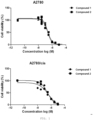
- the anticancer activity of the MLK3 and HPK1 kinase inhibitor compounds was evaluated using the human ovarian cancer cell line A2780 and the cisplatin-resistant cell line A2780/cis.
- A2780 and A2780/cis cells were cultured at a density of 4000 cells per well in 96-well plates and stabilized for one day.
- the compounds 1 to 3 synthesized in Example 1 were serially diluted starting from a concentration of 10 ⁇ M and applied to the cells. The treated cells were incubated for three days, and cell viability was measured using CCK8 reagent, with the concentration at which 50% of the cancer cells died expressed as the GI 50 .
- the concentration needed to inhibit the growth of A2780 cells by 50% was approximately 200 nM for compound 1 and 210 nM for compound 2.
- GI 50 was approximately 400 nM for compound 1 and 310 nM for compound 2.
- the anticancer activity of the compounds was also observed in other cancer cell lines (blood cancer, breast cancer, ovarian cancer, lung cancer, and brain cancer), as well as in drug-resistant cancer cell lines (doxorubicin-resistant blood cancer K562/ADM; and paclitaxel-resistant breast cancer MDA-MB-231/PTX).
- drug-resistant cancer cell lines doxorubicin-resistant blood cancer K562/ADM; and paclitaxel-resistant breast cancer MDA-MB-231/PTX.
- the anticancer activity results of the compounds are shown in Table 2.
- Human PBMC was seeded at a density of 2 x 10 5 cells per well in a 96-well plate. The cells were pretreated for one hour with serial dilutions of the compounds 1 to 3 synthesized in Example 1 starting from 3 ⁇ M. Afterward, CD3/CD28 Dynabeads were added to the cells at a 1:1 ratio and incubated for 6 days. After incubation, the cells and media were analyzed using the Sartorius human T cell activation cell and cytokine profiling kit with the iQue system. IL-2, a biomarker used to assess T cell activation, was measured. The results were calculated by setting the positive control group (treated with Dynabeads alone) as 100%.
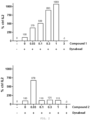
- the characteristic HPK1 and MLK3 inhibitory activity of the isobenzofuran-1(3H)-one derivatives of the present disclosure was confirmed to have a synergistic anticancer effect. This was achieved through combination therapy with conventional anticancer drugs or by co-administering the compounds during ex vivo culture of therapeutic cells used in immunomodulatory cell therapy, leading to the production of immune-enhanced cells or the proliferation of immune cells.
- a mixture of 100 mg of Compound 1 of the present disclosure, 100 mg of microcrystalline cellulose, 60 mg of lactose monohydrate, 20 mg of low-substituted hydroxypropyl cellulose, and 2 mg of magnesium stearate was compressed into tablets using a conventional tablet preparation method.
- a mixture of 10 mg of Compound 1 of the present disclosure, a suitable amount of sterile distilled water for injection, and a suitable amount of pH adjuster was prepared into an injectable solution per ampoule (2 mL) using a conventional method for manufacturing injectable solutions.
Landscapes
- Health & Medical Sciences (AREA)
- Chemical & Material Sciences (AREA)
- Organic Chemistry (AREA)
- Life Sciences & Earth Sciences (AREA)
- General Health & Medical Sciences (AREA)
- Medicinal Chemistry (AREA)
- Pharmacology & Pharmacy (AREA)
- Animal Behavior & Ethology (AREA)
- Public Health (AREA)
- Veterinary Medicine (AREA)
- Nuclear Medicine, Radiotherapy & Molecular Imaging (AREA)
- General Chemical & Material Sciences (AREA)
- Chemical Kinetics & Catalysis (AREA)
- Epidemiology (AREA)
- Engineering & Computer Science (AREA)
- Bioinformatics & Cheminformatics (AREA)
- Neurology (AREA)
- Oncology (AREA)
- Communicable Diseases (AREA)
- Biomedical Technology (AREA)
- Neurosurgery (AREA)
- Gastroenterology & Hepatology (AREA)
- Pulmonology (AREA)
- Psychology (AREA)
- Virology (AREA)
- Biochemistry (AREA)
- Molecular Biology (AREA)
- Pharmaceuticals Containing Other Organic And Inorganic Compounds (AREA)
- Medicines That Contain Protein Lipid Enzymes And Other Medicines (AREA)
Applications Claiming Priority (2)
| Application Number | Priority Date | Filing Date | Title |
|---|---|---|---|
| KR20220055086 | 2022-05-03 | ||
| PCT/KR2023/005982 WO2023214772A1 (fr) | 2022-05-03 | 2023-05-02 | Composé comprenant de la 2,4-diaminopyridine, son procédé de préparation et composition pharmaceutique le contenant en tant que principe actif pour prévenir ou traiter le cancer |
Publications (2)
| Publication Number | Publication Date |
|---|---|
| EP4520757A1 true EP4520757A1 (fr) | 2025-03-12 |
| EP4520757A4 EP4520757A4 (fr) | 2026-04-15 |
Family
ID=88646687
Family Applications (1)
| Application Number | Title | Priority Date | Filing Date |
|---|---|---|---|
| EP23799653.3A Pending EP4520757A4 (fr) | 2022-05-03 | 2023-05-02 | Composé comprenant de la 2,4-diaminopyridine, son procédé de préparation et composition pharmaceutique le contenant en tant que principe actif pour prévenir ou traiter le cancer |
Country Status (8)
| Country | Link |
|---|---|
| US (1) | US20260015340A1 (fr) |
| EP (1) | EP4520757A4 (fr) |
| JP (1) | JP2025516292A (fr) |
| KR (1) | KR102939283B1 (fr) |
| CN (1) | CN119403799A (fr) |
| AU (1) | AU2023263890A1 (fr) |
| CA (1) | CA3250969A1 (fr) |
| WO (1) | WO2023214772A1 (fr) |
Families Citing this family (1)
| Publication number | Priority date | Publication date | Assignee | Title |
|---|---|---|---|---|
| KR20250041906A (ko) * | 2023-09-19 | 2025-03-26 | (주)엠디바이오팜 | Hpk1 및 mlk3 저해 활성을 갖는 신규한 화합물 및 이를 함유하는 항암용 조성물 |
Family Cites Families (10)
| Publication number | Priority date | Publication date | Assignee | Title |
|---|---|---|---|---|
| GB9828511D0 (en) * | 1998-12-24 | 1999-02-17 | Zeneca Ltd | Chemical compounds |
| US7122679B2 (en) | 2000-05-09 | 2006-10-17 | Cephalon, Inc. | Multicyclic compounds and the use thereof |
| US6939874B2 (en) * | 2001-08-22 | 2005-09-06 | Amgen Inc. | Substituted pyrimidinyl derivatives and methods of use |
| TWI329105B (en) * | 2002-02-01 | 2010-08-21 | Rigel Pharmaceuticals Inc | 2,4-pyrimidinediamine compounds and their uses |
| ES2371924T3 (es) * | 2004-09-30 | 2012-01-11 | Tibotec Pharmaceuticals | Pirimidinas 5-carbo o heterociclo- sustituidas que inhiben el hiv. |
| GB2420559B (en) * | 2004-11-15 | 2008-08-06 | Rigel Pharmaceuticals Inc | Stereoisomerically enriched 3-aminocarbonyl bicycloheptene pyrimidinediamine compounds and their uses |
| US20070087988A1 (en) | 2005-09-30 | 2007-04-19 | New York University | Hematopoietic progenitor kinase 1 for modulation of an immune response |
| EP3707138B1 (fr) * | 2017-11-06 | 2022-07-13 | Bristol-Myers Squibb Company | Composés d'isofuranone utiles en tant qu'inhibiteurs de hpk1 |
| US20220084794A1 (en) * | 2020-09-16 | 2022-03-17 | Applied Materials, Inc. | Plasma chamber with a multiphase rotating modulated cross-flow |
| WO2022147622A1 (fr) * | 2021-01-07 | 2022-07-14 | Ontario Institute For Cancer Research (Oicr) | Composés d'aminopyrimidine d'isoindolinone en tant qu'inhibiteurs de kinases nuak, leurs compositions et utilisations |
-
2023
- 2023-04-18 KR KR1020230050840A patent/KR102939283B1/ko active Active
- 2023-05-02 AU AU2023263890A patent/AU2023263890A1/en active Pending
- 2023-05-02 EP EP23799653.3A patent/EP4520757A4/fr active Pending
- 2023-05-02 CA CA3250969A patent/CA3250969A1/fr active Pending
- 2023-05-02 US US18/862,429 patent/US20260015340A1/en active Pending
- 2023-05-02 JP JP2024564764A patent/JP2025516292A/ja active Pending
- 2023-05-02 CN CN202380048668.0A patent/CN119403799A/zh active Pending
- 2023-05-02 WO PCT/KR2023/005982 patent/WO2023214772A1/fr not_active Ceased
Also Published As
| Publication number | Publication date |
|---|---|
| WO2023214772A1 (fr) | 2023-11-09 |
| AU2023263890A1 (en) | 2024-11-21 |
| CA3250969A1 (fr) | 2025-02-04 |
| KR20230155351A (ko) | 2023-11-10 |
| EP4520757A4 (fr) | 2026-04-15 |
| CN119403799A (zh) | 2025-02-07 |
| KR102939283B1 (ko) | 2026-03-13 |
| JP2025516292A (ja) | 2025-05-27 |
| US20260015340A1 (en) | 2026-01-15 |
Similar Documents
| Publication | Publication Date | Title |
|---|---|---|
| KR102390578B1 (ko) | Ret 키나아제 억제제로서의 헤테로사이클릭 화합물 | |
| EP3519398B1 (fr) | Composé de pyridine | |
| EP4598922B1 (fr) | Composés inhibiteurs parg | |
| KR20150093687A (ko) | Alk 키나아제 억제제 | |
| IL287908B1 (en) | Compound used as kinase inhibitor and application thereof | |
| WO2021043208A1 (fr) | Composés pyrazole 3,5-disubstitués en tant qu'inhibiteurs de kinase et leurs utilisations | |
| US20240083904A1 (en) | Antagonists of the adenosine a2a receptor | |
| EP4520757A1 (fr) | Composé comprenant de la 2,4-diaminopyridine, son procédé de préparation et composition pharmaceutique le contenant en tant que principe actif pour prévenir ou traiter le cancer | |
| JP2026500923A (ja) | 阻害性化合物 | |
| WO2024046443A1 (fr) | Composés macrocycliques utilisés en tant qu'inhibiteurs sélectifs de cdk | |
| EP2920154B1 (fr) | Nouveaux dérivés imidazol-pipéridinyle en tant que modulateurs de l'activité kinase | |
| US10550125B2 (en) | Prodrugs of imidazotriazine compounds as CK2 inhibitors | |
| KR20240046408A (ko) | 단백질 키나아제 저해 활성을 갖는 피리미딘 유도체 및 이를 포함하는 치료용 약학 조성물 | |
| WO2023134608A1 (fr) | Composés cycliques fusionnés servant d'inhibiteurs de hpk1 | |
| CN117729921A (zh) | 作为pd1/pd-l1抑制剂的化合物及其方法 | |
| CN116655636A (zh) | 一类五元并六元杂环化合物及其作为蛋白激酶抑制剂的用途 | |
| MXPA06008571A (es) | Derivados de pirrolo-pirimidina utiles para el tratamiento de enfermedades proliferativas. | |
| US12391666B2 (en) | Indoline-1-formamide compound, preparation method therefor, and medical use thereof | |
| JP2026510535A (ja) | ホスファチジルイノシトール3-キナーゼの新規阻害剤 | |
| KR20250041906A (ko) | Hpk1 및 mlk3 저해 활성을 갖는 신규한 화합물 및 이를 함유하는 항암용 조성물 | |
| EA052827B1 (ru) | Соединение, ингибирующее parg | |
| HK40052813A (en) | Pyridine salts and process | |
| WO2023083299A1 (fr) | Composé cyclique fusionné utilisé en tant qu'inhibiteur de hpk1 | |
| CN119080781A (zh) | 取代的咪唑并喹喔啉化合物及其应用 | |
| HK40042275B (en) | Indoline-1-formamide compound, preparation method therefor, and medical use thereof |
Legal Events
| Date | Code | Title | Description |
|---|---|---|---|
| STAA | Information on the status of an ep patent application or granted ep patent |
Free format text: STATUS: THE INTERNATIONAL PUBLICATION HAS BEEN MADE |
|
| PUAI | Public reference made under article 153(3) epc to a published international application that has entered the european phase |
Free format text: ORIGINAL CODE: 0009012 |
|
| STAA | Information on the status of an ep patent application or granted ep patent |
Free format text: STATUS: REQUEST FOR EXAMINATION WAS MADE |
|
| 17P | Request for examination filed |
Effective date: 20241107 |
|
| AK | Designated contracting states |
Kind code of ref document: A1 Designated state(s): AL AT BE BG CH CY CZ DE DK EE ES FI FR GB GR HR HU IE IS IT LI LT LU LV MC ME MK MT NL NO PL PT RO RS SE SI SK SM TR |
|
| DAV | Request for validation of the european patent (deleted) | ||
| DAX | Request for extension of the european patent (deleted) | ||
| A4 | Supplementary search report drawn up and despatched |
Effective date: 20260316 |
|
| RIC1 | Information provided on ipc code assigned before grant |
Ipc: C07D 405/14 20060101AFI20260310BHEP Ipc: A61K 31/506 20060101ALI20260310BHEP Ipc: A61P 35/00 20060101ALI20260310BHEP Ipc: A61P 31/12 20060101ALI20260310BHEP Ipc: A61P 25/16 20060101ALI20260310BHEP Ipc: A61P 1/16 20060101ALI20260310BHEP Ipc: A61P 31/06 20060101ALI20260310BHEP |