EP4520767A1 - Inhibiteurs de kinases peptidiques et leurs procédés d'utilisation - Google Patents
Inhibiteurs de kinases peptidiques et leurs procédés d'utilisation Download PDFInfo
- Publication number
- EP4520767A1 EP4520767A1 EP23197540.0A EP23197540A EP4520767A1 EP 4520767 A1 EP4520767 A1 EP 4520767A1 EP 23197540 A EP23197540 A EP 23197540A EP 4520767 A1 EP4520767 A1 EP 4520767A1
- Authority
- EP
- European Patent Office
- Prior art keywords
- polypeptide
- seq
- peptide
- cancer
- peptides
- Prior art date
- Legal status (The legal status is an assumption and is not a legal conclusion. Google has not performed a legal analysis and makes no representation as to the accuracy of the status listed.)
- Withdrawn
Links
Images








Classifications
-
- C—CHEMISTRY; METALLURGY
- C07—ORGANIC CHEMISTRY
- C07K—PEPTIDES
- C07K14/00—Peptides having more than 20 amino acids; Gastrins; Somatostatins; Melanotropins; Derivatives thereof
- C07K14/001—Peptides having more than 20 amino acids; Gastrins; Somatostatins; Melanotropins; Derivatives thereof by chemical synthesis
-
- A—HUMAN NECESSITIES
- A61—MEDICAL OR VETERINARY SCIENCE; HYGIENE
- A61P—SPECIFIC THERAPEUTIC ACTIVITY OF CHEMICAL COMPOUNDS OR MEDICINAL PREPARATIONS
- A61P35/00—Antineoplastic agents
-
- A—HUMAN NECESSITIES
- A61—MEDICAL OR VETERINARY SCIENCE; HYGIENE
- A61P—SPECIFIC THERAPEUTIC ACTIVITY OF CHEMICAL COMPOUNDS OR MEDICINAL PREPARATIONS
- A61P35/00—Antineoplastic agents
- A61P35/04—Antineoplastic agents specific for metastasis
-
- C—CHEMISTRY; METALLURGY
- C07—ORGANIC CHEMISTRY
- C07K—PEPTIDES
- C07K14/00—Peptides having more than 20 amino acids; Gastrins; Somatostatins; Melanotropins; Derivatives thereof
- C07K14/435—Peptides having more than 20 amino acids; Gastrins; Somatostatins; Melanotropins; Derivatives thereof from animals; from humans
- C07K14/46—Peptides having more than 20 amino acids; Gastrins; Somatostatins; Melanotropins; Derivatives thereof from animals; from humans from vertebrates
- C07K14/47—Peptides having more than 20 amino acids; Gastrins; Somatostatins; Melanotropins; Derivatives thereof from animals; from humans from vertebrates from mammals
- C07K14/4701—Peptides having more than 20 amino acids; Gastrins; Somatostatins; Melanotropins; Derivatives thereof from animals; from humans from vertebrates from mammals not used
- C07K14/4702—Regulators; Modulating activity
- C07K14/4703—Inhibitors; Suppressors
-
- C—CHEMISTRY; METALLURGY
- C12—BIOCHEMISTRY; BEER; SPIRITS; WINE; VINEGAR; MICROBIOLOGY; ENZYMOLOGY; MUTATION OR GENETIC ENGINEERING
- C12Y—ENZYMES
- C12Y207/00—Transferases transferring phosphorus-containing groups (2.7)
- C12Y207/11—Protein-serine/threonine kinases (2.7.11)
- C12Y207/11013—Protein kinase C (2.7.11.13)
-
- A—HUMAN NECESSITIES
- A61—MEDICAL OR VETERINARY SCIENCE; HYGIENE
- A61K—PREPARATIONS FOR MEDICAL, DENTAL OR TOILETRY PURPOSES
- A61K38/00—Medicinal preparations containing peptides
-
- C—CHEMISTRY; METALLURGY
- C07—ORGANIC CHEMISTRY
- C07K—PEPTIDES
- C07K2319/00—Fusion polypeptide
- C07K2319/01—Fusion polypeptide containing a localisation/targetting motif
- C07K2319/10—Fusion polypeptide containing a localisation/targetting motif containing a tag for extracellular membrane crossing, e.g. TAT or VP22
Definitions
- This disclosure relates to isolated regulatory peptides of protein kinase C, uORF's, chimeric peptides thereof, and their variants. Use of the described peptides, in compositions and methods for treatment of cellular proliferation pathologies is also described.
- Translational regulatory elements function in cells to rapidly change the protein expression landscape in response to internal or external stimuli.
- these elements are upstream open reading frames (uORFs) located at the 5'-untranslated region of mRNAs.
- uORFs upstream open reading frames
- Bioinformatics studies revealed the presence of uORFs in about 40% of human mRNAs.
- uORFs usually correlate with reduced protein expression levels since they decrease the efficiency of translation initiation of downstream ORF.
- Previously, we reported that the expression of the protein kinase C isoform PKCeta is regulated via two uORFs and showed their potential to be translated into short peptides.
- Protein kinases including the various PKC isoforms, are recognized for their role in regulation of myriad biological processes, and aberrant PKC expression is understood to be a factor in several pathologies including those involving cellular proliferation. Thus, a continuing need exists to regulate PKC expression.
- nucleic and/or amino acid sequences provided herewith are shown using standard letter abbreviations for nucleotide bases, and three letter code for amino acids, as defined in 37 C.F.R. 1.822. Only one strand of each nucleic acid sequence is shown, but the complementary strand is understood as included by any reference to the displayed strand.
- the Sequence Listing is submitted as an XML file named JMB402EP created 14 Sept, 2023, about 39 KB, which is incorporated by reference herein in its entirety.
- Local administration also includes the incorporation of active compounds and agents into implantable devices or constructs, such as vascular stents or other reservoirs, and delivery devices such as biodegradable implants, which release the active agents and compounds over extended time intervals for sustained and/or localized treatment effects.
- implantable devices or constructs such as vascular stents or other reservoirs
- delivery devices such as biodegradable implants
- Antagonist A molecule or compound that tends to nullify the action of another, such as a phosphatase activity, or in some instances that blocks the ability of a given chemical to bind to its receptor or other interacting molecule, preventing a biological response.
- Antagonists are not limited to a specific type of compound, and may include in various embodiments peptides, antibodies and fragments thereof, and other organic or inorganic compounds (for example, peptidomimetics and small molecules).
- inhibitor is synonymous with "antagonist”.
- CPP Cell Penetrating Peptide
- PTD protein transduction domain
- MTS membrane translocating sequence
- Typical CPPs are positively charged, with amino acids such as arginine and lysine predominating in their sequence.
- Nuclear localization signal (NLS): The terms "nuclear localization signal” and “NLS" sequence as described herein are used interchangeably and refers to an amino acid sequence which is capable of inducing transport of molecules comprising such sequence(s) or linked to such sequences into the nucleus of cells.
- the NLS can, for example, direct transport of a protein with which it is associated from the cytoplasm of a cell across the nuclear envelope barrier.
- the NLS is intended to encompass not only the nuclear localization sequence of a particular peptide, but also derivatives thereof that are capable of directing translocation of a cytoplasmic polypeptide across the nuclear envelope barrier.
- NLSs are capable of directing nuclear translocation of a polypeptide when attached to the N-terminus, the C-terminus, or both the N- and C-termini of the polypeptide.
- Chimera A nucleic acid sequence, amino acid sequence, or protein that comprises nucleic acid sequence, amino acid sequence, or protein from two or more sources, for example amino acid sequence from two or more different species or two or more polypeptides from the same species.
- chimeric sequences are the result of genetic engineering.
- the PKCeta uORF2-derived peptides fused to at least one CPP described herein are an example of a polypeptide chimera.
- Contacting Placement in direct physical association. Includes both in solid and liquid form. Contacting can occur in vitro with isolated cells or in vivo by administering to a subject.
- Effective amount of a composition A quantity of a composition, including the isolated peptides described herein, sufficient to achieve a desired effect in a subject being treated.
- An effective amount of a composition can be administered in a single dose, or in several doses, for example daily, during a course of treatment. However, the effective amount of the composition will be dependent on the composition applied, the subject being treated, the severity and type of the affliction, and the manner of administration of the composition.
- Expression Control Sequences Nucleic acid sequences that regulate the expression of a heterologous nucleic acid sequence to which it is operatively linked, for example the expression of the described PKCeta uORF2-derived polypeptides can be operably linked to expression control sequences.
- Expression control sequences are operatively linked to a nucleic acid sequence when the expression control sequences control and regulate the transcription and, as appropriate, translation of the nucleic acid sequence.
- expression control sequences can include appropriate promoters, enhancers, transcription terminators, a start codon (ATG) in front of a protein-encoding gene, splicing signal for introns, maintenance of the correct reading frame of that gene to permit proper translation of mRNA, and stop codons.
- control sequences is intended to include, at a minimum, components whose presence can influence expression, and can also include additional components whose presence is advantageous, for example, leader sequences and fusion partner sequences.
- Expression control sequences can include a promoter.
- expression or gene expression may refer to either of, or both of, the processes - and products thereof - of generation of nucleic acids (RNA) or the generation of a peptide or polypeptide, also referred to transcription and translation, respectively, or any of the intermediate processes that regulate the processing of genetic information to yield polypeptide products.
- gene expression may also be applied to the transcription and processing of a RNA gene product, for example a regulatory RNA or a structural (e.g. ribosomal) RNA. If an expressed polynucleotide is derived from genomic DNA, expression may include splicing of the mRNA in a eukaryotic cell. Expression may be assayed both on the level of transcription and translation, in other words mRNA and/or protein product.
- expression vector or nucleic acid expression vector in the context of the present specification relates to a plasmid, a viral genome or an RNA, which is used to transfect (in case of a plasmid or an RNA) or transduce (in case of a viral genome) a target cell with a certain gene of interest, or -in the case of an RNA construct being transfected- to translate the corresponding protein of interest from a transfected mRNA.
- the gene of interest is under control of a promoter sequence and the promoter sequence is operational inside the target cell, thus, the gene of interest is transcribed either constitutively or in response to a stimulus or dependent on the cell's status.
- the viral genome is packaged into a capsid to become a viral vector, which is able to transduce the target cell.
- Functional fragments and variants of a polypeptide include those fragments and variants of the described PKCeta/PKCzeta uORF2-derived polypeptides that maintain one or more functions of the parent polypeptides. It is recognized that the gene or cDNA encoding a polypeptide can be considerably mutated without materially altering one or more the polypeptide's functions. First, the genetic code is well-known to be degenerate, and thus different codons encode the same amino acids. Second, even where an amino acid substitution is introduced, the mutation can be conservative and have no material impact on the essential functions of a protein. Third, part of a polypeptide chain can be deleted without impairing or eliminating all of its functions.
- insertions or additions can be made in the polypeptide chain for example, adding epitope tags, without impairing or eliminating its functions
- modifications that can be made without materially impairing one or more functions of a polypeptide include, for example, in vivo or in vitro chemical and biochemical modifications or the incorporation of unusual amino acids.
- modifications include, for example, acetylation, carboxylation, myristoylation, phosphorylation, glycosylation, ubiquination, labeling, e.g., with radionucleides, and various enzymatic modifications, as will be readily appreciated by those well skilled in the art.
- radioactive isotopes such as 32 P
- ligands which bind to or are bound by labeled specific binding partners (e.g ., antibodies), fluorophores, chemiluminescent agents, enzymes, and antiligands.
- Functional fragments and variants can be of varying length.
- Heterologous A type of sequence that is not normally (i.e . in the wild-type sequence) found adjacent to a second sequence.
- the sequence is from a different genetic source, such as a virus or organism, than the second sequence.
- Chimeric polypeptides, such as those described herein are often composed of heterologous sequences.
- Hyperproliferative disease A disease or disorder characterized by the uncontrolled proliferation of cells. Hyperproliferative diseases include, but are not limited to malignant and non-malignant tumors and psoriasis, and can be treated by active agents (such as the PKCeta uORF2-derived peptides described herein) that can inhibit cellular proliferation.
- active agents such as the PKCeta uORF2-derived peptides described herein
- a biological component such as a nucleic acid, protein or organelle
- a biological component that has been substantially separated or purified away from other biological components in the cell of the organism in which the component naturally occurs, i.e ., other chromosomal and extra-chromosomal DNA and RNA, proteins and organelles.
- Nucleic acids and proteins that have been isolated include nucleic acids and proteins purified by standard purification methods. The term also embraces nucleic acids and proteins prepared by recombinant expression in a host cell as well as chemically synthesized nucleic acids and proteins, such as the PKCeta uORF2-derived peptides described herein.
- a first nucleic acid sequence is operably linked with a second nucleic acid sequence when the first nucleic acid sequence is placed in a functional relationship with the second nucleic acid sequence.
- a promoter is operably linked to a coding sequence if the promoter affects the transcription or expression of the coding sequence.
- operably linked DNA sequences are contiguous and, where necessary to join two protein-coding regions, in the same reading frame.
- compositions and formulations suitable for pharmaceutical delivery of the compounds herein disclosed are conventional. Remington's Pharmaceutical Sciences, by Lloyd V. Allen, Jt. (ed.), 22nd Edition (2012 ) describes compositions and formulations suitable for pharmaceutical delivery of the compounds herein disclosed. In general, the nature of the carrier will depend on the particular mode of administration being employed. For instance, parenteral formulations usually comprise injectable fluids that include pharmaceutically and physiologically acceptable fluids such as water, physiological saline, balanced salt solutions, aqueous dextrose, glycerol or the like as a vehicle.
- Pharmaceutical agent A chemical compound or composition capable of inducing a desired therapeutic or prophylactic effect when properly administered to a subject or a cell.
- Incubating includes exposing a target to an agent for a sufficient period of time for the agent to interact with a cell.
- Contacting includes incubating an agent in solid or in liquid form with a cell.
- PKC Protein Kinase C
- the PKC family is divided into three subfamilies: conventional, novel and atypical. Each subfamily can be further divided into multiple isoforms. Particular examples of conventional isoforms include ⁇ , ⁇ and ⁇ ; novel isoforms include ⁇ , ⁇ and ⁇ ; and atypical isoforms include ⁇ and ⁇ / .
- Polypeptide A polymer in which the monomers are amino acid residues which are joined together through amide bonds.
- polypeptide, protein, or peptide, as used herein encompasses any amino acid sequence and includes modified sequences such as glycoproteins.
- polypeptide is specifically intended to cover naturally occurring proteins, as well as those that are recombinantly or synthetically produced.
- polypeptide fragment refers to a portion of a polypeptide which exhibits at least one useful epitope.
- functional fragments or variants of a polypeptide refers to all fragments of a polypeptide that retain an activity, or a measurable portion of an activity, of the polypeptide from which the fragment is derived
- Preventing or treating a disease refers to inhibiting the full development of a disease, for example inhibiting the development of myocardial infarction in a person who has coronary artery disease or inhibiting the progression or metastasis of a tumor in a subject with a neoplasm.
- Treatment refers to a therapeutic intervention that ameliorates a sign or symptom of a disease or pathological condition after it has begun to develop.
- purified does not require absolute purity; rather, it is intended as a relative term.
- a purified protein preparation is one in which the protein referred to is more pure than the protein in its natural environment within a cell.
- Radiotherapy The treatment of disease (e.g., cancer or another hyperproliferative disease or condition) by exposure of a subject or their tissue to a radioactive substance.
- disease e.g., cancer or another hyperproliferative disease or condition
- Radiotherapy is the medical use of ionizing radiation as part of cancer treatment to control malignant cells. Radiotherapy may be used for curative or adjuvant cancer treatment. It is used as palliative treatment where cure is not possible and the aim is for local disease control or symptomatic relief.
- Recombinant A nucleic acid that has a sequence that is not naturally occurring or has a sequence that is made by an artificial combination of two otherwise separated segments of sequence. This artificial combination can be accomplished by chemical synthesis or, more commonly, by the artificial manipulation of isolated segments of nucleic acids, e.g., by genetic engineering techniques.
- the expression vectors described herein that express a PKCeta uORF2-derived-peptode is an exemplary recombinant nucleic acid.
- Sequence identity The similarity between two nucleic acid sequences, or two amino acid sequences, is expressed in terms of the similarity between the sequences, otherwise referred to as sequence identity. Sequence identity is frequently measured in terms of percentage identity (or similarity or homology); the higher the percentage, the more similar the two sequences are. Methods of alignment of sequences for comparison are well known in the art, for example the NCBI Basic Local Alignment Search Tool (BLAST), which is available from several sources, for use in connection with the sequence analysis programs blastp, blastn, blastx, tblastn and tblastx. It can be accessed at the NCBI website, together with a description of how to determine sequence identity using this program.
- BLAST NCBI Basic Local Alignment Search Tool
- Subject Living multi-cellular organisms, including vertebrate organisms, a category that includes both human and non-human mammals.
- Vector A nucleic acid molecule as introduced into a host cell, thereby producing a transfected host cell.
- Recombinant DNA vectors are vectors having recombinant DNA.
- a vector can include nucleic acid sequences that permit it to replicate in a host cell, such as an origin of replication.
- a vector can also include one or more selectable marker genes and other genetic elements known in the art.
- Viral vectors are recombinant DNA vectors having at least some nucleic acid sequences derived from one or more viruses.
- the described polypeptides or nucleic acids are used in the treatment of a disease or condition associated with aberrant cell proliferation, such as a disease or condition results in a benign abnormal cell growth or a benign tumor.
- a disease or condition is a cancer.
- such uses include the preparation of a medicament for treating the disease or condition associated with aberrant cell proliferation.
- the described polypeptides or nucleic acids are administered together with a chemotherapy agent, surgery or radiotherapy (which itself can be administered in a separate formulation or conjugated to the described polypeptides or nucleic acids).
- polypeptides and nucleic acids encoding and facilitating expression of such polypeptides for use in the treatment of a disease or condition associated with aberrant cell proliferation.
- the peptide is provided to the subject as a nucleic acid capable of expressing the peptide.
- the disease or condition results in benign abnormal cell growth or a benign tumor.
- the disease is a cancer.
- the provided use of the agents according to the invention in treatment also include inhibiting cellular proliferation or cancer metastasis in a subject by administering to a patient a therapeutically effective amount of a described peptide and a chemotherapeutic agent (alone or conjugated to the described peptide); thereby inhibiting the cellular proliferation or cancer metastasis.
- a chemotherapeutic agent alone or conjugated to the described peptide
- Particular embodiments of such applications utilize a nucleic acid capable of expressing the isolated peptide.
- isolated peptides of at least 17 amino acids which include an amino acid sequence at least 70% identical to the sequence set forth herein as SEQ ID NO: 3.
- the described isolated peptide which can be produced synthetically, includes functional variants, as well as sequence variants of at least 17 amino acids that are at least 70-99% identical to SEQ ID NO: 3, including peptides that are at least 70%, 75%, 80%, 85%, 90%, 95%, 98% or more identical to SEQ ID NO: 3.
- Particular embodiments of the described peptides include a peptide sequence at least 26 amino acids long, and has the amino acid sequence of the peptide produced by the PKCeta uORF2, and which is set forth herein as SEQ ID NO: 1.
- Particular embodiments of the described peptide include peptides at least 70-99% identical to SEQ ID NO: 1, including peptides that are at least 70%, 75%, 80%, 85%, 90%, 95%, 98% or more identical to SEQ ID NO: 1.
- Particular embodiments of the described peptides include a peptide sequence at least 26 amino acids long which while similar to uPEP 1-26 (SEQ ID NO: 1) includes at least one alanine substitution, particularly at Cys-10.
- Particular embodiments of the described peptide include peptides at least 70-99% identical to SEQ ID NO: 5, including peptides that are at least 70%, 75%, 80%, 85%, 90%, 95%, 98% or more identical to SEQ ID NO: 5.
- Particular embodiments of the described peptides include a peptide sequence at least 26 amino acids long which while similar to uPEP 1-26 (SEQ ID NO: 1) includes at least one alanine substitution, particularly at Arg-8.
- Particular embodiments of the described peptide include peptides at least 70-99% identical to SEQ ID NO: 36, including peptides that are at least 70%, 75%, 80%, 85%, 90%, 95%, 98% or more identical to SEQ ID NO: 36.
- Additional embodiments of the described peptides include a peptide sequence at least 26 amino acids long which while similar to uPEP 1-26 (SEQ ID NO: 1) includes at least two alanine substitution, particularly at Cys-10 and Arg-8.
- Particular embodiments of the described peptide include peptides at least 70-99% identical to SEQ ID NO: 37, including peptides that are at least 70%, 75%, 80%, 85%, 90%, 95%, 98% or more identical to SEQ ID NO: 37.
- SEQ ID NO: 32 (MASRGALRRXLSPGLPRLLHLSRGLA); wherein X is C (SEQ ID NO: 1) or A (SEQ ID NO: 5).
- polypeptide at least 70%-99% identical to the peptide derived from the PKCzeta uORF and set forth herein as SEQ ID NO: 11, including peptides that are at least 70%, 75%, 80%, 85%, 90%, 95%, 98% or more identical to SEQ ID NO: 11.
- Particular embodiments of the described peptides include a peptide sequence at least 26 amino acids long which while similar to uPEP 1-26 (SEQ ID NO: 1) includes at least one alanine substitution, particularly at Ser-12.
- Particular embodiments of the described peptide include peptides at least 70-99% identical to SEQ ID NO: 38, including peptides that are at least 70%, 75%, 80%, 85%, 90%, 95%, 98% or more identical to SEQ ID NO: 38.
- Particular non-limiting embodiments of the described isolated synthetic polypeptides include polypeptides having sequences set forth herein as SEQ ID Nos 2, 4-9, 12, and 36-38.
- the described polypeptides which can be synthetically produced or produced by way of an expression vector and purified from cell culture by standard means, are fused to at least one cell penetrating peptide (CPP), which can facilitate passage of an isolated polypeptide, such as a PKCeta uORF-derived peptide from the external environment and into the cellular interior.
- CPP cell penetrating peptide
- the PKCeta uORF-derived peptide chimeras can include one, two, three, or more CPPs from the same or multiple sources, which can be fused to a PKCeta uORF-derived peptide at the C- and/or N-terminus of the polypeptide.
- Particular examples of CPPs for use in the described chimeric peptides include the penetratin CPP (included herein as SEQ ID NO: 10) and the arginine repeats CPP (included herein as SEQ ID NO: 13), and which includes a poly-arginine sequence of 3-20 arginine residues.
- the at least one CPP is fused directly to a PKCeta uORF-derived peptide and/or to other CPPs in the polypeptide chimera. In other embodiments, the at least one CPP is fused to a PKCeta uORF-derived peptide and/or to other CPPs in the polypeptide chimera by way of a peptide linker, which can be one or more amino acids linking the CPP(s) and/or PKCeta uORF-derived peptide.
- a peptide linker which can be one or more amino acids linking the CPP(s) and/or PKCeta uORF-derived peptide.
- the CPP comprises arginine repeats as set forth in SEQ ID NO: 13 (RRRX), wherein R is arginine and X is an integer ranging from 0 to 17.
- R is arginine and X is an integer ranging from 0 to 17.
- X is an integer ranging from 3 to 17, from 3 to 16, from 3 to 15, from 3 to 14, from 3 to 13, from 3 to 14, from 3 to 13, from 3 to 12, from 3 to 11, from 3 to 10, from 4 to 17, from 4 to 16, from 4 to 15, from 4 to 14, from 4 to 13, from 4 to 12, from 4 to 11, from 4 to 10, from 4 to 9, from 4 to 8, from 5 to 17, from 5 to 16, from 5 to 15, from 5 to 14, from 5 to 13, from 5 to 12, from 5 to 11, from 5 to 10, from 5 to 9, from 5 to 8, from 6 to 17, from 6 to 15, from 6 to 14, from 6 to 13, from 6 to 12, from 6 to 11, from 6 to 10, from 6 to 9, or from 6 to 8.
- RRRX arginine repeats as set forth in SEQ ID NO: 13
- peptides of the invention further comprise a nuclear localization (NLS) fused to the carboxy or amino terminus, wherein said NLS sequence comprises an amino acid sequence selected from the group consisting of: SEQ ID NO: 14 (KKKRR), SEQ ID NO: 15 (PKKKRRV), SEQ ID NO: 16 (KRRMKWKK), SEQ ID NO: 17 (KKKRK), and SEQ ID NO: 18 (KKKRK).
- NLS nuclear localization
- polypeptides can be produced by any method known to the art.
- the polypeptides are chemically synthesized.
- the polypeptides are produced by and purified from a suitable prokaryotic, fungal, plant, or animal cell host into which a suitable polypeptide-expression vector has been introduced.
- Methods of protein isolation and purification are also standard (e.g. methods of affinity chromatography, size exclusion chromatography and the like).
- polypeptides include polypeptides that share about 60%, 70%, 75%, 80%, 85%, 90%, 95%, or 98% sequence identity with the described PKCeta or PKCzeta uORF-derived peptides and chimeras.
- Other exemplary variants include peptides that differ by only one, two or three amino acids from those set forth herein. In particular embodiments, the variation from those sequences expressly described herein can be conservative substitutions that one of skill will not expect to significantly alter the shape or charge of the polypeptide.
- the described polypeptides also include those polypeptides that share 100% sequence identity to those indicated, but which differ in post-translational or post-synthesis modifications from the native sequence.
- the described synthetic polypeptides can be acetylated at the N- or C-terminal ends of the polypeptide.
- Other examples include conjugation of a palmitic acid group at either terminus of the peptide or other modifications common in the art of polypeptide synthesis such as myristoylation ( see also for examples sigmaaldrich.com/technical-documents/articles/biology/peptide-modifications-n-terminal-internal-and-c-terminal.html).
- the described PKCeta or PKCzeta uORF-derived peptide, peptides and chimeric peptides are provided as a discrete biomolecule.
- the described polypeptides are a domain of a larger polypeptide, such as an independently-folded structural domain, or an environment-accessible functional domain.
- nucleic acids encoding the described PKCeta or PKCzeta uORF-derived polypeptides and chimeric polypeptides, including variations due to codon degeneracy and particular nucleic acid sequences optimized for the codon bias of bacterial, animal, and plant cells.
- MCF-7 and MDA-MB-231 cells were seeded at 2 ⁇ 10 4 cells/well in 48-well plates. After 24h serum free-media containing the peptides was added to the wells for 4h. Then, medium with serum was added and the plate was incubated for 24h at incubator (5% CO 2 humidified atmosphere at 37°C). Following incubation, the medium with tested peptide was gently aspirated from each well and 25 ⁇ L of PrestoBlue TM reagent (Thermo #A13261) was added to each well of the 48-well plate and incubated at 37°C in 5% CO 2 for 15 min, as recommended. The absorbance was recorded at 570nm and detected by 'Infinite M200 PRO' reader.
- mice were anesthetized with a solution of 10 ml/mg Ketamine and 1.17ml/mg xylazine, in saline. Anesthesia was injected intraperitoneally (IP) after sterilizing the inoculation area of the mice with 70% ethanol solution.
- IP intraperitoneally
- 4T1 control and shPKC ⁇ knockdown cells transfected with SEQ ID NOs 33-35 or scrambled control (obtained from the ATCC) were injected a few millimeters from the nipple, underneath the skin (120,000 cells in 50 ⁇ l per mouse).
- mice were tested for tumors and the primary tumors were examined by caliper. After 10 weeks, mice were euthanized and examined for metastases in lung, liver and spleen, and samples were prepared for immunostaining.
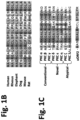
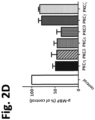
- the full-length human PKCeta uORF2 peptide was produced (also described herein as MA-26 and/or uPEP2 1-26 , SEQ ID NO: 1). Peptides lacking the PS motif, uPEP 9-26 and uPEP 18-26 , were used as controls ( Figure 2A ). As can be seen in Figures 2B and 2C , uPEP 1-26 is the strongest inhibitor when compared to the control peptide uPEP 9-26 and to ⁇ PS. The effect of uPEP2 1-26 on the kinase activity of PKC subfamilies were tested as described above. As shown in Figure 2D , uPEP2 strongly inhibits the kinase activity of PKCs from the novel PKC sub-family.
- the in vitro effect of PKCeta uORF2 on cancer cell migration was tested in vivo by a standard wound healing (scratch) assay, as described above.
- the cells were treated with either uPEP 1-26 , uPEP 9-26 , uPEP 18-26 and ⁇ PS after which a scratch to a dish of confluent breast cancer cell lines MCF7 (breast cancer), MDA-MB-231 (breast cancer) and MCF10A (non-transformed mammary cells). It was demonstrated that uPEP 1-26 inhibited migration of the breast cancer MCF7 and MDA-MB-231 but not of the non-transformed MCF10A ( Figure 3 ).
- Example 2 demonstrated that inhibiting the activity of PKCeta has an inhibitory effect on the proliferation and migration of breast cancer cells.
- PKCeta knockdown 4T1 cells The establishment and growth of breast cancer cells with (4T1 control cells) and without PKCeta (PKCeta knockdown 4T1 cells) was compared. Comparison of tumor volume over time indicated a significant inhibition in tumor size in the PKCeta knockdown cells ( Fig. 7A ). PKCeta knockdown also inhibited the formation of tumor metastases ( Fig. 7B ). Results shown here are of the knockdown effect of expression of SEQ ID NO: 33, but similar results were observed using the shRNAs represented by those set forth herein as SEQ ID NOs 34 and 35. Together, these results indicate that inhibition of PKCeta, such as with the MA-26 or active subpeptides derived therefrom, can inhibit tumor growth and metastasis.
- a uPEP2 1-26[10C/A] mutation of the PKCeta uORF2 peptide was synthesized containing an alanine substitution at Cys-10, herein referred to as SEQ ID No 5.
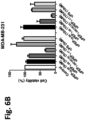
- Cell lines MCF-7 ( Figure 6A ), MDA-MB-231 ( Figure 6B ) and HeLa ( Figure 6C ) were treated with uPEP2 18-26 , uPEP2 1-26 , uPEP2 1-26[10C/A] , uPEP2 1-17 and ⁇ PS at doses of 5 ⁇ M and 10 ⁇ M in order to determine effects on cell proliferation.
- the mutant uPEP 1-26[10C/A] efficiently reduced cell viability compared to the other peptides.
- mutants of the PKCeta uORF2 peptide are synthesized and assayed for their activity in kinase, cell proliferation, and cell migration assays as described in Examples 1 and 2.
- variants for assay include sequence variants set forth herein as SEQ ID NOs 2, 8 and 9. A myristoylated PKC uORF2 peptide is also assayed.
- SEQ ID NO: 1 17-amino acid subpeptide fragment of SEQ ID NO: 1 which is restricted to the putative PKC pseudosubstrate (set forth herein as SEQ ID NO: 3), and variants thereof that are set forth herein as SEQ ID NOs 4, 6, and 7.
- SEQ ID NO: 3 putative PKC pseudosubstrate
- SEQ ID NOs 4, 6, and 7 variants thereof that are set forth herein as SEQ ID NOs 4, 6, and 7.
- Example 2 The sequence alignment discussed in Example 2 describes a putative uORF peptide in PKCzeta, also set forth herein as SEQ ID NO: 11.
- the kinase activity of this peptide and its variants, including the peptide listed as SEQ ID NO: 12 is tested as described above, as are the in vitro effects of this peptide on cell proliferation and migration, and its in vivo effects on tumor formation, memory, and learning.
- uPEP2 (SEQ ID NO: 1) was seen to be a specific novel PKC inhibitor of specific novel sub-family members (PKCdelta, PKCepsilon, PKCeta and PKCtheta) but not of classical or atypical PKCs.
- PKCdelta specific novel PKC inhibitor of specific novel sub-family members
- PKCepsilon specific novel sub-family members
- PKCeta specific novel sub-family members
- both peptide [C10A] mutation (SEQ ID NO: 5) and peptide [R8A] mutation (SEQ ID NO: 36) are better kinase inhibitors for the novel PKC isoforms (PKCdelta, PKCepsilon, PKCeta and PKCtheta) compared to the original uPEP2 (SEQ ID NO:1) as indicated from the concentration of peptide resulting in 50% inhibition of maximal MBP phosphorylation by a specific PKC isoform ( Figs. 9A-9E ).
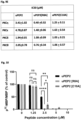
- the inhibition of the kinase activity of PKCeta by the peptides [C10A] and [R8A] is also shown separately in Fig. 10 , demonstrating in this experiment inhibition of approximately 95% of the activity at 2.5 ⁇ M concentration and [R8A] demonstrating almost complete inhibition.
- uPEP2 with a serine substitution of the alanine position 6 [A6S] (SEQ ID NO: 8) or a threonine substitution of alanine at position 6 [A6T] (SEQ ID NO: 9) were not better inhibitors compared to uPEP2 (SEQ ID NO: 1) or [C10A] (SEQ ID NO: 5).
- uPEP2 with an alanine substitution of the serine position 12 [S12A] (SEQ ID NO: 38) was not effective as an inhibitor PKCeta ( Fig. 11A-11B ).
- mutant [R8A] (SEQ ID NO: 36) is the best inhibitor of the novel PKC family members.
- uPEP2[R8A] SEQ ID NO: 36
- uPEP2[C10A] SEQ ID NO: 5
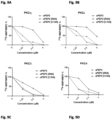
- Cell viability experiments using XTT analysis, described in Example 1 were performed with wild-type uPEP2 and its derivatives. It was seen that both derivatives, uPEP2[R8A] and uPEP2[C10A], reduced cancerous cell viability to a higher extent compared to WT uPEP2 in various cancer cells analyzed ( Figs. 12A-12B ).
- IC50 half-maximal inhibitory concentration of cell survival for the specific uPEP2 mutants in comparison to the WT uPEP2 is shown.
- Fig. 12A uPEP2[R8A] depicted low IC50 values for Kasumi-1, a myeloblast-derived cell line (acute myeloblastic leukemia) followed by triple-negative breast cancer MDA-MB-231.
- Fig. 12B uPEP2[C10A] was most effective in HL60, a lymphoblast-derived leukemia cell line.
- the experiments demonstrated herein show that the uPEP2 mutants were the most effective in reducing cell viability of breast cancer and leukemia cells.
- the effects of the mutated peptides on the human AML leukemia line ( Fig. 13 ) is shown. It was seen that mutant [R8A] was the most effective in reducing their viability compared to [C10A].
- a peptide with Lauryl modification at the N-terminus of the peptide instead of a Myristoyl modification was less effective in reducing survival, suggesting that Lauryl is less effective in cell penetration compared to a peptide with Myristoyl at the N-terminus.
Landscapes
- Health & Medical Sciences (AREA)
- Chemical & Material Sciences (AREA)
- Organic Chemistry (AREA)
- Life Sciences & Earth Sciences (AREA)
- General Health & Medical Sciences (AREA)
- Medicinal Chemistry (AREA)
- Chemical Kinetics & Catalysis (AREA)
- General Chemical & Material Sciences (AREA)
- Nuclear Medicine, Radiotherapy & Molecular Imaging (AREA)
- Pharmacology & Pharmacy (AREA)
- Animal Behavior & Ethology (AREA)
- Biochemistry (AREA)
- Public Health (AREA)
- Veterinary Medicine (AREA)
- Genetics & Genomics (AREA)
- Gastroenterology & Hepatology (AREA)
- Biophysics (AREA)
- Molecular Biology (AREA)
- Proteomics, Peptides & Aminoacids (AREA)
- Zoology (AREA)
- Oncology (AREA)
- Toxicology (AREA)
- Engineering & Computer Science (AREA)
- Bioinformatics & Cheminformatics (AREA)
- General Engineering & Computer Science (AREA)
- Wood Science & Technology (AREA)
- Medicines That Contain Protein Lipid Enzymes And Other Medicines (AREA)
- Peptides Or Proteins (AREA)
Applications Claiming Priority (1)
| Application Number | Priority Date | Filing Date | Title |
|---|---|---|---|
| US18/464,285 US20240209045A1 (en) | 2017-02-19 | 2023-09-11 | Peptide kinase inhibitors and methods of use thereof |
Publications (1)
| Publication Number | Publication Date |
|---|---|
| EP4520767A1 true EP4520767A1 (fr) | 2025-03-12 |
Family
ID=88068864
Family Applications (1)
| Application Number | Title | Priority Date | Filing Date |
|---|---|---|---|
| EP23197540.0A Withdrawn EP4520767A1 (fr) | 2023-09-11 | 2023-09-14 | Inhibiteurs de kinases peptidiques et leurs procédés d'utilisation |
Country Status (2)
| Country | Link |
|---|---|
| EP (1) | EP4520767A1 (fr) |
| CN (1) | CN119591675A (fr) |
Citations (1)
| Publication number | Priority date | Publication date | Assignee | Title |
|---|---|---|---|---|
| WO2018150430A1 (fr) * | 2017-02-19 | 2018-08-23 | The National Institute for Biotechnology in the Negev Ltd. | Inhibiteurs peptidiques de kinase et leurs méthodes d'utilisation |
-
2023
- 2023-09-14 EP EP23197540.0A patent/EP4520767A1/fr not_active Withdrawn
- 2023-09-22 CN CN202311235337.6A patent/CN119591675A/zh active Pending
Patent Citations (1)
| Publication number | Priority date | Publication date | Assignee | Title |
|---|---|---|---|---|
| WO2018150430A1 (fr) * | 2017-02-19 | 2018-08-23 | The National Institute for Biotechnology in the Negev Ltd. | Inhibiteurs peptidiques de kinase et leurs méthodes d'utilisation |
Non-Patent Citations (9)
| Title |
|---|
| CHEUNG-ONG ET AL., CHEM AND BIOL., vol. 20, 2013 |
| CRISTINA BARBOSA ET AL: "Gene Expression Regulation by Upstream Open Reading Frames and Human Disease", PLOS GENETICS, vol. 9, no. 8, 8 August 2013 (2013-08-08), pages e1003529, XP055477051, DOI: 10.1371/journal.pgen.1003529 * |
| H. RAVEH-AMIT ET AL: "Translational Control of Protein Kinase C by Two Upstream Open Reading Frames", MOLECULAR AND CELLULAR BIOLOGY, vol. 29, no. 22, 21 September 2009 (2009-09-21), US, pages 6140 - 6148, XP055535154, ISSN: 0270-7306, DOI: 10.1128/MCB.01044-09 * |
| HARRINGTON E O ET AL: "ENDOTHELIAL PROLIFERATION, MIGRATION, AND DIFFERENTIATION ARE BLUNTED BY CONDITIONALLY EXPRESSED PROTEIN KINASE C PSEUDOSUBSTRATE PEPTIDES", BIOCHEMICAL AND BIOPHYSICAL RESEARCH COMMUNICATIONS, ELSEVIER, AMSTERDAM NL, vol. 271, no. 2, 1 January 2000 (2000-01-01), pages 499 - 508, XP002948699, ISSN: 0006-291X, DOI: 10.1006/BBRC.2000.2655 * |
| JAYARAM DIVYA RAM ET AL: "Unraveling the hidden role of a uORF-encoded peptide as a kinase inhibitor of PKCs", PROCEEDINGS OF THE NATIONAL ACADEMY OF SCIENCES, vol. 118, no. 40, 30 September 2021 (2021-09-30), XP093131572, ISSN: 0027-8424, DOI: 10.1073/pnas.2018899118 * |
| KUBYSHKIN ET AL., BIOTECHNOLOGY JOURNAL, 3 July 2017 (2017-07-03) |
| LLOYD V: "Remington's Pharmaceutical Sciences", 2012 |
| RAZA ET AL., PHARMACEUTICS, 2018, pages 10 |
| RIVZI ET AL., SAUD PHARM. J, 2018, pages 26 |
Also Published As
| Publication number | Publication date |
|---|---|
| CN119591675A (zh) | 2025-03-11 |
Similar Documents
| Publication | Publication Date | Title |
|---|---|---|
| US10961292B2 (en) | Cell-permeable (ICP)-SOCS3 recombinant protein and uses thereof | |
| US9403877B2 (en) | Peptide agents for cancer therapy | |
| Snyder et al. | Recent advances in the use of protein transduction domains for the delivery of peptides, proteins and nucleic acids invivo | |
| AU2013202137A1 (en) | Peptide agents for cancer therapy | |
| US20180312539A1 (en) | Methods for preparing high throughput peptidomimetics, orally bioavailable drugs and compositions containing same | |
| US11753453B2 (en) | Peptide kinase inhibitors and methods of use thereof | |
| EP4520767A1 (fr) | Inhibiteurs de kinases peptidiques et leurs procédés d'utilisation | |
| JP7531931B2 (ja) | Vgll1ペプチドを含む癌治療用組成物 | |
| US20240209045A1 (en) | Peptide kinase inhibitors and methods of use thereof | |
| US20240209044A1 (en) | Peptide kinase inhibitors and activators and methods of use thereof | |
| WO2019049144A1 (fr) | Compositions pour l'inhibition de la méthyltransférase setd6 | |
| US20120302511A1 (en) | Peptides binding to the dimer interface of thymidylate synthase for the treatment of cancer | |
| WO2024055108A1 (fr) | Compositions et méthodes pour traiter le cancer | |
| CN101513532A (zh) | hBex1基因在制备肿瘤细胞多药耐药逆转剂中的应用 | |
| WO2010117055A1 (fr) | Polypeptide ayant une activité inhibitrice sélective contre la protéine kinase cα ou η | |
| EP2392585A2 (fr) | Protéines de squelette pour aptamères de peptides recombinants | |
| Koutsioumpa et al. | Targeting Cell Surface Nucleolin in Cancer |
Legal Events
| Date | Code | Title | Description |
|---|---|---|---|
| PUAI | Public reference made under article 153(3) epc to a published international application that has entered the european phase |
Free format text: ORIGINAL CODE: 0009012 |
|
| STAA | Information on the status of an ep patent application or granted ep patent |
Free format text: STATUS: THE APPLICATION HAS BEEN PUBLISHED |
|
| AK | Designated contracting states |
Kind code of ref document: A1 Designated state(s): AL AT BE BG CH CY CZ DE DK EE ES FI FR GB GR HR HU IE IS IT LI LT LU LV MC ME MK MT NL NO PL PT RO RS SE SI SK SM TR |
|
| STAA | Information on the status of an ep patent application or granted ep patent |
Free format text: STATUS: THE APPLICATION IS DEEMED TO BE WITHDRAWN |
|
| 18D | Application deemed to be withdrawn |
Effective date: 20250913 |