EP4520837A1 - Verfahren und kit zum enzymatischen abbau von polythiourethanen - Google Patents
Verfahren und kit zum enzymatischen abbau von polythiourethanen Download PDFInfo
- Publication number
- EP4520837A1 EP4520837A1 EP23306475.7A EP23306475A EP4520837A1 EP 4520837 A1 EP4520837 A1 EP 4520837A1 EP 23306475 A EP23306475 A EP 23306475A EP 4520837 A1 EP4520837 A1 EP 4520837A1
- Authority
- EP
- European Patent Office
- Prior art keywords
- enzyme
- amino acid
- acid sequence
- enzymatic degradation
- ptur
- Prior art date
- Legal status (The legal status is an assumption and is not a legal conclusion. Google has not performed a legal analysis and makes no representation as to the accuracy of the status listed.)
- Withdrawn
Links
Images


Classifications
-
- C—CHEMISTRY; METALLURGY
- C12—BIOCHEMISTRY; BEER; SPIRITS; WINE; VINEGAR; MICROBIOLOGY; ENZYMOLOGY; MUTATION OR GENETIC ENGINEERING
- C12P—FERMENTATION OR ENZYME-USING PROCESSES TO SYNTHESISE A DESIRED CHEMICAL COMPOUND OR COMPOSITION OR TO SEPARATE OPTICAL ISOMERS FROM A RACEMIC MIXTURE
- C12P13/00—Preparation of nitrogen-containing organic compounds
- C12P13/001—Amines; Imines
-
- C—CHEMISTRY; METALLURGY
- C08—ORGANIC MACROMOLECULAR COMPOUNDS; THEIR PREPARATION OR CHEMICAL WORKING-UP; COMPOSITIONS BASED THEREON
- C08G—MACROMOLECULAR COMPOUNDS OBTAINED OTHERWISE THAN BY REACTIONS ONLY INVOLVING UNSATURATED CARBON-TO-CARBON BONDS
- C08G59/00—Polycondensates containing more than one epoxy group per molecule; Macromolecules obtained by polymerising compounds containing more than one epoxy group per molecule using curing agents or catalysts which react with the epoxy groups
- C08G59/18—Macromolecules obtained by polymerising compounds containing more than one epoxy group per molecule using curing agents or catalysts which react with the epoxy groups ; e.g. general methods of curing
- C08G59/20—Macromolecules obtained by polymerising compounds containing more than one epoxy group per molecule using curing agents or catalysts which react with the epoxy groups ; e.g. general methods of curing characterised by the epoxy compounds used
- C08G59/22—Di-epoxy compounds
- C08G59/30—Di-epoxy compounds containing atoms other than carbon, hydrogen, oxygen and nitrogen
- C08G59/302—Di-epoxy compounds containing atoms other than carbon, hydrogen, oxygen and nitrogen containing sulfur
-
- C—CHEMISTRY; METALLURGY
- C12—BIOCHEMISTRY; BEER; SPIRITS; WINE; VINEGAR; MICROBIOLOGY; ENZYMOLOGY; MUTATION OR GENETIC ENGINEERING
- C12P—FERMENTATION OR ENZYME-USING PROCESSES TO SYNTHESISE A DESIRED CHEMICAL COMPOUND OR COMPOSITION OR TO SEPARATE OPTICAL ISOMERS FROM A RACEMIC MIXTURE
- C12P7/00—Preparation of oxygen-containing organic compounds
- C12P7/62—Carboxylic acid esters
-
- C—CHEMISTRY; METALLURGY
- C12—BIOCHEMISTRY; BEER; SPIRITS; WINE; VINEGAR; MICROBIOLOGY; ENZYMOLOGY; MUTATION OR GENETIC ENGINEERING
- C12Y—ENZYMES
- C12Y301/00—Hydrolases acting on ester bonds (3.1)
- C12Y301/01—Carboxylic ester hydrolases (3.1.1)
- C12Y301/01001—Carboxylesterase (3.1.1.1)
-
- C—CHEMISTRY; METALLURGY
- C12—BIOCHEMISTRY; BEER; SPIRITS; WINE; VINEGAR; MICROBIOLOGY; ENZYMOLOGY; MUTATION OR GENETIC ENGINEERING
- C12Y—ENZYMES
- C12Y301/00—Hydrolases acting on ester bonds (3.1)
- C12Y301/01—Carboxylic ester hydrolases (3.1.1)
- C12Y301/01003—Triacylglycerol lipase (3.1.1.3)
-
- C—CHEMISTRY; METALLURGY
- C12—BIOCHEMISTRY; BEER; SPIRITS; WINE; VINEGAR; MICROBIOLOGY; ENZYMOLOGY; MUTATION OR GENETIC ENGINEERING
- C12Y—ENZYMES
- C12Y301/00—Hydrolases acting on ester bonds (3.1)
- C12Y301/01—Carboxylic ester hydrolases (3.1.1)
- C12Y301/01013—Sterol esterase (3.1.1.13)
-
- C—CHEMISTRY; METALLURGY
- C12—BIOCHEMISTRY; BEER; SPIRITS; WINE; VINEGAR; MICROBIOLOGY; ENZYMOLOGY; MUTATION OR GENETIC ENGINEERING
- C12Y—ENZYMES
- C12Y304/00—Hydrolases acting on peptide bonds, i.e. peptidases (3.4)
- C12Y304/21—Serine endopeptidases (3.4.21)
-
- C—CHEMISTRY; METALLURGY
- C12—BIOCHEMISTRY; BEER; SPIRITS; WINE; VINEGAR; MICROBIOLOGY; ENZYMOLOGY; MUTATION OR GENETIC ENGINEERING
- C12Y—ENZYMES
- C12Y304/00—Hydrolases acting on peptide bonds, i.e. peptidases (3.4)
- C12Y304/21—Serine endopeptidases (3.4.21)
- C12Y304/21062—Subtilisin (3.4.21.62)
-
- C—CHEMISTRY; METALLURGY
- C12—BIOCHEMISTRY; BEER; SPIRITS; WINE; VINEGAR; MICROBIOLOGY; ENZYMOLOGY; MUTATION OR GENETIC ENGINEERING
- C12N—MICROORGANISMS OR ENZYMES; COMPOSITIONS THEREOF; PROPAGATING, PRESERVING, OR MAINTAINING MICROORGANISMS; MUTATION OR GENETIC ENGINEERING; CULTURE MEDIA
- C12N9/00—Enzymes; Proenzymes; Compositions thereof; Processes for preparing, activating, inhibiting, separating or purifying enzymes
- C12N9/14—Hydrolases (3)
- C12N9/16—Hydrolases (3) acting on ester bonds (3.1)
- C12N9/18—Carboxylic ester hydrolases (3.1.1)
-
- C—CHEMISTRY; METALLURGY
- C12—BIOCHEMISTRY; BEER; SPIRITS; WINE; VINEGAR; MICROBIOLOGY; ENZYMOLOGY; MUTATION OR GENETIC ENGINEERING
- C12N—MICROORGANISMS OR ENZYMES; COMPOSITIONS THEREOF; PROPAGATING, PRESERVING, OR MAINTAINING MICROORGANISMS; MUTATION OR GENETIC ENGINEERING; CULTURE MEDIA
- C12N9/00—Enzymes; Proenzymes; Compositions thereof; Processes for preparing, activating, inhibiting, separating or purifying enzymes
- C12N9/14—Hydrolases (3)
- C12N9/48—Hydrolases (3) acting on peptide bonds (3.4)
- C12N9/50—Proteinases, e.g. Endopeptidases (3.4.21-3.4.25)
Definitions
- the present Invention belongs to the domain of polymer recycling, and more specifically, of polymer recycling via enzymatic degradation.
- the present Invention concerns a method for the enzymatic degradation of polythiourethanes (PTURs).
- the method of the invention allows reducing polymer waste as well as recovering the basic monomer and/or other chemicals, which can be further used to re-obtain the original PTURs or as source materials or intermediates in the synthesis of other chemicals.
- Plastics are synthetic polymers that are ubiquitous ever since their production began from the year 1950's. Starting from this time, plastics have been produced at an increased rate to meet the demand of the entire world.
- the enzymes that are known to degrade plastic polymers belong to the class of "hydrolases". Enzymes belonging to this class are involved in a catalytic reaction which causes the breakdown of chemical bonds of their substrates in the presence of water.
- the hydrolases capable of degrading certain plastics are capable of hydrolyzing one or more chemical bonds within many of the commonly used plastics.
- the enzymes so far identified include esterases, lipases, PETases, laccases, polyurethanases and cutinases. The enzymatic degradation of plastic polymers results in simpler fragments, oligomeric or monomeric units.
- Microorganisms can further assimilate these smaller units into the microbial cell for further enzymatic degradation and release of metabolic products such as CO 2 , H 2 O, CH 4 , and N 2 (Amobonye et al., 2021). Many of these enzymes have been isolated from algae, actinomycetes, bacteria and fungi (Urbanek et al., 2020).
- Polythiourethanes are very versatile polymers due to their excellent physical, mechanical and optical properties.
- PTURs may be synthesized, for example, by reacting a polythiol compound with a polyisocyanate or a polyisothiocyanate compound.
- PTURs derives from the possibility to alter their physical properties through the modulation of the physical properties of the polythiol compounds and/or of the polyisocyanate or polyisothiocyanate compounds.
- this class of polymers is the production of optical materials thanks to their excellent optical characteristics and mechanical properties.
- PUs polyurethanes polymers
- the incorporation of sulfur atoms into the polymeric chain increases flexibility, crystallinity and other useful properties.
- the enhanced refractive index makes PTURs more suitable for optical applications.
- PTURs are primarily produced from non-renewable resources, which is problematic considering their large production volumes.
- a way to increase the sustainability of PTURs production is to move from the current linear PTURs production model to a more circular one.
- a circular model would minimize the negative impact of PTURs on the environment (i.e., would reduce its carbon footprint) and address the end-of-life issues of these polymers.
- a circular economy approach can be realized by the development of methods for the biological depolymerization of PTURs.
- the idea behind biological depolymerization is to obtain raw materials (monomers, oligomers, polymer fragments and/or other chemicals) by energy-efficient and environmentally benign processes of polymer degradation, that can be used to re-obtain the original PTURs and/or for the synthesis of other polymers or chemicals.
- the present invention aims to remedy to some or all of the above-mentioned problems of the prior art by proposing a method for the enzymatic degradation of polythiourethanes.
- polymer refers to a chemical compound which comprises repeating units linked by covalent chemical bonds.
- repeating unit is a part of a polymer whose repetition produces the complete polymer chain (except for the end-groups) by linking the repeat units together along the chain.
- repeating unit is not to be confused with the term "monomer”, which refers to the small molecule from which a polymer is synthesized. In this sense, for example, repeating units can also be made from two or more monomers.
- oligomer refers to the polymer of the invention consisting of 2 to 50, preferably 2 to 20, repeating units.
- Polythiourethanes are also known in the literature under the name of polythiocarbamates.
- the polythiourethane as implemented in the present invention may be prepared by any known method, for example by reacting a polythiol compound with a polyisocyanate or a polyisothiocyanate compound.
- the polythiol compound may be a typical one used in the synthesis of polythiourethanes.
- the polythiol compound is a compound of formula (I): R 1 (SH) n1 (I) wherein n1 represents an integer ranging from 2 to 6 and R 1 represents an aliphatic, alicyclic, heterocyclic or aromatic group.
- the polythiol compound may comprise one or more compounds selected from the group consisting of: pentaerythritol tetrakis(3-mercaptopropionate), pentaerythritol tetrakis(2-mercaptoacetate), tris(3-mercaptopropionate) trimethylolpropane, tris(mercaptoacetate) trimethylolpropane, 2,3-bis((2-mercaptoethyl)thio)-1-propanethiol, ethylene glycol bis (3-mercaptopropionate), 2-mercaptoethyl 2-mercaptoacetate, 2-mercaptoethyl 3-mercaptopropionate, 5,7-dimercaptomethyl-1,11-dimercapto-3,6,9-trithiaundecane, 4,7-dimercaptomethyl-1,11 -dimercapto-3,6,9-trithiaundecane, 4-mercaptomethyl-1,8-dimer
- the polythiol compound may be at least one selected from the group consisting of 1,2-bis(2-mercaptoethylthio)-3-mercaptopropane and pentaerythritol tetrakis (3-mercaptopropionate).
- the polyisocyanate or polyisothiocyanate compound may be one typically used in the synthesis of polythiourethanes.
- the kit according to the present Invention can optionally include at least one other reagent required to conduct the enzymatic degradation such as buffers, salts, enzyme co-factors and the like.
- the kit may additionally include one or more controls.
- kits may also be included in the kit.
- the various components of the kit are optionally provided in suitable containers.
- the kit can further include containers for holding or storing the polymer.
- the kit may also optionally contain reaction vessels, mixing vessels and other components that facilitate the preparation of reagents and/or the polymer.
- a high-throughput BTB assay was used. This assay makes use of bromothymol blue, which is a pH indicator and therefore changes its color as a function of the pH of the reaction mixture.
- the substrate is degraded in various products, including CO 2 and 3-mercaptopropanoic acid (which are released after hydrolysis of the ester bond in Substrate A and Substrate B), which have the effect to decrease the pH of the reaction mixture.
- CO 2 this is explained by the formation of carbonic acid as indicated in the equation below. This assay thus allows to easily detecting the CO 2 and 3-mercaptopropanoic acid released during enzymatic degradation.
- model substrates similar in structure and functional groups to PTURs were used to screen the numerous enzymes in a short time period.
- the chosen model substrates are Substrate A and Substrate B.
- the chemical formula of Substrate A is:
- the chemical formula of Substrate B is:
- high throughput screening of the enzymes may be carried out by using Ellman's reagent based high throughput assay for free thiol estimation as well as HPLC-UV based detection after BzCl derivatization for the estimation of primary amines.
- Enzyme as previously defined Origin Details
- Enzyme 1 Commercial Lipase A from Candida Antarctica (CAL-A) (commercial lipase Novocor ® AD-L)
- Enzyme 2 Commercial Commercial Porcine Pancreatic Lipase (PPL) (L3126, Sigma-Aldrich (Merck))
- Enzyme 3 Commercial Commercial Esterase from porcine liver (PLE) (E3019, Sigma-Aldrich (Merck))
- Enzyme 4(2) Commercial Commercial lipase Novozym ® 51032 from Aspergillus oryzae
- Enzyme 5 Commercial Lipase from Thermomyces lanuginosus (commercial lipase Lipozyme ® TL 100L)
- Enzyme 6 Commercial Serine endopeptidase (commercial Savinase ® 16L)
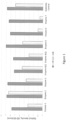
- Example refers to the 11 enzymes of the invention and listed above in Table 1, which have been identified by the BTB high-throughput assay.
- % Degradation % weight loss Weight of polymer cube before reaction ⁇ Weight of polymer cube after reaction Weight of polymer cube before reaction ⁇ 100
Landscapes
- Chemical & Material Sciences (AREA)
- Organic Chemistry (AREA)
- Life Sciences & Earth Sciences (AREA)
- Engineering & Computer Science (AREA)
- Zoology (AREA)
- Wood Science & Technology (AREA)
- Health & Medical Sciences (AREA)
- Genetics & Genomics (AREA)
- General Health & Medical Sciences (AREA)
- General Engineering & Computer Science (AREA)
- Bioinformatics & Cheminformatics (AREA)
- Biochemistry (AREA)
- Chemical Kinetics & Catalysis (AREA)
- General Chemical & Material Sciences (AREA)
- Microbiology (AREA)
- Biotechnology (AREA)
- Medicinal Chemistry (AREA)
- Polymers & Plastics (AREA)
- Proteomics, Peptides & Aminoacids (AREA)
- Preparation Of Compounds By Using Micro-Organisms (AREA)
- Organic Low-Molecular-Weight Compounds And Preparation Thereof (AREA)
Priority Applications (4)
| Application Number | Priority Date | Filing Date | Title |
|---|---|---|---|
| EP23306475.7A EP4520837A1 (de) | 2023-09-05 | 2023-09-05 | Verfahren und kit zum enzymatischen abbau von polythiourethanen |
| PCT/EP2024/074499 WO2025051696A2 (en) | 2023-09-05 | 2024-09-02 | Method and kit for the enzymatic degradation of polythiourethanes |
| CN202480056560.0A CN121794395A (zh) | 2023-09-05 | 2024-09-02 | 用于酶促降解聚硫胺甲酸酯的方法和试剂盒 |
| MX2026002591A MX2026002591A (es) | 2023-09-05 | 2026-03-04 | Metodo y kit para la degradacion enzimatica de politiouretanos |
Applications Claiming Priority (1)
| Application Number | Priority Date | Filing Date | Title |
|---|---|---|---|
| EP23306475.7A EP4520837A1 (de) | 2023-09-05 | 2023-09-05 | Verfahren und kit zum enzymatischen abbau von polythiourethanen |
Publications (1)
| Publication Number | Publication Date |
|---|---|
| EP4520837A1 true EP4520837A1 (de) | 2025-03-12 |
Family
ID=88147327
Family Applications (1)
| Application Number | Title | Priority Date | Filing Date |
|---|---|---|---|
| EP23306475.7A Withdrawn EP4520837A1 (de) | 2023-09-05 | 2023-09-05 | Verfahren und kit zum enzymatischen abbau von polythiourethanen |
Country Status (4)
| Country | Link |
|---|---|
| EP (1) | EP4520837A1 (de) |
| CN (1) | CN121794395A (de) |
| MX (1) | MX2026002591A (de) |
| WO (1) | WO2025051696A2 (de) |
Citations (5)
| Publication number | Priority date | Publication date | Assignee | Title |
|---|---|---|---|---|
| US4689387A (en) | 1984-03-23 | 1987-08-25 | Mitsui Toatsu Chemicals, Incorporated | S-alkyl thiocarbamate base lens resin |
| US4775733A (en) | 1986-03-01 | 1988-10-04 | Mitsui Toatsu Chemicals, Incorporated | High-refractivity plastic lens resin formed by reacting at least one polyisocyanate with at least one polythiol |
| US5059673A (en) | 1989-10-09 | 1991-10-22 | Mitsui Toatsu Chemicals, Inc. | Resin for urethane lenses, lenses comprising the resin, and a process for preparation of the resin and the lenses |
| US5087758A (en) | 1988-12-22 | 1992-02-11 | Mitsui Toatsu Chemicals, Inc. | Mercapto compound, a high refractive index resin and lens and a process for preparing them |
| US5191055A (en) | 1988-12-22 | 1993-03-02 | Mitsui Toatsu Chemicals, Inc. | Mercapto compound, a high refractive index resin and lens and a process for preparing them |
-
2023
- 2023-09-05 EP EP23306475.7A patent/EP4520837A1/de not_active Withdrawn
-
2024
- 2024-09-02 CN CN202480056560.0A patent/CN121794395A/zh active Pending
- 2024-09-02 WO PCT/EP2024/074499 patent/WO2025051696A2/en active Pending
-
2026
- 2026-03-04 MX MX2026002591A patent/MX2026002591A/es unknown
Patent Citations (6)
| Publication number | Priority date | Publication date | Assignee | Title |
|---|---|---|---|---|
| US4689387A (en) | 1984-03-23 | 1987-08-25 | Mitsui Toatsu Chemicals, Incorporated | S-alkyl thiocarbamate base lens resin |
| US4689387B1 (en) | 1984-03-23 | 1996-04-30 | Mitsui Toatsu Chemicals | S-alkyl thiocarbamate base lens resin |
| US4775733A (en) | 1986-03-01 | 1988-10-04 | Mitsui Toatsu Chemicals, Incorporated | High-refractivity plastic lens resin formed by reacting at least one polyisocyanate with at least one polythiol |
| US5087758A (en) | 1988-12-22 | 1992-02-11 | Mitsui Toatsu Chemicals, Inc. | Mercapto compound, a high refractive index resin and lens and a process for preparing them |
| US5191055A (en) | 1988-12-22 | 1993-03-02 | Mitsui Toatsu Chemicals, Inc. | Mercapto compound, a high refractive index resin and lens and a process for preparing them |
| US5059673A (en) | 1989-10-09 | 1991-10-22 | Mitsui Toatsu Chemicals, Inc. | Resin for urethane lenses, lenses comprising the resin, and a process for preparation of the resin and the lenses |
Non-Patent Citations (16)
| Title |
|---|
| A. AMOBONYEP. BHAGWATS. SINGHS. PILLAI: "Sci. Total Environ.", vol. 759, 2021, article "Plastic biodegradation: frontline microbes and their enzymes", pages: 143536 |
| A.K. URBANEKA.M. MIRONCZUKA. GARCIA-MARTINA. SABORIDOI. MATAM. ARROYO: "BBA - Proteins and Proteomics", 2020, article "Biochemical properties and biotechnological applications of microbial enzymes involved in the degradation of polyester-type plastics", pages: 140315 |
| C. GUERARD-HELAINE ET AL., CHEMCATCHEM, vol. 7, 2015, pages 1871 - 1879 |
| CHRISTINE GUERARD-HELAINE ET AL.: "Genome Mining for Innovative Biocatalysts", NEW DIHYDROXYACETONE ALDOLASES FOR THE CHEMIST'S TOOLBOX, CHEMCATCHEM, vol. 7, 2015, pages 1871 - 1879, XP072437975, DOI: 10.1002/cctc.201500014 |
| FERRIS CRISTINA ET AL: "Dithiothreitol-based polyurethanes. Synthesis and degradation studies", POLYMER DEGRADATION AND STABILITY, vol. 95, no. 9, 1 September 2010 (2010-09-01), GB, pages 1480 - 1487, XP093137659, ISSN: 0141-3910, DOI: 10.1016/j.polymdegradstab.2010.06.021 * |
| GAMARDELLA FRANCESCO ET AL: "Recyclable Organocatalyzed Poly(Thiourethane) Covalent Adaptable Networks", POLYMERS, vol. 12, no. 12, 4 December 2020 (2020-12-04), CH, pages 2913, XP093138289, ISSN: 2073-4360, DOI: 10.3390/polym12122913 * |
| HUANG SIJIA ET AL: "Chemical recycling of poly(thiourethane) thermosets enabled by dynamic thiourethane bonds", POLYMER CHEMISTRY, vol. 11, no. 43, 1 January 2020 (2020-01-01), Cambridge, pages 6879 - 6883, XP093137769, ISSN: 1759-9954, Retrieved from the Internet <URL:http://pubs.rsc.org/en/content/articlepdf/2020/PY/D0PY01050B> DOI: 10.1039/D0PY01050B * |
| K. MUKAIY. DOIY. SEMAK. TOMITA: "Biotechnol. Lett.", vol. 15, 1993, article "Substrate specificities in hydrolysis of polyhydroxyalkanoates by microbial esterases", pages: 601 - 604 |
| LOREDO-TREVIÑO ARACELI ET AL: "Polyurethane as substrate for fungal strains", ADVANCES IN BIOSCIENCE AND BIOTECHNOLOGY, vol. 02, no. 02, 1 January 2011 (2011-01-01), pages 52 - 58, XP093137775, ISSN: 2156-8456, Retrieved from the Internet <URL:http://www.scirp.org/journal/doi.aspx?DOI=10.4236/abb.2011.22009> DOI: 10.4236/abb.2011.22009 * |
| MAESTRI CLOTILDE ET AL: "Fungal Biodegradation of Polyurethanes", JOURNAL OF FUNGI, vol. 9, no. 7, 19 July 2023 (2023-07-19), pages 760, XP093137780, ISSN: 2309-608X, DOI: 10.3390/jof9070760 * |
| NAZIM OCALAURELIE LAGARDEMELANIE L'ENFANTFRANCK CHARMANTRAYLAURENCE HECQUET: "ChemBioChem", vol. 22, 2021, article "High-Throughput Solid-Phase Assay for Substrate Profiling and Directed Evolution of Transketolase", pages: 1 - 8 |
| S. TSUSHIMAY. MATSUSHITA: "National Institute for Agro-Environmental Sciences", 2010, article "Technical Report on the PCR-DGGE Analysis of Bacterial and Fungal Soil Communities" |
| TORU SHIMADATAKESHI HASEGAWA: "Mol. Biomol. Spectr.", vol. 185, 2017, article "Determination of equilibrium structures of bromothymol blue revealed by using quantum chemistry with an aid of multivariate analysis of electronic absorption spectra, Spectrochimica Acta Part A", pages: 104 - 110 |
| VERGNE-VAXELAIRE ET AL., ADV. SYNTH. CATAL., vol. 355, 2013 |
| VERGNE-VAXELAIRE ET AL.: "Nitrilase Activity Screening on Structurally Diverse Substrates", PROVIDING BIOCATALYTIC TOOLS FOR ORGANIC SYNTHESIS, ADV. SYNTH. CATAL., vol. 355, 2013, pages 1763 - 1779, XP072354247, DOI: 10.1002/adsc.201201098 |
| ZHIPENG HOUWEI ZHANGJING GUOBZHANGPEI CHENAJIANSHE HUALIQUN YANG: "Eur. Polym. J.", vol. 112, 2019, article "The in vitro enzymatic degradation of poly(trimethylene carbonate-co-2, 2'-dimethyltrimethylene carbonate", pages: 51 - 59 |
Also Published As
| Publication number | Publication date |
|---|---|
| WO2025051696A3 (en) | 2025-07-31 |
| CN121794395A (zh) | 2026-04-03 |
| MX2026002591A (es) | 2026-04-01 |
| WO2025051696A2 (en) | 2025-03-13 |
Similar Documents
| Publication | Publication Date | Title |
|---|---|---|
| Arnal et al. | Assessment of four engineered PET degrading enzymes considering large-scale industrial applications | |
| Zhu et al. | Enzyme discovery and engineering for sustainable plastic recycling | |
| US20250368971A1 (en) | Enzymatic Degradation of Polyethylene Terephthalate | |
| Taniguchi et al. | Biodegradation of PET: current status and application aspects | |
| Utomo et al. | Defined microbial mixed culture for utilization of polyurethane monomers | |
| Liu et al. | Biodegradation of polyester polyurethane by Cladosporium sp. P7: Evaluating its degradation capacity and metabolic pathways | |
| Matsumura et al. | Perspectives for synthesis and production of polyurethanes and related polymers by enzymes directed toward green and sustainable chemistry | |
| Haernvall et al. | Hydrolysis of ionic phthalic acid based polyesters by wastewater microorganisms and their enzymes | |
| Wei et al. | Process insights for harnessing biotechnology for plastic depolymerization | |
| Pérez-García et al. | Microbial plastic degradation: enzymes, pathways, challenges, and perspectives | |
| WO2022250622A1 (en) | A mutant pet degrading enzyme | |
| Sharma et al. | Biocatalysis through thermostable lipases: adding flavor to chemistry | |
| Cannon et al. | Synergistic mutations create Bacillus subtilisin variants with enhanced poly-l-lactic acid depolymerization activity | |
| Dewi et al. | Evaluation of pretreatment strategies and combinations of enzymes for degradation of polyethylene terephthalate | |
| EP4520837A1 (de) | Verfahren und kit zum enzymatischen abbau von polythiourethanen | |
| Murguiondo et al. | Optimized enzymatic PLA hydrolysis by a recombinant fungal cutinase: A step towards a closed PLA cycle | |
| Wu et al. | Synthetic biology boosts the biological depolymerization and upcycling of waste plastic resources | |
| Amobonye et al. | Microbial Bioresource for Plastic‐Degrading Enzymes | |
| Kamarudin et al. | Microbial degradation of polylactic acid bioplastic | |
| Siracusa et al. | Activity of an anaerobic Thermoanaerobacterales hydrolase on aliphatic and aromatic polyesters | |
| Makryniotis et al. | Exploring the substrate spectrum of phylogenetically distinct bacterial polyesterases | |
| Benninga et al. | Enzymatic recycling of polyurethanes | |
| Haernvall et al. | Residue-specific incorporation of the non-canonical amino acid norleucine improves lipase activity on synthetic polyesters | |
| EP4520836A1 (de) | Verfahren und kit zum enzymatischen abbau von poly(allyldiglykolcarbonat) | |
| Chalwatzis et al. | Depolymerisation of waste-and bio-based polyesters by an activated sludge hydrolase |
Legal Events
| Date | Code | Title | Description |
|---|---|---|---|
| PUAI | Public reference made under article 153(3) epc to a published international application that has entered the european phase |
Free format text: ORIGINAL CODE: 0009012 |
|
| STAA | Information on the status of an ep patent application or granted ep patent |
Free format text: STATUS: THE APPLICATION HAS BEEN PUBLISHED |
|
| AK | Designated contracting states |
Kind code of ref document: A1 Designated state(s): AL AT BE BG CH CY CZ DE DK EE ES FI FR GB GR HR HU IE IS IT LI LT LU LV MC ME MK MT NL NO PL PT RO RS SE SI SK SM TR |
|
| STAA | Information on the status of an ep patent application or granted ep patent |
Free format text: STATUS: THE APPLICATION HAS BEEN WITHDRAWN |
|
| 18W | Application withdrawn |
Effective date: 20250318 |