EP4520842A2 - Optimiertes sigma-1-agonist-verfahren zur responderauswahl und -behandlung - Google Patents
Optimiertes sigma-1-agonist-verfahren zur responderauswahl und -behandlung Download PDFInfo
- Publication number
- EP4520842A2 EP4520842A2 EP25152481.5A EP25152481A EP4520842A2 EP 4520842 A2 EP4520842 A2 EP 4520842A2 EP 25152481 A EP25152481 A EP 25152481A EP 4520842 A2 EP4520842 A2 EP 4520842A2
- Authority
- EP
- European Patent Office
- Prior art keywords
- subject
- sigma
- sigmar1
- anavex2
- rna
- Prior art date
- Legal status (The legal status is an assumption and is not a legal conclusion. Google has not performed a legal analysis and makes no representation as to the accuracy of the status listed.)
- Pending
Links
Images






Classifications
-
- A—HUMAN NECESSITIES
- A61—MEDICAL OR VETERINARY SCIENCE; HYGIENE
- A61K—PREPARATIONS FOR MEDICAL, DENTAL OR TOILETRY PURPOSES
- A61K31/00—Medicinal preparations containing organic active ingredients
- A61K31/33—Heterocyclic compounds
- A61K31/335—Heterocyclic compounds having oxygen as the only ring hetero atom, e.g. fungichromin
- A61K31/34—Heterocyclic compounds having oxygen as the only ring hetero atom, e.g. fungichromin having five-membered rings with one oxygen as the only ring hetero atom, e.g. isosorbide
- A61K31/341—Heterocyclic compounds having oxygen as the only ring hetero atom, e.g. fungichromin having five-membered rings with one oxygen as the only ring hetero atom, e.g. isosorbide not condensed with another ring, e.g. ranitidine, furosemide, bufetolol, muscarine
-
- A—HUMAN NECESSITIES
- A61—MEDICAL OR VETERINARY SCIENCE; HYGIENE
- A61K—PREPARATIONS FOR MEDICAL, DENTAL OR TOILETRY PURPOSES
- A61K31/00—Medicinal preparations containing organic active ingredients
- A61K31/13—Amines
-
- A—HUMAN NECESSITIES
- A61—MEDICAL OR VETERINARY SCIENCE; HYGIENE
- A61K—PREPARATIONS FOR MEDICAL, DENTAL OR TOILETRY PURPOSES
- A61K31/00—Medicinal preparations containing organic active ingredients
- A61K31/13—Amines
- A61K31/135—Amines having aromatic rings, e.g. ketamine, nortriptyline
-
- A—HUMAN NECESSITIES
- A61—MEDICAL OR VETERINARY SCIENCE; HYGIENE
- A61K—PREPARATIONS FOR MEDICAL, DENTAL OR TOILETRY PURPOSES
- A61K31/00—Medicinal preparations containing organic active ingredients
- A61K31/13—Amines
- A61K31/15—Oximes (>C=N—O—); Hydrazines (>N—N<); Hydrazones (>N—N=) ; Imines (C—N=C)
-
- A—HUMAN NECESSITIES
- A61—MEDICAL OR VETERINARY SCIENCE; HYGIENE
- A61K—PREPARATIONS FOR MEDICAL, DENTAL OR TOILETRY PURPOSES
- A61K31/00—Medicinal preparations containing organic active ingredients
- A61K31/21—Esters, e.g. nitroglycerine, selenocyanates
- A61K31/27—Esters, e.g. nitroglycerine, selenocyanates of carbamic or thiocarbamic acids, meprobamate, carbachol, neostigmine
-
- A—HUMAN NECESSITIES
- A61—MEDICAL OR VETERINARY SCIENCE; HYGIENE
- A61K—PREPARATIONS FOR MEDICAL, DENTAL OR TOILETRY PURPOSES
- A61K31/00—Medicinal preparations containing organic active ingredients
- A61K31/33—Heterocyclic compounds
- A61K31/395—Heterocyclic compounds having nitrogen as a ring hetero atom, e.g. guanethidine or rifamycins
- A61K31/40—Heterocyclic compounds having nitrogen as a ring hetero atom, e.g. guanethidine or rifamycins having five-membered rings with one nitrogen as the only ring hetero atom, e.g. sulpiride, succinimide, tolmetin, buflomedil
- A61K31/403—Heterocyclic compounds having nitrogen as a ring hetero atom, e.g. guanethidine or rifamycins having five-membered rings with one nitrogen as the only ring hetero atom, e.g. sulpiride, succinimide, tolmetin, buflomedil condensed with carbocyclic rings, e.g. carbazole
- A61K31/404—Indoles, e.g. pindolol
- A61K31/4045—Indole-alkylamines; Amides thereof, e.g. serotonin, melatonin
-
- A—HUMAN NECESSITIES
- A61—MEDICAL OR VETERINARY SCIENCE; HYGIENE
- A61K—PREPARATIONS FOR MEDICAL, DENTAL OR TOILETRY PURPOSES
- A61K31/00—Medicinal preparations containing organic active ingredients
- A61K31/33—Heterocyclic compounds
- A61K31/395—Heterocyclic compounds having nitrogen as a ring hetero atom, e.g. guanethidine or rifamycins
- A61K31/435—Heterocyclic compounds having nitrogen as a ring hetero atom, e.g. guanethidine or rifamycins having six-membered rings with one nitrogen as the only ring hetero atom
- A61K31/438—The ring being spiro-condensed with carbocyclic or heterocyclic ring systems
-
- A—HUMAN NECESSITIES
- A61—MEDICAL OR VETERINARY SCIENCE; HYGIENE
- A61K—PREPARATIONS FOR MEDICAL, DENTAL OR TOILETRY PURPOSES
- A61K31/00—Medicinal preparations containing organic active ingredients
- A61K31/33—Heterocyclic compounds
- A61K31/395—Heterocyclic compounds having nitrogen as a ring hetero atom, e.g. guanethidine or rifamycins
- A61K31/435—Heterocyclic compounds having nitrogen as a ring hetero atom, e.g. guanethidine or rifamycins having six-membered rings with one nitrogen as the only ring hetero atom
- A61K31/439—Heterocyclic compounds having nitrogen as a ring hetero atom, e.g. guanethidine or rifamycins having six-membered rings with one nitrogen as the only ring hetero atom the ring forming part of a bridged ring system, e.g. quinuclidine
-
- A—HUMAN NECESSITIES
- A61—MEDICAL OR VETERINARY SCIENCE; HYGIENE
- A61K—PREPARATIONS FOR MEDICAL, DENTAL OR TOILETRY PURPOSES
- A61K31/00—Medicinal preparations containing organic active ingredients
- A61K31/33—Heterocyclic compounds
- A61K31/395—Heterocyclic compounds having nitrogen as a ring hetero atom, e.g. guanethidine or rifamycins
- A61K31/435—Heterocyclic compounds having nitrogen as a ring hetero atom, e.g. guanethidine or rifamycins having six-membered rings with one nitrogen as the only ring hetero atom
- A61K31/44—Non condensed pyridines; Hydrogenated derivatives thereof
- A61K31/445—Non condensed piperidines, e.g. piperocaine
-
- A—HUMAN NECESSITIES
- A61—MEDICAL OR VETERINARY SCIENCE; HYGIENE
- A61K—PREPARATIONS FOR MEDICAL, DENTAL OR TOILETRY PURPOSES
- A61K31/00—Medicinal preparations containing organic active ingredients
- A61K31/33—Heterocyclic compounds
- A61K31/395—Heterocyclic compounds having nitrogen as a ring hetero atom, e.g. guanethidine or rifamycins
- A61K31/435—Heterocyclic compounds having nitrogen as a ring hetero atom, e.g. guanethidine or rifamycins having six-membered rings with one nitrogen as the only ring hetero atom
- A61K31/47—Quinolines; Isoquinolines
- A61K31/485—Morphinan derivatives, e.g. morphine, codeine
-
- A—HUMAN NECESSITIES
- A61—MEDICAL OR VETERINARY SCIENCE; HYGIENE
- A61K—PREPARATIONS FOR MEDICAL, DENTAL OR TOILETRY PURPOSES
- A61K31/00—Medicinal preparations containing organic active ingredients
- A61K31/33—Heterocyclic compounds
- A61K31/395—Heterocyclic compounds having nitrogen as a ring hetero atom, e.g. guanethidine or rifamycins
- A61K31/495—Heterocyclic compounds having nitrogen as a ring hetero atom, e.g. guanethidine or rifamycins having six-membered rings with two or more nitrogen atoms as the only ring heteroatoms, e.g. piperazine or tetrazines
-
- A—HUMAN NECESSITIES
- A61—MEDICAL OR VETERINARY SCIENCE; HYGIENE
- A61K—PREPARATIONS FOR MEDICAL, DENTAL OR TOILETRY PURPOSES
- A61K31/00—Medicinal preparations containing organic active ingredients
- A61K31/33—Heterocyclic compounds
- A61K31/395—Heterocyclic compounds having nitrogen as a ring hetero atom, e.g. guanethidine or rifamycins
- A61K31/535—Heterocyclic compounds having nitrogen as a ring hetero atom, e.g. guanethidine or rifamycins having six-membered rings with at least one nitrogen and one oxygen as the ring hetero atoms, e.g. 1,2-oxazines
- A61K31/5375—1,4-Oxazines, e.g. morpholine
-
- A—HUMAN NECESSITIES
- A61—MEDICAL OR VETERINARY SCIENCE; HYGIENE
- A61K—PREPARATIONS FOR MEDICAL, DENTAL OR TOILETRY PURPOSES
- A61K31/00—Medicinal preparations containing organic active ingredients
- A61K31/33—Heterocyclic compounds
- A61K31/395—Heterocyclic compounds having nitrogen as a ring hetero atom, e.g. guanethidine or rifamycins
- A61K31/55—Heterocyclic compounds having nitrogen as a ring hetero atom, e.g. guanethidine or rifamycins having seven-membered rings, e.g. azelastine, pentylenetetrazole
-
- A—HUMAN NECESSITIES
- A61—MEDICAL OR VETERINARY SCIENCE; HYGIENE
- A61P—SPECIFIC THERAPEUTIC ACTIVITY OF CHEMICAL COMPOUNDS OR MEDICINAL PREPARATIONS
- A61P25/00—Drugs for disorders of the nervous system
- A61P25/28—Drugs for disorders of the nervous system for treating neurodegenerative disorders of the central nervous system, e.g. nootropic agents, cognition enhancers, drugs for treating Alzheimer's disease or other forms of dementia
-
- C—CHEMISTRY; METALLURGY
- C12—BIOCHEMISTRY; BEER; SPIRITS; WINE; VINEGAR; MICROBIOLOGY; ENZYMOLOGY; MUTATION OR GENETIC ENGINEERING
- C12Q—MEASURING OR TESTING PROCESSES INVOLVING ENZYMES, NUCLEIC ACIDS OR MICROORGANISMS; COMPOSITIONS OR TEST PAPERS THEREFOR; PROCESSES OF PREPARING SUCH COMPOSITIONS; CONDITION-RESPONSIVE CONTROL IN MICROBIOLOGICAL OR ENZYMOLOGICAL PROCESSES
- C12Q1/00—Measuring or testing processes involving enzymes, nucleic acids or microorganisms; Compositions therefor; Processes of preparing such compositions
- C12Q1/68—Measuring or testing processes involving enzymes, nucleic acids or microorganisms; Compositions therefor; Processes of preparing such compositions involving nucleic acids
- C12Q1/6876—Nucleic acid products used in the analysis of nucleic acids, e.g. primers or probes
- C12Q1/6883—Nucleic acid products used in the analysis of nucleic acids, e.g. primers or probes for diseases caused by alterations of genetic material
-
- C—CHEMISTRY; METALLURGY
- C12—BIOCHEMISTRY; BEER; SPIRITS; WINE; VINEGAR; MICROBIOLOGY; ENZYMOLOGY; MUTATION OR GENETIC ENGINEERING
- C12Q—MEASURING OR TESTING PROCESSES INVOLVING ENZYMES, NUCLEIC ACIDS OR MICROORGANISMS; COMPOSITIONS OR TEST PAPERS THEREFOR; PROCESSES OF PREPARING SUCH COMPOSITIONS; CONDITION-RESPONSIVE CONTROL IN MICROBIOLOGICAL OR ENZYMOLOGICAL PROCESSES
- C12Q1/00—Measuring or testing processes involving enzymes, nucleic acids or microorganisms; Compositions therefor; Processes of preparing such compositions
- C12Q1/68—Measuring or testing processes involving enzymes, nucleic acids or microorganisms; Compositions therefor; Processes of preparing such compositions involving nucleic acids
- C12Q1/6876—Nucleic acid products used in the analysis of nucleic acids, e.g. primers or probes
- C12Q1/6883—Nucleic acid products used in the analysis of nucleic acids, e.g. primers or probes for diseases caused by alterations of genetic material
- C12Q1/6886—Nucleic acid products used in the analysis of nucleic acids, e.g. primers or probes for diseases caused by alterations of genetic material for cancer
-
- C—CHEMISTRY; METALLURGY
- C12—BIOCHEMISTRY; BEER; SPIRITS; WINE; VINEGAR; MICROBIOLOGY; ENZYMOLOGY; MUTATION OR GENETIC ENGINEERING
- C12Q—MEASURING OR TESTING PROCESSES INVOLVING ENZYMES, NUCLEIC ACIDS OR MICROORGANISMS; COMPOSITIONS OR TEST PAPERS THEREFOR; PROCESSES OF PREPARING SUCH COMPOSITIONS; CONDITION-RESPONSIVE CONTROL IN MICROBIOLOGICAL OR ENZYMOLOGICAL PROCESSES
- C12Q2600/00—Oligonucleotides characterized by their use
- C12Q2600/106—Pharmacogenomics, i.e. genetic variability in individual responses to drugs and drug metabolism
-
- C—CHEMISTRY; METALLURGY
- C12—BIOCHEMISTRY; BEER; SPIRITS; WINE; VINEGAR; MICROBIOLOGY; ENZYMOLOGY; MUTATION OR GENETIC ENGINEERING
- C12Q—MEASURING OR TESTING PROCESSES INVOLVING ENZYMES, NUCLEIC ACIDS OR MICROORGANISMS; COMPOSITIONS OR TEST PAPERS THEREFOR; PROCESSES OF PREPARING SUCH COMPOSITIONS; CONDITION-RESPONSIVE CONTROL IN MICROBIOLOGICAL OR ENZYMOLOGICAL PROCESSES
- C12Q2600/00—Oligonucleotides characterized by their use
- C12Q2600/156—Polymorphic or mutational markers
-
- C—CHEMISTRY; METALLURGY
- C12—BIOCHEMISTRY; BEER; SPIRITS; WINE; VINEGAR; MICROBIOLOGY; ENZYMOLOGY; MUTATION OR GENETIC ENGINEERING
- C12Q—MEASURING OR TESTING PROCESSES INVOLVING ENZYMES, NUCLEIC ACIDS OR MICROORGANISMS; COMPOSITIONS OR TEST PAPERS THEREFOR; PROCESSES OF PREPARING SUCH COMPOSITIONS; CONDITION-RESPONSIVE CONTROL IN MICROBIOLOGICAL OR ENZYMOLOGICAL PROCESSES
- C12Q2600/00—Oligonucleotides characterized by their use
- C12Q2600/158—Expression markers
Definitions
- the present invention relates generally to methods of determining if a subject is responsive or non-responsive to Sigma-1 receptor therapy.
- One aspect of the present disclosure encompasses a method of selecting a subject responsive to Sigma-1 receptor agonist therapy.
- the method comprises obtaining or having obtained the results of a test of a biological sample from the subject which determines the presence of at least one polymorphism selected from the group consisting of SIGMAR1_Q2P, COMT_L146fs, KANSL1_P1010L/P304L/P946L, DHCR7_M220T, HLA-DRB1_ A244T, HLA-DRB1_ S66Y, HLA-DRB1_ Y89S, MS4A6E_M59T, RIN3_ H215R, DPYD_I543V, and combinations thereof in the subject.
- the method further comprises excluding the subject as non-responsive to Sigma-1 receptor agonist therapy if a polymorphism is present in the subject.
- Another aspect of the present disclosure encompasses a method of selecting subjects responsive to Sigma-1 receptor agonist therapy.
- the method comprises determining or having determined the level of expression of RNA encoded by at least gene selected from the group consisting of SIGMAR1, COMT, KANSL1, DHCR7, HLA-DRB1, MS4A6E, RIN3, DPYD, and combinations thereof.
- the method also comprises excluding the subject as non-responsive to Sigma-1 receptor agonist therapy if the level of the RNA in the test sample is substantially different from the level of the RNA in a subject responsive to Sigma-1 receptor therapy.
- One aspect of the present disclosure encompasses a method of treating a subject in need of Sigma-1 receptor agonist therapy.
- the method comprises obtaining or having obtained the results of a test of a biological sample from the subject which detects the presence of at least one polymorphism selected from the group consisting of SIGMAR1_Q2P, COMT_L146fs, KANSL1_P1010L/P304L/P946L, DHCR7_M220T, HLA-DRB1_ A244T, HLA-DRB1_ S66Y, HLA-DRB1_ Y89S, MS4A6E_M59T, RIN3_ H215R, DPYD_I543V, and combinations thereof in the subject.
- the method also comprises administering a therapeutically effective amount of a Sigma-1 receptor agonist to the subject if a polymorphism is not present in the subject.
- Another aspect of the present disclosure encompasses a method of treating a subject in need of Sigma-1 receptor agonist therapy.
- the method comprises, obtaining or having obtained the results of a test of a biological sample from the subject which determines the level of expression of RNA encoded by at least gene selected from the group consisting of SIGMAR1, COMT, KANSL1, DHCR7, HLA-DRB1, MS4A6E, RIN3, DPYD, and combinations thereof.
- the method further comprises comparing the level of the RNA in the test sample to the level of the RNA in a subject responsive to Sigma-1 receptor therapy, and administering a therapeutically effective amount of a Sigma-1 receptor agonist to the subject if a level of the RNA in the test sample is substantially similar to the level of the RNA in a subject responsive to Sigma-1 receptor therapy.
- the at least one polymorphism is selected from the group consisting of SIGMAR1_Q2P, COMT_L146fs, KANSL1_P1010L/P304L/P946L, DHCR7_M220T, HLA-DRB1_ A244T, HLA-DRB1_ S66Y, HLA-DRB1_ Y89S, MS4A6E_M59T, RIN3_ H215R, DPYD_I543V, and combinations thereof in the subject.
- the present disclosure is based in part on the discovery of methods of determining if a subject is responsive or non-responsive to Sigma-1 receptor therapy.
- the methods can comprise detecting the presence of a polymorphism associated with an altered response to Sigma-1 receptor therapy.
- the method can also comprise determining the level of expression of RNA encoded by a gene associated with an altered response to Sigma-1 receptor therapy.
- the methods can be used to optimize treatment for subjects in need of Sigma-1 receptor therapy. Based on the predicted responsiveness of a subject to the therapy, personalized treatment can be provided to each subject. For instance, responsive subjects can be selected for treatment using a Sigma-1 receptor agonist, whereas non-responsive subjects may be provided alternative, more appropriate treatment regimens early in the disease development process and/or even before treatment is started. This is in contrast to current methods wherein a subject is determined to be responsive or non-responsive after an extended period of treatment.
- the polymorphisms, methods of identifying the polymorphisms, and methods of using the polymorphisms are described below.
- the polymorphism associated with response to Sigma-1 receptor therapy is in a gene selected from SIGMAR1, COMT, KANSL1, DHCR7, HLA-DRB1, MS4A6E, RIN3, GAMT, IL10, MTUS1, PPARG, and combinations thereof.
- the polymorphism is in a gene selected from SIGMAR1, COMT, KANSL1, DHCR7, HLA-DRB1, MS4A6E, RIN3, and combinations thereof.
- the polymorphism is in a gene selected from SIGMAR1, COMT, KANSL1, and combinations thereof.
- the polymorphism associated with response to Sigma-1 receptor therapy is selected from the group consisting of SIGMAR1_Q2P, COMT_L146fs (rs113895332/ rs61143203), KANSL1_P1010L/P304L/P946L, and combinations thereof.
- the polymorphism associated with response to Sigma-1 receptor therapy is selected from the group consisting of SIGMAR1_Q2P, COMT_L146fs (rs113895332 or rs61143203), KANSL1_P1010L/P304L/P946L, and combinations thereof.
- the polymorphism associated with response to Sigma-1 receptor therapy is SIGMAR1_Q2P.
- the polymorphism associated with response to Sigma-1 receptor therapy is COMT_L146fs (rs113895332 or rs61143203). In another aspect, the polymorphism associated with response to Sigma-1 receptor therapy is KANSL1_P1010L/P304L/P946L.
- Another aspect of the present invention provides methods of determining if a subject is responsive or non-responsive to Sigma-1 receptor therapy.
- the method can comprise detecting the presence of a polymorphism associated with an altered response to Sigma-1 receptor therapy.
- the method can also comprise determining the level of expression of RNA encoded by at least one gene associated with an altered response to Sigma-1 receptor therapy.
- the method comprises detecting the presence of at least one polymorphism associated with an altered response to Sigma-1 receptor therapy.
- the presence of at least one polymorphism identifies a subject responsive to Sigma-1 receptor therapy.
- the polymorphisms and the genes comprising the polymorphisms are as described in Section I.
- the presence of one or more than one polymorphism can be detected. For instance, the presence of 1, 2, 3, 4, 5, 6, 7, 8, 9, 10, or more polymorphisms can be detected. In some aspects, the presence of 1, 2, 3, 4, 5, 6, 7, 8, 9, or 10 polymorphisms can be detected. In other aspects, the presence of 1, 2, 3, 4, or 5 polymorphisms can be detected. In yet other aspects, the presence of 1, 2, or 3 polymorphisms can be detected.
- the presence or absence of polymorphisms can be detected by evaluating nucleic acid sequences in the subject. Alternatively, the presence or absence of polymorphisms can be detected by evaluating the expression of a nucleic acid or protein from a gene or genetic locus comprising the polymorphism.
- the presence or absence of polymorphisms can be detected by evaluating nucleic acid sequences for the presence of a polymorphism at the locus comprising the polymorphism.
- the nucleic acid sequence can be a DNA or an RNA sequence expressed from a genetic locus comprising the polymorphism. Methods suitable for detecting the polymorphism are well known in the art.
- the methods include shotgun sequencing, bridge PCR, high throughput methods, allele-specific real time PCR, 5'-nuclease assays, template-directed dye-terminator incorporation, molecular beacon allele-specific oligonucleotide assays, assays employing invasive cleavage with Flap nucleases, allele-specific hybridization (ASH), array based hybridization, allele-specific ligation, primer extension, single-base extension (SBE) assays, sequencing, pyrophosphate sequencing, real-time pyrophosphate sequencing, sequence length polymorphism analysis, restriction length fragment polymorphisms (RFLP), RFLP-PCR, single-stranded conformational polymorphism (SSCP), PCR-SSCP, fragment sizing capillary electrophoresis, heteroduplex analysis, and mass array systems.
- ASH allele-specific hybridization
- SBE single-base extension
- sequencing pyrophosphate sequencing, real-time pyrophosphate sequencing, sequence
- High throughput sequencing methods include massively parallel signature sequencing (MPSS), polony sequencing, 454 pyrosequencing, illumina (Solexa) sequencing, combinatorial probe anchor synthesis (cPAS), SOLiD sequencing, ion Torrent semiconductor sequencing, DNA nanoball sequencing, heliscope single molecule sequencing, single molecule real time (SMRT) sequencing, nanopore DNA sequencing, tunneling currents DNA sequencing, sequencing by hybridization, sequencing with mass spectrometry, microfluidic Sanger sequencing, microscopy-based techniques, RNAP sequencing, and in vitro virus high-throughput sequencing.
- MPSS massively parallel signature sequencing
- polony sequencing 454 pyrosequencing
- illumina (Solexa) sequencing combinatorial probe anchor synthesis
- SOLiD sequencing ion Torrent semiconductor sequencing
- DNA nanoball sequencing heliscope single molecule sequencing
- SMRT single molecule real time sequencing
- nanopore DNA sequencing tunneling currents DNA sequencing, sequencing by hybridization, sequencing with mass spectrometry,
- the method comprises determining the level of expression of RNA encoded by at least one gene associated with an altered response to Sigma-1 receptor therapy.
- a level of the RNA substantially similar to the level of the RNA in the subject responsive to Sigma-1 receptor therapy identifies a subject responsive to Sigma-1 receptor therapy.
- the genes associated with an altered response to Sigma-1 receptor therapy are selected from the group consisting of SIGMAR1, COMT, KANSL1, DHCR7, HLA-DRB1, MS4A6E, RIN3, DPYD, and combinations thereof.
- the level of expression of RNA encoded by 1, 2, 3, 4, 5, 6, 7, 8, 9, 10, or more genes can be detected.
- the level of expression of RNA encoded by 1, 2, 3, 4, 5, 6, 7, 8, 9, or 10 genes can be detected.
- the level of expression of RNA encoded by 1, 2, 3, 4, or 5 genes can be detected.
- the level of expression of RNA encoded by of 1, 2, or 3 genes can be detected.
- Measuring the level of RNA expression may be accomplished by a variety of methods including northern blotting, quantitative real-time PCR (qRT-PCR), nucleic acid microarrays, Luminex microspheres, and nuclease protection assay. Methods of determining a substantially different level of RNA expression are known in the art, and include distribution analysis. In some aspects, a substantially different level of RNA expression is determined by normalizing RNA expression values as Transcripts Per Kilobase Million (TPM).
- TPM Transcripts Per Kilobase Million
- determining if a subject is responsive or non-responsive to Sigma-1 receptor therapy can be detected by measuring the level of a protein expressed from a gene comprising the polymorphism.
- Methods of measuring protein expression include a variety of methods such as high-performance liquid chromatography (HPLC), liquid chromatography-mass spectrometry (LC/MS), enzyme-linked immunosorbent assay (ELISA), protein immunoprecipitation, immunoelectrophoresis, western blotting, and protein immunostaining.
- Determining if a subject is responsive or non-responsive to Sigma-1 receptor therapy can be detected in the subject in vivo or in vitro.
- responsiveness of a subject to Sigma-1 receptor therapy can be by analyzing a nucleic acid or protein in vitro in a biological sample obtained from the subject.
- the nucleic acid or protein can be isolated from the biological sample using methods commonly known in the art. For more information, see Ausubel et al., 2003, or Sambrook & Russell, 2001.
- Commercially available nucleic acid and protein extraction kits or commercially available extraction reagents may be used to isolate the nucleic acid from the biological sample.
- Non-limiting examples of suitable biological samples include fluid samples, biopsy samples, skin samples, and hair samples.
- Fluid samples may include blood, serum, saliva, tears, and lymph.
- the biological sample is blood. Methods of collecting a biological sample from a subject are well known in the art.
- the method of determining if a subject is responsive or non-responsive to Sigma-1 receptor therapy comprises obtaining the results of a test of a biological sample from the subject which determines the presence of at least one polymorphism.
- the method of determining responsiveness of a subject to Sigma-1 receptor therapy comprises detecting if at least one polymorphism is present at a genetic locus in a biological sample obtained from the subject by sequencing the genetic locus comprising the polymorphism.
- the method of determining if a subject is responsive or non-responsive to Sigma-1 receptor therapy comprises obtaining the results of a test of a biological sample from the subject which determines the level of at least one RNA encoded by a gene associated with an altered response to Sigma-1 receptor therapy.
- the method of determining responsiveness of a subject to Sigma-1 receptor therapy comprises detecting if at least one polymorphism is present at a genetic locus in a biological sample obtained from the subject by determining the level of expression of at least one RNA encoded by a gene associated with an altered response to Sigma-1 receptor therapy.
- the methods can be used to optimize treatment for subjects in need of Sigma-1 receptor agonist therapy. For instance, the methods can be used to select a subject responsive to Sigma-1 receptor therapy prior to initiating a treatment protocol for the subject. Conversely, the methods can be used to exclude, prior to treatment, a subject if the subject is found to be non-responsive to Sigma-1 receptor therapy. Polymorphisms can be used to determine, prior to treatment, if a subject will develop toxicity if treated with a Sigma-1 receptor agonist. Additionally, the methods can be used to determine if or when a treatment with a Sigma-1 receptor agonist should be discontinued in a subject. Additionally, the methods can be used in evaluating the response of a subject to a substance cessation treatment.
- the methods comprise detecting the presence of a polymorphism in a subject, and determining if a subject is a candidate for Sigma-1 receptor therapy.
- the methods can also comprise determining the level of expression of RNA from one or more genes associated with an altered response to Sigma-1 receptor therapy.
- the polymorphisms, the genes associated with an altered response to Sigma-1 receptor therapy, the methods of detecting the polymorphisms, and the methods of determining the level of RNA expression can be as described in Section I, and methods of detecting the polymorphisms can be as described in Section II.
- the term "responsive" can be used to describe any subject that experiences a positive outcome when treated with a Sigma-1 receptor agonist.
- Methods of determining responsiveness of a subject to Sigma-1 receptor therapy can and will vary depending on the condition or disease, the subject, the treatment protocol, among other variables, and can be determined experimentally. Responsiveness can be as determined at any time point considered appropriate by an individual of skill in the art for a disease or condition. For instance, treatment outcome can be determined at about 57 weeks, about 148 weeks, or about 208 weeks after initiation of treatment.
- AD Alzheimer's disease
- positive outcomes can be as measured by Delta or Slope MMSE (Mini-Mental State Examination) or ADCS-ADL (Alzheimer's Disease Cooperative Study - Activities of Daily Living).
- Responsive subjects are characterized by having a positive or null MMSE and/or ADCS-ASL slope, whereas non-responsive subjects are characterized by having a negative MMSE and/or ADCS-ASL slope.
- Responsive subjects are also characterized by having a high MMSE and/or ADCS-ASL delta, whereas non-responsive subjects are characterized by having a low MMSE and/or ADCS-ASL delta.
- a low MMSE delta may range from about -9 to about -6, from about -6 to about -2, or from about -9 to about -2, whereas a hish MMSE delta may range from about -6 to -2 or from about -2 to about 6.
- the method is used to select a subject responsive to Sigma-1 receptor agonist therapy.
- the method comprises obtaining the results of a test of a biological sample from the subject which determines the presence of at least one polymorphism, and excluding the subject as non-responsive to Sigma-1 receptor agonist therapy if a polymorphism is present in the subject.
- a subject can be included as responsive to the therapy if a polymorphism is present in the subject.
- the polymorphism is selected from the group consisting of SIGMAR1_Q2P, COMT_L146fs, COMT_L146fs, KANSL1_P1010L/P304L/P946L, and combinations thereof.
- the presence of the polymorphism can be obtained by evaluating nucleic acid sequences.
- the method is used to select a subject responsive to Sigma-1 receptor agonist therapy.
- the method comprises detecting if at least one polymorphism is present at a genetic locus in a biological sample obtained from the subject by sequencing the genetic locus comprising the polymorphism, and excluding the subject as non-responsive to Sigma-1 receptor agonist therapy if a polymorphism is present in the subject.
- a subject can be included as responsive to the therapy if a polymorphism is present in the subject.
- the polymorphism is selected from the group consisting of SIGMAR1_Q2P, COMT_L146fs, KANSL1_P1010L/P304L/P946L, DHCR7_M220T, HLA-DRB1_ A244T, HLA-DRB1_ S66Y, HLA-DRB1_ Y89S, MS4A6E_M59T, RIN3_ H215R, DPYD_I543V, and combinations thereof.
- the polymorphism is selected from the group consisting of SIGMAR1_Q2P, COMT_L146fs, and combinations thereof. The presence of the polymorphism can be detected by evaluating nucleic acid sequences.
- the method is used to select a subject responsive to Sigma-1 receptor agonist therapy.
- the method comprises obtaining the results of a test of a biological sample from the subject which determines the level of expression of RNA encoded by at least one gene selected from the group consisting of SIGMAR1, COMT, KANSL1, DHCR7, HLA-DRB1, MS4A6E, RIN3, and combinations thereof, and excluding the subject as non-responsive to Sigma-1 receptor agonist therapy if a level of RNA is substantially different from the level of RNA in a subject responsive to Sigma-1 receptor therapy.
- a subject can be included as responsive to the therapy if a level of RNA is substantially similar to the level of the RNA in a subject responsive to Sigma-1 receptor therapy.
- the level of expression of RNA encoded by a gene selected from the group consisting of SIGMAR1, COMT, KANSL1, and combinations thereof is determined.
- the method is used to select subjects responsive to Sigma-1 receptor agonist therapy.
- the method comprises detecting RNA expression in a test of a biological sample from the subject which determines the level of expression of RNA encoded by at least one gene selected from the group consisting of SIGMAR1, COMT, KANSL1, DHCR7, HLA-DRB1, MS4A6E, RIN3, and combinations thereof.
- the method comprises excluding the subject as non-responsive to Sigma-1 receptor agonist therapy if a level of RNA is substantially different from the level of RNA in a subject responsive to Sigma-1 receptor therapy.
- the method comprises identifying the subject as responsive to Sigma-1 receptor agonist therapy if a level of RNA is substantially similar to the level of RNA in a subject responsive to Sigma-1 receptor therapy.
- the level of expression of RNA encoded by a gene selected from the group consisting of SIGMAR1, COMT, KANSL1, and combinations thereof is determined.
- the method is used to treat a subject in need of Sigma-1 receptor agonist therapy.
- the method comprises obtaining the results of a test of a biological sample from the subject which determines the presence of at least one polymorphism. If a polymorphism is not present in the subject, a therapeutically effective amount of a Sigma-1 receptor agonist is administered to the subject. Alternatively, if a polymorphism is present in the subject, a therapeutically effective amount of an alternative to Sigma-1 receptor agonist is administered to the subject.
- the polymorphism is selected from the group consisting of SIGMAR1_Q2P, COMT_L146fs, KANSL1_P1010L/P304L/P946L, DHCR7_M220T, HLA-DRB1_ A244T, HLA-DRB1_ S66Y, HLA-DRB1_ Y89S, MS4A6E_M59T, RIN3_ H215R, DPYD_I543V, and combinations thereof.
- the polymorphism is selected from the group consisting of SIGMAR1_Q2P, COMT_L146fs, COMT_L146fs, KANSL1_P1010L/P304L/P946L, and combinations thereof.
- the presence of the polymorphism can be obtained by evaluating nucleic acid sequences.
- the method is used to treat a subject in need of Sigma-1 receptor agonist therapy.
- the method comprises obtaining the results of a test of a biological sample from the subject which determines the level of expression of RNA encoded by a gene selected from the group consisting of SIGMAR1, COMT, KANSL1, DHCR7, HLA-DRB1, MS4A6E, RIN3, and combinations thereof. If the level of RNA in the test sample is substantially different from the level of RNA obtained from a subject responsive to Sigma-1 receptor therapy, a therapeutically effective amount of a Sigma-1 receptor agonist is administered to the subject.
- RNA in the test sample is substantially similar to the level of RNA obtained from a subject responsive to Sigma-1 receptor therapy, a therapeutically effective amount of an alternative to Sigma-1 receptor agonist is administered to the subject.
- the level of expression of RNA encoded by a gene selected from the group consisting of SIGMAR1, COMT, KANSL1, and combinations thereof is determined.
- a subject can have more than one polymorphism.
- the subject can have 1, 2, 3, 4, 5, 6, 7, 8, 9, 10, or more polymorphisms.
- the subject has 1, 2, 3, 4, 5, 6, 7, 8, 9, or 10 polymorphisms.
- the subject has 1, 2, 3, 4, or 5 polymorphisms.
- the subject has 1, 2, or 3 polymorphisms.
- Sig-1R expression or activity is linked to neurodegeneration, and the activation of Sig-1R is associated with neuroprotection in human subjects and in different in vitro and in vivo models. Therefore, one aspect of the disclosure encompasses treatment of any Sigma-1 receptor-related disease or condition which primarily affects the neuronal system in a subject. Such conditions include conditions variously known as neurodevelopmental and neurodegenerative diseases and conditions, and can be used for neuroprotection.
- Non-limiting examples of neurodegenerative diseases include Alzheimer's disease, Parkinson's disease, prion diseases, Huntington's disease, motor neuron diseases (MND) such as amyotrophic lateral sclerosis, spinocerebellar ataxia (SCA), spinal muscular atrophy (SMA), dementia, autism spectrum disorder, cerebral palsy, Rett syndrome, Angelman syndrome, Williams syndrome, pervasive developmental disorder not otherwise specified (PDD-NOS), multiple sclerosis, childhood disintegrative disorder, Fragile X, infantile spasms and Smith-Magenis syndrome, schizophrenia, post-traumatic stress disorder (PTSD), and any neuronal injury such as injury resulting from a stroke, traumatic brain injury, and spinal cord injury.
- MND motor neuron diseases
- SCA spinocerebellar ataxia
- SMA spinal muscular atrophy
- dementia autism spectrum disorder
- cerebral palsy cerebral palsy
- Rett syndrome Rett syndrome
- Angelman syndrome Angelman syndrome
- Williams syndrome pervasive developmental disorder not otherwise specified
- SIGMAR1 is also useful as a target for cancer treatment.
- one aspect of the disclosure encompasses treatment of any Sigma-1 receptor-related cancer or neoplasm.
- cancer as used throughout the instant disclosure may be one or more neoplasm or cancer.
- the neoplasm may be malignant or benign, the cancer may be primary or metastatic; the neoplasm or cancer may be early stage or late stage.
- Non-limiting examples of neoplasms or cancers that may be treated include acute lymphoblastic leukemia, acute myeloid leukemia, adrenocortical carcinoma, AIDS-related cancers, AIDS-related lymphoma, anal cancer, appendix cancer, astrocytomas (childhood cerebellar or cerebral), basal cell carcinoma, bile duct cancer, bladder cancer, bone cancer, brainstem glioma, brain tumors (cerebellar astrocytoma, cerebral astrocytoma/malignant glioma, ependymoma, medulloblastoma, supratentorial primitive neuroectodermal tumors, visual pathway and hypothalamic gliomas), breast cancer, bronchial adenomas/carcinoids, Burkitt lymphoma, carcinoid tumors (childhood, gastrointestinal), carcinoma of unknown primary, central nervous system lymphoma (primary), cerebellar astrocytoma, cerebral
- the method comprises administering a therapeutically effective amount of an alternative to Sigma-1 receptor agonist when a subject in need of Sigma-1 receptor agonist therapy is determined to be non-responsive to the therapy.
- alternatives to Sigma-1 receptor agonist include galantamine, memantine, and rivastigmine.
- the method comprises administering a therapeutically effective amount of a Sigma-1 receptor agonist when a subject in need of Sigma-1 receptor agonist therapy is determined to be responsive to the therapy.
- a sigma-1 receptor agonist may be any therapeutic or active agent capable of treating a subject in need of Sigma-1 receptor agonist therapy.
- a receptor agonist can be a biological compound such as an antibody or a peptide, or a small molecule active agent.
- Non-limiting examples of Sigma-1 receptor agonists include entacapone, nebicapone, nitecapone, opicapone, tolcapone, tetrahydro-N,N-dimethyl-2,2-diphenyl-3-furanmethanamine hydrochloride (ANAVEX2-73, AV2-73, or A2-73), 1-(2,2-diphenyltetrahydrofuran-3-yl)-N-methylmethanamine hydrochloride (ANAVEX19-144, orA19-144), aminotetrahydrofuran derivative tetrahydro-N,N-dimethyl-5,5-diphenyl-3-furanmethanamine hydrochloride (ANAVEX1-41), 1-(3-4(((1R,3S,5S)-adamantan-1-yl)(phenyl)methyl)propyl)-4-methylpiperazine (ANAVEX TM 1066 or "AV1066”), ANAVEX3-71 (also known as
- the Sigma-1 receptor agonist is A2-73.
- the therapeutically effective amount of A2-73 can range from about 0.5 mg to about 20 mg, about 1 mg to about 60 mg, about 30 mg to about 50 mg, or about 3 mg to about 5 mg.
- the therapeutically effective amount of A2-73 can range from about 0.5 mg/day to about 100 mg/day, from about 1 to about 60 mg/day, from about 20 to about 50 mg/day, from about 20 to about 30 mg/day, or from about 15 to about 25 mg/day.
- Administering the anti-neurodegenerative effective amount of A2-73 can provide blood levels of about 10 ng/ml, about 12 ng/ml of A2-73.
- A2-73 can be administered to the subject daily or more than once daily. Further, A2-73 can be administered every 2, 3, 4, 5, 6, 7, 14, or every 30 days. A2-73 can be administered over a period ranging from about 1 day to about 1 year, from about 1 day to about 1 week, from about 3 days to about 1 month, from about 2 weeks to about 6 months, or from about 2 months to about 4 months. A2-73 can also be administered over a period of about 1 day, about 7 days, about 30 days, about 60 days, about 120 days, or about 180 days or more. In some aspects, A2-73 is administered over a period of about 57 weeks, about 148 weeks, about 208 weeks, indefinitely, or until resolution of the condition being treated.
- a pharmaceutical formulation for diagnosis and delivery of Sigma-1 receptor agonists.
- a pharmaceutical formulation comprises a therapeutically effective amount of agonists and any pharmaceutically acceptable salt thereof.
- Pharmaceutically acceptable salts of the compound comprising Formulas (II) or (IIa) include, without limitation, acetate, aspartate, benzoate, bitartrate, citrate, formate, gluconate, glucuronate, glutamate, fumarate, hydrochloride, hydrobromide, hydroiodide, hypophosphite, isobutyrate, isocitrate, lactate, malate, maleate, meconate, methylbromide, methanesulfonate, monohydrate, mucate, nitrate, oxalate, phenylpropionate, phosphate, phthalate, propionate, pyruvate, salicylate, stearate, succinate, sulfate, tannate, tartrate, terephthalate, valerate, and the like.
- a formulation can comprise from about 1 mg to about 50 g, from about 0.1 to about 5 g, from about 0.5 g to about 3 g, from about 1 mg to about 55 mg, from about 40 mg to about 60 mg, from about 80 mg to about 120 mg, from about 180 mg to about 220 mg, from about 0.1g to about 5 g, or from about 0.5 g to about 3 g of A2-73.
- Formulations comprising A2-73 can be found in, e.g., U.S. Patent No. 9750746 , U.S. Patent Publication No. 20170360798 , U.S. Patent Publication No. 20190022052 , U.S. Patent Publication No.
- Sigma-1 receptor agonists can be formulated and administered to a subject by several different means.
- a composition can generally be administered parenteraly, intraperitoneally, intravascularly, transdermally, subcutaneously, or intrapulmonarily in dosage unit formulations containing conventional nontoxic pharmaceutically acceptable adjuvants, carriers, excipients, and vehicles as desired.
- parenteral as used herein includes subcutaneous, intravenous, intramuscular, intrathecal, or intrasternal injection, or infusion techniques.
- Formulation of pharmaceutical compositions is discussed in, for example, Hoover, John E., Remington's Pharmaceutical Sciences, Mack Publishing Co., Easton, Pa. (1975 ), and Liberman, H. A. and Lachman, L., Eds., Pharmaceutical Dosage Forms, Marcel Decker, New York, N.Y. (1980 ).
- a pharmaceutical formulation comprises one or more pharmaceutically acceptable excipients.
- excipients include chemical enhancers, humectants, pressure sensitive adhesives, antioxidants, solubilizers, thickening agents, plasticizers, adjuvants, carriers, excipients, vehicles, coatings, and any combinations thereof.
- One or more excipients can be selected for oral, transdermal, parenteral, intraperitoneal, intravascular, subcutaneous, by inhalation spray, rectal, or intrapulmonary administration.
- a Sigma-1 receptor agonist can in general be formulated for improving patient compliance, preventing a subject from removing the drug-delivery device.
- Sigma-1 receptor agonists could be formulated for improved patient compliance and preventing removal of a drug-delivery device by providing formulations for extended delivery.
- Extended delivery can range for periods ranging from more than one day, to months. This may be especially relevant for patients with compromised cognitive and/or motor-control abilities. Extended delivery for periods can range from about 1 day to about 1 year, from about 1 day to about 1 week, from about 3 days to about 1 month, from about 2 weeks to about 6 months, or from about 2 months to about 4 months.
- Extended release formulations could be used for substantially continuous delivery of drug at a preselected rate.
- the drug can be delivered at a rate of from about 1 mg to about 100mg/day, from about 40 to about 60 gm/day, or from about 10 to about 30 gm/day.
- Appropriate amounts of crystalline A2-73 can be readily determined by the ordinarily skilled artisan based upon, for example, the intended duration of administration of the drug by the extended release formulation, the delivery mechanism, the particular formulation, and the relative potency of the drug among other factors.
- Non-limiting examples of binders suitable for the formulations of various aspects include starches, pregelatinized starches, gelatin, polyvinylpyrrolidone, cellulose, methylcellulose, sodium carboxymethylcellulose, ethylcellulose, polyacrylamides, polyvinyloxoazolidone, polyvinylalcohols, C 12 -C 18 fatty acid alcohols, polyethylene glycol, polyols, saccharides, oligosaccharides, polypeptides, oligopeptides, and combinations thereof.
- the polypeptide may be any arrangement of amino acids ranging from about 100 to about 300,000 Daltons.
- the binder can be introduced into the mixture to be granulated in a solid form, including but not limited to a crystal, a particle, a powder, or any other finely divided solid form known in the art.
- the binder can be dissolved or suspended in a solvent and sprayed onto the mixture in a granulation device as a binder fluid during granulation.
- Non-limiting examples of diluents include carbohydrates, inorganic compounds, and biocompatible polymers, such as polyvinylpyrrolidone (PVP).
- Other non-limiting examples of diluents include dibasic calcium sulfate, tribasic calcium sulfate, starch, calcium carbonate, magnesium carbonate, microcrystalline cellulose, dibasic calcium phosphate, tribasic calcium phosphate, magnesium carbonate, magnesium oxide, calcium silicate, talc, modified starches, saccharides such as sucrose, dextrose, lactose, microcrystalline cellulose, fructose, xylitol, and sorbitol, polyhydric alcohols; starches; pre-manufactured direct compression diluents; and mixtures of any of the foregoing.
- Disintegrents can be effervescent or non-effervescent.
- non-effervescent disintegrants include starches such as corn starch, potato starch, pregelatinized and modified starches thereof, sweeteners, clays, such as bentonite, micro-crystalline cellulose, alginates, sodium starch glycolate, gums such as agar, guar, locust bean, karaya, pecitin, and tragacanth.
- Suitable effervescent disintegrants include but are not limited to sodium bicarbonate in combination with citric acid, and sodium bicarbonate in combination with tartaric acid.
- Non-limiting examples of preservatives include, but are not limited to, ascorbic acid and its salts, ascorbyl palmitate, ascorbyl stearate, anoxomer, N-acetylcysteine, benzyl isothiocyanate, m-aminobenzoic acid, o-aminobenzoic acid, p-aminobenzoic acid (PABA), butylated hydroxyanisole (BHA), butylated hydroxytoluene (BHT), caffeic acid, canthaxantin, alpha-carotene, beta-carotene, beta-caraotene, beta-apo-carotenoic acid, carnosol, carvacrol, catechins, cetyl gallate, chlorogenic acid, citric acid and its salts, clove extract, coffee bean extract, p-coumaric acid, 3,4-dihydroxybenzoic acid, N,N'-diphenyl-p-phenylenediamine
- Suitable flavor-modifying agents include flavorants, taste-masking agents, sweeteners, and the like.
- Flavorants include, but are not limited to, synthetic flavor oils and flavoring aromatics and/or natural oils, extracts from plants, leaves, flowers, fruits, and combinations thereof.
- Other non-limiting examples of flavors include cinnamon oils, oil of wintergreen, peppermint oils, clover oil, hay oil, anise oil, eucalyptus, vanilla, citrus oils such as lemon oil, orange oil, grape and grapefruit oil, fruit essences including apple, peach, pear, strawberry, raspberry, cherry, plum, pineapple, and apricot.
- Taste-masking agents include but are not limited to cellulose hydroxypropyl ethers (HPC) such as Klucel ® , Nisswo HPC and PrimaFlo HP22; low-substituted hydroxypropyl ethers (L-HPC); cellulose hydroxypropyl methyl ethers (HPMC) such as Seppifilm-LC, Pharmacoat ® , Metolose SR, Opadry YS, PrimaFlo, MP3295A, Benecel MP824, and Benecel MP843; methylcellulose polymers such as Methocel ® and Metolose ® ; Ethylcelluloses (EC) and mixtures thereof such as E461, Ethocel ® , Aqualon ® -EC, Surelease; Polyvinyl alcohol (PVA) such as Opadry AMB; hydroxyethylcelluloses such as Natrosol ® ; carboxymethylcelluloses and salts of carboxymethylcelluloses (CMC) such as Aualon ® -
- Non-limiting examples of sweeteners include glucose (corn syrup), dextrose, invert sugar, fructose, and mixtures thereof (when not used as a carrier); saccharin and its various salts such as the sodium salt; dipeptide sweeteners such as aspartame; dihydrochalcone compounds, glycyrrhizin; Stevia rebaudiana (Stevioside); chloro derivatives of sucrose such as sucralose; sugar alcohols such as sorbitol, mannitol, sylitol, hydrogenated starch hydrolysates and the synthetic sweetener 3,6-dihydro-6-methyl-1,2,3-oxathiazin-4-one-2,2-dioxide, particularly the potassium salt (acesulfame-K), and sodium and calcium salts thereof.
- dipeptide sweeteners such as aspartame
- dihydrochalcone compounds glycyrrhizin
- Stevia rebaudiana Stevia rebaudiana
- the lubricant compositions may be utilized to lubricate ingredients that form a pharmaceutical composition.
- the lubricant facilitates removal of solid dosage forms during the manufacturing process.
- Non-limiting examples of lubricants and glidants include magnesium stearate, calcium stearate, zinc stearate, hydrogenated vegetable oils, sterotex, polyoxyethylene monostearate, talc, polyethylene glycol, sodium benzoate, sodium lauryl sulfate, magnesium lauryl sulfate, and light mineral oil.
- the pharmaceutical composition will generally comprise from about 0.01% to about 10% by weight of a lubricant. In some aspects, the pharmaceutical composition will comprise from about 0.1% to about 5% by weight of a lubricant. In a further aspect, the pharmaceutical composition will comprise from about 0.5% to about 2% by weight of a lubricant.
- Dispersants may include but are not limited to starch, alginic acid, polyvinylpyrrolidones, guar gum, kaolin, bentonite, purified wood cellulose, sodium starch glycolate, isoamorphous silicate, and microcrystalline cellulose as high hydrophilic-lipophilic balance (HLB) emulsifier surfactants.
- HLB hydrophilic-lipophilic balance
- Suitable color additives include but are not limited to food, drug and cosmetic colors (FD&C), drug and cosmetic colors (D&C), or external drug and cosmetic colors (Ext. D&C). These colors or dyes, along with their corresponding lakes, and certain natural and derived colorants, may be suitable for use in various aspects of the disclosure.
- Non-limiting examples of pH modifiers include citric acid, acetic acid, tartaric acid, malic acid, fumaric acid, lactic acid, phosphoric acid, sorbic acid, benzoic acid, sodium carbonate and sodium bicarbonate.
- a chelating agent may be included as an excipient to immobilize oxidative groups, including but not limited to metal ions, in order to inhibit the oxidative degradation of the morphinan by these oxidative groups.
- chelating agents include lysine, methionine, glycine, gluconate, polysaccharides, glutamate, aspartate, and disodium ethylenediaminetetraacetate (Na 2 EDTA).
- An antimicrobial agent may be included as an excipient to minimize the degradation of the compound according to this disclosure by microbial agents, including but not limited to bacteria and fungi.
- microbial agents including but not limited to bacteria and fungi.
- Non-limiting examples of antimicrobials include parabens, chlorobutanol, phenol, calcium propionate, sodium nitrate, sodium nitrite, Na 2 EDTA, and sulfites including but not limited to sulfur dioxide, sodium bisulfite, and potassium hydrogen sulfite.
- Release-controlling polymers may be included in the various aspects of the solid dosage pharmaceutical compositions incorporating compounds according to this disclosure.
- the release-controlling polymers may be used as a tablet coating.
- a release-controlling polymer may be mixed with the granules and other excipients prior to the formation of a tablet by a known process including but not limited to compression in a tablet mold.
- Suitable release-controlling polymers include but are not limited to hydrophilic polymers and hydrophobic polymers.
- Suitable hydrophilic release-controlling polymers include, but are not limited to, cellulose acetate, cellulose diacetate, cellulose triacetate, cellulose ethers, hydroxyethyl cellulose, hydroxypropyl cellulose, hydroxypropyl methylcellulose, microcrystalline cellulose, nitrocellulose, crosslinked starch, agar, casein, chitin, collagen, gelatin, maltose, mannitol, maltodextrin, pectin, pullulan, sorbitol, xylitol, polysaccharides, ammonia alginate, sodium alginate, calcium alginate, potassium alginate, propylene glycol alginate, alginate sodium carmellose, calcium carmellose, carrageenan, fucoidan, furcellaran, arabic gum, carrageens gum, ghafti gum, guar gum, karaya gum, locust bean gum, okra gum, tragacanth gum, sclerog
- a solid dosage comprising a compound according to this disclosure may comprise a coating, wherein such a coating may control release of the compound, act as a moisture barrier, or buffer or modify pH.
- a "control releasing coat” or “controlled release coat” as used herein is defined to mean a functional coat which can for example comprise at least one pH independent polymer, pH dependent polymer (for example enteric or reverse enteric type polymers), soluble polymer, insoluble polymer, lipids, lipidic materials, or combinations thereof.
- the coating when applied onto a dosage form, may slow (for example when applied to a normal release matrix dosage form), further slow (for example when applied to a controlled release matrix dosage form) or modify the rate of release of a compound according to this disclosure when applied to an uncoated dosage form.
- control releasing coat can be designed such that when the control releasing coat is applied to a dosage form, the dosage form in conjunction with the control releasing coat can exhibit the release of the compound according to this disclosure, such as a "modified-release", “controlled-release”, “sustained-release”, “extended-release”, “delayed-release”, “prolonged-release,” or combinations thereof.
- the "control releasing coat” may optionally comprise additional materials that may alter the functionality of the control releasing coat.
- moisture barrier is one which impedes or retards the absorption of moisture.
- Compounds according to this disclosure may be hygroscopic and, as such, may be susceptible to decomposition over time under highly humid conditions.
- the proportion of the components of the moisture barrier and the amount of the moisture barrier optionally applied onto the control-releasing coating or onto the core are typically such that the moisture barrier does not fall within the USP definition and requirement for an enteric coat.
- the moisture barrier may comprise an enteric and/or acrylic polymer, suitably an acrylic polymer, optionally a plasticizer, and a permeation enhancer.
- the permeation enhancer is a hydrophilic substance, which allows water to enter without physical disruption of the coating.
- the moisture barrier may additionally comprise other conventional inert excipients, which may improve processing of an extended-release formulation.
- Coating and matrix materials which may be used in accordance with the invention are those known in the art for use in controlled-release formulations, such as synthetic polymers of the polyvinyl type, e.g., polyvinylchloride, polyvinyl acetate and copolymers thereof, polyvinylalcohol, and polyvinylpyrrolidone; synthetic polymers of the polyethylene type, e.g., polyethylene and polystyrene; acrylic acid polymers; biopolymers or modified biopolymers, such as cellulosic polymers, shellac and gelatin; fats, oils, higher fatty acids and higher alcohols (i.e., acids and alcohols containing alkyl chains of at least 10 carbon atoms), for example aluminum monostearate, cetylalcohol, hydrogenated beef tallow, hydrogenated castor oil, 12-hydroxystearl alcohol, glyceryl mono- or dipalmitate; glyceryl mono-, di- or tristearate; myristyl
- the pH-buffering properties of a coating may be strengthened by introducing into the coating substances chosen from a group of compounds usually used in antacid formulations, for example magnesium oxide, hydroxide or carbonate, aluminum or calcium hydroxide, carbonate or silicate; composite aluminum/magnesium compounds, for example Al 2 O 3 ⁇ 6MgO ⁇ CO 2 ⁇ 12H 2 O, (Mg 6 Al 2 (OH) 16 CO 3 ⁇ 4H 2 O), MgO ⁇ Al 2 O 3 ⁇ 2SiO 2 .nH 2 O, aluminum bicarbonate coprecipitate or similar compounds; or other pharmaceutically acceptable pH-buffering compounds, for example the sodium, potassium, calcium, magnesium and aluminum salts of phosphoric, carbonic, citric or other suitable, weak, inorganic or organic acids; or suitable organic bases, including basic amino acids; and salts or combinations thereof.
- a group of compounds usually used in antacid formulations for example magnesium oxide, hydroxide or carbonate, aluminum or calcium hydroxide, carbonate or silicate;
- a pH-dependent coating serves to release the drug in desired areas of the gastrointestinal (GI) tract, e.g., the stomach or small intestine.
- GI gastrointestinal
- the coating is designed to achieve optimal release regardless of pH-changes in the environmental fluid, e.g., the GI tract.
- the coating is often called an "enteric coating”.
- a pH-dependent coating may include, but is not limited to, acrylic acid polymers and copolymers, for example polymers formed from acrylic acid, methacrylic acid, methyl acrylate, ammonio methylacrylate, ethyl acrylate, methyl methacrylate and/or ethyl methacrylate (e.g., Eudragit TM ); cellulosic polymers such as hydroxypropyl cellulose, hydroxyethyl cellulose, hydroxypropyl methyl cellulose, methyl cellulose, ethyl cellulose, cellulose acetate, cellulose acetate phthalate (CAP), cellulose acetate trimellitate, hydroxypropylmethyl cellulose phthalate, hydroxypropylmethyl cellulose succinate and carboxymethylcellulose sodium; shellac (purified lac); vinyl polymers and copolymers such as polyvinyl pyrrolidone, polyvinyl acetate, polyvinylacetate phthalate (PVAP), vinylacetate crotonic
- the dosage form can comprise from about 1 mg to about 50 g, from about 1 mg to about 500 mg, from about 1 mg to about 100 mg, from about 1 mg to about 500 mg, from about 50 to about 400 mg, from about 75 to about 150 mg, from about 150 to about 200 mg, from about 40 mg to about 60 mg, from about 80 mg to about 120 mg, or from about 180 mg to about 220 mg of A2-73.
- the dosage form can comprise 1, 10, 20, 30, 40, 50, 60, 70, 80, 90, 100, 120, 140, 160, 180, 200, 220, 240, 260, 280, or 300 or more mg of A2-73.
- dosage forms can comprise from about 1 mg to about 500 mg, or about 1 mg to about 100 mg of A2-73.
- Dosage forms include those formulated for extended or slow release, and those formulated for immediate release.
- an immediate release dosage form may include a crystalline form of A2-73 as the free base or as a A2-73 salt as disclosed herein.
- a fast-dissolve oral dosage form may include for example an A2-73 salt, such as the HCl salt.
- a dosage form may include a crystalline form of A2-73 as the free base or as a A2-73 salt formulated for inhalation drug delivery, either as a dry powder or aerosol spray.
- Dosage forms also include those formulated for topical administration.
- a dosage form can be formulated as one or more of a gel, ointment, emulsion, microemulsion, solution, suspension, paste, gel, foam, spray, lotion, or cream.
- a topical administration dosage form is a transdermal patch.
- the transdermal patch can contain from about 40 mg to about 60 mg, from about 80 mg to about 120 mg, or from about 180 mg to about 220 mg of A2-73 freebase in crystalline form.
- Dosage forms can alternatively be formulated for oral administration.
- Dosage forms formulated for oral administration can be tablets to swallow, chew, or dissolve in water or under the tongue, capsules and chewable capsules, powders, granules, teas, drops, or liquid medications or syrups.
- the dosage form is an enteric coated oral formulation.
- the formulation can comprise from about 0.1 mg to about 60 mg A2-73 freebase, preferably from about 1 mg to about 50 mg A2-73 freebase.
- An enteric coated oral formulation can also contain A2-73 salt in crystalline form.
- the A2-73 salt can be a fumarate salt, a sulfate salt, a mesylate salt, a dihydrogen phosphate salt, an edisylate salt, a benzoate salt, a hydrochloride salt, and an oxalate salt.
- the A2-73 salt is a fumarate salt.
- the enteric coated oral formulation can comprise from about 0.1 to about 100 mg of A2-73 fumarate salt, preferably from about 1 mg to about 55 mg of A2-73 fumarate salt.
- an intramuscular dosage form may comprise A2-73 in the free base form, dissolved in an oil matrix for intramuscular injection, or alternatively prepared as a suspension of the free base for intramuscular injection.
- a dosage form formulated for subcutaneous or intramuscular injection may comprise A2-73 in a salt or free base form as disclosed herein, prepared as microspheres using methods known in the art.
- A2-73 in free base or salt form may be coated, for example using Atomic Layer Deposition (ALD) techniques, with a thin layer coating such as a coating of zinc oxide, and used in a formulation for subcutaneous or intramuscular injection.
- A2-73 free base may be dissolved in a biodegradable polymer matrix, and then implanted subcutaneously (or used in a transdermal patch as detailed further below).
- kits comprising one or more reagents for use with a method of the disclosure.
- the kits may comprise cell growth media, selection media, nucleic acid sequencing and purification reagents, protein purification reagents, buffers, and the like.
- the kits provided herein generally include instructions for carrying out the methods detailed below. Instructions included in the kits may be affixed to packaging material or may be included as a package insert. While the instructions are typically written or printed materials, they are not limited to such. Any medium capable of storing such instructions and communicating them to an end user is contemplated by this disclosure.
- Such media include, but are not limited to, electronic storage media (e.g., magnetic discs, tapes, cartridges, chips), optical media (e.g., CD ROM), and the like.
- instructions may include the address of an internet site that provides the instructions
- the term “comprising” means “including, but not necessarily limited to”; it specifically indicates open-ended inclusion or membership in a so-described combination, group, series and the like.
- the terms “comprising” and “including” as used herein are inclusive and/or open-ended and do not exclude additional, unrecited elements or method processes.
- the term “consisting essentially of” is more limiting than “comprising” but not as restrictive as “consisting of.” Specifically, the term “consisting essentially of” limits membership to the specified materials or steps and those that do not materially affect the essential characteristics of the claimed invention.
- expression includes but is not limited to one or more of the following: transcription of the gene into precursor mRNA; splicing and other processing of the precursor mRNA to produce mature mRNA; mRNA stability; translation of the mature mRNA into protein (including codon usage and tRNA availability); and glycosylation and/or other modifications of the translation product, if required for proper expression and function.
- RNA means a segment of DNA that contains all the information for the regulated biosynthesis of an RNA product, including promoters, exons, introns, and other untranslated regions that control expression.
- genotype means an unphased 5' to 3' sequence of nucleotide pairs found at one or more polymorphic sites in a locus on a pair of homologous chromosomes in an individual.
- genotype includes a full-genotype and/or a sub-genotype.
- locus or “genetic locus” are used interchangeably and refer to a location on a chromosome or DNA molecule corresponding to a gene or a physical or phenotypic feature.
- mutant means any heritable variation from the wild-type that is the result of a mutation, e.g., single nucleotide polymorphisms ("SNP") and insertions/deletions.
- SNP single nucleotide polymorphisms
- mutant is used interchangeably with the terms “marker”, “biomarker”, and “target” throughout the specification.
- medical condition includes, but is not limited to, any condition or disease manifested as one or more physical and/or psychological symptoms for which treatment is desirable, and includes previously and newly identified diseases and other disorders.
- nucleotide pair means the nucleotides found at a polymorphic site on the two copies of a chromosome from an individual.
- polymorphism As used herein, the terms “polymorphism”, “polymorphic variant”, and “polymorphic site” are used interchangeably and refer to a position within a locus at which at least two alternative sequences are found.
- a polymorphic variant of a gene can lead to the abnormal expression or to the production of an abnormal form of the protein; this abnormality may cause or be associated with disease.
- polynucleotide means any RNA or DNA, which may be unmodified or modified RNA or DNA.
- Polynucleotides include, without limitation, single- and double-stranded DNA, DNA that is a mixture of single- and double-stranded regions, single- and double-stranded RNA, RNA that is mixture of single- and double-stranded regions, and hybrid molecules comprising DNA and RNA that may be single-stranded or, more typically, double-stranded or a mixture of single- and double-stranded regions.
- polynucleotide refers to triple-stranded regions comprising RNA or DNA or both RNA and DNA.
- the term polynucleotide also includes DNAs or RNAs containing one or more modified bases and DNAs or RNAs with backbones modified for stability or for other reasons.
- polypeptide means any polypeptide comprising two or more amino acids joined to each other by peptide bonds or modified peptide bonds, i.e., peptide isosteres.
- Polypeptide refers to both short chains, commonly referred to as peptides, glycopeptides or oligomers, and to longer chains, generally referred to as proteins.
- Polypeptides may contain amino acids other than the 20 gene-encoded amino acids.
- Polypeptides include amino acid sequences modified either by natural processes, such as post-translational processing, or by chemical modification techniques that are well-known in the art. Such modifications are well described in basic texts and in more detailed monographs, as well as in a voluminous research literature.
- single nucleotide polymorphism means nucleotide variability at a single position in the genome, in which two alternative bases occur at appreciable frequency (i.e., >1%) in the human population.
- a SNP may occur within a gene or within intergenic regions of the genome.
- SNP probes according to the invention are oligonucleotides that are complementary to a SNP and its flanking nucleic acid sequence(s).
- the term "subject" means that preferably the subject is a mammal, such as a human, but can also be an animal, e.g., domestic animals (e.g., dogs, cats and the like), farm animals (e.g., cows, sheep, pigs, horses and the like) and laboratory animals (e.g., cynomolgus monkey, rats, mice, guinea pigs and the like).
- domestic animals e.g., dogs, cats and the like
- farm animals e.g., cows, sheep, pigs, horses and the like
- laboratory animals e.g., cynomolgus monkey, rats, mice, guinea pigs and the like.
- the administration of an agent or drug to a subject or patient includes self-administration and the administration by another. It is also to be appreciated that the various modes of treatment or prevention of medical conditions as described are intended to mean “substantial”, which includes total but also less than total treatment or prevention, and wherein some biologically or medically relevant result is achieved.
- ANAVEX2-73 an agonist of SIGMAR1 has been shown by PET scan to directly bind its target and to modulate cholinergic muscarinic receptors in mice.
- ANAVEX2-73's clinical potential in AD was initially assessed in mice, followed by a Phase 1 study in healthy volunteers and a 57-week Phase 2a AD study.
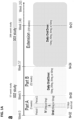
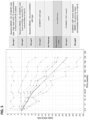
- This study a 57-week study ( Fig. 1a ), enrolled 32 patients with mild to moderate AD and met its primary endpoint of safety and tolerability ( Table 1 ), leading to a 208-week extension study, termed the 208-week study ( Fig. 1a ).
- Genomic characterization of patients' tumors is routinely performed in oncology studies to identify and rank genomic biomarkers of disease and therapeutic response. Genetic polymorphisms are associated with variations in treatment response, modulating therapeutic response in a patient population.
- WES Whole Exome Sequencing
- RNAseq gene expression analysis
- FCA Formal Concept Analysis
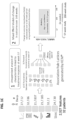
- Table 5 shows a summary of integrated data sources. A total of 2,527 features, from 1,152 descriptors, were used for each subject including 837 genomic sequences with amino acid changes, from a total of 27,155 annotated genes; and 185 RNA expression profiles. Patient descriptors are shown in grey and outcomes in pink. c.
- SIGMAR1 Q2P The 3D structural impact of SIGMAR1 Q2P was also investigated.
- the 3D crystal structure of SIGMAR1 was visualized using VistaPDB 1.0 software ( Fig. 3 ). Each monomer displays an N terminal trans-membrane alpha helix. The N terminus of the protein is believed to face the Cytosol and, is believed to interact with other ligands.
- the identified SIGMAR1 variant Glutamine (Gln) at position 2 changed into Proline - SIGMAR1_p.Q2P
- the Gln (Q) to Proline (P) alteration impacts the length of the side chain (extended in Gln) and may impact the ability of the amino acid to form an alpha helix.
- Proline is considered as a "helix breaker" which, in some instances, has been attributed to unwinding the N terminus of a helix. Retrospective exclusion of patients with SIGMAR1_Q2P or COMT_L146fs variants and low baseline MMSE score, improved MMSE and ADCS-ADL scores at week 57.
- ANAVEX2-73 concentration levels were included in the MMRM-LME models of Delta MMSE and Delta ADCS-ADL. This analysis showed that the higher ANAVEX2-73 concentration arm had favorable differences of 78% and 88% in adjusted MMSE and adjusted ADCS-ADL, respectively, when compared with the low/medium arm over 148 weeks (p-values ⁇ 0.0008 and ⁇ 0.0001, respectively).
- SIGMAR1 is the confirmed in vivo target of ANAVEX2-73.
- COMT is a gene that has been previously described as involved in memory and other neurobehavioral functions.
- the MMRM-LME analysis at interim week 148 showed a significant difference in response between the 2 concentration arms related to adjusted mean Delta ADCS-ADL (88%) and adjusted mean Delta MMSE (78%). It is noted that these differences are significant and quite large. These values compare favorably with recent results obtained in other studies for e.g. data presented at CTAD 2018 for BAN2401 after 72 weeks: 47% in adjusted mean change from baseline in ADAS-Cog and 30% adjusted mean change in ADCOMS54, where about 18% of the changes may be due to the imbalance of the APOE4 status in the respective arms.
- the present study integrates and analyzes data and samples from two consecutive clinical trials: 57-week study and 208-week study.
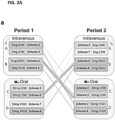
- 57-week study was a multicenter Phase 2a clinical trial of the drug ANAVEX2-73 that recruited a sample of 32 subjects with mild-to-moderate AD. It consisted of two parts: Part A was a simple randomized, open-label, two-period, cross-over, adaptive trial lasting up to 5 weeks. Each period involved one specific administration route and two possible dose levels: in one period the oral dose (30mg or 50mg) was administrated and in the other period an intravenous (IV) form (3mg or 5mg) was administered, making a total of 8 possible dose administration schemes in Part A (details available in Fig. 2a ). The two periods were separated by a wash-out period of 12 days where no dose was given.
- IV intravenous
- Part B following immediately after Part A, was an open-label extension of the oral daily dose for an additional 52 weeks.
- the primary endpoint of 57-week study was to establish the safety and tolerability of the drug. Secondary endpoints aimed at establishing the relationship between dosing regimen and pharmacodynamics-exploratory efficacy outcomes of cognition and function. Cognition was assessed by the Mini Mental State Examination (MMSE), while functional abilities by the Alzheimer's Disease Co-operative Study - Activities of Daily Living Inventory (ADCS-ADL). Additional cognitive measures included the Cogstate Brief Battery (CBB), and functional measures of Electroencephalography and Event-Related Potential (EEG and ERP). Part B continued an adaptive oral administration scheme. Table 12 summarizes mean oral dose administration during the 57-week study study. Table 12.
- a 208-week open-label extension study (208-week study) was carried out immediately after completion of 57-week study Part B.
- 208-week study enrolled the 24 subjects who completed Part B and applied similarly an adaptive daily oral administration scheme.
- ANAVEX2-73-003 involves continuous evaluation of safety and efficacy as measured by the MMSE and ADCS-ADL.
- week 148 internal time point for analyses
- data on the subjects remaining in the study was analyzed for efficacy outcomes. This report was drafted using data available at week 148, while ANAVEX2-73-003 is still ongoing.
- CBB subtests consisted of six different sub-scores: Detection (DET; Processing Speed), Identification (IDN; Attention/Vigilance), One-Card-Learning (OCL; Visual Recognition Memory), One-Back (OBK; Working Memory), International Shopping List (ISLT; Verbal Learning), and International Shopping List delayed recall (ISRL; Verbal Memory).
- MMSE MMSE
- ADCS-ADL functional ability
- the MMSE57 is a widely used, validated instrument in clinical AD research, including as a cognitive outcome measure in drug trials.
- the range of the scale is from 0 to 30, with a higher score indicating higher cognitive function.
- the ADCS-ADL58 is undertaken in a structured caregiver interview format and assesses performance in activities of daily living of patients with AD.
- the scale is from 0 to 78, with a higher score indicating greater function.
- the ADCS-ADL has shown to have good test-retest reliability59.
- Corresponding Delta scores were calculated using the difference between values at each visit and at baseline for each individual patient, with a focus on Week 57.
- a Slope was estimated using a linear regression across all available time points for each individual patient.
- the derived scores describe the progression of exploratory efficacy data from baseline at several specific time points ( Deltas ) and over a set period of time ( Slope ). Including sub-scores and derived measures from the same test score did not have an impact on the analytical method applied in this study since it treated and described each relationship independently.
- Table 13 summarize Delta scores, with respect to baseline, for the MMSE and the ADCS-ADL at 13 time points in 57-week study (Weeks 5, 12, 26, 36, 48, and 57) and in ANAVEX2-73-003 (Weeks 70, 83, 96, 109, 122, 135, and 148). Summary statistics of Slopes for MMSE and ADCS-ADL are illustrated in Table 13.
- pharmacokinetics analysis was performed during Part A only. Blood samples were drawn at 12 and 11 time points after the first oral or IV administration during the first and second periods of Part A, respectively.
- Pharmacokinetic parameters included in the analysis consisted of maximum plasma drug concentration (C max ), time to maximum plasma concentration during a dosing interval (t max ), area under the curve from the time of dosing to the last measurable concentration (AUC 0-t ), mean elimination half-life (t 1 ⁇ 2), and the total body clearance for extravascular administration divided by the fraction of dose absorbed (CL/F).
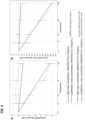
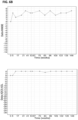
- Fig. 2b shows AUC 0-inf after first administration (24 first hours).
- ANAVEX2-73 and its metabolite ANAVEX19-144 were assessed in Part B through blood samples collection at prespecified time points (Weeks 12, 26, 36 and 48). Mean concentration values in ng/mL of each patient were then averaged. Table 14 illustrate mean plasma concentrations of ANAVEX2-73 and its metabolite ANAVEX19-144 during the 57-week study study.
- ANAVEX2-73 The relationship between dose and plasma concentration of ANAVEX2-73 was assessed during a Phase 1 study 22 , and can be assumed to be linear in the 1-60 mg range in male healthy subjects. The aforementioned dose-dependent increase of plasma concentration of ANAVEX2-73 and metabolite has been also observed in the present study, as illustrated in Fig. 2b .
- 243 genes were selected from the 27,155 mapped sequences obtained from NGS analysis introduced above ( Supplementary Figure 1a, b, c ). 102 genes were selected on the basis of their involvement in neurodegenerative diseases ( Supplementary Figure 1a ) . 20 genes were selected as part of a SIGMAR1's functional interactome ( Supplementary Figure 1c and d ), based on a confidence score of 0.150 obtained from the STRING database (January 2018). Moreover, 113 genes of the cytochrome P450s gene family and 10 genes from the methyltransferase gene family were also added ( Supplementary Figure 1b ).
- FIG. 1b illustrates the different types of data used in the analyses
- Fig. 1c displays the two different types of analyses for identification and validation of markers of drug response.
- KEM ® Knowledge Extraction and Management
- FCA Formal Concept Analysis
- KEM ® identifies groups of objects with shared properties and generates corresponding association rules. Association rules have been developed to detect patterns and relationships in large heterogeneous databases. This methodology was introduced by Agrawal and Sirikant and it has been has been successfully used in different domains including: market basket analysis, drug discovery, and genomic characterization of complex diseases. The method has also been successfully used in drug efficacy and patient stratification studies. Association rules may reflect the presence of a causal relationship between two variables. However, the presence of a statistically significant association is neither necessary nor sufficient to indicate the presence of such causal relationships. Hence, the use of the quality measures described below.
- An association rule is an implication such as X ⁇ Y, with X being the antecedent (or a combination of antecedents; also termed left side ) and Y the consequent (or combination of consequents; also termed right side ) of the rule, that allows inferring X as an explanation of Y.
- n X , n Y and n XY respectively are the numbers of patients satisfying the antecedent(s) X of a rule, the consequent(s) Y and both parts of the rule, respectively. For any given rule, it is possible to identify specifically the n xy patients matching this rule.
- Cohen's d index is calculated for each association to quantify the effect size, from which the number of patients to be included to determine a significant relationship in future studies can be calculated. Cohen's d indicates the standardized difference between two population means.
- control group values for calculating effect size were obtained combining trial results available in the AD literature receiving standard of care: the control group mean Delta MMSE at 52 weeks was defined as -3.7 with a standard deviation of 3.5, and mean Delta ADCS-ADL at 52 weeks was -6.7 with a standard deviation of 8.0.
- MMSE baseline score threshold " ⁇ 20" corresponded to the median of the observed values of all included patients.
- MMRM Mixed effect Models for Repeated Measures
- the longitudinal relevance of biomarkers identified at week 57 was assessed at week 148 using MMRM, by allocating subjects to one of two arms (High versus Low/Medium) based on ANAVEX2-73 mean blood concentration in Part B. Given the small cohort size, time was treated as a continuous variable in the analyses to avoid over-parameterization and improve robustness. Therefore, a linear component for mixed-effect models (LME) was applied to model time.
- LME mixed-effect models
- Neuro-degenerative diseases panel CYP's & Methyl transferases SIGMAR 1 functional interactions ABCA7 CYP1A1 CYP51A1 ADAMT59 CYP1A2 C14orl1 Aff3 CYP1B1 MSMO1 AMT SYP1D1P SLC5A7 APOE CYP11A1 SOLE APP CYP11B1 LBR ARFGEF2 CYP11B2 TM75F2 ARMT CYP17A1 H5D387 BCA7 CYP19A1 CSorl4 BCHE CYP2A13 KCNA4 BCL11A CYP2AG 5DR42E2 BDNF CYP2A7 5DR42EI BIN1 CYP2A7P1 DHCR7 C12orf65 CYP2AB1P H5D381 CASS4 CYP2AC1P H5D382 CD2AP CYP2B6 N5DHL CD33 CYP2B
- TPM Transcripts Per kilobase Million
- COMT TPM COMT TPM
- KANSL1 TPM KANSL1t
- KANSL1t KANSL1 TPM
- SIGMAR1 TPM SIGMAR1t
- SIGMAR1t SIGMAR1 TPM
- the Medium and Low bins were combined to define a new Low bin.
- the High bin corresponds to the highest third-tile values. Slope between baseline and week 57 for both MMSE and ADCS-ADL, respectively, was considered as a binary endpoint.
- Responders were defined as having a positive or null slope. Non responders were defined as displaying a negative slope.
- KEM ® v 3.6.2 Knowledge Extraction and Management, available from Ariana Pharmaceuticals, SA was used to analyze the available data.
- - Lift relative probability shall mean the frequency of the Association divided by the frequency of the Condition. This parameter measures the enrichment provided by the Condition.
- - Confidence shall mean the probability of Association when the Condition is True - Cohen's d is an effect size used to indicate the standardized difference between two means.
- M group1 and SD group1 are respectively the mean and the standard deviation of the outcome for the group 1.
- M group2 and SD group2 are the mean and standard deviation referent values of the outcome, known in the art, for a group of patient with mild Alzheimer disease.
- the filtering of the relations was performed in 2 steps: a semantic filtering (1) and a numerical filtering (2).
- a semantic filtering step parameters coding for the absence of DNA mutation, medium RNA expression bins, as well as Slope MMSE and Slope ADCS-ADL were excluded.
- the filtering steps (1) and (2) leads to a subset of 509 association rules linking Base Line clinical and genomic patient characteristics and RNA expression with response at multiple time points.
- the 42 association rules linking the presence of a DNA mutation with response correspond to 22 CYP proteins and 20 non CYP proteins from the gene panel defined in Table 15.
- the 20 non CYP relations correspond to 12 non-redundant SNPs associated with worsened response at week 57 ( Table 18 ) and 2 associated with improved response at week 57 ( Table 17 ).
- Presence of altered COMT (stop after L146), or DHCR7 T220 (DHCR7_p.M220T), or HLA-DRB1 T244 or T66 or S89 (HLA-DRB1_p.A244T or S66Y or Y89S), or KANSL1 Pro304/946/1010 (KANSL1_p.P1010L/P304L/P946L) or MS4A6E T59 (MS4A6E.p.M59T), or RIN3 R 215 (RIN3_p.H215R) or SIGMAR1 Pro2 (SIGMAR1_p.Q2P) mutations are associated with ADCS-ADL or MMSE Delta Low at week 57 versus baseline.
- Table 19 presents data on three mutations (SIGMAR1 Q2P; COMT_p.L146fs; KANSL1_p.P1010L/P304L/P946L) associated with both MMSE and ADCS-ADL delta at week 57.
- Systematic analysis of the genomic data identifies significant strong relation between SIGMAR1 Pro2 mutation and absence of response as measured both using MMSE and ADCS-ADL.
- Table 20 is a representation of one association rule showing the presence of Pro2 mutation in SIGMA1R implies a Low delta of MMSE with details on the rule metrics, extracted from data shown in Table 18 ).
- Table 20 Pro 2 mutation ⁇ PRESENT ⁇ ⁇ MMSE Delta ⁇ Low ⁇ Left Right Support Confidence Lift Presence of Pro2 MMSE Delta: Low 5 1 1,75 Support: 5 patients with the Pro2 mutation have a Low Delta of MMSE from Baseline. Confidence: 100% of individuals with the Pro2 mutation have a Low Delta of MMSE from Baseline. Lift: It is 1,75x more probable to have a Low Delta of MMSE from Baseline when patients have the Pro2 mutation.
- SIGMAR1_p.Q2P The mutation of SIGMAR1 Gln (Glutamine) 2 changed into Pro (Proline) 2 (SIGMAR1_p.Q2P) may have structural implication for the 3D conformation of the 3D structure of the SIGMAR1 protein which in turn may alter its functions and/or interactions.
- the crystal structure of the SIGMAR1 shows a trimer. Each monomer displays an N terminal trans-membrane alpha helix. The N terminus of the protein is thought to face the Cytosol and is believed to interact with other ligands.
- the Pro2 alteration may change the conformation of the N terminus of the helix by extending it, consistent with some alteration in function.
- Gln (Q) to Pro (P) alteration impacts the length of the side chain (extended in Gln) as well as the ability of the amino acid to form an alpha helix.
- Proline is considered as a "helix breaker" which, in some instances, has been attributed to unwinding of a helix.
- KEM ® (version 3.6.2.) relations linking presence of the SIGMAR1 Pro2 mutation with cognitive and functional endpoints are shown in Table 19.
- Cognitive and functional measures are both clinical endpoints in regulatory approval for therapeutics in mild and mild-to-moderate Alzheimer's disease and directed to be significantly better than placebo as primary endpoints.
- the KEM ® analysis measured the two endpoints consisting of cognition (MMSE) and function (ADCS-ADL) with the following two methods: Each patient's own delta of MMSE and ADCS-ADL score (delta between Week 57 and Baseline).
- Alzheimer's disease is understood to be a progressing degenerative disease
- an increase of MMSE (positive delta) and ADCS-ADL (positive delta) during 57 weeks in mild-to-moderate Alzheimer's disease is a rare positive event.
- Available genetic data from all (100%) patients (n 21).
- establishing the presence/ absence of these mutations can be useful in treatment decisions regarding SIGMAR1 agonist treatment.
- the absence of these mutations is a diagnostic for enhanced SIGMAR1 agonist therapy such as A2-73 therapy.
- Establishing the presence of either or both of these mutations is a diagnostic for using other therapeutics as first-line treatment for neurodegenerative disorders.
- Table 21 presents the p-values results of the Mann-Whitney U test (also named Mann-Whitney-Wilcoxon test or MWWilc) between SIGMAR1 Pro2 and delta endpoints from Week 57 to baseline of MMSE and ADCS-ADL. Endpoint Mann-Whitney U test P-value (on numerical values ADCS-ADL and MMSE deltas) ADCS-ADL Delta from BL 0,035* MMSE Delta from BL 0,081
- SIGMAR1 Pro2 mutation leads to a significant difference in the numerical delta values of ADCS-ADL and MMSE delta ( Fig. 8c and f ).
- the MWWilc test evaluates whether there is a significant difference in the medians of a continuous variable in two populations (i.e. the two populations here: SIGMAR1 Pro2 mutation vs SIGMAR1 Gln2 mutation).
- the absence of SIGMAR1 Pro2 mutation is strongly linked to high ADCS-ADL Delta from BL (improvement). Similar results were found for the COMT Leu146 mutation ( Fig. 8a and d ) and KANSL1 Pro304/946/1010 mutation ( Fig. 8b and e ).
- RNA expressions were associated with an improved or worsened response at week 57 versus baseline. Further selecting non CYP proteins and only high levels of RNA expression (excluding low and medium expression levels), shows that high expression levels of DHCR7, GAMT, IL10, KANSL1, MTUS1, PPARG and SIGMAR1 are associated with improved ADCS-ADL or MMSE Delta at week 57 versus baseline ( Table 22 ) .
- Table 23 shows higher RNA expression of 3 gene markers (SIGMAR1; COMT; KANSL1) associated with response as measured by MMSE or ADCS-ADL.
- RNA expression of SIGMAR1 is linked to high ANAVEX ® 2-73 response (improvement) as shown in Table 24 and Fig. 9 .
- 100% of patients with low SIGMAR1 RNA expression did not improve in ADCS-ADL slope.
- Available genetic data from all (100%) patients. (N 21). Lift ⁇ 1.2; Conf. ⁇ 50%; Support ⁇ 3
- Table 25 shows a systematic analysis of the CYP genomic data (111 gene panel, from Table 15 ) identifies 11 SNPs significantly linked with outcome as measured by delta MMSE or delta ADCS-ADL at week 57. Correlations with improvement of MMSE and/or ADCS-ADL scores are the inclusion of variants CYP4V2, CYP27B1, CYP26C1. Correlations with an exclusion based on decline of MMSE and/or ADCS-ADL scores are the variants CYP39A1, CYP2D6, CYP2C8.
- n>3 patients, Conf. > 0.5, Lift > 1.2, p-Value (Fisher Test or MWWilc.) ⁇ 0.05
- a 74 year old male presents with diagnosed Alzheimer's disease.
- a cheek swab is taken and a genotype assay is performed to determine the presence of the SIGMAR1 2P genotype.
- the subject carries glutamine at the 2 position of the SigmaR1 gene receptor (protein).
- He is treated with ANAVEX2-73 daily with a 30 mg oral dose. For 6 months. His disease is seen to be stable and not progress over that period.
- Her SIGMAR1 gene is analyzed to the extent that it is determined that she carries proline at the 2 position of the SIGMAR1 gene. She is declined treatment with a sigma-1 agonist. She is referred for other therapeutic treatment options.
- Her SIGMAR1 gene is analyzed to the extent that it is determined that she carries proline at the 2 position of the SIGMAR1 gene. She is treated with ANAVEX2-73 daily with a 80 mg oral dose in combination with 1.5mg oral rivastigmine twice per day for 6 months. Her disease is seen to be stable and not progress over that period.
- Her SIGMAR1 gene is analyzed to the extent that it is determined that she does not carry SIGMAR1 rs1800866. She is treated with A2-73 daily with a 30 mg oral dose. For 6 months. Her disease is seen to be stable and not progress over that period.
Landscapes
- Health & Medical Sciences (AREA)
- Chemical & Material Sciences (AREA)
- Life Sciences & Earth Sciences (AREA)
- General Health & Medical Sciences (AREA)
- Pharmacology & Pharmacy (AREA)
- Medicinal Chemistry (AREA)
- Veterinary Medicine (AREA)
- Public Health (AREA)
- Animal Behavior & Ethology (AREA)
- Epidemiology (AREA)
- Organic Chemistry (AREA)
- Proteomics, Peptides & Aminoacids (AREA)
- Engineering & Computer Science (AREA)
- Wood Science & Technology (AREA)
- Zoology (AREA)
- Genetics & Genomics (AREA)
- Analytical Chemistry (AREA)
- Bioinformatics & Cheminformatics (AREA)
- Pathology (AREA)
- Immunology (AREA)
- Biophysics (AREA)
- General Engineering & Computer Science (AREA)
- Molecular Biology (AREA)
- Microbiology (AREA)
- Biotechnology (AREA)
- Physics & Mathematics (AREA)
- Biochemistry (AREA)
- Neurosurgery (AREA)
- Neurology (AREA)
- Emergency Medicine (AREA)
- Biomedical Technology (AREA)
- Hospice & Palliative Care (AREA)
- Chemical Kinetics & Catalysis (AREA)
- Nuclear Medicine, Radiotherapy & Molecular Imaging (AREA)
- General Chemical & Material Sciences (AREA)
- Psychiatry (AREA)
- Oncology (AREA)
- Measuring Or Testing Involving Enzymes Or Micro-Organisms (AREA)
- Medicines That Contain Protein Lipid Enzymes And Other Medicines (AREA)
- Pharmaceuticals Containing Other Organic And Inorganic Compounds (AREA)
Applications Claiming Priority (3)
| Application Number | Priority Date | Filing Date | Title |
|---|---|---|---|
| US201862673369P | 2018-05-18 | 2018-05-18 | |
| EP19802944.9A EP3794345B1 (de) | 2018-05-18 | 2019-05-20 | Optimiertes sigma-1-agonist-verfahren der responderauswahl und behandlung |
| PCT/US2019/033161 WO2019222754A1 (en) | 2018-05-18 | 2019-05-20 | Optimized sigma-1 agonist method of responder selection and treatment |
Related Parent Applications (2)
| Application Number | Title | Priority Date | Filing Date |
|---|---|---|---|
| EP19802944.9A Division EP3794345B1 (de) | 2018-05-18 | 2019-05-20 | Optimiertes sigma-1-agonist-verfahren der responderauswahl und behandlung |
| EP19802944.9A Division-Into EP3794345B1 (de) | 2018-05-18 | 2019-05-20 | Optimiertes sigma-1-agonist-verfahren der responderauswahl und behandlung |
Publications (2)
| Publication Number | Publication Date |
|---|---|
| EP4520842A2 true EP4520842A2 (de) | 2025-03-12 |
| EP4520842A3 EP4520842A3 (de) | 2025-09-10 |
Family
ID=68541054
Family Applications (2)
| Application Number | Title | Priority Date | Filing Date |
|---|---|---|---|
| EP19802944.9A Active EP3794345B1 (de) | 2018-05-18 | 2019-05-20 | Optimiertes sigma-1-agonist-verfahren der responderauswahl und behandlung |
| EP25152481.5A Pending EP4520842A3 (de) | 2018-05-18 | 2019-05-20 | Optimiertes sigma-1-agonist-verfahren zur responderauswahl und -behandlung |
Family Applications Before (1)
| Application Number | Title | Priority Date | Filing Date |
|---|---|---|---|
| EP19802944.9A Active EP3794345B1 (de) | 2018-05-18 | 2019-05-20 | Optimiertes sigma-1-agonist-verfahren der responderauswahl und behandlung |
Country Status (7)
| Country | Link |
|---|---|
| US (2) | US12383526B2 (de) |
| EP (2) | EP3794345B1 (de) |
| JP (2) | JP7582869B2 (de) |
| CN (1) | CN112424600B9 (de) |
| AU (2) | AU2019269739B2 (de) |
| CA (1) | CA3100897A1 (de) |
| WO (1) | WO2019222754A1 (de) |
Families Citing this family (8)
| Publication number | Priority date | Publication date | Assignee | Title |
|---|---|---|---|---|
| WO2017132127A1 (en) * | 2016-01-26 | 2017-08-03 | Anavex Life Sciences Corp. | Neurodevelopmental disorder therapy |
| US12248885B2 (en) * | 2020-12-16 | 2025-03-11 | Ro5 Inc. | System and method for feedback-driven automated drug discovery |
| WO2023097029A1 (en) * | 2021-11-23 | 2023-06-01 | Anavex Life Sciences Corp. | Therapy selection and treatment of neurodegenerative disorders |
| EP4562184A2 (de) * | 2022-07-29 | 2025-06-04 | Anavex Life Sciences Corp. | Therapieauswahl und behandlung neurodegenerativer erkrankungen |
| EP4561566A1 (de) * | 2022-07-29 | 2025-06-04 | Anavex Life Sciences Corp. | Zusammensetzungen und verfahren zur prävention von kognitivem verfall durch degenerative erkrankungen |
| WO2025117826A1 (en) * | 2023-11-30 | 2025-06-05 | Anavex Life Sciences Corp. | Methods of using surrogate biomarkers in sigma-1 receptor therapy |
| WO2025231180A1 (en) * | 2024-05-01 | 2025-11-06 | Anavex Life Sciences Corp. | Blarcamesine correction of eeg biomarkers in fragile x syndrome |
| WO2026015656A1 (en) * | 2024-07-10 | 2026-01-15 | Anavex Life Sciences Corp. | Responder selection and treatment with sigma-1 receptor therapy |
Citations (10)
| Publication number | Priority date | Publication date | Assignee | Title |
|---|---|---|---|---|
| US4851226A (en) | 1987-11-16 | 1989-07-25 | Mcneil Consumer Products Company | Chewable medicament tablet containing means for taste masking |
| US5075114A (en) | 1990-05-23 | 1991-12-24 | Mcneil-Ppc, Inc. | Taste masking and sustained release coatings for pharmaceuticals |
| US5876759A (en) | 1993-07-27 | 1999-03-02 | Mcneil-Ppc, Inc. | Rapidly disintegrating pharmaceutical dosage form and process for preparation thereof |
| US9750746B2 (en) | 2013-03-28 | 2017-09-05 | Anavex Life Sciences Corp. | ANAVEX2-73 and certain anticholinesterase inhibitors composition and method for neuroprotection |
| US20180169059A1 (en) | 2015-07-22 | 2018-06-21 | Anavex Life Sciences Corp. | Enantiomers of a2-73, analogues, and sigma agonist activity |
| US20180169060A1 (en) | 2015-07-22 | 2018-06-21 | Anavex Life Sciences Corp. | CRYSTAL FORMS OF tetrahydro-N,N-dimethyl-2,2-diphenyl-3-furanmethanamine hydrochloride, PROCESSES OF MAKING SUCH FORMS, AND THEIR PHARMACEUTICAL COMPOSITIONS |
| US20180177756A1 (en) | 2014-10-20 | 2018-06-28 | Anavex Life Sciences Corp. | A 19-144, a2-73 and certain anticholinesterase inhibitor compositions and method for anti-seizure therapy |
| US20180360796A1 (en) | 2017-06-14 | 2018-12-20 | Anavex Life Sciences Corp. | Anavex2-73 for the Treatment of Alzheimer's Disease |
| US20190022052A1 (en) | 2016-01-26 | 2019-01-24 | Anavex Life Science Corp. | Neurodevelopmental disorder therapy |
| US20190117615A1 (en) | 2017-10-20 | 2019-04-25 | Anavex Life Sciences Corp. | Treatment of cardiac dysfunction |
Family Cites Families (10)
| Publication number | Priority date | Publication date | Assignee | Title |
|---|---|---|---|---|
| US6861217B1 (en) * | 1998-11-25 | 2005-03-01 | Genaissance Pharmaceuticals, Inc. | Variation in drug response related to polymorphisms in the β2-adrenergic receptor |
| WO2005042706A2 (en) | 2003-10-28 | 2005-05-12 | Genaissance Pharmaceuticals, Inc. | Ephx2 genetic markers associated with galantamine response |
| EP2056876A1 (de) * | 2006-08-21 | 2009-05-13 | Novartis AG | Biomarker für die progression von morbus alzheimer |
| AU2008213742A1 (en) * | 2007-02-08 | 2008-08-14 | Powmri Limited | Method of diagnosing a neurodegenerative disease |
| CA2705792A1 (en) * | 2007-11-30 | 2009-06-11 | Milan Radovich | Vegf polymorphisms and anti-angiogenesis therapy |
| CA2735578C (en) | 2008-08-12 | 2018-10-23 | Zinfandel Pharmaceuticals, Inc. | Method of identifying risk factors for alzheimer's disease comprising tomm40 gene variants |
| CA2742074A1 (en) * | 2008-10-29 | 2010-08-26 | Janssen Pharmaceutica Nv | Methods of treating psychosis and schizophrenia based on polymorphisms in the erbb4 gene |
| CN102471800A (zh) | 2009-07-03 | 2012-05-23 | 加的夫大学学院咨询有限公司 | 阿尔茨海默病的诊断和治疗 |
| US20160230227A1 (en) * | 2012-12-21 | 2016-08-11 | The New York Stem Cell Foundation | Methods of treating alzheimer's disease |
| MY198587A (en) * | 2014-09-14 | 2023-09-06 | Avanir Pharmaceuticals Inc | Pharmaceutical compositions comprising a dextromethorphan compound and quinidine for the treatment of agitation in dementia |
-
2019
- 2019-05-20 AU AU2019269739A patent/AU2019269739B2/en active Active
- 2019-05-20 US US17/056,600 patent/US12383526B2/en active Active
- 2019-05-20 CA CA3100897A patent/CA3100897A1/en active Pending
- 2019-05-20 EP EP19802944.9A patent/EP3794345B1/de active Active
- 2019-05-20 WO PCT/US2019/033161 patent/WO2019222754A1/en not_active Ceased
- 2019-05-20 CN CN201980045659.XA patent/CN112424600B9/zh active Active
- 2019-05-20 JP JP2020564752A patent/JP7582869B2/ja active Active
- 2019-05-20 EP EP25152481.5A patent/EP4520842A3/de active Pending
-
2024
- 2024-10-31 JP JP2024191771A patent/JP2025020267A/ja active Pending
-
2025
- 2025-07-03 US US19/260,017 patent/US20250325514A1/en active Pending
-
2026
- 2026-03-12 AU AU2026201900A patent/AU2026201900A1/en active Pending
Patent Citations (11)
| Publication number | Priority date | Publication date | Assignee | Title |
|---|---|---|---|---|
| US4851226A (en) | 1987-11-16 | 1989-07-25 | Mcneil Consumer Products Company | Chewable medicament tablet containing means for taste masking |
| US5075114A (en) | 1990-05-23 | 1991-12-24 | Mcneil-Ppc, Inc. | Taste masking and sustained release coatings for pharmaceuticals |
| US5876759A (en) | 1993-07-27 | 1999-03-02 | Mcneil-Ppc, Inc. | Rapidly disintegrating pharmaceutical dosage form and process for preparation thereof |
| US9750746B2 (en) | 2013-03-28 | 2017-09-05 | Anavex Life Sciences Corp. | ANAVEX2-73 and certain anticholinesterase inhibitors composition and method for neuroprotection |
| US20170360798A1 (en) | 2013-03-28 | 2017-12-21 | Anavex Life Sciences Corp. | Anavex2-73 and certain anticholinesterase inhibitors composition and method for neuroprotection |
| US20180177756A1 (en) | 2014-10-20 | 2018-06-28 | Anavex Life Sciences Corp. | A 19-144, a2-73 and certain anticholinesterase inhibitor compositions and method for anti-seizure therapy |
| US20180169059A1 (en) | 2015-07-22 | 2018-06-21 | Anavex Life Sciences Corp. | Enantiomers of a2-73, analogues, and sigma agonist activity |
| US20180169060A1 (en) | 2015-07-22 | 2018-06-21 | Anavex Life Sciences Corp. | CRYSTAL FORMS OF tetrahydro-N,N-dimethyl-2,2-diphenyl-3-furanmethanamine hydrochloride, PROCESSES OF MAKING SUCH FORMS, AND THEIR PHARMACEUTICAL COMPOSITIONS |
| US20190022052A1 (en) | 2016-01-26 | 2019-01-24 | Anavex Life Science Corp. | Neurodevelopmental disorder therapy |
| US20180360796A1 (en) | 2017-06-14 | 2018-12-20 | Anavex Life Sciences Corp. | Anavex2-73 for the Treatment of Alzheimer's Disease |
| US20190117615A1 (en) | 2017-10-20 | 2019-04-25 | Anavex Life Sciences Corp. | Treatment of cardiac dysfunction |
Non-Patent Citations (5)
| Title |
|---|
| "Pharmaceutical Dosage Forms", 1980, MARCEL DECKER |
| "The Cambridge Dictionary of Science and Technology", 1988 |
| HALEMARHAM, THE HARPER COLLINS DICTIONARY OF BIOLOGY, 1991 |
| HOOVER, JOHN E.: "Remington's Pharmaceutical Sciences", 1975, MACK PUBLISHING CO. |
| SINGLETON ET AL.: "Dictionary of Microbiology and Molecular Biology", 1994 |
Also Published As
| Publication number | Publication date |
|---|---|
| WO2019222754A1 (en) | 2019-11-21 |
| CN112424600B (zh) | 2023-10-10 |
| EP3794345A4 (de) | 2022-03-16 |
| JP2021524741A (ja) | 2021-09-16 |
| CN112424600B9 (zh) | 2024-07-02 |
| US20250325514A1 (en) | 2025-10-23 |
| AU2026201900A1 (en) | 2026-04-02 |
| EP4520842A3 (de) | 2025-09-10 |
| JP7582869B2 (ja) | 2024-11-13 |
| CN112424600A (zh) | 2021-02-26 |
| EP3794345B1 (de) | 2025-02-26 |
| EP3794345A1 (de) | 2021-03-24 |
| JP2025020267A (ja) | 2025-02-12 |
| US12383526B2 (en) | 2025-08-12 |
| AU2019269739A1 (en) | 2020-12-10 |
| US20220226278A1 (en) | 2022-07-21 |
| CA3100897A1 (en) | 2019-11-21 |
| AU2019269739B2 (en) | 2025-12-18 |
Similar Documents
| Publication | Publication Date | Title |
|---|---|---|
| US20250325514A1 (en) | Optimized sigma-1 agonist method of responder selection and treatment | |
| EP2350096B1 (de) | Verfahren zur behandlung von hepatischer enzephalopathie | |
| US20240392379A1 (en) | Methods of treating cancers having a biallelic loss of function or gene overexpression mutation | |
| EP3474835B1 (de) | Nichtkatalytische substratselektive p38-spezifische mapk-inhibitoren mit endothelstabilisierender und entzündungshemmender aktivität und verfahren zur verwendung davon | |
| US12268690B2 (en) | Treatments for mutations in acute myeloid leukemia | |
| US20220162610A1 (en) | Novel rna transcript | |
| WO2016090174A1 (en) | Kinase inhibitor prodrug for the treatment of cancer | |
| HK40048900B (en) | Optimized sigma-1 agonist method of responder selection and treatment | |
| HK40048900A (en) | Optimized sigma-1 agonist method of responder selection and treatment | |
| WO2026015656A1 (en) | Responder selection and treatment with sigma-1 receptor therapy | |
| US20240190858A1 (en) | Crystalline forms, pharmaceutical compositions and methods of use thereof | |
| WO2020176461A2 (en) | Methods and compositions for treating neuroendocrine prostate cancer | |
| US20240043928A1 (en) | Biomarkers for myelodysplastic syndrome (mds) and methods of using the same | |
| WO2021168363A1 (en) | Systems and methods related to cancer | |
| US20240409928A1 (en) | Novel rna transcript | |
| WO2025117826A1 (en) | Methods of using surrogate biomarkers in sigma-1 receptor therapy | |
| WO2023131866A1 (en) | Biomarkers for myelodysplastic syndrome (mds) and methods of using the same | |
| CN121218989A (zh) | 使用伊潘立酮的治疗方法 | |
| CN116507334A (zh) | 骨髓增生异常综合征(mds)的生物标记物及其使用方法 | |
| HK40128799A (en) | Methods of treating hepatic encephalopathy | |
| WO2026027669A1 (en) | Biomarkers for determining treatment of ulcerative colitis with filgotinib | |
| WO2020223657A1 (en) | Somatic cancer driver mutations in endometriosis lesions contribute to secondary cancer risk | |
| HK1160639A (en) | Methods of treating hepatic encephalopathy |
Legal Events
| Date | Code | Title | Description |
|---|---|---|---|
| PUAI | Public reference made under article 153(3) epc to a published international application that has entered the european phase |
Free format text: ORIGINAL CODE: 0009012 |
|
| STAA | Information on the status of an ep patent application or granted ep patent |
Free format text: STATUS: THE APPLICATION HAS BEEN PUBLISHED |
|
| AC | Divisional application: reference to earlier application |
Ref document number: 3794345 Country of ref document: EP Kind code of ref document: P |
|
| AK | Designated contracting states |
Kind code of ref document: A2 Designated state(s): AL AT BE BG CH CY CZ DE DK EE ES FI FR GB GR HR HU IE IS IT LI LT LU LV MC MK MT NL NO PL PT RO RS SE SI SK SM TR |
|
| REG | Reference to a national code |
Ref country code: DE Ref legal event code: R079 Free format text: PREVIOUS MAIN CLASS: C12Q0001688600 Ipc: G01N0033490000 |
|
| RIC1 | Information provided on ipc code assigned before grant |
Ipc: C12Q 1/6886 20180101ALI20250430BHEP Ipc: C12Q 1/6876 20180101ALI20250430BHEP Ipc: C12Q 1/6883 20180101ALI20250430BHEP Ipc: G01N 33/49 20060101AFI20250430BHEP |
|
| PUAL | Search report despatched |
Free format text: ORIGINAL CODE: 0009013 |
|
| AK | Designated contracting states |
Kind code of ref document: A3 Designated state(s): AL AT BE BG CH CY CZ DE DK EE ES FI FR GB GR HR HU IE IS IT LI LT LU LV MC MK MT NL NO PL PT RO RS SE SI SK SM TR |
|
| RIC1 | Information provided on ipc code assigned before grant |
Ipc: G01N 33/49 20060101AFI20250805BHEP Ipc: C12Q 1/6883 20180101ALI20250805BHEP Ipc: C12Q 1/6876 20180101ALI20250805BHEP Ipc: C12Q 1/6886 20180101ALI20250805BHEP |
|
| STAA | Information on the status of an ep patent application or granted ep patent |
Free format text: STATUS: REQUEST FOR EXAMINATION WAS MADE |
|
| 17P | Request for examination filed |
Effective date: 20260216 |