EP4524154A2 - Antikörper-wirkstoff-konjugate von cyclischen dinukleotidderivaten - Google Patents
Antikörper-wirkstoff-konjugate von cyclischen dinukleotidderivaten Download PDFInfo
- Publication number
- EP4524154A2 EP4524154A2 EP25154566.1A EP25154566A EP4524154A2 EP 4524154 A2 EP4524154 A2 EP 4524154A2 EP 25154566 A EP25154566 A EP 25154566A EP 4524154 A2 EP4524154 A2 EP 4524154A2
- Authority
- EP
- European Patent Office
- Prior art keywords
- compound
- antibody
- group
- atom
- acceptable salt
- Prior art date
- Legal status (The legal status is an assumption and is not a legal conclusion. Google has not performed a legal analysis and makes no representation as to the accuracy of the status listed.)
- Pending
Links
Images




Classifications
-
- C—CHEMISTRY; METALLURGY
- C07—ORGANIC CHEMISTRY
- C07K—PEPTIDES
- C07K5/00—Peptides containing up to four amino acids in a fully defined sequence; Derivatives thereof
- C07K5/04—Peptides containing up to four amino acids in a fully defined sequence; Derivatives thereof containing only normal peptide links
- C07K5/10—Tetrapeptides
- C07K5/1002—Tetrapeptides with the first amino acid being neutral
- C07K5/1005—Tetrapeptides with the first amino acid being neutral and aliphatic
- C07K5/1008—Tetrapeptides with the first amino acid being neutral and aliphatic the side chain containing 0 or 1 carbon atoms, i.e. Gly, Ala
-
- A—HUMAN NECESSITIES
- A61—MEDICAL OR VETERINARY SCIENCE; HYGIENE
- A61K—PREPARATIONS FOR MEDICAL, DENTAL OR TOILETRY PURPOSES
- A61K47/00—Medicinal preparations characterised by the non-active ingredients used, e.g. carriers or inert additives; Targeting or modifying agents chemically bound to the active ingredient
- A61K47/50—Medicinal preparations characterised by the non-active ingredients used, e.g. carriers or inert additives; Targeting or modifying agents chemically bound to the active ingredient the non-active ingredient being chemically bound to the active ingredient, e.g. polymer-drug conjugates
- A61K47/51—Medicinal preparations characterised by the non-active ingredients used, e.g. carriers or inert additives; Targeting or modifying agents chemically bound to the active ingredient the non-active ingredient being chemically bound to the active ingredient, e.g. polymer-drug conjugates the non-active ingredient being a modifying agent
- A61K47/68—Medicinal preparations characterised by the non-active ingredients used, e.g. carriers or inert additives; Targeting or modifying agents chemically bound to the active ingredient the non-active ingredient being chemically bound to the active ingredient, e.g. polymer-drug conjugates the non-active ingredient being a modifying agent the modifying agent being an antibody, an immunoglobulin or a fragment thereof, e.g. an Fc-fragment
- A61K47/6889—Conjugates wherein the antibody being the modifying agent and wherein the linker, binder or spacer confers particular properties to the conjugates, e.g. peptidic enzyme-labile linkers or acid-labile linkers, providing for an acid-labile immuno conjugate wherein the drug may be released from its antibody conjugated part in an acidic, e.g. tumoural or environment
-
- A—HUMAN NECESSITIES
- A61—MEDICAL OR VETERINARY SCIENCE; HYGIENE
- A61K—PREPARATIONS FOR MEDICAL, DENTAL OR TOILETRY PURPOSES
- A61K31/00—Medicinal preparations containing organic active ingredients
- A61K31/70—Carbohydrates; Sugars; Derivatives thereof
- A61K31/7084—Compounds having two nucleosides or nucleotides, e.g. nicotinamide-adenine dinucleotide, flavine-adenine dinucleotide
-
- A—HUMAN NECESSITIES
- A61—MEDICAL OR VETERINARY SCIENCE; HYGIENE
- A61K—PREPARATIONS FOR MEDICAL, DENTAL OR TOILETRY PURPOSES
- A61K47/00—Medicinal preparations characterised by the non-active ingredients used, e.g. carriers or inert additives; Targeting or modifying agents chemically bound to the active ingredient
- A61K47/50—Medicinal preparations characterised by the non-active ingredients used, e.g. carriers or inert additives; Targeting or modifying agents chemically bound to the active ingredient the non-active ingredient being chemically bound to the active ingredient, e.g. polymer-drug conjugates
- A61K47/51—Medicinal preparations characterised by the non-active ingredients used, e.g. carriers or inert additives; Targeting or modifying agents chemically bound to the active ingredient the non-active ingredient being chemically bound to the active ingredient, e.g. polymer-drug conjugates the non-active ingredient being a modifying agent
- A61K47/54—Medicinal preparations characterised by the non-active ingredients used, e.g. carriers or inert additives; Targeting or modifying agents chemically bound to the active ingredient the non-active ingredient being chemically bound to the active ingredient, e.g. polymer-drug conjugates the non-active ingredient being a modifying agent the modifying agent being an organic compound
- A61K47/545—Heterocyclic compounds
-
- A—HUMAN NECESSITIES
- A61—MEDICAL OR VETERINARY SCIENCE; HYGIENE
- A61K—PREPARATIONS FOR MEDICAL, DENTAL OR TOILETRY PURPOSES
- A61K47/00—Medicinal preparations characterised by the non-active ingredients used, e.g. carriers or inert additives; Targeting or modifying agents chemically bound to the active ingredient
- A61K47/50—Medicinal preparations characterised by the non-active ingredients used, e.g. carriers or inert additives; Targeting or modifying agents chemically bound to the active ingredient the non-active ingredient being chemically bound to the active ingredient, e.g. polymer-drug conjugates
- A61K47/51—Medicinal preparations characterised by the non-active ingredients used, e.g. carriers or inert additives; Targeting or modifying agents chemically bound to the active ingredient the non-active ingredient being chemically bound to the active ingredient, e.g. polymer-drug conjugates the non-active ingredient being a modifying agent
- A61K47/62—Medicinal preparations characterised by the non-active ingredients used, e.g. carriers or inert additives; Targeting or modifying agents chemically bound to the active ingredient the non-active ingredient being chemically bound to the active ingredient, e.g. polymer-drug conjugates the non-active ingredient being a modifying agent the modifying agent being a protein, peptide or polyamino acid
- A61K47/65—Peptidic linkers, binders or spacers, e.g. peptidic enzyme-labile linkers
-
- A—HUMAN NECESSITIES
- A61—MEDICAL OR VETERINARY SCIENCE; HYGIENE
- A61K—PREPARATIONS FOR MEDICAL, DENTAL OR TOILETRY PURPOSES
- A61K47/00—Medicinal preparations characterised by the non-active ingredients used, e.g. carriers or inert additives; Targeting or modifying agents chemically bound to the active ingredient
- A61K47/50—Medicinal preparations characterised by the non-active ingredients used, e.g. carriers or inert additives; Targeting or modifying agents chemically bound to the active ingredient the non-active ingredient being chemically bound to the active ingredient, e.g. polymer-drug conjugates
- A61K47/51—Medicinal preparations characterised by the non-active ingredients used, e.g. carriers or inert additives; Targeting or modifying agents chemically bound to the active ingredient the non-active ingredient being chemically bound to the active ingredient, e.g. polymer-drug conjugates the non-active ingredient being a modifying agent
- A61K47/68—Medicinal preparations characterised by the non-active ingredients used, e.g. carriers or inert additives; Targeting or modifying agents chemically bound to the active ingredient the non-active ingredient being chemically bound to the active ingredient, e.g. polymer-drug conjugates the non-active ingredient being a modifying agent the modifying agent being an antibody, an immunoglobulin or a fragment thereof, e.g. an Fc-fragment
-
- A—HUMAN NECESSITIES
- A61—MEDICAL OR VETERINARY SCIENCE; HYGIENE
- A61K—PREPARATIONS FOR MEDICAL, DENTAL OR TOILETRY PURPOSES
- A61K47/00—Medicinal preparations characterised by the non-active ingredients used, e.g. carriers or inert additives; Targeting or modifying agents chemically bound to the active ingredient
- A61K47/50—Medicinal preparations characterised by the non-active ingredients used, e.g. carriers or inert additives; Targeting or modifying agents chemically bound to the active ingredient the non-active ingredient being chemically bound to the active ingredient, e.g. polymer-drug conjugates
- A61K47/51—Medicinal preparations characterised by the non-active ingredients used, e.g. carriers or inert additives; Targeting or modifying agents chemically bound to the active ingredient the non-active ingredient being chemically bound to the active ingredient, e.g. polymer-drug conjugates the non-active ingredient being a modifying agent
- A61K47/68—Medicinal preparations characterised by the non-active ingredients used, e.g. carriers or inert additives; Targeting or modifying agents chemically bound to the active ingredient the non-active ingredient being chemically bound to the active ingredient, e.g. polymer-drug conjugates the non-active ingredient being a modifying agent the modifying agent being an antibody, an immunoglobulin or a fragment thereof, e.g. an Fc-fragment
- A61K47/6801—Drug-antibody or immunoglobulin conjugates defined by the pharmacologically or therapeutically active agent
- A61K47/6803—Drugs conjugated to an antibody or immunoglobulin, e.g. cisplatin-antibody conjugates
- A61K47/6807—Drugs conjugated to an antibody or immunoglobulin, e.g. cisplatin-antibody conjugates the drug or compound being a sugar, nucleoside, nucleotide, nucleic acid, e.g. RNA antisense
-
- A—HUMAN NECESSITIES
- A61—MEDICAL OR VETERINARY SCIENCE; HYGIENE
- A61K—PREPARATIONS FOR MEDICAL, DENTAL OR TOILETRY PURPOSES
- A61K47/00—Medicinal preparations characterised by the non-active ingredients used, e.g. carriers or inert additives; Targeting or modifying agents chemically bound to the active ingredient
- A61K47/50—Medicinal preparations characterised by the non-active ingredients used, e.g. carriers or inert additives; Targeting or modifying agents chemically bound to the active ingredient the non-active ingredient being chemically bound to the active ingredient, e.g. polymer-drug conjugates
- A61K47/51—Medicinal preparations characterised by the non-active ingredients used, e.g. carriers or inert additives; Targeting or modifying agents chemically bound to the active ingredient the non-active ingredient being chemically bound to the active ingredient, e.g. polymer-drug conjugates the non-active ingredient being a modifying agent
- A61K47/68—Medicinal preparations characterised by the non-active ingredients used, e.g. carriers or inert additives; Targeting or modifying agents chemically bound to the active ingredient the non-active ingredient being chemically bound to the active ingredient, e.g. polymer-drug conjugates the non-active ingredient being a modifying agent the modifying agent being an antibody, an immunoglobulin or a fragment thereof, e.g. an Fc-fragment
- A61K47/6835—Medicinal preparations characterised by the non-active ingredients used, e.g. carriers or inert additives; Targeting or modifying agents chemically bound to the active ingredient the non-active ingredient being chemically bound to the active ingredient, e.g. polymer-drug conjugates the non-active ingredient being a modifying agent the modifying agent being an antibody, an immunoglobulin or a fragment thereof, e.g. an Fc-fragment the modifying agent being an antibody or an immunoglobulin bearing at least one antigen-binding site
-
- A—HUMAN NECESSITIES
- A61—MEDICAL OR VETERINARY SCIENCE; HYGIENE
- A61K—PREPARATIONS FOR MEDICAL, DENTAL OR TOILETRY PURPOSES
- A61K47/00—Medicinal preparations characterised by the non-active ingredients used, e.g. carriers or inert additives; Targeting or modifying agents chemically bound to the active ingredient
- A61K47/50—Medicinal preparations characterised by the non-active ingredients used, e.g. carriers or inert additives; Targeting or modifying agents chemically bound to the active ingredient the non-active ingredient being chemically bound to the active ingredient, e.g. polymer-drug conjugates
- A61K47/51—Medicinal preparations characterised by the non-active ingredients used, e.g. carriers or inert additives; Targeting or modifying agents chemically bound to the active ingredient the non-active ingredient being chemically bound to the active ingredient, e.g. polymer-drug conjugates the non-active ingredient being a modifying agent
- A61K47/68—Medicinal preparations characterised by the non-active ingredients used, e.g. carriers or inert additives; Targeting or modifying agents chemically bound to the active ingredient the non-active ingredient being chemically bound to the active ingredient, e.g. polymer-drug conjugates the non-active ingredient being a modifying agent the modifying agent being an antibody, an immunoglobulin or a fragment thereof, e.g. an Fc-fragment
- A61K47/6835—Medicinal preparations characterised by the non-active ingredients used, e.g. carriers or inert additives; Targeting or modifying agents chemically bound to the active ingredient the non-active ingredient being chemically bound to the active ingredient, e.g. polymer-drug conjugates the non-active ingredient being a modifying agent the modifying agent being an antibody, an immunoglobulin or a fragment thereof, e.g. an Fc-fragment the modifying agent being an antibody or an immunoglobulin bearing at least one antigen-binding site
- A61K47/6849—Medicinal preparations characterised by the non-active ingredients used, e.g. carriers or inert additives; Targeting or modifying agents chemically bound to the active ingredient the non-active ingredient being chemically bound to the active ingredient, e.g. polymer-drug conjugates the non-active ingredient being a modifying agent the modifying agent being an antibody, an immunoglobulin or a fragment thereof, e.g. an Fc-fragment the modifying agent being an antibody or an immunoglobulin bearing at least one antigen-binding site the antibody targeting a receptor, a cell surface antigen or a cell surface determinant
-
- A—HUMAN NECESSITIES
- A61—MEDICAL OR VETERINARY SCIENCE; HYGIENE
- A61K—PREPARATIONS FOR MEDICAL, DENTAL OR TOILETRY PURPOSES
- A61K47/00—Medicinal preparations characterised by the non-active ingredients used, e.g. carriers or inert additives; Targeting or modifying agents chemically bound to the active ingredient
- A61K47/50—Medicinal preparations characterised by the non-active ingredients used, e.g. carriers or inert additives; Targeting or modifying agents chemically bound to the active ingredient the non-active ingredient being chemically bound to the active ingredient, e.g. polymer-drug conjugates
- A61K47/51—Medicinal preparations characterised by the non-active ingredients used, e.g. carriers or inert additives; Targeting or modifying agents chemically bound to the active ingredient the non-active ingredient being chemically bound to the active ingredient, e.g. polymer-drug conjugates the non-active ingredient being a modifying agent
- A61K47/68—Medicinal preparations characterised by the non-active ingredients used, e.g. carriers or inert additives; Targeting or modifying agents chemically bound to the active ingredient the non-active ingredient being chemically bound to the active ingredient, e.g. polymer-drug conjugates the non-active ingredient being a modifying agent the modifying agent being an antibody, an immunoglobulin or a fragment thereof, e.g. an Fc-fragment
- A61K47/6835—Medicinal preparations characterised by the non-active ingredients used, e.g. carriers or inert additives; Targeting or modifying agents chemically bound to the active ingredient the non-active ingredient being chemically bound to the active ingredient, e.g. polymer-drug conjugates the non-active ingredient being a modifying agent the modifying agent being an antibody, an immunoglobulin or a fragment thereof, e.g. an Fc-fragment the modifying agent being an antibody or an immunoglobulin bearing at least one antigen-binding site
- A61K47/6851—Medicinal preparations characterised by the non-active ingredients used, e.g. carriers or inert additives; Targeting or modifying agents chemically bound to the active ingredient the non-active ingredient being chemically bound to the active ingredient, e.g. polymer-drug conjugates the non-active ingredient being a modifying agent the modifying agent being an antibody, an immunoglobulin or a fragment thereof, e.g. an Fc-fragment the modifying agent being an antibody or an immunoglobulin bearing at least one antigen-binding site the antibody targeting a determinant of a tumour cell
-
- A—HUMAN NECESSITIES
- A61—MEDICAL OR VETERINARY SCIENCE; HYGIENE
- A61K—PREPARATIONS FOR MEDICAL, DENTAL OR TOILETRY PURPOSES
- A61K47/00—Medicinal preparations characterised by the non-active ingredients used, e.g. carriers or inert additives; Targeting or modifying agents chemically bound to the active ingredient
- A61K47/50—Medicinal preparations characterised by the non-active ingredients used, e.g. carriers or inert additives; Targeting or modifying agents chemically bound to the active ingredient the non-active ingredient being chemically bound to the active ingredient, e.g. polymer-drug conjugates
- A61K47/51—Medicinal preparations characterised by the non-active ingredients used, e.g. carriers or inert additives; Targeting or modifying agents chemically bound to the active ingredient the non-active ingredient being chemically bound to the active ingredient, e.g. polymer-drug conjugates the non-active ingredient being a modifying agent
- A61K47/68—Medicinal preparations characterised by the non-active ingredients used, e.g. carriers or inert additives; Targeting or modifying agents chemically bound to the active ingredient the non-active ingredient being chemically bound to the active ingredient, e.g. polymer-drug conjugates the non-active ingredient being a modifying agent the modifying agent being an antibody, an immunoglobulin or a fragment thereof, e.g. an Fc-fragment
- A61K47/6835—Medicinal preparations characterised by the non-active ingredients used, e.g. carriers or inert additives; Targeting or modifying agents chemically bound to the active ingredient the non-active ingredient being chemically bound to the active ingredient, e.g. polymer-drug conjugates the non-active ingredient being a modifying agent the modifying agent being an antibody, an immunoglobulin or a fragment thereof, e.g. an Fc-fragment the modifying agent being an antibody or an immunoglobulin bearing at least one antigen-binding site
- A61K47/6851—Medicinal preparations characterised by the non-active ingredients used, e.g. carriers or inert additives; Targeting or modifying agents chemically bound to the active ingredient the non-active ingredient being chemically bound to the active ingredient, e.g. polymer-drug conjugates the non-active ingredient being a modifying agent the modifying agent being an antibody, an immunoglobulin or a fragment thereof, e.g. an Fc-fragment the modifying agent being an antibody or an immunoglobulin bearing at least one antigen-binding site the antibody targeting a determinant of a tumour cell
- A61K47/6855—Medicinal preparations characterised by the non-active ingredients used, e.g. carriers or inert additives; Targeting or modifying agents chemically bound to the active ingredient the non-active ingredient being chemically bound to the active ingredient, e.g. polymer-drug conjugates the non-active ingredient being a modifying agent the modifying agent being an antibody, an immunoglobulin or a fragment thereof, e.g. an Fc-fragment the modifying agent being an antibody or an immunoglobulin bearing at least one antigen-binding site the antibody targeting a determinant of a tumour cell the tumour determinant being from breast cancer cell
-
- A—HUMAN NECESSITIES
- A61—MEDICAL OR VETERINARY SCIENCE; HYGIENE
- A61P—SPECIFIC THERAPEUTIC ACTIVITY OF CHEMICAL COMPOUNDS OR MEDICINAL PREPARATIONS
- A61P35/00—Antineoplastic agents
-
- A—HUMAN NECESSITIES
- A61—MEDICAL OR VETERINARY SCIENCE; HYGIENE
- A61P—SPECIFIC THERAPEUTIC ACTIVITY OF CHEMICAL COMPOUNDS OR MEDICINAL PREPARATIONS
- A61P35/00—Antineoplastic agents
- A61P35/02—Antineoplastic agents specific for leukemia
-
- A—HUMAN NECESSITIES
- A61—MEDICAL OR VETERINARY SCIENCE; HYGIENE
- A61P—SPECIFIC THERAPEUTIC ACTIVITY OF CHEMICAL COMPOUNDS OR MEDICINAL PREPARATIONS
- A61P43/00—Drugs for specific purposes, not provided for in groups A61P1/00-A61P41/00
-
- C—CHEMISTRY; METALLURGY
- C07—ORGANIC CHEMISTRY
- C07H—SUGARS; DERIVATIVES THEREOF; NUCLEOSIDES; NUCLEOTIDES; NUCLEIC ACIDS
- C07H21/00—Compounds containing two or more mononucleotide units having separate phosphate or polyphosphate groups linked by saccharide radicals of nucleoside groups, e.g. nucleic acids
-
- C—CHEMISTRY; METALLURGY
- C07—ORGANIC CHEMISTRY
- C07H—SUGARS; DERIVATIVES THEREOF; NUCLEOSIDES; NUCLEOTIDES; NUCLEIC ACIDS
- C07H21/00—Compounds containing two or more mononucleotide units having separate phosphate or polyphosphate groups linked by saccharide radicals of nucleoside groups, e.g. nucleic acids
- C07H21/02—Compounds containing two or more mononucleotide units having separate phosphate or polyphosphate groups linked by saccharide radicals of nucleoside groups, e.g. nucleic acids with ribosyl as saccharide radical
-
- C—CHEMISTRY; METALLURGY
- C07—ORGANIC CHEMISTRY
- C07K—PEPTIDES
- C07K16/00—Immunoglobulins [IG], e.g. monoclonal or polyclonal antibodies
-
- C—CHEMISTRY; METALLURGY
- C07—ORGANIC CHEMISTRY
- C07K—PEPTIDES
- C07K16/00—Immunoglobulins [IG], e.g. monoclonal or polyclonal antibodies
- C07K16/18—Immunoglobulins [IG], e.g. monoclonal or polyclonal antibodies against material from animals or humans
- C07K16/32—Immunoglobulins [IG], e.g. monoclonal or polyclonal antibodies against material from animals or humans against translation products of oncogenes
-
- Y—GENERAL TAGGING OF NEW TECHNOLOGICAL DEVELOPMENTS; GENERAL TAGGING OF CROSS-SECTIONAL TECHNOLOGIES SPANNING OVER SEVERAL SECTIONS OF THE IPC; TECHNICAL SUBJECTS COVERED BY FORMER USPC CROSS-REFERENCE ART COLLECTIONS [XRACs] AND DIGESTS
- Y02—TECHNOLOGIES OR APPLICATIONS FOR MITIGATION OR ADAPTATION AGAINST CLIMATE CHANGE
- Y02P—CLIMATE CHANGE MITIGATION TECHNOLOGIES IN THE PRODUCTION OR PROCESSING OF GOODS
- Y02P20/00—Technologies relating to chemical industry
- Y02P20/50—Improvements relating to the production of bulk chemicals
- Y02P20/55—Design of synthesis routes, e.g. reducing the use of auxiliary or protecting groups
Definitions
- the present invention relates to cyclic dinucleotide derivatives having novel structures with STING agonist activity, antibody-drug conjugates formed by conjugating the novel cyclic dinucleotide derivatives and antibodies against target cells together via a linker, and a pharmaceutical composition containing the antibody-drug conjugates, and so on.
- STING Stimulator of Interferon Genes
- STING is a transmembrane adaptor protein localized in the endoplasmic reticulum (Non Patent Literature 1).
- STING functions as a central molecule for innate immune stimulation in mammals, and plays a role on the front line of defense against the invasion of pathogens such as bacteria and viruses.
- Activation of STING is known to be caused by a signal emitted when a plurality of cytoplasmic DNA sensors senses an exogenous or endogenous DNA.
- cGAS Cyclic GMP-AMP Synthase
- Non Patent Literature 2 When cGAS senses a DNA, a cyclic dinucleotide (2',3'-cGAMP) is produced, and this 2',3'-cGAMP directly bonds to STING to activate it (Non Patent Literature 2).
- the activated STING moves to the Golgi apparatus, and promotes the autophosphorylation of TBK1 (Tank-binding kinase 1).
- the TBK-1 activated through autophosphorylation activates both the IRF3 (Interferon regulatory factor 3) transcription pathway (Non Patent Literature 3) and the NF ⁇ B transcription pathway (Non Patent Literature 4), increasing the production of inflammatory proteins called interferons and cytokines (type IIFN (Interferon), IL-6 (Interleukin-6), TNF- ⁇ (Tumor Necrosis Factor- ⁇ )). These proteins trigger the adaptive immune system including T cells through complex cascades, which break pathogens and cancer cells.
- IRF3 Interferon regulatory factor 3
- NF ⁇ B transcription pathway Non Patent Literature 4
- interferons and cytokines type IIFN (Interferon)
- IL-6 Interleukin-6
- TNF- ⁇ Tumor Necrosis Factor- ⁇
- STING promotes not only host defense against microorganisms, but also anti-tumor immunity.
- immunogenic tumors transplanted into STING-deficient mice grow more rapidly than those transplanted into wild-type mice and TRIF (Toll/Interleukin-1 (IL-1) receptor domain containing adaptor-inducing interferon- ⁇ )-deficient mice.
- TLR Toll-like receptor
- MyD88 Myeloid differentiation primary response 88
- MAVS Mitochondrial antiviral-signaling protein
- Non Patent Literature 5 This suggests that the STING pathway that is triggered by cytoplasmic DNA sensing involves in control of tumor growth (Non Patent Literature 5).
- Non Patent Literature 6 other studies have demonstrated that STING is needed for anti-tumor effect in radiotherapy (Non Patent Literature 6) and anti-CD47 antibody therapy (Non Patent Literature 7).
- DNAs derived from killed tumor cells after being treated with radiation or an anti-CD47 antibody move to the cytoplasm of dendritic cells to activate the cGAS-STING pathway, and then induce IFN production to activate adaptive immunity through the innate immunity.
- cross-priming via dendritic cells activated by the STING pathway is important to cause adaptive immunity against tumors.
- DMXAA The flavonoid small molecule compound DMXAA, which is known as a vascular disrupting agent, has been demonstrated to induce type I IFN production in macrophages and thus have potent anti-tumor activity in mouse tumor models (Non Patent Literature 8).
- DMXAA had been expected to serve as an immunotherapeutic drug for non-small cell lung cancer because of the superior anti-tumor effect in preclinical studies; however, DMXAA failed in clinical trials (Non Patent Literature 9).
- a recent study has revealed that DMXAA is an agonist specific to mouse STING, and exhibits no interspecies cross-reactivity to human STING, and thus is incapable of binding thereto (Non Patent Literature 10). After all, DMXAA was found to be ineffective in humans; however, studies with mouse models have suggested that small molecule drugs are capable of enhancing anti-tumor immunity by effectively priming CD8 + T cells via STING.
- the STING agonist MIW-815 (alternatively called ADU-S100, ML RR-S2 CDA, or ML-RR-CDA ⁇ 2Na + ), which is an anti-tumor agent currently under clinical trials, is directly administered into a tumor.
- Such a method of directly administering a STING agonist into a tumor only allows administration of the drug in a restricted region of a tumor, and has difficulty in directly administering the drug to every distant-metastasized tumor, disadvantageously limiting the type of treatable tumors.
- Non Patent Literature 13 discloses that anti-tumor effect was exhibited through administration of ML RR-S2 CDA, examination was made only on intratumoral administration, and anti-tumor effect through systemic administration (e.g., intravenous administration) is not demonstrated.
- Non Patent Literature 14 discloses that anti-tumor effect was exhibited through intravenous administration of the STING agonist SB 11285 to mouse tumor models, but does not clarify what structure the compound SB 11285 specifically has.
- Patent Literature 14 describes a conjugate including an immune-stimulating compound, an antibody construct, and a linker, but does not describe any specific example of a conjugate using a STING agonist as an immune-stimulating compound.
- Patent Literature 26 describes a conjugate formed by conjugating a CDN having a specific structure and an antibody together via a linker, but does not describe administration of the conjugate in vivo in the Examples, and thus anti-tumor effect of the conjugate has not been confirmed.
- diseases associated with STING agonist activity for example, diseases treatable with immune activation (e.g., cancer).
- antibody-drug conjugates that are formed by conjugating the novel CDN derivative and an antibody against target cells together via a linker, and that allows systemic administration and is capable of delivering the STING agonist specifically to targeted cells and organs (e.g., tumor sites); and therapeutic agents and/or therapeutic methods using the antibody-drug conjugates for diseases associated with STING agonist activity, for example, diseases treatable with immune activation (e.g., cancer).
- the present inventors devised novel CDN derivatives having a fused tricyclic substituent, and found that the novel CDN derivatives have potent STING agonist activity and exhibit potent anti-tumor activity.
- the present inventors devised antibody-drug conjugates formed by conjugating the present novel CDN derivatives and an antibody together via a linker, and found that the antibody-drug conjugates when systemically administered exhibit anti-tumor effect in tumors expressing an antigen, thus completing the present invention.
- the present invention relates to the following.
- STING polymorphs are known to cause differences in the intensity of response induced by STING agonist stimulation such as cytokine production levels ( Genes and Immunity, 2011, 12, 263-269 ). Therefore, possession of activities against different types of STING is desired for stable action of a STING agonist in humans.
- X 3 and X 4 represent a group selected from (iii) and (iv):
- Lp is cleaved off, for example, by the action of an enzyme such as peptidase and esterase.
- Lp is a peptide composed of two to seven (preferably two to four) amino acids.
- Lp forms an amide bond at the N terminus with the carbonyl group at the right end of La, and forms an amide bond at the C terminus with an amino group (-NH-) of Lc.
- the amide bond in the C-terminal side of Lp is cleaved by the enzyme such as peptidase.
- the amino acids constituting Lp are not limited to particular amino acids, and, for example, are L- or D-amino acids, and preferably are L-amino acids.
- the amino acids may be not only ⁇ -amino acids, but may include an amino acid with structure, for example, of ⁇ -alanine, ⁇ -aminocaproic acid, or ⁇ -aminobutyric acid, and may further include a non-natural amino acid such as an N-methylated amino acid.
- the amino acid sequence of Lp is not limited to a particular amino acid sequence, and examples of amino acids that constitute Lp may include glycine (Gly; G), valine (Val; V), alanine (Ala; A), phenylalanine (Phe; F), glutamic acid (Glu; E), isoleucine (Ile; I), proline (Pro; P), citrulline (Cit), leucine (Leu; L), methionine (Met; M), serine (Ser; S), lysine (Lys; K), and aspartic acid (Asp; D).
- Lb is a "spacer for linker of glycan conjugation"
- examples of Lb may include, but are not limited to, a spacer represented by the following formula: or,
- the triazole ring site provides structures of geometric isomers, and the Lb moieties include either one of the two structures or a mixture of them.
- the antibody-drug conjugate of the present invention is capable of bonding a plurality of drug molecules to one antibody molecule.
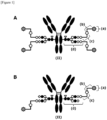
- a plurality of drug molecules is to be bonded to one antibody molecule, it follows that there is a plurality of Lb moieties (e.g., see schematic diagram (1e) of an antibody-drug conjugate shown in Scheme E described later in ⁇ 3. Production Methods>).
- Lb-1, Lb-2, and Lb-3 are selected for Lb and a plurality of Lb moieties is present per antibody molecule (e.g., when m 2 , which is described later, is 1 or 2)
- the triazole ring site in each Lb moiety provides structures of geometric isomers, and the Lb moieties include either one of the two structures or a mixture of them.
- Lb is a "spacer for linker of cysteine conjugation”
- examples of Lb may include, but are not limited to, -(succinimid-3-yl-N)-.
- “-(succinimid-3-yl-N)-” has a structure represented by the following formula: In the structural formula shown above, the asterisk indicates bonding to La, and the wavy line indicates bonding to a side chain of a cysteine residue of an antibody through forming thioether.
- the phenyl group is preferably a 1,4-phenyl group
- the heteroaryl group is preferably a 2,5-pyridyl group, a 3,6-pyridyl group, a 2,5-pyrimidyl group, or a 2,5-thienyl group.
- Lc is preferably -NH-CH 2 - or absent.
- gene refers to nucleotides including a nucleotide sequence encoding amino acids of protein, or a nucleotide sequence encoding amino acids of protein, or a complementary strand thereof, and the meaning of “gene” encompasses, for example, a polynucleotide, oligonucleotide, DNA, mRNA, cDNA, and RNA as a nucleotide sequence including a nucleotide sequence encoding amino acids of protein or a complementary strand thereof.
- nucleotides have the same meaning as that of “nucleic acid”, and the meaning of “nucleotides” or “nucleotide sequence” encompasses, for example, a DNA, RNA, probe, oligonucleotide, polynucleotide, and primer.
- a "functional fragment of an antibody” is also referred to as an "antigen-binding fragment of an antibody", and means a partial fragment of an antibody with binding activity to an antigen, and examples thereof may include, but not limited to, Fab, F(ab')2, Fv, scFv, diabodies, linear antibodies, and multispecific antibodies formed from antibody fragments.
- the meaning of an antigen-binding fragment of an antibody encompasses Fab', a monovalent fragment of a variable region of an antibody obtained by treating F(ab')2 under reducing conditions.
- Those antigen-binding fragments include not only those obtained by treating a full-length molecule of an antibody protein with an appropriate enzyme, but also proteins produced in appropriate host cells by using an antibody gene which is modified by genetic engineering.
- the concept of the functional fragment of the present invention includes a functional fragment that retains well-preserved asparagine (Asn297) to be modified with an N-linked glycan and amino acids around Asn297 in the IgG heavy chain Fc region, and has binding activity to an antigen.
- the antibody to be used for the antibody-drug conjugate of the present invention refers to immunoglobulin, and is a molecule including an antigen-binding site that immunospecifically binds to an antigen.
- the antibody of the present invention may be of any class of IgG, IgE, IgM, IgD, IgA, and IgY, and preferred is IgG.
- the subclass may be any of IgG1, IgG2, IgG3, IgG4, IgA1, and IgA2, and preferred are IgG1, IgG2, and IgG4 (including antibodies having mutation that affects activities of ADCC and ADCP in the Fc region of an IgG heavy chain).
- IgG1 is used as the isotype of the antibody of the present invention
- the effector function may be adjusted by substituting a part of the amino acid residues in the constant region (see WO 88/07089 , WO 94/28027 , WO 94/29351 ).
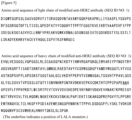
- mutants of IgG1 may include, but not limited to, those with IgG1 LALA mutation (IgG1-L234A, L235A).
- the L234A, L235A indicates substitution of leucine with alanine at positions 234 and 235 specified by EU Index numbering ( Proceedings of the National Academy of Sciences of the United States of America, Vol. 63, No. 1 (May 15, 1969), pp. 78-85 ).
- the antibody may be derived from any species, and preferred examples of the origin may include, but not limited to, a human, a rat, a mouse, and a rabbit. If the antibody is derived from a species other than the human species, it is preferred to chimeric or humanized antibody by using a well-known technique.
- the antibody of the present invention may be a polyclonal antibody or a monoclonal antibody, and is preferably a monoclonal antibody. Examples of monoclonal antibodies may include, but not limited to, monoclonal antibodies derived from non-human animals such as rat antibodies, mouse antibodies, and rabbit antibodies; chimeric antibodies; humanized antibodies; human antibodies; functional fragments of them; and modified forms of them.
- the antibody is preferably, but not limited to, an antibody targeting tumor cells or immune cells.
- the antibody is more preferably an antibody targeting tumor cells.
- an antibody targeting tumor cells it is preferred for the antibody to have one or more properties of a property of being capable of recognizing tumor cells, a property of being capable of binding to tumor cells, a property of being incorporated and internalizing in tumor cells, and a property of causing injury to tumor cells.
- the drug of the present invention to be conjugated to an antibody via a linker has STING agonist activity.
- the drug of the present invention induces interferon by activating signaling of the interferon regulatory factor-3 (IRF3).
- an antibody targeting tumor cells is used for the antibody-drug conjugate of the present invention
- the antibody-drug conjugate after being administered into the body is delivered to a tumor site and incorporated in cells in tumors, and the linker portion is then cleaved off by peptidase or the like and the drug portion is liberated.
- the drug portion liberated is inferred to activate anti-tumor immunity and exert anti-tumor effect through STING agonist activity.
- the binding ability of the antibody to tumor cells can be confirmed by using flow cytometry.
- the incorporation of the antibody into tumor cells can be confirmed by using (1) an assay of visualizing an antibody incorporated in cells under a fluorescence microscope with a secondary antibody (fluorescently labeled) that binds to the therapeutic antibody ( Cell Death and Differentiation (2008) 15, 751-761 ), (2) an assay of measuring the intensity of fluorescence incorporated in cells with a secondary antibody (fluorescently labeled) that binds to the therapeutic antibody ( Molecular Biology of the Cell, Vol.
- a Mab-ZAP assay using an immunotoxin that binds to the therapeutic antibody, wherein the toxin is released upon being incorporated into cells to suppress cell growth Bio Techniques 28: 162-165, January 2000 ).
- an immunotoxin a recombinant complex protein of a diphtheria toxin catalytic domain and protein G may be used.
- high internalization ability refers to the situation that the survival rate of targeted antigen-expressing cells (e.g., HER2-expressing cells if an anti-HER2 antibody is used) with addition of an antibody of interest and a saporin-labeled anti-mouse or rat IgG antibody (represented as a relative rate to the cell survival rate without addition of the antibody as 100%) is preferably 70% or less, and more preferably 60% or less.
- targeted antigen-expressing cells e.g., HER2-expressing cells if an anti-HER2 antibody is used
- a saporin-labeled anti-mouse or rat IgG antibody represented as a relative rate to the cell survival rate without addition of the antibody as 100%
- an antibody targeting tumor cells is used for the antibody-drug conjugate of the present invention, it is preferred but not essential that the antibody itself should have anti-tumor effect. It is preferable that the antibody to be used for the antibody-drug conjugate of the present invention has a characteristic of internalization, which involves migration into tumor cells.
- the remodeled glycan of the present invention is N297-(Fuc)SG, N297-(Fuc)MSG1, N297-(Fuc)MSG2, or a mixture of N297-(Fuc)MSG1 and N297-(Fuc)MSG2, preferably N297-(Fuc)SG, N297-(Fuc)MSG1, or N297-(Fuc)MSG2, and more preferably N297-(Fuc)SG or N297-(Fuc)MSG1.
- each wavy line indicates bonding to Asn297 of the antibody
- N297-(Fuc)MSG2 is represented by the following structural formula or sequence formula:
- each wavy line indicates bonding to Asn297 of the antibody
- the N297 glycan of the antibody in the antibody-drug conjugate of the present invention is N297-(Fuc)SG
- the N297 glycan of the antibody in the antibody-drug conjugate of the present invention is N297-(Fuc)MSG1, N297-(Fuc)MSG2, or a mixture of them
- the N297 glycan is preferably N297-(Fuc)SG, N297-(Fuc)MSG1, or N297-(Fuc)MSG2, and more preferably N297-(Fuc)SG.
- N297 glycan of the antibody in the antibody-drug conjugate of the present invention is N297-(Fuc)SG, N297-(Fuc)MSG1, or N297-(Fuc)MSG2, a highly homogeneous ADC can be obtained.
- the substituents R 1 to R 5 , L 1 , L 2 , W 1 , W 2 , and Z 1 to Z 3 are synonymous with those in the above.
- the substituents R a , R c , R e , and R g each represent a side chain of a natural ⁇ -amino acid. Examples thereof may include a methyl group, an isopropyl group, a sec-butyl group, an isobutyl group, and a benzyl group.
- PRO 1 represents a protective group for primary alcohol.
- PRO 1 is preferably a 4,4'-dimethoxytrityl group, a 4-methoxytrityl group, or the like.
- PRO 2 , PRO 3 , PRO 7 , and PRO 8 each represent a protective group for a secondary alcohol.
- PRO 2 , PRO 3 , PRO 7 , and PRO 8 are each a tert-butyldimethylsilyl group, a triisopropylsilyloxymethyl group, a benzoyl group, a 2-nitrobenzyl group, a 4-methoxytetrahydropyran-4-yl group, or the like.
- PRO 6 represents a protective group for a carboxylic acid.
- PRO 6 is preferably a tert-butyl group, a benzyl group, or the like.
- PRO 5 and PRO 9 each represent a protective group for an amine.
- PRO 5 is preferably a tert-butyloxycarbonyl group, a 9-fluorenylmethyloxycarbonyl group, an allyloxycarbonyl group, a 2,2,2-trichloroethoxycarbonyl group, a benzyloxycarbonyl group, or the like
- PRO 9 is preferably a 9-fluorenylmethyloxycarbonyl group or a 2-(trimethylsilyl)ethoxycarbonyl group.
- PRO 4 represents a protective group for an alcohol or amine.
- PRO 4 is preferably a tert-butyldimethylsilyl group, a benzoyl group, or the like for an alcohol, and preferably a 2-(trimethylsilyl)ethoxycarbonyl group, an allyloxycarbonyl group, a tert-butyloxycarbonyl group, or the like for an amine.
- Q a represents an oxygen atom or a sulfur atom
- Q b represents a hydroxy group or a thiol group.
- Q a' and Q b' each independently represent a negatively charged oxygen atom (O - ) or sulfur atom (S - ).
- R x and R y each independently represent a halogen atom or -O-PRO 2 .
- n represents an integer of 1 to 3.
- the CDN derivative of the present invention represented by (1) may be produced in accordance with scheme A described in the following.
- the present production method is a method for producing the compound represented by general formula (1).
- One-pot synthesis is applicable from steps A-1 to A-5 of the present production method, and this may be performed with reference to a report by Gaffney et al. (Org. Lett. 2010, 12, 3269-3271 ).
- This step is a step of producing the compound of formula (2a) by sequentially performing a hydrolysis reaction of the compound of formula (1a) and removal of a cyanoethyl group from the resultant using a known technique of organic chemistry.
- the hydrolysis reaction was performed by treating compound (1a) in a solvent (acetonitrile, tetrahydrofuran, N,N-dimethylformamide, or a mixed solvent of them) with water and an acid (pyridine trifluoroacetate, 4,5-dicyanoimidazole, 1H-tetrazole, etc.) at a temperature of from -10°C to the boiling point of the solvent used for the reaction, preferably 15°C to 35°C.
- a solvent acetonitrile, tetrahydrofuran, N,N-dimethylformamide, or a mixed solvent of them
- an acid pyridine trifluoroacetate, 4,5-dicyanoimidazole, 1H-tetrazole, etc.
- the amount of moles of water used was 2 mol to an excessive amount of moles, preferably 2 mol to 10 mol, to 1 mol of compound (1a), and that of the acid used was 1 mol to an excessive amount of moles, preferably 1 mol to 5 mol, to 1 mol of compound (1a).
- the reaction time is 1 minute to 3 hours, and preferably 5 minutes to 30 minutes.
- a base tert-butylamine, etc.
- the amount of moles of the base used was an excessive amount of moles, preferably 30 mol to 50 mol, to 1 mol of compound (1a).
- the reaction time is 5 minutes to 6 hours, and preferably 15 minutes to 1 hour.
- the reaction mixture was concentrated under reduced pressure to afford a crude product (2a).
- the crude product (2a) may be sent to the subsequent step without purification.
- This step is a step of producing the compound of formula (3a) by removing a protective group for a hydroxy group from the compound of formula (2a) using a known technique of organic chemistry.
- the crude form of formula (2a) was azeotroped once to three times with acetonitrile, as necessary, for drying.
- PRO 1 was a 4,4'-dimethoxytrityl group
- the 4,4'-dimethoxytrityl group was removed by treating compound (2a) in a solvent (dichloromethane, chloroform, dichloroethane, etc.) with water and an acid (dichloroacetic acid, trifluoroacetic acid, etc.) at a temperature of from -10°C to the boiling point of the solvent used for the reaction, preferably 15°C to 35°C.
- the amount of moles of water used was an excessive amount of moles, preferably 10 mol to 20 mol, to 1 mol of compound (2a), and the acid was diluted with the solvent used for the reaction to a concentration of from 1% to 50%(v/v), preferably to 5% to 10%(v/v), and an excessive amount of moles, preferably 5 mol to 15 mol, of the diluted solution was used.
- the reaction time is 1 minute to 3 hours, and preferably 5 minutes to 30 minutes.
- Pyridine was added to the reaction mixture for quenching.
- the amount of moles of pyridine used was an amount enough to neutralize the acid used, preferably 2 mol to 10 mol, to 1 mol of the acid.
- the reaction mixture was concentrated under reduced pressure to afford a crude product (3a).
- the crude product (3a) was azeotroped three to five times with dehydrated acetonitrile. Acetonitrile was allowed to remain after the last azeotropic operation, and thus 0.01 M to 1 M acetonitrile solution of compound (3a) was obtained. The acetonitrile solution obtained was directly sent to the subsequent step.
- compound (4a) was azeotroped three to five times with dehydrated acetonitrile. Acetonitrile was allowed to remain after the last azeotropic operation, and thus 0.01 M to 1 M acetonitrile solution of compound (4a) was prepared. To this solution, a drying agent (the molecular sieves 3A or the molecular sieves 4A in powder or pellets) was added, and the solution was stored until use under a nitrogen or argon atmosphere.
- a drying agent the molecular sieves 3A or the molecular sieves 4A in powder or pellets
- a coupling reaction was performed by adding azeotropically dried compound (4a) to the acetonitrile solution of compound (3a) at a temperature of from 5°C to 35°C.
- the reaction time is 1 minute to 24 hours, and preferably 5 minutes to 6 hours.
- a sulfiding agent N,N-dimethyl-N'-(3-sulfanylidene-3H-1,2,4-dithiazol-5-yl)methaneimidamide, 3H-1,2-benzodithiol-3-one, etc.
- the amount of moles of the sulfiding agent used was 1 mol to 5 mol, preferably 1 mol to 2 mol, to 1 mol of compound (3a).
- the reaction time is 5 minutes to 24 hours, and preferably 30 minutes to 6 hours.
- the reaction mixture was concentrated under reduced pressure to afford a crude product (5a).
- the crude product (5a) obtained was directly sent to the subsequent step.
- This step is a step of producing the compound of formula (6a) by removing a protective group for a hydroxy group from the compound of formula (5a) using a known technique of organic chemistry.
- PRO 1 was a 4,4'-dimethoxytrityl group
- the 4,4'-dimethoxytrityl group was removed by treating the compound of compound (5a) in a solvent (dichloromethane, chloroform, dichloroethane, etc.) with water and an acid (dichloroacetic acid, trifluoroacetic acid, etc.) at a temperature of from -10°C to the boiling point of the solvent used for the reaction, preferably 15°C to 35°C.
- the amount of moles of water used was an excessive amount of moles, preferably 10 to 20 mol, to 1 mol of compound (5a), and the acid was diluted with the solvent used for the reaction to a concentration of from 1% to 50%(v/v), preferably to 5% to 10%(v/v), and an excessive amount of moles, preferably 5 mol to 15 mol, of the diluted solution was used.
- the reaction time is 1 minute to 3 hours, and preferably 5 minutes to 30 minutes.
- Pyridine was added to the reaction mixture for quenching.
- the amount of moles of pyridine used was an amount enough to neutralize the acid used, preferably 10 mol to 200 mol, to 1 mol of the acid.
- the reaction mixture was concentrated under reduced pressure to afford a crude product (6a).
- the crude product (6a) obtained was directly sent to the subsequent step.
- This step is a step of producing the compound of formula (7a) by sequentially performing a cyclization reaction and a sulfidation reaction of the compound of formula (6a) using a known technique of organic chemistry.
- Compound (6a) was dissolved in pyridine, and the resultant was then concentrated under reduced pressure to prepare a 0.01 M to 0.5 M pyridine solution.
- a cyclization reaction was performed by adding a dehydration-condensation agent (2-chloro-5,5-dimethyl-1,3,2 ⁇ 5 -dioxaphosphinan-2-one, etc.) to this pyridine solution at a temperature of from 5°C to 35°C.
- the amount of moles of the dehydration-condensation agent used was 1 mol to an excessive amount of moles, preferably 3 mol to 5 mol, to 1 mol of compound (6a).
- the reaction time is 1 minute to 6 hours, and preferably 5 minutes to 1 hour.
- a sulfidation reaction was then performed by adding water and a sulfiding agent (3H-1,2-benzodithiol-3-one, N,N-dimethyl-N'-(3-sulfanylidene-3H-1,2,4-dithiazol-5-yl)methaneimidamide, etc.) to this reaction mixture.
- a sulfiding agent 3H-1,2-benzodithiol-3-one, N,N-dimethyl-N'-(3-sulfanylidene-3H-1,2,4-dithiazol-5-yl)methaneimidamide, etc.
- the amount of moles of water used was an excessive amount of moles, preferably 30 mol to 50 mol, to 1 mol of compound (6a), and that of the sulfiding agent used was 1 mol to 5 mol, preferably 1 mol to 2 mol, to 1 mol of compound (6a).
- the reaction time is 5 minutes to 12 hours,
- the reaction mixture was added to an aqueous solution (0.1 M to 1 M) of sodium hydrogen carbonate, and the resultant was then stirred for a period of time of 15 minutes to 24 hours for quenching.
- an organic solvent ethyl acetate, diethyl ether, toluene, or a mixed solvent of them
- the extracts were combined and dried over an anhydrous salt (anhydrous sodium sulfate or anhydrous magnesium sulfate).
- the drying agent was removed through filtration, and the filtrate was concentrated under reduced pressure.
- the resulting residue was purified by silica gel column chromatography [dichloromethane/methanol, ethyl acetate/methanol, hexane/ethyl acetate, etc.], C18 silica gel column chromatography [buffer/acetonitrile], or a combination of them to afford compound (7a) as a mixture of two or more diastereomers or two or more pure diastereomers. While two diastereomers are obtained in this step in many cases, additionally one or two diastereomers may be obtained for some types of raw materials (1a) and (4a). Even when compound (7a) obtained is in the form of a mixture of a plurality of diastereomers, the mixture may be sent to the subsequent step without additional purification.
- This step is a step of producing the compound of formula (8a) by simultaneously removing a cyanoethyl group and all acyl protective groups from the compound of formula (7a) using a known technique of organic chemistry. This step was performed in an autoclave or in a shield tube, as necessary.
- PRO 4 was a benzoyl group
- the cyanoethyl group and the benzoyl group were removed by treating the compound of compound (7a) in a solvent (methanol, ethanol, tetrahydrofuran, or a mixed solvent of them) with 28% (v/v) ammonia water at a temperature of from 5°C to the boiling point of the solvent used for the reaction.
- the amount of moles of ammonia used was an excessive amount of moles, preferably 300 mol to 3000 mol, to 1 mol of compound (7a).
- the reaction time is 30 minutes to 96 hours, and preferably 2 hours to 48 hours.
- reaction mixture was concentrated, as necessary, and the residue was purified by preparative HPLC [buffer/acetonitrile, buffer/methanol, etc.], C18 silica gel column chromatography [buffer/acetonitrile, buffer/methanol, etc.], or a combination of them to afford compound (8a).
- preparative HPLC buffer/acetonitrile, buffer/methanol, etc.
- C18 silica gel column chromatography buffer/acetonitrile, buffer/methanol, etc.
- compound (8a) may be sent to the subsequent step without purification.
- This step is a step of producing the compound of formula (9a) by simultaneously removing all the silyl protective groups from the compound of formula (8a) using a known technique of organic chemistry.
- the tert-butyldimethylsilyl groups were removed by directly treating compound (8a) with triethylamine trihydrofluoride at a temperature of from 5°C to 100°C, preferably 35°C to 60°C.
- the amount of moles of triethylamine trihydrofluoride used was an excessive amount of moles, preferably 100 to 200 mol, to 1 mol of compound (8a).
- the reaction time is 30 minutes to 24 hours, and preferably 2 hours to 12 hours.
- reaction mixture After the reaction mixture was cooled to room temperature, an ice-cooled 3:1 to 10: 1 (v/v) mixed solution of 1 M aqueous solution of triethylammonium hydrogen carbonate and triethylamine was poured in small portions into the reaction mixture for quenching. As necessary, the reaction mixture may be poured into an ice-cooled mixed solution of 1 M aqueous solution of triethylammonium hydrogen carbonate and triethylamine. In this case, the reaction vessel was washed with acetonitrile and water.
- the CDN derivative of the present invention represented by (1') may be produced in accordance with scheme A' described in the following.
- This step is a step of producing the compound of formula (7a') by sequentially performing cyclization reaction and an oxidation reaction of the compound of formula (6a') using a known technique of organic chemistry.
- Compound (6a') was dissolved in pyridine, and the resultant was then concentrated under reduced pressure to prepare a 0.01 M to 0.5 M pyridine solution.
- a cyclization reaction was performed by adding a dehydration-condensation agent (2-chloro-5,5-dimethyl-1,3,2 ⁇ 5 -dioxaphosphinan-2-one, etc.) to this pyridine solution at a temperature of from 5°C to 35°C.
- the amount of moles of the dehydration-condensation agent used was 1 mol to an excessive amount of moles, preferably 3 mol to 5 mol, to 1 mol of compound (6a').
- the reaction time is 1 minute to 6 hours, and preferably 5 minutes to 1 hour.
- an oxidation reaction was performed by adding water and an oxidizing agent (iodine, etc.) to this reaction mixture.
- the amount of moles of water used was 0 mol to an excessive amount of moles, preferably 30 mol to 50 mol, to 1 mol of compound (6a'), and that of the oxidizing agent used was 2 mol to 10 mol, preferably 3 mol to 5 mol, to 1 mol of compound (6a').
- the reaction time is 5 minutes to 12 hours, and preferably 30 minutes to 3 hours.
- the reaction mixture was added to an aqueous solution (0.1 M to 1 M) of sodium hydrogen carbonate, and the resultant was stirred for a period of time of from 15 minutes to 24 hours for quenching.
- the CDN derivative of the present invention represented by (1") may be produced in accordance with scheme A" described in the following.
- the present production method is a method for producing the compound represented by general formula (1"), the method being a partially modified form of scheme A. Specifically, the compound of general formula (1") can be produced with replacement of step A-3 of scheme A with step A"-3 shown below. When the substituents R x and R y are each a halogen atom, step A-7 may be omitted.
- This step is a step of producing the compound of formula (5a") by sequentially performing coupling reaction of the compound of formula (3a") with the compound of formula (4a") and an oxidation reaction of the resulting coupled form using a known technique of organic chemistry.
- compound (4a) was azeotroped three to five times with dehydrated acetonitrile. Acetonitrile was allowed to remain after the last azeotropic operation, and thus 0.01 M to 1 M acetonitrile solution of compound (4a") was prepared. To this solution, a drying agent (the molecular sieves 3A or the molecular sieves 4A in powder or pellets) was added, and the solution was stored until use under a nitrogen or argon atmosphere.
- a drying agent the molecular sieves 3A or the molecular sieves 4A in powder or pellets
- a coupling reaction was performed by adding the acetonitrile solution of azeotropically dried compound (4a") to the acetonitrile solution of compound (3a") at a temperature of from 5°C to 35°C.
- the reaction time is 1 minute to 24 hours, and preferably 5 minutes to 6 hours.
- an oxidizing agent tert-butyl hydroperoxide, etc.
- the amount of moles of the oxidizing agent used was 1 mol to 5 mol, preferably 2 mol to 3 mol, to 1 mol of compound (3a").
- the reaction time is 5 minutes to 24 hours, and preferably 30 minutes to 6 hours.
- a saturated aqueous solution of sodium thiosulfate was added to the reaction mixture, and the resultant was stirred for a period of time of from 10 minutes to 12 hours for quenching.
- an organic solvent a mixed solvent of dichloromethane and methanol, etc.
- the extracts were combined and dried over an anhydrous salt (anhydrous sodium sulfate or anhydrous magnesium sulfate).
- the drying agent was removed through filtration, and the filtrate was concentrated under reduced pressure to afford a crude product (5a").
- the crude product (5a") obtained was directly sent to the subsequent step.
- the CDN derivative of the present invention represented by (1′′′) may be produced in accordance with scheme A′′′ described in the following.
- the present production method is a method for producing the compound represented by general formula (1′′′), the method being a partially modified form of scheme A.
- the compound of general formula (1′′′) can be produced with replacement of step A-3 and step A-5 of scheme A respectively with step A"-3 and step A'-5.
- step A-7 may be omitted.
- the conjugate precursor of the present invention represented by (2) may be produced in accordance with scheme B described in the following.
- the present production method is a method for producing conjugate precursor (2) when L 1 is substituted with -NH 2 at any position.
- This step is a step of producing the compound of formula (2b) by removing a protective group from the compound of formula (1b) using a known technique of organic chemistry.
- the protective group was removed by treating compound (1b) in a solvent (dichloromethane, dioxane, acetonitrile, ethyl acetate, tetrahydrofuran, or a mixed solvent of them) with trifluoroacetic acid at a temperature of from -10°C to the boiling point of the solvent used for the reaction, preferably 15°C to 35°C.
- the amount of moles of trifluoroacetic acid used was an excessive amount of moles, preferably 20 mol to 50 mol, to 1 mol of compound (1b).
- the reaction time is 5 minutes to 24 hours, and preferably 30 minutes to 6 hours.
- reaction mixture was concentrated under reduced pressure, and then suspended in toluene and the resultant suspension was again concentrated under reduced pressure. This operation was repeated twice to five times.
- a solvent diethyl ether, diisopropyl ether, hexane, dichloromethane, ethyl acetate, or a mixed solvent of them
- the crude product (2b) was sent to the subsequent step without any additional purification.
- This step is a step of producing the compound of formula (4b) by performing amidation of the compound of formula (2b) with the compound of formula (3b) using a known technique of organic chemistry.
- Amidation was performed by reacting compound (2b) in a solvent (N,N-dimethylformamide, N-methylpyrrolidone, N,N-dimethylacetamide, acetonitrile, etc.) with a base (triethylamine, N,N-diisopropylethylamine, etc.) and compound (3b) at a temperature of from 5°C to 35°C.
- the amount of moles of the base used was 1 mol to 5 mol to 1 mol of compound (2b), and that of compound (3b) used was 0.5 mol to 1.5 mol to 1 mol of compound (2b).
- the reaction time is 10 minutes to 72 hours, and preferably 1 hour to 24 hours.
- the reaction mixture was poured into a two-layer mixture of an organic solvent (dichloromethane, chloroform, ethyl acetate, methanol, or a mixed solvent of them) and water or an acidic aqueous solution (0.1 to 1 M hydrochloric acid, aqueous solution of citric acid, etc.), and the resultant was subjected to extraction once to five times with the organic solvent.
- the extracts were combined and washed with brine, and then dried over an anhydrous salt (anhydrous sodium sulfate or anhydrous magnesium sulfate). The drying agent was removed through filtration, and the filtrate was concentrated under reduced pressure.
- reaction mixture may be directly concentrated under reduced pressure, with the liquid separation operation omitted, and sent to the subsequent silica gel column purification.
- the residue obtained was purified by silica gel column chromatography [dichloromethane/methanol, ethyl acetate/methanol, etc.] to afford compound (4b).
- the purity of compound (4b) may be increased by dissolving compound (4b) in a good solvent (ethyl acetate, acetonitrile, dichloromethane, methanol, or a mixed solvent of them), then reprecipitating compound (4b) with addition of a poor solvent (diethyl ether, diisopropyl ether, hexane, etc.), and collecting the solid through filtration.
- a good solvent ethyl acetate, acetonitrile, dichloromethane, methanol, or a mixed solvent of them
- a poor solvent diethyl ether, diisopropyl ether, hexane, etc.
- This step is a step of producing the compound of formula (5b) by performing esterification of the compound of formula (4b) using a known technique of organic chemistry.
- Esterification was performed by reacting compound (4b) in a solvent (N,N-dimethylformamide, N,N-dimethylacetamide, N-methylpyrrolidone, acetonitrile, etc.) with N-hydroxysuccinimide and a condensing agent (1-ethyl-3-(3-dimethylaminopropyl)carbodiimide hydrochloride, etc.) at a temperature of from 5°C to 35°C.
- the amount of moles of N-hydroxysuccinimide used and that of the condensing agent used were each 1 mol to 3 mol to 1 mol of compound (4b).
- the reaction time is 30 minutes to 72 hours, and preferably 2 hours to 24 hours.
- reaction mixture was diluted with an organic solvent (dichloromethane, chloroform, ethyl acetate, or a mixed solvent of them), and then washed three to five times with iced water.
- organic layer was dried by using an anhydrous salt (anhydrous sodium sulfate or anhydrous magnesium sulfate). The drying agent was removed through filtration, and the filtrate was then concentrated under reduced pressure to afford a crude product (5b).
- compound (5b) obtained may be purified by C18 silica gel column chromatography [acetonitrile only].
- the purity of compound (5b) obtained may be increased by dissolving compound (5b) in a good solvent (ethyl acetate, acetonitrile, dichloromethane, or a mixed solvent of them), then reprecipitating compound (5b) with addition of a poor solvent (diethyl ether, diisopropyl ether, hexane, etc.), and collecting the solid through filtration.
- a good solvent ethyl acetate, acetonitrile, dichloromethane, or a mixed solvent of them
- a poor solvent diethyl ether, diisopropyl ether, hexane, etc.
- This step is a step of producing the compound of formula (2) by performing a condensation reaction of the compound of formula (5b) with the compound of formula (6b) using a known technique of organic chemistry.
- a condensation reaction was performed by reacting compound (6b) in a solvent (N,N-dimethylformamide, N,N-dimethylacetamide, N-methylpyrrolidone, acetonitrile, etc.) with a base (triethylamine, N,N-diisopropylethylamine, etc.) and compound (5b) at a temperature of from -10°C to 100°C, preferably 15°C to 35°C.
- the amount of moles of the base used was 2 mol to 5 mol to 1 mol of compound (6b), and that of compound (5b) used was 1 mol to 2 mol to 1 mol of compound (6b).
- the reaction time is 5 minutes to 24 hours, and preferably 1 hour to 6 hours.
- Benzylamine was added to the reaction mixture for quenching.
- the amount of moles of benzylamine used was 4 mol to 10 mol to 1 mol of compound (6b).
- the reaction mixture was partially concentrated under reduced pressure, as necessary, and the remaining solution was purified by preparative HPLC [buffer/acetonitrile, buffer/methanol, etc.], C18 silica gel column chromatography [buffer/acetonitrile, buffer/methanol, etc.], or a combination of them to afford compound (2).
- the conjugate precursor of the present invention represented by (2') may be produced in accordance with scheme B' described in the following.
- the present production method is a method for producing conjugate precursor (2') when L 1 is substituted with -NH 2 at any position.
- This step is a step of producing the compound of formula (8b) by performing amidation of the compound of formula (2b') with the compound of formula (7b) using a known technique of organic chemistry.
- Compound (8b) was obtained in accordance with the procedure described in step B-2 of scheme B, except that no base was used.
- This step is a step of producing the compound of formula (9b) by removing a protective group from the compound of formula (8b) using a known technique of organic chemistry.
- Compound (9b) was obtained in accordance with the procedure described in step B-1 of scheme B, except that when PRO 6 was a tert-butyl group, silica gel column chromatography [dichloromethane/methanol] was used in the purification operation.
- This step is a step of producing the compound of formula (10b) by performing esterification of the compound of formula (9b) using a known technique of organic chemistry.
- Compound (10b) was obtained in accordance with the procedure described in step B-3 of scheme B.
- This step is a step of producing the compound of formula (2') by performing a condensation reaction of the compound of formula (6b) with the compound of formula (10b) using a known technique of organic chemistry.
- Compound (2') was obtained in accordance with the procedure described in step B-4 of scheme B.
- the conjugate precursor of the present invention represented by (3) may be produced in accordance with scheme C described in the following.
- the present production method is a method for producing conjugate precursor (3) when L 1 is substituted with a hydroxy group at any position.
- This step is a step of producing the compound of formula (3c) by performing amidation of the compound of formula (1c) with the compound of formula (2c) using a known technique of organic chemistry.
- Compound (3c) was obtained in accordance with the procedure described in step B-2 of scheme B.
- This step is a step of producing the compound of formula (4c) by performing esterification of the compound of formula (3c) using a known technique of organic chemistry.
- Compound (4c) was obtained in accordance with the procedure described in step B-3 of scheme B.
- This step is a step of producing the compound of formula (7c) by sequentially performing a coupling reaction (aminomethylenation) of the compound of formula (5c) with the compound of formula (6c) and deprotection of the resulting coupled form using a known technique of organic chemistry.
- a base (1,8-diazabicyclo[5.4.0]-7-undecene, etc.)
- a solvent N,N-dimethylformamide, etc.
- the amount of moles of the base used was an excessive amount of moles, preferably 5 mol to 20 mol, to 1 mol of compound (5c).
- the reaction time is 10 minutes to 24 hours, and preferably 2 hours to 12 hours. Water was added to the reaction mixture, and the resultant was directly purified by C18 silica gel column chromatography [buffer/acetonitrile, etc.] to afford compound (7c).
- This step is a step of producing the compound of formula (8c) by removing protective groups from the compound of formula (7c) using a known technique of organic chemistry.
- PRO 7 and PRO 8 were each a tert-butyldimethylsilyl group, compound (8c) was obtained in accordance with the procedure described in step A-7 of scheme A.
- This step is a step of producing the compound of formula (3) by performing a condensation reaction of the compound of formula (8c) with the compound of formula (4c) using a known technique of organic chemistry.
- Compound (3) was obtained in accordance with the procedure described in step B-4 of scheme B.
- the conjugate precursor of the present invention represented by (3') may be produced in accordance with scheme C' described in the following.
- the present production method is a method for producing conjugate precursor (3') when L 1 is substituted with a hydroxy group at any position.
- This step is a step of producing the compound of formula (2c') by sequentially performing a hydrolysis reaction of the compound of formula (1c') and removal of a cyanoethyl group from the resultant using a known technique of organic chemistry.
- Compound (2c') was obtained in accordance with the procedure described in step A-1 of scheme A.
- This step is a step of producing the compound of formula (3c') by removing a protective group for a hydroxy group from compound (2c') using a known technique of organic chemistry.
- Compound (3c') was obtained in accordance with the procedure described in step A-2 of scheme A.
- This step is a step of producing the compound of formula (5c') by sequentially performing coupling reaction of the compound of formula (3c') with the compound of formula (4c') and sulfidation reaction or oxidation reaction of the resulting coupled form using a known technique of organic chemistry.
- Compound (5c') was obtained in accordance with the procedure described in step A-3 of scheme A or step A"-3 of scheme A".
- This step is a step of producing the compound of formula (6c') by removing a protective group for a hydroxy group from the compound of formula (5c') using a known technique of organic chemistry.
- Compound (6c') was obtained in accordance with the procedure described in step A-4 of scheme A.
- This step is a step of producing the compound of formula (7c') by sequentially performing a cyclization reaction of the compound of formula (6c') and a sulfidation reaction or oxidation reaction of the resultant using a known technique of organic chemistry.
- Compound (7c') was obtained in accordance with the procedure described in step A-5 of scheme A or step A'-5 of scheme A'.
- This step is a step of producing the compound of formula (8c') by simultaneously removing a cyanoethyl group and all acyl protective groups from the compound of formula (7c') using a known technique of organic chemistry.
- Compound (8c') was obtained in accordance with the procedure described in step A-6 of scheme A.
- This step is a step of producing the compound of formula (9c') by simultaneously removing all silyl protective groups from the compound of formula (8c') using a known technique of organic chemistry.
- PRO 9 was a 2-(trimethylsilyl)ethoxycarbonyl group
- the 2-(trimethylsilyl)ethoxycarbonyl group was removed by treating compound (8c') with a tetrahydrofuran solution of tetrabutylammonium fluoride at a temperature of from 5°C to 100°C, preferably 35°C to 60°C.
- the amount of moles of tetrabutylammonium fluoride used was an excessive amount of moles, preferably 10 to 30 mol, to 1 mol of compound (8c').
- the reaction time is 1 hour to 48 hours, and preferably 4 hours to 24 hours.
- the organic solvent component was distilled off under reduced pressure, as necessary.
- the residue was purified by preparative HPLC [buffer/acetonitrile, buffer/methanol, etc.], C18 silica gel column chromatography [buffer/acetonitrile, buffer/methanol, etc.], or combination of them to afford compound (9c').
- This step is a step of producing the compound of formula (3') by performing condensation reaction of the compound of formula (9c') with the compound of formula (4c) using a known technique of organic chemistry.
- Compound (3') was obtained in accordance with the procedure described in step B-4 of scheme B.
- Glycan-remodeled antibodies may be produced by using a method shown in the following formula, for example, on the basis of a method described in WO 2018/003983 .
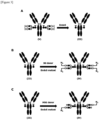
- This step is a step of producing a glycan-truncated antibody by hydrolytically cleaving the glycosidic bond at GlcNAc ⁇ 1-4GlcNAc of the chitobiose structure at a reducing terminus of N-linked glycan bonding to asparagine at position 297 of the amino acid sequence of a targeted antibody (N297-linked glycan) using a known enzymatic reaction.
- Targeted antibody (1d) (10 mg/mL) in buffer (e.g., phosphate buffer) was subjected to hydrolysis reaction of the glycosidic bond between GlcNAc ⁇ 1 and 4GlcNAc in the chitobiose structure at a reducing terminus using hydrolase such as the enzyme wild-type EndoS at a temperature of from 0°C to 40°C.
- the reaction time is 10 minutes to 72 hours, and preferably 1 hour to 6 hours.
- the amount of the enzyme wild-type EndoS used was 0.1 to 10 mg, preferably 0.1 to 3 mg, to 100 mg of antibody (1d).
- This step is a step of producing glycan-remodeled antibody (3d) by bonding an SG-type or MSG (MSG1, MSG2)-type glycan oxazoline form (hereinafter, referred to as "azide glycan oxazoline form") having a PEG linker including an azide group to (Fuc ⁇ 1,6)GlcNAc antibody (2d) obtained in step D-1 using a known enzymatic reaction.
- Antibody (2d) in buffer e.g., phosphate buffer
- buffer e.g., phosphate buffer
- an azide glycan oxazoline form in the presence of glycosyltransferase such as EndoS (D233Q/Q303L) at a temperature of from 0°C to 40°C.
- the reaction time is 10 minutes to 72 hours, and preferably 1 hour to 6 hours.
- the amount of the enzyme EndoS (D233Q/Q303L) used was 1 to 10 mg, preferably 1 to 3 mg, to 100 mg of the antibody, and that of the azide glycan oxazoline form used was 2 equivalents to an excessive equivalent, preferably 4 equivalents to 20 equivalents.
- the resultant was purified by affinity chromatography (HiTrap rProtein A FF (5 mL) (produced by GE Healthcare)) and/or a hydroxyapatite column (Bio-Scale Mini CHT Type I Cartridge (5 mL) (produced by Bio-Rad Laboratories, Inc.)) to afford glycan-remodeled antibody (3d).
- affinity chromatography HiTrap rProtein A FF (5 mL) (produced by GE Healthcare)
- a hydroxyapatite column Bio-Scale Mini CHT Type I Cartridge (5 mL) (produced by Bio-Rad Laboratories, Inc.)
- concentration of an aqueous solution of an antibody may be performed in accordance with Common Operations A to C described later.
- An SG-type azide glycan oxazoline form was synthesized on the basis of a method describe in WO 2018/003983 .
- a method for synthesizing [N 3 -PEG(3)] 2 -SG(10)-Ox is shown in the following formula.
- an MSG-type azide glycan oxazoline form was synthesized on the basis of a method described in WO 2018/003983 .
- a method for synthesizing [N 3 -PEG(3)]-MSG1(9)-Ox is shown in the following formula.
- the two asterisks (*) in the left side of antibody-drug conjugate (1e) indicate the drug-linker moiety specified by the asterisk in the right side.
- the present production method is a method for producing antibody-drug conjugate (1e) by bonding glycan-remodeled antibody (3d) obtained in step D-2 of scheme D and conjugate precursor (2) obtained in step B-4 of scheme B through SPAAC (strain-promoted azide-alkyne cycloaddition: J. Am. Chem. Soc. 2004, 126, 15046-15047 ) reaction.
- SPAAC strain-promoted azide-alkyne cycloaddition: J. Am. Chem. Soc. 2004, 126, 15046-15047
- SPAAC reaction was performed by mixing a buffer solution (phosphate buffer, acetate buffer, borate buffer, etc.) of glycan-remodeled antibody (3d) and a solution of conjugate precursor (2) dissolved in an appropriate solvent (dimethyl sulfoxide, N,N-dimethylformamide, N,N-dimethylacetamide, N-methylpyrrolidone, propylene glycol, or a mixed solvent of them).
- an appropriate solvent dimethyl sulfoxide, N,N-dimethylformamide, N,N-dimethylacetamide, N-methylpyrrolidone, propylene glycol, or a mixed solvent of them.
- the amount of moles of conjugate precursor (2) is 2 mol to an excessive amount of moles, preferably 4 mol to 30 mol, to 1 mol of glycan-remodeled antibody (3d), and the ratio of the organic solvent is preferably 1% to 200% (v/v) to the buffer solution of the antibody.
- the reaction temperature is 0°C to 37°C, and preferably 15°C to 25°C, and the reaction time is 1 hour to 150 hours, and preferably 6 hours to 72 hours.
- the pH of the reaction mixture is preferably 5 to 9.
- the reaction mixture was purified in accordance with a method described later in Common Operation D to afford antibody-drug conjugate (1e).
- the antibody-drug conjugate of the present invention with cysteine conjugation may be produced, for example, on the basis of a method described in WO 2014/057687 using a targeted antibody prepared, for example, in accordance with Reference Example 1 and conjugate precursor (2') having a maleimide group obtained in step B-8 of scheme B'.
- conjugate precursor (2) With replacement of conjugate precursor (2) with conjugate precursor (3') obtained in step C'-8 of scheme C', antibody-drug conjugate (1e") shown in the following formula was obtained.
- the two asterisks (* 1 ) in the left side of antibody-drug conjugate (1e") indicate the drug-linker moiety specified by the asterisk in the right side.
- Antibody-drug conjugates can be identified from each other through buffer exchange, purification, measurement of antibody concentration, and measurement of the average number of conjugated drug molecules per antibody molecule in accordance with Common operations D to G described later.
- a solution of an antibody or antibody-drug conjugate was placed in an Amicon (R) Ultra Centrifugal Filter Device (50,000 NMWL, Merck Millipore Ltd.), and the solution of an antibody or antibody-drug conjugate was concentrated through a centrifugation operation (centrifugation at 2000 G to 4000 G for 5 to 20 minutes) using a centrifuge (Allegra X-15R, Beckman Coulter, Inc.).
- Measurement of antibody concentration was performed by using a UV measurement apparatus (Nanodrop 1000, Thermo Fisher Scientific) in accordance with a method specified by the manufacturer. In measurement, 280 nm absorption coefficients, being different among antibodies (1.3 mL mg -1 cm -1 to 1.8 mL mg -1 cm -1 ), were used.
- a buffer (phosphate-buffered saline (pH 6.0), phosphate buffer (pH 6.0), etc.) was added to an aqueous solution of an antibody, and the resultant was concentrated in accordance with the method described in Common Operation A. This operation was performed several times, and the antibody concentration was then measured in accordance with the method described in Common Operation B.
- a buffer phosphate-buffered saline (pH 6.0), phosphate buffer (pH 6.0), etc.
- an intended concentration e.g., approximately 10 mg/mL
- NAP column (NAP-5, NAP-10, NAP-25 (produced by GE Healthcare)) was equilibrated with acetate buffer (10 mM Acetate Buffer, 5% Sorbitol, pH 5.5; herein, referred to as ABS) or another appropriate buffer.
- acetate buffer (10 mM Acetate Buffer, 5% Sorbitol, pH 5.5; herein, referred to as ABS) or another appropriate buffer.
- This NAP column was charged with a reaction mixture of an antibody-drug conjugate, and a buffer in an amount specified by the manufacturer was allowed to gravitationally flow down to separate and collect an antibody fraction.
- the NAP column was again charged with this fraction, and a buffer in an amount specified by the manufacturer was allowed to gravitationally flow down to separate and collect an antibody fraction.
- the concentration of a conjugated drug in an antibody-drug conjugate can be calculated by measuring absorbance of an aqueous solution of the antibody-drug conjugate at two wavelengths of 280 nm and 260 nm (occasionally, a wavelength other than 260 nm is used) using an absorptiometer (UV/VIS Spectrometer Lambda 25, PerkinElmer, Inc.), followed by performing calculation shown below.
- an absorptiometer UV/VIS Spectrometer Lambda 25, PerkinElmer, Inc.
- the total absorbance at any wavelength is equal to the sum of the absorbances of all light-absorbing chemical species present in the system (additivity of absorbance), and hence with the assumption that the molar absorption coefficients of the antibody and the drug are unchanged before and after conjugation between the antibody and the drug, the antibody concentration and the drug concentration in the antibody-drug conjugate are expressed by the following expressions:
- a 280 denotes the absorbance of an aqueous solution of the antibody-drug conjugate at 280 nm
- a 260 denotes the absorbance of an aqueous solution of the antibody-drug conjugate at 260 nm
- a A,280 denotes the absorbance of the antibody at 280 nm
- ⁇ A,280 , ⁇ A,260 , ⁇ D,280 , and ⁇ D , 260 values prepared in advance (estimates based on calculation or measured values) are used.
- ⁇ A,280 can be estimated from the amino acid sequence of an antibody by using a known calculation method ( Protein Science, 1995, vol. 4, 2411-2423 ).
- ⁇ A , 260 values calculated from a measured value obtained by UV measurement of an antibody and an estimate for ⁇ A,280 were used.
- C A and C D can be determined by measuring A 280 and A 260 of an aqueous solution of an antibody-drug conjugate and substituting them into expressions (I) and (II) to solve the simultaneous equations. Further, the average number of conjugated drug molecules per antibody molecule can be determined by dividing C D by C A .
- high-performance liquid chromatography analysis using the following method can determine antibody concentration and the average number of conjugated drug molecules per antibody molecule in an antibody-drug conjugate.
- a solution of an antibody-drug conjugate (approximately 1 mg/mL, 60 ⁇ L) was mixed with an aqueous solution of dithiothreitol (DTT) (100 mM, 15 ⁇ L). The mixture was incubated at 37°C for 30 minutes to cleave the disulfide bond between the L chain and H chain of the antibody-drug conjugate. This reaction mixture was directly used for HPLC analysis.
- DTT dithiothreitol
- an H chain with a conjugated drug molecule(s) As compared with the L chain (L0) and H chain (H0) of an antibody without any conjugated drug molecule, an H chain with a conjugated drug molecule(s) (H chain with one conjugated drug molecule: H1, H chain with two conjugated drug molecules: H2) has hydrophobicity increased in proportion to the number of conjugated drug molecules and gives prolonged retention time, and hence L0, H0, H1, and H2 are eluted in this order, in principle. Through comparison of retention time of each of L0 and H0, each peak detected can be assigned to any one of L0, H0, H1, and H2.
- Antibody concentration in an antibody-drug conjugate was calculated by using the following expression.
- Antibody concentration C A mg / mL Absorbance of atibody - drug complex ⁇ Dilution ratio ⁇ Molecular weight of antibody Molar absorption coefficient of antibody + Average number of conjugated drug molecules ⁇ Molar absorption coefficient of drug - linker
- a measured value for an aqueous solution of an antibody-drug conjugate was used for Absorbance (280 nm) of antibody-drug complex.
- Dilution ratio indicates how many folds an aqueous solution of an antibody-drug conjugate was diluted in measurement of absorbance, and typically four-fold dilution is applied.
- Molar absorption coefficient (280 nm) of antibody an estimate calculated by using the known calculation method described in Common Operation E was used.
- high-performance liquid chromatography analysis using the following method can determine antibody concentration and the average number of conjugated drug molecules per antibody molecule in an antibody-drug conjugate.
- stereoisomers There may exist stereoisomers, optical isomers due to an asymmetric carbon atom, geometric isomers, tautomers, or optical isomers such as d-forms, l-forms, and atropisomers for the novel CDN derivative and antibody-drug conjugate of the present invention, and a production intermediate of any of them. These isomers, optical isomers, and mixtures of them are all included in the present invention.
- the number of conjugated drug molecules per antibody molecule is an important factor having influence on efficacy and safety for the antibody-drug conjugate of the present invention.
- Antibody-drug conjugates are produced with reaction conditions, such as the amounts of raw materials and reagents to be reacted, specified so as to give a constant number of conjugated drug molecules; however, in contrast to chemical reaction of small molecule compounds, a mixture with different numbers of conjugated drug molecules is typically obtained.
- Numbers of conjugated drug molecules per antibody molecule are specified as the average value, namely, the average number of conjugated drug molecules (DAR).
- the number of cyclic dinucleotide derivative molecules conjugated to an antibody molecule is controllable, and 1 to 10 cyclic dinucleotide derivative molecules can be conjugated in terms of the average number of conjugated drug molecules per antibody molecule, but preferably the number is one to eight, and more preferably one to five.
- the number of conjugated drug molecules per antibody molecule in the antibody-drug conjugate, m 2 is an integer of 1 or 2.
- m 2 is 2 and DAR is in the range of 3 to 5 (preferably, in the range of 3.2 to 4.8, more preferably, in the range of 3.5 to 4.2).
- N297 glycan is N297-(Fuc)MSG1, N297-(Fuc)MSG2, or a mixture of N297-(Fuc)MSG1 and N297-(Fuc)MSG2, m 2 is 1 and DAR is in the range of 1 to 3 (preferably, in the range of 1.0 to 2.5, more preferably, in the range of 1.2 to 2.2).
- the CDN derivative and the antibody-drug conjugate of the present invention may absorb moisture, allow adhesion of adsorbed water, or become a hydrate when being left to stand in the atmosphere or recrystallized.
- Such compounds and salts containing water are also included in the present invention.
- the CDN derivative and the antibody-drug conjugate of the present invention, and a production intermediate of any of them may be each converted into a pharmaceutically acceptable salt, as desired, when having a basic group such as an amino group.
- salts may include hydrogen halide salts such as hydrochlorides and hydroiodides; inorganic acid salts such as nitrates, perchlorates, sulfates, and phosphates; lower alkanesulfonates such as methanesulfonates, trifluoromethanesulfonates, and ethanesulfonates; arylsufonates such as benzenesulfonates and p-toluenesulfonates; organic acid salts such as formates, acetates, malates, fumarates, succinates, citrates, tartrates, oxalates, and maleates; and amino acid salts such as omithinates, glutamates, and aspartates.
- a base addition salt can be generally formed.
- a production intermediate thereof includes an acidic group such as a carboxy group
- a base addition salt can be generally formed, similarly.
- Examples of pharmaceutical acceptable salts may include alkali metal salts such as sodium salts, potassium salts, and lithium salts; alkaline earth metal salts such as calcium salts and magnesium salts; inorganic salts such as ammonium salts; and organic amine salts such as dibenzylamine salts, morpholine salts, phenylglycine alkyl ester salts, ethylenediamine salts, N-methylglucamine salts, diethylamine salts, triethylamine salts, cyclohexylamine salts, dicyclohexylamine salts, N,N'-dibenzylethylenediamine salts, diethanolamine salts, N-benzyl-N-(2-phenylethoxy)amine salts, piperazine salts, tetramethylammonium salts, and tris(hydroxymethyl)aminomethane salts.
- alkali metal salts such as sodium salts, potassium salts, and lithium salts
- the CDN derivative and the antibody-drug conjugate of the present invention, and a production intermediate of any of them may each exist as a hydrate, for example, formed by absorbing moisture in the air.
- the solvate of the present invention is not limited to a particular solvate as long as it may be any pharmaceutically acceptable solvate. Specifically hydrates, ethanol solvates, 2-propanol solvates, and so on are preferred.
- the CDN derivative and the antibody-drug conjugate of the present invention, and a production intermediate of any of them may be each in the N-oxide form when a nitrogen atom is present therein. These solvates and N-oxide forms are included in the scope of the present invention.
- CDN derivative and the antibody-drug conjugate of the present invention may be each in the sulfoxide form when a sulfur atom is present therein. These solvates and sulfoxide forms are included in the scope of the present invention.
- the present invention includes compounds labeled with various radioactive or nonradioactive isotopes.
- the CDN derivative and the antibody-drug conjugate of the present invention, and a production intermediate of any of them may each contain one or more constituent atoms with non-natural ratios of atomic isotopes.
- atomic isotopes may include deuterium (2H), tritium (3H), iodine-125 (125I), and carbon-14 (14C).
- the compound of the present invention may be radiolabeled with a radioactive isotope such as tritium (3H), iodine-125 (125I), and carbon-14 (14C).
- the radiolabeled compound is useful as a therapeutic or prophylactic agent, a reagent for research such as an assay reagent, and a diagnostic agent such as a diagnostic agent for in vivo imaging.
- a reagent for research such as an assay reagent
- a diagnostic agent such as a diagnostic agent for in vivo imaging.
- Isotopic variants of the antibody-drug conjugate of the present invention are all included in the scope of the present invention, regardless of whether they are radioactive or not.
- the CDN derivative or the antibody-drug conjugate of the present invention exhibits anti-tumor immune activity or cytotoxic activity to cancer cells, and hence may be used as a medicine, in particular, a therapeutic agent and/or prophylactic agent for cancer, or an anti-tumor agent.
- cancers to which the CDN derivative or the antibody-drug conjugate of the present invention is applied may include lung cancer (non-small cell lung cancer, small cell lung cancer, etc.), kidney cancer, urothelial cancer, colorectal cancer, prostate cancer, glioblastoma multiforme, ovarian cancer (surface epithelial tumor, stromal tumor, germ cell tumor, etc.), pancreatic cancer, breast cancer, melanoma, liver cancer, bladder cancer, gastric cancer, esophageal cancer, endometrial cancer, testicular cancer (seminoma, non-seminoma), uterine cervix cancer, placental choriocarcinoma, glioblastoma multiforme, brain tumor, head-and-neck cancer, thyroid cancer, mesothelioma, gastrointestinal stromal tumor (GIST), gallbladder cancer, bile duct cancer, adrenal cancer, squamous cell carcinoma, leukemia, malignant lymphom
- the CDN derivative or the antibody-drug conjugate of the present invention can be preferably administered to mammals, and is more preferably administered to humans.
- Substances to be used in a pharmaceutical composition containing the CDN derivative or the antibody-drug conjugate of the present invention may be suitably selected for application from formulation additives and the like that are generally used in the art in view of the dose or administration concentration.
- the CDN derivative or the antibody-drug conjugate of the present invention may be administered as a pharmaceutical composition containing one or more pharmaceutically compatible components.
- the pharmaceutical composition typically contains one or more pharmaceutical carriers (e.g., sterilized liquid (including water and oil (petroleum and oil of animal origin, plant origin, or synthetic origin (such as peanut oil, soybean oil, mineral oil, and sesame oil))).
- Water is a more typical carrier when the pharmaceutical composition is intravenously administered.
- Saline solution, an aqueous solution of dextrose, and an aqueous solution of glycerol can also be used as a liquid carrier, in particular, for an injection solution.
- Suitable pharmaceutical excipients are known in the art.
- composition above may also contain a trace amount of a moisturizing agent, an emulsifying agent, or a pH buffering agent.
- a moisturizing agent such as sodium sulfate, sodium sulfate, sodium bicarbonate, sodium bicarbonate, sodium bicarbonate, sodium bicarbonate, sodium bicarbonate, sodium bicarbonate, sodium bicarbonate, sodium bicarbonate, sodium bicarbonate, sodium bicarbonate, sodium bicarbonate, sodium bicarbonate, sodium bicarbonate, sodium bicarbonate, sodium bicarbonate, sodium bicarbonate, sodium bicarbonate, sodium bicarbonate, sodium bicarbonate, sodium bicarbonate, sodium bicarbonate, sodium bicarbonate, sodium bicarbonate, sodium bicarbonate, sodium bicarbonate, sodium bicarbonate, sodium bicarbonate, sodium bicarbonate, sodium bicarbonate, sodium bicarbonate, sodium bicarbonate, sodium bicarbonate, sodium bicarbonate, sodium bicarbonate, sodium bicarbonate, sodium bicarbonate, sodium bicarbonate, sodium bicarbonate, sodium bicarbonate, sodium bi
- Various delivery systems are known and may be used for administering the CDN derivative or the antibody-drug conjugate of the present invention.
- the introduction method may include, but are not limited to, intradermal, intramuscular, intraperitoneal, intravenous, and subcutaneous routes.
- the administration may be made, for example, by injection or bolus injection.
- administration of the CDN derivative or antibody-drug conjugate is performed by injection.
- Parenteral administration is a preferred route of administration.
- the pharmaceutical composition containing the above antibody-drug conjugate is formulated as a pharmaceutical composition suitable for intravenous administration to humans according to conventional procedures.
- the composition for intravenous administration is typically a solution in a sterile and isotonic aqueous buffer.
- the medicine may contain a solubilizing agent and a local anesthetic to alleviate pain at an injection site (e.g., lignocaine).
- the components above are provided either individually as a dried lyophilized powder or anhydrous concentrate in a tightly sealed container such as an ampoule or sachet with indication of the amount of the active agent, or as a mixture in a unit dosage form.
- the pharmaceutical composition When the pharmaceutical composition is to be administered by infusion, it may be administered from an infusion bottle containing water or saline of sterile pharmaceutical grade.
- an ampoule containing sterile water or saline for injection may be provided so that the aforementioned components are mixed with each other before administration.
- the pharmaceutical composition may be provided as a solution.
- the pharmaceutical composition of the present invention may be a pharmaceutical composition containing only the present CDN derivative or antibody-drug conjugate, or a pharmaceutical composition containing the CDN derivative or antibody-drug conjugate and at least one cancer treating agent other than the CDN derivative or antibody-drug conjugate.
- the CDN derivative or antibody-drug conjugate of the present invention may be administered in combination with other cancer treating agents, providing enhanced anticancer effect.
- Other anticancer agents to be used for such purpose may be administered to an individual simultaneously with, separately from, or subsequently to administration of the CDN derivative or antibody-drug conjugate, and may be administered at different intervals of administration.
- cancer treating agents may include abraxane, carboplatin, cisplatin, gemcitabine, irinotecan (CPT-11), paclitaxel, pemetrexed, sorafenib, vinblastin, agents described in International Publication No.
- LH-RH analogues leuprorelin, goserelin, etc.
- estramustine phosphate estrogen antagonists
- aromatase inhibitors anastrozole, letrozole, exemestane, etc.
- immune checkpoint inhibitors nivolumab, ipilimumab, etc.
- the pharmaceutical composition as described can be formulated into a lyophilized formulation or a liquid formulation as a formulation having the selected composition and required purity.
- the pharmaceutical composition may be formulated into a formulation containing appropriate formulation additives that are used in the art.
- the pharmaceutical composition may be formulated as a liquid formulation containing various formulation additives that are used in the art.
- the components and concentration of the pharmaceutical composition may vary among administration methods; however, the antibody-drug conjugate contained in the pharmaceutical composition of the present invention can exhibit a pharmaceutical effect even at a smaller dose, as the affinity of the antibody-drug conjugate with an antigen is higher, that is, as the affinity of the antibody-drug conjugate in terms of the dissociation constant (Kd value) with the antigen is higher (lower Kd value).
- Kd value dissociation constant
- the dose may be set in view of the situation relating to the affinity of the antibody-drug conjugate with the antigen.
- room temperature refers to a temperature of from 15°C to 35°C.
- Dehydrated acetonitrile used was acetonitrile (dehydrated) -Super-sold by KANTO CHEMICAL CO., INC. or acetonitrile (super-dehydrated) sold by Wako Pure Chemical Industries, Ltd.
- Pyridine used was pyridine (dehydrated) - Super- sold by KANTO CHEMICAL CO., INC.
- Silica gel chromatography was performed by using a Biotage SNAP Ultra (produced by Biotage), Chromatorex Q-Pack SI (produced by FUJI SILYSIA CHEMICAL LTD.), or Purif-Pack-Ex SI (produced by Shoko Science Co., Ltd.).
- DIOL silica gel column chromatography was performed by using a Chromatorex Q-pack DIOL (produced by FUJI SILYSIA CHEMICAL LTD.).
- C18 silica gel column chromatography was performed by using a Biotage SNAP Ultra C18 (produced by Biotage).
- Amino-silica gel column chromatography was performed by using a Biotage SNAP Isolute NH 2 (produced by Biotage).
- Preparative HPLC was performed by using a SHIMADZU SPD-M10A HPLC system (Shimadzu Corporation) or the like.
- Kinetex 5 ⁇ m, C18, 100 angstroms, 250 ⁇ 30.0 mm, produced by Phenomenex
- Kinetex 5 ⁇ m, C18, 100 angstroms, 250 ⁇ 21.2 mm, produced by Phenomenex
- Measurement for 1 H-NMR spectra was performed by using a JEOL ECS-400 (400 MHz), Varian 400-MR (400 MHz), or Varian Unity Inova 500 (500 MHz).
- Measurement for 31 P-NMR spectra was performed by using a JEOL ECS-400 (160 MHz).
- Measurement for mass spectra was performed by using an Agilent 6130 Quadrupole LC/MS system (Agilent Technologies).
- LC/MS measurement was performed under the following conditions [column: Develosil Combi-RP, 5 ⁇ m, 50 ⁇ 2.0 mm (produced by Nomura Chemical Co., Ltd.), mobile phase: 0.1 vol% formic acid-acetonitrile /0.1 vol% formic acid-distilled water, 0.1 vol% formic acid-acetonitrile: 2% - 100% (0 min - 5 min or 0 min - 10 min)].
- step 3 To a solution of the compound obtained in step 3 (2.17 g) in dichloromethane (21.7 mL), pyridine (1.56 mL), N,N-dimethylaminopyridine (94.5 mg), and benzoyl chloride (0.898 mL) were added in this order at room temperature, and the reaction mixture was stirred at 50°C for 15 hours. A saturated aqueous solution of sodium hydrogen carbonate was added to the reaction mixture to quench the reaction. After extraction with dichloromethane, the organic layer was dried over anhydrous sodium sulfate. The drying agent was removed through filtration, and the filtrate was concentrated under reduced pressure. The residue was purified by silica gel column chromatography [hexane/ethyl acetate/0.1% triethylamine] to afford the title compound (1.91 g).
- step 4 To a solution of the compound obtained in step 4 (1.91 g) in dichloromethane (15 mL), a mixture of hydrogen fluoride-pyridine (0.30 mL) and pyridine (1.88 mL) prepared at 0°C was added, and the reaction mixture was stirred at 0°C for 2 hours. A saturated aqueous solution of sodium hydrogen carbonate was added to the reaction mixture to quench the reaction. After the reaction mixture was subjected to extraction with dichloromethane, the organic layer was dried over anhydrous sodium sulfate. The drying agent was removed through filtration, and the filtrate was concentrated under reduced pressure.
- step 5 To a solution of the compound obtained in step 5 (1.98 g) in dichloromethane (23.9 mL), N,N-diisopropylethylamine (1.02 mL) and 2-cyanoethyl N,N-diisopropylchlorophosphoramidite (1.07 mL) were added, and the reaction mixture was stirred at room temperature for 15 hours. A saturated aqueous solution of sodium hydrogen carbonate was added to the reaction mixture to quench the reaction. After the reaction mixture was subjected to extraction with dichloromethane, the organic layer was dried over anhydrous sodium sulfate. The drying agent was removed through filtration, and the filtrate was concentrated under reduced pressure.
- step 6 To a solution of the compound obtained in step 6 (1.37 g) in acetonitrile (6.67 mL), water (48 ⁇ L) and a pyridine salt of trifluoroacetic acid (335 mg) were added, and the reaction mixture was stirred at room temperature for 15 minutes. To the reaction mixture, tert-butylamine (6.67 mL) was added, and the reaction mixture was stirred at room temperature for 15 minutes. After the reaction mixture was concentrated under reduced pressure, the residue was azeotroped twice with acetonitrile (5 mL).
- the reaction mixture was poured into an aqueous solution (180 mL) of sodium hydrogen carbonate (5.25 g), and the resultant was stirred at room temperature for 30 minutes, and then subjected to extraction with ethyl acetate. After the organic layer was dried over anhydrous sodium sulfate, the drying agent was removed through filtration and the filtrate was concentrated under reduced pressure. The residue was purified by silica gel column chromatography [hexane/ethyl acetate/methanol] to afford the title compound (507 mg) as a mixture of diastereomers at the phosphorus atom. MS(ESI)m/z: 1219(M+H) + .
- step 9 To a solution of the compound obtained in step 9 (507 mg) in methanol (5 mL), 28% ammonia water (5 mL) was added, and the reaction mixture was stirred at room temperature for 14 hours. After the reaction mixture was concentrated, the residue was purified by C18 silica gel column chromatography [10 mM aqueous solution of triethylammonium acetate/acetonitrile] to afford the title compound (301 mg) as a mixture of diastereomers at the phosphorus atom. MS(ESI)m/z: 958(M+H) + .
- Triethylamine trihydrofluoride (3.84 mL) was added to the compound obtained in step 10 (301 mg), and the reaction mixture was stirred at 45°C for 3 hours.
- reaction mixture was concentrated under reduced pressure, the reaction mixture was purified by C18 silica gel column chromatography [10 mM aqueous solution of triethylammonium acetate/acetonitrile] and preparative HPLC [10 mM aqueous solution of triethylammonium acetate/acetonitrile, acetonitrile: 0% - 25% (0 min - 40 min)] to separate diastereomers at the phosphorus atom.
- the resulting compound (triethylamine salt) was converted into a sodium salt with the following procedure.
- BT AG 50W-X2 Resin (biotechnology grade, 100-200 mesh, hydrogen form) (500 mg) was suspended in pure water, and an empty column was filled therewith. After an excessive portion of pure water was allowed to gravitationally flow down, 1 M aqueous solution of sodium hydroxide (5 mL) and pure water (10 mL) were allowed to gravitationally flow down in this order. The compound obtained above was dissolved in pure water (5 mL), and a column was charged therewith. A solution allowed to gravitationally flow down was separated, and then further eluted with pure water (10 mL).
- step 2 Using the crude product obtained in step 2, the reaction was performed in the same manner as in step 9 of Example 1 to afford the title compound (367 mg) as a mixture of diastereomers at the phosphorus atom. MS(ESI)m/z: 1219(M+H) + .
- step 3 Using the compound obtained in step 3 (367 mg), the reaction was performed in the same manner as in step 10 of Example 1 to afford diastereomer 1 (115 mg: with impurities) and diastereomer 4 (101 mg: with impurities) of the title compound.
- Diastereomer 1 (less polar)
- Diastereomer 4 (more polar)
- step 4 Using the compound obtained in step 4 (diastereomer 4) (101 mg: with impurities), the reaction was performed in the same manner as in step 11 of Example 1, and purification was then performed under the following [Purification Conditions] to afford the title compound as a triethylamine salt.
- step 7 of Example 1 was performed in the following scale (raw material: 1.01 g). Using an acetonitrile solution of the compound obtained and commercially available (Wuhu Nuowei Chemistry Co., Ltd.) 5'-O-[bis(4-methoxyphenyl)(phenyl)methyl]-3'-O-[tert-butyl(dimethyl)silyl]-2'-O- ⁇ (2-cyanoethoxy)[di(propan-2-yl)amino]phosphanyl ⁇ -N-(2-methylpropanoyl)guanosine (954 mg), the reaction was performed in the same manner as in step 8 of Example 1. The resulting crude product was directly used for the subsequent reaction.
- step 1 Using the crude product obtained in step 1, the reaction was performed in the same manner as in step 9 of Example 1 to afford the title compound (357 mg) as a mixture of diastereomers at the phosphorus atom. MS(ESI)m/z: 1201(M+H) + .
- step 3 Using the compound obtained in step 3 (357 mg), the reaction was performed in the same manner as in step 10 of Example 1 to afford the title compound (241 mg) as a mixture of diastereomers at the phosphorus atom.
- step 3 Using the compound obtained in step 3 (241 mg), the reaction was performed in the same manner as in step 11 of Example 1, and diastereomers at the phosphorus atom were separated under the following [Purification Conditions] to afford two diastereomers of the title compound as triethylamine salts.
- [Purification Conditions] C18 silica gel column chromatography [10 mM aqueous solution of triethylammonium acetate/acetonitrile] and preparative HPLC [10 mM aqueous solution of triethylammonium acetate/acetonitrile, acetonitrile: 5% - 20% (0 min - 40 min)].
- Diastereomer 1 (less polar)
- Diastereomer 2 (more polar)
- step 1 To a solution of the compound obtained in step 1 (3.01 g) in tetrahydrofuran (15 mL)-methanol (15 mL), potassium carbonate (100 mg) was added, and the reaction mixture was stirred at room temperature for 2 hours. Acetic acid (83 ⁇ L) was added to the reaction mixture, which was concentrated under reduced pressure, and the residue was azeotroped with pyridine. The resultant was again dissolved in pyridine (30 mL), to which 4,4'-dimethoxytrityl chloride (2.10 g) was added at 0°C, and the reaction mixture was stirred for 30 minutes and then stored in a refrigerator overnight.
- step 2 To a solution of the compound obtained in step 2 (3.61 g) in dichloromethane (18 mL), imidazole (811 mg) and tert-butyl(chloro)dimethylsilane (861 mg) were added, and the reaction mixture was stirred at room temperature for 17 hours. A saturated aqueous solution of sodium hydrogen carbonate was added to the reaction mixture, which was subjected to extraction with dichloromethane. After the organic layer was dried over anhydrous sodium sulfate, the drying agent was removed through filtration, and the filtrate was concentrated under reduced pressure.
- step 3 To a solution of the compound obtained in step 3 (1.61 g) in dichloromethane (18.5 mL), 4,5-dicyanoimidazole (240 mg) and 2-cyanoethyl N,N,N',N'-tetraisopropylphosphorodiamidite (0.703 mL) were added, and the reaction mixture was stirred at room temperature for 15 hours. A saturated aqueous solution of sodium hydrogen carbonate was added to the reaction mixture to quench the reaction. After the reaction mixture was subjected to extraction with dichloromethane, the organic layer was dried over anhydrous sodium sulfate. The drying agent was removed through filtration, and the filtrate was concentrated under reduced pressure.
- step 7 of Example 1 The same reaction as in step 7 of Example 1 was performed in the following scale (raw material: 910 mg). Using an acetonitrile solution of the compound obtained and the compound obtained in step 4 (950 mg), the reaction was performed in the same manner as in step 8 of Example 1. The resulting crude product was directly used for the subsequent reaction.
- step 5 Using the crude product obtained in step 5, the reaction was performed in the same manner as in step 9 of Example 1 to afford the title compound (602 mg) as a mixture of diastereomers at the phosphorus atom. MS(ESI)m/z: 1303(M+H) + .
- step 6 Using the compound obtained in step 6 (602 mg), the reaction was performed in the same manner as in step 10 of Example 1 to afford diastereomer 1 (205 mg: with impurities) and diastereomer 2 (244 mg: with impurities) of the title compound.
- Diastereomer 1 (less polar)
- Diastereomer 2 (more polar)
- step 7 (diastereomer 2) (133 mg: with impurities), reaction and salt exchange were performed in the same manner as in step 8-1 to afford the title compound (55.4 mg).
- step 1 Using the compound obtained in step 1 (10.6 g), the reaction was performed in the same manner as in step 2 of Example 5 to afford the title compound as a mixture (7.21 g) with triphenylphosphine oxide.
- step 2 Using the compound obtained in step 2 (7.21 g), the reaction was performed in the same manner as in step 3 of Example 5 to afford the title compound (2.17 g) and 5'-O-[bis(4-methoxyphenyl)(phenyl)methyl]-2'-O-[tert-butyl(dimethyl)silyl]-1-(2- ⁇ [tert-butyl(dimethyl)silyl]oxy ⁇ ethyl)inosine (2.55 g) as a regioisomer of the title compound.
- step 3 Using the compound obtained in step 3 (2.17 g), the reaction was performed in the same manner as in step 4 of Example 5 to afford the title compound (2.65 g) as a mixture of diastereomers at the phosphorus atom.
- step 7 of Example 1 The same reaction as in step 7 of Example 1 was performed in the following scale (raw material: 935 mg). Using an acetonitrile solution of the compound obtained and the compound obtained in step 4 (950 mg), the reaction was performed in the same manner as in step 8 of Example 1. The resulting crude product was directly used for the subsequent reaction.
- step 5 Using the crude product obtained in step 5, the reaction was performed in the same manner as in step 9 of Example 1 to afford the title compound (494 mg) as a mixture of diastereomers at the phosphorus atom. MS(ESI)m/z: 1274(M+H) + .
- step 6 Using the compound obtained in step 6 (494 mg), the reaction was performed in the same manner as in step 10 of Example 1 to afford diastereomer 1 (88.5 mg: with impurities) and diastereomer 2 (70.7 mg: with impurities) of the title compound.
- Diastereomer 1 (less polar)
- Diastereomer 2 (more polar)
- step 7 (diastereomer 1) (88.5 mg: with impurities), the reaction was performed in the same manner as in step 11 of Example 1, and purification was then performed under the following [Purification Conditions] to afford the title compound as a triethylamine salt.
- [Purification Conditions] C18 silica gel column chromatography [10 mM aqueous solution of triethylammonium acetate/acetonitrile] and preparative HPLC [10 mM aqueous solution of triethylammonium acetate/acetonitrile, acetonitrile: 5% - 30% (0 min - 40 min)].
- step 7 Using the compound obtained in step 7 (diastereomer 2) (70.7 mg: with impurities), the reaction was performed in the same manner as in step 11 of Example 1, and purification was then performed under the following [Purification Conditions] to afford the title compound as a triethylamine salt.
- the reaction mixture was diluted with 10 mM aqueous solution of triethylammonium acetate, and purified by C18 silica gel column chromatography [10 mM aqueous solution of triethylammonium acetate/acetonitrile] and preparative HPLC [10 mM aqueous solution of triethylammonium acetate/acetonitrile, acetonitrile: 0% - 30% (0 min - 40 min)].
- the compound obtained (triethylamine salt) was subjected to salt exchange in the same manner as in [Conversion to Sodium Salt] described in step 11 of Example 1 to afford the title compound (10.5 mg).
- step 8-2 Using the compound obtained in step 8-2 (30.0 mg) of Example 5, the reaction was performed in the same manner as in step 1-1, and purification was then performed under the following [Purification Conditions] to afford the title compound as a triethylamine salt.
- [Purification Conditions] C18 silica gel column chromatography [10 mM aqueous solution of triethylammonium acetate/acetonitrile] and preparative HPLC [10 mM aqueous solution of triethylammonium acetate/acetonitrile, acetonitrile: 5% - 30% (0 min - 40 min)].
- step 1 To a solution of the compound obtained in step 1 (34.9 g) in pyridine (210 mL), acetic anhydride (140 mL) and 4-dimethylaminopyridine (515 mg) were added, and the reaction mixture was stirred under a nitrogen atmosphere at room temperature for 21 hours. After the reaction mixture was diluted with dichloromethane (100 mL), a saturated aqueous solution of sodium hydrogen carbonate was added thereto, and the reaction mixture was subjected to extraction with dichloromethane. After the organic layer was dried over anhydrous sodium sulfate, the drying agent was removed through filtration, and the filtrate was concentrated under reduced pressure.
- dichloromethane 100 mL
- a saturated aqueous solution of sodium hydrogen carbonate was added thereto, and the reaction mixture was subjected to extraction with dichloromethane. After the organic layer was dried over anhydrous sodium sulfate, the drying agent was removed through filtration, and the filtrate was concentrated under reduced pressure.
- step 2 To a solution of the compound obtained in step 2 (45.4 g: with impurities) in tetrahydrofuran (200 mL), a tetrahydrofuran solution of tetrabutylammonium fluoride (approximately 1.0 M, 100 mL) was added, and the reaction mixture was stirred under a nitrogen atmosphere at room temperature for 3 hours. A saturated aqueous solution of ammonium chloride was added to the reaction mixture, which was subjected to extraction with dichloromethane. After the organic layer was dried over anhydrous sodium sulfate, the drying agent was removed through filtration, and the filtrate was concentrated under reduced pressure.
- tetrahydrofuran solution of tetrabutylammonium fluoride approximately 1.0 M, 100 mL
- step 3 To a solution of the compound obtained in step 3 (23.0 g) in N,N-dimethylformamide (178 mL), imidazole (5.94 g) and tert-butyldimethylchlorosilane (6.44 g) were added, and the reaction mixture was stirred under a nitrogen atmosphere at room temperature for 18 hours. A saturated aqueous solution of sodium hydrogen carbonate was added to the reaction mixture, which was subjected to extraction with dichloromethane. After the organic layer was dried over anhydrous sodium sulfate, the drying agent was removed through filtration, and the filtrate was concentrated under reduced pressure.
- N,N-Diethylethaneaminium (5R,7R,8R,12aR,14R,15R, 15aR,16R)-7-(6-acetamido-2-chloro-9H-purin-9-yl)-14-(6-benzoyl-6,7,8,9-tetrahydro-2H-2,3,5,6-tetraazabenzo[cd]azulen-2-yl)-15,16-bis ⁇ [tert-butyl(dimethyl)silyl]oxy ⁇ -10-(2-cyanoethoxy)-2-oxo-10-sulfanylideneoctahydro-2H,10H,12H-5,8-methano-2 ⁇ 5 ,10 ⁇ 5 -furo[3,2-1][1,3,6,9,11,2,10]pentaoxadiphosphacyclotetradecine-2-thiolate
- step 7 of Example 1 The same reaction as in step 7 of Example 1 was performed in the following scale (raw material: 2.06 g). Using an acetonitrile solution of the compound obtained and the compound obtained in step 5 (1.98 g), the reaction was performed in the same manner as in step 8 of Example 1 and step 9 of Example 1 to afford diastereomer 1 (180 mg) and diastereomer 2 (167 mg: with impurities) of the title compound.
- Diastereomer 1 (less polar)
- Diastereomer 2 (more polar)
- step 6 To a solution of the compound obtained in step 6 (diastereomer 1) (49.6 mg) in methanol (1.28 mL), ethylenediamine (256 ⁇ L) was added, and the reaction mixture was stirred at 60°C for 2 hours, and then reacted by using a microwave reactor at 120°C for 2 hours.
- the resultant was purified by preparative HPLC [10 mM aqueous solution of triethylammonium acetate/acetonitrile, acetonitrile: 40% - 70% (0 min - 30 min)] to afford the title compound (37.2 mg).
- step 6 To a solution of the compound obtained in step 6 (diastereomer 2) (50.0 mg: with impurities) in methanol (1.29 mL), ethylenediamine (25.8 ⁇ L) was added, and the reaction mixture was stirred at 60°C for 2 hours, and then reacted by using a microwave reactor at 120°C for 2 hours.
- the resultant was purified by preparative HPLC [10 mM aqueous solution of triethylammonium acetate/acetonitrile, acetonitrile: 30% - 50% (0 min - 30 min)] to afford the title compound (23.7 mg).
- step 7-1 Using the compound obtained in step 7-1 (37.2 mg), the reaction was performed in the same manner as in step 11 of Example 1, and the resultant was then purified by preparative HPLC [10 mM aqueous solution of triethylammonium acetate/acetonitrile, acetonitrile: 2% - 20% (0 min - 30 min)] to afford the title compound as a triethylamine salt.
- step 7-2 Using the compound obtained in step 7-2 (23.7 mg), the reaction was performed in the same manner as in step 11 of Example 1, and the resultant was then purified by preparative HPLC [10 mM aqueous solution of triethylammonium acetate/acetonitrile, acetonitrile: 2% - 20% (0 min - 30 min)] to afford the title compound as a triethylamine salt.
- step 1-1 Using the mixture obtained in step 1-1 (39.4 mg), the reaction was performed in the same manner as in step 11 of Example 1, and purification was then performed under the following [Purification Conditions] to afford the title compound as a triethylamine salt.
- [Purification Conditions] preparative HPLC [10 mM aqueous solution of triethylammonium acetate/acetonitrile, acetonitrile: 2% - 20% (0 min - 30 min)].
- step 1-2 Using the compound obtained in step 1-2 (26.1 mg), the reaction was performed in the same manner as in step 11 of Example 1, and purification was then performed under the following [Purification Conditions] to afford the title compound as a triethylamine salt.
- [Purification Conditions] preparative HPLC [10 mM aqueous solution of triethylammonium acetate/acetonitrile, acetonitrile: 2% - 20% (0 min - 30 min)].
- step 1 Using the compound obtained in step 1 (16.3 mg: with impurities), the reaction was performed in the same manner as in step 11 of Example 1, and purification was then performed under the following [Purification Conditions] to afford the title compound as a triethylamine salt.
- [Purification Conditions] preparative HPLC [10 mM aqueous solution of triethylammonium acetate/acetonitrile, acetonitrile: 5% - 25% (0 min - 30 min)].
- step 2 To a solution of the compound obtained in step 1 (14.3 g) in tetrahydrofuran (500 mL), a tetrahydrofuran solution of lithium aluminum hydride (approximately 2.5 M, 29.0 mL) was added, and the reaction mixture was stirred under a nitrogen atmosphere at 40°C for 2 hours. The reaction mixture was ice-cooled, to which a saturated aqueous solution of sodium hydrogen carbonate (450 mL) was added, and the reaction mixture was stirred for 10 minutes, and then 1-( ⁇ [2-(trimethylsilyl)ethoxy]carbonyl ⁇ oxy)pyrrolidine-2,5-dione (25.0 g) was added thereto to react at room temperature for 18 hours.
- lithium aluminum hydride approximately 2.5 M, 29.0 mL
- step 2 To a solution of the compound obtained in step 2 (10.8 g) in pyridine (70.0 mL), chlorotrimethylsilane (15.0 mL) was added, and the reaction mixture was stirred under a nitrogen atmosphere at room temperature for 2 hours. Benzoyl chloride (8.44 mL) was added to the reaction mixture, which was further stirred for 2 hours. The reaction mixture was cooled to 0°C and stirred for 10 minutes with addition of water (21.0 mL), and then further stirred at the same temperature for 20 minutes with addition of 28% ammonia water (31.4 mL). The temperature was increased to room temperature and the reaction mixture was further stirred for 3 hours, and then concentrated under reduced pressure.
- step 4 To a solution of the compound obtained in step 4 (1.49 g) in dichloromethane (15.5 mL), N,N-diisopropylethylamine (1.58 mL) and 2-cyanoethyl N,N-diisopropylchlorophosphoramidite (1.04 mL) were added, and the reaction mixture was stirred under a nitrogen atmosphere at room temperature for 2 hours.
- N,N-Diethylethaneaminium (5R,7R,8R,12aR,14R,15R,15aR,16R)-7- ⁇ 6-benzamido-2-[( ⁇ [2-(trimethylsilyl)ethoxy]carbonyl ⁇ amino)methyl]-9H-purin-9-yl ⁇ -14-(6-benzoyl-6,7,8,9-tetrahydro-2H-2,3,5,6-tetraazabenzo[cd]azulen-2-yl)-15,16-bis ⁇ [tert-butyl(dimethyl)silyl]oxy ⁇ -10-(2-cyanoethoxy)-2-oxo-10-sulfanylideneoctahydro-2H,10H,12H-5,8-methano-2 ⁇ 5 ,10 ⁇ 5 -furo[3,2-1][1,3,6,9,11,2,10]pentaoxadiphosphacyclotetradecine-2-thiolate
- step 7 of Example 1 The same reaction as in step 7 of Example 1 was performed in the following scale (raw material: 1.94 g). Using an acetonitrile solution of the compound obtained and the compound obtained in step 5 (2.19 g), the reaction was performed in the same manner as in step 8 of Example 1 and step 9 of Example 1 to afford diastereomer 1 (138 mg) and diastereomer 2 (82.8 mg) of the title compound.
- Diastereomer 2 (more polar)
- step 6 Using the compound obtained in step 6 (diastereomer 1) (42.3 mg), the reaction was performed in the same manner as in step 10 of Example 1 to afford the title compound (25.9 mg).
- Triethylamine trihydrofluoride 700 ⁇ L was added to the compound (25.9 mg) obtained in step 7-1, and the reaction mixture was stirred at 55°C for 2 hours.
- step 8-1 To a solution of the compound obtained in step 8-1 (19.1 mg) in tetrahydrofuran (576 ⁇ L), a tetrahydrofuran solution of tetrabutylammonium fluoride (approximately 1 M, 288 ⁇ L) was added, and the reaction mixture was stirred under a nitrogen atmosphere at room temperature overnight, and purification was then performed under the following [Purification Conditions] to afford the title compound as a triethylamine salt.
- tetrahydrofuran approximately 1 M, 288 ⁇ L
- step 8-2 Using the compound obtained in step 8-2 (37.1 mg), the reaction was performed in the same manner as in step 9-1 to afford the title compound (12.8 mg).
- 6-chloro-2-iodo-9- ⁇ -D-ribofuranosyl-9H-purine 9.65 g
- ethylene glycol dimethyl ether 120 mL
- N,N-diisopropylethylamine 40.7 mL
- tertbutyldimethylsilyl trifluoromethanesulfonate 26.9 mL
- reaction mixture was cooled to 0°C, and a saturated aqueous solution of sodium hydrogen carbonate was added to the reaction mixture to quench the reaction, and the reaction mixture was then subjected to extraction with dichloromethane. After the organic layer was dried over anhydrous sodium sulfate, the drying agent was removed through filtration, and the filtrate was concentrated under reduced pressure. The residue was purified by silica gel column chromatography [hexane/ethyl acetate] to afford the title compound (13.7 g).
- step 1 To a solution of the compound obtained in step 1 (13.7 g) in tetrahydrofuran (121 mL), tetrakis(triphenylphosphine)palladium(0) (2.10 g) and (benzyloxymethyl)zinc iodide prepared in the manner described below (approximately 0.9 M, 30.2 mL) were added under a nitrogen atmosphere, and the reaction mixture was stirred at room temperature for 20 hours. After a saturated aqueous solution of ammonium chloride was added to the reaction mixture to quench the reaction, the resultant was subjected to extraction with dichloromethane.
- tetrakis(triphenylphosphine)palladium(0) 2.10 g
- (benzyloxymethyl)zinc iodide prepared in the manner described below (approximately 0.9 M, 30.2 mL) were added under a nitrogen atmosphere, and the reaction mixture was stirred at room temperature for 20 hours. After a saturated a
- step 2 To a solution of the compound obtained in step 2 (7.29 g) in tetrahydrofuran (47.7 mL), a tetrahydrofuran solution of tetrabutylammonium fluoride (approximately 1 M, 38 mL) was added under a nitrogen atmosphere at 0°C, and the reaction mixture was stirred at the same temperature for 2.5 hours. After a saturated aqueous solution of ammonium chloride was added to the reaction mixture to quench the reaction, the resultant was subjected to extraction with dichloromethane. After the organic layer was dried over anhydrous sodium sulfate, the drying agent was removed through filtration, and the filtrate was concentrated under reduced pressure.
- tetrahydrofuran solution of tetrabutylammonium fluoride approximately 1 M, 38 mL
- step 3 To a solution of the compound obtained in step 3 (2.36 g) in pyridine (56 mL), 4,4'-dimethoxytrityl chloride (2.30 g) was added, and the reaction mixture was stirred under a nitrogen atmosphere at room temperature for 17 hours. Ethanol (20 mL) was added to the reaction mixture, which was further stirred for about 10 minutes, and then concentrated under reduced pressure. The residue was purified by silica gel column chromatography [hexane/ethyl acetate] to afford the title compound (1.41 g).
- step 4 To a solution of the compound obtained in step 4 (2.61 g) in ethylene glycol dimethyl ether (72.0 mL), N,N-diisopropylethylamine (1.89 mL) and tertbutyldimethylsilyl trifluoromethanesulfonate (1.24 mL) were added, and the reaction mixture was stirred under a nitrogen atmosphere at room temperature for 1.5 hours. A saturated aqueous solution of sodium hydrogen carbonate was added the reaction mixture to quench the reaction, and the resultant was then subjected to extraction with dichloromethane. After the organic layer was dried over anhydrous sodium sulfate, the drying agent was removed through filtration, and the filtrate was concentrated under reduced pressure. The residue was purified by silica gel column chromatography [hexane/ethyl acetate/0.1% triethylamine] to afford the title compound (1.10 g).
- N,N-Diethylethaneaminium (5R,7R,8R,12aR,14R,15R,15aR,16R)-7- ⁇ 2-[(benzoyloxy)methyl]-6-chloro-9H-purin-9-yl ⁇ -14-(6-benzoyl-6,7,8,9-tetrahydro-2H-2,3,5,6-tetraazabenzo[cd]azulen-2-yl)-15,16-bis ⁇ [tert-butyl(dimethyl)silyl]oxy ⁇ -10-(2-cyanoethoxy)-2-oxo-10-sulfanylideneoctahydro-2H,10H,12H-5,8-methano-2 ⁇ 5 ,10 ⁇ 5 -furo[3,2-l][1,3,6,9,11,2,10]pentaoxadiphosphacyclotetradecine-2-thiolate
- step 7 of Example 1 The same reaction as in step 7 of Example 1 was performed in the following scale (raw material: 2.72 g). Using an acetonitrile solution of the compound obtained and the compound obtained in step 6 (3.03 g), the reaction was performed in the same manner as in step 8 of Example 1 and step 9 of Example 1 to afford diastereomer 1 (351 mg) and diastereomer 2 (351 mg) of the title compound.
- Diastereomer 1 (less polar)
- Diastereomer 2 (more polar)
- step 7 To a solution of the compound obtained in step 7 (diastereomer 1) (37.3 mg) in methanol (0.500 mL), 28% aqueous solution of ammonia (0.500 mL) was added, and the reaction mixture was stirred in a shield tube at 60°C for 3 hours.
- the reaction mixture was directly purified by preparative HPLC [10 mM aqueous solution of triethylammonium acetate/acetonitrile, acetonitrile: 35% - 55% (0 min - 30 min)] to afford the title compound (22.0 mg: with impurities).
- step 7 To a solution of the compound obtained in step 7 (diastereomer 2) (37.7 mg) in tetrahydrofuran (0.500 mL), 28% aqueous solution of ammonia (0.500 mL) was added, and the reaction mixture was stirred in a shield tube at 60°C for 3 hours. Thereto, 28% aqueous solution of ammonia (0.500 mL) was further added, and the reaction mixture was further stirred for 3 hours. Thereto, 28% aqueous solution of ammonia (0.500 mL) was further added, and the reaction mixture was further stirred overnight.
- reaction mixture was directly purified by preparative HPLC [10 mM aqueous solution of triethylammonium acetate/acetonitrile, acetonitrile: 20% - 50% (0 min - 30 min)] to afford the title compound (19.3 mg).
- step 8-1 Using the compound obtained in step 8-1 (22.0 mg: with impurities), the reaction was performed in the same manner as in step 11 of Example 1, and purification was then performed under the following [Purification Conditions] to afford the title compound as a triethylamine salt.
- [Purification Conditions] preparative HPLC [10 mM aqueous solution of triethylammonium acetate/acetonitrile, acetonitrile: 2% - 30% (0 min - 30 min)].
- step 8-2 Using the compound obtained in step 8-2 (19.3 mg), the reaction was performed in the same manner as in step 11 of Example 1, and purification was then performed under the following [Purification Conditions] to afford the title compound as a triethylamine salt.
- [Purification Conditions] preparative HPLC [10 mM aqueous solution of triethylammonium acetate/acetonitrile, acetonitrile: 2% - 30% (0 min - 30 min)].
- step 7 of Example 1 The same reaction as in step 7 of Example 1 was performed in the following scale (raw material: 1.84 g). Using an acetonitrile solution of the compound obtained and the compound obtained in step 2 (1.62 g), the reaction was performed in the same manner as in step 8 of Example 1. The resulting crude product was directly used for the subsequent reaction.
- step 3 Using the crude product obtained in step 3, the reaction was performed in the same manner as in step 9 of Example 1 to afford the title compound (626 mg) as a mixture of diastereomers at the phosphorus atom. MS(ESI)m/z: 1134(M+H) + .
- step 4 To a solution of the compound obtained in step 4 (299 mg: a mixture of diastereomers) in ethanol (10 mL), ethylenediamine (0.352 mL) and triethylamine (0.735 mL) were added, and the reaction mixture was stirred at 60°C for 15 hours. After the reaction mixture was concentrated under reduced pressure, the residue was purified by C18 silica gel column chromatography [10 mM aqueous solution of triethylammonium acetate/acetonitrile] to afford diastereomer 1 (122 mg: with impurities) and diastereomer 2 (111 mg: with impurities) of the title compound.
- Diastereomer 1 (less polar)
- Diastereomer 2 (more polar)
- step 5 Using the compound obtained in step 5 (diastereomer 1) (122 mg: with impurities), the reaction was performed in the same manner as in step 11 of Example 1, and purification was then performed under the following [Purification Conditions] to afford the title compound as a triethylamine salt.
- [Purification Conditions] C18 silica gel column chromatography [10 mM aqueous solution of triethylammonium acetate/acetonitrile] and preparative HPLC [10 mM aqueous solution of triethylammonium acetate/acetonitrile, acetonitrile: 5% - 30% (0 min - 40 min)].
- step 5 Using the compound obtained in step 5 (diastereomer 2) (119 mg: with impurities), the reaction was performed in the same manner as in step 11 of Example 1, and purification was then performed under the following [Purification Conditions] to afford the title compound as a triethylamine salt.
- [Purification Conditions] C18 silica gel column chromatography [10 mM aqueous solution of triethylammonium acetate/acetonitrile] and preparative HPLC [10 mM aqueous solution of triethylammonium acetate/acetonitrile, acetonitrile: 5% - 25% (0 min - 40 min)].
- Diastereomer 1 (less polar)
- Diastereomer 2 (more polar)
- step 1 Using the compound obtained in step 1 (diastereomer 1) (111 mg: with impurities), the reaction was performed in the same manner as in step 11 of Example 1, and purification was then performed under the following [Purification Conditions] to afford the title compound as a triethylamine salt.
- [Purification Conditions] C18 silica gel column chromatography [10 mM aqueous solution of triethylammonium acetate/acetonitrile] and preparative HPLC [10 mM aqueous solution of triethylammonium acetate/acetonitrile, acetonitrile: 5% - 30% (0 min - 40 min)].
- step 2 Using the compound obtained in step 1 (diastereomer 2) (102 mg: with impurities), the reaction was performed in the same manner as in step 11 of Example 1, and purification was then performed under the following [Purification Conditions] to afford the title compound as a triethylamine salt.
- [Purification Conditions] C18 silica gel column chromatography [10 mM aqueous solution of triethylammonium acetate/acetonitrile] and preparative HPLC [10 mM aqueous solution of triethylammonium acetate/acetonitrile, acetonitrile: 5% - 25% (0 min - 40 min)].
- step 6-2 of Example 13 Using the compound obtained in step 6-2 of Example 13 (10.0 mg), the reaction was performed in the same manner as in step 1-1 of Example 7, and purification was then performed under the following [Purification Conditions] to afford the title compound as a triethylamine salt.
- [Purification Conditions] C18 silica gel column chromatography [10 mM aqueous solution of triethylammonium acetate/acetonitrile], preparative HPLC [10 mM aqueous solution of triethylammonium acetate/acetonitrile, acetonitrile: 5% - 35% (0 min - 40 min)].
- step 1 To a solution of the compound obtained in step 1 (4.00 g) in dichloromethane (40 mL), a methanol solution of sodium methoxide (1.0 M, 6.64 mL) were added, and the reaction mixture was stirred at 0°C for 1 hour. After acetic acid (0.413 mL) and pyridine (0.5 mL) were added to the reaction mixture to quench the reaction, the reaction mixture was concentrated under reduced pressure. Pyridine was added to the residue, and the resultant was then partially concentrated under reduced pressure to prepare a pyridine solution (approximately 20 mL).
- step 2 Using the compound obtained in step 2 (4.41 g), the reaction was performed in the same manner as in step 3 of Example 5 to afford the title compound (1.75 g) and 2-acetamido-5'-O-[bis(4-methoxyphenyl)(phenyl)methyl]-2'-O-[tert-butyl(dimethyl)silyl]-N-(2- ⁇ [tert-butyl(dimethyl)silyl]oxy ⁇ ethyl)adenosine (1.31 g) as a regioisomer of the title compound.
- step 7 of Example 1 The same reaction as in step 7 of Example 1 was performed in the following scale (raw material: 981 mg). Using an acetonitrile solution of the compound obtained and the compound obtained in step 4 (1.05 g), the reaction was performed in the same manner as in step 8 of Example 1. The resulting crude product was directly used for the subsequent reaction.
- step 5 Using the crude product obtained in step 5, the reaction was performed in the same manner as in step 9 of Example 1 to afford the title compound (413 mg) as a mixture of diastereomers at the phosphorus atom. MS(ESI)m/z: 1330(M+H) + .
- step 6 The compound obtained in step 6 (413 mg) was dissolved in methanol (5 mL) and 28% ammonia water (5 mL), and the reaction mixture was stirred at room temperature for 63 hours. After the reaction mixture was concentrated under reduced pressure, the residue was simply purified by C18 silica gel column chromatography [10 mM aqueous solution of triethylammonium acetate/acetonitrile], and diastereomer 1 with less polar and diastereomer 2 with more polar were separated from each other. The diastereomers were each again dissolved in methanol (5 mL) and 28% ammonia water (5 mL), and each reaction mixture was stirred at 100°C for 2 days.
- Diastereomer 1 (less polar)
- Diastereomer 2 (more polar)
- step 7 (diastereomer 1) (70.4 mg: with impurities), the reaction was performed in the same manner as in step 11 of Example 1, and purification was then performed under the following [Purification Conditions] to afford the title compound as a triethylamine salt.
- [Purification Conditions] C18 silica gel column chromatography [10 mM aqueous solution of triethylammonium acetate/acetonitrile] and preparative HPLC [10 mM aqueous solution of triethylammonium acetate/acetonitrile, acetonitrile: 5% - 30% (0 min - 40 min)].
- step 7 Using the compound obtained in step 7 (diastereomer 2) (65.1 mg: with impurities), the reaction was performed in the same manner as in step 11 of Example 1, and purification was then performed under the following [Purification Conditions] to afford the title compound as a triethylamine salt.
- step 1 To a solution of the compound obtained in step 1 (10.3 g) in tetrahydrofuran (50 mL), a tetrahydrofuran solution of tetrabutylammonium fluoride (approximately 1 M, 49.4 mL) was added, and the reaction mixture was stirred at 0°C for 4 hours. Acetic acid (2.83 mL) was added to the reaction mixture, which was then concentrated under reduced pressure. The residue was partially purified by silica gel column chromatography [dichloromethane/methanol].
- step 2 Using the compound obtained in step 2 (4.53 g), the reaction was performed in the same manner as in step 3 of Example 5 to afford the title compound (2.09 g) and 6-[(benzoyloxy)methyl]-9- ⁇ 5-O-[bis(4-methoxyphenyl)(phenyl)methyl]-2-O-[tert-butyl(dimethyl)silyl]-P-D-ribofuranosyl ⁇ -9H-purine (1.81 g) as a regioisomer of the title compound.
- step 7 of Example 1 The same reaction as in step 7 of Example 1 was performed in the following scale (raw material: 783 mg). Using an acetonitrile solution of the compound obtained and the compound obtained in step 4 (765 mg), the reaction was performed in the same manner as in step 8 of Example 1. The resulting crude product was directly used for the subsequent reaction.
- step 5 Using the crude product obtained in step 5, the reaction was performed in the same manner as in step 9 of Example 1 to afford the title compound (345 mg) as a mixture of diastereomers at the phosphorus atom. MS(ESI)m/z: 1234(M+H) + .
- step 6 Using the compound obtained in step 6 (345 mg), the reaction was performed in the same manner as in step 10 of Example 1 to afford diastereomer 1 (101 mg: with impurities) and diastereomer 2 (89.9 mg: with impurities) of the title compound.
- Diastereomer 1 (less polar)
- Diastereomer 2 (more polar)
- step 7 Using the compound obtained in step 7 (diastereomer 1) (101 mg: with impurities), the reaction was performed in the same manner as in step 11 of Example 1, and purification was then performed under the following [Purification Conditions] to afford the title compound as a triethylamine salt.
- [Purification Conditions] C18 silica gel column chromatography [10 mM aqueous solution of triethylammonium acetate/acetonitrile], preparative HPLC [10 mM aqueous solution of triethylammonium acetate/acetonitrile, acetonitrile: 5% - 30% (0 min - 40 min)].
- step 7 Using the compound obtained in step 7 (diastereomer 2) (88.5 mg: with impurities), the reaction was performed in the same manner as in step 11 of Example 1, and purification was then performed under the following [Purification Conditions] to afford the title compound as a triethylamine salt.
- the temperature of the reaction mixture was returned to room temperature, and a saturated aqueous solution of sodium hydrogen carbonate and ethyl acetate were added to the reaction mixture, which was subjected to extraction with ethyl acetate.
- the organic layer was washed with brine, and then dried over anhydrous sodium sulfate.
- the drying agent was removed through filtration and the filtrate was concentrated under reduced pressure.
- the residue was purified by silica gel column chromatography [hexane/ethyl acetate] to afford the title compound (17.66 g).
- step 2 To a mixed solution of the compound obtained in step 2 (7.20 g) in methanol (70 mL)-tetrahydrofuran (70 mL), 20% palladium hydroxide-carbon (2 g) was added, and the reaction mixture was stirred under a hydrogen atmosphere at room temperature for 2 hours. After the catalyst was removed through filtration, the filtrate was concentrated under reduced pressure. The residue was purified by silica gel column chromatography [hexane/ethyl acetate] to afford the title compound (5.45 g).
- step 3 To a solution of the compound obtained in step 3 (5.45 g) in dichloromethane (60 mL), pyridine (1.69 mL) and benzoyl chloride (2.01 mL) were added in this order at 0°C, and the reaction mixture was stirred at 0°C for 5 minutes, to which triethylamine (2.91 mL) was further added, and the reaction mixture was stirred at room temperature for 2 hours. A saturated aqueous solution of sodium hydrogen carbonate and dichloromethane were added to the reaction mixture, which was subjected to extraction with dichloromethane. After the organic layer was dried over anhydrous sodium sulfate, the drying agent was removed through filtration and the filtrate was concentrated under reduced pressure.
- step 4 To a solution of the compound obtained in step 4 (6.16 g) in tetrahydrofuran (250 mL), a methanol solution of sodium methoxide (1.0 M, 12.0 mL) was added dropwise at 0°C, and the reaction mixture was stirred at room temperature for 1 hour. Acetic acid (1.07 mL) was added to the reaction mixture at 0°C, and the reaction mixture was then concentrated under reduced pressure. The residue was purified by silica gel column chromatography [ethyl acetate/methanol], and further powdered with ethyl acetate and hexane. The resulting solid was collected through filtration to give the title compound (3.35 g).
- step 5 The compound obtained in step 5 (3.35 g) was azeotroped with pyridine, and 4,4'-dimethoxytrityl chloride (2.38 g) was added to a solution of the residue in anhydrous pyridine (50 mL) at 0°C, and the reaction mixture was stirred at room temperature overnight. After ethanol (5 mL) was added to the reaction mixture to quench the reaction, and the resultant was then concentrated under reduced pressure. The residue was purified by silica gel column chromatography [hexane/ethyl acetate] to afford the title compound (4.34 g).
- step 6 Using the compound obtained in step 6 (4.34 g), the reaction was performed in the same manner as in step 4 of Example 8 to afford the title compound (1.51 g) and N-benzoyl-7- ⁇ 5-O-[bis(4-methoxyphenyl)(phenyl)methyl]-2-O-[tert-butyl(dimethyl)silyl]- ⁇ -D-ribofuranosyl ⁇ -5-[3-( ⁇ [2-(trimethylsilyl)ethoxy]carbonyl ⁇ amino)propyl]-7H-pyrrolo[2,3-d]pyrimidin-4-amine (2.01 g) as a regioisomer of the title compound.
Landscapes
- Health & Medical Sciences (AREA)
- Chemical & Material Sciences (AREA)
- Life Sciences & Earth Sciences (AREA)
- Engineering & Computer Science (AREA)
- General Health & Medical Sciences (AREA)
- Bioinformatics & Cheminformatics (AREA)
- Medicinal Chemistry (AREA)
- Pharmacology & Pharmacy (AREA)
- Veterinary Medicine (AREA)
- Animal Behavior & Ethology (AREA)
- Public Health (AREA)
- Organic Chemistry (AREA)
- Epidemiology (AREA)
- Molecular Biology (AREA)
- Immunology (AREA)
- Biochemistry (AREA)
- Chemical Kinetics & Catalysis (AREA)
- Nuclear Medicine, Radiotherapy & Molecular Imaging (AREA)
- General Chemical & Material Sciences (AREA)
- Oncology (AREA)
- Genetics & Genomics (AREA)
- Cell Biology (AREA)
- Proteomics, Peptides & Aminoacids (AREA)
- Biophysics (AREA)
- Biotechnology (AREA)
- Hematology (AREA)
- Medicines Containing Antibodies Or Antigens For Use As Internal Diagnostic Agents (AREA)
- Peptides Or Proteins (AREA)
- Pharmaceuticals Containing Other Organic And Inorganic Compounds (AREA)
- Medicinal Preparation (AREA)
- Saccharide Compounds (AREA)
Applications Claiming Priority (3)
| Application Number | Priority Date | Filing Date | Title |
|---|---|---|---|
| JP2018167369 | 2018-09-06 | ||
| EP19857433.7A EP3848054B1 (de) | 2018-09-06 | 2019-09-06 | Antikörper-wirkstoff-konjugate von cyclischen dinukleotidderivaten |
| PCT/JP2019/035198 WO2020050406A1 (ja) | 2018-09-06 | 2019-09-06 | 新規環状ジヌクレオチド誘導体及びその抗体薬物コンジュゲート |
Related Parent Applications (1)
| Application Number | Title | Priority Date | Filing Date |
|---|---|---|---|
| EP19857433.7A Division EP3848054B1 (de) | 2018-09-06 | 2019-09-06 | Antikörper-wirkstoff-konjugate von cyclischen dinukleotidderivaten |
Publications (2)
| Publication Number | Publication Date |
|---|---|
| EP4524154A2 true EP4524154A2 (de) | 2025-03-19 |
| EP4524154A3 EP4524154A3 (de) | 2025-06-04 |
Family
ID=69722459
Family Applications (2)
| Application Number | Title | Priority Date | Filing Date |
|---|---|---|---|
| EP19857433.7A Active EP3848054B1 (de) | 2018-09-06 | 2019-09-06 | Antikörper-wirkstoff-konjugate von cyclischen dinukleotidderivaten |
| EP25154566.1A Pending EP4524154A3 (de) | 2018-09-06 | 2019-09-06 | Antikörper-wirkstoff-konjugate von cyclischen dinukleotidderivaten |
Family Applications Before (1)
| Application Number | Title | Priority Date | Filing Date |
|---|---|---|---|
| EP19857433.7A Active EP3848054B1 (de) | 2018-09-06 | 2019-09-06 | Antikörper-wirkstoff-konjugate von cyclischen dinukleotidderivaten |
Country Status (26)
| Country | Link |
|---|---|
| US (2) | US12370263B2 (de) |
| EP (2) | EP3848054B1 (de) |
| JP (4) | JP7254818B2 (de) |
| KR (4) | KR102567590B1 (de) |
| CN (3) | CN118878620A (de) |
| AU (2) | AU2019337051B2 (de) |
| BR (1) | BR112021003472A2 (de) |
| CA (1) | CA3251690A1 (de) |
| CO (1) | CO2021004032A2 (de) |
| DK (1) | DK3848054T3 (de) |
| ES (1) | ES3017008T3 (de) |
| FI (1) | FI3848054T3 (de) |
| HR (1) | HRP20250345T1 (de) |
| HU (1) | HUE071437T2 (de) |
| IL (2) | IL281247B2 (de) |
| LT (1) | LT3848054T (de) |
| MX (1) | MX2021002107A (de) |
| PH (1) | PH12021550442A1 (de) |
| PL (1) | PL3848054T3 (de) |
| PT (1) | PT3848054T (de) |
| RS (1) | RS66662B1 (de) |
| SG (1) | SG11202101526YA (de) |
| SI (1) | SI3848054T1 (de) |
| SM (1) | SMT202500141T1 (de) |
| TW (3) | TWI905974B (de) |
| WO (1) | WO2020050406A1 (de) |
Families Citing this family (25)
| Publication number | Priority date | Publication date | Assignee | Title |
|---|---|---|---|---|
| EP3848054B1 (de) | 2018-09-06 | 2025-01-29 | Daiichi Sankyo Company, Limited | Antikörper-wirkstoff-konjugate von cyclischen dinukleotidderivaten |
| IL296124A (en) * | 2020-03-06 | 2022-11-01 | Daiichi Sankyo Co Ltd | Antibody-drug conjugate including novel cyclic dinucleotide derivative |
| TW202200136A (zh) | 2020-04-10 | 2022-01-01 | 日商小野藥品工業股份有限公司 | 癌治療方法 |
| WO2022050300A1 (ja) | 2020-09-02 | 2022-03-10 | 第一三共株式会社 | 新規エンド-β-N-アセチルグルコサミニダーゼ |
| CN116867795A (zh) * | 2021-02-01 | 2023-10-10 | 第一三共株式会社 | 抗体-免疫刺激剂偶联物的新型制造方法 |
| TW202241454A (zh) * | 2021-02-01 | 2022-11-01 | 日商第一三共股份有限公司 | 抗體-免疫賦活化劑共軛物之新穎製造方法 |
| US20240279364A1 (en) | 2021-03-12 | 2024-08-22 | Daiichi Sankyo Company, Limited | Glycan, and method for producing medicine containing glycan |
| EP4326314A4 (de) * | 2021-04-23 | 2025-12-17 | Univ Maryland | Fc-glycan-remodellierung für ortsspezifische antikörperkonjugation und anwendungen davon |
| CA3222082A1 (en) * | 2021-06-25 | 2022-12-29 | Gary Brandt | Bis-benzimidazole sting agonist immunoconjugates, and uses thereof |
| TW202320858A (zh) | 2021-07-19 | 2023-06-01 | 美商薩諾管理公司 | 免疫接合物及方法 |
| US11806405B1 (en) | 2021-07-19 | 2023-11-07 | Zeno Management, Inc. | Immunoconjugates and methods |
| CN115703845A (zh) * | 2021-08-05 | 2023-02-17 | 中国科学院上海药物研究所 | 寡糖连接子与侧链亲水性片段组合的糖链定点抗体-药物偶联物,其制法及用途 |
| WO2023061405A1 (zh) * | 2021-10-12 | 2023-04-20 | 成都科岭源医药技术有限公司 | 一种高稳定性的靶向接头-药物偶联物 |
| CA3236388A1 (en) | 2021-10-29 | 2023-05-04 | Daiichi Sankyo Company, Limited | Novel oligosaccharide, manufacturing intermediate for novel oligosaccharide, and method for manufacturing these |
| IL312728A (en) | 2021-11-30 | 2024-07-01 | Daiichi Sankyo Co Ltd | Protease-cleavable masked antibodies |
| TW202342106A (zh) | 2022-02-09 | 2023-11-01 | 日商第一三共股份有限公司 | 環境應答性遮蔽抗體及其利用 |
| CN118804983A (zh) | 2022-03-02 | 2024-10-18 | 第一三共株式会社 | 含Fc分子的制造方法 |
| JP2025166269A (ja) * | 2022-07-29 | 2025-11-06 | 第一三共株式会社 | 抗腫瘍効果を有する抗体薬物複合体の新規製造方法 |
| KR20250054799A (ko) | 2022-08-29 | 2025-04-23 | 다이이찌 산쿄 가부시키가이샤 | 변이 Fc 영역을 포함하는 항체 약물 콘쥬게이트 |
| KR20250064682A (ko) | 2022-09-09 | 2025-05-09 | 다이이찌 산쿄 가부시키가이샤 | 신규 올리고당, 그 올리고당의 제조 중간체, 및 그것들의 제조 방법 |
| WO2024107827A1 (en) * | 2022-11-16 | 2024-05-23 | The Broad Institute, Inc. | Therapeutic exploitation of sting channel activity |
| WO2024118785A2 (en) | 2022-11-30 | 2024-06-06 | Regeneron Pharmaceuticals, Inc. | Tlr7 agonists and antibody-drug-conjugates thereof |
| EP4737483A1 (de) | 2023-06-30 | 2026-05-06 | Daiichi Sankyo Company, Limited | Verfahren zur herstellung eines antikörper-wirkstoff-konjugats mit reinigungsschritt unter verwendung von aktivkohlematerial |
| TW202545568A (zh) * | 2024-01-29 | 2025-12-01 | 日商第一三共股份有限公司 | 抗her2抗體-藥物結合物與其他劑之組合 |
| WO2025183064A1 (ja) * | 2024-02-28 | 2025-09-04 | 第一三共株式会社 | 抗cdh6抗体-薬物コンジュゲートと他剤との組み合わせ |
Citations (39)
| Publication number | Priority date | Publication date | Assignee | Title |
|---|---|---|---|---|
| WO1988007089A1 (en) | 1987-03-18 | 1988-09-22 | Medical Research Council | Altered antibodies |
| WO1990007861A1 (en) | 1988-12-28 | 1990-07-26 | Protein Design Labs, Inc. | CHIMERIC IMMUNOGLOBULINS SPECIFIC FOR p55 TAC PROTEIN OF THE IL-2 RECEPTOR |
| WO1994028027A1 (en) | 1993-06-01 | 1994-12-08 | Arch Development Corporation | Methods and materials for modulation of the immunosuppressive activity and toxicity of monoclonal antibodies |
| WO1994029351A2 (en) | 1993-06-16 | 1994-12-22 | Celltech Limited | Antibodies |
| US5821337A (en) | 1991-06-14 | 1998-10-13 | Genentech, Inc. | Immunoglobulin variants |
| WO2003038043A2 (en) | 2001-11-01 | 2003-05-08 | Uab Research Foundation | Combinations of dr5 antibody and other therapeutic agents |
| WO2004008099A2 (en) | 2002-07-15 | 2004-01-22 | Genentech, Inc. | METHODS FOR IDENTIFYING TUMORS THAT ARE RESPONSIVE TO TREATMENT WITH ANTI-ErbB2 ANTIBODIES |
| WO2004073656A2 (en) | 2003-02-20 | 2004-09-02 | Seattle Genetics, Inc. | Anti-cd70 antibody-drug conjugates and their use for the treatment of cancer and immune disorders |
| WO2009028639A1 (ja) | 2007-08-30 | 2009-03-05 | Daiichi Sankyo Company, Limited | 抗epha2抗体 |
| WO2011027868A1 (ja) | 2009-09-03 | 2011-03-10 | 公益財団法人野口研究所 | 11糖シアリルオリゴ糖ペプチドの製造方法 |
| WO2014057687A1 (ja) | 2012-10-11 | 2014-04-17 | 第一三共株式会社 | 抗体-薬物コンジュゲート |
| WO2014093936A1 (en) | 2012-12-13 | 2014-06-19 | Aduro Biotech, Inc. | Compositions comprising cyclic purine dinucleotides having defined stereochemistries and methods for their preparation and use |
| WO2014099824A1 (en) | 2012-12-19 | 2014-06-26 | Board Of Regents, The University Of Texas System | Pharmaceutical targeting of a mammalian cyclic di-nucleotide signaling pathway |
| WO2014179335A1 (en) | 2013-04-29 | 2014-11-06 | Memorial Sloan Kettering Cancer Center | Compositions and methods for altering second messenger signaling |
| WO2014189806A1 (en) | 2013-05-18 | 2014-11-27 | Aduro Biotech, Inc. | Compositions and methods for inhibiting "stimulator of interferon gene" dependent signalling |
| WO2014189805A1 (en) | 2013-05-18 | 2014-11-27 | Auro Biotech, Inc. | Compositions and methods for activating "stimulator of interferon gene"-dependent signalling |
| WO2015074145A1 (en) | 2013-11-22 | 2015-05-28 | Brock University | Use of fluorinated cyclic dinucleotides as oral vaccine adjuvants |
| WO2015185565A1 (en) | 2014-06-04 | 2015-12-10 | Glaxosmithkline Intellectual Property Development Limited | Cyclic di-nucleotides as modulators of sting |
| WO2016012305A1 (de) | 2014-07-23 | 2016-01-28 | Wacker Chemie Ag | Härtbare organopolysiloxanzusammensetzungen |
| WO2016096714A1 (en) | 2014-12-15 | 2016-06-23 | Henkel Ag & Co. Kgaa | Detergent composition comprising subtilase variants |
| WO2016145102A1 (en) | 2015-03-10 | 2016-09-15 | Aduro Biotech, Inc. | Compositions and methods for activating "stimulator of interferon gene" -dependent signalling |
| US20160361436A1 (en) | 2015-01-09 | 2016-12-15 | Isis Innovation Limited | Antibody conjugates and methods of making the antibody conjugates |
| WO2017027645A1 (en) | 2015-08-13 | 2017-02-16 | Merck Sharp & Dohme Corp. | Cyclic di-nucleotide compounds as sting agonists |
| WO2017075477A1 (en) | 2015-10-28 | 2017-05-04 | Aduro Biotech, Inc. | Compositions and methods for activating "stimulator of interferon gene"-dependent signalling |
| WO2017093933A1 (en) | 2015-12-03 | 2017-06-08 | Glaxosmithkline Intellectual Property Development Limited | Cyclic purine dinucleotides as modulators of sting |
| WO2017100305A2 (en) | 2015-12-07 | 2017-06-15 | Opi Vi - Ip Holdco Llc | Composition of antibody construct-agonist conjugates and methods of use thereof |
| WO2017123669A1 (en) | 2016-01-11 | 2017-07-20 | Gary Glick | Cyclic dinucleotides for treating conditions associated with sting activity such as cancer |
| WO2017161349A1 (en) | 2016-03-18 | 2017-09-21 | Immune Sensor, Llc | Cyclic di-nucleotide compounds and methods of use |
| WO2017175147A1 (en) | 2016-04-07 | 2017-10-12 | Glaxosmithkline Intellectual Property Development Limited | Heterocyclic amides useful as protein modulators |
| WO2017175156A1 (en) | 2016-04-07 | 2017-10-12 | Glaxosmithkline Intellectual Property Development Limited | Heterocyclic amides useful as protein modulators |
| WO2018003983A1 (ja) | 2016-07-01 | 2018-01-04 | 第一三共株式会社 | hANP-Fc含有分子コンジュゲート |
| WO2018009648A1 (en) | 2016-07-06 | 2018-01-11 | Sperovie Biosciences, Inc. | Compounds, compositions, and methods for the treatment of disease |
| WO2018009466A1 (en) | 2016-07-05 | 2018-01-11 | Aduro Biotech, Inc. | Locked nucleic acid cyclic dinucleotide compounds and uses thereof |
| WO2018045204A1 (en) | 2016-08-31 | 2018-03-08 | Ifm Therapeutics, Inc | Cyclic dinucleotide analogs for treating conditions associated with sting (stimulator of interferon genes) activity |
| WO2018060323A1 (en) | 2016-09-30 | 2018-04-05 | Boehringer Ingelheim International Gmbh | Cyclic dinucleotide compounds |
| WO2018065360A1 (de) | 2016-10-07 | 2018-04-12 | Biolog Life Science Institute Forschungslabor Und Biochemica-Vertrieb Gmbh | Benzimidazolhaltige cyclische dinukleotide, verfahren zu deren herstellung und ihre verwendung zur aktivierung von stimulator von interferongenen (sting)-abhängigen signalwegen |
| WO2018067423A1 (en) | 2016-10-04 | 2018-04-12 | Merck Sharp & Dohme Corp. | BENZO[b]THIOPHENE COMPOUNDS AS STING AGONISTS |
| WO2018100558A2 (en) | 2016-12-01 | 2018-06-07 | Takeda Pharmaceutical Company Limited | Cyclic dinucleotide |
| WO2018212136A1 (ja) | 2017-05-15 | 2018-11-22 | 第一三共株式会社 | 抗cdh6抗体及び抗cdh6抗体-薬物コンジュゲート |
Family Cites Families (26)
| Publication number | Priority date | Publication date | Assignee | Title |
|---|---|---|---|---|
| IL149820A0 (en) | 2002-05-23 | 2002-11-10 | Curetech Ltd | Humanized immunomodulatory monoclonal antibodies for the treatment of neoplastic disease or immunodeficiency |
| WO2007133855A2 (en) | 2006-03-27 | 2007-11-22 | University Of Maryland Biotechnology Institute | Glycoprotein synthesis and remodeling by enzymatic transglycosylation |
| US9175326B2 (en) | 2011-03-03 | 2015-11-03 | University Of Maryland, Baltimore | Transglycosylation activity of glycosynthase mutants of an endo-beta-N-acetylglucosaminidase (endo-D) from streptococcus pneumoniae |
| US10851174B2 (en) | 2011-03-03 | 2020-12-01 | University Of Maryland, Baltimore | Core fucosylated glycopeptides and glycoproteins: chemoenzymatic synthesis and uses thereof |
| IN2014DN06806A (de) | 2012-02-10 | 2015-05-22 | Univ Maryland | |
| US9549944B2 (en) | 2013-05-18 | 2017-01-24 | Aduro Biotech, Inc. | Compositions and methods for inhibiting “stimulator of interferon gene”—dependent signalling |
| US20160235861A1 (en) | 2013-10-14 | 2016-08-18 | SynAffix. B.V. | Glycoengineered antibody, antibody-conjugate and methods for their preparation |
| US9987373B2 (en) | 2013-10-14 | 2018-06-05 | Synaffix B.V. | Modified glycoprotein, protein-conjugate and process for the preparation thereof |
| WO2015057063A1 (en) | 2013-10-14 | 2015-04-23 | Synaffix B.V. | Modified glycoprotein, protein-conjugate and process for the preparation thereof |
| WO2015057066A1 (en) | 2013-10-14 | 2015-04-23 | Synaffix B.V. | Glycoengineered antibody, antibody-conjugate and methods for their preparation |
| WO2016161372A1 (en) | 2015-04-01 | 2016-10-06 | President And Fellows Of Harvard College | Immunoconjugates for programming or reprogramming of cells |
| CN116059395A (zh) | 2015-06-29 | 2023-05-05 | 第一三共株式会社 | 用于选择性制造抗体-药物缀合物的方法 |
| CN108026518B (zh) | 2015-07-16 | 2022-09-06 | 第一三共株式会社 | 新型endos突变型酶 |
| JP6895424B2 (ja) | 2015-08-12 | 2021-06-30 | エフ.ホフマン−ラ ロシュ アーゲーF. Hoffmann−La Roche Aktiengesellschaft | Bace1阻害剤 |
| US11453697B1 (en) | 2015-08-13 | 2022-09-27 | Merck Sharp & Dohme Llc | Cyclic di-nucleotide compounds as sting agonists |
| EP3368092B9 (de) * | 2015-10-29 | 2020-07-29 | Novartis AG | Antikörperkonjugate mit toll-like-rezeptoragonist |
| US20170158772A1 (en) | 2015-12-07 | 2017-06-08 | Opi Vi - Ip Holdco Llc | Compositions of antibody construct - agonist conjugates and methods of use thereof |
| US10723756B2 (en) | 2016-01-11 | 2020-07-28 | Innate Tumor Immunity Inc. | Cyclic dinucleotides for treating conditions associated with STING activity such as cancer |
| WO2017176664A1 (en) | 2016-04-07 | 2017-10-12 | Chevron U.S.A. Inc. | Smart gel sealants for well systems |
| US11486223B2 (en) | 2016-04-07 | 2022-11-01 | Chevron U.S.A. Inc. | Method for sealing a void in a well using smart gels |
| KR20190066026A (ko) | 2016-10-07 | 2019-06-12 | 다이이찌 산쿄 가부시키가이샤 | 항 her2 항체-약물 콘주게이트 투여에 의한 내성암의 치료 |
| JP2018090562A (ja) * | 2016-12-01 | 2018-06-14 | 武田薬品工業株式会社 | 環状ジヌクレオチド |
| WO2018118665A1 (en) * | 2016-12-20 | 2018-06-28 | Merck Sharp & Dohme Corp. | Cyclic dinucleotide sting agonists for cancer treatment |
| US20190336615A1 (en) | 2017-01-27 | 2019-11-07 | Silverback Therapeutics, Inc. | Tumor targeting conjugates and methods of use thereof |
| JP6967739B2 (ja) | 2017-11-14 | 2021-11-17 | パナソニックIpマネジメント株式会社 | 給湯機 |
| EP3848054B1 (de) | 2018-09-06 | 2025-01-29 | Daiichi Sankyo Company, Limited | Antikörper-wirkstoff-konjugate von cyclischen dinukleotidderivaten |
-
2019
- 2019-09-06 EP EP19857433.7A patent/EP3848054B1/de active Active
- 2019-09-06 PT PT198574337T patent/PT3848054T/pt unknown
- 2019-09-06 US US17/273,666 patent/US12370263B2/en active Active
- 2019-09-06 MX MX2021002107A patent/MX2021002107A/es unknown
- 2019-09-06 RS RS20250327A patent/RS66662B1/sr unknown
- 2019-09-06 JP JP2020541321A patent/JP7254818B2/ja active Active
- 2019-09-06 FI FIEP19857433.7T patent/FI3848054T3/fi active
- 2019-09-06 BR BR112021003472-2A patent/BR112021003472A2/pt unknown
- 2019-09-06 WO PCT/JP2019/035198 patent/WO2020050406A1/ja not_active Ceased
- 2019-09-06 AU AU2019337051A patent/AU2019337051B2/en active Active
- 2019-09-06 TW TW113138233A patent/TWI905974B/zh active
- 2019-09-06 CN CN202410810879.XA patent/CN118878620A/zh active Pending
- 2019-09-06 TW TW108132368A patent/TWI825170B/zh active
- 2019-09-06 HU HUE19857433A patent/HUE071437T2/hu unknown
- 2019-09-06 IL IL281247A patent/IL281247B2/en unknown
- 2019-09-06 KR KR1020217009642A patent/KR102567590B1/ko active Active
- 2019-09-06 DK DK19857433.7T patent/DK3848054T3/da active
- 2019-09-06 ES ES19857433T patent/ES3017008T3/es active Active
- 2019-09-06 CA CA3251690A patent/CA3251690A1/en active Pending
- 2019-09-06 HR HRP20250345TT patent/HRP20250345T1/hr unknown
- 2019-09-06 KR KR1020237005621A patent/KR102567591B1/ko active Active
- 2019-09-06 TW TW112114344A patent/TWI861820B/zh active
- 2019-09-06 SG SG11202101526YA patent/SG11202101526YA/en unknown
- 2019-09-06 SM SM20250141T patent/SMT202500141T1/it unknown
- 2019-09-06 KR KR1020257016237A patent/KR20250078590A/ko active Pending
- 2019-09-06 KR KR1020237027378A patent/KR102810513B1/ko active Active
- 2019-09-06 CN CN201980058151.3A patent/CN112714649B/zh active Active
- 2019-09-06 SI SI201930902T patent/SI3848054T1/sl unknown
- 2019-09-06 CN CN202410810871.3A patent/CN118846110A/zh active Pending
- 2019-09-06 LT LTEPPCT/JP2019/035198T patent/LT3848054T/lt unknown
- 2019-09-06 IL IL315138A patent/IL315138A/en unknown
- 2019-09-06 PL PL19857433.7T patent/PL3848054T3/pl unknown
- 2019-09-06 EP EP25154566.1A patent/EP4524154A3/de active Pending
-
2021
- 2021-03-02 PH PH12021550442A patent/PH12021550442A1/en unknown
- 2021-03-30 CO CONC2021/0004032A patent/CO2021004032A2/es unknown
-
2023
- 2023-02-27 AU AU2023201159A patent/AU2023201159B2/en active Active
- 2023-03-28 JP JP2023050936A patent/JP7483975B2/ja active Active
-
2024
- 2024-04-22 US US18/642,667 patent/US20240293567A1/en active Pending
- 2024-04-30 JP JP2024073463A patent/JP2024099041A/ja not_active Ceased
-
2025
- 2025-11-26 JP JP2025203466A patent/JP2026026166A/ja active Pending
Patent Citations (40)
| Publication number | Priority date | Publication date | Assignee | Title |
|---|---|---|---|---|
| WO1988007089A1 (en) | 1987-03-18 | 1988-09-22 | Medical Research Council | Altered antibodies |
| WO1990007861A1 (en) | 1988-12-28 | 1990-07-26 | Protein Design Labs, Inc. | CHIMERIC IMMUNOGLOBULINS SPECIFIC FOR p55 TAC PROTEIN OF THE IL-2 RECEPTOR |
| US5821337A (en) | 1991-06-14 | 1998-10-13 | Genentech, Inc. | Immunoglobulin variants |
| WO1994028027A1 (en) | 1993-06-01 | 1994-12-08 | Arch Development Corporation | Methods and materials for modulation of the immunosuppressive activity and toxicity of monoclonal antibodies |
| WO1994029351A2 (en) | 1993-06-16 | 1994-12-22 | Celltech Limited | Antibodies |
| WO2003038043A2 (en) | 2001-11-01 | 2003-05-08 | Uab Research Foundation | Combinations of dr5 antibody and other therapeutic agents |
| WO2004008099A2 (en) | 2002-07-15 | 2004-01-22 | Genentech, Inc. | METHODS FOR IDENTIFYING TUMORS THAT ARE RESPONSIVE TO TREATMENT WITH ANTI-ErbB2 ANTIBODIES |
| WO2004073656A2 (en) | 2003-02-20 | 2004-09-02 | Seattle Genetics, Inc. | Anti-cd70 antibody-drug conjugates and their use for the treatment of cancer and immune disorders |
| WO2009028639A1 (ja) | 2007-08-30 | 2009-03-05 | Daiichi Sankyo Company, Limited | 抗epha2抗体 |
| WO2011027868A1 (ja) | 2009-09-03 | 2011-03-10 | 公益財団法人野口研究所 | 11糖シアリルオリゴ糖ペプチドの製造方法 |
| WO2014057687A1 (ja) | 2012-10-11 | 2014-04-17 | 第一三共株式会社 | 抗体-薬物コンジュゲート |
| WO2014093936A1 (en) | 2012-12-13 | 2014-06-19 | Aduro Biotech, Inc. | Compositions comprising cyclic purine dinucleotides having defined stereochemistries and methods for their preparation and use |
| WO2014099824A1 (en) | 2012-12-19 | 2014-06-26 | Board Of Regents, The University Of Texas System | Pharmaceutical targeting of a mammalian cyclic di-nucleotide signaling pathway |
| WO2014179335A1 (en) | 2013-04-29 | 2014-11-06 | Memorial Sloan Kettering Cancer Center | Compositions and methods for altering second messenger signaling |
| WO2014189806A1 (en) | 2013-05-18 | 2014-11-27 | Aduro Biotech, Inc. | Compositions and methods for inhibiting "stimulator of interferon gene" dependent signalling |
| WO2014189805A1 (en) | 2013-05-18 | 2014-11-27 | Auro Biotech, Inc. | Compositions and methods for activating "stimulator of interferon gene"-dependent signalling |
| WO2015074145A1 (en) | 2013-11-22 | 2015-05-28 | Brock University | Use of fluorinated cyclic dinucleotides as oral vaccine adjuvants |
| WO2015185565A1 (en) | 2014-06-04 | 2015-12-10 | Glaxosmithkline Intellectual Property Development Limited | Cyclic di-nucleotides as modulators of sting |
| WO2016012305A1 (de) | 2014-07-23 | 2016-01-28 | Wacker Chemie Ag | Härtbare organopolysiloxanzusammensetzungen |
| WO2016096714A1 (en) | 2014-12-15 | 2016-06-23 | Henkel Ag & Co. Kgaa | Detergent composition comprising subtilase variants |
| US20160361436A1 (en) | 2015-01-09 | 2016-12-15 | Isis Innovation Limited | Antibody conjugates and methods of making the antibody conjugates |
| WO2016145102A1 (en) | 2015-03-10 | 2016-09-15 | Aduro Biotech, Inc. | Compositions and methods for activating "stimulator of interferon gene" -dependent signalling |
| WO2017027645A1 (en) | 2015-08-13 | 2017-02-16 | Merck Sharp & Dohme Corp. | Cyclic di-nucleotide compounds as sting agonists |
| WO2017027646A1 (en) | 2015-08-13 | 2017-02-16 | Merck Sharp & Dohme Corp. | Cyclic di-nucleotide compounds as sting agonists |
| WO2017075477A1 (en) | 2015-10-28 | 2017-05-04 | Aduro Biotech, Inc. | Compositions and methods for activating "stimulator of interferon gene"-dependent signalling |
| WO2017093933A1 (en) | 2015-12-03 | 2017-06-08 | Glaxosmithkline Intellectual Property Development Limited | Cyclic purine dinucleotides as modulators of sting |
| WO2017100305A2 (en) | 2015-12-07 | 2017-06-15 | Opi Vi - Ip Holdco Llc | Composition of antibody construct-agonist conjugates and methods of use thereof |
| WO2017123669A1 (en) | 2016-01-11 | 2017-07-20 | Gary Glick | Cyclic dinucleotides for treating conditions associated with sting activity such as cancer |
| WO2017161349A1 (en) | 2016-03-18 | 2017-09-21 | Immune Sensor, Llc | Cyclic di-nucleotide compounds and methods of use |
| WO2017175156A1 (en) | 2016-04-07 | 2017-10-12 | Glaxosmithkline Intellectual Property Development Limited | Heterocyclic amides useful as protein modulators |
| WO2017175147A1 (en) | 2016-04-07 | 2017-10-12 | Glaxosmithkline Intellectual Property Development Limited | Heterocyclic amides useful as protein modulators |
| WO2018003983A1 (ja) | 2016-07-01 | 2018-01-04 | 第一三共株式会社 | hANP-Fc含有分子コンジュゲート |
| WO2018009466A1 (en) | 2016-07-05 | 2018-01-11 | Aduro Biotech, Inc. | Locked nucleic acid cyclic dinucleotide compounds and uses thereof |
| WO2018009648A1 (en) | 2016-07-06 | 2018-01-11 | Sperovie Biosciences, Inc. | Compounds, compositions, and methods for the treatment of disease |
| WO2018045204A1 (en) | 2016-08-31 | 2018-03-08 | Ifm Therapeutics, Inc | Cyclic dinucleotide analogs for treating conditions associated with sting (stimulator of interferon genes) activity |
| WO2018060323A1 (en) | 2016-09-30 | 2018-04-05 | Boehringer Ingelheim International Gmbh | Cyclic dinucleotide compounds |
| WO2018067423A1 (en) | 2016-10-04 | 2018-04-12 | Merck Sharp & Dohme Corp. | BENZO[b]THIOPHENE COMPOUNDS AS STING AGONISTS |
| WO2018065360A1 (de) | 2016-10-07 | 2018-04-12 | Biolog Life Science Institute Forschungslabor Und Biochemica-Vertrieb Gmbh | Benzimidazolhaltige cyclische dinukleotide, verfahren zu deren herstellung und ihre verwendung zur aktivierung von stimulator von interferongenen (sting)-abhängigen signalwegen |
| WO2018100558A2 (en) | 2016-12-01 | 2018-06-07 | Takeda Pharmaceutical Company Limited | Cyclic dinucleotide |
| WO2018212136A1 (ja) | 2017-05-15 | 2018-11-22 | 第一三共株式会社 | 抗cdh6抗体及び抗cdh6抗体-薬物コンジュゲート |
Non-Patent Citations (44)
| Title |
|---|
| "Monoclonal Antibodies", 1980, PLENUM PRESS, pages: 365 - 367 |
| AACR TUMOR IMMUNOLOGY AND IMMUNOTHERAPY, 2017 |
| ACS CHEM. BIOL., vol. 7, 2012, pages 110 - 122 |
| ACS MED. CHEM. LETT., vol. 7, 2016, pages 1005 - 1008 |
| ANGEW. CHEM. INT. ED., vol. 55, 2016, pages 2361 - 2367 |
| BIO TECHNIQUES, vol. 28, January 2000 (2000-01-01), pages 162 - 165 |
| BIOCONJUGATE CHEM, vol. 26, 2015, pages 2233 - 2242 |
| CELL DEATH AND DIFFERENTIATION, vol. 15, 2008, pages 751 - 761 |
| CELL REP, vol. 11, 2015, pages 1018 - 1030 |
| EDELMAN ET AL., PROC. NATL. ACAD. SCI. U.S.A., vol. 63, 1969, pages 78 - 85 |
| EON-DUVAL, A. ET AL., BIOTECHNOL. PROG., vol. 28, 2012, pages 608 - 622 |
| GAFFNEY ET AL., ORG. LETT., vol. 12, 2010, pages 3269 - 3271 |
| GENES AND IMMUNITY, vol. 12, 2011, pages 263 - 269 |
| IMMUNITY, vol. 41, 2014, pages 843 - 852 |
| INT. J. MOL. SCI., vol. 17, 2016, pages 561 |
| J. AM. CHEM. SOC., vol. 111, 1989, pages 8502 - 8504 |
| J. AM. CHEM. SOC., vol. 126, 2004, pages 15046 - 15047 |
| J. CLIN. ONCOL., vol. 29, 2011, pages 2965 - 2971 |
| J. IMMUNOL., vol. 153, 1994, pages 4684 - 4693 |
| J. IMMUNOL., vol. 190, 2013, pages 5216 - 5225 |
| J. MED. CHEM., vol. 32, 1989, pages 1135 - 1140 |
| J. MED. CHEM., vol. 51, 2008, pages 3934 - 3945 |
| J. ORG. CHEM., vol. 62, 1997, pages 6833 - 6841 |
| J. ORG. CHEM., vol. 65, 2000, pages 5104 - 5113 |
| J. VIROL., vol. 88, 2014, pages 5328 - 5341 |
| KOHLERMILSTEIN: "Nature", vol. 256, 1975, pages: 495 - 497 |
| MOL. CELL, vol. 51, 2013, pages 226 - 235 |
| MOL. CELL, vol. 59, 2015, pages 891 - 903 |
| MOLECULAR BIOLOGY OF THE CELL, vol. 15, December 2004 (2004-12-01), pages 5268 - 5282 |
| NAT. MED., vol. 21, 2015, pages 1209 - 1215 |
| NATURE, vol. 321, 1986, pages 522 - 525 |
| NATURE, vol. 455, 2008, pages 674 - 678 |
| PHARM RES, vol. 32, 2015, pages 3526 - 3540 |
| PLOS ONE, vol. 21, 8, no. 10, October 2013 (2013-10-01), pages 77846 |
| PROC. NATL. ACAD. SCI. U.S.A., vol. 81, 1984, pages 6851 - 6855 |
| PROCEEDINGS OF THE NATIONAL ACADEMY OF SCIENCES OF THE UNITED STATES OF AMERICA, vol. 63, no. 1, 15 May 1969 (1969-05-15), pages 78 - 85 |
| PROTEIN CELL, vol. 9, no. 1, 2018, pages 33 - 46 |
| PROTEIN SCIENCE, vol. 4, 1995, pages 2411 - 2423 |
| SANGLIER-CIANFERANI, S., ANAL. CHEM., vol. 85, 2013, pages 715 - 736 |
| SCI. REP., vol. 6, 2016, pages 19049 |
| SCIENCE, vol. 347, 2015, pages 2630 |
| SYNTH. COMMUN., vol. 42, 2012, pages 358 - 374 |
| TETRAHEDRON, vol. 63, 2007, pages 9850 - 9861 |
| UMEKAWA ET AL., BIOCHIM. BIOPHYS. ACTA, vol. 1800, 2010, pages 1203 - 1209 |
Also Published As
Similar Documents
| Publication | Publication Date | Title |
|---|---|---|
| EP3848054B1 (de) | Antikörper-wirkstoff-konjugate von cyclischen dinukleotidderivaten | |
| EP3690038A1 (de) | Antikörper-pyrrolobenzodiazepinderivat-konjugat | |
| EP4115909A1 (de) | Antikörper-wirkstoff-konjugat mit neuartigem cyclischem dinukleotidderivat | |
| HK40056658A (en) | Antibody-drug conjugates of cyclic dinucleotide derivatives | |
| HK40056658B (en) | Antibody-drug conjugates of cyclic dinucleotide derivatives | |
| RU2809547C2 (ru) | Новое производное циклического динуклеотида и его конъюгат антитело-лекарственное средство | |
| CA3111397C (en) | Novel cyclic dinucleotide derivative and antibody-drug conjugate thereof | |
| HK40086596A (en) | Antibody-drug conjugate including novel cyclic dinucleotide derivative |
Legal Events
| Date | Code | Title | Description |
|---|---|---|---|
| PUAI | Public reference made under article 153(3) epc to a published international application that has entered the european phase |
Free format text: ORIGINAL CODE: 0009012 |
|
| STAA | Information on the status of an ep patent application or granted ep patent |
Free format text: STATUS: REQUEST FOR EXAMINATION WAS MADE |
|
| 17P | Request for examination filed |
Effective date: 20250128 |
|
| AC | Divisional application: reference to earlier application |
Ref document number: 3848054 Country of ref document: EP Kind code of ref document: P |
|
| AK | Designated contracting states |
Kind code of ref document: A2 Designated state(s): AL AT BE BG CH CY CZ DE DK EE ES FI FR GB GR HR HU IE IS IT LI LT LU LV MC MK MT NL NO PL PT RO RS SE SI SK SM TR |
|
| P01 | Opt-out of the competence of the unified patent court (upc) registered |
Free format text: CASE NUMBER: APP_13718/2025 Effective date: 20250319 |
|
| REG | Reference to a national code |
Ref country code: DE Ref legal event code: R079 Free format text: PREVIOUS MAIN CLASS: C07K0016000000 Ipc: A61K0047680000 |
|
| PUAL | Search report despatched |
Free format text: ORIGINAL CODE: 0009013 |
|
| AK | Designated contracting states |
Kind code of ref document: A3 Designated state(s): AL AT BE BG CH CY CZ DE DK EE ES FI FR GB GR HR HU IE IS IT LI LT LU LV MC MK MT NL NO PL PT RO RS SE SI SK SM TR |
|
| RIC1 | Information provided on ipc code assigned before grant |
Ipc: C07H 21/00 20060101ALI20250428BHEP Ipc: C07K 16/00 20060101ALI20250428BHEP Ipc: C07H 21/02 20060101ALI20250428BHEP Ipc: A61P 43/00 20060101ALI20250428BHEP Ipc: A61P 35/02 20060101ALI20250428BHEP Ipc: A61P 35/00 20060101ALI20250428BHEP Ipc: A61K 47/65 20170101ALI20250428BHEP Ipc: A61K 31/7084 20060101ALI20250428BHEP Ipc: A61K 47/68 20170101AFI20250428BHEP |
|
| REG | Reference to a national code |
Ref country code: HK Ref legal event code: DE Ref document number: 40122091 Country of ref document: HK |