EP4525537A2 - Procédé, appareil et système de communication - Google Patents
Procédé, appareil et système de communication Download PDFInfo
- Publication number
- EP4525537A2 EP4525537A2 EP24203118.5A EP24203118A EP4525537A2 EP 4525537 A2 EP4525537 A2 EP 4525537A2 EP 24203118 A EP24203118 A EP 24203118A EP 4525537 A2 EP4525537 A2 EP 4525537A2
- Authority
- EP
- European Patent Office
- Prior art keywords
- resource
- resource block
- resource blocks
- bwp
- offset
- Prior art date
- Legal status (The legal status is an assumption and is not a legal conclusion. Google has not performed a legal analysis and makes no representation as to the accuracy of the status listed.)
- Pending
Links
Images



Classifications
-
- H—ELECTRICITY
- H04—ELECTRIC COMMUNICATION TECHNIQUE
- H04L—TRANSMISSION OF DIGITAL INFORMATION, e.g. TELEGRAPHIC COMMUNICATION
- H04L5/00—Arrangements affording multiple use of the transmission path
- H04L5/0001—Arrangements for dividing the transmission path
- H04L5/0003—Two-dimensional division
- H04L5/0005—Time-frequency
- H04L5/0007—Time-frequency the frequencies being orthogonal, e.g. OFDM(A) or DMT
- H04L5/001—Time-frequency the frequencies being orthogonal, e.g. OFDM(A) or DMT the frequencies being arranged in component carriers
-
- H—ELECTRICITY
- H04—ELECTRIC COMMUNICATION TECHNIQUE
- H04L—TRANSMISSION OF DIGITAL INFORMATION, e.g. TELEGRAPHIC COMMUNICATION
- H04L5/00—Arrangements affording multiple use of the transmission path
- H04L5/003—Arrangements for allocating sub-channels of the transmission path
- H04L5/0044—Allocation of payload; Allocation of data channels, e.g. PDSCH or PUSCH
-
- H—ELECTRICITY
- H04—ELECTRIC COMMUNICATION TECHNIQUE
- H04L—TRANSMISSION OF DIGITAL INFORMATION, e.g. TELEGRAPHIC COMMUNICATION
- H04L5/00—Arrangements affording multiple use of the transmission path
- H04L5/0001—Arrangements for dividing the transmission path
- H04L5/0003—Two-dimensional division
- H04L5/0005—Time-frequency
- H04L5/0007—Time-frequency the frequencies being orthogonal, e.g. OFDM(A) or DMT
-
- H—ELECTRICITY
- H04—ELECTRIC COMMUNICATION TECHNIQUE
- H04L—TRANSMISSION OF DIGITAL INFORMATION, e.g. TELEGRAPHIC COMMUNICATION
- H04L5/00—Arrangements affording multiple use of the transmission path
- H04L5/003—Arrangements for allocating sub-channels of the transmission path
- H04L5/0037—Inter-user or inter-terminal allocation
- H04L5/0039—Frequency-contiguous, i.e. with no allocation of frequencies for one user or terminal between the frequencies allocated to another
-
- H—ELECTRICITY
- H04—ELECTRIC COMMUNICATION TECHNIQUE
- H04L—TRANSMISSION OF DIGITAL INFORMATION, e.g. TELEGRAPHIC COMMUNICATION
- H04L5/00—Arrangements affording multiple use of the transmission path
- H04L5/003—Arrangements for allocating sub-channels of the transmission path
- H04L5/0053—Allocation of signalling, i.e. of overhead other than pilot signals
-
- H—ELECTRICITY
- H04—ELECTRIC COMMUNICATION TECHNIQUE
- H04L—TRANSMISSION OF DIGITAL INFORMATION, e.g. TELEGRAPHIC COMMUNICATION
- H04L5/00—Arrangements affording multiple use of the transmission path
- H04L5/0091—Signalling for the administration of the divided path, e.g. signalling of configuration information
- H04L5/0092—Indication of how the channel is divided
-
- H—ELECTRICITY
- H04—ELECTRIC COMMUNICATION TECHNIQUE
- H04L—TRANSMISSION OF DIGITAL INFORMATION, e.g. TELEGRAPHIC COMMUNICATION
- H04L5/00—Arrangements affording multiple use of the transmission path
- H04L5/0091—Signalling for the administration of the divided path, e.g. signalling of configuration information
- H04L5/0094—Indication of how sub-channels of the path are allocated
-
- H—ELECTRICITY
- H04—ELECTRIC COMMUNICATION TECHNIQUE
- H04W—WIRELESS COMMUNICATION NETWORKS
- H04W72/00—Local resource management
- H04W72/04—Wireless resource allocation
- H04W72/044—Wireless resource allocation based on the type of the allocated resource
- H04W72/0453—Resources in frequency domain, e.g. a carrier in FDMA
-
- H—ELECTRICITY
- H04—ELECTRIC COMMUNICATION TECHNIQUE
- H04W—WIRELESS COMMUNICATION NETWORKS
- H04W72/00—Local resource management
- H04W72/20—Control channels or signalling for resource management
- H04W72/21—Control channels or signalling for resource management in the uplink direction of a wireless link, i.e. towards the network
-
- H—ELECTRICITY
- H04—ELECTRIC COMMUNICATION TECHNIQUE
- H04W—WIRELESS COMMUNICATION NETWORKS
- H04W72/00—Local resource management
- H04W72/20—Control channels or signalling for resource management
- H04W72/23—Control channels or signalling for resource management in the downlink direction of a wireless link, i.e. towards a terminal
Definitions
- the present invention relates to the wireless communication field, and in particular, to configuration of resource block sets in a wireless communication system.
- a unit in a frequency domain is a subcarrier and a unit in a time domain is an orthogonal frequency division multiplexing (Orthogonal Frequency Division Multiplexing, OFDM) symbol.
- a resource element (Resource Element, RE) is a minimum physical resource, including one subcarrier in one OFDM symbol.
- the first offset is received by the terminal device from the network device.
- the 1 st bit in the S bits is used to indicate whether n consecutive resource blocks starting from a start resource block of a bandwidth part BWP are for the terminal device, or is used to indicate whether m resource blocks adjacent to n consecutive resource blocks starting from a start resource block of a bandwidth part BWP are for the terminal device;
- n when n is equal to the value determined based on m and the second offset, n is equal to m minus y2, and y2 is equal to a value of the second offset mod m; or when n is equal to the value determined based on m, the first offset, and the second offset, n is equal to y3, or n is equal to a difference between m and y3, where y3 is equal to a value of a third offset mod m, and the third offset is related to the first offset and the second offset.
- the first offset and/or the second offset are/is received by the terminal device from the network device.
- the network device sends offset indication information to the terminal device, and the terminal device obtains the offset indication information, where the offset indication information is used to indicate a quantity of RBs offset from the resource indication frequency domain reference point to the start resource block of the common index area or the start resource block of the carrier bandwidth part BWP.
- the resource indication frequency domain reference point may be the 1 st RB or the last RB in the at least one resource block indicated by the 1 st bit of the resource indication information.
- the terminal device determines the index information of the plurality of resource blocks based on the offset indication information and the resource indication information.
- a second bit in the S bits is used to indicate whether m resource blocks are for the terminal device, and the m resource blocks are adjacent to n resource blocks indicated by the 1st in the S bits.
- n is equal to 1, 2, 4, 8, 3, 6, or 12.
- an embodiment of the present invention provides an apparatus, including a processor and a receiver, where the receiver is configured to obtain resource indication information, where the resource indication information is used to indicate a plurality of resource blocks for the terminal device; and the processor is configured to determine index information of the plurality of resource blocks.
- the second aspect further provides another apparatus, including a processor and a transmitter, where the processor is configured to determine a plurality of resource blocks, and the plurality of resource blocks are for a terminal device; and the transmitter is configured to send resource indication information to the terminal device, and the resource indication information is used to indicate the plurality of resource blocks.
- the present invention provides a method.
- a terminal device determines a plurality of control resource sets, where each control resource set is corresponding to one mapping manner of a control channel element; and the terminal device detects, in the control channel resource set, a control channel for carrying control information.
- the terminal device obtains an offset, and the offset is used for mapping of the control channel element.
- the offset may be determined based on higher layer signaling, or determined based on an identifier configured by using higher layer signaling.
- the third aspect further provides a method.
- a network device determines a plurality of control resource sets, where each control resource set is corresponding to one mapping manner of a control channel element.
- the network device sends an offset to a terminal device, and the offset is used for mapping of the control channel element.
- the present invention provides a system, including at least the two apparatuses according to the second aspect.
- the present invention provides a wireless apparatus, where the wireless apparatus includes one or more processors and a memory, the memory stores a computer program, and when the processor executes the computer program, the apparatus is enabled to implement any method according to the first aspect and/or the third aspect.
- the present invention provides a chip system.
- the chip system includes a processor, configured to support a network device or an apparatus in implementing a function related to the first aspect and/or the third aspect, for example, generating or processing data and/or information related to the foregoing method.
- the chip system further includes a memory, and the memory is configured to store a program instruction and data that are necessary for the network device and the communication apparatus.
- the chip system may be constituted by a chip, or may include a chip and another discrete device.
- the present invention provides a chip.
- the chip includes a processing module and a communication interface.
- the processing module is configured to control the communication interface to perform external communication.
- the processing module is further configured to implement any method according to the first aspect and/or the third aspect.
- the network device can send the resource indication information to the terminal device to indicate the plurality of resource blocks for the terminal device, so that the terminal device can determine the plurality of resource blocks based on the resource indication information.
- the network device can efficiently allocate or re-allocate uplink or downlink resources to the terminal device, thereby improving communication efficiency of the network system.
- a network architecture and a service scenario that are described in embodiments of the present invention are intended for clearer description of technical solutions in the embodiments of the present invention, and constitute no limitation on the technical solutions provided in the embodiments of the present invention.
- a person of ordinary skill in the art can learn that the technical solutions provided in the embodiments of the present invention are also applicable to similar technical issues as the network architecture evolves and a new service scenario emerges.
- a plurality of refers to two or more than two.
- the term “and/or” describes an association relationship for describing associated objects and represents that three relationships may exist.
- a and/or B may represent the following three cases: Only A exists, both A and B exist, and only B exists.
- the character “/” generally indicates an "or" relationship between the associated objects.
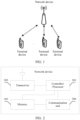
- FIG. 1 shows a possible schematic diagram of an application scenario of an embodiment of the present invention.
- a communication system in the application scenario includes a network device and one or more terminal devices.
- the network device and the terminal device may communicate with each other by using one or more air interface technologies.
- a communication system may be applicable to a Long Term Evolution (Long Term Evolution, LTE for short) system or other wireless communication systems that use various radio access technologies, for example, systems that use access technologies such as Code Division Multiple Access, Frequency Division Multiple Access, Time Division Multiple Access, Orthogonal Frequency Division Multiple Access, and Single Carrier Frequency Division Multiple Access.
- the communication system may also be applicable to a subsequent evolved system of the LTE system, for example, a fifth-generation 5G system.
- a network device may be a base station, or an access point, or a network device, or a device that is in an access network and that communicates with a wireless terminal in one or more sectors on an air interface.
- the network device may be configured to perform mutual conversion between a received over-the-air frame and an IP packet and serve as a router between the wireless terminal and a remaining portion of the access network, where the remaining portion of the access network may include an Internet protocol (IP) network.
- IP Internet protocol
- the network device may coordinate attribute management of the air interface.
- the network device may be a base transceiver station (Base Transceiver Station, BTS) in Global System for Mobile Communications (Global System of Mobile communication, GSM) or Code Division Multiple Access (Code Division Multiple Access, CDMA), or a NodeB (NodeB, NB) in Wideband Code Division Multiple Access (Wideband Code Division Multiple Access, WCDMA), or an evolved NodeB (Evolutional Node B, eNB or eNodeB) in Long Term Evolution (Long Term Evolution, LTE), or a relay node or an access point, or a base station in a future 5G network, for example, a gNB. No limitation is imposed herein.
- BTS Base Transceiver Station
- GSM Global System of Mobile Communications
- CDMA Code Division Multiple Access
- NodeB NodeB
- WCDMA Wideband Code Division Multiple Access
- WCDMA Wideband Code Division Multiple Access
- Evolutional Node B, eNB or eNodeB Long Term Evolution
- LTE Long
- TRP Transmission Reception Point
- the network device may further be divided into a control unit (Control Unit, CU) and a data unit (Data Unit, DU). Under the control of one CU, there may be a plurality of DUs. Each DU and each terminal can use the measurement reporting method described in the embodiments of the present invention.
- a difference between a CU-DU separation scenario and a multi-TRP scenario lies in that, the TRP is merely a radio frequency unit or an antenna device while the DU can implement a protocol stack function.
- the DU can implement a physical layer function.
- a terminal device may be a wireless terminal or a wired terminal.
- the wireless terminal may be a device that provides a user with voice and/or other service data connectivity, a handheld device with a wireless connection function, or other processing devices connected to a wireless modem.
- the wireless terminal may communicate with one or more core networks by using a radio access network (Radio Access Network, RAN).
- the wireless terminal may be a mobile terminal, such as a mobile phone (also referred to as a "cellular" phone) and a computer with a mobile terminal, and may be, for example, a portable, pocket-sized, handheld, computer built-in, or in-vehicle mobile apparatus, which exchanges voice and/or data with the radio access network.
- the wireless terminal may be a device such as a personal communications service (Personal Communication Service, PCS) phone, a cordless telephone set, a Session Initiation Protocol (Session Initiation Protocol, SIP) phone, a wireless local loop (Wireless Local Loop, WLL) station, or a personal digital assistant (Personal Digital Assistant, PDA).
- PCS Personal Communications Service
- SIP Session Initiation Protocol
- WLL Wireless Local Loop
- PDA Personal Digital Assistant
- the wireless terminal may also be referred to as a system, a subscriber unit (Subscriber Unit), a subscriber station (Subscriber Station), a mobile station (Mobile Station), a mobile terminal (Mobile), a remote station (Remote Station), a remote terminal (Remote Terminal), an access terminal (Access Terminal), a user terminal (User Terminal), a user agent (User Agent), or user equipment (User Device or User Equipment). No limitation is imposed herein.
- a symbol includes but is not limited to an orthogonal frequency division multiplexing (Orthogonal Frequency Division Multiplexing, OFDM) symbol, a sparse code multiple access (Sparse Code Multiplexing Access, SCMA) symbol, a filtered orthogonal frequency division multiplexing (Filtered Orthogonal Frequency Division Multiplexing, F-OFDM) symbol, and a non-orthogonal multiple access (Non-Orthogonal Multiple Access, NOMA) symbol.
- OFDM Orthogonal Frequency Division Multiplexing
- SCMA Sparse Code Multiplexing Access
- F-OFDM Frtered Orthogonal Frequency Division Multiplexing
- NOMA non-orthogonal Multiple Access
- a control resource set (Control Resource Set, CORESET) is a resource set used for control channel transmission.
- Time domain resources in a CORESET may be consecutive or non-consecutive.
- a resource block (Resource Block, RB), also referred to as a physical resource block, is a frequency domain resource unit, and occupies M consecutive subcarriers in a frequency domain.
- M is a natural number greater than 0.
- one RB occupies 12 consecutive subcarriers in a frequency domain.
- a resource block set (Resource Block Set, RB Set) is a set of a plurality of RBs.
- a subcarrier spacing is a minimum granularity in a frequency domain. For example, in LTE, a subcarrier spacing of one subcarrier is 15 kHz.
- the method further includes step 6021:
- the terminal device obtains a first offset, where the first offset is an offset between a start resource block of a common index area and a frequency domain reference point, and the offset may be a quantity of RBs offset from the start resource block of a common index area to a frequency domain reference point.
- the frequency domain reference point refer to the description above.
- Different subcarrier spacings may be corresponding to a same first offset or different first offsets. No specific limitation is imposed herein.
- S may be any one of the following, and specifically depends on a requirement or configuration of an actual communication scenario:
- the quantity Q of RBs offset from a resource indication reference resource block to the start resource block of the common index area is used to indicate Q consecutive resource blocks starting from the start resource block of the common index area towards a high frequency direction, for example, indicate Q consecutive resource blocks RB 0 , RB 1 , ..., RB m-1 in the common index area when resource blocks are numbered from 0.
- Q is greater than or equal to 0 and less than m. For m, refer to the description above.
- the 2 nd bit in the S bits is corresponding to m resource blocks adjacent to resource blocks corresponding to the 1 st bit in the common index area.
- the offset indication information is carried in downlink control information DCI or higher layer signaling, and is notified by the network device to the terminal device, or is pre-notified by the network device to the terminal device and stored by the terminal device.
- the offset indication information may be a plurality of bits, and a value indicated by the plurality of bits represents a quantity of offset RBs, as described in Table 4 below.
- the network device in addition to sending the resource indication information to the terminal device, the network device further indicates, to the terminal device, location information of a part of resource blocks indicated by the resource indication information, so that the terminal device can accurately and efficiently obtain resource configuration information, thereby improving processing efficiency of the terminal device.
- the plurality of resource blocks for the terminal device are configured based on a resource block index (RB index) of the BWP.
- RB index resource block index
- the method further includes step 6022: The terminal device obtains a second offset, where the second offset is an offset between the start resource block of the common index area and a start resource block of the carrier bandwidth part BWP, and the offset may be a quantity of RBs offset from the start resource block of the common index area to a start resource block of the carrier bandwidth part BWP.
- the terminal device further obtains a quantity of resource blocks in the BWP.
- the quantity of the resource blocks in the BWP may be determined through a lookup table, or determined by receiving a notification of the network device, or determined based on a definition in a standard or a protocol. No limitation is imposed herein.
- the quantity of the resource blocks in the BWP may be indicated by using higher layer signaling, for example, RRC signaling.
- the quantity of the resource blocks in the BWP is referred to as X2 in embodiment 1 of the present invention.
- the network device sends the second offset to the terminal device, and the terminal device receives the second offset from the network device, for example, by using higher layer signaling.
- the higher layer signaling may be RRC signaling.
- the terminal device determines the second offset by using a preconfigured table or a correspondence.
- the correspondence may be a correspondence between the second offset and a subcarrier spacing or another correspondence that may be used to obtain the second offset.
- the second offset may further be obtained based on an indication or another value corresponding to the second offset. No limitation is imposed herein.
- the second offset may be a quantity of RBs, to be specific, the second offset is a quantity of RBs offset from the start resource block of the BWP to the start resource block of the common index area.
- the start resource block of the common index area is used as a boundary for alignment in configuration of the plurality of resource blocks.
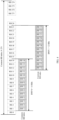
- the 1 st bit in the S bits is used to indicate whether n consecutive resource blocks starting from the start resource block of the bandwidth part BWP are for the terminal device, or is used to indicate whether m resource blocks adjacent to n consecutive resource blocks starting from the start resource block of the bandwidth part BWP are for the terminal device.
- n is determined based on m and the second offset, and n is greater than 0.
- m refer to the description above. Details are not described herein again.
- n is equal to m minus y2
- y2 is equal to a value of the second offset mod m, that is, the second offset mod m.
- the 1 st bit in the S bits is used to indicate whether n consecutive resource blocks starting from the start resource block of the bandwidth part BWP are for the terminal device.
- the 1 st bit in the S bits is used to indicate whether n consecutive resource blocks starting from the start resource block of the bandwidth part BWP are for the terminal device.
- a quantity of RBs offset from the start resource block RB 5 of the 2 nd resource block unit in the BWP to the start resource block of the common index area is an integer multiple of 6.
- a quantity of RBs offset from a start resource block RB 11 of the 3 rd resource block unit in the BWP 0 to the start resource block of the common index area is also an integer multiple of 6.
- RB 0 and RB 1 in the BWP 1 are used as one resource block unit.
- m resource blocks indicated by a 3 rd bit in the S bits are adjacent to m resource blocks indicated by the 2 nd bit.
- the start resource block of the common index area may be used as a boundary for resource block unit configuration.
- the network device can configure resources for a plurality of terminal devices in a manner of aligning boundaries of resource block units, to be specific, use m RBs as a unit to perform resource configuration, to ensure that resource blocks configured for the terminal devices are aligned at boundaries relative to the start RB by using m resource blocks as a resource block unit, in other words, to ensure that a quantity of offset RBs between a boundary of each resource block unit configured for the terminal devices and the start RB is a multiple of m, so as to avoid as far as possible resource block fragments (a fragment of RBs less than m) that cannot be allocated, thereby improving resource utilization efficiency.
- the boundary may be at least one of a low frequency boundary resource block and a high frequency boundary resource block of the resource block unit.
- the frequency domain reference point is used as a boundary for alignment in configuration of the plurality of resource blocks.
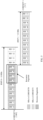
- a 1 st bit in the S bits is used to indicate whether n consecutive resource blocks starting from the start resource block of the bandwidth part BWP are for the terminal device, or is used to indicate whether m resource blocks adjacent to n consecutive resource blocks starting from the start resource block of the bandwidth part BWP are for the terminal device.
- n is determined based on m and a third offset, and n is greater than 0.
- m refer to the description above. Details are not described herein again.
- n is equal to y3 or is equal to a difference between m and y3, wherein y3 is equal to a value of the third offset mod m.
- the third offset is related to the first offset and the second offset. Specifically, the third offset is an offset between the start resource block of the BWP and the frequency domain reference point. Alternatively, the third offset may further be obtained based on an indication or another value corresponding to the third offset, instead of being determined based on the first offset and the second offset.
- the third offset may be a quantity of offset RBs.
- the third offset is a quantity of RBs offset from the start resource block of the BWP to the frequency domain reference point.
- n is equal to y3 or is equal to m minus y3, wherein y3 is equal to the value of the third offset mod m, that is, the third offset mod m.
- the 1 st bit indicates y3 resource blocks starting from the start resource block of the BWP, and resource configuration is performed by trying to use m RBs as a resource block unit starting from a (y3+1) th resource block, so that the frequency domain reference point is located at a logical boundary for resource block unit allocation.
- n is equal to m minus y3, that is (m - y3), wherein y3 is equal to the value of the third offset mod m, that is, the third offset mod m.
- the 1 st bit indicates (m - y3) resource blocks starting from the start resource block of the BWP, and the (m - y3) resource blocks and y3 RB fragments in the third offset can form a resource block unit of m resource blocks in terms of quantity, so that the frequency domain reference point is located at a logical boundary for resource block unit allocation.
- a 2 nd bit in the S bits is used to indicate whether m resource blocks are for the terminal device, and the m resource blocks are adjacent to n resource blocks indicated by the 1 st bit in the S bits.
- “adjacent” is “adjacent in the high frequency direction”.
- m resource blocks indicated by a 3 rd bit in the S bits are adjacent to m resource blocks indicated by the 2 nd bit.
- S may be any one of the following:
- the frequency domain reference point may be used as a boundary for resource block unit configuration.
- the network device can configure resources for a plurality of terminal devices in a manner of aligning boundaries of resource block units, to be specific, use the frequency domain reference point as a boundary for resource configuration performed by using m RBs as a unit, to ensure that resource blocks configured for each terminal device are aligned at a boundary relative to the frequency domain reference point by using m resource blocks as a resource block unit, in other words, to ensure that a quantity of RBs offset between a boundary of each resource block unit configured for the terminal devices and the frequency domain reference point is a multiple of m, so as to as far as possible avoid resource block fragments (a fragment of RBs less than m) that cannot be allocated, thereby improving resource utilization efficiency.
- the boundary may be at least one of a low frequency boundary resource block and a high frequency boundary resource block of the resource block unit.
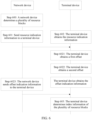
- the determining, by the terminal device, index information of the plurality of resource blocks in step 603 is performed by using offset indication information.
- the method further includes step 6023:
- the network device sends offset indication information to the terminal device, and the terminal device obtains the offset indication information.
- the offset indication information is used to indicate a quantity Q of RBs offset from a resource indication reference resource block to the start resource block of the common index area or the start resource block of the BWP.
- the quantity Q of offset RBs is used to indicate Q consecutive resource blocks starting from the start resource block of the common index area or the start resource block of the BWP, for example, indicate Q consecutive resource blocks RB 0 , RB 1 , ..., RB m-1 starting from the start resource block of the common index area or the start resource block of the BWP.
- Q is greater than or equal to 0 and less than m. For m, refer to the description above.
- the resource indication reference resource block is a last RB in at least one resource block indicated by the 1 st bit in the resource indication information
- the 1 st bit in the S bits is corresponding to Q consecutive resource blocks starting from the start resource block of the common index area or the start resource block of the BWP, and Q is not 0.
- the resource indication reference resource block is a first RB in at least one resource block indicated by the 1 st bit in the resource indication information
- the 1 st bit in the S bits is corresponding to m consecutive resource blocks starting from the start resource block of the common index area or the start resource block of the BWP
- Q is 0.
- the network device configures the resource blocks for the terminal device based on a BWP resource block index RB index.
- the terminal device determines the index information of the plurality of resource blocks by using the offset indication information and the second offset.
- a 2 nd bit in the S bits is corresponding to m resource blocks adjacent to resource blocks corresponding to the 1 st bit in the common index area or the BWP.
- the offset indication information is carried in downlink control information DCI or higher layer signaling, and is notified by the network device to the terminal device, or is pre-notified by the network device to the terminal device and stored by the terminal device.
- the offset indication information may be a plurality of bits, and a value indicated by the plurality of bits represents a quantity of offset RBs, as described in Table 4.
- the network device in addition to sending the resource indication information to the terminal device, the network device further indicates, to the terminal device, a start location of some of resource blocks indicated by the resource indication information, so that the terminal device can efficiently obtain resource configuration information, thereby improving processing efficiency of the terminal device.
- the network device configures, based on the common RB index, the resource blocks for the terminal device.
- the method further includes step 6021 in the first optional design.
- step 6021 in the first optional design.
- the method further includes step 6022 in the second optional design.
- step 6022 in the second optional design.
- the terminal device further obtains a quantity X1 of resource blocks in the common index area and a quantity X2 of resource blocks in the BWP.
- X1 and X2 refer to the description above. Meanings of X1 and X2 are the same as those described above.
- the start resource block of the common index area is used as a boundary for alignment in configuration of the plurality of resource blocks.
- a 1 st bit in the S bits is used to indicate whether n resource blocks starting from the start resource block of the BWP are for the terminal device, or is used to indicate whether m resource blocks adjacent to n consecutive resource blocks starting from the start resource block of the bandwidth part BWP are for the terminal device.
- An index of the start resource block of the BWP uses an index of a resource block of the common index area, and is determined based on an index of the start resource block of the common index area and a second offset, n is determined based on the second offset and m, and n > 0.
- m refer to the description above. Details are not described herein again.
- an RB index of the start resource block of the common is 0
- an index of the start resource block of the BWP is (0 + the second offset) in the common index area.
- Frequency domain resources in the BWP are some or all resource blocks of frequency domain resources in the common index area.
- the second offset is an offset of the start resource block of the BWP in a high frequency direction relative to the start resource block of the common index scheme.
- n is equal to m minus y2
- y2 is equal to a value of the second offset mod m, that is, the second offset mod m.
- a second bit in the S bits is used to indicate whether m resource blocks are for the terminal device, and the m resource blocks are adjacent to n resource blocks indicated by the 1 st bit in the S bits.
- m resource blocks indicated by a 3 rd in the S bits are adjacent to m resource blocks indicated by the second bit.
- n is equal to the difference obtained by subtracting y3 from m, that is (m - y3), wherein y3 is equal to a value of the third offset mod m, that is, the third offset mod m.
- the 1 st bit indicates (m - y3) resource blocks starting from the start resource block of the BWP, and the (m - y3) resource blocks and y3 RB fragments in the third offset can form a resource block unit of m resource blocks in terms of quantity, so that the frequency domain reference point is located at a logical boundary for resource block unit allocation.
- the wireless apparatus includes a processor 304 and a receiver 301A.
- the receiver 301A is configured to obtain resource indication information, where the resource indication information is used to indicate a plurality of resource blocks for the terminal device.
- the processor 304 is configured to determine index information of the plurality of resource blocks.
- the resource indication information includes S bits, and each of the S bits is used to indicate whether at least one resource block is for the terminal device.
- a 1 st bit in the S bits is used to indicate whether n consecutive resource blocks starting from a start resource block of a common index area are for the terminal device, and n is equal to m; or n is equal to a value determined based on a first offset and m; where m is notified by a network device or preconfigured, the first offset is an offset between the start resource block of the common index area and a frequency domain reference point, and the frequency domain reference point is notified by the network device or preconfigured.
- n is equal to the value determined based on the first offset and m
- n is equal to y1
- n is equal to m minus y1
- y1 is equal to a value of the first offset mod m.
- the receiver 301A is further configured to obtain the first offset from the network device.
- a 1 st bit in the S bits is used to indicate whether n consecutive resource blocks starting from a start resource block of a bandwidth part BWP are for the terminal device, or is used to indicate whether m resource blocks adjacent to n consecutive resource blocks starting from a start resource block of a bandwidth part BWP are for the terminal device;
- n when n is equal to the value determined based on m and the second offset, n is equal to m minus y2, and y2 is equal to a value of the second offset mod m; or when n is equal to the value determined based on m, the first offset, and the second offset, n is equal to y3, or n is equal to a difference between m and y3, where y3 is equal to a value of a third offset mod m, and the third offset is related to the first offset and the second offset.
- the receiver 301A is further configured to obtain the first offset and/or the second offset from the network device.
- the receiver 301A or the processor 304 obtains offset indication information, where the offset indication information is used to indicate a quantity of RBs offset from a resource indication reference resource block to the start resource block of the common index area or the start resource block of the carrier bandwidth part BWP.
- the resource indication reference resource block may be a first RB or a last RB in the at least one resource block indicated by the 1 st bit in the resource indication information.
- the processor 304 determines the index information of the plurality of resource blocks based on the offset indication information and the resource indication information.
- a second bit in the S bits is used to indicate whether m resource blocks are for the terminal device, and the m resource blocks are adjacent, in a frequency domain, to n resource blocks indicated by the 1 st bit in the S bits.
- m is equal to 1, 2, 4, 8, 3, 6, or 12.
- the wireless apparatus includes a processor 304 and a receiver 301A, to execute any method provided in embodiment 2 of the present invention.
- a corresponding part in the foregoing embodiments may be implemented by corresponding hardware, or may be implemented by the corresponding hardware by executing corresponding software.
- the receiver 301A may be hardware that has a function of executing the receiving function, such as a transceiver that integrates the sending and receiving functions or a receiver that implements only the receiving function, or may be a general processor or another hardware device that can execute a corresponding computer program to complete the foregoing functions, or may be a software module or a functional unit that executes a corresponding function, such as a receiving unit.
- the processor 304 may be hardware that is capable of executing the processor function, such as a processor with a specific function or a general processor, or may be another hardware device that can execute a corresponding computer program to complete the foregoing functions, or may be a software module or a functional unit that executes a corresponding function, such as a processing unit.
- the transmitter 301B may be hardware that has a function of executing the sending function, such as a transceiver that integrates the sending and receiving functions or a transmitter that implements only the transmitting function, or may be a general processor or another hardware device that can execute a corresponding computer program to complete the foregoing functions, or may be a software module or a functional unit that executes a corresponding function, such as a transmitting unit.
- the wireless apparatus further includes a storage unit. For details, refer to FIG. 9 .
- the network device can execute any method in the embodiments of the present invention.
- the network device may include at least a controller or processor 201 (the following uses the processor 201 as an example for description) and a transceiver 202.
- the network device may further include other components in FIG. 2 and the description about FIG. 2 , such as a memory.
- the transceiver 202 may be constituted by an independent receiver and an independent transmitter, to separately execute corresponding receiving and sending functions; or may be a transceiver that integrates the receiving and sending functions. No further limitation is imposed herein.
- the network device 2 may be structurally split into a receiver 202A and a transmitter 202B.
- the network device is used only as an optional main body for a description as an example herein. The following provides a description by using a wireless apparatus as a main body.
- the wireless apparatus may be a unit, a chip, or a part included by the network device, or may be the network device itself.
- the wireless apparatus includes a processor 201 and a transmitter 202B.
- the processor is configured to determine a plurality of resource blocks, where the plurality of resource block units are for a terminal device.
- the transmitter is configured to send resource indication information to the terminal device, where the resource indication information is used to indicate the plurality of resource blocks.
- the resource indication information includes S bits, and each of the S bits is used to indicate whether at least one resource block is for the terminal device.
- a 1 st bit in the S bits is used to indicate whether n consecutive resource blocks starting from a start resource block of a common index area are for the terminal device, and n is equal to m; or n is equal to y 1; or n is equal to m minus y1; where y 1 is equal to a value of a first offset mod m, m is determined by the network device or preconfigured, the first offset is an offset between the start resource block of the common index area and a frequency domain reference point, and the frequency domain reference point is determined by the network device or preconfigured.
- the transmitter 202B is further configured to send the first offset to the terminal device.
- a 1 st bit in the S bits is used to indicate whether n consecutive resource blocks starting from a start resource block of a bandwidth part BWP are for the terminal device, or is used to indicate whether m resource blocks adjacent to n consecutive resource blocks starting from a start resource block of a bandwidth part BWP are for the terminal device;
- the transmitter 202B is further configured to send the second offset to the terminal device.
- the transmitter 202B sends offset indication information to the terminal device, where the offset indication information is used to indicate a quantity of RBs offset from a resource indication reference resource block to the start resource block of the common index area or the start resource block of the carrier bandwidth part BWP.
- the resource indication reference resource block may be a first RB or a last RB in the at least one resource block indicated by the 1 st bit in the resource indication information.
- a second bit in the S bits is used to indicate whether m resource blocks are for the terminal device, and the m resource blocks are adjacent, in a frequency domain, to n resource blocks indicated by the 1 st bit in the S bits.
- m is equal to 1, 2, 4, 8, 3, 6, or 12.
- a corresponding part in the foregoing embodiments may be implemented by corresponding hardware, or may be implemented by the corresponding hardware by executing corresponding software.
- the transmitter 202B may be hardware that has a function of executing the sending function, such as a transceiver that integrates the sending and receiving functions or a transmitter that implements only the sending function, or may be a general processor or another hardware device that can execute a corresponding computer program to complete the foregoing functions, or may be a software module or a functional unit that executes a corresponding function, such as a transmitting unit.
- the processor 201 may be hardware that is capable of executing the processor function, such as a processor with a specific function or a general processor, or may be another hardware device that can execute a corresponding computer program to complete the foregoing functions, or may be a software module or a functional unit that executes a corresponding function, such as a processing unit.
- the receiver 202A may be hardware that has a function of executing the receiving function, such as a transceiver that integrates the sending and receiving functions or a receiver that implements only the receiving function, or may be a general processor or another hardware device that can execute a corresponding computer program to complete the foregoing functions, or may be a software module or a functional unit that executes a corresponding function, such as a receiving unit.
- the wireless apparatus further includes a storage unit. For details, refer to FIG. 9 .
- the accompanying drawings show only a simplified design of the wireless apparatus.
- the wireless apparatus may include any quantities of transmitters, receivers, processors, controllers, memories, communication units, and the like.
- An embodiment of the present invention further provides a communication system, including at least one network device and at least one terminal device described for executing the embodiments of the present invention.
- An embodiment of the present invention further provides an apparatus (for example, an integrated circuit, a wireless device, and a circuit module), configured to implement the foregoing communication method.
- An apparatus for implementing a power tracker and/or a power generator described in this specification may be a standalone device or may be a part of a larger device.
- the device may be (i) a standalone IC; (ii) a set of one or more ICs, including a memory IC for storing data and/or an instruction; (iii) an RFIC, such as an RF receiver or an RF transmitter/receiver; (iv) an ASIC, such as a mobile station modem; (v) a module that can be built into other devices; (vi) a receiver, a cellular phone, a wireless device, a handheld phone, or a mobile unit; (vii) others.
- the method and the apparatus provided in the embodiments of the present invention may be applied to the terminal device or the network device (which may be collectively referred to as a wireless device).
- the terminal device or the network device or the wireless device may include a hardware layer, an operating system layer running on the hardware layer, and an application layer running on the operating system layer.
- the hardware layer includes hardware such as a central processing unit (central processing unit, CPU), a memory management unit (memory management unit, MMU), and a memory (also referred to as a main memory).
- the operating system may be any one or more computer operating systems that implement service processing in a process (process), such as a Linux operating system, a Unix operating system, an Android operating system, an iOS operating system, or a Windows operating system.
- the application layer includes applications such as a browser, an address book, text processing software, and instant messaging software.
- a specific structure of a method execution body is not limited in the embodiments of the present invention, provided that the method execution body can perform communication based on the signal transmission method in the embodiments of the present invention by running a program that records code of the method in the embodiments of the present invention.
- the wireless communication method in the embodiments of the present invention may be performed by the terminal device, or the network device, or a function module that is in the terminal device or the network device and that can call and execute a program.
- aspects or features in the embodiments of the present invention may be implemented as a method, an apparatus or a product that uses standard programming and/or engineering technologies.
- product used in this application covers a computer program that can be accessed from any computer readable component, carrier or medium.
- the computer-readable medium may include but is not limited to: a magnetic storage component (for example, a hard disk, a floppy disk or a magnetic tape), an optical disc (for example, a compact disc (compact disc, CD), a digital versatile disc (digital versatile disc, DVD), a smart card and a flash memory component (for example, erasable programmable read-only memory (erasable programmable read-only memory, EPROM), a card, a stick, or a key drive).
- various storage media described in this specification may indicate one or more devices and/or other machine-readable media that is used to store information.
- the term "machine readable media” may include but is not limited to a radio channel, and various other media that can store, contain and/or carry an instruction and/or data.
- All or some of the foregoing embodiments may be implemented by using software, hardware, firmware, or any combination thereof.
- the embodiments may be implemented fully or partially in a form of a computer program product.
- the computer program product includes one or more computer instructions.
- the computer may be a general-purpose computer, a special-purpose computer, a computer network, or other programmable apparatuses.
- the computer instructions may be stored in a computer-readable storage medium or may be transmitted from a computer-readable storage medium to another computer-readable storage medium.
- the computer instructions may be transmitted from a website, computer, server, or data center to another website, computer, server, or data center in a wired (for example, a coaxial cable, an optical fiber, or a digital subscriber line (DSL)) or wireless (for example, infrared, radio, and microwave, or the like) manner.
- the computer-readable storage medium may be any usable medium accessible by a computer, or a data storage device, such as a server or a data center, integrating one or more usable media.
- the usable medium may be a magnetic medium (for example, a floppy disk, a hard disk, or a magnetic tape), an optical medium (for example, a digital versatile disc (DVD)), a semiconductor medium (for example, a Solid State Disk (SSD)), or the like.
- a magnetic medium for example, a floppy disk, a hard disk, or a magnetic tape
- an optical medium for example, a digital versatile disc (DVD)
- DVD digital versatile disc
- semiconductor medium for example, a Solid State Disk (SSD)
- the functions When the functions are implemented in the form of a software functional unit and sold or used as an independent product, the functions may be stored in a computer-readable storage medium. Based on such an understanding, the technical solutions of the embodiments of the present invention essentially, or the part contributing to the prior art, or some of the technical solutions may be implemented in a form of a software product.
- the software product is stored in a storage medium, and includes several instructions for instructing a computer device (which may be a personal computer, a server, or a network device) to perform all or some of the steps of the methods described in the embodiments of the present invention.
- Embodiment 1 A communication method, comprising:
- Embodiment 2 The method according to embodiment 1, wherein n is equal to m minus y2, wherein y2 is equal to a second offset mod m, y2 is unequal to 0, and the second offset is an offset between a start resource block of a common index area and the start resource block of the bandwidth part BWP.
- Embodiment 4 The method according to any one of embodiments 1 to 3, wherein a second most significant bit other than the most significant bit in the S bits is used to indicate whether m consecutive resource blocks belong to the frequency domain resources in the control resource set, the m consecutive resource blocks are adjacent to m resource blocks indicated by the most significant bit in the S bits, and S > 1.
- Embodiment 5 The method according to any one of embodiments 1 to 4, wherein
- Embodiment 6 The method according to any one of embodiments 1 to 5, wherein the resource indication information is a bitmap.
- Embodiment 7 The method according to any one of embodiments 1 to 6, wherein m is equal to 6.
- Embodiment 8 The method according to any one of embodiments 1 to 7, wherein
- Embodiment 9 The method according to any one of embodiments 1 to 8, wherein each of the S bits is used to indicate whether a resource block set in the bandwidth part BWP belongs to the frequency domain resources in the control resource set.
- Embodiment 10 A wireless apparatus, comprising one or more processors and a memory, wherein the memory stores a computer program, and when executing the computer program stored in the memory, the processor executes the following steps:
- Embodiment 11 The apparatus according to embodiment 10, wherein n is equal to m minus y2, wherein y2 is equal to a value of a second offset mod m, y2 is unequal to 0, and the second offset is an offset between a start resource block of a common index area and the start resource block of the bandwidth part BWP.
- Embodiment 12 The apparatus according to embodiment 11, wherein the common index area further comprises one or more BWPs.
- Embodiment 13 The apparatus according to any one of embodiments 10 to 12, wherein a second most significant bit other than the most significant bit in the S bits is used to indicate whether m consecutive resource blocks are the frequency domain resources in the control resource set, the m consecutive resource blocks are adjacent to m resource blocks indicated by the most significant bit in the S bits, and S > 1.
- Embodiment 14 The apparatus according to any one of embodiments 10 to 13, wherein
- Embodiment 15 The apparatus according to any one of embodiments 10 to 14, wherein the resource indication information is a bitmap.
- Embodiment 16 The apparatus according to embodiments 10 to 15, wherein m is equal to 6.
- Embodiment 17 The apparatus according to embodiments 10 to 16, wherein
- Embodiment 18 The method according to any one of embodiments 10 to 17, wherein each of the S bits is used to indicate whether a resource block set in the bandwidth part BWP is the frequency domain resources in the control resource set.
- a communication method comprising:
- Embodiment 20 The method according to embodiment 19, wherein n is equal to m minus y2, wherein y2 is equal to a value of a second offset mod m, y2 is unequal to 0, and the second offset is an offset between a start resource block of a common index area and the start resource block of the bandwidth part BWP.
- Embodiment 21 The method according to embodiment 20, wherein the common index area further comprises one or more BWPs.
- Embodiment 22 The method according to any one of embodiments 19 to 21, wherein a second most significant bit other than the most significant bit in the S bits is used to indicate whether m consecutive resource blocks are the frequency domain resources in the control resource set, the m consecutive resource blocks are adjacent to m resource blocks indicated by the most significant bit in the S bits, and S > 1.
- Embodiment 23 The method according to any one of embodiments 19 to 22, wherein
- Embodiment 24 The method according to any one of embodiments 19 to 23, wherein the resource indication information is a bitmap.
- Embodiment 25 The method according to any one of embodiments 19 to 24, wherein m is equal to 6.
- Embodiment 26 The method according to any one of embodiments 19 to 25, wherein each of the S bits is used to indicate whether a resource block set in the bandwidth part BWP is the frequency domain resources in the control resource set.
- Embodiment 27 A wireless apparatus, comprising one or more processors and a memory, wherein the memory stores a computer program, and when executing the computer program stored in the memory, the processor executes the following steps:
- Embodiment 28 The apparatus according to embodiment 27, wherein n is equal to m minus y2, wherein y2 is equal to a value of a second offset mod m, y2 is unequal to 0, and the second offset is an offset between a start resource block of a common index area and the start resource block of the bandwidth part BWP.
- Embodiment 29 The apparatus according to embodiment 27 or 28, wherein the common index area further comprises one or more BWPs.
- Embodiment 30 The apparatus according to any one of embodiments 27 to 29, wherein a second most significant bit other than the most significant bit in the S bits is used to indicate whether m consecutive resource blocks are the frequency domain resources in the control resource set, the m consecutive resource blocks are adjacent to m resource blocks indicated by the most significant bit in the S bits, and S > 1.
- Embodiment 31 The apparatus according to any one of embodiments 27 to 30, wherein
- Embodiment 32 The apparatus according to any one of embodiments 27 to 31, wherein the resource indication information is a bitmap.
- Embodiment 33 The apparatus according to any one of embodiments 27 to 32, wherein m is equal to 6.
- Embodiment 34 The method according to any one of embodiments 27 to 33, wherein each of the S bits is used to indicate whether a resource block set in the bandwidth part BWP is the frequency domain resources in the control resource set.
- Embodiment 35 A communication method, comprising:
- Embodiment 36 The method according to embodiment 35, wherein n is equal to m minus y2, wherein y2 is equal to a value of a second offset mod m, and the second offset is an offset between a start resource block of a common index area and the start resource block of the bandwidth part BWP.
- Embodiment 37 The method according to embodiment 36, wherein the common index area further comprises one or more BWPs.
- Embodiment 38 The method according to any one of embodiments 35 to 37, wherein a second most significant bit other than the most significant bit in the S bits is used to indicate whether m consecutive resource blocks are for the terminal device, the m consecutive resource blocks are adjacent to n consecutive resource blocks indicated by the MSB in the S bits, and S is greater than 1.
- Embodiment 39 The method according to any one of embodiments 35 to 38, wherein S is [(X2 - n)/m] + 1, ⁇ ⁇ indicates rounding-up, and X2 is a quantity of resource blocks in the bandwidth part BWP.
- Embodiment 40 The method according to any one of embodiments 35 to 39, wherein the resource indication information is a bitmap bitmap.
- Embodiment 41 The method according to any one of embodiments 35 to 40, wherein m is equal to 2, 4, or 8.
- Embodiment 42 The method according to any one of embodiments 34 to 41, wherein the frequency domain resources of the data channel are a plurality of resource blocks.
- Embodiment 43 The method according to embodiment 42, wherein the determining, by the terminal device, the frequency domain resources of the data channel based on the resource indication information comprises: determining, by the terminal device, index information of the plurality of resource blocks based on the resource indication information.
- Embodiment 44 A wireless apparatus, comprising one or more processors and a memory, wherein the memory stores a computer program, and when executing the computer program stored in the memory, the processor executes the following steps:
- Embodiment 45 The apparatus according to embodiment 44, wherein n is equal to m minus y2, wherein y2 is equal to a value of a second offset mod m, and the second offset is an offset between a start resource block of a common index area and the start resource block of the bandwidth part BWP.
- Embodiment 46 The apparatus according to embodiment 44 or 45, wherein a second most significant bit other than the most significant bit in the S bits is used to indicate whether m consecutive resource blocks are for the terminal device, the m consecutive resource blocks are adjacent to n consecutive resource blocks indicated by the MSB in the S bits, and S is greater than 1.
- Embodiment 47 The apparatus according to embodiment 46, wherein the common index area further comprises one or more BWPs.
- Embodiment 48 The apparatus according to any one of embodiments 44 to 47, wherein S is [(X2 - n)/m] + 1, ⁇ indicates rounding-up, and X2 is a quantity of resource blocks in the bandwidth part BWP.
- Embodiment 49 The apparatus according to any one of embodiments 44 to 48, wherein the resource indication information is a bitmap bitmap.
- Embodiment 50 The apparatus according to any one of embodiments 44 to 49, wherein m is equal to 2, 4, or 8.
- Embodiment 51 The apparatus according to any one of embodiments 44 to 50, wherein the frequency domain resources of the data channel are a plurality of resource blocks.
- Embodiment 52 The apparatus according to embodiment 51, wherein the processor is configured to determine index information of the plurality of resource blocks.
- Embodiment 53 A communication method, comprising:
- Embodiment 54 The method according to embodiment 53, wherein n is equal to m minus y2, wherein y2 is equal to a value of a second offset mod m, and the second offset is an offset between a start resource block of a common index area and the start resource block of the bandwidth part BWP.
- Embodiment 55 The method according to embodiment 54, wherein the common index area further comprises one or more BWPs.
- Embodiment 56 The method according to any one of embodiments 53 to 55, wherein a second most significant bit other than the most significant bit in the S bits is used to indicate whether m consecutive resource blocks are for the terminal device, the m consecutive resource blocks are adjacent to n consecutive resource blocks indicated by the MSB in the S bits, and S is greater than 1.
- Embodiment 57 The method according to any one of embodiments 53 to 56, wherein S is X 2 ⁇ n / m + 1 , ⁇ ⁇ indicates rounding-up, and X2 is a quantity of resource blocks in the bandwidth part BWP.
- Embodiment 58 The method according to any one of embodiments 53 to 57, wherein the resource indication information is a bitmap bitmap.
- Embodiment 59 The method according to any one of embodiments 53 to 58, wherein m is equal to 2, 4, or 8.
- Embodiment 60 The method according to any one of embodiments 53 to 59, wherein the frequency domain resources of the data channel are a plurality of resource blocks.
- Embodiment 61 A wireless apparatus, comprising one or more processors and a memory, wherein the memory stores a computer program, and when executing the computer program stored in the memory, the processor executes the following steps:
- Embodiment 62 The apparatus according to embodiment 61, wherein n is equal to m minus y2, wherein y2 is equal to a value of a second offset mod m, and the second offset is an offset between a start resource block of a common index area and the start resource block of the bandwidth part BWP.
- Embodiment 63 The apparatus according to embodiment 62, wherein the common index area further comprises one or more BWPs.
- Embodiment 64 The apparatus according to any one of embodiments 61 to 63, wherein a second most significant bit other than the most significant bit in the S bits is used to indicate whether m consecutive resource blocks are for the terminal device, the m consecutive resource blocks are adjacent to n consecutive resource blocks indicated by the MSB in the S bits, and S is greater than 1.
- Embodiment 65 The apparatus according to any one of embodiments 61 to 64, wherein S is [(X2 - n)/m] + 1, ⁇ indicates rounding-up, and X2 is a quantity of resource blocks in the bandwidth part BWP.
- Embodiment 66 The apparatus according to any one of embodiments 61 to 65, wherein the resource indication information is a bitmap bitmap.
- Embodiment 67 The apparatus according to any one of embodiments 61 to 66, wherein m is equal to 2, 4, or 8.
- Embodiment 68 The apparatus according to any one of embodiments 52 to 59, wherein the frequency domain resources of the data channel are a plurality of resource blocks.
- Embodiment 69 A communication method, comprising:
- Embodiment 70 The method according to embodiment 69, wherein the resource indication information comprises S bits, and each of the S bits is used to indicate whether at least one resource block is for the terminal device.
- Embodiment 71 The method according to embodiment 70, wherein
- Embodiment 72 The method according to embodiment 71, wherein n is equal to m minus y2, and y2 is equal to a value of the second offset mod m.
- Embodiment 73 The method according to any one of embodiments 70 to 72, wherein a second bit in the S bits is used to indicate whether m resource blocks are for the terminal device, and the m resource blocks are adjacent to n resource blocks indicated by the 1 st bit in the S bits.
- Embodiment 74 The method according to any one of embodiments 70 to 73, wherein m is equal to 2, 4, 6, 8, or 12.
- Embodiment 75 A communication method, comprising:
- Embodiment 76 The method according to embodiment 75, wherein the resource indication information comprises S bits, and each of the S bits is used to indicate whether at least one resource block is for the terminal device.
- Embodiment 77 The method according to embodiment 76, wherein
- Embodiment 78 A wireless apparatus, comprising a processor and a receiver, wherein
- Embodiment 79 The apparatus according to embodiment 78, wherein the resource indication information comprises S bits, and each of the S bits is used to indicate whether at least one resource block is for the terminal device.
- Embodiment 80 The apparatus according to embodiment 79, wherein
- Embodiment 81 The apparatus according to embodiment 80, wherein n is equal to m minus y2, and y2 is equal to a value of the second offset mod m.
- Embodiment 82 A wireless apparatus, comprising a processor and a transmitter, wherein
- Embodiment 83 The apparatus according to embodiment 82, wherein the resource indication information comprises S bits, and each of the S bits is used to indicate whether at least one resource block is for the terminal device.
- Embodiment 84 The apparatus according to embodiment 83, wherein
- Embodiment 85 An apparatus, wherein the apparatus comprises one or more processors and a memory, and the memory stores a computer program; and when the computer program is executed by the one or more processors, the apparatus is enabled to execute the method according to any one of embodiments 1 to 9, the method according to any one of embodiments 35 to 43, or the method according to any one of embodiments 69 to 74.
- Embodiment 86 An apparatus, wherein the apparatus comprises one or more processors and a memory, and the memory stores a computer program; and when the computer program is executed by the one or more processors, the apparatus is enabled to execute the method according to any one of embodiments 19 to 26, the method according to any one of embodiments 53 to 60, or the method according to any one of embodiments 75 to 77.
- Embodiment 87 A storage medium, wherein the storage medium stores a computer program; and when executed by one or more processors, the computer program implements the method according to any one of embodiments 1 to 9, the method according to any one of embodiments 35 to 43, or the method according to any one of embodiments 69 to 74.
- Embodiment 88 A storage medium, wherein the storage medium stores a computer program; and when executed by one or more processors, the computer program implements the method according to any one of embodiments 19 to 26, the method according to any one of embodiments 53 to 60, or the method according to any one of embodiments 75 to 77.
Landscapes
- Engineering & Computer Science (AREA)
- Signal Processing (AREA)
- Computer Networks & Wireless Communication (AREA)
- Mobile Radio Communication Systems (AREA)
Applications Claiming Priority (5)
| Application Number | Priority Date | Filing Date | Title |
|---|---|---|---|
| CN201711107915 | 2017-11-10 | ||
| CN201810055142.6A CN109769300B (zh) | 2017-11-10 | 2018-01-19 | 一种通信方法、装置以及系统 |
| EP18876464.1A EP3573392B1 (fr) | 2017-11-10 | 2018-07-17 | Procédé, appareil, et système de communication |
| PCT/CN2018/095899 WO2019091135A1 (fr) | 2017-11-10 | 2018-07-17 | Procédé, appareil, et système de communication |
| EP21150048.3A EP3866529B1 (fr) | 2017-11-10 | 2018-07-17 | Procédé et appareil de communication pour d'eterminer des ressources de domaine de fréquence d'un canal de données |
Related Parent Applications (2)
| Application Number | Title | Priority Date | Filing Date |
|---|---|---|---|
| EP21150048.3A Division EP3866529B1 (fr) | 2017-11-10 | 2018-07-17 | Procédé et appareil de communication pour d'eterminer des ressources de domaine de fréquence d'un canal de données |
| EP18876464.1A Division EP3573392B1 (fr) | 2017-11-10 | 2018-07-17 | Procédé, appareil, et système de communication |
Publications (2)
| Publication Number | Publication Date |
|---|---|
| EP4525537A2 true EP4525537A2 (fr) | 2025-03-19 |
| EP4525537A3 EP4525537A3 (fr) | 2025-05-28 |
Family
ID=64338911
Family Applications (2)
| Application Number | Title | Priority Date | Filing Date |
|---|---|---|---|
| EP21150048.3A Active EP3866529B1 (fr) | 2017-11-10 | 2018-07-17 | Procédé et appareil de communication pour d'eterminer des ressources de domaine de fréquence d'un canal de données |
| EP24203118.5A Pending EP4525537A3 (fr) | 2017-11-10 | 2018-07-17 | Procédé, appareil et système de communication |
Family Applications Before (1)
| Application Number | Title | Priority Date | Filing Date |
|---|---|---|---|
| EP21150048.3A Active EP3866529B1 (fr) | 2017-11-10 | 2018-07-17 | Procédé et appareil de communication pour d'eterminer des ressources de domaine de fréquence d'un canal de données |
Country Status (3)
| Country | Link |
|---|---|
| EP (2) | EP3866529B1 (fr) |
| CN (3) | CN108882376B (fr) |
| WO (1) | WO2019091135A1 (fr) |
Families Citing this family (28)
| Publication number | Priority date | Publication date | Assignee | Title |
|---|---|---|---|---|
| CN121645520A (zh) | 2017-11-10 | 2026-03-10 | 华为技术有限公司 | 一种通信方法、装置以及系统 |
| CN115175356B (zh) | 2018-12-29 | 2025-06-13 | 华为技术有限公司 | 用于确定控制资源集合的频域位置的方法及相关设备 |
| US11589239B2 (en) * | 2019-01-04 | 2023-02-21 | Mediatek Inc. | Methods of efficient wideband operation for intra-band non-contiguous spectrum |
| US11265130B2 (en) * | 2019-02-15 | 2022-03-01 | Qualcomm Incorporated | Techniques for shared radio frequency spectrum channel configuration |
| CN111586857B (zh) * | 2019-02-15 | 2022-04-05 | 华为技术有限公司 | 参考信号的传输方法和通信装置 |
| WO2020164130A1 (fr) * | 2019-02-15 | 2020-08-20 | 华为技术有限公司 | Procédé de communication et dispositif de communication |
| CN111277384B (zh) | 2019-02-27 | 2021-09-14 | 维沃移动通信有限公司 | 传输资源指示方法、传输方法、网络设备和终端 |
| CN111698699A (zh) * | 2019-03-14 | 2020-09-22 | 索尼公司 | 电子设备、无线通信方法和计算机可读存储介质 |
| CN111757431B (zh) * | 2019-03-28 | 2023-01-13 | 华为技术有限公司 | 一种通信方法及装置 |
| CN111757492B (zh) * | 2019-03-29 | 2022-09-16 | 华为技术有限公司 | 一种资源指示方法、设备及计算机可读存储介质 |
| CN111865519B (zh) * | 2019-04-28 | 2021-08-27 | 大唐移动通信设备有限公司 | 一种v2x通信方法及装置 |
| CN111865524B (zh) * | 2019-04-29 | 2022-02-11 | 华为技术有限公司 | 传输探测参考信号srs的方法和装置 |
| CN111865527B (zh) * | 2019-04-29 | 2021-10-01 | 华为技术有限公司 | 一种通信方法及装置 |
| CN115426084A (zh) * | 2019-05-03 | 2022-12-02 | 华为技术有限公司 | 一种通信的方法及装置 |
| CN112312547B (zh) * | 2019-07-26 | 2024-09-13 | 大唐移动通信设备有限公司 | 资源分配、确定方法及装置 |
| CN113785618B (zh) * | 2019-08-15 | 2023-06-02 | 华为技术有限公司 | 一种通信方法及装置 |
| CN110505642B (zh) * | 2019-08-16 | 2022-02-11 | 展讯通信(上海)有限公司 | 接入资源的确定方法及装置、存储介质、终端 |
| WO2021072759A1 (fr) * | 2019-10-18 | 2021-04-22 | 华为技术有限公司 | Procédé et dispositif de communication |
| CN112714495A (zh) * | 2019-10-25 | 2021-04-27 | 大唐移动通信设备有限公司 | 一种无线通信中的传输方法及其装置 |
| EP4044721B1 (fr) | 2019-11-08 | 2023-06-14 | Guangdong Oppo Mobile Telecommunications Corp., Ltd. | Procédé et appareil de détermination et de configuration d'un ensemble de ressources de commande |
| WO2021159514A1 (fr) * | 2020-02-14 | 2021-08-19 | Oppo广东移动通信有限公司 | Procédé et dispositif d'attribution de ressources et support de stockage lisible |
| CN115278785A (zh) * | 2020-04-10 | 2022-11-01 | 展讯通信(上海)有限公司 | 上行数据传输的子频带的确定方法、终端及可读存储介质 |
| CN113630874B (zh) * | 2020-05-08 | 2024-11-12 | 维沃移动通信有限公司 | 频域资源分配方法及设备 |
| WO2022067783A1 (fr) * | 2020-09-30 | 2022-04-07 | 富士通株式会社 | Procédé et appareil d'émission-réception de données, et système de communication |
| CN112702789B (zh) * | 2020-12-03 | 2022-11-18 | 杭州红岭通信息科技有限公司 | 一种物理上行共享信道的资源分配方法 |
| CN115942483B (zh) * | 2021-05-10 | 2023-10-20 | 华为技术有限公司 | 一种信息传输方法及装置 |
| CN116033558B (zh) * | 2021-10-22 | 2026-01-09 | 华为技术有限公司 | 一种物理上行控制信道的发送方法、接收方法及通信装置 |
| CN119728057A (zh) * | 2023-09-28 | 2025-03-28 | 华为技术有限公司 | 通信方法及相关装置 |
Family Cites Families (18)
| Publication number | Priority date | Publication date | Assignee | Title |
|---|---|---|---|---|
| CN101932098B (zh) * | 2009-01-06 | 2013-06-05 | 华为技术有限公司 | 资源分配方法、网络设备和无线系统 |
| CN101488832B (zh) * | 2009-01-19 | 2013-11-06 | 中兴通讯股份有限公司 | 信道检测及处理方法、终端、基站 |
| WO2011056016A2 (fr) * | 2009-11-06 | 2011-05-12 | Lg Electronics Inc. | Procédé de regroupement de blocs de ressource (rb) |
| US9276710B2 (en) * | 2009-12-21 | 2016-03-01 | Qualcomm Incorporated | Method and apparatus for resource allocation with carrier extension |
| CN102014444B (zh) * | 2009-12-31 | 2013-04-17 | 电信科学技术研究院 | 分配下行资源及实现下行数据接收的方法、装置 |
| CN105450379B (zh) * | 2010-01-26 | 2018-11-27 | Lg电子株式会社 | 在无线通信系统中分配资源的方法和设备 |
| CN102487548B (zh) * | 2010-12-06 | 2014-10-08 | 中国移动通信集团公司 | 机器类型通信系统、信息发送与获得方法以及基站与终端 |
| CN103220077A (zh) * | 2012-01-21 | 2013-07-24 | 华为技术有限公司 | 数据发送和接收方法、基站和用户设备 |
| CN103945538B (zh) * | 2013-01-18 | 2017-11-03 | 华为终端有限公司 | 资源配置方法及装置 |
| WO2014111152A1 (fr) * | 2013-01-18 | 2014-07-24 | Huawei Technologies Co., Ltd. | Méthodes et nœuds dans un système de communication sans fil |
| CN106165318B (zh) * | 2014-03-28 | 2018-11-16 | Lg 电子株式会社 | 无线接入系统中发送信道状态信息的方法和装置 |
| US9894651B2 (en) * | 2014-08-08 | 2018-02-13 | Samsung Electronics Co., Ltd. | Methods and apparatus for resource allocation for D2D communications |
| US20160088594A1 (en) * | 2014-09-18 | 2016-03-24 | Gang Xiong | Device and method of supporting reduced data transmission bandwidth |
| US10548122B2 (en) * | 2014-11-20 | 2020-01-28 | Lg Electronics Inc. | MTC device operating in only partial band of system band of cell and downlink control channel reception |
| CN106211334B (zh) * | 2014-12-31 | 2019-12-17 | 中兴通讯股份有限公司 | 窄带的分配、窄带分配的获取方法和装置 |
| US10484127B2 (en) * | 2015-01-30 | 2019-11-19 | Lg Electronics Inc. | Method and apparatus for tranceiving common control message in wireless access system supporting narrow band internet of things |
| CN106162913B (zh) * | 2015-04-21 | 2020-09-22 | 索尼公司 | 频谱协调装置和方法、无线通信系统中的装置和方法 |
| CN107736065B (zh) * | 2015-06-30 | 2020-09-04 | 华为技术有限公司 | 一种资源分配信息指示方法、基站及用户设备和存储介质 |
-
2018
- 2018-01-19 CN CN201810585946.7A patent/CN108882376B/zh active Active
- 2018-01-19 CN CN201810585591.1A patent/CN109041229B/zh active Active
- 2018-01-19 CN CN201810585950.3A patent/CN108924932B/zh active Active
- 2018-07-17 EP EP21150048.3A patent/EP3866529B1/fr active Active
- 2018-07-17 EP EP24203118.5A patent/EP4525537A3/fr active Pending
- 2018-07-17 WO PCT/CN2018/095899 patent/WO2019091135A1/fr not_active Ceased
Also Published As
| Publication number | Publication date |
|---|---|
| CN108882376A (zh) | 2018-11-23 |
| EP3866529B1 (fr) | 2024-10-23 |
| CN109041229B (zh) | 2019-09-20 |
| EP3866529C0 (fr) | 2024-10-23 |
| CN108924932B (zh) | 2019-11-05 |
| CN109041229A (zh) | 2018-12-18 |
| CN108924932A (zh) | 2018-11-30 |
| EP3866529A1 (fr) | 2021-08-18 |
| CN108882376B (zh) | 2020-01-17 |
| WO2019091135A1 (fr) | 2019-05-16 |
| EP4525537A3 (fr) | 2025-05-28 |
Similar Documents
| Publication | Publication Date | Title |
|---|---|---|
| US20240348387A1 (en) | Communication method, apparatus, and system | |
| EP3866529B1 (fr) | Procédé et appareil de communication pour d'eterminer des ressources de domaine de fréquence d'un canal de données | |
| US11871425B2 (en) | Communication method, apparatus, and system | |
| EP3606241A1 (fr) | Procédé, appareil, et système d'acquisition d'un ensemble de ressources de commande | |
| US11412520B2 (en) | Communication method, apparatus, and system | |
| US20220377744A1 (en) | Communication method, apparatus, and system | |
| HK40117481A (en) | Communication method, apparatus, and system | |
| BR112020008721B1 (pt) | Método de comunicação, aparelho, e mídia de armazenamento |
Legal Events
| Date | Code | Title | Description |
|---|---|---|---|
| PUAI | Public reference made under article 153(3) epc to a published international application that has entered the european phase |
Free format text: ORIGINAL CODE: 0009012 |
|
| STAA | Information on the status of an ep patent application or granted ep patent |
Free format text: STATUS: REQUEST FOR EXAMINATION WAS MADE |
|
| 17P | Request for examination filed |
Effective date: 20240930 |
|
| AC | Divisional application: reference to earlier application |
Ref document number: 3573392 Country of ref document: EP Kind code of ref document: P Ref document number: 3866529 Country of ref document: EP Kind code of ref document: P |
|
| AK | Designated contracting states |
Kind code of ref document: A2 Designated state(s): AL AT BE BG CH CY CZ DE DK EE ES FI FR GB GR HR HU IE IS IT LI LT LU LV MC MK MT NL NO PL PT RO RS SE SI SK SM TR |
|
| REG | Reference to a national code |
Ref country code: DE Ref legal event code: R079 Free format text: PREVIOUS MAIN CLASS: H04W0072040000 Ipc: H04W0072000000 |
|
| PUAL | Search report despatched |
Free format text: ORIGINAL CODE: 0009013 |
|
| REG | Reference to a national code |
Ref country code: HK Ref legal event code: DE Ref document number: 40117481 Country of ref document: HK |
|
| AK | Designated contracting states |
Kind code of ref document: A3 Designated state(s): AL AT BE BG CH CY CZ DE DK EE ES FI FR GB GR HR HU IE IS IT LI LT LU LV MC MK MT NL NO PL PT RO RS SE SI SK SM TR |
|
| RIC1 | Information provided on ipc code assigned before grant |
Ipc: H04W 72/04 20230101ALI20250422BHEP Ipc: H04L 5/00 20060101ALI20250422BHEP Ipc: H04W 72/00 20230101AFI20250422BHEP |
|
| GRAP | Despatch of communication of intention to grant a patent |
Free format text: ORIGINAL CODE: EPIDOSNIGR1 |
|
| STAA | Information on the status of an ep patent application or granted ep patent |
Free format text: STATUS: GRANT OF PATENT IS INTENDED |
|
| INTG | Intention to grant announced |
Effective date: 20260317 |