EP4527421A1 - Composition contenant un hydrogel bioactif et son procédé d'obtention - Google Patents
Composition contenant un hydrogel bioactif et son procédé d'obtention Download PDFInfo
- Publication number
- EP4527421A1 EP4527421A1 EP24461623.1A EP24461623A EP4527421A1 EP 4527421 A1 EP4527421 A1 EP 4527421A1 EP 24461623 A EP24461623 A EP 24461623A EP 4527421 A1 EP4527421 A1 EP 4527421A1
- Authority
- EP
- European Patent Office
- Prior art keywords
- insulin
- materials
- silica particles
- ctrl
- sio
- Prior art date
- Legal status (The legal status is an assumption and is not a legal conclusion. Google has not performed a legal analysis and makes no representation as to the accuracy of the status listed.)
- Pending
Links
Images





Classifications
-
- A—HUMAN NECESSITIES
- A61—MEDICAL OR VETERINARY SCIENCE; HYGIENE
- A61K—PREPARATIONS FOR MEDICAL, DENTAL OR TOILETRY PURPOSES
- A61K47/00—Medicinal preparations characterised by the non-active ingredients used, e.g. carriers or inert additives; Targeting or modifying agents chemically bound to the active ingredient
- A61K47/30—Macromolecular organic or inorganic compounds, e.g. inorganic polyphosphates
- A61K47/36—Polysaccharides; Derivatives thereof, e.g. gums, starch, alginate, dextrin, hyaluronic acid, chitosan, inulin, agar or pectin
-
- A—HUMAN NECESSITIES
- A61—MEDICAL OR VETERINARY SCIENCE; HYGIENE
- A61L—METHODS OR APPARATUS FOR STERILISING MATERIALS OR OBJECTS IN GENERAL; DISINFECTION, STERILISATION OR DEODORISATION OF AIR; CHEMICAL ASPECTS OF BANDAGES, DRESSINGS, ABSORBENT PADS OR SURGICAL ARTICLES; MATERIALS FOR BANDAGES, DRESSINGS, ABSORBENT PADS OR SURGICAL ARTICLES
- A61L27/00—Materials for grafts or prostheses or for coating grafts or prostheses
- A61L27/40—Composite materials, i.e. containing one material dispersed in a matrix of the same or different material
- A61L27/44—Composite materials, i.e. containing one material dispersed in a matrix of the same or different material having a macromolecular matrix
- A61L27/446—Composite materials, i.e. containing one material dispersed in a matrix of the same or different material having a macromolecular matrix with other specific inorganic fillers other than those covered by A61L27/443 or A61L27/46
-
- A—HUMAN NECESSITIES
- A61—MEDICAL OR VETERINARY SCIENCE; HYGIENE
- A61K—PREPARATIONS FOR MEDICAL, DENTAL OR TOILETRY PURPOSES
- A61K47/00—Medicinal preparations characterised by the non-active ingredients used, e.g. carriers or inert additives; Targeting or modifying agents chemically bound to the active ingredient
- A61K47/30—Macromolecular organic or inorganic compounds, e.g. inorganic polyphosphates
- A61K47/42—Proteins; Polypeptides; Degradation products thereof; Derivatives thereof, e.g. albumin, gelatin or zein
-
- A—HUMAN NECESSITIES
- A61—MEDICAL OR VETERINARY SCIENCE; HYGIENE
- A61K—PREPARATIONS FOR MEDICAL, DENTAL OR TOILETRY PURPOSES
- A61K6/00—Preparations for dentistry
- A61K6/80—Preparations for artificial teeth, for filling teeth or for capping teeth
-
- A—HUMAN NECESSITIES
- A61—MEDICAL OR VETERINARY SCIENCE; HYGIENE
- A61K—PREPARATIONS FOR MEDICAL, DENTAL OR TOILETRY PURPOSES
- A61K9/00—Medicinal preparations characterised by special physical form
- A61K9/0012—Galenical forms characterised by the site of application
- A61K9/0053—Mouth and digestive tract, i.e. intraoral and peroral administration
- A61K9/0063—Periodont
-
- A—HUMAN NECESSITIES
- A61—MEDICAL OR VETERINARY SCIENCE; HYGIENE
- A61L—METHODS OR APPARATUS FOR STERILISING MATERIALS OR OBJECTS IN GENERAL; DISINFECTION, STERILISATION OR DEODORISATION OF AIR; CHEMICAL ASPECTS OF BANDAGES, DRESSINGS, ABSORBENT PADS OR SURGICAL ARTICLES; MATERIALS FOR BANDAGES, DRESSINGS, ABSORBENT PADS OR SURGICAL ARTICLES
- A61L27/00—Materials for grafts or prostheses or for coating grafts or prostheses
- A61L27/02—Inorganic materials
- A61L27/025—Other specific inorganic materials not covered by A61L27/04 - A61L27/12
-
- A—HUMAN NECESSITIES
- A61—MEDICAL OR VETERINARY SCIENCE; HYGIENE
- A61L—METHODS OR APPARATUS FOR STERILISING MATERIALS OR OBJECTS IN GENERAL; DISINFECTION, STERILISATION OR DEODORISATION OF AIR; CHEMICAL ASPECTS OF BANDAGES, DRESSINGS, ABSORBENT PADS OR SURGICAL ARTICLES; MATERIALS FOR BANDAGES, DRESSINGS, ABSORBENT PADS OR SURGICAL ARTICLES
- A61L27/00—Materials for grafts or prostheses or for coating grafts or prostheses
- A61L27/14—Macromolecular materials
- A61L27/26—Mixtures of macromolecular compounds
-
- A—HUMAN NECESSITIES
- A61—MEDICAL OR VETERINARY SCIENCE; HYGIENE
- A61L—METHODS OR APPARATUS FOR STERILISING MATERIALS OR OBJECTS IN GENERAL; DISINFECTION, STERILISATION OR DEODORISATION OF AIR; CHEMICAL ASPECTS OF BANDAGES, DRESSINGS, ABSORBENT PADS OR SURGICAL ARTICLES; MATERIALS FOR BANDAGES, DRESSINGS, ABSORBENT PADS OR SURGICAL ARTICLES
- A61L27/00—Materials for grafts or prostheses or for coating grafts or prostheses
- A61L27/40—Composite materials, i.e. containing one material dispersed in a matrix of the same or different material
- A61L27/44—Composite materials, i.e. containing one material dispersed in a matrix of the same or different material having a macromolecular matrix
-
- A—HUMAN NECESSITIES
- A61—MEDICAL OR VETERINARY SCIENCE; HYGIENE
- A61L—METHODS OR APPARATUS FOR STERILISING MATERIALS OR OBJECTS IN GENERAL; DISINFECTION, STERILISATION OR DEODORISATION OF AIR; CHEMICAL ASPECTS OF BANDAGES, DRESSINGS, ABSORBENT PADS OR SURGICAL ARTICLES; MATERIALS FOR BANDAGES, DRESSINGS, ABSORBENT PADS OR SURGICAL ARTICLES
- A61L27/00—Materials for grafts or prostheses or for coating grafts or prostheses
- A61L27/50—Materials characterised by their function or physical properties, e.g. injectable or lubricating compositions, shape-memory materials, surface modified materials
- A61L27/52—Hydrogels or hydrocolloids
-
- A—HUMAN NECESSITIES
- A61—MEDICAL OR VETERINARY SCIENCE; HYGIENE
- A61L—METHODS OR APPARATUS FOR STERILISING MATERIALS OR OBJECTS IN GENERAL; DISINFECTION, STERILISATION OR DEODORISATION OF AIR; CHEMICAL ASPECTS OF BANDAGES, DRESSINGS, ABSORBENT PADS OR SURGICAL ARTICLES; MATERIALS FOR BANDAGES, DRESSINGS, ABSORBENT PADS OR SURGICAL ARTICLES
- A61L27/00—Materials for grafts or prostheses or for coating grafts or prostheses
- A61L27/50—Materials characterised by their function or physical properties, e.g. injectable or lubricating compositions, shape-memory materials, surface modified materials
- A61L27/54—Biologically active materials, e.g. therapeutic substances
-
- A—HUMAN NECESSITIES
- A61—MEDICAL OR VETERINARY SCIENCE; HYGIENE
- A61K—PREPARATIONS FOR MEDICAL, DENTAL OR TOILETRY PURPOSES
- A61K2121/00—Preparations for use in therapy
-
- A—HUMAN NECESSITIES
- A61—MEDICAL OR VETERINARY SCIENCE; HYGIENE
- A61L—METHODS OR APPARATUS FOR STERILISING MATERIALS OR OBJECTS IN GENERAL; DISINFECTION, STERILISATION OR DEODORISATION OF AIR; CHEMICAL ASPECTS OF BANDAGES, DRESSINGS, ABSORBENT PADS OR SURGICAL ARTICLES; MATERIALS FOR BANDAGES, DRESSINGS, ABSORBENT PADS OR SURGICAL ARTICLES
- A61L2300/00—Biologically active materials used in bandages, wound dressings, absorbent pads or medical devices
- A61L2300/20—Biologically active materials used in bandages, wound dressings, absorbent pads or medical devices containing or releasing organic materials
- A61L2300/252—Polypeptides, proteins, e.g. glycoproteins, lipoproteins, cytokines
-
- A—HUMAN NECESSITIES
- A61—MEDICAL OR VETERINARY SCIENCE; HYGIENE
- A61L—METHODS OR APPARATUS FOR STERILISING MATERIALS OR OBJECTS IN GENERAL; DISINFECTION, STERILISATION OR DEODORISATION OF AIR; CHEMICAL ASPECTS OF BANDAGES, DRESSINGS, ABSORBENT PADS OR SURGICAL ARTICLES; MATERIALS FOR BANDAGES, DRESSINGS, ABSORBENT PADS OR SURGICAL ARTICLES
- A61L2300/00—Biologically active materials used in bandages, wound dressings, absorbent pads or medical devices
- A61L2300/40—Biologically active materials used in bandages, wound dressings, absorbent pads or medical devices characterised by a specific therapeutic activity or mode of action
- A61L2300/43—Hormones, e.g. dexamethasone
-
- A—HUMAN NECESSITIES
- A61—MEDICAL OR VETERINARY SCIENCE; HYGIENE
- A61L—METHODS OR APPARATUS FOR STERILISING MATERIALS OR OBJECTS IN GENERAL; DISINFECTION, STERILISATION OR DEODORISATION OF AIR; CHEMICAL ASPECTS OF BANDAGES, DRESSINGS, ABSORBENT PADS OR SURGICAL ARTICLES; MATERIALS FOR BANDAGES, DRESSINGS, ABSORBENT PADS OR SURGICAL ARTICLES
- A61L2400/00—Materials characterised by their function or physical properties
-
- A—HUMAN NECESSITIES
- A61—MEDICAL OR VETERINARY SCIENCE; HYGIENE
- A61L—METHODS OR APPARATUS FOR STERILISING MATERIALS OR OBJECTS IN GENERAL; DISINFECTION, STERILISATION OR DEODORISATION OF AIR; CHEMICAL ASPECTS OF BANDAGES, DRESSINGS, ABSORBENT PADS OR SURGICAL ARTICLES; MATERIALS FOR BANDAGES, DRESSINGS, ABSORBENT PADS OR SURGICAL ARTICLES
- A61L2430/00—Materials or treatment for tissue regeneration
-
- A—HUMAN NECESSITIES
- A61—MEDICAL OR VETERINARY SCIENCE; HYGIENE
- A61L—METHODS OR APPARATUS FOR STERILISING MATERIALS OR OBJECTS IN GENERAL; DISINFECTION, STERILISATION OR DEODORISATION OF AIR; CHEMICAL ASPECTS OF BANDAGES, DRESSINGS, ABSORBENT PADS OR SURGICAL ARTICLES; MATERIALS FOR BANDAGES, DRESSINGS, ABSORBENT PADS OR SURGICAL ARTICLES
- A61L2430/00—Materials or treatment for tissue regeneration
- A61L2430/02—Materials or treatment for tissue regeneration for reconstruction of bones; weight-bearing implants
Definitions
- the presented invention relates to a bioactive hybrid system based on a collagen/chitosan/modified hyaluronic acid (ColChHAmod) hydrogel with insulin (INS)-functionalized silica particles attached to the matrix, and a method for preparation thereof.
- the resulting material is suitable for use in regenerative medicine, particularly for the restoration of dental bone defects.
- Scaffolds for cells used in regenerative medicine should be bioactive and have the ability to interact with surrounding tissues.
- growth factors i.e. TGF- ⁇ , FGFs, PDGFs, IGF I-II, bone morphogenetic protein (BMP-2)
- BMP-2 protein despite its good therapeutic effects, has many side effects, such as short half-life or rapid enzymatic degradation and inactivation under physiological conditions.
- One of its substitutes is insulin (INS) and insulin-like growth factors (IGF-1), which promote osteogenesis and angiogenesis and have the ability to promote vascularization and provide nutrients for bone formation.
- INS insulin
- IGF-1 insulin-like growth factors
- Patent document EP2396046 describes synthetic monetite matrices that are improved by the incorporation of bioactive calcium and silicon compounds or other pharmacological substances (e.g. insulin-like growth factor, antibiotics, antiinflammatory and anticancer agents, bisphosphonates), affecting the degradation time of the obtained material, promote bone regeneration and improve their osteoinductivity, osteoconductivity and biomechanical properties.
- bioactive calcium and silicon compounds or other pharmacological substances e.g. insulin-like growth factor, antibiotics, antiinflammatory and anticancer agents, bisphosphonates
- Patent document US20220111119 describes a therapeutic hydrogel with hyaluronic acid for regeneration, reconstruction of tissues whose structure has been disrupted.
- a topical injection of sterile therapeutic biomimetic hyaluronic acid with a tissue reconstructing agent (THC and/or any other reduced metabolite of THC, namely di-, hexa- or octahydrocurcuminoids) and a tissue regenerating agent (e.g. bone morphogenetic protein, insulin-like growth factor or other cellular factors such as stem cells, fibroblasts) is proposed.
- Patent document EP2956185 describes a polymeric system for releasing an active substance (e.g. insulin).
- the solution relates to an injectable hydrogel containing a polymeric system as a carrier for the delivery of a biologically active substance or drug.
- a first polymeric phase containing the active substance is dispersed within a second polymeric phase containing a cross-linked polymer-phenol conjugate.
- the invention disclosed in EP2529764 relates to a biodegradable composite material, in particular a bone-forming material, with improved properties.
- the system includes an inorganic component (e.g. bioceramics, in particular calcium phosphate ceramics, bio-glasses containing SiO 2 , Na 2 O, K 2 O, CaO and/or P 2 O 5 glass ceramics or mixtures thereof) and an organic component (i.e.
- polyesters lactic acid or glycolic acid polymers, gelatin, collagen, glycosaminoglycan, hyaluronate, sodium hyaluronate, calcium hyaluronate, methyl cellulose, ethyl cellulose, propyl cellulose, hydroxypropyl cellulose, hydroxyethyl cellulose, starch, dextran, hydroxyethyl starch, alginate, polyethylene glycol, albumin, chitosan, polypeptides, proteins and antibiotics).
- the general steps for obtaining the known material are adding at least one organic component to a solution containing water to form a suspension; adding inorganic components and possibly a crosslinking agent to the suspension and mixing the components to form a solution.
- the final step is drying the mixture by freeze-drying to form the composite material.
- Bioactive injectable composites based on insulin-functionalized silica particles reinforced polymeric hydrogels for potential applications in bone tissue engineering The inventors' earlier publication " Bioactive injectable composites based on insulin-functionalized silica particles reinforced polymeric hydrogels for potential applications in bone tissue engineering. Journal of Materials Science & Technology 105 (2022 ) describes a method to immobilize insulin to amine group-functionalized silica particles (two variants of insulin attachment by electrostatic interaction or covalent bonding). The preparation of a hybrid material in injectable form (collagen/chitosan/modified hyaluronic acid with insulin-functionalized silica particles attached to the matrix) and genipin crosslinking are also presented.
- Osteoporosis and other civilization diseases contribute to many dental conditions, including jawbone defects following tooth extraction, post-accident defects or resections in the case of neoplasms.
- Reconstructive materials currently used to restore bone defects are either own (autogenous) bone or bone substitute grafts (e.g. ground bone with hydroxyapatite).
- the specific aim of the invention is to provide a biomaterial with reduced swelling. Particularly in the case of materials intended for use in regenerative medicine, especially for the restoration of dental bone defects, this feature is of great practical importance, and the excessive swelling of known materials limits their actual use in dentistry.
- the materials developed according to the invention can be used especially for the reconstruction of small-sized bone defects, including jawbone defects following tooth extractions, post-accident defects and resections in the case of neoplasms.
- the material may also offer a promising, less costly alternative/support system for controlled delivery of BMP-2.
- the material obtained according to the invention was prepared in the form of freeze-dried flakes and also in a reference injectable form, the protocol for obtaining which is disclosed in the inventors' publication cited above. In-depth physicochemical characterization and a panel of in vitro biological assays using stem cells were carried out. Especially in their freeze-dried form, the materials of the invention show application potential as dental materials. Unexpectedly, they are characterized by a significant reduction in the swelling ratio (almost eight times as compared to the injectable form known from the state of the art).
- the obtained lyophilizate once positioned in the space of the treated defect, could effectively fill it by creating a scaffold for cell attachment while minimizing the expansion of the material due to swelling.
- an experiment conducted under artificial saliva conditions revealed that the freeze-dried systems exhibit stability when in contact with simulated fluid, suggesting that they are fitted for the role of dental materials. Comparing the release profiles for corresponding materials from two different groups, but containing carriers with identically bound insulin (HE vs LE and HC vs LC), a significant delay in substance release was observed for the freeze-dried materials. In vitro studies confirmed the absence of hemolytic properties of degradation products formed by the breakdown of hydrogels and lyophilizates.
- hBMMSC human mesenchymal stem cells
- Insulin in the material with a higher concentration of particles (LC 800) had an inhibitory effect on the expression of osteoclast markers. This phenomenon indicates that the therapeutic effect of insulin in the materials may also be related to a decrease in the activity of cells responsible for the resorption process.
- Analyses with qRT-PCR showed an increase in the hRunx2 transcription factor in hBMMSCs after incubation with insulin-containing test materials.
- the hRunx2 transcription factor is a component of the signal transduction pathway from insulin, thus this result confirms that insulin immobilized in the materials is active.
- the properties of the new formulation in the form of lyophilizates as demonstrated in the course of the studies presented in the application, therefore confirm the unexpected advantages of the developed material as compared with the previously developed injectable form.
- Silica particles functionalized with amine groups were obtained by a modified Stöber method based on the protocol presented in Lewandowska- a ⁇ cucka J et al., International journal of biological macromolecules, 2019, 136, 1196-1208.
- 5 mL of deionized water and 5.1 mL of 99% ethanol were mixed and placed on a magnetic stirrer.
- 1 mL of TEOS (tetraethoxysilane) and 0.1 mL of APTES (aminopropyltriethoxysilane) were dropped into the system. The resulting system was stirred (450 rpm) at room temperature for half an hour.
- the obtained milky suspension was subjected to several cycles of centrifugation and washing (1 time with ethanol, 3 times with water). After the last centrifugation and removal of the liquid from above the precipitate, the particles were frozen and freeze-dried.
- a white powder (SiO 2 -NH 2 ) capable of being suspended in water was obtained.
- Studies using scanning electron microscopy (SEM) ( Fig. 3 , SiO 2 -NH 2 ) indicate that structures were obtained in two size populations - larger, of about 500 nm in diameter, and smaller, measuring about 100 nm.
- the first one involved the use of electrostatic interactions between the particles' amine groups, which were protonated under experimental conditions, and negatively charged insulin fragments.
- the resulting milky suspension was then placed on a magnetic stirrer operating at 250 rpm and 10 mg of insulin dissolved in 2.5 mL of the same MES buffer was added.
- Another 2.5 mL of MES buffer was introduced into the system, which was used to rinse the vial with the insulin solution in order to thoroughly transfer the protein into the particle suspension.
- the mixture prepared in this way was left on a magnetic stirrer for 24 hours (300 rpm).
- the particles were centrifuged (10 minutes, 9000 rpm) and further centrifuged and washed with distilled water for three times (10 minutes, 9000 rpm).
- the material SiO 2 -NH 2 -INS-E
- the second approach was based on the formation of covalent bonds between the carboxyl groups of the protein and the amine groups of the particles using the initiator chemistry of EDC (1-ethyl-3-(3-dimethylaminopropyl) carbodiimide) and NHS (N-hydroxysuccinimide).
- Each of the three components was introduced as a solution formed by dissolving the respective aliquots (20 mg EDC/12 mg NHS/10 mg INS) in 2 mL of MES buffer for EDC and NHS initiators and 2.5 mL for INS. All solutions were transferred to the particle suspension quantitatively, using additionally 1 mL of MES buffer for each initiator solution added and 2.5 mL for the protein solution. The system was then left on a magnetic stirrer for 24 hours (300 rpm). In the next step, the particles were centrifuged (10 minutes, 9000 rpm) and purified during three cycles of centrifugation-wash with distilled water (10 minutes, 9000rpm). The material in the form of particles after protein immobilization (SiO 2 -NH 2 -INS-C) was frozen and freeze-dried. As the final product, a white powder was obtained, which was suspendable in aqueous solutions.
- MES buffer 50 mM was prepared by dissolving 0.97 g of 2-(N-morpholino)ethanesulfonic acid (MES) in 100 mL of deionized water and the pH value was set to 4 using 0.1 M NaOH solution. The whole was filtered through a syringe filter.
- MES 2-(N-morpholino)ethanesulfonic acid
- biopolymer solutions i.e. collagen (
- the resulting hybrid materials were rinsed three times with deionised water and frozen if necessary.
- the obtained hydrogel was subjected to freeze-drying.
- the rinsed materials were frozen and then placed in the frozen form in a freeze-dryer until the solvents were completely removed under reduced pressure and at a temperature of - 52°C.
- the resulting materials are in the form of flakes, the size and thickness of which can be controlled by varying the volume of biopolymer sol poured onto the mould and by selecting the size of the vessel/container in which the sol is placed before the crosslinking process begins.
- one group of materials contained insulin attached covalently to the carriers (SiO 2 -NH 2 -INS-C) and the other via electrostatic interactions (SiO 2 -NH 2 -INS-E).
- the protein content was adjusted by the amount of silica particles carrying biomolecules added to the sol, suspended in deionised water, based on the results of the quantitative Bradford assay.
- Systems in the form of flakes were created, containing the following concentrations of SiO 2 -NH 2 -INS particles: 0.4 mg/mL of sol, for systems with electrostatically attached insulin (LE400) and for covalent immobilisation of the biomolecules (LC400), or 0.8 mg/mL - analogously for particles with two modes of insulin binding, LE800 and LC800.
- the insulin concentrations used were 23 ⁇ M (in systems with the lower particle concentrations) and 46 ⁇ M (for the systems with double insulin content).
- Table 1 The table below (Table 1) summarises the names used herein that correspond to the materials obtained. Table 1. Specification of names for the hybrid materials formed Hybrid systems with INS attached to SiO 2 -NH 2 particles: Control material electrostatically covalently Hydrogel materials (injectable) HE400 HC400 ctrl-H HE800 HC800 Freeze-dried flakes LE400 LC400 ctrl-L LE800 LC800
- Hybrid systems based on the biopolymer hydrogel with insulin-functionalized silica particles attached to the matrix underwent physicochemical characterisation. Due to literature reports of partial biological inactivation of proteins as a result of their permanent attachment to the carriers, two alternative approaches based on different interactions between silica particles and insulin were tested, including covalent and electrostatic attachment. The efficiency of insulin attachment was verified by FTIR/XPS/TG analyses and also by the Bradford method (UV-Vis spectra measurements). A new formulation of the system was obtained in the form of freeze-dried flakes and also a previously developed injectable formulation as a reference material. Both types of material were subjected to degradation studies under physiological conditions and swelling experiments were performed. Studies of the kinetics of INS release from the developed hybrid materials were also carried out (Bradford spectrophotometric assay).
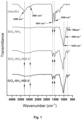
- Fig. 1 presents spectra for insulin, silica particles with amine groups (SiO 2 -NH 2 ) and carriers following electrostatic (SiO 2 -NH 2 -INS-E) or covalent (SiO 2 -NH 2 -INS-C) attachment.
- the significant increase in intensity of the bands at 1641 cm -1 and 1526 cm -1 compared to the signals on the (SiO 2 -NH 2 ) spectrum is indicative of the presence of insulin in the carrier-protein systems (SiO 2 -NH 2 -INS-E and SiO 2 -NH 2 -INS-C), as these oscillations can be attributed to the amide I and II bands, respectively.
- the weak signals at 2961 cm -1 and 3285 cm -1 corresponding to the v(O-H) stretching vibrations within the carboxyl groups present in the insulin molecules and the signals from the v(N-H) vibrations at the numerous amide bonds present in the protein molecules respectively, provide additional confirmation of the successful hormone attachment to the carriers.
- Insulin quantification was carried out using the Bradford method. Based on measurements using UV-Vis spectroscopy, a calibration curve was plotted for a series of solutions with known protein concentrations, which allowed for determination of the amount of protein attached to the silica carriers. The quantification of the insulin present in the system, carried out after the attachment experiment, indicated the insulin content per 1 mg of the carrier-protein system, as shown in the table below (Table 2). Table 2. Data obtained using the Bradford method describing the amount of insulin per 1 mg of the carrier-protein system Material Amount of attached insulin contained in 1 mg of sample SiO 2 -NH 2 -INS-E 329 ⁇ g SiO 2 -NH 2 -INS-C 329 ⁇ g
- the Bradford assay results for insulin content in the systems following either electrostatic immobilisation (SiO 2 -NH 2 -INS-E) or covalent immobilisation (SiO 2 -NH 2 -INS-C) indicate effective attachment of insulin to silica particles in equal amounts for both approaches used, i.e. 329 ⁇ g of protein in 1 mg of sample, equivalent to the yield of 32.9%.
- silica particles and carriers with electrostatically or covalently attached insulin were observed by scanning electron microscopy (SEM).
- SEM scanning electron microscopy
- the obtained microphotographs ( Fig. 3 ) show structures in two size groups - larger ones, with diameters of about 400-500 nm, and smaller ones, with diameters of about 150-200 nm.
- the SEM images also reveal the spherical shape of the particles and their porous, uneven surface. No significant differences in morphology were observed for systems with or without protein, which may be related to the small size of insulin molecules, which, even when attached to silica particles, may not generate noticeable changes.
- Thermogravimetric (TG) analysis as an additional method to verify insulin attachment efficiency
- Thermogravimetric (TG) analysis was used to provide additional verification regarding the attachment efficiency of the protein to the SiO 2 -NH 2 silica carriers. This technique allowed to estimate the yield of loading of the particles with protein.
- the values determined from the TG profiles obtained ( Fig. 4 ) are summarised in the following table (Table 4) Table 4.
- An unexpected technical feature of the freeze-dried formulation obtained is its ability to reduce swelling, manifested by low values of the experimentally determined swelling ratio (SR %) relative to control hydrogel materials.
- SR swelling ratio
- the materials in the freeze-dried flake group are characterised by swelling ratio values in the range 908-972%, while this parameter for hydrogel materials is 6913-7343%.
- the encapsulation efficiency (EE) of the hormone particles in the biopolymer matrix was also determined for the model systems studied, also assayed by the Bradford method based on the theoretical insulin content within the system and quantification of the unencapsulated protein remaining in the aqueous phase after the cross-linking process.
- the EE values obtained, in the range of 88-94% for all materials obtained, are summarised in the table below (Table 7). Table 7 .
- Encapsulation efficiencies determined for the model systems for which the release was carried out Material Encapsulation efficiency [%] HE 94 ⁇ 4 HC 88 ⁇ 1 LE 93 ⁇ 3 LC 91 ⁇ 1
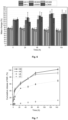
- the cumulative percentage of insulin released from the hybrid materials is shown in the accompanying graph ( Fig. 7 ).
- the experiment showed a rapid release of approximately 40% of the protein from the injectable materials, with no differences due to the type of binding of the hormone molecules to SiO 2 -NH 2 (HE and HC), after 6 hours.
- HE and HC SiO 2 -NH 2
- about 2% of protein was released from particles with covalently bound insulin (LC) and 23% for the counterpart with electrostatic attachment (LE).
- LC covalently bound insulin
- LE electrostatic attachment
- the physicochemical studies allowed the following systems to be selected for further in vitro biological analysis. Given the slowed release of insulin from the hybrid systems in freeze-dried form, materials containing higher concentrations of insulin carriers (LE800 and LC800) were chosen to increase the chances of inducing therapeutic effects in cell experiments. Among the injectable hybrid systems, a more economical version was selected in the form of systems with lower particle content (HE400 and HC400).
- Insulin-containing materials tested do not release harmful degradation products
- hydrogel materials or lyophilisates results in their slow degradation in the body.
- the most sensitive to such degradation products are blood cells including erythrocytes, neutrophils or mononuclear cells (mainly lymphocytes and monocytes) and liver cells - hepatocytes. Therefore, we performed an in-depth analysis of the toxicity of the degradation products of the tested hydrogels and lyophilisates with insulin.
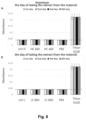
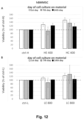
- Extracts containing degradation products secreted into PBS were collected from hydrogels (ctrl-H, HE400 and HC400) and lyophilisates (ctrl-L, LE800 and LC800) after 1, 2, 3 or 6 days of incubation at 37°C.
- HegG2 cells human hepatocyte model
- Liver cells are an important element in the detoxification process of xenobiotics, understood as chemicals that are not natural components of a living organism. Therefore, harmful degradation products of the materials represent a potential cytotoxic agent for these cells.
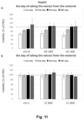
- extracts obtained from ctrl-H, HE400 and HC400 showed a moderate toxic effect against HepG2 cells after 1 day of hydrogel degradation - reducing their viability to about 60%.
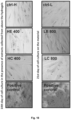
- the other extracts obtained were characterised by a lack of effect on HepG2 cell viability ( Fig. 11 ).
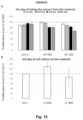
- the tested materials and their degradation products are not toxic to bone-forming nor bone-resorbing cell precursors.
- hBMMSCs human mesenchymal stem cells
- Insulin as a growth factor can also alter the viability of bone-resorbing cell precursors.
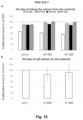
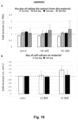
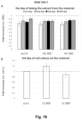
- RAW 264.7 mouse monocyte-macrophage cell line was used as a model for such cells. The results obtained show that the tested materials, both the hydrogel materials and lyophilisates with insulin, do not affect the viability of RAW 264.7 cells ( Fig. 14 ). Moreover, the lyophilisates with insulin also do not affect the proliferation level of these cells. Extracts harvested from ctrl-H, HE400 or HC400 inhibit the proliferation of RAW 264.7 cells ( Fig. 15 ). This applies to extracts collected after 1 day and is not related to the presence of insulin in these preparations, as the effect is also observed for extracts derived from the control material (ctrl-H).
- the insulin-containing materials tested are not toxic to bone-forming/osteoblast and bone-resorbing/osteoclast cell precursors. The results also indicate that the tested materials, both hydrogels and lyophilisates with insulin, stimulate moderately the metabolic activity of hBMMSC cells, but do not affect the proliferation level of these cells.
- the tested materials or their degradation products increase the expression of osteoblast markers while not inducing the differentiation process of bone-resorbing cells.
- the regeneration process of bone defects is preceded by the differentiation of precursor cells towards osteoblasts.
- One sign of the differentiation process is an increase in the activity of the marker enzyme - alkaline phosphatase (ALP).
- ALP enzyme - alkaline phosphatase
- genes that are activated during the differentiation process of mesenchymal cells towards bone-forming cells were analysed.
- the following genes were selected for analysis: 1) human alkaline phosphatase (hALP); 2) osteopontin (hOP), which is an extracellular protein whose high levels are observed during the onset of mineralisation; 3) osteocalcin (hOCN), a marker that appears at a late stage of osteoblast differentiation, along with mineralisation; and 4) human transcription factor hRunx2, which is activated at the beginning of the osteoblast differentiation process.
- hALP human alkaline phosphatase
- hOP osteopontin
- hOCN osteocalcin
- hRunx2 human transcription factor
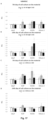
- HE400 and HC400 insulin-containing hydrogels induced an approximately 1.5-fold increase in hOCN levels after 7 days of hBMMSC culture, which then increased to approximately 3-fold levels after 14 days of culture ( Fig. 17 A and B ).
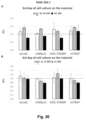
- the levels of genes responsible for the differentiation of RAW 264.7 cells towards osteoclasts were also determined ( Fig. 20 ). Insulin can also affect osteoclast precursors, so it was verified whether the tested materials affect the differentiation of RAW 264.7 cells. Compared to insulin-free material (ctrl-H or ctrl-L), only a slight increase in the transcription factor mNfatc1 was observed after a 3-day culture of RAW 264.7 cells on HE400 hydrogels. A decrease in markers (mCtsK, mNfatc1, mDC-STAMP) indicative of the differentiation process of RAW 264.7 cells towards osteoclasts was observed with HC400 hydrogel.
- Elevated expression levels of this gene persisted even on day 14 of culture of hBMMSC cells on HE400 and HC400 hydrogels. However, no signs of a mineralisation process were observed after incubation of hBMMSC cells with the insulin-containing materials tested. The tested materials did not stimulate the differentiation process of RAW 264.7 cells towards osteoclasts. In the case of HC400 hydrogel and LC800 lyophilisate, a decrease in markers of the differentiation process of RAW 264.7 cells towards osteoclasts was even observed.
- CONCLUSION The tested hydrogel materials as well as the lyophilisates with insulin are safe to the normal cell models studied. Performing such a thorough analysis of cytotoxicity in preclinical in vitro studies qualifies the indicated materials for animal model studies.
- Insulin in HC400 and LC800 materials had an inhibitory effect on the expression of osteoclast markers. This phenomenon indicates that the therapeutic effect of insulin in the materials may also be related to a decrease in the activity of cells responsible for the resorption process.
- the analyses using qRT-PCR showed an increase in the transcription factor hRunx2 in hBMMSCs after incubation with the insulin-containing materials tested.
- the hRunx2 transcription factor is a component of the signal transduction pathway from insulin. Therefore, this result confirms that insulin immobilised in the materials is active.
Landscapes
- Health & Medical Sciences (AREA)
- Chemical & Material Sciences (AREA)
- Life Sciences & Earth Sciences (AREA)
- Epidemiology (AREA)
- Medicinal Chemistry (AREA)
- Animal Behavior & Ethology (AREA)
- General Health & Medical Sciences (AREA)
- Public Health (AREA)
- Veterinary Medicine (AREA)
- Oral & Maxillofacial Surgery (AREA)
- Transplantation (AREA)
- Dermatology (AREA)
- Inorganic Chemistry (AREA)
- Pharmacology & Pharmacy (AREA)
- Engineering & Computer Science (AREA)
- Dispersion Chemistry (AREA)
- Composite Materials (AREA)
- Materials Engineering (AREA)
- Physiology (AREA)
- Nutrition Science (AREA)
- Plastic & Reconstructive Surgery (AREA)
- Proteomics, Peptides & Aminoacids (AREA)
- Biomedical Technology (AREA)
- Molecular Biology (AREA)
- Medicines That Contain Protein Lipid Enzymes And Other Medicines (AREA)
Applications Claiming Priority (1)
| Application Number | Priority Date | Filing Date | Title |
|---|---|---|---|
| PL446217A PL446217A1 (pl) | 2023-09-25 | 2023-09-25 | Kompozycja zawierająca bioaktywny hydrożel oraz sposób jej otrzymywania |
Publications (1)
| Publication Number | Publication Date |
|---|---|
| EP4527421A1 true EP4527421A1 (fr) | 2025-03-26 |
Family
ID=93377727
Family Applications (1)
| Application Number | Title | Priority Date | Filing Date |
|---|---|---|---|
| EP24461623.1A Pending EP4527421A1 (fr) | 2023-09-25 | 2024-09-25 | Composition contenant un hydrogel bioactif et son procédé d'obtention |
Country Status (2)
| Country | Link |
|---|---|
| EP (1) | EP4527421A1 (fr) |
| PL (1) | PL446217A1 (fr) |
Citations (5)
| Publication number | Priority date | Publication date | Assignee | Title |
|---|---|---|---|---|
| EP2396046A1 (fr) | 2009-02-10 | 2011-12-21 | Azurebio, S. L. | Matériaux de régénération osseuse basés sur des combinaisons de monétite et d'autre composés bioactifs de calcium et de silicium |
| EP2529764A1 (fr) | 2011-05-31 | 2012-12-05 | Curasan AG | Matériau composite biodégradable |
| EP2956185A1 (fr) | 2013-02-13 | 2015-12-23 | Agency For Science, Technology And Research | Système polymère pour libération d'un agent actif |
| WO2020171723A2 (fr) * | 2019-02-21 | 2020-08-27 | Uniwersytet Jagielloński | Matériau hybride d'hydrogel, son procédé de préparation et son utilisation |
| US20220111119A1 (en) | 2020-10-11 | 2022-04-14 | Katalin C. Janosi-Fair | Host modulating and tissue regenerative hydrogel compositions and methods of their delivery to periodontal and peri-implant tissues |
-
2023
- 2023-09-25 PL PL446217A patent/PL446217A1/pl unknown
-
2024
- 2024-09-25 EP EP24461623.1A patent/EP4527421A1/fr active Pending
Patent Citations (5)
| Publication number | Priority date | Publication date | Assignee | Title |
|---|---|---|---|---|
| EP2396046A1 (fr) | 2009-02-10 | 2011-12-21 | Azurebio, S. L. | Matériaux de régénération osseuse basés sur des combinaisons de monétite et d'autre composés bioactifs de calcium et de silicium |
| EP2529764A1 (fr) | 2011-05-31 | 2012-12-05 | Curasan AG | Matériau composite biodégradable |
| EP2956185A1 (fr) | 2013-02-13 | 2015-12-23 | Agency For Science, Technology And Research | Système polymère pour libération d'un agent actif |
| WO2020171723A2 (fr) * | 2019-02-21 | 2020-08-27 | Uniwersytet Jagielloński | Matériau hybride d'hydrogel, son procédé de préparation et son utilisation |
| US20220111119A1 (en) | 2020-10-11 | 2022-04-14 | Katalin C. Janosi-Fair | Host modulating and tissue regenerative hydrogel compositions and methods of their delivery to periodontal and peri-implant tissues |
Non-Patent Citations (7)
| Title |
|---|
| "Bioactive injectable composites based on insulin-functionalized silica particles reinforced polymeric hydrogels for potential applications in bone tissue engineering", JOURNAL OF MATERIALS SCIENCE & TECHNOLOGY, vol. 105, 2022 |
| GILARSKA A ET AL., INT. J. BIOL. MACROMOL, vol. 155, 2020, pages 938 - 950 |
| GILARSKA ADRIANA ET AL: "Collagen/chitosan/hyaluronic acid - based injectable hydrogels for tissue engineering applications - design, physicochemical and biological characterization", COLLOIDS AND SURFACES B: BIOINTERFACES, ELSEVIER AMSTERDAM, NL, vol. 170, 4 June 2018 (2018-06-04), pages 152 - 162, XP085458741, ISSN: 0927-7765, DOI: 10.1016/J.COLSURFB.2018.06.004 * |
| KRAJCER A ET AL., JOURNAL OF MATERIALS SCIENCE & TECHNOLOGY, vol. 105, 2022, pages 153 - 163 |
| KRAJCER ALEKSANDRA ET AL: "Bioactive injectable composites based on insulin-functionalized silica particles reinforced polymeric hydrogels for potential applications in bone tissue engineering", JOURNAL OF MATERIALS SCIENCE & TECHNOLOGY, ALLERTON PRESS, AMSTERDAM, NL, vol. 105, 16 September 2021 (2021-09-16), pages 153 - 163, XP087010736, ISSN: 1005-0302, [retrieved on 20210916], DOI: 10.1016/J.JMST.2021.08.003 * |
| LEWANDOWSKA-LANCUCKA JOANNA ET AL: "Genipin crosslinked bioactive collagen/chitosan/hyaluronic acid injectable hydrogels structurally amended via covalent attachment of surface-modified silica particles", INTERNATIONAL JOURNAL OF BIOLOGICAL MACROMOLECULES, ELSEVIER BV, NL, vol. 136, 25 June 2019 (2019-06-25), pages 1196 - 1208, XP085753760, ISSN: 0141-8130, [retrieved on 20190625], DOI: 10.1016/J.IJBIOMAC.2019.06.184 * |
| LEWANDOWSKA-TARÍCUCKA J ET AL., INTERNATIONAL JOURNAL OF BIOLOGICAL MACROMOLECULES, vol. 136, 2019, pages 1196 - 1208 |
Also Published As
| Publication number | Publication date |
|---|---|
| PL446217A1 (pl) | 2025-03-31 |
Similar Documents
| Publication | Publication Date | Title |
|---|---|---|
| Basu et al. | Self-healing DNA-based injectable hydrogels with reversible covalent linkages for controlled drug delivery | |
| Wang et al. | Mussel-inspired bisphosphonated injectable nanocomposite hydrogels with adhesive, self-healing, and osteogenic properties for bone regeneration | |
| Ribeiro et al. | Calcium phosphate-alginate microspheres as enzyme delivery matrices | |
| Fahimipour et al. | Enhancing cell seeding and osteogenesis of MSCs on 3D printed scaffolds through injectable BMP2 immobilized ECM-Mimetic gel | |
| US11168183B2 (en) | Method for the production of hydrogel comprising chitosan and negatively charged polyelectrolytes, and cellular, porous material resulting from said hydrogel | |
| Jeon et al. | Affinity-based growth factor delivery using biodegradable, photocrosslinked heparin-alginate hydrogels | |
| Gentile et al. | Localised controlled release of simvastatin from porous chitosan–gelatin scaffolds engrafted with simvastatin loaded PLGA-microparticles for bone tissue engineering application | |
| Palumbo et al. | In situ forming hydrogels of hyaluronic acid and inulin derivatives for cartilage regeneration | |
| Hou et al. | Chitosan‐based nanoparticles as a sustained protein release carrier for tissue engineering applications | |
| CA2111199C (fr) | Formulations pharmaceutiques de proteines osteogenes | |
| CN110123842B (zh) | 一种外泌体缓释体系及其构建方法与应用 | |
| Zhang et al. | Polyethylenimine–PEG coated albumin nanoparticles for BMP-2 delivery | |
| US20190247542A1 (en) | Polymer-clay composite and organoclay | |
| Liu et al. | In vitro BMP-2 peptide release from thiolated chitosan based hydrogel | |
| A. Alamir et al. | Advanced injectable hydrogels for bone tissue regeneration | |
| WO2011059325A2 (fr) | Hydrogels à base de dextrane et d'acide hyaluronique | |
| Aghajanpour et al. | Impact of oxygen-calcium-generating and bone morphogenetic protein-2 nanoparticles on survival and differentiation of bone marrow-derived mesenchymal stem cells in the 3D bio-printed scaffold | |
| Luong et al. | In situ functionalization of poly (hydroxyethyl methacrylate) cryogels with oligopeptides via β-cyclodextrin–adamantane complexation for studying cell-instructive peptide environment | |
| Bousalis et al. | Decellularized peripheral nerve as an injectable delivery vehicle for neural applications | |
| US9814779B2 (en) | Crosslinked chitosan-lactide hydrogels | |
| Wu et al. | Development of a chitosan–polyglutamate based injectable polyelectrolyte complex scaffold | |
| CA3186386A1 (fr) | Hydrogels biocompatibles, injectables et gelifiant in situ et preparation et applications d'hydrogels biocompatibles, injectables et gelifiant in situ a base de nanofibrilles de cellulose pour la reparation de tissus et d'organe | |
| You et al. | Divalent anion-induced biohydrogels with high strength, anti-swelling, and bioactive capability for enhanced skull bone regeneration | |
| Yu et al. | Dual functional hydrogel of osteoclastic-inhibition and osteogenic-stimulation for osteoporotic bone defect regeneration | |
| Klara et al. | In vitro/ex vivo evaluation of multifunctional collagen/chitosan/hyaluronic acid hydrogel-based alendronate delivery systems |
Legal Events
| Date | Code | Title | Description |
|---|---|---|---|
| PUAI | Public reference made under article 153(3) epc to a published international application that has entered the european phase |
Free format text: ORIGINAL CODE: 0009012 |
|
| STAA | Information on the status of an ep patent application or granted ep patent |
Free format text: STATUS: THE APPLICATION HAS BEEN PUBLISHED |
|
| AK | Designated contracting states |
Kind code of ref document: A1 Designated state(s): AL AT BE BG CH CY CZ DE DK EE ES FI FR GB GR HR HU IE IS IT LI LT LU LV MC ME MK MT NL NO PL PT RO RS SE SI SK SM TR |
|
| STAA | Information on the status of an ep patent application or granted ep patent |
Free format text: STATUS: REQUEST FOR EXAMINATION WAS MADE |
|
| 17P | Request for examination filed |
Effective date: 20250926 |
|
| STAA | Information on the status of an ep patent application or granted ep patent |
Free format text: STATUS: EXAMINATION IS IN PROGRESS |
|
| 17Q | First examination report despatched |
Effective date: 20260109 |