EP4531059A2 - Materiau permettant de detecter et d'influencer l'absorption et/ou la liberation de substances bioactives a l'aide d'hydrogels electroconducteurs - Google Patents
Materiau permettant de detecter et d'influencer l'absorption et/ou la liberation de substances bioactives a l'aide d'hydrogels electroconducteurs Download PDFInfo
- Publication number
- EP4531059A2 EP4531059A2 EP25157638.5A EP25157638A EP4531059A2 EP 4531059 A2 EP4531059 A2 EP 4531059A2 EP 25157638 A EP25157638 A EP 25157638A EP 4531059 A2 EP4531059 A2 EP 4531059A2
- Authority
- EP
- European Patent Office
- Prior art keywords
- hydrogel material
- electrically conductive
- parameter
- hydrogel
- building blocks
- Prior art date
- Legal status (The legal status is an assumption and is not a legal conclusion. Google has not performed a legal analysis and makes no representation as to the accuracy of the status listed.)
- Pending
Links
Images

Classifications
-
- A—HUMAN NECESSITIES
- A61—MEDICAL OR VETERINARY SCIENCE; HYGIENE
- A61N—ELECTROTHERAPY; MAGNETOTHERAPY; RADIATION THERAPY; ULTRASOUND THERAPY
- A61N1/00—Electrotherapy; Circuits therefor
- A61N1/02—Details
- A61N1/04—Electrodes
- A61N1/0404—Electrodes for external use
- A61N1/0472—Structure-related aspects
- A61N1/0492—Patch electrodes
- A61N1/0496—Patch electrodes characterised by using specific chemical compositions, e.g. hydrogel compositions, adhesives
-
- A—HUMAN NECESSITIES
- A61—MEDICAL OR VETERINARY SCIENCE; HYGIENE
- A61K—PREPARATIONS FOR MEDICAL, DENTAL OR TOILETRY PURPOSES
- A61K47/00—Medicinal preparations characterised by the non-active ingredients used, e.g. carriers or inert additives; Targeting or modifying agents chemically bound to the active ingredient
- A61K47/30—Macromolecular organic or inorganic compounds, e.g. inorganic polyphosphates
- A61K47/32—Macromolecular compounds obtained by reactions only involving carbon-to-carbon unsaturated bonds, e.g. carbomers, poly(meth)acrylates, or polyvinyl pyrrolidone
-
- A—HUMAN NECESSITIES
- A61—MEDICAL OR VETERINARY SCIENCE; HYGIENE
- A61K—PREPARATIONS FOR MEDICAL, DENTAL OR TOILETRY PURPOSES
- A61K9/00—Medicinal preparations characterised by special physical form
- A61K9/0002—Galenical forms characterised by the drug release technique; Application systems commanded by energy
- A61K9/0009—Galenical forms characterised by the drug release technique; Application systems commanded by energy involving or responsive to electricity, magnetism or acoustic waves; Galenical aspects of sonophoresis, iontophoresis, electroporation or electroosmosis
-
- A—HUMAN NECESSITIES
- A61—MEDICAL OR VETERINARY SCIENCE; HYGIENE
- A61K—PREPARATIONS FOR MEDICAL, DENTAL OR TOILETRY PURPOSES
- A61K9/00—Medicinal preparations characterised by special physical form
- A61K9/06—Ointments; Bases therefor; Other semi-solid forms, e.g. creams, sticks, gels
-
- C—CHEMISTRY; METALLURGY
- C12—BIOCHEMISTRY; BEER; SPIRITS; WINE; VINEGAR; MICROBIOLOGY; ENZYMOLOGY; MUTATION OR GENETIC ENGINEERING
- C12N—MICROORGANISMS OR ENZYMES; COMPOSITIONS THEREOF; PROPAGATING, PRESERVING, OR MAINTAINING MICROORGANISMS; MUTATION OR GENETIC ENGINEERING; CULTURE MEDIA
- C12N5/00—Undifferentiated human, animal or plant cells, e.g. cell lines; Tissues; Cultivation or maintenance thereof; Culture media therefor
- C12N5/0068—General culture methods using substrates
-
- H—ELECTRICITY
- H01—ELECTRIC ELEMENTS
- H01B—CABLES; CONDUCTORS; INSULATORS; SELECTION OF MATERIALS FOR THEIR CONDUCTIVE, INSULATING OR DIELECTRIC PROPERTIES
- H01B1/00—Conductors or conductive bodies characterised by the conductive materials; Selection of materials as conductors
- H01B1/06—Conductors or conductive bodies characterised by the conductive materials; Selection of materials as conductors mainly consisting of other non-metallic substances
- H01B1/12—Conductors or conductive bodies characterised by the conductive materials; Selection of materials as conductors mainly consisting of other non-metallic substances organic substances
- H01B1/122—Ionic conductors
Definitions
- the invention relates to an electrically conductive hydrogel material having the features according to claim 1.
- Hydrogel-based substance delivery and uptake systems are promising for applications in biotechnology and especially in medicine, as hydrogels, compared to many other biomaterials, are similar to human physiological tissue in terms of their water content and mechanical properties, enabling the inclusion of various substances and their targeted release.
- Hydrogels are, by definition, highly hydrated, covalently or physically cross-linked polymers that allow substances to be reversibly bound to affine polymer building blocks of the hydrogel network via various non-covalent interactions. This allows them to either selectively remove the substances from a biofluid or living tissue, i.e., sequester them in the hydrogel, or release them from the hydrogel into the biofluid or living tissue.
- Such substances can be protein-based signaling molecules from the class of cytokines, chemokines, hormones, neurotransmitters, growth factors or non-protein-based small molecules, which take over one or more biological functions of the previously mentioned protein-based signaling molecules or non-protein-based chemical/medicinal agents, such as antimicrobial agents, antiseptics, dyes, which are either Charge interactions and/or hydrophobic interactions or other specific chemical interactions such as hydrogen bonds, to which the affinity-mediating polymer building blocks in the hydrogel reversibly bind.
- Hydrogel systems are known from the state of the art in which the physicochemical properties of a hydrogel for the sequestration and/or release of certain substances must already be determined during formation.
- hydrogel network This is achieved by a specific charge characteristic of the hydrogel network, such as WO 2018/162009 A2 known, or achieved by the targeted adjustment of physical properties such as mesh size. It is also known to release covalently coupled substances in a controlled manner through enzymatic triggers, light, or variable pH values. However, reversible substance binding is not possible, which is a disadvantage of such hydrogel networks. Controlled sequestration of substances and thus depletion from a biofluid or tissue environment is therefore not possible.
- the affinity and thus the control of substance sequestration or release is determined by their intrinsic network architecture, i.e., the network architecture imprinted upon formation of the hydrogel network. Subsequent modulation is only possible via the aforementioned external triggers: light, pH changes, or enzymatic cleavage.
- electrically conductive hydrogels have been described in biomedical research. They are primarily used as coatings for electrode materials, for example, for neural electrodes, to optimize their biocompatibility and charge injection. Due to their mechanical similarity to tissues and organs, the use of soft, hydrated polymer materials leads to lower rejection reactions compared to metal electrodes. In addition, with conventional metal electrodes, charge injection, which is essential for the stimulation of tissues and organs, only occurs at the Surface of the electrodes. Nanostructuring is used to increase the surface area and thus the contact area between the electrode and the tissue fluid (biofluid), which results in increased charge injection.
- the contact area is already significantly larger without further structuring than with metal electrodes of a comparable size. This also leads to significantly increased charge injection.
- charge storage capacity is used in the literature as a measure of the ability to transfer charges into physiological solutions.
- Conductive substances such as carbon nanotubes and/or electrically conductive polymers are used to produce such conductive hydrogels.
- the conductive substance is usually dispersed in a hydrogel precursor solution, and the hydrogel is then formed by polymerization and crosslinking in another component independent of the conductive substance.
- a common feature here is that the electrically conductive component is usually hydrophobic and therefore does not form a hydrogel.
- conductive organic polymers are increasingly being used in industrial applications. These polymers operate according to the principle of semiconductors. Their most important component is a conjugated ⁇ -electron system that extends throughout the entire polymer backbone. The intrinsic electrical conductivity of these polymers is low. To generate free charge carriers, with the goal of increasing molecular electrical conductivity, charged molecules are required that remove electrons from the polymer system (p-doping) or introduce electrons into the polymer system (n-doping). This process is referred to as primary doping. The most commonly used method is p-doping. The doping and resulting interaction of hydrophobic polymers with highly charged hydrophilic molecules further reduces the hydrophobicity of the polymer-doping complexes. and thus allows the use of these polymers in aqueous solutions or hydrogels.
- the relative arrangement of the conductive polymer chains is also crucial.
- charge carriers For charge carriers to be transported over long distances, they must be transferred between the electrically conductive polymer chains. This requires a uniform distribution of the polymer chains throughout the volume while maintaining spatial proximity to one another.
- Aqueous solutions of conductive polymers and the respective doping molecule usually form suspensions.
- the lack of interaction between the conductive polymer chains results in low electrical conductivity.
- secondary doping the necessary spatial proximity of the polymer chains can be achieved, thereby further increasing conductivity. This can be achieved, for example, by increasing the ionic strength and the associated shielding effects of the charge (characterized by the Debye length).
- conductive poly-3,4-ethylenedioxythiophene is described by Zhenan Bao and others (DOI: 10.1038/s41467-018-05222-4, and US20190390068A1 ).
- a weakly cross-linked hydrogel is first formed from a mixture of hydrophilic polystyrene sulfonate (PSS) and PEDOT (primary doping) by physical entanglement of the PSS and using ionic liquids (secondary doping). This hydrogel is then mechanically stabilized by the formation of a pseudo-interpenetrating network formed by a radical cross-linking reaction of acrylate monomers.
- an electrically conductive hydrogel network results (10.1038/s41467-018-05222-4, and US20190390068A1 ), whereby the secondary polymer network serves only to stabilize and improve the mechanical properties of the material.
- the electrical Properties of the hydrogel result solely from the primary, non-covalent PEDOTPSS hydrogel.
- US 9 299 476 B2 Another method to obtain electrically conductive hydrogels is US 9 299 476 B2 known.
- the US 9 299 476 B2 According to known processes, a biopolymer-based hydrogel network bearing functional anionic groups is formed and deposited on the surface of an electrode. The resulting primary network is swollen in or transferred into a solution containing 3,4-ethylenedioxythiophene (EDOT) monomers, and electrical polymerization of the EDOT monomers to poly-3,4-ethylenedioxythiophene (PEDOT) is triggered by the influence of an electrical voltage.
- EDOT 3,4-ethylenedioxythiophene
- PEDOT poly-3,4-ethylenedioxythiophene
- a pseudo-interpenetrating polymer network is formed through the ionic interaction of the PEDOT with the anionic functional groups of the primary network.
- anionic groups simultaneously have a p-doping effect on the PEDOT (primary doping) and, in combination, produce an electrically conductive hydrogel material. Due to the predetermined distribution of the covalently bound anionic groups in the hydrogel and the subsequent polymerization of the PEDOT around the primary hydrogel network, hydrogels with high electrical conductivity can be obtained without secondary doping due to the uniform distribution of the PEDOT polymer chains.
- hydrogel materials known to date enable sequestration and/or release of substances through their intrinsically imprinted physicochemical characteristics or, in the case of electrically conductive hydrogel materials, show limited modulability and specificity for the interaction with certain bioactive substances.
- the object of the invention is to provide an electrically conductive hydrogel material which is modulatable with regard to its electrical properties and physicochemical properties and which enables reversible sequestration and/or release, in particular of substances carrying positively charged groups. At the same time, this material is intended to the binding of substances can be detected by resulting characteristic changes in the electrical properties.
- the invention comprises a method for detecting and influencing the uptake of bioactive substances in a hydrogel material and/or the release of bioactive substances from the hydrogel material, wherein the hydrogel material is, by definition, a polymer network formed from anionically charged building blocks and uncharged building blocks, the affinity of which for bioactive substances is configurable on the basis of parameters defining the anionically charged building blocks and has an electrically conductive component whose electrical resistance and electrical charge storage capacity depend on an interaction with hydrogel building blocks and a binding of bioactive substances to the hydrogel material, wherein the electrically conductive component is suitable for changing the anionic charge of the hydrogel material and its affinity for bioactive substances through the influence of an electrical potential.
- the hydrogel material is, by definition, a polymer network formed from anionically charged building blocks and uncharged building blocks, the affinity of which for bioactive substances is configurable on the basis of parameters defining the anionically charged building blocks and has an electrically conductive component whose electrical resistance and electrical charge storage capacity depend on an interaction with hydrogel building blocks
- the predefined hydrogel material is brought into contact with a biofluid, wherein a change in the electrical resistance and/or a change in the charge storage capacity of the hydrogel material is detected and, based on the detected change in the electrical resistance and/or the detected change in the charge storage capacity, an uptake of bioactive substances into the hydrogel material or a release of bioactive substances from the hydrogel material into the biofluid is determined, and/or wherein a concentration of bioactive substances in the biofluid and/or a concentration of bioactive substances in the hydrogel material is influenced by an electrical potential acting on the hydrogel material.
- the anionically charged building blocks and uncharged building blocks The resulting polymer network is an anionically charged polymer network.
- the anionically charged polymer network is configurable based on parameters that define the anionically charged building blocks.
- hydrogel material which is electrically conductive, is referred to as hydrogel material for the sake of simplicity.
- biofluids are understood to include physiological solutions, cell cultures, and living tissue.
- the action of contacting the hydrogel material with a biofluid can therefore be understood as contacting by immersion in a physiological solution or as surface contacting the hydrogel material with living tissue in vivo and in vitro .
- bioactive substances are understood to include protein-based and non-protein-based bioactive substances, active ingredients, and small molecules that exhibit signaling properties of cytokines, chemokines, hormones, neurotransmitters, or growth factors, as well as other biological effects.
- Bioactive substances can, in particular, be pharmaceutically active ingredients.
- a common characteristic for all of the aforementioned bioactive substances is a molecular weight of less than or equal to 70 kDa.
- the method according to the invention comprises detecting the uptake of bioactive substances into a hydrogel material and/or the release of bioactive substances from the hydrogel material, as well as influencing the uptake of bioactive substances into a hydrogel material and/or the release of bioactive substances from the hydrogel material.
- bioactive substances can be detected and influenced, or—according to the alternative—bioactive substances can be detected or influenced.
- the fact that a change in the electrical resistance of the hydrogel material and/or a change in the electrical charge capacity of the hydrogel material is/are recorded in order to detect the uptake of bioactive substances into the hydrogel material and/or the release of bioactive substances from the hydrogel material is based on the knowledge that the change in the electrical resistance of the hydrogel material and/or a change in the electrical charge capacity of the hydrogel material is influenced by the binding of bioactive substances to the hydrogel material.
- the electrical resistance of the hydrogel material is increased as a result of sequestration and binding to or in the hydrogel material, while the electrical conductivity of the hydrogel material decreases due to the loading of the anionic groups with bioactive substances.
- the electrical resistance of the hydrogel material is reduced when bioactive substances are released from or by the hydrogel material, whereby the electrical conductivity of the hydrogel material increases.
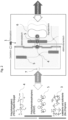
- the charge storage capacity is calculated using cyclic voltammetry.
- the current flow between the working electrode (hydrogel material) and the counter electrode (carbon electrode) is measured in a three-electrode setup, while the applied electrical potential is varied from -0.6 to 0.8 V (potential between the working electrode and the Ag/AgCl reference electrode) in five cyclic runs.
- the scan rate is 50 mV/s.
- a change in the electrical conductivity of the hydrogel material can alternatively be determined.
- the uptake of bioactive substances into the hydrogel material and/or the release of bioactive substances from the hydrogel material is determined based on the change in electrical conductivity.
- the binding of bioactive substances in the electrically conductive hydrogel material occurs via non-covalent interactions of the bioactive substances with the polymer chains of the hydrogel material. Ionic interactions in particular play an important role here.
- anionic and cationic groups of the bound bioactive substances results in a change in the doping of the conductive polymer.
- the anionic groups in the bound substances can contribute to the doping and increase the conductivity.
- Cationic groups compensate for negative charges of the anionic polymer component and thus negatively influence the doping.
- hydrophobic regions of the bioactive substances can influence the interaction of the PEDOT polymer chains. Depending on the molecular type of the bound bioactive substances and the concentration of the bioactive substances, a specific change in the electrical properties of the hydrogel material occurs.
- the uptake and/or release of bioactive substances can be understood as a change in the concentration of bioactive substances in the hydrogel material. Furthermore, it can be provided that a discrete concentration of a bioactive substance is assigned to a discrete conductivity value, a discrete electrical resistance value, or a discrete value of the electrical charge storage capacity.
- the electrical resistance of the hydrogel material can be DC resistance or impedance can be determined.
- a frequency range of 0.01 Hz to 1 MHz can be specified for impedance detection.
- a change in the impedance of the hydrogel material can be measured at at least one frequency in the range of 0.1 Hz to 1 MHz.
- a change in the charge storage capacity can also be taken into account.
- the hydrogel material is subjected to an electrical potential.
- the influence of an electrical potential on the hydrogel material changes the anionic charge of the hydrogel material and its affinity for bioactive substances, so that the binding of bioactive substances in or to the hydrogel material is influenced as a result of the potential change.
- the hydrogel material can be electrically or chemically charged with a predetermined concentration of the specified bioactive substance prior to contact with the biofluid.
- the polymer network is configurable in its composition on the basis of at least three parameters defining the anionically charged building blocks, selected from a group of parameters P0, P1, P2, P3, wherein the parameter P0 corresponds to a value from the number of ionized, anionic groups, assuming a 30% ionization of all anionic groups, per unit volume of the hydrogel material swollen under physiological conditions, the parameter P1 corresponds to a value from the number of strongly anionic groups, with a intrinsic pKa value less than 2.5 per unit volume of the hydrogel material swollen under physiological conditions, the parameter P2 corresponds to a value from the number of strongly anionic groups with an intrinsic pKa value less than 2.5 per repeat unit divided by the molar mass of the repeat unit, and the parameter P3 corresponds to a value describing the amphiphilicity of the anionic building blocks, whereby an electrical resistance and/or an electrical charge storage capacity of the hydrogel material is specified by parameter
- An interaction of bioactive substances can also be based on the substance-specific value Pp, which is calculated from the ratio of the net charge of a bioactive substance to the water-accessible surface area of the bioactive substance.
- Pp substance-specific value
- any protein structure is available in the Protein Data Bank (PDB, http://www.rcsb.org/ ).
- the net charge of the selected protein structure is calculated using the Delphi Web Server (http://compbio.clemson.edu/sapp/delphi webserver/ ) with default settings at pH 7.
- the protein surface area accessible to the solvent water is calculated using the PyMol software ( www.pymol.org ) using a solvent radius of water of 1.4 ⁇ .
- Pp is then calculated from the net charge divided by the protein surface area accessible to the solvent water multiplied by a factor of 1,000,000 to obtain the unit 10 -6 x [1/A 2 or A -2 ].
- the net charge derived from the chemical structure, which corresponds to the excess of anionic or cationic groups, and the molecular surface accessible by the solvent water, which was derived analogously to the formation rule for the parameter P3 using the ChemDraw 19.0 and ChemAxon MarvinSketch 19.21 software are calculated. The obtained value is compared with a Factor of 1000000 to obtain the unit 10 -6 x [1/A 2 or A -2 ].
- the loading of the bioactive substance(s) occurs independently of the parameters P0, P1, P2, P3 and independently of the substance-specific value Pp.
- the reaction conditions prevailing during hydrogel material formation can have an adverse influence on the structure of the bioactive substances, which is why not all bioactive substances are suitable for immobilization by the first loading method.
- the electrically conductive hydrogel material is formed with a predetermined parameter configuration and parameter values, and the electrically conductive hydrogel material is subsequently brought into contact with an aqueous solution or a biofluid as a loading solution with a predetermined substance concentration for a predetermined period of time.
- the bioactive substances in solution from the aqueous solution or biofluid are absorbed and bound into the hydrogel material depending on the parameters P0, P1, P2, P3.
- the loaded hydrogel material is removed from the loading solution.
- the bioactive substances immobilized on or in the hydrogel material can then be released into an environment, preferably a biofluid or living tissue, through the influence of an electrical potential.
- the influence of the electrical potential also offers the possibility of bioactive substances from the environment of the hydrogel material being sequestered into the hydrogel material.
- a predetermined electrically conductive hydrogel material which has a predetermined parameter configuration with predetermined parameter values, is brought into contact with an aqueous solution or a biofluid as the loading solution with a predetermined substance concentration for a predetermined period of time and exposed to the influence of an electrical potential.
- bioactive substances are absorbed (sequestered) from the loading solution into the hydrogel material. It may be necessary to maintain the potential acting on the hydrogel material in order to keep the binding of the bioactive substances constant. Otherwise, if the potential or current is changed, the bioactive substances can be released from the hydrogel material. It is important to note that the sequestration or release of bioactive substances is based not only on the influence of an electrical potential but also on an affinity of the hydrogel material for certain bioactive substances, which is determined by the parameters P0, P1, P2, P3, Pp.
- the method can further provide for the hydrogel material to be exposed to an electrical potential in the range of 1 mV to 1000 mV, preferably in the range of 400 mV to 600 mV, relative to an Ag/AgCl reference electrode for absorbing bioactive substances.
- the hydrogel material can be exposed to an electrical potential in the range of -1 mV to -1000 mV, preferably in a range of -400 mV to -600 mV, relative to an Ag/AgCl reference electrode.
- the hydrogel material can be subjected to a constant electric current greater than 0 mA to absorb bioactive substances, whereby the direction of the electric current flow is changed to release bioactive substances.
- the invention further comprises an electrically conductive hydrogel material which is suitable for carrying out the method described above.
- the hydrogel material according to the invention has a polymer network formed from anionically charged building blocks and uncharged building blocks or consists of such a polymer network, the composition of which can be configured on the basis of at least three parameters defining the anionically charged building blocks, selected from a group of parameters P0, P1, P2, P3, wherein the parameter P0 corresponds to a value from the number of ionized, anionic groups, assuming a 30% ionization of all anionic groups, per unit volume of the hydrogel material swollen under physiological conditions, the parameter P1 corresponds to a value from the number of strongly anionic groups, with an intrinsic pKa value of less than 2.5, per unit volume of the hydrogel material swollen under physiological conditions, the parameter P2 corresponds to a value from the number of strongly anionic groups, with an intrinsic pKa value of less than 2.5, per repeating unit divided by the Molar mass of the repeat
- the hydrogel material according to the invention is an essential component for carrying out the method according to the invention.
- the features relating to the hydrogel according to the invention can therefore be used to further explain the method according to the invention, in particular to define the hydrogel material, and vice versa.
- the hydrogel material according to the invention is based on a polymer network bearing anionic groups, the properties of which are defined by the parameters P0, P1, P2, and P3. These parameters P0 to P3 are used to control the formation of a (pseudo)-interpenetrating network of electrically conductive components and thus the electrical properties of the resulting electrically conductive hydrogel material.
- the electrically conductive hydrogel material can be continuously modulated in its charge properties by applying an electrical potential or by the influence of an electrical potential, whereby the modulation of the electrical charge properties in conjunction with the parameters P0, P1, P2, P3 controls an affinity of the electrically conductive hydrogel material to bioactive substances and thus the depletion of substances from a biofluid in contact with the conductive hydrogel (sequestration) or the release of bioactive substances from the hydrogel material into the biofluid can be regulated continuously, reversibly and in real time in direct dependence on the applied electrical potential.
- the polymer PEDOT is preferably chemically polymerized as a pseudo-interpenetrating network around the primary hydrogel networks as the electrically conductive component.
- the resulting hydrogel materials differ in their electrical properties as well as in the sequestration and release of bioactive substances depending on the configured parameters or parameter values and their constellation.
- the parameter P0 which describes all actually ionized anionic groups in the swollen hydrogel, regardless of their intrinsic pKa, exerts a somewhat smaller influence on the electrical properties of the resulting hydrogel material than the parameter P1.
- the weakly anionic groups contained in the parameter P0 do not represent an effective doping for PEDOT, thus influencing the electrical conductivity or electrical resistance compared to the parameter P1, which describes the strongly acidic groups with a pKa ⁇ 2.5.
- the local charge density of the strongly anionic groups (P2) can also be directly influenced by the electrical Properties expected.
- the reduction in the local charge density with constant P0 and P1 leads to a reduction in the electrical conductivity of the hydrogel materials.
- the reason for this lies in the local electrostatic interaction of the negatively charged polymers with the positively charged PEDOT polymer chains. Too little local negative charge leads to weaker interaction of the positively charged PEDOT polymer chains with the anionic polymer or the anionically charged building blocks.
- the parameter P3 can also be used to configure the interaction between the amphiphilic anionic polymer and the hydrophobic, electrically conductive polymer (PEDOT).
- PDOT amphiphilic anionic polymer
- the parameter P3 can also be used to configure the interaction between the amphiphilic anionic polymer and the hydrophobic, electrically conductive polymer (PEDOT).
- the integral (P0 or P1) and local charge density (P2) at the various applied voltages/currents throughout the hydrogel material play a key role.
- the positive charge of PEDOT partially compensates for the negative charges of the anionically charged building blocks. This allows for the binding of negatively charged molecules to a greater extent than in hydrogel materials consisting of a polymer network without an electrically conductive component.
- the binding of positively charged bioactive substances is also possible.
- the ratio of the positive charges of the PEDOT and the anionic groups of the charged building block can be adjusted under constant PEDOT polymerization conditions. This enables the sequestration (uptake) of positively or negatively charged bioactive substances.
- the charge of the PEDOT can also be adjusted from neutral to 66% positive charges per monomer unit. This also allows for continuous binding.
- the release of the bound bioactive substances can also be adjusted depending on the configured parameters P0, P1, P2, and P3 of the polymer network in combination with the charge of the PEDOT, i.e. the electrically conductive component.
- a continuous configuration can be achieved by adjusting the charge of the PEDOT by applying an electrical voltage or an electrical current. This allows for a reduced or increased release of differently charged bioactive substances to be continuously adjusted.
- the anionically charged building blocks can be selected from a group containing poly(acrylic acid-co-4-acrylamidomethylbenzenesulfonic acid), poly(acrylic acid-co-acrylamidoethanesulfonic acid), poly(acrylic acid-co-acrylamidoethane hydrogensulfate), poly(4-styrenesulfonic acid-co-maleic acid), sulfated glycosaminoglycans, in particular heparin, selectively desulfated heparin derivatives, heparan sulfate, chondroitin sulfate, keratan sulfate and dermatan sulfate.
- the electrical characterization of all hydrogels was performed using impedance spectroscopy or cyclic voltammetry in a three-electrode setup in 100 ml of 1x PBS (pH 7).
- 100 ⁇ l gel samples (unswollen volume) were prepared on a gold mesh electrode, which served as the working electrode.
- a porous carbon electrode BioLogic A-010530
- An Ag/AgCl electrode (Metrohm, Part No. 6.0726.100) served as the reference electrode.
- a potentiostat (Metrohm Autolab PGSTAT204 or PalmSens 4) was used as the measuring device.
- an effective potential of 10 mV rms is applied and the impedance and the phase angle are measured in a frequency range from 0.01 Hz to 10 5 Hz with ten measurement points per decade.
- the impedance of the different hydrogel material types was compared at a frequency of 0.01 Hz. Electrical conductivity is inversely proportional to impedance. As impedance increases, electrical conductivity decreases.
- PEDOT Immediately after oxidative polymerization, PEDOT possesses an inherent positive charge (10.1021/acs.jpcb.9b01745, 10.1021/acsapm.8b00061). Due to the non-covalent interactions between PEDOT and the anionically charged polymer network (hydrogel) as well as the non-covalent interaction A pseudo-interpenetrating network forms between the anionically charged polymer network and PEDOT between the individual PEDOT polymer chains. At the same time, the negative charges of the anionically charged polymer network act as p-doping for PEDOT. The doping level of PEDOT changes depending on the integral and local charge density (parameters P0/P1 and P2).
- PEDOT is a hydrophobic polymer
- the distribution and cross-linking of the PEDOT chains among each other strongly depends on the hydrophobicity of the environment and thus the amphiphilicity of the anionically charged polymer network (parameter P3), which also has an influence on the electrical properties of the electrically conductive hydrogel material.
- the hydrogels with higher P2 have a significantly higher charge storage capacity (2350 and 1811 mC/ml) and lower impedance (42 and 81 ⁇ ) compared to GB4-UGB2-UGB1 12 (910 mC/ml and 150 ⁇ ).
- GB4-UGB2-UGB1 12 behaves like a hydrogel without anionically charged groups after PEDOT functionalization, see UGB1-UGB2 15 (pure PEG hydrogel material, 921 mC/ml and 167 ⁇ ).
- the electrically conductive hydrogel materials with very high conductivity (low impedance) and high Charge storage capacity can be used as biocompatible electrode materials for stimulating cells or tissue. Due to the high hydration and softness of these hydrogels, which are very similar to biological tissue, the organism's foreign body reactions to electrodes based on the electrically conductive hydrogel materials according to the invention can be significantly reduced compared to conventional metal electrodes. Furthermore, with conventional metal electrodes, the charge transfer for electrical stimulation only occurs at the contact surface from the metal to the tissue (physiological solution). Due to the distribution of the conductive polymer within the volume material and the possibility of biofluids diffusing into the hydrogel, charge transfer can occur throughout the entire volume. This allows lower voltages to be used for the same charge injection, reducing heat generation and the resulting potential tissue damage compared to conventional metal electrodes.
- Sequestration occurs at 500 mV, 0 mV (passive), and -500 mV. Active sequestration occurs in a three-electrode setup similar to the electrical characterization.
- the conductive hydrogel on the gold electrode served as the working electrode. This was housed together with the reference electrode, a Ag/AgCl wire, in a 5 ml low-binding Eppendorf tube.
- the circuit was closed by a salt bridge consisting of a PVC tube filled with a 25% polyacrylamide hydrogel (specify according to the manufacturer's instructions) swollen in PBS.
- a potentiostat (Metrohm Autolab PGSTAT204 or PalmSens 4) was used to apply a defined potential. 100 ⁇ l of the solution were taken as samples before and after sequestration. After determining the concentrations of the various proteins according to the manufacturer's instructions using the Multiplex Assays Kit (Luminex Technology, ThermoFisher), the amount of protein absorbed was calculated as a percentage.
- PEDOT also plays an important role in the binding of predominantly positively charged substances, primarily through mutual charge compensation with the anionically charged groups of the hydrogel material. Both the ionic binding of negatively charged domains in the protein by PEDOT and hydrophobic interactions between the protein and PEDOT play an important role here.
- GM-CSF and 37.1% of EGF were bound before the potential was applied, and 59.2% of GM-CSF and 67.0% of EGF were bound after the potential was applied for GB2-UGB2-UGB1 09, and 77.8% of GM-CSF and 69.2% of EGF were bound before the potential was applied, and 78.4% of GM-CSF and 64.8% of EGF were bound after the potential was applied for GB2-UGB2-UGB1 09.
- the reason for this may be that by applying a positive potential the charge of the PEDOT increased. (10.1021/acsapm.8b00061, 10.1021/acsami.5b04768).
- the sequestration of GM-CSF decreased from 49.9% to 17.9% and EGF from 37.1% to 0.0% in GB2-UGB2-UGB1 09, and of GM-CSF from 77.8% to 44.9% and EGF from 69.2% to 42.8% in GB2-UGB2-UGB1 10.
- the reason for this strong reduction in the sequestration of negatively charged substances at negative potential is likely due to the reduction of the positive charge of PEDOT. This results in significantly fewer binding sites for negatively charged substances.
- a short washing step was performed to remove weakly bound proteins.
- the hydrogel was first centrifuged at 3000 rpm for 1 min to remove adhering liquid.
- the hydrogels were then washed in 1 ml of PBS with BSA and centrifuged again at 3000 rpm for 1 min. Release also occurred in the three-electrode setup described in the chapter on drug sequestration at an applied potential of 500 mV, 0 mV, and -500 mV. Samples were taken for the starting solution (control), after sequestration, after washing, and for release after 0 min, 10 min, 30 min, 1 h, 6 h, 8 h, and 24 h.
- the release of bound substances can be adjusted depending on the configured parameters of the anionically charged polymer network in combination with the charge of the PEDOT (Tables 5-1, 5-2, 5-3, and 5-4).
- a high P1 60 ⁇ mol/ml, GB2-UGB2-UGB1 09
- a moderately low release can be observed (2.3% GM-CSF; 9.1% EGF). Due to the likely overcompensation of the positive charge of the PEDOT by the anionic groups, the release of negatively charged substances can probably occur significantly faster than the Release of positively charged proteins.
- the PC12 cell line and the hydrogel material type GB1-UGB2 17 were used to investigate biocompatibility.
- the cell line consists of pheochromocytoma cells, which can be differentiated into neuron-like cells within a few days upon addition of NGF- ⁇ .
- the PC-12 cell line is a widely used model for neuronal differentiation.
- For cultivation with PC12 cells the washed and PBS-swollen electrically conductive hydrogels were first rinsed in 70% ethanol for 10 min to kill any microorganisms and then washed in sterile PBS.
- the cells were seeded and incubated in RPMI1640 (Gibco TM ) with an addition of 10% horse serum (Gibco TM ), 5% fetal calf serum (Gibco TM ), and 1% penicillin and streptamycin (Gibco TM ) in the medium.
- RPMI1640 Gibco TM
- penicillin and streptamycin Gibco TM
- pure medium 100 ng/ml NGF- ⁇ was added to the medium, or nutrient-reduced medium (reduced) with only 1% horse serum (Gibco TM ) and 0.5% fetal calf serum was used.
- Tables 3-1 and 3-2 Electrical properties of the various electrically conductive hydrogel materials Table 3-1 Hydrogel material type GB1-UGB2 01 GB1-UGB2-UGB1 02 GB1-UGB2-UGB1 03 GB1-UGB2-UGB1 04 GB2-UGB2 05 GB2-UGB2-UGB1 06 GB2-UGB2-UGB1 07 GB2-UGB2-UGB108 Relative degree of swelling 1.29 1.58 1.46 1.11 1.11 1.47 1.11 1.11 P0 ( ⁇ mol/ml) after swelling 46 4 2 1 51 5 2 1 P1 ( ⁇ mol/ml) after swelling 110 11 4 2 128 12 5 2 P2 (mmol/(g/mol)) 4.5 4.5 4.5 4.5 4.5 4.5 4.5 P3 (1/A-2)*10 ⁇ 3 -5.9 -5.9 -5.9 -5.9 6.8 6.8 6.8 6.8 6.8 6.8 charged polymer component GB1 GB1 GB1 GB1 GB2 GB2 GB
Landscapes
- Health & Medical Sciences (AREA)
- Chemical & Material Sciences (AREA)
- Life Sciences & Earth Sciences (AREA)
- General Health & Medical Sciences (AREA)
- Public Health (AREA)
- Veterinary Medicine (AREA)
- Animal Behavior & Ethology (AREA)
- Engineering & Computer Science (AREA)
- Epidemiology (AREA)
- Pharmacology & Pharmacy (AREA)
- Medicinal Chemistry (AREA)
- Bioinformatics & Cheminformatics (AREA)
- Biomedical Technology (AREA)
- Organic Chemistry (AREA)
- Zoology (AREA)
- Wood Science & Technology (AREA)
- Genetics & Genomics (AREA)
- Biotechnology (AREA)
- Physics & Mathematics (AREA)
- Spectroscopy & Molecular Physics (AREA)
- Inorganic Chemistry (AREA)
- General Engineering & Computer Science (AREA)
- Biochemistry (AREA)
- Microbiology (AREA)
- Cell Biology (AREA)
- Radiology & Medical Imaging (AREA)
- Chemical Kinetics & Catalysis (AREA)
- General Chemical & Material Sciences (AREA)
- Nuclear Medicine, Radiotherapy & Molecular Imaging (AREA)
- Compositions Of Macromolecular Compounds (AREA)
- Investigating Or Analyzing Materials By The Use Of Electric Means (AREA)
- Apparatus Associated With Microorganisms And Enzymes (AREA)
- Micro-Organisms Or Cultivation Processes Thereof (AREA)
- Peptides Or Proteins (AREA)
- Processes Of Treating Macromolecular Substances (AREA)
- Addition Polymer Or Copolymer, Post-Treatments, Or Chemical Modifications (AREA)
Applications Claiming Priority (3)
| Application Number | Priority Date | Filing Date | Title |
|---|---|---|---|
| DE102020131547.3A DE102020131547A1 (de) | 2020-11-27 | 2020-11-27 | Verfahren und Material zur Erfassung und Beeinflussung einer Aufnahme und/oder Freigabe von bioaktiven Substanzen mit Hilfe von elektrisch leitfähigen Hydrogelen |
| EP21819332.4A EP4251221B1 (fr) | 2020-11-27 | 2021-11-11 | Procédé pour détecter et influer sur une absorption et/ou libération de substances bioactives au moyen d'hydrogels électroconducteurs |
| PCT/DE2021/100902 WO2022111755A2 (fr) | 2020-11-27 | 2021-11-11 | Procédé et matériau pour détecter et influer sur une absorption et/ou libération de substances bioactives au moyen d'hydrogels électroconducteurs |
Related Parent Applications (2)
| Application Number | Title | Priority Date | Filing Date |
|---|---|---|---|
| EP21819332.4A Division-Into EP4251221B1 (fr) | 2020-11-27 | 2021-11-11 | Procédé pour détecter et influer sur une absorption et/ou libération de substances bioactives au moyen d'hydrogels électroconducteurs |
| EP21819332.4A Division EP4251221B1 (fr) | 2020-11-27 | 2021-11-11 | Procédé pour détecter et influer sur une absorption et/ou libération de substances bioactives au moyen d'hydrogels électroconducteurs |
Publications (2)
| Publication Number | Publication Date |
|---|---|
| EP4531059A2 true EP4531059A2 (fr) | 2025-04-02 |
| EP4531059A3 EP4531059A3 (fr) | 2025-04-16 |
Family
ID=78821325
Family Applications (2)
| Application Number | Title | Priority Date | Filing Date |
|---|---|---|---|
| EP21819332.4A Active EP4251221B1 (fr) | 2020-11-27 | 2021-11-11 | Procédé pour détecter et influer sur une absorption et/ou libération de substances bioactives au moyen d'hydrogels électroconducteurs |
| EP25157638.5A Pending EP4531059A3 (fr) | 2020-11-27 | 2021-11-11 | Materiau permettant de detecter et d'influencer l'absorption et/ou la liberation de substances bioactives a l'aide d'hydrogels electroconducteurs |
Family Applications Before (1)
| Application Number | Title | Priority Date | Filing Date |
|---|---|---|---|
| EP21819332.4A Active EP4251221B1 (fr) | 2020-11-27 | 2021-11-11 | Procédé pour détecter et influer sur une absorption et/ou libération de substances bioactives au moyen d'hydrogels électroconducteurs |
Country Status (6)
| Country | Link |
|---|---|
| US (1) | US20240000702A1 (fr) |
| EP (2) | EP4251221B1 (fr) |
| JP (1) | JP2024501125A (fr) |
| CN (1) | CN116583915A (fr) |
| DE (1) | DE102020131547A1 (fr) |
| WO (1) | WO2022111755A2 (fr) |
Citations (3)
| Publication number | Priority date | Publication date | Assignee | Title |
|---|---|---|---|---|
| US9299476B2 (en) | 2010-10-22 | 2016-03-29 | Newsouth Innovations Pty Limited | Polymeric material |
| WO2018162009A2 (fr) | 2017-03-10 | 2018-09-13 | Leibniz-Institut für Polymerforschung Dresden e. V. | Procédé et matériau de séquestration différenciée de matières de différents groupes de matières à l'aide d'hydrogels contenant des composants sulfatés ou sulfonés |
| US20190390068A1 (en) | 2018-06-26 | 2019-12-26 | The Board Of Trustees Of The Leland Stanford Junior University | Electrically conductive hydrogels with tunable properties |
Family Cites Families (9)
| Publication number | Priority date | Publication date | Assignee | Title |
|---|---|---|---|---|
| US20110259744A1 (en) * | 2003-04-30 | 2011-10-27 | Moyle William R | Sensors for biomolecular detection and cell classification |
| US9084546B2 (en) | 2005-08-31 | 2015-07-21 | The Regents Of The University Of Michigan | Co-electrodeposited hydrogel-conducting polymer electrodes for biomedical applications |
| WO2008131123A1 (fr) * | 2007-04-17 | 2008-10-30 | Board Of Regents, The University Of Texas System | Hydrogel de reconnaissance |
| US9713702B2 (en) | 2011-03-14 | 2017-07-25 | The Board Of Trustee Of The Leland Stanford Junior University | Methods of electric field induced delivery of compounds, compositions used in delivery, and systems of delivery |
| EP3395327B1 (fr) | 2017-04-28 | 2020-03-11 | denovoMATRIX GmbH | Hydrogel conducteur assemblé de manière non covalente |
| WO2019051205A1 (fr) * | 2017-09-07 | 2019-03-14 | Portland State University | Capteurs à hydrogel permettant la détection d'ions métalliques |
| KR102141692B1 (ko) * | 2018-06-11 | 2020-08-05 | 한밭대학교 산학협력단 | 고속 호흡 습도 감지 소자와 그 제조 방법 |
| CN110776741B (zh) * | 2019-10-11 | 2021-12-21 | 东华大学 | 一种耐高低温压阻传感聚酰亚胺复合气凝胶及其制备方法 |
| CN111303451B (zh) * | 2020-02-20 | 2021-08-17 | 北京大学 | 导电水凝胶的制备方法及其细胞阻抗传感检测方法 |
-
2020
- 2020-11-27 DE DE102020131547.3A patent/DE102020131547A1/de active Pending
-
2021
- 2021-11-11 EP EP21819332.4A patent/EP4251221B1/fr active Active
- 2021-11-11 WO PCT/DE2021/100902 patent/WO2022111755A2/fr not_active Ceased
- 2021-11-11 US US18/039,186 patent/US20240000702A1/en active Pending
- 2021-11-11 JP JP2023531635A patent/JP2024501125A/ja active Pending
- 2021-11-11 EP EP25157638.5A patent/EP4531059A3/fr active Pending
- 2021-11-11 CN CN202180080080.4A patent/CN116583915A/zh active Pending
Patent Citations (3)
| Publication number | Priority date | Publication date | Assignee | Title |
|---|---|---|---|---|
| US9299476B2 (en) | 2010-10-22 | 2016-03-29 | Newsouth Innovations Pty Limited | Polymeric material |
| WO2018162009A2 (fr) | 2017-03-10 | 2018-09-13 | Leibniz-Institut für Polymerforschung Dresden e. V. | Procédé et matériau de séquestration différenciée de matières de différents groupes de matières à l'aide d'hydrogels contenant des composants sulfatés ou sulfonés |
| US20190390068A1 (en) | 2018-06-26 | 2019-12-26 | The Board Of Trustees Of The Leland Stanford Junior University | Electrically conductive hydrogels with tunable properties |
Also Published As
| Publication number | Publication date |
|---|---|
| EP4251221B1 (fr) | 2026-04-08 |
| CN116583915A (zh) | 2023-08-11 |
| DE102020131547A1 (de) | 2022-06-02 |
| WO2022111755A3 (fr) | 2022-07-21 |
| EP4531059A3 (fr) | 2025-04-16 |
| US20240000702A1 (en) | 2024-01-04 |
| EP4251221A2 (fr) | 2023-10-04 |
| JP2024501125A (ja) | 2024-01-11 |
| WO2022111755A2 (fr) | 2022-06-02 |
Similar Documents
| Publication | Publication Date | Title |
|---|---|---|
| Zarrintaj et al. | A facile route to the synthesis of anilinic electroactive colloidal hydrogels for neural tissue engineering applications | |
| Chong et al. | Highly conductive tissue-like hydrogel interface through template-directed assembly | |
| Bagheri et al. | Self-gelling electroactive hydrogels based on chitosan–aniline oligomers/agarose for neural tissue engineering with on-demand drug release | |
| Yang et al. | Conductive polymer hydrogels crosslinked by electrostatic interaction with PEDOT: PSS dopant for bioelectronics application | |
| Rasool et al. | Kinetics and controlled release of lidocaine from novel carrageenan and alginate-based blend hydrogels | |
| Puiggalí-Jou et al. | Electroresponsive alginate-based hydrogels for controlled release of hydrophobic drugs | |
| Esrafilzadeh et al. | Multifunctional conducting fibres with electrically controlled release of ciprofloxacin | |
| DE69920391T2 (de) | Ion-komplex, beschichtungsmaterial, und beschichtungsverfahren | |
| DE69918159T2 (de) | Verfahren und vorrichtung zur steuerung der gewebeimplantat-interaktionen | |
| DE60214513T2 (de) | Verfahren zur oberflächenmodifizierung | |
| Cheah et al. | Electrically responsive release of proteins from conducting polymer hydrogels | |
| Rosso et al. | New polyelectrolyte hydrogels for biomedical applications | |
| Severt et al. | Versatile method for producing 2D and 3D conductive biomaterial composites using sequential chemical and electrochemical polymerization | |
| Singh et al. | Chitosan hydrogels with embedded thermo-and pH-responsive microgels as a potential carrier for controlled release of drugs | |
| Rezaei et al. | Smart materials in regenerative medicine | |
| Baker et al. | Biofunctional conducting polymers: Synthetic advances, challenges, and perspectives towards their use in implantable bioelectronic devices | |
| Torgal et al. | Comprehensive insights into chitosan hydrogels: from crosslinking and characterization to immunomodulation, microbiome interactions and biomedical uses | |
| CN110818864A (zh) | 一种提升抗菌功效的高分子抗菌剂的制备方法 | |
| DE602005005062T2 (de) | Hyaluronsäure und alpha-, beta-polyaspartylhydrazidhydrogele und deren biomedizinischen und pharmazeutischen anwendungen | |
| Lin et al. | Hierarchically structured conductive hydrogels for electrically programmable drug delivery in a diabetic wound healing electronic patch | |
| CN1898315A (zh) | 半互穿聚合物网络组合物 | |
| Rasool et al. | Hydrogels and their emerging applications | |
| CN117700940A (zh) | 一种可注射式导电聚合物水凝胶及制备方法与应用 | |
| EP4251221B1 (fr) | Procédé pour détecter et influer sur une absorption et/ou libération de substances bioactives au moyen d'hydrogels électroconducteurs | |
| Rezanejade Bardajee et al. | A salep biopolymer-based superporous hydrogel for ranitidine delivery: synthesis and characterization |
Legal Events
| Date | Code | Title | Description |
|---|---|---|---|
| PUAI | Public reference made under article 153(3) epc to a published international application that has entered the european phase |
Free format text: ORIGINAL CODE: 0009012 |
|
| STAA | Information on the status of an ep patent application or granted ep patent |
Free format text: STATUS: THE APPLICATION HAS BEEN PUBLISHED |
|
| REG | Reference to a national code |
Ref country code: DE Ref legal event code: R079 Free format text: PREVIOUS MAIN CLASS: H01B0001120000 Ipc: A61L0027520000 |
|
| PUAL | Search report despatched |
Free format text: ORIGINAL CODE: 0009013 |
|
| AC | Divisional application: reference to earlier application |
Ref document number: 4251221 Country of ref document: EP Kind code of ref document: P |
|
| AK | Designated contracting states |
Kind code of ref document: A2 Designated state(s): AL AT BE BG CH CY CZ DE DK EE ES FI FR GB GR HR HU IE IS IT LI LT LU LV MC MK MT NL NO PL PT RO RS SE SI SK SM TR |
|
| AK | Designated contracting states |
Kind code of ref document: A3 Designated state(s): AL AT BE BG CH CY CZ DE DK EE ES FI FR GB GR HR HU IE IS IT LI LT LU LV MC MK MT NL NO PL PT RO RS SE SI SK SM TR |
|
| RIC1 | Information provided on ipc code assigned before grant |
Ipc: H01B 1/12 20060101ALI20250307BHEP Ipc: A61L 27/52 20060101AFI20250307BHEP |
|
| STAA | Information on the status of an ep patent application or granted ep patent |
Free format text: STATUS: REQUEST FOR EXAMINATION WAS MADE |
|
| STAA | Information on the status of an ep patent application or granted ep patent |
Free format text: STATUS: EXAMINATION IS IN PROGRESS |
|
| 17P | Request for examination filed |
Effective date: 20251001 |
|
| 17Q | First examination report despatched |
Effective date: 20251009 |