EP4534700A2 - Referenzleiter und adapter - Google Patents
Referenzleiter und adapter Download PDFInfo
- Publication number
- EP4534700A2 EP4534700A2 EP24214327.9A EP24214327A EP4534700A2 EP 4534700 A2 EP4534700 A2 EP 4534700A2 EP 24214327 A EP24214327 A EP 24214327A EP 4534700 A2 EP4534700 A2 EP 4534700A2
- Authority
- EP
- European Patent Office
- Prior art keywords
- sequence
- polynucleotide
- sequences
- calibration
- adaptor
- Prior art date
- Legal status (The legal status is an assumption and is not a legal conclusion. Google has not performed a legal analysis and makes no representation as to the accuracy of the status listed.)
- Withdrawn
Links
Images








Classifications
-
- C—CHEMISTRY; METALLURGY
- C12—BIOCHEMISTRY; BEER; SPIRITS; WINE; VINEGAR; MICROBIOLOGY; ENZYMOLOGY; MUTATION OR GENETIC ENGINEERING
- C12Q—MEASURING OR TESTING PROCESSES INVOLVING ENZYMES, NUCLEIC ACIDS OR MICROORGANISMS; COMPOSITIONS OR TEST PAPERS THEREFOR; PROCESSES OF PREPARING SUCH COMPOSITIONS; CONDITION-RESPONSIVE CONTROL IN MICROBIOLOGICAL OR ENZYMOLOGICAL PROCESSES
- C12Q1/00—Measuring or testing processes involving enzymes, nucleic acids or microorganisms; Compositions therefor; Processes of preparing such compositions
- C12Q1/68—Measuring or testing processes involving enzymes, nucleic acids or microorganisms; Compositions therefor; Processes of preparing such compositions involving nucleic acids
- C12Q1/6869—Methods for sequencing
-
- C—CHEMISTRY; METALLURGY
- C12—BIOCHEMISTRY; BEER; SPIRITS; WINE; VINEGAR; MICROBIOLOGY; ENZYMOLOGY; MUTATION OR GENETIC ENGINEERING
- C12Q—MEASURING OR TESTING PROCESSES INVOLVING ENZYMES, NUCLEIC ACIDS OR MICROORGANISMS; COMPOSITIONS OR TEST PAPERS THEREFOR; PROCESSES OF PREPARING SUCH COMPOSITIONS; CONDITION-RESPONSIVE CONTROL IN MICROBIOLOGICAL OR ENZYMOLOGICAL PROCESSES
- C12Q1/00—Measuring or testing processes involving enzymes, nucleic acids or microorganisms; Compositions therefor; Processes of preparing such compositions
- C12Q1/68—Measuring or testing processes involving enzymes, nucleic acids or microorganisms; Compositions therefor; Processes of preparing such compositions involving nucleic acids
- C12Q1/6806—Preparing nucleic acids for analysis, e.g. for polymerase chain reaction [PCR] assay
-
- C—CHEMISTRY; METALLURGY
- C07—ORGANIC CHEMISTRY
- C07H—SUGARS; DERIVATIVES THEREOF; NUCLEOSIDES; NUCLEOTIDES; NUCLEIC ACIDS
- C07H21/00—Compounds containing two or more mononucleotide units having separate phosphate or polyphosphate groups linked by saccharide radicals of nucleoside groups, e.g. nucleic acids
- C07H21/02—Compounds containing two or more mononucleotide units having separate phosphate or polyphosphate groups linked by saccharide radicals of nucleoside groups, e.g. nucleic acids with ribosyl as saccharide radical
-
- C—CHEMISTRY; METALLURGY
- C07—ORGANIC CHEMISTRY
- C07H—SUGARS; DERIVATIVES THEREOF; NUCLEOSIDES; NUCLEOTIDES; NUCLEIC ACIDS
- C07H21/00—Compounds containing two or more mononucleotide units having separate phosphate or polyphosphate groups linked by saccharide radicals of nucleoside groups, e.g. nucleic acids
- C07H21/04—Compounds containing two or more mononucleotide units having separate phosphate or polyphosphate groups linked by saccharide radicals of nucleoside groups, e.g. nucleic acids with deoxyribosyl as saccharide radical
-
- C—CHEMISTRY; METALLURGY
- C12—BIOCHEMISTRY; BEER; SPIRITS; WINE; VINEGAR; MICROBIOLOGY; ENZYMOLOGY; MUTATION OR GENETIC ENGINEERING
- C12N—MICROORGANISMS OR ENZYMES; COMPOSITIONS THEREOF; PROPAGATING, PRESERVING, OR MAINTAINING MICROORGANISMS; MUTATION OR GENETIC ENGINEERING; CULTURE MEDIA
- C12N15/00—Mutation or genetic engineering; DNA or RNA concerning genetic engineering, vectors, e.g. plasmids, or their isolation, preparation or purification; Use of hosts therefor
- C12N15/09—Recombinant DNA-technology
- C12N15/63—Introduction of foreign genetic material using vectors; Vectors; Use of hosts therefor; Regulation of expression
-
- C—CHEMISTRY; METALLURGY
- C12—BIOCHEMISTRY; BEER; SPIRITS; WINE; VINEGAR; MICROBIOLOGY; ENZYMOLOGY; MUTATION OR GENETIC ENGINEERING
- C12Q—MEASURING OR TESTING PROCESSES INVOLVING ENZYMES, NUCLEIC ACIDS OR MICROORGANISMS; COMPOSITIONS OR TEST PAPERS THEREFOR; PROCESSES OF PREPARING SUCH COMPOSITIONS; CONDITION-RESPONSIVE CONTROL IN MICROBIOLOGICAL OR ENZYMOLOGICAL PROCESSES
- C12Q1/00—Measuring or testing processes involving enzymes, nucleic acids or microorganisms; Compositions therefor; Processes of preparing such compositions
- C12Q1/68—Measuring or testing processes involving enzymes, nucleic acids or microorganisms; Compositions therefor; Processes of preparing such compositions involving nucleic acids
- C12Q1/6876—Nucleic acid products used in the analysis of nucleic acids, e.g. primers or probes
- C12Q1/6883—Nucleic acid products used in the analysis of nucleic acids, e.g. primers or probes for diseases caused by alterations of genetic material
-
- C—CHEMISTRY; METALLURGY
- C12—BIOCHEMISTRY; BEER; SPIRITS; WINE; VINEGAR; MICROBIOLOGY; ENZYMOLOGY; MUTATION OR GENETIC ENGINEERING
- C12Q—MEASURING OR TESTING PROCESSES INVOLVING ENZYMES, NUCLEIC ACIDS OR MICROORGANISMS; COMPOSITIONS OR TEST PAPERS THEREFOR; PROCESSES OF PREPARING SUCH COMPOSITIONS; CONDITION-RESPONSIVE CONTROL IN MICROBIOLOGICAL OR ENZYMOLOGICAL PROCESSES
- C12Q1/00—Measuring or testing processes involving enzymes, nucleic acids or microorganisms; Compositions therefor; Processes of preparing such compositions
- C12Q1/68—Measuring or testing processes involving enzymes, nucleic acids or microorganisms; Compositions therefor; Processes of preparing such compositions involving nucleic acids
- C12Q1/6876—Nucleic acid products used in the analysis of nucleic acids, e.g. primers or probes
- C12Q1/6888—Nucleic acid products used in the analysis of nucleic acids, e.g. primers or probes for detection or identification of organisms
- C12Q1/689—Nucleic acid products used in the analysis of nucleic acids, e.g. primers or probes for detection or identification of organisms for bacteria
-
- C—CHEMISTRY; METALLURGY
- C12—BIOCHEMISTRY; BEER; SPIRITS; WINE; VINEGAR; MICROBIOLOGY; ENZYMOLOGY; MUTATION OR GENETIC ENGINEERING
- C12Q—MEASURING OR TESTING PROCESSES INVOLVING ENZYMES, NUCLEIC ACIDS OR MICROORGANISMS; COMPOSITIONS OR TEST PAPERS THEREFOR; PROCESSES OF PREPARING SUCH COMPOSITIONS; CONDITION-RESPONSIVE CONTROL IN MICROBIOLOGICAL OR ENZYMOLOGICAL PROCESSES
- C12Q1/00—Measuring or testing processes involving enzymes, nucleic acids or microorganisms; Compositions therefor; Processes of preparing such compositions
- C12Q1/68—Measuring or testing processes involving enzymes, nucleic acids or microorganisms; Compositions therefor; Processes of preparing such compositions involving nucleic acids
- C12Q1/6876—Nucleic acid products used in the analysis of nucleic acids, e.g. primers or probes
- C12Q1/6883—Nucleic acid products used in the analysis of nucleic acids, e.g. primers or probes for diseases caused by alterations of genetic material
- C12Q1/6886—Nucleic acid products used in the analysis of nucleic acids, e.g. primers or probes for diseases caused by alterations of genetic material for cancer
-
- C—CHEMISTRY; METALLURGY
- C12—BIOCHEMISTRY; BEER; SPIRITS; WINE; VINEGAR; MICROBIOLOGY; ENZYMOLOGY; MUTATION OR GENETIC ENGINEERING
- C12Q—MEASURING OR TESTING PROCESSES INVOLVING ENZYMES, NUCLEIC ACIDS OR MICROORGANISMS; COMPOSITIONS OR TEST PAPERS THEREFOR; PROCESSES OF PREPARING SUCH COMPOSITIONS; CONDITION-RESPONSIVE CONTROL IN MICROBIOLOGICAL OR ENZYMOLOGICAL PROCESSES
- C12Q2600/00—Oligonucleotides characterized by their use
- C12Q2600/156—Polymorphic or mutational markers
-
- C—CHEMISTRY; METALLURGY
- C12—BIOCHEMISTRY; BEER; SPIRITS; WINE; VINEGAR; MICROBIOLOGY; ENZYMOLOGY; MUTATION OR GENETIC ENGINEERING
- C12Q—MEASURING OR TESTING PROCESSES INVOLVING ENZYMES, NUCLEIC ACIDS OR MICROORGANISMS; COMPOSITIONS OR TEST PAPERS THEREFOR; PROCESSES OF PREPARING SUCH COMPOSITIONS; CONDITION-RESPONSIVE CONTROL IN MICROBIOLOGICAL OR ENZYMOLOGICAL PROCESSES
- C12Q2600/00—Oligonucleotides characterized by their use
- C12Q2600/166—Oligonucleotides used as internal standards, controls or normalisation probes
Definitions
- the present disclosure generally relates to polynucleotides that are useful in calibrating methods of determining the identity and/or quantity of polynucleotides in a sample.
- the polynucleotides can be used to calibrate a wide variety of sequencing methods, including high throughput sequencing methods (for example, those referred to as next generation sequencing or NGS methods).
- the present disclosure also generally relates to the use of these polynucleotides in a wide variety of applications including, for example, in the calibration of a wide variety of sequencing methods.
- NGS technologies (exemplified by services and products provided by companies such as Illumina, Oxford Nanopore, PacBio, Ion Torrent, Roche 454 Pyrosequencing (see, e.g., Bentley, D.R. et al. , 2008; Clarke, J. et al. , 2009; Ronaghi, M. et al. , 1998; Eid, J. et al. , 2009; Rothberg, J.M. et al. , 2011) and others) enable the high-throughput, massively parallel sequencing of nucleic acid molecules. These technologies have the capacity to determine the nucleotide base sequence of millions of RNA and DNA molecules within a single sample. Furthermore, the rate at which individual RNA or DNA sequences are determined is proportional to the relative abundance of that individual RNA or DNA sequence within the sample. Therefore, NGS can also be used to determine the quantity of one or more nucleic acid sequences within a sample.
- NGS is widely used to determine the sequence and/or measure the quantities of nucleic acids found within samples taken from natural sources, such as animals, plants, microorganisms, or the diverse population of microbes within an environmental sample (Edwards, R.A. et al. , 2006). These uses include the determination of an organism's full genome sequence (see, e.g., Bentley, D.R. et al. , 2008), the determination of the sequence and abundance of messenger RNA present within a sample (see, e.g., Mortazavi, A.
- RNA or DNA sequences determined by NGS can be merged by de novo assembly into longer sequences (called contigs) or matched to a known reference sequence.
- De novo assembly of DNA sequences can be used to assemble an organism's genome; de novo assembly of RNA sequences can indicate gene sequence, length and isoforms.
- the matching or alignment of DNA sequences to a reference genome can identify the location of genetic differences or variation between individuals.
- the location of matches between DNA sequences and the reference genome can indicate locations of epigenetic features, such as histone modifications, or protein binding sites. Alignment of RNA sequences to a reference genome can indicate the existence of intron sequences that are excised during the process of gene splicing.
- nucleic acids of known quantities or sequences termed standards
- standards have been added (or "spiked-in") to a natural sample of nucleic acids.
- the resultant combined mixture may then be analysed using a range of genetic technologies (such as NGS technologies), including microarray technologies, quantitative polymerase chain reaction methods, and others.
- the quantities or sequences of the sample nucleic acids can be compared to the known quantities or sequences of the added nucleic acid standards, in order to provide a reference scale that can be used to measure and determine the quantities or sequences of a natural sample of nucleic acids.
- Adaptor (or adapter) sequences are typically known as DNA sequences that are used to prepare target polynucleotides for next-generation sequencing.
- the library preparation process during next generation sequencing generates DNA sequences that comprise the adaptor sequence upstream (i.e., in the 5' direction) and/or downstream (i.e., in the 3' direction) of the target DNA or RNA sequence. These generated DNA sequences are then sequenced using next-generation sequencing methods.
- the present disclosure generally relates to polynucleotide sequences, which may be used to calibrate a wide variety of sequencing methods. These polynucleotide sequences are also referred to herein as "standards", “reference standards” or “controls”, and these terms are used interchangeably herein. Thus, the present disclosure provides reference standards which can be used to calibrate a wide variety of high throughput sequencing methods such as NGS methods.
- the polynucleotide sequences disclosed herein comprise two or more calibration sequences, each independently representing a naturally occurring polynucleotide sequence and arranged consecutively in the polynucleotide sequence in an arrangement not found in any naturally occurring genome. The different calibration sequences may be present in single copies.
- the present disclosure provides an isolated polynucleotide sequence comprising two or more calibration sequences, wherein the calibration sequences each independently represent a naturally occurring polynucleotide sequence, and wherein the calibration sequences are arranged consecutively within the polynucleotide sequence in an arrangement not found in any naturally occurring genome.
- One or more of the calibration sequences may be present in two or more copy numbers within the polynucleotide sequence.
- a first calibration sequence may represent an exon, intron, gene, allele, chromosome or genome sequence
- a second calibration sequence may differ from the first calibration sequence and may represent a different exon, intron, gene, allele, chromosome or genome sequence.
- the second calibration sequence may represent a variant of the first calibration sequence.
- One or more of the calibration sequences may be indicative of a feature of interest, such as any one or more of: cancer, inherited disease, a pathogen, drug-resistance, circulating tumor DNA, circulating fetal DNA, circulating maternal DNA, or other attribute of interest.
- those copy numbers may be selected to replicate naturally occurring frequencies of the naturally occurring sequences represented by the calibration sequences.
- the two or more copy numbers may be selected to replicate any one or more of homozygous, heterozygous and/or somatic allele frequencies of naturally occurring human polynucleotide sequences.
- Other copy number representations are described herein.
- the present disclosure provides a vector comprising a DNA sequence encoding the polynucleotide sequence disclosed herein, operably linked to any one or more of the following: a 5' promoter; flanking (3' and 5') endonuclease sites; and a 3' poly-adenine repeat tract.
- the present disclosure provides a method of making the polynucleotide sequence of the present disclosure, comprising providing and ligating the two or more calibration sequences; optionally further comprising providing and ligating flanking or terminal sequences and/or a spacer sequence, if present.
- the present disclosure provides a composition comprising any two or more polynucleotide sequences disclosed herein.
- the present disclosure provides a method of providing a polynucleotide for calibrating an RNA sequencing method, the method comprising performing in-vitro transcription of the polynucleotide sequence of the present disclosure, which polynucleotide sequence is a DNA polynucleotide sequence, to produce one or more RNA fragments, which one or more RNA fragments are suitable for calibrating an RNA sequencing method.
- any of the methods disclosed herein can be performed separately from equivalent methods having the same parameters, performed on a test sample.
- the methods disclosed herein can be performed in parallel to an equivalent method performed on a test sample. This reduces the risk of the calibration sequences interfering with the results of the methods performed on a test sample, e.g. by altering the amount of a target polynucleotide sequence of interest in a test sample through the addition of a calibration sequence representing the same target sequence.
- the present disclosure provides a method of calibrating a target DNA enrichment process, the method comprising:
- the present disclosure provides the use of the polynucleotide sequence of the present disclosure to calibrate a polynucleotide sequencing and/or quantitation process.
- the present disclosure provides a kit comprising a polynucleotide sequence of the present disclosure and one or more nuclease enzymes capable of fragmenting the polynucleotide sequence.
- the present disclosure also provides polynucleotide adaptor sequences, each comprising a calibration sequence (such as described herein), which are useful in calibrating methods of determining the identity and/or quantity of polynucleotides in a sample.
- the incorporation of the calibration sequence within the adaptor sequence improves the efficiency of calibrating those methods, for example, compared to the performance of a separate calibration method performed in parallel to a method performed on a sample.
- the calibration sequence provides a reference sequence, against which errors and technical bias occurring during performance of the sequencing methods can be determined.
- the adaptor sequences disclosed herein can be used during polynucleotide library preparation methods (such as NGS library preparation methods), to measure the sequencing and/or quantitative performance of those library preparation methods.
- the present disclosure provides an isolated polynucleotide adaptor sequence comprising a calibration sequence and a primer sequence.
- the adaptor sequence may further comprise any one or more of: a sequence complementary to a flow-cell DNA sequence; an index sequence that indicates the identity of a sample containing a polynucleotide to be replicated; and a unique molecular identifier (UMI) sequence that indicates the identity of an individual adaptor sequence.
- a sequence complementary to a flow-cell DNA sequence an index sequence that indicates the identity of a sample containing a polynucleotide to be replicated
- UMI unique molecular identifier
- the adaptor sequence may be a single stranded or double stranded polynucleotide sequence, and may be a DNA or a RNA polynucleotide sequence.
- any adaptor sequence disclosed herein may comprise a sequence which forms a terminal nucleotide overhang when the adaptor sequence binds to a complementary target sequence.
- the nucleotide overhang may be a thymine (T).
- T thymine
- the terminal T nucleotide may be joined by a phosphorothioate bond to prevent nuclease digestion.
- any adaptor sequence disclosed herein may comprise a sequence which forms a sticky overhang when the adaptor sequence binds to a complementary target sequence.
- the sticky overhang comprises a sequence that is complementary to a sticky overhang on another polynucleotide, to facilitate annealing of the two polynucleotides.
- the present disclosure also provides a composition comprising one or more adaptor sequence as disclosed herein.
- the present disclosure also provides a container comprising the composition disclosed herein.
- the present disclosure also provides a vector comprising the adaptor sequence disclosed herein.
- the present disclosure also provides a kit comprising one or more adaptor sequence disclosed herein, or the composition disclosed herein, and a ligase enzyme and/or a transposase enzyme and/or one or more separate oligonucleotide primer.
- the present disclosure also provides a method of making the adaptor sequence disclosed herein, the method comprising excising the adaptor sequence from the vector disclosed herein by endonuclease digestion, or by amplifying the adaptor sequence from the vector disclosed herein, or by transcribing the adaptor sequence comprised within the vector disclosed herein.
- the present disclosure also provides a method of preparing a sample comprising a target polynucleotide for a sequencing or quantification process, the method comprising contacting the target polynucleotide with an adaptor sequence disclosed herein under conditions suitable to allow the primer sequence in the polynucleotide adaptor sequence to bind to a complementary portion of the target polynucleotide.
- the present disclosure also provides a method of calibrating a polynucleotide sequencing process, comprising:
- the present disclosure also provides a method of calibrating a polynucleotide quantitation process, comprising:
- the present disclosure also provides a method of calibrating a polynucleotide quantitation process, comprising:
- SEQ ID NO: 1 Nucleotide sequence of a linear polynucleotide sequence comprising three calibration sequences from the ERBB2 gene (EG1_ERBB2).
- SEQ ID NO: 2 Nucleotide sequence of EG1_EGFR.
- SEQ ID NO: 3 Nucleotide sequence of EG1_MET.
- SEQ ID NO: 4 Nucleotide sequence of EG1_BRAF.
- SEQ ID NO: 5 Nucleotide sequence of EG1_FGFR1.
- SEQ ID NO: 6 Nucleotide sequence of a linear polynucleotide sequence comprising five calibration sequences from the TP53 gene (EG2_TP53).
- SEQ ID NO: 11 Nucleotide sequence of a calibration sequence from an exon from the ERBB2 gene (EG1_CNV_ERBB2_A).
- SEQ ID NO: 12 Nucleotide sequence of a calibration sequence from an exon from the ERBB2 gene (EG1_CNV_ERBB2_B).
- SEQ ID NO: 13 Nucleotide sequence of a calibration sequence from an exon from the ERBB2 gene (EG1_CNV_ERBB2_C).
- SEQ ID NO: 14 Nucleotide sequence of a calibration sequence from the EGFR gene (EG1_CNV_EGFR_A).
- SEQ ID NO: 20 Nucleotide sequence of a calibration sequence from the BRAF gene (EG1_CNV_BRAF_A).
- SEQ ID NO: 21 Nucleotide sequence of a calibration sequence from the BRAF gene (EG1_CNV_BRAF_B).
- SEQ ID NO: 22 Nucleotide sequence of a calibration sequence from the BRAF gene (EG1_CNV_BRAF_C).
- SEQ ID NO: 23 Nucleotide sequence of a calibration sequence from the FGFR1 gene (EG1_CNV_FGFR1_A).
- SEQ ID NO: 24 Nucleotide sequence of a calibration sequence from the FGFR1 gene (EG1_CNV_FGFR1_B).
- SEQ ID NO: 30 Nucleotide sequence of a calibration sequence that overlaps with the TP53 gene exons (EG2_TP53_E).
- SEQ ID NO: 31 Nucleotide sequence of a polynucleotide sequence comprising a calibration sequence from Pseudomonas aeruginosa PAO1 (EG3_16S_pseuAeru_C).
- SEQ ID NO: 32 Nucleotide sequence of a polynucleotide sequence comprising a calibration sequence from Haemophilus influenzae Rd KW20 (EG3_16S_haemInfl_B).
- SEQ ID NO: 33 Nucleotide sequence of a polynucleotide sequence comprising a calibration sequence from Escherichia coli K-12 (EG3_16S_eschColi_A).
- SEQ ID NO: 34 Nucleotide sequence of a polynucleotide sequence comprising a calibration sequence that represents a different genetic variant of BRAF (EG4_BRAF_WT).
- SEQ ID NO: 35 Nucleotide sequence of a polynucleotide sequence comprising a calibration sequence that represents a different genetic variant of BRAF (EG4_BRAF_V600E).
- SEQ ID NO: 36 Nucleotide sequence of a calibration sequence from the BRCA2 gene (EG5_BRCA2_WT).
- SEQ ID NO: 37 Nucleotide sequence of a calibration sequence from the BRCA2 with a single nucleotide deletion (EG5_BRCA2_DEL).
- SEQ ID NO: 38 Nucleotide sequence of a synthetic sequence to measure gene expression of the BCR gene (EG6_GENE_BCR_A).
- SEQ ID NO: 39 Nucleotide sequence of a synthetic sequence to measure gene expression of the ABL gene (EG6_GENE_ABL_B).
- SEQ ID NO: 40 Nucleotide sequence of a synthetic sequence to measure gene expression of the ALK gene (EG6_GENE_ALK_C).
- SEQ ID NO: 41 Nucleotide sequence of an artificial spacer sequence used in assembly of ERBB2_SPCR.
- SEQ ID NO: 49 Nucleotide sequence of Y1A Y sequence.
- SEQ ID NO: 50 Nucleotide sequence of Y-shaped adaptor sequence designated Y2A.
- SEQ ID NO: 51 Nucleotide sequence of Y2A primer.
- SEQ ID NO: 52 Nucleotide sequence of Y2A calibration sequence.
- SEQ ID NO: 53 Nucleotide sequence of Y2A Y sequence.
- SEQ ID NO: 54 Nucleotide sequence of Y-shaped adaptor sequence designated Y3A.
- SEQ ID NO: 55 Nucleotide sequence of Y3A primer.
- SEQ ID NO: 56 Nucleotide sequence of Y3A calibration sequence.
- SEQ ID NO: 57 Nucleotide sequence of Y3A Y sequence.
- SEQ ID NO: 58 Nucleotide sequence of Y-shaped adaptor sequence designated Y4A.
- SEQ ID NO: 59 Nucleotide sequence of Y4A primer.
- SEQ ID NO: 60 Nucleotide sequence of Y4A calibration sequence.
- SEQ ID NO: 61 Nucleotide sequence of Y4A Y sequence.
- SEQ ID NO: 62 Nucleotide sequence of Y-shaped adaptor sequence designated Y1B.
- SEQ ID NO: 63 Nucleotide sequence of Y1B primer.
- SEQ ID NO: 64 Nucleotide sequence of Y1B calibration sequence.
- SEQ ID NO: 65 Nucleotide sequence of Y1B Y sequence.
- SEQ ID NO: 66 Nucleotide sequence of Y-shaped adaptor sequence designated Y2A.
- SEQ ID NO: 67 Nucleotide sequence of Y2B primer.
- SEQ ID NO: 68 Nucleotide sequence of Y2B calibration sequence.
- SEQ ID NO: 69 Nucleotide sequence of Y2B Y sequence.
- SEQ ID NO: 70 Nucleotide sequence of Y-shaped adaptor sequence designated Y3B.
- SEQ ID NO: 71 Nucleotide sequence of Y3B primer.
- SEQ ID NO: 72 Nucleotide sequence of Y3B calibration sequence.
- SEQ ID NO: 81 Nucleotide sequence of Y-shaped adaptor sequence designated Y6A.
- SEQ ID NO: 82 Nucleotide sequence of Y6A calibration sequence.
- SEQ ID NO: 83 Nucleotide sequence of Y6A Y sequence.
- SEQ ID NO: 84 Nucleotide sequence of Y-shaped adaptor sequence designated Y7A.
- SEQ ID NO: 85 Nucleotide sequence of Y7A calibration sequence.
- SEQ ID NO: 86 Nucleotide sequence of Y7A Y sequence.
- SEQ ID NO: 87 Nucleotide sequence of Y-shaped adaptor sequence designated Y8A.
- SEQ ID NO: 88 Nucleotide sequence of Y8A calibration sequence.
- SEQ ID NO: 89 Nucleotide sequence of Y8A Y sequence.
- SEQ ID NO: 90 Nucleotide sequence of Y-shaped adaptor sequence designated Y5B.
- SEQ ID NO: 91 Nucleotide sequence of Y5B calibration sequence.
- SEQ ID NO: 92 Nucleotide sequence of Y5B Y sequence.
- SEQ ID NO: 93 Nucleotide sequence of Y-shaped adaptor sequence designated Y6B.
- SEQ ID NO: 94 Nucleotide sequence of Y6B calibration sequence.
- SEQ ID NO: 95 Nucleotide sequence of Y6B Y sequence.
- SEQ ID NO: 96 Nucleotide sequence of Y-shaped adaptor sequence designated Y7B.
- SEQ ID NO: 97 Nucleotide sequence of Y7B calibration sequence.
- SEQ ID NO: 98 Nucleotide sequence of Y7B Y sequence.
- SEQ ID NO: 99 Nucleotide sequence of Y-shaped adaptor sequence designated Y8B.
- SEQ ID NO: 100 Nucleotide sequence of Y8B calibration sequence.
- SEQ ID NO: 101 Nucleotide sequence of Y8B Y sequence.
- SEQ ID NO: 102 Nucleotide sequence of Y-shaped adaptor sequence designated Y9A.
- SEQ ID NO: 103 Nucleotide sequence of Y9A calibration sequence.
- SEQ ID NO: 104 Nucleotide sequence of Y9A Y sequence.
- SEQ ID NO: 105 Nucleotide sequence of Y-shaped adaptor sequence designated Y9B
- SEQ ID NO: 106 Nucleotide sequence of Y9B calibration sequence.
- SEQ ID NO: 107 Nucleotide sequence of Y9B Y sequence.
- SEQ ID NO: 108 Nucleotide sequence of Y-shaped adaptor sequence designated Y10A.
- SEQ ID NO: 109 Nucleotide sequence of Y10A calibration sequence.
- SEQ ID NO: 110 Nucleotide sequence of Y10A Y sequence.
- SEQ ID NO: 111 Nucleotide sequence of Y-shaped adaptor sequence designated Y11A.
- SEQ ID NO: 112 Nucleotide sequence of Y11A calibration sequence.
- SEQ ID NO: 113 Nucleotide sequence of Y11A Y sequence.
- SEQ ID NO: 114 Nucleotide sequence of Y-shaped adaptor sequence designated Y10B.
- SEQ ID NO: 115 Nucleotide sequence of Y10B calibration sequence.
- SEQ ID NO: 116 Nucleotide sequence of Y10B Y sequence.
- SEQ ID NO: 117 Nucleotide sequence of Y-shaped adaptor sequence designated Y11B.
- SEQ ID NO: 118 Nucleotide sequence of Y11B calibration sequence.
- SEQ ID NO: 119 Nucleotide sequence of Y11B Y sequence.
- SEQ ID NO: 120 Nucleotide sequence of Y-shaped adaptor sequence designated Y12F.
- SEQ ID NO: 129 Nucleotide sequence of Y-shaped adaptor sequence designated Y12R.
- SEQ ID NO: 130 Nucleotide sequence of Y12R primer
- SEQ ID NO: 131 Nucleotide sequence of Y12R calibration sequence.
- SEQ ID NO: 132 Nucleotide sequence of Y-shaped adaptor sequence designated Y13R.
- SEQ ID NO: 133 Nucleotide sequence of Y13R primer.
- SEQ ID NO: 134 Nucleotide sequence of Y13R calibration sequence.
- SEQ ID NO: 135 Nucleotide sequence of Y-shaped adapter sequence designated Y14R.
- SEQ ID NO: 136 Nucleotide sequence of Y14R primer.
- SEQ ID NO: 137 Nucleotide sequence of Y14R calibration sequence.
- SEQ ID NO: 138 Nucleotide sequence of polyT mRNA adaptor sequence.
- SEQ ID NO: 139 Nucleotide sequence of polyT mRNA adaptor primer sequence.
- SEQ ID NO: 140 Nucleotide sequence of polyT mRNA adaptor calibration sequence.
- SEQ ID NO: 141 Nucleotide sequence of polyT mRNA adaptor.
- SEQ ID NO: 142 Nucleotide sequence of polyT mRNA adaptor primer sequence.
- SEQ ID NO: 143 Nucleotide sequence of polyT mRNA adaptor calibration sequence.
- SEQ ID NO: 144 Nucleotide sequence of natural Human immunodeficiency virus (HIV) sequence adaptors.
- HIV Human immunodeficiency virus
- SEQ ID NO: 153 Nucleotide sequence of TruSeq Adapter, Index 1.
- SEQ ID NO: 154 Nucleotide sequence of TruSeq Adapter, Index 2.
- SEQ ID NO: 155 Nucleotide sequence of TruSeq Adapter, Index 3.
- SEQ ID NO: 156 Nucleotide sequence of TruSeq Adapter, Index 4.
- SEQ ID NO: 157 Nucleotide sequence of TruSeq Adapter, Index 5.
- SEQ ID NO: 158 Nucleotide sequence of TruSeq Adapter, Index 6.
- SEQ ID NO: 159 Nucleotide sequence of TruSeq Adapter, Index 7.
- SEQ ID NO: 160 Nucleotide sequence of TruSeq Adapter, Index 8.
- SEQ ID NO: 161 Nucleotide sequence of TruSeq Adapter, Index 9.
- SEQ ID NO: 162 Nucleotide sequence of TruSeq Adapter, Index 10.
- SEQ ID NO: 163 Nucleotide sequence of TruSeq Adapter, Index 11.
- SEQ ID NO: 164 Nucleotide sequence of TruSeq Adapter, Index 12.
- SEQ ID NO: 165 Nucleotide sequence of TruSeq Adapter, Index 13.
- SEQ ID NO: 166 Nucleotide sequence of TruSeq Adapter, Index 14.
- SEQ ID NO: 167 Nucleotide sequence of TruSeq Adapter, Index 15.
- SEQ ID NO: 168 Nucleotide sequence of TruSeq Adapter, Index 16.
- SEQ ID NO: 169 Nucleotide sequence of TruSeq Adapter, Index 18.
- SEQ ID NO: 170 Nucleotide sequence of TruSeq Adapter, Index 19.
- SEQ ID NO: 171 Nucleotide sequence of TruSeq Adapter, Index 20.
- SEQ ID NO: 172 Nucleotide sequence of TruSeq Adapter, Index 21.
- SEQ ID NO: 173 Nucleotide sequence of TruSeq Adapter, Index 22.
- SEQ ID NO: 174 Nucleotide sequence of TruSeq Adapter, Index 23.
- SEQ ID NO: 175 Nucleotide sequence of TruSeq Adapter, Index 25.
- SEQ ID NO: 186 Nucleotide sequence of NEB Index 10.
- SEQ ID NO: 187 Nucleotide sequence of NEB Index 11.
- SEQ ID NO: 188 Nucleotide sequence of NEB Index 12.
- SEQ ID NO: 189 Nucleotide sequence of NEBnext Universal primer.
- SEQ ID NO: 190 Nucleotide sequence of NEBNext adaptor for Illumina.
- SEQ ID NO: 191 Nucleotide sequence of 16S Forward primer.
- SEQ ID NO: 192 Nucleotide sequence of 23S Reverse primer.
- SEQ ID NO: 193 Nucleotide sequence of TruSeq Adapter, Index 1.
- SEQ ID NO: 194 Nucleotide sequence of TruSeq Adapter, Index 2.
- SEQ ID NO: 195 Nucleotide sequence of TruSeq Adapter, Index 3.
- SEQ ID NO: 196 Nucleotide sequence of TruSeq Adapter, Index 4.
- SEQ ID NO: 197 Nucleotide sequence of TruSeq Adapter, Index 5.
- SEQ ID NO: 198 Nucleotide sequence of TruSeq Adapter, Index 6.
- SEQ ID NO: 199 Nucleotide sequence of TruSeq Adapter, Index 7.
- SEQ ID NO: 200 Nucleotide sequence of TruSeq Adapter, Index 8.
- SEQ ID NO: 201 Nucleotide sequence of TruSeq Adapter, Index 9.
- SEQ ID NO: 202 Nucleotide sequence of TruSeq Adapter, Index 10.
- SEQ ID NO: 203 Nucleotide sequence of TruSeq Adapter, Index 11.
- SEQ ID NO: 204 Nucleotide sequence of TruSeq Adapter, Index 12.
- SEQ ID NO: 205 Nucleotide sequence of TruSeq Adapter, Index 13.
- SEQ ID NO: 206 Nucleotide sequence of TruSeq Adapter, Index 14.
- SEQ ID NO: 207 Nucleotide sequence of TruSeq Adapter, Index 15.
- SEQ ID NO: 208 Nucleotide sequence of TruSeq Adapter, Index 16.
- SEQ ID NO: 209 Nucleotide sequence of TruSeq Adapter, Index 18.
- SEQ ID NO: 210 Nucleotide sequence of TruSeq Adapter, Index 19.
- SEQ ID NO: 211 Nucleotide sequence of TruSeq Adapter, Index 20.
- SEQ ID NO: 212 Nucleotide sequence of TruSeq Adapter, Index 21.
- SEQ ID NO: 213 Nucleotide sequence of TruSeq Adapter, Index 22.
- SEQ ID NO: 214 Nucleotide sequence of TruSeq Adapter, Index 23.
- SEQ ID NO: 215 Nucleotide sequence of TruSeq Adapter, Index 25.
- SEQ ID NO: 216 Nucleotide sequence of TruSeq Adapter, Index 27.
- SEQ ID NO: 219 Nucleotide sequence of Experimental read sequence 1.
- SEQ ID NO: 220 Nucleotide sequence of Experimental read sequence 2.
- SEQ ID NO: 221 Nucleotide sequence of Experimental read sequence 3.
- SEQ ID NO: 222 Nucleotide sequence of Experimental read sequence 4.
- SEQ ID NO: 223 Nucleotide sequence of Experimental read sequence 5.
- SEQ ID NO: 224 Nucleotide sequence of Experimental read sequence 6.
- SEQ ID NO: 225 Nucleotide sequence of IDT Dual Index UMI Adapter 1.
- SEQ ID NO: 226 Nucleotide sequence of IDT Dual Index UMI Adapter 2.
- SEQ ID NO: 227 Nucleotide sequence of IDT Dual Index UMI Adapter 3.
- SEQ ID NO: 228 Nucleotide sequence of IDT Dual Index UMI Adapter 4.
- SEQ ID NO: 229 Nucleotide sequence of IDT Dual Index UMI Adapter 5.
- SEQ ID NO: 230 Nucleotide sequence of IDT Dual Index UMI Adapter 6.
- composition of matter, group of steps or group of compositions of matter shall be taken to encompass one and a plurality (i.e. one or more) of those steps, compositions of matter, groups of steps or group of compositions of matter.
- any sequence described herein may be at least 50 % , at least 60 % , at least 70 % , at least 80 % , at least 85 % , at least 90 % , at least 95 % , at least 97 % , at least 98 % , or at least 99 % identical to a target sequence but may still be capable of hybridizing to that target sequence.
- the extent of the hybridization may be sufficient to achieve any given function or methodological processing step of a polynucleotide, for example, to facilitate the initiation of transcription or to facilitate enrichment or selection or processing of a double stranded polynucleotide within a sample.
- a polynucleotide adaptor sequence (referred to herein interchangeably as “the adaptor sequence” or “the adaptor” or “the adaptor molecule”) disclosed herein can be a single continuous RNA or DNA sequence.
- the adaptor sequence is a DNA sequence.
- the adaptor sequence may be a recombinant polynucleotide sequence.
- primer sequences can be generally complementary to (or complementary to) any commercially available primers.
- examples of commercially available primers include P5 and P7 primers (Illumina). These and other examples of commercially available primers are included in the following Table 1. Table 1: Non-limiting examples of commercially available primers, adaptors, index sequences and UMI sequences.
- the primer sequences may be generally complementary to (or complementary to): universal sequencing primers (such as TruSeq Universal Adapter, NEBnext Univeral primer); sequences within a test DNA sample; regions of the human genome; mRNA 3' poly-A sequences, or any known primers.
- the primer sequences may be generally complementary to (or complementary to): 16S and 23S rRNA genes; immunoglobulin and T-cell receptor genes; coding exons; or sequences flanking and within exons in genes causatively associated with human diseases such as cancer.
- the adaptor sequence may also be provided so as to incorporate one or more specific sequences into the synthesised polynucleotide. This is typically performed when preparing a target polynucleotide for sequencing. This can be achieved, for example, by the positioning of one or more such specific sequences downstream (i.e., in the 3' direction) from a primer sequence. Alternatively or in addition, one or more such specific sequences can be positioned upstream (i.e., in the 5' direction) from a primer sequence.
- the adaptor sequence may be a double stranded polynucleotide wherein a first strand comprises a primer sequence positioned upstream from a specific sequence to be incorporated into the synthesised polynucleotide, and wherein a second strand which is complementary to (or generally complementary to) the first strand comprises a primer sequence positioned downstream from a specific sequence to be incorporated into the synthesised polynucleotide.
- the polynucleotide sequence may comprise any number of calibration sequences.
- the polynucleotide sequence may contain no more than 200,000, or no more than 100,000, or no more than 10,000, or no more than 1,000, or no more than 900, or no more than 800, or no more than 700, or no more than 600, or no more than 500, or no more than 400, or no more than 300, or no more than 200, or no more than 100, or no more than 90, or no more than 80, or no more than 70, or no more than 60, or no more than 50, or no more than 40, or no more than 30, or no more than 20, or no more than 10, or no more than 9, or no more than 8, or no more than 7, or no more than 6, or no more than 5, or no more than 4, or no more than 3, or no more than 2 calibration sequences.
- the polynucleotide sequence may comprise more than 2, more than 3, more than 4, more than 5, more than 6, more than 7, more than 8, more than 9, more than 10, more than 20, more than 30, more than 40, more than 50, more than 60, more than 70, more than 80, more than 90, more than 100, more than 200, more than 300, more than 400, more than 500, more than 600, more than 700, more than 800, more than 900, more than 1000, more than 5000, more than 10,000, or more than 20,000 calibration sequences
- the polynucleotide sequence may comprise between 2 and 20,000 calibration sequences.
- the polynucleotide sequence may comprise between 2 and 10,000 calibration sequences, or between 2 and 5,000 calibration sequences, or between 2 and 1,000 calibration sequences, or between 2 and 500 calibration sequences, or between 2 and 100, or between 2 and 10 calibration sequences, or between 2 and 5 calibration sequences, or between 2 and 4 calibration sequences, or between 2 and 3 calibration sequences, or another similar range.
- Each calibration sequence may be of a polynucleotide length that is independent of the length of the other calibration sequences.
- the calibration sequences may be of differing lengths between 21 nucleotides to 20,000 nucleotides in length.
- the calibration sequences may independently be no more than 20,000, or no more than 10,000, or no more than 1,000, or no more than 900, or no more than 800, or no more than 700, or no more than 600, or no more than 500, or no more than 400, or no more than 300, or no more than 200, or no more than 100, or no more than 90, or no more than 80, or no more than 70, or no more than 60, or no more than 50, or no more than 40, or no more than 30, or no more than 21, or no more than 21, or no more than 18, or no more than 15 nucleotides in length.
- the calibration sequences may independently be at least 20,000, or at least 10,000, or at least 1,000, or at least 900, or at least 800, or at least 700, or at least 600, or at least 500, or at least 400, or at least 300, or at least 200, or at least 100, or at least 90, or at least 80, or at least 70, or at least 60, or at least 50, or at least 40, or at least 30, or at least 21 nucleotides, or at least 18 nucleotides, or at least 15 nucleotides in length.
- the length of the calibration sequences may be within a range defined by any combination of the minimum and maximum values stated above.
- the polynucleotide may contain a first calibration sequence that is present in one or more copies, and a second calibration sequence that is present in any of 2, 3, 4, 5, 6, 7, 8, 9, 10, 20, 50, 100, 1,000 or 10,000 times greater copy number than the first calibration sequence.
- one or more calibration sequence may be present in the polynucleotide sequence in more than 2, 3, 4 or 5 copies.
- any calibration sequence may be present in the polynucleotide sequence in not more than 5, 10, 20, 50, 100 or 100,000 copies.
- the polynucleotide may comprise calibration sequences that are present at equal copy-number. Any two, or more than two, or all of the calibration sequences may be present at equal copy-number.
- the polynucleotide sequences disclosed herein may comprise one or more calibration sequences that are repeated at a copy-number that is in known, logarithmic, integer, sequential and constant ratio to the copy number of a second calibration sequence within the polynucleotide sequence.
- the polynucleotide sequences disclosed herein may include two or more calibration sequences that are repeated at different copy-numbers within the polynucleotide sequence.
- the polynucleotide sequence includes calibration sequences repeated at one, two, and three copy-numbers within the polynucleotide sequence.
- the polynucleotide sequence comprises calibration sequences, which can be denominated A, B, C, and D, which are present at 2, 2, 1 and 3 copies, respectively.
- the polynucleotide may comprise or consist of four calibration sequences, one of which is present only in one copy, two of which are present in two copies, and one of which is present in three copies.
- a polynucleotide sequence disclosed herein may comprise a first calibration sequence representing a genomic sequence of interest, and a second calibration sequence representing a variant of the first calibration sequence.
- the polynucleotide sequence may comprise multiple calibration sequences, each representing a variant of a genomic sequence of interest. The variants may result from any genetic change relative to a particular genomic sequence of interest.
- the calibration sequences may be combined at predetermined copy-numbers into a single contiguous polynucleotide sequence.
- the polynucleotide sequences disclosed herein contain two or more calibration sequences that are artificially arranged to form a linear sequence that is not otherwise present in natural genomes or transcriptomes. Thus, the two or more calibration sequences may be joined or ligated together to form a single polynucleotide sequence.
- the polynucleotide sequence may comprise calibration sequences that are arranged consecutively and linearly, with intervening spacer sequences. Alternatively or in addition, the polynucleotide sequence may comprise calibration sequences that are contiguously arranged in a linear order, (i.e., without intervening spacer sequences).
- the polynucleotide sequences disclosed herein may comprise at least two copies of a single calibration sequence, which copies are arranged within the polynucleotide sequence so that the two copies are separated by other calibration sequences, and/or by multiple copies of other calibration sequences.
- the polynucleotide sequences disclosed herein may comprise additional sequence elements. These additional sequence elements may be artificial (i.e., not present in a naturally occurring genome).
- the polynucleotide sequences may comprise spacer and/or flanking sequences that occur before, and/or between, and/or after any one or more calibration sequences.
- the spacer sequence may be more than 5, more than 6, more than 7, more than 8, more than 9, more than 10, more than 12, more than 15, more than 18, more than 21, more than 30, more than 40, more than 50, more than 100, more than 200, more than 500, more than 600, more than 1000, more than 2000, more than 10,000 nucleotides in length.
- the spacer may be no more than 5, no more than 6, no more than 7, no more than 8, no more than 9, no more than 10, no more than 12, no more than 15, no more than 15, no more than 18, no more than 21, no more than 30, no more than 40, no more than 50, no more than 100, no more than 200, no more than 500, no more than 600, no more than 1000, no more than 2000, no more than 10,000 nucleotides in length.
- spacer sequences are set out in SEQ ID NOs: 41-45. It will be appreciated that many alternative spacer sequences can be used.
- the flanking sequences may be more than 5, more than 6, more than 7, more than 8, more than 9, more than 10, more than 12, more than 15, more than 18, more than 21, more than 30, more than 40, more than 50, more than 100, more than 200, more than 500, more than 600, more than 1000, more than 2000, more than 10,000 nucleotides in length.
- the spacer may be no more than 5, no more than 6, no more than 7, no more than 8, no more than 9, no more than 10, no more than 12, no more than 15, no more than 15, no more than 18, no more than 21, no more than 30, no more than 40, no more than 50, no more than 100, no more than 200, no more than 500, no more than 600, no more than 1000, no more than 2000, no more than 10,000 nucleotides in length.
- the polynucleotide sequence comprises spacer and flanking sequences that occur before, between and after one or more calibration sequences, or each calibration sequence.
- the polynucleotide sequence comprises two or more copies of a calibration sequence that are separated by a spacer sequence.
- the spacer sequence may be artificial (i.e., not present in a naturally occurring genome).
- the spacer sequence is a randomized genetic sequence, which may be curated to remove or reduce sequence homology with any publicly available, naturally occurring genome sequence.
- the polynucleotide sequences disclosed herein may comprise one or more spacer sequences that are contiguous with one or more calibration sequences.
- the polynucleotide sequences may include spacer and flanking sequences that mitigate edge-effects that may occur during library preparation.
- the polynucleotide sequences may include spacer and/or flanking sequences that can be computationally identified, filtered and/or removed from a next-generation sequencing library.
- the polynucleotide sequence comprises spacer and flanking sequences that, when sequenced, can be computationally aligned to a synthetic sequence or reference synthetic chromosome, or to an artificial sequence or artificial chromosome (e.g., as described in WO 2016/094947 ).
- the polynucleotide sequences disclosed herein may include one or more spacer and/or flanking sequences that are wholly or partially complementary to primer sequences used during polymerase chain amplification.
- the polynucleotide sequences can include spacer and/or flanking sequences that contain recognition site sequences for restriction endonuclease digestion.
- the polynucleotide sequences can include spacer and flanking sequences that contain any one or more: promoter sequences, transcription initiation sites, or poly-A tract.
- the polynucleotide sequence may include calibration sequences that are operably linked to one or more primer sites, restriction sites, promoter sequences, transcription initiation sites, and/or poly-A tracts.
- the polynucleotide sequence includes a first calibration sequence that is operably linked to one or more primer sites, restriction sites, promoter sequences, transcription initiation sites, and/or poly-A tracts, and a second calibration sequences that is operably linked to one or more different primer sites, restriction sites, promoter sequences, transcription initiation sites, and/or poly-A tracts.
- compositions can comprise two or more different polynucleotide sequences.
- the two or more different polynucleotide sequences may each comprise two or more different calibration sequences.
- the composition may comprise two or more different polynucleotide sequences, each comprising an identical set of calibration sequences.
- one or more calibration sequences may be present in two or more polynucleotide sequences in the composition.
- a single calibration sequence is present in two or more polynucleotide sequences at a different copy number.
- two or more polynucleotide sequences may be combined at different concentrations to form a mixture.
- the polynucleotide sequences may be combined at predetermined concentrations to form a mixture.
- two or more polynucleotide sequences are combined at known absolute concentrations to form a mixture.
- two or more polynucleotide sequences are combined at known relative concentrations to form a mixture.
- two or more polynucleotide sequences are combined at equimolar concentrations to form a mixture.
- the relative concentrations may be predetermined so as to provide relative amounts of each calibration sequence in the composition at any of the relative fold differences described herein in respect of the copy numbers of each calibration sequence.
- the adaptor sequences of the disclosure comprise a calibration sequence, which is to be incorporated into the transcribed polynucleotide.
- the calibration sequence (also referred to herein as a "standard”, “reference standard” or “control”) can be of any suitable length and/or nucleotide composition to serve as a reference standard against which the accuracy of the polynucleotide sequencing and/or quantitation method can be measured.
- the calibration sequence is a ground-truth control of known sequence and quantity against which the accuracy and/or quantitation of polynucleotide sequencing can be evaluated.
- the calibration sequence can be of any suitable length and/or nucleotide composition such that it does not impede the performance of synthesis, sequencing and/or alignment during the method.
- the calibration sequence may be, for example, at least 8, 9, 10, 11, 12, 13, 14, 15, 16, 17, 18, 19, 20, 30, 40, 50, 60, 70, 80, 90, 100, 200, 500, 1,000 nucleotides in length.
- the calibration sequence may be, for example, at least about 8, at least about 10, about 15, about 20, about 25, about 30, about 35, about 40, about 45, about 50, about 60, about 70, about 80, about 90, about 100, about 150, about 200, about 300, about 400, about 500, or about 1,000 nucleotides in length.
- the calibration sequence may be about 10, about 15, about 20, about 25, about 30, about 35, about 40, about 45, about 50, about 60, about 70, about 80, about 90, about 100, about 150, about 200, about 300, about 400, about 500, or about 1,000 nucleotides in length.
- the calibration sequence may be, for example, less than 20,000 10,000, 5,000, 2,000, 1,000, 900, 800, 700, 600, 500, 400, 300, 200, or 100 nucleotides in length.
- the calibration sequence may be, for example, between 8 and 10,000 nucleotides long.
- Shorter calibration sequences may be preferred for flow cell-based sequencing methods.
- Longer calibration sequences e.g., between 8 and 10,000 nucleotides in length, such as between 12 and 10,000 nucleotides in length, such as between 20 and 10,000 nucleotides in length, such as between 50 and 10,000 nucleotides in length, such as between 100 and 10,000 nucleotides in length
- nanopore-based sequencing methods which typically comprise the sequencing of longer polynucleotides.
- the calibration sequence may constitute any proportion of the adaptor sequence.
- the calibration sequence may constitute at least 0.0001, 0.001, 0.01, 0.02, 0.03, 0.04, 0.05, 0.06, 0.07, 0.08, 0.09, 0.1, 0.2, 0.3, 0.4, 0.5, 0.6, 0.7, 0.8, 0.9, 0.95, 0.99, 0.999, 0.9999 fraction of the length of the adaptor sequence.
- the calibration sequence may constitute about 0.1 % , about 1 % , about 2 % , about 3 % , about 4 % , about 5 % , about 6 % , about 7 % , about 8 % , about 9 % , about 10 % , about 11 % , about 12 % , about 13 % , about 14 % , about 15 % , about 16 % , about 17 % , about 18 % , about 19 % , about 20 % , about 30 % , about 40 % , about 50 % , about 60 % , about 70 % , about 80 % , about 90 % , about 95 % , about 99 % , about 99.9 % of the polynucleotide adaptor sequence length.
- the calibration sequence may constitute no more than 1 % , 2 % , 3 % , 4 % , 5%, 6 % , 7 % , 8 % , 9 % , 10 % , 11 % , 12 % , 13 % , 14 % , 15 % , 16 % , 17 % , 18 % , 19 % , 20 % , 30 % , 40 % , 50 % , 60 % , 70 % , 80 % , 90 % , 95 % , 99 % or 99.9 % of the polynucleotide adaptor sequence length.
- the adaptor sequence may comprise any number of calibration sequences.
- the adaptor sequence may contain no more than 1,000, or no more than 900, or no more than 800, or no more than 700, or no more than 600, or no more than 500, or no more than 400, or no more than 300, or no more than 200, or no more than 100, or no more than 90, or no more than 80, or no more than 70, or no more than 60, or no more than 50, or no more than 40, or no more than 30, or no more than 20, or no more than 10, or no more than 9, or no more than 8, or no more than 7, or no more than 6, or no more than 5, or no more than 4, or no more than 3, or no more than 2, or no more than 1 calibration sequences.
- the polynucleotide sequence may comprise between 2 and 1,000 calibration sequences, or between 2 and 500 calibration sequences, or between 2 and 100 calibration sequences, or between 2 and 50 calibration sequences, or between 2 and 10 calibration sequences, or between 2 and 8 calibration sequences, or another similar range.
- the calibration sequences may independently be no more than 10,000, or no more than 1,000, or no more than 900, or no more than 800, or no more than 700, or no more than 600, or no more than 500, or no more than 400, or no more than 300, or no more than 200, or no more than 100, or no more than 90, or no more than 80, or no more than 70, or no more than 60, or no more than 50, or no more than 40, or no more than 30, or no more than 21 nucleotides in length.
- the calibration sequences may independently be at least 9,900, or at least 1,000, or at least 900, or at least 800, or at least 700, or at least 600, or at least 500, or at least 400, or at least 300, or at least 200, or at least 100, or at least 90, or at least 80, or at least 70, or at least 60, or at least 50, or at least 40, or at least 30, or at least 21, or at least 20, or at least 15, or at least 10, or at least 8 nucleotides in length.
- the length of the calibration sequences may be within a range defined by any combination of the minimum and maximum values stated above.
- the calibration sequences may be between 8 and 10,000 nucleotides in length, or between 21 and 2,000 nucleotides in length, or between 21 and 1,000 nucleotides in length, or between 21 and 900 nucleotides in length, or between 21 and 800 nucleotides in length, or between 21 and 700 nucleotides in length, or between 21 and 600 nucleotides in length, or between 21 and 500 nucleotides in length, or between 21 and 400 nucleotides in length, or between 21 and 300 nucleotides in length, or between 21 and 200 nucleotides in length, or between 21 and 100 nucleotides in length.
- the calibration sequences may be between about 8 and about 10,000 nucleotides in length.
- the calibration sequences may be between about 8 and about 10,000 nucleotides in length. In one example, the calibration sequences may be between about 10 and about 10,000 nucleotides in length. In another example, the calibration sequences may be between about 20 and about 1000 nucleotides in length.
- the adaptor may contain a first calibration sequence that is present in one or more copies, and a second calibration sequence that is present in any of 2, 3, 4, 5, 6, 7, 8, 9, 10, 20, 50, 100, 1,000 or 10,000 times greater copy number than the first calibration sequence.
- one or more calibration sequence may be present in the adaptor in more than 2, 3, 4 or 5 copies.
- any calibration sequence may be present in the adaptor in not more than 5, 10, 20, 50, 100 or 100,000 copies.
- the polynucleotide may comprise calibration sequences that are present at equal copy-number. Any two, or more than two, or all of the calibration sequences may be present at equal copy-number.
- one adaptor may contain a first calibration sequence that is present in one or more copies, and a second adaptor may contain a second calibration sequence that is present in any of 2, 3, 4, 5, 6, 7, 8, 9, 10, 20, 50, 100, 1,000 or 10,000 times greater copy number than the first calibration sequence.
- the adaptor sequences disclosed herein may comprise one or more calibration sequences that are repeated at a copy-number that is in known, logarithmic, integer, sequential and constant ratio to the copy number of a second calibration sequence within the adaptor sequence, or within a different adaptor in a composition of multiple adaptors.
- the adaptor sequence includes calibration sequences repeated at one, two, and three copy-numbers within the adaptor sequence, or in the aggregate across multiple adaptors present in a mixture.
- the adaptor sequence comprises calibration sequences, which can be denominated A, B, C, and D, which are present at 2, 2, 1 and 3 copies, respectively.
- the adaptor may comprise or consist of four calibration sequences, one of which is present only in one copy, two of which are present in two copies, and one of which is present in three copies.
- an adaptor sequence (or composition of adaptor sequences, or mixture) disclosed herein may comprise a first calibration sequence representing a genomic sequence of interest, and a second calibration sequence representing a variant of the first calibration sequence.
- the adaptor sequence may comprise multiple calibration sequences, each representing a variant of a genomic sequence of interest. The variants may result from any genetic change relative to a particular genomic sequence of interest.
- the calibration sequences may be combined at predetermined copy-numbers into a single contiguous polynucleotide sequence. That single contiguous polynucleotide sequence may constitute the adaptor sequence.
- the adaptor sequence disclosed herein may comprise a calibration sequence which is a naturally occurring polynucleotide sequence.
- the adaptor sequence disclosed herein may comprise two or more calibration sequences that are provided in an arrangement not found in any naturally occurring genome.
- the calibration sequences may be artificially arranged within the adaptor sequence. Accordingly, while the calibration sequences may be identical to naturally occurring genomic sequences, they may be provided in an unnatural form through their artificial arrangement in the adaptors disclosed herein. This unnatural form may simply be the presentation of the calibration sequences within the adaptor sequence disclosed herein. It will be appreciated that the preparation of the adaptor sequences disclosed herein requires the generation of a polynucleotide sequence that is not found in nature.
- the adaptor sequences disclosed herein may contain two or more calibration sequences that are artificially arranged to form a linear sequence that is not otherwise present in natural genomes or transcriptomes. Thus, the two or more calibration sequences may be joined or ligated together to form a single polynucleotide sequence.
- the adaptor sequence may comprise calibration sequences that are arranged consecutively and linearly, with intervening spacer sequences. Alternatively or in addition, the adaptor sequence may comprise calibration sequences that are contiguously arranged in a linear order, (i.e., without intervening spacer sequences).
- the adaptor sequences disclosed herein may comprise at least two copies of a single calibration sequence, which copies are arranged within the adaptor sequence so that the two copies are separated by other calibration sequences, and/or by multiple copies of other calibration sequences.
- the adaptor sequences disclosed herein may comprise an artificial calibration sequence.
- the artificial calibration sequence may have less than 100 % , less than 99.99 % , less than 99.9 % , less than 99 % , less than 90 % , less than 80 % , less than 70 % , less than 60 % , less than 50 % , less than 40 % , less than 30 % , less than 20 % , less than 10 % , or less than 1 % sequence identity with sequences selected from natural exons, genes, alleles, genome or transcriptome sequences.
- the calibration sequence is selected from naturally occurring genetic sequences that are modified with one or more genetic variants, nucleotide transversions, transitions, insertions and deletions that enable the calibration sequence to be distinguished from the original genetic sequences.
- the calibration sequence is selected from naturally occurring genetic sequences that are modified with one or more artificial nucleotide transversions, transitions, insertions and deletions that enable the calibration sequence to be distinguished from the original genetic sequences.
- the calibration sequence may be selected from naturally occurring genetic sequences which are then is reversed, shuffled, and/or modified to enable the calibration sequence to be distinguished from the original genetic sequence.
- the calibration sequences can therefore comprise artificial sequence representations of one or more natural genetic sequences, wherein natural genetic sequences include genetic variation, genes or repeat sequences.
- the calibration sequence disclosed herein may comprise guanine or cytosine nucleotides for greater than 10 % , 20 % , 30 % , 40 % , 50 % , 60 % , 70 % , 80 % or 90 % of its length.
- the calibration sequence may comprise adenine or thymine nucleotides for greater than 10 % , 20 % , 30 % , 40 % , 50 % , 60 % , 70 % , 80 % or 90 % of its length.
- the calibration sequence may include a single-nucleotide repeat sequence greater than 2, 3, 4, 5, 6, 7, 8, 9, 10, 11, 12, 13, 14, 15, 16, 17, 18, 19 or 20 nucleotides in length.
- the calibration sequence may include a dinucleotide repeat sequence greater than 2, 4, 6, 8, 10, 12, 14, 16, 18, or 20 nucleotides in length.
- the calibration sequence may include a tri-nucleotide repeat sequence greater than 3, 6, 9, 12, 15, 18, or 21 nucleotides in length.
- the adaptor sequence comprises two or more copies of a calibration sequence that are separated by a spacer sequence.
- the spacer sequence may be artificial (i.e., not present in a naturally occurring genome).
- the spacer sequence is a randomized genetic sequence, which may be curated to remove or reduce sequence homology with any publicly available, naturally occurring genome sequence.
- the adaptor sequences disclosed herein may comprise one or more spacer sequences that are contiguous with one or more calibration sequences. Alternatively or in addition, the adaptor sequences may include spacer sequences that mitigate edge-effects that may occur during library preparation.
- the adaptor sequences may include spacer and/or flanking sequences that can be computationally identified, filtered and/or removed from a next-generation sequencing library.
- the adaptor sequence comprises spacer and flanking sequences that, when sequenced, can be computationally aligned to a synthetic sequence or reference synthetic chromosome, or to an artificial sequence or artificial chromosome (e.g., as described in WO 2016/094947 ).
- the adaptor sequences disclosed herein may include spacer and/or flanking sequences that contain recognition site sequences for restriction endonuclease digestion, or ligation.
- the adaptor sequences can include spacer and flanking sequences that contain any one or more: promoter sequences, transcription initiation sites, or poly-A tract.
- the adaptor sequence may include calibration sequences that are operably linked to one or more primer sites, restriction sites, promoter sequences, transcription initiation sites, and/or poly-A tracts.
- the adaptor sequence includes a first calibration sequence that is operably linked to one or more primer sites, restriction sites, promoter sequences, transcription initiation sites, and/or poly-A tracts, and a second calibration sequences that is operably linked to one or more different primer sites, restriction sites, promoter sequences, transcription initiation sites, and/or poly-A tracts.
- the adaptor sequence may also comprise any one or more of a UMI, a sequence complementary to a flow-cell DNA sequence, a cell barcode sequence, and an index sequence.
- the adaptor sequence may not include any one or more of a UMI, a sequence complementary to a flow-cell DNA sequence, a cell barcode sequence, and an index sequence.
- a unique molecular identifier (UMI) sequence is a unique artificial sequence that indicates whether a sequence read is a duplication of another sequence read (which can occur during PCR amplification during library preparation).
- a UMI sequence is typcially not known prior to sequencing, but is made by the incorporation of random nucleotides during the synthesis of the adaptor (the random and unknown UMI sequence is typically indicated by a NNNNN annotation). As a result of their random synthesis, the UMIs are present uniquely within a composition, and are not at known quantities within the mixture. UMIs do not share any homology with other UMI sequences.
- a UMI is typically a short sequence between 4-12 nt (for short-read Illumina sequencing) and up to 36 nt (for long-read Oxford Nanopore sequencing).
- the UMI sequence is typically a random and artificial sequence that does not include nucleotide repeat sequences. Any single test sample DNA sequence will likely be associated with 2 identified UMIs, with the chance of a second target sample of the same sequence and associating with the same 2 identified UMIs being very improbable, and indicating that the read is a duplicate clone of the first read, typically due to PCR amplification.
- Each adaptor disclosed herein may include a single UMI.
- the UMI sequence may include any one or more randomly-incoporated nucleotides, and may include any one or more modified nucleotides selected from the group consisting of R, Y, S, W, K, M, B, D, H, V or N nucleotides (IUPAC nucleotide code).
- the calibration sequence may, in alternative embodiments, not include such a UMI sequence. Accordingly, the calibration sequence may comprise only A, T, C or G nucleotides, and may not include any one or more modified nucleotides selected from the group consisting of R, Y, S, W, K, M, B, D, H, V or N nucleotides (IUPAC nucleotide code).
- a Y-shaped adaptor can be formed by annealing two polynucleotide adaptor sequences, wherein the 3' end of the first polynucleotide adaptor sequence is complementary to the 5' end of the second polynucleotide sequence, whilst the 5' end of the first polynucleotide adaptor sequence is non-complementary to the 3' end of the second polynucleotide adaptor sequence.
- the two polynucleotide sequences hybridize and anneal, they form a Y-shaped molecular structure.
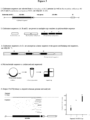
- Figure 1 illustrates non-limiting examples of Y-shaped adaptors.
- the Y-shaped adaptors disclosed herein may comprise two complementary primer sequences in the annealed portion of the Y (the stem of the Y), and the two non-annealed portions (the prongs of the Y) comprise non-complementary sequences.
- Those non-complementary sequences may be primer sequences or may not be primer sequences.
- the calibration sequence may be located at the 5' end of the polynucleotide adaptor sequence.
- the calibration sequence may be located at the 3' end of the polynucleotide adaptor sequence.
- one polynucleotide includes a calibration sequence that ends at the 3' end of the polynucleotide adaptor sequence, whilst a second polynucleotide adaptor sequence includes a second calibration sequence that starts at the 5' end of the polynucleotide adaptor sequence.
- the second calibration sequence can be the reverse complement of the first calibration sequence. This results in two calibration sequences hybridizing at the same end of a double-stranded polynucleotide.
- the calibration sequence in one adaptor may be the reverse complement of a second calibration sequence in a second adaptor.
- the calibration sequence is located 3' downstream from complementary sequences between two polynucleotide adaptor sequences that anneal to form a Y-shaped adaptor. In another example, the calibration sequence is located 5' upstream to complementary sequences between the two polynucleotide adaptor sequences that anneal to form a Y-shaped adaptor.
- a polynucleotide adaptor sequence comprises one or more calibration sequences 3' downstream from one or more primer sequence.
- the calibration sequence is located 3' downstream from complementary sequences to synthetic, universal, P5 or P7 oligonucleotide sequences (see Table 1).
- the calibration sequence is located 3' downstream from sequences that bind complementary DNA oligonucleotides that initiate DNA synthesis (see Table 1).
- a polynucleotide adaptor sequence comprises one or more calibration sequences upstream from one or more primer sequence.
- the polynucleotide adaptor sequence includes a primer sequence that hybridizes to a target DNA site to initiate DNA synthesis, wherein the resulting amplified DNA fragments will comprise single polynucleotide sequences that comprise the polynucleotide adaptor sequence upstream from the target DNA sequence.
- the calibration sequence is located 3' downstream of a primer sequence that is complementary to an oligonucleotide attached to the surface of a flow cell.
- the calibration sequence is located 5' upstream of a complementary sequence to a synthetic, universal, oligonucleotide sequence (see Table 1). In another example, the calibration sequence is located 3' downstream from a sequence that binds complementary DNA oligonucleotides that initiate DNA synthesis (see Table 1).
- the adaptor sequence comprises one or more calibration sequences and one or more primer sequences that are complementary to target RNA sequences.
- Such adaptors can be used in a method of reverse transcription.
- the polynucleotide adaptor sequence used in the method of reverse transcription includes a calibration sequence and a sequence complementary to the RNA target.
- the hybridization of the polynucleotide adaptor sequence to the target RNA site will initiate synthesis of a cDNA molecule comprising the polynucleotide adaptor sequence at the 5' end of the cDNA molecule, followed by the target RNA sequence.
- reverse transcription synthesis can generate a cDNA fragment that comprises the polynucleotide adaptor sequence and the target RNA sequence.
- Nanopore sequencing can determine nucleotide identity by changes to electrical current as an RNA or DNA sequence passes though a nanopore.
- the adaptor sequence comprises one or more calibration sequences. Such adaptors can be used in a method of nanopore sequencing.
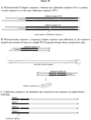
- the adaptor sequence may be ligated to a target polynucleotide sequence (illustrated in an non-limiting example in Figure 3 ).
- the adaptor sequence may have a protein attached.
- the adaptor sequence may be ligated to a second DNA molecule with an attached protein.
- the attached protein may be an enzyme motor that initiates and controls the translocation of the DNA or RNA molecule through the nanopore.
- the target polynucleotide sequence and the adaptor sequence can then be loaded by the protein into the nanopore, and subsequently pass through the nanopore, with the determination of the adaptor and polynucleotide target sequence.
- a polynucleotide adaptor sequence includes a calibration sequence wherein the calibration sequence ends at the 3' end of the polynucleotide adaptor sequence, and wherein the calibration sequence ends with a thymine nucleotide.
- a polynucleotide adaptor sequence includes a calibration sequence wherein the calibration sequence starts at the 5' start of the polynucleotide adaptor sequence, and wherein the calibration sequence starts with a thymine nucleotide.
- the adaptor sequence has a thymine nucleotide at the 3' termini.
- the adaptor comprises a 5' phosphate at the 5' end of the adaptor molecule.
- the composition can comprise two or more different adaptor sequences.
- the two or more different adaptor sequences may each comprise two or more different calibration sequences.
- the composition may comprise two or more different adaptor sequences, each comprising an identical set of calibration sequences.
- two or more adaptor sequences may be combined at different concentrations to form a mixture.
- the adaptor sequences may be combined at predetermined concentrations to form a mixture.
- two or more adaptor sequences are combined at known absolute concentrations to form a mixture.
- two or more adaptor sequences are combined at known relative concentrations to form a mixture.
- two or more adaptor sequences are combined at equimolar concentrations to form a mixture.
- the relative concentrations may be predetermined so as to provide relative amounts of each calibration sequence in the composition at any of the relative fold differences described herein in respect of the copy numbers of each calibration sequence.
- the adaptor may contain one or more calibration sequences present in concentrations that are 2, 3, 4, 5, 6, 7, 8, 9, 10, 12, 14, 16, 32, 64, 100, 128, 256, 512, 1000, 1024, 2048, 4096, 8192 or 10,000 times greater than the concentration of one or more other calibration sequences in the composition.
- the calibration sequences can be based on any particular sequence of interest present in any other publicly available genome sequence, such as any mammalian, vertebrate, animal, microbial, bacterial, viral, phage, organelle, prokaryotic or eukaryotic genome.
- publicly available genome sequences include the hepatitis B genome (NC_003977.2) and the HIV genome (NC_001802.1). It will be readily apparent that many such publicly available genome sequences exist and can be used to generate calibration sequences as described herein.
- the polynucleotide sequences disclosed herein may comprise at least one calibration sequence that is a naturally occurring polynucleotide sequence.
- the calibration sequence can be based in part or whole on a naturally occurring sequence.
- the calibration sequences may be based on one or more sequences observed in a natural genome or transcriptome sequence.
- the polynucleotide sequences disclosed herein may comprise calibration sequences that replicate genetic sequences found in nature.
- the polynucleotide sequences may comprise calibration sequences that represent genetic sequences from two or more different exons, genes, introns, chromosomes or genomes.
- the calibration sequences may be 100 % identical to a naturally occurring genomic sequence, across the entire length of the calibration sequence.
- the calibration sequences comprised within adaptors of the disclosure may have less than 100 % identity (or homology) to naturally occurring genetic sequences.
- the adaptor sequence may have more than 1 % , 10 % , 20 % , 30 % , 40 % , 50 % , 60 % , 70 % , 80 % , 90 % , 99 % , 99.99 % , 99.9999 % , or 99.999999 % identity (or homology) to sequences observed in a natural genome or transcriptome sequences.
- the adaptor sequence comprises one or more calibration sequence with more than 1 % , 10 % , 20 % , 30 % , 40 % , 50 % , 60 % , 70 % , 80 % , 90 % , 99 % , 99.99 % , 99.9999 % , or 99.999999 % identity (homology) to sequences observed in a natural genome or transcriptome sequences.
- the adaptor sequence comprises two or more calibration sequence with more than 1 % , 10 % , 20 % , 30 % , 40 % , 50 % , 60 % , 70 % , 80 % , 90 % , 99 % , 99.99 % , 99.9999 % , or 99.999999 % homology to sequences observed in a natural genome or transcriptome sequences.
- the polynucleotide sequences disclosed herein can comprise two or more calibration sequences that replicate two or more sequences observed in natural genome or transcriptome sequences that are joined into a single contiguous RNA or DNA sequence.
- the polynucleotide sequence described herein may include a first calibration sequence that replicates a genetic sequence selected from a first genome, and a second calibration sequence that replicates a genetic sequence selected from a second genome.
- the polynucleotide sequence described herein may include a first calibration sequence that replicates a genetic sequence selected from a first chromosome sequence, and a second calibration sequence that replicates a genetic sequence selected from a second chromosome sequence.
- polynucleotide sequences described herein may comprise calibration sequences that replicate sequences selected from any one or more of: eukaryotic, prokaryotic or viral genomes, vector, organelle or plasmid genome or transcriptome sequences.
- the polynucleotide sequence may comprise calibration sequences representing features of naturally occurring genomic sequences. Such features may be selected from, for example and without limitation, human microsatellites, T-cell and immunoglobulin gene sequences, and CpG methylated sequences.
- the polynucleotide sequence may comprise calibration sequences that are selected from sequences within genetic variants, wherein genetic variants include, for example, nucleotide transversions, nucleotide transitions, insertions, deletions, inversions, repeat expansions and/or structural variants.
- the polynucleotide sequence may comprise a calibration sequence that is selected from genetic sequences with copy-number variation, amplifications, deletions, microdeletions, or chromosomal aneuploidy.
- the polynucleotide sequences disclosed herein may comprise one or more calibration sequences that are selected from coding, intronic and noncoding sequences selected from a genome.
- the polynucleotide sequence comprises calibration sequences that are selected from gene sequences.
- the polynucleotide sequence comprises calibration sequences that are selected from messenger RNA sequences, fusion-gene sequences, microRNAs, long noncoding RNAs, and other species of RNA transcripts.
- the polynucleotide sequence comprises calibration sequences that are selected from common, difficult, pathogenic and/or benign genetic variant sequences.
- the polynucleotide sequence comprises calibration sequences that are selected from a publicly available reference genome assembly sequence.
- the polynucleotide sequence comprises calibration sequences that are selected from a human genome assembly sequence.
- the polynucleotide sequence comprises calibration sequences that are selected from human genetic sequences.
- the adaptor sequences may comprise calibration sequences that represent genetic sequences from exons, genes, introns, chromosomes or genomes.
- the adaptor sequences may comprise calibration sequences that represent genetic sequences from two or more different exons, genes, introns, chromosomes or genomes.
- the polynucleotide sequence (e.g., adaptor) comprises a calibration sequence that is selected from a publicly available reference genome assembly sequence.
- the polynucleotide sequence (e.g., adaptor) comprises a calibration sequence that is selected from a human genome assembly sequence.
- the polynucleotide sequence (e.g., adaptor) comprises a calibration sequence that is selected from human genetic sequences.
- the polynucleotide sequence (e.g., adaptor) comprises at least one calibration sequence that represents a naturally occurring first polynucleotide sequence and at least one other calibration sequence that represents a variant sequence of the first calibration sequence.
- the polynucleotide sequences disclosed herein may comprise calibration sequences that replicate genetic sequences containing genetic variants.
- the polynucleotide sequence includes a first calibration sequence selected from a genome sequence, and a second calibration sequence that represents a variant sequence to the first sequence.
- the polynucleotide sequence includes two or more calibration sequences, wherein the first calibration sequence is selected from a human genome reference assembly sequence, and a second calibration sequence represents a variant of the first calibration sequence.
- the polynucleotide sequence comprises first and second calibration sequences that represent different allele sequences selected from a diploid pair of human chromosomes, respectively.
- one calibration sequence may represent a maternal-derived sequence and another calibration sequence may represent a paternal-derived sequence.
- the polynucleotide sequence may include a first calibration sequence selected from a genome sequence, and a second calibration sequence that represents a variant sequence to the first sequence, wherein the second calibration sequence is repeated at greater, lesser or the same copy-number as the first calibration sequence.
- the polynucleotide sequence may include two or more calibration sequences that represent two or more allele sequences that are repeated at a copy-number that replicates the ratio of copy-numbers observed for a heterozygous genotype, homozygous genotype, copy-number amplifications, deletion, insertion, and/or loss-of-heterozygosity.
- the polynucleotide sequence comprises a first calibration sequence that represents a maternal inherited chromosome sequence, and a second calibration sequence that represents a paternal inherited chromosome sequence.
- the polynucleotide sequence may include a first calibration sequence that represents a first allele sequence, and a second calibration sequence that represents a second allele sequence. It will be appreciated that additional calibration sequences can be included, representing additional allele sequences.
- the polynucleotide sequences disclosed herein may include a first calibration sequence that represents a first allele sequence, and a second calibration sequence that represents a second allele sequence, wherein both calibration sequences are repeated at different copy-numbers and wherein the ratio of copy-numbers replicates somatic allele frequencies observed in the sequencing of a biological sample.
- Any biological sample may be replicated in terms of the allele frequencies present therein, by using calibration sequences whose copy numbers are tailored accordingly.
- a suitable biological sample is a tumour biopsy.
- the polynucleotide sequences may include two or more calibration sequences that are repeated at copy-numbers, wherein the ratio of copy numbers replicates 50%, 25%, 12.5%, 6.25%, 10%, 1% or 0.1% allele frequency.
- the polynucleotide sequences may include two or more calibration sequences that are repeated at copy-numbers, wherein the ratio of copy numbers replicates copy-number variation, amplifications, deletions, microdeletions, trisomy, and/or chromosomal aneuploidy.
- the polynucleotide sequence includes two or more calibration sequences that are repeated at copy-numbers, wherein the ratio of copy numbers replicates foetal and/or maternal and/or paternal genotypes observed in non-invasive prenatal sequencing.
- the polynucleotide sequences disclosed herein may comprise one or calibration sequences that are selected from genetic sequences identified during the clinical diagnosis of human disease.
- the polynucleotide sequence may comprise one or more calibration sequences that are selected from human genome sequences that are causally associated with human disease.
- the polynucleotide sequences disclosed herein may comprise calibration sequences that are selected from genetic sequences identified during the diagnosis of cancer, inherited disease, pathogen detection and/or drug resistance.
- the polynucleotide sequence comprises calibration sequences that are selected from human sequences used for clinical diagnosis.
- the sequencing of a tumor sample may detect the presence of genetic mutations which can be used to diagnose cancer. This may inform patient prognosis and treatment.
- the complexity of a tumor sample, the presence of somatic mutations at often low allele frequency, and additional technical variables during library preparation and sequencing may affect the accurate diagnosis of mutations.
- the polynucleotides disclosed herein can be used to calibrate a method of detecting one or more genetic sequences which is indicative of the presence of cancer, or predisposition to developing cancer, or the prognosis of a subject suffering from cancer.
- Such methods may be performed on an animal subject, such as a mammalian subject, and more particularly, a human subject.
- the polynucleotide sequences disclosed herein can replicate mutational burden typically present within tumour samples. Accordingly, the calibration sequences may be provided in copy numbers which replicate mutational burden typically present within a tumour sample. Accordingly, the calibration sequences may be provided in copy numbers which replicate mutational burden typically present within a tumour sample.
- the polynucleotide sequences disclosed herein may comprise one or more calibration sequences that have been selected from the following gene sequences, in any combination or permutation (which are publicly available on databases such as the NIH's genetic sequence database GenBank ® ): ABL1, ABO, ACADM, ACTA2, ACTC1, AFF2, AKT1, AKT2, AKT3, ALK, APC, APOA1, APOB, APOE, AR, ARAF, AREG, ARID1A, ATM, ATN1, ATP7B, ATR, ATXN1, ATXN3, ATXN7, AURKA, AXIN2, BAP1, BCL2, BCR, BCR-ABL1, BCR-JAK2, BLM, BMPR1A, BMPR2, BRAF, BRCA1, BRCA2, BRD4, BTD, BTK, C9orf72, CACNA1A, CACNA1S, CAS9, CASR, CBL, CCND1, CCND2, CCND3, CC
- the polynucleotide sequences disclosed herein may comprise calibration sequences that are selected from ctDNA sequences.
- the polynucleotide sequences may comprise calibration sequences that are selected from genetic sequences that are associated with cancer, such as somatic, driver, clinically actionable or benign mutations or DNA modifications, which are present within ctDNA.
- the polynucleotide sequences disclosed herein are used to identify and analyze ctDNA fragments.
- the polynucleotide sequences can be fragmented using enzymatic shearing to replicate the length of ctDNA.
- the polynucleotide sequences described herein are fragmented using mechanical or enzymatic shearing to generate fragments that match the length of ctDNA fragments. Such fragments may be, for example, from about 10 to about 400 nucleotides in length.
- such fragments may be from about 15 to about 350 nucleotides in length, or from about 50 to about 300 nucleotides in length, or from about 100 to about 200 nucleotides in length, or from about 130 to about 170 nucleotides in length, or from about 140 to about 160 nucleotides in length, or about 150 nucleotides in length.
- the calibration sequences can be repeated at a copy-number in the polynucleotide sequence that reflects the frequency of somatic mutations present within ctDNA.
- the calibration sequences can be repeated at a copy-number in the polynucleotide sequence that reflects the frequency of somatic mutations present within ctDNA.
- the copy-number or ratio between calibration sequences in the adaptor sequences disclosed herein can emulate tumour mutational burden as reflected in ctDNA.
- the polynucleotide sequences disclosed herein may comprise calibration sequences that contain modified nucleotides.
- the polynucleotide sequences may comprise calibration sequences that include one or more methylated DNA sequences.
- the polynucleotide sequences disclosed herein may comprise calibration sequences that contain modified nucleotides at different and known abundance.
- the polynucleotide sequence comprises calibration sequences which are present at different copy-numbers that reflects the frequency of somatic mutations present within ctDNA, such that these polynucleotide sequences can advantageously be used in calibrating methods of detecting somatic mutations in a ctDNA sample.
- NGS may be used to detect such changes in large chromosomal regions or numbers, however, alignment errors, insufficient sequencing depth and low complexity and repetitive sequences may confound the analysis.
- the polynucleotide sequences disclosed herein may comprise a first calibration sequence that represents a first allele sequence, and a second calibration sequence that represents a second allele sequence.
- the copy-number ratio between two calibration sequences representing different alleles can be determined so as to match the copy number ratio of chromosomal regions in a human karyotype.
- the polynucleotide sequences disclosed herein may comprise one or more calibration sequences that are selected paternal and maternal allele sequences from one or more regions of a human chromosome.
- the ratio of calibration sequences in the polynucleotide sequence can be predetermined to match the ratio of chromosomes in a normal or abnormal human karyotype.
- the polynucleotide sequence may comprise calibration sequences that are repeated at 3 copies, relative to at least one other calibration sequence that is repeated at 2 copies.
- the polynucleotide sequences may comprise calibration sequences that are selected from any one or more of human chromosome 1, 2, 3, 4, 5, 6, 7, 8, 9, 10, 11, 12, 13, 14, 15, 16, 17, 18, 19, 20, 21, 22, X, Y, or mitochondrial chromosome (chrM) sequences.
- the polynucleotide sequence comprises calibration sequences repeated at different copy-numbers, as described herein, to establish a quantitative reference ladder to measure and assess the quantity of copy-number variation in a DNA sample.
- the polynucleotide sequence comprises calibration sequences that are repeated at the same copy-number as sequences in the human genome.
- the polynucleotide sequences disclosed herein may comprise calibration sequences that are selected from circulating maternal or fetal DNA sequences.
- the polynucleotide sequence may comprise one or more calibration sequences that are selected from paternal, maternal or fetal chromosome genetic sequences.
- the polynucleotide sequence comprises a first calibration sequence that is selected from maternal chromosome genetic sequences, and a second calibration sequence that is selected from fetal chromosome genetic sequences.
- the one or calibration sequences may be repeated at copy-numbers that replicate the ratio of maternal and fetal circulating DNA sequences.
- the polynucleotide sequences disclosed herein are used to measure fetal circulating DNA in the maternal blood.
- the polynucleotide sequences disclosed herein may comprise one or more calibration sequences, wherein the ratio of copy-numbers between two or more calibration sequence matches the ratio of heterozygous, homozygous, fetal and maternal genetic variation, fetal chromosomal aneuploidy, copy number variation, deletions and/or amplifications.
- the polynucleotide sequence comprises calibration sequences that are selected from genetic sequences identified with non-invasive prenatal testing (NIPT).
- NIPT non-invasive prenatal testing
- the polynucleotide sequence may comprise calibration sequences that are selected from genetic sequences with chromosomal aneuploidy, large copy-number variants, micro-amplifications, micro-deletions and/or micro-duplications.
- the polynucleotide sequence is fragmented to generate DNA fragments that match the length of circulating fetal DNA and circulating maternal DNA fragments.
- Such fragments may be, for example, from about 10 to about 400 nucleotides in length.
- such fragments may be from about 15 to about 350 nucleotides in length, or from about 50 to about 250 nucleotides in length, or from about 100 to about 200 nucleotides in length, or from about 130 to about 170 nucleotides in length, or from about 140 to about 160 nucleotides in length, or may be about 150 nucleotides in length.
- RNA sequencing has become a common tool in biological research and is increasingly applied in clinical diagnosis.
- the sheer size and complexity of gene expression, a pervasive expression dependent bias, and additional technical variables during library preparation, sequencing and analysis affects analysis of the transcriptome.
- the polynucleotide sequences disclosed herein may comprise, for example, one or more calibration sequences that are selected from the following gene list: ABL1, ABO, ACADM, ACTA2, ACTC1, AFF2, AKT1, AKT2, AKT3, ALK, APC, APOA1, APOB, APOE, AR, ARAF, AREG, ARID1A, ATM, ATN1, ATP7B, ATR, ATXN1, ATXN3, ATXN7, AURKA, AXIN2, BAP1, BCL2, BCR, BCR-ABL1, BCR-JAK2, BLM, BMPR1A, BMPR2, BRAF, BRCA1, BRCA2, BRD4, BTD, BTK, C9orf72, CACNA1A, CACNA1S, CAS9, CASR, CBL, CCND1, CCND2, CCND3, CCNE1, CD19, CD274, CDH1, CDK4, CDK6, CDKN1A, CDKN1B, CD
- Metagenomics provides a global profile of the microbe genomes present within an environmental sample. However, a lack of microbe reference genome sequences, the presence of complex, variable and repetitive genetic sequences and technical variation due to library preparation and sequencing can confound analysis.
- the polynucleotide sequences disclosed herein may contain one or more calibration sequences that are selected microbial genome sequences.
- the polynucleotide sequences may comprise calibration sequences that are selected from bacterial, archaeal, viral, plasmid and/or baceriophage RNA or DNA sequences.
- the polynucleotide sequence comprises two or more calibration sequences that are repeated at copy numbers that match the abundance of two or more microbes.
- the polynucleotide sequences may comprise one or more calibration sequences that are selected from horizontally-acquired genes, plasmids, transposons, or integrons, viral or bacteriophage sequences.
- the polynucleotide sequences disclosed herein may comprise one or more calibration sequences that are selected from viral genome sequences, including RNA or DNA viral genome sequences, retro-transcribing viruses, double-stranded and single-stranded RNA and/or DNA viruses.
- the polynucleotide sequence comprises one or more calibration sequences that are selected from sequences of viral integration into the human genome.
- the polynucleotide sequence may comprise calibration sequences that are selected from variant sequences to a viral genome sequence.
- the polynucleotide sequence may comprise one or more calibration sequences that are selected from genetic variants sequences that confer drug resistance (such as antibiotic resistance).
- the polynucleotide sequence comprises one or more calibration sequences that are selected HIV genome sequences that confer resistance to non-nucleoside reverse-transcriptase inhibitors, nucleoside reverse-transcriptase inhibitors and protease inhibitors.
- the polynucleotide sequence comprises calibration sequences that are selected from a viral vector sequence used in gene therapy applications.
- the polynucleotide sequences disclosed herein may comprise one or more calibration sequences that are selected, for example, from the following list of genome sequences: Astrovirus, Candida Albicans, Candida glabrata, Cryptococcus neoformans, Cryptococcus neoformans (SOD1), Dengue virus, Ebola virus, Epstei Barr Virus, Helicobacter pylori, Hepatitis A virus, Hepatitis B virus, Hepatitis C virus, Hepatitis D virus, Hepatitis E virus, Hepatitis E virus, Hepatitus C, Human alphaherpesvirus, Human coronavirus, Human enterovirus A, Human enterovirus B, Human enterovirus D, Human herpesvirus, Human immunodeficiency virus, Human metapneumovirus, Human papillomavirus, Human parainfluenza virus 1, Human parainfluenza virus 3, Human parvovirus, Human rhinovirus, Infleunza, Influenza A, Influenza B.,
- the polynucleotide sequences disclosed herein may include one or more modified nucleotides.
- the polynucleotide sequence comprises one or more calibration sequences that include modified nucleotides, and one or more calibration sequences that do not include modified nucleotides.
- the polynucleotide sequence includes modified nucleotides that are present at known sites in the polynucleotide sequence.
- the polynucleotide sequence can be used to calibrate the detection of modified nucleotides using sequencing, hybridization, antibody or fluorescence technology.
- the polynucleotide sequences disclosed herein may include one or more modified nucleotides that include one or more of 5-mehtly-uridine, 2'O-merthly-RNA, 2'-flurouracil, 2'-fluorocytosine, 5-propynyl-2'deoxycytidine, 5-propynyl-2'deoxyuridine, 5-methylcytosine, 5-hydroxymethylcytosine ionisin, 7-deazaguanine, 2,6-diaminopurine, 5'nitroindole, 3-nitropyrrol and 2'-O -methylated ribose.
- modified nucleotides that include one or more of 5-mehtly-uridine, 2'O-merthly-RNA, 2'-flurouracil, 2'-fluorocytosine, 5-propynyl-2'deoxycytidine, 5-propynyl-2'deoxyuridine, 5-methylcytosine, 5-hydroxymethylcytosine ionis
- polynucleotide sequences disclosed herein may include modified nucleotides including any one or more of 2-Amino-ATP, 2-Amino-6-Cl-RTP, 8-Aza-ATP, 6-Cl-RTP, 2'-Fluoro-dATP, 2'-Fluoro-dCTP, 2'-Fluoro-dGTP, 2'-Fluoro-dUTP, 5-Iodo-CTP, 5-Iodo-UTP, N6-Methyl-ATP, 5-Methyl-CTP, 2'-O-Methyl-ATP, 2'-O-Methyl-CTP, 2'-O-Methyl-GTP, 2'-O-Methyl-UTP, Pseudo-UTP, ITP, 2'-O-Methyl-ITP, Puromycin-TP, Xanthosine-TP, 5-Methyl-UTP, 4-Thio
- the polynucleotide sequence is proceeded in the 5' direction by a promoter sequence and/or followed by a poly-A tail and/or a restriction site to enable in vitro transcription of the polynucleotide sequence or calibration sequences.
- the calibration sequence is proceeded in the 5' direction by a promoter sequence and/or followed by a poly-A tail and/or a restriction site to enable in vitro transcription of the polynucleotide sequence or calibration sequences.
- both forward and reverse strands of the polynucleotide sequence are in vitro transcribed to form two RNA fragments.
- the polynucleotide sequence is synthesized into a RNA or DNA molecule. In one embodiment, the polynucleotide sequence is hosted within a vector. In one aspect, the polynucleotide or calibration sequence, described herein, is excised from a vector. In one embodiment, the polynucleotide or calibration sequence, described herein, is excised from the vector by restriction digestion. In one embodiment, the polynucleotide or calibration sequence, described herein, is amplified from the vector by polymerase chain reaction. In one embodiment, the polynucleotide or calibration sequence, described herein, is amplified from the vector by polymerase chain reaction. In one embodiment, the polynucleotide or calibration sequence, described herein, is amplified from the vector by polymerase chain reaction. In one embodiment, the polynucleotide sequence is transcribed from the vector by undergoing in vitro transcription. In one embodiment, two or more polynucleotide sequence are combined together to formulate a mixture
- the adaptor sequence of the disclosure may be ligated to other polynucleotides.
- the adaptor sequences disclosed herein can be ligated to polynucleotides in a test sample by any means known in the art.
- the ligation may be effected using a ligase or transposase enzyme.
- a suitable ligase enzyme is T4 DNA ligase.
- the polynucleotide adaptor sequence can be ligated to the 3' and/or 5' termini of a target polynucleotide sequence to form a single continuous polynucleotide sequence.
- the methods disclosed herein may comprise ligating the adaptor sequence to a target polynucleotide.
- one or more polynucleotide adaptor sequence can be ligated to a naturally occurring RNA or DNA fragment.
- one or more polynucleotide adaptor sequences can be attached to a target polynucleotide during DNA synthesis, polymerase-chain reaction amplification or reverse transcription to generate a single continuous polynucleotide sequence.
- the initiation of DNA synthesis from the 3' end of the polynucleotide adaptor sequence can generate a single continuous polynucleotide sequence that comprises the polynucleotide adaptor sequence followed by the target DNA sequence.
- the polynucleotide adaptor sequences are ligated to natural DNA fragments during the preparation of a library for the sequencing process.
- the 3' end of the polynucleotide adaptor sequence is ligated to the 5' start of a target DNA fragment sequence. In another example, the 3' end of the target DNA fragment is ligated to the 5' start of the polynucleotide adaptor sequence.
- the polynucleotide sequences disclosed herein can be added directly to a RNA or DNA sample of interest at a predetermined fractional concentration.
- the polynucleotide sequence and a RNA or DNA sample of interest can undergo library preparation and sequencing together.
- the polynucleotides disclosed herein are added to a human genome DNA sample and then undergo library preparation and sequencing together.
- the polynucleotides disclosed herein are added to a DNA extracted from a cell-line, and then undergo library preparation and sequencing together.
- the polynucleotide sequence can be added to the RNA sample and they together undergo reverse transcription, library preparation and sequencing.
- the polynucleotide sequences disclosed herein can be subjected to any sequencing methods separately to methods applied to a sample containing a polynucleotide sequence of interest. Performance of the methods under identical conditions to those applied to the sample containing a polynucleotide sequence of interest, but in the absence of the sample of interest, reduces the likelihood of the calibration sequences interfering with the results of the sequencing process performed on the sample.
- the present disclosure also provides methods of using polynucleotide adaptor sequences disclosed herein to calibrate a polynucleotide sequencing and/or quantitation method.
- the calibration sequences can be used to identify technical errors, including any one or more of: quantitative accuracy, quantitative sensitivity, sequencing error, PCR amplification bias, the use of targeted-enrichment steps, ligation bias during library preparation, library complexity and sample input, bioinformatics artefacts, and sequencing errors.
- the present disclosure also provides methods wherein the quantity of calibration sequences within the normalization of sequence quantity between two or more libraries is determined from the quantity of calibration sequences within the two or more libraries.
- the present disclosure provides methods wherein scaling factors that are determined from the calibration sequences can be used to normalize the determination of target RNA or DNA sequence quantity.
- the present disclosure provides a method wherein the polynucleotide adaptor sequences are sequenced using next-generation sequencing methods.
- the present disclosure provides methods wherein the quantity of calibration sequences within the sequenced reads within the library data file can be determined by the quantity of the calibration sequence within the composition of polynucleotide adaptor sequences.
- the quantity of calibration sequences within the output data file from a high-throughput next-generation sequencing process is determined by the quantity of the calibration sequence within the composition of polynucleotide adaptor sequences.
- the present disclosure also provides a method wherein the quantity of the calibration sequence in the composition of polynucleotide sequences determines the quantity of sequenced reads in the output library data file that include the calibration sequence.
- the present disclosure provides a method wherein a composition of polynucleotide adaptor sequences is used as primer oligonucleotides to initiate DNA synthesis.
- the present disclosure provides a method wherein a composition of polynucleotide adaptor sequences is used as primer oligonucleotides during a polymerase chain reaction.
- the present disclosure provides a method wherein a mixture is provided comprising one polynucleotide adaptor sequence that is present at a different quantity to a second polynucleotide adaptor sequence within the mixture, and wherein the mixture of polynucleotide adaptor sequences is used during the synthesis of two or more target DNA sequences, and wherein the synthesis of the two or more DNA targets is calibrated by comparisons to the reference quantity of the respective calibration sequences.
- the quantity of polynucleotide adaptor sequence, comprising calibration sequences, that is ligated to a natural DNA target fragment is determined by the known quantity of the polynucleotide adaptor in the mixture. In one embodiment, the quantity of amplified DNA fragments that contain the polynucleotide sequence will determined by the known quantity of the polynucleotide adaptor in the mixture. In one embodiment, the quantity of sequence matching the polynucleotide sequence in the output library data file is determined by the quantity of polynucleotides in the mixture.
- the present disclosure provides a method wherein the polynucleotide adaptor sequences, as described herein, are used with methods of targeted enrichment using hybridization to complementary oligonucleotide probes.
- the present disclosure provides a method of using polynucleotide adaptor sequences that contain calibration sequences to calibrate polynucleotide sequencing processes, wherein sequencing processes include are single-end sequencing, paired-end sequencing, nanopore sequencing, sequencing-by-synthesis, short-read, long-read sequencing technologies.
- the present disclosure provides a method wherein the polynucleotide adaptor sequences described herein are used with sequencing methods, where such methods include whole genome sequencing, shotgun sequencing methods, metagenomic sequencing methods, single-cell sequencing methods, nanopore sequencing methods, and long-read sequencing methods.
- the present disclosure provides a method wherein the polynucleotide adaptor sequences are with sequencing applications, wherein sequencing applications include as whole genome sequencing, targeted sequencing applications, RNA sequencing, or metagenomic sequencing.
- sequencing applications include as whole genome sequencing, targeted sequencing applications, RNA sequencing, or metagenomic sequencing.
- the present disclosure provides a method wherein the polynucleotide adaptor sequences are with polymerase chain reaction amplification, DNA synthesis, DNA sequencing, RNA sequencing, reverse transcription and cDNA sequencing.
- the present disclosure provides a method wherein polynucleotide sequences used in sequencing methods based on the polymerase chain reaction, wherein sequencing processes include multi-plex PCR amplification, real-time PCR amplification, reverse transcription, amplicon gene panels, immune-repertoire profiling.
- the present disclosure provides a method wherein the polynucleotide adaptor sequences are used during the preparation of libraries that are then subject to next-generation sequencing process and then generate an output library of sequenced reads (e.g. a .FASTQ file).
- the present disclosure provides a method wherein the calibration sequences can be identified in the read sequences.
- the present disclosure provides a method wherein the calibration sequences can be identified and analysed during the removal of adaptor sequences in a library of sequenced reads.
- the present disclosure provides a method wherein the quantity and sequence of calibration sequences in the output library file are compared to the reference quantity and reference sequence of the calibration sequences, wherein differences between the determined and reference sequence or quantity of calibration sequence indicates errors in the determination of the sequence and quantity in the sequencing process.
- the inclusion of the two calibration sequences allows the omission of technical differences that may otherwise result during the preparation of separate polynucleotide sequences.
- the adaptor sequences disclosed herein can be added directly to a polynucleotide sample of interest at a predetermined fractional concentration.
- the adaptor sequence and an RNA or DNA sample of interest can undergo library preparation and sequencing together.
- the adaptor sequence can be added to the RNA sample and they together can undergo reverse transcription, library preparation and sequencing.
- the polynucleotide sequences disclosed herein can be used to calibrate a sequencing process.
- the polynucleotide sequences disclosed herein can be used to calibrate a next-generation sequencing process.
- the polynucleotide sequences can be used to measure any one or more of true-positive, true-negative, false-positive, and false-negative rate in any method of detecting genetic variants.
- the polynucleotide sequences disclosed herein can be used with library preparation and sequencing methods.
- the polynucleotide sequences can be used with PCR-based, transposon-based, PCR-free, PCR amplification, and target enriched library preparation methods.
- the polynucleotide sequences disclosed herein can also be used with nanopore sequencing, sequencing-by-synthesis, or short-read or long-read sequencing technologies.
- the polynucleotide sequences disclosed herein are used with methods of targeted enrichment of DNA sequences.
- the polynucleotide sequences disclosed herein can be amplified with polymerase chain reaction.
- the polynucleotide sequences described herein can be used with fluorescent oligonucleotide probes.
- the methods disclosed herein can comprise the addition of one or more fluorescent probes.
- the polynucleotide sequences disclosed herein are used with fluorescent in situ hybridization.
- the polynucleotide sequences disclosed herein are used with fluorescence microscopy.
- the polynucleotide sequences disclosed herein may be used with fluorescence detection of target DNAs using oligonucleotide probes.
- the polynucleotide sequences disclosed herein can be used with targeted sequencing applications.
- the polynucleotide sequences disclosed herein can be used with PCR amplification.
- the polynucleotide sequences disclosed herein can also be used with targeted gene panels.
- oligonucleotide probes hybridize, capture and enrich the polynucleotide sequences disclosed herein, during library preparation for next-generation sequencing.
- the extent of enrichment of the calibration sequences can be used to calibrate a method of enriching a target sequence of interest in a sample.
- Primers may be designed to target the polynucleotide or calibration sequences disclosed herein, during DNA synthesis and amplification.
- the polynucleotide sequence can comprises calibration sequences that are targeted for enrichment.
- the polynucleotide sequence comprises one or more calibration sequences that are targeted for enrichment, and one or more calibration sequences that are not targeted for enrichment.
- the polynucleotide sequence can be used to calibrate the enrichment of the first calibration sequence by comparison to the enrichment of the second calibration sequence.
- the polynucleotide sequence can be used to calibrate the sequencing of the first calibration sequences by comparison to the sequencing of the second calibration sequence.
- the enrichment of one or more calibration sequences can be measured and calibrated by comparing abundance relative to the expected copy number of the calibration sequence within the polynucleotide sequence.
- the polynucleotide sequences can be added to the circulating DNA extracted from a blood sample prior to library preparation and sequencing.
- polynucleotide sequences disclosed herein can be added to DNA extracted from a tumor biopsy prior to library preparation and sequencing.
- the polynucleotide sequences disclosed herein can act as internal quantitative and qualitative controls throughout the sequencing workflow. Thus the methods disclosed herein enable the assessment, optimization and calibration of sequencing methods.
- the polynucleotide sequences disclosed herein can also provide an empirical measurement of the diagnostic power in a next-generation sequencing test. For example, the polynucleotide sequences described herein can be used to measure true-positive, true-negative, false-positive, and/or false-negative rates for identifying mutations in genomic DNA.
- the polynucleotide sequences disclosed herein can also allow the normalization of multiple DNA or RNA samples. In one ladder, the polynucleotide sequences disclosed herein can allow the normalization of multiple DNA or RNA samples from different sites or times.
- the present disclosure provides a method of calibrating a sequencing process using the polynucleotide sequences disclosed herein.
- the polynucleotide sequence can undergo concurrent library preparation and sequencing along with the sample. In such methods, the polynucleotide sequence can accrue technical variation along with the accompanying sample downstream from the point of addition.
- the polynucleotide sequences disclosed herein can be used to measure the generation of technical errors during library preparation, sequencing and bioinformatic analysis.
- the polynucleotide sequences disclosed herein can be used to measure technical variation resulting from PCR amplification bias, targeted-enrichment steps, ligation bias during library preparation, library complexity, sample input, bioinformatics errors, and/or sequencing errors.
- the magnitude of technical variation that may accumulate throughout the NGS workflow can be proportional to the deviation between the expected copy number and observed abundance for calibration sequences within the polynucleotide sequence.
- the present disclosure also provides methods of using the polynucleotide sequences disclosed herein to calibrate the sequencing of RNA or DNA sequences in another, separate, sample.
- the polynucleotide sequences disclosed herein can be used to determine or estimate the uncertainty associated with the measurement of polynucleotide sequences.
- the polynucleotide sequence can be used to calculate a scaling factor from the technical variation measured during the sequencing process. This scaling factor can then be used during the analysis of polynucleotide sequences derived from the accompanying RNA or DNA sample.
- the polynucleotide sequences can be used to measure the accuracy of measurements using PCR amplification, oligonucleotide probe hybridization, fluorescence or other quantitative measures of abundance.
- sequenced reads derived from calibration sequences within the polynucleotide sequence are counted.
- the measured read count of calibration sequences is then compared to the expected copy-number by which the calibration sequence is repeated within the polynucleotide sequence, wherein differences between the measured read count and the expected copy-number indicate errors in the library preparation and/or sequencing process, and wherein this error can be measured using statistics including, for example, the sum of residuals, correlation and slope, so that the magnitude of technical variation that accrues across the NGS workflow may be measured.
- the polynucleotide sequences can therefore be used to normalize technical differences between two or more next-generation sequencing libraries.
- kits comprising one or more polynucleotide sequences disclosed herein.
- the kit comprises one or more polynucleotides of the disclosure which are ladders.
- the kit comprises one or more polynucleotides of the disclosure which are adaptor sequences.
- the kit comprises both ladder sequences and adaptor sequences.
- the kits may also provide information describing the particular polynucleotide sequences contained therein, such as (but not limited to) its sequence, concentration, structural genomic features of interest, etc.
- kits may comprise a mixture of any one or more of the polynucleotide sequences described herein, in any combination.
- the mixture of polynucleotide sequences may be provided together, in a single buffer, which can be provided in one or more containers.
- the mixture of polynucleotide sequences can be provided in the form of multiple, separate containers, each comprising a single polynucleotide sequence, or a single concentration of a polynucleotide sequence.
- the separate containers are provided in association with each other as a kit.
- These manufactured reference standards can be combined with other different manufactured reference standards to form a mixture. These reference standards can be combined at different concentration to emulate homozygous, heterozygous and other allele frequencies, copy-numbers, chromosomal ploidy, and microbial and pathogen abundance.
- the processor 3802 may then store the initial and/or calibrated results on data store 3806, such as on RAM or a processor register. Processor 3802 may also send the initial and/or calibrated results via communication port 3808 to a server, such as sample sequence database or computer system that manages a polynucleotide sequencing experiment.
- a server such as sample sequence database or computer system that manages a polynucleotide sequencing experiment.
- data may be represented by data structures, such as ["G",”A”,”T”,”C”] strings or list of binary tuples encoding the nucleotides.
- the data structures can be physically stored on data memory 3806 or processed by processor 3802.
- Suitable computer readable media may include volatile (e.g. RAM) and/or non-volatile (e.g. ROM, disk) memory, carrier waves and transmission media.
- Exemplary carrier waves may take the form of electrical, electromagnetic or optical signals conveying digital data steams along a local network or a publically accessible network such as the internet.
- Example 1 Use of polynucleotide sequence to calibrate measurement of a cancer gene.
- This example shows the design and synthesis of a polynucleotide sequence that comprise two or more calibration sequences from the human genome.
- Three ⁇ 750nt calibration sequences were selected from different exon sequences from the ERBB2 ( HER2 ) gene ( Figure 1 ; see SEQ ID NOs:11-13).
- the calibration sequences were then repeated; with sequence A present at one copy, sequence B present at two copies, sequence C present at 3 copies, thereby emulating a deletion, normal (diploid genotype) and amplification of the cancer genes.
- the six copies (representing 3 calibration sequences) were then arranged into a linear order as follows C-B-C-A-B-C.
- the polynucleotide sequence was then synthetized and hosted within a host pMA plasmid by a commercial vendor (ThermoFisher). Within the plasmid, the polynucleotide sequence was flanked by Sap1 restriction enzyme sites. The plasmid was transformed in E. coli, expanded in culture, and purified (using Plasmid Midi-Prep, Qiagen ® ). The polynucleotide sequence was validated as correct using Sanger sequencing. The polynucleotide sequence was excised from the pMA plasmid by endonuclease digestion with a Sap1 enzyme (NEB, according to manufacturer's protocol).
- a Sap1 enzyme NEB, according to manufacturer's protocol.
- the excised polynucleotide sequence was separated and purified from the remaining plasmid using agarose gel electrophoresis.
- Purified polynucleotide sequence DNA was quantified using the BR dsDNA Qubit Assay on a Qubit 2.0 Fluorimeter (Life Technologies) and verified on the Agilent 2100 Bioanalyzer with an Agilent High Sensitivity DNA Kit (Agilent Technologies). The five individual polynucleotide sequences were then combined at equal concentrations (using Eppendorf ® Epmotion) to formulate a mixture.
- Libraries were prepared with a KAPA Library Preparation Kit (Illumina platform KR0935-v2.14), in conjunction with SeqCap Adapter Kits (Roche-NimbleGen), as per the manufacturer's protocol.
- Target-enriched sequencing using a custom gene panel (SeqCap, Roche-NimbleGen) that targets -183 cancer genes was then performed.
- Enriched libraries were quantified on an Agilent 2100 Bioanalyzer, before performing paired-end sequencing on a HiSeq 2500, as above. Sequencing (Illumina ® HiSeq 2500) was performed per manufacturer's instructions to produce output library file (.FASTQ file).
- Example 2 Use of polynucleotide sequence to calibrate a gene panel.
- This example shows the design and synthesis of a polynucleotide sequence that comprises two or more calibration sequences that were selected from exon sequences from -97 genes causally associated with cancer.
- 5 calibration sequences (A-E) that overlapped with the TP53 gene exons ( Figure 2 ; see SEQ ID NOs: 26-30) were selected.
- the calibration sequences (600nt, 640nt, 1549nt, 871nt, 1103nt) were arranged with intervening spacer sequences of ⁇ 600nt (SEQ ID NO: 42), whilst additional flanking sequences were added to the 3' and 5' termini to form a final polynucleotide sequence of ⁇ 7.6kb (see SEQ ID NO: 6).
- the polynucleotide sequence was then synthesized and prepared as described above (see Example 1). Briefly, the polynucleotide was synthesized for library preparation, target enrichment and sequencing. The output library (.FASTQ) was then aligned to the human genome reference assembly (hg38, GRCh38.p12, Dec 2013 assembly) using BWA (Li, 2013).
- the alignment coverage was calibrated across all calibration sequences to median alignment fold coverage equal to ⁇ 30-fold coverage. Differences in the alignment coverage across calibration sequences 1-5 were evaluated within the TP53 gene to measure differences in the technical performance of the NGS test.
- This example shows the design and synthesis of a polynucleotide sequence comprising calibration sequences selected from prokaryotic genomes.
- Calibration sequences of -1,500nt that from the 16S rRNA gene were selected from three microbial genomes ( Escherichia coli K-12, Haemophilus influenzae Rd KW20, Pseudomonas aeruginosa PAO1 ; Figure 3 ; see SEQ ID NOs: 31-33).
- Each calibration sequence was then repeated at one-, two-, and four-fold copy-numbers. The copies were then arranged with intervening spacer sequences and flanking terminal sequences to form the final polynucleotide sequence (see SEQ ID NO: 7).
- the polynucleotide sequence was manufactured as described above (see Example 1), with the following exceptions.
- the polynuceltide sequence DNA fragments were prepared using the Nextera XT Sample Prep Kit (Illumina ® ) according to the manufacturer's instructions. Prepared libraries were quantified on a Qubit Fluorometer (Life Technologies) and verified on an Agilent 2100 Bioanalyzer with an Agilent High Sensitivity DNA Kit (Agilent Technologies). Sequencing (Illumina ® HiSeq 2500) was performed per the manufacturer's instructions to produce an output library file (.FASTQ file) for analysis.
- Example 4 Use of a polynucleotide sequence to calibrate detection of genetic variants in the human genome.
- This example shows the design and use of polynucleotide sequences comprising calibration sequences that each represent different genetic variants at a single chromosomal region.
- a 1,100nt calibration sequence from the BRAF gene sequence ( Figure 4 ) was selected.
- the calibration sequence was repeated in two copies; one copy harbored the reference T nucleotide, whilst one copy harbored the mutation A which results in the val600-to-glu (V600E) amino acid substitution associated with malignant melanomas (see SEQ ID NO: 34-35).
- the two calibration sequence copies were joined together, along with an intervening spacer sequence, to form a single polynucleotide sequence of 7.6 kb length (see SEQ ID NO:8).
- the inventors next selected a 2,200nt calibration sequence selected from the BRCA2 gene sequence ( Figure 5 ).
- the calibration sequence was repeated in two copies; one copy harbored the reference A nucleotide, whilst one copy harbored are small single nucleotide deletion (see SEQ ID NO: 36-37).
- the two calibration sequence copies were joined together, along with an intervening spacer sequence, to form a single polynucleotide sequence of 6.2kb length (see SEQ ID NO: 9).
- VarScan2 (Koboldt et al., 2012) was used to identify the mutations in the BRAF and BCRA2 genes. The observed allele frequency of the mutations was compared to the expected ratio of the repeated copy-numbers to evaluate the accuracy of the NGS library. The frequency of BRAF V600E mutation is expected at 25% (to reflect somatic mutation) and BRCA2 expected at 50% (to reflect heterozygous mutation).
- Example 5 Use of a polynucleotide sequence to calibrate detection of genetic variants in circulating DNA.
- This example shows the design and use of polynucleotide sequences for use with circulating tumor DNA detection methods.
- the size of the fragmented polynucleotide sequences was measured using a Agilent 4300 TapStation System, showing the polynucleotide sequence was fragmented to a median size of 165nt ( Figure 6 ), which is similar to the length typically observed in circulating DNA (Lapin et al., 2018).
- the polynucleotide sequence was synthetized and prepared as described above (see Example 4). Briefly, the polynucleotide was synthesized for library preparation, target enrichment and sequencing. The output library (.FASTQ) was then aligned to the human genome reference assembly (hg38, GRCh38.p12, Dec 2013 assembly) using BWA (Li, 2013) and mutations identified using VarScan2 (Koboldt et al., 2012).
- RNA polynucleotide sequences to measure gene expression.
- Calibration sequences were selected that were 200nt in lengthencompassing exons from 3 different genes (BCR, ABL and ALK) whose expression is associated with cancer (see SEQ ID NOs: 38-40).
- the calibration sequences were represented at 1, 2 and 3 copies, and assembled, along with spacer and flanking sequences, into a single polynucleotide sequence (see SEQ ID NO: 10).
- the polynucleotide sequence was then synthesized and hosted within a host pMA plasmid as described in Example 1 above. Within the plasmid, the polynucleotide sequence was proceeded 5' by a SP6 promoter (to enable in vitro transcription of the polynucleotide sequence) and followed 3' by a 60nt poly-adenine tract followed by a Not1 restriction enzyme site. The plasmid was linearized by Not1 digestion, and then transcribed into RNA (using the MEGAscript SP6 Transcription Kit, Thermo Fisher Scientific ® ) as per manufacturer's instructions. The resulting RNA transcripts, comprising the polynucleotide sequence, were then combined at equal concentrations (using Eppendorf ® Epmotion) to formulate a mixture.
- SP6 promoter to enable in vitro transcription of the polynucleotide sequence
- the plasmid was linearized by Not1 digestion, and then transcribed into RNA (using the MEGAscript SP6
- the output library (.FASTQ) was then aligned to the human genome reference assembly (hg38) using BWA (Li, 2013).
- the library was then analyzed using Kallisto (Bray et. al., 2016) to assign a transcript per million (TPM) values for each calibration sequence within the polynucleotide sequence.
- TPM transcript per million
- the measured TPM values were then plotted relative to the expected copy number of the calibration sequence within the polynucleotide sequence. Analysis of the polynucleotide sequence indicated the quantitative accuracy for measuring gene expression during the RNA sequencing experiment.
- This adaptor sequence mixture was then used during preparation of libraries from a test sample using the Illumina TruSeq Library Preparation Kit (according to manufacturer's instructions, with exception for the synthesized custom adaptors).
- the test sample comprised a synthetic mock microbial community (Mock Community A). This comprised a mixture of synthetic DNA sequences (known as sequins) that mirrored the genome sequences of a range of microbial genomes (Hardwick et. al., 2019).
- the prepared library was validated using the Agilent 2100 Bioanalyzer then sequenced (Illumina ® NextSeq) per manufacturer's instructions.
- An example first pair read includes (the calibration sequence CACGGTGTTCTT (SEQ ID NO:48) is underlined):
- the calibration sequences were identified and counted within the library: Y1 (10%) 135,312 reads, Y2 (20%) 302,356 reads, Y3 (30%) 581,931 reads and Y4 (40%) 1,324,455 reads.
- the observed fraction of calibration sequences were then plotted relative to the expected fraction of calibration sequences (see Figure 11 ). This plot indicates the quantitative accuracy, linearity and sensitivity of the NGS library, and enables an estimate of slope (3.847e+006 ⁇ 943048) and correlation (R2-0.8927). Differences, or residuals, between the observed and expected fractional abundance of calibration sequence in the library indicate technical variation during sequencing.
- This example shows the design of a polynucleotide adaptor sequence for use with long-read sequencing with the Oxford Nanopore MinION TM instrument (see Figure 10 ).
- Four calibration sequences that were 24 nucleotides in length were selected. These sequences were randomly generated, and curated to ensure they did not share substantial homology with natural sequences or complementarity to other adaptor or primer sequences.
- An example of a calibration sequence being assembled into adaptor sequences is as follows (calibration sequence is underlined):
- This adaptor sequence mixture was then used during preparation of libraries from a test sample using the Oxford Nanopore LSK108 kit (1D ligation) according to manufacturer's instructions (with the exception of the synthesized custom adaptors).
- the test sample comprised a synthetic mock microbial community (Mock Community A). This comprised a mixture of synthetic DNA sequences (known as sequins) that mirrored the genome sequences of a range of microbial genomes (Hardwick et. al., 2019).
- the library was sequenced on a MinION TM instrument (Oxford Nanopore Technologies). Base-calling was achieved using ONT Albacore Sequencing Pipeline Software (version 1.2.6).
- the expected fraction of calibration sequences in the library was plotted relative to the observed calibration sequences identified in the library (see Figure 12 ). This plot indicates the quantitative accuracy, linearity and sensitivity of the NGS library, and enables an estimate of slope and correlation. Differences between the observed number of reads, and the expected fractional abundance of the calibration sequence indicate technical variation during sequencing.
- Example 9 Using adaptor sequences that comprise calibration sequences comprising natural genetic sequences.
- This example shows the design of a polynucleotide adaptor sequence that contains calibration sequences representing a natural genetic sequence of clinical importance (see, e.g., Figure 13 ).
- a calibration sequence was selected from the chr7 : 140753300 - 140753372 (+) coordinates in the human genome (GRCh38.p13). This sequence overlaps a recurrent mutation (known as V600E ) that occurs in the coding exon of the BRAF gene. The presence of this mutation informs the treatment of patients with cancer.
- the rate of errors in the calibration sequence in the reads indicates the sequencing accuracy of the library.
- 50 reads were incorrect, comprising an error rate of 0.0085%.
- Example 10 Using adaptor sequences that comprise calibration sequences that encode genetic variation.
- This example shows the design and use of a polynucleotide adaptor sequence that contains calibration sequences representing genetic variants (see, e.g., Figure 14 ).
- Two artificial 21 nucleotide sequences that are identical with the exception of a single variant nucleotide difference (the Y10 sequence encodes a G, whilst the mutant Y11 sequence encodes a C) were generated.
- the adaptor sequence is as follows (with calibration sequence underlined and variant nucleotide in bold):
- the count of reads containing either of the two reference and variant sequences in the output library was measured. 6,895 reads with the G variant were identified, whilst 8403 reads had the C variant. This corresponds to a 45% allele frequency, with the difference to the expected heterozygous genotype frequency (i.e. 50%) indicating the scale of technical variation.
- This variant also provides a ground-truth example of a genetic variant that can be used to evaluate and optimise the detection of genetic variants.
- the calibration sequence was then assembled, along with a random spacer sequence and the primer sequences, to form a polynucleotide adaptor sequence as follows: Y12F: TTGGGCTGGCCA - CTGATGCTA -TTCAGGGCATGAACTACTTGG (SEQ ID NO: s120) Y13F: TTGGGCGGGCCA - GCATTGCAG - TTCAGGGCATGAACTACTTGG (SEQ ID NO: 123) Y14F: TTGGGCAGGCCA - TCACTATCC - TTCAGGGCATGAACTACTTGG (SEQ ID NO: 126)
- PCR was then performed (Taw DNA Polymerase; New England Bioscience) using the mixture of polynucleotide adaptor sequences and a human genome DNA sample (NA12878 genome, NIST). PCR was performed according to the following cycling parameters: Initial Denaturation; 95°C; 30 seconds; 30 Cycles 95°C; 45-68°C; 68°C for 15 seconds; 20 seconds; Final Extension 68°C for 5 minutes; Hold 4-10°C. The resulting amplicons were purified, and size selected using QIAquick PCR Purification Kit according to the manufacturer's instructions.
- the amplicon DNA product was then validated using an Agilent 2100 Bioanalyzer and used as input DNA for library preparation using the Illumina TruSeq Library Preparation Kit (according to the manufacturer's instructions).
- the library was then sequenced (Illumina ® NextSeq) per manufacturer's instructions.
Landscapes
- Chemical & Material Sciences (AREA)
- Life Sciences & Earth Sciences (AREA)
- Organic Chemistry (AREA)
- Health & Medical Sciences (AREA)
- Engineering & Computer Science (AREA)
- Proteomics, Peptides & Aminoacids (AREA)
- Genetics & Genomics (AREA)
- Zoology (AREA)
- Wood Science & Technology (AREA)
- Biochemistry (AREA)
- Molecular Biology (AREA)
- Analytical Chemistry (AREA)
- Biotechnology (AREA)
- General Health & Medical Sciences (AREA)
- Bioinformatics & Cheminformatics (AREA)
- General Engineering & Computer Science (AREA)
- Biophysics (AREA)
- Microbiology (AREA)
- Physics & Mathematics (AREA)
- Immunology (AREA)
- Pathology (AREA)
- Biomedical Technology (AREA)
- Chemical Kinetics & Catalysis (AREA)
- Plant Pathology (AREA)
- Oncology (AREA)
- Hospice & Palliative Care (AREA)
- Measuring Or Testing Involving Enzymes Or Micro-Organisms (AREA)
- Apparatus Associated With Microorganisms And Enzymes (AREA)
- Ladders (AREA)
- Forklifts And Lifting Vehicles (AREA)
Applications Claiming Priority (4)
| Application Number | Priority Date | Filing Date | Title |
|---|---|---|---|
| AU2020900401A AU2020900401A0 (en) | 2020-02-13 | Reference adapters | |
| AU2020900400A AU2020900400A0 (en) | 2020-02-13 | Reference ladders | |
| EP21754464.2A EP4103749A4 (de) | 2020-02-13 | 2021-02-12 | Referenzleiter und adapter |
| PCT/AU2021/050123 WO2021159184A1 (en) | 2020-02-13 | 2021-02-12 | Reference ladders and adaptors |
Related Parent Applications (1)
| Application Number | Title | Priority Date | Filing Date |
|---|---|---|---|
| EP21754464.2A Division EP4103749A4 (de) | 2020-02-13 | 2021-02-12 | Referenzleiter und adapter |
Publications (2)
| Publication Number | Publication Date |
|---|---|
| EP4534700A2 true EP4534700A2 (de) | 2025-04-09 |
| EP4534700A3 EP4534700A3 (de) | 2025-07-09 |
Family
ID=77291306
Family Applications (2)
| Application Number | Title | Priority Date | Filing Date |
|---|---|---|---|
| EP24214327.9A Withdrawn EP4534700A3 (de) | 2020-02-13 | 2021-02-12 | Referenzleiter und adapter |
| EP21754464.2A Pending EP4103749A4 (de) | 2020-02-13 | 2021-02-12 | Referenzleiter und adapter |
Family Applications After (1)
| Application Number | Title | Priority Date | Filing Date |
|---|---|---|---|
| EP21754464.2A Pending EP4103749A4 (de) | 2020-02-13 | 2021-02-12 | Referenzleiter und adapter |
Country Status (7)
| Country | Link |
|---|---|
| US (1) | US20230392187A1 (de) |
| EP (2) | EP4534700A3 (de) |
| JP (1) | JP2023513725A (de) |
| CN (1) | CN115698328A (de) |
| AU (1) | AU2021219852A1 (de) |
| CA (1) | CA3170856A1 (de) |
| WO (1) | WO2021159184A1 (de) |
Citations (1)
| Publication number | Priority date | Publication date | Assignee | Title |
|---|---|---|---|---|
| WO2016094947A1 (en) | 2014-12-16 | 2016-06-23 | Garvan Institute Of Medical Research | Sequencing controls |
Family Cites Families (7)
| Publication number | Priority date | Publication date | Assignee | Title |
|---|---|---|---|---|
| EP2971154A4 (de) * | 2013-03-14 | 2017-03-01 | Ibis Biosciences, Inc. | Nukleinsäurekontrollpanels |
| WO2016077313A1 (en) * | 2014-11-11 | 2016-05-19 | Bgi Shenzhen | Multi-pass sequencing |
| US11286518B2 (en) * | 2016-05-06 | 2022-03-29 | Regents Of The University Of Minnesota | Analytical standards and methods of using same |
| WO2017214557A1 (en) * | 2016-06-10 | 2017-12-14 | Counsyl, Inc. | Nucleic acid sequencing adapters and uses thereof |
| KR102505122B1 (ko) * | 2016-08-25 | 2023-03-08 | 레졸루션 바이오사이언스, 인크. | Dna 샘플 중 게놈 카피 변화의 검출을 위한 방법 |
| WO2019161031A1 (en) * | 2018-02-15 | 2019-08-22 | Papgene, Inc. | Barcoded molecular standards |
| WO2020174406A1 (en) * | 2019-02-28 | 2020-09-03 | Inivata Ltd. | Method for quantifying the amount of a target sequence in a nucleic acid sample |
-
2021
- 2021-02-12 EP EP24214327.9A patent/EP4534700A3/de not_active Withdrawn
- 2021-02-12 AU AU2021219852A patent/AU2021219852A1/en active Pending
- 2021-02-12 CN CN202180024693.6A patent/CN115698328A/zh active Pending
- 2021-02-12 WO PCT/AU2021/050123 patent/WO2021159184A1/en not_active Ceased
- 2021-02-12 EP EP21754464.2A patent/EP4103749A4/de active Pending
- 2021-02-12 CA CA3170856A patent/CA3170856A1/en active Pending
- 2021-02-12 JP JP2022548803A patent/JP2023513725A/ja active Pending
-
2022
- 2022-08-10 US US17/884,943 patent/US20230392187A1/en not_active Abandoned
Patent Citations (1)
| Publication number | Priority date | Publication date | Assignee | Title |
|---|---|---|---|---|
| WO2016094947A1 (en) | 2014-12-16 | 2016-06-23 | Garvan Institute Of Medical Research | Sequencing controls |
Non-Patent Citations (19)
| Title |
|---|
| BAKER, S.C ET AL.: "The External RNA Controls Consortium: a progress report", NAT METHODS, vol. 2, 2005, pages 731 - 4, XP055179116, DOI: 10.1038/nmeth1005-731 |
| BENTLEY, D.R. ET AL.: "Accurate whole human genome sequencing using reversible terminator chemistry", NATURE, vol. 456, 2008, pages 53 - 9, XP055788243, DOI: 10.1038/nature07517 |
| BERNSTEIN, B.E. ET AL.: "Genomic maps and comparative analysis of histone modifications in human and mouse", CELL, vol. 120, 2005, pages 169 - 81 |
| BRAY, N.PIMENTEL, H.MELSTED, P ET AL.: "Near-optimal probabilistic RNA-seq quantification", NAT BIOTECHNOL, vol. 34, 2016, pages 525 - 527 |
| CLARKE J: "Continuous base identification for single-molecule nanopore DNA sequencing", NAT NANOTECHNOL, vol. 4, 2009, pages 265 - 70, XP055486302, DOI: 10.1038/nnano.2009.12 |
| CONSORTIUM, E: "Proposed methods for testing and selecting the ERCC external RNA controls", BMC GENOMICS, vol. 6, 2005, pages 150, XP021002244, DOI: 10.1186/1471-2164-6-150 |
| EDWARDS, R.A. ET AL.: "Using pyrosequencing to shed light on deep mine microbial ecology", BMC GENOMICS, vol. 7, 2006, pages 57, XP021014657, DOI: 10.1186/1471-2164-7-57 |
| EID, J ET AL.: "Real-time DNA sequencing from single polymerase molecules", SCIENCE, vol. 323, 2009, pages 133 - 8, XP055333285, DOI: 10.1126/science.1162986 |
| JIANG, L. ET AL.: "Synthetic spike-in standards for RNA-seq experiments", GENOME RES, vol. 21, 2011, pages 1543 - 51, XP055152443, DOI: 10.1101/gr.121095.111 |
| JOHNSON, D.S.MORTAZAVI, A.MYERS, R.MWOLD, B.: "Genome-wide mapping of in vivo protein-DNA interactions", SCIENCE, vol. 316, 2007, pages 1497 - 502, XP055322286, DOI: 10.1126/science.1141319 |
| KOBOLDT DCZHANG QLARSON DE ET AL.: "VarScan 2: somatic mutation and copy number alteration discovery in cancer by exome sequencing", GENOME RES, vol. 22, no. 3, 2012, pages 568 - 576, XP055364674, DOI: 10.1101/gr.129684.111 |
| LAPIN, MORTEN ET AL.: "Fragment size and level of cell-free DNA provide prognostic information in patients with advanced pancreatic cancer", JOURNAL OF TRANSLATIONAL MEDICINE, vol. 16, 6 November 2018 (2018-11-06) |
| LI H: "Aligning sequence reads, clone sequences and assembly contigs with BWA-MEM", ARXIV:1303.3997V1 [Q-BIO.GN, 2013 |
| LI, H.R. DURBIN: "Fast and accurate short read alignment with Burrows-Wheeler transform", BIOINFORMATICS, vol. 25, no. 14, 2009, pages 1754 - 1760, XP055553969, DOI: 10.1093/bioinformatics/btp324 |
| LIEBERMAN-AIDEN, E. ET AL.: "Comprehensive mapping of long-range interactions reveals folding principles of the human genome", SCIENCE, vol. 326, 2009, pages 289 - 93, XP002591649 |
| MORTAZAVI, A.WILLIAMS, B.A.MCCUE, K.SCHAEFFER, LWOLD, B.: "Mapping and quantifying mammalian transcriptomes by RNA-Seq", NAT METHODS, vol. 5, 2008, pages 621 - 8, XP008148418, DOI: 10.1038/nmeth.1226 |
| RONAGHI, M., UHLEN, M. & NYREN, P: "A sequencing method based on real-time pyrophosphate", SCIENCE, vol. 281, 1998, XP002135869, DOI: 10.1126/science.281.5375.363 |
| ROTHBERG, J.M. ET AL.: "An integrated semiconductor device enabling non-optical genome sequencing", NATURE, vol. 475, 2011, pages 348 - 52, XP055045308, DOI: 10.1038/nature10242 |
| ZOOK, J.M. ET AL.: "Integrating human sequence data sets provides a resource of benchmark SNP and indel genotype calls", NAT BIOTECHNOL, vol. 32, 2014, pages 246 - 51 |
Also Published As
| Publication number | Publication date |
|---|---|
| EP4103749A1 (de) | 2022-12-21 |
| AU2021219852A1 (en) | 2022-10-06 |
| JP2023513725A (ja) | 2023-04-03 |
| EP4534700A3 (de) | 2025-07-09 |
| WO2021159184A1 (en) | 2021-08-19 |
| CA3170856A1 (en) | 2021-08-19 |
| CN115698328A (zh) | 2023-02-03 |
| EP4103749A4 (de) | 2024-03-13 |
| US20230392187A1 (en) | 2023-12-07 |
Similar Documents
| Publication | Publication Date | Title |
|---|---|---|
| CN110997937B (zh) | 具有可变长度非随机独特分子标识符的通用短衔接子 | |
| KR102850460B1 (ko) | Dna 샘플 중 게놈 카피 변화의 검출을 위한 방법 | |
| CN104053786B (zh) | 用于多重pcr的方法和组合物 | |
| US20230065345A1 (en) | Method for bidirectional sequencing | |
| CN111534580B (zh) | 用于检测遗传变异的方法和系统 | |
| US12104202B2 (en) | Method of identifying sequence variants using concatenation | |
| CN105408496A (zh) | 检测稀有突变和拷贝数变异的系统和方法 | |
| CA2965849A1 (en) | Sequencing controls | |
| CN110023509A (zh) | 基因型分型测定中的非独特条形码 | |
| US20200075123A1 (en) | Genetic variant detection based on merged and unmerged reads | |
| US20230392187A1 (en) | Reference ladders and adaptors | |
| KR102145417B1 (ko) | 무세포 핵산으로부터 수득된 서열 분석 데이터에 대한 배경 대립인자의 빈도 분포를 생성하는 방법 및 이를 이용하여 무세포 핵산으로부터 변이를 검출하는 방법 | |
| US20250223641A1 (en) | Target enrichment and quantification utilizing isothermally linear-amplified probes | |
| Wu | High-throughput sequencing with thermostable group II intron reverse transcriptases | |
| Adey | Comprehensive, precision genomics | |
| WO2020183280A1 (en) | Method for sequencing a direct repeat | |
| HK40027193B (en) | Universal short adapters with variable length non-random unique molecular identifiers | |
| Naven | Development of a pipeline and protocols for next generation sequencing of blood and formalin-fixed, paraffin-embedded tumour DNA samples | |
| BR112019003704B1 (pt) | Método para realizar uma análise genética em uma região alvo de dna a partir de uma amostra de teste | |
| BR112018009606B1 (pt) | Método para construir uma biblioteca de dna e de previsão, diagnóstico ou monitoramento de doença genética |
Legal Events
| Date | Code | Title | Description |
|---|---|---|---|
| STAA | Information on the status of an ep patent application or granted ep patent |
Free format text: STATUS: UNKNOWN |
|
| PUAI | Public reference made under article 153(3) epc to a published international application that has entered the european phase |
Free format text: ORIGINAL CODE: 0009012 |
|
| STAA | Information on the status of an ep patent application or granted ep patent |
Free format text: STATUS: THE APPLICATION HAS BEEN PUBLISHED |
|
| AC | Divisional application: reference to earlier application |
Ref document number: 4103749 Country of ref document: EP Kind code of ref document: P |
|
| AK | Designated contracting states |
Kind code of ref document: A2 Designated state(s): AL AT BE BG CH CY CZ DE DK EE ES FI FR GB GR HR HU IE IS IT LI LT LU LV MC MK MT NL NO PL PT RO RS SE SI SK SM TR |
|
| REG | Reference to a national code |
Ref country code: DE Ref legal event code: R079 Free format text: PREVIOUS MAIN CLASS: C12Q0001689000 Ipc: C12Q0001686900 |
|
| PUAL | Search report despatched |
Free format text: ORIGINAL CODE: 0009013 |
|
| AK | Designated contracting states |
Kind code of ref document: A3 Designated state(s): AL AT BE BG CH CY CZ DE DK EE ES FI FR GB GR HR HU IE IS IT LI LT LU LV MC MK MT NL NO PL PT RO RS SE SI SK SM TR |
|
| RIC1 | Information provided on ipc code assigned before grant |
Ipc: C12Q 1/689 20180101ALI20250602BHEP Ipc: C12Q 1/6886 20180101ALI20250602BHEP Ipc: C07H 21/04 20060101ALI20250602BHEP Ipc: C07H 21/02 20060101ALI20250602BHEP Ipc: C12Q 1/6869 20180101AFI20250602BHEP |
|
| STAA | Information on the status of an ep patent application or granted ep patent |
Free format text: STATUS: THE APPLICATION IS DEEMED TO BE WITHDRAWN |
|
| 18D | Application deemed to be withdrawn |
Effective date: 20260110 |