EP4537820A1 - Composé et combinaisons comprenant ledit composé pour améliorer une réponse immunitaire - Google Patents
Composé et combinaisons comprenant ledit composé pour améliorer une réponse immunitaire Download PDFInfo
- Publication number
- EP4537820A1 EP4537820A1 EP23306787.5A EP23306787A EP4537820A1 EP 4537820 A1 EP4537820 A1 EP 4537820A1 EP 23306787 A EP23306787 A EP 23306787A EP 4537820 A1 EP4537820 A1 EP 4537820A1
- Authority
- EP
- European Patent Office
- Prior art keywords
- compound
- cancer
- cells
- combination
- disease
- Prior art date
- Legal status (The legal status is an assumption and is not a legal conclusion. Google has not performed a legal analysis and makes no representation as to the accuracy of the status listed.)
- Pending
Links
Images





Classifications
-
- A—HUMAN NECESSITIES
- A61—MEDICAL OR VETERINARY SCIENCE; HYGIENE
- A61K—PREPARATIONS FOR MEDICAL, DENTAL OR TOILETRY PURPOSES
- A61K31/00—Medicinal preparations containing organic active ingredients
- A61K31/16—Amides, e.g. hydroxamic acids
- A61K31/17—Amides, e.g. hydroxamic acids having the group >N—C(O)—N< or >N—C(S)—N<, e.g. urea, thiourea, carmustine
-
- A—HUMAN NECESSITIES
- A61—MEDICAL OR VETERINARY SCIENCE; HYGIENE
- A61K—PREPARATIONS FOR MEDICAL, DENTAL OR TOILETRY PURPOSES
- A61K45/00—Medicinal preparations containing active ingredients not provided for in groups A61K31/00 - A61K41/00
- A61K45/06—Mixtures of active ingredients without chemical characterisation, e.g. antiphlogistics and cardiaca
-
- A—HUMAN NECESSITIES
- A61—MEDICAL OR VETERINARY SCIENCE; HYGIENE
- A61P—SPECIFIC THERAPEUTIC ACTIVITY OF CHEMICAL COMPOUNDS OR MEDICINAL PREPARATIONS
- A61P29/00—Non-central analgesic, antipyretic or antiinflammatory agents, e.g. antirheumatic agents; Non-steroidal antiinflammatory drugs [NSAID]
-
- A—HUMAN NECESSITIES
- A61—MEDICAL OR VETERINARY SCIENCE; HYGIENE
- A61P—SPECIFIC THERAPEUTIC ACTIVITY OF CHEMICAL COMPOUNDS OR MEDICINAL PREPARATIONS
- A61P31/00—Antiinfectives, i.e. antibiotics, antiseptics, chemotherapeutics
-
- A—HUMAN NECESSITIES
- A61—MEDICAL OR VETERINARY SCIENCE; HYGIENE
- A61P—SPECIFIC THERAPEUTIC ACTIVITY OF CHEMICAL COMPOUNDS OR MEDICINAL PREPARATIONS
- A61P31/00—Antiinfectives, i.e. antibiotics, antiseptics, chemotherapeutics
- A61P31/12—Antivirals
-
- A—HUMAN NECESSITIES
- A61—MEDICAL OR VETERINARY SCIENCE; HYGIENE
- A61P—SPECIFIC THERAPEUTIC ACTIVITY OF CHEMICAL COMPOUNDS OR MEDICINAL PREPARATIONS
- A61P35/00—Antineoplastic agents
-
- A—HUMAN NECESSITIES
- A61—MEDICAL OR VETERINARY SCIENCE; HYGIENE
- A61P—SPECIFIC THERAPEUTIC ACTIVITY OF CHEMICAL COMPOUNDS OR MEDICINAL PREPARATIONS
- A61P35/00—Antineoplastic agents
- A61P35/04—Antineoplastic agents specific for metastasis
-
- A—HUMAN NECESSITIES
- A61—MEDICAL OR VETERINARY SCIENCE; HYGIENE
- A61P—SPECIFIC THERAPEUTIC ACTIVITY OF CHEMICAL COMPOUNDS OR MEDICINAL PREPARATIONS
- A61P37/00—Drugs for immunological or allergic disorders
- A61P37/02—Immunomodulators
- A61P37/04—Immunostimulants
Definitions
- the present invention relates to the field of medicine and is typically used in therapeutic and prophylactic areas. It more particularly relates to a compound of formula (I), and to pharmaceutical combinations and compositions comprising such a compound preferably together with at least one distinct therapeutic agent, as well as to uses thereof for treating an immunodeficient subject, in particular for preventing or treating a disease or symptom such as a cancer, an inflammation, a neurodegenerative disease or an infection.
- a disease or symptom such as a cancer, an inflammation, a neurodegenerative disease or an infection.
- PTPs can serve as a source of peptides for the exogenous MHC-I pathway, undergoing cross-presentation by professional antigen-presenting cells (pAPCs) to specifically activate naive CD8+ T cells.
- pAPCs professional antigen-presenting cells
- PTPs have been discovered within exosomes, which are subsequently taken up by bone marrow dendritic cells, facilitating cross-presentation.
- TA-PTPs tumor-associated PTPs
- TA-PTPs tumor-associated PTPs
- the REG family also known as 11S or PA28, consists of three distinct 28 kDa subunits ( ⁇ , ⁇ , and ⁇ ), which have the capacity to assemble into two ring-shaped heptameric regulatory complexes, each weighing 200 kDa. These subunits are encoded by the PSME1, PSME2, and PSME3 genes, respectively.
- One of the complex termed REG ⁇ , comprises three ⁇ and four ⁇ subunits and is predominantly found in the cytoplasm.
- the second regulatory complex, termed REG ⁇ consists exclusively of ⁇ subunits and forms a homoheptameric structure primarily localized in the nucleus.
- Another object of the invention is a composition, preferably a pharmaceutical composition, in particular a vaccine, comprising a compound of the invention of formula (I), and a pharmaceutically acceptable carrier.
- a compound, composition, or combination of the invention wherein said compound, combination or composition is for use for preventing or treating a disease, preferably a disease selected from a cancer, an inflammation, a neurodegenerative disease, and an infectious disease, preferably an infectious disease which is not induced by M. tuberculosis, in particular for use for treating a cancer in a subject, typically a cancer wherein, compared to the healthy cells of the subject, the tumor cells of the subject overexpress REGg.
- a disease preferably a disease selected from a cancer, an inflammation, a neurodegenerative disease, and an infectious disease, preferably an infectious disease which is not induced by M. tuberculosis, in particular for use for treating a cancer in a subject, typically a cancer wherein, compared to the healthy cells of the subject, the tumor cells of the subject overexpress REGg.
- Primary Immunodeficiency is also known as congenital immunodeficiencies. There are over 95 recognized primary immunodeficiency syndromes; they are generally grouped by the part of the immune system that is malfunctioning, such as lymphocytes or granulocytes.
- the proteasome activator gamma (“REGgamma”, “ReGg” or “REG ⁇ ”), also known as PA28 ⁇ , Ki antigen, and PSME3, was firstly identified in the serum of a systemic lupus erythematosus patient, belongs to a member of the 11S family of proteasome activators which also includes REG ⁇ and REG ⁇ [L. Zhou et al., 2019; T. Nikaido et al., 1990]. Although approximately 50 % amino acid identity of REG ⁇ is the same as that of REG ⁇ , only about 25 % amino acid identity of REG ⁇ and REG ⁇ can be observed in REG ⁇ [J. Li et al., 2001].
- MHC class I molecules are one of two primary classes of major histocompatibility complex (MHC) molecules (the other being MHC class II) and are found on the cell surface of all nucleated cells in the bodies of vertebrates. They also occur on platelets, but not on red blood cells.
- MHC major histocompatibility complex
- the major histocompatibility complex (MHC) class I antigen presentation pathway allows the immune system to distinguish between self and non-self.
- the function of the MHC class I molecules is to display peptide fragments of proteins from within the cell to cytotoxic T cells (CTLs); this will trigger an immediate response from the immune system against a particular non-self-antigen displayed with the help of an MHC class I protein.
- CTLs cytotoxic T cells
- MHC-I complex are formed by MHC-I molecules loaded with antigenic epitopes.
- class I MHC When a cell expresses foreign proteins, such as after viral infection, a fraction of the class I MHC will display these peptides on the cell surface. Consequently, CTLs specific for the MHC:peptide complex will recognize and kill presenting cells.
- class I MHC itself can serve as an inhibitory ligand for natural killer cells (NKs). Reduction in the normal levels of surface class I MHC, a mechanism employed by some viruses and certain tumors to evade CTL responses, activates NK cell killing.
- a PTP can be obtained or purified from (and is said to be “derived from”) any protein, polypeptide or antigen against which a specific immune response is to be elicited in the subject to be treated/vaccinated using standard biochemical approaches.
- the combination therapy is administered to a subject who has failed to achieve a sustained response after at least one prior therapy, i.e. is a treatment experienced-subject.
- Infections can be caused by a wide range of pathogens, most prominently bacteria ("bacterial infection”) such as Staphylococcus aureus, Escherichia coli, Clostridium botulinum and Salmonella spp., and viruses and related agents such as viroids ("viral infection”).
- bacteria infection such as Staphylococcus aureus, Escherichia coli, Clostridium botulinum and Salmonella spp.
- viruses and related agents such as viroids
- the infection is not associated or due to Mycobacterium tuberculosis.
- “Inflammation” or “inflammatory diseases” involve a pathogenic inflammatory response in the anatomical structure.
- the term “inflammation” designates both a disease or a symptom of a disease.
- the subject considered in the context of the present invention is suffering of an inflammation or inflammatory disease resulting from immunodeficiency.
- the inflammation or inflammatory disease is induced by a cancer or an infection affecting or having affected the subject or is involved in neurodegeneration in the subject.
- inflammation orchestrates the microenvironment around tumor(s), contributing to proliferation, survival and migration.
- Cancer cells use selectins, chemokines and their receptors for invasion, migration and metastasis.
- CRI cancer-related inflammation
- chronic inflammation is estimated to contribute to approximately 15% to 25% of human cancers.
- the treatment will induce a therapeutic response of the immune system of the subject, typically CD4+ and/or CD8+ T cells response(s).
- a T cell response directed towards a certain antigen is elicited.
- said T cell response was not present, or below detection levels or not functional.
- enhancing a T cell response is meant herein that the overall action of T cells directed towards a certain antigen is made higher and/or more efficient compared to the overall action of said T cells before said enhancement. For instance, after said enhancement more T cells directed towards said antigen may be generated. As a result, the action of the additionally generated T cells increases the overall action against said antigen.
- said enhancement may comprise the increment of the action of T cells directed towards said antigen.
- Said T cells may for instance react stronger and/or quicker with said antigen.
- the result of said enhancement may be generation of additional T cells together with increment of the action of said T cells.
- said enhancement may comprise generation of additional T cells, or increment of the action of T cells, only.
- a therapeutically effective amount is meant an amount of the compound of the invention which prevents, removes, slows down the disease or disorder or reduces or delays one or several symptoms of said disease in the subject.
- Alkylene group refers to a bivalent alkyl group.
- heterocycles encompass cycloheteroalkyl groups, namely a cycloalkyl wherein one or several carbon atoms have been replaced by a heteroatom.
- heterocycle includes for instance aziridinyl, azepanyl, diazepanyl, dioxolanyl, benzo [1,3] dioxolyl, azetidinyl, oxetanyl, pyrazolinyl, pyranyl, thiomorpholinyl, pyrazolidinyl, piperidyl, piperazinyl, 1,4-dioxanyl, imidazolinyl, pyridyl, pyrrolinyl, pyrrolidinyl, piperidinyl, imidazolidinyl, morpholinyl, 1,4-dithianyl, pyrrolidinyl, pyrimidinyl, oxozolinyl, oxazolid
- a dose of "about 5 mg” means 5 mg ⁇ 10%, i.e., the dose may vary between 4.5 mg and 5.5 mg.
- R 1 is H or a C 1 -C 3 alkyl, preferably H or a methyl.
- the compound of formula (I) is such that:
- the compound of formula (I) is such that R 2 , R 3 , R 4 , R 5 , R 6 , R 7 , R 8 , R 9 , R 10 , and R 11 are not selected from halogenoalkyl groups.
- each R 2 , R 3 , R 4 , R 5 , R 6 , R 7 , R 8 , R 9 , R 10 , and R 11 is independently selected from H, halogen atom preferably -Cl, -Br or -F, C 1 -C 3 alkyl, OH, C 1 -C 3 alkoxy, C 1 -C 3 halogenoalkyl such as CF 3 , -COOH, -OPO(OH) 2 , B(OH) 2 , -SO 3 H, -NH 2 and -NO 2 .
- the compound of formula (Ia) is such that:
- At least one group among R 2 , R 3 , and R 4 is H and/or at least one group among R 7 , and R 9 is H.
- R 2 is a halogen atom and R 9 is C 1 -C 3 alkyl.
- the compound of formula (Id) is such that:
- the compound of the invention is in the form of a base-addition salt.
- the pharmaceutical composition or combination of the invention is typically a vaccine.
- the main goal of vaccination is to induce an effective immune response that can prevent or treat a disease (or a symptom thereof) as herein described in the "definition" section.
- a vaccine can for example control an infectious disease or a cancer in a subject in need thereof.
- the combination or composition comprises, in addition to the compound of formula (I) ("compound (a)"), preferably in addition to the compound identified as “compound 58", at least one distinct therapeutic agent (“compound (b)”), and possibly a pharmaceutically acceptable carrier.
- Non-limiting examples of materials include lactose or milk sugar and high molecular weight polyethylene glycols.
- the active compound therein may be combined with various sweetening or flavoring agents, coloring matters or dyes and, if desired, emulsifying agents or suspending agents, together with diluents such as water, ethanol, propylene glycol, glycerin, or combinations thereof.
- the least one distinct therapeutic agent herein identified as “compound(b)” is preferably an immunotherapeutic agent and/or an anti-cancer agent.
- Immunotherapeutic agents refer to therapeutic agents used in the context of immunotherapy, and reference to immunotherapy refer to the use of immunotherapeutic agents.
- lympho-depletion of the recipient is required to eliminate regulatory T cells as well as unmodified, endogenous lymphocytes that compete with the transferred cells for homeostatic cytokines. Lymphodepletion may be achieved by myeloablative chemotherapy, to which total body irradiation may be added for greater effect. Clinical responses to adoptive transfer of T cells were observed in patients with metastatic melanoma resistant to multiple immunotherapies.
- antibody fragments intends to designate Fab, Fab', F(ab')2, scFv, dsFv, ds-scFv, single chain antibody, dimers, minibodies, nanobodies, diabodies, and multimers thereof and bispecific antibody fragments.
- Antibodies can be fragmented using conventional techniques. Various techniques have been developed for the production of antibody fragments. Traditionally, these fragments were derived via proteolytic digestion of intact antibodies. For example, F(ab')2 fragments can be generated by treating the antibody with pepsin. The resulting F(ab')2 fragment can be treated to reduce disulfide bridges to produce Fab' fragments.
- Humanized forms of antibodies of the invention are chimeric antibodies that contain minimal sequence derived from non-human immunoglobulin.
- humanized antibodies are human immunoglobulins (recipient antibody) in which residues from a hypervariable region of the recipient are replaced by residues from a hypervariable region of a non-human species (donor antibody) such as mouse, rat, rabbit or nonhuman primate having the desired specificity, affinity, and capacity.
- donor antibody such as mouse, rat, rabbit or nonhuman primate having the desired specificity, affinity, and capacity.
- framework region (FR) residues of the human immunoglobulin (recipient antibody) are replaced by corresponding non-human residues of the donor antibody.
- humanized antibodies may comprise residues that are not found in the recipient antibody or in the donor antibody.
- the additional therapeutic agent may be a therapeutic agent such as a microtubule stabilizing drug, used to prevent the appearance or development of a neurodegenerative disease as identified in the "definition" section (Amyotrophic lateral sclerosis ("ALS”), multiple sclerosis, Parkinson's disease, Alzheimer's disease, Huntington's disease, Batten disease, multiple system atrophy, and prion diseases such as Creutzfeld-Jakob's disease), in particular Parkinson's disease or Alzheimer's disease.
- ALS Amyotrophic lateral sclerosis
- Parkinson's disease Alzheimer's disease
- Huntington's disease Huntington's disease
- Batten disease multiple system atrophy
- prion diseases such as Creutzfeld-Jakob's disease
- the PTP is derived or purified from the cancer tumor of the subject ("tumor-associated PTP" or "TA-PTP").
- TA-PTP tumor-associated PTP
- Such a TA-PTP has been identified by inventors as a PTP activating CD8+ T cells.
- Genetic vaccination can be performed using a variety of viral vectors, such as vaccinia, pox virus, adenovirus, adeno associated virus, etc., non-viral vectors, such as nucleic acid sequence associated with various lipidic or peptidic compositions, or using pure (e.g., naked or in other words free of any transfection facilitating agent) nucleic acid.
- viral vectors such as vaccinia, pox virus, adenovirus, adeno associated virus, etc.
- non-viral vectors such as nucleic acid sequence associated with various lipidic or peptidic compositions, or using pure (e.g., naked or in other words free of any transfection facilitating agent) nucleic acid.
- this PTP is used as a cancer vaccine in combination with a corresponding full-length protein or polypeptide, i.e. with a protein or polypeptide canonically translated by the same mRNA, or with an antigen thereof, and/or with exosome(s).
- PTPs are present in an amount sufficient to elicit a therapeutic response of the immune system of a given subject against a desired target (pathogen, target cell), for example a CD8+ T cells response, typically a CD4+ T cells response, preferably CD4+ and CD8+ T cells therapeutic responses, and prevent or treat, typically control, a disease, for example a cancer.
- a desired target pathogen, target cell
- the subject may also be immunized using cell lines transfected in vitro with vectors coding PTPs, the cell lines being for selected for the ability to secrete exosomes.
- the present description also relates to the use of a product of the invention as herein described [i.e., compound (a), compositions and combinations comprising such a compound (a)] for preparing a composition, typically a pharmaceutical composition, in particular a medicament, for example a vaccine composition, for preventing or treating a disease in a subject.
- a product of the invention as herein described [i.e., compound (a), compositions and combinations comprising such a compound (a)] for preparing a composition, typically a pharmaceutical composition, in particular a medicament, for example a vaccine composition, for preventing or treating a disease in a subject.
- a typical composition or combination is for use in a mammal, in particular a human being.
- inventors also herein describe combinations of compounds and compositions, typically pharmaceutical compositions, for use as a medicament.
- compositions comprise a compound of formula (I) ("compound (a)"), in particular the compound identified as “compound 58", and a pharmaceutically acceptable carrier.
- the compositions in addition comprise a distinct therapeutic agent (“compound (b)”), preferably an ICI.
- the cancer be any kind of cancer described in the "definition" section such as for example a head and neck cancer, in particular head and neck squamous cell carcinoma, a thyroid carcinoma, a esophageal carcinoma, a breast cancer in particular a breast invasive carcinoma, a lung cancer in particular a non-small-cell lung cancer, a lung adenocarcinoma or a lung squamous cell carcinoma, a liver hepatocellular carcinoma, a cholangiocarcinoma, a renal cancer in particular a kidney renal clear cell carcinoma, a kidney chromophobe or kidney renal papillary cell carcinoma, a bladder urothelial carcinoma, a prostate cancer in particular a prostate adenocarcinoma, a skin cancer in particular a skin cutaneous melanoma, a rectum adenocarcinoma, a uterine corpus endometrial carcinoma, a colon or colorectal cancer in particular a colon adenocarcinoma
- a compound, composition or combination according to the invention for use for treating a cancer in a subject, in particular a cancer wherein, compared to the healthy cells of the subject, the tumor cells of the subject overexpress REGg.
- the cancer is preferably a metastatic cancer or a cancer resistant and/or refractory to standard-of-care treatment, in particular to immunotherapy.
- the disease may also be a neurodegenerative disease such as Amyotrophic lateral sclerosis ("ALS"), multiple sclerosis, Parkinson's disease, Alzheimer's disease, Huntington's disease, Batten disease, multiple system atrophy, and prion diseases such as Creutzfeld-Jakob's disease.
- the disease is not a neurodegenerative disease.
- Typical symptoms which may be prevented or treated thanks to the present invention are for example inflammation's or immune disease's symptoms as herein above described in the "definition" section.
- Another object of the invention is a method of preventing or treating a disease or symptom as herein described, preferably a cancer, in a subject, the method comprising administering to said subject a product [i.e., compound (a), composition or combination comprising such a compound (a)] according to the invention.
- a product i.e., compound (a), composition or combination comprising such a compound (a)
- sequence refers to the administration of each therapeutic agent of the combination therapy of the invention, either alone or in a medicament, one after the other, wherein each therapeutic agent can be administered in any order. Sequential administration may be particularly useful when the therapeutic agents in the combination therapy are in different dosage forms, for example, one agent is a tablet and another agent is a sterile liquid, and/or the agents are administered according to different dosing schedules, for example, one agent is administered daily, and the second agent is administered less frequently such as weekly.
- the term “concurrently” refers to the administration of each therapeutic agent in the combination therapy of the invention, either alone or in separate medicaments, the second therapeutic agent being administered immediately after the first therapeutic agent, and the therapeutic agents being administered in any order. In a preferred embodiment the therapeutic agents are administered concurrently.
- compound (a) is typically used, alone or in combination with a distinct therapeutic agent, at an “effective dosage” “therapeutically effective amount” which will be determined by the skilled person depending on the disease or symptom to be prevented or treated.
- an “effective dosage” or “effective amount” of a compound, combination or pharmaceutical composition is an amount sufficient to affect any one or more beneficial or desired outcomes, including biochemical, histological and/or behavioral symptoms, of the disease, its complications and intermediate pathological phenotypes presenting during development of the disease.
- a “therapeutically effective amount” refers to that amount of a compound or combination being administered which will relieve to some extent one or more of the symptoms of the disorder being treated.
- a therapeutically effective amount refers to that amount which has the effect of reducing the size of the tumor, inhibiting (that is, slowing to some extent, preferably stopping) tumor metastasis, inhibiting to some extent (that is, slowing to some extent, preferably stopping) tumor growth or tumor invasiveness, relieving to some extent (or, preferably, eliminating) one or more signs or symptoms associated with the cancer, decreasing the dose of other medications required to treat the disease, enhancing the effect of another medication, and/or delaying the progression of the disease in a patient.
- the "compound (a)" of the invention is typically present in the combination or composition herein described at a dose of about 1 mg to about 200 mg, preferably about 1 mg to about 50 mg, more preferably about 10 mg.
- This kit typically comprises i) a "compound (a)", in particular "compound 58", and ii) an additional distinct therapeutic agent also herein identified as “compound (b)” such as for example an immunotherapeutic agent, an anti-cancer agent, a therapeutic agent used to treat an infection, an inflammation or inflammatory disease, a medication used to prevent or treat a neurodegenerative disease and any combination thereof, in particular immunotherapeutic agent and/or an anti-cancer agent, preferably an immune checkpoint inhibitor (ICI) such as an anti-PD-1, anti-PD-L1 or anti-CTLA-4 antibody, in distinct containers.
- an immunotherapeutic agent an anti-cancer agent
- a therapeutic agent used to treat an infection an inflammation or inflammatory disease
- a medication used to prevent or treat a neurodegenerative disease and any combination thereof in particular immunotherapeutic agent and/or an anti-cancer agent, preferably an immune checkpoint inhibitor (ICI) such as an anti-PD-1, anti-PD-L1 or anti-CTLA-4 antibody, in distinct containers.
- a particular kit comprises for example i) a “compound (a)”, in particular "compound 58”, and ii) the NI-313 compound, in distinct containers.
- a particular kit comprises for example i) a “compound (a)”, in particular "compound 58”, and ii) one or more PTPs that have been induced by the compound 58, in distinct containers.
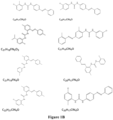
- FIG. 1B other possible compounds of interest according to the Invention.
- H2Kb molecules bound to SL8 (SIINFEKL) peptide A
- H2Kb molecules B
- H2Db molecules C
- PD-L1 D
- MFI of at least three independent experiments are represented as mean ⁇ SEM of ratio over DMSO.
- Statistics test used is One-way ANOVA with multiple comparisons. *p ⁇ 0.05, **p ⁇ 0.01, ***p ⁇ 0.001, ****p ⁇ 0.0001.
- 50 ⁇ M of the fluorogenic substrate was used with 20 ⁇ M of the tested compound, and 2nM of 20S human proteasome (#E-360-050, Biotechne) in presence or absence of 50nM of human REG ⁇ (#E-384-MTO, Biotechne). After preparation of the mix, plates were incubated for 2h at 37°C before being read on a Spectramax i3 microplate reader from Molecular devices (Excitation wavelength : 345nm ; Emission wavelength : 445nm).
- % Inhibition compound Mean REG , plate ⁇ Mean compound Mean REG , plate ⁇ Mean 20 S , plate ⁇ 100 , for the condition with REG ⁇ .
- Proteasome Activity Assay The activity of the 20S and 20S-REG ⁇ proteasomes was followed by fluorescence using the Bz-VGR-AMC (#BML-BW9375-0005, Enzo Life Sciences) substrate at 50 ⁇ M for tryspin-like activity, the Suc-LLVY-AMC (#BML-P802-0005, Enzo Life Sciences) substrate at 100 ⁇ M for the chemotrypsin-like activity and the Z-LLE-AMC (#BML-ZW9345-0005, Enzo Life Sciences) substrate at 100 ⁇ M for the caspase-like activity.
- Substrates were incubated with 0,5nM of human 20S ((#E-360-050, Biotechne) and 12,5nM of human REG ⁇ or 2nM of human REG ⁇ with or without compounds at different concentrations.
- Purified human REG ⁇ and REGG ⁇ were generously provided by Julien Marcoux and Marie-Pierre Bousquet-Dubouch.
- Human REG ⁇ and REG ⁇ were purified according to Le Fecute et al., 2009 from plasmids kindly provided by Olivier Coux.
- the activity assay was performed in 96 well plates in a final volume of 80 ⁇ L. Plates were read every minute for 90 minutes with a FLUOstar plate reader (BMG Labtech). To detect fluorescence, the excitation wavelength was set to 355nm and emission wavelength at 460nm.
- the MCA205-Glob-SL8-intron cell line was obtained from MCA205 fibrosarcoma cell line and was modified to constitutively express the SIINFEKL epitope contained within an intron of the human ⁇ -globin gene, as described in (Duvallet et al., 2016 ) .
- Human melanoma A375 cell line was obtained from ATCC (n°CRL-1619).
- the MCA205 c13 and A375 c.XI cell lines, both KO for PSME3 gene were obtained using the CRISPR/Cas9 system as described in Boulpicante et al. All cells were cultured at 37°C in a 5% CO 2 atmosphere.
- the activity of the 20S and 20S-REG ⁇ proteasomes was followed by fluorescence using the Bz-VGR-AMC (#BML-BW9375-0005, Enzo Life Sciences) substrate at 50 ⁇ M for trypsin-like activity, the Suc-LLVY-AMC (#BML-P802-0005, Enzo Life Sciences) substrate at 100 ⁇ M for the chemotrypsin-like activity and the Z-LLE-AMC (#BML-ZW9345-0005, Enzo Life Sciences) substrate at 100 ⁇ M for the caspase-like activity.
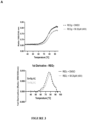
- Thermal shift assay was carried out with nano differential scanning fluorimetry (nanoDSF) using the Tycho NT.6 from Nanotemper and was performed at the I2BC platform (Gif-sur-Yvette). Samples were prepared in a final volume of 25 ⁇ L in a 96-well plate prior to be loaded on the Tycho capillaries. Proteins were diluted in activity buffer (20mM Tris-HCl pH 7.4 and 20mM NaCl). After optimisation, REG ⁇ concentration was set to 500nM and 20S concentration to 50nM.
- the plate was placed on agitation for 1min before the reaction was stopped by adding 200 ⁇ L of water to each well.
- the fluorescence intensity was measured using a FluoSTAR plate reader (BMG Labtech) with excitation wavelength at 355nm and emission wavelength at 460nm.
- MCA205-Glob-SL8-intron were plated at 1 ⁇ 10 5 cells in 12-well plates and incubated overnight. The next day, cells were treated with different concentrations of drugs for 24 hours. After treatment, cells were harvested with trypsin, washed twice with OT-1 Media (RPMI-1640, 10% FBS, 2mM L-glutamine, 50 ⁇ M of 2-mercaptoéthanol, 100 IU/mL of Penicillin G, 100 mg/mL streptomycin), and each condition was counted with a KOVA slide and Trypan-blue. For each tested condition 2 ⁇ 10 5 of treatedcells were plated in a 96-wells plate.
- lymph nodes from an OT1 mouse (C57B1/6J TCR-transgenic CD8 + T cells specific for Kb -OVA257-264, obtained from Charles River #642OT1) were harvested. Lymph nodes were dissociated and filtered through a 40 ⁇ m filter and red blood cells were lysed with ACK buffer. 8 ⁇ 10 5 OT-1 cells were added to the MCA205-Glob-SL8-intron cells (E:T ratio of 4:1) and the plate was incubated overnight at 37°C.
- the degradation assay they used purified 20S proteasome from human erythrocytes, a purified human REG ⁇ and a fluorescent substrate Bz-VGR-AMC (7-amino-4-methylcoumarin, Enzo), all mixed together for the reaction at 37°C.
- the Bz-VGR-AMC substrate was employed to measure the Trypsin-like activity of the proteasome.
- the AMC fluorophore is released upon substrate cleavage by the proteasome, and the resulting fluorescence is directly proportional to the proteolytic activity.
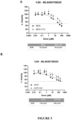
- compound 58 starts inhibiting caspase-like activity and trypsin-like activity at 50 and with a stronger effect at 100 ⁇ M ( Figures 2A and 2B ), whereas it only inhibited chymotrypsin-like activity at 100 ⁇ M ( Figure 2C ). Furthermore, it is important to highlight that compound 58 did not exhibit any inhibitory effect, even at high doses, on the three activities when the 20S proteasome was not in the presence of REG ⁇ .
- TSA thermal shift assay
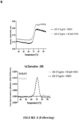
- KH-52 was subjected to in vitro incubation with human constitutive 20S proteasome (h20S) at 37°C for several hours. They gauged the rates of peptide bond hydrolysis by monitoring the generation of new amino groups through fluorescamine. KH-52, when incubated solely with h20S, exhibited consistent degradation over the entire incubation period ( Figure 4A , depicted by the black dashed curve). Furthermore, as anticipated, the presence of REG ⁇ slightly enhanced the rates of peptide bond hydrolysis ( Figure 3A , comparing the solid black curve with the dashed black curve). Inventors also conducted the same experiment in the presence of compound 58 at different concentrations.
- inventors To assess the efficacy of compound 58 against tumor cell lines, inventors initially aimed to determine its IC50 values in both mouse and human cell lines. They utilized an MTT assay to ascertain these values for mouse MCA fibrosarcoma and human A375 melanoma cell lines. Specifically, they treated 2.5 ⁇ 10 4 MCA WT or MCA REG ⁇ KO cells and 5 ⁇ 10 4 human A375 WT or A375 REG ⁇ KO cells with varying concentrations of compound 58 for a 24-hour duration.
- compound 58 possesses the ability to inhibit the REGD-20S complex's capacity to destroy antigenic epitopes by binding to the REG ⁇ regulator. Additionally, they established that compound 58 can enhance the expression of MHC-I molecules on the cell surface, consequently increasing the presentation of SIINFEKL/MHC-1 Kb complexes. Inventors hypothesize that this specific enhancement of this complex may stimulate the proliferation of specific CD8+ T cells. To investigate this, they employed OT-1 cells, which are TCR transgenic CD8+ T lymphocytes from OT-1 mice targeting OVA SL8 epitopes presented on murine MHC class I molecules (Kb).
- OT-1 cells which are TCR transgenic CD8+ T lymphocytes from OT-1 mice targeting OVA SL8 epitopes presented on murine MHC class I molecules (Kb).
- OT-1 cells were co-incubated with MCA205 cells expressing the globin-SL8-intron construct.
- MCA205 cells with the globin-SL8-intron construct were exposed to varying concentrations of compound 58 for 24 hours, followed by co-incubation with OT-1 cells.
- treatment with compound 58 led to an increased frequency of CD69+ CD25+ OT-1 T cells compared to untreated cells, confirming the activation of OT-1 cells upon exposure to compound 58.
- inventors demonstrate the discovery of a promising molecule through an extensive high-throughput screening process involving over 2100 compounds from NIH compound libraries.
- This molecule has shown the capability to inhibit the influence of REG ⁇ on the 20S proteasome concerning antigen presentation. Notably, it directly binds to the REG ⁇ complex.
- compound 58 has been found to significantly enhance the expression of MHC-I molecules on the surface of mouse tumor cells. Consequently, this augmentation facilitates an increased presentation of peptide/MHC-I Kb complexes, thereby activating and reinforcing the effector functions of OT-1 CD8+ T cells, with a specific emphasis on the effector/memory subset.
Landscapes
- Health & Medical Sciences (AREA)
- Life Sciences & Earth Sciences (AREA)
- Pharmacology & Pharmacy (AREA)
- Veterinary Medicine (AREA)
- Public Health (AREA)
- General Health & Medical Sciences (AREA)
- Chemical & Material Sciences (AREA)
- Animal Behavior & Ethology (AREA)
- Medicinal Chemistry (AREA)
- Chemical Kinetics & Catalysis (AREA)
- Organic Chemistry (AREA)
- Nuclear Medicine, Radiotherapy & Molecular Imaging (AREA)
- General Chemical & Material Sciences (AREA)
- Immunology (AREA)
- Oncology (AREA)
- Communicable Diseases (AREA)
- Epidemiology (AREA)
- Virology (AREA)
- Engineering & Computer Science (AREA)
- Bioinformatics & Cheminformatics (AREA)
- Pain & Pain Management (AREA)
- Rheumatology (AREA)
- Medicines That Contain Protein Lipid Enzymes And Other Medicines (AREA)
- Pharmaceuticals Containing Other Organic And Inorganic Compounds (AREA)
Priority Applications (1)
| Application Number | Priority Date | Filing Date | Title |
|---|---|---|---|
| EP23306787.5A EP4537820A1 (fr) | 2023-10-13 | 2023-10-13 | Composé et combinaisons comprenant ledit composé pour améliorer une réponse immunitaire |
Applications Claiming Priority (1)
| Application Number | Priority Date | Filing Date | Title |
|---|---|---|---|
| EP23306787.5A EP4537820A1 (fr) | 2023-10-13 | 2023-10-13 | Composé et combinaisons comprenant ledit composé pour améliorer une réponse immunitaire |
Publications (1)
| Publication Number | Publication Date |
|---|---|
| EP4537820A1 true EP4537820A1 (fr) | 2025-04-16 |
Family
ID=88600524
Family Applications (1)
| Application Number | Title | Priority Date | Filing Date |
|---|---|---|---|
| EP23306787.5A Pending EP4537820A1 (fr) | 2023-10-13 | 2023-10-13 | Composé et combinaisons comprenant ledit composé pour améliorer une réponse immunitaire |
Country Status (1)
| Country | Link |
|---|---|
| EP (1) | EP4537820A1 (fr) |
Citations (8)
| Publication number | Priority date | Publication date | Assignee | Title |
|---|---|---|---|---|
| WO1997005900A1 (fr) | 1995-08-03 | 1997-02-20 | Rijksuniversiteit Te Leiden | Vesicules presentant des antigenes obtenues a partir de cellules |
| WO1999003499A1 (fr) | 1997-07-16 | 1999-01-28 | Institut National De La Sante Et De La Recherche Medicale | Vesicule cellulaire denommee ''exosome'', leur preparation et utilisation dans la stimulation d'une reponse immunitaire |
| WO2000028001A1 (fr) | 1998-11-05 | 2000-05-18 | Institut National De La Sante Et De La Recherche Medicale | Exosomes modifies et utilisations |
| WO2000044389A2 (fr) | 1999-01-27 | 2000-08-03 | Ap Cells Inc. | Procede de preparation de vesicules membranaires |
| WO2003016522A2 (fr) | 2001-08-17 | 2003-02-27 | Anosys, Inc. | Procedes et composes pour le ciblage de proteines vers des exosomes |
| WO2010138820A2 (fr) * | 2009-05-28 | 2010-12-02 | President And Fellows Of Harvard College | Composés de n,n'-diarylurée et de n,n'-diarylthiourée utilisés en tant qu'inhibiteurs de l'initiation de la traduction |
| WO2017149118A1 (fr) | 2016-03-03 | 2017-09-08 | Institut Gustave Roussy | Vaccins à base de pioneer translation products (ptp) contre le cancer |
| CN111217722A (zh) * | 2020-03-06 | 2020-06-02 | 华东理工大学 | 偶氮芳基脲类衍生物及其制备方法和应用 |
-
2023
- 2023-10-13 EP EP23306787.5A patent/EP4537820A1/fr active Pending
Patent Citations (8)
| Publication number | Priority date | Publication date | Assignee | Title |
|---|---|---|---|---|
| WO1997005900A1 (fr) | 1995-08-03 | 1997-02-20 | Rijksuniversiteit Te Leiden | Vesicules presentant des antigenes obtenues a partir de cellules |
| WO1999003499A1 (fr) | 1997-07-16 | 1999-01-28 | Institut National De La Sante Et De La Recherche Medicale | Vesicule cellulaire denommee ''exosome'', leur preparation et utilisation dans la stimulation d'une reponse immunitaire |
| WO2000028001A1 (fr) | 1998-11-05 | 2000-05-18 | Institut National De La Sante Et De La Recherche Medicale | Exosomes modifies et utilisations |
| WO2000044389A2 (fr) | 1999-01-27 | 2000-08-03 | Ap Cells Inc. | Procede de preparation de vesicules membranaires |
| WO2003016522A2 (fr) | 2001-08-17 | 2003-02-27 | Anosys, Inc. | Procedes et composes pour le ciblage de proteines vers des exosomes |
| WO2010138820A2 (fr) * | 2009-05-28 | 2010-12-02 | President And Fellows Of Harvard College | Composés de n,n'-diarylurée et de n,n'-diarylthiourée utilisés en tant qu'inhibiteurs de l'initiation de la traduction |
| WO2017149118A1 (fr) | 2016-03-03 | 2017-09-08 | Institut Gustave Roussy | Vaccins à base de pioneer translation products (ptp) contre le cancer |
| CN111217722A (zh) * | 2020-03-06 | 2020-06-02 | 华东理工大学 | 偶氮芳基脲类衍生物及其制备方法和应用 |
Non-Patent Citations (38)
| Title |
|---|
| APCHER, S ET AL.: "Major source of antigenic peptides for the MHC class Ipathway is produced during the pioneer round of mRNA translation", PROC NATL ACAD SCI USA, vol. 108, no. 28, 2011, pages 11572 - 7, XP055288288, DOI: 10.1073/pnas.1104104108 |
| APCHER, S ET AL.: "mRNA translation from an antigen presentation perspective: A tribute to the works of Nilabh Shastri", MOL IMMUNOL, vol. 141, 2022, pages 305 - 308, XP086921534, DOI: 10.1016/j.molimm.2021.12.010 |
| APCHER, S ET AL.: "Translation of pre-spliced RNAs in the nuclear compartment generates peptides for the MHC class Ipathway", PROC NATL ACAD SCI USA, vol. 110, no. 44, 2013, pages 17951 - 6, XP055287984, DOI: 10.1073/pnas.1309956110 |
| APCHER, SB. VOJTESEKR. FAHRAEUS: "In search of the cell biology for self- versus non-self-recognition", CURR OPIN IMMUNOL, vol. 83, 2023, pages 102334 |
| BOULPICANTE, M ET AL.: "Tumors escape immunosurveillance by overexpressing the proteasome activator PSME3", ONCOIMMUNOLOGY, vol. 9, no. 1, 2020, pages 1761205 |
| CASCIO, P: "PA28alphabeta: the enigmatic magic ring of the proteasome?", BIOMOLECULES, vol. 4, no. 2, 2014, pages 566 - 84 |
| CHAI, F ET AL.: "High expression of REGgamma is associated with metastasis and poor prognosis of patients with breast cancer", INT J CLIN EXP PATHOL, vol. 7, no. 11, pages 7834 - 43 |
| CHEN, D ET AL.: "The expression and clinical significance of PA28 gamma in colorectal cancer", J INVESTIG MED, vol. 61, no. 8, 2013, pages 1192 - 6 |
| CHEN, X ET AL.: "Ubiquitin-independent degradation of cell-cycle inhibitors by the REGgamma proteasome", MOL CELL, vol. 26, no. 6, 2007, pages 843 - 52 |
| DUVALLET, E ET AL.: "Exosome-driven transfer of tumor-associated Pioneer Translation Products (TA-PTPs) for the MHC class Icross-presentation pathway", ONCOIMMUNOLOGY, vol. 5, no. 9, 2016, pages e1198865, XP002769034, DOI: 10.1080/2162402X.2016.1198865 |
| FUNDERBURK, K.EJ. KANGH.J. LI: "Regulation of Life & Death by REGgamma", CELLS, vol. 11, no. 15, 2022 |
| GARIN, JDIEZ, RKIEFFER, SDERMINE, J. FDUCLOS, SGAGNON, ESADOUL, RRONDEAU, CDESJARDINS, M: "The phagosome proteome: insight into phagosome functions", J CELL BIOL, vol. 152, 2001, pages 165 - 80 |
| HUANG, L ET AL.: "Proteasome activators, PA28gamma and PA200, play indispensable roles in male fertility", SCI REP, no. 6, 2016, pages 23171 |
| JONIK-NOWAK, B ET AL.: "PIP30/FAM192A is a novel regulator of the nuclear proteasome activator PA28gamma", PROC NATL ACAD SCI USA, vol. 115, no. 28, 2018, pages E6477 - E6486 |
| KHARE G ET AL.: "Identification of inhibitors against Mycobacterium tuberculosis thiamin phosphate synthase, an important target for the development of anti-TB drugs", PLOS ONE, vol. 6, no. 7, 2011, pages e22441 |
| KHARE GARIMA ET AL: "Identification of Inhibitors against Mycobacterium tuberculosis Thiamin Phosphate Synthase, an Important Target for the Development of Anti-TB Drugs", PLOS ONE, vol. 6, no. 7, 26 July 2011 (2011-07-26), US, pages e22441, XP093142616, ISSN: 1932-6203, Retrieved from the Internet <URL:https://journals.plos.org/plosone/article/file?id=10.1371/journal.pone.0022441&type=printable> DOI: 10.1371/journal.pone.0022441 * |
| KHARE GARIMA ET AL: "Supporting Information. Identification of Inhibitors against Mycobacterium tuberculosis Thiamin Phosphate Synthase, an Important Target for the Development of Anti-TB Drugs", PLOS ONE, 26 July 2011 (2011-07-26), XP093142656, Retrieved from the Internet <URL:https://storage.googleapis.com/plos-corpus-prod/10.1371/journal.pone.0022441/1/pone.0022441.s009.pdf?X-Goog-Algorithm=GOOG4-RSA-SHA256&X-Goog-Credential=wombat-sa@plos-prod.iam.gserviceaccount.com/20240319/auto/storage/goog4_request&X-Goog-Date=20240319T075551Z&X-Goog-Expires=86400&X-Goog-SignedHead> [retrieved on 20240319] * |
| KONTOS, C.K: "Surrogate Prognostic Biomarkers in OSCC: The Paradigm of PA28gamma Overexpression", EBIOMEDICINE, vol. 2, no. 8, 2015, pages 784 - 5 |
| LE FEUVRE A.Y ET AL.: "High yield bacterial expression and purification of active recombinant PA28afJ complex", PROTEIN EXPR. PURIF, vol. 64, 2009, pages 219 - 224, XP025924327, DOI: 10.1016/j.pep.2008.10.014 |
| LEI, K ET AL.: "PA28gamma, an Accomplice to Malignant Cancer", FRONT ONCOL, vol. 10, 2020, pages 584778 |
| LESNE, J ET AL.: "Conformational maps of human 20Sproteasomes reveal PA28- and immuno-dependent inter-ring crosstalks", NAT COMMUN, vol. 11, no. 1, 2020, pages 6140 |
| LI, JM. RECHSTEINER: "Molecular dissection of the 775' REG (PA28) proteasome activators", BIOCHIMIE, vol. 83, no. 3-4, 2001, pages 373 - 83, XP002961129, DOI: 10.1016/S0300-9084(01)01236-6 |
| LI, X ET AL.: "The SRC-3/AIB1 coactivator is degraded in a ubiquitin- and ATP-independent manner by the REGgamma proteasome", CELL, vol. 124, no. 2, 2006, pages 381 - 92, XP029051998, DOI: 10.1016/j.cell.2005.11.037 |
| LI, X ET AL.: "Ubiquitin- and ATP-independent proteolytic turnover of p21 by the REGgamma-proteasome pathway", MOL CELL, vol. 26, no. 6, 2007, pages 831 - 42 |
| REALINI, C ET AL.: "Characterization of recombinant REGalpha, REGbeta, and REGgamma proteasome activators", J BIOL CHEM, vol. 272, no. 41, 1997, pages 25483 - 92 |
| RECHSTEINER, MC. REALINIV. USTRELL: "The proteasome activator 11 S REG (PA28) and class I antigen presentation", BIOCHEM J, vol. 1, 2000, pages 1 - 15 |
| SHASTRI, N ET AL.: "All the peptides that fit: the beginning, the middle, and the end of the MHC class I antigen-processing pathway", IMMUNOL REV, vol. 207, 2005, pages 31 - 41 |
| SONG, W ET AL.: "Silencing PSME3 induces colorectal cancer radiosensitivity by downregulating the expression of cyclin B1 and CKD1", EXP BIOL MED (MAYWOOD, vol. 244, no. 16, 2019, pages 1409 - 1418 |
| SROKA, E.M ET AL.: "Ma or histocompatibility class I antigenic peptides derived from translation of pre-mRNAs generate immune tolerance", PROC NATL ACAD SCI USA, vol. 120, no. 7, 2023, pages e2208509120 |
| THERY CZITVOGEL LAMIGORENA S: "Exosomes: Composition, Biogenesis and Function", NATURE REVIEW, vol. 2, no. 569, 2002 |
| THERY, CBOUSSAC, MVERON, PRICCIARDI-CASTAGNOLI, PRAPOSO, GGARIN, JAMIGORENA, S: "Proteomic analysis of dendritic cell-derived exosomes: a secreted subcellular compartment distinct from apoptotic vesicles", J IMMUNOL, vol. 166, 2001, pages 7309 - 18, XP002995183 |
| THERY, CREGNAULT, AGARIN, JWOLFERS, JZITVOGEL, LRICCIARDI-CASTAGNOLI, PRAPOSO, GAMIGORENA, S: "Molecular characterization of dendritic cell-derived exosomes. Selective accumulation of the heat shock protein hsc73", J CELL BIOL, vol. 147, 1999, pages 599 - 610, XP000918507, DOI: 10.1083/jcb.147.3.599 |
| THOMAS, T.AD.M. SMITH: "Proteasome activator 28gamma (PA28gamma) allosterically activates trypsin-like proteolysis by binding to the alpha-ring of the 20S proteasome", J BIOL CHEM, vol. 298, no. 8, pages 102140 |
| VIGNERON, NB.J. VAN DEN EYNDE: "Proteasome subtypes and regulators in the processing of antigenic peptides presented by class I molecules of the major histocompatibility complex", BIOMOLECULES, vol. 4, no. 4, 2014, pages 994 - 1025 |
| WILK, SW.E. CHENR.P. MAGNUSSON: "Properties of the nuclear proteasome activator PA28gamma (REGgamma).", ARCH BIOCHEM BIOPHYS, vol. 383, no. 2, 2000, pages 265 - 71 |
| WOLFERS, JLOZIER, ARAPOSO, GREGNAULT, ATHERY, CMASURIER, CFLAMENT, CPOUZIEUX, SFAURE, FTURSZ, T: "Tumor-derived exosomes are a source of shared tumor rejection antigens for CTL cross-priming", NAT MED, vol. 7, 2001, pages 297 - 303, XP002202776, DOI: 10.1038/85438 |
| YEWDELL, J.WL.C. ANTONJ.R. BENNINK: "Defective ribosomal products (DRiPs): a major source of antigenic peptides for MHC class I molecules?", J IMMUNOL, vol. 157, no. 5, 1996, pages 1823 - 6 |
| ZITVOGEL, LREGNAULT, ALOZIER, AWOLFERS, JFLAMENT, CTENZA, DRICCIARDI-CASTAGNOLI, PRAPOSO, GAMIGORENA, S: "Eradication of established murine tumors using a novel cell-free vaccine: dendritic cell-derived exosomes", NAT MED, vol. 4, 1998, pages 594 - 600, XP002085387, DOI: 10.1038/nm0598-594 |
Similar Documents
| Publication | Publication Date | Title |
|---|---|---|
| Fan et al. | A dual PI3K/HDAC inhibitor induces immunogenic ferroptosis to potentiate cancer immune checkpoint therapy | |
| CN113038953A (zh) | 用于治疗癌症的包括krasg12c抑制剂和一种或多种其他药学活性药剂的组合疗法 | |
| HK1252272A1 (zh) | 使用抗ox40抗体治疗癌症的方法 | |
| EP4126042A2 (fr) | Conjugués d'anticorps-agent de dégradation et leurs procédés d'utilisation | |
| CA3081548A1 (fr) | Compositions et methodes de traitement du cancer | |
| KR20180119632A (ko) | 암에 대한 치료 및 진단 방법 | |
| IL311108A (en) | Method for producing an anti-her3 antibody-drug conjugate | |
| WO2020015703A9 (fr) | Combinaison médicamenteuse de dérivé de quinoléine et d'anticorps | |
| WO2019144126A1 (fr) | Cannabinoïdes et leurs dérivés pour favoriser l'immunogénicité des cellules tumorales et infectées | |
| JP2021520208A (ja) | Hhla2受容体としてのkir3dl3、抗hhla2抗体、およびその使用 | |
| KR20230059792A (ko) | 암 치료를 위한 조합 | |
| TW201534305A (zh) | 使用組合療法治療癌症之方法 | |
| CA3166135A1 (fr) | Association d'un inhibiteur de kinase 7 dependante de cyclines et d'une immunotherapie pour le traitement du cancer | |
| WO2023056069A1 (fr) | Conjugués agent de dégradation-anticorps et leurs procédés d'utilisation | |
| KR20180100652A (ko) | 크로멘 화합물 및 제2활성제의 조합물 | |
| IL298855A (en) | Combined treatment with deoxyuridine triphosphatase inhibitors | |
| US20210002371A1 (en) | Combination of an anti-pd-l1 antibody and ido1 inhibitor for the treatment of cancer | |
| TW201815417A (zh) | Pd-1抗體與ido抑制劑聯合在製備抗腫瘤的藥物中的用途 | |
| US10220091B2 (en) | Combination treatments with sonic hedgehog inhibitors | |
| US11446368B2 (en) | Vaccine comprising epitope of heat shock protein, and use thereof | |
| US20240398767A1 (en) | Inhibitors of the mtdh-snd1 protein complex for cancer therapy | |
| US12023341B2 (en) | Platinum-acridine compounds and methods of treating cancers | |
| EP4537820A1 (fr) | Composé et combinaisons comprenant ledit composé pour améliorer une réponse immunitaire | |
| WO2019232533A1 (fr) | Polythérapies à base d'inhibiteurs de hsp90 pour améliorer l'immunogénicité tumorale et leurs procédés d'utilisation | |
| JP2021518348A (ja) | 医薬併用 |
Legal Events
| Date | Code | Title | Description |
|---|---|---|---|
| PUAI | Public reference made under article 153(3) epc to a published international application that has entered the european phase |
Free format text: ORIGINAL CODE: 0009012 |
|
| STAA | Information on the status of an ep patent application or granted ep patent |
Free format text: STATUS: THE APPLICATION HAS BEEN PUBLISHED |
|
| AK | Designated contracting states |
Kind code of ref document: A1 Designated state(s): AL AT BE BG CH CY CZ DE DK EE ES FI FR GB GR HR HU IE IS IT LI LT LU LV MC ME MK MT NL NO PL PT RO RS SE SI SK SM TR |
|
| STAA | Information on the status of an ep patent application or granted ep patent |
Free format text: STATUS: REQUEST FOR EXAMINATION WAS MADE |
|
| 17P | Request for examination filed |
Effective date: 20251013 |