EP4545076A1 - Inhibiteurs sélectifs de lat1 destinés à être utilisés dans le traitement d'un remodelage ventriculaire indésirable et d'une insuffisance cardiaque - Google Patents
Inhibiteurs sélectifs de lat1 destinés à être utilisés dans le traitement d'un remodelage ventriculaire indésirable et d'une insuffisance cardiaque Download PDFInfo
- Publication number
- EP4545076A1 EP4545076A1 EP23383082.7A EP23383082A EP4545076A1 EP 4545076 A1 EP4545076 A1 EP 4545076A1 EP 23383082 A EP23383082 A EP 23383082A EP 4545076 A1 EP4545076 A1 EP 4545076A1
- Authority
- EP
- European Patent Office
- Prior art keywords
- inhibitor
- lat1
- pharmaceutically acceptable
- stereoisomer
- stereoisomers
- Prior art date
- Legal status (The legal status is an assumption and is not a legal conclusion. Google has not performed a legal analysis and makes no representation as to the accuracy of the status listed.)
- Withdrawn
Links
Images




Classifications
-
- A—HUMAN NECESSITIES
- A61—MEDICAL OR VETERINARY SCIENCE; HYGIENE
- A61K—PREPARATIONS FOR MEDICAL, DENTAL OR TOILETRY PURPOSES
- A61K31/00—Medicinal preparations containing organic active ingredients
- A61K31/185—Acids; Anhydrides, halides or salts thereof, e.g. sulfur acids, imidic, hydrazonic or hydroximic acids
- A61K31/19—Carboxylic acids, e.g. valproic acid
- A61K31/195—Carboxylic acids, e.g. valproic acid having an amino group
- A61K31/197—Carboxylic acids, e.g. valproic acid having an amino group the amino and the carboxyl groups being attached to the same acyclic carbon chain, e.g. gamma-aminobutyric acid [GABA], beta-alanine, epsilon-aminocaproic acid or pantothenic acid
- A61K31/198—Alpha-amino acids, e.g. alanine or edetic acid [EDTA]
-
- A—HUMAN NECESSITIES
- A61—MEDICAL OR VETERINARY SCIENCE; HYGIENE
- A61K—PREPARATIONS FOR MEDICAL, DENTAL OR TOILETRY PURPOSES
- A61K31/00—Medicinal preparations containing organic active ingredients
- A61K31/185—Acids; Anhydrides, halides or salts thereof, e.g. sulfur acids, imidic, hydrazonic or hydroximic acids
- A61K31/19—Carboxylic acids, e.g. valproic acid
-
- A—HUMAN NECESSITIES
- A61—MEDICAL OR VETERINARY SCIENCE; HYGIENE
- A61K—PREPARATIONS FOR MEDICAL, DENTAL OR TOILETRY PURPOSES
- A61K31/00—Medicinal preparations containing organic active ingredients
- A61K31/33—Heterocyclic compounds
- A61K31/395—Heterocyclic compounds having nitrogen as a ring hetero atom, e.g. guanethidine or rifamycins
- A61K31/40—Heterocyclic compounds having nitrogen as a ring hetero atom, e.g. guanethidine or rifamycins having five-membered rings with one nitrogen as the only ring hetero atom, e.g. sulpiride, succinimide, tolmetin, buflomedil
- A61K31/403—Heterocyclic compounds having nitrogen as a ring hetero atom, e.g. guanethidine or rifamycins having five-membered rings with one nitrogen as the only ring hetero atom, e.g. sulpiride, succinimide, tolmetin, buflomedil condensed with carbocyclic rings, e.g. carbazole
-
- A—HUMAN NECESSITIES
- A61—MEDICAL OR VETERINARY SCIENCE; HYGIENE
- A61K—PREPARATIONS FOR MEDICAL, DENTAL OR TOILETRY PURPOSES
- A61K31/00—Medicinal preparations containing organic active ingredients
- A61K31/33—Heterocyclic compounds
- A61K31/395—Heterocyclic compounds having nitrogen as a ring hetero atom, e.g. guanethidine or rifamycins
- A61K31/41—Heterocyclic compounds having nitrogen as a ring hetero atom, e.g. guanethidine or rifamycins having five-membered rings with two or more ring hetero atoms, at least one of which being nitrogen, e.g. tetrazole
- A61K31/42—Oxazoles
- A61K31/423—Oxazoles condensed with carbocyclic rings
-
- A—HUMAN NECESSITIES
- A61—MEDICAL OR VETERINARY SCIENCE; HYGIENE
- A61K—PREPARATIONS FOR MEDICAL, DENTAL OR TOILETRY PURPOSES
- A61K31/00—Medicinal preparations containing organic active ingredients
- A61K31/33—Heterocyclic compounds
- A61K31/395—Heterocyclic compounds having nitrogen as a ring hetero atom, e.g. guanethidine or rifamycins
- A61K31/435—Heterocyclic compounds having nitrogen as a ring hetero atom, e.g. guanethidine or rifamycins having six-membered rings with one nitrogen as the only ring hetero atom
- A61K31/4353—Heterocyclic compounds having nitrogen as a ring hetero atom, e.g. guanethidine or rifamycins having six-membered rings with one nitrogen as the only ring hetero atom ortho- or peri-condensed with heterocyclic ring systems
-
- A—HUMAN NECESSITIES
- A61—MEDICAL OR VETERINARY SCIENCE; HYGIENE
- A61P—SPECIFIC THERAPEUTIC ACTIVITY OF CHEMICAL COMPOUNDS OR MEDICINAL PREPARATIONS
- A61P9/00—Drugs for disorders of the cardiovascular system
Definitions
- the present disclosure relates to the field of medical approaches for cardiopathies.
- the field of adverse ventricular remodelling and of heart failure in which a sustained stress of the myocardium takes place.
- Heart failure is a complex and heterogeneous syndrome with a major socioeconomic impact. It is a leading cause of death and hospitalisation, with very negative consequences on the quality of life of patients and caregivers. Its burden, despite all the advances in its treatment, increases with the ageing of the population.
- Heart failure is invariably preceded by ventricular remodelling characterised by hypertrophy and changes in the extracellular matrix with increased fibrosis.
- Ventricular remodelling results as a response to myocardial stress accompanying many cardiopathies, such as ischemia, arterial hypertension, valve diseases, myocarditis, and dilated cardiomyopathy. This initially compensatory process evolves to adverse ventricular remodelling if stress persists. As a consequence there is cardiomyocyte hypertrophy, proinflammatory cell infiltration, and excessive collagen deposition in interstitial matrix of myocardium, causing functional impairment and chronic heart failure.
- ACE angiotensin-converting enzyme
- ARNI angiotensin receptor neprilysin inhibitors
- SGLT2 sodium-glucose cotransporter type 2
- Both, hypertrophy and fibrosis are associated with increased protein synthesis and thus also with changes in amino acid (AA) metabolism and increased transport.
- L-type amino acid transporter 1 (LAT1, also known as SLC7A5) is a key AA transporter/sensor involved in the uptake of extracellular essential AA such as leucine, which has been shown to promote the activation of mTORC1, the master regulator that couples AA availability to protein synthesis.
- LAT1 expression is correlated with cancer malignancy, suggesting that LAT1 is a promising target for cancer therapy.
- JPH203 also known as nanvuranlat or O-[(5-amino-2-phenyl-1,3-benzoxazol-7-yl)methyl]-3,5-dichloro-L-tyrosine; CAS number 1037592-40-7
- LAT1 selective inhibitor is a LAT1 selective inhibitor, that has been shown to reduce the uptake of neutral amino acids such as leucine and to inhibit cancer cell growth of different cancer cell lines.
- Inventors have surprisingly found that the inhibition of the essential AA transporter LAT1 (slc7a5) reduced the development of cardiac remodelling and its progression to heart failure by reducing cardiac hypertrophy and myocardial fibrosis.
- prolonged (also termed herein sustained or chronic) administration of a LAT1 selective inhibitor such as JPH203 have positive effect on adverse ventricular remodelling (AVR) and attenuate heart failure caused for example by aortic stenosis.
- AVR adverse ventricular remodelling
- Such inhibitors are also effective for preventing AVR and heart failure induced by other pathologies causing sustained myocardial stress such as myocardial infarct.
- pressure overload induces AA metabolic reprogramming characterized by enhanced AA transport and inhibited BCAA catabolism and that essential AA transporter LAT1 (slc7a5) overexpression occurs in response to cardiac stress and contributes to adverse cardiac remodelling and HF.
- essential AA transporter LAT1 slc7a5
- a LAT1 selective inhibitor such as JPH203 attenuates amino acid uptake and reverses the inhibition of branched chain amino acid catabolism induced by aortic stenosis. Additionally, it has been proved that chronic administration of the LAT1 selective inhibitor JPH203 attenuates cardiac hypertrophy, cardiac fibrosis, ventricular dilatation and cardiac dysfunction.
- the administration of the of a LAT1 selective inhibitor suppose a real advantage for subjects suffering from or at risk of suffering HF, even if this administration is not for once, but for a long period of time.
- a first aspect of the present disclosure relates to a LAT1 selective inhibitor or a pharmaceutically acceptable salt thereof, or any stereoisomer or mixtures of stereoisomers of any of them, for use in the prophylactic or the therapeutic treatment of adverse ventricular remodelling or in the prophylactic or the therapeutic treatment of heart failure.
- a second aspect of the present disclosure relates to a pharmaceutical composition
- a pharmaceutical composition comprising a therapeutically effective amount of a LAT1 selective inhibitor or a pharmaceutically acceptable salt thereof as defined herein above or below, or any stereoisomer or mixtures of stereoisomers of any of them, together with one or more pharmaceutically acceptable excipients or carriers, for use in the prophylactic or the therapeutic treatment either of adverse ventricular remodelling or of heart failure.
- LAT1 selective inhibitor may be advantageously used in combination with other therapeutic agents known for the same indication such as angiotensin-converting enzyme (ACE) inhibitors, angiotensin receptor neprilysin inhibitors (ARNi), beta-adrenergic receptor inhibitors, mineralocorticoid receptor antagonists, and sodium-glucose cotransporter type 2 (SGLT2) inhibitors.
- ACE angiotensin-converting enzyme
- ARNi angiotensin receptor neprilysin inhibitors
- beta-adrenergic receptor inhibitors beta-adrenergic receptor inhibitors
- mineralocorticoid receptor antagonists mineralocorticoid receptor antagonists
- SGLT2 sodium-glucose cotransporter type 2
- a third aspect of the present disclosure relates to a drug combination
- a drug combination comprising: a) a LAT1 selective inhibitor or a pharmaceutically acceptable salt thereof, or any stereoisomer or mixtures of stereoisomers of any of them, and b) a therapeutic agent selected from the group consisting of an angiotensin-converting enzyme (ACE) inhibitor, a angiotensin receptor neprilysin inhibitor (ARNi), a beta-adrenergic receptor inhibitor, a mineralocorticoid receptor antagonist, and a sodium-glucose cotransporter type 2 (SGLT2) inhibitor, all of them as defined herein below.
- ACE angiotensin-converting enzyme
- ARNi angiotensin receptor neprilysin inhibitor
- SGLT2 sodium-glucose cotransporter type 2
- the drug combinations of the present disclosure may be formulated in different types of compositions or kits of parts for use together.
- a fourth aspect of the present disclosure relates to a single pharmaceutical composition which comprises: a) a therapeutically effective amount of a LAT1 selective inhibitor or a pharmaceutically acceptable salt thereof, or any stereoisomer or mixtures of stereoisomers of any of them; b) a therapeutically effective amount of a therapeutic agent selected from the group consisting of an angiotensin-converting enzyme (ACE) inhibitor, a angiotensin receptor neprilysin inhibitor (ARNi), a beta-adrenergic receptor inhibitor, a mineralocorticoid receptor antagonist, and a sodium-glucose cotransporter type 2 (SGLT2) inhibitor as defined herein; and one or more pharmaceutically acceptable excipients or carriers.
- ACE angiotensin-converting enzyme
- ARNi angiotensin receptor neprilysin inhibitor
- SGLT2 sodium-glucose cotransporter type 2
- a fifth aspect of the present disclosure relates to a kit of parts comprising: a) a first pharmaceutical composition which comprises a therapeutically effective amount of a LAT1 selective inhibitor or a pharmaceutically acceptable salt thereof, or any stereoisomer or mixtures of stereoisomers of any of them, together with one or more pharmaceutically acceptable excipients or carriers; and a) a second pharmaceutical composition which comprises a therapeutically effective amount of a therapeutic agent selected from the group consisting of an angiotensin-converting enzyme (ACE) inhibitor, a angiotensin receptor neprilysin inhibitor (ARNi), a beta-adrenergic receptor inhibitor, a mineralocorticoid receptor antagonist, and a sodium-glucose cotransporter type 2 (SGLT2) inhibitor as defined herein, together with one or more pharmaceutically acceptable excipients or carriers; wherein compositions i) and ii) are separate compositions.
- ACE angiotensin-converting enzyme
- ARNi angiotensin receptor ne
- the drug combinations of the present disclosure may be used for the treatment either of adverse ventricular remodelling or of heart failure.
- a sixth aspect of the present disclosure relates to the drug combination, the single pharmaceutical composition, or the package or kit of parts as defined herein, for use in the prophylactic or the therapeutic treatment either of adverse ventricular remodelling and/or of heart failure.
- a seventh aspect of the present disclosure relates to a LAT1 selective inhibitor or a pharmaceutically acceptable salt thereof, or any stereoisomer or mixtures of stereoisomers of any of them, for use in combination therapy in the prophylactic or the therapeutic treatment either of adverse ventricular remodelling and of heart failure, wherein a LAT1 selective inhibitor or a pharmaceutically acceptable salt thereof, or any stereoisomer or mixtures of stereoisomers of any of them, is to be administered simultaneously, concurrently, separately or sequentially with one or more therapeutic agents selected from the group consisting of angiotensin-converting enzyme (ACE) inhibitors, angiotensin receptor neprilysin inhibitors (ARNi), beta-adrenergic receptor inhibitors, mineralocorticoid receptor antagonists, and sodium-glucose cotransporter type 2 (SGLT2) inhibitors as defined herein.
- ACE angiotensin-converting enzyme
- ARNi angiotensin receptor neprilysin inhibitors
- stereoisomer refers to all isomers of individual compounds that differ only in the orientation of their atoms in space.
- stereoisomer includes mirror image isomers (enantiomers), mixtures of mirror image isomers (racemates, racemic mixtures), geometric isomers (cis/trans or syn/anti), and isomers that are not mirror images of one another (diastereoisomers).
- the present invention relates to each of these stereoisomers and also to mixtures thereof.
- JPH203 has one chiral centre that can give rise to two stereoisomers, particularly, to two enantiomers.
- stereoisomer includes mirror image isomers (enantiomers) and mixtures of mirror image isomers (racemates, racemic mixtures).
- diastereoisomers and enantiomers can be separated by conventional techniques such as chromatography or fractional crystallization.
- enantiomers can be individually obtained using enantiospecific synthesis or can be resolved by conventional techniques of optical resolution to give optically pure isomers.
- the term “sham” refers to the members of a control group that are used to mimic a procedure or treatment without the actual use of the procedure or test substance.
- sustained myocardial stress it is to be understood that myocardium is in a condition impairing its normal function due to a particular cause, in particular a pathology not necessarily stemming in the myocardium itself, but also due to abnormalities in coronary arteria and other vascular diseases. In any case, it is a damaging stress that derives from the persisting of some initially compensatory conditions for continuing ejecting blood.
- An example is the stress leading to adverse ventricular remodelling, wherein initially some parameters (at molecular and cell level) of the myocytes are altered for compensating a loss of function, such as the loss of other myocytes due to ischemia, said parameters evolving to a different pathological condition; the adverse ventricular remodelling.
- a LAT1 selective inhibitor means that said inhibitor is chronically administered, thus not only once.
- this expression is used as a synonymous of chronic administration.
- it is used and usable for a more than one day administration, in particular according to a schedule prescribed by a facultative, which can be a daily schedule, and in particular for the rest of the subject life.
- LAT1 selective inhibitor is to be understood as any substance capable to selectively reduce LAT1 activity over other members of the system L family (i.e. over LAT2, LAT3 and LAT4) and that is given to a subject, as an external element, in any pharmaceutical form.
- terapéuticaally effective amount refers to the amount of a compound that, when administered, is sufficient to prevent development of, or alleviate to some extent, one or more of the symptoms of the disease which is addressed.
- the particular dose of compound administered according to this disclosure will of course be determined by the particular circumstances surrounding the case, including the compound administered, the route of administration, the particular condition being treated, and the similar considerations.
- pharmaceutically acceptable excipients or carriers refers to pharmaceutically acceptable materials, compositions or vehicles. Each component must be pharmaceutically acceptable in the sense of being compatible with the other ingredients of the pharmaceutical composition. It must also be suitable for use in contact with the tissue or organ of humans and animals without excessive toxicity, irritation, allergic response, immunogenicity, or other problems or complications commensurate with a reasonable benefit/risk ratio.
- pharmaceutically acceptable salt used herein encompasses any salt formed from pharmaceutically acceptable non-toxic acids including inorganic or organic acids. There is no limitation regarding the salts, except that if used for therapeutic purposes, they must be pharmaceutically acceptable.
- a compound such as a LAT1 selective inhibitor susceptible to form a salt (i.e., containing a basic or acidic moiety)
- a salt i.e., containing a basic or acidic moiety
- they can be prepared from the parent compound by conventional chemical methods.
- salts are, for example, prepared by reacting the free acid or base forms of these compounds with a stoichiometric amount of the appropriate pharmaceutically acceptable base or acid in water or in an organic solvent or in a mixture of them.
- a LAT1 selective inhibitor may differ from its salts in some physical properties, but they are equivalent for the purposes of the present disclosure.
- Non-limiting examples of pharmaceutically acceptable salts of the LAT1 selective inhibitors which contain a basic centre such as JPH203 include acid addition salts such as the hydrochloride, but also any other pharmaceutically acceptable salts of other acids such as hydrobromic, hydrofluoric, sulphuric, phosphoric, acetic, citric, fumaric, gluconic, lactic, maleic, succinic or tartaric acid.
- the pharmaceutically acceptable salt is the hydrochloride salt.
- the LAT1 selective inhibitors can also provide pharmaceutically acceptable metal salts, in particular non-toxic alkali metal salts, with bases. Examples include the sodium and potassium salts.
- LAT1 selective inhibitors or their stereoisomers and/or salts may be in crystalline form either as free solvation compounds or as solvates (e.g. hydrates) and it is intended that both forms are within the scope of the present disclosure.
- Methods of solvation are generally known within the art.
- the solvated forms with pharmaceutically acceptable solvents such as water, ethanol and the like are equivalent to the unsolvated form for the purposes of the present disclosure.
- LAT1 selective inhibitor such as JPH203
- its pharmaceutically acceptable salts or any stereoisomer or mixtures of stereoisomers, either of the compound or of its pharmaceutically acceptable salts, are always contemplated even if they are not specifically mentioned.
- a first aspect of the present disclosure relates to a LAT1 selective inhibitor for use in the prophylactic or the therapeutic treatment either of adverse ventricular remodelling (AVR) or of heart failure.
- AVR adverse ventricular remodelling
- AVR includes adverse ventricular hypertrophy, adverse ventricular fibrosis, or both of them. Therefore, in an embodiment, AVR is adverse ventricular hypertrophy. In another embodiment, AVR is adverse ventricular fibrosis. In another embodiment, AVR is adverse ventricular hypertrophy and adverse ventricular fibrosis.
- AVR is caused by sustained myocardial stress in a cardiopathy.
- the cardiopathy is selected from the group consisting of a coronary artery disease (CAD), also known as ischemic heart disease, hypertensive heart disease, rheumatic heart disease, cardiomyopathy (in particular dilated cardiomyopathy), heart arrhythmia, congenital heart disease, cardiac valve dysfunction, and combinations thereof.
- CAD coronary artery disease
- AVR is caused by a CAD selected from the group consisting of myocardial infarction, left ventricular aneurysm and ischemic cardiomyopathy.
- the LAT1 inhibitor is for use in the treatment of adverse post-infarction ventricular remodelling (post-MI-AVR). That is, CAD causing AVR is the sustained myocardial stress accompanying a myocardial infarct.
- the LAT1 selective inhibitor is for a sustained or prolonged use.
- it is used and usable for a more than one day administration, in particular according to a schedule prescribed by a facultative, which can be a daily schedule, and in particular for the rest of the subject life.
- the LAT1 inhibitor is for a sustained or prolonged use and for AVR induced by hypertension.
- a particular administration schedule comprises: administering daily the calpain inhibitor at appropriate dose at the moment when the cardiologist detects the first symptoms of ventricular remodelling,
- the LAT1 selective inhibitor is selected from the group consisting of:
- HCl is disclosed in Graff, J. et al. "The Evaluation of I-Tryptophan Derivatives as Inhibitors of the I-Type Amino Acid Transporter LAT1 (SLC7A5)". ChemMedChem. 2022, 17 .
- the LAT1 selective inhibitor for use in the prophylactic or the therapeutic treatment of adverse ventricular remodelling or in the prophylactic or the therapeutic treatment of heart failure is JPH203, particularly JPH203 in the form of its dihydrochloride salt.
- LAT1 selective inhibitors can be found by any one of the methods disclosed in Kongpracha, P. et al. ( ibid. ) or Singh N. et al. ( ibid .).
- the potential inhibitory effects of a compound can be examined on the LAT1-mediated uptake of L-[ 14 C]leucine (1 mM) in HEK293-hLAT1 cells and the LAT2-mediated uptake of L-[ 14 C]alanine (1 mM) in HEK293-hLAT2 cells as disclosed in Kongpracha, P. et al. ( ibid .), and by comparing the inhibitory effect with those of 2-amino-2-norbornanecarboxylic acid (BCH), a conventional system L inhibitor, and T3, a LAT1 selective inhibitor.
- BCH 2-amino-2-norbornanecarboxylic acid
- a third aspect of the present disclosure relates to a drug combination comprising a LAT1 selective inhibitor as defined above and a therapeutic agent selected from the group consisting of an angiotensin-converting enzyme (ACE) inhibitor, an angiotensin receptor neprilysin inhibitor (ARNi), a beta-adrenergic receptor inhibitor, a mineralocorticoid receptor antagonist, and a sodium-glucose cotransporter type 2 (SGLT2) inhibitor as defined herein.
- ACE angiotensin-converting enzyme
- ARNi an angiotensin receptor neprilysin inhibitor
- SGLT2 sodium-glucose cotransporter type 2
- Non-limiting examples of ACE inhibitors include enalapril, captopril, benazepril, fosinopril, lisinopril, moexipril, perindopril, quinapril, ramipril, trandolapril.
- the drug combination comprises a LAT1 selective inhibitor as defined above and an angiotensin receptor neprilysin inhibitors.
- Non-limiting examples of angiotensin receptor neprilysin inhibitors include sacubitril, sacubitril/valsartan, sacubitrilat, omapatrilat, ecadotril, and candoxatril.
- the drug combination comprises a LAT1 selective inhibitor as defined above and a beta-adrenergic receptor inhibitors.
- beta-adrenergic receptor inhibitors include bisoprolol, carvedilol, metoprolol, propranolol, nadolol, pindolol, labetalol, penbutolol, sotalol, timolol, atenolol, acebutolol, betaxolol, esmolol, and nebivolol.
- the drug combination comprises a LAT1 selective inhibitor as defined above and a mineralocorticoid receptor antagonists.
- Non-limiting examples of mineralocorticoid receptor antagonists include spironolactone, and eplerenone.
- the drug combination comprises a LAT1 selective inhibitor as defined above and a sodium-glucose cotransporter type 2 inhibitors.
- Non-limiting examples of sodium-glucose cotransporter type 2 inhibitors include empaglifozin dapagliflozin, ertugliflozin, and canagliflozin.
- the present disclosure also relates to pharmaceutical compositions comprising a LAT1 selective inhibitor as defined above, as well as to pharmaceutical compositions and kits of parts comprising the drug combinations defined herein.
- the disclosure relates to a pharmaceutical composition
- a pharmaceutical composition comprising a therapeutically effective amount of a LAT1 selective inhibitor as defined above, together with one or more pharmaceutically acceptable excipients or carriers, for use in the prophylactic or the therapeutic treatment of adverse ventricular remodelling and/or of heart failure.
- the pharmaceutical composition as defined herein is adapted for oral use.
- the pharmaceutical composition can be formulated for oral administration and can contain one or more physiologically compatible carriers or excipients, in solid or liquid form.
- formulations suitable for oral administration may include liquid solutions, suspensions, capsules, sachets or tablets, emulsions or dry powdered forms suitable for reconstitution with water.
- the pharmaceutical composition as defined herein is adapted for intravenous use.
- the pharmaceutical composition may also be formulated for intravenous administration in combination with conventional injectable liquid carriers, such as water or suitable alcohols.
- conventional injectable liquid carriers such as water or suitable alcohols.
- Conventional pharmaceutical excipients for injection such as stabilizing agents, solubilizing agents, and buffers, may be included in such compositions.
- intravenous compositions can comprise the LAT1 selective inhibitor as defined above and 2-hydroxypropyl-beta-cyclodextrin in a solvent, particularly water, wherein the percentage by weight of 2-hydroxypropyl-beta-cyclodextrin in relation to said solvent is from 20 % (w/w) to 60 % (w/w). More in particular the percentage by weight of 2-hydroxypropyl-beta-cyclodextrin in relation to said solvent is from 30 % (w/w) to 50% (w/w). More in particular, 40 % (w/w).
- the LAT1 selective inhibitor in the intravenous compositions is in an amount for a dosage from 5 mg/kg/day to 50 mg/kg/day, more in particular from 8 mg/kg to 25 mg/kg, and more in particular 12.5 mg/kg/day, all intervals including the extremes.
- the LAT1 selective inhibitor as defined above is the only active ingredient of the composition.
- the disclosure also relates to a single pharmaceutical composition which comprises: a) a therapeutically effective amount of a LAT1 selective inhibitor as defined above; b) a therapeutically effective amount of a therapeutic agent selected from the group consisting of a angiotensin-converting enzyme (ACE) inhibitor, an angiotensin receptor neprilysin inhibitor (ARNi), a beta-adrenergic receptor inhibitor, a mineralocorticoid receptor antagonist, and a sodium-glucose cotransporter type 2 (SGLT2) inhibitor; and one or more pharmaceutically acceptable excipients or carriers.
- ACE angiotensin-converting enzyme
- ARNi angiotensin receptor neprilysin inhibitor
- SGLT2 sodium-glucose cotransporter type 2
- single pharmaceutical composition refers to a dosage form that contains both a) and b) in the same composition.
- the present disclosure also relates to a kit of parts comprising: a) a first pharmaceutical composition which comprises a therapeutically effective amount of a LAT1 selective inhibitor as defined above, together with one or more pharmaceutically acceptable excipients or carriers; and a) a second pharmaceutical composition which comprises a therapeutically effective amount of a therapeutic agent as defined herein above, together with one or more pharmaceutically acceptable excipients or carriers; wherein compositions i) and ii) are separate compositions.
- kit-of-parts or package refers to a combined preparation, wherein pharmaceutical compositions a) and b) are physically separated and are packaged or marked for use together.
- pharmaceutical composition comprising a LAT1 selective inhibitor as defined above may be administered prior to, concomitantly with, or subsequent to the administration of the pharmaceutical composition comprising one or more therapeutic agents as defined above.
- Suitable pharmaceutical compositions to be used in the present disclosure are well-known in the art.
- the election of the pharmaceutical formulation will be determined by the skilled person depending upon the nature of the active compounds present in the composition, and its route of administration. In particular, oral or intravenous routes of administration can be used.
- the LAT1 selective inhibitor as defined above is preferably administered in the form of a water soluble pharmaceutically acceptable salt, such as in the form of its dihydrochloride.
- the LAT1 selective inhibitor as defined above, as well as the drug combinations disclosed herein, are useful in the treatment of adverse ventricular remodelling and of heart failure.
- a first aspect of the present disclosure relates to a LAT1 selective inhibitor as defined above as defined above for use in the prophylactic or the therapeutic treatment of adverse ventricular remodelling and of heart failure.
- This aspect may also be formulated as the use of a LAT1 selective inhibitor as defined above such as JPH203 or a pharmaceutically acceptable salt thereof, or any stereoisomer or mixtures of stereoisomers of any of them as defined above for the manufacture of a medicament for the prophylactic or the therapeutic treatment of adverse ventricular remodelling or of heart failure.
- a method for the prophylactic or the therapeutic treatment either of adverse ventricular remodelling or of heart failure comprising administering to a subject in need thereof, including a human, a pharmaceutically effective amount of a LAT1 selective inhibitor as defined above such as JPH203, or any stereoisomer or mixtures of stereoisomers of any of them, together with one or more pharmaceutically acceptable excipients or carriers.
- AVR is caused by sustained myocardial stress in a cardiopathy
- AVR is caused by sustained myocardial stress in a cardiopathy
- the cardiopathy is selected from the group consisting of a coronary artery disease (CAD), also known as ischemic heart disease, hypertensive heart disease, rheumatic heart disease, cardiomyopathy (in particular dilated cardiomyopathy), heart arrhythmia, congenital heart disease, cardiac valve dysfunction, and combinations thereof.
- CAD coronary artery disease
- AVR is caused by a CAD selected from the group consisting of myocardial infarction, left ventricular aneurysm and ischemic cardiomyopathy.
- the LAT1 inhibitor is for use in the treatment of adverse post-infarction ventricular remodelling (post-MI-AVR). That is, CAD causing AVR is the sustained myocardial stress accompanying a myocardial infarct.
- TAC Transverse Aortic Constriction
- the transverse aortic constriction (TAC) model increases the left ventricle afterload, which clinically is produced by aortic stenosis or systemic hypertension.
- mice Twelve weeks C57BL/6N old mice were anesthetised with ketamine/xylazine (100 mg/kg and 10 mg/kg, respectively) and mechanically ventilated (SAR-830/AP, CWE).
- the transverse aortic arch was ligated by tying a 6-0 silk suture around the aorta and a 27G needle to yield a partial and reproducible constriction when the needle was removed.
- the aortic arch was visualized but not banded.
- Thorax was closed and analgesia was administrated (buprenorphine at 0.1 mg/kg every 12 hours until 48 hours).
- Mice were euthanized by lethal intraperitoneal dose of sodium pentobarbital (100 mg/kg) (Cat. No. 4579, Tocris).
- the LAT1 inhibitor JPH203 (Cat. No. S8667) was intraperitoneally (ip) and chronically administered, starting the following day after TAC surgery.
- mice were randomly distributed to receive JPH203 at 12.5 mg/kg/day (prepared at 2 mg/ml of 40% 2-hydroxipropil-beta-cyclodextrin in saline). Sham and control groups received JPH203 vehicle (40% 2-hydroxipropil-beta-cyclodextrin in saline). Mice were euthanized 2 or 5 weeks after surgery.
- the JPH203 concentration selected was based on manufacturer's recommendations.
- mice underwent transthoracic echocardiography at baseline (before surgery) and at 1, 2 and 5 weeks after surgery. Echocardiography was performed using a Prospect T1 Preclinical High Frequency Ultrasound System with a PB406e Probe 40MHz transducer (S-Sharp) applied to the shaved chest wall of mice anesthetized with isoflurane.
- the ejection fraction (EF), the left ventricular end-systolic (LVESd) and diastolic (LVEDd) internal diameters, left ventricular anterior wall (LVAW) thickness and left ventricular posterior wall (LVPW) thickness were measured in M-mode recordings.
- Hypertrophy was calculated as heart weight-to-tibia length ratio. Echocardiographic parameters like IVS and LVPW thicknesses, as well as BNP and Myh7 mRNA levels, are the common parameters used to define myocardial hypertrophy.
- Hearts were fixed in buffered 4% paraformaldehyde and embedded in paraffin for histological evaluation.
- the amount of interstitial collagen deposition was determined in 4 ⁇ m transverse sections at the papillary muscles level stained with Picrosirius red (Sigma-Aldrich). At least ten random photomicrographs per animal were taken with the Leica DM IRBE Inverted Fluorescence Microscope at x200 magnification. The analysis was performed using Image J 1.50 Software. Interstitial fibrosis was expressed as the percentage of fibrotic area with respect to total area under quantification, perivascular fibrosis was manually excluded from the analysis.
- the thermal cycler (Bio-Rad) was programmed to run a single cycle of 25 °C for 10 min, 37 °C for 120 min, 85 °C for 5 min and kept at 4 °C until use.
- Quantitative RT-PCR was performed using TaqMan TM Gene Expression Master Mix (Cat. No. 4369016, Applied Biosystems).
- the amplification program consisted of 50 °C for 2 min, 95 °C for 10 min and 40 cycles of 95 °C for 15 s and 60 °C for 1 min and was performed in a LightCycler ® 480 Real-Time PCR System (Roche Diagnostics).
- Primers used for BNP, Myh7, Col1A1, Col3A1, SLC7A5, SLC3A2, BCKDHB, PP1MK, and RPL19 were purchased from ThermoFisher (Mm01255770_g1, Mm01249941_m1, Mm00600555_m1, Mm01254476_m1, Mm00441516_m1, Mm00500521_m1, Mm01177077_m1, Mm00615792_m1 and Mm02601633_g1, respectively).
- Pulverized frozen hearts were homogenized in RIPA buffer containing 50 mM Tris-HCl, 150 mM NaCl, 10 mM EDTA, 0.1 % SDS, 0.5% Na-deoxycholate, 1% Triton X-100, 1 mM DTT, 10 mM NaF, 2 mM Na 3 VO 4 and 1% Protease Inhibitor Cocktail (Sigma) (pH 7.4).
- Proteins were separated by electrophoresis on a 10% SDS gel, transferred onto 0.45 ⁇ m pore nitrocellulose membrane (Amersham TM Protran ® ), and immunoblotted with primary antibodies raised against Slc7a5 (ANT-105, Alomone) and SDHA (ab14715, Abcam). Protein bands were detected by chemiluminiscence (SuperSignal TM West Femto, Cat. No. 34095) using a charge-coupled device system (Image Reader LAS-4000, Fujifilm) and analysed with the Image Studio Lite 5.2 Software. Equal protein load was confirmed by Ponceau staining.
- FB Mouse ventricular fibroblasts
- calcium tolerant rod-shaped cardiomyocytes were isolated on a Langendorff system.
- the heart was washed with calcium-free modified Krebs solution (100 mM NaCl, 10 mM HEPES sodium salt, 2.6 mM KCl, 1.2 mM MgSO 4 , 1.2 mM KH 2 PO 4 , 11mM glucose, 10 mM 2,3-Butanedione monoxime pH 7.4) at 37 °C.
- Extracellular matrix was digested for 15 minutes by adding 0.03% of type 2 collagenase (Worthington, Biochemical Corporation) and 15 ⁇ M CaCl 2 to the krebs solution.
- atria were removed and the heart was minced into small pieces in the same enzymatic solution for 10 minutes by pipetting up and down with a serological pipette. Undigested tissue and debris were removed by filtering the prior cell suspension through a 180 ⁇ m pore size mesh, and centrifuging at 25 g for 3 minutes.
- the pellet rich in cardiomyocytes was subjected to gradual normalization of calcium concentration up to 1 mM CaCl 2 in order to select rod-shaped calcium-tolerant cardiomyocytes.
- the supernatant was meshed through a 40 ⁇ m cell stainer (ThermoFisher) and centrifuged at 650 g for 5 minutes.
- Calcium-tolerant cardiomyocytes are resuspended in M199 medium supplemented with 4% foetal bovine serum (FBS) and seeded in pre-coated 8-well culture slide (Cat. No. 354118, Corning) with 5% laminin. Medium is changed after 1 hour of incubation to discard non-attached cells.
- FBS foetal bovine serum
- Cardiomyocytes were fixed in 4% PFA for 15 min at room temperature (RT), permeabilized with 0.1% Triton X-100 in blocking buffer (1% BSA in PBS) for 15 min at RT and incubated with blocking buffer for 1 hour at RT.
- Primary antibodies raised against Slc7a5 (ANT-105, Alomone) at 1:200 in blocking buffer, and Slc7a5 together with its blocking peptide (BLP-NT105, Alomone) at 1:4 ratio were left O/N at 4 °C.
- the cells were incubated with secondary antibodies goat anti-rabbit conjugated to Alexa Fluor TM 594 (Cat. No. A-11012) at 1:500 in blocking buffer for 1 hour at RT.
- nuclei were stained with Hoescht 33342 at 5 ⁇ g/mL for 5 min and slides were mounted with Prolong TM Gold antifade mounting reagent (Cat. No. P10144, Invitrogen).
- Z-stack images were acquired with the spectral FluoView-1000 Olympus confocal microscope at x400 magnification.
- VHIR High Technology Unit
- mice were injected with an intraperitoneal dose of L-Leucine- 13 C 6 , 15 N (Cat. No. 608068, Sigma-Aldrich) at 0.1 mg/g 30 minutes before euthanizing with a lethal injection of sodium pentobarbital resuspended in saline and injected at 100 mg/kg (Cat. No. 4579, Tocris).
- L-Leucine- 13 C 6 , 15 N Cat. No. 608068, Sigma-Aldrich
- Branched-Chain Amino Acids BCAA and their main metabolites in biological samples will be determined by Liquid Chromatography tandem Mass Spectrometry (LC-MS/MS). Briefly, the determination of amino acids (BCAA but also amino acids involved in glutaminolysis) was performed by using a hydrophilic interaction chromatography (HILIC) with an amide column. After addition of the adequate internal standard (containing labelled analogues), protein precipitation with organic solvents and centrifugation, the supernatant was injected into the LC-MS/MS system operating in a Selected Reaction Monitoring (SRM) method by acquiring two transitions for each compound.
- SRM Selected Reaction Monitoring
- ⁇ -ketoacids, ⁇ -hydroxy acids and SCFA including the main BCAA metabolites and other compounds related with glutaminolysis
- SCFA including the main BCAA metabolites and other compounds related with glutaminolysis
- the internal standard (containing labelled analogues) was added into the sample and the mixture was derivatized by adding a derivatizing mixture consisting in oBHA:EDC (1:1) in pyridine. After reaction for 1 h at room temperature, 1 mL of milliQ water and 4 mL of ethyl acetate was added to perform a liquid-liquid extraction.
- the organic layer was separated and dried under a nitrogen stream, the extracts reconstituted in mobile phase and injected into the LC-MS/MS system operating in a Selected Reaction Monitoring (SRM) method by acquiring two transitions for each compound. Quantification was performed by means of external calibration using authentic referent material. The ratio area of analyte/area of internal standard was used as response for determination of the concentration levels.
- SRM Selected Reaction Monitoring
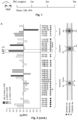
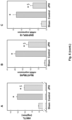
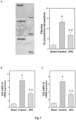
- Myocardial remodelling induced by aortic stenosis increases LAT1 expression and inhibits branched-chain amino acid (BCAA) catabolism
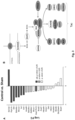
- JPH203 attenuates amino acid uptake and reverses the inhibition of branched chain amino acid catabolism induced by aortic stenosis
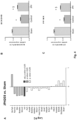
- the microarray results were confirmed by RT-PCR quantification of the expression of BCKDHB ( Figure 4B ) and PP1MK ( Figure 4C ).
- mice received 13C,15N-leucine intraperitoneally 30 minutes before heart extraction.
- Analysis of heart extracts by LC-MC/MC showed a marked increase in the ratio between the plasma and myocardial content of 13C6,15N-leucine in the control group, and a reduction in the levels of the 13C6,15N-leucine metabolites 13C-isovaleric acid and 13C-HMG ( Figure 5B ).
- the administration of JPH203 prevented these alterations in BCAA metabolism, demonstrating that the LAT1 overexpression occurring during aortic stenosis is responsible of them.
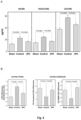
- aortic stenosis produced marked heart hypertrophy, reflected by increased HW/TL ratio ( Figure 6A ), the mRNA expression of common markers of hypertrophy measured by RT-PCR such as the beta isoform of the myosin heavy chain (MyH7; Figure 6B ) and brain natriuretic peptide (BNP; Figure 6C ), and the progressive increase in anterior and posterior wall thicknesses measured by echocardiography throughout the 5 weeks of aortic stenosis ( Figures 6D-E ).
- MyH7 myosin heavy chain
- BNP brain natriuretic peptide
- Aortic stenosis induced severe fibrosis shown as the accumulation of interstitial collagen in transversely sectioned hearts stained with Pricosirius Red ( Figure 7A ), and confirmed by measuring the expression of collagen I and collagen III by RT-PCR in myocardial homogenates obtained after two weeks of TAC surgery ( Figure 7B and 7C respectively).
- JPH203 chronic administration of JPH203 attenuates ventricular dilatation and cardiac dysfunction.
- mice After 5 weeks of TAC surgery, control mice showed signs of heart failure, as evidenced by the deterioration in cardiac function, measured as a reduction in the ejection fraction (EF) and expressed as percentage with respect basal values ( Figure 8C ), and the development of pulmonary oedema, measured as the water content in lungs obtained after 5 weeks of TAC surgery ( Figure 8D ).
- EF ejection fraction
- JPH203 chronic administration of JPH203 produced a significant attenuation of the severity of ventricular dilation ( Figure 8A-8B ).
Landscapes
- Health & Medical Sciences (AREA)
- Life Sciences & Earth Sciences (AREA)
- General Health & Medical Sciences (AREA)
- Veterinary Medicine (AREA)
- Public Health (AREA)
- Chemical & Material Sciences (AREA)
- Animal Behavior & Ethology (AREA)
- Pharmacology & Pharmacy (AREA)
- Medicinal Chemistry (AREA)
- Epidemiology (AREA)
- Bioinformatics & Cheminformatics (AREA)
- General Chemical & Material Sciences (AREA)
- Organic Chemistry (AREA)
- Engineering & Computer Science (AREA)
- Chemical Kinetics & Catalysis (AREA)
- Nuclear Medicine, Radiotherapy & Molecular Imaging (AREA)
- Heart & Thoracic Surgery (AREA)
- Cardiology (AREA)
- Pharmaceuticals Containing Other Organic And Inorganic Compounds (AREA)
Priority Applications (1)
| Application Number | Priority Date | Filing Date | Title |
|---|---|---|---|
| EP23383082.7A EP4545076A1 (fr) | 2023-10-24 | 2023-10-24 | Inhibiteurs sélectifs de lat1 destinés à être utilisés dans le traitement d'un remodelage ventriculaire indésirable et d'une insuffisance cardiaque |
Applications Claiming Priority (1)
| Application Number | Priority Date | Filing Date | Title |
|---|---|---|---|
| EP23383082.7A EP4545076A1 (fr) | 2023-10-24 | 2023-10-24 | Inhibiteurs sélectifs de lat1 destinés à être utilisés dans le traitement d'un remodelage ventriculaire indésirable et d'une insuffisance cardiaque |
Publications (1)
| Publication Number | Publication Date |
|---|---|
| EP4545076A1 true EP4545076A1 (fr) | 2025-04-30 |
Family
ID=88558421
Family Applications (1)
| Application Number | Title | Priority Date | Filing Date |
|---|---|---|---|
| EP23383082.7A Withdrawn EP4545076A1 (fr) | 2023-10-24 | 2023-10-24 | Inhibiteurs sélectifs de lat1 destinés à être utilisés dans le traitement d'un remodelage ventriculaire indésirable et d'une insuffisance cardiaque |
Country Status (1)
| Country | Link |
|---|---|
| EP (1) | EP4545076A1 (fr) |
-
2023
- 2023-10-24 EP EP23383082.7A patent/EP4545076A1/fr not_active Withdrawn
Non-Patent Citations (8)
| Title |
|---|
| AMIN AHMAD ET AL: "Effects of triiodothyronine replacement therapy in patients with chronic stable heart failure and low-triiodothyronine syndrome: a randomized, double-blind, placebo-controlled study", ESC HEART FAILURE, vol. 2, no. 1, 1 March 2015 (2015-03-01), pages 5 - 11, XP093144242, ISSN: 2055-5822, Retrieved from the Internet <URL:https://onlinelibrary.wiley.com/doi/full-xml/10.1002/ehf2.12025> DOI: 10.1002/ehf2.12025 * |
| BOGUSH NIKOLAY ET AL: "Remuscularization with triiodothyronine and [beta]1-blocker therapy reverses post-ischemic left ventricular dysfunction and adverse remodeling", SCIENTIFIC REPORTS, vol. 12, no. 1, 25 May 2022 (2022-05-25), US, XP093144246, ISSN: 2045-2322, Retrieved from the Internet <URL:https://www.nature.com/articles/s41598-022-12723-2> DOI: 10.1038/s41598-022-12723-2 * |
| CAS , no. 1037592-40-7 |
| GRAFF, J. ET AL.: "The Evaluation of I-Tryptophan Derivatives as Inhibitors of the I-Type Amino Acid Transporter LAT1 (SLC7A5", CHEMMEDCHEM, 2022, pages 17 |
| KONGPRACHA, P. ET AL.: "Structure-activity relationship of a novel series of inhibitors for cancer type transporter L-type amino acid transporter 1 (LAT1", J PHARMACOL SCI, vol. 133, no. 2, 2017, pages 96 - 102 |
| LI GUO-QING ET AL: "overexpression", JOURNAL OF CELLULAR AND MOLECULAR MEDICINE, vol. 26, no. 16, 8 July 2022 (2022-07-08), RO, pages 4453 - 4462, XP093144244, ISSN: 1582-1838, Retrieved from the Internet <URL:https://onlinelibrary.wiley.com/doi/full-xml/10.1111/jcmm.17470> DOI: 10.1111/jcmm.17470 * |
| OJAMAA KAIE ET AL: "Thyroid hormone metabolism and cardiac gene expression after acute myocardial infarction in the rat", AMERICAN JOURNAL OF PHYSIOLOGY: ENDOCRINOLOGY AND METABOLISM., vol. 279, no. 6, 1 December 2000 (2000-12-01), US, pages E1319 - E1324, XP093144200, ISSN: 0193-1849, DOI: 10.1152/ajpendo.2000.279.6.E1319 * |
| SINGH N. ET AL.: "Discovery of Potent Inhibitors for the Large Neutral Amino Acid Transporter 1 (LAT1) by Structure-Based Methods", INT J MOL SCI, vol. 20, no. 1, 2018, pages 1 - 27 |
Similar Documents
| Publication | Publication Date | Title |
|---|---|---|
| US20250360129A1 (en) | Compositions and methods of using tyrosine kinase inhibitors | |
| EP1297851B1 (fr) | Inhibition de l'histone déacétylase pour le traitement d'hypertrophie cardiaque | |
| Ding et al. | MicroRNA-214 contributes to Ang II-induced cardiac hypertrophy by targeting SIRT3 to provoke mitochondrial malfunction | |
| JP7642611B2 (ja) | 放射線曝露を処置するためのセピアプテリン及びその代謝産物の使用 | |
| NZ756256A (en) | Methods of treating and preventing endothelial dysfunction using bardoxolone methyl or analogs thereof | |
| US20250262329A1 (en) | Treatment of heart disease by disruption of the anchoring of pp2a | |
| JP2016535101A (ja) | 心臓リモデリング及び他の心疾患の治療 | |
| JP2019519514A (ja) | 概日時計の乱れに関連するマイクロバイオームの調節異常を処置するための方法及び医薬組成物 | |
| EP3756667B1 (fr) | Inhibiteurs d'adamts4 ou adamts5 à utiliser pour prévenir ou traiter un remodelage cardiaque ou une insuffisance cardiaque chronique | |
| JP7525591B2 (ja) | 心機能不全を予測及び処置するための方法 | |
| HK40118407A (en) | Use of sepiapterin and metabolites thereof to treat radiation exposure | |
| EP3452034B1 (fr) | Inhibiteurs de la calpaïne dans la prévention et/ou le traitement de remodelage ventriculaire | |
| HK40057503A (en) | Compositions and methods of using tyrosine kinase inhibitors | |
| HK40075560B (en) | Use of sepiapterin and metabolites thereof to treat radiation exposure | |
| HK40075560A (en) | Use of sepiapterin and metabolites thereof to treat radiation exposure | |
| EP1605262A1 (fr) | Procédé d'identification d'inhibiteurs d'hypertrophie cardiaque | |
| HK1245678B (en) | Compositions and methods of using tyrosine kinase inhibitors |
Legal Events
| Date | Code | Title | Description |
|---|---|---|---|
| PUAI | Public reference made under article 153(3) epc to a published international application that has entered the european phase |
Free format text: ORIGINAL CODE: 0009012 |
|
| STAA | Information on the status of an ep patent application or granted ep patent |
Free format text: STATUS: THE APPLICATION HAS BEEN PUBLISHED |
|
| AK | Designated contracting states |
Kind code of ref document: A1 Designated state(s): AL AT BE BG CH CY CZ DE DK EE ES FI FR GB GR HR HU IE IS IT LI LT LU LV MC ME MK MT NL NO PL PT RO RS SE SI SK SM TR |
|
| STAA | Information on the status of an ep patent application or granted ep patent |
Free format text: STATUS: THE APPLICATION IS DEEMED TO BE WITHDRAWN |
|
| 18D | Application deemed to be withdrawn |
Effective date: 20251031 |