EP4545085A1 - Car-t-zellen gegen cd79b zur behandlung von non-hodgkin-lymphom - Google Patents
Car-t-zellen gegen cd79b zur behandlung von non-hodgkin-lymphom Download PDFInfo
- Publication number
- EP4545085A1 EP4545085A1 EP23383097.5A EP23383097A EP4545085A1 EP 4545085 A1 EP4545085 A1 EP 4545085A1 EP 23383097 A EP23383097 A EP 23383097A EP 4545085 A1 EP4545085 A1 EP 4545085A1
- Authority
- EP
- European Patent Office
- Prior art keywords
- heavy chain
- amino acid
- domain
- hypervariable region
- chain hypervariable
- Prior art date
- Legal status (The legal status is an assumption and is not a legal conclusion. Google has not performed a legal analysis and makes no representation as to the accuracy of the status listed.)
- Withdrawn
Links
Images



Classifications
-
- C—CHEMISTRY; METALLURGY
- C07—ORGANIC CHEMISTRY
- C07K—PEPTIDES
- C07K16/00—Immunoglobulins [IG], e.g. monoclonal or polyclonal antibodies
- C07K16/18—Immunoglobulins [IG], e.g. monoclonal or polyclonal antibodies against material from animals or humans
- C07K16/28—Immunoglobulins [IG], e.g. monoclonal or polyclonal antibodies against material from animals or humans against receptors, cell surface antigens or cell surface determinants
-
- A—HUMAN NECESSITIES
- A61—MEDICAL OR VETERINARY SCIENCE; HYGIENE
- A61K—PREPARATIONS FOR MEDICAL, DENTAL OR TOILETRY PURPOSES
- A61K40/00—Cellular immunotherapy
- A61K40/10—Cellular immunotherapy characterised by the cell type used
- A61K40/11—T-cells, e.g. tumour infiltrating lymphocytes [TIL] or regulatory T [Treg] cells; Lymphokine-activated killer [LAK] cells
-
- A—HUMAN NECESSITIES
- A61—MEDICAL OR VETERINARY SCIENCE; HYGIENE
- A61K—PREPARATIONS FOR MEDICAL, DENTAL OR TOILETRY PURPOSES
- A61K40/00—Cellular immunotherapy
- A61K40/30—Cellular immunotherapy characterised by the recombinant expression of specific molecules in the cells of the immune system
- A61K40/31—Chimeric antigen receptors [CAR]
-
- A—HUMAN NECESSITIES
- A61—MEDICAL OR VETERINARY SCIENCE; HYGIENE
- A61K—PREPARATIONS FOR MEDICAL, DENTAL OR TOILETRY PURPOSES
- A61K40/00—Cellular immunotherapy
- A61K40/40—Cellular immunotherapy characterised by antigens that are targeted or presented by cells of the immune system
- A61K40/41—Vertebrate antigens
- A61K40/42—Cancer antigens
- A61K40/4202—Receptors, cell surface antigens or cell surface determinants
- A61K40/421—Immunoglobulin superfamily
- A61K40/4211—CD19 or B4
-
- A—HUMAN NECESSITIES
- A61—MEDICAL OR VETERINARY SCIENCE; HYGIENE
- A61K—PREPARATIONS FOR MEDICAL, DENTAL OR TOILETRY PURPOSES
- A61K40/00—Cellular immunotherapy
- A61K40/40—Cellular immunotherapy characterised by antigens that are targeted or presented by cells of the immune system
- A61K40/41—Vertebrate antigens
- A61K40/42—Cancer antigens
- A61K40/4202—Receptors, cell surface antigens or cell surface determinants
- A61K40/4214—Receptors for cytokines
- A61K40/4215—Receptors for tumor necrosis factors [TNF], e.g. lymphotoxin receptor [LTR], CD30
-
- A—HUMAN NECESSITIES
- A61—MEDICAL OR VETERINARY SCIENCE; HYGIENE
- A61K—PREPARATIONS FOR MEDICAL, DENTAL OR TOILETRY PURPOSES
- A61K40/00—Cellular immunotherapy
- A61K40/40—Cellular immunotherapy characterised by antigens that are targeted or presented by cells of the immune system
- A61K40/41—Vertebrate antigens
- A61K40/42—Cancer antigens
- A61K40/4202—Receptors, cell surface antigens or cell surface determinants
- A61K40/4224—Molecules with a "CD" designation not provided for elsewhere
-
- A—HUMAN NECESSITIES
- A61—MEDICAL OR VETERINARY SCIENCE; HYGIENE
- A61K—PREPARATIONS FOR MEDICAL, DENTAL OR TOILETRY PURPOSES
- A61K47/00—Medicinal preparations characterised by the non-active ingredients used, e.g. carriers or inert additives; Targeting or modifying agents chemically bound to the active ingredient
- A61K47/50—Medicinal preparations characterised by the non-active ingredients used, e.g. carriers or inert additives; Targeting or modifying agents chemically bound to the active ingredient the non-active ingredient being chemically bound to the active ingredient, e.g. polymer-drug conjugates
- A61K47/51—Medicinal preparations characterised by the non-active ingredients used, e.g. carriers or inert additives; Targeting or modifying agents chemically bound to the active ingredient the non-active ingredient being chemically bound to the active ingredient, e.g. polymer-drug conjugates the non-active ingredient being a modifying agent
- A61K47/68—Medicinal preparations characterised by the non-active ingredients used, e.g. carriers or inert additives; Targeting or modifying agents chemically bound to the active ingredient the non-active ingredient being chemically bound to the active ingredient, e.g. polymer-drug conjugates the non-active ingredient being a modifying agent the modifying agent being an antibody, an immunoglobulin or a fragment thereof, e.g. an Fc-fragment
- A61K47/6801—Drug-antibody or immunoglobulin conjugates defined by the pharmacologically or therapeutically active agent
- A61K47/6803—Drugs conjugated to an antibody or immunoglobulin, e.g. cisplatin-antibody conjugates
- A61K47/6811—Drugs conjugated to an antibody or immunoglobulin, e.g. cisplatin-antibody conjugates the drug being a protein or peptide, e.g. transferrin or bleomycin
-
- A—HUMAN NECESSITIES
- A61—MEDICAL OR VETERINARY SCIENCE; HYGIENE
- A61K—PREPARATIONS FOR MEDICAL, DENTAL OR TOILETRY PURPOSES
- A61K47/00—Medicinal preparations characterised by the non-active ingredients used, e.g. carriers or inert additives; Targeting or modifying agents chemically bound to the active ingredient
- A61K47/50—Medicinal preparations characterised by the non-active ingredients used, e.g. carriers or inert additives; Targeting or modifying agents chemically bound to the active ingredient the non-active ingredient being chemically bound to the active ingredient, e.g. polymer-drug conjugates
- A61K47/51—Medicinal preparations characterised by the non-active ingredients used, e.g. carriers or inert additives; Targeting or modifying agents chemically bound to the active ingredient the non-active ingredient being chemically bound to the active ingredient, e.g. polymer-drug conjugates the non-active ingredient being a modifying agent
- A61K47/68—Medicinal preparations characterised by the non-active ingredients used, e.g. carriers or inert additives; Targeting or modifying agents chemically bound to the active ingredient the non-active ingredient being chemically bound to the active ingredient, e.g. polymer-drug conjugates the non-active ingredient being a modifying agent the modifying agent being an antibody, an immunoglobulin or a fragment thereof, e.g. an Fc-fragment
- A61K47/6835—Medicinal preparations characterised by the non-active ingredients used, e.g. carriers or inert additives; Targeting or modifying agents chemically bound to the active ingredient the non-active ingredient being chemically bound to the active ingredient, e.g. polymer-drug conjugates the non-active ingredient being a modifying agent the modifying agent being an antibody, an immunoglobulin or a fragment thereof, e.g. an Fc-fragment the modifying agent being an antibody or an immunoglobulin bearing at least one antigen-binding site
- A61K47/6849—Medicinal preparations characterised by the non-active ingredients used, e.g. carriers or inert additives; Targeting or modifying agents chemically bound to the active ingredient the non-active ingredient being chemically bound to the active ingredient, e.g. polymer-drug conjugates the non-active ingredient being a modifying agent the modifying agent being an antibody, an immunoglobulin or a fragment thereof, e.g. an Fc-fragment the modifying agent being an antibody or an immunoglobulin bearing at least one antigen-binding site the antibody targeting a receptor, a cell surface antigen or a cell surface determinant
-
- A—HUMAN NECESSITIES
- A61—MEDICAL OR VETERINARY SCIENCE; HYGIENE
- A61K—PREPARATIONS FOR MEDICAL, DENTAL OR TOILETRY PURPOSES
- A61K47/00—Medicinal preparations characterised by the non-active ingredients used, e.g. carriers or inert additives; Targeting or modifying agents chemically bound to the active ingredient
- A61K47/50—Medicinal preparations characterised by the non-active ingredients used, e.g. carriers or inert additives; Targeting or modifying agents chemically bound to the active ingredient the non-active ingredient being chemically bound to the active ingredient, e.g. polymer-drug conjugates
- A61K47/51—Medicinal preparations characterised by the non-active ingredients used, e.g. carriers or inert additives; Targeting or modifying agents chemically bound to the active ingredient the non-active ingredient being chemically bound to the active ingredient, e.g. polymer-drug conjugates the non-active ingredient being a modifying agent
- A61K47/68—Medicinal preparations characterised by the non-active ingredients used, e.g. carriers or inert additives; Targeting or modifying agents chemically bound to the active ingredient the non-active ingredient being chemically bound to the active ingredient, e.g. polymer-drug conjugates the non-active ingredient being a modifying agent the modifying agent being an antibody, an immunoglobulin or a fragment thereof, e.g. an Fc-fragment
- A61K47/6835—Medicinal preparations characterised by the non-active ingredients used, e.g. carriers or inert additives; Targeting or modifying agents chemically bound to the active ingredient the non-active ingredient being chemically bound to the active ingredient, e.g. polymer-drug conjugates the non-active ingredient being a modifying agent the modifying agent being an antibody, an immunoglobulin or a fragment thereof, e.g. an Fc-fragment the modifying agent being an antibody or an immunoglobulin bearing at least one antigen-binding site
- A61K47/6851—Medicinal preparations characterised by the non-active ingredients used, e.g. carriers or inert additives; Targeting or modifying agents chemically bound to the active ingredient the non-active ingredient being chemically bound to the active ingredient, e.g. polymer-drug conjugates the non-active ingredient being a modifying agent the modifying agent being an antibody, an immunoglobulin or a fragment thereof, e.g. an Fc-fragment the modifying agent being an antibody or an immunoglobulin bearing at least one antigen-binding site the antibody targeting a determinant of a tumour cell
- A61K47/6867—Medicinal preparations characterised by the non-active ingredients used, e.g. carriers or inert additives; Targeting or modifying agents chemically bound to the active ingredient the non-active ingredient being chemically bound to the active ingredient, e.g. polymer-drug conjugates the non-active ingredient being a modifying agent the modifying agent being an antibody, an immunoglobulin or a fragment thereof, e.g. an Fc-fragment the modifying agent being an antibody or an immunoglobulin bearing at least one antigen-binding site the antibody targeting a determinant of a tumour cell the tumour determinant being from a cell of a blood cancer
-
- A—HUMAN NECESSITIES
- A61—MEDICAL OR VETERINARY SCIENCE; HYGIENE
- A61P—SPECIFIC THERAPEUTIC ACTIVITY OF CHEMICAL COMPOUNDS OR MEDICINAL PREPARATIONS
- A61P35/00—Antineoplastic agents
-
- C—CHEMISTRY; METALLURGY
- C07—ORGANIC CHEMISTRY
- C07K—PEPTIDES
- C07K14/00—Peptides having more than 20 amino acids; Gastrins; Somatostatins; Melanotropins; Derivatives thereof
- C07K14/435—Peptides having more than 20 amino acids; Gastrins; Somatostatins; Melanotropins; Derivatives thereof from animals; from humans
- C07K14/705—Receptors; Cell surface antigens; Cell surface determinants
- C07K14/70503—Immunoglobulin superfamily
- C07K14/7051—T-cell receptor (TcR)-CD3 complex
-
- A—HUMAN NECESSITIES
- A61—MEDICAL OR VETERINARY SCIENCE; HYGIENE
- A61K—PREPARATIONS FOR MEDICAL, DENTAL OR TOILETRY PURPOSES
- A61K2239/00—Indexing codes associated with cellular immunotherapy of group A61K40/00
- A61K2239/31—Indexing codes associated with cellular immunotherapy of group A61K40/00 characterized by the route of administration
-
- A—HUMAN NECESSITIES
- A61—MEDICAL OR VETERINARY SCIENCE; HYGIENE
- A61K—PREPARATIONS FOR MEDICAL, DENTAL OR TOILETRY PURPOSES
- A61K2239/00—Indexing codes associated with cellular immunotherapy of group A61K40/00
- A61K2239/38—Indexing codes associated with cellular immunotherapy of group A61K40/00 characterised by the dose, timing or administration schedule
-
- A—HUMAN NECESSITIES
- A61—MEDICAL OR VETERINARY SCIENCE; HYGIENE
- A61K—PREPARATIONS FOR MEDICAL, DENTAL OR TOILETRY PURPOSES
- A61K2239/00—Indexing codes associated with cellular immunotherapy of group A61K40/00
- A61K2239/46—Indexing codes associated with cellular immunotherapy of group A61K40/00 characterised by the cancer treated
- A61K2239/48—Blood cells, e.g. leukemia or lymphoma
-
- C—CHEMISTRY; METALLURGY
- C07—ORGANIC CHEMISTRY
- C07K—PEPTIDES
- C07K2317/00—Immunoglobulins specific features
- C07K2317/60—Immunoglobulins specific features characterized by non-natural combinations of immunoglobulin fragments
- C07K2317/62—Immunoglobulins specific features characterized by non-natural combinations of immunoglobulin fragments comprising only variable region components
- C07K2317/622—Single chain antibody (scFv)
-
- C—CHEMISTRY; METALLURGY
- C07—ORGANIC CHEMISTRY
- C07K—PEPTIDES
- C07K2317/00—Immunoglobulins specific features
- C07K2317/70—Immunoglobulins specific features characterized by effect upon binding to a cell or to an antigen
- C07K2317/73—Inducing cell death, e.g. apoptosis, necrosis or inhibition of cell proliferation
-
- C—CHEMISTRY; METALLURGY
- C07—ORGANIC CHEMISTRY
- C07K—PEPTIDES
- C07K2319/00—Fusion polypeptide
- C07K2319/01—Fusion polypeptide containing a localisation/targetting motif
- C07K2319/03—Fusion polypeptide containing a localisation/targetting motif containing a transmembrane segment
-
- C—CHEMISTRY; METALLURGY
- C12—BIOCHEMISTRY; BEER; SPIRITS; WINE; VINEGAR; MICROBIOLOGY; ENZYMOLOGY; MUTATION OR GENETIC ENGINEERING
- C12N—MICROORGANISMS OR ENZYMES; COMPOSITIONS THEREOF; PROPAGATING, PRESERVING, OR MAINTAINING MICROORGANISMS; MUTATION OR GENETIC ENGINEERING; CULTURE MEDIA
- C12N2740/00—Reverse transcribing RNA viruses
- C12N2740/00011—Details
- C12N2740/10011—Retroviridae
- C12N2740/15011—Lentivirus, not HIV, e.g. FIV, SIV
- C12N2740/15041—Use of virus, viral particle or viral elements as a vector
Definitions
- the present invention provides therapeutics for the treatment non-Hodgkin lymphoma (NHL).
- the present invention provides nucleic acid.
- Adoptive cellular immunotherapy with autologous T cells modified to express a chimeric antigen receptor (CAR) has improved the treatment of B cell malignancies, including Non-Hodgkin lymphoma (NHL), acute lymphoblastic leukemia (ALL) and multiple myeloma (MM).
- NHL Non-Hodgkin lymphoma
- ALL acute lymphoblastic leukemia
- MM multiple myeloma
- NHL Non-Hodgkin lymphoma
- NHL Non-Hodgkin lymphoma
- ALL acute lymphoblastic leukemia
- MM multiple myeloma
- CAR-T cells directed to BCMA and CD79b can treat NHL.
- Polatuzumab vedotin is an antibody-drug conjugate (ADC), which has shown superior disease-free survival to the standard R-CHOP treatment in intermediate-high risk patients with DLBCL.
- ADC antibody-drug conjugate
- CAR-based strategies targeting CD79b will yield better clinical results.
- patients who have lost CD19 after CAR-T19 treatment express CD79b, indicating they could be treated with CD79b-based immunotherapies.
- the present invention relates to a new CAR-T therapy against CD79b which overcomes the drawbacks of the therapies Non-Hodgkin Lymphoma mentioned above.
- the inventors have developed a new CAR-T therapy for NHL based on the antigen CD79b, which consists in three different CARs against CD79b, named CARLY1, CARLY2, and CARLY3.
- the invention relates to a nucleic acid encoding the CAR as disclosed in the present document.
- the invention relates to a cell comprising the nucleic acid according to the second aspect of the invention.
- the invention in a fourth aspect, relates to a pharmaceutical composition
- a pharmaceutical composition comprising a plurality of cells according to the third aspect of the invention and a pharmaceutically acceptable carrier or diluent.
- the present invention relates to the cell according to the third aspect or the pharmaceutical composition according to the fourth aspect, for use as a medicament. In a further aspect, the present invention relates to the cell according to the third aspect for use in a method of treatment of NHL.
- chimeric antigen receptor or "CAR” refers to a synthetic receptor that targets T cells to a chosen antigen and reprograms T cell function, metabolism and persistence.
- CART refers to a T cell that comprises a CAR.
- antibody refers to a molecule comprising at least one immunoglobulin domain that binds to, or is immunologically reactive with, a particular target.
- the term includes whole antibodies and any antigen binding portion or single chains thereof and combinations thereof; for instance, the term “antibody” in particular includes bivalent antibodies and bivalent bi-specific antibodies.
- a typical type of antibody comprises at least two heavy chains (“HC") and two light chains (“LC”) interconnected by disulfide bonds.
- Each "heavy chain” comprises a “heavy chain variable domain” (abbreviated herein as "VH”) and a “heavy chain constant domain” (abbreviated herein as "CH”).
- the heavy chain constant domain typically comprises three constants domains, CH1, CH2, and CH3.
- Each "light chain” comprises a “light chain variable domain” (abbreviated herein as “VL”) and a “light chain constant domain” (“CL”).
- the light chain constant domain (CL) can be of the kappa type or of the lambda type.
- the VH and VL domains can be further subdivided into regions of hypervariability, termed Complementarity Determining Regions ("CDR"), interspersed with regions that are more conserved, termed “framework regions" (“FW').
- CDR Complementarity Determining Regions
- antibody encompasses intact polyclonal antibodies, intact monoclonal antibodies, bivalent antibody fragments (such as F(ab')2), multispecific antibodies such as bispecific antibodies, chimeric antibodies, humanized antibodies, human antibodies, and any other modified immunoglobulin molecule comprising an antigen binding site.
- an agent e.g., a therapeutic agent such as a CART
- an effective amount depends upon the context in which it is being applied.
- effective amount can be used interchangeably with “effective dose,” “therapeutically effective amount,” or “therapeutically effective dose”.
- pharmaceutically acceptable carrier or “pharmaceutically acceptable diluent” means any and all solvents, dispersion media, coatings, antibacterial and antifungal agents, isotonic and absorption delaying agents, compatible with pharmaceutical administration.
- sequence identity refers to a percentage value obtained when two sequences are compared using a pairwise sequence alignment tool.
- sequence identity is obtained using the global alignment tool "EMBOSS Needle” using the default settings ( Rice et al., 2000. Trends Genet. 16(6):276-7 ; Li et al., 2015. Nucleic Acids Res. 43(W1):W580-4 ).
- the global alignment tool is available at: https://www.ebi.ac.uk/Tools/psa/.
- single-chain variable fragment refers to a fusion protein comprising the variable domains of the heavy chain and light chain of an antibody linked to one another with a peptide linker.
- the term also includes a disulfide stabilized Fv (dsFv). Methods of stabilizing scFvs with disulfide bonds are disclosed in Reiter et al., 1996. Nat Biotechnol. 14(10):1239-45 .
- treatment and “therapy”, as used in the present application, refer to a set of hygienic, pharmacological, surgical and/or physical means used with the intent to cure and/or alleviate a disease and/or symptoms with the goal of remediating the health problem.
- treatment and “therapy” include preventive and curative methods, since both are directed to the maintenance and/or reestablishment of the health of an individual or animal. Regardless of the origin of the symptoms, disease and disability, the administration of a suitable medicament to alleviate and/or cure a health problem should be interpreted as a form of treatment or therapy within the context of this application.
- the CD79b -targeting moiety preferably an antibody or scFv, preferable is a murine antibody, and more preferred is a murine scFv that comprises a VH domain, wherein said VH domain comprises or consists of SEQ ID NO 4: or a variant thereof having at least an 85%, 90% 95%, 96%, 97%, 98%, or 99% sequence identity with SEQ ID NO 4,
- the CD79b -targeting moiety preferably an antibody or scFv, comprises a VL domain, wherein said VL domain comprises:
- the CD79b -targeting moiety preferably an antibody or scFv, comprises a VL domain, wherein said VL domain comprises:
- the CD79b -targeting moiety preferably an antibody or scFv, preferable is a murine antibody, and more preferred is a murine scFv that comprises a VL domain, wherein said VL domain comprises or consists of SEQ ID NO 8: or a variant thereof having at least an 85%, 90% 95%, 96%, 97%, 98%, or 99% sequence identity with SEQ ID NO 8.
- the CD79b -targeting moiety preferably an antibody or scFv, comprises a VH domain, wherein said VH domain comprises:
- said CD79b-targeting moiety is humanized antibody or murine antibody. In another more preferred embodiment, said CD79b-targeting moiety is humanized scFv or murine scFv.
- the CD79b -targeting moiety preferably an antibody or scFv, preferable is a murine antibody, and more preferred is a murine scFv that comprises a VH domain and a VL domain, wherein said VH and VL domain comprises or consists of SEQ ID NO 4 and 8 or a variant of any of these sequences as defined above.
- said sequence VH and VL domain comprises or consists of SEQ ID NO 9: or a variant thereof having at least an 85%, 90% 95%, 96%, 97%, 98%, or 99% sequence identity with SEQ ID NO 9.
- VH and VL domain of SEQ ID NO 9 comprises a linker sequence, in particular SEQ ID NO 24: GGGGSGGGGSGGGGS.
- Other linker sequences might, however, be used.
- VH and VL domain in particular SEQ ID NO 9, might further comprise a signal Peptide, wherein preferably said signal peptide comprises or consists of SEQ ID NO 23: MEAPAQLLFLLLLVVLPDTTG, or a variant thereof having at least an 85%, 90% 95%, 96%, 97%, 98%, or 99% sequence identity with SEQ ID NO 23.
- CARLY 2 chimeric antigen receptor T-cells that can target CD79b.
- This embodiment is named as CARLY 2.
- This CAR comprises a CD79b -targeting moiety, preferably an antibody or scFv, that comprises a VH domain, wherein said VH domain comprises:
- the CD79b -targeting moiety preferably an antibody or scFv, comprises a VH domain, wherein said VH domain comprises:
- the CD79b -targeting moiety preferably an antibody or scFv, preferable is a murine antibody, and more preferred is a murine scFv that comprises a VH domain, wherein said VH domain comprises or consists of SEQ ID NO 12: or a variant thereof having at least an 85%, 90% 95%, 96%, 97%, 98%, or 99% sequence identity with SEQ ID NO 12.
- the CD79b -targeting moiety preferably an antibody or scFv, comprises a VL domain, wherein said VL domain comprises:
- the CD79b -targeting moiety preferably an antibody or scFv, comprises a VL domain, wherein said VL domain comprises:
- the CD79b -targeting moiety preferably an antibody or scFv, preferable is a murine antibody, and more preferred is a murine scFv, comprises a VL domain, wherein said VL domain comprises or consists of SEQ ID NO 15: or a variant thereof having at least an 85%, 90% 95%, 96%, 97%, 98%, or 99% sequence identity with SEQ ID NO 15.
- the CD79b -targeting moiety preferably an antibody or scFv, comprises a VH domain, wherein said VH domain comprises:
- the CD79b -targeting moiety preferably an antibody or scFv that comprises: a VH domain, wherein said VH domain comprising:
- said CD79b-targeting moiety is humanized antibody or murine antibody. In another more preferred embodiment, said CD79b-targeting moiety is humanized scFv or murine scFv.
- the CD79b -targeting moiety preferably an antibody or scFv, preferable is a murine antibody, and more preferred is a murine scFv that comprises a VH domain and a VL domain, wherein said VH and VL domain comprises or consists of SEQ ID NO 12 and 15 or a variant of any of these sequences as defined above.
- said sequence VH and VL domain comprises or consists of SEQ ID NO 16: or a variant thereof having at least an 85%, 90% 95%, 96%, 97%, 98%, or 99% sequence identity with SEQ ID NO 16.
- VH and VL domain of SEQ ID NO 16 comprises a linker sequence, in particular SEQ ID NO 24: GGGGSGGGGSGGGGS.
- Other linker sequences might, however, be used.
- VH and VL domain in particular SEQ ID NO 16, might further comprise a signal Peptide, wherein preferably said signal peptide comprises or consists of SEQ ID NO 23: MEAPAQLLFLLLLVVLPDTTG or a variant thereof having at least an 85%, 90% 95%, 96%, 97%, 98%, or 99% sequence identity with SEQ ID NO 23.
- CARLY 1 chimeric antigen receptor T-cells that can target CD79b.
- This embodiment is named as CARLY 1.
- This CAR comprises a CD79b -targeting moiety, preferably an antibody or scFv, that comprises a VH domain, wherein said VH domain comprises:
- the CD79b -targeting moiety preferably an antibody or scFv, comprises a VH domain, wherein said VH domain comprises:
- the CD79b -targeting moiety preferably an antibody or scFv, preferable is a murine antibody, and more preferred is a murine scFv, that comprises a VH domain, wherein said VH domain comprises or consists of SEQ ID NO 20: or a variant thereof having at least an 85%, 90% 95%, 96%, 97%, 98%, or 99% sequence identity with SEQ ID NO 20.
- the CD79b -targeting moiety preferably an antibody or scFv, comprises a VL domain, wherein said VL domain comprises:
- the CD79b -targeting moiety preferably an antibody or scFv, comprises a VL domain, wherein said VL domain comprises:
- the CD79b -targeting moiety preferably an antibody or scFv, preferable is a murine antibody, and more preferred is a murine scFv that comprises a VL domain, wherein said VL domain comprises or consists of SEQ ID NO 21: or a variant thereof having at least an 85%, 90% 95%, 96%, 97%, 98%, or 99% sequence identity with SEQ ID NO 21.
- the CD79b -targeting moiety preferably an antibody or scFv, comprises a VH domain, wherein said VH domain comprises:
- the CD79b -targeting moiety preferably an antibody or scFv that comprises:
- said CD79b-targeting moiety is humanized antibody or murine antibody. In another more preferred embodiment, said CD79b-targeting moiety is humanized scFv or murine scFv.
- the CD79b -targeting moiety preferably an antibody or scFv, preferable is a murine antibody, and more preferred is a murine scFv that comprises a VH domain and a VL domain, wherein said VH and VL domain comprises or consists of SEQ ID NO 20 and 21 or a variant of any of these sequences as defined above.
- said sequence VH and VL domain comprises or consists of SEQ ID NO 22: or a variant thereof having at least an 85%, 90% 95%, 96%, 97%, 98%, or 99% sequence identity with SEQ ID NO 22.
- VH and VL domain of SEQ ID NO 22 comprises a linker sequence, in particular SEQ ID NO 24: GGGGSGGGGSGGGGS.
- Other linker sequences might, however, be used.
- VL and VH domain in particular SEQ ID NO 22, might further comprise a signal Peptide, wherein preferably said signal peptide comprises or consists of SEQ ID NO 23: MEAPAQLLFLLLLVVLPDTTG or a variant thereof having at least an 85%, 90% 95%, 96%, 97%, 98%, or 99% sequence identity with SEQ ID NO 23.
- the transmembrane domain may be derived either from a natural or a synthetic source.
- the domain may be derived from any membrane-bound or transmembrane protein.
- Transmembrane regions may comprise at least the transmembrane region(s) of the ⁇ -, ⁇ - or ⁇ - chain of CD28, CD3, CD45, CD4, CD8, CD9, CD16, CD22, CD33, CD37, CD64, CD80, CD86, CD134, CD137, or CD154.
- the transmembrane regions comprise at least the transmembrane region(s) CD8a.
- a transmembrane domain may be synthetic or a variant of a naturally occurring transmembrane domain.
- synthetic or variant transmembrane domains comprise predominantly hydrophobic residues such as leucine and valine.
- the transmembrane domain comprises or consists of SEQ ID NO: 26 or a variant thereof having at least an 85%, 90% 95%, 96%, 97%, 98%, or 99% sequence identity with SEQ ID NO 26.
- the transmembrane domain further comprises a CD8 hinge and comprises or consists of SEQ ID NO: 27 or a variant thereof having at least an 85%, 90% 95%, 96%, 97%, 98%, or 99% sequence identity with SEQ ID NO 27.
- the CAR of the invention must further comprise a costimulatory signaling domain.
- the costimulatory signaling domain comprises the intracellular domain of 4-1BB or a variant thereof, wherein the variant thereof has at least an 85%, 90%, 95%, 96%, 97%, 98%, or 99% sequence identity.
- the costimulatory signaling domain comprises or consists of the intracellular domain of 4-1BB or a variant thereof, wherein the variant thereof has at least an 85%, 90% 95%, 96%, 97%, 98%, or 99% sequence identity.
- the CAR of the invention must further comprise a intracellular signaling domain.
- the intracellular signaling domain provides for the activation of at least one function of the cell expressing the CAR upon binding to the ligand expressed on tumor cells.
- the intracellular signaling domain contains one or more intracellular signaling domains.
- the intracellular signaling domain is a portion of and/or a variant of an intracellular signaling domain that provides for activation of at least one function of the CAR-comprising cell.
- the intracellular signaling domain comprises or consists of the intracellular domain of CD3 ⁇ or a variant thereof, wherein the variant thereof has at least an 85%, 90% 95%, 96%, 97%, 98%, or 99% sequence identity.
- the intracellular signaling domain comprises SEQ ID NO: 29, or a variant thereof having at least an 85%, 90% 95%, 96%, 97%, 98%, or 99% sequence identity with SEQ ID NO 29. It is noted that SEQ ID NO: 29 is represented by the following sequence:
- the invention in a second aspect, relates to a nucleic acid encoding the CAR as disclosed in the present document.
- the nucleic acid sequence that encodes the chimeric receptor links together a number of modular components that can be excised and replaced with other components in order to customize the chimeric receptor for efficient T cell activation and recognition of CD79b.
- nucleotide sequence of the CD79b -targeting moiety preferably the VH domain and VL domain with the linker, of the embodiment named as CARLY 3 according to the present invention might preferably comprise or consists of SEQ ID NO 30:
- nucleotide sequence of the CD79b -targeting moiety preferably the VH domain and VL domain with the linker, of the embodiment named as CARLY 2 according to the present invention might preferably comprise or consists of SEQ ID NO 31:
- nucleotide sequence of the CD79b -targeting moiety preferably the VH domain and VL domain with the linker, of the embodiment named as CARLY 1 according to the present invention might preferably comprise or consists of SEQ ID NO 32:
- the present invention provides a cell comprising the nucleic acid of the present invention and/or the CAR of the present invention.
- the cell is a T-cell, referred to as a CART.
- the cell is a naive T cell, memory stem T cell or central memory T cell. It is currently thought that these cells are better suited for adaptive immunotherapy (see Rivière & Sadelain, 2017. Mol Ther. 25(5):1117-1124 ).
- the cell is an autologous T cell.
- autologous cell refers to a cell obtained from the same patient that is to be treated using any one of the methods of the present invention.
- the cell is an allo-tolerant T cell.
- all-tolerant cell refers to a cell that has been engineered to decrease the risk of a Graft-versus-host disease response. In some embodiments, this is achieved by genomic editing-mediated deletion of TCR and/or ⁇ 2-microglobulin15,19. Allo-tolerant cells are known in the art (see section of allogeneic T cells in Rivière & Sadelain, 2017. Mol Ther. 25(5): 1117-1124 ).
- the cell is a lymphoid precursor, embryonic stem cell or an induced pluripotent stem cell with the capacity to differentiate into a mature T cell (see Rivière & Sadelain, 2017. Mol Ther. 25(5):1117-1124 ).
- the invention in a fourth aspect, relates to a pharmaceutical composition
- a pharmaceutical composition comprising a plurality of cells according to the third aspect of the invention and a pharmaceutically acceptable carrier or diluent.
- a pharmaceutical composition as described herein may also contain other substances. These substances include, but are not limited to, cryoprotectants, surfactants, antioxidants, and stabilizing agents.
- cryoprotectant includes agents, which provide stability to the CARTs against freezing-induced stresses.
- Nonlimiting examples of cryoprotectants include sugars, such as sucrose, glucose, trehalose, mannitol, mannose, and lactose; polymers, such as dextran, hydroxyethyl starch and polyethylene glycol; surfactants, such as polysorbates (e.g., PS-20 or PS-80); and amino acids, such as glycine, arginine, leucine, and serine.
- a cryoprotectant exhibiting low toxicity in biological systems is generally used.
- the cells are formulated by first harvesting them from their culture medium, and then washing and concentrating the cells in a medium and container system suitable for administration (a "pharmaceutically acceptable" carrier) in a therapeutically effective amount.
- a medium and container system suitable for administration a "pharmaceutically acceptable” carrier
- Suitable infusion medium can be any isotonic medium formulation, typically normal saline, Normosol R (Abbott) or Plasma-Lyte A (Baxter), but also 5% dextrose in water or Ringer's lactate can be utilized.
- the infusion medium can be supplemented with human serum albumin, fetal bovine serum or other human serum components.
- the present invention relates to the cell according to the third aspect or the pharmaceutical composition according to the fourth aspect, for use as a medicament.
- the present invention provides a cell according to the present invention or a pharmaceutical composition according to the present invention for use in a method of treatment of NHL.
- the present invention provides a method of treating Non- Hodgkin Lynphoma comprising administering the cell of the present invention or the pharmaceutical composition of the present invention to a patient in need thereof.
- the patient is administered a therapeutically effective amount of cells.
- the cell or pharmaceutical composition is administered is administered intravenously, intraperitoneally, into the bone marrow, into the lymph node, and /or into cerebrospinal fluid.
- CD79b-CARLY(1,2,3) scFv complexes The structural models of the CD79b and CARLY(1,2,3) scFv complexes were obtained using data-driven docking as follows. The structure for CD79a in complex with CD79b and IgHM constant mu chain, identification code 7xq8 (24), was taken for the PDB databank (25). The structure of CARLY(1,2,3) scFvs were derived by homology modelling using M4T (26). The structure of CD79b in complex with CD79a and IgHM constant mu chain was used to identify the epitope of CD79b for docking (next).
- the initial docking conformations were inferred using PatchDock (27) by selecting the complementarity-determining regions (CDRs) of CARLY(1,2,3) scFvs and the predicted epitope of CD79b as docking interfaces.
- the surface segmentation parameters for CD79b and CARLY(1,2,3) scFvs were set to default except for the hot spot filter type that was set to antigen and antibody, respectively.
- the resulting docking conformation were optimized and minimized using the SnugDock application (28) within the Rosetta suite (29) with default parameters except refine_outer_cycles, max_inner_cycles and -h3_filter set to 2, 20 and true, respectively. Finally, the resulting minimized complexes were sorted by Rosetta global score and the top 200 poses were visually inspected.
- Donors of immune cells peripheral blood T cells and monocytes were obtained from buffy coats from healthy donors obtained at "Centro de Transfusiones de Madrid" after obtaining informed consent and being approved by the BST.
- Tumor cell lines Ramos, WSU, SC1, and K562 cell lines were purchased from American Tissue Culture Collection (Manassas, Virginia, USA). ARP1 cell line was kindly provided by Multiple Myeloma Research Center (Little Rock, Arkansas, USA) under MTA. All tumor cell lines were cultured in RPMI with 10% fetal bovine serum (FBS) and 1% penicillin/streptomycin (Pen/Strep).
- FBS fetal bovine serum
- Pen/Strep penicillin/streptomycin
- Tumor MM cell lines were modified to express GFP-FireFlyLuciferase (GFP-FFLuc) using the plasmids pLV-MSCV_Luc-T2A-GFP (kindly provided by Amer Najjar) coding for GFP-FFLuc, and pMD2.G and psPAX2 coding for VSV-G and gag/pol, respectively.
- Mycoplasma testing in cell lines was performed every two months.
- Lentivirus production for CAR-T cells All genes coding the different CARLYs were inserted in a pCCL plasmid with EF1a promoter. ARI0001 (from now on ARI1) was provided by Manel Juan (Hospital Clinic of Barcelona), ARI0002h (from now on ARI2h) had been produced previously by the authors (23,30). Lentiviral particles were obtained with packaging plasmids pMDLg-pRRE, pRSV-Rev, and envelope plasmid VSV. Production of virus particles to transduce T cells was done in HEK293T cells using the same protocol previously described by us, using NaCl and JetPei, and Lenti-X Concentrator (ClonTech) to collect virus supernatants (30).
- T cells were obtained from buffy coats by Ficoll and magnetic T cell depletion (Miltenyi Biotec). T cells were expanded in Click's media (50% RPMI, 50% Click's (Irvine Scientific), 5% human serum, 1% Pen/Strep), activated with Dynabeads Human T-Activator CD3/CD28 (Thermo Fisher Scientific) and IL-2 (100 IU/mL) every other day. Experiments were performed after 8-10 days of T cell expansion. After 48 hours of T cell expansion, viral transduction was performed at a MOI of 10.
- mice Immunodeficient NSG mice were purchased from The Jackson Laboratory. Mice were of the same sex and 8-12 weeks old. Mice were irradiated on day -1 at a dose of 2.25 Gy in a biological radiator with two sources of 137 Cs (J.L. Shepherd, model MARK 1, 30 serial number 1199) and received intravenous Ramos-GFP-FFLuc tumor cells on day 0. Seven days later, mice received T cells at the dose indicated in each experiment. The disease was followed weekly by bioluminescence, as previously described (30). Bone marrow (BM) and spleen were harvested when mice were euthanized to analyze the presence of CAR-T cells and tumor cells by flow cytometry.
- BM Bone marrow
- Luciferase killing assays were performed by co-culturing tumor cells expressing GFP-FFLuc with effector cells in white 96-well plates. D-luciferin (8 ⁇ g/mL) was added at the time of plating cells. Bioluminescence was read every day in a Synergy HT Plate Reader (BioTek). The percentage of live tumor cells was calculated as (luminescence of sample/luminescence of tumor cells alone) ⁇ 100.
- Cytokine production Interferon gamma (IFN ⁇ ), tumor necrosis factor alpha (TNF ⁇ ) and Interleukin 1-beta (IL-1 ⁇ were quantified by ELISA (ELISA MAX Deluxe Set, Biolegend) following the manufacturer's protocol.
- IFN ⁇ Interferon gamma
- TNF ⁇ tumor necrosis factor alpha
- IL-1 ⁇ Interleukin 1-beta
- Ramos-GFP-FFLuc cells were co-cultured with CART cells at an effector:target ratio 0.5:1. Every day, luminescence was read to assess tumor cell survival. When tumor cells had been killed, a new challenge to tumor cells was performed.
- CAR expression for ARI2h was detected with either a recombinant BCMA-Fc protein (Enzo Life Sciences) and an anti-human IgG Fc-BV-421 (Biolegend, clone: M1310G05).
- a Biotin-SP AffiniPure Goat Anti-Mouse IgG, F(ab') 2 Jackson Immunoresearch
- Streptavidin Super Bright 436 Conjugate Thermo Fisher Scientific
- PD-1-APC (clone: J105), TIM-3-FITC (clone: F38-2E2), TIGIT-PerCP-Cy5.5 (clone: A15153G), LAG-3-PE (clone: 11C3C65), CXCR3-Alexa-Fluor 488 (Clone 1C6/CXCR3), CCR7-PerCP-Cy5.5 (clone: 150503), CD45RA-APC (clone: H1100), CD27-PE (clone: M-T271), CD28-FITC (Clone CD28.2), CD3-PE (clone SK7), CD4-APC-H7 (clone L200) and CD8-PE-Cy7 (clone: RPA-T8) antibodies were used.
- the three monoclonals produced against CD79b are highly specific recognizing NHL cells.
- MM cells lines showed high levels of BCMA and almost undetectable staining for CD79b ( Figure 1B ).
- NHL cells Ros, WSU, and SC1
- ARP1-MM cell lines presented an almost undetectable number of CD79b molecules on the membrane ( Figure 1C ).
- FFPE paraffin-embedded
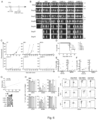
- CARLY1, 2, and 3 were 2nd generation CAR-T cells with 4-1BB as co-stimulatory domain, CD8a as hinge and transmembrane domains, they had the same signal peptide, and heavy and light chains were separated by 15-mer linker (GGGGSx3) ( Figure 2A-2B ). Sequences were aligned, and the differences in the number of amino acids (aa) were analyzed by comparing CARLY2 and CARLY3 vs CARLY1.
- T regs CD4+, CD25+CD127-
- Th17 cells were analyzed the ratio of T regs (CD4+, CD25+CD127-) (31) and Th17 cells in the CD4 population.
- T cells expanded with the addition of IL2 T-regs increased significantly from day 0 to day 7, reaching over 50% of CD4 T cells.
- Th17 subpopulation did not vary from day 0 and remained at a low profile, hovering around 15% of the cells analyzed. No differences were observed among the different CARs ( Figure 3D ).
- naive and stem cell memory (SCM) T cells decreased significantly after CAR manufacturing for all groups of CD4 and CD8 T cells, as they differentiated into central memory (CM) and effector memory (EM) T cell subsets ( Figure 2E and 2F ).
- CARLY1 showed a trend for a higher loss of naive and SCM T cells during expansion, which translated in a significant increase of CM CD4 T cells compared to UT T cells, and increased CD8 CM T cells from day 0 ( Figure 3E and 3F ).
- terminally differentiated (TEMRA) CD8 T cells were decreased in CARLY1 and CARLY2 compared to UT T cells ( Figure 3E-3G ).
- Senescent T cells can be defined by a loss of CD28 and CD27 and acquisition of CD57 and KLRG1 (32). Increasing cell size might also indicate senescent stages (33,34). No differences were observed in cell size among the different groups of T cells after manufacturing ( Figure 3H ). Of interest, on day 0, there was a higher proportion of CD8 senescent T cells compared to CD4 T cells, which dropped significantly to less than 1% in all CAR groups following CAR manufacturing and showed no differences in the different T cell products ( Figure 3I ).
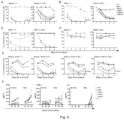
- the anti-NHL activity of the different CARLY cells was compared to that of UT-T cells, ARI1 and ARI2h cells. Cytotoxicity assays at different E:T ratios showed that, as expected, all CARs killed NHL cells (Ramos and WSU) with high efficacy at 1:1 E:T ratio. However, at 0.125:1 ratio, we could observe differences. Specifically, at 24h and 48h, ARI1 presented higher cytotoxicity than ARI2h, CARLY1 and CARLY2 ( Figure 4A ).
- the pro-inflammatory profile of each CAR was compared by analyzing cytokine production after co-culture with NHL Ramos cells in the presence/absence of macrophages. As expected IFN ⁇ , TNF ⁇ , and IL1 ⁇ production was higher in the presence of macrophages ( Figure 4F ). ARI1 cells showed the most minor cytokine release. In macrophage-free, the three CARLYs had similar and higher IFN ⁇ production than the other CAR-Ts. TNF ⁇ production usually occurs very fast and decays over time (30). Without macrophages, we confirmed this TNF ⁇ pattern for all CARs but for CARLY3, whose production started later and was still increasing at 48h.
- CARLY cells in vitro do not induce loss of expression of the target antigen in NHL cells.
- CARLY2 and CARLY3 cells present the highest in vivo efficacy in a model of NHL.
- mice received CAR-T cells seven days after the tumor cells ( Figure 6A ).
- Mice treated with UT T cells could not avoid disease progression, whereas all CAR-T cells avoided disease progression in a higher or lower degree ( Figure 6B ).
- mice treated with any CAR reached a higher survival than mice treated with UT T cells.
- mice treated with CARLY2 and CARLY3 reached the longest survival.
- CARLY1 presented the shortest survival, followed by ARI1 and ARI2h ( Figure 6D ).
Landscapes
- Health & Medical Sciences (AREA)
- Life Sciences & Earth Sciences (AREA)
- General Health & Medical Sciences (AREA)
- Chemical & Material Sciences (AREA)
- Animal Behavior & Ethology (AREA)
- Public Health (AREA)
- Veterinary Medicine (AREA)
- Epidemiology (AREA)
- Immunology (AREA)
- Engineering & Computer Science (AREA)
- Medicinal Chemistry (AREA)
- Bioinformatics & Cheminformatics (AREA)
- Organic Chemistry (AREA)
- Pharmacology & Pharmacy (AREA)
- Cell Biology (AREA)
- Molecular Biology (AREA)
- Biophysics (AREA)
- Biochemistry (AREA)
- Proteomics, Peptides & Aminoacids (AREA)
- Genetics & Genomics (AREA)
- Oncology (AREA)
- Toxicology (AREA)
- Zoology (AREA)
- Gastroenterology & Hepatology (AREA)
- Chemical Kinetics & Catalysis (AREA)
- Nuclear Medicine, Radiotherapy & Molecular Imaging (AREA)
- Hematology (AREA)
- General Chemical & Material Sciences (AREA)
- Peptides Or Proteins (AREA)
- Medicines Containing Material From Animals Or Micro-Organisms (AREA)
Priority Applications (3)
| Application Number | Priority Date | Filing Date | Title |
|---|---|---|---|
| EP25212478.9A EP4667494A3 (de) | 2023-10-26 | 2023-10-26 | Car-t-zellen gegen cd79b zur behandlung von non-hodgkin-lymphom |
| EP23383097.5A EP4545085A1 (de) | 2023-10-26 | 2023-10-26 | Car-t-zellen gegen cd79b zur behandlung von non-hodgkin-lymphom |
| PCT/EP2024/088035 WO2025088223A2 (en) | 2023-10-26 | 2024-12-20 | Car t-cells against cd79b for the treatment of non-hodgkin lymphoma |
Applications Claiming Priority (1)
| Application Number | Priority Date | Filing Date | Title |
|---|---|---|---|
| EP23383097.5A EP4545085A1 (de) | 2023-10-26 | 2023-10-26 | Car-t-zellen gegen cd79b zur behandlung von non-hodgkin-lymphom |
Related Child Applications (1)
| Application Number | Title | Priority Date | Filing Date |
|---|---|---|---|
| EP25212478.9A Division EP4667494A3 (de) | 2023-10-26 | 2023-10-26 | Car-t-zellen gegen cd79b zur behandlung von non-hodgkin-lymphom |
Publications (1)
| Publication Number | Publication Date |
|---|---|
| EP4545085A1 true EP4545085A1 (de) | 2025-04-30 |
Family
ID=88598766
Family Applications (2)
| Application Number | Title | Priority Date | Filing Date |
|---|---|---|---|
| EP23383097.5A Withdrawn EP4545085A1 (de) | 2023-10-26 | 2023-10-26 | Car-t-zellen gegen cd79b zur behandlung von non-hodgkin-lymphom |
| EP25212478.9A Pending EP4667494A3 (de) | 2023-10-26 | 2023-10-26 | Car-t-zellen gegen cd79b zur behandlung von non-hodgkin-lymphom |
Family Applications After (1)
| Application Number | Title | Priority Date | Filing Date |
|---|---|---|---|
| EP25212478.9A Pending EP4667494A3 (de) | 2023-10-26 | 2023-10-26 | Car-t-zellen gegen cd79b zur behandlung von non-hodgkin-lymphom |
Country Status (2)
| Country | Link |
|---|---|
| EP (2) | EP4545085A1 (de) |
| WO (1) | WO2025088223A2 (de) |
Citations (4)
| Publication number | Priority date | Publication date | Assignee | Title |
|---|---|---|---|---|
| WO2019241688A1 (en) * | 2018-06-14 | 2019-12-19 | Bluebird Bio, Inc. | Cd79b chimeric antigen receptors |
| EP3696191A1 (de) * | 2019-02-14 | 2020-08-19 | Fundación Instituto de Investigación contra la Leucemia Josep Carreras (IJC) | Car-t-zellen zur behandlung von cd1a-positivem krebs |
| US20210145878A1 (en) * | 2019-11-18 | 2021-05-20 | Janssen Biotech, Inc. | Anti-cd79 chimeric antigen receptors, car-t cells, and uses thereof |
| WO2021222944A1 (en) * | 2020-04-30 | 2021-11-04 | Board Of Regents, The University Of Texas System | Anti-cd79b antibodies and chimeric antigen receptors and methods of use thereof |
-
2023
- 2023-10-26 EP EP23383097.5A patent/EP4545085A1/de not_active Withdrawn
- 2023-10-26 EP EP25212478.9A patent/EP4667494A3/de active Pending
-
2024
- 2024-12-20 WO PCT/EP2024/088035 patent/WO2025088223A2/en active Pending
Patent Citations (4)
| Publication number | Priority date | Publication date | Assignee | Title |
|---|---|---|---|---|
| WO2019241688A1 (en) * | 2018-06-14 | 2019-12-19 | Bluebird Bio, Inc. | Cd79b chimeric antigen receptors |
| EP3696191A1 (de) * | 2019-02-14 | 2020-08-19 | Fundación Instituto de Investigación contra la Leucemia Josep Carreras (IJC) | Car-t-zellen zur behandlung von cd1a-positivem krebs |
| US20210145878A1 (en) * | 2019-11-18 | 2021-05-20 | Janssen Biotech, Inc. | Anti-cd79 chimeric antigen receptors, car-t cells, and uses thereof |
| WO2021222944A1 (en) * | 2020-04-30 | 2021-11-04 | Board Of Regents, The University Of Texas System | Anti-cd79b antibodies and chimeric antigen receptors and methods of use thereof |
Non-Patent Citations (5)
| Title |
|---|
| LI ET AL., NUCLEIC ACIDS RES, vol. 43, no. W1, 2015, pages W580 - 4 |
| MARIA ORMHØJ ET AL: "Chimeric Antigen Receptor T Cells Targeting CD79b Show Efficacy in Lymphoma with or without Cotargeting CD19", CLINICAL CANCER RESEARCH, vol. 25, no. 23, 1 December 2019 (2019-12-01), US, pages 7046 - 7057, XP055764585, ISSN: 1078-0432, DOI: 10.1158/1078-0432.CCR-19-1337 * |
| REITER ET AL., NAT BIOTECHNOL, vol. 14, no. 10, 1996, pages 1239 - 45 |
| RICE ET AL., TRENDS GENET, vol. 16, no. 6, 2000, pages 276 - 7 |
| RIVIERESADELAIN, MOL THER, vol. 25, no. 5, 2017, pages 1117 - 1124 |
Also Published As
| Publication number | Publication date |
|---|---|
| WO2025088223A2 (en) | 2025-05-01 |
| WO2025088223A8 (en) | 2025-07-03 |
| EP4667494A3 (de) | 2026-03-04 |
| EP4667494A2 (de) | 2025-12-24 |
| WO2025088223A3 (en) | 2025-08-07 |
Similar Documents
| Publication | Publication Date | Title |
|---|---|---|
| US20250032609A1 (en) | Use of semaphorin-4d antibodies in combination with an immune modulating therapy to inhibit tumor growth and metastasis | |
| US11673953B2 (en) | DLL3 targeting chimeric antigen receptors and binding agents | |
| JP7352473B2 (ja) | がん細胞を標的化するキメラ抗原受容体のための方法および組成物 | |
| CN107207580A (zh) | 抗‑cldn嵌合抗原受体和使用方法 | |
| CA3147834A1 (en) | Chimeric antigen receptor and immune effector cell expressing chimeric antigen receptor | |
| EP4445912A1 (de) | P329g-antikörper zum targeting von bcma, kombination davon mit chimärer antigenrezeptorzelle und verwendung davon | |
| JP2025024031A (ja) | CD1a陽性癌の治療のためのCAR T細胞 | |
| JP2024514246A (ja) | Cldn18.2抗原結合タンパク質およびその使用 | |
| EP4568998A1 (de) | B7-h3-antigen-bindende moleküle | |
| CN115843255B (zh) | 用于治疗b细胞型急性淋巴细胞白血病(b-all)的cd22靶向部分 | |
| EP4378953A1 (de) | Auf cd229 abzielende einheit zur behandlung von cd229-positivem krebs | |
| EP4667494A2 (de) | Car-t-zellen gegen cd79b zur behandlung von non-hodgkin-lymphom | |
| JP6881658B2 (ja) | Pd−1/cd3二重特異性タンパク質による血液がん治療 | |
| US20240368304A1 (en) | Humanized f77 antibodies and fragments thereof | |
| EP4559937A1 (de) | Auf cd7 abzielende einheiten zur behandlung von cd7-positivem krebs | |
| EP4588939A1 (de) | Auf die interleukin-13-rezeptor-untereinheit alpha-2 (il13ralpha2) abzielende einheiten zur behandlung und prävention von il13ralpha2-positivem krebs | |
| EP4714977A1 (de) | Verwendung von anti-cd3-antikörpern zur selektiven abreicherung aktivierter t-zellen | |
| WO2024035341A1 (en) | Cd30 antigen-binding molecules | |
| JP2026514071A (ja) | がんを治療するための抗tgfベータr2/pd-1二重特異性抗体の使用 | |
| CN119213128A (zh) | 与Eva1蛋白质结合的人源化抗体或其功能性片段、抗体药物缀合物和嵌合抗原受体 | |
| HK40119948A (zh) | 与eva1蛋白质结合的人源化抗体或其功能性片段、抗体药物缀合物和嵌合抗原受体 | |
| HK40063038A (en) | Dll3 targeting chimeric antigen receptors and binding agents | |
| NZ755091B2 (en) | Use of semaphorin-4d inhibitory molecules in combination with an immune modulating therapy to inhibit tumor growth and metastases |
Legal Events
| Date | Code | Title | Description |
|---|---|---|---|
| PUAI | Public reference made under article 153(3) epc to a published international application that has entered the european phase |
Free format text: ORIGINAL CODE: 0009012 |
|
| STAA | Information on the status of an ep patent application or granted ep patent |
Free format text: STATUS: THE APPLICATION HAS BEEN PUBLISHED |
|
| AK | Designated contracting states |
Kind code of ref document: A1 Designated state(s): AL AT BE BG CH CY CZ DE DK EE ES FI FR GB GR HR HU IE IS IT LI LT LU LV MC ME MK MT NL NO PL PT RO RS SE SI SK SM TR |
|
| STAA | Information on the status of an ep patent application or granted ep patent |
Free format text: STATUS: THE APPLICATION IS DEEMED TO BE WITHDRAWN |
|
| 18D | Application deemed to be withdrawn |
Effective date: 20251031 |