EP4545090A1 - Immunomodulator des interferonrezeptors zur verwendung als medikament - Google Patents
Immunomodulator des interferonrezeptors zur verwendung als medikament Download PDFInfo
- Publication number
- EP4545090A1 EP4545090A1 EP23218581.9A EP23218581A EP4545090A1 EP 4545090 A1 EP4545090 A1 EP 4545090A1 EP 23218581 A EP23218581 A EP 23218581A EP 4545090 A1 EP4545090 A1 EP 4545090A1
- Authority
- EP
- European Patent Office
- Prior art keywords
- ifnar1
- modulator
- interaction
- oor
- use according
- Prior art date
- Legal status (The legal status is an assumption and is not a legal conclusion. Google has not performed a legal analysis and makes no representation as to the accuracy of the status listed.)
- Pending
Links
Images
















Classifications
-
- A—HUMAN NECESSITIES
- A61—MEDICAL OR VETERINARY SCIENCE; HYGIENE
- A61K—PREPARATIONS FOR MEDICAL, DENTAL OR TOILETRY PURPOSES
- A61K38/00—Medicinal preparations containing peptides
- A61K38/16—Peptides having more than 20 amino acids; Gastrins; Somatostatins; Melanotropins; Derivatives thereof
- A61K38/17—Peptides having more than 20 amino acids; Gastrins; Somatostatins; Melanotropins; Derivatives thereof from animals; from humans
- A61K38/36—Blood coagulation or fibrinolysis factors
-
- A—HUMAN NECESSITIES
- A61—MEDICAL OR VETERINARY SCIENCE; HYGIENE
- A61P—SPECIFIC THERAPEUTIC ACTIVITY OF CHEMICAL COMPOUNDS OR MEDICINAL PREPARATIONS
- A61P13/00—Drugs for disorders of the urinary system
- A61P13/12—Drugs for disorders of the urinary system of the kidneys
-
- A—HUMAN NECESSITIES
- A61—MEDICAL OR VETERINARY SCIENCE; HYGIENE
- A61P—SPECIFIC THERAPEUTIC ACTIVITY OF CHEMICAL COMPOUNDS OR MEDICINAL PREPARATIONS
- A61P29/00—Non-central analgesic, antipyretic or antiinflammatory agents, e.g. antirheumatic agents; Non-steroidal antiinflammatory drugs [NSAID]
-
- A—HUMAN NECESSITIES
- A61—MEDICAL OR VETERINARY SCIENCE; HYGIENE
- A61P—SPECIFIC THERAPEUTIC ACTIVITY OF CHEMICAL COMPOUNDS OR MEDICINAL PREPARATIONS
- A61P37/00—Drugs for immunological or allergic disorders
-
- A—HUMAN NECESSITIES
- A61—MEDICAL OR VETERINARY SCIENCE; HYGIENE
- A61P—SPECIFIC THERAPEUTIC ACTIVITY OF CHEMICAL COMPOUNDS OR MEDICINAL PREPARATIONS
- A61P43/00—Drugs for specific purposes, not provided for in groups A61P1/00-A61P41/00
-
- C—CHEMISTRY; METALLURGY
- C07—ORGANIC CHEMISTRY
- C07K—PEPTIDES
- C07K16/00—Immunoglobulins [IG], e.g. monoclonal or polyclonal antibodies
- C07K16/18—Immunoglobulins [IG], e.g. monoclonal or polyclonal antibodies against material from animals or humans
- C07K16/28—Immunoglobulins [IG], e.g. monoclonal or polyclonal antibodies against material from animals or humans against receptors, cell surface antigens or cell surface determinants
- C07K16/2878—Immunoglobulins [IG], e.g. monoclonal or polyclonal antibodies against material from animals or humans against receptors, cell surface antigens or cell surface determinants against the NGF-receptor/TNF-receptor superfamily, e.g. CD27, CD30, CD40, CD95
-
- A—HUMAN NECESSITIES
- A61—MEDICAL OR VETERINARY SCIENCE; HYGIENE
- A61K—PREPARATIONS FOR MEDICAL, DENTAL OR TOILETRY PURPOSES
- A61K39/00—Medicinal preparations containing antigens or antibodies
- A61K2039/505—Medicinal preparations containing antigens or antibodies comprising antibodies
-
- C—CHEMISTRY; METALLURGY
- C07—ORGANIC CHEMISTRY
- C07K—PEPTIDES
- C07K2317/00—Immunoglobulins specific features
- C07K2317/70—Immunoglobulins specific features characterized by effect upon binding to a cell or to an antigen
- C07K2317/76—Antagonist effect on antigen, e.g. neutralization or inhibition of binding
Definitions
- Interferon-a receptor is a type I transmembrane protein classified as cytokine receptor. IFNAR1 functions as a ubiquitous membrane receptor which binds endogenous type I interferon (IFN) cytokines. Upon binding, IFNAR1 activates various signaling pathways, including the JAK/STAT, MAPK, PI3K, and Akt signaling pathways.
- IFNAR1 has diverse effects. On one hand, in the context of inflammatory diseases, including autoimmunological diseases, IFNAR1 activation triggers an inflammatory reaction of the tissue, often resulting in organ damage. Unfortunately, effective and/or specific therapeutic agents for these diseases are currently lacking. Additionally, rare congenital defects of IFNAR1 and its associated inflammatory response exist, for which specific drugs have not been yet available. On the other hand, inhibition of IFNAR1 affects the anti-tumor activity of the immune system in the presence of a malignant tumor.
- the Tissue factor (TF)/Factor VIIa (FVlla) complex serves as the initiator of blood coagulation, leading to generation of thrombin (Ila), fibrin formation and receptor-mediated activation of platelets and other cells (Grover and Mackman, 2018; Huang et al., 1996; Mackman, 2004; Monkovic and Tracy, 1990; Narayanan, 1999).
- TF also contributes to other processes, such as tumor metastasis and angiogenesis, partially through its procoagulant function (Liu et al., 2019; Pawlinski et al., 2004; Rondon et al., 2019).
- the present invention is based on the surprising finding that TF binds to IFNAR1 and antagonizes its signaling, thereby preventing spontaneous sterile inflammation, and maintaining immune homeostasis.
- modulating the interaction between TF and IFNAR1 could potentially achieve both, an anti-inflammatory effect, i.e. for treating chronic inflammatory disease, autoimmune diseases or interferonopathy, and a pro-inflammatory effect, i.e. for treating a tumor disease.
- the use of pharmaceuticals, such as an immune modulator, that regulate the interaction of TF and IFNAR1 is plausible and beneficial for both conditions.
- the technical problem underlying the present invention is to provide an IFNAR1 immune modulator for use as a medicament for regulating the interaction of TF and IFNAR1 in a subject.
- the invention therefore relates to an interferon-a receptor (IFNAR1) immune modulator for use as a medicament for regulating the interaction of tissue factor (TF) and IFNAR1 in a subject.
- IFNAR1 interferon-a receptor
- TF interacts with IFNAR1 and that IFNAR1 can be modulated in this process.
- This provides a novel approach to inhibit or activate signaling of IFNAR1. Since IFNAR1 has a function in inflammatory diseases and some malignant tumors, TF-mediated IFNAR1 modulation reveals a new therapeutic approach for inflammatory and oncological diseases.
- modulators that regulate the interaction of TF and IFNAR1 is conceivable for both indication fields.
- the inflammatory diseases is a diseases associated with a thrombo-inflammatory response. It is preferred that the diseases is a Sars-CoV-19 infection.
- the invention further relates to an IFNAR1 immune modulator for use as a medicament for treating chronic inflammatory disease, autoimmune diseases and/or interferonopathy in a subject by regulating the interaction of TF and IFNAR1.
- a further aspect of the invention relates to a method for treating chronic inflammatory disease, autoimmune diseases and/or interferonopathy in a subject by regulating the interaction of TF and IFNAR1.
- a further aspect of the invention relates to a method for treating a tumor disease in a subject by regulating the interaction of TF and IFNAR1.
- the various aspects of the invention are unified by, benefit from, are based on and/or are linked by the common and surprising finding that TF binds to IFNAR1 and antagonizes its signaling, preventing spontaneous sterile inflammation, and maintaining homeostasis.
- TF The physiological role of TF, particularly during embryonic development or in the kidney, has remained unknown hitherto.
- the present invention to the knowledge of the inventors, reveals that podocyte TF is required for renal immune-homeostasis in podocytes. Therefore, it is a surprising and beneficial finding that TF forms a heteromer with IFNAR1 restricting spontaneous IFNAR1 signaling and an associated sterile inflammatory response.
- the inhibitory function of TF towards IFNAR1 signaling is required for a normal glomerular and renal physiology.
- the unexpected finding unveils a previously unrecognized immunoregulatory receptor function of TF.
- TF ⁇ POD podocyte-specific TF deficient mice
- IFN-receptors Upon ligand binding, IFN-receptors undergo clustering, leading to transphosphorylation of receptor-associated Janus kinases (Babon et al., 2014). Without being bound by the theory, it is suggested that podocyte TF prevents spontaneous IFNAR1 clustering and signaling.
- Coagulation and inflammation are closely linked and exhibit evolutionary commonality (Doolittle, 2011; Opal, 2000). Based on the surprising finding, the present invention for the first time enables modulation of immune homeostasis by regulating the interaction between TF and IFNAR1.
- the IFNAR1 immune modulator is used as a medicament for the first time and can be considered as a first medical use.
- This approach may involve novel patient groups and alternative ways to modulate the Jak / STAT pathways.
- an IFNAR1 immune modulator is used as a medicament for treating chronic inflammatory disease, autoimmune diseases and/or interferonopathy in a subject by regulating the interaction ofTF and IFNAR1.
- IFNAR1 is activated in the context of inflammatory diseases, including autoimmunological diseases, and leads to an inflammatory tissue response that usually results in organ damage. It was unexpected that the interaction of TF with IFNAR1 at the cell surface inhibits the IFNAR1-mediated effects of interferons (ligands of IFNAR1). As known in the art, there are also rare congenital defects of IFNAR1 and its dependent inflammatory response for which specific drugs are not yet available. Therefore, it is advantageous that the IFNAR1 immune modulator is able to treat chronic inflammatory disease, autoimmune disease and/or interferonopathy by regulating interaction of TF and IFNAR1.
- the subject has an interrupted interaction ofTF and IFNAR1. This occurs, in particular, in a subject suffering from chronic inflammatory disease, autoimmune diseases and/or interferonopathy.
- the overactive IFNAR1 downstream signaling, such as JAK/STAT pathway, can result in severe organ damage.
- the administration of the immune modulator according to the present invention can thus promote an anti-inflammatory process resulting in less organ damage due to an overactive immune reaction.
- TF-expression in podocytes is required for renal immune-homeostasis, which mechanistically depends on the interaction of TF with IFNAR1, preferred in a heteromer. It was shown that TF-IFNAR1 interaction prevents both TF-activity and IFNAR1 signaling. Upon stimulation, the TF-IFNAR1 interaction was lost, allowing (i) IFNAR1 signaling and (ii) TF to interact with fVll/fVlla, thus simultaneously promoting IFNR signaling and TF-/fVII-mediated coagulation activation and signaling, respectively.
- the invention enabled for the first time to utilize the immunoregulatory receptor function of TF.
- the administration of the modulator can promote anti-inflammatory processes. It is preferred that in these embodiments, the modulator binds to IFNAR1 so that the IFNAR1 signaling and TF mediated coagulation activity is suppressed.
- the JAK-STAT signaling pathway is a chain of interactions between proteins in a cell, and is involved in processes such as immunity, cell division, cell death, and tumor formation.
- the pathway communicates information from chemical signals outside of a cell to the cell nucleus, resulting in the activation of genes through the process of transcription.
- JAK-STAT signaling There are three key elements of JAK-STAT signaling: Janus kinases (JAKs), signal transducer and activator of transcription proteins (STATs), and receptors (which bind the chemical signals).
- JAK-STAT signaling pathway plays a major role in cytokine receptor signaling. Since cytokines are substances produced by immune cells that can alter the activity of neighboring cells, the effects of JAK-STAT signaling are often more highly seen in cells of the immune system.
- the JAK/STAT pathway in cytokine receptor signaling can activate STATs, which can bind to DNA and allow the transcription of genes involved in immune cell division, survival, activation and recruitment.
- STAT1 can enable the transcription of genes which inhibit cell division and stimulate inflammation.
- STAT4 is able to activate NK cells (natural killer cells), and STATS can drive the formation of white blood cells.
- JAK-STAT signaling is also able to stimulate STAT6, which can promote B-cell proliferation, immune cell survival, and the production of an antibody called IgE.
- the administration of the modulator according to the invention attenuates the IFNAR1/JAK/STAT signaling and promote anti-inflammatory processes.
- the modulator is an IFNAR1 inhibitor/antagonist and binds the D2-D4 domains of IFNAR1.
- the modulator is a peptide or small medical compound.
- the modulator comprises at least 1, 2, 3, 4, 5, 6, 7, 8, 9, 10, 11, 12, 13, 14, 15, 16, 17, 18, 19, 20, 21, 22, 23, 24, 25, 26, 27, 28, 29, 30, 31 of the amino acids selected from the list of Q110, G120, T121, K149, I152, W158, S160, S161, S162, S163, G164, K166, K169, T170, N171, T172, E174, L176, D178, V179, D180, K181, C186, V192, S195, P206, V207, E208, C209 and E213 of the tissue factor according to SEQ ID NO:1.
- the modulator comprises at least 1, 2, 3, 4, 5, 6, 7, 8, 9, 10, 11, 12, 13, 14, 15, 16, 17, 18, 19, 20, 21, 22, 23, 24, 25, 26, 27, 28, 29, 30, 31 of the amino acids selected from the list of Q110, G120, T121, K149, I152, W158, S160, S161, S162, S163, G164, K166, K169, T170, N171, T172, E174, L176, D178, V179, D180, K181, C186, V192, S195, P206, V207, E208, C209 and E213 of the tissue factor according to SEQ ID NO:1, wherein the function of the modulator is maintained.
- the modulator comprises 31 amino acids of the tissue factor (110-242 amino acids of TF) according to SEQ ID NO:1, wherein amino acids comprised in the modulator are preferred Q110, G120, T121, K149, I152, W158, S160, S161, S162, S163, G164, K166, K169, T170, N171, T172, E174, L176, D178, V179, D180, K181, C186, V192, S195, P206, V207, E208, C209 and E213 of SEQ ID NO: 1, or sequence having at least 70%, 75%, 80%, 85%, 90%, 95% sequence identity to SEQ ID NO: 1, wherein the function of the modulator is maintained.
- the modulator comprises 29 amino acids of tissue factor (138-242 amino acids of TF) according to SEQ ID NO:1, wherein critical amino acids are K149, I152, W158, S160, S161, S162, S163, G164, K166, K169, T170, N171, T172, E174, L176, D178, V179, D180, K181, C186, V192, S195, P206, V207, E208, C209 and E213 of SEQ ID NO: 1, or a sequence having at least 70%, 75%, 80%, 85%, 90%, 95% sequence identity to SEQ ID NO: 1, wherein the function of the modulator is maintained.
- TF sequence is according to SEQ ID NO:1:
- the subject has a medical condition associated with renal dysfunction.
- IFNAR1 inhibition reduces renal immunopathology in infectious (candida infection) and sterile (lupus-model) disease models (Baccala et al., 2012; Majer et al., 2012). While these studies established reduced leucocytes and granulocyte infiltration upon IFNAR1 genetic ablation in renal disease models, thus supporting a role of IFNAR1/JAK/STAT signaling in glomerular diseases, they did not identify mechanisms underlying increased glomerular JAK/STAT signaling (Li et al., 2007).
- TF whose expression is reduced in various glomerular diseases, antagonizes IFNAR1 signaling through a direct interaction, a new mechanism that induces IFNAR1/JAK/STAT signaling in glomerular diseases and (ii) a new function of TF as an immunoregulatory receptor have been identified.
- the medical condition associated with renal dysfunction is a glomerular disease.
- expression of TF is decreased in the glomerular disease.
- the glomerular disease is associated with a reduced glomerular filtration rate (GFR), nephrotic syndrome and/or hypertension.
- GFR glomerular filtration rate
- an IFNAR1 immune modulator is used as a medicament for treating a tumor disease in a subject by regulating the interaction of TF and IFNAR1.
- the administration of the modulator promotes the immune response to the tumoric antigen.
- IFNAR1 The inhibition of IFNAR1 affects the anti-tumor activity of the immune system in the presence of a malignant tumor. Based on the surprising finding, a use of pharmaceuticals such as a IFNAR1 modulator that regulate the interaction of TF and IFNAR1 is conceivable for treating a tumor disease.
- the modulator interrupts the interaction of TF and IFNAR1.
- the modulator is an IFNAR1 agonist which interrupts the binding of TF to D2-D4 domains of IFNAR1.
- IFNAR1 Downregulation of IFNAR1 in tumor promotes an immunosuppressive environment that protects malignant cells from cytotoxic T lymphocytes (Katlinski et al., 2017).
- An IFNAR1 agonist can activate IFNAR1 signaling in malignant cells and promote anti-tumor activity of the immune system.
- the modulator comprises at least 1, 2, 3, 4, 5, 6, 7, 8, 9, 10, 11, 12, 13, 14, 15, 16, 17, 18, 19, 20, 21, 22, 23, 24, 25, 26, 27, 28, 29, 30, 31 of the amino acids selected from the list ofQ110, G120, T121, K1-49, I152, W158, S160, S161, S162, S163, G164, K166, K169, T170, N171, T172, E174, L176, D178, V179, D180, K181, C186, V192, S195, P206, V207, E208, C209 and E213 of 110-242 amino acids of the tissue factor according to SEQ ID NO:1.
- the modulator comprises at least 1, 2, 3, 4, 5, 6, 7, 8, 9, 10, 11, 12, 13, 14, 15, 16, 17, 18, 19, 20, 21, 22, 23, 24, 25, 26, 27, 28, 29, 30, 31 of the amino acids selected from the list of Q110, G120, T121, K149, I152, W158, S160, S161, S162, S163, G164, K166, K169, T170, N171, T172, E174, L176, D178, V179, D180, K181, C186, V192, S195, P206, V207, E208, C209 and E213 of 110-242 amino acids of the tissue factor according to SEQ ID NO:1, wherein the function of the modulator is maintained.
- the modulator comprises 31 amino acids of tissue factor (110-242 amino acids of TF) according to SEQ ID NO:1, wherein amino acids comprised in the modulator are Q110, G120, T121, K149, I152, W158, S160, S161, S162, S163, G164, K166, K169, T170, N171, T172, E174, L176, D178, V179, D180, K181, C186, V192, S195, P206, V207, E208, C209 and E213 of SEQ ID NO: 1, or a sequence having at least 70%, 75%, 80%, 85%, 90%, 95% sequence identity to SEQ ID NO: 1, wherein the function of the modulator is maintained.
- the modulator comprises 29 amino acids of tissue factor (138-242 amino acids of TF) according to SEQ ID NO:1, wherein critical amino acids are K149, I152, W158, S160, S161, S162, S163, G164, K166, K169, T170, N171, T172, E174, L176, D178, V179, D180, K181, C186, V192, S195, P206, V207, E208, C209 and E213 of 110-242 amino acids of SEQ ID NO: 1, or a sequence having at least 70%, 75%, 80%, 85%, 90%, 95% sequence identity to SEQ ID NO: 1, wherein the function of the modulator is maintained.
- critical amino acids are K149, I152, W158, S160, S161, S162, S163, G164, K166, K169, T170, N171, T172, E174, L176, D178, V179, D180, K181, C186, V192, S195, P206, V207, E208,
- the modulator binds to IFNAR1 and maintains the immune homeostasis.
- the present invention is aimed at increasing the intensity of restoration of immune homeostasis, the violation of which is accompanied by a change in biological reactions and the development of an IFNAR1 immune modulator.
- the maintenance of immune homeostasis enables the bifunctional role of the immunomodulator promoting an anti-inflammatory process or promoting immune response to the tumoric antigen.
- the modulator according to the invention is used in combination with a pharmaceutically acceptable carrier.
- TF and IFNAR1 still form a heteromer, preferred a dimer, under the interrupted interaction.
- the modulator does not necessarily abolish the entire interaction between TF and IFNAR1.
- the modulator can just interrupt the interaction between TF and IFNAR1 to the extent that TF and IFNAR1 still form a heteromer.
- forming a heteromer between TF and IFNAR1 under the interrupted interaction contributes to the immune homeostasis.
- TF and IFNAR1 do not interact physically under the interrupted interaction. The interaction between IF and IFNAR1 is completely abolished.
- Embodiments and features of the invention described with respect to the IFNAR1 modulator for regulating the interaction of TF and IFNAR1, for treating chronic inflammatory disease, autoimmune disease and/or interferonopathy, treating a tumor disease in a subject, are considered to be disclosed with respect to each and every other aspect of the disclosure.
- the invention utilizes a so far unknown dichotomous role of TF, with TF dampening IFN-signaling and thus inflammation in unstimulated cells but promoting inflammation in stimulated cells upon loss of the TF-IFNAR1 heteromer.
- the invention is also based on the finding that different results will be obtained depending on the time-point of analyses. Likewise, the efficacy of therapies targeting TF is dependent on the time-point of the intervention.
- IFNAR1 refers to interferon- ⁇ receptor which is a subunit of IFN receptor.
- the IFN receptor is a heterodimer formed by IFNAR1, a 530 residue integral membrane protein, and IFNAR2, a 487 residue integral membrane protein.
- the extracellular portion of IFNAR1 is composed of four fibronectin type III repeats.
- IFNAR1 is located on chromosome 21 and OMIM numbers is 107450.
- the receptors are permanently associated with kinases belonging to the family Janus (JAK).
- the JAK/STAT pathway comprehends four members, JAK 1, 2, 3 and tyrosine kinase (Tyk) and seven Signal Transducer and Activation of Transcription (STAT 1-4, 5a, 5b and 6).
- the activation of IFNARs determines the phosphorylation of tyrosine residues on the receptor tail, this causes the recruitment of STAT1 and STAT2 through phosphorylated Tyk2 and JAK1.
- STATs phosphorylated by JAKs and are released as heterodimer of phosphorylated STAT1 and STAT2.
- the sequence of IFNAR1 is according to the SEQ ID NO:2:
- TF refers to tissue factor, which is a transmembrane receptor for Factor Vll/Vlla (FVII/Vlla). It is constitutively expressed by cells surrounding blood vessels. The endothelium physically separates this potent "activator” from its circulating ligand FVII/FVlla and prevents inappropriate activation of the clotting cascade. TF is also expressed in certain tissues, such as the heart and brain, and provides additional hemostatic protection to these tissues. Small amounts of TF are also present in blood in the form of microparticles, which are small membrane vesicles derived from activated and apoptotic cells. Levels of microparticle TF increase in a variety of diseases, such as sepsis and cancer. Recombinant FVlla has been developed as an effective hemostatic drug for the treatment of hemophilia patients with inhibitory antibodies.
- FVII/Vlla Factor Vll/Vlla
- the term "interaction of TF and IFNAR1" shall mean the physical contact between TF and IFNAR1.
- the interaction ofTF and INFAR1 on the cell surface inhibits the IFNAR1-mediated effects of interferons, which is the ligand of IFNAR1.
- INFNAR1 has various effects.
- IFNAR1 is activated in inflammatory diseases, including autoimmunological diseases, and leads to an inflammatory reaction of the tissue, which usually leads to organ damages.
- the inhibition of IFNAR1 by the interaction between TF and IFNAR1 affects the anti-tumor activity of the immune system in the presence of a malignant tumor.
- Protein-protein-interaction can be determined by different high-throughput experimental and computational methods known in the art, such as yeast two-hybrid technique, tandem affinity purification-MS, co-immunoprecipitation, nanotemper, domain-pairs-based approach for predicting the interactions between proteins by the domain-domain interactions or structurebased approach predicting protein-protein interaction based on the structural similarity.
- yeast two-hybrid technique tandem affinity purification-MS
- co-immunoprecipitation co-immunoprecipitation
- nanotemper domain-pairs-based approach for predicting the interactions between proteins by the domain-domain interactions or structurebased approach predicting protein-protein interaction based on the structural similarity.
- the interaction of TF and IFNAR1 has been demonstrated by coimmunoprecipitation wherein IFNAR1 was detected in TF-pulldown.
- the direct interaction between the two proteins was demonstrated by a nanotemper experiment.
- amino acids in TF which are required for the interaction, can be identified by different methods known in the art, such as Rosetta protein-protein docking analysis and confirmed by site-direct mutagenesis.
- an immune modulator shall mean a substance that stimulates or suppresses the immune system and may help the body to fight against cancer, infections or other disease.
- An immune modulator can be an antibody, preferably monoclonal, a cytokine, a vaccine, a peptide or a compound which affect specific parts of the immune system.
- an immune modulator can adjust the immune response to the correct level, strengthen weak immune systems and control overactive immune system.
- an IFNAR1 immune modulator which interrupts the interaction between TF and IFNAR1 partially or completely, can adjust the downstream signaling pathway JAK/STAT and correct the immune system.
- IFNAR1 modulator peptides are designed based on crucial TF amino acids that are e.g. identified by Rosetta protein-protein docking analysis and confirmed by site-directed mutagenesis.
- potential peptides that mimic TF interaction with IFNAR1 are screened using phage display technology and their relevance will be confirmed by in vitro experiments.
- potential peptides may be synthesized after identifying the required amino acids residues. These potential peptides are used for preclinical studies using mouse models of cancer, inflammatory and autoimmune disease.
- Peptides generally have high specificity, good efficacy and better membrane permeability.
- a compound library can be used for searching small-chemical compounds, which have the same effect as a peptide. These compounds are identified using interferon-stimulated response element (ISRE)-luciferase reporter assay. Small-chemical compounds are generally easier to produce, show better pharmacokinetics and could be better modified, e.g. regarding stability or bioavailability, compared to peptides.
- ISRE interferon-stimulated response element
- Antagonist shall mean a receptor ligand or substance that blocks or dampens a biological response by binding to and blocking a receptor rather than activating it like an agonist.
- Antagonist drugs interfere in the natural operation of receptor proteins. They are sometimes called blockers; examples include alpha blockers, beta blockers, and calcium channel blockers.
- Antagonists have affinity but no efficacy for their cognate receptors, and binding will disrupt the interaction and inhibit the function of an agonist or inverse agonist at receptors. Antagonists mediate their effects by binding to the active site or to the allosteric site on a receptor, or they may interact at unique binding sites not normally involved in the biological regulation of the receptor's activity.
- Antagonist activity may be reversible or irreversible depending on the longevity of the antagonist-receptor complex, which, in turn, depends on the nature of antagonist-receptor binding.
- the majority of drug antagonists achieve their potency by competing with endogenous ligands or substrates at structurally defined binding sites on receptors.
- the IFNAR1 immune modulator can sequester IFNAR1 blocking the downstream process, in particular, the JAK/STAT mediated immune response.
- the term "agonist” shall mean a chemical that activates a receptor to produce a biological response.
- Receptors are cellular proteins whose activation causes the cell to modify what it is currently doing.
- the present invention relates to an IFNAR1 immune modulator which functions as an IFNAR1 agonist activating the downstream immune response to tumoric antigen.
- chronic inflammatory disease refers to slow, long-term inflammation lasting for prolonged periods of several months to years. The extent and effects of chronic inflammation vary with the cause of the injury and the ability of the body to repair and over the damage. Chronic inflammatory disease are, for example, rheumatoid arthritis, systemic lupus erythematosus and multiple sclerosis.
- autoimmune disease shall mean a condition that results from an anomalous response of the immune system, wherein it mistakenly targets and attacks healthy, functioning parts of the body as if they were foreign organisms.
- Autoimmune diseases include but are not limited to celiac disease, type 1 diabetes, Graves' disease, inflammatory bowel diseases (such as Crohn's disease and ulcerative colitis), multiple sclerosis, alopecia areata, Addison's disease, pernicious anemia, psoriasis, rheumatoid arthritis, and systemic lupus erythematosus.
- Interferonopathy shall mean the medical condition associated with overproduction of Type I interferons, such as IFN- ⁇ , IFN- ⁇ and IFN- ⁇ .
- Interferonopathies are a group of inherited autoinflammatory diseases, characterized by a dysregulation of the interferon pathway, leading to constitutive upregulation of its activation mechanisms or downregulation of negative regulatory systems.
- tumor shall mean neoplasm. This term includes solid and hematological tumors.
- hematological tumors include, but are not limited to: leukemias, including acute leukemias (such as acute lymphocytic leukemia, acute myelocytic leukemia, acute myelogenous leukemia and myeloblastic, promyelocytic, myelomonocytic, monocytic and erythroleukemia), chronic leukemias (such as chronic myelogenous leukemia, and chronic lymphocytic leukemia), myelodysplastic syndrome, and myelodysplasia, polycythemia vera, lymphoma, (such as Hodgkin's disease, all forms of non-Hodgkin's lymphoma), multiple myeloma, Waldenstrom's macroglobulinemia, and heavy chain disease.
- acute leukemias such as acute lymphocytic leukemia, acute myelocytic leukemia, acute myelogenous leukemia and myeloblastic, promyelocy
- solid tumors such as sarcomas and carcinomas
- solid tumors include, but are not limited to: fibrosarcoma, myxosarcoma, liposarcoma, chondrosarcoma, osteogenic sarcoma, and other sarcomas, synovioma, mesothelioma, Ewing's tumor, leiomyosarcoma, rhabdomyosarcoma, colon carcinoma, pancreatic cancer, breast cancer, lung cancer, ovarian cancer, prostate cancer, hepatocellular carcinoma, squamous cell carcinoma, basal cell carcinoma, adenocarcinoma, sweat gland carcinoma, sebaceous gland carcinoma, papillary carcinoma, papillary adenocarcinomas, medullary carcinoma, bronchogenic carcinoma, renal cell carcinoma, hepatoma, bile duct carcinoma, choriocarcinoma, Wilms' tumor, cervical cancer, testicular tumor, bladder carcinoma, melanoma, and
- tumor antigen shall mean a tumor antigen which can stimulate tumorspecific T cell-defined immune responses or antibodies to tumor cells.
- an IFNAR1 immune modulator can function as an inhibitor / antagonist to sequester the IFNAR1 so that the overactive downstream immune response is controlled. Further, an IFNAR1 immune modulator can function as an IFNAR1 agonist which interrupts the interaction of TF and IFNAR1 and promote the immune response to the tumoric antigen.
- anti-inflammatory process shall mean a process that reduces inflammation.
- the IFNAR1 immune modulator blocks IFNAR1/JAK/STAT signaling pathway that cause overactive inflammation.
- promote the anti-inflammatory process in the context of the invention shall mean enhance, stimulate, increase the anti-inflammatory process.
- the term "medical condition associated with renal dysfunction” shall mean any medical condition associated with renal dysfunction. Renal dysfunction, also called renal failure, is a condition in which the kidneys stop working and are not able to remove the waste and extra fluid from the blood or keep the body chemicals in balance. Renal dysfunction can affect for example the function of electrolyte and volume regulation, excretion of nitrogenous waster, elimination of exogenous molecule, synthesis of a variety of hormones or metabolism of low molecular weight proteins.
- the medical condition associated with renal dysfunction is an acute renal failure. It is also preferred, that the medical condition associated with renal dysfunction is chronic renal failure.
- a glomerular disease shall mean a condition that can damage kidneys.
- the disease attacks tiny filters in the kidneys, called glomeruli, where the blood is cleaned. Damaged glomeruli can allow proteins and sometimes red blood cells to leak into the urine.
- One of the proteins in the blood is albumin. If too much albumin leaks into the urine, fluid can build up in the body, leading to swelling in face, hands, feet, or legs.
- glomerular disease can also prevent the kidneys from properly removing waste products, causing wastes to build up in the blood.
- immune homeostasis shall mean the delicate and finely regulated balance of appropriate immune activation and suppression in tissues and organs, driven by a myriad of cellular players and chemical factors.
- the present invention relates further to pharmaceutically acceptable salts of the immune modulator described herein.
- pharmaceutically acceptable salt refers to salts or derivatives of the compounds described herein prepared by conventional means that include basic salts of inorganic and organic acids.
- “Pharmaceutically acceptable salts” are also inclusive of the free acid, base, and zwitterionic forms. Descriptions of suitable pharmaceutically acceptable salts can be found in Handbook of Pharmaceutical Salts, Properties, Selection and Use, Wiley VCH (2002 ).
- salts of the immune modulator are those wherein the counter-ion is pharmaceutically acceptable.
- salts of acids and bases which are non-pharmaceutically acceptable may also find use, for example, in the preparation or purification of a pharmaceutically acceptable compound.
- treatment refers to administering an active agent with the purpose to cure, heal, alleviate, relieve, alter, remedy, ameliorate, improve, or affect a condition (e.g., a disease), the symptoms of the condition, or to prevent or delay the onset of the symptoms, complications, biochemical indicia of a disease, or otherwise arrest or inhibit further development of the disease, condition, or disorder in a statistically significant manner.
- a condition e.g., a disease
- Sequence disclosed in the present invention SEQ ID NO: Sequence Description 1 TF sequence 2 IFNAR1 sequence
- Example 1 Loss of TF promotes renal dysfunction.
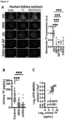
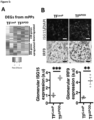
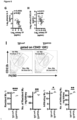
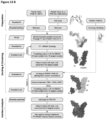
- TF expression was substantially higher in glomeruli than in the tubulointerstitium ( Figure 1A ) and based on single-cell RNA-sequencing (scRNA-seq) from healthy human adult kidney data, TF expression was highest in glomerular podocytes compared to other kidney resident cells ( Figure 1B ).
- Podocyte TF expression was markedly reduced in kidney biopsies obtained from patients with renal disease (Diabetic kidney disease, DKD; lupus nephritis, LN; IgA nephropathy, IgA NP; or focal segmental glomerulosclerosis, FSGS; Figure 2A ) compared to those from healthy individuals.
- podocyte TF is required for glomerular function.
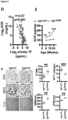
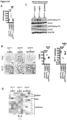
- podocyte-specific TF knockout mice (TF ⁇ POD, Figure 3A, B ) have been generated.
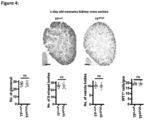
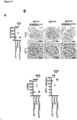
- unchallenged TF ⁇ POD mice exhibited impaired renal function, as reflected by elevated albuminuria (ACR, albumincreatine ratio), increased extracellular matrix accumulation (FMA, fractional mesangial area), foot process width (FPW), and glomerular basement membrane (GBM) width, and decreased podocyte number (WT1+ cells) ( Figure 2E, F ).
- Example 2 Podocyte TF loss promotes interferon signaling and sterile renal inflammation.
- TF ⁇ POD TF ⁇ POD versus TFLoxP mouse primary podocytes
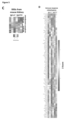
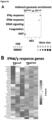
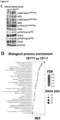
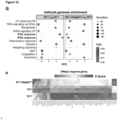
- Hallmark gene set enrichment by GSEA revealed positive enrichment of IFN ⁇ and IFN ⁇ response genes
- genes related to KRAS signaling, coagulation and epithelial-to-mesenchymal transition (EMT) were negatively enriched in TF ⁇ POD mPPs ( Figure 6A ).
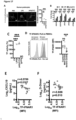
- ISGs interferon-stimulated genes derived from IFN ⁇ / ⁇ response gene sets were enriched in TF ⁇ POD mPPs ( Figure 6B , Table S1), suggesting JAK/STAT signaling activation in these cells.
- urinary CXCL10 a biomarker reflecting IFN-signaling
- systemic IL-6 systemic IL-6 in humans without and with CKD.
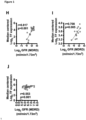
- uTF levels were negatively correlated to urinary CXCL10 and plasma IL6 ( Figure 6G, H ), suggesting that loss of podocyte TF (as reflected by uTF) promotes IFN-signaling and inflammation in human kidney disease, which is entirely congruent with the observations made in mice.
- C1qa, C1qb and C1qc were elevated in TF ⁇ POD kidneys compared to TFLoxP kidneys ( Figure 6E ).
- cytokine multiplexing confirmed increased cytokine levels (IFN ⁇ , CCL17, CCL20, CCL22, CCL3, CXCL1 CXCL10, IL1 ⁇ , IL12p40, IL15, IL6, IL2, CCL5, CXCL9, IL17, and IL13) which are required for macrophage and T cell recruitment, activation, and proliferation in TF ⁇ POD kidneys ( Figure 6F , Table S2).
- Example 3 TF restricts JAK/STAT-signaling dependent sterile renal inflammation.
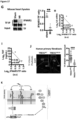
- TF knockout (TFKO) human podocytes have been treated with ruxolitinib (a JAK1/2 inhibitor), which inhibited STAT1/2 activation and reduced ISGs expression in TFKO podocytes ( Figure 8A, B ).
- ruxolitinib a JAK1/2 inhibitor
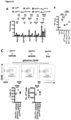
- the effect of ruxolitinib was transient, as upon discontinuation of ruxolitinib ISGs expression gradually increased again ( Figure 9A, B ).
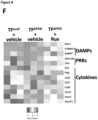
- ruxolitinib prevented STAT1/2 activation and reduced albuminuria, podocyte loss, glomerular damage, and the expression of Kim1, DAMPs (S100a14 and Lgals4), PRRs (Clec12a and TLR4) and cytokines in TF ⁇ POD mice compared to vehicle treatment ( Figure 8C to F ). Additionally, ruxolitinib reduced the frequencies of T cells and proinflammatory infiltrating macrophages while increasing that of tissue-resident macrophages in TF ⁇ POD kidneys ( Figure 8G , Figure 9C ).
- GN glomerulonephritis
- Example 4 TF interacts with IFNAR1.
- TF exhibits sequence and structural homology with cytokine receptors (Bazan, 1990; Chill et al., 2003; Harlos et al., 1994; Muller et al., 1996).
- TF and IFNAR2 are evolutionary related homologous proteins sharing conserved extracellular pfam domains (Renauld, 2003; Sonnhammer et al., 1998) ( Figure 10B ). Because IFNAR1 is known to interact with IFNAR2, it was assumed that the structural similarity between TF and IFNAR2 facilitates the interaction of TF with IFNAR1, inhibiting interferon signaling in podocytes.
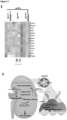
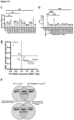
- thermophoresis binding assay confirmed the direct binding of TF to IFNAR1 with a dissociation constant (KD) slightly lower than for IFNAR1-IFNAR2 binding (1.16 ⁇ M versus 1.65 ⁇ M; Figure 10D ).
- the KD for the TF-IFNAR1 interaction (1.16 ⁇ M) is in the range of KD values for known IFNAR1-specific ligands such as IFN ⁇ 1, IFN ⁇ 2, IFN ⁇ 8, IFN ⁇ 21, IFN ⁇ , IFN ⁇ ), and IFN ⁇ 2 (KD values of 2.5, 5, 2.2, 2.5, 0.05, 0.40, and 10 ⁇ M, respectively) (Jaks et al., 2007; Lamken et al., 2004), supporting the physiological relevance of the TF-IFNAR1 interaction.
- IFNAR1-specific ligands such as IFN ⁇ 1, IFN ⁇ 2, IFN ⁇ 8, IFN ⁇ 21, IFN ⁇ , IFN ⁇
- IFN ⁇ 2 KD values of 2.5, 5, 2.2, 2.5, 0.05, 0.40, and 10 ⁇ M, respectively
- Example 5 TF dampens ISGs by antagonizing IFNAR1.
- IFNAR1 or IFNGR1 have been knocked down in TF KO human podocytes (TF KO IFNAR1 KD and TF KO IFNGR1 KD podocytes).
- TF KO IFNAR1 KD and TF KO IFNGR1 KD podocytes The ISGs expression induced in TF-deficient podocytes was abrogated by silFNAR1 but not by siIFNGR1, corroborating that TF specifically interferes with IFNAR1 signaling in podocytes ( Figure 10E ).
- Example 6 TF C-terminal fibronectin III domain modulates IFNAR1 signaling.
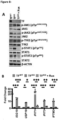
- the S161A TF mutant largely abolished the TF-IFNAR1 interaction, while N171A and E208A TF mutants slightly increased the TF-IFNAR1 interaction ( Figure 11C ).
- the TF S161A mutant increased IFNAR1 signaling, while the TF N171A mutant reduced IFNAR1 signaling ( Figure 11D, E ).
- the crystal structure of human TF (PDB ID: 1BOY) was minimized in the Rosetta ref2015 energy function and missing atoms were added using the Rosetta FastRelax protocol (Alford et al., 2017; Conway et al., 2014; Muller et al., 1996).
- the structure of human IFNAR1 including fibronectin (FN) III domains D1-D3 was taken from PBD IDs 3S98 and 3SE3 (Thomas et al., 2011). Missing loop regions in the IFNAR1 D1-D3 structure model were added by homology modeling with the RosettaCM protocol (Song et al., 2013).
- human IL-10R2 (PDB IDs: 3LQM, 5T5W), human IL-20R1 (PDB ID: 4DOH), human IL-22R1 (PDB IDs: 3DGC, 3DLQ, 6DF3), and murine IFNAR1 (PDB ID: 3WCY) served as templates in this step.
- a homology model of human IFNAR1 FNIII domain D4 was generated with RosettaCM using the D4 domain from the murine IFNAR1 structure (PDB ID: 3WCY) as template.
- Modeling of the TF-IFNAR1 complex proceeded in two steps.
- the PPI3D webserver (Dapkunas et al., 2017) was used to search for homologous protein complex structures in the PDB, which had detectable sequence similarity to TF and IFNAR1.
- This search identified twelve possible template structures with PDB IDs 4DOH, 6DF3, 5T5W, 6E3K, 6E3L, 1BOY, 2HFT, 1FG9, 1DAN, 2EC9, 2C4F, 3FL7 (ordered from most significant to least significant hit according to Blast e-value).
- Interface 1 involved domain D1 of both TF and IFNAR1, whereas interfaces 2 to 4 were formed between domain D2 of TF and domains D2 and D3 of IFNAR1, however, with different relative orientations of the two proteins.
- each of the four binding interfaces were computationally probed by high-resolution protein-protein docking with Rosetta (Gray et al., 2003).
- the positions of TF and IFNAR1 in the PPI3D-generated homology models of the TF-IFNAR1 complex were perturbed by random translations and rotations of 3 ⁇ and 8°, respectively, at the beginning of each docking run, and a total of 50,000 docking models were generated for each initial binding interface. Docking models were analyzed according to the total Rosetta energy, the Rosetta energy across the TF-IFNAR1 interface ( ⁇ G separated ), the number of residues and the size of the protein surface area buried in the TF-IFNAR1 interface, as well as the shape complementarity of the TF and IFNAR1 binding surfaces.
- Example 7 ⁇ -IFNAR1 prevents podocyte TF loss induced sterile renal inflammation.
- Example 8 Concomitant loss of podocyte TF and IFNAR1 prevents sterile renal inflammation.
- Hallmark gene sets enrichment by GSEA revealed that positively enriched gene sets, such as IFN ⁇ / ⁇ response, UV response, myogenesis, and Hedgehog signaling, and negatively enriched gene sets, such as TNF ⁇ signaling, KRAS signaling, and apoptosis induced by TF deficiency, were normalized upon IFNAR1 knockdown (TF KO IFNAR1 KD podocytes). Other responses induced by TF deficiency, such as coagulation, EMT, and hypoxia response, were not reversed upon concomitant IFNAR1 knockdown ( Figure 11G , Figure 15A to C ), suggesting that these gene sets are specifically regulated by TF independent of IFNAR1. Thus, while TF and IFNAR1 regulate some genes independently, a significant number of genes, including genes related to the IFN ⁇ / ⁇ response, are concomitantly regulated by both receptors ( Figure 11H , Table S3).
- TF ⁇ POD IFNAR1 ⁇ POD mice mice lacking both TF and IFNAR1 in podocytes.
- STAT1/2 activation was reduced in kidneys of TF ⁇ POD IFNAR1 ⁇ POD mice, which was associated with reversal of albuminuria, podocyte loss, and glomerular damage to levels observed in wild-type control mice (TF LoxP IFNAR1 LoxP , Figure 7A-C ).
- Example 9 Loss of TF-IFNAR1 heteromer promotes thrombo-inflammation.
- TF has been previously linked to proinflammatory effects
- the current data demonstrate an anti-inflammatory function of TF.
- loss of podocyte TF-expression induces spontaneous IFN-signaling
- inventors assumed that the TF-IFNAR1 interaction on resting cells restricts IFN-signaling, but that upon disease stimuli the TF-IFNAR1 interaction is lost, resulting simultaneously in TF and interferon receptor (IFNR) signaling.
- IFNR interferon receptor
- fibroblast isolated from a patient with Aicardi-Goutines syndrome Aicardi-Goutines syndrome (AGS, an interferonopathy) associated with the TREX1 V201D mutation have been analyzed.
- Aicardi-Goutines syndrome Aicardi-Goutines syndrome
- the TF-IFNAR1 heteromer was markedly reduced on these fibroblasts ( Figure 17J ). This suggest that also genetic defects can disrupt the TF-IFNAR1 heteromer, inducing a sterile inflammatory response.
Landscapes
- Health & Medical Sciences (AREA)
- Life Sciences & Earth Sciences (AREA)
- Chemical & Material Sciences (AREA)
- General Health & Medical Sciences (AREA)
- Organic Chemistry (AREA)
- Medicinal Chemistry (AREA)
- Veterinary Medicine (AREA)
- Public Health (AREA)
- Pharmacology & Pharmacy (AREA)
- Animal Behavior & Ethology (AREA)
- Immunology (AREA)
- Engineering & Computer Science (AREA)
- Bioinformatics & Cheminformatics (AREA)
- Chemical Kinetics & Catalysis (AREA)
- General Chemical & Material Sciences (AREA)
- Nuclear Medicine, Radiotherapy & Molecular Imaging (AREA)
- Proteomics, Peptides & Aminoacids (AREA)
- Genetics & Genomics (AREA)
- Molecular Biology (AREA)
- Biophysics (AREA)
- Biochemistry (AREA)
- Pain & Pain Management (AREA)
- Rheumatology (AREA)
- Urology & Nephrology (AREA)
- Hematology (AREA)
- Zoology (AREA)
- Gastroenterology & Hepatology (AREA)
- Epidemiology (AREA)
- Medicines That Contain Protein Lipid Enzymes And Other Medicines (AREA)
Applications Claiming Priority (2)
| Application Number | Priority Date | Filing Date | Title |
|---|---|---|---|
| DE102023129710 | 2023-10-27 | ||
| DE102023129694 | 2023-10-27 |
Publications (1)
| Publication Number | Publication Date |
|---|---|
| EP4545090A1 true EP4545090A1 (de) | 2025-04-30 |
Family
ID=95250421
Family Applications (1)
| Application Number | Title | Priority Date | Filing Date |
|---|---|---|---|
| EP23218581.9A Pending EP4545090A1 (de) | 2023-10-27 | 2023-12-20 | Immunomodulator des interferonrezeptors zur verwendung als medikament |
Country Status (1)
| Country | Link |
|---|---|
| EP (1) | EP4545090A1 (de) |
Citations (4)
| Publication number | Priority date | Publication date | Assignee | Title |
|---|---|---|---|---|
| WO2003035688A2 (en) * | 2001-10-26 | 2003-05-01 | Novartis Pharma Gmbh | Targeted thrombosis by tissue factor polypeptides |
| WO2021094378A1 (en) * | 2019-11-11 | 2021-05-20 | Astrazeneca Ab | Type i interferon inhibition in systemic lupus erythematosus |
| WO2022074123A1 (en) * | 2020-10-08 | 2022-04-14 | Astrazeneca Ab | Treatment of flares in lupus |
| WO2024052375A1 (en) * | 2022-09-06 | 2024-03-14 | Consejo Superior De Investigaciones Científicas (Csic) | Interferon inhibitor and its use in the treatment of autoinflammatory diseases |
-
2023
- 2023-12-20 EP EP23218581.9A patent/EP4545090A1/de active Pending
Patent Citations (4)
| Publication number | Priority date | Publication date | Assignee | Title |
|---|---|---|---|---|
| WO2003035688A2 (en) * | 2001-10-26 | 2003-05-01 | Novartis Pharma Gmbh | Targeted thrombosis by tissue factor polypeptides |
| WO2021094378A1 (en) * | 2019-11-11 | 2021-05-20 | Astrazeneca Ab | Type i interferon inhibition in systemic lupus erythematosus |
| WO2022074123A1 (en) * | 2020-10-08 | 2022-04-14 | Astrazeneca Ab | Treatment of flares in lupus |
| WO2024052375A1 (en) * | 2022-09-06 | 2024-03-14 | Consejo Superior De Investigaciones Científicas (Csic) | Interferon inhibitor and its use in the treatment of autoinflammatory diseases |
Non-Patent Citations (5)
| Title |
|---|
| "Handbook of Pharmaceutical Salts, Properties, Selection and Use", 2002, WILEY VCH |
| MANOHARAN ET AL., PODOCYTE TISSUE FACTOR SUPPRESSES SPONTANEOUS STERILE RENAL INFLAMMATION |
| SEYED ESMAEIL AHMADI: "Tissue factor (coagulation factor III): a potential double-edge molecule to be targeted and re-targeted toward cancer", BIOMARKER RESEARCH, vol. 11, no. 1, 6 June 2023 (2023-06-06), London, UK, XP093161248, ISSN: 2050-7771, Retrieved from the Internet <URL:https://link.springer.com/article/10.1186/s40364-023-00504-6/fulltext.html> DOI: 10.1186/s40364-023-00504-6 * |
| TRISTRAM A. J. RYAN: "An Emerging Role for Type I Interferons as Critical Regulators of Blood Coagulation", CELLS, vol. 12, no. 5, 28 February 2023 (2023-02-28), pages 778, XP093160944, ISSN: 2073-4409, DOI: 10.3390/cells12050778 * |
| WUUCHIMURA ET AL., CELL STEM CELL, 2018 |
Similar Documents
| Publication | Publication Date | Title |
|---|---|---|
| Muskardin et al. | Type I interferon in rheumatic diseases | |
| El-Husseini et al. | The genetics of asthma and the promise of genomics-guided drug target discovery | |
| Günther et al. | Role of MIF and D-DT in immune-inflammatory, autoimmune, and chronic respiratory diseases: From pathogenic factors to therapeutic targets | |
| Leng et al. | A small-molecule macrophage migration inhibitory factor antagonist protects against glomerulonephritis in lupus-prone NZB/NZW F1 and MRL/lpr mice | |
| Elkon et al. | Type I interferon and systemic lupus erythematosus | |
| Green et al. | Current prospects of type II interferon γ signaling and autoimmunity | |
| Rönnblom et al. | The interferon signature in autoimmune diseases | |
| Cha et al. | Interferon‐alpha, immune activation and immune dysfunction in treated HIV infection | |
| Aparicio-Siegmund et al. | The IL-6-neutralizing sIL-6R-sgp130 buffer system is disturbed in patients with type 2 diabetes | |
| Nagarkar et al. | CXCR2 is required for neutrophilic airway inflammation and hyperresponsiveness in a mouse model of human rhinovirus infection | |
| Sirobhushanam et al. | Interferons in systemic lupus erythematosus | |
| Santos et al. | Macrophage migration inhibitory factor regulates neutrophil chemotactic responses in inflammatory arthritis in mice | |
| Maronese et al. | Biologics for hidradenitis suppurativa: evolution of the treatment paradigm | |
| de Jong et al. | Physiological evidence for diversification of IFNα-and IFNβ-mediated response programs in different autoimmune diseases | |
| Gupta et al. | Mechanistic insights into long Covid: viral persistence, immune dysregulation, and multi‐organ dysfunction | |
| Ghanbari Naeini et al. | The Important Role of Interleukin‐2 in COVID‐19 | |
| Raftopoulou et al. | The role of type I IFN in autoimmune and autoinflammatory diseases with CNS involvement | |
| Peck et al. | Transcriptome Analysis of the Interferon‐Signature Defining the Autoimmune Process of Sjögren’s Syndrome | |
| Benedek et al. | HLA-DRα1-mMOG-35-55 treatment of experimental autoimmune encephalomyelitis reduces CNS inflammation, enhances M2 macrophage frequency, and promotes neuroprotection | |
| Tveita et al. | High circulating levels of the homeostatic chemokines CCL19 and CCL21 predict mortality and disease severity in COVID-19 | |
| Wang et al. | Blockade of IL-1 family cytokines in the treatment of rheumatoid arthritis | |
| Demir et al. | Vasculitis: decade in review | |
| Hagiwara et al. | Regulation of cGAS-STING pathway-implications for systemic lupus erythematosus | |
| Held et al. | Proteomics reveals age as major modifier of inflammatory CSF signatures in multiple sclerosis | |
| Pan et al. | Inflammasomes and their roles in autoimmune diseases |
Legal Events
| Date | Code | Title | Description |
|---|---|---|---|
| PUAI | Public reference made under article 153(3) epc to a published international application that has entered the european phase |
Free format text: ORIGINAL CODE: 0009012 |
|
| STAA | Information on the status of an ep patent application or granted ep patent |
Free format text: STATUS: THE APPLICATION HAS BEEN PUBLISHED |
|
| AK | Designated contracting states |
Kind code of ref document: A1 Designated state(s): AL AT BE BG CH CY CZ DE DK EE ES FI FR GB GR HR HU IE IS IT LI LT LU LV MC ME MK MT NL NO PL PT RO RS SE SI SK SM TR |
|
| STAA | Information on the status of an ep patent application or granted ep patent |
Free format text: STATUS: REQUEST FOR EXAMINATION WAS MADE |
|
| 17P | Request for examination filed |
Effective date: 20251029 |