EP4549452A1 - Pharmazeutische zusammensetzung gegen infektionen mit sars-cov-2 oder einem mutant davon und kombinationsarzneimittel daraus - Google Patents
Pharmazeutische zusammensetzung gegen infektionen mit sars-cov-2 oder einem mutant davon und kombinationsarzneimittel daraus Download PDFInfo
- Publication number
- EP4549452A1 EP4549452A1 EP23834781.9A EP23834781A EP4549452A1 EP 4549452 A1 EP4549452 A1 EP 4549452A1 EP 23834781 A EP23834781 A EP 23834781A EP 4549452 A1 EP4549452 A1 EP 4549452A1
- Authority
- EP
- European Patent Office
- Prior art keywords
- seq
- protein
- vaccine
- sequence
- pharmaceutical composition
- Prior art date
- Legal status (The legal status is an assumption and is not a legal conclusion. Google has not performed a legal analysis and makes no representation as to the accuracy of the status listed.)
- Pending
Links
Images




Classifications
-
- C—CHEMISTRY; METALLURGY
- C07—ORGANIC CHEMISTRY
- C07K—PEPTIDES
- C07K14/00—Peptides having more than 20 amino acids; Gastrins; Somatostatins; Melanotropins; Derivatives thereof
- C07K14/005—Peptides having more than 20 amino acids; Gastrins; Somatostatins; Melanotropins; Derivatives thereof from viruses
- C07K14/08—RNA viruses
- C07K14/165—Coronaviridae, e.g. avian infectious bronchitis virus
-
- A—HUMAN NECESSITIES
- A61—MEDICAL OR VETERINARY SCIENCE; HYGIENE
- A61K—PREPARATIONS FOR MEDICAL, DENTAL OR TOILETRY PURPOSES
- A61K39/00—Medicinal preparations containing antigens or antibodies
- A61K39/12—Viral antigens
- A61K39/215—Coronaviridae, e.g. avian infectious bronchitis virus
-
- A—HUMAN NECESSITIES
- A61—MEDICAL OR VETERINARY SCIENCE; HYGIENE
- A61K—PREPARATIONS FOR MEDICAL, DENTAL OR TOILETRY PURPOSES
- A61K39/00—Medicinal preparations containing antigens or antibodies
- A61K39/12—Viral antigens
-
- A—HUMAN NECESSITIES
- A61—MEDICAL OR VETERINARY SCIENCE; HYGIENE
- A61K—PREPARATIONS FOR MEDICAL, DENTAL OR TOILETRY PURPOSES
- A61K39/00—Medicinal preparations containing antigens or antibodies
- A61K39/12—Viral antigens
- A61K39/235—Adenoviridae
-
- A—HUMAN NECESSITIES
- A61—MEDICAL OR VETERINARY SCIENCE; HYGIENE
- A61K—PREPARATIONS FOR MEDICAL, DENTAL OR TOILETRY PURPOSES
- A61K39/00—Medicinal preparations containing antigens or antibodies
- A61K39/39—Medicinal preparations containing antigens or antibodies characterised by the immunostimulating additives, e.g. chemical adjuvants
-
- A—HUMAN NECESSITIES
- A61—MEDICAL OR VETERINARY SCIENCE; HYGIENE
- A61P—SPECIFIC THERAPEUTIC ACTIVITY OF CHEMICAL COMPOUNDS OR MEDICINAL PREPARATIONS
- A61P11/00—Drugs for disorders of the respiratory system
-
- A—HUMAN NECESSITIES
- A61—MEDICAL OR VETERINARY SCIENCE; HYGIENE
- A61P—SPECIFIC THERAPEUTIC ACTIVITY OF CHEMICAL COMPOUNDS OR MEDICINAL PREPARATIONS
- A61P31/00—Antiinfectives, i.e. antibiotics, antiseptics, chemotherapeutics
- A61P31/12—Antivirals
- A61P31/14—Antivirals for RNA viruses
-
- A—HUMAN NECESSITIES
- A61—MEDICAL OR VETERINARY SCIENCE; HYGIENE
- A61P—SPECIFIC THERAPEUTIC ACTIVITY OF CHEMICAL COMPOUNDS OR MEDICINAL PREPARATIONS
- A61P37/00—Drugs for immunological or allergic disorders
- A61P37/02—Immunomodulators
- A61P37/04—Immunostimulants
-
- C—CHEMISTRY; METALLURGY
- C07—ORGANIC CHEMISTRY
- C07K—PEPTIDES
- C07K14/00—Peptides having more than 20 amino acids; Gastrins; Somatostatins; Melanotropins; Derivatives thereof
- C07K14/005—Peptides having more than 20 amino acids; Gastrins; Somatostatins; Melanotropins; Derivatives thereof from viruses
-
- C—CHEMISTRY; METALLURGY
- C07—ORGANIC CHEMISTRY
- C07K—PEPTIDES
- C07K14/00—Peptides having more than 20 amino acids; Gastrins; Somatostatins; Melanotropins; Derivatives thereof
- C07K14/435—Peptides having more than 20 amino acids; Gastrins; Somatostatins; Melanotropins; Derivatives thereof from animals; from humans
- C07K14/705—Receptors; Cell surface antigens; Cell surface determinants
-
- C—CHEMISTRY; METALLURGY
- C12—BIOCHEMISTRY; BEER; SPIRITS; WINE; VINEGAR; MICROBIOLOGY; ENZYMOLOGY; MUTATION OR GENETIC ENGINEERING
- C12N—MICROORGANISMS OR ENZYMES; COMPOSITIONS THEREOF; PROPAGATING, PRESERVING, OR MAINTAINING MICROORGANISMS; MUTATION OR GENETIC ENGINEERING; CULTURE MEDIA
- C12N15/00—Mutation or genetic engineering; DNA or RNA concerning genetic engineering, vectors, e.g. plasmids, or their isolation, preparation or purification; Use of hosts therefor
- C12N15/09—Recombinant DNA-technology
- C12N15/63—Introduction of foreign genetic material using vectors; Vectors; Use of hosts therefor; Regulation of expression
- C12N15/79—Vectors or expression systems specially adapted for eukaryotic hosts
- C12N15/85—Vectors or expression systems specially adapted for eukaryotic hosts for animal cells
- C12N15/86—Viral vectors
-
- C—CHEMISTRY; METALLURGY
- C12—BIOCHEMISTRY; BEER; SPIRITS; WINE; VINEGAR; MICROBIOLOGY; ENZYMOLOGY; MUTATION OR GENETIC ENGINEERING
- C12N—MICROORGANISMS OR ENZYMES; COMPOSITIONS THEREOF; PROPAGATING, PRESERVING, OR MAINTAINING MICROORGANISMS; MUTATION OR GENETIC ENGINEERING; CULTURE MEDIA
- C12N15/00—Mutation or genetic engineering; DNA or RNA concerning genetic engineering, vectors, e.g. plasmids, or their isolation, preparation or purification; Use of hosts therefor
- C12N15/09—Recombinant DNA-technology
- C12N15/63—Introduction of foreign genetic material using vectors; Vectors; Use of hosts therefor; Regulation of expression
- C12N15/79—Vectors or expression systems specially adapted for eukaryotic hosts
- C12N15/85—Vectors or expression systems specially adapted for eukaryotic hosts for animal cells
- C12N15/86—Viral vectors
- C12N15/866—Baculoviral vectors
-
- C—CHEMISTRY; METALLURGY
- C12—BIOCHEMISTRY; BEER; SPIRITS; WINE; VINEGAR; MICROBIOLOGY; ENZYMOLOGY; MUTATION OR GENETIC ENGINEERING
- C12N—MICROORGANISMS OR ENZYMES; COMPOSITIONS THEREOF; PROPAGATING, PRESERVING, OR MAINTAINING MICROORGANISMS; MUTATION OR GENETIC ENGINEERING; CULTURE MEDIA
- C12N15/00—Mutation or genetic engineering; DNA or RNA concerning genetic engineering, vectors, e.g. plasmids, or their isolation, preparation or purification; Use of hosts therefor
- C12N15/09—Recombinant DNA-technology
- C12N15/63—Introduction of foreign genetic material using vectors; Vectors; Use of hosts therefor; Regulation of expression
- C12N15/79—Vectors or expression systems specially adapted for eukaryotic hosts
- C12N15/85—Vectors or expression systems specially adapted for eukaryotic hosts for animal cells
- C12N15/86—Viral vectors
- C12N15/867—Retroviral vectors
-
- C—CHEMISTRY; METALLURGY
- C12—BIOCHEMISTRY; BEER; SPIRITS; WINE; VINEGAR; MICROBIOLOGY; ENZYMOLOGY; MUTATION OR GENETIC ENGINEERING
- C12N—MICROORGANISMS OR ENZYMES; COMPOSITIONS THEREOF; PROPAGATING, PRESERVING, OR MAINTAINING MICROORGANISMS; MUTATION OR GENETIC ENGINEERING; CULTURE MEDIA
- C12N5/00—Undifferentiated human, animal or plant cells, e.g. cell lines; Tissues; Cultivation or maintenance thereof; Culture media therefor
- C12N5/06—Animal cells or tissues; Human cells or tissues
- C12N5/0602—Vertebrate cells
- C12N5/0681—Cells of the genital tract; Non-germinal cells from gonads
- C12N5/0682—Cells of the female genital tract, e.g. endometrium; Non-germinal cells from ovaries, e.g. ovarian follicle cells
-
- C—CHEMISTRY; METALLURGY
- C12—BIOCHEMISTRY; BEER; SPIRITS; WINE; VINEGAR; MICROBIOLOGY; ENZYMOLOGY; MUTATION OR GENETIC ENGINEERING
- C12N—MICROORGANISMS OR ENZYMES; COMPOSITIONS THEREOF; PROPAGATING, PRESERVING, OR MAINTAINING MICROORGANISMS; MUTATION OR GENETIC ENGINEERING; CULTURE MEDIA
- C12N5/00—Undifferentiated human, animal or plant cells, e.g. cell lines; Tissues; Cultivation or maintenance thereof; Culture media therefor
- C12N5/06—Animal cells or tissues; Human cells or tissues
- C12N5/0602—Vertebrate cells
- C12N5/0684—Cells of the urinary tract or kidneys
- C12N5/0686—Kidney cells
-
- A—HUMAN NECESSITIES
- A61—MEDICAL OR VETERINARY SCIENCE; HYGIENE
- A61K—PREPARATIONS FOR MEDICAL, DENTAL OR TOILETRY PURPOSES
- A61K39/00—Medicinal preparations containing antigens or antibodies
- A61K2039/51—Medicinal preparations containing antigens or antibodies comprising whole cells, viruses or DNA/RNA
- A61K2039/525—Virus
- A61K2039/5256—Virus expressing foreign proteins
-
- A—HUMAN NECESSITIES
- A61—MEDICAL OR VETERINARY SCIENCE; HYGIENE
- A61K—PREPARATIONS FOR MEDICAL, DENTAL OR TOILETRY PURPOSES
- A61K39/00—Medicinal preparations containing antigens or antibodies
- A61K2039/54—Medicinal preparations containing antigens or antibodies characterised by the route of administration
- A61K2039/541—Mucosal route
- A61K2039/543—Mucosal route intranasal
-
- A—HUMAN NECESSITIES
- A61—MEDICAL OR VETERINARY SCIENCE; HYGIENE
- A61K—PREPARATIONS FOR MEDICAL, DENTAL OR TOILETRY PURPOSES
- A61K39/00—Medicinal preparations containing antigens or antibodies
- A61K2039/54—Medicinal preparations containing antigens or antibodies characterised by the route of administration
- A61K2039/541—Mucosal route
- A61K2039/544—Mucosal route to the airways
-
- A—HUMAN NECESSITIES
- A61—MEDICAL OR VETERINARY SCIENCE; HYGIENE
- A61K—PREPARATIONS FOR MEDICAL, DENTAL OR TOILETRY PURPOSES
- A61K39/00—Medicinal preparations containing antigens or antibodies
- A61K2039/57—Medicinal preparations containing antigens or antibodies characterised by the type of response, e.g. Th1, Th2
- A61K2039/572—Medicinal preparations containing antigens or antibodies characterised by the type of response, e.g. Th1, Th2 cytotoxic response
-
- A—HUMAN NECESSITIES
- A61—MEDICAL OR VETERINARY SCIENCE; HYGIENE
- A61K—PREPARATIONS FOR MEDICAL, DENTAL OR TOILETRY PURPOSES
- A61K39/00—Medicinal preparations containing antigens or antibodies
- A61K2039/57—Medicinal preparations containing antigens or antibodies characterised by the type of response, e.g. Th1, Th2
- A61K2039/575—Medicinal preparations containing antigens or antibodies characterised by the type of response, e.g. Th1, Th2 humoral response
-
- A—HUMAN NECESSITIES
- A61—MEDICAL OR VETERINARY SCIENCE; HYGIENE
- A61K—PREPARATIONS FOR MEDICAL, DENTAL OR TOILETRY PURPOSES
- A61K39/00—Medicinal preparations containing antigens or antibodies
- A61K2039/70—Multivalent vaccine
-
- C—CHEMISTRY; METALLURGY
- C12—BIOCHEMISTRY; BEER; SPIRITS; WINE; VINEGAR; MICROBIOLOGY; ENZYMOLOGY; MUTATION OR GENETIC ENGINEERING
- C12N—MICROORGANISMS OR ENZYMES; COMPOSITIONS THEREOF; PROPAGATING, PRESERVING, OR MAINTAINING MICROORGANISMS; MUTATION OR GENETIC ENGINEERING; CULTURE MEDIA
- C12N2510/00—Genetically modified cells
-
- C—CHEMISTRY; METALLURGY
- C12—BIOCHEMISTRY; BEER; SPIRITS; WINE; VINEGAR; MICROBIOLOGY; ENZYMOLOGY; MUTATION OR GENETIC ENGINEERING
- C12N—MICROORGANISMS OR ENZYMES; COMPOSITIONS THEREOF; PROPAGATING, PRESERVING, OR MAINTAINING MICROORGANISMS; MUTATION OR GENETIC ENGINEERING; CULTURE MEDIA
- C12N2710/00—MICROORGANISMS OR ENZYMES; COMPOSITIONS THEREOF; PROPAGATING, PRESERVING, OR MAINTAINING MICROORGANISMS; MUTATION OR GENETIC ENGINEERING; CULTURE MEDIA dsDNA viruses
- C12N2710/00011—Details
- C12N2710/10011—Adenoviridae
- C12N2710/10022—New viral proteins or individual genes, new structural or functional aspects of known viral proteins or genes
-
- C—CHEMISTRY; METALLURGY
- C12—BIOCHEMISTRY; BEER; SPIRITS; WINE; VINEGAR; MICROBIOLOGY; ENZYMOLOGY; MUTATION OR GENETIC ENGINEERING
- C12N—MICROORGANISMS OR ENZYMES; COMPOSITIONS THEREOF; PROPAGATING, PRESERVING, OR MAINTAINING MICROORGANISMS; MUTATION OR GENETIC ENGINEERING; CULTURE MEDIA
- C12N2710/00—MICROORGANISMS OR ENZYMES; COMPOSITIONS THEREOF; PROPAGATING, PRESERVING, OR MAINTAINING MICROORGANISMS; MUTATION OR GENETIC ENGINEERING; CULTURE MEDIA dsDNA viruses
- C12N2710/00011—Details
- C12N2710/10011—Adenoviridae
- C12N2710/10034—Use of virus or viral component as vaccine, e.g. live-attenuated or inactivated virus, VLP, viral protein
-
- C—CHEMISTRY; METALLURGY
- C12—BIOCHEMISTRY; BEER; SPIRITS; WINE; VINEGAR; MICROBIOLOGY; ENZYMOLOGY; MUTATION OR GENETIC ENGINEERING
- C12N—MICROORGANISMS OR ENZYMES; COMPOSITIONS THEREOF; PROPAGATING, PRESERVING, OR MAINTAINING MICROORGANISMS; MUTATION OR GENETIC ENGINEERING; CULTURE MEDIA
- C12N2710/00—MICROORGANISMS OR ENZYMES; COMPOSITIONS THEREOF; PROPAGATING, PRESERVING, OR MAINTAINING MICROORGANISMS; MUTATION OR GENETIC ENGINEERING; CULTURE MEDIA dsDNA viruses
- C12N2710/00011—Details
- C12N2710/10011—Adenoviridae
- C12N2710/10071—Demonstrated in vivo effect
-
- C—CHEMISTRY; METALLURGY
- C12—BIOCHEMISTRY; BEER; SPIRITS; WINE; VINEGAR; MICROBIOLOGY; ENZYMOLOGY; MUTATION OR GENETIC ENGINEERING
- C12N—MICROORGANISMS OR ENZYMES; COMPOSITIONS THEREOF; PROPAGATING, PRESERVING, OR MAINTAINING MICROORGANISMS; MUTATION OR GENETIC ENGINEERING; CULTURE MEDIA
- C12N2710/00—MICROORGANISMS OR ENZYMES; COMPOSITIONS THEREOF; PROPAGATING, PRESERVING, OR MAINTAINING MICROORGANISMS; MUTATION OR GENETIC ENGINEERING; CULTURE MEDIA dsDNA viruses
- C12N2710/00011—Details
- C12N2710/10011—Adenoviridae
- C12N2710/10211—Aviadenovirus, e.g. fowl adenovirus A
- C12N2710/10234—Use of virus or viral component as vaccine, e.g. live-attenuated or inactivated virus, VLP, viral protein
-
- C—CHEMISTRY; METALLURGY
- C12—BIOCHEMISTRY; BEER; SPIRITS; WINE; VINEGAR; MICROBIOLOGY; ENZYMOLOGY; MUTATION OR GENETIC ENGINEERING
- C12N—MICROORGANISMS OR ENZYMES; COMPOSITIONS THEREOF; PROPAGATING, PRESERVING, OR MAINTAINING MICROORGANISMS; MUTATION OR GENETIC ENGINEERING; CULTURE MEDIA
- C12N2710/00—MICROORGANISMS OR ENZYMES; COMPOSITIONS THEREOF; PROPAGATING, PRESERVING, OR MAINTAINING MICROORGANISMS; MUTATION OR GENETIC ENGINEERING; CULTURE MEDIA dsDNA viruses
- C12N2710/00011—Details
- C12N2710/10011—Adenoviridae
- C12N2710/10311—Mastadenovirus, e.g. human or simian adenoviruses
- C12N2710/10341—Use of virus, viral particle or viral elements as a vector
- C12N2710/10343—Use of virus, viral particle or viral elements as a vector viral genome or elements thereof as genetic vector
-
- C—CHEMISTRY; METALLURGY
- C12—BIOCHEMISTRY; BEER; SPIRITS; WINE; VINEGAR; MICROBIOLOGY; ENZYMOLOGY; MUTATION OR GENETIC ENGINEERING
- C12N—MICROORGANISMS OR ENZYMES; COMPOSITIONS THEREOF; PROPAGATING, PRESERVING, OR MAINTAINING MICROORGANISMS; MUTATION OR GENETIC ENGINEERING; CULTURE MEDIA
- C12N2710/00—MICROORGANISMS OR ENZYMES; COMPOSITIONS THEREOF; PROPAGATING, PRESERVING, OR MAINTAINING MICROORGANISMS; MUTATION OR GENETIC ENGINEERING; CULTURE MEDIA dsDNA viruses
- C12N2710/00011—Details
- C12N2710/14011—Baculoviridae
- C12N2710/14041—Use of virus, viral particle or viral elements as a vector
- C12N2710/14043—Use of virus, viral particle or viral elements as a vector viral genome or elements thereof as genetic vectore
-
- C—CHEMISTRY; METALLURGY
- C12—BIOCHEMISTRY; BEER; SPIRITS; WINE; VINEGAR; MICROBIOLOGY; ENZYMOLOGY; MUTATION OR GENETIC ENGINEERING
- C12N—MICROORGANISMS OR ENZYMES; COMPOSITIONS THEREOF; PROPAGATING, PRESERVING, OR MAINTAINING MICROORGANISMS; MUTATION OR GENETIC ENGINEERING; CULTURE MEDIA
- C12N2770/00—MICROORGANISMS OR ENZYMES; COMPOSITIONS THEREOF; PROPAGATING, PRESERVING, OR MAINTAINING MICROORGANISMS; MUTATION OR GENETIC ENGINEERING; CULTURE MEDIA ssRNA viruses positive-sense
- C12N2770/00011—Details
- C12N2770/20011—Coronaviridae
- C12N2770/20022—New viral proteins or individual genes, new structural or functional aspects of known viral proteins or genes
-
- C—CHEMISTRY; METALLURGY
- C12—BIOCHEMISTRY; BEER; SPIRITS; WINE; VINEGAR; MICROBIOLOGY; ENZYMOLOGY; MUTATION OR GENETIC ENGINEERING
- C12N—MICROORGANISMS OR ENZYMES; COMPOSITIONS THEREOF; PROPAGATING, PRESERVING, OR MAINTAINING MICROORGANISMS; MUTATION OR GENETIC ENGINEERING; CULTURE MEDIA
- C12N2770/00—MICROORGANISMS OR ENZYMES; COMPOSITIONS THEREOF; PROPAGATING, PRESERVING, OR MAINTAINING MICROORGANISMS; MUTATION OR GENETIC ENGINEERING; CULTURE MEDIA ssRNA viruses positive-sense
- C12N2770/00011—Details
- C12N2770/20011—Coronaviridae
- C12N2770/20034—Use of virus or viral component as vaccine, e.g. live-attenuated or inactivated virus, VLP, viral protein
-
- C—CHEMISTRY; METALLURGY
- C12—BIOCHEMISTRY; BEER; SPIRITS; WINE; VINEGAR; MICROBIOLOGY; ENZYMOLOGY; MUTATION OR GENETIC ENGINEERING
- C12N—MICROORGANISMS OR ENZYMES; COMPOSITIONS THEREOF; PROPAGATING, PRESERVING, OR MAINTAINING MICROORGANISMS; MUTATION OR GENETIC ENGINEERING; CULTURE MEDIA
- C12N2770/00—MICROORGANISMS OR ENZYMES; COMPOSITIONS THEREOF; PROPAGATING, PRESERVING, OR MAINTAINING MICROORGANISMS; MUTATION OR GENETIC ENGINEERING; CULTURE MEDIA ssRNA viruses positive-sense
- C12N2770/00011—Details
- C12N2770/20011—Coronaviridae
- C12N2770/20071—Demonstrated in vivo effect
-
- C—CHEMISTRY; METALLURGY
- C12—BIOCHEMISTRY; BEER; SPIRITS; WINE; VINEGAR; MICROBIOLOGY; ENZYMOLOGY; MUTATION OR GENETIC ENGINEERING
- C12N—MICROORGANISMS OR ENZYMES; COMPOSITIONS THEREOF; PROPAGATING, PRESERVING, OR MAINTAINING MICROORGANISMS; MUTATION OR GENETIC ENGINEERING; CULTURE MEDIA
- C12N2800/00—Nucleic acids vectors
- C12N2800/10—Plasmid DNA
- C12N2800/106—Plasmid DNA for vertebrates
- C12N2800/107—Plasmid DNA for vertebrates for mammalian
-
- C—CHEMISTRY; METALLURGY
- C12—BIOCHEMISTRY; BEER; SPIRITS; WINE; VINEGAR; MICROBIOLOGY; ENZYMOLOGY; MUTATION OR GENETIC ENGINEERING
- C12N—MICROORGANISMS OR ENZYMES; COMPOSITIONS THEREOF; PROPAGATING, PRESERVING, OR MAINTAINING MICROORGANISMS; MUTATION OR GENETIC ENGINEERING; CULTURE MEDIA
- C12N2800/00—Nucleic acids vectors
- C12N2800/22—Vectors comprising a coding region that has been codon optimised for expression in a respective host
Definitions
- the present invention relates to a pharmaceutical composition for resisting infection with SARS-CoV-2 or a mutant thereof and a combined drug thereof, and in particular, to a broad-spectrum nasal spray of compound preparation for resisting infection with SARS-CoV-2 or a mutant thereof and a combined drug thereof, which belongs to the medical field.
- SARS-CoV-2 is a novel betacoronavirus named by the World Health Organization.
- the virus has an envelope and the particles are round or oval, and often polymorphic, with a diameter of 60nm-140nm. Its genetic characteristics are significantly different from those of SARS-CoV and MERS-CoV, and SARS-CoV-2 is a branch of novel coronavirus that has not been previously found in humans.
- SARS-CoV-2 is a branch of novel coronavirus that has not been previously found in humans.
- Alpha Alpha
- Beta Gamma
- Delta Delta
- Omicron variant strains are further divided into several substrains, such as BA.1, BA.2, BA.2.12.1, BA.4, and BA.5.
- BA.1, BA.2, BA.2.12.1, BA.4, and BA.5. Up to now, the novel coronavirus SARS-CoV-2 has infected 545 million people worldwide, including more than 6.3 million of fatality.
- SARS-CoV-2 The main structural proteins of SARS-CoV-2 include Spike (S), Envelop (E), Membrane (M) and Nucleocapsid (N).
- S protein plays a key role in virus infection and virulence. It is often used as an antigen in vaccines.
- SARS-CoV-2 variant strain contains multiple mutation sites and the S protein of the virus also contains multiple mutation sites, the variant strain can escape antibodies stimulated by the SARS-COV-2 prototype strain (namely, "novel coronavirus wild strain") vaccine to a certain extent, resulting in the ineffectiveness or reduced protection of the SARS-COV-2 vaccine, which brings great pressure to the prevention and control of the SARS-COV-2 pandemic. Therefore, the development of a vaccine against various variants of SARS-CoV-2 virus, especially a broad spectrum vaccine against various variants of SARS-CoV-2 virus, is very important for the prevention and treatment of novel coronavirus pneumonia.
- SARS-COV-2 vaccines which mainly involve in five technical routes of inactivated vaccines, recombinant protein vaccines, adenovirus vector vaccines, attenuated influenza virus vector vaccines, and nucleic acid vaccines (including mRNA vaccines and DNA vaccines). Meanwhile, a variety of vaccines have been launched.
- Vaccination routes mainly include subcutaneous injection, intradermal injection, intramuscular injection, oral administration and inhalation (including nasal spray). Many viruses such as influenza virus and novel coronavirus are mainly diffused through a respiratory tract, and nasal spray or inhalation vaccines are developed through simulation of the natural infection process of human body. Therefore, it is important to develop vaccines that can induce strong mucosal immunity to effectively prevent the invasion and infection of these viruses from the respiratory tract.
- the present invention is aimed to solve one of the technical problems existing in the prior art.
- the present invention is to provide a nasal spray of compound preparation containing a recombinant protein vaccine and an adenovirus vaccine for resisting infection with SARS-CoV-2 or a mutant thereof, and a combined nasal spray.
- the present invention provides a pharmaceutical composition for preventing and/or treating infection with SARS-CoV-2 or a mutant thereof, where the pharmaceutical composition is a compound preparation containing active ingredients of a recombinant protein vaccine and/or an adenovirus vaccine for resisting infection with SARS-CoV-2 or the mutant thereof. Further, the compound preparation also contains other pharmaceutically acceptable excipients or complementary ingredients.
- the present invention further provides a combined drug for preventing and/or treating infection with SARS-CoV-2 or a mutant thereof, where the combined drug contains a recombinant protein vaccine and an adenovirus vaccine for resisting infection with SARS-CoV-2 or the mutant thereof, and the recombinant protein vaccine and the adenovirus vaccine are administered separately or simultaneously.
- the pharmaceutical composition or the combined drug is an intramuscular injection, a nasal drop, a spray, a nasal spray or inhalation; and preferably, the pharmaceutical composition or the combined drug is a nasal spray.
- the recombinant protein vaccine and/or the adenovirus vaccine contain/contains a protein and/or a protein precursor for resisting infection with SARS-CoV-2 or the mutant thereof.
- the protein and/or the protein precursor contain/contains a full-length S protein or a protein formed by at least one RBD sequence and/or at least one HR sequence in the S protein of SARS-CoV-2 or the mutant thereof; preferably, the RBD sequence is shown in SEQ ID No.1; or the RBD sequence is a variant that has homology and same or similar biological activity with SEQ ID No.1 and is obtained by substitution and/or deletion and/or insertion of at least one amino acid in the SEQ ID No.1 sequence; preferably, the RBD sequence is a variant obtained by substitution and/or deletion and/or insertion of 1-400 amino acids in the SEQ ID No.1 sequence; and preferably, the RBD sequence is a variant obtained by substitution and/or deletion and/or insertion of 5-30 amino acids in the SEQ ID No.1 sequence.
- the protein formed by the RBD sequence and the HR sequence in the S protein are capable of spontaneously forming a trimer.
- homologous amino acid sequence is selected from at least one of RBD sequences of Alpha, Beta, Gamma, Delta or Omicron.
- protein precursor is that a signal peptide and/or a protein tag are/is bonded to the protein for resisting infection with SARS-CoV-2 or the mutant thereof; preferably, the signal peptide comprises the signal peptide of the S protein or the mutant thereof and/or a human tPA signal peptide additionally provided outside the forehead of the self-provided signal peptide; preferably, the protein tag is selected from at least one of a histidine tag, a thioredoxin tag, a glutathione transferase tag, a ubiquitin-like modified protein tag, a maltose-binding protein tag, a c-Myc protein tag or a Avi tag protein tag; and more preferably, the protein tag is a Trx tag and/or a 6His tag.
- the protein for resisting infection with SARS-CoV-2 or the mutant thereof is further bonded to a protease recognition zone for removing the protein tag; and preferably, the protease is selected from at least one of enterokinase, TEV protease, thrombin, coagulation factor Xa, carboxypeptidase A or rhinovirus 3c protease.
- amino acid sequence of the protein and/or the protein precursor are/is selected from at least one of SEQ ID No.1, SEQ ID No.2, SEQ ID No.3, SEQ ID No.4, SEQ ID No.5, SEQ ID No.6, SEQ ID No.7, SEQ ID No.8, SEQ ID No.9, SEQ ID No.18, SEQ ID No.20, SEQ ID No.22, SEQ ID No.40, SEQ ID No.43, SEQ ID No.46, SEQ ID No.49, SEQ ID No.52, SEQ ID No.55, SEQ ID No.58, SEQ ID No.61, SEQ ID No.64, SEQ ID No.67, SEQ ID No.70, or SEQ ID No.73.
- nucleotide sequence for encoding the amino acid sequence is shown in SEQ ID No.10, SEQ ID No.11, SEQ ID No.12, SEQ ID No.13, SEQ ID No.14, SEQ ID No.15, SEQ ID No.16, SEQ ID No.17, SEQ ID No.19, SEQ ID No.21, SEQ ID No.23, SEQ ID No.41, SEQ ID No.42, SEQ ID No.44, SEQ ID No.45, SEQ ID No.47, SEQ ID No.48, SEQ ID No.50, SEQ ID No.51, SEQ ID No.53, SEQ ID No.54, SEQ ID No.56, SEQ ID No.57, SEQ ID No.59, SEQ ID No.60, SEQ ID No.62, SEQ ID No.63, SEQ ID No.65, SEQ ID No.66, SEQ ID No.68, SEQ ID No.69, SEQ ID No.71, SEQ ID No.72, SEQ ID
- the recombinant protein vaccine and/or the adenovirus vaccine contain/contains a nucleic acid for resisting infection with SARS-CoV-2 or the mutant thereof.
- nucleotide sequence of the nucleic acid is shown in SEQ ID No.24, SEQ ID No.26, SEQ ID No.28, SEQ ID No.30, SEQ ID No.32, SEQ ID No.34, SEQ ID No.36, SEQ ID No.38, SEQ ID No.41, SEQ ID No.42, SEQ ID No.44, SEQ ID No.45, SEQ ID No.47, SEQ ID No.48, SEQ ID No.50, SEQ ID No.51, SEQ ID No.53, SEQ ID No.54, SEQ ID No.56, SEQ ID No.57, SEQ ID No.59, SEQ ID No.60, SEQ ID No.62, SEQ ID No.63, SEQ ID No.65, SEQ ID No.66, SEQ ID No.68, SEQ ID No.69, SEQ ID No.71, SEQ ID No.72, SEQ ID No.74, SEQ ID No.75, or SEQ ID No.76.
- nucleotide sequence is obtained based on the encoded amino acid sequence SEQ ID No.25, SEQ ID No.27, SEQ ID No.29, SEQ ID No.31, SEQ ID No.33, SEQ ID No.35, SEQ ID No.37, SEQ ID No.39, SEQ ID No.40, SEQ ID No.43, SEQ ID No.46, SEQ ID No.49, SEQ ID No.52, SEQ ID No.55, SEQ ID No.58, SEQ ID No.61, SEQ ID No.64, SEQ ID No.67, SEQ ID No.70, SEQ ID No.73, or SEQ ID No.77 through optimization of codons or cells; and further, the cells are mammalian cells CHO or insect cells.
- the present invention further provides a recombinant vector or an adenovirus vector, where the recombinant vector or the adenovirus vector contains a polynucleotide sequence in the recombinant protein vaccine or the adenovirus vaccine in the pharmaceutical composition or the combined drug, and the polynucleotide sequence is selected from at least one of SEQ ID No.10, SEQ ID No.11, SEQ ID No.12, SEQ ID No.13, SEQ ID No.14, SEQ ID No.15, SEQ ID No.16, SEQ ID No.17, SEQ ID No.19, SEQ ID No.21, SEQ ID No.23, SEQ ID No.24, SEQ ID No.26, SEQ ID No.28, SEQ ID No.30, SEQ ID No.32, SEQ ID No.34, SEQ ID No.36, SEQ ID No.38, SEQ ID No.41, SEQ ID No.42, SEQ ID No.44, SEQ ID No.45, S
- the recombinant vector is selected from at least one of an insect baculovirus expression vector, a mammalian cell expression vector, an Escherichia coli expression vector or a yeast expression vector; preferably, the insect baculovirus expression vector is pFastBac1; preferably, the mammalian cell expression vector is an CHO cell expression vector; further preferably, the CHO cell expression vector is pTT5 or FTP-002; preferably, the Escherichia coli expression vector is pET32a; and preferably, the yeast expression vector is pPICZaA.
- the adenovirus vector is a human replication-deficient recombinant adenovirus vector; preferably, the adenovirus vector is selected from a human type 5, type 35 or type 26 replication-deficient adenovirus or/and a chimpanzee type AdC68 or AdC7 replication-deficient adenovirus, and more preferably, is selected from a human type 5 replication-deficient adenovirus with combined deletion of E1 and E3.
- the present invention also provides a host cell containing the recombinant vector or the adenovirus vector described above.
- the host cell is selected from at least one of insect cells, mammalian cells, Escherichia coli or yeasts; preferably, the insect cells are selected from at least one of sf9 cells, sf21 cells or Hi5 cells; and preferably, the mammalian cells are CHO cells or HEK293 cells.
- the recombinant protein vaccine and/or the adenovirus vaccine further comprise/comprises a pharmaceutically acceptable excipient or a complementary ingredient.
- the complementary ingredient is an immunologic adjuvant; preferably, the immunologic adjuvant is selected from at least one of a squalene oil-in-water emulsion, aluminum salt, calcium salt, plant saponin, plant polysaccharide, monophosphoryl lipid A, muramyl dipeptide, muramyl tripeptide, bacterial toxin, GM-CSF cytokines, lipid or cationic liposome materials; further, the immunologic adjuvant satisfies at least one the squalene oil-in-water emulsion being MF59, the aluminum salt being selected from at least one of aluminum hydroxide or alum, the calcium salt being tricalcium phosphate, the plant saponin being QS-21 or ISCOM, the plant polysaccharide being astragalus polysaccharide, the bacterial toxin being selected from at least one of recombinant cholera toxin or diphtheria toxin, the lipid being selected from at least one of
- the vaccine preparations of the recombinant protein vaccine and the adenovirus vaccine are an intramuscular injection, an injection, a nasal drop, a spray, a nasal spray or inhalation; and preferably, the vaccine is a nasal spray.
- the present invention further provides use of the pharmaceutical composition or the combined drug in preparation of a drug for preventing and/or treating infection with SARS-CoV-2 or a mutant thereof.
- the present invention further provides use of the pharmaceutical composition or the combined drug in preparation of a drug for treating and/or preventing SARS-COV-2 variant strain infection or pathopoiesis.
- the SARS-COV-2 variant strain comprises at least one of Alpha, Beta, Gamma, Delta or Omicron.
- the present invention provides use of the pharmaceutical composition or the combined drug in preparation of a drug for treating and/or preventing influenza virus or other respiratory virus infection or pathopoiesis.
- the present invention further provides a preparation method of the protein, and the method comprises the following steps: culturing the host cell to express the required protein or precursor, and then recovering the required protein.
- the present invention further provides a preparation method of adenovirus, and the method comprises the following steps: constructing a plasmid vector containing the polynucleotide; transfecting the host cell and culturing the transfected host cell; obtaining the recombinant adenovirus; extending the culture of the recombinant adenovirus; and purifying the recombinant adenovirus.
- the polynucleotide sequence is selected from at least one of SEQ ID No.10, SEQ ID No.11, SEQ ID No.12, SEQ ID No.13, SEQ ID No.14, SEQ ID No.15, SEQ ID No.16, SEQ ID No.17, SEQ ID No.19, SEQ ID No.21, SEQ ID No.23, SEQ ID No.24, SEQ ID No.26, SEQ ID No.28, SEQ ID No.30, SEQ ID No.32, SEQ ID No.34, SEQ ID No.36, SEQ ID No.38, SEQ ID No.41, SEQ ID No.42, SEQ ID No.44, SEQ ID No.45, SEQ ID No.47, SEQ ID No.48, SEQ ID No.50, SEQ ID No.51, SEQ ID No.53, SEQ ID No.54, SEQ ID No.56, SEQ ID No.57, SEQ ID No.59, SEQ ID No.60, SEQ ID No.62,
- the present invention further provides a second pharmaceutical composition that contains the recombinant protein vaccine and an inactivated virus vaccine as active ingredients. Further, the inactivated virus vaccine is an inactivated influenza virus vaccine.
- the present invention further provides a third pharmaceutical composition that contains the adenovirus vaccine and an influenza virus recombinant protein vaccine as active ingredients.
- the present invention further provides use of the second or third pharmaceutical composition in preparation of a drug for treating and/or preventing respiratory virus infection or pathopoiesis.
- the active ingredients are combined in any combination ratio.
- the volume ratio of the recombinant protein vaccine to the adenovirus vaccine is 1-5: 1-5.
- the present invention further provides a second combined drug, where the recombinant protein vaccine and the inactivated virus vaccine are administered separately or simultaneously. Further, the inactivated virus vaccine is an inactivated influenza virus vaccine.
- the present invention further provides a third combined drug, where the adenovirus vaccine and the influenza virus recombinant protein vaccine are administered separately or simultaneously.
- influenza virus is selected from influenza A virus and/or influenza B virus.
- influenza A virus is influenza A (H1N1) virus.
- SEQ ID No.1 shares a same amino acid sequence with sites 320-545 in the S protein of SARS-CoV-2.
- the above sequence consists of signal peptide-Trx tag-6His tag-EK restriction enzyme cutting site-RBD sequence-HR1 sequence-HR2 sequence.
- RBD sequence the amino acid at the site 98 of the SEQ ID No.1 sequence is replaced by K with N
- the amino acid at the site 133 is replaced by L with R
- the amino acid at the site 165 is replaced by E with K
- the amino acid at the site 182 is replaced by N with Y
- the amino acid at the site 219 is replaced by C with S.
- the above sequence consists of signal peptide-Trx tag-6His tag-EK restriction enzyme cutting site-RBD sequence-HR1 sequence-HR2 sequence.
- RBD sequence the amino acid at the site 133 of the SEQ ID No.1 sequence is replaced by L with R, the amino acid at the site 159 is replaced by T with K, and the amino acid at the site 219 is replaced by C with S.
- the above sequence consists of signal peptide-Trx tag-6His tag-EK restriction enzyme cutting site-RBD sequence-HR1 sequence-HR2 sequence.
- the RBD sequence is obtained by mutating five or more amino acid sequences in the SEQ ID No.1 sequence.
- the above sequence consists of signal peptide-Trx tag-6His tag-EK restriction enzyme cutting site-RBD sequence-HR1 sequence-HR2 sequence.
- the RBD sequence is obtained by mutating five or more amino acid sequences in the SEQ ID No.1 sequence.
- the above sequence consists of signal peptide-Trx tag-6His tag-EK restriction enzyme cutting site-RBD sequence-HR1 sequence-HR2 sequence.
- the RBD sequence is obtained by mutating five or more amino acid sequences in the SEQ ID No.1 sequence.
- the above sequence consists of signal peptide-Trx tag-6His tag-EK restriction enzyme cutting site-RBD sequence-HR1 sequence-HR2 sequence.
- the RBD sequence is obtained by mutating five or more amino acid sequences in the SEQ ID No.1 sequence.
- the above sequence consists of signal peptide-Trx tag-6His tag-EK restriction enzyme cutting site-RBD sequence-HR1 sequence-HR2 sequence.
- the RBD sequence is obtained by mutating five or more amino acid sequences in the SEQ ID No.1 sequence.
- the above sequence consists of signal peptide-Trx tag-6His tag-EK restriction enzyme cutting site-RBD sequence-HR1 sequence-HR2 sequence.
- the RBD sequence is obtained by mutating five or more amino acid sequences in the SEQ ID No.1 sequence.
- amino acid sequence constructed for M65 is:
- Construction of M65-BA.4/5 replacement of BA.1RBD in M65 with RBD sequence of BA.4/5, and construction mode thereof: RBD (BA.4/5)-HR1-RBD (Delta)-HR2-RBD (WT)
- amino acid sequence constructed for M65-BA.4/5 is:
- SEQ ID No.21 (nucleotide sequence encoding SEQ ID No.20):
- Construction of M65-HR-opt further optimization of HR1 and HR2 sequences in M65, and construction mode thereof: RBD (BA.4/5)-HR1 (opt)-RBD (Delta)-HR2 (opt)-RBD (WT)
- amino acid sequence constructed for M65-HR-opt is:
- the present invention provides a broad-spectrum protein for resisting infection with SARS-CoV-2 or a mutant thereof and a vaccine thereof, and specifically provides a recombinant protein vaccine for resisting infection with SARS-CoV-2 or the mutant thereof, a adenovirus vetor vaccine which takes the human type 5 replication-deficient adenovirus as vector; and the nucleotide sequences encoding the two vaccines are selected from at least of SEQ ID No.10, SEQ ID No.11, SEQ ID No.12, SEQ ID No.13, SEQ ID No.14, SEQ ID No.15, SEQ ID No.16, SEQ ID No.17, SEQ ID No.19, SEQ ID No.21, SEQ ID No.23, SEQ ID No.24, SEQ ID No.26, SEQ ID No.28, SEQ ID No.30, SEQ ID No.32, SEQ ID No.34, SEQ ID No.36, SEQ ID No.38, SEQ ID No.41,
- the two vaccines are combined, where the recombinant protein vaccine is mainly prepared based on the RBD sequence of SARS-CoV-2, the optimized sequence composed of RBD and HR of the SARS-CoV-2 mutant, and the full-length S protein sequence of CHO cell optimized expression;
- the adenovirus vaccine is constructed by optimizing the full-length sequence of S antigen of SARS-CoV-2 or its mutant, so as to prepare a pharmaceutical composition or combined drug for preventing and/or treating infection with SARS-CoV-2 or its mutant, namely bivalent vaccine.
- the present invention can induce antibodies and other immune reactions in the body through intramuscular injection, nasal spray administration or combined administration of the two vaccines and block the binding of the S protein of SARS-CoV-2 with the ACE2 receptor of the host cell, thereby helping the host resist coronavirus infection, and especially having better prevention and treatment effect on the mutant virus.
- Monophosphoryl lipid A MPL
- squalene oil-in-water emulsion MF59
- rCTB recombinant cholera toxin
- APS astragalus polysaccharide
- PE phosphatidylethanolamine
- PC phosphatidylcholine
- DOPE dioleoyl phosphatidylethanolamine
- DOTAP 2,3-dioleoxypropyl
- DOTAP N-[1-(2,3- dioleoyl chloride) propyl ]-N,N,N-trimethylamine chloride
- DOTMA cationic cholesterol
- DC-Chol dimethyl-2, 3-dioleoxypropyl-2-(2-arginine formyl amino) ethyl ammonium trimethyldodecylammonium bromide (DOSPA), dodecyltrimethylammonium bromide (DTAB), tetradecyltrimethylammonium bro
- a recombinant protein vaccine and an adenovirus vaccine for resisting infection with SARS-CoV-2 are designed mainly based on the amino acid sequence at sites 320-545 in the S protein of SARS-CoV-2 or its mutant, heptapeptide repeat region 1 (HR1) and heptapeptide repeat region 2 (HR2). Meanwhile, new sequences are constructed based on RBD sequences, HR1 and HR2 sequences of different SARS-CoV-2 mutants, and finally, drugs for resisting infection with SARS-CoV-2 are constructed based on full-length nucleotides of the S protein of SARS-CoV-2 or its mutant virus, extracellular domains or transmembrane domains or intracellular domains.
- the amino acid sequence of the S protein of SARS-CoV-2 or its mutant is further artificially mutated when the drug for resisting infection with SARS-CoV-2 is designed.
- the present invention further provides a recombinant protein vaccine and an adenovirus vaccine for resisting infection with SARS-CoV-2 or its mutants or a pharmaceutical composition or a combined drug of the two vaccines.
- This is mainly aimed at the S protein of SARS-CoV-2 virus or its mutants.
- the ACE2 receptor binding domain of the S protein is blocked to induce immune reactions such as antibodies in the body, thereby blocking the binding of the S protein of SARS-CoV-2 or its mutant to the host cell ACE2 receptor, helping the host resist coronavirus infection and especially having better prevention and treatment effect against mutant viruses such as Alpha, Beta, Gamma, Delta, Omicron and Omicron variant strains.
- the present invention also proves that a pharmaceutical composition taking a recombinant protein vaccine and an inactivated influenza virus vaccine for resisting infection with SARS-CoV-2 or its mutants as active ingredients or a pharmaceutical composition taking an adenovirus vaccine and an influenza recombinant protein vaccine for resisting infection with SARS-CoV-2 or its mutants as active ingredients has a better prevention and treatment effect on respiratory virus infection or diseases therefrom.
- Wuhan virus strain (GenBank accession number: YP _ 009724390.1) are used as a template to obtain the gene sequence of wild spike (S), and the signal peptide of the S protein is retained. On this basis, in order to improve the expression level of the protein, codons are optimized, and then the optimized sequence is synthesized.
- the spike (S) sequence of the Wuhan virus strain (GenBank accession number: YP _ 009724390.1), according to the mutation sites of SARS-COV-2 Beta, Delta, Omicron and other variant strains provided on the website of https://covariants.org/, the nucleotide sequence of S protein of each variant strain is obtained, and the signal peptide of each S protein mutant is retained.
- the gene sequence of Beta-Delta chimeric S protein is based on the mutation site of S protein in Beta variant strain and the mutation site of S protein RBD in Delta variant strain. On this basis, in order to ensure the stability of the protein and improve its expression level, a protein structure is mutated.
- lysine (L) at site 986 is replaced with proline (P)
- valine (V) at site 987 is replaced with proline (P) to improve the stability and expression level of the S protein.
- codons are optimized.
- S protein genes of each variant strain are synthesized according to the mutation and optimized sequence.
- S protein genomes of SARS-CoV-2 and its variant strain synthesized according to the above method comprise WT (wild type), Beta, Delta, Beta/Delta chimeric type, Omicron BA.1 and Omicron BA.4/5, and their nucleotide sequences are as follows: SEQ ID No.24, SEQ ID No.26, SEQ ID No.28, SEQ ID No.30, SEQ ID No.32 and SEQ ID No.38.
- pDC316-S shuttle plasmids
- the above-mentioned pDC316-S containing S genes of wild strains and variant strains is co-transfected into HEK293 cells with skeleton plasmids pBHGlox_E1,3Cre of AdMax adenovirus system, respectively; and the recombinant adenovirus is packaged by the following steps:
- the recombinant adenovirus vaccine is amplified in a cell factory or bioreactor, and the virus culture is collected after most of the cells are diseased.
- the cell and virus are amplified in the bioreactor by the following steps: 3-5 g/L Cytodex1 microvector is added into the bioreactor and sterilized; a cell culture fluid is added into the bioreactor; when operating conditions are kept at 37°C, pH 7.0, DO 50% and 50rpm, HEK293 cells amplified in cell factory are dissociated and collected and inoculated into the bioreactor, where the inoculated cells have a density of 1.0-5.0 ⁇ 10 5 cells /ml, and the cell culture fluid is replenished to 5L; when the culture conditions of the cells in the bioreactor are at 37°C, 30-50 rpm, and pH 7.15-7.25, and DO 30% -50%, samples are taken every day to test glucose concentration, cell density and cell morphology on the microvector; when the cell density in the bioreactor reaches 1.0-5.0 ⁇ 10 6 cells/ml, the recombinant adenovirus vaccine strains are inoculated in the bioreactor
- Collected viruses are purified through cesium chloride ultracentrifugation or ion-exchange column chromatography by the following specific process steps:
- 1200g collected culture with virus is centrifuged for 10 minutes; a culture supernatant containing virus is sucked; a cell pellet is re-suspended with the supernatant containing virus at 1/10 culture volume and is repeatedly frozen and thawed for three times in a refrigerator at -80°C and a water bath at 37°C, centrifuged for 10-20 minutes at 3000rpm; and then the supernatant is sucked.
- the culture supernatant containing virus is concentrated 10 times with a 100K-300K ultrafiltration membrane; 1.4g/ml cesium chloride solution (53g cesium chloride +87ml of 10mM Tris-HCl, PH 7.9) and 1.2g/ml cesium chloride solution (26.8g cesium chloride+92ml of 10mM Tris-HCl, PH 7.9) are prepared; 8ml of 1.4g/ml cesium chloride solution and 6ml of 1.2g/ml cesium chloride solution are slowly added into an overspeed tube sequentially; finally, 20ml supernatant containing virus is added at the top of discontinuous gradient and centrifuged at 100000 ⁇ g at 4°C for 90 minutes after balanced; and after centrifugation, a blue virus band is aspirated by a syringe, and cesium chloride is removed through dialysis and stored at -80°C.
- a virus culture is collected, and lysed with0.05%-1% Tween 20at 37°C for 2-4 hours; the lysed culture is filtrated and clarified with 1.2 ⁇ m and 0.45 ⁇ m bag filters; the sample is concentrated 10 times with a tangential flow membrane with a molecular weight of 100kD-300kD, and then difiltrated with buffer( 10 times the concentrated sample volume) (50mM Tris-HCl, 2mM MgCl 2 , 0mM-500mM NaCl, PH 8.0); the filtrated sample is collected and mixed with nuclease; the mixture has a final concentration of 10U/ml-50U/ml and dissociated at 37°C for 1-3 hours; and the sample is subjected to anion exchange chromatography with Q Sepharose XL, Source 30Q or Source 15Q and other fillers by the following specific steps: balancing the buffer at a flow rate of 20ml/min to balance five column volumes; after balancing, loading the sample at a
- Adenoviruses or vaccines prepared by Embodiment 1 are defined as Ad5 WT (SEQ ID No.24), Ad5 Beta (SEQ ID No.26) , Ad5 Delta (SEQ ID No.28) , Ad5 BA.1 (SEQ ID No.32) , Ad5 BA.4/5 (SEQ ID No.38) Ad5 Beta/Delta (SEQ ID No.30) recombinant adenoviruses, respectively.
- mice at 6-8 weeks of age were purchased from Charles River, and the mice were housed in a pathogen-free environment at the State Key Laboratory of Biotherapy, Sichuan University. Mice were divided into seven groups: (1) PBS group; (2) Ad5 Empty ; (3) Ad5 WT ; (4) Ad5 Beta ; (5) Ad5 Delta ; (6) Ad5 BA.1 ; and (7) Ad5 Beta/Delta group.
- BALB/c mice were subjected to intranasal immunization respectively at week 0, 4, and 8 at a dose of 5 ⁇ 10 9 viral particles VP/piece.
- Blood samples were collected through orbital veins at week 3 and 7; mice were killed at week 11; blood, bronchoalveolar lavage fluid and lung and mediastinal lymph node tissues were collected; and the tissues were prepared into single-cell suspensions and subjected to flow cytometry.
- the blood was centrifuged for 10 minutes at 4°C and 6000rpm. Serum samples were stored at -20°C prior to use for subsequent detection of binding and neutralizing antibodies in serums.
- the culture plates were added with 1:10000 diluted horseradish peroxidase (HRP)-goat anti-mouse IgG antibody, incubated at room temperature for 1 hour, and washed five times.
- the culture plates were added with 3,3', 5,5'-tetramethylbenzidine (TMB) and incubated in a dark place for 10 minutes.
- the reaction was stopped with 1 M H 2 SO 4 (100 ⁇ l/well) and the absorbance was measured at a position of 450nm.
- recombinant adenovirus vaccines Ad5 WT , Ad5 Beta , Ad5 Delta , Ad5 BA.1 , and Ad5 Beta/Delta all induced the high levels of anti-RBD specific binding antibodies in the blood at week 3, 7, and 11 after vaccination, and thus the levels of the neutralizing antibodies in the serums were further detected to evaluate broad-spectrum neutralizing immunoreaction induced by various recombinant adenovirus vaccines.
- BA.3 and BA.4/5 pseudoviruses purchased from Vazyme Biotech Co., Ltd. (China), we purchased other SARS-COV-2 variant pseudoviruses of SARS-CoV-2 pseudovirus (GFP-Luciferase) from Genomeditech (Shanghai) Co., Ltd. Serum samples collected after the mice were killed at week 11 were inactivated at 60°C for 30 min and then were diluted in a three-fold gradient with DMEM dual culture medium containing serum and antibiotics.
- luciferase pseudoviruses wild type, B.1.1.7, B.1.351, P.1, B.1.617, C.37, BA.1, BA.2, BA.2.12.1, BA.3, and BA.4/5
- 1.2 ⁇ 10 4 293T/ACE2 cells were added to each well to express reporter genes.
- the supernatant of the infected cells was removed, and 100 ⁇ l lysis reagent containing luciferase substrate was added to each well.
- a multi-mode microplate reader PerkinElmer, USA was used for detection.
- Ad5 WT , Ad5 Beta , and Ad5 Delta induced high levels of neutralizing antibodies against their own viruses, but such vaccines induced low levels of neutralizing antibodies against Omicron subvariant due to the strong immune escape capability of Omicron strain.
- Ad5-Omicron vaccine could induce high levels of neutralizing antibodies against the Omicron subvariant, but was unable to induce high levels of neutralizing antibodies against WT, Alpha, Beta, Delta and others.
- Ad5 Beta/Delta could induce high levels of broad-spectrum neutralizing antibodies against a wide range of viruses including WT, Alpha, Beta, Delta, and Omicron BA.1, BA.2, BA.2.12.1, BA.3 and BA.4/5.
- RBD specific antibody IgG and IgA in bronchoalveolar lavage fluid were detected by ELISA.
- Such plates were washed three times with 1 ⁇ PBST (1 ⁇ PBS + 0.1% Tween-20) and blocked with 1% bovine serum albumin (BSA) at 37°C for 1 hour.
- BSA bovine serum albumin
- the culture plates were added with 1:10000 diluted horseradish peroxidase (HRP)-goat anti-mouse IgG or IgA (diluted at 1:5000) antibody, incubated at room temperature for 1 hour, and washed five times.
- the culture plates were added with 3,3', 5,5'-tetramethylbenzidine (TMB) and incubated in a dark place for 10 minutes.
- TMB 3,3', 5,5'-tetramethylbenzidine
- the reaction was stopped with 1 M H 2 SO 4 (100 ⁇ l/well) and the absorbance was measured at a position of 450nm.
- the recombinant adenovirus vaccine Ad5 Beta/Delta induced high levels of anti-RBD-specific conjugated antibodies IgG and IgA in the bronchoalveolar lavage fluid at week 11 after vaccination, indicating that our recombinant adenovirus vaccine can induce strong antibody protection in the mucosal portion of the respiratory tract.
- T RM tissue resident T cells
- adenovirus vaccine could recruit a large number of tissue resident CD4 + and CD8 + T cells in lung tissue, resulting in cellular immunoprotection.
- Antigen-specific T cells in lung tissue were detected through flow cytometry. After the collected lung tissue was cut to a size of 1mm 3 , the prepared collagenase digestive fluid was added and incubated at 37°C for 1 hour, and a tissue digestive fluid was filtrated through a 70uM sieve to obtain a single-cell suspension. Single cells of the lung tissue were stimulated and cultured in dual 1640 culture medium containing Spike peptide library for 12 hours, and subjected to intracellular cytokine staining (ICS).
- ICS intracellular cytokine staining
- the 1640 culture medium was added with 10% fetal bovine serum, 100 ⁇ g/ml streptomycin, 100U/ml penicillin, 1mM pyruvic acid (all purchased from Gibco), 50 ⁇ M ⁇ -mercaptoethanol and 20U/ml IL-2 (all purchased from Sigma-Aldrich).
- fetal bovine serum 100 ⁇ g/ml streptomycin, 100U/ml penicillin, 1mM pyruvic acid (all purchased from Gibco), 50 ⁇ M ⁇ -mercaptoethanol and 20U/ml IL-2 (all purchased from Sigma-Aldrich).
- brefeldin A BFA, BD Biosciences
- the cells were washed in a 1 ⁇ PBS coolant, and stained with PerCP/Cyanine5.5-conjugated anti-mouse CD3 (BioLegend, 100718), APC-conjugated anti-mouse CD4 (BioLegend, 100412), FITC-conjugated anti-mouse CD8, and PE-conjugated anti-mouse CD44 antibodies at 4°C for 30 minutes. Then, the cells were immobilized and perforated, so that they could be stained with PE-Cy7-conjugated anti-mouse IFN- ⁇ and Brilliant Violet 510-conjugated anti-mouse TNF- ⁇ (all flow antibodies from BioLegend) after left for 2 hours at room temperature. The cells were washed with 1 ⁇ PBS and then detected by flow cytometry.
- T cell response is a major determinant of clinical outcome and plays an important role in the prevention of SARS-CoV-2.
- the cells subjected to intranasal immunization with Ad5 Beta/Delta vaccine induce strong antigen-specific cellular immunity, including T cells that secrete IFN- ⁇ and TNF- ⁇ .
- a durable anamnestic reaction provides rapid and effective protective immunity in case of reinfection.
- the increase of Tfh and GCB cells indicates that the vaccine can provide long-lasting protective immunity to the body.
- the cells subjected to intranasal immunization with Ad5 Beta/Delta vaccine could induce the significant increase of Tfh and GCB cells in mediastinal lymph nodes, demonstrating that our recombinant adenovirus vaccine can improve long-lasting immunoprotection.
- the S protein of SARS-CoV-2 is a membrane-localized protein.
- a signal peptide sequence of GP67 at the N-terminus of the protein when constructing the SARS-CoV-2 S-RBD (Omicron_BA.4/.5)-HR protein expression to assist the secretion expression of the protein.
- This signal peptide will be spontaneously removed by insect cells in a protein secretion process.
- the protein expression can remove all non-S-RBD (Omicron_BA,4/ 5)-HR redundant amino acids by EK restriction enzyme.
- a protein amino acid design sequence is shown in SEQ ID No.6.
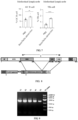
- An expression construction design pattern is shown in FIG 8 .
- the designed coding fragments are cloned into pFastBac1 vector plasmids and identifie d through bacterial PCR. Identification results through bacterial PCR show that GP67-Trx-Hi s-EK-S-RBD (Omicron_BA.4/.5)-HR fragments are successfully expanded in all five selected clones, as shown in FIG. 9 .
- Correct pFastBac1-GP67-Trx-His-EK-S-RBD (Omicron_BA.4/.5)-HR recombinant clones are selected to extract the recombinant plasmids, and DH10b competent cells are transforme d and identified through colony PCR. Colony PCR products are detected through 1% agaros e gel electrophoresis, and the identification results are shown in FIG. 10 . Leukoplakia is rec ombinant bacmid clone and locus coeruleus is non-recombinant bacmid clone.
- Recombinant bacmid is transfected into sf9 insect cells. After 5-6 days, recombinant baculovirus P0 is harvested and inoculated into fresh sf9 insect cells at a ratio of 1:100. After 4 days, recombinant baculovirus P1 is harvested and inoculated into fresh sf9 insect cells at the ratio of 1:100. After 4 days, recombinant baculovirus P2 is harvested. A flow diagram of packaging and amplification of recombinant baculovirus is shown in FIG 11 .
- Baculovirus amplification is accompanied by target protein expression.
- the target protein contains His tag, so we verify a recombinant protein expressi on through anti-His WB experiment. Verification results show that an obvious band is obser ved between 40 KD and 55 KD Marker bands, and its size is consistent with the size of Trx-His-EK-S-RBD (Omicron_BA.4/.5)-HR protein, indicating that the baculovirus amplificati on and the target protein expression are successful. Detection results are shown in FIG 12 .
- Recombinant protein vaccines RBD-WT, RBD-HR Delta , RBD-HR BA.4/.5 , and RBD-HR BA.1/Delta/Beta are respectively constructed by the construction method of the recombinant protein based on the amino acid sequence of S protein RBD of SARS-CoV-2 or the amino acid sequence of S protein RBD-HR of SARS-CoV-2 mutant: SEQ ID No.1, SEQ ID No.3, SEQ ID No.6 and SEQ ID No.18, all of which are used for animal immunity and other subsequent studies.
- Recombinant protein vaccines produced by CHO cells are mainly targeted at full-length S proteins, and these fragments are genetically synthesized according to codon preference, and polyhistidine is used as a purification tag (6His), and the complete nucleotide sequence is shown in SEQ ID No.71.
- the high expression vector pTT5 is constructed to express a precursor protein with an amino acid sequence as shown in SEQ ID No.70.
- CHO cells are transfected, and a harvested solution is taken for SDS-PAGE and Western-blot tests, as shown in FIG 13 . This proves that the target protein has been successfully expressed.
- Recombinant proteins and vaccines S-WT, S-Beta, S-Delta, S-BA.1, S-BA.2, and S-BA.4/5 are respectively constructed by the construction method of the recombinant protein based on the full-length amino acid sequence of S protein of SARS-CoV-2: SEQ ID No.40, SEQ ID No.46, SEQ ID No.52, SEQ ID No.58, SEQ ID No.64, and SEQ ID No.70, all of which are used for animal immunity and other subsequent studies.
- mice at 6-8 weeks of age were purchased from Charles River, and the mice were housed in a pathogen-free environment at the State Key Laboratory of Biotherapy, Sichuan University.
- mice were subjected to intranasal immunization at day 0, 14 and 28. Blood samples were collected through orbital veins at day 42; mice were killed at week 11; blood, bronchoalveolar lavage fluid and lung and mediastinal lymph node tissues were collected; and the tissues were prepared into single-cell suspensions subjected to flow cytometry. The blood was centrifuged for 10 minutes at 4°C and 6000rpm. Serum samples were stored at -20°C prior to use for subsequent detection of binding and neutralizing antibodies in serums.
- mice We used pseudoviruses to detect neutralizing antibodies in serums of immunized mice, where BA.3 and BA.4/5 pseudoviruses were purchased from Vazyme Co., Ltd. (China); and wild-type B.1.1.7, B.1.351, P.1, B.1.617, C.37, BA.1, BA.2, BA.2.12.1 and other pseudoviruses were purchased from Genomeditech (Shanghai) Co., Ltd. Serum samples collected after the mice were killed at week 11 were inactivated at 60°C for 30 min and then were diluted in a three-fold gradient with DMEM dual culture medium containing serum and antibiotics.
- luciferase pseudoviruses wild type, B.1.1.7, B.1.351, P.1, B.1.617, C.37, BA.1, BA.2, BA.2.12.1, BA.3, and BA.4/5
- 1.2 ⁇ 10 4 293T/ACE2 cells were added to each well to express reporter genes.
- the supernatant of the infected cells was removed, and 100 ⁇ l lysis reagent containing luciferase substrate was added to each well.
- a multi-mode microplate reader PerkinElmer, USA was used for detection.
- wild-type RBD-WT, RBD-HR Delta , and RBD-HR BA.1/Delta/Beta proteins induced higher levels of neutralizing antibodies against WT, Alpha, Beta, Delta, and Omicron viruses
- individual RBD-HR Delta protein and chimeric RBD-HR BA.1/Delta/Beta proteins containing Beta and Delta mutants showed strong immunoprotection against WT, Alpha, Beta, Delta, Omicron and other viruses
- individual RBD-WT protein showed strong immunoprotection only against WT and Delta mutant strains and weak immunoprotection against Omicron
- individual RBD-HR BA.4/.5 protein showed no strong immunoprotection against WT, Delta and Omicron.
- the RBD-HR BA.1/Delta/Beta protein showed strong immunoprotection against various types of SARS-COV-2.
- S proteins full-length trimers
- S proteins of BA.2.12.1 and BA.3 were commercially available S proteins.
- S-WT, S-Beta, S-Delta, S-BA.1, S-BA.2 and S-BA.4/5 were all recombinant S proteins prepared with reference to Embodiment 2.2.
- 10 micrograms of protein +MF59 adjuvant are provided.
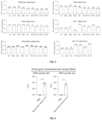
- Pseudovirus neutralizing antibodies were determined by removing the antiserum on day 42, as shown in FIG 16 and FIG 17 .
- S proteins of WT, Beta and Delta strains have strong immunoprotection against the WT, Beta and Delta strains, but have weak immunoprotection against Omicron strains.
- S proteins (S-BA.1 and S-Ba.2) of Omicron strains have significantly stronger immunoprotection against Omicron strains than other strains.
- full-length S proteins of B.1, BA.2, BA.2.12.1, BA.3, and BA.4/5 have significantly stronger immunoprotection against Omicron strains than WT, Alpha, Beta and Delta strains, showing certain specificity.
- Part III stronger immunoprotection induced by adenovirus combined with trimeric recombinant protein
- adenovirus Ad5 WT was prepared based on SEQ ID No.24
- S-BA.4/5 protein was prepared based on SEQ ID No.71
- RBD-WT protein was prepared based on SEQ ID No.1.
- the adenovirus Ad5 BA.4/5 was mixed with the S-BA.4/5 protein produced in Embodiment 2.2 to prepare a preparation for intranasal immunization.
- mice at 6-8 weeks of age were purchased from Charles River, and the mice were housed in a pathogen-free environment at the State Key Laboratory of Biotherapy, Sichuan University. The mice were divided into 6 groups: (1) RBD-HR Delta (10 ⁇ g/piece) control group, (2) Ad5 empty (5 ⁇ 10 9 VP/piece) + RBD-HR Delta (10 ⁇ g/piece), (3) Ad5 BA.4/5 (2.5 ⁇ 10 9 VP/piece) low-dose group, (4) Ad5 BA.4/5 (2.5 ⁇ 10 9 VP/piece) low dose + RBD-HR Delta (10 ⁇ g) group, (5) Ad5 BA.4/5 (5 ⁇ 10 9 VP/piece) high-dose group; and (6) Ad5 BA.4/5 (5 ⁇ 10 9 VP/piece) high-dose + RBD-HR Delta (10 ⁇ g) group.
- Ad5 WT +RBD-WT combined drug was as follows: (a) PBS (5 pieces), (b) RBD-WT vaccine group (10 ⁇ g/piece, 5 pieces), (c) adenovirus Ad5 WT (5 ⁇ 10 9 VP/piece), and (d) Ad5 WT (5 ⁇ 10 9 VP/piece) + RBD-WT group (10 ⁇ g/piece) (5 pieces).
- Ad5 BA.4/5 +S-BA.4/5 combined drug was as follows: (a) PBS (5 pieces), (b) S-BA.4/5 vaccine group (10 ⁇ g/piece, 5 pieces), (c) Ad5 BA.4/5 group (5 ⁇ 10 9 VP/piece, 5 pieces), (d) Ad5 BA.4/5 (5 ⁇ 10 9 VP/piece) high dose + S-BA.4/5 (10 ⁇ g/piece) group (5 pieces).
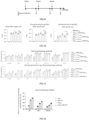
- mice were subjected to intranasal immunization at weeks 0, 4 and 8. Blood samples were collected through orbital veins at week 3 and 7; mice were killed at week 11; blood, bronchoalveolar lavage fluid and lung and mediastinal lymph node tissues were collected; and the tissues were prepared into single-cell suspensions and subjected to flow cytometry. The blood was centrifuged for 10 minutes at 4°C and 6000rpm. Serum samples were stored at -20°C prior to use for subsequent detection of binding and neutralizing antibodies in serums. The immunization protocol is shown in FIG 19 .
- RBD specific antibody in serum was detected by ELISA.
- the culture plates and serum samples or bronchoalveolar lavage fluid samples with 2x dilution gradient were incubated at room temperature for 1 hour, and then washed three times by 1 ⁇ PBST.
- the culture plates were added with 1:10000 diluted horseradish peroxidase (HRP)-goat anti-mouse IgG antibody, incubated at room temperature for 1 hour, and washed five times.
- the culture plates were added with 3,3', 5,5'-tetramethylbenzidine (TMB) and incubated in a dark place for 10 minutes.
- the reaction was stopped with 1 M H 2 SO 4 (100 ⁇ l/well) and the absorbance was measured at a position of 450nm.
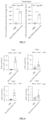
- a preparation of adenovirus Ad5 BA.4/5 combined with recombinant RBD-HR Delta induces stronger anti-RBD specific binding antibodies in the serum and bronchoalveolar lavage fluid than that of Ad5 BA.4/5 , indicating that a preparation of adenovirus combined with recombinant subunit can produce stronger humoral immunoprotection.
- intranasal immunization with RBD-HR Delta cannot induce strong blood-conjugated antibodies, but RBD-HR Delta being conjugated with Ad5 Empty can significantly increase its immunogenicity. This demonstrates that the adenovirus can be used as an adjuvant of recombinant subunit to enhance the immunogenicity of protein antigens.
- Ad5 WT + RDB-WT produced serum neutralizing antibodies against viruses such as WT, BA.1 and BA.4/5.
- Ad5 BA.4/5 +S-BA4/5 produced higher-level serum neutralizing antibodies against WT, BA.1, BA.4/5 and other viruses, and an amount of antibodies was significantly higher than that of Ad5 WT +RBD-WT, suggesting that Omicron's S protein adenovirus vaccine combined with S protein can produce stronger immunoprotection against Omicron mutant strains.
- mice at 6-8 weeks of age were purchased from Charles River and tested at the Animal Biosafety Level 4 (ABSL-4) Facility at the National Primate Research Center for Advanced Biosafety in Kunming, Yunnan province, China. 20 mice were divided into the following groups for challenge test of live SARS-CoV-2: (a) PBS (5 pieces), (b) adenovirus Ad5 BA.4/5 group (5x10 9 VP/piece, 5 pieces), (c) S-BA.4/5 protein vaccine group (10 ⁇ g /piece, 5 pieces)and (d) AD5 BA.4/5 (5 ⁇ 10 9 VP/piece) high dose + S-BA.4/5 (10 ⁇ g) group (5 pieces).
- ABSL-4 Animal Biosafety Level 4
- mice were subjected to intranasal immunization at week 0, 4, and 8, and then treated with SARS-CoV-2 for nasal challenge (0.5ml, 10 6 pfu/ml) 21 days after the final immunization.
- Mouse lung tissues were collected 4 days after virus attack.
- FIG 24 after the mice were treated with immune serums induced by Ad5 BA.4/5 (5 ⁇ 10 9 VP/ piece) high dose + S-BA.4/5 (10 ⁇ g) combined vaccine, viral loads in turbinate, trachea and lung tissues were not detected, lung histology was normal, alveolar structure was intact, and no obvious inflammation was present.
- adenovirus or protein in the nasal drop is significantly weaker than that of the combined drug of adenovirus and protein.
- T RM tissue resident T cells
- a preparation of high-dose adenovirus Ad5 BA.4/5 combined with recombinant RBD-HR Delta recruited more lung tissue resident T RM cells than that of adenovirus Ad5 BA.4/5 .
- intranasal immunization with RBD-HR Delta could not induce enough lung tissue T RM cells.
- intranasal immunization with RBD-HR Delta combined with Ad5 Empty could significantly improve its immunogenicity and induce more lung tissue T RM cells, indicating that the preparation of adenovirus combined with recombinant subunit can produce stronger local mucosal cell immune response and prevent viral infection.
- Antigen-specific T cells in lung tissue were detected through flow cytometry. After the collected lung tissue was cut to a size of 1mm 3 , the prepared collagenase digestive fluid was added and incubated at 37°C for 1 hour, and a tissue digestive fluid was filtrated through a 70uM sieve to obtain a single-cell suspension. Single cells of the lung tissue were stimulated and cultured in dual 1640 culture medium containing Spike peptide library for 12 hours, and subjected to intracellular cytokine staining (ICS).
- ICS intracellular cytokine staining
- the 1640 culture medium was added with 10% fetal bovine serum, 100 ⁇ g/ml streptomycin, 100U/ml penicillin, 1mM pyruvic acid (all purchased from Gibco), 50 ⁇ M ⁇ -mercaptoethanol and 20U/ml IL-2 (all purchased from Sigma-Aldrich).
- fetal bovine serum 100 ⁇ g/ml streptomycin, 100U/ml penicillin, 1mM pyruvic acid (all purchased from Gibco), 50 ⁇ M ⁇ -mercaptoethanol and 20U/ml IL-2 (all purchased from Sigma-Aldrich).
- brefeldin A BFA, BD Biosciences
- the cells were washed in a 1 ⁇ PBS coolant, and stained with PerCP/Cyanine5.5-conjugated anti-mouse CD3 (BioLegend, 100718), APC-conjugated anti-mouse CD4 (BioLegend, 100412), FITC-conjugated anti-mouse CD8, and PE-conjugated anti-mouse CD44 antibodies at 4°C for 30 minutes. Then, the cells were immobilized and perforated, so that they could be stained with PE-Cy7-conjugated anti-mouse IFN- ⁇ and Brilliant Violet 510-conjugated anti-mouse TNF- ⁇ (all flow antibodies from BioLegend) after left for 2 hours at room temperature. The cells were washed with 1 ⁇ PBS and then detected by flow cytometry.
- a durable anamnestic reaction provides rapid and effective protective immunity in case of reinfection.
- the increase of Tfh and GCB cells indicates that the vaccine can provide long-lasting protective immunity to the body.
- a preparation of high-dose adenovirus Ad5 BA.4/5 combined with recombinant RBD-HR Delta can induce Tfh cells in mediastinal lymph nodes to increase significantly, demonstrating that adenovirus vaccine combined protein vaccine can improve long-lasting immunoprotection.
Landscapes
- Health & Medical Sciences (AREA)
- Life Sciences & Earth Sciences (AREA)
- Chemical & Material Sciences (AREA)
- Organic Chemistry (AREA)
- Engineering & Computer Science (AREA)
- Genetics & Genomics (AREA)
- General Health & Medical Sciences (AREA)
- Virology (AREA)
- Biomedical Technology (AREA)
- Bioinformatics & Cheminformatics (AREA)
- Zoology (AREA)
- Biotechnology (AREA)
- Wood Science & Technology (AREA)
- Medicinal Chemistry (AREA)
- Microbiology (AREA)
- Biochemistry (AREA)
- General Engineering & Computer Science (AREA)
- Molecular Biology (AREA)
- Immunology (AREA)
- Veterinary Medicine (AREA)
- Public Health (AREA)
- Animal Behavior & Ethology (AREA)
- Pharmacology & Pharmacy (AREA)
- Biophysics (AREA)
- Mycology (AREA)
- Epidemiology (AREA)
- Chemical Kinetics & Catalysis (AREA)
- General Chemical & Material Sciences (AREA)
- Proteomics, Peptides & Aminoacids (AREA)
- Nuclear Medicine, Radiotherapy & Molecular Imaging (AREA)
- Gastroenterology & Hepatology (AREA)
- Communicable Diseases (AREA)
- Plant Pathology (AREA)
- Physics & Mathematics (AREA)
- Cell Biology (AREA)
- Urology & Nephrology (AREA)
- Pulmonology (AREA)
- Oncology (AREA)
- Reproductive Health (AREA)
- Toxicology (AREA)
Applications Claiming Priority (3)
| Application Number | Priority Date | Filing Date | Title |
|---|---|---|---|
| CN202210802239 | 2022-07-07 | ||
| CN202211618137 | 2022-12-15 | ||
| PCT/CN2023/105178 WO2024008014A1 (zh) | 2022-07-07 | 2023-06-30 | 抗SARS-CoV-2或其突变体感染的药物组合物及其联合用药物 |
Publications (2)
| Publication Number | Publication Date |
|---|---|
| EP4549452A1 true EP4549452A1 (de) | 2025-05-07 |
| EP4549452A4 EP4549452A4 (de) | 2025-11-05 |
Family
ID=88447047
Family Applications (1)
| Application Number | Title | Priority Date | Filing Date |
|---|---|---|---|
| EP23834781.9A Pending EP4549452A4 (de) | 2022-07-07 | 2023-06-30 | Pharmazeutische zusammensetzung gegen infektionen mit sars-cov-2 oder einem mutant davon und kombinationsarzneimittel daraus |
Country Status (7)
| Country | Link |
|---|---|
| US (1) | US20260041761A1 (de) |
| EP (1) | EP4549452A4 (de) |
| JP (1) | JP2025523631A (de) |
| CN (1) | CN116942807A (de) |
| CA (1) | CA3261388A1 (de) |
| WO (1) | WO2024008014A1 (de) |
| ZA (1) | ZA202500860B (de) |
Families Citing this family (5)
| Publication number | Priority date | Publication date | Assignee | Title |
|---|---|---|---|---|
| CN116410992A (zh) * | 2023-03-10 | 2023-07-11 | 北京新合睿恩生物医疗科技有限公司 | 预防和/或治疗新型冠状病毒的mRNA、疫苗及其制备方法和应用 |
| CN118662625A (zh) * | 2024-07-24 | 2024-09-20 | 东北农业大学 | 一种植物源新冠病毒鼻喷疫苗及其制备方法 |
| CN119061030B (zh) * | 2024-11-05 | 2025-05-02 | 四川省医学科学院·四川省人民医院 | 表达SARS-CoV-2受体结合域的多核苷酸、蛋白、病毒载体及制备方法、疫苗制剂及制备方法及应用 |
| CN119979483A (zh) * | 2025-02-10 | 2025-05-13 | 华中农业大学 | 一种自发产生病毒样颗粒的重组腺病毒制备方法及应用 |
| CN121015864B (zh) * | 2025-10-31 | 2026-02-03 | 可蓝赛生物医药(上海)有限公司 | 一种含有多糖佐剂的肿瘤疫苗及其应用 |
Family Cites Families (7)
| Publication number | Priority date | Publication date | Assignee | Title |
|---|---|---|---|---|
| JP2023512519A (ja) * | 2020-01-31 | 2023-03-27 | ベス イスラエル ディーコネス メディカル センター インコーポレイテッド | コロナウイルス感染症を予防および処置するための組成物および方法-sars-cov-2ワクチン |
| CN112300251B (zh) * | 2020-02-24 | 2022-04-05 | 成都威斯克生物医药有限公司 | 抗SARS-CoV-2感染的蛋白及疫苗 |
| CN113087777B (zh) * | 2020-04-17 | 2023-05-05 | 成都威斯克生物医药有限公司 | 抗SARS-CoV-2感染的蛋白以及用该蛋白制备的疫苗 |
| WO2021248017A2 (en) * | 2020-06-05 | 2021-12-09 | Vaxart, Inc. | Chimeric adenoviral vectors |
| CN112618707B (zh) * | 2020-10-15 | 2023-07-04 | 广州达博生物制品有限公司 | 一种SARS-CoV-2冠状病毒疫苗及其制备方法 |
| CN113185613B (zh) * | 2021-04-13 | 2022-09-13 | 武汉大学 | 新型冠状病毒s蛋白及其亚单位疫苗 |
| CN113480616B (zh) * | 2021-07-01 | 2022-10-11 | 许雁 | 异源三聚体化结构域、异源三聚体化融合蛋白、制备方法及应用 |
-
2023
- 2023-06-30 JP JP2025500097A patent/JP2025523631A/ja active Pending
- 2023-06-30 US US18/881,413 patent/US20260041761A1/en active Pending
- 2023-06-30 WO PCT/CN2023/105178 patent/WO2024008014A1/zh not_active Ceased
- 2023-06-30 CN CN202310798489.0A patent/CN116942807A/zh active Pending
- 2023-06-30 CA CA3261388A patent/CA3261388A1/en active Pending
- 2023-06-30 EP EP23834781.9A patent/EP4549452A4/de active Pending
-
2025
- 2025-01-24 ZA ZA2025/00860A patent/ZA202500860B/en unknown
Also Published As
| Publication number | Publication date |
|---|---|
| CA3261388A1 (en) | 2025-04-24 |
| ZA202500860B (en) | 2025-10-29 |
| EP4549452A4 (de) | 2025-11-05 |
| JP2025523631A (ja) | 2025-07-23 |
| US20260041761A1 (en) | 2026-02-12 |
| WO2024008014A1 (zh) | 2024-01-11 |
| CN116942807A (zh) | 2023-10-27 |
Similar Documents
| Publication | Publication Date | Title |
|---|---|---|
| EP4549452A1 (de) | Pharmazeutische zusammensetzung gegen infektionen mit sars-cov-2 oder einem mutant davon und kombinationsarzneimittel daraus | |
| CN113164586B (zh) | 免疫组合物及其制备方法与应用 | |
| CN112618707B (zh) | 一种SARS-CoV-2冠状病毒疫苗及其制备方法 | |
| EP4682160A1 (de) | Protein und impfstoff gegen infektionen des sars-cov-2-omikron-mutantenstamms xbb und subtyp davon | |
| US20230174588A1 (en) | A vaccine against sars-cov-2 and preparation thereof | |
| EP4205762A1 (de) | Verbesserter dna-impfstoff für sars-cov-2 | |
| KR20230008707A (ko) | 코로나바이러스 치료용 백신 조성물 | |
| CN117551677A (zh) | 一种以5型腺病毒为载体的猴痘病毒特异性融合蛋白疫苗 | |
| CN117244048A (zh) | 一种禽流感病毒mRNA疫苗及其制备方法和应用 | |
| CN114574502B (zh) | 一种以复制缺陷腺相关病毒为载体的新型冠状病毒疫苗 | |
| WO2022103929A9 (en) | Nucleic acids, proteins, and vaccines of sars-cov-2 | |
| EP4653454A1 (de) | Protein und impfstoff gegen infektionen mit dem sars-cov-2-omikron-mutantenstamm und subtyp davon | |
| EP4205761A1 (de) | Neues rekombinantes spike-protein des coronavirus, polynukleotid, vektor mit polynukleotid und impfstoff zur vorbeugung oder behandlung einer coronavirusinfektion mit vektor | |
| CN113637695B (zh) | 靶向刺激体液免疫和细胞免疫的新冠病毒mRNA疫苗 | |
| CN113388588B (zh) | 表达牛疱疹病毒Ⅰ型gB基因的重组牛结节疹病毒及其应用 | |
| CN116549627A (zh) | 基于腺病毒载体的广谱新冠疫苗及其应用 | |
| CN116970624A (zh) | 抗SARS-CoV-2及变异株感染的腺病毒疫苗 | |
| CN114456241B (zh) | 抗SARS-CoV-2感染的蛋白及疫苗 | |
| KR102680105B1 (ko) | 코로나19 바이러스 및 인플루엔자 h1n1 바이러스에 대한 바이러스 유사입자 및 이의 용도 | |
| EP4653011A1 (de) | Herstellung und verwendung eines mrna-impfstoffs und impfstoff aus rekombinanten proteinuntereinheiten gegen sars-cov-2 oder mutant | |
| WO2025011529A2 (en) | Circular rna vaccines for seasonal flu and methods of uses | |
| WO2025036230A1 (zh) | 抗SARS-CoV-2奥密克戎突变株XBB亚型感染的蛋白、腺病毒及疫苗 | |
| CN116688108A (zh) | 全新流感病毒疫苗治疗肿瘤的方法及其应用 | |
| EP4644550A1 (de) | Impfstoff gegen respiratorische synzytialvirusinfektion | |
| EA037297B1 (ru) | Фармацевтическое средство и способ его использования для индукции специфического иммунитета против вируса тяжелого острого респираторного синдрома sars-cov-2 (варианты) |
Legal Events
| Date | Code | Title | Description |
|---|---|---|---|
| STAA | Information on the status of an ep patent application or granted ep patent |
Free format text: STATUS: THE INTERNATIONAL PUBLICATION HAS BEEN MADE |
|
| PUAI | Public reference made under article 153(3) epc to a published international application that has entered the european phase |
Free format text: ORIGINAL CODE: 0009012 |
|
| STAA | Information on the status of an ep patent application or granted ep patent |
Free format text: STATUS: REQUEST FOR EXAMINATION WAS MADE |
|
| 17P | Request for examination filed |
Effective date: 20250129 |
|
| AK | Designated contracting states |
Kind code of ref document: A1 Designated state(s): AL AT BE BG CH CY CZ DE DK EE ES FI FR GB GR HR HU IE IS IT LI LT LU LV MC ME MK MT NL NO PL PT RO RS SE SI SK SM TR |
|
| DAV | Request for validation of the european patent (deleted) | ||
| DAX | Request for extension of the european patent (deleted) | ||
| A4 | Supplementary search report drawn up and despatched |
Effective date: 20251009 |
|
| RIC1 | Information provided on ipc code assigned before grant |
Ipc: C07K 14/165 20060101AFI20251002BHEP Ipc: C07K 19/00 20060101ALI20251002BHEP Ipc: C12N 15/50 20060101ALI20251002BHEP Ipc: A61K 39/215 20060101ALI20251002BHEP Ipc: A61P 31/14 20060101ALI20251002BHEP |