EP4549608A1 - Tôle d?acier galvanisée ultrarésistant de qualité 120 kg et son procédé de fabrication - Google Patents
Tôle d?acier galvanisée ultrarésistant de qualité 120 kg et son procédé de fabrication Download PDFInfo
- Publication number
- EP4549608A1 EP4549608A1 EP23830478.6A EP23830478A EP4549608A1 EP 4549608 A1 EP4549608 A1 EP 4549608A1 EP 23830478 A EP23830478 A EP 23830478A EP 4549608 A1 EP4549608 A1 EP 4549608A1
- Authority
- EP
- European Patent Office
- Prior art keywords
- steel plate
- temperature
- range
- galvanized steel
- type
- Prior art date
- Legal status (The legal status is an assumption and is not a legal conclusion. Google has not performed a legal analysis and makes no representation as to the accuracy of the status listed.)
- Pending
Links
Images
Classifications
-
- C—CHEMISTRY; METALLURGY
- C22—METALLURGY; FERROUS OR NON-FERROUS ALLOYS; TREATMENT OF ALLOYS OR NON-FERROUS METALS
- C22C—ALLOYS
- C22C38/00—Ferrous alloys, e.g. steel alloys
- C22C38/02—Ferrous alloys, e.g. steel alloys containing silicon
-
- C—CHEMISTRY; METALLURGY
- C21—METALLURGY OF IRON
- C21D—MODIFYING THE PHYSICAL STRUCTURE OF FERROUS METALS; GENERAL DEVICES FOR HEAT TREATMENT OF FERROUS OR NON-FERROUS METALS OR ALLOYS; MAKING METAL MALLEABLE, e.g. BY DECARBURISATION OR TEMPERING
- C21D1/00—General methods or devices for heat treatment, e.g. annealing, hardening, quenching or tempering
- C21D1/18—Hardening; Quenching with or without subsequent tempering
-
- C—CHEMISTRY; METALLURGY
- C21—METALLURGY OF IRON
- C21D—MODIFYING THE PHYSICAL STRUCTURE OF FERROUS METALS; GENERAL DEVICES FOR HEAT TREATMENT OF FERROUS OR NON-FERROUS METALS OR ALLOYS; MAKING METAL MALLEABLE, e.g. BY DECARBURISATION OR TEMPERING
- C21D1/00—General methods or devices for heat treatment, e.g. annealing, hardening, quenching or tempering
- C21D1/18—Hardening; Quenching with or without subsequent tempering
- C21D1/185—Hardening; Quenching with or without subsequent tempering from an intercritical temperature
-
- C—CHEMISTRY; METALLURGY
- C21—METALLURGY OF IRON
- C21D—MODIFYING THE PHYSICAL STRUCTURE OF FERROUS METALS; GENERAL DEVICES FOR HEAT TREATMENT OF FERROUS OR NON-FERROUS METALS OR ALLOYS; MAKING METAL MALLEABLE, e.g. BY DECARBURISATION OR TEMPERING
- C21D1/00—General methods or devices for heat treatment, e.g. annealing, hardening, quenching or tempering
- C21D1/18—Hardening; Quenching with or without subsequent tempering
- C21D1/19—Hardening; Quenching with or without subsequent tempering by interrupted quenching
- C21D1/22—Martempering
-
- C—CHEMISTRY; METALLURGY
- C21—METALLURGY OF IRON
- C21D—MODIFYING THE PHYSICAL STRUCTURE OF FERROUS METALS; GENERAL DEVICES FOR HEAT TREATMENT OF FERROUS OR NON-FERROUS METALS OR ALLOYS; MAKING METAL MALLEABLE, e.g. BY DECARBURISATION OR TEMPERING
- C21D1/00—General methods or devices for heat treatment, e.g. annealing, hardening, quenching or tempering
- C21D1/26—Methods of annealing
-
- C—CHEMISTRY; METALLURGY
- C21—METALLURGY OF IRON
- C21D—MODIFYING THE PHYSICAL STRUCTURE OF FERROUS METALS; GENERAL DEVICES FOR HEAT TREATMENT OF FERROUS OR NON-FERROUS METALS OR ALLOYS; MAKING METAL MALLEABLE, e.g. BY DECARBURISATION OR TEMPERING
- C21D1/00—General methods or devices for heat treatment, e.g. annealing, hardening, quenching or tempering
- C21D1/74—Methods of treatment in inert gas, controlled atmosphere, vacuum or pulverulent material
-
- C—CHEMISTRY; METALLURGY
- C21—METALLURGY OF IRON
- C21D—MODIFYING THE PHYSICAL STRUCTURE OF FERROUS METALS; GENERAL DEVICES FOR HEAT TREATMENT OF FERROUS OR NON-FERROUS METALS OR ALLOYS; MAKING METAL MALLEABLE, e.g. BY DECARBURISATION OR TEMPERING
- C21D1/00—General methods or devices for heat treatment, e.g. annealing, hardening, quenching or tempering
- C21D1/74—Methods of treatment in inert gas, controlled atmosphere, vacuum or pulverulent material
- C21D1/76—Adjusting the composition of the atmosphere
-
- C—CHEMISTRY; METALLURGY
- C21—METALLURGY OF IRON
- C21D—MODIFYING THE PHYSICAL STRUCTURE OF FERROUS METALS; GENERAL DEVICES FOR HEAT TREATMENT OF FERROUS OR NON-FERROUS METALS OR ALLOYS; MAKING METAL MALLEABLE, e.g. BY DECARBURISATION OR TEMPERING
- C21D8/00—Modifying the physical properties of ferrous metals or ferrous alloys by deformation combined with, or followed by, heat treatment
- C21D8/02—Modifying the physical properties of ferrous metals or ferrous alloys by deformation combined with, or followed by, heat treatment during manufacturing of plates or strips
-
- C—CHEMISTRY; METALLURGY
- C21—METALLURGY OF IRON
- C21D—MODIFYING THE PHYSICAL STRUCTURE OF FERROUS METALS; GENERAL DEVICES FOR HEAT TREATMENT OF FERROUS OR NON-FERROUS METALS OR ALLOYS; MAKING METAL MALLEABLE, e.g. BY DECARBURISATION OR TEMPERING
- C21D8/00—Modifying the physical properties of ferrous metals or ferrous alloys by deformation combined with, or followed by, heat treatment
- C21D8/02—Modifying the physical properties of ferrous metals or ferrous alloys by deformation combined with, or followed by, heat treatment during manufacturing of plates or strips
- C21D8/0221—Modifying the physical properties of ferrous metals or ferrous alloys by deformation combined with, or followed by, heat treatment during manufacturing of plates or strips characterised by the working steps
- C21D8/0226—Hot rolling
-
- C—CHEMISTRY; METALLURGY
- C21—METALLURGY OF IRON
- C21D—MODIFYING THE PHYSICAL STRUCTURE OF FERROUS METALS; GENERAL DEVICES FOR HEAT TREATMENT OF FERROUS OR NON-FERROUS METALS OR ALLOYS; MAKING METAL MALLEABLE, e.g. BY DECARBURISATION OR TEMPERING
- C21D8/00—Modifying the physical properties of ferrous metals or ferrous alloys by deformation combined with, or followed by, heat treatment
- C21D8/02—Modifying the physical properties of ferrous metals or ferrous alloys by deformation combined with, or followed by, heat treatment during manufacturing of plates or strips
- C21D8/0221—Modifying the physical properties of ferrous metals or ferrous alloys by deformation combined with, or followed by, heat treatment during manufacturing of plates or strips characterised by the working steps
- C21D8/0236—Cold rolling
-
- C—CHEMISTRY; METALLURGY
- C21—METALLURGY OF IRON
- C21D—MODIFYING THE PHYSICAL STRUCTURE OF FERROUS METALS; GENERAL DEVICES FOR HEAT TREATMENT OF FERROUS OR NON-FERROUS METALS OR ALLOYS; MAKING METAL MALLEABLE, e.g. BY DECARBURISATION OR TEMPERING
- C21D8/00—Modifying the physical properties of ferrous metals or ferrous alloys by deformation combined with, or followed by, heat treatment
- C21D8/02—Modifying the physical properties of ferrous metals or ferrous alloys by deformation combined with, or followed by, heat treatment during manufacturing of plates or strips
- C21D8/0247—Modifying the physical properties of ferrous metals or ferrous alloys by deformation combined with, or followed by, heat treatment during manufacturing of plates or strips characterised by the heat treatment
-
- C—CHEMISTRY; METALLURGY
- C21—METALLURGY OF IRON
- C21D—MODIFYING THE PHYSICAL STRUCTURE OF FERROUS METALS; GENERAL DEVICES FOR HEAT TREATMENT OF FERROUS OR NON-FERROUS METALS OR ALLOYS; MAKING METAL MALLEABLE, e.g. BY DECARBURISATION OR TEMPERING
- C21D8/00—Modifying the physical properties of ferrous metals or ferrous alloys by deformation combined with, or followed by, heat treatment
- C21D8/02—Modifying the physical properties of ferrous metals or ferrous alloys by deformation combined with, or followed by, heat treatment during manufacturing of plates or strips
- C21D8/0247—Modifying the physical properties of ferrous metals or ferrous alloys by deformation combined with, or followed by, heat treatment during manufacturing of plates or strips characterised by the heat treatment
- C21D8/0257—Modifying the physical properties of ferrous metals or ferrous alloys by deformation combined with, or followed by, heat treatment during manufacturing of plates or strips characterised by the heat treatment with diffusion of elements, e.g. decarburising, nitriding
-
- C—CHEMISTRY; METALLURGY
- C21—METALLURGY OF IRON
- C21D—MODIFYING THE PHYSICAL STRUCTURE OF FERROUS METALS; GENERAL DEVICES FOR HEAT TREATMENT OF FERROUS OR NON-FERROUS METALS OR ALLOYS; MAKING METAL MALLEABLE, e.g. BY DECARBURISATION OR TEMPERING
- C21D8/00—Modifying the physical properties of ferrous metals or ferrous alloys by deformation combined with, or followed by, heat treatment
- C21D8/02—Modifying the physical properties of ferrous metals or ferrous alloys by deformation combined with, or followed by, heat treatment during manufacturing of plates or strips
- C21D8/0247—Modifying the physical properties of ferrous metals or ferrous alloys by deformation combined with, or followed by, heat treatment during manufacturing of plates or strips characterised by the heat treatment
- C21D8/0263—Modifying the physical properties of ferrous metals or ferrous alloys by deformation combined with, or followed by, heat treatment during manufacturing of plates or strips characterised by the heat treatment following hot rolling
-
- C—CHEMISTRY; METALLURGY
- C21—METALLURGY OF IRON
- C21D—MODIFYING THE PHYSICAL STRUCTURE OF FERROUS METALS; GENERAL DEVICES FOR HEAT TREATMENT OF FERROUS OR NON-FERROUS METALS OR ALLOYS; MAKING METAL MALLEABLE, e.g. BY DECARBURISATION OR TEMPERING
- C21D8/00—Modifying the physical properties of ferrous metals or ferrous alloys by deformation combined with, or followed by, heat treatment
- C21D8/02—Modifying the physical properties of ferrous metals or ferrous alloys by deformation combined with, or followed by, heat treatment during manufacturing of plates or strips
- C21D8/0247—Modifying the physical properties of ferrous metals or ferrous alloys by deformation combined with, or followed by, heat treatment during manufacturing of plates or strips characterised by the heat treatment
- C21D8/0273—Final recrystallisation annealing
-
- C—CHEMISTRY; METALLURGY
- C21—METALLURGY OF IRON
- C21D—MODIFYING THE PHYSICAL STRUCTURE OF FERROUS METALS; GENERAL DEVICES FOR HEAT TREATMENT OF FERROUS OR NON-FERROUS METALS OR ALLOYS; MAKING METAL MALLEABLE, e.g. BY DECARBURISATION OR TEMPERING
- C21D8/00—Modifying the physical properties of ferrous metals or ferrous alloys by deformation combined with, or followed by, heat treatment
- C21D8/02—Modifying the physical properties of ferrous metals or ferrous alloys by deformation combined with, or followed by, heat treatment during manufacturing of plates or strips
- C21D8/0278—Modifying the physical properties of ferrous metals or ferrous alloys by deformation combined with, or followed by, heat treatment during manufacturing of plates or strips involving a particular surface treatment
-
- C—CHEMISTRY; METALLURGY
- C22—METALLURGY; FERROUS OR NON-FERROUS ALLOYS; TREATMENT OF ALLOYS OR NON-FERROUS METALS
- C22C—ALLOYS
- C22C33/00—Making ferrous alloys
- C22C33/04—Making ferrous alloys by melting
-
- C—CHEMISTRY; METALLURGY
- C22—METALLURGY; FERROUS OR NON-FERROUS ALLOYS; TREATMENT OF ALLOYS OR NON-FERROUS METALS
- C22C—ALLOYS
- C22C38/00—Ferrous alloys, e.g. steel alloys
- C22C38/002—Ferrous alloys, e.g. steel alloys containing In, Mg, or other elements not provided for in one single group C22C38/001 - C22C38/60
-
- C—CHEMISTRY; METALLURGY
- C22—METALLURGY; FERROUS OR NON-FERROUS ALLOYS; TREATMENT OF ALLOYS OR NON-FERROUS METALS
- C22C—ALLOYS
- C22C38/00—Ferrous alloys, e.g. steel alloys
- C22C38/005—Ferrous alloys, e.g. steel alloys containing rare earths, i.e. Sc, Y, Lanthanides
-
- C—CHEMISTRY; METALLURGY
- C22—METALLURGY; FERROUS OR NON-FERROUS ALLOYS; TREATMENT OF ALLOYS OR NON-FERROUS METALS
- C22C—ALLOYS
- C22C38/00—Ferrous alloys, e.g. steel alloys
- C22C38/04—Ferrous alloys, e.g. steel alloys containing manganese
-
- C—CHEMISTRY; METALLURGY
- C22—METALLURGY; FERROUS OR NON-FERROUS ALLOYS; TREATMENT OF ALLOYS OR NON-FERROUS METALS
- C22C—ALLOYS
- C22C38/00—Ferrous alloys, e.g. steel alloys
- C22C38/06—Ferrous alloys, e.g. steel alloys containing aluminium
-
- C—CHEMISTRY; METALLURGY
- C22—METALLURGY; FERROUS OR NON-FERROUS ALLOYS; TREATMENT OF ALLOYS OR NON-FERROUS METALS
- C22C—ALLOYS
- C22C38/00—Ferrous alloys, e.g. steel alloys
- C22C38/12—Ferrous alloys, e.g. steel alloys containing tungsten, tantalum, molybdenum, vanadium, or niobium
-
- C—CHEMISTRY; METALLURGY
- C22—METALLURGY; FERROUS OR NON-FERROUS ALLOYS; TREATMENT OF ALLOYS OR NON-FERROUS METALS
- C22C—ALLOYS
- C22C38/00—Ferrous alloys, e.g. steel alloys
- C22C38/14—Ferrous alloys, e.g. steel alloys containing titanium or zirconium
-
- C—CHEMISTRY; METALLURGY
- C22—METALLURGY; FERROUS OR NON-FERROUS ALLOYS; TREATMENT OF ALLOYS OR NON-FERROUS METALS
- C22C—ALLOYS
- C22C38/00—Ferrous alloys, e.g. steel alloys
- C22C38/18—Ferrous alloys, e.g. steel alloys containing chromium
- C22C38/22—Ferrous alloys, e.g. steel alloys containing chromium with molybdenum or tungsten
-
- C—CHEMISTRY; METALLURGY
- C22—METALLURGY; FERROUS OR NON-FERROUS ALLOYS; TREATMENT OF ALLOYS OR NON-FERROUS METALS
- C22C—ALLOYS
- C22C38/00—Ferrous alloys, e.g. steel alloys
- C22C38/18—Ferrous alloys, e.g. steel alloys containing chromium
- C22C38/26—Ferrous alloys, e.g. steel alloys containing chromium with niobium or tantalum
-
- C—CHEMISTRY; METALLURGY
- C22—METALLURGY; FERROUS OR NON-FERROUS ALLOYS; TREATMENT OF ALLOYS OR NON-FERROUS METALS
- C22C—ALLOYS
- C22C38/00—Ferrous alloys, e.g. steel alloys
- C22C38/18—Ferrous alloys, e.g. steel alloys containing chromium
- C22C38/28—Ferrous alloys, e.g. steel alloys containing chromium with titanium or zirconium
-
- C—CHEMISTRY; METALLURGY
- C22—METALLURGY; FERROUS OR NON-FERROUS ALLOYS; TREATMENT OF ALLOYS OR NON-FERROUS METALS
- C22C—ALLOYS
- C22C38/00—Ferrous alloys, e.g. steel alloys
- C22C38/18—Ferrous alloys, e.g. steel alloys containing chromium
- C22C38/32—Ferrous alloys, e.g. steel alloys containing chromium with boron
-
- C—CHEMISTRY; METALLURGY
- C22—METALLURGY; FERROUS OR NON-FERROUS ALLOYS; TREATMENT OF ALLOYS OR NON-FERROUS METALS
- C22C—ALLOYS
- C22C38/00—Ferrous alloys, e.g. steel alloys
- C22C38/18—Ferrous alloys, e.g. steel alloys containing chromium
- C22C38/34—Ferrous alloys, e.g. steel alloys containing chromium with more than 1.5% by weight of silicon
-
- C—CHEMISTRY; METALLURGY
- C22—METALLURGY; FERROUS OR NON-FERROUS ALLOYS; TREATMENT OF ALLOYS OR NON-FERROUS METALS
- C22C—ALLOYS
- C22C38/00—Ferrous alloys, e.g. steel alloys
- C22C38/18—Ferrous alloys, e.g. steel alloys containing chromium
- C22C38/38—Ferrous alloys, e.g. steel alloys containing chromium with more than 1.5% by weight of manganese
-
- C—CHEMISTRY; METALLURGY
- C23—COATING METALLIC MATERIAL; COATING MATERIAL WITH METALLIC MATERIAL; CHEMICAL SURFACE TREATMENT; DIFFUSION TREATMENT OF METALLIC MATERIAL; COATING BY VACUUM EVAPORATION, BY SPUTTERING, BY ION IMPLANTATION OR BY CHEMICAL VAPOUR DEPOSITION, IN GENERAL; INHIBITING CORROSION OF METALLIC MATERIAL OR INCRUSTATION IN GENERAL
- C23C—COATING METALLIC MATERIAL; COATING MATERIAL WITH METALLIC MATERIAL; SURFACE TREATMENT OF METALLIC MATERIAL BY DIFFUSION INTO THE SURFACE, BY CHEMICAL CONVERSION OR SUBSTITUTION; COATING BY VACUUM EVAPORATION, BY SPUTTERING, BY ION IMPLANTATION OR BY CHEMICAL VAPOUR DEPOSITION, IN GENERAL
- C23C2/00—Hot-dipping or immersion processes for applying the coating material in the molten state without affecting the shape; Apparatus therefor
- C23C2/02—Pretreatment of the material to be coated, e.g. for coating on selected surface areas
-
- C—CHEMISTRY; METALLURGY
- C23—COATING METALLIC MATERIAL; COATING MATERIAL WITH METALLIC MATERIAL; CHEMICAL SURFACE TREATMENT; DIFFUSION TREATMENT OF METALLIC MATERIAL; COATING BY VACUUM EVAPORATION, BY SPUTTERING, BY ION IMPLANTATION OR BY CHEMICAL VAPOUR DEPOSITION, IN GENERAL; INHIBITING CORROSION OF METALLIC MATERIAL OR INCRUSTATION IN GENERAL
- C23C—COATING METALLIC MATERIAL; COATING MATERIAL WITH METALLIC MATERIAL; SURFACE TREATMENT OF METALLIC MATERIAL BY DIFFUSION INTO THE SURFACE, BY CHEMICAL CONVERSION OR SUBSTITUTION; COATING BY VACUUM EVAPORATION, BY SPUTTERING, BY ION IMPLANTATION OR BY CHEMICAL VAPOUR DEPOSITION, IN GENERAL
- C23C2/00—Hot-dipping or immersion processes for applying the coating material in the molten state without affecting the shape; Apparatus therefor
- C23C2/02—Pretreatment of the material to be coated, e.g. for coating on selected surface areas
- C23C2/022—Pretreatment of the material to be coated, e.g. for coating on selected surface areas by heating
- C23C2/0224—Two or more thermal pretreatments
-
- C—CHEMISTRY; METALLURGY
- C23—COATING METALLIC MATERIAL; COATING MATERIAL WITH METALLIC MATERIAL; CHEMICAL SURFACE TREATMENT; DIFFUSION TREATMENT OF METALLIC MATERIAL; COATING BY VACUUM EVAPORATION, BY SPUTTERING, BY ION IMPLANTATION OR BY CHEMICAL VAPOUR DEPOSITION, IN GENERAL; INHIBITING CORROSION OF METALLIC MATERIAL OR INCRUSTATION IN GENERAL
- C23C—COATING METALLIC MATERIAL; COATING MATERIAL WITH METALLIC MATERIAL; SURFACE TREATMENT OF METALLIC MATERIAL BY DIFFUSION INTO THE SURFACE, BY CHEMICAL CONVERSION OR SUBSTITUTION; COATING BY VACUUM EVAPORATION, BY SPUTTERING, BY ION IMPLANTATION OR BY CHEMICAL VAPOUR DEPOSITION, IN GENERAL
- C23C2/00—Hot-dipping or immersion processes for applying the coating material in the molten state without affecting the shape; Apparatus therefor
- C23C2/02—Pretreatment of the material to be coated, e.g. for coating on selected surface areas
- C23C2/024—Pretreatment of the material to be coated, e.g. for coating on selected surface areas by cleaning or etching
-
- C—CHEMISTRY; METALLURGY
- C23—COATING METALLIC MATERIAL; COATING MATERIAL WITH METALLIC MATERIAL; CHEMICAL SURFACE TREATMENT; DIFFUSION TREATMENT OF METALLIC MATERIAL; COATING BY VACUUM EVAPORATION, BY SPUTTERING, BY ION IMPLANTATION OR BY CHEMICAL VAPOUR DEPOSITION, IN GENERAL; INHIBITING CORROSION OF METALLIC MATERIAL OR INCRUSTATION IN GENERAL
- C23C—COATING METALLIC MATERIAL; COATING MATERIAL WITH METALLIC MATERIAL; SURFACE TREATMENT OF METALLIC MATERIAL BY DIFFUSION INTO THE SURFACE, BY CHEMICAL CONVERSION OR SUBSTITUTION; COATING BY VACUUM EVAPORATION, BY SPUTTERING, BY ION IMPLANTATION OR BY CHEMICAL VAPOUR DEPOSITION, IN GENERAL
- C23C2/00—Hot-dipping or immersion processes for applying the coating material in the molten state without affecting the shape; Apparatus therefor
- C23C2/04—Hot-dipping or immersion processes for applying the coating material in the molten state without affecting the shape; Apparatus therefor characterised by the coating material
- C23C2/06—Zinc or cadmium or alloys based thereon
-
- C—CHEMISTRY; METALLURGY
- C23—COATING METALLIC MATERIAL; COATING MATERIAL WITH METALLIC MATERIAL; CHEMICAL SURFACE TREATMENT; DIFFUSION TREATMENT OF METALLIC MATERIAL; COATING BY VACUUM EVAPORATION, BY SPUTTERING, BY ION IMPLANTATION OR BY CHEMICAL VAPOUR DEPOSITION, IN GENERAL; INHIBITING CORROSION OF METALLIC MATERIAL OR INCRUSTATION IN GENERAL
- C23C—COATING METALLIC MATERIAL; COATING MATERIAL WITH METALLIC MATERIAL; SURFACE TREATMENT OF METALLIC MATERIAL BY DIFFUSION INTO THE SURFACE, BY CHEMICAL CONVERSION OR SUBSTITUTION; COATING BY VACUUM EVAPORATION, BY SPUTTERING, BY ION IMPLANTATION OR BY CHEMICAL VAPOUR DEPOSITION, IN GENERAL
- C23C2/00—Hot-dipping or immersion processes for applying the coating material in the molten state without affecting the shape; Apparatus therefor
- C23C2/26—After-treatment
- C23C2/28—Thermal after-treatment, e.g. treatment in oil bath
-
- C—CHEMISTRY; METALLURGY
- C23—COATING METALLIC MATERIAL; COATING MATERIAL WITH METALLIC MATERIAL; CHEMICAL SURFACE TREATMENT; DIFFUSION TREATMENT OF METALLIC MATERIAL; COATING BY VACUUM EVAPORATION, BY SPUTTERING, BY ION IMPLANTATION OR BY CHEMICAL VAPOUR DEPOSITION, IN GENERAL; INHIBITING CORROSION OF METALLIC MATERIAL OR INCRUSTATION IN GENERAL
- C23C—COATING METALLIC MATERIAL; COATING MATERIAL WITH METALLIC MATERIAL; SURFACE TREATMENT OF METALLIC MATERIAL BY DIFFUSION INTO THE SURFACE, BY CHEMICAL CONVERSION OR SUBSTITUTION; COATING BY VACUUM EVAPORATION, BY SPUTTERING, BY ION IMPLANTATION OR BY CHEMICAL VAPOUR DEPOSITION, IN GENERAL
- C23C2/00—Hot-dipping or immersion processes for applying the coating material in the molten state without affecting the shape; Apparatus therefor
- C23C2/26—After-treatment
- C23C2/28—Thermal after-treatment, e.g. treatment in oil bath
- C23C2/29—Cooling or quenching
-
- C—CHEMISTRY; METALLURGY
- C23—COATING METALLIC MATERIAL; COATING MATERIAL WITH METALLIC MATERIAL; CHEMICAL SURFACE TREATMENT; DIFFUSION TREATMENT OF METALLIC MATERIAL; COATING BY VACUUM EVAPORATION, BY SPUTTERING, BY ION IMPLANTATION OR BY CHEMICAL VAPOUR DEPOSITION, IN GENERAL; INHIBITING CORROSION OF METALLIC MATERIAL OR INCRUSTATION IN GENERAL
- C23C—COATING METALLIC MATERIAL; COATING MATERIAL WITH METALLIC MATERIAL; SURFACE TREATMENT OF METALLIC MATERIAL BY DIFFUSION INTO THE SURFACE, BY CHEMICAL CONVERSION OR SUBSTITUTION; COATING BY VACUUM EVAPORATION, BY SPUTTERING, BY ION IMPLANTATION OR BY CHEMICAL VAPOUR DEPOSITION, IN GENERAL
- C23C2/00—Hot-dipping or immersion processes for applying the coating material in the molten state without affecting the shape; Apparatus therefor
- C23C2/34—Hot-dipping or immersion processes for applying the coating material in the molten state without affecting the shape; Apparatus therefor characterised by the shape of the material to be treated
- C23C2/36—Elongated material
- C23C2/40—Plates; Strips
-
- C—CHEMISTRY; METALLURGY
- C23—COATING METALLIC MATERIAL; COATING MATERIAL WITH METALLIC MATERIAL; CHEMICAL SURFACE TREATMENT; DIFFUSION TREATMENT OF METALLIC MATERIAL; COATING BY VACUUM EVAPORATION, BY SPUTTERING, BY ION IMPLANTATION OR BY CHEMICAL VAPOUR DEPOSITION, IN GENERAL; INHIBITING CORROSION OF METALLIC MATERIAL OR INCRUSTATION IN GENERAL
- C23G—CLEANING OR DE-GREASING OF METALLIC MATERIAL BY CHEMICAL METHODS OTHER THAN ELECTROLYSIS
- C23G1/00—Cleaning or pickling metallic material with solutions or molten salts
- C23G1/02—Cleaning or pickling metallic material with solutions or molten salts with acid solutions
- C23G1/08—Iron or steel
-
- C—CHEMISTRY; METALLURGY
- C21—METALLURGY OF IRON
- C21D—MODIFYING THE PHYSICAL STRUCTURE OF FERROUS METALS; GENERAL DEVICES FOR HEAT TREATMENT OF FERROUS OR NON-FERROUS METALS OR ALLOYS; MAKING METAL MALLEABLE, e.g. BY DECARBURISATION OR TEMPERING
- C21D2211/00—Microstructure comprising significant phases
- C21D2211/001—Austenite
-
- C—CHEMISTRY; METALLURGY
- C21—METALLURGY OF IRON
- C21D—MODIFYING THE PHYSICAL STRUCTURE OF FERROUS METALS; GENERAL DEVICES FOR HEAT TREATMENT OF FERROUS OR NON-FERROUS METALS OR ALLOYS; MAKING METAL MALLEABLE, e.g. BY DECARBURISATION OR TEMPERING
- C21D2211/00—Microstructure comprising significant phases
- C21D2211/008—Martensite
-
- Y—GENERAL TAGGING OF NEW TECHNOLOGICAL DEVELOPMENTS; GENERAL TAGGING OF CROSS-SECTIONAL TECHNOLOGIES SPANNING OVER SEVERAL SECTIONS OF THE IPC; TECHNICAL SUBJECTS COVERED BY FORMER USPC CROSS-REFERENCE ART COLLECTIONS [XRACs] AND DIGESTS
- Y02—TECHNOLOGIES OR APPLICATIONS FOR MITIGATION OR ADAPTATION AGAINST CLIMATE CHANGE
- Y02P—CLIMATE CHANGE MITIGATION TECHNOLOGIES IN THE PRODUCTION OR PROCESSING OF GOODS
- Y02P10/00—Technologies related to metal processing
- Y02P10/20—Recycling
Definitions
- the present disclosure relates to an ultra-high strength galvanized steel plate and a manufacturing method thereof, in particular to a 120 Kg grade ultrahigh strength galvanized steel plate having excellent resistance spot welding performance and a manufacturing method thereof.
- Automobile lightweight represented by body lightweight, is an important technical means to save energy and reduce consumption.
- high-strength steel and ultra-high-strength steel are still the most comprehensive and competitive solutions among many body lightweight materials.
- automotive steel with a tensile strength of ⁇ 340MPa is called high-strength steel
- automotive steel with a tensile strength of ⁇ 780MPa is called ultra-high-strength steel.
- phase change strengthening + precipitation strengthening is the main means of strengthening, so more alloying elements will be added to the steel grade, including but not limited to C, Si, Mn, Nb, V, Ti, Cr, Mo, etc.
- the materials used for the body especially the materials used in the lower body parts, should also focus on anti-corrosion performance.
- automotive steels with a plating layer also have better corrosion resistance than uncoated materials.
- plating layers for high-strength and ultra-high-strength steels include hot-dip pure zinc (GI) layer, hot-dip zinc-iron alloy (GA) layer, electroplating pure zinc (EG) layer and zinc-aluminum-magnesium (MgAlZn) plating layer, etc.
- liquid metal embrittlement in the process of resistance spot welding, the main principle of which is that under the stress during welding, the plating layer on the surface of the material is heated and melted, and the liquid metal penetrates along the grain boundary of the steel plate substrate, resulting in cracks due to the decline of grain boundary adhesion.
- Factors such as the composition and carbon equivalent of the base metal of the welded joint, the structure, the composition of the plating layer, the weight, the pressure, stress, current, heating time and dwelling time during welding will affect the LME phenomenon.
- the greater resistivity of the material, the higher strength of the material, the greater welding current, the greater joint stress, the longer welding heating time, and the shorter dwell time all will worsen the LME phenomenon.
- the carbon equivalent of the base metal is higher, the heat input is greater during welding, and the higher strength of the base metal itself is easy to cause greater welding stress.
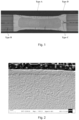
- LME cracks in resistance spot welding are generally divided into four types in the industry, namely Type A, Type B, Type C and Type D, as shown in Figure 1 .
- Type A is the crack generated at the direct contact position between the electrode and the material. The temperature of this position is high, and the cracks are easy to appear after the welding splashing, which has little effect on the performance of the welded joint.
- Type B and Type C are the cracks generated on and between the base metals
- Type D is the crack generated at the shoulder position of welded point, which all have an impact on the performance of the welded joint.
- Type C cracks can easily lead to a decrease in the adhesion of welded joints and cause welding point failure and thus it is required to control their number and length.
- the following research is also proposed.
- the U.S. patent document with an issue number US11299793B2 and a title of "Steel sheet having excellent resistance to liquid metal embrittlement cracks and method for manufacturing the same” discloses a galvanized steel sheet with excellent resistance to liquid metal embrittlement cracks and a manufacturing method thereof. Its composition is as follows by weight percentage: C: 0.04 ⁇ 0.35%, Al+Si: 0.99% or less, Mn: 3.5-10%, P: 0.05% or less (0% excluded), S: 0.02% or less (0% excluded), N: 0.02% or less (0% excluded), with a balance of Fe and other unavoidable impurities.
- the microstructure contains 10% or more of residual austenite, 60% or more of annealed martensite, 20% or less of a martensite and ⁇ martensite, and the average thickness of the Mn depletion layer is from the surface of the product to 0.5 ⁇ m or more.
- This invention has a high Mn content and is suitable for production by headless rolling processes such as ESP and the like.
- the patent does not mention crack resistance when using the resistance spot welding process.
- the U.S. patent document with an issue number US11299793B2 and a title of "Steel sheet having excellent resistance to liquid metal embrittlement cracks and method for manufacturing the same” discloses a galvanized steel sheet with excellent resistance to liquid metal embrittlement cracks and a manufacturing method thereof. Its composition is as follows by weight percentage: C: 0.04 ⁇ 0.35%, Al+Si: 0.99% or less, Mn: 3.5-10%, P: 0.05% or less (0% excluded), S: 0.02% or less (0% excluded), N: 0.02% or less (0% excluded), with a balance of Fe and other unavoidable impurities.
- the microstructure contains 10% or more of residual austenite, 60% or more of annealed martensite, 20% or less of a martensite and ⁇ martensite, and the average thickness of the Mn depletion layer is from the surface of the product to 0.5 ⁇ m or more.
- This invention has a high Mn content and is suitable for production by headless rolling processes such as ESP and the like.
- the patent does not mention crack resistance when using the resistance spot welding process.
- the object of the present disclosure is to provide a 120 kg grade ultra-high-strength galvanized steel plate with excellent resistance to liquid metal embrittlement LME cracks and excellent resistance spot welding performance.
- a further object of the present disclosure is to provide a 120 kg grade ultra-high-strength galvanized steel plate with excellent resistance spot welding performance.
- the present disclosure provides a 120 Kg grade ultra-high strength galvanized steel plate, which comprises the following chemical elements:
- Another embodiment of the present disclosure is a 120 Kg grade ultra-high strength galvanized steel plate, which comprises the following chemical elements in addition to Fe and other unavoidable impurities:
- the thickness of the steel plate is set to t
- the resistivity R 1 of the steel plate is 41-55 ⁇ cm
- the resistivity R 2 of the steel plate in the range of 0.025 t to 0.05 t is 11-15 ⁇ cm
- the resistivity R 3 of the material in the range of 0.01 t to 0.015 t is 24-35 ⁇ cm, and they satisfy 1.5R 1 1/2 -0.1R 2 -0.25R 3 >0.
- C is a commonly used solution strengthening element in steel, due to its high solubility in austenite, in products of quenching-partitioning process, the carbon in martensite is enriched into residual austenite, which improves the stability of the residual austenite, so as to improve the material elongation by using the TRIP effect of the residual austenite.
- the ultra-high strength galvanized steel plate of the present disclosure has a tensile strength of 1180MPa or more and elongation at break of 14% or more.
- the mass percentage of C is controlled in the range of 0.18% - 0.24%.
- Mn can improve the hardenability of steel, reduce the critical transition temperature, thereby improving the strength of steel. At the same time, Mn can significantly expand the austenite phase region, reduce the A c3 , M s and M f points, improve the austenite stability, and help to improve the elongation of steel. However, an overly high Mn content will significantly increase the carbon equivalent, which is not conducive to the resistance spot welding performance, and will also aggravate the grain roughening trend, reduce the plasticity and toughness of the steel, and deteriorate the corrosion resistance. Therefore, in the present disclosure, the mass percentage of Mn is controlled in the range of 2.3% - 3.0%.
- Si The solubility of Si in carbides is very small, which can strongly inhibit cementite precipitation, promote carbon enrichment into residual austenite, improve the stability of residual austenite, thereby improving the strength and formability of the material.
- Si content is too high, due to the easy formation of Si-containing oxides in the annealing process, the surface plating-ability of the steel plate becomes poor, which is not conducive to obtaining a plating layer with good quality, and the high Si content will also increase the carbon equivalent, which is not conducive to the resistance spot welding performance. Therefore, in the present disclosure, the mass percentage of Si is controlled in the range of 0.5% - 1.7%.
- Al has the effect of inhibiting cementite and improving the stability of residual austenite similar to Si. At the same time, Al can not only improve the mechanical stability of residual austenite, but also improve the thermal stability of residual austenite. Al can also form fine and dispersed non-soluble mass points with C and N and refine the grains, so Al can partially replace Si in steel. However, the strengthening effect of Al is weaker than that of Si, and an overly high Al content will also cause significantly increased A c3 temperature of steel, which will increase the difficulty of continuous casting and the risk of steel slab cracking. Therefore, in the present disclosure, the mass percentage of Al is controlled in the range of 0.02% - 1.0%.
- the mass percentage of Al and Si elements should also be controlled to meet 0.55% ⁇ Al+Si ⁇ 1.75%.
- the reason for the control of this technical feature is as follows: an appropriate amount of Al and Si can not only ensure a certain strengthening effect, promote the stabilization of residual austenite, ensure the strength and elongation of the material, but also will not cause production difficulties due to the difficulty of continuous casting, cracking of the cast billet and the deterioration of plating ability and the like.
- Resistivity is closely related to alloying elements, crystal structure, crystal defects and solid dissolution effect.
- the gradient change of resistivity in the thickness direction reflects the change of structure.
- the low resistivity in a certain thickness direction from the surface layer can reduce the total heat input in the welding process and can advantageously prevent the formation of cracks.
- the resistivity R 1 of the steel plate is 0 ⁇ R 1 ⁇ 55 ⁇ cm; in the direction from the interface between the plating layer and the steel plate matrix to the steel plate matrix, the resistivity R 2 of the steel plate in the range of 0.025t to 0.05t is 0 ⁇ R 2 ⁇ 15 ⁇ cm, and the resistivity R 3 of the steel plate in the range of 0.01t to 0.015t is 0 ⁇ R 3 ⁇ 35 ⁇ cm, and satisfies 1.5R 1 1/2 -0.1R 2 -0.25R 3 >0, wherein the ranges of R 1 , R 2 , R 3 and their relationships represent the average resistivity level of the steel plate and the resistivity level of the area where LME cracks are likely to occur during resistance spot welding.
- the contents of Nb, Ti, B, Cr, Mo, REM are as follows: 0 ⁇ Nb ⁇ 0.1 % ; 0 ⁇ Ti ⁇ 0.1 % ; 0 ⁇ B ⁇ 0.03 % ; 0 ⁇ Cr ⁇ 0.1 % ; 0 ⁇ Mo ⁇ 0.1 % ; 0 ⁇ RENM ⁇ 0.05 % .
- Nb, Ti, B, Cr, Mo, REM are as follows:
- Nb and Ti are carbide forming elements, which can inhibit cementite precipitation. Fine Nb and Ti carbides can also refine grains and improve strength, but Nb and Ti carbides are not conducive to the stabilization of residual austenite, and the addition of Nb and Ti will also increase the cost of alloy material. Therefore, the mass percentage of Nb and Ti in the present disclosure is controlled in the range of 0 ⁇ 0.1%.
- the mass percentage of B is controlled in the range of 0 - 0.003%.
- Cr and Mo are elements that promote phase transformation strengthening and enhance the stability of austenite, which can improve the resistance of austenite to tempering and decomposition.
- Cr and Mo contents will inhibit the bainite transition, which is not conducive to the enrichment of C into austenite, thereby weakening the stability of austenite, and Mo will also significantly improve the cold-rolled deformation resistance of steel and increase the difficulty of cold-rolling production. Therefore, the mass percentage of Cr and Mo in the present disclosure is controlled at 0-0.1%.
- REM is a general term for rare earth elements, and the commonly used rare earths in steel grades are mainly La, Ce mixtures, and other rare earth elements other than La and Ce are not excluded. REM has the effect of purifying grain boundaries and metamorphosing inclusions, but the formability of the material will be damaged when its content is too high. Therefore, the mass percentage of REM in the present disclosure is controlled to be 0.01% or less.
- P is ⁇ 0.015%
- S is ⁇ 0.010%
- N is ⁇ 0.008%.
- P, S and N are unavoidable impurity elements in steel.
- An overly high P content will weaken the grain boundaries, increase the risk of brittle cracking, and deteriorate the welding performance.
- S as an impurity element will affect the formability and welding performance of steel.
- N can improve the stability of austenite and have a certain strengthening effect, but an overly high N content will increase the risk of brittleness, and it is easy to precipitate AIN, which will reduce the quality of continuous casting. Therefore, the mass percentage of P, S, N in the present disclosure is controlled to be 0.015% or less, 0.010% or less, and 0.010% or less, respectively.
- the steel plate when Type III specimens according to ISO 6892-1 standard are stretched at room temperature perpendicularly to the rolling direction, the steel plate has a tensile strength of ⁇ 1180MPa, a yield strength of ⁇ 800MPa, an elongation at break of ⁇ 14%, and a hole expansion ratio of ⁇ 30%.
- the steel plate is configured as a GA plate or a GI plate.
- the thickness of the steel plate is 0.8-2.5mm.
- Type D cracks when the welding current is ⁇ 1.5*I splash , Type B or Type C LME cracks will not appear, and if Type D cracks appear, the length of Type D cracks is less than 10% of the thickness of the base metal; when the welding current is ⁇ I splash , Type B, Type C or Type D cracks will not appear, and if Type A cracks occur, the length is less than 5% of the thickness of the base metal, wherein I splash is the minimum current at which splashing occurs.
- a second aspect of the present disclosure is a manufacturing method for the above 120 Kg grade ultra-high strength galvanized steel plate, which comprises the following steps:
- step (1) a cast billet that satisfies the composition of the present disclosure is obtained.
- step (2) the cast billet obtained in step (1) is is heated, subjected to final rolling, laminar flow cooling and coiling to obtain a hot-rolled coil.
- the heating temperature is in the range of 1150 ⁇ 1300 °C
- the temperature of the final rolling is in the range of A c3 ⁇ 1000 °C
- the holding temperature of laminar flow cooling is in the range of (A c1 ⁇ 45°C)
- the laminar flow cooling residence time is 5 ⁇ 30s
- the steel is cooled to 550 ⁇ 650 °C and coiled with a coiling temperature set to T C
- the coiled steel coil is thermally insulated in the range of (a coiling temperature of T C ⁇ 30°C) for 30 ⁇ 300min.
- the heating temperature is in the range of 1165 ⁇ 1270 °C; the temperature of the final rolling is in the range of 885-945°C; the holding temperature of laminar flow cooling is in the range of 680-720°C with the residence time of 7 ⁇ 26s; the coiling temperature is 550-645°C, and the holding time after coiling is 45 ⁇ 270min.
- step (3) the hot-rolled coil obtained in step (2) is pickled, cold-rolled to obtain a cold rolled coil without annealing.
- step (4) the cold rolled coil without annealing obtained in step (3) is subjected to a multi-stage heat treatment.
- the multi-stage heat treatment comprises the following (a) ⁇ (d):
- step (4) the heating temperature in (a) is 680-720°C; in (b), the heating temperature is 830-900°C, and the soaking time is 30-145s; in (c), the third stage temperature is 220-310°C, and the holding time is 25-110s; in (d), the heating temperature is 355-420°C, and the holding time is 20-86s.
- step (2) the strip steel after hot rolling is cooled to the range of (A c1 ⁇ 45°C) and held for 5 ⁇ 30s, in which step-cooling is conducted through the control of laminar flow cooling process, so that the hot-rolled strip steel can undergo as much ferrite phase transformation as possible during the residence time, reduce the difference in structure and properties along the plate width, and improve the plate shape quality of the strip.
- the coiled steel coil stays in the range of (T c ⁇ 30°C) for 30 ⁇ 300min in order to allow the strip steel to have sufficient time to undergo bainite phase transformation or pearlite phase transformation, reduce the martensite generation of hard phase, and make the strip steel have lower strength, which is conducive to cold rolling.
- the multi-stage annealing in step (4) is a quenching-partitioning process.
- the first stage annealing is the preheating and pre-oxidation process of the strip steel, which can inhibit the external oxidation of Si, Mn and other elements of the steel grade and promote the oxidation of Fe by controlling the O 2 content in the atmosphere.
- the second stage annealing is a heating/soaking process, which is also an internal oxidation process, and the strip steel is heated in the austenite single-phase zone or the ferrite+austenite duplex zone by controlling the annealing temperature to obtain an appropriate proportion of austenite.
- the third stage annealing is the quenching process, the strip is quenched to M s ⁇ M f at a cooling rate not lower than that of the high-hydrogen cooling method, so that the austenite generated in the heating/soaking stage is transformed into martensite + residual austenite, and the amount of martensite generated is determined by the quenching temperature.
- the fourth stage annealing is a reheating and partitioning process, and the annealing temperature is controlled in the range of (350°C ⁇ T ZP ), which can not only promote the diffusion and enrichment of carbon in martensite to austenite, but also avoid the significant decrease in strength caused by drastic martensite tempering at an overly high partitioning temperature.
- the strip steel obtained after the fourth stage annealing enters the zinc pot at a temperature of (T ZP ⁇ 15°C) for galvanizing.
- the steel plate When the galvanized steel plate is hot-dip galvanized steel plate with a zinc plating layer, the steel plate is cooled to room temperature after it is discharged from the zinc pot to obtain the final product; when the galvanized steel plate is hot-dip galvanized steel plate with a zinc iron alloy plating layer, the strip steel is discharged from the zinc pot, and then heated for alloying. Too low alloying temperature will cause underalloying, and too high alloying temperature will cause decomposition of residual austenite due to decreased stability, affecting the elongation of the final product, so the alloying temperature is controlled at (TZP-20 °C) ⁇ (TZP + 35 °C).
- the alloying time is controlled at 5 ⁇ 30s.
- the cast billet heating temperature in step (2) is controlled at 1200 ⁇ 1280°C, to prevent excessive finish rolling force caused by the heating temperature being too low or prevent the billet from being overburned and the grain too coarse due to the heating temperature being too high.
- the finish rolling temperature in step (2) is controlled to be (A c3 +20°C) ⁇ 950°C.
- the temperature is controlled in the range of (A c1 -20°C) ⁇ (A c1 +30°C) and held for 7 ⁇ 16s.
- the residence time is controlled to be 120 ⁇ 240min.
- the second stage annealing temperature is controlled to be (A c1 +70°C) ⁇ (A c3 +80°C) or (A c1 +70°C) ⁇ 900°C
- the holding time is controlled to be 35 ⁇ 120s
- the smaller value from (A c3 +80°C) and 900°C is taken as the upper limit of the second stage temperature range.
- the atmosphere in the second stage temperature range contains 4 ⁇ 25% by volume of H 2 , 0.05% ⁇ 0.10% by volume of water vapor, with a balance of N 2 and unavoidable impurities, and a dew point of -15 ⁇ 0°C.
- the fourth stage temperature is in the range of 350°C ⁇ (T ZP -35°C), and the holding time is 30 ⁇ 60s.
- the strip steel in the annealing process of step (4), enters into the zinc pot at a temperature of (T ZP ⁇ 10°C).
- the alloying temperature is in the range of (T ZP -10°C) ⁇ (T ZP +25°C), and the holding time is 10 ⁇ 20s.
- the 120 kg ultra-high-strength galvanized steel plate with excellent resistance spot welding performance according to the present disclosure and the manufacturing method therefor have the following advantages and beneficial effects compared with the prior art:
- galvanizing refers to hot-dip zinc galvanizing or hot-dip zinc iron alloy galvanizing.
- a c1 refers to the temperature at which the pearlite transforms into austenite when heated, and the unit is °C.
- a c3 refers to the final temperature of transforming into austenite when heated, and the unit is °C.
- T C refers to the coiling temperature in step (2), and the unit is °C.
- M s is the temperature at which "martensite” appears
- M f is the temperature of full martensitization, and the unit is °C.
- T ZP represents the zinc pot temperature, and the unit is °C.
- V 2-3 represents the cooling rate
- Table 1 lists the mass percentages of the various chemical elements of the ultra-high-strength galvanized steel plates of Examples 1-12 and the galvanized steel plates of Comparative Examples 1-2.
- the ultra-high-strength galvanized steel plates of Examples 1-12 were prepared by the following steps:
- Tables 2-1 and 2-2 list the specific process parameters for the ultra-high-strength galvanized steel plates of Examples 1-12.
- Table 2-1 No. Ingredient Heating temperature /°C Final rolling temperature /°C Laminar flow cooling insulation temperature /°C Laminar cooling residence time /s Coiling temperature /°C Holding time after coiling /min Ex. 1 A 1165 880 680 26 550 270 Ex. 2 A 1190 885 680 25 550 240 Ex. 3 B 1200 897 690 18 570 210 Ex. 4 B 1210 900 690 20 570 180 Ex. 5 C 1260 935 700 15 590 180 Ex. 6 C 1270 945 703 13 590 150 Ex. 7 D 1250 930 715 10 600 150 Ex.
- Mechanical properties the test sample was stretched and processed in accordance with the requirements of Type III specimen in the ISO 6892-1 standard perpendicularly to the rolling direction of the steel plate, and the tensile strength TS, the yield strength YS and elongation at break EL were determined by stretching the sample at room temperature.
- Hole expansion ratio the sample was processed according to the ISO 16630 standard, and the hole expansion ratio was detected at room temperature according to the requirements of the standard to determine the hole expansion ratio HER. It should be emphasized that, due to the difference in measurement methods and the difference in the geometric size of the specimen, there is a difference between the hole expansion ratio measured according to the ISO 16630 standard and the hole expansion ratio measured according to the JFS T1001 standard, GB/T 15825.4 standard, and the differences in the measured value of the hole expansion ratio caused by the difference between the reference standards all belong to the protection range of the ultra-high strength galvanized steel plate of the present disclosure.
- Resistivity a steel plate having a certain area was taken and processed by processing methods including but not limited to grinding machine, wire-electrode cutting, milling machine, etc. The full thickness of the steel plate was taken as t, and the sample in the range of 0.010t to 0.035t and 0.01t to 0.015t was taken and detected for the resistivity R 1 , R 2 , R 3 of the sample with a resistivity measuring equipment.
- LME cracks the welded joints were cut and polished, corroded and the cross sections of the welded joints were observed by a microscope (usually an optical microscope) at a certain magnification to determine the length of different types of cracks on the observed welded joints.
- the chemical elements of the steel grade used in Examples 1-12 of the present disclosure satisfy the requirement of the present disclosure. Therefore, the ultra-high-strength galvanized steel plate obtained in Examples 1-12 according to the method of the present disclosure has a tensile strength of ⁇ 1180MPa, a yield strength of ⁇ 800MPa, an elongation at break of ⁇ 14%, a hole expansion ratio of ⁇ 30%, and the resistivity satisfies the present disclosure.
- Comparative Example 1 and Comparative Example 2 are existing steel plates, which were not produced by the manufacturing method of the steel plates of the present disclosure. Only the chemical elements Al and Sn in the steel grade of the steel plate of Comparative Example 1 did not satisfy the present disclosure. The chemical elements Mn, Al, Cr, Sb in the steel grade of Comparative Example 2 did not satisfy the present disclosure.
- the Type C cracks that had a greater impact on the base metal was produced in the steel plate of Comparative Examples 1 and 2
- the Type C cracks that appeared in Comparative Examples 1 and 2 accounted for 32.3% and 39.1% of the thickness of the base metal respectively, and the cracks were larger.
- the liquid metal embrittlement LME crack resistance and the resistance spot welding performance of the steel in the Comparative Example were obviously poor.
- the ultra-high-strength galvanized steel with excellent tensile strength, yield strength, elongation at break, and hole expansion ratio and having excellent resistance spot welding performance can be obtained in the present disclosure.
- the 120 kg grade ultra-high-strength galvanized steel plate in the present disclosure has excellent resistance to liquid metal embrittlement LME cracks and resistance spot welding performance. It can realize stable production in batch and the comprehensive properties of the material make it able to meet the manufacture of body parts with complex shapes, and the material has excellent resistance spot welding performance and corrosion resistance, can be effectively applied to the manufacture of automobile body structure, meets the current development needs of automotive steel for automobile lightweight and safety, and has broad application prospects.
Landscapes
- Chemical & Material Sciences (AREA)
- Engineering & Computer Science (AREA)
- Mechanical Engineering (AREA)
- Materials Engineering (AREA)
- Metallurgy (AREA)
- Organic Chemistry (AREA)
- Thermal Sciences (AREA)
- Physics & Mathematics (AREA)
- Crystallography & Structural Chemistry (AREA)
- Chemical Kinetics & Catalysis (AREA)
- Oil, Petroleum & Natural Gas (AREA)
- General Chemical & Material Sciences (AREA)
- Coating With Molten Metal (AREA)
- Heat Treatment Of Sheet Steel (AREA)
- Electroplating Methods And Accessories (AREA)
Applications Claiming Priority (2)
| Application Number | Priority Date | Filing Date | Title |
|---|---|---|---|
| CN202210759562.9A CN116463547B (zh) | 2022-06-30 | 2022-06-30 | 一种120公斤级超高强度镀锌钢板及其制造方法 |
| PCT/CN2023/104382 WO2024002314A1 (fr) | 2022-06-30 | 2023-06-30 | Tôle d'acier galvanisée ultrarésistant de qualité 120 kg et son procédé de fabrication |
Publications (2)
| Publication Number | Publication Date |
|---|---|
| EP4549608A1 true EP4549608A1 (fr) | 2025-05-07 |
| EP4549608A4 EP4549608A4 (fr) | 2025-11-19 |
Family
ID=87184795
Family Applications (1)
| Application Number | Title | Priority Date | Filing Date |
|---|---|---|---|
| EP23830478.6A Pending EP4549608A4 (fr) | 2022-06-30 | 2023-06-30 | Tôle d?acier galvanisée ultrarésistant de qualité 120 kg et son procédé de fabrication |
Country Status (8)
| Country | Link |
|---|---|
| US (1) | US20250389007A1 (fr) |
| EP (1) | EP4549608A4 (fr) |
| JP (1) | JP2025522610A (fr) |
| KR (1) | KR20250029208A (fr) |
| CN (1) | CN116463547B (fr) |
| MX (1) | MX2025000256A (fr) |
| WO (1) | WO2024002314A1 (fr) |
| ZA (1) | ZA202500978B (fr) |
Families Citing this family (2)
| Publication number | Priority date | Publication date | Assignee | Title |
|---|---|---|---|---|
| CN119287147B (zh) * | 2024-09-25 | 2026-02-10 | 武汉钢铁有限公司 | 改善冷轧高强钢板形的控制方法 |
| CN119753283A (zh) * | 2024-12-30 | 2025-04-04 | 湖南华菱涟源钢铁有限公司 | 抗拉强度780MPa级热镀锌双相钢及其制备方法 |
Family Cites Families (22)
| Publication number | Priority date | Publication date | Assignee | Title |
|---|---|---|---|---|
| JP5131802B2 (ja) * | 2005-11-29 | 2013-01-30 | Jfeスチール株式会社 | スポット溶接性と成形性に優れた高強度溶融亜鉛めっき鋼板 |
| JP5412746B2 (ja) * | 2008-04-22 | 2014-02-12 | 新日鐵住金株式会社 | 溶接性と伸びフランジ性の良好な高強度鋼板 |
| WO2013018740A1 (fr) * | 2011-07-29 | 2013-02-07 | 新日鐵住金株式会社 | Feuille d'acier de haute résistance ayant une résistance supérieure au choc, son procédé de fabrication, feuille d'acier galvanisée de haute résistance et son procédé de fabrication |
| JP6586776B2 (ja) * | 2015-05-26 | 2019-10-09 | 日本製鉄株式会社 | 成形性に優れた高強度鋼板及びその製造方法 |
| MX2019009599A (es) * | 2017-02-13 | 2019-10-14 | Jfe Steel Corp | Lamina de acero de alta resistencia y metodo para producir la misma. |
| WO2018234839A1 (fr) * | 2017-06-20 | 2018-12-27 | Arcelormittal | Tôle d'acier revêtue de zinc présentant une soudabilité par points de haute résistance |
| KR101940912B1 (ko) * | 2017-06-30 | 2019-01-22 | 주식회사 포스코 | 액상금속취화 균열 저항성이 우수한 강판 및 그 제조방법 |
| KR102065230B1 (ko) * | 2017-12-26 | 2020-01-10 | 주식회사 포스코 | 점 용접성이 우수한 초고강도 고망간 아연도금강판 및 그의 제조방법 |
| CN109365606A (zh) * | 2018-11-30 | 2019-02-22 | 宝山钢铁股份有限公司 | 一种耐腐蚀性优良的锌系镀层钢板或钢带的成形方法 |
| KR102153194B1 (ko) * | 2018-12-18 | 2020-09-08 | 주식회사 포스코 | 액상금속취화(lme) 균열 저항성이 우수한 초고강도 고연성 냉연강판, 도금강판 및 이들의 제조방법 |
| KR102648242B1 (ko) * | 2018-12-19 | 2024-03-18 | 주식회사 포스코 | 전기 저항 점용접성이 우수한 고강도 아연도금강판 및 그 제조방법 |
| WO2020225936A1 (fr) * | 2019-05-09 | 2020-11-12 | 日本製鉄株式会社 | Feuille d'acier et procédé pour la fabriquer |
| JP7160204B2 (ja) * | 2019-07-02 | 2022-10-25 | 日本製鉄株式会社 | ホットスタンプ成形体 |
| KR102321268B1 (ko) * | 2019-07-29 | 2021-11-03 | 주식회사 포스코 | 고강도 강판 및 이의 제조방법 |
| CN114008234A (zh) * | 2019-07-30 | 2022-02-01 | 杰富意钢铁株式会社 | 高强度钢板及其制造方法 |
| WO2021070925A1 (fr) * | 2019-10-09 | 2021-04-15 | 日本製鉄株式会社 | Tôle d'acier et son procédé de fabrication |
| US12297515B2 (en) * | 2020-03-31 | 2025-05-13 | Jfe Steel Corporation | Steel sheet, member, and method for producing them |
| MX2023005389A (es) * | 2020-11-11 | 2023-05-19 | Nippon Steel Corp | Lamina de acero y metodo para producir la misma. |
| KR102386730B1 (ko) * | 2020-12-15 | 2022-04-14 | 주식회사 포스코 | 초고강도강 저항용접 방법 |
| KR20240155912A (ko) * | 2022-03-31 | 2024-10-29 | 제이에프이 스틸 가부시키가이샤 | 강판, 부재 및 그들의 제조 방법 |
| EP4502195A4 (fr) * | 2022-05-11 | 2025-07-30 | Jfe Steel Corp | Tôle d'acier, élément et procédés de production correspondants |
| WO2023218577A1 (fr) * | 2022-05-11 | 2023-11-16 | Jfeスチール株式会社 | Tôle d'acier galvanisé, élément et leurs procédés de production |
-
2022
- 2022-06-30 CN CN202210759562.9A patent/CN116463547B/zh active Active
-
2023
- 2023-06-30 WO PCT/CN2023/104382 patent/WO2024002314A1/fr not_active Ceased
- 2023-06-30 JP JP2024576720A patent/JP2025522610A/ja active Pending
- 2023-06-30 KR KR1020257003015A patent/KR20250029208A/ko active Pending
- 2023-06-30 US US18/879,784 patent/US20250389007A1/en active Pending
- 2023-06-30 EP EP23830478.6A patent/EP4549608A4/fr active Pending
-
2025
- 2025-01-06 MX MX2025000256A patent/MX2025000256A/es unknown
- 2025-01-29 ZA ZA2025/00978A patent/ZA202500978B/en unknown
Also Published As
| Publication number | Publication date |
|---|---|
| CN116463547B (zh) | 2024-01-09 |
| US20250389007A1 (en) | 2025-12-25 |
| MX2025000256A (es) | 2025-02-10 |
| EP4549608A4 (fr) | 2025-11-19 |
| JP2025522610A (ja) | 2025-07-15 |
| WO2024002314A1 (fr) | 2024-01-04 |
| KR20250029208A (ko) | 2025-03-04 |
| ZA202500978B (en) | 2025-10-29 |
| CN116463547A (zh) | 2023-07-21 |
Similar Documents
| Publication | Publication Date | Title |
|---|---|---|
| EP2415894B1 (fr) | Feuille d'acier excellente en termes de maniabilité et son procédé de production | |
| EP2258886B1 (fr) | Tôle d'acier galvanisée par immersion à chaud, à haute résistance, présentant une excellente aptitude au traitement et son procédé de fabrication | |
| EP2202327B1 (fr) | Procédé de fabrication de tôle d'acier galvanisé à haute résistance ayant une excellente aptitude au formage | |
| JP4635525B2 (ja) | 深絞り性に優れた高強度鋼板およびその製造方法 | |
| EP1338667B1 (fr) | Tole d'acier laminee a froid presentant une resistance elevee a la traction du type structure composite | |
| EP2246456B1 (fr) | Tôle d'acier haute résistance et son procédé de production | |
| CN100591789C (zh) | 焊接热影响区的耐软化性优良且扩孔弯边性好的高强度钢板及其制造方法 | |
| EP1675970B1 (fr) | Tole d'acier laminee a froid ayant une resistance a la traction d'au moins 780 mpa, une formabilite locale excellente et accroissement supprime de la durete de soudage | |
| EP1669470B1 (fr) | Feuille d'acier laminee a chaud et son procede de production | |
| EP2623622B1 (fr) | Tôle d'acier à haute résistance, galvanisée à chaud, se prêtant particulièrement bien à l'emboutissage profond et au bordage par étirement, et procédé de production correspondant | |
| EP2554699A1 (fr) | Tôle d'acier présentant une résistance à la traction élevée et une meilleure ductilité et procédé de fabrication de cette dernière | |
| CN114667360B (zh) | 钢板及其制造方法 | |
| EP4549608A1 (fr) | Tôle d?acier galvanisée ultrarésistant de qualité 120 kg et son procédé de fabrication | |
| WO2023002910A1 (fr) | Tôle d'acier laminée à froid et son procédé de fabrication | |
| EP4592414A1 (fr) | Acier revêtu à ultra-haute résistance, à faible sensibilité à la fissure de soudage par points et son procédé de fabrication | |
| EP4541916A1 (fr) | Tôle d'acier galvanisée par immersion à chaud à expansion de trous élevée de nuance 800 mpa et son procédé de fabrication | |
| JP4501699B2 (ja) | 深絞り性と伸びフランジ性に優れた高強度鋼板およびその製造方法 | |
| EP4549607A1 (fr) | Tôle d'acier galvanisée à ultra-haute résistance de qualité 100 kg et son procédé de fabrication | |
| CN117616144A (zh) | 冷轧钢板及其制造方法 | |
| JP5327301B2 (ja) | 延性と深絞り性に優れた高強度鋼板およびその製造方法 | |
| KR20250164343A (ko) | 고강도 강판 및 그 제조 방법 | |
| JP4370795B2 (ja) | 溶融亜鉛めっき鋼板の製造方法 | |
| JP4301045B2 (ja) | 高強度鋼板およびめっき鋼板ならびにそれらの製造方法 | |
| JP4858004B2 (ja) | 延性と深絞り性に優れた高強度鋼板およびその製造方法 | |
| JP5076480B2 (ja) | 強度−延性バランスと深絞り性に優れた高強度鋼板およびその製造方法 |
Legal Events
| Date | Code | Title | Description |
|---|---|---|---|
| STAA | Information on the status of an ep patent application or granted ep patent |
Free format text: STATUS: THE INTERNATIONAL PUBLICATION HAS BEEN MADE |
|
| PUAI | Public reference made under article 153(3) epc to a published international application that has entered the european phase |
Free format text: ORIGINAL CODE: 0009012 |
|
| STAA | Information on the status of an ep patent application or granted ep patent |
Free format text: STATUS: REQUEST FOR EXAMINATION WAS MADE |
|
| 17P | Request for examination filed |
Effective date: 20250127 |
|
| AK | Designated contracting states |
Kind code of ref document: A1 Designated state(s): AL AT BE BG CH CY CZ DE DK EE ES FI FR GB GR HR HU IE IS IT LI LT LU LV MC ME MK MT NL NO PL PT RO RS SE SI SK SM TR |
|
| DAV | Request for validation of the european patent (deleted) | ||
| DAX | Request for extension of the european patent (deleted) | ||
| A4 | Supplementary search report drawn up and despatched |
Effective date: 20251021 |