EP4553154A1 - Mutantes oct3/4-protein und verfahren zur herstellung induzierter pluripotenter stammzellen - Google Patents
Mutantes oct3/4-protein und verfahren zur herstellung induzierter pluripotenter stammzellen Download PDFInfo
- Publication number
- EP4553154A1 EP4553154A1 EP23835616.6A EP23835616A EP4553154A1 EP 4553154 A1 EP4553154 A1 EP 4553154A1 EP 23835616 A EP23835616 A EP 23835616A EP 4553154 A1 EP4553154 A1 EP 4553154A1
- Authority
- EP
- European Patent Office
- Prior art keywords
- protein
- oct3
- nucleic acid
- reprogramming
- cells
- Prior art date
- Legal status (The legal status is an assumption and is not a legal conclusion. Google has not performed a legal analysis and makes no representation as to the accuracy of the status listed.)
- Pending
Links
Images





Classifications
-
- C—CHEMISTRY; METALLURGY
- C07—ORGANIC CHEMISTRY
- C07K—PEPTIDES
- C07K14/00—Peptides having more than 20 amino acids; Gastrins; Somatostatins; Melanotropins; Derivatives thereof
- C07K14/435—Peptides having more than 20 amino acids; Gastrins; Somatostatins; Melanotropins; Derivatives thereof from animals; from humans
- C07K14/46—Peptides having more than 20 amino acids; Gastrins; Somatostatins; Melanotropins; Derivatives thereof from animals; from humans from vertebrates
- C07K14/47—Peptides having more than 20 amino acids; Gastrins; Somatostatins; Melanotropins; Derivatives thereof from animals; from humans from vertebrates from mammals
- C07K14/4701—Peptides having more than 20 amino acids; Gastrins; Somatostatins; Melanotropins; Derivatives thereof from animals; from humans from vertebrates from mammals not used
- C07K14/4702—Regulators; Modulating activity
-
- C—CHEMISTRY; METALLURGY
- C12—BIOCHEMISTRY; BEER; SPIRITS; WINE; VINEGAR; MICROBIOLOGY; ENZYMOLOGY; MUTATION OR GENETIC ENGINEERING
- C12N—MICROORGANISMS OR ENZYMES; COMPOSITIONS THEREOF; PROPAGATING, PRESERVING, OR MAINTAINING MICROORGANISMS; MUTATION OR GENETIC ENGINEERING; CULTURE MEDIA
- C12N5/00—Undifferentiated human, animal or plant cells, e.g. cell lines; Tissues; Cultivation or maintenance thereof; Culture media therefor
- C12N5/06—Animal cells or tissues; Human cells or tissues
- C12N5/0602—Vertebrate cells
- C12N5/0696—Artificially induced pluripotent stem cells, e.g. iPS
-
- C—CHEMISTRY; METALLURGY
- C12—BIOCHEMISTRY; BEER; SPIRITS; WINE; VINEGAR; MICROBIOLOGY; ENZYMOLOGY; MUTATION OR GENETIC ENGINEERING
- C12N—MICROORGANISMS OR ENZYMES; COMPOSITIONS THEREOF; PROPAGATING, PRESERVING, OR MAINTAINING MICROORGANISMS; MUTATION OR GENETIC ENGINEERING; CULTURE MEDIA
- C12N2501/00—Active agents used in cell culture processes, e.g. differentation
- C12N2501/60—Transcription factors
- C12N2501/603—Oct-3/4
-
- C—CHEMISTRY; METALLURGY
- C12—BIOCHEMISTRY; BEER; SPIRITS; WINE; VINEGAR; MICROBIOLOGY; ENZYMOLOGY; MUTATION OR GENETIC ENGINEERING
- C12N—MICROORGANISMS OR ENZYMES; COMPOSITIONS THEREOF; PROPAGATING, PRESERVING, OR MAINTAINING MICROORGANISMS; MUTATION OR GENETIC ENGINEERING; CULTURE MEDIA
- C12N2506/00—Differentiation of animal cells from one lineage to another; Differentiation of pluripotent cells
- C12N2506/13—Differentiation of animal cells from one lineage to another; Differentiation of pluripotent cells from connective tissue cells, from mesenchymal cells
-
- C—CHEMISTRY; METALLURGY
- C12—BIOCHEMISTRY; BEER; SPIRITS; WINE; VINEGAR; MICROBIOLOGY; ENZYMOLOGY; MUTATION OR GENETIC ENGINEERING
- C12N—MICROORGANISMS OR ENZYMES; COMPOSITIONS THEREOF; PROPAGATING, PRESERVING, OR MAINTAINING MICROORGANISMS; MUTATION OR GENETIC ENGINEERING; CULTURE MEDIA
- C12N2506/00—Differentiation of animal cells from one lineage to another; Differentiation of pluripotent cells
- C12N2506/13—Differentiation of animal cells from one lineage to another; Differentiation of pluripotent cells from connective tissue cells, from mesenchymal cells
- C12N2506/1307—Differentiation of animal cells from one lineage to another; Differentiation of pluripotent cells from connective tissue cells, from mesenchymal cells from adult fibroblasts
Definitions
- the present invention relates to OCT3/4 protein variants, agents for inducing induced pluripotent stem cells, and a method for producing induced pluripotent stem cells.
- iPS cells induced pluripotent stem cells
- iPS cells are induced by transducing reprogramming factors such as OCT3/4, SOX2, KLF4, and C-MYC into somatic cells (Patent Literature 1 and 2; Non-Patent Literature 1 and 2). All these reprogramming factors are considered to serve as transcription factors to control the expression of a set of genes involved in self-renewal or pluripotency and thereby induce reprogramming of somatic cells.
- reprogramming factors such as OCT3/4, SOX2, KLF4, and C-MYC into somatic cells
- Non-Patent Literature 2 A proportion of cells where reprogramming is truly induced, among mammalian somatic cells to which reprogramming factors such as OCT3/4, SOX2, KLF4, and C-MYC are transduced, is only less than 1% (Non-Patent Literature 2).
- Such a low production efficiency of iPS cells constitutes a large obstacle to clinical application.
- iPS cells produced from patient's own somatic cells are preferably used from the viewpoint of immune responsiveness.
- a production efficiency of iPS cells remains low, it will take time to prepare a sufficient number of iPS cells necessary for production of transplant tissues, and disease progression will be caused during this time.
- the production efficiency of iPS cells can be improved, transplant tissues can be rapidly produced.
- the number of somatic cells necessary for preparation of iPS cells is small, somatic cells collected from a patient can be decreased and a burden on the patient's body can also be reduced.
- Non-Patent Literature 3 Improving the production efficiency of iPS cells is an important issue also in order to cover the shortcomings of such techniques for improving safety.
- Non-Patent Literature 4 A common explanation for the cause of a low production efficiency of iPS cells is that the epigenetic state of somatic cells serves as a barrier that interrupts reprogramming. Thus, an approach for changing the epigenetic state of somatic cells is explored as a method for improving a production efficiency of iPS cells. A method additionally using a cytokine or a chemical substance has also been developed (Non-Patent Literature 4).
- Non-Patent Literature 5 discloses that an increase in the expression level of OCT3/4 in ES cells induces differentiation into a primitive endoderm or a primitive mesoderm, and on the other hand, that inhibition of the activity of OCT3/4 causes the pluripotency to be lost, inducing dedifferentiation into a trophectoderm. Because of this, no attempt has hitherto been made to modify a sequence influential in the activity level of OCT3/4, or to utilize the sequence modification for reprogramming induction.
- An object of the present invention is to provide OCT3/4 protein variants that can induce reprogramming of somatic cells at a higher efficiency than an OCT3/4 protein consisting of a natural amino acid sequence.
- a method for efficiently producing iPS cells by using the OCT3/4 protein variants is also provided.
- the reprogramming factor OCT3/4 only a factor consisting of a natural amino acid sequence has been mainly used for reprogramming induction in the past. No attempt to modify the amino acid sequence has been made. This is because a change in the expression level of OCT3/4 causes the pluripotency of ES cells or the like to be lost (Non-Patent Literature 5), and similarly, a change in the amino acid sequence of OCT3/4 conceivably causes the reprogramming induction activity to be lost.
- the present inventors have searched for OCT3/4 variants that can enhance a reprogramming efficiency by artificially modifying the amino acid sequence of the OCT3/4 protein.
- the present inventors have identified 46 amino acid residues that can directly interact with DNA in an OCT3/4 protein.
- the inventors produced a group of OCT3/4 protein variants in which one of the 46 amino acid residues is substituted with alanine, and have explored a variant having an activity of reprogramming somatic cells at a higher efficiency than a wild-type OCT3/4 protein.
- the inventors have found a plurality of particular substitution variants that increase the efficiency of reprogramming somatic cells, and completed the present invention.
- the present invention is based on the above findings, and provides the following.
- the OCT3/4 protein variants of the present invention can induce reprogramming of somatic cells at a higher efficiency than a wild-type OCT3/4 protein consisting of a natural amino acid sequence.
- a first aspect of the present invention relates to an OCT3/4 protein variant or a peptide fragment thereof.
- the OCT3/4 protein variant or the peptide fragment thereof of the present invention comprises a specified amino acid substitution, and transduction of it together with other reprogramming factors into somatic cells can induce reprogramming of the somatic cells at a high efficiency.
- the "OCT3/4 protein" (octamer-binding transcription factor 3/4) is a homeodomain transcription factor in the POU family, and is also referred to as POU5F1, OCT3, OCT4, or the like.
- the POU domain comprised in the OCT3/4 protein is a DNA-binding domain, and comprises a POU specific domain located at the N-terminal side and a POU homeodomain located at the C-terminal side.
- the POU specific domain and the POU homeodomain each form a helix-turn-helix structure that is one kind of DNA-binding motif. It is known that the OCT3/4 protein plays an important role in maintaining the undifferentiatedness of cells.
- the protein has an activity for inducing reprogramming of somatic cells when transduced into the somatic cells together with another reprogramming factor (for example, a KLF protein such as KLF4, a SOX2 protein, and a C-MYC protein).
- a KLF protein such as KLF4, a SOX2 protein, and a C-MYC protein
- the OCT3/4 protein is preferably derived from a mammal.
- the protein is derived from a mouse, rat, rabbit, bovine, cynomolgus, marmoset, or human, and is preferably derived from a human.
- Examples of the OCT3/4 protein include a human wild-type OCT3/4 protein consisting of the amino acid sequence of SEQ ID NO: 13 and a mouse wild-type OCT3/4 protein consisting of the amino acid sequence of SEQ ID NO: 12.
- two isoforms (isoforms A and B) of the OCT3/4 protein are known. It is reported that the isoform B is an isoform not having a region consisting of 135 amino acid residues at the N-terminal side in the isoform A (the region from position 1 to position 135 in SEQ ID NO: 13), and has no reprogramming activity (Jin, W., et al., Sci Rep., 2016, 6: 20818.). Because of this, the OCT3/4 protein herein means the isoform A, in principle.
- iPSC induced pluripotent stem cell
- ESC embryonic stem cell
- ES cell embryonic stem cell
- iPS cells have, for example, pluripotency such that it can differentiate into any type of cells other than extraembryonic tissues in the body, and a proliferative ability such that it can proliferate almost infinitely under culturing.
- iPS cells can be obtained from various cells by various methods, and is usually produced by transducing four reprogramming factors of OCT3/4, SOX2, KLF4, and C-MYC proteins into somatic cells.
- the term "somatic cell” herein refers to any cell other than a germ cell among cells constituting an animal individual.
- the somatic cell herein is not limited as long as it can achieve pluripotency by reprogramming induction.
- the somatic cell may be derived from any animal species. Examples of the animal species from which the somatic cell is derived include mammal species.
- the animal species may be any mammal species such as mouse, rat, rabbit, bovine, cynomolgus, marmoset, and human, and is preferably human.
- a tissue or an organ from which the somatic cell is derived is not particularly limited, and is preferably a tissue or an organ that can be easily collected in which reprogramming can be efficiently induced.
- somatic cells may be either differentiated cells or undifferentiated cells, or may be established cells, or primary cultured cells isolated from a tissue, and are preferably differentiated cells.
- somatic cells include human fibroblasts, human epithelial cells, human hepatocytes, human hematocytes, mesenchymal cells, nerve cells, and muscle cells. Somatic cells for use in reprogramming induction herein are particularly referred to as "somatic cells to be reprogrammed".
- reprogramming refers to an operation or process of changing somatic cells to another cell type. In general, the term refers to dedifferentiating a differentiated cell to change it to an undifferentiated cell.
- the term herein refers to an operation or process of changing somatic cells to iPS cells, unless particularly noted.
- reprogramming induction or “induce reprogramming” herein means that reprogramming is actually achieved by applying an operation capable of triggering reprogramming, to cells.
- perform reprogramming induction means applying an operation capable of triggering reprogramming, to cells, regardless of whether or not reprogramming is actually achieved.
- perform reprogramming induction means performing an operation of transducing reprogramming factors necessary for reprogramming, into somatic cells, and culturing the somatic cell after the transduction, under a predetermined condition.
- pluripotency herein has the same meaning as multipotency, and means a nature of a cell capable of differentiating into plural lineages of cells by differentiation.
- the term means a nature of being able to differentiate into all of endoderm, mesoderm and ectoderm, regardless of ability to differentiate into extraembryonic tissues such as placenta.
- reprogramming factor refers to a factor that can trigger reprogramming of somatic cells by being transduced alone or together with other factor(s) into the somatic cell.
- reprogramming factor when simply referring to the term “reprogramming factor” without specifying that it is, for example, a protein or a gene, it means a protein to which the reprogramming factor corresponds, a nucleic acid encoding the protein, or a gene expression vector comprising the nucleic acid.
- the reprogramming factor include any of four factors, OCT3/4, SOX2, KLF4, and C-MYC (herein, often referred to as "four reprogramming factors"), and an associated factor of any of said four reprogramming factors.
- associated factor of any of the four reprogramming factors herein refers to a factor that can induce reprogramming of somatic cells by being transduced instead of any factor of the four reprogramming factors, into the somatic cell.
- the reprogramming factor herein may be derived from any animal species.
- the animal species from which the reprogramming factor is derived is, but not limited to, a mammal species.
- the animal species may be any mammal species such as mouse, rat, rabbit, bovine, cynomolgus, marmoset, or human.
- the animal species is preferably a human.
- reprogramming factors and associated factors thereof will be exemplified below, the reprogramming factors and associated factors thereof herein are not limited to the following examples.
- OCT3/4 examples include a human OCT3/4 protein consisting of the amino acid sequence of SEQ ID NO: 13.
- Examples of the associated factor of OCT3/4 include NR5A2 (LRH1) and TBX3.
- OCT3/4" means any of an OCT3/4 protein, a gene or nucleic acid encoding the OCT3/4 protein, or a gene expression vector comprising the nucleic acid.
- variant OCT3/4" means any of an OCT3/4 protein variant, a gene or nucleic acid encoding the OCT3/4 protein variant, or a gene expression vector comprising the nucleic acid.
- KLF4 examples include a human KLF4 protein consisting of the amino acid sequence of SEQ ID NO: 5.
- Examples of the associated factor of KLF4 include KLF1, KLF2, KLF5, and the variant KLF.
- Examples include a human KLF1 protein consisting of the amino acid sequence of SEQ ID NO: 1, a human KLF2 protein consisting of the amino acid sequence of SEQ ID NO: 3, and a human KLF5 protein consisting of the amino acid sequence of SEQ ID NO: 7.
- KLF protein herein means any of KLF1, KLF2, KLF4, and KLF5 proteins.
- KLF1, KLF2, KLF4, or KLF5 protein when transduced together with other reprogramming factors (for example, OCT3/4, SOX2, and C-MYC proteins) into somatic cells, has an activity of inducing reprogramming of the somatic cells.
- the KLF protein is preferably derived from a mammal.
- the protein is derived from a mouse, rat, rabbit, bovine, cynomolgus, marmoset, or human, preferably derived from a human.
- KLF means any of a KLF protein, a gene or nucleic acid encoding the KLF protein, or a gene expression vector comprising the nucleic acid.
- variant KLF means any of a variant KLF protein, a gene or nucleic acid encoding the variant KLF protein, or a gene expression vector comprising the nucleic acid.
- KLF4 means any of a KLF protein, a gene or nucleic acid encoding the variant KLF protein, or a gene expression vector comprising the nucleic acid.
- KLF4 means any of a gene or nucleic acid encoding the variant KLF protein, or a gene expression vector comprising the nucleic acid.
- SOX2 and C-MYC means any of a variant KLF protein, a gene or nucleic acid encoding the variant KLF protein, or a gene expression vector comprising the nucleic acid.
- SOX2 include a human SOX2 protein consisting of the amino acid sequence of SEQ ID NO: 15.
- Examples of the associated factor of SOX2 include SOX1, SOX3, SOX15, SOX17, and SOX18.
- Examples include a human SOX1 protein consisting of the amino acid sequence of SEQ ID NO: 14, a human SOX3 protein consisting of the amino acid sequence of SEQ ID NO: 16, a human SOX15 protein consisting of the amino acid sequence of SEQ ID NO: 17, and a human SOX18 protein consisting of the amino acid sequence of SEQ ID NO: 18.
- C-MYC include a human C-MYC protein consisting of the amino acid sequence of SEQ ID NO: 19.
- Examples of the associated factor of C-MYC include a T58A variant of C-MYC, N-MYC, and L-MYC.
- Examples include a human N-MYC protein consisting of the amino acid sequence of SEQ ID NO: 20 and a human L-MYC protein consisting of the amino acid sequence of SEQ ID NO: 21.
- reprogramming factors include LIN28A, LIN28B, LIN41, GLIS1, FOXH1, and HMGA2.
- reprogramming alternative factor means a factor other than the above reprogramming factors that can trigger reprogramming when used instead of any of the above reprogramming factors.
- a method is known in which reprogramming of somatic cells is induced using a reprogramming alternative factor instead of C-MYC among the four reprogramming factors of OCT3/4, SOX2, KLF4, and C-MYC.
- bFGF basic fibroblast growth factor
- TGF- ⁇ 1 protein a BMP protein
- Wnt3 protein a GSK3 ⁇ inhibitor
- Wnt inhibitor retinoic acid
- ascorbic acid retinoic acid
- ROCK inhibitor ROCK inhibitor
- bFGF basic fibroblast growth factor
- TGF- ⁇ 1 protein include a human TGF- ⁇ 1 protein consisting of the amino acid sequence of SEQ ID NO: 23
- BMP protein include a human BMP protein consisting of the amino acid sequence of SEQ ID NO: 24
- Wnt3 protein include a human Wnt3 protein consisting of the amino acid sequence of SEQ ID NO: 25
- GSK3 ⁇ inhibitor include CHIR99021
- examples of the Wnt inhibitor include IWR-1-endo
- examples of the ROCK inhibitor include Y-27632.
- amino acid identity refers to a proportion (%) of the number of identical amino acid residues in the total number of amino acid residues when aligning amino acid sequences of two comparative polypeptides so that the number of identical amino acid residues between them is largest with inserting a gap into one or both of the amino acid sequences as appropriate.
- alignment of the two amino acid sequences for calculation of the amino acid identity can be performed using a known program such as Blast, FASTA, or ClustalW.
- (amino acid) substitution refers to a substitution within a group of conservative amino acids having similar properties such as charge, side chain, polarity, and aromaticity, among 20 kinds of amino acids constituting a natural protein, unless particularly noted. Examples include a substitution within a group of non-charged polar amino acids (Gly, Asn, Gln, Ser, Thr, Cys, Tyr) having a low-polar side chain, a group of branched-chain amino acids (Leu, Val, Ile), a group of neutral amino acids (Gly, Ile, Val, Leu, Ala, Met, Pro), a group of neutral amino acids (Asn, Gln, Thr, Ser, Tyr, Cys) having a hydrophilic side chain, a group of acidic amino acids (Asp, Glu), a group of basic amino acids (Arg, Lys, His), a group of aromatic amino acids (Phe, Tyr, Trp).
- a substitution within a group of non-charged polar amino acids Gly,
- amino acid substitution within each of the groups is preferable because it is known that such substitution hardly changes properties of a polypeptide.
- the amino acid substitution of lysine at position 195 or glutamic acid at position 238 in the amino acid sequence of a human wild-type OCT3/4 protein is not limited to a substitution within a group of conservative amino acids having similar properties such as charge, side chain, polarity, and aromaticity.
- the amino acid substitution of serine at position 500 or leucine at position 507 in the amino acid sequence of a human wild-type KLF4 protein namely, amino acid sequence of SEQ ID NO: 5
- the amino acid substitution at the corresponding position in another KLF protein is not limited to a substitution within a group of conservative amino acids having similar properties such as charge, side chain, polarity, and aromaticity.
- the OCT3/4 protein variant of the present invention is an OCT3/4 protein variant having an activity of inducing reprogramming of somatic cells at a higher efficiency than a wild-type OCT3/4 protein.
- the OCT3/4 protein variant "having an activity of inducing reprogramming of somatic cells at a higher efficiency than a wild-type OCT3/4 protein” herein means that the OCT3/4 protein variant, when transduced into somatic cells, leads to a significantly high efficiency of reprogramming induction of somatic cells as compared with a wild-type OCT3/4 protein transduced under the same conditions. For example, it means that, when transduced into somatic cells with KLF such as KLF4, SOX2, and C-MYC under the same conditions, leads to a significantly higher efficiency of reprogramming induction of somatic cells.
- KLF such as KLF4, SOX2, and C-MYC
- the term "significant” herein refers to being statistically significant.
- the term “statistically significant” means that there is a significant difference between measurement results of plural measuring objects in a statistical analysis of the results.
- a significant difference between measurement results from the OCT3/4 protein variant and a wild-type OCT3/4 protein in a statistical analysis of the results corresponds to the term. Examples include a case where a risk rate (significant level) of the resulting value is low, specifically less than 5% (p ⁇ 0.05), less than 1% (p ⁇ 0.01), or less than 0.1% (p ⁇ 0.001).
- the "p (value)” represented here represents a probability where an assumption is accidently correct in a distribution of statistics assumed in a statistical test.
- test method for statistical processing a known test method capable of determining the presence or absence of significance may be appropriately used, and the test method is not particularly limited. For example, a Student t-test method or covariate variance analysis can be used.
- the OCT3/4 protein variant of the present invention has an amino acid substitution at a particular position in the amino acid sequence of a wild-type OCT3/4 protein.
- the OCT3/4 protein variant of the present invention comprises any amino acid substitution of lysine at position 195 and/or glutamic acid at position 238 in the amino acid sequence of the human wild-type OCT3/4 protein (namely, the amino acid sequence of SEQ ID NO: 13). More specifically, the OCT3/4 protein variant of the present invention comprises any one amino acid substitution of lysine at position 195 and glutamic acid at position 238 or both amino acid substitutions of lysine at position 195 and glutamic acid at position 238.
- the above OCT3/4 protein variants may be derived from a human wild-type OCT3/4 protein and comprise the above amino acid substitution in the sequence, or may be derived from a wild-type OCT3/4 protein of an animal species other than human and comprise an amino acid substitution corresponding to the above amino acid substitution, in the sequence.
- Examples include the mouse wild-type OCT3/4 protein that consists of the amino acid sequence of SEQ ID NO: 12, and comprises an amino acid substitution corresponding to the above-described amino acid substitution.
- the substitution of lysine at position 195 and/or glutamic acid at position 238 in SEQ ID NO: 13 corresponds to the substitution of lysine at position 188 and/or glutamic acid at position 221 in SEQ ID NO: 12.
- amino acid residue after substitution in the above amino acid substitution may be any of 20 kinds of amino acid residues, namely, alanine (Ala/A) residue, cysteine (Cis/C) residue, asparagic acid (Asp/D) residue, glutamic acid (Glu/E) residue, phenylalanine (Phe/F) residue, glycine (Gly/G) residue, histidine (His/H) residue, isoleucine (Ile/I) residue, lysine (Lys/K) residue, leucine (Leu/L) residue, methionine (Met/M) residue, asparagine (Asn/N) residue, proline (Pro/P) residue, glutamine (Gln/Q) residue, arginine (Arg/R) residue, serine residue (Ser/S), threonine residue (Thr/T), valine (Val/V) residue, tryptophan (Trp/W) residue, or tyrosine (Ty
- the amino acid residue after substitution can be independently selected for the lysine residue at position 195 and the glutamic acid residue at position 238.
- the glutamic acid residue at position 238 may be substituted with any of an alanine (Ala/A) residue, cysteine (Cis/C) residue, asparagic acid (Asp/D) residue, phenylalanine (Phe/F) residue, glycine (Gly/G) residue, histidine (His/H) residue, isoleucine (Ile/I) residue, lysine (Lys/K) residue, leucine (Leu/L) residue, methionine (Met/M) residue, asparagine (Asn/N) residue, proline (Pro/P) residue, glutamine (Gln/Q) residue, arginine (Arg/R) residue, serine residue (Ser/S), threonine residue (Thr/T), valine (Val/V) residue, tryptophan (T
- the lysine residue at position 195 may be substituted with any of an alanine (Ala/A) residue, cysteine (Cis/C) residue, asparagic acid (Asp/D) residue, glutamic acid (Glu/E) residue, phenylalanine (Phe/F) residue, glycine (Gly/G) residue, histidine (His/H) residue, isoleucine (Ile/I) residue, leucine (Leu/L) residue, methionine (Met/M) residue, asparagine (Asn/N) residue, proline (Pro/P) residue, glutamine (Gln/Q) residue, arginine (Arg/R) residue, serine residue (Ser/S), threonine residue (Thr/T), valine (Val/V) residue, tryptophan (Trp/W) residue, and tyrosine (Tyr/Y) residue.
- the amino acid residues after substitution of lysine at position 195 and glutamic acid position 238 may be the same amino acid residue, or may be amino acid residues different from each other.
- the OCT3/4 protein variant of the present invention is as follows: the amino acid substitution of lysine at position 195 in the amino acid sequence (i.e., the amino acid sequence of SEQ ID NO: 13) of the human wild-type OCT3/4 protein is K195A (substitution of a lysine residue with an alanine residue), K195N (substitution with an asparagine residue), K195D (substitution with an asparagic acid residue), K195C (substitution with a cysteine residue), K195G (substitution with a glycine residue), K195S (substitution with a serine residue), or K195T (substitution with a threonine residue); and/or the amino acid substitution of glutamic acid at position 238 is E238A (substitution of glutamic acid residue with
- OCT3/4 protein variant of the present invention include the human OCT3/4 (E238A) protein variant consisting of the amino acid sequence of SEQ ID NO: 9, the human OCT3/4 (K195A) protein variant consisting of the amino acid sequence of SEQ ID NO: 10, and the human OCT3/4 (K195A/E238A) protein variant consisting of the amino acid sequence of SEQ ID NO: 11.
- OCT3/4 (K195A/E238A) herein means an OCT3/4 variant comprising both a K195A variation and an E238A variation.
- the OCT3/4 protein variant of the present invention may comprise an addition, deletion, or substitution at a position other than the above-described positions of amino acid substitution (specifically, position 195 and position 238 in SEQ ID NO: 13).
- Such an OCT3/4 protein variant is preferably a polypeptide having an activity of inducing reprogramming of somatic cells at a higher efficiency than a wild-type OCT3/4 protein.
- the OCT3/4 protein variant of the present invention is a polypeptide which consists of an amino acid sequence having an amino acid identity of 80% or more, 85% or more, 90% or more, 95% or more, 96% or more, 97% or more, 98% or more, or 99% or more to the amino acid sequence of SEQ ID NO: 13 in the entire sequence except for the above-described amino acid substitution position (specifically, position 195 and position 238 in SEQ ID NO: 13), and which has an activity of inducing reprogramming of somatic cells at a higher efficiency than a wild-type OCT3/4 protein.
- the OCT3/4 protein variant of the present invention may be a polypeptide in which one or more than one amino acids in the amino acid sequence of SEQ ID NO: 13 in the entire sequence except for the above-described amino acid substitution position (specifically, position 195 and position 238 in SEQ ID NO: 13) are deleted, substituted or added, and which has an activity of inducing reprogramming of somatic cells at a higher efficiency than a wild-type OCT3/4 protein.
- peptide fragment of the OCT3/4 protein variant herein refers to a polypeptide fragment of the above-described OCT3/4 protein variant, in which the polypeptide comprises an amino acid residue substituted at any of the above-described amino acid substitution positions (specifically, position 195 and/or position 238 in SEQ ID NO: 13), and retains an activity of inducing reprogramming of somatic cells at a higher efficiency than a wild-type OCT3/4 protein (for example, the entire wild-type OCT3/4 protein).
- Examples include a polypeptide fragment comprising a POU domain (for example, a DNA-binding site such as a POU homeodomain or a POU-specific domain) of the OCT3/4 protein variant.
- the amino acid length of a polypeptide constituting the active fragment is not particularly limited. For example, the length may be a consecutive region of at least 10, 15, 20, 25, 30, 50, 100, 150, 200, 250, 300, or 350 amino acids in the OCT3/4 protein.
- the OCT3/4 protein variant or the peptide fragment thereof of the present invention has an increased activity of the transcription factor, as compared with a wild-type OCT3/4 protein.
- expression level of a target gene is increased, as compared with when a wild-type OCT3/4 protein is transduced, and thus a production efficiency of iPS cells is increased, as compared with a wild-type OCT3/4 protein.
- the OCT3/4 protein variant or the peptide fragment thereof of the present invention can induce reprogramming of somatic cells at a higher efficiency than a wild-type OCT3/4 protein.
- OCT3/4 protein variant or the peptide fragment thereof of the present invention expressed and/or purified by a known method using Escherichia coli or the like is directly transduced together with other reprogramming factors (for example, KLF4, SOX2, and C-MYC) into somatic cells
- reprogramming factors for example, KLF4, SOX2, and C-MYC
- iPS cells having high homogeneity can be produced. Furthermore, according to the OCT3/4 protein variant or the peptide fragment thereof of the present invention, iPS cells having low differentiation resistance (for example, iPS cells having low expression level(s) of differentiation resistance marker(s) such as HERV-H and/or lincRNA-RoR) can be produced.
- differentiation resistance marker(s) such as HERV-H and/or lincRNA-RoR
- a second aspect of the present invention relates to a nucleic acid.
- the nucleic acid of the present invention is a nucleic acid encoding the OCT3/4 protein variant or the peptide fragment thereof of said first aspect, for example, a DNA or an mRNA.
- the nucleic acid of the present invention encodes the OCT3/4 protein variant or the peptide fragment thereof of said first aspect.
- examples include: a nucleic acid comprising or consisting of a nucleotide sequence identical to the nucleotide sequence of a wild-type OCT3/4 gene, except for a codon encoding the amino acid substitution of lysine at position 195 and/or glutamic acid at position 238 in the amino acid sequence of the human wild-type OCT3/4 protein; and a nucleic acid comprising or consisting of a nucleotide sequence obtained by codon optimization of the above nucleotide sequence in accordance with codon usage frequency in somatic cells into which the nucleic acid is transduced.
- the nucleic acid of the present invention may be a DNA, or an RNA such as an mRNA.
- DNA falling into the nucleic acid of the present invention include: a DNA consisting of the nucleotide sequence of SEQ ID NO: 33, encoding an OCT3/4 protein variant where lysine at position 195 in the amino acid sequence of SEQ ID NO: 13 is substituted with alanine; a DNA consisting of the nucleotide sequence of SEQ ID NO: 32, encoding an OCT3/4 protein variant where glutamic acid at position 238 in the amino acid sequence of SEQ ID NO: 13 is substituted with alanine; and a DNA consisting of the nucleotide sequence of SEQ ID NO: 34, encoding an OCT3/4 protein variant where both lysine at position 195 and glutamic acid at position 238 in the amino acid sequence of SEQ ID NO: 13 are substituted with alanine.
- the mRNA falling into the nucleic acid of the present invention is an mRNA comprising an RNA nucleotide sequence corresponding to the above DNA, as a coding region.
- the phrase "an RNA nucleotide sequence corresponding to the above DNA” mentioned here refers to a nucleotide sequence where thymine (T) is substituted with uracil (U) in the nucleotide sequence of the above DNA.
- the mRNA falling into the nucleic acid of the present invention may comprise, in addition to said coding region, a cap structure at the 5' end, a poly(A) chain at the 3' end, a 5' untranslated region (5' UTR) upstream of a start codon, and/or a 3' untranslated region (3' UTR) downstream of a stop codon.
- 5' UTR and/or 3' UTR may comprise a sequence for regulating the amount of translation from the mRNA.
- 3' UTR may comprise a sequence for increasing the amount of translation from an mRNA, for example, Woodchuck hepatitis virus posttranscriptional regulatory element (WPRE).
- WPRE Woodchuck hepatitis virus posttranscriptional regulatory element
- the DNA falling into the nucleic acid of the present invention can be used as a coding region (a protein translation region) in a gene expression vector of a third aspect.
- the mRNA falling into the nucleic acid of the present invention can induce reprogramming of somatic cells at a high efficiency, for example, by directly transducing it together with mRNAs encoding other reprogramming factors, into the somatic cell.
- the mRNAs are rapidly degraded after transient translation and expression of the reprogramming factors, and thus genetic factors encoding the reprogramming factors are not maintained in a cell after reprogramming.
- a reprogramming technique having low risk of tumorigenesis and having high safety can be provided.
- a third aspect of the present invention relates to a gene expression vector.
- the gene expression vector of the present invention comprises a nucleic acid encoding the OCT3/4 protein variant or the peptide fragment thereof of the present invention, in a state that allows for the expression.
- the OCT3/4 protein variant or the peptide fragment thereof of the present invention can be expressed in somatic cells.
- the gene expression vector of the present invention comprises a promoter, and the nucleic acid described in the second aspect, as essential components.
- the "gene expression vector” herein refers to a vector comprising a gene or a gene fragment in a state that allows for the expression, and comprising an expression unit capable of controlling expression of such a gene or the like.
- the "state that allows for the expression” herein means that a gene to be expressed is placed in a downstream region of a promoter under control of the promoter.
- the gene expression vector of the present invention is a vector comprising the nucleic acid of the second aspect in a state that allows for the expression, and can express the OCT3/4 protein variant or the peptide fragment thereof, in somatic cells.
- the vector that can be used as the gene expression vector of the present invention, and the promoter comprised in the gene expression vector of the present invention, as well as other optional components will be described.
- the vector that can be used as the gene expression vector of the present invention is not particularly limited as long as it can express the OCT3/4 protein variant or the peptide fragment thereof of the present invention, in somatic cells.
- Examples include a viral vector, a plasmid vector, and an artificial chromosome vector.
- the viral vector that can be used as the gene expression vector of the present invention is not particularly limited as long as it can infect somatic cells to be reprogrammed and can express the OCT3/4 protein variant or the peptide fragment thereof of the present invention, in the somatic cell.
- examples include an adenoviral vector, an adeno-associated viral (AAV) vector, a retroviral vector, a lentiviral vector, and a Sendai virus vector. Size of a loadable DNA, types of infectable cells, cytotoxicity, the presence or absence of incorporation into host genome, an expression period, and the like are varied depending on a type of the viral vector, and can be appropriately selected depending on, for example, a type of somatic cells to be reprogrammed.
- AAV adeno-associated viral
- a replication-defective and persistent Sendai virus vector (SeVdp vector) is particularly preferable because it has a property of persistently remaining in cytoplasm without causing integration into host genome and thus has high safety ( Nishimura K., et al., J Biol Chem. 2011 Feb 11; 286(6): 4760-71 .; Fusaki N., et al., Proc Jpn Acad Ser B Phys Biol Sci. 2009; 85(8): 348-62 .).
- the plasmid vector that can be used the gene expression vector of the present invention is not particularly limited as long as it can express the OCT3/4 protein variant or the peptide fragment thereof of the present invention, in somatic cells to be reprogrammed when transduced into the somatic cell.
- the plasmid vector may be a shuttle vector replicable in mammal cells and bacteria such as Escherichia coli.
- a specific plasmid vector is, for example, an Escherichia coli-derived plasmid (pBR322, pUC18, pUC19, pUC118, pUC119, pBluescript, or the like), a streptomycete-derived plasmid (pIJ486, or the like), a Bacillus subtilis-derived plasmid (pUB110, pSH19, or the like), a yeast-derived plasmid (YEp13, YEp24, Ycp50, or the like), or a commercially available vector.
- Escherichia coli-derived plasmid pBR322, pUC18, pUC19, pUC118, pUC119, pBluescript, or the like
- a streptomycete-derived plasmid pIJ486, or the like
- pUB110, pSH19, or the like Bacillus subtilis-derived plasmid
- CMV6-XL3 (OriGene Technologies), EGFP-C1, pGBT-9 (Clontech Laboratories, Inc.), pcDNA, pcDM8, and pREP4 (Thermo Fisher Scientific Inc.).
- artificial chromosome vector examples include human artificial chromosome (HAC), yeast artificial chromosome (YAC), and bacterial artificial chromosome (BAC, PAC) vectors.
- HAC human artificial chromosome
- YAC yeast artificial chromosome
- BAC bacterial artificial chromosome
- the gene expression vector of the present invention may comprise, as optional component(s), for example, a control sequence other than the above promoter, a selection marker gene, and/or a reporter gene.
- control sequence other than the promoter examples include an expression control sequence, an intron sequence, a nuclease recognition sequence, and a replication origin sequence.
- expression control sequence examples include expression control sequences such as an enhancer, a ribosome binding sequence, a terminator, and a poly(A) addition signal.
- nuclease recognition sequence examples include a restriction enzyme recognition sequence, a loxP sequence recognized by a Cre recombination enzyme, a sequence targeted by artificial nuclease such as ZFN or TALEN, or a sequence targeted by a CRISPR/Cas9 system.
- replication origin sequence examples include an SV40 replication origin sequence.
- the nuclease recognition sequence can be introduced upstream and downstream of the coding region of the reprogramming factor in the gene expression vector of the present invention.
- the nuclease can be introduced to remove the coding region of the reprogramming factor.
- the selection marker gene that can be comprised in the gene expression vector of the present invention is a selection marker gene that can select somatic cells into which the gene expression vector of the present invention is transduced.
- Specific examples of the selection marker gene include a drug-resistant gene such as an ampicillin-resistant gene, a kanamycin-resistant gene, a tetracycline-resistant gene, a chloramphenicol-resistant gene, a neomycin-resistant gene, a puromycin-resistant gene, or a hygromycin-resistant gene.
- the reporter gene that can be comprised in the gene expression vector of the present invention is a gene encoding a reporter that can distinguish somatic cells into which the gene expression vector of the present invention is transduced.
- Examples of the reporter gene include a gene encoding a fluorescent protein such as GFP or RFP, and a luciferase gene.
- the OCT3/4 protein variant or the peptide fragment thereof of the present invention can be expressed in somatic cells to be reprogrammed. Furthermore, reprogramming of somatic cells can be induced at a high efficiency by using the gene expression vector of the present invention in combination with other reprogramming factors (for example, KLF4, SOX2, and C-MYC).
- other reprogramming factors for example, KLF4, SOX2, and C-MYC.
- a fourth aspect of the present invention relates to an agent for inducing induced pluripotent stem cells (iPS cells).
- the agent for inducing iPS cells according to the present invention comprises: any of the OCT3/4 protein variant or the peptide fragment thereof, the nucleic acid encoding the OCT3/4 protein variant or the peptide fragment thereof, or the gene expression vector comprising the nucleic acid, of the present invention, as an essential component; and comprises other reprogramming factor(s), as an optional component.
- An agent for inducing iPS cells comprises, as an essential component, any of the OCT3/4 protein variant or the peptide fragment thereof of said first aspect, the nucleic acid of said second aspect, or the gene expression vector of said third aspect (hereinafter, collectively referred to as "the OCT3/4 variant of the present invention").
- the agent for inducing iPS cells according to the present invention may comprise one or more other reprogramming factor(s) as optional component(s).
- the essential component is according to the description of said first to third aspects, and thus only such optional component(s) will be described below.
- the agent for inducing iPS cells according to the present invention may comprise (1) one or more other reprogramming factor(s), and/or (2) a reprogramming cofactor, as optional component(s).
- (1) and (2) will be specifically described.
- the agent for inducing iPS cells according to the present invention may comprise one or more other reprogramming factor(s) as optional component(s).
- Reprogramming factor(s) other than the variant OCT3/4 of the present invention correspond(s) to the "other reprogramming factor(s)" here mentioned.
- the other reprogramming factor(s) is/are not limited as long as such factor(s) is/are reprogramming factor(s) other than the variant OCT3/4 of the present invention and can induce reprogramming of somatic cells.
- KLF for example, KLF1, KLF2, KLF4, or KLF5
- SOX2, C-MYC and OCT3/4 (for example, wild-type OCT3/4) other than the variant OCT3/4 of the present invention
- an associated factor of any thereof examples include SOX1, SOX3, SOX15, SOX 17, SOX18, a T58A variant of C-MYC, N-MYC and L-MYC.
- These other reprogramming factors may be any of a protein corresponding to the other reprogramming factor or a peptide fragment thereof, a nucleic acid encoding said protein or the peptide fragment thereof, or a gene expression vector comprising said nucleic acid in a state that allows for the expression.
- nucleic acid encoding the protein corresponding to the other reprogramming factor or the peptide fragment thereof, and the gene expression vector comprising said nucleic acid in a state that allows for the expression are according to the descriptions of the second aspect and third aspect described with respect to the variant OCT3/4.
- the number of the other reprogramming factors comprised in the agent for inducing iPS cells according to the present invention is not limited.
- the agent for inducing iPS cells according to the present invention may comprise, as the other reprogramming factor(s), one, two, three, four, five, six, or more reprogramming factors.
- the agent for inducing iPS cells according to the present invention comprises two or more gene expression vectors
- the two or more gene expression vectors may be comprised in the same vector or may be separate vectors.
- the agent for inducing iPS cells according to the present invention may further comprise: any of a KLF protein (for example, a KLF 1, KLF2, KLF4, or KLF5 protein), a nucleic acid encoding the protein, or a gene expression vector comprising said nucleic acid in a state that allows for the expression; and/or any of a SOX1 protein, a SOX2 protein, a SOX3 protein, a SOX15 protein or a SOX17 protein, a nucleic acid encoding any of the proteins, or a gene expression vector comprising said nucleic acid in a state that allows for the expression.
- a KLF protein for example, a KLF 1, KLF2, KLF4, or KLF5 protein
- a nucleic acid encoding the protein for example, a KLF 1, KLF2, KLF4, or KLF5 protein
- a gene expression vector comprising said nucleic acid in a state that allows for the expression
- any of a KLF protein for example, a
- it may further comprise any of a C-MYC protein, a T58A variant of the C-MYC protein, an N-MYC protein or an L-MYC protein, a nucleic acid encoding any of the proteins, or a gene expression vector comprising said nucleic acid in a state that allows for the expression.
- the agent for inducing iPS cells comprises any of the following: a KLF protein (for example, a KLF 1, KLF2, KLF4, or KLF5 protein); a nucleic acid encoding the protein; and a gene expression vector comprising said nucleic acid in a state that allows for the expression
- a KLF protein into which an amino acid substitution capable of increasing the reprogramming efficiency has been introduced may be used with reference to WO 2021/145128 .
- the KLF1, KLF2, KLF4, or KLF5 protein may comprise any amino acid substitution of the following (a) to (d):
- the "reprogramming cofactor" that can be comprised as an optional component in the agent for inducing iPS cells according to the present invention is a factor other than those falling into the above item (1) which can increase a reprogramming induction efficiency when transduced into somatic cells but is not essential for reprogramming induction of somatic cells.
- Examples include NANOG, NR5A2, LIN28A, LIN28B, LIN41, GLIS1, TBX3, HMGA2, FOXH1, mir-302, mir-367, mir-106a, mir-363, an shRNA or an siRNA against TP53, dominant negative TP53, or an shRNA or an siRNA against P21.
- the agent for inducing iPS cells according to the present invention can induce iPS cells from somatic cells.
- the agent for inducing iPS cells according to the present invention can be used for producing iPS cells from somatic cells.
- a fifth aspect of the present invention relates to an agent for direct reprogramming.
- the agent for direct reprogramming according to the present invention comprises, as an essential component, any of the OCT3/4 protein variant or the peptide fragment thereof, the nucleic acid encoding the OCT3/4 protein variant or the peptide fragment thereof, or the gene expression vector comprising the nucleic acid, of the present invention (hereinafter, collectively referred to as "the variant OCT3/4 of the present invention"), and comprises other direct reprogramming factor(s) as an optional component.
- the agent for direct reprogramming according to the present invention can directly induce other various types of cells from differentiated cells.
- direct reprogramming refers to inducing, from a certain cell type, another cell type (for example, a cell type other than iPS cells) directly. More specifically, the term refers to inducing, from a certain cell type, another cell type without undergoing an iPS cell stage, for example, inducing, from differentiated cells, other various types of cells, such as nerve cells, hepatic cells, pancreatic ⁇ cells, cardiomyocytes, or endothelial cells ( Ieda M., Keio JMed. 2013; 62 (3): 74-82 .).
- the direct reprogramming herein encompasses transdifferentiation.
- direct reprogramming factor refers to a factor that can trigger direct reprogramming by being transduced alone or together with other factor(s) into a certain cell type.
- the direct reprogramming factor differs depending on a type of cells subjected to direct reprogramming, and/or a type of cells induced by direct reprogramming.
- MyoD which induces direct reprogramming from fibroblasts to muscle cells
- a combination of Ascl1, Brn2, and Myt1l which induces direct reprogramming from fibroblasts to nerve cells
- a combination of Gata4, Mef2c, Tbx5, and VEGF or a combination of Mef2c, Myocardin, and Tbx5, which induce direct reprogramming from fibroblasts to cardiomyocytes.
- direct reprogramming in which OCT3/4 is comprised as a direct reprogramming factor include; a combination of OCT3/4, SOX2, KLF4, and C-MYC, by which combination direct reprogramming is induced from fibroblasts to endothelial cells through 4-day partial reprogramming ( Margariti A, et al., Proc Natl Acad Sci U S A., 2012; 109 (34): 13793-13798 .); a combination of OCT3/4 and a low molecular cocktail (A83-01, thiazovivin, purmorphamine, VPA, and forskolin), by which combination direct reprogramming is induced from fibroblasts to oligodendrocyte precursor cells ( Yun W., et al., NPJ Regen Med., 2022, 7 (1): 4 .); a combination of OCT3/4, SOX2, KLF4, c-MYC, and SLUG, by which combination direct reprogramming is induced from urine-
- the agent for direct reprogramming according to the present invention comprises, as an essential component, the variant OCT3/4 of the present invention. More specifically, it comprises, as an essential component, any of the OCT3/4 protein variant or the peptide fragment thereof of said first aspect, the nucleic acid of said second aspect, or the gene expression vector of said third aspect.
- the agent for direct reprogramming according to the present invention may further comprise one or more other direct reprogramming factor(s), as optional component(s).
- the other direct reprogramming factor(s) comprised in the agent for direct reprogramming according to the present invention is/are varied depending on a cell type subjected to direct reprogramming and/or a cell type induced by direct reprogramming, and can be appropriately selected by those skilled in the art.
- KLF for example, KLF1, KLF2, KLF4, or KLF5
- SOX2, C-MYC SOX6, VOL2, POU3F4 (BRN4)
- SOX9 SOX9
- SLUG Nkx2-1, LMP-3
- low molecular cocktails examples include A83-01, thiazovivin, purmorphamine, VPA, forskolin, CHIR99021, and/or TTNPB.
- the number of the other direct reprogramming factor(s) comprised in the agent for direct reprogramming according to the present invention is not limited.
- the agent for direct reprogramming according to the present invention may comprise one, two, three, four, five, six, or more other direct reprogramming factor(s), or may further comprise a low molecular cocktail comprising one or more low molecules described above.
- the agent for direct reprogramming according to the present invention comprises two or more gene expression vectors
- the two or more gene expression vectors may be comprised in the same vector or may be separate vectors.
- the agent for direct reprogramming according to the present invention comprises KLF (for example, KLF1, KLF2, KLF4, or KLF5), SOX2, and C-MYC, in addition to the variant OCT3/4 of the present invention.
- KLF for example, KLF1, KLF2, KLF4, or KLF5
- SOX2 for example, SOX2, and C-MYC
- the agent for direct reprogramming according to the present invention comprises a low molecular cocktail (A83-01, thiazovivin, purmorphamine, VPA, and forskolin), in addition to the variant OCT3/4 of the present invention.
- the agent for direct reprogramming according to the present invention comprises SOX2, KLF4, c-MYC, and SLUG, in addition to the variant OCT3/4 of the present invention.
- the agent for direct reprogramming according to the present invention comprises SOX2, KLF4, c-MYC, and Nkx2-1, in addition to the variant OCT3/4 of the present invention.
- the agent for direct reprogramming according to the present invention comprises SOX2, KLF4, c-MYC, and low molecules (CHIR99021 and TTNPB), in addition to the variant OCT3/4 of the present invention.
- the agent for direct reprogramming according to the present invention comprises c-MYC and LMP-3, in addition to the variant OCT3/4 of the present invention.
- the agent for direct reprogramming according to the present invention comprises the variant OCT3/4 of the present invention.
- agent for direct reprogramming according to the present invention comprises the variant OCT3/4, KLF, SOX2, and C-MYC, for example, partial reprogramming for 4 days by the agent for direct reprogramming according to the present invention induces direct reprogramming from fibroblasts to endothelial cells at a high efficiency.
- the agent for direct reprogramming according to the present invention comprises the variant OCT3/4 and low molecular cocktails (A83-01, thiazovivin, purmorphamine, VPA, and forskolin), direct reprogramming from fibroblasts to oligodendrocyte precursor cells is induced at a high efficiency by the agent for direct reprogramming according to the present invention.
- the agent for direct reprogramming according to the present invention comprises the variant OCT3/4, SOX2, KLF4, c-MYC, and SLUG
- direct reprogramming from urine-derived cells to nephron precursor cells is induced at a high efficiency by the agent for direct reprogramming according to the present invention.
- the agent for direct reprogramming according to the present invention comprises the variant OCT3/4, SOX2, KLF4, c-MYC, and Nkx2-1
- direct reprogramming from fibroblasts to lung epithelial cells is induced at a high efficiency by the agent for direct reprogramming according to the present invention.
- the agent for direct reprogramming according to the present invention comprises the variant OCT3/4, SOX2, KLF4, c-MYC, and low molecules (CHIR99021 and TTNPB), direct reprogramming from fibroblasts to kidney-lineage cells is induced at a high efficiency by the agent for direct reprogramming according to the present invention.
- the agent for direct reprogramming according to the present invention comprises the variant OCT3/4, c-MYC, and LMP-3, direct reprogramming from fibroblasts to osteoblasts is induced at a high efficiency by the agent for direct reprogramming according to the present invention.
- the agent for direct reprogramming according to the present invention comprises the variant OCT3/4, direct reprogramming from mesenchymal stromal cells to cardiomyocytes is induced at a high efficiency by the agent for direct reprogramming according to the present invention.
- the agent for direct reprogramming according to the present invention enables direct reprogramming from somatic cells to be performed in vitro or in vivo.
- the agent for direct reprogramming according to the present invention enables another cell type to be induced without a pluripotent stem cell stage.
- a cell reprogramming technique having a decreased tumorigenesis risk and higher safety is provided.
- a sixth aspect of the present invention relates to an iPS cell production method.
- the iPS cell production method of the present invention comprises, as essential steps, (1) an transduction step of transducing, into somatic cells, an agent for inducing iPS cells, and (2) a culturing step of culturing the somatic cell(s) after the transduction step.
- iPS cells can be produced at a high efficiency.
- the iPS cell production method of the present invention comprises, as essential steps, (1) an transduction step of transducing, into somatic cells, an agent for inducing iPS cells, and (2) a culturing step of culturing the somatic cell after the transduction step, and as an optional step, (3) iPS cells selection step.
- C-MYC-associated factor refers to a factor which has a structure similar to C-MYC and can reprogram somatic cells by being transduced instead of C-MYC, together with other reprogramming factors, into the somatic cell (hereinafter, the same also applies to "KLF-associated factor” and "SOX2-associated factor”). Specific examples of each associated factor are as mentioned in “1-2. Definitions”.
- C-MYC or a C-MYC-associated factor is transduced into somatic cells.
- Combinations that can induce reprogramming of somatic cells correspond to that agent for inducing iPS cells which is to be transduced into somatic cells in the transduction step in the present embodiment.
- That agent for inducing iPS cells which is to be transduced into somatic cells in the present embodiment may be, for example, a combination of the following factors (a) to (d): (a) any of the OCT3/4 protein variant or the peptide fragment thereof of said first aspect, the nucleic acid of said second aspect, or the gene expression vector of said third aspect (hereinafter, collectively referred to as "the variant OCT3/4 of the present invention"), (b) KLF (for example, KLF1, KLF2, KLF4, or KLF5) or a KLF-associated factor, (c) SOX2 or a SOX2-associated factor, and (d) C-MYC or a C-MYC-associated factor.
- KLF for example, KLF1, KLF2, KLF4, or KLF5
- SOX2 or a SOX2-associated factor SOX2-associated factor
- C-MYC or a C-MYC-associated factor C-MYC or a C-MYC-associated factor.
- That agent for inducing iPS cells which is to be transduced into somatic cells in the present transduction step may comprise a reprogramming cofactor that can increase a production efficiency of iPS cells, in addition to the above combination of reprogramming factors.
- the reprogramming cofactor is according to the description of "(2) Reprogramming cofactor" in "4-2-2. Optional component(s)".
- the method for transducing the agent for inducing iPS cells, into somatic cells is not limited.
- the transduction method may be appropriately selected depending on a type of that agent for inducing iPS cells which is to be transduced (plasmid DNA, mRNA, protein, viral vector, and the like).
- the agent for inducing iPS cells can be transduced into somatic cells by, for example, viral infection, a lipofection method, a liposome method, an electroporation method, a calcium phosphate method, a DEAE-Dextran method, a microinjection method, or an electroporation method.
- gene transduction method transformation method known in the art, described in Green & Sambrook, 2012, Molecular Cloning: A Laboratory Manual Fourth Ed., Cold Spring Harbor Laboratory Press, Cold Spring Harbor, New York , can be used.
- the culturing step in the present embodiment is a step of culturing the somatic cell after said transduction step.
- reprogramming of somatic cells is induced by the reprogramming factors transduced in said transduction step, and iPS cells are induced.
- whether or not iPS cells are produced can be determined by observing colony formation from the iPS cells induced.
- the culturing method in the present culturing step is not limited.
- the somatic cells after said transduction step may be cultured using feeder cells.
- Specific examples include: a method comprising culturing the somatic cells after said transduction step together with feeder cells in a cell culture medium; and a method comprising maintaining the somatic cells after said transduction step in a cell culture medium for 30 days to 40 days and then culturing them together with feeder cells.
- the feeder cells are not limited and, for example, cells (for example, mouse fetal fibroblasts (MEFs), human fetus-derived cells, or fibroblasts), proliferation of which is stopped by radiation or antibiotic treatment, may be used.
- cells for example, mouse fetal fibroblasts (MEFs), human fetus-derived cells, or fibroblasts
- proliferation of which is stopped by radiation or antibiotic treatment may be used.
- a method using a culture dish covered with, for example, a basement membrane matrix, laminin, or vitronectin, or a method using a medium comprising, for example, a basement membrane matrix, laminin, or vitronectin can be used.
- a known medium can be appropriately selected and then used as the cell culture medium.
- a commercially available basal medium for mammalian cells, to which serum or a serum replacement is added, such as DMEM may be used.
- KnockOut (trademark) Serum Replacement: KSR (ThermoFisher, SCIENTIFIC) may be used as the serum replacement.
- a commercially available medium for primate ES cells or primate ES/iPS cells may be used.
- additive(s) such as an N2 supplement, a B27 (R) supplement, insulin, bFGF, activin A, heparin, a ROCK (Rho-associated coiled-coil forming kinase/Rho-binding kinase) inhibitor, and/or a GSK-3 inhibitor.
- additive(s) such as an N2 supplement, a B27 (R) supplement, insulin, bFGF, activin A, heparin, a ROCK (Rho-associated coiled-coil forming kinase/Rho-binding kinase) inhibitor, and/or a GSK-3 inhibitor.
- a histone deacetylase (HDAC) inhibitor for the purpose of increasing a production efficiency of iPS cells, for example, TGF- ⁇ , a histone deacetylase (HDAC) inhibitor, a G9a histone methyltransferase inhibitor, and/or a p53 inhibitor may be added to the medium in the transduction step of (1) above and/or the present culturing step.
- HDAC histone deacetylase
- HDAC inhibitor for example, a low molecular inhibitor such as valproic acid (VPA), trichostatin A, sodium butyrate, MC 1293, or M344, or an siRNA against HDAC can be used, and as the G9a histone methyltransferase inhibitor, for example, a low molecular inhibitor such as BIX-01294, or an siRNA against G9a can be used, and as the p53 inhibitor, for example, a low molecular inhibitor such as Pifithrin- ⁇ , or an siRNA against p53 can be used.
- Culturing conditions such as temperature, concentration of CO 2 , a culturing period, and frequency of medium exchange are not limited in the present culturing step.
- stationary culturing may be performed under 5% CO 2 at 37°C, half of the medium may be exchanged every two days, and culturing may be performed for 10 to 40 days depending on the state of colony formation.
- the iPS cells induced after the transduction step and the culturing step may be selected.
- the method for selecting the iPS cells is not limited in the present step. Examples include: a selection method using iPS cell marker gene expression as an indicator; a selection method with a selection marker gene; or a selection method with a reporter gene.
- iPS cell marker gene is a gene that is expressed in iPS cells but not in somatic cells to be reprogrammed. It is preferably a gene that is expressed specifically in iPS cells. For example, an Oct3/4 (for example, an endogenous Oct3/4 gene), Sox2, Nanog, ERas, Esg1, TRA1-60, or TRA-1-85 gene, and an endogenous alkaline phosphatase gene.
- Examples of the method for detecting expression of the iPS cell marker gene include mRNA detection methods and immunological detection methods (for example, immunostaining method, western blot method, and ELISA method).
- the selection marker gene and the reporter gene are according to the description of "3-2-4.
- a drug corresponding to the selection marker gene for example, a drug-resistant gene such as an ampicillin-resistant gene, a kanamycin-resistant gene, a tetracycline-resistant gene, a chloramphenicol-resistant gene, a neomycin-resistant gene, a puromycin-resistant gene, or a hygromycin-resistant gene
- a reporter depending on the reporter gene for example, a gene encoding a fluorescent protein such as GFP or RFP, or a luciferase gene
- C-MYC or C-MYC-associated factor is not transduced into somatic cells in the transduction step, and a reprogramming alternative factor is used in the culturing step.
- the term "reprogramming alternative factor" herein means a factor that can trigger reprogramming when used instead of the reprogramming factor as described in "1-2. Definitions".
- the reprogramming alternative factor is a reprogramming alternative factor such that reprogramming of somatic cells can be induced by adding the reprogramming alternative factor into a medium and performing culturing, instead of transducing C-MYC or a C-MYC-associated factor into the somatic cell.
- Examples include, but are not limited thereto, a basic fibroblast growth factor (bFGF), a TGF- ⁇ 1 protein, a BMP protein, a Wnt3 protein, a GSK3 ⁇ inhibitor, a Wnt inhibitor, retinoic acid, ascorbic acid, and a ROCK inhibitor.
- bFGF basic fibroblast growth factor
- Examples of that agent for inducing iPS cells which are to be transduced into somatic cells in the present embodiment include, but are not limited thereto, a combination of the following factors (a) to (c): (a) variant OCT3/4, (b) KLF (for example, KLF1, KLF2, KLF4, or KLF5) or a KLF-associated factor, and (c) SOX2 or a SOX2-associated factor.
- factors a) to (c): (a) variant OCT3/4, (b) KLF (for example, KLF1, KLF2, KLF4, or KLF5) or a KLF-associated factor, and (c) SOX2 or a SOX2-associated factor.
- the culturing step in the present embodiment is a step of culturing the somatic cells after said transduction step.
- the reprogramming alternative factor is added to a medium.
- the iPS cell selection step in the present embodiment is according to the description of "(3) iPS cell selection step" in "6-2-1. Embodiment using C-MYC or C-MYC-associated factor".
- iPS cells can be produced at a high efficiency.
- C-MYC or a C-MYC-associated factor being an oncogene is not transduced into somatic cells, and thus an iPS cell production method having decreased cancerization risk and higher safety is provided.
- a conventional method in which a wild-type OCT3/4 is used for this method is improved in safety, but on the other hand, has an extremely low production efficiency of iPS cells.
- a production efficiency of iPS cells can be improved by using the variant OCT3/4 of the present invention, and an iPS cell production method is provided in which both safety and a production efficiency are improved.
- the present invention also provides a method for producing iPS cells having high homogeneity and a method for producing iPS cells having low differentiation resistance.
- Example 1 Search and identification of OCT3/4 variant that efficiently induces reprogramming of somatic cells at a high efficiency>
- retroviral vectors for expressing an OCT3/4 variant and a human wild-type OCT3/4 protein were produced, wherein the OCT3/4 variant was derived from a human wild-type OCT3/4 protein consisting of the amino acid sequence of SEQ ID NO: 13 by substituting one of the 46 amino acid residues with alanine.
- human wild-type SOX2 consisting of the amino acid sequence of SEQ ID NO:
- human wild-type L-MYC consisting of the amino acid sequence of SEQ ID NO: 21, respectively
- a specific primer pair consisting of an approximately 25 bp nucleotide sequence for substituting a mutated site with an alanine residue was designed so that 15 bp regions comprising a mutated site were overlapped with each other.
- PCR was performed. In accordance with a protocol of the manufacturer, PCR was allowed in a reaction solution supplemented with 2 ⁇ PCR Buffer for KOD FX Neo (TOYOBO), KOD FX Neo (TOYOBO), and 2 mM dNTPs (TOYOBO).
- the PCR was performed, using PCR thermal cycler (Veriti), under the following step-down cycle conditions: [94°C for 2 minutes; (98°C for 10 seconds and 74°C for 6 minutes) ⁇ 5 times; (98°C for 10 seconds and 72°C for 6 minutes) ⁇ 5 times; (98°C for 10 seconds and 70°C for 6 minutes) ⁇ 5 times; (98°C for 10 seconds and 68°C for 6 minutes) ⁇ 30 times; 68°C for 7 minutes; and then retention at 4°C].
- the retroviral vectors were prepared by the following method.
- Plat-E cells (Cell Biolab INC, RV-101) were seeded at 3.6 ⁇ 10 6 cells per 100 mm dish or at 5.4 ⁇ 10 5 cells per well on a 6-well plate.
- each pMX-based retroviral vector (9 ⁇ g) for expressing human KLF4 (pMXs-hKLF4, Addgene plasmid #17219), human SOX2 (pMXs-hSOX2, Addgene plasmid #17218), human L-MYC (pMXs-Hu-L-Myc, Addgene plasmid #26022), human wild-type OCT3/4 (pMXs-hOCT3/4, Addgene plasmid #17217), or OCT3/4 variant was separately transduced into Plat-E cells using 27 ⁇ l of a FuGENE 6 transfection reagent (Promega INC, E2691).
- a FuGENE 6 transfection reagent In the case of the 6-well plate, 4.5 ⁇ l of a FuGENE 6 transfection reagent and 1.5 ⁇ g of each of the retroviral vectors were used. After 24 hours, the medium was exchanged with 10 mL of DMEM comprising 10% FBS (Biosera, FB-1003/500) and P/S (Nacalai Tesque, Inc., 26253-84), and the cells were incubated for additional 24 hours. A retrovirus-comprising supernatant was collected two times after 48 hours and after 72 hours of transfection, and filtered by a cellulose acetate filter (AS ONE Corporation, 033045SO-SFCA) having a pore size of 0.45 ⁇ m.
- a cellulose acetate filter AS ONE Corporation, 033045SO-SFCA
- mouse fetal fibroblasts were infected with the retroviral vectors, and reprogramming induction was performed.
- the mouse fetal fibroblasts here used were those isolated from Nanog-GFP mouse (Experimental Animal Division/RIKEN BioResource Research Center, STOCK Tg (Nanog-GFP, Puro) 1Yam, deposit No. RBRC02290) by a known method.
- the Nanog-GFP mouse fetal fibroblasts were infected with the retroviral vectors by subjecting 100,000 to 200,000 Nanog-GFP mouse fetal fibroblasts small in passage number to infection in a 6-well dish.
- Nanog-GFP mouse fetal fibroblasts were incubated together with the retroviral vectors prepared above, for 24 hours, and then returned to a high glucose DMEM (Nacalai Tesque, Inc., 08458-16) to which a usual fibroblast culture medium (10% FBS (Biosera, FB-1003/500), P/S (Nacalai Tesque, Inc., 26253-84)) was added.
- the medium was exchanged at a frequency of every two days.
- the number of colonies exhibiting green fluorescence derived from Nanog-GFP was measured on day 25 of retroviral vector infection.
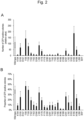
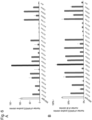
- the number of Nanog-GFP positive colonies formed was reduced in most of the alanine substitution variants, as compared with wild-type OCT3/4 ( Figure 2A and Figure 3A ).
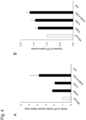
- the number of Nanog-GFP positive colonies formed was remarkably increased in an OCT3/4 (K195A) variant and an OCT3/4 (E238A) variant, as compared with wild-type OCT3/4 ( Figure 1 , Figure 2A , and Figure 3A ).
- the proportion of Nanog-GFP positive colonies relative to the number of all colonies was increased in OCT3/4 (K195A) variant and the OCT3/4 (E238A) variant, as compared with wild-type OCT3/4 ( Figure 2B and Figure 3B ).
- Nanog-GFP positive colonies The increase in proportion of Nanog-GFP positive colonies indicates that proportion of fully reprogrammed iPS cells relative to partially reprogrammed iPS cells was increased. Partially reprogrammed iPS cells have low differentiation potential and pluripotency. On the contrary, fully reprogrammed iPS cells have high differentiation potential and pluripotency. Accordingly, it was demonstrated that high-quality iPS cells can be produced at a higher efficiency, and an iPS cell population having high differentiation potential and higher homogeneity can be provided by using the OCT3/4 (K195A) variant or OCT3/4 (E238A) variant in reprogramming induction.
- An OCT3/4 (K195A/E238A) double variant which results from transduction of a K195A variation and an E238A variation both identified in Example 1, is to be produced, and a reprogramming efficiency of somatic cells is to be studied using the OCT3/4 (K195A/E238A) double variant.
- a retroviral vector for expressing an OCT3/4 (K195A/E238A) double variant was produced by the following method, in which the double variant had the K195A variation and the E238A variation both found capable of increasing the reprogramming efficiency of somatic cells in Example 1, and consisted of the amino acid sequence of SEQ ID NO: 11. Specifically, a specific primer pair consisting of an approximately 25 bp nucleotide sequence for substituting a lysine (K) residue at position 195 with an alanine residue was designed so that 15 bp regions comprising a mutated site were overlapped with each other.
- PCR was performed, using this primer pair, and using, as a template, a pMXs-hOCT3/4 having the E238A variation introduced therein, in which the variation was produced in Example 1.
- the PCR was performed by the same method as in Example 1.
- retroviral vectors for expressing KLF4, SOX2, and L-MYC were allowed to infect a mouse fetal fibroblast to perform reprogramming induction.
- the specific conditions for reprogramming induction were in accordance with the method described in Example 1.
- a wild-type OCT3/4, an OCT3/4 (K195A) single variant, and an OCT3/4 (E238A) single variant were used as comparative controls.
- the number of colonies exhibiting green fluorescence derived from Nanog-GFP was measured on day 25 of retroviral vector infection. The results are shown in Figure 4 .
- the number of Nanog-GFP positive colonies formed was remarkably increased in the OCT3/4 (K195A/E238A) double variant, as compared with the OCT3/4 (K195A) single variant and OCT3/4 (E238A) single variant ( Figure 4A ).
- the proportion of Nanog-GFP positive colonies relative to the number of all colonies was also remarkably increased in the OCT3/4 (K195A/E238A) double variant, as compared with the OCT3/4 (K195A) single variant and OCT3/4 (E238A) single variant ( Figure 4B ).
- Example 3 iPS cell production from normal human fibroblast using OCT3/4 variant>
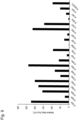
- Example 2 the 22 amino acid residues substituted in the POU homeodomain in Example 1 (the amino acid residues underlined by a dotted line, underlined by a solid line, or shown in a black box in Figure 8A ) were substituted with alanine.
- NTN human fibroblasts (NB1RGB cells) were cultured in a Dulbecco's modified eagle medium (4.5 g/L glucose, Nacalai Tesque, Inc., 08458-16) comprising 10% FBS (Biosera, FB-1003/500), P/S, penicillin (100 units/mL) and streptomycin (100 ⁇ g/mL) (Nacalai Tesque, Inc., 26253-84).
- Dulbecco's modified eagle medium 4.5 g/L glucose, Nacalai Tesque, Inc., 08458-16
- FBS Biosera, FB-1003/500
- P/S penicillin
- streptomycin 100 ⁇ g/mL
- Reprogramming induction of normal human fibroblasts was performed by the following method.
- a total of five types of vectors were transfected into Plat-GP (Cell Biolab INC, RV-103) cells using a FuGENE 6 transfection reagent in such a manner that the ratio of each of the pMX vectors comprising human KLF4 (Addgene plasmid #17219), human SOX2 (Addgene plasmid #17218), human L-MYC (Addgene plasmid #26022), and human wild-type OCT3/4 (pMXs-OCT3/4, Addgene plasmid #17217) or OCT3/4 variant to a pCMV-VSV-G virus envelope vector (RDB04392, RIKEN BRC lentiviral vector plasmid) was 3:1.
- the resultant virus supernatant was used for viral infection of 2 ⁇ 10 4 NB1RGB cells small in passage number, in a 6-well dish overnight.
- NANOG protein was fluorescently-labeled using an immunofluorescent staining method. Colonies were observed under a fluorescence microscope, and the number of NANOG positive colonies was measured.
- Figure 8A the POU homeodomain
- Figure 8B the POU specific domain
- the amino acid residues shown in a black box show the amino acid residues remarkably increased in the reprogramming efficiency by alanine substitution
- the amino acid residues underlined by a dotted line show the amino acid residues not changed significantly in the reprogramming efficiency by alanine substitution
- the amino acid residues underlined by a solid line show the amino acid residues remarkably decreased in the reprogramming efficiency by alanine substitution.
- a retroviral vector for transducing each kind of variant OCT3/4 was allowed to infect a Nanog-GFP mouse fetal fibroblast.
- the Nanog-GFP mouse fetal fibroblasts together with retroviral vectors prepared by the same method as in Example 1 were incubated in a 6-well dish for 24 hours.
- the medium was exchanged with a high glucose DMEM (Nacalai Tesque, Inc., 08458-16) supplemented with a usual fibroblast culture medium (10% FBS (Biosera, FB-1365/500), P/S (Nacalai Tesque, Inc., 26253-84)).
- a high glucose DMEM Nacalai Tesque, Inc., 08458-16
- a usual fibroblast culture medium 10% FBS (Biosera, FB-1365/500), P/S (Nacalai Tesque, Inc., 26253-84)
- the amount of the OCT3/4 protein comprised in the resulting sample was analyzed in accordance with a protocol of the manufacturer, using a SimpleWestem system (simple wes, Protein Simple Inc.). Specifically, 40 ⁇ L of water was added to a DTT tube. To a 5 ⁇ Fluorscent Master Mix tube, 20 ⁇ L of a 10 ⁇ Sample Buffer2 & DTT solution was added. To a Biotin Ladder tube, 20 ⁇ L of water was added. The resulting solution was pipetted and left to stand on ice. To a 1.5 mL tube, 1.2 ⁇ L of a 10 ⁇ Sample Buffer2 and 118.8 ⁇ L of water were added.
- Example 5 iPS cell production from normal human fibroblast using OCT3/4 variant>
- the K195 site and the E238 site capable of increasing the efficiency of production of iPS cells by a substitution variation is to bel each substituted with 19 kinds of natural amino acid residues.
- reprogramming induction was performed on a normal human fibroblast. This allows for identifying an OCT3/4 variant capable of inducing reprogramming of somatic cells in a normal human fibroblast at a high efficiency.
- the subjects of this Example were a total of 38 kinds of OCT3/4 variants and a wild-type OCT3/4, in each of which variants the K195 site or the E238 site found in Examples 1 and 3, and capable of increasing the efficiency of production of iPS cells was substituted with each of 19 kinds of natural amino acid residues.
- NTN human fibroblasts (NB1RGB cells) were cultured in a Dulbecco's modified eagle medium (4.5 g/L glucose, Nacalai Tesque, Inc., 08458-16) comprising 10% FBS (Biosera, FB-1003/500), P/S, penicillin (100 units/mL) and streptomycin (100 ⁇ g/mL) (Nacalai Tesque, Inc., 26253-84).
- Dulbecco's modified eagle medium 4.5 g/L glucose, Nacalai Tesque, Inc., 08458-16
- FBS Biosera, FB-1003/500
- P/S penicillin
- streptomycin 100 ⁇ g/mL
- Reprogramming induction of normal human fibroblasts was performed by the following method.
- a total of five types of vectors were transfected into Plat-GP (Cell Biolab INC, RV-103) cells using a FuGENE 6 transfection reagent in such a manner that the ratio of each of the pMX vectors encoding human KLF4 (Addgene plasmid #17219), human SOX2 (Addgene plasmid #17218), human L-MYC (Addgene plasmid #26022), and human wild-type OCT3/4 (pMXs-OCT3/4, Addgene plasmid #17217) or OCT3/4 variant to a pCMV-VSV-G virus envelope vector (RDB04392, RIKEN BRC lentiviral vector plasmid) was 3:1.
- the resultant virus supernatant was used for viral infection of 2 ⁇ 10 4 NB1RGB cells small in passage number, in a 12-well dish overnight.
- NANOG protein was fluorescently-labeled using an immunofluorescent staining method. Colonies were observed under a fluorescence microscope, and the number of NANOG positive colonies was measured.
Landscapes
- Health & Medical Sciences (AREA)
- Life Sciences & Earth Sciences (AREA)
- Chemical & Material Sciences (AREA)
- Organic Chemistry (AREA)
- Engineering & Computer Science (AREA)
- Genetics & Genomics (AREA)
- Biomedical Technology (AREA)
- Zoology (AREA)
- Biotechnology (AREA)
- Biochemistry (AREA)
- Bioinformatics & Cheminformatics (AREA)
- Wood Science & Technology (AREA)
- General Health & Medical Sciences (AREA)
- Developmental Biology & Embryology (AREA)
- Transplantation (AREA)
- General Engineering & Computer Science (AREA)
- Cell Biology (AREA)
- Microbiology (AREA)
- Toxicology (AREA)
- Gastroenterology & Hepatology (AREA)
- Biophysics (AREA)
- Medicinal Chemistry (AREA)
- Molecular Biology (AREA)
- Proteomics, Peptides & Aminoacids (AREA)
- Micro-Organisms Or Cultivation Processes Thereof (AREA)
- Preparation Of Compounds By Using Micro-Organisms (AREA)
Applications Claiming Priority (2)
| Application Number | Priority Date | Filing Date | Title |
|---|---|---|---|
| JP2022109906 | 2022-07-07 | ||
| PCT/JP2023/025266 WO2024010085A1 (ja) | 2022-07-07 | 2023-07-07 | 変異型oct3/4タンパク質、及び誘導多能性幹細胞の製造方法 |
Publications (1)
| Publication Number | Publication Date |
|---|---|
| EP4553154A1 true EP4553154A1 (de) | 2025-05-14 |
Family
ID=89453630
Family Applications (1)
| Application Number | Title | Priority Date | Filing Date |
|---|---|---|---|
| EP23835616.6A Pending EP4553154A1 (de) | 2022-07-07 | 2023-07-07 | Mutantes oct3/4-protein und verfahren zur herstellung induzierter pluripotenter stammzellen |
Country Status (3)
| Country | Link |
|---|---|
| EP (1) | EP4553154A1 (de) |
| JP (1) | JPWO2024010085A1 (de) |
| WO (1) | WO2024010085A1 (de) |
Family Cites Families (4)
| Publication number | Priority date | Publication date | Assignee | Title |
|---|---|---|---|---|
| BRPI0619794B8 (pt) | 2005-12-13 | 2022-06-14 | Univ Kyoto | Uso de um fator de reprogramação, agente para a preparação de uma célula-tronco pluripotente induzida a partir de uma célula somática e métodos para preparar uma célula- tronco pluripotente induzida método e para preparar uma célula somática e uso de células-tronco pluripotentes induzidas |
| CN107286232A (zh) * | 2017-05-23 | 2017-10-24 | 中国科学院广州生物医药与健康研究院 | Pou结构域改造蛋白对多能干细胞的高效诱导 |
| CN110519807B (zh) | 2018-05-21 | 2021-06-29 | 华为技术有限公司 | 一种通信方法及装置 |
| US12559730B2 (en) | 2020-01-16 | 2026-02-24 | Riken | Mutant KLF protein, and method for producing induced pluripotent stem cells |
-
2023
- 2023-07-07 EP EP23835616.6A patent/EP4553154A1/de active Pending
- 2023-07-07 WO PCT/JP2023/025266 patent/WO2024010085A1/ja not_active Ceased
- 2023-07-07 JP JP2024532644A patent/JPWO2024010085A1/ja active Pending
Also Published As
| Publication number | Publication date |
|---|---|
| WO2024010085A1 (ja) | 2024-01-11 |
| JPWO2024010085A1 (de) | 2024-01-11 |
Similar Documents
| Publication | Publication Date | Title |
|---|---|---|
| JP7051748B2 (ja) | 細胞を幼若化するための方法 | |
| CA2697621C (en) | Method of efficiently establishing induced pluripotent stem cells | |
| CN102317448B (zh) | 多能细胞/多潜能细胞及方法 | |
| US8962331B2 (en) | Method of making induced pluripotent stem cell from adipose stem cells using minicircle DNA vectors | |
| JP5553289B2 (ja) | 新規核初期化物質 | |
| CN101617043B (zh) | 核重编程方法 | |
| EP3070163B1 (de) | Verfahren zur herstellung induzierter pluripotenter stammzellen, zusammensetzung hierfür und verwendungen davon | |
| JP5936134B2 (ja) | ヒト人工多能性幹細胞の選択方法 | |
| AU2019247100B2 (en) | Reprogramming vectors | |
| AU2023200879A1 (en) | Platform for the induction & maintenance of ground state pluripotency | |
| AU2008360135A1 (en) | Efficient method for establishing induced pluripotent stem cells | |
| JP7648190B2 (ja) | 成熟心筋細胞の製造法 | |
| SG176222A1 (en) | Generation of genetically corrected disease-free induced pluripotent stem cells | |
| EP4553154A1 (de) | Mutantes oct3/4-protein und verfahren zur herstellung induzierter pluripotenter stammzellen | |
| JP7630116B2 (ja) | 変異型klfタンパク質、及び誘導多能性幹細胞の製造方法 | |
| WO2017126616A1 (ja) | ユーイング肉腫ファミリー腫瘍モデル細胞とそれを用いた抗腫瘍剤のスクリーニング方法 | |
| CN110724706B (zh) | Oct4泛素化修饰突变体在提高诱导体细胞重编程效率中的应用 | |
| US20180163180A1 (en) | Method of enhancing somatic cell reprogramming with the acetyllysine reader brd3r | |
| EP2545163A1 (de) | Verfahren zur auswahl induzierter pluripotenter stammzellen |
Legal Events
| Date | Code | Title | Description |
|---|---|---|---|
| STAA | Information on the status of an ep patent application or granted ep patent |
Free format text: STATUS: THE INTERNATIONAL PUBLICATION HAS BEEN MADE |
|
| PUAI | Public reference made under article 153(3) epc to a published international application that has entered the european phase |
Free format text: ORIGINAL CODE: 0009012 |
|
| STAA | Information on the status of an ep patent application or granted ep patent |
Free format text: STATUS: REQUEST FOR EXAMINATION WAS MADE |
|
| 17P | Request for examination filed |
Effective date: 20250204 |
|
| AK | Designated contracting states |
Kind code of ref document: A1 Designated state(s): AL AT BE BG CH CY CZ DE DK EE ES FI FR GB GR HR HU IE IS IT LI LT LU LV MC ME MK MT NL NO PL PT RO RS SE SI SK SM TR |
|
| DAV | Request for validation of the european patent (deleted) | ||
| DAX | Request for extension of the european patent (deleted) |