EP4556561A1 - Expression de biomolécules avec promoteur amélioré et tir - Google Patents
Expression de biomolécules avec promoteur amélioré et tir Download PDFInfo
- Publication number
- EP4556561A1 EP4556561A1 EP24212711.6A EP24212711A EP4556561A1 EP 4556561 A1 EP4556561 A1 EP 4556561A1 EP 24212711 A EP24212711 A EP 24212711A EP 4556561 A1 EP4556561 A1 EP 4556561A1
- Authority
- EP
- European Patent Office
- Prior art keywords
- seq
- set forth
- sequence set
- serine
- phosphoserine
- Prior art date
- Legal status (The legal status is an assumption and is not a legal conclusion. Google has not performed a legal analysis and makes no representation as to the accuracy of the status listed.)
- Pending
Links
Images












Classifications
-
- C—CHEMISTRY; METALLURGY
- C12—BIOCHEMISTRY; BEER; SPIRITS; WINE; VINEGAR; MICROBIOLOGY; ENZYMOLOGY; MUTATION OR GENETIC ENGINEERING
- C12N—MICROORGANISMS OR ENZYMES; COMPOSITIONS THEREOF; PROPAGATING, PRESERVING, OR MAINTAINING MICROORGANISMS; MUTATION OR GENETIC ENGINEERING; CULTURE MEDIA
- C12N9/00—Enzymes; Proenzymes; Compositions thereof; Processes for preparing, activating, inhibiting, separating or purifying enzymes
- C12N9/0004—Oxidoreductases (1.)
- C12N9/0006—Oxidoreductases (1.) acting on CH-OH groups as donors (1.1)
-
- C—CHEMISTRY; METALLURGY
- C12—BIOCHEMISTRY; BEER; SPIRITS; WINE; VINEGAR; MICROBIOLOGY; ENZYMOLOGY; MUTATION OR GENETIC ENGINEERING
- C12N—MICROORGANISMS OR ENZYMES; COMPOSITIONS THEREOF; PROPAGATING, PRESERVING, OR MAINTAINING MICROORGANISMS; MUTATION OR GENETIC ENGINEERING; CULTURE MEDIA
- C12N15/00—Mutation or genetic engineering; DNA or RNA concerning genetic engineering, vectors, e.g. plasmids, or their isolation, preparation or purification; Use of hosts therefor
- C12N15/09—Recombinant DNA-technology
- C12N15/11—DNA or RNA fragments; Modified forms thereof; Non-coding nucleic acids having a biological activity
- C12N15/52—Genes encoding for enzymes or proenzymes
-
- C—CHEMISTRY; METALLURGY
- C12—BIOCHEMISTRY; BEER; SPIRITS; WINE; VINEGAR; MICROBIOLOGY; ENZYMOLOGY; MUTATION OR GENETIC ENGINEERING
- C12N—MICROORGANISMS OR ENZYMES; COMPOSITIONS THEREOF; PROPAGATING, PRESERVING, OR MAINTAINING MICROORGANISMS; MUTATION OR GENETIC ENGINEERING; CULTURE MEDIA
- C12N15/00—Mutation or genetic engineering; DNA or RNA concerning genetic engineering, vectors, e.g. plasmids, or their isolation, preparation or purification; Use of hosts therefor
- C12N15/09—Recombinant DNA-technology
- C12N15/63—Introduction of foreign genetic material using vectors; Vectors; Use of hosts therefor; Regulation of expression
- C12N15/70—Vectors or expression systems specially adapted for E. coli
- C12N15/71—Expression systems using regulatory sequences derived from the trp-operon
-
- C—CHEMISTRY; METALLURGY
- C12—BIOCHEMISTRY; BEER; SPIRITS; WINE; VINEGAR; MICROBIOLOGY; ENZYMOLOGY; MUTATION OR GENETIC ENGINEERING
- C12N—MICROORGANISMS OR ENZYMES; COMPOSITIONS THEREOF; PROPAGATING, PRESERVING, OR MAINTAINING MICROORGANISMS; MUTATION OR GENETIC ENGINEERING; CULTURE MEDIA
- C12N9/00—Enzymes; Proenzymes; Compositions thereof; Processes for preparing, activating, inhibiting, separating or purifying enzymes
- C12N9/10—Transferases (2.)
- C12N9/1096—Transferases (2.) transferring nitrogenous groups (2.6)
-
- C—CHEMISTRY; METALLURGY
- C12—BIOCHEMISTRY; BEER; SPIRITS; WINE; VINEGAR; MICROBIOLOGY; ENZYMOLOGY; MUTATION OR GENETIC ENGINEERING
- C12N—MICROORGANISMS OR ENZYMES; COMPOSITIONS THEREOF; PROPAGATING, PRESERVING, OR MAINTAINING MICROORGANISMS; MUTATION OR GENETIC ENGINEERING; CULTURE MEDIA
- C12N9/00—Enzymes; Proenzymes; Compositions thereof; Processes for preparing, activating, inhibiting, separating or purifying enzymes
- C12N9/14—Hydrolases (3)
- C12N9/16—Hydrolases (3) acting on ester bonds (3.1)
-
- C—CHEMISTRY; METALLURGY
- C12—BIOCHEMISTRY; BEER; SPIRITS; WINE; VINEGAR; MICROBIOLOGY; ENZYMOLOGY; MUTATION OR GENETIC ENGINEERING
- C12P—FERMENTATION OR ENZYME-USING PROCESSES TO SYNTHESISE A DESIRED CHEMICAL COMPOUND OR COMPOSITION OR TO SEPARATE OPTICAL ISOMERS FROM A RACEMIC MIXTURE
- C12P13/00—Preparation of nitrogen-containing organic compounds
- C12P13/04—Alpha- or beta- amino acids
- C12P13/06—Alanine; Leucine; Isoleucine; Serine; Homoserine
-
- C—CHEMISTRY; METALLURGY
- C12—BIOCHEMISTRY; BEER; SPIRITS; WINE; VINEGAR; MICROBIOLOGY; ENZYMOLOGY; MUTATION OR GENETIC ENGINEERING
- C12Y—ENZYMES
- C12Y101/00—Oxidoreductases acting on the CH-OH group of donors (1.1)
- C12Y101/01—Oxidoreductases acting on the CH-OH group of donors (1.1) with NAD+ or NADP+ as acceptor (1.1.1)
- C12Y101/01095—Phosphoglycerate dehydrogenase (1.1.1.95)
-
- C—CHEMISTRY; METALLURGY
- C12—BIOCHEMISTRY; BEER; SPIRITS; WINE; VINEGAR; MICROBIOLOGY; ENZYMOLOGY; MUTATION OR GENETIC ENGINEERING
- C12Y—ENZYMES
- C12Y206/00—Transferases transferring nitrogenous groups (2.6)
- C12Y206/01—Transaminases (2.6.1)
- C12Y206/01052—Phosphoserine transaminase (2.6.1.52)
-
- C—CHEMISTRY; METALLURGY
- C12—BIOCHEMISTRY; BEER; SPIRITS; WINE; VINEGAR; MICROBIOLOGY; ENZYMOLOGY; MUTATION OR GENETIC ENGINEERING
- C12Y—ENZYMES
- C12Y301/00—Hydrolases acting on ester bonds (3.1)
- C12Y301/03—Phosphoric monoester hydrolases (3.1.3)
- C12Y301/03003—Phosphoserine phosphatase (3.1.3.3)
-
- C—CHEMISTRY; METALLURGY
- C12—BIOCHEMISTRY; BEER; SPIRITS; WINE; VINEGAR; MICROBIOLOGY; ENZYMOLOGY; MUTATION OR GENETIC ENGINEERING
- C12R—INDEXING SCHEME ASSOCIATED WITH SUBCLASSES C12C - C12Q, RELATING TO MICROORGANISMS
- C12R2001/00—Microorganisms ; Processes using microorganisms
- C12R2001/01—Bacteria or Actinomycetales ; using bacteria or Actinomycetales
- C12R2001/07—Bacillus
- C12R2001/125—Bacillus subtilis ; Hay bacillus; Grass bacillus
-
- C—CHEMISTRY; METALLURGY
- C12—BIOCHEMISTRY; BEER; SPIRITS; WINE; VINEGAR; MICROBIOLOGY; ENZYMOLOGY; MUTATION OR GENETIC ENGINEERING
- C12R—INDEXING SCHEME ASSOCIATED WITH SUBCLASSES C12C - C12Q, RELATING TO MICROORGANISMS
- C12R2001/00—Microorganisms ; Processes using microorganisms
- C12R2001/01—Bacteria or Actinomycetales ; using bacteria or Actinomycetales
- C12R2001/145—Clostridium
-
- C—CHEMISTRY; METALLURGY
- C12—BIOCHEMISTRY; BEER; SPIRITS; WINE; VINEGAR; MICROBIOLOGY; ENZYMOLOGY; MUTATION OR GENETIC ENGINEERING
- C12R—INDEXING SCHEME ASSOCIATED WITH SUBCLASSES C12C - C12Q, RELATING TO MICROORGANISMS
- C12R2001/00—Microorganisms ; Processes using microorganisms
- C12R2001/01—Bacteria or Actinomycetales ; using bacteria or Actinomycetales
- C12R2001/15—Corynebacterium
-
- C—CHEMISTRY; METALLURGY
- C12—BIOCHEMISTRY; BEER; SPIRITS; WINE; VINEGAR; MICROBIOLOGY; ENZYMOLOGY; MUTATION OR GENETIC ENGINEERING
- C12R—INDEXING SCHEME ASSOCIATED WITH SUBCLASSES C12C - C12Q, RELATING TO MICROORGANISMS
- C12R2001/00—Microorganisms ; Processes using microorganisms
- C12R2001/01—Bacteria or Actinomycetales ; using bacteria or Actinomycetales
- C12R2001/185—Escherichia
- C12R2001/19—Escherichia coli
Definitions
- the present invention relates to the microbiological industry, and specifically to the bio-industrial production of L-serine or derivatives thereof by expressing an operon including a 3-phosphoglycerate dehydrogenase (PGDH or SerA), a phosphoserine aminotransferase (serC) and a phosphoserine phosphatase (serB) enzyme having TIRs and being operably linked to an improved constitutive promoter. More specifically the present disclosure describes genetically modified host cells producing the L-serine or derivatives thereof through a metabolic pathway engineered to improve production of the said L-serine or derivatives thereof.
- PGDH or SerA 3-phosphoglycerate dehydrogenase
- SerC phosphoserine aminotransferase
- serB phosphoserine phosphatase
- the present disclosure describes genetically modified host cells producing the L-serine or derivatives thereof through a metabolic pathway engineered to improve production of the said L-serine or derivatives thereof.
- enzymes and polynucleotides encoding such enzymes of the pathway polynucleotide constructs for expression of these enzymes and cell cultures of the host cell which when cultured in fermentation methods produce the L-serine or derivatives thereof.
- fermentation compositions the host cells and/or the L-serine or derivatives thereof resulting from such methods also known as biobased compositions.
- WO2016120326 describing production of L-serine using genetically engineered microorganisms deficient in serine degradation pathways.
- WO2004/108894 discloses methods for producing amino acids using a genetically modified bacteria, including disclosure of a polypeptide similar to SEQ ID NO: 10 of this disclosure.
- WO2021/081185 describes microbial organisms having increased availability of co-factors, such as NADPH, for increasing production of various products.
- WO2020/0107626 describes methods of producing L-amino acids comprising culturing altered bacterial cells having increased amounts of NADPH as compared to unaltered bacterial cells whereby L-amino acids yields from said altered bacterial cells are greater than yields from unaltered bacterial cells.
- WO2021/195705 describes recombinant microorganisms for producing biological hydrogen and nucleic acid constructs and processes for modifying microorganisms for enabling the production of hydrogen.
- CN103436504A describes a construction method and application of corynebacterium glutamicum strain resistant to the feedback inhibition by L-serine, by mutating a 3-phosophoglycerate dehydrogenase resistant to feedback inhibition by L-serine.
- the 3-phosophoglycerate dehydrogenase has a minor similarity to SEQ ID NO: 10 of this disclosure.
- WO20247084049 describes host cells producing L-serine genetically modified to reduce intracellular accumulation of NADH and/or hydroxy glutarate (HGA) thereby reducing the negative impact of these compounds on the production of L-serine and other metabolites.
- Further art includes US2021095245A1 which relates to modified E. coli, expressing serAmut (Fbr), serB, serC in a method for enhanced production of serine and includes a general passage on promoters, including constitutive promoters, and measures for regulating transcription and translation.
- US20190233857A1 relates to modified Cupriavidis necator expressing Cg/Ser A (Fbr), Ec/SerB, Ec/SerC, resp. SerA, SerB, SerC from C. necator, for production of L-serine with no explicit indication of promoter.
- Chen Lin et al; "Rational design and metabolic analysis of Escherichia coli for effective production of L-tryptophan at high concentration"; Vol. 101, No. 2, 6 September 2016, pages 559-568 relates to production of amino acids in E. coli as host cell using J23119 as constitutive promoter.
- WO2023093883A1 relates to production of IL-22 in E. coli using J23119.
- Anderson J.C. “Promoters/Catalog/Anderson - parts.igem.org” describes the Anderson library. Liow Lu Ting et al; "Characterisation of Constitutive Promoters from the Anderson library in Chromobacterium violaceum ATCC 12472"; Engineering Biology, vol. 3, no. 3, 12 July 2019, pages 57-66 , characterizes promoters of the Anderson library in Chromobacterium violaceum.
- WO2020071538A1 relates to serine producing bacteria, including a general reference to Mutalik et al. 2013. Mutalik V.K. et al; "Precise and reliable gene expression via standard transcription and translation initiation elements”; Nature Methods, vol. 10, no. 4, 1 April 2013, pages 354-360 relates to genetic elements controlling transcription and translation initiation in Escherichia coli.
- An objective of the invention described herein is to provide means allowing a more efficient production and stable of L-serine and derivatives thereof. More particularly, it is an objective of the of the invention described herein to provide means allowing the production of L-serine at higher nominal yield and improved mass yield.
- PGDH is the first key step of L-serine biosynthesis converting 3-phosphopyruvate into 3-phosphohydroxypyruvate, and therefore efficient and stable expression of this enzymes is crucial to successful product 3-phosphohydroxypyruvate and/or any metabolites thereof.
- Previous work uses a T7 polymerase-based system to regulate expression of the L-serine pathway (Landberg et al., 2020; Rennig et al., 2019b). This however requires either the use of an inducer (IPTG) or low concentrations of yeast extract in the medium for production of L-serine.
- inducement by IPTG increases the costs and technical complexity of the process and using low concentrations of yeast extract in the medium puts additional burden on the cells to produce all the required metabolites and vitamins leading to lower yield and titres.
- TIRs Translation Initiation Regions
- SerA and SerC were constructed and studied looking to avoid addition of IPTG while maintaining complex media addition level that best suits the productivity, in particular to identify constitutive promoters which provides expression similar to or even surpassing that of the T7 based induction system.
- constitutive promoters were identified which were not only similar or even surpassing the expression performance of the T7 based induction system, but they were also superior in being very stable as observed by repetitive fermentation from the biomass of previous fermentation run.
- a genetically modified E. coli host cell producing L-serine expressing or overexpressing an operon comprising:
- polynucleotide construct which comprises an operon comprising:
- a cell culture which comprises the host cell of the disclosure and a growth medium.
- a method for producing a L-serine or a derivative thereof comprising:
- heterologous or recombinant or “genetically modified” and their grammatical equivalents as used herein interchangeably about nucleotides, polypeptides and cells refers to entities "derived from a different species or cell".
- a heterologous or recombinant polynucleotide gene is a gene in a host cell not naturally containing that gene, i.e. the gene is from a different species or cell type than the host cell.
- a heterologous or recombinant polypeptide is a polypeptide produced in a host cell not naturally containing the polypeptide, i.e. the polypeptide is from a different species or cell type than the host cell.
- host cells they refer to host cells comprising and expressing heterologous or recombinant polynucleotides.
- % identity is used herein about the relatedness between two amino acid sequences or between two nucleotide sequences usings standard alignment software known in the art, and applying settings as instructed for the software, including gaps, to achieve the maximum percent identity/similarity/homology and, if necessary, considering any conservative substitutions according to the NCIUB rules (hftp://www.chem.qmul.ac.uk/iubmb/misc/naseq.html; NC-IUB, Eur. J. Biochem. (1985 )) as part of the sequence identity. 5' or 3' extensions nor insertions (for nucleic acids) or N' or C' extensions nor insertions (for polypeptides) usually result in a reduction of identity, similarity or homology using such standard software.
- pathway or “biosynthetic pathway” or “metabolic pathway” as used herein interchangeably refers to one or more enzymes acting in concert in a live cell to convert one or more substrate precursors into a chemical product.
- a pathway may include one enzyme or multiple enzymes acting in sequence or in combination.
- a pathway including only one enzyme may also herein be referred to as “bioconversion” in particular relevant for embodiments where a host cell is fed with a precursor or substrate exogenously to be converted by the enzyme into a desired end product.
- Enzymes are characterized by having catalytic activity, which can change the chemical structure of the substrate(s).
- An enzyme may have more than one substrate and produce more than one product.
- the enzyme may also depend on cofactors, which can be inorganic chemical compounds or organic compounds (co-factor and/or co-enzymes) which may or may not be considered part of the pathway.
- in vivo refers to within a living cell or organism, including, for example animal, a plant, or a microorganism.
- in vitro refers to outside a living cell or organism, including, without limitation, for example, in a microwell plate, a tube, a flask, a beaker, a tank, a reactor and the like.
- substrate or "precursor” as used herein refers to any compound that can be converted into a different compound.
- substrates and/or precursors include both compounds generated in situ by an enzymatic reaction in a cell or exogenously provided compounds, such as exogenously provided organic molecules which the host cell can metabolize into a desired compound.
- expression vector refers to a DNA molecule, either single- or double stranded, either linear or circular, which comprises a polynucleotide encoding a polypeptide and is operably linked to control sequences that provide for its expression.
- Expression vectors include expression cassettes for the integration of genes into a host cell as well as plasmids and/or chromosomes comprising such genes.
- host cell refers to any cell type that is susceptible to transformation, transfection, transduction, or the like with a nucleic acid construct or expression vector comprising a polynucleotide to be expressed in the host cell.
- Host cell encompasses any progeny of a parent cell including those that are not identical to the parent cell due to mutations that occur during replication.
- polynucleotide construct refers to a polynucleotide, either single- or double stranded, which is isolated from a naturally occurring gene or is modified to contain segments of nucleic acids in a manner that would not otherwise exist in nature, or which is synthetic, and which comprises a polynucleotide encoding a polypeptide and one or more control sequences.
- operably linked refers to a configuration in which a control sequence, such as a promoter, is placed at an appropriate position relative to a coding polynucleotide such that the control sequence directs expression of the coding polynucleotide. More generally, a control sequence "operably linked" to a coding sequence is ligated in such a way that expression of the coding sequence is achieved under conditions compatible with the control sequence.
- a promoter sequence is "operably linked" to a gene when it is in sufficient proximity to the transcription start site of a gene to regulate transcription of the gene.
- promoter refers to a sequence of DNA, usually upstream (5') of the coding region of a structural gene, which controls the expression of the coding region by providing recognition and binding sites for RNA polymerase and other factors which may be required for initiation of transcription. The selection of the promoter will depend upon the nucleic acid sequence of interest.
- a suitable “promoter” is generally one which is capable of supporting the initiation of transcription in a bacterium of the invention, causing the production of an mRNA molecule.
- Polypeptide and “protein” are used interchangeably herein to denote a polymer of at least two amino acids covalently linked by an amide bond, regardless of length or post- translational modification (e.g., glycosylation, phosphorylation, lipidation, myristylation, ubiquitination, etc.). Included within this definition are D- and L-amino acids, and mixtures of D- and L-amino acids.
- biobased as used herein is used to characterize biobased products wherein:
- carbon derived from synthetic, or fossil sources has a relative isotope 14 C concentration of around 0% and the radioactive 14 C level of such old carbon is thus about 0%.
- the term "radioactive 14 C level” refer to the total radioactive 14 C level of a given substance, product, or composition, as defined above.
- the isotope 14 C method may be used to determine the concentration of young (renewable) materials in comparison with the concentration of old (fossil) resources.
- the carbon content of a renewable raw material is referred to as the "biobased carbon content”.
- the carbon content of a renewable raw material or the "biobased carbon content” may be determined as described below. When measuring the biobased carbon content, the result may be reported as "% biobased carbon”.
- nucleotide sequence and “polynucleotide” are used herein interchangeably.
- cell culture refers to a culture medium comprising a plurality of the host cells described herein.
- a cell culture may comprise a single strain of host cells or may comprise two or more distinct host cell strains.
- the culture medium may be any medium that may comprise a recombinant host, e.g., a liquid medium (i.e., a culture broth) or a semi-solid medium, and may comprise additional components, e.g., a carbon source; a nitrogen source; a phosphate source; vitamins; trace elements; salts; amino acids; nucleobases; and the like.
- endogenous or “native” as used herein refers to a gene or a polypeptide in a host cell which originates from the same host cell.
- operon refers to a functioning unit of DNA containing a cluster of genes under the control of a single regulatory signal or promoter. Operons are commonly found in prokaryotes, such as bacteria, and they allow for the efficient regulation of gene expression. The genes within an operon are typically involved in the same biological pathway or process, and their expression is coordinated so that they can be transcribed together as a single mRNA (messenger RNA) molecule.
- mRNA messenger RNA
- substantially or “approximately” or “about”, as used herein refers to a reasonable deviation around a value or parameter such that the value or parameter is not significantly changed. These terms of deviation from a value should be construed as including a deviation of the value where the deviation would not negate the meaning of the value deviated from.
- the terms of degree can include a range of values plus or minus 10% from that value.
- deviation from a value can include a specified value plus or minus a certain percentage from that value, such as plus or minus 9%, 8%, 7%, 6%, 5%, 4%, 3%, 2%, or 1% from the specified value.
- isolated refers to any compound, which by means of human intervention, has been put in a form or environment that differs from the form or environment in which it is found in nature.
- Isolated compounds include but are not limited to compounds of the disclosure for which the ratio of the compounds relative to other constituents with which they are associated in nature is increased or decreased. In an important embodiment the amount of compound is increased relative to other constituents with which the compound is associated in nature.
- the compound of the disclosure may be isolated into a pure or substantially pure form.
- a substantially pure compound means that the compound is separated from other extraneous or unwanted material present from the onset of producing the compound or generated in the manufacturing process.
- Such a substantially pure compound preparation contains less than 10%, such as less than 8%, such as less than 6%, such as less than 5%, such as less than 4%, such as less than 3%, such as less than 2%, such as less than 1 %, such as less than 0.5% by weight of other extraneous or unwanted material usually associated with the compound when expressed natively or recombinantly.
- the isolated compound is at least 90% pure, such as at least 91% pure, such as at least 92% pure, such as at least 93% pure, such as at least 94% pure, such as at least 95% pure, such as at least 96% pure, such as at least 97% pure, such as at least 98% pure, such as at least 99% pure, such as at least 99.5% pure, such as 100 % pure by weight.
- GAPDH refers to a glyceraldehyde-3-phosphate dehydrogenase enzyme converting glyceraldehyde 3-phosphate into 1,3-bisphosphoglycerate; under the co-conversion of NAD + or NADP + into NADH or NADPH respectively.
- GapA is an example of a GAPDH producing 1,3-bisphosphoglycerate under co-conversion of NAD + into NADH
- GapC is an example of a GAPDH producing 1,3-bisphosphoglycerate under co-conversion of NADP + into NADPH.
- Nox refers to an NADH oxidase enzyme converting NADH to NAD + .
- PGDH or "3-PGDH” or “PHGDH” as used herein refers to a 3-phosphoglycerate dehydrogenase enzyme that catalyzes the conversion of 3-phosphoglycerate into 3-phosphohydroxypyruvate, under the simultaneous reduction of NAD+ to NADH.
- An example of PGDH is SerA in the serine pathway.
- 3-phosphoglycerate dehydrogenase may also in some art be referred to as 3-phosphopyruvate dehydrogenase.
- PSAT refers to a phosphoserine aminotransferase converting 3-phosphohydroxypyruvate into phosphoserine.
- An example of a PSAT is SerC in the serine pathway.
- PSPH phosphoserine phosphatase
- GDH refers to a glutamate dehydrogenase enzyme that catalyzes the conversion of ⁇ -ketoglutarate into glutamate.
- deletion refers to the manipulation of a gene so that it is no longer expressed in a host cell.
- disruption refers to manipulation of a gene or any of the machinery participating in the expression the gene, so that it is no longer expressed in a host cell.
- attenuation refers to manipulation of a gene or any of the machinery participating in the expression the gene, so that it the expression of the gene is reduced as compared to expression without the manipulation.
- weight percent is based on the total weight of the composition in which the component is included (e.g., on the total amount of the reaction mixture).
- a genetically modified E. coli host cell producing L-serine expressing or overexpressing an operon comprising:
- the one or more of the genes or operon of genes can be heterologous to the E. coli host cell.
- the heterologous PGDH is overexpressed compared to a native PGDH having a side activity of converting ⁇ -ketoglutarate ( ⁇ -KGA) into ⁇ -hydroxyglutarate.
- the overexpression of the heterologous PGDH may be 10% to 10.000% compared to the native PGDH such as 50% to 5000%, such as 100% to 1000%.
- the genetically modified host cell described herein preferably produces L-serine or a derivative thereof through a metabolic pathway, in some embodiments comprising one or more genetic modifications preventing or reducing or alleviating a negative impact on production of the L-serine from intracellular accumulation of NADH and/or hydroxy glutarate (HGA), produced by one or more pathway enzymes.
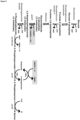
- the pathway for L-serine is shown in figure 9 .
- the PSAT or serC has a polypeptide sequence as set forth in SEQ ID NO: 108; and the PSPH or serB has a polypeptide sequence as set forth in SEQ ID NO: 109.
- the host cell is genetically engineered to express or overexpress one or more further genes of the L-serine pathway and to produce L-serine or a derivative thereof. These one or more further genes may also be heterologous to the host cell. These further genes preferably encode one or more enzymes selected from selected from:
- the present inventors have further found that inhibiting accumulation of NADH in the cell improves the downstream efficiently of pathways producing L-serine or derivatives thereof, so in a further embodiment the genetic modification of the host cell comprises expression of the first heterologous NADPH generating enzyme converting glyceraldehyde 3-phosphate into 1,3-bisphosphoglycerate both precursors for 3-phosphoglycerate.
- the present inventors have also found that it is particularly advantageous and synergistic for the host cell production of L-serine or derivatives thereof, to combine two or more of the modifications a) to f), supra, and in a further embodiment the genetic modification of the host cell comprises:
- the present inventors have also found that it is particularly advantageous and synergistic for the host cell production of L-serine or derivatives thereof, to combine three or more of the modifications a) to f), supra, and in a further embodiment the genetic modification of the host cell comprises:
- the present inventors have also found that it is particularly advantageous and synergistic for the host cell production of L-serine or derivatives thereof, to combine four more of the modifications a) to f), supra, and in a further embodiment the genetic modification of the host cell comprises:
- the first heterologous NADPH generating enzyme, the heterologous enzyme having a reduced or eliminated NADH consuming side activity, the heterologous enzyme converting the side product into a pathway substrate and/or the second heterologous enzyme producing NADPH partially or completely replaces enzymes native to the host cell.
- Such native enzymes can be part of L-serine pathway or not.
- the NADPH pool of the genetically engineered E. coli is increased by the recombinant expression of a NADPH dependent polypeptide having Glyceraldehyde-3-phosphate dehydrogenase activity with or without additional ATP generation.
- the first heterologous NADPH generating enzyme converting glyceraldehyde 3-phosphate into 1,3-bisphosphoglycerate or a downstream precursor in the L-serine pathway can be a bisphoshoglycerate synthase or a glyceraldehyde-3-phosphate dehydrogenase (GAPDH), both converting glyceraldehyde 3-phosphate into 1,3-bisphosphoglycerate; under the co-conversion of NADP+ into NADPH.
- GPDH glyceraldehyde-3-phosphate dehydrogenase
- SEQ ID NO: 64 to 87 disclose some exemplary glyceraldehyde-3-phosphate dehydrogenases, and in some embodiments the GAPDH enzyme comprises a polypeptide which is at least 20%, such as at least 40%, such as at least 50%, such as at least 60%, such as at least 70%, such as at least 80%, such as at least 90%, such as at least 95%, such as at least 96%, such as at least 97%, such as at least 98%, such as at least 99%, such as 100% identical to the GAPDH comprised in any one of SEQ ID NO: 64 to 87. Particularly the GAPDH of SEQ ID NO: 79 to 87 are useful.
- the GAPDH is GapC or a NADP dependent variant thereof that comprises a polypeptide which is at least 20%, such as at least 40%, such as at least 50%, such as at least 60%, such as at least 70%, such as at least 80%, such as at least 90%, such as at least 95%, such as at least 96%, such as at least 97%, such as at least 98%, such as at least 99%, such as 100% identical to the GAPDH comprised in SEQ ID NO: 84.
- the NADH pool of the genetically engineered E. coli is reduced by the recombinant expression of a heterologous NADH oxidase, so in a further embodiment the heterologous enzyme converting NADH to NAD+ is a NADH oxidase (Nox).
- SEQ ID NOs: 90 to 97 disclose some exemplary NADH oxidases and in further embodiments the Nox comprises a polypeptide which is at least 20%, such as at least 40%, such as at least 50%, such as at least 60%, such as at least 70%, such as at least 80%, such as at least 90%, such as at least 95%, such as at least 96%, such as at least 97%, such as at least 98%, such as at least 99%, such as 100% identical to the Nox comprised in any one of SEQ ID NO: 90 to 97.
- the said L-serine pathway enzyme is preferably a glutamate dehydrogenase (GDH)
- GDH glutamate dehydrogenase
- the side product is preferably ⁇ -ketoglutarate
- the substrate is glutamate
- the GDH comprises a polypeptide which is at least 20%, such as at least 40%, such as at least 50%, such as at least 60%, such as at least 70%, such as at least 80%, such as at least 90%, such as at least 95%, such as at least 96%, such as at least 97%, such as at least 98%, such as at least 99%, such as 100% identical to the GDH comprised in any one of SEQ ID NO: 98 to 107.
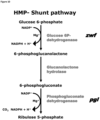
- the second heterologous or the native NADPH producing enzyme is preferably a Glucose-6-phosphate dehydrogenase and/or a 6-phosphogluconolactonase, respectively.
- the glucose-6-phosphate dehydrogenase comprises a polypeptide which is at least 20%, such as at least 40%, such as at least 50%, such as at least 60%, such as at least 70%, such as at least 80%, such as at least 90%, such as at least 95%, such as at least 96%, such as at least 97%, such as at least 98%, such as at least 99%, such as 100% identical to the Glucose-6-phosphate dehydrogenase comprised in SEQ ID NO: 88.
- This glucose-6-phosphate dehydrogenase is also known as "zwf".
- the 6-phosphogluconolactonase comprises a polypeptide which is at least 20%, such as at least 40%, such as at least 50%, such as at least 60%, such as at least 70%, such as at least 80%, such as at least 90%, such as at least 95%, such as at least 96%, such as at least 97%, such as at least 98%, such as at least 99%, such as 100% identical to the 6-phosphogluconolactonase comprised in SEQ ID NO: 89.
- This 6-phosphogluconolactonase is also known as "pgl".
- the E. coli host cell comprises both the heterologous serA of SEQ ID NO: 60 and a heterologous GAPDH as described supra, comprising a polypeptide which is at least 20%, such as at least 40%, such as at least 50%, such as at least 60%, such as at least 70%, such as at least 80%, such as at least 90%, such as at least 95%, such as at least 96%, such as at least 97%, such as at least 98%, such as at least 99%, such as 100% identical to the GAPDH sequence comprised in SEQ ID NO: 84 (GapC).
- a polypeptide which is at least 20%, such as at least 40%, such as at least 50%, such as at least 60%, such as at least 70%, such as at least 80%, such as at least 90%, such as at least 95%, such as at least 96%, such as at least 97%, such as at least 98%, such as at least 99%, such as 100% identical to the GAPDH sequence comprised in SEQ ID NO: 84 (Ga
- the gene encoding the serA enzyme is operably linked to a Translation Initiation Region (TIR) having a sequence set forth in SEQ ID NO: 145, 150 or 151.
- the gene encoding the phosphoserine aminotransferase (serC) is operably linked to a Translation Initiation Region (TIR) having a sequence set forth in SEQ ID NO: 158, 163 or 164.
- the Translation Initiation Regions or TIR's enhance the expression of the genes or the operon comprising one or more of such genes. These TIR's have been found to further promote the expression of SerA and SerC.
- the TIR is preferably positioned upstream of the first, second and/or third codons of the gene to be transcribed for optimal effect, while the TIR is preferably positioned downstream of the promoter operably linked to the gene to be expressed.
- the E. coli host cell described herein comprises the Translation Initiation Region (TIR) operably linked to the genesencoding the serA andSerC positioned upstream of the first, second and/or third codons of the serA or SerC.
- TIR Translation Initiation Region
- coli host cell further comprises at least one transporter molecule facilitating transport of the L-serine or derivative thereof or any of its precursors.
- one or more native or endogenous genes of the hos cell is attenuated, disrupted and/or deleted, such as a native gene encoding a NADH dependent GAPDH or a ⁇ -HGA producing PHDH.
- the host cell further comprises at least 2 copies of one or more polynucleotides/genes encoding one or more L-serine pathway enzymes.
- the host cell is further genetically modified to provide an increased amount of a substrate for one or more L-serine pathway enzymes.
- the host cell is further genetically modified to exhibit increased tolerance towards one or more precursors, substrates, intermediates, or product molecules from the L-serine pathway.
- the E. coli host cell described herein comprises a plasmid of anyone of SEQ ID NO: 17 to 40 or 140 to 144 and which produces L-serine.
- polynucleotide construct which comprises an operon comprising:
- the Translation Initiation Region is positioned upstream of the genes or operon of genes. In further select embodiments the TIR is positioned upstream of the first, second and/or third codons of the genes or operon of genes.
- polynucleotide construct is an expression vector. In other embodiments the polynucleotide construct is a plasmid comprised in any one of SEQ ID NO: 18, 38 or 39.
- the host cell described herein comprises the polynucleotide construct described, supra.
- a cell culture which comprises the host cell described herein and a growth medium, as well as methods are provided for producing L-serine or a derivative thereof by culturing the cell culture at conditions allowing the host cell to produce the L-serine or a derivative thereof; and optionally recovering and/or isolating the L-serine or a derivative thereof.
- Suitable growth mediums for prokaryotic cells are well known in the art.
- the cell culture can be cultivated in a nutrient medium using methods known in the art at conditions suitable for production of the L-serine and/or its precursors and/or for propagating cell count.
- the culture may be cultivated by shake flask cultivation, or small-scale or large-scale fermentation (including continuous, batch, fed-batch, or solid-state fermentations) in laboratory or industrial fermenters in a suitable medium and under conditions allowing the host cells to grow and/or propagate, optionally to be recovered and/or isolated.
- the cultivation can take place in a suitable nutrient medium comprising carbon and nitrogen sources and inorganic salts, using procedures known in the art.
- suitable media are available from commercial suppliers or may be prepared according to published recipes (e.g. from catalogues of the American Type Culture Collection).
- the medium will usually contain all nutrients necessary for the growth and survival of the respective bacterium, such as carbon and nitrogen sources and other inorganic salts.
- Suitable media e.g. minimal or complex media, are available from commercial suppliers, or may be prepared according to published receipts, e.g. the American Type Culture Collection (ATCC) Catalogue of strains.
- ATCC American Type Culture Collection
- Non-limiting standard medium well known to the skilled person include Luria Bertani (LB) broth, Sabouraud Dextrose (SD) broth, MS broth, Yeast Peptone Dextrose, BMMY, GMMY, or Yeast Malt Extract (YM) broth, which are all commercially available.
- suitable media for culturing bacterial cells such as E. coli cells, including minimal media and rich media such as Luria Broth (LB), M9 media, M17 media, SA media, MOPS media, Terrific Broth, YT and others.
- a suitable nutrient medium comprises a carbon source (e.g. C6 sugars (such as glucose), maltose, molasses, starch, cellulose, xylan, pectin, lignocellolytic biomass hydrolysate, C5 sugars (such as arabinose or xylose), acetate, glycerol, plant oils, sucrose, yeast extract, peptone, casamino acids or mixtures thereof), a nitrogen source (e.g.
- ammonia ammonium sulphate, ammonium nitrate, ammonium chloride, etc.
- an organic nitrogen source e.g. amines yeast extract, malt extract, peptone, soybean-hydrolysate, or digested fermentative microorganisms etc.
- inorganic nutrient sources e.g. phosphate, magnesium, potassium, zinc, iron, etc.
- Culturing of the host cell may be performed over a period of about 0.5 to about 30 days.
- the cultivation process may be a batch process, continuous or fed-batch process, suitably performed at a temperature in the range of 0-100 °C or 10-80 °C, for example, from about 20°C to about 50 °C and/or at a pH, for example, from about 2 to about 10.
- Preferred fermentation conditions for prokaryotic host cells are a temperature in the range of from about 25 °C to about 55 °C and at a pH of from about 3 to about 9. The appropriate conditions are usually selected based on the choice of host cell. Accordingly, in an embodiment the method may further comprise one or more elements/steps selected from:
- the method further comprises feeding the cell culture with one or more L-serine precursors or substrates in the L-serine pathway.
- the method comprises one or more in vitro steps in the process of producing the L-serine or the derivative thereof.
- the L-serine is not the desired end product further steps may be added to the method described herein either chemically or biologically/enzymatically modifying the L-serine or the derivative thereof.
- the method further comprises recovering the L-serine or the derivative thereof and optionally mixing it with one or more carriers, agents, additives, adjuvants and/or excipients.
- the cell culture of the disclosure may be recovered and or isolated using methods known in the art.
- the L-serine or the derivative thereof may be recovered from the nutrient medium by conventional procedures including, but not limited to, centrifugation, filtration, spray-drying, or lyophilization.
- the method includes a recovery and/or isolation step comprising separating a liquid phase of the cell or cell culture from a solid phase of the cell or cell culture to obtain a supernatant comprising the L-serine or the derivative thereof and/or subjecting the supernatant to one or more steps selected from:
- the method produces a fermentation composition which comprises the L-serine or the derivative obtained from the culturing of the cell culture.
- the solid cellular material/debris can be separated, such as at least 50%, such as at least 75%, such as at least 95%, such as at least 99% of solid cellular material can been separated from the composition.
- the fermentation composition may comprise one or more further compounds or metabolites from the cell culture.
- Such compounds and/or metabolites of the cell culture includes precursors for the L-serine as well as compounds selected from trace metals, vitamins, salts, yeast nitrogen base, carbon source, YNB, and/or amino acids of the fermentation.
- the composition comprises a concentration of the L-serine or derivative thereof, in particular L-serine, of at least 1 mg/kg composition, such as at least 5 mg/kg, such as at least 10 mg/kg, such as at least 20 mg/kg, such as at least 50 mg/kg, such as at least 100 mg/kg, such as at least 500 mg/kg, such as at least 1.000 mg/kg, such as at least 5.000 mg/kg, such as at least 10.000 mg/kg, such as at least 50.000 mg/kg.
- the composition is substantially free of ⁇ -HGA.
- the composition may also further comprise one or more carriers, agents, additives and/or excipients.
- the composition comprises at least 50% biobased carbon, such as at least 55%, such as at least 60%, such as at least 65%, such as at least 70%, such as at least 75%, such as at least 80%, such as at least 85%, such as at least 90%, such as at least 95%, such as at least 99%, such as at least 100%.
- the composition comprises at least 20% biobased carbon, such as at least 30% biobased carbon, such as at least 40% biobased carbon, such as at least 50% biobased carbon, such as at least 60% biobased carbon, such as at least 70% biobased carbon, such as at least 75% biobased carbon, such as at least 80% biobased carbon, such as at least 85% biobased carbon, such as at least 90% biobased carbon, such as at least 95% biobased carbon, such as 100% biobased carbon.
- biobased carbon such as at least 30% biobased carbon, such as at least 40% biobased carbon, such as at least 50% biobased carbon, such as at least 60% biobased carbon, such as at least 70% biobased carbon, such as at least 75% biobased carbon, such as at least 80% biobased carbon, such as at least 85% biobased carbon, such as at least 90% biobased carbon, such as at least 95% biobased carbon, such as 100% biobased carbon.
- the composition comprises from 20% to 100% biobased carbon, such as from 30% to 100% biobased carbon, such as from 40% to 100% biobased carbon, such as from 50% to 100% biobased carbon, such as from 60% to 100% biobased carbon, such as from 70% to 100% biobased carbon, such as from 75% to 100% biobased carbon, such as from 80% to 100% biobased carbon, such as from 85% to 100% biobased carbon, such as from 90% to 100% biobased carbon, such as from 95% to 100% biobased carbon, such as 100% biobased carbon.
- the composition comprises no more than 50% fossil-based carbon, such as no more than 45%, such as no more than 40%, such as no more than 35%, such as no more than 30%, such as no more than 25%, such as no more than 20%, such as no more than 15%, such as no more than 10%, such as no more than 5%, such as no more than 1% fossil-based carbon.
- the composition comprises 90% biobased carbon, 91% biobased carbon, 92% biobased carbon, 93% biobased carbon, 94% biobased carbon, 95% biobased carbon, 96% biobased carbon, 97% biobased carbon, 98% biobased carbon, 99% biobased carbon, or 100% biobased carbon, for example 94% biobased carbon.
- Example 1 Constitutive expression of serine pathway.
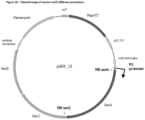
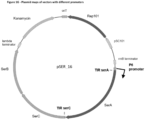
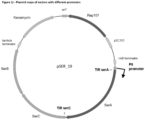
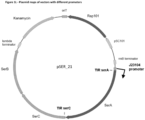
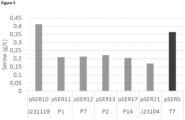
- a set of constitutive promoters (SEQ ID NO: 1 to 16) of different strengths were evaluated for L-serine production.
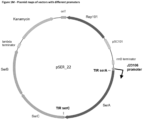
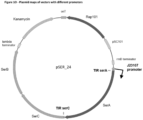
- Constitutive promoters were cloned into a low copy serine production plasmid (pSEVA derivative) with Cg/serA (A285G, Y463A), Ec/serB and Ec/serC genes.
- Cg refers to Corynebacterium glutamicum
- Ec refers to Escherichia coli.
- the parts design included a promoter region, MCD2 (Mutalik et al., 2013) followed by USER site to facilitate exchange of genes (Mutalik et al., 2013).
- the promoters were selected from two different sources a) Andersen library (http://parts.igem.org/Promoters/Catalog/Anderson) including the J23119, J23102, J23108, J23104, J23106, J23115, J23107 and J23116 promoters, and b) research work of Mutalik et al., 2013, including promotors P1, P7, P2, P5, P6, P14, P11 and P9. Plasmids (pSER10 to pSER25) with 16 different constitutive promoters were constructed by two fragment USER cloning (see table 1.1), using the PCR amplification and USER cloning protocol described below. The constitutive promoter primer sequences are shown in table 1.2.
- Table 1.1 Information on fragments used in USER cloning. Fragments a Biobrick IDs Primer 1 Primer 2 Comment Fragment 1 SER_MB18 SER_PR104 SER_PR105 5.8 kb fragment contains plasmid backbone, part of serA, serC and SerB genes Fragment 2 SER_MB19 to SER_MB34 b Constitutive promoter primers SER_PR103 1kb fragment contains promoter, MCD2, part of SerA a Both fragments were made using pSER5 as template. b Each primer carries a constitutive promoter, followed by MCD2, USER site and a SerA binding site. Table 1.2: Primer sequences for constructing different constitutive promoters.
- the 10 ⁇ L USER reaction contained 1 ⁇ L of USER enzyme and 1 ⁇ L 10x cut smart buffer (New England Biolabs) and 200 ng of each USER fragment. The reaction was incubated at 37°C for 30 min followed by 15 °C for 30 min. The reaction mixture was transformed in chemically competent NEBS Alpha cells, transformants were grown in SOC media at 37°C before plating on LB kanamycin plates and incubated at 37°C overnight.
- Glucose M9 minimal media consisted of 2 to 5 g/L glucose, 2mM Glycine, 0.1 mM CaCl2, 2.0 mM MgSO4, 1 ⁇ trace element solution, and 1 ⁇ M9 salts.
- the 1,000 ⁇ trace element stock solution consisted of 27 g/L FeCl3*6H2O, 2 g/L ZnCl 2 *4H 2 O, 2 g/L CoCl2*6H 2 O, 2 g/L NaMoO 4 *2H 2 O, 1 g/L CaCl 2 *H 2 O, 1.3 g/L CuCL 2 *6H 2 O, 0.5 g/L H3BO3, and concentrated HCl dissolved in ddH2O and sterile filtered.
- the 10 ⁇ M9 salts stock solution consisted of 68 g/L Na2HPO4 anhydrous, 30 g/L KH2PO4, 5 g/L NaCl, and 10 g/L NH4Cl dissolved in ddH2O and autoclaved.
- Glucose, HGA and other organic acids were quantified using previously published HPLC method (Rennig et al., 2019a).
- the concentration of serine was measured using a Dionex Ultimate 3000 HPLC (High-Performance Liquid Chromatography) equipped with a CHIROBIOTIC ® T Chiral (250 ⁇ 2.1 mm ⁇ 5 ⁇ m) column (Sigma-Aldrich, St. Louis, MO, USA) and Diode Array Detector (DAD-UV) detector.
- the mobile phase comprised of 60% acetonitrile (v/v) and 0.02% (v/v) formic acid in milliQ water.
- the mobile phase was delivered at a rate of 1.0 mL/min, and the injection volume was kept at 3 ⁇ L for standard and all samples.
- the detection of L-serine was monitored at 205nm.
- J23119 not only provided the benefits of being a constitutive promoter it also performed better than T7 based induction system. Being constitutive J23119 and the other promoters provided very stable expression performance as observed by repetitive fermentation from the biomass of previous fermentation run.
- TIR translation initiation region
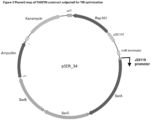
- TARSYN module was cloned into the plasmid pSER10.
- the resulting plasmid was named pSER_34.
- the map is shown in Figure 2 .
- the TIR region of serA and serC was randomized by the primer given in Table 2.1.
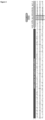
- the randomized sequences for serA (SEQ ID NO: 173 and 174) and serC (SEQ ID NO:175 and 176) are shown in Figure 3 and Figure 4 . respectively.
- the TARSYN module was removed from the backbone of 12 best constructs.
- the PCR protocol, USER cloning and transformation protocol remains same as mentioned in above example.
- Plasmids of the ten best strains of this study were isolated. Plasmid purifications were done by using Machery Nagel kits (Duren, Germany). Sequencing of the plasmids was done using primers, which gave the sequences of the TIRs of serA and serC, and the Mix2Seq kit of Eurofins (Ebersberg, Germany) after removal of amp marker they were stocked as SER_160 to ser_171. Five strains were studied for serine production in fed batch fermentation.
- Primer used for cloning TARSYN module SEQ ID NO: Sequence Application pSEVA27_fwd SEQ ID NO: 130 AGCTGAGGUCGCCTCAGC vector amplification SerB_rev SEQ ID NO: 131 ACCTCCTAUGTCACTTCTGATTCAGGC vector amplification hp_Bla_fwd SEQ ID NO: 132 TARSYN amplification hp_Bla_rev SEQ ID NO: 133 ACCUCAGCUTACCAATGCTTAATCAGTG TARSYN amplification Primer for generation of TIR library Sequence Application serA_TIR_UF SEQ ID NO: 134 TIR library forward SerC_TIRlib_rev SEQ ID NO: 135 TIR library reverse SerC_VB_fwd SEQ ID NO: 136 ATCTTCAATTTUAGTTCTGGTCCGGCAATGC vector a
- Plasmid Variable region serA SEQ ID NO: Variable region serC SEQ ID NO: Ser_151 pSER_10 AACTTT ATG AGCCAG SEQ ID NO: 145 CAGTTT ATG GCTCAA SEQ ID NO: 158 Ser_160 pSER_39 GGATAC ATG TCCCAA SEQ ID NO: 146 CCCGGA ATG GCACAA SEQ ID NO: 159 Ser_161 pSER_40 CATGTT ATG AGTCAG SEQ ID NO: 147 TTTGAT ATG GCGCAA SEQ ID NO: 160 Ser_162 pSER_41 CTGTTC ATG TCTCAG SEQ ID NO: 148 ACCCAA ATG GCCCAA SEQ ID NO: 161 Ser_163 pSER_42 GGATAC ATG TCCCAA SEQ ID NO: 149 CCCGGA ATG GCACAA SEQ ID NO: 162 Ser_164 pSER_43 GGTTTT ATG AGCCAA SEQ ID NO: 150 TTCC
- proteomics analysis was performed.
- the protocols for sampling and proteomics analysis were as described below.
- M9 media contained 0.5% (w/v) glucose, 1x M9salts, 2mM MgSO4, 2mM Glycine, 0.1mM CaCl2, 0.05X YT, Trace elements and vitamins, unless stated otherwise.
- Pre-cultures and strains for screening purposes were grown in 2X YT, which consisted of 16 g/L bacto-tryptone, 10 g/L yeast extract and 5 g/L NaCl. The media was supplemented with 1mM glycine and 0.1% (w/v) glucose. Strains were grown at 37 °C and 250 rpm. Proteomic and HPLC samples were taken after 24 hours.
- the volume corresponding to OD 2 was taken for the proteomics analysis and spun down at max speed at 4 °C. Once spun down, the supernatant was removed, and samples were stored at -20 °C.
- Frozen cells were kept at -80 °C for up to 4 weeks, after which they were thawed on ice and pelleted by centrifugation at 15,000g for 10 min. The supernatant was removed, and 100 ⁇ L 95 °C Guanidinium-HCl (6 M Guanidinium hydrochloride (GuHCl), 5 mM tris(2-carboxyethyl)phosphine (TCEP), 10 mM chloroacetamide (CAA), 100 mM Tris-HCl pH 8.5) was added to the samples together with two 3-mm zirconium oxide beads (Glen Mills, NJ, USA).
- GuHCl Guanidinium hydrochloride
- TCEP tris(2-carboxyethyl)phosphine
- CAA chloroacetamide
- MS-level scans were performed with Orbitrap resolution set to 60,000; AGC Target 3.0e6; maximum injection time 50 ms; intensity threshold 5.0e3; dynamic exclusion 25 sec.
- Data dependent MS2 selection was performed in Top 20 Speed mode with HCD collision energy set to 28% (AGC target 1.0e4, maximum injection time 22 ms, Isolation window 1.2 m/z).
- the raw files were analyzed using maxquant to obtain protein identifications and quantification. While analyzing the data the following settings were used: Fixed modifications: Carbamidomethyl (C) and Varible modifications: oxidation of methionine residues.
- FDR was set at 0.1%.
- the Match between runs window was set to 0.7 min.
- the LFQ values from maxquant was used only allowing quantification based on unique peptides. Intensities were normalized within maxquant. For the searches a protein database consisting of the reference E. coli proteome UP000000625 was used.
- the top 5 improved serine producing strains (Ser_160, Ser_162, Ser_164, Ser_165 and Ser_166) were further characterized in fed-batch fermentations.
- the strains were grown on minimal media with either glucose or maltose as carbon source and the same feed profile was used as in previous fed-batch fermentations.
- the fed-batch serine productions were performed as fermentations in 1L bioreactors (Sartorius, Gottingen, Germany), 250mL AMBR reactors (Sartorius) and 1L DASGIP bioreactors (Eppendorf, Hamburg, Germany) and the medias used for the batch and the feed are described below.
- Pre-cultures and strains for screening purposes were grown in 2X YT, which consisted of 16 g/L bacto-tryptone, 10 g/L yeast extract and 5 g/L NaCl.
- the media was supplemented with 1mM glycine and 0.1% (w/v) glucose or other carbohydrates, depending on the experiment.
- the batch phase of fermentations was carried out on minimal media containing 10 g/L (NH4)SO4, 2 g/L KH2PO4, 2 g/L yeast extract, 2 g/L MgSO4 ⁇ 7 H2O, 0.6 g/L glycine, trace elements and 10 g/L glucose, 9.5 g/L maltose, 10.6 g/L glycerol or 10 g/L sucrose.
- the feed used in fed-batch experiments consisted of 6 g/L glycine, 1mL/L antifoam and 590 g/L glucose, or 560 g/L maltose. When needed, the appropriate antibiotics were added to the media to ensure the selection of the desired strain.
- Reactors were inoculated with 10mL of inoculum in the morning. The cultures were left to grow during the day under aerobic growth as the DO was maintained at 20% or higher by increasing the stirrer speed, the gas inflow, and the O 2 -percentage in the gassing stream. Once a DO spike was observed, indicating the end of the batch phase, the feed was started. The feed increased in a linear manner for the first 20 hours and was there after maintained constant. Samples were taken at regular intervals, which were subjected to HPLC analysis and measurement of the optical density at 600nm as shown in table 4.1. Table 4.1: Summary of fold improvement in yield and titre of L-serine for the top-5 optimized strains.
- the present application contains a listing of sequences included in the below table A submitted electronically in ST26 format.
- Table A SEQ ID NO: 1 -> DNA sequence of promoter J23102 SEQ ID NO: 2 -> DNA sequence of promoter J23104 SEQ ID NO: 3 -> DNA sequence of promoter J23106 SEQ ID NO: 4 -> DNA sequence of promoter J23107 SEQ ID NO: 5 -> DNA sequence of promoter J23108 SEQ ID NO: 6 -> DNA sequence of promoter J23115 SEQ ID NO: 7 -> DNA sequence of promoter J23116 SEQ ID NO: 8 -> DNA sequence of promoter J23119 SEQ ID NO: 9 -> DNA sequence of promoter P1 SEQ ID NO: 10 -> DNA sequence of promoter P11 SEQ ID NO: 11 -> DNA sequence of promoter P14 SEQ ID NO: 12 -> DNA sequence of promoter P2 SEQ ID NO: 13 -> DNA sequence of promoter P5 SEQ ID NO: 14 -> DNA sequence of promoter P6 SEQ ID NO: 15 -> DNA
Landscapes
- Chemical & Material Sciences (AREA)
- Health & Medical Sciences (AREA)
- Life Sciences & Earth Sciences (AREA)
- Organic Chemistry (AREA)
- Genetics & Genomics (AREA)
- Engineering & Computer Science (AREA)
- Zoology (AREA)
- Wood Science & Technology (AREA)
- Bioinformatics & Cheminformatics (AREA)
- General Engineering & Computer Science (AREA)
- General Health & Medical Sciences (AREA)
- Biochemistry (AREA)
- Biomedical Technology (AREA)
- Biotechnology (AREA)
- Microbiology (AREA)
- Molecular Biology (AREA)
- Medicinal Chemistry (AREA)
- Physics & Mathematics (AREA)
- Biophysics (AREA)
- Plant Pathology (AREA)
- General Chemical & Material Sciences (AREA)
- Chemical Kinetics & Catalysis (AREA)
- Micro-Organisms Or Cultivation Processes Thereof (AREA)
- Preparation Of Compounds By Using Micro-Organisms (AREA)
Applications Claiming Priority (4)
| Application Number | Priority Date | Filing Date | Title |
|---|---|---|---|
| EP23209914 | 2023-11-14 | ||
| EP24150262 | 2024-01-03 | ||
| EP24151865 | 2024-01-15 | ||
| EP24163500 | 2024-03-14 |
Publications (1)
| Publication Number | Publication Date |
|---|---|
| EP4556561A1 true EP4556561A1 (fr) | 2025-05-21 |
Family
ID=93430872
Family Applications (1)
| Application Number | Title | Priority Date | Filing Date |
|---|---|---|---|
| EP24212711.6A Pending EP4556561A1 (fr) | 2023-11-14 | 2024-11-13 | Expression de biomolécules avec promoteur amélioré et tir |
Country Status (3)
| Country | Link |
|---|---|
| EP (1) | EP4556561A1 (fr) |
| CN (1) | CN120005781A (fr) |
| WO (1) | WO2025104134A2 (fr) |
Citations (12)
| Publication number | Priority date | Publication date | Assignee | Title |
|---|---|---|---|---|
| US4683195A (en) | 1986-01-30 | 1987-07-28 | Cetus Corporation | Process for amplifying, detecting, and/or-cloning nucleic acid sequences |
| WO2004108894A2 (fr) | 2003-05-30 | 2004-12-16 | Microbia, Inc. | Methodes et compositions destinees a la production d'acides amines |
| CN103436504A (zh) | 2013-09-02 | 2013-12-11 | 江南大学 | 抗l-丝氨酸反馈抑制的谷氨酸棒杆菌syps-062的构建方法及应用 |
| WO2016120326A1 (fr) | 2015-01-27 | 2016-08-04 | Danmarks Tekniske Universitet | Procédé de production de l-sérine utilisant des micro-organismes génétiquement modifiés déficients dans les mécanismes de dégradation de sérine |
| US20190233857A1 (en) | 2018-02-01 | 2019-08-01 | Invista North America S.A.R.L. | Methods and materials for the biosynthesis of compounds involved in serine metabolism and derivatives and compounds related thereto |
| WO2020071538A1 (fr) | 2018-10-05 | 2020-04-09 | Ajinomoto Co., Inc. | Procédé de production d'une substance cible par fermentation bactérienne |
| WO2020107626A1 (fr) | 2018-11-30 | 2020-06-04 | 北京微播视界科技有限公司 | Procédé et appareil de traitement d'affichage de paroles, dispositif électronique et support de stockage lisible par ordinateur |
| WO2021081185A1 (fr) | 2019-10-23 | 2021-04-29 | Genomatica, Inc. | Micro-organismes et procédés pour augmenter des cofacteurs |
| WO2021195705A1 (fr) | 2020-03-31 | 2021-10-07 | Macquarie University | Micro-organismes recombinés et procédé |
| WO2023093883A1 (fr) | 2021-11-26 | 2023-06-01 | 和度生物技术(上海)有限公司 | Micro-organisme génétiquement modifié et son utilisation |
| CN116376857A (zh) * | 2023-04-19 | 2023-07-04 | 中国科学院天津工业生物技术研究所 | 一种酶活性和热稳定性提高的3-磷酸甘油酸脱氢酶突变体 |
| WO2024084049A2 (fr) | 2022-10-20 | 2024-04-25 | Cysbio Aps | Cellules hôtes génétiquement modifiées produisant de la l-sérine |
-
2024
- 2024-11-13 WO PCT/EP2024/082268 patent/WO2025104134A2/fr active Pending
- 2024-11-13 CN CN202411620085.3A patent/CN120005781A/zh active Pending
- 2024-11-13 EP EP24212711.6A patent/EP4556561A1/fr active Pending
Patent Citations (14)
| Publication number | Priority date | Publication date | Assignee | Title |
|---|---|---|---|---|
| US4683195B1 (fr) | 1986-01-30 | 1990-11-27 | Cetus Corp | |
| US4683195A (en) | 1986-01-30 | 1987-07-28 | Cetus Corporation | Process for amplifying, detecting, and/or-cloning nucleic acid sequences |
| WO2004108894A2 (fr) | 2003-05-30 | 2004-12-16 | Microbia, Inc. | Methodes et compositions destinees a la production d'acides amines |
| CN103436504A (zh) | 2013-09-02 | 2013-12-11 | 江南大学 | 抗l-丝氨酸反馈抑制的谷氨酸棒杆菌syps-062的构建方法及应用 |
| US20210095245A1 (en) | 2015-01-27 | 2021-04-01 | Cysbio Aps | Genetically modified microorganisms having improved tolerance towards l-serine |
| WO2016120326A1 (fr) | 2015-01-27 | 2016-08-04 | Danmarks Tekniske Universitet | Procédé de production de l-sérine utilisant des micro-organismes génétiquement modifiés déficients dans les mécanismes de dégradation de sérine |
| US20190233857A1 (en) | 2018-02-01 | 2019-08-01 | Invista North America S.A.R.L. | Methods and materials for the biosynthesis of compounds involved in serine metabolism and derivatives and compounds related thereto |
| WO2020071538A1 (fr) | 2018-10-05 | 2020-04-09 | Ajinomoto Co., Inc. | Procédé de production d'une substance cible par fermentation bactérienne |
| WO2020107626A1 (fr) | 2018-11-30 | 2020-06-04 | 北京微播视界科技有限公司 | Procédé et appareil de traitement d'affichage de paroles, dispositif électronique et support de stockage lisible par ordinateur |
| WO2021081185A1 (fr) | 2019-10-23 | 2021-04-29 | Genomatica, Inc. | Micro-organismes et procédés pour augmenter des cofacteurs |
| WO2021195705A1 (fr) | 2020-03-31 | 2021-10-07 | Macquarie University | Micro-organismes recombinés et procédé |
| WO2023093883A1 (fr) | 2021-11-26 | 2023-06-01 | 和度生物技术(上海)有限公司 | Micro-organisme génétiquement modifié et son utilisation |
| WO2024084049A2 (fr) | 2022-10-20 | 2024-04-25 | Cysbio Aps | Cellules hôtes génétiquement modifiées produisant de la l-sérine |
| CN116376857A (zh) * | 2023-04-19 | 2023-07-04 | 中国科学院天津工业生物技术研究所 | 一种酶活性和热稳定性提高的3-磷酸甘油酸脱氢酶突变体 |
Non-Patent Citations (34)
| Title |
|---|
| "Handbook Of Experimental Immunology", 1986, COLD SPRING HARBOR LABORATORY PRESS |
| "Immunochemical Methods In Cell And Molecular Biology", 1987, COLD SPRING HARBOR LABORATORY |
| AL-RABIEE, R.ZHANG, Y.GRANT, G. A: "The Mechanism of Velocity Modulated Allosteric Regulation in D -3-Phosphoglycerate", DEHYDROGENASE., vol. 271, 1996, pages 23235 - 23238, XP002438700, DOI: 10.1074/jbc.271.38.23235 |
| ANDERSON J.C.: "Promoters/Catalog/Anderson - parts.igem.org", XP093171740, Retrieved from the Internet <URL:https://parts.igem.org/Promoters/Catalog/Anderson> [retrieved on 20240606] * |
| B. PERBAL: "A Practical Guide To Molecular Cloning", 1984 |
| BEN CHORIN A.MASRATI G.KESSEL A.NARUNSKY A.SPRINZAK J.LAHAV SASHKENAZY H.BEN-TAL N.: "ConSurf-DB: An accessible repository for the evolutionary conservation patterns of the majority of PDB proteins.", PROTEIN SCIENCE, vol. 29, 2020, pages 258 - 267 |
| CHEN LIN ET AL., RATIONAL DESIGN AND METABOLIC ANALYSIS OF ESCHERICHIA COLI FOR EFFECTIVE PRODUCTION OF L-TRYPTOPHAN AT HIGH CONCENTRATION, vol. 101, no. 2, 6 September 2016 (2016-09-06), pages 559 - 568 |
| CHEN LIN ET AL: "Rational design and metabolic analysis of Escherichia coli for effective production of L-tryptophan at high concentration", vol. 101, no. 2, 6 September 2016 (2016-09-06), pages 559 - 568, XP036127987, ISSN: 0175-7598, Retrieved from the Internet <URL:https://link.springer.com/article/10.1007/s00253-016-7772-5> DOI: 10.1007/S00253-016-7772-5 * |
| FREDERICK M. AUSUBEL: "Current Protocols in Molecular Biology", 2000, WILEY AND SON INC |
| GEUEKE, B.RIEBEL, B.HUMMEL, W.: "NADH oxidase from Lactobacillus brevis: A new catalyst for the regeneration of NAD", ENZYME MICROB. TECHNOL., vol. 32, 2003, pages 205 - 211, XP002486780, DOI: 10.1016/S0141-0229(02)00290-9 |
| GOLDENBERG O.EREZ E.NIMROD G.BEN-TAL N.: "The ConSurf-DB: Pre-calculated evolutionary conservation profiles of protein structures.", NUCLEIC ACIDS RESEARCH, vol. 37, 2009, pages D323 - D327 |
| GRANT, G. A.: "D-3-phosphoglycerate3-phosphopyruvate dehydrogenase.", FRONT. MOL. BIOSCI., vol. 185, 2018, pages 1 - 18 |
| HASHIM, YISMAIL, N.JAMAL, P.OTHMAN, R.SALLEH, H: "Production of Cysteine: Approaches, Challenges and Potential Solution.", INT. J. BIOTECHNOL. WELLNESS IND., vol. 3, 2014, pages 95 - 101 |
| KALLIRI, EMULROONEY, S. B.HAUSINGER, R. P.: "Identification of Escherichia coli YgaF as an L-2-hydroxyglutarate oxidase.", J. BACTERIOL., vol. 190, 2008, pages 3793 - 3798 |
| KING, Z. A.FEIST, A. M.: "Optimal cofactor swapping can increase the theoretical yield for chemical production in Escherichia coli and Saccharomyces cerevisiae.", METAB. ENG., vol. 24, 2014, pages 117 - 128, XP055417992, DOI: 10.1016/j.ymben.2014.05.009 |
| LIOW LU TING ET AL.: "Characterisation of Constitutive Promoters from the Anderson library in Chromobacterium violaceum ATCC 12472", ENGINEERING BIOLOGY, vol. 3, no. 3, 12 July 2019 (2019-07-12), pages 57 - 66, XP093172248, DOI: 10.1049/enb.2018.5007 |
| LIOW LU TING ET AL: "Characterisation of Constitutive Promoters from the Anderson library in Chromobacterium violaceum ATCC 12472", vol. 3, no. 3, 12 July 2019 (2019-07-12), Hoboken, USA, pages 57 - 66, XP093172248, ISSN: 2398-6182, Retrieved from the Internet <URL:https://onlinelibrary.wiley.com/doi/pdf/10.1049/enb.2018.5007> DOI: 10.1049/enb.2018.5007 * |
| MARTINEZ, IZHU, J.LIN, H.BENNETT, G. N.SAN, K. Y: "Replacing Escherichia coli NAD-dependent glyceraldehyde 3-phosphate dehydrogenase (GAPDH) with a NADP-dependent enzyme from Clostridium acetobutylicum facilitates NADPH dependent pathways.", METAB. ENG., vol. 10, 2008, pages 352 - 359, XP025800637, DOI: 10.1016/j.ymben.2008.09.001 |
| MARX, A.EIKMANNS, B. J.SAHM, HDE GRAAF, A. A.EGGELING, L.: "Response of the Central Metabolism in Corynebacterium glutamicum to the use of an NADH-Dependent Glutamate Dehydrogenase.", METAB. ENG., vol. 1, 1999, pages 35 - 48, XP002154493, DOI: 10.1006/mben.1998.0106 |
| MUNDHADA, H. ET AL.: "Increased production of L-serine in Escherichia coli through Adaptive Laboratory Evolution.", METAB. ENG., vol. 39, 2017, pages 141 - 150 |
| MUNDHADA, H.SCHNEIDER, K.CHRISTENSEN, H. B.NIELSEN, A. T.: "Engineering of high yield production of L-serine in Escherichia coli.", BIOTECHNOL. BIOENG., vol. 113, 2016, pages 807 - 816, XP002783795, DOI: 10.1002/bit.25844 |
| MUTALIK V.K. ET AL.: "Precise and reliable gene expression via standard transcription and translation initiation elements", NATURE METHODS, vol. 10, no. 4, 1 April 2013 (2013-04-01), pages 354 - 360, XP055753988, DOI: 10.1038/nmeth.2404 |
| MUTALIK V.K. ET AL: "Precise and reliable gene expression via standard transcription and translation initiation elements", NATURE METHODS, vol. 10, no. 4, 1 April 2013 (2013-04-01), New York, pages 354 - 360, XP055753988, ISSN: 1548-7091, DOI: 10.1038/nmeth.2404 * |
| NIU, H.: " Metabolic engineering for improving I-tryptophan production in Escherichia coli.", J. IND. MICROBIOL. BIOTECHNOL., vol. 46, 2019, pages 55 - 65 |
| PETERS-WENDISCH P ET AL: "3-Phosphoglycerate dehydrogenase from Corynebacterium glutamicum: The C-terminal domain is not essential for activity but is required for inhibition by L-serine", APPLIED MICROBIOLOGY AND BIOTECHNOLOGY, vol. 60, no. 4, 20 December 2002 (2002-12-20), pages 437 - 441, XP002255644, ISSN: 0175-7598, DOI: 10.1007/S00253-002-1161-Y * |
| RENNIG, M. ET AL.: "Industrializing a Bacterial Strain for I -Serine Production through Translation Initiation Optimization.", ACS SYNTH. BIOL., vol. 8, 2019, pages 2347 - 2358 |
| SAMBROOK ET AL.: "Molecular Cloning: A Laboratory Manual", 2001, COLD SPRING HARBOR |
| WANG, Y.SAN, K. Y.BENNETT, G. N.: "Improvement of NADPH bioavailability in Escherichia coli by replacing NAD+-dependent glyceraldehyde-3-phosphate dehydrogenase GapA with NADP+-dependent GapB from Bacillus subtilis and addition of NAD kinase.", J. IND. MICROBIOL, vol. 40, 2023, pages 1449 - 1460 |
| WEI XUHUI YANGYING LIUYING YANGPING WANGSE-HEE KIMS. ITOCHEN YANGPU WANGMENG-TAO XIAO: "Control of Embryonic Stem Cell State Richard.", CANCER CELL, vol. 29, 2012, pages 997 - 1003 |
| YAN ZHANG ET AL.: "Engineering of Serine-Deamination pathway, Entner-Doudoroff pathway and pyruvate dehydrogenase complex to improve poly(3-hydroxybutyrate) production in Escherichia coli;", MICROBIAL CELL FACTORIES, vol. 13, no. 172, 16 December 2014 (2014-12-16), pages 1 - 11 |
| YAN ZHANG ET AL: "Engineering of Serine-Deamination pathway, Entner-Doudoroff pathway and pyruvate dehydrogenase complex to improve poly(3-hydroxybutyrate) production in Escherichia coli", MICROBIAL CELL FACTORIES, vol. 13, 172, 16 December 2014 (2014-12-16), pages 1 - 11, XP021207511, ISSN: 1475-2859, DOI: 10.1186/S12934-014-0172-6 * |
| ZHANG, W. ET AL.: "Coupling between D-3-phosphoglycerate dehydrogenase and D-2-hydroxyglutarate dehydrogenase drives bacterial L-serine synthesis.", PROC. NATL. ACAD. SCI. U. S. A., vol. 114, 2017, pages E7574 - E7582, XP093044008, DOI: 10.1073/pnas.1619034114 |
| ZHANG, XXU, GSHI, J.KOFFAS, M. A. GXU, Z.: "Microbial Production of L-Serine from Renewable Feedstocks.", TRENDS BIOTECHNOL., vol. 36, 2018, pages 700 - 712, XP093043961, DOI: 10.1016/j.tibtech.2018.02.001 |
| ZHAO, G. & WINKLER, M. E.: "A novel alpha-ketoglutarate reductase activity of the serA-encoded 3-phosphoglycerate dehydrogenase of Escherichia coli K-12 and its possible implications for human 2-hydroxyglutaric aciduria", J. BACTERIOL., vol. 178, 1996, pages 232 - 239, XP093043984, DOI: 10.1128/jb.178.1.232-239.1996 |
Also Published As
| Publication number | Publication date |
|---|---|
| WO2025104134A9 (fr) | 2025-06-19 |
| WO2025104134A2 (fr) | 2025-05-22 |
| CN120005781A (zh) | 2025-05-16 |
| WO2025104134A3 (fr) | 2025-09-25 |
Similar Documents
| Publication | Publication Date | Title |
|---|---|---|
| US9745608B2 (en) | Processes and recombinant microorganisms for the production of cadaverine | |
| US20120295317A1 (en) | Processes and Recombinant Microorganisms for the Production of Cadaverine | |
| KR20100087695A (ko) | 이소프로판올을 생산하도록 조작된 미생물 | |
| JP2023512327A (ja) | エクトインの改善された産生のための改変された微生物および方法 | |
| KR20170121147A (ko) | 발효 경로를 통해 플럭스 증가를 나타내는 재조합 미생물 | |
| CN119137141A (zh) | 用于改善亮氨酸和/或异亮氨酸产生的微生物和方法 | |
| US20170233713A1 (en) | Hydrocarbon synthase gene and use thereof | |
| EP3625351A1 (fr) | Ingénierie génomique des voies de biosynthèse conduisant à un accroissement du nadph | |
| JP2017534268A (ja) | 有用産物の生産のための改変微生物および方法 | |
| EP2977444B1 (fr) | Micro-organisme recombiné ayant une productivité accrue de 2,3-butanediol, et procédé de production de 2,3-butanediol l'utilisant | |
| US20150329883A1 (en) | Genetically engineered bacterial cell and method of producing succinic acid using the same | |
| EP4556561A1 (fr) | Expression de biomolécules avec promoteur amélioré et tir | |
| AU2023362566A1 (en) | Genetically modified host cells producing l-serine | |
| US9670493B2 (en) | Low-phosphate repressible promoter | |
| KR20210002260A (ko) | 황 함유 아미노산 또는 그 유도체의 제조방법 | |
| US10006008B2 (en) | Recombinant microorganism having enhanced ability to produce 2,3-butanediol and method for producing 2,3-butanediol using same | |
| CN119855913A (zh) | 用于改善缬氨酸产生的微生物和方法 | |
| KR20200009926A (ko) | 이산화탄소 환원 활성이 증가된 포메이트 탈수소화 효소 스크리닝 시스템과 이의 용도 | |
| CN117625508A (zh) | 具有改进的启动子和tir的生物分子的表达 | |
| CN112368392A (zh) | 用于由非生物合成料流合成碳产物的方法 | |
| WO2025220434A1 (fr) | Mutant de bactérie oxydant l'hydrogène auxotrophe à la biotine | |
| WO2025142753A1 (fr) | Mutant d'aldéhyde crotonique-alcool crotylique déshydrogénase | |
| CA3225234A1 (fr) | Micro-organisme et procede pour la production amelioree de serine et/ou de cysteine | |
| KR20250157447A (ko) | 2,4-다이하이드록시부티르산 생산 및 수율 개선 방법 | |
| EA013412B1 (ru) | Новый ген sms 27 |
Legal Events
| Date | Code | Title | Description |
|---|---|---|---|
| PUAI | Public reference made under article 153(3) epc to a published international application that has entered the european phase |
Free format text: ORIGINAL CODE: 0009012 |
|
| STAA | Information on the status of an ep patent application or granted ep patent |
Free format text: STATUS: REQUEST FOR EXAMINATION WAS MADE |
|
| STAA | Information on the status of an ep patent application or granted ep patent |
Free format text: STATUS: EXAMINATION IS IN PROGRESS |
|
| 17P | Request for examination filed |
Effective date: 20241113 |
|
| AK | Designated contracting states |
Kind code of ref document: A1 Designated state(s): AL AT BE BG CH CY CZ DE DK EE ES FI FR GB GR HR HU IE IS IT LI LT LU LV MC ME MK MT NL NO PL PT RO RS SE SI SK SM TR |
|
| 17Q | First examination report despatched |
Effective date: 20250502 |