EP4556909A1 - Procédé in vitro de détection du cancer - Google Patents
Procédé in vitro de détection du cancer Download PDFInfo
- Publication number
- EP4556909A1 EP4556909A1 EP23383183.3A EP23383183A EP4556909A1 EP 4556909 A1 EP4556909 A1 EP 4556909A1 EP 23383183 A EP23383183 A EP 23383183A EP 4556909 A1 EP4556909 A1 EP 4556909A1
- Authority
- EP
- European Patent Office
- Prior art keywords
- cancer
- vitro
- subject
- levels
- tumor
- Prior art date
- Legal status (The legal status is an assumption and is not a legal conclusion. Google has not performed a legal analysis and makes no representation as to the accuracy of the status listed.)
- Withdrawn
Links
Images









Classifications
-
- G—PHYSICS
- G01—MEASURING; TESTING
- G01N—INVESTIGATING OR ANALYSING MATERIALS BY DETERMINING THEIR CHEMICAL OR PHYSICAL PROPERTIES
- G01N33/00—Investigating or analysing materials by specific methods not covered by groups G01N1/00 - G01N31/00
- G01N33/48—Biological material, e.g. blood, urine; Haemocytometers
- G01N33/50—Chemical analysis of biological material, e.g. blood, urine; Testing involving biospecific ligand binding methods; Immunological testing
- G01N33/53—Immunoassay; Biospecific binding assay; Materials therefor
- G01N33/575—Immunoassay; Biospecific binding assay; Materials therefor for cancer
- G01N33/5758—Immunoassay; Biospecific binding assay; Materials therefor for cancer involving compounds serving as markers for tumours, cancers or neoplasias, e.g. cellular determinants, receptors, heat shock/stress proteins, A-protein, oligosaccharides or metabolites
- G01N33/57585—Immunoassay; Biospecific binding assay; Materials therefor for cancer involving compounds serving as markers for tumours, cancers or neoplasias, e.g. cellular determinants, receptors, heat shock/stress proteins, A-protein, oligosaccharides or metabolites involving compounds identifiable in body fluids
-
- G—PHYSICS
- G01—MEASURING; TESTING
- G01N—INVESTIGATING OR ANALYSING MATERIALS BY DETERMINING THEIR CHEMICAL OR PHYSICAL PROPERTIES
- G01N33/00—Investigating or analysing materials by specific methods not covered by groups G01N1/00 - G01N31/00
- G01N33/48—Biological material, e.g. blood, urine; Haemocytometers
- G01N33/50—Chemical analysis of biological material, e.g. blood, urine; Testing involving biospecific ligand binding methods; Immunological testing
- G01N33/53—Immunoassay; Biospecific binding assay; Materials therefor
- G01N33/575—Immunoassay; Biospecific binding assay; Materials therefor for cancer
- G01N33/57535—Immunoassay; Biospecific binding assay; Materials therefor for cancer of the large intestine, e.g. colon, rectum or anus
-
- G—PHYSICS
- G01—MEASURING; TESTING
- G01N—INVESTIGATING OR ANALYSING MATERIALS BY DETERMINING THEIR CHEMICAL OR PHYSICAL PROPERTIES
- G01N33/00—Investigating or analysing materials by specific methods not covered by groups G01N1/00 - G01N31/00
- G01N33/48—Biological material, e.g. blood, urine; Haemocytometers
- G01N33/50—Chemical analysis of biological material, e.g. blood, urine; Testing involving biospecific ligand binding methods; Immunological testing
- G01N33/53—Immunoassay; Biospecific binding assay; Materials therefor
- G01N33/575—Immunoassay; Biospecific binding assay; Materials therefor for cancer
- G01N33/57555—Immunoassay; Biospecific binding assay; Materials therefor for cancer of the prostate
-
- G—PHYSICS
- G01—MEASURING; TESTING
- G01N—INVESTIGATING OR ANALYSING MATERIALS BY DETERMINING THEIR CHEMICAL OR PHYSICAL PROPERTIES
- G01N2400/00—Assays, e.g. immunoassays or enzyme assays, involving carbohydrates
-
- G—PHYSICS
- G01—MEASURING; TESTING
- G01N—INVESTIGATING OR ANALYSING MATERIALS BY DETERMINING THEIR CHEMICAL OR PHYSICAL PROPERTIES
- G01N2800/00—Detection or diagnosis of diseases
- G01N2800/52—Predicting or monitoring the response to treatment, e.g. for selection of therapy based on assay results in personalised medicine; Prognosis
Definitions
- the invention refers to an in vitro method for cancer detection based on the tumor-associated carbohydrate Ca10 (Ca10) levels in a biological sample.
- the present invention relates to the technical field of cancer, specifically, to tumor markers thereof.
- Tregs are a heterogeneous group of T cells with potent suppressive capacity that are classified as: thymus-derived CD25+FOXP3+ Tregs and peripherally-induced Tregs generated outside the thymus upon antigenic stimulation. Tregs are indispensable to keep tissue homeostasis in many biological contexts such as autoimmunity, allergy, metabolic syndrome, transplantation, infection, or cancer.
- Tregs are abnormally expanded in cancer and greatly increased within the tumor tissues, playing a key role in tumor development and progression and posing a major barrier to anti-cancer immunity.
- Tregs can be generated from local FOXP3 - conventional T cells and/or recruited to the tumor site upon previous expansion in lymphoid organs.
- TME tumor microenvironment
- DCs dendritic cells
- DCs recognize all surrounding antigens within the tissues, which are then processed and presented to T cells to initiate proper adaptive immune responses depending on the inflammatory context and surrounding environmental cues. Under homeostatic non-inflammatory conditions, immature DCs remain tolerogenic and generate functional Tregs. The ability of mature DCs infiltrating tumors to promote highly suppressive Tregs is strongly influenced by exogenous signals encountered in the TME. However, how DCs integrate these signals and the functional resulting outcomes remains elusive.
- Malignant transformation is accompanied by changes in tumor cell surface glycoconjugates, including aberrant or incomplete glycosylation of heavily glycosylated structures such as mucins and proteoglycans. These structures are often overexpressed and shed from tumor cells, having a strong influence on tumor progression by modulating cell adhesion, neo-angiogenesis and metastases.
- tumor-associated carbohydrates may inhibit anti-cancer immunity through different mechanisms such as the expansion of myeloid-derived suppressor cells, or the activation of Tregs.
- Murine Ehrlich's tumor (ET) cells originally derived from a spontaneous mammary carcinoma, lack of H-2 antigens and can grow either in ascitic or solid form in almost any mouse strain across different antigenic backgrounds, representing a suitable model to uncover potential novel tumor escape mechanisms.
- the carbohydrate Ca10 is a highly glycosylated ET cell surface macromolecule initially defined by the binding of monoclonal antibody A10. Ca10 is spontaneously released from ET cells and can be detected in the serum of solid ET-bearing mice. A10 also reacts with glycan moieties located in some human cancer mucins, but the structural features of the carbohydrate moiety contained in Ca10 and its potential functional implications in cancer remains largely unknown.
- Tregs regulatory T cells
- mCa10 murine Ca10
- Tregs The mechanism of induction of Tregs by mCa10 has been studied in vitro. Its interaction with DCs promotes functional changes in these cells towards a tolerogenic phenotype that induces the differentiation of naive T cells into functional Tregs with a strong suppressor capacity.
- mCa10 is a proteoglycan with a heparan sulfate glycosaminoglycan structure, sensitive to certain heparinases (heparinase 3).
- the heparan sulfate structure found in mCa10 is peculiar for its extremely low sulfatation degree. It would be related to the non-sulfated precursor of this glycosaminoglycan, heparosan, normally absent on the cell surface of mammalian cells.
- circulating levels of a human homologue of the murine tumor carbohydrate Ca10 are detected in the serum of cancer patients with tumors originating from different tissues.
- the structural relationship between the two murine and human carbohydrates is based on the fact that both are recognized by the same monoclonal antibody A10, but also on their sensitivity to heparinase 3.
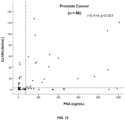
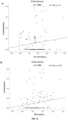
- Ca10H levels are found to be elevated in cancer patients, on a cut-off established with sera from control subjects. Of note, in patients with prostate cancer, it has been possible to establish a correlation between serum Ca10H levels and bone metastases.
- induction of Tregs by Ca10 may be an important tumor escape mechanism in Ehrlich tumor and possibly also in human cancer.
- Ca10H levels are variable in different patients with the same histological type, Ca10H could represent a new "tumor marker" with clinical usefulness as a prognostic factor.
- Ca10H could itself be a therapeutic target in order to neutralize tumor-induced generation and expansion of Tregs.
- the potential benefit of a therapy aimed at such neutralization could encompass a wide number of tumors.
- the fact that Ca10H can be detected in circulation would facilitate the selection of those tumors amenable to treatment as a companion diagnostic tool.
- the present invention discloses Ca10H as a "tumor marker", this is, a substance that is found in high levels in biological sample of some people with cancer in comparison with non-suffering cancer people. Tumor markers are produced either by the cancer cells themselves or by the body in response to the presence of cancer or certain benign (noncancerous) conditions.
- a first aspect the present invention relates to an in vitro method for detecting cancer in a subject, hereinafter “detection method of the invention”, comprising:
- cancer detection refers to the identification of a tumoral tissue by examination or parameters or biomarkers in a subject.
- the parameter required for detecting cancer is the Ca10H levels in a sample of the subject.
- cancer refers to the disease resulting from the uncontrolled proliferation of cells giving rise to a malignant tumour or to a malignant tumoral tissue.
- a tumour is considered malignant when the tumour cells can grow rapidly, show anaplasia and/or are able to infiltrate the tissue, invade adjacent tissues or even spread to other parts of the body, a process known as metastasis.
- the cancer is a metastatic cancer.
- the tumour can be located or originate in any tissue or organ of the body.
- any cancer is susceptible to be identified by the detected method of the invention, regardless of its stage of development, its origin or its location.
- Carcinoma is a cancer that begins in the skin or in tissues that line or cover internal organs.
- Sarcoma is a cancer that begins in bone, cartilage, fat, muscle, blood vessels, or other connective or supportive tissue.
- Leukemia is a cancer that starts in blood-forming tissue, such as the bone marrow, and causes large numbers of abnormal blood cells to be produced and enter the blood.
- Lymphoma and multiple myeloma are cancers that begin in the cells of the immune system.
- Central nervous system cancers are cancers that begin in the tissues of the brain and spinal cord.
- the cancer may be a solid tumor or a non-solid tumor, including metastasis.
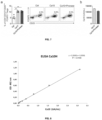
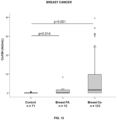
- patients diagnosed with selected cancers, such as carcinomas and adenocarcinomas had on average above five times higher levels of Ca10H than healthy controls.
- the mean levels of Ca10H in these patients was 4.0 Arbitrary Units (AU)/mL with a standard error of the mean (SEM) of 0.6, compared to a mean of 0.7 AU/mL with a SEM of 0.0 in the control group (see Figure 9b ).
- the cancer is a carcinoma or an adenocarcinoma.
- cancer examples include, but are not limited to, a lung tumor or cancer, such as a small cell or non-small cell lung cancer, or an adenocarcinoma, squamous cell carcinoma or a large cell carcinoma.
- a tumor or cancer include a carcinoma, sarcoma, lymphoma, leukemia, adenoma, adenocarcinoma, melanoma, glioma, glioblastoma, meningioma, neuroblastoma, retinoblastoma, astrocytoma, oligodendrocytoma, mesothelioma, reticuloendothelial, lymphatic or haematopoietic neoplasia, tumor, cancer or malignancy.
- tumor or cancer is a lung, thyroid, head or neck, nasopharynx, throat, nose or sinuses, brain, spine, breast, adrenal gland, pituitary gland, thyroid, lymph, gastrointestinal (mouth, esophagus, stomach, duodenum, ileum, jejunum (small intestine), colon, rectum), genito-urinary tract (uterus, ovary, cervix, endometrial, bladder, testicle, penis, prostate), kidney, pancreas, liver, bone, bone marrow, lymph, blood, muscle, or skin neoplasia, tumor, or cancer.
- a tumor or cancer include a breast cancer, prostate cancer, pancreas cancer, gastric cancer, pleural mesothelioma, colon cancer, rectal cancer, large bowel cancer, small intestinal cancer, esophageal cancer, duodenal cancer, lingual cancer, pharyngeal cancer, salivary gland cancer, cerebral tumor, schwanoma, liver cancer, kidney cancer, bile duct cancer, endometrial cancer, cervical cancer, uterine body cancer, ovarian cancer, bladder cancer, urethral cancer, skin cancer, angioma, malignant lymphoma, malignant melanoma, thyroid cancer, parathyroid cancer, nasal cancer, paranasal cancer, auditory organ cancer, carcinoma of oral floor, laryngeal cancer, parotid cancer, submandibular cancer, bone tumor, angiofibroma, retinal sarcoma, penile cancer, testicular tumor, pediatric solid cancer, Kaposi's sarcoma,
- the cancer is prostate cancer, cervix cancer, breast cancer, pancreatic cancer, lung cancer, gastric cancer, endometrial cancer, skin cancer, thyroid cancer, bladder cancer, ovarian cancer, liver cancer, esophageal cancer, or colorectal cancer.
- the first step of the detection method of the invention comprises quantifying the Ca10 levels in a biological sample isolated from the subject.
- tumoral carbohydrate Ca10 or “Ca10” encompasses both the murine tumoral carbohydrate derived from Ehrlich's tumor cells (mCa10), as well as any other homologue tumoral carbohydrate equivalent to mCa10 in other mammal, such as its human counterpart, i.e. the human tumoral carbohydrate Ca10 or Ca10H.
- tumoral carbohydrate Ca10 or “Ca10” refers to a proteoglycan with a heparan sulfate glycosaminoglycan structure, sensitive to certain heparinases (heparinase 3), that reacts with the monoclonal antibody A10 ( Gil, J. et al. 1990. Cancer Res 50, 7301-7306 ).
- the principal polysaccharide component of mCa10 is an incompletely processed heparosan, precursor of heparan sulfate, and hydrolysable with heparinases, with an average molecular size over 100 kDa, as measured by NMR diffusion ordered spectroscopy (DOSY) where N-acetylglucosamine residues are deacetylated between 20 to 40% and the total sulfation observed below 0,2% as measured by NMR and chromatographic methods coupled to mass spectrometry.
- DOSY NMR diffusion ordered spectroscopy
- the generic polymeric structure of mCa10 can be described as a polysaccharide comprising a combination of tetramers of formula: wherein each tetramer is
- the polysaccharide may comprise attach to one of ends a group -OH, a residue beta-Glucuronyl or a glycosaminoglycan protein attachment sequence.
- the main polysaccharide component of mCa10 is constituted by the disaccharide repeating units of heparosan, ⁇ -D-glucuronic acid (GlcA) and ⁇ -D-N-acetylglucosamine (GlcNAc), where a proportion between 20% to 40% of N-acetylglucosamine residues are deacetylated (GlcN), according to the simplified formula: [ ⁇ 4) ⁇ -D-GlcA (1 ⁇ 4)- ⁇ -D-GlcNAc/GlcN (1 ⁇ ] .
- the mCa10 comprising the polysaccharide of the above-mentioned formula is capable of inducing the production of Tregs.
- the inventors consider that the human counterpart of mCa10, i.e. Ca10H, shows a similar structure to one of mCa10.
- Methods for quantifying the levels or amount of carbohydrates in a sample are widely known in the state of the art, and any of them can be used to carry out step a) of the cancer detection method of the invention.
- Non-limiting examples of these methods include: Lectin based methods, NMR, chromatography, mass spectrometry and colorimetric methods depending of the nature of the carbohydrate components.
- heparan-sulphate quantification and analysis in plasma samples can be performed by liquid chromatography coupled to mass spectrometry.
- the method used for quantifying the level of Ca10H is by ELISA (Enzyme-Linked ImmunoSorbent Assay), more particularly, by ELISA using the monoclonal antibody A10 (Gil, J. et al. 1990. Cited ad supra ).
- a "biological sample” refers to any sample of biological material derived from an animal such as, but not limited to, cellular material, biofluids (eg. Blood, serum, plasma, pleural, bronchioalveolar and peritoneal liquids, etc.), faeces, urine, sputum and tissue biopsy.
- biofluids eg. Blood, serum, plasma, pleural, bronchioalveolar and peritoneal liquids, etc.
- faeces eg. Blood, serum, plasma, pleural, bronchioalveolar and peritoneal liquids, etc.
- the biological sample may be tested directly or may require some form of treatment prior to testing or may be partially purified or otherwise enriched prior to analysis.
- the biological sample is blood, serum, plasma, pleural liquid, bronchioalveolar liquid, peritoneal liquid, faeces, urine, sputum or tissue biopsy specimens.
- the cancer detection method of the present invention can be carried out on any subject.
- the term "subject” refers to all animals classified as mammals and includes but is not limited to domestic and farm animals, primates and humans, for example, human beings, non-human primates, cows, horses, pigs, sheep, goats, dogs, cats, or rodents.
- the subject is a mammal, more preferably, a human.
- control level refers to the levels of Ca10 in sample isolated from a subject not suffering from cancer or not comprising tumoral tissue.
- the control level may also refer to the median value of the Ca10 levels in a collection of biological samples from subjects not suffering from cancer or not comprising tumoral tissue. In this case, said control level is typically obtained by combining equal amounts of samples from a population of subjects who are clinically well documented.
- control level and reference value are equivalents and refer to the same concept.
- the Ca10 levels are increased with respect to the control level when a value is greater or higher than the other.
- the Ca10 levels are "increased" when the levels of the Ca10 in the subject sample are, at least, 1.1-fold, 1.5-fold, 2-fold, 5-fold, 10-fold, 20-fold, 30-fold, 40-fold, 50-fold, 60-fold, 70-fold, 80-fold, 90-fold, 100-fold higher, or even more, than the Ca10 levels in the control sample.
- the present invention relates to an in vitro method for predicting the clinical outcome of a subject suffering from cancer, or for monitoring the treatment of a subject suffering from cancer, hereinafter "second method of the invention", comprising
- prediction is used herein to refer to the likelihood that a patient will have a particular clinical outcome. As will be explained later, the clinical outcome may be positive or negative.
- the predictive method of the present invention can be used clinically to make treatment decisions by choosing the most appropriate treatment modalities for any particular patient.
- the predictive method of the present invention is a valuable tool in predicting if a patient is likely to respond favorably to a treatment regimen.
- the expression "clinical outcome” is understood as the expected course of a disease. It denotes the doctor's prediction of how a subject's disease will progress, and whether there is chance of recovery o recurrence.
- the expression “monitoring the treatment” refers to determine the response of a subject to a therapy, i.e. it refers to the assessment of the results of a therapy in a patient with cancer in response to a therapy.
- the response of the subject to the therapy may be negative (the subject does not respond to the therapy) or positive (the subject responds to the therapy).
- a first step of the second method of the invention comprises quantifying the Ca10 levels in a biological sample isolated from the subject.
- the terms "Ca10”, “biological sample”, “subject” has been defined previously in the present description together with their particular embodiments. Likewise, methods for quantifying the level of Ca10 have been also disclosed in previous paragraphs.
- the second method of the invention comprises comparing the Ca10 levels obtained in the first step with a control level.
- control level refers to the amount of Ca10 in a subject suffering from cancer but no suffering from metastasis.
- control level may also refer to the median value of the Ca10 levels in a collection of biological samples from subjects suffering from cancer (or comprising tumoral tissue) but no suffering from metastasis. In this case, said control level is typically obtained by combining equal amounts of samples from a population of subjects who are clinically well documented.
- control level refers to the Ca10 levels in the same subject previously to be treated with a therapy.
- the subject has "negative clinical outcome” (or “the clinical outcome is negative” or “has poor prognosis”) when the subject is going to suffer from metastasis, i.e. the cancer is going to evolve to metastasis (the tumor of the subject is a malignant tumor which is going to undergo metastasis), or the tumoral mass in going to increase in size, i.e. the tumor keep growing unaffected by the therapy, likely undergoing metastasis and reaching other organs.
- the expression “the treatment is not effective” means that the subject is not responding to the therapy, i.e. despite of the treatment administered to the subject, the cancer has evolved to metastasis, or the tumoral mass has increased in size.
- the expression “the tumoral mass has increased in size” means that the tumoral mass after the therapy is stabilized or the tumour keep growing.
- the present invention relates to the use of a kit for detecting cancer in vitro, or for predicting in vitro the clinical outcome of a subject suffering from cancer, or for monitoring in vitro the treatment of a subject suffering from cancer, wherein the kit comprises elements for quantifying the Ca10 levels in a biological sample of a subject.
- cancer biological sample
- subject subject
- prediction clinical outcome
- clinical outcome clinical outcome
- monitoring etc.
- the term "Kit" refers to a product comprising the different reagents or elements necessary to carry out the detection method of the invention, or to quantify the Ca10 levels in a biological sample of a subject which are packaged to enable them to be transported and stored.
- the cancer is a carcinoma or an adenocarcinoma.
- the cancer is prostate cancer, cervix cancer, breast cancer, pancreatic cancer, lung cancer, gastric cancer, endometrial cancer, skin cancer, thyroid cancer, bladder cancer, ovarian cancer, lever cancer, esophageal cancer, or colorectal cancer.
- the biological sample is blood, serum or plasma pleural liquid, bronchioalveolar liquid, peritoneal liquid, faeces, urine, sputum or tissue biopsy specimens
- Examples of reagents or elements for detecting Ca10H or quantifying the Ca10H level in a biological sample of a subject include, without being limited to, an antibody, in particular, anti-Ca10H antibodies; Lectins or structures designed to bind to characteristic Ca10H sites ([ ⁇ 4) ⁇ -D-GlcA (1 ⁇ 4)- ⁇ -D-GlcNAc/GlcN (1 ⁇ ].), Fv fragments, nanobodies, peptides and aptamers, all of them with affinity for Ca10H.
- kits for the in vitro detection of cancer, or for predicting in vitro the clinical outcome of a subject suffering from cancer, or for monitoring in vitro the treatment of a subject suffering from cancer the elements are antibodies, or a fragment thereof; peptides; or aptamers; all of them with affinity for Ca10H.
- the kit may further include, without any limitation, buffers, agents to prevent contamination, inhibitors of protein degradation, etc.
- Suitable materials for packaging the components of the kit include glass, plastic (polyethylene, polypropylene, polycarbonate and the like), bottles, vials, paper, sachets and the like.
- the kits of the invention may contain instructions for simultaneous, sequential or separate use of the different components in the kit. Said instructions may be in the form of printed material or in the form of an electronic medium capable of storing instructions so that they can be read by a subject, such as electronic storage media, optical media and the like.
- Ca10 could itself be a therapeutic target in order to neutralize tumor-induced generation and expansion of Tregs.
- the potential benefit of a therapy aimed at such neutralization could encompass a wide number of tumors.
- the present invention relates to a Ca10 inhibitor, or a composition or kit comprising it, for use in the treatment of cancer in a subject, wherein the Ca10 inhibitor is a molecule which (i) specifically binds Ca10 and (ii) is able to impair or to inhibit the generation of Tregs.
- Ca10 inhibitor of the invention for treating cancer is a molecule which (i) specifically binds Ca10 and (ii) is able to impair or to inhibit the generation of Tregs.
- Ca10 inhibitor refers to any molecule or compound capable of capable of completely or partially inhibiting the activity of Ca10, i.e.: the molecule or compound blocks or prevents the induction of Tregs (regulatory T cells) by Ca10. Therefore, a Ca10 inhibitor will be characterised by preventing or decreasing the tumor-induced immune suppression.
- Ca10 inhibitors include, without being limited to, an antibody, in particular anti-Ca10H antibodies, Fv fragments, a nanobody, a peptide, an aptamer, lectins, or structures designed to bind to characteristic Ca10 sites ([ ⁇ 4) ⁇ -D-GlcA (1 ⁇ 4)- ⁇ -D-GIcNAc/GIcN (1 ⁇ ]).
- Ca10 inhibition can also be achieved by degradation of Ca10 with specific enzymes, such as heparinases, also named heparitinases, and heparanases (endoglucuronidases), active on heparan-sulfate related polysaccharides.
- the Ca10 inhibitor is an antibody, a Fv fragments, a nanobody, a peptide, an aptamer or an enzyme.
- Assays to identify inhibitors of Ca10H acting by blockade or degradation include, but are not limited to: immunoprecipitation, radioimmunoassay, immunofluorescence assay, enzyme immunoassay, chemiluminescent assay, enzyme-linked immunosorbent assay (ELISA), or enzymatic degradation assays.
- Functional assays evaluating the effect of Ca10H blockade or degradation can be performed on in vitro cell cultures with dendritic or myeloid cells, as those disclosed in the examples of the present description.
- antibody is understood as any antibody capable of binding specifically to Ca10, and blocking or inhibiting one or more of the functions of Ca10, being one of said functions the induction of Tregs.
- the antibodies capable of binding to Ca10 specifically recognize the saccharide portion of the Ca10, i.e. glucosamine residues with non-acetylated free amino acid groups within Ca10, as shown in the above formula.
- Antibodies can be prepared using any of the methods that are known to the person skilled in the art. Techniques for preparing and using various antibody-based constructs and fragments are well known in the state of the art. Means for preparing and characterising antibodies are also known in the state of the art. In the context of the present invention, suitable antibodies include intact antibodies comprising a variable antigen binding region and a constant region, "Fab", "F(ab')2" and “Fab”', Fv, scFv fragments, diabodies and bispecific antibodies, all of them capable of binding specifically to Ca10, and blocking or inhibiting one or more of the functions of Ca10.
- antibodies with binding capacity to Ca10 those capable of inhibiting the activity of this molecule will be selected by using an assay for identifying inhibition assays, as the one disclosed in the example of the present description.
- examples of antibodies include, without limiting to, monoclonal antibody A10 ( Gil, J. et al.1990. Cancer Res 50, 7301-7306 ), and monoclonal antibodies that react with deacetylated glucosamine residues of heparosan, such as JM403 (commercialised by AMSBIO).
- the Ca10 inhibitor for use as described herein may be comprised within a composition, particularly, a pharmaceutical composition.
- the Ca10 inhibitor is in a therapeutically effective amount, and optionally said pharmaceutical composition further comprises a pharmaceutically acceptable carrier, adjuvant and/or excipient.
- the expression “therapeutically effective amount” refers to the amount of Ca10 inhibitor calculated to produce the required effect and, in general, will be determined, among other factors, by the inherent properties of the compounds and the subjects to be treated, including age, patient's condition, severity of alteration or disorder, and the route and frequency of administration.
- the methods and tools for calculating the therapeutically effective amount of the Ca10 inhibitor are common general knowledge for the skilled person in the art.
- compositions are the adjuvants, excipients and carriers known to those skilled in the art and commonly used to produce therapeutic compositions.
- pharmaceutically acceptable carrier is a substance used in the composition to dilute any of the components comprised therein to a certain volume or weight.
- the pharmaceutically acceptable carrier is an inert substance or having action identical to any of the elements comprised in the composition of the present invention.
- the function of the carrier is to facilitate the incorporation of other elements, allow better dosage and administration or provide consistency and shape to the composition.
- the pharmaceutical composition of the invention may comprise one or more adjuvants and/or excipients.
- pharmaceutically acceptable excipient refers to a substance that assists in the absorption of the elements of the composition of the invention, stabilises said elements, activates or assists in the preparation of the composition in the sense of providing consistency or providing flavours that make it more pleasant.
- the excipients could have the function of keeping the ingredients linked together, such as for example in the case of starches, sugars or cellulose, the function of sweetening, the function of colouring, the function of protecting the composition, such as for example isolating it from air and/or moisture, the function of filling a tablet, capsule or any other form of presentation, a disintegrating function to facilitate the dissolution of the components and the absorption thereof in the intestine, without excluding other types of excipients not mentioned in this paragraph.
- compositions comprising said carriers can be formulated by conventional procedures known in the state of the art.
- pharmaceutically acceptable “physiologically tolerable” and grammatical variations thereof, when referring to compositions, supports, diluents and reagents, are used interchangeably and indicate that the materials can be administered to a subject without producing undesirable physiological effects.
- the pharmaceutical composition is prepared in solid form or in aqueous suspension, in a pharmaceutically acceptable diluent.
- the composition provided by the present invention can be administered via any suitable route of administration, such that said composition will be formulated in the suitable pharmaceutical form for the selected route of administration.
- the administration of the composition provided by the invention is carried out parenterally, orally, intraperitoneally, subcutaneously, intracranially, etc.
- the composition for use thereof as described herein may further comprise other drugs or agents, preferably chemotherapeutic, used in the treatment of cancer with a view to acting in a complementary or reinforcing manner.
- chemotherapeutic agents are selected from the list consisting of: cisplatin, carboplatin, docetaxel, gemcitabine, paclitaxel, vinorelbine, etoposide, vinblastine, pemetrexed and irinotecan.
- the Ca10 inhibitor of the present inventor can be used for treating cancer.
- beneficial or desired clinical results include, but are not limited to, one or more of the following: alleviating one or more symptoms resulting from the disease, diminishing the extent of the disease, stabilizing the disease (e.g. preventing or delaying the worsening of the disease), preventing or delaying the spread (e.g.
- metastasis of the disease, preventing or delaying the recurrence of the disease, delay or slowing the progression of the disease, ameliorating the disease state, providing a remission (partial or total) of the disease, decreasing the dose of one or more other medications required to treat the disease, delaying the progression of the disease, increasing the quality of life, and/or prolonging survival.
- the inhibitory agent of the invention inhibits or reduces relapse, growth, progression, worsening or metastasis of the tumor or cancer; results in partial or complete destruction of the neoplastic, tumor, cancer or malignant cell mass, volume, size or numbers of cells, stimulating, inducing or increasing neoplastic, tumor, cancer or malignant cell necrosis, lysis or apoptosis, reducing neoplasia, tumor, cancer or malignancy volume size, cell mass, inhibiting or preventing progression or an increase in neoplasia, tumor, cancer or malignancy volume, mass, size or cell numbers, or prolonging lifespan; results in reducing or decreasing severity, duration or frequency of an adverse symptom or complication associated with or caused by the neoplasia, tumor, cancer or malignancy; or method results in reducing or decreasing pain, discomfort, nausea, weakness or lethargy, or results in increased energy, appetite, improved mobility or psychological wellbeing.
- the cancer is a carcinoma or an adenocarcinoma.
- the cancer is prostate cancer, cervix cancer, breast cancer, pancreatic cancer, lung cancer, gastric cancer, endometrial cancer, skin cancer, thyroid cancer, bladder cancer, ovarian cancer, lever cancer, esophageal cancer, or colorectal cancer.
- the monoclonal antibody is administered in combination with another cancer immunotherapy, in particular, with one or more other drugs in the treatment, control, amelioration, or reduction of cancer, where the combination of the drugs together are safer or more effective than either drug alone.
- drugs which may be used in combination with the Ca10 inhibitor of the invention for treatment, prevention, control, amelioration, or reduction of cancer include, without limiting to, cisplatin or carboplatin, gemcitabine, paclitaxel, docetaxel, etoposide and vinorelbine.
- Ehrlich tumor (ET) cells initially originated from hyperdiploid Ehrlich-Lettré mouse ascite tumor cells, are derived from a cloned cell variant selected for its high reactivity with the monoclonal antibody A10.
- the monoclonal antibody A10 ( Gil, J. et al.1990. Cancer Res 50, 7301-7306 ) was purified from the hybridoma culture supernatant as follows: BALB/c mice were immunized with mitomycin-treated ET cells ( Subiza, J. L., Coll, J., Alvarez, R., Valdivieso, M., and De la Concha, E. G. Cancer Immunol. Immunother., 25: 87-92. 1987 ). Cell fusion was carried out with spleen cells from an immunized mouse (3 days after the last dose), following the method of Köhler and Milstein ( Köhler,G., and Milstein, C. Nature (Lond.).
- mouse spleen cells (5 ⁇ 10 7 ) were fused with FO (nonsecreting myeloma) cells (2 ⁇ 10 7 ) in polyethylene glycol (PEG 4000; Merck, Darmstadt, Federal Republic of Germany).
- FO nonsecreting myeloma
- PEG 4000 polyethylene glycol
- the fused cells were distributed into 96-well microtiter plates and cultured in hypoxanthine-azaserine-RPMI at 37oC in 5% CO 2 incubator.
- Hybridoma culture supernatants were assayed for anti-ET cell surface carbohydrates by ELISA as described below.
- the monoclonal antibody JM403 (commercialised by AMSBIO) which specifically recognize the saccharide portion of the Ca 10, i.e.: deacetylated glucosamine residues of heparosan as shown in the formula disclosed in the present description, may also be used in the context of the present invention.
- Ca10 was obtained from 24 h supernatants of ET cells growing in vitro in serum-free medium. Briefly, the pooled supernatants collected by centrifugation were subjected to tangential ultrafiltration on 300 kDa membranes under high ionic strength (1 M NaCl). The Ca10-enriched fraction recovered in the retentate, was subsequently diafiltrated against distilled water on 300 kDa membranes and lyophilized, having a relative composition of 85 ⁇ 5% carbohydrate and 10 ⁇ 5% protein with no significant amounts of nucleic acids or lipids.
- mice C57BL/6J mice were inoculated with 10 5 ET cells by subcutaneous injection into the left groin. Tumor size was monitored weekly by calculating the tumor volume measured with a Vernier caliper. Mice were sacrificed at different time points (days) of tumor development to measure Ca10 in sera (ELISA) and Tregs in spleen (flow cytometry). In some experiments, tumor-free mice were administered (i.v./i.p.) with isolated Ca10 ( ⁇ g) daily for 7 days with or without different amounts of mAb A10 (80, 160 or 320 ⁇ g)
- Ehrlich tumor is a paradigmatic example of tumor progression across different antigenic backgrounds, representing a suitable model to unravel tumor escape mechanisms.
- ET-bearing mice show increasing amounts of Ca10 in their sera as the tumor develops.
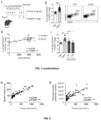
- Figure 1a To assess the potential relationship between circulating Ca10 and Tregs generation in their spleen, we used solid ET-bearing mice ( Figure 1a ). A strong positive correlation was observed between serum Ca10 levels and tumor size was confirmed ( Figure 1b ). The percentage of splenic FOXP3 + Tregs showed also a moderated but significant positive correlation with both serum Ca10 levels and tumor size ( Figure 1c ).
- the percentage of splenic FOXP3 + Tregs was significantly higher in mice administered with Ca10 than control mice, which was observed just after 9 days of Ca10 administration ( Figure 1g ).
- Figure 1g a significant positive correlation between serum Ca10 levels and the percentage of splenic Tregs was observed ( Figure 1h ).
- the administration of Ca10 in combination with the Ca10-reacting mAb A10 significantly neutralized the generation of splenic Tregs induced by Ca10 in a dose-dependent manner ( Figure 1i ). This indicates that mAb A10 completely blocks 'a10's capacity to induce splenic Tregs.
- Ca10 released from the tumor appears to be involved in the generation of Tregs in the ET-bearing mice, which in turn may promote tumor progression.
- Example 2 Ca10 endorses tolerogenic features in human monocyte-derived dendritic cells (hmoDCs) that generate functional Tregs in vitro
- PBMC Peripheral blood mononuclear cells
- Monocytes were isolated from total PBMC using anti-CD14 microbeads and cultured for 6 days with RPMI medium containing 100 ng/mL of IL-4 and GM-CSF to generate immature human monocyte-derived dendritic cells (hmoDCs).
- hmoDCs human monocyte-derived dendritic cells
- Ca10/hmoDCs Ca10 (20 ⁇ g/mL) was added on days 0 and 4 of the differentiation.
- Peripheral blood naive CD4+ T cells and total DCs fraction were isolated using commercially available kits. In all cases, the purity and phenotype of cells were analyzed by flow cytometry with lineage-specific markers, and cell viability was determined by trypan blue exclusion.
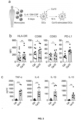
- Immature hmoDCs (10 6 cells per mL) were treated with Ca10 (20 ⁇ g/mL) for 18 h. Subsequently, cells were collected and centrifuged. Cell pellets were used to analyze their phenotype by flow cytometry and qPCR, and cell-free supernatants were used to quantify TNF- ⁇ , IL-6, IL-1 ⁇ and IL-10 by ELISA.
- hmoDCs were preincubated for 30 min with EDTA (0.5 mM), piceatannol (25 ⁇ M), U0126 (1 ⁇ M), SB202190 (1 ⁇ M), SP600125 (10 ⁇ M), BAY117082 (2.5 ⁇ M), 1-MT (1 mM), Rapamycin (100 nM), or heparin (100 IU/ml); and for 1 h with 2-DG (10 mM) or anti-IL-10 (2.5 ⁇ g/ml), or corresponding vehicle control or isotype control prior to treatment. Then, hmoDCs were treated with Ca10 for 18 h in the presence of the corresponding inhibitors.
- Ca10 was previously incubated during 1 h with mAb A10, or corresponding isotype control, in a ratio of 1:10 or 1:5 (Ca10:A10) with continuous stirring, and then, it was added to hmoDCs for 18 h.
- Samples were run on a real-time PCR system. Data were normalized to EF1A and displayed as arbitrary units calculated as 2 - ⁇ CT values multiplied by 10 4 . ⁇ CT was defined as the difference between the cycle threshold value for the gene of interest and EF1A.
- the induced Tregs by Ca10-stimulated DCs were functional as they were able to potently suppress, in contrast to the non-Tregs fraction, the proliferation of autologous PBMC in a dose-dependent manner ( Figure 4d , 4e ).
- an enriched fraction of human blood total DCs containing both plasmacytoid (pDC) and myeloid (mDC) DCs ( Figure 4f ) stimulated with Ca10 also generated significantly higher percentage of CD4+CD127-CD25 high FOXP3 + Tregs than unstimulated total DCs ( Figure 4g ).
- Murine Ehrlich tumor-derived Ca10 is a heparan sulfate-related glycosaminoglycan.
- NMR spectra were acquired using a Bruker AVANCE 600 MHz spectrometer equipped with a triple resonance TXI cryogenic probe and processed with TOPSIN 3.0 software (Bruker SA). NMR samples were prepared in deuterium oxide (D 2 O).
- Ca10 was dissolved in 50 mM sodium periodate (NaIO 4 ) in D 2 O at a final concentration of 5 mg/mL in an NMR tube and was introduced in the spectrometer probe adjusted at 298 K.
- One dimensional 1D- 1 H and 2D DOSY spectra were acquired at sequential times to follow the oxidation reaction during 8 h.
- DOSY spectra were performed using the standard Bruker pulse sequence (ledbpgp2s), acquiring 16 gradient points, with 128 scans each, between 2 and 95% gradient intensity using a diffusion time delay of 0.25 s and 2500 ⁇ s wide pulse gradient.
- the 2D DOSY experiments were performed using the pulse sequence ledbpgp2s acquiring 32 gradient points, with 128 scans each between 2 and 95% gradient intensity.
- the diffusion time delay and gradient duration were 600 ms and 2500 ⁇ s, respectively, before the starting of the reaction and 170 ms and 1700 ⁇ s at end point of the reaction. Enzyme digestions.
- N-glycosidase PNGase F
- O-glycanase endo-galactosaminidase
- endo- ⁇ -acetylglucosaminidase exoglycosidases ( ⁇ - and ⁇ - galactosidases)
- ⁇ -mannosidase glucosidases
- glucosaminidase glucosaminidase
- ⁇ -fucosidase sialidase (NZYTECH)
- chitosanase 8B heparinases
- Chondroitinase ABC Chondroitinase ABC.
- the sample of heparinases-digested Ca10 was filtered using Vivaspin TM 50K Centrifugal Concentrators (Sartorius), and the filtrate was lyophilized and resuspended in D 2 O for NMR analysis. 1D- 1 H, 2D TOCSY, 1 H- 13 C HSQC and DOSY spectra were acquired.
- hmoDCs were stimulated with 20 ⁇ g/mL of Ca10 (without treatment), oxidized Ca10 (Ca10 OX), Ca10 treated with Heparinase (HPSE treat.) or Ca10 treated with pronase (Ca10+pronase) for 18 h.
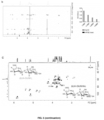
- Ca10 derived from Ehrlich tumor cells is a heavily glycosylated high molecular weight structure, being the carbohydrate epitope recognized by mAb A10 sensitive to NaIO 4 oxidation ( Figure 5a ), which specifically cleaves bonds between vicinal carbons bearing unsubstituted hydroxyl or amino groups.
- Treatment of Ca10 with NalOa completely abolished the mAb A10 reactivity and resulted in significant degradation and thus molecular size reduction of the carbohydrate component as observed by NMR diffusion ordered spectroscopy (DOSY) ( Figure 5a ).
- Example 4 Patients with different carcinomas show higher serum levels of a human Ca10 homologue (Ca10H) than healthy controls.
- Ca10H was measured in human sera by a A10-based sandwich ELISA.
- purified mAb A10 IgM ⁇
- HRP-labeled HRP-labeled
- Plates were coated overnight at 4°C with 5 ⁇ g/mL of mAb A10 in 0.05 M carbonate-bicarbonate buffer. Then, they were washed with PBS 0.25% Tween-20 (PBS-Tw) and incubated 2 h at room temperature (RT) with the samples diluted in PBS-Tw.
Landscapes
- Health & Medical Sciences (AREA)
- Life Sciences & Earth Sciences (AREA)
- Immunology (AREA)
- Engineering & Computer Science (AREA)
- Molecular Biology (AREA)
- Biomedical Technology (AREA)
- Chemical & Material Sciences (AREA)
- Hematology (AREA)
- Urology & Nephrology (AREA)
- Biotechnology (AREA)
- Microbiology (AREA)
- Cell Biology (AREA)
- Food Science & Technology (AREA)
- Medicinal Chemistry (AREA)
- Physics & Mathematics (AREA)
- Analytical Chemistry (AREA)
- Biochemistry (AREA)
- General Health & Medical Sciences (AREA)
- General Physics & Mathematics (AREA)
- Pathology (AREA)
- Investigating Or Analysing Biological Materials (AREA)
Priority Applications (2)
| Application Number | Priority Date | Filing Date | Title |
|---|---|---|---|
| EP23383183.3A EP4556909A1 (fr) | 2023-11-20 | 2023-11-20 | Procédé in vitro de détection du cancer |
| PCT/EP2024/082962 WO2025108988A1 (fr) | 2023-11-20 | 2024-11-20 | Procédé in vitro de détection du cancer |
Applications Claiming Priority (1)
| Application Number | Priority Date | Filing Date | Title |
|---|---|---|---|
| EP23383183.3A EP4556909A1 (fr) | 2023-11-20 | 2023-11-20 | Procédé in vitro de détection du cancer |
Publications (1)
| Publication Number | Publication Date |
|---|---|
| EP4556909A1 true EP4556909A1 (fr) | 2025-05-21 |
Family
ID=88975375
Family Applications (1)
| Application Number | Title | Priority Date | Filing Date |
|---|---|---|---|
| EP23383183.3A Withdrawn EP4556909A1 (fr) | 2023-11-20 | 2023-11-20 | Procédé in vitro de détection du cancer |
Country Status (2)
| Country | Link |
|---|---|
| EP (1) | EP4556909A1 (fr) |
| WO (1) | WO2025108988A1 (fr) |
Citations (1)
| Publication number | Priority date | Publication date | Assignee | Title |
|---|---|---|---|---|
| JP2010281799A (ja) * | 2009-06-08 | 2010-12-16 | Aichi Prefecture | 癌の悪性度の検知方法及び癌の悪性度の診断剤 |
-
2023
- 2023-11-20 EP EP23383183.3A patent/EP4556909A1/fr not_active Withdrawn
-
2024
- 2024-11-20 WO PCT/EP2024/082962 patent/WO2025108988A1/fr active Pending
Patent Citations (1)
| Publication number | Priority date | Publication date | Assignee | Title |
|---|---|---|---|---|
| JP2010281799A (ja) * | 2009-06-08 | 2010-12-16 | Aichi Prefecture | 癌の悪性度の検知方法及び癌の悪性度の診断剤 |
Non-Patent Citations (5)
| Title |
|---|
| "Abstracts OAS", ALLERGY, WILEY-BLACKWELL PUBLISHING LTD, UNITED KINGDOM, vol. 73, 14 August 2018 (2018-08-14), pages 3 - 115, XP071463059, ISSN: 0105-4538, DOI: 10.1111/ALL.13535 * |
| GIL, J. ET AL., CANCER RES, vol. 50, 1990, pages 7301 - 7306 |
| KOHLER,G.MILSTEIN, C., NATURE (LOND., vol. 256, 1975, pages 495 - 497 |
| MEDINA MAITE ET AL: "Human Colon Adenocarcinomas Express a MUC1-associated Novel Carbohydrate Epitope on Core Mucin Glycans Defined by a Monoclonal Antibody (A10) Raised against Murine Ehrlich Tumor Cells 1", CANCER RESEARCH, 1 March 1999 (1999-03-01), pages 1061 - 1070, XP093149794, Retrieved from the Internet <URL:https://aacrjournals.org/cancerres/article/59/5/1061/505860/Human-Colon-Adenocarcinomas-Express-a-MUC1> [retrieved on 20240409] * |
| SUBIZA, J. L.COLL, J.ALVAREZ, R.VALDIVIESO, M.DE LA CONCHA, E. G., CANCER IMMUNOL., vol. 25, 1987, pages 87 - 92 |
Also Published As
| Publication number | Publication date |
|---|---|
| WO2025108988A1 (fr) | 2025-05-30 |
Similar Documents
| Publication | Publication Date | Title |
|---|---|---|
| EP2680004B1 (fr) | Procédés pour la détection du cancer | |
| Padler-Karavani et al. | Human xeno-autoantibodies against a non-human sialic acid serve as novel serum biomarkers and immunotherapeutics in cancer | |
| Hong et al. | Sugar-binding proteins from fish: selection of high affinity “lambodies” that recognize biomedically relevant glycans | |
| US20140274768A1 (en) | Glycoforms of MUC5AC and Endorepellin and Biomarkers for Mucinous Pancreatic Cysts | |
| Yang et al. | Abnormal Galactosylated–Glycans recognized by Bandeiraea Simplicifolia Lectin I in saliva of patients with breast Cancer | |
| Martín-Cruz et al. | A tumor-associated heparan sulfate-related glycosaminoglycan promotes the generation of functional regulatory T cells | |
| EP3750913B1 (fr) | Épitope d'igg et son application en tant que cible | |
| JP6172687B2 (ja) | シアリル化糖鎖を認識するモノクローナル抗体 | |
| EP4556909A1 (fr) | Procédé in vitro de détection du cancer | |
| US20250277793A1 (en) | Compositions and methods for cancer diagnosis | |
| Guan et al. | T‐antigen as a biomarker of progression‐free survival in patients with glioblastoma | |
| JP7556791B2 (ja) | マイクロサテライト不安定性の抗原バイオマーカー | |
| JP2011038952A (ja) | 特定の糖鎖構造を有する糖タンパク質を検出することにより癌を検出する方法 | |
| Nikulin et al. | Innate IgM antibodies to mannose in patients with gastric cancer | |
| US11858998B2 (en) | Glycome factors driving melanoma progression | |
| de Paiva Soares | A library of colorectal cancer immunogenic glycopeptides: A step towards novel theragnostics applications | |
| Deschepper | Studies of the role of sialyl Lewis X antigen and E selectin ligands in colorectal cancer | |
| JP4593295B2 (ja) | 癌及び腺腫の検査方法 | |
| Montalbán-Hernández et al. | Soluble SIGLEC5: a new prognosis marker in colorectal cancer patients. Cancers. 2021; 13: 3896 | |
| El-Schich et al. | Sialic acid as a biomarker studied in breast cancer cells using fluorescent molecularly imprinted polymers, MIPs | |
| Balmaña | Pancreatic cancer markers based on aberrant glycosylation of serum proteins | |
| Ghazizadeh et al. | Circulating Particles and Related Nucleic Acid as Highlighted Biomarker in Prostate Cancer | |
| WO2016021729A1 (fr) | Marqueur de diagnostic de gliome, procédé de distinction, procédé de diagnostic, procédé de détection de marqueur de glucide, et marqueur de glucide | |
| WO2023113596A1 (fr) | Diagnostic et traitement du cancer colorectal | |
| Rittenhouse-Olson | Carbohydrate as unique struc tures for disease diagnosis |
Legal Events
| Date | Code | Title | Description |
|---|---|---|---|
| PUAI | Public reference made under article 153(3) epc to a published international application that has entered the european phase |
Free format text: ORIGINAL CODE: 0009012 |
|
| STAA | Information on the status of an ep patent application or granted ep patent |
Free format text: STATUS: THE APPLICATION HAS BEEN PUBLISHED |
|
| AK | Designated contracting states |
Kind code of ref document: A1 Designated state(s): AL AT BE BG CH CY CZ DE DK EE ES FI FR GB GR HR HU IE IS IT LI LT LU LV MC ME MK MT NL NO PL PT RO RS SE SI SK SM TR |
|
| STAA | Information on the status of an ep patent application or granted ep patent |
Free format text: STATUS: THE APPLICATION IS DEEMED TO BE WITHDRAWN |
|
| 18D | Application deemed to be withdrawn |
Effective date: 20251122 |