EP4559455A1 - Utilisation de liposome de chlorhydrate de mitoxantrone - Google Patents
Utilisation de liposome de chlorhydrate de mitoxantrone Download PDFInfo
- Publication number
- EP4559455A1 EP4559455A1 EP23842355.2A EP23842355A EP4559455A1 EP 4559455 A1 EP4559455 A1 EP 4559455A1 EP 23842355 A EP23842355 A EP 23842355A EP 4559455 A1 EP4559455 A1 EP 4559455A1
- Authority
- EP
- European Patent Office
- Prior art keywords
- mitoxantrone hydrochloride
- hydrochloride liposome
- mitoxantrone
- neuromyelitis optica
- spectrum disorders
- Prior art date
- Legal status (The legal status is an assumption and is not a legal conclusion. Google has not performed a legal analysis and makes no representation as to the accuracy of the status listed.)
- Pending
Links
Images

Classifications
-
- A—HUMAN NECESSITIES
- A61—MEDICAL OR VETERINARY SCIENCE; HYGIENE
- A61P—SPECIFIC THERAPEUTIC ACTIVITY OF CHEMICAL COMPOUNDS OR MEDICINAL PREPARATIONS
- A61P25/00—Drugs for disorders of the nervous system
-
- A—HUMAN NECESSITIES
- A61—MEDICAL OR VETERINARY SCIENCE; HYGIENE
- A61K—PREPARATIONS FOR MEDICAL, DENTAL OR TOILETRY PURPOSES
- A61K31/00—Medicinal preparations containing organic active ingredients
- A61K31/13—Amines
- A61K31/135—Amines having aromatic rings, e.g. ketamine, nortriptyline
- A61K31/136—Amines having aromatic rings, e.g. ketamine, nortriptyline having the amino group directly attached to the aromatic ring, e.g. benzeneamine
-
- A—HUMAN NECESSITIES
- A61—MEDICAL OR VETERINARY SCIENCE; HYGIENE
- A61K—PREPARATIONS FOR MEDICAL, DENTAL OR TOILETRY PURPOSES
- A61K9/00—Medicinal preparations characterised by special physical form
- A61K9/0012—Galenical forms characterised by the site of application
- A61K9/0019—Injectable compositions; Intramuscular, intravenous, arterial, subcutaneous administration; Compositions to be administered through the skin in an invasive manner
-
- A—HUMAN NECESSITIES
- A61—MEDICAL OR VETERINARY SCIENCE; HYGIENE
- A61K—PREPARATIONS FOR MEDICAL, DENTAL OR TOILETRY PURPOSES
- A61K9/00—Medicinal preparations characterised by special physical form
- A61K9/10—Dispersions; Emulsions
- A61K9/127—Synthetic bilayered vehicles, e.g. liposomes or liposomes with cholesterol as the only non-phosphatidyl surfactant
-
- A—HUMAN NECESSITIES
- A61—MEDICAL OR VETERINARY SCIENCE; HYGIENE
- A61K—PREPARATIONS FOR MEDICAL, DENTAL OR TOILETRY PURPOSES
- A61K9/00—Medicinal preparations characterised by special physical form
- A61K9/10—Dispersions; Emulsions
- A61K9/127—Synthetic bilayered vehicles, e.g. liposomes or liposomes with cholesterol as the only non-phosphatidyl surfactant
- A61K9/1271—Non-conventional liposomes, e.g. PEGylated liposomes or liposomes coated or grafted with polymers
-
- A—HUMAN NECESSITIES
- A61—MEDICAL OR VETERINARY SCIENCE; HYGIENE
- A61P—SPECIFIC THERAPEUTIC ACTIVITY OF CHEMICAL COMPOUNDS OR MEDICINAL PREPARATIONS
- A61P27/00—Drugs for disorders of the senses
- A61P27/02—Ophthalmic agents
Definitions
- the present application relates to the field of medicine, in particular to use of mitoxantrone hydrochloride liposomes, e.g. in the treatment of neuromyelitis optica spectrum disorders.
- NOSD Neuromyelitis optica spectrum disorder
- AQP4 aquaporin-4
- autoantibodies mediated by autoantibodies, dominated by humoral immunity, and involved by various immune cells and factors.
- Serum AQP4-IgG is positive in most patients. Among AQP4-IgG-positive patients, the ratio of females to males is up to (4.7 ⁇ 11): 1.
- NMOSD NMO-characteristic brain lesions (in hypothalamus, corpus callosum, periventricular or brainstem) or systemic autoimmune diseases.
- NMOSD is a highly recurrent and disabling disease, and more than 90% patients have a multiphase course, 40%-60% of them relapsed within 1 year, and about 90% relapsed within 3 years.
- NMOSD neuromyelitis optica and multiple sclerosis by laboratory indexes, Chinese Journal of Practical Nervous Diseases, June 2016, Vol. 19, No. 10 ).
- NMOSD neurodegenerative disease 2019
- sequential treatment treatment of relapse prevention
- symptomatic treatment rehabilitation treatment
- the purpose of acute phase treatment is to reduce irreversible damage to the nerve, to promote the recovery of its function, and to reduce mortality rate.
- high-dose hormone shock therapy, plasma exchange or immunoadsorption, and intravenous injection of human immunoglobulins and the like are often used.
- sequential treatment is mainly to decrease the recurrence rate and reduce the severity of disabilities in patients.
- Commonly used clinical drugs for sequential treatment include monoclonal antibodies and immunosuppressants.
- First-line drugs include satralizumab, inebilizumab, rituximab, azathioprine, and mycophenolate mofetil.
- Second-line drugs include tacrolimus, cyclosporin A, cyclophosphamide, methotrexate, and mitoxantrone.
- Mitoxantrone hydrochloride is a kind of anthraquinone chemotherapeutic agent.
- the indications for conventional mitoxantrone hydrochloride injections approved by the FDA are multiple sclerosis, prostate cancer and acute myeloid leukemia. The injections are approved in China for patients with lymphoma, leukemia and breast cancer and the like.
- the recommended dose for adults is 12-14 mg/m 2 , once every 3-4 weeks; or 4-8 mg/m 2 , once a day for 3-5 days at intervals of 2-3 weeks. When used in combination, the dose is 5-10 mg/m 2 once.
- the main adverse reactions of mitoxantrone as one of anthracyclines are mainly cardiotoxicity, bone marrow suppression and gastrointestinal reactions and the like.
- Doxil doxorubicin hydrochloride liposome
- ovarian cancer recommended dosage of 50 mg/m 2 , intravenously administrated every 4 weeks
- Kaposi's sarcoma recommended dosage of 20 mg/m 2 , intravenously administrated every 3 weeks
- multiple myeloma recommended dosage of 30 mg/m 2 , intravenously administrated on the fourth day after the administration of bortezomib.
- Abraxane paclitaxel for injection [Albumin Bound]
- metastatic breast cancer recommended dosage of 260 mg/m 2 , intravenously dripped for 30 min, administrated once every 3 weeks
- non-small cell lung cancer recommended dosage of 100 mg/m 2 , intravenously dripped for 30 min, with a course of treatment every 21 days, administrated on days 1, 8 and 15, respectively; on the first day, carboplatin given immediately after the administration of paclitaxel for injection [Albumin Bound]), administrated once every 21 days
- pancreatic cancer recommended dosage of 125 mg/m 2 , intravenously dripped for 30-40 min, with a treatment period every 28 days, administrated on days 1, 8 and 15, respectively; gemcitabine given immediately after each administration of paclitaxel for injection [Albumin Bound]).
- AmBisome Amphotericin B Liposome for Injection
- the initial dose of which for the treatment of the following indications are as follows: (1) empirical treatment: recommended dosage of 3mg/kg/day; (2) systemic fungal infection (Aspergillus, Candida, or Cryptococcus): recommended dosage of 3 ⁇ 5mg/kg/day; (3) cryptococcal meningitis in HIV-infected patients: recommended dosage of 6mg/kg/day (Days 1 to 5), and 3mg/kg/day (Days 4 and 21); (4) patients with immunocompromised visceral leishmaniasis: 4mg/kg/day (Days 1 to 5), and 4mg/kg/day (Days 10, 17, 24, 31, and 38).
- Dosage and administration data are personalized according to actual condition of patients, so as to achieve maximum pharmacological efficacy and minimum toxicity or adverse effects. It can be seen that there are differences in the safe and effective dosages of the same drug for the treatment of different indications.
- the dosage and administration data should be personalized according to specific diseases and the actual condition of patients in order to achieve maximum pharmacological efficacy and minimal toxicity or adverse effects, and to achieve safe and effective treatment of diseases.
- the absorption, distribution, and metabolism of mitoxantrone liposome (a special dosage form different from conventional injections) after entering the body are very complicated, and it is difficult to simply deduce from one indication to another for the treatment of different indications, especially for the treatment of different tumors.
- the present application provides use of mitoxantrone hydrochloride liposome in the treatment of neuromyelitis optica spectrum disorders.
- the inventors of the present application have surprisingly found in the study that the mitoxantrone hydrochloride liposome has a good therapeutic effect on neuromyelitis optica spectrum disorders and can be used for preparing related medicaments.
- the present application provides use of mitoxantrone hydrochloride liposome in the manufacture of a medicament for treating neuromyelitis optica spectrum disorders.
- the present application provides a method for treating neuromyelitis optica spectrum disorders in an individual, comprising administering to the individual a therapeutically effective amount of mitoxantrone hydrochloride liposome or a pharmaceutical composition containing a therapeutically effective amount of mitoxantrone hydrochloride liposome.
- the present application provides mitoxantrone hydrochloride liposome or a pharmaceutical composition comprising mitoxantrone hydrochloride liposome for use in the treatment of neuromyelitis optica spectrum disorders in an individual.
- the neuromyelitis optica spectrum disorders described in the above first to third aspects are highly recurrent neuromyelitis optica spectrum disorders.
- the highly recurrent neuromyelitis optica spectrum disorders are highly recurrent neuromyelitis optica spectrum disorders for which the treatment with other drugs failed.
- the other drugs are selected from the group consisting of first-line, second-line or above drugs for the neuromyelitis optica spectrum disorders, especially those approved by the drug administration in China or abroad (e.g., the United States, the European Union, Japan, and Korea) for the treatment of neuromyelitis optica spectrum disorders, including but not limited to glucocorticoids, monoclonal antibody drugs, and immunosuppressants approved by the FDA.
- the mitoxantrone hydrochloride liposome is used as the sole active ingredient for the treatment of neuromyelitis optica spectrum disorders or as the sole active ingredient to prepare a medicament or a pharmaceutical composition for the treatment of neuromyelitis optica spectrum disorders.
- the pharmaceutical composition or medicament comprising mitoxantrone hydrochloride liposome described in the above first to third aspects is an injectable formulation, including a liquid injection, a powder for injection, or a tablet for injection.
- the pharmaceutical composition or medicament containing mitoxantrone hydrochloride liposome is a liquid injection.
- the content of mitoxantrone in the medicament or pharmaceutical composition, calculated as mitoxantrone is 0.5-5 mg/ml based on mitoxantrone.
- the content of mitoxantrone in the medicament is 1-2 mg/mL.
- the content of mitoxantrone in the medicament or pharmaceutical composition is 1 mg/mL.
- the therapeutically effective amount in the second aspect above is 4-30 mg/m 2 , for example, 8-20 mg/m 2 or 12-30 mg/m 2 , or a dosage in the range between any two of the above dosages, for example, 8 mg/m 2 , 12 mg/m 2 , etc. calculated as mitoxantrone.
- the mitoxantrone hydrochloride liposome, the pharmaceutical composition or medicament comprising mitoxantrone hydrochloride liposome of the present application is administered intravenously to an individual in need thereof.
- the mitoxantrone hydrochloride liposome, the pharmaceutical composition or medicament comprising mitoxantrone hydrochloride liposome of the present application is administered once every 12 weeks.
- the liposome is used alone to treat neuromyelitis optica spectrum disorders in an individual.
- the therapeutically effective amount (calculated as mitoxantrone) of the liposome is 4-30 mg/m 2 , for example, 8-20 mg/m 2 or 12-30 mg/m 2 , or a dosage in the range between any two of the above dosages, for example, 8 mg/m 2 or 12 mg/m 2 .
- the liposome is administered intravenously.
- the liposome is administered once every 12 weeks.
- the dosage is calculated based on mitoxantrone, unless otherwise specified.
- the mitoxantrone hydrochloride liposome can be prepared by methods known in the art and can be one prepared by any of methods disclosed in the prior art, for example prepared by the method disclosed in WO2008/080367 A1 .
- the medicament, mitoxantrone hydrochloride liposome, or pharmaceutical composition comprising mitoxantrone hydrochloride liposome described in the above first to third aspects has one or more of the following properties.
- the mitoxantrone hydrochloride liposome described herein has a particle size of about 30-80 nm, for example, any numberical value between 30-80 nm. In some embodiments, the particle size is about 35-75 nm, preferably 40-70 nm, and more preferably 40-60 nm, for example 60 nm.
- the mitoxantrone hydrochloride liposome described herein comprises the active ingredient mitoxantrone, and a phospholipid bilayer.
- the active ingredient mitoxantrone can form a poorly soluble precipitate with the multivalent counterions in the liposome.
- the counterions are sulfate radicals, citrate radicals, or phosphate radicals.
- the above phospholipid bilayer comprises phospholipids with a phase transition temperature (Tm) higher than body temperature, such that the phase transition temperature of the liposome is higher than body temperature.
- Tm phase transition temperature
- the phospholipids having a Tm above body temperature are phosphatidylcholine, hydrogenated soybean lecithin, hydrogenated egg yolk lecithin, bispalmitate lecithin, bisstearate lecithin, or any combination thereof.
- the phospholipid bilayer comprises hydrogenated soybean lecithin, cholesterol, and polyethylene glycol 2000 modified distearoyl phosphatidylethanolamine. In some embodiments, the mass ratio of hydrogenated soybean lecithin, cholesterol, and polyethylene glycol 2000 modified distearoyl phosphatidylethanolamine in the phospholipid bilayer is 3:1:1.
- the mitoxantrone hydrochloride liposome described herein has a particle size of about 60 nm and the counterion in the liposome is a sulfate ion.
- the phospholipid bilayer of mitoxantrone hydrochloride liposome described herein comprises hydrogenated soybean lecithin, cholesterol, and polyethylene glycol 2000 modified distearoylphosphatidylethanolamine in a mass ratio of 3:1:1, the liposome has a particle size of about 40-60 nm, and the counterion in the liposome is sulfate ion.
- the weight ratio of HSPC: Chol: DSPE-PEG2000: mitoxantrone in the mitoxantrone hydrochloride liposome described herein is 9.58:3.19:3.19:1.
- the method for preparing the mitoxantrone hydrochloride liposome is as follows.
- HSPC hydrogenated soybean lecithin
- Chol cholesterol
- DSPE-PEG2000 polyethylene glycol 2000 modified distearoyl phosphatidylethanolamine
- the resulting sample was diluted 200-fold with 0.9% NaCl solution and then detected with NanoZS.
- the average particle size of the particles was about 60 nm and the main peak was concentrated between 40-60 nm.
- the ammonium sulfate of the external phase of the blank liposome was then removed by an ultrafiltration device and the external phase was replaced with 290 mM sucrose and 10 mM glycine so as to form a transmembrane ammonium sulfate gradient.
- a solution of mitoxantrone hydrochloride (10 mg/mL) was added to the blank liposome in a ratio of lipid to drug of 16:1 and the drug was loaded at 60-65°C.
- the encapsulation efficiency can be demonstrated to be about 100% by using gel exclusion chromatography.
- the weight ratio of HSPC: Chol: DSPE-PEG2000: mitoxantrone was 9.58:3.19:3.19:1, and the osmotic pressure of the sucrose glycine solution was close to the physiological value.
- the amino acid species that can be replaced by glycine in the external phase used to form transmembrane ammonium sulfate gradient include, but are not limited to, histidine, asparagine, glutamic acid, leucine, proline, and alanine.
- the mass ratio of HSPC, Chol and DSPE-PEG2000 can be adjusted appropriately.
- the lipid-drug ratio that can be used is in a wide range.
- the lipid-drug ratio can be as low as 2:1 or as high as 30:1, 40:1, or 50: 1, and a more suitable lipid-drug ratio can be about (15-20): 1, e.g., about 15: 1, 16: 1, 17: 1, 18: 1, 19: 1, or 20: 1. Therefore, the several advantageous properties of the mitoxantrone hydrochloride liposomal formulation described above are more important, and methodologies for achieving these properties are diverse.
- mammals refers to mammals, such as humans, but may also be other mammals, such as livestock or laboratory animals.
- treatment/treating means administration of the mitoxantrone hydrochloride liposome or formulation in the present application to ameliorate or eliminate a disease or one or more symptoms associated with the disease, and includes: (i) inhibiting the disease or disease state, i.e., suppressing its progression; (ii) alleviating the disease or disease state, i.e. causing the disease or disease state to resolve.
- terapéuticaally effective amount means an amount of the mitoxantrone hydrochloride liposome of the present application that (i) treats a particular disease, condition or disorder, or (ii) alleviates, ameliorates or eliminates one or more symptoms of the particular disease, condition or disorder.
- the amount of the mitoxantrone hydrochloride liposome of the present application that constitutes the “therapeutically effective amount” varies depending on the compound, the disease state and its severity, the mode of administration, and the age of the mammal to be treated, but can be routinely determined by those skilled in the art based on their own knowledge and the disclosure herein.
- the medicament, mitoxantrone hydrochloride liposome, or pharmaceutical composition comprising mitoxantrone hydrochloride liposome described in the above first to third aspects, such as mitoxantrone hydrochloride liposome injection has one or more of the following beneficial effects in the treatment of neuromyelitis optica spectrum disorders: safety and tolerance, low toxicity and side effects, improved therapeutic effectiveness, delayed recurrence of neuromyelitis optica spectrum disorders, and the like.
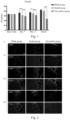
- NMOSD model can be induced by injecting the AQP4 antibody from clinical patients diagnosed with NMOSD and human complement directly into the cerebral hemisphere or ventricle of mice ( Saadoun S, Waters P, Bell BA, et al. Intra-cerebral injection of neuromyelitis optica immunoglobulin G and human complement produces neuromyelitis optica lesions in mice. Brain. 2010, 133:349-61 ). Therefore, in this example, the above modelling method was selected to study the therapeutic effect of mitoxantrone liposome on NMOSD.
- mice were randomly divided into following 3 groups based on their body weights: a blank group, a model group and a test article group (15 mg/kg mitoxantrone liposome). Each group consisted of 9 animals.
- the lateral ventricles of each mouse in the model and test article groups were injected with 2 ⁇ l APQ4 antibody (18mg/ml) plus 1 ⁇ l human complement serum at a rate of 0.3 ⁇ l/min on days 1, 3 and 5 to induce the NMOSD model.
- the blank group was a sham group, and the animal modeling process was the same as that of the model group and the test article group, but without injection of any antibodies and complement.
- the animals in the test article group were treated with a single intravenous injection of 15 mg/kg mitoxantrone hydrochloride liposome injection on the first day of modeling.
- mice were monitored for health status, and animal body weights were recorded.
- Three animals in each group were taken at one time and were euthanized with carbon dioxide at day 7, day 11 and day 21 after completion of the process of modelling, and then brain tissues were collected and the pathological changes of brain tissues in mice were evaluated by AQP4, GFAP and LFB staining.
- the stained area was centered on the injection site, and 30 slices were sectioned to further explore the extent of lesion.
- the kit is purchased from Solarbio, Article No. G3242, Batch No. 20220422.
- the staining process was carried out according to the kit instructions.
- CD-1 mice were selected to establish a neuromyelitis optica disorder model by injecting the AQP4 antibody from clinically diagnosed patients and the complement into the lateral ventricle of the mice in a manner of stereotactic localization of the brain, and relevant histological tests were performed to evaluate the effect of the compound to be tested.
- the number of AQP4-positive cells in the test article group was significantly higher than that in the model group at days 7-21, and the difference was statistically significant at day 21 (P ⁇ 0.001), suggesting that 15 mg/kg mitoxantrone hydrochloride liposome can significantly inhibit the decrease or absent of AQP4 in NMOSD in mechanism and effectively ameliorate the condition of NMOSD in mice.
- mitoxantrone hydrochloride liposome injection (15 mg/kg) can significantly inhibit the decrease or absent of AQP4 in mice, and improve histopathological changes such as astrocytopathology and demyelination, indicating that mitoxantrone hydrochloride liposome injection can effectively improve the condition of NMOSD in mice, and inhibit the occurrence and development thereof.
- Example 2 Phase II clinical study on the efficacy and safety of mitoxantrone hydrochloride liposome injection in the treatment of neuromyelitis optica spectrum disorders (NMOSD)
- This example was a randomized, double-blind, and placebo-controlled phase II study.
- the included subjects will receive the treatment of mitoxantrone hydrochloride liposome injection.
- the study is aimed to evaluate the safety and efficacy of mitoxantrone hydrochloride liposome injection in the subjects with NMOSDs, and to explore reasonable doses of mitoxantrone hydrochloride liposome injection in the treatment of neuromyelitis optica spectrum disorders (NMOSD), thereby providing basis for later clinical development.
- NMOSD neuromyelitis optica spectrum disorders
- the entire study period is approximately 60 weeks, including a screening period (up to 4 weeks), a treatment period (48 weeks), and a safety follow-up period (8 weeks).
- the researchers or designees will contact all subjects by telephone every 2 weeks after the start of the treatment period until the experiments are ended up by the subjects (except when the time coincides with the study visit week). If the researchers suspect an onset or imminent onset of NMOSD, an assessment visit will be scheduled within 72 hours.
- Subjects diagnosed with NMOSD will be screened within 4 weeks (28 days) to determine their eligibility to participate in the study according to the inclusion and exclusion criteria.
- the serum status of AQP4-IgG will be determined by the central laboratory. All subjects who met the eligibility criteria were then randomly assigned to the research center. Randomization (Day 1): Eligible subjects will be randomly assigned to experimental group A (mitoxantrone hydrochloride liposome injection, 8 mg/m 2 ), experimental group B (mitoxantrone hydrochloride liposome injection, 12 mg/m 2 ) and placebo group at a ratio of 1:1:1. Randomized subjects will receive the treatment of mitoxantrone hydrochloride liposome or placebo (once every 12 weeks).
- the treatment period ends up and the safety follow-up period is entered.
- Safety follow-up will begin after the subjects terminate the trial early or relapse or complete the trials in the treatment period. 8-week safety follow-up (scale evaluation, laboratory examination and electrocardiogram examination, etc.) is required to monitor the subjects for adverse events/serious adverse events and to collect information on the concomitant medications or treatments associated with NMO/NMOSD. During this period, the subjects may receive standard treatment for NMO/NMOSD at the discretion of the researchers.
- Subjects can decide to prematurely discontinue the study treatment at any time during the study and this will not affect their continued access to appropriate clinical treatment. Subjects should return all study drugs. The decision of the subject to withdraw from treatment must be recorded in the source file. After withdrawal of informed consent, the patients will not be followed up for any reason. Patients who withdrew from the study will not be replaced.
- the researchers should arrange the subjects to prematurely terminate the study treatment, and follow-up for 8 weeks after termination of treatment and complete the end of study (EOS) visit assessment as far as possible.
- EOS end of study
- the time to first relapse refers to the time from randomization of the subjects to the first onset of NMOSD.
- NMOSD relapse is defined as the occurrence of new symptoms or worsening of existing symptoms associated with NMOSD, which meet at least one of criteria of the NMOSD onset of the definition of relapse in the protocol.
Landscapes
- Health & Medical Sciences (AREA)
- Chemical & Material Sciences (AREA)
- Medicinal Chemistry (AREA)
- Pharmacology & Pharmacy (AREA)
- Life Sciences & Earth Sciences (AREA)
- Animal Behavior & Ethology (AREA)
- General Health & Medical Sciences (AREA)
- Public Health (AREA)
- Veterinary Medicine (AREA)
- Epidemiology (AREA)
- Engineering & Computer Science (AREA)
- Organic Chemistry (AREA)
- Dispersion Chemistry (AREA)
- Bioinformatics & Cheminformatics (AREA)
- Dermatology (AREA)
- Nuclear Medicine, Radiotherapy & Molecular Imaging (AREA)
- General Chemical & Material Sciences (AREA)
- Chemical Kinetics & Catalysis (AREA)
- Ophthalmology & Optometry (AREA)
- Neurosurgery (AREA)
- Neurology (AREA)
- Biomedical Technology (AREA)
- Medicinal Preparation (AREA)
- Pharmaceuticals Containing Other Organic And Inorganic Compounds (AREA)
- Acyclic And Carbocyclic Compounds In Medicinal Compositions (AREA)
Applications Claiming Priority (3)
| Application Number | Priority Date | Filing Date | Title |
|---|---|---|---|
| CN202210856534 | 2022-07-20 | ||
| CN202210924224 | 2022-08-02 | ||
| PCT/CN2023/108139 WO2024017293A1 (fr) | 2022-07-20 | 2023-07-19 | Utilisation de liposome de chlorhydrate de mitoxantrone |
Publications (1)
| Publication Number | Publication Date |
|---|---|
| EP4559455A1 true EP4559455A1 (fr) | 2025-05-28 |
Family
ID=89617097
Family Applications (1)
| Application Number | Title | Priority Date | Filing Date |
|---|---|---|---|
| EP23842355.2A Pending EP4559455A1 (fr) | 2022-07-20 | 2023-07-19 | Utilisation de liposome de chlorhydrate de mitoxantrone |
Country Status (5)
| Country | Link |
|---|---|
| US (1) | US20260108478A1 (fr) |
| EP (1) | EP4559455A1 (fr) |
| JP (1) | JP2025523701A (fr) |
| CN (1) | CN119562804A (fr) |
| WO (1) | WO2024017293A1 (fr) |
Family Cites Families (4)
| Publication number | Priority date | Publication date | Assignee | Title |
|---|---|---|---|---|
| CN101209243B (zh) | 2006-12-29 | 2010-12-08 | 石药集团中奇制药技术(石家庄)有限公司 | 一种脂质体药物及其制备方法 |
| CN110551038B (zh) * | 2018-06-01 | 2023-09-12 | 刘力 | 抗肿瘤的新化合物及其用途 |
| WO2021180184A1 (fr) * | 2020-03-12 | 2021-09-16 | 石药集团中奇制药技术(石家庄)有限公司 | Utilisation de liposomes de chlorhydrate de mitoxantrone |
| CN115427020A (zh) * | 2020-04-13 | 2022-12-02 | 石药集团中奇制药技术(石家庄)有限公司 | 盐酸米托蒽醌脂质体的用途 |
-
2023
- 2023-07-19 EP EP23842355.2A patent/EP4559455A1/fr active Pending
- 2023-07-19 US US18/996,594 patent/US20260108478A1/en active Pending
- 2023-07-19 JP JP2025502655A patent/JP2025523701A/ja active Pending
- 2023-07-19 CN CN202380053512.1A patent/CN119562804A/zh active Pending
- 2023-07-19 WO PCT/CN2023/108139 patent/WO2024017293A1/fr not_active Ceased
Also Published As
| Publication number | Publication date |
|---|---|
| US20260108478A1 (en) | 2026-04-23 |
| CN119562804A (zh) | 2025-03-04 |
| JP2025523701A (ja) | 2025-07-23 |
| WO2024017293A1 (fr) | 2024-01-25 |
Similar Documents
| Publication | Publication Date | Title |
|---|---|---|
| Vollmer et al. | Glatiramer acetate after induction therapy with mitoxantrone in relapsing multiple sclerosis | |
| EP3076972B1 (fr) | Traitement du cancer avec une association de plinabuline et de taxane | |
| EP4098251B1 (fr) | Liposome de chlorhydrate de mitoxantrone pour l'utilisation dans le traitement du cancer du sein | |
| Caponigro et al. | Phase I study of Caelyx (doxorubicin HCL, pegylated liposomal) in recurrent or metastatic head and neck cancer | |
| JP7682303B2 (ja) | 進行固形腫瘍を治療する薬物の製造のためのミトキサントロン塩酸塩リポソームの用途 | |
| JP2026001134A (ja) | ミトキサントロン塩酸塩リポソームの応用 | |
| EP4559455A1 (fr) | Utilisation de liposome de chlorhydrate de mitoxantrone | |
| JP2008514721A (ja) | 治療方法 | |
| RU2828768C1 (ru) | Применение липосом с гидрохлоридом митоксантрона и циклофосфамида, винкристина и преднизона | |
| AU2021334710B2 (en) | Use of mitoxantrone hydrochloride liposome and cyclophosphamide, vincristine and prednisone | |
| RU2821030C1 (ru) | Применение липосомы митоксантрона гидрохлорида | |
| HK40082294A (en) | Uses of mitoxantrone hydrochloride liposome | |
| HK40081921A (en) | Use of mitoxantrone hydrochloride liposome in preparation of drugs for treating advanced solid tumors | |
| HK40072361A (en) | Use of mitoxantrone hydrochloride liposome for treating breast cancer | |
| HK40116442A (zh) | 盐酸米托蒽醌脂质体在治疗骨与软组织肉瘤中的用途 | |
| HK40084014A (en) | Use of mitoxantrone hydrochloride liposome and cyclophosphamide, vincristine and prednisone | |
| EP4582088A1 (fr) | Utilisation de liposome de mitoxantrone en combinaison avec de la capécitabine dans le traitement du carcinome nasopharyngé | |
| WO2023036161A1 (fr) | Utilisation de liposome de mitoxantrone, bortézomib et dexaméthasone dans le traitement du myélome multiple | |
| EP4180055A1 (fr) | Utilisation de liposome de chlorhydrate de mitoxantrone et pégaspargase | |
| Sørensen | The effect on MRI of gammaglobulin treatment in relapsing multiple sclerosis | |
| JP2008501785A (ja) | 子宮腫瘍の治療用医薬の調製のための7−t−ブトキシイミノメチルカンプトテシンの使用 | |
| HK1229712B (en) | Cancer treatment with combination of plinabulin and taxane |
Legal Events
| Date | Code | Title | Description |
|---|---|---|---|
| STAA | Information on the status of an ep patent application or granted ep patent |
Free format text: STATUS: THE INTERNATIONAL PUBLICATION HAS BEEN MADE |
|
| PUAI | Public reference made under article 153(3) epc to a published international application that has entered the european phase |
Free format text: ORIGINAL CODE: 0009012 |
|
| STAA | Information on the status of an ep patent application or granted ep patent |
Free format text: STATUS: REQUEST FOR EXAMINATION WAS MADE |
|
| 17P | Request for examination filed |
Effective date: 20250120 |
|
| AK | Designated contracting states |
Kind code of ref document: A1 Designated state(s): AL AT BE BG CH CY CZ DE DK EE ES FI FR GB GR HR HU IE IS IT LI LT LU LV MC ME MK MT NL NO PL PT RO RS SE SI SK SM TR |
|
| DAV | Request for validation of the european patent (deleted) | ||
| DAX | Request for extension of the european patent (deleted) |