EP4559916A1 - Sel pharmaceutiquement acceptable et polymorphe de dérivé de pyrazolo[1,5-a]pyrimidin-7-amine substitué et utilisation - Google Patents
Sel pharmaceutiquement acceptable et polymorphe de dérivé de pyrazolo[1,5-a]pyrimidin-7-amine substitué et utilisation Download PDFInfo
- Publication number
- EP4559916A1 EP4559916A1 EP23842427.9A EP23842427A EP4559916A1 EP 4559916 A1 EP4559916 A1 EP 4559916A1 EP 23842427 A EP23842427 A EP 23842427A EP 4559916 A1 EP4559916 A1 EP 4559916A1
- Authority
- EP
- European Patent Office
- Prior art keywords
- compound
- formula
- crystal form
- phosphate
- tartrate
- Prior art date
- Legal status (The legal status is an assumption and is not a legal conclusion. Google has not performed a legal analysis and makes no representation as to the accuracy of the status listed.)
- Pending
Links
Images




Classifications
-
- A—HUMAN NECESSITIES
- A61—MEDICAL OR VETERINARY SCIENCE; HYGIENE
- A61P—SPECIFIC THERAPEUTIC ACTIVITY OF CHEMICAL COMPOUNDS OR MEDICINAL PREPARATIONS
- A61P35/00—Antineoplastic agents
-
- C—CHEMISTRY; METALLURGY
- C07—ORGANIC CHEMISTRY
- C07D—HETEROCYCLIC COMPOUNDS
- C07D487/00—Heterocyclic compounds containing nitrogen atoms as the only ring hetero atoms in the condensed system, not provided for by groups C07D451/00 - C07D477/00
- C07D487/02—Heterocyclic compounds containing nitrogen atoms as the only ring hetero atoms in the condensed system, not provided for by groups C07D451/00 - C07D477/00 in which the condensed system contains two hetero rings
- C07D487/04—Ortho-condensed systems
Definitions
- the present disclosure belongs to the field of medical technology, in particular relates to a pharmaceutically acceptable salt and polymorph of a substituted pyrazolo[1,5-a]pyrimidin-7-amine derivative, a pharmaceutical composition comprising the same, a preparation method therefor, and medical use thereof.
- CDK9 is a member of cell cyclin-dependent kinase (CDK) protein family and plays an important role in gene transcription regulation.
- CDK9 mainly regulates transcription elongation of genes by phosphorylating the carboxy-terminal domain of RNA polymerase II.
- CDK9 is generally highly expressed in tumors and is also an important factor in progression and maintenance of tumor cells.
- a CDK9 inhibitor down-regulates the expression of relevant oncoprotein (MYC) and the expression of antiapoptotic protein Mcl-1 by inhibiting the transcriptional elongation of genes, thereby promoting apoptosis of cancer cells.
- the CDK9 inhibitor reactivates a silent gene by regulating epigenetic factor BRG1, including the activation of endogenous retroviruses (ERVs) in tumor cells, promotes interferon expression, and makes tumor cells more sensitive to immunotherapy.
- EMVs endogenous retroviruses
- CDK9 inhibitors including the selective CDK9 inhibitor BAY1251152 developed by Bayer, the selective CDK9 inhibitor AZD4573 developed by AstraZeneca, the non-selective CDK9 inhibitor TP-1287 developed by Tolero, and the non-selective CDK9 inhibitor QHRD107 developed by Changzhou Qianhong Pharmaceutical Company, and the like.
- the object of the present disclosure is to provide a pharmaceutically acceptable salt and polymorph of a substituted pyrazolo[1,5-a]pyrimidin-7-amine derivative and use thereof.
- the pharmaceutically acceptable salt is an L-tartrate and a phosphate of the substituted pyrazolo[1,5-a]pyrimidin-7-amine derivative.
- the substituted pyrazolo[1,5-a]pyrimidin-7-amine derivative is a CDK9 inhibitor and has a molecular structure of (1S,3S)-N1-(5-((S)-1-cyclobutylethyl)pyrazolo[1,5-a]pyrimidin-7-yl)cyclopentan-1,3-diamine as shown in Formula (I).
- a first aspect of the present disclosure provides a pharmaceutically acceptable salt of a compound of Formula (I): wherein, the pharmaceutically acceptable salt is selected from the group consisting of a phosphate and an L-tartrate.
- the pharmaceutically acceptable salt of the compound of Formula (I) is in an anhydrous form, a hydrate form, or a solvate form.
- the pharmaceutically acceptable salt of the compound of Formula (I) is a crystal. In some embodiments, the pharmaceutically acceptable salt of the compound of Formula (I) is amorphous.
- the pharmaceutically acceptable salt is a phosphate.
- the phosphate is a first type of phosphate of the compound of Formula (I), wherein a molar ratio of phosphoric acid to the compound of Formula (I) is (1.8-2.4):1.
- the molar ratio of phosphoric acid to the compound of Formula (I) can be 1.8:1, 1.9:1, 2.0:1, 2.1:1, 2.2:1, 2.3:1 or 2.4:1.
- the molar ratio of phosphoric acid to the compound of Formula (I) is (1.9-2.3):1.
- the molar ratio of phosphoric acid to the compound of Formula (I) is 2:1.
- the phosphate is a phosphate crystal form I of the compound of Formula (I), an X-ray powder diffraction pattern of which has characteristic diffraction peaks at the diffraction angle 2 ⁇ (°) values of 18.234 ⁇ 0.2, 19.131 ⁇ 0.2 and 21.266 ⁇ 0.2.
- the phosphate is a phosphate crystal form I of the compound of Formula (I), the X-ray powder diffraction pattern of which has characteristic diffraction peaks at the diffraction angle 2 ⁇ (°) values of 18.803 ⁇ 0.2, 18.234 ⁇ 0.2, 19.131 ⁇ 0.2 and 21.266 ⁇ 0.2.
- the X-ray powder diffraction pattern of the phosphate crystal form I further includes characteristic diffraction peaks at 2 or more (such as 3, 4, 5, 6, 7, 8, 9, 10, 11, 12, 13, 14, 15, etc.) diffraction angle 2 ⁇ (°) values selected from the group consisting of 2.121 ⁇ 0.2, 7.373 ⁇ 0.2, 9.556 ⁇ 0.2, 10.607 ⁇ 0.2, 11.105 ⁇ 0.2, 12.322 ⁇ 0.2, 12.917 ⁇ 0.2, 13.999 ⁇ 0.2, 14.902 ⁇ 0.2, 15.238 ⁇ 0.2, 18.803 ⁇ 0.2, 19.881 ⁇ 0.2, 20.697 ⁇ 0.2, 22.01 ⁇ 0.2, 22.464 ⁇ 0.2, 23.247 ⁇ 0.2, 24.025 ⁇ 0.2, 26.367 ⁇ 0.2, 28.513 ⁇ 0.2, 30.297 ⁇ 0.2, 31.216 ⁇ 0.2 and 34.017 ⁇ 0.2, in addition to characteristic diffraction peaks at the diffraction angle 2 ⁇ (°) values of 18.234 ⁇ 0.2, 19.131 ⁇ 0.2 and 21.266 ⁇ 0.2.
- the X-ray powder diffraction pattern of the phosphate crystal form I has characteristic diffraction peaks at 3 or more (such as 3, 4, 5, 6, 7, 8, 9, 10, 11, 12, 13, 14, 15, etc.) or all diffraction angle 2 ⁇ (°) values selected from the group consisting of 2.121 ⁇ 0.2, 7.373 ⁇ 0.2, 9.556 ⁇ 0.2, 10.607 ⁇ 0.2, 11.105 ⁇ 0.2, 12.322 ⁇ 0.2, 12.917 ⁇ 0.2, 13.999 ⁇ 0.2, 14.902 ⁇ 0.2, 15.238 ⁇ 0.2, 18.234 ⁇ 0.2, 18.803 ⁇ 0.2, 19.131 ⁇ 0.2, 19.881 ⁇ 0.2, 20.697 ⁇ 0.2, 21.266 ⁇ 0.2, 22.01 ⁇ 0.2, 22.464 ⁇ 0.2, 23.247 ⁇ 0.2, 24.025 ⁇ 0.2, 26.367 ⁇ 0.2, 28.513 ⁇ 0.2, 30.297 ⁇ 0.2, 31.216 ⁇ 0.2 and 34.017 ⁇ 0.2.
- the X-ray powder diffraction pattern of the phosphate crystal form I has characteristic diffraction peaks at the diffraction angle 2 ⁇ (°) values of 13.999 ⁇ 0.2, 18.234 ⁇ 0.2, 18.803 ⁇ 0.2, 19.131 ⁇ 0.2, 21.266 ⁇ 0.2, 22.01 ⁇ 0.2 and 23.247 ⁇ 0.2.
- the X-ray powder diffraction pattern of the phosphate crystal form I has characteristic diffraction peaks at the diffraction angle 2 ⁇ (°) values of 7.373 ⁇ 0.2, 10.607 ⁇ 0.2, 11.105 ⁇ 0.2, 12.322 ⁇ 0.2, 12.917 ⁇ 0.2, 13.999 ⁇ 0.2, 14.902 ⁇ 0.2, 15.238 ⁇ 0.2, 18.234 ⁇ 0.2, 18.803 ⁇ 0.2, 19.131 ⁇ 0.2, 20.697 ⁇ 0.2, 21.266 ⁇ 0.2, 22.01 ⁇ 0.2, 22.464 ⁇ 0.2, 23.247 ⁇ 0.2, 24.025 ⁇ 0.2, 26.367 ⁇ 0.2 and 28.513 ⁇ 0.2.
- the X-ray powder diffraction pattern of the phosphate crystal form I of the compound of Formula (I) has characteristic diffraction peaks expressed in 2 ⁇ (°) values and d values as shown in Table 1, and the relative intensity of each peak is shown in Table 1. Table 1.
- the phosphate crystal form I of the compound of Formula (I) has the molar ratio of phosphoric acid to the compound of Formula (I) of 2:1.
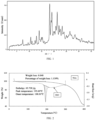
- the X-ray powder diffraction pattern of the phosphate crystal form I of the compound of Formula (I) is substantially as shown in FIG. 1 .
- a differential scanning calorimeter curve of the phosphate crystal form I of the compound of Formula (I) has endothermic peaks at 188.01°C ⁇ 3°C, 188.01°C ⁇ 2°C, 188.01°C ⁇ 1°C or 188.01°C ⁇ 0.5°C.
- the differential scanning calorimeter curve of the phosphate crystal form I of the compound of Formula (I) has an onset temperature of 188.01°C ⁇ 3°C, 188.01°C ⁇ 2°C, 188.01°C ⁇ 1°C or 188.01°C ⁇ 0.5°C, and has a peak temperature of 193.69°C ⁇ 3°C, 193.69°C ⁇ 2°C, 193.69°C ⁇ 1°C or 193.69°C ⁇ 0.5°C.
- a differential scanning calorimetry spectrum (DSC spectrum) of the phosphate crystal form I of the compound of Formula (I) is substantially as shown in FIG. 2 .
- the phosphate salt form I of the compound of Formula (I) has a melting point of about 188.01 ⁇ 0.5°C.
- thermogravimetric analysis spectrum of the phosphate crystal form I of the compound of Formula (I) is substantially as shown in FIG. 2 .
- the TGA spectrum of the phosphate crystal form I of the compound of Formula (I) shows a weight loss of 1.139% at around 190°C.
- a microscope image of the phosphate crystal form I of the compound of Formula (I) is substantially as shown in FIG. 4 .
- the microscope image of the phosphate crystal form I of the compound of Formula (I) shows the phosphate crystal form I is rod-shaped and block-shaped.
- the L-tartrate is an L-tartrate crystal form I of the compound of Formula (I), an X-ray powder diffraction pattern of which has characteristic diffraction peaks at the diffraction angle 2 ⁇ (°) values of 13.946 ⁇ 0.2, 16.881 ⁇ 0.2, 19.405 ⁇ 0.2, 21.505 ⁇ 0.2 and 24.262 ⁇ 0.2.
- the X-ray powder diffraction pattern of the phosphate crystal form I further includes characteristic diffraction peaks at 2 or more (such as 3, 4, 5, 6, 7, 8, 9, 10, 11, 12, 13, 14, 15, etc.) diffraction angle 2 ⁇ (o) values selected from the group consisting of 6.687 ⁇ 0.2, 7.436 ⁇ 0.2, 9.493 ⁇ 0.2, 10.615 ⁇ 0.2, 12.053 ⁇ 0.2, 12.776 ⁇ 0.2, 13.164 ⁇ 0.2, 14.875 ⁇ 0.2, 15.201 ⁇ 0.2, 16.013 ⁇ 0.2, 18.175 ⁇ 0.2, 19.045 ⁇ 0.2, 20.659 ⁇ 0.2, 22.434 ⁇ 0.2, 23.04 ⁇ 0.2, 25.202 ⁇ 0.2, 26.452 ⁇ 0.2, 28.105 ⁇ 0.2, 29.692 ⁇ 0.2, 31.579 ⁇ 0.2, 34.139 ⁇ 0.2 and 34.543 ⁇ 0.2, in addition to characteristic diffraction peaks at the diffraction angle 2 ⁇ (o) values of 13.946 ⁇ 0.2, 16.881 ⁇ 0.2, 19.405 ⁇ 0.2, 21.505 ⁇ 0.2 and 24.2
- the X-ray powder diffraction pattern of the L-tartrate crystal form I has characteristic diffraction peaks at 5 or more (such as 5, 6, 7, 8, 9, 10, 11, 12, 13, 14, 15, etc.) or all diffraction angle 2 ⁇ (°) values selected from the group consisting of 6.687 ⁇ 0.2, 7.436 ⁇ 0.2, 9.493 ⁇ 0.2, 10.615 ⁇ 0.2, 12.053 ⁇ 0.2, 12.776 ⁇ 0.2, 13.164 ⁇ 0.2, 13.946 ⁇ 0.2, 14.875 ⁇ 0.2, 15.201 ⁇ 0.2, 16.013 ⁇ 0.2, 16.881 ⁇ 0.2, 18.175 ⁇ 0.2, 19.045 ⁇ 0.2, 19.405 ⁇ 0.2, 20.659 ⁇ 0.2, 21.505 ⁇ 0.2, 22.434 ⁇ 0.2, 23.04 ⁇ 0.2, 24.262 ⁇ 0.2, 25.202 ⁇ 0.2, 26.452 ⁇ 0.2, 28.105 ⁇ 0.2, 29.692 ⁇ 0.2, 31.579 ⁇ 0.2, 34.139 ⁇ 0.2 and 34.543 ⁇ 0.2.
- the X-ray powder diffraction pattern of the L-tartrate crystal form I has characteristic diffraction peaks at the diffraction angle 2 ⁇ (°) values of 7.436 ⁇ 0.2, 13.946 ⁇ 0.2, 16.013 ⁇ 0.2, 16.881 ⁇ 0.2, 18.175 ⁇ 0.2, 19.045 ⁇ 0.2, 19.405 ⁇ 0.2, 21.505 ⁇ 0.2, 24.262 ⁇ 0.2, 25.202 ⁇ 0.2, 26.452 ⁇ 0.2, 28.105 ⁇ 0.2 and 31.579 ⁇ 0.2.
- the X-ray powder diffraction pattern of the L-tartrate crystal form I has characteristic diffraction peaks at the diffraction angle 2 ⁇ (°) values of 6.687 ⁇ 0.2, 7.436 ⁇ 0.2, 10.615 ⁇ 0.2, 12.053 ⁇ 0.2, 13.164 ⁇ 0.2, 13.946 ⁇ 0.2, 14.875 ⁇ 0.2, 15.201 ⁇ 0.2, 16.013 ⁇ 0.2, 16.881 ⁇ 0.2, 18.175 ⁇ 0.2, 19.045 ⁇ 0.2, 19.405 ⁇ 0.2, 20.659 ⁇ 0.2, 21.505 ⁇ 0.2, 22.434 ⁇ 0.2, 23.04 ⁇ 0.2, 24.262 ⁇ 0.2, 25.202 ⁇ 0.2, 26.452 ⁇ 0.2, 28.105 ⁇ 0.2, 29.692 ⁇ 0.2, 31.579 ⁇ 0.2, 34.139 ⁇ 0.2 and 34.543 ⁇ 0.2.
- the X-ray powder diffraction pattern of the L-tartrate crystal form I has characteristic diffraction peaks at the diffraction angle 2 ⁇ (°) values of 6.687 ⁇ 0.2, 7.436 ⁇ 0.2, 9.493 ⁇ 0.2, 10.615 ⁇ 0.2, 12.053 ⁇ 0.2, 12.776 ⁇ 0.2, 13.164 ⁇ 0.2, 13.946 ⁇ 0.2, 14.875 ⁇ 0.2, 15.201 ⁇ 0.2, 16.013 ⁇ 0.2, 16.881 ⁇ 0.2, 18.175 ⁇ 0.2, 19.045 ⁇ 0.2, 19.
- the X-ray powder diffraction pattern of the L-tartrate crystal form I of the compound of Formula (I) has characteristic diffraction peaks expressed in 2 ⁇ (°) values and d values as shown in Table 2, and the relative intensity of each peak is shown in Table 2. Table 2.
- the L-tartrate crystal form I has the molar ratio of L-tartaric acid to the compound of Formula (I) of 1:1.
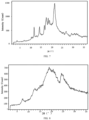
- the X-ray powder diffraction pattern of the L-tartrate crystal form I of the compound of Formula (I) is substantially as shown in FIG. 5 .
- thermogravimetric analysis spectrum of the L-tartrate crystal form I of the compound of Formula (I) is substantially as shown in FIG. 6 .
- the TGA spectrum of the L-tartrate crystal form I of the compound of Formula (I) shows a weight loss of 1.057% at around 110°C, and a weight loss of 3.482% at around 178°C.
- the L-tartrate is an L-tartrate crystal form II of the compound of Formula (I), an X-ray powder diffraction pattern of which has characteristic diffraction peaks at the diffraction angle 2 ⁇ (°) values of 11.662 ⁇ 0.2 and 21.353 ⁇ 0.2.
- the X-ray powder diffraction pattern of the L-tartrate crystal form II further includes characteristic diffraction peaks at 2 or more (such as 3, 4, 5, 6, 7, 8, 9, 10, 11, 12, 13, 14, etc.) diffraction angle 2 ⁇ (°) values selected from the group consisting of 6.985 ⁇ 0.2, 10.376 ⁇ 0.2, 10.884 ⁇ 0.2, 12.994 ⁇ 0.2, 14.244 ⁇ 0.2, 16.548 ⁇ 0.2, 17.481 ⁇ 0.2, 18.349 ⁇ 0.2, 18.984 ⁇ 0.2, 21.026 ⁇ 0.2, 26.925 ⁇ 0.2, 29.335 ⁇ 0.2, 30.896 ⁇ 0.2 and 31.784 ⁇ 0.2, in addition to characteristic diffraction peaks at the diffraction angle 2 ⁇ (°) values of 11.662 ⁇ 0.2 and 21.353 ⁇ 0.2.
- the X-ray powder diffraction pattern of the L-tartrate crystal form II has characteristic diffraction peaks at 3 or more (such as 3, 4, 5, 6, 7, 8, 9, 10, 11, 12, 13, 14, 15, etc.) diffraction angle 2 ⁇ (°) values selected from the group consisting of 6.985 ⁇ 0.2, 10.376 ⁇ 0.2, 10.884 ⁇ 0.2, 11.662 ⁇ 0.2, 12.994 ⁇ 0.2, 14.244 ⁇ 0.2, 16.548 ⁇ 0.2, 17.481 ⁇ 0.2, 18.349 ⁇ 0.2, 18.984 ⁇ 0.2, 21.026 ⁇ 0.2, 21.353 ⁇ 0.2, 26.925 ⁇ 0.2, 29.335 ⁇ 0.2, 30.896 ⁇ 0.2 and 31.784 ⁇ 0.2.
- the X-ray powder diffraction pattern of the L-tartrate crystal form II has characteristic diffraction peaks at the diffraction angle 2 ⁇ (°) values of 11.662 ⁇ 0.2, 14.244 ⁇ 0.2, 17.481 ⁇ 0.2, 18.349 ⁇ 0.2, 21.026 ⁇ 0.2 and 21.353 ⁇ 0.2.
- the X-ray powder diffraction pattern of the L-tartrate crystal form II has characteristic diffraction peaks at the diffraction angle 2 ⁇ (°) values of 10.376 ⁇ 0.2, 11.662 ⁇ 0.2, 14.244 ⁇ 0.2, 16.548 ⁇ 0.2, 17.481 ⁇ 0.2, 18.349 ⁇ 0.2, 18.984 ⁇ 0.2, 21.026 ⁇ 0.2, 21.353 ⁇ 0.2, 26.925 ⁇ 0.2, 29.335 ⁇ 0.2 and 31.784 ⁇ 0.2.
- the X-ray powder diffraction pattern of the L-tartrate crystal form II has characteristic diffraction peaks at the diffraction angle 2 ⁇ (°) values of 6.985 ⁇ 0.2, 10.376 ⁇ 0.2, 10.884 ⁇ 0.2, 11.662 ⁇ 0.2, 12.994 ⁇ 0.2, 14.244 ⁇ 0.2, 16.548 ⁇ 0.2, 17.481 ⁇ 0.2, 18.349 ⁇ 0.2, 18.984 ⁇ 0.2, 21.026 ⁇ 0.2, 21.353 ⁇ 0.2, 26.925 ⁇ 0.2, 29.335 ⁇ 0.2, 30.896 ⁇ 0.2 and 31.784 ⁇ 0.2.
- the X-ray powder diffraction pattern of the L-tartrate crystal form II has characteristic diffraction peaks expressed in 2 ⁇ (°) values and d values as shown in Table 3, and the relative intensity of each peak is shown in Table 3. Table 3.
- the L-tartrate crystal form II has the molar ratio of L-tartaric acid to the compound of Formula (I) of 1:1.
- the X-ray powder diffraction pattern of the L-tartrate crystal form II is substantially as shown in FIG. 7 .
- the phosphate is a second type of phosphate of the compound of Formula (I), wherein a molar ratio of the compound of Formula (I) to phosphoric acid in the phosphate is 1:(0.8-1.2). In some embodiments, the molar ratio of the compound of Formula (I) to phosphoric acid is 1:(0.9-1.1). In some embodiments, the molar ratio of the compound of Formula (I) to phosphoric acid can be 1:0.8, 1:0.9, 1:1, 1:1.1 or 1:1.2. In some embodiments, the molar ratio of the compound of Formula (I) to phosphoric acid in the phosphate is 1:1.
- the phosphate of the compound of Formula (I) is in an anhydrous form, a hydrate form, or a solvate form.
- the phosphate of the compound of Formula (I) is a crystalline powder and exists in crystalline form.
- the phosphate of the compound of Formula (I) is a phosphate crystal form II, an X-ray powder diffraction pattern of which has characteristic diffraction peaks at the diffraction angle 2 ⁇ (°) values of 18.230 ⁇ 0.2 and 21.144 ⁇ 0.2.
- the phosphate crystal form II has the molar ratio of the compound of Formula (I) to phosphoric acid of 1:1.
- the X-ray powder diffraction pattern of the phosphate crystal form II further includes characteristic diffraction peaks at 2 or more (such as 2, 3, 4, 5, 6, 7, 8, 9, 10, 11, 12, 13, 14, 15, etc.) diffraction angle 2 ⁇ (°) values selected from the group consisting of 10.584 ⁇ 0.2, 11.115 ⁇ 0.2, 11.813 ⁇ 0.2, 12.825 ⁇ 0.2, 13.969 ⁇ 0.2, 14.873 ⁇ 0.2, 15.313 ⁇ 0.2, 18.771 ⁇ 0.2, 19.85 ⁇ 0.2, 20.576 ⁇ 0.2, 22.01 ⁇ 0.2, 22.492 ⁇ 0.2, 23.153 ⁇ 0.2, 23.96 ⁇ 0.2, 24.947 ⁇ 0.2, 26.273 ⁇ 0.2, 27.837 ⁇ 0.2, 28.432 ⁇ 0.2, 30.143 ⁇ 0.2, 31.072 ⁇ 0.2, 31.88 ⁇ 0.2 and 33.982 ⁇ 0.2, in addition to characteristic diffraction peaks at the diffraction angle 2 ⁇ (°) values of 18.230 ⁇ 0.2 and 21.144 ⁇ 0.2.
- the X-ray powder diffraction pattern of the phosphate crystal form II has characteristic diffraction peaks at 2 or more (such as 2, 3, 4, 5, 6, 7, 8, 9, 10, etc.) diffraction angle 2 ⁇ (°) values selected from the group consisting of 10.584 ⁇ 0.2, 13.969 ⁇ 0.2, 14.873 ⁇ 0.2, 18.230 ⁇ 0.2, 20.576 ⁇ 0.2, 21.144 ⁇ 0.2, 22.01 ⁇ 0.2, 22.492 ⁇ 0.2, 23.153 ⁇ 0.2 and 23.96 ⁇ 0.2.
- the X-ray powder diffraction pattern of the phosphate crystal form II has characteristic diffraction peaks at the diffraction angle 2 ⁇ (°) values of 10.584 ⁇ 0.2, 13.969 ⁇ 0.2, 14.873 ⁇ 0.2, 18.230 ⁇ 0.2, 20.576 ⁇ 0.2, 21.144 ⁇ 0.2, 22.01 ⁇ 0.2, 22.492 ⁇ 0.2, 23.153 ⁇ 0.2 and 23.96 ⁇ 0.2.
- the X-ray powder diffraction pattern of the phosphate crystal form II has characteristic diffraction peaks at 2 or more (such as 2, 3, 4, 5, 6, 7, 8, 9, 10, 11, 12, 13, 14, 15, etc.) diffraction angle 2 ⁇ (°) values selected from the group consisting of 10.584 ⁇ 0.2, 11.115 ⁇ 0.2, 11.813 ⁇ 0.2, 12.825 ⁇ 0.2, 13.969 ⁇ 0.2, 14.873 ⁇ 0.2, 15.313 ⁇ 0.2, 18.230 ⁇ 0.2, 18.771 ⁇ 0.2, 19.85 ⁇ 0.2, 20.576 ⁇ 0.2, 21.144 ⁇ 0.2, 22.01 ⁇ 0.2, 22.492 ⁇ 0.2, 23.153 ⁇ 0.2, 23.96 ⁇ 0.2, 24.947 ⁇ 0.2, 26.273 ⁇ 0.2, 27.837 ⁇ 0.2, 28.432 ⁇ 0.2, 30.143 ⁇ 0.2, 31.072 ⁇ 0.2, 31.88 ⁇ 0.2 and 33.982 ⁇ 0.2.
- the X-ray powder diffraction pattern of the phosphate crystal form II has characteristic diffraction peaks at the diffraction angle 2 ⁇ (°) values of 10.584 ⁇ 0.2, 11.115 ⁇ 0.2, 11.813 ⁇ 0.2, 12.825 ⁇ 0.2, 13.969 ⁇ 0.2, 14.873 ⁇ 0.2, 15.313 ⁇ 0.2, 18.230 ⁇ 0.2, 18.771 ⁇ 0.2, 19.85 ⁇ 0.2, 20.576 ⁇ 0.2, 21.144 ⁇ 0.2, 22.01 ⁇ 0.2, 22.492 ⁇ 0.2, 23.153 ⁇ 0.2, 23.96 ⁇ 0.2, 24.947 ⁇ 0.2, 26.273 ⁇ 0.2, 27.837 ⁇ 0.2, 28.432 ⁇ 0.2, 30.143 ⁇ 0.2, 31.072 ⁇ 0.2, 31.88 ⁇ 0.2 and 33.982 ⁇ 0.2.
- the X-ray powder diffraction pattern of the phosphate crystal form II has characteristic diffraction peaks expressed in 2 ⁇ (°) values and d values as shown in Table 4, and the relative intensity of each peak is shown in Table 4.
- Table 4. 2 ⁇ (°), d values and relative intensity I/I 0 of the phosphate crystal form II 2 ⁇ (°) ( ⁇ 0.2) d value ( ⁇ ) ( ⁇ 0.2) Relative Intensity I/I 0 (%) 2 ⁇ (°) ( ⁇ 0.2) d value ( ⁇ ) ( ⁇ 0.2) Relative Intensity I/I 0 (%) 1.973 44.7461 1 21.144 4.1984 100 3.687 23.9451 1.3 22.01 4.0352 5.8 10.584 8.3516 12.4 22.492 3.9498 10.8 11.115 7.9543 5.7 23.153 3.8385 13.9 11.813 7.4853 0.7 23.96 3.711 12.4 12.825 6.8971 0.8 24.947 3.5664 8.3 13.969 6.3348 10.
- the X-ray powder diffraction pattern (XRPD pattern) of the phosphate crystal form II is substantially as shown in FIG. 10 .
- a differential scanning calorimeter curve of the phosphate crystal form II has endothermic peaks at 207.48 ⁇ 3°C, 207.48 ⁇ 2°C, 207.48 ⁇ 1°C or 207.48 ⁇ 0.5°C.
- the differential scanning calorimeter curve of the phosphate crystal form II has an onset temperature of 207.48°C ⁇ 3°C, 207.48°C ⁇ 2°C, 207.48°C ⁇ 1°C or 207.48°C ⁇ 0.5°C, and has a peak temperature of 214.31°C ⁇ 3°C, 214.31°C ⁇ 2°C, 214.31°C ⁇ 1°C or 214.31°C ⁇ 0.5°C.
- the differential scanning calorimetry curve (DSC curve) of the phosphate crystal form II is substantially as shown in FIG. 11 .
- the phosphate salt form II of the compound of Formula (I) has a melting point of 207.48 ⁇ 0.5°C.
- thermogravimetric analysis curve of the phosphate crystal form II of the compound of Formula (I) is substantially as shown in FIG.11 .
- the TGA curve of the phosphate crystal form II of the compound of Formula (I) shows almost no weight loss near 100°C, and it begins to melt when heated to near the melting point of 207.48°C.
- the TGA curve of the phosphate crystal form II of the compound of Formula (I) shows the phosphate crystal form II is an anhydrous substance.
- a dynamic vapor sorption spectrum (DVS spectrum) of the phosphate crystal form II of the compound of Formula (I) is substantially as shown in FIG. 12 .
- the DVS spectrum of the phosphate crystal form II of the compound of Formula (I) shows a moisture absorption weight gain of 0.45% at 80% relative humidity (RH).
- a microscope image of the phosphate crystal form II of the compound of Formula (I) is substantially as shown in FIG. 13 .
- the microscope image of the phosphate crystal form II of the compound of Formula (I) shows the phosphate crystal form II is rod-shaped.
- a second aspect of the present disclosure provides a preparation method of the L-tartrate of the compound of Formula (I).
- a preparation method of the L-tartrate of the compound of Formula (I) comprises the following steps: subjecting the compound of Formula (I) to a salt-forming reaction with L-tartaric acid to form the L-tartrate of the compound of Formula (I).
- the molar ratio of feed of L-tartaric acid to the compound of Formula (I) is (0.8-1.4):1. In some embodiments, the molar ratio of feed of L-tartaric acid to the compound of Formula (I) is (0.9-1.2):1.
- the obtained L-tartrate of the compound of Formula (I) has the molar ratio of L-tartaric acid to the compound of Formula (I) of (0.8-1.2):1. In some embodiments, the obtained L-tartrate of the compound of Formula (I) has the molar ratio of L-tartaric acid to the compound of Formula (I) of (0.9-1.1):1. In some embodiments, the obtained L-tartrate of the compound of Formula (I) has the molar ratio of L-tartaric acid to the compound of Formula (I) of 1:1.
- a preparation method of a polymorph of the L-tartrate of the compound of Formula (I) is also provided, wherein the polymorph is the L-tartrate crystal form I, the method comprises the following steps:
- the organic solvent is one or more selected from the group consisting of ethanol, acetonitrile, ethyl acetate, acetone and methanol.
- the molar ratio of feed of L-tartaric acid to the compound of Formula (I) is (0.8-1.4):1. In other embodiments, the molar ratio of feed of L-tartaric acid to the compound of Formula (I) is (0.9-1.2):1.
- the obtained L-tartrate crystal form I has the molar ratio of L-tartaric acid to the compound of Formula (I) of (0.8-1.2):1. In other embodiments, the obtained L-tartrate crystal form I has the molar ratio of L-tartaric acid to the compound of Formula (I) of (0.9-1.1):1. In an embodiment, the obtained L-tartrate crystal form I has the molar ratio of L-tartaric acid to the compound of Formula (I) of 1:1.
- a preparation method of the L-tartrate crystal form II is also provided, and the method comprises the following steps:
- the organic solvent is one or more selected from the group consisting of ethanol, acetonitrile, ethyl acetate, acetone and methanol.
- the anti-solvent is one or more selected from the group consisting of methyl tert-butyl ether, petroleum ether, n-heptane, n-hexane, cyclohexane, isopropanol, acetone, acetonitrile, and ethyl acetate, and the anti-solvent is different from the organic solvent.
- the organic solvent is one or more selected from the group consisting of methyl tert-butyl ether, n-heptane, isopropanol and acetone.
- the molar ratio of feed of L-tartaric acid to the compound of Formula (I) is (0.8-1.4):1. In other embodiments, the molar ratio of feed of L-tartaric acid to the compound of Formula (I) is (0.9-1.2):1.
- the obtained L-tartrate crystal form II has the molar ratio of L-tartaric acid to the compound of Formula (I) of (0.8-1.2):1. In other embodiments, the obtained L-tartrate crystal form II has the molar ratio of L-tartaric acid to the compound of Formula (I) of (0.9-1.1):1. In an embodiment, the obtained L-tartrate crystal form II has the molar ratio of L-tartaric acid to the compound of Formula (I) of 1:1.
- a temperature of salt-forming reaction is -10°C to 90°C.
- the temperature of salt-forming reaction can be any range (including the end value) consisted of the end values selected from the group consisting of -10°C, -5°C, 0°C, 5°C, 10°C, 15°C, 20°C, 25°C, 30°C, 35°C, 40°C, 45°C, 50°C, 55°C, 60°C, 65°C, 70°C, 75°C, 80°C, 85°C and 90°C, and is not specifically limited.
- the reaction solution is slowly cooled to -10°C to 60°C. In some embodiments, the reaction solution is slowly cooled to 0°C to room temperature. In some embodiments, the reaction solution is slowly cooled to room temperature.
- the molar concentration of L-tartaric acid is 0.1 mol/L to 5 mol/L.
- the molar concentration of L-tartaric acid can be 0.1 mol/L, 1mol/L, 1.5 mol/L, 2 mol/L, 2.5 mol/L, 3 mol/L, 3.5 mol/L, 4 mol/L, 4.5 mol/L, or 5 mol/L.
- the molar concentration of L-tartaric acid is 0.5 mol/L to 3 mol/L.
- the molar concentration of L-tartaric acid is 1 mol/L to 2 mol/L.
- the preparation method of the L-tartrate crystal form I comprises the following steps:
- a temperature of the reaction in step (BI-a) is 10°C to 60°C.
- a molar ratio of the compound of Formula (I) to L-tartaric acid in the aqueous solution of L-tartaric acid in step (BI-a) is 1:(0.8-1.4). In some embodiments, a molar ratio of the compound of Formula (I) to L-tartaric acid in the aqueous solution of L-tartaric acid in step (BI-a) is 1:(0.9-1.2).
- the molar concentration of the aqueous solution of L-tartaric acid in step (BI-a) is 0.1 mol/L to 5 mol/L. In other embodiments, the molar concentration of the aqueous solution of L-tartaric acid in step (BI-a) is 0.5 mol/L to 3 mol/L. In other embodiments, the molar concentration of the aqueous solution of L-tartaric acid in step (BI-a) is 1 mol/L to 2 mol/L.
- the stirring in step (BI-a) is performed at the temperature of 30°C to 60°C, and then at room temperature. In some embodiments, the stirring in step (BI-a) is performed at the temperature of 30°C to 60°C for 2-5 h, and then at room temperature. In some embodiments, the stirring in step (BI-a) is performed at the temperature of 30°C to 60°C for 2-5 h, and then at room temperature for 7-16 h.
- the reaction solution in step (BI-b), is cooled to -10°C to 10°C. In some embodiments, the reaction solution is cooled to -5°C to 5°C. In some embodiments, the reaction solution is cooled to about 0°C.
- a time of cooling the reaction solution in step (BI-b) is 0.25-3 h. In some embodiments, the time of cooling the reaction solution is 0.5-2 h. In some embodiments, the time of cooling the reaction solution is 0.5-1 h.
- the separation method in step (BI-b) is selected from the group consisting of centrifugal separation and filtration separation.
- the method further comprises the step of evaporating the solvent or drying.
- the drying step after the separation in step (BI-b) is performed at the temperature of 25°C to 70°C.
- the preparation method of the L-tartrate crystal form II comprises the following steps:
- a temperature of the reaction in step (BII-a) is 10°C to 60°C.
- a molar ratio of the compound of Formula (I) to the L-tartaric acid in the aqueous solution of L-tartaric acid in step (BII-a) is 1:(0.8-1.4). In other embodiments, the molar ratio of the compound of Formula (I) to the L-tartaric acid in the aqueous solution of L-tartaric acid is 1:(0.9-1.2).
- the molar concentration of the aqueous solution of L-tartaric acid in step (BII-a) is 0.1 mol/L to 5 mol/L. In some embodiments, the molar concentration of the aqueous solution of L-tartaric acid is 0.5 mol/L to 3 mol/L. In other embodiments, the molar concentration of the aqueous solution of L-tartaric acid is 1 mol/L to 2 mol/L.
- the solvent in step (BII-a) is methanol.
- the stirring in step (BII-a) is performed at the temperature of 30°C to 60°C, and then at room temperature. In some embodiments, the stirring in step (BII-a) is performed at the temperature of 30°C to 60°C for 2-5 h, and then at room temperature. In some embodiments, the stirring in step (BII-a) is performed at the temperature of 30°C to 60°C for 2-5 h, and then at room temperature for 7-16 h.
- the reaction solution in step (BII-b), is cooled to -10°C to 10°C. In some embodiments, the reaction solution is cooled to -5°C to 5°C. In some embodiments, the reaction solution is cooled to about 0°C.
- a time of cooling the reaction solution in step (BII-b) is 0.25-3 h. In some embodiments, the time of cooling the reaction solution is 0.5-2 h. In some embodiments, the time of cooling the reaction solution is 0.5-1 h.
- the anti-solvent in step (BII-b) is one or more selected from the group consisting of methyl tert-butyl ether, n-heptane, n-hexane, cyclohexane, acetone, acetonitrile, and ethyl acetate, and the solvent is different from the anti-solvent.
- the anti-solvent is one or more selected from the group consisting of methyl tert-butyl ether, acetone, acetonitrile and ethyl acetate.
- the anti-solvent is methyl tert-butyl ether.
- the separation method in step (BII-b) is selected from the group consisting of centrifugal separation and filtration separation.
- the method further comprises the step of evaporating the solvent or drying.
- the drying step after the separation in step (BII-b) is performed at the temperature of 25°C to 70°C.
- the preparation method of the amorphous L-tartrate comprises the following steps:
- a temperature of the reaction in step (C-a) is 10°C to 60°C.
- a molar ratio of the compound of Formula (I) to the L-tartaric acid in the aqueous solution of L-tartaric acid in step (C-a) is 1:(0.8-1.4). In some embodiments, a molar ratio of the compound of Formula (I) to the L-tartaric acid in the aqueous solution of L-tartaric acid in step (C-a) is 1:(0.9-1.2).
- the molar concentration of the aqueous solution of L-tartaric acid in step (C-a) is 0.1 mol/L to 5 mol/L. In some embodiments, the molar concentration of the aqueous solution of L-tartaric acid is 0.5 mol/L to 3 mol/L. In some embodiments, the molar concentration of the aqueous solution of L-tartaric acid is 1 mol/L to 2 mol/L.
- the solvent in step (C-a) is acetone.
- the stirring in step (C-a) is performed at the temperature of 30°C to 60°C, and then at room temperature. In some embodiments, the stirring in step (C-a) is performed at the temperature of 30°C to 60°C for 2-5 h, and then at room temperature. In some embodiments, the stirring in step (C-a) is performed at the temperature of 30°C to 60°C for 2-5 h, and then at room temperature for 7-16 h.
- step (C-b) the reaction solution is cooled to -10°C to 10°C. In some embodiments, the reaction solution is cooled to -5°C to 5°C. In some embodiments, the reaction solution is cooled to about 0°C.
- a time of cooling the reaction solution in step (C-b) is 0.25-3 h. In some embodiments, the time of cooling the reaction solution is 0.5-2 h. In some embodiments, the time of cooling the reaction solution is 0.5-1 h.
- the separation method in step (C-b) is selected from the group consisting of centrifugal separation and filtration separation.
- the method further comprises the step of evaporating the solvent or drying.
- the drying step after the separation in step (C-b) is performed at the temperature of 25°C to 70°C.
- a third aspect of the present disclosure provides a preparation method of a phosphate of the compound of Formula (I).
- the preparation method of the phosphate of the compound of Formula (I) comprises the following steps: subjecting the compound of Formula (I) to a salt-forming reaction with phosphoric acid in the presence of an organic solvent to form the phosphate of the compound of Formula (I).
- the phosphate is a second type of phosphate of the compound of Formula (I).
- the molar ratio of feed of the compound of Formula (I) to phosphoric acid is 1:(0.8-1.2).
- the molar ratio of feed of the compound of Formula (I) to phosphoric acid can be 1:0.8, 1:0.9, 1:1.0, 1:1.1 or 1:1.2.
- the molar ratio of feed of the compound of Formula (I) to phosphoric acid is 1:(0.9-1.1). In some embodiments, the molar ratio of feed of the compound of Formula (I) to phosphoric acid is 1:1. In some embodiments, the molar ratio of feed of the compound of Formula (I) to phosphoric acid is 1:0.95.
- the molar ratio of the compound of Formula (I) to phosphoric acid in the phosphate is 1:(0.8-1.2). In some embodiments, the molar ratio of the compound of Formula (I) to phosphoric acid in the phosphate is 1:(0.9-1.1). In some embodiments, the molar ratio of the compound of Formula (I) to phosphoric acid in the phosphate can be 1:0.8, 1:0.9, 1:1, 1:1.1 or 1:1.2. In some embodiments, the molar ratio of the compound of Formula (I) to phosphoric acid in the phosphate is 1:1.
- the organic solvent is one or more selected from the group consisting of ethanol, ethyl acetate, acetonitrile and acetone. In some embodiments, the organic solvent is ethanol, acetone, or mixture thereof. In some embodiments, the organic solvent is ethanol.
- the organic solvent is one or more of methanol, ethyl acetate and acetone. In some embodiments, the organic solvent is one or more of methanol and ethyl acetate. In some embodiments, the organic solvent is a mixture of methanol and ethyl acetate.
- the phosphate of the compound of Formula (I) obtained has the molar ratio of the compound of Formula (I) to phosphoric acid of 1:1.
- a preparation method of the phosphate crystal form II is also provided, and the method comprises the following steps:
- the salt-forming reaction is performed in one or both of ethanol and acetone.
- the salt-forming reaction is performed in ethanol. In some embodiments, the salt-forming reaction is performed in methanol.
- the preparation method of the phosphate crystal form II comprises the following steps:
- the preparation method of the phosphate crystal form II comprises the following steps:
- the phosphate crystal form II has the molar ratio of the compound of Formula (I) to phosphoric acid of 1:1.
- the temperature of salt-forming reaction is -10°C to 90°C, for example, it can be any range (including the end value) consisted of the end values selected from the group consisting of -10°C, -5°C, 0°C, 5°C, 10°C, 15°C, 20°C, 25°C, 30°C, 35°C, 40°C, 45°C, 50°C, 55°C, 60°C, 65°C, 70°C, 75°C, 80°C, 85°C and 90°C, and is not specifically limited.
- the method for collecting the solid in step (ii) or (ii-1) can be centrifugal separation and filtration separation.
- the method further comprises the step of evaporating the solvent or drying.
- the drying step is performed at the temperature of 25°C to 70°C.
- the phosphate is a first type of phosphate of the compound of Formula (I).
- the molar ratio of feed of the compound of Formula (I) to phosphoric acid is 1:(1.8-2.6), for example, it can be 1:1.8, 1:1.9, 1:2.0, 1:2.1, 1:2.2, 1:2.3, 1:2.4, 1:2.5 or 1:2.6; preferably 1:(1.9-2.3), and more preferably 1:(2.0-2.2).
- the phosphate has the molar ratio of phosphoric acid to the compound of Formula (I) is (1.8-2.4):1.
- the molar ratio of phosphoric acid to the compound of Formula (I) can be 1.8:1, 1.9:1, 2.0:1, 2.1:1, 2.2:1, 2.3:1 or 2.4:1.
- the molar ratio of phosphoric acid to the compound of Formula (I) is (1.9-2.3):1.
- the molar ratio of phosphoric acid to the compound of Formula (I) is 2:1.
- the organic solvent is one or more selected from the group consisting of ethanol, ethyl acetate, acetone and methanol.
- the phosphate of the compound of Formula (I) obtained has the molar ratio of phosphoric acid to the compound of Formula (I) of 2:1.
- the preparation method of the phosphate crystal form I comprises the following steps:
- a temperature of the reaction in step (AI-a) is 10°C to 60°C.
- the molar ratio of the compound of Formula (I) to phosphoric acid in the aqueous solution of phosphoric acid is 1:(1.8-2.6), for example, it can be 1:1.8, 1:1.9, 1:2.0, 1:2.1, 1:2.2, 1:2.3, 1:2.4, 1:2.5 or 1:2.6; preferably 1:(1.9-2.3), and more preferably 1:(2.0-2.2).
- the molar concentration of the aqueous solution of phosphoric acid is 0.1 mol/L to 5 mol/L, preferably 0.5 mol/L to 3 mol/L, and more preferably 1 mol/L to 2 mol/L.
- the reaction solution in step (AI-b), is cooled to -10°C to 10°C, and preferably -5°C to 5°C; in some of these embodiments, the reaction solution is cooled to about 0°C.
- a time of cooling the reaction solution in step (AI-b) is 0.5-2 h; in some of these embodiments, the time of cooling the reaction solution is 0.5 h.
- the anti-solvent is one or more selected from the group consisting of methyl tert-butyl ether, petroleum ether, n-heptane, n-hexane, cyclohexane, isopropanol, acetone, acetonitrile, and ethyl acetate, and the anti-solvent is different from the organic solvent; preferably, the anti-solvent is one or more selected from the group consisting of methyl tert-butyl ether, n-heptane, isopropanol and acetone.
- the separation method in step (AI-b) is selected from the group consisting of centrifugal separation and filtration separation.
- the method further comprises the step of evaporating the solvent or drying.
- the drying step after the separation in step (AI-b) is performed at the temperature of 25°C to 70°C, for example, the temperature can be 25°C, 30°C, 40°C, 50°C, 60°C or 70°C, etc, and is not specifically limited.
- the temperature of the reaction in step (AI-a) is 10°C to 60°C; and/or the molar ratio of the compound of Formula (I) to phosphoric acid in the aqueous solution of phosphoric acid is 1:(1.8-2.4), preferably 1:(1.9-2.3), and more preferably 1:(2.0-2.2); and/or the molar concentration of the aqueous solution of phosphoric acid is 0.1 mol/L to 5 mol/L, preferably 0.5 mol/L to 3 mol/L, and more preferably 1 mol/L to 2 mol/L; and/or in step (AI-b), the reaction solution is cooled to -10°C to 10°C, preferably -5°C to 5°C, and more preferably about 0°C; and/or the cooling time of the reaction solution in step (AI-b) is 0.5 to 2 hours, more preferably 0.5 hours; and/or the anti-solvent is one or more selected from the group consisting of methyl tert-but
- a fourth aspect of the present disclosure provides a pharmaceutical composition
- the pharmaceutical composition comprises: (a) the L-tartrate or phosphate of the compound of Formula (I) of the first aspect of the present disclosure; and (b) a pharmaceutically acceptable carrier.
- the pharmaceutical composition comprises (a) the L-tartrate of the compound of Formula (I), the first type of phosphate of the compound of Formula (I), or the second type of phosphate of the compound of Formula (I) of the first aspect of the present disclosure; and (b) a pharmaceutically acceptable carrier.
- the pharmaceutical composition comprises (a) the L-tartrate crystal form I of the compound of Formula (I), the L-tartrate crystal form II of the compound of Formula (I), the amorphous L-tartrate of the compound of Formula (I), the phosphate crystal form I of the compound of Formula (I) or the phosphate crystal form II of the compound of Formula (I) of the first aspect of the present disclosure; and (b) a pharmaceutically acceptable carrier.
- a fifth aspect of the present disclosure provides use of the pharmaceutically acceptable salt of the compound of Formula (I) described in the first aspect of the present disclosure or the pharmaceutical composition described in the fourth aspect of the present disclosure in the manufacture of a kinase inhibitor.
- the pharmaceutically acceptable salt of the compound of Formula (I) comprises the L-tartrate of the compound of Formula (I), the first type of phosphate of the compound of Formula (I), or the second type of phosphate of the compound of Formula (I).
- the pharmaceutically acceptable salt of the compound of Formula (I) comprises the L-tartrate crystal form I of the compound of Formula (I), the L-tartrate crystal form II of the compound of Formula (I), the amorphous L-tartrate of the compound of Formula (I), the phosphate crystal form I of the compound of Formula (I) or the phosphate crystal form II of the compound of Formula (I).
- the kinase inhibitor is a CDK9 inhibitor.
- a sixth aspect of the present disclosure provides use of the pharmaceutically acceptable salt of the compound of Formula (I) described in the first aspect of the present disclosure or a pharmaceutical composition described in the fourth aspect of the present disclosure in the manufacture of a medicament for treating and/or preventing a disease associated with or mediated by CDK9 activity.
- the pharmaceutically acceptable salt of the compound of Formula (I) comprises the L-tartrate of the compound of Formula (I), the first type of phosphate of the compound of Formula (I), or the second type of phosphate of the compound of Formula (I).
- the pharmaceutically acceptable salt of the compound of Formula (I) comprises the L-tartrate crystal form I of the compound of Formula (I), the L-tartrate crystal form II of the compound of Formula (I), the amorphous L-tartrate of the compound of Formula (I), the phosphate crystal form I of the compound of Formula (I) or the phosphate crystal form II of the compound of Formula (I).
- the present disclosure further provides a method for inhibiting CDK9 activity, comprising administering to a subject in need thereof a therapeutically effective amount of the pharmaceutically acceptable salt of the compound of Formula (I) described in the first aspect of the present disclosure or the pharmaceutical composition described in the fourth aspect of the present disclosure.
- the present disclosure further provides a method for treating a disease associated with or mediated by CDK9 activity, comprising administering to a subject in need thereof a therapeutically effective amount of the pharmaceutically acceptable salt of the compound of Formula (I) described in the first aspect of the present disclosure or the pharmaceutical composition described in the fourth aspect of the present disclosure.
- the disease comprises a hyperproliferative disease, a virus-induced infectious disease, and a cardiovascular disease.
- the disease is a hyperproliferative disease.
- the hyperproliferative disease comprises angiogenic or angioproliferative disorders, mesangial cell proliferative diseases, and solid tumors.
- the solid tumors are, for example, cancers of the breast, respiratory tract, brain, reproductive organs, digestive tract, urinary tract, eye, liver, skin, head and neck, thyroid or parathyroid glands, and distant metastases thereof, etc.
- the disease is one or more selected from the group consisting of lymphoma, sarcoma, and leukemia.
- the disease is a cancer.
- the cancer is, for example, pancreatic cancer, breast cancer, ovarian cancer, cervical cancer, or leukemia, etc.
- the disease comprises solid tumors and hematological tumors.
- the disease associated with or mediated by CDK9 activity comprise a disease associated with or involving CDK9 activity (eg, overactivity of CDK9), and conditions that accompany these diseases.
- Overactivity of CDK9 refers to increased CDK9 enzyme activity compared to normal, non-diseased cells, or to increased CDK9 activity resulting in undesired cell proliferation, or reduced or insufficient programmed cell death (apoptosis), or to mutations resulting in constitutive activation of CDK9.
- the treatment and/or prevention of the disease associated with CDK9 activity or mediated by CDK9 activity comprises administering to a subject in need thereof (including a mammal, such as a human) a pharmaceutically acceptable salt of a compound of Formula (I) of the present disclosure, or a pharmaceutical composition comprising a pharmaceutically acceptable salt of a compound of Formula (I) effective for treating or preventing the disease.
- the phosphate and L-tartrate of the compound of Formula (I) have higher solubility than the free base, and the L-tartrate crystal form I of the compound of Formula (I), the L-tartrate crystal form II of the compound of Formula (I), the amorphous L-tartrate of the compound of Formula (I), the phosphate crystal form I of the compound of Formula (I) or the phosphate crystal form II of the compound of Formula (I) all have good physical stability and are suitable for drug development.
- the phosphate crystal form I of the compound of Formula (I) can be transformed into the more stable phosphate crystal form II under appropriate conditions, such as in ethanol.
- the phosphate crystal form II of the compound of Formula (I) has lower hygroscopicity and better crystallinity and stability.
- the compound of Formula (I) is (1S,3S)-N1-(5-((S)-1-cyclobutylethyl)pyrazolo[1,5-a]pyrimidin-7-yl)cyclopentan-1,3-diamine, having the structure shown as follows:
- the present disclosure further comprises the phosphate and L-tartrate of the compound of Formula (I).
- Polymorph solids exist in either amorphous form or crystalline form. In the case of crystalline form, the molecules are positioned in a three-dimensional lattice site. When a compound crystallizes from a solution or slurry, it can crystallize in different spatial arrangements (a property known as "polymorphism"), forming crystals with different crystalline forms, which are known as "polymorphs". Different polymorphs of a given substance may differ from one another in one or more physical properties, such as solubility and dissolution rate, true specific gravity, crystal shape, packing spectrum, flowability and/or solid state stability.
- Crystallization on a production scale can be accomplished by manipulating the solution so that the solubility limit of the compound of interest is exceeded. This can be accomplished in a variety of ways, for example, by dissolving the compound at a relatively high temperature and then cooling the solution to below the saturation limit. Alternatively, the volume of the liquid can be reduced by boiling, atmospheric evaporation, vacuum drying, or by some other method. The solubility of the compound of interest can be reduced by adding an anti-solvent or a solvent or a mixture of such solvents in which the compound has a low solubility. Another alternative is to adjust the pH to reduce solubility. For a detailed description of crystallization, see Crystallization, 3rd edition, JW Mullens, Butterworth-Heineman Ltd., 1993, ISBN 0750611294 .
- the "suspension shaking” mentioned in the present disclosure refers to a method of mixing the compound of Formula (I) and the corresponding acid or the solution of the corresponding acid in a suitable solvent to form a turbid solution and then shaking to obtain a crystal.
- the suitable solvent may be water or an organic solvent.
- the "suspension centrifugation” mentioned in the present disclosure refers to a method of mixing the compound of Formula (I) and the corresponding acid or the solution of the corresponding acid in a suitable solvent to form a turbid solution and then centrifuging to obtain a crystal.
- the suitable solvent may be water or an organic solvent.
- the “slow volatilization” described in the present disclosure refers to a method in which a solution containing the compound of Formula (I) and a corresponding acid is placed at a certain temperature to slowly volatilize the solvent to obtain a crystal.
- the "adding an anti-solvent” or “addition of an anti-solvent” described in the present disclosure refers to a method of adding another suitable solvent to a solution of the compound of Formula (I) and then precipitating the resulting crystal.
- the addition of an appropriate acid or base may result in direct crystallization of the desired salt if the salt is less soluble in the reaction medium than the starting materials.
- completion of the synthesis reaction in a medium in which the final desired form is less soluble than the reactants may result in direct crystallization of the final product.
- optimization of crystallization can include seeding the crystallization medium with crystals of the desired form.
- many crystallization methods use a combination of the above strategies.
- One embodiment dissolves the compound of interest in a solvent at elevated temperature, followed by controlled addition of an appropriate volume of anti-solvent to bring the system just below saturation level.
- a seed crystal in the desired form may be added (while maintaining the integrity of the seed crystal) and the system cooled to complete crystallization.
- the term "about” refers to within ⁇ 5 on the basis of a given value.
- 3-5 h means that the units of the left endpoint "3" and the right endpoint "5" are both h (hours).
- plural means greater than or equal to two.
- the technical features described in an open manner include closed technical solutions composed of the listed features, and also include open technical solutions containing the listed features.
- polymorph of the present disclosure includes, but is not limited to, the phosphate form I of the compound of Formula (I), the phosphate form II of the compound of Formula (I), the L-tartrate form I of the compound of Formula (I), and the L-tartrate form II of the compound of Formula (I).
- the present disclosure also includes a phosphate of the compound of Formula (I), in particular a monophosphate, and a crystalline form II of the phosphate of the compound of Formula (I).
- polymorph of the compound of Formula (I) and “polymorph of the free base of the compound of Formula (I)” are used interchangeably.
- the pharmaceutically acceptable salt of the compound of Formula (I) disclosed herein as an active ingredient can be administered in a suitable dosage form together with one or more pharmaceutical carriers.
- the phosphate, the L-tartrat and the polymorph thereof of the compound of Formula (I) disclosed herein as an active ingredient can be administered in a suitable dosage form together with one or more pharmaceutical carriers.
- “Pharmaceutically acceptable carrier” refers to a non-toxic, inert, solid, semi-solid substance or liquid filler, diluent, encapsulating material or auxiliary formulation or any type of excipient, which is compatible with the subject to be administered (in some embodiments, a mammal, in one embodiment, a human), and is suitable for transporting the active substance of the present disclosure to the target site without terminating its activity.
- the pharmaceutical composition disclosed herein are formulated, dosed and administered in a manner consistent with medical practice.
- the "therapeutically effective amount" of the active ingredient administered is determined by factors such as the specific condition to be treated, the individual being treated, the cause of the condition, the target of the drug, and the mode of administration.
- the present disclosure provides the pharmaceutically acceptable salt of the compound of Formula (I) described in the first aspect of the present disclosure, the pharmaceutical composition described in the fourth aspect of the present disclosure, which can be used as a medicine for treating and/or preventing a disease associated with or mediated by CDK9 activity.
- the present disclosure provides a method for inhibiting CDK9 activity, comprising administering to a subject a therapeutically effective amount of the pharmaceutically acceptable salt of the compound of Formula (I) described in the first aspect of the present disclosure or the pharmaceutical composition described in the fourth aspect of the present disclosure.
- terapéuticaally effective amount refers to an amount of a pharmaceutically acceptable salt of the compound of Formula (I) of the present disclosure that will induce a biological or medical response in a subject, such as reducing or inhibiting enzyme or protein activity or improving symptoms, alleviating symptoms, relieving or delaying disease progression, or preventing disease, etc.
- subject refers to an animal, preferably a mammal, more preferably a human.
- mammal refers to a warm-blooded vertebrate mammal including a cat, dog, rabbit, bear, fox, wolf, monkey, deer, mouse, pig and human.
- Treatment means to lessen, slow the progression, attenuate, prevent, or maintain an existing disease or condition (e.g., cancer). Treatment also includes curing, preventing the development of, or alleviating to some extent, one or more symptoms of a disease or condition.
- the structure and purity of the compounds were determined by nuclear magnetic resonance ( 1 H NMR) and/or liquid mass spectrometry (LC-MS).
- LC-MS Agilent 1290 HPLC System/6130/6150 MS LC-MS (Manufacturer: Agilent), column Waters BEH/CHS, 50 ⁇ 2.1 mm, 1.7 ⁇ m.
- Elemental analysis was performed using an inductively coupled plasma optical emission spectrometer, model icp 500; power 1300w; flow rate 1 mL/min.
- the known starting materials in the following examples may be synthesized using or according to methods known in the art or may be purchased from companies such as ABCR GmbH&Co.KG, Acros Organics, Aldrich Chemical Company, Accela ChemBio Inc, and Darui Chemicals.
- room temperature in the following examples refers to about 20°C to 30°C.
- X-ray powder diffraction in the present disclosure, the above crystalline or amorphous powder X-ray diffraction pattern was obtained by a known method in the art using an ARL Equinox3000 X-ray powder diffraction analyzer.
- each peak was determined by 2 ⁇ (°). It will be appreciated that different instruments and/or conditions may result in slightly different data being generated and that the position and relative intensity of each peak may vary.
- each crystal form has the diffraction peak with the highest peak height as the base peak, and the relative intensity thereof is defined as 100%, as I 0 (a peak with a 2 ⁇ (°) value of 18.803 in phosphate crystal form I is the base peak; a peak with a 2 ⁇ (°) value of 20.27 in L-tartrate crystal form I is the base peak; a peak with a 2 ⁇ (°) value of 21.353 in L-tartrate crystal form II is the base peak; and a peak with a 2 ⁇ (°) value of 18.230 in phosphate crystal form II is the base peak), the ratio of the peak height thereof to the peak height of the base peak is taken as the relative intensity I/I 0 of each of the other peaks.
- Single crystal X-ray diffraction in the present disclosure, the single crystal X-ray diffraction pattern of the compound of Formula (II) was obtained by a known method in the art using an D8 Venture diffraction analyzer.
- the SXRD measurement parameters are shown in Table 7 below. After collecting relevant data, the crystal structure was further analyzed by direct method (SHELXT2014) to confirm the absolute configuration.
- Table 7 Parameters SXRD Light source Cu target X-ray Cu-K ⁇ ( 1.54178 ⁇ ) Detector CMOS Face Detector Current Voltage 50 kV, 1.2 mA Resolution 0.80 ⁇ Exposure time 5 s Test temperature 170 (2) K Distance from face detector to sample 40 mm
- An acid-base molar ratio of the phosphate of the compound of Formula (I) disclosed herein and the crystal form thereof was determined by elemental analysis, and the acid-base molar ratio of the L-tartrate of the compound of Formula (I) and the crystal form thereof and the amorphous form thereof was determined by HPLC/IC or 1 H NMR.
- High Performance Liquid Chromatography in the present disclosure, high performance liquid chromatography (HPLC) was collected on an Agilent 1260 HPLC.
- DSC Differential Scanning Calorimetry
- thermogravimetric Analysis in the present disclosure, a thermogravimetric analysis spectrum of the above crystal form was obtained by a known method in the art using a TGA550 thermogravimetric analyzer.
- the TGA measurement parameters are shown in Table 9 below. Table 9 Parameters TGA Method Linear temperature rise Sample disc Platinum disc, Covered Range of temperatures 25°C - Set temperature Scan rate (°C/min) 10 Protection gas Nitrogen
- Dynamic vapor sorption (DVS) curve a dynamic vapor sorption curve was collected on a DVS Intrinsic of SMS (Surface Measurement Systems). The relative humidity at 25°C was calibrated using the deliquescent points of LiCl, Mg(NO 3 ) 2 and KCl. The instrument test conditions are shown in Table 10 below. Table 10 Parameters DVS Equilibrium temperature 25°C Sample quantity 10 mg to 20 mg Protection gas and flow rate Nitrogen, 200 mL/min Humidity 0.00% Maximun equilibrate time 90.00 min RH range 0% to 80% to 0% RH gradient 10% (0% RH to 80% RH, 80% RH to 0% RH)
- hygroscopicity characteristics and hygroscopicity weight gain (1) deliquescence: absorbing sufficient water to form a liquid; (2) extremely hygroscopicity: hygroscopicity weight gain of not less than 15%; (3) hygroscopicity: hygroscopicity weight gain of less than 15% but not less than 2%; (4) slightly hygroscopicity: hygroscopicity weight gain of less than 2% but not less than 0.2%; (5) no or almost no hygroscopicity: moisture gain is less than 0.2%.
- phosphoric acid solution and “L-tartaric acid solution” used in the present disclosure refer to an aqueous solution of phosphoric acid and an aqueous solution of L-tartaric acid.
- Phosphate and “L-tartrate” used in the present disclosure refer to phosphate of the compound of Formula (I) and L-tartrate of the compound of Formula (I).
- the solvent used in the present disclosure was an analytically pure solvent, such as ethanol was analytically pure ethanol (water content ⁇ 0.3%).
- MTBE refers to methyl tert-butyl ether
- DMSO dimethyl sulfoxide
- THF tetrahydrofuran
- EA ethyl acetate
- PE petroleum ether
- DCM dichloromethane
- MeOH methanol
- CDI N, N-carboyldiimidazole
- MOPS 3-(N-morpholine)propanesulfonic acid
- Tween-20 refers to Tween 20
- DTT refers to dithiothreitol
- EDTA refers to ethylenediaminetetraacetic acid
- CDK1 refers to cell cycle dependent kinase 1
- CDK2 refers to cell cycle dependent kinase 2
- CDK9 refers to cell cycle dependent kinase 9
- K2EDTA refers to dipotassium ethylenediaminetetraacetate
- IPA isopropyl alcohol
- IPA isopropyl alcohol
- Step 1 Sodium hydride (18 g, 450.00 mmol, purity 60%) was dissolved in THF (300 mL), cooled to 0°C, and triethyl 2-phosphonopropionate (100 g, 419.78 mmol) was slowly added dropwise thereto. The reaction was stirred at 0°C to 5°C for 1 h, and then cyclobutanone (25 g, 356.69 mmol) was dissolved in THF (50 mL) and slowly added dropwise thereto. After the addition was completed, the reaction was carried out at 25°C for 15 h.
- Step 2 Compound 2 (44 g, 285.33 mmol) was dissolved in methanol (400 mL), and wet palladium carbon (4.4 g, purity 10%) was added thereto. A hydrogen balloon was placed, and the hydrogen was replaced three times. The mixture was stirred at 27°C under a hydrogen atmosphere (15 psi) for 6 to 8 h. TLC showed that the raw material point disappeared. Pd/C was filtered off, and the solvent was removed under reduced pressure to obtain a crude Compound 3 (44 g, colorless oil, boiling point about 182°C), yield: 98.71%, and directly proceeded to the next step without purification.
- methanol 400 mL
- wet palladium carbon 4.4 g, purity 10%
- Step 3 Compound 3 (44 g, 281.65 mmol) was dissolved in methanol (400 mL), sodium hydroxide (45.06 g, 1.13 mol) and water (200 mL) were added thereto, and then the reaction was stirred at room temperature for 16 h. LCMS showed that the reaction was completed. Methanol was removed by concentration under reduced pressure, and then the solution was extracted twice with dichloromethane.
- Step 4 Compound 4 (36 g, 280.88 mmol) was dissolved in THF (300 mL) in a reaction flask, and then CDI (68.32 g, 421.32 mmol) was added thereto, and then the solution was reacted at room temperature for 16 h (as solution A). Potassium monomethyl malonate (143.42 g, 842.64 mmol) was added to anhydrous magnesium chloride (66.86 g, 702.20 mmol) and THF (900 mL) in another reaction flask, and the solution was heated at 50°C under argon protection for 16 h (as solution B).
- Step 5 Compound 5 (42 g, 211.85 mmol) and 3-aminopyrazole (19.36 g, 233.03 mmol) were dissolved in glacial acetic acid (300 mL), and the temperature was raised to 120°C for reaction for 16 h. LCMS showed that the reaction was completed. The acetic acid was removed by concentration under reduced pressure, and the mixture was slurried with ethyl acetate (800 mL ⁇ 4) to precipitated a solid, filtered, and dried to obtain Compound 6 (41 g, light yellow solid), yield: 89.08%. The compound was directly proceeded to the next step without purification. MS m/z (ESI):218.1 [M+H] + .
- Step 1 Compound 6 (473.6 mg, 2.18 mmol) was dissolved in phosphorus oxychloride (6 mL), and the solution was heated to 120°C and stirred for 3 hours. After cooling to room temperature, the solution was poured into ice water (60 g) and extracted with dichloromethane (80 mL). The organic phase was dried over anhydrous sodium sulfate, filtered, and concentrated under reduced pressure. The residue was separated by silica gel column chromatography (20 g, 0% to 40% EA/DCM) to obtain Compound 7.
- Step 2 Compound 7 (142.7 mg, 605.5 ⁇ mol) and tert-butyl ((1S, 3S)-3-aminocyclopentyl)carbamate (121.27 mg, 605.52 ⁇ mol) were dissolved in acetonitrile (20 mL), and then potassium carbonate (251.0 mg, 1.81 mmol) was added thereto. The reaction was stirred at 90°C for 16 h. Ethyl acetate (80 mL) was added for dilution, and the solution was washed with saturated sodium chloride solution (80 mL ⁇ 3). The organic phase was dried over anhydrous sodium sulfate, filtered, and concentrated under reduced pressure to obtain Compound 8.
- Step 4 Compound 9 (94.46 mg, 315.48 ⁇ mol) was subjected to chiral separation (column type: IC-3 4.6*100 mm 3 ⁇ m; co-solvent: IPA[1% NH 3 (7 M in MeOH)]; sample volume: 5.00 ⁇ L; wavelength: 220.0nm; running time: 6.0 min; flow rate: 3.0 mL/min; pressure: 2000 psi; column temperature: 40°C) to obtain the compound of Formula (I) (9.70 mg, retention time 2.471 min, yield: 9.89%, purity: 96.34%. MS m/z (ESI): 300.2 [M+H] + .
- the compound of Formula (II) was prepared from the compound of Formula (I), so that the absolute configuration of the compound of Formula (I) can be determined by the absolute configuration of the compound of Formula (II).
- the compound of Formula (I) (200 mg, 667.97 ⁇ mol) was dissolved in dichloromethane (10 mL), and then 4-chlorobenzoyl chloride (175.4 mg, 1.00 mmol) was added thereto, followed by the addition of N,N-diisopropylethylamine (0.6 mL, 3.34 mmol). The reaction was stirred at room temperature for 2 h, and LCMS detected that the raw material was reacted completely. Water (30 mL) was added thereto, and the solution was extracted with ethyl acetate (30 mL).
- the single crystal of the compound of Formula (II) was further prepared, and the ellipsoid graph of the molecular stereostructure of a single crystal of the compound of Formula (II) is shown in FIG. 9 .
- the Flack constant is 0.07(2), C8, C10 and C19 are S configuration, that is, the absolute configuration of the three chiral centers of the compound of Formula (II) is S configuration, and the structure is shown in the structure of the compound of Formula (II). Therefore, it can be determined that the absolute configuration of the three chiral centers of the compound of Formula (I) is S configuration, and its structure is shown in the structure of the compound of Formula (I).
- the reaction was carried out at 50°C for 1 h, and stirring was continued at 40 °C for 1 h, and then the stirring was continued at 30°C for another 1 h. Finally, the heating was turned off and the solution was stirred overnight. After the reaction was completed, the temperature was slowly cooled to 0°C, acetone was added to the solution to precipitate solids, the solids were collected by centrifugation and the solvent was evaporated to obtain the phosphate crystal form I of the compound of Formula (I).
- the phosphorus content of the obtained solid was 12.5% determined by elemental analysis, indicating that the molar ratio of the compound of Formula (I) to phosphoric acid in the obtained solid was 1:2 (the theoretical value of phosphorus content thereof was 12.5%);
- the XRPD pattern of the obtained solid was substantially as shown in FIG. 1 , and the XRPD pattern of the obtained solid has peaks at the 2 ⁇ (°) values as shown in the aforementioned Table 1, and the relative intensities of each peak are shown in the aforementioned Table 1; the DSC and TGA spectrums thereof are shown in FIG. 2 , the DVS spectrum thereof is shown in FIG. 3 , and the microscope image thereof is shown in FIG. 4 .
- the polarizing microscope image shows that the phosphate crystal form I of the compound of Formula (I) is rod-shaped and block-shaped.
- the HPLC/IC results showed that the molar ratio of the compound of Formula (I) to L-tartaric acid in the obtained solid was 1:1; the XRPD pattern was substantially as shown in FIG. 5 , and the XRPD pattern of the obtained solid has peaks at the 2 ⁇ (°) values as shown in the aforementioned Table 2, and the relative intensities of the peaks are shown in the aforementioned Table 2; the TGA spectrum is shown in FIG. 6 .
- the TGA spectrum shows that the weight loss is 1.057% when heated to around 110°C, which may be due to the volatilization of water, and the weight loss continues to be 3.482% when heated to around 178°C, which is presumably due to the volatilization of organic solvents, and melting decomposition occurs when heated continuously.
- the reaction was carried out at 50°C for 1 h, and stirring was continued at 40°C for 1 h, and then the stirring was continued at 30°C for another 1 h. After cooling to room temperature, the heating was turned off and the solution was stirred overnight. After the reaction was completed, the temperature was slowly cooled to 0°C, MTBE was added to the solution to crystallize, and the solvent was evaporated to obtain solids.
- the obtained solid was subjected to HPLC/IC detection to determine that the molar ratio of the compound of Formula (I) to L-tartaric acid in the obtained solid was 1:1; the XRPD pattern of the obtained solid is shown in FIG. 7 , and the XRPD pattern of the obtained solid has peaks at the 2 ⁇ (°) values as shown in the aforementioned Table 3, and the relative intensities of the peaks are shown in Table 3. It is defined in the present disclosure as L-tartrate crystal form II of the compound of Formula (I).
- the reaction was carried out at 50°C for 1 h, and stirring was continued at 40°C for 1 h, and then the stirring was continued at 30°C for another 1 h. After cooling to room temperature, the heating was turned off and the solution was stirred overnight. After the reaction was completed, the temperature was slowly cooled to 0°C to precipitate a solid, the solid was collected by centrifugation and the solvent was evaporated.
- the obtained solid was subjected to HPLC/IC to determine that the molar ratio of the compound of Formula (I) to L-tartaric acid in the obtained solid was 1:1; the XRPD pattern of the obtained solid is shown in FIG. 8 , which is defined as the amorphous L-tartrate in the present application.
- the obtained solid was analyzed by elemental analysis to obtain a phosphorus content of 7.8%, indicating that the molar ratio of the compound of Formula (I) to phosphoric acid in the obtained solid was 1:1 (the theoretical value of phosphorus content thereof was 7.79%); the obtained solid was subjected to XRPD detection, and its XRPD pattern is shown in FIG. 10 , which is defined as the phosphate crystal form II in the present application.
- the XRPD pattern of the obtained solid has peaks at the 2 ⁇ (°) values as shown in the aforementioned Table 4; and the relative intensities of each peak are shown in the aforementioned Table 4; the DSC and TGA curves thereof are shown in FIG. 11 , the DVS spectrum thereof is shown in FIG. 12 , and the microscope image thereof is shown in FIG. 13 .
- the sample has a melting absorption peak at 207.48°C, and the crystallinity is good, indicating that the melting point of the phosphate crystal form II of the compound of Formula (I) is about 207.48°C; in the TGA curve, the sample has almost no weight loss when heated to around 100°C, and begins to melt when heated to around 207°C. Therefore, the phosphate crystal form II of the compound of Formula (I) is an anhydrous substance.
- the polarizing microscope image shows that the phosphate crystal form II of the compound of Formula (I) is rod-shaped.
- the phosphorus content of the obtained solid was 7.8% determined by elemental analysis, indicating that the molar ratio of the compound of Formula (I) to phosphoric acid in the obtained solid was 1:1 (the theoretical value of phosphorus content thereof was 7.79%); the obtained solid was subjected to XRPD detection, and its XRPD pattern was substantially as shown in FIG. 10 .
- the phosphorus content of the obtained solid was 7.8% determined by elemental analysis, indicating that the molar ratio of the compound of Formula (I) to phosphoric acid in the obtained solid was 1:1 (the theoretical value of phosphorus content thereof was 7.79%); the obtained solid was subjected to XRPD detection, and its XRPD pattern was substantially as shown in FIG. 10 .
- the solution was filtered, rinsed with ethanol, and dried by rotary evaporation to obtain phosphate form II of the compound of Formula (I) with a yield of 75.8%.
- the phosphorus content of the obtained solid was 7.7% determined by elemental analysis, indicating that the molar ratio of the compound of Formula (I) to phosphoric acid in the obtained solid was 1:1 (the theoretical value of phosphorus content thereof was 7.79%); the obtained solid was subjected to XRPD detection, and its XRPD pattern was substantially as shown in FIG. 10 .
- the reaction was carried out at 50°C for 1 h, and stirring was continued at 40°C for 1 h, and then the stirring was continued at 30°C for another 1 h. After cooling to room temperature, the heating was turned off and the solution was stirred overnight. After the reaction was completed, the temperature was slowly cooled until the solid was precipitated.
- the solubility of the phosphate of the compound of Formula (I) and L-tartrate of the compound of Formula (I) prepared in the above Examples in water was tested at room temperature.
- the solubility of the phosphate was no more than 26.6 mg/mL
- the solubility of the L-tartrate was no more than 17.3 mg/mL
- the free base was slightly soluble in water.
- the salt of the compound of Formula (I) greatly improves the solubility thereof in water, and the phosphate salt has a higher solubility than the L-tartrate.
- the rough solubility (unit: mg/mL) of the phosphate crystal form I and L-tartrate crystal form I of the compound of Formula (I) in a pH 4.5 buffer (acetic acid-sodium acetate system) and a pH 6.8 buffer (sodium dihydrogen phosphate-sodium hydroxide system) was tested at room temperature, and the results are shown in Table 12. From the results in Table 12, it can be seen that the phosphate crystal form I and L-tartrate crystal form I of the compound of Formula (I) have high solubility in the buffers of pH 4.5 and pH 6.8.
- the test results show that the crystal forms of the L-tartrate form I of the compound of Formula (I), the L-tartrate form II of the compound of Formula (I), the phosphate form I of the compound of Formula (I), and the phosphate form II of the compound of Formula (I) have no obvious changes under the above conditions and have high stability.
- the crystal form I of the L-tartrate of the compound of Formula (I) was stored under high temperature conditions for 7 days and 2 months (60 days), the XRPD pattern thereof showed no obvious change; the overlay of the XRPD patterns of the crystal form I of the L-tartrate of the compound of Formula (I) stored under accelerated conditions for 7 days and 2 months (60 days) is shown in FIG.
- the hygroscopicity test was carried out according to the Guidelines for Hygroscopicity Test of Drugs (Chinese Pharmacopoeia 2020, volume IV, 9103 ), and it was found that the L-tartrate of the compound of Formula (I) has slight hygroscopicity.
- the DVS spectrum of the phosphate crystal form I of the compound of Formula (I) is shown in FIG. 3 .
- the DVS spectrum shows that under the condition of 80% RH, the weight gain of the phosphate crystal form I of the compound of Formula (I) has hygroscopicity.
- the DVS spectrum of the phosphate crystal form II shows that under the condition of 80% RH, the weight gain of the phosphate crystal form II is only 0.45%, indicating that the phosphate crystal form II has slight hygroscopicity.
- Test Example 4 Activity inhibition test on CDK family kinases
- kinase reagents were purchased from Carna Bioscience, reaction substrates and detection reagents were purchased from Perkin Elmer, and the remaining reagents were purchased from Thermo scientific.
- the LANCE Ultra method was used to determine the inhibitory effect of the test substance on the kinase activity of CDK1/CycB (Carna bioscience, #04-102), CDK2/ CycA (Carna bioscience, #04-103), CDK9/CycT (Carna bioscience, #04-110).
- the kinase activity was tested using a 10 ⁇ L system, comprising the following components: CDK kinase dilution, substrate diluent mixed with Ulight-Myelicbasicprotein (PerkinElmer, #TRF-0109, hereinafter referred to as U-MBP) and ATP (Thermoscientific, #PV3227), and the compound of Formula (I) disclosed in the present disclosure (i.e., the test substances).
- U-MBP Ulight-Myelicbasicprotein
- ATP Thermoscientific, #PV3227
- Each kinase in the test included three test groups: background group (Blank), non-inhibition group (PC) and compound test group (Test). The components comprised in each test group are shown in Table 15 below.
- the working concentrations of the components of the Test group in different kinase reactions are shown in Table 16: Compound: 10 mM of the compound to be tested were dissolved at room temperature and diluted in DMSO gradients, followed by 4x compound working solutions diluted with deionized water at 2% DMSO. The highest concentrations of compound used in CDK1 and CDK2 assays were 10 ⁇ M and in CDK9 was 1 ⁇ M.
- 1.33x Reaction buffer Composed of 26.7 mM MOPS, 6.67 mM MgCl 2 and 0.0133% Tween-20, stored in refrigerator at 4°C and protected from light after preparation. Freshly prepared DTT was added to the final concentration of 5.33 mM before use.
- Table 16 Components Kinase U-MBP ATP 4x Compound Solvent 1.33x reaction buffer 1.33x reaction buffer 2% DMSO Volume 2.5 ⁇ L 5 ⁇ L 2.5 ⁇ L CDK1 0.1 ng/ ⁇ L 12.5 nM 4 ⁇ M gradient dilution CDK2 0.25 ng/ ⁇ L 12.5 nM 10 ⁇ M gradient dilution CDK9 1.25ng/ ⁇ L 12.5 nM 10 ⁇ M gradient dilution
- the DMSO working concentration in the reaction was 0.5%.
- test solution was added to all test groups (including Blank, PC and Test groups).
- 10 ⁇ L of detection solution comprises the following components: 16 mM EDTA (Thermo scientific, #15575), 1 nM phosphorylated U-MBP protein antibody (PerkinElmer, #TRF-0201) and 1x detection buffer (PerkinElmer, #CR97-100).
- the compounds of Formula (I) of the present disclosure have high inhibitory activity against CDK9 and high CDK9 inhibitory selectivity.
- LC/MS/MS method was used to determine the plasma concentrations of Compound D, Compound E and compound of Formula (I) in mice at different time points after intravenous injection and intragastric administration, respectively.
- the pharmacokinetic behavior of Compound D, Compound E and compound of Formula (I) in mice was studied and pharmacokinetic characteristics thereof were evaluated.
- Test animals healthy adult male ICR mice (weighing 30-40 g, 12 mice, intravenous injection group mice drinking water and diet ad libitum, gavage group fasting overnight, drinking water and diet ad libitum 4 h after administration), provided by Beijing Vital River Laboratory Animal Co. LTD;
- ICR mice were administered via caudal vein administration (2 mg/kg, 5% DMSO, pH 4.5 20% Captisol) and gavage administration (10 mg/kg, 5% DMSO, pH 4.5 20% Captisol).
- Blood sampling Animals meeting the experimental requirements were selected prior to administrating, weighed and labeled. Mice were bound prior to blood sampling, and each administrated mice was bled at a predetermined time point (caudal vein administration: blood samples were collected at 0.083 h, 0.25 h, 0.5 h, 1 h, 2 h, 4 h, 6 h, 7.5 h and 24 h after administration, totally 9 time points; gavage administration: blood samples were collected at 0.083 h, 0.25 h, 0.5 h, 1 h, 2 h, 4 h, 6 h, 7.5 h and 24 h after administration, totally 9 time points), and about 100 ⁇ L blood samples were collected through the orbit.
- mice Female, 6-10 weeks old, weighing approximately 20-23 grams, were maintained in a special pathogen-free environment and in individual ventilated cages (5 mice per cage, 2 cages of 10). All cages, bedding and water were disinfected prior to use. All animals had free access to standard certified commercial laboratory diets. A total of 80 animals were purchased from the Laboratory Animal Management Department of Shanghai City Institute of Family Planning Science (No. 3577 Jinke Road, Pudong, Shanghai) were used for the study. Each mouse was implanted with tumor cells subcutaneously in the right flank (1 ⁇ 10 7 0.1 ml+Matrigel 0.1 ml) for tumor growth.
- Tumor volume was measured twice weekly with a two-dimensional caliper, and volumes were measured in cubic millimeters.
- Tumor volume TV 0.5a ⁇ b 2 .
- a is the long diameter of the tumor and b is the short diameter of the tumor.
- T/C(%) is the percentage of the relative tumor volume (RTV) between the treatment group and the control group at a certain time point.
- mpk is mg/kg body weight.
- Body weight change (%) of tumor-bearing animals was calculated as follows: (body weight at measurement - body weight at grouping)/body weight at grouping ⁇ 100.
- the tumor volume change graph and the mouse body weight change graph after once daily (qd) oral administration of Compound D and the compound of Formula (I) are shown in FIGS. 17 and 18 , respectively, and the tumor inhibition results of the compound in mice are shown in Table 19: Table 19 Tumor inhibition results of compounds in mice Compound No.
- Dosage and mode of administration Mean tumor weight (g) SEM T/C (%) Vehicle group Oral, Once daily 0.79 0.13 - Compound D 12.5 mpk, Oral, Once daily 0.35 0.09 45.04 The compound of Formula (I) 12.5 mpk, Oral, Once daily 0.17 0.06 21.50 Compound D 25 mpk, Oral, Once daily 0.02 0.08 2.04 The compound of Formula (I) 25 mpk, Oral, Once daily 0.01 0.00 1.40
Landscapes
- Chemical & Material Sciences (AREA)
- Organic Chemistry (AREA)
- Health & Medical Sciences (AREA)
- Chemical Kinetics & Catalysis (AREA)
- General Chemical & Material Sciences (AREA)
- Medicinal Chemistry (AREA)
- Nuclear Medicine, Radiotherapy & Molecular Imaging (AREA)
- Pharmacology & Pharmacy (AREA)
- Life Sciences & Earth Sciences (AREA)
- Animal Behavior & Ethology (AREA)
- General Health & Medical Sciences (AREA)
- Public Health (AREA)
- Veterinary Medicine (AREA)
- Pharmaceuticals Containing Other Organic And Inorganic Compounds (AREA)
Applications Claiming Priority (3)
| Application Number | Priority Date | Filing Date | Title |
|---|---|---|---|
| CN202210866135 | 2022-07-22 | ||
| CN202210870337 | 2022-07-22 | ||
| PCT/CN2023/108554 WO2024017365A1 (fr) | 2022-07-22 | 2023-07-21 | Sel pharmaceutiquement acceptable et polymorphe de dérivé de pyrazolo[1,5-a]pyrimidin-7-amine substitué et utilisation |
Publications (1)
| Publication Number | Publication Date |
|---|---|
| EP4559916A1 true EP4559916A1 (fr) | 2025-05-28 |
Family
ID=89617199
Family Applications (1)
| Application Number | Title | Priority Date | Filing Date |
|---|---|---|---|
| EP23842427.9A Pending EP4559916A1 (fr) | 2022-07-22 | 2023-07-21 | Sel pharmaceutiquement acceptable et polymorphe de dérivé de pyrazolo[1,5-a]pyrimidin-7-amine substitué et utilisation |
Country Status (5)
| Country | Link |
|---|---|
| EP (1) | EP4559916A1 (fr) |
| JP (1) | JP2025527161A (fr) |
| CN (1) | CN119630666A (fr) |
| AU (1) | AU2023312111A1 (fr) |
| WO (1) | WO2024017365A1 (fr) |
Families Citing this family (1)
| Publication number | Priority date | Publication date | Assignee | Title |
|---|---|---|---|---|
| WO2025153034A1 (fr) * | 2024-01-19 | 2025-07-24 | 上海海雁医药科技有限公司 | Polymorphe de sel de phosphate de dérivé de pyrazolopyrimidine et son utilisation |
Family Cites Families (7)
| Publication number | Priority date | Publication date | Assignee | Title |
|---|---|---|---|---|
| ES2899196T3 (es) * | 2015-03-09 | 2022-03-10 | Aurigene Discovery Tech Ltd | Derivados de pirazolo[1,5-a][1,3,5]triazina y de pirazolo[1,5-a]pirimidina como inhibidores de CDK |
| USRE50776E1 (en) * | 2015-03-27 | 2026-02-03 | Dana-Farber Cancer Institute, Inc. | Inhibitors of cyclin-dependent kinases |
| CN110300745B (zh) * | 2017-07-24 | 2023-03-31 | 上海海雁医药科技有限公司 | 钠离子通道抑制剂及其药学上可接受的盐和多晶型物及其应用 |
| US11155560B2 (en) * | 2018-10-30 | 2021-10-26 | Kronos Bio, Inc. | Substituted pyrazolo[1,5-a]pyrimidines for modulating CDK9 activity |
| US20230158159A1 (en) * | 2020-04-24 | 2023-05-25 | Massachusetts Institute Of Technology | Chimeric degraders of cyclin-dependent kinase 9 and uses thereof |
| JP7814386B2 (ja) * | 2020-11-05 | 2026-02-16 | クロノス バイオ インコーポレイテッド | Cdk9活性を調節するための化合物および方法 |
| EP4282868B1 (fr) * | 2021-01-22 | 2026-03-04 | Shanghai Haiyan Pharmaceutical Technology Co., Ltd. | Dérivé de pyrazolo[1,5-a]pyrimidine-7-amine substitué, et compositions et utilisation médicale de celui-ci |
-
2023
- 2023-07-21 JP JP2025503190A patent/JP2025527161A/ja active Pending
- 2023-07-21 AU AU2023312111A patent/AU2023312111A1/en active Pending
- 2023-07-21 CN CN202380047334.1A patent/CN119630666A/zh active Pending
- 2023-07-21 EP EP23842427.9A patent/EP4559916A1/fr active Pending
- 2023-07-21 WO PCT/CN2023/108554 patent/WO2024017365A1/fr not_active Ceased
Also Published As
| Publication number | Publication date |
|---|---|
| JP2025527161A (ja) | 2025-08-20 |
| AU2023312111A1 (en) | 2025-02-06 |
| AU2023312111A2 (en) | 2025-03-20 |
| WO2024017365A1 (fr) | 2024-01-25 |
| CN119630666A (zh) | 2025-03-14 |
Similar Documents
| Publication | Publication Date | Title |
|---|---|---|
| TW202311259A (zh) | 化合物i的新形式及其應用 | |
| CA2833470C (fr) | Procedes de preparation de la forme 1 du polymorphe de zd1839 | |
| JP2024012540A (ja) | B-rafキナーゼのマレイン酸塩、結晶形、調整方法、及びその使用 | |
| EP2311821A1 (fr) | Forme polymorphique de mesylate d'imatinib et ses procédés de préparation | |
| US9895377B2 (en) | Solid forms of tyrosine kinase inhibitors, process for the preparation and their pharmaceutical composition thereof | |
| JP2721434B2 (ja) | ヘテロ環ビス(フォスフォン酸)誘導体1水和物の新規結晶 | |
| EP3502103A1 (fr) | Forme cristalline, type de sel d'un dérivé de 2-hydro-pyrazole substitué et son procédé de préparation | |
| TW201736383A (zh) | 2-[(2s)-1-氮雜雙環[2.2.2]辛-2-基]-6-(3-甲基-1h-吡唑-4-基)噻吩并[3,2-d]嘧啶-4(3h)-酮半水合物之晶形 | |
| TW202124373A (zh) | 1,3,5-三衍生物或其溶劑合物之結晶及其製造方法 | |
| EP4559916A1 (fr) | Sel pharmaceutiquement acceptable et polymorphe de dérivé de pyrazolo[1,5-a]pyrimidin-7-amine substitué et utilisation | |
| EP4446317A1 (fr) | Sel de composé 3,4-dihydroisoquinoléine et son utilisation | |
| EP2762469B1 (fr) | Cristal d'hydrate de 5-hydroxy-1h-imidazole-4-carboxamide, cristal d'hydrate 3/4 de 5-hydroxy-1h-imidazole-4-carboxamide, et leur procédé de production | |
| US20240391921A1 (en) | Crystal form of imidazolinone derivative | |
| AU2019290722A1 (en) | Crystal form of compound for inhibiting the activity of CDK4/6 and use thereof | |
| US11111250B2 (en) | Polymorphs of Ribociclib mono succinate | |
| EP3978492A1 (fr) | Composé bicyclique en tant qu'inhibiteur de la kinase rip-1 et son application | |
| CN101177414B (zh) | 抗癌化合物zd1839的新晶形、其制备方法及含该晶形的药用组合物 | |
| JP2023543281A (ja) | アリールアミノキナゾリン含有化合物の塩、およびその製造方法と使用 | |
| WO2025153034A1 (fr) | Polymorphe de sel de phosphate de dérivé de pyrazolopyrimidine et son utilisation | |
| CN110582279B (zh) | 2-(6-甲基-吡啶-2-基)-3-基-[6-酰胺基-喹啉-4-基]-5,6-二氢-4H-吡咯并[1,2-b]吡唑的共晶,其制备方法和药物组合物 | |
| WO2020191283A1 (fr) | Formes cristallines et amorphes de la n-(5-((4-éthylpipérazine-1-yl)méthyl)pyridine-2-yl)-5-fluoro-4-(3-isopropyl-2-méthyl-2h-indazol-5-yl)pyrimidine-2-amine et ses sels, ainsi que ses procédés de préparation et ses méthodes d'utilisations thérapeutiques | |
| CA3104365C (fr) | Forme cristalline d'un compose inhibiteur de l'activite cdk4/6 et son utilisation | |
| CN107868059B (zh) | 一种喹唑啉衍生物的盐、其制备方法及应用 | |
| JP2019505509A (ja) | ゲフィチニブの結晶形aを製造する方法 | |
| WO2025237418A1 (fr) | Sel et forme cristalline d'un inhibiteur de cdk2, leur procédé de préparation et leur utilisation |
Legal Events
| Date | Code | Title | Description |
|---|---|---|---|
| STAA | Information on the status of an ep patent application or granted ep patent |
Free format text: STATUS: THE INTERNATIONAL PUBLICATION HAS BEEN MADE |
|
| PUAI | Public reference made under article 153(3) epc to a published international application that has entered the european phase |
Free format text: ORIGINAL CODE: 0009012 |
|
| STAA | Information on the status of an ep patent application or granted ep patent |
Free format text: STATUS: REQUEST FOR EXAMINATION WAS MADE |
|
| 17P | Request for examination filed |
Effective date: 20250124 |
|
| AK | Designated contracting states |
Kind code of ref document: A1 Designated state(s): AL AT BE BG CH CY CZ DE DK EE ES FI FR GB GR HR HU IE IS IT LI LT LU LV MC ME MK MT NL NO PL PT RO RS SE SI SK SM TR |
|
| DAV | Request for validation of the european patent (deleted) | ||
| DAX | Request for extension of the european patent (deleted) |