EP4559927A1 - Fragment de peptide porteur et son utilisation - Google Patents
Fragment de peptide porteur et son utilisation Download PDFInfo
- Publication number
- EP4559927A1 EP4559927A1 EP23842792.6A EP23842792A EP4559927A1 EP 4559927 A1 EP4559927 A1 EP 4559927A1 EP 23842792 A EP23842792 A EP 23842792A EP 4559927 A1 EP4559927 A1 EP 4559927A1
- Authority
- EP
- European Patent Office
- Prior art keywords
- amino acid
- peptide fragment
- cell
- terminus
- carrier peptide
- Prior art date
- Legal status (The legal status is an assumption and is not a legal conclusion. Google has not performed a legal analysis and makes no representation as to the accuracy of the status listed.)
- Pending
Links
Images
Classifications
-
- C—CHEMISTRY; METALLURGY
- C12—BIOCHEMISTRY; BEER; SPIRITS; WINE; VINEGAR; MICROBIOLOGY; ENZYMOLOGY; MUTATION OR GENETIC ENGINEERING
- C12N—MICROORGANISMS OR ENZYMES; COMPOSITIONS THEREOF; PROPAGATING, PRESERVING, OR MAINTAINING MICROORGANISMS; MUTATION OR GENETIC ENGINEERING; CULTURE MEDIA
- C12N15/00—Mutation or genetic engineering; DNA or RNA concerning genetic engineering, vectors, e.g. plasmids, or their isolation, preparation or purification; Use of hosts therefor
- C12N15/09—Recombinant DNA-technology
- C12N15/87—Introduction of foreign genetic material using processes not otherwise provided for, e.g. co-transformation
-
- A—HUMAN NECESSITIES
- A61—MEDICAL OR VETERINARY SCIENCE; HYGIENE
- A61K—PREPARATIONS FOR MEDICAL, DENTAL OR TOILETRY PURPOSES
- A61K47/00—Medicinal preparations characterised by the non-active ingredients used, e.g. carriers or inert additives; Targeting or modifying agents chemically bound to the active ingredient
- A61K47/50—Medicinal preparations characterised by the non-active ingredients used, e.g. carriers or inert additives; Targeting or modifying agents chemically bound to the active ingredient the non-active ingredient being chemically bound to the active ingredient, e.g. polymer-drug conjugates
- A61K47/51—Medicinal preparations characterised by the non-active ingredients used, e.g. carriers or inert additives; Targeting or modifying agents chemically bound to the active ingredient the non-active ingredient being chemically bound to the active ingredient, e.g. polymer-drug conjugates the non-active ingredient being a modifying agent
- A61K47/62—Medicinal preparations characterised by the non-active ingredients used, e.g. carriers or inert additives; Targeting or modifying agents chemically bound to the active ingredient the non-active ingredient being chemically bound to the active ingredient, e.g. polymer-drug conjugates the non-active ingredient being a modifying agent the modifying agent being a protein, peptide or polyamino acid
- A61K47/64—Drug-peptide, drug-protein or drug-polyamino acid conjugates, i.e. the modifying agent being a peptide, protein or polyamino acid which is covalently bonded or complexed to a therapeutically active agent
- A61K47/645—Polycationic or polyanionic oligopeptides, polypeptides or polyamino acids, e.g. polylysine, polyarginine, polyglutamic acid or peptide TAT
-
- C—CHEMISTRY; METALLURGY
- C07—ORGANIC CHEMISTRY
- C07K—PEPTIDES
- C07K19/00—Hybrid peptides, i.e. peptides covalently bound to nucleic acids, or non-covalently bound protein-protein complexes
-
- C—CHEMISTRY; METALLURGY
- C07—ORGANIC CHEMISTRY
- C07K—PEPTIDES
- C07K7/00—Peptides having 5 to 20 amino acids in a fully defined sequence; Derivatives thereof
- C07K7/04—Linear peptides containing only normal peptide links
- C07K7/08—Linear peptides containing only normal peptide links having 12 to 20 amino acids
-
- C—CHEMISTRY; METALLURGY
- C12—BIOCHEMISTRY; BEER; SPIRITS; WINE; VINEGAR; MICROBIOLOGY; ENZYMOLOGY; MUTATION OR GENETIC ENGINEERING
- C12N—MICROORGANISMS OR ENZYMES; COMPOSITIONS THEREOF; PROPAGATING, PRESERVING, OR MAINTAINING MICROORGANISMS; MUTATION OR GENETIC ENGINEERING; CULTURE MEDIA
- C12N5/00—Undifferentiated human, animal or plant cells, e.g. cell lines; Tissues; Cultivation or maintenance thereof; Culture media therefor
- C12N5/06—Animal cells or tissues; Human cells or tissues
- C12N5/0602—Vertebrate cells
- C12N5/0618—Cells of the nervous system
- C12N5/0619—Neurons
-
- C—CHEMISTRY; METALLURGY
- C12—BIOCHEMISTRY; BEER; SPIRITS; WINE; VINEGAR; MICROBIOLOGY; ENZYMOLOGY; MUTATION OR GENETIC ENGINEERING
- C12N—MICROORGANISMS OR ENZYMES; COMPOSITIONS THEREOF; PROPAGATING, PRESERVING, OR MAINTAINING MICROORGANISMS; MUTATION OR GENETIC ENGINEERING; CULTURE MEDIA
- C12N5/00—Undifferentiated human, animal or plant cells, e.g. cell lines; Tissues; Cultivation or maintenance thereof; Culture media therefor
- C12N5/10—Cells modified by introduction of foreign genetic material
- C12N5/12—Fused cells, e.g. hybridomas
- C12N5/16—Animal cells
-
- C—CHEMISTRY; METALLURGY
- C07—ORGANIC CHEMISTRY
- C07K—PEPTIDES
- C07K2319/00—Fusion polypeptide
-
- C—CHEMISTRY; METALLURGY
- C12—BIOCHEMISTRY; BEER; SPIRITS; WINE; VINEGAR; MICROBIOLOGY; ENZYMOLOGY; MUTATION OR GENETIC ENGINEERING
- C12N—MICROORGANISMS OR ENZYMES; COMPOSITIONS THEREOF; PROPAGATING, PRESERVING, OR MAINTAINING MICROORGANISMS; MUTATION OR GENETIC ENGINEERING; CULTURE MEDIA
- C12N2510/00—Genetically modified cells
Definitions
- the present invention relates to a method for transferring (carrying) a foreign substance from outside a eukaryotic cell into the cell, and a carrier peptide fragment used in the method.
- the present application claims priority on the basis of Japanese Patent Application No. 2022-117396 filed on July 22, 2022 , and the entire content of this application is incorporated into the description of the present application by reference.
- polypeptides and other foreign substances have been transferred into the cells of humans and other mammals, etc., (eukaryotic cells) to change the characteristics of the cells (as well as the tissues and organs including the cells) or to improve and enhance the function of the cells.
- eukaryotic cells eukaryotic cells
- Patent Literature 1 discloses a construct including a carrier peptide fragment and a foreign substance.
- This carrier peptide fragment is a cell-penetrating peptide (hereinafter also referred to as "CPP") that has excellent cell membrane permeability; therefore, the construct including the carrier peptide fragment is efficiently transferred from outside a eukaryotic cell to the inside.
- CPP cell-penetrating peptide
- Patent Literature 1 Japanese Patent Application Publication No. 2022-047613
- a construct including a CPP and a foreign substance may vary in cell penetrating efficiency depending on the combination between an amino acid sequence of the CPP and the kind of foreign substance.
- techniques of drug delivery by CPPs have attracted attention and developments of various CPPs to enable selection of CPPs in accordance with various foreign substances have been desired.
- the present invention has been made in order to deal with such a demand and it is an object to provide a novel carrier peptide fragment (CPP) with cell membrane permeability. It is another object of the present disclosure to provide a construct for transferring a foreign substance including such a carrier peptide fragment. It is still another object of the present disclosure to provide a method for transferring a target foreign substance from outside a eukaryotic cell into at least a cytoplasm of the cell.
- CPP carrier peptide fragment
- the carrier peptide fragment (CPP) disclosed herein is a carrier peptide fragment to be transferred from outside a eukaryotic cell into at least a cytoplasm of the cell.
- This carrier peptide fragment includes an amino acid sequence satisfying any of the following conditions:
- a CPP contains basic amino acid residues (for example, lysine residue and arginine residue) at a high rate and tends to have higher cell membrane permeability when being charged to be positive strongly. Therefore, a peptide having a part where acid amino acid residues (aspartic acid residue, glutamic acid residue) are continuous does not easily have the cell membrane permeability.
- the present inventor has conducted earnest examination and accordingly has found out that the carrier peptide fragment with the above structure created based on the amino acid sequence expressed in SEQ ID No.: 1 disclosed in Patent Literature 1 has sufficient cell membrane permeability.
- the carrier peptide fragments are continuous, even a foreign substance, which is not suitably combined with the conventional CPP containing the basic amino acid residues at a high rate, can be transferred into the cell easily.
- the carrier peptide fragment disclosed herein the cell toxicity is suppressed remarkably.
- two or more and four or less aspartic acid residues and/or glutamic acid residues may be inserted between the amino acid residues at ninth and tenth positions from the N-terminus of the amino acid sequence that satisfies the condition (ii).
- the carrier peptide fragment includes any of the following amino acid sequences:
- the present disclosure provides a construct for transferring a foreign substance (hereinafter also referred to as "construct" simply) that is manufactured to transfer a target foreign substance from outside a eukaryotic cell into at least a cytoplasm of the cell.
- the construct disclosed herein includes the carrier peptide fragment disclosed herein, and the foreign substance that is bonded to an N-terminus and/or a C-terminus of the carrier peptide fragment. Such a construct is efficiently transferred to the target eukaryotic cell; therefore, the target foreign substance can be transferred into the cell.
- the foreign substance can be at least one kind of organic compound selected from the group consisting of a polypeptide, a nucleic acid, a dye, and a drug.
- polypeptide refers to a polymer with a structure in which a plurality of amino acids is linked by peptide bonds.
- the polypeptide is not limited by the number of peptide bonds (that is, the number of amino acid residues).
- polypeptide encompasses those generally called peptides with about 10 or more and less than 300 amino acid residues and those generally called proteins (typically, high molecular compounds with 300 or more amino acid residues). In this field, polypeptides and proteins are not distinguished strictly.
- polymers formed of a plurality of amino acid residues are collectively referred to as polypeptides.
- nucleic acid refers to a nucleotide polymer and includes DNA and RNA.
- nucleic acid is not limited by the number of bases.
- the present disclosure provides a method for transferring a target foreign substance from outside a eukaryotic cell into at least a cytoplasm of the cell.
- the method disclosed herein includes the steps of: (1) preparing a construct including the carrier peptide fragment disclosed herein, and the target foreign substance that is bonded to the N-terminus and/or the C-terminus of the carrier peptide fragment; and (2) supplying the construct into a sample including a target eukaryotic cell.
- the carrier peptide fragment disclosed herein may be based on a modified sequence of the amino acid sequence expressed in SEQ ID No.: 1 unless the cell membrane permeability is deteriorated.
- the "modified sequence” corresponds to an amino acid sequence (modified amino acid sequence) formed by the substitution, deletion, and/or addition (insertion) of one or several (typically, two or three) amino acid residues.
- the construct for transferring a foreign substance disclosed herein includes the carrier peptide fragment disclosed herein, and a foreign substance that is bonded to an N-terminus and/or a C-terminus of the carrier peptide fragment.
- the linker is not limited in particular and may be either a peptidic linker or a non-peptidic linker.
- the amino acid sequence of the peptidic linker is preferably a flexible amino acid sequence that does not cause steric hindrance.
- the possible peptidic linker include linkers including ten or less (more preferably one or more and five or less, for example one, two, three, four, or five amino acid residues) amino acid residues including one kind or two or more kinds of amino acid residues selected from glycine, alanine, serine, and the like.
- ⁇ -alanine may be used.
- the non-peptidic linker for example, an alkyl linker, a polyethylene glycol (PEG) linker, an amino hexanoyl spacer, or the like can be used, without particular limitations.
- the foreign substance can be, for example, an organic compound such as a polypeptide, a nucleic acid, a dye, or a drug.
- the target construct for transferring a foreign substance can be manufactured in such a way that a peptide chain is designed to contain the amino acid sequence constituting the polypeptide and the amino acid sequence constituting the carrier peptide fragment, and then the peptide chain is subjected to biosynthesis or chemical synthesis.
- the function of the foreign substance can be, for example, promoting differentiation induction of stem cells (stem cell differentiation inducing activity), growth inhibition of tumor cells (antitumor activity), growth inhibition of virus-infected cells (antivirus activity), or the like.
- the foreign substance is a polypeptide
- the polypeptide (amino acid sequence) to be used is not particularly limited. Proteins or a polypeptide with a relatively large number of amino acid residues, for example about 100 to 1000 amino acid residues, can also be used as the foreign substance.
- the total number of amino acid residues constituting the synthetic peptide manufactured as the construct for transferring a foreign substance is several to several tens or more (for example, 10 or more) and suitably 1000 or less, preferably 600 or less, more preferably 500 or less, and particularly preferably 300 or less (for example, 10 to 300).
- the polypeptide with such a length is easy to synthesize (biosynthesis, chemical synthesis) and easy to use.
- the foreign substance to be used is a mature form or precursor (including pro-forms and prepro-forms) of a polypeptide involved in a function such as the development, differentiation, growth, malignant transformation, homeostasis, or regulation of metabolism in various cells and tissues (organs).
- the method for transferring a foreign substance disclosed herein can be carried out to transfer a polypeptide with a heretofore unknown function into a cell to elucidate the function of the polypeptide in the cell (in a biological tissue).
- the eukaryotic cell that is the target to which the foreign substance is to be transferred is a human or other mammalian stem cell
- a mature form or precursor of a polypeptide with various biological activities related to the differentiation induction of the stem cells.
- stem cell encompasses somatic stem cells, embryonic stem cells, and induced pluripotent stem cells (hereinafter, iPS cells).
- iPS cells induced pluripotent stem cells
- the eukaryotic cell to which the foreign substance is to be transferred is a cancer cell (tumor cell)
- a polypeptide that can prevent a cancer cell (tumor cell) from inhibiting the function of an immunity monitoring mechanism it is preferable to use a polypeptide that can prevent a cancer cell (tumor cell) from inhibiting the function of an immunity monitoring mechanism.
- the eukaryotic cell that is the target of transfer is a bacteria-infected cell or a virus-infected cell
- various polypeptides involved in inducing apoptosis of these infected cells a polypeptide that can inhibit the increase of bacteria or virus in the infected cells, or a polypeptide that can inhibit the expansion of the bacteria or virus infection from the infected cells.
- the polypeptide as the foreign substance may include a modified amino acid sequence that is formed by the replacement, deletion, and/or addition (insertion) of one or several amino acid residues as long as that function is kept.
- an ⁇ -amino group of the amino acid residue of the N-terminus of the carrier peptide fragment is preferably acetylated.
- the amino acid residue of the C-terminus is preferably amidated.
- the structural stability (for example, protease resistance) of the construct as described above in the cytoplasm and nucleolus can be improved by amidation of a carboxyl group of the amino acid residue (typically, a C-terminal amino acid residue of a peptide chain).
- the amidation of the carboxyl group improves the hydrophilicity of the construct, so that the solubility of this construct in an aqueous solvent can be improved.
- an aqueous solvent include water, various buffer solutions, physiological saline (for example, PBS), a cell culture solution, and the like.
- a carboxyl group of the amino acid residue of the C-terminus of the carrier peptide fragment is preferably amidated.
- the foreign substance is a polypeptide and this polypeptide is bonded to the C-terminus of the carrier peptide fragment, it is preferable to amidate the carboxyl group of the C-terminal amino acid residue of the polypeptide.
- those with a relatively short peptide chain can easily be manufactured by a general chemical synthesis method.
- a general chemical synthesis method For example, either a conventionally known solid phase or liquid phase synthesis method can be used.
- a solid phase synthesis method using Boc (t-butyloxycarbonyl) or Fmoc (9-fluoroenylmethoxycarbonyl) as a protecting group for an amino group is preferred.
- the peptide part may be manufactured by biosynthesis in accordance with the genetic engineering method.
- a polynucleotide typically, DNA
- a nucleotide sequence including the ATG start codon
- a recombinant vector with a genetic construct for expression that includes the synthesized polynucleotide (DNA) and various regulatory elements (including a promoter, ribosome binding site, terminator, enhancer, and various cis-elements for controlling the level of expression) to express the amino acid sequence in a host cell is configured in accordance with the host cell.
- this recombinant vector is transferred to a predetermined host cell (for example, yeast, insect cell, or plant cell), and the host cell, or an individual or tissue containing the cell is cultured under a predetermined condition.
- a predetermined host cell for example, yeast, insect cell, or plant cell
- the target peptide can be produced in the cell thereby.
- the target peptide part can be obtained by isolating the peptide part from the host cell (or from a culture medium if it is secreted) and if necessary, refolding and purifying the peptide part, for example.
- the method for configuring the recombinant vector and the method for transferring the configured recombinant vector to the host cell, etc. may utilize methods conventionally used in the fields without modification, and because those methods themselves are not a characterizing feature of the present art, the detailed explanation thereof is omitted.
- a fusion protein expression system can be used for efficient, large volume production in host cells. More specifically, first, the gene (DNA) coding for the amino acid sequence of the target polypeptide is obtained by chemical synthesis, and the synthesized gene is transferred to a suitable site in a suitable fusion protein expression vector (for example, a glutathione S-transferase (GST) fusion protein expression vector such as the pET series provided by Novagen and the pGEX series provided by Amersham Biosciences). Then, the host cells (typically E. coli) are transformed by the vector. The resulting transformant is cultured to prepare the target fusion protein. Next, the protein is extracted and purified.
- GST glutathione S-transferase
- template DNA for use in a cell-free protein synthesis system i.e., a synthetic gene fragment containing a nucleotide sequence coding for the amino acid sequence of the peptide part for the construct
- in-vitro synthesis of the target polypeptide can be carried out by employing a so-called cell-free protein synthesis system using various compounds necessary for synthesis of the peptide part (ATP, RNA polymerase, amino acids, etc.).
- References concerning a cell-free protein synthesis system include, for example, the papers by Shimizu et al. ( Shimizu et al., Nature Biotechnology, 19, 751-755 (2001 )) and Madin et al. ( Madin et al., Proc.
- the nucleotide sequence coding for the peptide part of the construct and/or a single-chain or double-chain polynucleotide including the nucleotide sequence that is complementary to the above-described nucleotide sequence can be manufactured (synthesized) easily by the conventionally known method. That is to say, by selecting the codon that corresponds to each amino acid residue constituting the designed amino acid sequence, the nucleotide sequence corresponding to such an amino acid sequence is easily determined and provided. Once the nucleotide sequence is determined, the polynucleotide (single chain) corresponding to the desired nucleotide sequence can be easily obtained using a DNA synthesizer or the like.
- the target double-chain DNA can be obtained with various enzymatic synthesizing means (typically, PCR).
- the polynucleotide may be either in a DNA form or an RNA (mRNA, etc.) form.
- DNA can be provided as a double chain or a single chain.
- the chain may be either a code chain (sense chain) or a non-code chain (anti-sense chain) with the sequence complementary to that code chain.
- the construct disclosed herein can be suitably used as an effective component of the composition for the usage based on the function of the foreign substance.
- the construct may be in a salt form unless the function of the foreign substance is lost.
- an acid addition salt that can be obtained by carrying out an addition reaction with a normally used inorganic or organic acid in accordance with a conventional method can be used.
- the "construct" according to the present specification and the scope of claims can encompass the construct in such a salt form.
- the construct can be used as an effective component of the composition that can contain various carriers that are allowable in terms of medical (pharmaceutic) perspectives in accordance with the usage mode.
- a carrier for example, a carrier that is generally used in the peptide medical fields such as a diluent or an excipient is preferable.
- a carrier typically, water, a physiological buffer, and various organic solvents are given, although depending as appropriate on the usage or mode of the construct for transferring a foreign substance.
- the carrier can be an alcohol (such as ethanol) aqueous solution with a suitable concentration, glycerol, or non-drying oil such as olive oil, or may be liposome.
- an alcohol such as ethanol
- non-drying oil such as olive oil
- a secondary component that can be contained in a pharmaceutical composition various filling agents, thickening agents, bonding agents, moisture adding agents, surfactants, dyes, flavoring agents, and the like are given.
- the mode of the composition is not limited in particular.
- modes of liquids, suspensions, emulsions, aerosols, foams, granules, powders, tablets, capsules, and ointments are given.
- a lyophilized product or granulated product to prepare a drug solution by being dissolved in physiological saline or a suitable buffer (e.g., PBS), etc., just before use can be formed.
- compositions are used for the processes themselves to prepare various modes of medicines (compositions) from the construct (main component) and various carriers (secondary components) as materials, and a detailed explanation of such a manufacturing process itself is omitted herein because it is not a characterizing feature of the present art.
- compositions are prepared from the construct (main component) and various carriers (secondary components) as materials, and a detailed explanation of such a manufacturing process itself is omitted herein because it is not a characterizing feature of the present art.
- Comprehensive Medicinal Chemistry edited by Corwin Hansch, Pergamon Press, 1990 , can be noted as a source of detailed information concerning formulations.
- the present disclosure provides a method for transferring a foreign substance in vivo or in vitro using the construct disclosed herein. Roughly speaking, this method includes the following steps (1) and (2):
- the composition in a solid mode such as a tablet or in a gel-form or aqueous jelly-form such as ointment can be applied directly to a predetermined tissue (i.e., for example, a diseased area such as an organ or a tissue including a tumor cell, virus-infected cell, inflamed cell, or the like).
- a predetermined tissue i.e., for example, a diseased area such as an organ or a tissue including a tumor cell, virus-infected cell, inflamed cell, or the like.
- the composition in a solid mode such as a tablet can be administered orally.
- the construct in an amount suitable for the eukaryotic cell cultured in vitro is preferably supplied to a culture solution of the target eukaryotic cell at least once.
- the amount and the number of times per supply are not limited in particular because they can vary depending on the conditions including the kind of eukaryotic cells to culture, the cell density (cell density at the start of culture), the passage number, the culture condition, the kind of culture medium, and the like.
- a method for evaluating the transferring efficiency of the construct is not limited in particular.
- a dye typically, a fluorescent compound
- the transferring efficiency of the construct can be evaluated by an immunochemical method (for example, Western Blot, immunocytochemistry, or the like) that uses an antibody to recognize the peptide part of the construct specifically.
- FAM C 21 H 12 O 7 : 5(6)-carboxyfluorescein, molecular weight 376.3, excitation wavelength 495 nm, fluorescence wavelength 520 nm
- the samples 1 to 7 were each diluted in dimethyl sulfoxide (DMSO) to prepare sample solutions 1 to 7 with a sample concentration of 6 mM.
- DMSO dimethyl sulfoxide
- NSC-34 cells mouse motor neuron-like hybrid cell line
- FAM solution a FAM solution was used.
- the NSC-34 cells were cultured in 10% fetal bovine serum (FBS)-containing Dulbecco's modified Eagle's medium (DMEM (Cat No. 044-29765, manufactured by FUJIFILM Wako Pure Chemical Corporation)), which is a normal culture medium.
- FBS fetal bovine serum
- DMEM Dulbecco's modified Eagle's medium
- the NSC-34 cells that adhered to a culture plate were cleaned with PBS and then, a 0.25%-trypsin/EDTA solution was added thereto, and incubation was performed for three minutes at 37°C. After the incubation, the aforementioned 10% FBS-containing DMEM was added to deactivate trypsin and then, five-minute centrifugal separation was performed at 150 ⁇ g to precipitate the cells. After the supernatant generated by the centrifugal separation was removed, the 10% FBS-containing DMEM was added to the precipitate (cell pellet) to prepare a cell suspension of about 2 ⁇ 10 5 cells/mL.
- the cell suspension was added by 1 mL to a well of a commercially available six-hole (well) plate (manufactured by AGC TECHNO GLASS Co., Ltd.) so as to seed the cell (about 2 ⁇ 10 5 cells/well).
- the 6 mM sample solution 1 was diluted with the 10% FBS-containing DMEM to prepare the sample solution 1 in which the concentration of the sample 1 was 50 ⁇ M.
- 1 mL of the 50 ⁇ M sample solution 1 was added to the well (that is, so that the concentration of the sample 1 became 25 ⁇ M and the DMSO concentration became 0.42% in the culture solution in the well). After that, the cell was incubated for 20 hours at 37°C under a 5% CO 2 condition.
- the culture supernatant was removed from the well and the cells in the well were cleaned twice with 1 mL of PBS.
- 200 ⁇ L of the 0.25% trypsin/EDTA solution was added to the well and the incubation was performed for three minutes at 37°C.
- 400 ⁇ L of the 10% FBS-containing DMEM was added to the well to deactivate the trypsin.
- the cell suspension in the well was transferred to a tube and the cells were collected.
- 600 ⁇ L of PBS was added further to the well to clean the well.
- PBS in the well was transferred to the tube, so that the cells remaining in the well were collected in the tube.
- This tube was subjected to five-minute centrifugal separation at 4°C under a condition of 210 ⁇ g. After the centrifugal separation, the supernatant was removed and the precipitate (cell pellet) was suspended (cleaned) with 1 mL of PBS, which was followed by the centrifugal separation under the same condition as that described above. After this operation was repeated twice, the supernatant was removed and thus, the cells (cell pellet) cultured in a culture medium containing the sample 1 were obtained.
- the cell membrane permeability of the sample 1 was analyzed using a flow cytometer.
- the flow cytometer On-Chip Flowcytometer (manufactured by On-Chip Biotechnologies Co., LTD.) was used.
- the obtained cell pellet was suspended with 100 ⁇ L of on-chip T buffer to prepare a cell suspension for analysis.
- gating based on forward scatter (FSC) and side scatter (SSC) was performed to set a gate about a cell group to be analyzed, and the fluorescence intensity was measured about the cell group in this gate.
- FSC forward scatter
- SSC side scatter
- the fluorescence intensity was measured using a fluorescence detector FL2 of the flow cytometer (optimum detection wavelength around 543 nm) capable of detecting the fluorescence wavelength of FAM.
- the analysis was performed using commercially available analysis software "FlowJo (registered trademark)" (manufactured by TreeStar) to obtain median fluorescence intensity (MFI) of the cell group to be measured.
- Example 2 The process similar to that in Example 1 was performed except that any of the prepared sample solutions 2 to 7 was used instead of the sample solution 1. Note that the samples (constructs) used in the respective examples are as shown in Table 2.
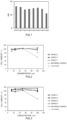
- Fig. 1 is a graph expressing the values of MFI in each example.
- WS-1 cells human skin fibroblastoid cell line, obtained from American Type Culture Collection, ATCC No. CRL-1502
- FBS fetal bovine serum
- DMEM fetal bovine serum-containing DMEM
- Test 2 each of the samples 1 to 7 was dissolved in DMSO to prepare 6 mM sample solutions 1 to 3.
- the 6 mM sample solutions 1 to 7 were diluted in the culture medium to prepare 12.5 ⁇ M, 25 ⁇ M, 50 ⁇ M, and 100 ⁇ M sample solutions 1 to 7.
- a construct including a carrier peptide fragment with the cell membrane permeability including an amino acid sequence expressed by SEQ ID No.: 11 was prepared.
- the structure of the construct according to the reference example was set to be similar to that of the samples 1 to 7 except the amino acid sequence of the carrier peptide fragment.
- the reference example was subjected to the process similar to that of the sample solutions 1 to 3, so that 12.5 ⁇ M to 100 ⁇ M solutions including the reference example (hereinafter also referred to as "solution (reference example)”) were prepared.
- WS-1 cells attached to a culture plate were cleaned with PBS, 0.25%-trypsin/0.53 mM EDTA solution was added thereto and the incubation was performed for 3 to 5 minutes at 37°C. After the incubation, the culture medium was added to deactivate trypsin and then, five-minute centrifugal separation was performed at 900 rpm at room temperature to precipitate the cells. The supernatant generated by the centrifugal separation was removed, and then the culture medium was added to the precipitate (cell pellet) to prepare a cell suspension of about 1 ⁇ 10 5 cells/mL.
- the culture medium containing 1.67% of DMSO (the DMSO concentration is the same as that in the well to which 100 ⁇ M sample solution was added) was added to each of the three wells.
- 90 ⁇ L of the culture medium not containing DMSO was added to each of the three wells. After that, another incubation was performed for 24 hours in the incubator of 5% CO 2 at 37°C. After the incubation, the medium of each well was removed and 100 ⁇ L of the culture medium not containing DMSO was added to each well. As the blank, here, 100 ⁇ L of the culture medium was also added to the well where the cell was not seeded.
- FIG. 3 are graphs each showing the sample concentration in the culture medium along a horizontal axis and the cell viability along a vertical axis. Note that the example where the culture was performed in the culture medium containing 1.67% of DMSO tested as the control was plotted at a position with a sample concentration of 100 ⁇ M.
- the art disclosed herein provides the carrier peptide fragment and the construct including the carrier peptide fragment that are artificially manufactured for transferring a target foreign substance from outside the eukaryotic cell (in particular, various animal cells typified by human and nonhuman mammalian cells that do not have a cell wall) into the cytoplasm thereof.
- the target foreign substance can be effectively transferred into the target cell, and biological tissues such as organs including cells to which the foreign substance has been transferred and cells that contain the foreign substance can be obtained.
- therapeutic agents for various diseases for example, therapeutic agents for ophthalmic treatment and the like, and oligonucleotide therapeutics
- the peptide fragment or the construct disclosed herein can be used as an active ingredient or an additive in medicine for external use (for example, eye drops).
Landscapes
- Health & Medical Sciences (AREA)
- Life Sciences & Earth Sciences (AREA)
- Chemical & Material Sciences (AREA)
- Engineering & Computer Science (AREA)
- Genetics & Genomics (AREA)
- Organic Chemistry (AREA)
- Biomedical Technology (AREA)
- Bioinformatics & Cheminformatics (AREA)
- General Health & Medical Sciences (AREA)
- Zoology (AREA)
- Biochemistry (AREA)
- Wood Science & Technology (AREA)
- Biotechnology (AREA)
- Proteomics, Peptides & Aminoacids (AREA)
- General Engineering & Computer Science (AREA)
- Molecular Biology (AREA)
- Microbiology (AREA)
- Biophysics (AREA)
- Medicinal Chemistry (AREA)
- Cell Biology (AREA)
- Neurology (AREA)
- Neurosurgery (AREA)
- Pharmacology & Pharmacy (AREA)
- Epidemiology (AREA)
- Animal Behavior & Ethology (AREA)
- Public Health (AREA)
- Veterinary Medicine (AREA)
- Physics & Mathematics (AREA)
- Plant Pathology (AREA)
- Peptides Or Proteins (AREA)
Priority Applications (1)
| Application Number | Priority Date | Filing Date | Title |
|---|---|---|---|
| MA71566A MA71566A (fr) | 2022-07-22 | 2023-06-29 | Fragment de peptide porteur et son utilisation |
Applications Claiming Priority (2)
| Application Number | Priority Date | Filing Date | Title |
|---|---|---|---|
| JP2022117396 | 2022-07-22 | ||
| PCT/JP2023/024102 WO2024018865A1 (fr) | 2022-07-22 | 2023-06-29 | Fragment de peptide porteur et son utilisation |
Publications (1)
| Publication Number | Publication Date |
|---|---|
| EP4559927A1 true EP4559927A1 (fr) | 2025-05-28 |
Family
ID=89617692
Family Applications (1)
| Application Number | Title | Priority Date | Filing Date |
|---|---|---|---|
| EP23842792.6A Pending EP4559927A1 (fr) | 2022-07-22 | 2023-06-29 | Fragment de peptide porteur et son utilisation |
Country Status (5)
| Country | Link |
|---|---|
| EP (1) | EP4559927A1 (fr) |
| JP (1) | JPWO2024018865A1 (fr) |
| CN (1) | CN119585295A (fr) |
| MA (1) | MA71566A (fr) |
| WO (1) | WO2024018865A1 (fr) |
Family Cites Families (8)
| Publication number | Priority date | Publication date | Assignee | Title |
|---|---|---|---|---|
| JP4573143B2 (ja) * | 2008-01-25 | 2010-11-04 | 東亞合成株式会社 | 人工ペプチド及びその利用 |
| US8389481B2 (en) * | 2008-11-12 | 2013-03-05 | University Of Medicine And Dentistry Of New Jersey | Glutamate-enhanced cell-penetrating peptides and methods of using same |
| JP5858285B2 (ja) * | 2009-07-29 | 2016-02-10 | 東亞合成株式会社 | キャリアペプチドフラグメント及びその利用 |
| US8614194B1 (en) * | 2012-07-25 | 2013-12-24 | Kaohsiung Medical University | Anionic cell penetrating peptide and its use for intracellular delivery |
| CN108586580A (zh) * | 2018-06-07 | 2018-09-28 | 南方医科大学 | 细胞穿透肽dhyhpfs及作为细胞内运送载体的用途 |
| JP7041853B1 (ja) | 2020-09-14 | 2022-03-25 | 東亞合成株式会社 | キャリアペプチドフラグメントおよびその利用 |
| JP2022117396A (ja) | 2021-01-29 | 2022-08-10 | 大日本印刷株式会社 | 抗ウイルス性デスク又はテーブルマット |
| JP7675328B2 (ja) * | 2021-07-28 | 2025-05-13 | 東亞合成株式会社 | 核小体移行性キャリアペプチドフラグメントおよびその利用 |
-
2023
- 2023-06-29 JP JP2024534998A patent/JPWO2024018865A1/ja active Pending
- 2023-06-29 EP EP23842792.6A patent/EP4559927A1/fr active Pending
- 2023-06-29 CN CN202380055598.1A patent/CN119585295A/zh active Pending
- 2023-06-29 MA MA71566A patent/MA71566A/fr unknown
- 2023-06-29 WO PCT/JP2023/024102 patent/WO2024018865A1/fr not_active Ceased
Also Published As
| Publication number | Publication date |
|---|---|
| WO2024018865A1 (fr) | 2024-01-25 |
| MA71566A (fr) | 2025-05-30 |
| CN119585295A (zh) | 2025-03-07 |
| JPWO2024018865A1 (fr) | 2024-01-25 |
Similar Documents
| Publication | Publication Date | Title |
|---|---|---|
| EP3971216A1 (fr) | Fragment peptidique de support et son utilisation | |
| CN115927479A (zh) | 核小体转移性载体肽片段及其利用 | |
| EP4001302B1 (fr) | Fragment peptidique de support et son utilisation | |
| EP4512902A1 (fr) | Construction d'introduction de substance étrangère et son utilisation | |
| EP4332112A1 (fr) | Fragment peptidique et son utilisation | |
| EP4559927A1 (fr) | Fragment de peptide porteur et son utilisation | |
| EP4549451A1 (fr) | Fragment de peptide porteur et son utilisation | |
| EP4582435A1 (fr) | Fragment de peptide porteur et son utilisation | |
| EP4545552A1 (fr) | Fragment de peptide porteur et son utilisation | |
| EP4585608A1 (fr) | Fragment de peptide porteur et son utilisation | |
| EP4606815A1 (fr) | Fragment de peptide porteur et son utilisation | |
| EP4635971A1 (fr) | Peptide synthétique et construction | |
| EP4635970A1 (fr) | Peptide synthétique et construction | |
| US20260125425A1 (en) | Carrier Peptide Fragment and Use Thereof | |
| EP4635973A1 (fr) | Peptide synthétique et construction | |
| EP4714964A1 (fr) | Fragment de peptide, et application associée | |
| EP4714963A1 (fr) | Fragment peptidique et son utilisation | |
| WO2025063100A1 (fr) | Fragment peptidique et son utilisation | |
| WO2022085547A1 (fr) | Fragment peptidique support et son utilisation |
Legal Events
| Date | Code | Title | Description |
|---|---|---|---|
| STAA | Information on the status of an ep patent application or granted ep patent |
Free format text: STATUS: THE INTERNATIONAL PUBLICATION HAS BEEN MADE |
|
| PUAI | Public reference made under article 153(3) epc to a published international application that has entered the european phase |
Free format text: ORIGINAL CODE: 0009012 |
|
| STAA | Information on the status of an ep patent application or granted ep patent |
Free format text: STATUS: REQUEST FOR EXAMINATION WAS MADE |
|
| 17P | Request for examination filed |
Effective date: 20250224 |
|
| AK | Designated contracting states |
Kind code of ref document: A1 Designated state(s): AL AT BE BG CH CY CZ DE DK EE ES FI FR GB GR HR HU IE IS IT LI LT LU LV MC ME MK MT NL NO PL PT RO RS SE SI SK SM TR |
|
| DAX | Request for extension of the european patent (deleted) | ||
| RAV | Requested validation state of the european patent: fee paid |
Extension state: MA Effective date: 20250224 |