EP4560314A1 - Procede et dispositif de cartographie spatiale et temporelle a haute resolution de la dynamique electrophysiologique et des profils transcriptionnels a grande echelle dans des tissus cerebraux intacts - Google Patents
Procede et dispositif de cartographie spatiale et temporelle a haute resolution de la dynamique electrophysiologique et des profils transcriptionnels a grande echelle dans des tissus cerebraux intacts Download PDFInfo
- Publication number
- EP4560314A1 EP4560314A1 EP23212407.3A EP23212407A EP4560314A1 EP 4560314 A1 EP4560314 A1 EP 4560314A1 EP 23212407 A EP23212407 A EP 23212407A EP 4560314 A1 EP4560314 A1 EP 4560314A1
- Authority
- EP
- European Patent Office
- Prior art keywords
- cells
- functional
- spatial
- assembly
- electrophysiological
- Prior art date
- Legal status (The legal status is an assumption and is not a legal conclusion. Google has not performed a legal analysis and makes no representation as to the accuracy of the status listed.)
- Withdrawn
Links
Images







Classifications
-
- G—PHYSICS
- G01—MEASURING; TESTING
- G01N—INVESTIGATING OR ANALYSING MATERIALS BY DETERMINING THEIR CHEMICAL OR PHYSICAL PROPERTIES
- G01N33/00—Investigating or analysing materials by specific methods not covered by groups G01N1/00 - G01N31/00
- G01N33/48—Biological material, e.g. blood, urine; Haemocytometers
- G01N33/483—Physical analysis of biological material
- G01N33/4833—Physical analysis of biological material of solid biological material, e.g. tissue samples, cell cultures
- G01N33/4836—Physical analysis of biological material of solid biological material, e.g. tissue samples, cell cultures using multielectrode arrays
Definitions
- the present invention relates to an ex vivo method for mapping the spatiotemporal electrophysiological dynamics and spatial transcriptional profiles of cells in a functional neuronal cell assembly, comprising simultaneous recording and analysis of spatial data of molecular and electrical network activity down to the level of individual cells using high-density electrical biosensors, spatial transcriptomics, optical imaging, and advanced computational strategies.
- the invention further relates to methods for identifying the composition of a functional neuronal assembly, for monitoring the spatiotemporal electrophysiological dynamics and transcriptional profiles of cells in a functional neuronal cell assembly, for monitoring the cellular composition of a functional neuronal assembly, or for identifying a compound having an effect on the spatial electrophysiological and transcriptional dynamics and/or for identifying the composition of cells in a functional neuronal cell assembly based on the dynamics as detected, as well as devices and uses thereof.
- the invention allows for a better understanding of disease mechanisms, and to find therapeutic targets and to develop new drugs and treatments.
- the brain evolved to process complex information robustly and efficiently to maintain homeostasis, navigate the world, make decisions, and perform higher cognitive functions (1). Understanding the complexity of the brain coherently from the molecular to system level requires integrating multimodal data from diverse spatiotemporal contexts.
- patch-sequencing has allowed single-cell transcriptomics and the morphologic reconstruction of individual neurons after electrophysiological recordings (4,5). Despite its extraordinary significance, patch-seq still suffers from very low throughput and shortcomings in resolving neuronal networks in medium to large spatial contexts.
- Electro-seq method combined flexible bioelectronics with in situ RNA sequencing to map electrical activity and gene expression but is only applicable to reductionist neuronal cultures (6).
- WO 2023/091970A1 discloses a computer-implemented method to determine an omics profile of a cell using microscopy imaging data.
- the method combines microscopy imaging data of a cell or a population of cells; determining a targeted expression profile of a set of target genes from the microscopy imaging data, the target genes identifying a cell type or cell state of interest; and determining a single-cell omics profile for the cell or population of cells.
- the targeted expression profile may be a targeted spatial expression profile
- the microscopy imaging data may be obtained from a label- free microscopy method
- the cell or population of cells may be a live cell or a population of live cells.
- SRT spatially resolved transcriptomics
- US 2022-0068438A1 relates to methods, systems and computer products for aligning single cell data with spatial data to generate spatial maps of cell types and gene expression at single cell resolution. Further described is mapping to common coordinate frameworks.
- WO 2021/168455A1 relates to a spatial detection of a nucleic acid, such as a genomic DNA or an RNA transcript, in a cell comprised in a tissue sample.
- a nucleic acid such as a genomic DNA or an RNA transcript
- methods for detecting and/or analyzing nucleic acids, such as chromatin or RNA transcripts, so as to obtain spatial information about the localization, distribution or expression of genes in a tissue sample Disclosed is a process for performing "spatial transcriptomics" or "spatial genomics,” which enables the user to determine simultaneously the expression pattern, or the location/distribution pattern of the genes expressed, or genes or genomic loci present in a single cell while retaining information related to the spatial location of the cell within the tissue architecture.
- Aqrawe Z, et al. disclose a setup of a high spatiotemporal resolution, electrical recording system utilizing planar microelectrode arrays with simultaneous optical imaging suitable for evaluating microelectrode performance with a proposed 'performance factor' metric. Neuronal activity was simultaneously recorded using both electrical and optical techniques and this activity was confirmed via tetrodotoxin application to inhibit action potential firing.
- CMOS complementary metal-oxide semiconductors
- MEA microelectrode arrays
- Other objects and advantages of the present invention will become apparent to the person of skill in the art upon studying the present disclosure further.
- LFPs local field potentials
- the methods according to the present invention may be performed in vitro or in vivo.
- the functional neuronal cell assembly to be characterized is selected from a neuronal tissue, a brain slice, a sample of neurological cancer, a culture of interconnected brain cells, cultured neuronal differentiated iPSCs, spinal marrow, electrogenic tissues like the olfactory bulb and cardiac tissues, and parts or combinations thereof, in particular a neuronal tissue derived from a mammal having a behavioral condition or disorder, a mammal having a neurological condition or disorder, such as a neurodegenerative disorder or cancer, and/or a mammal being treated for one of these conditions or disorders.
- processing the data and aligning the spatial localization patterns of the LFPs with the spatially resolved sequencing and transcriptomic analysis comprises overlaying the optical images with the electrode array layout, and overlaying the optical images with the second array layout, and alignment of the two overlays comprising image resizing and rotation.
- the above object has been solved according to the present invention by a method for identifying the composition of a functional neuronal assembly, comprising performing the method according to the present invention, and further comprising the step of concluding on the composition of the functional neuronal cell assemblies based on the spatiotemporal electrophysiological dynamics and spatial transcriptional profiles of the cells as detected.
- the above object has been solved according to the present invention by a method for monitoring the spatiotemporal electrophysiological dynamics and spatial transcriptional profiles of functional neuronal cell assemblies comprising performing the method according to the present invention repeatedly at different time points, and monitoring the spatial electrophysiological and transcriptional information of the molecular neuronal cell assemblies based on comparing the spatiotemporal electrophysiological dynamics and transcriptional profiles of the cells as detected at different timepoints.
- the above object has been solved according to the present invention by a method for monitoring the cellular composition of a functional neuronal assembly, comprising performing the method according to the present invention repeatedly at different time points and monitoring the cellular composition of the functional neuronal cell assembly based on comparing the cellular compositions of the functional neuronal cell assembly as detected at different timepoints.
- the above object has been solved according to the present invention by a method for identifying a compound having an effect on the spatiotemporal electrophysiological and spatial transcriptional profile and/or composition of cells in a functional neuronal cell assembly comprising performing the method according to the present invention in the presence and absence of at least one candidate compound, wherein a difference of the spatiotemporal electrophysiological and transcriptional dynamics and/or composition of cells in the functional neuronal cell assembly in the presence and absence of the at least one candidate compound or when compared to a suitable control identifies a compound having an effect on the spatiotemporal electrophysiological dynamics and transcriptional profile and/or composition of cells in a functional neuronal cell assembly.
- the above object has been solved according to the present invention by a device for performing the method according to the present invention, in particular comprising the neuronal cell assembly to be analyzed, an electrode array suitable to record patterns of local field potentials (LFPs) of the assembly while performing optical imaging, a second array suitable to perform spatially resolved transcriptomic analysis of the cells in the assembly while performing optical imaging, and a computer program product for processing the data as obtained comprising aligning the spatial localization patterns of the LFPs with the spatially resolved sequencing and transcriptomic analysis, optionally with additional buffers, and instructions for use.
- a device for performing the method according to the present invention in particular comprising the neuronal cell assembly to be analyzed, an electrode array suitable to record patterns of local field potentials (LFPs) of the assembly while performing optical imaging, a second array suitable to perform spatially resolved transcriptomic analysis of the cells in the assembly while performing optical imaging, and a computer program product for processing the data as obtained comprising aligning the spatial localization patterns of the LFPs with the spatially resolved sequencing and transcripto
- the above object has been solved according to the present invention by the use of the device according to the present invention for detecting the spatiotemporal electrophysiological dynamics and transcriptional profile of cells in a functional neuronal cell assembly, for identifying the composition of a functional neuronal cell assembly, for monitoring the spatialtemporal electrophysiological and spatial transcriptional dynamics of cells in a functional neuronal cell assembly, for monitoring the cellular composition of a functional neuronal cell assembly, or for identifying a compound having an effect on the spatiotemporal electrophysiological dynamics and transcriptional profile and/or for identifying the composition of cells in a functional neuronal cell assembly.
- Brain functions are executed through the joint action of large assemblies of neurons and gene networks that share basic organizational principles, and information processing across a wide range of spatial and temporal scales that evolve with experience and change in disease.
- decoding the spatiotemporal electrophysiological and spatial transcriptomics information in the same tissue while retaining the cell assembly position can specify spatiotemporal transcriptomic networks, profiles and/or landscapes in their real-time relation to connectivity and other multimodal data, quantify molecular dynamics in pseudotime based on the underlying firing information, deconvolute spatially resolved cell type compositions, and predict electrophysiological network features from transcriptomic profiles with high accuracy.
- the present invention provides a method for detecting the spatiotemporal electrophysiological dynamics and spatial transcriptional profiles of cells in a functional neuronal cell assembly.
- the method comprises providing a functional neuronal cell assembly or assemblies to be characterized.
- patterns of local field potentials (LFPs) of the neuronal cells in the assembly are recorded at high spatial and temporal resolution using a suitable electrode array, while obtaining spatial localization patterns of the LFPs of substantially the entire assembly using optical imaging.
- substantially the entire assembly is cryopreserved and may be stored before further analysis.
- optical imaging and spatially resolved transcriptomic analysis of the cell assemblies are performed using a second suitable array.
- LFPs Local field potentials in brain slice recordings in the context of the present invention are electrical signals measured from a group of neurons (assemblies) in a slice of brain tissue. These signals reflect the combined activity of these neurons, providing insights into how they communicate and function together.
- the data as obtained is processed comprising aligning the spatial localization patterns of the patterns of neural activity recorded by the electrode array as LFP signals (herein "LFPs") with the spatially resolved sequencing and transcriptomic analysis, preferably using machine-learning algorithms, and therefore including the timing and topology of the activity of the assembly in one high-resolution representation.
- LFPs LFP signals
- the inventors here provide a method that is in preferred embodiments termed "MEA-seqX", which combines brain -on-chip, bioimaging, and spatial sequencing technology within a cross-scale computational framework.
- MEA-seqX comprises i) the simultaneous recording of electrophysiological firing patterns from large cell assemblies in brain slices at high spatiotemporal resolution, and imaging of the entire circuit for spatial localization, ii) multiplexed spatial profiling of cellular transcriptomics from the same cell assemblies in the same neural circuit, and iii) specifying spatiotemporal transcriptomic networks in their real-time relation to connectivity and other multimodal data, quantifying molecular dynamics in pseudotime based on the underlying firing information, deconvoluting spatially resolved cell type compositions, and/or predicting electrophysiological network features from transcriptomic profiles with high accuracy, using machine-learning algorithms and preserving time and topology in one high-resolution representation.
- the method according to the present invention can be used in many different analysis scenarios with respect to functional neuronal cell assemblies.
- the term "functional neuronal cell assemblies” or “neuronal assemblies” or “cell assemblies” shall refer to a group of neurons that become activated and function together as a unit in response to specific types of stimulation or during particular behavioral processes. This concept is fundamental in understanding how the brain encodes and processes information, (see also, for example, Holtmaat, A., Caroni, P. Functional and structural underpinnings of neuronal assembly formation in learning. Nat Neurosci 19, 1553-1562 (2016). https://doi.org/10.1038/nn.4418 , and Umbach, G., Tan, R., Jacobs, J.
- the neuronal cell assemblies need to remain essentially functional in vitro, i.e. need to exhibit a co-firing activity that essentially reflects their function in vivo.
- the functional neuronal cell assemblies to be characterized may be selected from a neuronal tissue (assembly), a brain slice, a sample of neurological cancer, a culture of interconnected brain cells, cultured neuronal differentiated iPSCs, spinal marrow, electrogenic tissues like the olfactory bulb and cardiac tissues, and parts or combinations thereof.
- a neuronal tissue (assembly) derived from a mammal having a behavioral condition or disorder, a mammal having a neurological condition or disorder, such as a neurodegenerative disorder or cancer, and/or a mammal being treated for one of these conditions or disorders.
- LFPs local field potentials
- LFPs are transient electrical signals generated in nerves and other tissues by the summed and synchronous electrical activity of the individual cells (e.g. neurons) in that tissue.
- LFP are "extracellular" signals, they are generated by transient imbalances in ion concentrations in the spaces outside the cells, that result from cellular electrical activity.
- LFP are 'local' because they are recorded by an electrode placed nearby the generating cells. Determining the local field potentials (LFPs) of the neuronal cells in the assembly can be performed with any suitable technology that is known to the person of skill and/or described herein.
- Examples are large-scale array recording simultaneously from 4,096 electrodes used to study propagating spontaneous and evoked network activity in acute murine cortico-hippocampal brain slices at unprecedented spatial and temporal resolution (see, for example, Hu X, Khanzada S, Klütsch D, Calegari F, Amin H. Implementation of biohybrid olfactory bulb on a high-density CMOS-chip to reveal large-scale spatiotemporal circuit information. Biosens Bioelectron. 2022 Feb 15;198:113834. doi: 10.1016/j.bios.2021.113834. Epub 2021 Nov 24.
- MEA-seqX as described herein relates to the CMOS-MEA (4096 electrodes) (13,16) built upon active-pixel sensor technology (54), the method is not limited to a particular technology, it is also suitable to accommodate a spectrum of high-density technologies, such as those offered by switch-matrix technology (26,400 electrodes) (55), among others.
- MEA-seqX's application extends beyond ex vivo applications, encompassing expansive in vivo investigations.
- CMOS-MEA high-density CMOS-based biosensing MEA chip
- the functional neuronal cell assembly that is characterized is a neuronal tissue (assembly) in the form of a dorsal horizontal brain slice of a thickness of about 300 ⁇ m.
- a neuronal tissue assembly
- any thickness of the neuronal tissue may be used for the LFP analysis that still remains functional and thus allows for the recording of suitable data. Examples are slices/tissue samples between about 500 ⁇ m and 100 ⁇ m, preferably between about 200 ⁇ m and 400 ⁇ m.
- PCA principal component analysis
- the recording of the patterns of local field potentials is performed while obtaining spatial localization patterns of the LFPs of substantially the entire assembly using optical imaging.
- the imaging is used in order to provide a localization and/or allocation of the signals as detected with respect to the array as used.
- preferred is the method according to the present invention, wherein the term "while" shall mean a time span that is less than 30 seconds, preferably less than 10 seconds, more preferred less than 1 second, most preferred recording of the LFPs and the optical imaging is performed simultaneously.
- substantially shall mean an area, surface or number that allows to detect, determine and thus to calculate or predict information or data that is of statistically high relevance for the whole area, surface or number as analyzed.
- substantially the entire assembly of cells is analyzed using optical imaging in order to obtain spatial localization patterns of the LFPs. Consequently, the area as analyzed must be sufficient to obtain spatial localization patterns of the LFPs with statistically high relevance for the whole assembly of cells as present in the preparation as used.
- Statistically high relevance is at p ⁇ 0.05, preferably at p ⁇ 0.01, more preferably p ⁇ 0.001 (e.g. ANOVA ).
- the optical imaging comprises imaging of the entire network of cell assemblies, for example using bright-filed imaging, comprising the use of a microscope, such as a modular stereomicroscope that may be equipped with a high-resolution camera.
- the neuronal cell assembly is continuously perfused with a suitable perfusate solution during recordings.
- suitable media are known to the person of skill and are described herein.
- a second suitable array is performed using a second suitable array.
- the method according to the present invention wherein substantially the entire assembly is cryopreserved and may be stored before further transcriptome analysis.
- a rapid-freezing method is required.
- the method of the present invention comprises cryopreserving comprising rapid freezing, preferably over dry ice, and optionally further comprises storing at a suitable temperature, for example about -80°C.
- the method according to the present invention wherein the cell assemblies are suitably stained before the transcriptomic analysis, for example H&E as described herein. Respective stainings are known to the person of skill as well.
- the thickness of the neuronal assemblies may be further reduced before performing the transcriptome analysis.
- the slices may be further horizontally cryosectioned to a thickness of between about 50 ⁇ m to 10 ⁇ m, preferably to between about 25 ⁇ m to 15 ⁇ m, most preferably to about 18 ⁇ m before transcriptome analysis.
- the optical imaging for the transcriptome analysis comprises imaging of the entire network of cell assemblies, for example using bright-filed imaging, comprising the use of a microscope, such as a modular stereomicroscope that may be equipped with a high-resolution camera.
- the spatially (locally) resolved transcriptomic analysis of the cells in the assembly is performed using a second suitable array.
- Methods for a spatially (locally) resolved transcriptomic analysis on arrays are known in the art (for example, in Duan H, Cheng T, Cheng H. Spatially resolved transcriptomics: advances and applications. Blood Sci. 2022 Nov 4;5(1):1-14. doi: 10.1097BS9.0000000000000141. PMID: 36742187; PMCID: PMC9891446 ; or Wang X, Almet AA, Nie Q.
- the transcriptomics comprises the generation of barcode-labeled cDNA and sequencing, such as quantitative sequencing, on the second array, such as, for example, spatially-resolved transcriptomics (SRT) sequencing.
- SRT spatially-resolved transcriptomics
- Another important aspect of the method according to the present invention relates to the collection, processing and use of the large amounts of data that are generated in the above steps.
- the data as obtained needs to be processed in order to align the spatial localization patterns of the LFPs with the spatially resolved sequencing and transcriptomic analysis data.
- a combined input expression matrix (V) captures the collective information from SRT and n-Ephys (LFP rate) datasets (see Figure 2 .
- one of the main goals of the method is to provide the timing and topology of the activity of the assembly in one high-resolution representation.
- the spatiotemporal electrophysiological dynamics and spatial transcriptional profiles of cells in a functional neuronal cell assembly are detected.
- the inventive methods graph-theoretic analysis in the preferred embodiment as described herein revealed a small-world topology with densely connected hub complexes, indicating molecular-functional specialization and increased global communication capacity across scales (29,32,50).
- DPT and CAT analyses traced the pseudotemporal ordering along the developmental trajectory of cells within their spatial contexts and the progression of large-scale neural activity. This provides unique insights into coordinated spatiotemporal dynamics in the hippocampal circuitry.
- processing the data and aligning the spatial localization patterns of the LFPs with the spatially resolved sequencing and transcriptomic analysis comprises overlaying the optical images with the electrode array layout, and overlaying the optical images with the second array layout, and alignment of the two overlays comprising image resizing and rotation.
- the inventors applied it to the classical enriched environment paradigm of experience-dependent plasticity, in which the experimental intervention lies in differential housing conditions of laboratory mice.
- the enriched mice (ENR) lived in a larger group of isogenic animals in a larger enclosure compared to standard-housed animals (SD) (16,21).
- SD standard-housed animals
- This highly influential paradigm elicits structural and functional changes throughout the brain and in the hippocampus.
- the inventors had recently been able to demonstrate that its effects on an unexpected scale relate to changes in the hippocampal circuit level (16).
- the embodiment MEA-seqX allows exploring how the computational dynamics and connectome of a large-scale hippocampal network are connected to the underlying transcriptional profile dynamics.
- the inventor's method enables insight into the causal link between these two dynamics.
- the invention allows identifying the molecular identity and dynamics of large-scale neural circuits, and thereby allows for the identification and development of new multimodal models and biomarkers of high functional validity in the contexts of health and disease. Such biomarkers are then suitable for the development of diagnostics and screening tools, especially in, but not limited to, precision medicine.
- the method according to the present invention also allows cell-type identification in the neuronal cell assemblies and highlights the heterogeneity of neural cell types and their network-wide spectral fingerprints in the neuronal cell assemblies, here exemplified in the hippocampal circuit. Furthermore, the platform's predictive capabilities using machine learning algorithms allow for an accurate prediction and forecast of network-wide electrophysiological features based on spatial gene expression data, showing a multiscale causal relationship between specific gene expressions and neural activity, which offers a deeper understanding of neural dynamics. This also promotes research in machine learning and artificial intelligence.
- the method according to the present invention in another aspect of the present invention provides for identifying the composition of functional neuronal assemblies.
- the method comprises performing the method according to the present invention as disclosed herein, and further comprising the step of concluding on the composition of the functional neuronal cell assemblies based on the spatiotemporal electrophysiological dynamics and transcriptional profiles of the cells as detected.
- the identifying comprises landscaping or mapping of the cells in the assembly, the identification of clusters of cells and/or cell types, such as functional clusters, of the cells in the assembly, the identification of diverse neural cell types in the assembly, and/or the identification of electrical or spectral characteristics of cells in the assembly.
- the analysis in the CA3 region revealed increased proportions of spatially localized marker genes Nos1 and Inhba , linked to pyramidal cell types (see also Figure 5 ).
- the initial application of CARD yielded a broad group classification of hippocampal cell types. This diverse group encompassed astrocytes, endothelial cells, ependymal cells, macrophages, microglial cells, neurogenic cells, neurons, oligodendrocytes, and NG2 cells.
- the inventors identified 85 different cell types, a finding that underscored the experimental validity of the inventor's slice acquisition technique. Following the removal of low-count cell types, the inventors were left with a robust group of 76 cell types.
- the method according to the present invention in another aspect of the present invention provides for monitoring the cellular composition of a functional neuronal cell assembly, comprising performing the method according to the present invention repeatedly at different time points, and monitoring the cellular composition of the functional neuronal cell assembly based on comparing the cellular compositions of the functional neuronal cell assembly as detected at different timepoints.
- the method according to the present invention in another aspect of the present invention provides for monitoring the spatiotemporal electrophysiological dynamics and transcriptional profiles of functional neuronal cell assemblies comprising performing the method according to the present invention repeatedly at different time points, and monitoring the spatial electrophysiological and transcriptional information of the molecular neuronal cell assemblies based on comparing the spatiotemporal electrophysiological dynamics and transcriptional profiles of the cells as detected at different timepoints.
- the functional neuronal cell assembly to be monitored and/or otherwise characterized is selected from a neuronal tissue derived from a mammal having a behavioral condition or disorder, a mammal having a neurological condition or disorder, such as a neurodegenerative disorder or cancer, and/or a mammal being treated for one of these conditions or disorders.
- the present methods monitor, analyze, register, and/or detect changes in the functional neuronal cell assemblies over time.
- the repeating can be done once, twice, or more. Since the structure of the neuronal cell assemblies is destroyed when performing the transcriptomic analysis steps of the method according to the present invention, the repeated tests are performed with a functionally related sample, for example a neighboring brain slice, a second batch from the sample of neurological cancer, a second sample of the culture of interconnected brain cells, of the cultured neuronal differentiated iPSCs, a neighboring spinal marrow sample, and/or a neighboring sample of the electrogenic tissues like the olfactory bulb and cardiac tissues.
- a functionally related sample for example a neighboring brain slice, a second batch from the sample of neurological cancer, a second sample of the culture of interconnected brain cells, of the cultured neuronal differentiated iPSCs, a neighboring spinal marrow sample, and/or a neighboring sample of the electrogenic tissues like the olfactory bulb and cardiac
- the monitoring may further include the analysis of selected biomarkers during the transcriptomic analysis steps of the method according to the present invention as described herein.
- the monitoring according to the invention may also be performed in the context/as part of the identifying of a compound having an effect on the spatiotemporal electrophysiological and transcriptional profile and/or composition of cells in a functional neuronal cell assembly (see below), i.e. in the presence or absence of the compounds to be screened.
- the method according to the present invention in another aspect of the present invention provides for predicting the spatiotemporal electrophysiological dynamics and/or behavior of functional neuronal cell assemblies.
- the method comprises performing the method according to the present invention, and further comprising providing spatially-resolved transcriptomic data of a neuronal cell assembly to be predicted. Then, a prediction of the (specific) electrophysiological dynamics and/or behavior of the assembly can be made, based on the data as provided as described herein (see also Figure 6 ).
- the inventors employed the Gradient Boosting (XGBoost) Algorithm, known for its strong interpretability by integrating multiple tree models (47). While previous methods have focused on gene properties correlated with electrophysiological and morphological diversity across cell types using low-resolution transcriptomics and electrophysiology (e.g., single-cell RNA sequencing and patch-clamp) (4,5,38), the method according to the present invention assesses whether specific electrophysiological features can be predicted using spatially-resolved transcriptomic data.
- XGBoost Gradient Boosting
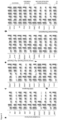
- the XGBoost model was trained for each quantitative n-Ephys measure using 70% of spatial transcriptomic data points in the detected SRT spots (i.e., 333 genes across the spatial context of HC tissue and six gene families as input). Three spatiotemporal n-Ephys metrics (LFP rate, amplitude, and time delay) were successfully predicted based on the differential spatial gene expression. The relationship between cross-validated predictions and the ground truth was evaluated with the Pearson correlation coefficient (r) for SRT-spot-n-Ephys electrodes ( Figure 6a and Figure 12). By implementing the XGBoost on specific gene families that exhibited higher expression in ENR compared to SD circuits, the inventors observed significantly higher prediction accuracy for the ENR dataset.
- the XGBoost classifier achieved ⁇ 93% accuracy for the ENR dataset and ⁇ 70% for the SD dataset ( Figure 6b ). These results underscore a multiscale causative association between neural activity, plasticity, and distinct spatial gene expressions within specific gene families, and align with the predictions of network-level functionality modulated by prior experience (16).
- This approach according to the invention sheds light on critical genes and cellular pathways shaping neuronal responses and overall brain function while revealing the regulatory mechanisms governing neural dynamics, plasticity, and disease pathogenesis.
- the inventor's integrated approach will massively reduce experimental complexity. Specific genes predicted to influence particular electrophysiological features may then be targeted for manipulation to validate their functional role (48) and may be used for screening for agents that influence their role(s) in the prevention or treatment of diseases.
- Yet another important aspect of the present invention relates to a method for identifying a compound having an effect on the spatiotemporal electrophysiological and transcriptional profile and/or composition of cells in a functional neuronal cell assembly comprising performing the method according to the present invention in the presence and absence of at least one candidate compound, wherein a difference of the spatiotemporal electrophysiological dynamics and transcriptional profile and/or composition of cells in the functional neuronal cell assembly in the presence and absence of the at least one candidate compound or when compared to a suitable control identifies a compound having an effect on the spatiotemporal electrophysiological dynamics and transcriptional profile and/or composition of cells in a functional neuronal cell assembly.
- the effect is a therapeutic effect, such as a modification of the cellular composition, changes in gene expression changes in electrophysiological dynamics and properties, an anti-cancer effect, a neuroprotective effect, a morphological effect, a cognitive effect and/or a behavioral effect.
- a therapeutic effect such as a modification of the cellular composition, changes in gene expression changes in electrophysiological dynamics and properties, an anti-cancer effect, a neuroprotective effect, a morphological effect, a cognitive effect and/or a behavioral effect.
- Respective changes can be identified as described herein and/or include methods known to the person of skill.
- the understanding of the relationship between gene expression patterns and neural activity further allows the early detection and prevention of neurological disorders. For example the identifying of a specific gene expression profile linked to certain neural activities allows for the development of targeted interventions to modify or prevent these neural activities, thereby offering a preventive approach to neurological diseases.
- the candidate compound can be selected from the group consisting of a chemical organic molecule, a molecule selected from a library of small organic molecules (molecular weight less than about 500 Da), a molecule selected from a combinatory library, a cell extract, in particular a plant cell extract, a small molecular drug, a protein, a protein fragment, a molecule selected from a peptide library, an antibody or antigen binding fragment thereof, or a nucleic acid, a DNA, an RNA, or an siRNA.
- a chemical organic molecule a molecule selected from a library of small organic molecules (molecular weight less than about 500 Da)
- a molecule selected from a combinatory library a cell extract, in particular a plant cell extract, a small molecular drug, a protein, a protein fragment, a molecule selected from a peptide library, an antibody or antigen binding fragment thereof, or a nucleic acid, a DNA, an RNA, or an siRNA.
- candidate molecules may also be used as a basis to screen for improved compounds.
- the method according to the present invention wherein after the identification of the compound and/or a change/effect on the spatiotemporal electrophysiological dynamics and transcriptional profile and/or composition of cells in a functional neuronal cell assembly, the method further comprises the step of chemically modifying the compound.
- many methods of how to modify compounds of the present invention are known to the person of skill and are disclosed in the literature.
- Modifications of the compounds will usually fall into several categories, for example a) mutations/changes of amino acids into different amino acids, b) chemical modifications, e.g., through the addition of additional chemical groups, c) changes of the size/length of the compound, and/or d) the attachment of additional groups to the molecule (including marker groups, labels, linkers or carriers, such as chelators).
- the modified compound is tested again in at least one of the tests as above, and if the property of the compound is improved compared to its unaltered state.
- an "improved" activity relates to a desired increase or decrease of a change/effect on the spatiotemporal electrophysiological dynamics and transcriptional profile and/or composition of cells in a functional neuronal cell assembly.
- Another aspect of the present invention relates to a method for producing a pharmaceutical composition, comprising performing a method for identifying a compound according to the present invention, and admixing the compound as identified with at least one pharmaceutically carrier.
- composition refers to a preparation which is in such form as to permit the biological activity of an active ingredient contained therein to be effective, and which contains no additional components which are unacceptably toxic to a subject to which the composition would be administered.
- a pharmaceutical composition of the present invention can be administered by a variety of methods known in the art. As will be appreciated by the skilled artisan, the route and/or mode of administration will vary depending upon the desired results.
- Pharmaceutically acceptable diluents include saline and aqueous buffer solutions.
- a “pharmaceutically acceptable carrier” refers to an ingredient in a pharmaceutical formulation, other than an active ingredient, which is nontoxic to a subject.
- Pharmaceutically acceptable carriers include any and all solvents, dispersion media, coatings, antibacterial and antifungal agents, isotonic and absorption delaying agents, and the like that are physiologically compatible.
- the carrier can be suitable for intravenous, intramuscular, subcutaneous, parenteral, spinal or epidermal administration (e.g., by injection or infusion).
- compositions produced according to the invention may also contain adjuvants such as preservatives, wetting agents, emulsifying agents and dispersing agents. Prevention of the presence of microorganisms may be ensured both by sterilization procedures and by the inclusion of various antibacterial and antifungal agents, for example, paraben, chlorobutanol, phenol, sorbic acid, and the like. It may also be desirable to include isotonic agents, such as sugars, sodium chloride, and the like into the compositions. In addition, prolonged absorption of the injectable pharmaceutical form may be brought about by the inclusion of agents which delay absorption such as aluminum monostearate and gelatin.
- compositions produced according to the invention may be in liquid, dry or semisolid form, such as, for example, in the form of a tablet, coated tablet, effervescent tablet, capsule, powder, granulate, sugar-coated tablet, lozenge, pill, ampoule, drop, suppository, emulsion, ointment, gel, tincture, paste, cream, moist compress, gargling solution, plant juice, nasal agent, inhalation mixture, aerosol, mouthwash, mouth spray, nose spray, or room spray.
- Another aspect of the present invention relates to a device that is specifically suitable for performing the method according to the present invention as described herein, in particular a device comprising the neuronal cell assembly to be analyzed, an electrode array suitable to record patterns of local field potentials (LFPs) of the assembly, while performing optical imaging, a second array suitable to perform spatially resolved transcriptomic analysis of the cells in the assembly while also performing optical imaging, and a computer program product for processing the data as obtained comprising programming means for collecting and processing data as generated, in particular for aligning the spatial localization patterns of the LFPs with the spatially resolved sequencing and transcriptomic analysis and/or principal component analysis (PCA) and K-means clustering algorithms, optionally with additional buffers (see, for example, examples, below), and instructions for use.
- PCA principal component analysis
- Another aspect of the present invention relates to the use of the device according to the present invention for detecting the spatiotemporal electrophysiological dynamics and transcriptional profiles of cells in a functional neuronal cell assembly, for identifying the composition of a functional neuronal cell assembly, for monitoring the spatial electrophysiological dynamics and transcriptional profiles of cells in a functional neuronal cell assembly, for monitoring the cellular composition of a functional neuronal cell assembly, or for identifying a compound having an effect on the spatiotemporal electrophysiological dynamics and transcriptional profiles and/or for identifying the composition of cells in a functional neuronal cell assembly.
- Another aspect of the present invention relates to a method for preventing or treating a neurological disease or disorder and/or improving cognitive function in a subject in need of said prevention, treatment or improvement, comprising administering to the subject an effective amount of the pharmaceutical compositions produced according to the invention.
- the neurological disease or disorder in the subject is selected from the group consisting of a disease or disorder causing an undesired change/effect on the spatiotemporal electrophysiological dynamics and transcriptional profile and/or composition of cells in a functional neuronal cell assembly, arrythmia, hormonal disorders, Morbus Parkinson, Morbus Alzheimer, dementia, behavioral disorders, cognitive disorders, brain cancer, stroke, depression, affective disorders, comorbid depressive symptoms, substance addiction and abuse, obsessive-compulsive disorders, personality disorders (e.g., borderline), autism, Tourette syndrome, and anxiety disorders.
- a disease or disorder causing an undesired change/effect on the spatiotemporal electrophysiological dynamics and transcriptional profile and/or composition of cells in a functional neuronal cell assembly arrythmia, hormonal disorders, Morbus Parkinson, Morbus Alzheimer, dementia, behavioral disorders, cognitive disorders, brain cancer, stroke, depression, affective disorders, comorbid depressive symptoms, substance addiction and abuse, obsessive-compulsive disorders, personality disorders
- a "subject” relates to a mammal, animal or individual, such as a person or patient that undergoes prevention or treatment according to the invention against a psychiatric disorder or disease.
- treatment shall mean the attempted remediation of a health problem as disclosed herein, i.e., the psychiatric disorder or disease in the subject.
- the term "about” shall mean to include a deviation of +/- 10% of the value as given, if not indicated otherwise.
- the method according to the present invention introduces a platform that provides the unprecedented capability to simultaneously capture and integrate molecular and functional information across multiple spatiotemporal scales within intact neurological, such as brain, tissues.
- the method according to the present invention presents a distinctive solution to limited spatiotemporal resolution by harnessing the high-density capabilities of CMOS-MEA technology combined with spatial transcriptomics, optical imaging, and computational tools, offering exceptional temporal resolution down to individual cells in their spatial contexts.
- the present invention fills a crucial gap in the possibilities to understand the molecular infrastructure supporting and resolving the integrity of large-scale neuronal interactions in physiological and experience-dependent plasticity paradigms (18,49).
- the inventors identified spatially resolved causal regulation across molecular-functional features, which uncovered the impact of environmental factors on coordinated neural activity and gene expression - a suspected but previously essentially inaccessible link.
- the platform's graph-theoretic analysis revealed a small-world topology with densely connected hub complexes, indicating molecular-functional specialization and increased global communication capacity across scales (29,32,50). Furthermore, by combining DPT and CAT analyses, the method according to the present invention traced the pseudotemporal ordering along the developmental trajectory of cells within their spatial contexts and the progression of large-scale neural activity, providing unique insights into coordinated spatiotemporal dynamics in the hippocampal circuitry. The method according to the present invention also demonstrated the potential for cell-type identification and highlighted the heterogeneity of neural cell types and their network-wide spectral fingerprints in the hippocampal circuit.
- the platform's predictive capabilities using machine learning algorithms allowed accurate forecasting of network-wide electrophysiological features based on spatial gene expression, showing a multiscale causal relationship between specific gene expressions and neural activity to offer a deeper understanding of neural dynamics, which opens new avenues for research in machine learning and artificial intelligence.
- Combining the method according to the present invention with intelligent neural networks enhances the understanding of complex data, decision-making processes, and learning mechanisms (51,52).
- the method according to the present invention will deepen the understanding of disease mechanisms and therapeutic targets.
- the platform's potential to uncover molecular-functional changes associated with various disease states paves the way for developing novel treatments.
- neural information processing 51).
- the platform's adaptability goes beyond neural tissues, extending to electrogenic tissues like the olfactory bulb and cardiac tissues. This enables studying gene expression and electrophysiology interactions in diverse contexts. Its application in cardiac tissue offers insights into heart function, aiding cardiology advancements.
- the method according to the present invention is further adapted to accommodate a spectrum of high-density technologies, such as those offered by switch-matrix technology (26,400 electrodes) (55), among others.
- switch-matrix technology 26,400 electrodes
- the use of the method according to the present invention extends beyond ex vivo applications, encompassing in vivo investigations. Integration with state-of-the-art in vivo probes, such as Neuropixels (56), SiNAPS (57), or other emerging modalities, offers the potential to study functional neural dynamics and gene expression patterns within living organisms, bridging the gap between laboratory findings and real-world biological contexts.
- the platform according to the present invention with its capability to simultaneously capture and integrate molecular and functional information across multiple spatiotemporal scales within intact brain tissues, has vast potential applications in both research and clinical settings.
- the methods as provided move beyond single-cell methods and focus on multiscale network-level dynamics.
- the present invention provides a more comprehensive and nuanced understanding of hippocampal-cortical cell types and their interactive sequential electrophysiological properties across multiple scales.
- the present invention relates to the following items:
- the inventive platform has been tested using brain tissues from healthy mouse models. These mice were housed in different conditions, including standard and enriched environments, to study experience-dependent plasticity paradigms.
- the enriched environment condition is known to promote the enhancement of experience-dependent plasticity through increased stimuli and differentiated social interactions.
- the platform was employed to simultaneously capture and integrate molecular and functional information across multiple spatiotemporal scales within these intact brain tissues.
- the platform successfully unveiled the potential of causal prediction from spatiotemporal transcriptomics to cellular functional scales. This allowed for the identification of the upstream circuit computational processing and biophysical underpinnings, which is crucial for mapping the molecular identity of large-scale neural circuits.
- the development and testing of the platform has already provided valuable insights into the molecular mechanisms underlying functional enhancements induced by different environmental conditions.
- the platform's adaptability and capabilities hold immense potential for diagnostic tools and therapies for precision personalized medicine based on gene-neural electrophysiology features of individuals.
- mice were anesthetized with isoflurane before decapitation. The brain was carefully removed from the skull and placed in a chilled cutting sucrose solution prior to slicing. The brain was placed into a custom-made agarose container and fixed onto the cutting plate. Dorsal, horizontal slices (300 ⁇ m thick) were prepared using Leica Vibratome VT1200S (Leica Microsystems, Germany).
- HC slices were incubated for 45 min at 34 °C and then allowed to recover for at least 1 hour at room temperature before being used for network electrophysiology (n-Ephys) recordings with a high-density neurochip.
- a perfusate solution used during recordings contained in mM: 127 NaCl, 2.5 KCl, 1.25 NaH 2 PO 4 , 24 NaHCO 3 , 25 Glucose, 1.25 MgSO 4 , 2.5 CaCl 2 , and was aerated with 95% O 2 and 5% CO 2 .
- CMOS-MEA high-density CMOS-based biosensing MEA chips
- acquisition system (3Brain AG, Switzerland) customized to the present recording setup.
- CMOS-MEA are composed of 4096 recording electrodes with a 42 ⁇ m pitch size to compose an active sensing area of ⁇ 7 mm 2 .
- the on-chip amplification circuit allows for 0.1-5 kHz band-pass filtering conferred by a global gain of 60 dB sufficient to record slow and fast oscillations (13).
- slices were moved and coupled onto the chip using a custom-made platinum harp placed above the tissue.
- a heat-stabilized perfusion system delivered oxygenated recording perfusate to the neurochip with a flow rate of 4.5 mL/min and was temperature controlled at 37°C throughout the experiment and recordings.
- the inventors collected extracellular recordings at 14kHz/electrode sampling frequency and 1Hz recording frequency from spontaneous network-wide activity through pharmacological-induced evoked responses using 100 ⁇ M 4-aminopyridine (4AP) (16) (Sigma-Aldrich, Germany). All solutions were freshly prepared, and pharmacological compounds were dissolved into the recording perfusate for the experiment.
- a custom-designed modular stereomicroscope (Leica Microsystems, Germany) was incorporated into the system to capture the acute slice light imaging simultaneously with the whole HC circuit extracellular n-Ephys recordings. During offline analysis, these images were used to maintain the spatial organization of the brain slice tissue relative to the n-Ephys electrode layout.
- SRT samples are composed of 4 distinct capture areas containing 5,000 spatially barcoded spots with a 55 ⁇ m diameter to compose a capture area of ⁇ 6.5 mm x 6.5 mm sufficient for placement of the entire mouse HC slice.
- slices were embedded in ⁇ 6.5 mm x 6.5 mm Tissue-TEK Cryomold containing Optimal Cutting Temperature (OCT) solution, frozen over dry ice, placed in a WHEATON CryoELITE tissue vial, and stored at -80 °C to maintain tissue viability until SRT experimental date.
- OCT Optimal Cutting Temperature
- slices were horizontally cryosectioned to 18 ⁇ m using Thermo Fisher Cryostar NX70 (Thermo Fisher Scientific, USA). Tissue was mounted on the SRT gene expression slide, and methanol fixed at -20°C for 30 minutes. Slices were hematoxylin and eosin (H&E) stained, and bright-field imaged to obtain morphological slice images. Following imaging, the slices were enzymatically permeabilized for 22 minutes on a thermocycler, and the resultant released mRNA was bound to the thousands of spatially barcoded mRNA-binding oligonucleotides within each spot.
- H&E hematoxylin and eosin
- an enzymatic reverse transcription mixture (10X Genomics, USA) was applied and incubated in a thermocycler at 53°C for 45 minutes.
- an enzymatic second-strand mixture (10X Genomics, USA) was applied and incubated in a thermocycler at 65 °C for 15 minutes.
- a basic elution buffer (EB) (Qiagen, Germany) with a pH of 8.7 was applied, and the final sample was stored in a corresponding tube per capture area containing Tris-HCl.
- EB basic elution buffer
- the spatially barcoded, full-length cDNA is prepared for library sequencing through PCR amplification.
- Cq cycle number
- a qPCR mix using KAPA SYBR FAST (Kapa Biosystems, USA) and a 1 ⁇ l sample from each cDNA sample was added to a clean qPCR plate.
- a Cq value of 15.7 was determined for the cDNA sample, which corresponded to 16 amplification cycles.
- An amplification mixture (10X Genomics, USA) was added to the cDNA sample tubes, and the qPCR amplification protocol was completed according to the obtained Cq value. Samples were stored overnight at 4°C overnight before proceeding to sequencing. Library construction and sequencing were carried out at the Dresden Concept Genome Center (DcGC) using the HiSeq 2000 Next Generation Sequencer (Illumina, Inc., USA).
- Sequenced data was processed with the Space Ranger (10X Genomics, USA) pipeline to recreate the spatial arrangement, which aligns the H&E stained bright-field image with the spatially barcoded gene expression data based on the fiducial spots in the slide capture area border.
- the pipeline performs alignment, tissue detection, fiducial detection, and barcode/UMI counting.
- n-Ephys electrodes were structurally related to a specific HC region through an overlay of light microscope hippocampal images on the CMOS-MEA layout. Electrodes were then grouped into clusters based on structural markers on the HC slice - DG, Hilus, CA1, CA3, EC, and PC (16). To characterize the transcriptomic profile in these six major regions, SRT spots were structurally related to a specific HC region through an overlay of H&E-stained bright field microscope images on SRT spot layout using Loupe Browser (10X Genomics, USA).
- MEA-seqX implements a multiscale spatial alignment procedure.
- automatic slice alignment is performed using image resizing and rotation. This alignment is based on optical imaging, n-Ephys electrode-SRT spot interface physical size, and related hippocampal-cortical structural inputs to put the multiscale data in the same dimension.
- MEA-seqX implements an automatic scaling algorithm based on n-Ephys electrode-SRT spot sizes to resize the light H&E-stained bright field microscope slice image from SRT to the respective light microscope hippocampal image from n-Ephys.
- the n-Ephys electrode-SRT spot matching is not one-to-one due to the difference in technology resolution; instead, it is a fractional matching based on related hippocampal-cortical structural inputs.
- each SRT spot has related n-Ephys electrodes with averaged electrophysiological features from the related electrodes.
- slice spatial alignment and rotation are computed between the two slice images with the following procedure - i) Hippocampal-cortical structural reference points ⁇ i,j ⁇ and ⁇ k,l ⁇ are assigned for each scale, SRT and n-Ephys respectively, where ⁇ i,k ⁇ are midpoints in the DG crest and ⁇ j , l ⁇ are on the DG supra blade edges, ii) SRT reference point i is aligned with n-Ephys reference point k to place both scales in one dimension, iii) Following the alignment of reference points ⁇ i,k ⁇ , a final alignment for reference points ⁇ j , l ⁇ is based on the difference between ⁇ n -Ephys and ⁇ SRT .
- the distance of x , x ', y , and y ' is used to calculate the angle of ⁇ SRT and ⁇ n -Ephys .
- ⁇ SRT the horizontal intersection line between aligned reference points ⁇ i,k ⁇ was used to define x while a vertical intersection line between reference point j and the horizontal intersection line was used to define y.
- ⁇ n -Ephys the horizontal intersection line between aligned reference points ⁇ i,k ⁇ was used to define x' while a vertical intersection line between reference point l and the horizontal intersection line was used to define y'.
- filtered genes were correlated with one of the network features using Spearman's correlation (61) and sorted according to significance using Benjamini-Hochberg false discovery rate adjusted p-value (62).
- Functional network features of large-scale spatiotemporal LFP oscillations included LFP rate, amplitude, energy, delay, and positive and negative peak count (13,16).
- NMF Non-Negative Matrix Factorization
- the inventors implemented an unsupervised machine learning algorithm using a sparsity-constrained non-negative matrix factorization to identify individual spatiotemporal patterns emerging from SRT and n-Ephys networks (26). NMF factorization is described and adapted from the Scikit-learn 1.2.2 python package (sklearn.decomposition.NMF) (63).
- the input V matrix contains the combined information from SRT (i.e., gene expression values from the IEG gene family) and n-Ephys (i.e., LFP rate or Degree network feature), with each data entry comprising the expression value of each gene related to network feature value (n) with spatial localization (m).
- SRT i.e., gene expression values from the IEG gene family
- n-Ephys i.e., LFP rate or Degree network feature
- n is the spatially localized spots
- m is the related gene expression to network feature
- p is the number of factors.
- the resultant decomposed basis matrix W contains the spatial gene expression patterns and their locations related to the functional feature, and the coefficient matrix H represents the contribution of these basis vectors to each spatial location and n-Ephys feature.
- the inventors implemented the widely used distance optimizing function squared Frobenius norm (F), which added sparsity constraints for the factors (63).
- Graph Theory was used to characterize overall network topology and interconnectedness based on functional connectivity from n-Ephys detected LFP events or mutual information scores from SRT gene expression.
- the inventors computed the topological metrics in custom-written Python code, as the inventors previously reported (13,16). Briefly, the network connectivity topological metrics are described by considering the node n as the central component of the graph that may or may not be connected to one another. In the inventor's case, a node n corresponds to a specific n-Ephys electrode or SRT capture spot in the sensing arrays, where the edges e are the functional links or connections between each node n. To present overall network topology and features, the inventors selected the following graph theory topological parameters:
- the inventors characterized the degree k of a node n to describe the number of edges connected to a node as previously described (16).
- k i ⁇ j ⁇ N a ji
- k i denotes the degree of a node i .
- a ji denotes the connection between nodes i and j.
- N is the set of all computed nodes in the network.
- hub nodes To determine centralized, important nodes in a network and reveal network topology, hub nodes, and rich club nodes were analyzed. Hub nodes were detected based on three nodal metrics - node strength, clustering coefficient, and network efficiency. The metric value for each node was calculated and compared to determine whether the node value was in the top 20% of all nodes (16). To restrict the definition of the hub node, the inventors set limits with a hub score. The inventor's hub score was valued between 0 and 3, where nodes either satisfied the top 20% in none, 1, 2, or all 3 nodal metrics.
- n >k represents the number of nodes whose degree is larger than a given value k
- E >k denotes the number of connections in a subnetwork comprising n >k .
- ⁇ and ⁇ are the mean and standard deviation of the distribution, respectively.
- cCDF complementary cumulative distribution function
- DPT diffusion pseudotime
- PHATE affinity-based transition embedding
- spatial transcriptomic data which presents information at lower dimensionality (https://github.com/KrishnaswamyLab/PHATE) (66).
- PHATE encodes both local data and global data in a manifold structure. Local data relationship similarities are encoded by applying a kernel function on Euclidean distances. Global data relationships are encoded via potential distances where the local similarities are transformed into probabilities. These diffusion probabilities are determined by transforming the local information into the probability of transitioning from one data point to another in a single step of a random walk.
- each spatial spot has a determined relationship to each nearest neighbor or distant spot in a weighted graph (66). DPT analysis then orders the transcriptomic spots according to the probability of differentiation toward a different spot (35).
- conditional autoregressive-based deconvolution was performed using a single-cell sequencing reference (39,40).
- the CARD-based analysis is found on GitHub (https://github.com/Yingl ⁇ /la0107/CARD) and was adapted for spatial transcriptomic data in Python.
- Within the reference was a broad group classification of hippocampal cell types, including astrocytes, endothelial cells, ependymal cells, macrophages, microglial cells, neurogenic cells, neurons, oligodendrocytes, and polydendrocytes with the accompanying subgroups.
- Low-count cell type filtering downsized 85 to 76 hippocampal cell types.
- XGBoost Gradient Boosting Algorithm
- Scikit-learn 1.2.2 Python package sklearn. ensemble. GradientBoostingClassifier
- training and testing datasets implemented as described in the package (sklearn.model_selection.train_test_split) (63).
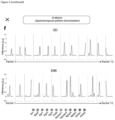
- MEA-seqX integrates brain-on-chip technology via network electrophysiology (n-Ephys) of high-density CMOS-microelectrode array (CMOS-MEA) (13-16), bioimaging via optical microscopy, and spatial sequencing technology via spatially resolved transcriptomics (SRT) ( Figure 1a-d ).
- CMOS-MEA high-density CMOS-microelectrode array
- SRT spatially resolved transcriptomics
- RNA statistics and tissue structure when visualized via a Uniform Manifold Approximation and Projection (UMAP) method (22) ( Figure 7a-c ).
- Network-wide activity in the HC was assessed through Principal Component Analysis (PCA) and K-means clustering algorithms (13), which provided distinct features of oscillatory waveforms and their shapes in each interconnected HC layer ( Figure 7d ).
- PCA Principal Component Analysis
- K-means clustering algorithms 13
- the multidimensional readouts were processed through a Python-based computational pipeline to quantitatively map the molecular dynamics of the circuit at high spatiotemporal resolution.
- a multiscale spatial rescaling and alignment procedure was developed to establish a direct correspondence between the n-Ephys electrode-SRT spot interface and their respective network-wide functional electrical activity and transcriptomic feature readouts with their localization in the tissue.
- HC slices from mice housed in standard (SD) and enriched environment (ENR) conditions were prepared for recording oscillatory patterns of local field potentials (LFPs), optical imaging, and SRT sequencing.
- SRT spatial patterns of gene expression
- n-Ephys functional network electrophysiological features
- the inventors measured Spearman's correlation (23) to quantify the transcriptional similarity of gene expression profiles from SRT spots and to examine their relationship to functional network features (i.e., amplitude, delay, energy, LFP rate, negative peak count, and positive peak count).
- the inventors found a significant enhancement in the gene expression pattern corresponding to the functionally coupled dentate gyrus (DG) and CA3 regions in ENR compared to SD ( Figure 2a ).
- DG functionally coupled dentate gyrus
- CA3 regions in ENR compared to SD
- the LFP rate showed a 2.2-fold, 2.5-fold, and 0.6-fold increase of correlated transcripts in the DG, CA3, and CA1 subfields, respectively, in the ENR compared to the SD ( Figure 2b ).
- the inventors next sought to identify which specific genes would drive a stronger causal link between correlated molecular and functional networks. Based on gene ontology clusters, the inventors categorized correlated genes into six targeted gene families, including Immediate Early Genes "lEGs", Hippocampal Neurogenesis, Hippocampal Signaling Pathway, Receptors and Channels, Synaptic Plasticity, Synaptic Vesicles, and Adhesion (24,25). Examining transcripts from these families illustrated enhanced expression of lEGs, ion channel activity, synaptic function, and neurogenesis in ENR than SD.
- NMF sparsity-constrained non-negative matrix factorization
- the input expression V matrix which contains the combined information from SRT and n-Ephys (i.e., LFP rate) data, with each entry representing the expression level of a gene correlated to network function feature at a specific spatial location ( Figure 2d ), was decomposed into two non-negative matrices.
- the basis matrix W contains the spatial gene expression patterns and their locations rated to the functional feature ( Figure 2e ), and the coefficient matrix H represents the contribution of these basis vectors to each spatial location and n-Ephys feature ( Figure 2f ).
- This analysis unveiled increased normalized gene expression and network feature values in the ENR network, along with higher spatially resolved components driving the strength in gene expression. Additionally, the inventors found spatially specific subnetworks in the SD and ENR networks, highlighting genes such as Bdnf, Egr1 , Fosb, and Npas4.
- MEA-seqX suggests a computational role of the experience-dependent dynamics in the coordinated interaction of neuronal ensemble activity and their corresponding transcription patterns.
- the inventors employed quantitative measures to comprehensively examine the interconnections between HC subnetworks derived from SRT data and neural n-Ephys recordings under SD and ENR conditions.
- the inventors calculated 'mutual information' (27), i.e., the measure of the mutual dependence between two variables, in order to assess the extent of the interdependence of gene expression within specific gene families (Figure 9a) and Pearson's correlation coefficient (PCC) (13,16) to gauge the cross-covariance among pairs of firing electrodes ( Figure 9b). These computations allowed the inventors to establish connectivity matrices on multiple scales.
- the inventors computed mutual information distance scores for each target gene family in every spot to gauge the dissimilarities in interaction within the different spots.
- MEA-seqX employed a graph-theoretic approach to assessing multiscale network metrics ( Figure 3a ).
- the transcriptomic graph was formed using mutual information scores, while the functional graph was generated from the connectivity patterns among co-firing neuronal ensembles, as captured by the LFPs under SD and ENR conditions.
- the resultant connectivity maps between transcriptomics and neural function revealed the spatial arrangement of interconnected subnetworks derived from spatial lEGs and spatiotemporal functional neural activity.
- the inventors also conducted analyses on the constructed graphs to identify highly interconnected nodes termed “hub complexes” and densely connected hubs referred to as “rich-club organization” within the transcriptional-functional connectomes (28).
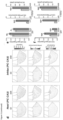
- ENR subnetworks derived from both SRT and n-Ephys data, exhibited greater interconnected hub complexes and rich-club organization ( Figures 3d , e; dark gray) compared to their SD counterparts ( Figures 3d , e; gray). This indicates that enriched experience leads to enhanced specialization in coordination, interactions, heightened resilience, and an increased capacity for global communication29 across transcriptional-functional scales.
- DPT Diffusion Pseudotime
- CAT Center of Activity Trajectories
- the inventors applied DPT to the static snapshot SRT data to achieve pseudotemporal ordering by assembling the spots according to expression similarity. This allowed the inventors to construct a network representation of SRT developmental trajectories. The probability of differentiation was computed through Euclidian distances from vector-based randomized distances in the diffusion map space, which facilitated the identification of low-dimensional changes from high-dimensional observations. The inventors here focused on lEGs expression in SD and ENR, revealing significant regional differences in DPT based on lEGs expression ( Figures 4a, b ).
- the inventors quantified the intra-hippocampal spatiotemporal propagation pathway by constructing CATs for all n-Ephys circuit-wide oscillatory activity and thereby calculated the rate of spatiotemporal displacement of those firing patterns ( Figures 4c, d ).
- the analysis of CATs duration demonstrated faster propagation (i.e., shorter duration) of firing events in ENR compared to SD, as previously reported (16).
- the comparison of SD and ENR transcriptomes indicated a faster DPT in all four hippocampal regions of ENR transcriptome compared to SD as well, thus mirroring the faster spatiotemporal propagation patterns observed in the ENR obtained from n-Ephys CATs16 ( Figures 4c-e ).
- CARD conditional autoregressive-based deconvolution
- This diverse group encompassed astrocytes, endothelial cells, ependymal cells, macrophages, microglial cells, neurogenic cells, neurons, oligodendrocytes, and NG2 cells.
- the inventors Prior to any filtering, the inventors identified 85 different cell types, a finding that underscored the experimental validity of the inventor's slice acquisition technique. Following the removal of low-count cell types, the inventors were left with a robust group of 76 cell types.
- Nos1 and Inhba marker genes exhibiting significantly higher expression in ENR than SD ( Figure 5f ).
- This transcriptomic readout matches the increased LFP rate and distinctive waveform characteristics identified within the CA3 region ( Figures 5d,f ).
- Nos1 has established associations with pivotal neural mechanisms, encompassing long-term potentiation (LTP), synaptic plasticity, and regulating neural circuit dynamics (44,45), while Inhba is linked to neuroprotection and neuronal survival (46).
- LTP long-term potentiation
- Inhba is linked to neuroprotection and neuronal survival
- the inventors employed the Gradient Boosting (XGBoost) Algorithm, known for its strong interpretability by integrating multiple tree models (47). While previous methods have focused on gene properties correlated with electrophysiological and morphological diversity across cell types using low-resolution transcriptomics and electrophysiology (e.g., single-cell RNA sequencing and patch-clamp) (4,5,38), the experiments underlying the present invention aimed at assessing whether specific electrophysiological features could be predicted using spatially-resolved transcriptomic data.
- XGBoost Gradient Boosting
- the XGBoost model was trained for each quantitative n-Ephys measure using 70% of spatial transcriptomic data points in the detected SRT spots (i.e., 333 genes across the spatial context of HC tissue and six gene families as input). Three spatiotemporal n-Ephys metrics (LFP rate, amplitude, and time delay) were successfully predicted based on the differential spatial gene expression. The relationship between cross-validated predictions and the ground truth was evaluated with the Pearson correlation coefficient (r) for SRT-spot-n-Ephys electrodes ( Figure 6a , and Figure 12). By implementing the XGBoost on specific gene families that exhibited higher expression in ENR compared to SD circuits, the inventors observed significantly higher prediction accuracy for the ENR dataset.
- the XGBoost classifier achieved ⁇ 93% accuracy for the ENR dataset and ⁇ 70% for the SD dataset ( Figure 6b ).
- Such predictive interplay between individual genes or gene families at the transcriptomic level and network-level functionality might support the idea that brain functions are orchestrated via multiscale networks that follow fundamental organizational tenets (18). These results underscore a multiscale causative association between neural activity, plasticity, and distinct spatial gene expressions within specific gene families.
Landscapes
- Health & Medical Sciences (AREA)
- Life Sciences & Earth Sciences (AREA)
- Engineering & Computer Science (AREA)
- Biomedical Technology (AREA)
- Physics & Mathematics (AREA)
- Chemical & Material Sciences (AREA)
- Medicinal Chemistry (AREA)
- General Physics & Mathematics (AREA)
- Molecular Biology (AREA)
- Urology & Nephrology (AREA)
- Optics & Photonics (AREA)
- Food Science & Technology (AREA)
- Hematology (AREA)
- Biochemistry (AREA)
- Biophysics (AREA)
- General Health & Medical Sciences (AREA)
- Analytical Chemistry (AREA)
- Immunology (AREA)
- Pathology (AREA)
- Measuring Or Testing Involving Enzymes Or Micro-Organisms (AREA)
- Investigating Or Analysing Biological Materials (AREA)
Priority Applications (3)
| Application Number | Priority Date | Filing Date | Title |
|---|---|---|---|
| EP23212407.3A EP4560314A1 (fr) | 2023-11-27 | 2023-11-27 | Procede et dispositif de cartographie spatiale et temporelle a haute resolution de la dynamique electrophysiologique et des profils transcriptionnels a grande echelle dans des tissus cerebraux intacts |
| CN202480074575.XA CN122295573A (zh) | 2023-11-27 | 2024-11-19 | 用于完整脑组织内大规模电生理动力学和转录谱的高分辨率空间和时间映射的方法和装置 |
| PCT/EP2024/082850 WO2025114081A1 (fr) | 2023-11-27 | 2024-11-19 | Procédé et dispositifs de cartographie spatiale et temporelle à haute résolution de dynamique électrophysiologique à grande échelle et de profils transcriptionnels dans des tissus cérébraux intacts |
Applications Claiming Priority (1)
| Application Number | Priority Date | Filing Date | Title |
|---|---|---|---|
| EP23212407.3A EP4560314A1 (fr) | 2023-11-27 | 2023-11-27 | Procede et dispositif de cartographie spatiale et temporelle a haute resolution de la dynamique electrophysiologique et des profils transcriptionnels a grande echelle dans des tissus cerebraux intacts |
Publications (1)
| Publication Number | Publication Date |
|---|---|
| EP4560314A1 true EP4560314A1 (fr) | 2025-05-28 |
Family
ID=88975689
Family Applications (1)
| Application Number | Title | Priority Date | Filing Date |
|---|---|---|---|
| EP23212407.3A Withdrawn EP4560314A1 (fr) | 2023-11-27 | 2023-11-27 | Procede et dispositif de cartographie spatiale et temporelle a haute resolution de la dynamique electrophysiologique et des profils transcriptionnels a grande echelle dans des tissus cerebraux intacts |
Country Status (3)
| Country | Link |
|---|---|
| EP (1) | EP4560314A1 (fr) |
| CN (1) | CN122295573A (fr) |
| WO (1) | WO2025114081A1 (fr) |
Citations (4)
| Publication number | Priority date | Publication date | Assignee | Title |
|---|---|---|---|---|
| WO2021168455A1 (fr) | 2020-02-20 | 2021-08-26 | The Regents Of The University Of California | Procédés de séquençage d'arn à cellule unique à résolution spatiale |
| US20220068438A1 (en) | 2020-08-27 | 2022-03-03 | The Broad Institute, Inc. | Deep learning and alignment of spatially-resolved whole transcriptomes of single cells |
| WO2022093940A1 (fr) * | 2020-10-27 | 2022-05-05 | The Broad Institute, Inc. | Transcriptomique avec enregistrement électrophysiologique |
| WO2023091970A1 (fr) | 2021-11-16 | 2023-05-25 | The General Hospital Corporation | Prédiction sans marqueur de cellules vivantes de profils omiques monocellulaires par microscopie |
-
2023
- 2023-11-27 EP EP23212407.3A patent/EP4560314A1/fr not_active Withdrawn
-
2024
- 2024-11-19 WO PCT/EP2024/082850 patent/WO2025114081A1/fr active Pending
- 2024-11-19 CN CN202480074575.XA patent/CN122295573A/zh active Pending
Patent Citations (4)
| Publication number | Priority date | Publication date | Assignee | Title |
|---|---|---|---|---|
| WO2021168455A1 (fr) | 2020-02-20 | 2021-08-26 | The Regents Of The University Of California | Procédés de séquençage d'arn à cellule unique à résolution spatiale |
| US20220068438A1 (en) | 2020-08-27 | 2022-03-03 | The Broad Institute, Inc. | Deep learning and alignment of spatially-resolved whole transcriptomes of single cells |
| WO2022093940A1 (fr) * | 2020-10-27 | 2022-05-05 | The Broad Institute, Inc. | Transcriptomique avec enregistrement électrophysiologique |
| WO2023091970A1 (fr) | 2021-11-16 | 2023-05-25 | The General Hospital Corporation | Prédiction sans marqueur de cellules vivantes de profils omiques monocellulaires par microscopie |
Non-Patent Citations (73)
| Title |
|---|
| AMIN, H.NIEUS, T.LONARDONI, D.MACCIONE, A.BERDONDINI, L., SEI. REP., vol. 2460, 2017, pages 7 |
| ANDERSON, K. M. ET AL.: "Gene expression links functional networks across cortex and striatum", NAT COMMUN, vol. 9, 2018, pages 1428 |
| ANGOTZI, G. N. ET AL.: "SiNAPS: An implantable active pixel sensor CMOS-probe for simultaneous large-scale neural recordings", BIOSENS BIOELECTRON, vol. 126, 2019, pages 355 - 364, XP085574347, DOI: 10.1016/j.bios.2018.10.032 |
| AQRAWE Z ET AL.: "A simultaneous optical and electrical in-vitro neuronal recording system to evaluate microelectrode performance", PLOS ONE, vol. 15, no. 8, 20 August 2020 (2020-08-20), pages e0237709 |
| ARNATKEVICIUTE, A. ET AL.: "Genetic influences on hub connectivity of the human connectome", NAT COMMUN, vol. 12, 2021, pages 1 - 14 |
| ASP, M. ET AL.: "A Spatiotemporal Organ-Wide Gene Expression and Cell Atlas of the Developing Human Heart", CELL, vol. 179, 2019, pages 1647 - 1660,el9 |
| ASP, M.BERGENSTRAHLE, J.LUNDEBERG, J.: "Spatially Resolved Transcriptomes— Next Generation Tools for Tissue Exploration", BIOESSAYS, vol. 42, 2020, pages 1 - 16 |
| BARABASI, A.-L.ALBERT, R.: "Emergence of Scaling in Random Networks Downloaded from", MAT. RES. SOC. SYMP. PROC, vol. 74, 1995, Retrieved from the Internet <URL:www.sciencemag.orghttp://science.sciencemag.org> |
| BARABASI, A.-L.ALBERT, R.: "Emergence of Scaling in Random Networks", SCIENCE, vol. 286, 1979, pages 509 - 512 |
| BENJAMINI, Y.HOCHBERG, Y.: "Controlling the False Discovery Rate: A Practical and Powerful Approach to Multiple Testing", JOURNAL OF THE ROYAL STATISTICAL SOCIETY: SERIES B (METHODOLOGICAL, vol. 57, 1995, pages 289 - 300 |
| BERDONDINI, L. ET AL.: "Active pixel sensor array for high spatio-temporal resolution electrophysiological recordings from single cell to large scale neuronal networks", LAB CHIP, vol. 9, 2009, pages 2644 - 51 |
| BON, C. L. M.GARTHWAITE, J.: "On the role of nitric oxide in hippocampal long-term potentiation", JOURNAL OF NEUROSCIENCE, vol. 23, 2003, pages 1941 - 1948 |
| BRUNET, J. P.TAMAYO, P.GOLUB, T. R.MESIROV, J. P: "Metagenes and molecular pattern discovery using matrix factorization", PROC NATL ACAD SEI USA, vol. 101, 2004, pages 4164 - 4169, XP009096387, DOI: 10.1073/pnas.0308531101 |
| BUZSAKI, G.: "Large-scale recording of neuronal ensembles", NAT NEUROSCI, vol. 7, 2004, pages 446 - 451 |
| CABLE, D. M. ET AL.: "Robust decomposition of cell type mixtures in spatial transcriptomics.", NAT BIOTECHNOL, vol. 40, 2022, pages 517 - 526, XP037799155, DOI: 10.1038/s41587-021-00830-w |
| CADWELL, C. R. ET AL.: "Electrophysiological, transcriptomic and morphologic profiling of single neurons using Patch-seq", NAT BIOTECHNOL, vol. 34, 2016, pages 199 - 203 |
| CHICCO, D.WARRENS, M. J.JURMAN, G.: "The coefficient of determination R-squared is more informative than SMAPE, MAE, MAPE, MSE and RMSE in regression analysis evaluation", PEERJ COMPUTSCIT, 2021, pages 1 - 24 |
| DEAN HOSTEPHEN R. QUAKEEDWARD R.B. MCCABEWEE JOO CHNGEDWARD K. CHOWXIANTING DINGBRUCE D. GELBGEOFFREY S. GINSBURGJASON HASSENSTABC: "A. Z. Enabling technologies for personalized and precision medicine", TRENDS BIOTECHNOL, vol. 38, 2019, pages 497 - 518, XP086135600, DOI: 10.1016/j.tibtech.2019.12.021 |
| DUAN HCHENG TCHENG H.: "Spatially resolved transcriptomics: advances and applications", BLOOD SCI., vol. 5, no. 1, 4 November 2022 (2022-11-04), pages 1 - 14 |
| EMERY BAHU XKHANZADA SKEMPERMANN GAMIN H.: "High-resolution CMOS-based biosensor for assessing hippocampal circuit dynamics in experience-dependent plasticity", BIOSENS BIOELECTRON. 2023 OCT 1, 12 June 2023 (2023-06-12) |
| EMERY, B. A. ET AL.: "Large-scale Multimodal Neural Recordings on a High-density Neurochip: Olfactory Bulb and Hippocampal Networks", LEEE EMBS, 2022, pages 42 - 45 |
| EMERY, B. A.HU, X.KHANZADA, S.KEMPERMANN, G.AMIN, H.: "High-resolution CMOS-based biosensor for assessing hippocampal circuit dynamics in experience-dependent plasticity", BIOSENS BIOELECTRON, 2023, pages 115471 |
| ERWIN, S. R. ET AL.: "A Sparse, Spatially Biased Subtype of Mature Granule Cell Dominates Recruitment in Hippocampal-Associated Behaviors", CELL REP, vol. 31, pages 2020 |
| FRACKOWIAK, R.MARKRAM, H.: "Philosophical Transactions of the Royal Society B: Biological Sciences", THE FUTURE OF HUMAN CEREBRAL CARTOGRAPHY: A NOVEL APPROACH, vol. 370, 2015 |
| FUZIK, J. ET AL.: "Integration of electrophysiological recordings with single-cell RNA-seq data identifies neuronal subtypes", NAT BIOTECHNOL, vol. 34, 2016, pages 175 - 183, XP055885063, DOI: 10.1038/nbt.3443 |
| GOUWENS, N. W. ET AL.: "Classification of electrophysiological and morphological neuron types in the mouse visual cortex", NAT NEUROSCI, vol. 22, 2019, pages 1182 - 1195, XP036817252, DOI: 10.1038/s41593-019-0417-0 |
| HAGHVERDI, LBUTTNER, M.WOLF, F. A.BUETTNER, F.THEIS, F. J.: "Diffusion pseudotime robustly reconstructs lineage branching", NAT METHODS, vol. 13, 2016, pages 845 - 848 |
| HAO, Y. ET AL.: "Integrated analysis of multimodal single-cell data", CELL, vol. 184, 2021, pages 3573 - 3587,e29 |
| HE, B. J.: "Scale-free brain activity: Past, present, and future", TRENDS COGN SEI, vol. 18, 2014, pages 480 - 487 |
| HEER, F. ET AL.: "Single-chip microelectronic system to interface with living cells", BIOSENS BIOELECTRON, vol. 22, 2007, pages 2546 - 53, XP022006453, DOI: 10.1016/j.bios.2006.10.003 |
| HIIBENER, M.BONHOEFFER, T.: "Searching for Engrams", NEURON, vol. 67, 2010, pages 363 - 371 |
| HOLTMAAT, A.CARONI, P.: "Functional and structural underpinnings of neuronal assembly formation in learning", NAT NEUROSCI, vol. 19, 2016, pages 1553 - 1562, Retrieved from the Internet <URL:https://doi.org/10.1038/nn.4418> |
| HU XKHANZADA SKLUTSCH DCALEGARI FAMIN H: "Implementation of biohybrid olfactory bulb on a high-density CMOS-chip to reveal large-scale spatiotemporal circuit information", BIOSENS BIOELECTRON. 2022 FEB 15, vol. 198, 24 November 2021 (2021-11-24), pages 113834, XP086909096, DOI: 10.1016/j.bios.2021.113834 |
| HU, X.KHANZADA, S.KLUTSCH, D.CALEGARI, F.AMIN, H.: "Implementation of biohybrid olfactory bulb on a high-density CMOS-chip to reveal large-scale spatiotemporal circuit information", BIOSENS BIOELECTRON, vol. 198, 2022, pages 113834 |
| IMFELD, K. ET AL.: "Large-scale, high-resolution data acquisition system for extracellular recording of electrophysiological activity", IEEE TRANS BIOMED ENG, vol. 55, 2008, pages 2064 - 73, XP011231468, DOI: 10.1109/TBME.2008.919139 |
| JUN, J. J. ET AL.: "Fully integrated silicon probes for high-density recording of neural activity", NATURE, vol. 551, 2017, pages 232 - 236, XP055672960, DOI: 10.1038/nature24636 |
| KEMPERMANN, G.: "Environmental enrichment, new neurons and the neurobiology of individuality", NAT REV NEUROSCI, vol. 20, 2019, pages 235 - 245, XP036735099, DOI: 10.1038/s41583-019-0120-x |
| KLAUSBERGER, T.SOMOGYI, P.: "Neuronal diversity and temporal dynamics: The unity of hippocampal circuit operations", SCIENCE, vol. 321, 1979, pages 53 - 57 |
| KORSUNSKY, I. ET AL.: "Fast, sensitive and accurate integration of single-cell data with Harmony", NAT METHODS, vol. 16, 2019, pages 1289 - 1296, XP037228809, DOI: 10.1038/s41592-019-0619-0 |
| LI, Q. ET AL.: "Multimodal charting of molecular and functional cell states via in situ electro-sequencing", CELL, vol. 186, 2023, pages 2002 - 2017,e21 |
| LI, W.YIN, Y.QUAN, X.ZHANG, H.: "Gene Expression Value Prediction Based on XGBoost Algorithm", FRONT GENET, vol. 10, 2019, pages 1 - 7 |
| LUO, L.CALLAWAY, E. M.SVOBODA, K.: "Genetic Dissection of Neural Circuits: A Decade of Progress", NEURON, vol. 98, 2018, pages 256 - 281, XP085383235, DOI: 10.1016/j.neuron.2018.03.040 |
| MA, Y.ZHOU, X.: "Spatially informed cell-type deconvolution for spatial transcriptomics", NAT BIOTECHNOL, 2022 |
| MANIATIS, S. ET AL.: "Spatiotemporal dynamics of molecular pathology in amyotrophic lateral sclerosis", SCIENCE, vol. 364, 1979, pages 89 - 93 |
| MCAULEY, J. J.DA FONTOURA COSTA, L.CAETANO, T. S.: "Rich-club phenomenon across complex network hierarchies", APPL PHYS LETT, vol. 91, 2007, pages 2 - 5 |
| MCLNNES, L.HEALY, J.MELVILLE, J., UMAP: UNIFORM MANIFOLD APPROXIMATION AND PROJECTION FOR DIMENSION REDUCTION, 2018 |
| MOON, K. R. ET AL.: "Visualizing structure and transitions in high-dimensional biological data", NAT BIOTECHNOL, vol. 37, 2019, pages 1482 - 1492, XP036976400, DOI: 10.1038/s41587-019-0336-3 |
| MOORE, H.LEGA, B. C.KONOPKA, G.: "Riding brain ''waves'' to identify human memory genes", CURR OPIN CELL BIOL, vol. 78, 2022, pages 102118 |
| OBERLANDER, K. ET AL.: "Dysregulation of Npas4 and Inhba expression and an altered excitation-inhibition balance are associated with cognitive deficits in DBA/2 mice", LEARNING AND MEMORY, vol. 29, 2022, pages 55 - 70 |
| OVERALL, R. W.KEMPERMANN, G.: "The Small World of Adult Hippocampal Neurogenesis", FRONT NEUROSCI, vol. 12, 2018, pages 1 - 12 |
| PALOP, J. J.MUCKE, L.: "Network abnormalities and interneuron dysfunction in Alzheimer disease", NAT REV NEUROSCI, vol. 17, 2016, pages 777 - 792 |
| PANZERI, S.MACKE, J. H.GROSS, J.KAYSER, C.: "Neural population coding: Combining insights from microscopic and mass signals", TRENDS COGN SEI, vol. 19, 2015, pages 162 - 172 |
| PARENT!, I.RABANEDA, L. G.SCHOEN, H.NOVARINO, G.: "Neurodevelopmental Disorders: From Genetics to Functional Pathways", TRENDS NEUROSCI, vol. 43, 2020, pages 608 - 621, XP086230157, DOI: 10.1016/j.tins.2020.05.004 |
| PEDREGOSA, F. ET AL.: "Scikit-learn: Machine Learning in Python", JOURNAL OF MACHINE LEARNING RESEARCH, vol. 12, 2011, Retrieved from the Internet <URL:http://scikit-learn.sourceforge.net> |
| PIGNATELLI, M. ET AL.: "Engram Cell Excitability State Determines the Efficacy of Memory Retrieval", NEURON, vol. 101, 2019, pages 274 - 284,e5 |
| PRINESS, I.MAIMON, O.BEN-GAL, I.: "Evaluation of gene-expression clustering via mutual information distance measure", BMC BIOINFORMATICS, vol. 8, pages 2007 |
| SEJNOWSKI, T. J.CHURCHLAND, P. S.MOVSHON, J. A.: "Putting big data to good use in neuroscience", NAT NEUROSCI, vol. 17, 2014, pages 1440 - 1441 |
| SIEGEL, M.DONNER, T. H.ENGEL, A. K.: "Spectral fingerprints of large-scale neuronal interactions", NAT REV NEUROSCI, vol. 13, 2012, pages 121 - 134 |
| STAHL, P. L. ET AL.: "Visualization and analysis of gene expression in tissue sections by spatial transcriptomics", SCIENCE, vol. 353, 1979, pages 78 - 82, XP002784680, DOI: 10.1126/science.aaf2403 |
| STEINERT, J. R.CHERNOVA, T.FORSYTHE, I. D.: "Nitric oxide signaling in brain function, dysfunction, and dementia", NEUROSCIENTIST, vol. 16, 2010, pages 435 - 452 |
| UMBACH, G.TAN, R.JACOBS, J. ET AL.: "Flexibility of functional neuronal assemblies supports human memory", NAT COMMUN, vol. 13, 2022, pages 6162, Retrieved from the Internet <URL:https://doi.org/10.1038/s41467-022-33587-0> |
| URAI, A. E.DOIRON, B.LEIFER, A. M.CHURCHLAND, A. K.: "Large-scale neural recordings call for new insights to link brain and behavior", NAT NEUROSCI, vol. 25, 2021 |
| VALOR, L. M.CHARLESWORTH, P.HUMPHREYS, LANDERSON, C. N. G.GRANT, S. G. N., NETWORK ACTIVITY-INDEPENDENT COORDINATED GENE EXPRESSION PROGRAM FOR SYNAPSE ASSEMBLY, 2007, pages 0609071104, Retrieved from the Internet <URL:www.pnas.orgcgidoil0.1073pnas> |
| VAN DEN HEUVEL, M. P.SPORNS, O.: "Rich-club organization of the human connectome", JOURNAL OF NEUROSCIENCE, vol. 31, 2011, pages 15775 - 15786 |
| VICKOVIC, S. ET AL.: "High-definition spatial transcriptomics for in situ tissue profiling.", NAT METHODS, vol. 16, 2020, pages 987 - 990, XP055680761, DOI: 10.1038/s41592-019-0548-y |
| VIRTANEN, P. ET AL.: "SciPy 1.0: fundamental algorithms for scientific computing in Python", NAT METHODS, vol. 17, 2020, pages 261 - 272, XP037523275, DOI: 10.1038/s41592-019-0686-2 |
| WAKA LIN ET AL.: "Dendritic spine formation and synapse maturationin transcription factor-induced human iPSC-derived neurons", ISCIENCE, 21 April 2023 (2023-04-21), pages 1 - 22, XP093097683, Retrieved from the Internet <URL:https://www.sciencedirect.com/science/article/pii/S2589004223003620/pdfft?md5=2aa73780fa774843231f83743cb78901&pid=1-s2.0-S2589004223003620-main.pdf> [retrieved on 20231102], DOI: doi.org/10.1016/j.isci.2023.106285 * |
| WANG XALMET AANIE Q.: "The promising application of cell-cell interaction analysis in cancer from single-cell and spatial transcriptomics", SEMIN CANCER BIOL. 2023 OCT, vol. 95, 15 July 2023 (2023-07-15), pages 42 - 51, XP087381133, DOI: 10.1016/j.semcancer.2023.07.001 |
| WATTS, D. J.STROGATZ, S. H.: "Collective dynamics of'small-world' networks", NATURE, vol. 393, 1998, pages 440 - 2, XP007918559 |
| WOLF, F. A.ANGERER, P.THEIS, F. J.: "SCANPY: large-scale single-cell gene expression data analysis", GENOME BIOL, vol. 19, 2018, pages 15, XP093025310, DOI: 10.1186/s13059-017-1382-0 |
| ZADOR, A. M. ET AL.: "Sequencing the Connectome", PLOS BIOL, vol. 10, 2012, pages 1 - 7 |
| ZHANG, J.JIAO, J.: "Molecular Biomarkers for Embryonic and Adult Neural Stem Cell and Neurogenesis", BIOMED RES INT, vol. 2015, 2015, pages 727542 |
| ZHANG, W.LINDEN, D. J.: "The other side of the engram: experience-driven changes in neuronal intrinsic excitability", NAT REV NEUROSCI, vol. 4, 2003, pages 885 - 900 |
Also Published As
| Publication number | Publication date |
|---|---|
| WO2025114081A1 (fr) | 2025-06-05 |
| CN122295573A (zh) | 2026-06-26 |
Similar Documents
| Publication | Publication Date | Title |
|---|---|---|
| Palla et al. | Spatial components of molecular tissue biology | |
| Zhou et al. | Brain-wide correspondence of neuronal epigenomics and distant projections | |
| Poli et al. | Functional connectivity in in vitro neuronal assemblies | |
| Hajirasouliha et al. | Precision medicine and artificial intelligence: overview and relevance to reproductive medicine | |
| Buccino et al. | Combining biophysical modeling and deep learning for multielectrode array neuron localization and classification | |
| Maynard et al. | Transcriptome-scale spatial gene expression in the human dorsolateral prefrontal cortex | |
| JP2012053056A (ja) | 化合物を分析するための方法及びシステム | |
| EP4214675A1 (fr) | Procédés et systèmes de prédiction d'état de maladie neurodégénérative | |
| Klyuchko | Biotechnical information systems for monitoring of chemicals in environment: biophysical approach | |
| Lam et al. | Collective genomic segments with differential pleiotropic patterns between cognitive dimensions and psychopathology | |
| Colonna et al. | Implementation and validation of single-cell genomics experiments in neuroscience | |
| EP2548144A1 (fr) | Procédés de pharmacologie sur cible sans étiquette | |
| Emery et al. | MEA‐seqX: High‐Resolution Profiling of Large‐Scale Electrophysiological and Transcriptional Network Dynamics | |
| Kinnunen et al. | Computational methods for characterizing and learning from heterogeneous cell signaling data | |
| Yang et al. | A biosensing system employing nonlinear dynamic analysis-assisted neural network for drug-induced cardiotoxicity assessment | |
| Lee et al. | CardioMEA: comprehensive data analysis platform for studying cardiac diseases and drug responses | |
| Chen et al. | Recent advances of single-cell RNA sequencing in toxicology research: Insight into hepatotoxicity and nephrotoxicity | |
| WO2025114081A1 (fr) | Procédé et dispositifs de cartographie spatiale et temporelle à haute résolution de dynamique électrophysiologique à grande échelle et de profils transcriptionnels dans des tissus cérébraux intacts | |
| KR20230037339A (ko) | 암 재발 및 전이 예측을 위한 ngs 기반 데이터 분석 방법 및 그 시스템 | |
| Wang et al. | GraCEImpute: a novel graph clustering autoencoder approach for imputation of single-cell RNA-seq data | |
| Bano et al. | Advancements in artificial intelligence-driven spatial transcriptomics: Decoding cellular complexity | |
| JP2020064642A (ja) | 検出装置、記録媒体、検出方法及び検出プログラム | |
| Garrett et al. | Circular continuum of alpha motoneuron types | |
| Fan et al. | Echidna: a Bayesian framework for quantifying gene dosage effect impacting phenotypic plasticity | |
| Dhyani et al. | Role of metabotropic glutamate receptors (MGluRs) in the regulation of cellular calcium signaling: Theory, protocols, and data analysis |
Legal Events
| Date | Code | Title | Description |
|---|---|---|---|
| PUAI | Public reference made under article 153(3) epc to a published international application that has entered the european phase |
Free format text: ORIGINAL CODE: 0009012 |
|
| STAA | Information on the status of an ep patent application or granted ep patent |
Free format text: STATUS: THE APPLICATION HAS BEEN PUBLISHED |
|
| AK | Designated contracting states |
Kind code of ref document: A1 Designated state(s): AL AT BE BG CH CY CZ DE DK EE ES FI FR GB GR HR HU IE IS IT LI LT LU LV MC ME MK MT NL NO PL PT RO RS SE SI SK SM TR |
|
| STAA | Information on the status of an ep patent application or granted ep patent |
Free format text: STATUS: THE APPLICATION IS DEEMED TO BE WITHDRAWN |
|
| 18D | Application deemed to be withdrawn |
Effective date: 20251129 |