EP4563585A1 - Verfahren zur ortsspezifischen synthese eines proteinaktiven molekularen konjugats - Google Patents
Verfahren zur ortsspezifischen synthese eines proteinaktiven molekularen konjugats Download PDFInfo
- Publication number
- EP4563585A1 EP4563585A1 EP23845523.2A EP23845523A EP4563585A1 EP 4563585 A1 EP4563585 A1 EP 4563585A1 EP 23845523 A EP23845523 A EP 23845523A EP 4563585 A1 EP4563585 A1 EP 4563585A1
- Authority
- EP
- European Patent Office
- Prior art keywords
- protein
- nucleic acid
- modification
- molecule
- group
- Prior art date
- Legal status (The legal status is an assumption and is not a legal conclusion. Google has not performed a legal analysis and makes no representation as to the accuracy of the status listed.)
- Pending
Links
Images






Classifications
-
- C—CHEMISTRY; METALLURGY
- C07—ORGANIC CHEMISTRY
- C07K—PEPTIDES
- C07K1/00—General methods for the preparation of peptides, i.e. processes for the organic chemical preparation of peptides or proteins of any length
- C07K1/107—General methods for the preparation of peptides, i.e. processes for the organic chemical preparation of peptides or proteins of any length by chemical modification of precursor peptides
- C07K1/1072—General methods for the preparation of peptides, i.e. processes for the organic chemical preparation of peptides or proteins of any length by chemical modification of precursor peptides by covalent attachment of residues or functional groups
- C07K1/1077—General methods for the preparation of peptides, i.e. processes for the organic chemical preparation of peptides or proteins of any length by chemical modification of precursor peptides by covalent attachment of residues or functional groups by covalent attachment of residues other than amino acids or peptide residues, e.g. sugars, polyols, fatty acids
-
- A—HUMAN NECESSITIES
- A61—MEDICAL OR VETERINARY SCIENCE; HYGIENE
- A61K—PREPARATIONS FOR MEDICAL, DENTAL OR TOILETRY PURPOSES
- A61K47/00—Medicinal preparations characterised by the non-active ingredients used, e.g. carriers or inert additives; Targeting or modifying agents chemically bound to the active ingredient
- A61K47/50—Medicinal preparations characterised by the non-active ingredients used, e.g. carriers or inert additives; Targeting or modifying agents chemically bound to the active ingredient the non-active ingredient being chemically bound to the active ingredient, e.g. polymer-drug conjugates
- A61K47/51—Medicinal preparations characterised by the non-active ingredients used, e.g. carriers or inert additives; Targeting or modifying agents chemically bound to the active ingredient the non-active ingredient being chemically bound to the active ingredient, e.g. polymer-drug conjugates the non-active ingredient being a modifying agent
- A61K47/62—Medicinal preparations characterised by the non-active ingredients used, e.g. carriers or inert additives; Targeting or modifying agents chemically bound to the active ingredient the non-active ingredient being chemically bound to the active ingredient, e.g. polymer-drug conjugates the non-active ingredient being a modifying agent the modifying agent being a protein, peptide or polyamino acid
- A61K47/64—Drug-peptide, drug-protein or drug-polyamino acid conjugates, i.e. the modifying agent being a peptide, protein or polyamino acid which is covalently bonded or complexed to a therapeutically active agent
-
- A—HUMAN NECESSITIES
- A61—MEDICAL OR VETERINARY SCIENCE; HYGIENE
- A61K—PREPARATIONS FOR MEDICAL, DENTAL OR TOILETRY PURPOSES
- A61K47/00—Medicinal preparations characterised by the non-active ingredients used, e.g. carriers or inert additives; Targeting or modifying agents chemically bound to the active ingredient
- A61K47/50—Medicinal preparations characterised by the non-active ingredients used, e.g. carriers or inert additives; Targeting or modifying agents chemically bound to the active ingredient the non-active ingredient being chemically bound to the active ingredient, e.g. polymer-drug conjugates
- A61K47/51—Medicinal preparations characterised by the non-active ingredients used, e.g. carriers or inert additives; Targeting or modifying agents chemically bound to the active ingredient the non-active ingredient being chemically bound to the active ingredient, e.g. polymer-drug conjugates the non-active ingredient being a modifying agent
- A61K47/62—Medicinal preparations characterised by the non-active ingredients used, e.g. carriers or inert additives; Targeting or modifying agents chemically bound to the active ingredient the non-active ingredient being chemically bound to the active ingredient, e.g. polymer-drug conjugates the non-active ingredient being a modifying agent the modifying agent being a protein, peptide or polyamino acid
- A61K47/65—Peptidic linkers, binders or spacers, e.g. peptidic enzyme-labile linkers
-
- C—CHEMISTRY; METALLURGY
- C07—ORGANIC CHEMISTRY
- C07D—HETEROCYCLIC COMPOUNDS
- C07D401/00—Heterocyclic compounds containing two or more hetero rings, having nitrogen atoms as the only ring hetero atoms, at least one ring being a six-membered ring with only one nitrogen atom
- C07D401/14—Heterocyclic compounds containing two or more hetero rings, having nitrogen atoms as the only ring hetero atoms, at least one ring being a six-membered ring with only one nitrogen atom containing three or more hetero rings
-
- C—CHEMISTRY; METALLURGY
- C07—ORGANIC CHEMISTRY
- C07D—HETEROCYCLIC COMPOUNDS
- C07D487/00—Heterocyclic compounds containing nitrogen atoms as the only ring hetero atoms in the condensed system, not provided for by groups C07D451/00 - C07D477/00
- C07D487/02—Heterocyclic compounds containing nitrogen atoms as the only ring hetero atoms in the condensed system, not provided for by groups C07D451/00 - C07D477/00 in which the condensed system contains two hetero rings
- C07D487/04—Ortho-condensed systems
-
- C—CHEMISTRY; METALLURGY
- C07—ORGANIC CHEMISTRY
- C07K—PEPTIDES
- C07K19/00—Hybrid peptides, i.e. peptides covalently bound to nucleic acids, or non-covalently bound protein-protein complexes
-
- C—CHEMISTRY; METALLURGY
- C07—ORGANIC CHEMISTRY
- C07K—PEPTIDES
- C07K5/00—Peptides containing up to four amino acids in a fully defined sequence; Derivatives thereof
- C07K5/04—Peptides containing up to four amino acids in a fully defined sequence; Derivatives thereof containing only normal peptide links
- C07K5/10—Tetrapeptides
- C07K5/1024—Tetrapeptides with the first amino acid being heterocyclic
-
- C—CHEMISTRY; METALLURGY
- C12—BIOCHEMISTRY; BEER; SPIRITS; WINE; VINEGAR; MICROBIOLOGY; ENZYMOLOGY; MUTATION OR GENETIC ENGINEERING
- C12N—MICROORGANISMS OR ENZYMES; COMPOSITIONS THEREOF; PROPAGATING, PRESERVING, OR MAINTAINING MICROORGANISMS; MUTATION OR GENETIC ENGINEERING; CULTURE MEDIA
- C12N15/00—Mutation or genetic engineering; DNA or RNA concerning genetic engineering, vectors, e.g. plasmids, or their isolation, preparation or purification; Use of hosts therefor
- C12N15/09—Recombinant DNA-technology
- C12N15/11—DNA or RNA fragments; Modified forms thereof; Non-coding nucleic acids having a biological activity
- C12N15/113—Non-coding nucleic acids modulating the expression of genes, e.g. antisense oligonucleotides; Antisense DNA or RNA; Triplex- forming oligonucleotides; Catalytic nucleic acids, e.g. ribozymes; Nucleic acids used in co-suppression or gene silencing
-
- C—CHEMISTRY; METALLURGY
- C12—BIOCHEMISTRY; BEER; SPIRITS; WINE; VINEGAR; MICROBIOLOGY; ENZYMOLOGY; MUTATION OR GENETIC ENGINEERING
- C12N—MICROORGANISMS OR ENZYMES; COMPOSITIONS THEREOF; PROPAGATING, PRESERVING, OR MAINTAINING MICROORGANISMS; MUTATION OR GENETIC ENGINEERING; CULTURE MEDIA
- C12N2310/00—Structure or type of the nucleic acid
- C12N2310/30—Chemical structure
- C12N2310/35—Nature of the modification
- C12N2310/351—Conjugate
- C12N2310/3513—Protein; Peptide
Definitions
- the present invention relates to a bioconjugation technique.
- the present invention relates to a protein covalent modification technique, that is, the present invention provides a protein moiety-linker conjugate, which can be used as an intermediate for synthesizing a protein-active molecule conjugate.
- the present invention further relates to a method for preparing the protein moiety-linker conjugate, and a method for synthesizing a protein-active molecule conjugate by means of using the protein moiety-linker conjugate as an intermediate.
- the method of the present invention has a higher conversion rate and fewer by-products.
- site-specific modification methods such as amber codon suppression ( ACS chemical biology 2019, 14 (4), 603-612 ), protein end labeling ( Nature Protocols 2013, 8 (9), 1800-1807 ), enzyme labeling (The Journal of biological chemistry 2017, 292 (38), 15622-15635 ), and affinity tag-mediated labeling ( Angewandte Chemie International Edition 2019, 58 (17), 5592-5597 ) have been reported.
- these methods often require intervention in the complex translation process of proteins to insert reaction sites or mediation of enzymes.
- An objective of the present invention is to provide a protein moiety-linker conjugate that can be used as an intermediate for synthesizing a protein-active molecule conjugateprotein-active molecule conjugate, a method for preparing the protein moiety-linker conjugate, and a method for synthesizing a protein-nucleic acid conjugate by means of using the protein moiety-linker conjugate as an intermediate.
- a protein moiety-linker conjugate is generated as an intermediate under the mediation of a polyhistidine tag (His tag) located at the N-terminus and a maleimide derivative, thereby further obtaining a protein-active molecule conjugate.
- the method of the present invention has a higher conversion rate and fewer by-products compared to the previously reported method ( mAbs 2018, 10 (5), 712-719 ).
- the present invention provides a protein moiety-linker conjugate having a structure as shown in formula (I):
- the protein moiety-linker conjugate of the present invention has the structure of:
- the protein moiety in the protein moiety-linker conjugate of the present invention, is an antibody or a fragment thereof.
- the protein moiety in the protein moiety-linker conjugate of the present invention, has a molecular weight ranging from 8 kDa to 160 kDa.
- the present invention provides a method for preparing a protein moiety-linker conjugate, which method comprises the steps of:
- the short peptide containing His tag has a sequence of Xaa-His-Xaa-His, wherein Xaa is any one of natural amino acid residues.
- the azido-containing 2-picolinaldehyde derivative is a 6-(azidomethyl)-2-picolinaldehyde derivative, preferably 6-(azidomethyl)-4-methoxypicolinaldehyde.
- the maleimide derivative has the structure of:
- the maleimide derivative is selected from
- the modified protein, the azido-containing 2-picolinaldehyde derivative, and the maleimide derivative react in a molar ratio of 1 : 5-60 : 5-40.
- the molar ratio of the azido-containing 2-picolinaldehyde derivative to the maleimide derivative is in the range of 30 : 1 to 1 : 1.
- the reaction of the modified protein with the azido-containing 2-picolinaldehyde derivative and the maleimide derivative is performed at pH 6.0-9.0.
- the present invention provides the use of the protein moiety-linker conjugate in the preparation of a protein-active molecule conjugate.
- the active molecule is selected from a nucleic acid molecule, a fluorescent molecule, a PEG molecule, a biotin molecule, a polypeptide molecule, a small drug molecule.
- the present invention provides a method for synthesizing a protein-active molecule conjugate, which method comprises the steps of: subjecting the protein moiety-linker conjugate of the present invention to a reaction with an alkynyl-modified active molecule to obtain the protein-active molecule conjugate.
- the active molecule is selected from a nucleic acid molecule, a fluorescent molecule, a PEG molecule, a biotin molecule, a polypeptide molecule, a small drug molecule.
- the active molecule is a nucleic acid molecule.
- the alkynyl-modified active molecule is a nucleic acid molecule with an alkynyl-containing group modification at the 3' end, the 5' end, or any position between the two ends.
- the alkynyl-modified active molecule is a nucleic acid molecule with a dibenzocyclooctyne modification at the 3' end or the 5' end or any position between the two ends.
- the nucleic acid molecule is selected from natural DNA; natural RNA; a nucleic acid having a base modification such as 2'-F modification, 2'-OMe modification, and 2'-MOE modification; a nucleic acid having a biotin modification, a fluorophore modification, a polypeptide modification, a PEG modification, a phosphorylation modification; the nucleic acid molecule includes a single-stranded nucleic acid or a double-stranded nucleic acid.
- the nucleic acid molecule in the method for synthesizing a protein-active molecule conjugate of the present invention, has a length of 10 to 100 nt.
- the present invention provides a protein-active molecule conjugate obtained by the method for synthesizing a protein-active molecule conjugate of the present invention.
- the active molecule is selected from a nucleic acid molecule, a fluorescent molecule, a PEG molecule, a biotin molecule, a polypeptide molecule, a small drug molecule.
- the active molecule is a nucleic acid molecule.
- the present invention provides a protein-nucleic acid conjugate, which has the structure of:
- the protein-nucleic acid conjugate of the present invention has the structure of:
- the protein moiety is an antibody or a fragment thereof.
- the protein moiety has a molecular weight ranging from 8 kDa to 160 kDa.
- the nucleic acid molecule is selected from natural DNA; natural RNA; a nucleic acid having a base modification such as 2'-F modification, 2'-OMe modification, and 2'-MOE modification; a nucleic acid having a biotin modification, a fluorophore modification, a polypeptide modification, a PEG modification, a phosphorylation modification; the nucleic acid molecule includes a single-stranded nucleic acid or a double-stranded nucleic acid.
- the nucleic acid molecule in the protein-nucleic acid conjugate of the present invention, has a length of 10 to 100 nt.
- a 6-(azidomethyl)-2-picolinaldehyde derivative can be linked to the N-terminus of a protein to form a protein moiety-linker conjugate under the co-mediation of a His tag modified and linked to the N-terminus of the protein and a maleimide derivative.
- the protein moiety-linker conjugate can be used as an intermediate to further be subjected to a linking reaction with an active molecule, e.g., a biomolecule, including a nucleic acid, or a small drug molecule, to form a protein-active molecule conjugate. This method improves the conversion rate and reduces the generation of by-products compared with the prior art.
- the protein moiety-linker conjugate itself can be made to include an active molecule moiety by a maleimide derivative comprising the active molecule moiety, as will be described in more detail below.
- Proteins that can be used in the method of the present invention are not particularly limited.
- the term “protein” encompasses any type of protein, refers to any polymer of amino acids of any length, and thus also encompasses peptides, e.g., a peptide containing only 2 to 100 amino acids, whereby the term “protein” is used interchangeably with the term “polypeptide”.
- the term “protein” is generally used to describe a macromolecule comprising one amino acid chain, and also describes a macromolecule comprising multiple amino acid chains.
- the present invention includes full-length proteins, and fragments or domains of proteins.
- the term "protein” refers to a linear amino acid chain, or refers to an amino acid chain that has been processed and folded into a functional protein.
- the protein can be obtained by isolation and purification from cells that naturally produce the protein, cleavage by an enzyme (e.g., a proteolytic enzyme), and/or by recombinant expression of a nucleic acid encoding the protein or fragment.
- the protein and/or the fragment thereof of the present invention can be obtained by chemical synthesis or other known protocols for the production of proteins and fragments thereof.
- the protein is preferably an antibody or a fragment thereof.
- it is preferred that the protein has a molecular weight ranging from 8 kDa to 160 kDa and an isoelectric point of 5.0 to 9.5.
- the N-terminus of a protein is modified with a short peptide containing His tag.
- the short peptide containing His tag has a sequence of Xaa-His-Xaa-His, wherein Xaa is any one of natural amino acid residues.
- Xaa is not particularly limited and may be any one of natural amino acid residues.
- R 2 and R 6 may be side chain group moieties of any one of natural amino acids.
- natural amino acid refers to any one of common, naturally occurring amino acids found in naturally occurring proteins.
- natural amino acids include glycine, alanine, valine, leucine, isoleucine, methionine, proline, phenylalanine, tryptophan, serine, threonine, cysteine, tyrosine, asparagine, glutamine, aspartic acid, glutamic acid, lysine, arginine, histidine.
- the residue Xaa in the short peptide containing His tag has a free -NH 2 group when linked to the N-terminus of the protein.
- the linking of the short peptide containing His tag to the N-terminus of the protein can be performed by using methods known in the art, which are not particularly limited in the present application.
- hydrocarbyl refers to a group containing only hydrogen and carbon atoms, and the hydrocarbyl may contain one or more double and/or triple carbon-carbon bonds, and may contain a cyclic group attached to a linear or branched chain group.
- the hydrocarbyl may contain 1 to 20 carbon atoms. In some embodiments, the hydrocarbyl contains 1 to 20, 1 to 18, 1 to 16, 1 to 14, 1 to 12, 1 to 10, 1 to 8, 1 to 6, or 1 to 4 carbon atoms.
- the hydrocarbyl includes alkyl, alkenyl, cycloalkyl, cycloalkenyl, alkynyl, aryl, and combinations thereof.
- alkyl examples include, but are not limited to, methyl, ethyl, propyl (including n-propyl, isopropyl), butyl (including n-butyl, isobutyl, sec-butyl, tert-butyl), n-pentyl, isopentyl, n-hexyl, cyclohexyl, n-heptyl, n-octyl, ethylhexyl, etc.
- the alkyl includes methyl, ethyl, propyl, butyl, etc.
- alkynyl refers to an unsaturated hydrocarbyl group obtained from an unsaturated alkyne losing one hydrogen atom, and has one or more carbon-carbon triple bonds.
- the alkynyl generally has 1 to 20 carbon atoms. In some embodiments, the alkynyl contains 1 to 20, 1 to 18, 1 to 16, 1 to 14, 1 to 12, 1 to 10, 1 to 8, 1 to 6, or 1 to 4 carbon atoms.
- Non-limiting examples of alkynyl include, but are not limited to, ethynyl, propynyl, butynyl, pentynyl, and hexynyl.
- alkoxy refers to a group having the formula -OR, wherein R is alkyl directly linked to oxy.
- the alkyl is as defined above.
- the alkoxy generally has 1 to 20 carbon atoms.
- the alkoxy contains 1 to 20, 1 to 18, 1 to 16, 1 to 14, 1 to 12, 1 to 10, 1 to 8, 1 to 6, or 1 to 4 carbon atoms.
- Non-limiting examples of alkoxy include methoxy, ethoxy, propoxy (including n-propoxy and isopropoxy), butoxy (including n-butoxy, isobutoxy, sec-butoxy, and tert-butoxy), pentoxy, hexoxy, etc.
- the alkoxy includes methoxy, ethoxy, propoxy, butoxy, etc.
- aryl refers to an aromatic group containing one ring or two or three fused rings.
- the aryl may have one to five rings attached or fused to an aromatic ring.
- the other ring structures may be aromatic, non-aromatic, or combinations thereof.
- the aryl may have 6 to 20 carbon atoms. In some embodiments, the aryl contains 6 to 18, 6 to 16, 6 to 14, 6 to 12, or 6 to 10 carbon atoms.
- Non-limiting examples of aryl include, but are not limited to, phenyl, biphenyl, terphenyl, anthracenyl, naphthyl, acenaphthenyl, anthraquinonyl, indenyl, isoindenyl, indanyl, phenanthrenyl, anthracenyl, pyrenyl, and fluorenyl.
- the aryl includes phenyl, naphthyl, anthracenyl, etc.
- Non-limiting examples of amine groups include, but are not limited to, a methylamine group, a dimethylamine group, an ethylamine group, a diethylamine group, a 2-propylamine group, a 1-propylamine group, a di(n-propyl)amine group, a di(isopropyl)amine group, a methyl n-propylamine group, a tert-butylamine group, etc.
- the term “amino” is used interchangeably with "primary amine group”.
- sulfonamido refers to a sulfonamide substituent linked via a sulfur or nitrogen atom.
- amino refers to a -NH 2 group.
- hydroxyl refers to an -OH group.
- carboxyl refers to a -CO 2 H group.
- the number of carbon atoms in a hydrocarbyl group e.g., alkyl, alkenyl, cycloalkyl, cycloalkenyl, alkynyl, and aryl
- C x -C y or C x-y wherein x is the minimum number of carbon atoms in the group and y is the maximum number of carbon atoms in the group.
- C 1 -C 4 alkyl or "C 1-4 alkyl” refers to an alkyl group containing 1 to 4 carbon atoms.
- an azido-containing 2-picolinaldehyde derivative as a N-terminal labeling probe (NLP) will bind to the nitrogen terminus of a protein to mediate the subsequent conjugation reaction with a nucleic acid molecule.
- the azido-containing 2-picolinaldehyde derivative has a structural formula as shown below: wherein R 3 is selected from hydrogen, alkyl, alkoxy, hydroxyl, amino, amine group; R 4 is selected from alkylene, arylene, PEG (polyethylene glycol repeat unit, i.e., -[OCH 2 CH 2 ] m -, wherein m may be an integer of 1-20, 1-16, 1-12, 1-8, 1-6, 1-4); R 7 is selected from hydrogen, alkyl, alkoxy.
- R 7 is optionally substituted at positions 3 and 5 of the pyridine ring.
- the azido-containing 2-picolinaldehyde derivative may have 1 or 2 identical or different R 7 groups.
- the alkyl from which R 3 is selected is, for example, C 1 -C 8 alkyl, C 1 -C 6 alkyl, C 1 -C 4 alkyl, preferably methyl, ethyl, propyl, butyl.
- the alkoxy from which R 3 is selected is, for example, C 1 -C 8 alkoxy, C 1 -C 6 alkoxy, C 1 -C 4 alkoxy, preferably methoxy, ethoxy, propoxy, butoxy.
- the alkylene from which R 4 is selected is, for example, C 1 -C 8 alkylene, C 1 -C 6 alkylene, C 1 -C 4 alkylene, preferably methylene, ethylene, propylene, butylene.
- the arylene from which R 4 is selected is, for example, C 6 -C 14 arylene, C 6 -C 12 arylene, C 6 -C 10 arylene, preferably phenylene.
- the alkyl from which R 7 is selected is, for example, C 1 -C 8 alkyl, C 1 -C 6 alkyl, C 1 -C 4 alkyl, preferably methyl, ethyl, propyl, butyl.
- the alkoxy from which R 7 is selected is, for example, C 1 -C 8 alkoxy, C 1 -C 6 alkoxy, C 1 -C 4 alkoxy, preferably methoxy, ethoxy, propoxy, butoxy.
- R 3 , R 4 , and R 7 are each optionally further substituted.
- the azido-containing 2-picolinaldehyde derivative is a 6-(azidomethyl)-2-picolinaldehyde derivative.
- the 6-(azidomethyl)-2-picolinaldehyde derivative includes 6-(azidomethyl)-2-picolinaldehyde and derivatives having one to more substituents on the pyridine ring.
- the substituent is preferably alkoxy, e.g., C 1 -C 8 alkoxy, C 1 -C 6 alkoxy, C 1 -C 4 alkoxy, specifically methoxy, ethoxy, etc.
- the 6-(azidomethyl)-2-picolinaldehyde derivative is selected from
- 6-(azidomethyl)-2-picolinaldehyde derivative can be performed by a person skilled in the art according to known methods.
- an azido-containing 2-picolinaldehyde derivative is obtained by reacting a bromo-substituted 2-picolinaldehyde compound with an azide.
- 6-(bromomethyl)-4-methoxypicolinaldehyde reacts with sodium azide in a solvent such as DMF for several hours by heating to obtain 6-(azidomethyl)-4-methoxypicolinaldehyde for use as NLP.
- the maleimide derivative has the structure of: wherein R 1 is selected from hydrogen, hydrocarbyl, amine group, amino, hydroxyl, carboxyl, and the hydrocarbyl optionally has one or more substituents selected from hydrocarbyl, amine group, amino, hydroxyl, carboxyl.
- the hydrocarbyl is preferably alkyl, aryl, or a combination thereof, wherein the alkyl optionally has one or more identical or different substituents selected from aryl, amine group, amino, hydroxyl, carboxyl, the aryl optionally has one or more identical or different substituents selected from alkyl, amine group, amino, hydroxyl, carboxyl, or R 1 is a fluorophore, a PEG modification group, a biotin modification group, a polypeptide modification group, a nucleic acid modification group; R 5 is selected from hydrogen and alkyl.
- the hydrocarbyl from which R 1 is selected is, for example, C 1 -C 8 alkyl, C 1 -C 6 alkyl, C 1 -C 4 alkyl, preferably methyl, ethyl, propyl, butyl.
- the alkyl may further have one or more identical or different substituents selected from C 6 -C 14 aryl, amine group, amino, hydroxyl, carboxyl.
- the hydrocarbyl from which R 1 is selected is, for example, C 6 -C 14 aryl, C 6 -C 12 aryl, C 6 -C 10 aryl, preferably phenyl, naphthyl.
- the aryl may further have one or more identical or different substituents selected from C 1 -C 8 alkyl, amine group, amino, hydroxyl, carboxyl.
- the alkyl from which R 5 is selected is, for example, C 1 -C 8 alkyl, C 1 -C 6 alkyl, C 1 -C 4 alkyl, preferably methyl, ethyl, propyl, butyl.
- R 1 and R 5 are each optionally further substituted.
- examples of maleimide derivatives that may be enumerated include the following compounds, but the present invention is not limited thereto.
- the modified protein, the azido-containing 2-picolinaldehyde derivative, and the maleimide derivative react in a molar ratio of 1 : 5-60 : 5-40, and the reaction continues overnight to obtain the protein moiety-linker conjugate of the present invention.
- the molar ratio of the reactants is 1 : 10 : 5.
- the molar ratio of the azido-containing 2-picolinaldehyde derivative to the maleimide derivative is in the range of 30 : 1 to 1 : 1, e.g., 30 : 1, 20 : 1, 15 : 1, 12 : 1, 10 : 1, 8 : 1, 6 : 1, 5 : 1, 4 : 1, 3 : 1, 2 : 1, 1.5 : 1, 1: 1, preferably 4 : 1 to 1 : 1, more preferably 2 : 1.
- the reaction of the modified protein with the azido-containing 2-picolinaldehyde derivative and the maleimide derivative is performed in a buffer system.
- Buffer systems that can be suitable for use in the present invention include, but are not limited to, a BES buffer system, a Bis-Tris buffer system, an HEPES buffer system, a MOPS buffer system, a Phos buffer system, a TAPS buffer system, a Tris buffer system, etc.
- the buffer system is preferably a phosphate buffer system (Phos buffer).
- the reaction of the modified protein with the azido-containing 2-picolinaldehyde derivative and the maleimide derivative is performed at pH 6.0-9.0, e.g., pH 6.0, 6.5, 7.0, 7.5, 8.0, 8.5, 9.0; pH 6.5-8.5, pH 7.0-8.0; pH 7.1, 7.2, 7.3, 7.4, 7.5, 7.6, 7.7, 7.8, 7.9, 8.0; preferably pH 7.2-7.8, more preferably pH 7.4, 7.5, 7.6.
- the hydrocarbyl from which R 1 is selected is, for example, C 1 -C 8 alkyl, C 1 -C 6 alkyl, C 1 -C 4 alkyl, preferably methyl, ethyl, propyl, butyl.
- the alkyl may further have one or more identical or different substituents selected from C 6 -C 14 aryl, amine group, amino, hydroxyl, carboxyl.
- the hydrocarbyl from which R 1 is selected is, for example, C 6 -C 14 aryl, C 6 -C 12 aryl, C 6 -C 10 aryl, preferably phenyl, naphthyl.
- the aryl may further have one or more identical or different substituents selected from C 1 -C 8 alkyl, amine group, amino, hydroxyl, carboxyl.
- R 1 is selected from propyl, ethylamine group, propionic acid group, valeric acid group, anilino group, benzoic acid group, tolyl, hydroxyl.
- R 2 is selected from a side chain moiety of methionine.
- the alkyl from which R 3 is selected is, for example, C 1 -C 8 alkyl, C 1 -C 6 alkyl, C 1 -C 4 alkyl, preferably methyl, ethyl, propyl, butyl.
- the alkoxy from which R 3 is selected is, for example, C 1 -C 8 alkoxy, C 1 -C 6 alkoxy, C 1 -C 4 alkoxy, preferably methoxy, ethoxy, propoxy, butoxy.
- R 4 is selected from methylene.
- R 5 is selected from methyl.
- R 6 is selected from a side chain moiety of histidine.
- R 1 , R 3 , R 4 and R 5 are each optionally further substituted.
- the protein moiety-linker conjugate has a structure as shown below:
- R 1 of the protein moiety-linker conjugate of the present invention is a biologically active molecule moiety selected from a fluorophore, a PEG modification group, a biotin modification group, a polypeptide modification group, a nucleic acid modification group, and thus can be suitable for use in a variety of biological, chemical, medical, pharmaceutical applications.
- the protein moiety-linker conjugate of the present invention is further subjected to a linking reaction with an active molecule via azido, thereby forming a protein-active molecule conjugate.
- the active molecule includes, but is not limited to, a nucleic acid molecule, a fluorescent molecule, a PEG molecule, a biotin molecule, a polypeptide molecule, a small drug molecule, etc.
- the linking of the protein moiety-linker conjugate to the active molecule is performed via a reaction between azido and alkynyl. Therefore, the active molecule needs to be modified prior to conjugation with the protein moiety-linker conjugate.
- the active molecule is modified with an alkynyl-containing compound.
- alkynyl-containing compound refers to a compound containing one or more carbon-carbon triple bonds.
- the alkynyl-containing compound includes, but is not limited to, a linear alkyne compound, a substituted linear alkyne compound, a cycloalkyne compound, a substituted cycloalkyne compound, etc.
- the active molecule is modified with an alkynyl-containing compound to have an alkynyl substituent containing one or more carbon-carbon triple bonds.
- the alkynyl-containing compound is preferably dibenzocyclooctyne carboxylic acid.
- the active molecule is a nucleic acid molecule.
- the nucleic acid is modified to have a substituent selected from dibenzocyclooctynyl, bicyclo[6.1.0]nonynyl, etc.
- the dibenzocyclooctyne carboxylic acid is used to obtain a dibenzocyclooctyne-modified nucleic acid.
- nucleic acids that can be used in the method of the present invention are not particularly limited.
- nucleic acid encompasses any type of nucleic acid and refers to any polymer of nucleotides (e.g., deoxyribonucleotides, ribonucleotides) of any length containing purine and pyrimidine bases, or other natural, chemically or biochemically modified, unnatural, or derived nucleotide bases.
- unnatural nucleotide or “modified nucleotide” refers to a nucleotide that contains a modified nitrogenous base, sugar, or phosphate group, or that incorporates an unnatural moiety in its structure.
- nucleic acid includes DNA and RNA, e.g., but not limited to, genomic or chromosomal DNA, plasmid DNA, amplified DNA, cDNA, total RNA, mRNA, small RNA, etc.
- nucleic acid is intended to include natural DNA and/or RNA molecules, or synthetic DNA and/or RNA molecules.
- the nucleic acid can be obtained by isolation and purification from cells containing the nucleic acid from a natural source. In some embodiments, the nucleic acid can be obtained by chemical synthesis or other known protocols for the production of nucleic acids. In some embodiments, the nucleic acid has a length of 10 to 100 nt, e.g., a length of 10 to 90 nt, 10 to 80 nt, 10 to 70 nt, 10 to 60 nt, 10 to 50 nt, 10 to 40 nt, 10 to 30 nt, 10 to 20 nt, e.g., a length of 10 nt, 20 nt, 30 nt, 40 nt, 50 nt, 60 nt, 70 nt, 80 nt, 90 nt, 100 nt, e.g., a length of any integer number of nt between 10 and 100 nt.
- the modification reaction of the nucleic acid can be performed by a person skilled in the art according to well-known methods.
- the amino-modified nucleic acid reacts with an alkynyl-containing compound.
- the position of an amino modification may be the 3' end, the 5' end, or any position between the two ends of the nucleic acid.
- the amino-modified nucleic acid can be synthesized by a person skilled in the art according to well-known methods, and commercially available amino-modified nucleic acid products are also available.
- n 1-8, e.g., 1-6, 1-4, such as 1, 2, 3, and 4.
- the choice of amine can be determined by a person skilled in the art according to common general knowledge, as long as it can catalyze the linking reaction between carboxyl and amino.
- the nucleic acid with 3'-end amino modification reacts with dibenzocyclooctyne carboxylic acid having the following structural formula in the presence of an amine: dibenzocyclooctyne carboxylic acid.
- the nucleic acid reacts with the alkynyl-containing carboxylic acid compound in a molar ratio of 200 : 1-20 : 1, e.g., 200 : 1, 150 : 1, 100 : 1, 80 : 1, 60 : 1, 40 : 1, 20 : 1.
- the corresponding other end when the amino modification is at the 3' end or the 5' end of a nucleic acid, the corresponding other end may be unmodified or may be modified with common modification groups in the art, such as biotin and FLAG TAG, to obtain corresponding biological properties.
- common modification groups in the art such as biotin and FLAG TAG
- both ends may be each independently unmodified or modified with common modification groups in the art, such as biotin and FLAG TAG, to obtain corresponding biological properties.
- the nucleic acid with alkynyl-containing group modification at the 3' end, the 5' end, or any position between the two ends is obtained.
- the active molecule with alkynyl-containing group modification After obtaining the active molecule with alkynyl-containing group modification, it reacts with the protein moiety-linker conjugate of the present invention, for example, overnight at room temperature, to obtain a protein-active molecule conjugate.
- the reaction of the protein moiety-linker conjugate with the active molecule with alkynyl-containing group modification is performed in a buffer system.
- Buffer systems that can be suitable for use in the present invention include, but are not limited to, a BES buffer system, a Bis-Tris buffer system, an HEPES buffer system, a MOPS buffer system, a Phos buffer system, a TAPS buffer system, a Tris buffer system, etc.
- the buffer system is preferably a phosphate buffer system (Phos buffer).
- the reaction of the protein moiety-linker conjugate with the active molecule with alkynyl group-containing group modification is performed at pH 6.0-9.0, e.g., pH 6.0, 6.5, 7.0, 7.5, 8.0, 8.5, 9.0; pH 6.5-8.5, pH 7.0-8.0; pH 7.1, 7.2, 7.3, 7.4, 7.5, 7.6, 7.7, 7.8, 7.9, 8.0; preferably pH 7.2-7.8, more preferably pH 7.4, 7.5, 7.6.
- the active molecule is a nucleic acid molecule
- the nucleic acid molecule with alkynyl-containing group modification has a structure as shown in the following formula: wherein represents the nucleic acid moiety.
- the protein moiety-linker conjugate is linked to the nucleic acid molecule with alkynyl-containing group modification to obtain a protein-nucleic acid conjugate of the following structural formula: wherein R 1 , R 2 , R 3 , R 4 , R 5 , R 6 , and n are as defined above.
- the protein-nucleic acid conjugate has the structure of:
- the technical solutions of the present invention are further illustrated in more detail by the examples and in conjunction with the accompanying drawings.
- the reagents used in the following examples are all conventional reagents in the art, which are commercially available or formulated according to conventional methods in the art, with the specification of laboratory reagents; the experimental methods and experimental conditions used are those conventional in the art and can be referred to the relevant laboratory manuals, well-known literature, or manufacturer's instructions.
- PCR instrument model A37834 purchased from ThermoFisher.
- HPLC LC-20AD, purchased from Shimadzu.
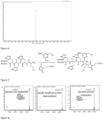
- the reaction is as shown in FIG. 2 .
- the reaction is as shown in FIG. 3 .
- the protein moiety-linker conjugate of the present invention was prepared from different proteins by using the preparation method of the present invention.
- the proteins used in this example included a maltose-binding protein, a green fluorescent protein, a ubiquitin protein, and a small ubiquitin-like modifier protein.
- the amino acid sequences of proteins with a N-terminal His tag modification are as follows:
- the reaction is as shown in FIG. 7 .
- Step 1 3 nmol protein was added to 30 ⁇ L of 50 mM phosphate buffer solution with pH 7.4, 30 nmol compound 2 (NLP, dissolved in 1 ⁇ L of DMSO) obtained in Example 1 and 15 nmol 3-maleimidopropionic acid (dissolved in 1 ⁇ L of DMSO) were added, and a reaction was performed at 37°C overnight in a PCR instrument;
- Step 2 The reaction liquid was transferred to a 0.5 mL ultrafiltration tube and diluted to 500 ⁇ L by adding a phosphate buffer, the sample was concentrated to 30 ⁇ L by centrifugation at 12000 rpm for 10 minutes, and this washing process was repeated three times to remove excess small molecule compound to obtain a protein moiety-linker conjugate.
- Table 2 shows the molecular weights of reactant and product detected by mass spectrometry when maltose-binding protein is used.
- Table 2 Molecular weights of test samples detected by mass spectrometry Test sample Observed molecular weight Theoretical molecular weight Protein raw material (maltose-binding protein) 43802 43801 Protein moiety-linker conjugate 44146 44145
- the protein moiety-linker conjugate of the present invention reacted with a modified nucleic acid to prepare a protein-nucleic acid conjugate.
- Step 3 4.5 nmol nucleic acid with 3'-end DBCO modification and 5'-end biotin modification was added to the protein moiety-linker conjugate obtained in Example 3 dissolved in 30 ⁇ L of 50 mM phosphate buffer solution with pH 7.4, and a reaction was performed at room temperature overnight to obtain a protein-nucleic acid conjugate.
- the molecular weight of the protein-nucleic acid conjugate detected by mass spectrometry is 50124, and the theoretical value is 50124.
- the protein moiety-linker conjugate of the present invention reacts with a modified nucleic acid to prepare a protein-nucleic acid conjugate.
- the mass spectrometry profiles of the maltose-binding protein and various modification products thereof before, during, and after the reaction are as shown in FIG. 8 .
- the reaction is as shown in FIG. 10 .
- the reaction steps were the same as those described in Examples 3 and 4.
- the protein used in this example was a maltose-binding protein
- the short peptide containing His tag was Met(His) 6
- the azido-containing 2-picolinaldehyde derivative was 6-(azidomethyl)-4-methoxypicolinaldehyde
- the modified nucleic acid was the dibenzocyclooctyne-modified nucleic acid prepared in Example 2.
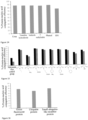
- the proportion of the protein-nucleic acid conjugate was determined by SDS-PAGE gel. The results are as shown in FIG. 10 .
- step 1 of the synthesis method of the present invention has good conversion rate under the mediation of a variety of maleimide derivative small molecules, among which the 3-maleimidopropionic acid results in the highest conversion rate.
- reaction steps of this example were the same as those of Example 6, in which the protein used was a maltose-binding protein, the short peptide containing His tag was Met(His) 6 , the azido-containing 2-picolinaldehyde derivative was 6-(azidomethyl)-4-methoxypicolinaldehyde, the maleimide derivative was 3-maleimidopropionic acid, and the modified nucleic acid was the dibenzocyclooctyne-modified nucleic acid prepared in Example 2.
- the proportion of the protein-nucleic acid conjugate was determined by SDS-PAGE gel. The results are as shown in FIG. 11 .
- step 1 of the synthesis method of the present invention can be performed well in a buffer with a pH range of 6-9.
- reaction steps of this example were the same as those of Example 6, in which the protein used was a maltose-binding protein, the short peptide containing His tag was Met(His) 6 , the azido-containing 2-picolinaldehyde derivative was 6-(azidomethyl)-4-methoxypicolinaldehyde, the maleimide derivative was 3-maleimidopropionic acid, and the modified nucleic acid was the dibenzocyclooctyne-modified nucleic acid prepared in Example 2.
- Step 1 3 nmol protein was added to 30 ⁇ L of 50 mM phosphate buffer solution with pH 7.4, 30 nmol compound 2 (NLP, dissolved in 1 ⁇ L of DMSO) obtained in Example 1 and 15 nmol 3-maleimidopropionic acid (dissolved in 1 ⁇ L of DMSO) were added, and a reaction was performed at 37°C overnight in a PCR instrument.
- Step 2 The reaction liquid was transferred to a 0.5 mL ultrafiltration tube and diluted to 500 ⁇ L by adding a phosphate buffer, the sample was concentrated to 30 ⁇ L by centrifugation at 12000 rpm for 10 minutes, and this process was repeated three times to remove excess small molecule compound to obtain a protein moiety-linker conjugate.
- Step 3 4.5 nmol nucleic acid with 3'-end DBCO modification and 5'-end biotin modification was added to the protein moiety-linker conjugate dissolved in 30 ⁇ L of 50 mM phosphate buffer solution with pH 7.4, and a reaction was performed at room temperature overnight to obtain a protein-nucleic acid conjugate.
- step 1 of the synthesis method of the present invention has good conversion rates with the participation of different equivalents of small molecules.
- the buffer salt systems used in this example included BES, Bis-Tris, HEPES, MOPS, Phos, TAPS, or Tris.
- reaction steps of this example were the same as those of Example 6, in which the protein used was a maltose-binding protein, the short peptide containing His tag was Met(His) 6 , the azido-containing 2-picolinaldehyde derivative was 6-(azidomethyl)-4-methoxypicolinaldehyde, the maleimide derivative was 3-maleimidopropionic acid, and the modified nucleic acid was the dibenzocyclooctyne-modified nucleic acid prepared in Example 2.
- Step 1 3 nmol protein was added to 30 ⁇ L of 50 mM solutions of different buffer salts with pH 7.4, 30 nmol compound 2 (NLP, dissolved in 1 ⁇ L of DMSO) obtained in Example 1 and 15 nmol 3-maleimidopropionic acid (dissolved in 1 ⁇ L of DMSO) were added, and a reaction was performed at 37°C overnight in a PCR instrument.
- Step 2 The reaction liquid was transferred to a 0.5 mL ultrafiltration tube and diluted to 500 ⁇ L by adding a phosphate buffer, the sample was concentrated to 30 ⁇ L by centrifugation at 12000 rpm for 10 minutes, and this process was repeated three times to remove excess small molecule compound to obtain a protein moiety-linker conjugate.
- Step 3 4.5 nmol nucleic acid with 3'-end DBCO modification and 5'-end biotin modification was added to the protein moiety-linker conjugate dissolved in 30 ⁇ L of 50 mM phosphate buffer solution with pH 7.4, and a reaction was performed at room temperature overnight to obtain a protein-nucleic acid conjugate.
- the proportion of the protein-nucleic acid conjugate was determined by SDS-PAGE gel. The results are as shown in FIG. 13 .
- step 1 of the synthesis method of the present invention is compatible with a variety of buffer salt systems.
- the compatibility of the synthesis reaction of the present invention with different additives added was tested.
- the additives used in this example included urea, guanidine hydrochloride, imidazole, 3-methylindole, phenol, and SDS. These additives mimic the side chain structure of common amino acids.
- the results of this example will confirm that the synthesis method of the present invention is highly specific and will only occur in short peptides containing His tag modified at the N-terminus of the protein.
- the amino acid side chains included in the protein do not affect the efficiency of the conjugation reaction of the present invention.
- reaction steps of this example were the same as those of Example 6, in which the protein used was a maltose-binding protein, the short peptide containing His tag was Met(His) 6 , the azido-containing 2-picolinaldehyde derivative was 6-(azidomethyl)-4-methoxypicolinaldehyde, the maleimide derivative was 3-maleimidopropionic acid, and the modified nucleic acid was the dibenzocyclooctyne-modified nucleic acid prepared in Example 2.
- Step 1 3 nmol protein was added to 30 ⁇ L of 50 mM phosphate buffer solution with pH 7.4, 5 mM small molecule additive was additionally added, 30 nmol compound 2 (NLP, dissolved in 1 ⁇ L of DMSO) obtained in Example 1 and 15 nmol 3-maleimidopropionic acid (dissolved in 1 ⁇ L of DMSO) were added, and a reaction was performed at 37°C overnight in a PCR instrument.
- NLP dissolved in 1 ⁇ L of DMSO
- 3-maleimidopropionic acid dissolved in 1 ⁇ L of DMSO
- Step 2 The reaction liquid was transferred to a 0.5 mL ultrafiltration tube and diluted to 500 ⁇ L by adding a phosphate buffer, the sample was concentrated to 30 ⁇ L by centrifugation at 12000 rpm for 10 minutes, and this process was repeated three times to remove excess small molecule compound to obtain a protein moiety-linker conjugate.
- Step 3 4.5 nmol nucleic acid with 3'-end DBCO modification and 5'-end biotin modification was added to the protein moiety-linker conjugate dissolved in 30 ⁇ L of 50 mM phosphate buffer solution with pH 7.4, and a reaction was performed at room temperature overnight to obtain a protein-nucleic acid conjugate.
- the proportion of the protein-nucleic acid conjugate was determined by SDS-PAGE gel. The results are as shown in FIG. 14 .
- step 1 of the synthesis method of the present invention is compatible with a variety of small molecule additives commonly used in biology, and these small molecule additives do not affect the efficiency of the conjugation reaction of the present invention, indicating that the amino acid side chains included in the protein do not affect the efficiency of the conjugation reaction of the present invention.
- the protein-nucleic acid conjugate obtained without the addition of a maleimide derivative and the protein-nucleic acid conjugates obtained using different maleimide derivative small molecules according to Example 6 were separately heated in a PCR instrument at 95°C for 10 minutes. Subsequently, the proportions of the protein-nucleic acid conjugates before and after heating were determined by SDS-PAGE gel. The results are as shown in FIG. 15 .
- the conjugate obtained without the addition of maleimide derivative small molecules has poor thermal stability, with a degradation rate reaching 50% after heating at 95°C for 10 minutes, while the protein-nucleic acid conjugates obtained by the method of the present invention with the addition of maleimide derivative small molecules have significantly improved thermal stability.
- the synthesis reaction of the present invention was tested for other proteins with a polyhistidine tag at the N-terminus.
- the proteins used in this example included a green fluorescent protein, a ubiquitin protein, and a small ubiquitin-like modifier protein.
- reaction steps of this example were the same as those of Example 6, in which the short peptide containing His tag was Met(His) 6 , the azido-containing 2-picolinaldehyde derivative was 6-(azidomethyl)-4-methoxypicolinaldehyde, the maleimide derivative was 3-maleimidopropionic acid, and the modified nucleic acid was the dibenzocyclooctyne-modified nucleic acid prepared in Example 2.
- Step 1 3 nmol protein was added to 30 ⁇ L of 50 mM phosphate buffer solution with pH 7.4, 30 nmol compound 2 (NLP, dissolved in 1 ⁇ L of DMSO, 60 nmol for small ubiquitin-like modifier protein) obtained in Example 1 and 3-maleimidopropionic acid (dissolved in 1 ⁇ L of DMSO, 120 nmol for green fluorescent protein, 15 nmol for ubiquitin protein, 30 nmol for small ubiquitin-like modifier protein) were added, and a reaction was performed at 37°C overnight in a PCR instrument.
- NLP dissolved in 1 ⁇ L of DMSO, 60 nmol for small ubiquitin-like modifier protein
- 3-maleimidopropionic acid dissolved in 1 ⁇ L of DMSO, 120 nmol for green fluorescent protein, 15 nmol for ubiquitin protein, 30 nmol for small ubiquitin-like modifier protein
- Step 2 The reaction liquid was transferred to a 0.5 mL ultrafiltration tube and diluted to 500 ⁇ L by adding a phosphate buffer, the sample was concentrated to 30 ⁇ L by centrifugation at 12000 rpm for 10 minutes, and this process was repeated three times to remove excess small molecule compound to obtain a protein moiety-linker conjugate.
- Step 3 4.5 nmol nucleic acid with 3'-end DBCO modification and 5'-end biotin modification was added to the protein moiety-linker conjugate dissolved in 30 ⁇ L of 50 mM phosphate buffer solution with pH 7.4, and a reaction was performed at room temperature overnight to obtain a protein-nucleic acid conjugate.
- the proportion of the protein-nucleic acid conjugate was determined by SDS-PAGE gel. The results are as shown in FIG. 16 .
- Different proteins with polyhistidine tag at the N-terminus all can be conjugated to a nucleic acid according to the synthesis method of the present invention to obtain protein-nucleic acid conjugates, with high yields.
- the synthesis reaction of the present invention was tested for a long-chain nucleic acid of 65 bases in length with 3'-end DBCO modification and 5'-end biotin modification.
- the method for synthesizing a long-chain oligonucleotide with 3'-end DBCO modification and 5'-end biotin modification was the same as that of Example 2.
- the reaction is as shown in FIG. 3 .
- the HPLC analysis profile is as shown in FIG. 17 .
- the mass spectrometry profiles are as shown in FIG. 18 and FIG. 19 .
- Step 1 3 nmol protein was added to 30 ⁇ L of 50 mM phosphate buffer solution with pH 7.4, 30 nmol compound 2 (NLP, dissolved in 1 ⁇ L of DMSO, 60 nmol for small ubiquitin-like modifier protein) obtained in Example 1 and 3-maleimidopropionic acid (dissolved in 1 ⁇ L of DMSO, 120 nmol for green fluorescent protein, 15 nmol for ubiquitin protein, 30 nmol for small ubiquitin-like modifier protein) were added, and a reaction was performed at 37°C overnight in a PCR instrument.
- NLP dissolved in 1 ⁇ L of DMSO, 60 nmol for small ubiquitin-like modifier protein
- 3-maleimidopropionic acid dissolved in 1 ⁇ L of DMSO, 120 nmol for green fluorescent protein, 15 nmol for ubiquitin protein, 30 nmol for small ubiquitin-like modifier protein
- Step 2 The reaction liquid was transferred to a 0.5 mL ultrafiltration tube and diluted to 500 ⁇ L by adding a phosphate buffer, the sample was concentrated to 30 ⁇ L by centrifugation at 12000 rpm for 10 minutes, and this process was repeated three times to remove excess small molecule compound to obtain a protein moiety-linker conjugate.
- Step 3 4.5 nmol long-chain nucleic acid with 3'-end DBCO modification and 5'-end biotin modification was added to the protein moiety-linker conjugate dissolved in 30 ⁇ L of 50 mM phosphate buffer solution with pH 7.4, and a reaction was performed at room temperature overnight to obtain a protein-nucleic acid conjugate.
- the proportion of the protein-nucleic acid conjugate product was determined by SDS-PAGE gel. The results are as shown in FIG. 20 .
- a longer nucleic acid molecule e.g., a 65 nt nucleic acid molecule, can be conjugated to a protein moiety-linker conjugate according to the synthesis method of the present invention to obtain a protein-nucleic acid conjugate, with a high yield.
- the synthesis reaction of the present invention was tested for antibodies with a polyhistidine tag at the N-terminus of the heavy chain.
- the antibodies used in this example included anti-EGFR and anti-HER2 antibodies.
- reaction steps of this example were the same as those of Example 6, in which the short peptide containing His tag was Met(His) 6 , the azido-containing 2-picolinaldehyde derivative was 6-(azidomethyl)-4-methoxypicolinaldehyde, the maleimide derivative was 3-maleimidopropionic acid, and the modified nucleic acid was the dibenzocyclooctyne-modified nucleic acid prepared in Example 2.
- Step 1 3 nmol antibody was added to 100 ⁇ L of 50 mM phosphate buffer solution with pH 7.4, 120 nmol compound 2 (NLP, dissolved in 4 ⁇ L of DMSO) obtained in Example 1 and 60 nmol 3-maleimidopropionic acid (dissolved in 1 ⁇ L of DMSO) were added, and a reaction was performed at 37°C overnight in a PCR instrument.
- Step 2 The reaction liquid was transferred to a 0.5 mL ultrafiltration tube and diluted to 500 ⁇ L by adding a phosphate buffer, the sample was concentrated to 30 ⁇ L by centrifugation at 12000 rpm for 10 minutes, and this process was repeated three times to remove excess small molecule compound to obtain an antibody moiety-linker conjugate.
- Step 3 24 nmol nucleic acid with 3'-end DBCO modification and 5'-end biotin modification was added to the antibody moiety-linker conjugate dissolved in 30 ⁇ L of 50 mM phosphate buffer solution with pH 7.4, and a reaction was performed at room temperature overnight to obtain a protein-nucleic acid conjugate.
- the modification proportion of the heavy chain of the antibody-nucleic acid conjugate was determined by SDS-PAGE gel. The results are as shown in FIG. 21 .
- Step 4 The antibodies and the obtained antibody-nucleic acid conjugates were subjected to Elisa assay and the IC50 values were compared. The results are as shown in FIG. 22 .
- Antibody sequences are:
- Antibodies having polyhistidine tag at the N-terminus of the heavy chain can be conjugated to a nucleic acid according to the synthesis method of the present invention to obtain antibody-nucleic acid conjugates, with high yields and without affecting the antigen-binding ability of the antibodies themselves.
Landscapes
- Chemical & Material Sciences (AREA)
- Organic Chemistry (AREA)
- Health & Medical Sciences (AREA)
- Life Sciences & Earth Sciences (AREA)
- Engineering & Computer Science (AREA)
- Genetics & Genomics (AREA)
- Molecular Biology (AREA)
- General Health & Medical Sciences (AREA)
- Proteomics, Peptides & Aminoacids (AREA)
- Medicinal Chemistry (AREA)
- Bioinformatics & Cheminformatics (AREA)
- Biochemistry (AREA)
- Biophysics (AREA)
- Biomedical Technology (AREA)
- Zoology (AREA)
- Pharmacology & Pharmacy (AREA)
- Veterinary Medicine (AREA)
- Public Health (AREA)
- General Engineering & Computer Science (AREA)
- Biotechnology (AREA)
- Animal Behavior & Ethology (AREA)
- Wood Science & Technology (AREA)
- Epidemiology (AREA)
- Physics & Mathematics (AREA)
- Plant Pathology (AREA)
- Microbiology (AREA)
- Chemical Kinetics & Catalysis (AREA)
- General Chemical & Material Sciences (AREA)
- Analytical Chemistry (AREA)
- Peptides Or Proteins (AREA)
Applications Claiming Priority (2)
| Application Number | Priority Date | Filing Date | Title |
|---|---|---|---|
| CN202210880480 | 2022-07-25 | ||
| PCT/CN2023/109032 WO2024022313A1 (zh) | 2022-07-25 | 2023-07-25 | 一种定点合成蛋白-活性分子偶联物的方法 |
Publications (1)
| Publication Number | Publication Date |
|---|---|
| EP4563585A1 true EP4563585A1 (de) | 2025-06-04 |
Family
ID=89705520
Family Applications (1)
| Application Number | Title | Priority Date | Filing Date |
|---|---|---|---|
| EP23845523.2A Pending EP4563585A1 (de) | 2022-07-25 | 2023-07-25 | Verfahren zur ortsspezifischen synthese eines proteinaktiven molekularen konjugats |
Country Status (3)
| Country | Link |
|---|---|
| EP (1) | EP4563585A1 (de) |
| CN (1) | CN119585294A (de) |
| WO (1) | WO2024022313A1 (de) |
Family Cites Families (12)
| Publication number | Priority date | Publication date | Assignee | Title |
|---|---|---|---|---|
| DE3918125A1 (de) * | 1989-06-03 | 1990-12-06 | Forschungszentrum Juelich Gmbh | Verfahren zur modifizierung von proteinen und danach erhaeltliche modifizierte proteine |
| GB0314472D0 (en) * | 2003-06-20 | 2003-07-23 | Warwick Effect Polymers Ltd | Polymer |
| US8933261B2 (en) * | 2013-03-14 | 2015-01-13 | Andrei POLUKHTIN | Benzophenone-based chromophoric crosslinkers and reagents for incorporation of biotin or other haptens into macromolecules |
| US10370407B2 (en) * | 2015-01-21 | 2019-08-06 | The Regents Of The University Of California | Affinity-assisted protein modification and recycling |
| MX2019011635A (es) * | 2017-03-30 | 2020-01-20 | Jiangsu Hengrui Medicine Co | Método para la preparación de conjugados anticuerpo-fármaco. |
| CN109305936B (zh) * | 2017-07-28 | 2021-03-19 | 赵琦 | 一种化合物及其制备方法和在抗体药物偶联物制备中的用途 |
| CN110577600B (zh) * | 2018-06-07 | 2021-05-04 | 中国科学院上海药物研究所 | 靶向gpc3的抗体-药物偶联物及其制备方法和用途 |
| CN109265512B (zh) * | 2018-09-25 | 2021-06-11 | 清华大学 | 基于吡啶二甲醛的蛋白质偶联物的制备方法 |
| US11945838B2 (en) * | 2018-12-20 | 2024-04-02 | Indian Institute Of Science Education And Research | Method for synthesis of protein amphiphiles |
| CN113512093A (zh) * | 2020-04-10 | 2021-10-19 | 南京金斯瑞生物科技有限公司 | 一种合成含有二硫键和/或巯基修饰的多肽核酸偶联物的方法 |
| WO2022078566A1 (en) * | 2020-10-12 | 2022-04-21 | Debiopharm Research & Manufacturing S.A. | Reactive conjugates |
| EP4251206A4 (de) * | 2020-11-24 | 2025-12-24 | Brickbio Inc | Proteinderivate mit unnatürlichen aminosäuren und verzweigten linkern |
-
2023
- 2023-07-25 EP EP23845523.2A patent/EP4563585A1/de active Pending
- 2023-07-25 WO PCT/CN2023/109032 patent/WO2024022313A1/zh not_active Ceased
- 2023-07-25 CN CN202380056171.3A patent/CN119585294A/zh active Pending
Also Published As
| Publication number | Publication date |
|---|---|
| WO2024022313A1 (zh) | 2024-02-01 |
| WO2024022313A9 (zh) | 2025-01-02 |
| CN119585294A (zh) | 2025-03-07 |
Similar Documents
| Publication | Publication Date | Title |
|---|---|---|
| US10793605B2 (en) | Conformationally-preorganized, miniPEG-containing γ-peptide nucleic acids | |
| US11135304B2 (en) | C-terminal lysine conjugated immunoglobulins | |
| JP5979139B2 (ja) | オリゴヌクレオチドの製造方法 | |
| EP3808760A1 (de) | Verbindung mit affinität für antikörper, spaltstelle und reaktive gruppe oder salz davon | |
| TWI335920B (en) | Sugar chain asparagine derivatives, sugar chain asparagine and sugar chain and manufacture thereof | |
| Li et al. | Genetically encoded alkenyl–pyrrolysine analogues for thiol–ene reaction mediated site-specific protein labeling | |
| FR2586704A1 (fr) | Nouveaux composes comportant une sequence d'oligonucleotide liee a un agent d'intercalation et a un groupe chimique activable, leur synthese et leurs applications a titre de nucleases artificielles specifiques de sequences. centre national de la recherche scientifique (cnrs) | |
| US8940879B2 (en) | Functional molecule, functional molecule synthesizing amidite and target substance analysis method | |
| US9156778B2 (en) | Cross-coupled peptide nucleic acids for detection of nucleic acids of pathogens | |
| EP4563585A1 (de) | Verfahren zur ortsspezifischen synthese eines proteinaktiven molekularen konjugats | |
| EP0920443B1 (de) | Aktivierte peptide und konjugate | |
| EP4146665A1 (de) | Systeme und verfahren für tyrosinasevermittelte stellenspezifische proteinkonjugation | |
| Zubin et al. | Oligonucleotides containing 2′-O-[2-(2, 3-dihydroxypropyl) amino-2-oxoethyl] uridine as suitable precursors of 2′-aldehyde oligonucleotides for chemoselective ligation | |
| CN115043899B (zh) | 双胺或胺与硫醇偶联的化合物及其制备方法和应用 | |
| CN118922538A (zh) | 一种蛋白-核酸偶联物的纯化方法 | |
| Wawro et al. | Enzymatically cleavable traceless biotin tags for protein PEGylation and purification | |
| WO2023097604A1 (zh) | 分离的多肽及其应用 | |
| Sugiyama et al. | Peptide nucleic acid with a lysine side chain at the β-position: Synthesis and application for DNA cleavage | |
| JP2005027569A (ja) | 新規dnaコンジュゲート及びそれを有効成分とするアンチセンス剤 | |
| WO2026075204A1 (ja) | トランスグルタミナーゼ融合体、この融合体を含む抗体修飾剤、及び、この融合体を用いた抗体薬物複合体の製造方法 | |
| Khomyakova et al. | 2′-aldehyde oligonucleotides: Synthesis and use for affinity modification of DNA-recognizing proteins | |
| WO2016204107A1 (ja) | 核酸架橋体、二本鎖核酸に標的分子を結合させるための化合物及び二本鎖核酸に標的分子を結合させるための方法 | |
| Ekkebus et al. | On terminal alkynes that can react with active-site cysteine nucleophiles in proteases–Supplementary Materials |
Legal Events
| Date | Code | Title | Description |
|---|---|---|---|
| STAA | Information on the status of an ep patent application or granted ep patent |
Free format text: STATUS: THE INTERNATIONAL PUBLICATION HAS BEEN MADE |
|
| PUAI | Public reference made under article 153(3) epc to a published international application that has entered the european phase |
Free format text: ORIGINAL CODE: 0009012 |
|
| STAA | Information on the status of an ep patent application or granted ep patent |
Free format text: STATUS: REQUEST FOR EXAMINATION WAS MADE |
|
| 17P | Request for examination filed |
Effective date: 20250214 |
|
| AK | Designated contracting states |
Kind code of ref document: A1 Designated state(s): AL AT BE BG CH CY CZ DE DK EE ES FI FR GB GR HR HU IE IS IT LI LT LU LV MC ME MK MT NL NO PL PT RO RS SE SI SK SM TR |
|
| DAV | Request for validation of the european patent (deleted) | ||
| DAX | Request for extension of the european patent (deleted) |