EP4563596A1 - Anti-cd163-antikörper mit verbesserten adcc-kapazitäten - Google Patents
Anti-cd163-antikörper mit verbesserten adcc-kapazitäten Download PDFInfo
- Publication number
- EP4563596A1 EP4563596A1 EP23213466.8A EP23213466A EP4563596A1 EP 4563596 A1 EP4563596 A1 EP 4563596A1 EP 23213466 A EP23213466 A EP 23213466A EP 4563596 A1 EP4563596 A1 EP 4563596A1
- Authority
- EP
- European Patent Office
- Prior art keywords
- seq
- chain variable
- variable region
- antibody
- amino acid
- Prior art date
- Legal status (The legal status is an assumption and is not a legal conclusion. Google has not performed a legal analysis and makes no representation as to the accuracy of the status listed.)
- Pending
Links
Images
















Classifications
-
- C—CHEMISTRY; METALLURGY
- C07—ORGANIC CHEMISTRY
- C07K—PEPTIDES
- C07K16/00—Immunoglobulins [IG], e.g. monoclonal or polyclonal antibodies
- C07K16/18—Immunoglobulins [IG], e.g. monoclonal or polyclonal antibodies against material from animals or humans
- C07K16/28—Immunoglobulins [IG], e.g. monoclonal or polyclonal antibodies against material from animals or humans against receptors, cell surface antigens or cell surface determinants
- C07K16/2896—Immunoglobulins [IG], e.g. monoclonal or polyclonal antibodies against material from animals or humans against receptors, cell surface antigens or cell surface determinants against molecules with a "CD"-designation, not provided for elsewhere
-
- C—CHEMISTRY; METALLURGY
- C07—ORGANIC CHEMISTRY
- C07K—PEPTIDES
- C07K2317/00—Immunoglobulins specific features
- C07K2317/70—Immunoglobulins specific features characterized by effect upon binding to a cell or to an antigen
- C07K2317/72—Increased effector function due to an Fc-modification
-
- C—CHEMISTRY; METALLURGY
- C07—ORGANIC CHEMISTRY
- C07K—PEPTIDES
- C07K2317/00—Immunoglobulins specific features
- C07K2317/70—Immunoglobulins specific features characterized by effect upon binding to a cell or to an antigen
- C07K2317/73—Inducing cell death, e.g. apoptosis, necrosis or inhibition of cell proliferation
-
- C—CHEMISTRY; METALLURGY
- C07—ORGANIC CHEMISTRY
- C07K—PEPTIDES
- C07K2317/00—Immunoglobulins specific features
- C07K2317/70—Immunoglobulins specific features characterized by effect upon binding to a cell or to an antigen
- C07K2317/73—Inducing cell death, e.g. apoptosis, necrosis or inhibition of cell proliferation
- C07K2317/732—Antibody-dependent cellular cytotoxicity [ADCC]
-
- C—CHEMISTRY; METALLURGY
- C07—ORGANIC CHEMISTRY
- C07K—PEPTIDES
- C07K2317/00—Immunoglobulins specific features
- C07K2317/70—Immunoglobulins specific features characterized by effect upon binding to a cell or to an antigen
- C07K2317/76—Antagonist effect on antigen, e.g. neutralization or inhibition of binding
-
- C—CHEMISTRY; METALLURGY
- C07—ORGANIC CHEMISTRY
- C07K—PEPTIDES
- C07K2317/00—Immunoglobulins specific features
- C07K2317/90—Immunoglobulins specific features characterized by (pharmaco)kinetic aspects or by stability of the immunoglobulin
- C07K2317/92—Affinity (KD), association rate (Ka), dissociation rate (Kd) or EC50 value
-
- C—CHEMISTRY; METALLURGY
- C07—ORGANIC CHEMISTRY
- C07K—PEPTIDES
- C07K2317/00—Immunoglobulins specific features
- C07K2317/90—Immunoglobulins specific features characterized by (pharmaco)kinetic aspects or by stability of the immunoglobulin
- C07K2317/94—Stability, e.g. half-life, pH, temperature or enzyme-resistance
Definitions
- the present invention relates to improved antibodies targeting CD163.
- the present invention relates to improved antibodies targeting CD163 with improved capabilities in relation to inducing Antibody-Dependent Cell-mediated Cytotoxicity (ADCC).
- ADCC Antibody-Dependent Cell-mediated Cytotoxicity
- TAM Tumor-associated macrophages
- TAM tumor-infiltrating myeloid cell
- RCC renal cell carcinoma
- TAM subsets Although we still lack a deeper understanding about the functions of different TAM subsets and their respective contributions to tumor progression, it is plausible to speculate that a selective targeting of TAM subsets that abrogates tumor-promoting mechanisms while preserving innate immune functions may promote anti-tumor immunity and could offer significant clinical benefits.
- CD163 is a macrophage and monocyte specific transmembrane protein that functions as a scavenger receptor for haptoglobin-hemoglobin complexes, formed upon intravascular haemolysis (14).
- Expression of CD163 is induced by tumor-promoting cytokines such as IL-6 and IL-10, whereas inflammatory stimuli, including lipopolysaccharide (LPS), TNFa and IFNg, lead to a rapid downregulation of expression and removal of membrane bound CD163 via proteolytic shedding (15, 16). This, together with the generation of anti-inflammatory heme metabolites from hemoglobin scavenging, has led to the association of CD163 + macrophages with anti-inflammatory functions (16).
- LPS lipopolysaccharide
- tumor-associated macrophages expressing CD163 are key players in tumor progression and also in the observed resistance to immunotherapy (17). Particularly, it was showed that specific depletion CD163+ tumor associated macrophages in murine melanoma models resistant to standard immunotherapy leads to a massive recruitment of leukocytes and especially cytotoxic T cells. This influx drove an anti-tumor immune response and ultimately tumor regression. This finding has been corroborated in three additional murine tumor models. Importantly, it has been shown that specific depletion of CD163+ tumor-associated macrophages is more effective than an alternative approach, currently in clinical development, based on pan-depletion of tumor-associated macrophages.
- CD163 expressing macrophages can be accomplished by different methods.
- a possibility is to use an antibody-drug conjugate targeting a toxin to CD163 expressing cells, and thereby killing them.
- use of toxins may be associated with adverse effects, and especially for CD163 which is found in high levels on Kupffer cells, it may lead to disposition of toxin to the liver.
- ADCC antibody dependent cellular cytotoxicity
- ADCP antibody-dependent cellular phagocytosis
- an improved antibody targeting CD163 would be advantageous, and in particular, a more efficient and/or reliable antibody targeting CD163 would be advantageous.
- ADCC antibody dependent cellular cytotoxicity
- ADCP antibody-dependent cellular phagocytosis
- CD163 binding antibodies have been identified, which are considered superior for inducing efficient ADCC killing of CD163 expressing cells, and this antibody is further improved.
- the preferred identified improved antibodies targeting CD163 according to the invention can thus be grouped as:
- an object of the present invention relates to the provision of improved CD163 targeting antibodies for medical uses.
- one aspect of the invention relates to an antibody targeting CD163 comprising
- These afucosylated antibodies with the respective CDR regions include the antibody versions OS017, OS022, OS023 and OS024.
- Another aspect of the present invention relates to an antibody targeting CD163 comprising
- these regular glycosylated antibodies encompass at least OS018, OS019, and OS020.
- Yet another aspect of the present invention is to provide a vector encoding the antibody targeting CD163 according to the invention.
- Yet an aspect of the invention relates to a cell expressing the antibody targeting CD163 according to the invention, and/or a cell comprising the vector according to the invention.
- a further aspect relates to a composition
- a composition comprising the antibody targeting CD163 according to the invention, and one or more physiologically acceptable carriers, excipients and/or diluents.
- Yet another aspect of the invention relates to a combination comprising the antibody targeting CD163 according to the invention and an immune checkpoint inhibitor.
- An aspect of the invention relates to the antibody targeting CD163 according to the invention, and/or composition according to the invention and/or combination according to the invention, for use as a medicament.
- a related aspect relates to the antibody targeting CD163 according to the invention, and/or composition according to the invention and/or combination according to the invention, for use in the treatment or alleviation of cancer.
- Figure 1 shows surface exposure screen for different known anti-CD163 antibodies.
- Most commercially available CD163 antibodies bind CD163 expressed on a cell surface poorly (25), we therefore tested a range of commercially available and hybridoma based antibodies developed and selected for binding to CD163 on the cell surface for their surface exposure on CD163 expressing cells as a function of time.
- the hybridoma based antibodies were a kind gift from Associate Professor Yaseelan Palarasah, University of Southern Denmark. We also compared them to the commercially available antibodies Mac2-158, Mac2-48, R-20 and Ki-M8.
- the figure shows staining for IgG bound to the cell surface after incubation for 15-360 minutes.
- Figure 2 shows surface exposure for humanized OS001 and ORV3 after binding to CD163 expressing cells as a function of time, as detected by a secondary antibody.
- Figure 3 shows Surface plasmon resonance study of sCD163 effect on binding of antibodies to immobilized CD163. Comparing effect of soluble CD163 on binding of OS001 (circle), ORV3 (square), 15-5-20 (up-triangle), and 15-5-30 (down triangle). Response at plateau was normalized relative to response at plateau with no sCD163 present.
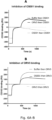
- Figure 4 shows (A) binding of ORV3 and OS001 (both at 1 ⁇ g/ml) to human macrophages expressing CD163 (M2c macrophages). Inhibition is calculated with binding in the absence of soluble CD163 as reference. (B) Inhibition of CD163 mAb binding to CD163 expressing macrophages using constant concentration of sCD163 of 2 ⁇ g/ml and varying mAb concentration.
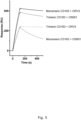
- Figure 5 shows SPR study of binding of 25 nM monomeric CD163 or trimeric CD163to the CD163 binding mAbs OS001 and ORV3 bound on a Protein G SPR sensor chip.
- Figure 6 shows mAb epitope binding.
- A First buffer or 100 ⁇ g/ml mAb over the chip with immobilized CD163 followed by 5 ⁇ g/ml OS001.
- B first buffer or 100 ⁇ g/ml mAb over the chip with immobilized CD163 followed by 5 ⁇ g/ml ORV3.
- Figure 7 shows (A) Lower inhibition ( ⁇ 25%) of HbHp binding to CD163 on sensor when sensor is preincubated with OS001, whereas binding of HbHp was inhibited more (> 50%) when preincubated with ORV3. (B) Preincubating CD163 on sensor with HbHp inhibited binding of antibody substantially less for OS001 than for ORV3.
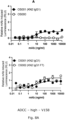
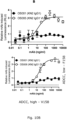
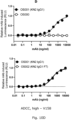
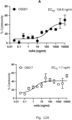
- Figure 8 shows representative titrations of ADCC signalling in reporter system using recombinant cells expressing CD163 as target cells in order to identify preferred method for enhancing ADCC.
- A-C ADCC high CD163 (V158).
- D-F ADCC low CD163 (F158) for selected antibodies.
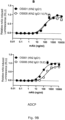
- Figure 9A-C show representative titrations of ADCP signalling in reporter system using recombinant cells expressing CD163 as target cells in order to identify preferred method for enhancing ADCP for selected antibodies.
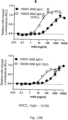
- Figure 10 shows representative titrations of ADCC signalling in reporter system using human monocyte derived macrophages as target cells.
- A-C ADCC high CD163 (V158).
- D-F ADCC low CD163 (F158) for selected antibodies.
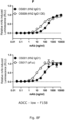
- Figure 11 shows a comparison of ADCC induced signalling of OS001 and ORV3 on either (A+B) recombinant FlpIn293 cells; or (C+D) Human monocyte derived CD163 expressing macrophages (hMDM).
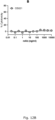
- Figure 12 shows (A) titration of antibody induced PMBC mediated macrophage depletion using the two CD163 mAbs OS001 and the ADCC enhanced afucosylated OS017, (B) lack of effect of ADCC inert/Fc-silenced construct OS021.
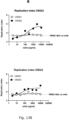
- Figure 13 shows (A-C) Titration of effect of OS001, OS017, OS022, OS023 and ORV3 compared to effect of the Fc-silenced CD163 mAb OS022 on macrophage inhibition of T cell proliferation in a patient with 5% NK PBMC cell count, shown as change in replication index.
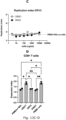
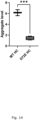
- Figure 14 shows aggregate levels as percentage of total IgG after expression and initial capture purification step, for antibodies with and without the D72E mutation in the heavy chain, ***: p ⁇ 0.001 (unpaired t test (two tailed)).
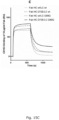
- Figure 15 shows representative surface plasmon resonance sensorgrams of the binding of antibodies to CD163 immobilized CD163.
- C Fab HC wt/LC wt (as found in OS001 and OS017), Fab HC D72E/LC wt (as found in OS018 and OS022), Fab HC wt/LC G89Q (as found OS019 and OS024), and Fab HC D72E /LC G89Q (as found in OS020 and OS023).
- Figure 16 shows that the improved sequence constructs OS022 (top) and OS023 (bottom) retain the ability to exert ADCC mediated effects to a similar level as OS017 in ADCC reporter assay.
- CD163 Cluster of Differentiation 163 also known as “M130”, “MM130” or “SCARI1” has its general meaning in the art and refers to a protein that in humans is encoded by the CD163 gene [Gene ID: 9332].
- CD163 is exclusively expressed in monocytes and macrophages. It functions as an acute phase-regulated receptor involved in the clearance and endocytosis of hemoglobin/haptoglobin complexes by macrophages, and may thereby protect tissues from free hemoglobin-mediated oxidative damage.
- This protein may also function as an innate immune sensor for bacteria and inducer of local inflammation.
- the molecular size is 130 kDa.
- the receptor belongs to the scavenger receptor cysteine rich family type B and consists of a 1048 amino acid residues extracellular domain, a single transmembrane segment and a cytoplasmic tail with several splice variants.
- An exemplary human amino acid sequence is represented by SEQ ID NO: 26.
- the extracellular domain of CD163 ranges from the amino acid residue at position 42 to the amino acid residue 1050 in SEQ ID NO: 26.
- This sequence (SEQ ID NO: 26) is uniprot seq Q86VB7-1, which is designated as the main variant. But variants Q86VB7-2, Q86VB7-3 and Q86VB7-4 are also described.
- the extracellular parts are similar, so they also bind OS001 and ORV3 in a similar manner.
- TAM Tumor associated macrophage
- tumor associated macrophage As used herein, the term "tumor associated macrophage” or “TAM” has its general meaning in the art and is intended to describe a type of cell belonging to the macrophage lineage. They are found in close proximity or within tumor masses. TAMs are derived from circulating monocytes or resident tissue macrophages, which form the major leukocytic infiltrate found within the stroma of many tumor types. Accordingly, the term “CD163+ tumor associated macrophages” refers to a subset of TAM characterized by the expression of CD163. In some embodiments, the population of CD163+ tumor associated macrophages of the present invention is further characterized by the expression of and immune-modulatory cytokines such as IL10, Ido1 and Lgals1.
- cancer has its general meaning in the art and includes, but is not limited to, solid tumors and blood-borne tumors.
- the term cancer includes diseases of the skin, tissues, organs, bone, cartilage, blood and vessels.
- the term “cancer” further encompasses both primary and metastatic cancers.
- melanoma refers to a condition characterized by the growth of a tumor arising from the melanocytic system of the skin and other organs. Most melanocytes occur in the skin, but are also found in the meninges, digestive tract, lymph nodes and eyes. When melanoma occurs in the skin, it is referred to as cutaneous melanoma. Melanoma can also occur in the eyes and is called ocular or intraocular melanoma. Melanoma occurs rarely in the meninges, the digestive tract, lymph nodes or other areas where melanocytes are found.
- BRAF serine-threonine protein kinase B-RAF
- the subject suffers from melanoma.
- treatment refers to both prophylactic or preventive treatment as well as curative or disease modifying treatment, including treatment of patient at risk of contracting the disease or suspected to have contracted the disease as well as patients who are ill or have been diagnosed as suffering from a disease or medical condition, and includes suppression of clinical relapse.
- the treatment may be administered to a patient having a medical disorder or who ultimately may acquire the disorder, in order to prevent, cure, delay the onset of, reduce the severity of, or ameliorate one or more symptoms of a disorder or recurring disorder, or in order to prolong the survival of a patient beyond that expected in the absence of such treatment.
- therapeutic regimen is meant the pattern of treatment of an illness, e.g., the pattern of dosing used during therapy.
- a therapeutic regimen may include an induction regimen and a maintenance regimen.
- the phrase “induction regimen” or “induction period” refers to a therapeutic regimen (or the portion of a therapeutic regimen) that is used for the initial treatment of a disease.
- the general goal of an induction regimen is to provide a high level of drug to a patient during the initial period of a treatment regimen.
- An induction regimen may employ (in part or in whole) a "loading regimen", which may include administering a greater dose of the drug than a physician would employ during a maintenance regimen, administering a drug more frequently than a physician would administer the drug during a maintenance regimen, or both.
- maintenance regimen refers to a therapeutic regimen (or the portion of a therapeutic regimen) that is used for the maintenance of a patient during treatment of an illness, e.g., to keep the patient in remission for long periods of time (months or years).
- a maintenance regimen may employ continuous therapy (e.g., administering a drug at regular intervals, e.g., weekly, monthly, yearly, etc.) or intermittent therapy (e.g., interrupted treatment, intermittent treatment, treatment at relapse, or treatment upon achievement of a particular predetermined criteria [e.g., pain, disease manifestation, etc.]).
- immune checkpoint inhibitor has its general meaning in the art and refers to any compound inhibiting the function of an immune inhibitory checkpoint protein.
- immuno checkpoint protein has its general meaning in the art and refers to a molecule that is expressed by T cells in that either turn up a signal (stimulatory checkpoint molecules) or turn down a signal (inhibitory checkpoint molecules).
- Immune checkpoint molecules are recognized in the art to constitute immune checkpoint pathways similar to the CTLA-4 and PD-1 dependent pathways (see e.g. Pardoll, 2012. Nature Rev Cancer 12:252-264 ; Mellman et al., 2011. Nature 480:480-489 ).
- inhibitory checkpoint molecules examples include A2AR, B7-H3, B7-H4, BTLA, CTLA-4, CD277, IDO, KIR, PD-1, LAG-3, TIM-3 and VISTA. Inhibition includes reduction of function and full blockade.
- Preferred immune checkpoint inhibitors are antibodies that specifically recognize immune checkpoint proteins. A number of immune checkpoint inhibitors are known and in analogy of these known immune checkpoint protein inhibitors, alternative immune checkpoint inhibitors may be developed in the (near) future.
- the immune checkpoint inhibitors include peptides, antibodies, nucleic acid molecules and small molecules.
- immune checkpoint inhibitor includes PD-1 antagonist, PD-L1 antagonist, PD-L2 antagonist CTLA-4 antagonist, VISTA antagonist, TIM-3 antagonist, LAG-3 antagonist, IDO antagonist, KIR2D antagonist, A2AR antagonist, B7-H3 antagonist, B7-H4 antagonist, and BTLA antagonist.
- the terms “combination” and “combination therapy” are interchangeable and refer to treatments comprising the administration of at least two compounds administered simultaneously, separately or sequentially.
- co-administering means a process whereby the combination of at least two compounds is administered to the same patient.
- the at least two compounds may be administered simultaneously, at essentially the same time, or sequentially.
- the at least two compounds can be administered separately by means of different vehicles or composition.
- the at least two compounds can also be administered in the same vehicle or composition (e.g. pharmaceutical composition).
- the at least two compounds may be administered one or more times and the number of administrations of each component of the combination may be the same or different.
- monoclonal antibody refers to an antibody obtained from a population of substantially homogeneous antibodies, wherein each monoclonal antibody will typically recognize a single epitope on the antigen.
- monoclonal is not limited to any particular method for making the antibody.
- monoclonal antibodies of the invention may be made by the hybridoma method as described in Kohler et al. Nature 256, 495 (1975 ) or may be isolated from phage libraries using the techniques as described herein.
- antigen binding domain or “antigen binding region” or “fragment or derivative thereof” refers to that portion of the selective binding agent (such as an antibody molecule), which contains the amino acid residues that interact with an antigen and confer on the binding agent its specificity and affinity for the antigen.
- the antigen binding region will be of human origin.
- the antigen binding region can be derived from other animal species, in particular domestic animal and rodents such as rabbit, rat or hamster.
- an effective amount and “therapeutically effective amount” when used in relation to an antibody or antigen binding domain, fragment or derivative thereof, immunoreactive with CD163, refer to an amount of a selective binding agent that is useful or necessary to support an observable change in the level of one or more biological activities of CD163. [should be updated]
- sequence identity indicates a quantitative measure of the degree of homology between two amino acid sequences or between two nucleic acid sequences. If the two sequences to be compared are not of equal length, they must be aligned to give the best possible fit, allowing the insertion of gaps or, alternatively, truncation at the ends of the polypeptide sequences or nucleotide sequences.
- sequence identity can be calculated as N ref ⁇ N dif 100 N ref , wherein Ndif is the total number of non-identical residues in the two sequences when aligned and wherein Nref is the number of residues in one of the sequences.
- the percentage of sequence identity between one or more sequences may also be based on alignments using the clustalW software (http:/www.ebi.ac.uk/clustalW/index.html) with default settings.
- nucleotide sequences may be analysed using programme DNASIS Max and the comparison of the sequences may be done at http://www.paralign.org/.
- This service is based on the two comparison algorithms called Smith-Waterman (SW) and ParAlign.
- SW Smith-Waterman
- ParAlign is a heuristic method for sequence alignment; details on the method are published in Rognes (2001). Default settings for score matrix and Gap penalties as well as E-values were used.
- K D or "K D value” refer to the equilibrium dissociation constant between the antibody and its antigen (CD163).
- the K D value relates to the concentration of antibody (the amount of antibody needed for a particular experiment) and so the lower the K D value (lower concentration) and thus the higher the affinity of the antibody.
- K D is measured by surface plasmon resonance technology using a Biacore T200 instrument.
- ADCC Antibody-dependent cell-mediated cytotoxicity
- ADCC antibody-dependent cell-mediated cytotoxicity
- non-specific cytotoxic cells e.g., Natural Killer (NK) cells, neutrophils, and macrophages
- NK Natural Killer
- neutrophils neutrophils
- macrophages e.g., neutrophils, and macrophages
- FcRs Fc receptors
- ADCP Antibody-dependent cellularphagocytosis
- ADCP Antibody-dependent cellular phagocytosis
- ADCP can mediate monocytes, macrophages, neutrophils and dendritic cells via Fc ⁇ RIIa, Fc ⁇ RI and Fc ⁇ RIIIa, where Fc ⁇ RIIa (CD32a) on macrophages represents the major pathway.
- Fc ⁇ RIIa CD32a
- Fc region includes the polypeptides comprising the constant region of an antibody excluding the first constant region immunoglobulin domain.
- Fc refers to the last two constant region immunoglobulin domains of IgA, IgD, and IgG, and the last three constant region immunoglobulin domains of IgE and IgM, and the flexible hinge N-terminal to these domains.
- IgA and IgM Fc may include the J chain.
- Fc comprises immunoglobulin domains Cgamma2 and Cgamma3 (C ⁇ 2 and C ⁇ 3) and the hinge between Cgamma1 (C ⁇ 1) and Cgamma2 (C ⁇ 2).
- the human IgG heavy chain Fc region is usually defined to comprise residues C226 or P230 to its carboxyl-terminus, wherein the numbering is according to the EU index as in Kabat et al. (1991, NIH Publication 91-3242, National Technical Information Service, Springfield, Va.).
- the "EU index as set forth in Kabat” refers to the residue numbering of the human IgG1 EU antibody as described in Kabat et al. supra.
- Fc may refer to this region in isolation, or this region in the context of an antibody, antibody fragment, or Fc fusion protein.
- An Fc variant protein may be an antibody, Fc fusion, or any protein or protein domain that comprises an Fc region.
- proteins comprising variant Fc regions, which are non-naturally occurring variants of an Fc region.
- the amino acid sequence of a non-naturally occurring Fc region (also referred to herein as a "variant Fc region”) comprises a substitution, insertion and/or deletion of at least one amino acid residue compared to the wild type amino acid sequence.
- Any new amino acid residue appearing in the sequence of a variant Fc region as a result of an insertion or substitution may be referred to as a non-naturally occurring amino acid residue.
- Polymorphisms have been observed at a number of Fc positions, including but not limited to Kabat 270, 272, 312, 315, 356, and 358, and thus slight differences between the presented sequence and sequences in the prior art may exist.
- Fc receptor or "FcR” are used to describe a receptor that binds to the Fc region of an antibody.
- the primary cells for mediating ADCC NK cells, express Fc ⁇ RIII, whereas monocytes express Fc ⁇ RI, Fc ⁇ RII, Fc ⁇ RIII and/or Fc ⁇ RIV.
- FcR expression on hematopoietic cells is summarized in Ravetch and Kinet, Annu. Rev. Immunol., 9:457-92 (1991 ).
- an in vitro ADCC assay such as that described in U.S. Pat. No. 5,500,362 or 5,821,337 may be performed.
- PBMC peripheral blood mononuclear cells
- NK Natural Killer
- ADCC activity of the molecules of interest may be assessed in vivo, e.g., in an animal model such as that disclosed in Clynes et al., Proc. Natl. Acad. Sci. (USA), 95:652-656 (1998 ).
- Effector cells are leukocytes which express one or more FcRs and perform effector functions. The cells express at least Fc ⁇ RI, FC ⁇ RII, Fc ⁇ RIII and/or Fc ⁇ RIV and carry out ADCC effector function.
- human leukocytes which mediate ADCC include peripheral blood mononuclear cells (PBMC), natural killer (NK) cells, monocytes, cytotoxic T cells and neutrophils.
- the antibody suitable for depletion of CD163+ TAM is a full-length antibody.
- the full-length antibody is an IgG1 antibody.
- the full-length antibody is an IgG3 antibody.
- Afucosylation is a biochemical phenomenon that involves the alteration of glycoproteins by the removal of fucose residues from their carbohydrate structures.
- Fucose is a monosaccharide (a simple sugar) that can be found in various glycans, which are sugar molecules attached to proteins. The absence of fucose residues on certain glycoproteins can have significant biological implications, especially in the immune system.
- Afucosylation primarily impacts the complex-type N-glycans on glycoproteins. These glycoproteins are often involved in cell signalling, immune responses, and various cellular processes.
- Antibodies also known as immunoglobulins, play a crucial role in our immune system by recognizing and binding to specific antigens, such as pathogens or abnormal cells. This includes B-cell activation and response. The removal of fucose from the antibody's glycan structure results in what are known as afucosylated antibodies (Pereira NA et al. Afucosylated anti-cancer antibodies with enhanced antibody-dependent cellular cytotoxicity).
- Therapeutic antibodies with low fucose content may show higher ADCC (Antibody-Dependent Cellular Cytotoxicity), i.e. elevated killing activity against tumorigenic and infected cells.
- ADCC Antibody-Dependent Cellular Cytotoxicity
- Afucosylated antibodies according to the invention may be produced using the GlymaxX ® technology developed by ProBioGen.
- antibody plasmids are co-transfected with GDP-6-deoxy-D-lyxo-4-hexulose reductase in order to redirect the intracellular fucose synthesis pathway and produce afucosylated glycan patterns. See also example 2.
- FUT8 the enzyme that add fucose to the glycan structure, has been knocked-out, thus yielding afucosylated antibodies (26-28).
- Antibodies are glycoproteins, and all IgG based antibodies are glycosylated on Asn297.
- the N-glycan structure linked to Asn297 is generally a biantennary complex oligosaccharide and while the exact structure may vary depending on antibody and expression system, a re-current structure is a fucose sugar near the stem of the structure (29).
- a re-current structure is a fucose sugar near the stem of the structure (29).
- non-modified antibody refers to an antibody which has not been modified compared to the modified antibody it is compared to.
- a corresponding non-modified antibody compared to the afucosylated antibodies of the invention is an antibody having a normal/regular glycosylation pattern.
- the inventing team have identified versions of anti-CD163 antibodies, which have superior properties in relation to the induction of ADCC. Without being bound by theory, the effect could be explained by a unique epitope on CD163, allowing the antibody to bind efficiently to trimers of CD163, whereas binding to monomers of CD163 is limited (see example 5).
- an aspect of the invention relates to an antibody targeting CD163 comprising
- afucosylated antibodies with the respective CDR regions includes the antibody versions OS017, OS022, OS023 and OS024.
- "wt” indicates the sequence of OS001 from which these afucosylated antibodies are derived.
- "G89Q” indicates that for the CDR3 region in the light chain region a "G” to "Q" mutation at position 89 has been introduced compared to OS001. The statements in brackets are not to be seen as limiting for the embodiments, and are only inserted for information purposes.
- the afucosylated antibodies may be further defined by their variable regions with some extent of variation.
- the antibody targeting CD163 comprises,
- This version includes OS017.
- the antibody targeting CD163 comprises,
- This version includes OS022.
- "D72E” indicates that for the heavy chain region a “D” to “E” mutation at position 72 has been introduced compared to OS001.
- the antibody targeting CD163 comprises
- This version includes OS023.
- the antibody targeting CD163 comprises
- This version includes OS024.
- the afucosylated antibodies may also be defined by their specific variable regions.
- the antibody targeting CD163 comprises
- an antibody targeting CD163 comprising
- the antibody targeting CD163, comprises
- the antibody targeting CD163, comprises
- the antibody targeting CD163, comprises
- the antibody targeting CD163 comprises
- the antibodies must be afucosylated to show improved properties.
- the G89Q variant, the D72E and the variant with the combination of G89Q and D72E show improved properties without being afucosylated.
- example 13 shows that these variants have increased affinity for CD163.
- the antibodies have regular/normal glycosylation, such as not being afucosylated.
- the antibodies may be provided in different formats.
- the antibody is selected from the group consisting of a polyclonal antibody, a monoclonal antibody, an antibody, wherein the heavy chain and the light chain are connected by a flexible linker, an Fv molecule, an antigen binding fragment, a Fab fragment, a Fab' fragment, a F(ab') 2 molecule, a fully human antibody, a humanized antibody, and a chimeric antibody.
- the antibody targeting CD163 is a F(ab') 2 molecule.
- the antibody is humanized, preferably a humanized monoclonal antibody.
- the antibodies may induce ADCC, it may be speculated to attach a cytotoxic moiety to increase the efficacy as a drug.
- the antibody targeting CD163 is coupled to a detectable label or a substance having toxic or therapeutic activity.
- the antibodies according to the invention can induce ADCC there may not be a need for coupling cytotoxic moieties.
- the antibody targeting CD163 is free from a cytotoxic moiety and/or not being an antibody-drug conjugate.
- Example 13 shows that the antibodies have strong affinity for CD163.
- the antibody targeting CD163 has a K D value to CD163 below 1*10 -7 , such as below 1*10 -89 , or such as below 1*10 -9 M, or such as in the range 1*10 -7 to 1*10 -12 M, such as in the range 1*10 -7 to 1*10 -10 M.
- said Kd is lower than for the corresponding non-modified antibody (OS001). Similar or slightly higher Kd may also be acceptable, since other factors may be more important.
- Example 12 shows that certain variants of the antibodies show lower levels of aggregation than the antibodies from which they were derived.
- the variants containing the HC D72E mutation shows surprisingly low levels of aggregation.
- the antibody targeting CD163 is primarily in a monomeric form, such as having lower levels of aggregation than the corresponding non-modified antibody, such as OS001, such as below 10% aggregation, such as below 8% such as below, preferably 4%, more preferably below 2% aggregation.
- Level of aggregation can be reduced by purification.
- An advantage of the HC D72E mutation is that this task is easier and less will be lost.
- the level of aggregation is determined after purification, such as after protein A and/or protein G purification.
- the antibodies according to the invention is able to effectively induce ADCC.
- the antibody targeting CD163 is capable of inducing ADCC, preferably to a higher extent than the corresponding non-modified antibody, such as OS001, such as at least 5 times higher, such as at least 10 times higher than the corresponding non-modified antibody, preferably at least 50 times higher and even more preferably at least 100 times higher than the corresponding non-modified antibody.
- ADCC induction is measured in the CD16 reporter assay described in example 8 using human monocyte derived macrophages as target cells.
- the antibodies according to the invention can indeed mediate ADCP.
- the antibody targeting CD163 is capable of inducing ADCP, preferably to a level similar to the corresponding non-modified antibody, such as OS001, such as at least to a level of 70% of the corresponding non-modified antibody, such as at least 75%, preferably at least 80%.
- ADCP induction is measured as measured in the CD32 (ADCP) reporter assay described in example 7.
- Example 9 shows that the antibodies have a good thermal stability.
- the antibody targeting CD163 has a thermal stability similar to or higher than the corresponding non-modified antibody, such as OS001, such as at least to a level of 70% of the corresponding non-modified antibody, such as OS001, such as at least 75%, preferably at least 80%.
- Example 4 shows that the antibodies according to the invention bind stronger to trimers of CD163 than to monomers of CD163. This is considered an important feature of the antibodies.
- said antibody is able to bind to trimers of CD163 with a higher affinity than monomers of CD163, such as giving a higher signal for the trimeric CD163 than the monomeric CD163, such as at least 50% higher signal, such as at least 100% higher signal, preferably when binding is studied on the SPR as described in example 4.
- An aspect of the invention relates to a vector or vectors encoding the antibody targeting CD163 according to the invention.
- LC and HC are encoded on the same vector.
- the LC is expressed from one vector and the HC is expressed from another vector.
- Yet an aspect of the invention relates to a cell expressing the antibody targeting CD163 according to the invention, and/or a cell comprising the vector or vectors according to the invention.
- the antibodies according to the invention may form part of a composition.
- a further aspect relates to a composition comprising the antibody targeting CD163 according to the invention, and one or more physiologically acceptable carriers, excipients and/or diluents.
- the composition is a pharmaceutical composition.
- an yet another aspect of the invention relates to a combination comprising the antibody targeting CD163 according to the invention and an immune checkpoint inhibitor.
- the immune checkpoint inhibitor is selected from the group consisting of PD-1 antagonists, PD-L1 antagonists, PD-L2 antagonists, CTLA-4 antagonists, VISTA antagonists, TIM-3 antagonists, LAG-3 antagonists, IDO antagonists, KIR2D antagonists, A2AR antagonists, B7-H3 antagonists, B7-H4 antagonists, and BTLA antagonists.
- An aspect of the invention relates to the antibody targeting CD163 according to the invention, and/or composition according to the invention and/or combination according to the invention, for use as a medicament.
- a related aspect relates to the antibody targeting CD163 according to the invention, and/or composition according to the invention and/or combination according to the invention, for use in the treatment or alleviation of cancer.
- the cancer is selected from the group consisting of solid tumours and blood-borne tumours.
- the cancer is selected from the group consisting of cancer cells from the bladder, blood, bone, bone marrow, brain, breast, colon, esophagus, gastrointestinal tract, gum, head, kidney, liver, lung, nasopharynx, neck, ovary, prostate, skin, stomach, testis, tongue, or uterus.
- the cancer may specifically be of the following histological type, though it is not limited to these: neoplasm, malignant; carcinoma; carcinoma, undifferentiated; giant and spindle cell carcinoma; small cell carcinoma; papillary carcinoma; squamous cell carcinoma; lymphoepithelial carcinoma; basal cell carcinoma; pilomatrix carcinoma; transitional cell carcinoma; papillary transitional cell carcinoma; adenocarcinoma; gastrinoma, malignant; cholangiocarcinoma; hepatocellular carcinoma; combined hepatocellular carcinoma and cholangiocarcinoma; trabecular adenocarcinoma; adenoid cystic carcinoma; adenocarcinoma in adenomatous polyp; adenocarcinoma, familial polyposis coli; solid carcinoma; carcinoid tumor, malignant; branchiolo-alveolar adenocarcinoma; papillary adenocarcinoma; chromophobe carcinoma; acid
- Example 10 shows ADCC mediated depletion of CD163 expressing macrophages.
- the antibody targeting CD163 is administered to a subject at a therapeutically effective amount capable of depleting the population of CD163+ tumor associated macrophages.
- the antibody targeting CD163 is administered to a subject at a therapeutically effective amount capable of depleting the population of CD163+ tumor associated macrophages and increasing the amount of tumor infiltrating CD8+ T cells.
- the cancer is resistant to checkpoint therapy.
- the cancer is characterized by a low tumour infiltration of CD8+ T cells and/or a high tumour infiltration of CD163+ tumour associated macrophages.
- low tumour infiltration of CD8+ T cells refers e.g. to lower CD8+ T cells than average patients in the same cancer group.
- a high tumour infiltration of CD163+ tumour associated macrophages refers e.g. to an CD163+ count higher than average patient in same patient group.
- the invention relates to a method for treating or alleviating a subject suffering from cancer, the method comprising administering to the subject an antibody and/or composition and/or combination according to the invention.
- the antibodies with pairing of light chain (LC) and heavy chain (HC) as listed Table 1 were expressed.
- the Fab and CDR sequence of OS001 was taken from (31), whereas the sequence for the antibody ORV3 was taken from (32).
- Kabat based CDR sequences of OS001 are given as SEQ ID NO's: 19-24 and the optimized Kabat based CDR sequence of LC CDR 3 of OS019, OS020, OS023 and OS024 is given as SEQ ID NO: 25.
- Table 1 Overview of different combinations of plasmid for LC and HC for producing mAbs described in the examples.
- OS001-OS016, OS021 and ORV3 expression was performed in ExpiCHO (ThermoFisher) to produce antibodies with wild-type glycosylation pattern. Briefly, DNA encoding the listed sequences were synthesized and cloned in pcDNA 3.4 Topo vector at ThermoFisher, and expression performed according to manufacturer's instructions. Subsequently, all antibodies were purified using MabSelect SuRe Sepharose (Cytiva), loading protein in cell supernatant, washing column with 10 column volumes PBS pH 7.4 and step elution with 0.1 M Glycine pH 3, fractions were immediately neutralized with 1/10 th volume of Tris-HCl pH 9.0.
- ExpiCHO ThermoFisher
- the corresponding cDNAs were cloned into Evitria's vector system using conventional (non-PCR based) cloning techniques.
- the Evitria vector plasmids were gene synthesized. Plasmid DNA was prepared under low-endotoxin conditions based on anion exchange chromatography. DNA concentration was determined by measuring the absorption at a wavelength of 260 nm. Correctness of the sequences was verified with Sanger sequencing.
- Suspension-adapted CHO K1 cells (originally received from ATCC and adapted to serum-free growth in suspension culture at Evitria) were used for production. The seed was grown in eviGrow medium, a chemically defined, animal-component free, serum-free medium. Cells were transfected with plasmids using eviFect, Evitria's custom-made, proprietary transfection reagent, and cells were grown after transfection in eviMake2, an animal-component free, serum-free medium. Supernatant was harvested by centrifugation and subsequent filtration (0.2 ⁇ m filter). Afucosylated antibodies were produced using the GlymaxX ® technology developed by ProBioGen.
- antibody plasmids were co-transfected with GDP-6-deoxy-D-lyxo-4-hexulose reductase to redirect the intracellular fucose synthesis pathway and produce afucosylated glycan patterns.
- the antibody was purified using MabSelect TM SuRe TM with Dulbecco's PBS (Lonza BE17-512Q) as wash buffer, 0.1 M Glycine pH 3.5 as elution buffer and 1 M Tris HCl as neutralisation buffer (pH 9). Buffer exchange was performed by dialysis using Pierce Slide-A-Lyzer TM G2 Dialysis Cassettes with a 2K molecular weight cut off. Antibody concentration was performed using Amicon ® Ultra Centrifugal Filters with a 30 kD molecular weight cut off. All proteins were tested to be essentially endotoxin free ( ⁇ 1 EU/mg) and purity confirmed by SDS-PAGE.
- ADCC antibody dependent cellular cytotoxicity
- ADCP antibody-dependent cellular phagocytosis
- Antibodies were either commercially available (Mac2-158 and Mac2-48 (IQ Products, the Netherlands), R-20 (Novus Biologicals, USA) and Ki-M8 (Biozol, Germany) or a kind gift from Associate Professor Yaseelan Palarasah, University of Southern Denmark.
- the latter antibodies were generated by immunizing mice with human CD163 domain 1-5, isolating hybridomas and selecting antibodies exhibiting binding to CD163 on the cell surface, as screened by incubation at 4°C of CHO cells expressing human CD163 recombinantly with purified mAbs.
- FlpIn293 cells expressing full length human CD163 were cultured in complete DMEM supplemented with 10%FCS, 2 mM L-Glutamine, Pen/Strep (cDMEM) and on the day of the experiments harvested using 10 mM EDTA, 2 gm/ml Lidocaine-HCl.
- FlpIn293 hCD163 cells were resuspended in cDMEM at 10 7 cells/ml and incubated with 1 ug/ml mAb for 30 min on ice. Following cells were washed three times in cDMEM and finally resuspended in cDMEM at the original cell concentration and incubated at 37C for the indicated time.
- the humanized Mac2-158 variant OS001 exhibits prolonged surface exposure ( Figure 2 ).
- a CD163 antibody (ORV3) in clinical testing and found that it also exhibited prolonged surface exposure ( Figure 2 ).
- the antibody Mac2-158 exhibits surprisingly long exposure after binding to the internalization receptor CD163. It binds with characteristics optimal for inducing ADCC using CD163 as a target and the properties are conserved when humanizing the antibody.
- the humanized IgG1 version of this mAb, OS001, as well as antibodies 15-5-20 and 15-5-30 (after humanization) could therefore be potential starting points for mAb development of ADCC inducing mAbs.
- CD163 can shed from the surface of CD163-expressing cells after proteolytic cleavage (15, 16, 33) leading to the presence of soluble CD163 in the blood in the mg/L range.
- This soluble CD163 (sCD163) may act as a sink and in effect preclude binding of a CD163 mAb to the cell surface, meaning that a therapeutic antibody will be less effective.
- the levels of sCD163 can vary between patients and even for the same patients depending on disease state or complicating conditions, such as infections or even cancer (34), effect of a therapeutic CD163 antibody may vary. Therefore, it is preferable that the cell surface binding of a CD163 antibody for therapeutic use exhibits limited sensitivity to sCD163.
- CD163 was expressed recombinantly and purified as described previously (35). Binding of antibodies to CD163 immobilized on a biosensor chip with increasing ratios of sCD163 added was studied by surface plasmon resonance (SPR) on a Biacore T200 instrument (Cytiva) essentially as described (35). Briefly, CD163 was immobilized on a CM5 chip and CD163 mAb in running buffer (10 mM HEPES, 150 mM NaCl, 3 mM CaCl 2 , and 0.05% Surfactant P-20, pH 7.4) was injected with or without sCD163, with sCD163 ranging from 0 to 8-fold molar concentration relative to antibody (mixed prior to injection).
- running buffer (10 mM HEPES, 150 mM NaCl, 3 mM CaCl 2 , and 0.05% Surfactant P-20, pH 7.4
- the density of human CD163 domain 1-9 on the flow cell was in the range 0.017-0.025 pmol/mm 2 and the chip was regenerated by two cycles of injection of 10 ⁇ L 100mM phosphoric acid. Data were analyzed using the BIAcore T200 Evaluation Software 3.1. All experiments were as minimum performed in independent triplicates of duplicates.
- M2c macrophages were differentiated from monocytes purified from buffy coats by culturing them for 7 days in RPMI1640 supplemented with 10% FBS, 2 mM L-Glutamine and 10 ng/ml MCSF + 10 ng/ml IL-10. Macrophages were harvested by adding 10 mM EDTA in 1X PBS and incubating for 15 minutes followed by flushing the petri dish. The cells were pelleted (4°C, 400g, 5 min) and resuspended in FACS buffer without EDTA to a concentration of 1-2*10 ⁇ 6 cells/mL. The cells were plated in 96-well plate (v-bottom) and pelleted by centrifugation (4°C, 400g, 5 min).
- Antibodies were labelled using the Zenon Human IgG labeling kit (Invitrogen) with Alexa Fluor 488. 2 ⁇ g mAb was mixed with 10 ⁇ L component A from the kit, incubated for 5 min at RT, blocked with 10 ⁇ L component B, and incubated for 5 min at RT.
- Macrophages were stained in FACS buffer without EDTA mixed with 2 ⁇ g/mL sCD163 SRCR1-5, human IgG, Oligo Block, Brilliant stain buffer and labelled antibody at different concentrations in a total volume of 50 ⁇ L. After 30 minutes of incubation at 4°C, the cells were collected by centrifugation (4°C, 400g, 5 min) and resuspended in FACS buffer. SYTOX Dead Cell Stain (Invitrogen) was added before running the samples on a ID7000 Spectral Flow Cytometer (Sony).
- OS001 is substantially less sensitive to soluble CD163 in its binding to CD163 immobilized on a sensor chip than the other antibodies tested (ORV3, 15-5-20, 15-5-30).
- OS001 is by far less sensitive to soluble CD163, and very surprisingly cannot be competed below 50% binding even at very high ratios of sCD163 to mAb. This makes OS001, and derivatives thereof, ideal candidates for clinical use if one wants to mediate ADCP or ADCC killing of CD163 expressing cells. It also means that the other mAbs identified to have prolonged surface extension (15-5-20, 15-5-30 and ORV3) cannot be used, and that a selection procedure involving both screening for surface exposure and sensitivity to soluble CD163 is needed.
- CD163 forms a trimer at high concentrations and at the cell surface, whereas it is a monomer in the concentration range found for soluble CD163 in blood/plasma. It was speculated that the different sensitivities towards soluble CD163 may be due to different propensities to bind either monomeric or trimeric CD163. Since binding to CD163 on the cell implies binding a trimeric version of CD163, a mAb to be used for targeting CD163 expressing cells for ADCC mediated eradication should bind trimeric CD163 with higher affinity than it binds monomeric CD163.
- SPR Surface plasmon resonance
- Monoclonal antibodies OS001, OS020 and V3 were captured in the active flow cell of a protein G-coupled CM5 sensor chip, to a level of 200 RU.
- monomeric human CD163_1-5 or trimeric CD163_1-9_CC both at a concentration of 25 nM, was injected in both the active and reference flow cells for 2 min followed by a dissociation phase of 5 min.
- both flow cells were regenerated by a 30 s injection of 10 mM glycine pH 1.5.
- OS001 surprisingly binds trimeric CD163 with higher affinity than monomeric CD163, for which it exhibits poor affinity.
- ORV3 which is sensitive to soluble CD163 for binding CD163 on the cell surface, we see that ORV3 in binding of monomeric and trimeric CD163 exhibits a higher affinity for monomeric CD163.
- CD163 was expressed recombinantly and purified as described previously (35).
- CD163 was immobilized on a CM5 chip and CD163 mAb in running buffer (10 mM HEPES, 150 mM NaCl, 3 mM CaCl 2 , and 0.05% Surfactant P-20, pH 7.4). First either buffer or 100 ⁇ g/ml of an antibody was injected with followed by injection of either buffer or 5 ⁇ g/ml antibody.
- running buffer 10 mM HEPES, 150 mM NaCl, 3 mM CaCl 2 , and 0.05% Surfactant P-20, pH 7.4
- the density of human CD163 domain 1-9 on the flow cell was in the range 0.017-0.025 pmol/mm 2 and the chip was regenerated by two cycles of injection of 10 ⁇ L 100mM phosphoric acid. Data was analyzed using the BIAcore T200 Evaluation Software 3.1. All experiments were as minimum performed in independent triplicates of duplicates.
- Preliminary data further indicates that the CD163 antibodies 15-5-20 and 15-5-30 only partly inhibit OS001 binding, indicating that the OS001 epitope is unique (data not shown).
- the epitopes of ORV3, 15-5-20 and 15-5-30 for CD163 are considered non-overlapping with the epitope for OS001.
- CD163 The best described physiological role of CD163 is the binding and uptake of the complex between hemoglobin (Hb) and haptoglobin (Hp) that is formed after the lysis of red blood cells (14). It is desirable that a CD163 binding therapeutic antibody does not interfere with the interaction between HbHp and CD163 for two reasons.
- hemolysis leads to the release of Hb and thus formation of the HbHp complex.
- degree of receptor binding of a therapeutic mAb and thus its effect should not be affected by (local) hemolysis.
- Hb can exert toxic damage to tissue, and its rapid removal is desirable.
- using a therapeutic mAb that impedes the binding of HbHp to its clearance receptor may be envisioned to increase the risk of Hb mediated oxidative damage.
- conserved HbHp binding can be argued to be especially important in treatment of cancer since local hemolysis is known to take place in tumors and iron from Hb is an important iron source for cancer cells to enable continued division.
- OS001 was chosen as the ideal CD163 binding antibody for potentially generating an ADCC response against CD163 expressing cells, we wanted to investigate if the binding abilities of the mAb were sufficient to give it ability to bind CD163 expressing cells and induce ADCC signaling on cells expressing CD16 (Fc ⁇ RIIIA).
- ADCC ADCC inducing therapeutic mAb
- increasing response to the weak receptor is especially important to be able to generate effect in all patients irrespective of their CD16 allele.
- ADCP capabilities of the mAbs were also tested in a similar reporter assay where reporter cells expressed CD32 instead of CD16.
- the target cells FlpIn293 cells expressing human CD163, were cultivated in complete DMEM medium (cDMEM).
- Jurkat effector cells InvivoGen, jktl-nfat-cd16, jktl-nfat-cd16low, jktl-nfat-cd32) were cultivated as described in the manufacturer protocol. Jktl-nfat-cd16 cells expressed the V158 allele (mediating a generally higher response) and the jktl-nfat-cd16low expressed the CD16 F158 allele (mediating a generally lower response).
- Co-cultivation was run in assay buffer (IMDM, L-glut, 4% IgG-depleted FBS).
- IMDM assay buffer
- the target cells were harvested using TrypLE (Gibco), resuspended in cDMEM, and plated at 20,000 cells/well in a clear, tissue-treated 96-well plate (Thermo Scientific).
- effector cells were centrifuged (300g, 5 min, RT), washed with 1X PBS, and centrifuged (300g, 5 min, RT) before being resuspended in assay buffer.
- OS001 surprisingly mediates ADCC and ADCP signaling in the reporter assay, which would not be assumed for an antibody binding an internalization receptor (21-23).
- the two negative controls OS000 (IgG4 format) and OS021 (ADCC-silent) do not give a signal in the assay, confirming that the signaling is indeed mediated by interaction with CD16 which mediates ADCC effector functions.
- OS017 (generated by afucosylation expression technology) surprisingly has a significant higher change in EC50 compared to the other ADCC enhancing technologies. This was not expected from previous studies on other antibodies, where the DLE construct, as found in OS006, has been reported to be superior to other approaches, and afucosylation only on par with the DE construct (OS009) and LPLIL (OS005) (26). Also, it can be seen that the increased ADCC effect is observed for both the CD16 V158 and F158 allele. These two alleles have been reported to mediate a generally higher (V158) or lower (F158) ADCC response in humans in different systems of ADCC targets and antibodies (36).
- Table 2 Relative EC50 values for novel constructs (normalized to OS001) in reporter assay for ADCC and ADCP effect. Relative EC50 given as (EC50 concentration OS001/EC50 concentration OSXXX) meaning that a high value indicates superior effect.
- the CD163 expressing cell was a recombinant cell line (FlpIn293-hCD163) Construct number Construct description Relative EC50 ADCC V158 (high) Relative EC50 ADCC F158 (low) Relative EC50 ADCP O5000 IgG4 0 0 n.d OS001 TqG1 1 1 1 OS002 IgG1 FT 0.9 1.5 0.8 OS003 IgG1 IO 1.5 1.3 0.7 OS004 IgG1 AAA 1.6 3.5 0.5 OS005 IgG1 VLPLL 2.2 5.4 1.4 OS006 IgG1 DLE 5.9 2.5 0.6 OS007 IgTqG1 DAE 4.0 5.6 0.5 OS008 IgG1 GASDALIE 4.5 3.2 0.5 OS009 IgG1 DE 7.6 7.0 0.6 OS010 IgG1 MS 1.4 1.2 0.6 OS016 IgG1 FTDE 3.7 4.0 0.5 OS017 IgG1 aFuc
- Afucosylation is the superior approach for increasing ADCC effectiveness of the CD163 binding mAb OS001, also better than other techniques reported to give higher increase in ADCC effectiveness.
- OS005, OS006 and OS009 also exhibited increased ADCC albeit at a lower level. None of the constructs exhibited increased ADCP signaling.
- ADCC signaling may depend on density of the target on the cell, we also wanted to compare preferred constructs for inducing ADCC signaling with human monocyte derived macrophages expressing CD163 (M2c), since these have a higher density of CD163 on the cell surface than the recombinant cell line.
- the ADCC signaling was tested in a reporter assay system monitoring CD163 mediated signal induction in reporter cells expressing CD16. A fluorescent signal was induced in the reporter cells after binding of CD16 on the reporter cell surface to IgG1 bound to a cell line expressing the target, here human macrophages expressing human CD163. Two variants of CD16 were tested, CD16 V158 and CD16 F158, corresponding to two different alleles found in the human population. V158 is generally exhibiting a higher ADCC response rate than F158 (36).
- M2c was obtained by differentiation from monocytes purified from buffy coats by culturing them for 7 days in RPMI1640 supplemented with 10% FBS, 2 mM L-Glutamine and 10 ng/ml MCSF + 10 ng/ml IL-10.
- ADCC enhancement is further potentiated by testing on cells with a high expression level of CD163, here M2c macrophages. All the constructs exhibiting enhanced ADCC in example 7 also exhibited enhanced ADCC here. Again OS017, ADCC enhancement by afucosylation, was most efficient, as can be seen from Figure 10 and Table 3.
- Table 3 Relative EC50 ADCC induction in two reporter assay models studying either binding to the CD163 V158 variant (higher response rate) or CD16 F158 (lower response rate) (normalized to OS001)
- Antibody Relative EC50 ADCC CD16 V158
- Relative EC50 ADCC CD16 F158
- OS009 IgG1 DE 23 12 OS017 IgG1 aFuc 39 111
- ADCC was increased more than a factor 100 in the CD16 F158 system when using afucosylation (OS017) to increase ADCC signaling of OS001. This is substantially and surprisingly higher than the 2-40 fold increased described in biologically relevant in vitro systems for other antibody target systems (30).
- FIG 11A shows that ORV3 can also induce ADCC in recombinant cells expressing CD163, albeit at a lower level than OS001.
- ORV3 does not have the ability to induce ADCC signaling towards human monocyte derived macrophages expressing CD163 ( Figure 11B ).
- Probably antigen density affects effective ADCC ability in a more complex setting, and surprisingly acts in two different directions for the two mAbs. Therefore, selection of optimal mAb for inducing ADCC and technique for increasing ADCC signaling is by no means trivial.
- Afucosylation is the superior approach for increasing ADCC effectiveness of the CD163 binding mAb OS001, also better than other techniques reported to give higher increase in ADCC effectiveness. Contrary to some of other methods afucosylation exhibited consistent improvement in ADCC whether using the CD163 V158 or F158 variant, making it especially useful for therapeutic use, since the CD16 F158 patients will be in most need of a boost of ADCC activity. This points to OS017 and OS006 as the more interesting alternatives, but OS017 being superior, as opposed to what would be expected based on reports in the field (26).
- OS005, OS006 and OS009 also exhibited increased ADCC albeit at a lower level.
- Thermal unfolding of the tested constructs generated melting profiles that were fitted to models of protein unfolding are summarized in Table 4.
- Table 4 Thermal unfolding analysis of antibodies screened for ADCC activity. Temperatures are given in °C.
- Antibody Unfold start T max 1 st peak T max 2nd peak OS001 65 73 78 OS002 65 78 78 OS003 65 73 78 OS004 55 70 78 OS005 65 75 78 OS006 46 57 78 OS007 46 58 78 OS008 45 58 78 OS009 45 58 78 OS010 57 67 78 OS016 46 61 78 OS017 65 74 78
- ADCC ADCC enablement of receptor density on cell surface prompted us to further compare potency in a more complex system.
- Macrophages purified from buffy coats were loosed by adding 10 mM EDTA and incubating for 15 minutes followed by flushing the petri dish.
- the macrophages were resuspended in cRPMI and TCM supplemented with 10 ng/mL IL-10 and 10 ng/mL m-CSF to a concentration of 2*10 5 cells/mL.
- the effector cells were thawed and resuspended in media containing RPMI 1640 (10% FCS, Pen/Strep, L-glutamine) supplemented with 1000X b-mercaptoethanol, 100X NEAA, 100X sodium pyruvate, 10 ng/ml Il-15 and 50U/ml Il-2 to a concentration of 9*10 6 cells/mL.
- RPMI 1640 10% FCS, Pen/Strep, L-glutamine
- 1000X b-mercaptoethanol 100X NEAA
- 100X sodium pyruvate 10 ng/ml Il-15
- 50U/ml Il-2 50U/ml Il-2
- % Cytotoxicity Experimental value ⁇ Macrophage and effector cells spon tan e ous Macrophage max i mum ⁇ macrophage spon tan e ous
- Macrophages purified from buffy coats were loosed by adding 10 mM EDTA and incubating for 15 minutes followed by flushing the petri dish.
- the macrophages were resuspended in T cell medium (1000X b-mercaptoethanol, 100X NEAA, 100X sodium pyruvate) to a final concentration of 3*10 ⁇ 5 cells/mL.
- Each vial of frozen PBMCs was thawed in pre-warmed T cell medium, pelleted by centrifugation (300g, 20°C, 5 min), and resuspended in 2 mL 100 ⁇ g/mL DNase 1 solution. After 15 minutes of incubation, the cells were resuspended at 10*10 ⁇ 6 cells/mL in T cell medium containing 1000X CytoTrack Red Dye (Bio-Rad). The cells were incubated for 15 minutes protected from light, and pelleted by centrifugation (300g, 20°C, 5 min). After a subsequent washing step, the PBMCs were resuspended in T cell medium to a final concentration of 6*10 ⁇ 6 cells/mL. Antibody dilutions were prepared in 1X PBS.
- a 24-well plate 200 ⁇ L/well assay medium (T cell medium supplemented with 2500X m-CSF, 5000X IL-15, 10000X IL-2, and 33.3X Dynabeads (Gibco)) was mixed with 100 ⁇ L/well macrophages, 100 ⁇ L/well PBMCs, and 16 ⁇ L antibody dilution. After 3 days of incubation at 37°C in 5% CO2 incubator, the supernatant was transferred to Eppendorf-tubes placed in a magnetic rack. From this supernatant was moved to a V-bottom FACS plate.
- T cell medium supplemented with 2500X m-CSF, 5000X IL-15, 10000X IL-2, and 33.3X Dynabeads (Gibco)
- 100 ⁇ L/well macrophages 100 ⁇ L/well PBMCs
- 16 ⁇ L antibody dilution 16 ⁇ L antibody dilution
- the cells were pelleted by centrifugation (400g, 5 min, 4° C) and resuspended in 100 ⁇ L staining mix (FACS buffer, OligoBlock, anti-human IgG, and Abs). After 30 minutes of incubation at 4°C in the dark, the cells were pelleted by centrifugation (400g, 5 min, 4°C) and resuspended in 100 ⁇ L FACS buffer. SYTOX Cell Dead Stain was added before running the plate on the SONY ID7000 Spectral Flow Cytometer.
- OS017 can offset the inhibition of macrophages on T cell proliferation, whereas there was no effect of the CD163 mAb ORV3 ( Figure 13C ).
- ADCC mediating CD163 mAb OS017 can effectively cancel the effect of macrophage inhibition on T cell proliferation.
- Example 12 Development of OS001 variant with less tendency to aggregate formation in expression and capture step
- OS001 and OS017 displayed a relative high level of aggregate formation, there was no influence on fucosylation on aggregation formation level.
- OS001 and OS017 displayed a relative high level of aggregate formation, there was no influence on fucosylation on aggregation formation level.
- Amount of aggregate was determined by analytical size exclusion chromatography with an Agilent AdvanceBio SEC column (300A 2.7 um 7.8 ⁇ 300 mm) and DPBS as running buffer at 0.8 ml/min.
- Plasmid (pcDNA 3.4 TOPO) containing the heavy chain variant HC-D72E was synthesized at ThermoFisher (Germany).
- Antibodies were expressed at Evitria, either in afucosylated or standard glycosylation format. Expressed as described in example 1.
- the heavy chain variant D72E surprisingly lead to a lower level of aggregates formed after initial purification step. This is beneficial since aggregate can compromise product safety and increase cost for purification. Antibodies with the heavy chain variant D72E are therefore superior for further development of a therapeutic antibody targeting CD163.
- Plasmid (pcDNA 3.4 TOPO) containing the heavy chain variant HC-D72E and the light chain variant LC-G89Q were synthesized at ThermoFisher (Germany). Expressed as described in example 1.
- Fab fragments of the generated antibodies were produced as follows: 10 mg antibody at 1.3 mg/ml in PBS was added 1 M Na-Acetate pH 6 to a final concentration of 100 mM Na-Acetate, then added freshly prepared Cys to 10 mM, EDTA to 1 mM and papain to a final concentration 0.01 mg/ml. The mixture was incubated at 30 C overnight, then added iodo-acetamide to 75 mM and incubated at 30 C for 30 minutes. Undigested antibody was removed by passing mixture over a 1 ml MabSelect SuRe column and collecting flow-through. The purified Fab fragment was dialyzed into PBS pH 7.4 using an Amicon ® Ultra Centrifugal Filters with a 3 kDa molecular weight cut off, whereafter purity was confirmed by SDS-PAGE.
- CD163 was expressed recombinantly and purified as described previously (35). Binding of antibodies to CD163 immobilized on a biosensor chip was studied by surface plasmon resonance (SPR) on a Biacore T200 instrument (Cytiva) essentially as described (35). Briefly, CD163 was immobilized on a CM5 chip and CD163 mAb in running buffer (10 mM HEPES, 150 mM NaCl, 3 mM CaClz, and 0.05% Surfactant P-20, pH 7.4) was injected in concentrations ranging from 0.03 to 10 ⁇ g/ml.
- running buffer (10 mM HEPES, 150 mM NaCl, 3 mM CaClz, and 0.05% Surfactant P-20, pH 7.4
- the density of human CD163 domain 1-9 on the flow cell was in the range 0.017-0.025 pmol/mm 2 .
- the chip was regenerated by two cycles of injection of two times 10 ⁇ L 100 mM phosphoric acid. Data was analysed using the BIAcore T200 Evaluation Software 3.1 fitting to a 1:1 kinetic interaction model. All experiments were performed in independent triplicates of duplicates.
- Table 7 Overview of novel OS001 (wild type glycosylation) derivates and their binding parameters for binding human CD163 as studied by surface plasmon resonance.
- Table 8 Overview of novel OS017 derivates (afucosylated variants) and their binding parameters for binding human CD163 as studied by surface plasmon resonance.
- G89Q is part of the CDR of the LC of OS001. This is accompanied by lowered dissociation constants.
- D72E is not part of the CDR of the mAb, but it is a vernier position.
- the D72E mutation slightly increased dissociation rate, overall leading to a non-significant effect on affinity as compared to OS001.
- the increased dissociation rate is more than counteracted by combining it with LC G89Q, meaning that the combination of LC G89Q and HC D72E exhibited the highest affinity when studying Fab fragments, and also exhibited higher affinity than wt IgG1.
- LC G89Q and HC D72E both increase affinity of the antibody for CD163, and they can be combined to generate an afucosylated antibody with increased CD163 affinity, namely OS023.
- OS022 and OS023 are as potent as OS017 in mediating ADCC effects in the reporter assay using human monocyte derived macrophages as target. Also, it can be seen from Figure 13 , that they are as efficient as OS017 in the T cell proliferation assay. Any differences observed in the study were not significant.
- OS022 and OS023 have retained ADCC mode of action ability. Due to their higher affinity for the target (as shown in example 13) they are considered to be superior in an in vivo setting, where target is less available, as well as their improved expression characteristics (lower level of aggregates formed, as shown in example 12) make them easier and cheaper to produce for therapeutic use.
Landscapes
- Health & Medical Sciences (AREA)
- Chemical & Material Sciences (AREA)
- Immunology (AREA)
- Organic Chemistry (AREA)
- General Health & Medical Sciences (AREA)
- Biophysics (AREA)
- Biochemistry (AREA)
- Genetics & Genomics (AREA)
- Medicinal Chemistry (AREA)
- Molecular Biology (AREA)
- Proteomics, Peptides & Aminoacids (AREA)
- Life Sciences & Earth Sciences (AREA)
- Medicines Containing Antibodies Or Antigens For Use As Internal Diagnostic Agents (AREA)
- Peptides Or Proteins (AREA)
Priority Applications (2)
| Application Number | Priority Date | Filing Date | Title |
|---|---|---|---|
| EP23213466.8A EP4563596A1 (de) | 2023-11-30 | 2023-11-30 | Anti-cd163-antikörper mit verbesserten adcc-kapazitäten |
| PCT/EP2024/084141 WO2025114555A1 (en) | 2023-11-30 | 2024-11-29 | Anti-cd163 antibodies with improved adcc capabilities |
Applications Claiming Priority (1)
| Application Number | Priority Date | Filing Date | Title |
|---|---|---|---|
| EP23213466.8A EP4563596A1 (de) | 2023-11-30 | 2023-11-30 | Anti-cd163-antikörper mit verbesserten adcc-kapazitäten |
Publications (1)
| Publication Number | Publication Date |
|---|---|
| EP4563596A1 true EP4563596A1 (de) | 2025-06-04 |
Family
ID=89030094
Family Applications (1)
| Application Number | Title | Priority Date | Filing Date |
|---|---|---|---|
| EP23213466.8A Pending EP4563596A1 (de) | 2023-11-30 | 2023-11-30 | Anti-cd163-antikörper mit verbesserten adcc-kapazitäten |
Country Status (1)
| Country | Link |
|---|---|
| EP (1) | EP4563596A1 (de) |
Citations (5)
| Publication number | Priority date | Publication date | Assignee | Title |
|---|---|---|---|---|
| US5500362A (en) | 1987-01-08 | 1996-03-19 | Xoma Corporation | Chimeric antibody with specificity to human B cell surface antigen |
| US5821337A (en) | 1991-06-14 | 1998-10-13 | Genentech, Inc. | Immunoglobulin variants |
| WO2011039510A2 (en) * | 2009-09-29 | 2011-04-07 | Cytoguide A/S | Conjugates targeting the cd163 receptor |
| WO2020058372A1 (en) * | 2018-09-19 | 2020-03-26 | INSERM (Institut National de la Santé et de la Recherche Médicale) | Methods and pharmaceutical composition for the treatment of cancers resistant to immune checkpoint therapy |
| WO2022159349A1 (en) * | 2021-01-20 | 2022-07-28 | Oncoresponse, Inc. | Immunomodulatory antibodies and uses thereof |
-
2023
- 2023-11-30 EP EP23213466.8A patent/EP4563596A1/de active Pending
Patent Citations (5)
| Publication number | Priority date | Publication date | Assignee | Title |
|---|---|---|---|---|
| US5500362A (en) | 1987-01-08 | 1996-03-19 | Xoma Corporation | Chimeric antibody with specificity to human B cell surface antigen |
| US5821337A (en) | 1991-06-14 | 1998-10-13 | Genentech, Inc. | Immunoglobulin variants |
| WO2011039510A2 (en) * | 2009-09-29 | 2011-04-07 | Cytoguide A/S | Conjugates targeting the cd163 receptor |
| WO2020058372A1 (en) * | 2018-09-19 | 2020-03-26 | INSERM (Institut National de la Santé et de la Recherche Médicale) | Methods and pharmaceutical composition for the treatment of cancers resistant to immune checkpoint therapy |
| WO2022159349A1 (en) * | 2021-01-20 | 2022-07-28 | Oncoresponse, Inc. | Immunomodulatory antibodies and uses thereof |
Non-Patent Citations (46)
| Title |
|---|
| ANTON, G, CONJUGATES TARGETING THE CD163 RECEPTOR |
| BINYAMIN, L., ALPAUGH, R. K., HUGHES, T. L., LUTZ, C. T., CAMPBELL, K. S., ANDWEINER, L. M.: "Blocking NK cell inhibitory self-recognition promotes antibody-dependent cellular cytotoxicity in a model of anti-lymphoma therapy", J IMMUNOL, vol. 180, 2008, pages 6392 - 6401, XP055248029, DOI: 10.4049/jimmunol.180.9.6392 |
| CASSIER, P. A.ITALIANO, A.GOMEZ-ROCA, C. A.LE TOURNEAU, C.TOULMONDE, M.CANNARILE, M. A ET AL.: "CSFIR inhibition with emactuzumab in locally advanced diffuse-type tenosynovial giant cell tumours of the soft tissue: a dose-escalation and dose-expansion phase 1 study", LANCET ONCOL, vol. 16, 2015, pages 949 - 956, XP055256638, DOI: 10.1016/S1470-2045(15)00132-1 |
| CHEVRIER, S.LEVINE, J. H.ZANOTELLI, V. R. T.SILINA, K.SCHULZ, D.BACAC, M ET AL., AN IMMUNE ATLAS OF CLEAR CELL RENAL CELL CARCINOMA CELL, vol. 169, 2017, pages 736 - 749 |
| CHEW, H. Y., DE LIMA, P. O., GONZALEZ CRUZ, J. L., BANUSHI, B., ECHEJOH, G., HU, L., ENDOCYTOSIS INHIBITION IN HUMANS TO IMPROVE RESPONSES TO ADCC-MEDIATING ANTIBODIES CELL, vol. 180, 2020, pages 895 - 914 |
| CLYNES ET AL., PROC. NATL. ACAD. SCI. (USA, vol. 95, 1998, pages 652 - 656 |
| DE VOS VAN STEENWIJK, P. J.RAMWADHDOEBE, T. H.GOEDEMANS, R.DOORDUIJN, E. M.VAN HAM, J. J.GORTER, A ET AL.: "Tumor-infiltrating CD14-positive myeloid cells and CD8-positive T-cells prolong survival in patients with cervical carcinoma", INT J CANCER, vol. 133, pages 2884 - 2894 |
| ETZERODT ANDERS ET AL: "Specific targeting of CD163+ TAMs mobilizes inflammatory monocytes and promotes T cell-mediated tumor regression", JOURNAL OF EXPERIMENTAL MEDICINE, vol. 216, no. 10, 7 October 2019 (2019-10-07), US, pages 2394 - 2411, XP055912631, ISSN: 0022-1007, Retrieved from the Internet <URL:https://rupress.org/jem/article-pdf/216/10/2394/1422061/jem_20182124.pdf> DOI: 10.1084/jem.20182124 * |
| ETZERODT, A., MANIECKI, M. B., MOLLER, K., MOLLER, H. J., ANDMOESTRUP, S. K: "Tumor necrosis factor a-converting enzyme (TACE/ADAM17) mediates ectodomain shedding of the scavenger receptor CD163", J LEUKOC BIOL, vol. 88, 2010, pages 1201 - 1205 |
| ETZERODT, A., RASMUSSEN, M. R., SVENDSEN, P., CHALARIS, A., SCHWARZ, J., GALEA, !.: "Structural basis for inflammation-driven shedding of CD163 ectodomain and tumor necrosis factor-a in macrophages", J BIOL CHEM, vol. 289, 2014, pages 778 - 788 |
| ETZERODT, A.MOESTRUP, S. K: "CD163 and inflammation: biological, diagnostic, and therapeutic aspects", ANTIOXID REDOX SIGNAL, vol. 18, 2013, pages 2352 - 2363 |
| ETZERODT, A.MOULIN, M.DOKTOR, T. K.DELFINI, M.MOSSADEGH-KELLER, N.BAJENOFF, M ET AL.: "Tissue-resident macrophages in omentum promote metastatic spread of ovarian cancer", J EXP MED, vol. 217, 2020 |
| ETZERODT, A.TSALKITZI, K.MANIECKI, M.DAMSKY, W.DELFINI, M.BAUDOIN, E ET AL.: "Specific targeting of CD163(+) TAMs mobilizes inflammatory monocytes and promotes T cell-mediated tumor regression", J EXP MED, vol. 216, 2019, pages 2394 - 2411, XP055912631, DOI: 10.1084/jem.20182124 |
| GOLAY, J.ANDREA, A. E.CATTANEO, !: "Role of Fc Core Fucosylation in the Effector Function of IgG1", ANTIBODIES FRONT IMMUNOL, vol. 13, 2022, pages 929895 |
| GRANFELDT, A.HVAS, C. L.GRAVERSEN, J. H.CHRISTENSEN, P. A.PETERSEN, M. D.ANTON, G ET AL.: "Targeting dexamethasone to macrophages in a porcine endotoxemic model", CRIT CARE MED, vol. 41, 2013, pages 309 - 318 |
| GRAVERSEN, J. H.MOESTRUP, S. K: "Drug Trafficking into Macrophages via the Endocytotic Receptor CD163", MEMBRANES (BASEL, vol. 5, 2015, pages 228 - 252 |
| GUILLOT, J.DOMINICI, C.LUCCHESI, A.NGUYEN, H. T. T.PUGET, A.HOCINE, M ET AL.: "Sympathetic axonal sprouting induces changes in macrophage populations and protects against pancreatic cancer", NAT COMMUN, vol. 13, 2022, pages 1985 |
| INO, Y.YAMAZAKI-ITOH, R.SHIMADA, K.IWASAKI, M.KOSUGE, T.KANAI, Y ET AL.: "immune cell infiltration as an indicator of the immune microenvironment of pancreatic cancer", BR J CANCER, vol. 108, 2013, pages 914 - 923 |
| JIANG, Y.LI, Y.ZHU, B: "T-cell exhaustion in the tumor microenvironment", CELL DEATH DIS, vol. 6, 2015, pages e1792, XP055275768, DOI: 10.1038/cddis.2015.162 |
| KOHLER ET AL., NATURE, vol. 256, 1975, pages 495 |
| KRISTIANSEN, M., GRAVERSEN, J. H., JACOBSEN, C., SONNE, O., HOFFMAN, H. J., LAW, S. K.: "Identification of the haemoglobin scavenger receptor", NATURE, vol. 409, 2001, pages 198 - 201, XP002215001, DOI: 10.1038/35051594 |
| LAVIN, Y.KOBAYASHI, S.LEADER, AAMIR, E. D.ELEFANT, N.BIGENWALD, C ET AL., INNATE IMMUNE LANDSCAPE IN EARLY LUNG ADENOCARCINOMA BY PAIRED SINGLE-CELL ANALYSES CELL, vol. 169, 2017, pages 750 - 765 |
| LIU, R.OLDHAM, R. J.TEAL, E.BEERS, S. A.CRAGG, M. S: "Fc-Engineering for Modulated Effector Functions-improving Antibodies for Cancer Treatment Antibodies", BASEL, vol. 9, 2020, XP055918764, DOI: 10.3390/antib9040064 |
| MADSEN, M.MOLLER, H. J.NIELSEN, M. J.JACOBSEN, C.GRAVERSEN, J. H.VAN DEN BERG, T ET AL.: "Molecular characterization of the haptoglobin. hemoglobin receptor CD163. Ligand binding properties of the scavenger receptor cysteine-rich domain region", J BIOL CHEM, vol. 279, 2004, pages 51561 - 51567, XP002656921, DOI: 10.1074/JBC.M409629200 |
| MANIECKI, M. B.ETZERODT, A.MOESTRUP, S. K.MOLLER, H. J.GRAVERSEN, J. H: "Comparative assessment of the recognition of domain-specific CD163 monoclonal antibodies in human monocytes explains wide discrepancy in reported levels of cellular surface CD163 expression", IMMUNOBIOLOGY, vol. 216, 2011, pages 882 - 890, XP028231510, DOI: 10.1016/j.imbio.2011.02.001 |
| MANTOVANI, A.ALLAVENA, P: "The interaction of anticancer therapies with tumor-associated macrophages", J EXP MED, vol. 212, 2015, pages 435 - 445, XP009525896, DOI: 10.1084/jem.20150295 |
| MELLMAN ET AL., NATURE, vol. 480, 2011, pages 480 - 489 |
| MIMURA, Y.KATOH, T.SALDOVA, R.O'FLAHERTY, R.IZUMI, T.MIMURA-KIMURA, Y ET AL.: "Glycosylation engineering of therapeutic IgG antibodies: challenges for the safety, functionality and efficacy", PROTEIN CELL, vol. 9, 2018, pages 47 - 62, XP055670386, DOI: 10.1007/s13238-017-0433-3 |
| MOLLER, H. J: "Soluble CD163 Scand", J CLIN LAB INVEST, vol. 72, 2012, pages 1 - 13 |
| MUNN, D. H.MELLOR, A. L: "lndoleamine 2,3-dioxygenase and tumor-induced tolerance", J CLIN INVEST, vol. 117, 2007, pages 1147 - 1154 |
| NOY, R.POLLARD, J. W., TUMOR-ASSOCIATED MACROPHAGES: FROM MECHANISMS TO THERAPY IMMUNITY, vol. 41, 2014, pages 49 - 61 |
| OGANESYAN, V.DAMSCHRODER, M. M.LEACH, W.WU, H.DALL'ACQUA, W. F: "Structural characterization of a mutated, ADCC-enhanced human Fc fragment", MOL IMMUNOL, vol. 45, 2008, pages 1872 - 1882, XP022478949, DOI: 10.1016/j.molimm.2007.10.042 |
| O'REILLY, M. K.PAULSON, J. C: "Siglecs as targets for therapy in immune-cell-mediated disease", TRENDS PHARMACOL SCI, vol. 30, 2009, pages 240 - 248, XP026087870, DOI: 10.1016/j.tips.2009.02.005 |
| PARDOLL, NATURE REV CANCER, vol. 12, 2012, pages 252 - 264 |
| PEREIRA NA ET AL., AFUCOSYLATED ANTI-CANCER ANTIBODIES WITH ENHANCED ANTIBODY-DEPENDENT CELLULAR CYTOTOXICITY |
| RAM, S.KIM, D.OBER, R. J.WARD, E. S, HE LEVEL OF HER2 EXPRESSION IS A PREDICTOR OF ANTIBODY-HER2 TRAFFICKING BEHAVIOR IN CANCER CELLS MABS, vol. 6, 2014, pages 1211 - 1219 |
| RAVETCHKINET, ANNU. REV. IMMUNOL., vol. 9, 1991, pages 457 - 3242 |
| RIES, C. H.CANNARILE, M. A.HOVES, S.BENZ, J.WARTHA, K.RUNZA, V ET AL.: "Targeting tumor-associated macrophages with anti-CSF-1R antibody reveals a strategy for cancer therapy", CANCER CELL, vol. 25, 2014, pages 846 - 859, XP028855510, DOI: 10.1016/j.ccr.2014.05.016 |
| RODRIGUEZ, P. C., QUICENO, D. G., ZABALETA, J., ORTIZ, B., ZEA, A. H., PIAZUELO, M. B.: "Arginase I production in the tumor microenvironment by mature myeloid cells inhibits T-cell receptor expression and antigen-specific T-cell responses", CANCER RES, vol. 64, 2004, pages 5839 - 5849 |
| SAUNDERS, K. O: "Conceptual Approaches to Modulating Antibody Effector Functions and Circulation", HALF-LIFE FRONT IMMUNOL, vol. 10, 2019, pages 1296, XP055654839, DOI: 10.3389/fimmu.2019.01296 |
| SKYTTHE, M. K.GRAVERSEN, J. H.MOESTRUP, S. K: "Targeting of CD163(+) Macrophages in Inflammatory and Malignant Diseases", INT J MOL SCI, vol. 21, 2020 |
| VAN DER HORST, H. J.NIJHOF, !. S.MUTIS, T.CHAMULEAU, M. E. D: "Fc-Engineered Antibodies with Enhanced Fc-Effector Function for the Treatment of B-Cell Malignancies Cancers", BASEL, vol. 12, 2020 |
| WADA, R.MATSUI, M.KAWASAKI, N: "influence of N-glycosylation on effector functions and thermal stability of glycoengineered IgG1 monoclonal antibody with homogeneous glycoforms", MABS, vol. 11, 2019, pages 350 - 372 |
| WYNN, T. A.CHAWLA, A.POLLARD, J. W: "Macrophage biology in development, homeostasis and disease", NATURE, vol. 496, 2013, pages 445 - 455 |
| YANG, L.ZHANG, Y: "Tumor-associated macrophages, potential targets for cancer treatment", BIOMARK RES, vol. 5, 2017, pages 25 |
| ZHANG, J.WANG, P.PURI, K, IMMUNOMODULATORY ANTIBODIES AND USES THEREOF |
Similar Documents
| Publication | Publication Date | Title |
|---|---|---|
| JP7765397B2 (ja) | 新規抗lilrb4抗体および派生産物 | |
| JP6903587B2 (ja) | Afpペプチド/mhc複合体を標的化する構築物およびその使用 | |
| JP7085708B2 (ja) | Lag-3結合要素 | |
| RU2656183C2 (ru) | Связывающие mica агенты | |
| TWI633120B (zh) | 無海藻糖基化抗fgfr2iiib抗體 | |
| TW201420600A (zh) | 抗-間皮素結合蛋白質 | |
| US20220073638A1 (en) | Methods and pharmaceutical composition for the treatment of cancers resistant to immune checkpoint therapy | |
| CN111032086B (zh) | Cd38抗体 | |
| JP2018516879A (ja) | Hpv16−e7ペプチド/mhc複合体を標的化する構築物およびその使用 | |
| US20230382991A1 (en) | Anti-lilrb antibodies and uses thereof | |
| NL2024544B1 (en) | Compositions And Methods For Cancer Therapy | |
| EP4556486A1 (de) | Trispezifischer antikörper und verwendung davon | |
| CN119569881B (zh) | 抗cd39抗体及其用途 | |
| CN113024670A (zh) | Ctla-4抗体及其制备方法 | |
| EP3668896A1 (de) | Cd38-modulierender antikörper | |
| CN116829588A (zh) | 新型抗lilrb2抗体和衍生产物 | |
| CN116143923B (zh) | 高亲和力tigit抗体及其应用 | |
| US9963506B2 (en) | Human-mouse chimeric anti-CD147 antibody with non-fucosylated glycosylation | |
| CN113166273A (zh) | 具有il-7活性的双功能分子 | |
| US11965033B2 (en) | Monoclonal antibody targeting a unique sialoglycosylated cancer-associated epitope of CD43 | |
| EP4563596A1 (de) | Anti-cd163-antikörper mit verbesserten adcc-kapazitäten | |
| WO2025114555A1 (en) | Anti-cd163 antibodies with improved adcc capabilities | |
| JP2024500511A (ja) | 抗pd-l1抗体及びその使用 | |
| US20250002577A1 (en) | Lilrb2/1 antibody products and methods | |
| US20260125467A1 (en) | Novel anti-lilrb4 antibodies and derivative products |
Legal Events
| Date | Code | Title | Description |
|---|---|---|---|
| PUAI | Public reference made under article 153(3) epc to a published international application that has entered the european phase |
Free format text: ORIGINAL CODE: 0009012 |
|
| STAA | Information on the status of an ep patent application or granted ep patent |
Free format text: STATUS: THE APPLICATION HAS BEEN PUBLISHED |
|
| AK | Designated contracting states |
Kind code of ref document: A1 Designated state(s): AL AT BE BG CH CY CZ DE DK EE ES FI FR GB GR HR HU IE IS IT LI LT LU LV MC ME MK MT NL NO PL PT RO RS SE SI SK SM TR |
|
| STAA | Information on the status of an ep patent application or granted ep patent |
Free format text: STATUS: REQUEST FOR EXAMINATION WAS MADE |
|
| 17P | Request for examination filed |
Effective date: 20251030 |
|
| STAA | Information on the status of an ep patent application or granted ep patent |
Free format text: STATUS: EXAMINATION IS IN PROGRESS |
|
| 17Q | First examination report despatched |
Effective date: 20260305 |
|
| GRAP | Despatch of communication of intention to grant a patent |
Free format text: ORIGINAL CODE: EPIDOSNIGR1 |
|
| STAA | Information on the status of an ep patent application or granted ep patent |
Free format text: STATUS: GRANT OF PATENT IS INTENDED |