EP4567120A1 - Procédé et système de production de biogaz à partir de matière lignocellulosique - Google Patents
Procédé et système de production de biogaz à partir de matière lignocellulosique Download PDFInfo
- Publication number
- EP4567120A1 EP4567120A1 EP23215221.5A EP23215221A EP4567120A1 EP 4567120 A1 EP4567120 A1 EP 4567120A1 EP 23215221 A EP23215221 A EP 23215221A EP 4567120 A1 EP4567120 A1 EP 4567120A1
- Authority
- EP
- European Patent Office
- Prior art keywords
- fermentation
- stream
- retentate
- biogas
- digestate
- Prior art date
- Legal status (The legal status is an assumption and is not a legal conclusion. Google has not performed a legal analysis and makes no representation as to the accuracy of the status listed.)
- Pending
Links
Images
Classifications
-
- C—CHEMISTRY; METALLURGY
- C12—BIOCHEMISTRY; BEER; SPIRITS; WINE; VINEGAR; MICROBIOLOGY; ENZYMOLOGY; MUTATION OR GENETIC ENGINEERING
- C12P—FERMENTATION OR ENZYME-USING PROCESSES TO SYNTHESISE A DESIRED CHEMICAL COMPOUND OR COMPOSITION OR TO SEPARATE OPTICAL ISOMERS FROM A RACEMIC MIXTURE
- C12P5/00—Preparation of hydrocarbons or halogenated hydrocarbons
- C12P5/02—Preparation of hydrocarbons or halogenated hydrocarbons acyclic
- C12P5/023—Methane
-
- C—CHEMISTRY; METALLURGY
- C12—BIOCHEMISTRY; BEER; SPIRITS; WINE; VINEGAR; MICROBIOLOGY; ENZYMOLOGY; MUTATION OR GENETIC ENGINEERING
- C12M—APPARATUS FOR ENZYMOLOGY OR MICROBIOLOGY; APPARATUS FOR CULTURING MICROORGANISMS FOR PRODUCING BIOMASS, FOR GROWING CELLS OR FOR OBTAINING FERMENTATION OR METABOLIC PRODUCTS, i.e. BIOREACTORS OR FERMENTERS
- C12M21/00—Bioreactors or fermenters specially adapted for specific uses
- C12M21/04—Bioreactors or fermenters specially adapted for specific uses for producing gas, e.g. biogas
-
- C—CHEMISTRY; METALLURGY
- C12—BIOCHEMISTRY; BEER; SPIRITS; WINE; VINEGAR; MICROBIOLOGY; ENZYMOLOGY; MUTATION OR GENETIC ENGINEERING
- C12M—APPARATUS FOR ENZYMOLOGY OR MICROBIOLOGY; APPARATUS FOR CULTURING MICROORGANISMS FOR PRODUCING BIOMASS, FOR GROWING CELLS OR FOR OBTAINING FERMENTATION OR METABOLIC PRODUCTS, i.e. BIOREACTORS OR FERMENTERS
- C12M23/00—Constructional details, e.g. recesses, hinges
- C12M23/58—Reaction vessels connected in series or in parallel
-
- C—CHEMISTRY; METALLURGY
- C12—BIOCHEMISTRY; BEER; SPIRITS; WINE; VINEGAR; MICROBIOLOGY; ENZYMOLOGY; MUTATION OR GENETIC ENGINEERING
- C12M—APPARATUS FOR ENZYMOLOGY OR MICROBIOLOGY; APPARATUS FOR CULTURING MICROORGANISMS FOR PRODUCING BIOMASS, FOR GROWING CELLS OR FOR OBTAINING FERMENTATION OR METABOLIC PRODUCTS, i.e. BIOREACTORS OR FERMENTERS
- C12M29/00—Means for introduction, extraction or recirculation of materials, e.g. pumps
- C12M29/04—Filters; Permeable or porous membranes or plates, e.g. dialysis
-
- C—CHEMISTRY; METALLURGY
- C12—BIOCHEMISTRY; BEER; SPIRITS; WINE; VINEGAR; MICROBIOLOGY; ENZYMOLOGY; MUTATION OR GENETIC ENGINEERING
- C12M—APPARATUS FOR ENZYMOLOGY OR MICROBIOLOGY; APPARATUS FOR CULTURING MICROORGANISMS FOR PRODUCING BIOMASS, FOR GROWING CELLS OR FOR OBTAINING FERMENTATION OR METABOLIC PRODUCTS, i.e. BIOREACTORS OR FERMENTERS
- C12M29/00—Means for introduction, extraction or recirculation of materials, e.g. pumps
- C12M29/18—External loop; Means for reintroduction of fermented biomass or liquid percolate
-
- C—CHEMISTRY; METALLURGY
- C12—BIOCHEMISTRY; BEER; SPIRITS; WINE; VINEGAR; MICROBIOLOGY; ENZYMOLOGY; MUTATION OR GENETIC ENGINEERING
- C12M—APPARATUS FOR ENZYMOLOGY OR MICROBIOLOGY; APPARATUS FOR CULTURING MICROORGANISMS FOR PRODUCING BIOMASS, FOR GROWING CELLS OR FOR OBTAINING FERMENTATION OR METABOLIC PRODUCTS, i.e. BIOREACTORS OR FERMENTERS
- C12M29/00—Means for introduction, extraction or recirculation of materials, e.g. pumps
- C12M29/26—Conditioning fluids entering or exiting the reaction vessel
-
- C—CHEMISTRY; METALLURGY
- C12—BIOCHEMISTRY; BEER; SPIRITS; WINE; VINEGAR; MICROBIOLOGY; ENZYMOLOGY; MUTATION OR GENETIC ENGINEERING
- C12M—APPARATUS FOR ENZYMOLOGY OR MICROBIOLOGY; APPARATUS FOR CULTURING MICROORGANISMS FOR PRODUCING BIOMASS, FOR GROWING CELLS OR FOR OBTAINING FERMENTATION OR METABOLIC PRODUCTS, i.e. BIOREACTORS OR FERMENTERS
- C12M33/00—Means for introduction, transport, positioning, extraction, harvesting, peeling or sampling of biological material in or from the apparatus
- C12M33/14—Means for introduction, transport, positioning, extraction, harvesting, peeling or sampling of biological material in or from the apparatus with filters, sieves or membranes
-
- C—CHEMISTRY; METALLURGY
- C12—BIOCHEMISTRY; BEER; SPIRITS; WINE; VINEGAR; MICROBIOLOGY; ENZYMOLOGY; MUTATION OR GENETIC ENGINEERING
- C12M—APPARATUS FOR ENZYMOLOGY OR MICROBIOLOGY; APPARATUS FOR CULTURING MICROORGANISMS FOR PRODUCING BIOMASS, FOR GROWING CELLS OR FOR OBTAINING FERMENTATION OR METABOLIC PRODUCTS, i.e. BIOREACTORS OR FERMENTERS
- C12M41/00—Means for regulation, monitoring, measurement or control, e.g. flow regulation
-
- C—CHEMISTRY; METALLURGY
- C12—BIOCHEMISTRY; BEER; SPIRITS; WINE; VINEGAR; MICROBIOLOGY; ENZYMOLOGY; MUTATION OR GENETIC ENGINEERING
- C12M—APPARATUS FOR ENZYMOLOGY OR MICROBIOLOGY; APPARATUS FOR CULTURING MICROORGANISMS FOR PRODUCING BIOMASS, FOR GROWING CELLS OR FOR OBTAINING FERMENTATION OR METABOLIC PRODUCTS, i.e. BIOREACTORS OR FERMENTERS
- C12M47/00—Means for after-treatment of the produced biomass or of the fermentation or metabolic products, e.g. storage of biomass
- C12M47/20—Heating or cooling
-
- Y—GENERAL TAGGING OF NEW TECHNOLOGICAL DEVELOPMENTS; GENERAL TAGGING OF CROSS-SECTIONAL TECHNOLOGIES SPANNING OVER SEVERAL SECTIONS OF THE IPC; TECHNICAL SUBJECTS COVERED BY FORMER USPC CROSS-REFERENCE ART COLLECTIONS [XRACs] AND DIGESTS
- Y02—TECHNOLOGIES OR APPLICATIONS FOR MITIGATION OR ADAPTATION AGAINST CLIMATE CHANGE
- Y02E—REDUCTION OF GREENHOUSE GAS [GHG] EMISSIONS, RELATED TO ENERGY GENERATION, TRANSMISSION OR DISTRIBUTION
- Y02E50/00—Technologies for the production of fuel of non-fossil origin
- Y02E50/30—Fuel from waste, e.g. synthetic alcohol or diesel
Definitions
- the present invention relates to an integrally combined method and a corresponding plant for production of biogas from raw material comprising lignocellulose material, in particular from raw material with high amount of lignocellulose material in an energy and resource saving manner.
- Anaerobic digestion is the process by which bacteria and methanogenic archaea, living in an oxygen-free environment, convert organic matter into biogas.
- Anaerobic digestion occurs naturally in environments rich in organic material and nutrients but low in oxygen, e.g. swamp marshes, lake beds, and in soil, but it can also be controlled in dedicated reactors, wherein biomass is fed to a live culture of microorganisms. These then produce biogas which is then harvested.
- Anaerobic Digestion plants henceforth referred to as AD plants, utilize multiple reactors to generate biogas in large volumes, which can subsequently be processed for further commercial use.
- AD plants were originally used as a waste management strategy for organic waste streams such as sewage sludge, manures, and food wastes to address odours, pathogens, and waste disposal, with renewable energy as a byproduct.
- organic waste streams such as sewage sludge, manures, and food wastes to address odours, pathogens, and waste disposal, with renewable energy as a byproduct.
- anaerobic digestion processes have been designed with a primary goal of generating renewable fuels and/or chemicals.
- alternative sources of biomass are needed.
- lignocellulosic biomass shows promise as a feedstock for renewable fuel generation due to its abundance, added benefits to soil and water health, and provision of ecosystem services.
- lignocellulosic biomass is abundant, the lignin fraction forms a matrix around the cellulose and hemicellulose, providing protection from enzymatic hydrolysis and resulting in a feedstock that is recalcitrant to biological conversion.
- Lignocellulosic biomass like wheat straw is comprised of 20-50% cellulose, 10-40 % hemicellulose, 10-30 % lignin, with the remaining percent being protein, lipids, and inorganic compounds.
- Cellulose and hemicellulose are both polysaccharides, i.e. organic polymers of sugars.
- lignin is a group of organic polymers formed by cross-linked aromatic compounds which give structural support to cell walls. It is chemically very different to cellulose and hemicellulose as it generally resists reactions such as hydrolysis and oxidation which are otherwise key in the breakdown of organic matter.
- Lignin therefore poses a challenge to AD, not just because it itself is difficult to break down, but because in lignocellulosic material, lignin is in close contact with cellulose and hemicellulose and acts as a protective layer, hindering the AD.
- lignocellulosic biomass at an AD plant, it is therefore crucial that lignin is either broken down, such that the products can be converted to biogas, or processed in such a way that its presence does not hinder the AD of cellulose and hemicellulose.
- Conventional means of decomposing lignin prior to AD involve the pre-treatment of lignocellulosic biomass with either chemical, hydrothermal, or enzymatic processes. These options are often too expensive for commercial application.
- lignin may be removed as a waste product following the AD of cellulose and hemicellulose.
- the waste lignin can then be returned to the fields as fertiliser or burnt to generate process heat. Since lignin makes up 10-30 % of lignocellulosic biomass, only using it as fertiliser or fuel is wasteful and inefficient, so a method of converting lignin into biogas must be utilized.
- the biological process of converting biomass into biogas is a multi-step process, but it can be summarized in four main steps: (Mulat and Horn., Biogas production from lignin via anaerobic digestion)
- Biomass which is generally comprised of cellulose, hemicellulose, lignin, proteins, and lipids, is broken down into its constituent parts: Cellulose and hemicellulose is broken down into mono- and oligomers of C6- and C5-sugars, respectively, protein is broken down into amino acids, and lipids are broken down into free short and long-chain fatty acids. This initial breakdown of the biomass is based on the reaction with water. This hydrolysis reaction is catalysed by enzymes which are released by hydrolytic bacteria into their surroundings.
- Acidogenesis This second step takes the products of the hydrolysis, i.e. sugars, amino acids etc., and further decomposes them into low molecular weight acids and alcohols by acidogenic bacteria.
- Acetogenesis The volatile fatty acids and alcohols are converted to acetate and hydrogen by hydrogen-producing acetogenic bacteria.
- Methanogenesis The formation of methane is done exclusively by methanogenic archaea. Methanogenic archaea are subdivided into two categories: Acetotrophic and hydrogenotrophic methanogens. Acetotrophic methanogens form methane by splitting acetate into carbon dioxide and methane, and hydrogenotrophic methanogens form methane by directly reducing carbon dioxide using formate or hydrogen as an electron donor. Both occur in the biogas reactor, thus utilizing all the acetate and hydrogen produced during acetogenesis.
- Each step takes the products of the preceding step(s) and further decomposes them, such that the biological activity of each step is contingent on the biological activity of the preceding step(s).
- the biogas plant must therefore facilitate all steps to occur either simultaneously or sequentially.
- the objective of the present disclosure is to achieve an efficient, energy and resource saving method and plant for producing a high-quality biogas from an organic raw material comprising at least 40% w/w lignocellulose material, such as straw and other available cellulosic feedstock.
- One objective of the present patent application is to provide a method for producing biogas from a biological raw material comprising at least 40% w/w lignocellulose material, the method comprising the steps of:
- Another objective of the present disclosure is to provide a system or a plant for producing biogas from a biological raw material comprising at least 40% w/w lignocellulose biomass, wherein the system comprises:
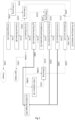
- a flowchart shows the process or method provided by the present invention for producing biogas from an organic raw material comprising at least 40% w/w lignocellulose biomass, where the different steps of the process are marked by reference letters a) to o), while different process streams, process units and products provided by the method are marked by number references.
- Table 1 Description of reference number or alphabetic letter in the drawings.
- the method for producing biogas and the plant for carrying out the method, provided by the present invention are not limited for utilization for production of biogas.
- the method and plant provided by the present invention may also be used as an integral part of producing cellulosic biofuels including such fuels as bioethanol, biobutanol, and other fermentations fuels.
- such fuels are produced up-stream of the biogas production on cellulosic matter before fermentation residues are diverted to the method and/or plant provided by the present invention, or any other suitable anaerobic digestion (AD) plant.
- AD anaerobic digestion
- the method and the plant are utilized for producing methane that is to be utilized as an interim product for up-stream production of different types of biofuels, such as bioethanol, biohydrogen, bio-jetfuel, biodiesel, bio-napthalene and other bioproducts including such products as biochemicals such as phenol, vanillin, styrene and several others.
- biofuels such as bioethanol, biohydrogen, bio-jetfuel, biodiesel, bio-napthalene and other bioproducts including such products as biochemicals such as phenol, vanillin, styrene and several others.
- biofuels such as bioethanol, biohydrogen, bio-jetfuel, biodiesel, bio-napthalene and other bioproducts including such products as biochemicals such as phenol, vanillin, styrene and several others.
- biochemicals such as phenol, vanillin, styrene and several others.
- the biofuel in question is bioethanol and is produced upstream, or after the main production of biogas, such as by the method illustrated in Fig. 1 ., utilizing any suitable up-stream biogas processing methods and/or means.
- the biogas collected (180, 181, 182) is not the end product but rather an intermediate product to be upgraded to higher biofuels as for example jet fuel.
- lignocellulose material such as straw to form floating layers in a liquid solution, such as fermentation reactors
- the main reason for the floating layers forming on the surface of the liquid is thought to be the wax layer enclosing the lignocellulose fibres, that prevents the penetration of moisture into the fibres.
- Prior art techniques have either utilized mechanical methods, which destroy or break up the floating layer with stirrers or jet stirrer devices, or by induced flow prevent formation of a floating layer.
- WO 2013/152771 discloses method of pretreatment of lignocellulosic biomass raw material, where mechanical steam-explosions are utilized for repeated compressions of the biomass in a reciprocating piston press, resulting in a briquetted biomass.
- the briquetted biomass produced by the method of WO 2013/152771 demonstrates a water swelling factor or number of 5-10, meaning that the briquettes have exceptional water absorbing characteristics and are therefore well suited for using for the purpose of the present invention, as is any pretreated lignocellulosic biomass demonstrating similar characteristics.
- AD plants are normally only capable of processing less than 20% fibrous lignocellulosic material as part of the substrate input.
- the present invention provides a method and a plant for carrying out the method that is designed to tackle the obstacles described above.
- the overarching principles are:
- the method and the plant for carrying out the method, provided by the present invention is commercially viable to use lignocellulosic biomass as a single feedstock for production of biogas.
- the process has been demonstrated at scale with a continuous surprisingly high gas yield (370-420 NL CH4/kg VS) despite a low total Hydraulic Residence Time (HRT) of less than 20 days, as demonstrated in the examples below.
- HRT Hydraulic Residence Time
- the present invention thus provides a low-cost method and a plant for carrying out the method for using briquetted feedstock (according to the teachings of WO 2013/152771 ) or other suitable pretreated lignocellulose biomass raw material with similar water swelling or absorbing characteristics.
- the method and the plant provided by the present invention give rise to numerous advantages over prior art, including but not limited to:
- the present invention provides a method for producing biogas from an organic raw material comprising at least 40% w/w lignocellulose biomass, the method comprising the steps of:
- the stream of the thin fraction (113) and optionally a part of the thick fraction (120) stream are connected to a traditional anaerobic digestion (AD) plant as the lignocellulose biomass raw material for the AD plant.
- AD anaerobic digestion
- the thin fraction (113) and at least part of the thick fraction (120) from the system are withdrawn totally from the system and the thin fraction (113) is subjected to precipitation step and the supernatant is then recycled into the first fermentation step (c) and/or the second fermentation step (d) together with at least part of the thick fraction (120).
- bypassing approaches such as subjecting a part of the thin fraction to digestion in a traditional AD plant and/or recycle a part of the thin fraction (113) into the first fermentation (c) and/or second fermentation (d) and/or subjecting a part of the thin fraction (113) to a precipitation step and recycle the supernatant. If the thin fraction (113) is bypassed to another AD plant, it will have to be replaced by a different thin fraction (or another liquid stream with similar characteristics/material content) for the method and/or plant to function optimally.
- the first process step (a) of the method provided by the present invention is to provide the raw material, by supplying lignocellulosic feedstock in the form of pressed briquettes of dry wheat straw, or other lignocellulosic feedstock exhibiting similar swelling characteristics as the pelleted lignocellulose biomass treated by the method disclosed in WO 2013/15277 .
- the raw material (101) comprising at least 40% w/w lignocellulose biomass is collected and pre-treated. It is understood that any known methods of collecting, storing, and pre-treating the lignocellulose biomass raw material (101) can be used.
- the second process step (b) of the method provided by the present invention is to create a biomass slurry comprising the biomass raw material (101) and liquid. This hydration of briquettes prior to fermentation accelerates incorporation of dry matter into the first fermentation reactor.
- liquid refers to all watery solutions or streams within the process or method for producing biogas and the plant or system for carrying out the method, as provided by the present invention.
- total water and total liquid are used interchangeably within the context of this application, including when referring to the total water content of different streams, comprising varying amount of solids, such as the different recycling streams mentioned above (144, 132, 143, 121), and/or the total water/total liquid content of different reactors, such as the first reactor (3), second reactor (4), the solid/liquid separator (5), the third reactor (6) and the first (7) and second (8) filtration units and the wet oxidation unit (9).
- the liquid mixed with the biomass raw material (101) for creating the biomass slurry (2) comprises at least part of one or more of recycling streams (144, 143, 132, 121) while in another embodiment of the present invention the liquid mixed with the biomass raw material (101) for creating the biomass slurry (2) comprises fresh water (102).
- the biomass slurry is created by mixing biomass raw material (101) at least one of: fresh water (102) or at least part of at least one of the recycling streams (144, 132, 143, 121) or any combination thereof.
- the third process step (c) of the method for producing biogas provided by the present invention is the first step of a chain of anaerobic fermentation process.
- Process step (c) is a hyperthermophillic anaerobic fermentation step, where mainly hydrolysis (biologically facilitated) takes place, whereby cellulose and hemicellulose from the lignocellulose biomass raw material reacts with water thereby breaking down into smaller molecules.
- This fermentation takes place at anaerobic hyperthermophilic conditions (60-80°C). This favours bacteria that enables hydrolysis, which is especially important for polymeric structures of cellulose and hemicellulose.
- the third process step (c), taking place in the first reactor (3) utilizes an operating temperature above 60 degrees Celsius, such as between 60-80 degree Celsius, such as between 65-75 degree Celsius, such as approximately 65-70 degree Celsius, such as about 65, 66, 67, 68, 69 or about 70 degree Celsius, such as 71, 72 73, 74 or about 75 degree Celsius.
- the retention time of the third process step (c) is between 1-5 days, such as between 2-4 days, such as 1, 2, 3, 4 or 5 days.
- the hyperthermophillic anaerobic fermentation step of the third process step (c) takes place in the first reactor/hyperthermophillic fermenter/hyperthermophilllic digester (3).
- Any suitable Continuous Stirred Tank Reactor (CSTR) can be utilized.
- the plant for producing biogas provided comprises at least one first reactor (3), such as one or two or more first reactors (3) that operate in parallel, such as two, three, four or more first reactors (3) operating in parallel.
- the third process step or first fermentation step (c) of the method for producing biogas from lignocellulose biomass, provided by the present invention takes place in the first reactor (3).
- the second process step (b) the creation of biomass slurry (2) takes place in a separate unit and a biomass slurry stream (110) is transported into the first reactor (3) while in in another embodiment of the present invention the biomass raw material (101) is mixed directly with liquid in the first reactor (3), whereby the second (b) and third (c) process steps take place simultaneously.
- the first fermentation of third process step (c) further produces a first digestate (111), that is subjected to a second fermentation (d), in a second reactor (4), by transferring or pumping the first digestate (111) to the second reactor (4).
- the first reactor (3) is kept stable, by ensuring that the input to the first reactor of organic raw material (101) and liquid comprising fresh water (102) and /or at least part of at least one of the recycling streams (144, 132, 143, 121, 120, 114, 142), that is the rate of filling of first reactor (3) is the same as the rate of removal of first digestate (111) from the first reactor (3).
- the fourth process step (d) of the method for producing biogas provided by the present invention is the second step of a chain of anaerobic fermentation process.
- the second fermentation step (d) is a thermophilic fermentation that takes place in the second reactor (4).
- Any suitable reactor can be utilized for as the second reactor (4) for carrying on the second fermentation step (d).
- the plant for producing biogas provided comprises at least one second reactor (4), such as one or two or more second reactors (4) that operate in parallel.
- the first digestate (111) comprising the decomposed biomass from the third process step (c) is fed continuously to the second reactor (4) and fourth process step (d).
- the fourth process step (d), taking place in the second reactor (4) utilizes an operating temperature above 45 degrees Celsius, such as between 45-65 degree Celsus, such as between 50-60 degree Celsius, such as approximately between 52-57 degree Celsius, such as about 50, 51, 52, 53, 54 or about 55 degree Celsius, such as 56, 57, 58, 59 or about 60 degree Celsius.
- the retention time of the second fermentation (d) is between 10 and 25 days, such as between 15-20 days, such as between 12-22 days, such as between 12-15 days, such as between 12-17 days, such as between 15-17 days, such as around 15, 16, 17, 18, 19 or 20 days.
- the main conversion of the above-mentioned smaller molecules as well as cellulose and hemicellulose into biogas takes place producing a considerable amount of biogas (181).
- the biogas produced (181) will rise to, and above the liquid surface within the second reactor (4), into the upper section of the reactor, where it is collected (o) as the second biogas stream (181).
- thermophilic fermentation (d) of the method for producing biogas provided by the present invention further produces a second digestate (112) that is subjected to a solid/liquid separation (e) in a solid/liquid separator (5), by transferring or pumping the second digestate (112) to the solid/liquid separator (5).
- the solid/liquid separation step (e) can by conducted by a screw press separator or any other suitable separator, where both size and/or number of the solid/liquid separators utilized will depend on the amount of second digestate (112).
- the plant for producing biogas comprises a screw press solid/liquid separator (5) capable of processing a second digestate stream (112) from more than one second reactor (4), while yet another embodiment of the present invention two or more solid/liquid separators (5) are utilized for processing second digestate stream (112) from two or more second reactors (4).
- the fifth process step (e) divides the second digestate stream or streams (112) into two fractions or streams, a thick fraction (120) comprising a considerable part of the solid materials of second digestate (112) and a thin fraction (113) comprising considerable part of the liquid material of second digestate (112).
- At least part of the thick fraction (120) produced in the fifth process step (e) is sent through a first recycling step (f) into the first fermentation step (c) and/or into the second fermentation step (d).
- the recycling of the thick fraction (120) as recycling stream (121) into the first (c) and/or the second fermentation (d) step/s ensures digestion/conversion of fibrous biomass.
- the thick fraction (120) contains the vast part of the undigested lignocellulosic fibers above a certain size, that can be manipulated by changing the process parameters of the solid/liquid separator (5) for ensuring that the fibres that still comprise an important fraction of cellulose and hemicellulose that has not been converted yet are recycled for ensuring full digestion and conversion into biogas/other products.
- the solid/liquid separation (4) or solid/liquid separator (5) is set to separate between 25%-75%, such as between 40-60%, such as around 50% of non-converted organic compound and recycle them into the thick fraction (120).
- the solid/liquid separation is set to separate any undigested lignocellulosic fibres above 3mm.
- the solid/liquid separation is set to separate any undigested lignocellulosic fibers above 2 mm, such as above 3 mm, 3,5 mm or above 4 mm.
- the dry-matter content in the first (3) and second (4) reactors can be manipulated. Controlling the dry-matter content in the reactors (3, 5 and 6) is highly important. If the dry-matter content within the first reactor (3) is too high (>14%) then agitation becomes difficult requiring higher energy consumption, while for optimization the dry-matter content should be kept above 5%. As the second reactor (4) is in direct line to the first reactor (3), the dry-matter concentration is lower in the second reactor (4) than in the first reactor (3), due to the digestion or conversion that has already taken place in the first reactor (3).
- Manipulation of distribution of thick (120) and thin (113) fraction can therefore be utilized for controlling the dry-matter concentration in both the first and second reactor. If the dry-matter concentration in the first reactor (3) is considered too high, such as above 12%, more particularly above 14% or above 15%, the process can be adjusted by directing some of the thick fraction (120) back to the second reactor (4) or by adjusting the operation of the solid/liquid separator (5) parameters, for receiving a thick fraction (120) with lower dry-matter content.
- only part of the thick fraction (120) produced in the fifth process step (e) is sent through a first recycling step (f) into the first fermentation step (c) and/or into the second fermentation step (d), while the remaining part of the thick fraction (120) is withdrawn from the method/plant.
- third digestate (114) is recycled by the first recycling step (f) in into the recycling stream (121) of thick fraction (120) and into the first fermentation step (c) and/or the second fermentation step (d).
- the recycling of at least part of third digestate (114) enables partial conversion of the lignin content. This has been demonstrated through the process demonstration as depicted in the examples below.
- the thin fraction (113) produced in the solid/liquid separation step (e) is subjected to a third fermentation step (g), by transferring or pumping the thin fraction (113) to the third reactor (6).
- the sixth process step (g) or third fermentation step is an anaerobic digestion/fermentation.
- the third reactor (6) is a fixed-film/biofilm reactor, other reactors, suitable for anaerobic digestion/fermentation can be utilized for the sixth process step (g) of the present invention.
- the sixth process step (g) of the present invention produces a third digestate (114) and a third biogas stream (182), that is collected (o) with the other biogas streams (180 and 181).
- the plant for producing biogas comprises a biofilm or a fixed-film reactor acting as the third reactor (6), wherein the third reactor (6) comprises a tank comprising a mesh/grid comprising immobilized bacteria cultures.
- the third fermentation step (g) utilizes a fixed-film reactor and digests small fibers and Volatile Fatty Acids (VFAs) present in the thin fraction of the second digestate (112) in an effective and robust manner, thereby rendering the third digestate in a state that can be separated in the first filtration.
- VFAs Volatile Fatty Acids
- thermophilic temperatures as a down-stream treatment of effluent from a thermophilic upstream digestion can serve as yet another direct recipient of treated lignin without impairing the digestion.
- Biofilm carriers Bacteria and archaea engaged in methanogenesis during anaerobic processes potentially build biofilms by adhering or attaching to biofilm carriers. It is known in the state of art that the efficiency of anaerobic digestion may be increased by promoting microbial retention through biofilm development. The inclusion of certain types of biofilm carriers may differentiate existing AD biofilm reactors through their respective mode of biofilm growth, and meta-analyzed results of the state of art have depicted varying degrees of biogas enhancement. Furthermore, different carrier materials highly promote the dynamics of the dominant microbial population in each system.
- At least part of third digestate (114) is subjected to a first filtration step (h) by transferring or pumping at least part of third digestate (114) to the first filtration unit (7), (see discussion about first recycling step (f) for the possible recycling of at least part of third digestate (114)), thereby producing a first permeate (115) and a first retentate (130a).
- the plant for producing biogas comprises an ultrafiltration membrane filtration (UF) acting as the first filtration unit (7).
- the ultrafiltration membrane filtration (UF) unit is a filtration unit that utilizes a low-pressure membrane filtration process.
- Other filtration units or filtration methods suitable for separating any macromolecules and particles including those comprised of suspended solids, bacteria, colloidal matter and proteins from the liquid, in the third digestate (114) can be utilized for the seventh process step or first filtration (h) of the present invention.
- first filtration unit (7) comprises pre-filtering means and ultrafiltration membrane filtration (UF) unit.
- the first filtration step of the method comprises an ultra-membrane filtration step and/or one or more pre-filtering steps.
- the filtration of at least part of third digestate (114) is an essential process step for limiting the accumulation of compounds that can interfere with the anaerobic digestion steps.
- third digestate (114) It is possible to adjust the two different streams possible for third digestate (114), thereby controlling the ratio of third digestate (114) that is recycled and/or subjected to the first filtration step (h) and/or withdrawn as a lignin bleed (191). It is possible to manipulate and optimize the method and the plant provided by the present invention by adjusting the process parameters of the first filtration step (h), where it is beneficial to reach a level of recycling of third digestate (114) where as much as possible is recycled, while ensuring that the levels of different ions and compound, such as Si and Ca and lignin are kept at save level.
- the third digestate (114) is divided into two streams of recycling into first fermentation step (c), second fermentation step (d) and drawn out of the system as a lignin bleed (191), in another embodiment the third digestate is divided into two recycling streams into first fermentation step (c) and second fermentation step (d) and a third stream into the first filtration step (h
- the first filtration step (h) produces a first permeate (115) and a first retentate (130a), wherein the first retentate (130a) comprises a high concentration of lignin, and as shown in Fig. 1 , it is possible to withdraw from the method/plant, at least part of the first retentate (130a) as a separate lignin bleed (190).
- At least part of the first retentate (130a) is subjected to an oxidation step (i) as part-stream (130b), thereby producing an oxidated biomass (131) and/or heat and inorganic byproduct.
- the purpose of the wet oxidation step (i) is to open some of the aromatic rings of the lignin structure by oxidization and hydrolysis to leave a larger part of the lignin molecules more accessible to biogas digestion bacteria when it is circulated back to the digestors, thereby enabling acceleration of the degradation of the "hard to digest" components of lignocellulose, especially lignin.
- at least part of the first retentate (130a) is withdrawn from the method and/or plant without subjecting it to wet oxidation.
- wet oxidation step (i) Another beneficial effect of applying the wet oxidation step (i) is the generation of heat, that can be utilized in the plant.
- the wet oxidation step (i) produces only heat and inorganic byproduct
- the wet oxidation step (i) produces oxidated biomass (131) and heat and organic byproduct
- the wet oxidation step produces oxidated biomass (131) without producing any inorganic byproduct.
- wet explosion (which is an energy consuming process) is not suitable as pretreatment of straw for codigestion with manure at the conditions tested because the additional required energy consumption is not counterbalanced by any increase in methane production.”
- any oxidated biomass (131) produced by the wet oxidation step (i) is subjected to the second recycling step (i) and returned to the first (c) and/or third (g) fermentation step, for enabling further anaerobic digestion of the contents of the oxidated biomass (131) produced by the wet oxidation step (i).
- the microbiological matter/bacteria contained in the effluents (digestates) from previous fermentation stages is returned (in partially dissolved and disintegrated form), thereby returning both nutrients and carbon from the bacteria to the fermentation processes.
- the first filtration step (h) of the present invention produces a first permeate (115) and a first retentate (130a, 130b). At least part of the first permeate (115) is subjected to a second filtration step (k) by transferring or pumping the first permeate (115) to the second filtration unit (8), thereby producing a second permeate (142) and a second retentate (116).
- the purpose of the second filtration step (k) is to produce the second permeate (142), that is at least partly subjected to the third recycling step and thereby recycled into the biomass slurry (b)/first fermentation (c).
- a second permeate (142) is produced that comprises limited amount of solids and salts/ions, and it is thereby ensured that continuous recycling of second permeate (142) does not build up the concentration of salts/ions to an undesired level within the plant provided by the invention.
- the present invention provides a method and a plant for carrying on the method, that comprises many adjustable process parameters.
- Yet another process parameter that is adjustable is the ratio of first permeate (115) that is subjected to a second filtration step (k), and thereby it is possible to control or manage the buildup of salts/ions within the plant.
- the whole of first permeate (115) is subjected to a second filtration step (k).
- the whole of first permeate (115) is recycled as recycling stream (141) into the third recycling step (l) and into the biomass slurry (b)/first fermentation (c). It is furthermore possible to adjust the amount of the second permeate (142) that is recycled (I), as part of the second permeate (142) can be withdrawn from the method/plant.
- the filtration unit (8) utilized for the second filtration step (k) is a reverse osmosis (RO) filtration unit.
- RO reverse osmosis
- the third recycling step is the recycling of at least part (141) of first permeate (115) and at least part of the second permeate (142) into the first fermentation step (c).
- the third recycling step (l) ensures water recycling and thereby contributes to reduced water consumption of the method and plant provided by the invention.
- the present invention provides a method for producing biogas and a plant for carrying on the method that comprises many adjustable process parameters.
- Manipulating the distribution between (142) and (141), including the amount/ratio of the first permeate (115) that is recycled as recycling stream (141) and how much of the second permeate (142) is recycled and how much of the second permeate (142) is drawn from the method/plant enables control of the concentration of nutrients and other components in the recycled water.
- the second retentate (116) produced by the second filtration step (k) is subjected to an evaporation process step (m) in an evaporation unit (14), thereby producing a concentrated vinasse stream (190) and a condensate stream (143).
- the purpose of the evaporation step (m) is to further process the second retentate (116), that comprises high concentrations of minerals.
- the second retentate (116) can in principle be considered a biofertilizer, however the second retentate (116) still contains a large percentage of water, that can be beneficial to remove for storage and transportation consideration.
- the process parameters of the evaporation step (m) can be manipulated as to achieve a fluid vinasse stream (190) with different dry matter content.
- the evaporation unit (14) utilized is a Mechanical Vapor Recompression (MVR) unit, that is a proven energy-saving evaporative concentration technology, which reduces evaporation energy use by 90% or more. MVR uses energy recovered from the condensate to evaporate further liquid. Any other suitable evaporation unit can be utilized.
- MVR Mechanical Vapor Recompression
- the evaporation process step (m) in an evaporation unit (14), produces a concentrated vinasse stream (190) and a condensate stream (143), wherein the condensate stream (143) comprises evaporated water that can be recycled by the fourth recycling step (n) into the first fermentation step (c) for further reducing the water consumption.
- any condensate from the biogas collection step (o) can be recycled.
- the present invention provides a method of producing biogas utilizing single feedstock cellulosic raw material and a single feedstock cellulosic AD plant for carrying out the method, that alleviate the above-mentioned constraint, especially due to the application of the recycling steps provided by the present invention.
- total liquid in the contest of "total liquid” within the plant or “total liquid” within the system or “total liquid” utilized by the method provided, or in any other content, is to be recognized as the total amount of liquid processed by the method and/or the plant.
- the total liquid will greatly depend on the raw materials utilized.
- the present invention provides a method and a plant for carrying out the method for producing biogas from organic raw material comprising at least 40% w/w lignocellulose biomass.
- the amount or % of w/w lignocellulose biomass utilized will both influence the amount of liquid that comes into the system by the raw materials utilized and the possible recycling of liquid.
- the raw material utilized comprise just above 40% w/w lignocellulose biomass, the rest of the biomass supplied will probably comprise considerably more liquid, classic example is to utilize manure for AD plants.
- present invention provides a method and a plant for carrying out the method for producing biogas from organic raw material comprising considerably higher % of lignocellulose biomass, such as over 80%, over 90%; over 95% and close to 100% lignocellulose biomass.
- the present invention provides a method and a plant for carrying out the method for producing biogas from organic raw material comprising a 100% straw-based lignocellulose biomass or between 98-100%, where op to 95% of total liquid is recycled, such as between 90-95%, such as between 92-94%, such as 93-94%, such as above 90% of total liquid is recycled or recirculated.
- This large-scale liquid recirculation provides a recycling loop, where the liquid can be recycled op to 20 times, such as between 10-20 times, more than 10 times, such as between 12-17 times, such as up to 15 times, depending on the organic biomass raw material used.
- the amount of recirculation depends on the amount of total liquid provided by the organic raw material, such as if the organic raw material comprises 40% of lignocellulose biomass, the recycling loop will be limited to below 10 times, such as below 5 times.
- the method and plant for carrying on the method for producing biogas is capable of not only utilizing extremely high w/w% lignocellulose biomass, but also to limit the water consumption considerably compared to prior art AD plants and methods.
- the present invention provides a method of producing biogas utilizing single feedstock cellulosic raw material and a single feedstock cellulosic AD plant for carrying out the method, comprising different options and process parameters regarding treatment of the highly concentrated lignin stream of the first retentate (130a).
- first retentate (130a) is subjected to the wet oxidation (i)
- wet oxidation (i) different flexible and adjustable process parameters arise, as it is possible to manage the recycling of heat, water and nutrients, and even further the option to digest any and all of the lignin residues.
- the oxidated first retentate (131) comprises a slurry comprising 5-30% dry matter comprising high concentration of lignin, wherein in the range of 10-50% of the lignin is completely converted, i.e., oxidized to heat and CO2, while the remaining lignin appears as carboxylic acids, mono- and oligomers of aromatic lignin constituents, and other lignin fragments.
- the treatment parameters applied in the wet oxidation process step (i) are such that temperature is in the range 100-200 degree Celsius, such as between 120-180 degree Celsius, such as between 140-160 degree Celsius, such as around 140 degree Celsius or around 150 degree Celsius or around 160 degree Celsius, pressure is in the range 20 - 200 bar such as between 50-150 bar, such as between 80-120 bar, such as around 80, 90, 100, 110 or 120 bar, retention time is in the range 1-30 minutes such as between 1-20 min, such as between 5-15 min, such as around 7, 8, 9, 10, 11, 12 or 13 minutes.
- the resultant treated liquid is hot.
- oxidation of lignin (i) is an exothermic process and thus heat is generated.
- the present invention provides a method of producing biogas utilizing single feedstock cellulosic raw material and a single feedstock cellulosic AD plant for carrying out the method, wherein the heat from full and/or partial wet oxidation (i) can be utilized for:
- the first retentate (130a) also contains microorganisms as well as dissolved and suspended macro- and micronutrients.
- the essential micronutrients immobilized by the microorganisms including the rare metals such as nickel and tungsten, will be unlocked and can therefore be reutilized.
- the present invention provides a method of producing biogas utilizing single feedstock cellulosic raw material and a single feedstock cellulosic AD plant for carrying out the method wherein the initial hyperthermophilic digestion of the first fermentation step (c) receives the brunt of the organic loading and the brunt of the characteristics of the cellulosic matter including the low content of nutrients. Also, at this stage heat is required alongside the nutrients. It is therefore highly efficient to recycle heat, water and nutrients to this particular stage, the first fermentation (c) of the 3-step AD process of the present invention.
- Second option Utilizing the second recycling step (i) for recycling oxidated first retentate (131) to the third fermentation (g).
- thermophilic biofilm digester (6) allows for all functional groups of microbial processes to coexist on a biofilm and therefore to perform all main functions of the AD process, including hydrolysis, fermentation, acetogenesis, and methanogenesis.
- oxidated first retentate (131) is recycled to the third and final fermentation step (g), we are able to digest the inhibitory components as well as dissolved matter, including carboxylic acids and aromatic mono- and oligomers. As mentioned previously, we even digest a fraction of the suspended lignin particles.
- the present invention provides a method of producing biogas utilizing single feedstock cellulosic raw material and a single feedstock cellulosic AD plant for carrying out the method, wherein further permutations of the technology are possible in that not only oxidated first retentate (131) may be recycled but also untreated third digestate (114) produced by the third fermentation (g), thereby bypassing the first filtration unit (7).
- This will reduce the volume of liquid to be subjected to the first filtration (h) and volume that has to be treated in the first filtration unit (7), thereby increasing the concentration of lignin in the first retentates (130a, 130b) while at the same time reducing the total quantity to be extracted by the first filtration unit (7).
- the latter is due to a greater fraction of the lignin being digested by the microorganisms without prior treatment.
- the oxidated first retentate (131) may be recycled to second fermentation step (d) (not depicted in Fig. 1 ) in measured and controlled quantities to supply the second reactor (4) with heat, nutrients, and water via the oxidated first retentate (131).
- the biogas stream (180) produced by the first fermentation step (c), the biogas (181) stream produced by the second fermentation (d) and the biogas stream (182) produced by the third fermentation step (g) are all collected by the collecting biogas step (o).
- the gas yield has been calculated from data and measurements according to the following formula: Volume of methane produced / mass of fresh organic substance added [NL CH4/kg VS]
- the gas yield is at a high level for a period of more than 3 months. Since the beginning of September 2023, the gas yield has stabilized in range of 370-420 NL CH4/kg VS. This documents that even without the application of wet oxidation, the claimed process system design is able to convert other constituents of lignocellulose in addition to cellulose and hemicellulose contents.
- various optional measurements of nutrients and toxins at key points can be applied for determining optimal recycling procedures, as well as for determining the potential necessity for adding nutrients, thereby reducing running costs and resulting in a more stable AD plant.
- the innovation provides a breakthrough in single feedstock and co-digestion feedstock lignocellulosic AD plants. It does so by providing for almost 100% digestion of the organic matter added to the plant.
- the hall marks of the Method & Plant are a highly effective biogas process with a minimal use of consumables achieved by: Recycling of any and all nutrients as required
- the present invention provides for an extraordinarily efficient method and plant for carrying out the method, for anaerobic digestion of lignocellulosic raw material. It has surprisingly been found that the method and plant provided by the present invention can provide high levels of anaerobic digestion of lignocellulosic raw material, even when the lignocellulose raw material is supplied as single feedstock or as a supplement to a co-digestion plant also digesting other organic wastes or slurries.
- the present invention provides a method and a plant for carrying out the method that, as a beneficial additional effect, is capable of highly effectively digest these other additional substrates.
- the present invention provides a method and a plant for carrying out the method for anaerobic digestion of lignocellulosic raw material, wherein the lignocellulosic matter is digested to the effect of 80-90% of the theoretical methane potential of the lignocellulosic raw material utilized.
- the remaining energy potential of the remaining organics is utilized as a heat source, by subjecting the remaining organics to a wet oxidation thus achieving a virtual 100% destruction and utilization of the organic matter.
- the method and a plant for carrying out the method for anaerobic digestion of lignocellulosic raw material thus provide result ensuring minimal losses of organic matter such as lignin degradation products, fertilizer end products or other organic byproducts of less value.
- the present invention provides a method and a plant for carrying out the method for anaerobic digestion of lignocellulosic raw material, with high efficiency realized by very short retention times of the lignocellulosic raw material or other substrates utilized, high organic loading rates, and high specific gas production rates per weight unit of lignocellulosic raw material or other feedstock utilized. Furthermore, the plant provided by the present invention is highly effective, demonstrating exceptionally high specific gas production per reactor volume compared with prior art. This is not only applicable for the gas production but applies for any other plant parameter such as gas yield per invested capital.
- the methane yield per tons of liquid animal manures is typically around 20 Nm3 methane per tons bulk weight, while the methane yield per bulk tons of cellulosic matter is around 400 Nm3 per tons.
- Any plant with a major fraction of cellulosic matter as feedstock and based on the present invention produces much more biogas per plant, as clearly demonstrated in the data above. This exceptional performance can be measured in gas output per invested capital or gas output per m3 reactor volume or any other comparison to prior art.
- the present invention provides a method and a plant for carrying out the method for anaerobic digestion of lignocellulosic raw material in large quantities.
- One embodiment of the present invention provides a single feedstock anaerobic digestion plant with annual capacities in terms of feedstock ranging from 150.000 metric tons to 1 million tons, or above 1 million tons.
- the present invention provides a breakthrough in anaerobic digestion, further providing a method and a plant capable of bringing industrialization of anaerobic digestion of lignocellulosic raw material to new heights and possibilities.
- Further embodiments of the Method & Plant include, but are not limited to, conversion of biogas to methanol, ethanol, jet fuel, diesel, naphtha and other biofuels through a variety of chemical synthesis processes.
- the present invention provides a method and a plant for carrying out the method for producing biogas, capable of virtual 100% of VS or virtually with a 100% energy efficiency.
- This virtual 100% destruction can broadly be divided into e.g. 90% digestion of the biomass, resulting in methane and CO2 and e.g. 10% oxidation into heat and CO2.
- the present invention provides a method and a plant for carrying out the method for producing biogas by anaerobic digestion of lignocellulosic raw material wherein over 90%, such as between 90-100%, such as above 95% of the Volatile Solids are utilized for production, that is a method and a plant that has above 90% energy efficiency.
- the present invention provides a method and a plant for carrying out the method for producing biogas by anaerobic digestion of lignocellulosic raw material, wherein there is less than 10% energy loss, such as below 5%, such as between 0.1-5% energy loss.
- the present invention provides a method and a plant for carrying out the method for producing biogas by anaerobic digestion of lignocellulosic raw material capable of producing biogas with over 90% efficiency, such as between 90-100%, such as above 95%, such as between 95-99% such as with 90-99% energy efficiency.
Landscapes
- Health & Medical Sciences (AREA)
- Life Sciences & Earth Sciences (AREA)
- Chemical & Material Sciences (AREA)
- Engineering & Computer Science (AREA)
- Organic Chemistry (AREA)
- Wood Science & Technology (AREA)
- Zoology (AREA)
- Bioinformatics & Cheminformatics (AREA)
- Genetics & Genomics (AREA)
- Biotechnology (AREA)
- General Health & Medical Sciences (AREA)
- Microbiology (AREA)
- Biochemistry (AREA)
- General Engineering & Computer Science (AREA)
- Biomedical Technology (AREA)
- Sustainable Development (AREA)
- Molecular Biology (AREA)
- Clinical Laboratory Science (AREA)
- General Chemical & Material Sciences (AREA)
- Analytical Chemistry (AREA)
- Oil, Petroleum & Natural Gas (AREA)
- Chemical Kinetics & Catalysis (AREA)
- Processing Of Solid Wastes (AREA)
Priority Applications (2)
| Application Number | Priority Date | Filing Date | Title |
|---|---|---|---|
| EP23215221.5A EP4567120A1 (fr) | 2023-12-08 | 2023-12-08 | Procédé et système de production de biogaz à partir de matière lignocellulosique |
| PCT/EP2024/085073 WO2025120156A1 (fr) | 2023-12-08 | 2024-12-06 | Procédé et système de production de biogaz à partir de matériau lignocellulosique |
Applications Claiming Priority (1)
| Application Number | Priority Date | Filing Date | Title |
|---|---|---|---|
| EP23215221.5A EP4567120A1 (fr) | 2023-12-08 | 2023-12-08 | Procédé et système de production de biogaz à partir de matière lignocellulosique |
Publications (1)
| Publication Number | Publication Date |
|---|---|
| EP4567120A1 true EP4567120A1 (fr) | 2025-06-11 |
Family
ID=89164533
Family Applications (1)
| Application Number | Title | Priority Date | Filing Date |
|---|---|---|---|
| EP23215221.5A Pending EP4567120A1 (fr) | 2023-12-08 | 2023-12-08 | Procédé et système de production de biogaz à partir de matière lignocellulosique |
Country Status (2)
| Country | Link |
|---|---|
| EP (1) | EP4567120A1 (fr) |
| WO (1) | WO2025120156A1 (fr) |
Citations (7)
| Publication number | Priority date | Publication date | Assignee | Title |
|---|---|---|---|---|
| US20040025715A1 (en) * | 2000-08-22 | 2004-02-12 | Torben Bonde | Concept for slurry separation and biogas production |
| EP2135938A1 (fr) * | 2008-06-20 | 2009-12-23 | Sergio Trabattoni | Procédé et installation de fermentation anaérobique |
| WO2013015771A1 (fr) | 2011-07-22 | 2013-01-31 | Hewlett-Packard Development Company, L.P. | Socle de dispositif d'affichage |
| WO2013015277A1 (fr) | 2011-07-26 | 2013-01-31 | 新神戸電機株式会社 | Batterie à électrolyte non aqueux |
| WO2013152771A1 (fr) | 2012-04-11 | 2013-10-17 | C.F. Nielsen A/S | Procédé de traitement d'une biomasse contenant de la lignocellulose |
| US20160230134A1 (en) * | 2012-12-21 | 2016-08-11 | Verbio Vereinigte Bioenergie Ag | Method and plant for producing biogas from lignocellulose-containing biomass |
| US20210292673A1 (en) * | 2018-07-27 | 2021-09-23 | Eni S.P.A. | Process for the production of bio-oil and biogas from biomass |
-
2023
- 2023-12-08 EP EP23215221.5A patent/EP4567120A1/fr active Pending
-
2024
- 2024-12-06 WO PCT/EP2024/085073 patent/WO2025120156A1/fr active Pending
Patent Citations (7)
| Publication number | Priority date | Publication date | Assignee | Title |
|---|---|---|---|---|
| US20040025715A1 (en) * | 2000-08-22 | 2004-02-12 | Torben Bonde | Concept for slurry separation and biogas production |
| EP2135938A1 (fr) * | 2008-06-20 | 2009-12-23 | Sergio Trabattoni | Procédé et installation de fermentation anaérobique |
| WO2013015771A1 (fr) | 2011-07-22 | 2013-01-31 | Hewlett-Packard Development Company, L.P. | Socle de dispositif d'affichage |
| WO2013015277A1 (fr) | 2011-07-26 | 2013-01-31 | 新神戸電機株式会社 | Batterie à électrolyte non aqueux |
| WO2013152771A1 (fr) | 2012-04-11 | 2013-10-17 | C.F. Nielsen A/S | Procédé de traitement d'une biomasse contenant de la lignocellulose |
| US20160230134A1 (en) * | 2012-12-21 | 2016-08-11 | Verbio Vereinigte Bioenergie Ag | Method and plant for producing biogas from lignocellulose-containing biomass |
| US20210292673A1 (en) * | 2018-07-27 | 2021-09-23 | Eni S.P.A. | Process for the production of bio-oil and biogas from biomass |
Non-Patent Citations (9)
| Title |
|---|
| ESKICIOGLOU, C.TERZIAN, N.KENNEDY, K.J.DROSTE, R.L.HAMODA, M.: "Athermal microwave effects for enhancing digestibility of waste activated sludge", WATER RESEARCH, vol. 41, no. 11, 2007, pages 2457 - 2466, XP022060103, DOI: 10.1016/j.watres.2007.03.008 |
| G. WANGA ET AL., WASTE MANAGEMENT, vol. 29, 2009, pages 2830 - 2835 |
| KHANAHRING: "Lignin degradation under anaerobic digestion: influence of lignin modifications - A review", BIOMASS AND BIOENERGY, 2019, pages 128 |
| KLINKE, H.B.THOMSEN, A.B.AHRING, B.K.: "Inhibition of ethanol-producing yeast and bacteria by degradation products produced during pre-treatment of biomass", APPLIED MICROBIOLOGY AND BIOTECHNOLOGY, vol. 66, 2004, pages 10 - 26 |
| PALMQVIST, E.HAHN-HAGERDAL, B.: "Fermentation of lignocellulosic hydrolysates. II: inhibitors and mechanisms of inhibition", BIORESOURCE TECHNOLOGY, vol. 74, 2000, pages 25 - 33, XP055105940, DOI: 10.1016/S0960-8524(99)00161-3 |
| PENAUD, V.DELGENES, J.PMOLETTA, R.: "Influence of thermochemical pretreatment conditions on solubilisation and anaerobic biodegradability of a microbial biomass", ENVIRONMENTAL TECHNOLOGY, vol. 21, no. 1, 2000, pages 87 - 96 |
| SCHERER ET AL., BIOENGINEERING, vol. 9, no. 1, 2022, pages 13 |
| TODA ET AL.: "Inhibition of anaerobic digestion by dissolved lignin derived from alkaline pre-treatment of an aquatic macrophyte", CHEMICAL ENGINEERING JOURNAL, 2017, pages 311 |
| WANG G ET AL: "Wet explosion of wheat straw and codigestion with swine manure: Effect on the methane productivity", WASTE MANAGEMENT, ELSEVIER, NEW YORK, NY, US, vol. 29, no. 11, 1 November 2009 (2009-11-01), pages 2830 - 2835, XP026613929, ISSN: 0956-053X, [retrieved on 20090808], DOI: 10.1016/J.WASMAN.2009.07.004 * |
Also Published As
| Publication number | Publication date |
|---|---|
| WO2025120156A1 (fr) | 2025-06-12 |
Similar Documents
| Publication | Publication Date | Title |
|---|---|---|
| Jain et al. | Bio-hydrogen production through dark fermentation: an overview | |
| Sun et al. | Review and perspectives of enhanced volatile fatty acids production from acidogenic fermentation of lignocellulosic biomass wastes | |
| Capson-Tojo et al. | Food waste valorization via anaerobic processes: a review | |
| Mamimin et al. | Enhancement of biohythane production from solid waste by co-digestion with palm oil mill effluent in two-stage thermophilic fermentation | |
| Wilkie | Biomethane from biomass, biowaste, and biofuels | |
| Achinas et al. | A technological overview of biogas production from biowaste | |
| Suthar et al. | Enhanced biogas production in dilute acid-thermal pretreatment and cattle dung biochar mediated biomethanation of water hyacinth | |
| Li et al. | Effect of biochar derived from biogas residue on methane production during dry anaerobic fermentation of kitchen waste | |
| Khatri et al. | Synergistic effect of alkaline pretreatment and Fe dosing on batch anaerobic digestion of maize straw | |
| Li et al. | Solid-state anaerobic digestion for methane production from organic waste | |
| Zhang et al. | Enhancement of biohydrogen production from brewers’ spent grain by calcined-red mud pretreatment | |
| Sahil et al. | Biomass pretreatment, bioprocessing and reactor design for biohydrogen production: a review | |
| Haque et al. | Recent Update on anaerobic digestion of paddy straw for biogas production: Advancement, limitation and recommendations | |
| Fang et al. | Upgrading volatile fatty acids production through anaerobic co-fermentation of mushroom residue and sewage sludge: performance evaluation and kinetic analysis | |
| Oceguera-Contreras et al. | Biohydrogen production by vermihumus-associated microorganisms using agro industrial wastes as substrate | |
| Wadchasit et al. | Development of a novel reactor for simultaneous production of biogas from oil-palm empty fruit bunches (EFB) and palm oil mill effluents (POME) | |
| Deng et al. | Economic viability of two-stage biohydrogen and biomethane production from cassava stillage residue focusing on solids content and pretreatment | |
| Grala et al. | Effects of Hydrothermal Depolymerization and Enzymatic Hydrolysis of Algae Biomass on Yield of Methane Fermentation Process. | |
| Dhull et al. | A comprehensive review on anaerobic digestion with focus on potential feedstocks, limitations associated and recent advances for biogas production | |
| El-Qelish et al. | Conversion of boreal lake sedimented pulp mill fibre into biogas: a two-stage hydrogen and methane production | |
| Ge et al. | Densification pretreatment triggers efficient methanogenic performance and robust microbial community during anaerobic digestion of corn stover | |
| Sathyan et al. | Recent advancements in anaerobic digestion: A Novel approche for waste to energy | |
| CN105861576A (zh) | 一种以蘑菇渣为原料碱性发酵生产挥发性脂肪酸的方法 | |
| EP4567120A1 (fr) | Procédé et système de production de biogaz à partir de matière lignocellulosique | |
| US20220089467A1 (en) | Biogas production with select macro algae and nanoparticles added to anaerobic digester feedstock |
Legal Events
| Date | Code | Title | Description |
|---|---|---|---|
| PUAI | Public reference made under article 153(3) epc to a published international application that has entered the european phase |
Free format text: ORIGINAL CODE: 0009012 |
|
| STAA | Information on the status of an ep patent application or granted ep patent |
Free format text: STATUS: THE APPLICATION HAS BEEN PUBLISHED |
|
| AK | Designated contracting states |
Kind code of ref document: A1 Designated state(s): AL AT BE BG CH CY CZ DE DK EE ES FI FR GB GR HR HU IE IS IT LI LT LU LV MC ME MK MT NL NO PL PT RO RS SE SI SK SM TR |
|
| STAA | Information on the status of an ep patent application or granted ep patent |
Free format text: STATUS: THE APPLICATION IS DEEMED TO BE WITHDRAWN |