EP4570251A1 - Composition pour traitement ou prévention de maladies rénales - Google Patents
Composition pour traitement ou prévention de maladies rénales Download PDFInfo
- Publication number
- EP4570251A1 EP4570251A1 EP23840032.9A EP23840032A EP4570251A1 EP 4570251 A1 EP4570251 A1 EP 4570251A1 EP 23840032 A EP23840032 A EP 23840032A EP 4570251 A1 EP4570251 A1 EP 4570251A1
- Authority
- EP
- European Patent Office
- Prior art keywords
- pgf
- colistin
- kidney
- group
- composition
- Prior art date
- Legal status (The legal status is an assumption and is not a legal conclusion. Google has not performed a legal analysis and makes no representation as to the accuracy of the status listed.)
- Pending
Links
Images





Classifications
-
- A—HUMAN NECESSITIES
- A61—MEDICAL OR VETERINARY SCIENCE; HYGIENE
- A61P—SPECIFIC THERAPEUTIC ACTIVITY OF CHEMICAL COMPOUNDS OR MEDICINAL PREPARATIONS
- A61P13/00—Drugs for disorders of the urinary system
- A61P13/12—Drugs for disorders of the urinary system of the kidneys
-
- A—HUMAN NECESSITIES
- A23—FOODS OR FOODSTUFFS; TREATMENT THEREOF, NOT COVERED BY OTHER CLASSES
- A23L—FOODS, FOODSTUFFS OR NON-ALCOHOLIC BEVERAGES, NOT OTHERWISE PROVIDED FOR; PREPARATION OR TREATMENT THEREOF
- A23L33/00—Modifying nutritive qualities of foods; Dietetic products; Preparation or treatment thereof
- A23L33/10—Modifying nutritive qualities of foods; Dietetic products; Preparation or treatment thereof using additives
-
- A—HUMAN NECESSITIES
- A61—MEDICAL OR VETERINARY SCIENCE; HYGIENE
- A61K—PREPARATIONS FOR MEDICAL, DENTAL OR TOILETRY PURPOSES
- A61K31/00—Medicinal preparations containing organic active ingredients
- A61K31/557—Eicosanoids, e.g. leukotrienes or prostaglandins
- A61K31/5575—Eicosanoids, e.g. leukotrienes or prostaglandins having a cyclopentane, e.g. prostaglandin E2, prostaglandin F2-alpha
-
- A—HUMAN NECESSITIES
- A61—MEDICAL OR VETERINARY SCIENCE; HYGIENE
- A61K—PREPARATIONS FOR MEDICAL, DENTAL OR TOILETRY PURPOSES
- A61K38/00—Medicinal preparations containing peptides
- A61K38/04—Peptides having up to 20 amino acids in a fully defined sequence; Derivatives thereof
- A61K38/12—Cyclic peptides, e.g. bacitracins; Polymyxins; Gramicidins S, C; Tyrocidins A, B or C
-
- Y—GENERAL TAGGING OF NEW TECHNOLOGICAL DEVELOPMENTS; GENERAL TAGGING OF CROSS-SECTIONAL TECHNOLOGIES SPANNING OVER SEVERAL SECTIONS OF THE IPC; TECHNICAL SUBJECTS COVERED BY FORMER USPC CROSS-REFERENCE ART COLLECTIONS [XRACs] AND DIGESTS
- Y02—TECHNOLOGIES OR APPLICATIONS FOR MITIGATION OR ADAPTATION AGAINST CLIMATE CHANGE
- Y02A—TECHNOLOGIES FOR ADAPTATION TO CLIMATE CHANGE
- Y02A50/00—TECHNOLOGIES FOR ADAPTATION TO CLIMATE CHANGE in human health protection, e.g. against extreme weather
- Y02A50/30—Against vector-borne diseases, e.g. mosquito-borne, fly-borne, tick-borne or waterborne diseases whose impact is exacerbated by climate change
Definitions
- the present invention relates to a composition for treating, alleviating, or preventing kidney diseases, and more particularly, to a pharmaceutical or food composition for treating, alleviating, or preventing kidney diseases, comprising PGF 2 ⁇ , a PGF 2 ⁇ agonist, and/or a PGF 2 ⁇ analogue as an active ingredient.
- the kidney is an important organ responsible for excretion. As various substances are excreted through the kidney, certain pharmaceutical substances may instead cause toxicity to the kidney, thereby inducing kidney diseases.
- a representative example is nephrotoxicity induced by colistin.
- Colistin is an antibiotic against Gram-negative bacteria, but it was not used for a period of time due to its side effect of nephrotoxicity.
- the nephrotoxicity caused by colistin occurs due to increased permeability of the tubular epithelial cell membrane, which is known to induce the influx of cations, anions, and water, thereby causing swelling and lysis of kidney cells.
- inflammation and oxidation of cells caused by colistin are also involved in the induction of nephrotoxicity.
- the inventors conducted studies on drugs capable of preventing or treating kidney diseases, particularly kidney diseases induced by antibiotics. As a result, they confirmed that PGF 2 ⁇ , a PGF 2 ⁇ agonist, and/or a PGF 2 ⁇ analogue exhibit effects of treating or preventing nephrotoxic symptoms induced by antibiotics, without affecting the antibacterial activity of the antibiotics. Accordingly, the present invention was completed by experimentally demonstrating that PGF 2 ⁇ , a PGF 2 ⁇ agonist, and/or a PGF 2 ⁇ analogue can be usefully applied to the treatment of nephrotoxicity or kidney diseases induced by antibiotics.
- One aspect of the present invention provides a pharmaceutical composition for treating or preventing kidney diseases, comprising, as an active ingredient, at least one selected from the group consisting of PGF 2 ⁇ , a PGF 2 ⁇ agonist and a PGF 2 ⁇ analogue.
- PGF 2 ⁇ refers to prostaglandin F 2 ⁇ , which is also known as dinoprost. PGF 2 ⁇ is a naturally occurring prostaglandin synthesized in the body.
- PGF 2 ⁇ receptor refers to a receptor protein to which PGF 2 ⁇ binds, and is also referred to as the prostaglandin F2-alpha receptor (PGF2R ⁇ ), PGF2-alpha receptor, prostaglandin F receptor, PGF receptor, or FP receptor.
- PGF2R ⁇ prostaglandin F2-alpha receptor
- PGF2-alpha receptor prostaglandin F receptor
- PGF receptor PGF receptor
- FP receptor FP receptor.
- the PGF 2 ⁇ receptor is encoded by the PTGFR gene, and information on the protein sequence thereof is available from publicly known databases (e.g., NCBI Reference Sequence: NP_000950, NP_001034674).
- PGF 2 ⁇ agonist refers to a substance that binds to a PGF 2 ⁇ receptor and activates its action.
- PGF 2 ⁇ analogue refers to a compound that is chemically or structurally similar to PGF 2 ⁇ .
- a PGF 2 ⁇ analogue is considered to bind to the PGF 2 ⁇ receptor ( Anne J Lee, Clin Ophthalmol. 2010, 4: 741-764 ).
- the PGF 2 ⁇ agonist or PGF 2 ⁇ analogue may be at least one selected from the group consisting of latanoprost, bimatoprost, unoprostone, carboprost, tafluprost and travoprost.
- latanoprost, bimatoprost, unoprostone, carboprost, tafluprost, and travoprost are PGF 2 ⁇ analogues ( C B Camras et al., Ophthalmology. 1996 Nov; 103(11):1916-24 ; Jae Young Heo et al., Exp Eye Res. 2020 May; 194:108019 ; Marc Bygdeman, Best Pract Res Clin Obstet Gynaecol. 2003 Oct; 17(5):707-16 ; Takashi Ota et al., Invest Ophthalmol Vis Sci. 2005 Jun; 46(6):2006-11 ).
- the kidney disease may be caused by administration of an antibiotic.
- the antibiotic may be at least one selected from the group consisting of colistin, erythromycin, ampicillin, polymyxin B, tetracycline, kanamycin, neomycin, tylosin, levofloxacin, methicillin, imipenem, amikacin and derivatives thereof, but is not limited thereto.
- the antibiotic may be one that targets Gram-negative bacteria.
- the antibiotics targeting Gram-negative bacteria may be at least one selected from the group consisting of colistin, carbapenem, meropenem, imipenem, ertapenem and derivatives thereof, but are not limited thereto.
- the kidney disease may be induced by nephrotoxicity.
- nephrotoxicity refers to a property of causing damage to the kidney by a specific drug or toxic substance.
- the kidney disease may be at least one selected from the group consisting of nephritis, pyelitis, nephrotic syndrome, kidney cancer, acute pyelonephritis, chronic pyelonephritis, renal tuberculosis, urinary tract infection, urolithiasis, ureterolithiasis, acute renal failure, chronic renal failure, diabetic nephropathy, chronic glomerulonephritis, rapidly progressive glomerulonephritis, nephrotic syndrome, focal segmental glomerulosclerosis, membranous nephropathy and membranoproliferative glomerulonephritis, but is not limited thereto.
- the composition may inhibit or prevent the generation of reactive oxygen species or apoptosis, and may improve or alleviate at least one symptom selected from the group consisting of body weight loss in a subject, change in kidney color, increased blood urea nitrogen (BUN) level, increased blood creatinine (Cre) level, and increased expression of kidney injury marker-1 (KIM-1).
- BUN blood urea nitrogen
- Cre blood creatinine
- KIM-1 kidney injury marker-1
- treatment refers to any act of treating, improving, alleviating, or curing nephrotoxicity or a kidney disease through administration of the composition according to the present invention.
- prevention refers to any act of suppressing or delaying the occurrence of nephrotoxicity or a kidney disease, or suppressing or delaying the occurrence or progression of symptoms caused by nephrotoxicity or a kidney disease through administration of the pharmaceutical composition according to the present invention.
- the pharmaceutical composition of the present invention may further comprise a suitable carrier, excipient, or diluent that is conventionally used in the manufacture of pharmaceutical compositions.
- suitable carrier, excipients, and diluents that may be contained in the composition may be, but are not limited to, lactose, dextrose, sucrose, sorbitol, mannitol, xylitol, erythritol, maltitol, starch, acacia gum, alginate, gelatin, calcium phosphate, calcium silicate, cellulose, methyl cellulose, microcrystalline cellulose, polyvinylpyrrolidone, water, methyl hydroxybenzoate, propyl hydroxybenzoate, talc, magnesium stearate, or mineral oil.
- the pharmaceutical composition according to the present invention may be formulated for administration simultaneously, separately, or sequentially with other substances or components.
- PGF 2 ⁇ , a PGF 2 ⁇ agonist, and/or a PGF 2 ⁇ analogue comprised in the composition of the present invention and the other substance or component may be formulated in separate containers or in a single container.
- the term "administration” refers to the physical introduction of the composition into a subject using any of various methods and delivery systems known to those skilled in the art.
- the pharmaceutical composition of the present invention may be formulated into an oral preparation or a non-oral preparation, depending on the route of administration. Further, the pharmaceutical composition of the present invention may be formulated into a suitable dosage form for topical administration using techniques well known to those skilled in the art, and the topical dosage form may include external preparations, effervescent tablets, suppositories, and the like. In one embodiment, the pharmaceutical composition of the present invention may be formulated as an external preparation by mixing the PGF 2 ⁇ , PGF 2 ⁇ agonist, and/or PGF 2 ⁇ analogue with a base that is well known and commonly used in the relevant technical field. The external preparation may include an emulsion, gel, ointment, cream, patch, liniment, powder, aerosol, spray, lotion, serum, paste, foam, drop, suspension, and/or tincture.
- the composition may be formulated using methods known in the art into powders, granules, tablets, pills, sugar-coated tablets, capsules, liquids, gels, syrups, suspensions, and the like.
- tablets or sugar-coated tablets may be obtained by mixing the active ingredient with a solid excipient, pulverizing the mixture, adding a suitable auxiliary agent, and processing the result into a granule mixture.
- Suitable excipients may include sugars such as lactose, dextrose, sucrose, sorbitol, mannitol, xylitol, erythritol, and maltitol; starches such as corn starch, wheat starch, rice starch, and potato starch; celluloses such as cellulose, methyl cellulose, sodium carboxymethylcellulose, and hydroxypropylmethylcellulose; and fillers such as gelatin and polyvinylpyrrolidone.
- disintegrants such as cross-linked polyvinylpyrrolidone, agar, alginic acid, or sodium alginate may also be added.
- compositions may additionally comprise anti-aggregation agent, lubricants, wetting agents, flavoring agents, emulsifiers, or preservatives.
- Liquid preparations for oral administration may include suspensions, oral solutions, emulsions, and syrups, which may contain various excipients, such as wetting agents, sweeteners, flavoring agents, and preservatives, in addition to simple diluents such as water and liquid paraffin.
- Preparations for non-oral administration may include sterile aqueous solutions, non-aqueous solvents, suspensions, emulsions, lyophilized preparations, and suppositories.
- Another aspect of the present invention provides a method for treating or preventing a kidney disease, comprising administering the pharmaceutical composition to a subject.
- each term has the same meaning as described above unless otherwise specified.
- the subject refers to a human or animal, and as used herein, the term “animal” refers to any non-human animal.
- the non-human animal may include, for example, vertebrates such as primates, dogs, cattle, horses, pigs, chickens, ducks, geese, rodents such as mice, rats, and guinea pigs.
- the term “subject” may be used interchangeably with “individual” or "patient”.
- the pharmaceutical composition may be administered in an effective amount to a subject in need thereof to improve nephrotoxicity or a kidney disease, or to treat or prevent symptoms caused by nephrotoxicity or a kidney disease.
- the pharmaceutical composition may be administered in an effective amount to a subject in need thereof to improve nephrotoxicity or a kidney disease induced by an antibiotic, or to treat or prevent symptoms caused by the nephrotoxicity or kidney disease induced by an antibiotic.
- the effective amount may be a "therapeutically effective amount” or a “prophylactically effective amount”.
- therapeutically effective amount refers to any amount which, when the drug or therapeutic agent is used alone or in combination with other therapeutic agents, results in a reduction in symptom severity, an increase in frequency or duration of symptom-free periods, or prevention of impairment or disability caused by symptoms.
- prophylactically effective amount refers to any amount that can prevent, suppress, or delay the risk of occurrence or recurrence of the condition.
- the level of the effective amount may be determined by a person skilled in the art, such as a medical doctor, taking into consideration factors such as severity, age, sex, potency, sensitivity to the drug, time and route of administration, excretion rate, duration of treatment, concurrent medications, and other factors well known in the medical field.
- the route of administration for the pharmaceutical composition of the present invention includes, for example, oral administration or non-oral administration such as intravenous, intramuscular, subcutaneous, intraperitoneal, spinal, or other routes of injection or infusion, but is not limited thereto.
- the number of administrations of the composition of the present invention may be, for example, once, multiple times, and/or over one or more extended periods.
- the frequency of administration may vary depending on the route of administration, severity of the disease, sex, body weight, age, dosage, and other factors.
- the pharmaceutical composition of the present invention may be administered to a subject in a pharmaceutically effective amount.
- pharmaceutically effective amount refers to an amount sufficient to treat a disease at a benefit/risk ratio applicable to medical treatment, and the effective dosage level may be determined depending on factors such as the type and severity of the subject, age, sex, activity of the drug, sensitivity to the drug, time and route of administration, excretion rate, duration of treatment, concurrent medications, and other factors well known in the medical field.
- the pharmaceutical composition according to the present invention may be administered in combination with other substances or components.
- the composition of the present invention and the other substances or components may be administered sequentially, simultaneously, or separately, and may be administered once or multiple times.
- the other substances or components may be contained without limitation as long as they do not inhibit or offset the efficacy of PGF 2 ⁇ , the PGF 2 ⁇ agonist, and/or the PGF 2 ⁇ analogue. In consideration of all the above factors, it is important to administer the minimal effective amount to achieve the maximum therapeutic effect without side effects, which may be readily determined by those skilled in the art.
- PGF 2 ⁇ , the PGF 2 ⁇ agonist, and/or the PGF 2 ⁇ analogue comprised in the composition of the present invention and other substances or components may have the same or different effective amount, administration time, administration interval, or route of administration.
- the PGF 2 ⁇ , the PGF 2 ⁇ agonist, and/or the PGF 2 ⁇ analogue may be administered to a subject simultaneously, sequentially, or separately with other substances or components.
- spontaneous administration means administering PGF 2 ⁇ , the PGF 2 ⁇ agonist, and/or the PGF 2 ⁇ analogue and other substances as a single formulation at the same time, or administering them as separate formulations at the same time, in which case the routes of administration of PGF 2 ⁇ , the PGF 2 ⁇ agonist, and/or the PGF 2 ⁇ analogue and the other substances may differ.
- simultaneous administration refers to administering PGF 2 ⁇ , the PGF 2 ⁇ agonist, and/or the PGF 2 ⁇ analogue and other substances in a relatively continuous manner, allowing the minimum possible time lapse between administrations.
- the term "separate administration” refers to administering PGF 2 ⁇ , the PGF 2 ⁇ agonist, and/or the PGF 2 ⁇ analogue and the other substances at a certain time interval.
- the administration method of PGF 2 ⁇ , the PGF 2 ⁇ agonist, and/or the PGF 2 ⁇ analogue and the other substances may be appropriately selected by a physician or expert in the field, taking into account the therapeutic efficacy and side effects in the subject.
- Another aspect of the present invention provides a food composition for alleviating or preventing kidney diseases, comprising, as an active ingredient, at least one selected from the group consisting of PGF 2 ⁇ , a PGF 2 ⁇ agonist, and a PGF 2 ⁇ analogue.
- each term has the same meaning as described above unless otherwise specified.
- the term "alleviating” refers to any act by which nephrotoxicity or a kidney disease is prevented from worsening and maintained at a certain level, or symptoms caused by nephrotoxicity or a kidney disease are at least reduced, alleviated, or rendered favorable by administration of the composition according to the present invention.
- the food composition may be ingested in various forms and may be provided as a liquid formulation such as a tea or beverage, or as any one formulation selected from the group consisting of pills, tablets, granules, powders and capsules, but is not limited thereto.
- the type of food is not particularly limited.
- foods into which the food composition according to the present invention may be commercialized or formulated include, but are not limited to, yogurt, dairy products, meat, sausage, bread, chocolate, candies, snacks, confectioneries, pizza, noodles, chewing gum, ice cream products, dairy products, soups, beverages, teas, drinks, alcoholic beverages, and vitamin complexes, as well as all foods in the ordinary sense.
- the food composition of the present invention may additionally comprise various sweeteners or natural carbohydrates like conventional foods, and there is no limitation on the type thereof as long as the additional component does not inhibit or offset the effect of the active ingredient according to the present invention.
- the natural carbohydrate may be, for example, a monosaccharide such as glucose or fructose; a disaccharide such as maltose or sucrose, a polysaccharide such as dextrin or cyclodextrin; or a sugar alcohol such as xylitol, sorbitol, or erythritol.
- the sweetener may be, for example, a natural sweetener such as thaumatin or stevia extract, or a synthetic sweetener such as saccharin or aspartame.
- the food composition may further comprise one or more carriers, excipients, or diluents.
- the food composition is a beverage composition
- the liquid component other than containing PGF 2 ⁇ , a PGF 2 ⁇ agonist, and/or a PGF 2 ⁇ analogue as an active ingredient and the beverage may further comprise various flavoring agents or natural carbohydrates like conventional beverages.
- the food may be a health functional food.
- health functional food refers to a food prepared and processed in the form of tablets, capsules, powders, granules, liquids, pills, etc., using raw materials or components having functionality beneficial to the human body.
- functionality means an effect useful for health purposes such as regulating nutrients or exerting physiological actions on the structure or function of the human body.
- the food composition of the present invention is an animal feed composition
- the food composition of the present invention is an animal feed composition
- the animal feed may be provided in the form of food, snacks, or dietary supplements for animals in order to improve nephrotoxicity in animals, or to improve or prevent kidney diseases resulting from nephrotoxicity.
- composition comprising PGF 2 ⁇ , a PGF 2 ⁇ agonist, and/or a PGF 2 ⁇ analogue according to the present invention can exhibit therapeutic or preventive effects against kidney damage induced by antibiotics.
- such effects can be achieved without affecting the antibacterial efficacy of the antibiotics, and thus the composition can be usefully employed as a substance for treating, alleviating or preventing kidney diseases.
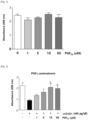
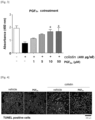
- the human renal tubule cell line HK-2 was treated with PGF 2 ⁇ at a concentration of 50 ⁇ M and with colistin at 400 ⁇ g/mL.
- colistin was treated 24 hours after treatment with PGF 2 ⁇ , and the cells were cultured for 48 hours, followed by an assay to evaluate cytotoxicity.
- PGF 2 ⁇ and colistin were treated simultaneously, and the cells were cultured for 48 hours, followed by the assay.
- PGF 2 ⁇ did not exhibit cytotoxicity toward HK-2 cells. PGF 2 ⁇ did not show cytotoxicity at any of the concentrations tested, and particularly, it was confirmed that no cytotoxicity was observed even at the high concentration of 50 ⁇ M.
- PGF 2 ⁇ exhibits an effect of inhibiting or protecting against cytotoxicity in kidney cells, and therefore can be usefully applied for the treatment or prevention of kidney diseases.
- Colistin a type of antibiotic, is known to accumulate in proximal tubular cells and induce apoptosis by increasing the expression of the Fas death receptor or by increasing the generation of reactive oxygen species.
- the human renal tubule cell line HK-2 was treated with PGF 2 ⁇ at a concentration of 50 ⁇ M and with colistin at 400 ⁇ g/mL. After 48 hours of incubation, a TUNEL assay was conducted to assess apoptosis. Cells that tested positive in the TUNEL assay were considered apoptotic cells. The result images are shown in FIG. 4 , and the corresponding graph is presented in FIG. 5 .
- ROS reactive oxygen species
- the human renal tubule cell line HK-2 was treated with PGF 2 ⁇ at a concentration of 50 ⁇ M and with colistin at 400 ⁇ g/mL. After 48 hours of incubation, ROS generated in the HK-2 cells was analyzed.
- ROS levels decreased in HK-2 cells treated with PGF 2 ⁇ alone.
- treatment with colistin increased ROS levels by more than fivefold compared to cells not treated with colistin.
- the colistin-induced increase in ROS was reduced by approximately 1.5-fold.
- PGF 2 ⁇ has an inhibitory effect on ROS generation in kidney cells and can therefore be usefully applied for the treatment or prevention of kidney diseases.
- Example 1 Based on the results of Example 1, which confirmed that PGF 2 ⁇ can prevent or treat nephrotoxicity or antibiotic-induced nephrotoxicity, it was further investigated whether compounds known as PGF 2 ⁇ agonists (i.e., FP receptor agonists) and PGF 2 ⁇ analogues exhibit the same effect. Bimatoprost was used as the PGF 2 ⁇ agonist or analogue, and colistin was used as the antibiotic.
- bimatoprost was treated to human renal tubule cell line HK-2 at concentrations of 0.1 ⁇ M, 0.5 ⁇ M, 1.0 ⁇ M, 5.0 ⁇ M, 10 ⁇ M, 20 ⁇ M, and 50 ⁇ M, and the vehicle-treated group was used as a control.
- colistin was treated 24 hours after bimatoprost treatment, followed by incubation for 48 hours and a cytotoxicity assay.
- bimatoprost and colistin were treated simultaneously, followed by 48 hours of incubation and the cytotoxicity assay.
- bimatoprost did not exhibit cytotoxicity at any of the concentrations tested, and particularly did not exhibit cytotoxicity even at the high concentration of 50 ⁇ M.
- pretreatment with bimatoprost reduced colistin-induced cell death.
- the extent of cell death induced by colistin was reduced by approximately fourfold compared to cells not treated with bimatoprost.
- PGF 2 ⁇ agonists or analogues exhibit an inhibitory or protective effect against cytotoxicity in kidney cells and can thus be usefully applied for the treatment or prevention of kidney diseases.
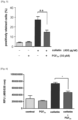
- a vehicle-treated group a group treated with vehicle and colistin, and a group treated with bimatoprost and colistin were prepared.
- Apoptosis in HK-2 cells was analyzed using a TUNEL assay.
- apoptosis was not observed in the vehicle-treated group, whereas a significant increase in apoptotic cells was observed in the group treated with vehicle and colistin.
- the number of apoptotic cells was reduced by approximately threefold compared to the group treated with vehicle and colistin.
- PGF 2 ⁇ agonists or analogues exhibit an inhibitory effect on apoptosis in kidney cells and can therefore be usefully applied for the treatment or prevention of kidney diseases.
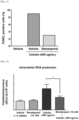
- PGF 2 ⁇ agonist or analogue To evaluate the effect of a PGF 2 ⁇ agonist or analogue on kidney diseases, the influence of PGF 2 ⁇ agonist or analogue on reactive oxygen species generation in kidney cells induced by antibiotic treatment was assessed. Bimatoprost was used as the PGF 2 ⁇ agonist or analogue, and colistin was used as the antibiotic.
- ROS reactive oxygen species
- ROS levels in the colistin-treated group increased by more than 2.5-fold compared to the vehicle-treated group.
- the colistin-induced increase in ROS was reduced to approximately half, showing a level similar to that of the vehicle-treated group.
- PGF 2 ⁇ agonists or analogues exhibit an inhibitory effect on ROS generation in kidney cells, and can thus be usefully applied for the treatment or prevention of kidney diseases.
- PGF 2 ⁇ agonists or analogues interfere with the antibacterial activity of antibiotics.
- Bimatoprost was used as the PGF 2 ⁇ agonist or analogue, and colistin was used as the antibiotic.
- Escherichia coli a Gram-negative bacterium
- LB medium a Gram-negative bacterium
- paper disks were treated with bimatoprost and/or colistin.
- Saline containing 1% DMSO was used as a vehicle. After placing the paper disks onto the LB medium, incubation was carried out for 24 hours.
- the growth of E. coli was not inhibited in the groups treated with vehicle or bimatoprost alone, whereas the growth of E. coli was markedly suppressed in the colistin-treated group.
- the inhibitory effect on E. coli growth in the group treated with both colistin and bimatoprost was at the same level as that observed in the group treated with colistin alone.
- PGF 2 ⁇ agonists or analogues do not interfere with the antibacterial activity of antibiotics, and alleviate only side effects such as antibiotic-induced nephrotoxicity. Therefore, they can be usefully applied for the treatment or prevention of kidney diseases induced by antibiotics.
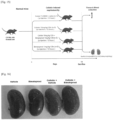
- a colistin-induced nephrotoxicity model was established using 6-week-old C57BL/6N mice.
- the control group vehicle-treated group
- the colistin-treated group was prepared by intraperitoneally injecting colistin at 10 mg/kg every 12 hours for 14 days.
- the bimatoprost-treated group was prepared by intraperitoneally injecting bimatoprost at 1 mg/kg every 12 hours for 14 days.
- the bimatoprost and colistin co-treatment group was prepared by intraperitoneally injecting bimatoprost at 1 mg/kg and colistin at 10 mg/kg every 12 hours for 14 days.
- An overview of the experimental procedure is shown in FIG. 15 .
- kidney injury marker-1 kidney injury marker-1
- the kidney color in the vehicle-treated group and the bimatoprost-treated group was similar, whereas that in the colistin-treated group became paler, indicating that toxicity had occurred.
- the kidney color in the group treated with both bimatoprost and colistin the kidney color recovered to a level similar to that of the vehicle-treated group, and colistin-induced nephrotoxicity was alleviated.
- PGF 2 ⁇ agonists or analogues exhibit an effect of alleviating kidney cell damage, and can therefore be usefully applied for the treatment or prevention of kidney diseases.
- PGF 2 ⁇ agonists or analogues mitigate kidney cell damage and exhibit a weight loss-suppressing effect, and can therefore be usefully applied for the treatment or prevention of kidney diseases.
- BUN blood urea nitrogen
- the blood urea nitrogen levels in the vehicle-treated group and the bimatoprost-treated group were similar.
- the colistin-treated group showed the blood urea nitrogen levels approximately 1.5 times higher than those in the vehicle-treated group.
- PGF 2 ⁇ agonists or analogues alleviate kidney cell damage and exhibit an effect of restoring the excretory and filtration functions of the kidney, and can therefore be usefully applied for the treatment or prevention of kidney diseases.
- kidney diseases Similar to blood urea nitrogen, blood creatinine concentration increases due to impaired renal filtration function and is therefore used as one of the important indicator for evaluating the efficacy of therapeutic agents for kidney diseases.
- the blood creatinine levels in the vehicle-treated group and the bimatoprost-treated group were similar.
- the colistin-treated group exhibited blood creatinine levels approximately 1.5 times higher than those in the vehicle-treated group.
- blood creatinine levels were lower than those in the colistin-treated group.
- PGF 2 ⁇ agonists or analogues alleviate kidney cell damage and exhibit an effect of restoring the excretory and filtration functions of the kidney, and can therefore be usefully applied for the treatment or prevention of kidney diseases.
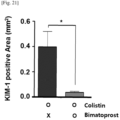
- Kidney injury marker-1 (KIM-1) is not detected in normal kidneys, but is known to show increased expression in dedifferentiated proximal tubules when acute kidney injury occurs due to ischemia or nephrotoxic agents.
- KIM-1 expression was not observed in the vehicle-treated group or the bimatoprost-treated group.
- KIM-1 expression was clearly observed in the colistin-treated group, and the area was also broad.
- KIM-1 expression was barely observed, and the area was reduced by about eight times compared to the colistin-treated group.
- PGF 2 ⁇ agonists or analogues alleviate kidney cell damage and exhibit an effect of restoring kidney tissue, and can therefore be usefully applied for the treatment or prevention of kidney diseases.
Landscapes
- Health & Medical Sciences (AREA)
- Life Sciences & Earth Sciences (AREA)
- Chemical & Material Sciences (AREA)
- General Health & Medical Sciences (AREA)
- Engineering & Computer Science (AREA)
- Veterinary Medicine (AREA)
- Medicinal Chemistry (AREA)
- Pharmacology & Pharmacy (AREA)
- Public Health (AREA)
- Animal Behavior & Ethology (AREA)
- Bioinformatics & Cheminformatics (AREA)
- Epidemiology (AREA)
- Polymers & Plastics (AREA)
- Urology & Nephrology (AREA)
- Organic Chemistry (AREA)
- Mycology (AREA)
- Nutrition Science (AREA)
- Food Science & Technology (AREA)
- Nuclear Medicine, Radiotherapy & Molecular Imaging (AREA)
- General Chemical & Material Sciences (AREA)
- Chemical Kinetics & Catalysis (AREA)
- Proteomics, Peptides & Aminoacids (AREA)
- Gastroenterology & Hepatology (AREA)
- Immunology (AREA)
- Medicines That Contain Protein Lipid Enzymes And Other Medicines (AREA)
- Pharmaceuticals Containing Other Organic And Inorganic Compounds (AREA)
- Acyclic And Carbocyclic Compounds In Medicinal Compositions (AREA)
Applications Claiming Priority (2)
| Application Number | Priority Date | Filing Date | Title |
|---|---|---|---|
| KR1020220087838A KR102485499B1 (ko) | 2022-07-15 | 2022-07-15 | 신장 질환의 치료 또는 예방용 조성물 |
| PCT/KR2023/010229 WO2024014941A1 (fr) | 2022-07-15 | 2023-07-17 | Composition pour traitement ou prévention de maladies rénales |
Publications (2)
| Publication Number | Publication Date |
|---|---|
| EP4570251A1 true EP4570251A1 (fr) | 2025-06-18 |
| EP4570251A4 EP4570251A4 (fr) | 2025-12-10 |
Family
ID=84892758
Family Applications (1)
| Application Number | Title | Priority Date | Filing Date |
|---|---|---|---|
| EP23840032.9A Pending EP4570251A4 (fr) | 2022-07-15 | 2023-07-17 | Composition pour traitement ou prévention de maladies rénales |
Country Status (3)
| Country | Link |
|---|---|
| EP (1) | EP4570251A4 (fr) |
| KR (1) | KR102485499B1 (fr) |
| WO (1) | WO2024014941A1 (fr) |
Families Citing this family (1)
| Publication number | Priority date | Publication date | Assignee | Title |
|---|---|---|---|---|
| KR102485499B1 (ko) * | 2022-07-15 | 2023-01-09 | 오가노이드사이언스 주식회사 | 신장 질환의 치료 또는 예방용 조성물 |
Family Cites Families (12)
| Publication number | Priority date | Publication date | Assignee | Title |
|---|---|---|---|---|
| US5972991A (en) | 1992-09-21 | 1999-10-26 | Allergan | Cyclopentane heptan(ene) oic acid, 2-heteroarylalkenyl derivatives as therapeutic agents |
| DK2026651T3 (da) * | 2006-03-08 | 2013-07-08 | Cortria Corp | Kombinationsterapi med ikke-selektive COX-inhibitorer til forebyggelse af COX-relaterede maveskader |
| US20090088473A1 (en) * | 2007-09-28 | 2009-04-02 | Cayman Chemical Company | Method for screening of prostaglandin compounds comprising an optimal formulation for the enhancement of hair growth and the stimulation of follicular anagen and formulations resulting therefrom |
| EP2389939A1 (fr) * | 2010-05-28 | 2011-11-30 | Novagali Pharma S.A. | Utilisation de prostaglandines F2alpha et analogues pour la cicatrisation des lésions de la cornée et du conjonctif |
| SMT201700306T1 (it) * | 2012-06-08 | 2017-07-18 | Theravance Biopharma R&D Ip Llc | Inibitori di neprilisina |
| MX366149B (es) * | 2012-08-08 | 2019-06-28 | Theravance Biopharma R&D Ip Llc | Inhibidores de neprilisina. |
| US10105371B2 (en) * | 2015-10-09 | 2018-10-23 | Tamara Vrabec | Use of medications with neuroprotective properties to prevent or reduce the risk of ischemia-reperfusion injury in a subject |
| JP7306828B2 (ja) * | 2016-03-08 | 2023-07-11 | セラヴァンス バイオファーマ アール&ディー アイピー, エルエルシー | 結晶性(2s,4r)-5-(5’-クロロ-2’-フルオロ-[1,1’-ビフェニル]-4-イル)-2-(エトキシメチル)-4-(3-ヒドロキシイソオキサゾール-5-カルボキサミド)-2-メチルペンタン酸およびその使用 |
| WO2018187530A1 (fr) * | 2017-04-06 | 2018-10-11 | Sustain Holdings, Llc | Compositions médicamenteuses à base de collagène peptidique et dispositifs et procédés pour les produire et les utiliser |
| KR102037937B1 (ko) * | 2017-11-02 | 2019-10-30 | 한국과학기술연구원 | 찰콘 유도체를 포함하는 신장 보호용 조성물 |
| CN115989021A (zh) * | 2020-06-21 | 2023-04-18 | I.Com医疗有限责任公司 | 用于治疗和预防高眼压症和青光眼的基于透明质酸的制剂 |
| KR102485499B1 (ko) * | 2022-07-15 | 2023-01-09 | 오가노이드사이언스 주식회사 | 신장 질환의 치료 또는 예방용 조성물 |
-
2022
- 2022-07-15 KR KR1020220087838A patent/KR102485499B1/ko active Active
-
2023
- 2023-07-17 EP EP23840032.9A patent/EP4570251A4/fr active Pending
- 2023-07-17 WO PCT/KR2023/010229 patent/WO2024014941A1/fr not_active Ceased
Also Published As
| Publication number | Publication date |
|---|---|
| KR102485499B1 (ko) | 2023-01-09 |
| WO2024014941A1 (fr) | 2024-01-18 |
| EP4570251A4 (fr) | 2025-12-10 |
Similar Documents
| Publication | Publication Date | Title |
|---|---|---|
| JP2017529400A (ja) | マンゴスチン抽出物またはアルファ、ガンママンゴスチンを有効成分として含む歯周疾患の予防または改善用組成物 | |
| JP2012121914A (ja) | 放射線障害軽減剤 | |
| EP4570251A1 (fr) | Composition pour traitement ou prévention de maladies rénales | |
| EP2473175B1 (fr) | Utilisation d'oligosaccharides non digestibles | |
| JP6257031B2 (ja) | 尿路感染症の予防又は治療 | |
| KR102483466B1 (ko) | 골관절염 예방 또는 치료용 약학 조성물 | |
| KR20240045183A (ko) | 필발 추출물을 포함하는 골다공증 예방 및 치료용 조성물 | |
| KR20200023235A (ko) | 강글리오사이드를 함유하는 근육 질환 예방 또는 치료용, 또는 근 기능 개선용 조성물 | |
| JP5187935B2 (ja) | 羅漢果エキスを含有する創傷治癒促進組成物と適用方法 | |
| WO2005074961A1 (fr) | Agent luttant contre les reserves lipidiques de l'organisme | |
| WO2023042902A1 (fr) | Promoteur de différenciation en cellule cartilagineuse, promoteur de propagation de cellules cartilagineuses et promoteur de production de matrice cartilagineuse | |
| KR101660834B1 (ko) | 지페노사이드 75의 항당뇨 효과 | |
| KR102114271B1 (ko) | 금어초 추출물을 유효성분으로 포함하는 항염증용 약학적 조성물 | |
| KR101613005B1 (ko) | 항암제에 의해 유발되는 신장 독성 질환의 예방 및 치료용 약학적 조성물 | |
| KR102681562B1 (ko) | 노루오줌 추출물을 유효성분으로 포함하는 결핵의 예방, 개선 또는 치료용 조성물 | |
| US20240325484A1 (en) | Composition comprising horse chestnut extract | |
| JP7494232B2 (ja) | 関節の抗炎症剤 | |
| KR20130046094A (ko) | 어저귀 추출물을 포함하는 염증성질환 예방 또는 치료용 의약 조성물 | |
| KR102020585B1 (ko) | 3-브로모-4,5-디하이드록시벤즈알데하이드를 유효성분으로 포함하는 당뇨병의 예방 또는 치료용 약학적 조성물 | |
| KR20240115620A (ko) | B. vulgatus를 유효성분으로 포함하는 통풍 예방 및 치료용 조성물 | |
| KR20250116520A (ko) | 칸나비디올을 유효성분으로 포함하는 방광 통증 증후군의 예방 또는 치료용 조성물 | |
| KR102361526B1 (ko) | 난각막을 유효성분으로 함유하는 고요산혈증 또는 고요산혈증 관련 대사 장애의 예방, 개선 또는 치료용 조성물 | |
| TW202434209A (zh) | 含有槲皮素或其配糖體的抑制或改善腎功能降低用之組成物 | |
| JP2025170487A (ja) | 糖の尿中排出促進剤 | |
| JP2026509313A (ja) | 乳酸アンモニウムを有効成分として含む難聴の予防または治療用薬学組成物 |
Legal Events
| Date | Code | Title | Description |
|---|---|---|---|
| STAA | Information on the status of an ep patent application or granted ep patent |
Free format text: STATUS: THE INTERNATIONAL PUBLICATION HAS BEEN MADE |
|
| PUAI | Public reference made under article 153(3) epc to a published international application that has entered the european phase |
Free format text: ORIGINAL CODE: 0009012 |
|
| STAA | Information on the status of an ep patent application or granted ep patent |
Free format text: STATUS: REQUEST FOR EXAMINATION WAS MADE |
|
| 17P | Request for examination filed |
Effective date: 20250214 |
|
| AK | Designated contracting states |
Kind code of ref document: A1 Designated state(s): AL AT BE BG CH CY CZ DE DK EE ES FI FR GB GR HR HU IE IS IT LI LT LU LV MC ME MK MT NL NO PL PT RO RS SE SI SK SM TR |
|
| DAV | Request for validation of the european patent (deleted) | ||
| DAX | Request for extension of the european patent (deleted) | ||
| A4 | Supplementary search report drawn up and despatched |
Effective date: 20251111 |
|
| RIC1 | Information provided on ipc code assigned before grant |
Ipc: A61K 31/5575 20060101AFI20251105BHEP Ipc: A61P 13/12 20060101ALI20251105BHEP Ipc: A23L 33/10 20160101ALI20251105BHEP Ipc: A61K 38/12 20060101ALI20251105BHEP |