EP4570917A2 - Verfahren zum nachweis von leichtkettenfehlpaarung multispezifischer antikörper - Google Patents
Verfahren zum nachweis von leichtkettenfehlpaarung multispezifischer antikörper Download PDFInfo
- Publication number
- EP4570917A2 EP4570917A2 EP24207684.2A EP24207684A EP4570917A2 EP 4570917 A2 EP4570917 A2 EP 4570917A2 EP 24207684 A EP24207684 A EP 24207684A EP 4570917 A2 EP4570917 A2 EP 4570917A2
- Authority
- EP
- European Patent Office
- Prior art keywords
- antibody
- multispecific antibody
- light chain
- heavy chain
- multispecific
- Prior art date
- Legal status (The legal status is an assumption and is not a legal conclusion. Google has not performed a legal analysis and makes no representation as to the accuracy of the status listed.)
- Pending
Links
Images






Classifications
-
- C—CHEMISTRY; METALLURGY
- C12—BIOCHEMISTRY; BEER; SPIRITS; WINE; VINEGAR; MICROBIOLOGY; ENZYMOLOGY; MUTATION OR GENETIC ENGINEERING
- C12Q—MEASURING OR TESTING PROCESSES INVOLVING ENZYMES, NUCLEIC ACIDS OR MICROORGANISMS; COMPOSITIONS OR TEST PAPERS THEREFOR; PROCESSES OF PREPARING SUCH COMPOSITIONS; CONDITION-RESPONSIVE CONTROL IN MICROBIOLOGICAL OR ENZYMOLOGICAL PROCESSES
- C12Q1/00—Measuring or testing processes involving enzymes, nucleic acids or microorganisms; Compositions therefor; Processes of preparing such compositions
- C12Q1/34—Measuring or testing processes involving enzymes, nucleic acids or microorganisms; Compositions therefor; Processes of preparing such compositions involving hydrolase
- C12Q1/37—Measuring or testing processes involving enzymes, nucleic acids or microorganisms; Compositions therefor; Processes of preparing such compositions involving hydrolase involving peptidase or proteinase
-
- G—PHYSICS
- G01—MEASURING; TESTING
- G01N—INVESTIGATING OR ANALYSING MATERIALS BY DETERMINING THEIR CHEMICAL OR PHYSICAL PROPERTIES
- G01N33/00—Investigating or analysing materials by specific methods not covered by groups G01N1/00 - G01N31/00
- G01N33/48—Biological material, e.g. blood, urine; Haemocytometers
- G01N33/50—Chemical analysis of biological material, e.g. blood, urine; Testing involving biospecific ligand binding methods; Immunological testing
- G01N33/68—Chemical analysis of biological material, e.g. blood, urine; Testing involving biospecific ligand binding methods; Immunological testing involving proteins, peptides or amino acids
- G01N33/6803—General methods of protein analysis not limited to specific proteins or families of proteins
- G01N33/6848—Methods of protein analysis involving mass spectrometry
-
- G—PHYSICS
- G01—MEASURING; TESTING
- G01N—INVESTIGATING OR ANALYSING MATERIALS BY DETERMINING THEIR CHEMICAL OR PHYSICAL PROPERTIES
- G01N33/00—Investigating or analysing materials by specific methods not covered by groups G01N1/00 - G01N31/00
- G01N33/48—Biological material, e.g. blood, urine; Haemocytometers
- G01N33/50—Chemical analysis of biological material, e.g. blood, urine; Testing involving biospecific ligand binding methods; Immunological testing
- G01N33/68—Chemical analysis of biological material, e.g. blood, urine; Testing involving biospecific ligand binding methods; Immunological testing involving proteins, peptides or amino acids
- G01N33/6854—Immunoglobulins
-
- G—PHYSICS
- G01—MEASURING; TESTING
- G01N—INVESTIGATING OR ANALYSING MATERIALS BY DETERMINING THEIR CHEMICAL OR PHYSICAL PROPERTIES
- G01N33/00—Investigating or analysing materials by specific methods not covered by groups G01N1/00 - G01N31/00
- G01N33/48—Biological material, e.g. blood, urine; Haemocytometers
- G01N33/50—Chemical analysis of biological material, e.g. blood, urine; Testing involving biospecific ligand binding methods; Immunological testing
- G01N33/68—Chemical analysis of biological material, e.g. blood, urine; Testing involving biospecific ligand binding methods; Immunological testing involving proteins, peptides or amino acids
- G01N33/6854—Immunoglobulins
- G01N33/6857—Antibody fragments
Definitions
- Yamaguchi et al. J. Immunol. Meth. 181 (1995) 259-267 ) reported a method for proteolytic fragmentation with high specificity of mouse immunoglobulin G using lysyl endopeptidase, clostripain, metalloendopeptidase and V8 protease, whereby under the reaction conditions examined clostripain, lysyl endopeptidase, metalloendopeptidase, and V8 protease failed to cleave lgG1 and lgG1-CM selectively in the hinge region.
- WO 2006/047340 relates to subjecting column isolated preparations of polypeptides with a reduction/oxidation reagent and a chaotropic agent and isolating the refolded active protein produced from said contacting.
- the active proteins can be high molecular weight proteins including Fc domain containing polypeptides or fragments.
- one aspect as reported herein is the use of a limited digestion with a proteolytic enzyme of a multispecific antibody for the analysis of the multispecific antibody's light chain pairing.
- One aspect as reported herein is the use of a limited digestion with a proteolytic enzyme of a multispecific antibody for the determination of light chain mispairing in the multispecific antibody.
- One aspect as reported herein is the use of a limited digestion with a proteolytic enzyme of a multispecific antibody produced by a recombinant mammalian cell for the selection of a multispecific antibody producing mammalian cell.
- the analysis/determination/selection is by using the result of a mass spectrometry of the digested antibody.
- One aspect as reported herein is a method for the determination of the light chain pairing in a multispecific antibody comprising the following steps:
- One aspect as reported herein is a method for the determination of light chain mispairing of a multispecific antibody comprising the following steps:
- One aspect as reported herein is a method for the selection of a recombinant mammalian cell producing a multispecific antibody comprising the following steps:
- the proteolytic enzyme is selected from the group consisting of Lys-C, plasmin, Asp-N, Arg-C, Glu-C, Ides, pepsin and chymotrypsin.
- the multispecific antibody is a bivalent antibody.
- the proteolytic enzyme is Lys-C or plasmin.
- the multispecific antibody is a tri- or tetravalent antibody.
- the multispecific antibody is a full length antibody comprising two light chains and two heavy chain whereby to the C-termini of the heavy chains a moiety independently of each other selected from the group consisting of no moiety, an Fv fragment, a Fab fragment, a scFv fragment and a scFab fragment is conjugated either directly or via a peptidic linker.
- the antibody is a tetravalent antibody wherein also binding sites are attached to the C-termini of the heavy chains a double digestion with two proteolytic enzymes might be required.
- the multispecific antibody is a trivalent or tetravalent multispecific antibody and the method comprises a double digestion by incubating with a mixture of two proteolytic enzymes.
- the mixture of proteolytic enzymes is plasmin and Ides. In one embodiment the mixture of proteolytic enzymes is Lys-C and Ides.
- the mixture of proteolytic enzymes is plasmin and pepsin. In one embodiment the mixture of proteolytic enzymes is Lys-C and pepsin.
- the multivalent antibody is a bispecific antibody.
- the incubating is for up to 60 minutes. In one embodiment of all aspects the incubating is for 20 to 60 minutes. In one embodiment of all aspects the incubating is for 35 to 45 minutes.
- the incubating is for about 40 minutes.
- the multispecific antibody that is incubated with the proteolytic enzyme is a deglycosylated multispecific antibody.
- the weight ratio of antibody to enzyme is 1:150 to 1: 500. In one embodiment of all aspects the weight ratio of antibody to enzyme is 1:200 to 1:400. In one embodiment of all aspects the weight ratio of antibody to enzyme is about 1:200.
- the multispecific antibody that is incubated with the proteolytic enzyme has a concentration of from 200 to 600 ⁇ g/mL.
- step b) is b) desalting the incubation mixture of step a) and identifying the mass of the fragments obtained by the limited proteolytic digestion in step a) by mass spectrometry.
- the multispecific antibody is a monoclonal multispecific antibody.
- the multispecific antibody comprises at least two non-peptidically associated light chains.
- the multispecific antibody comprises at least three non-peptidically associated polypeptides.
- the mass spectrometry is an online determination.
- the mass spectrometry is an offline determination. In one embodiment the offline mass spectrometry is preceded by a desalting step.
- antibody is used herein in the broadest sense and encompasses various antibody structures, including but not limited to monoclonal antibodies, polyclonal antibodies, multispecific antibodies (e.g., at least bispecific antibodies) as long as these antibody structures are multispecific and comprise at least two non-peptidically bound light chains.
- non-peptidically bound denotes that two polypeptides are not associated with each other by a peptide bond (formed between amino- and carboxy-groups of amino acids). Nevertheless these polypeptides can be associated by other covalent bonds such as disulfide bonds or non-covalently.
- chimeric antibody refers to an antibody in which a portion of the heavy and/or light chain is derived from a particular source or species, while the remainder of the heavy and/or light chain is derived from a different source or species.
- the "class" of an antibody refers to the type of constant domain or constant region possessed by its heavy chain.
- the heavy chain constant domains that correspond to the different classes of immunoglobulins are called ⁇ , ⁇ , ⁇ , ⁇ , and ⁇ , respectively.
- Fc-region herein is used to define a C-terminal region of an immunoglobulin heavy chain that contains at least a portion of the constant region.
- the term includes native sequence Fc-regions and variant Fc-regions.
- a human IgG heavy chain Fc-region extends from Cys226, or from Pro230, to the carboxyl-terminus of the heavy chain.
- the C-terminal lysine (Lys447) of the Fc-region may or may not be present.
- numbering of amino acid residues in the Fc-region or constant region is according to the EU numbering system, also called the EU index, as described in Kabat, E.A. et al., Sequences of Proteins of Immunological Interest, 5th ed., Public Health Service, National Institutes of Health, Bethesda, MD (1991), NIH Publication 91-3242 .
- full length antibody “intact antibody,” and “whole antibody” are used herein interchangeably to refer to an antibody having a structure substantially similar to a native antibody structure or having heavy chains that contain an Fc region as defined herein.
- host cell refers to cells into which exogenous nucleic acid has been introduced, including the progeny of such cells.
- Host cells include “transformants” and “transformed cells,” which include the primary transformed cell and progeny derived therefrom without regard to the number of passages. Progeny may not be completely identical in nucleic acid content to a parent cell, but may contain mutations. Mutant progeny that have the same function or biological activity as screened or selected for in the originally transformed cell are included herein.
- a "human antibody” is one which possesses an amino acid sequence which corresponds to that of an antibody produced by a human or a human cell or derived from a non-human source that utilizes human antibody repertoires or other human antibody-encoding sequences. This definition of a human antibody specifically excludes a humanized antibody comprising non-human antigen-binding residues.
- a “humanized” antibody refers to a chimeric antibody comprising amino acid residues from non-human HVRs and amino acid residues from human FRs.
- a humanized antibody will comprise substantially all of at least one, and typically two, variable domains, in which all or substantially all of the HVRs (e.g., CDRs) correspond to those of a non-human antibody, and all or substantially all of the FRs correspond to those of a human antibody.
- a humanized antibody optionally may comprise at least a portion of an antibody constant region derived from a human antibody.
- a "humanized form" of an antibody, e.g., a non-human antibody refers to an antibody that has undergone humanization.
- an “isolated” antibody is one which has been separated from a component of its natural environment.
- an antibody is purified to greater than 95% or 99% purity as determined by, for example, electrophoretic (e.g., SDS-PAGE, isoelectric focusing (IEF), capillary electrophoresis) or chromatographic (e.g., ion exchange or reverse phase HPLC).
- electrophoretic e.g., SDS-PAGE, isoelectric focusing (IEF), capillary electrophoresis
- chromatographic e.g., ion exchange or reverse phase HPLC
- nucleic acid refers to a nucleic acid molecule that has been separated from a component of its natural environment.
- An isolated nucleic acid includes a nucleic acid molecule contained in cells that ordinarily contain the nucleic acid molecule, but the nucleic acid molecule is present extrachromosomally or at a chromosomal location that is different from its natural chromosomal location.
- monoclonal antibody refers to an antibody obtained from a population of substantially homogeneous antibodies, i.e., the individual antibodies comprising the population are identical and/or bind the same epitope, except for possible variant antibodies, e.g., containing naturally occurring mutations or arising during production of a monoclonal antibody preparation, such variants generally being present in minor amounts.
- polyclonal antibody preparations typically include different antibodies directed against different determinants (epitopes)
- each monoclonal antibody of a monoclonal antibody preparation is directed against a single determinant on an antigen.
- the modifier "monoclonal” indicates the character of the antibody as being obtained from a substantially homogeneous population of antibodies, and is not to be construed as requiring production of the antibody by any particular method.
- the monoclonal antibodies to be used in accordance with the present invention may be made by a variety of techniques, including but not limited to the hybridoma method, recombinant DNA methods, phage-display methods, and methods utilizing transgenic animals containing all or part of the human immunoglobulin loci, such methods and other exemplary methods for making monoclonal antibodies being described herein.
- variable region refers to the domain of an antibody heavy or light chain that is involved in binding the antibody to antigen.
- the variable domains of the heavy chain and light chain (VH and VL, respectively) of a native antibody generally have similar structures, with each domain comprising four conserved framework regions (FRs) and three hypervariable regions (HVRs).
- FRs conserved framework regions
- HVRs hypervariable regions
- antibodies that bind a particular antigen may be isolated using a VH or VL domain from an antibody that binds the antigen to screen a library of complementary VL or VH domains, respectively. See, e.g., Portolano, S. et al., J. Immunol. 150 (1993) 880-887 ; Clackson, T. et al., Nature 352 (1991) 624-628 ).
- vector refers to a nucleic acid molecule capable of propagating another nucleic acid to which it is linked.
- the term includes the vector as a self-replicating nucleic acid structure as well as the vector incorporated into the genome of a host cell into which it has been introduced.
- Certain vectors are capable of directing the expression of nucleic acids to which they are operatively linked. Such vectors are referred to herein as "expression vectors”.
- one aspect as reported herein is the use of a limited digestion with a proteolytic enzyme of a multispecific antibody for the analysis of the multispecific antibody's light chain pairing.
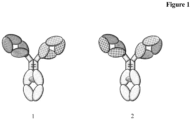
- bivalent multispecific antibody i.e. in a bivalent bispecific antibody, one light chain mispairing product is possible (see Figure 1 ).
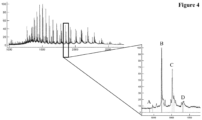
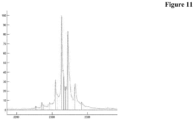
- two samples of a bivalent bispecific antibody has been digested with plasmin (EC 3.4.21.7). In all samples no uncleaved intact antibody was present after the digestion. In sample 1 approximately 20 % of light-chain mispaired antibody is detectable (see Figure 3 ) whereas in the second sample no light-chain mispaired antibody is detectable (see Figure 4 ).
- a sample of a bivalent bispecific antibody has been limited digested with Lys-C.
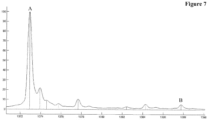
- the sample light-chain mispaired antibody is detectable (see Figure 5 ).
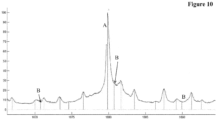
- a sample of a tetravalent bispecific antibody has been limited digested with Lys-C.
- a Protein A affinity chromatography can be used to separate the Fab fragments from the Fc-region after the enzymatic digestion.
- the Fab fragments are in the flow-through of the Protein A affinity chromatography.
- an antibody analyzed with the methods as reported herein is a chimeric antibody.
- Certain chimeric antibodies are described, e.g., in US 4,816,567 ; and Morrison, S.L. et al., Proc. Natl. Acad. Sci. USA 81 (1984) 6851-6855 ).
- a chimeric antibody comprises a non-human variable region (e.g., a variable region derived from a mouse, rat, hamster, rabbit, or non-human primate, such as a monkey) and a human constant region.
- a chimeric antibody is a "class switched" antibody in which the class or subclass has been changed from that of the parent antibody. Chimeric antibodies include antigen-binding fragments thereof.
- a chimeric antibody is a humanized antibody.
- a non-human antibody is humanized to reduce immunogenicity to humans, while retaining the specificity and affinity of the parental non-human antibody.
- a humanized antibody comprises one or more variable domains in which HVRs, e.g., CDRs, (or portions thereof) are derived from a non-human antibody, and FRs (or portions thereof) are derived from human antibody sequences.
- HVRs e.g., CDRs, (or portions thereof) are derived from a non-human antibody
- FRs or portions thereof
- a humanized antibody optionally will also comprise at least a portion of a human constant region.
- some FR residues in a humanized antibody are substituted with corresponding residues from a non-human antibody (e.g., the antibody from which the HVR residues are derived), e.g., to restore or improve antibody specificity or affinity.
- a non-human antibody e.g., the antibody from which the HVR residues are derived
- Human framework regions that may be used for humanization include but are not limited to: framework regions selected using the "best-fit" method (see, e.g., Sims, M.J. et al., J. Immunol. 151 (1993) 2296-2308 ; framework regions derived from the consensus sequence of human antibodies of a particular subgroup of light or heavy chain variable regions (see, e.g., Carter, P. et al., Proc. Natl. Acad. Sci. USA 89 (1992) 4285-4289 ; and Presta, L.G. et al., J. Immunol.
- an antibody analyzed in the method as reported herein is a human antibody.
- Human antibodies can be produced using various techniques known in the art. Human antibodies are described generally in van Dijk, M.A. and van de Winkel, J.G., Curr. Opin. Pharmacol. 5 (2001) 368-374 and Lonberg, N., Curr. Opin. Immunol. 20 (2008) 450-459 .
- Human antibodies may be prepared by administering an immunogen to a transgenic animal that has been modified to produce intact human antibodies or intact antibodies with human variable regions in response to antigenic challenge.
- Such animals typically contain all or a portion of the human immunoglobulin loci, which replace the endogenous immunoglobulin loci, or which are present extrachromosomally or integrated randomly into the animal's chromosomes. In such transgenic mice, the endogenous immunoglobulin loci have generally been inactivated.
- Human variable regions from intact antibodies generated by such animals may be further modified, e.g., by combining with a different human constant region.
- Human antibodies can also be made by hybridoma-based methods. Human myeloma and mouse-human heteromyeloma cell lines for the production of human monoclonal antibodies have been described. (See, e.g., Kozbor, D., J. Immunol. 133 (1984) 3001-3005 ; Brodeur, B.R. et al., Monoclonal Antibody Production Techniques and Applications, Marcel Dekker, Inc., New York (1987), pp. 51-63 ; and Boerner, P. et al., J. Immunol. 147 (1991) 86-95 ) Human antibodies generated via human B-cell hybridoma technology are also described in Li, J. et al., Proc. Natl.
- Human antibodies may also be generated by isolating Fv clone variable domain sequences selected from human-derived phage display libraries. Such variable domain sequences may then be combined with a desired human constant domain. Techniques for selecting human antibodies from antibody libraries are described below.
- Antibodies analyzed in the methods as reported herein may be isolated by screening combinatorial libraries for antibodies with the desired activity or activities. For example, a variety of methods are known in the art for generating phage display libraries and screening such libraries for antibodies possessing the desired binding characteristics. Such methods are reviewed, e.g., in Hoogenboom, H.R. et al., Methods in Molecular Biology 178 (2001) 1-37 and further described, e.g., in the McCafferty, J. et al., Nature 348 (1990) 552-554 ; Clackson, T. et al., Nature 352 (1991) 624-628 ; Marks, J.D. et al., J. Mol. Biol.
- repertoires of VH and VL genes are separately cloned by polymerase chain reaction (PCR) and recombined randomly in phage libraries, which can then be screened for antigen-binding phage as described in Winter, G. et al., Ann. Rev. Immunol. 12 (1994) 433-455 .
- Phage typically display antibody fragments, either as single-chain Fv (scFv) fragments or as Fab fragments.
- scFv single-chain Fv
- Libraries from immunized sources provide high-affinity antibodies to the immunogen without the requirement of constructing hybridomas.
- naive repertoire can be cloned (e.g., from human) to provide a single source of antibodies to a wide range of non-self and also self antigens without any immunization as described by Griffiths, A.D. et al., EMBO J. 12 (1993) 725-734 .
- naive libraries can also be made synthetically by cloning non-rearranged V-gene segments from stem cells, and using PCR primers containing random sequence to encode the highly variable CDR3 regions and to accomplish rearrangement in vitro, as described by Hoogenboom, H.R. and Winter, G., J. Mol. Biol. 227 (1992) 381-388 .
- Patent publications describing human antibody phage libraries include, for example: US 5,750,373 , and US 2005/0079574 , US 2005/0119455 , US 2005/0266000 , US 2007/0117126 , US 2007/0160598 , US 2007/0237764 , US 2007/0292936 , and US 2009/0002360 .
- Antibodies or antibody fragments isolated from human antibody libraries are considered human antibodies or human antibody fragments herein.
- Engineered proteins such as bi- or multispecific antibodies capable of binding two or more antigens are known in the art. Such multispecific binding proteins can be generated using cell fusion, chemical conjugation, or recombinant DNA techniques.
- an antibody analyzed in the methods as reported herein is a multispecific antibody, e.g. at least a bispecific antibody.
- Multispecific antibodies are monoclonal antibodies that have binding specificities for at least two different sites. Multispecific antibodies can be prepared as full length antibodies.
- Techniques for making multispecific antibodies include, but are not limited to, recombinant co-expression of two immunoglobulin heavy chain-light chain pairs having different specificities (see Milstein, C. and Cuello, A.C., Nature 305 (1983) 537-540 , WO 93/08829 , and Traunecker, A. et al., EMBO J. 10 (1991) 3655-3659 ), and "knob-in-hole” engineering (see, e.g., US 5,731,168 ).
- Multi-specific antibodies may also be made by engineering electrostatic steering effects for making antibody Fc-heterodimeric molecules ( WO 2009/089004 ); cross-linking two or more antibodies or fragments (see, e.g., US 4,676,980 , and Brennan, M. et al., Science 229 (1985) 81-83 ); using leucine zippers to produce bi-specific antibodies (see, e.g., Kostelny, S.A. et al., J. Immunol. 148 (1992) 1547-1553 ; using "diabody” technology for making bispecific antibody fragments (see, e.g., Holliger, P. et al., Proc. Natl. Acad. Sci.
- the antibody or fragment herein also includes a "Dual Acting Fab” or “DAF” comprising an antigen binding site that binds to [[PRO]] as well as another, different antigen (see, US 2008/0069820 , for example).
- the antibody or fragment herein also includes multispecific antibodies described in WO 2009/080251 , WO 2009/080252 , WO 2009/080253 , WO 2009/080254 , WO 2010/112193 , WO 2010/115589 , WO 2010/136172 , WO 2010/145792 , and WO 2010/145793 .
- a wide variety of recombinant multispecific antibody formats have been developed in the recent past, e.g. tetravalent bispecific antibodies by fusion of, e.g. an IgG antibody format and single chain domains (see e.g. Coloma, M.J., et. al., Nature Biotech. 15 (1997) 159-163 ; WO 2001/077342 ; and Morrison, S.L., Nature Biotech. 25 (2007) 1233-1234 .
- linkers either to fuse the antibody core (IgA, IgD, IgE, IgG or IgM) to a further binding protein (e.g. scFv) or to fuse e.g. two Fab fragments or scFv ( Fischer, N., and Léger, O., Pathobiology 74 (2007) 3-14 ). While it is obvious that linkers have advantages for the engineering of multispecific antibodies, they may also cause problems in therapeutic settings. Indeed, these foreign peptides might elicit an immune response against the linker itself or the junction between the protein and the linker.
- CDC complement-dependent cytotoxicity
- ADCC antibody dependent cellular cytotoxicity
- multispecific antibodies that are very similar in general structure to naturally occurring antibodies (like IgA, IgD, IgE, IgG or IgM) with minimal deviation from human sequences.
- bispecific antibodies that are very similar to natural antibodies have been produced using the quadroma technology (see Milstein, C., and Cuello, A.C., Nature 305 (1983) 537-540 ) based on the somatic fusion of two different hybridoma cell lines expressing murine monoclonal antibodies with the desired specificities of the bispecific antibody. Because of the random pairing of two different antibody heavy and light chains within the resulting hybrid-hybridoma (or quadroma) cell line, up to ten different antibody species are generated of which only one is the desired, functional bispecific antibody. Due to the presence of mispaired byproducts, and significantly reduced production yields, sophisticated purification procedures are required (see e.g. Morrison, S.L., Nature Biotech. 25 (2007) 1233-1234 ). In general the same problem of mispaired by-products remains if recombinant expression techniques are used.
- WO 2006/093794 relates to heterodimeric protein binding compositions.
- WO 99/37791 describes multipurpose antibody derivatives.
- Morrison, S.L., et al., J. Immunol. 160 (1998) 2802-2808 refers to the influence of variable region domain exchange on the functional properties of IgG.
- WO 2013/02362 relates to heterodimerized polypeptides.
- WO 2013/12733 relates to polypeptides comprising heterodimeric Fc regions.
- WO 2012/131555 relates to engineered hetero-dimeric immunoglobulins.
- EP 2647707 relates to engineered hetero-dimeric immunoglobulins.
- WO 2013/026835 relates to bispecific, Fc free antibodies with a domain crossover.
- WO 2009/080251 , WO 2009/080252 , WO 2009/080253 , WO 2009/080254 and Schaefer, W. et al, PNAS, 108 (2011) 11187-1191 relate to bivalent, bispecific IgG antibodies with a domain crossover.
- the multispecific antibody is a bispecific antibody.
- bivalent, bispecific antibody comprising
- the antibody under a) does not contain a modification as reported under b) and the heavy chain and the light chain under a) are isolated chains.
- the amino acids at position 124 and 123 are substituted by K (numbering according to Kabat EU index).
- the amino acids at position 147 and 213 are substituted by E (numbering according to EU index of Kabat).
- the amino acids at position 124 and 123 are substituted by K, and in the constant domain CH1 of the first heavy chain the amino acids at position 147 and 213 are substituted by E (numbering according to Kabat EU index).
- the amino acids at position 124 and 123 are substituted by K, and wherein in the constant domain CH1 of the second light chain the amino acids at position 147 and 213 are substituted by E, and in the variable domain VL of the first light chain the amino acid at position 38 is substituted by K, in the variable domain VH of the first heavy chain the amino acid at position 39 is substituted by E, in the variable domain VL of the second heavy chain the amino acid at position 38 is substituted by K, and in the variable domain VH of the second light chain the amino acid at position 39 is substituted by E (numbering according to Kabat EU index).
- bivalent, bispecific antibody comprising
- the antibody under a) does not contain a modification as reported under b) and the heavy chain and the light chain und a) are isolated chains.
- bivalent, bispecific antibody comprising
- the antibody under a) does not contain a modification as reported under b) and the heavy chain and the light chain under a) are isolated chains.
- One aspect as reported herein is a multispecific antibody comprising
- one or two identical single chain Fab fragments binding to a second antigen are fused to said full length antibody via a peptidic linker at the C-terminus of the heavy or light chains of said full length antibody.
- one or two identical single chain Fab fragments binding to a second antigen are fused to said full length antibody via a peptidic linker at the C-terminus of the heavy chains of said full length antibody.
- one or two identical single chain Fab fragments binding to a second antigen are fused to said full length antibody via a peptidic linker at the C-terminus of the light chains of said full length antibody.
- two identical single chain Fab fragments binding to a second antigen are fused to said full length antibody via a peptidic linker at the C-terminus of each heavy or light chain of said full length antibody.
- two identical single chain Fab fragments binding to a second antigen are fused to said full length antibody via a peptidic linker at the C-terminus of each heavy chain of said full length antibody.
- two identical single chain Fab fragments binding to a second antigen are fused to said full length antibody via a peptidic linker at the C-terminus of each light chain of said full length antibody.
- One aspect as reported herein is a trivalent, bispecific antibody comprising
- the antibody heavy chain variable domain (VH) of the polypeptide under b) and the antibody light chain variable domain (VL) of the polypeptide under c) are linked and stabilized via an interchain disulfide bridge by introduction of a disulfide bond between the following positions:
- the optional disulfide bond between the variable domains of the polypeptides under b) and c) is between heavy chain variable domain position 105 and light chain variable domain position 43. (numbering always according to EU index of Kabat)
- a trivalent, bispecific antibody without said optional disulfide stabilization between the variable domains VH and VL of the single chain Fab fragments is preferred.
- One aspect as reported herein is a trispecific or tetraspecific antibody, comprising
- the antibody under a) does not contain a modification as reported under b) and the heavy chain and the light chain und a) are isolated chains.
- the trispecific or tetraspecific antibody comprises under c) one or two antigen binding peptides which specifically bind to one or two further antigens.
- the antigen binding peptides are selected from the group of a scFv fragment and a scFab fragment.
- the antigen binding peptides are scFv fragments.
- the antigen binding peptides are scFab fragments.
- the antigen binding peptides are fused to the C-terminus of the heavy chains of a) and/or b).
- the trispecific or tetraspecific antibody comprises under c) one or two antigen binding peptides which specifically bind to one further antigen.
- the trispecific or tetraspecific antibody comprises under c) two identical antigen binding peptides which specifically bind to a third antigen.
- such two identical antigen binding peptides are fused both via the same peptidic linker to the C-terminus of the heavy chains of a) and b).
- the two identical antigen binding peptides are either a scFv fragment or a scFab fragment.
- the trispecific or tetraspecific antibody comprises under c) two antigen binding peptides which specifically bind to a third and a fourth antigen.
- said two antigen binding peptides are fused both via the same peptide connector to the C-terminus of the heavy chains of a) and b).
- said two antigen binding peptides are either a scFv fragment or a scFab fragment.
- One aspect as reported herein is a bispecific, tetravalent antibody comprising
- said additional Fab fragments are fused both via a peptidic linker either to the C-termini of the heavy chains of a), or to the N-termini of the heavy chains of a).
- said additional Fab fragments are fused both via a peptidic linker either to the C-termini of the heavy chains of a).
- said additional Fab fragments are fused both via a peptide connector to the N-termini of the heavy chains of a).
- bispecific, tetravalent antibody comprising:
- bispecific antibody comprising
- the antibody under a) does not contain a modification as reported under b) and the heavy chain and the light chain are isolated chains.
- bispecific antibody comprising
- the heavy chains and the light chains under a) are isolated chains.
- the other of the VH 2 domain or the VL 2 domain is not fused via a peptide linker to the heavy or light chain of the full length antibody specifically binding to a first antigen.
- the first light chain comprises a VL domain and a CL domain and the first heavy chain comprises a VH domain, a CH1 domain, a hinge region, a CH2 domain and a CH3 domain.
- the antibody as reported herein is a multispecific antibody, which requires heterodimerization of at least two heavy chain polypeptides.
- the CH3 domain of the first heavy chain and the CH3 domain of the second heavy chain are both engineered in a complementary manner so that the heavy chain comprising one engineered CH3 domain can no longer homodimerize with another heavy chain of the same structure (e.g. a CH3-engineered first heavy chain can no longer homodimerize with another CH3-engineered first heavy chain; and a CH3-engineered second heavy chain can no longer homodimerize with another CH3-engineered second heavy chain).
- the heavy chain comprising one engineered CH3 domain is forced to heterodimerize with another heavy chain comprising the CH3 domain, which is engineered in a complementary manner.
- the CH3 domain of the first heavy chain and the CH3 domain of the second heavy chain are engineered in a complementary manner by amino acid substitutions, such that the first heavy chain and the second heavy chain are forced to heterodimerize, whereas the first heavy chain and the second heavy chain can no longer homodimerize (e.g. for steric reasons).
- a multispecific antibody according to the invention which comprises a "non-crossed Fab region" derived from a first antibody, which specifically binds to a first antigen, and a "crossed Fab region” derived from a second antibody, which specifically binds to a second antigen, in combination with the particular amino acid substitutions described above for the invention.
- the CH3 domains of the multispecific antibody as reported herein can be altered by the "knob-into-holes" technology which is described in detail with several examples in e.g. WO 96/027011 , Ridgway, J.B., et al., Protein Eng. 9 (1996) 617-621 ; and Merchant, A.M., et al., Nat. Biotechnol. 16 (1998) 677-681 .
- the interaction surfaces of the two CH3 domains are altered to increase the heterodimerization of both heavy chains containing these two CH3 domains.
- Each of the two CH3 domains (of the two heavy chains) can be the "knob", while the other is the "hole”.
- the multispecific antibody as reported herein comprises a T366W mutation in the CH3 domain of the "knobs chain” and T366S, L368A, Y407V mutations in the CH3 domain of the "hole-chain” (numbering according to Kabat EU index).
- An additional interchain disulfide bridge between the CH3 domains can also be used ( Merchant, A.M., et al., Nature Biotech. 16 (1998) 677-681 ) e.g. by introducing a Y349C mutation into the CH3 domain of the "knobs chain” and a E356C mutation or a S354C mutation into the CH3 domain of the "hole chain”.
- the multispecific antibody as reported herein comprises the Y349C and T366W mutations in one of the two CH3 domains and the E356C, T366S, L368A and Y407V mutations in the other of the two CH3 domains or the multispecific antibody as reported herein comprises the Y349C and T366W mutations in one of the two CH3 domains and the S354C, T366S, L368A and Y407V mutations in the other of the two CH3 domains (the additional Y349C mutation in one CH3 domain and the additional E356C or S354C mutation in the other CH3 domain forming a interchain disulfide bridge) (numbering according to Kabat EU index).
- the multispecific antibody as reported herein comprises the R409D and K370E mutations in the CH3 domain of the "knobs chain” and the D399K and E357K mutations in the CH3 domain of the "hole-chain” (numbering according to Kabat EU index).
- the multispecific antibody as reported herein comprises a T366W mutation in the CH3 domain of the "knobs chain” and the T366S, L368A and Y407V mutations in the CH3 domain of the "hole chain” and additionally the R409D and K370E mutations in the CH3 domain of the "knobs chain” and the D399K and E357K mutations in the CH3 domain of the "hole chain” (numbering according to the Kabat EU index).
- the multispecific antibody as reported herein comprises the Y349C and T366W mutations in one of the two CH3 domains and the S354C, T366S, L368A and Y407V mutations in the other of the two CH3 domains, or the multispecific antibody as reported herein comprises the Y349C and T366W mutations in one of the two CH3 domains and the S354C, T366S, L368A and Y407V mutations in the other of the two CH3 domains and additionally the R409D and K370E mutations in the CH3 domain of the "knobs chain” and the D399K and E357K mutations in the CH3 domain of the "hole chain” (numbering according to the Kabat EU index).
- the approach described in EP 1870459 is used to support heterodimerization of the first heavy chain and the second heavy chain of the multispecific antibody. This approach is based on the introduction of charged amino acids with opposite charges at specific amino acid positions in the CH3/CH3-domain-interface between both, the first and the second heavy chain.
- this embodiment relates to a multispecific antibody as reported herein, wherein in the tertiary structure of the antibody the CH3 domain of the first heavy chain and the CH3 domain of the second heavy chain form an interface that is located between the respective antibody CH3 domains, wherein the respective amino acid sequences of the CH3 domain of the first heavy chain and the CH3 domain of the second heavy chain each comprise a set of amino acids that is located within said interface in the tertiary structure of the antibody, wherein from the set of amino acids that is located in the interface in the CH3 domain of one heavy chain a first amino acid is substituted by a positively charged amino acid and from the set of amino acids that is located in the interface in the CH3 domain of the other heavy chain a second amino acid is substituted by a negatively charged amino acid.
- the multispecific antibody according to this embodiment is herein also referred to as "CH3(+/-)-engineered multispecific antibody" (wherein the abbreviation "+/-" stands for the oppositely charged amino acids that were introduced in the respective CH
- the positively charged amino acid is selected from K, R and H, and the negatively charged amino acid is selected from E or D.
- the positively charged amino acid is selected from K and R, and the negatively charged amino acid is selected from E or D.
- the positively charged amino acid is K
- the negatively charged amino acid is E
- a multispecific antibody as reported herein the approach described in WO2013/157953 is used to support heterodimerization of the first heavy chain and the second heavy chain of the multispecific antibody.
- said multispecific antibody as reported herein in the CH3 domain of one heavy chain the amino acid T at position 366 is substituted by K, and in the CH3 domain of the other heavy chain the amino acid L at position 351 is substituted by D (numbering according to Kabat EU index).
- the amino acid T at position 366 is substituted by K and the amino acid L at position 351 is substituted by K
- the amino acid L at position 351 is substituted by D (numbering according to Kabat EU index).
- the amino acid Y at position 349 is substituted by E
- the amino acid Y at position 349 is substituted by D
- the amino acid L at position 368 is substituted by E (numbering according to Kabat EU index).
- the amino acid L at position 368 is substituted by E (numbering according to Kabat EU index).
- a multispecific antibody as reported herein the approach described in WO2012/058768 is used to support heterodimerization of the first heavy chain and the second heavy chain of the multispecific antibody.
- said multispecific antibody as reported herein in the CH3 domain of one heavy chain the amino acid L at position 351 is substituted by Y and the amino acid Y at position 407 is substituted by A, and in the CH3 domain of the other heavy chain the amino acid T at position 366 is substituted by A and the amino acid K at position 409 is substituted by F (numbering according to Kabat EU index).
- a multispecific antibody as reported herein the approach described in WO 2011/143545 is used to support heterodimerization of the first heavy chain and the second heavy chain of the multispecific antibody.
- amino acid modifications in the CH3 domains of both heavy chains are introduced at positions 368 and/or 409 (numbering according to Kabat EU index).
- WO 2011/090762 In one embodiment of a multispecific antibody as reported herein the approach described in WO 2011/090762 is used to support heterodimerization of the first heavy chain and the second heavy chain of the multispecific antibody.
- WO 2011/090762 relates to amino acid modifications according to the "knob-into-hole" technology.
- in the CH3 domain of one heavy chain the amino acid T at position 366 is substituted by W, and in the CH3 domain of the other heavy chain the amino acid Y at position 407 is substituted by A (numbering according to Kabat EU index).
- a multispecific antibody as reported herein which is of IgG2 isotype
- the approach described in WO 2011/090762 is used to support heterodimerization of the first heavy chain and the second heavy chain of the multispecific antibody.
- the approach described in WO 2009/089004 is used to support heterodimerization of the first heavy chain and the second heavy chain of the multispecific antibody.
- the amino acid K or N at position 392 is substituted by a negatively charged amino acid (in one preferred embodiment by E or D, in one preferred embodiment by D)
- the amino acid D at position 399 the amino acid E or D at position 356 or the amino acid E at position 357 is substituted by a positively charged amino acid (in one preferred embodiment K or R, in one preferred embodiment by K, in one preferred embodiment the amino acids at positions 399 or 356 are substituted by K) (numbering according to Kabat EU index).
- the amino acid K or R at position 409 is substituted by a negatively charged amino acid (in one preferred embodiment by E or D, in one preferred embodiment by D) (numbering according to Kabat EU index).
- the amino acid K at position 439 and/or the amino acid K at position 370 is substituted independently from each other by a negatively charged amino acid (in one preferred embodiment by E or D, in one preferred embodiment by D) (numbering according to Kabat EU index).
- a multispecific antibody as reported herein, the approach described in WO 2007/147901 is used to support heterodimerization of the first heavy chain and the second heavy chain of the multispecific antibody.
- the amino acid K at position 253 is substituted by E
- the amino acid D at position 282 is substituted by K and the amino acid K at position 322 is substituted by D
- the amino acid D at position 239 is substituted by K
- the amino acid E at position 240 is substituted by K
- the amino acid K at position 292 is substituted by D (numbering according to Kabat EU index).
- WO 2007/110205 is used to support heterodimerization of the first heavy chain and the second heavy chain of the multispecific antibody.
- the multispecific antibody is a bispecific antibody or a trispecific antibody. In one preferred embodiment of the invention the multispecific antibody is a bispecific antibody.
- the antibody is a bivalent or trivalent antibody. In one embodiment the antibody is a bivalent antibody.
- the multispecific antibody has a constant domain structure of an IgG type antibody. In one further embodiment of all aspects as reported herein, the multispecific antibody is characterized in that said multispecific antibody is of human subclass IgG1, or of human subclass IgG1 with the mutations L234A and L235A. In one further embodiment of all aspects as reported herein, the multispecific antibody is characterized in that said multispecific antibody is of human subclass IgG2. In one further embodiment of all aspects as reported herein, the multispecific antibody is characterized in that said multispecific antibody is of human subclass IgG3.
- the multispecific antibody is characterized in that said multispecific antibody is of human subclass IgG4 or, of human subclass IgG4 with the additional mutation S228P. In one further embodiment of all aspects as reported herein, the multispecific antibody is characterized in that said multispecific antibody is of human subclass IgG1 or human subclass IgG4. In one further embodiment of all aspects as reported herein, the multispecific antibody is characterized in that said multispecific antibody is of human subclass IgG1 with the mutations L234A and L235A (numbering according to Kabat EU index).
- the multispecific antibody is characterized in that said multispecific antibody is of human subclass IgG1 with the mutations L234A, L235A and P329G (numbering according to Kabat EU index). In one further embodiment of all aspects as reported herein, the multispecific antibody is characterized in that said multispecific antibody is of human subclass IgG4 with the mutations S228P and L235E (numbering according to Kabat EU index). In one further embodiment of all aspects as reported herein, the multispecific antibody is characterized in that said multispecific antibody is of human subclass IgG4 with the mutations S228P, L235E and P329G (numbering according to Kabat EU index).
- an antibody comprising a heavy chain including a CH3 domain as specified herein comprises an additional C-terminal glycine-lysine dipeptide (G446 and K447, numbering according to Kabat EU index). In one embodiment of all aspects as reported herein, an antibody comprising a heavy chain including a CH3 domain, as specified herein, comprises an additional C-terminal glycine residue (G446, numbering according to Kabat EU index).
- the antibody comprises a first Fc-region polypeptide and a second Fc-region polypeptide, and wherein
- the antibody comprises a first Fc-region polypeptide and a second Fc-region polypeptide
- the antibody as reported herein is an effector silent antibody. In one embodiment of all aspects as reported herein the antibody is an effector silent antibody and does not bind to human FcRn. In one preferred embodiment of all aspects as reported herein is the antibody of the human subclass IgG1 and has the mutations L234A, L235A, P329G, I253A, H310A and H434A in both heavy chains (numbering according to the Kabat index).
- Antibodies may be produced using recombinant methods and compositions, e.g., as described in US 4,816,567 .
- the required nucleic acid may encode an amino acid sequence comprising the VL and/or an amino acid sequence comprising the VH of the antibody (e.g., the light and/or heavy chains of the antibody).
- one or more vectors e.g., expression vectors
- a host cell comprising such nucleic acid is provided.
- a host cell comprises (e.g., has been transformed with): (1) a vector comprising a nucleic acid that encodes an amino acid sequence comprising the VL of the antibody and an amino acid sequence comprising the VH of the antibody, or (2) a first vector comprising a nucleic acid that encodes an amino acid sequence comprising the VL of the antibody and a second vector comprising a nucleic acid that encodes an amino acid sequence comprising the VH of the antibody.
- the host cell is eukaryotic, e.g. a Chinese Hamster Ovary (CHO) cell or lymphoid cell (e.g., Y0, NS0, Sp20 cell).
- a method of making an anti-[[PRO]] antibody comprises culturing a host cell comprising a nucleic acid encoding the antibody, as provided above, under conditions suitable for expression of the antibody, and optionally recovering the antibody from the host cell (or host cell culture medium).
- nucleic acid encoding an antibody is isolated and inserted into one or more vectors for further cloning and/or expression in a host cell.
- nucleic acid may be readily isolated and sequenced using conventional procedures (e.g., by using oligonucleotide probes that are capable of binding specifically to genes encoding the heavy and light chains of the antibody).
- Suitable host cells for cloning or expression of antibody-encoding vectors include prokaryotic or eukaryotic cells described herein.
- antibodies may be produced in bacteria, in particular when glycosylation and Fc effector function are not needed.
- For expression of antibody fragments and polypeptides in bacteria see, e.g., US 5,648,237 , US 5,789,199 , and US 5,840,523 . (See also Charlton, K.A., In: Methods in Molecular Biology, Vol. 248, Lo, B.K.C. (ed.), Humana Press, Totowa, NJ (2003), pp. 245-254 , describing expression of antibody fragments in E. coli. )
- the antibody may be isolated from the bacterial cell paste in a soluble fraction and can be further purified.
- eukaryotic microbes such as filamentous fungi or yeast are suitable cloning or expression hosts for antibody-encoding vectors, including fungi and yeast strains whose glycosylation pathways have been "humanized,” resulting in the production of an antibody with a partially or fully human glycosylation pattern. See Gerngross, T.U., Nat. Biotech. 22 (2004) 1409-1414 ; and Li, H. et al., Nat. Biotech. 24 (2006) 210-215 .
- Suitable host cells for the expression of glycosylated antibody are also derived from multicellular organisms (invertebrates and vertebrates). Examples of invertebrate cells include plant and insect cells. Numerous baculoviral strains have been identified which may be used in conjunction with insect cells, particularly for transfection of Spodoptera frugiperda cells.
- Plant cell cultures can also be utilized as hosts. See, e.g., US 5,959,177 , US 6,040,498 , US 6,420,548 , US 7,125,978 , and US 6,417,429 (describing PLANTIBODIES TM technology for producing antibodies in transgenic plants).
- Vertebrate cells may also be used as hosts.
- mammalian cell lines that are adapted to grow in suspension may be useful.
- Other examples of useful mammalian host cell lines are monkey kidney CV1 line transformed by SV40 (COS-7); human embryonic kidney line (293 or 293 cells as described, e.g., in Graham, F.L. et al., J. Gen Virol. 36 (1977) 59-74 ); baby hamster kidney cells (BHK); mouse sertoli cells (TM4 cells as described, e.g., in Mather, J.P., Biol. Reprod.
- monkey kidney cells (CV1); African green monkey kidney cells (VERO-76); human cervical carcinoma cells (HELA); canine kidney cells (MDCK; buffalo rat liver cells (BRL 3A); human lung cells (W138); human liver cells (Hep G2); mouse mammary tumor (MMT 060562); TRI cells, as described, e.g., in Mather, J.P. et al., Annals N.Y. Acad. Sci. 383 (1982) 44-68 ; MRC 5 cells; and FS4 cells.
- Other useful mammalian host cell lines include Chinese hamster ovary (CHO) cells, including DHFR - CHO cells ( Urlaub, G. et al., Proc. Natl.
- myeloma cell lines such as Y0, NS0 and Sp2/0.
- myeloma cell lines suitable for antibody production see, e.g., Yazaki, P. and Wu, A.M., Methods in Molecular Biology, Vol. 248, Lo, B.K.C. (ed.), Humana Press, Totowa, NJ (2004), pp. 255-268 .
- Desired gene segments were prepared from oligonucleotides made by chemical synthesis.
- the 600 - 1800 bp long gene segments, which were flanked by singular restriction endonuclease cleavage sites, were assembled by annealing and ligating oligonucleotides including PCR amplification and subsequently cloned via the indicated restriction sites e.g. KpnI/SacI or AscI/PacI into a pPCRScript (Stratagene) based pGA4 cloning vector.
- the DNA sequences of the subcloned gene fragments were confirmed by DNA sequencing. Gene synthesis fragments were ordered according to given specifications at Geneart (Regensburg, Germany).
- DNA sequences were determined by double strand sequencing performed at MediGenomix GmbH (Martinsried, Germany) or SequiServe GmbH (Vaterstetten, Germany).
- variants of expression plasmids for transient expression e.g. in HEK293 EBNA or HEK293-F cells based either on a cDNA organization with or without a CMV-Intron A promoter or on a genomic organization with a CMV promoter were applied.
- the transcription unit of the antibody gene was composed of the following elements:
- the fusion genes comprising the antibody chains as described below were generated by PCR and/or gene synthesis and assembled by known recombinant methods and techniques by connection of the according nucleic acid segments e.g. using unique restriction sites in the respective vectors. The subcloned nucleic acid sequences were verified by DNA sequencing. For transient transfections larger quantities of the plasmids were prepared by plasmid preparation from transformed E. coli cultures (Nucleobond AX, Macherey-Nagel).
- Multispecific antibodies were expressed by transient co-transfection of the respective expression plasmids in adherently growing HEK293-EBNA or in HEK29-F cells growing in suspension as described below.
- Multispecific antibodies were expressed by transient co-transfection of the respective expression plasmids (e.g. encoding the heavy and modified heavy chain, as well as the corresponding light and modified light chain) in adherently growing HEK293-EBNA cells (human embryonic kidney cell line 293 expressing Epstein-Barr-Virus nuclear antigen; American type culture collection deposit number ATCC # CRL-10852, Lot.
- HEK293-EBNA cells human embryonic kidney cell line 293 expressing Epstein-Barr-Virus nuclear antigen; American type culture collection deposit number ATCC # CRL-10852, Lot.
- Proteins were expressed from the respective plasmids using a molar ratio of (modified and wildtype) light chain and heavy chain encoding plasmids of 1:1 (equimolar) ranging from 1:2 to 2:1, respectively.
- Cells were fed at day 3 with L-Glutamine ad 4 mM, Glucose [Sigma] and NAA [Gibco ® ].
- Multispecific antibody containing cell culture supernatants were harvested from day 5 to 11 after transfection by centrifugation and stored at -20°C.
- General information regarding the recombinant expression of human immunoglobulins in e.g. HEK293 cells is given in: Meissner, P. et al., Biotechnol. Bioeng. 75 (2001) 197-203 .
- Multispecific antibodies were generated by transient transfection with the respective plasmids (e.g. encoding the heavy and modified heavy chain, as well as the corresponding light and modified light chain) using the HEK293-F system (Invitrogen) according to the manufacturer's instruction. Briefly, HEK293-F cells (Invitrogen) growing in suspension either in a shake flask or in a stirred fermenter in serum-free FreeStyle TM 293 expression medium (Invitrogen) were transfected with a mix of the four expression plasmids and 293fectin TM or fectin (Invitrogen).
- HEK293-F cells Invitrogen growing in suspension either in a shake flask or in a stirred fermenter in serum-free FreeStyle TM 293 expression medium (Invitrogen) were transfected with a mix of the four expression plasmids and 293fectin TM or fectin (Invitrogen).
- HEK293-F cells were seeded at a density of 1.0E*6 cells/mL in 600 mL and incubated at 120 rpm, 8% CO2. The day after the cells were transfected at a cell density of ca. 1.5E*6 cells/mL with ca. 42 mL mix of A) 20 mL Opti-MEM (Invitrogen) with 600 ⁇ g total plasmid DNA (1 ⁇ g/mL) encoding the heavy or modified heavy chain, respectively and the corresponding light chain in an equimolar ratio and B) 20 ml Opti-MEM + 1.2 mL 293 fectin or fectin (2 ⁇ l/mL). According to the glucose consumption glucose solution was added during the course of the fermentation. The supernatant containing the secreted antibody was harvested after 5-10 days and antibodies were either directly purified from the supernatant or the supernatant was frozen and stored.
- the protein concentration of purified antibodies and derivatives was determined by determining the optical density (OD) at 280 nm, using the molar extinction coefficient calculated on the basis of the amino acid sequence according to Pace, et al., Protein Science, 1995, 4, 2411-1423 .
- the concentration of antibodies and derivatives in cell culture supernatants was estimated by immunoprecipitation with Protein A Agarose-beads (Roche). 60 ⁇ L Protein A Agarose beads were washed three times in TBS-NP40 (50 mM Tris, pH 7.5, 150 mM NaCl, 1% Nonidet-P40). Subsequently, 1-15 mL cell culture supernatant was applied to the Protein A Agarose beads pre-equilibrated in TBS-NP40.
- the concentration of antibodies and derivatives in cell culture supernatants was quantitatively measured by affinity HPLC chromatography. Briefly, cell culture supernatants containing antibodies and derivatives that bind to Protein A were applied to an Applied Biosystems Poros A/20 column in 200 mM KH2PO4, 100 mM sodium citrate, pH 7.4 and eluted from the matrix with 200 mM NaCl, 100 mM citric acid, pH 2,5 on an Agilent HPLC 1100 system. The eluted protein was quantified by UV absorbance and integration of peak areas. A purified standard IgG1 antibody served as a standard.
- the concentration of antibodies and derivatives in cell culture supernatants was measured by Sandwich-IgG-ELISA. Briefly, StreptaWell High Bind Streptavidin A-96 well microtiter plates (Roche) are coated with 100 ⁇ L/well biotinylated anti-human IgG capture molecule F(ab')2 ⁇ h-Fc ⁇ > BI (Dianova) at 0.1 ⁇ g/mL for 1 hour at room temperature or alternatively overnight at 4°C and subsequently washed three times with 200 ⁇ L/well PBS, 0.05% Tween (PBST, Sigma).
- PBST 0.05% Tween
- Proteins were purified from filtered cell culture supernatants referring to standard protocols. In brief, antibodies were applied to a Protein A Sepharose column (GE healthcare) and washed with PBS. Elution of antibodies was achieved at pH 2.8 followed by immediate neutralization of the sample. Aggregated protein was separated from monomeric antibodies by size exclusion chromatography (Superdex 200, GE Healthcare) in PBS or in 20 mM Histidine, 150 mM NaCl pH 6.0. Monomeric antibody fractions were pooled, concentrated (if required) using e.g., a MILLIPORE Amicon Ultra (30 MWCO) centrifugal concentrator, frozen and stored at -20°C or -80°C. Part of the samples were provided for subsequent protein analytics and analytical characterization e.g. by SDS-PAGE, size exclusion chromatography (SEC) or mass spectrometry.
- SEC size exclusion chromatography
- the NuPAGE ® Pre-Cast gel system (Invitrogen) was used according to the manufacturer's instruction. In particular, 10% or 4-12% NuPAGE ® Novex ® Bis-TRIS Pre-Cast gels (pH 6.4) and a NuPAGE ® MES (reduced gels, with NuPAGE ® Antioxidant running buffer additive) or MOPS (non-reduced gels) running buffer was used.
- Size exclusion chromatography for the determination of the aggregation and oligomeric state of antibodies was performed by HPLC chromatography. Briefly, Protein A purified antibodies were applied to a Tosoh TSKgel G3000SW column in 300 mM NaCl, 50 mM KH 2 PO 4 /K 2 HPO 4 , pH 7.5 on an Agilent HPLC 1100 system or to a Superdex 200 column (GE Healthcare) in 2 x PBS on a Dionex HPLC-System. The eluted protein was quantified by UV absorbance and integration of peak areas. BioRad Gel Filtration Standard 151-1901 served as a standard.
- the expected primary structures were analyzed by electrospray ionization mass spectrometry (ESI-MS) of the limited LysC digested CrossMabs.
- ESI-MS electrospray ionization mass spectrometry
- the antibody has been deglycosylated in advance.
- VH/VL CrossMabs was deglycosylated with N-Glycosidase F in a phosphate or Tris or histidine buffer at 37°C for up to 17 h at a protein concentration of 1 mg/mL and an antibody:enzyme ratio of 100:1.
- the limited Lys-C (Roche Diagnostics GmbH, Mannheim, Germany) digestions was performed with 100 ⁇ g deglycosylated VH/VL CrossMabs in a Tris buffer pH 8 at 37°C for 40 min.
- the total mass was determined via ESI-MS on a maXis 4G UHR-QTOF MS system (Bruker Daltonik) equipped with a TriVersa NanoMate source (Advion).
- the tetravalent bispecific antibody was deglycosylated with N-Glycosidase F in a phosphate or Tris or histidine buffer at 37°C for up to 17 h at a protein concentration of 1 mg/ml and an antibody:enzyme ratio of 100:1.
- the limited Lys-C (Roche Diagnostics GmbH, Mannheim, Germany) digestions was performed with 100 ⁇ g deglycosylated tetravalent bispecific antibody in a 100 mM citrate buffer pH 3.7 at 37°C for 16 hours at a protein concentration of approx.. 0.9 mg/mL and an antibody:enzyme ratio of 50:1.
Landscapes
- Life Sciences & Earth Sciences (AREA)
- Health & Medical Sciences (AREA)
- Engineering & Computer Science (AREA)
- Chemical & Material Sciences (AREA)
- Immunology (AREA)
- Molecular Biology (AREA)
- Physics & Mathematics (AREA)
- Urology & Nephrology (AREA)
- Biomedical Technology (AREA)
- Hematology (AREA)
- Proteomics, Peptides & Aminoacids (AREA)
- Analytical Chemistry (AREA)
- Biotechnology (AREA)
- Biochemistry (AREA)
- General Health & Medical Sciences (AREA)
- Microbiology (AREA)
- Organic Chemistry (AREA)
- Bioinformatics & Cheminformatics (AREA)
- Food Science & Technology (AREA)
- Medicinal Chemistry (AREA)
- Cell Biology (AREA)
- General Physics & Mathematics (AREA)
- Pathology (AREA)
- Bioinformatics & Computational Biology (AREA)
- Biophysics (AREA)
- Wood Science & Technology (AREA)
- Zoology (AREA)
- Spectroscopy & Molecular Physics (AREA)
- General Engineering & Computer Science (AREA)
- Genetics & Genomics (AREA)
- Peptides Or Proteins (AREA)
- Measuring Or Testing Involving Enzymes Or Micro-Organisms (AREA)
- Investigating Or Analysing Materials By Optical Means (AREA)
Applications Claiming Priority (4)
| Application Number | Priority Date | Filing Date | Title |
|---|---|---|---|
| EP14163165 | 2014-04-02 | ||
| EP15155361 | 2015-02-17 | ||
| EP15712970.1A EP3126389B1 (de) | 2014-04-02 | 2015-04-01 | Multispezifische antikörper |
| PCT/EP2015/057164 WO2015150446A1 (en) | 2014-04-02 | 2015-04-01 | Method for detecting multispecific antibody light chain mispairing |
Related Parent Applications (2)
| Application Number | Title | Priority Date | Filing Date |
|---|---|---|---|
| EP15712970.1A Division EP3126389B1 (de) | 2014-04-02 | 2015-04-01 | Multispezifische antikörper |
| PCT/EP2015/057164 Previously-Filed-Application WO2015150446A1 (en) | 2014-04-02 | 2015-04-01 | Method for detecting multispecific antibody light chain mispairing |
Publications (2)
| Publication Number | Publication Date |
|---|---|
| EP4570917A2 true EP4570917A2 (de) | 2025-06-18 |
| EP4570917A3 EP4570917A3 (de) | 2025-09-03 |
Family
ID=52774264
Family Applications (2)
| Application Number | Title | Priority Date | Filing Date |
|---|---|---|---|
| EP15712970.1A Active EP3126389B1 (de) | 2014-04-02 | 2015-04-01 | Multispezifische antikörper |
| EP24207684.2A Pending EP4570917A3 (de) | 2014-04-02 | 2015-04-01 | Verfahren zum nachweis von leichtkettenfehlpaarung multispezifischer antikörper |
Family Applications Before (1)
| Application Number | Title | Priority Date | Filing Date |
|---|---|---|---|
| EP15712970.1A Active EP3126389B1 (de) | 2014-04-02 | 2015-04-01 | Multispezifische antikörper |
Country Status (7)
| Country | Link |
|---|---|
| US (2) | US20170115304A1 (de) |
| EP (2) | EP3126389B1 (de) |
| JP (1) | JP6666262B2 (de) |
| KR (1) | KR102376287B1 (de) |
| CN (2) | CN113092788A (de) |
| SG (2) | SG11201608054YA (de) |
| WO (1) | WO2015150446A1 (de) |
Families Citing this family (5)
| Publication number | Priority date | Publication date | Assignee | Title |
|---|---|---|---|---|
| SG175077A1 (en) | 2009-04-07 | 2011-11-28 | Roche Glycart Ag | Trivalent, bispecific antibodies |
| EP3227332B1 (de) | 2014-12-03 | 2019-11-06 | F.Hoffmann-La Roche Ag | Multispezifische antikörper |
| CN112384243A (zh) * | 2018-04-17 | 2021-02-19 | 英温拉公司 | 三价三特异性抗体构建体 |
| WO2020115115A1 (en) * | 2018-12-05 | 2020-06-11 | Morphosys Ag | Multispecific antigen-binding molecules |
| JP2024544607A (ja) * | 2021-11-25 | 2024-12-03 | エフ. ホフマン-ラ ロシュ アーゲー | 少量の抗体副産物の定量 |
Citations (62)
| Publication number | Priority date | Publication date | Assignee | Title |
|---|---|---|---|---|
| US4676980A (en) | 1985-09-23 | 1987-06-30 | The United States Of America As Represented By The Secretary Of The Department Of Health And Human Services | Target specific cross-linked heteroantibodies |
| US4816567A (en) | 1983-04-08 | 1989-03-28 | Genentech, Inc. | Recombinant immunoglobin preparations |
| WO1993008829A1 (en) | 1991-11-04 | 1993-05-13 | The Regents Of The University Of California | Compositions that mediate killing of hiv-infected cells |
| WO1994029350A2 (en) | 1993-06-14 | 1994-12-22 | The Government Of The United States Of America, Represented By The Secretary, Department Of Health And Human Services | Recombinant disulfide-stabilized polypeptide fragments having binding specificity |
| WO1996027011A1 (en) | 1995-03-01 | 1996-09-06 | Genentech, Inc. | A method for making heteromultimeric polypeptides |
| US5648237A (en) | 1991-09-19 | 1997-07-15 | Genentech, Inc. | Expression of functional antibody fragments |
| US5750373A (en) | 1990-12-03 | 1998-05-12 | Genentech, Inc. | Enrichment method for variant proteins having altered binding properties, M13 phagemids, and growth hormone variants |
| US5770429A (en) | 1990-08-29 | 1998-06-23 | Genpharm International, Inc. | Transgenic non-human animals capable of producing heterologous antibodies |
| US5789199A (en) | 1994-11-03 | 1998-08-04 | Genentech, Inc. | Process for bacterial production of polypeptides |
| US5821337A (en) | 1991-06-14 | 1998-10-13 | Genentech, Inc. | Immunoglobulin variants |
| WO1998050431A2 (en) | 1997-05-02 | 1998-11-12 | Genentech, Inc. | A method for making multispecific antibodies having heteromultimeric and common components |
| US5840523A (en) | 1995-03-01 | 1998-11-24 | Genetech, Inc. | Methods and compositions for secretion of heterologous polypeptides |
| WO1999037791A1 (en) | 1998-01-23 | 1999-07-29 | Vlaams Interuniversitair Instituut Voor Biotechnologie | Multipurpose antibody derivatives |
| US5959177A (en) | 1989-10-27 | 1999-09-28 | The Scripps Research Institute | Transgenic plants expressing assembled secretory antibodies |
| US6040498A (en) | 1998-08-11 | 2000-03-21 | North Caroline State University | Genetically engineered duckweed |
| US6075181A (en) | 1990-01-12 | 2000-06-13 | Abgenix, Inc. | Human antibodies derived from immunized xenomice |
| US6150584A (en) | 1990-01-12 | 2000-11-21 | Abgenix, Inc. | Human antibodies derived from immunized xenomice |
| WO2001077342A1 (en) | 2000-04-11 | 2001-10-18 | Genentech, Inc. | Multivalent antibodies and uses therefor |
| US6420548B1 (en) | 1999-10-04 | 2002-07-16 | Medicago Inc. | Method for regulating transcription of foreign genes |
| US20050079574A1 (en) | 2003-01-16 | 2005-04-14 | Genentech, Inc. | Synthetic antibody phage libraries |
| US20050119455A1 (en) | 2002-06-03 | 2005-06-02 | Genentech, Inc. | Synthetic antibody phage libraries |
| WO2005073732A2 (en) | 2004-01-23 | 2005-08-11 | Amgen Inc. | Lc/ms method of analyzing high molecular weight proteins |
| US20050266000A1 (en) | 2004-04-09 | 2005-12-01 | Genentech, Inc. | Variable domain library and uses |
| US6982321B2 (en) | 1986-03-27 | 2006-01-03 | Medical Research Council | Altered antibodies |
| WO2006047340A2 (en) | 2004-10-22 | 2006-05-04 | Amgen Inc. | Methods for refolding of recombinant antibodies |
| US7041870B2 (en) | 2000-11-30 | 2006-05-09 | Medarex, Inc. | Transgenic transchromosomal rodents for making human antibodies |
| US7087409B2 (en) | 1997-12-05 | 2006-08-08 | The Scripps Research Institute | Humanization of murine antibody |
| WO2006093794A1 (en) | 2005-02-28 | 2006-09-08 | Centocor, Inc. | Heterodimeric protein binding compositions |
| US7125978B1 (en) | 1999-10-04 | 2006-10-24 | Medicago Inc. | Promoter for regulating expression of foreign genes |
| US7189826B2 (en) | 1997-11-24 | 2007-03-13 | Institute For Human Genetics And Biochemistry | Monoclonal human natural antibodies |
| US20070061900A1 (en) | 2000-10-31 | 2007-03-15 | Murphy Andrew J | Methods of modifying eukaryotic cells |
| US20070117126A1 (en) | 1999-12-15 | 2007-05-24 | Genentech, Inc. | Shotgun scanning |
| US20070160598A1 (en) | 2005-11-07 | 2007-07-12 | Dennis Mark S | Binding polypeptides with diversified and consensus vh/vl hypervariable sequences |
| WO2007110205A2 (en) | 2006-03-24 | 2007-10-04 | Merck Patent Gmbh | Engineered heterodimeric protein domains |
| US20070237764A1 (en) | 2005-12-02 | 2007-10-11 | Genentech, Inc. | Binding polypeptides with restricted diversity sequences |
| US20070292936A1 (en) | 2006-05-09 | 2007-12-20 | Genentech, Inc. | Binding polypeptides with optimized scaffolds |
| EP1870459A1 (de) | 2005-03-31 | 2007-12-26 | Chugai Seiyaku Kabushiki Kaisha | Verfahren zur polypeptidherstellung mit regulation des zusammenbaus |
| WO2007147901A1 (en) | 2006-06-22 | 2007-12-27 | Novo Nordisk A/S | Production of bispecific antibodies |
| US20080069820A1 (en) | 2006-08-30 | 2008-03-20 | Genentech, Inc. | Multispecific antibodies |
| US20090002360A1 (en) | 2007-05-25 | 2009-01-01 | Innolux Display Corp. | Liquid crystal display device and method for driving same |
| US7527791B2 (en) | 2004-03-31 | 2009-05-05 | Genentech, Inc. | Humanized anti-TGF-beta antibodies |
| WO2009080253A1 (en) | 2007-12-21 | 2009-07-02 | F. Hoffmann-La Roche Ag | Bivalent, bispecific antibodies |
| WO2009080252A1 (en) | 2007-12-21 | 2009-07-02 | F. Hoffmann-La Roche Ag | Bivalent, bispecific antibodies |
| WO2009080254A1 (en) | 2007-12-21 | 2009-07-02 | F. Hoffmann-La Roche Ag | Bivalent, bispecific antibodies |
| WO2009080251A1 (en) | 2007-12-21 | 2009-07-02 | F. Hoffmann-La Roche Ag | Bivalent, bispecific antibodies |
| WO2009089004A1 (en) | 2008-01-07 | 2009-07-16 | Amgen Inc. | Method for making antibody fc-heterodimeric molecules using electrostatic steering effects |
| WO2010112193A1 (en) | 2009-04-02 | 2010-10-07 | Roche Glycart Ag | Multispecific antibodies comprising full length antibodies and single chain fab fragments |
| WO2010115589A1 (en) | 2009-04-07 | 2010-10-14 | Roche Glycart Ag | Trivalent, bispecific antibodies |
| WO2010129304A2 (en) | 2009-04-27 | 2010-11-11 | Oncomed Pharmaceuticals, Inc. | Method for making heteromultimeric molecules |
| WO2010136172A1 (en) | 2009-05-27 | 2010-12-02 | F. Hoffmann-La Roche Ag | Tri- or tetraspecific antibodies |
| WO2010145793A1 (en) | 2009-06-18 | 2010-12-23 | F. Hoffmann-La Roche Ag | Bispecific, tetravalent antigen binding proteins |
| WO2010145792A1 (en) | 2009-06-16 | 2010-12-23 | F. Hoffmann-La Roche Ag | Bispecific antigen binding proteins |
| WO2011090762A1 (en) | 2009-12-29 | 2011-07-28 | Emergent Product Development Seattle, Llc | Heterodimer binding proteins and uses thereof |
| WO2011143545A1 (en) | 2010-05-14 | 2011-11-17 | Rinat Neuroscience Corporation | Heterodimeric proteins and methods for producing and purifying them |
| WO2012058768A1 (en) | 2010-11-05 | 2012-05-10 | Zymeworks Inc. | Stable heterodimeric antibody design with mutations in the fc domain |
| WO2012131555A2 (en) | 2011-03-25 | 2012-10-04 | Glenmark Pharmaceuticals S.A. | Hetero-dimeric immunoglobulins |
| WO2013002362A1 (ja) | 2011-06-30 | 2013-01-03 | 中外製薬株式会社 | ヘテロ二量化ポリペプチド |
| WO2013012733A1 (en) | 2011-07-15 | 2013-01-24 | Biogen Idec Ma Inc. | Heterodimeric fc regions, binding molecules comprising same, and methods relating thereto |
| WO2013026835A1 (en) | 2011-08-23 | 2013-02-28 | Roche Glycart Ag | Fc-free antibodies comprising two fab fragments and methods of use |
| WO2013096291A2 (en) | 2011-12-20 | 2013-06-27 | Medimmune, Llc | Modified polypeptides for bispecific antibody scaffolds |
| EP2647707A1 (de) | 2010-11-30 | 2013-10-09 | Chugai Seiyaku Kabushiki Kaisha | Therapeutikum mit zytotoxizitätsanzeige |
| WO2013157954A1 (en) | 2012-04-20 | 2013-10-24 | Merus B.V. | Methods and means for the production of ig-like molecules |
Family Cites Families (7)
| Publication number | Priority date | Publication date | Assignee | Title |
|---|---|---|---|---|
| US20050164402A1 (en) | 2003-07-14 | 2005-07-28 | Belisle Christopher M. | Sample presentation device |
| RU2476886C2 (ru) * | 2007-11-22 | 2013-02-27 | Симфоген А/С | Способ характеризации рекомбинантного поликлонального белка |
| WO2013150043A1 (en) * | 2012-04-05 | 2013-10-10 | F. Hoffmann-La Roche Ag | Bispecific antibodies against human tweak and human il17 and uses thereof |
| MX2014014162A (es) | 2012-05-24 | 2015-02-04 | Hoffmann La Roche | Anticuerpos multiespecificos. |
| UY35148A (es) * | 2012-11-21 | 2014-05-30 | Amgen Inc | Immunoglobulinas heterodiméricas |
| US9914785B2 (en) | 2012-11-28 | 2018-03-13 | Zymeworks Inc. | Engineered immunoglobulin heavy chain-light chain pairs and uses thereof |
| WO2014121031A1 (en) * | 2013-01-31 | 2014-08-07 | Excelimmune, Inc. | Characterization of antibody mixtures by mass spectrometry |
-
2015
- 2015-04-01 SG SG11201608054YA patent/SG11201608054YA/en unknown
- 2015-04-01 EP EP15712970.1A patent/EP3126389B1/de active Active
- 2015-04-01 JP JP2016560359A patent/JP6666262B2/ja active Active
- 2015-04-01 CN CN202110521522.6A patent/CN113092788A/zh active Pending
- 2015-04-01 EP EP24207684.2A patent/EP4570917A3/de active Pending
- 2015-04-01 WO PCT/EP2015/057164 patent/WO2015150446A1/en not_active Ceased
- 2015-04-01 KR KR1020167028373A patent/KR102376287B1/ko not_active Expired - Fee Related
- 2015-04-01 CN CN201580018014.9A patent/CN106164288A/zh active Pending
- 2015-04-01 SG SG10202107077QA patent/SG10202107077QA/en unknown
-
2016
- 2016-09-28 US US15/278,242 patent/US20170115304A1/en not_active Abandoned
-
2019
- 2019-05-20 US US16/417,150 patent/US11486882B2/en active Active
Patent Citations (67)
| Publication number | Priority date | Publication date | Assignee | Title |
|---|---|---|---|---|
| US4816567A (en) | 1983-04-08 | 1989-03-28 | Genentech, Inc. | Recombinant immunoglobin preparations |
| US4676980A (en) | 1985-09-23 | 1987-06-30 | The United States Of America As Represented By The Secretary Of The Department Of Health And Human Services | Target specific cross-linked heteroantibodies |
| US6982321B2 (en) | 1986-03-27 | 2006-01-03 | Medical Research Council | Altered antibodies |
| US6417429B1 (en) | 1989-10-27 | 2002-07-09 | The Scripps Research Institute | Transgenic plants expressing assembled secretory antibodies |
| US5959177A (en) | 1989-10-27 | 1999-09-28 | The Scripps Research Institute | Transgenic plants expressing assembled secretory antibodies |
| US6150584A (en) | 1990-01-12 | 2000-11-21 | Abgenix, Inc. | Human antibodies derived from immunized xenomice |
| US6075181A (en) | 1990-01-12 | 2000-06-13 | Abgenix, Inc. | Human antibodies derived from immunized xenomice |
| US5770429A (en) | 1990-08-29 | 1998-06-23 | Genpharm International, Inc. | Transgenic non-human animals capable of producing heterologous antibodies |
| US5750373A (en) | 1990-12-03 | 1998-05-12 | Genentech, Inc. | Enrichment method for variant proteins having altered binding properties, M13 phagemids, and growth hormone variants |
| US5821337A (en) | 1991-06-14 | 1998-10-13 | Genentech, Inc. | Immunoglobulin variants |
| US5648237A (en) | 1991-09-19 | 1997-07-15 | Genentech, Inc. | Expression of functional antibody fragments |
| WO1993008829A1 (en) | 1991-11-04 | 1993-05-13 | The Regents Of The University Of California | Compositions that mediate killing of hiv-infected cells |
| WO1994029350A2 (en) | 1993-06-14 | 1994-12-22 | The Government Of The United States Of America, Represented By The Secretary, Department Of Health And Human Services | Recombinant disulfide-stabilized polypeptide fragments having binding specificity |
| US5789199A (en) | 1994-11-03 | 1998-08-04 | Genentech, Inc. | Process for bacterial production of polypeptides |
| US5840523A (en) | 1995-03-01 | 1998-11-24 | Genetech, Inc. | Methods and compositions for secretion of heterologous polypeptides |
| US5731168A (en) | 1995-03-01 | 1998-03-24 | Genentech, Inc. | Method for making heteromultimeric polypeptides |
| WO1996027011A1 (en) | 1995-03-01 | 1996-09-06 | Genentech, Inc. | A method for making heteromultimeric polypeptides |
| WO1998050431A2 (en) | 1997-05-02 | 1998-11-12 | Genentech, Inc. | A method for making multispecific antibodies having heteromultimeric and common components |
| US7189826B2 (en) | 1997-11-24 | 2007-03-13 | Institute For Human Genetics And Biochemistry | Monoclonal human natural antibodies |
| US7087409B2 (en) | 1997-12-05 | 2006-08-08 | The Scripps Research Institute | Humanization of murine antibody |
| WO1999037791A1 (en) | 1998-01-23 | 1999-07-29 | Vlaams Interuniversitair Instituut Voor Biotechnologie | Multipurpose antibody derivatives |
| US6040498A (en) | 1998-08-11 | 2000-03-21 | North Caroline State University | Genetically engineered duckweed |
| US7125978B1 (en) | 1999-10-04 | 2006-10-24 | Medicago Inc. | Promoter for regulating expression of foreign genes |
| US6420548B1 (en) | 1999-10-04 | 2002-07-16 | Medicago Inc. | Method for regulating transcription of foreign genes |
| US20070117126A1 (en) | 1999-12-15 | 2007-05-24 | Genentech, Inc. | Shotgun scanning |
| US20060025576A1 (en) | 2000-04-11 | 2006-02-02 | Genentech, Inc. | Multivalent antibodies and uses therefor |
| WO2001077342A1 (en) | 2000-04-11 | 2001-10-18 | Genentech, Inc. | Multivalent antibodies and uses therefor |
| US20070061900A1 (en) | 2000-10-31 | 2007-03-15 | Murphy Andrew J | Methods of modifying eukaryotic cells |
| US7041870B2 (en) | 2000-11-30 | 2006-05-09 | Medarex, Inc. | Transgenic transchromosomal rodents for making human antibodies |
| US20050119455A1 (en) | 2002-06-03 | 2005-06-02 | Genentech, Inc. | Synthetic antibody phage libraries |
| US20050079574A1 (en) | 2003-01-16 | 2005-04-14 | Genentech, Inc. | Synthetic antibody phage libraries |
| WO2005073732A2 (en) | 2004-01-23 | 2005-08-11 | Amgen Inc. | Lc/ms method of analyzing high molecular weight proteins |
| US7527791B2 (en) | 2004-03-31 | 2009-05-05 | Genentech, Inc. | Humanized anti-TGF-beta antibodies |
| US20050266000A1 (en) | 2004-04-09 | 2005-12-01 | Genentech, Inc. | Variable domain library and uses |
| WO2006047340A2 (en) | 2004-10-22 | 2006-05-04 | Amgen Inc. | Methods for refolding of recombinant antibodies |
| WO2006093794A1 (en) | 2005-02-28 | 2006-09-08 | Centocor, Inc. | Heterodimeric protein binding compositions |
| EP1870459A1 (de) | 2005-03-31 | 2007-12-26 | Chugai Seiyaku Kabushiki Kaisha | Verfahren zur polypeptidherstellung mit regulation des zusammenbaus |
| US20070160598A1 (en) | 2005-11-07 | 2007-07-12 | Dennis Mark S | Binding polypeptides with diversified and consensus vh/vl hypervariable sequences |
| US20070237764A1 (en) | 2005-12-02 | 2007-10-11 | Genentech, Inc. | Binding polypeptides with restricted diversity sequences |
| WO2007110205A2 (en) | 2006-03-24 | 2007-10-04 | Merck Patent Gmbh | Engineered heterodimeric protein domains |
| US20070292936A1 (en) | 2006-05-09 | 2007-12-20 | Genentech, Inc. | Binding polypeptides with optimized scaffolds |
| WO2007147901A1 (en) | 2006-06-22 | 2007-12-27 | Novo Nordisk A/S | Production of bispecific antibodies |
| US20080069820A1 (en) | 2006-08-30 | 2008-03-20 | Genentech, Inc. | Multispecific antibodies |
| US20090002360A1 (en) | 2007-05-25 | 2009-01-01 | Innolux Display Corp. | Liquid crystal display device and method for driving same |
| WO2009080252A1 (en) | 2007-12-21 | 2009-07-02 | F. Hoffmann-La Roche Ag | Bivalent, bispecific antibodies |
| WO2009080253A1 (en) | 2007-12-21 | 2009-07-02 | F. Hoffmann-La Roche Ag | Bivalent, bispecific antibodies |
| WO2009080254A1 (en) | 2007-12-21 | 2009-07-02 | F. Hoffmann-La Roche Ag | Bivalent, bispecific antibodies |
| WO2009080251A1 (en) | 2007-12-21 | 2009-07-02 | F. Hoffmann-La Roche Ag | Bivalent, bispecific antibodies |
| WO2009089004A1 (en) | 2008-01-07 | 2009-07-16 | Amgen Inc. | Method for making antibody fc-heterodimeric molecules using electrostatic steering effects |
| WO2010112193A1 (en) | 2009-04-02 | 2010-10-07 | Roche Glycart Ag | Multispecific antibodies comprising full length antibodies and single chain fab fragments |
| WO2010115589A1 (en) | 2009-04-07 | 2010-10-14 | Roche Glycart Ag | Trivalent, bispecific antibodies |
| WO2010129304A2 (en) | 2009-04-27 | 2010-11-11 | Oncomed Pharmaceuticals, Inc. | Method for making heteromultimeric molecules |
| WO2010136172A1 (en) | 2009-05-27 | 2010-12-02 | F. Hoffmann-La Roche Ag | Tri- or tetraspecific antibodies |
| WO2010145792A1 (en) | 2009-06-16 | 2010-12-23 | F. Hoffmann-La Roche Ag | Bispecific antigen binding proteins |
| WO2010145793A1 (en) | 2009-06-18 | 2010-12-23 | F. Hoffmann-La Roche Ag | Bispecific, tetravalent antigen binding proteins |
| WO2011090762A1 (en) | 2009-12-29 | 2011-07-28 | Emergent Product Development Seattle, Llc | Heterodimer binding proteins and uses thereof |
| WO2011090754A1 (en) | 2009-12-29 | 2011-07-28 | Emergent Product Development Seattle, Llc | Polypeptide heterodimers and uses thereof |
| WO2011143545A1 (en) | 2010-05-14 | 2011-11-17 | Rinat Neuroscience Corporation | Heterodimeric proteins and methods for producing and purifying them |
| WO2012058768A1 (en) | 2010-11-05 | 2012-05-10 | Zymeworks Inc. | Stable heterodimeric antibody design with mutations in the fc domain |
| EP2647707A1 (de) | 2010-11-30 | 2013-10-09 | Chugai Seiyaku Kabushiki Kaisha | Therapeutikum mit zytotoxizitätsanzeige |
| WO2012131555A2 (en) | 2011-03-25 | 2012-10-04 | Glenmark Pharmaceuticals S.A. | Hetero-dimeric immunoglobulins |
| WO2013002362A1 (ja) | 2011-06-30 | 2013-01-03 | 中外製薬株式会社 | ヘテロ二量化ポリペプチド |
| WO2013012733A1 (en) | 2011-07-15 | 2013-01-24 | Biogen Idec Ma Inc. | Heterodimeric fc regions, binding molecules comprising same, and methods relating thereto |
| WO2013026835A1 (en) | 2011-08-23 | 2013-02-28 | Roche Glycart Ag | Fc-free antibodies comprising two fab fragments and methods of use |
| WO2013096291A2 (en) | 2011-12-20 | 2013-06-27 | Medimmune, Llc | Modified polypeptides for bispecific antibody scaffolds |
| WO2013157954A1 (en) | 2012-04-20 | 2013-10-24 | Merus B.V. | Methods and means for the production of ig-like molecules |
| WO2013157953A1 (en) | 2012-04-20 | 2013-10-24 | Merus B.V. | Methods and means for the production of ig-like molecules |
Non-Patent Citations (68)
| Title |
|---|
| "Current Protocols in Cell Biology", 2000, JOHN WILEY & SONS, INC |
| ALMAGRO, J.C.FRANSSON, J., FRONT. BIOSCI., vol. 13, 2008, pages 1619 - 1633 |
| ATWELL, S. ET AL., J. MOL. BIOL., vol. 270, 1997, pages 26 - 35 |
| BACA, M. ET AL., J. BIOL. CHEM., vol. 272, 1997, pages 10678 - 10684 |
| BOERNER, P. ET AL., J. IMMUNOL., vol. 147, 1991, pages 60 - 69 |
| BRENNAN, M. ET AL., SCIENCE, vol. 229, 1985, pages 81 - 83 |
| BRODEUR, B.R. ET AL.: "Monoclonal Antibody Production Techniques and Applications", 1987, MARCEL DEKKER, INC., pages: 51 - 63 |
| CARTER, P. ET AL., PROC. NATL. ACAD. SCI. USA, vol. 89, 1992, pages 4285 - 4289 |
| CLACKSON, T. ET AL., NATURE, vol. 352, 1991, pages 624 - 628 |
| COLOMA, M.J., NATURE BIOTECH., vol. 15, 1997, pages 159 - 163 |
| DALL'ACQUA, W.F. ET AL., METHODS, vol. 36, 2005, pages 61 - 68 |
| FELLOUSE, F.A., PROC. NATL. ACAD. SCI. USA, vol. 101, 2004, pages 12467 - 12472 |
| FISCHER, N.LÉGER, O., PATHOBIOLOGY, vol. 74, 2007, pages 3 - 14 |
| FLATMAN, S. ET AL., J. CHROMATOGR. B, vol. 848, 2007, pages 79 - 87 |
| GERNGROSS, T.U., NAT. BIOTECH., vol. 22, 2004, pages 1409 - 1414 |
| GRAHAM, F.L. ET AL., J. GEN VIROL., vol. 36, 1977, pages 59 - 74 |
| GRIFFITHS, A.D. ET AL., EMBO J., vol. 12, 1993, pages 725 - 734 |
| GRUBER, M ET AL., J. IMMUNOL., vol. 152, 1994, pages 5368 - 5374 |
| HOLLIGER, P. ET AL., PROC. NATL. ACAD. SCI. USA, vol. 90, 1993, pages 6444 - 6448 |
| HOLLIGER, P., NATURE BIOTECH., vol. 23, 2005, pages 1126 - 1136 |
| HOOGENBOOM, H.R. ET AL., METHODS IN MOLECULAR BIOLOGY, vol. 178, 2001, pages 1 - 37 |
| HOOGENBOOM, H.R.WINTER, G., J. MOL. BIOL., vol. 227, 1992, pages 381 - 388 |
| J. IMMUNOL. METH., vol. 181, 1995, pages 259 - 267 |
| KABAT, E.A. ET AL.: "Sequences of Proteins of Immunological Interest", 1991, PUBLIC HEALTH SERVICE |
| KLEEMANN ET AL., ANAL. CHEM., vol. 80, 2008, pages 2001 - 2009 |
| KLIMKA, A. ET AL., BR. J. CANCER, vol. 83, 2000, pages 252 - 260 |
| KOBAYASHI, H. ET AL., NUCLEAR MEDICINE & BIOLOGY, vol. 25, 1998, pages 387 - 393 |
| KOSTELNY, S.A. ET AL., J. IMMUNOL., vol. 148, 1992, pages 1547 - 1553 |
| KOZBOR, D., J. IMMUNOL., vol. 133, 1984, pages 3001 - 3005 |
| LEE, C.V. ET AL., J. IMMUNOL. METHODS, vol. 284, 2004, pages 119 - 132 |
| LI, H. ET AL., NAT. BIOTECH., vol. 24, 2006, pages 210 - 215 |
| LI, J. ET AL., PROC. NATL. ACAD. SCI. USA, vol. 103, 2006, pages 3557 - 3562 |
| LONBERG, N., CURR. OPIN. IMMUNOL., vol. 20, 2008, pages 450 - 459 |
| LONBERG, N., NAT. BIOTECH., vol. 23, 2005, pages 1117 - 1125 |
| MARKS, J.D.BRADBURY, A., METHODS IN MOLECULAR BIOLOGY, vol. 248, 2003, pages 161 - 175 |
| MATHER, J.P ET AL., ANNALS N.Y. ACAD. SCI., vol. 383, 1982, pages 44 - 68 |
| MATHER, J.P, BIOL. REPROD., vol. 23, 1980, pages 243 - 252 |
| MATSUDA ET AL., FEBS LETT., vol. 473, 2000, pages 349 - 357 |
| MCCAFFERTY, J. ET AL., NATURE, vol. 348, 1990, pages 552 - 554 |
| MEISSNER, P. ET AL., BIOTECHNOL. BIOENG., vol. 75, 2001, pages 197 - 203 |
| MERCHANT, A.M. ET AL., NAT. BIOTECHNOL., vol. 16, 1998, pages 677 - 681 |
| MERCHANT, A.M. ET AL., NATURE BIOTECH., vol. 16, 1998, pages 677 - 681 |
| MILSTEIN, C.CUELLO, A.C., NATURE, vol. 305, 1983, pages 537 - 540 |
| MORRISON, S.L. ET AL., J. IMMUNOL., vol. 160, 1998, pages 2802 - 2808 |
| MORRISON, S.L. ET AL., PROC. NATL. ACAD. SCI. USA, vol. 81, 1984, pages 6851 - 6855 |
| MORRISON, S.L., NATURE BIOTECH., vol. 25, 2007, pages 1290 - 1297 |
| NI, J., XIANDAI MIANYIXUE, vol. 26, 2006, pages 265 - 268 |
| PACE ET AL., PROTEIN SCIENCE, vol. 4, 1995, pages 2411 - 1423 |
| PADLAN, E.A., MOL. IMMUNOL., vol. 28, 1991, pages 489 - 498 |
| PORTOLANO, S. ET AL., J. IMMUNOL., vol. 151, 1993, pages 2623 - 2632 |
| QUEEN, C. ET AL., PROC. NATL. ACAD. SCI. USA, vol. 86, 1989, pages 10029 - 10033 |
| RAJAGOPAL, V. ET AL., PROT. ENG., 1997, pages 1453 - 59 |
| RIDGWAY, J.B. ET AL., PROTEIN ENG., vol. 9, 1996, pages 617 - 621 |
| RIECHMANN, I. ET AL., NATURE, vol. 332, 1988, pages 323 - 329 |
| ROSOK, M.J. ET AL., J. BIOL. CHEM., vol. 271, pages 22611 - 22618 |
| SAMBROOK, J. ET AL.: "Molecular Cloning: A laboratory manual", 1989, COLD SPRING HARBOR LABORATORY PRESS |
| SCHAEFER, W. ET AL., PNAS, vol. 108, 2011, pages 11187 - 1191 |
| SCHMIDT, M. ET AL., ONCOGENE, vol. 18, 1999, pages 1711 - 1721 |
| SHEN, J., J. IMMUNOL. METHODS, vol. 318, 2007, pages 65 - 74 |
| SIDHU, S.S. ET AL., J. MOL. BIOL., vol. 340, 2004, pages 1073 - 1093 |
| TRAUNECKER, A. ET AL., EMBO J., vol. 10, 1991, pages 3655 - 3659 |
| URLAUB, G. ET AL., PROC. NATL. ACAD. SCI. USA, vol. 77, 1980, pages 4216 - 4220 |
| VAN DIJK, M.A.VAN DE WINKEL, J.G., CURR. OPIN. PHARMACOL., vol. 5, 2001, pages 368 - 374 |
| VILLANUEVA ET AL., J. MASS SPECTROM., vol. 37, 2002, pages 974 - 984 |
| VOLLMERS, H.P.BRANDLEIN, S., HISTOLOGY AND HISTOPATHOLOGY, vol. 20, 2005, pages 927 - 937 |
| VOLLMERS, H.P.BRANDLEIN, S., METHODS AND FINDINGS IN EXPERIMENTAL AND CLINICAL PHARMACOLOGY, vol. 27, 2005, pages 185 - 191 |
| WINTER, G. ET AL., ANN. REV. IMMUNOL., vol. 12, 1994, pages 433 - 455 |
| YAZAKI, P.WU, A.M.: "Methods in Molecular Biology", vol. 248, 2004, HUMANA PRESS, pages: 255 - 268 |
Also Published As
| Publication number | Publication date |
|---|---|
| EP3126389A1 (de) | 2017-02-08 |
| KR20160140723A (ko) | 2016-12-07 |
| SG10202107077QA (en) | 2021-07-29 |
| JP2017509669A (ja) | 2017-04-06 |
| JP6666262B2 (ja) | 2020-03-13 |
| CN106164288A (zh) | 2016-11-23 |
| US20200103413A1 (en) | 2020-04-02 |
| SG11201608054YA (en) | 2016-10-28 |
| KR102376287B1 (ko) | 2022-03-17 |
| EP4570917A3 (de) | 2025-09-03 |
| US11486882B2 (en) | 2022-11-01 |
| CN113092788A (zh) | 2021-07-09 |
| EP3126389B1 (de) | 2024-10-23 |
| US20170115304A1 (en) | 2017-04-27 |
| WO2015150446A1 (en) | 2015-10-08 |
Similar Documents
| Publication | Publication Date | Title |
|---|---|---|
| US11486882B2 (en) | Method for detecting multispecific antibody light chain mispairing | |
| US20230129340A1 (en) | Method for producing multispecific antibodies | |
| US10718762B2 (en) | Cellular based fret assay for the determination of simultaneous binding | |
| EP2225279B1 (de) | Bivalente, bispezifische antikörper | |
| US20090162360A1 (en) | Bivalent, bispecific antibodies | |
| JP7692404B2 (ja) | 多重特異性抗原結合分子を含む組成物における不純物分子の分析方法 | |
| EP3155013B1 (de) | Verfahren zur auswahl von antikörpern mit modifizierter fcrn-interaktion | |
| JP2023106414A (ja) | 真核宿主細胞において多量体タンパク質を産生する方法 | |
| RU2780629C1 (ru) | Способ получения мультиспецифических антител | |
| HK40015396A (en) | Method for producing multispecific antibodies | |
| HK40015396B (zh) | 用於生产多特异性抗体的方法 |
Legal Events
| Date | Code | Title | Description |
|---|---|---|---|
| STAA | Information on the status of an ep patent application or granted ep patent |
Free format text: STATUS: UNKNOWN |
|
| PUAI | Public reference made under article 153(3) epc to a published international application that has entered the european phase |
Free format text: ORIGINAL CODE: 0009012 |
|
| STAA | Information on the status of an ep patent application or granted ep patent |
Free format text: STATUS: REQUEST FOR EXAMINATION WAS MADE |
|
| 17P | Request for examination filed |
Effective date: 20241021 |
|
| AC | Divisional application: reference to earlier application |
Ref document number: 3126389 Country of ref document: EP Kind code of ref document: P |
|
| AK | Designated contracting states |
Kind code of ref document: A2 Designated state(s): AL AT BE BG CH CY CZ DE DK EE ES FI FR GB GR HR HU IE IS IT LI LT LU LV MC MK MT NL NO PL PT RO RS SE SI SK SM TR |
|
| PUAL | Search report despatched |
Free format text: ORIGINAL CODE: 0009013 |
|
| AK | Designated contracting states |
Kind code of ref document: A3 Designated state(s): AL AT BE BG CH CY CZ DE DK EE ES FI FR GB GR HR HU IE IS IT LI LT LU LV MC MK MT NL NO PL PT RO RS SE SI SK SM TR |
|
| RIC1 | Information provided on ipc code assigned before grant |
Ipc: C12Q 1/37 20060101AFI20250728BHEP Ipc: G01N 33/68 20060101ALI20250728BHEP |