EP4574152A1 - Activateurs des canaux potassiques pour le traitement des troubles épileptiques - Google Patents
Activateurs des canaux potassiques pour le traitement des troubles épileptiques Download PDFInfo
- Publication number
- EP4574152A1 EP4574152A1 EP23220110.3A EP23220110A EP4574152A1 EP 4574152 A1 EP4574152 A1 EP 4574152A1 EP 23220110 A EP23220110 A EP 23220110A EP 4574152 A1 EP4574152 A1 EP 4574152A1
- Authority
- EP
- European Patent Office
- Prior art keywords
- compound
- disorder
- alkyl
- trifluoromethyl
- retigabine
- Prior art date
- Legal status (The legal status is an assumption and is not a legal conclusion. Google has not performed a legal analysis and makes no representation as to the accuracy of the status listed.)
- Pending
Links
Images
Classifications
-
- A—HUMAN NECESSITIES
- A61—MEDICAL OR VETERINARY SCIENCE; HYGIENE
- A61K—PREPARATIONS FOR MEDICAL, DENTAL OR TOILETRY PURPOSES
- A61K31/00—Medicinal preparations containing organic active ingredients
- A61K31/33—Heterocyclic compounds
- A61K31/395—Heterocyclic compounds having nitrogen as a ring hetero atom, e.g. guanethidine or rifamycins
- A61K31/495—Heterocyclic compounds having nitrogen as a ring hetero atom, e.g. guanethidine or rifamycins having six-membered rings with two or more nitrogen atoms as the only ring heteroatoms, e.g. piperazine or tetrazines
- A61K31/50—Pyridazines; Hydrogenated pyridazines
- A61K31/501—Pyridazines; Hydrogenated pyridazines not condensed and containing further heterocyclic rings
-
- A—HUMAN NECESSITIES
- A61—MEDICAL OR VETERINARY SCIENCE; HYGIENE
- A61P—SPECIFIC THERAPEUTIC ACTIVITY OF CHEMICAL COMPOUNDS OR MEDICINAL PREPARATIONS
- A61P25/00—Drugs for disorders of the nervous system
- A61P25/02—Drugs for disorders of the nervous system for peripheral neuropathies
-
- A—HUMAN NECESSITIES
- A61—MEDICAL OR VETERINARY SCIENCE; HYGIENE
- A61P—SPECIFIC THERAPEUTIC ACTIVITY OF CHEMICAL COMPOUNDS OR MEDICINAL PREPARATIONS
- A61P25/00—Drugs for disorders of the nervous system
- A61P25/04—Centrally acting analgesics, e.g. opioids
-
- A—HUMAN NECESSITIES
- A61—MEDICAL OR VETERINARY SCIENCE; HYGIENE
- A61P—SPECIFIC THERAPEUTIC ACTIVITY OF CHEMICAL COMPOUNDS OR MEDICINAL PREPARATIONS
- A61P25/00—Drugs for disorders of the nervous system
- A61P25/06—Antimigraine agents
-
- A—HUMAN NECESSITIES
- A61—MEDICAL OR VETERINARY SCIENCE; HYGIENE
- A61P—SPECIFIC THERAPEUTIC ACTIVITY OF CHEMICAL COMPOUNDS OR MEDICINAL PREPARATIONS
- A61P25/00—Drugs for disorders of the nervous system
- A61P25/08—Antiepileptics; Anticonvulsants
-
- A—HUMAN NECESSITIES
- A61—MEDICAL OR VETERINARY SCIENCE; HYGIENE
- A61P—SPECIFIC THERAPEUTIC ACTIVITY OF CHEMICAL COMPOUNDS OR MEDICINAL PREPARATIONS
- A61P25/00—Drugs for disorders of the nervous system
- A61P25/14—Drugs for disorders of the nervous system for treating abnormal movements, e.g. chorea, dyskinesia
-
- A—HUMAN NECESSITIES
- A61—MEDICAL OR VETERINARY SCIENCE; HYGIENE
- A61P—SPECIFIC THERAPEUTIC ACTIVITY OF CHEMICAL COMPOUNDS OR MEDICINAL PREPARATIONS
- A61P25/00—Drugs for disorders of the nervous system
- A61P25/18—Antipsychotics, i.e. neuroleptics; Drugs for mania or schizophrenia
-
- A—HUMAN NECESSITIES
- A61—MEDICAL OR VETERINARY SCIENCE; HYGIENE
- A61P—SPECIFIC THERAPEUTIC ACTIVITY OF CHEMICAL COMPOUNDS OR MEDICINAL PREPARATIONS
- A61P25/00—Drugs for disorders of the nervous system
- A61P25/22—Anxiolytics
-
- A—HUMAN NECESSITIES
- A61—MEDICAL OR VETERINARY SCIENCE; HYGIENE
- A61P—SPECIFIC THERAPEUTIC ACTIVITY OF CHEMICAL COMPOUNDS OR MEDICINAL PREPARATIONS
- A61P25/00—Drugs for disorders of the nervous system
- A61P25/30—Drugs for disorders of the nervous system for treating abuse or dependence
-
- A—HUMAN NECESSITIES
- A61—MEDICAL OR VETERINARY SCIENCE; HYGIENE
- A61P—SPECIFIC THERAPEUTIC ACTIVITY OF CHEMICAL COMPOUNDS OR MEDICINAL PREPARATIONS
- A61P27/00—Drugs for disorders of the senses
- A61P27/16—Otologicals
-
- A—HUMAN NECESSITIES
- A61—MEDICAL OR VETERINARY SCIENCE; HYGIENE
- A61P—SPECIFIC THERAPEUTIC ACTIVITY OF CHEMICAL COMPOUNDS OR MEDICINAL PREPARATIONS
- A61P9/00—Drugs for disorders of the cardiovascular system
Definitions
- the invention is based on the repurposing of a clinically safe compound as a potassium channel activator for treating hyperexcitability related disorders.
- the invention also relates to a pharmaceutical composition comprising a compound of the present invention, as well as a method of treating hyperexcitability related disorders using the disclosed compounds or a pharmaceutical composition of the invention.
- Epileptic disorders characterized by enduring predisposition to generate seizures, are among the most frequent neurological diseases, with a lifetime prevalence estimated between 1 and 2%.
- Treatment of epileptic disorders often relies on the use of antiseizures medications (ASMs), administered chronically with the intent of preventing the occurrence of seizures.
- ASMs antiseizures medications
- seizures in more than 30% of the patients are not adequately controlled with currently-available ASMs, resulting in the development of pharmacoresistant epilepsy (PRE).
- PRE pharmacoresistant epilepsy
- a patient is deemed to suffer from PRE when seizures are inadequately controlled despite treatment with ⁇ 2 ASMs properly selected based on the patient's history and used at adequate doses.
- ASMs can be classified on the basis of their mechanism of action, the most exploited being: 1. voltage-gated sodium channel blockade, 2. increased GABAergic neurotransmission and 3. voltage-gated calcium channels blockade. It is commonly believed that treatment with ASMs endowed with different, newer, and alternative mechanisms of action may reduce PRE, thus the urgent need to design innovative pharmacological strategies to combat the hyperexcitability process underlying seizure disorders.
- Kv voltage-gated potassium channel
- KCNQ genes encode for five members (Kv7.1-Kv7.5) of Kv7 subunits, each characterized by distinct tissue distribution and pathophysiological role.
- Kv7.1 subunits are expressed in the heart, where they represent the main molecular component of the ventricular repolarization current known as I Ks ; instead, Kv7.2 and Kv7.3 subunits are mainly expressed in the nervous system (CNS) where they underly the M-current, a repolarizing current active at resting membrane potential and limiting the neuronal spike discharge rate; Kv7.4 is mainly expressed in the inner ear and in the visceral, vascular and pulmonary smooth muscles, being involved in the regulation of smooth muscle tone; finally, Kv7.5 is mainly expressed in the CNS, vascular smooth and skeletal muscles. 11
- Kv7 channels Given the prominent role played by Kv7 channels in controlling neuronal excitability and considering that neuronal hyperexcitability is a common feature of neuropsychiatric disorders such as epilepsy, neuropathic pain, ischemic stroke, amyotrophic lateral sclerosis, and several other neurodegenerative diseases, pharmacological modulation of Kv7 channels appears as a rational approach to treat these conditions.
- Flupirtine was the first compound identified as a Kv7 activator, even though its development preceded the discovery of these channels. Flupirtine is a non-opioid analgesic, approved in 1984 in Europe, but whose marketing authorization was withdrawn by the EMA in 2018 because of its severe liver toxicity.
- the anticonvulsant efficacy of retigabine has been demonstrated in numerous animal models of epilepsy, and is due to the suppression of neuronal hyperexcitability consequent to a unique mode of activation of Kv7.2/7.3 channels, consisting in a shift in current activation threshold toward more hyperpolarized potentials, and an enhancement of the Kv7.2/7.3 maximal current. 16 Its mechanism of action, different from classic ASMs, makes retigabine particularly effective for treatment of patients suffering from PRE. In 2011 retigabine was approved as adjunctive treatment in adults with partial-onset seizures.
- Kv7 activators with a chemical structure different from retigabine have also been described; these belong to the chemical classes of acrylamides, benzamides, fenamates, or present unique structures not included in any of the mentioned classes.
- Acrylamides bind Kv7 channels in the same region in the channel pore occupied by retigabine, and, once they were demonstrated effective in reducing neuronal excitability in vitro, they were investigated for possible efficacy in migraine and neuropathic pain.
- Fenamates such as the nonsteroidal anti-inflammatory drug diclofenac, activate Kv7.2 and Kv7.3 channels and exhibit anticonvulsant activity in animal models of seizures.
- a few diclofenac derivatives designed to abolish COX inhibitory activity while retaining the Kv7-opening property, were effective in reducing neuronal activity in vitro but none of these molecules has been tested in vivo.
- Benzamides show a binding site and a mechanism of action distinct from retigabine.
- Various benzamides were found to be more potent than retigabine in vitro and exerted antiseizures effect in several animal model of epilepsy.
- Kv7 activators both synthesized or natural compounds.
- some molecules also showed anticonvulsant activity in animal models, one (KB 3061 or BHV-7000) was able to revert in vitro the effect of pathogenic KCNQ mutations.
- the compound XEN1101 is currently being studied in three different phase II/III clinical trials: 1. for the treatment of focal-onset seizures (ClinicalTrials.gov Identifier: NCT05614063); 2. as adjunctive therapy in primary generalized tonic-clonic seizures (ClinicalTrials.gov Identifier: NCT05667142); 3. for the treatment of major depressive disorder (ClinicalTrials.gov Identifier: NCT04827901).
- the compound BHV-7000 passed the phase I safety trials and a phase II/III trial for focal epilepsy and bipolar disorder was announced for 2023.
- the object is solved by providing a compound for use in the treatment of a Kv7 associated disorder in a subject, wherein the compound is selected from a compound of formula (I), or a pharmaceutically acceptable salt, hydrate or solvate thereof, or a stereoisomeric form thereof, wherein
- said R 3 is trifluoromethyl; and R, R 4 and R 5 are H.
- said R is H or methyl.
- said R1 is 4-fluorophenyl or 3 ,4-difiuorophenyl.
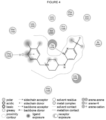
- the compound for use according to the present invention is N -[1-[(3,4-difluorophenyl)methyl]-4-piperidinyl]-6-(trifluoromethyl)-3-pyridazinamine, or a compound having the following formula (II)
- the compound for use according to the present invention is compound is N-[I-(4-fluorobenzyl)piperidin-4-yl]-6-(trifluoromethyl)pyridazin-3-amine, or is a compound according to formula (III)
- the compound for use according to the present invention is compound is N-[I-(4-fluorobenzyl)piperidin-4-yl]-6-(trifluoromethyl)pyridazin-3-amine, or is a compound according to formula (IV)
- the compound for use according to the present invention is compound is N-[I-(4-fluorobenzyl)piperidin-4-yl]-6-(trifluoromethyl)pyridazin-3-amine, or is a compound according to formula (V)
- the compound for use according to the present invention is compound is N-[I-(4-fluorobenzyl)piperidin-4-yl]-6-(trifluoromethyl)pyridazin-3-amine, or is a compound according to formula (VI)
- alkyl refers to a monoradical of a saturated straight or branched hydrocarbon.
- the alkyl group comprises from 1 to 12 (such as 1 to 10) carbon atoms, i.e., 1, 2, 3, 4, 5, 6, 7, 8, 9, 10, 11, or 12 carbon atoms (such as 1, 2, 3, 4, 5, 6, 7, 8, 9, or 10 carbon atoms), more preferably 1 to 8 carbon atoms, such as 1 to 6 or 1 to 4 carbon atoms.
- Exemplary alkyl groups include methyl, ethyl, propyl, iso-propyl (also called 2-propyl or 1-methylethyl), butyl, isobutyl, tert-butyl, n-pentyl, iso-pentyl, sec-pentyl, neo-pentyl, 1,2-dimethyl-propyl, iso-amyl, n-hexyl, iso-hexyl, sec-hexyl, n-heptyl, iso-heptyl, n-octyl, 2-ethyl-hexyl, n-nonyl, n-decyl, n-undecyl, n-dodecyl, and the like.
- a “substituted alkyl” means that one or more (such as 1 to the maximum number of hydrogen atoms bound to an alkyl group, e.g., 1, 2, 3, 4, 5, 6, 7, 8, 9, or up to 10, such as between 1 to 5, 1 to 4, or 1 to 3, or 1 or 2) hydrogen atoms of the alkyl group are replaced with a substituent other than hydrogen (when more than one hydrogen atom is replaced the substituents may be the same or different).
- the substituent other than hydrogen is a 1st level substituent, a 2nd level substituent, or a 3rd level substituent as specified herein, such as halogen, -OH, -NH2, -NHCH3, -N(CH3)2, -CN, -OCH3, -OCF3, or optionally substituted aryl.
- Examples of a substituted alkyl include trifluoromethyl, 2,2,2-trichloroethyl, 2-hydroxyethyl, 2-aminoethyl, 2-(dimethylamino)ethyl, arylalkyl (also called “aralkyl”, e.g., benzyl, chloro(phenyl)methyl, 4-methylphenylmethyl, (2,4-dimethylphenyl)methyl, o-fluorophenylmethyl, 2-phenylpropyl, 2-, 3-, or 4-carboxyphenylalkyl), or heteroarylalkyl (also called “heteroaralkyl”).
- C x1-x2 -alkyl shall mean an alkyl group as described above with a chain length or in other words, with the number of carbon atom between the number X1 and X2 as denoted in the subscript.
- C 1-3 alkyl refers to an alkyl group with a chain length of between 1 to 3 carbons.
- halogen or halo means fluoro, chloro, bromo, or iodo.
- cyano shall mean a carbon atom with three single bonds to a nitrogen atom and as a nitrogen atom bonded to three carbon atoms.
- alkyloxy shall refer to an alkyl group as described above which is singularly bonded to oxygen.
- perfluoro shall refer to a chemical group, in which all C-H bonds have been replaced by C-F bonds.
- alkylamino shall mean alkyl group as described above attached to the remainder of a molecule via nitrogen.
- cycloalkyl represents cyclic non-aromatic versions of “alkyl” with preferably 3 to 14 carbon atoms, such as 3 to 12 or 3 to 10 carbon atoms, i.e., 3, 4, 5, 6, 7, 8, 9, 10, 11, 12, 13, or 14 carbon atoms (such as 3, 4, 5, 6, 7, 8, 9, or 10 carbon atoms), more preferably 3 to 7 carbon atoms.
- cycloalkyl groups include cyclopropyl, cyclopropenyl, cyclobutyl, cyclobutenyl, cyclopentyl, cyclopentenyl, cyclohexyl, cyclohexenyl, cycloheptyl, cycloheptenyl, cyclooctyl, cyclooctenyl, cyclononyl, cyclononenyl, cylcodecyl, cylcodecenyl, and adamantyl.
- cycloalkyl is also meant to include bicyclic and tricyclic versions thereof.
- bicyclic rings are formed it is preferred that the respective rings are connected to each other at two adjacent carbon atoms, however, alternatively the two rings are connected via the same carbon atom, i.e., they form a spiro ring system or they form "bridged" ring systems.
- cycloalkyl examples include C3-8-cycloalkyl, in particular cyclopropyl, cyclobutyl, cyclopentyl, cyclohexyl, cycloheptyl, cyclooctyl, spiro[3,3]heptyl, spiro[3,4]octyl, spiro[4,3]octyl, bicyclo[4.1.0]heptyl, bicyclo[3.2.0]heptyl, bicyclo[2.2.1] heptyl, bicyclo[2.2.2]octyl, bicyclo[5.1.0]octyl, and bicyclo[4.2.0]octyl.
- Cycloalkyl does not encompass fullerenes.
- a "substituted cycloalkyl” means that one or more (such as 1 to the maximum number of hydrogen atoms bound to a cycloalkyl group, e.g., 1, 2, 3, 4, 5, 6, 7, 8, 9, or up to 10, such as between 1 to 5, 1 to 4, or 1 to 3, or 1 or 2) hydrogen atoms of the cycloalkyl group are replaced with a substituent other than hydrogen (when more than one hydrogen atom is replaced the substituents may be the same or different).
- Examples of a substituted cycloalkyl include oxocyclohexyl, oxocyclopentyl, fluorocyclohexyl, and oxocyclohexenyl.
- the compound according to the present invention was originally developed as a highly selective dopamine D2 receptor antagonist with a rapid dissociation rate (in WO2007048779 ), exerting an antipsychotic effect without motor side effects.
- the administration of the compound to the subject reduces the occurrence, prevalence, frequency, duration and/or severity of seizures, wherein said subject suffers from a seizure inducing disease.
- Kv7 channel refers to one member of a group of voltage-gated potassium channels encoded by the KCNG genes.
- the Kv7 family is a group of tetrameric voltage-gated potassium channels consisting of five members Kv7.1, Kv7.2, Kv 7.3, Kv7.4, Kv7.5, whose subunits are encoded by the KCNG1-5 genes respectively.
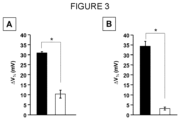
- Another important embodiment of compound of the present invention is therefore its ability to induce the opening of Kv7.2 and/or Kv7.3 channels.
- the Kv7 channels may be activated and allow the passing of potassium ions, for example across cellular membranes; this induced permeability of potassium ions is herein referred to as an "opening" or “activation" of the respective channel protein.
- the compound for use according to the invention is in salt format, and preferably wherein the salt is a dihydrochloride salt.
- the compound for use according to the invention is used as an antiseizures medication (ASM).
- ASM antiseizures medication
- an antiseizures medication should be understood as an agent used in the treatment of seizures.
- the invention pertains a method of treatment of a neurological disease in a subject, the method comprising the steps of administering to the subject a therapeutically effective amount of a compound according to the present invention, wherein the subject suffers from a neurological disorder that is not a psychotic disorder, but wherein the subject experienced or is experiencing convulsive seizures. It was surprisingly identified that the compounds defined herein show alleviating activities towards seizures in vivo.
- the neurological disease is selected from Kv7-associated diseases.
- it can be selected from disorders involving neuronal hyperexcitability, such as epileptic syndromes, neuropathic pain conditions, amyotrophic lateral sclerosis, ischemic stroke, neurodegenerative diseases, among others.
- the neurological disease may be for example, but is not limited to, epilepsy, including generalized epilepsy, focal epilepsy, combined generalized and focal epilepsy, unknown epilepsy, early myoclonic encephalopathy, Ohtahara syndrome, West syndrome, Dravet syndrome, myoclonic status in non-progressive encephalopathies, Lennox-Gastaut syndrome, Landau-Kleffner syndrome, and epilepsy with continuous spike waves during slow-wave sleep, migrating partial seizures in infancy, neuropathic pain, ischemic stroke, amyotrophic lateral sclerosis, Alzheimer's disease, Parkinson's disease.
- epilepsy including generalized epilepsy, focal epilepsy, combined generalized and focal epilepsy, unknown epilepsy, early myoclonic encephalopathy, Ohtahara syndrome, West syndrome, Dravet syndrome, myoclonic status in non-progressive encephalopathies, Lennox-Gastaut syndrome, Landau-Kleffner syndrome
- Kv7-associated disease shall be understood in the context of the present invention as any disease or disorder in a given subject that is mainly caused by the malfunction of the voltage-gated potassium channel of the Kv7 (KCNQ) family.
- said neurological disease shall not encompass diseases associated with dopamine D2 receptor malfunction, in particular, central nervous system diseases associated with dopamine D2 receptor malfunction.
- said neurological disorder is not a neurological disorder unrelated to motor functions.
- treatment shall refer to a partial or total inhibition and/or reduction of symptoms of a particular disease, such as a neurological disease, like epilepsy, in a subject
- prevention shall refer to preventing or delaying the onset of a clinically evident disease, such as a neurological disease, like epilepsy, in a subject.
- prevention and/or treatment shall include both preventive and/or actual treatment of the disease symptoms of a disease, such as a proliferative disease, like cancer, which can be alleviated and/or even completely removed using said treatment.
- the invention in a third aspect, pertains to a pharmaceutical composition, comprising a compound of the present invention, together with a pharmaceutically acceptable carrier and/or excipient.
- compositions which comprise at least one compound according to the invention, optionally together with an inert carrier (e.g. a pharmaceutically acceptable excipient) and, where appropriate, other compounds and/or drugs.
- an inert carrier e.g. a pharmaceutically acceptable excipient
- compositions for example solid forms, such as powders, granules, tablets, in particular film tablets, lozenges, sachets, cachets, sugar-coated tablets, capsules, such as hard gelatin capsules and soft gelatin capsules, or suppositories, semisolid medicinal forms, such as ointments, creams, hydrogels, pastes or plasters, or liquid medicinal forms, such as solutions, emulsions, in particular oil-in-water emulsions, suspensions, for example lotions, injection preparations and infusion preparations.
- liposomes or microspheres are examples of suitable forms of pharmaceutical compositions, for example solid forms, such as powders, granules, tablets, in particular film tablets, lozenges, sachets, cachets, sugar-coated tablets, capsules, such as hard gelatin capsules and soft gelatin capsules, or suppositories, semisolid medicinal forms, such as ointments, creams, hydrogels, pastes or plasters
- a pharmaceutical composition comprising at least one compound according to the invention, a pharmaceutically acceptable salt, solvate or optical isomer thereof, is provided in form of a gel, an ointment, a salve, a cream, a tablet, a pill, a capsule, a troche, a dragée, a powder, an aerosol spray, a nasal spray, a suppository, and/or a solution.
- At least one compound of the present invention is optionally mixed or diluted with one or more carriers and/or excipients.
- Carriers and/or excipients, according to this invention can be solid, semisolid or liquid materials, which may serve as a vehicle, a carrier or a medium for the active compound.
- a pharmaceutical composition according to the invention comprises the compound according to the invention in an amount effective to agonise one or more Kv7 potassium channels in a subject.
- a pharmaceutical composition according to the invention comprises the compound according to the invention in an amount effective as an antiseizures medication (ASM).
- ASM antiseizures medication
- a pharmaceutical composition according to the invention comprises the compound according to the invention present as dihydrochloride.
- a pharmaceutical composition according to this invention might further comprise at least one acceptable auxiliary substance, such as a wetting agent, an emulsifying agent, a suspending agent, a preservative, an antioxidant, an anti-irritant, a chelating agent, a coating agent, an emulsion stabilizer, a gel former, a resin, a solvent, a solubilizer, a neutralizing agent, a pigment, a silicone derivative, a binder, a filler, a drying agent, a thickener, a wax, a plasticizer, or the like.
- auxiliary substance such as a wetting agent, an emulsifying agent, a suspending agent, a preservative, an antioxidant, an anti-irritant, a chelating agent, a coating agent, an emulsion stabilizer, a gel former, a resin, a solvent, a solubilizer, a neutralizing agent, a pigment, a silicone derivative, a binder, a filler, a
- JNJ-37822681 shall either refer to a compound with all aspects and embodiments of the invention described and/or claimed herein, or a compound with all aspects and embodiments of the invention described and/or claimed in the patent application WO2007048779 , depending on the context it is used. It would be clear to the person skilled in the art that the two share structural similarities, but are not entirely the same.
- the term “comprising” is to be construed as encompassing both “including” and “consisting of”, both meanings being specifically intended, and hence individually disclosed embodiments in accordance with the present invention.
- “and/or” is to be taken as specific disclosure of each of the two specified features or components with or without the other.
- a and/or B is to be taken as specific disclosure of each of (i) A, (ii) B and (iii) A and B, just as if each is set out individually herein.
- the terms “about” and “approximately” denote an interval of accuracy that the person skilled in the art will understand to still ensure the technical effect of the feature in question.
- the term typically indicates deviation from the indicated numerical value by ⁇ 20%, ⁇ 15%, ⁇ 10%, and for example ⁇ 5%.
- the specific such deviation for a numerical value for a given technical effect will depend on the nature of the technical effect.
- a natural or biological technical effect may generally have a larger such deviation than one for a man-made or engineering technical effect.
- the specific such deviation for a numerical value for a given technical effect will depend on the nature of the technical effect.
- a natural or biological technical effect may generally have a larger such deviation than one for a man-made or engineering technical effect.
- SEQ ID NOs. 1 shows the amino acid sequence of the human Potassium voltage-gated channel subfamily KQT member 2:
- the examples show:
- Example 1 High throughput screening of the repurposing library
- the Fraunhofer repurposing library is a collection deriving from the Broad Repurposing Hub comprising about 5600 bioactive molecules, whose largest majority is clinically approved for the treatment of neurological/psychiatric, infectious, cardiological, and endocrine diseases.
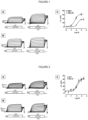
- the Fraunhofer repurposing library was initially screened in a cellular model represented by Chinese hamster ovary cells (CHO) stably transfected with a variant of the Kv7.3 channel (carrying the mutation A315T to enhance current size and increase the signal-to-noise ratio).
- the Kv7.3 A315T cell line was used in a fluorescence-based thallium flux assay (FluxOR, Thermofisher) optimized as a read-out for Kv7 channel function, using retigabine as a positive control.
- JNJ-37822681 is a new Kv7.2/7.3 channels opener with a mechanism of action similar to retigabine. Since activation of Kv7.2/7.3 channels is well-known to exert antiseizure effects in vivo, the possible anticonvulsant activity of JNJ-37822681 was investigated.
Landscapes
- Health & Medical Sciences (AREA)
- General Health & Medical Sciences (AREA)
- Life Sciences & Earth Sciences (AREA)
- Chemical & Material Sciences (AREA)
- Public Health (AREA)
- Veterinary Medicine (AREA)
- Medicinal Chemistry (AREA)
- Bioinformatics & Cheminformatics (AREA)
- Engineering & Computer Science (AREA)
- Pharmacology & Pharmacy (AREA)
- Animal Behavior & Ethology (AREA)
- Organic Chemistry (AREA)
- Nuclear Medicine, Radiotherapy & Molecular Imaging (AREA)
- General Chemical & Material Sciences (AREA)
- Chemical Kinetics & Catalysis (AREA)
- Neurology (AREA)
- Neurosurgery (AREA)
- Biomedical Technology (AREA)
- Pain & Pain Management (AREA)
- Psychiatry (AREA)
- Addiction (AREA)
- Psychology (AREA)
- Cardiology (AREA)
- Heart & Thoracic Surgery (AREA)
- Epidemiology (AREA)
- Pharmaceuticals Containing Other Organic And Inorganic Compounds (AREA)
Priority Applications (2)
| Application Number | Priority Date | Filing Date | Title |
|---|---|---|---|
| EP23220110.3A EP4574152A1 (fr) | 2023-12-22 | 2023-12-22 | Activateurs des canaux potassiques pour le traitement des troubles épileptiques |
| PCT/EP2024/088161 WO2025133292A1 (fr) | 2023-12-22 | 2024-12-20 | Activateurs de canaux potassiques et leur utilisation dans le traitement de troubles impliquant une hyperexcitabilité |
Applications Claiming Priority (1)
| Application Number | Priority Date | Filing Date | Title |
|---|---|---|---|
| EP23220110.3A EP4574152A1 (fr) | 2023-12-22 | 2023-12-22 | Activateurs des canaux potassiques pour le traitement des troubles épileptiques |
Publications (1)
| Publication Number | Publication Date |
|---|---|
| EP4574152A1 true EP4574152A1 (fr) | 2025-06-25 |
Family
ID=89322282
Family Applications (1)
| Application Number | Title | Priority Date | Filing Date |
|---|---|---|---|
| EP23220110.3A Pending EP4574152A1 (fr) | 2023-12-22 | 2023-12-22 | Activateurs des canaux potassiques pour le traitement des troubles épileptiques |
Country Status (2)
| Country | Link |
|---|---|
| EP (1) | EP4574152A1 (fr) |
| WO (1) | WO2025133292A1 (fr) |
Citations (3)
| Publication number | Priority date | Publication date | Assignee | Title |
|---|---|---|---|---|
| WO2007048779A1 (fr) | 2005-10-26 | 2007-05-03 | Janssen Pharmaceutica N.V. | Dérivés de pipéridin-4-yl-pyridazin-3-ylamine en tant qu'antagonistes à dissociation rapide du récepteur 2 de la dopamine |
| CN101663292A (zh) * | 2007-04-23 | 2010-03-03 | 詹森药业有限公司 | 作为快速解离的多巴胺2受体拮抗剂的4-烷氧基哒嗪衍生物 |
| EA016654B1 (ru) * | 2006-12-08 | 2012-06-29 | Янссен Фармацевтика Н.В. | Пиперидиниламинопиридазины и их применение в качестве быстро диссоциирующих антагонистов рецептора допамина 2 |
-
2023
- 2023-12-22 EP EP23220110.3A patent/EP4574152A1/fr active Pending
-
2024
- 2024-12-20 WO PCT/EP2024/088161 patent/WO2025133292A1/fr active Pending
Patent Citations (3)
| Publication number | Priority date | Publication date | Assignee | Title |
|---|---|---|---|---|
| WO2007048779A1 (fr) | 2005-10-26 | 2007-05-03 | Janssen Pharmaceutica N.V. | Dérivés de pipéridin-4-yl-pyridazin-3-ylamine en tant qu'antagonistes à dissociation rapide du récepteur 2 de la dopamine |
| EA016654B1 (ru) * | 2006-12-08 | 2012-06-29 | Янссен Фармацевтика Н.В. | Пиперидиниламинопиридазины и их применение в качестве быстро диссоциирующих антагонистов рецептора допамина 2 |
| CN101663292A (zh) * | 2007-04-23 | 2010-03-03 | 詹森药业有限公司 | 作为快速解离的多巴胺2受体拮抗剂的4-烷氧基哒嗪衍生物 |
Non-Patent Citations (2)
| Title |
|---|
| MAURIZIO TAGLIALATELA: "Neuronal potassium channel openers in the management of epilepsy: role and potential of retigabine", CLINICAL PHARMACOLOGY: ADVANCES AND APPLICATIONS, 1 December 2010 (2010-12-01), GB, pages 225, XP093165324, ISSN: 1179-1438, DOI: 10.2147/CPAA.S15369 * |
| XAVIER LANGLOIS: "Pharmacology of JNJ-37822681, a Specific and Fast-Dissociating D 2 Antagonist for the Treatment of Schizophrenia", JOURNAL OF PHARMACOLOGY AND EXPERIMENTAL THERAPEUTICS, vol. 342, no. 1, 15 July 2012 (2012-07-15), US, pages 91 - 105, XP093160960, ISSN: 0022-3565, Retrieved from the Internet <URL:https://dx.doi.org/10.1124/jpet.111.190702> DOI: 10.1124/jpet.111.190702 * |
Also Published As
| Publication number | Publication date |
|---|---|
| WO2025133292A1 (fr) | 2025-06-26 |
Similar Documents
| Publication | Publication Date | Title |
|---|---|---|
| US8940902B2 (en) | Treatment of central nervous system disorders | |
| KR20200110648A (ko) | 비라세믹 혼합물 및 이의 용도 | |
| US9771335B2 (en) | Derivatives of rufinamide and their use in inhibtion of the activation of human voltage-gated sodium channels | |
| Perucca et al. | Targeting Kv7 potassium channels for epilepsy | |
| US20250312309A1 (en) | Allyl-and propargylamine-type phenethylamines and tryptamines for treating medical disorders | |
| US9505727B2 (en) | Rufinamide and derivatives and their use in modulating the gating process of human voltage-gated sodium channels | |
| JP5744203B2 (ja) | オレキシン受容体拮抗薬としてのプロリンスルフォンアミド誘導体 | |
| US20220096444A1 (en) | Prophylactic or therapeutic agent for delirium | |
| CA2828831C (fr) | Composes et methodes de traitement de la douleur et d'autres troubles | |
| IL294031A (en) | History of benzodiazepines, preparations and methods for the treatment of cognitive impairment | |
| EP4574152A1 (fr) | Activateurs des canaux potassiques pour le traitement des troubles épileptiques | |
| JPWO2009069828A1 (ja) | パーキンソン病の運動合併症または精神症状を改善する薬剤 | |
| US8530453B2 (en) | Compounds and methods for the treatment of pain and other diseases | |
| JP7607864B2 (ja) | Kv7チャネル活性化剤の使用方法 | |
| AU6378199A (en) | A new composition | |
| TW201811761A (zh) | 用於治療用途之化合物 | |
| WO2025188973A1 (fr) | Composés d'aminopyrimidine fusionnés pour le traitement de syndromes de délétion/duplication 22q11.2 | |
| Sevilla | Calcium channel blocker as a drug candidate for the treatment of generalised epilepsies | |
| IL322951A (en) | Hydroxyalkyl and methoxyalkyl-modified tryptamines | |
| AU6378099A (en) | A new composition | |
| HK40000275A (en) | Compounds having melatonin receptor affinity as prophylactic or therapeutic agent for delirium | |
| JP2015166385A (ja) | 疼痛および他の障害の処置のための化合物および方法 |
Legal Events
| Date | Code | Title | Description |
|---|---|---|---|
| PUAI | Public reference made under article 153(3) epc to a published international application that has entered the european phase |
Free format text: ORIGINAL CODE: 0009012 |
|
| STAA | Information on the status of an ep patent application or granted ep patent |
Free format text: STATUS: THE APPLICATION HAS BEEN PUBLISHED |
|
| AK | Designated contracting states |
Kind code of ref document: A1 Designated state(s): AL AT BE BG CH CY CZ DE DK EE ES FI FR GB GR HR HU IE IS IT LI LT LU LV MC ME MK MT NL NO PL PT RO RS SE SI SK SM TR |
|
| STAA | Information on the status of an ep patent application or granted ep patent |
Free format text: STATUS: THE APPLICATION IS DEEMED TO BE WITHDRAWN |