EP4574175A1 - Promédicament contre des maladies associées au vieillissement et son procédé d'utilisation - Google Patents
Promédicament contre des maladies associées au vieillissement et son procédé d'utilisation Download PDFInfo
- Publication number
- EP4574175A1 EP4574175A1 EP23853874.8A EP23853874A EP4574175A1 EP 4574175 A1 EP4574175 A1 EP 4574175A1 EP 23853874 A EP23853874 A EP 23853874A EP 4574175 A1 EP4574175 A1 EP 4574175A1
- Authority
- EP
- European Patent Office
- Prior art keywords
- substituted
- unsubstituted
- group
- disease
- active agent
- Prior art date
- Legal status (The legal status is an assumption and is not a legal conclusion. Google has not performed a legal analysis and makes no representation as to the accuracy of the status listed.)
- Pending
Links
Images



Classifications
-
- A—HUMAN NECESSITIES
- A61—MEDICAL OR VETERINARY SCIENCE; HYGIENE
- A61P—SPECIFIC THERAPEUTIC ACTIVITY OF CHEMICAL COMPOUNDS OR MEDICINAL PREPARATIONS
- A61P11/00—Drugs for disorders of the respiratory system
-
- A—HUMAN NECESSITIES
- A61—MEDICAL OR VETERINARY SCIENCE; HYGIENE
- A61K—PREPARATIONS FOR MEDICAL, DENTAL OR TOILETRY PURPOSES
- A61K47/00—Medicinal preparations characterised by the non-active ingredients used, e.g. carriers or inert additives; Targeting or modifying agents chemically bound to the active ingredient
- A61K47/50—Medicinal preparations characterised by the non-active ingredients used, e.g. carriers or inert additives; Targeting or modifying agents chemically bound to the active ingredient the non-active ingredient being chemically bound to the active ingredient, e.g. polymer-drug conjugates
- A61K47/51—Medicinal preparations characterised by the non-active ingredients used, e.g. carriers or inert additives; Targeting or modifying agents chemically bound to the active ingredient the non-active ingredient being chemically bound to the active ingredient, e.g. polymer-drug conjugates the non-active ingredient being a modifying agent
- A61K47/54—Medicinal preparations characterised by the non-active ingredients used, e.g. carriers or inert additives; Targeting or modifying agents chemically bound to the active ingredient the non-active ingredient being chemically bound to the active ingredient, e.g. polymer-drug conjugates the non-active ingredient being a modifying agent the modifying agent being an organic compound
- A61K47/549—Sugars, nucleosides, nucleotides or nucleic acids
-
- A—HUMAN NECESSITIES
- A61—MEDICAL OR VETERINARY SCIENCE; HYGIENE
- A61P—SPECIFIC THERAPEUTIC ACTIVITY OF CHEMICAL COMPOUNDS OR MEDICINAL PREPARATIONS
- A61P35/00—Antineoplastic agents
-
- A—HUMAN NECESSITIES
- A61—MEDICAL OR VETERINARY SCIENCE; HYGIENE
- A61P—SPECIFIC THERAPEUTIC ACTIVITY OF CHEMICAL COMPOUNDS OR MEDICINAL PREPARATIONS
- A61P43/00—Drugs for specific purposes, not provided for in groups A61P1/00-A61P41/00
Definitions
- the present invention relates to a compound capable of selectively killing senescent cells rather than non-senescent cells, i.e., an anti-senescence compound, and a method of using the same.
- Aging is a major risk factor for a physiological degeneration, an increased incidence of chronic diseases and an age-related mortality ( Lopez-Otin, et al., Cell 153, 1194-1217 (2013 )).
- the senescent cells accumulate in multiple tissues and cause a tissue dysfunction ( van Deursen, et al., Nature 509, 439-446 (2014 ); and McHugh, et al., J Cell Biol 217, 65-77 (2018 )).
- the senescent cells can also secrete a variety of pro-inflammatory factors called the senescence-associated secretory phenotypes (SASPs), which lead to an age-related physical decline ( Coppe, et al., PLoS Biol 6, 2853-2868 (2008 ); and Coppe, et al., Annu Rev Pathol 5, 99-118 (2010 )).
- SASPs senescence-associated secretory phenotypes
- Cellular senescence can also impair the ability of tissues to regenerate and lead to a chronic low-grade inflammation, thereby exacerbating the aging process.
- the BCL-2 family inhibitors Zhu, et al., Aging Cell 15, 428-435 (2016 )
- the HSP90 inhibitors Fuhrmann-Stroissnigg, et al., Nat Commun 8, 422 (2017 )
- the FOXO4-p53 complex Baar, et al., Cell 169, 132-147 e116 (2017 )
- the BCL-2 family is specifically highly expressed in a variety of senescent cells ( He, et al., Nat Commun 11, 1996 (2020 )) and plays a central role in the regulation of programmed cell death through the control of intracellular pro-apoptotic and anti-apoptotic signal ( Czabotar, P. E, et al., Nat Rev Mol Cell Biol 15, 49-63 (2014 )).
- Another strategy for targeting senescence is to capitalize on the distinction between the senescent and normal cells.
- a conserved and well-defined feature of the senescent cells is that the lysosomes and the lysosomal proteins are enriched in them, including the senescence-associated ⁇ -galactosidase (SA- ⁇ -gal), which is widely used as an senescence marker ( Hernandez-Segura, et al., Trends in Cell Biology 28, 436-453 (2018 )).
- Drugs and macromolecular agents can be preferentially released in the senescent cells after cleavage by ⁇ -galactosidase ( Ana Guerrero, et al., Aging Cell 19:e13133 (2020 )).
- Galactose conjugation is already a versatile therapeutic and detection strategy that facilitates the preferential targeting of the senescent cells through the use of a variety of available formulations, including the modular systems, nanocarriers, activatable prodrugs, probes and small molecules. Galactose conjugation strategy can therefore be utilized to design more specific and innovative anti-senescence drugs.
- One object of the present invention is to provide a composition for selectively targeting the senescent cells.
- Another object of the present invention is to provide a composition for alleviating an inflammation in a subject in need thereof.
- Another object of the present invention is to provide a method for selectively killing one or more senescent cells in a subject in need thereof.
- a further object of the present invention is to provide a method for ameliorating one or more symptoms associated with an aging-related disorder in a subject in need thereof.
- Another object of the present invention is to provide a method for ameliorating one or more symptoms associated with a virus-induced inflammation.
- the prodrug is designed from a cytotoxic agent (a parent cytotoxic agent) by chemically modifying the cytotoxic agent to incorporate a site that can be cleaved by SA- ⁇ -gal (to release the active parent cytotoxic agent). The prodrug is then delivered in vivo so as to preferentially kill the senescent cells.
- the prodrug comprises a galactosyl moiety preferably modified by acetylation (referred to herein as a modified galactose moiety), a benzyloxycarbonyl, and a cytotoxic moiety (provided by the parent cytotoxic agent).
- the cytotoxic parent cytotoxic agent used to prepare the prodrug is:
- the prodrug may be in a crystalline form.
- a preferred acetylated galactose moiety is D-galactose tetraacetate moiety, as shown below.
- one or more (e.g ., two, three, or four) acetyl (Ac) groups may be removed from the galactosyl moiety.
- NO 2 may be removed from the benzyloxycarbonyl.
- a method for selectively killing one or more senescent cells in a subject in need thereof comprises administering to the subject a therapeutically effective amount of one or more of the disclosed anti-senescence prodrugs.
- the active agent selectively kills the cells undergoing the oncogene-induced senescence, the drug-induced senescence, the age-induced senescence, the disease-associated senescence and/or the radiation-induced senescence.
- the disclosed composition may be used to ameliorate the symptoms associated with the pro-inflammatory conditions, such as the accumulation of the over-activated macrophages (and the reduction of the associated cytokines).
- the disclosed composition may be administered to the subject in need thereof to reduce an inflammatory response associated with a viral infection, such as a coronavirus (CoV) infection, and more specifically, a SARS-CoV or SARS-CoV2 infection.
- a viral infection such as a coronavirus (CoV) infection, and more specifically, a SARS-CoV or SARS-CoV2 infection.
- the composition is administered in an effective amount to reduce one or more macrophages, preferably SA- ⁇ -gal positive macrophages, in the subject.
- the disclosed composition may be used to ameliorate one or more symptoms associated with an aging-related disease or discorder in a subject and/or one or more inflammation-related discorders in a subject involving a long list of other pathologies, including neuropathology (e.g ., cerebral aneurysm, Alzheimer's disease, and Parkinson's disease), pulmonary pathology (e.g ., idiopathic pulmonary fibrosis, chronic obstructive pulmonary disease, and cystic fibrosis), ophthalmic pathology (e.g ., cataract, glaucoma, macular degeneration), musculoskeletal pathology ( e.g ., sarcopenia, intervertebral disc degeneration), cardiovascular pathology ( e.g., atherosclerosis, cardiac fibrosis, aortic aneurysm), renal pathology ( e.g., transplantation complications), and other diseases, such as mucositis, hypertension, hepatic fibrosis,
- An active agent for selectively killing one or more senescent cells or alleviating one or more symptoms associated with an inflammatory disorder comprising:
- SA- ⁇ -gal is a widely used marker of celluar senescence ( Dimri, et al., PNAS, 92: 9363-9367 (1995 ); and Lee, et al., Aging Cell 5, 187-195 (2006 )), and its activity is used herein to selectively metabolize the small molecules in the senescent cells ( Lozano-Torres, et al., J Am Chem Soc 139, 8808-8811 (2017 )).
- the compositions and methods disclosed herein are based on the development of SA- ⁇ -gal based prodrug strategy to release the active parent compound to preferentially kill the senescent cells.
- the disclosed compositions can be used to ameliorate a symptom associated with proinflammation, e.g., in response to an infection, such as an excessive accumulation of the activated macrophages in a viral infection.
- IPF idiopathic pulmonary fibrosis
- IPF occurs mostly in the middle-aged and elderly populations and is a fatal lung disease in which the patient's healthy tissue is replaced by the altered extracellular matrix and the alveolar structure is disrupted, leading to a decreased lung compliance, a disruption of the gas exchange, and ultimately a respiratory failure and death ( Wolters PJ, et al., Annu Rev Pathol 9, 157-179 (2014 )).
- BLM Bleomycin
- IV intravenous
- SC subcutaneous
- IPF intranasal
- IT intratracheal
- mice In mice, the intratracheal perfusion of the chemotherapeutic drug Bleomycin leads to a soluble pulmonary fibrosis, and such a model encapsulates the key features of human IPF ( Izbicki G, et al., Int. J. Exp. Pathol 83, 111-119 (2002 )).
- age-related macular degeneration AMD
- PDR diabetic retinopathy
- DME diabetic macular edema
- Glaucoma Glaucoma
- VEGF vascular endothelial growth factor
- the ageing programme of the eye over time may be caused by a variety of exogenous and endogenous factors such as oxidative stress, metabolic disorders, nutrient and growth factor signals, inflammation and immune system disorders, telomere dysfunction and DNA damage, and the like ( Marazita MC, et al., Redox Biol. 7:78-87 (2016 ); Sreekumar PG, et al., Investigative Ophthalmology & Visual Science. 57(3):1238-53 (2016 ); and Supanji, et al., Exp Eye Res. 112:79-92 (2013 )).
- exogenous and endogenous factors such as oxidative stress, metabolic disorders, nutrient and growth factor signals, inflammation and immune system disorders, telomere dysfunction and DNA damage, and the like ( Marazita MC, et al., Redox Biol. 7:78-87 (2016 ); Sreekumar PG, et al., Investigative Ophthalmology & Visual Science
- the senescent retinal pigment epithelium (RPE) cells, retinal vascular endothelial cells, and retinal ganglion cells have been found in a variety of age-related ocular diseases (e.g., AMD, DR, DME, Glaucoma), and the removal of these senescent cells with relevant senolytics can significantly ameliorate the disease symptoms in the relevant animal models ( Chae JB, et al., Geroscience. 43(6):2809-2833 (2021 ); Crespo- Garcia S, et al., Cell Metab. 33, 818-832 (2021 ); and Rocha LR, et al., Aging Cell. 19(2):e13089. (2020 )). Therefore, the development of new drugs with a broader spectrum and specific elimination of the senescent cells in the eye is an approach that can fundamentally target the complex pathogenesis of the age-related ocular diseases and effectively treat them.
- age-related ocular diseases e.g., AMD, DR
- OIR oxygen induced retinopathy
- the cellular senescence In the OIR model, the cellular senescence, initially observable in the retinal ganglion neurons, and subsequently propagating to other cell populations of the retina (the microglia, the vascular endothelial cells, and the retinal pigment epithelial cells), further contributes to the retinopathy ( Oubaha M, et al., Sci Transl Med. 8(362):362ra144 (2016 )).
- OIR oxygen-induced retinopathy
- a cytotoxic moiety refers to the moiety of the anti-senescence prodrug provided by the parent cytotoxic agent.
- the parenteral administration indicates an administration by any method other than via the digestive tract or non-invasive local or regional routes.
- a patient or "a subject” to be treated is a human or non-human animal.
- the parenteral administration refers to an administration by any method other than by the digestive tract or non-invasive local or regional routes.
- a patient or "a subject” to be treated is a human or non-human animal.
- an anti-senescence drug selectively kills one or more senescent cells compared with the non-senescent cells.
- terapéuticaally effective or “an effective amount” indicates that the amount of the composition used is an amount sufficient to ameliorate one or more causes or symptoms of a disease or disorder. Such amelioration requires only reduction or changes, not necessarily elimination.
- a therapeutically effective amount indicates that the amount of the composition used is an amount sufficient to ameliorate one or more causes or symptoms of a disease or disorder. Such amelioration requires only reduction or changes, not necessarily elimination.
- the terms "a therapeutically effective amount”, “a therapeutic amount” and “a pharmaceutical effective amount” are synonymous. A person skilled in the art can readily determine the appropriate therapeutic amount.
- the term "treat” includes eliminating, substantially inhibiting, slowing or reversing the progression of a disease or disorder, substantially ameliorating the clinical symptoms of a disease or disorder, or substantially preventing the occurrence of the clinical symptoms of a disease or disorder.
- substituted refers to all permissible substituents of a compound or a functional group described herein.
- the permissible substituents include an acyclic and a cyclic, a branched and an unbranched, a carbocyclic and a heterocyclic, an aromatic and a non-aromatic substituents of the organic compounds.
- exemplary substituents include, but are not limited to, halogen, hydroxy, or any other organic group containing any number of carbon atoms, preferably 1-14 carbon atoms, and optionally include one or more heteroatoms in the form of the linear, branched, or the cyclic structures, such as oxygen, sulfur, or nitrogen groups.
- substituents include alkyl, substituted alkyl, alkenyl, substituted alkenyl, alkynyl, substituted alkynyl, phenyl, substituted phenyl, aryl, substituted aryl, heteroaryl, substituted heteroaryl, halogen, hydroxy, alkoxyl, substituted alkoxyl, phenoxy, substituted phenoxy, aryloxy, substituted aryloxy, alkylthio group, substituted alkylthio group, thiophenyl, substituted thiophenyl, arylthio group, substituted arylthio group, cyano, isocyano, substituted isocyano, carbonyl, substituted carbonyl, carboxy, substituted carboxy, amino, substituted amino, acylamino, substituted acylamino, sulfonyl, substituted sulfonyl, sulfo, phosphoryl, substituted phosphoryl, substituted phosphoryl
- Heteroatom such as nitrogen
- substitution or “substituted” includes the implied condition that such substitution meets the allowable valency of the substituted atom and the substituent, and that the substitution produces a stable compound, i.e., a compound that does not spontaneously undergo transformation such as by rearrangement, cyclisation, elimination, etc.
- substituted refers to a structure, for example, a compound or a moiety of a larger compound, regardless of how the structure is formed.
- the structure is not limited to a structure made by any particular method.
- aryl refers to a C 5 -C 26 -membered aromatic, a fused aromatic, a fused heterocyclic ring, or a bis-aromatic ring system.
- aryl is broadly defined to include 5-, 6-, 7-, 8-, 9-, 10-, 14-, 18-, and 24-membered monocyclic aromatic groups, which may include from zero to four heteroatoms, such as benzene, naphthalene, anthracene, phenanthrene, chrysene, pyrene, corannulene, coronene, and the like.
- Aryl also includes polycyclic systems having two or more rings, wherein the two or more carbons are shared to by adjacent rings (i.e., "a fused ring"), wherein at least one of the rings is an aromatic ring, e.g ., the other cyclic ring or rings may be cycloalkyl, cycloalkenyl, cycloalkynyl, aryl and/or heterocyclic ring.
- substituted aryl refers to an aryl group in which one or more hydrogen atoms on one or more aryl rings are substituted with one or more substituents including, but not limited to, halogen, azide, alkyl, aralkyl, alkenyl, alkynyl, cycloalkyl, hydroxy, alkoxyl, carbonyl ( e.g ., ketone, aldehyde, carboxyl, alkoxycarbonyl, formoxyl, or acyl), silyl, ether, ester, thiocarbonyl ( e.g ., thioester, thioacetate or thioformate), alkoxyl, phosphoryl, phosphate, phosphonate, phosphinate, amino (or quaternized amino), acylamino, amidine, imine, cyano, nitro, azido, sulfydryl, imino group, alkylthio group
- Heterocyclic ring refers to a cyclic group connected by a single or double ring carbon or nitrogen atom containing 3 to 10 ring atoms, preferably 5 to 6 ring atoms, consisting of carbon and one to four heteroatoms, each heteroatom is selected from non-peroxide oxygen, sulfur, and N(Y), wherein Y is absent or H, O, C 1 -C 10 alkyl, phenyl, or benzyl, and optionally contains 1-3 double bonds and is optionally substituted with one or more substituents.
- a heterocyclic group is different from a heteroaryl group according to the definitions.
- heterocyclic rings include, but are not limited to, piperazinyl, piperidinyl, piperidinonyl, 4-piperidinonyl, dihydrofuryl[2,3-b]tetrahydrofuran, morpholinyl, piperazinyl, piperidinyl, piperidinonyl, 4-piperidinonyl, piperonyl, pyranyl, 2H-pyrrolyl, 4H- quinolyl, quinuclidinyl, tetrahydrofuryl, and 6H-1,2,5-thiadiazinyl.
- the heterocyclic group may optionally be substituted with one or more substituents as defined above for alkyl and aryl.
- heteroaryl refers to a C 5 -C 26 -membered aromatic, a fused aromatic, a bis-aromatic ring system, or a combination thereof, in which one or more carbon atoms on one or more aryl ring structures have been substituted with heteroatoms.
- Suitable heteroatoms include, but are not limited to, oxygen, sulfur and nitrogen.
- heteroaryl is broadly defined to include 5-, 6-, 7-, 8-, 9-, 10-, 14-, 18-, and 24-membered monocyclic aryl groups, which may include one to four heteroatoms, such as pyrrole, furan, thiophene, imidazole, oxazole, thiazole, triazole, tetrazole, pyrazole, pyridine, pyrazine, pyridazine and pyrimidine, etc.
- Heteroaryl group can also be referred to as "aryl heterocycle” or "heteroaromatic compound”.
- Heteroaryl further includes polycyclic systems having two or more rings, wherein the two or more carbons are shared by two adjacent rings (i.e., "a fused ring"), wherein at least one of the rings is heteroaromatic, for example, the other ring or rings can be cycloalkyl, cycloalkenyl, cycloalkynyl, aryl, heterocycle, or a combination thereof.
- heteroaromatic rings include, but are not limited to, benzimidazolyl, benzofuryl, benzothiofuryl, benzothiophenyl, benzoxazolyl, benzoxazolinyl, benzothiazolyl, benzotriazolyl, benzotetrazolyl, benzisoxazolyl, benzisothiazolyl, benzimidazolinyl, carbazolyl, 4aH-carbazolyl, carbolinyl, benzodihydropyranyl, benzopyranyl, cinnolinyl, decahydroquinolyl, 2H,6H-1,5,2-dithiazinyl, furyl, furazanyl, imidazolidinyl, imidazolinyl, imidazolyl, 1H-indazolyl, indolenyl, indolinyl, indolizinyl, indolyl, 3H-indolyl
- substituted heteroaryl refers to a heteroaryl in which one or more hydrogen atoms on one or more heteroaryl rings are substituted with one or more substituents including, but not limited to, halogen, azide, alkyl, aralkyl, alkenyl, alkynyl, cycloalkyl, hydroxy, alkoxyl, carbonyl ( e.g ., ketone, aldehyde, carboxyl, alkoxycarbonyl, formoxyl or acyl), silyl, ether, ester, thiocarbonyl ( e.g ., thioester, thioacetate or thioformate), alkoxyl, phosphoryl, phosphate, phosphonate, phosphinate, amino (or quaternized amino), acylamino, amidine, imine, cyano, nitro, azido, sulfydryl, imino group, alkylthio group,
- the preferred cycloalkyl groups have 3 to 10 carbon atoms in their ring structure, and more preferably have 5, 6 or 7 carbon atoms in their ring structures.
- alkyl (or "lower alkyl) as used throughout the specification, examples and claims is intended to include “unsubstituted alkyl” and “substituted alkyl”, and the latter refers to an alkyl group having one or more substituents that partially replaces the hydrogen on one or more carbons of the hydrocarbon backbone.
- substituents include, but are not limited to, halogen, hydroxy, carbonyl (such as carboxyl, alkoxycarbonyl, formoxyl, or acyl), thiocarbonyl (e.g ., thioester, thioacetate or thioformate), alkoxyl, phosphoryl, phosphate, phosphonate, phosphinate, amino, acylamino, amidine, imine, cyano, nitro, azido, sulfydryl, alkylthio group, sulphate, sulfonate, sulfamine, sulfoxide, sulfamino, sulfonyl, heterocyclic group, aralkyl, aromatic or heteroaromatic moiety.
- carbonyl such as carboxyl, alkoxycarbonyl, formoxyl, or acyl
- thiocarbonyl e.g ., thioester, thioacetate or thi
- lower alkyl refers to an alkyl group as defined above, but having 1 to 10 carbon atoms, preferably 1 to 6 carbon atoms, in its backbone structure. Similarly, “lower alkenyl” and “lower alkynyl” have similar chain lengths. Throughout the application, the preferred alkyl group is a lower alkyl. In the preferred embodiments, the substituent designated herein as alkyl is a lower alkyl.
- the substituted moiety of the hydrocarbon chain may itself be substituted if appropriate.
- the substituents for alkyl may include halogen, hydroxy, nitro, thiol, amino, azido, imino group, acylamino, phosphoryl (including phosphonate and phosphinate), sulfonyl (including sulfate, sulfamino, sulfamine, sulfoxide, and sulfonate), and silyl, as well as ether, alkylthio group, carbonyl (including ketone, aldehyde, carboxylate, and ester), haloalkyl, -CN, and the like. Cycloalkyl may be substituted in the same manner.
- alkenyl and alkynyl refer to the unsaturated aliphatic groups similar in length and possible substituents to the alkyl described above, but containing at least one double or triple bond, respectively.
- substituted alkenyl refers to an alkenyl moiety having one or more substituents substituting one or more hydrogen atoms on one or more carbons of the hydrocarbon backbone.
- substituents include, but are not limited to, halogen, azide, alkyl, aralkyl, alkenyl, alkynyl, cycloalkyl, hydroxy, carbonyl ( e.g ., carboxyl, alkoxycarbonyl, formoxyl, or acyl), silyl, ether, ester, thiocarbonyl ( e.g ., thioester, thioacetate or thioformate), alkoxyl, phosphoryl, phosphate, phosphonate, phosphinate, amino (or quaternized amino), acylamino, amidine, imine, cyano, nitro, azido, sulfydryl, alkylthio group, sulphate, sulf
- substituted alkynyl refers to an alkynyl moiety having one or more substituents substituting one or more hydrogen atoms on one or more carbons of the hydrocarbon backbone.
- substituents include, but are not limited to, halogen, azide, alkyl, aralkyl, alkenyl, alkynyl, cycloalkyl, hydroxy, carbonyl ( e.g ., carboxyl, alkoxycarbonyl, formoxyl, or acyl), silyl, ether, ester, thiocarbonyl ( e.g ., thioester, thioacetate or thioformate), alkoxyl, phosphoryl, phosphate, phosphonate, phosphinate, amino (or quaternized amino), acylamino, amidine, imine, cyano, nitro, azido, sulfydryl, alkylthio group, sulphate, s
- amino and “amine” are recognized in the art and refer to a substituted and unsubstituted amine, e.g., a moiety that can be represented by the following general formula: wherein, R, R', and R" each independently represents hydrogen, substituted or unsubstituted alkyl, substituted or unsubstituted alkenyl, substituted or unsubstituted alkynyl, substituted or unsubstituted carbonyl, -(CH 2 ) m -R′′′, or R and R' together with the N atoms to which they are attached form a heterocyclic ring having 3 to 14 atoms in the ring structure; R′′′ represents hydroxy, substituted or unsubstituted carbonyl, aryl, cycloalkyl ring, cycloalkenyl ring, heterocyclic ring or polycyclic ring; m is 0 or an integer selected from 1 to 8.
- R and R' can be carbonyl, for example, R and R' together with nitrogen do not form a diimide.
- R and R' each independently represents a hydrogen atom, substituted or unsubstituted alkyl, substituted or unsubstituted alkenyl or -(CH 2 ) m -R′′′.
- alkylamine refers to an amine group as defined above having a substituted or unsubstituted alkyl attached thereto ( i.e., at least one of R, R' or R" is alkyl).
- carbonyl is recognized in the art and includes the moiety which may be represented by the following general formula: wherein, X is a bond, or represents oxygen or sulfur; R represents hydrogen, substituted or unsubstituted alkyl, substituted or unsubstituted alkenyl, substituted or unsubstituted alkynyl, substituted or unsubstituted cycloalkyl, substituted or unsubstituted heterocyclic group, substituted or unsubstituted alkaryl, substituted or unsubstituted aralkyl, substituted or unsubstituted aryl, or substituted or unsubstituted heteroaryl, -(CH 2 ) m -R" or a pharmaceutically acceptable salt; R' represents hydrogen, substituted or unsubstituted alkyl, substituted or unsubstituted alkenyl, substituted or unsubstituted alkynyl, substituted or unsubstituted
- X is oxygen and R is as defined above, the moiety is also referred to carboxyl.
- the formula represents "carboxylic acid”.
- X is oxygen and R' is hydrogen, the formula represents "formic acid”.
- X is oxygen and R or R' is not hydrogen, the formula represents "ester”.
- the formula represents 'thiocarbonyl' group.
- X is sulphur and R or R' is not hydrogen, the formula represents 'thioester'.
- X is sulfur and R is hydrogen, the formula represents 'thiocarboxylic acid'.
- X is sulfur and R' is hydrogen, the formula represents "thioformate".
- X is a bond and R is not hydrogen, the above formula represents 'ketone'.
- X is a bond and R is hydrogen, the above formula represents 'aldehyde'.
- substituted carbonyl refers to carbonyl as defined above, wherein one or more hydrogen atoms in the group to which R, R' or portion thereof is attached are independently substituted.
- substituents include, but are not limited to, halogen, azide, alkyl, aralkyl, alkenyl, alkynyl, cycloalkyl, hydroxy, carbonyl ( e.g ., carboxyl, alkoxycarbonyl, formoxyl, or acyl), silyl, ether, ester, thiocarbonyl ( e.g ., thioester, thioacetate or thioformate), alkoxyl, phosphoryl, phosphate, phosphonate, phosphinate, amino (or quaternized amino), acylamino, amidine, imine, cyano, nitro, azido, sulfydryl, alkylthio group, sulphate, sulfonate
- Carboxyl is defined above for the following formula: and more specifically defined by the formula -R iv COOH, wherein R iv is alkyl, alkenyl, alkynyl, cycloalkyl, heterocyclic group, alkaryl, aralkyl, aryl or heteroaryl.
- the linear or branched alkyl, alkenyl and alkynyl groups have 30 or less carbon atoms (for example, C 1 -C 30 for a linear alkyl, C 3 -C 30 for a branched alkyl, C 2 -C 30 for a linear alkenyl and alkynyl, C 3 -C 30 for a branched alkenyl and alkynyl), preferably 20 or less, more preferably 15 or less, and most preferably 10 or less in their backbone.
- the preferred cycloalkyl, heterocyclic group, aryl and heteroaryl have 3 to 10 carbon atoms in their ring structures, and more preferably have 5, 6 or 7 carbon atoms in the ring structures.
- substituted carboxyl refers to the carboxyl as defined above in which one or more hydrogen atoms in R iv are substituted.
- substituents include, but are not limited to, halogen, azide, alkyl, aralkyl, alkenyl, alkynyl, cycloalkyl, hydroxy, carbonyl ( e.g ., carboxyl, alkoxycarbonyl, formoxyl, or acyl), silyl, ether, ester, thiocarbonyl ( e.g ., thioester, thioacetate or thioformate), alkoxyl, phosphoryl, phosphate, phosphonate, phosphinate, amino (or quaternized amino), acylamino, amidine, imine, cyano, nitro, azido, sulfydryl, alkylthio group, sulphate, sulfonate, sulfamine, sul
- heteroalkyl refers to a linear or branched chain or cyclic carbon-containing group containing at least one heteroatom, or a combination thereof.
- Suitable heteroatoms include, but are not limited to, O, N, Si, P, and S, wherein the nitrogen, phosphorus, and sulfur atoms are optionally oxidized and the nitrogen heteroatom is optionally quaternized.
- saturated hydrocarbyl examples include, but are not limited to, methyl, ethyl, n-propyl, isopropyl, n-butyl, tert-butyl, isobutyl, sec-butyl, cyclohexyl, (cyclohexyl)methyl, cyclopropylmethyl, as well as the homologues and isomers thereof, e.g ., n-pentyl, n-hexyl, n-heptyl, n-octyl.
- alkoxyl refers to the alkyl as defined above to which an oxygroup is attached.
- Representative alkoxyl includes methoxy, ethoxy, propoxy, tert-butoxy, and the like.
- “Ether” comprises two hydrocarbons covalently linked by oxygen.
- the substituents of the alkyl that make the alkyl into an ether are or are analogous to alkoxyl, and may be represented, for example, by one of -O-alkyl, -O-alkenyl, and -O-alkynyl.
- alkylthio group refers to an alkyl as defined above to which a sulfur group is attached.
- the "alkylthio" moiety is represented by -S-alkyl.
- Representative alkylthio group includes methylthio, ethylthio, and the like.
- alkylthio group also includes a cycloalkyl to which a sulfur group is attached.
- substituted alkylthio group refers to an alkylthio group having one or more substituents that replace one or more hydrogen atoms on one or more carbon atoms of the alkylthio backbone.
- substituents include, but are not limited to, halogen, azide, alkyl, aralkyl, alkenyl, alkynyl, cycloalkyl, hydroxy, carbonyl ( e.g ., carboxyl, alkoxycarbonyl, formoxyl, or acyl), silyl, ether, ester, thiocarbonyl ( e.g ., thioester, thioacetate or thioformate), alkoxyl, phosphoryl, phosphate, phosphonate, phosphinate, amino (or quaternized amino), acylamino, amidine, imine, cyano, nitro, azido, sulfydryl, alkylthio group, s
- Arylthio refers to -S-aryl or -S-heteroaryl, wherein the aryl and heteroaryl are as defined herein.
- substituents include, but are not limited to, halogen, azide, alkyl, aralkyl, alkenyl, alkynyl, cycloalkyl, hydroxy, carbonyl (e.g ., carboxyl, alkoxycarbonyl, formoxyl, or acyl), silyl, ether, ester, thiocarbonyl ( e.g ., thioester, thioacetate or thioformate), alkoxyl, phosphoryl, phosphate, phosphonate, phosphinate, amino (or quaternized amino), acylamino, amidine, imine, cyano, nitro, azido, sulfydryl, alkylthio group, sulphate, sulfonate, sulfamine, sulfoxide, sulfamino, sulfonyl, heterocyclic group, alkaryl, haloalkyl, -CN,
- aralkyl refers to an alkyl substituted with a substituted or unsubstituted aryl or heteroaryl.
- alkaryl refers to an aryl (e.g ., an aromatic group or heteroaromatic group) substituted with a substituted or unsubstituted alkyl.
- amide or "acylamino” can be used interchangeably and refers to "an unsubstituted acylamino group” and "an substituted acylamino group", and is represented by the generic formula: wherein, E is absent, or E is substituted or unsubstituted alkyl, substituted or unsubstituted alkenyl, substituted or unsubstituted alkynyl, substituted or unsubstituted aralkyl, substituted or unsubstituted cycloalkyl, substituted or unsubstituted aryl, substituted or unsubstituted heteroaryl, substituted or unsubstituted heterocyclic group, wherein independently of E, R and R' each independently represents hydrogen, substituted or unsubstituted alkyl, substituted or unsubstituted alkenyl, substituted or unsubstituted alkynyl, substituted or unsubstituted carbonyl, substituted or unsubsti
- R and R' can be carbonyl, for example, R and R' together with nitrogen do not form a diimide.
- R and R' each independently represent a hydrogen atom, substituted or unsubstituted alkyl, substituted or unsubstituted alkenyl or -(CH 2 ) m -R′′′.
- E oxygen
- a carbamate is formed. As understood by one of ordinary skill in the art, the carbamate cannot be linked to another chemical substance, for example to form an oxygen-oxygen bond or other unstable bond.
- the benzyloxycarbonyl is the linker X as shown in any one of (a)-(j) of Formula II: wherein, each of R 4 ', R 5 ' and R 6 ' is independently selected from hydrogen, nitro (e.g., -NO 2 ), cyano ( e.g., -CN), isocyano, amino ( e.g., -NH 2 ), hydroxy (-OH), thiol (-SH), halogen ( e.g., F, Cl, I, Br), substituted or unsubstituted alkyl, substituted or unsubstituted alkoxyl, alkylamino, dialkylamino, carboxy, substituted or unsubstituted carbonyl, acylamino, sulfonyl, sulfo, phosphoryl, and phosphono.
- R 4 ', R 5 ' and R 6 ' is independently selected from hydrogen, nitro (e.g., -NO
- R 5 , R 6 , R 7 , R 8 and R 9 are independently hydrogen, substituted C 1 -C 5 alkyl, unsubstituted C 1 -C 5 alkyl, substituted C 6 -C 10 aryl, unsubstituted C 6 -C 10 aryl, substituted C 6 -C 10 heteroaryl, unsubstituted C 6 -C 10 heteroaryl, substituted C 3 -C 10 cyclic group, unsubstituted C 3 -C 10 cyclic group, or substituted C 3 -C 10 heterocyclic group, unsubstituted C 3 -C 10 heterocyclic group.
- R 5 , R 6 , R 7 , R 8 and R 9 are independently hydrogen, substituted C 1 -C 3 alkyl, unsubstituted C 1 -C 3 alkyl, substituted C 6 aryl, unsubstituted C 6 aryl, substituted C 6 heteroaryl, unsubstituted C 6 heteroaryl, substituted C 6 cyclic group, unsubstituted C 6 cyclic group, or substituted C 6 heterocyclic group, unsubstituted C 6 heterocyclic group.
- R 1 , R 2 , R 3 , and R 4 are -C(O)Rs.
- R 5 is independently substituted C 1 -C 3 alkyl or unsubstituted C 1 -C 3 alkyl. In these forms, R 5 is preferably methyl.
- a preferred galactose-based moiety is the D-galactose tetracetate moiety, as shown below.
- one or more (e.g., two, three, or four) protecting groups e.g., acetyl (Ac) groups
- removal of one or more (e.g ., two, three, or four) protecting groups may increase water solubility, promote formation of a stable crystalline form, simplify an in vivo metabolic pathway, and/or obtain a better drug-like property.
- the prodrug may be in a crystalline form, which may, for example, contain no protecting groups (e.g ., acetyl (Ac) groups) or contain a reduced number of protecting groups ( e.g , acetyl (Ac) groups) on the galactose-based moiety.
- one or more (or all) of R 1 , R 2 , R 3 , and R 4 is H when the prodrug is in the crystalline form.
- the ⁇ -gal moiety has the following structure:
- one or more (e.g., two, three, or four) protecting groups e.g., acetyl (Ac) groups
- one or more (or all) of R 1 , R 2 , R 3 , and R 4 is H when the prodrug is in a crystalline form.
- R 4 ' may be nitro ( e.g., -NO 2 ).
- R 4 ' may be hydrogen (rather than, e.g., nitro ( e.g., -NO 2 )).
- the preferred cytotoxic agents are the chemotherapeutic agents/drugs known in the art. Examples of the chemotherapeutic agents include, but are not limited to, A1331852.
- the active agent has the following structure: or
- Y is selected from the following structures:
- the active agent has the following structures: wherein, X is the linker as defined herein, and R 1 , R 2 , R 3 , and R 4 are as defined herein.
- one or more (e.g., two, three, or four) protecting groups e.g., the acetyl (Ac) groups
- one or more protecting groups e.g., the acetyl (Ac) groups
- NO 2 may be removed. In some forms, all of NO 2 and one or more (e.g., two, three, or four) protecting groups (e.g., the acetyl (Ac) groups) may be removed.
- one or more protecting groups e.g., the acetyl (Ac) groups
- the active agent may be selected from the following structures:
- the compounds described herein may be formulated for enteral, parenteral, topical or pulmonary administration.
- the compounds may be combined with one or more pharmaceutically acceptable carriers and/or excipients, wherein the carriers and/or excipients are considered safe and effective and can be administered to an individual without causing undesired biological side effects or unwanted interactions.
- Carriers are all components of a pharmaceutical formulation other than one or more active ingredients.
- the compound is included in a formulation in a therapeutically effective amount.
- the therapeutically effective amount can be initially estimated from a cell culture assay.
- a dose can be formulated in an animal model to achieve a circulating concentration range that includes an IC50 or IC100 determined in cell culture. Such information can be used to more accurately determine a useful dose for the human body.
- Initial dose can also be estimated from in vivo data. Using these initial guidelines, one of ordinary skill in the art can determine the useful dose for the human body.
- the compounds described herein can be formulated for the parenteral administration.
- the drug may be incorporated into the microparticles prepared from the materials that are insoluble in an aqueous solution or slowly soluble in an aqueous solution, but are capable of being degraded in the gastrointestinal tract through the enzymatic degradation, the surface-active action of bile acid, and/or the mechanical erosion.
- slowly soluble in an aqueous solution refers to the materials that are insoluble in water within 30 minutes. Preferred examples include fats, fatty substances, waxes, waxy materials and a mixture thereof.
- Encapsulation or incorporation of a drug into a carrier material to produce the drug-containing microparticles can be achieved by the known pharmaceutical formulation techniques.
- the carrier material is typically heated above its melting temperature and the drug is added to form a mixture comprising the drug particles suspended in the carrier material, the drug dissolved in the carrier material, or a mixture thereof.
- the microparticles may subsequently be formulated by several methods, including, but not limited to, a method of coagulation, extrusion, spray cooling, or water dispersion.
- the wax is heated above its melting temperature, the drug is added, and the melted wax-drug mixture is allowed to coagulate under a continuous stirring as the mixture cools.
- the melted wax-drug mixture may be extruded and rolled to form pills or perle.
- the particles may also be coated with one or more release coatings.
- Solid fatty acid esters hydrolyzed by lipases can be sprayed onto the microparticles or drug particles.
- Zein is an example of a natural water insoluble protein. It can be coated onto the drug-containing microparticles or drug particles by spraying or the wet granulation techniques.
- some substrates of the digestive enzymes can be processed using a crosslinking procedure, which leading to the formation of the insoluble networks. Many methods of crosslinking proteins by the chemical and physical initiation have been reported. One of the most common methods of obtaining crosslinks is the use of a chemical crosslinking agent.
- crosslinking agents examples include aldehydes (glutaraldehyde and formaldehyde), epoxides, carbodiimide and genipin.
- aldehydes glutaraldehyde and formaldehyde
- epoxides carbodiimide
- carbodiimide carbodiimide
- genipin genipin
- the oxidized and natural sugars have been used to crosslink gelatin.
- Crosslinking can also be accomplished using an enzymatic method; for example, transglutaminase has been approved as a GRAS substance for crosslinking the seafood.
- crosslinking can be initiated by the physical methods such as the heat treatment, UV radiation and gamma radiation.
- the water-soluble proteins can be sprayed onto the microparticles and then crosslinked by one of the methods described above.
- the drug-containing microparticles may be microencapsulated within the protein by the condensed phase separation (e.g., by the addition of salt) and then crosslinked.
- suitable proteins for this purpose include gelatin, albumin, casein, and gluten.
- Polysaccharides can also be crosslinked to form a water-insoluble network. For many polysaccharides, this can be achieved by reacting with the calcium salts or polyvalent cations which crosslink the polymer backbones. Pectin, alginate, glucan, the straight chain starch and guar gum are crosslinked in the presence of the multivalent cations. Complexes between the oppositely charged polysaccharides can also be formed; for example, pectin and chitosan can be complexed by an electrostatic interaction.
- Such melt manufacturing requires the polymer to have such a melting point that is below the temperature at which the substance is to be delivered and the polymer degrades or becomes reactive.
- Said device may also be prepared by solvent casting, wherein the polymer is dissolved in a solvent, the drug is dissolved or dispersed in the polymer solution, and the solvent is then evaporated.
- the solvent method requires that the polymer can be soluble in an organic solvent.
- Another method involves compression moulding of a mixed powder of the polymer and the active agent-containing drug or the polymer particles.
- the compounds may be incorporated into a polymer matrix and moulded, compressed or extruded into a device that is solid at room temperature.
- the compounds may be incorporated into the biodegradable polymers, such as polyanhydrides, polyhydroxyalkanoic acid (PHA), PLA, PGA, PLGA, polycaprolactone, polyesters, polyamides, polyorthoesters, polyphosphazenes, proteins and polysaccharides such as collagen, hyaluronic acid, albumin, and gelatin, as well as a combination thereof, and compressed into a solid device, such as a disc, or extruded into a device, such as a rod.
- PHA polyhydroxyalkanoic acid
- PLA polyhydroxyalkanoic acid
- PGA PGA
- PLGA polycaprolactone
- polyesters polyamides
- polyorthoesters polyphosphazenes
- proteins and polysaccharides such as collagen, hyaluronic acid, albumin, and
- the release of one or more compounds from the implant can be altered to increase degradation by a polymer selection, a molecular weight of the polymer, and/or a polymer modification, such as a pore formation and/or an incorporation of a hydrolysable bond.
- Suitable oral dosage forms include a tablet, a capsule, a solution, a suspension, a syrup and a lozenge. Tablets can be prepared using the compression or moulding techniques well known in the art. Gelatin or non-gelatin capsules may be prepared as hard or soft capsule shells which may encapsulate the liquid, solid and semi-solid filling materials using the techniques well known in the art.
- Formulations may be prepared using the pharmaceutically acceptable carriers.
- a carrier includes, but is not limited to, a diluent, a preservative, a binder, a lubricant, a disintegrant, a swelling agent, a filler, a stabilizer and a combination thereof.
- the carrier also includes all components of the coating composition, which may include a plasticizer, a pigment, a colorant, a stabilizer and a flow aid.
- suitable coating materials include, but are not limited to, the cellulosic polymers, such as cellulose acetate phthalate, hydroxypropyl cellulose, hydroxypropylmethyl cellulose, hydroxypropylmethyl cellulose phthalate and hydroxypropylmethyl cellulose acetate succinate; poly(vinyl acetate) phthalate, the acrylic polymers and copolymers, and the methacrylic acid resins purchased under the trade name EUDRAGIT ® (Roth Pharma, Westerstadt, Germany), zein, shellac and polysaccharides.
- the cellulosic polymers such as cellulose acetate phthalate, hydroxypropyl cellulose, hydroxypropylmethyl cellulose, hydroxypropylmethyl cellulose phthalate and hydroxypropylmethyl cellulose acetate succinate
- poly(vinyl acetate) phthalate the acrylic polymers and copolymers
- methacrylic acid resins purchased under the trade name EUDRAGIT ® (Roth Pharma
- the coating materials may comprise the conventional carriers such as a plasticizer, a pigment, a colorant, a flow aid, a stabilizer, a pore-forming agent and a surfactant.
- a “diluent”, also referred to as “a filler”, is typically necessary to increase the volume of a solid dosage form in order to provide the actual size for the compression of tablets or the formation of beads and granules.
- Suitable diluents include, but are not limited to, dicalcium phosphate dihydrate, calcium sulphate, lactose, sucrose, mannitol, sorbitol, cellulose, microcrystalline cellulose, kaolin, sodium chloride, dry starch, hydrolyzed starch, pre-gelatinized starch, silicon dioxide, titanium oxide, aluminium magnesium silicate and icing sugar.
- a “lubricant” is used to facilitate the manufacture of tablets.
- suitable lubricants include, but are not limited to, magnesium stearate, calcium stearate, stearic acid, glyceryl behenate, polyethylene glycol, talc, and mineral oil.
- a “disintegrant” is used to promote the disintegration or “breakage” of the dosage form after administration and typically includes, but is not limited to, starch, sodium starch hydroxyacetic acid, carboxymethyl starch sodium, sodium carboxymethylcellulose, hydroxypropyl cellulose, pre-gelatinized starch, clay, cellulose, and algin, gum or the crosslinked polymers such as the crosslinked PVP (Polyplasdone ® XL from GAF Chemical Corp).
- a “stabilizer” is used to inhibit or delay a drug breakdown reaction, which include, for example, an oxidation reaction.
- Suitable stabilizers include, but are not limited to, an antioxidant, butylated hydroxytoluene (BHT); ascorbic acid, the salts and esters thereof; vitamin E, tocopherol, and the salts threrof; sulphites such as sodium pyrosulfite; cysteine and the derivatives thereof; citric acid; propyl gallate and butylated hydroxyanisole (BHA).
- An oral dosage form such as a capsule, a tablet, a solution and a suspension, may be formulated for a controlled release.
- one or more compounds and optionally one or more additional active agents may be formulated as the nanoparticles, microparticles and a combination thereof, and encapsulated in the soft or hard gelatin or non-gelatin capsules or dispersed in a dispersion medium to form an oral suspension or syrup.
- the granules may be formed from the drug and a controlled release polymer or matrix.
- the drug particles may be coated with one or more controlled release coatings prior to the incorporation into the final dosage form.
- the acrylic polymers comprise one or more ammonium methacrylate copolymers.
- Ammonium methacrylate copolymers are well known in the art and are described in NF XVII as the fully polymerized copolymers of acrylate and methacrylate having a low content of quaternary ammonium groups.
- the above polymers e.g. EUDRAGIT ® RL/RS can be mixed together in any desired ratio to end up with a sustained release formulation having a desired dissolution profile.
- Desired sustained release multiparticle systems can be obtained from, for example, 100% EUDRAGIT ® RL, 50% EUDRAGIT ® RL and 50% EUDRAGIT t ® RS, and 10% EUDRAGIT ® RL and 90% EUDRAGIT ® RS.
- acrylic polymers such as EUDRAGIT ® L, may also be used.
- the extended release formulations can be prepared using the osmotic systems or by applying a semi-permeable coating to the dosage form.
- the desired drug release profile can be achieved by combining the low-permeability and high-permeability coating materials in suitable proportions.
- Devices having the different drug release mechanisms as described above may be combined in a final dosage form comprising a single or multiple units.
- the multiple units include, but are not limited to, a multilayer tablet and a capsule containing tablets, beads, or particles.
- An immediate release portion may be added to an extended release system by using a coating or compression process or by applying an immediate release layer to the top of the extended release core in a multi-unit system such as a capsule containing the extended and immediate release beads.
- Extended release tablets containing the hydrophilic polymers are prepared by the techniques well known in the art, such as the direct compression, the wet granulation or the dry granulation. Their formulations are typically incorporated with the polymers, diluents, binders and lubricants as well as active pharmaceutical ingredients. Typical diluents include inert powdered substances such as starch, the powdered cellulose, especially the crystalline and microcrystalline cellulose, sugars such as fructose, mannitol and sucrose, cereal powders and similar edible powders.
- Typical diluents include, for example, many types of starch, lactose, mannitol, kaolin, calcium phosphate or calcium sulphate, the inorganic salts such as sodium chloride and icing sugar. Powdered cellulose derivatives are also important.
- Typical tablet binders include the substances such as starch, gelatin and sugars such as lactose, fructose and glucose; the natural and synthetic gums can also be used, including arabic gum, alginate, methyl cellulose and polyvinylpyrrolidone. Polyethylene glycol, the hydrophilic polymers, ethyl cellulose and waxes may also be used as the binders.
- Lubricants are required in the tablet formulations to prevent the tablet and the punche from sticking in the mould.
- the lubricant is selected from such smooth solids as talc, magnesium stearate and calcium stearate, stearic acid and the hydrogenated vegetable oil.
- Extended release tablets containing the wax materials are typically prepared using the methods known in the art, such as direct mixing, solidification and water dispersion.
- the drug is mixed with the wax material and spray solidified or solidified and screened and processed.
- Delayed release dosage forms can be produced by coating the solid dosage forms with the polymeric films being insoluble in the acidic environment of the stomach and soluble in the neutral environment of the small intestine.
- Delayed-release dosage units can be prepared, for example, by coating a drug or drug-containing composition with a selected coating material.
- the drug-containing composition may be, for example, a tablet for incorporation into a capsule, a tablet for use as a core in a "core-coated" dosage form, or a plurality of drug-containing beads, particles, or granules for incorporation into a tablet or capsule.
- Preferred coating materials include the bioerosible, progressively hydrolysable, progressively water-soluble and/or enzymatically degradable polymers, and may be the conventional "enteric" polymers.
- the enteric polymers become soluble in the higher pH environment of the lower gastrointestinal tract or are slowly eroded as the dosage form passes through the gastrointestinal tract, while the enzymatically degraded polymers are degraded by the bacterial enzymes present in the lower gastrointestinal tract, particularly the colon.
- Suitable coating materials for achieving a delayed release include, but are not limited to, the cellulosic polymers such as hydroxypropyl cellulose, hydroxyethyl cellulose, hydroxymethyl cellulose, hydroxypropylmethyl cellulose, hydroxypropylmethyl cellulose acetate succinate, hydroxypropylmethyl cellulose phthalate, cellulose acetate trimellite ester and sodium carboxymethyl cellulose; the acrylic polymers and copolymers, preferably from acrylic acid, methacrylic acid, methyl acrylate, ethyl acrylate, methyl methacrylate and/or ethyl methacrylate, and other methacrylic resins commercially available under the trade name Eudragit ® (Rohm Pharma; Westerstadt, Germany), including EUDRAGIT ® L30D-55 and L100-55 (soluble at pH 5.5 and above), EUDRAGIT ® L-100 (soluble at pH 6.0 and above), EUDRAGIT ® S (soluble at pH 7.0 and above
- the preferred coating weight for a particular coating material can be readily determined by those skilled in the art via evaluating the individual release profiles of the tablets, beads, and granules prepared with varying amounts of the multiple coating materials. Combinations of materials, methods and application forms that produce the desired release characteristics can only be determined from the clinical studies.
- the coating composition may include the conventional additives such as a plasticizer, a pigment, a colorant, a stabilizer, a flow aid and the like.
- a plasticizer is typically present to reduce the brittleness of the coating and typically account for about 10 wt. % to 50 wt. % relative to the dry weight of the polymer.
- the typical plasticizers include polyethylene glycol, propylene glycol, triacetin, dimethyl phthalate, diethyl phthalate, dibutyl phthalate, dibutyl sebacate, triethyl citrate, tributyl citrate, triethyl acetyl citrate, castor oil, and acetylated glycerol monoester.
- a stabilizer is preferably used to stabilize the particles in the dispersion.
- Typical stabilizers are non-ionic emulsifiers such as sorbitan ester, polysorbitan ester and polyvinylpyrrolidone.
- a flow aid is recommended to reduce the adhesion effect during the film formation and drying, and typically account for about 25 wt. % to 100 wt. % of the weight of the polymer in the coating solution.
- One effective flow aid is talc.
- Other flow aids such as magnesium stearate and glycerol monostearate may also be used.
- a pigment such as titanium dioxide may also be used.
- a small amount of an antifoam agent, such as silicone (e.g., dimethicone), may also be added to the coating composition.
- Suitable dosage forms for the topical application include a cream, an unguentum, an ointment, a spray, a gel, a lotion, an emulsion and a transdermal patch.
- Said formulations may be prepared for a transmucosal, transepithelial, transendothelial or transdermal administration.
- the compounds may also be formulated for an intranasal delivery, a pulmonary delivery or an inhalation.
- the compositions may further comprise one or more chemical penetration enhancers, membrane permeants, membrane transporters, emollients, surfactants, stabilizers, buffers and a combination thereof.
- a repeat application may be made, or a patch may be used to provide continuous administration of a compound over an extended period of time.
- an “emollient” is a topical agent that soften or soothe the skin, and is generally known in the art and listed in the pharmacopoeia such as the " Handbook of Pharmaceutical Excipients", 4th edition, Pharmaceutical Press, 2003 . These include, but are not limited to, almond oil, castor oil, a longhorn bean extract, cetostearoyl alcohol, cetanol, cetyl ester wax, cholesterol, cottonseed oil, cyclomethicone oil, glycol cetearate, glycerin, glycerol monostearate, glycerol monooleate, isopropyl myristate, isopropyl palmitate, lanolin, lecithin, light mineral oil, medium chain triglyceride, mineral oil and lanolin alcohol, vaseline oil, vaseline oil and lanolin alcohol, soybean oil, starch, stearyl alcohol, sunflower oil, xylitol, and a combination thereof.
- the emollient is ethyl
- An “emulsifier” is a surface-active substance that promotes the suspension of one liquid in another and the formation of a stable mixture or emulsion of oil and water.
- Common emulsifiers are: a metal soap, certain animal and vegetable oils, and a variety of polar compounds.
- Suitable emulsifiers include arabic gum, an anionic emulsifying wax, calcium stearate, carbomer, cetostearoyl alcohol, cetanol, cholesterol, diethanolamine, glycol cetearate, glycerol monostearate, glycerol monooleate, hydroxypropyl cellulose, hydroxypropylmethyl cellulose, lanolin, hydration, lanolin alcohol, lecithin, medium chain triglyceride, methylcellulose, mineral oil and lanolin alcohol, sodium dihydrogen phosphate, monoethanolamine, a non-ionic emulsifying wax, oleic acid, poloxamer, poloxamer, polyoxyethylene alkyl ether, the polyoxyethylene castor oil derivatives, polyoxyethylene dehydrated sorbitan fatty acid ester, polyoxyethylene stearate, propylene glycol alginate, self-emulsifying glycerol monostearate, dehydrated sodium citrate, sodium dodecyl
- a "penetration enhancer” includes, but is not limited to, fatty alcohol, fatty acid ester, fatty acid, fatty alcohol ether, amino acid, phospholipid, lecithin, cholate, enzyme, amine and amide, a complexing agent (liposome, cyclodextrin, a modified cellulose, and diimide), a macrolide compound, such as macrolide, ketone, and anhydride, and cyclic urea, surfactant, N-methylpyrrolidone and derivatives thereof, DMSO and the related compounds, an ionic compound, azone and the related compounds, and solvent, such as alcohol, ketone, amide, and polyol (e.g., diol). Examples of these classes are known in the art.
- An emulsion is a formulation of a liquid distributed in the form of small spheres throughout the body of a second liquid.
- the immiscible components of the emulsion comprises a lipophilic component and an aqueous component.
- the dispersion liquid is a discontinuous phase and the dispersion medium is a continuous phase.
- the oil is a dispersed liquid and the aqueous solution is a continuous phase, it is referred to as an oil-in-water emulsion
- water or aqueous solution is a dispersion phase and the oil or oily substance is a continuous phase
- water-in-oil emulsion water-in-oil emulsion.
- the creams may contain an emulsifier and/or other stabilizer.
- the formulation is in the form of a cream having a viscosity greater than 1,000 centistokes, typically in the range of 20,000-50,000 centistokes.
- the creams are often preferred over the unguentums because they are generally easier to apply and remove.
- the difference between a cream and a lotion is the viscosity, which depends on the amount/use of the multiple oils and the percentage of water used to prepare the formulation.
- the cream is usually thicker than the lotion, may have multiple uses, and often one uses more different oils/butter depending on the desired effect on the skin.
- the water-based percentage is about 60-75% of the total
- the oil-based percentage is about 20-30%
- the other percentage is the percentage of an emulsifier, a preservative, and an additive, totalling 100%.
- Suitable unguentum matrices include the hydrocarbon matrices (e.g., vaseline, white vaseline, yellow unguentum, and mineral oil); the absorbent matrices (hydrophilic vaseline, anhydrous lanolin, lanolin, and cold cream); the water-soluble matrices (e.g., the hydrophilic unguentums) and the water-soluble matrices (e.g., polyethylene glycol unguentum).
- the pastes typically differ from the unguentums in that they contain a larger percentage of solids. The pastes are typically more absorbent and less greasy than the unguentums prepared using the same components.
- Gel is a semi-solid system containing the dispersions of small or large molecules in a liquid carrier becoming a semi-solid by the action of a thickener or a polymeric material dissolved or suspended in the liquid carrier.
- the liquid may comprise a lipophilic component, an aqueous component, or both.
- Some emulsions may be gels or otherwise include a gel component. However, some gels are not the emulsions because they do not include a homogeneous mixture of immiscible components.
- Suitable gels include, but are not limited to, a modified cellulose, such as hydroxypropyl cellulose and hydroxyethyl cellulose; Carbopol homopolymers and copolymers; and a combination thereof.
- Suitable solvents in the liquid carriers include, but are not limited to, diethylene glycol monoethyl ether; alkylene glycol, such as propylene glycol; dimethyl isosorbide; alcohols, such as isopropanol and ethanol. Solvents are usually selected based on their ability to dissolve a drug. Other additives that improve the skin feel and/or emollient character of the formulation may also be incorporated. Examples of such additives include, but are not limited to, isopropyl myristate, ethyl acetate, C 12 -C 15 alkyl benzoate, mineral oil, squalane, cyclomethicone, caprylic/capric triglycerides and a combination thereof.
- the foaming agent consists of a combination of an emulsion and a gaseous propellant.
- the gaseous propellant consists mainly of hydrofluoroalkane (HFA).
- Suitable propellants comprise HF , such as 1, 1, 1, 2-tetrafluoroethane (HFA 134a) and 1, 1, 1, 2, 3, 3, 3-heptafluoropropane (HFA 227).
- the propellant is preferably not a hydrocarbon propellant gas, which generates the flammable or explosive vapours during spraying.
- the composition preferably does not contain a volatile alcohol, which generates the flammable or explosive vapours during use.
- compositions may be used in a subject in need thereof for the treatment of the aging-related disorders and the disorders associated with an abnormal inflammation.
- the subject is a mammal, more preferably a human.
- the aging-associated disorders or diseases include the disorders or diseases associated with or caused by the cellular senescence, including the age-related diseases and disorders. Aging-associated diseases or disorders may also be referred to as the senescent cell-associated diseases or disorders.
- Celluar senescence is a cellular response characterized by a stable growth arrest and other phenotypic changes, including a pro-inflammatory secretome. It plays a role in the normal development, maintaining the tissue homeostasis and limiting the tumor development. However, Celluar senescence has also been shown to be a major cause of the age-related diseases. Senescent cells accumulate with age and have been involved in a number of diseases, including cancer, fibrosis and many age-related pathologies. Recent evidence suggests that the senescent cells are harmful in multiple pathologies and that their elimination has many advantages, ameliorating multiple pathologies and prolonging a health span and a lifespan.
- Senescent cells are present in many preneoplastic lesions, fibrotic tissues (e.g., liver, kidney, heart, pancreas) and old tissues.
- SA- ⁇ -gal-positive macrophages can be harmful and have been found to accumulate in the injured and aged tissues, leading to a chronic inflammation ( Hall, et al., Aging (Albany NY) 8, 1294-1315 (2016 ); Oishi & Manabe, NPJ Aging Mech Dis 2, 16018 (2016 )).
- compositions can be used to alleviate the symptoms associated with an abnormal cytokine production caused by a virus-induced inflammation.
- viral infections during which a subject may benefit from the administration of an effective amount of a formulation disclosed herein include coronaviruses, for example coronaviruses, such as Severe Acute Respiratory Syndrome (SARS) Coronavirus (CoV), SARS-CoV-2 (which causes COVID-19 (Coronavirus Disease 2019)), and Middle East Respiratory Syndrome (MERS)-CoV.
- SARS-CoV-2 virus is a beta coronavirus, like MERS-CoV and SARS-CoV.
- IFN-I delayed type I interferon
- composition is administered in an effective amount to reduce the level of one or more macrophages in the subject.
- the disclosed compositions are administered to a subject infected with a coronavirus, preferably, SARS-CoV or SARS coronavirus 2 (Sars-CoV-2).
- a coronavirus preferably, SARS-CoV or SARS coronavirus 2 (Sars-CoV-2).
- Senescent cells can promote the tumor development by enhancing the proliferative potential of cancer cells or by promoting an epithelial-to-mesenchymal transition.
- an increase in the number of senescent cells in aged tissues may lead to an increased incidence of cancer with age. Supporting this, a delayed onset of tumor formation is observed when the senescent cells are eliminated.
- Anti-senescence drug therapy also reduces the incidence of metastasis, the leading cause of a cancer-related death. (Summaried in McHugh, et al., J. Cell Biol., 217 (1):65-77 (2018 ).
- the disclosed active agents may be used to reduce or eliminate the pre-cancerous (or pre-tumor) lesions.
- said therapeutic agents may be used to treat a disease or disorder associated with or related to an elevated ⁇ -galactosidase activity.
- the elevated ⁇ -galactosidase activity is the result of elevated ⁇ -galactosidase expression or overexpression of ⁇ -galactosidase activity relative to a baseline level, which can be determined by a standard method.
- the expression of ⁇ -galactosidase can be detected in cells by a histochemical or immunohistochemical method.
- SA- ⁇ galactosidase SA ⁇ -Gal
- the senescence marker SA- ⁇ galactosidase can be detected by a known method ( Dimri, et al., Proc. Natl. Acad. Sci. USA 92: 9363-9367 (1995 )).
- Senescent cells are understood to play a role in the metabolic diseases, such as obesity.
- the therapeutic agents described herein have potential applications in the management or prevention of obesity and the metabolic syndrome.
- the aging-related disease or disorder is a dermatological disease or disorder
- examples include, but are not limited to, eczema, psoriasis, hyperpigmentation, nevus, rash, atopic dermatitis (a form of eczema and inflammation related to it), urticaria, a disease and disorder related to photosensitivity or photo-aging, wrinkle (wrinkle due to aging); pruritis (related to aging); sensory dullness (side effect of chemotherapy associated with multiple sclerosis); eczematous drug rash (often observed in the older patients and associated with side effects of certain drugs); eosinophilic dermatosis (associated with certain types of haematological cancers); reactive neutrophilic dermatosis (associated with the underlying diseases such as inflammatory bowel syndrome); pemphigus; pemphigoid; immune bullous dermatosis (skin autoimmune blister); skin fibrohistiocytic hyperplasi
- the therapeutic agents described herein may be used to extend the lifespan of a subject by selectively killing the senescent cells rather than the non-senescent cells.
- extending the lifespan of the subject comprises delaying the onset or progression of an age-related disease or disorder.
- the age-related disease or disorder is selected from atherosclerosis, cardiovascular disease, cancer, arthritis, dementia, cataract, hypertension, age-related fat loss, and lipodystrophy.
- the age-related disease or disorder is an elderly anxiety disorder.
- the age-related disease or disorder is an age-related inactivity.
- the age-related disease or disorder is a decrease in spontaneous activity.
- the age-related disease or disorder is a decrease in exploratory behaviour.
- the obtained mixture was concentrated under a reduced pressure, the residue was purified by the silica gel column chromatography eluting, and the compound a-4 (4.8 g, 93%) obtained by eluting with PE/EA (1:2) was a white solid.
- the obtained mixture was concentrated under a reduced pressure, and the residue was purified by the reverse flash chromatography under the following conditions to obtain the product: the column: C18, 120 g; mobile phase A: water/0.05% FA, mobile phase B: ACN; the flow rate: 100 mL/min; the gradient: from 5% B to 10% B in 3 minutes; from 10% B to 25% B in 0 minute; from 25% B to 80% B in 35 minutes; from 80% B to 95% B in 5 minutes; Detection: 254/220 nm. 44 batches were reacted in parallel to finally obtain the compound a-7 (1.68 g, 45%) as a light yellow solid.
- a solution of the compound c1-1 (300 mg, 1.08 mmol, 1.00 eq, dissolved in DMF solvent) was added to a solution of the compound c1-2 (145 mg, 700 umol, 0.65 eq), followed by KI (44.7 mg, 269 umol, 0.25 eq) and Cs 2 CO 3 (446 mg, 1.37 mmol, 1.27 eq), and the mixture was stirred and reacted at 70°C for 24 hours.
- the c1-2 peak was detected by LC-MS at 0.366 minute and the c1-3 peak at 0.553 minute, a reaction recovery of the generated c1-3 was about 62%.
- the reaction was terminated by the addition of water (20 ml) at 20 °C, diluted using EA (10.0 ml), and extracted with EA (10 mL * 3).
- the product was filtered, washed with methanol (20.0 mL), concentrated under a reduced pressure and further purified using the pre-HPLC (the chromatographic column: DAICEL CHIRALPAK IC (250 mm * 30 mm, 10 um); the mobile phase: [ACN/IPA (0.1% NH 3 H 2 O)]; B%: 40%-40%, A3.5. 35 min) to obtain the compound c1-4 (70.0 mg, 89.0 umol, 15.2% yield, 97.2% purity).
- the product was concentrated under a reduced pressure and purified by prep-HPLC (the TFA conditioned chromatographic column: Welch Xtimate C18 150*25mm*5um; the mobility: [water (NH 4 HCO 3 )-ACN]; B%: 15%-45%, 2 min) to obtain the product c1 (20.0 mg, 32.4 umol, 35.4% yield, 2 min). 35.4% yield, 98.6% purity, a light yellow solid).
- the compound c2-1 (800 mg, 3.49 mmol, 1.00 eq) was dissolved in DCM (8.00 mL) and MsCl (599 mg, 5.23 mmol, 405 uL, 1.50 eq) and TEA (564 mg, 5.58 mmol, 776 uL, 1.60 eq) were added at 0°C. The mixture was stirred and reacted at 25 °C for 16 hours.
- reaction mixture was distributed in a 5.00% sodium bicarbonate solution (15.0 ml) and extracted using 45 ml dichloromethane (15.0 mL * 3) to obtain the organic phase, which was washed with saline (25.0 ml), dried with [Na 2 SO 4 ] and concentrated by filtration to obtain the product c2-2 (1.5 g, a crude product), which was used directly in the next step of the reaction.
- reaction mixture was diluted with water (20.0 mL), extracted with ethyl acetate (20.0 mL * 3) to obtain the organic layer, which was washed with saline (20 mL * 1), dried with [Na 2 SO 4 ], concentrated by filtration, and purified by the inverse HPLC (0.1% FA condition) to obtain the product c2-3 (300 mg, 370 umol, 11.3% yield, 51.8% purity).
- the compound c2-3 (278 mg, 663 umol, 2.50 eq) and the compound m2 (150 mg, 265 umol, 1.00 eq) were dissolved in dioxane (5.00 ml) and water (5.00 ml), followed by the addition of 97739-46-3 (31.0 mg, 106 umol, 0.40 eq), Pd 2 (dba) 3 ( 24.2 mg, 26.5 umol, 0.10 eq) and K 3 PO 4 (225 mg, 1.06 mmol, 4.00 eq). The resulting mixture was stirred and reacted at 90°C for 2 hours.
- the product was concentrated under a reduced pressure and purified by the SFC method (the condition: the chromatographic column: DAICEL CHIRALCEL OX (250 mm*30 mm, 10 um); the mobile phase: [ACN/MeOH (0.1% NH 3 H 2 O)]; B%: 65%-65%, A5; 50 min) to obtain the product c2 (24.0 mg, 35.4 umol. 21.2% yield, 91.8% purity) in a yellow-green solid form.
- the SFC method the condition: the chromatographic column: DAICEL CHIRALCEL OX (250 mm*30 mm, 10 um); the mobile phase: [ACN/MeOH (0.1% NH 3 H 2 O)]; B%: 65%-65%, A5; 50 min
- the organic phase was washed using the saturated saline (30.0 ml), extracted using the ethyl acetate solution (90.0 mL), dried with Na 2 SO 4 and concentrated by filtration to obtain the crude product.
- TosCl (95.0 mg, 498 ⁇ mol) was added to a solution of the compound A-1331852 (50 mg, 75.8 ⁇ mol), Py (90.0 mg, 1.14 mmol) dissolved in DCM (0.35 ml) and BuOH (213 mg, 2.88 mmol) at 0°C. The mixture was stirred at 0°Cfor 30 minutes, followed by stirring at 25°C for 2 hours.
- the reaction mixture was terminated by the addition of the saturated NaHCO 3 (5.00 mL) at 0°C.
- the reaction mixture was terminated by the addition of water (100 ml) at 0°C, extracted with ethyl acetate (100 ml, 3 times), the resulting organic layer was washed with the saturated saline (100 ml, 3 times), dried with Na 2 SO 4 , and the residual solid was obtained by filtration and concentration under a reduced pressure.
- the crude product was further purified to obtain the compound d-2 (2.50 g, 40.7% yield) as a yellow oil.
- the reaction mixture was terminated by the addition of 1 N HCl (50.0 ml) at 0°C, and extracted using ethyl acetate (50.0 ml, 3 times).
- the resulting organic layer was washed with the saturated saline (50.0 ml, 3 times), dried with Na 2 SO 4 , filtered and concentrated under a reduced pressure to obtain the residue.
- the compound d-2 (144 mg, 844 ⁇ mol), CuSO 4 (6.12 mg, 38.4 ⁇ mol), and sodium L-ascorbate (22.8 mg, 115 ⁇ mol) were added to a solution of the compound d-8 (500 mg, 767 ⁇ mol) dissolved in water (5.00 mL) and ACN (5.00 mL) solvent, and the mixture was stirred and reacted at 20°C for 12 hours.
- the reaction mixture was extracted using ethyl acetate (20.0 ml, 3 times), and the resulting organic layer was washed with the saturated saline (5.00 ml, 3 times), dried with Na 2 SO 4 , filtered and concentrated under vacuum.
- A-1331852 (2.00 mg, 3.04 ⁇ mol), NMI (872 ⁇ g, 10.6 ⁇ mol), and TCFH (1.02 mg, 3.64 ⁇ mol) were added to a solution of the compound d-10 (2.79 mg, 3.95 ⁇ mol) dissolved in ACN (0.28 ml) at 20°C, and the mixture reacted at 20°C for 12 hours.
- the reaction mixture was extracted using ethyl acetate (20.0 ml, 3 times). The organic layer was washed with the saturated saline (5.00 ml, 3 times), dried with Na 2 SO 4 , filtered and concentrated under vacuum.
- the crude product was purified by prep-HPLC (the chromatographic column: Waters Xbridge BEH C18 100 x 30 mm x 10 ⁇ m; the mobile phase: [H 2 O (10 mM NH 4 HCO 3 )-ACN]; the gradient elution: 35%-65% B, 8.0 minutes) to obtain the compound d-11 (2.2 mg, 52.1% yield, 97% purity) as a white solid.
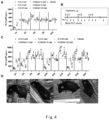
- A13 (2 mg/kg), A13bGa1 (5 mg/kg), or an empty vehicle control was administered three consecutive days per week for four weeks.
- A1331852 (abbreviated as A13) was purchased from MCE.
- A13bGa1 was co-incubated with the mouse, rat, canine, monkey and human hepatocytes and the incubation medium at a final drug concentration of 1 ⁇ M in the incubation system for 60 minutes. Samples were taken and analyzed at time points 0, 15, 30, 45 and 60 minutes during the incubation. The reaction was terminated by adding an amount of acetonitrile solution containing the internal standard. Verapamil and 7-OH coumarin were used as the positive control drugs to quality control the experimental incubation system. The residual percentage, half-life, intrinsic clearance, amplified clearance, hepatic clearance and hepatic extraction ratio were determined. The entire experiment was performed in triplicate. All data calculations were performed by Microsoft Excel software. Peak areas were detected by extracting the ionic spectrum. The in vitro half-life (t 1/2 ) of the parent compound was detected by fitting the natural logarithm of the percentage elimination of the parent compound linearly to time.
- in vitro intrinsic clearance in ⁇ L/min/mg protein
- the hepatic clearance (in mL/min/kg) was calculated using the following equation:
- the predicted hepatic CL H Q ⁇ Fu / R B ⁇ the amplified CL int / Q ⁇ Fu / R B ⁇ the amplified CL int
- the hepatic uptake rate was calculated using the following equation:
- the hepatic extraction ratio ER the predicted hepatic CL H / Q
- the ideal parent compounds should have the following characteristics: 1) the compounds have the suitable structural sites for ⁇ -gal modification and the appropriate molecular weights; 2) the compounds have a certain safety basis; and 3) the compounds themselves have high killing activity against the senescent cells and preferably have a certain degree of selectivity to the non-senescent cells.
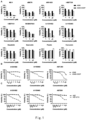
- BRD4 inhibitors and Bcl-xL inhibitors showed the best performance in terms of the senescent cell killing activity and selectivity. Although some of these BRD4 inhibitors, such as MZ1, dBET6, and ARV825, have better in vitro killing activity ( Figure 1A ), all of them are PROTAC molecules with large molecular weights and relatively complex structures that are not suitable for modification as a parent compound.
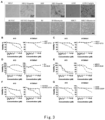
- the induced senescence cell models include the HEF cell (primary human embryonic skin fibroblast), HELF cell (primary human embryonic lung fibroblast), A549 cell (human non-small cell lung cancer cell line), MRC5 cell (human embryonic lung fibroblast cell line), BJ cell (human skin fibroblast cell line), and HUVEC cell (human umbilical vein endothelial cell line) models.
- the Bcl-xL inhibitors have severe platelet toxicity when used in vivo, and this side effect greatly limits their clinical application.
- the ⁇ -gal modification enhanced the specificity of the parent compound A13
- A13bGa1 also showed a good moderate metabolic stability in the liver microsomal metabolic stability study (see Table 4).
- Table 4. The liver microsomal metabolic stability of A13bGal prodrug in different species. Name of the compound Species The half-life of metabolism T 1/2 (min) The intrinsic clearance in vitro Cl int ( ⁇ L/min/mg protein) The amplified intrinsic clearance Cl int (mL/min/kg) The predicted intrinsic hepatic clearance Cl int (mL/min/kg) The hepatic extraction ratio (E) Verapamil Human 10.37 133.64 167.61 18.42 0.89 Monkey 3.99 347.37 521.05 40.23 0.92 Canine 14.46 95.82 238.86 27.36 0.89 Rat 7.27 190.53 341.43 47.52 0.86 Mouse 5.04 274.89 1209.52 83.77 0.93 7-hydroxycoumarin Human 2.25 616.94 773.75 20.16 0.97 Monkey 1.72 805.59 1208.38 42.08 0.97 Can
Landscapes
- Health & Medical Sciences (AREA)
- Life Sciences & Earth Sciences (AREA)
- Chemical & Material Sciences (AREA)
- Animal Behavior & Ethology (AREA)
- Veterinary Medicine (AREA)
- Public Health (AREA)
- General Health & Medical Sciences (AREA)
- Medicinal Chemistry (AREA)
- Pharmacology & Pharmacy (AREA)
- Engineering & Computer Science (AREA)
- Bioinformatics & Cheminformatics (AREA)
- Chemical Kinetics & Catalysis (AREA)
- General Chemical & Material Sciences (AREA)
- Nuclear Medicine, Radiotherapy & Molecular Imaging (AREA)
- Organic Chemistry (AREA)
- Epidemiology (AREA)
- Molecular Biology (AREA)
- Biochemistry (AREA)
- Pulmonology (AREA)
- Pharmaceuticals Containing Other Organic And Inorganic Compounds (AREA)
Applications Claiming Priority (2)
| Application Number | Priority Date | Filing Date | Title |
|---|---|---|---|
| CN202210997622 | 2022-08-19 | ||
| PCT/CN2023/083593 WO2024036961A1 (fr) | 2022-08-19 | 2023-03-24 | Promédicament contre des maladies associées au vieillissement et son procédé d'utilisation |
Publications (1)
| Publication Number | Publication Date |
|---|---|
| EP4574175A1 true EP4574175A1 (fr) | 2025-06-25 |
Family
ID=89940533
Family Applications (1)
| Application Number | Title | Priority Date | Filing Date |
|---|---|---|---|
| EP23853874.8A Pending EP4574175A1 (fr) | 2022-08-19 | 2023-03-24 | Promédicament contre des maladies associées au vieillissement et son procédé d'utilisation |
Country Status (3)
| Country | Link |
|---|---|
| EP (1) | EP4574175A1 (fr) |
| CN (1) | CN118434454A (fr) |
| WO (1) | WO2024036961A1 (fr) |
Families Citing this family (1)
| Publication number | Priority date | Publication date | Assignee | Title |
|---|---|---|---|---|
| CN120943863B (zh) * | 2025-10-15 | 2026-02-10 | 浙江大学衢州研究院 | 手性羟基膦酸酯及其制备方法和用途 |
Family Cites Families (5)
| Publication number | Priority date | Publication date | Assignee | Title |
|---|---|---|---|---|
| WO2010080503A1 (fr) * | 2008-12-19 | 2010-07-15 | Genentech, Inc. | Composés hétérocycliques et leurs procédés d'utilisation |
| CN111620861A (zh) * | 2014-12-09 | 2020-09-04 | 艾伯维公司 | 具有低细胞渗透性的bcl-xl抑制性化合物以及包括它的抗体药物缀合物 |
| WO2017214462A2 (fr) * | 2016-06-08 | 2017-12-14 | Abbvie Inc. | Anticorps anti-cd98 et conjugués anticorps-médicament |
| AU2017279550A1 (en) * | 2016-06-08 | 2019-01-03 | Abbvie Inc. | Anti-B7-H3 antibodies and antibody drug conjugates |
| US11026963B2 (en) * | 2018-07-11 | 2021-06-08 | Rubedo Life Sciences, Inc. | Senolytic compositions and uses thereof |
-
2023
- 2023-03-24 WO PCT/CN2023/083593 patent/WO2024036961A1/fr not_active Ceased
- 2023-03-24 EP EP23853874.8A patent/EP4574175A1/fr active Pending
- 2023-03-24 CN CN202380014687.1A patent/CN118434454A/zh active Pending
Also Published As
| Publication number | Publication date |
|---|---|
| CN118434454A (zh) | 2024-08-02 |
| WO2024036961A1 (fr) | 2024-02-22 |
Similar Documents
| Publication | Publication Date | Title |
|---|---|---|
| JP6932389B2 (ja) | 標的化コンジュゲートならびにその粒子及び製剤 | |
| EP3266782B1 (fr) | Antagonistes d'intégrines fluorées | |
| CN105294660B (zh) | (3r,6s)‑3,6‑二取代哌嗪‑2,5‑二酮,其制备及应用 | |
| US10478492B2 (en) | Modifications of therapeutic agents for enhanced delivery to target sites | |
| CN114341148B (zh) | 抗衰老和抗炎前药及其使用方法 | |
| EP3702357B1 (fr) | Dérivé de dihydro-indolizinone | |
| AU2017341769A1 (en) | N-Acylethanolamide derivatives and uses thereof | |
| EP4574175A1 (fr) | Promédicament contre des maladies associées au vieillissement et son procédé d'utilisation | |
| Xin et al. | ROS-scavenging nanomedicine for “multiple crosstalk” modulation in non-alcoholic fatty liver disease | |
| US9562015B2 (en) | Methods and compositions for enhanced drug delivery to the eye and extended delivery formulations | |
| Liu et al. | Modification of a natural diterpene and its antitumor mechanism: Promoting apoptosis, suppressing migration, and inhibiting angiogenesis | |
| US6255298B1 (en) | Macrophage scavenger receptor antagonists for use in the treatment of cardiovascular diseases | |
| JP6605763B2 (ja) | キノリン誘導体のエタンスルホン酸塩 | |
| KR20110095887A (ko) | 신규 프로스타글란딘 e1 유도체 및 그것을 봉입하는 나노 입자 | |
| CN103183722B (zh) | 一种乙二醛酶i抑制剂及其制备方法和医药用途 | |
| EP3435993B1 (fr) | Analogue de cyp-éicosanoïdes pour utilisation dans le traitement prophylactique ou thérapeutique d'un trouble associé à une néovascularisation et/ou une inflammation | |
| CN111303053A (zh) | 环戊并[d]嘧啶类化合物及其药学上可接受的盐、溶剂合物或者前药以及应用 | |
| WO2021056996A1 (fr) | Promédicaments anti-sénescence et anti-inflammatoires et leurs méthodes d'utilisation | |
| EP3845276B1 (fr) | Dérivé d'acide aminé beta, inhibiteur de kinase et composition pharmaceutique le contenant et son utilisation | |
| RU2838571C2 (ru) | Фармацевтическая композиция трициклического соединения двойного ингибитора фдэ3/фдэ4 | |
| US7169940B1 (en) | Compounds and pharmaceutical compositions comprising same | |
| Leone et al. | Synthesis and in vitro evaluation of polyethylene glycol-treprostinil conjugates for sustained local delivery in pulmonary arterial hypertension | |
| WO2025194120A1 (fr) | Nanoparticules lipidiques fonctionnalisées par un polymère zwitterionique pour l'administration d'acides nucléiques | |
| CN118359546A (zh) | 一种一氧化氮供体型安立生坦衍生物及其药物组合物和用途 | |
| HK1248677B (en) | Fluorinated integrin antagonists |
Legal Events
| Date | Code | Title | Description |
|---|---|---|---|
| STAA | Information on the status of an ep patent application or granted ep patent |
Free format text: STATUS: THE INTERNATIONAL PUBLICATION HAS BEEN MADE |
|
| PUAI | Public reference made under article 153(3) epc to a published international application that has entered the european phase |
Free format text: ORIGINAL CODE: 0009012 |
|
| STAA | Information on the status of an ep patent application or granted ep patent |
Free format text: STATUS: REQUEST FOR EXAMINATION WAS MADE |
|
| 17P | Request for examination filed |
Effective date: 20250313 |
|
| AK | Designated contracting states |
Kind code of ref document: A1 Designated state(s): AL AT BE BG CH CY CZ DE DK EE ES FI FR GB GR HR HU IE IS IT LI LT LU LV MC ME MK MT NL NO PL PT RO RS SE SI SK SM TR |
|
| DAV | Request for validation of the european patent (deleted) | ||
| DAX | Request for extension of the european patent (deleted) |