EP4575504A1 - Mittel und verfahren zur quantifizierung oder zum screening auf komplexe bildung - Google Patents
Mittel und verfahren zur quantifizierung oder zum screening auf komplexe bildung Download PDFInfo
- Publication number
- EP4575504A1 EP4575504A1 EP24221036.7A EP24221036A EP4575504A1 EP 4575504 A1 EP4575504 A1 EP 4575504A1 EP 24221036 A EP24221036 A EP 24221036A EP 4575504 A1 EP4575504 A1 EP 4575504A1
- Authority
- EP
- European Patent Office
- Prior art keywords
- compound
- complex
- fluorescence
- ubiquitin
- protein
- Prior art date
- Legal status (The legal status is an assumption and is not a legal conclusion. Google has not performed a legal analysis and makes no representation as to the accuracy of the status listed.)
- Pending
Links
Images
Classifications
-
- G—PHYSICS
- G01—MEASURING; TESTING
- G01N—INVESTIGATING OR ANALYSING MATERIALS BY DETERMINING THEIR CHEMICAL OR PHYSICAL PROPERTIES
- G01N33/00—Investigating or analysing materials by specific methods not covered by groups G01N1/00 - G01N31/00
- G01N33/48—Biological material, e.g. blood, urine; Haemocytometers
- G01N33/50—Chemical analysis of biological material, e.g. blood, urine; Testing involving biospecific ligand binding methods; Immunological testing
- G01N33/53—Immunoassay; Biospecific binding assay; Materials therefor
- G01N33/536—Immunoassay; Biospecific binding assay; Materials therefor with immune complex formed in liquid phase
- G01N33/542—Immunoassay; Biospecific binding assay; Materials therefor with immune complex formed in liquid phase with steric inhibition or signal modification, e.g. fluorescent quenching
-
- G—PHYSICS
- G01—MEASURING; TESTING
- G01N—INVESTIGATING OR ANALYSING MATERIALS BY DETERMINING THEIR CHEMICAL OR PHYSICAL PROPERTIES
- G01N33/00—Investigating or analysing materials by specific methods not covered by groups G01N1/00 - G01N31/00
- G01N33/48—Biological material, e.g. blood, urine; Haemocytometers
- G01N33/50—Chemical analysis of biological material, e.g. blood, urine; Testing involving biospecific ligand binding methods; Immunological testing
- G01N33/68—Chemical analysis of biological material, e.g. blood, urine; Testing involving biospecific ligand binding methods; Immunological testing involving proteins, peptides or amino acids
- G01N33/6803—General methods of protein analysis not limited to specific proteins or families of proteins
- G01N33/6845—Methods of identifying protein-protein interactions in protein mixtures
-
- G—PHYSICS
- G01—MEASURING; TESTING
- G01N—INVESTIGATING OR ANALYSING MATERIALS BY DETERMINING THEIR CHEMICAL OR PHYSICAL PROPERTIES
- G01N2333/00—Assays involving biological materials from specific organisms or of a specific nature
- G01N2333/90—Enzymes; Proenzymes
- G01N2333/9015—Ligases (6)
Definitions
- the present invention relates to a method for quantifying the formation of a complex composed of a first, second, and third compound, wherein said second compound is capable of attaching to said first and third compound, comprising equipping said first or third compound with a fluorescent quencher, while the other one of the two is equipped with a fluorescent label.
- a complex may be described as a ternary complex.
- a ternary complex is a protein complex containing three molecules that are bound together. Examples are a crystal containing a protein with two small molecules bound, for example, cofactor and substrate; or a complex formed between two proteins and a single substrate. In immunology, a ternary complex may be seen in a MHC-peptide-T-cell-receptor complex.
- a further ternary complex may be formed by a bispecific antibody directed against two different targets. Namely, each target together is a compound of the ternary complex and the bispecific antibody is the third compound.
- PROTACs proteolysis targeting chimeras
- a PROTAC first described in 2001 (Sakamoto et al., doi: 10.1073/pnas.141230798), is a heterobifunctional molecule composed of two active domains and a linker, capable of removing specific unwanted proteins. Rather than acting as a conventional enzyme inhibitor, a PROTAC works by inducing selective intracellular proteolysis. Specifically, the so-called warhead of a PROTAC binds a to-be-degraded target, while the other part of a PROTAC binds a member of the ubiquitin pathway, thereby effecting ubiquitination of the target and, thus, its degradation.
- the hook effect can be seen, for example, when analysing the binding properties of PROTACs, and may be described as a phenomenon wherein the ternary complex formation decreases with increasing concentration of the PROTAC molecules once PROTAC concentration crosses a certain peak point. This is due to higher concentrations of PROTACs favouring binary complex formation due to binding site saturation, rather than ternary complex formation, resulting in "hook"-shaped activity versus concentration curve.
- the hook effect is also observed in the assessment of binding properties of bispecific antibodies. Accurate and unambiguous detection of the concentration at which the hook effect begins to occur, and thus productive ternary complex formation peaks, is therefore critical to developing, e.g. novel PROTACs or bispecific antibodies.
- Cecchini et al (2021; doi.org/10.3389/fchem.2021.672267) observed issues with the hook effect when working with PROTACs. Accordingly, Cecchini suggests increasing cooperative-binding protein-protein interaction to stabilize ternary complexes in order to reduce the hook effect. This restricts the rate at which PROTACs can be assessed for their ability to form ternary complexes and hence delays pre-clinical development of PROTACs.
- the present invention provides methods for quantifying and/or screening for the formation of ternary complexes, in which two of the three compounds of the complex are proteins, one of the two tagged with a fluorescent label and the other of the two tagged with a fluorescence quencher.
- the further compound completing the ternary complex is a compound capable of linking those two proteins together, thus forming a ternary complex.
- the methods of the present invention comprise analysing the changes in fluorescence spectrum that occur following the formation of a ternary complex comprising said compounds, due to the interaction between fluorescent label and fluorescence quencher that formation of said ternary complex brings.
- the present invention also provides for a method for quantifying the formation of a complex composed of a first, second and third compound, wherein said second compound is capable of attaching to said first and third compound, wherein said first or third compound is equipped with a fluorescence quencher, while the other one of the first and third compound is equipped with a fluorescent label, comprising generating a concentration-response curve that shows the peak of ternary complex formation, whereby said peak corresponds to the lowest level of fluorescence emission intensity, and determining whether subsequent to said lowest level of fluorescence emission intensity of fluorescence increases in said concentration-response curve, which is indicative of a hook effect, thereby quantifying ternary complex formation.
- quantifying the formation of a complex refers to the quantitative assaying of the relationship between concentration of compound present (or another relevant factor) and the amount of complex, either relative or absolute, that is formed.
- the present invention further relates to a method wherein quantifying or screening for the formation of a ternary complex comprises analyzing alterations in the fluorescence spectrum that occur upon ternary complex formation between said first, second and third compound, wherein preferably alterations in the fluorescence spectrum alterations are alterations to the fluorescence emission spectrum, wherein more preferably an alteration in the fluorescence emission spectrum is indicative of ternary complex formation.
- alterations in the fluorescence spectrum are analyzed by microscale thermophoresis, temperature-related intensity charge or spectral shift technology
- the present invention further relates to a method wherein said second compound is absent.
- the present invention further relates to the use of a fluorescence quencher for quantifying ternary complex formation of a first, second and third compound, wherein said second compound is capable of attaching to said first and third compound, wherein said first or third compound is equipped with a fluorescence quencher, while the other one of the two, i.e. the other one of the first or third compound, is equipped with a fluorescent label.
- a fluorescence quencher By quantifying ternary complex formation via the proximity-induced quenching of a fluorophore that occurs only when all three members are bound in said ternary complex, a concentration-response curve can be generated that shows the peak of ternary complex formation, corresponding to the lowest level of fluorescence emission intensity, and subsequently the decrease in ternary complex formation, which corresponds to a subsequent increase in fluorescence as proximity-induced quenching is reduced by dissociation of the ternary complex in favour of binary complexes (i.e. the hook effect).
- the hook effect refers to the observation that if a multivalent compound acts as a linker between two parts of a ternary complex, then increasing the amount of linker compound in the mixture does not always increase the amount of ternary complex formed. On the contrary, at higher concentration ranges, the amount of ternary formed complex may actually decrease. This is due to the increased availability of free linker resulting in an increased formation of binary complexes, rather than the intended ternary complex.
- Ternary complex formation requires the initial formation of a binary complex between the one of the ligand domains of the multivalent compound and one of the two proteins. This binary complex must then bind to an unoccupied binding site of the other of the two proteins via the second ligand domain of the multivalent compound. If said binding site is occupied by another linker, this prevents formation of a ternary complex.
- target protein (P), linker (L), and ubiquitin pathway protein (E) may proceed from monomers to ternary complex (PLE) via intermediate binary complexes PL and EL:
- rate of ternary complex formation slows in favour of formation of inactive heterodimers, PL and EL:
- the hook effect is commonly seen when employing assays to quantify the amount of an analyte present in a sample via a method requiring ternary complex formation.
- assays to quantify the amount of an analyte present in a sample via a method requiring ternary complex formation.
- Formation of a ternary complex consisting of both antibodies and the antigen of interest will be impaired by very high antigen concentration as a result of the hook effect, thus resulting in an underestimate of the true concentration of antigen.
- quantification of ternary complexes when developing novel PROTACs, which can form unproductive binary complexes that do not induce degradation of the target protein of interest. It is therefore important to be able to identify the concentration of PROTAC at which the hook effect begins to occur. An inability to accurately quantify the formation of a ternary complex and assess the extent of the hook effect may hinder the development of novel PROTAC compounds
- binding cooperativity occurs when a molecule has multiple ligand binding sites and the binding of a first ligand alters the binding affinity of subsequent ligands when they bind to the same molecule at another site.
- Positive binding cooperativity refers to an enhancement of binding affinity
- negative binding cooperativity refers to reduced binding affinity.
- FRET Fluorescence Resonance Energy Transfer
- SPR surface plasmon resonance
- the methods of the present invention may generally be applied in connection with known methods suitable to measure alterations in the fluorescence spectrum, e.g., those being based on measuring fluorescence emission relying on the Stoke shift.
- the alterations in the fluorescence spectrum of said labelled protein comprising an Fc portion may be analysed by microscale thermophoresis, temperature-related intensity change or spectral shift technology as described in WO 2008/061706 , WO 2018/234557 , and WO 2023/275274 , respectively.
- ternary complex refers to a complex that results from the binding together of three independent molecules, either permanently or reversibly. Said molecules may comprise three of the same compound or may comprise two or three different compounds.
- Complex refers to a molecular entity formed by loose association involving two or more component molecular entities (ionic or uncharged), or the corresponding chemical species.
- the methods of the present invention comprises equipping said first or third compound with a fluorescence quencher, while the other one of the two is equipped with a fluorescent label.
- the method of the present invention can be used to quantify ternary complexes that form in presence of a compound that is capable of simultaneously binding to both of the other two compounds of the complex, thus forming a ternary complex.
- this will be a PROTAC.
- Proteins (including fragments thereof, preferably biologically active fragments, and peptides, usually having less than 30 amino acids) comprise one or more amino acids coupled to each other via a covalent peptide bond (resulting in a chain of amino acids).
- the term "peptide” as used herein describes a group of molecules which typically comprise more than 2 amino acids and usually not more than 30 amino acids. Polypeptides may further form multimers such as dimers, trimers and higher oligomers, i.e. consisting of more than one polypeptide molecule. Polypeptide molecules forming such dimers, trimers etc. may be identical or non-identical. The corresponding higher order structures of such multimers are, consequently, termed homo- or heterodimers, homo- or heterotrimers etc.
- hetero-multimer is an antibody molecule, which, in its naturally occurring form, consists of two identical light polypeptide chains and two identical heavy polypeptide chains.
- peptide and protein also refer to naturally modified polypeptides/proteins wherein the modification is effected e.g. by post-translational modifications like glycosylation, acetylation, phosphorylation and the like. Such modifications are well known in the art.
- a preferred example of a peptide as described above is a Fc-binding peptide.
- said second compound comprises (i) a target protein binding moiety that is capable of attaching to a target protein which is a first compound as defined in any one of the preceding claims and (ii) an ubiquitin pathway protein binding moiety that is capable of attaching to a ubiquitin pathway protein which is a third compound as defined in any one of the preceding claims, and (iii) a linker moiety that covalently couples them.
- said ubiquitin pathway protein binding moiety is a ligand for a component of an ubiquitin protein ligase complex, wherein said ubiquitin pathway protein is preferably a component of an ubiquitin protein ligase complex, wherein said component of an ubiquitin protein ligase complex is more preferably an ubiquitin protein ligase.
- the component of the ubiquitin protein ligase complex effects ubiquitination of a (the) target protein.
- said second compound is a proteolysis targeting chimera (PROTAC).
- PROTACs are compounds capable of mediating targeted protein degradation (TPD) by inducing interactions between a protein-of-interest (POI) and a suitable ubiquitin pathway protein (UPP). This is achieved by the PROTAC possessing two independent ligand domains, one capable of binding to said POI and one capable of binding to said component of the ubiquitin pathway. Simultaneous interaction between the two ligand domains and their respective targets brings the POI and component of the ubiquitin pathway into sufficient proximity to induce ubiquitination of the POI, thus resulting in degradation via endogenous protein degeneration pathways.
- TPD targeted protein degradation
- POP ubiquitin pathway protein
- PROTAC function requires the combination of three distinct moieties - a ligand domain capable of binding to the POI, a ligand domain capable of binding to the ubiquitin pathway protein, and a linker domain that links the two ligand domains and thus the two proteins once the ternary complex has been formed.
- Ligand domains typically interact non-covalently with their respective targets and can therefore function "enzymatically", to bind and induce the proteasomal degradation of multiple copies of the target POI via sequential cycles of binding, induction of ubiquitination, and then dissociation of the complex to allow the PROTAC to bind a novel POI.
- PROTACs are envisaged to allow the targeting of currently “undruggable” targets
- identification of suitable candidate molecules to act as ligands for such targets can prove challenging, as there may be few or no example molecules on which to base potential candidate ligands.
- care must also be taken when selecting the ubiquitin ligase ligand so as to ensure successful protein knockdown. This means selecting a ligand that will bind to an appropriate E3 ubiquitin ligase, or other member of a ubiquitin pathway.
- ternary complex formation Kinetics of ternary complex formation are influenced by both protein-protein and protein-small molecule interactions and are highly challenging to effectively model and predict.
- Small changes to the structure of any one of the components of a ternary complex can alter overall affinity and efficiency of binding, and the positive or negative cooperativity of ternary complex formation that results from the interaction between the two ligand domains of the small molecule is also greatly affected by structural changes to the ligand domains and linker domain (B. Han, 2020, doi: 10.1074/jbc.RA120.014715). This, along with other factors, contributes to the difficulty in rational PROTAC design that means that the dominant strategy in developing novel PROTACs has been the manual in vitro screening of many variants to identify optimal design (Bai, N. et al., 2021, doi: 10.1021/acs.jcim.0c01451).
- Ubiquitin-mediated proteasomal degradation refers to the proteolysis pathway in which proteins to be degraded are tagged with ubiquitin, a process termed "ubiquitination". This occurs via three main steps - activation of ubiquitin via an E1 ubiquitin-activating enzyme; conjugation of ubiquitin to an E2 ubiquitin conjugating enzyme; and finally ligation, in which an E3 ubiquitin ligase catalyses the transfer of one or more ubiquitin moieties to the protein.
- Each light chain includes an N-terminal variable (V) domain (VL) and a constant (C) domain (CL).
- Each heavy chain includes an N-terminal V domain (VH), three or four C domains (CHs), and a hinge region.
- the constant domains are not involved directly in binding an antibody to an antigen.
- antibody also includes but is not limited to polyclonal, monoclonal, monospecific, polyspecific such as bispecific, non-specific, humanized, human, single-chain, chimeric, synthetic, recombinant, hybrid, mutated, grafted, and in vitro generated antibodies, with a polyclonal antibody being preferred. Said term also includes domain antibodies (dAbs) and nanobodies.
- dAbs domain antibodies
- a "bispecific” or "bifunctional antibody” is an artificial hybrid antibody having two different heavy/light chain pairs and two different binding sites. Bispecific antibodies can be produced by a variety of methods including fusion of hybridomas or linking of binding fragments.
- antibody as used herein comprises antibodies as described herein, from any origin, e.g., human, mouse, rat, rabbit, goat, camel, llama, and others, and also includes in vitro-derived antibodies and modified antibodies such as humanized antibodies.
- "Humanized” forms of non-human (e.g., murine) antibodies are chimeric immunoglobulins, immunoglobulin chains or fragments thereof of mostly human sequences, which contain minimal sequence derived from non-human immunoglobulin.
- humanized antibodies are human immunoglobulins (recipient antibody) in which residues from a hypervariable region (also CDR) of the recipient are replaced by residues from a hypervariable region of a non-human species (donor antibody) such as mouse, rat, rabbit, goat, camel, llama, and others, having the desired specificity, affinity, and capacity.
- donor antibody such as mouse, rat, rabbit, goat, camel, llama, and others.
- humanized antibodies as used herein may also comprise residues which are found neither in the recipient antibody nor the donor antibody.
- in vitro derived antibody refers to an antibody where all or part of the variable region (e.g., at least one CDR) is generated in a non-immune cell selection (e.g., an in vitro phage display, protein chip or any other method in which candidate sequences can be tested for their ability to bind to an antigen). This term thus preferably excludes sequences generated by genomic rearrangement in an immune cell.
- antibody also comprises chemoimmuno-conjugates, particularly antibody-drug-conjugates (ADC) as known to the skilled person, where, e.g., chemotherapeutic agents are linked to antibodies, e.g., cytostatic drugs or cytotoxic agents.
- ADC antibody-drug-conjugates
- bispecific refers to an antibody construct which is "at least bispecific", i.e., it comprises at least a first binding domain and a second binding domain, wherein the first binding domain binds to one antigen or target, and the second binding domain binds to another antigen or target.
- bispecific antibody construct of the invention also encompasses multispecific antibody constructs such as trispecific antibody constructs, the latter ones including three binding domains, or constructs having more than three (e.g. four, five...) specificities.
- Bispecific antibodies do not occur naturally and they are markedly different from naturally occurring products.
- a "bispecific” antibody is hence an artificial hybrid antibody or immunoglobulin having at least two distinct binding sites with different specificities.
- Bispecific antibody constructs can be produced by a variety of methods including fusion of hybridomas or linking of Fab' fragments.
- the at least two binding domains and the variable domains of a bispecific antibody may or may not comprise peptide linkers (spacer peptides).
- peptide linker comprises in accordance with the present invention an amino acid sequence by which the amino acid sequences of one (variable and/or binding) domain and another (variable and/or binding) domain of the antibody construct of the invention are linked with each other.
- An essential technical feature of such peptide linker is that it does not comprise any polymerization activity.
- a "bispecific single chain antibody” denotes a single polypeptide chain comprising two binding domains.
- Each binding domain comprises one variable region from an antibody heavy chain ("VH region"), wherein the VH region of the first binding domain specifically binds to the CD3 ⁇ molecule, and the VH region of the second binding domain specifically binds to a cell surface antigen, as defined in more detail below.
- the two binding domains are optionally linked to one another by a short polypeptide spacer.
- a non-limiting example for a polypeptide spacer is Gly-Gly-Gly-Gly-Ser (G-G-G-G-S) and repeats thereof.
- Fluorescent labels for use according to the present invention can be selected from the group consisting of intrinsic fluorescent labels, fusion proteins, extrinsic fluorescent labels and the like.
- Intrinsic fluorescent labels include tryptophan residues, tyrosine residues, phenylalanine residues.
- Fusion proteins can be selected from the group consisting of blue-emitting fluorescent proteins, cyan-emitting fluorescent proteins, green-emitting fluorescent proteins, yellow emitting fluorescent proteins and red-emitting fluorescent proteins and the like.
- FPbase a well-known data base in the art which provides a comprehensive list of presently known fluorescent proteins (https://www.fpbase.org/table/; Lambert, TJ (2019) FPbase: a community-editable fluorescent protein database. Nature Methods. 16, 277-278. doi:10.1038/s41592-019-0352-8 ).
- the fluorescent labels may be extrinsic fluorescent labels.
- Extrinsic fluorescent labels can include but are not limited to commercially available labels, such as Cyanine dyes including Cy5, Cy3, Atto647, Atto647N, Alexa647 Dy647, and the like.
- Examples for extrinsic fluorescent labels are environment sensitive dyes described for example in WO 2018/234557 , which is incorporated herein by reference. Environment sensitive dyes are known in the art and are described for example in Klymchenko, A. S. (2017) (Solvatochromic and fluorogenic dyes as environment-sensitive probes: design and biological applications. Accounts of Chemical Research, 50(2), 366-375 .).
- WO 2018/234557 relates to fluorescent labels which are highly sensitive to environmental changes, e.g., changes in the chemical composition, temperature changes and the like.
- fluorescence quenching refers to any process that decreases the fluorescence intensity of a sample. This can occur via multiple molecular mechanisms - for example, absorption of excitation energy from a fluorophore and dissipation of that energy as non-light energy, such as heat. The present invention does not depend on the molecule mechanism by which quenching may occur.
- a fluorescence quencher as used herein, therefore refers to any substance that can quench the fluorescence of a fluorophore. As such, when a fluorescence quencher comes within sufficient proximity of a fluorophore, fluorescence is quenched and a lower fluorescence signal is observed.
- the fluorescent quencher shall be a black hole quencher ® (BHQ) is a broad spectrum fluorescence quencher.
- BHQ black hole quencher
- the fluorescence emission intensity of said fluorescent label is reduced across a broad range of emission wavelengths.
- black hole quencher may refer to any broad spectrum fluorescence quencher including, but not limited to, BHQ1, BHQ2 or BHQ3.6.
- Alterations in the fluorescence spectrum according to the present invention include changes in the fluorescence intensity of a fluorescent label, but also include spectral shifts and/or broadening or narrowing of their spectrum. According to the present invention, particularly where spectral shift technology is applied, it is preferred to detect the fluorescence at different wavelengths or wavelengths ranges, which could be achieved, e.g., by using bandpass filters. The detected intensities at these different wavelengths/wavelength ranges and the respective ratio allow a detection of a spectral shift of the entire emission spectrum, a broadening and/or narrowing of the spectrum.
- the spectral shifts preferably include bathochromic (i.e. red) shifts and/or hypsochromic (i.e.
- HXP lamps generate UV and visible light, including significant portion of red light) and the like.
- the excitation light source enables a highly focused excitation.
- the excitation light source is preferably a laser, even more preferably an LED.
- means for exciting may be an excitation light source, for example at least one light source from the group consisting of laser, laser fibre laser, diode laser, LED, HXP, Halogen, LED-Array, and HBO.
- a "dual-emission" configuration is used in combination with "red” fluorescent labels, such as Cy5, RFP, and other dyes known in the art and described herein. Since such labels have their excitation maximum at approx. 650 nm with a secondary excitation peak at approx. 600 nm and the emission maximum at approx. 660 nm, well-suited excitation and emission wavelengths include excitation between approx. 570 nm and 615 nm, detection of the first emission between approx. 625 nm and 650 nm and detection of the second emission between approx. 670 nm and 725 nm.
- an emission maximum can be a local emission maximum or an absolute emission maximum.
- the detection can be around a saddle point of the emission spectrum instead of an emission maximum. Small changes (e.g., wavelength shifts) in the regions flanking the emission maximum have a relatively large impact on the alterations of a fluorescence spectrum (e.g., in terms of intensities).
- the second compound is capable of attaching to said first and third compound, comprising equipping said first or third compound with a fluorescent quencher, while the other one of the two is equipped with a fluorescent label, the second compound is absent.
- the first and third compound is present.
- the present invention provides for a method for quantifying the formation of preferably a binary complex composed of a first and third compound, comprising equipping said first or third compound with a fluorescent quencher, while the other one of the two is equipped with a fluorescent label.
- said first and third compounds are proteins.
- the present invention provides for a method for determining whether or not a first and third compound form a binary complex, comprising equipping said first or third compound with a fluorescent quencher, while the other one of the two, i.e. the other one of the first or third compound, is equipped with a fluorescent label, wherein a decrease of fluorescence is indicative of either desired or undesired complex formation, in particular dimerization. Likewise, no decrease of fluorescence may be indicative of no desired or undesired complex formation, in particular dimerization.
- the present invention also provides for the use of a fluorescence quencher for quantifying complex formation of a first and third compound, wherein said first or third compound is equipped with a fluorescence quencher, while the other one of the two, i.e. the other one of the first or third compound, is equipped with a fluorescent label.
- said complex is a binary complex.
- the present invention also relates to the use of a kit for performing the methods as described and provided herein in context with the present invention, said kit comprising (i) a fluorescence quencher ready to be coupled to said first or third compound of a ternary complex, i.e. a fluorescence quencher that can be coupled to said first or third compound of a ternary complex, (ii) a fluorescent label ready to be coupled to said first or third compound of a ternary complex, i.e. a fluorescence label that can be coupled to said first or third compound of a ternary complex, wherein said first compound or third compound is a component of an ubiquitin protein ligase complex.
- the kit preferably further comprises an instruction manual explaining the use of the kit in at least one of the methods of the present invention.
- said fluorescent quenchers and fluorescent labels may preferably be as defined herein in context with one of the methods of the present invention.
- the present invention also relates to the use of the system as described and provided herein, said system comprising (i) at least a first and third target protein, (ii) a fluorescence quencher ready to be coupled to one of the two target proteins, i.e. a fluorescence quencher that can be coupled to one of the two target proteins, (iii) a fluorescent label ready to be coupled to the other of the two target proteins, i.e.
- Nonlinear fitting was performed using the curve_fit routine from the optimize package in SciPy with Python distribution 3.10.8. Numerical optimization in curve_fit was performed using the Trust Region Reflective ('trf') algorithm with a step size of 1 ⁇ 10 -2 and a non-negative lower bound on all variables.
- 'trf' Trust Region Reflective
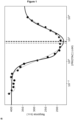
- FIG. 1 panel a shows the raw fluorescence intensity changes across the applied MZ1 PROTAC concentrations.
- a ternary fitting model black line
- ⁇ binding cooperativity
- ⁇ peak ternary binding
- [3°] max peak ternary binding
- 6th order polynomial fitting grey line
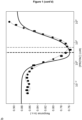
- panel b shows the spectral shift in fluorescence emission ratio between 670nm and 650nm emission wavelengths (670nm/650nm), for the same range of applied concentrations of MZ1 PROTAC as shown in panel a.
- the ternary fitting model black line
- the ternary fitting model estimates ⁇ to be 21.2 and [3°]max to be 10.7 nM.
- the 6th order polynomial fitting (grey line) estimates [3°]max to be 33.1 nM.
Landscapes
- Health & Medical Sciences (AREA)
- Life Sciences & Earth Sciences (AREA)
- Engineering & Computer Science (AREA)
- Molecular Biology (AREA)
- Immunology (AREA)
- Hematology (AREA)
- Chemical & Material Sciences (AREA)
- Urology & Nephrology (AREA)
- Biomedical Technology (AREA)
- Physics & Mathematics (AREA)
- Medicinal Chemistry (AREA)
- Food Science & Technology (AREA)
- Biotechnology (AREA)
- Pathology (AREA)
- Microbiology (AREA)
- General Physics & Mathematics (AREA)
- General Health & Medical Sciences (AREA)
- Cell Biology (AREA)
- Biochemistry (AREA)
- Analytical Chemistry (AREA)
- Bioinformatics & Cheminformatics (AREA)
- Bioinformatics & Computational Biology (AREA)
- Biophysics (AREA)
- Proteomics, Peptides & Aminoacids (AREA)
- Peptides Or Proteins (AREA)
Applications Claiming Priority (1)
| Application Number | Priority Date | Filing Date | Title |
|---|---|---|---|
| EP23217720 | 2023-12-18 |
Publications (1)
| Publication Number | Publication Date |
|---|---|
| EP4575504A1 true EP4575504A1 (de) | 2025-06-25 |
Family
ID=89385902
Family Applications (1)
| Application Number | Title | Priority Date | Filing Date |
|---|---|---|---|
| EP24221036.7A Pending EP4575504A1 (de) | 2023-12-18 | 2024-12-18 | Mittel und verfahren zur quantifizierung oder zum screening auf komplexe bildung |
Country Status (2)
| Country | Link |
|---|---|
| US (1) | US20250231182A1 (de) |
| EP (1) | EP4575504A1 (de) |
Citations (11)
| Publication number | Priority date | Publication date | Assignee | Title |
|---|---|---|---|---|
| US5506107A (en) * | 1991-05-10 | 1996-04-09 | Genentech, Inc. | Selecting ligand agonists and antagonists |
| WO2000022110A2 (en) | 1998-10-09 | 2000-04-20 | President And Fellows Of Harvard College | Targeted proteolysis by recruitment to ubiquitin protein ligases |
| WO2002020740A2 (en) | 2000-09-08 | 2002-03-14 | California Institute Of Technology | Proteolysis targeting chimeric pharmaceutical |
| US20060160068A1 (en) * | 2003-09-17 | 2006-07-20 | Joseph Beechem | Competitive immunoassay |
| WO2008061706A1 (en) | 2006-11-20 | 2008-05-29 | Ludwig Maximilians Universität München | Fast thermo-optical particle characterisation |
| US20090156421A1 (en) * | 2007-11-06 | 2009-06-18 | Wyeth | Assays and methods for evaluating multimeric complexes |
| US20140127681A1 (en) * | 2011-04-06 | 2014-05-08 | Cornell University | Signal amplification methods for the imaging of protein synthesis and neurotransmitter transport |
| WO2018234557A1 (en) | 2017-06-23 | 2018-12-27 | Nanotemper Technologies Gmbh | METHODS OF MEASURING INTER- AND / OR INTRA-MOLECULAR INTERACTIONS |
| US10174358B2 (en) * | 2013-10-31 | 2019-01-08 | Rutgers, The State University Of New Jersey | Assay for identification of therapeutics targeting ternary complex formation in protein synthesis |
| WO2022137240A1 (en) * | 2020-12-23 | 2022-06-30 | Yeda Research And Development Co. Ltd. | Methacrylamides protein binders and uses thereof |
| WO2023275274A1 (en) | 2021-07-01 | 2023-01-05 | Nanotemper Technologies Gmbh | Methods and devices for ratiometric characterization of fluorescent particles |
-
2024
- 2024-12-18 EP EP24221036.7A patent/EP4575504A1/de active Pending
- 2024-12-18 US US18/985,223 patent/US20250231182A1/en active Pending
Patent Citations (11)
| Publication number | Priority date | Publication date | Assignee | Title |
|---|---|---|---|---|
| US5506107A (en) * | 1991-05-10 | 1996-04-09 | Genentech, Inc. | Selecting ligand agonists and antagonists |
| WO2000022110A2 (en) | 1998-10-09 | 2000-04-20 | President And Fellows Of Harvard College | Targeted proteolysis by recruitment to ubiquitin protein ligases |
| WO2002020740A2 (en) | 2000-09-08 | 2002-03-14 | California Institute Of Technology | Proteolysis targeting chimeric pharmaceutical |
| US20060160068A1 (en) * | 2003-09-17 | 2006-07-20 | Joseph Beechem | Competitive immunoassay |
| WO2008061706A1 (en) | 2006-11-20 | 2008-05-29 | Ludwig Maximilians Universität München | Fast thermo-optical particle characterisation |
| US20090156421A1 (en) * | 2007-11-06 | 2009-06-18 | Wyeth | Assays and methods for evaluating multimeric complexes |
| US20140127681A1 (en) * | 2011-04-06 | 2014-05-08 | Cornell University | Signal amplification methods for the imaging of protein synthesis and neurotransmitter transport |
| US10174358B2 (en) * | 2013-10-31 | 2019-01-08 | Rutgers, The State University Of New Jersey | Assay for identification of therapeutics targeting ternary complex formation in protein synthesis |
| WO2018234557A1 (en) | 2017-06-23 | 2018-12-27 | Nanotemper Technologies Gmbh | METHODS OF MEASURING INTER- AND / OR INTRA-MOLECULAR INTERACTIONS |
| WO2022137240A1 (en) * | 2020-12-23 | 2022-06-30 | Yeda Research And Development Co. Ltd. | Methacrylamides protein binders and uses thereof |
| WO2023275274A1 (en) | 2021-07-01 | 2023-01-05 | Nanotemper Technologies Gmbh | Methods and devices for ratiometric characterization of fluorescent particles |
Non-Patent Citations (21)
| Title |
|---|
| BAI ET AL.: "Rationalizing PROTAC-Mediated Ternary Complex Formation Using Rosetta", JOURNAL OF CHEMICAL AND INFORMATICAL MODELLING, vol. 61, no. 3, 22 March 2021 (2021-03-22), pages 1368 - 1382 |
| BURSLEM ET AL.: "The Advantages of Targeted Protein Degradation over Inhibition: a RTK Case Study", CELL CHEMICAL BIOLOGY, vol. 25, no. 1, 18 January 2018 (2018-01-18), pages 67 - 77 |
| CECCHINI ET AL.: "From Conception to Development: Investigating PROTACs Features for Improved Cell Permeability and Successful Protein Degradation", FRONTIERS IN CHEMISTRY, vol. 9, 20 April 2021 (2021-04-20), pages 672267 |
| CHEN ET AL.: "Development of a mechanism of action-reflective, dual target cell-based reporter bioassay for a bispecific monoclonal antibody targeting human CTLA-4 and PD-1", MABS, vol. 13, no. 1, 2021, pages 1914359 |
| DOUGLASS ET AL.: "A comprehensive mathematical model for three-body binding equilibria", JOURNAL OF THE AMERICAN CHEMICAL SOCIETY, vol. 135, no. 16, 24 April 2013 (2013-04-24), pages 6092 - 9, XP055673569, DOI: 10.1021/ja311795d |
| HAN, B.: "A suite of mathematical solutions to describe ternary complex formation and their application to targeted protein degradation by heterobifunctional ligands", JOURNAL OF BIOLOGICAL CHEMISTRY, vol. 295, no. 45, 6 November 2020 (2020-11-06), pages 15280 - 15291 |
| JONES ET AL.: "Replacing the complementarity-determining regions in a human antibody with those from a mouse", NATURE, vol. 321, no. 6069, 1986, pages 522 - 525, XP002949266, DOI: 10.1038/321522a0 |
| KLYMCHENKO, AS.: "Solvatochromic and Fluorogenic Dyes as Environment-Sensitive Probes: Design and Biological Applications", ACCOUNTS OF CHEMICAL RESEARCH, vol. 50, no. 2, 21 February 2017 (2017-02-21), pages 366 - 375, XP055666065, DOI: 10.1021/acs.accounts.6b00517 |
| KOSTELNY ET AL., J IMMUNOL, vol. 148, 1992, pages 1547 - 1553 |
| KOSTELNY ET AL.: "Formation of a bispecific antibody by the use of leucine zippers", JOURNAL OF IMMUNOLOGY, vol. 148, no. 5, 1 March 1992 (1992-03-01), pages 1547 - 53 |
| LAMBERT, TJ.: "FPbase: a community-editable fluorescent protein database.", NATURE METHODS., vol. 16, 2019, pages 277 - 278, XP036743563, DOI: 10.1038/s41592-019-0352-8 |
| MAK ET AL.: "Kinetic analysis of ternary and binary binding modes of the bispecific antibody emicizumab", MABS, vol. 15, no. 1, December 2023 (2023-12-01), pages 2149053 |
| NOWAK ET AL.: "Plasticity in binding confers selectivity in ligand-induced protein degradation", NATURE CHEMICAL BIOLOGY, vol. 14, no. 7, July 2018 (2018-07-01), pages 706 - 714, XP036525002, DOI: 10.1038/s41589-018-0055-y |
| PRESTA, CURR. OP. STRUCT BIOL, vol. 2, 1992, pages 593 - 596 |
| PRESTA, L., ANTIBODY ENGINEERING, CURRENT OPINIONS IN BIOTECHNOLOGY, vol. 3, no. 4, August 1992 (1992-08-01), pages 394 - 8 |
| REICHMANN ET AL., NATURE, vol. 332, 1988, pages 323 - 329 |
| REICHMANN ET AL.: "Reshaping human antibodies for therapy", NATURE, vol. 332, no. 6162, 24 March 1988 (1988-03-24), pages 323 - 7 |
| SAKAMOTO ET AL.: "Protacs: chimeric molecules that target proteins to the Skp1-Cullin-F box complex for ubiquitination and degradation", PNAS, vol. 98, 17 July 2001 (2001-07-17), pages 8554 - 9, XP002907244, DOI: 10.1073/pnas.141230798 |
| SONGSIVILAI ET AL.: "Bispecific antibody: a tool for diagnosis and treatment of disease", CLINICAL AND EXPERIMENTAL IMMUNOLOGY, vol. 79, no. 3, 1990, pages 315 - 321 |
| SONGSIVILAILACHMANN, CLIN EXP IMMUNOL, vol. 79, 1990, pages 315 - 321 |
| XIE ET AL.: "Elucidation of genome-wide understudied proteins targeted by PROTAC-induced degradation using interpretable machine learning", PLOS COMPUTATIONAL BIOLOGY, vol. 19, no. 8, 2023, pages 1010974 |
Also Published As
| Publication number | Publication date |
|---|---|
| US20250231182A1 (en) | 2025-07-17 |
Similar Documents
| Publication | Publication Date | Title |
|---|---|---|
| US7247443B2 (en) | Sensor constructs and detection methods | |
| Abe et al. | “Quenchbodies”: quench-based antibody probes that show antigen-dependent fluorescence | |
| JP6734919B2 (ja) | 同時結合を測定するための細胞ベースのfretアッセイ法 | |
| Ueda et al. | From fluorescence polarization to Quenchbody: Recent progress in fluorescent reagentless biosensors based on antibody and other binding proteins | |
| JP7174126B2 (ja) | エピトープタグを有する組換え抗体を使用する多重化免疫組織化学 | |
| WO2000043780A1 (en) | Methods for detecting changes to cellular components | |
| US6482655B1 (en) | Immunoassay procedure utilizing fluorogenic tracer antigens | |
| WO2016168143A1 (en) | IMMUNOASSAY FOR SOLUBLE PROGRAMMED DEATH-1 (sPD-1) PROTEIN | |
| JP2024501571A (ja) | スイッチングペプチド、それを含む免疫分析装置及びそれを用いた免疫分析方法 | |
| US20250231182A1 (en) | Means and methods for quantifying or screening for complex formation | |
| US20230131780A1 (en) | Methods of detecting antibodies to sars-cov-2 | |
| US20130288265A1 (en) | Ubiquitin ligase assays and related reagents | |
| JP6629830B2 (ja) | 試料中の抗体濃度を測定する方法 | |
| WO2025118037A1 (en) | Binding proteins and methods and uses thereof | |
| EP3969906A1 (de) | Assay-nachweisverfahren für vcam-1 und calprotectin | |
| EP3821250B1 (de) | Testverfahren zum nachweis von vcam-1 und alpha-2-makroglobulin in blut | |
| US20250085295A1 (en) | Methods for measuring interactions between proteins comprising an fc portion and particles | |
| US20240012007A9 (en) | Assay method for the detection of vcam-1 and alpha-2-macroglobulin in blood | |
| CA2177976C (en) | Compositions and kits for fluorescence polarization assay of large molecules | |
| JP2009513940A (ja) | 試料中に含有される物質の直接定量的invitro決定の装置および方法 | |
| JP2022535125A (ja) | 血中ヘモグロビンA1C(HbA1c)の検出 | |
| JP7724881B2 (ja) | 補体成分1q(C1q)に対する抗体の結合を判定するための方法 | |
| JP2010210408A (ja) | ヒトC末端アルギニン欠損型C3a濃度測定方法、C末端アルギニン欠損型C3a検出用ポリペプチド、及びヒトC末端アルギニン欠損型C3a濃度測定キット | |
| WO2017171606A1 (en) | Method for the detection of molecules being in close proximity | |
| Gaiotto et al. | A photophysical study of two fluorogen-activating proteins bound to their cognate fluorogens |
Legal Events
| Date | Code | Title | Description |
|---|---|---|---|
| PUAI | Public reference made under article 153(3) epc to a published international application that has entered the european phase |
Free format text: ORIGINAL CODE: 0009012 |
|
| STAA | Information on the status of an ep patent application or granted ep patent |
Free format text: STATUS: THE APPLICATION HAS BEEN PUBLISHED |
|
| AK | Designated contracting states |
Kind code of ref document: A1 Designated state(s): AL AT BE BG CH CY CZ DE DK EE ES FI FR GB GR HR HU IE IS IT LI LT LU LV MC ME MK MT NL NO PL PT RO RS SE SI SK SM TR |
|
| STAA | Information on the status of an ep patent application or granted ep patent |
Free format text: STATUS: REQUEST FOR EXAMINATION WAS MADE |
|
| 17P | Request for examination filed |
Effective date: 20251222 |