EP4576791A1 - Dispositif d'affichage et procédé de fonctionnement associé - Google Patents
Dispositif d'affichage et procédé de fonctionnement associé Download PDFInfo
- Publication number
- EP4576791A1 EP4576791A1 EP23916458.5A EP23916458A EP4576791A1 EP 4576791 A1 EP4576791 A1 EP 4576791A1 EP 23916458 A EP23916458 A EP 23916458A EP 4576791 A1 EP4576791 A1 EP 4576791A1
- Authority
- EP
- European Patent Office
- Prior art keywords
- display device
- image data
- transmitting
- processor
- power
- Prior art date
- Legal status (The legal status is an assumption and is not a legal conclusion. Google has not performed a legal analysis and makes no representation as to the accuracy of the status listed.)
- Pending
Links
Images




Classifications
-
- H—ELECTRICITY
- H04—ELECTRIC COMMUNICATION TECHNIQUE
- H04N—PICTORIAL COMMUNICATION, e.g. TELEVISION
- H04N21/00—Selective content distribution, e.g. interactive television or video on demand [VOD]
- H04N21/40—Client devices specifically adapted for the reception of or interaction with content, e.g. set-top-box [STB]; Operations thereof
- H04N21/43—Processing of content or additional data, e.g. demultiplexing additional data from a digital video stream; Elementary client operations, e.g. monitoring of home network or synchronising decoder's clock; Client middleware
- H04N21/4302—Content synchronisation processes, e.g. decoder synchronisation
- H04N21/4307—Synchronising the rendering of multiple content streams or additional data on devices, e.g. synchronisation of audio on a mobile phone with the video output on the TV screen
- H04N21/43078—Synchronising the rendering of multiple content streams or additional data on devices, e.g. synchronisation of audio on a mobile phone with the video output on the TV screen for seamlessly watching content streams when changing device, e.g. when watching the same programme sequentially on a TV and then on a tablet
-
- H—ELECTRICITY
- H04—ELECTRIC COMMUNICATION TECHNIQUE
- H04N—PICTORIAL COMMUNICATION, e.g. TELEVISION
- H04N21/00—Selective content distribution, e.g. interactive television or video on demand [VOD]
- H04N21/40—Client devices specifically adapted for the reception of or interaction with content, e.g. set-top-box [STB]; Operations thereof
- H04N21/41—Structure of client; Structure of client peripherals
- H04N21/4104—Peripherals receiving signals from specially adapted client devices
- H04N21/4122—Peripherals receiving signals from specially adapted client devices additional display device, e.g. video projector
-
- H—ELECTRICITY
- H04—ELECTRIC COMMUNICATION TECHNIQUE
- H04N—PICTORIAL COMMUNICATION, e.g. TELEVISION
- H04N21/00—Selective content distribution, e.g. interactive television or video on demand [VOD]
- H04N21/40—Client devices specifically adapted for the reception of or interaction with content, e.g. set-top-box [STB]; Operations thereof
- H04N21/43—Processing of content or additional data, e.g. demultiplexing additional data from a digital video stream; Elementary client operations, e.g. monitoring of home network or synchronising decoder's clock; Client middleware
-
- H—ELECTRICITY
- H04—ELECTRIC COMMUNICATION TECHNIQUE
- H04N—PICTORIAL COMMUNICATION, e.g. TELEVISION
- H04N21/00—Selective content distribution, e.g. interactive television or video on demand [VOD]
- H04N21/40—Client devices specifically adapted for the reception of or interaction with content, e.g. set-top-box [STB]; Operations thereof
- H04N21/43—Processing of content or additional data, e.g. demultiplexing additional data from a digital video stream; Elementary client operations, e.g. monitoring of home network or synchronising decoder's clock; Client middleware
- H04N21/436—Interfacing a local distribution network, e.g. communicating with another STB or one or more peripheral devices inside the home
-
- H—ELECTRICITY
- H04—ELECTRIC COMMUNICATION TECHNIQUE
- H04N—PICTORIAL COMMUNICATION, e.g. TELEVISION
- H04N21/00—Selective content distribution, e.g. interactive television or video on demand [VOD]
- H04N21/40—Client devices specifically adapted for the reception of or interaction with content, e.g. set-top-box [STB]; Operations thereof
- H04N21/43—Processing of content or additional data, e.g. demultiplexing additional data from a digital video stream; Elementary client operations, e.g. monitoring of home network or synchronising decoder's clock; Client middleware
- H04N21/436—Interfacing a local distribution network, e.g. communicating with another STB or one or more peripheral devices inside the home
- H04N21/43615—Interfacing a Home Network, e.g. for connecting the client to a plurality of peripherals
-
- H—ELECTRICITY
- H04—ELECTRIC COMMUNICATION TECHNIQUE
- H04N—PICTORIAL COMMUNICATION, e.g. TELEVISION
- H04N21/00—Selective content distribution, e.g. interactive television or video on demand [VOD]
- H04N21/40—Client devices specifically adapted for the reception of or interaction with content, e.g. set-top-box [STB]; Operations thereof
- H04N21/43—Processing of content or additional data, e.g. demultiplexing additional data from a digital video stream; Elementary client operations, e.g. monitoring of home network or synchronising decoder's clock; Client middleware
- H04N21/436—Interfacing a local distribution network, e.g. communicating with another STB or one or more peripheral devices inside the home
- H04N21/4363—Adapting the video stream to a specific local network, e.g. a Bluetooth® network
- H04N21/43632—Adapting the video stream to a specific local network, e.g. a Bluetooth® network involving a wired protocol, e.g. IEEE 1394
- H04N21/43635—HDMI
-
- H—ELECTRICITY
- H04—ELECTRIC COMMUNICATION TECHNIQUE
- H04N—PICTORIAL COMMUNICATION, e.g. TELEVISION
- H04N21/00—Selective content distribution, e.g. interactive television or video on demand [VOD]
- H04N21/40—Client devices specifically adapted for the reception of or interaction with content, e.g. set-top-box [STB]; Operations thereof
- H04N21/43—Processing of content or additional data, e.g. demultiplexing additional data from a digital video stream; Elementary client operations, e.g. monitoring of home network or synchronising decoder's clock; Client middleware
- H04N21/443—OS processes, e.g. booting an STB, implementing a Java virtual machine in an STB or power management in an STB
-
- H—ELECTRICITY
- H04—ELECTRIC COMMUNICATION TECHNIQUE
- H04N—PICTORIAL COMMUNICATION, e.g. TELEVISION
- H04N21/00—Selective content distribution, e.g. interactive television or video on demand [VOD]
- H04N21/40—Client devices specifically adapted for the reception of or interaction with content, e.g. set-top-box [STB]; Operations thereof
- H04N21/43—Processing of content or additional data, e.g. demultiplexing additional data from a digital video stream; Elementary client operations, e.g. monitoring of home network or synchronising decoder's clock; Client middleware
- H04N21/443—OS processes, e.g. booting an STB, implementing a Java virtual machine in an STB or power management in an STB
- H04N21/4436—Power management, e.g. shutting down unused components of the receiver
Definitions
- the disclosure relates to a display device capable of transmitting an image received from an external device, to another display device, and an operating method of the display device.
- Display devices include devices having a function of displaying an image viewable to a user.
- a user may view a broadcast through a display device.
- the display device displays, on a display, a broadcast selected by the user from among broadcast signals transmitted from a broadcasting station.
- smart televisions TVs
- Smart TVs perform a function of analyzing content desired by a user and providing the content to the user without the user's manipulation, rather than being operated manually according to the user's selection.
- a display device such as a TV, which is connected to an external device such as a set-top box, a Blu-ray disk player, a digital versatile disk (DVD) player, a streaming device, or a home theater, may receive an image from the external device and display the image.
- the display device may control the connected external device based on a control signal input to the display, and in particular, may off the external device.
- a display device may include a display, a communication unit comprising communication circuitry, a memory storing one or more instructions, and at least one processor, comprising processing circuitry, configured to execute the one or more instructions.
- the at least one processor may be configured to execute the one or more instructions to, based on receiving a power-off signal, identify whether an operation of transmitting the image data to the other display device is being performed.
- the at least one processor may be configured to execute the one or more instructions to, based on the operation of transmitting the image data to the other display device being terminated in the power-off suspend mode, switch to a power saving mode.
- a method of operating a display device may include: transmitting image data received from an external device connected to the display device, to another display device connected to the display device.
- the method of operating the display device according to an example embodiment of the disclosure may further include: receiving a power-off signal.
- the method of operating the display device may further include, based on receiving the power-off signal, identifying whether an operation of transmitting the image data to the other display device is being performed.
- a part when a part "includes” a component, it may refer, for example, to the part may additionally include other components rather than excluding other components as long as there is no particular opposing recitation.
- the terms such as “...er (or)”, “... unit”, “... module”, etc. denote a unit that performs at least one function or operation, which may be implemented as hardware or software or a combination thereof.
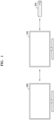
- FIG. 1 is a diagram illustrating a first display device, and a second display device and an external device both connected to the first display device, according to an embodiment of the disclosure.
- a first display device 100 and a second display device 200 may include televisions (TVs), but this is only an example, and may be implemented in various forms including displays.
- the first display device 100 and the second display device 200 may be implemented as various electronic devices such as, for example, and without limitation, mobile phones, tablet personal computers (PCs), digital cameras, camcorders, laptop computers, tablet PCs, desktop computers, electronic book terminals, digital broadcast terminals, personal digital assistants (PDAs), portable multimedia players (PMPs), navigation devices, MP3 players, or wearable devices.
- PCs personal personal computers
- PDAs personal digital assistants
- PMPs portable multimedia players
- navigation devices MP3 players, or wearable devices.
- the first display device 100 and the external device 300 may be connected to each other through wired or wireless communication.
- the first display device 100 may be connected to the external device 300, through a High-Definition Multimedia Interface (HDMI) port, a Mobile High-Definition Link (MHL) port, a Universal Serial Bus (USB) port, a DisplayPort (DP) port, a Thunderbolt port, a Video Graphics Array (VGA) port, a red-green-blue (RGB) port, a D-subminiature (D-SUB), a Digital Visual Interface (DVI) port, a component jack, a PC port, or the like.
- HDMI High-Definition Multimedia Interface
- MHL Mobile High-Definition Link
- USB Universal Serial Bus
- DP DisplayPort
- Thunderbolt port a Video Graphics Array
- RGB red-green-blue
- D-SUB D-subminiature
- DVI Digital Visual Interface
- the disclosure is not limited thereto, and the first display device 100 and the external device 300 may be connected to each other through short-range wireless communication such as a wireless local area network (LAN) (e.g., Wi-Fi) or Bluetooth.
- LAN wireless local area network
- the first display device 100 and the external device 300 may transmit or receive a video, an audio, and additional information to or from each other using communication therebetween.
- the first display device 100 and the external device 300 are connected to each other through HDMI communication (an HDMI cable).
- the first display device 100 and the external device 300 connected to each other through an HDMI cable may transmit or receive data and information to or from each other using, for example, and without limitation, a transition minimized differential signaling (TMDS) channel, a display data channel (DDC), consumer electronics control (CEC), or the like.
- TMDS transition minimized differential signaling
- DDC display data channel
- CEC consumer electronics control
- the TMDS channel may be used to transmit video data and audio data.
- the DDC may be used to transmit extended display identification data (EDID) information (information such as display product type, resolution, screen size, luminance, etc. indicating display characteristics) of the first display device 100, which may be a sink device, to the external device 300, which is a source device.
- EDID extended display identification data
- the first display device 100 and the external device 300 may control each other through the CEC.
- the external device 300 may transmit image data (or image signals) to the first display device 100.
- the first display device 100 and the second display device 200 may be connected to each other through short-range wireless communication, such as wireless LAN (e.g., Wi-Fi), Bluetooth, or the like.
- the first display device 100 and the external device 300 may transmit or receive a video, an audio, and additional information to or from each other using communication therebetween.
- the first display device 100 may receive image data from the external device 300.
- the first display device 100 may transmit the received image data to the second display device 200.
- an example will be described in which the first display device 100 is a source device and the second display device 200 is a sink device.
- the first display device 100 may encode the received image data and transmit the encoded image data to the second display device 200. Accordingly, the second display device 200 may receive and display the image data output from the external device 300 without directly connecting the external device 300 to the second display device 200.
- the second display device 200 may receive image data output from the external device 300 through the first display device 100 and display the received image data.
- the first display device 100 when the first display device 100 according to an embodiment of the disclosure is powered off while performing an operation of transmitting image data of the external device 300 to the second display device 200, viewing of an external image by a user of the second display device 200 may be unintentionally terminated.
- the first display device 100 and the external device 300 may control each other through the HDMI CEC described above.
- the first display device 100 may transmit the turn-off signal to the external device 300 connected thereto. Accordingly, image data of the external device 300 may not be transmitted to the second display device 200.
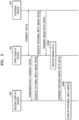
- FIG. 2 is a signal flow diagram illustrating an example method, performed by a first display device, of transmitting an image received from an external device to a second display device, according to an embodiment of the disclosure.
- the first display device 100 may be connected to the external device 300, through an HDMI port, an MHL port, a USB port, a DP port, a Thunderbolt port, a VGA port, an RGB port, a D-SUB, a DVI port, a component jack, a PC port, or the like.
- the disclosure is not limited thereto, and the first display device 100 and the external device 300 may be connected to each other through short-range wireless communication such as a wireless LAN (e.g., Wi-Fi) or Bluetooth, or the like.
- the first display device 100 and the external device 300 may transmit or receive a video, an audio, and additional information to or from each other using communication therebetween.
- the first display device 100 and the second display device 200 according to an embodiment of the disclosure may be communicatively connected to each other using at least one communication method (S220).
- the first display device 100 and the second display device 200 may be connected to each other through short-range wireless communication, such as wireless LAN (e.g., Wi-Fi) or Bluetooth, or the like.
- the first display device 100 and the external device 300 may transmit or receive a video, an audio, and additional information to or from each other using communication therebetween.
- the second display device 200 may perform connection with any one of external devices connected to the first display device 100.
- the connection between the second display device 200 and the external device 300 may refer, for example, to connection through the first display device 100, rather than direct connection.
- the second display device 200 may request an external input image from the first display device 100 (S230).
- the external input image may refer, for example, to an image received from the external device 300.
- the first display device 100 may request the external input image from the external device 300 (S240).
- the external device 300 may transmit image data to the first display device 100 (S250).
- the first display device 100 may encode the image data received from the external device 300 (S260).
- the first display device 100 may reduce the amount of information by encoding the image data received from the external device 300.
- the encoding may include, for example, and without limitation, predicting image data to generate prediction data, generating residual data corresponding to a difference between the image data and the prediction data, transforming the residual data that is a spatial domain component into a frequency domain component, quantizing the residual data transformed into the frequency domain component, and entropy-encoding the quantized residual data.
- the encoding may be implemented through any one of image processing methods using frequency conversion such as, for example, and without limitation, MPEG-2, H.264 advanced video coding (AVC), MPEG-4, high efficiency video coding (HEVC), VC-1, VP8, VP9, or AOMedia Video 1 (AV1).
- AVC H.264 advanced video coding
- HEVC high efficiency video coding
- VC-1 high efficiency video coding
- VP8 VP9
- AV1 AOMedia Video 1
- the first display device 100 may transmit the encoded image data to the second display device 200 (S270).
- the first display device 100 may transmit the encoded image data to the second display device 200 in the form of a bitstream.
- the second display device 200 may decode the image data received from the first display device 100, and display the external input image on a display (S280).
- the decoding may include entropy-decoding the image data to generate quantized residual data, dequantizing the quantized residual data, transforming the residual data that is a frequency domain component to a spatial domain component, generating prediction data, and reconstructing image data using the prediction data and the residual data.
- the decoding may be implemented through an image reconstruction method corresponding, for example, to any one of image compression methods using frequency conversion, such as, for example, and without limitation, MPEG-2, H.264, MPEG-4, HEVC, VC-1, VP8, VP9, or AV1, which is used in the encoding.
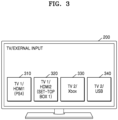
- FIG. 3 is a diagram illustrating an example in which a second display device sets, as external inputs, external devices connected to a first display device, according to an embodiment of the disclosure.
- the second display device 200 may display a menu for setting an external device based on a user input.
- the menu for setting an external input may include a list of connectable external devices.
- the list of external devices may include external devices connected to the second display device 200, or external devices connected to the first display device 100 connected to the second display device 200.
- the list of external devices may include a first item 310 corresponding to a first external device connected to the second display device 200, a second item 320 corresponding to a second external device connected to the second display device 200, a third item 330 corresponding to a third external device connected to the first display device 100, and a fourth item 340 corresponding to a fourth external device connected to the first display device 100.
- the list of external devices may include external devices connected to other display devices than the first display device 100, which are connected to the second display device 200.
- the second display device 200 may receive an external input image from an external device corresponding to the selected item, and display the received external input image.
- the second display device 200 may receive an image from the first external device or the second external device connected to the second display device 200, and display the received image.
- the first display device 100 When the first display device 100 according to an embodiment of the disclosure is powered off or in a power saving mode and receives a request for an external input image from the second display device 200, the first display device 100 may turn on a process and power for transmitting the external input image to the second display device 200.
- the second display device 200 may display the external input image received from the first display device 100.
- Powering off may refer to turning off a display device that is reproducing image data. Powering off may also be referred to as turning off.
- the power supplied to a memory (not shown) of the first display device 100 may be maintained, and the data stored in the memory may be maintained even after switching to the power saving mode.
- the first display device 100 may perform an operation of encoding image data received from the external device 300 connected to the first display device 100, and transmitting the encoded image data to the second display device 200 connected to the first display device 100.
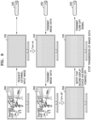
- the first display device 100 when the first display device 100 according to an embodiment of the disclosure is not performing an operation of transmitting an external input image to another display device (No in operation S520), or when an operation of transmitting an external input image to another display device is terminated, the first display device 100 may transmit a termination signal to the external device 300 (S550).
- the first display device 100 may include a microcomputer, and the microcomputer may receive power to remain turned on even in the power saving mode.
- the microcomputer receives a power-on signal (may also be referred to as a turn-on signal) in the suspend mode, power may be supplied to the processor, and the processor may operate in the normal mode.
- the processor may use data stored in the memory to resume the operation state of the display device in the state before switching to the power saving mode.
- the first display device 100 may receive image data from the external device 300.
- the first display device 100 may encode the image data received from the external device 300, and transmit the encoded image data to the second display device 200.
- the second display device 200 may decode the image data received from the first display device 100 and display the decoded image data on the display.
- the first display device 100 may receive image data from the second external device without entering the power saving mode.
- the first display device 100 may encode the image data received from the second external device and transmit the encoded image data to the second display device 200.
- the first display device 100 may stop or terminate the operation of receiving the image data from the external device 300, encoding the received image data, and transmitting the encoded image data to the second display device 200.
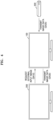
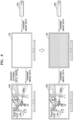
- FIG. 9 is a diagram illustrating an example operation, performed by a first display device and a second display device, of controlling powering on/off, according to an embodiment of the disclosure.
- the second display device 200 may be connected to the first display device 100, and the first display device 100 may be connected to the external device 300.
- the second display device 200 may request an external input image from the first display device 100 that has been powered off, through an external input setting.
- the second display device 200 may receive a turn-off signal while receiving the image data from the first display device 100.
- the second display device 200 may transmit information indicating that the second display device 200 has been powered, to the first display device 100.
- the first display device 100 may stop or terminate the operation of receiving the image data from the external device 300, encoding the received image data, and transmitting the encoded image data to the second display device 200.
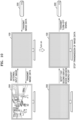
- FIG. 10 is a diagram illustrating an example operation, performed by a first display device and a second display device, of controlling powering on/off, according to an embodiment of the disclosure.
- the second display device 200 may be connected to the first display device 100, and the first display device 100 may be connected to the external device 300.
- the second display device 200 may request an external input image from the first display device 100 that has been powered off, through an external input setting.
- the first display device 100 When the first display device 100 receives the request for the external input image from the second display device 200, the first display device 100 may power on itself. At this time, the first display device 100 may request the external input image from the external device 300 while keeping the display turned off. The first display device 100 may receive image data from the external device 300 and then transmit the image data to the second display device 200.
- the second display device 200 may receive a turn-off signal while receiving the image data from the first display device 100.
- the second display device 200 may transmit information indicating that the the second display device 200 has been powered, to the first display device 100.
- the first display device 100 may stop or terminate the operation of receiving the image data from the external device 300, encoding the received image data, and transmitting the encoded image data to the second display device 200.
- the first display device 100 may transmit a turn-off signal to the external device 300 and power off itself.
- the first display device 100 when the first display device 100 receives a turn-on signal from the first control device controlling the first display device 100 after the first display device 100 is turned on by the second display device 200, the first display device 100 may remain powered on without being powered off.
- the disclosure is not limited thereto.
- FIG. 11 is a block diagram illustrating an example configuration of a first display device according to an embodiment of the disclosure.
- the first display device 100 may include a communication unit (e.g., including communication circuitry) 110, a processor (e.g., including processing circuitry) 120, a memory 130, a display 140, and an input/output interface (e.g., including interface circuitry) 150.
- a communication unit e.g., including communication circuitry
- a processor e.g., including processing circuitry
- a memory 130 e.g., including memory 130
- a display 140 e.g., including display circuitry
- an input/output interface e.g., including interface circuitry
- the communication unit 110 may include various communication circuitry and transmit and receive data or signals to and from an external device (e.g., the second display device 200 or the first control device) or a server.
- the communication unit 110 may include a Wi-Fi module, a Bluetooth module, an IR communication module, a wireless communication module, a LAN module, an Ethernet module, a wired communication module, and the like.
- Each communication module may be implemented as at least one hardware chip including various communication circuitry.
- the Wi-Fi module and the Bluetooth module perform communication using a Wi-Fi scheme and a Bluetooth scheme, respectively.
- various pieces of connection information such as a service set identifier (SSID) or a session key, may be first transmitted and received, and various pieces of information may be then transmitted and received after a communication connection is established using the connection information.
- the wireless communication module may include at least one communication chip configured to perform communication according to various wireless communication standards, such as Zigbee, 3 rd Generation (3G), 3 rd Generation Partnership Project (3GPP), Long-Term Evolution (LTE), LTE Advanced (LTE-A), 4 th Generation (4G), 5 th Generation (5G), or the like.
- the communication unit 110 may receive a request for an external input image from the second display device 200 according to an embodiment of the disclosure, and transmit the external input image to the second display device 200.
- the communication unit 110 may receive a control signal or a control command from the first control device.
- the communication unit 110 may include an IR module capable of transmitting and receiving signals to and from the first control device according to an IR communication standard.
- the communication unit 110 may receive a control signal or a control command corresponding to a user input (e.g., an input of a key or a button of the control device) from the first control device.
- the processor 120 may include various processing circuitry.
- the term "processor” may include various processing circuitry, including at least one processor, wherein one or more processors of at least one processor may be configured to perform the various functions described herein. Additionally, the at least one processor may include a combination of processors performing various of the recited/disclosed functions. Additionally, the processor 120 controls the overall operation of the first display device 100 and a signal flow between internal components of the first display device 100, and processes data.
- the processor 120 may include a single core, dual cores, triple cores, quad cores, or cores corresponding to a multiple thereof.
- the processor 120 may include a plurality of processors.
- the processor 120 may be implemented as a main processor (not shown) and a sub-processor (not shown) operating in a sleep mode.
- the processor 120 may include, for example, and without limitation, at least one a central processing unit (CPU), a graphics processing unit (GPU), or a video processing unit (VPU).
- the processor 120 may be implemented, for example, and without limitation, as a system on a chip (SoC) into which at least one of a CPU, a GPU, or a VPU is integrated.
- SoC system on a chip
- the processor 120 may further include a neural processing unit (NPU).
- the memory 130 may store various pieces of data, programs, or applications for driving and controlling the first display device 100.
- the program stored in memory 130 may include one or more instructions.
- the program e.g., the one or more instructions
- application stored in the memory 130 may be executed by the processor 120.
- the processor 120 may control the input/output interface 150 such that the first display device 100 is connected to the external device 300.
- the processor 120 may control the communication unit 110 such that the first display device 100 and the second display device 200 are communicatively connected to each other.
- the processor 120 may request the external input image from the external device 300.
- the processor 120 may encode image data received from the external device 300.
- the processor 120 may perform encoding of the image data using any one of image processing methods using frequency conversion such as MPEG-2, H.264 AVC, MPEG-4, HEVC, VC-1, VP8, VP9, or AV1.
- frequency conversion such as MPEG-2, H.264 AVC, MPEG-4, HEVC, VC-1, VP8, VP9, or AV1.
- MPEG-2 H.264 AVC
- MPEG-4 HEVC
- VC-1 high-VP8 VP9
- AV9 AV1
- the disclosure is not limited thereto.
- the processor 120 may control the communication unit 110 to transmit the encoded image data to the second display device 200.
- the processor 120 may turn on a process and power for transmitting the external input image to the second display device 200.
- the processor 120 may perform an operation of transmitting an external input image to the second display device 200, in a state where the display 140 is turned on or off.
- the processor 120 may identify whether an operation of transmitting an external input image to another display device is being performed.
- the processor 120 may control the input/output interface 150 to transmit a termination signal to the external device 300.
- the processor 120 may control the external device 300 using HDMI-CEC.
- the processor 120 may power off the external device 300 by transmitting a turn-off signal to the external device 300 using HDMI-CEC.
- the processor 120 may transmit a turn-off signal to other external devices than the external device 300, which are connected to the first display device 100.
- the disclosure is not limited thereto.
- the processor 120 may switch to the power saving mode.
- the processor 120 may store information about operations being performed by the processor 120, in the memory 130.
- the processor 120 may perform control to maintain power supplied to the memory 130 such that data stored in the memory 130 is maintained even when switching to the power saving mode.
- the processor 120 may stop or terminate the operation of receiving the image data from the external device 300, encoding the received image data, and transmitting the encoded image data to the second display device 200.
- the processor 120 may stop or terminate the operation of receiving the image data from the external device 300, encoding the received image data, and transmitting the encoded image data to the second display device 200.
- the processor 120 may transmit a turn-off signal to the external device 300 and enter the power saving mode.
- the display 140 may convert an image signal, a data signal, an on-screen display (OSD) signal, a control signal, or the like, that has been processed by the processor 120, to generate a driving signal.
- the display 140 may be implemented, for example, and without limitation, as a plasma display panel (PDP), a liquid-crystal display (LCD), an organic light-emitting diode (OLED), a flexible display, a three-dimensional (3D) display, or the like.
- the display 140 may be configured as a touch screen to be used as both an output device and an input device.
- the input/output interface 150 may include various interface circuitry and receive a video (e.g., a moving image), an audio (e.g., a voice or a music), and additional information (e.g., an electronic programming guide (EPG)) from the outside of the first display device 100.
- the input/output interface 150 may include any one of an port, an MHL port, a USB port, a DP port, a Thunderbolt port, a VGA port, an RGB port, a D-SUB port, a DVI port, a component jack, and a PC port.
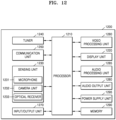
- FIG. 12 is a block diagram illustrating an example configuration of a display device according to an embodiment of the disclosure.
- a display device 1200 of FIG. 12 may be an example of the first display device 100 or the second display device 200 described above with reference to FIGS. 1 to 11 .
- the display device 1200 may include a tuner 1240, a processor (e.g., including processing circuitry) 1210, a display unit (e.g., including a display) 1220, a communication unit (e.g., including communication circuitry) 1250, a sensing unit (e.g., including various sensors and/or sensing circuitry) 1230, an input/output unit (e.g., including input/output circuitry) 1270, a video processing unit (e.g., including video processing circuitry) 1280, an audio processing unit (e.g., including audio processing circuitry) 1285, an audio output unit (e.g., including audio output circuitry) 1260, a memory 1290, and a power supply unit (e.g., including a power supply) 1295.
- a processor e.g., including processing circuitry
- a display unit e.g., including a display
- a communication unit e.g., including communication circuitry
- a sensing unit
- the communication unit 1250 of FIG. 12 corresponds to the communication unit 110 of FIG. 11
- the processor 1210 of FIG. 12 corresponds to the processor 120 of FIG. 11
- the memory 1290 of FIG. 12 corresponds to the memory 130 of FIG. 11
- the display unit 1220 of FIG. 12 corresponds to the display 140 of FIG. 11
- the input/output unit 1270 of FIG. 12 corresponds to the input/output interface 150 of FIG. 11 .
- the descriptions thereof provided above may not be repeated here.
- the tuner 1240 may be tuned to and select only a frequency of a channel desired to be received by the display device 1200 from among a number of radio wave components by performing, for example, amplification, mixing, and resonance on a broadcast signal received in a wired or wireless manner.
- the broadcast signal includes an audio, a video, and additional information (e.g., an EPG).
- the tuner 1240 may receive a broadcast signal from various sources, such as terrestrial, cable, satellite, and Internet broadcasters.
- the tuner 1240 may also receive a broadcast signal from a source such as an analog or digital broadcaster.
- the sensing unit 1230 may include various sensors and/or sensing circuitry and detect a voice, an image, or an interaction of a user, and may include a microphone 1231, a camera unit 1232, and an optical receiver 1233.
- the camera unit 1232 may include a camera and receive an image (e.g., consecutive frames) corresponding to a motion of the user, including a gesture, in the recognition range of a camera.
- the processor 1210 may select a menu to be displayed on the display device 1200 or perform a control operation based on a result of recognizing the received motion.
- the optical receiver 1233 may receive an optical signal (including a control signal) from an external control device through an optical window (not shown) of a bezel of the display unit 1220.
- the optical receiver 1233 may receive, from the control device, an optical signal corresponding to a user input (e.g., a touch, a push, a touch gesture, a voice, or a motion).
- a control signal may be extracted from the received optical signal, under control of the processor 1210.
- the processor 1210 may include various processing circuitry.
- the term "processor” may include various processing circuitry, including at least one processor, wherein one or more processors of at least one processor may be configured to perform the various functions described herein. Additionally, the at least one processor may include a combination of processors performing various of the recited/disclosed functions. Additionally, the processor 1210 controls the overall operation of the display device 1200 and a signal flow between internal components of the display device 1200, and processes data. When a user input is received or a preset and stored condition is satisfied, the processor 1210 may execute an operating system (OS) and various applications stored in the memory 1290.
- OS operating system
- the processor 1210 may include random-access memory (RAM) to store signals or data input from outside the display device 1200 or to be used as a storage for various operations performed by the display device 1200, read-only memory (ROM) storing a plurality of instructions and/or a control program for controlling the display device 1200, and a processor.
- RAM random-access memory
- ROM read-only memory
- the video processing unit 1280 may include various video processing circuitry and processes video data received by the display device 1200.
- the video processing unit 1280 may perform various image processing operations, such as decoding, scaling, noise removal, frame rate conversion, or resolution conversion, on the video data.
- the audio processing unit 1285 may include various audio processing circuitry and processes audio data.
- the audio processing unit 1285 may perform various processing operations, such as decoding, amplification, or noise removal, on the audio data.
- the audio processing unit 1285 may include a plurality of audio processing modules configured to process an audio corresponding to a plurality of pieces of content.
- the audio output unit 1260 may include various audio output circuitry and outputs an audio included in a broadcast signal received through the tuner 1240 under control of the processor 1210.
- the audio output unit 1260 may output an audio (e.g., a voice or a sound) input through the communication unit 1250 or the input/output unit 1270.
- the audio output unit 1260 may output an audio stored in the memory 1290 under control of the processor 1210.
- the audio output unit 1260 may include at least one of a speaker, a headphone output port, or a Sony/Philips Digital Interface (S/PDIF) output port.
- S/PDIF Sony/Philips Digital Interface
- the power supply unit 1295 may include a power supply and supplies power input from an external power source, to the components inside the display device 1200 under control of the processor 1210. In addition, the power supply unit 1295 may supply power output from one or more batteries (not shown) in the display device 1200, to the internal components, under control of the processor 1210.
- the memory 1290 may store various pieces of data, programs, or applications for driving and controlling the display device 1200 under control of the processor 1210.
- the memory 1290 may include various modules, each of which may include various executable program instructions, including, for example and without limitation, a broadcast receiving module, a channel control module, a volume control module, a communication control module, a speech recognition module, a motion recognition module, an optical receiving module, a display control module, an audio control module, an external input control module, a power control module, a power control module of an external device connected in a wireless manner (e.g., Bluetooth), a speech database (DB), or a motion DB, which is not illustrated.
- a wireless manner e.g., Bluetooth
- DB speech database
- motion DB motion DB
- the modules and the DBs of the memory 1290 may be implemented in the form of software for the display device 1200 to perform a function of controlling broadcast reception, a channel control function, a volume control function, a communication control function, a voice recognition function, a motion recognition function, a light reception control function, a display control function, an audio control function, an external input control function, a power control function, or a power control function of an external device connected in a wireless manner (e.g., Bluetooth).
- the processor 1210 may perform each function using the software stored in the memory 1290.
- FIGS. 11 and 12 The block diagrams of the display devices 100 and 1200 illustrated in FIGS. 11 and 12 are merely examples. Each component illustrated in the block diagrams may be integrated, added, or omitted according to the specification of the display device 100 or 1200 actually implemented. For example, two or more components may be integrated into one component, or one component may be divided into two or more components, as necessary. In addition, a function performed by each block is for describing embodiments of the disclosure, and its detailed operation or device does not limit the scope of the disclosure.
- a display device may include: a display, a communication unit comprising communication circuitry, a memory storing one or more instructions, and at least one processor, comprising processing circuitry, configured to execute the one or more instructions.
- the at least one processor may execute the one or more instructions to control the communication unit to transmit image data received from an external device connected to the display device, to another display device connected to the display device.
- the at least one processor may execute the one or more instructions to, based on receiving a power-off signal, identify whether an operation of transmitting the image data to the other display device is being performed.
- the at least one processor may execute the one or more instructions to, based on the operation of transmitting the image data to the other display device being performed, turn off the display and enter a power-off suspend mode in which the operation of transmitting the image data to the other display device is maintained.
- the at least one processor may execute the one or more instructions to, based on the operation of transmitting the image data to the other display device being terminated in the power-off suspend mode, switch to a power saving mode.
- the display device may further include an input/output interface comprising circuitry connected to the external device.
- the external device may be connected to the display device through an HDMI port or a display port.
- At least one processor may execute the one or more instructions to encode image data received from the external device.
- At least one processor may execute the one or more instructions to control the communication unit to transmit the encoded image data to the other display device.
- At least one processor may execute the one or more instructions to, in the power-off suspend mode, monitor a state of the operation of transmitting the image data to the other display device.
- the power saving mode may include a state in which supply of power to at least one processor is stopped such that an operation of at least one processor is stopped, and supply of power to the memory is maintained.
- the display device may further include an input/output interface comprising circuitry connected to the external device.
- At least one processor may execute the one or more instructions to: based on the operation of transmitting the image data to the other display device being terminated, store information about operations being performed by the display device, and switch to the power saving mode.
- a method of operating a display device may include transmitting image data received from an external device connected to the display device, to another display device connected to the display device,
- the method of operating the display device according to an example embodiment of the disclosure may further include receiving a power-off signal.
- the method of operating the display device may further include, based on the operation of transmitting the image data to the other display device being performed, turning off a display and entering a power-off suspend mode in which the operation of transmitting the image data to the other display device is maintained.
- the method of operating the display device may further include, based on the operation of transmitting the image data to the other display device being terminated in the power-off suspend mode, switching to a power saving mode.
- the method of operating the display device according to an example embodiment of the disclosure may further include connecting the external device to the display device through an HDMI port or a display port.
- the transmitting of the image data received from the external device connected to the display device, to the other display device connected to the display device, may according to an example embodiment further include transmitting the encoded image data to the other display device.
- the method of operating the display device may further include, in the power-off suspend mode, monitoring a state of the operation of transmitting the image data to the other display device.
- the method of operating the display device may further include receiving the power-off signal, and based on the operation of transmitting the image data to the other display device not being performed, entering the power saving mode.
- the method of operating the display device according to an example embodiment of the disclosure may further include, in the power saving mode, transmitting a power-off signal to the external device.
- the switching to the power saving mode may according to an example embodiment include, based on the operation of transmitting the image data to the other display device being terminated, storing information about operations being performed by the display device, and switching to the power saving mode.
- the method of operating the display device may further include receiving, from the other display device, a request to stop the transmission of the image data.
- the method of operating the display device may further include, based on receiving the request to stop the transmission, terminating the operation of transmitting the image data to the other display device.
- the method of operating the display device according to an example embodiment of the disclosure may further include receiving, from the other display device, state information indicating that the other display device is powered off.
- the method of operating the display device may further include, based on receiving, from the other display device, the state information indicating that the other display device is powered off, terminating the operation of transmitting the image data to the other display device.
- the method of operating the display device may further include, based on receiving, from the other display device, the state information indicating that the other display device is powered off, releasing connection with the other display device.
- the display device may maintain an operation of transmitting image data of an external device to another display device even when a power-off signal is received while transmitting the image data of the external device to the other display device, thereby preventing/reducing viewing of external images by a user of the other display device from being terminated.
- the method of operating the display device may be embodied as program commands executable by various computer devices, and recorded on a computer-readable medium.
- the computer-readable medium may include program commands, data files, data structures, or the like separately or in combinations.
- the program commands to be recorded on the medium may be specially designed and configured for the disclosure or may be well-known to and be usable by those skill in the art of computer software.
- Examples of the computer-readable recording medium include magnetic media such as hard disks, floppy disks, or magnetic tapes, optical media such as a compact disc ROM (CD-ROM) or a DVD, magneto-optical media such as a floptical disk, and hardware devices such as ROM, RAM, or flash memory, which are specially configured to store and execute program commands.
- Examples of the program commands include not only machine code, such as code made by a compiler, but also high-level language code that is executable by a computer using an interpreter or the like.
- the operation method of a display device may be included in a computer program product and provided.
- the computer program product may be traded as commodities between sellers and buyers.
- the computer program product may include a S/W program and a computer-readable recording medium storing the S/W program.
- the computer program product may include a product in the form of a S/W program electronically distributed (e.g., a downloadable application) through a manufacturer of an electronic device or an electronic market (e.g., Google Play Store, App Store).
- a storage medium may be a storage medium of a server of the manufacturer or a server of the electronic market, or a relay server that temporarily stores the S/W program.
- the computer program product may include a storage medium of a server or a storage medium of a client device, in a system including the server and the client device.
- a third device e.g., a smart phone
- the computer program product may include a storage medium of the third device.
- the computer program product may include a software program, which is transmitted from the server to the client device or the third device or transmitted from the third device to the client device.
- one of the server, the client device, and the third device may execute the computer program product to perform the method according to the embodiments of the disclosure.
- two or more of the server, the client device, and the third device may execute the computer program product to execute the method according to the embodiments of the disclosure in a distributed manner.
- the server e.g., a cloud server, an artificial intelligence server
- the server may execute the computer program product stored in the server to control the client device communicatively connected to the server to perform the method according to the embodiments of the disclosure.
Landscapes
- Engineering & Computer Science (AREA)
- Multimedia (AREA)
- Signal Processing (AREA)
- Software Systems (AREA)
- General Engineering & Computer Science (AREA)
- Computer Networks & Wireless Communication (AREA)
- Two-Way Televisions, Distribution Of Moving Picture Or The Like (AREA)
Applications Claiming Priority (2)
| Application Number | Priority Date | Filing Date | Title |
|---|---|---|---|
| KR1020230005470A KR20240113200A (ko) | 2023-01-13 | 2023-01-13 | 디스플레이 장치 및 그 동작 방법 |
| PCT/KR2023/021717 WO2024150975A1 (fr) | 2023-01-13 | 2023-12-27 | Dispositif d'affichage et procédé de fonctionnement associé |
Publications (2)
| Publication Number | Publication Date |
|---|---|
| EP4576791A1 true EP4576791A1 (fr) | 2025-06-25 |
| EP4576791A4 EP4576791A4 (fr) | 2025-12-03 |
Family
ID=91854106
Family Applications (1)
| Application Number | Title | Priority Date | Filing Date |
|---|---|---|---|
| EP23916458.5A Pending EP4576791A4 (fr) | 2023-01-13 | 2023-12-27 | Dispositif d'affichage et procédé de fonctionnement associé |
Country Status (3)
| Country | Link |
|---|---|
| US (1) | US12375762B2 (fr) |
| EP (1) | EP4576791A4 (fr) |
| CN (1) | CN120380768A (fr) |
Family Cites Families (15)
| Publication number | Priority date | Publication date | Assignee | Title |
|---|---|---|---|---|
| KR100598412B1 (ko) | 1999-08-31 | 2006-07-10 | 삼성전자주식회사 | 디스플레이 시스템의 전원절전장치 및 전원절전방법 |
| KR100471056B1 (ko) * | 2000-11-18 | 2005-03-07 | 삼성전자주식회사 | 컴퓨터시스템 및 컴퓨터시스템의 대기모드제어방법 |
| KR101249836B1 (ko) | 2006-07-11 | 2013-04-05 | 삼성전자주식회사 | 네트워크 기능을 갖는 디스플레이장치 |
| KR20110009574A (ko) | 2009-07-22 | 2011-01-28 | 엘지전자 주식회사 | 네트워크 기능이 구비된 디스플레이장치 및 그의 제어 방법 |
| US8767112B2 (en) * | 2009-12-18 | 2014-07-01 | St-Ericsson Sa | Luminance control of a display device |
| KR101626161B1 (ko) | 2009-12-23 | 2016-06-13 | 엘지전자 주식회사 | 저전력 동작 방법, 그를 이용한 송수신 장치 및 디스플레이 장치 |
| KR101635564B1 (ko) | 2010-01-08 | 2016-07-01 | 엘지전자 주식회사 | 영상표시장치 및 그 동작방법 |
| KR20140091356A (ko) | 2013-01-11 | 2014-07-21 | 삼성전자주식회사 | 디스플레이장치, 단말기 및 디스플레이장치의 영상제공방법 |
| KR20150119701A (ko) * | 2014-04-16 | 2015-10-26 | 삼성전자주식회사 | 메인 디스플레이장치, 서브 디스플레이장치, 이를 포함하는 다중 디스플레이 시스템 및 그 제어방법 |
| US9568972B2 (en) * | 2014-05-09 | 2017-02-14 | Intel Corporation | Coordinated multi-device power management |
| KR102219877B1 (ko) | 2014-10-14 | 2021-02-24 | 삼성전자주식회사 | 디스플레이 장치 및 이의 제어 방법 |
| KR20170091436A (ko) * | 2016-02-01 | 2017-08-09 | 삼성전자주식회사 | 영상 표시 장치 및 그 동작방법 |
| CN106155684A (zh) | 2016-06-30 | 2016-11-23 | 努比亚技术有限公司 | 一种信息处理方法和终端 |
| KR20180103277A (ko) | 2017-03-09 | 2018-09-19 | 주식회사 레드로버 | 멀티 프로젝터의 영상처리수단 및 그 방법 |
| KR20220023592A (ko) * | 2020-08-21 | 2022-03-02 | 엘지전자 주식회사 | 디스플레이 장치, 제어방법 및 그 제어시스템 |
-
2023
- 2023-12-27 EP EP23916458.5A patent/EP4576791A4/fr active Pending
- 2023-12-27 CN CN202380084911.4A patent/CN120380768A/zh active Pending
-
2024
- 2024-01-12 US US18/411,180 patent/US12375762B2/en active Active
Also Published As
| Publication number | Publication date |
|---|---|
| US12375762B2 (en) | 2025-07-29 |
| EP4576791A4 (fr) | 2025-12-03 |
| US20240244295A1 (en) | 2024-07-18 |
| CN120380768A (zh) | 2025-07-25 |
Similar Documents
| Publication | Publication Date | Title |
|---|---|---|
| US11303958B2 (en) | Display device and image display method of the same | |
| US9720638B2 (en) | Display system and control method of the same | |
| US12450024B2 (en) | Display device and method for sharing screens of electronic devices | |
| EP4582925A1 (fr) | Dispositif terminal et méthode de mise en miroir exécutée par celui-ci | |
| US20250211719A1 (en) | Projection apparatus and operating method thereof | |
| US9307176B2 (en) | Display apparatus, upgrade apparatus, display system and control method of the same | |
| EP4576791A1 (fr) | Dispositif d'affichage et procédé de fonctionnement associé | |
| US11699374B2 (en) | Display device and operating method of the same | |
| US20260010332A1 (en) | Display device and operating method thereof | |
| US20130169876A1 (en) | Display apparatus, upgrade apparatus, display system and control method of the same | |
| KR20240113200A (ko) | 디스플레이 장치 및 그 동작 방법 | |
| KR102926780B1 (ko) | 디스플레이 장치 및 그 동작방법 | |
| EP4386737A1 (fr) | Dispositif d'affichage et son procédé de fonctionnement | |
| US20260032316A1 (en) | Display device and operating method thereof | |
| KR20220111164A (ko) | 디스플레이 장치 및 그 동작방법 | |
| US12079964B2 (en) | Image processing apparatus and operation method thereof | |
| EP4576789A1 (fr) | Dispositif d'affichage et son procédé de fonctionnement | |
| KR101220287B1 (ko) | 외부입력 기기 변경에 기인한 방송수신장치 자동 모드 전환방법 | |
| KR20250084614A (ko) | 전자 장치 및 그 동작 방법 |
Legal Events
| Date | Code | Title | Description |
|---|---|---|---|
| STAA | Information on the status of an ep patent application or granted ep patent |
Free format text: STATUS: THE INTERNATIONAL PUBLICATION HAS BEEN MADE |
|
| PUAI | Public reference made under article 153(3) epc to a published international application that has entered the european phase |
Free format text: ORIGINAL CODE: 0009012 |
|
| STAA | Information on the status of an ep patent application or granted ep patent |
Free format text: STATUS: REQUEST FOR EXAMINATION WAS MADE |
|
| 17P | Request for examination filed |
Effective date: 20250318 |
|
| AK | Designated contracting states |
Kind code of ref document: A1 Designated state(s): AL AT BE BG CH CY CZ DE DK EE ES FI FR GB GR HR HU IE IS IT LI LT LU LV MC ME MK MT NL NO PL PT RO RS SE SI SK SM TR |
|
| A4 | Supplementary search report drawn up and despatched |
Effective date: 20251104 |
|
| RIC1 | Information provided on ipc code assigned before grant |
Ipc: H04N 21/43 20110101AFI20251029BHEP Ipc: H04N 21/443 20110101ALI20251029BHEP Ipc: H04N 21/436 20110101ALI20251029BHEP |
|
| DAV | Request for validation of the european patent (deleted) | ||
| DAX | Request for extension of the european patent (deleted) |