EP4578877A1 - Antikörperfusionsprotein zum targeting von fap und tgf-beta und verwendung davon - Google Patents
Antikörperfusionsprotein zum targeting von fap und tgf-beta und verwendung davon Download PDFInfo
- Publication number
- EP4578877A1 EP4578877A1 EP23849475.1A EP23849475A EP4578877A1 EP 4578877 A1 EP4578877 A1 EP 4578877A1 EP 23849475 A EP23849475 A EP 23849475A EP 4578877 A1 EP4578877 A1 EP 4578877A1
- Authority
- EP
- European Patent Office
- Prior art keywords
- amino acid
- acid sequence
- seq
- antibody
- fusion protein
- Prior art date
- Legal status (The legal status is an assumption and is not a legal conclusion. Google has not performed a legal analysis and makes no representation as to the accuracy of the status listed.)
- Pending
Links
Images




Classifications
-
- C—CHEMISTRY; METALLURGY
- C07—ORGANIC CHEMISTRY
- C07K—PEPTIDES
- C07K16/00—Immunoglobulins [IG], e.g. monoclonal or polyclonal antibodies
- C07K16/40—Immunoglobulins [IG], e.g. monoclonal or polyclonal antibodies against enzymes
-
- A—HUMAN NECESSITIES
- A61—MEDICAL OR VETERINARY SCIENCE; HYGIENE
- A61P—SPECIFIC THERAPEUTIC ACTIVITY OF CHEMICAL COMPOUNDS OR MEDICINAL PREPARATIONS
- A61P43/00—Drugs for specific purposes, not provided for in groups A61P1/00-A61P41/00
-
- C—CHEMISTRY; METALLURGY
- C07—ORGANIC CHEMISTRY
- C07K—PEPTIDES
- C07K14/00—Peptides having more than 20 amino acids; Gastrins; Somatostatins; Melanotropins; Derivatives thereof
- C07K14/435—Peptides having more than 20 amino acids; Gastrins; Somatostatins; Melanotropins; Derivatives thereof from animals; from humans
- C07K14/705—Receptors; Cell surface antigens; Cell surface determinants
- C07K14/71—Receptors; Cell surface antigens; Cell surface determinants for growth factors; for growth regulators
-
- C—CHEMISTRY; METALLURGY
- C12—BIOCHEMISTRY; BEER; SPIRITS; WINE; VINEGAR; MICROBIOLOGY; ENZYMOLOGY; MUTATION OR GENETIC ENGINEERING
- C12N—MICROORGANISMS OR ENZYMES; COMPOSITIONS THEREOF; PROPAGATING, PRESERVING, OR MAINTAINING MICROORGANISMS; MUTATION OR GENETIC ENGINEERING; CULTURE MEDIA
- C12N15/00—Mutation or genetic engineering; DNA or RNA concerning genetic engineering, vectors, e.g. plasmids, or their isolation, preparation or purification; Use of hosts therefor
- C12N15/09—Recombinant DNA-technology
- C12N15/11—DNA or RNA fragments; Modified forms thereof; Non-coding nucleic acids having a biological activity
- C12N15/62—DNA sequences coding for fusion proteins
-
- A—HUMAN NECESSITIES
- A61—MEDICAL OR VETERINARY SCIENCE; HYGIENE
- A61K—PREPARATIONS FOR MEDICAL, DENTAL OR TOILETRY PURPOSES
- A61K39/00—Medicinal preparations containing antigens or antibodies
- A61K2039/505—Medicinal preparations containing antigens or antibodies comprising antibodies
-
- A—HUMAN NECESSITIES
- A61—MEDICAL OR VETERINARY SCIENCE; HYGIENE
- A61K—PREPARATIONS FOR MEDICAL, DENTAL OR TOILETRY PURPOSES
- A61K38/00—Medicinal preparations containing peptides
-
- C—CHEMISTRY; METALLURGY
- C07—ORGANIC CHEMISTRY
- C07K—PEPTIDES
- C07K14/00—Peptides having more than 20 amino acids; Gastrins; Somatostatins; Melanotropins; Derivatives thereof
- C07K14/435—Peptides having more than 20 amino acids; Gastrins; Somatostatins; Melanotropins; Derivatives thereof from animals; from humans
- C07K14/475—Growth factors; Growth regulators
- C07K14/495—Transforming growth factor [TGF]
-
- C—CHEMISTRY; METALLURGY
- C07—ORGANIC CHEMISTRY
- C07K—PEPTIDES
- C07K2317/00—Immunoglobulins specific features
- C07K2317/20—Immunoglobulins specific features characterized by taxonomic origin
- C07K2317/24—Immunoglobulins specific features characterized by taxonomic origin containing regions, domains or residues from different species, e.g. chimeric, humanized or veneered
-
- C—CHEMISTRY; METALLURGY
- C07—ORGANIC CHEMISTRY
- C07K—PEPTIDES
- C07K2317/00—Immunoglobulins specific features
- C07K2317/70—Immunoglobulins specific features characterized by effect upon binding to a cell or to an antigen
- C07K2317/73—Inducing cell death, e.g. apoptosis, necrosis or inhibition of cell proliferation
- C07K2317/732—Antibody-dependent cellular cytotoxicity [ADCC]
-
- C—CHEMISTRY; METALLURGY
- C07—ORGANIC CHEMISTRY
- C07K—PEPTIDES
- C07K2317/00—Immunoglobulins specific features
- C07K2317/90—Immunoglobulins specific features characterized by (pharmaco)kinetic aspects or by stability of the immunoglobulin
- C07K2317/92—Affinity (KD), association rate (Ka), dissociation rate (Kd) or EC50 value
-
- C—CHEMISTRY; METALLURGY
- C07—ORGANIC CHEMISTRY
- C07K—PEPTIDES
- C07K2317/00—Immunoglobulins specific features
- C07K2317/90—Immunoglobulins specific features characterized by (pharmaco)kinetic aspects or by stability of the immunoglobulin
- C07K2317/94—Stability, e.g. half-life, pH, temperature or enzyme-resistance
-
- C—CHEMISTRY; METALLURGY
- C07—ORGANIC CHEMISTRY
- C07K—PEPTIDES
- C07K2319/00—Fusion polypeptide
-
- C—CHEMISTRY; METALLURGY
- C07—ORGANIC CHEMISTRY
- C07K—PEPTIDES
- C07K2319/00—Fusion polypeptide
- C07K2319/32—Fusion polypeptide fusions with soluble part of a cell surface receptor, "decoy receptors"
-
- C—CHEMISTRY; METALLURGY
- C12—BIOCHEMISTRY; BEER; SPIRITS; WINE; VINEGAR; MICROBIOLOGY; ENZYMOLOGY; MUTATION OR GENETIC ENGINEERING
- C12N—MICROORGANISMS OR ENZYMES; COMPOSITIONS THEREOF; PROPAGATING, PRESERVING, OR MAINTAINING MICROORGANISMS; MUTATION OR GENETIC ENGINEERING; CULTURE MEDIA
- C12N9/00—Enzymes; Proenzymes; Compositions thereof; Processes for preparing, activating, inhibiting, separating or purifying enzymes
- C12N9/14—Hydrolases (3)
- C12N9/48—Hydrolases (3) acting on peptide bonds (3.4)
- C12N9/50—Proteinases, e.g. Endopeptidases (3.4.21-3.4.25)
- C12N9/64—Proteinases, e.g. Endopeptidases (3.4.21-3.4.25) derived from animal tissue
- C12N9/6421—Proteinases, e.g. Endopeptidases (3.4.21-3.4.25) derived from animal tissue from mammals
- C12N9/6424—Serine endopeptidases (3.4.21)
-
- C—CHEMISTRY; METALLURGY
- C12—BIOCHEMISTRY; BEER; SPIRITS; WINE; VINEGAR; MICROBIOLOGY; ENZYMOLOGY; MUTATION OR GENETIC ENGINEERING
- C12Y—ENZYMES
- C12Y304/00—Hydrolases acting on peptide bonds, i.e. peptidases (3.4)
- C12Y304/21—Serine endopeptidases (3.4.21)
Definitions
- the present disclosure provides a bifunctional antibody fusion protein targeting FAP and TGF ⁇ .
- the antibody fusion protein is capable of specifically binding to FAP protein and blocking the TGF ⁇ signaling pathway.
- the present disclosure further provides a nucleic acid molecule encoding the antibody fusion protein, an expression vector for expressing the antibody fusion protein, a host cell, and a method for preparing same.
- the present disclosure further provides use of the antibody fusion protein.
- Fibrotic diseases have the pathological feature of excessive fibrotic connective tissues in organs, e.g., the accumulation of collagen, and the etiology of which generally includes factors of chemical injury, persistent infection, metabolism, autoimmune reaction, etc. Fibrotic diseases are a consequential, key pathological feature of chronic inflammations that may affect the pathological progression. They also represent the progression of the disease to a more severe stage, greatly affecting the functions of important organs, e.g., the heart, lung, liver, and kidney.
- fibrosis occurs in numerous diseases as a main pathological feature and process, and among the diseases, liver cirrhosis caused by HBV, renal fibrosis induced by diabetes, as well as idiopathic pulmonary fibrosis (IPF) with unknown cause, and skin diseases are commonly seen.
- Fibrosis is a repairing reaction for chronic injuries and persistent inflammations and may be a reversible process in the early stages. However, fibrosis may cause structural damages to tissues and dysfunction in organs with its continuous progression.
- the fibrotic response is associated with TGF ⁇ -driven fibroblast changes, including: the activation and overgrowth of fibroblasts in the resting state; the phenotype transition to myofibroblasts; increased production of matrix proteins and thus induced extracellular collagen deposition; inhibited MMP synthesis, induced expression and synthesis of protease inhibitor TIMP-1, inhibited enzymatic degradation of matrices, and up-regulated connective tissue growth factor (CTGF), which further promote fibroblast proliferation (ANNA BIERNACKA, et al. (2011). TGF- ⁇ signaling in fibrosis).
- CTGF connective tissue growth factor
- fibroblast-activation protein FAP
- ⁇ -SMA ⁇ -smooth muscle actin
- vimentin a protein that influences the fibrotic process.
- FAP is a cell surface glycoprotein expressed on activated fibroblasts.
- TGF- ⁇ molecule regulates a variety of biological processes and relates to a variety of diseases, including cardiovascular diseases, fibrotic diseases, reproductive diseases, tumors, etc.
- the TGF- ⁇ signaling pathway is primarily transduced through the phosphorylation of Smad2/3.
- TGF- ⁇ produced in cells is in an inactive form, and its activation requires a complicated process: Initially, TGF- ⁇ , in a homodimeric form, covalently binds to latent transforming growth factor ⁇ binding protein (LTBP). The activation of TGF- ⁇ requires proteolysis in the matrix, and the subsequent activation processes are related to integrin-mediated conformational changes before active TGF- ⁇ is ultimately released.
- LTBP latent transforming growth factor ⁇ binding protein
- TGF- ⁇ the binding of TGF- ⁇ to TGF ⁇ -RII may further recruit TGF ⁇ -RI and result in the binding of the three, thereby activating the catalytic activity of TGF ⁇ -RI.
- the latter can trigger the phosphorylation of serine residues of Smad2 and Smad3.
- the regulated target genes include collagens, fibronectin, tissue inhibitors of metalloproteinase (TIMPs), ⁇ -SMA, and the like (Xiao-ming Meng, et al. (2016). TGF- ⁇ : the master regulator of fiberosis).
- Expression vectors include all those known in the art, including cosmids, plasmids (e.g., naked or contained in liposomes), and viruses (e.g., lentiviruses, retroviruses, adenoviruses, and adeno-associated viruses) into which recombinant polynucleotides are incorporated.
- cosmids e.g., naked or contained in liposomes
- viruses e.g., lentiviruses, retroviruses, adenoviruses, and adeno-associated viruses
- the terms “individual” and “subject” are used interchangeably and refer to a mammal.
- the mammals include, but are not limited to, domesticated animals (e.g., cows, sheep, cats, dogs, and horses), primates (e.g., human and non-human primates such as monkeys), rabbits, and rodents (e.g., mice and rats).
- domesticated animals e.g., cows, sheep, cats, dogs, and horses
- primates e.g., human and non-human primates such as monkeys
- rabbits e.g., mice and rats
- rodents e.g., mice and rats
- small molecule drug refers to a low-molecular-weight organic compound capable of regulating biological processes.
- the "small molecule” is defined as a molecule with a molecular weight of less than 10 kD, usually less than 2 kD, and preferably less than 1 kD.
- the small molecule includes but is not limited to inorganic molecules, organic molecules, organic molecules containing inorganic components, molecules containing radioactive atoms, synthetic molecules, peptide mimetics, and antibody mimetics. As therapeutic agents, small molecules penetrate cells better, are less susceptible to degradation, and are less likely to induce an immune response compared to large molecules.
- an effective amount refers to an amount or dose of the antibody, fragment, composition, or combination of the present disclosure which generates expected effects in a patient in need of treatment or prevention after being administered to the patient in a single dose or multiple doses.
- the term "therapeutically effective amount” refers to an amount effective to achieve a desired therapeutic result at a necessary dose for a necessary period of time.
- the therapeutically effective amount is also such an amount that any toxic or adverse effect of the fusion protein, the composition, or the combination is inferior to the therapeutically beneficial effect.
- the "therapeutically effective amount” preferably inhibits a measurable parameter or improves a measurable parameter by at least about 40%, and even more preferably by at least about 50%, 55%, 60%, 65%, 70%, 75%, 80%, 85%, 90%, or even 100%, relative to untreated subjects.
- prophylactically effective amount refers to an amount effective to achieve a desired prophylactic result at a necessary dose for a necessary period of time. Generally, since a prophylactic dose is administered to a subject before or at an earlier stage of a disease, a prophylactically effective amount will be less than a therapeutically effective amount.
- pharmaceutical supplementary material refers to a diluent, an adjuvant (e.g., Freund's adjuvant (complete and incomplete)), an excipient, a carrier, or a stabilizer, etc., that is administered with an active substance.
- an adjuvant e.g., Freund's adjuvant (complete and incomplete)
- an excipient e.g., a carrier, or a stabilizer, etc.
- composition refers to a composition that is present in a form allowing the effective biological activity of an active ingredient contained therein and does not contain additional ingredients having unacceptable toxicity to a subject to which the composition is administered.
- non-fixed combination means that the active ingredients (e.g., (i) the fusion protein of the present disclosure, and (ii) an additional therapeutic agent) are administered to a patient as separate entities either simultaneously without specific time limitation or sequentially at identical or different time intervals, wherein such administration provides two or more active agents at prophylactically or therapeutically effective levels in the patient.
- fixed combination means that two or more active agents are administered to a patient simultaneously in the form of a single entity.
- the dose and/or time intervals of two or more active agents are preferably selected such that the combined use of the ingredients can result in a therapeutic effect on the disease or disorder greater than that achieved by the use of any one of the ingredients alone.
- the ingredients may each take a separate formulation form and the formulation forms may be identical or different.
- combination therapy refers to the administration of two or more therapeutic agents or modalities (e.g., radiotherapy or surgery) to treat the diseases as described herein.
- administration includes co-administration of these therapeutic agents in a substantially simultaneous manner, for example, in a single capsule with a fixed proportion of active ingredients.
- administration includes co-administration of the active ingredients in a variety of or separate containers (e.g., tablets, capsules, powders, and liquids).
- the powder and/or liquid may be reconstituted or diluted to a desired dose before administration.
- such administration further includes using each type of the therapeutic agents at approximately the same time or in a sequential manner at different times.
- the therapeutic regimen will provide the beneficial effect of the pharmaceutical combination in the treatment of disorders or symptoms described herein.
- the "subject/patient/individual sample” refers to a collection of cells or fluids obtained from a patient or a subject.
- the source of tissue or cell samples can be solid tissues, e.g., from fresh, frozen, and/or preserved organ or tissue samples or biopsy samples or puncture samples; blood or any blood component; body fluids such as tears, vitreous humors, cerebrospinal fluids, amniotic fluids, peritoneal fluids, or interstitial fluids; and cells from a subject at any time during pregnancy or development.
- the tissue sample is a fibrotic tissue.
- Tissue samples may comprise compounds that are naturally not mixed with tissues, such as preservatives, anticoagulants, buffers, fixatives, nutrients, and antibiotics, etc.
- the fusion protein molecule or the fragment thereof of the present disclosure binds to FAP (e.g., human FAP) with high affinity. In some embodiments, the fusion protein molecule or the fragment thereof of the present disclosure does not bind, or bind, with relatively low affinity, to DPP4 (e.g., human DPP4).
- FAP e.g., human FAP
- DPP4 e.g., human DPP4
- the fusion protein molecule or the fragment thereof of the present disclosure binds to TGF ⁇ (e.g., human TGF ⁇ , such as human TGF ⁇ 1, TGF ⁇ 2, and/or TGF ⁇ 3) with relatively high affinity.
- TGF ⁇ e.g., human TGF ⁇ , such as human TGF ⁇ 1, TGF ⁇ 2, and/or TGF ⁇ 3
- the fusion protein molecule or the fragment thereof of the present disclosure binds to FAP (e.g., human FAP) with high affinity and to TGF ⁇ (e.g., human TGF ⁇ , such as human TGF ⁇ 1, TGF ⁇ 2, and/or TGF ⁇ 3) with relatively high affinity; optionally, the fusion protein of the present disclosure also binds to TGF ⁇ (e.g., human TGF ⁇ , such as human TGF ⁇ 1, TGF ⁇ 2, and/or TGF ⁇ 3) with lower affinity than that of binding to FAP.
- FAP e.g., human FAP
- TGF ⁇ e.g., human TGF ⁇ , such as human TGF ⁇ 1, TGF ⁇ 2, and/or TGF ⁇ 3
- TGF ⁇ e.g., human TGF ⁇ , such as human TGF ⁇ 1, TGF ⁇ 2, and/or TGF ⁇ 3
- the fusion protein molecule or the fragment thereof of the present disclosure has binding affinity for human FAP comparable to or higher than that of known anti-FAP antibodies. In some embodiments, the fusion protein molecule or the fragment thereof of the present disclosure has binding affinity for human TGF ⁇ higher than that of known fusion protein molecules. In some embodiments, the affinity of the fusion protein molecule or the fragment thereof is determined by bioluminescence interferometry.
- the fusion protein molecule or the fragment thereof of the present disclosure binds to human TGF ⁇ 1 with an equilibrium dissociation constant (K D ) of less than or equal to about 100 nM, 10 nM, 5 nM, 1 nM, 0.5 nM, or 0.1 nM.
- K D equilibrium dissociation constant
- the fusion protein molecule or the fragment thereof of the present disclosure binds to human FAP with an equilibrium dissociation constant (K D ) of less than or equal to about 1 nM, 0.5 nM, 0.1 nM, 50 pM, 10 pM, 5 pM, 2 pM, or 1 pM.
- K D equilibrium dissociation constant
- the molecule or the fragment thereof of the present disclosure is capable of blocking TGF ⁇ (e.g., TGF ⁇ 1, TGF ⁇ 2, or TGF ⁇ 3) signaling.
- TGF ⁇ e.g., TGF ⁇ 1, TGF ⁇ 2, or TGF ⁇ 3
- the molecule or the fragment thereof of the present disclosure is capable of targeting FAP or targeting a fibroblast, e.g., an activated fibroblast.
- the molecule or the fragment thereof of the present disclosure is more stable.
- the molecule or the fragment thereof of the present disclosure is capable of treating fibrosis, for example, inhibiting a fibrotic lesion, e.g., an activated fibroblast expressing FAP.
- the molecule or the fragment thereof of the present disclosure can be used to treat fibrosis. In some embodiments, the molecule or the fragment thereof of the present disclosure is capable of effectively inhibiting a fibrotic lesion.
- the fusion protein of the present disclosure comprises a first binding specificity for FAP and a second binding specificity for TGF ⁇ .
- the anti-FAP antibody or the antigen-binding fragment thereof of the present disclosure comprises 3 complementarity determining regions from a heavy chain variable region (HCDRs): HCDR1, HCDR2, and HCDR3.
- HCDRs heavy chain variable region
- the anti-FAP antibody of the present disclosure comprises the 3 complementarity determining regions (HCDRs) in the heavy chain variable region consisting of the amino acid sequence of SEQ ID NO: 7, 13, 21, or 30 as well as the 3 complementarity determining regions (LCDRs) in the light chain variable region consisting of the amino acid sequence of SEQ ID NO: 1, 15, or 27.
- HCDRs 3 complementarity determining regions
- LCDRs 3 complementarity determining regions
- the HCDR2 comprises or consists of the amino acid sequence of SEQ ID NO: 11 or 22, or the HCDR2 comprises an amino acid sequence having one, two, or three modifications (preferably amino acid substitutions, and more preferably conservative substitutions) compared to the amino acid sequence of SEQ ID NO: 11 or 22.
- the HCDR3 comprises or consists of the amino acid sequence of SEQ ID NO: 12, or the HCDR3 comprises an amino acid sequence having one, two, or three modifications (preferably amino acid substitutions, and more preferably conservative substitutions) compared to the amino acid sequence of SEQ ID NO: 12.
- the LCDR1 comprises or consists of the amino acid sequence of SEQ ID NO: 4, or the LCDR1 comprises an amino acid sequence having one, two, or three modifications (preferably amino acid substitutions, and more preferably conservative substitutions) compared to the amino acid sequence of SEQ ID NO: 4.
- the LCDR2 comprises or consists of the amino acid sequence of SEQ ID NO: 5, or the LCDR2 comprises an amino acid sequence having one, two, or three modifications (preferably amino acid substitutions, and more preferably conservative substitutions) compared to the amino acid sequence of SEQ ID NO: 5.
- the LCDR3 comprises or consists of the amino acid sequence of SEQ ID NO: 6, or the LCDR3 comprises an amino acid sequence having one, two, or three modifications (preferably amino acid substitutions, and more preferably conservative substitutions) compared to the amino acid sequence of SEQ ID NO: 6.
- the anti-FAP antibody or the antigen-binding fragment thereof of the present disclosure comprises the HCDR1, the HCDR2, the HCDR3, the LCDR1, the LCDR2, and/or the LCDR3 as described above.
- the anti-FAP antibody or the antigen-binding fragment thereof of the present disclosure comprises the HCDR1, the HCDR2, the HCDR3, the LCDR1, the LCDR2, and the LCDR3 as described above.
- the anti-FAP antibody or the antigen-binding fragment thereof of the present disclosure comprises an HCDR1, an HCDR2, an HCDR3, an LCDR1, an LCDR2, and an LCDR3, wherein
- the anti-FAP antibody or the antigen-binding fragment thereof of the present disclosure comprises: the HCDR1 set forth in SEQ ID NO: 10, the HCDR2 set forth in SEQ ID NO: 11 or 22, the HCDR3 set forth in SEQ ID NO: 12; the LCDR1 set forth in SEQ ID NO: 4, the LCDR2 set forth in SEQ ID NO: 5, and the LCDR3 set forth in SEQ ID NO: 6.
- the anti-FAP antibody or the antigen-binding fragment thereof of the present disclosure comprises a VH and a VL, wherein: the VH comprises or consists of the amino acid sequence set forth in SEQ ID NO: 7, 13, 21, or 30, or an amino acid sequence having at least 90%, 91%, 92%, 93%, 94%, 95%, 96%, 97%, 98%, or 99% identity to the amino acid sequence; and the VL comprises or consists of the amino acid sequence set forth in SEQ ID NO: 1, 15, or 27, or an amino acid sequence having at least 90%, 91%, 92%, 93%, 94%, 95%, 96%, 97%, 98%, or 99% identity to the amino acid sequence.
- the anti-FAP antibody or the antigen-binding fragment thereof of the present disclosure comprises a VH and a VL, wherein the VH and the VL respectively comprise or consist of the amino acid sequences set forth as follows:
- the anti-FAP antibody or the antigen-binding fragment thereof of the present disclosure comprises a heavy chain. In some embodiments of the present disclosure, the anti-FAP antibody or the antigen-binding fragment thereof of the present disclosure comprises a light chain. In some embodiments of the present disclosure, the anti-FAP antibody or the antigen-binding fragment thereof of the present disclosure comprises a heavy chain and a light chain.
- the heavy chain of the anti-FAP antibody comprises or consists of the amino acid sequence of SEQ ID NO: 9, 14, 23, 35, 41, or 42, or an amino acid sequence having at least 85%, 90%, 91%, 92%, 93%, 94%, 95%, 96%, 97%, 98%, or 99% identity to the amino acid sequence.
- the light chain of the anti-FAP antibody comprises or consists of the amino acid sequence of SEQ ID NO: 3, 16, or 28, or an amino acid sequence having at least 85%, 90%, 91%, 92%, 93%, 94%, 95%, 96%, 97%, 98%, or 99% identity to the amino acid sequence.
- the anti-FAP antibody comprises a heavy chain and a light chain, wherein the heavy chain comprises or consists of the amino acid sequence set forth in SEQ ID NO: 9, 14, 23, 35, 41, or 42, or an amino acid sequence having at least 85%, 90%, 91%, 92%, 93%, 94%, 95%, 96%, 97%, 98%, or 99% identity to the amino acid sequence, and the light chain comprises or consists of the amino acid sequence set forth in SEQ ID NO: 3, 16, or 28, or an amino acid sequence having at least 85%, 90%, 91%, 92%, 93%, 94%, 95%, 96%, 97%, 98%, or 99% identity to the amino acid sequence.
- the anti-FAP antibody comprises a heavy chain and a light chain, wherein the heavy chain comprises or consists of the amino acid sequence set forth in SEQ ID NO: 9, 14, 23, 35, 41, or 42, and the light chain comprises or consists of the amino acid sequence set forth in SEQ ID NO: 3, 16, or 28.
- the anti-FAP antibody comprises a heavy chain and a light chain, wherein:
- the anti-FAP antibody or the antigen-binding fragment thereof comprises a heavy chain and a light chain, wherein the heavy chain and the light chain respectively comprise or consist of the amino acid sequences set forth in the following SEQ ID NOs:
- the amino acid modification of the anti-FAP antibody described herein includes amino acid substitutions, insertions, or deletions.
- the amino acid modification described in the present disclosure occurs in a region outside CDRs (e.g., in an FR). More preferably, the amino acid modification described in the present disclosure occurs in a region outside the heavy chain variable regions and/or outside the light chain variable regions.
- the amino acid modification described herein is an amino acid substitution, preferably a conservative substitution.
- the amino acid modification of the anti-FAP antibody described in the present disclosure is a mutation enhancing the stability of the antibody, e.g., a mutation at a deamidation site in, e.g., the CDRs of the anti-FAP antibody, such as the HCDR2 of the anti-FAP antibody, including a G56R substitution.
- the anti-FAP antibody or the antigen-binding fragment thereof of the present disclosure has one or more of the following properties:
- the anti-FAP antibody of the present disclosure is an antibody in the form of IgG1, IgG2, IgG3, or IgG4, e.g., an antibody in the form of IgG1.
- the light chain constant region of the anti-FAP antibody of the present disclosure is a lambda or kappa light chain constant region, e.g., a Kappa light chain constant region.
- the anti-FAP antibody is a monoclonal antibody.
- the anti-FAP antibody is humanized.
- the anti-FAP antibody is a chimeric antibody.
- the anti-FAP antibody of the present disclosure further encompasses an antibody fragment (e.g., an antigen-binding fragment) thereof, preferably an antibody fragment selected from the following: a Fab, a Fab', a Fab'-SH, an Fv, a single-chain antibody (e.g., scFv), (Fab') 2 , a single-domain antibody (e.g., VHH), a domain antibody (dAb), and a linear antibody.
- an antibody fragment e.g., an antigen-binding fragment
- an antibody fragment selected from the following: a Fab, a Fab', a Fab'-SH, an Fv, a single-chain antibody (e.g., scFv), (Fab') 2 , a single-domain antibody (e.g., VHH), a domain antibody (dAb), and a linear antibody.
- TGF ⁇ receptor or functional fragment thereof known in the art is suitable for use in the fusion protein molecule of the present disclosure, so long as it is capable of specifically binding to TGF ⁇ .
- the TGF ⁇ receptor is a TGF ⁇ RII molecule.
- the second target-binding region of the fusion protein molecule of the present disclosure comprises, or is, a TGF ⁇ receptor. In some embodiments, the second target-binding region of the fusion protein molecule of the present disclosure comprises, or is, a TGF ⁇ RII receptor molecule.
- the TGF ⁇ RII molecule of the present disclosure is N-(2-aminoethyl)-2-aminoethyl-N-(2-aminoethyl)-2-aminoethyl-N-(2-aminoethyl)-2-aminoethyl-N-(2-aminoethyl)-2-aminoethyl-N-(2-aminoethyl)-2-aminoethyl-N-(2-aminoethyl)-2-aminoethyl-N-(2-aminoethyl)-2-aminoethyl-N-(2-aminoethyl)-2-aminoethyl-N-(2-aminoethyl)-2-aminoethyl-N-(2-aminoethyl)-2-aminoethyl-N-(2-aminoethyl)-2-aminoethyl
- the second target-binding region of the fusion protein molecule of the present disclosure comprises, or is, a functional fragment of the TGF ⁇ receptor. In some embodiments, the second target-binding region of the fusion protein molecule of the present disclosure comprises, or is, a functional fragment of the TGF ⁇ RII molecule. In some embodiments, the functional fragment of the TGF ⁇ receptor comprises, or is, an extracellular functional domain (extracellular domain, ECD) of the TGF ⁇ receptor.
- ECD extracellular functional domain
- the ECD is an ECD of a wild-type TGF ⁇ receptor, e.g., an ECD of a wild-type TGF ⁇ RII molecule.
- the ECD is a variant ECD comprising a modification relative to a wild-type ECD, e.g., a truncation or substitution.
- the substitution is, e.g., a substitution of G at position 20 of the ECD with T, i.e., G20T; or a substitution of N at position 19 of the ECD with E, i.e., N19E, or a combination of the two.
- the truncation is an N-terminus truncation or a C-terminus truncation, by which a truncated N-terminus or a truncated C-terminus is obtained.
- the truncation is an N-terminus truncation, e.g., a deletion of any or all of the amino acids at positions 1-19 at the N-terminus, e.g., a deletion of amino acids at positions 1-19 of the ECD, a deletion of amino acids at positions 4-19 of the ECD, or a deletion of amino acids at positions 18-19 of the ECD.
- the ECD of the TGF ⁇ RII molecule is the ECD of the TGF ⁇ RII molecule.
- the ECD of the TGF ⁇ RII molecule of the present disclosure is the ECD of the TGF ⁇ RII molecule of the present disclosure:
- the ECD of the TGF ⁇ RII molecule of the present disclosure is the ECD of the TGF ⁇ RII molecule of the present disclosure:
- the fusion protein molecule of the present disclosure comprises:
- (i) and (ii) are connected with a linker. In some embodiments, (i) and (ii) are directly connected without a linker.
- the first target-binding region comprises an Fc region.
- the Fc region fragment suitable for use in the fusion protein of the present disclosure may be any antibody Fc region.
- the Fc region may include a native Fc region and a variant Fc region.
- the native sequence Fc domain encompasses naturally occurring Fc sequences of various immunoglobulins, such as Fc regions of various Ig subtypes and allotypes thereof (Gestur Vidarsson et al., IgG subclasses and allotypes: from structure to effector functions, 20 October 2014, doi: 10.3389/fimmu.2014.00520).
- the Fc region of the antibody of the present disclosure may comprise two or three constant domains, i.e., a CH2 domain, a CH3 domain, and optionally a CH4 domain.
- the antibody Fc region may also bear an IgG hinge region or a portion of the IgG hinge region, e.g., an IgG1 hinge region or a portion of the IgG1 hinge region, at the N-terminus.
- the hinge region may comprise a mutation(s).
- the hinge region may be EPKSS or EPKSC.
- the Fc region of the antibody of the present disclosure comprises CH2-CH3 from the N-terminus to the C-terminus, or comprises hinge region-CH2-CH3 from the N-terminus to the C-terminus.
- the Fc region suitable for use in the fusion protein molecule of the present disclosure is a human IgG Fc, e.g., a human IgG1 Fc, a human IgG2 Fc, a human IgG3, or a human IgG4 Fc.
- the Fc region comprises or consists of the amino acid sequence of SEQ ID NO: 40, or an amino acid sequence having at least 90% identity, e.g., 95%, 96%, 97%, 99%, or higher identity, to the amino acid sequence.
- the Fc region in the antibody or the fusion protein of the present disclosure may be mutated to acquire desired properties.
- the lysine at the C-terminus of the Fc region is substituted, e.g., with alanine, to prevent cleavage of the fusion protein.
- the first target-binding region is a full-length antibody and one or more second target-binding regions are separately connected (with or without a linker) to the N-terminus and/or the C-terminus of the heavy chain and/or the light chain of the full-length antibody.
- the first target-binding region is a full-length antibody and one or more second target-binding regions are separately connected (with or without a linker) to the N-terminus and/or the C-terminus of the heavy chain of the full-length antibody.
- the first target-binding region is a full-length antibody and one or more second target-binding regions are separately connected (with or without a linker) to the C-terminus of the heavy chain of the full-length antibody.
- the second target-binding region comprises, or is, a functional fragment of a TGF ⁇ receptor (e.g., a TGF ⁇ RII molecule), such as an ECD.
- a TGF ⁇ receptor e.g., a TGF ⁇ RII molecule
- the fusion protein molecule of the present disclosure comprises:
- the fusion protein molecule of the present disclosure consists of 2 chains A and 2 chains B.
- the anti-FAP antibody light chain in chain A is as defined above.
- the anti-FAP antibody heavy chain in chain B is as defined above.
- the ECD of the TGF ⁇ RII receptor e.g., a TGF ⁇ RII molecule
- TGF ⁇ RII receptor e.g., a TGF ⁇ RII molecule
- the chain A of the fusion protein molecule of the present disclosure comprises or consists of the amino acid sequence set forth in SEQ ID NO: 16, or an amino acid sequence having at least 85%, 90%, 91%, 92%, 93%, 94%, 95%, 96%, 97%, 98%, or 99% identity to the amino acid sequence.
- the chain B of the fusion protein molecule of the present disclosure comprises or consists of the amino acid sequence set forth in SEQ ID NO: 25, 36, or 38, or an amino acid sequence having at least 85%, 90%, 91%, 92%, 93%, 94%, 95%, 96%, 97%, 98%, or 99% identity to the amino acid sequence.
- the chain A of the fusion protein molecule of the present disclosure comprises or consists of the amino acid sequence set forth in SEQ ID NO: 28, or an amino acid sequence having at least 85%, 90%, 91%, 92%, 93%, 94%, 95%, 96%, 97%, 98%, or 99% identity to the amino acid sequence.
- the present disclosure provides a nucleic acid encoding any of the above antibodies or fusion protein molecules.
- the nucleic acid of the present disclosure comprises a nucleic acid encoding the amino acid sequence set forth in SEQ ID NO: 13, 14, 15, 16, 21, 23, 25, 29, 35, 36, or 38, or a nucleic acid encoding an amino acid having at least 85%, 90%, 91%, 92%, 93%, 94%, 95%, 96%, 97%, 98%, or 99% identity to the amino acid sequence set forth in SEQ ID NO: 13, 14, 15, 16, 21, 23, 25, 29, 35, 36, or 38.
- the present disclosure provides a nucleic acid encoding any of the above antibodies or any of the above antibody chains.
- a polypeptide encoded by the nucleic acid is capable of exhibiting binding capacity to human (and/or monkey (e.g., cynomolgus monkey)) FAP antigen.
- the host cell is eukaryotic.
- the host cell is selected from a yeast cell, a mammalian cell, and other cells suitable for preparing an antibody or a fragment thereof.
- eukaryotic microorganisms such as filamentous fungi or yeast
- fungus and yeast strains in which a glycosylation pathway has been "humanized" produce antibodies having a partial or full human glycosylation pattern.
- Host cells suitable for expressing a glycosylated antibody are also derived from multicellular organisms (invertebrates and vertebrates). Vertebrate cells may also be used as hosts.
- the present disclosure provides a method for preparing the antibody, the fusion protein molecule, or the fragment thereof (preferably the antigen-binding fragment) of the present disclosure, comprising: culturing the host cell in a condition suitable for expressing a nucleic acid encoding the antibody, the fusion protein molecule, or the fragment thereof of the present disclosure, and optionally, isolating the antibody, the fusion protein, or the fragment thereof.
- the method further comprises recovering the antibody, the fusion protein molecule, or the fragment thereof of the present disclosure from the host cell.
- a method for preparing the antibody or the fusion protein molecule of the present disclosure comprising: culturing a host cell comprising a nucleic acid encoding chains of the antibody or the fusion protein molecule such as chains A and B (optionally in one vector or two vectors) or an expression vector comprising the nucleic acid, as provided above, in a condition suitable for expressing the antibody or the fusion protein, and optionally recovering the antibody or the fusion protein molecule from the host cell (or the host cell culture medium).
- the antibody or the fusion protein molecule prepared as described herein may be purified by known techniques such as high-performance liquid chromatography, ion exchange chromatography, gel electrophoresis, affinity chromatography, and size exclusion chromatography.
- the actual conditions used for purifying a particular protein also depend on factors such as net charge, hydrophobicity, and hydrophilicity, and these will be apparent to those skilled in the art.
- the purity of the antibody molecule of the present disclosure may be determined by any one of a variety of well-known analytical methods including size exclusion chromatography, gel electrophoresis, high performance liquid chromatography, and the like.
- the antibody or the fusion protein provided herein may be identified, screened, or characterized for its physical/chemical properties and/or biological activities through a variety of assays known in the art.
- the antibody or the fusion protein of the present disclosure is tested for its FAP- and/or TGF ⁇ -binding activity, e.g., by known methods such as bioluminescence interferometry and the like.
- the present disclosure further provides an assay for identifying an antibody or a fusion protein having a biological activity.
- the biological activity may include, for example, binding to FAP or TGF ⁇ (e.g., binding to human FAP or TGF ⁇ ), blocking the TGF ⁇ (e.g., TGF ⁇ 1, 2, or 3) signaling, reversing the inhibition of T cells by TGF ⁇ (e.g., TGF ⁇ 1, 2, or 3), and/or activating T cells, the inhibition of fibroblasts or fibrotic lesions, and the like.
- the antibody or the fusion protein of the present disclosure is tested for such biological activities.
- the cells for use in any of the above in-vitro assays include cells naturally expressing FAP or TGF ⁇ or those engineered to express or overexpress FAP or TGF ⁇ . Such cells also include cells transfected with a DNA encoding FAP or TGF ⁇ that express FAP or TGF ⁇ or that express FAP or TGF ⁇ in an abnormal condition.
- the present disclosure provides a composition comprising any of the antibody, the fusion protein molecule, or the fragment thereof described herein, preferably the composition is a pharmaceutical composition.
- the composition further comprises a pharmaceutical supplementary material.
- the composition e.g., the pharmaceutical composition, comprises the antibody, the fusion protein molecule, or the fragment thereof of the present disclosure, and a combination of one or more additional therapeutic agents.
- compositions comprising the antibody, the fusion protein molecule, or the fragment thereof described herein, or compositions (including pharmaceutical compositions or pharmaceutical formulations) comprising a polynucleotide encoding the antibody, the fusion protein molecule, or the fragment thereof described herein.
- Such compositions may also comprise a suitable pharmaceutical supplementary material, such as a pharmaceutical carrier, a pharmaceutical excipient, including a buffer, known in the art.
- the "pharmaceutical carrier” includes any and all solvents, dispersion media, isotonic agents and absorption delaying agents, and the like that are physiologically compatible.
- composition of the present disclosure may be in a variety of forms. These forms include, for example, liquid, semi-solid, and solid dosage forms, such as liquid solutions (e.g., solutions for injection and solutions for infusion), pulvis or suspensions, liposomes, and suppositories.
- liquid solutions e.g., solutions for injection and solutions for infusion
- pulvis or suspensions e.g., pulvis or suspensions
- liposomes e.g., liposomes, and suppositories.
- suppositories e.g., pulvis or suspensions, liposomes, and suppositories.
- the preferred form depends on the intended mode of administration and therapeutic use.
- the pharmaceutical formulation comprising the antibody described herein may be prepared by mixing the antibody or the fusion protein molecule of the present disclosure of a desired purity with optionally one or more pharmaceutical supplementary materials, preferably in the form of a lyophilized formulation or an aqueous solution.
- the pharmaceutical composition or the formulation of the present disclosure may further comprise more than one active ingredient required by a particular indication treated, preferably those having complementarity activity without adversely affecting one another.
- an additional therapeutic agent such as an antifibrotic, a chemotherapeutic agent, a cytokine, a cytotoxic agent, an additional antibody, a small molecule drug, or the like.
- the active ingredients are properly present in combination in amounts effective for the intended use.
- the present disclosure further provides a pharmaceutical combination or pharmaceutical combination product comprising the antibody, the fusion protein molecule, or the fragment thereof of the present disclosure, and one or more additional therapeutic agents (e.g., an antifibrotic, a chemotherapeutic agent, a cytokine, a cytotoxic agent, an additional antibody, a small molecule drug, or the like).
- additional therapeutic agents e.g., an antifibrotic, a chemotherapeutic agent, a cytokine, a cytotoxic agent, an additional antibody, a small molecule drug, or the like.
- the present disclosure is also intended to provide a kit of parts comprising the pharmaceutical combination of the present disclosure, preferably in the form of pharmaceutical dose units.
- the dose units may thus be provided according to the dose regimen or the interval of administration.
- kit of parts according to the present disclosure comprises, in one package:
- the present disclosure provides a method for preventing or treating fibrosis (e.g., a fibrotic lesion) in a subject, comprising: administering to the subject an effective amount of the antibody, the fusion protein molecule or the fragment thereof, the pharmaceutical composition, the pharmaceutical combination, or the kit of the present disclosure.
- fibrosis e.g., a fibrotic lesion
- FAP (for example, at an elevated level, e.g., a nucleic acid or protein level) is present in the patient or a tissue/organ of the patient, for example, as compared to a tissue/organ of a healthy subject or a healthy tissue/organ of the same patient.
- the antibody, the fusion protein molecule, or the fragment thereof of the present disclosure is capable of inhibiting the proliferation of a fibroblast, e.g., an activated fibroblast, such as a (activated) fibroblast specifically expressing FAP.
- a fibroblast e.g., an activated fibroblast, such as a (activated) fibroblast specifically expressing FAP.
- FAP (for example, at an elevated level, e.g., a nucleic acid or protein level) is present in a fibroblast of the patient or a tissue/organ of the patient, for example, as compared to a fibroblast of a tissue/organ of a healthy subject or a healthy tissue/organ of the same patient.
- the antibody, the fusion protein molecule, or the fragment thereof of the present disclosure is capable of reducing fibrosis, e.g., a fibrotic lesion.
- the fibrosis is selected from a fibrosis in the lung, kidney, liver, or skin.
- the fibrotic lesion is selected from a fibrotic lesion in the lung, kidney, or liver.
- the fibrotic lesion is selected from idiopathic pulmonary fibrosis, liver cirrhosis, scleroderma, and diabetic nephropathy.
- the subject may be a mammal, e.g., a primate, preferably a higher primate, such as a human (e.g., an individual suffering from or at risk of suffering from the disease described herein).
- a human e.g., an individual suffering from or at risk of suffering from the disease described herein.
- the subject is suffering from or at risk of suffering from the disease described herein.
- the subject is or has been treated with other therapies, such as antifibrotic therapies.
- the present disclosure provides use of an antibody, a fusion protein molecule or a fragment thereof, a pharmaceutical composition, a pharmaceutical combination, or a kit in producing or preparing a medicament for the use described herein, e.g., for use in preventing or treating the related disease or disorder mentioned herein.
- the antibody, the fusion protein molecule or the fragment thereof, the pharmaceutical composition, the pharmaceutical combination, or the kit of the present disclosure may delay the onset of a disorder and/or a symptom associated with the disorder.
- the antibody, the fusion protein molecule or the fragment thereof, or the pharmaceutical composition of the present disclosure may also be administered in combination with one or more additional therapies, e.g., therapeutic modalities and/or additional therapeutic agents, for the use described herein, e.g., for use in preventing and/or treating the related disease or disorder mentioned herein.
- additional therapies e.g., therapeutic modalities and/or additional therapeutic agents, for the use described herein, e.g., for use in preventing and/or treating the related disease or disorder mentioned herein.
- the therapeutic agent is selected from an antifibrotic, an additional antibody, and a small molecule drug.
- the route of administration of the pharmaceutical composition is in accordance with known methods, e.g., oral, intravenous, intraperitoneal, intracerebral (intraparenchymal), intracerebroventricular, intramuscular, intraocular, intraarterial, intraportal, or intralesional route; by a sustained release system or by an implanted device.
- the composition may be administered by bolus injection, by continuous infusion, or by an implanted device.
- Antibody F19 is a murine antibody that specifically binds to FAP and has species cross-activity with human and monkey ( WO1999057151A2 ). This example describes the humanization of antibody F19 as a candidate molecule.
- the murine antibody F19 was humanized using CDR grafting technology. Briefly, the F19 VH (SEQ ID NO: 7) and F19 VL (SEQ ID NO: 1) sequences described above were searched and aligned in the IMGT database, thereby giving human germline gene sequences IGHV1-8*02 and IGKV1-16*01 having high homology to the heavy chain variable region and the light chain variable region of F19, respectively. The sequences were used as the frameworks of humanized antibody variable regions; the CDRs of the murine antibody F19 were grafted into the corresponding heavy and light chain variable region frameworks of the humanized antibody to give humanized anti-FAP antibody variable regions. In order to maintain the affinity of the murine antibody for FAP, the humanized antibody variable regions obtained were back-mutated.
- the humanized heavy chain variable region sequence (huF19-LG-VH; SEQ ID NO: 13) and light chain variable region sequence (huF19-LG-VL; SEQ ID NO: 15) of the FAP antibody were obtained, as shown in Table 1, where the back-mutation sites of the humanized sequences are also listed.
- Table 1 Heavy and light chain variable region sequences of humanized anti-FAP antibody huF19-LG Name Amino acid sequence Back-mutation site huF19-LG-VH SEQ ID NO: 13 M48I, V67A, R71V, N72G, Y91F huF19-LG-VL SEQ ID NO:15 S46L, Y49F, S63T, S67F, T98F
- variable region sequences of the humanized reference antibody are seen in Patent No. WO9957151 , where the heavy chain variable region sequence is the amino acid sequence set forth in SEQ ID NO: 17, and the light chain variable region sequence is the amino acid sequence set forth in SEQ ID NO: 19.
- the plasmids encoding the full-length heavy chain sequence and the plasmids encoding the full-length light chain sequence obtained as described above were co-transfected into the ExpiCHO-S cells using the ExpiCHO TM expression system (ThermoFisher, Cat# A29133) to express the full-length humanized anti-FAP antibody huF19-LG and the reference antibody sibrotuzumab, according to the manufacturer's product instructions.
- the cells were cultured for 10-12 days after transfection. When the cell viability decreased to 60%-70%, the supernatant was collected, and the antibody expressed in the supernatant was purified using a MabSelect Sure protein A affinity chromatography system (GE healthcare).
- the purified antibodies were concentrated, and sterile filtration was performed.
- the purity of the antibodies was determined by size exclusion chromatography (SEC). Specifically, the samples were loaded at 20 ⁇ g onto a TSK G3000SWXL column using 100 mM sodium phosphate + 100 mM Na 2 SO 4 (pH 7.0) as a running buffer for 30 min.
- the collected effluent was measured using the Agilent 1220 HPLC system and the data were analyzed using OpenLAB software. The purity was greater than 90% for both the humanized anti-FAP antibody huF19-LG and the reference antibody sibrotuzumab, suggesting high purity and integrity and suitability for subsequent experiments.
- the relative binding activity of the antibody to recombinant human FAP protein was determined by ELISA.
- Human FAP protein (Sino Biological, Cat# 10464-H07H) was immobilized on a 96-well plate by incubation overnight in a PBS buffer at 4 °C. The plate was then blocked by incubation with a PBS containing 1% of BSA for 1 h at 37 °C. After blocking, the plate was washed thrice with PBST (PBS containing 0.05% of Tween 20).
- PBST PBS containing 0.05% of Tween 20
- the anti-FAP antibodies (huF19-LG and sibrotuzumab) were serially three-fold diluted from a starting concentration of 2 nM in a binding buffer (PBS containing 0.05% of Tween 20 and 0.5% of BSA) and co-incubated with the immobilized protein for 1 h at 37 °C.
- a binding buffer PBS containing 0.05% of Tween 20 and 0.5% of BSA
- the plate was washed thrice with PBST, incubated at 37 °C for 1 h with peroxidase-labeled goat anti-human IgG, F(ab') 2 fragment specific (Jackson Immuno Research, Cat# 109-035-097) diluted at 1/15,000 in the binding buffer, washed again, subjected to a chromogenic reaction with TMB, and quenched with 1 M H 2 SO 4 .
- the EC 50 (nM) and representative binding curves for the binding of the antibodies to human FAP are shown in FIG. 1 .
- humanized antibody of the present disclosure can bind to human FAP protein stably expressed on the surface of 293T cells.
- sequences encoding human FAP protein NM_004460.2, SEQ ID NO: 31
- cynomolgus FAP XM_005573320.2, SEQ ID NO: 32
- PIRES-puro3 Clontech, Cat# 631619
- Lipofectamine TM 2000 Invitrogen, Cat# 11668019
- 293T cells highly expressing human FAP (293T-human FAP) or the 293T cells highly expressing cynomolgus FAP (293T-cynomolgus FAP) were obtained by screening with 0.3 ⁇ g/mL puromycin (Gibco, Cat# A1113802).
- the human FAP antibodies (huF19-LG and sibrotuzumab) were 4-fold serially diluted from a starting concentration of 200 nM to a total of 8 concentrations and added to the cells for co-incubation at 4 °C for 30 min.
- the cells were washed twice with PBS, and then fluorescent secondary antibody R-PE-conjugated AffiniPure Goat Anti-Human IgG, Fc ⁇ Fragment Specific (Jackson Immuno Research, Cat# 109-116-098) was added.
- the cells were incubated at 4 °C for 30 min.
- the cells were washed twice with PBS and then resuspended, and finally, fluorescence signals were detected using the BD Accuri C5 (BD Bioscience) flow cytometer. The results are shown in FIG. 2 .
- Whether the humanized antibody in the present disclosure can bind to the human DPP4 protein stably expressed on the surface of engineered 293T cells was determined by a cell binding assay.
- the sequence encoding human DPP4 protein (NM_001935.3, SEQ ID NO: 33) was cloned into expression vector PIRES-puro3 (Clontech, Cat# 631619) by using the Lipofectamine TM 2000 (Invitrogen, Cat# 11668019) transfection reagent.
- the vector was used to transfect 293T cells.
- 293T cells highly expressing human DPP4 (293T-DPP4 cells) were obtained by screening with 0.3 ⁇ g/mL puromycin (Gibco, Cat# A1113802).
- the anti-human FAP antibodies of interest (huF19-LG and Sibrotuzumab) were diluted to 10 ⁇ g/mL and 1 ⁇ g/mL with PBS, and 293T-DPP4 cells were resuspended and incubated for 30 min at 4 °C. The cells were washed twice with PBS, and then fluorescent secondary antibody R-PE-conjugated AffiniPure Goat Anti-Human IgG, Fc ⁇ Fragment Specific (Jackson Immuno Research, Cat# 109-116-098) was added. The cells were incubated at 4 °C for 30 min.
- the cells were washed twice with PBS and then resuspended, and finally, fluorescence signals were detected using the BD Accuri C5 (BD Bioscience) flow cytometer.
- 293T-DPP4 cells were tested for the expression of DPP4 protein using FITC anti-human CD26 (DPP4; Biolegend, Cat# 302704) as the system positive control.
- the antibodies were diluted at 1:100 with PBS, and the cell pellet was resuspended and incubated at 4 °C for 30 min.
- the cells were washed twice with PBS and then resuspended in 100 ⁇ L of PBS, and finally, fluorescence signals were detected using the BD Accuri C5 (BD Bioscience) flow cytometer. The results are shown in FIG. 3 .
- the huF19-LG antibody was tested for stability at 40 °C.
- ELISA see Example 1.2
- SEC see Example 1.1
- SEC were conducted at 0 weeks (0W), 2 weeks (2W), or 4 weeks (4W) with the results shown as follows: Name ELISA Relative activity SEC Purity, % huF19-LG-0W 100% 93.2 % huF19-LG-2W 93.8% 89.5 % huF19-LG-4W 89.9% 87.0 %
- the heavy chain CDR was subjected to G56R (Kabat) mutation and the mutant full-length antibody sequence was expressed in a eukaryotic organism as in Example 1.
- the mutant antibody was designated as huF19-LG-NGR with the amino acid sequence of the variable region shown as follows: Name Amino acid sequence Mutation site huF19-LG-NGR-VH SEQ ID NO:21 G56R mutation in CDR2 huF19-LG-NGR-VL SEQ ID NO:15
- a fusion protein LG-NGR-Trap was constructed as shown in FIG. 11 .
- the FAP antibody moiety was derived from huF19-LG-NGR, and the Trap moieties were derived from the TGF ⁇ R2 extracellular domain (SEQ ID NO: 24, SEQ ID NO: 37 (G20T), and SEQ ID NO: 39 (N19E)).
- the anti-FAP antibody moiety targets FAP-expressing cells and the Trap moieties block the binding of free TGF ⁇ molecule to TGF ⁇ R2 on cells.
- the antibody can kill target cells by means of antibody-dependent cellular cytotoxicity (ADCC).
- ADCC antibody-dependent cellular cytotoxicity
- Antibody fusion proteins LG-NGR-Trap, LG-NGR-TrapE (N19E), and LG-NGR-TrapGT (G20T) as shown in FIG. 11 were obtained by using standard construction methods, and the amino acid sequences of the proteins are listed in the sequence listing.
- the sequences include, from the N terminus to the C terminus, the sequence derived from the humanized FAP antibody huF19-LG-NGR and the extracellular domain sequence of TGF ⁇ R2.
- LG-NGR-Trap heavy chain The nucleotide sequence encoding the heavy chain variable region of the anti-FAP antibody was amplified and cloned into a pcDNA3.1 (+) vector containing the human IgG1 heavy chain constant region (SEQ ID NO: 8); the nucleotide sequence encoding the extracellular domain of TGF ⁇ R2 (SEQ ID NO: 24) was ligated to the C terminus of the above constant region, and the lysine at the terminus of the Fc was substituted with alanine to prevent cleavage. The expression vector of the LG-NGR-Trap heavy chain was thus obtained.
- the amino acid sequence of the LG-NGR-Trap heavy chain is set forth in SEQ ID NO: 25, including, from the N terminal to the C terminal: LG-NGR-VH-heavy chain constant region (terminal K-to-A mutation)-TGF ⁇ extracellular domain.
- the Trap moiety was subj ected to N19E or G20T mutation on the basis of the LG-NGR-Trap heavy chain, and a linker (G 4 S) 4 was introduced during the amplification to give the LG-NGR-TrapE heavy chain (SEQ ID NO: 38 (N19E)) and the LG-NGR-TrapGT heavy chain (SEQ ID NO: 36 (G20T)).
- LG-NGR-Trap light chain the gene encoding the light chain variable region of huF19-LG was inserted into expression vector pcDNA3.1(+) containing the gene encoding the human Kappa light chain constant region (SEQ ID NO: 2) to give a plasmid of LG-NGR-Trap light chain (i.e., huF19-LG full-length light chain).
- the amino acid sequence of the LG-NGR-Trap light chain is set forth in SEQ ID NO: 16.
- the above-described expression vectors (plasmids containing LG-NGR-Trap, LG-NGR-TrapE or LG-NGR-TrapGT heavy chain-encoding nucleic acid and huF19-LG light chain-encoding nucleic acid) were co-transfected into ExpiCHO-S cells, and antibody fusion proteins as shown in FIG. 11 were obtained by expression in a proper condition.
- the expression, purification, and preliminary analysis procedures were the same as those in Example 1.1.
- Whether the antibody fusion protein of the present disclosure can bind to human FAP protein stably expressed on the surface of engineered 293T cells was determined by a cell binding assay.
- the 293T cells highly expressing human FAP are as described in Example 1.3.
- LG-NGR-Trap was 4-fold serially diluted from a starting concentration of 150 nM to a total of 8 concentrations and added to the cells for co-incubation at 4 °C for 30 min. The cells were washed twice with PBS, and then fluorescent secondary antibody R-PE-conjugated AffiniPure Goat Anti-Human IgG, Fc ⁇ Fragment Specific (Jackson Immuno Research, Cat# 109-116-098) was added. The cells were incubated at 4 °C for 30 min. The cells were washed twice with PBS and then resuspended, and finally, fluorescence signals were detected using the BD Accuri C5 (BD Bioscience) flow cytometer.
- the binding affinity of the antibody fusion protein LG-NGR-Trap for human FAP protein (Sino biological, Cat# 10464-H07H), human TGF ⁇ 1 protein (Sino biological, Cat# 10804-HNAC), human TGF ⁇ 2 protein (Novoprotein, Cat# CJ79), and human TGF ⁇ 3 protein (Novoprotein, Cat# CJ44) was determined using ForteBio Octet RED96 according to the manufacturer's instructions.
- an AHC sensor (ForteBio, Cat#: 18-5060) was placed in a running buffer (1 ⁇ PBS, Hyclone, Cat#: SH30256.01, containing 0.02% Tween 20, pH 7.0) and pre-equilibrated at room temperature for 10 min.
- the kinetic assay was performed according to the following procedures: a) the system was equilibrated to the baseline for 180 s with the running buffer; b) the antibody fusion protein LG-NGR-Trap diluted with the running buffer at a final concentration of 5 ⁇ g/mL was added and immobilized for 200 s; c) the system was equilibrated to the baseline for 300 s with the running buffer; and d) human FAP, TGF ⁇ 1, TGF ⁇ 2, and TGF ⁇ 3 proteins diluted with the running buffer at concentrations of 25 nM, 12.5 nM, 6.25 nM, 3.13 nM, 1.56 nM, 0.78 nM, and 0.39 nM were added to the wells and incubated for 200 s for association and for 600 s for dissociation. The experimental data were fitted and calculated using a Fortebio Data Analysis software 1: 1 binding model.
- Table 10 summarizes the binding affinity of the antibody fusion protein LG-NGR-Trap for human FAP protein.
- Table 11 summarizes the binding affinity of the antibody fusion protein LG-NGR-Trap for human TGF ⁇ 1, TGF ⁇ 2, and TGF ⁇ 3 proteins.
- Table 10. Binding affinity of LG-NGR-Trap for human FAP protein Antibody Analyte KD (M) Kon (M -1 S -1 ) Koff (S -1 ) Full R ⁇ 2 LG-NGR-Trap Recombinant human FAP ⁇ 1.0E-12 8.99E+05 ⁇ 1.0E-07 0.9983 Table 11.
- Tables 10 and 11 show that the antibody fusion proteins constructed in the present application can specifically bind to FAP protein and TGF ⁇ 1, TGF ⁇ 2 and TGF ⁇ 3 proteins from human.
- the KD ratios of the antibody fusion protein obtained according to the present application for TGF ⁇ proteins were two orders of magnitude lower than that for FAP protein, suggesting that the FAP with high affinity can effectively reduce the adverse effects of targeting TGF ⁇ .
- the surrogate antibody is derived from 28H1 in WO2012020006 .
- the specific construction procedures are shown in Examples 1 and 3.1, with huF19-LG-NGR being replaced by 28H1.
- the constructed molecule was designated as 28H1-Trap.
- the activating effect of the anti-FAP-Trap antibody fusion protein on the 293T/SBE- luc2P reporter gene system was determined.
- a monoclonal strain 293T/SBE-luc2P stably expressing the SBE -luc2P reporter gene element was obtained by transferring a reporter gene element containing SBE -luc2P (plasmid: pGL4.48[luc2P/SBE/Hygro] Vector, Promega, Cat# E367A) into 293T cells and pressure screening and limited dilution with hygromycin (Gibco, Cat# 10687010).
- the added human TGF ⁇ 1 (Sino Biological, Cat# 10804-HNAC) factor can bind to TGF ⁇ R endogenously expressed on the surface of 293T cells to start a signal cascade to form SMAD complex, and the SMAD complex enters into the cell nucleus to activate the SBE reporter gene element to generate fluorescence signal.
- the anti-FAP-Trap antibody fusion protein can bind to the human TGF ⁇ 1 factor, thus blocking the activation of the SBE reporter gene element.
- the specific procedures are as follows: 293T/SBE- luc2P cells were collected by digestion and centrifugation.
- the supernatant was discarded, and the cell pellet was resuspended in a complete DMEM medium (Gibco, Cat# 11995-065) containing 10% inactivated fetal bovine serum (Gibco, Cat# 10099-141; inactivated in 56 °C water bath for 30 min).
- the cells were counted on a Countstar cytometer, and the cell suspension was diluted to 8 ⁇ 10 5 cells/mL in the complete medium.
- a TGF ⁇ 1 protein working solution at 2 ⁇ working concentration was prepared with the above culture medium, and the final working concentration was 0.4 ng/mL.
- the fusion proteins of interest (LG-NGR-Trap, 28H1-Trap, LG-NGR-TrapGT, and LG-NGR-TrapE) at 2 ⁇ final detection concentration were prepared with the TGF ⁇ 1 protein working solution.
- the final detection concentrations of the antibodies of interest were 0.145 pM, 0.434 pM, 1.301 pM, 3.902 pM, 5.853 pM, 8.779 pM, 13.169 pM, 19.753 pM, and 29.630 pM.
- the 293T/SBE- luc2P cell suspension was seeded on a 384-well white assay plate (Corning, Cat# 3570) and loaded at 25 ⁇ L/well.
- the serially diluted antibody dilutions were loaded at 25 ⁇ L/well.
- the cells were incubated overnight (18-20 h) in an incubator at 37 °C, 5% CO 2 , and saturated humidity.
- 25 ⁇ L of One-Glo TM Luciferase Assay Reagent (Promega, Cat# E6130) was added and the mixture was uniformly mixed.
- the luminescence signal was detected at room temperature using the fluorescence detection module of a multifunctional microplate reader (Tecan, F200 PRO).
- LG-NGR-Trap, LG-NGR-TrapGT, and LG-NGR-TrapE exhibited no significant differences in the inhibition of TGF ⁇ activation pathway from the reference 28H1-Trap. Since 28H1-Trap had been confirmed to bind to human FAP at cellular level (as in Example 3.1.3), it is determined that 28H1-Trap can simulate LG-NGR-Trap for in-vivo pharmacodynamic studies in mice.
- mice C57BL/6 mice (Cavens Biogle (Suzhou) Co., Ltd.) aged 8-9 weeks were treated from the day of modeling and the induced pulmonary fibrosis model was established by tracheal instillation of bleomycin after the treatment. In the next three weeks, intraperitoneal doses were given twice weekly, and the body weight was measured once every two days.
- Table 12 Grouping Number IPF modeling Treatment Route of administration Dose Frequency of administration Time of first dose End of treatment Group 1 12 No NA NA NA NA NA 21 days from Normal group modeling Group 2 25 Yes PBS Intraperitoneal 10mL/kg Twice every week Preoperative dosing on modeling day 21 days from modeling Modeling group Group 3 25 Yes 28H1-Trap Intraperitoneal 20mg/kg Twice every week Preoperative dosing on modeling day 21 days from modeling Group 4 25 Yes 28H1-Trap Intraperitoneal 3mg/kg Twice every week Preoperative dosing on modeling day 21 days from modeling Group 1
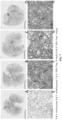
- mice were euthanized at the end of study. At the end of study, both lungs were collected from 15 surviving animals in each group (6 in the normal group) and fixed by formalin perfusion. Histological sections were made, stained with Masson, imaged ( FIGs. 7A-H ), and graded by pulmonary fibrosis scores. Pathological staining results are shown in FIG. 7 , where black arrows indicate intact alveolar structures and the dark interstitial parts indicate collagen accumulation.
- the results of the pulmonary fibrosis staining scoring suggest that 28H1-Trap can reduce fibrotic lesions in the lungs at a high dose as compared to the modeling group.
- the results of the pulmonary fibrosis grading (Ashcroft scoring), as shown in FIG. 8B , suggest that 28H1-Trap reduced the pulmonary fibrotic lesions in a dose-dependent manner as compared to the modeling group.
- mice C57BL/6J mice (Shanghai Jihui Laboratory Animal Care Co., Ltd.) aged 8-9 weeks were randomized by weight.
- day 0 the mice in groups 2-4 were anesthetized with isoflurane.
- the abdominal cavity was opened along the ventral midline, and the left ureter of the animal was ligated.
- the abdomen was closed and the skin was sutured.
- the treatment was given intraperitoneally on the day of modeling.
- the animals in group 1 were anesthetized with isoflurane.
- the abdominal cavity was opened along the ventral midline and closed immediately, and the skin was sutured.
- the treatments were given intraperitoneally once every other day, and the body weight was measured once every two days.
- the animals were given an I.P. injection of the test substance on days 0, 2, 4, 6, and 8, and the animals were given the analgesic meloxicam subcutaneously on days 1-3.
- the body weight was recorded daily.
- the kidney on the UUO side were scored for fibrosis by Masson staining.
- the animals were anesthetized with sodium pentobarbital and anatomized.
- the abdominal cavity was opened along the ventral midline after the complete anesthesia was confirmed, and the peripheral blood was collected from the inferior vena cava.
- the chest cavity was open along the thoracic diaphragm muscle and the costal cartilage to expose the heart, and the inferior vena cava was separated and blocked.
- Precooled normal saline was infused through the left ventricle for whole body perfusion.
- the kidney at the UUO side was taken after it faded.
- the perinephric membrane was carefully peeled off, the kidney was divided into a left half and a right half along the renal hilum.
- the pathological results ( FIG. 9 ) and the kidney fibrosis score ( FIG. 10 ) by Masson staining indicate that the test substance 28H1-Trap has a significant dose-dependent ameliorative effect on the fibrosis in the renal cortex of the kidney.
Landscapes
- Health & Medical Sciences (AREA)
- Life Sciences & Earth Sciences (AREA)
- Chemical & Material Sciences (AREA)
- Genetics & Genomics (AREA)
- Organic Chemistry (AREA)
- Engineering & Computer Science (AREA)
- Molecular Biology (AREA)
- General Health & Medical Sciences (AREA)
- Medicinal Chemistry (AREA)
- Biophysics (AREA)
- Biomedical Technology (AREA)
- Bioinformatics & Cheminformatics (AREA)
- Biochemistry (AREA)
- Zoology (AREA)
- Biotechnology (AREA)
- Immunology (AREA)
- Proteomics, Peptides & Aminoacids (AREA)
- Wood Science & Technology (AREA)
- General Engineering & Computer Science (AREA)
- Physics & Mathematics (AREA)
- General Chemical & Material Sciences (AREA)
- Toxicology (AREA)
- Gastroenterology & Hepatology (AREA)
- Plant Pathology (AREA)
- Microbiology (AREA)
- Chemical Kinetics & Catalysis (AREA)
- Cell Biology (AREA)
- Nuclear Medicine, Radiotherapy & Molecular Imaging (AREA)
- Pharmacology & Pharmacy (AREA)
- Animal Behavior & Ethology (AREA)
- Public Health (AREA)
- Veterinary Medicine (AREA)
- Peptides Or Proteins (AREA)
Applications Claiming Priority (2)
| Application Number | Priority Date | Filing Date | Title |
|---|---|---|---|
| CN202210935307 | 2022-08-03 | ||
| PCT/CN2023/110800 WO2024027771A1 (zh) | 2022-08-03 | 2023-08-02 | 靶向FAP和TGFβ的抗体融合蛋白及其用途 |
Publications (1)
| Publication Number | Publication Date |
|---|---|
| EP4578877A1 true EP4578877A1 (de) | 2025-07-02 |
Family
ID=89848523
Family Applications (1)
| Application Number | Title | Priority Date | Filing Date |
|---|---|---|---|
| EP23849475.1A Pending EP4578877A1 (de) | 2022-08-03 | 2023-08-02 | Antikörperfusionsprotein zum targeting von fap und tgf-beta und verwendung davon |
Country Status (4)
| Country | Link |
|---|---|
| EP (1) | EP4578877A1 (de) |
| CN (1) | CN119604540A (de) |
| TW (1) | TW202413443A (de) |
| WO (1) | WO2024027771A1 (de) |
Families Citing this family (1)
| Publication number | Priority date | Publication date | Assignee | Title |
|---|---|---|---|---|
| WO2025140212A1 (en) * | 2023-12-26 | 2025-07-03 | Laekna Therapeutics Shanghai Co., Ltd. | Multispecific binding agents comprising anti-fibroblast activation protein (fap) antibodies and one or more monovalent ligand traps and uses thereof |
Family Cites Families (6)
| Publication number | Priority date | Publication date | Assignee | Title |
|---|---|---|---|---|
| EP0953639A1 (de) * | 1998-04-30 | 1999-11-03 | Boehringer Ingelheim International GmbH | FAPalpha-spezifischer Antikörper mit verbesserter Produzierbarkeit |
| HUE036077T2 (hu) * | 2010-08-13 | 2018-06-28 | Roche Glycart Ag | Anti-FAP ellenanyagok és alkalmazásukra szolgáló eljárások |
| US11111305B2 (en) * | 2017-01-09 | 2021-09-07 | Torch Therapeutics | Method of using a bispecific antibody to conditionally inhibit a receptor signaling complex |
| AU2018264455B2 (en) * | 2017-05-12 | 2024-12-12 | Jiangsu Hengrui Medicine Co., Ltd. | Fusion protein containing TGF-beta receptor and medicinal uses thereof |
| CN115768522A (zh) * | 2020-06-04 | 2023-03-07 | Y-单克隆抗体制药有限公司 | 用于癌症治疗的抗b7h3抗体 |
| US20230365653A1 (en) * | 2020-07-24 | 2023-11-16 | Mabwell (shanghai) Bioscience Co., Ltd. | Tgf-beta rii mutant and fusion protein thereof |
-
2023
- 2023-08-02 EP EP23849475.1A patent/EP4578877A1/de active Pending
- 2023-08-02 CN CN202380056980.4A patent/CN119604540A/zh active Pending
- 2023-08-02 WO PCT/CN2023/110800 patent/WO2024027771A1/zh not_active Ceased
- 2023-08-04 TW TW112129429A patent/TW202413443A/zh unknown
Also Published As
| Publication number | Publication date |
|---|---|
| CN119604540A (zh) | 2025-03-11 |
| TW202413443A (zh) | 2024-04-01 |
| WO2024027771A1 (zh) | 2024-02-08 |
Similar Documents
| Publication | Publication Date | Title |
|---|---|---|
| EP4296286A1 (de) | Trispezifischer anti-gprc5d-xbcma-xcd3-antikörper und verwendung davon | |
| EP4169947A1 (de) | Anti-claudin18.2-antikörper und verwendung davon | |
| TWI487535B (zh) | 類鐸受體3(toll like receptor3)拮抗劑,方法及用途 | |
| US11912777B2 (en) | Antibodies binding TNFR2 and uses thereof | |
| KR20120075457A (ko) | 톨-유사 수용체 2에 대한 인간화 항체 및 이의 용도 | |
| AU2021352532B2 (en) | Anti-claudin18.2 and cd3 bispecific antibody and use thereof | |
| EP4582445A1 (de) | Anti-human-komplement-c5-antikörper und fusionsprotein davon | |
| KR20230146591A (ko) | 신규 항pad4 항체 | |
| US9587015B2 (en) | Anti-human CTGF antibody | |
| US12459993B2 (en) | Anti-alpha-synuclein antibodies and uses thereof | |
| RS62884B1 (sr) | Antitela protiv il-22r | |
| EP4578877A1 (de) | Antikörperfusionsprotein zum targeting von fap und tgf-beta und verwendung davon | |
| US12583940B2 (en) | Monoclonal antibody which targets TFPI | |
| WO2025261506A1 (zh) | 抗Nectin-4抗体以及其用途 | |
| EP4624492A1 (de) | Anti-ccr8-antikörper und verwendung davon | |
| EP4617287A1 (de) | Komplementhemmende hybridproteinmutante und antikörperfusionsprotein davon | |
| CN117903313B (zh) | 一种抗iars抗体及其应用 | |
| US20240262899A1 (en) | Anti-cith3 antibodies and uses thereof | |
| CN113164601B (zh) | 一种分离的抗原结合蛋白及其用途 | |
| WO2025113639A1 (zh) | 抗gdf15的抗体及其方法和用途 | |
| AU2024336211A1 (en) | Anti-bdca-2 specific antibody and use thereof | |
| WO2024245342A1 (zh) | 一种靶向tem8的抗体或其抗原结合片段及其应用 | |
| AU2024322975A1 (en) | Anti-ox40l antibody and use thereof | |
| WO2022228514A1 (zh) | 抗人白血病抑制因子抗体及其用途 | |
| WO2025067442A1 (zh) | 抗fgfr2抗体和包含其的多特异性结合分子 |
Legal Events
| Date | Code | Title | Description |
|---|---|---|---|
| STAA | Information on the status of an ep patent application or granted ep patent |
Free format text: STATUS: THE INTERNATIONAL PUBLICATION HAS BEEN MADE |
|
| PUAI | Public reference made under article 153(3) epc to a published international application that has entered the european phase |
Free format text: ORIGINAL CODE: 0009012 |
|
| STAA | Information on the status of an ep patent application or granted ep patent |
Free format text: STATUS: REQUEST FOR EXAMINATION WAS MADE |
|
| 17P | Request for examination filed |
Effective date: 20250515 |
|
| AK | Designated contracting states |
Kind code of ref document: A1 Designated state(s): AL AT BE BG CH CY CZ DE DK EE ES FI FR GB GR HR HU IE IS IT LI LT LU LV MC ME MK MT NL NO PL PT RO RS SE SI SK SM TR |
|
| DAV | Request for validation of the european patent (deleted) | ||
| DAX | Request for extension of the european patent (deleted) |