EP4582441A2 - Multimere polypeptide und verwendungen davon - Google Patents
Multimere polypeptide und verwendungen davon Download PDFInfo
- Publication number
- EP4582441A2 EP4582441A2 EP24219623.6A EP24219623A EP4582441A2 EP 4582441 A2 EP4582441 A2 EP 4582441A2 EP 24219623 A EP24219623 A EP 24219623A EP 4582441 A2 EP4582441 A2 EP 4582441A2
- Authority
- EP
- European Patent Office
- Prior art keywords
- polypeptide
- glp
- multimeric
- multimeric polypeptide
- gip
- Prior art date
- Legal status (The legal status is an assumption and is not a legal conclusion. Google has not performed a legal analysis and makes no representation as to the accuracy of the status listed.)
- Pending
Links
Images

















Classifications
-
- C—CHEMISTRY; METALLURGY
- C07—ORGANIC CHEMISTRY
- C07K—PEPTIDES
- C07K14/00—Peptides having more than 20 amino acids; Gastrins; Somatostatins; Melanotropins; Derivatives thereof
- C07K14/435—Peptides having more than 20 amino acids; Gastrins; Somatostatins; Melanotropins; Derivatives thereof from animals; from humans
- C07K14/575—Hormones
- C07K14/605—Glucagons
-
- A—HUMAN NECESSITIES
- A61—MEDICAL OR VETERINARY SCIENCE; HYGIENE
- A61K—PREPARATIONS FOR MEDICAL, DENTAL OR TOILETRY PURPOSES
- A61K47/00—Medicinal preparations characterised by the non-active ingredients used, e.g. carriers or inert additives; Targeting or modifying agents chemically bound to the active ingredient
- A61K47/50—Medicinal preparations characterised by the non-active ingredients used, e.g. carriers or inert additives; Targeting or modifying agents chemically bound to the active ingredient the non-active ingredient being chemically bound to the active ingredient, e.g. polymer-drug conjugates
- A61K47/51—Medicinal preparations characterised by the non-active ingredients used, e.g. carriers or inert additives; Targeting or modifying agents chemically bound to the active ingredient the non-active ingredient being chemically bound to the active ingredient, e.g. polymer-drug conjugates the non-active ingredient being a modifying agent
- A61K47/62—Medicinal preparations characterised by the non-active ingredients used, e.g. carriers or inert additives; Targeting or modifying agents chemically bound to the active ingredient the non-active ingredient being chemically bound to the active ingredient, e.g. polymer-drug conjugates the non-active ingredient being a modifying agent the modifying agent being a protein, peptide or polyamino acid
- A61K47/64—Drug-peptide, drug-protein or drug-polyamino acid conjugates, i.e. the modifying agent being a peptide, protein or polyamino acid which is covalently bonded or complexed to a therapeutically active agent
-
- A—HUMAN NECESSITIES
- A61—MEDICAL OR VETERINARY SCIENCE; HYGIENE
- A61K—PREPARATIONS FOR MEDICAL, DENTAL OR TOILETRY PURPOSES
- A61K9/00—Medicinal preparations characterised by special physical form
- A61K9/0012—Galenical forms characterised by the site of application
- A61K9/0019—Injectable compositions; Intramuscular, intravenous, arterial, subcutaneous administration; Compositions to be administered through the skin in an invasive manner
-
- A—HUMAN NECESSITIES
- A61—MEDICAL OR VETERINARY SCIENCE; HYGIENE
- A61P—SPECIFIC THERAPEUTIC ACTIVITY OF CHEMICAL COMPOUNDS OR MEDICINAL PREPARATIONS
- A61P3/00—Drugs for disorders of the metabolism
- A61P3/04—Anorexiants; Antiobesity agents
-
- A—HUMAN NECESSITIES
- A61—MEDICAL OR VETERINARY SCIENCE; HYGIENE
- A61P—SPECIFIC THERAPEUTIC ACTIVITY OF CHEMICAL COMPOUNDS OR MEDICINAL PREPARATIONS
- A61P3/00—Drugs for disorders of the metabolism
- A61P3/08—Drugs for disorders of the metabolism for glucose homeostasis
-
- C—CHEMISTRY; METALLURGY
- C07—ORGANIC CHEMISTRY
- C07K—PEPTIDES
- C07K14/00—Peptides having more than 20 amino acids; Gastrins; Somatostatins; Melanotropins; Derivatives thereof
- C07K14/435—Peptides having more than 20 amino acids; Gastrins; Somatostatins; Melanotropins; Derivatives thereof from animals; from humans
- C07K14/46—Peptides having more than 20 amino acids; Gastrins; Somatostatins; Melanotropins; Derivatives thereof from animals; from humans from vertebrates
- C07K14/47—Peptides having more than 20 amino acids; Gastrins; Somatostatins; Melanotropins; Derivatives thereof from animals; from humans from vertebrates from mammals
- C07K14/4701—Peptides having more than 20 amino acids; Gastrins; Somatostatins; Melanotropins; Derivatives thereof from animals; from humans from vertebrates from mammals not used
- C07K14/4722—G-proteins
-
- C—CHEMISTRY; METALLURGY
- C07—ORGANIC CHEMISTRY
- C07K—PEPTIDES
- C07K14/00—Peptides having more than 20 amino acids; Gastrins; Somatostatins; Melanotropins; Derivatives thereof
- C07K14/435—Peptides having more than 20 amino acids; Gastrins; Somatostatins; Melanotropins; Derivatives thereof from animals; from humans
- C07K14/575—Hormones
-
- C—CHEMISTRY; METALLURGY
- C07—ORGANIC CHEMISTRY
- C07K—PEPTIDES
- C07K14/00—Peptides having more than 20 amino acids; Gastrins; Somatostatins; Melanotropins; Derivatives thereof
- C07K14/435—Peptides having more than 20 amino acids; Gastrins; Somatostatins; Melanotropins; Derivatives thereof from animals; from humans
- C07K14/705—Receptors; Cell surface antigens; Cell surface determinants
-
- A—HUMAN NECESSITIES
- A61—MEDICAL OR VETERINARY SCIENCE; HYGIENE
- A61K—PREPARATIONS FOR MEDICAL, DENTAL OR TOILETRY PURPOSES
- A61K38/00—Medicinal preparations containing peptides
-
- C—CHEMISTRY; METALLURGY
- C07—ORGANIC CHEMISTRY
- C07K—PEPTIDES
- C07K2319/00—Fusion polypeptide
-
- C—CHEMISTRY; METALLURGY
- C07—ORGANIC CHEMISTRY
- C07K—PEPTIDES
- C07K2319/00—Fusion polypeptide
- C07K2319/30—Non-immunoglobulin-derived peptide or protein having an immunoglobulin constant or Fc region, or a fragment thereof, attached thereto
-
- C—CHEMISTRY; METALLURGY
- C07—ORGANIC CHEMISTRY
- C07K—PEPTIDES
- C07K2319/00—Fusion polypeptide
- C07K2319/31—Fusion polypeptide fusions, other than Fc, for prolonged plasma life, e.g. albumin
Definitions
- Described herein are multimeric polypeptides comprising at least one G-coupled polypeptide receptor (GPCR) ligand for treatment of various conditions and diseases.
- GPCR G-coupled polypeptide receptor
- GPCRs G-protein coupled receptors
- the primary function of GPCRs is the transduction of extracellular stimuli into intracellular signals.
- GPCRs undertake a plethora of essential physiological functions and are targets for numerous approved drugs and those under development. Currently, approximately thirty to forty percent of marketed pharmaceuticals target GPCRs.
- a multimeric polypeptide comprising:
- the multimeric polypeptide comprises two, three, four, five, or at least six polypeptide units. In some embodiments, each of the polypeptide units comprises a different amino acid sequence from each of the other polypeptide units. In some embodiments, at least one of the polypeptide units comprises the same amino acid sequence as another polypeptide unit.
- the linker moiety comprises a polymer linker. In some embodiments, the linker moiety comprises an alpha amino acid, a beta-amino acid or a gamma-amino acid. In some embodiments, the linker moiety comprises a D-amino acid. In some embodiments, the linker moiety comprises an ethylene glycol oligomer.
- the linker moiety comprises one or more independent PEG4, PEG8, PEG20, 2x(GGGGS), 4x(GGGGS), 8xG, GSAGSAAGSGEF, A-(EAAAK)-A, A-3x(EAAAK)-A, 7x(AP), KESGSVSSEQLAQFRSLD or EGKSSGSGSESKST.
- the multimeric polypeptide comprising at least one non-peptidic molecule is covalently linked to any portion of any of the polypeptide units or the linker moiety.
- the non-peptidic molecule is linked by an amido-PEG-acid or maleimide-PEG-acid.
- the at least one non-peptidic molecule is a sodium-glucose cotransporter-2 (SGLT-2) inhibitor. In some embodiments, the at least one non-peptidic molecule is a lipid, albumin or antibody. In some embodiments, the at least one non-peptidic molecule is a lipid. In some embodiments, the lipid is bound to a lysine.
- SGLT-2 sodium-glucose cotransporter-2
- At least one polypeptide comprises at least one modified amino acid, wherein the modification is any of acetylation, amidation, C-linked glycosylation, citrullination, crotonylation, formylation, glutarylation, glutathionylation, hydroxylation, lipidation, malonylation, methylation, myristoylation, N-linked glycosylation, O-linked glycosylation, oxidation, palmitoylation, phosphorylation, pyrrolidone carboxylic acid, S-nitrosylation, sulfation, or sumoylation.
- the modification is any of acetylation, amidation, C-linked glycosylation, citrullination, crotonylation, formylation, glutarylation, glutathionylation, hydroxylation, lipidation, malonylation, methylation, myristoylation, N-linked glycosylation, O-linked glycosylation, oxidation, palmitoylation, phosphorylation,
- At least one of the polypeptide units is N-terminus acetylated.
- At least one of the polypeptide units comprises one or more non-canonical amino acid.
- the non-canonical amino acid is 2-aminoisobutyric acid.
- the SGLT-2 inhibitor is represented by Formula XIII wherein
- the GPCR ligand is to GLP-1R, GIPR, or CRLR.
- the multimeric polypeptide comprises polypeptide sequences with greater than about 70% sequence homology to the respective native GPCR ligand.
- the multimeric polypeptide comprises polypeptide sequences of:
- the GLP-1 polypeptide unit comprises a peptide with at least about 70% sequence homology to Ac-HXEGT FTSDV SSYLE GQAAK EFIAW LVKGR G; wherein Ac refers to an N-terminal acetyl, X refers to 2-aminoisobutyric acid or alanine, and K refers to an optionally lipidated lysine residue.
- the GLP-1 polypeptide unit comprises: Ac-HAEGTFTSDVSSYLEGQAAKEFIAWLVKGR.
- the GLP-1 polypeptide unit comprises: H[Aib]EGTFTSDVSSYLEGQAAKEFIAWLVKGR.
- the GLP-1 polypeptide unit comprises: HAEGTFTSDVSSYLEGQAAKEFIAWLVKGR.
- the pharmaceutical composition comprises 0.05% polysorbate-80. In some embodiments, the pharmaceutical composition comprises 50 mM sodium phosphate. In some embodiments, the pharmaceutical composition comprises 70 mM sodium chloride. In some embodiments, the pharmaceutical composition is at a pH of 7.4.
- the pharmaceutical composition comprises 0.05% polysorbate-80, 50 mM sodium phosphate, and 70 mM sodium chloride at a of pH 7.4.
- a method for modulating at least one GPCR in a subject comprising administering to the subject a multimeric polypeptide as disclosed herein or a pharmaceutical composition comprising a multimeric polypeptide as disclosed herein.
- GLP-1R and GIPR are modulated.
- GLP-1R, GIPR and CRLR are modulated.
- a method for treating obesity or type 2 diabetes comprising administering to a subject in need an effective amount of a multimeric polypeptide as disclosed herein or a pharmaceutical composition comprising a multimeric polypeptide as disclosed herein.
- a method for treating obesity and type 2 diabetes comprising administering to a subject in need an effective amount of a multimeric polypeptide as disclosed herein or a pharmaceutical composition comprising a multimeric polypeptide as disclosed herein.
- the binding profile of the secretin receptors is outlined by three binding domains comprising the proximal region and the juxtamembrane region of the N-terminus, as well as the extracellular loops, together with TM6 (see e.g. Odoemelam et al., G-Protein Coupled Receptors: Structure and Function in Drug Discovery. RSC Adv., 10:36337-36348 (2020 )).
- the ligand is thought to activate the receptor by spanning the N terminal and the TMD extracellular loops.
- GPCRs Upon stimulation by an extracellular stimuli (ligand), GPCRs undergo conformational changes, and triggers downstream intracellular signals by coupling with G proteins (or other intracellular proteins such as arrestins).
- a ligand can activate or block an agonist-induced GPCR resulting in agonism or antagonism, respectively, of the receptor signaling.
- a ligand can also be biased towards one signaling pathway over another relative to a reference ligand. This means that receptor activation induced by a biased ligand can result in selective G protein recruitment and reduced arrestin recruitment compared to the endogenous ligand, thereby causing a diverse cellular response. This concept has been shown for several agonists targeting the GLP-1R, such as the Val8-GLP-1 and several variants of exendin 4.
- GPCRs for medicinal uses continue to expand in the past decades.
- these agents include exogenous small molecules such as traditionally developed synthetic organics, natural products, and inorganics. Additionally, these targeting agents can be biologicals such as peptides, antibodies, and metabolites.
- a number of peptide drugs have been approved recently, with many more in different stages of clinical development (see e.g. Yang et al., G-Protein Coupled Receptors: Structure- and Function-Based Drug Discovery. Signal Transduct. Target Ther., 6:7 (2021 )).
- Naturally occurring peptides have been continually discovered from plants, animals, fungi, and bacteria.
- peptides Although they act as efficient chemical messengers to modulate cellular functions, these peptides suffer from unfavorable pharmacokinetic and pharmacodynamics properties, such as very short plasma half-lives and low plasma protein binding. Therefore, chemical modifications are required to promote the membrane permeability, brain penetration, and oral bioavailability. Available strategies include peptide cyclization, N-methylation, palmitoylation, unnatural amino acid insertion, peptide-small molecule conjugation, and peptide self-assembly.
- the present disclosure provides two or more same or different polypeptide GPCR ligands on a single molecule by use of one or more linkers, providing one or more improved features.
- the two or more same or different polypeptide GPCR ligands are among those described below, but the disclosure is not so limiting and embraces any other GPCR ligands.
- Multimeric polypeptides disclosed herein may comprise one or more ligands of GLP-1R.
- the glucagon-like peptide-1 receptor was first identified by radioligand binding experiments and measurements of cyclic AMP accumulation using a rat insulinoma cell line.
- the human GLP-1R is located on chromosome 6 (6p21).
- the GLP-1R sequence contains a large hydrophilic extracellular domain and seven hydrophobic transmembrane domains.
- the GLP-1R protein has three potential N-linked glycosylation sites, and glycosylation may modulate receptor function.
- the GLP-1R is expressed in lung; kidney; stomach; heart; intestine; ⁇ , ⁇ , and d cells of the pancreatic islets; and multiple regions of the central nervous system. It consists of three domains: the extracellular N-terminus, the transmembrane core domain, and an intracellular C-terminal domain.
- the large N-terminus binds the C-terminus of the GLP-1 peptide, while the transmembrane domain binds the N-terminus of the GLP-1 peptide.
- the GLP-1R is activated by a two-step binding mechanism upon binding of their endogenous ligands.
- the ligand binding to the receptor is initiated by an interaction of the extra-cellular domain of the receptor with the C-terminal alpha helical part of the ligand. Then the ligand N-terminus is docked into the transmembrane domain of the receptor. This results in receptor activation and downstream signaling e.g. through G proteins.
- GLP-1R activation leads to c-SRC kinase-mediated transactivation of the epidermal growth factor tyrosine kinase receptor (EGFR).
- EGFR epidermal growth factor tyrosine kinase receptor
- PI3K which activates AKT/PK
- Foxo1 Phosphorylated Foxo1 can inactivate PDX-1, which in murine beta cells, has been demonstrated to lead to anti-apoptotic effects.
- beta arrestin 1 binds to the GLP-1R upon activation by GLP-1 where the conformational receptor changes initiate phosphorylation of transmembrane helix 7 by G protein-coupled receptor kinases (GRKs) resulting in recruitment of beta arrestins.
- GRKs G protein-coupled receptor kinases
- the beta arrestin recruitment results in ERK1/2 activation, beta cell proliferative and insulin secretion.
- beta arrestin 1 also plays a role in receptor desensitization by at least two mechanisms: binding to the receptor and, thus, preventing G protein recruitment and by promoting receptor trafficking by internalization and recycling, although arrestin-independent internalization of the GLP-1R has been reported.
- GLP-1 was first identified in the early 1980s, following the cloning of the proglucagon gene.
- GLP-1 is a 30- or 31-amino-acid-long peptide hormone deriving from the tissue-specific posttranslational processing of the proglucagon peptide.
- the initial product GLP-1 (1-37) is susceptible to amidation and proteolytic cleavage, which gives rise to the two truncated and equipotent biologically active forms, GLP-1 (7-36) amide and GLP-1 (7-37).
- Active GLP-1 protein secondary structure includes two ⁇ -helices from amino acid position 13-20 and 24-35 separated by a linker region. Such peptides or variants thereof independently may be a component or components of a multimeric polypeptide disclosed herein.
- GLP-1 Endogenous GLP-1 is rapidly degraded primarily by dipeptidyl peptidase-4 (DPP-4), as well as neutral endopeptidase 24.11 (NEP 24.11) and renal clearance, resulting in a half-life of approximately 2 minutes. Consequently, only 10-15 % of GLP-1 reaches circulation intact, leading to fasting plasma levels of only 0-15 pmol/L.
- DPP-4 dipeptidyl peptidase-4
- NEP 24.11 neutral endopeptidase 24.11
- GLP-1 receptor agonists and DPP-4 inhibitors have been developed to increase GLP-1 activity.
- GLP-1-based treatment has been associated with weight loss and a lower risk of hypoglycemia, two important considerations for patients with type 2 diabetes.
- GLP-1 possesses several physiological properties making it (and its functional analogs) a subject of intensive investigation as a potential treatment of diabetes mellitus, as these actions induce long-term improvements along with the immediate effects.
- the most noteworthy effect of GLP-1 is its ability to promote insulin secretion in a glucose-dependent manner. Additionally, GLP-1 ensures the ⁇ cell insulin stores are replenished to prevent exhaustion during secretion by promoting insulin gene transcription, mRNA stability and biosynthesis. In addition to enhancing insulin secretion, GLP-1 has been shown to inhibit glucagon secretion at glucose levels above fasting levels.
- GLP-1 receptor activation has been linked with neurotrophic effects including neurogenesis and neuroprotective effects including reduced necrotic and apoptotic signaling, cell death, and dysfunctions.
- GLP-1 receptor agonist treatment is associated with protection against a range of experimental disease models such as Parkinson's disease, Alzheimer's disease, stroke, traumatic brain injury, and multiple sclerosis.
- GLP-1R agonists include, but are not limited to, dulaglutide, exenatide, liraglutide, fixisenatide, and semaglutide.
- Dulaglutide is a GLP-1(7-37) polypeptide covalently linked to an Fc fragment of human IgG4, approved by FDA in 2014.
- Exenatide is a 39-amino-acid synthetic version of exendin-4, approved for use in U.S. in 2005.
- Liraglutide is an acylated GLP-1R agonist derived from human GLP-1(7-37), approved for use in U.S. in 2010.
- Lixisenatide is a 44-amino-acid polypeptide derived from exendin-4, approved by FDA in 2016.
- GLP-1R agonists mimic the action of GLP-1.
- these drugs stimulate the body to produce more insulin. The extra insulin helps lower blood sugar levels.
- These type 2 diabetes drugs not only improve blood sugar control but may also lead to weight loss.
- GIP is a 42-amino acid peptide secreted by enteroendocrine K cells located in the duodenum and proximal jejunum. It is a member of the incretin family mediating increases of insulin secretion prior to the postabsorptive nutrient-induced increase in blood glucose. GIP levels rise immediately after nutrient ingestion, leading to modest inhibitory effects on gastric acid secretion and gastrointestinal motility.
- GIP is structurally related to the secretin family of gastrointestinal regulatory polypeptides, which includes secretin, glucagon, glucagon-like peptides (GLP-1 and GLP-2), vasoactive intestinal peptide (VIP), peptide histidine isoleucine, growth hormone-releasing factor, and pituitary adenylate cyclase-activating polypeptide.
- GIP is derived from post-translational processing of pre-pro-GIP, a protein consisting of 153 amino acids. GIP is inactivated by the enzyme dipeptidyl-peptidase IV (DPP-4).
- DPP-4 dipeptidyl-peptidase IV
- DPP-4 dipeptidylpeptidase-4
- linagliptin, saxagliptin, and sitagliptin dipeptidylpeptidase-4 inhibitors
- sitagliptin dipeptidylpeptidase-4 substrates
- Any such peptides or variants thereof may be a component or independently components of a multimeric polypeptide disclosed herein.
- GIPR monoagonists Long-acting GIPR monoagonists have been found to reduce body weight in obese mice ( Mroz et al., Optimized GIP Analogs Promote Body Weight Lowering In Mice Through GIPR Agonism Not Antagonism. Mol. Metab. 20:51-62 (2019 )).
- Non-acylated, 2-aminoisobutyric acid substituted analogs derived from human GIP sequence showed full in vitro potency at human GIPR without cross-reactivity at GLP-1R.
- These GIPR agonists lowered acute blood glucose in wild-type and Glp1r- / - mice, and this effect was absent in Gipr- / - mice, which confirmed selectivity towards GIPR.
- the GIP agonist is a peptide having the sequence YXEGT FISDY SIAMD KIHQQ DFVNW LLAQK GKKND WKHNI TQ ;wherein X refers to 2-aminoisobutyric acid or alanine, and K refers to an optionally lipidated lysine residue.
- the GIP agonist peptide is YAEGTFISDYSIAMDKIHQQDFVNWLLAWKGKKNDWKHNITQ, or Ac-YAEGTFISDYSIAMDKIHQQDFVNWLLAWKGKKNDWKHNITQ.
- the polypeptide units is N-terminus acetylated. In some embodiments, the polypeptide comprises one or more non-canonical amino acid, such as 2-aminoisobutyric acid. In another embodiment, any of the polypeptide units comprises one or more lipidated lysine residues.
- CLR or CRLR CALCITONIN RECEPTOR-LIKE RECEPTOR
- Multimeric polypeptides disclosed herein may comprise one or more ligands of CLR or CRLR.
- CT calcitonin
- AM adrenomedullin
- ⁇ CGRP two distinct forms of calcitonin gene-related peptide
- AM2 also known as intermedin.
- These peptides range from 32 to 52 amino acids in length and are responsible for a diverse array of functions. Consequently, their receptors have therapeutic relevance for many conditions, which include osteoporosis, diabetes, obesity, lymphatic insufficiency, migraine and cardiovascular disease.
- CTR calcitonin receptor
- CLR calcitonin receptor-like receptor
- RAMPs receptor activity-modifying proteins
- RAMP association with the CTR or with CLR generates multiple distinct receptor phenotypes with different specificities for the CT peptide family.
- CLR together with RAMP1 forms the CGRP receptor.
- two AM receptors are formed by CLR and RAMP2 or RAMP3 respectively.
- CTR forms amylin receptors with RAMPs, the AMY receptor.
- CTR and CLR associate with RAMPs, they share common characteristics with other family B GPCRs. They possess a large N-terminal extracellular domain (ECD), three extracellular loops (ECL1, ECL2, ECL3), seven transmembrane (TM) domains, three intracellular loops (ICL1, ICL2, and ICL3) and an intracellular C-terminus.
- ECD extracellular domain
- ECL1, ECL2, ECL3 extracellular loops
- TM transmembrane domains
- ICL1, ICL2, and ICL3 intracellular loops
- CTR and CLR oligomerize with RAMPs and this is essential for the formation of CGRP, AM and AMY receptors.
- the role of RAMPs has been extensively studied and the contacts between the extracellular domains of CLR and RAMP1 have been reported.
- CLR and RAMP1 form 1:1 heterodimers, consistent with an earlier crosslinking study of full-length receptors.
- a bimolecular fluorescence complementation with BRET approach suggested the CGRP receptor contained two CLRs with only one RAMP1. This does not rule out the possibility that two individual RAMP molecules could bind to a CLR dimer.
- Calcitonin gene-related peptide is primarily localized to C and A ⁇ sensory fibers. These fibers display a wide innervation throughout the body, with extensive perivascular localization, and have a dual role in sensory (nociceptive) and efferent (effector) function. CGRP is also localized in non-neuronal tissues, of which less is known at present.
- CGRP The mature form of CGRP is a 37-amino acid peptide with an N-terminal disulfide bond and amidated C terminus. Both regions are required for receptor activation.
- the peptide has an amphiphilic ⁇ -helical structure between residues 8-18, based on nuclear magnetic resonance spectra. This structure is conserved across the six recognized members of the CGRP gene family: calcitonin, ⁇ - and ⁇ -CGRP, amylin, adrenomedullin, and adrenomedullin 2 (also known as intermedin.
- the CGRP receptor is composed of three subunits: calcitonin-like receptor (CLR), receptor activity-modifying protein 1 (RAMP1), and receptor component protein (RCP).
- CLR calcitonin-like receptor
- RAMP1 receptor activity-modifying protein 1
- RCP receptor component protein
- the seven-transmembrane CLR protein requires RAMP1 for both its trafficking to the plasma membrane and its binding to CGRP, and RCP facilitates coupling of G ⁇ s.
- RAMP1 appears to be the rate-limiting subunit of the receptor.
- the CGRP receptor generally activates a cyclic adenosine monophosphate (cAMP)-signaling pathway (although other pathways can be recruited) to modulate gene expression and regulate receptor and ion channel activity.
- cAMP cyclic adenosine monophosphate
- CGRP C-terminal residues are likely to bind a pocket formed by the N-terminal extracellular domain of CLR and RAMP1, followed by binding of N-terminal CGRP residues to the juxtamembrane domain to allow receptor activation.
- CGRP was shown to mediate sympathetic outflow from the brain.
- the major cardiovascular activity of CGRP is its potent vasodilator activity that is obvious when exogenous CGRP is administered at femtomolar doses to the skin of human and animal species. It has been suggested that CGRP may have potential as a therapy for treating cardiovascular diseases, but progress has been limited.
- the sensory fibers that CGRP is contained in are also associated with pain processes, and the development of CGRP antagonists has revealed the pivotal role that CGRP plays in migraine, and with it the therapeutic potential of CGRP receptor antagonists, which has led to a vibrant drug discovery program.
- AM and AM receptors are ubiquitously present in various tissues and are highly expressed in blood vessels. Furthermore, constitutive expression of AM and AM receptors has been confirmed in the heart, kidneys, brain, lungs, and adrenal glands of humans and various animals.
- AM is synthesized as a large preprohormone and processed to proadrenomedullin (proAM), including amino acid residues 22-185, which is then fragmented into four segments, namely, proAM N-terminal 20 peptide (PAMP)-Gly, mid-regional pro-adrenomedullin (MR-proADM, 45-92), AM-Gly, and C-terminal proAM (adrenotensin).
- PAMP and AM are initially processed as intermediate forms (C-terminally glycine-extended forms), which are biologically inactive.
- the C-terminal glycine of these peptides is subsequently amidated by an amidation enzyme, and the peptides are then converted to their mature bioactive forms.
- MR-proADM is a nonbioactive fragment that is stable in the bloodstream and is therefore useful as a biomarker of AM synthesis.
- Such peptides or variants thereof may be a component or independently components of a multimeric polypeptide disclosed herein.
- the receptors for adrenomedullin consist of two different types of molecules, CRLR and chaperone molecules called receptor activity-modifying proteins (RAMPs).
- CRLR + RAMP1 serves as the CGRP receptor
- CRLR + RAMP2 serves as the AM1 receptor
- CRLR + RAMP3 serves as the AM2 receptor.
- AM has equal affinity for both AM1 and AM2 receptors.
- Models have shown that the knockout (KO) of AM is lethal at mid-gestation due to serious vascular abnormalities and causes extreme hydrops.
- CRLR KO in mice is also lethal, but interestingly, CGRP KO mice appear to be normal, and only the KO of RAMP2 causes lethal abnormalities, such as those observed upon the KO of AM.
- calcitonin receptor-like receptor is linked to conditions such as migraine, cardiovascular disease, and inflammatory bowel disease.
- the CRLR cannot act as a cell-surface receptor alone but rather must couple to one of three receptor activity-modifying proteins (RAMPs), forming heterodimeric receptors for the peptides adrenomedullin and calcitonin gene-related peptide.
- the foregoing peptides may have a C-terminal amide.
- the multimeric polypeptide comprises a GLP-1R agonist and a GIPR agonist.
- the multimeric polypeptide comprises a GIPR agonist and a CRL agonist.
- the multimeric polypeptide comprises two GLP-1R agonists.
- the structures of the two GLP-1R agonists may be the same or different.
- the multimeric polypeptide comprises two CRL agonist.
- the structures of the two CRL agonists may be the same or different.
- the multimeric polypeptide comprises two GIPR agonists.
- the structures of the two GIPR agonists may be the same or different.
- the multimeric polypeptide comprises two GLP-1R agonists and a GIPR agonist.
- the multimeric polypeptide comprises two GLP-1R agonists and a CRL agonist.
- the structures of the two GLP-1R agonists may be the same or different.
- the multimeric polypeptide comprises a GLP-1R agonist and two CRL agonists.
- the structures of the two CLR agonists may be the same or different.
- a multimeric polypeptide disclosed herein may further comprise a non-peptidic component covalently bound thereto, such as but not limited to a SGLT2 inhibitor, a lipid, a protein such as albumin, or an immunoglobulin.
- a non-peptidic component covalently bound thereto such as but not limited to a SGLT2 inhibitor, a lipid, a protein such as albumin, or an immunoglobulin.
- the protein extends the half-life of the multimeric polypeptide in vivo.
- the non-peptidic components is covalently linked to the linker as described herein, or to an amino acid on one or more of the polypeptides. In some embodiments, the non-peptidic molecule is linked by an amido-PEG-acid or maleimide-PEG-acid.
- a multimeric polypeptide disclosed herein may further comprise a SGLT2 inhibitor bound thereto.
- the SGLT2 inhibitor may be bound to the linker, or bound to any amino acid in a polypeptide.
- the SGLT-2 inhibitor has a structure of Formula XIII wherein
- the SGLT2 inhibitor is canagliflozin, dapagliflozin, ipragliflozin, tofogliflozin, ertugliflozin, luseogliflozin or empagliflozin.
- Non-limiting examples of SGLT2 inhibitors covalent bound to multivalent polypeptides disclosed herein include Compound B described herein.
- At least one non-peptidic molecule is a lipid.
- Proteins such as Albumin and Immunoglobulin.
- Covalent attachment of a lipid to a polypeptide or linker of a multimeric polypeptide provides benefits such as increased circulating or biologic half-life, resistance to proteolysis and/or degradation, and enhanced biological activity.
- Albumin such as human serum albumin, or an immunoglobulin such as human IgG, may be bound to the linker, or bound to any amino acid in a polypeptide.
- a linker is provided to covalently attach the two or more GCPR ligands and the optional SGLT2 inhibitor, lipid and/or protein.
- the linker comprises a linear or branched structure comprising a plurality of reactive sites that covalently link the at least two polypeptides.
- Such reactive sites may be, by non-limiting example, independently amine, thiol, or halogen reactive sites.
- independently when referring to multiple selections (e.g., polypeptides, reactive sites) means that each selection may be different or the same.
- the plurality of reactive sites of the linker moiety independently comprise one or more azides or alkynes.
- the plurality of reactive sites of the linker moiety comprise one or more orthogonal protecting groups that may be removed independently of other protecting groups.
- the linker comprises a polymer linker.
- the linker comprises an alpha amino acid, a beta-amino acid or a gamma-amino acid.
- the linker moiety comprises a D amino acid.
- the linker moiety comprises an ethylene glycol oligomer.
- the linker comprises a backbone that connects the two or more multimeric polypeptides together, optionally with a further SGLT2 inhibitor, lipid or protein, and wherein the moieties on the linker that link to each polypeptide may also comprise a linker.
- the polypeptides may be bound to the backbone by linkers, and the backbone itself may comprise linkers.
- polymeric, polyamino acid, or other typical linking components may be present both between each polypeptide (and optional SGLT2 inhibitor, lipid and/or protein) and the backbone, and between parts of the backbone.
- linker moiety comprises one or more independent PEG4, PEG8, PEG20, 2x(GGGGS), 4x(GGGGS), 8xG, GSAGSAAGSGEF, A-(EAAAK)-A, A-3x(EAAAK)-A, 7x(AP), KESGSVSSEQLAQFRSLD or EGKSSGSGSESKST.
- a non-peptidic molecule e.g., SGLT2 inhibitor, lipid, protein
- a linker moiety may be covalently linked to any portion of any of the polypeptide units or the linker moiety.
- the non-peptidic molecule is linked by an amido-PEG-acid or maleimide-PEG-acid.
- the linker is covalently bound to each of the polypeptides and/or non-peptidic components of the multimeric polypeptide through known chemistry and coupling means.
- Variations in the linker reagents to facilitate reaction with and binding to the various components of a multimeric polypeptides are embraced herein, such as reactive groups, amines, carboxylic acids, maleimides, among other derivatives and modifications routinely used in linkers.
- the GIP polypeptide unit of the multimeric polypeptide is attached to the linker at the C-terminus of the GIP polypeptide. In some embodiments, the GLP-1 polypeptide unit of the multimeric polypeptide is attached to the linker at the C-terminus of the GLP-1 polypeptide. In some embodiments, the multimeric polypeptide contains a GIP polypeptide unit and a GLP-1 polypeptide unit which are attached to the linker at the C-terminus of the GIP polypeptide and at the -terminus of the GLP-1 polypeptide.
- n is equal to any integer between 1 and 20. In another embodiment, in any of Compound A, Compound B, Compound C, or Compound D, n is equal to 1. In another embodiment, in any of Compound A, Compound B, Compound C, or Compound D, n is equal to 2. In another embodiment, in any of Compound A, Compound B, Compound C, or Compound D, n is equal to 3. In another embodiment, in any of Compound A, Compound B, Compound C, or Compound D, n is equal to 4. In another embodiment, in any of Compound A, Compound B, Compound C, or Compound D, n is equal to 5.
- n is equal to 6. In another embodiment, in any of Compound A, Compound B, Compound C, or Compound D, n is equal to 7. In another embodiment, in any of Compound A, Compound B, Compound C, or Compound D, n is equal to 8. In another embodiment, in any of Compound A, Compound B, Compound C, or Compound D, n is equal to 1. In another embodiment, in any of Compound A, Compound B, Compound C, or Compound D, n is equal to 9. In another embodiment, in any of Compound A, Compound B, Compound C, or Compound D, n is equal to 10.
- n is equal to 11. In another embodiment, in any of Compound A, Compound B, Compound C, or Compound D, n is equal to 12. In another embodiment, in any of Compound A, Compound B, Compound C, or Compound D, n is equal to 13. In another embodiment, in any of Compound A, Compound B, Compound C, or Compound D, n is equal to 14. In another embodiment, in any of Compound A, Compound B, Compound C, or Compound D, n is equal to 15. In another embodiment, in any of Compound A, Compound B, Compound C, or Compound D, n is equal to 16.
- n is equal to 17. In another embodiment, in any of Compound A, Compound B, Compound C, or Compound D, n is equal to 18. In another embodiment, in any of Compound A, Compound B, Compound C, or Compound D, n is equal to 19. In another embodiment, in any of Compound A, Compound B, Compound C, or Compound D, n is equal to 20.
- n is any integer between 1 and 20.
- a multimeric polypeptide represented by Compound A-3 wherein the n of Compound A-3 is 4, 8, or 20. In one embodiment disclosed is a multimeric polypeptide represented by Compound A-3, wherein the n of Compound A-3 is 3, 7, or 19.
- n is any integer selected between 1 and 20.
- a multimeric polypeptide represented by Formula XIV wherein the n of Formula XIV is 4, 8, or 20. In one embodiment disclosed is a multimeric polypeptide represented by Formula XIV, wherein the n of Formula XIV is 3, 7, or 19.
- the linker in any of Formula I through Formula XII is attached at any one or more lysine residues present in the GLP1 or GIP ligand or both the GLP1 and GIP ligand. In another embodiment, the linker in any of Formula I through Formula XII is attached at the lysine 27 position of the GLP-1 (7-37) amino acid sequence.
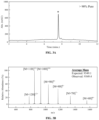
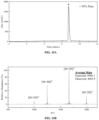
- FIG. 2B shows the mass spectrum of Construct 01.
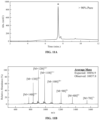
- FIG. 8B shows the mass spectrum of Construct 07.
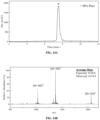
- FIG. 9B shows the mass spectrum of Construct 08.
- FIG. 11B shows the mass spectrum of Construct 10.
- FIG. 13B shows the mass spectrum of Construct 12.
- FIG. 14B shows the mass spectrum of Tirzepatide.
- FIG. 15B shows the mass spectrum of Retatrutide.
- FIG. 16 shows the circular dichroism (CD) spectrum of Construct 01 in water.
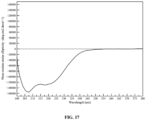
- FIG. 17 shows the circular dichroism (CD) spectrum of Construct 02 in water.
- FIG. 18 shows the circular dichroism (CD) spectrum of Construct 03 in water.
- FIG. 19 shows the circular dichroism (CD) spectrum of Construct 04 in water.
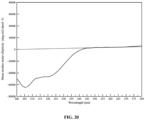
- FIG. 20 shows the circular dichroism (CD) spectrum of Construct 05 in water.
- FIG. 21 shows the circular dichroism (CD) spectrum of Construct 06 in water.
- FIG. 22 shows the circular dichroism (CD) spectrum of Construct 07 in water.
- FIG. 23 shows the circular dichroism (CD) spectrum of Construct 08 in water.
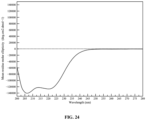
- FIG. 24 shows the circular dichroism (CD) spectrum of Construct 09 in water.
- FIG. 25 shows the circular dichroism (CD) spectrum of Construct 10 in water.
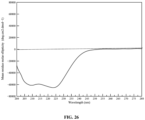
- FIG. 26 shows the circular dichroism (CD) spectrum of Construct 11 in water.
- FIG. 27 shows the circular dichroism (CD) spectrum of Construct 12 in water.
- Table 4 provides the molelcular weight and chemical purity of each of the Constructs 01 through 12 and Tirzepatide. Table 4: M.W. and Chemical Purity Name M.W. Chemical Purity Construct 01 8996 > 90% Construct 02 9349 > 90% Construct 03 10406 > 90% Construct 04 9763 > 80% Construct 05 11024 > 85% Construct 06 9414 > 85% Construct 07 10460 > 80% Construct 08 9728 > 95% Construct 09 11609 > 95% Construct 10 10856 > 75% Construct 11 12402 > 90% Construct 12 11120 > 90% Tirzepatide 4121 > 90%
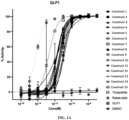
- Constructs 01-12 demonstrated cAMP release comparable to the GLP1 control. Similarly, in the GIPR activation assay, Constructs 01-12 demonstrated cAMP release similar to the GIP control.
- the EC50 for cAMP release for Tirzepatide was in the low picomolar range for the GLP1 receptor and the low nanomolar range for the GIP receptor, respectively.
- the EC50 for cAMP release for Retatrutide was in the femtomolar range for the GLP1 receptor and the high femtomolar range for the GIP receptor, respectively, suggesting positive controls for this experiment worked as expected.
- BXL-801 The present study shows the dose-dependent effects on weight loss, glucose tolerance, and body composition of the branched peptide, hereinafter referred to as BXL-801, in a DIO mouse model.
- the formula of BXL-801 is represented below as Compound A-1.
- BXL-801 is also referred to as Construct 02 in Example 2.
- mice Four groups of diet-induced obesity (DIO) mice were dosed every day subcutaneously for 36 days. There were 8 animals in each group and 4 groups for total of 32 mice. The mice were acclimated for two weeks with 5 mL/kg of vehicle each day. The mice were fed a high fat diet for 2 weeks prior to and throughout the entirety of the study.
- DIO diet-induced obesity
- the average starting body weights for each group were: Group 1: 42.7 g +/- 1.5 g; Group 2: 42.6 g +/- 1.5 g; Group 3: 42.5 g +/- 1.2 g; and Group 4: 42.7 g +/- 1.7 g.
- the dosing for each group was: Group 1: vehicle; Group 2: 1-4 nmol/kg of BXL-801; Group 3: 5-20 nmol/kg of BXL-801; and Group 4: 10-40 nmol/kg of BXL-801.
- the dosing schedule was 1 nmol/kg, 5 nmol/kg, and 10 nmol/kg of BXL-801 for the first 17 days. At day 17, the doses were doubled to 2 nmol/kg, 10 nmol/kg, and 20 nmol/kg of BXL-801, respectively. On day 24 the doses were doubled again to 4 nmol/kg, 20 nmol/kg, and 40 nmol/kg of BXL-801, respectively. The volume of each daily dose administered subcutaneously was 5 mL/kg.
- the vehicle/buffer was 0.05% polysorbate-80, 50 mM sodium phosphate and 70 mM sodium chloride at a pH 7.4.
- BXL-801 was administered in a formulation of .05% polysorbate-80, 50 mM sodium phosphate and 70 mM sodium chloride at a pH 7.4.
- Oral glucose tolerance tests were performed and compared between groups.
- the glucose tolerance test was performed 30 minutes post dosing after 16 hours fasting.
- the pre-glucose was measured via tail vein by using Accu-Chek Guide and then 2 g/kg glucose was administered via PO.
- the body mass composition was taken at the end of the study via Dual-Energy X-ray Absorptiometry (DEXA).
- the data was analyzed with a simple one-way ANOVA followed by Tukey's HSD to identify pairwise differences.
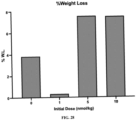
- FIG. 28 shows the average body weight changes in diet-induced obese (DIO) mice over 30 days of BXL-801 treatment.
- vehicle control and three BXL-801 dose ranges (1-4 nmol/kg, 5-20 nmol/kg, and 10-40 nmol/kg). Higher doses demonstrate greater weight loss.
- FIG. 29 shows the correlation of cumulative food intake to weight loss for each treatment group. Higher doses show a greater correlation between food intake and weight loss.
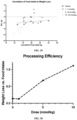
- FIG. 30 shows the weight Loss versus food intake with processing efficiency during the study for each dose group.
- FIG. 30 illustrates the slopes of weight loss vs. food intake regression lines for each dose group. The increasing slope at higher doses suggests improved metabolic efficiency and provides evidence of BXL-801's broader metabolic impact in vivo.
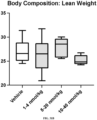
- FIGS. 31A through 31C show the changes in soft weight ( FIG. 31A ), lean weight ( FIG. 31B ), and fat weight ( FIG. 31C ) across four groups, Vehicle, 1-4 nmol/kg of BXL-801, 5-20 nmol/kg of BXL-801, and 10-40 nmol/kg of BXL-801, during the study.
- the body composition data indicated that higher doses of BXL-801 resulted in significant fat loss in the 5-20 nmol/kg and 10-40 nmol/kg groups, while lean mass was preserved or slightly increased.
- FIG. 32 shows the oral glucose tolerance (OGTT) results for diet-induced obese (DIO) mice across four groups: Vehicle (control), 1-4 nmol/kg of BXL-801, 5-20 nmol/kg of BXL-801, and 10-40 nmol/kg of BXL-801.
- Glucose levels (measured as area under the curve, AUC) were significantly reduced in the treated groups compared to the vehicle groups indicating improved glucose tolerance of BXL-801.
- AUC area under the curve
- Oral glucose tolerance test (OGTT) data showed that glucose handling improved significantly in the 1-4 nmol/kg, 5-20 nmol/kg, and 10-40 nmol/kg groups of BXL-801compared to the vehicle group.
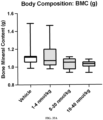
- FIG. 33A shows the bone mineral content (BMC) and FIG. 33B shows bone mineral density (BMD) results from the study for all dosage groups. Even at higher doses, BXL_801 did not negatively impact bone health, as evidenced by stable BMC and BMD values across all groups. These findings suggest that BXL-801 provides effective weight loss while preserving bone integrity, making it a favorable candidate for long-term treatment of obesity and type 2 diabetes.
- Bone mineral content (BMC) and bone mineral density (BMD) were not negatively affected by BXL-801 treatment, even in the higher dose groups.
Landscapes
- Health & Medical Sciences (AREA)
- Chemical & Material Sciences (AREA)
- Life Sciences & Earth Sciences (AREA)
- Organic Chemistry (AREA)
- Medicinal Chemistry (AREA)
- General Health & Medical Sciences (AREA)
- Proteomics, Peptides & Aminoacids (AREA)
- Molecular Biology (AREA)
- Zoology (AREA)
- Genetics & Genomics (AREA)
- Toxicology (AREA)
- Biophysics (AREA)
- Biochemistry (AREA)
- Gastroenterology & Hepatology (AREA)
- Pharmacology & Pharmacy (AREA)
- Bioinformatics & Cheminformatics (AREA)
- Animal Behavior & Ethology (AREA)
- Public Health (AREA)
- Veterinary Medicine (AREA)
- Engineering & Computer Science (AREA)
- Endocrinology (AREA)
- Diabetes (AREA)
- Epidemiology (AREA)
- Hematology (AREA)
- Obesity (AREA)
- Chemical Kinetics & Catalysis (AREA)
- General Chemical & Material Sciences (AREA)
- Nuclear Medicine, Radiotherapy & Molecular Imaging (AREA)
- Child & Adolescent Psychology (AREA)
- Emergency Medicine (AREA)
- Dermatology (AREA)
- Cell Biology (AREA)
- Immunology (AREA)
- Medicines That Contain Protein Lipid Enzymes And Other Medicines (AREA)
- Peptides Or Proteins (AREA)
Applications Claiming Priority (1)
| Application Number | Priority Date | Filing Date | Title |
|---|---|---|---|
| US202363609169P | 2023-12-12 | 2023-12-12 |
Publications (2)
| Publication Number | Publication Date |
|---|---|
| EP4582441A2 true EP4582441A2 (de) | 2025-07-09 |
| EP4582441A3 EP4582441A3 (de) | 2025-09-10 |
Family
ID=93923943
Family Applications (1)
| Application Number | Title | Priority Date | Filing Date |
|---|---|---|---|
| EP24219623.6A Pending EP4582441A3 (de) | 2023-12-12 | 2024-12-12 | Multimere polypeptide und verwendungen davon |
Country Status (2)
| Country | Link |
|---|---|
| US (1) | US20250236656A1 (de) |
| EP (1) | EP4582441A3 (de) |
Family Cites Families (4)
| Publication number | Priority date | Publication date | Assignee | Title |
|---|---|---|---|---|
| KR20070115947A (ko) * | 2005-02-11 | 2007-12-06 | 아밀린 파마슈티칼스, 인크. | 선택가능한 특성들을 가지는 gip 유사체 및 하이브리드폴리펩타이드 |
| US8497240B2 (en) * | 2006-08-17 | 2013-07-30 | Amylin Pharmaceuticals, Llc | DPP-IV resistant GIP hybrid polypeptides with selectable properties |
| US20160185837A1 (en) * | 2013-08-16 | 2016-06-30 | Medimmune Limited | Gip and glp-1 receptor dual-agonists for the treatment of diabetes |
| JP2024525843A (ja) * | 2021-07-16 | 2024-07-12 | ぺプ2タンゴ セラピューティクス インコーポレイテッド | マルチアゴニストペプチドを含む組成物並びに製造及び使用方法 |
-
2024
- 2024-12-12 EP EP24219623.6A patent/EP4582441A3/de active Pending
- 2024-12-12 US US18/978,778 patent/US20250236656A1/en active Pending
Non-Patent Citations (10)
| Title |
|---|
| HENDRIKSE ET AL.: "Identification of Small-Molecule Positive Modulators of Calcitonin-like Receptor-Based Receptors", ACS PHARMACOL. TRANSL. SCI., vol. 3, 2020, pages 305 - 320, XP093210901, DOI: 10.1021/acsptsci.9b00108 |
| KNUDSEN ET AL.: "Small-Molecule Agonists For The Glucagon-Like Peptide 1 Receptor", PNAS U.S.A., vol. 104, 2007, pages 937 - 942, XP055224447, DOI: 10.1073/pnas.0605701104 |
| KUROISHI ET AL.: "Development of a Novel Human Adrenomedullin Derivative: Human Serum Albumin-Conjugated Adrenomedullin", J. BIOCHEM., vol. 170, 2021, pages 445 - 451, XP055895503, DOI: 10.1093/jb/mvab057 |
| MROZ ET AL.: "Optimized GIP Analogs Promote Body Weight Lowering In Mice Through GIPR Agonism Not Antagonism", MOL. METAB., vol. 20, 2019, pages 51 - 62, XP055889212, DOI: 10.1016/j.molmet.2018.12.001 |
| NAGATA ET AL.: "Developments of Human Adrenomedullin-IgG1 Fc Fusion Proteins", J. BIOCHEM., vol. 166, 2019, pages 157 - 162, XP055751904, DOI: 10.1093/jb/mvz023 |
| NAGATA ET AL.: "Polyethylene Glycol-Conjugated Human Adrenomedullin As A Possible Treatment For Vascular Dementia", PEPTIDES, vol. 121, 2019, pages 170133, XP085876689, DOI: 10.1016/j.peptides.2019.170133 |
| NILSSON ET AL.: "Long Acting Analogue of the Calcitonin Gene-Related Peptide Induces Positive Metabolic Effects And Secretion of the Glucagon-Like Peptide-1", EUR J PHARMACOL., vol. 773, 2016, pages 24 - 31, XP029412116, DOI: 10.1016/j.ejphar.2016.01.003 |
| ODOEMELAM ET AL.: "G-Protein Coupled Receptors: Structure and Function in Drug Discovery", RSC ADV., vol. 10, 2020, pages 36337 - 36348 |
| YANG ET AL.: "G-Protein Coupled Receptors: Structure- and Function-Based Drug Discovery", SIGNAL TRANSDUCT. TARGET THER., vol. 6, no. 7, 2021 |
| YANG ET AL.: "Novel Small Molecule Glucagon-Like Peptide-1 Receptor Agonist S6 Stimulates Insulin Secretion From Rat Islets", FRONT PHARMACOL., vol. 12, 2021, pages 664802 |
Also Published As
| Publication number | Publication date |
|---|---|
| EP4582441A3 (de) | 2025-09-10 |
| US20250236656A1 (en) | 2025-07-24 |
Similar Documents
| Publication | Publication Date | Title |
|---|---|---|
| JP6391589B2 (ja) | 官能基化されたエキセンディン−4誘導体 | |
| CN106715466B (zh) | 作为选择性胰高血糖素受体激动剂的毒蜥外泌肽-4衍生物 | |
| CN106459170B (zh) | 衍生自毒蜥外泌肽-4的glp-1/胰高血糖素受体双重激动剂 | |
| JP6612251B2 (ja) | エキセンジン−4に由来するペプチド二重glp−1/グルカゴン受容体アゴニスト | |
| TWI613213B (zh) | 作為雙重glp1/升糖素激動劑之艾塞那肽-4衍生物 | |
| TWI596110B (zh) | 新穎升糖素類似物 | |
| CN105307672B (zh) | 用于医学用途的稳定、延长的glp-1/胰高血糖素受体共激动剂 | |
| CN102918055B (zh) | 新的胰高血糖素类似物 | |
| CN106414486A (zh) | 作为肽性双重glp‑1/胰高血糖素受体激动剂的毒蜥外泌肽‑4衍生物 | |
| TWI901925B (zh) | 雙重澱粉素及降鈣素受體促效劑及其用途 | |
| KR20150023690A (ko) | 엑센딘-4 펩타이드 유사체 | |
| CN102933598A (zh) | 新型胰高血糖素类似物 | |
| AU2021229621B2 (en) | Peptides as selective GIP receptor agonists | |
| CN112898406A (zh) | 不同构型的glp-1类似肽修饰二聚体及其制备方法在治疗ii型糖尿病中的应用 | |
| US20240360194A1 (en) | New Peptides as Potent and Selective GIP Receptor Agonists | |
| EA038073B1 (ru) | Ацилированное инсулиновое соединение | |
| EP4582441A2 (de) | Multimere polypeptide und verwendungen davon |
Legal Events
| Date | Code | Title | Description |
|---|---|---|---|
| PUAI | Public reference made under article 153(3) epc to a published international application that has entered the european phase |
Free format text: ORIGINAL CODE: 0009012 |
|
| STAA | Information on the status of an ep patent application or granted ep patent |
Free format text: STATUS: THE APPLICATION HAS BEEN PUBLISHED |
|
| AK | Designated contracting states |
Kind code of ref document: A2 Designated state(s): AL AT BE BG CH CY CZ DE DK EE ES FI FR GB GR HR HU IE IS IT LI LT LU LV MC ME MK MT NL NO PL PT RO RS SE SI SK SM TR |
|
| PUAL | Search report despatched |
Free format text: ORIGINAL CODE: 0009013 |
|
| AK | Designated contracting states |
Kind code of ref document: A3 Designated state(s): AL AT BE BG CH CY CZ DE DK EE ES FI FR GB GR HR HU IE IS IT LI LT LU LV MC ME MK MT NL NO PL PT RO RS SE SI SK SM TR |
|
| RIC1 | Information provided on ipc code assigned before grant |
Ipc: C07K 14/605 20060101AFI20250805BHEP Ipc: C07K 14/575 20060101ALI20250805BHEP Ipc: C07K 14/705 20060101ALI20250805BHEP Ipc: A61K 38/00 20060101ALI20250805BHEP |
|
| STAA | Information on the status of an ep patent application or granted ep patent |
Free format text: STATUS: REQUEST FOR EXAMINATION WAS MADE |
|
| 17P | Request for examination filed |
Effective date: 20260310 |